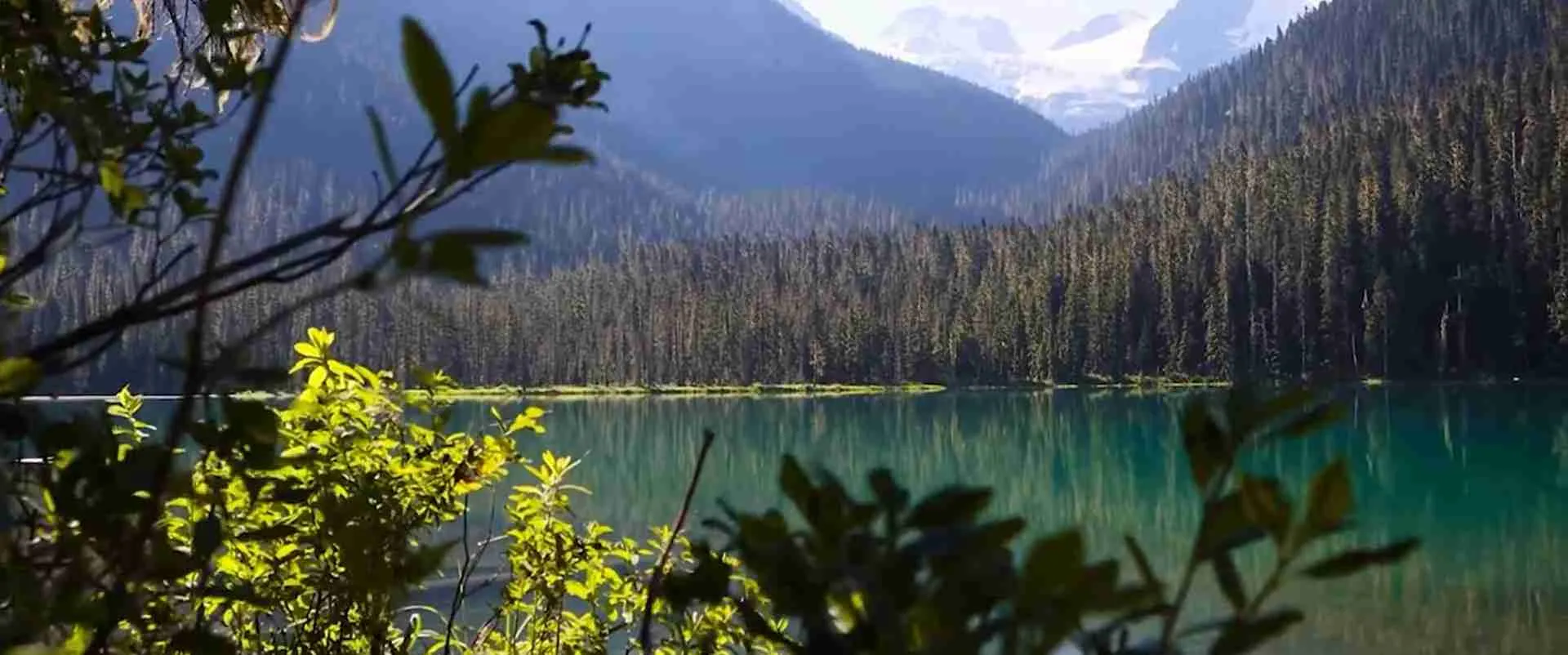
Jasper Travel Guide 2026: Banff Connection Planning Resource
This comprehensive guide provides complete planning information for 2026 visits covering essential logistics from transportation options and accommodation strategies to detailed cost breakdowns and sample itineraries. Whether you’re planning a quick 1-2 day stopover between Edmonton and Banff or an extended week exploring the park’s extensive trail network, understanding seasonal patterns, booking requirements, and budget considerations ensures your Jasper experience proceeds smoothly from arrival to departure.
Key Takeaways:
- Purchase your Parks Canada Discovery Pass before arrival ($148.90 for families, $76.95 for individuals in 2026, check parks.canada.ca for current official rates as pricing may vary) covering entry to both Jasper and Banff national parks
- Book accommodations 6-8 months ahead for summer visits as Jasper’s limited lodging fills completely during peak season – mid-range hotels cost $280-450 per night in summer
- The Icefields Parkway connecting Jasper to Banff ranks among the world’s most scenic drives spanning 232 km through glacier valleys and mountain passes requiring 3-4 hours minimum driving time plus stops
- Budget $300-400 daily for two travelers including accommodation, meals, activities, and transportation covering mid-range travel style with major attractions
- Jasper Dark Sky Preserve offers exceptional stargazing opportunities from October through April – the park hosts the annual Dark Sky Festival every October attracting astronomy enthusiasts worldwide
- Wildlife viewing peaks during early morning (6-9 AM) and evening hours (6-9 PM) along valley roads including Highway 16 east toward Hinton and Highway 93 south on Icefields Parkway
Planning Your Jasper National Park Adventure 2026
Jasper National Park encompasses 11,000 square kilometers of pristine wilderness in the Canadian Rockies, offering dramatic mountain scenery, world-class hiking trails, abundant wildlife, and remarkable dark sky viewing. As Canada’s largest Rocky Mountain national park and part of the Canadian Rocky Mountain Parks UNESCO World Heritage Site, Jasper delivers authentic wilderness experiences combining accessibility with true backcountry remoteness. The park’s location 370 km west of Edmonton and 290 km north of Banff positions it as either standalone destination or essential component of multi-park Canadian Rockies itineraries.
Jasper differs from its more famous southern neighbor Banff through quieter atmosphere, larger wilderness areas, and fewer crowds despite equally spectacular scenery. The townsite maintains authentic mountain community character with local businesses, relaxed pace, and strong conservation ethic. Success requires balancing must-see attractions like Maligne Lake and Columbia Icefield with lesser-known gems, managing distances between dispersed attractions, and preparing for unpredictable mountain weather that changes rapidly throughout days and seasons.
People Also Ask About Jasper National Park 2026
How many days do you need in Jasper National Park?
Spend minimum 2-3 days in Jasper to experience major highlights including Maligne Lake, Columbia Icefield, Jasper SkyTram, and Miette Hot Springs plus one or two moderate hikes. Four to five days allows deeper exploration with additional trails like Edith Cavell Meadows, Valley of the Five Lakes, and extended Maligne Canyon experiences while maintaining comfortable pace. Seven to ten days enables backcountry camping, remote valley exploration, and thorough coverage of the park’s extensive trail network. Even a single day provides memorable experiences if time is limited, focusing on Columbia Icefield and one key attraction like Maligne Lake or Jasper SkyTram.
Is Jasper better than Banff?
Jasper and Banff offer different experiences rather than one being definitively better. Jasper provides quieter atmosphere with fewer crowds, larger wilderness areas, and authentic small-town character appealing to visitors seeking solitude and backcountry adventures. The park excels in dark sky viewing, remote hiking, and wildlife encounters. Banff delivers more developed infrastructure with greater dining and shopping variety, easier access from Calgary, and iconic attractions like Lake Louise and Moraine Lake. Banff accommodates larger crowds more effectively with extensive shuttle systems and diverse accommodation options. Most visitors benefit from experiencing both parks as they complement each other beautifully in multi-day Canadian Rockies itineraries.
What is the best time to visit Jasper in 2026?
Late June through early September offers optimal conditions combining warm weather, maximum trail access, longest daylight hours (16+ hours), and full service availability. July and August deliver peak wildflower displays in alpine meadows but also maximum crowds and highest accommodation rates. September provides excellent shoulder season balance with reduced crowds, lower prices, fall colors, and elk rutting season while maintaining good weather. October through April suits winter sports enthusiasts and serious stargazers seeking world-class dark sky viewing. May and early June see variable conditions with snow lingering on many trails but offer lowest prices and minimal crowds for adventurous visitors comfortable with limited services.
How do I get to Jasper National Park from Edmonton or Calgary?
Drive from Edmonton 370 km west on Highway 16 (Yellowhead Highway) taking 3.5-4 hours on straightforward route with good road conditions year-round. This serves as primary access for most visitors. From Calgary, drive 290 km north on Highway 1 to Lake Louise then 232 km north on Highway 93 (Icefields Parkway) totaling 5-6 hours including photo stops on one of the world’s most scenic drives. Winter driving demands winter tires and caution on both routes. Edmonton International Airport serves as closest major air hub (405 km, 4.5 hours drive). Brewster Express and SunDog Tours operate scheduled bus services from Calgary and Edmonton airports directly to Jasper reducing transportation stress for visitors without rental vehicles.
Extended multi-day tours – 5+ days
Featured Park Banff National Park Multi-Day Tour Packages
3 days
Park Banff National Park 3-Day Discovery Tour
- ✓ Comprehensive Park Banff National Park experience
- ✓ Expert local guides included
- ✓ All accommodation included
- ✓ Transportation provided

5 days
Park Banff National Park 5-Day Highlights Experience
- ✓ Comprehensive Park Banff National Park experience
- ✓ Expert local guides included
- ✓ All accommodation included
- ✓ Transportation provided

7 days
Park Banff National Park 7-Day Cultural Journey
- ✓ Comprehensive Park Banff National Park experience
- ✓ Expert local guides included
- ✓ All accommodation included
- ✓ Transportation provided
10 days
Park Banff National Park 10-Day Complete Adventure
- ✓ Comprehensive Park Banff National Park experience
- ✓ Expert local guides included
- ✓ All accommodation included
- ✓ Transportation provided
Multi-day tour packages powered by TourRadar. Prices and availability subject to change.
Top 10 Things to Do in Jasper 2026
1. Maligne Lake & Spirit Island
Maligne Lake stretches 22 km as the largest natural lake in the Canadian Rockies, famous for its brilliant turquoise water and the iconic Spirit Island photographed worldwide. Access Spirit Island exclusively via commercial boat tour (90 minutes round trip, $85 adults, $42.50 youth 6-15, under 6 free in 2026, check malignelake.com for current official rates as pricing may vary) departing hourly from Maligne Lake Lodge during summer season. The boat tour provides multilingual narration about geological formation, Indigenous history, and ecological significance while cruising past mountain walls rising directly from water.
Reserve boat tours 2-4 weeks ahead during July and August as popular departure times sell out. Early morning tours (first departure 9 AM) provide calmest water for photography and fewest crowds at Spirit Island. The 15-minute island stop allows exploration of viewing platforms and short trails capturing classic perspectives of the small forested island surrounded by mountains. Maligne Lake sits 48 km southeast of Jasper townsite requiring 45-minute drive on winding mountain road. The route passes Medicine Lake, an unusual disappearing lake worth stopping to observe during summer when water levels fluctuate dramatically due to underground drainage systems.
Independent kayak and canoe rentals at Maligne Lake provide alternative exploration options for confident paddlers. Rentals cost $50-75 for 2 hours, $90-110 for half day allowing self-directed adventures around the lake’s shoreline. Paddling to Spirit Island requires 14 km one-way journey (4-5 hours round trip) demanding strong paddling skills, proper safety equipment, and weather awareness. The Skyline Trail, one of Canada’s most famous multi-day backpacking routes, starts from Maligne Lake providing access to high alpine environments for experienced hikers with backcountry permits.
2. Athabasca Falls
Athabasca Falls thunders through narrow gorge carved over millennia by powerful glacial waters creating one of the Canadian Rockies’ most impressive waterfalls. The falls drop 23 meters but gain drama from immense water volume funneling through tight canyon walls. Multiple viewing platforms connected by paved walkways provide various perspectives including overhead views, side angles, and downstream canyon vistas. The entire site is wheelchair accessible with level pathways, accessible parking, and barrier-free viewing areas making it suitable for visitors of all mobility levels.
Located 30 km south of Jasper townsite along Icefields Parkway, Athabasca Falls requires 25-minute drive on excellent highway. The convenient location makes it perfect for quick stops during drives between Jasper and Banff or Columbia Icefield. Visit during spring runoff (late May through June) when water volume peaks creating maximum power and spray, or during fall (September-October) when lower water levels reveal more detailed rock formations carved by millennia of erosion. Winter visits provide spectacular ice formations though pathways become slippery requiring appropriate footwear.
Parking fills quickly during midday hours (11 AM to 3 PM) in summer requiring patience or alternate timing. Early morning visits (before 9 AM) or evening stops (after 6 PM) avoid peak crowds while providing excellent photography light. The falls viewing experience takes 20-45 minutes depending on how many viewing platforms you explore and photo opportunities you pursue. Combine Athabasca Falls with nearby Valley of the Five Lakes Trail (4.6 km loop) for extended outing adding 1.5-2 hours of easy hiking through forests and past colorful mountain lakes.
3. Columbia Icefield & Glacier Skywalk
Columbia Icefield represents the largest ice field in the Canadian Rockies feeding eight major glaciers including Athabasca Glacier visible from Icefields Parkway. The Columbia Icefield Adventure package ($159 adults, $79.50 children 6-15, under 6 free in 2026, check banffjaspercollection.com for current official rates) combines Ice Explorer tour onto Athabasca Glacier with Glacier Skywalk glass-floored observation platform suspended 280 meters above Sunwapta Valley. Book tickets online 2-4 weeks ahead during summer as this ranks among the most popular Canadian Rockies attractions selling out regularly during peak season.
The Ice Explorer tour departs every 15-30 minutes from Columbia Icefield Discovery Centre operating massive all-terrain vehicles specially designed for glacier travel. Tours last 90 minutes total including 20-minute briefing, 20-minute drive up glacier, 15-20 minutes walking on ice surface at 2,135 meters elevation, and return journey. Guides explain glaciology, climate change impacts, and ice field formation while passengers experience walking on 300-meter-thick ice. Dress warmly as glacier temperatures remain near freezing even during summer – wind, ice, and elevation create cold conditions requiring jackets, closed-toe shoes, and warm layers.
Glacier Skywalk extends 35 meters from cliff edge providing dramatic views down Sunwapta Valley through glass floor panels that thrill and terrify visitors simultaneously. The walkway accommodates wheelchairs and strollers on one side while glass floor sections occupy the opposite side for brave souls willing to peer straight down to valley bottom far below. Interpretive displays explain geological processes, Indigenous perspectives, and ecological relationships. The entire Columbia Icefield experience requires 3-4 hours including driving time from Jasper townsite (103 km, 90 minutes each direction). Combine with Sunwapta Falls (17 km south of icefield) and Tangle Creek Falls (4 km north) maximizing the Icefields Parkway drive.
4. Jasper SkyTram
Jasper SkyTram whisks visitors 2,277 vertical meters up Whistlers Mountain in 7-minute gondola ride providing panoramic views across six mountain ranges and Jasper townsite far below. Operating daily from April through October (weather dependent), the tram costs $74 adults, $37 youth 6-15, under 6 free in 2026 (check jasperskytram.com for current official rates as pricing may vary). Purchase tickets online before arrival saving time and guaranteeing access during busy summer days when walk-up availability becomes limited. The tram runs every 12 minutes during peak season with last ascent at 7 PM allowing sunset viewing from alpine elevation.
Upper terminal at 2,263 meters features restaurants, gift shop, summit viewing areas, and trailhead for summit ridge hike gaining final 200 vertical meters to true peak at 2,464 meters. The summit hike covers 1.4 km (45 minutes to 1 hour one-way) on steep, rocky trail requiring good fitness and appropriate footwear. Weather changes rapidly at elevation – bring warm layers, windproof jacket, sun protection, and water even on warm valley days. Summit temperatures average 10-15 degrees cooler than townsite with strong winds common. Clear days reveal mountain panoramas extending to Mount Robson (highest Canadian Rockies peak) 80 km west.
Time your visit for early morning (first tram 9:30 AM) avoiding afternoon crowds and capturing best photography light, or schedule evening ascent (after 5 PM) for sunset views and potential wildlife sightings as bighorn sheep and mountain goats frequent the alpine areas. The complete experience including tram rides, upper terminal exploration, and optional summit hike requires 2-3 hours. Located 7 km south of Jasper townsite off Whistlers Road, the tram base sits 10 minutes drive from downtown accommodations. Parking fills during peak hours (11 AM to 3 PM) so arrive early or late avoiding midday congestion.
5. Miette Hot Springs
Miette Hot Springs delivers Canada’s hottest natural hot springs at source temperature of 54°C, cooled to comfortable 40°C in soaking pools while retaining therapeutic mineral content. The facility features two hot pools and one cool pool nestled in mountain valley surrounded by peaks. Day passes cost $10.85 adults, $9.35 seniors/youth 3-17, free for children under 3 in 2026 (check hotsprings.ca for current official rates). Towel and swimsuit rentals available on-site for visitors without proper attire. Operating daily from mid-May through mid-October (weather and road conditions dependent), the springs provide relaxing reward after days hiking mountain trails.
Peak visiting hours (1-4 PM) see pools filled to capacity with 30-45 minute waits for entry during summer weekends. Visit early morning (opens 10 AM) or evening (last entry 9 PM, closes 10:30 PM) avoiding crowds while enjoying peaceful mountain setting. The facility includes change rooms, lockers ($1 coin deposit refunded on return), and cafe selling snacks and refreshments. Located 61 km northeast of Jasper townsite requiring 60-minute drive on narrow, winding mountain road, Miette Hot Springs makes excellent full-day excursion combining morning hikes in Fiddle River valley with afternoon soaking and evening wildlife viewing along access road.
Combine hot springs visit with nearby Sulphur Skyline Trail (8 km round trip, 700 meter elevation gain, 3-4 hours) starting from hot springs parking area climbing to alpine ridge providing spectacular valley views. The challenging trail rewards fit hikers with 360-degree panoramas across multiple mountain ranges. Less ambitious visitors enjoy short walks along Miette River accessing picnic areas and fishing spots near hot springs base. The access road often provides excellent wildlife viewing with mountain goats on cliffs, bighorn sheep on roadside mineral licks, and bears in berry patches during late summer.
6. Dark Sky Preserve (Stargazing)
Jasper Dark Sky Preserve designates 11,000 square kilometers as protected from light pollution creating exceptional stargazing conditions ranking among the world’s best. The preserve enables viewing of Milky Way galaxy, countless stars invisible from light-polluted areas, and occasional aurora borealis displays during solar activity periods. October darkness combined with stable fall weather makes this ideal month for astronomy enthusiasts, culminating in the annual Jasper Dark Sky Festival featuring expert presentations, telescope viewing sessions, and guided night walks. Festival tickets sell out months ahead so book early if planning October visits focused on astronomy.
Best stargazing locations include Pyramid Lake Beach, Maligne Canyon upper parking lot, Old Fort Point, Jasper Park Information Centre, and various pullouts along Icefields Parkway away from townsite lights. New moon phases provide darkest skies maximizing star visibility – check lunar calendars when planning trips. Allow 30-45 minutes for eyes to adjust to darkness achieving maximum night vision. Bring warm layers, insulated blankets, and reclining chairs for comfortable viewing as mountain nights reach near-freezing temperatures even during summer. Download star chart apps identifying constellations, planets, and celestial features visible during your visit dates.
Parks Canada offers free evening astronomy programs during summer at various locations throughout the park led by knowledgeable interpreters with telescopes. Programs run 1.5-2 hours explaining celestial navigation, mythology behind constellations, and current astronomical events. Reserve spots through Parks Canada website or visitor centers as programs fill quickly. Local tour operators provide guided stargazing experiences with professional astronomy equipment, heated viewing shelters, and expert interpretation costing $50-90 per person for 2-3 hour programs. The combination of minimal light pollution, high elevation, and dry climate creates viewing conditions rivaling professional observatories for amateur astronomers and casual stargazers alike.
7. Medicine Lake
Medicine Lake presents one of the Canadian Rockies’ most unusual geological features – a lake that appears and disappears seasonally due to underground drainage through karst limestone caverns beneath the lakebed. Summer glacier melt fills the basin creating a substantial lake spanning several kilometers, while fall and winter see the lake drain completely leaving exposed lakebed as water flows underground reemerging 17 km downstream at Maligne Canyon springs. Indigenous peoples named it Medicine Lake attributing spiritual significance to this mysterious phenomenon before geological explanations became understood.
The lake sits 25 km along Maligne Lake Road between Jasper townsite and Maligne Lake requiring 25-30 minute drive. Multiple pullouts provide viewing opportunities and shoreline access for photography. Visit during summer (July-August) when water levels peak creating full lake conditions with turquoise water reflecting surrounding mountains, or during fall/winter (October-March) observing the exposed lakebed revealing the underground drainage system’s dramatic effects. The changing water levels demonstrate dynamic geological processes rarely visible so clearly in mountain environments.
Short walks from pullouts access shoreline areas good for picnicking, wildlife viewing, and photography. Elk frequently graze in meadows near the lake especially during fall rutting season. Bald eagles and ospreys hunt fish when water levels support aquatic populations. No designated trails circle the lake but informal shoreline exploration is permitted following Leave No Trace principles. Combine Medicine Lake stops with Maligne Canyon walks (20 minutes from townsite) and Maligne Lake visits creating full-day excursion along this scenic corridor. The road remains open year-round though winter conditions require appropriate vehicles and cautious driving on icy sections.
8. Edith Cavell Meadows
Mount Edith Cavell rises 3,363 meters as one of Jasper’s most dramatic peaks featuring the impressive Angel Glacier flowing down its north face. The Cavell Meadows Trail (8 km round trip, 370 meter elevation gain, 3-4 hours) climbs through subalpine forest to flower-filled meadows providing close-up views of the glacier and surrounding peaks. Peak wildflower season runs mid-July through early August when meadows explode in color with dozens of alpine species including Indian paintbrush, lupine, arnica, and white mountain heather creating spectacular natural displays against the glacier backdrop.
Access via Edith Cavell Road branching from Highway 93A, located 30 km south of Jasper townsite requiring 45-minute drive. The final 14 km climbs narrow, winding road unsuitable for trailers, RVs over 7 meters, or timid drivers uncomfortable with steep grades and tight switchbacks. Parks Canada restricts vehicle access during peak season (mid-June through early October) to manage congestion and protect fragile alpine environment. Check current access restrictions before planning visits. Limited parking at trailhead fills by 9 AM on clear summer days – arrive at opening (8:30 AM) securing spots before turn-aways begin.
The trail begins at Cavell Lake viewpoint providing glacier views without hiking for visitors unable to complete the full trail. Path to the Lake (1.6 km loop, 30-45 minutes, minimal elevation gain) offers easy walk on paved and boardwalk surface suitable for families with children and less mobile visitors. The full Cavell Meadows Trail becomes steep and challenging in upper sections requiring good fitness and sturdy footwear. Snow lingers in upper meadows through early July making trail impassable or dangerous without proper equipment. Late season visits (September) provide fall colors and fewer crowds though flowers have finished blooming. The combination of accessible lower trails and challenging upper meadows accommodates various fitness levels within one location.
9. Pyramid Lake
Pyramid Lake sits 7 km northwest of Jasper townsite offering convenient access to classic mountain lake scenery without long drives. Pyramid Island connected by wooden footbridge creates the park’s most iconic photo composition with Pyramid Mountain reflected in calm water. The lake provides excellent recreational opportunities including kayaking, canoeing, stand-up paddleboarding, swimming, and fishing. Pyramid Lake Resort operates boat rentals ($40-60 per hour depending on craft type) from beach area during summer season. The calm water and protected location make it ideal for beginning paddlers and families with children.
A 2 km walking trail circles Pyramid Island on level terrain suitable for all ages and abilities taking 30-45 minutes. The island features picnic areas, beach access, and multiple viewpoints capturing different perspectives of Pyramid Mountain and surrounding peaks. Sunrise photography at Pyramid Lake ranks among Jasper’s best locations as calm morning water reflects mountain colors and first light illuminates peak faces. Arrive 30 minutes before sunrise (check times seasonally) setting up compositions before light develops. Evening visits provide sunset viewing with warm light painting mountain walls while lake water reflects color displays.
Winter transforms Pyramid Lake into ice skating venue with maintained rinks and ice trails. Bring your own skates as no rentals exist on-site. Pyramid Lake Road remains plowed throughout winter providing year-round access. The lake area attracts wildlife including elk, deer, bighorn sheep, and occasionally bears, especially during dawn and dusk hours. Patricia Lake sits 1 km before Pyramid Lake offering additional quieter alternative with fewer visitors but equally beautiful mountain setting. Both lakes connect via hiking trails through forests allowing extended exploration for energetic visitors. Budget 1-2 hours for casual lake visits or 3-4 hours including hiking and water activities.
10. Wildlife Viewing (Elk, Bighorn Sheep)
Jasper supports diverse wildlife populations including elk, bighorn sheep, mountain goats, deer, black bears, grizzly bears, wolves, and moose providing excellent viewing opportunities throughout the park. Elk concentrate in Jasper townsite especially during fall rutting season (September-October) when bulls bugle and defend harems creating dramatic displays visible from town streets and residential areas. Maintain 30 meters minimum distance from elk as bulls become aggressive defending territory and cows with calves are equally dangerous protecting young. Parks Canada closes certain areas when wildlife activity creates safety concerns.
Bighorn sheep frequent highway corridors attracted to roadside mineral licks, particularly along Highway 16 east of townsite toward Pocahontas and along Highway 93 (Icefields Parkway). Rams with impressive curved horns are most visible during November-December mating season when they clash in dominance battles. Mountain goats inhabit rocky cliffs and alpine areas visible from Marmot Basin ski area access road, Mount Edith Cavell area, and various Icefields Parkway viewpoints. Morning hours (6-9 AM) and evening periods (6-9 PM) provide peak wildlife activity as animals feed during cooler parts of days avoiding midday heat.
Maligne Valley roads passing through forests and meadows offer excellent bear viewing opportunities during berry season (late July through September) when both black bears and grizzlies feed extensively preparing for hibernation. Never approach bears – view from vehicles maintaining 100 meters minimum distance, or immediately leave area if on foot. Carry bear spray on all hikes and make noise preventing surprise encounters. Report all wildlife sightings to Parks Canada helping rangers track animal movements and manage human-wildlife conflicts. Guided wildlife tours operated by local companies provide expert interpretation, appropriate viewing distances, and professional equipment like spotting scopes enhancing observation experiences for visitors serious about wildlife photography and education.
Where to Stay in Jasper 2026
Budget Options
HI-Jasper Hostel provides budget accommodation in renovated heritage building offering dormitory beds ($45-60 per night) and private rooms ($120-160 per night for 2 people). The hostel features shared kitchen facilities allowing meal preparation, common areas for socializing, and laundry services. Located walking distance from downtown Jasper, the hostel attracts international travelers creating friendly, social atmosphere. Book 2-3 months ahead for summer season as beds fill quickly. The hostel organizes group activities including hikes, campfires, and town tours helping solo travelers connect with others.
Camping represents the most economical accommodation option with Parks Canada operating 10 campgrounds throughout Jasper offering 1,772 sites total. Whistlers Campground, the largest with 781 sites, costs $32.30-38.20 per night depending on services (electric hookups cost more than non-serviced sites). The campground features flush toilets, hot showers, interpretive programs, and convenient location 3 km south of townsite. Reserve sites starting January for summer season as popular loops fill months ahead. Wapiti Campground remains open year-round accommodating winter visitors and providing full services including heated washrooms.
Pocahontas Cabins located 45 km northeast of Jasper near Miette Hot Springs offers basic accommodations in rustic cabins without running water or electricity ($85-110 per night). The cabins provide shelter, beds, and character appealing to adventurous budget travelers willing to sacrifice modern conveniences for dramatic cost savings and peaceful mountain settings. Shared bathroom facilities serve the cabin area. The location works well for visitors prioritizing hot springs access, Fiddle Valley hiking, and remote wilderness experiences over townsite convenience and amenities.
Mid-Range Hotels
Sawridge Inn Jasper delivers comfortable mid-range accommodation with mountain-view rooms, indoor pool, hot tub, and on-site restaurant in downtown location ($280-380 per night summer, $180-240 winter). Rooms include mini-fridges, coffee makers, and WiFi. The central location allows walking to restaurants, shops, and trailheads eliminating parking hassles during busy summer months. Book 6-8 months ahead for peak season as the hotel’s combination of reasonable rates and good location creates high demand. Package deals sometimes bundle accommodation with activity tickets providing modest savings.
Marmot Lodge operates independent hotel with 107 rooms offering good value in quiet location near town center ($260-350 summer, $160-220 winter). Amenities include indoor pool, hot tub, steam room, courtyard with fire pit, and continental breakfast. Rooms feature rustic mountain decor, comfortable beds, and modern bathrooms. The property maintains older facilities but provides reliable, clean accommodation at rates below premium hotels. Pet-friendly rooms accommodate travelers with dogs ($25 per night pet fee). Underground parking protects vehicles from weather while securing possessions.
Lobstick Lodge features 139 rooms with various configurations including family suites and accessible rooms ($300-450 summer, $180-280 winter). The hotel offers indoor pool, fitness center, guest laundry, and on-site dining. Located on edge of downtown, the property provides quieter setting while maintaining walkable access to town center. Larger rooms and suites accommodate families more comfortably than standard hotel rooms. The lodge participates in various discount programs including CAA/AAA, senior rates, and extended stay reductions. Check booking platforms for current rates as pricing varies seasonally and by demand.
Luxury Lodges
Fairmont Jasper Park Lodge sprawls across 700 acres on shores of Lac Beauvert offering luxury resort experience with multiple restaurants, championship golf course, outdoor heated pool, full-service spa, and extensive recreational programs. Accommodation ranges from hotel rooms ($450-650 summer) to luxury cabins ($700-1,200+) with lake or mountain views. The resort operates year-round providing winter activities including ice skating, cross-country skiing, and access to Marmot Basin ski area. Dining options include fine dining, casual cafes, and seasonal outdoor BBQs. Book 8-12 months ahead for summer peak season as the resort attracts couples, families, and groups seeking premium mountain experiences.
Pyramid Lake Resort occupies dramatic lakeside location 7 km from townsite offering luxury cabins with full kitchens, fireplaces, and private decks ($400-600 per night). The intimate property features only 62 cabins maintaining exclusivity and quiet atmosphere. On-site restaurant serves breakfast and dinner using regional ingredients. Boat rentals, beach access, and hiking trails provide immediate outdoor activities without leaving property. The location balances convenient proximity to Jasper townsite with secluded wilderness setting creating ideal romantic getaway or family base camp for park exploration.
Chateau Jasper provides upscale accommodation in downtown location with 119 rooms featuring mountain contemporary design ($380-550 summer, $220-320 winter). Amenities include indoor saltwater pool, hot tubs, fitness center, and premium bedding. The hotel’s central location allows walking to restaurants and attractions while providing parking for guests with vehicles. Rooms include mini-fridges, coffee makers, and upgraded toiletries. The property targets couples and solo travelers seeking quality accommodation without full resort amenities and pricing. Package deals combining rooms with spa services or activity tickets sometimes offer value during shoulder seasons.
Camping Options Throughout the Park
Wapiti Campground operates year-round with 362 sites including full-service loops with electrical hookups ($38.20), and non-serviced sites ($32.30). The campground sits 5 km south of townsite providing convenient location while maintaining natural forest setting. Facilities include flush toilets, hot showers, interpretive programs, and RV dump station. Winter camping (November-April) sees reduced services but heated washrooms remain open. The campground accommodates RVs up to 50 feet. Reserve online starting January for summer season. Walk-in tent sites offer budget option for cyclists and hikers without vehicles.
Wabasso Campground located 16 km south on Highway 93A features 231 sites in peaceful forest setting away from townsite activity ($27.40-32.30 depending on services). The campground attracts visitors seeking quieter camping experience while maintaining access to Jasper attractions via short drive. Sites accommodate tents, trailers, and RVs with some pull-through configurations. Basic facilities include vault toilets and hand-pump water (no showers or flush toilets). The primitive amenities reduce costs while providing quality camping in scenic location. Valley of the Five Lakes trailhead sits nearby offering easy hiking access.
Pocahontas Campground operates 140 sites near Miette Hot Springs 45 km northeast of Jasper ($27.40 per night). The remote location provides excellent wildlife viewing, dramatic mountain scenery, and access to Fiddle Valley trails. Sites feature picnic tables, fire pits, and bear-proof food storage. Facilities include vault toilets and hand-pump water. No reservations accepted – sites fill first-come first-served creating competition during summer weekends. Arrive by early afternoon securing sites before late arrivals face potential disappointment. The distance from townsite reduces suitability for visitors wanting daily town access but rewards those seeking wilderness immersion and hot springs proximity.
Sample Jasper Itineraries 2026
One Day in Jasper: Essential Highlights
Start early departing accommodation by 7 AM driving directly to Maligne Lake (48 km, 45 minutes). Book the 9 AM Spirit Island boat tour ($85 adults) experiencing the iconic location before crowds arrive. Return to shore by 10:45 AM, then drive to Maligne Canyon (20 minutes from lake) exploring upper canyon on 30-minute loop walk viewing dramatic gorge and bridges. Grab quick lunch from packed cooler or stop at Medicine Lake picnic area (15 minutes from canyon).
Drive south on Highway 93 to Athabasca Falls (55 km from Maligne Lake area, 50 minutes) spending 30-45 minutes exploring viewing platforms and photography opportunities. Continue south to Columbia Icefield (73 km more, 70 minutes) experiencing the afternoon Columbia Icefield Adventure tour (2.5 hours including Ice Explorer and Glacier Skywalk, $159 adults). This represents the day’s major splurge but ranks as essential Canadian Rockies experience. Complete the tour by 5 PM starting return drive to Jasper (103 km, 90 minutes).
Arrive back in Jasper by 6:45 PM settling into accommodation and cleaning up before dinner at downtown restaurant. Choose casual dining like Bear’s Paw Bakery or Coco’s Cafe if tired, or sit-down restaurants like Evil Dave’s Grill or Fiddle River Restaurant for celebratory meal. If energy remains and weather cooperates, drive to Pyramid Lake (7 km, 10 minutes) catching sunset reflections and ending remarkable day with classic mountain scenery. Total driving: approximately 380 km. Budget: $250-300 per person including activities, meals, and gas.
Two to Three Days in Jasper: Comprehensive Experience
Day 1: Lake Maligne & Town Exploration – Begin with 9 AM boat tour to Spirit Island ($85 adults) followed by Maligne Canyon walk (1.5 hours). Stop at Medicine Lake during return drive observing the disappearing lake phenomenon. Afternoon options include paddling on Pyramid Lake (kayak rentals $50-60), visiting Jasper-Yellowhead Museum learning local history, or shopping downtown galleries and outfitters. Evening stargazing at Pyramid Lake or Old Fort Point if conditions favorable. Overnight in Jasper accommodation.
Day 2: Columbia Icefield & Icefields Parkway – Depart 8 AM driving south on Highway 93 stopping at Athabasca Falls (30 km, 25 minutes) for morning photography when light angles improve. Continue to Columbia Icefield (73 km more) arriving for 11 AM-noon Ice Explorer tour and Glacier Skywalk combination ($159 adults). Pack lunch eating at Columbia Icefield Discovery Centre or outdoor picnic areas. Return north stopping at Sunwapta Falls (short walk from parking, 10 minutes) and Tangle Creek Falls (visible from roadside). If time allows, detour to Valley of the Five Lakes Trail (4.6 km loop, 1.5 hours moderate hiking). Return to Jasper by 6 PM for dinner and evening relaxation.
Day 3 Options: Choose based on interests and energy levels. Hiking Focus: Tackle Edith Cavell Meadows Trail (8 km, 3-4 hours, arrive at trailhead opening 8:30 AM securing parking) followed by afternoon at Miette Hot Springs (60 km northeast, 60-minute drive, $10.85 admission) soaking tired muscles. Scenic & Relaxed: Ride Jasper SkyTram to Whistlers summit ($74 adults) in morning when visibility best, afternoon wildlife viewing along Highway 16 east toward Hinton, evening visit to Pyramid Island for sunset photography. Culture & Towns: Sleep in, enjoy leisurely breakfast at Sunhouse Cafe, browse downtown shops and galleries, visit Parks Canada Visitor Centre learning about conservation efforts, afternoon at Fairmont Jasper Park Lodge walking lakeside trails and treating yourself to afternoon tea or spa services.
Three-day budget for two people: $900-1,200 including mid-range accommodation ($850-1,100), meals mixing self-catered and restaurants ($250-350), activities and park passes ($400-500), and gas ($60-80).
Banff + Jasper Combo: Five to Seven Days
Day 1-2: Jasper – Fly into Edmonton, rent vehicle, drive to Jasper (370 km, 3.5 hours). Arrive afternoon, check into accommodation, explore townsite. Day 2 covers Maligne Lake boat tour, Maligne Canyon, Medicine Lake, and evening stargazing at Pyramid Lake. Base in Jasper for two nights.
Day 3: Icefields Parkway South – Depart Jasper driving south on Highway 93 with early start (7 AM) maximizing time at attractions. Stop at Athabasca Falls, Sunwapta Falls, Columbia Icefield (Ice Explorer tour and Glacier Skywalk), Tangle Creek Falls, and any additional points of interest. The 232 km drive takes 3-4 hours minimum not including stops – budget 6-8 hours total for leisurely pace with lunch and photography. Arrive Lake Louise by mid-afternoon checking into accommodation. Evening walk around Lake Louise shoreline.
Day 4-5: Lake Louise & Moraine Lake – Early morning shuttle to Moraine Lake (requires advance reservation) spending morning hiking Rockpile Trail and shoreline. Return to Lake Louise for afternoon hike to Lake Agnes Tea House or Plain of Six Glaciers (choose based on fitness and conditions). Day 5 tackles different trail like Larch Valley (spectacular in September) or Big Beehive. Both days include exploration of Fairmont Chateau Lake Louise and village area. Base in Lake Louise for two nights or save money camping at Lake Louise Campground.
Day 6: Banff – Drive to Banff Town (60 km, 45 minutes) exploring Johnston Canyon (Lower and Upper Falls, 5.4 km round trip to Upper Falls). Afternoon visiting Cave and Basin National Historic Site learning about park origins, followed by Banff Gondola to Sulphur Mountain summit ($74 adults) for sunset views. Check into Banff accommodation exploring downtown restaurants and shops in evening. Overnight in Banff.
Day 7: Departure – Morning visiting Vermillion Lakes or Bow Falls for final mountain photography, shopping for souvenirs downtown, and packing for departure. Drive to Calgary (130 km, 1.5 hours) with afternoon flight home, or extend trip exploring Calgary attractions like Heritage Park or Calgary Tower before evening departure.
Alternative seven-day routing reverses order starting in Calgary, progressing north through Banff to Jasper, and departing from Edmonton airport. This eliminates backtracking and one-way car rentals distribute costs across driving direction. Seven-day budget for two people: $2,800-4,000 including accommodation ($1,600-2,400), meals ($700-1,000), activities ($600-800), vehicle rental and gas ($400-550), and flights ($1,000-1,500 depending on origin and booking timing). Budget travelers camping and self-catering reduce costs to $1,800-2,400 excluding flights.
Getting to and Around Jasper 2026
Driving to Jasper
Highway 16 (Yellowhead Highway) from Edmonton provides primary access spanning 370 km taking 3.5-4 hours on straightforward two-lane highway. The route passes through Edson (200 km from Edmonton) offering last major services including gas, groceries, and restaurants before park entrance. Road conditions remain good year-round with regular maintenance though winter travel requires winter tires and caution on icy sections. Gas prices increase inside park boundaries so fill tanks in Edson or Hinton (24 km from park gate) saving $10-15 per tank.
From Calgary, the scenic Icefields Parkway route combines Highway 1 to Lake Louise (180 km, 1.75 hours) with Highway 93 north to Jasper (232 km, 3-4 hours including stops). This represents one of the world’s most spectacular drives featuring glacier views, turquoise lakes, multiple waterfalls, and dramatic mountain scenery throughout. Plan minimum 5-6 hours including photo stops and short walks at major attractions. The route opens year-round but winter conditions demand winter tires, full gas tanks, emergency supplies, and conservative driving. Check road conditions before departure as temporary closures occur during severe weather.
Alternative Calgary access via Highway 40 through Kananaskis and Highway 93 north from Saskatchewan River Crossing adds 30-45 minutes but reduces traffic compared to Lake Louise corridor. This route suits adventurous drivers comfortable with mountain roads seeking less-traveled alternatives. RV travelers note that Icefields Parkway includes steep grades (6-7%) and tight corners requiring good power and careful navigation. All routes demand active wildlife awareness as animals appear on roadways regularly – collisions with elk, deer, and bears occur frequently causing significant vehicle damage and animal deaths.
Getting Around Jasper Without a Car
Parks Canada and local operators provide limited transit services connecting major attractions though personal vehicles offer most flexibility. Maligne Valley Shuttle operates fixed-route service to Maligne Lake departing from Jasper townsite ($50 round trip adults, $25 children) reducing need for personal vehicles to reach this popular destination. Brewster Express connects Jasper to Lake Louise and Banff with scheduled service several times weekly during summer season ($90-140 one-way depending on destination) suitable for travelers without rental vehicles or those looking to avoid Icefields Parkway driving.
Within Jasper townsite, walking or cycling covers most destinations efficiently. The compact downtown spans only 1 km allowing easy pedestrian access to restaurants, shops, and services. Rental bikes ($40-60 per day) from local shops provide alternative transportation exploring nearby trails including Pyramid Lake Road (14 km round trip), Old Fort Point Loop (6.5 km), and Athabasca River pathway. Several accommodations offer complimentary bike use for guests. Taxi services operate in town though limited vehicles create potential wait times – book ahead for airport transfers or evening restaurant reservations.
Organized tours eliminate driving entirely while providing expert interpretation. Full-day tours combining Columbia Icefield, Athabasca Falls, and Maligne Lake cost $200-280 per person including admission fees and transportation. Wildlife viewing tours ($90-120 for 3-4 hours) explore prime animal habitats with knowledgeable guides and professional spotting equipment. These options suit solo travelers, those uncomfortable driving mountain roads, or visitors wanting to maximize learning while seeing highlights without logistics stress. Tours require advance booking 1-2 weeks ahead during summer season.
Parking and Vehicle Considerations
Major attractions including Maligne Lake, Edith Cavell, Miette Hot Springs, and Columbia Icefield feature limited parking filling during peak hours (10 AM to 4 PM) throughout summer. Arrive early (before 9 AM) securing spaces before lots reach capacity. Parking is free at all Parks Canada facilities – no meters or payment required unlike urban areas. Overflow parking exists at some locations but requires longer walks to trailheads and viewpoints adding time and physical demands to visits.
RVs and trailers face restrictions at certain locations. Edith Cavell Road prohibits trailers and RVs over 7 meters long due to narrow road and tight switchbacks. Maligne Lake Road accommodates RVs but parking proves challenging for large vehicles during busy periods. Campgrounds with RV sites allow unhooking trailers serving as base camps while smaller vehicles access restricted areas. Some visitors tow small cars behind RVs providing flexible transportation once camped. Plan RV itineraries carefully around vehicle limitations avoiding disappointment at destinations you cannot access.
Winter driving demands winter tires (marked with mountain/snowflake symbol) legally required on many Alberta highways from October through April. All-wheel-drive provides additional security but doesn’t replace proper winter tires. Carry emergency supplies including blankets, food, water, flashlight, first aid kit, shovel, and traction aids. Keep gas tanks above half-full as extreme cold reduces fuel efficiency and emergency situations require running engines for heat. Clean snow and ice from all vehicle surfaces including roof before driving as flying debris causes accidents and visibility issues.
Budget Planning for Jasper 2026
Essential Costs
Parks Canada Discovery Pass ($148.90 for families covering up to 7 people in one vehicle, $76.95 for individuals in 2026, check parks.canada.ca for current official rates as pricing may vary) covers entry to all Canadian national parks including both Jasper and Banff. The annual pass provides excellent value for trips exceeding 7 days or visitors planning to explore multiple parks. Daily passes ($10.50 per adult) only make sense for very brief visits. Senior passes (65+) cost $63.55 annually. Purchase passes online before arrival or at park entry gates, visitor centers, and participating retailers in Edmonton, Calgary, and gateway communities.
Accommodation represents the largest expense ranging from $32-38 per night camping to $450-1,200 for luxury resort rooms during summer peak. Mid-range hotels cost $280-450 per night in Jasper townsite. Budget travelers camping and staying in hostels spend $50-80 per person per night. Mid-range visitors in hotels budget $140-225 per person nightly (based on double occupancy). Luxury travelers in premium resorts spend $225-600+ per person per night. Shoulder season rates (May, June, September, October) drop 30-50% below peak summer pricing while maintaining good weather and trail access.
Meal costs vary dramatically based on dining choices. Self-catered meals from grocery stores run $15-25 per person per day. Casual restaurant meals cost $18-30 per person including tax and tip. Mid-range restaurants charge $35-55 per person for dinner with drinks. Fine dining reaches $75-120+ per person. Balanced approach combining self-catered breakfasts, packed trail lunches, and restaurant dinners costs approximately $60-80 per person daily. Jasper grocery stores (Nesters Market, Robins Donuts for basics) provide full selections though prices run 20-30% higher than Edmonton or Hinton – stock up before entering the park when possible.
Activity Cost Breakdown
Major paid attractions add significant costs to Jasper visits. Columbia Icefield Adventure combining Ice Explorer and Glacier Skywalk costs $159 adults, $79.50 children 6-15 in 2026 (check banffjaspercollection.com for current official rates). Jasper SkyTram charges $74 adults, $37 youth 6-15. Maligne Lake boat tour to Spirit Island runs $85 adults, $42.50 children 6-15. Miette Hot Springs admission costs $10.85 adults, $9.35 seniors/youth. A couple experiencing all four major attractions spends approximately $700 on admission fees alone.
Equipment rentals add to budgets. Bear spray rents for $50-60 for entire trip (significantly cheaper than $60-80 purchase price unless planning multiple future trips). Bike rentals cost $40-60 per day. Kayak and canoe rentals at Pyramid or Maligne Lakes run $50-75 for 2 hours, $90-110 for half day. Ski and snowboard equipment at Marmot Basin costs $50-80 per day depending on package selected. These rentals provide access to activities without investment in equipment you may only use occasionally.
Guided tours deliver expert interpretation and eliminate driving but command premium pricing. Wildlife viewing tours cost $90-120 per person for 3-4 hours. Full-day combo tours visiting multiple attractions charge $200-280 per person including transportation and admission fees. Guided hiking trips range $80-150 per person for half-day outings. Ice walking tours at Maligne Canyon run $70-90. Stargazing programs cost $50-90 per person. Budget-conscious travelers skip guided tours in favor of self-directed exploration using free Parks Canada interpretive materials and programs.
Sample Daily Budgets
Budget Traveler: Camping ($35 per night), self-catered meals ($25 per person per day), free hiking and scenic drives, minimal paid attractions ($30 per person per day averaged across trip). Total: $90-120 per person per day plus transportation and gear costs. This approach requires cooking equipment, coolers, and comfort with basic facilities but enables extended trips on limited budgets. Focus on free activities including hiking, wildlife viewing, waterfall visits, and scenic photography maximizing park experiences without premium attractions.
Mid-Range Traveler: Mid-range hotel ($320 per night for two people), mixed meals with self-catered breakfasts and restaurant dinners ($70 per person per day), one major paid attraction daily ($70 per person per day), incidental costs for parking and supplies ($20 per person per day). Total: $200-250 per person per day. This represents most common travel style balancing comfort with value, experiencing major highlights without excessive splurges, and maintaining flexibility for spontaneous decisions.
Luxury Traveler: Premium resort accommodation ($700 per night for two people), restaurant meals including fine dining ($120 per person per day), multiple paid attractions and guided tours ($120 per person per day), spa services and premium experiences ($80 per person per day). Total: $350-500+ per person per day. Luxury travel eliminates budget concerns allowing focus on exceptional experiences, personalized service, and comprehensive park exploration without cost constraints affecting decisions.
Money-Saving Strategies
Visit during shoulder seasons (May, June, September, October) when accommodation rates drop 30-50% while weather remains largely favorable and most trails stay accessible. Book accommodations and activities 6-8 months ahead securing best rates before prices increase closer to travel dates. Package deals combining lodging with activity tickets sometimes provide 10-15% savings compared to booking separately. Compare prices across booking platforms and hotel websites as rates vary significantly – direct booking sometimes offers better rates than third-party sites despite conventional wisdom.
Self-cater breakfasts and lunches focusing restaurant spending on dinners when everyone is tired from day’s activities. Pack substantial trail snacks and lunches from grocery store purchases avoiding expensive cafe meals at attractions. Bring reusable water bottles filling from taps rather than purchasing bottled water at inflated park prices. Make coffee at accommodations rather than cafe purchases saving $5-8 per person daily. These small savings compound across multi-day trips creating substantial budget flexibility for special experiences or emergency funds.
Take advantage of free activities maximizing park experiences without additional costs beyond entry pass. Hiking requires no fees – the park features hundreds of kilometers of trails spanning all difficulty levels. Wildlife viewing along roads costs nothing beyond gas. Maligne Canyon, Athabasca Falls, Pyramid Lake, and countless other attractions provide memorable experiences without admission charges. Parks Canada interpretive programs deliver expert-led education completely free. Balance expensive paid attractions like Columbia Icefield with equally remarkable free experiences distributing budget strategically while experiencing full range of Jasper’s offerings.
Essential Practical Information 2026
Weather and Seasons
Summer (June-August) provides warmest temperatures averaging 22-25°C during daytime but dropping to 5-8°C overnight requiring warm layers even in peak season. Afternoon thunderstorms develop regularly from June through August – carry waterproof rain gear on all outings. Peak wildflower displays occur in alpine meadows during late July and early August. Insect populations including mosquitoes and black flies peak in July particularly near wetlands and forests – bring effective repellent. Days stretch to 16+ hours between sunrise and sunset maximizing activity time.
Fall (September-October) brings spectacular larch tree colors, elk rutting season, and fewer crowds but increasingly unpredictable weather. Snow becomes possible any day after mid-September especially at higher elevations. Temperatures range 10-15°C during day, dropping to -5 to 0°C at night. Many services reduce hours or close completely after Labor Day weekend. September generally maintains better weather than October though both months see high variability requiring flexible plans and warm clothing. Photography opportunities peak during fall colors and dramatic weather.
Winter (November-March) transforms Jasper into snowy wonderland offering cross-country skiing, snowshoeing, ice climbing, and downhill skiing at Marmot Basin. Temperatures range -5°C to -25°C with wind chill making it feel significantly colder. Daylight shrinks to 8-9 hours limiting activity windows. Many trails remain accessible throughout winter though avalanche gear and knowledge are mandatory for backcountry travel. Ice formations at Maligne Canyon create spectacular winter attractions. The Dark Sky Preserve provides optimal stargazing conditions during long winter nights.
Cell Service and Connectivity
Cell phone coverage exists in Jasper townsite and along Highway 16 corridor but disappears quickly on trails and in valleys. Rogers and Telus provide most reliable coverage throughout accessible areas. Download offline maps, trail guides, and essential information before leaving service areas. Parks Canada app functions offline after initial download providing trail maps and current alerts. AllTrails, Gaia GPS, and Google Maps allow offline map downloads covering the entire park. Take screenshots of booking confirmations, accommodation addresses, and emergency contact numbers.
WiFi is available at most hotels, lodges, and cafes in Jasper townsite but speeds vary based on location and demand. Campgrounds offer no WiFi or electricity except in specific RV loops. Parks Canada Visitor Centre provides free WiFi during operating hours. Satellite communication devices ($30-50 per week rental) provide emergency contact capability in areas without cell coverage – consider renting if planning extensive backcountry travel. International visitors activate data roaming before crossing borders or purchase Canadian SIM cards in Edmonton or Calgary for reliable connectivity.
Safety and Emergency Services
Jasper Healthcare Centre operates 24-hour emergency services at 518 Robson Street (780-852-3344). For serious emergencies call 911 from any phone including cell phones even without service (emergency calls connect to any available network). Parks Canada Dispatch (780-852-6155) handles park-specific emergencies including wildlife encounters, trail accidents, and backcountry rescues. RCMP (780-852-4848 or 911) responds to law enforcement issues, vehicle accidents, and general emergencies.
Register backcountry trips with Parks Canada voluntary safety service before heading into remote areas. Carry comprehensive first aid kits, emergency shelter, fire starters, and extra food on all backcountry outings. Know your exact location at all times by monitoring trail signs, GPS coordinates, and map position. Signal for help using three of anything (whistle blasts, flashlight signals, mirror flashes) as this internationally recognized distress signal alerts others to emergencies. Most trail accidents result from slips on wet rocks, river crossings, and wildlife encounters – proper preparation prevents many problems.
Park Regulations
All visitors must display valid Parks Canada Discovery Pass on vehicle dashboards. Drones are completely prohibited throughout all Canadian national parks with no exceptions – fines reach $25,000 plus equipment confiscation. Campfires are restricted to designated fire pits in established campgrounds with FireSmart restrictions closing all fires during dry conditions. Stay on designated trails at all times as off-trail travel damages fragile vegetation and increases wildlife conflicts. Keep 100 meters from bears and wolves, 30 meters from all other wildlife.
Dogs must remain on leash (maximum 3 meters) at all times with many trails prohibiting dogs completely to protect wildlife habitat. Fishing requires separate Parks Canada fishing permit ($10.50 daily, $35.70 annual) beyond standard park pass. Pack out all garbage including organic waste like apple cores and banana peels. Never feed wildlife as this creates dangerous dependencies and aggressive behavior leading to animal removal or euthanasia. Report all wildlife sightings especially bears to Parks Canada helping rangers track animal movements and manage human-wildlife conflicts protecting both people and animals.
Frequently Asked Questions
Can you do Jasper in one day?
Yes, you can experience Jasper highlights in one day though this requires early start, efficient planning, and acceptance that you’ll miss many attractions. Focus on Maligne Lake boat tour, Maligne Canyon, Athabasca Falls, and Columbia Icefield as core experiences. This covers approximately 380 km driving so prepare for full day behind the wheel with limited hiking time. Most visitors prefer minimum 2-3 days properly experiencing the park without excessive rushing. Single-day visits work best as part of longer Canadian Rockies itineraries where Jasper serves as stopover between Edmonton and Banff.
Is Jasper worth visiting in winter?
Yes, winter Jasper offers unique experiences including world-class cross-country skiing, frozen Maligne Canyon ice walks, exceptional dark sky viewing, snowshoeing, and downhill skiing at Marmot Basin. The park sees far fewer visitors in winter creating peaceful, intimate mountain experiences. Dress warmly for temperatures ranging -5°C to -25°C and prepare for short daylight hours (8-9 hours). Many summer attractions close including Maligne Lake boat tours, Miette Hot Springs, and high-elevation roads. Winter visits suit active travelers seeking snow activities and astronomy enthusiasts rather than traditional summer sightseeing tourists.
Do I need to book Jasper attractions in advance?
Book Maligne Lake boat tours, Columbia Icefield Ice Explorer tickets, and summer peak season accommodations 2-4 weeks ahead during July and August. Jasper SkyTram and Miette Hot Springs generally accommodate walk-up visitors though popular times may see waits. Hotels and campgrounds require 6-8 months advance booking for peak summer season. Shoulder season visits (May, June, September, October) allow more flexibility with shorter advance booking windows. Most hiking trails, viewpoints, and scenic drives require no reservations – arrive when convenient though early morning visits avoid crowds at popular locations.
Can you see Northern Lights in Jasper?
Yes, aurora borealis (Northern Lights) appear in Jasper several times yearly during periods of high solar activity, most commonly from September through April when nights are longest and darkest. Jasper’s latitude (53°N) sits south of the aurora zone where displays occur regularly, but strong geomagnetic storms push aurora visibility this far south creating spectacular shows. Monitor aurora forecasts through apps like Aurora Forecast or Space Weather Live. Best viewing locations include Pyramid Lake, Maligne Canyon upper parking, and pullouts along Icefields Parkway away from town lights. No guarantees exist – aurora viewing requires solar activity, clear skies, and patience.
How far is Jasper from Banff?
Jasper townsite sits 290 km north of Banff townsite via Icefields Parkway (Highway 93) taking 3-4 hours minimum driving time plus additional time for stops at attractions. The route ranks among the world’s most scenic drives featuring Columbia Icefield, Athabasca Falls, multiple glacier viewpoints, and turquoise lakes. Budget 6-8 hours for leisurely pace including photo stops and short walks. Alternative route via Highway 16 east to Highway 2 south to Highway 1 west covers 410 km (5 hours) on faster highways with less scenery. Most visitors choose Icefields Parkway despite longer time requirements for spectacular scenery and attraction access.
What wildlife can you see in Jasper?
Jasper supports elk, bighorn sheep, mountain goats, black bears, grizzly bears, wolves, moose, deer, caribou, coyotes, beavers, and numerous smaller mammals. Elk concentrate in townsite especially during fall rutting season (September-October). Bighorn sheep frequent highway corridors with mineral licks. Bears appear throughout the park particularly during berry season (late July-September). Morning hours (6-9 AM) and evenings (6-9 PM) provide peak wildlife activity. Drive slowly scanning roadsides, meadows, and forest edges. Maintain 100 meters from bears and wolves, 30 meters from other wildlife. Never approach, feed, or attempt to touch any wild animals regardless of how docile they appear.
Are there grizzly bears in Jasper?
Yes, Jasper hosts healthy grizzly bear populations throughout the park. Both grizzly and black bears inhabit the area requiring proper precautions on all trails. Carry bear spray, make noise while hiking, travel in groups of 4 or more when possible, and never approach bears. Most bear encounters end peacefully when humans remain calm, back away slowly, and give bears space. Attacks are extremely rare but do occur when bears feel threatened or surprised. Report all bear sightings to Parks Canada helping rangers track animal movements and close trails when necessary. Proper food storage in bear-proof containers or vehicles prevents habituation keeping both people and bears safe.
Can you swim in Jasper lakes?
Yes, swimming is permitted in Jasper lakes though water temperatures remain very cold (8-15°C) even during summer as most lakes are glacier-fed. Pyramid Lake, Patricia Lake, Lac Beauvert at Fairmont Jasper Park Lodge, and Annette Lake offer popular swimming beaches. Cold water causes hypothermia quickly – limit swim times to 10-20 minutes and exit if feeling cold or numb. Children require close supervision as cold water impairs swimming ability and decision-making. Lac Beauvert provides warmest water due to shallower depth and sun exposure. No lifeguards patrol any locations – swim at your own risk understanding cold water dangers.
How busy is Jasper compared to Banff?
Jasper receives approximately 2.5 million annual visitors compared to Banff’s 4+ million creating noticeably quieter atmosphere especially at trailheads and attractions. Parking generally remains easier to find, trails feel less crowded, and the townsite maintains relaxed pace. July and August still see significant crowds but nothing approaching Banff’s overwhelming summer density. Jasper’s larger size and more dispersed attractions spread visitors across wider area reducing congestion. The park better suits travelers seeking solitude, backcountry experiences, and escape from crowds. Banff accommodates larger visitor numbers more effectively through extensive infrastructure and shuttle systems.
What is the best month to visit Jasper?
September offers optimal balance of good weather, reduced crowds, lower accommodation rates, spectacular fall colors, elk rutting season, and most services remaining operational. Late June through early July provides longer daylight hours, wildflower displays beginning, and trails mostly snow-free while avoiding peak August crowds. August delivers warmest temperatures and most reliable weather but maximum crowds and highest costs. Each month offers different advantages – choose based on priorities regarding weather, crowds, costs, and desired activities. Winter enthusiasts prefer January-February for snow activities and dark sky viewing.
Final Planning Checklist 2026
Success in Jasper National Park requires balancing comprehensive planning with flexibility for weather changes, wildlife sightings, and unexpected opportunities. Book core elements including accommodation, rental vehicles, and major attraction tickets well ahead while leaving daily schedules open for spontaneous adjustments. The park’s vast size and dispersed attractions demand realistic time management – attempting to see everything in short visits creates exhausting schedules missing the peaceful mountain atmosphere that makes Jasper special.
Prepare for rapidly changing mountain weather by packing layers, rain gear, and warm clothing regardless of summer forecasts. Carry bear spray, make noise on trails, and maintain proper wildlife viewing distances protecting both yourself and animals. Download offline maps and share detailed trip plans with emergency contacts. Support local businesses, follow Leave No Trace principles, and respect park regulations protecting this UNESCO World Heritage Site for future generations.
Remember that Jasper’s appeal lies not in checking boxes on attraction lists but in experiencing authentic wilderness, observing wildlife in natural habitats, and connecting with mountain environments largely unchanged for millennia. Take time to sit quietly by alpine lakes, watch elk grazing in meadows, and appreciate star-filled night skies unpolluted by urban lights. These moments create lasting memories more meaningful than any number of Instagram photos. Welcome to Jasper National Park – plan carefully, travel respectfully, and embrace the extraordinary mountain experiences awaiting you in the Canadian Rockies.