
Banff National Park Travel Tips 2026: Essential Planning Guide
This comprehensive guide provides essential travel tips covering everything from entry requirements and weather preparation to wildlife safety protocols and sustainable travel practices. Whether you’re planning a summer road trip through the Icefields Parkway or a winter skiing adventure in Lake Louise, these practical insights help you navigate Banff’s logistics, avoid common mistakes, and experience the Canadian Rockies safely and responsibly.
Key Takeaways:
- Purchase your Parks Canada Discovery Pass before arrival ($148.90 for families, $76.95 for individuals in 2026, check parks.canada.ca for current official rates) to avoid entry delays at park gates
- Layer your clothing year-round as mountain weather changes rapidly – temperatures can swing 15-20°C between morning and afternoon even in summer
- Carry bear spray ($50-60 rental for your trip) and make noise on trails – wildlife encounters are common and proper preparation keeps both you and animals safe
- Book accommodations 6-8 months ahead for summer visits as Banff Town and Lake Louise fill completely during peak season
- Start hikes before 9 AM during summer to secure parking and avoid afternoon thunderstorms that develop over the mountains
- Download offline maps before entering the park as cell service is limited outside townsite areas
Planning Your Banff National Park Adventure 2026
Banff National Park demands thoughtful preparation to maximize your Canadian Rockies experience while staying safe in this pristine alpine environment. The park’s 6,641 square kilometers of wilderness present unique challenges from unpredictable mountain weather and wildlife encounters to limited services in backcountry areas. Success requires understanding park regulations, preparing for elevation changes of over 2,000 meters, and respecting the delicate ecosystem that earned Banff its UNESCO World Heritage designation.
The Canadian Rockies environment differs significantly from typical tourist destinations – proper preparation prevents problems ranging from minor inconveniences like inadequate clothing to serious situations like wildlife encounters or altitude sickness. Understanding park regulations protects both visitors and the fragile mountain ecosystem while ensuring your trip proceeds smoothly from arrival to departure.
People Also Ask About Banff National Park Travel Tips 2026
What should I know before visiting Banff National Park in 2026?
Purchase your Parks Canada Discovery Pass before arrival ($148.90 for families, $76.95 for individuals in 2026, check parks.canada.ca for current official rates as pricing may vary) and book accommodations 6-8 months ahead for summer visits. Prepare for rapidly changing mountain weather by packing layers regardless of season. Carry bear spray and know wildlife safety protocols as encounters occur regularly. Download offline maps before entering as cell service is limited outside townsites. Start popular hikes before 9 AM to secure parking and respect the 11 PM to 7 AM quiet hours in campgrounds and residential areas.
Do I need bear spray in Banff National Park?
Carry bear spray on all trails as both grizzly and black bears inhabit Banff year-round. Rent bear spray for $50-60 for your entire trip from outdoor shops in Banff Town or Lake Louise rather than buying ($60-80). Practice using the safety clip before hitting trails and keep the canister accessible on your hip belt, not buried in your backpack. Make noise while hiking, travel in groups of 4 or more when possible, and never approach wildlife. Bear spray works effectively within 8 meters but requires proper deployment – most rental shops provide instruction videos showing correct technique.
What are the most important regulations in Banff National Park?
Stay on designated trails at all times as shortcutting damages fragile alpine vegetation that takes decades to recover. Keep 100 meters from bears and wolves, 30 meters from all other wildlife including elk and bighorn sheep that appear docile but can be dangerous. Drones are completely prohibited throughout the park with fines up to $25,000. Campfires are only permitted in designated fire pits withFireSmart restrictions in place during dry conditions. Store all food, toiletries, and scented items in bear-proof containers or vehicle trunks even in developed campgrounds. Fishing requires a separate Parks Canada fishing permit ($10.50 daily, $35.70 annual). Dogs must stay on leash at all times with maximum 3 meters length.
How should I prepare for Banff’s weather in 2026?
Pack layers for rapid temperature changes that occur throughout the day in mountain environments. Summer days reach 22-25°C but nights drop to 5-8°C, requiring both t-shirts and warm jackets. Afternoon thunderstorms develop regularly from June through August, so carry waterproof rain gear on all hikes. Winter temperatures range from -5°C to -25°C with wind chill making it feel colder – invest in proper cold-weather gear including insulated jackets, thermal layers, and winter boots rated to -30°C. Spring and fall shoulder seasons experience the most variable conditions with snow possible any month – check weather forecasts daily and prepare for winter conditions even if sunny at departure.
Extended multi-day tours – 5+ days
Featured Park Banff National Park Multi-Day Tour Packages

3 days
Park Banff National Park 3-Day Discovery Tour
- ✓ Comprehensive Park Banff National Park experience
- ✓ Expert local guides included
- ✓ All accommodation included
- ✓ Transportation provided

5 days
Park Banff National Park 5-Day Highlights Experience
- ✓ Comprehensive Park Banff National Park experience
- ✓ Expert local guides included
- ✓ All accommodation included
- ✓ Transportation provided
7 days
Park Banff National Park 7-Day Cultural Journey
- ✓ Comprehensive Park Banff National Park experience
- ✓ Expert local guides included
- ✓ All accommodation included
- ✓ Transportation provided

10 days
Park Banff National Park 10-Day Complete Adventure
- ✓ Comprehensive Park Banff National Park experience
- ✓ Expert local guides included
- ✓ All accommodation included
- ✓ Transportation provided
Multi-day tour packages powered by TourRadar. Prices and availability subject to change.
Essential Planning Information 2026
Entry Requirements and Park Passes
Every visitor entering Banff National Park needs a valid Parks Canada Discovery Pass displayed on their vehicle dashboard. Annual passes cost $148.90 for family/group coverage (up to 7 people in one vehicle) or $76.95 for individual adults in 2026. Check parks.canada.ca for current official rates as pricing may vary. Youth under 17 enter free but still need to be included on family passes. Senior passes (65+) cost $63.55 annually. Purchase passes online before arrival to avoid 15-30 minute waits at entry gates during peak season or buy at visitor centers in Canmore, Banff Town, and Lake Louise.
Parks Canada offers a daily pass option at $10.50 per adult, but this only makes sense for single-day visits – the annual pass pays for itself after 8 days. If visiting multiple national parks during your Canada trip, the Discovery Pass covers all Parks Canada sites including Jasper, Yoho, and Kootenay which connect to Banff. International visitors receive the same rates as Canadians with no additional fees or permits required beyond the standard park pass.
Display your pass prominently on your vehicle dashboard as park wardens conduct regular checks throughout Banff. Fines for missing passes start at $126 and increase for repeat violations. Keep your pass for the entire visit as you may need to show it at campground check-ins, backcountry permit offices, and when crossing between connected parks. Digital passes shown on phones are not accepted – print your confirmation or collect the physical pass card from entry gates.
Documentation and Border Crossing
US citizens need a valid passport or enhanced driver’s license to cross into Canada by land. Standard driver’s licenses do not suffice for international border crossing. Other international visitors require appropriate visas based on their country of origin – check Canada’s immigration website well before departure as visa processing takes 2-8 weeks. The nearest border crossings to Banff are Coutts, Alberta (330 km southeast) and Roosville, British Columbia (280 km southwest), with Calgary International Airport (130 km east) serving as the primary air entry point.
Border wait times vary from 10 minutes during off-peak hours to 60-90 minutes on summer weekends and holiday periods. Download the Canada Border Services Agency app for real-time wait time updates. Declare all food items crossing the border as fresh fruits, vegetables, and meats face restrictions. Carry vehicle registration and proof of insurance as Canadian border agents may request these documents. Rental cars from US companies can cross into Canada but inform your rental agency beforehand to ensure proper insurance coverage.
Import limits allow 1.5 liters of wine or 1.14 liters of spirits or 8.5 liters of beer per adult over 18 without additional duties. Tobacco products over 200 cigarettes or 50 cigars incur duty fees. Cannabis remains illegal to transport across the Canada-US border in either direction despite legalization in both countries. Keep prescription medications in original labeled containers with doctor’s notes for controlled substances. Pet owners need rabies vaccination certificates dated at least 30 days before entry but not older than one year.
Health and Safety Preparation
Purchase travel insurance covering medical emergencies before departure as healthcare costs in Canada are substantial for non-residents. A typical emergency room visit costs $500-1,000 before any treatment or tests. Helicopter rescue from backcountry locations ranges $5,000-12,000 depending on distance and conditions. Many standard health insurance plans and credit card travel benefits exclude high-risk mountain activities like ice climbing, backcountry skiing, and glacier travel – verify coverage specifics for your planned activities.
Pack a comprehensive first aid kit including blister treatment supplies, pain relievers, antihistamines for allergic reactions, and any prescription medications you require plus 3-4 days extra supply. Altitude sickness affects some visitors at Banff’s 1,400-meter elevation and worsens at higher viewpoints like Sulphur Mountain (2,281 meters) – symptoms include headache, nausea, and shortness of breath. Descend immediately if symptoms persist or worsen. Stay hydrated by drinking 3-4 liters of water daily as the dry mountain air and physical activity increase fluid needs beyond typical consumption.
The nearest hospital is Banff Mineral Springs Hospital in Banff Town providing 24-hour emergency services. Lake Louise Medical Clinic operates during peak seasons only. Cell phone coverage exists in Banff Town, Lake Louise Village, and along major highways but disappears quickly on trails and in valleys. Satellite communication devices ($200-300 to purchase or $30-50 weekly rental) provide emergency contact capability in backcountry areas where cell service is nonexistent. Register your trip plans with Parks Canada’s voluntary safety service before heading into remote areas.
Weather and Clothing Strategies 2026
Seasonal Weather Patterns
Summer weather from June through August averages 22-25°C during daytime with sunny conditions dominating but afternoon thunderstorms develop regularly over mountain peaks. Morning temperatures start cool at 8-12°C, warming significantly by noon, then dropping back to 5-8°C after sunset. Pack for three seasons in summer as morning hikes require fleece jackets, midday sun demands t-shirts and sun protection, and evening campfires need insulated layers. Rain showers pass quickly but can soak hikers – waterproof gear is mandatory not optional.
Fall conditions from September through November bring the most unpredictable weather with snow possible any day after mid-September. Daytime highs range 10-15°C early in fall, dropping to 0-5°C by November. Larch trees turn golden from mid-September to early October creating spectacular photography opportunities but also drawing massive crowds to popular trails. Winter arrives in full force by December with temperatures ranging -5°C to -25°C and windchill making exposed skin dangerous within minutes. Invest in proper cold-weather gear rated for -30°C if visiting between December and March.
Spring from April through May sees highly variable conditions with warm sunny days reaching 15-18°C alternating with late-season snowstorms dropping 20-30 cm overnight. Many higher elevation trails remain snow-covered into June requiring microspikes or crampons. Avalanche danger peaks during spring as warming temperatures destabilize snowpack on steep slopes – check Parks Canada avalanche forecasts daily if planning any backcountry travel. Ice on lakes and rivers begins breaking up in April creating dangerous conditions near shorelines.
Essential Clothing and Gear
Build your clothing system around layering rather than single heavy garments. Start with moisture-wicking base layers (avoid cotton which stays wet and causes hypothermia) made from merino wool or synthetic fabrics. Add insulating mid-layers like fleece or down jackets that trap warm air while remaining breathable. Top with waterproof and windproof outer shells that protect against rain, snow, and mountain wind. This system allows you to add or remove layers as activity levels and weather conditions change throughout the day.
Invest in quality hiking boots with ankle support and aggressive tread for rocky, uneven terrain throughout Banff. Break in boots completely before your trip by wearing them for 20-30 hours of walking to prevent blisters on trails. Bring both trail runners for easy valley walks and sturdy boots for mountain hikes. Winter visits require insulated boots rated to -30°C with good traction for icy conditions. Gaiters keep snow out of boots during winter hiking and protect lower legs from wet vegetation in summer.
Sun protection is critical at elevation where UV radiation increases significantly. Wear wide-brimmed hats, apply SPF 50+ sunscreen every 2 hours, and use UV-protective sunglasses rated for glacier travel if heading above treeline. Temperatures feel 10-15 degrees cooler at higher elevations than in valley bottoms – carry extra insulation even on warm days. Bring trekking poles to reduce knee strain on steep descents and improve stability on creek crossings. Pack headlamps or flashlights for early morning starts and unexpected trail delays that extend past sunset.
Packing Lists by Season
Summer packing list includes t-shirts for layering, long-sleeve sun shirts, lightweight fleece or down jacket, waterproof rain jacket and pants, hiking pants (quick-dry fabric), shorts for easy trails, warm hat and gloves for early mornings, sun hat, hiking boots and trail runners, thick hiking socks (3-4 pairs), swimsuit for hot springs, daypack (20-30 liters), water bottles (2-3 liters capacity), sunscreen and lip balm, insect repellent, first aid kit, bear spray, offline maps, portable phone charger, and camera with extra batteries.
Winter packing requires thermal base layers (2-3 sets), insulated mid-layers, heavy winter jacket rated to -30°C, waterproof snow pants, warm winter hat covering ears, insulated gloves and mitt shells, neck gaiter or balaclava, winter hiking boots, wool or synthetic socks (4-5 pairs), microspikes for icy trails, winter daypack, insulated water bottles, hand warmers, avalanche safety gear for backcountry (transceiver, probe, shovel), emergency bivy sack, and extra food supplies as winter hiking burns significantly more calories than summer efforts.
Shoulder season visits during spring and fall need combinations of both summer and winter gear. Pack versatile pieces that work in multiple conditions like soft-shell jackets, convertible pants, and mid-weight fleece layers. Bring both regular hiking boots and microspikes as trail conditions vary dramatically based on elevation and sun exposure. Extra gloves and hats provide backup when primary pairs get wet. Waterproof stuff sacks keep electronics and spare clothing dry in variable conditions. Emergency supplies including space blankets, fire starters, and high-calorie snacks provide safety margins during unpredictable weather shifts.
Wildlife Safety and Encounters 2026
Bear Safety Protocols
Banff hosts both grizzly and black bears throughout the park with highest concentrations in berry-rich areas during late summer and along salmon streams in fall. Carry bear spray on all hikes regardless of trail popularity or length. Make noise consistently while hiking by talking loudly, clapping hands, or using bear bells. Travel in groups of 4 or more as bears rarely approach larger parties. Stay alert and avoid distractions like headphones that prevent you from hearing approaching wildlife. Scan ahead on trails for bears feeding or traveling and give them wide berth if spotted.
If you encounter a bear, remain calm and speak in low, steady tones while backing away slowly. Never run as this triggers predatory instincts and bears easily outrun humans at speeds up to 55 km/h. Make yourself appear larger by raising arms or opening jacket. Retrieve bear spray and remove safety clip but only deploy if the bear approaches within 8 meters and shows aggressive behavior like huffing, jaw popping, or bluff charging. Spray in short 2-3 second bursts creating a fog between you and the bear. If attacked by a grizzly, play dead by lying face down with hands protecting neck and remain motionless until the bear leaves the area. Black bear attacks are rare but if one persists in aggression, fight back aggressively targeting eyes and nose.
Store all food, garbage, toiletries, and scented items in bear-proof containers or hard-sided vehicles with windows fully closed. Never leave food in soft-sided vehicle or tent fabric as bears tear through these easily. Cook and eat at least 100 meters from sleeping areas when backcountry camping. Dispose of garbage in bear-proof receptacles immediately – do not store trash in vehicles or tents even temporarily. Report all bear sightings to Parks Canada visitor centers as this information helps manage wildlife corridors and close areas when necessary to protect both bears and visitors. Trails close periodically due to bear activity – respect closures as they exist for your safety.
Other Wildlife Encounters
Elk congregate in Banff Town during fall mating season (September-October) becoming aggressive and dangerous. Keep 30 meters minimum distance from elk especially bulls with antlers. Cows with calves in spring (May-June) are equally dangerous defending their young. Never position yourself between mother elk and their calves. Avoid shortcuts through wooded areas in town as elk hide in thick vegetation. Listen for bugling during rut as this signals bulls are highly agitated and territorial. Elk cause several injuries annually in Banff by charging or kicking people who approach too closely for photographs.
Bighorn sheep inhabit rocky terrain and mineral licks along highways. Maintain 30 meters distance despite their docile appearance as rams during mating season (November-December) are unpredictable. Mountain goats occupy high elevation areas above treeline – give them space on narrow trails and allow them to pass safely. Cougars are present throughout Banff but rarely seen – if you encounter one, face the animal, make yourself large, maintain eye contact, and back away slowly while making noise. Never crouch or turn your back on cougars as this triggers attack instincts. Pick up small children immediately as cougars target easy prey.
Smaller wildlife including ground squirrels, chipmunks, and birds should not be fed despite their bold behavior. Feeding wildlife is illegal in national parks with fines up to $25,000. Human food makes animals dependent and aggressive, ultimately requiring removal or euthanasia. Whiskey jacks (gray jays) are notorious for stealing food from picnic tables – keep items covered or in packs. Porcupines, skunks, and raccoons are less common but present – give all wildlife space and observe from distance. Report aggressive wildlife behavior to Parks Canada immediately so rangers can monitor and manage problem animals before situations escalate.
Trail Safety Guidelines
Stay on designated trails at all times as off-trail travel damages fragile alpine vegetation, increases erosion, and creates wildlife conflicts. Cutting switchbacks causes severe trail degradation that takes decades to recover. Single-track trails require hikers to yield by stepping to downhill side when meeting other groups. Uphill hikers have right of way on narrow sections as it’s harder to restart climbing momentum than descending. Step off trails completely when groups pass to avoid crowding and maintain physical distancing.
Start hikes before 9 AM to secure parking at popular trailheads which fill completely by 10 AM during summer. Afternoon thunderstorms develop regularly over mountains from June through August – turn back if dark clouds form overhead or you hear thunder regardless of how close you are to your destination. Lightning kills hikers annually in the Canadian Rockies. Descend immediately from exposed ridges and peaks if storms approach. Avoid standing under lone trees or in open meadows during electrical activity. Seek shelter in low-lying areas away from water until storms pass completely.
Creek crossings present hazards throughout the hiking season especially during spring runoff (May-June) when water levels peak. Scout crossings for safest routes with slowest current and most secure footing. Unbuckle hip belts and chest straps before crossing so you can quickly escape your pack if you fall. Use trekking poles for extra stability and face upstream while crossing. Cross early in morning when glacial meltwater levels are lowest. Never attempt crossings that exceed mid-thigh depth or have strong current – turn back and find alternate routes or wait for lower water. Hypothermia develops rapidly in glacier-fed streams even during summer.
Park Regulations and Etiquette 2026
Core Park Rules
Drones are completely prohibited throughout all Canadian national parks including Banff with no exceptions for recreational or commercial use. Fines for drone violations reach $25,000 plus equipment confiscation. Drones disturb wildlife, harass other visitors seeking quiet wilderness experiences, and create safety hazards. Any aerial photography requires professional permits obtained months in advance with specific flight restrictions and wildlife observer requirements. Parks Canada monitors drone activity and prosecutes violations aggressively to protect the wilderness experience for all visitors.
Campfires are restricted to designated fire pits in established campgrounds and picnic areas. Random backcountry fires are prohibited year-round. FireSmart restrictions close all campfires during dry conditions between June and September. Check current fire status at visitor centers or the Parks Canada website before planning any campfire activities. Bring firewood from local sources within 50 km to prevent invasive species spread – transporting firewood from outside regions is prohibited. Use propane stoves for backcountry cooking as they leave no trace and pose minimal fire risk.
Fishing requires separate Parks Canada fishing permits beyond your general park pass. Daily permits cost $10.50, annual permits $35.70. Catch limits vary by water body and fish species – check regulation summaries available at visitor centers. All bull trout must be released immediately regardless of size. Barbless hooks are mandatory in many waters to reduce fish injury during catch and release. The Bow River, Castle Junction area, and numerous alpine lakes offer excellent fishing opportunities but some waters close seasonally to protect spawning fish. Purchase permits and obtain regulation booklets before heading to fishing locations.
Leave No Trace Principles
Pack out all garbage including organic waste like apple cores and banana peels which take months to decompose in cold mountain climates. Carry trash bags and remove everything you bring into the backcountry. Bury human waste 15-20 cm deep at least 70 meters from water sources, trails, and campsites. Pack out toilet paper in sealed bags as it doesn’t decompose quickly in alpine conditions. Use established campsites when available rather than creating new impact sites. Camp 70 meters from lakes and streams to protect water quality and wildlife corridors.
Respect wildlife by observing from appropriate distances and never approaching, feeding, or attempting to touch animals. Store food properly at all times to avoid habituating wildlife to human food sources. Keep noise levels reasonable to preserve the wilderness experience for other visitors and avoid disturbing wildlife. The park implements quiet hours from 11 PM to 7 AM in campgrounds and residential areas. Avoid loud music, generators (only permitted in specific campground loops during limited hours), and excessive noise that carries across valleys. Sound travels far in mountain environments impacting areas beyond your immediate location.
Stay on established trails and use designated creek crossings to minimize erosion and vegetation damage. Shortcutting switchbacks causes severe erosion that worsens trail conditions for everyone. Avoid creating new social trails or campsites. Minimize campfire impacts by keeping fires small and burning wood completely to ash. Scatter cool ashes widely away from campsites. Use natural soaps and biodegradable products for washing, doing dishes at least 70 meters from water sources. Strain dishwater and scatter broadly to disperse impacts. Never wash directly in lakes or streams even with biodegradable soap.
Dog Regulations and Pet Policies
Dogs are permitted in Banff but face strict regulations to protect wildlife and other visitors. Keep dogs on leash at all times with maximum 3 meter length – no exceptions even for well-trained dogs. Off-leash violations result in $120 fines plus potential removal from the park. Many trails prohibit dogs completely to protect sensitive wildlife habitat – check trail information signs before departing. Johnston Canyon, Cory Pass, and most backcountry areas ban dogs year-round.
Pick up and pack out all dog waste in sealed bags – do not leave bags on trails intending to collect on return as this creates unsightly litter and wildlife hazards. Provide adequate water for dogs especially on hot days as mountain streams may contain Giardia parasites causing illness. Keep dogs away from wildlife and under control at all times. Bears view dogs as threats and may attack both dog and owner. Dogs in campgrounds must remain on leash and cannot be left unattended at campsites. Quiet hours apply to barking dogs – excessive noise results in campground removal.
Alternative options exist for visitors with dogs who want to explore Banff. Fenland Trail, Sundance Canyon, and Bow River Trail near Banff Town allow leashed dogs and provide excellent mountain scenery. Lake Minnewanka loop trail permits dogs and offers easier terrain suitable for family hiking. Groomed winter trails around Banff Town welcome dogs during snow season. Plan your trip carefully if traveling with pets as limited trail access restricts where you can explore together.
Logistics and Essential Services 2026
Banking and Money
Canadian dollars are the only accepted currency throughout Banff National Park. Exchange US dollars before arrival at Calgary International Airport or in Calgary city for better rates than tourist locations in Banff Town. Credit cards are widely accepted at hotels, restaurants, shops, and gas stations but bring cash for parking meters ($3-5 per hour), some trailhead facilities, and small vendors at local markets. ATMs exist in Banff Town and Lake Louise Village charging $3-5 withdrawal fees for foreign cards.
Tipping customs in Canada mirror US practices – restaurant servers expect 15-20% of pre-tax bill, hotel housekeeping $3-5 per day, tour guides $10-20 per person per day depending on service quality, and shuttle drivers $2-5 per person. Many establishments add automatic gratuity for groups of 6 or more people. Sales tax (GST) of 5% applies to most purchases with no additional provincial sales tax in Alberta. Displayed prices exclude tax which adds 5% at checkout – factor this into budget calculations.
Gas stations accept major credit cards at pumps but some require Canadian postal codes for card authorization – pay inside at counter if automated pumps reject foreign cards. Fuel costs $1.60-1.85 per liter in Banff Town and Lake Louise (significantly higher than Calgary or Canmore). Fill up in Canmore before entering the park if possible to save $10-15 per tank. Propane refills for camping cost $1.20-1.40 per liter. Firewood bundles sell for $8-12 at campgrounds and gas stations – purchase locally rather than transporting from outside areas to prevent invasive species spread.
Cell Phone and Internet Access
Cell phone coverage exists in Banff Town, Lake Louise Village, and along the Trans-Canada Highway corridor but disappears quickly on trails and in valleys. Rogers and Telus provide the most reliable coverage throughout the park. AT&T and Verizon customers on roaming plans experience spotty service. Activate international roaming before crossing the border if you need connectivity. Data roaming charges are substantial – consider purchasing Canadian SIM cards or travel data packages if you need consistent internet access.
Download offline maps, trail guides, and any necessary information before leaving service areas. Parks Canada app provides trail maps and alerts that function offline after initial download. AllTrails, Gaia GPS, and Google Maps allow offline map downloads covering the entire park. Take screenshots of booking confirmations, accommodation addresses, and emergency contact numbers. Cell service on popular trails like Plain of Six Glaciers and Larch Valley is nonexistent – do not rely on phones for emergency communication in backcountry areas.
WiFi is available at most hotels, lodges, and cafes in Banff Town and Lake Louise but speeds vary significantly based on location and time of day. Campgrounds offer no WiFi or electricity hookups except in a few RV camping areas at Tunnel Mountain and Lake Louise. Visitor centers in Banff Town and Lake Louise provide free WiFi during operating hours. Satellite communication devices provide emergency contact capability in areas without cell coverage – consider renting ($30-50 per week) if planning extensive backcountry travel.
Gas, Supplies, and Services
Gas stations operate in Banff Town (multiple locations including Cascade Plaza and downtown) and Lake Louise Village (limited hours, closes early evening). Prices are significantly higher than outside the park – expect $1.60-1.85 per liter versus $1.40-1.55 in Canmore. The next closest fuel is Castle Junction (20 km west of Banff) or Saskatchewan River Crossing (78 km north on Icefields Parkway). Plan fuel stops carefully as running out between services requires expensive towing from distant locations.
Grocery stores in Banff Town include Nesters Market and IGA providing full selections but at elevated prices compared to Calgary or Canmore. Stock up on supplies before entering the park to save 20-30% on groceries. Lake Louise has limited grocery options with high prices and sparse selection – bring supplies from Banff Town or Canmore if staying in Lake Louise area. Camping supplies, propane refills, and firewood are available at both townsite locations and select campgrounds but carry everything you need rather than depending on park availability.
Medical services exist at Banff Mineral Springs Hospital providing 24-hour emergency care. Lake Louise Medical Clinic operates seasonally during peak visitation periods only. Pharmacies in Banff Town fill prescriptions but bring adequate medications from home including several days extra supply. Veterinary clinic in Banff Town handles pet emergencies during business hours. Banks with ATMs operate in both Banff Town and Lake Louise. Post office services are available for mailing postcards and packages. Laundry facilities exist at select campgrounds and laundromats in Banff Town for extended stays.
Time Management and Itinerary Planning 2026
Daily Schedule Optimization
Start your day early with departures by 6:30-7:30 AM to maximize mountain experiences and avoid crowds. Popular trailheads like Moraine Lake, Lake Louise, and Johnston Canyon fill completely by 9 AM during summer requiring 1-2 hour waits for parking or turn-aways. Early starts also provide optimal photography light, calmer weather conditions, and higher wildlife activity. Mountain sunrises offer spectacular displays from various viewpoints including Peyto Lake, Bow Summit, and Vermillion Lakes where sunrise colors reflect in still water.
Plan strenuous activities for morning hours when temperatures are cooler and thunderstorm risk is minimal. Afternoon storms develop regularly over mountains from June through August, creating dangerous lightning conditions on exposed ridges and peaks. Target summit attempts and high passes for completion by 1-2 PM to allow safe descent before weather deteriorates. Use afternoon hours for lower-risk activities like exploring Banff Town, visiting museums, soaking in hot springs, or scenic driving where weather changes pose minimal hazard.
Build flexibility into daily schedules as mountain weather changes plans frequently. Carry backup activity options for each day in case primary choices close due to weather, wildlife, or trail conditions. Check Parks Canada trail reports each morning before departing as conditions change rapidly. Allow buffer time between scheduled activities to account for wildlife jams, unexpected trail delays, and photo opportunities that extend planned timeframes. Popular wildlife viewing locations like Vermillion Lakes and Two Jack Lake can add 30-60 minutes to travel times when animals appear near roads.
Multi-Day Trip Structure
Balance high-energy activities with recovery days throughout multi-day visits to avoid exhaustion and injury. Alternate challenging full-day hikes with shorter walks, scenic drives, and cultural activities. Book one rest day after every 2-3 consecutive hiking days to allow muscle recovery and reduce cumulative fatigue. Rest days don’t mean inactivity – explore Banff Town shops and restaurants, visit museums, soak in hot springs, or take easy nature walks along valley trails like Fenland or Sundance Canyon.
Consider geographic clustering when planning daily activities to minimize driving time. Group Lake Louise area attractions (Moraine Lake, Plain of Six Glaciers, Lake Agnes) for one or two full days. Dedicate separate days to Icefields Parkway exploration, Sunshine Meadows area, or backcountry regions. This approach reduces windshield time and maximizes experiences at each location. Account for seasonal changes in daylight hours – summer provides 16 hours between sunrise and sunset while spring and fall offer only 12-14 hours limiting daily activity windows.
Reserve one contingency day at the end of multi-day trips for weather-dependent activities you couldn’t complete earlier. This buffer allows reattempts of rained-out hikes, revisiting favorite locations, or exploring newly discovered areas without rushing to departure deadlines. Last-day flexibility reduces stress when weather, wildlife closures, or physical limitations disrupt earlier plans. Use contingency time for lower-priority activities that enhance your trip but aren’t essential – sunrise photography sessions, easy larch valley walks in fall, or exploring hidden waterfalls near Banff Town.
Seasonal Timing Considerations
Summer visits from late June through August require the most advanced planning with accommodation and popular activity bookings needed 6-8 months ahead. Lakes reach optimal color and temperature for photography between mid-July and early September when glacial silt creates brilliant turquoise hues. Wildflower displays peak in alpine meadows during late July and early August. Many high elevation trails remain snow-covered until late July – check trail reports for current conditions before attempting ambitious mountain hikes.
Fall shoulder season from September through October offers spectacular larch tree displays in golden yellow but weather becomes highly unpredictable with snow possible any day after mid-September. Larch Valley and Healy Pass see massive crowds during peak color (usually September 20-30) requiring even earlier starts than summer. Many services reduce hours or close completely after Labor Day weekend including some restaurants, shuttle services, and accommodation options. Lake Louise Ski Resort begins operations in mid-November with snowmaking activities starting earlier.
Winter visits from December through March demand proper cold-weather preparation but offer unique experiences like ice climbing, cross-country skiing, and frozen waterfall hikes. Days are short with only 8-9 hours of daylight limiting activity windows. Ice on lakes reaches safe thickness for ice fishing and skating by late December. Spring season from April through May presents the most variable conditions with warm sunny days alternating with major snowstorms. Many trails remain closed or impassable due to avalanche danger, snow depth, and bear management closures until June. Check seasonal trail status reports before finalizing spring travel plans.
Photography and Social Media 2026
Equipment and Camera Settings
Bring wide-angle lenses (14-24mm) for landscape photography capturing mountain ranges, lakes, and expansive valley views. Standard zoom lenses (24-70mm) handle general travel photography and portrait shots. Telephoto lenses (70-200mm or longer) are essential for wildlife photography allowing safe distance while capturing detailed images. Pack extra batteries as cold temperatures drain power quickly – keep spare batteries in inside jacket pockets where body heat maintains charge. Carry multiple memory cards as card failure in remote locations ruins trip photography.
Tripods are mandatory for low-light photography during sunrise, sunset, and evening shots. Lightweight carbon fiber models balance stability with packability on hiking trails. Use polarizing filters to reduce glare on water surfaces and enhance sky contrast. Neutral density filters allow longer exposures creating silky water effects in streams and waterfalls. Protect gear with weatherproof camera bags and rain covers as sudden storms soak equipment. Lens cleaning supplies including microfiber cloths and air blowers remove dust, water spots, and lens fog that appears frequently in humid mountain conditions.
Shoot in RAW format rather than JPEG to maximize editing flexibility for challenging mountain light. Bracket exposures in high-contrast situations where bright skies and dark foregrounds exceed camera dynamic range. Use fast shutter speeds (1/500 second or faster) for wildlife photography freezing animal movement. Lower ISO settings (100-400) produce cleaner images with less noise but require tripods or bright light. Enable image stabilization when handholding in low light. Check histograms rather than camera screens which appear deceptively bright in outdoor conditions leading to underexposed images.
Best Photo Locations and Timing
Moraine Lake provides iconic Canadian Rockies scenes with turquoise water and Valley of Ten Peaks backdrop. Arrive before 6 AM to capture sunrise reflections before crowds arrive and wind disturbs water surface. Classic viewpoint sits at the rock pile above parking lot but shoreline perspectives offer alternative compositions. Late afternoon light (6-8 PM in summer) creates warm tones on mountain faces. Fall larch colors frame the lake during late September but crowds are intense.
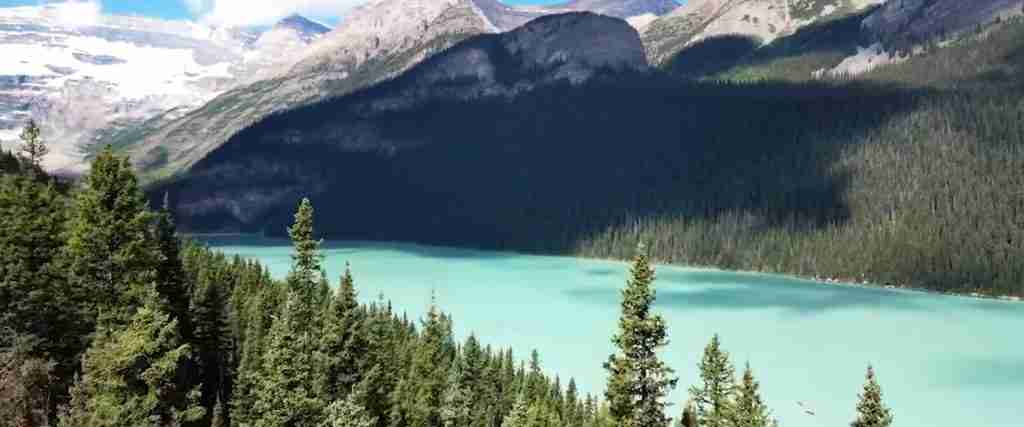
Peyto Lake viewpoint on Icefields Parkway delivers brilliant blue-green water views best photographed from mid-morning through early afternoon when direct sunlight illuminates the lake. Standard viewpoint gets crowded but short hike to Bow Summit provides elevated perspectives with fewer people. Lake Louise shoreline and Fairmont Chateau create classic alpine lake scenes – photograph at sunrise (5:30-7 AM in summer) before crowds arrive. Victoria Glacier reflects best in morning light. Winter ice skating on Lake Louise offers unique frozen lake photography opportunities.
Vermillion Lakes near Banff Town deliver exceptional sunrise and sunset mountain reflections with Mount Rundle dominating the background. Access multiple viewpoints along the 4 km lake loop. Wildlife including elk, beavers, and waterfowl frequent the area. Johnston Canyon ice formations in winter create spectacular scenes with frozen waterfalls illuminated by blue ice. Tunnel Mountain Drive at sunset provides town overview shots with Cascade Mountain backdrop. Bow Falls offers easy roadside photography of powerful water flows especially during spring runoff.
Social Media and Digital Sharing
Tag photos with location-specific hashtags including #BanffNationalPark, #CanadianRockies, #ExploreAlberta, and #ParksCanada to reach interested audiences. Popular Instagram accounts feature Banff content regularly – tag @banffnationalpark and @parkscanada for potential sharing opportunities. Avoid revealing exact wildlife locations or nesting sites in posts as this concentrates people in sensitive areas disturbing animals. Use general geographic tags rather than GPS coordinates for wildlife encounters.
Time social media posts strategically to build engagement. Share morning sunrise shots in early afternoon when followers are active. Post sunset images the same evening while people browse before bed. Wildlife encounters generate immediate interest – share within hours of sightings rather than days later. Combine multiple images in carousel posts telling stories of full-day adventures. Write detailed captions sharing practical tips, trail difficulty, timing advice, and weather conditions helping followers plan their own visits.
Download photos regularly to backup storage as memory card failures happen despite precautions. Cloud backup services require WiFi or cell coverage unavailable in most park locations – transfer images to laptop or external drives each evening at accommodation. Portable hard drives provide reliable backup without internet dependency. Consider posting phone snapshots during trips while saving full-resolution camera images for detailed editing after returning home. Balance social sharing with experiencing moments fully – don’t sacrifice entire sunrise focusing only on getting perfect Instagram shots.
Sustainable and Responsible Travel 2026
Environmental Impact Reduction
Use Parks Canada shuttle services instead of personal vehicles when visiting heavily trafficked locations like Moraine Lake and Lake Louise. The Roam Transit system operates from late May through early October connecting Banff Town, Lake Louise, and major trailheads. Shuttles reduce traffic congestion, parking pressure, and vehicle emissions while providing convenient transportation. Service costs $5 per ride or $10 for day passes with free rides for children under 12. Reservation systems for Moraine Lake require advance booking but guarantee access without parking hassles.
Minimize waste by packing reusable water bottles, containers, and shopping bags. Fill water bottles from taps in Banff Town and Lake Louise rather than purchasing single-use bottles. Bring travel mugs for coffee shops offering small discounts for reusable containers. Pack lunches in reusable containers rather than disposable bags and wrappers. Sort recycling properly using designated bins at campgrounds, day-use areas, and townsites. Composting bins exist in Banff Town for organic waste. Avoid single-use plastics and packaging whenever possible.
Support Parks Canada conservation efforts through donations to Wildlife Guardians program protecting corridor connections between Banff and surrounding wilderness areas. Purchase from environmentally responsible tour operators certified by recognized sustainability programs. Choose accommodations with environmental certifications and conservation practices. Participate in park cleanup events and trail maintenance volunteer opportunities. Report trail damage, illegal camping, or wildlife harassment to Parks Canada to protect resources. Every visitor contributes to cumulative impacts – small individual actions multiply across millions of annual visitors creating substantial environmental benefits or degradation.
Supporting Local Communities
Shop at local businesses in Banff Town and Lake Louise rather than large chains to support community economy. Purchase Indigenous art and crafts from authentic native artisans at certified galleries and cultural centers. Attend Indigenous cultural programs offered by Parks Canada learning about Stoney Nakoda, Ktunaxa, Tsuut’ina, and Blackfoot peoples’ traditional relationships with the land. Book tours with local operators employing regional guides who know the area intimately and contribute to local employment.
Dine at locally owned restaurants featuring Alberta-sourced ingredients and regional specialties. Farm-to-table establishments support regional agriculture reducing food transportation emissions. Breweries and distilleries in Banff and Canmore use mountain water and local ingredients creating distinctive products. Attend farmers markets during summer months purchasing direct from producers. Tip service industry workers fairly recognizing that tourism wages support families throughout the Bow Valley corridor.
Respect Indigenous cultural sites and sacred spaces by observing from designated areas without climbing on or touching rock art, pictographs, or ceremonial locations. Never collect artifacts, disturb archaeological sites, or remove natural objects like rocks, antlers, or bones. Indigenous land acknowledgments recognize that Banff exists on traditional territories of multiple First Nations who stewarded these lands for thousands of years before park designation. Learn about Indigenous history and ongoing relationships with the mountains through cultural programs and interpretive displays.
Visitor Impact Management
Choose less-visited destinations and trails to distribute visitor impacts rather than concentrating use on popular locations. While Lake Louise and Moraine Lake draw massive crowds, equally spectacular locations like Peyto Lake, Bow Lake, Mistaya Canyon, and Parker Ridge see far fewer visitors. Shoulder season travel in May, June, September, and October avoids peak summer crowds while still offering excellent weather and trail conditions. Visit popular locations on weekdays rather than weekends when day-trippers from Calgary overwhelm facilities.
Practice proper trail etiquette by yielding to uphill hikers, stepping completely off trails when groups pass, and maintaining appropriate speed for conditions and crowds. Avoid creating noise pollution with loud voices, music, or generators in campgrounds. Respect wildlife viewing corridors by observing from distance and moving along promptly rather than blocking areas for extended periods. Photography and wildlife viewing opportunities should be shared – don’t monopolize prime viewing locations preventing others from enjoying the same experiences.
Provide constructive feedback to Parks Canada through visitor surveys, comment cards, and online reviews. Report issues including trail damage, overcrowding, inadequate facilities, or management problems to help improve park operations. Participate in public planning processes when Parks Canada solicits input on new policies or infrastructure projects. Your perspective as a visitor contributes valuable insights to park management decisions. Balance criticism with recognition of efforts made by park staff working to preserve natural resources while accommodating millions of visitors annually in a relatively small area.
Planning Your 2026 Visit
Booking Timeline
Begin planning Banff trips 8-12 months before travel dates to secure best accommodation options and competitive rates. Summer season (July-August) and fall larch season (late September) book completely 6-8 months in advance. Reservation windows open different dates for various services – Parks Canada campground reservations open in January for the upcoming summer season. Hotels and lodges release inventory 12-18 months ahead with early booking discounts available.
Purchase Parks Canada Discovery Pass immediately after booking accommodation as these are available year-round without reservation windows. Flight bookings to Calgary typically offer best prices 3-6 months before departure but monitor sales and price fluctuations. Rental cars book 2-4 months ahead for best selection and rates. Popular guided tours like ice walking on Athabasca Glacier or helicopter tours sell out months ahead during peak season – book immediately after securing accommodation.
Restaurant reservations in Banff Town become necessary for upscale dining during summer and weekend visits. Book tables 2-4 weeks ahead at popular establishments. Shuttle service reservations for Moraine Lake open online 48 hours before travel dates filling within minutes during peak season. Set phone alarms and prepare to book exactly when reservation windows open. Backcountry camping permits can be reserved 90 days before trip dates – mark calendars for permit release dates as popular campsites like Egypt Lake and Skoki book immediately.
Pre-Trip Preparation Checklist
Complete fitness preparation for mountain hiking by building cardiovascular endurance and leg strength 6-8 weeks before arrival. Practice walking or hiking with loaded backpack to condition shoulders and back for trail carrying. Break in new hiking boots completely wearing them for 20-30 hours before departure to prevent blisters. Test all gear including tents, sleeping bags, stoves, and water filters before travel rather than discovering problems in the backcountry.
Gather required documentation including passports, driver’s licenses, vehicle registration, insurance documents, and any necessary entry permits. Make copies of important documents storing them separately from originals. Photograph passport pages and driver’s licenses keeping digital copies accessible from cloud storage. Share trip itineraries with emergency contacts including specific hiking plans, accommodation details, and contact information. Update emergency contacts if plans change during the trip.
Download offline maps, trail guides, and Parks Canada app before departure. Create packing lists organized by activity type ensuring nothing is forgotten. Order any special gear needed like bear spray canisters, specialized camera equipment, or camping supplies that aren’t easily found in Banff. Review weather forecasts in the days before departure adjusting clothing and gear selections for predicted conditions. Check Parks Canada website for current trail closures, wildlife alerts, and special restrictions effective during your travel dates.
Emergency Preparedness
Create detailed trip plans including daily itineraries with specific trails, estimated departure and return times, and accommodation information. Share plans with trusted emergency contacts at home. Register backcountry trips with Parks Canada voluntary safety service before heading into remote areas. Carry identification, emergency contact information, and health insurance cards in waterproof containers accessible at all times.
Pack comprehensive emergency supplies including first aid kit, emergency shelter (space blanket or bivy sack), fire starting materials (waterproof matches and lighter), emergency whistle, headlamp with extra batteries, and high-calorie emergency food. Carry navigation tools including map, compass, and GPS device or smartphone with offline maps. Know how to use all equipment before emergencies arise – practice fire starting, shelter construction, and navigation skills before needing them in crisis situations.
Program emergency numbers into phones including Parks Canada Dispatch (403-762-1470), Banff Mineral Springs Hospital (403-762-2222), and RCMP (911 or 403-762-2226). Know your exact location at all times by monitoring trail signs, GPS coordinates, and map position. In emergencies, stay calm and assess situations carefully before acting. Use STOP principle – Stop, Think, Observe, Plan – before making decisions under stress. Signal for help using three of anything (whistle blasts, flashlight signals, smoke columns) as this internationally recognized distress signal alerts others to emergencies.
Frequently Asked Questions
Do I need to book Banff National Park tickets in advance?
No advance booking is required for general park entry – purchase your Parks Canada Discovery Pass ($148.90 for families, $76.95 for individuals in 2026, check parks.canada.ca for current official rates) at entry gates or online before arrival. However, Moraine Lake requires advance shuttle reservations during peak season (late May through October) due to parking lot closures. Popular accommodations, tours, and campgrounds book 6-8 months ahead requiring advance reservations to secure space during summer season.
Is Banff safe for solo travelers?
Banff is very safe for solo travelers with low crime rates and well-maintained infrastructure. Carry bear spray on all hikes and make noise to avoid wildlife encounters. Inform others of your daily plans and expected return times. Use caution on challenging trails and consider joining group tours for backcountry travel. Cell service is limited outside townsites so carry emergency supplies and navigation tools. Solo women travelers report feeling comfortable and safe throughout the park.
Can I visit Banff National Park in winter?
Winter visits from December through March offer unique experiences including ice climbing, cross-country skiing, snowshoeing, and frozen waterfall hikes. Lake Louise Ski Resort operates during winter with world-class skiing and snowboarding. Dress warmly for temperatures ranging -5°C to -25°C with proper cold-weather gear rated to -30°C. Many hiking trails remain accessible in winter though avalanche gear and knowledge are mandatory for backcountry travel. The town of Banff operates year-round with restaurants, shops, and services available.
How long should I spend in Banff National Park?
Spend minimum 4-5 days to experience major highlights including Lake Louise, Moraine Lake, Johnston Canyon, and scenic drives along Icefields Parkway. Seven to ten days allows deeper exploration with day hikes, multiple viewpoints, and flexibility for weather changes. Two weeks enables backcountry camping, extended hikes, and thorough exploration of remote areas. Even a single day provides memorable experiences if time is limited though you’ll miss many remarkable locations.
What should I do if I encounter a bear in Banff?
Remain calm and speak in low, steady tones while backing away slowly. Never run as this triggers predatory instincts. Make yourself appear larger by raising arms or opening jacket. Retrieve bear spray and remove safety clip but only deploy if the bear approaches within 8 meters showing aggression. If attacked by a grizzly, play dead by lying face down with hands protecting neck. If a black bear persists in attack, fight back aggressively targeting eyes and nose. Report all bear encounters to Parks Canada.
Is camping allowed anywhere in Banff National Park?
Random camping is prohibited – all overnight stays must occur in designated campgrounds or approved backcountry campsites. Frontcountry campgrounds require advance reservations opening in January for the summer season. Backcountry camping requires permits obtained 90 days before trip dates. Random camping violations result in fines up to $500 plus potential removal from park. Select from numerous established campgrounds offering varying levels of facilities from primitive tent sites to full RV hookups.
What’s the best way to see wildlife in Banff?
Drive Bow Valley Parkway early morning or evening hours when wildlife activity peaks. Vermillion Lakes area near Banff Town hosts elk, beavers, and waterfalls. Two Jack Lake provides excellent wildlife viewing opportunities. Join guided wildlife tours led by experienced naturalists who know animal habits and safe viewing locations. Always maintain 100 meters from bears and wolves, 30 meters from other wildlife. Use binoculars or telephoto lenses for close viewing while keeping safe distances.
Can I drink water from streams and lakes in Banff?
Never drink untreated water from streams, lakes, or rivers regardless of how clear or pristine it appears. Giardia parasites and other pathogens cause severe illness even in remote alpine water sources. Treat all water through boiling (1 minute at rolling boil plus 1 additional minute for every 300 meters above sea level), filtering (0.2 micron absolute pore size), chemical treatment (iodine or chlorine dioxide tablets), or UV purification devices. Carry adequate water treatment supplies for all backcountry travel.
Are there grocery stores in Banff National Park?
Full-service grocery stores operate in Banff Town including Nesters Market and IGA providing complete selections though prices run 20-30% higher than Calgary or Canmore. Lake Louise has limited grocery options with high prices. Stock up on supplies before entering the park to save money and ensure availability of specialty items. Gas station convenience stores provide basic supplies but limited selection. Prepare meal plans before arrival and shop accordingly.
What permits do I need for Banff National Park activities?
All visitors need Parks Canada Discovery Pass ($148.90 families, $76.95 individuals) for park entry. Fishing requires separate permit ($10.50 daily, $35.70 annual). Backcountry camping needs overnight permits ($10.50 per person per night). Group camping permits vary by size. Special activity permits apply for commercial photography, large group gatherings, and organized events. No permits are needed for day hiking, photography, or general park use. Purchase all permits through Parks Canada website or at visitor centers.
Final Essential Tips for 2026
Success in Banff National Park comes from balancing careful planning with flexibility for weather changes and unexpected opportunities. Book core elements like accommodation and transportation well ahead while leaving daily schedules open for spontaneous wildlife viewing, weather-dependent hikes, and newly discovered locations. Respect the fragile mountain environment by following Leave No Trace principles, staying on trails, and giving wildlife appropriate space. The Canadian Rockies reward visitors who invest time in preparation while maintaining awareness of constantly changing conditions.
Start each day early to maximize experiences before crowds arrive and afternoon storms develop. Carry layers for rapidly changing temperatures and pack rain gear regardless of sunny forecasts. Bring bear spray and know how to deploy it correctly. Download offline maps and share trip plans with emergency contacts. Support local businesses and Indigenous communities contributing to sustainable tourism practices. Take time to appreciate the overwhelming natural beauty surrounding you rather than rushing from location to location checking boxes on attraction lists.
Remember that Banff’s popularity stems from exceptional scenery and wildlife viewing opportunities that attract millions of visitors annually. Manage expectations for crowded conditions during peak season while appreciating that these crowds fund conservation efforts protecting the wilderness for future generations. Less-visited locations offer equally spectacular experiences with fewer people – explore beyond the famous hotspots discovering your own favorite corners of the Canadian Rockies. Leave the park better than you found it by properly disposing of waste, reporting trail damage, and sharing knowledge with fellow visitors about responsible wilderness ethics.