
Jasper Photography Guide: Mastering Mountain Landscapes & Wildlife
Jasper National Park stands as the Canadian Rockies’ largest protected wilderness and the world’s second-largest Dark Sky Preserve, offering photographers unparalleled opportunities to capture pristine mountain landscapes, abundant wildlife, and celestial phenomena across 11,228 square kilometers of UNESCO-designated terrain. The park’s designation as a UNESCO World Heritage Site in 1984, combined with its 2011 Dark Sky Preserve status, creates exceptional conditions for photography year-round. From the turquoise waters of Maligne Lake and the massive Columbia Icefield to grizzly bears roaming alpine meadows and the Milky Way stretching horizon to horizon, Jasper delivers world-class imagery unavailable in more developed mountain destinations.
Key Takeaways: Essential Photography Knowledge for Jasper
- Dark Sky Advantage: Jasper’s designation as the world’s second-largest and largest accessible Dark Sky Preserve creates exceptional astrophotography conditions with sky quality measuring 21.4 magnitude per square arcsecond in core areas and minimal light pollution even near the town of Jasper, enabling clear Milky Way captures and meteor shower documentation unavailable in most mountain destinations.
- Wildlife Concentration: The park supports healthy populations of grizzly bears, black bears, elk, moose, bighorn sheep, mountain goats, wolves, and caribou across diverse elevation zones from montane valleys to alpine tundra, with predictable wildlife corridors along the Icefields Parkway, Maligne Valley, and Athabasca River providing exceptional opportunities for ethical wildlife photography using appropriate telephoto lenses.
- Glacial Landscape Access: The Columbia Icefield and Athabasca Glacier offer rare roadside access to active glacial environments, while Maligne Lake, Medicine Lake’s disappearing phenomenon, and over 1,700 lakes throughout the park create diverse water-based compositions with dramatic mountain reflections and turquoise glacial coloration unique to the Canadian Rockies.
- Seasonal Light Variations: Summer provides 16-hour daylight for extended golden hour periods and midnight blue hour shooting, autumn delivers vibrant larch gold and elk rutting activity, winter creates pristine snow compositions with frozen waterfalls and dramatic storm systems, while spring offers wildlife births and wildflower blooms against lingering snowpack for dynamic seasonal contrast.
- UNESCO Heritage Context: Jasper’s inclusion in the Canadian Rocky Mountain Parks World Heritage Site alongside Banff, Yoho, and Kootenay recognizes outstanding mountain landscapes containing peaks, glaciers, canyons, limestone caves, and the Burgess Shale fossil site, providing photographers with inherently significant subjects that carry cultural and geological importance beyond aesthetic appeal.
- Technical Preparation Requirements: Success in Jasper requires weather-appropriate camera protection against sudden mountain storms and temperature swings from -30°C to +30°C across seasons, backup power solutions for cold-weather battery drain, bear awareness training for backcountry photography safety, and Parks Canada entry permits costing $12 per adult daily or $84 annually, with youth 17 and under admitted free.
People Also Ask About Jasper Photography
What Makes Jasper Different From Banff for Photography?
Jasper National Park offers significantly lower visitor density than Banff, resulting in fewer people in landscape compositions and better wildlife encounter opportunities without crowds. The park’s larger size (11,228 square kilometers versus Banff’s 6,641 square kilometers) provides more extensive backcountry access and wilderness photography without visible human development. Jasper’s Dark Sky Preserve designation delivers superior astrophotography conditions compared to Banff’s more developed townsite and higher light pollution levels. The park contains unique subjects unavailable in Banff including Maligne Lake’s Spirit Island, the disappearing Medicine Lake phenomenon, and more accessible wildlife populations in less pressured environments.
Can You Photograph the Northern Lights in Jasper?
Jasper National Park regularly displays aurora borealis activity visible to photographers, particularly during heightened solar activity periods and darker months from September through April. The park’s northern latitude at 52.9°N places it within the auroral oval’s southern reaches, enabling moderate to strong aurora displays during geomagnetic storms. Jasper’s Dark Sky Preserve status eliminates light pollution that obscures aurora in urban areas, while elevated viewing locations like the Jasper SkyTram and Pyramid Lake create unobstructed northern horizon views. Photographers should monitor aurora forecasting apps, shoot during new moon phases for maximum darkness, and use wide-angle lenses with apertures of f/2.8 or wider for exposures between 5-25 seconds depending on aurora intensity and movement speed.
What Camera Equipment Do You Need for Jasper Wildlife Photography?
Successful wildlife photography in Jasper requires telephoto lenses of at least 400mm focal length for ethical wildlife distance documentation, with 500-600mm lenses or 1.4x teleconverters providing optimal reach for bears, wolves, and distant ungulates while maintaining Parks Canada’s mandatory 100-meter distance from bears and wolves and 30-meter distance from elk and other large mammals. A sturdy tripod or monopod stabilizes long telephoto lenses and enables sharp images in lower light conditions of forest environments and dawn/dusk golden hours when wildlife activity peaks. Fast continuous shooting modes (minimum 8 frames per second) capture wildlife behavior and movement, while weather-sealed camera bodies protect equipment during sudden mountain storms and morning condensation. Backup batteries address cold-weather power drain, with lithium batteries performing better than alkaline in Jasper’s temperature extremes.
Is Special Permission Required for Commercial Photography in Jasper?
Commercial photography in Jasper National Park requires a Parks Canada Business Licence when images will be used for commercial purposes including stock photography sales, advertising campaigns, editorial publication, or any profit-generating activity. Personal photography for non-commercial purposes including social media sharing, personal portfolios, and artistic expression does not require permits beyond standard park entry fees. The Business Licence application process through Parks Canada involves describing the commercial activity, providing insurance documentation, and paying applicable fees based on the scope and scale of commercial operations. Wedding and portrait photographers operating commercially within the park must secure appropriate permissions, while casual photographers capturing landscapes and wildlife for personal enjoyment need only valid park passes.
Extended multi-day tours – 5+ days
Featured Jasper National Park Multi-Day Tour Packages
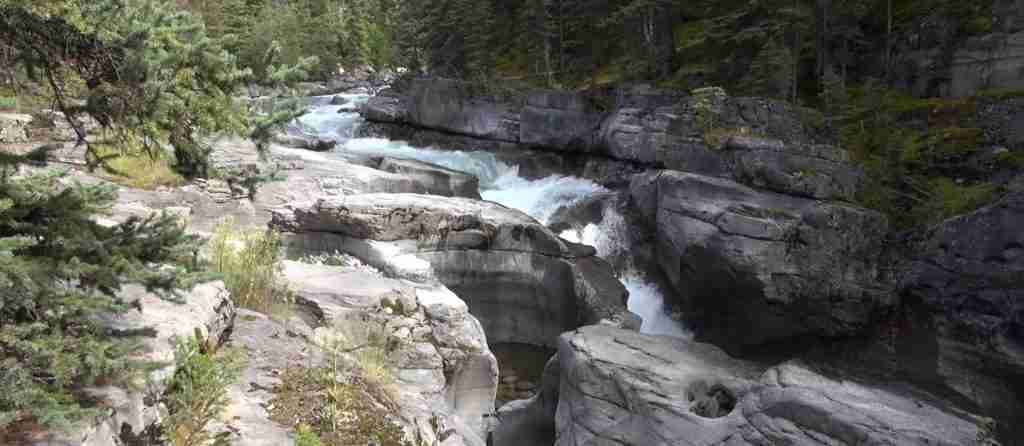
3 days
Jasper National Park 3-Day Discovery Tour
- ✓ Comprehensive Jasper National Park experience
- ✓ Expert local guides included
- ✓ All accommodation included
- ✓ Transportation provided
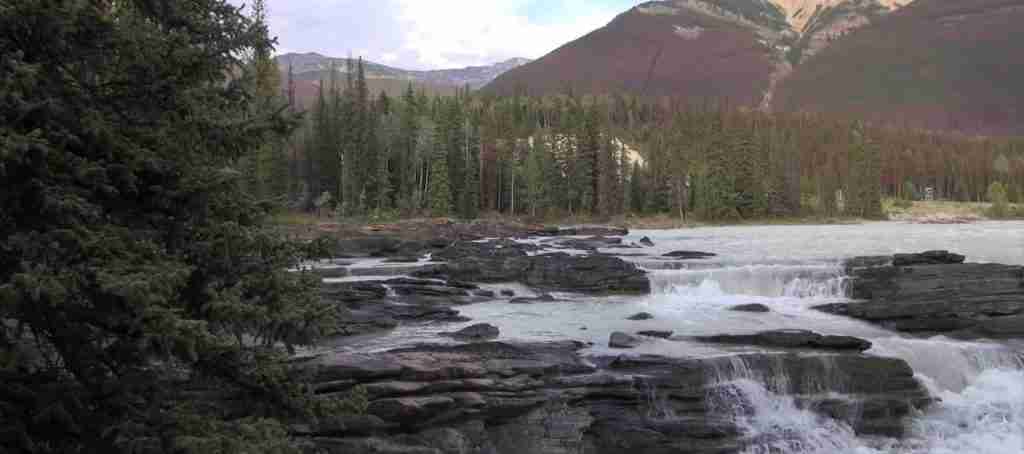
5 days
Jasper National Park 5-Day Highlights Experience
- ✓ Comprehensive Jasper National Park experience
- ✓ Expert local guides included
- ✓ All accommodation included
- ✓ Transportation provided
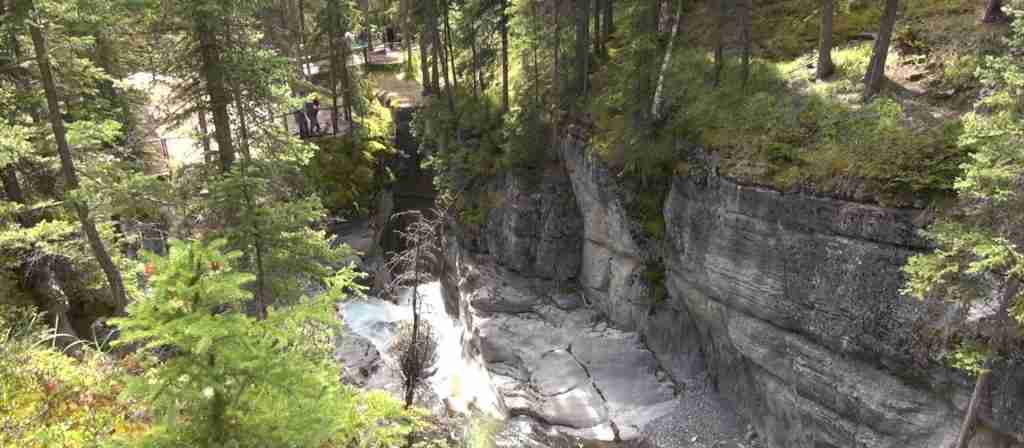
7 days
Jasper National Park 7-Day Cultural Journey
- ✓ Comprehensive Jasper National Park experience
- ✓ Expert local guides included
- ✓ All accommodation included
- ✓ Transportation provided
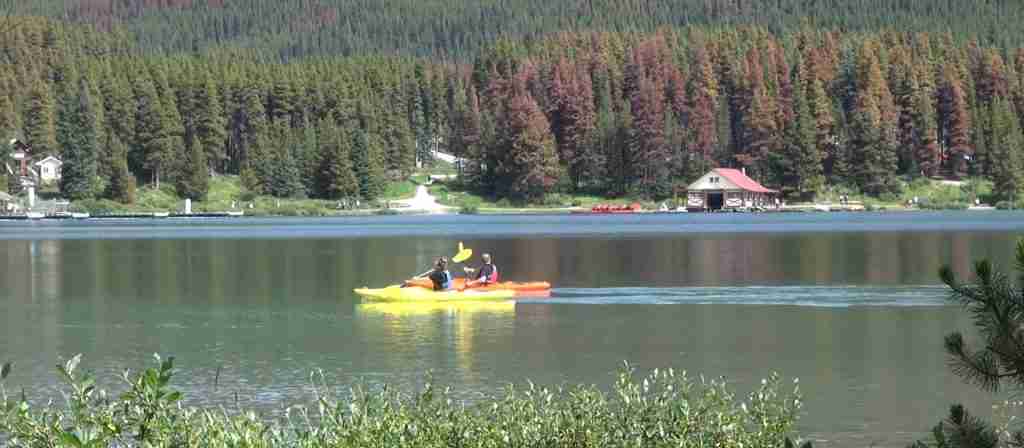
10 days
Jasper National Park 10-Day Complete Adventure
- ✓ Comprehensive Jasper National Park experience
- ✓ Expert local guides included
- ✓ All accommodation included
- ✓ Transportation provided
Multi-day tour packages powered by TourRadar. Prices and availability subject to change.
Introduction
Jasper National Park represents Canada’s largest Rocky Mountain preserve and one of the world’s premier photography destinations, combining UNESCO World Heritage Site designation with Dark Sky Preserve status to create exceptional conditions for landscape, wildlife, and astrophotography across four distinct seasons. Established as Jasper Forest Park in 1907 and designated a UNESCO World Heritage Site in 1984 as part of the Canadian Rocky Mountain Parks, Jasper protects 11,228 square kilometers of mountain wilderness characterized by rugged peaks, active glaciers, turquoise lakes, extensive wildlife populations, and pristine night skies largely unchanged since Indigenous peoples first inhabited these lands over 10,000 years ago.
The park’s 2011 designation as a Dark Sky Preserve by the Royal Astronomical Society of Canada recognizes Jasper as the world’s second-largest protected dark sky area and the largest accessible preserve globally, with sky quality measuring 21.4 magnitude per square arcsecond in core areas and minimal light pollution even within the town of Jasper’s boundaries. This rare combination of mountain grandeur and astronomical darkness creates photography opportunities unmatched in more developed regions, enabling captures ranging from the Columbia Icefield’s ancient glaciers to the Milky Way’s galactic center arching over alpine peaks.
Jasper’s wildlife populations include healthy numbers of grizzly bears, black bears, wolves, elk, moose, bighorn sheep, mountain goats, caribou, and over 277 bird species distributed across three distinct ecological zones—montane valleys, subalpine forests, and alpine tundra—each offering unique photographic subjects and challenges. The park’s lower visitation compared to neighboring Banff creates less pressured wildlife populations more tolerant of photographer presence when ethical distance guidelines are followed, while extensive backcountry trail networks provide access to wilderness locations where human development remains invisible in frame compositions.
Geologically, Jasper showcases the Canadian Rockies’ formation through uplifted sedimentary rock layers, active glacial carving, karst cave systems, and the Columbia Icefield’s massive ice accumulation zone feeding six major glaciers including the roadside-accessible Athabasca Glacier. The park contains Mount Columbia, Alberta’s tallest peak at 3,747 meters, alongside hundreds of named summits providing dramatic backdrops for photography. Water features include over 1,700 lakes and tarns ranging from the famous Maligne Lake with its Spirit Island to the unique Medicine Lake, which dramatically drains and refills seasonally through underground karst drainage systems invisible on the surface.
Climate varies dramatically across Jasper’s elevation ranges and seasons, from valley temperatures reaching 30°C in summer to alpine conditions of -40°C in winter, with corresponding photography implications for equipment protection, clothing layers, and seasonal subject availability. Summer provides extended daylight hours with golden hour light persisting late into evening, while winter’s shorter days concentrate optimal light into brief windows but offer pristine snow conditions and dramatic storm photography unavailable in warmer months. Autumn delivers vibrant larch gold coloration and active elk rutting behavior, while spring brings wildlife births and wildflower blooms against lingering snowpack.
This comprehensive guide addresses Jasper’s unique photography opportunities across all seasons, providing technical guidance for capturing the park’s signature subjects including glacial landscapes, wildlife portraits, astrophotography under protected dark skies, and seasonal phenomena. Sections cover optimal locations for specific subjects, equipment requirements for mountain and wildlife photography, ethical wildlife distance guidelines mandated by Parks Canada, weather preparation for equipment protection, and compositional techniques that leverage Jasper’s distinctive characteristics. Whether photographing the Northern Lights over Pyramid Lake, documenting grizzly bears in alpine meadows, or capturing the Columbia Icefield’s ancient ice, understanding Jasper’s unique conditions enables imagery that reflects this UNESCO-designated landscape’s exceptional natural values.
Understanding Jasper’s UNESCO World Heritage Designation and Photographic Significance
Jasper National Park achieved UNESCO World Heritage Site status in 1984 as part of the Canadian Rocky Mountain Parks designation, recognized for outstanding mountain landscapes containing peaks, glaciers, lakes, waterfalls, canyons, and limestone caves alongside the Burgess Shale fossil site. This international recognition establishes Jasper’s landscapes as possessing universal value to humanity, elevating photography captured here beyond mere scenic documentation to visual preservation of globally significant natural heritage. Photographers working in Jasper document terrain recognized by UNESCO for exceptional natural beauty, habitats of rare and endangered species, and unique natural landforms representing the Rocky Mountain biogeographical province’s defining characteristics.
The World Heritage designation encompasses seven contiguous parks including Banff, Jasper, Kootenay, and Yoho national parks alongside Mount Robson, Mount Assiniboine, and Hamber provincial parks, collectively protecting 23,000 square kilometers of mountain wilderness. Within this system, Jasper represents the largest single park and provides the most extensive wilderness photography opportunities with over 1,000 kilometers of trails accessing remote backcountry locations largely invisible to casual visitors. The designation emphasizes preservation of natural processes including wildlife migration corridors, glacial dynamics, and ecological succession, creating photography subjects that reflect functioning wilderness rather than managed recreational landscapes.
Jasper’s inclusion in UNESCO’s World Heritage system carries management implications affecting photography access and practices. Parks Canada implements conservation measures including seasonal trail closures for wildlife protection, permit systems for backcountry access, and mandatory distance requirements from wildlife that photographers must follow. These regulations preserve the very wilderness qualities that make Jasper photographically exceptional, ensuring future photographers encounter authentic wildlife populations and intact landscapes rather than habituated animals and degraded environments. Understanding and respecting these conservation measures enables ethical photography that documents rather than degrades Jasper’s World Heritage values.
The park’s geological significance as a World Heritage Site derives from visible evidence of mountain building processes, glacial carving, and ongoing geological activity including thermal springs and karst cave formation. Photographers can document layered sedimentary rock formations uplifted and tilted during Rocky Mountain formation, massive glacial erratics transported by ice age glaciers, and active erosion processes carving canyons through bedrock. These geological subjects carry scientific importance beyond aesthetic appeal, representing visual evidence of Earth’s dynamic history visible in accessible mountain landscapes.
Jasper’s World Heritage designation alongside Dark Sky Preserve status creates rare dual recognition unavailable in most photography destinations. Where UNESCO acknowledges terrestrial landscape significance, the Dark Sky Preserve designation protects celestial visibility, enabling photography that captures both Earth’s geological heritage and cosmic phenomena in single compositions. This combination allows photographers to document relationships between terrestrial and celestial environments—mountain silhouettes against the Milky Way, aurora reflections in glacial lakes, meteor showers over ancient peaks—illustrating connections between geological deep time and cosmic processes unfolding over the photograph.
Jasper Dark Sky Preserve: Astrophotography in the Canadian Rockies
Jasper National Park’s designation as a Dark Sky Preserve by the Royal Astronomical Society of Canada in March 2011 established the park as the world’s second-largest protected dark sky area at 11,228 square kilometers, surpassed only by Wood Buffalo National Park, and the largest accessible Dark Sky Preserve globally with the town of Jasper located within preserve boundaries. This designation recognizes Jasper’s exceptional commitment to protecting natural darkness through lighting regulations, public education programs, and ongoing monitoring of sky quality that maintains astronomical visibility unavailable in developed regions.
Sky quality in Jasper’s core areas measures approximately 21.4 magnitude per square arcsecond, indicating exceptionally dark conditions where the Milky Way’s galactic center appears prominently to naked eyes and faint celestial objects including distant galaxies become visible through moderate telescopes. Even near the town of Jasper, sky quality measures 21.1-21.2 magnitude per square arcsecond due to carefully shielded lighting and community commitment to dark sky preservation. Remote locations including the Big Bend backcountry site achieve values darker than 21.7 magnitude per square arcsecond, approaching the darkest naturally occurring skies on Earth.
The Dark Sky Preserve designation enables astrophotography capturing the Milky Way’s full arc from horizon to horizon, meteor shower documentation with minimal light pollution interference, aurora borealis displays against unpolluted northern horizons, and deep sky object imaging of galaxies, nebulae, and star clusters visible only under protected dark skies. Summer months from July through September position the Milky Way’s dense galactic center high overhead during astronomical twilight hours, creating optimal conditions for dramatic compositions combining terrestrial landscapes with galactic structures. Winter’s longer nights extend shooting windows but require cold-weather equipment preparation and clothing layers for extended outdoor sessions.
The annual Jasper Dark Sky Festival held each October celebrates the park’s astronomical heritage through guided star parties, astrophotography workshops, telescope viewing sessions, and presentations by leading astronomers and science communicators. The festival provides photographers with opportunities to learn advanced night sky capture techniques, connect with the astrophotography community, and access specially organized shooting locations including elevated viewpoints and backcountry sites optimized for celestial photography. Festival programming includes both beginner-accessible introductions and advanced technical workshops covering topics including deep sky imaging, aurora capture techniques, and post-processing methods for astrophotography.
Notable astrophotography locations within the Dark Sky Preserve include Pyramid Lake offering unobstructed northern horizon views for aurora photography with mountain reflections, Old Fort Point providing elevated perspectives eliminating foreground tree obstruction, Maligne Lake’s Spirit Island combining iconic landscape subjects with pristine dark skies, and the Athabasca Glacier toe enabling dramatic mountain-meets-cosmos compositions. The Jasper SkyTram ascends Whistlers Mountain to 2,263 meters elevation, placing photographers above valley inversions and atmospheric haze while providing 360-degree horizon visibility for meteor shower documentation and panoramic Milky Way captures.
Technical requirements for Jasper astrophotography include full-frame cameras with strong high-ISO performance, wide-angle lenses with maximum apertures of f/2.8 or wider for light gathering ability, sturdy tripods stabilizing cameras during exposures ranging from seconds to minutes, and intervalometers enabling timed sequences for star trails or timelapse documentation. Cold weather impacts battery performance significantly, necessitating fully charged backup batteries kept warm in inner pockets and swapped as needed. Remote shutter releases or camera self-timers eliminate vibration from shutter button presses, while manual focus set to infinity ensures sharp stars across the frame.
Compositional approaches for Jasper astrophotography balance celestial subjects with terrestrial landscape elements that provide context and scale. Including mountain silhouettes, glacial lakes, or iconic formations like Spirit Island creates layered compositions where Earth meets cosmos, telling more complete stories than isolated star fields. Positioning the Milky Way’s galactic center above recognizable landmarks establishes location identity while showcasing astronomical phenomena. Aurora compositions benefit from reflective water surfaces doubling visual impact through mirrored displays.
Essential Camera Equipment and Technical Preparation for Mountain Photography
Successful photography in Jasper’s mountain environment requires equipment prepared for temperature extremes ranging from -30°C in winter to +30°C in summer, sudden weather changes including afternoon thunderstorms and rapid temperature drops, and physical demands of backcountry hiking to reach optimal shooting locations. Camera bodies should feature weather sealing protecting against moisture intrusion during rain, snow, and morning condensation, with robust build quality surviving potential impacts from trail mishaps or equipment drops in challenging terrain.
Lens selection for Jasper landscapes prioritizes wide-angle focal lengths from 14-35mm capturing expansive mountain vistas, glacial valleys, and dramatic sky compositions, with ultra-wide 14-24mm options enabling low-light astrophotography through maximum apertures of f/2.8. Mid-range focal lengths from 24-70mm provide versatility for medium-distance compositions isolating specific landscape elements, while telephoto lenses from 70-200mm compress distant peaks and enable wildlife photography at ethical distances. Specialized subjects including macro wildflower photography require dedicated macro lenses, while extreme wildlife documentation demands super-telephoto focal lengths from 400-600mm.
Tripod stability becomes critical for sharp landscape photography using optimal apertures around f/8-f/11, long exposure water blur effects, HDR bracketed sequences, and astrophotography requiring exposures from seconds to minutes. Mountain photography tripods must balance adequate stability supporting heavy telephoto lenses with portable weight for extended backcountry hiking, with carbon fiber construction offering optimal strength-to-weight ratios. Ball heads provide quick compositional adjustments, while geared heads enable precise framing for panoramic sequences and architectural precision in landscape work.
Filtration systems enhance landscape photography through circular polarizers reducing glare on water surfaces and intensifying sky saturation, neutral density filters enabling long exposure effects in daylight conditions, and graduated neutral density filters balancing exposure between bright skies and darker foregrounds. Circular polarizers prove particularly effective on Jasper’s turquoise glacial lakes, eliminating surface reflections to reveal underwater detail and intensifying the distinctive blue-green coloration caused by glacial flour suspension. Neutral density filters rated 6-10 stops enable multi-second to multi-minute exposures smoothing water flow in waterfalls, rivers, and windswept lakes.
Power management addresses cold weather battery drain, extended shooting sessions in remote locations without charging access, and backup redundancy preventing missed opportunities from dead batteries. Lithium-ion batteries lose significant capacity in cold temperatures, with performance declining noticeably below 0°C and dropping dramatically below -10°C. Photographers should carry multiple fully charged batteries kept warm in inner jacket pockets, swapping cold batteries with warm ones as performance degrades. External battery packs extending shooting time prove particularly valuable during astrophotography sessions requiring hours in subfreezing conditions.
Weather protection for equipment includes rain covers for sudden mountain storms, lens cloths for water droplet removal, and desiccant packets controlling moisture in camera bags. Rapid temperature transitions when moving from cold outdoor environments to warm vehicles or buildings cause condensation forming on cold equipment surfaces, potentially damaging electronics and fogging lens elements. Placing cameras in sealed plastic bags before temperature transitions allows equipment to warm gradually while condensation forms on bag exteriors rather than camera internals. Microfiber lens cloths remove water droplets and condensation without scratching lens coatings, while air blowers clear dust and snow from equipment without physical contact.
Memory card capacity and write speed affect continuous shooting performance and file storage capacity during extended backcountry trips. High-resolution landscape photography generates large file sizes, with 45-megapixel cameras producing 50-75MB raw files and panoramic sequences consuming hundreds of megabytes per composition. Fast memory cards with write speeds above 90MB/second prevent buffer limitations during bracketed sequences and continuous wildlife shooting. Carrying multiple cards rather than single high-capacity cards distributes risk, preventing total image loss from card failure or loss.
Backup and redundancy systems protect irreplaceable images captured during once-in-a-lifetime wildlife encounters or optimal weather conditions. Cameras with dual card slots enable simultaneous recording to both cards, creating instant backup copies protecting against card failure. Portable hard drives or tablet computers provide field backup storage, while cloud upload services require cellular connectivity available only in developed areas like Jasper townsite. Many photographers maintain “three-two-one” backup protocols: three copies of images on two different media types with one copy stored off-site.
Optimal Locations for Landscape Photography Throughout Jasper
Maligne Lake ranks as Jasper’s most iconic photography location, featuring the globally recognized Spirit Island composition where a small forested island sits dramatically positioned against towering mountain peaks and turquoise glacial water. The 22-kilometer-long lake requires boat access to Spirit Island, with commercial cruise services departing from Maligne Lake Lodge or private canoe/kayak expeditions for photographers seeking exclusive access during optimal light conditions. Early morning and late evening light creates warm illumination on surrounding peaks while reducing contrast between bright skies and darker foregrounds, with sunrise particularly favored for calm water reflections minimizing wind disturbance common in afternoons.
The Icefields Parkway (Highway 93) connecting Jasper to Lake Louise ranks among the world’s most scenic drives, with numerous pullouts providing roadside access to photographic subjects including the Columbia Icefield, Athabasca Falls, Sunwapta Falls, Tangle Creek Falls, and countless unnamed peaks and glacial valleys. The parkway’s 230-kilometer length requires strategic planning to reach specific locations during optimal light, with sunrise and sunset timing varying by location and season. Notable photography stops include the Athabasca Glacier viewpoint showcasing North America’s most-visited glacier, the Weeping Wall where dozens of waterfalls cascade down a massive cliff face in spring and early summer, and numerous elevated viewpoints providing panoramic perspectives across glacial valleys.
Medicine Lake presents a unique geological phenomenon where seasonal drainage through underground karst systems causes the lake to nearly disappear in winter and refill each spring through snowmelt, creating dramatically different photographic subjects depending on visitation timing. Full water conditions in summer showcase a typical mountain lake with turquoise water and mountain reflections, while autumn drawdown reveals limestone bedrock, seasonal streams cutting through exposed lakebed, and strange wetland conditions unique in Canadian Rocky Mountain parks. The lake’s 7-kilometer length and roadside accessibility enable multiple compositional perspectives, with morning light favored for east-facing mountain illumination.
Pyramid Lake located just 7 kilometers from Jasper townsite provides easily accessible photography with Pyramid Mountain’s distinctive angular peak reflected in calm morning waters, accessible via paved road suitable for all vehicles year-round. The lake’s small island connected by wooden footbridge creates foreground interest for mountain compositions, while the elevated Pyramid Lake Resort viewpoint enables high-angle perspectives eliminating shoreline distractions. Winter transforms the location with ice formations, snow-covered shores, and occasional ice bubbles frozen beneath clear ice surfaces, while summer brings wildflower meadows and vibrant green foliage contrasting against blue water.
Athabasca Falls demonstrates the power of glacial meltwater cutting through limestone bedrock, with massive water volume funneled through a narrow gorge creating dramatic cascades and turbulent pools. Multiple viewing platforms positioned around the falls provide varied compositional perspectives including elevated overviews showing the entire cascade system, ground-level views emphasizing water power and spray, and downstream perspectives capturing the falls within broader landscape context. The falls maintain photogenic flow year-round unlike many seasonal waterfalls, with peak volume during summer melt and distinctive ice formations developing in winter from continuous spray freezing on surrounding rocks.
Mount Edith Cavell towers 3,363 meters above the parking area at its base, with Angel Glacier visible clinging to the mountain’s north face and Cavell Pond reflecting the mountain when calm conditions prevail. The scenic drive accessing the area closes in winter but provides exceptional summer and autumn photography, with wildflower meadows blooming in July and August adding foreground color to mountain compositions. The Cavell Meadows trail gains elevation through alpine terrain providing elevated perspectives looking down on Angel Glacier and across valleys to distant peaks, though steep trail sections require physical fitness and appropriate footwear for safety on loose rock surfaces.
Jasper townsite and Pyramid Bench viewpoints provide elevated perspectives overlooking the town’s valley setting surrounded by mountains on all sides, particularly dramatic during evening blue hour when town lights create warm glows against deepening blue skies and mountain silhouettes. These viewpoints demonstrate the small scale of human development within Jasper’s vast wilderness, with the town appearing as a small cluster of lights overwhelmed by surrounding natural landscapes. The elevated positions also serve as excellent astrophotography locations combining town lights as foreground elements with dark skies overhead.
Backcountry locations accessible via extended hiking provide wilderness photography opportunities without visible human development. The Tonquin Valley accessed via 19-kilometer hikes from either Astoria Trailhead or Maccarib Pass features the Ramparts, a dramatic line of jagged peaks rising above Amethyst Lakes and meadow valleys supporting healthy wildlife populations. The Skyline Trail traversing alpine ridges for 44 kilometers provides extended above-treeline hiking with panoramic mountain views, while the North Boundary Trail penetrates remote wilderness seeing minimal visitor traffic, offering authentic wilderness photography recording landscapes largely unchanged since pre-contact Indigenous occupation.
Wildlife Photography Ethics, Safety, and Techniques in Jasper
Jasper National Park supports diverse wildlife populations including grizzly bears, black bears, wolves, elk, moose, bighorn sheep, mountain goats, caribou, and numerous smaller mammals distributed across montane, subalpine, and alpine ecological zones. Photographing these animals ethically requires following Parks Canada regulations mandating 100-meter minimum distances from bears, wolves, and other large predators and 30-meter minimum distances from elk, moose, deer, sheep, and goats, with binoculars or spotting scopes recommended for observing closer behavioral details without physical approach.
Wildlife distance regulations exist to protect both animals and photographers, preventing habituation that causes wildlife to lose natural wariness of humans and potentially leading to dangerous encounters, aggressive food-seeking behavior, and eventual animal removal or destruction when they become public safety threats. Photographers maintaining appropriate distances enable animals to behave naturally rather than reacting to human presence, resulting in more authentic behavioral documentation compared to stressed animals displaying alarm responses to too-close approach. Using telephoto lenses from 400-600mm focal length enables frame-filling wildlife portraits while maintaining legal and ethical distances.
Bear safety knowledge becomes essential for backcountry photography in Jasper’s bear habitat. Photographers should carry bear spray rated for grizzly bears with holster quick-draw access, make noise while hiking through blind corners and dense vegetation to avoid surprising bears at close range, and travel in groups of three or more people when possible as bear attacks decrease significantly with group size. Understanding bear body language enables photographers to recognize stress signals including huffing, jaw popping, ground swatting, and head lowering that indicate bears feeling threatened and requiring photographer withdrawal to greater distances. Never position yourself between a sow and cubs or between a bear and its food source, as these situations trigger defensive aggression protecting offspring or critical resources.
Elk photography opportunities peak during September and October rutting season when bulls gather harems of cows and engage in bugling vocalizations and occasional antler combat establishing breeding dominance. Bull elk during rut display increased aggression and reduced wariness of humans, with several documented incidents of elk charging photographers approaching too closely or positioning between bulls and their harems. The 30-meter minimum distance becomes particularly important during rut, as bulls preoccupied with breeding competition may charge perceived threats without warning displays. Photographing from vehicles provides safe observation platforms maintaining adequate distance while enabling intimate portraits through vehicle-window stabilized telephoto lenses.
Moose represent Jasper’s largest ungulates and potentially dangerous photographic subjects, with bulls reaching 700 kilograms and cows fiercely protecting calves from perceived threats. Moose display less obvious threat behavior than bears or elk before charging, often attacking with minimal warning when feeling cornered or surprised at close range. Photographing moose requires scanning surroundings for additional animals before approaching visible individuals, as cows with calves hidden in vegetation may charge if photographers inadvertently position between mother and offspring. Willow thickets along rivers and wetland margins provide prime moose habitat but also reduce visibility and increase surprise encounter probability.
Bighorn sheep frequent roadside mineral licks along the Icefields Parkway and Maligne Road, providing accessible photography opportunities as animals display reduced wariness of vehicles compared to pedestrians. Shooting from vehicles through open windows maintains adequate distance while enabling intimate portraits, with 400-600mm telephoto lenses providing sufficient reach for frame-filling sheep portraits at safe distances. Tripod or beanbag stabilization on vehicle window frames improves sharpness when using heavy telephoto gear. Sheep licks see peak activity during spring and early summer when animals seek mineral supplements after winter, with morning and evening hours providing optimal side-lighting across sheep coats revealing texture details.
Mountain goats inhabit steep cliffs and rocky alpine terrain where their exceptional climbing abilities provide escape routes from predators, with photography opportunities along high-elevation trails and roadside cliffs. Goats display tolerance of photographers maintained at appropriate distances, often continuing natural behaviors including feeding, resting, and family group interactions while being photographed. Kids born in spring provide compelling behavioral subjects learning cliff navigation from experienced adults, while winter coat growth creates distinctive appearance changes from summer’s relatively short coats to winter’s thick white pelage providing extreme cold protection.
Bird photography in Jasper includes raptors like golden eagles and great horned owls, waterfowl on mountain lakes, and forest songbirds occupying varied ecological niches. The Jasper Planetarium grounds near Old Fort Point host regular great horned owl sightings, with individual birds returning to traditional roosting locations enabling predictable photography opportunities. Bald eagles concentrate along rivers during salmon runs, while American dippers hunt aquatic insects in fast-flowing streams year-round, providing unique behavioral subjects catching prey underwater while foraging. Bringing specialized bird photography equipment including telephoto lenses from 500-600mm and lightweight tripods or monopods balances reach with portability for pursuing mobile subjects.
Understanding animal behavior patterns improves wildlife photography success rates through strategic positioning during peak activity periods. Most Jasper mammals display crepuscular activity patterns with heightened movement during dawn and dusk hours while resting during midday heat, meaning photographers maximizing wildlife encounter probability should focus efforts during early morning and evening periods. Seasonal patterns affect wildlife distribution, with valley concentrations in winter as animals descend from high elevations to escape deep snow, spring dispersal as animals move to birthing grounds, summer alpine migrations following vegetation greenup, and autumn rutting gatherings for breeding activities.
Seasonal Photography Strategies Across Jasper’s Annual Cycle
Summer photography in Jasper runs from June through August, delivering extended daylight hours with sunrise occurring before 5:00 AM and sunset after 10:00 PM at summer solstice, creating prolonged golden hour light conditions ideal for landscape photography. The extended daylight enables shooting multiple locations during single days with time for travel between sites, while persistent twilight allows astrophotography combining landscape silhouettes with night sky elements during brief darkness periods. Summer wildflower blooms peak in alpine meadows during July and August, adding colorful foregrounds to mountain compositions, while glacial meltwater swells rivers and waterfalls to maximum flows creating dramatic water movement.
Summer weather patterns include afternoon thunderstorms developing over mountain peaks, with lightning creating both photographic opportunities and safety hazards. Photographers should monitor weather forecasts and afternoon cloud development, retreating from exposed ridges and summits when thunderstorms approach to avoid lightning strike danger. Morning typically offers clearer conditions before storm development, favoring sunrise shoots for landscape photography. Summer brings peak visitor numbers requiring early arrival at popular locations like Maligne Lake and Athabasca Falls to secure optimal shooting positions before crowds arrive, with weekdays seeing lower visitation than weekends.
Autumn photography spans September through October, delivering vibrant larch gold when subalpine larch trees transition from green to golden yellow before needle drop, creating distinctive color contrast against evergreen conifers and dark rock faces. Peak larch color timing varies with elevation and aspect but typically occurs mid-September to early October, with higher elevation locations coloring earlier than valley sites. Notable larch photography areas include Whistlers Summit accessed via Jasper SkyTram, Bald Hills above Maligne Lake, and alpine areas along the Skyline Trail. Autumn brings elk rutting season with bulls bugling throughout valleys, providing wildlife photography opportunities documenting breeding behaviors including antler displays and harem gathering.
Autumn weather transitions from summer warmth to winter cold, with first significant snowfalls typically arriving in September at high elevations and October in valleys, creating dramatic contrast when fresh snow blankets mountain peaks while valleys retain autumn colors. Temperature swings become pronounced with warm afternoons and freezing nights, requiring layered clothing and equipment protection. Autumn delivers excellent opportunities for combining snow-capped peaks with golden larch and green valley vegetation in single compositions spanning multiple elevation zones. Decreased visitor numbers compared to summer peak provide less crowded shooting conditions, while shorter days concentrate golden hour light into more manageable timeframes than summer’s extended twilight.
Winter photography runs from November through March, transforming Jasper into snow-covered wilderness with frozen waterfalls, ice formations, and dramatic storm systems creating stark compositions emphasizing form and texture over color. Snow accumulation deepens throughout winter, with valley snowpacks typically reaching 50-100 centimeters and alpine areas accumulating several meters creating impassable conditions requiring snowshoes or skis for backcountry access. Winter’s compressed daylight between late sunrise and early sunset concentrates optimal light into brief windows, with golden hour occurring during reasonable morning hours rather than predawn darkness.
Cold weather impacts camera equipment significantly, with battery performance declining dramatically below -10°C and LCD screens becoming sluggish in extreme cold. Photographers should dress in multiple insulation layers allowing temperature regulation through exertion and rest cycles, with face protection against windchill and extremity protection preventing frostbite during extended outdoor sessions. Breath moisture freezes on camera viewfinders and LCD screens, while moving between cold outdoor conditions and warm vehicles causes problematic condensation formation. Placing cameras in sealed plastic bags before entering warm environments allows gradual temperature equalization while condensation forms on bag exteriors rather than camera internals.
Winter storm systems create dramatic photography opportunities when snow squalls sweep through valleys, clouds scrape mountain ridges, and clearing storms reveal fresh snow covering familiar landscapes. Storm photography requires weather-appropriate clothing including waterproof outer layers, understanding of changing conditions that may close roads or create whiteout visibility, and backup timing flexibility when conditions prevent reaching intended locations. Post-storm clearing often delivers spectacular lighting as sun breaks through diminishing clouds, illuminating snow-covered peaks with warm light against dark storm clouds.
Spring photography spans April through May, featuring wildlife activity as animals emerge from winter dormancy, birds return from migration, and many species give birth to young requiring documentation of family behaviors. Snow melt fills rivers and waterfalls with maximum water volume, creating powerful cascade photography, while receding snowpack reveals early wildflowers blooming on bare ground patches in sheltered locations. Spring brings dramatic weather variability with winter storms alternating with warm periods, creating rapidly changing conditions that may deliver snow, rain, and sun within single days.
Spring wildlife photography captures bear emergence from dens as grizzlies and black bears resume foraging after winter hibernation, often appearing thin and focused on intensive feeding to recover body condition. Bighorn sheep and mountain goat kids born in May and June provide compelling subjects learning cliff navigation and following mothers through alpine terrain. Bird migration brings species returning to breeding territories, with waterfowl occupying mountain lakes and songbirds establishing territories through vocal displays providing behavioral subjects beyond static portraits. Spring daylight extends rapidly, with equal day and night at spring equinox transitioning toward summer’s extended light periods.
Technical Photography Settings and Exposure Strategies for Mountain Environments
Landscape photography in Jasper’s high-contrast mountain environments requires exposure strategies balancing bright skies with darker foregrounds, often exceeding camera sensors’ dynamic range capability in single exposures. Graduated neutral density filters placed over lenses reduce sky brightness by 2-3 stops while leaving foregrounds unaffected, enabling balanced exposures capturing detail in both bright and dark areas. Photographers should position the filter’s gradient transition aligned with the horizon or mountain ridge separating bright sky from darker landscape, feathering the transition zone to avoid obvious darkening lines in final images.
High dynamic range (HDR) photography captures multiple exposures at different brightness levels then merges them in post-processing, recovering detail in both highlights and shadows exceeding single exposure capability. Landscape HDR typically involves three to five exposures separated by one or two stops, with base exposure metered for mid-tones, underexposure protecting sky highlights, and overexposure revealing shadow detail. Tripod mounting ensures perfect frame alignment between exposures, while mirror lockup or electronic first curtain shutter reduces vibration during bracketed sequences. HDR proves particularly effective for scenes including dark foreground rocks or forests with bright skies or snow-covered peaks in single frames.
Aperture selection for landscape photography balances depth of field against diffraction limiting sharpness at very small apertures, with optimal sharpness for most lenses occurring around f/8 to f/11 providing adequate depth of field for foreground to infinity focus while avoiding diffraction softening visible at f/16 and smaller. Hyperfocal distance focusing places the near limit of acceptable sharpness at approximately one-third into the scene and far limit at infinity, maximizing depth of field for landscape subjects requiring both near foreground and distant mountain sharpness. Modern cameras’ high resolution sensors reveal diffraction softening more readily than lower resolution predecessors, making f/8 to f/11 even more critical for maximum image quality.
ISO sensitivity selection balances image quality against shutter speed requirements, with base ISO (typically 64-100) providing optimal dynamic range and minimal noise for tripod-mounted landscape photography. Increasing ISO enables faster shutter speeds for wildlife motion freezing or handheld shooting when tripods prove impractical, accepting increased noise as compromise for sharp subject rendering. Modern cameras’ improved high-ISO performance enables clean images at ISO 1600-3200 suitable for most astrophotography and low-light wildlife work, with noise reduction applied during raw processing minimizing grain visibility in final outputs.
Shutter speed determination depends on subject motion requirements, with landscape photography typically using slow shutter speeds from 1/15 to several seconds maximizing image quality through base ISO and optimal aperture selection. Water motion rendering varies dramatically with shutter speed, with 1/500 second freezing droplet detail in splashing waterfalls, 1/15 to 1/4 second creating partial blur suggesting motion while retaining some texture, and multi-second exposures completely smoothing water flow into silky white streaks. Neutral density filtration enables long exposures in bright daylight when desired water blur exceeds shutter speeds possible at base ISO and optimal apertures.
Astrophotography requires specific exposure strategies balancing star brightness capture against star trailing from Earth’s rotation. The “500 rule” provides maximum exposure duration before visible star trailing by dividing 500 by effective focal length—a 20mm lens on full-frame cameras allows 25-second exposures before stars trail noticeably. Higher resolution sensors reveal trailing at shorter exposures than the 500 rule suggests, with some photographers using “400 rule” or “300 rule” for maximum sharpness. Aperture should be wide open (f/1.4 to f/2.8) gathering maximum light, with ISO adjusted between 1600-6400 achieving adequate sky brightness without excessive noise.
White balance selection affects color rendering in landscape photography, with auto white balance often producing acceptable results but occasionally struggling with snow scenes or sunset conditions. Custom white balance settings including daylight, cloudy, shade, and specific Kelvin temperatures enable creative control over color temperature, with cooler settings (5000-5500K) rendering natural daylight colors while warmer settings (6500-7500K) enhance golden hour warmth or compensate for blue snow shadow cast. Shooting raw format enables white balance adjustment during post-processing without image degradation, providing maximum flexibility for color interpretation after capture.
Focus technique affects landscape sharpness critically, with single-point autofocus directed at the main subject ensuring accurate focus placement while manual focus provides ultimate control when autofocus struggles in low light or low contrast conditions. Back-button focus separation of focus activation from shutter release prevents accidental focus changes when recomposing shots, particularly valuable when using focus-and-recompose technique with off-center subjects. Many photographers use autofocus to achieve initial focus then switch to manual focus preventing autofocus hunting when half-pressing shutter button during final framing adjustments.
Composition Techniques Leveraging Jasper’s Distinctive Landscape Characteristics
Jasper’s layered mountain landscapes enable depth-creating compositions using foreground, middle ground, and background elements guiding viewers’ eyes through images from near details to distant peaks. Foreground elements including wildflowers, rocks, fallen logs, or shoreline details anchor compositions while providing scale reference making distant mountains appear appropriately massive, as landscapes lacking foreground interest often feel empty despite spectacular backgrounds. Middle ground features like rivers, lakes, or forest edges create visual bridges connecting foreground to background, while background peaks provide ultimate compositional destinations and mood establishment through their forms and lighting.
Leading lines guide viewers’ eyes through compositions along natural paths including rivers, trails, mountain ridges, or shorelines directing attention from foreground entry points toward main subjects. The Athabasca River’s sweeping curves through valleys create powerful compositional lines flowing through landscapes, while mountain ridge lines extend diagonally across frames creating dynamic compositions compared to static horizontal arrangements. Road curves along the Icefields Parkway provide man-made leading lines emphasizing journey and exploration themes while demonstrating scale through vehicles appearing tiny against surrounding wilderness.
Reflections in Jasper’s numerous lakes double visual impact when calm conditions produce mirror surfaces replicating mountain peaks and sky elements in water. Early morning provides highest probability of calm water before wind develops, with Pyramid Lake, Maligne Lake, and countless smaller tarns delivering reflection opportunities. Photographers should position cameras low to water surfaces emphasizing reflection prominence, while including shoreline elements prevents ambiguous orientation where reflections dominate frames. Broken reflections caused by ripples create abstract interpretations rather than literal mirror images, offering creative alternatives to perfect reflection conditions.
Silhouette compositions created during sunrise and sunset hours emphasize shape and form rather than color and texture, with backlit subjects rendered as dark shapes against bright skies. Mountain silhouettes create powerful profiles highlighting ridge lines and peak forms, while wildlife silhouettes during golden hour produce dramatic portraits emphasizing animal forms. Silhouette technique requires exposure metering from bright background rather than subjects, with negative exposure compensation ensuring subjects render completely dark while preserving sky color and texture. Shooting directly into sun creates lens flare requiring careful positioning hiding sun behind landscape elements or accepting flare as creative elements.
Scale indication demonstrates Jasper’s landscape grandeur by including size reference elements making mountains, glaciers, and forests appear appropriately massive rather than ambiguously large. Including people in distant positions reveals true scale when figures appear tiny against surrounding peaks, while vehicles on the Icefields Parkway provide familiar size references. Lone trees or identifiable wildlife at measurable distances enable viewers to comprehend landscape scale, as human brains automatically calculate size relationships when familiar objects appear in scenes with unknown elements.
Weather integration leverages Jasper’s dramatic weather patterns as compositional elements rather than obstacles to photography. Storm clouds sweeping through valleys create mood and atmosphere, while fog banks partially obscuring peaks add mystery and layering. Rain and snow actively falling appear as motion blur or visible streaks depending on shutter speed, documenting weather processes rather than waiting for clear conditions. Post-storm clearing provides spectacular lighting opportunities when sun breaks through diminishing clouds, creating dramatic contrasts between illuminated elements and dark storm remnants.
Seasonal color contrasts create visual interest through juxtaposition of different elements, with autumn’s golden larch against evergreen forests demonstrating natural color blocking, spring wildflowers providing saturated color foregrounds against neutral rock backgrounds, and winter’s white snow creating stark high-key compositions or dramatic contrast against dark exposed rock and forests. Summer’s predominantly green color palette requires careful composition emphasizing form and texture rather than color variety, with turquoise glacial water providing distinctive color accent unavailable in other landscapes.
Post-Processing Approaches for Jasper Mountain Photography
Raw format shooting provides maximum post-processing flexibility, capturing complete sensor data rather than compressed JPEG files with baked-in processing decisions. Raw files enable significant exposure adjustment recovering detail in highlights and shadows impossible with JPEG format, while white balance adjustment applies without quality degradation. Raw processing software including Adobe Lightroom, Capture One, and DxO PhotoLab provides comprehensive control over color, tone, sharpness, and noise reduction, with non-destructive workflow allowing unlimited adjustments without degrading original files.
Exposure optimization recovers detail in bright skies and dark shadows using highlight and shadow sliders adjusting specific tonal ranges without affecting mid-tones. Highlight recovery pulls detail from near-clipped bright areas, while shadow lifting reveals detail in dark regions, with both adjustments working within raw files’ dynamic range limitations. Photographers should expose for highlight preservation during capture then lift shadows in processing rather than overexposing and attempting highlight recovery, as blown highlights contain no recoverable data while underexposed shadows retain usable information.
Color adjustment controls tone reproduction matching scene memory or creative vision, with white balance setting color temperature from cool blue through neutral to warm orange-gold. Vibrance and saturation sliders increase color intensity, with vibrance affecting muted colors more than saturated ones for natural-looking enhancement while saturation affects all colors equally risking oversaturation. HSL (Hue, Saturation, Luminance) panels provide color-specific adjustment targeting individual hues independently—shifting blue toward cyan, increasing yellow saturation, or brightening orange tones without affecting other colors.
Contrast adjustment affects tonal distribution between bright and dark areas, with global contrast affecting entire images while advanced techniques including tone curve and regional adjustment limit changes to specific areas. Reducing shadows and increasing blacks affects dark tone rendering differently, with shadows controlling upper dark range and blacks affecting deepest tones, enabling nuanced dark tone control beyond single contrast slider. Clarity adjustment affects mid-tone contrast creating punch and definition in textured subjects including rock faces, tree bark, and architectural details.
Sharpening compensates for slight softness inherent in digital capture, with appropriate sharpening restoring apparent sharpness without creating artificial-looking oversharpening halos. Sharpening amount, radius, and masking control intensity, effect spread, and selective application focusing sharpening on edges rather than smooth areas like skies. Output sharpening differs from capture sharpening, applied as final step sized for specific output medium and viewing distance, with screen display requiring less sharpening than large prints.
Noise reduction minimizes grain visible in high-ISO images without destroying fine detail, balancing luminance noise reduction affecting brightness variation against color noise reduction affecting color speckles. Aggressive noise reduction creates smooth plastic-looking results, while minimal reduction preserves grain texture some photographers prefer for organic appearance. Detail and contrast sliders within noise reduction controls fine-tune texture preservation, maintaining important edge definition while smoothing problematic noise.
Graduated filter tools in raw processors recreate graduated neutral density filter effects digitally, enabling selective adjustment of specific image regions through linear or radial gradients. Darkening bright skies, enhancing foreground saturation, or adding warmth to specific areas provides localized control beyond global adjustments. Multiple graduated filters enable complex adjustments targeting different regions independently, building layers of selective enhancement creating final images matching creative vision.
Panorama stitching combines multiple overlapping frames into wide-format compositions exceeding single-frame field of view, enabling ultra-wide perspectives or high-resolution captures from telephoto sequences. Specialized software including Adobe Photoshop and PTGui analyzes frame overlap and blends images seamlessly, correcting lens distortion and exposure variations between frames. Photographers should maintain consistent exposure across panorama frames using manual exposure mode, overlap frames by 30-50 percent ensuring sufficient correlation areas, and lock white balance preventing color shifts between frames.
Essential Accessories and Field Gear for Jasper Photography Expeditions
Hiking footwear appropriate for Jasper’s trail conditions becomes essential for accessing optimal photography locations beyond roadside pullouts, with waterproof boots providing ankle support on uneven terrain while maintaining comfort during extended backcountry travel. Trail conditions vary from maintained gravel paths to rugged alpine scrambles requiring sturdy footwear with aggressive tread patterns providing traction on loose rock, wet roots, and muddy sections. Breaking in new boots before extended photography trips prevents painful blisters disrupting shooting schedules, while gaiters protect boots and lower legs from mud, snow, and water crossings.
Photography backpacks distribute equipment weight comfortably across hips and shoulders while providing padded protection for cameras and lenses during trail hiking. Dedicated camera backpacks include configurable divider systems organizing gear, exterior attachment points for tripods, and weather-resistant construction protecting contents during mountain storms. Photographers should test backpack fit and comfort while carrying full gear weight before committing to backcountry expeditions, ensuring hip belts transfer weight appropriately and shoulder straps don’t create pressure points during extended wear. Quick-access panels enable camera retrieval without removing packs, valuable when wildlife encounters require rapid response.
Layered clothing systems regulate body temperature across Jasper’s extreme temperature variations and changing activity levels, with base layers wicking moisture away from skin, insulation layers trapping warm air, and shell layers blocking wind and precipitation. Merino wool or synthetic fabrics provide moisture management avoiding cotton’s sweat-retaining properties that create dangerous cooling in cold conditions. Photographers standing stationary during extended shooting sessions require more insulation than active hikers, necessitating additional insulation layers added during shooting then removed when resuming hiking.
Weather protection includes rain jackets and pants blocking precipitation during sudden mountain storms that develop rapidly over peaks and sweep through valleys with minimal warning. Waterproof-breathable fabrics including Gore-Tex provide protection while allowing moisture vapor escape preventing sweat buildup inside garments. Rain covers for backpacks and cameras protect equipment during storms, while microfiber cloths remove water droplets from lenses enabling continued shooting during precipitation. Understanding weather forecast limitations in mountain regions prevents overreliance on predictions, as microclimates and rapid weather changes make precise forecasting challenging.
Navigation tools including detailed topographic maps, compass, and GPS devices prevent getting lost when exploring unfamiliar trails or backcountry areas where paths fade or split unexpectedly. GPS units and smartphone apps with downloaded offline maps enable position tracking without cellular connectivity unavailable throughout much of Jasper’s wilderness. Understanding map reading and compass navigation provides backup navigation capability when electronic devices fail from battery exhaustion or water damage, particularly critical during wilderness photography expeditions accessing remote locations far from assistance.
Emergency equipment for backcountry photography includes first aid supplies treating common trail injuries including blisters, cuts, and sprains, fire-starting materials in waterproof containers, emergency shelter like lightweight tarps or bivy sacks, and signaling devices including whistles and emergency beacons. Extended backcountry trips require comprehensive emergency preparation recognizing that assistance may be hours or days away if injuries or equipment failures prevent timely return. Many photographers carry satellite communication devices enabling emergency messaging from areas without cellular coverage, providing both safety backup and ability to communicate changed plans.
Food and water supplies maintain energy during extended photography sessions, with calorie-dense trail snacks including nuts, dried fruit, and energy bars providing quick fuel without requiring cooking. Water filtration systems or purification tablets enable drinking from backcountry streams and lakes, eliminating need to carry full water volume for multi-day trips. Cold weather increases caloric requirements significantly, with photographers requiring 3000-5000 calories daily during winter expeditions compared to 2000-3000 calories in summer.
Bear deterrents including bear spray rated for grizzly bears represent essential safety equipment when photographing in Jasper’s bear habitat, with spray providing effective defense during rare close encounters when bears charge or approach too closely. Spray should be carried in holster quick-draw access rather than packed in backpacks, enabling deployment within seconds when needed. Understanding spray range (5-9 meters) and creating target practice experience using inert training spray builds confidence and muscle memory for high-stress situations, as fumbling with unfamiliar spray under pressure reduces effectiveness.
Understanding Jasper’s Ecological Zones and Subject Distribution
Jasper National Park encompasses three distinct ecological zones defined by elevation, climate, and vegetation patterns, each supporting characteristic wildlife populations and photographic subjects. Understanding zone characteristics enables photographers to predict subject locations and plan shooting strategies targeting specific species or landscape types distributed across Jasper’s 5500 vertical meters from lowest valleys to highest peaks.
The montane ecological zone occupies valleys from approximately 1000-1400 meters elevation, characterized by Douglas fir forests, aspen groves, and grassland meadows supporting the highest wildlife diversity in the park. Elk concentrate in montane areas year-round, with particularly high densities around Jasper townsite and along valley floors where nutritious grasses provide abundant forage. White-tailed deer, mule deer, and moose frequent montane forests and meadows, while black bears forage in berry patches during late summer. The Athabasca River valley exemplifies montane zone characteristics, with deciduous forests, wet meadows, and riverbank habitats creating diverse photography subjects within narrow elevation bands.
The subalpine zone spans approximately 1400-2200 meters elevation, dominated by lodgepole pine, Engelmann spruce, and subalpine fir forests interspersed with meadows, bogs, and avalanche paths. This mid-elevation zone covers the greatest area in Jasper and contains many of the park’s most photographed landscapes including Maligne Lake, numerous hiking trails, and Icefields Parkway viewpoints. Black bears and grizzly bears range extensively through subalpine areas during summer, feeding on vegetation and occasional ungulate carrion. Wolverines, martens, and lynx inhabit subalpine forests, though their secretive nature makes photography challenging without dedicated tracking effort. Subalpine larch trees create distinctive autumn gold at upper subalpine elevations, particularly dramatic against darker evergreen forest backgrounds.
The alpine zone above approximately 2200 meters elevation features rocky terrain, alpine meadows, permanent snowfields, and glaciers where trees cannot survive harsh conditions including extreme cold, high winds, and short growing seasons. Mountain goats specialize in alpine environments, traversing steep cliffs and rocky outcrops avoiding predators through exceptional climbing abilities. Bighorn sheep graze alpine meadows during summer before descending to lower elevations in winter when deep snow buries vegetation. Grizzly bears range into alpine areas during summer digging for ground squirrels and excavating glacier lily bulbs, while hoary marmots and pikas inhabit rocky alpine slopes creating burrow systems and haystacks visible to photographers. Ptarmigan in summer plumage camouflage perfectly against rocky alpine substrates, switching to white winter plumage matching snow conditions.
Seasonal elevation migration affects wildlife distribution throughout the year, with animals moving between zones tracking food availability and avoiding deep snow. Winter concentrates many species in montane valleys where snow depths remain manageable and wind exposure keeps some areas snow-free, creating high wildlife densities in accessible locations. Summer dispersal spreads animals across all elevations as subalpine and alpine zones become accessible and productive, reducing wildlife density in any single location but expanding potential photography areas. Understanding these migration patterns enables strategic planning targeting specific species during seasons when they concentrate in photographically accessible locations.
Aquatic environments including rivers, streams, and lakes create distinct habitat supporting specialized species. American dippers hunt aquatic insects in fast-flowing streams year-round, diving underwater to forage on stream bottoms, providing unique behavioral subjects. Harlequin ducks breed on mountain streams, with drakes displaying distinctive plumage patterns photographed against white-water rapids. River otters fish in larger streams and lakes, while beavers engineer wetland habitats through dam building creating photogenic pond systems. Osprey and bald eagles concentrate along salmon-bearing streams during spawning runs, providing raptor photography opportunities.
Photography Permits, Regulations, and Access Considerations in Jasper
All visitors to Jasper National Park require valid Parks Canada entry permits regardless of activity type, with daily passes costing $12 per adult, $11 for seniors 65 and older, and $25 for families or groups up to seven people in single vehicles. Annual Discovery Passes valid for all national parks across Canada cost $84 for adults, $72 for seniors, and $168 for families or groups, paying for themselves after seven days of park visitation. Youth aged 17 and under receive free entry as of January 2018, encouraging family recreation and nature connection among younger generations. Passes can be purchased at park entrance gates, visitor centers in Jasper townsite, or online through Parks Canada’s reservation system with prepurchased passes displayed on vehicle dashboards during park travel.
Commercial photography intended for profit-generating purposes including stock photography sales, advertising campaigns, or editorial publication requires Parks Canada Business Licences distinct from personal photography permits. Business Licence applications describe commercial activities, demonstrate liability insurance coverage protecting Parks Canada from claims arising from commercial operations, and pay applicable fees based on operation scope and scale. Personal photography for non-commercial purposes including social media sharing, portfolio development, and artistic expression requires only standard park entry permits without additional commercial licensing, enabling casual photographers to document park experiences without regulatory burden.
Wedding and portrait photographers operating commercially within Jasper must secure Business Licences before conducting professional shoots, as these activities generate income making them commercial operations under Parks Canada regulations. Some popular photography locations including Pyramid Lake, Maligne Lake, and Athabasca Falls see regular commercial portrait and wedding photography, requiring operators to demonstrate appropriate licensing when challenged by park staff. Commercial operations may also require specific insurance coverage protecting against public liability claims if participants or bystanders suffer injuries during commercial photography sessions.
Drone photography faces significant restrictions in Jasper National Park, with recreational drone use prohibited throughout the park except in very limited circumstances with specific written authorization from park superintendents. The prohibition protects wildlife from drone disturbance, prevents interference with helicopter operations including rescue missions, and preserves wilderness character by eliminating drone noise. Commercial drone operations may receive special permits after demonstrating legitimate need and implementing wildlife protection protocols, though approvals remain rare given Parks Canada’s conservative approach to drone authorization. Photographers seeking aerial perspectives should consider helicopter tours offering tandem photography opportunities or elevated ground viewpoints providing high-angle compositions without aviation.
Backcountry camping and overnight wilderness photography expeditions require backcountry camping permits purchased through Parks Canada’s reservation system, with permits specifying exact camping locations and dates for accountability and resource protection. Popular backcountry areas including Tonquin Valley and Skyline Trail require advance reservations during peak seasons as campground capacities fill months ahead, necessitating early planning for wilderness photography trips. Backcountry permits carry per-person nightly fees supporting trail maintenance and wilderness ranger patrols, with reservation systems managing visitor distribution preventing overuse of sensitive areas.
Trail closures and area restrictions occur periodically for wildlife protection, with bear activity closures implemented when bears concentrate in specific areas creating elevated encounter risks. Parks Canada posts closure information at trailheads, visitor centers, and online through the park website, requiring photographers to check current conditions before accessing intended locations. Some areas face seasonal closures protecting caribou calving habitat, wildlife migration corridors, or sensitive alpine vegetation, with violations resulting in significant fines undermining conservation goals. Respecting closures enables wildlife populations to complete critical life cycle activities without human disturbance, supporting the healthy populations that make Jasper photography remarkable.
Group size limits apply to backcountry travel in Jasper, with maximum group sizes typically capped at 6-12 people depending on specific trail and season for resource protection and wildlife impact minimization. Larger photography workshops or tours must secure special permits describing group management strategies and demonstrating leaders’ qualifications managing participants in wilderness settings. Group size regulations prevent trail degradation from concentrated foot traffic, reduce wildlife disturbance from large human concentrations, and maintain wilderness experience quality for all visitors seeking solitude and nature connection.
Camping regulations prohibit random camping outside designated campgrounds in frontcountry areas, requiring photographers conducting sunrise/sunset shoots to secure campground reservations or return to accommodations in Jasper townsite. Backcountry random camping remains prohibited except in designated backcountry camping areas, preventing resource degradation and wildlife displacement from unrestricted camping distribution. Some photographers maintain continuous campground reservations during extended stays, returning to established campsites rather than commuting from external accommodations outside park boundaries.
Weather Patterns, Climate Considerations, and Seasonal Timing for Optimal Photography
Jasper’s Rocky Mountain climate features pronounced seasonal variations, with cold snowy winters, brief springs with rapidly changing conditions, warm summers with afternoon thunderstorm development, and crisp autumn weather delivering the year’s most stable conditions for photography. Understanding seasonal weather patterns enables strategic planning maximizing favorable photography conditions while preparing for inevitable challenging weather requiring equipment protection and safety awareness.
Summer weather patterns from June through August bring warm valley temperatures reaching 25-30°C during afternoon peaks, with cooler conditions at higher elevations where temperatures drop approximately 6.5°C per 1000 meters elevation gain. Morning typically features clear skies with clouds building over peaks during midday as solar heating triggers convective development, with afternoon thunderstorms common during July and August. These storms produce heavy rain, lightning, occasional hail, and dramatic cloud formations that clear rapidly in evening revealing spectacular sunset light conditions. Photographers should plan critical shooting during morning hours before storm development, using afternoon for rest, equipment maintenance, or traveling between locations, then resuming shooting as storms clear in evening.
Autumn weather from September through October delivers some of the year’s most stable photography conditions, with fewer afternoon thunderstorms than summer, extended periods of clear high-pressure systems, and dramatic temperature variations between warm sunny afternoons and freezing nights creating morning frost and mist. First significant snowfalls typically arrive in September at high elevations and October in valleys, with winter conditions establishing gradually rather than abruptly. Autumn’s stable weather patterns create ideal conditions for planning multi-day photography expeditions relying on consistent clear weather, though rapid changes occasionally bring early winter storms disrupting plans and closing high elevation roads including the Mount Edith Cavell access route.
Winter weather from November through March features persistent cold with valley temperatures ranging from -15°C to -30°C during cold snaps, while alpine areas regularly drop below -40°C creating extreme conditions unsuitable for extended photography without specialized cold weather experience. Snowfall accumulates throughout winter, with total seasonal accumulation reaching 200-300 centimeters in valleys and several meters in alpine areas, burying trails and restricting photography locations to plowed roads and established winter recreation areas. Winter storms sweep through regularly, bringing new snow, strong winds, and reduced visibility that create dramatic atmospheric photography opportunities when conditions permit safe outdoor work.
Spring weather from April through May delivers the year’s greatest variability, with rapid oscillations between winter cold and summer warmth, snowstorms alternating with rain, and occasional warm periods melting winter snowpack prematurely. Spring brings both challenges including muddy trail conditions, unpredictable weather making trip planning difficult, and road closures as avalanche danger peaks during snowpack melting, alongside opportunities including dramatic weather changes creating varied photography subjects, wildlife emergence and birthing seasons, and fewer visitors compared to summer peak. Patience and flexibility become essential during spring photography, as changeable conditions may prevent reaching intended locations while presenting unexpected alternatives.
Precipitation patterns vary seasonally, with summer months receiving greatest rainfall primarily through afternoon thunderstorms, autumn seeing decreased precipitation and extended dry periods, winter delivering consistent snowfall throughout the season, and spring bringing mixed rain and snow with highly variable amounts. Annual precipitation totals approximately 450 millimeters in valleys, increasing with elevation as mountains wring moisture from Pacific weather systems moving east. Photographers should prepare for wet conditions year-round, as mountain weather changes rapidly and forecasts prove unreliable for predicting exact timing and intensity of precipitation events.
Wind patterns affect photography particularly at exposed locations including mountain summits, ridgelines, and large lake shores where afternoon winds develop regularly through differential heating between land and water or valley and peak. Morning typically offers calmest conditions before wind development, creating optimal windows for reflection photography on lakes and minimizing camera shake from wind buffeting tripods. Winter brings strong winds during storm systems and through mountain passes, with wind chill dropping effective temperatures far below thermometer readings and creating dangerous exposure conditions requiring face protection and proper cold weather clothing.
Sunrise and sunset timing varies dramatically across seasons, with summer solstice bringing sunrise before 5:00 AM and sunset after 10:00 PM creating 17+ hour days, while winter solstice delivers sunrise after 8:30 AM and sunset before 4:30 PM limiting photographic windows to brief eight-hour periods. Extended summer daylight enables shooting multiple locations during single days with time for substantial travel between sites, while winter’s compressed daylight concentrates golden hour light into reasonable morning hours rather than predawn darkness requiring headlamp approaches.
Forecasting resources for Jasper photography include Parks Canada weather updates posted at visitor centers and online, Environment Canada’s national weather service providing regional forecasts and weather warnings, and specialized mountain weather forecasting services offering terrain-specific predictions accounting for elevation effects. Weather forecast accuracy decreases with increasing lead time, making seven-day forecasts unreliable for detailed planning while 24-48 hour forecasts provide reasonable accuracy for immediate trip decisions. Satellite imagery and radar enable real-time monitoring of developing weather systems, allowing photographers to track approaching storms or clearing conditions affecting shooting opportunities.
Frequently Asked Questions About Photography in Jasper National Park
What Photography Equipment Should I Bring to Jasper?
Essential photography equipment for Jasper includes a weather-sealed camera body protecting against moisture during mountain storms, wide-angle lenses from 14-35mm for landscape photography, telephoto lenses from 400-600mm for wildlife documentation at ethical distances, and a sturdy tripod stabilizing long exposures and telephoto lenses. Additional valuable gear includes polarizing filters reducing water glare and intensifying sky saturation, neutral density filters enabling long exposures in daylight, multiple batteries combating cold weather drain, memory cards with fast write speeds and adequate capacity, and microfiber cloths removing water and condensation. Photographers focusing on astrophotography should prioritize wide-angle lenses with f/2.8 maximum apertures, while wildlife specialists benefit from super-telephoto lenses exceeding 500mm focal length and fast continuous shooting capabilities.
Can I Photograph Wildlife Safely in Jasper National Park?
Photographing wildlife safely in Jasper requires maintaining Parks Canada mandated distances of 100 meters from bears and wolves and 30 meters from elk, moose, deer, sheep, and goats, carrying bear spray in quickly accessible holsters, making noise while hiking through blind corners and dense vegetation, and traveling in groups of three or more people when possible. Telephoto lenses from 400-600mm enable frame-filling wildlife portraits while maintaining legal and ethical distances, eliminating need for close approach that stresses animals and creates safety hazards. Never position yourself between wildlife and escape routes, between mother animals and offspring, or between males and females during breeding seasons. Understanding animal body language enables recognition of stress signals including huffing, jaw popping, ground swatting, and head lowering indicating photographers should increase distance. Photographing from vehicles provides safe platforms maintaining adequate distance while enabling intimate portraits through vehicle-window stabilized equipment.
What Are the Best Locations for Astrophotography in Jasper?
Optimal astrophotography locations in Jasper’s Dark Sky Preserve include Pyramid Lake offering northern horizon views for aurora photography with mountain reflections, Old Fort Point providing elevated perspectives eliminating foreground tree obstruction, Maligne Lake’s Spirit Island combining iconic landscape subjects with pristine dark skies, and the Athabasca Glacier toe enabling dramatic mountain-meets-cosmos compositions. The Jasper SkyTram ascends to 2,263 meters elevation placing photographers above valley inversions and atmospheric haze with 360-degree horizon visibility for meteor showers and panoramic Milky Way captures. Remote backcountry locations including Tonquin Valley and Skyline Trail ridges achieve the darkest sky conditions with values exceeding 21.7 magnitude per square arcsecond, though accessing these areas requires backpacking skills and wilderness experience. Astrophotographers should target new moon periods maximizing darkness, check clear sky forecasts predicting cloud-free conditions, and dress for temperatures dropping 10-15°C below daytime highs during extended night sessions.
How Do Weather and Seasons Affect Photography Opportunities?
Seasons dramatically affect photography opportunities in Jasper, with summer providing extended daylight hours, accessible high elevation locations, wildflower blooms, and maximum wildlife distribution across all elevations alongside challenges including afternoon thunderstorms, peak visitor crowds, and predominantly green color palettes. Autumn delivers vibrant larch gold coloration, elk rutting behavior, stable weather patterns, and reduced crowds while snow begins accumulating at high elevations closing some locations. Winter transforms landscapes with pristine snow, frozen waterfalls, dramatic storm systems, and minimal visitors but imposes extreme cold testing equipment and photographer endurance, deep snow restricting access, and compressed daylight windows. Spring brings wildlife births, snowmelt waterfalls at maximum flow, and dramatic weather variability while challenging photographers with muddy trails, unpredictable conditions, and lingering winter snow limiting high elevation access. Each season rewards different photography approaches, making repeat visits throughout the year valuable for comprehensive documentation of Jasper’s changing character.
Do I Need Special Permits for Photography in Jasper?
Personal photography in Jasper requires only standard Parks Canada entry permits costing $12 daily per adult or $84 annually through Discovery Passes, with no additional photography-specific permits for non-commercial use including social media sharing and portfolio development. Commercial photography intended for profit-generating purposes including stock sales, advertising, or editorial publication requires Parks Canada Business Licences involving application processes, insurance documentation, and fees based on operational scope. Wedding and portrait photographers operating commercially must secure Business Licences before conducting professional shoots within park boundaries. Drone use faces significant restrictions with recreational operation prohibited throughout the park except under rare special written authorization from park superintendents. Backcountry overnight photography expeditions require backcountry camping permits reserving specific camping locations, while frontcountry photography operates without additional permits beyond park entry and campground reservations when overnight stays are needed.
What Makes Jasper Different From Other Rocky Mountain Photography Destinations?
Jasper’s distinctiveness derives from its combination of large wilderness size (11,228 square kilometers versus Banff’s 6,641), significantly lower visitor density reducing human presence in photographs and enabling better wildlife encounters, Dark Sky Preserve designation creating exceptional astrophotography conditions unmatched in more developed parks, and extensive backcountry trail networks accessing remote locations maintaining wilderness character. The park contains unique subjects unavailable elsewhere including Maligne Lake’s Spirit Island, Medicine Lake’s seasonal disappearing phenomenon, and more accessible wildlife populations in less pressured environments. Jasper’s northern location compared to Banff enables aurora photography opportunities, while less developed townsite infrastructure preserves wilderness aesthetics avoiding commercialization visible in more touristed destinations. The combination of UNESCO World Heritage Site and Dark Sky Preserve dual designation creates rare protected status recognizing both terrestrial landscape and celestial visibility significance unavailable in most photography locations globally.
How Do I Protect Camera Equipment in Jasper’s Mountain Environment?
Equipment protection in Jasper’s harsh mountain environment requires weather-sealed camera bodies resisting moisture intrusion, rain covers for sudden storms, lens cloths removing water and condensation, and desiccant packets controlling humidity in camera bags. Cold weather battery performance degrades significantly below 0°C, necessitating multiple fully charged batteries kept warm in inner pockets and swapped as performance declines. Rapid temperature transitions from cold outdoors to warm vehicles cause problematic condensation forming on cold equipment surfaces, prevented by placing cameras in sealed plastic bags before temperature changes allowing gradual warming while condensation forms on bag exteriors. Microfiber cloths remove water droplets without scratching lens coatings, while rocket blowers clear dust and snow without physical contact. Cameras exposed to snow or rain should be dried thoroughly before storage, removing all moisture preventing corrosion and mold growth. Backup redundancy including spare bodies, lenses, and memory cards protects against equipment failures during critical shooting opportunities, particularly important during extended backcountry expeditions without access to replacement gear.
What Are the Best Times of Day for Landscape Photography?
Optimal landscape photography occurs during golden hours surrounding sunrise and sunset when low-angle sunlight creates warm color temperatures, long shadows revealing landscape texture and form, and reduced contrast between bright and dark areas simplifying exposure management. Sunrise in Jasper brings calm wind conditions favoring reflection photography, fewer people at popular locations, and often clearer skies before afternoon cloud development and potential storms. Sunset provides warm light comparable to sunrise with additional benefits of visible weather patterns developing throughout the day, though afternoon winds may disturb water reflections. Blue hour periods immediately before sunrise and after sunset deliver soft diffused light and dramatic blue sky tones contrasting against illuminated clouds or residual warm light on peaks. Midday harsh light creates challenging high-contrast conditions with washed-out skies and deep shadows, though this timing works for specific subjects including waterfall photography where diffused cloud cover during midday storms provides even lighting, and mountain detail documentation where bright light reveals texture.
How Can I Photograph the Northern Lights in Jasper?
Aurora photography in Jasper requires monitoring space weather forecasting apps predicting geomagnetic storm intensity and aurora visibility, targeting new moon periods maximizing darkness, and positioning at locations with unobstructed northern horizon views including Pyramid Lake, Old Fort Point, and elevated ridgelines. Equipment needs include full-frame cameras with strong high-ISO performance, wide-angle lenses with f/2.8 maximum apertures, sturdy tripods, and fully charged backup batteries as cold depletes power rapidly. Camera settings typically involve wide apertures (f/2.8 or wider), ISO between 1600-3200 balancing brightness against noise, and shutter speeds from 5-25 seconds depending on aurora intensity and movement speed, with faster-moving aurora requiring shorter exposures preventing motion blur. Manual focus set to infinity ensures sharp stars and aurora structures, while test shots verify focus accuracy and optimal exposure settings. Including landscape elements in foreground provides context and scale, with reflection photography on lakes doubling visual impact. Winter months from October through March see higher aurora frequency than summer, though September and April transitions also deliver displays. Success requires patience as aurora activity varies unpredictably, making multi-night visits increase encounter probability compared to single-night attempts.
What Photography Ethics Should I Follow in Jasper?
Ethical photography in Jasper prioritizes wildlife welfare over image capture, maintaining mandatory distance requirements, avoiding wildlife behavior disruption, and never baiting, feeding, or harassing animals for photographs. Photographers should stay on designated trails preventing vegetation trampling and soil erosion, follow Leave No Trace principles removing all waste, and respect seasonal closures protecting critical wildlife habitat during breeding, birthing, and migration periods. When photographing popular locations, respect other visitors’ experiences by limiting tripod setup time at crowded viewpoints, avoiding obstructing other photographers’ compositions, and minimizing noise during quiet natural moments. Commercial photographers must secure appropriate permits and insurance, while all photographers should accurately represent Jasper through images depicting authentic conditions rather than heavily manipulated results misrepresenting park character. Sharing location information requires judgment balancing promotion of park values against potential for overuse degrading sensitive areas, with specific coordinates for fragile sites best kept confidential while general location information for established viewpoints poses minimal harm. Photography ethics ultimately center on prioritizing conservation and visitor experience over personal image collection, ensuring Jasper remains pristine for future photographers.