Best Time to Visit Jasper National Park 2026: Seasonal Planning Guide
Jasper National Park rewards visitors year-round with the Canadian Rockies’ largest protected wilderness, world-class dark skies, and dramatically different seasonal experiences. The 2026 Canada Strong Pass offers free admission from June 19 through September 7, while shoulder seasons deliver uncrowded trails and wildlife encounters that transform this UNESCO World Heritage landscape into a strategic destination for every traveler style.
Key Takeaways: Jasper National Park Seasonal Planning 2026
- Free Admission Summer 2026: The Canada Strong Pass eliminates entry fees from June 19 through September 7, 2026, saving CAD $25 ($18) per day for families and making peak summer more affordable than previous years.
- Wildlife Viewing Excellence: Late September through October delivers elk rutting season with bugling males and active bears preparing for hibernation, while May brings emerging grizzlies and caribou migration patterns visible from valley trails.
- Accommodation Cost Variations: Summer rates peak at CAD $400 ($290) nightly while January, April, and November shoulder periods drop to CAD $125-175 ($90-125), with similar quality properties offering savings exceeding 50 percent.
- Activity Access Windows: Maligne Lake boat cruises operate June through October only, Miette Hot Springs reopens May 15, and winter-exclusive ice canyon walks replace summer hiking from December through March on frozen waterfalls.
- Weather Unpredictability Reality: Jasper’s alpine climate brings potential snow any month including July frost events, requiring layered clothing and flexible itineraries regardless of season with temperatures swinging 30 degrees daily.
- Crowd Management Strategy: July and August draw over one million visitors in eight weeks, while June and September provide 70 percent fewer crowds with 85 percent of attractions fully operational and weather remaining adventure-friendly.
People Also Ask About Visiting Jasper National Park 2026
What is the best month to visit Jasper National Park in 2026?
September stands out as Jasper’s optimal month in 2026, combining comfortable daytime temperatures of 10-18°C (50-64°F), golden larch foliage transforming alpine meadows, active wildlife during elk rutting season, significantly reduced crowds compared to summer peaks, and full operational status for major attractions including boat tours and scenic drives. The Canada Strong Pass free admission period extends through September 7, adding exceptional value for early-month visitors. Late September brings increased wildlife activity as bears prepare for hibernation and elk compete during mating season, creating photography opportunities absent in other months. Accommodation rates drop 30-40 percent below July-August pricing while weather remains stable enough for hiking, though afternoon thunderstorms occur occasionally and high-elevation trails may close after mid-month snowfall.
Is June or July better for visiting Jasper in 2026?
June edges ahead of July for most visitors in 2026, offering 60-70 percent fewer crowds, hotel rates CAD $50-100 ($35-70) lower per night, emerging wildflowers at lower elevations, and calmer trails while maintaining access to summer activities including Maligne Lake cruises starting mid-month. July delivers warmer temperatures peaking near 21°C (70°F) and guaranteed access to high-alpine hiking trails above 2,200 meters, but accompanies this with peak-season congestion requiring advance reservations months ahead and accommodation availability challenges. The free Canada Strong Pass admission applies to both months starting June 19, eliminating the typical cost advantage July held in previous years. June visitors should anticipate lingering snow on trails above 2,000 meters and delayed lake thawing – Maligne Lake typically achieves its signature turquoise color only in late June as ice fully melts. Wildlife viewing advantages slightly favor July when young animals become more visible and higher-elevation species like marmots and pikas are fully active.
How much does it cost to visit Jasper National Park in 2026?
Daily costs in Jasper National Park range CAD $145-195 ($105-140) per person for budget travelers sharing hostels and cooking meals, CAD $280-380 ($200-275) for mid-range visitors in hotels with restaurant dining, and CAD $550-800+ ($395-575+) for luxury accommodations at properties like Fairmont Jasper Park Lodge, all amounts assuming two travelers sharing rooms. Park entry costs CAD $25 ($18) daily for families from January through June 18 and again after September 7, while the Canada Strong Pass provides free admission June 19 through September 7, 2026. Additional expenses include CAD $70-145 ($50-105) for guided tours, CAD $50-85 ($35-60) for Maligne Lake boat cruises, CAD $65-85 ($47-61) for Jasper SkyTram tickets, and CAD $50-75 ($35-55) daily for rental vehicles necessary for accessing dispersed attractions. Youth visitors under 18 receive free park admission year-round, significantly reducing family travel costs.
What is the weather like in Jasper during winter 2026?
Jasper’s winter from December 2025 through March 2026 brings average temperatures ranging -15°C to -5°C (5°F to 23°F) with periodic cold snaps reaching -25°C (-13°F) and occasional warm Chinook winds temporarily raising temperatures to 5°C (41°F), creating dramatically variable conditions requiring flexible planning. Snowfall accumulates 3-4 meters (10-13 feet) at valley elevations and significantly more in alpine zones, providing exceptional skiing conditions at Marmot Basin from mid-November through early May while restricting backcountry access and closing some valley roads overnight. Daylight shortens to approximately 7.5 hours during December solstice before gradually extending, limiting outdoor activity windows but enabling northern lights viewing and world-class stargazing in Jasper Dark Sky Preserve. Winter-specific attractions replace summer activities: frozen canyon ice walks through Maligne Canyon, cross-country skiing on 200 kilometers of groomed trails, snowshoeing to frozen waterfalls, and downhill skiing on Marmot Basin’s 91 runs. January hotel rates drop to CAD $125-175 ($90-125) nightly, representing the year’s best accommodation value, while the Jasper in January festival (January 3-31, 2026) offers restaurant discounts, activity deals, and community events offsetting the shorter days and colder temperatures.
Extended multi-day tours – 5+ days
Featured Jasper National Park Multi-Day Tour Packages
3 days
Jasper National Park 3-Day Discovery Tour
- ✓ Comprehensive Jasper National Park experience
- ✓ Expert local guides included
- ✓ All accommodation included
- ✓ Transportation provided
5 days
Jasper National Park 5-Day Highlights Experience
- ✓ Comprehensive Jasper National Park experience
- ✓ Expert local guides included
- ✓ All accommodation included
- ✓ Transportation provided
7 days
Jasper National Park 7-Day Cultural Journey
- ✓ Comprehensive Jasper National Park experience
- ✓ Expert local guides included
- ✓ All accommodation included
- ✓ Transportation provided
10 days
Jasper National Park 10-Day Complete Adventure
- ✓ Comprehensive Jasper National Park experience
- ✓ Expert local guides included
- ✓ All accommodation included
- ✓ Transportation provided
Multi-day tour packages powered by TourRadar. Prices and availability subject to change.
Introduction: Strategic Seasonal Planning for Jasper National Park 2026
Jasper National Park’s 11,000 square kilometers span five distinct ecosystems across elevation ranges from 1,000 to 3,747 meters, creating seasonal variations more dramatic than any other Canadian Rockies destination. The 2026 visitor experience divides into four fundamentally different periods: summer’s extended daylight and peak accessibility (June-August), shoulder seasons’ wildlife activity and moderate crowds (May, September-October), winter’s snowy wilderness transformation (December-March), and spring’s unpredictable transition with emerging landscapes (April-May). Understanding these patterns enables strategic planning that matches personal priorities – whether wildlife photography, budget optimization, crowd avoidance, or activity-specific windows like ice climbing or wildflower viewing.
The 2026 Canada Strong Pass initiative fundamentally alters traditional cost-benefit calculations by offering free park admission from June 19 through September 7, a period typically representing the most expensive visitation window. This federal program extends accommodation discounts (25 percent off camping and overnight stays at Parks Canada facilities) and eliminates the CAD $25 ($18) daily family entry fee that previously made shoulder seasons financially advantageous. Combined with Jasper’s recovery from 2024 wildfire impacts – most trails and attractions remain fully operational, with Valley of the Five Lakes and select routes reopening summer 2026 – the park enters 2026 positioned for exceptional visitor experiences across all seasons.
Each season demands distinct preparation strategies. Summer visitors navigate peak crowds exceeding one million people in eight weeks, requiring campground reservations six months ahead and hotel bookings often selling out by March for July-August dates. Shoulder season travelers balance moderate weather unpredictability against 60-70 percent crowd reductions and hotel rates dropping CAD $100-150 ($70-110) nightly. Winter adventurers embrace specialty activities – ice walks, aurora viewing, ski resort access – while managing short daylight windows and temperatures occasionally reaching -25°C (-13°F). Spring visitors gamble on rapidly changing conditions that can deliver both wildflower meadows and surprise snowstorms within the same week, often finding exceptional value with lowest annual hotel rates in April-May.
Wildlife viewing patterns follow predictable seasonal rhythms worth planning around. Bears emerge from hibernation mid-April through May, feeding intensively on valley vegetation and creating exceptional viewing opportunities before summer crowds arrive. Elk rutting season peaks late September through October when bugling males compete for mates and animals concentrate near townsite meadows. Winter months from December through March see caribou herds descending to lower elevations, though seasonal closures protect critical habitat in Tonquin Valley and À la Pêche regions. Bighorn sheep remain visible year-round along Highway 16 east of Jasper townsite, while moose frequent wetland areas particularly during dawn and dusk hours across all seasons.
This guide analyzes each season’s advantages, limitations, costs, and strategic considerations for 2026, enabling informed decisions matching personal priorities and travel constraints.
Summer in Jasper National Park 2026: Peak Season Planning (June-August)
Summer delivers Jasper’s most accessible and activity-rich period, with all facilities fully operational, highest temperatures reaching 18-21°C (64-70°F), extended daylight stretching past 10 PM in late June, and complete access to high-alpine hiking trails above 2,200 meters elevation. The 2026 Canada Strong Pass free admission period spanning June 19 through September 7 eliminates park entry fees during what typically represents the most expensive season, while accommodation costs reach annual peaks and crowds concentrate at major attractions including Maligne Lake, Athabasca Falls, and Columbia Icefield.
June marks the transition from spring to full summer operations, with most services including Maligne Lake boat cruises starting mid-month after ice breakup typically completes by June 15-20. Early June finds lingering snow on trails above 2,000 meters and delayed wildflower blooms at higher elevations, though valley meadows display peak colors by month-end. Hotel rates begin climbing in mid-June, averaging CAD $280-340 ($200-245) for mid-range properties, while campground reservations become essential as walk-up availability diminishes. Wildlife remains highly active in June with bears frequenting valley areas, elk visible throughout the park, and bighorn sheep lambing season creating family group sightings. The combination of moderate crowds (60 percent below July-August levels), operational attractions, and pre-peak pricing makes June strategically valuable despite cooler morning temperatures often requiring layers.
July and August represent Jasper’s busiest period, drawing over one million visitors in eight weeks and creating capacity challenges at popular sites. Maligne Lake boat tours sell out days or weeks ahead during this window, Columbia Icefield Skywalk experiences hourly queues, and trailhead parking lots fill by 8-9 AM at destinations like Edith Cavell Meadows and Skyline Trail. Hotel availability becomes critically constrained, with many properties fully booked by April for peak summer dates and rates reaching CAD $350-450 ($250-325) nightly for standard mid-range rooms. The Fairmont Jasper Park Lodge commands CAD $600-900 ($430-650) per night during this period, while budget hostels like HI Jasper maintain CAD $45-65 ($32-47) dormitory beds that also require advance booking.
Summer’s extended daylight enables efficient itinerary packing, with dawn arriving before 5:30 AM and dusk extending past 10 PM in late June, providing 16.5 hours of usable exploration time. This advantage particularly benefits photographers seeking golden hour lighting at locations like Pyramid Lake, wildlife watchers conducting dawn and dusk surveys, and hikers completing longer routes like the 44-kilometer Skyline Trail traverse. Water-based activities peak during summer: Maligne Lake boat cruises to Spirit Island operate daily June through September, kayak and canoe rentals service Pyramid Lake, Lake Edith, and Lac Beauvert, and whitewater rafting on Athabasca River provides Class II-III adventures with outfitters including Jasper Rafting Adventures offering half-day trips starting at CAD $115 ($83).
Weather remains variable even during summer’s warmest months. Afternoon thunderstorms occur 2-3 days weekly in July-August, particularly over high-elevation areas, requiring morning starts for alpine hikes and carrying rain gear regardless of forecast. Temperatures at 2,500-meter elevations remain 10-15°C cooler than valley floor readings, with summit areas occasionally experiencing snow squalls even in July. Insect pressure intensifies from late June through early August, particularly in wetland areas and forested trails below 1,500 meters, making bug spray and head nets valuable additions to day packs.
Strategic summer visitors implement specific tactics: book accommodation by February-March, reserve popular activities including Maligne Lake cruises and Columbia Icefield experiences 4-6 weeks ahead, start major hikes by 7-8 AM to secure parking and avoid afternoon thunderstorms, and target weekdays rather than weekends when Calgary and Edmonton day-trippers concentrate visits. The Canada Strong Pass free admission June 19-September 7 makes summer 2026 significantly more affordable than historical norms, offsetting peak accommodation costs with CAD $25 ($18) daily savings on park entry for each family vehicle.
Fall Shoulder Season 2026: Jasper’s Golden Window (September-October)
September through October delivers Jasper’s most balanced visitor experience, combining moderate weather averaging 5-15°C (41-59°F), dramatically reduced crowds from summer peaks (70 percent fewer visitors), vibrant fall foliage transforming alpine larch meadows to gold, and heightened wildlife activity during elk rutting season and pre-hibernation bear feeding. Hotel rates drop 30-40 percent from summer levels to CAD $210-290 ($150-210) nightly for mid-range properties, while most facilities remain fully operational through September before gradual closures begin in October.
Early September extends the Canada Strong Pass free admission period through September 7, providing final opportunities to visit without park entry fees while enjoying significantly calmer conditions than July-August. The second and third weeks of September represent optimal timing for most visitors: temperatures remain mild enough for comfortable hiking, Maligne Lake boat tours continue operating through September (final dates vary by weather), larch trees at high elevations turn brilliant gold typically between September 15-30, and elk rutting season intensifies with bugling males competing in valley meadows near Jasper townsite and along Maligne Lake Road. Wildlife photography opportunities peak during this window, with bears actively feeding to gain pre-hibernation weight and increased visibility as animals concentrate near valley food sources.
October transitions toward winter conditions, with first significant snowfall typically arriving mid-month at higher elevations and temperatures dropping to -5°C to 10°C (23-50°F) range. Maligne Lake cruises conclude by early October (specific dates weather-dependent), while high-elevation hiking trails above 2,200 meters become increasingly challenging as snow accumulates. Hotel rates continue declining throughout October, reaching CAD $165-220 ($120-160) nightly as properties enter their quietest period before ski season begins in late November. The Jasper Dark Sky Festival, celebrating the world’s second-largest Dark Sky Preserve, typically occurs in October (2026 dates to be confirmed), offering astronomy programs, concerts under the stars, and planetarium experiences.
Fall hiking delivers exceptional experiences on trails transitioning from summer crowds to solitude. Lower-elevation routes like Maligne Canyon, Athabasca Falls loops, and Valley of the Five Lakes (reopening summer 2026) remain snow-free through October, while mid-elevation destinations including Edith Cavell Meadows and Wilcox Pass showcase golden larch displays typically peaking September 20-30. High-elevation trails like Skyline and Tonquin Valley require winter preparation by early October, with overnight trips facing freezing temperatures and unpredictable weather systems bringing 10-30 centimeters of snow in single events.
Wildlife viewing advantages make fall particularly valuable for photographers and naturalists. Elk concentrate in valley meadows during rutting season, with reliable viewing locations including Jasper townsite elk enclosures, Talbot Lake area, and Maligne Lake Road corridors. Bulls bugle frequently during dawn and dusk hours from mid-September through mid-October, announcing territorial claims and attracting females. Black bears and grizzlies increase feeding intensity before hibernation, remaining visible throughout September in berry patches and valley meadows before denning typically begins in late October. Bighorn sheep begin their November rut slightly later, with rams gathering near historical sites including Disaster Point and Highway 16 east of Jasper.
Shoulder season visitors should pack for variable conditions: layered clothing systems accommodating 20°C daily temperature swings, rain gear for periodic storm systems moving through the region, and cold-weather accessories for early-morning wildlife viewing sessions. Vehicle winter tires become mandatory on British Columbia mountain highways October 1, and while not legally required in Alberta, snow conditions on Icefields Parkway make them advisable by mid-October.
Accommodation availability improves dramatically compared to summer, with same-week bookings possible and last-minute deals often available mid-September through October. Campgrounds begin closing by mid-September (Whistlers and Wapiti typically close mid-September, while Wabasso remains open into October weather-permitting), transitioning focus toward hotel, cabin, and hostel options in Jasper townsite. The combination of reduced crowds, lower costs, spectacular fall colors, and peak wildlife activity makes September particularly competitive with summer as Jasper’s optimal visitation window.
Winter Season 2026: Jasper’s Snowy Transformation (December 2025-March 2026)
Winter redefines Jasper as a snow-sports and wilderness solitude destination, with average temperatures ranging -15°C to -5°C (5-23°F), snow accumulations reaching 3-4 meters at valley elevations, dramatically reduced crowds, and activity portfolios pivoting from hiking to skiing, snowshoeing, ice walks, and aurora viewing. Hotel rates drop to annual lows of CAD $125-175 ($90-125) nightly in January and early February, representing exceptional value for visitors embracing cold-weather adventure and shorter daylight windows of approximately 7.5 hours during December solstice.
December through February delivers classic winter conditions with reliable snow coverage, operational ski facilities at Marmot Basin (typically opening mid-November and running through early May), and access to unique seasonal attractions. The Jasper in January festival (January 3-31, 2026) offers significant value through restaurant discounts (typically 15-25 percent off), reduced rates on activities including dog sledding and ice walks, and community events spanning live music, winter carnivals, and culinary experiences. This promotional period makes January strategically attractive for budget-conscious visitors willing to navigate cold temperatures and limited daylight.
Marmot Basin ski resort operates 91 runs across 1,720 acres of skiable terrain, with vertical drop of 914 meters and reliable snow conditions from late November through early May. Daily lift tickets cost CAD $155 ($112) for adults during 2025-26 season, with multi-day passes and early-season purchases providing savings. The resort attracts significantly fewer crowds than Banff-area ski destinations, with lift lines rarely exceeding 5-10 minutes even during holiday periods and powder days. Intermediate and advanced skiers particularly appreciate Marmot’s challenging terrain including Knob Chair’s expert runs and The Spine’s double-black diamond descents.
Ice canyon walks represent winter’s signature experience, with frozen Maligne Canyon transforming into a otherworldly landscape of ice formations, frozen waterfalls, and limestone walls enhanced by winter lighting. Guided tours through the canyon typically operate December through March, requiring crampons or ice cleats for safe passage across frozen creek sections. Several local outfitters offer evening ice walk tours incorporating headlamps and canyon illumination, creating dramatic photography opportunities. Self-guided winter canyon access requires proper equipment and ice experience, as conditions change rapidly with temperature fluctuations.
Cross-country skiing and snowshoeing access 200+ kilometers of maintained and backcountry trails, with popular routes including Pyramid Lake bench area (8 kilometers groomed), Maligne Lake Road (22 kilometers, unplowed beyond Lake parking), and Signal Mountain fire road offering valley views. Equipment rentals available at multiple Jasper townsite shops cost CAD $35-50 ($25-36) daily for complete ski setups or snowshoe packages. Backcountry ski touring attracts advanced users to destinations like Tonquin Valley huts and Brazeau Lake region, though avalanche training, beacon equipment, and experienced partners are essential for safety.
Northern lights viewing improves during winter’s extended darkness, with Jasper Dark Sky Preserve’s minimal light pollution creating exceptional aurora visibility during geomagnetic activity. January and February provide statistically highest aurora occurrence frequencies, though displays remain unpredictable and require monitoring space weather forecasts. Best viewing locations include Pyramid Lake Island access road (10 minutes from townsite), Patricia Lake area, and any dark location away from townsite lighting after 10 PM.
Winter wildlife viewing focuses on species adapted to cold conditions. Elk herds winter in valley areas, concentrating near townsite where food access and reduced snow depth improve survival. Bighorn sheep remain visible along Highway 16 east of Jasper, where rocky terrain and south-facing slopes provide feeding access. Caribou descend from alpine ranges to lower elevations, though seasonal closures protect critical winter habitat in Tonquin and À la Pêche areas (November 1-May 15). Wolves occasionally appear along roadsides, tracking elk herds and scavenging winter-killed animals, while coyotes and foxes hunt small mammals across valley meadows.
Cold-weather preparation becomes essential: layered synthetic or wool clothing systems, insulated jackets rated to -25°C, winter boots with aggressive traction, face protection against wind chill, and hand/toe warmers for extended outdoor exposure. Vehicle winterization including block heaters (plugging in overnight when temperatures drop below -15°C), winter tires, emergency blankets, and extra fuel reserves addresses mountain winter realities. Some valley roads including portions of Maligne Lake Road close overnight during extreme cold or avalanche risk, requiring flexibility in daily planning.
Winter accommodation availability vastly exceeds demand outside holiday periods (Christmas-New Year, Family Day long weekend), enabling last-minute bookings and spontaneous trip extensions. Many properties offer winter packages bundling lodging with ski lift tickets, equipment rentals, or activity vouchers, creating value opportunities beyond basic room rates. Hostels including HI Jasper maintain winter operations with dormitory beds at CAD $40-55 ($29-40) nightly, while mid-range hotels drop to CAD $125-175 ($90-125) representing 60-65 percent savings compared to summer peaks.
Spring Transition 2026: Variable Conditions and Wildlife Emergence (April-May)
Spring brings Jasper’s most unpredictable season, with conditions ranging from winter snowstorms to warm sunny days reaching 15°C (59°F), bears emerging from hibernation creating exceptional wildlife viewing, waterfalls swelling with snowmelt runoff, and accommodation rates at annual lows before summer price increases begin. April particularly offers value-focused opportunities with hotel rates as low as CAD $130-185 ($94-133) nightly while ski season continues at Marmot Basin through early May, enabling visitors to combine downhill skiing with valley hiking on the same trip.
April weather patterns remain heavily influenced by winter systems, with snow events common through mid-month and temperatures fluctuating between -5°C and 10°C (23-50°F). High-elevation trails remain snow-covered and inaccessible for hiking, while valley routes experience muddy conditions as snowpack melts. Despite unpredictable weather, April delivers unique advantages: Marmot Basin operates through early May with spring skiing conditions (corn snow, warmer temperatures, longer days) attracting enthusiasts seeking uncrowded slopes, and hotel availability remains excellent with walk-up bookings possible even weekends. The Jasper Pride Festival typically occurs in April, bringing community events, themed activities, and mountain celebrations to both townsite and ski resort.
May marks the true transition to summer operations, with average temperatures rising to 3-14°C (37-57°F), daylight extending rapidly toward 16-hour summer maximums, and seasonal attractions beginning operations. Miette Hot Springs, Canada’s warmest mineral springs, reopens May 15, 2026, after winter closure, offering therapeutic pools at 40°C (104°F) surrounded by mountain landscapes. Whitewater rafting season begins mid-May as Athabasca River flows increase with snowmelt, creating Class II-III conditions perfect for introductory trips. Many hiking trails at lower elevations become accessible by late May, though routes above 1,800 meters typically remain snow-covered until June.
Wildlife viewing reaches annual peaks during spring as bears emerge from hibernation and concentrate in valley areas feeding on emerging vegetation. Grizzly and black bears frequent roadsides along Highway 16, Maligne Lake Road, and Icefields Parkway from late April through June, before summer tourists arrive and animals retreat to backcountry areas. Early morning and evening hours provide best sighting opportunities, with bears most active during these low-light periods. Elk calving occurs in late May, with cows separating from herds to give birth in secluded areas before rejoining with young several weeks later. Bighorn sheep with newborn lambs appear along Highway 16 east of Jasper, where rocky terrain provides protection from predators.
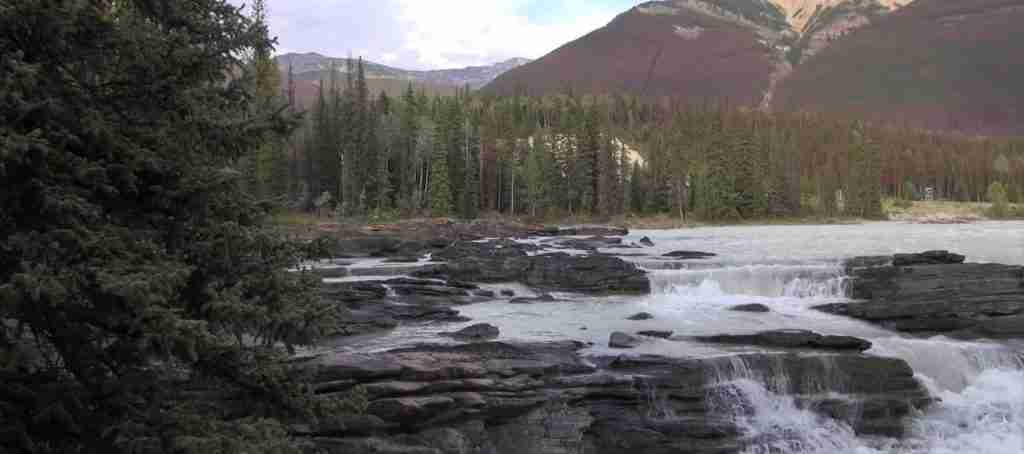
Spring waterfalls reach maximum flow as snowmelt peaks, transforming typically modest cascades into thundering spectacles. Athabasca Falls, Sunwapta Falls, and Tangle Creek Falls all dramatically increase in volume and power during May-June runoff period, creating photography opportunities unavailable during low-water months. The downside of high runoff involves trail closures where creek crossings become impassable, and some backcountry routes remain inaccessible until July when water levels recede.
Accommodation costs remain at or near annual lows throughout April and into early May before summer pricing begins mid-May. Budget travelers find exceptional value during this window, with mid-range hotels at CAD $140-200 ($100-145) nightly and hostels maintaining CAD $40-55 ($29-40) dormitory rates. Campgrounds begin opening late April through May (Whistlers and Wapiti typically open mid-May), though cold overnight temperatures often dropping below freezing require winter-rated sleeping bags and proper cold-weather camping equipment.
Visitors planning April-May trips should maintain maximum flexibility, as weather systems can dramatically alter conditions within 24-48 hours. Having backup indoor activities (Jasper Planetarium, local museums, hot springs visits) ensures productive days when storms close mountain access. Vehicle winter tires remain advisable through mid-May, particularly for visitors planning Icefields Parkway drives where snow can occur any month. Layered clothing systems, waterproof rain gear, and cold-weather accessories remain essential despite calendar suggesting spring has arrived.
The combination of low costs, emerging wildlife, uncrowded trails, and operational ski facilities makes spring particularly attractive for adventure-focused visitors comfortable with weather uncertainty. Photographers especially appreciate spring light quality, dramatic cloud formations, and wildlife behavior patterns creating unique opportunities unavailable during summer’s stable conditions.
Weather Patterns and Climate Considerations Across 2026
Jasper National Park’s alpine climate creates weather patterns more variable and unpredictable than lowland Canadian regions, with conditions changing rapidly due to mountain topography, elevation ranges spanning 2,700 vertical meters, and continental weather systems interacting with Pacific moisture. Understanding these patterns enables realistic planning and appropriate preparation regardless of season, as Jasper experiences temperature swings of 20-30°C within single days and snow potential existing year-round including July.
Summer months June through August average daytime highs of 18-21°C (64-70°F) at valley elevations (1,060 meters), though temperatures at popular hiking destinations 2,000-2,500 meters elevation remain 10-15°C cooler. Overnight lows drop to 4-8°C (39-46°F) even during peak summer, requiring sleeping bags rated to 0°C for camping comfort. Afternoon thunderstorms develop 2-3 days weekly throughout summer, typically forming over high terrain by 2-3 PM and producing lightning, heavy rain, and occasional hail. These storms move quickly, lasting 30-90 minutes before clearing, but create hazardous conditions for hikers exposed on ridgelines or alpine terrain.
Fall weather from September through October transitions from stable late-summer patterns to increasingly unsettled conditions as Arctic air masses begin penetrating southward. September averages 5-15°C (41-59°F) with occasional warm spells reaching 20°C (68°F) and cold systems dropping temperatures to -5°C (23°F) overnight particularly after mid-month. First significant snowfall typically arrives mid-to-late September at elevations above 2,200 meters, progressively moving lower through October. By month-end, valley elevations may receive light snow events, though accumulations rarely persist before November.
Winter conditions dominate December through March with average temperatures -15°C to -5°C (5-23°F), though extreme cold snaps drop readings to -25°C to -30°C (-13 to -22°F) for several-day periods when Arctic high pressure systems stall over the region. Chinook winds periodically bring dramatic warming, raising temperatures 15-20°C within hours and temporarily melting valley snow before cold returns. Snowfall accumulates steadily throughout winter, with valley totals reaching 3-4 meters and alpine areas receiving significantly more. Clear cold nights enable exceptional stargazing and aurora viewing, while overcast periods bring continued light snowfall creating ideal powder skiing conditions.
Spring weather April through May remains highly variable, with winter storms alternating with warm sunny periods as seasonal transition progresses. April typically sees several significant snow events accumulating 10-30 centimeters at valley elevations, while May increasingly shifts toward rain as temperatures rise above freezing. Late-season snowstorms can occur through May, occasionally closing mountain passes temporarily and delaying hiking season starts. By late May, daytime temperatures consistently reach 10-15°C (50-59°F), enabling comfortable valley hiking though high-elevation routes remain snow-covered until June.
Elevation significantly impacts temperature and precipitation patterns throughout the year. For every 300 meters of elevation gain, average temperatures drop approximately 2°C and precipitation increases 10-15 percent. This means popular hiking destinations like Skyline Trail (2,200 meters) and Edith Cavell Meadows (2,130 meters) remain 8-10°C cooler than Jasper townsite (1,060 meters), with higher wind exposure further reducing apparent temperatures. Visitors planning alpine hikes should pack insulated layers regardless of valley weather forecasts.
Precipitation patterns show relatively even distribution across months compared to many mountain regions, with May-June slightly wetter (70-80mm monthly) due to spring weather systems. Summer thunderstorms concentrate precipitation into short intense events rather than day-long rain, while winter snowfall arrives through frequent lighter events. Annual precipitation totals approximately 450mm at valley elevations, increasing to 900mm+ at alpine elevations where most falls as snow.
Wind conditions intensify with elevation, particularly along exposed ridgelines and alpine plateaus. Valley locations including Jasper townsite experience relatively calm conditions, while mountain passes like Sunwapta and summits above 2,500 meters regularly see winds exceeding 60 km/h. Winter wind chill significantly lowers apparent temperatures, with -15°C ambient readings feeling like -30°C or colder when combined with 40 km/h winds common on exposed terrain.
Sunlight availability varies dramatically by season due to Jasper’s northern latitude (52.9°N). Summer solstice (June 20) provides 16.5 hours between sunrise and sunset, with extended twilight adding usable light before dawn and after dusk. Winter solstice (December 21) shortens daylight to just 7.5 hours, limiting outdoor activity windows particularly for wildlife viewing and photography requiring specific lighting conditions. Spring and fall shoulder seasons offer balanced 12-13 hour daylight periods, sufficient for full-day hiking without extreme early starts required in winter.
Climate change impacts become increasingly evident in Jasper’s weather patterns, with warming trends documented across recent decades. Glaciers including Athabasca Glacier continue retreating, summer wildfire risk increases, and spring runoff peaks earlier than historical norms. These changes create unpredictable conditions where traditional seasonal patterns may not hold, reinforcing the need for flexibility and current weather monitoring rather than relying solely on historical averages.
Accommodation Costs and Booking Strategy by Season 2026
Accommodation costs in Jasper National Park fluctuate 200-300 percent between peak summer and winter low seasons, with strategic booking timing and seasonal selection creating opportunities for significant savings. Understanding these patterns and implementing appropriate reservation strategies enables budget optimization while securing preferred properties during high-demand periods when availability becomes critically limited months in advance.
Summer accommodation costs June through August reach annual peaks, with mid-range hotels averaging CAD $320-400 ($230-290) nightly, budget properties including hostels charging CAD $85-135 ($61-97) for private rooms or CAD $45-65 ($32-47) for dormitory beds, and luxury options like Fairmont Jasper Park Lodge commanding CAD $600-900 ($430-650) per night. Peak demand occurs during July and first three weeks of August, when Calgary Stampede (July 4-13, 2026) and Edmonton Folk Festival (August 6-9, 2026) drive weekend visitors, while weekdays see moderately reduced rates. The Canada Strong Pass free admission period June 19-September 7 does not directly reduce accommodation costs, but the 25 percent discount on Parks Canada camping fees makes campground stays CAD $9-14 ($6-10) cheaper per night during this window.
Fall shoulder season September through October provides initial cost relief, with rates dropping 30-40 percent from summer peaks. Early September maintains moderate pricing at CAD $260-320 ($187-230) as the Canada Strong Pass period continues through September 7, before sharper declines occur mid-month as operations shift toward winter. By October, mid-range hotels drop to CAD $165-220 ($120-160) nightly, representing exceptional value for visitors comfortable with cooler weather and the possibility of trail closures above 2,000 meters elevation. Availability improves dramatically, with same-week bookings possible and last-minute deals frequently available through hotel websites and booking platforms.
Winter season December through February delivers annual low accommodation costs, with January particularly attractive at CAD $125-175 ($90-125) for mid-range properties. The Jasper in January festival amplifies this value through promotional packages bundling accommodations with dining discounts, activity vouchers, and lift ticket deals. Budget hostels maintain operations through winter at CAD $40-55 ($29-40) for dormitory beds, while mid-range chains including Marmot Lodge, Tonquin Inn, and Chateau Jasper offer winter rates 60-65 percent below summer peaks. Luxury properties reduce rates less dramatically but still drop CAD $150-250 ($108-180) nightly compared to July-August pricing. Hotel availability vastly exceeds demand outside Christmas-New Year and Family Day (February 17, 2026) long weekends, enabling spontaneous bookings and extended stays without advance planning.
Spring transition April through mid-May maintains winter-level pricing before summer increases begin, creating a brief window for value-focused visitors. April rates match January at CAD $130-185 ($94-133) for mid-range hotels, while May sees gradual increases as Memorial Day weekend (May 25, 2026) approaches and summer season starts. Campgrounds open progressively through late April and May, with Whistlers and Wapiti typically beginning operations mid-May at discounted early-season rates before full pricing takes effect in June.
Booking strategies vary significantly by season. Summer visitors require maximum advance planning: reserve accommodations by February-March for July-August dates to secure preferred properties before sellout, and book 4-6 months ahead for June or late-August dates when availability remains slightly better. Campground reservations open January 8, 2026, for the entire summer season through Parks Canada reservation system, with popular sites like Whistlers selling out within hours for July-August weekends. Utilizing booking platforms’ cancellation policies enables securing rooms early while maintaining flexibility if plans change, though many properties shift to non-refundable rates as dates approach.
Shoulder season and winter visitors can adopt flexible strategies: monitor rates 2-4 weeks before travel and book when comfortable with pricing, wait for last-minute deals appearing 3-7 days before arrival as hotels discount unsold inventory, or simply book upon arrival given consistent availability. Many properties offer packages during these periods bundling accommodations with activities, meals, or lift tickets, creating value beyond basic room rates. Direct booking through hotel websites sometimes provides better rates than third-party platforms, particularly when properties offer “book direct” promotions or loyalty program benefits.
Alternative accommodation options beyond traditional hotels include private cabins and chalets (CAD $180-350 / $130-250 nightly for groups of 4-6), vacation rentals through platforms like Airbnb (CAD $150-280 / $108-200 for 2-bedroom units), and backcountry huts operated by Alpine Club of Canada (CAD $30-45 / $22-32 per person for members, requires booking months ahead during summer). These alternatives sometimes provide cost advantages for groups or extended stays, though location convenience and amenities vary significantly compared to townsite hotels.
Budget-conscious visitors can implement additional cost-reduction strategies: stay in Hinton (45 minutes east) where hotels cost CAD $50-80 ($36-58) less nightly though adding fuel costs and drive time, camp instead of using hotels saving CAD $120-180 ($87-130) per night with equipment investment, or visit during Jasper in January festival when restaurant and activity discounts offset accommodation costs. Combining Jasper visits with Banff or Yoho National Parks enables splitting accommodation costs across multiple destinations, particularly valuable when using Discovery Pass providing access to all mountain parks.
Accommodation selection involves balancing cost, location, and amenities. Properties in Jasper townsite enable walking access to restaurants, shops, and trailheads, eliminating vehicle costs for evening activities. Highway 16 and 93 corridor properties outside townsite (Marmot Lodge, Mount Robson Inn, Sunwapta Falls Resort) trade convenience for slightly lower rates and quieter settings, though requiring vehicles for all activities. Cabin properties like Tekarra Lodge (currently rebuilding post-wildfire, reopening dates to be confirmed) and Alpine Village offer heritage charm and fireplace ambiance at premium pricing during summer, moderate rates during shoulder seasons.
Activity-Specific Timing: Matching Visits to Interests 2026
Jasper National Park supports dramatically different activity portfolios across seasons, making optimal visit timing highly dependent on specific interests rather than universal “best” periods. Wildlife photographers prioritize different months than skiing enthusiasts, while backpackers seeking solitude avoid periods optimal for families wanting accessible attractions and predictable weather. Understanding activity-specific windows enables targeted planning maximizing satisfaction with chosen pursuits.
Wildlife viewing and photography peak during three distinct periods. Spring emergence from late April through May brings bears concentrating in valley areas feeding on emerging vegetation, with minimal tourist crowds and animals habituated to human presence along roadsides. Fall rutting season from mid-September through October delivers elk behavior rarely witnessed other times, with bugling males competing for mates and increased activity during daylight hours. Early winter November through December sees caribou descending to lower elevations (though seasonal closures limit access to protect critical habitat), while predators including wolves and coyotes become more visible tracking elk herds. Professional wildlife photographers particularly value spring and fall shoulder seasons when animal behavior intensifies and lower tourist numbers enable patient observation without crowds.
Hiking season spans May through October with dramatically different experiences across this window. Late June through August provides guaranteed access to high-alpine routes above 2,200 meters including Skyline Trail, Tonquin Valley, and Edith Cavell Meadows, with warm temperatures and stable weather maximizing comfort though requiring navigation of peak crowds. September delivers optimal hiking conditions for many visitors: trails remain snow-free, crowds diminish 70 percent from July-August levels, fall colors transform larch forests, and cooler temperatures suit strenuous ascents better than summer heat. May and early June see lower-elevation trails accessible while high routes remain snow-covered, creating unique opportunities for visitors comfortable hiking 10-18 kilometers at 1,200-1,600 meters elevation range. October becomes increasingly challenging as first major snowfalls close high-elevation access, though lower trails remain viable and solitude becomes nearly complete outside townsite-adjacent routes.
Backpacking and multi-day wilderness trips require July through September window for reliable conditions. Backcountry campsites become accessible only after snowmelt typically completed by early July at elevations below 2,000 meters and late July above this threshold. August delivers most stable weather for multi-day trips, though also brings peak reservation competition for popular routes including Skyline Trail, Tonquin Valley, and Brazeau Loop. September combines excellent backpacking conditions with reduced competition for campsites, though shorter days (12 hours daylight by month-end) require earlier hiking starts and potential for surprise snowstorms above 2,200 meters demands flexibility. Mosquito pressure peaks late June through early August, making September particularly attractive for hikers sensitive to insect harassment common during mid-summer weeks.
Water-based activities concentrate June through September. Maligne Lake boat cruises to Spirit Island operate mid-June through September, with exact dates varying by ice breakup timing and fall weather. Lake temperatures peak in August at 12-15°C (54-59°F), enabling swimming for hardy individuals though most visitors prefer keeping feet dry. Kayaking and canoeing on Pyramid Lake, Patricia Lake, and Lake Edith provide calm-water paddling June through September, with rental concessions operating daily during summer and weekend-only during shoulder periods. Whitewater rafting on Athabasca River runs mid-May through September, with peak flows occurring May through June during snowmelt creating more challenging Class II-III conditions, while late summer offers mellower Class I-II sections suitable for families.
Winter sports require November through April window with variations by specific activity. Downhill skiing at Marmot Basin operates mid-November through early May, with peak snow conditions typically occurring January through March. Late-season spring skiing in April offers warmer temperatures and longer days with reliable corn snow conditions, though base depths diminish as season progresses. Cross-country skiing requires consistent snow coverage beginning December through March, with January and February providing coldest but most reliable conditions. Ice walks through Maligne Canyon operate December through March, with January through February delivering most dramatic ice formations as sustained cold builds frozen waterfalls and canyon features. Snowshoeing remains viable November through April depending on snow depth, with late season offering warmer conditions though less pristine snow surfaces.
Stargazing and aurora viewing favor winter months December through February when darkness extends 16-17 hours nightly and cold stable weather clears atmosphere. Jasper Dark Sky Preserve’s minimal light pollution creates exceptional astronomy conditions year-round, but summer’s abbreviated darkness (7-8 hours) limits viewing windows. Northern lights occur sporadically throughout the year but increase in frequency during winter months, with January and February statistically showing highest aurora activity though displays remain unpredictable requiring monitoring space weather forecasts. The Jasper Dark Sky Festival in October (exact 2026 dates to be confirmed) offers programs, presentations, and guided stargazing experiences regardless of aurora activity.
Cycling enthusiasts find optimal conditions May through September, with June through August providing warmest weather and fully operational support services. The Icefields Parkway between Lake Louise and Jasper attracts serious cyclists completing the 232-kilometer route typically requiring 2-3 days with intermediate accommodation or camping stops. Traffic peaks July-August requiring defensive riding strategies, while June and September reduce vehicle encounters though increasing weather unpredictability. Mountain biking on park trails operates same May-September window, with late summer providing driest trail conditions though spring and fall deliver more challenging technical riding on wet roots and rocks.
Family visits with children prioritize June through August when weather reliability maximizes outdoor time, all attractions operate fully, and warmer temperatures suit young participants. Swimming opportunities at lakes including Lake Edith and Annette Lake peak July-August when water temperatures reach maximum warmth (still only 15-17°C requiring tolerance for cold water). Shorter family hikes to destinations like Athabasca Falls, Maligne Canyon, and Pyramid Lake remain accessible May through October, with June-August providing warmest conditions for children’s comfort. Winter family visits work well for ski-oriented families, with Marmot Basin offering children’s programs and Jasper townsite providing indoor alternatives (aquatic center, planetarium, indoor climbing) when weather prevents outdoor activities.
Crowd Management Strategies and Peak Visitation Patterns 2026
Jasper National Park experiences extreme visitation concentration, with over one million of its approximately 2.3 million annual visitors arriving during July-August eight-week window. Managing this crowding through strategic timing, early starts, and tactical destination selection transforms visitor experience from frustrating gridlock to rewarding wilderness encounters, particularly important given the park’s reputation as a quieter alternative to neighboring Banff.
Peak crowding occurs mid-July through mid-August, particularly weekends when Calgary and Edmonton residents undertake day trips and weekend getaways. Weekday visits during this period reduce crowding approximately 30-40 percent compared to Saturday-Sunday, making Tuesday-Thursday optimal for summer visitors unable to shift to shoulder seasons. Within summer weeks, early morning hours before 9 AM and evening hours after 6 PM see significantly reduced trail and attraction traffic, enabling photographers and flexible visitors to experience popular sites with minimal congestion.
Specific locations attract disproportionate crowds during peak season. Maligne Lake, Columbia Icefield Skywalk, Athabasca Falls, and Edith Cavell Meadows regularly experience parking lot capacity by 9-10 AM during July-August, with vehicles turned away until spaces open. Arriving at these destinations by 7-8 AM guarantees parking and enables hiking/touring before bus tour groups arrive mid-morning. Alternative strategies include visiting these sites after 5 PM when day visitors depart, though this limits time for longer hikes starting from these locations.
Less-visited alternatives provide equivalent scenic value without crowding challenges. Instead of Maligne Lake (overwhelming summer traffic), consider Pyramid Lake or Patricia Lake offering similar mountain-lake views with dramatically reduced visitor numbers. Rather than joining Athabasca Falls crowds, visit Sunwapta Falls 55 kilometers south providing comparable waterfall spectacle with one-tenth the visitors. Substitute Edith Cavell Meadows (requiring 7 AM arrival for parking) with Wilcox Pass or Parker Ridge offering similar alpine meadows and glacier views without capacity constraints.
Backcountry destinations see minimal crowding even during peak season, with trails beyond 5 kilometers from trailheads experiencing 90 percent fewer encounters than popular front-country routes. Day hikes like Sulphur Skyline (8 kilometers round trip), Curator Mountain (11 kilometers round trip), and Fryatt Valley (22 kilometers round trip) provide wilderness solitude unavailable at iconic destinations. Overnight backcountry trips eliminate crowds entirely outside designated campgrounds, with off-trail exploration and dispersed camping in permitted zones enabling days without encountering other parties.
Shoulder season visits fundamentally solve crowding challenges. September visitor numbers drop 70 percent from August peaks while maintaining excellent weather and nearly full attraction operations. June sees 60 percent fewer visitors than July-August despite comparable weather after mid-month, creating exceptional value for visitors prioritizing solitude. May and October reduce crowds an additional 40 percent beyond September levels, though weather unpredictability and limited service operations require flexibility. Winter months December through February attract only dedicated snow sports enthusiasts and winter wilderness visitors, providing near-complete solitude outside ski resort areas and Jasper townsite.
Activity-specific timing within days maximizes solitude during peak season. Wildlife viewing achieves best results during dawn (5:30-8 AM) and dusk (8-10 PM) hours when animals are most active and tourists largely absent. Hiking popular trails requires 7-8 AM starts to secure parking and complete routes before crowds arrive mid-morning. Photography benefits from golden hour lighting (first and last hours of daylight) while simultaneously avoiding midday tourist concentrations. Lakes and water-based activities see minimal use before 10 AM and after 6 PM, creating peaceful paddling windows during otherwise busy summer days.
Restaurant reservations become essential during peak season, with popular establishments including Fiddle River Seafood Company, Syrahs of Jasper, and Evil Dave’s Grill booking weeks ahead for July-August dinner slots. Visitors without reservations face 60-90 minute waits at peak 6-8 PM dinner hours, though arriving before 5:30 PM or after 8:30 PM substantially reduces wait times. Alternative strategies include eating lunch at dinner restaurants (avoiding evening crowds entirely), choosing less-central dining locations outside immediate townsite core, or preparing meals in accommodations with kitchens.
The Canada Strong Pass free admission period June 19-September 7, 2026, may slightly increase visitation during traditionally less-crowded late June and early September periods as cost-conscious visitors optimize timing around the free-entry window. This effect will likely be modest compared to weather-driven seasonal patterns, but visitors planning trips during free-admission shoulder days (June 19-30, September 1-7) should anticipate moderately higher crowds than historical norms for these dates while still enjoying significant advantages over July-August peaks.
Booking advance reservations for major activities mitigates crowding frustrations. Maligne Lake boat cruises sell out days or weeks ahead during July-August, while June and September maintain better availability with same-week bookings often possible. Columbia Icefield Skywalk and glacier tours book months ahead for peak season, though morning tours (9-10 AM starts) typically show better availability than afternoon slots due to day-trippers targeting later times. Guided hiking tours, wildlife viewing excursions, and specialty activities including whitewater rafting benefit from 2-4 week advance booking during summer, though shoulder seasons enable week-of reservations.
Campground strategies for peak season require booking exactly when reservations open January 8, 2026, for summer dates. Whistlers and Wapiti campgrounds sell out within hours for July-August weekends, with weekday availability lasting slightly longer but still filling weeks in advance. Alternative campgrounds including Wabasso and Pocahontas maintain better availability though offering fewer sites and more basic facilities. September campground availability improves dramatically with same-week bookings possible, though sites begin closing mid-September with Whistlers and Wapiti typically ending operations before month-end.
Cost Optimization Strategies for Budget-Conscious Visitors 2026
Strategic planning enables significant cost reductions for Jasper visits without sacrificing experience quality, through timing optimization, accommodation selection, activity prioritization, and leveraging 2026’s Canada Strong Pass free admission period. Budget-conscious visitors can reduce total trip costs 40-60 percent compared to peak-season baseline approaches while accessing equivalent or superior wilderness experiences.
Seasonal timing provides the foundation for cost optimization. Visiting during January’s Jasper in January festival period saves CAD $195-275 ($140-198) nightly on mid-range hotel accommodations compared to July-August rates, while restaurants offer 15-25 percent discounts and activities provide promotional pricing. April-May shoulder season delivers similar accommodation savings before summer increases take effect, combined with operational ski facilities enabling combination ski-and-hike trips maximizing activity diversity. September remains most accessible for visitors requiring warm weather and full attraction operations, saving approximately CAD $110 ($79) nightly on mid-range hotels compared to July-August while maintaining 85 percent of summer activity access.
The Canada Strong Pass free admission June 19-September 7, 2026, eliminates park entry costs typically running CAD $25 ($18) daily for families or CAD $12 ($9) for individuals, saving CAD $125-175 ($90-125) on week-long visits. This program also discounts Parks Canada campground fees by 25 percent during the same period, reducing camping costs from CAD $38-55 ($27-40) to CAD $29-41 ($21-30) per night, saving CAD $63-98 ($45-71) on week-long camping trips. Strategically timing visits to overlap the Canada Strong Pass window captures these savings without typical shoulder-season disadvantages, as the period spans peak summer through early fall.
Accommodation choices dramatically impact budget outcomes. Hostels including HI Jasper offer dormitory beds at CAD $45-65 ($32-47) summer rates or CAD $40-55 ($29-40) winter rates compared to CAD $320-400 ($230-290) mid-range hotel rooms, saving CAD $275-355 ($198-256) nightly for solo travelers willing to share facilities. Private hostel rooms at CAD $110-145 ($79-105) provide middle-ground options still substantially cheaper than hotels. Campgrounds during non-Canada Strong Pass periods cost CAD $38-55 ($27-40) per night, eliminating accommodation expenses for visitors with camping equipment and tolerance for outdoor sleeping. Staying in Hinton 45 minutes east saves CAD $50-80 ($36-58) nightly compared to Jasper townsite properties, though adding fuel costs (approximately CAD $15 / $11 round trip) and reducing evening flexibility.
Cooking meals versus restaurant dining saves CAD $60-90 ($43-65) daily per person. Groceries from Jasper townsite supermarkets including Nutter’s Bulk and Natural Foods and IGA enable breakfast and lunch preparation for CAD $20-30 ($14-22) daily, compared to CAD $45-65 ($32-47) for restaurant equivalents. Accommodations with kitchens (hostels, cabins, vacation rentals) or campground cooking facilities transform this strategy from inconvenient to practical, particularly for multi-day visits where meal savings compound significantly.
Activity selection and prioritization balances costs against experience value. Jasper’s extensive trail network provides unlimited free hiking opportunities ranging from easy 2-kilometer loops to challenging multi-day backcountry routes, eliminating need for guided tours costing CAD $85-195 ($61-140) daily. Self-guided wildlife viewing along Highway 16, Maligne Lake Road, and Icefields Parkway produces equivalent or superior results compared to CAD $120-165 ($87-119) commercial wildlife tours, requiring only patience and early-morning commitment. Major paid attractions including Columbia Icefield Skywalk (CAD $115 / $83 with glacier tour included) and Jasper SkyTram (CAD $65-85 / $47-61) provide unique experiences justifying costs, while Maligne Lake boat cruises (CAD $80 / $58) can be substituted with shoreline hiking and kayak rentals offering similar views at lower cost.
Parks Canada Discovery Pass (CAD $168 / $121 family/group, CAD $84 / $60 adult) pays for itself within 7 days compared to daily passes at CAD $25 ($18) or CAD $12 ($9), while enabling side trips to Banff, Yoho, and Kootenay national parks without additional entry costs. This becomes particularly valuable for visitors planning extended Canadian Rockies tours or multiple parks trips during the annual validity period. During Canada Strong Pass free admission windows, the Discovery Pass provides no value and should not be purchased.
Transportation costs deserve strategic attention. Renting vehicles in Calgary or Edmonton rather than at Jasper enables significant savings, with weekly rentals often CAD $350-500 ($252-360) cheaper from major city airports due to competition and selection. Fuel costs for Jasper exploration run approximately CAD $80-120 ($58-87) weekly for typical visitor mileage including Icefields Parkway trips, Maligne Lake access, and daily townsite-to-trailhead drives. Visitors comfortable with public transportation can reach Jasper via SunDog Tours bus service from Edmonton (CAD $110 / $79 one-way) or VIA Rail train from Edmonton or Vancouver, then rely on Jasper’s limited local transit, bicycle rentals (CAD $40-65 / $29-47 daily), or joining group tours for major destinations.
Equipment rental versus purchase calculations favor rentals for infrequent visitors. Camping gear rental packages including tents, sleeping bags, and camp stoves cost CAD $75-110 ($54-79) daily or CAD $350-500 ($252-360) weekly from Jasper outfitters, eliminating equipment purchase and transportation costs. Winter sport rentals including skis, snowboards, snowshoes, and cross-country packages run CAD $35-75 ($25-54) daily, reasonable compared to purchase costs for single-trip visitors. Bear spray rental at CAD $10-12 ($7-9) daily beats purchase price of CAD $50-65 ($36-47) for units used only during Jasper visit.
Combining multiple parks in single trips spreads fixed costs (flights, rental vehicles, equipment) across more destinations while maintaining accommodation flexibility. Visitors driving from Calgary can efficiently combine Banff, Yoho, Jasper, and Glacier National Parks in 7-10 day loops, maximizing Discovery Pass value and rental vehicle utilization. This approach particularly suits September visits when all parks show excellent fall colors and reduced crowds, or May when ski seasons overlap with emerging hiking opportunities.
Free and low-cost activities provide exceptional value throughout the year. The extensive trail network offers hundreds of kilometers of maintained paths requiring no fees beyond park entry. Wildlife viewing along roadside corridors costs nothing beyond fuel and time. Townsite walking tours, Jasper Museum visits (free admission), and evening programs at Parks Canada visitor centers provide educational value without charges. Winter ice walks on Pyramid Lake or Maligne River (distinct from commercial Maligne Canyon tours) enable free exploration of frozen landscapes with proper footwear and safety awareness.
Family Travel Considerations and Child-Friendly Timing 2026
Family visits to Jasper National Park require balancing children’s needs and interests against seasonal weather reliability, activity accessibility, and practical logistics including accommodation costs and crowd management. Summer months June through August traditionally dominate family visitation due to school schedules and weather predictability, though strategic shoulder season timing and activity selection can provide superior experiences at reduced costs.
Summer family visits June through August deliver maximum weather reliability, with warm temperatures 18-21°C (64-70°F) ensuring comfortable outdoor time and minimal risk of trip-disrupting storms. Swimming opportunities at lakes including Annette Lake and Lake Edith reach peak feasibility in July-August when water temperatures climb to 15-17°C (59-63°F), still quite cold but tolerable for children accustomed to mountain lakes. All attractions operate fully during summer including Maligne Lake boat cruises that captivate children with Spirit Island scenery, Jasper SkyTram providing painless elevation gain to alpine environments, and Columbia Icefield Skywalk offering dramatic glacier views without hiking requirements. The extended 16-hour daylight enables flexible family scheduling accommodating nap times, slow morning starts, and evening activities after dinner.
Summer challenges for families include peak accommodation costs straining budgets, crowds at major attractions requiring advance planning and limiting spontaneity, and afternoon thunderstorm patterns necessitating morning activity emphasis. Family-sized accommodations (two rooms or suites sleeping 4-6) command CAD $450-650 ($325-468) nightly during July-August at mid-range properties, while vacation rentals or cabins with kitchens cost CAD $280-420 ($200-302) providing meal-preparation facilities that substantially reduce overall trip costs. Campground family sites cost CAD $38-55 ($27-40) nightly outside Canada Strong Pass periods or CAD $29-41 ($21-30) during free admission windows, though requiring equipment investment and tolerance for outdoor sleeping with children.
June represents optimal summer timing for budget-conscious families, combining moderate weather (15-19°C / 59-66°F), 60 percent fewer crowds than July-August, and Canada Strong Pass free admission starting June 19, while most children remain available before final school weeks conclude. The primary trade-off involves cooler water temperatures (10-13°C / 50-55°F) limiting swimming appeal and potential lingering snow on high-elevation trails restricting hiking options to lower routes below 1,800 meters. June’s lower hotel rates averaging CAD $280-340 ($200-245) save CAD $40-60 ($29-43) nightly compared to peak summer, accumulating to CAD $280-420 ($200-302) on week-long family trips.
September shoulder season suits families with flexible school schedules or homeschooling arrangements, delivering excellent weather (10-18°C / 50-64°F), dramatically reduced crowds creating stress-free attraction visits, fall colors adding visual interest, and continued operation of most summer activities through month-end. September accommodation costs drop 30-40 percent from summer peaks to CAD $210-290 ($150-210) for family rooms, while restaurants and attractions operate without summer congestion. The Canada Strong Pass free admission extends through September 7, benefiting families visiting Labor Day period. Late-September considerations include shortening days (12 hours by month-end) limiting activity windows, potential for cold nights requiring warmer sleeping arrangements, and some trail closures above 2,000 meters as snow arrives.
Winter family visits December through February work exceptionally well for ski-oriented families, with Marmot Basin offering children’s ski school programs, daycare facilities for youngest children, and terrain parks engaging teenagers. Non-skiing family members can access alternative activities including Jasper Aquatic Center (indoor pool and waterslide), Jasper Planetarium, and ice skating at outdoor rinks in Jasper townsite. Winter accommodation costs drop to CAD $180-260 ($130-187) for family rooms, representing exceptional value though requiring acceptance of shorter days (7.5 hours during December) and cold temperatures averaging -15°C to -5°C (5-23°F). The Jasper in January festival provides family-oriented programming including outdoor activities, evening entertainment, and dining promotions making winter visits more affordable and engaging.
Child-friendly hiking routes span the difficulty spectrum with options for all ages and abilities. Pyramid Lake Loop (4.8 kilometers, minimal elevation gain) provides easy lakeside walking suitable for strollers on paved sections and young children on gravel portions. Maligne Canyon trail system offers multiple bridge viewpoints accessible via short walks (0.5-2 kilometers) from parking areas, enabling families to customize distance based on children’s energy. Athabasca Falls loop (1 kilometer) combines dramatic waterfall viewing with minimal walking challenge, though requiring supervision on rocky viewpoints. Longer family hikes including Edith Cavell Meadows (5 kilometers round trip to first viewpoint), Valley of the Five Lakes (4.6 kilometer loop, reopening summer 2026), and Moab Lake (2.8 kilometers one-way) suit older children capable of 2-3 hour outings with elevation gains under 400 meters.
Wildlife viewing engages children across age groups when managed appropriately. Elk frequently appear in Jasper townsite particularly during September-October rutting season, providing close viewing opportunities from safe roadside positions without hiking requirements. Bighorn sheep concentrate along Highway 16 east of Jasper near Disaster Point, reliably visible with short walks from vehicle parking. Bears occasionally appear along roadways particularly May-June, though requiring 100-meter minimum distance and vehicle-based viewing rather than approaching on foot. Educational programs at Parks Canada Visitor Center provide context for wildlife encounters, with junior ranger programs engaging children in conservation concepts through hands-on activities.
Safety considerations with children include wildlife awareness education before hikes (making noise, staying together, carrying bear spray), weather preparation for rapid temperature changes requiring layered clothing, hydration emphasis in dry mountain climate, and sun protection including hats and sunscreen at high elevation where UV intensity increases 10-15 percent per 1,000 meters. Altitude effects rarely impact children at Jasper’s valley elevations (1,060 meters), though high-elevation destinations above 2,200 meters may cause mild symptoms including fatigue and headaches remedied by rest, hydration, and descending.
Accommodation selection prioritizes space and facilities when traveling with children. Suite properties including Jasper Inn & Suites and Marmot Lodge provide bedroom separation enabling adult evening time after children sleep, while cabin properties offer outdoor space for children to explore safely. Properties with pools (rare in Jasper but available at select hotels) provide rainy-day alternatives, though Jasper Aquatic Center offers public pool access for CAD $8-10 ($6-7) per person. Kitchen facilities enable meal preparation accommodating picky eaters and dietary restrictions while saving CAD $60-90 ($43-65) daily compared to restaurant meals for families of four.
Backup planning proves essential with children, as weather changes and individual energy levels may require itinerary adjustments. Indoor alternatives including Jasper Museum (free admission), Jasper Planetarium (CAD $12-18 / $9-13 per person), and downtown shops provide options when outdoor activities become impractical. Many families find success planning half-days rather than full-day excursions, enabling afternoon breaks at accommodation before evening activities, reducing fatigue-related behavior challenges, and maintaining flexibility for spontaneous adjustments.
Frequently Asked Questions: Jasper National Park Visit Timing 2026
Should I visit Jasper or Banff in 2026?
Jasper delivers superior experiences for visitors prioritizing wilderness solitude, dark sky viewing, and uncrowded trails, while Banff suits those seeking convenient infrastructure, extensive dining options, and immediate roadside scenic access. Jasper National Park spans 11,000 square kilometers compared to Banff’s 6,641 square kilometers, providing more dispersed visitor distribution and better backcountry solitude despite lower total visitation (2.3 million versus Banff’s 4+ million annually). Jasper’s Dark Sky Preserve status creates exceptional stargazing absent in Banff’s more light-polluted environment, while wildlife viewing opportunities particularly for caribou, wolves, and backcountry bears exceed Banff’s more habituated and roadside-focused animal encounters. Banff counters with superior townsite amenities including 100+ restaurants versus Jasper’s 30-40, luxury shopping unavailable in Jasper, and immediate access to iconic sites like Lake Louise and Moraine Lake requiring minimal hiking effort. Accommodation options favor Banff with broader selection across price points, though both destinations experience similar peak-season booking challenges. Combining both parks in single trips via Icefields Parkway enables experiencing complementary strengths, particularly valuable in September when both show exceptional fall colors and reduced crowds. Visitors can efficiently allocate 2-3 days in each park during week-long Rockies trips, or dedicate full weeks to either park for deeper exploration exceeding surface-level attraction touring.
Can I see northern lights in Jasper National Park in 2026?
Northern lights appear regularly in Jasper during periods of elevated geomagnetic activity, with Jasper Dark Sky Preserve’s minimal light pollution creating viewing conditions among Canada’s best south of 60°N latitude. Aurora frequency increases during winter months December through February when extended darkness (16-17 hours nightly) provides longer viewing windows and statistically higher geomagnetic activity occurs. The aurora oval expands southward during major solar storms, bringing displays visible at Jasper’s 52.9°N latitude approximately 15-25 nights annually during solar maximum periods (2024-2026 represents current maximum in 11-year solar cycle). Optimal viewing requires clear skies free of cloud cover, locations away from Jasper townsite lighting (Pyramid Lake access road, Patricia Lake area, or any dark location 5+ kilometers from town), and monitoring space weather forecasts through services including Space Weather Prediction Center providing 1-3 day advance warning of potential aurora activity. Summer aurora viewing faces challenges from abbreviated darkness windows (7-8 hours in June-July) and higher cloud cover probabilities, though displays occurring during these months benefit from warmer viewing temperatures compared to -20°C typical during winter aurora nights. Visitors should maintain realistic expectations: aurora appearances remain unpredictable despite favorable conditions, and displays visible at Jasper’s latitude typically manifest as green bands low on northern horizon rather than overhead curtains common at higher latitudes. Combining aurora viewing with other primary trip objectives (skiing, hiking, wildlife watching) prevents disappointment if displays fail to materialize during visit windows.
How many days do I need in Jasper National Park?
Jasper National Park rewards 4-7 day visits for comprehensive experience covering major attractions, diverse activities, and adequate exploration time without rushed schedules, though meaningful visits span 2-3 days for travelers combining multiple Canadian Rockies destinations or facing time constraints. Two-day minimum visits enable Icefields Parkway drive to Columbia Icefield with Skywalk experience (full day), plus Maligne Lake boat cruise or Jasper townsite-area activities including SkyTram and nearby trails (second day). Three-day visits add flexibility for weather contingencies, additional hiking on routes like Edith Cavell Meadows or Sulphur Skyline, and evening wildlife viewing along valley roads. Four-to-five day itineraries accommodate balanced activity mixing including multi-day backpacking trips (Skyline Trail or Tonquin Valley), diverse day hikes across elevation zones, water activities on multiple lakes, and rest days enabling spontaneous adjustments or simply relaxing after strenuous adventures. Week-long visits justify deep exploration including remote valley penetration (Brazeau, Fryatt, North Boundary regions), comprehensive trail sampling across difficulty levels, and seasonal specialty activities like extended wildlife photography sessions or multi-day ski touring. Travelers combining Jasper with Banff typically allocate 3-4 days per park when spending full week in Canadian Rockies, or 2-3 days each during shortened 5-6 day trips. Activity intensity influences duration requirements: relaxed visitors prioritizing scenic drives and short walks find satisfaction in 2-3 days, while active hikers and wilderness enthusiasts easily fill 7-10 days without exhausting worthwhile destinations. First-time visitors generally find 4 days optimal, enabling iconic attraction coverage (Columbia Icefield, Maligne Lake, major waterfalls) plus 2-3 substantial hikes and adequate buffer for weather disruptions or spontaneous interest pursuit without excessive rushing.
Is Jasper National Park expensive to visit in 2026?
Jasper National Park costs vary dramatically by season, accommodation choices, and activity selection, spanning budget-friendly CAD $145-195 ($105-140) daily per person during shoulder seasons staying in hostels and cooking meals, to expensive CAD $550-800+ ($395-575+) during July-August in luxury hotels with guided tours and restaurant dining. The 2026 Canada Strong Pass eliminates park entry fees June 19-September 7, saving CAD $25 ($18) daily for families or CAD $12 ($9) for individuals and making summer 2026 more affordable than previous years when admission costs applied throughout peak season. Accommodation represents the largest expense variable, with hostel dormitory beds at CAD $45-65 ($32-47) enabling budget travel, mid-range hotels costing CAD $210-400 ($150-290) depending on season, and luxury properties commanding CAD $600-900+ ($430-650+) nightly. Meal costs range CAD $20-30 ($14-22) daily when cooking own food to CAD $80-120 ($58-87) for three restaurant meals, with many visitors adopting hybrid approaches preparing breakfasts and lunches while dining out for dinners. Major activities add CAD $50-145 ($35-105) per attraction, though Jasper’s extensive free trail network provides unlimited hiking without additional costs beyond park entry. Strategic visitors can substantially reduce expenses through timing (January-April and September-October offer 40-60 percent accommodation savings), camping instead of hotels (CAD $29-55 / $21-40 nightly), and emphasizing free activities like wildlife viewing and hiking over commercial tours. Compared to similar mountain destinations, Jasper prices align with Banff and slightly exceed US national parks like Yellowstone or Grand Teton during peak seasons, though offering better value during shoulder periods when quality accommodations cost CAD $150-220 ($108-160) versus maintaining high rates year-round at many US destinations.
What is the weather like in Jasper during summer 2026?
Summer weather in Jasper National Park June through August averages 18-21°C (64-70°F) daytime highs at valley elevations with overnight lows dropping to 4-8°C (39-46°F), requiring layered clothing for morning starts and evening activities despite midday warmth. Afternoon thunderstorms develop 2-3 days weekly throughout summer, typically forming over mountains by 2-3 PM and producing lightning, heavy rain, and occasional hail for 30-90 minute periods before clearing. These storm patterns favor morning hiking schedules, with most hikers starting by 7-8 AM to complete alpine routes before weather deteriorates. High-elevation destinations 2,000+ meters above valley floor remain 10-15°C cooler than Jasper townsite readings, with summit areas occasionally experiencing snow squalls even in July requiring insulated layers in day packs regardless of valley forecasts. June tends slightly cooler and wetter than July-August, with morning frost possible early-month and lakes not reaching peak turquoise colors until late June after ice fully melts. July and August deliver warmest and driest conditions with extended dry spells lasting 5-7 days between storm systems, though August particularly sees smoke from British Columbia and Alberta wildfires periodically reducing visibility and air quality. Sunrise occurs before 5:30 AM and sunset extends past 10 PM during late June, providing 16.5 hours of daylight enabling extensive daily activity windows. Visitors should prepare for rapid weather changes typical in mountain environments: clear mornings can transition to afternoon storms within 2-3 hours, while overnight temperatures may drop 15-20°C from afternoon peaks requiring sleeping bags rated to 0°C for comfortable camping. Despite unpredictability, summer provides most reliable weather window with lowest probability of multi-day storm systems disrupting itineraries compared to spring and fall shoulder seasons experiencing more persistent weather patterns.
Are there grizzly bears in Jasper National Park?
Grizzly bears inhabit Jasper National Park throughout its 11,000 square kilometers, with population estimates suggesting 100-120 individual bears utilizing the park’s diverse ecosystems from valley meadows to alpine tundra. Bear encounters occur regularly along trails and roadways particularly during spring May-June when animals emerge from hibernation and concentrate in valley areas feeding on emerging vegetation, and fall September-October when pre-hibernation feeding intensifies before denning in November. Popular hiking trails including Edith Cavell Meadows, Fryatt Valley, and Tonquin Valley traverse prime grizzly habitat, with Parks Canada implementing temporary closures when bears frequent specific areas or carcass sites attract feeding activity. Black bears outnumber grizzlies approximately 2:1 in Jasper, though both species warrant identical safety protocols including hiking in groups of 4+ people, making continuous noise on blind corners and forested sections, carrying bear spray accessible on hip belts rather than buried in packs, and maintaining 100-meter minimum distances from all bears regardless of apparent behavior. Spring sows with cubs demonstrate heightened defensive behavior when humans inadvertently approach, while fall bears intensively feeding show less tolerance for disturbance and may defend food sources. Roadside bear viewing along Highway 16, Maligne Lake Road, and Icefields Parkway creates “bear jams” where vehicles stop creating traffic hazards, contributing to bear habituation patterns that ultimately harm animals through increased human-wildlife conflict. Responsible viewing requires remaining in vehicles, maintaining 100-meter distances enforced through telephoto lenses rather than approaching, and moving along promptly to prevent traffic accumulation. Parks Canada provides comprehensive bear safety education at visitor centers, trailheads, and through free borrowing of bear spray canisters to ensure all visitors understand proper protocols before entering bear habitat.
Can I visit Jasper National Park in winter?
Jasper National Park operates year-round with winter December through March offering distinct activities including downhill skiing at Marmot Basin, cross-country skiing and snowshoeing on 200+ kilometers of trails, ice canyon walks through frozen Maligne Canyon, and exceptional stargazing in Dark Sky Preserve during extended darkness windows. Winter accommodation costs drop to annual lows of CAD $125-175 ($90-125) nightly for mid-range hotels in January-February, representing 60-65 percent savings compared to summer peaks while providing equivalent room quality. The Jasper in January festival (January 3-31, 2026) amplifies winter value through restaurant discounts, reduced activity rates, and community events making the coldest month strategically attractive for budget-conscious visitors. Average winter temperatures range -15°C to -5°C (5-23°F) with periodic cold snaps reaching -25°C (-13°F) and occasional Chinook winds temporarily raising temperatures to 5°C (41°F), requiring comprehensive cold-weather gear including insulated jackets, layered clothing systems, winter boots, and face protection. Daylight shortens to approximately 7.5 hours during December solstice before gradually extending, limiting outdoor activity windows particularly for wildlife viewing and photography requiring specific lighting conditions. Major attractions adapt for winter: Maligne Lake boat cruises cease operation (June-September only), Columbia Icefield Glacier tours close (April-October only), and some valley roads including portions of Maligne Lake Road close overnight during extreme weather. Winter alternatives provide unique experiences unavailable other seasons: frozen canyon ice walks showcase ice formations and frozen waterfalls, aurora viewing improves during extended darkness, and cross-country skiing accesses snowbound landscapes on unplowed roads. Wildlife viewing continues through winter with elk wintering in valley areas near Jasper townsite, bighorn sheep visible along Highway 16, and occasional wolf or coyote sightings. Winter visitors should verify road conditions before travel, carry emergency supplies including extra food and blankets in vehicles, and maintain flexible itineraries accommodating weather systems that may temporarily close mountain passes or restrict activities. Overall, winter Jasper rewards visitors embracing cold-weather adventure with exceptional value, uncrowded conditions, and access to seasonal activities impossible during summer months.
When do wildflowers bloom in Jasper National Park?
Wildflower blooms in Jasper National Park follow elevation-dependent progression spanning May through August, with valley meadows (1,000-1,400 meters) displaying peak colors late May through June, mid-elevation zones (1,400-2,000 meters) peaking June-July, and high-alpine areas (2,000-2,500+ meters) reaching maximum diversity July through early August. Spring arrivals in valley locations include prairie crocuses emerging immediately after snowmelt in April-May, followed by glacier lilies carpeting moist areas, shooting stars along stream banks, and western anemones in open meadows by late May. Subalpine meadows deliver spectacular displays during July, with Indian paintbrush, lupine, arnica, and fireweed creating colorful tapestries along trails like Edith Cavell Meadows, Opal Hills, and Bald Hills by mid-July. Alpine tundra above treeline showcases adapted species including moss campion, alpine forget-me-nots, and saxifrages throughout July-August, with peak viewing requiring hiking above 2,200 meters on routes like Skyline Trail, Wilcox Pass, or Parker Ridge. The brief alpine growing season concentrates blooms into 4-6 week windows, typically peaking late July when snowpack fully melts and temperatures consistently remain above freezing. Specific bloom timing varies 2-3 weeks annually depending on winter snowpack depth and spring warming patterns, with heavy snow years delaying displays into August while light winters enable early-June alpine flowers. Prime wildflower hiking destinations include Tonquin Valley (late July-August), Fryatt Valley (mid-July-August), and Geraldine Lakes area (July), all requiring significant hiking effort (12-20+ kilometers one-way) rewarded with meadow displays absent along roadside locations. Photographers particularly value early-morning light on wildflower meadows, requiring overnight backcountry camping or dawn starts from trailheads to capture optimal lighting before harsh midday sun flattens colors and dimensions. Parks Canada publishes periodic wildflower bloom updates during summer on website and at visitor centers, helping visitors target peak windows for specific elevation zones during their visit dates.
Is the Canada Strong Pass worth it for Jasper visits in 2026?
The Canada Strong Pass provides exceptional value for Jasper National Park visits during its June 19-September 7, 2026, free admission period, eliminating daily entry fees typically costing CAD $25 ($18) for families or CAD $12 ($9) for individuals and saving CAD $125-175 ($90-125) on week-long trips. The program additionally discounts Parks Canada campground fees by 25 percent during the same window, reducing camping costs from CAD $38-55 ($27-40) to CAD $29-41 ($21-30) per night and providing cumulative savings of CAD $63-98 ($45-71) on week-long camping trips. For visitors planning trips during the free admission period, the Canada Strong Pass represents pure savings requiring no special passes or advance enrollment – all visitors automatically receive free entry and discounted camping during the designated dates regardless of residency or citizenship. The strategic advantage involves timing visits to overlap this period, particularly targeting late June (combining free admission with moderate crowds 60 percent below July-August peaks) or early September (extending free admission through shoulder season when fall colors emerge and elk rutting begins). Visitors planning trips outside the June 19-September 7 window cannot access Canada Strong Pass benefits and should instead consider purchasing Discovery Passes (CAD $168 / $121 family/group annual pass) if visiting 7+ days across any Parks Canada sites or daily passes (CAD $25 / $18 family) for shorter Jasper-only visits. The Canada Strong Pass does not cover accommodation costs, major attraction fees including Maligne Lake boat cruises (CAD $80 / $58) or Columbia Icefield experiences (CAD $115 / $83), restaurant meals, guided tours, or equipment rentals – these expenses remain unchanged regardless of free admission status. Overall, the program transforms summer 2026 into Jasper’s most cost-effective period for visitors who otherwise face highest accommodation rates but benefit from guaranteed weather, full attraction operations, and extended daylight hours typically justifying peak-season price premiums now offset by eliminated entry fees.
What is the best weather month for Jasper National Park?
September statistically delivers Jasper National Park’s most favorable weather balance, combining comfortable average temperatures 10-15°C (50-59°F), lowest monthly precipitation totals (approximately 40-50mm), reduced afternoon thunderstorm frequency compared to July-August, and extended clear-sky periods lasting 4-6 days between weather systems. Early September particularly benefits from lingering summer warmth with temperatures occasionally reaching 18-20°C (64-68°F) while avoiding late-month cold snaps that can drop overnight readings to -5°C (23°F) by month-end. The diminishing daylight (approximately 12-13 hours by mid-September) still provides ample time for full-day activities without extremely early starts required in winter, while autumn’s lower sun angle creates superior photography lighting compared to summer’s harsh overhead illumination. Weather stability in September exceeds spring’s unpredictable transition patterns and fall’s increasing storm frequency, with multi-day periods of stable conditions enabling confident trip planning and reduced risk of weather-disrupted itineraries. July and August provide warmer temperatures 18-21°C (64-70°F) with longer daylight (16+ hours) but increase afternoon thunderstorm probability and summer smoke events from regional wildfires occasionally degrading air quality and visibility. June offers similar temperatures to September but faces higher precipitation, lingering snow at high elevations restricting trail access, and delayed lake warming limiting water activity appeal. Winter months December-February deliver reliable snow conditions and clear cold weather ideal for skiing and winter sports, though requiring acceptance of -15°C to -5°C (5-23°F) temperatures and abbreviated 7.5-hour daylight windows. May brings unpredictable conditions ranging from late winter storms to early summer warmth, creating weather gambling unsuitable for visitors prioritizing reliability. October transitions toward winter with increasing precipitation often falling as snow above 1,800 meters by mid-month and temperatures dropping to -5°C to 10°C (23-50°F) range. For visitors prioritizing weather reliability, comfortable temperatures, low precipitation, and stable conditions enabling confident planning, September stands as Jasper’s optimal month with early-September dates (prior to September 15) providing warmest conditions before late-month cooling begins.