
Jasper National Park Travel Tips 2026: Essential Planning & Practical Advice
Jasper National Park stretches across 11,000 square kilometers of pristine Canadian Rockies wilderness as part of the UNESCO Canadian Rocky Mountain Parks World Heritage Site. Strategic planning transforms your 2026 visit from logistically challenging to seamlessly executed, whether you’re navigating the free admission period, tracking grizzly bears at dawn, or timing your arrival to avoid crowds at Maligne Lake.
Key Takeaways: Jasper National Park 2026
- Free Admission Summer 2026: Parks Canada’s Canada Strong Pass offers free park entry from June 19 to September 7, 2026, plus 25% off camping and overnight stays, eliminating the CAD $84 ($60) annual Discovery Pass cost for summer visitors while regular admission fees apply before June 19 and after September 7
- Wildlife Safety Distances: Maintain 100 meters from bears, cougars, and wolves, and 30 meters from elk, deer, bighorn sheep, mountain goats, and moose, with bear spray mandatory on all trails and early morning or dusk drives along Maligne Lake Road offering prime wildlife viewing opportunities
- Best Timing Strategy 2026: Visit May to mid-June or September to early October for 50-70% fewer crowds than July-August peak, with spring offering prime bear viewing as animals emerge from hibernation and fall delivering elk rutting season drama without summer tour bus congestion
- Major Attractions Planning: Reserve Columbia Icefield Adventure CAD $96 ($69), Jasper SkyTram CAD $59 ($43), and Maligne Lake Cruise CAD $84 ($60) tickets online days or weeks ahead during summer 2026 to secure preferred time slots at these capacity-controlled UNESCO World Heritage Site experiences
- Accommodation Booking Timeline: Book downtown Jasper hotels and Fairmont Jasper Park Lodge 4-6 months ahead for July-August 2026 stays, 2-3 months ahead for June and September, with Parks Canada campground reservations opening exactly four months before arrival date at 8 AM Mountain Time
- Weather Preparation: Pack for 5-30°C temperature swings between valley and alpine environments even in summer, with afternoon thunderstorms common July-August requiring waterproof layers and flexible itineraries that shift outdoor activities to morning hours when weather proves most stable
People Also Ask About Jasper National Park 2026
What is the best time to visit Jasper National Park in 2026?
Mid-May through mid-June and September through early October deliver optimal Jasper experiences in 2026, balancing favorable weather, wildlife activity, and manageable crowds. Spring visitors encounter black bears and grizzlies feeding on roadside dandelions after emerging from hibernation, with Maligne Lake Road producing frequent bear sightings at dawn. The Columbia Icefield opens for the season in May, and valley trails clear of snow by late May while alpine routes remain snow-covered into July. September brings elk rutting season to town streets and golf courses, with bull elk bugling audibly throughout Jasper townsite. Autumn aspens turn golden against evergreen forests, and wildlife descends from high alpine summer ranges back to accessible valley locations. Both shoulder seasons feature 50-70% fewer visitors than July-August peaks, with last-minute hotel availability and walk-up campground spots possible even on weekends.
Do I need to pay for park entry during the 2026 free admission period?
No entry fees apply during Parks Canada’s Canada Strong Pass period from June 19 to September 7, 2026. All visitors receive free park admission regardless of age, residency, or mode of arrival during these dates. If you already purchased a Discovery Pass valid during any portion of the free admission window, Parks Canada automatically extends your pass to compensate for the free period. The free admission covers park entry only and does not include camping fees, backcountry permits, guided programs, hot springs admission, or commercial attraction tickets like the Columbia Icefield Adventure or Jasper SkyTram. Visitors arriving before June 19 or after September 7, 2026, must purchase regular park passes at entry gates, visitor centers, or online through Parks Canada.
How close can I get to bears and elk in Jasper National Park?
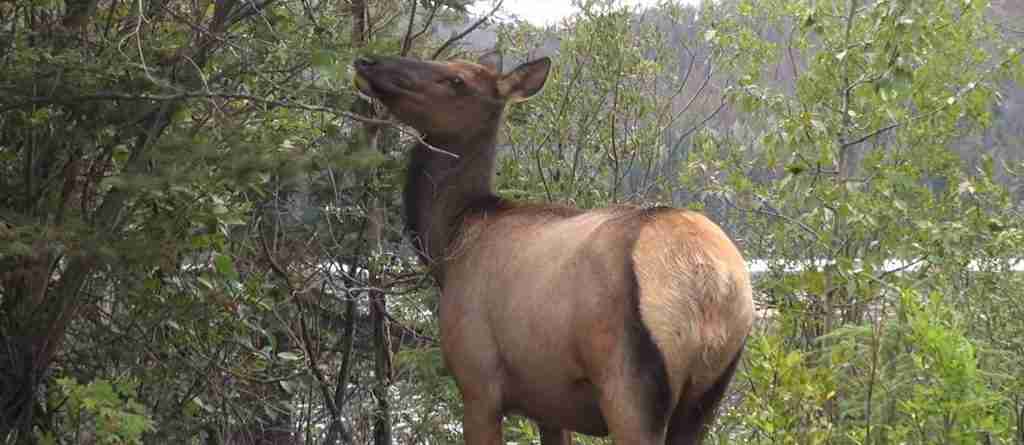
Parks Canada mandates 100-meter minimum distance from all bears, cougars, and wolves, and 30-meter minimum distance from elk, deer, bighorn sheep, mountain goats, and moose. These distances apply whether animals appear calm or unconcerned by human presence. Wildlife in national parks remains unpredictable and potentially dangerous despite appearing habituated to people. Stay in your vehicle when viewing roadside wildlife, roll down windows for photographs rather than exiting, and never approach animals on foot to reduce distance. Bull elk become particularly aggressive during September-October rutting season, charging people who venture too close. Female elk with calves during May-June calving season defend offspring aggressively. Grizzly bears with cubs represent the most dangerous wildlife encounter scenario. Parks Canada Wildlife Guardians patrol high-traffic areas enforcing distance requirements and implementing no-stopping zones when bears feed near roadways. Binoculars or telephoto lenses enable excellent wildlife viewing and photography while maintaining safe, legal distances that protect both visitors and animals.
What should I pack for Jasper National Park weather in 2026?
Jasper’s mountain environment produces dramatic temperature variations requiring layered clothing systems even during summer months. Valley temperatures reach 20-30°C on July-August afternoons, while alpine areas above 2,000 meters elevation remain 10-15°C cooler with persistent snow patches into August. Mornings start at 5-10°C year-round in summer. Pack a moisture-wicking base layer, insulating mid-layer, and waterproof outer shell for all 2026 visits. Afternoon thunderstorms occur frequently July through early September, dumping heavy rain for 30-90 minutes before clearing. Hiking boots with ankle support and waterproof membranes handle varied terrain from groomed lakeside trails to rocky alpine scrambles. Sunglasses and high-SPF sunscreen protect against intense high-elevation UV exposure, while a wide-brimmed hat shields from both sun and rain. Bear spray attaches to backpack hip belts or chest straps for instant access on all trails. Insect repellent combats mosquitoes and blackflies that peak June through mid-July in wetland areas. Winter visitors need full alpine gear including insulated boots rated to -40°C, heavyweight down parkas, and layered wool or synthetic base and mid-layers.
Extended multi-day tours – 5+ days
Featured Jasper National Park Multi-Day Tour Packages
3 days
Jasper National Park 3-Day Discovery Tour
- ✓ Comprehensive Jasper National Park experience
- ✓ Expert local guides included
- ✓ All accommodation included
- ✓ Transportation provided
5 days
Jasper National Park 5-Day Highlights Experience
- ✓ Comprehensive Jasper National Park experience
- ✓ Expert local guides included
- ✓ All accommodation included
- ✓ Transportation provided
7 days
Jasper National Park 7-Day Cultural Journey
- ✓ Comprehensive Jasper National Park experience
- ✓ Expert local guides included
- ✓ All accommodation included
- ✓ Transportation provided
10 days
Jasper National Park 10-Day Complete Adventure
- ✓ Comprehensive Jasper National Park experience
- ✓ Expert local guides included
- ✓ All accommodation included
- ✓ Transportation provided
Multi-day tour packages powered by TourRadar. Prices and availability subject to change.
Introduction
Jasper National Park commands 11,000 square kilometers of the Canadian Rockies as the largest mountain park in Canada’s national park system and a cornerstone of the UNESCO Canadian Rocky Mountain Parks World Heritage Site designated in 1984. The park protects rugged mountain peaks rising to 3,363 meters at Mount Edith Cavell, massive ice fields including the Columbia Icefield that feeds eight major glaciers, crystalline turquoise lakes formed by glacial meltwater, thundering waterfalls, deeply carved canyons, extensive cave systems, and the second-largest dark sky preserve in the world. This vast wilderness supports populations of grizzly bears, black bears, elk, moose, caribou, bighorn sheep, mountain goats, wolves, and over 200 bird species in ecosystems ranging from montane valley bottoms to alpine tundra above treeline.
Planning your 2026 Jasper visit requires navigating multiple variables that significantly impact experience quality and logistical complexity. Parks Canada’s Canada Strong Pass eliminates entry fees from June 19 through September 7, 2026, fundamentally altering budget calculations and potentially increasing visitor numbers during the free window. Understanding wildlife behavior patterns and safety protocols protects both visitors and animals while maximizing viewing opportunities. Capacity constraints at major attractions like the Columbia Icefield Adventure and Maligne Lake Cruise necessitate advance reservations during peak season. Weather volatility demands flexible itineraries that accommodate rapid condition changes. Accommodation availability varies dramatically between shoulder and peak seasons, requiring different booking timelines. Cell service proves unreliable outside Jasper townsite, making downloaded maps and offline navigation essential.
This guide provides practical, actionable intelligence for planning and executing your 2026 Jasper National Park visit. You’ll learn optimal timing strategies that balance weather, wildlife activity, and crowd levels. Essential safety protocols cover wildlife encounters from roadside elk viewing to backcountry grizzly territory. Detailed attraction planning guidance addresses reservation systems, pricing structures, and time management for capacity-controlled experiences. Accommodation strategies outline booking timelines across hotel, lodge, and campground options. Weather preparation recommendations ensure you pack appropriately for mountain environment volatility. Transportation planning covers both driving and public transit options. The information draws from Parks Canada regulations, current 2026 pricing structures, and operational realities that shape successful Jasper experiences.
Understanding Jasper National Park Entry Requirements 2026
All Jasper National Park visitors require valid park passes displayed prominently on vehicle dashboards or carried on person for non-vehicle access. Parks Canada operates two distinct fee periods in 2026 that fundamentally alter entry cost calculations. From January 1 through June 18, 2026, and again from September 8 through December 31, 2026, regular admission fees apply. The Canada Strong Pass provides free admission to all visitors from June 19 through September 7, 2026, eliminating entry costs during peak summer season.
Regular admission fees outside the free period include Discovery Passes valid for 12 months from purchase month providing unlimited entry to all Parks Canada national parks, historic sites, and marine conservation areas nationwide. Adult Discovery Passes cost CAD $84 ($60), senior passes CAD $72 ($52), and family or group passes CAD $168 ($121) covering up to seven people in one vehicle. Daily passes provide single-day entry to mountain national parks including Jasper, Banff, Yoho, Kootenay, Waterton Lakes, Mount Revelstoke, and Glacier but exclude national historic sites. Adult daily passes cost CAD $12 ($9), senior daily passes CAD $10 ($7), and family or group daily passes CAD $23 ($17) expiring at 4 PM on purchase date. Check Parks Canada’s official website for current rates as pricing adjusts annually and may vary from these 2026 figures.
Youth aged 17 and under receive free admission year-round to all Parks Canada locations regardless of travel dates or whether visiting during the Canada Strong Pass period. This permanent free admission policy applies only to Parks Canada properties and does not extend to provincial parks, territorial parks, or private attractions. Parents and guardians still require paid passes even when traveling with youth receiving free admission.
The Discovery Pass proves most economical for visits exceeding seven days in national parks or for travelers planning to explore multiple Parks Canada sites beyond Jasper. A family spending eight days between Jasper and Banff would pay CAD $184 ($133) for daily passes versus CAD $168 ($121) for an annual Discovery Pass that also covers historic sites like Cave and Basin in Banff. Alberta and British Columbia residents who visit mountain national parks regularly throughout the year benefit significantly from Discovery Pass economics, with the pass paying for itself after just seven to eight separate daily visits.
Purchase park passes at Jasper National Park entry gates on Highway 16 approaching from both east and west, at the Jasper Information Centre at 500 Connaught Drive in downtown Jasper, online through Parks Canada’s website before arrival, or at select outdoor retailers across Canada. Online purchases receive temporary passes emailed immediately for dashboard display until physical passes arrive by mail within 2-5 weeks for Canadian addresses. International visitors should purchase passes at entry gates or visitor centers rather than ordering online with lengthy international shipping times. Park passes must be signed by the pass holder who must be present when using the pass. Display passes prominently on vehicle dashboards visible from outside to avoid re-entry questioning at park boundaries or compliance checks along park roadways.
The Icefields Parkway connecting Jasper and Banff operates entirely within national park boundaries, requiring valid park passes for all travelers along this scenic highway corridor. Travelers claiming to merely pass through without stopping still require park passes as the highway itself constitutes a park facility. The only exceptions apply to Highway 1 (Trans-Canada Highway) passing through Yoho and Banff, Highway 16 through Jasper, and Highway 93 sections where no-stopping requirements are clearly posted, but these specific exemptions do not extend to the Icefields Parkway where stopping represents the primary visitor experience.
Wildlife Safety Protocols and Viewing Strategies 2026
Jasper National Park supports approximately 100-120 grizzly bears, 90 black bears, 1,300 elk, 150 moose, rare woodland caribou, bighorn sheep, mountain goats, wolves, coyotes, cougars, and numerous smaller mammals across its 11,000 square kilometers of protected wilderness. Understanding wildlife behavior patterns and implementing mandatory safety protocols protects both visitors and animals while maximizing viewing opportunities that form core Jasper experiences.
Parks Canada mandates specific minimum distances from all wildlife species based on size and potential danger. Maintain 100 meters or ten bus lengths from grizzly bears, black bears, cougars, and wolves under all circumstances. Maintain 30 meters or three bus lengths from elk, moose, deer, bighorn sheep, mountain goats, and other large mammals. These distances apply whether animals appear calm, habituated, or unconcerned by human presence. Wildlife behavior remains fundamentally unpredictable regardless of apparent comfort around people. A seemingly docile elk can charge without warning when personal space boundaries are violated. A grizzly bear feeding on berries may perceive approaching hikers as threats to food sources.
Bear spray represents mandatory equipment for all Jasper trail use and backcountry travel. This capsaicin-based deterrent temporarily incapacitates charging bears when deployed at close range, providing crucial seconds for retreat to safety. Bear spray proves effective against all large mammal species including aggressive elk, moose displaying defensive behavior, and rare cougar encounters. Attach bear spray to backpack hip belts or chest straps rather than storing deep in packs where access proves impossible during sudden encounters. Learn proper deployment technique before trail entry through demonstration videos available at Parks Canada visitor centers and online resources. Bear spray expires after 3-4 years and loses pressure effectiveness, so check expiration dates before each season.
Making noise on trails alerts bears and other wildlife to human presence, allowing animals to move away before surprise encounters occur. Surprised bears react defensively with charges significantly more often than bears aware of approaching hikers. Talk loudly, clap hands periodically, or sing while hiking, particularly when approaching blind corners, crossing streams with noise masking footsteps, or traveling through dense vegetation limiting sight lines. Bear bells prove largely ineffective due to insufficient volume and easily ignored tones. Human voices carry further and register more clearly as potential threats requiring avoidance. Groups of four or more hikers make sufficient natural noise through conversation to alert wildlife effectively.
Grizzly bears and black bears feed intensively during May-June after emerging from winter hibernation, consuming dandelions, clover, and early vegetation along park roadways and in valley bottom clearings. Maligne Lake Road from Jasper townsite to Maligne Lake ranks as the most consistent bear viewing location in the park, with dawn and dusk drives producing frequent black bear sightings and occasional grizzly encounters during spring months. Highway 93A toward Marmot Basin ski area provides another reliable bear corridor with reduced traffic volumes compared to main highways. The Fairmont Jasper Park Lodge golf course attracts bears feeding on manicured grass and abundant dandelions, offering excellent photography opportunities from maintained safe distances across fairways.
Elk congregate throughout Jasper townsite year-round, with over 1,300 animals in the park making encounters virtually guaranteed. Bull elk become aggressively territorial during September-October rutting season, producing distinctive high-pitched bugles audible throughout town and charging people who approach too closely. Cows with calves during May-June calving season defend offspring with kicks and charges. Respect 30-meter minimum distances even when elk appear relaxed on town lawns or golf courses. Never position yourself between a cow and calf or approach bull elk displaying aggressive postures including laid-back ears, raised hackles, or ground pawing.
Moose sightings occur less frequently than elk due to lower population numbers around 150 animals parkwide and shy behavioral tendencies. Maligne Lake, Medicine Lake, Annette Lake, and wetland areas along valley bottoms provide best moose habitat and viewing opportunities, particularly during summer months when moose wade into shallow water feeding on aquatic vegetation. Moose stand taller and weigh more than elk, with bulls reaching 700 pounds, and can deliver fatal kicks with front hooves when threatened. Maintain the same 30-meter minimum distance as elk and never approach moose standing in water where escape routes are limited.
Bighorn sheep frequent Highway 16 east of Jasper townsite toward Pocahontas, often grazing on roadside grass within meters of passing traffic. Stop only in designated pullouts rather than along roadway shoulders where stopped vehicles create traffic hazards. The Old Fort Point Trail summit and Hidden Valley Trail offer reliable bighorn sheep viewing opportunities on hiking routes. Mountain goats occupy higher elevation environments above 2,000 meters, visible from the Jasper SkyTram upper station and along alpine hiking trails like Cavell Meadows.
Stay inside vehicles when viewing roadside wildlife, using rolled-down windows for photographs rather than exiting vehicles. Parks Canada Wildlife Guardians patrol popular wildlife viewing areas in distinctive marked vans, enforcing distance requirements and moving visitors who approach too closely. Follow Wildlife Guardian instructions immediately and respectfully. The guardians implement no-stopping zones along roadway sections when bears feed near pavement, protecting both wildlife from vehicle strikes and visitors from dangerous proximity encounters. Violating wildlife distance requirements or no-stopping zones results in fines starting at CAD $200 ($145) and potential park ejection.
Never feed wildlife any food items regardless of species or apparent hunger. Feeding wildlife habituates animals to human food sources, creating dangerous encounters as animals lose natural wariness and approach people aggressively seeking food. Fed bears often require relocation or lethal removal when they become food-conditioned threats to visitor safety. Store all food, coolers, and scented items including toiletries inside vehicles or bear-proof storage lockers at campgrounds and trailheads. Parks Canada issues fines up to CAD $25,000 ($18,000) and possible jail time for feeding wildlife or failing to secure attractants properly.
Download the offline maps application Gaia GPS or purchase paper maps of Jasper National Park before arrival, as cell service proves unreliable outside Jasper townsite and along most park roadways. Offline navigation enables tracking your location relative to wildlife corridors and closed areas. Check Parks Canada’s online current conditions page and bulletin boards at trailheads for area closures due to wildlife activity before starting hikes. Seasonal closures protect wildlife during critical periods like spring bear emergence, elk calving, and caribou habitat use.
Optimal Timing Strategies for Jasper Visits 2026
Jasper National Park experiences dramatically different visitor volumes, weather patterns, wildlife activity levels, and operational schedules across twelve distinct months, making timing selection one of the most consequential planning decisions for 2026 visits. Understanding seasonal tradeoffs allows strategic scheduling that aligns your priorities with period-specific advantages.
The free admission period from June 19 through September 7, 2026, concentrates substantial visitor numbers into the summer window. Accommodation prices peak during these weeks, with downtown Jasper hotels reaching CAD $300-500 ($215-360) per night and campground reservations filling within hours of availability four months ahead. Popular trails like Valley of the Five Lakes and Sulphur Skyline host steady streams of hikers throughout daylight hours. The Columbia Icefield Adventure and Maligne Lake Cruise operate at or near capacity on most summer days, requiring advance ticket purchases to secure preferred departure times. However, this period delivers maximum operational hours for all attractions, warmest valley temperatures reaching 20-30°C, fullest access to alpine trails clear of snow, and the longest daylight hours stretching past 10 PM in June.
Late May through mid-June constitutes Jasper’s optimal shoulder season for visitors prioritizing wildlife viewing and smaller crowds while accepting possible trail limitations. Black bears and grizzly bears emerge from hibernation during these weeks, feeding intensively on roadside dandelions and valley vegetation, producing the year’s most reliable bear viewing opportunities along Maligne Lake Road and Highway 93A. Valley trails clear of snow by late May, though alpine routes above 2,000 meters remain snow-covered into July. The Columbia Icefield opens for the season in May, weather permitting, with fewer visitors creating short wait times for Ice Explorer departures. Hotel rates drop 30-40% below July-August peaks, and walk-up campground availability exists even on weekends at many Parks Canada sites. Afternoon temperatures range 15-25°C in valleys, though overnight lows can reach 0-5°C requiring warm sleeping systems for camping. Mosquitoes and blackflies peak during this period in wetland areas, particularly along lakeshores and near rivers.
September through early October delivers autumn’s second shoulder season sweet spot, combining favorable weather, spectacular elk rutting season wildlife viewing, and golden aspen foliage against evergreen forests. Bull elk bugle throughout Jasper townsite from dawn through dusk, with active rut behavior visible on golf courses, town lawns, and valley meadows. Wildlife descends from high alpine summer ranges back to accessible valley locations as snow begins accumulating above treeline. Hotel rates remain 30-40% below summer peaks, though prices increase slightly during Canadian Thanksgiving weekend in October. Most attractions maintain full operating schedules through September, with the Columbia Icefield and Maligne Lake Cruise running until early to mid-October, weather dependent. Daytime temperatures range 10-20°C, with overnight lows dropping below freezing. Afternoon thunderstorms occur less frequently than summer months, providing more reliable hiking weather.
Winter months from December through March transform Jasper into a completely different destination focused on skiing at Marmot Basin, ice walking in frozen canyons, and exceptional dark sky viewing in the world’s second-largest dark sky preserve. The Jasper Dark Sky Festival in October showcases astronomy programming, though stargazing remains exceptional throughout winter months with long nights and minimal light pollution. Winter visitor numbers drop to 10-20% of summer levels, creating opportunities for secluded wilderness experiences and last-minute accommodation availability. However, most attractions including the Columbia Icefield, Maligne Lake Cruise, and numerous hiking trails close entirely for the season. Valley temperatures range from -10°C to -25°C, with wind chills reaching -40°C during cold snaps. Specialized winter gear including insulated boots rated to -40°C, heavyweight down parkas, and layered thermal clothing systems proves essential for any outdoor activities.
April and early May represent Jasper’s true off-season, with unpredictable weather, limited attraction operations, and high avalanche danger in alpine areas. Many businesses reduce hours or close entirely during these transitional weeks. However, adventurous visitors benefit from rock-bottom hotel rates, empty trails at lower elevations, and the first bear sightings of the year as males emerge from hibernation in late April. This period suits only visitors comfortable with uncertainty and capable of pivoting plans based on daily weather conditions.
Consider visiting midweek rather than weekends throughout the year to reduce competition for campgrounds, trailhead parking, and popular attraction time slots. Tuesday through Thursday visits especially during the free admission period from late June through early September encounter notably smaller crowds than Friday through Monday when local and regional visitors drive up from Edmonton and Calgary for long weekends. Book accommodations and major attraction tickets for midweek dates to maximize availability and minimize costs.
Major Attraction Planning and Reservation Strategies 2026
Jasper’s most popular attractions operate at or near capacity during peak season and require advance planning to secure access at preferred times. Understanding reservation systems, pricing structures, and optimal booking timelines prevents disappointment and maximizes time efficiency during your 2026 visit.
The Columbia Icefield Adventure ranks as the Canadian Rockies’ signature glacier experience, transporting visitors onto the Athabasca Glacier’s ancient ice in massive Ice Explorer vehicles designed specifically for glacial terrain. The experience includes approximately 90 minutes total: Ice Explorer ride from the Columbia Icefield Discovery Centre to the glacier (15 minutes), walking time on the 300-meter-thick ice (15-20 minutes), return journey (15 minutes), and the Glacier Skywalk glass-bottomed cliff walk (30-40 minutes) suspended 280 meters above Sunwapta Valley. Combined tickets including both Ice Explorer and Skywalk cost CAD $96 ($69) for adults and CAD $48 ($35) for youth aged 6-15 in 2026, with prices verified through official Pursuit Collection websites as rates adjust annually. Tickets cannot be purchased for Ice Explorer alone without Skywalk inclusion. Book online through Pursuit’s website weeks ahead for July-August travel to secure morning departure times offering best lighting for glacier photography. Tours depart every 15-30 minutes from 10 AM to 5 PM May through October, weather permitting, with your ticket valid for any same-day departure. The Columbia Icefield sits along the Icefields Parkway 105 kilometers south of Jasper townsite and 130 kilometers north of Lake Louise, requiring 90-minute drives from either town. Afternoon departures after 3:30 PM receive discounted pricing at CAD $91 ($66) per adult through Pursuit’s off-peak program for Alberta residents.
The Jasper SkyTram carries passengers 2,263 meters (7,425 feet) up Whistlers Mountain in seven-minute gondola rides, revealing panoramic views across Jasper townsite, Athabasca Valley, and surrounding peaks including Mount Robson, the Canadian Rockies’ highest summit. The upper station features boardwalks, interpretive displays, a restaurant, and trailhead access to Whistlers summit requiring 45-60 minutes steep hiking above the tram station. SkyTram tickets cost CAD $59 ($43) for adults and CAD $30 ($22) for youth aged 6-15 in 2026, with rates subject to change. Book online through the Jasper SkyTram website for guaranteed boarding during peak summer weeks when walk-up capacity may fill by midday. The tram operates from late March through late October, weather dependent, with summer hours from 9 AM to 8 PM allowing sunset visits. Whistlers Mountain sits just 7 kilometers south of Jasper townsite along Whistlers Mountain Road, accessed in 10 minutes by car. One-way tickets cost half price for hikers ascending on foot and descending by tram or vice versa.
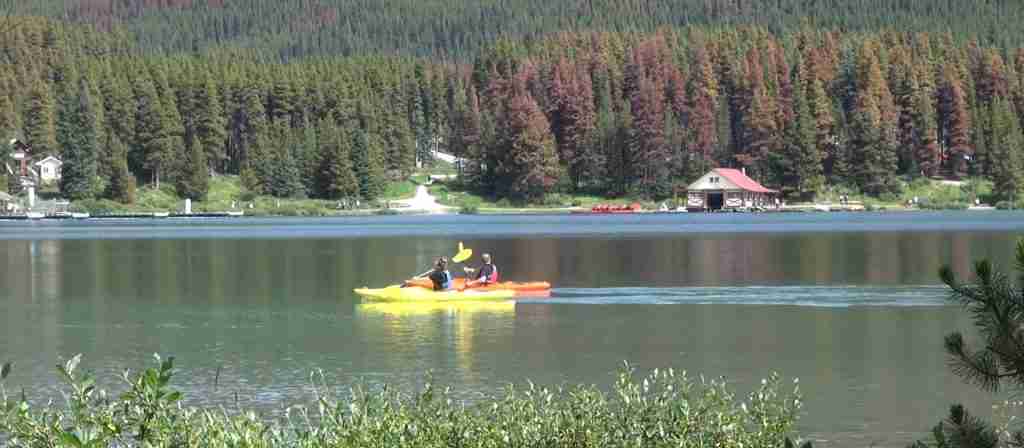
The Maligne Lake Cruise glides across the Canadian Rockies’ largest glacially-fed lake to Spirit Island, a world-famous destination accessible only by water or lengthy backcountry hiking. The 90-minute narrated cruise covers 14 kilometers each direction with 15-20 minutes on Spirit Island for photographs and interpretive signage about Indigenous Stoney-Nakoda cultural connections to the site. Cruise tickets cost CAD $84 ($60) for adults and CAD $42 ($30) for youth aged 6-15 in 2026. Multiple departures run daily from late May through early October, with exact start dates and final operations dependent on ice-out conditions and autumn weather. Reserve tickets online through Pursuit’s Maligne Adventures website well ahead for July-August preferred departure times. The Maligne Lake boat dock sits 48 kilometers southeast of Jasper townsite along Maligne Lake Road, requiring 55-minute drives without stops. The scenic road passes Medicine Lake, where underground cave systems drain the lake partially or completely during autumn months, and numerous wildlife viewing pullouts.
Miette Hot Springs operates as Jasper’s only developed hot springs facility, featuring Canada’s hottest mineral springs cooled to comfortable 39°C soaking temperature in two pools. The hot pools complex sits within a dramatic mountain cirque accessed via 17-kilometer Miette Hot Springs Road branching east from Highway 16. Adult admission costs CAD $9 ($7), seniors CAD $8 ($6), and youth CAD $7 ($5), with swimsuit and towel rentals available. The facility operates late May through early October only, closing entirely during winter months. Peak summer crowds concentrate in afternoon hours from 2 PM to 6 PM, particularly during the free park admission period. Visit early morning immediately after 10:30 AM opening or after 7 PM during extended summer hours for substantially smaller crowds and more relaxed soaking.
Marmot Basin ski resort operates Jasper’s only downhill ski facility from early December through late April, featuring 1,698 acres of terrain across 91 runs and the highest base elevation of any Canadian ski resort at 1,698 meters. Lift tickets cost approximately CAD $135 ($97) for adults and CAD $100 ($72) for youth during peak winter weeks. The resort sits 19 kilometers from Jasper townsite along Marmot Basin Road off Highway 93A. Purchase lift tickets online before arrival through Marmot Basin’s website for small discounts versus on-mountain walk-up pricing.
The Pursuit Pass bundles multiple Rocky Mountain attractions into discounted packages saving up to 40% versus individual ticket purchases. The Rockies Pass includes Jasper SkyTram, Columbia Icefield Adventure with Skywalk, Maligne Lake Cruise, Banff Gondola, Lake Minnewanka Cruise, and Golden Skybridge for CAD $252 ($182) for adults. Calculate whether bundled passes provide actual savings based on your specific attraction plans, as passes prove economical only when visiting four or more included experiences. Pursuit Passes do not include park entry fees, transportation between attractions, or accommodation. Pass holders receive 10% discounts at select Pursuit retail locations.
Book all capacity-controlled attractions online 2-4 weeks ahead for July-August 2026 travel during the free admission period when visitor numbers peak. Late June and early September shoulder weeks immediately outside school vacation windows require less advance planning, with 1-2 weeks typically sufficient. Spring May-June and fall September-October visits often accommodate walk-up tickets for most attractions except on long holiday weekends. Check weather forecasts before finalizing bookings, as the Columbia Icefield and Jasper SkyTram close during electrical storms, extreme winds, or heavy rain reducing visibility to unsafe levels. Most operators offer 24-48 hour cancellation policies allowing schedule adjustments for weather changes.
Accommodation Booking Timelines and Strategies 2026
Jasper National Park offers accommodation ranging from Parks Canada campgrounds at CAD $22-45 ($16-32) per night to the luxury Fairmont Jasper Park Lodge reaching CAD $600+ ($435+) per night, with booking timelines varying dramatically by property type and season. Understanding reservation systems and optimal booking windows prevents both last-minute unavailability and excessive advance commitment.
Parks Canada operates 10 campgrounds within Jasper National Park providing 1,772 campsites total across serviced RV sites with electrical hookups, non-serviced RV sites, walk-in tent sites, and oTENTik canvas cabin accommodations. Whistlers Campground south of Jasper townsite ranks as the park’s largest with 781 sites, offering full services including showers, laundry, and interpretive programs. Wapiti Campground accommodates 362 sites with winter camping sections remaining open year-round. Wabasso Campground 16 kilometers south on Highway 93A toward the Icefields Parkway provides 228 sites in quieter forest settings. Smaller campgrounds including Pocahontas, Snaring River, and Honeymoon Lake offer fewer amenities but more secluded locations.
Parks Canada campground reservations open exactly four months before arrival date at 8 AM Mountain Time through the Parks Canada reservation website. July and August weekend sites at Whistlers and Wapiti campgrounds fill within minutes of becoming available, requiring visitors to log in precisely at 8 AM Mountain Time four months ahead. Midweek sites remain available hours or days after release. Set alarms and establish Parks Canada accounts before reservation dates to streamline the booking process during high-demand windows. Reservation fees add CAD $11 ($8) per booking to nightly camping rates. A portion of sites at most campgrounds remain unreserved for first-come, first-served walk-up availability, with arrivals before 11 AM offering best chances for securing these spots during summer peak season.
Jasper townsite features approximately 15 hotels, motels, and lodges ranging from basic roadside properties to upscale boutique accommodations. The Fairmont Jasper Park Lodge sits 7 kilometers from downtown along Lac Beauvert’s shore, offering 441 rooms, cabins, and upscale suites across a sprawling lakeside property with on-site dining, golf, and spa facilities. Summer rack rates range CAD $500-800 ($360-575) per night with substantial discounts during shoulder seasons. Book Fairmont properties 6-8 months ahead for July-August high season, 3-4 months ahead for June and September. Downtown Jasper hotels including Sawridge Inn, Marmot Lodge, Mount Robson Inn, and Whistlers Inn provide mid-range options at CAD $200-400 ($145-290) per night during summer, dropping to CAD $120-250 ($87-180) during shoulder seasons. These properties require 4-6 months advance booking for July-August peak, 2-3 months for shoulder seasons, with last-minute availability possible during spring and fall midweek periods.
Budget accommodations include HI-Jasper hostel offering dormitory beds at CAD $50-70 ($36-50) per night and private rooms at CAD $160-200 ($115-145), plus several basic motels like Athabasca Hotel and Astoria Hotel at CAD $120-180 ($87-130) per night during summer. These properties fill later than upscale options but still require 2-3 months advance reservations for peak summer weeks. Several vacation rental properties and private cabins operate throughout Jasper townsite and surrounding areas, bookable through platforms like Airbnb and Vrbo, offering alternatives when hotels reach capacity.
Consider staying in Hinton, Alberta, located 70 kilometers east of Jasper townsite along Highway 16, when Jasper accommodations fill completely or exceed budget parameters. Hinton provides full hotel availability at CAD $120-200 ($87-145) per night including chain properties like Best Western, Quality Inn, and Holiday Inn Express, trading 70-minute commutes for significant cost savings and guaranteed availability. This strategy works well for visitors spending full days along the Icefields Parkway or at Maligne Lake, where Hinton’s easterly location adds minimal driving compared to Jasper townsite.
Backcountry camping requires permits from Parks Canada for all overnight wilderness stays outside designated frontcountry campgrounds. The permit system operates on a quota basis limiting nightly use of each backcountry campground and shelter to prevent overuse. Reserve backcountry camping permits online through Parks Canada starting in early April for the full upcoming season, with popular trails like Skyline, Tonquin Valley, and Brazeau Loop booking solid within days of reservation opening. Backcountry permits cost CAD $10 ($7) per person per night plus CAD $12 ($9) reservation fee per booking. Unreserved quota spaces become available for walk-up reservation at Parks Canada offices 24 hours before intended departure date.
Alpine Club of Canada operates two huts within Jasper National Park accessible only by hiking: Wates-Gibson Hut on Elysium Pass and Tonquin Valley Hut near Amethyst Lakes. These rustic mountain shelters sleep 14-24 people in communal bunk systems and provide only basic amenities without electricity, running water, or bedding. Reserve huts through the Alpine Club of Canada website at CAD $35-45 ($25-32) per person per night for members, with slightly higher non-member rates. Popular weekends fill months ahead, particularly during peak summer and autumn larch season.
Weather Preparation and Seasonal Clothing Requirements 2026
Jasper National Park’s mountain environment produces extreme temperature variability, sudden weather changes, and diverse microclimates requiring layered clothing systems regardless of season. Valley bottom elevations around 1,000 meters experience different conditions than alpine environments above 2,000 meters, with 10-15°C temperature differentials common between locations during the same afternoon.
Summer weather from June through August brings daytime valley temperatures reaching 20-30°C on sunny afternoons, dropping to 5-10°C overnight even during peak July heat. Morning temperatures start at 8-12°C, warming rapidly after 10 AM. Alpine areas above treeline remain 10-15°C cooler than valleys throughout the day, with snow patches persisting above 2,200 meters into August. The Jasper SkyTram upper station at 2,263 meters regularly registers 5-15°C even during warm valley days, with wind chill reducing apparent temperatures further.
Build summer clothing systems around versatile layers rather than single-purpose garments. Start with moisture-wicking synthetic or merino wool base layers that pull sweat away from skin during hiking exertion. Add insulating mid-layers like fleece pullovers or lightweight down jackets for morning starts and high-elevation environments. Top with waterproof, breathable rain shells protecting against frequent afternoon thunderstorms. This three-layer system adapts easily by adding or removing pieces as temperatures and activity levels fluctuate throughout the day. Pack these layers even for short valley walks or quick town visits, as weather changes occur rapidly in mountain environments.
Afternoon thunderstorms develop regularly from July through early September, typically forming between 2 PM and 6 PM over mountain peaks before moving into valleys. These storms produce heavy rain, frequent lightning, occasional hail, and temperature drops of 10-15°C within 30-minute periods. Lightning poses serious hazards above treeline where limited shelter exists. Plan hiking itineraries placing alpine ridge traverses and exposed sections during morning hours before typical storm development, descending to lower elevations by early afternoon. Carry full rain protection including waterproof jackets with hoods and rain pants rather than relying on ponchos that prove ineffective in mountain wind conditions. Waterproof pack covers or dry bags protect electronics, extra clothing, and other moisture-sensitive items.
Footwear requirements vary by intended activities but generally demand more support and protection than casual urban walking. Hiking boots with ankle support prevent sprains on uneven trails, while waterproof membranes keep feet dry crossing streams and walking through morning dew-soaked vegetation. Break in new boots through several shorter hikes before committing to full-day excursions preventing painful blisters. Trail runners or approach shoes work well for maintained valley paths like Valley of the Five Lakes, but alpine scrambles and backcountry routes require full boot support. Bring multiple footwear options including sandals for campground and town use, allowing hiking boots to dry overnight.
Sun protection proves critical at Jasper’s elevation despite Canadian latitude. UV radiation intensity increases approximately 10% per 1,000 meters elevation gain, with alpine areas receiving substantially more exposure than sea level environments. Snow and glacier surfaces reflect additional UV radiation upward toward faces and necks. Apply SPF 50+ sunscreen to all exposed skin before morning departures, reapplying every two hours during outdoor activities. Wear sunglasses with UV protection and wide-brimmed hats shielding faces and necks. Lightweight long-sleeve sun shirts provide additional protection without overheating during summer temperatures.
Insect populations peak from June through mid-July in wetland areas, along lakeshores, and near rivers where standing water provides breeding habitat. Mosquitoes and blackflies swarm aggressively during this period, particularly during dawn and dusk hours. Carry effective insect repellent containing DEET or picaridin, applying before trail starts rather than waiting until bugs appear. Head nets prove invaluable for lakeside camping or photography sessions in marshy areas. Bug pressure decreases substantially by late July as seasonal wetlands dry and flying populations complete life cycles.
Spring weather from May through early June produces highly variable conditions with warm sunny days reaching 15-25°C alternating with cold rainy periods dropping below 5°C. Snow remains possible through May at valley elevations, though accumulations rarely persist beyond 24 hours after spring storms. Pack clothing assuming worst-case conditions rather than optimistic forecasts, as rapidly changing weather requires adaptability. The same layering system recommended for summer works well for spring, with heavier insulation and full rain protection gaining importance during this transitional season. Waterproof hiking boots become essential as trails remain muddy from snowmelt through mid-June.
Fall weather from September through October starts mild with daytime temperatures around 10-20°C, cooling progressively toward month-ends as autumn advances. Overnight lows drop below freezing regularly after mid-September, with frost common on valley floors by October. First significant snowfalls typically occur in late September or early October, particularly at higher elevations above 1,800 meters. Pack both summer and winter layers for fall visits, as single days can experience morning frost at 0°C, afternoon sunshine at 18°C, and evening rain at 8°C. Afternoon thunderstorms occur less frequently than summer months, though multi-day rain systems can settle over the park during autumn’s transition toward winter precipitation patterns.
Winter weather from November through April demands specialized cold-weather gear rated for extreme conditions. Valley temperatures range from -10°C to -25°C regularly, with periodic arctic air masses pushing temperatures toward -40°C. Wind chill values drop substantially below ambient temperatures, particularly along exposed ridgelines and frozen lake surfaces. Insulated boots rated to -40°C with waterproof exteriors protect against frostbite during extended outdoor exposure. Heavyweight down or synthetic insulated parkas provide core warmth, while layered base and mid-layers trap body heat. Face masks, neck warmers, and insulated gloves or mittens protect extremities. Winter visitors require completely different gear systems than summer visitors, making equipment rental through Jasper outdoor shops practical for travelers without existing cold-weather wardrobes.
Transportation Planning and Getting Around Jasper 2026
Jasper National Park encompasses 11,000 square kilometers with attractions, trailheads, and viewpoints scattered across vast distances requiring transportation planning beyond arrival logistics. Understanding road networks, driving conditions, alternative transportation options, and parking limitations shapes daily itinerary feasibility.
Personal vehicle use provides maximum flexibility for Jasper exploration, allowing spontaneous wildlife viewing stops, early morning departure for dawn photography, and access to dispersed trailheads away from main highways. Highway 16 (Yellowhead Highway) approaches Jasper from both east and west, with 365 kilometers from Edmonton requiring 4 hours driving and 407 kilometers from Kamloops, British Columbia, requiring 4.5 hours. Highway 93 (Icefields Parkway) connects Jasper and Lake Louise across 230 kilometers of mountain scenery requiring 3.5 hours minimum with no stops, though most visitors allocate 5-8 hours for viewpoint stops, short walks, and Columbia Icefield visits. The Icefields Parkway operates May through October only between Jasper and Saskatchewan River Crossing, with northern sections closing entirely during winter months.
Major car rental companies including Enterprise, Budget, Hertz, and National operate locations in Jasper townsite, though summer availability becomes extremely limited without advance reservations 2-3 months ahead for July-August travel. Rental rates peak during summer season at CAD $80-150 ($58-108) per day for compact and midsize vehicles. Calgary International Airport 365 kilometers southeast provides the nearest major rental location with guaranteed inventory year-round, though one-way drop fees to Jasper can add CAD $200-400 ($145-290) to rental costs. Edmonton International Airport sits 365 kilometers east offering similar rental options.
Gas stations in Jasper townsite include Petro-Canada and Shell locations along Connaught Drive, with no additional fuel available along the Icefields Parkway’s 105 kilometers between Jasper and the Columbia Icefield. Fill tanks before southbound Icefields Parkway drives and before returning north from the icefield to Jasper. The next gas stations south appear at Saskatchewan River Crossing 77 kilometers past the Columbia Icefield, then Lake Louise 73 kilometers further south. Gas prices in Jasper townsite run CAD $1.75-2.00 ($1.25-1.45) per liter during summer 2026, with rates higher in remote locations than urban Alberta.
Parking in downtown Jasper townsite uses paid kiosks on Connaught Drive and side streets at CAD $3 ($2) per hour from 9 AM to 6 PM daily during summer season. Free two-hour parking exists along residential streets several blocks from downtown core. The Jasper Activity Centre on Pyramid Lake Road provides free all-day parking with 5-minute walks to downtown. Trailhead parking fills rapidly during summer mornings at popular locations including Maligne Canyon, Valley of the Five Lakes, Cavell Meadows, and Sulphur Skyline. Arrive before 8 AM for guaranteed spaces at these high-use sites during July-August, or visit in afternoon after early morning hikers depart and before evening hikers arrive.
Parks Canada implements temporary no-stopping zones along park roadways when wildlife feeds near pavement, protecting animals from vehicle strikes and preventing dangerous proximity encounters. Bright orange signs mark active no-stopping zones, with violations resulting in CAD $200 ($145) minimum fines. Wildlife Guardian patrols enforce zones actively during peak viewing seasons. Stop only in designated pullouts when observing roadside wildlife, never blocking traffic lanes or roadway shoulders.
The Maligne Lake Shuttle operates from late May through early October, providing round-trip transportation between Jasper townsite and Maligne Lake at approximately CAD $40 ($29) per person. The shuttle eliminates 48-kilometer each-direction driving and parking challenges at Maligne Lake’s limited capacity lot. Brewster Express operates daily Banff-Jasper bus service year-round, offering convenient alternative to personal driving along the Icefields Parkway at approximately CAD $100 ($72) per person one-way. SunDog Tours provides various guided bus tours from Jasper townsite to major attractions including full-day Icefields Parkway excursions and Columbia Icefield trips with admission included.
Walking and cycling work well within Jasper townsite’s compact grid spanning approximately 2 kilometers end to end, with most hotels, restaurants, and shops concentrated along Connaught Drive and Patricia Street. The Jasper Discovery Trail forms a paved multi-use pathway encircling Jasper townsite for 5 kilometers, connecting various trailheads and points of interest. Dedicated bike lanes run along several main roads including Patricia Street. Bicycle rentals cost approximately CAD $45-65 ($32-47) per day through several downtown shops including Vicious Cycle and Freewheels Cycle.
Cell phone coverage from major Canadian carriers including Rogers, Bell, and Telus generally works throughout Jasper townsite and along Highway 16 from Pocahontas to the park’s western boundary. Coverage becomes spotty or nonexistent along the Icefields Parkway south of Jasper, at Maligne Lake, along Maligne Lake Road, at Miette Hot Springs, and throughout backcountry areas. Download offline maps through applications like Gaia GPS or Avenza Maps before departing Jasper townsite for any destinations outside the main valley. Purchase detailed paper maps at Parks Canada’s visitor center or outdoor retailers as reliable backup navigation tools. The lack of cell coverage requires self-sufficiency planning for emergencies, with satellite communication devices like SPOT or Garmin inReach providing emergency contact capability in roadless backcountry.
Winter road conditions from November through April demand winter tires or chains on all vehicles, with black ice, packed snow, and poor visibility common. Highway 16 remains open year-round, though temporary closures occur during severe winter storms producing whiteout conditions. The Icefields Parkway closes entirely for winter between the Athabasca Falls junction and Saskatchewan River Crossing, typically from November through April. Check Alberta 511 road conditions and Parks Canada current conditions pages before winter travel.
Dining, Groceries, and Food Planning Strategies 2026
Jasper townsite offers approximately 30 restaurants, cafes, and pubs ranging from casual pizza shops to upscale fine dining, supplemented by two grocery stores providing self-catering supplies. Understanding food logistics prevents disappointing meals and excessive costs during your 2026 visit.
Grocery stores include Save-On-Foods and Nutter’s Bulk & Natural Foods along Patricia Street in downtown Jasper, providing full supermarket selections of fresh produce, meat, dairy, bakery items, camping foods, and general groceries. Prices run 15-25% higher than Edmonton or Calgary urban markets due to transportation costs and tourist demand, but remain substantially cheaper than restaurant dining for extended stays. The Save-On-Foods deli counter prepares sandwiches, salads, and hot foods suitable for trail lunches and campground meals. Stock up on groceries immediately upon arrival rather than waiting until morning departures, as stores open 8 AM or later while optimal hiking and wildlife viewing occur at dawn.
Restaurant options span considerable price ranges and cuisine styles, with dinner entrees generally costing CAD $20-35 ($15-25) at casual establishments and CAD $35-60 ($25-45) at upscale venues. Popular casual restaurants include Jasper Brewing Company serving burgers, pizza, and house-brewed beers at CAD $18-28 ($13-20) per person; Evil Dave’s Grill offering eclectic fusion cuisine at CAD $25-40 ($18-29); and Fiddle River Restaurant featuring Canadian comfort food at CAD $20-35 ($15-25). Upscale dining includes Fairmont Jasper Park Lodge’s multiple restaurants requiring reservations weeks ahead during summer season, with dinner entrees CAD $40-70 ($29-51). Several Asian cuisine restaurants including Kimchi House Korean, Tokyo Tom’s Sushi, and Jasper India’s Curry provide welcome alternatives to Canadian pub fare at moderate pricing around CAD $20-35 ($15-25) per person.
Coffee shops and cafes like Bear’s Paw Bakery, Snowdome Coffee Bar, and Other Paw Bakery open early for grab-and-go breakfast pastries, sandwiches, and coffee at CAD $8-15 ($6-11), convenient for dawn departure needs. These establishments fill rapidly from 7 AM to 9 AM with hikers and tour groups heading out for the day, so arrive early or accept 10-15 minute wait times. Several pizza restaurants including Boston Pizza and Jasper Pizza Place offer late evening dining until 10 PM or 11 PM, useful after long days when other restaurants close by 9 PM.
Make dinner reservations 1-2 weeks ahead for popular restaurants during July-August peak season, particularly for larger groups exceeding four people. Many restaurants implement wait lists rather than accepting reservations, requiring arrival 30-60 minutes before desired dining time to add your name. Call ahead to confirm reservation policies before counting on specific restaurant plans. Several restaurants close for one or two days per week during shoulder seasons, so verify operating schedules if visiting May-June or September-October.
Pack trail snacks, lunches, and beverages from grocery stores rather than depending on restaurants for midday meals, as no food services exist along trails, at most trailheads, or in backcountry locations. The Columbia Icefield Discovery Centre operates a cafeteria serving sandwiches, soups, and snacks at premium pricing around CAD $15-25 ($11-18) for lunch combinations. Jasper SkyTram’s upper station restaurant provides limited menu selections at similar elevated pricing. Budget CAD $20-30 ($15-22) per person daily for trail lunches purchased from grocery stores, or CAD $50-80 ($36-58) per person for restaurant lunches in town.
Several restaurants offer takeout options convenient for campground dining or hotel room meals, including Jasper Pizza Place, Kimchi House, and most Asian restaurants. The grocery store deli counters and Bear’s Paw Bakery provide pre-made sandwiches and salads as quick takeout alternatives to restaurant table service. Alcohol sales occur only through licensed restaurants and bars or the Alberta Liquor Store on Connaught Drive, with beer, wine, and spirits unavailable in grocery stores per Alberta regulations.
Food storage in campgrounds requires using bear-proof storage lockers provided at each site, with ALL food, coolers, toiletries, and scented items secured inside lockers whenever not actively preparing meals. Parks Canada enforcement officers issue warnings or fines up to CAD $25,000 ($18,000) for improperly stored food that attracts bears and other wildlife into campgrounds. Never leave food, coolers, or scented items in vehicles overnight at campgrounds or trailheads, as bears break vehicle windows to access attractive smells. Hotels do not face the same wildlife-attractant storage requirements, allowing in-room food storage without special precautions.
Water quality from Jasper townsite taps meets Canadian drinking water standards and requires no treatment. Most campgrounds provide potable water taps for filling bottles and cooking. Backcountry water sources including lakes, rivers, and streams require treatment through filtering, chemical purification, or boiling before consumption to eliminate Giardia and other pathogens. Carry adequate water capacity for activities, particularly during summer heat when dehydration occurs rapidly at elevation. Plan 2-3 liters per person for full-day hikes, more during hot weather or strenuous alpine scrambles.
Communication, Internet, and Technology Considerations 2026
Jasper National Park’s remote mountain environment limits communication infrastructure substantially compared to urban areas, requiring advance preparation for navigation, emergency contact, and information access during your 2026 visit.
Cellular coverage from major Canadian carriers including Rogers, Bell, and Telus extends throughout Jasper townsite and along Highway 16 corridors from the park’s eastern boundary near Pocahontas through the townsite to approximately 10 kilometers west toward Mount Robson Provincial Park. Highway 93A to Marmot Basin maintains reasonable signal strength for emergency calls. Cell coverage becomes unreliable or nonexistent along most of the Icefields Parkway south of Jasper, at Maligne Lake and along the 48-kilometer Maligne Lake Road, at Miette Hot Springs and along the 17-kilometer access road, at Medicine Lake, and throughout all backcountry locations beyond sight of Highway 16. Do not rely on cell phones for navigation or emergency communication in these extensive dead zones covering roughly 80% of the park’s area.
Download offline maps before leaving areas with reliable cell coverage to enable GPS-based navigation without data connectivity. Applications including Gaia GPS, Avenza Maps with Parks Canada map overlays, and Google Maps offline mode provide location tracking and route guidance using satellite GPS signals that function independently from cellular networks. The offline map applications drain phone batteries faster than standard use, so carry USB battery packs rated for 10,000+ mAh capacity on full-day excursions. Purchase detailed paper maps of Jasper National Park from Parks Canada’s visitor center or outdoor retailers including Gem Trek’s “Jasper and Maligne Lake” or “Columbia Icefields” maps as reliable backup navigation tools immune to battery failure or electronic malfunction.
WiFi availability remains limited to Jasper townsite hotels, restaurants, coffee shops, and the Parks Canada visitor center, with connection quality varying considerably by location. Most hotels provide complimentary WiFi to guests, though bandwidth limitations during peak occupancy periods may slow speeds substantially. Several coffee shops including Snowdome Coffee Bar offer reliable WiFi to customers. The Parks Canada Information Centre at 500 Connaught Drive provides free public WiFi from 8:30 AM to 7 PM daily during summer season. No WiFi access exists at campgrounds, along roadways, at trailheads, or in wilderness areas. Visitors requiring consistent internet connectivity for work purposes should plan tasks during evening hours in Jasper townsite rather than expecting access during daytime activities throughout the park.
Satellite communication devices provide the only reliable emergency contact method in Jasper’s extensive backcountry areas without cell coverage. Personal locator beacons including SPOT devices or Garmin inReach satellite messengers enable two-way text communication and emergency SOS activation from any location with clear sky views. Several Jasper outdoor shops rent satellite devices at approximately CAD $25-35 ($18-25) per day plus service activation fees, practical for visitors without existing equipment planning multi-day backcountry trips. Parks Canada strongly recommends satellite communicators for any overnight backcountry travel and for day hiking on remote trails far from Highway 16 corridors.
Photography equipment considerations include protecting gear from afternoon thunderstorms through waterproof camera bags or rain covers, carrying microfiber cloths for lens cleaning after glacier spray or mist exposure, and packing extra batteries as cold morning temperatures drain power faster than moderate conditions. Jasper’s dramatic landscapes benefit from wide-angle lenses for expansive mountain vistas, telephoto lenses for wildlife photography maintaining legal distance requirements, and polarizing filters to enhance sky and water colors. The Jasper Dark Sky Preserve designation creates exceptional night sky photography opportunities requiring tripods, cable releases or intervalometers for long exposures, and fast wide-angle lenses with f/2.8 or wider apertures. Red flashlights preserve night vision while reviewing camera settings without disrupting astronomy viewing.
Power outlets in campgrounds exist only at serviced sites with electrical hookups, requiring battery charging through vehicle 12V outlets at non-serviced sites. Bring sufficient USB battery packs to maintain phone and camera charge through multi-day camping periods without electrical access. Hotels provide standard electrical outlets compatible with North American plugs delivering 120V power. International visitors require plug adapters for two-prong or three-prong North American configurations.
The Parks Canada Jasper National Park smartphone application provides offline access to trail descriptions, maps, current conditions, wildlife safety information, and interpretive content after initial download using WiFi in town. The application proves valuable for trip planning and on-trail reference without requiring cellular connectivity. Check the App Store or Google Play for “Parks Canada” to download before your visit.
Safety Beyond Wildlife: Other Hazards and Precautions 2026
Jasper National Park presents multiple safety hazards beyond wildlife encounters that require awareness and preparation to prevent injuries, emergencies, or fatalities during your 2026 visit.
Altitude effects manifest subtly at Jasper’s elevations despite the park sitting lower than many Rocky Mountain destinations. Jasper townsite sits at 1,060 meters elevation, with popular hiking destinations reaching 2,000-2,600 meters and the Jasper SkyTram climbing to 2,263 meters. Visitors arriving from sea level locations may experience mild altitude symptoms including headaches, fatigue, shortness of breath during exertion, and difficulty sleeping for the first 1-3 days. Serious altitude sickness remains uncommon below 3,000 meters, but gradual acclimatization improves comfort and performance. Increase water intake, limit alcohol consumption for the first 24-48 hours after arrival, avoid strenuous activities on arrival day, and ascend to sleeping elevations gradually when planning multi-day backcountry trips gaining significant elevation.
Hypothermia occurs when core body temperature drops below 35°C due to cold exposure combined with wet clothing, wind, and exhaustion. Mountain weather volatility creates hypothermia risk even during summer months when afternoon thunderstorms drench hikers unprepared with proper rain gear. Early symptoms include uncontrollable shivering, loss of coordination, confusion, and slurred speech. Severe hypothermia proves fatal without rapid treatment through shelter, dry clothing, and gradual rewarming. Prevent hypothermia by carrying waterproof rain layers on all hikes, packing extra insulation layers exceeding expected temperature needs, staying dry by changing out of wet clothing immediately, consuming adequate food and water maintaining energy reserves, and recognizing early symptoms before progression to dangerous stages. Turn back from hikes when conditions deteriorate rather than pushing through storms hoping for improvement.
River and creek crossings without bridges pose drowning hazards during spring runoff from May through July when snowmelt swells waterways to dangerous levels. Fast-flowing glacial streams appear deceptively shallow while hiding irregular bottom surfaces and current strengths capable of sweeping hikers downstream. Cross streams only at established fording locations marked by cairns or clear trail continuation on opposite banks, never attempting shortcuts through unknown sections. Unbuckle backpack hip belts and chest straps before crossing, enabling pack jettison if swept off feet. Use trekking poles or sturdy sticks for stability as third points of contact, facing upstream while sidestepping across rather than walking forward blind to current. Avoid crossings during peak afternoon flows when warm temperatures maximize melt rates, instead crossing during early morning when overnight cold reduces water volumes.
Lightning danger increases substantially in exposed alpine environments above treeline where minimal shelter exists during electrical storms. Afternoon thunderstorm development peaks between 2 PM and 6 PM throughout July and August. Plan alpine hiking placing exposed ridge walks, mountain passes, and summit pushes during morning hours before typical storm formation, descending below treeline by early afternoon. If caught above treeline during lightning activity, move away from summits and ridgelines to lower terrain, avoid isolated trees or rock outcrops that attract strikes, separate from metal hiking poles and gear, and crouch on insulating pads rather than lying flat when strikes occur nearby. Seek shelter in uniform dense forest stands or low depressions away from tall objects and water bodies. Lightning can strike 15 kilometers ahead of rain arrival, so respond to distant thunder rather than waiting for visible storm proximity.
Rock fall hazards exist on trails passing below cliffs, scree slopes, and talus fields where loose material can release without warning due to natural weathering, animal activity, or other hikers dislodging stones from above. Wear helmets on technical scrambling routes and exposed trails beneath steep terrain. Move quickly through obvious rock fall zones rather than lingering for extended periods beneath hazardous slopes. Call out warnings immediately when accidentally dislodging rocks, shouting “ROCK!” to alert anyone below. Avoid direct fall lines beneath climbers or other hikers visible on slopes above your position.
Avalanche danger persists throughout winter and spring months in alpine terrain, requiring avalanche safety education, proper equipment including transceivers, probes, and shovels, and route selection avoiding known avalanche paths. Check Parks Canada’s avalanche forecast bulletins before winter backcountry travel, updated daily rating danger levels from 1 (Low) to 5 (Extreme). Considerable (3), High (4), and Extreme (5) ratings require expert avalanche skills or complete avoidance of alpine terrain. Take avalanche safety courses through Avalanche Canada or professional guide services before venturing into winter backcountry. Many popular summer hiking trails cross avalanche paths posing spring hazards well into May or June, with Parks Canada implementing closures or warnings for affected routes.
Dehydration and heat exhaustion affect hikers during hot summer days when increased sweat rates outpace fluid intake, particularly at elevation where lower humidity accelerates evaporative losses. Carry 2-3 liters of water per person for full-day hikes, more during hot weather exceeding 25°C or on strenuous alpine routes with significant elevation gain. Drink small amounts regularly throughout activities rather than waiting until thirsty, as thirst indicates existing mild dehydration. Symptoms of dehydration include dark urine, headaches, dizziness, and extreme fatigue. Heat exhaustion presents with heavy sweating, weakness, nausea, and rapid pulse, requiring immediate rest, fluid intake, and cooling through shade and wet cloth application.
Getting lost occurs when trails become unclear, snow obscures routes, or hikers take wrong turns at unmarked junctions. Carry detailed maps and offline GPS navigation on all hikes, referring to both frequently to confirm you’re following intended routes. Cairns (rock piles) mark trails above treeline where vegetation provides insufficient landmarks, but follow cairns cautiously as random rock piles can mislead. Turn back when trail becomes unclear rather than pushing forward hoping to regain obvious route ahead. Staying found proves easier than finding yourself after becoming disoriented. If lost, stop moving immediately rather than wandering further from last known location, establish visible shelter or markers at your position for searchers, and use emergency communication devices if available.
Emergency response in Jasper National Park routes through Parks Canada dispatch at 780-852-6155 for park-specific emergencies during business hours, or 911 for immediate life-threatening situations year-round. Cell coverage limitations may prevent direct emergency calls from remote locations, requiring satellite communication devices or hiking back to coverage areas for assistance. Parks Canada’s Visitor Safety team includes trained rescue specialists, but response times to remote locations can require several hours for ground access or helicopter deployment. Self-rescue capability through proper preparation, equipment, and decision-making prevents many situations from escalating to emergency levels requiring outside assistance.
Understanding Jasper’s UNESCO World Heritage Significance 2026
Jasper National Park forms one component of the Canadian Rocky Mountain Parks UNESCO World Heritage Site designated in 1984, protecting 23,000 square kilometers of mountain wilderness across seven contiguous parks. The UNESCO inscription recognizes the area’s exceptional natural beauty, outstanding physical features of the Rocky Mountain biogeographic province, and important ongoing ecological and biological processes including glaciation, mountain building, and species evolution.
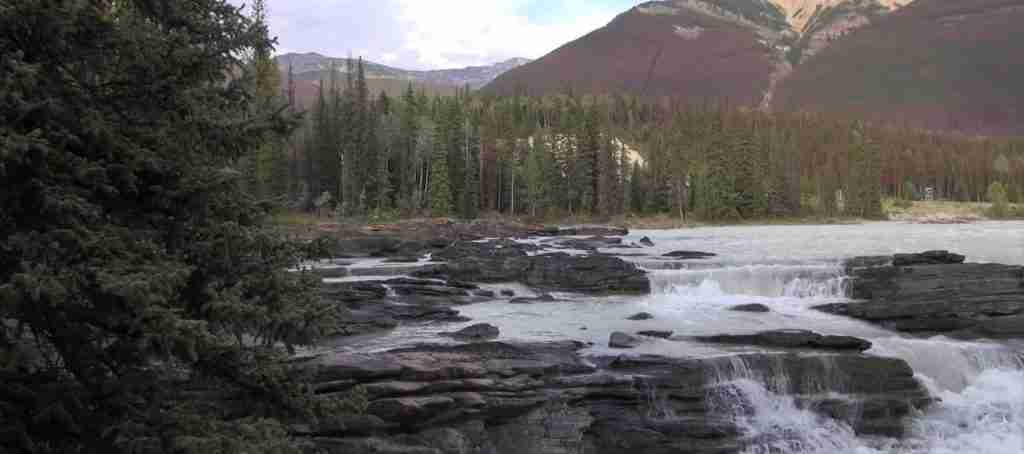
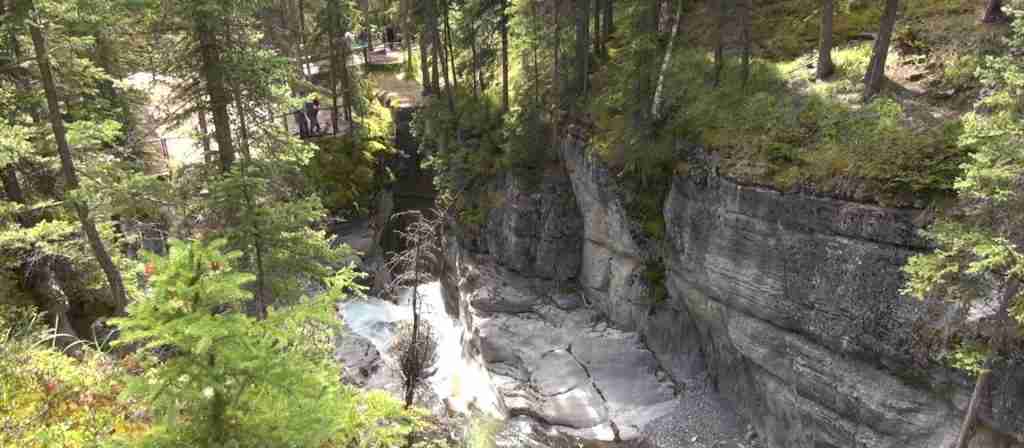
The Canadian Rocky Mountain Parks World Heritage Site encompasses four national parks including Jasper, Banff, Yoho, and Kootenay, plus three British Columbia provincial parks including Mount Robson, Mount Assiniboine, and Hamber. These seven parks collectively protect representative ecosystems ranging from montane valley bottom forests at 900 meters elevation through subalpine forests, alpine tundra, permanent ice fields, and glacier environments. The designation acknowledges rugged mountain peaks exceeding 3,000 meters, extensive glacier systems including the Columbia Icefield spanning 325 square kilometers, crystalline lakes formed by glacial processes, spectacular waterfalls including Athabasca Falls dropping 23 meters, deeply incised canyons like Maligne Canyon descending 50 meters, and complex karst cave systems.
The Burgess Shale fossil site in Yoho National Park constitutes a significant component of the World Heritage designation, preserving exceptional fossil records of soft-bodied marine organisms from 508 million years ago during the Cambrian Period. These fossils document critical evolutionary transitions and provide irreplaceable windows into ancient marine ecosystems. The Burgess Shale functioned as an independent World Heritage Site from 1980 until 1984, when it merged into the broader Canadian Rocky Mountain Parks designation.
UNESCO World Heritage status obligates Canada to protect the site’s Outstanding Universal Value through management plans, zoning systems, environmental assessment processes, and monitoring programs. Parks Canada implements ecological integrity monitoring, wildlife population assessments, and conservation programs addressing species at risk including grizzly bears, woodland caribou, and wolverines. Development within the parks remains concentrated in less than 5% of total area, strictly regulated through management plan policies limiting growth and environmental impacts.
Visitor responsibilities in UNESCO World Heritage Sites include staying on designated trails to prevent vegetation trampling and erosion, maintaining required distances from wildlife protecting both animal welfare and human safety, properly storing food and attractants preventing wildlife habituation, packing out all waste including organic materials maintaining pristine wilderness conditions, and respecting area closures protecting sensitive ecological zones or species during critical life cycle periods. These seemingly minor individual actions compound across millions of annual visitors, collectively determining whether protected areas maintain the ecological integrity justifying UNESCO recognition.
Climate change affects Jasper National Park and the broader Canadian Rocky Mountain Parks through accelerating glacier retreat, altered wildlife migration patterns, changing plant species distributions, and increased wildfire frequency. The Columbia Icefield has lost approximately 50% of its volume over the past 125 years, with retreat rates accelerating in recent decades. Athabasca Glacier, the most accessible icefield tongue, retreats approximately 5 meters annually while thinning substantially. Tree line elevations shift upslope as warming temperatures enable forest establishment in previously alpine tundra zones, reducing habitat for alpine-adapted species. These changes unfold over decades rather than individual visit timeframes, but UNESCO monitoring programs track trends informing adaptive management strategies.
Jasper represents one of 220 UNESCO World Heritage Sites globally recognized for natural significance and one of only 39 sites meeting natural criteria exclusively without cultural components. The designation places Jasper in company with icons including Yellowstone National Park (USA), Serengeti National Park (Tanzania), Great Barrier Reef (Australia), and Galápagos Islands (Ecuador). This international recognition underscores Jasper’s global significance beyond Canadian or North American contexts, representing irreplaceable natural heritage belonging to all humanity rather than single nations.
Frequently Asked Questions About Jasper National Park 2026
Can I visit Jasper National Park without paying entry fees in 2026?
Yes, Parks Canada provides free park entry to all visitors during the Canada Strong Pass period from June 19 through September 7, 2026, eliminating regular admission fees for summer peak season. No passes are required during these dates, though you must still follow all park regulations and wildlife protocols. Regular entry fees apply outside this window from January 1 to June 18, 2026, and September 8 through December 31, 2026, requiring Discovery Passes at CAD $84 ($60) for adults or daily passes at CAD $12 ($9) for single-day visits. Youth aged 17 and under always receive free admission year-round regardless of travel dates. The free admission covers park entry only and does not waive camping fees, backcountry permits, hot springs admission, or tickets for commercial attractions like Columbia Icefield Adventure or Jasper SkyTram that operate independently from Parks Canada.
How many days should I spend in Jasper National Park in 2026?
Allocate minimum 3-4 full days for Jasper to experience major highlights without excessive rushing, extending to 5-7 days for comprehensive exploration including day hiking, wildlife viewing, and attraction visits. A three-day itinerary accommodates the Columbia Icefield Adventure (full day including Icefields Parkway drive), Maligne Lake Cruise and Maligne Canyon (full day), and Jasper SkyTram plus town exploration (full day). Four days adds Valley of Five Lakes or Sulphur Skyline hiking. Five to seven days enable multiple day hikes across different park regions, dedicated wildlife viewing drives at dawn and dusk, Miette Hot Springs relaxation, and flexible weather contingencies allowing itinerary adjustments for storm days. Serious hikers planning multi-day backcountry trips like Skyline Trail or Tonquin Valley require additional days beyond frontcountry sightseeing. Visitors combining Jasper with Banff National Park typically spend 3-4 days in each park separated by one day driving the Icefields Parkway with stops.
What is the best way to see wildlife in Jasper National Park?
Drive Maligne Lake Road from Jasper townsite to Maligne Lake during dawn or dusk hours in May through mid-June for the park’s most reliable black bear and occasional grizzly sightings as bears feed on roadside dandelions and early vegetation after hibernation. Highway 93A toward Marmot Basin provides another productive bear corridor with reduced traffic compared to main routes. Elk appear throughout Jasper townsite year-round, particularly on golf courses, town lawns, and residential streets, requiring minimal effort beyond walking downtown areas. September through October elk rutting season concentrates animals in accessible valley locations with bull elk bugling audibly and displaying territorial behaviors. Book guided wildlife tours through operators like Jasper Wildlife Tours or Maligne Adventures for professional naturalist expertise maximizing sighting opportunities while maintaining legal safety distances through binoculars and telephoto lenses. Stay in vehicles when viewing roadside wildlife, maintain 100 meters from bears and 30 meters from elk and other large mammals, and never approach animals on foot attempting closer views or photographs. Early morning hours from 6 AM to 10 AM and evening hours from 6 PM to 9 PM produce highest wildlife activity levels as animals feed during cooler daylight periods.
Do I need to make reservations for Jasper camping in 2026?
Yes, reserve Parks Canada campgrounds exactly four months before arrival date at 8 AM Mountain Time through the Parks Canada reservation website for July-August stays, particularly weekends at Whistlers and Wapiti campgrounds that fill within minutes of availability release. Set alarms for 8 AM Mountain Time four months before intended camping dates and log into Parks Canada accounts ahead of time to streamline booking during high-demand windows. Midweek sites remain available longer, sometimes for hours or days after release. Shoulder season camping during May-June and September-October requires less advance planning, with 2-4 weeks typically sufficient and walk-up availability possible at several campgrounds. Approximately 30% of sites at most campgrounds remain unreserved for first-come, first-served walk-up, with arrivals before 11 AM offering best chances for securing these spaces during summer peak. Check Parks Canada’s Jasper National Park camping page for specific reservation opening dates corresponding to your intended travel dates, as the four-month window operates on rolling daily basis rather than seasonal blocks.
What should I do if I encounter a bear on a trail in Jasper?
Remain calm without screaming or running if you encounter a bear on Jasper trails, as running triggers chase instincts in predators and humans cannot outrun bears reaching 55 kilometers per hour. Talk in calm, firm tones while slowly backing away without turning your back on the bear, giving the animal clear escape routes by moving off the trail perpendicular to the bear’s position. Never approach bears attempting photographs or closer views regardless of apparent calm behavior, maintaining 100-meter minimum distances. If a bear approaches or charges, deploy bear spray when the bear reaches 10-15 meters distance, aiming slightly downward to create a defensive cloud the bear runs through. Most charges are bluff charges where bears stop short or veer away before contact, but hold your ground rather than running even during charges. If a grizzly bear makes physical contact, play dead by lying on your stomach with hands protecting neck, legs spread for stability, and remain motionless until the bear leaves the area. If a black bear makes physical contact, fight back aggressively using fists, rocks, sticks, or any available weapons targeting the bear’s face and snout. Differentiate between defensive encounters where surprised bears react to perceived threats versus predatory encounters where bears actively stalk prey, though predatory black bear attacks remain exceptionally rare. Report all bear encounters to Parks Canada immediately regardless of outcome, as staff track wildlife activity patterns and implement closures or warnings when encounters concentrate in specific areas.
Can I swim in Jasper National Park lakes in 2026?
Yes, swimming is permitted in several Jasper lakes, though glacial water temperatures remain extremely cold even during peak summer months, typically ranging 8-15°C at surface levels. Popular swimming locations include Annette Lake and Edith Lake near Jasper townsite, both warming slightly above other park lakes due to shallow depths and protected positions. Pyramid Lake provides beach access and marginal swimming despite cold temperatures around 12°C during July-August. Patricia Lake offers another accessible swimming option close to town. Maligne Lake, Medicine Lake, and Athabasca River remain dangerously cold year-round at 4-8°C, with rapid hypothermia onset limiting safe immersion to minutes rather than extended swimming. No lifeguards patrol any Jasper lakes, making all swimming entirely at your own risk. Watch children constantly near water regardless of apparent calm conditions. Strong afternoon winds create waves and surface chop on larger lakes, with Pyramid Lake and Maligne Lake particularly prone to rapid weather changes. The Columbia Icefield meltwater lakes including Athabasca Glacier runoff pools prove lethally cold at 1-4°C and should never be entered beyond ankle depth for photographs.
What are the best hikes in Jasper National Park for 2026?
Valley of the Five Lakes trail offers excellent introduction to Jasper hiking through 4.5-kilometer easy loop passing five distinct turquoise lakes with minimal elevation gain, suitable for families and beginning hikers requiring 2-3 hours round trip. Maligne Canyon trail descends along the park’s deepest limestone gorge through six bridges spanning 50-meter depths, covering 3.7 kilometers one-way requiring 2 hours with optional return via upper canyon loops. Sulphur Skyline Trail climbs 700 meters over 4 kilometers to alpine ridge delivering 360-degree views across mountain ranges, requiring moderate fitness and 4-5 hours round trip. Cavell Meadows Trail at Mount Edith Cavell reaches spectacular alpine wildflower meadows and Angel Glacier viewpoints through 3.8-kilometer loop with 370-meter elevation gain, typically snow-free July through September only. Bald Hills Trail above Maligne Lake ascends 495 meters over 5.2 kilometers to alpine ridge overlooking Maligne Lake’s full length, requiring strong fitness and 4-6 hours. Skyline Trail ranks as Jasper’s premier multi-day backpacking route, traversing 44 kilometers of alpine ridge with minimal tree cover across 2-4 days, requiring advance backcountry permits and appropriate overnight gear. Tonquin Valley Trail reaches remote Amethyst Lakes beneath the Ramparts’ dramatic rock walls through 19 kilometers requiring 2-3 days backpacking. Check Parks Canada trail reports for current conditions, seasonal closures due to wildlife activity, and snow persistence affecting alpine routes before committing to specific hikes.
How do I handle encounters with aggressive elk during rutting season in Jasper?
Avoid approaching bull elk displaying aggressive behaviors including laid-back ears, raised neck hackles, ground pawing, or agitated movements during September-October rutting season when testosterone-fueled territoriality makes males unpredictable and dangerous. Maintain 30-meter minimum distances from all elk year-round, increasing to 50 meters or more when bulls show any signs of aggression or when positioned between cows and bulls during active rut. Respect temporary fencing or closure signs Parks Canada implements around high-activity elk concentration areas in Jasper townsite, particularly at the Fairmont Jasper Park Lodge golf course and residential neighborhoods. If an elk approaches or appears ready to charge, back away slowly while talking calmly without screaming, turning sideways to appear less threatening while keeping the animal in peripheral vision. Never turn your back and run, as this triggers chase responses. Place trees, vehicles, or other large obstacles between yourself and aggressive elk. If charged, run to the nearest vehicle, building, or substantial shelter. Elk can deliver fatal kicks and antler strikes, particularly bull elk weighing up to 500 kilograms with substantial size and strength advantages. Bull elk during rut focus almost exclusively on reproductive competition and frequently ignore or actively challenge human presence in their territories. Never approach elk to photograph calves during May-June calving season, as protective cow elk defend offspring aggressively with powerful kicks from front hooves.
What permits or registrations do I need for backcountry camping in Jasper 2026?
All overnight backcountry camping in Jasper National Park requires wilderness pass permits from Parks Canada’s mandatory quota system, costing CAD $10 ($7) per person per night plus CAD $12 ($9) reservation fee per booking. Reserve backcountry permits online through Parks Canada’s reservation system starting early April 2026 for the full upcoming season, with popular routes including Skyline Trail, Tonquin Valley, and Brazeau Loop booking solid within days of system opening. Permits specify exact campsites or campground zones for each night, with no flexibility to camp at undesignated locations or switch reserved sites without Parks Canada approval. Some trails operate on zone camping systems allowing camping anywhere within defined areas, while others require specific designated campsites only. Unreserved quota spaces become available for walk-up reservation at Parks Canada’s Jasper Information Centre 24 hours before intended departure dates, offering last-minute backcountry opportunities when advance reservations filled completely. Random camping permits allow experienced backpackers to camp anywhere outside established campgrounds and maintained trail corridors in approved random camping zones, requiring advanced wilderness skills and Leave No Trace expertise. Backcountry users must attend mandatory safety orientations discussing bear safety, food storage, Leave No Trace principles, and route-specific conditions before permit issuance. Bring backcountry permits on trail for Parks Canada patrol checks, as camping without valid permits results in fines up to CAD $500 ($360). Report trip completions to Parks Canada after finishing backcountry trips, allowing closure of search records and prevention of unnecessary emergency responses.
What photography locations should I prioritize in Jasper National Park 2026?
Spirit Island at Maligne Lake produces Jasper’s most iconic photograph, accessible only via commercial cruise or long kayak journey, featuring the small treed island framed by surrounding peaks and turquoise glacial waters best captured from the south viewpoint 10 minutes walk from cruise landing. Athabasca Falls showcases thundering water plunging through narrow limestone canyon from multiple viewing platforms offering different perspectives, with late afternoon light illuminating spray dramatically. Medicine Lake’s disappearing water phenomenon creates unique compositions from spring high water levels through autumn’s exposed lake bed revealing underground drainage systems, photographed from multiple pullouts along Maligne Lake Road. Mount Edith Cavell and Angel Glacier dominate viewpoints at Cavell Meadows and the road-end parking area, with wildflower foregrounds in alpine meadows during July-August peak bloom. Pyramid Lake provides classic reflections of Pyramid Mountain during calm early morning hours before wind disturbs mirror surfaces, accessed via short trails from Pyramid Lake Road. Jasper townsite at night captures dark sky preserve stars, Milky Way core, and northern lights against town lights and mountain silhouettes, requiring tripods, cable releases, and wide fast lenses around f/2.8 for 15-30 second exposures. Sunwapta Falls and Athabasca Falls along the Icefields Parkway deliver waterfall photography opportunities. The Icefields Parkway itself provides endless roadside compositions including Sunwapta Pass, Tangle Falls, Athabasca Glacier viewpoints, and numerous unnamed peaks. Sunrise photography works best at eastern-facing locations including Pyramid Lake, Lac Beauvert at Jasper Park Lodge, and Maligne Lake during cruise season. Sunset photography favors western-facing locations including Medicine Lake, Patricia Lake, and Jasper townsite viewpoints. Carry polarizing filters enhancing sky and water colors, neutral density filters enabling long exposures during bright daylight, and waterproof protection for cameras during afternoon thunderstorms and glacier spray.