Jasper National Park Best Tours & Walking Routes 2026: Complete Travel Guide
Canada’s largest Rocky Mountain national park offers guided glacier adventures, boat cruises to legendary Spirit Island, aerial tramway experiences, and walking routes ranging from lakeside strolls to multi-day wilderness treks. Free park admission from June 19 through September 7, 2026 makes this the ideal year to explore Jasper’s 11,000 square kilometers of pristine mountain terrain through expert-led tours and self-guided trails.
Key Takeaways: Planning Your Jasper Adventures 2026
- Free Park Entry Summer 2026: The Canada Strong Pass eliminates admission fees June 19-September 7, 2026, saving CAD $11 ($8) daily per adult or CAD $21 ($15) per vehicle. Book tours and accommodations early as this promotion significantly increases visitor volumes during peak summer months.
- Signature Tour Experiences: Three must-do guided adventures define Jasper: the Maligne Lake Cruise to Spirit Island at CAD $120-150 ($87-108), the Columbia Icefield Adventure with glacier access, and the Jasper SkyTram ascending Whistlers Mountain. Advanced booking essential for all three during summer 2026.
- Trail Diversity for Every Ability: Walking routes span from wheelchair-accessible boardwalks at Athabasca Falls and Lake Annette to challenging alpine traverses like the 44-kilometer Skyline Trail. Fifty percent of Jasper’s trails require no previous hiking experience, making the park accessible to families and casual walkers.
- Wildlife Viewing Prime Times: Early morning departures before 9:00 AM and evening tours after 5:00 PM offer dramatically better wildlife sighting opportunities. Elk, black bears, grizzly bears, caribou, moose, and bighorn sheep frequent roadways and lower-elevation trails during these hours.
- Seasonal Operating Windows: Major tour operators run May through mid-October, with the Maligne Lake Cruise opening May 30, 2026 and the Columbia Icefield Adventure operating May through October. Hiking season for alpine trails runs July through September when snow clears from high-elevation passes.
- Tour Cost Planning 2026: Budget CAD $125-200 ($90-145) per person for half-day guided tours, CAD $250-350 ($180-255) for full-day adventures with multiple attractions. Self-guided walking requires only park entry and transportation, dramatically reducing daily costs for independent travelers.
People Also Ask About Jasper Tours & Walking Routes 2026
What Are the Best Tours in Jasper National Park for First-Time Visitors in 2026?
First-time visitors should prioritize three signature experiences that showcase Jasper’s geological and scenic diversity. The Maligne Lake Cruise delivers the park’s most photographed vista at Spirit Island during a 1.5-hour narrated journey across turquoise glacial waters, revealing mountain ranges, waterfalls, and wildlife along the 14-kilometer route to the iconic peninsula. The Columbia Icefield Adventure combines glacier walking on 10,000-year-old ice aboard specialized Ice Explorer vehicles with the glass-floored Skywalk suspended 280 meters above Sunwapta Valley, providing direct contact with active glacial environments impossible to access independently. The Jasper SkyTram ascends Whistlers Mountain in seven minutes, reaching 2,263 meters elevation for panoramic views spanning six mountain ranges including distant Mount Robson, Canada’s highest Rocky Mountain peak. These three tours require no physical fitness beyond walking capability, operate daily throughout summer 2026, and collectively represent Jasper’s defining natural features within comfortable half-day timeframes suitable for travelers of all ages.
Can Beginners Hike Jasper’s Walking Routes Without a Guide in 2026?
Jasper maintains extensive networks of well-marked, beginner-friendly walking routes requiring no guide services or previous hiking experience. Lake Annette Loop circles a warm-water swimming lake in 2.4 kilometers of flat, accessible trail suitable for strollers and young children, while the Maligne Canyon walk follows paved and gravel paths across six bridges spanning the park’s deepest accessible limestone gorge with interpretive signage explaining geological formations at each viewpoint. Valley of the Five Lakes connects five turquoise lakes via 4.6 kilometers of gentle forest trail with minimal elevation gain, and the Path of the Glacier at Mount Edith Cavell provides 1.6 kilometers of paved wheelchair-accessible trail reaching glacier viewpoints beneath the massive Angel Glacier. These self-guided routes feature trailhead maps, distance markers, emergency contact information, and regular Parks Canada patrol presence. Hikers should carry bear spray, stay on designated trails, make noise in forested sections, and check current trail conditions at Parks Canada’s website or Jasper Information Centre before departure, as wildlife closures and weather events can temporarily restrict access to specific routes throughout the 2026 season.
How Much Do Jasper Guided Tours Cost in 2026?
Jasper guided tour pricing in 2026 ranges from CAD $75-150 ($54-108) for half-day adventures to CAD $250-400 ($180-290) for full-day excursions with multiple attractions. The Maligne Lake Cruise costs CAD $120-150 ($87-108) for the classic 1.5-hour departure to Spirit Island, with premium options adding extended island time for CAD $165-190 ($120-138). Jasper SkyTram tickets cost approximately CAD $62-72 ($45-52) per adult for roundtrip aerial tramway access to Whistlers Mountain upper station. Columbia Icefield Adventure packages including Ice Explorer glacier access and Skywalk admission cost CAD $140-180 ($100-130) per adult depending on time of day and advance booking discounts. Full-day Icefields Parkway tours operated by companies like Brewster Sightseeing and SunDog Transportation range CAD $267-350 ($193-255) including transportation from Jasper townsite, multiple scenic stops, and narrated interpretation. Wildlife viewing tours cost CAD $90-135 ($65-98) for evening departures focusing on elk, bears, and mountain sheep in prime habitat zones. Specialized experiences like glacier ice walks with crampons, photography workshops, and Indigenous cultural tours command premium pricing at CAD $165-225 ($120-163) per person. Children under six typically receive complimentary admission on most tours when accompanied by paying adults. Alberta residents qualify for 15-20 percent discounts on several attractions including Jasper SkyTram and Columbia Icefield experiences when presenting valid provincial identification.
When Is the Best Time to Visit Jasper for Tours and Hiking in 2026?
July through early September represents Jasper’s optimal touring window in 2026, combining reliable weather, full tour operations, wildflower displays, and ice-free alpine trails. The Maligne Lake Cruise operates daily from May 30 through mid-October, but July and August guarantee boat access to Spirit Island without seasonal water level restrictions that occasionally create peninsula conditions in late season. Columbia Icefield tours run May through October, yet July through September provides the safest glacier surface conditions and warmest temperatures for extended time on ice. Alpine hiking routes like the Skyline Trail, Tonquin Valley, and Bald Hills Loop remain snow-covered until mid-July, with peak wildflower displays arriving late July through mid-August across high-elevation meadows. September offers significant advantages including 30-40 percent fewer visitors than July peak season, lower accommodation costs, and golden larch displays in subalpine zones, though afternoon temperatures drop and some services reduce operating hours after Labour Day. The free Canada Strong Pass operating June 19-September 7, 2026 will concentrate crowds during this period, making early June and mid-September shoulder periods attractive alternatives for travelers seeking solitude on popular trails despite cooler conditions and limited tour schedules. Wildlife viewing peaks during May-June when elk, deer, and bears descend to valley floors after winter, and again in September-October when rutting season brings large mammals to roadside meadows in dramatic mating displays.
Extended multi-day tours – 5+ days
Featured Jasper National Park Multi-Day Tour Packages
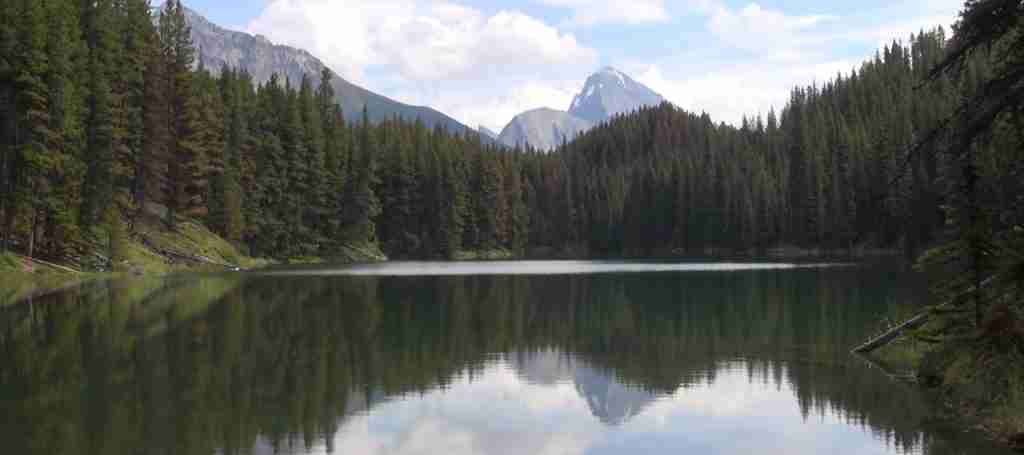
3 days
Jasper National Park 3-Day Discovery Tour
- ✓ Comprehensive Jasper National Park experience
- ✓ Expert local guides included
- ✓ All accommodation included
- ✓ Transportation provided
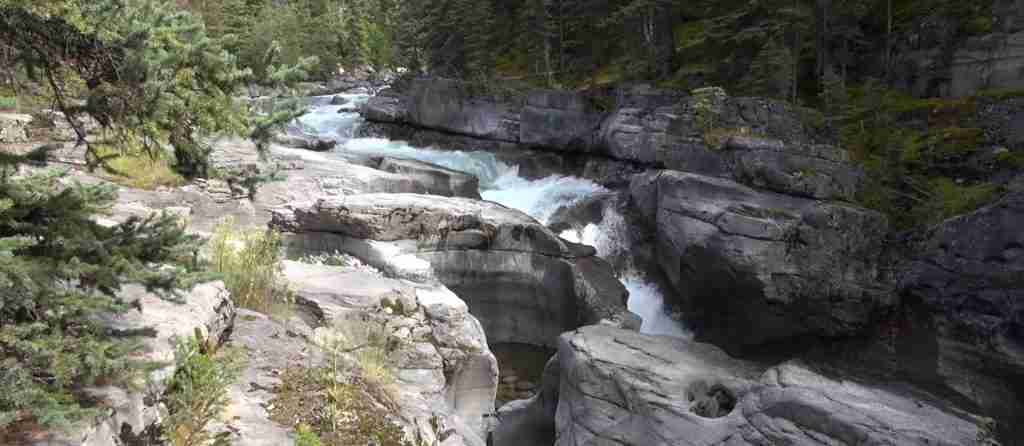
5 days
Jasper National Park 5-Day Highlights Experience
- ✓ Comprehensive Jasper National Park experience
- ✓ Expert local guides included
- ✓ All accommodation included
- ✓ Transportation provided
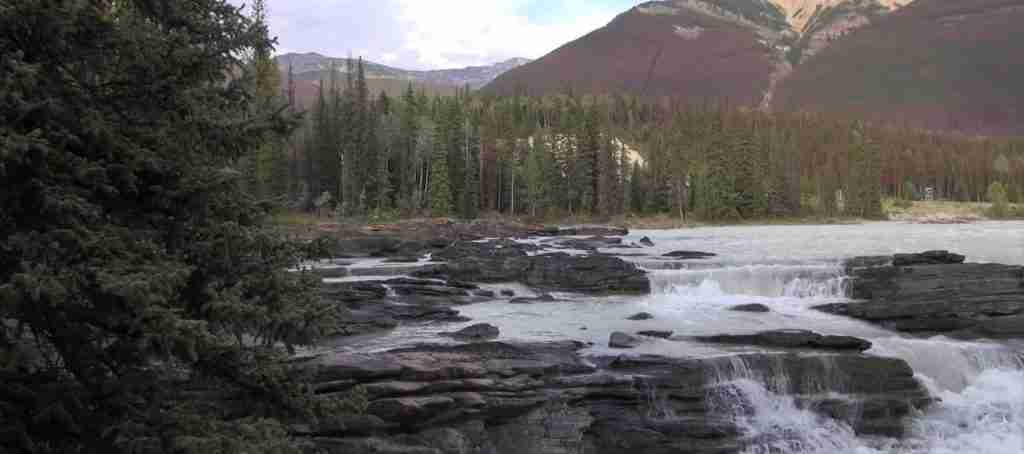
7 days
Jasper National Park 7-Day Cultural Journey
- ✓ Comprehensive Jasper National Park experience
- ✓ Expert local guides included
- ✓ All accommodation included
- ✓ Transportation provided
10 days
Jasper National Park 10-Day Complete Adventure
- ✓ Comprehensive Jasper National Park experience
- ✓ Expert local guides included
- ✓ All accommodation included
- ✓ Transportation provided
Multi-day tour packages powered by TourRadar. Prices and availability subject to change.
Introduction to Jasper’s Tour and Trail Network 2026
Jasper National Park spans 11,000 square kilometers of UNESCO World Heritage–designated wilderness along Alberta’s eastern Rocky Mountain slopes, encompassing ancient glaciers, turquoise lakes, limestone canyons, alpine meadows, and over 1,200 kilometers of maintained hiking trails. Established in 1907 as Canada’s sixth national park, Jasper protects North America’s largest dark sky preserve and serves as critical habitat for grizzly bears, caribou, elk, wolves, and mountain goats within ecosystems ranging from montane valleys at 1,000 meters elevation to barren alpine tundra above 3,000 meters. The park’s tour infrastructure balances wilderness preservation with accessibility through guided experiences that transport visitors to remote glaciers, hidden lakes, and mountain summits unreachable by vehicle, while an extensive trail network allows independent exploration of everything from gentle riverside walks to challenging multi-day backpacking routes crossing Continental Divide passes.
The 2026 season brings unprecedented accessibility through the Canada Strong Pass program eliminating park entry fees from June 19 through September 7, representing CAD $11 ($8) daily savings per adult or CAD $21 ($15) per vehicle for the summer’s peak 11 weeks. This federal initiative commemorating Canada’s resilience will dramatically increase visitor volumes across Jasper’s most popular tours and trailheads, making advance reservations essential for signature experiences like the Maligne Lake Cruise, Columbia Icefield Adventure, and Jasper SkyTram during the free admission period. Tour operators including Brewster Sightseeing, Pursuit’s Banff Jasper Collection, SunDog Transportation, Canadian Skyline Adventures, and Indigenous-owned Jasper Tour Company offer professional guiding across skill levels from wheelchair-accessible boat cruises to technical glacier traverses, while self-guided hiking ranges from 20-minute lakeside strolls to 50-kilometer wilderness expeditions requiring backcountry permits and wilderness camping skills.
Jasper’s geographical position as Canada’s northernmost major Rocky Mountain park creates distinct advantages for summer touring. The park receives 30 percent less annual precipitation than Banff National Park 290 kilometers south, producing more reliable July and August weather windows for high-elevation hiking and extended tour days. Jasper townsite serves as the operational hub at 1,060 meters elevation, providing accommodations, restaurants, tour operator offices, equipment rentals, Parks Canada visitor centers, and trailhead access within a 30-minute drive of most major attractions. The Icefields Parkway (Highway 93) connects Jasper to Lake Louise and Banff along a 230-kilometer scenic corridor considered among the world’s premier mountain drives, with tour companies offering one-way transportation combined with sightseeing stops at Athabasca Glacier, Peyto Lake, Bow Lake, and numerous waterfalls.
Planning successful Jasper adventures in 2026 requires understanding seasonal operating windows, advance booking requirements, physical fitness expectations, and weather variability that can transform trail conditions within hours at high elevation. Major attractions operate distinct schedules: Maligne Lake Cruise runs May 30 through mid-October with 8-9 daily departures during peak summer; Columbia Icefield tours operate May through October with departures every 15-30 minutes; Jasper SkyTram typically opens late March through October with extended summer hours. Alpine hiking trails above 2,000 meters elevation generally remain snow-covered until early July, with prime trekking conditions lasting only 10-12 weeks before September snowfall returns. This guide provides comprehensive details on tour options, self-guided walking routes, booking strategies, cost breakdowns, and seasonal timing to help travelers maximize their Jasper experience regardless of fitness level, budget, or adventure preferences during the transformative free-admission summer of 2026.
Understanding Jasper’s Tour Categories 2026
Jasper’s guided tour industry organizes into seven primary categories serving distinct interests and physical capabilities. Scenic sightseeing tours transport passengers to multiple viewpoints and attractions via comfortable coach buses with professional narration, requiring minimal walking beyond brief photo stops. Adventure tours incorporate active elements like glacier walking, whitewater rafting, horseback riding, or rock climbing with specialized equipment and instruction included. Wildlife viewing excursions depart during optimal animal activity periods at dawn and dusk, traveling roads and meadows where elk, bears, moose, and bighorn sheep congregate. Cultural and interpretive tours led by Indigenous guides share Stoney Nakoda and Métis perspectives on traditional territories, ethnobotany, and historical trading routes through the Rockies. Photography workshops teach composition, lighting, and technical camera settings while visiting prime locations during golden hour. Multi-day tours combine accommodations, meals, and sequential activities into packaged itineraries spanning three to seven days. Specialized experiences target niche interests including astronomy sessions at dark sky locations, culinary tours visiting local restaurants and producers, and helicopter flightseeing over remote peaks and icefields.
Sightseeing tours represent the most accessible category, accommodating travelers with limited mobility, families with young children, and visitors preferring comfortable seating over strenuous activity. The Explore Jasper tour operated by Brewster Sightseeing covers Maligne Valley in six hours including Medicine Lake, Maligne Canyon, and optional Spirit Island cruise, with departure times starting 9:00 AM daily May through October. Prices begin at CAD $267 ($193) for adults including boat cruise admission, with discounted rates for children ages 6-15. SunDog Transportation’s Icefields Parkway tour departs Jasper bound for Lake Louise or Banff, stopping at Columbia Icefield, Athabasca Falls, Peyto Lake, and Bow Lake during eight-hour journeys priced from CAD $250-325 ($180-235) depending on destination. These tours eliminate driving stress on mountain highways, provide historical and geological context through trained guides, and guarantee stops at optimal photography locations often bypassed by independent travelers rushing between destinations.
Adventure tours require moderate to high fitness levels and comfort with outdoor activities in wilderness settings. The Columbia Icefield Glacier Ice Walk conducted by licensed guides equips participants with crampons for 3-4 hour treks across crevassed glacier terrain, teaching ice formation processes and climate change impacts while navigating features like moulins, seracs, and glacial streams. These specialized experiences cost CAD $165-190 ($120-138) and demand sure footing on uneven surfaces. Jasper Rafting Adventures operates whitewater trips on Athabasca River ranging from family-friendly Class II floats to adrenaline-charged Class III rapids, with half-day excursions priced CAD $90-125 ($65-90) including wetsuits and safety equipment. Horseback rides through Pyramid Bench, Maligne Valley, and Tonquin Valley accommodate beginner through advanced riders on 2-8 hour trips, allowing access to backcountry meadows and viewpoints beyond hiking trail networks. Mountain biking tours descend from Whistlers Mountain or explore valley floor single-track routes with bike rentals, protective gear, and shuttle support included.
Wildlife viewing tours maximize animal encounter probability through strategic timing and location selection based on seasonal behavior patterns. Evening wildlife tours depart 5:00-6:00 PM when elk emerge from forest cover to graze roadside meadows, black bears forage berry patches, and bighorn sheep descend to mineral licks. Professional guides identify tracks, scat, browse patterns, and behavioral cues invisible to untrained observers, significantly increasing sighting success beyond self-drive attempts. Tour operators maintain ethical distances from wildlife following Parks Canada protocols, using spotting scopes and telephoto lenses for close viewing without causing animal stress or dangerous encounters. Canadian Skyline Adventures and Jasper Tour Company offer Indigenous perspectives during wildlife tours, explaining traditional relationships between First Nations communities and grizzly bears, caribou, and other species central to cultural identity. These specialized excursions cost CAD $90-135 ($65-98) for 3-4 hour evening departures accommodating 6-14 passengers in comfortable vans equipped with roof hatches for standing photography.
Maligne Lake Cruise to Spirit Island 2026
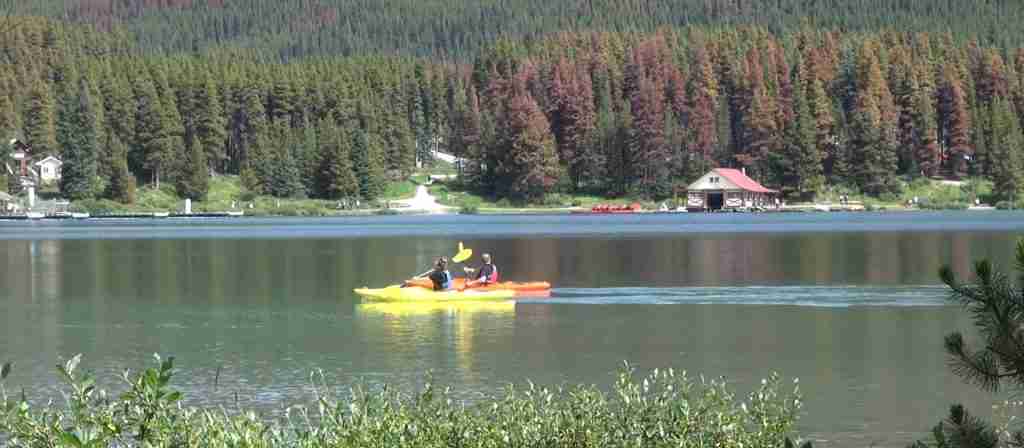
The Maligne Lake Cruise delivers Jasper’s single most iconic experience, transporting passengers 14 kilometers across the largest natural lake in the Canadian Rockies to Spirit Island, an intimate peninsula framed by towering granite peaks and ancient forests appearing on countless postcards, calendars, and travel guides worldwide. Operated by Pursuit’s Maligne Lake boat service since the 1960s, these glass-enclosed heated vessels accommodate approximately 30 passengers per departure with professional narration explaining glacial geology, Indigenous history, and the unique phenomenon of Medicine Lake’s disappearing waters draining through underground karst cave systems. The 90-minute classic cruise includes 15 minutes ashore at Spirit Island for photography and contemplation along a short interpretive trail revealing Stoney Nakoda cultural significance, with nine daily departures scheduled throughout summer 2026 from 9:00 AM through late afternoon.
Maligne Lake stretches 22 kilometers from the boat dock near Maligne Lake Chalet to the glacier-draped peaks at the southern terminus, reaching depths of 97 meters and displaying the intense turquoise coloration characteristic of glacial flour suspended in meltwater from nearby snowfields. The cruise route passes massive avalanche paths scarring mountainsides, seasonal waterfalls cascading hundreds of meters down cliff faces, and isolated beaches accessible only by watercraft. Guides identify Mount Warren, Mount Charlton, Mount Mary Vaux, and Mount Paul towering above the lake’s western shore, while the Maligne Range forms the dramatic eastern boundary rising directly from water level to alpine summits exceeding 3,000 meters elevation. Wildlife sightings during cruises frequently include bald eagles nesting in ancient fir trees, white-tailed deer browsing shoreline willows, and occasionally black bears or grizzly bears foraging berry patches visible from the boat. Water temperatures remain near 4-6°C year-round, creating ethereal morning mist displays when air temperatures warm after dawn.
Spirit Island gained international recognition during the 1972 Winter Olympics when images broadcast worldwide showcased the serene peninsula’s reflection in mirror-calm waters beneath the Cathedral Formation’s distinctive spires. The Stoney Nakoda First Nation considers this location spiritually significant, traditionally using the site for vision quests and ceremonies connecting with ancestral spirits inhabiting the surrounding peaks. Parks Canada restricts Spirit Island access to cruise passengers, prohibiting kayak or canoe landings to protect fragile vegetation and maintain the contemplative atmosphere. The short trail from the dock winds through subalpine forest emerging at a cleared viewpoint offering unobstructed photography angles impossible to achieve from boat level, with interpretive panels explaining glacial retreat visible in terminal moraine deposits and the geological forces that carved Maligne Valley over millennia.
Booking the Maligne Lake Cruise in 2026 requires advance reservations during peak summer months, particularly July and August when daily demand exceeds capacity on popular mid-morning and early afternoon departures. The classic cruise costs CAD $120-150 ($87-108) for adults depending on season and booking timing, with youth ages 6-15 receiving discounted rates and children under six riding free when accompanied by paying adults. Check the official website for current rates as pricing may adjust for 2026 season. Premium cruise options extend Spirit Island time to 30 minutes and add scenic stops at Pincushion Bay, commanding CAD $165-190 ($120-138) per adult for the two-hour experience. The Maligne Lake operation opens May 30, 2026 for the season, though water levels in late May can create peninsula conditions where Spirit Island connects to shore, diminishing the isolation effect that makes mid-summer visits more dramatic. September and early October provide stunning larch displays turning golden across hillsides, reduced crowds, and calm morning waters perfect for reflection photography, though daily departure frequency decreases and weather becomes less predictable.
Reaching Maligne Lake requires a 48-kilometer drive southeast from Jasper townsite along Maligne Lake Road, a winding mountain highway traversing Medicine Lake and Maligne Canyon en route to the boat dock. The drive takes 50-60 minutes without stops, passing through prime wildlife habitat where moose frequent roadside ponds and caribou occasionally cross the pavement. Limited cellular service along Maligne Lake Road requires downloading maps or directions before departure. Parking at the lake accommodates 300 vehicles but fills completely by 10:00 AM during July and August, necessitating early arrival or alternative transportation through tour operators offering shuttle services from Jasper hotels. The boat dock area includes the historic Maligne Lake Chalet built in the 1920s serving full-service meals, the Lake House Café offering quick-service breakfast and lunch, and a Parks Canada interpretive center explaining lake ecology and geological formation. Restrooms, souvenir shops, and boat rental facilities for kayaks and canoes operate adjacent to the cruise departure terminal.
Columbia Icefield Adventure 2026
The Columbia Icefield Adventure provides once-in-a-lifetime direct contact with glacial ice dating 10,000 years old, combining specialized Ice Explorer vehicle transportation across the Athabasca Glacier’s crevassed surface with the glass-floored Skywalk suspended 280 meters above Sunwapta Valley for perspectives impossible through hiking alone. This signature Jasper experience operates from the Columbia Icefield Discovery Centre located 108 kilometers south of Jasper townsite along the Icefields Parkway, positioning visitors at the edge of North America’s largest non-polar ice field stretching 325 square kilometers across the Continental Divide at elevations exceeding 3,000 meters. The combined 2.5-3 hour adventure includes round-trip Ice Explorer transit, 30 minutes walking directly on glacier ice, shuttle transfer to the cliff-edge Skywalk, and interpretive displays explaining ice age formation, glacial retreat rates, and meltwater hydrology feeding rivers flowing to three oceans.
Ice Explorer vehicles represent purpose-built all-terrain machines equipped with massive low-pressure tires spreading weight across fragile glacier surfaces while navigating 30-degree inclines impossible for conventional buses or trucks. Each Explorer accommodates approximately 50 passengers in heated compartments with large windows providing unobstructed views during the 15-minute descent from the Discovery Centre to the designated walking zone 300 meters onto the glacier. Professional driver-guides narrate the journey explaining crevasse formation, glacial flour creation, and historical retreat distances measured through annual monitoring programs. The Athabasca Glacier has receded 1.5 kilometers and lost half its volume since 1890, with marker stones along the access road documenting positions from previous decades illustrating dramatic climate change impacts. Current retreat rates average 5 meters annually, though warming trends suggest acceleration during coming years potentially eliminating toe access for visitors within several decades.
Time on the glacier allows passengers to disembark, photograph the surrounding ice-carved landscape, drink fresh glacial meltwater, and comprehend the immense scale of the Columbia Icefield stretching beyond visual horizons. Guides explain the distinction between glaciers, icefields, and ice caps while demonstrating ice core sampling techniques and identifying features like moulins where surface streams plunge into the glacier’s depths. Weather conditions on the ice average 8-12°C cooler than valley temperatures, with persistent winds making layers and wind-resistant jackets essential even during July and August. The glacier surface appears bright white where fresh snow accumulated during previous winter, transitioning to steel-blue older ice compressed over centuries, with black moraine stripes where rock debris embedded through avalanche deposition creates linear patterns across the surface. Conditions restrict glacier access during extreme weather, heavy rain, or dangerous ice conditions, with Parks Canada and tour operators maintaining authority to cancel departures when safety concerns arise.
The Columbia Icefield Skywalk extends the adventure with a 400-meter interpretive walkway leading to a glass-floored platform cantilevered beyond the cliff edge directly above the Sunwapta Valley gorge carved by glacial meltwater over millennia. The fully-accessible pathway features educational displays explaining fossil discoveries from ancient seas, geological uplift creating the Rocky Mountains, and endemic species adapted to harsh alpine conditions. The Skywalk’s transparent floor panels allow vertigo-inducing views 280 meters straight down to boulder fields and rushing streams where mountain goats traverse near-vertical terrain foraging alpine vegetation. Photographers appreciate the dramatic perspectives combining foreground glacier tongues, middle-ground valley forests, and distant peaks forming layered compositions impossible from roadside pullouts. The entire Skywalk experience takes 45-60 minutes including shuttle transit from the glacier access road, with wheelchair accessibility and family-friendly design accommodating all ages and abilities.
Booking Columbia Icefield Adventure tickets requires advance purchase during summer 2026 to guarantee preferred departure times, with online reservations opening months ahead of the May operational start date. Tickets include both Ice Explorer glacier access and Skywalk admission, with pricing varying by time of day and season. Check the official Banff Jasper Collection website for current rates and special offers as pricing structures may adjust for 2026. Alberta residents receive 15-20 percent discounts with valid identification, and afternoon departures after 3:30 PM typically offer reduced rates compared to peak mid-morning times. The Discovery Centre houses the Altitude Restaurant serving Canadian-inspired cuisine with glacier views, the Chalet offering fast-casual options, and a Starbucks location for morning coffee arrivals. Tours depart every 15-30 minutes during peak season from 10:00 AM through 5:00 PM, with first and last departures seeing fewer crowds and enhanced photography conditions as tour groups thin.
Independent access to the Discovery Centre requires personal vehicle or tour operator transportation, as public transit does not service the remote Icefields Parkway location. From Jasper townsite, drive south on Highway 93 for 108 kilometers through spectacular mountain scenery passing Athabasca Falls, Sunwapta Falls, and numerous pullouts showcasing peaks, glaciers, and wildlife habitat. The drive takes approximately 90 minutes without stops, though most travelers allocate 2-3 hours allowing time for photography at roadside attractions. From Banff or Lake Louise, approach the Columbia Icefield from the south via Highway 93 with the Discovery Centre located 125 kilometers north of Lake Louise. Tour operators including SunDog Transportation, Brewster Sightseeing, and Calgary Tours offer full-day Icefields Parkway tours combining Columbia Icefield visits with stops at Peyto Lake, Bow Lake, and other attractions, eliminating driving responsibilities and providing professional narration throughout the journey. These comprehensive tours range CAD $250-350 ($180-255) per person including transportation, Columbia Icefield admission, and lunch stops, representing excellent value for travelers without personal vehicles or those preferring guided experiences.
Jasper SkyTram to Whistlers Mountain 2026
The Jasper SkyTram whisks passengers 1,000 vertical meters up Whistlers Mountain in seven minutes aboard Canada’s longest and highest aerial tramway, delivering panoramic views spanning six mountain ranges, the Athabasca and Miette river valleys, turquoise lakes, and the distant peak of Mount Robson rising 3,954 meters as the Canadian Rockies’ highest summit 100 kilometers northwest. Operating since 1964, this family-friendly attraction requires zero hiking capability to reach the 2,263-meter upper station, where accessible boardwalks, interpretive displays, a full-service restaurant, and additional hiking options allow visitors of all ages and fitness levels to experience the alpine zone typically reserved for experienced mountaineers. The tramway departs every nine minutes during peak summer operations from the lower station located seven kilometers south of Jasper townsite via Whistlers Road, an easily navigable paved access route suitable for RVs and buses.
Each enclosed tram cabin accommodates 26 passengers plus one flight attendant who narrates the ascent explaining geological processes, wildlife habitats, treeline ecology, and Indigenous connections to the surrounding peaks. Large windows on all sides provide unobstructed viewing as the tram climbs above subalpine fir and spruce forests into krummholz zones where stunted trees twist under prevailing winds, finally emerging into barren alpine tundra where only hardy sedges, mosses, and wildflowers survive short growing seasons and extreme temperature swings. The upper station sits just 200 vertical meters below Whistlers Mountain’s true summit, making the final climb to 2,463 meters achievable for moderately fit hikers willing to ascend an additional 1.4 kilometers of steep but maintained trail. Summit views reveal the Columbia Icefield’s gleaming expanse to the south, Pyramid Mountain’s distinctive profile north of Jasper townsite, and on exceptionally clear days, the glaciated mass of Mount Robson on the western horizon near the British Columbia border.
The mountain’s name derives from hoary marmots inhabiting the rocky slopes, identified by their distinctive whistling alarm calls echoing across boulder fields warning colony members of potential threats from golden eagles or wolverines. These large ground squirrels frequently appear near the upper station and along the summit trail, providing reliable wildlife photography opportunities for visitors arriving early or late in the day when animal activity peaks. Whistlers Mountain also hosts populations of white-tailed ptarmigan, pika, and occasional grizzly bears foraging alpine meadows during late summer berry season. The upper station’s interpretive boardwalks explain alpine ecosystem fragility, documenting recovery timelines for vegetation damaged by foot traffic and highlighting Parks Canada’s efforts to concentrate visitor impacts on hardened surfaces protecting rare plant communities surrounding the facility.
The Summit Café at the upper station serves full sit-down meals from breakfast through early dinner, featuring windows framing mountain panoramas that rival the food itself. Menu highlights include Alberta beef burgers, fish and chips, Caesar salads, and rotating daily specials utilizing regional ingredients. Prices reflect mountain-top operations with entrées ranging CAD $18-32 ($13-23), though the experience of dining among clouds at 2,263 meters elevation justifies the premium for many visitors. The Basecamp Café at the lower station offers grab-and-go breakfast items, sandwiches, coffee, and ice cream for travelers preferring quick fuel before or after tram rides. Both facilities operate during full tram schedules from late March through October, with hours adjusted seasonally to match attraction opening times.
Booking Jasper SkyTram tickets in 2026 requires selecting specific “flight” times for ascent, with return descent flights automatically assigned based on typical 90-minute visit durations allowing time for boardwalk exploration, dining, and optional summit hiking. Advance online purchase guarantees preferred times and eliminates queuing at the lower station ticket booth during peak summer mornings when walk-up demand often exceeds immediate capacity. Tickets cost approximately CAD $62-72 ($45-52) per adult for round-trip access, with youth ages 6-15 receiving reduced rates and children under six riding free when accompanied by paying adults. Check the official website for current rates as seasonal pricing may vary. Family packages combining two adults and two youth admissions provide modest savings for groups. Alberta residents with valid identification receive 15-20 percent discounts, and CAA/AMA members save similar percentages by presenting membership cards at check-in. The first two operational hours each morning offer complimentary child tickets with paying adult admission, creating excellent value for families visiting during less crowded early periods.
The tramway operates daily from April through October, with May-September seeing extended hours accommodating 8:00 AM-8:00 PM operations during peak summer. September and October reduce schedules as daylight shortens, with closing potentially occurring earlier based on weather and demand. Winter operations do not occur as extreme cold, ice accumulation, and avalanche hazards render the alpine environment dangerous and the upper station facilities unable to function. Star Sessions offered on select autumn evenings combine guided astronomy viewing through powerful telescopes, interpretive talks about the Jasper Dark Sky Preserve, and optional mountaintop dinners creating romantic experiences under North America’s clearest night skies. These specialty events require separate tickets and sell out weeks in advance during the limited late-September through mid-October operating window before seasonal closure.
Reaching the Jasper SkyTram from Jasper townsite requires a 10-minute drive south on Highway 93 to Whistlers Road, turning left and following signs 1.5 kilometers to the lower station parking area. Parking accommodates several hundred vehicles including RV spaces, though arrival before 9:00 AM recommended during July and August to secure spots near the terminal. SunDog Transportation operates shuttle services from downtown Jasper hotels on regular schedules, eliminating parking concerns for travelers without vehicles. The lower station facilities include restrooms, equipment storage lockers, souvenir shops, and covered waiting areas. Pets are permitted on the tramway with CAD $10 ($7) dog tickets required, making this one of the few Jasper attractions explicitly welcoming leashed animals. The upper station’s second floor and Whistlers Summit Trail remain inaccessible to wheelchairs due to stairs and uneven terrain, though the main level’s boardwalks and viewing platforms accommodate all mobility devices comfortably.
Icefields Parkway Guided Tours 2026
The Icefields Parkway (Highway 93) stretches 230 kilometers between Jasper and Lake Louise, connecting two UNESCO World Heritage Sites through arguably Earth’s most scenic highway corridor. Guided tours along this legendary route eliminate navigation stress, provide expert interpretation, guarantee stops at optimal photography locations, and allow passengers to fully absorb dramatic landscapes without attention divided between driving and sightseeing. Multiple tour operators offer varying itineraries and service levels, from full-day comprehensive adventures stopping at eight or more attractions to express half-day trips focusing on Columbia Icefield and major waterfalls. These tours depart daily throughout summer 2026 from Jasper hotels, with one-way options depositing passengers in Banff or Lake Louise for travelers continuing south or multi-day packages incorporating accommodations and sequential activities.
Brewster Sightseeing operates the most established Icefields Parkway tours, with heritage dating to 1892 when Jim and Bill Brewster began guiding horseback trips through the Canadian Rockies. Their modern fleet of 54-passenger coaches equipped with panoramic windows, onboard restrooms, and audio commentary systems depart Jasper bound for Columbia Icefield with strategic stops at Athabasca Falls, Sunwapta Falls, Goats and Glaciers viewpoint, and Tangle Creek Falls before reaching the Discovery Centre for Ice Explorer and Skywalk experiences. Tours from May 29, 2026 include the Maligne Lake Cruise to Spirit Island, priced from CAD $267 ($193) for adults with the cruise component adding 90 minutes to overall tour duration. Tours departing May 2-28, 2026 operate at discounted rates as Maligne Lake Cruise season has not yet begun, eliminating that component while maintaining Columbia Icefield access and Icefields Parkway scenic stops.
SunDog Transportation specializes in smaller group experiences aboard 24-passenger mini-coaches allowing more personalized service and flexibility to adjust itineraries based on wildlife sightings or passenger interests. Their Icefields Parkway tours incorporate photo stops at Peyto Lake, Bow Lake, Crowfoot Glacier, and Mistaya Canyon beyond the Columbia Icefield core, providing more comprehensive coverage of the parkway’s attractions during 8-9 hour journeys. Prices range CAD $250-325 ($180-235) per person depending on destination endpoint, with one-way options depositing passengers at Lake Louise or Banff hotels eliminating backtrack driving for travelers continuing south. SunDog’s guides emphasize geological processes, wildlife ecology, and Indigenous history throughout narration, creating educational experiences beyond simple transportation services. Their smaller vehicles access secondary viewpoints larger coaches cannot reach, revealing hidden waterfalls, wildlife habitats, and photography angles unavailable to standard tour groups.
Multi-day packages combining Icefields Parkway touring with Jasper and Banff area attractions provide comprehensive Canadian Rockies experiences for travelers without personal vehicles. Calgary Tours offers 4-5 day itineraries starting CAD $800-1,400 ($580-1,020) per person including accommodations, most meals, park entry, Columbia Icefield admission, Maligne Lake Cruise, and visits to Lake Louise, Moraine Lake, and Banff townsite. These packages accommodate travelers flying into Calgary or Edmonton, with airport transfers included in pricing. Caravan Tours operates similar multi-day programs at competitive rates, with both companies providing professional guides, comfortable motor coach transportation, and carefully paced itineraries balancing activity with leisure time. Specialty tour operators like Discover Canada Tours focus on photography-oriented itineraries departing during golden hour for optimal lighting conditions, while companies like Jasper Food Tours combine scenic driving with culinary experiences at local restaurants and artisan producers.
Independent travelers considering self-drive versus guided tour options should evaluate several factors beyond simple cost comparison. Guided tours eliminate concerns about mountain driving conditions, wildlife collisions, finding optimal viewpoints, parking at congested attractions, and maintaining schedules to meet specific attraction departure times like Columbia Icefield Ice Explorers. Professional guides identify wildlife often missed by untrained observers, explain geological processes creating the landscapes, and share Indigenous perspectives enriching understanding beyond what interpretive signs provide. However, guided tours restrict flexibility to linger at preferred locations, explore side trails, or adjust timing based on weather and personal energy levels. Self-drive allows spontaneous stops at any pullout, wildlife sightings, or hiking trail, though requires navigation attention that prevents full landscape immersion while operating vehicles on winding mountain highways with frequent wildlife crossings.
Walking Route Categories: Easy, Moderate, Challenging 2026
Jasper’s 1,200 kilometers of maintained trails organize into clear difficulty categories based on distance, elevation gain, terrain conditions, and navigation requirements. Easy walks suit all fitness levels including seniors, young children, and travelers with mobility limitations, featuring paved or well-groomed surfaces, minimal elevation change, clear signage, and lengths under five kilometers allowing completion within 1-2 hours. Moderate hikes require reasonable fitness levels, involve 200-600 meters elevation gain, traverse natural surfaces with roots and rocks, and extend 5-12 kilometers demanding 3-5 hours completion time. Challenging routes target experienced hikers comfortable with steep sustained climbs exceeding 600 meters elevation gain, remote wilderness exposure, potential snow crossings, route-finding responsibilities, and full-day or multi-day commitments covering 12-50 kilometers through variable terrain conditions.
Easy walking routes concentrate near Jasper townsite and major attractions, providing accessible wilderness experiences without backcountry commitment. The Lake Annette Loop circles a warm-water lake in 2.4 kilometers of flat sandy trail suitable for strollers, wheelchairs, and toddlers, passing beaches where families swim during July and August when water temperatures reach 17-20°C compared to frigid 4-6°C in glacial-fed lakes. The trail takes 30-45 minutes at casual pace, with interpretive signs explaining montane forest ecology and the geological processes creating the Athabasca Valley. Pyramid Lake and Pyramid Island accessed via 2-kilometer path from Pyramid Lake Resort offers similarly gentle terrain with mountain reflections, picnic areas, and swimming beaches making it ideal for after-dinner walks during long summer evenings.
Athabasca Falls represents Jasper’s most visited easy walk, where a 1-kilometer network of paved paths and metal catwalks spans dramatic viewpoints overlooking the river’s powerful plunge through a narrow limestone canyon. Multiple bridges and staircases allow approaching from various angles to photograph the falls’ 23-meter drop and the swirling potholes carved into bedrock by centuries of erosion. The entire walk requires only 30-45 minutes but provides spectacular natural drama rivaling destinations requiring hours of hiking. Wheelchair accessibility extends to primary viewpoints, though some lower canyon perspectives involve stairs. The Path of the Glacier at Mount Edith Cavell offers 1.6 kilometers of paved wheelchair-accessible trail reaching viewpoints facing Angel Glacier and the turquoise lake filled with icebergs calving from the glacier’s terminus, though reaching the trailhead requires driving the narrow Cavell Road with vehicle restrictions during peak season.
Moderate hikes open substantially more terrain while remaining achievable for recreational hikers with average fitness. The Bald Hills Trail climbs 500 meters over 5.2 kilometers one-way from Maligne Lake, transitioning through subalpine forest into alpine meadows where caribou graze during summer months. The trail follows an old fire road suitable for mountain bikes initially, narrowing to single-track as it ascends toward the treeline. Wildflower displays peak mid-July through mid-August with lupine, Indian paintbrush, arnica, and alpine forget-me-not blanketing hillsides. Round-trip completion takes 4-5 hours, with lunch stops at the summit providing 360-degree panoramas spanning Maligne Lake, the Queen Elizabeth Ranges, and distant peaks along the Continental Divide. The Valley of the Five Lakes loop covers 4.6 kilometers connecting five turquoise lakes via forest trail with gentle rolling terrain totaling 150 meters cumulative elevation gain, completing in 2-3 hours as a family-friendly half-day outing.
Sulphur Skyline ascends 700 meters over 4 kilometers from Miette Hot Springs, reaching an alpine summit delivering sweeping views across the Fiddle River Valley, Ashlar Ridge, and the Endless Chain Ridge. The sustained steep grade challenges cardiovascular fitness during the 3-4 hour round trip, though the trail surface remains well-maintained throughout. Many hikers reward summit efforts with soaks in Miette Hot Springs’ 40°C mineral pools upon descent, combining alpine exercise with thermal relaxation. The Cavell Meadows Trail at Mount Edith Cavell climbs 500 meters over 3.8 kilometers through flower-filled alpine meadows facing the Angel Glacier, with sections crossing moraine fields requiring careful footing over loose rock. This moderate route ranks among Jasper’s most scenic day hikes, though snow lingers until mid-July in upper sections and weather can change rapidly requiring layered clothing and rain protection even during summer.
Challenging hikes and multi-day backpacking routes demand wilderness skills, physical endurance, navigation capability, and self-sufficiency for emergency situations. The Skyline Trail covering 44.1 kilometers from Maligne Lake to Maligne Canyon Road traverses 25 kilometers above treeline, making it Canada’s premier high alpine backpacking route. The trail typically requires 2-3 days with camping at designated backcountry sites requiring advance reservations through Parks Canada’s system opening January 28, 2026 for the summer season. Elevation gains exceed 1,500 meters cumulatively, with exposed ridge sections vulnerable to lightning during afternoon thunderstorms and limited escape routes from high-elevation traverses. Proper equipment including four-season tents, bear-proof food storage, and layered technical clothing proves essential, as weather conditions can shift from warm sun to driving rain or snow within hours at 2,500-meter elevations.
The Tonquin Valley via Portal Creek Trail reaches one of the Rockies’ most spectacular alpine basins where the Ramparts’ jagged peaks surround Amethyst Lakes in a 54-kilometer round trip requiring 3-4 days. The trail crosses multiple unbridged streams potentially running high and dangerous during early season snowmelt, demanding careful timing and river crossing experience. Wildlife encounters with grizzly bears, caribou, and moose occur regularly, requiring proper food storage protocols and constant awareness. The remote setting provides solitude rare in busy Jasper, though also means emergency assistance takes many hours to arrive even via helicopter evacuation. These challenging routes reward preparation and fitness with landscapes and experiences impossible to achieve through day hiking or guided tours, immersing travelers completely in wilderness environments where human impact remains minimal and natural processes dominate.
Easy Walking Routes Near Jasper Townsite 2026
Jasper townsite’s immediate surroundings provide accessible walking routes requiring minimal driving, ideal for morning strolls, evening exercise, family activities with young children, or travelers seeking gentle outdoor experiences between more strenuous adventures. The Jasper Discovery Trail forms a 8-kilometer loop circling the townsite through forest, meadow, and riverside environments with interpretive signage explaining local ecology, Indigenous history, and the community’s evolution from railway origins to tourism hub. The trail intersects major hotels, restaurants, and shops, allowing short segments or complete circuits depending on time and energy. Sections follow the Athabasca River’s banks revealing turquoise water, gravel bars where deer browse evening hours, and mountain views framing the valley in all directions. The entirely flat terrain with dirt and paved surfaces accommodates strollers, wheelchairs, and runners equally well during 1-3 hour outings.
Lake Edith and Lake Annette sit seven kilometers east of downtown Jasper, connected by trails threading through jack pine forest. Lake Annette Loop circles the warm-water lake in 2.4 kilometers of sandy trail with beaches where families swim, picnic, and build sandcastles during summer afternoons. Water temperatures reaching 17-20°C in July and August make this one of few Jasper lakes comfortable for extended swimming compared to glacial-fed alternatives rarely exceeding 10°C. The trail passes through montane forest where Columbian ground squirrels, least chipmunks, and red squirrels scurry gathering seeds, while overhead Clark’s nutcrackers and Steller’s jays call from conifer branches. Completing the loop takes 30-45 minutes at casual pace, with multiple access points allowing shortened versions if young children tire. Dogs on leash are permitted, making this popular for evening walks after full-day adventures elsewhere in the park.
Pyramid Island accessed via a 2-kilometer path from Pyramid Lake offers mountain reflections when morning calm conditions mirror Pyramid Mountain’s distinctive profile in the lake’s surface. The trail follows the shoreline before crossing a narrow footbridge to the small island featuring beaches, picnic tables, and photography platforms. Most visitors drive to Pyramid Lake parking area five kilometers from townsite, then walk the gentle trail requiring 20-30 minutes each way. Sunset timing during June and July creates golden light illuminating the peaks while shadow creeps up valley walls, generating dramatic photography conditions repeated throughout summer’s long evenings. Kayak and canoe rentals operate from the Pyramid Lake boat house, allowing extended exploration reaching hidden coves and investigating loon nesting sites at the lake’s northern end beyond pedestrian trail access.
The Wapiti Trail follows the Athabasca River for 8.5 kilometers between Wapiti Campground and Jasper townsite, providing quiet forest walking parallel to Highway 93 but screened from road noise by mature spruce and fir forest. The gently rolling terrain gains minimal elevation while crossing multiple tributary creeks via wooden bridges and boardwalk sections protecting wet terrain. Wildlife sightings occur regularly during dawn and dusk hours when elk, mule deer, and black bears move between forest cover and riverside willow thickets foraging fresh vegetation. The trail serves as important bear habitat corridor, requiring hikers to make noise, carry bear spray, and remain alert for wildlife presence. Most users walk one-way stretches of 2-4 kilometers rather than completing the entire length, parking at trailhead access points along Highway 93 north of townsite.
Old Fort Point Loop Trail ascends a prominent hill overlooking Jasper townsite and the Athabasca River Valley in a 3.5-kilometer circuit with 65 meters elevation gain. The trail begins from the Athabasca River parking area near Highway 93A bridge, climbing through Douglas fir forest to open rocky summit providing 360-degree views spanning Jasper’s surrounding peaks including Pyramid Mountain, The Whistlers, Signal Mountain, and Roche Bonhomme. Interpretive signs explain the area’s history as a Hudson’s Bay Company trading post location during the 1800s, with archaeological evidence of Indigenous occupation extending thousands of years. The loop descent follows the Athabasca River back to the parking area, with possibilities to extend the walk along riverside trails. Round-trip completion takes 1.5-2 hours, making this suitable for casual hikers seeking elevated perspectives without committing to longer mountain ascents. Wildflower displays in May and June feature yellow arnica, purple asters, and white yarrow carpeting open slopes.
Maligne Canyon Ice Walk and Summer Interpretive Trail 2026
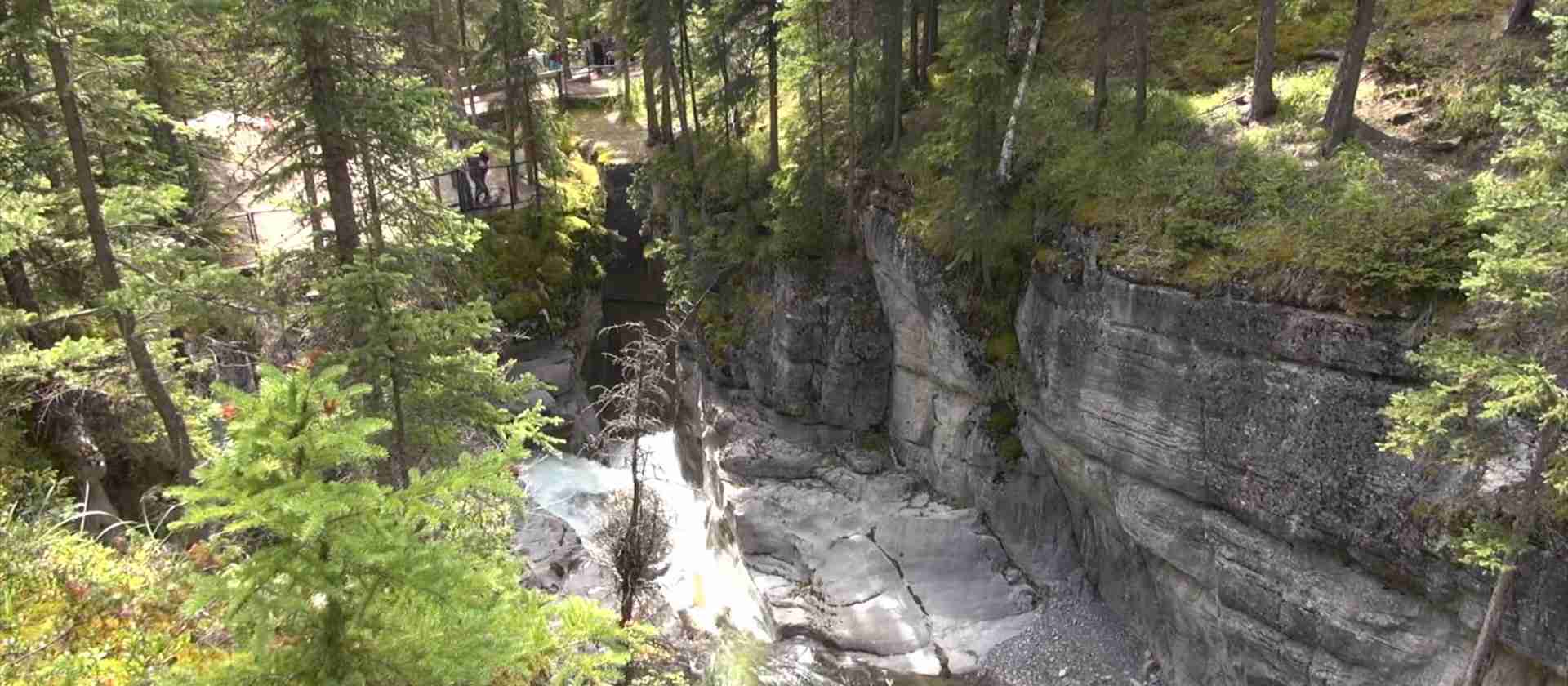
Maligne Canyon represents one of Jasper’s most accessible yet dramatic geological features, where the Maligne River has carved a narrow limestone gorge reaching depths of 50 meters through successive bedrock layers deposited as ancient seafloor sediments 350 million years ago. The canyon trail system connects six bridges spanning the gorge at strategic viewpoints, with a 3.7-kilometer path descending from parking areas near the canyon’s upper reaches to the sixth bridge location deep within the narrowest sections. Self-guided summer walking requires 1.5-2 hours round trip on well-maintained gravel paths with stairs and some steep sections, passing waterfalls, potholes, and interpretive signs explaining karst geology, underground drainage systems, and the unique microclimate supporting rare plant species. Winter transforms the canyon into a frozen wonderland where guided ice walks lead visitors into the gorge on the river’s frozen surface, navigating past towering ice columns, frozen waterfalls, and cathedral-like chambers impossible to access during flowing water seasons.
The upper canyon between bridges one through three displays the most dramatic features including the primary waterfall plunging 23 meters into the gorge, deep potholes where swirling water trapped stones gradually drilling circular depressions into bedrock, and the narrowest section where canyon walls nearly meet overhead creating a slot-like passage. Underground streams emerge from cave openings in canyon walls, revealing the extensive karst drainage network beneath Medicine Lake that drains completely into the subsurface during winter. Limestone dissolution creates ongoing canyon deepening, with geologists measuring current erosion rates at approximately 1 millimeter annually through chemical and mechanical processes. The canyon formed relatively recently in geological terms, with the Maligne River only capturing its current course after the last ice age ended roughly 11,000 years ago, making this one of the youngest major canyons in the Rockies.
Summer hiking begins at the upper parking area accessed via Maligne Canyon Road, with trails descending into the gorge passing bridges one through six in numerical order. Each bridge offers distinct perspectives and geological features, with bridge five and six reaching the deepest narrow sections requiring the longest descent but providing the most impressive views. Most casual visitors walk to bridge three and return, covering approximately 2 kilometers round trip in 45-60 minutes on moderate terrain. Adventurous hikers continuing to bridge six extend the journey to 7.4 kilometers total with significantly more elevation change on return climbs. The trail remains open year-round, though winter conditions create icy surfaces requiring ice cleats or Yaktrax for safe footing on snow-compacted paths.
Guided ice walks operate mid-December through March when the Maligne River freezes solid enough to allow walking directly on the riverbed inside the canyon. Licensed guide companies including Maligne Adventures, Jasper Tour Company, and Canadian Skyline Adventures equip participants with ice cleats and provide helmet protection for this unique winter experience walking beneath towering frozen waterfalls that never form during summer flowing water conditions. Guides navigate safe routes avoiding thin ice sections, unstable snow bridges, and areas where running water continues below surface ice layers. The ice walk environment remains dark even midday as canyon walls block most sunlight, creating blue-tinted ice formations and icicle curtains extending 20-30 meters down limestone walls. These specialized tours cost CAD $75-95 ($54-69) for 2-hour adventures departing multiple times daily throughout winter season, representing one of Jasper’s signature cold-weather activities.
Reaching Maligne Canyon requires driving 11 kilometers from Jasper townsite via Maligne Lake Road, with parking at both upper canyon and fifth bridge access points depending on intended hiking route. Limited parking capacity at upper canyon fills quickly during summer mornings, though overflow lots and staggered arrival times throughout the day generally accommodate demand. The Maligne Canyon teahouse and gift shop operates near the parking area offering snacks, drinks, and souvenirs. Cellular service remains limited along Maligne Lake Road, requiring downloaded maps or written directions before departing Jasper. Wildlife including moose, black bears, elk, and mule deer frequent the riparian corridor, necessitating noise-making and awareness particularly during dawn and dusk hours. The trail’s popularity creates consistent human traffic deterring most wildlife during midday summer hours, though early morning or evening walks substantially increase wildlife encounter probability.
Mount Edith Cavell Trails 2026
Mount Edith Cavell rises 3,363 meters as one of Jasper’s most recognizable peaks, named for a British nurse executed during World War I and featuring the dramatic Angel Glacier flowing down its northern face toward a turquoise lake filled with icebergs calving from the glacier’s terminus. Two primary walking routes explore this spectacular mountain environment: the Path of the Glacier offering wheelchair-accessible paved trail reaching glacier viewpoints, and the Cavell Meadows Trail ascending through alpine wildflower displays to elevated perspectives facing the peak’s massive north wall. Reaching Mount Edith Cavell requires navigating the narrow, winding Cavell Road branching from Highway 93A approximately 14 kilometers from the turnoff, with vehicle restrictions during peak season limiting access to vehicles under six meters length and prohibiting trailers, RVs, and large motorhomes from mid-June through mid-September when shuttle services operate from separate parking areas.
The Path of the Glacier stretches 1.6 kilometers round trip on completely paved surface with benches, interpretive signs, and photography platforms allowing wheelchair users and families with strollers to reach prime glacier viewing positions. The trail leads to the edge of Cavell Pond, a glacial lake forming in the depression left by the receding glacier’s retreat over past decades. Icebergs floating in the pool’s milky turquoise water calve from the glacier’s ice cliff several times daily during warm summer afternoons, creating thunderous crashes audible across the valley and sending waves across the pond’s surface. The Angel Glacier’s precarious hanging position on the mountain’s north face occasionally releases massive ice avalanches tumbling hundreds of meters down the rock wall, though designated viewing areas maintain safe distances from potential debris zones. Round-trip walking time takes 30-45 minutes at leisure pace, with most visitors lingering 15-30 minutes at the pond photographing ice formations, mountain reflections, and the glacier’s ominous presence looming overhead.
The Cavell Meadows Trail branches from the Path of the Glacier’s trailhead, immediately ascending steep switchbacks through subalpine forest before emerging into alpine meadows carpeted with wildflowers from mid-July through mid-August. The 7.8-kilometer round trip climbs 500 meters elevation gaining perspectives impossible from lower viewpoints as the trail traverses lateral moraine ridges deposited by the glacier during its maximum extent centuries ago. Wildflower diversity includes purple lupine, red Indian paintbrush, yellow glacier lilies, white western anemone, and dozens of additional species creating multicolored displays across hillsides. The upper trail sections cross boulder fields requiring careful footing over loose rock, with some exposure along cliff edges demanding attention and sure-footedness. Snow patches linger until mid-July in shaded sections and north-facing slopes, potentially obscuring the trail and requiring route-finding skills or retreat if conditions appear unsafe.
Summit views from the Cavell Meadows Trail reveal the full scale of Mount Edith Cavell’s north wall rising 1,500 meters above the meadows, with the Angel Glacier’s wings spreading across the peak’s upper ramparts feeding multiple ice tongues descending toward valley floor. The Athabasca Valley stretches north toward Jasper townsite 30 kilometers distant, while south the Columbia Icefield’s gleaming expanse marks the Continental Divide. Wildlife including hoary marmots, pika, white-tailed ptarmigan, and occasionally grizzly bears frequent the alpine zone during summer months, with mountain goats navigating steep cliff faces visible through binoculars or telephoto lenses. The trail’s popularity during July and August creates steady traffic discouraging most wildlife during midday hours, though early morning departures before 8:00 AM substantially increase sighting probability and provide softer photography lighting conditions.
Cavell Road access involves several important considerations for 2026 planning. The road typically opens mid-June after winter snowpack melts and avalanche hazards diminish, closing again mid-October when autumn snowfall returns. During peak season from late June through early September, Parks Canada implements vehicle restrictions prohibiting vehicles over six meters length and any vehicles towing trailers from accessing Cavell Road between 10:00 AM and 4:00 PM. Oversized vehicles and RVs must park at designated overflow lots near Highway 93A and utilize shuttle buses operated by Parks Canada on first-come, first-served basis during restricted hours. This system manages parking capacity at the limited Cavell trailhead lot while maintaining access for all visitors. The narrow winding road with steep grades and tight switchbacks demands cautious driving at reduced speeds, with pullouts for slower vehicles allowing faster traffic to pass safely. Total driving time from Highway 93A to the trailhead parking area takes approximately 20 minutes covering 14.5 kilometers of paved mountain road.
Athabasca Falls and Surrounding Trails 2026
Athabasca Falls represents Jasper’s most accessible and frequently photographed waterfall, where the powerful Athabasca River plunges 23 meters through a narrow limestone gorge creating dramatic displays of hydraulic force and erosive power. Located 30 kilometers south of Jasper townsite directly along Highway 93, the falls attract hundreds of thousands of annual visitors who explore a 1-kilometer network of paved paths, metal catwalks, and viewing platforms offering multiple perspectives on the cascading water and deeply carved canyon. The walking circuit requires only 30-45 minutes but provides spectacular natural drama, making this an essential stop for travelers driving the Icefields Parkway between Jasper and Banff. Additional trails radiating from the falls area connect to longer hiking routes including Wabasso Lake and Valley of the Five Lakes, allowing extended adventures from the same trailhead parking facilities.
The falls’ power peaks during June and July when snowmelt runoff swells the Athabasca River to maximum volume, sending massive quantities of glacial meltwater crashing through the narrow gorge and creating thunderous roar audible hundreds of meters away. The river emerges from Mount Columbia’s glaciers on the Continental Divide, gathering additional glacial tributaries throughout its descent before concentrating through the constricted canyon at this location. The limestone bedrock shows clear evidence of ongoing erosion as swirling water traps rocks and boulders, grinding circular potholes into the gorge floor through centuries of repetitive motion. Some potholes exceed two meters diameter, revealing the immense mechanical forces involved in canyon formation. The water’s milky turquoise color derives from suspended glacial flour, microscopic rock particles ground to powder under glacier bases and carried downstream giving glacial rivers their characteristic opaque appearance.
Multiple bridges and staircase descents allow approaching the falls from various angles, with upper viewpoints providing overall perspectives of the cascading water while lower platforms place visitors directly adjacent to the gorge’s roaring chaos. Photographers favor early morning and late afternoon timing when lower sun angles penetrate the canyon’s depths, illuminating mist created by crashing water and revealing rainbow formations in spray clouds. Midday overhead sun creates harsh contrasts difficult to expose correctly in photographs, though the falls’ power impresses regardless of lighting conditions. Safety barriers and warning signs emphasize staying on designated paths and viewing platforms, as slippery rocks and sudden drop-offs create serious injury risks for anyone venturing beyond protected areas. Several fatalities have occurred at Athabasca Falls when visitors ignored safety protocols attempting to reach unique photography angles or underestimating water current strength near the river’s edge.
The Wabasso Lake trail departs from Athabasca Falls parking area, climbing gradually through montane forest for 1.5 kilometers one-way to a small subalpine lake nestled among lodgepole pine and Engelmann spruce forest. The 3-kilometer round trip takes approximately 90 minutes, gaining 90 meters elevation on well-maintained dirt trail suitable for families with older children. Wabasso Lake’s shallow waters support populations of western toad, Columbia spotted frog, and salamanders, with interpretive signs explaining wetland ecology and the important biodiversity role these transitional habitats play. The lake area sees substantially fewer visitors than Athabasca Falls itself, providing quieter forest experiences and wildlife observation opportunities. Combined with the falls walk, a full visit covering both destinations requires 2-3 hours total time.
Meeting of the Waters trail also departs from Athabasca Falls parking, following the Athabasca River downstream to where it joins the Whirlpool River at a dramatic confluence visible from trail overlooks. The 4-kilometer round trip traverses rolling forest terrain following the river’s course past several smaller cascade sections and gravel bars where bighorn sheep and elk sometimes cross between feeding areas. This trail receives lighter use than the falls viewing circuit, creating better wildlife viewing prospects particularly during morning and evening hours when animals feel secure moving near the river’s edge. The trail can be combined with Valley of the Five Lakes routes for extended hiking covering 10-15 kilometers, though most visitors walk only the first few kilometers before returning to the falls parking area.
Valley of the Five Lakes Circuit 2026
The Valley of the Five Lakes loop links five turquoise glacial lakes via 4.6 kilometers of forest trail with gentle elevation changes totaling 150 meters, creating an ideal half-day family hike combining mountain scenery, lake swimming opportunities, and accessible terrain suitable for children as young as six or seven. The trail departs from a trailhead parking area located 10 kilometers south of Jasper townsite along Highway 93, with clear signage and ample parking accommodating most summer demand. The loop configuration allows hiking clockwise or counter-clockwise, with most hikers preferring clockwise direction visiting larger lakes first before smaller ponds near trail conclusion. Round-trip completion takes 2-3 hours at casual pace including lunch stops and swimming breaks, with minimal technical challenges beyond occasional muddy sections after rain and root-crossed trail segments requiring attention to footing.
The five lakes display varying colors from deep emerald to bright turquoise depending on depth, suspended glacial sediments, and underwater vegetation concentrations. First Lake and Second Lake offer the largest surface areas with beaches suitable for picnicking and shallow-water wading during July and August when afternoon sun warms upper water layers to tolerable swimming temperatures around 12-15°C. Third Lake sits slightly off the main trail requiring a 200-meter spur path, though most hikers make the short detour as this lake displays the most intense turquoise coloration of the entire chain. Fourth and Fifth Lakes appear smaller and less dramatic, often seeing fewer visitors as afternoon fatigue sets in and people prioritize returning to trailhead over completing the entire circuit. Each lake features unique mountain backdrop views framing surrounding peaks including Mount Kerkeslin, Brussels Peak, and distant summits along the Athabasca Valley.
Wildlife encounters occur regularly on this trail as the forested valley bottom provides excellent habitat for moose, black bears, elk, and mule deer. Moose particularly favor the boggy areas surrounding Fourth and Fifth Lakes, where they wade in shallow water feeding on aquatic vegetation during summer months. The dense spruce and pine forest flanking the trail offers cover for bears foraging berries and grubbing rotted logs seeking insects and grubs. Hikers should make noise through forested sections where visibility drops below 30 meters, carry bear spray in accessible holsters, and remain alert for wildlife presence indicated by fresh tracks, scat, or browse marks on vegetation. Most wildlife moves away from the trail at sound of approaching hikers, though bears focused on concentrated food sources sometimes remain near the path requiring detours or patient waiting while animals finish feeding and depart naturally.
Wildflower displays peak during late June through July along the trail’s open sections and lake margins, featuring yellow glacier lilies, white western anemone, purple shooting stars, and pink wild roses creating colorful understory beneath towering conifers. The transition between montane valley forest and subalpine forest occurs along this trail as elevation increases approaching Third Lake, with lodgepole pine and Douglas fir giving way to Engelmann spruce and subalpine fir characteristic of higher elevations. Bird diversity includes gray jays, Clark’s nutcrackers, common ravens, red-breasted nuthatches, and occasionally northern hawk owls hunting from snags above the trail. Photographers find opportunities throughout the hike, with lake reflections working best during calm morning hours before afternoon breezes disturb water surfaces.
The Valley of the Five Lakes trail operates as a valuable introduction to Jasper’s backcountry for novice hikers building confidence before attempting longer routes or higher elevations. The well-maintained trail, clear signage, regular patrol presence, and proximity to major highway ensure rapid assistance in emergencies despite the remote forest setting. Families with young children successfully complete this hike regularly, though parents should carry extra snacks, water, and layered clothing as weather can shift quickly even during summer months. The trail remains snow-free from late May through October, offering one of Jasper’s longest hiking seasons compared to alpine routes requiring snow-free conditions typically not arriving until July. This makes the Five Lakes an excellent shoulder season option during June or September when other popular trails remain inaccessible under lingering snowpack.
Sulphur Skyline Summit Trail 2026
Sulphur Skyline Trail delivers one of Jasper’s most rewarding summit experiences relative to effort invested, climbing 700 meters over 4 kilometers from Miette Hot Springs to a 2,070-meter alpine peak offering 360-degree panoramas spanning the Fiddle River Valley, Athabasca Valley, and surrounding ranges. The steep sustained grade challenges cardiovascular fitness throughout the 3-4 hour round trip, though the well-maintained trail surface and clear path eliminate navigation concerns allowing hikers to focus entirely on managing exertion pace. The summit perspective reveals landscapes impossible to appreciate from valley-level viewpoints, with vast wilderness stretching to horizons in every direction demonstrating Jasper’s scale and the relative insignificance of human development concentrated in the narrow Athabasca corridor. Many hikers combine the summit achievement with soaks in Miette Hot Springs’ 40°C mineral pools upon descent, soothing muscles stressed during the climb in Canada’s hottest natural hot springs.
The trail begins from Miette Hot Springs parking area located 61 kilometers northeast of Jasper townsite via Highway 16 and Miette Road, making this among the park’s more remote major trails requiring dedicated travel rather than casual stops during Icefields Parkway touring. The initial two kilometers ascend through subalpine forest on constant moderate grade, with switchbacks gaining elevation steadily but never reaching extreme steepness. The forest section provides shade during morning hours and protection from afternoon sun, though also restricts views until tree line arrival around the 2.5-kilometer mark. Wildlife including mule deer, elk, and black bears frequent the forest zone, requiring standard noise-making and awareness protocols. The trail encounters no water sources beyond a small spring near the one-kilometer mark, necessitating carrying sufficient hydration for the complete journey particularly during hot July and August conditions.
Emerging above tree line reveals alpine tundra environment where stunted krummholz fir trees give way to sedges, heathers, and wildflowers adapted to extreme exposure, short growing seasons, and desiccating winds. The final 1.5 kilometers traverse open alpine slopes where hoary marmots whistle alarm calls from boulder field dens, pika gather vegetation for winter hay piles, and white-tailed ptarmigan nest among rocks camouflaged by mottled brown-gray plumage. The summit ridge provides 360-degree views with the Athabasca Valley stretching southwest toward Jasper townsite 60 kilometers distant, the Fiddle River Valley extending northeast into foothills, and wave upon wave of peaks marching across every horizon demonstrating the Canadian Rockies’ vastness. Mount Robson occasionally appears on clear days as a massive glaciated peak 100 kilometers northwest near the British Columbia border, while closer summits including Utopia Mountain, Excelsior Mountain, and Ashlar Ridge form the immediate cirque surrounding the Sulphur Pass area.
Weather conditions at 2,070 meters elevation change rapidly and dramatically compared to valley conditions, with summit temperatures averaging 10-15°C cooler than Miette Hot Springs base. Clear morning starts frequently develop afternoon cloud buildup and potential thunderstorms between 1:00-5:00 PM during July and August, creating lightning hazards on exposed summit ridge. Hikers should begin early allowing summit achievement by noon, then descend before weather deteriorates. Wind speeds on the exposed summit often reach 40-60 km/h even during calm valley conditions, necessitating wind-resistant layers and secure hats to prevent items blowing into inaccessible terrain. Snow patches linger on north-facing slopes until mid-July, occasionally obscuring trail segments requiring careful route selection to maintain proper path. The short alpine summer concentrates wildflower displays into intense six-week periods mid-July through August when alpine forget-me-nots, moss campion, silky phacelia, and alpine cinquefoil bloom simultaneously.
Miette Hot Springs complex at the trailhead offers perfect recovery following the strenuous summit climb, with two hot pools maintaining 39-40°C temperatures and one cool pool at 28°C for temperature contrast. The springs’ naturally heated mineral water emerges from deep limestone aquifers at 54°C before cooling to comfortable soaking temperatures through mixing systems. The facility includes changing rooms, lockers, towel rentals, and concession services selling snacks and drinks. Hot springs admission costs CAD $8-10 ($6-7) per adult, with family rates and season passes available for repeat visitors. The complex operates mid-May through mid-October, closing during winter when snow and cold make operations impractical. Combined trail hiking and hot springs soaking creates full-day experiences popular with local Jasperites and visitors alike, representing excellent value considering the modest admission cost and world-class hiking immediately adjacent.
Multi-Day Backpacking Routes: Skyline and Tonquin Valley 2026
Jasper’s multi-day backpacking routes provide wilderness immersion impossible through day hiking, requiring self-sufficiency for camping, food, navigation, and emergency response while traveling remote trails sometimes days from road access. The park maintains designated backcountry campsites reservable through Parks Canada’s online booking system, with the 2026 season opening January 28, 2026 for summer reservations. Two routes dominate Jasper’s backpacking scene: the Skyline Trail covering 44.1 kilometers between Maligne Lake and Maligne Canyon Road, and the Tonquin Valley loop accessing the dramatic Amethyst Lakes basin beneath the Ramparts’ jagged peaks. Both routes require physical fitness for sustained hiking with heavy backpacks, wilderness skills for weather management and route-finding, and mental preparation for trail conditions ranging from maintained paths to boulder fields and stream crossings.
The Skyline Trail ranks among Canada’s premier alpine backpacking experiences, traversing 25 kilometers above treeline with continuous panoramas spanning the Maligne Range, Queen Elizabeth Range, and distant peaks extending to horizons. The trail typically requires 2-3 days depending on fitness and itinerary, with six designated campsites allowing flexible route planning. Most backpackers hike south to north starting from Maligne Lake and finishing at Maligne Canyon Road to minimize elevation gain on the first day when packs weigh heaviest with full food supplies. The northern section involves the most dramatic alpine traverse with the Notch, a narrow pass at 2,515 meters elevation providing the trail’s high point, and extended ridge walking where exposure to weather and lack of escape routes require good conditions for safe passage. Alternative bad-weather routes exist dropping below treeline during storms, though these sacrifice the spectacular alpine environment constituting the trail’s primary attraction.
Skyline Trail challenges include cumulative elevation gain exceeding 1,500 meters despite the primarily high-elevation routing, sustained exposure to sun without shade trees creating dehydration risks, afternoon thunderstorm danger on exposed ridges during July and August, and limited water sources along alpine sections requiring careful planning. Snow lingers on north-facing slopes and higher passes until mid-July, with some years seeing residual snowfields remaining throughout summer requiring comfort with snow travel. Wildlife encounters frequently occur including caribou grazing alpine meadows, grizzly bears digging for ground squirrels and roots, and wolves traveling ridge routes between valleys. Proper food storage using bear canisters or provided bear poles prevents wildlife conflicts and protects both animals and backpackers from dangerous interactions. The trail’s popularity creates competitive booking situations with campsites often fully reserved within hours of the January 28, 2026 reservation opening, requiring preparation and immediate action for securing preferred dates during peak July and August seasons.
The Tonquin Valley represents Jasper’s most dramatic alpine basin, where ten named peaks forming the Ramparts surround Amethyst Lakes with vertical walls rising 1,000 meters from water level to summit ridges. Multiple access routes reach the valley with Portal Creek Trail at 27 kilometers one-way providing the shortest approach, though Astoria River access remains closed following 2024 wildfire damage. The valley typically requires 3-4 days for complete exploration including side trips to Surprise Point, Eremite Valley, and upper meadows beneath Paragon Peak and The Ramparts’ north end. The trail crosses several unbridged streams potentially running high and dangerous during June and early July snowmelt, requiring careful timing or alternative routing during peak runoff. Campsite options include designated backcountry camping areas and the Tonquin Valley Backcountry Lodge providing bunk accommodations and meals for those seeking lighter packs and more comfortable overnight facilities.
Wildlife density in Tonquin Valley exceeds most Jasper regions with grizzly bears, caribou, moose, wolverines, and wolves occupying the basin and surrounding terrain. The remote setting and abundant food sources create ideal habitat, though also demand rigorous food storage and awareness from visitors sharing the landscape. Hikers should maintain 100-meter distances from all wildlife, carry bear spray in accessible positions, and never approach animals regardless of photographic temptations. The valley’s isolation means emergency evacuations require helicopter transport, with response times potentially extending many hours during poor weather when helicopters cannot fly. Satellite communication devices or inReach units provide essential emergency contact capability, as cellular service is completely absent throughout the valley and approach trails. Mental preparation for genuine wilderness experience proves as important as physical conditioning, as weather delays, trail conditions, or wildlife presence can alter plans requiring flexibility and patience impossible in controlled frontcountry environments.
Wildlife Viewing Tours Evening Excursions 2026
Jasper’s wildlife viewing tours concentrate activity during dawn and dusk periods when elk, bears, moose, bighorn sheep, and other species emerge from forest cover to graze meadows, cross roadways, and engage in social behaviors impossible to observe during midday hours when animals retreat to shaded rest areas. Evening departures between 5:00-6:00 PM capitalize on these movement patterns, traveling valley roads and meadow edges where professional guides identify recent tracks, scat, browse patterns, and behavioral cues indicating wildlife presence invisible to untrained observers. Small group sizes of 6-14 passengers in comfortable vans equipped with roof hatches for standing observation create intimate experiences impossible in large tour buses, with guides maintaining ethical distances following Parks Canada protocols while using spotting scopes and binoculars for close viewing without disturbing natural behaviors.
Elk represent Jasper’s most reliable wildlife sighting with populations exceeding 2,000 animals concentrated in the Athabasca Valley. These massive members of the deer family weigh 300-450 kilograms for bulls and 250-350 kilograms for cows, migrating between high summer ranges and valley winter habitat following seasonal food availability. Evening tours regularly encounter elk herds of 20-80 animals grazing roadside meadows along Highway 16 east of Jasper townsite, Highway 93 south toward Athabasca Falls, and back roads through Pyramid Bench. September and October bring peak activity during rutting season when mature bulls bugle challenges echoing across valleys, collect harems of cows, and engage in antler clashing battles determining breeding hierarchy. Bulls grow massive antlers spanning 1.2-1.5 meters reaching peak size in early September, then drop antlers in late winter beginning the annual growth cycle anew.
Black bears and grizzly bears occupy Jasper National Park with combined populations estimated at 200-300 individuals, though actual numbers remain uncertain due to vast territories and secretive behaviors. Black bears prefer lower-elevation forests and berry patches, feeding on vegetation, insects, carrion, and seasonal berry crops during summer before entering dens for winter hibernation. Grizzly bears range across all elevations from valley floors to alpine ridges, excavating ground squirrels, digging roots, foraging whitebark pine nuts at treeline, and occasionally scavenging elk or caribou carcasses. Both species gain dramatic weight during summer and fall preparing for 5-6 month winter dormancy, with females giving birth to cubs during January and February while denned. Evening wildlife tours search known bear activity areas while maintaining safe distances, using vehicles as observation platforms preventing dangerous encounters. Guides explain bear biology, identification features distinguishing black bears from grizzly bears, and proper responses during trail encounters should hikers meet bears independently.
Bighorn sheep frequent mineral licks along roadsides where natural salt deposits leach from cliffs, drawing dozens of rams, ewes, and lambs during summer months. These agile climbers navigate near-vertical terrain with specialized split hooves providing traction on rock faces and ledges, with rams growing massive curved horns used in head-crashing combat during fall rutting competitions. Mountain goats occupy higher elevations rarely seen during roadside tours, though occasional animals descend to roadside salt licks providing rare viewing opportunities. Moose prefer wetland areas, ponds, and river edges where they wade feeding on aquatic vegetation during summer months, with bulls growing massive palmate antlers spanning 1.2 meters. Caribou populations in Jasper face endangerment with fewer than 60 animals remaining in resident herds, though seasonal closures protect critical habitat during calving and winter periods allowing recovery hopes.
Wildlife viewing tour operators including Canadian Skyline Adventures, Jasper Tour Company, and SunDog Transportation offer specialized evening excursions priced CAD $90-135 ($65-98) for 3-4 hour departures. Tours typically include hotel pickup, professional guiding, spotting scopes for close observation, and interpretive commentary explaining animal behaviors, ecological relationships, and conservation challenges. Some operators incorporate Indigenous perspectives explaining traditional relationships between First Nations communities and wildlife species central to cultural identity and survival. The Métis-owned Jasper Tour Company particularly emphasizes these connections, with guides sharing stories about caribou, grizzly bears, and elk roles in Métis history and ongoing cultural practices. Tour success rates for seeing multiple species exceed 85 percent during optimal summer months, though individual animal sightings remain unpredictable depending on weather, time of year, and natural movement patterns beyond human control.
Indigenous Cultural Tours Métis Perspectives 2026
Indigenous cultural tours provide perspectives on Jasper National Park’s landscape unavailable through conventional sightseeing, sharing Métis and Stoney Nakoda knowledge about traditional territories, historical trading routes, ethnobotany, and the ongoing relationships between Indigenous communities and the Rocky Mountain environments their ancestors inhabited for millennia. The Jasper Tour Company, owned and operated by Métis guide Joe Urie, leads specialized interpretive hikes emphasizing Indigenous history and ecological knowledge transmitted through generations. These experiences transform familiar trails into living classrooms where plants reveal medicinal properties, animal tracks tell behavioral stories, and landscape features connect to cultural narratives explaining how Indigenous peoples thrived in harsh mountain environments long before European contact.
Métis people emerged during the fur trade era as distinct cultural group formed through relationships between European traders and Indigenous women, developing unique languages, clothing styles, economic systems, and territorial connections throughout western Canada. Métis traders guided European explorers through the Rocky Mountains, establishing routes that later became highways and serving as intermediaries between competing fur companies seeking access to rich beaver and other pelt territories. Their intimate landscape knowledge proved essential for navigation, survival, and successful trading relationships lasting over 200 years until the fur trade’s decline in the late 1800s. Today, Métis communities maintain connections to traditional territories including Jasper National Park, with cultural practices continuing through hunting, gathering, storytelling, and land-based education programs passing knowledge to younger generations.
Jasper Tour Company’s guided hikes incorporate traditional ecological knowledge explaining how Indigenous peoples identified edible plants, selected camping locations, predicted weather patterns, and understood animal behaviors essential for hunting success. Guides demonstrate identifying characteristics of plants like wild strawberries, Oregon grape, kinnikinnick, and Labrador tea with traditional uses ranging from food sources to medicinal preparations treating various ailments. Animal tracking skills reveal how Indigenous hunters read trails determining species, direction, speed, and time since passage, with guides explaining how this information guided hunting strategies and resource management. Stories about grizzly bears, caribou, and wolves share cultural perspectives recognizing these species as relatives and teachers rather than simply wildlife, reflecting worldviews fundamentally different from Western scientific frameworks while equally valid for understanding ecological relationships.
Stoney Nakoda First Nation maintains historical and ongoing connections to Jasper National Park territories, with oral histories describing creation stories, spiritual practices, and traditional use areas predating written records by thousands of years. Spirit Island at Maligne Lake holds particular cultural significance as vision quest location where individuals sought spiritual guidance and connection with ancestral spirits inhabiting surrounding peaks. Parks Canada increasingly incorporates Indigenous perspectives into interpretation, management decisions, and planning processes, recognizing that meaningful conservation requires respecting and integrating knowledge systems Indigenous peoples developed through intimate long-term relationships with these landscapes. This shift represents partial acknowledgment of colonial policies that displaced Indigenous peoples from traditional territories during national park establishment, with ongoing work toward reconciliation and collaborative management arrangements.
Indigenous cultural tours typically cost CAD $90-165 ($65-120) depending on duration and hiking difficulty, with most experiences lasting 3-6 hours combining moderate walking with frequent stops for interpretation. Group sizes remain small, usually 6-12 participants allowing personalized interaction and question opportunities. These tours appeal to travelers seeking deeper understanding beyond scenic beauty, particularly those interested in decolonizing their wilderness perspectives and learning how Indigenous worldviews offer alternative frameworks for relating to natural environments. Tour operators emphasize that learning requires active listening, openness to different ways of knowing, and recognition that Indigenous knowledge represents sophisticated understanding developed over countless generations rather than quaint folklore. This educational approach creates transformative experiences for participants willing to engage thoughtfully with content challenging dominant narratives about “pristine wilderness” and “discovery” that erase Indigenous presence and stewardship.
Photography Workshops and Specialized Tours 2026
Photography workshops in Jasper combine technical instruction with access to prime locations during optimal lighting conditions, teaching composition, exposure management, and creative techniques while capturing the park’s dramatic landscapes, wildlife, and atmospheric conditions. Professional photographer guides understand relationships between light quality, time of day, weather patterns, and seasonal timing that transform ordinary scenes into extraordinary images, sharing this knowledge while leading small groups to locations often overlooked by casual tourists. Workshops range from two-hour introductory sessions teaching basic camera operations to multi-day intensive programs covering advanced techniques including long-exposure water blurs, star trail captures in the Dark Sky Preserve, and wildlife behavior photography requiring patience and ethical approach strategies.
Golden hour photography workshops depart during the hour after sunrise and hour before sunset when low-angle sunlight creates warm tones, dramatic shadows, and enhanced color saturation impossible during harsh midday conditions. Maligne Lake, Pyramid Lake, Medicine Lake, and Athabasca River locations provide reflective water surfaces mirroring surrounding peaks when morning calm conditions create mirror-like surfaces perfect for reflection compositions. Guides teach exposure techniques balancing bright skies with darker foreground elements, compositional rules including rule of thirds and leading lines drawing viewer eyes through frames, and creative decisions about focal length selection, aperture choices affecting depth of field, and shutter speeds controlling motion blur. Participants receive individualized feedback on their work, learning through immediate application rather than classroom theory divorced from practical shooting situations.
Wildlife photography workshops emphasize ethical approaches maintaining safe distances while capturing compelling images through telephoto lenses, understanding animal behaviors predicting photogenic moments, and patience waiting for optimal positioning, lighting, and action. Morning departures search for elk, deer, and moose emerging from overnight cover to graze meadows, while evening sessions target bears foraging berry patches and bighorn sheep visiting mineral licks. Guides explain camera settings for action photography including fast shutter speeds freezing motion, continuous autofocus tracking moving subjects, and burst modes capturing sequences where single frames might miss peak moments. Wildlife ethics discussions address troubling trends of photographers approaching too closely for dramatic images, stressing that animal welfare outweighs photographic ambitions and that Parks Canada regulations mandate 100-meter distances from bears and 30 meters from all other wildlife.
Astrophotography sessions take advantage of Jasper’s designation as the world’s second-largest Dark Sky Preserve, where minimal light pollution allows viewing and photographing Milky Way structures, meteor showers, northern lights, and celestial phenomena invisible from urban environments. Workshops teach long-exposure techniques capturing star trails as Earth rotates, stacking multiple exposures revealing faint nebulae and galaxy structures, and foreground illumination creating dramatic compositions combining terrestrial landscapes with cosmic backgrounds. Pyramid Lake, Athabasca River, and remote locations along Maligne Lake Road provide dark sky access combined with interesting foreground subjects. Late summer Perseid meteor showers in mid-August and autumn auroral activity during September offer peak astrophotography opportunities, though workshops operate throughout May-October teaching fundamental skills applicable year-round.
Specialized photography tours cost CAD $125-225 ($90-163) depending on duration, group size, and equipment provided, with most workshops lasting 2-6 hours. Some operators provide camera equipment rentals allowing participants without professional gear to experiment with full-frame DSLR or mirrorless systems, telephoto lenses, and tripods necessary for certain techniques. Post-processing instruction often supplements field sessions, teaching editing workflows in programs like Lightroom and Photoshop to optimize raw files captured during workshops. These educational experiences appeal to serious amateur photographers seeking skill development beyond self-teaching, creating lasting knowledge applicable long after Jasper visits end. The combination of world-class landscapes, professional instruction, and small group attention produces dramatic improvement in participants’ photography capabilities while documenting their Jasper experience through images reflecting thoughtful technique rather than casual snapshots.
Planning Your Tour Schedule and Booking Strategy 2026
Effective tour planning in 2026 requires understanding seasonal operating windows, advance booking requirements, pricing structures, and logistical considerations affecting daily itineraries. Major attractions operate distinct schedules with the Maligne Lake Cruise beginning May 30 through mid-October, Columbia Icefield Adventure running May through October, and Jasper SkyTram typically opening late March through October. Peak summer operations from late June through August see maximum departure frequencies and extended hours, while shoulder seasons in May-June and September-October offer reduced schedules with fewer daily departures requiring careful timing coordination. The free Canada Strong Pass operating June 19-September 7, 2026 will dramatically increase visitor volumes during this period, making advance reservations absolutely essential for all major tours and creating crowded conditions on popular trails that typically see lighter use.
Booking strategy priorities center on securing signature experiences first, then building daily itineraries around confirmed tour times. The Maligne Lake Cruise, Columbia Icefield Adventure, and specialized activities like glacier ice walks sell out weeks or months in advance during July and August, requiring immediate action when booking windows open. Online reservation systems for these major attractions typically allow booking 3-6 months ahead, with early purchasers securing optimal departure times during morning hours when lighting conditions and wildlife activity peak. Last-minute travelers during peak summer often find limited availability restricted to less desirable early evening or midday departures, or face complete sold-out situations forcing alternative activity planning. Flexible travelers visiting during shoulder seasons encounter easier booking situations with same-week or even same-day reservations possible, though weather reliability decreases and some trails remain snow-covered limiting options.
Daily schedule construction should account for driving times between Jasper townsite and attraction locations, with Maligne Lake requiring 50-60 minutes, Columbia Icefield 90-120 minutes, and Miette Hot Springs 75-90 minutes from downtown hotels. Tours typically request arrival 15-30 minutes before departure for check-in processing, equipment distribution, and safety briefings, adding buffer time beyond the stated activity duration. A Maligne Lake Cruise scheduled for 10:00 AM departure requires leaving Jasper by 8:45 AM accounting for drive time, parking searches during peak season, and pre-boarding check-in, with the 1.5-hour cruise concluding around noon allowing return to Jasper by 1:00 PM for afternoon activities. Columbia Icefield adventures consume most of a day when including driving time and the attraction’s 2.5-3 hour duration, limiting combination with other major tours unless utilizing multi-day stays and spreading experiences across separate days.
Self-guided hiking fits flexibly around booked tours, with trailhead access available throughout daylight hours without reservations beyond backcountry camping permits for overnight trips. Morning hikes work well before afternoon tour departures, while evening walks utilize long summer daylight extending until 10:00 PM during June solstice periods. Shorter easy walks like Lake Annette, Athabasca Falls, and Pyramid Lake accommodate time slots as brief as one hour, while moderate routes including Valley of the Five Lakes and Bald Hills require half-day commitments of 3-5 hours. Challenging summit attempts like Sulphur Skyline demand full-day focus with early starts ensuring summit achievement before afternoon weather deteriorates and sufficient daylight for safe descent. Realistic daily planning limits commitments to one major guided tour plus 1-2 shorter self-guided walks rather than overscheduling multiple conflicting time blocks creating stress and impossible logistics.
Weather contingency planning proves essential given mountain environments’ unpredictability and potential for rapid condition changes affecting tour operations and hiking safety. Rain, wind, lightning, and temperature swings can occur within hours during summer months, with guides and Parks Canada maintaining authority to cancel tours or close trails when conditions exceed safety thresholds. Tours operating during marginal conditions provide less satisfying experiences with obscured views, uncomfortable cold or wet exposure, and restricted activity options compared to ideal weather windows. Flexible travelers should build rest days or alternative indoor activities into itineraries allowing schedule adjustments when forecasts predict poor conditions for booked tours. Museums, indoor hot springs, restaurant experiences, and shopping in Jasper townsite provide backup options during weather delays, while extra hiking days allow rescheduling trail plans initially prevented by rain or trail closures.
Tour Cost Planning and Budget Breakdown 2026
Tour expenses in Jasper range from free self-guided hiking requiring only park entry to premium multi-day packages exceeding CAD $1,000 ($725) per person including accommodations and guided experiences. Understanding cost structures, included services, and optional upgrades allows accurate budget forecasting matching spending to priorities and avoiding unexpected expenses disrupting travel finances. Park entry represents the foundation cost affecting all visitors, with daily passes at CAD $11 ($8) per adult or CAD $21 ($15) per vehicle, annual Discovery Passes at CAD $151 ($109) for family groups, and the free Canada Strong Pass eliminating these fees June 19-September 7, 2026 for all travelers regardless of residency creating exceptional value during this 11-week window.
Signature guided tours command premium pricing reflecting specialized equipment, trained guides, limited capacity, and unique access to restricted areas. The Maligne Lake Cruise costs CAD $120-150 ($87-108) per adult for 1.5-hour departures to Spirit Island, representing Jasper’s single most popular paid attraction. Columbia Icefield Adventure packages combining Ice Explorer glacier access and Skywalk admission cost approximately CAD $140-180 ($100-130) per adult, with pricing varying by season and time of day. Check official websites for current rates as pricing may adjust for 2026. Jasper SkyTram roundtrip tickets cost approximately CAD $62-72 ($45-52) per adult, providing relatively affordable mountain summit access compared to similar attractions globally. These three core experiences total CAD $322-402 ($233-291) per person forming the baseline guided tour budget for comprehensive Jasper visits.
Full-day Icefields Parkway tours operated by Brewster Sightseeing, SunDog Transportation, and similar companies range CAD $250-350 ($180-255) per person including transportation, professional narration, multiple scenic stops, and sometimes attraction admissions like Columbia Icefield or Maligne Lake Cruise. These comprehensive offerings eliminate self-drive responsibilities, guarantee expert interpretation, and maximize efficiency visiting numerous locations during single-day itineraries. Specialized experiences like wildlife viewing tours cost CAD $90-135 ($65-98) for 3-4 hour evening excursions, photography workshops CAD $125-225 ($90-163) for 2-6 hour instruction sessions, and glacier ice walks CAD $165-190 ($120-138) for technical guided glacier traverses with crampons and safety equipment. Cultural tours emphasizing Indigenous perspectives range CAD $90-165 ($65-120) depending on duration and hiking intensity.
Multi-day tour packages combining accommodations, meals, transportation, and sequential activities provide comprehensive Jasper experiences ranging CAD $800-1,400+ ($580-1,020+) per person for 4-5 day itineraries. Calgary Tours, Discover Canada Tours, and Caravan Tours operate these programs targeting travelers without personal vehicles or those preferring completely organized experiences eliminating all logistical planning. Package value depends on accommodation quality, included meals, and attraction admissions, with budget options utilizing standard hotels and limited meals while premium packages incorporate luxury lodges, fine dining, and private guides. Independent travelers booking identical components separately often spend similar totals, though packages provide convenience and eliminate planning stress valuable to some visitors.
Self-guided hiking represents Jasper’s most economical activity requiring only park entry, personal transportation, and basic hiking equipment including proper footwear, layered clothing, bear spray, and water bottles. Trails from easy lakeside strolls to challenging alpine summits offer zero admission cost beyond park fees, allowing budget-conscious travelers to experience world-class mountain environments without guided tour expenses. Equipment rental shops in Jasper townsite provide bear spray canisters at CAD $10-15 ($7-11) daily, hiking poles at CAD $8-12 ($6-9) daily, and backpacks at CAD $15-25 ($11-18) daily for visitors lacking gear. Day use parking at trailheads remains free once park entry is paid, eliminating additional parking fees common at many international parks.
Total tour budget planning for typical week-long Jasper visits encompassing guided experiences and self-guided hiking:
Budget Approach: Park entry via Canada Strong Pass from June 19-September 7 free, two half-day guided tours at CAD $90-135 ($65-98) each, self-guided hiking for remaining days, equipment rentals CAD $25-40 ($18-29) total. Approximate tour expenses CAD $205-310 ($148-225) per person for the week.
Moderate Approach: Park entry via Canada Strong Pass June 19-September 7 free, Maligne Lake Cruise CAD $120-150 ($87-108), Columbia Icefield Adventure CAD $140-180 ($100-130), Jasper SkyTram CAD $62-72 ($45-52), one wildlife or cultural tour CAD $90-135 ($65-98), self-guided hiking for remaining days. Total approximately CAD $412-537 ($298-389) per person for the week.
Comprehensive Approach: Park entry via Discovery Pass if visiting outside free admission period CAD $151 ($109) per family, Maligne Lake Cruise CAD $120-150 ($87-108) per person, Columbia Icefield Adventure CAD $140-180 ($100-130) per person, Jasper SkyTram CAD $62-72 ($45-52) per person, full-day Icefields Parkway tour CAD $250-350 ($180-255) per person, wildlife tour CAD $90-135 ($65-98) per person, photography workshop CAD $125-225 ($90-163) per person. Total approximately CAD $787-1,112 ($569-805) per person for the week plus family park pass.
Getting to Trailheads and Tour Departure Points 2026
Jasper’s trail network and tour departure points spread across the park’s 11,000 square kilometers, requiring personal vehicles, tour operator transportation, or limited public shuttle services for access beyond Jasper townsite’s immediate surroundings. Personal vehicle ownership or rental provides maximum flexibility for reaching distant trailheads, stopping at roadside wildlife sightings, and adjusting schedules based on weather or energy levels, though requires navigation skills, mountain driving confidence, and parking space availability at popular destinations. Tour operators offering hotel pickup services eliminate transportation concerns for guided experiences, while Parks Canada operates limited shuttle services to specific high-demand locations like Mount Edith Cavell during peak season vehicle restrictions. Understanding transportation options and their limitations proves essential for successful itinerary execution, particularly for travelers without rental vehicles depending on tour operator shuttles or attempting to coordinate multiple daily destinations.
The Icefields Parkway (Highway 93) serves as Jasper’s primary north-south transportation corridor, connecting Jasper townsite to Columbia Icefield, Athabasca Falls, Sunwapta Falls, and eventually Lake Louise and Banff to the south. The 230-kilometer route takes approximately 3.5 hours driving without stops, though most travelers allocate 5-6 hours allowing time for photography at viewpoints, short walks to waterfalls, and wildlife observation opportunities. The parkway passes numerous trailheads including Wilcox Pass, Sunwapta Pass, Tangle Creek Falls, and Valley of the Five Lakes, with clearly marked parking areas and trail signs identifying routes and difficulty levels. Summer traffic volumes increase dramatically during July and August, creating parking shortages at popular locations by mid-morning and requiring early arrival strategies or alternative timing during less crowded shoulder seasons.
Maligne Lake Road branches east from Highway 16 approximately 5 kilometers from Jasper townsite, extending 48 kilometers to Maligne Lake through prime wildlife habitat including Medicine Lake and Maligne Canyon. The winding mountain highway requires 50-60 minutes driving time without stops, passing frequent roadside pullouts where moose, elk, and caribou appear during dawn and dusk hours. Cellular service disappears along most of the route, requiring downloaded maps or written directions before departure. The road typically opens year-round, though winter driving demands winter tires and caution on ice-covered sections. Parking at Maligne Lake accommodates 300 vehicles but reaches capacity by 10:00 AM during peak summer, with overflow parking and long walks to facilities deterring late arrivals. SunDog Transportation and other operators offer shuttle services from Jasper hotels to Maligne Lake for travelers without vehicles or preferring not to drive mountain roads.
Mount Edith Cavell access via Cavell Road requires understanding specific restrictions and timing considerations. The narrow 14.5-kilometer route branches from Highway 93A with tight switchbacks, steep grades, and limited passing opportunities making this one of Jasper’s most challenging drives. Vehicle restrictions during peak season from late June through early September prohibit vehicles over six meters length and any vehicle towing trailers from accessing Cavell Road between 10:00 AM and 4:00 PM. Oversized vehicles including RVs and vans must park at designated overflow lots near Highway 93A and utilize Parks Canada shuttle buses operating on first-come, first-served basis during restricted hours. The shuttle service eliminates parking concerns at the limited Cavell trailhead lot while managing traffic volumes on the narrow access road. Travelers with standard passenger vehicles should arrive before 10:00 AM or after 4:00 PM to avoid shuttle requirements, with early morning timing providing optimal conditions for photography and wildlife viewing before afternoon clouds develop.
Highway 16 extends east from Jasper townsite toward Hinton and Edmonton, providing access to Miette Hot Springs via Miette Road and numerous trails including Palisades Lookout, Overlander Trail, and backcountry routes into the Jasper’s eastern wilderness zones. Miette Road branches south from Highway 16 approximately 42 kilometers from Jasper, climbing 19 kilometers through switchbacks reaching the hot springs and Sulphur Skyline trailhead. The combined 61-kilometer drive from Jasper townsite takes 75-90 minutes, making this Jasper’s most remote major destination requiring dedicated travel rather than casual stops. Limited services along Highway 16 east mean fuel, food, and facilities should be secured in Jasper townsite before departure, particularly for travelers continuing to Miette Hot Springs from morning activities elsewhere in the park.
Public transportation within Jasper National Park remains extremely limited compared to European alpine regions, with no bus services connecting trailheads or operating scheduled routes between attractions. The Jasper townsite operates local transit serving hotels, shopping areas, and residential neighborhoods, but routes do not extend beyond town boundaries to trails or tour departure points. This transportation gap forces reliance on personal vehicles, tour operator services, or expensive taxi alternatives for travelers without rental cars. Tour companies including SunDog Transportation, Brewster Sightseeing, and Canadian Skyline Adventures offer hotel pickup for guided experiences, incorporating transportation within tour pricing and eliminating vehicle requirements for those specific activities. However, self-guided hiking and independent exploration requires personal vehicle access making rental cars essential for most multi-day Jasper visits beyond those exclusively booking guided tours with included transportation.
Safety Considerations and Wilderness Preparedness 2026
Mountain wilderness environments present hazards absent from urban parks, requiring preparation, appropriate equipment, situational awareness, and respect for natural forces far more powerful than human capabilities. Jasper’s elevation ranging from 1,000 to 3,400 meters creates physiological challenges including altitude effects, rapid weather changes, intense ultraviolet radiation exposure, and temperature swings of 20-30°C between valley mornings and alpine afternoons. Wildlife encounters with grizzly bears, black bears, elk, and moose demand knowledge of proper response protocols and carrying deterrent tools like bear spray. Trail hazards including stream crossings, loose rock, snow, and navigation challenges require proper footwear, trekking poles for stability, and realistic assessment of personal fitness levels versus route demands. Emergency response in remote locations takes hours even with immediate communication, making prevention through proper preparation and conservative decision-making the primary safety strategy.
Bear safety begins with awareness that Jasper National Park contains approximately 200-300 black bears and grizzly bears occupying all elevations and habitat types throughout the park. Hikers must carry bear spray in accessible belt holsters or chest harnesses allowing immediate deployment if charges occur, rather than buried in backpacks where retrieval takes critical seconds. Proper deployment requires understanding wind direction, effective range of 5-8 meters, and trigger operation under stress conditions. Making noise through talking, singing, or clapping alerts bears to human presence allowing them to move away before surprise encounters occur at close range where defensive reactions trigger attacks. Groups of four or more people see dramatically lower attack rates than solo hikers or pairs, with conversation volume naturally providing noise. Food storage protocols require keeping all scented items including toiletries sealed in bear-resistant containers or hanging from provided cables at backcountry campsites, never sleeping in clothes worn while cooking, and disposing of garbage in provided wildlife-proof bins.
Weather preparedness addresses mountain environments’ rapid condition changes independent of valley forecasts, with temperature drops, wind speed increases, and precipitation arriving within 30-60 minutes even during morning clear skies. Layered clothing systems allow adding or removing insulation as conditions shift, with base wicking layers moving moisture away from skin, insulating mid-layers trapping warm air, and waterproof-breathable outer shells blocking wind and rain while allowing perspiration vapor escape. Cotton fabrics prove dangerous in mountain conditions as wet cotton loses all insulating value while synthetic and wool materials maintain warmth even when saturated. High-elevation exposure to ultraviolet radiation intensifies by 8-10 percent per 1,000 meters elevation gain, requiring sunscreen application every 2 hours, sunglasses blocking UV rays, and wide-brimmed hats protecting faces and necks from sunburn risking heat exhaustion. Thunderstorms develop frequently during July and August afternoons between 1:00-5:00 PM, creating lightning hazards on exposed ridges and summits where hikers become tallest objects attracting strikes. Descending below treeline or retreating from summits before weather deteriorates proves safer than hoping storms pass quickly or attempting to outlast dangerous conditions.
Navigation skills prevent getting lost on trails that can become faint or disappear completely above treeline, during snow crossings, or in fog reducing visibility to 10-20 meters. Carrying physical maps and compasses provides backup if smartphones fail due to dead batteries, water damage, or lack of cellular service covering most Jasper backcountry. Understanding topographic map symbols, identifying terrain features matching map contours, and taking compass bearings allows confirming position and maintaining proper direction when trails vanish. GPS devices and smartphone apps like Gaia GPS or AllTrails download detailed maps functioning offline, though battery life limits reliability for multi-day trips without recharging capabilities. Trail markers including cairns marking alpine routes and colored blazes identifying specific trails vary in consistency, with some popular routes seeing well-maintained signage while remote trails require greater self-sufficiency in route-finding. Conservative decision-making recognizes when conditions exceed personal skill levels, choosing retreat over persevering into dangerous situations where pride prevents acknowledging limits.
Emergency communication capabilities range from completely absent in most backcountry areas to limited cellular service along major highway corridors and Jasper townsite. Personal Locator Beacons (PLBs) and satellite messengers like inReach devices provide emergency contact capability independent of cellular networks, transmitting distress signals to rescue coordination centers anywhere on Earth. These devices cost CAD $300-600 ($217-435) for purchase or CAD $25-50 ($18-36) weekly for rentals from outdoor shops in Jasper townsite. First aid training and comprehensive medical kits allow treating minor injuries before they escalate to medical emergencies requiring evacuation, with knowledge of wilderness first aid protocols differing substantially from urban first response taught in standard courses. Water purification through filters, chemical treatment, or boiling prevents giardia and cryptosporidium infections from mountain streams appearing pristine but carrying parasites from animal activity upstream. Carrying sufficient water or treatment capability prevents dehydration in dry alpine environments where streams may be scarce and snow requires energy expenditure for melting.
Seasonal Considerations for Trail Selection 2026
Trail accessibility and conditions vary dramatically throughout Jasper’s operating season from May through October, with elevation, aspect, snow accumulation, and seasonal wildlife activity creating distinct windows when specific routes become feasible and enjoyable versus dangerous or inaccessible. Valley-bottom trails at 1,000-1,500 meters elevation typically clear of snow by early May, providing reliable early-season hiking while higher routes remain buried under meters of compacted snowpack. Subalpine zones from 1,500-2,000 meters become hikeable mid-June through October, with optimal conditions arriving July through September when wildflowers bloom and stream crossings moderate to manageable levels. Alpine routes above 2,000 meters require waiting until mid-July for snow clearance, with narrow windows of 10-12 weeks before September snowfall returns and shoulder season storms create hazardous conditions. Understanding these patterns allows selecting appropriate trails matching seasonal timing and avoiding frustration when arriving at trailheads finding routes blocked by dangerous snow crossings or aggressive wildlife protecting spring calving areas under seasonal closures.
May and early June provide excellent opportunities for valley hiking including Lake Annette, Athabasca Falls, Maligne Canyon lower bridges, Old Fort Point, and Pyramid Lake trails remaining snow-free while offering spring wildflower displays and active wildlife viewing as bears emerge from hibernation, elk calve, and migratory birds return establishing territories. Waterfall viewing peaks during this period as snowmelt swells streams to maximum volume, creating powerful displays at Athabasca Falls, Sunwapta Falls, and countless unnamed cascades visible from highways. However, higher-elevation routes remain inaccessible with snow depths exceeding 2-3 meters blocking trails like Bald Hills, Sulphur Skyline, Cavell Meadows, and Skyline Trail sections above treeline. Stream crossings become dangerous or impossible during peak runoff, with normally benign creek crossings transformed into raging torrents requiring detours or retreat. Mosquitoes and biting flies emerge in boggy areas and forest environments during late May and June, creating nuisance conditions requiring insect repellent and head nets for comfort on trails near wetlands.
July and August represent peak hiking season with maximum trail accessibility, stable weather patterns, wildflower displays reaching climax across all elevation zones, and warmest temperatures allowing comfortable camping and extended daylight for long hiking days. Alpine routes become feasible during this window with the Skyline Trail, Tonquin Valley, and high passes clearing sufficiently for safe travel. This timing coincides with peak visitor volumes creating crowded conditions on popular trails, parking shortages at major trailheads by 9:00 AM, and competitive backcountry campsite booking situations. Weather reliability peaks during these months though afternoon thunderstorms develop regularly requiring alpine ascents completing by noon and descent to treeline before electrical storms arrive. Wildlife viewing shifts to higher elevations as animals escape valley heat and insects, with grizzly bears foraging alpine meadows, caribou grazing above treeline, and mountain goats navigating cliff faces visible from summit trails.
September and early October offer compelling advantages including 40-50 percent fewer visitors than July peak season, dramatically reduced insect activity, golden larch displays transforming subalpine zones into yellow-orange landscapes, and rutting elk activity creating dramatic wildlife viewing as bulls bugle challenges and clash antlers competing for harems. Weather becomes less predictable with cold fronts bringing snow to alpine zones potentially any time after Labour Day, requiring flexibility to adjust plans when forecasts predict poor conditions. Shorter daylight hours restrict daily hiking windows compared to June’s 16-hour daylight periods, though autumn’s lower sun angles create enhanced photography lighting throughout entire days rather than restricting optimal conditions to dawn and dusk hours. Some services reduce operations or close completely after Labour Day including certain campgrounds, restaurants, and tour schedules requiring verification before planning late-season visits.
Frequently Asked Questions About Jasper Tours & Trails 2026
Do I Need a Parks Canada Reservation for Day Hiking in Jasper in 2026?
Day hiking in Jasper National Park requires no advance reservations or permits beyond valid park entry pass. Trailhead parking remains first-come, first-served, with no timed entry systems or capacity limitations except during Mount Edith Cavell’s vehicle restriction period when shuttle buses operate first-come, first-served for oversized vehicles during midday hours. The free Canada Strong Pass eliminating park entry fees June 19-September 7, 2026 creates excellent value for hiking-focused visits during this period. Overnight backcountry camping requires advance reservations through Parks Canada’s online system opening January 28, 2026 for summer bookings, with popular trails like the Skyline Trail and Tonquin Valley seeing competitive booking situations filling campsites within hours of opening date. Day hikers should carry park entry pass receipts or Discovery Pass cards for verification at park gates and random ranger checks along trails, though enforcement focuses primarily on vehicles entering park boundaries rather than trail users already within park boundaries.
Can I See Wildlife on Self-Guided Hikes or Should I Book a Wildlife Tour in 2026?
Self-guided hiking provides frequent wildlife encounters particularly during dawn and dusk hours when animals move between feeding and resting areas, with trails like the Wapiti Trail, Pyramid Bench routes, and Maligne Lake Road offering high sighting probability for elk, deer, moose, and occasionally bears. However, professional wildlife tours dramatically increase encounter success through guides’ knowledge of current animal locations, recent sighting reports, seasonal behavior patterns, and ability to identify tracks, scat, and browse signs predicting nearby wildlife presence invisible to untrained observers. Evening wildlife tours departing 5:00-6:00 PM position participants in optimal locations during peak activity periods, maintaining ethical distances using spotting scopes for close viewing while avoiding dangerous approaches or animal disturbance. Independent hikers lacking wildlife identification skills often walk past animals camouflaged in forest shadows or fail to recognize habitat features indicating recent presence. The CAD $90-135 ($65-98) tour investment provides education beyond simple sightings, explaining ecological relationships, behavioral ecology, and conservation challenges facing Jasper’s wildlife populations while supporting local guide businesses operating sustainably within park regulations.
What Are the Most Challenging Trails in Jasper and What Fitness Level Do They Require in 2026?
Jasper’s most challenging single-day trails include Sulphur Skyline with 700 meters elevation gain over 4 kilometers of sustained steep climbing demanding strong cardiovascular fitness, the Cavell Meadows Trail involving 500 meters ascent across boulder fields and potential snow crossings requiring sure-footedness, and summit ascents like The Whistlers Peak adding 200 meters beyond the SkyTram upper station at high elevation where reduced oxygen challenges unacclimatized visitors. Multi-day routes including the 44-kilometer Skyline Trail and 54-kilometer Tonquin Valley loop require exceptional fitness for carrying 15-20 kilogram backpacks across cumulative elevation gains exceeding 1,500 meters while managing stream crossings, route-finding above treeline, and camping in wilderness conditions. Preparation should include regular cardio training simulating sustained uphill hiking, leg strengthening exercises building quadriceps and calf endurance for descents stressing different muscle groups than climbs, and practice hikes carrying weighted packs to test equipment comfort and identify hotspots before committing to extended backcountry trips. Honest fitness assessment prevents overcommitting to trails beyond current capabilities, with gradual progression building confidence and conditioning through successive hikes of increasing difficulty rather than attempting extreme routes unprepared.
Are Jasper’s Major Tours and Trails Accessible for Wheelchair Users or People with Mobility Limitations in 2026?
Several Jasper attractions provide full wheelchair accessibility including the Maligne Lake Cruise boarding via ramped docks with staff assistance, the Columbia Icefield Skywalk’s paved walkway and glass platform accessed by shuttle buses equipped with wheelchair lifts, and the Jasper SkyTram’s main-level viewing platforms at the upper station reached by wheelchair-accessible tramway cabins. Trail options include the Path of the Glacier’s 1.6-kilometer paved route at Mount Edith Cavell providing glacier viewing without barriers, sections of Athabasca Falls’ paved pathway network reaching primary waterfall viewpoints, and the Lake Annette Loop’s hard-packed sandy surface manageable for all-terrain wheelchairs though challenging for standard manual chairs. However, most Jasper trails involve natural surfaces with roots, rocks, mud, and elevation changes preventing wheelchair access, while many tour departure points lack accessible facilities beyond basic accommodations. Travelers with mobility limitations should contact specific tour operators and Parks Canada directly to discuss accessibility features and reasonable accommodations, as capabilities vary substantially between providers and individual needs differ widely requiring personalized assessment beyond general accessibility ratings.
Do I Need Bear Spray for Walking Routes Near Jasper Townsite in 2026?
Bear spray represents essential safety equipment for all Jasper National Park trails regardless of proximity to townsite development or trail popularity, as black bears and grizzly bears inhabit every corner of the park including areas immediately adjacent to human infrastructure. Valley-bottom trails near Jasper townsite like the Wapiti Trail, Old Fort Point, and Discovery Trail traverse excellent bear habitat along riparian corridors where bears travel between feeding areas, with encounters occurring regularly during berry season and spring emergence periods. Bear spray canisters provide effective deterrent if bears charge, with proper deployment stopping aggressive approaches 90+ percent of encounters when used correctly at ranges of 5-8 meters. Carrying spray in accessible belt holsters or chest harnesses allows immediate deployment compared to backpack storage requiring critical seconds to access. Rental shops in Jasper townsite provide bear spray at CAD $10-15 ($7-11) daily for visitors unwilling to purchase canisters, with detailed deployment instruction included. The psychological security of carrying protection allows more confident hiking and faster response during surprise encounters compared to unarmed hikers freezing in panic or making dangerous decisions like running that trigger predatory chase responses.
Can I Do the Maligne Lake Cruise and Columbia Icefield in One Day from Jasper in 2026?
Combining the Maligne Lake Cruise and Columbia Icefield Adventure in a single day proves logistically challenging but achievable with careful timing and acceptance of extremely full schedules. Maligne Lake sits 48 kilometers southeast of Jasper townsite requiring 50-60 minutes driving, while Columbia Icefield lies 108 kilometers south requiring 90-120 minutes. The locations sit in opposite directions making sequential visits involve 200+ kilometers total driving plus attraction time. An early Maligne Lake Cruise departing 9:00 AM concludes around 10:30 AM allowing return to Jasper by 11:30 AM, lunch, then departure for Columbia Icefield arriving around 1:30-2:00 PM for afternoon Ice Explorer tours. The tight schedule allows no flexibility for delays, wildlife viewing stops, or extended photography at roadside attractions. Many travelers find this pace exhausting and prefer dedicating separate days allowing leisurely morning departures, spontaneous wildlife stops, meals without rushing, and energy to enjoy each experience fully. Alternatively, booking guided Icefields Parkway tours including Columbia Icefield often incorporate Maligne Lake Cruise as part of comprehensive day-long itineraries, eliminating driving responsibilities and allowing guides to manage complex logistics ensuring all components fit within single-day timeframes.
What Is the Best Single Day Hike in Jasper National Park for Experienced Hikers in 2026?
Experienced hikers consistently rank the Bald Hills Trail above Maligne Lake and the Sulphur Skyline Trail near Miette Hot Springs among Jasper’s finest single-day summit experiences, with both routes offering substantial elevation gain, extended alpine time above treeline, wildflower meadows, and panoramic views rewarding physical effort invested. The Bald Hills climb 500 meters over 5.2 kilometers from Maligne Lake reaching alpine meadows where caribou graze during summer and 360-degree views span the Maligne Range, Queen Elizabeth Range, and distant Continental Divide peaks. The moderate grade allows steady progress without extreme steepness, while the fire road lower section permits mountain bike access for those preferring cycling ascent and hiking descent. Sulphur Skyline ascends 700 meters over 4 kilometers with steeper sustained grade challenging cardiovascular systems more intensely, but delivers expansive summit panoramas and combines perfectly with Miette Hot Springs soaking post-hike for muscle recovery. Both routes require 4-5 hours round trip for moderately fit hikers, feature minimal technical challenges beyond managing sustained climbs, and offer substantially better wildlife and solitude compared to heavily-trafficked attractions like Mount Edith Cavell during peak summer season.
How Far in Advance Should I Book Major Jasper Tours for Summer 2026?
Major Jasper tours including the Maligne Lake Cruise, Columbia Icefield Adventure, and specialized experiences like glacier ice walks typically open booking windows 3-6 months before operation dates, with advance reservations essential during July and August peak season when daily capacity sells out weeks ahead. The Maligne Lake Cruise for peak summer weekends often sells out 4-6 weeks in advance for popular mid-morning departures, while Columbia Icefield Adventure maintains higher capacity seeing sellouts primarily on exceptional weather days when demand concentrates. The free Canada Strong Pass operating June 19-September 7, 2026 will create unprecedented demand during this 11-week period, making immediate booking upon window opening crucial for securing preferred dates and times. Travelers with flexible schedules visiting during shoulder seasons in May-June or September-October encounter substantially easier booking situations, often securing reservations within one week or even same-day availability. Tour operators generally allow cancellations with full refunds up to 24-48 hours before departure, reducing risk of advance booking compared to non-refundable accommodation deposits. However, weather-related cancellations initiated by tour operators rather than customers typically offer rebooking options or refunds, protecting travelers from paying for experiences rendered impossible by dangerous conditions.
What Should I Pack for a Day Hike on Jasper’s Alpine Trails in 2026?
Alpine day hiking requires comprehensive preparation given rapid weather changes, high-elevation exposure, and distances from emergency services. Essential items include layered clothing system with wicking base layer, insulating mid-layer, and waterproof-breathable shell protecting against wind and rain; sun protection through wide-brimmed hat, sunglasses, and SPF 30+ sunscreen applied every two hours; 2-3 liters water capacity through bottles or hydration bladder; high-energy snacks including trail mix, energy bars, and lunch; first-aid kit with blister treatment, pain relievers, bandages, and personal medications; navigation tools including physical map, compass, and charged smartphone with offline maps; bear spray in accessible holster; headlamp with extra batteries for emergency situations delaying return past dark; emergency shelter like lightweight tarp or bivy sack; fire-starting materials including waterproof matches or lighter; whistle for emergency signaling; and duct tape plus cord for emergency repairs. Proper footwear with ankle support and aggressive tread prevents ankle injuries on loose rock and provides traction on snow patches, while trekking poles reduce knee stress during descents and improve balance crossing streams. This comprehensive kit weighs 3-5 kilograms but provides security for handling unexpected situations transforming pleasant day hikes into survival scenarios requiring self-sufficiency until rescue assistance arrives.
Are There Guided Hiking Tours for Beginners Who Want Expert Leadership in 2026?
Multiple Jasper tour operators offer guided hiking experiences specifically designed for beginners providing professional leadership, safety management, equipment provision, and interpretation enriching understanding beyond self-guided trail walking. Canadian Skyline Adventures conducts beginner-friendly half-day hikes to destinations like Maligne Canyon, Lake Annette, and Old Fort Point at CAD $90-125 ($65-90) per person, with guides explaining trail etiquette, wildlife safety, and Leave No Trace principles while sharing natural history. Walk and Talk Jasper operates similar programs emphasizing photography and wildlife identification during guided walks suitable for all fitness levels. The Jasper Tour Company incorporates Indigenous perspectives during guided hikes explaining traditional plant uses and cultural connections to landscapes invisible without interpretation. These guided experiences particularly benefit solo travelers concerned about hiking alone in bear country, families seeking educational components for children, and visitors lacking wilderness experience unsure about trail selection, navigation, or wildlife response protocols. Professional guides carry comprehensive first-aid equipment, emergency communication devices, and possess wilderness first responder training providing additional security beyond carrying personal safety items. The social aspect of guided groups creates enjoyable experiences connecting with fellow travelers while exploring Jasper’s landscapes under expert supervision.