Jasper National Park Travel Guide 2026: Ultimate Planning Resource
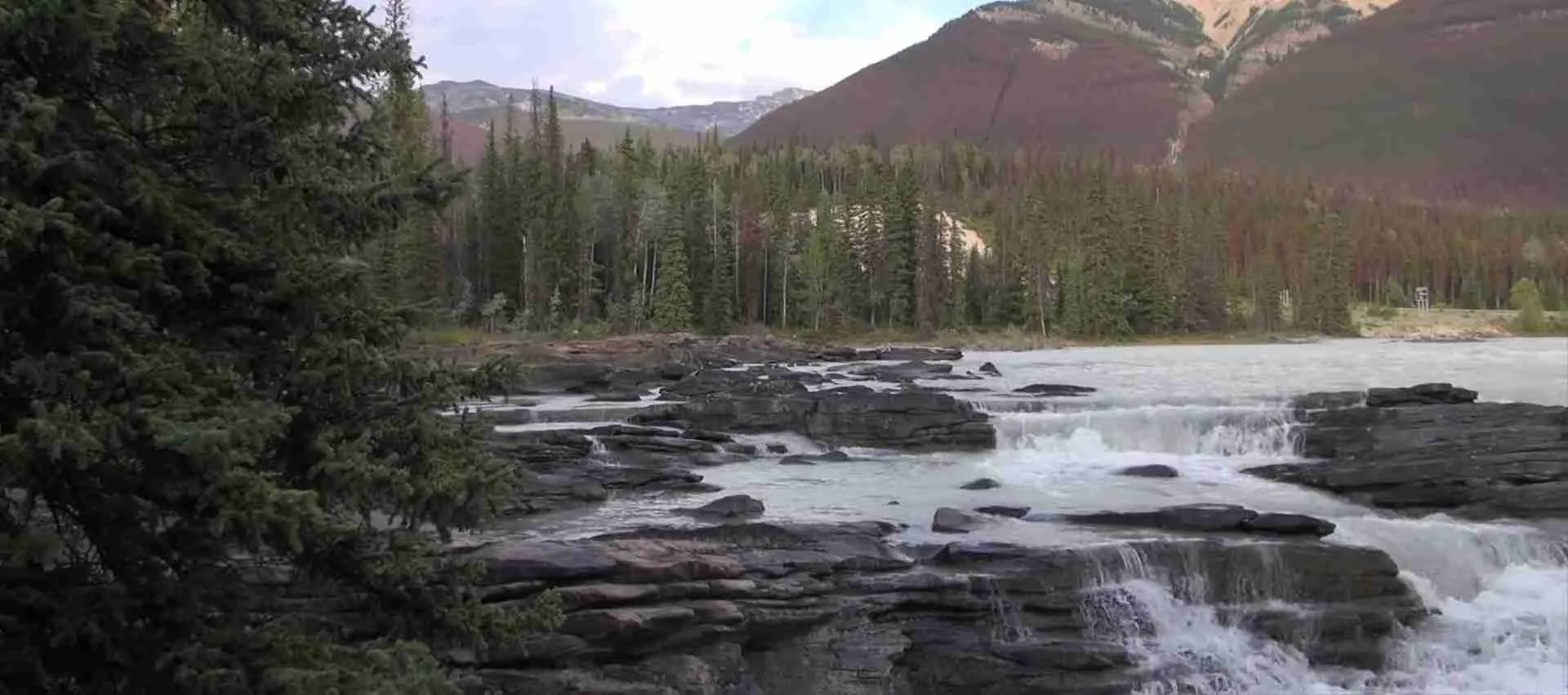
Jasper National Park stands as Canada’s largest Rocky Mountain national park, covering 11,000 square kilometers of pristine wilderness in Alberta. Following the 2024 wildfire and successful recovery efforts, Jasper reopened to visitors with restored trails, operational facilities, and renewed commitment to preserving its extraordinary natural heritage while welcoming travelers to experience mountain landscapes, abundant wildlife, and authentic alpine adventure.
Key Takeaways
- Free Park Admission Summer 2026: The Canada Strong Pass provides free park entry from June 19 to September 7, 2026, eliminating the standard daily pass fees of $12 for adults or $24 for family groups during peak summer season.
- Post-Wildfire Recovery Complete: The 2024 wildfire was declared extinguished April 1, 2025, with all major roads operational, most businesses reopened, and essential visitor services fully restored, though some specific trail areas remain temporarily closed for safety assessments.
- Budget Planning 2026: Expect $105-180 per person daily (two sharing accommodation) for budget travelers, $185-300 for mid-range comfort, and $380-600+ for luxury experiences, with accommodation costs forming the largest expense category.
- Strategic Timing Matters: Visit May-June or September for lower accommodation rates (30-40% below July-August peaks), fewer crowds at major attractions, and excellent wildlife viewing during seasonal transitions, while maintaining access to most hiking trails and facilities.
- Transportation Accessibility: Jasper sits 370 kilometers west of Edmonton International Airport (4-hour drive) with daily shuttle bus service at $85-120 per person, providing convenient public transportation access without requiring rental vehicle commitments.
- Wildlife Viewing Excellence: Jasper’s lower visitor density compared to Banff creates superior wildlife encounter opportunities, with regular sightings of elk, bighorn sheep, black bears, and occasional grizzly bears along valley roads and mountain trails throughout the park.
People Also Ask About Jasper National Park 2026
Is Jasper National Park Open in 2026 After the Wildfire?
Jasper National Park is fully open and welcoming visitors in 2026. The 2024 wildfire complex, which affected 32,722 hectares and damaged 358 structures in Jasper townsite, was declared extinguished on April 1, 2025. All major transportation corridors including Highway 16 (Yellowhead Highway) and Highway 93 (Icefields Parkway) operate normally. The majority of accommodations, restaurants, and visitor services have reopened since fall 2024. Parks Canada systematically assessed and reopened most trails, campgrounds, and day-use areas following safety evaluations. Essential infrastructure including the hospital, schools, and wastewater treatment facilities were protected and remained operational throughout the incident. Miette Hot Springs reopened August 18, 2024, and Columbia Icefield attractions were unaffected. Some specific locations require extended closure periods: Maligne Canyon needs extensive geotechnical assessment due to underground soil structure changes, Mount Edith Cavell Road and Trail 9c (Tekarra Loop) remain closed pending final safety certifications, and Valley of the Five Lakes is scheduled to reopen late spring 2026 after restoration work completes. The wildfire primarily impacted areas in the Athabasca River valley near town, while vast wilderness sections throughout the park experienced no fire damage and showcase Jasper’s characteristic mountain scenery unchanged.
How Much Does Visiting Jasper Cost Per Day in 2026?
Daily costs in Jasper National Park in 2026 range from $105-180 per person (two sharing budget accommodation) for backpackers using hostels and cooking their own meals, $185-300 per person daily for mid-range travelers staying in standard hotels with restaurant dining, and $380-600+ per person daily for luxury visitors at premium properties like Fairmont Jasper Park Lodge. These daily totals include accommodation divided between two travelers, three meals, local transportation, attraction entrance fees, and activity costs. Accommodation represents the largest expense variable, with hostel dormitory beds at $40-60 per person, budget hotels at $50-90 per person (room divided by two), mid-range hotels at $100-160 per person (two sharing), and luxury properties at $250-450+ per person nightly. Dining costs add $45-65 daily for budget travelers preparing their own meals and eating occasionally at casual restaurants, $70-95 daily for mid-range restaurant dining at local establishments, and $120-180+ daily for upscale dining experiences. The Canada Strong Pass eliminates park entry fees from June 19 to September 7, 2026, saving $12 daily for individual adults or $24 for family groups during that summer period. Attraction costs vary from free hiking and scenic drives to $40-70 for premium experiences like Jasper SkyTram or guided wildlife tours. Travelers can significantly reduce daily costs by visiting during shoulder seasons (May-June, September-October) when accommodation rates drop 30-40% below summer peaks, preparing meals using grocery stores in Jasper townsite, utilizing free hiking trails and viewpoints, and booking multi-day activity packages that offer better value than individual bookings.
What’s the Best Time to Visit Jasper in 2026?
The optimal time to visit Jasper National Park in 2026 depends on your priorities, with June and September offering the best balance of favorable weather, lower prices, and manageable crowds. June provides excellent conditions with daytime temperatures of 15-22°C (59-72°F), extended daylight hours approaching summer solstice, most trails accessible after spring snowmelt, wildflowers blooming at lower elevations, and accommodation rates still 25-35% below July-August peaks. September delivers spectacular fall color as alpine larch and aspen trees turn golden, comfortable temperatures of 12-18°C (54-64°F), significantly reduced visitor numbers after Labor Day, active wildlife during pre-winter preparations, and shoulder season pricing that saves 30-40% on lodging. July and August represent peak season with guaranteed trail access, warmest temperatures (18-25°C/64-77°F), longest daylight hours for extended hiking, all facilities and attractions fully operational, and highest accommodation prices with advance booking essential 3-6 months ahead. The Canada Strong Pass provides free park admission from June 19 to September 7, 2026, offering additional value during the summer period. May can be excellent for budget-conscious travelers willing to accept variable weather and some trail limitations, with accommodation rates at annual lows and excellent opportunities for spotting newborn wildlife. Winter months (December-March) transform Jasper into a completely different experience with frozen waterfalls at Maligne Canyon, cross-country skiing, ice skating on Pyramid Lake, and substantially lower accommodation costs, though many hiking trails become inaccessible and some facilities operate on reduced schedules. October brings early winter conditions with possible trail closures from snowfall but offers the absolute lowest accommodation rates and near-empty trails for solitude seekers.
How Do I Get to Jasper National Park in 2026?
Reaching Jasper National Park in 2026 involves flying to Edmonton International Airport (YEG) or Calgary International Airport (YYC), then traveling by road or rail to reach the park. Edmonton International Airport sits 370 kilometers east of Jasper with a direct 4-hour drive west on Highway 16 (Yellowhead Highway), making it the closest and most convenient airport option. Calgary International Airport is 404 kilometers south of Jasper, requiring either a 4.5-hour drive north through the Rocky Mountain foothills on Highway 93, or a scenic 5-6 hour journey via Banff and the spectacular Icefields Parkway (Highway 93). SunDog Tours operates daily shuttle bus service from Edmonton International Airport and West Edmonton Mall directly to Jasper, with departures at 3:00 PM from the airport (arriving Jasper 8:00 PM) and costs of $85-120 per person depending on booking timing. The Edmonton shuttle picks up at any Jasper accommodation and requires no advance vehicle reservations or navigation concerns. From Calgary, travelers can take Brewster Express tour buses that travel via Banff and the Icefields Parkway with multiple scenic stops included, combining transportation with sightseeing opportunities. VIA Rail provides passenger train service to Jasper from both Edmonton and Vancouver, offering a comfortable scenic journey with sleeping accommodations, but schedules run only several times weekly and costs significantly exceed bus options. Luxury rail travel via Rocky Mountaineer costs $5,000-9,000 per person for multi-day journeys with premium service. Renting a vehicle provides maximum flexibility for exploring both Jasper and surrounding Rocky Mountain parks, with rental availability at both Edmonton and Calgary airports as well as in Jasper townsite itself. All visitors entering Jasper National Park require a valid Parks Canada pass, available for purchase online, at park entrance gates, or at the visitor center in downtown Jasper. The Canada Strong Pass provides free park entry from June 19 to September 7, 2026, eliminating this cost during the summer travel period.
Extended multi-day tours – 5+ days
Featured Jasper National Park Multi-Day Tour Packages
7 days
Great Resorts of the Canadian Rockies
- ✓ Comprehensive Jasper National Park tour
- ✓ Expert local guides included
- ✓ All accommodation arranged
- ✓ Transportation provided
5 days
5-Day Canadian Rockies Private Exploration Tour
- ✓ Booking needs min. 2 travelers
6 days
Private Rockies Escape: 6 Days from Vancouver
- ✓ Comprehensive Jasper National Park tour
- ✓ Expert local guides included
- ✓ All accommodation arranged
- ✓ Transportation provided
5 days
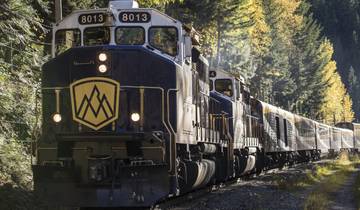
5-Day Rockies Adventure with Rocky Mountaineer (From Vancouver)
- ✓ Comprehensive Jasper National Park tour
- ✓ Expert local guides included
- ✓ All accommodation arranged
- ✓ Transportation provided
Multi-day tour packages powered by TourRadar. Prices and availability subject to change.
Introduction
Jasper National Park occupies 11,000 square kilometers of the Canadian Rocky Mountains in western Alberta, establishing itself as the largest national park in the Canadian Rockies system and a UNESCO World Heritage Site within the broader Canadian Rocky Mountain Parks designation. The park extends from the Continental Divide westward along the Athabasca and Miette river valleys, encompassing dramatic mountain ranges, extensive glacier fields, pristine wilderness areas, and the alpine townsite of Jasper that serves as the commercial and service hub for park visitors.
Following the significant 2024 wildfire event that affected portions of the park and townsite in July 2024, Jasper underwent comprehensive recovery and rebuilding efforts throughout 2024-2025. The wildfire complex, sparked by lightning strikes during extreme weather conditions, ultimately burned 32,722 hectares and damaged 358 of 1,113 structures in Jasper townsite before being declared extinguished on April 1, 2025. Parks Canada and the Municipality of Jasper coordinated extensive safety assessments, hazard tree removal, debris management, and infrastructure restoration to enable residents to return beginning August 16, 2024, and visitors to resume exploring the park from September 2024 onward. As of 2026, all major roads operate normally, essential services function fully, and the majority of accommodations, restaurants, and attractions have reopened and welcome guests. Some specific trail areas and facilities remain temporarily closed pending final safety certifications and restoration work, but the vast majority of Jasper’s iconic experiences remain fully accessible.
The 2026 travel season brings additional value through the Canada Strong Pass program, which provides free park admission from June 19 to September 7, 2026, eliminating the standard daily pass fees during the peak summer period. This federal initiative, combined with Jasper’s successful recovery and the park’s inherently lower visitor density compared to neighboring Banff, creates excellent conditions for travelers seeking authentic Canadian Rockies experiences with manageable crowds and restored facilities.
Jasper’s geographic position at the northern end of the Icefields Parkway and its status as a major stop on the transcontinental VIA Rail route make it accessible yet distinctly less commercialized than other Rocky Mountain destinations. The townsite of Jasper, with a permanent population of approximately 5,000 residents, maintains a genuine mountain community character while providing necessary visitor amenities including diverse accommodation options, restaurants representing multiple cuisine types, outdoor equipment retailers, grocery stores, and essential services. The town functions as a base for exploring attractions that include Maligne Lake (the largest natural lake in the Canadian Rockies), the Columbia Icefield, Athabasca Falls, Miette Hot Springs, and hundreds of hiking trails that range from valley floor nature walks to challenging alpine summit routes.
Wildlife viewing opportunities in Jasper consistently exceed those in more heavily visited parks due to lower human presence and extensive protected wilderness corridors. Elk, mule deer, and bighorn sheep regularly appear along valley roads and in the townsite itself, while black bears and grizzly bears inhabit berry-rich slopes and forested areas throughout the park. Caribou, though critically endangered, maintain small populations in remote alpine areas, and wolves, cougars, and wolverines roam the backcountry. The park’s size and topographic diversity support these wildlife populations while providing visitors realistic chances of memorable wildlife encounters during ordinary park activities.
This comprehensive 2026 planning guide addresses all practical aspects of visiting Jasper National Park, from transportation logistics and accommodation selection to activity planning and budget management. The information reflects current post-wildfire conditions, incorporates 2026-specific considerations including the Canada Strong Pass free admission period, and provides verified pricing and operational details to enable confident trip planning.
Understanding Jasper National Park Entry Requirements 2026
All visitors to Jasper National Park must possess a valid Parks Canada pass regardless of their entry method, transportation type, or planned length of stay. This requirement applies to every person entering the park for any purpose, whether driving through on the Yellowhead Highway, stopping at roadside viewpoints, accessing hiking trails, visiting townsite facilities, or utilizing park campgrounds. The Icefields Parkway (Highway 93) connecting Jasper with Lake Louise and Banff is designated as a scenic parkway rather than a through highway, meaning all travelers on this route require park passes even if not stopping at specific attractions.
The Canada Strong Pass program provides free park admission from June 19 to September 7, 2026, eliminating entry fees during the prime summer travel season. This federal initiative saves individual adult travelers $12 daily or family groups up to 7 people $24 daily throughout the free admission period. Parks Canada entry fees apply before June 19 and after September 7, 2026, during spring, fall, and winter seasons.
Daily park passes cost $12 for individual adults, $11 for seniors (65+), and $24 for family/group passes covering up to seven people arriving together in the same vehicle. Youth age 17 and under receive free park admission year-round and do not require separate passes. Daily passes remain valid until 4:00 PM on the day following purchase, effectively providing access for two consecutive days for travelers arriving in the afternoon or evening. These daily passes work for any combination of mountain national parks including Jasper, Banff, Yoho, Kootenay, Waterton Lakes, Elk Island, Mount Revelstoke, and Glacier, allowing multi-park itineraries without purchasing separate passes for each park.
The Discovery Pass provides annual access to all Canadian national parks, national historic sites, and national marine conservation areas operated by Parks Canada throughout the country. Discovery Pass costs are $84 for individual adults, $72 for seniors, and $168 for family/group coverage (up to seven people). The pass activates on the purchase date and remains valid through the end of that calendar month one year later, providing 12-13 months of actual validity depending on purchase timing. The Discovery Pass breaks even financially at seven days of national park visits, making it cost-effective for travelers spending one week or more in Canadian mountain parks during a single trip, or for travelers making multiple shorter trips to any Parks Canada sites throughout the year.
Park passes can be purchased through several convenient channels. Online purchase through the Parks Canada website allows advance ordering with physical passes mailed to addresses within Canada, typically arriving within two weeks of purchase. International travelers or those requiring immediate access can purchase passes in person at park entrance gates (cash and card accepted), at the Jasper Information Centre at 500 Connaught Drive in downtown Jasper (operating year-round with extended hours in summer), at participating accommodation properties in Jasper townsite, or at select outdoor equipment retailers in Edmonton and Calgary. Travelers booking guided tours through commercial operators should confirm whether park passes are included in tour pricing or require separate purchase.
Pass display requirements mandate that physical passes or digital confirmations be prominently displayed on vehicle dashboards when parked at any park location. Law enforcement officers conduct regular compliance checks, and visitors without valid passes face fines. For travelers using the free Canada Strong Pass period from June 19 to September 7, 2026, no pass display is required, though carrying government-issued identification confirming visitor status helps address any questions from park staff.
Park pass revenues directly support visitor facilities, trail maintenance, wildlife management programs, search and rescue operations, interpretive services, and conservation initiatives within Jasper National Park. The fee structure represents federal government policy balancing park accessibility with sustainable funding for park operations and preservation of natural and cultural resources for future generations.
Getting to Jasper National Park 2026
Air Travel and Airport Options 2026
Jasper National Park has no direct airport access, requiring travelers to fly into major regional airports and complete their journey by ground transportation. Edmonton International Airport (YEG) sits 370 kilometers (230 miles) east of Jasper, representing the closest and most convenient airport option with a direct 4-hour drive west on Highway 16 (Yellowhead Highway). Calgary International Airport (YYC) is 404 kilometers (251 miles) southeast of Jasper, requiring either a 4.5-hour drive north through Rocky Mountain foothills or a longer but spectacularly scenic 5-6 hour route via Banff and the Icefields Parkway. Both airports receive service from major Canadian carriers (Air Canada, WestJet) as well as international airlines connecting through Toronto, Vancouver, and various US gateway cities.
Edmonton International Airport provides more straightforward access to Jasper with a single direct highway route and shorter total travel time. The drive from Edmonton airport follows Highway 2 south briefly to the Anthony Henday Ring Road, then continues west on Highway 16 through the communities of Stony Plain, Spruce Grove, Edson, and Hinton before entering Jasper National Park and reaching Jasper townsite. The route passes through prairie transitioning to foothills, then mountain landscapes as you approach the park boundary. Highway 16 maintains excellent pavement conditions year-round with wide shoulders, gentle grades, and straightforward navigation requiring no mountain driving experience. Gas stations, restaurants, and services are available at regular intervals in communities along the route, with Hinton (45 kilometers east of Jasper) serving as the final major service center before entering the park.
Calgary International Airport requires more complex routing but offers alternative scenic options. The fastest route follows Highway 2 north to Red Deer, then Highway 11 west to the Icefields Parkway junction, continuing north to Jasper through the most dramatic mountain scenery in the Canadian Rockies. Alternatively, travelers can route through Banff via Highway 1 west and Highway 93 north along the Icefields Parkway, adding travel time but incorporating Lake Louise and multiple world-class viewpoints. The Calgary approach involves more mountain driving with steeper grades, tighter curves, and potentially challenging winter conditions, though summer travel presents no unusual difficulties for drivers comfortable with mountain roads.
Flight booking strategies for 2026 should consider several factors. Edmonton typically offers more direct flight options from eastern Canadian cities, while Calgary provides better international connections and flights from US hubs. Price differences between the airports vary seasonally, with summer rates reflecting peak travel demand. Booking flights 2-3 months ahead for summer travel (June-August) and 4-6 weeks ahead for shoulder seasons (May, September-October) typically yields optimal pricing. Morning flight arrivals allow same-day drive to Jasper with daylight travel and time for afternoon/evening arrival activities, while late afternoon/evening arrivals may necessitate overnight stops in Edmonton or Calgary to avoid night driving on unfamiliar mountain roads.
Shuttle Bus Service to Jasper 2026
SunDog Tours operates daily scheduled shuttle bus service connecting Edmonton International Airport, West Edmonton Mall, and Jasper National Park with professional drivers, comfortable coaches, and door-to-door service at Jasper accommodations. The Edmonton to Jasper shuttle departs Edmonton International Airport at 3:00 PM daily (bus parking area at Door 10 on arrivals floor) and West Edmonton Mall at 4:00 PM (Door 50 on 87 Avenue), with intermediate stops in Edson (6:15 PM) and Hinton (7:15 PM) before arriving Jasper approximately 8:00 PM. Return service from Jasper departs at 6:45 AM from Pyramid Lake Lodge and 7:00 AM from downtown Jasper accommodations, with stops at Jasper Park Lodge (7:15 AM), Hinton (8:15-8:30 AM), Edson (9:15-9:30 AM), arriving West Edmonton Mall at 11:45 AM and Edmonton International Airport at 12:30 PM.
Shuttle bus costs range $85-120 per person one-way depending on booking timing and demand, with discounted rates available for advance reservations and higher prices for last-minute bookings during peak summer weekends. Each passenger receives allowance for one carry-on item, one standard suitcase, and one personal item. Additional luggage costs $15 per extra suitcase and $30 for oversized items including ski/snowboard bags and bicycle boxes. The shuttle operates modern coaches equipped with air conditioning, comfortable seating, and luggage storage, with Starlink WiFi connectivity available on all vehicles for streaming, work, or entertainment during the journey.
Booking shuttle service requires reservations made through the SunDog Tours website or phone line (780-852-4056), with same-day bookings subject to availability and recommended only during off-peak periods. Summer travel (July-August) and holiday weekends typically reach capacity, requiring reservations 1-2 weeks in advance. Shoulder season travel (May-June, September) generally accommodates bookings with 2-3 days notice. Cancellation policies allow full refunds for cancellations made 48+ hours before departure, partial refunds for 24-48 hour cancellations, and no refunds for cancellations within 24 hours of departure time.
The shuttle pickup in Jasper serves all downtown hotels and major outlying properties including Jasper Park Lodge, Pine Bungalows, Alpine Village, Becker’s Chalets, Patricia Lake Bungalows, and Pyramid Lake Lodge. Guests receive pickup time confirmations (typically 15-30 minute windows) when booking, with flexibility to accommodate early-morning departures for travelers with tight flight connections. The service eliminates vehicle rental requirements, parking fees, navigation concerns, and winter driving risks while providing local driver knowledge about route conditions, wildlife viewing opportunities, and park recommendations.
Calgary to Jasper Transportation Options 2026
Travelers arriving at Calgary International Airport can reach Jasper through several transportation options, each with distinct advantages and considerations. Brewster Express operates tour bus service from Calgary to Jasper via Banff and the Icefields Parkway, combining transportation with sightseeing stops at major viewpoints including Lake Louise, Peyto Lake, Columbia Icefield, and Athabasca Falls. This service operates seasonally (typically May through October) with departures from Calgary International Airport and select downtown Calgary hotels, traveling through Canmore and Banff before continuing north to Jasper. Costs run higher than Edmonton shuttles due to extended travel time and included attraction stops, with advance booking essential during summer months when tour buses reach capacity. The journey takes 7-9 hours including stops, arriving Jasper in late afternoon or early evening.
SunDog Tours also provides Calgary to Jasper service requiring a bus change in Banff, with morning departure from Calgary and arrival Jasper in late afternoon. This option combines SunDog’s Calgary-Banff connector with their Jasper-bound Icefields Parkway service, with total costs comparable to or slightly higher than the direct Edmonton route due to greater distance and complexity. Private shuttle services and van companies offer door-to-door transportation from Calgary to Jasper for groups of 4-8 travelers, with costs of $800-1,200 total for the vehicle providing good value for families or small groups traveling together. These private services offer flexibility for departure times, custom stop requests, and luggage capacity exceeding standard coach restrictions.
Vehicle rental from Calgary provides maximum flexibility for exploring Jasper and surrounding parks, with rental availability from major companies (Enterprise, Budget, Hertz, National) operating at Calgary airport and downtown locations. One-way rentals from Calgary to Jasper typically incur drop-off fees of $150-250 added to base rental costs, while round-trip rentals eliminate these surcharges but commit travelers to returning to Calgary at trip conclusion. Compact and intermediate vehicles rent for $60-90 daily, mid-size SUVs for $90-130 daily, and full-size SUVs or pickup trucks for $130-180 daily, with summer rates at premium levels and shoulder season rates 20-30% lower. Winter travel requires vehicles equipped with winter tires (standard on Canadian rentals November-March), with 4WD or AWD recommended but not mandatory for highway travel to Jasper.
VIA Rail Service to Jasper 2026
VIA Rail operates the Canadian, a transcontinental passenger train connecting Toronto with Vancouver via Edmonton, Jasper, and Kamloops, providing a romantic travel option with sleeping accommodations, dining service, and panoramic observation cars. The westbound Canadian departs Toronto three times weekly (Tuesdays, Thursdays, Sundays) with arrival in Jasper approximately 3.5 days later, while the eastbound train departs Vancouver three times weekly with arrival in Jasper approximately 24 hours after departure. Jasper represents a major stop on this route, with extended station dwell time allowing passengers to explore the townsite during the stopover.
VIA Rail offers multiple service classes on the Canadian. Economy Class provides coach seating in comfortable reclining seats with access to shared washrooms and the dome observation car, with meals purchased separately in the dining car. Sleeper Plus Class includes a private sleeping cabin (single, double, or accessible configurations), all meals in the dining car, exclusive access to the Park Car observation lounge, priority boarding, and complimentary beverages. Prestige Class (available only on the Canadian) provides the largest cabins with private bathrooms, dedicated concierge service, premium dining, and enhanced amenities. Economy fares from Edmonton to Jasper start around $150 per person, while Sleeper Plus fares range $300-500 depending on cabin type and booking timing. Prestige Class costs $1,000+ per person for the Edmonton-Jasper segment.
The luxury Rocky Mountaineer operates special scenic rail journeys between various Canadian cities with daylight-only travel, overnight hotel stays in Kamloops or Jasper, and upscale service including breakfast, lunch, alcoholic beverages, and attentive staff. Rocky Mountaineer offers routes from Vancouver to Jasper via Kamloops (2-day journey) and from Jasper to Calgary via the Icefields Parkway (1-day journey), with costs of $5,000-9,000 per person depending on service level (SilverLeaf or GoldLeaf) and season. This represents a premium luxury experience marketed to travelers prioritizing comfort and service over budget considerations.
Rail travel to Jasper provides unique advantages including dramatic scenery unavailable from highways, comfortable seating or sleeping arrangements, freedom from driving responsibilities, and authentic Canadian travel traditions. Disadvantages include limited schedule flexibility (2-3 weekly departures), extended travel times compared to driving or flying, higher costs than bus alternatives, and lack of personal vehicle for exploring Jasper area upon arrival. Travelers choosing rail service should plan accommodations and transportation in Jasper carefully, as vehicle rental or local tour bookings become necessary for accessing attractions beyond walking distance of the townsite.
Driving to Jasper Independently 2026
Self-driving to Jasper National Park provides maximum flexibility for trip timing, attraction stops, detours to additional destinations, and luggage capacity. The drive from Edmonton follows Highway 16 west through rolling prairie and foothills for approximately 4 hours (370 kilometers), while the drive from Calgary takes 4.5-6 hours (404-485 kilometers) depending on route selection. Both routes offer excellent pavement, clear signage, regular services, and straightforward navigation requiring only basic highway driving skills during summer months.
The Edmonton route via Highway 16 is recommended for travelers uncomfortable with mountain driving, visiting primarily for Jasper itself rather than touring multiple parks, or traveling during winter months when weather conditions make mountain passes more challenging. The highway maintains relatively gentle elevation gain, wide lanes, good shoulders, and consistent services at Edson (200 kilometers from Edmonton) and Hinton (45 kilometers from Jasper). The landscape transitions gradually from farmland to foothills to mountains, with the dramatic change in scenery occurring primarily during the final 100 kilometers approaching Jasper. Wildlife encounters along this route typically include deer, elk, and occasional black bears visible from the highway, with highest viewing probabilities during dawn and dusk hours.
The Calgary route offers two main options. The faster route follows Highway 2 north to Red Deer, then Highway 11 west (David Thompson Highway) to the Icefields Parkway junction, continuing north to Jasper. This route traverses remote mountain terrain with limited services between Rocky Mountain House and the Icefields Parkway junction, requiring full fuel tanks and emergency supplies. The scenic route travels west from Calgary via Highway 1 through Banff, then north on Highway 93 (Icefields Parkway) to Jasper, adding 80 kilometers and 1-2 hours compared to the direct route but incorporating world-class mountain scenery, glacier viewing, multiple photo stops, and Lake Louise along the way. The Icefields Parkway segment between Lake Louise and Jasper ranks among the most beautiful highways globally, with viewpoints at Bow Lake, Peyto Lake, Mistaya Canyon, Weeping Wall, Sunwapta Falls, and Athabasca Falls, plus access to the Columbia Icefield Glacier Adventure.
Winter driving to Jasper requires specific preparations and considerations. Canadian rental vehicles come equipped with winter tires from November through March as standard equipment, providing adequate traction for most conditions. Four-wheel drive or all-wheel drive provides advantages in deep snow but is not mandatory for reaching Jasper via maintained highways. Check road conditions before departure through Alberta 511 (call 511 or visit 511.alberta.ca), which provides current weather, road surface conditions, closures, and incidents for all provincial highways. Winter storms can close mountain passes temporarily, with the Icefields Parkway between Lake Louise and Jasper most susceptible to weather closures. Pack emergency supplies including warm clothing, blankets, flashlight, first aid kit, snacks, water, and fully charged mobile phone, though cellular service is limited or absent on much of the Icefields Parkway. Allow extra travel time for slower speeds on snowy roads, with winter journeys taking 30-60 minutes longer than summer equivalents.
Gas availability along routes requires planning. The Edmonton route via Highway 16 offers frequent gas stations in Edson (200 kilometers from Edmonton) and Hinton (45 kilometers from Jasper), with 24-hour automated pumps available even when station buildings close overnight. The Calgary route via Icefields Parkway has no services between Lake Louise and Jasper (232 kilometers), requiring full fuel tanks before departing Lake Louise. Gas prices in Jasper townsite run 10-15% higher than Edmonton or Calgary rates, while Lake Louise prices add another premium. Fill tanks at last major city (Edmonton, Calgary) before entering mountain parks for best prices.
Accommodation Options and Costs in Jasper 2026
Accommodation in Jasper National Park in 2026 spans from budget hostels and campgrounds to luxury resort properties, with total inventory reduced following the 2024 wildfire damage to 358 structures in Jasper townsite. Most accommodations reopened by fall 2024, though some properties continue rebuilding and won’t resume operations until later in 2026. Advance booking is essential for all accommodation types during summer peak season (July-August) and holiday weekends, with reservations recommended 3-6 months ahead for premium properties and 4-8 weeks ahead for budget and mid-range options.
Budget Accommodation Options Jasper 2026
HI Jasper Hostel offers dormitory beds and private rooms in a modern facility on Whistlers Road approximately 7 kilometers south of downtown Jasper, with bed prices of $40-60 per person in shared dorms and private rooms at $100-140 nightly for double occupancy. The hostel provides communal kitchen facilities for self-catering, common lounges with mountain views, laundry facilities, WiFi throughout the building, and organized social activities bringing travelers together. A second HI hostel location at Maligne Canyon (closed for 2026 pending wildfire safety assessments) previously offered similar pricing in a more remote setting. The Whistlers Hostel operates year-round with slightly reduced winter rates, though private rooms book quickly requiring advance reservations even in shoulder seasons.
Budget hotels and motels in Jasper townsite include properties like Astoria Hotel (historic downtown property), Whistlers Inn (south of town with shuttle service), and several smaller independent motels along Connaught Drive and Patricia Street. These properties offer basic rooms with private bathrooms, parking, and limited amenities at prices of $100-180 per room nightly in summer, dropping to $80-140 during spring and fall shoulder seasons. Room quality varies significantly between properties, with some offering recent renovations and others maintaining older décor and furniture. Reviews on booking platforms provide reliable guidance for property selection within this category, with attention to comments about noise levels, cleanliness standards, and staff responsiveness.
Front-country campgrounds operated by Parks Canada provide the most affordable accommodation option in Jasper National Park, with serviced sites (electricity, water, sewer hookups) at $39-47 nightly and unserviced tent sites at $28-33 nightly. Whistlers Campground, the largest facility with 781 sites, sits 3 kilometers south of Jasper townsite with easy access to town services, the Jasper SkyTram trailhead, and valley hiking routes. Wapiti Campground offers 362 sites including winter camping options, while Wabasso Campground (63 sites) reopens June 2026 after wildfire recovery work. All front-country campgrounds provide washroom buildings with flush toilets and coin-operated showers, some sites accommodate RVs up to 40 feet in length, and playgrounds serve families with children. Reservations open in January each year for the upcoming season through the Parks Canada reservation website, with summer weekends typically booking within days of reservation opening. First-come first-served sites at some campgrounds accommodate travelers without reservations, but availability cannot be guaranteed during peak season.
Mid-Range Hotel and Lodge Options 2026
Mid-range accommodation in Jasper encompasses standard hotels, mountain lodges, and cabin properties offering comfortable rooms with modern amenities, convenient locations, and moderate pricing of $200-320 per room nightly during summer season. These properties typically include features like restaurants or breakfast service, hot tubs or small pools, free parking, WiFi throughout facilities, and guest services including tour bookings and activity information.
Chateau Jasper, located in downtown Jasper, provides 119 rooms in a renovated property with mountain-contemporary décor, indoor pool and hot tub, on-site restaurant and lounge, and walking access to all townsite shops and restaurants. Summer rates run $220-280 per room nightly with substantial shoulder season discounts dropping rates to $160-200 in May-June and September-October. The Crimson Jasper and Sawridge Inn represent similar quality and pricing in central Jasper locations with comparable amenities.
Tonquin Inn, situated on Juniper Street near downtown, offers 139 rooms ranging from standard hotel rooms to family suites with kitchenettes, indoor pool and hot tubs, restaurant and pub, and free shuttle service to major trailheads during summer months. Rates of $200-260 nightly in summer represent good value for the amenities provided. Forest Park Hotel, another downtown option, provides 114 rooms with indoor pool, fitness center, on-site restaurant, and proximity to central Jasper services at prices of $210-290 summer, $150-210 shoulder seasons.
Cabin and bungalow properties provide alternative experiences with standalone units, kitchen facilities, and more space than standard hotel rooms. Pine Bungalows, situated along Highway 16 east of town, offers cabin accommodations with full kitchens, gas fireplaces, and mountain views at $240-320 nightly in summer. Becker’s Chalets on Icefields Parkway provides log chalets with kitchens, woodburning fireplaces, and riverside locations at similar pricing. Alpine Village, located south of Jasper townsite, sustained wildfire damage in 2024 but has partially reopened with some cabins available. These cabin properties suit travelers preferring self-catering, families requiring extra space, and visitors seeking quieter settings away from central Jasper while maintaining reasonable access to town services.
Luxury Properties and Premium Lodging 2026
Fairmont Jasper Park Lodge represents Jasper’s premier luxury accommodation, set on 700 acres along Lac Beauvert approximately 7 kilometers east of Jasper townsite. This historic property features 446 guest rooms in the main lodge and individual heritage cabins scattered across the property, championship 18-hole golf course, full-service spa, multiple restaurants including upscale dining options, extensive activity programming, private beach on the lake, and signature mountain lodge ambiance. Room rates range $500-900 nightly for standard rooms in summer peak season, while heritage cabins and suites reach $1,000-2,000+ nightly depending on size and features. Off-season rates (October-April) drop 40-50% to $300-550 for standard rooms, providing excellent value for travelers willing to accept limited activities and weather variability. The property books far in advance for summer dates, requiring reservations 4-6 months ahead for preferred room categories and peak travel periods.
Pyramid Lake Lodge, located at Pyramid Lake approximately 8 kilometers north of Jasper townsite, provides upscale cabin accommodations in a tranquil lakeside setting. The property features 62 rooms in modern mountain-contemporary style, private balconies or patios, gas fireplaces, on-site restaurant and bar, hot tub, sauna, and immediate access to Pyramid Lake activities including canoeing, paddleboarding, and lake-loop hiking. Rates of $350-550 nightly in summer represent mid-luxury pricing offering privacy and special-occasion ambiance without Fairmont’s premium costs. The property closed following the 2024 wildfire but reopened in 2025 with enhanced facilities.
Mount Edith Cavell Wilderness Lodge and other backcountry lodge operations provide exclusive wilderness experiences with helicopter or hiking access, gourmet meals, guided activities, and intimate capacity limiting groups to 10-16 guests. These properties operate seasonally (typically July-September) with multi-day minimum stays and all-inclusive pricing of $800-1,500+ per person nightly. Target market includes adventure-seeking travelers prioritizing authentic wilderness immersion over conventional hotel amenities.
Dining and Food Costs in Jasper 2026
Dining options in Jasper National Park range from fast food and casual cafes to upscale restaurants serving contemporary Canadian cuisine, with grocery stores enabling self-catering for budget-conscious travelers. The 2024 wildfire damaged several restaurants in Jasper townsite, though most food service establishments reopened by fall 2024. Food costs in Jasper run 15-25% higher than Edmonton or Calgary prices due to transportation distance, smaller market size, and tourist demand, with alcohol prices particularly elevated due to provincial liquor regulations and hospitality markup.
Grocery Stores and Self-Catering Options 2026
Jasper townsite supports two full-service grocery stores providing complete shopping for self-catering travelers. Jasper IGA Food & Drug, located on Connaught Drive, offers fresh produce, meat and seafood counters, bakery, deli, extensive packaged goods, pharmacy, and household items at prices approximately 20% above Edmonton supermarket equivalents. A smaller grocery at Robson Street provides additional convenience with similar pricing and selection. Both stores operate seven days weekly with extended hours in summer (typically 7 AM-10 PM) and reduced hours in winter months.
Grocery shopping enables significant food cost savings compared to restaurant dining. A week’s groceries for two adults preparing breakfast, lunch, and several dinners costs $180-240, providing meals at roughly $13-17 per person daily. Breakfast items (eggs, bread, cereal, milk, fruit, coffee) run $8-12 per person for 5-7 days. Lunch components (deli meat, cheese, bread, vegetables, snacks) cost $10-15 per person for picnic-style trail lunches. Dinner ingredients for simple meals (pasta, sauce, ground beef, chicken, rice, vegetables) average $15-22 per person per meal when divided between two. Fresh fruit, vegetables, milk, and bread are available at quality levels matching urban supermarkets, while specialty items or ethnic ingredients show limited selection reflecting Jasper’s small-town market.
Accommodation with kitchen facilities enables full self-catering, while travelers in hotel rooms can prepare simple meals using small appliances. Many Jasper accommodations provide mini-refrigerators and microwaves in rooms, allowing breakfast preparation (yogurt, fruit, granola, instant oatmeal) and lunch assembly for trail excursions. A small soft-sided cooler purchased at grocery or outdoor stores ($15-25) enables picnic transport while hiking, with ice available at grocery stores and campgrounds.
Restaurant Pricing Breakfast Lunch Dinner 2026
Breakfast dining in Jasper ranges from coffee shop pastries at $5-8 to full restaurant breakfast plates at $15-22 per person before tip. Fast food breakfast (McDonald’s, Subway breakfast sandwiches) costs $8-12 per person with coffee. Coffee shops including The Other Paw Bakery and Bear’s Paw Bakery serve excellent pastries, sandwiches, and coffee at $8-15 per person for breakfast items. Sit-down breakfast at restaurants like Coco’s Café or Sunhouse Café runs $16-22 per person for eggs, bacon, toast, and coffee, with 15-18% tip expected. Breakfast at upscale hotel restaurants (Fairmont Jasper Park Lodge dining rooms) costs $20-32 per person for full plates, rising to $35-45 for premium options like eggs benedict or breakfast boards.
Lunch options include fast food ($12-18 per person for burger combo, pizza slices, or sandwich), casual restaurants ($18-28 per person for sandwiches, wraps, salads, or daily specials), and upscale lunch service ($28-40 per person for entrees at restaurants like Fiddle River or Evil Dave’s Grill). Many travelers prepare packed lunches using grocery items and eat on trail or at roadside picnic areas, eliminating lunch restaurant costs entirely while maximizing midday activity time. This strategy works particularly well for hikers, cyclists, and travelers exploring the Icefields Parkway who prefer not to interrupt day activities for restaurant stops.
Dinner represents the primary restaurant splurge for most visitors. Casual dining at pizza restaurants, burger joints, and family-style establishments costs $22-35 per person for entrees with drinks (excluding alcohol). Mid-range restaurants serving Canadian, Italian, steakhouse, or international cuisine charge $32-48 per person for dinner entrees, with appetizers adding $12-18, desserts $10-14, and non-alcoholic drinks $4-6. Upscale dining at restaurants like Fiddle River Restaurant, Evil Dave’s Grill, or Fairmont Jasper Park Lodge’s upscale dining rooms runs $45-75 per person for entrees, with multi-course meals reaching $80-120 per person before alcohol. Restaurant wine pricing adds $45-95 for standard bottles, with premium selections reaching $150-300. Cocktails cost $14-18 each, beer $7-10 for draft pints, and non-alcoholic drinks $4-6.
Tipping expectations in Canadian restaurants follow standard North American practices of 15-18% for adequate service, 18-20% for good service, and 20%+ for exceptional service. Many restaurant bills include suggested tip calculations showing 15%, 18%, and 20% options for convenience. Some restaurants automatically add 18% gratuity for groups of 6+ people, noted on menus or bills.
Daily Food Budget Calculations 2026
Budget travelers preparing most meals using grocery stores and eating occasionally at fast food or casual restaurants spend $45-65 per person daily on food. This calculation includes grocery breakfast ($6-8), packed trail lunch ($8-12), grocery or simple restaurant dinner ($22-35), plus coffee, snacks, and drinks ($9-15). Travelers committed to full self-catering for every meal reduce costs to $35-50 daily by eliminating restaurant expenses entirely.
Mid-range travelers mixing grocery breakfasts and lunches with restaurant dinners spend $70-95 per person daily. This pattern includes grocery breakfast ($6-8), packed lunch or casual restaurant lunch ($12-22), mid-range restaurant dinner ($32-48 including entree and non-alcoholic drink), plus coffee and snacks ($8-12). This approach optimizes value by preparing simple meals while on trail or in hotel rooms, then enjoying dinner as the day’s primary restaurant experience.
Upscale travelers dining at restaurants for all meals spend $120-180+ per person daily. This calculation includes restaurant breakfast ($16-22), restaurant lunch ($18-28), upscale restaurant dinner ($45-75), plus multiple coffee stops, afternoon treats, and possible appetizers or desserts ($25-40). Adding wine or cocktails with dinner increases daily food costs by $20-50+ per person depending on drink selections.
Activities and Attraction Costs Jasper 2026
Jasper National Park offers hundreds of hiking trails, scenic drives, wildlife viewing areas, and natural attractions accessible without admission fees beyond the basic park entry pass, providing exceptional value for activity-oriented travelers. Premium attractions charging separate entrance fees include the Jasper SkyTram, Miette Hot Springs, Maligne Lake boat tours, and guided activities through commercial operators. The balance between free and paid activities enables flexible daily budgets accommodating various traveler priorities and spending levels.
Jasper SkyTram and Major Attractions 2026
Jasper SkyTram operates as Jasper’s signature paid attraction, providing aerial tramway service from the Whistlers base station to the alpine ridge at 2,263 meters (7,425 feet) elevation with panoramic views across the Athabasca Valley and surrounding mountain ranges. The 7-minute ascending journey offers dramatic perspectives of the valley floor diminishing below while alpine ridges and glaciated peaks come into view. The upper station includes an interpretive center, restaurant, viewing platforms, and access to the Summit Ridge Trail leading to the true summit of Whistlers Mountain (additional 1.4 kilometer hike gaining 200 meters elevation). Tramway tickets cost $64 for adults, $32 for youth ages 6-15, and free for children under 6, with sunset tickets offering slight discounts for late afternoon departures (check official website for current rates as pricing may vary seasonally). The tramway operates daily during summer season (May through October) with variable hours extending to 9 PM or later during peak summer for sunset viewing. Winter operations (select periods in December-March) provide unique opportunities for snow-covered landscape viewing at substantially reduced visitor density.
Miette Hot Springs, located 62 kilometers northeast of Jasper townsite on Miette Hot Springs Road, offers natural mineral hot springs pools with temperatures maintained at 39°C (102°F) in the hot pool and 29°C (84°F) in the cool pool. The facility reopened August 18, 2024, following wildfire recovery work, providing the soothing hot springs experience in a mountain canyon setting. Admission costs $8 for adults, $7 for seniors and youth 3-17, with season passes available for $65 adult providing unlimited visits throughout the summer operating season (typically late May through early October). The springs attract substantial crowds during summer weekends and holidays, with early morning visits (9-11 AM) or evening swims (7-9 PM) encountering fewer people. Bathing suits, towels, and lockers are mandatory, with rentals available for $2-4 if needed.
Maligne Lake offers various activities centered on Canada’s largest glacier-fed lake in the Rocky Mountains. Spirit Island Boat Tours provide 90-minute guided cruises to Spirit Island, one of the most photographed locations in the Canadian Rockies, with interpretive narration about lake geology, history, and surrounding peaks. Cruise tickets cost $90-105 for adults and $45-55 for children depending on departure time, with multiple departures daily during summer season (June-September). The boat tour represents Jasper’s most expensive single activity but delivers access to scenery unavailable by any hiking trail. Maligne Lake also offers canoe and kayak rentals at $35-45 per hour or $100-130 per day for independent paddling, with instruction available for beginners. The lake sits 48 kilometers southeast of Jasper townsite on Maligne Lake Road, requiring 50-minute drive (vehicle required) to reach the lake. The access road typically opens late May or early June after snow clearing and closes for winter in October.
Columbia Icefield Glacier Adventure operates from the Icefields Parkway at the park’s southern boundary, providing access to the Athabasca Glacier via specialized Ice Explorer vehicles that drive onto the glacier surface. The experience includes interpretive center visit, glacier toe viewing, and 90-minute Ice Explorer tour onto the glacier where passengers can walk on 300-meter-thick ice. Adventure tickets cost $120-135 for adults, $60-70 for youth, including Columbia Icefield Skywalk access (glass-floored observation platform extending over Sunwapta Valley). This attraction operates under Parks Canada permit through Pursuit Collection, with booking recommended for summer visits. The Icefields Center also houses a restaurant, gift shop, and glacier interpretive exhibits free to visit without tour participation.
Guided Activities and Tours Pricing 2026
Guided wildlife viewing tours in Jasper provide interpretation from knowledgeable guides with radio networks sharing wildlife location information, significantly increasing animal encounter success rates compared to independent viewing. Morning and evening wildlife tours run 2-3 hours focusing on valley areas where elk, bighorn sheep, black bears, and deer concentrate during optimal viewing periods. Tour costs range $65-90 per person for standard wildlife tours, with private charters at $350-500 for small groups. Multi-hour full-day tours combining wildlife viewing with Maligne Lake, Columbia Icefield, or Icefields Parkway scenic stops cost $150-200 per person with 6-8 hour durations.
Guided hiking experiences through commercial operators provide trail interpretation, safety equipment, and professional leadership on everything from easy valley walks to challenging mountain summits. Half-day guided hikes (4-5 hours) cost $80-110 per person, while full-day summit hikes (8-10 hours) run $140-180 per person including lunch and safety equipment. Specialty hikes like sunrise summit attempts or glacier hiking require additional certification and equipment, increasing costs to $180-250 per person. Private guided hiking for individuals or small groups costs $400-600 for half-day, $650-900 for full-day, providing customized pace, route selection, and undivided guide attention.
Whitewater rafting trips on the Athabasca River offer exciting paddling through scenic canyons with grade II-III rapids suitable for families and first-time rafters. Half-day trips (2-3 hours on river plus transport and fitting) cost $75-95 per person, while full-day expeditions run $120-145 per person including riverside lunch. Milder float trips focusing on scenery rather than whitewater excitement cost $55-70 per person for 2-hour journeys. Multi-sport combination packages (rafting plus zip-lining or via ferrata) provide value for active travelers, bundling two activities for $140-180 per person versus separate purchase costs.
Horseback riding at commercial stables near Jasper townsite and outlying areas offers trail rides ranging from 1-hour introductory rides ($75-85 per person) to full-day wilderness excursions ($200-250 per person including lunch). Popular options include 2-hour rides to viewpoints or lakes ($110-130 per person) and half-day rides combining trail time with destination stops ($145-165 per person). No horse experience is required, with horses matched to rider ability and guides providing instruction before departure. Most rides operate May through October with variable schedules adapting to weather and demand.
Free Activities and Budget-Friendly Experiences 2026
Hundreds of hiking trails throughout Jasper National Park provide free access to mountain scenery, wildlife habitat, waterfalls, lakes, and alpine environments ranging from flat valley walks to strenuous summit climbs. Popular trails near Jasper townsite include Valley of the Five Lakes (4.5 kilometer loop through five distinct lakes), Old Fort Point (3.5 kilometer loop with viewpoint overlooking Athabasca River), Pyramid Lake Loop (4 kilometer lakeside walk), and Patricia Lake Circle (5 kilometer easy trail). Slightly longer day hikes deliver more dramatic scenery: Maligne Canyon (4 kilometer out-and-back descending through deep limestone canyon with six bridges), Cavell Meadows (8 kilometer loop to alpine wildflower meadows below Mount Edith Cavell), and Bald Hills (10 kilometer climb to panoramic Maligne Lake viewpoint). Experienced hikers can tackle Sulphur Skyline (9 kilometer climb to Miette Hot Springs area summit with 700 meters elevation gain), Brazeau Lake (23 kilometer backpacking trail), or multi-day circuits in the Tonquin Valley. All trails require only basic hiking footwear, water bottles, snacks, and weather-appropriate clothing, with trailhead parking provided free throughout the park.
Wildlife viewing along park roads provides daily opportunities for animal encounters without cost. The Athabasca River valley corridor along Highway 16 east of Jasper townsite hosts substantial elk populations, with evening hours (6-9 PM) offering excellent viewing as elk emerge from forest to graze in open meadows. Bighorn sheep frequent the highway section near the east park gate, with pullouts enabling safe roadside viewing and photography. Black bears appear with some regularity along Maligne Lake Road and the Icefields Parkway during berry season (July-August), though sightings depend heavily on luck and timing. Safe wildlife viewing requires staying in vehicles or maintaining minimum distances (100 meters for bears, 30 meters for other wildlife), never feeding animals, and respecting animal behavior cues suggesting stress or agitation.
Scenic drives offer dramatic mountain landscapes, glacier viewing, waterfalls, and natural features accessible to all visitors regardless of mobility or fitness level. The Icefields Parkway between Jasper and Lake Louise ranks among the world’s most spectacular highways, with free roadside viewpoints at Athabasca Falls (powerful waterfall with short walks to multiple perspectives), Sunwapta Falls (twin waterfalls with easy paths), Tangle Falls (roadside cascade requiring no walking), and Goats and Glaciers Viewpoint (valley glacier visible from parking area). Maligne Lake Road provides access to Maligne Canyon, Medicine Lake (seasonal lake that drains underground in fall and winter), and Maligne Lake itself, with scenic quality justifying the 48 kilometer drive even without paid boat tour participation. Pyramid Lake Road climbs 8 kilometers from Jasper townsite to Pyramid Lake with island viewing platform accessed via walking bridge, Patricia Lake along the same road offers additional lakeside stops, and both lakes provide free picnic areas with mountain backdrops.
Jasper townsite exploration provides pleasant town walking with shops, cafes, restaurants, art galleries, and public spaces distributed along Connaught Drive and perpendicular streets. The Jasper-Yellowhead Museum & Archives charges $5 admission (free for children under 6) displaying regional history exhibits, photographs, and artifacts. The Jasper Information Centre on Connaught Drive offers free access to current trail conditions, wildlife sighting reports, weather forecasts, interpretive displays, and Parks Canada staff providing recommendations and answering questions. Evening programs at various outdoor theaters throughout the park provide free interpretive presentations about wildlife, geology, history, and conservation topics, with schedules posted at the information center and campground notice boards.
Daily Budget Calculations Jasper 2026
Understanding total daily costs in Jasper National Park in 2026 requires combining accommodation, food, transportation, and activity expenses into comprehensive per-person figures assuming two people sharing accommodation. These calculations use verified pricing from the pre-writing searches conducted before article creation, with all figures current for 2026 travel planning.
Budget Traveler Daily Costs 2026
Budget travelers using hostel dormitories, preparing most meals with grocery shopping, utilizing free activities, and limiting paid attractions spend $105-180 per person daily (two sharing budget hotel room) in Jasper. Accommodation costs $50 per person (two sharing budget hotel room at $100 nightly divided by two occupants), meals total $50 (grocery breakfast $6, packed lunch $10, simple dinner $22, coffee and snacks $12), local transportation costs $5 (local shuttle or parking if needed), and activities cost $0-75 depending on whether travelers participate in paid attractions like the SkyTram or stick entirely to free hiking and wildlife viewing. Total daily cost: approximately $105 per person on free-activity days, $180 per person on days incorporating one major paid attraction.
Budget travelers using hostel dormitory beds reduce accommodation costs to $45-55 per person nightly, lowering total daily expenses to $100-185 per person. Those willing to camp in Parks Canada campgrounds pay only $28-33 for tent sites, dropping accommodation to $14-17 per person when sharing costs between two campers and reducing overall daily costs to $70-145 per person. Budget camping represents Jasper’s most affordable accommodation option but requires camping equipment, tolerance for weather variability, and acceptance of campground restroom facilities rather than private bathrooms.
The Canada Strong Pass free park admission from June 19 to September 7, 2026, saves budget travelers $12 daily that would otherwise go to park entry fees, effectively reducing daily costs by that amount during the free admission period. Budget travelers visiting during the free admission window experience daily costs of $93-168 per person, while those visiting before June 19 or after September 7 pay the full $105-180 range including park passes.
Mid-Range Traveler Daily Costs 2026
Mid-range travelers in standard hotels, mixing self-prepared and restaurant meals, and participating selectively in paid attractions spend $185-300 per person daily (two sharing mid-range hotel) in Jasper. Accommodation costs $110 per person (two sharing mid-range hotel at $220 nightly divided by two occupants), meals total $80 (grocery or restaurant breakfast $12, restaurant or packed lunch $18, mid-range restaurant dinner $38, coffee and snacks $12), transportation adds $8 for parking and local shuttles, and activities range $45-100 averaging one paid attraction or guided tour per two days. Total daily cost: approximately $185-300 per person, with variance depending on restaurant frequency and paid activity participation.
This mid-range budget provides comfortable hotel rooms with amenities, flexibility to enjoy restaurant dining for primary meals while preparing some breakfast or lunch in rooms or from grocery stores, and capacity to experience Jasper’s signature paid attractions like the SkyTram, Maligne Lake cruise, or guided wildlife tour without financial stress. Mid-range travelers can participate in premium experiences on select days while maintaining overall budget discipline through strategic choices: preparing trail lunches rather than restaurant stops, limiting alcohol purchases, sharing activities between two travelers, and mixing free hiking days with paid attraction days.
Luxury Traveler Daily Costs 2026
Luxury travelers staying at premium properties, dining at upscale restaurants, participating frequently in guided activities, and adding drinks and extras spend $380-600+ per person daily (two sharing luxury hotel) in Jasper. Accommodation costs $260 per person (two sharing luxury hotel at $520 nightly divided by two occupants), meals reach $140 (upscale breakfast $25, restaurant lunch $32, fine dining dinner $68, coffee and treats $15), transportation adds $15 for valet parking or premium shuttle services, and activities average $100-150 daily through regular participation in guided tours, boat cruises, special experiences, and premium attraction combinations. Total daily cost: approximately $515 per person, reaching $600+ when including wine or cocktails with meals and multiple premium activities daily.
Travelers staying at Fairmont Jasper Park Lodge experience accommodation costs of $280-450 per person (rooms at $560-900 nightly divided by two occupants), with total daily costs rising to $540-750+ per person when including upscale property dining, multiple paid activities, and resort amenities. This luxury tier provides exceptional experiences including heritage property ambiance, full-service restaurants, spa treatments, golf course access, and concierge services arranging customized activities.
Sample Jasper Itineraries 2026
Budget 3-Day Jasper Itinerary 2026
Day One focuses on Jasper townsite orientation and valley hiking. After arriving via Edmonton shuttle ($95 per person), check into hostel accommodation ($50), explore downtown Jasper on foot visiting the information center for maps and recommendations (free), and complete the Valley of the Five Lakes trail (4.5 kilometers, 2 hours) in late afternoon for beautiful lake scenery and possible wildlife encounters. Prepare dinner using groceries from IGA ($15). Daily cost: approximately $160 per person including shuttle arrival, accommodation, food, and activities.
Day Two explores Maligne Canyon and Medicine Lake via tour or independent visit. Wake early for hostel breakfast ($7), then either join a guided tour ($75 including transport) or drive the Maligne Lake Road yourself stopping at Maligne Canyon for the spectacular gorge walk (4 kilometers, 2 hours, free admission) and Medicine Lake for photo stops. Pack trail lunch from grocery supplies ($10). Return to Jasper for dinner ($22 at casual restaurant). Evening wildlife viewing along Highway 16 east of town (free). Daily cost: approximately $89 per person using grocery food and free hiking, or $164 per person including guided tour option.
Day Three incorporates the Jasper SkyTram and departure. Early breakfast from hostel ($7), morning visit to Jasper SkyTram with ticket purchase ($64) and optional summit trail hike adding 1-2 hours beyond tramway ride. Descend mid-day, prepare grocery lunch ($10), then depart on Edmonton shuttle ($95) with 7:00 AM departure reaching Edmonton by noon. Daily cost: approximately $175 per person plus partial accommodation if checking out.
Total 3-day trip cost per person: approximately $650 including round-trip shuttle ($190), hostel accommodation (3 nights at $50 = $150), food ($135), Jasper SkyTram ($64), and guided tour option ($75), plus park pass ($12 × 3 days = $36 if visiting outside the June 19-September 7 free admission period). During the Canada Strong Pass free admission period (June 19-September 7, 2026), this total drops to $615 per person by eliminating park entry fees.
Mid-Range 4-Day Jasper Itinerary 2026
Day One incorporates arrival and Athabasca Falls exploration. Arrive Jasper mid-afternoon via shuttle ($95), check into mid-range hotel ($110 per person for two sharing), rest briefly, then drive south on Icefields Parkway to Athabasca Falls (30 kilometers, 30-minute drive) for spectacular waterfall viewing on short walking trails (free admission). Return to Jasper for dinner at mid-range restaurant ($38). Daily cost: approximately $245 per person including shuttle, accommodation, meals, and activities.
Day Two features Maligne Lake and boat cruise. Hotel breakfast ($12), then full-day excursion to Maligne Lake (48 kilometers southeast, 50-minute drive). Purchase Spirit Island boat cruise ($95) for 90-minute tour to the iconic island. Pack lunch from grocery ($12) eaten at lakeside picnic area. Afternoon lake shore walk on Mary Schaffer Loop (3.2 kilometers, 1 hour, free) or canoe rental ($35 per hour) for independent paddling. Return to Jasper for dinner ($38). Daily cost: approximately $285 per person including accommodation, meals, boat cruise, and minor activities.
Day Three emphasizes hiking and wildlife viewing. Grocery breakfast ($8), then tackle Sulphur Skyline trail from Miette Hot Springs area (9 kilometers, 5 hours) or select easier alternative like Cavell Meadows (8 kilometers, 4 hours) for wildflower viewing. Pack substantial trail lunch ($12). After hiking, visit Miette Hot Springs for relaxing soak ($8). Simple dinner at casual restaurant ($25). Evening wildlife viewing drive along Highway 16 (free). Daily cost: approximately $165 per person including accommodation, meals, hot springs admission, and activities.
Day Four allows Jasper SkyTram and departure. Early hotel breakfast ($12), morning Jasper SkyTram experience ($64) with optional summit trail hike, then check out and depart mid-day via shuttle ($95) or continue to next destination. Daily cost: approximately $285 per person including accommodation checkout, meals, SkyTram, and departure transport.
Total 4-day trip cost per person: approximately $1,125 including round-trip shuttle ($190), mid-range accommodation (4 nights at $110 = $440), food ($280), paid attractions ($167 covering SkyTram, boat cruise, hot springs), and local transportation. Add park pass if visiting outside free admission period ($12 × 4 = $48), raising total to $1,175. The Canada Strong Pass free admission period (June 19-September 7, 2026) saves this amount by eliminating park entry fees.
Luxury 5-Day Jasper Itinerary 2026
Day One provides elegant arrival and property orientation. Arrive Edmonton on morning flight, collect rental vehicle at airport, drive to Jasper (4 hours) arriving mid-afternoon. Check into Fairmont Jasper Park Lodge ($280 per person for two sharing deluxe room), explore property grounds and Lac Beauvert shoreline walk (2 kilometers, 30 minutes, free). Dinner at hotel upscale restaurant ($68). Daily cost: approximately $485 per person including accommodation, meals, rental vehicle portion, and property exploration.
Day Two features guided wildlife viewing and Icefields Parkway exploration. Hotel breakfast ($25), then morning private wildlife tour ($180 per person for 3-hour custom experience) with professional guide and radio communication network. Afternoon self-drive on Icefields Parkway to Columbia Icefield for Glacier Adventure tour ($125) and Skywalk experience. Return to Jasper for dinner at upscale restaurant ($68) with wine ($35 per person). Daily cost: approximately $715 per person including accommodation, meals, guided tour, Columbia Icefield activities, and drinks.
Day Three combines guided hiking and spa experience. Hotel breakfast ($25), then full-day guided hike ($165) to scenic summit or alpine lake with professional interpretation and provided lunch. Return early afternoon for spa treatment at hotel ($140) including massage and facilities access. Evening dinner at hotel fine dining ($75) with cocktails ($18). Daily cost: approximately $705 per person including accommodation, meals, guided hike, spa, and activities.
Day Four explores Maligne Lake premium experiences. Hotel breakfast ($25), then private boat tour on Maligne Lake ($280 per person for exclusive small-group experience to Spirit Island) followed by gourmet riverside lunch at cruise operator facility ($45). Afternoon horseback riding through commercial stable ($145 for half-day wilderness ride). Return to hotel for dinner at mid-range restaurant ($38). Daily cost: approximately $815 per person including accommodation, meals, private boat tour, and riding.
Day Five incorporates Jasper SkyTram and departure. Final hotel breakfast ($25), Jasper SkyTram experience ($64) with summit trail hike, then check out. Lunch at hotel restaurant ($32) before beginning drive back to Edmonton (4 hours) for evening flight departure. Daily cost: approximately $405 per person including accommodation checkout, meals, SkyTram, and transport.
Total 5-day trip cost per person: approximately $3,425 including rental vehicle (5 days at $90 = $450), luxury accommodation (5 nights at $280 = $1,400), food ($600), premium guided activities ($770), and attractions ($205 covering SkyTram, Columbia Icefield, spa). Add park pass if visiting outside free admission period ($12 × 5 = $60), raising total to $3,485. The Canada Strong Pass free admission period (June 19-September 7, 2026) provides this saving by eliminating entry fees during summer travel.
Best Time to Visit Jasper National Park 2026
Seasonal variations in weather, trail access, wildlife activity, visitor density, and pricing create distinct windows for visiting Jasper National Park, each offering different advantages and limitations. Understanding these seasonal characteristics enables strategic trip timing aligned with individual priorities and constraints.
Summer Season June July August 2026
Summer represents peak season in Jasper with guaranteed trail access, warmest temperatures, longest daylight hours, and highest visitor numbers. July and August deliver the most stable weather with daytime temperatures consistently reaching 18-25°C (64-77°F) and minimal precipitation risk, though thunderstorms occur regularly during afternoon hours. June provides excellent early-summer conditions with temperatures of 15-22°C (59-72°F), wildflowers blooming at lower elevations, and slightly lower visitor density compared to mid-summer peaks. All park facilities, campgrounds, commercial tours, and services operate on full schedules throughout summer months.
The Canada Strong Pass provides free park admission from June 19 to September 7, 2026, offering substantial savings during the primary summer travel window by eliminating the $12 daily adult fee or $24 family group fee that would otherwise apply. This free admission period aligns with peak visitation, meaning the cost savings come with trade-offs of higher accommodation rates and busier trails.
Accommodation prices reach annual peaks during July and August, with mid-range hotels charging $220-280 nightly and budget properties rarely dropping below $140-180. Advance booking becomes essential 3-6 months ahead for preferred properties and dates, with many popular accommodations fully booked by May for July-August dates. Campground reservations open in January and fill within days for summer weekends at popular front-country campgrounds like Whistlers and Wapiti. Some travelers find booking challenges so severe that they expand search radius to Hinton (45 kilometers east) or accept less preferred accommodation types to secure any available lodging.
Trail crowding impacts popular routes like Valley of the Five Lakes, Maligne Canyon lower sections, and Cavell Meadows, with parking lots filling by 9-10 AM on summer weekends requiring early starts or willingness to wait for parking availability. More remote trails maintain reasonable solitude, and strategic timing (weekday mornings, dinner hours) reduces encounter rates even on popular routes. Wildlife viewing actually improves during summer as animals concentrate near valley roads and reliable food sources, with elk particularly visible in town and adjacent areas during evening hours.
Summer travel suits families with school-age children limited to July-August schedules, first-time visitors wanting guaranteed trail access and full facility operations, photographers seeking dramatic lighting during extended daylight hours (sunrise approximately 5:15 AM, sunset approximately 10:00 PM in late June), and travelers prioritizing weather reliability over cost savings or solitude.
Shoulder Season May June September October 2026
Shoulder seasons flank summer with excellent weather windows, lower prices, reduced crowds, and exceptional wildlife viewing during migration periods and seasonal transitions. Late May and early June offer spring conditions with daytime temperatures of 12-18°C (54-64°F), variable precipitation mixing rain and occasional wet snow at higher elevations, and many trails accessible though some high-elevation routes remain snow-covered until mid-June. September delivers fall conditions with temperatures of 12-18°C (54-64°F), generally dry weather, spectacular golden colors as aspen and alpine larch trees turn, and significantly reduced visitor numbers after Labor Day.
Accommodation rates drop 25-40% below summer peaks during shoulder seasons, with mid-range hotels charging $160-200 nightly compared to $220-280 in July-August. Budget properties become more accessible at $100-140 nightly versus $140-180 in peak summer. Booking 2-4 weeks ahead generally secures preferred accommodations during shoulder seasons rather than the 3-6 months required for summer dates. Some properties close completely in May and October or operate on reduced capacity, requiring confirmation of operational status when booking shoulder season dates.
The Canada Strong Pass free admission extends through September 7, 2026, covering the first week of September’s shoulder season and providing park entry savings during this excellent value window. Visitors arriving after September 7 face standard park pass requirements ($12 daily adult, $24 family group, or $84 Discovery Pass annual) for remainder of September and into October.
Wildlife activity peaks during shoulder seasons as animals migrate to summer or winter ranges, with elk rutting season (September-October) producing dramatic bugling calls and increased visibility. Bear activity intensifies in berry season (late July-August) continuing into September as bears forage extensively before hibernation. Bighorn sheep move to lower elevations in September-October, improving roadside viewing odds. Bird migrations bring diverse species through the park during May and September.
Trail conditions vary more during shoulder seasons compared to stable summer windows. May visitors should expect some snow on high-elevation trails, stream crossings running high from snowmelt, and muddy conditions on low-elevation routes. September typically delivers excellent trail conditions with firm surfaces, moderate stream flows, and minimal snow except on highest passes. October brings increasing snow risk with possible early winter storms closing high trails unpredictably. Parks Canada posts current trail conditions at the information center and online, essential resources for shoulder season planning.
Shoulder season travel suits flexible-schedule travelers prioritizing value and solitude over guaranteed trail access, wildlife photography focused on fall colors and active animals, experienced hikers comfortable with variable conditions, and couples or solo travelers avoiding school-holiday crowds. Budget-conscious visitors find shoulder seasons offer the best balance of reasonable weather, substantial savings, and authentic mountain experiences without peak-season commercialization.
Winter Season November Through April 2026
Winter transforms Jasper into a completely different destination with frozen waterfalls, snow-covered landscapes, winter activities, and substantially reduced visitor numbers. Daytime temperatures range from -15°C to -5°C (5°F to 23°F) during mid-winter (December-February), moderating to -10°C to 5°C (14°F to 41°F) in shoulder months (November, March-April). Snowfall accumulates from November through March, creating excellent conditions for cross-country skiing, snowshoeing, and winter hiking at lower elevations while rendering most mountain trails inaccessible.
Accommodation costs drop to annual lows during winter months (excluding Christmas/New Year holiday period), with mid-range hotels charging $120-160 nightly and budget properties at $80-120, representing 40-50% savings compared to summer rates. The Fairmont Jasper Park Lodge offers exceptional value during winter with rooms at $280-350 versus $560-900 in summer peak season. Some smaller properties close completely November through April, concentrating available lodging at larger year-round operations. Booking flexibility increases substantially during winter with last-minute reservations routinely available except during holiday weeks.
Winter activities include ice skating on Pyramid Lake (maintained skating rink on frozen lake surface), frozen Maligne Canyon exploration (walking trail descending through ice formations in the narrow canyon), cross-country skiing on maintained tracks at various locations, snowshoeing on designated trails, and winter wildlife viewing with excellent opportunities for spotting elk, bighorn sheep, and deer at low elevations where animals concentrate during snow season. The Jasper SkyTram operates select periods during winter (confirm current schedule) providing unique snow-covered landscape viewing. Marmot Basin ski resort operates 30 minutes from Jasper townsite with downhill skiing and snowboarding on 91 runs served by 7 lifts, though this represents a traditional ski resort rather than national park land.
Winter travel limitations include closed facilities (many restaurants and shops operate reduced hours or close entirely November-April), limited commercial tour availability, road closures affecting the Icefields Parkway south of Sunwapta Falls (Highway 93 south closed approximately November-May with exact dates varying annually), and extremely short daylight periods (sunrise approximately 8:30 AM, sunset 4:30 PM in mid-winter). These factors create a quieter, more solitude-focused experience appealing to winter activity enthusiasts and travelers seeking authentic off-season mountain conditions, but unsuitable for visitors wanting comprehensive activity options or extensive attraction access.
Transportation Within Jasper National Park 2026
Moving around Jasper National Park requires either personal vehicle access, participation in commercial tours providing transport, or combination of walking with limited local transit options. The park’s large size (11,000 square kilometers), dispersed attractions, and limited public transportation make vehicle access highly advantageous for maximizing visit efficiency and accessing remote locations.
Personal Vehicle and Rental Car Options 2026
Personal vehicles or rental cars provide maximum flexibility for exploring Jasper National Park, enabling independent schedule control, multiple daily destinations, spontaneous stops at roadside viewpoints, and capacity to access remote trailheads and attractions on personal timeline. Travelers arriving via shuttle bus or train can rent vehicles in Jasper townsite through National Car Rental (located at 638 Connaught Drive) and Budget Rent A Car (located at 607 Connaught Drive), though inventory is limited and advance booking is essential during summer months when demand exceeds supply. Rental costs in Jasper run $80-120 daily for compact/intermediate vehicles, higher than Edmonton or Calgary rates due to smaller market and limited competition.
Travelers planning extensive park exploration benefit from renting vehicles at Edmonton or Calgary airports rather than in Jasper, gaining both lower daily rates and guaranteed availability. Edmonton airport rentals cost $60-90 daily for compact/intermediate vehicles while Calgary rates are similar, representing $20-30 daily savings compared to Jasper townsite rates. One-way rentals from Edmonton or Calgary to Jasper incur drop-off fees of $150-250, making round-trip rentals more economical for travelers returning to their origin airport. Multi-day rental periods (4+ days) often qualify for weekly rates providing 10-15% discounts compared to daily pricing.
Parking in Jasper National Park is free at all trailheads, viewpoints, and park facilities, though summer peak season creates capacity challenges at popular locations. The Valley of the Five Lakes trailhead, Maligne Canyon, Cavell Meadows parking area, and Pyramid Lake frequently fill completely by 9-10 AM on summer weekends, requiring either early arrival (before 8 AM) or willingness to wait for departing vehicles. Overflow parking exists at some high-use sites but may require walking additional distances to reach trailheads. Downtown Jasper townsite offers free street parking on most streets with 2-4 hour limits enforced during summer, plus free lots behind the information center and near recreational facilities.
Fuel availability in Jasper National Park is limited to gas stations in Jasper townsite and occasionally at major junctions, with no fuel services along the Icefields Parkway between Jasper and Lake Louise (232 kilometers). Prices in Jasper run 10-15% higher than Edmonton or Calgary rates, reflecting transportation costs and limited competition. Fill fuel tanks whenever passing gas stations to avoid range anxiety on remote park roads, particularly when planning Icefields Parkway drives or Maligne Lake Road excursions. Most rental vehicles achieve 400-600 kilometer range on full tanks, adequate for typical daily driving within the park.
Commercial Tours and Guided Transportation 2026
Commercial tour operators based in Jasper provide transportation bundled with interpretation, guiding services, and structured itineraries visiting major attractions in half-day or full-day formats. These tours solve transportation challenges for visitors without vehicles while adding value through professional narration about park history, geology, wildlife, and cultural stories. SunDog Tours, Jasper Adventure Centre, and multiple smaller operators offer regular departures to destinations including Maligne Lake, Columbia Icefield, Icefields Parkway viewpoints, and wildlife viewing areas.
Maligne Lake tours typically run 5-6 hours including round-trip transport from Jasper accommodations, stops at Maligne Canyon and Medicine Lake, and 90-minute Spirit Island boat cruise, with costs of $140-165 per person combining transport and boat cruise into single package. This represents good value compared to vehicle rental plus separate boat cruise purchase ($95), particularly for solo travelers or couples where rental vehicle costs don’t divide across multiple passengers. Columbia Icefield tours operate 8-9 hours incorporating Icefields Parkway scenic stops, Athabasca Falls, and included Glacier Adventure with Ice Explorer vehicle onto glacier surface, costing $180-210 per person. Wildlife viewing tours run 2-3 hours in early morning or evening periods, priced at $65-90 per person with radio communication between guides enhancing animal encounter success rates.
Tour advantages include no driving responsibilities allowing full attention to scenery, professional interpretation enriching understanding of park features, radio networks connecting guides to current wildlife locations, and social interaction with fellow travelers. Disadvantages include fixed schedules requiring adherence to tour timing rather than independent pace, group sizes of 12-25 passengers reducing intimacy and flexibility, limited time at each stop constraining photography and exploration, and inability to deviate from planned routes for spontaneous discoveries. Tours work best for travelers uncomfortable driving in mountains, solo travelers seeking social connections, and visitors wanting expert interpretation without research burden, while independent travelers prioritizing flexibility and control generally prefer rental vehicles despite higher costs.
Walking and Cycling in Jasper Townsite 2026
Jasper townsite’s compact downtown core (approximately 1 kilometer by 1 kilometer) allows walking access to most shops, restaurants, services, and central accommodations within 10-15 minutes. The information center, grocery stores, outfitters, and majority of dining options concentrate along Connaught Drive and perpendicular streets, creating walkable commercial district suitable for pedestrian navigation. Outlying accommodations (Jasper Park Lodge 7 kilometers east, Pyramid Lake Lodge 8 kilometers north, Becker’s Chalets 5 kilometers south) sit beyond reasonable walking distance requiring vehicle access or commercial tour pickup.
Bicycle rentals from shops in Jasper townsite cost $35-45 per day for standard mountain bikes or $55-75 for electric-assist bikes, providing transportation for local errands, paved trail riding, and nearby destination access. The Pyramid Lake Road (8 kilometers one way from town) offers excellent cycling with paved surface, moderate elevation gain, and minimal vehicle traffic, reaching Pyramid Lake and Patricia Lake for picnic stops and lake views. The Valley Road to Jasper Park Lodge (7 kilometers one way) provides another popular cycling route through forest with elk viewing opportunities. Bicycle use on backcountry trails requires technical mountain bikes and skill appropriate to trail difficulty, with many popular hiking trails prohibiting bicycle access to protect trail surfaces and manage user conflicts.
Limited public transit options exist within Jasper, with some hotels and lodges providing courtesy shuttles between their properties and downtown during summer season. The Jasper Transit system operates minimal routes during limited hours, primarily serving local resident needs rather than tourist transportation. Taxi services (Mountain Taxi, Jasper Taxi) provide point-to-point transport for travelers without vehicles, charging $15-25 for typical in-town trips and $40-80 for drives to Jasper Park Lodge or Pyramid Lake. Ride-sharing services (Uber, Lyft) do not operate in Jasper as of 2026.
Wildlife Viewing Safety and Etiquette 2026
Jasper National Park supports robust populations of large mammals including black bears, grizzly bears, elk, mule deer, moose, bighorn sheep, mountain goats, wolves, and cougars, creating excellent wildlife viewing opportunities alongside real risks requiring awareness and appropriate behavior. Understanding and practicing responsible wildlife viewing protects both animals and humans while enhancing encounter quality.
Safe Distance Requirements and Behavior 2026
Federal regulations enforced by Parks Canada officers mandate minimum approach distances varying by species. Bears (black bears and grizzly bears) require 100-meter (330-foot) minimum distance at all times, enforced through fines for violations. Elk, deer, moose, sheep, goats, and other large mammals require 30-meter (100-foot) minimum distance. These distances apply whether animals approach humans or humans approach animals, meaning visitors must move away if wildlife come closer than legal distances. The 100-meter bear distance represents approximately the length of one football field, while 30 meters equals roughly 12 vehicle lengths or 40 paces.
Staying in vehicles provides safe wildlife viewing platforms when animals appear near roads, as vehicles act as barriers separating humans from wildlife while enabling close observation and photography. Parks Canada encourages vehicle-based viewing as the safest and least disruptive method for observing roadside wildlife. Visitors must remain in vehicles when bears are visible in the vicinity, never exit vehicles to approach any large mammal regardless of apparent calm, and use telephoto lenses or zoom features for photography rather than physical approach.
Bear spray carries recommended status for backcountry hikers and travelers in bear habitat, providing defensive tool if aggressive bear encounters occur despite best prevention practices. Bear spray is sold at outdoor retailers in Jasper townsite for $45-60 per canister, with spray canisters requiring replacement every 3-5 years as propellant degrades. Carrying bear spray demands understanding proper use including safety clip engagement during transport to prevent accidental discharge, immediate accessibility (worn on belt or pack hip strap, not buried in pack), and technique involving short bursts aimed downward creating ground-level cloud between human and approaching bear. Bear spray represents last-resort defensive tool, not substitute for proper bear awareness and behavior.
Common Wildlife Encounters and Appropriate Response 2026
Elk represent the most frequently encountered large mammals in Jasper, with herds regularly grazing in townsite yards, golf courses, and open areas throughout the valley. Bull elk during September-October rutting season become aggressive and unpredictable, charging humans who approach cows or enter their perceived territory. Parks Canada sometimes closes entire portions of Jasper townsite during peak rut when bulls demonstrate particularly aggressive behavior near buildings and pathways. Safe elk viewing requires respecting minimum 30-meter distance, never positioning between bulls and cows, avoiding direct eye contact which animals interpret as threat, and backing away slowly if elk show stress signals including laid-back ears, bared teeth, or stomping hooves.
Black bears appear regularly throughout Jasper National Park in forested areas, berry patches, and along roads during summer months when natural food availability peaks. Black bears typically flee from human encounters when given opportunity, demonstrating far less aggressive behavior than grizzly bears in most circumstances. Safe response to black bear encounters involves stopping immediately, speaking calmly to identify yourself as human, backing away slowly while facing the bear, and never running which triggers chase instinct. Groups should stay together rather than scattering, and adults should pick up children to prevent panic or running. If black bear approaches despite backing away, make yourself appear larger by raising arms, speak firmly, and prepare to use bear spray if the approach continues into defensive distance (5-7 meters).
Grizzly bears inhabit Jasper National Park primarily in alpine areas, open meadows, and valley bottoms along rivers, though they rarely appear near townsite. Grizzly encounters demand calm, slow backing away while speaking continuously to the bear, careful avoidance of direct staring or threatening gestures, and absolutely no running or rapid movement. If grizzly approaches despite slow retreat, continue backing away and prepare bear spray for deployment in defensive spray bursts. If grizzly makes contact despite defensive efforts, play dead by lying flat on stomach with hands protecting neck, legs spread to prevent rolling, remaining motionless until bear departs. Grizzly attacks on humans are extremely rare in Jasper, with most charges being bluff displays that stop short of contact when humans stand ground or deploy bear spray effectively.
Wolves, cougars, and wolverines inhabit Jasper National Park but are rarely seen due to elusive nature and low population densities. Cougar encounters require making yourself appear large, speaking firmly, maintaining eye contact (unlike with bears), backing away slowly without turning away, and fighting back aggressively if attacked. Wolf encounters are exceptionally rare and typically involve wolves observing from distance before disappearing into forest, as wolves almost never approach humans voluntarily.
Food Storage and Campground Regulations 2026
Federal regulations require all food, toiletries, cooking equipment, and scented items be stored in hard-sided vehicles or Parks Canada-provided bear-proof food storage lockers when camping in Jasper National Park campgrounds. Tents must contain no food or scented items at any time, as bears entering tents in search of food create dangerous situations. Front-country campgrounds provide metal bear-proof lockers at each site, while backcountry camping areas offer bear poles (tall poles with pulley systems for hanging food bags) or bear-proof food storage boxes at designated sites.
Cooking in campgrounds must occur at designated cooking areas or picnic tables, never inside tents, with all cooking equipment, utensils, and food cleaned and stored in vehicles or lockers immediately after meal preparation. Garbage must go into bear-proof bins provided throughout campgrounds, never left in or near tents. Coolers and food boxes may remain at picnic tables during daylight hours while campers are present and actively using sites, but must move into vehicles or lockers when campers leave site or retire to tents for evening. Scented toiletries (toothpaste, deodorant, sunscreen, lip balm) follow same storage rules as food, requiring vehicle or locker storage rather than tent storage overnight.
Violations of food storage regulations result in fines from Parks Canada enforcement officers conducting regular campground patrols, with penalties of $125-500 depending on violation severity. More seriously, improper food storage habituates bears to associating humans with food rewards, creating dangerous situations requiring wildlife managers to trap and relocate bears or, in extreme cases, euthanize bears that become aggressive around humans. Responsible food storage protects both human safety and wildlife welfare, representing non-negotiable requirement for camping in Jasper.
Practical Planning Tips for Jasper 2026
Cellular Service and Internet Connectivity 2026
Cellular service in Jasper National Park is limited to Jasper townsite and small coverage areas at major junctions, with the vast majority of park territory including the Icefields Parkway, Maligne Lake Road, and backcountry trails offering no cell phone reception. Jasper townsite receives service from major Canadian carriers (Rogers, Bell, Telus) providing 4G/LTE speeds adequate for calls, messages, web browsing, and basic app usage. US carriers with Canadian roaming agreements work in townsite coverage areas, though roaming charges apply unless travelers have specific Canada coverage plans.
The Icefields Parkway between Jasper and Lake Louise has zero cell coverage for its entire 232-kilometer length, making this one of the longest cell-free highway corridors in North America. Travelers cannot make calls, send messages, or access navigation apps while driving this route, requiring printed maps or pre-downloaded offline maps through applications like Google Maps offline feature. Medical emergencies on the Icefields Parkway require flagging other travelers for assistance or driving to nearest park warden station, as calling emergency services from roadside is impossible. This reality demands self-sufficiency including basic vehicle emergency supplies, first aid kit, and awareness that help may be hours away.
WiFi is available at most Jasper accommodations, restaurants, cafes, and the visitor center, providing internet connectivity for travelers without cellular service or wishing to avoid roaming charges. Hotel WiFi generally works adequately for email, web browsing, and messaging, though video streaming may face bandwidth limitations during peak evening hours when all guests access networks simultaneously. Coffee shops like The Other Paw and Bear’s Paw provide WiFi with purchase, functioning as workspaces for digital nomads and travelers needing extended online sessions.
Banking and Currency Services 2026
Jasper townsite has one full-service bank branch (CIBC at 606 Patricia Street) operating normal business hours Monday through Friday plus Saturday morning, providing banking services, currency exchange, and financial advice. ATM machines from various banks are located at CIBC branch, several hotels, and the visitor center, dispensing Canadian dollars with standard ATM fees of $3-5 per transaction for non-account holders. Credit cards (Visa, Mastercard, American Express) are widely accepted at virtually all Jasper businesses, though some small operators or market vendors may prefer cash or impose minimum purchase amounts for card transactions.
US travelers should notify their credit card companies and banks of Canadian travel dates to prevent fraud detection systems from blocking cards due to sudden foreign transaction activity. Most US credit cards charge 2.5-3% foreign transaction fees on all purchases made in Canadian dollars, though some premium travel cards waive these fees entirely. US debit cards work at Canadian ATMs for cash withdrawal but incur both operator fees ($3-5) and US bank foreign ATM fees ($3-5), plus unfavorable exchange rates, making credit cards more economical for most purchases.
Currency exchange occurs at CIBC bank and some hotels, though rates are generally less favorable than exchange services at major airports or US banks before travel. Canadian currency uses dollars and cents with paper notes in denominations of $5, $10, $20, $50, and $100, plus coins for $1 (loonie), $2 (toonie), and smaller denominations. As of 2026 planning, exchange rates hover around 0.72-0.74 USD per 1 CAD, meaning $100 CAD equals approximately $72-74 USD, though rates fluctuate daily based on market conditions.
Medical Services and Pharmacies 2026
Jasper Healthcare Centre, located at 518 Robson Street, provides emergency medical services, urgent care, and primary care physician services during normal business hours. The facility operates 24/7 emergency department for serious medical situations requiring immediate attention, with nursing staff and physicians on call. For life-threatening emergencies, call 911 (works from any phone with coverage, no charge even from payphones) to reach emergency dispatch coordinating ambulance, police, or fire services as needed. The healthcare centre was protected during the 2024 wildfire and maintains full operational status in 2026.
Jasper IGA pharmacy, located within the grocery store on Connaught Drive, provides prescription filling, over-the-counter medication sales, and basic health consultations from licensed pharmacists during store hours. Travelers requiring prescription refills should bring original prescription bottles with pharmacy labels showing medication names, dosages, and prescriber information, as Canadian pharmacists require this documentation before filling prescriptions written by non-Canadian physicians. Travel insurance often covers prescription costs abroad, though travelers must pay out-of-pocket initially and submit receipts for reimbursement after returning home.
Common outdoor activity injuries in Jasper include twisted ankles on trails, sunburn from intense high-altitude UV exposure, dehydration from underestimating water needs during exertion, and muscle strains from overambitious hiking beyond fitness levels. Prevention measures include proper hiking footwear with ankle support, high-SPF sunscreen reapplied every 2 hours, carrying 2-3 liters of water per person for full-day hikes, and realistic assessment of physical capability before attempting strenuous trails. More serious concerns include altitude sickness at elevations above 2,500 meters (symptoms include headache, nausea, dizziness, fatigue), hypothermia from inadequate clothing during temperature drops, and wildlife encounters resulting in injury.
Weather Preparation and Layering Strategies 2026
Mountain weather in Jasper changes rapidly and varies dramatically with elevation, time of day, and exposure to wind or precipitation. The fundamental principle is layering multiple clothing pieces rather than single heavy garments, enabling addition or removal of layers as conditions shift throughout the day. Base layer (against skin) should be synthetic or merino wool materials wicking moisture away from skin rather than cotton which retains moisture and loses insulating properties when wet. Mid layer provides insulation using fleece, synthetic puff, or light down materials that trap warmth while remaining breathable. Outer shell layer blocks wind and rain using waterproof-breathable fabrics (Gore-Tex or equivalent) that prevent external moisture penetration while allowing interior perspiration to escape.
Summer hiking demands carrying warm layers even when valley temperatures reach 25°C (77°F), as mountain summits and high passes may be 10-15°C cooler with strong winds creating additional wind-chill effects. A typical summer day-hiking outfit includes shorts or light pants, synthetic t-shirt, light fleece or insulated jacket in pack, waterproof rain jacket, hat with brim for sun protection, and sunglasses. Afternoon thunderstorms occur regularly July-August, dropping temperatures suddenly and creating hazardous lightning conditions above treeline, making rain jackets and warm layers essential insurance rather than optional items.
Spring and fall shoulder season clothing requirements increase substantially with temperatures ranging from near-freezing morning starts to pleasant afternoon highs, requiring comprehensive layering systems. Typical shoulder-season outfit includes long pants (synthetic or soft-shell materials), long-sleeve synthetic shirt, fleece mid-layer, insulated jacket (synthetic or down), waterproof shell jacket and pants, warm hat, gloves, and possibly light thermal underwear for early starts. The principle of “be prepared for four seasons in one day” applies particularly during shoulder seasons when weather windows shift rapidly.
Environmental Conservation and Leave No Trace 2026
Jasper National Park represents protected wilderness requiring visitor behavior that minimizes human impact on ecosystems, wildlife, and natural features. Parks Canada actively manages visitor use through regulations, education programs, and enforcement to maintain ecological integrity while allowing public enjoyment. Understanding and practicing Leave No Trace principles prevents cumulative damage from millions of annual visitors.
Stay on designated trails rather than creating shortcuts or parallel paths that expand the footprint of trail corridors and damage fragile alpine vegetation requiring decades to recover from human trampling. Boardwalks and designated paths through wetlands, meadows, and sensitive areas exist specifically to concentrate foot traffic on durable surfaces rather than spreading impact across fragile ecosystems. Walking on glaciers without guides is prohibited in many areas due to crevasse danger, and lake shores benefit from using established access points rather than trampling new routes through shoreline vegetation.
Pack out all garbage and food waste without exception, as even small biodegradable items like fruit peels or nut shells introduce non-native species, alter animal diets, and take years to decompose in cold mountain conditions. The principle “if you packed it in, pack it out” applies to every item brought on trail including wrappers, food scraps, cigarette butts, tissues, and personal items. Burying waste is not acceptable as animals dig up buried items and decomposition is extremely slow in cold, dry mountain soils. Carry lightweight garbage bags specifically for collecting refuse, and use bear-proof bins at trailheads or campgrounds rather than leaving bags in vehicles where animals may detect food odors.
Human waste disposal on trails follows specific protocols depending on location. Day-use areas and high-traffic corridors near townsite provide outhouse facilities at major trailheads and along popular routes, use these whenever available. On remote trails without facilities, solid human waste must be buried 15 centimeters (6 inches) deep in organic soil layer at least 70 meters (230 feet) from water sources, campsites, and trails, with the disturbed soil surface restored to natural appearance after burying. Toilet paper should be packed out in sealed bags rather than buried or burned, as paper takes extensive time to decompose and burning creates fire hazards. Some high-alpine areas or environmentally sensitive regions require pack-out of all human waste using WAG (Waste Alleviation and Gelling) bags or similar systems available at outdoor retailers.
Respect wildlife by maintaining required distances, never feeding animals (carries $500+ fines and habituates animals to human food leading to dangerous situations), not intentionally attracting animals with calls or scents, and allowing animals to continue natural behaviors without disruption from human presence. Feeding deer, squirrels, birds, or any wildlife creates dependency, spreads disease, alters natural population distributions, and can lead to aggressive behavior. Wildlife photographers should use telephoto lenses achieving frame-filling images from legal distances rather than approaching animals, and should leave immediately if wildlife show stress signals including changing activity patterns, moving away, or displaying defensive postures.
Leave natural and cultural features undisturbed by not collecting rocks, antlers, flowers, fossils, or other items from the park, as removal even by small numbers of visitors quickly depletes features for future visitors and violates federal regulations protecting park resources. Take only photographs and memories, leave only footprints applies strictly. Do not carve names or messages into trees or rocks, build cairns or rock stacks except on designated routes where they serve navigational purposes, move or rearrange natural features, or disturb archaeological or historical sites. Report vandalism or resource damage to park wardens.
Frequently Asked Questions About Jasper National Park 2026
Is Jasper National Park Worth Visiting After the 2024 Wildfire?
Jasper National Park remains absolutely worth visiting in 2026 despite impacts from the July 2024 wildfire. The wildfire affected 32,722 hectares and damaged 358 structures in Jasper townsite, but the vast majority of the park’s 11,000 square kilometers experienced no fire impact whatsoever. Iconic attractions including the Jasper SkyTram, Athabasca Falls, Pyramid Lake, the Columbia Icefield, most hiking trails, and the entire Icefields Parkway scenic drive remain completely unchanged and fully accessible. The townsite’s essential services, accommodations, and restaurants have overwhelmingly reopened, with most visitors experiencing normal park operations. Some specific trail areas require temporary closures for safety assessments (Maligne Canyon, Mount Edith Cavell Road), but hundreds of alternative trails provide outstanding hiking throughout the park. The 2024 event generated international attention that may have created misimpressions about park accessibility, while reality shows Jasper functioning normally and welcoming visitors to pristine mountain landscapes.
Can You Visit Jasper Without a Car in 2026?
Visiting Jasper without a personal vehicle is possible but involves trade-offs between cost, flexibility, and attraction access. Shuttle bus service from Edmonton ($85-120 per person) provides transportation to Jasper townsite, where visitors can walk to downtown services and participate in commercial tours reaching major attractions. Organized day tours to Maligne Lake ($140-165 including boat cruise), Columbia Icefield ($180-210 including glacier tour), and wildlife viewing areas ($65-90) enable car-free travelers to experience signature park destinations through guided excursions departing from Jasper accommodations. This approach works well for 3-4 day visits focused on major highlights, though it costs more overall than vehicle rental when accounting for individual tour prices, limits spontaneous stops and detours, and restricts access to remote trailheads not served by commercial tours. Solo travelers or couples visiting for extended periods find vehicle rental provides better value after the third or fourth day of tour purchases. Budget-conscious car-free travelers can use commercial tours selectively for destinations like Maligne Lake while focusing primarily on free walking trails accessible from townsite, accepting reduced geographic coverage in exchange for significant cost savings.
What Should You Pack for Jasper in Summer 2026?
Summer packing for Jasper requires preparation for variable mountain weather despite warm valley temperatures. Essential clothing includes synthetic or merino wool base layers (1-2 shirts, underwear), convertible hiking pants or shorts plus long pants, lightweight fleece or insulated jacket, waterproof rain jacket and rain pants, warm hat and sun hat, sunglasses with UV protection, hiking boots with ankle support (already broken in, not new), and multiple pairs of synthetic or wool hiking socks. Sun protection is critical at high altitude with SPF 30-50 sunscreen, lip balm with SPF, and possibly lightweight long-sleeve sun shirt for sensitive skin. Insect repellent containing DEET handles mosquitoes and blackflies prevalent near water sources during June-July. Technical items include daypack (25-35 liters) for hiking, reusable water bottles totaling 2-3 liters capacity, small first aid kit, headlamp or flashlight, and multi-tool or knife. Optional items depending on activities include trekking poles for knee support on descents, lightweight camp chair for campground comfort, binoculars for wildlife viewing, telephoto camera lens, and bear spray for backcountry hiking. Avoid packing cotton t-shirts or jeans which absorb moisture and lose insulating properties when wet, heavy jeans unsuitable for hiking, excessive toiletries (purchase items like shampoo and toothpaste locally if needed), and non-essential electronics adding weight without value. Travelers camping require additional gear including tent, sleeping bag rated for 0-5°C (32-41°F) nighttime temperatures, sleeping pad, camp stove and fuel, cooking equipment, and food storage containers, substantially increasing packing volume and potentially requiring vehicle space for transport.
How Many Days Should You Spend in Jasper in 2026?
The optimal Jasper visit length is 4-5 days for comprehensive exploration balancing major attractions, hiking variety, and unhurried pace, though shorter or longer stays work depending on priorities and schedule flexibility. A minimal 2-day visit enables essential highlights including one major paid attraction (Jasper SkyTram or Maligne Lake boat cruise), one scenic drive (Icefields Parkway to Columbia Icefield or Maligne Lake Road), and one or two moderate hikes, though this compressed timeline sacrifices depth and forces choice between many excellent options. A 3-day stay represents the baseline recommended minimum, adding breathing room for weather flexibility and incorporating both signature attractions (SkyTram plus Maligne Lake) with multiple hiking days and possible Icefields Parkway exploration. Four to five days provide balanced experiences including all major attractions without rush, multiple hiking trails representing different environments, wildlife viewing opportunities at various times of day, possible day trip to Columbia Icefield via Icefields Parkway, and schedule flexibility absorbing one poor weather day or rest day without sacrificing essential activities. Extended 6-7 day visits suit serious hikers wanting to complete challenging full-day summits or multiple remote trails, photographers dedicating time to lighting conditions and compositions, wildlife enthusiasts maximizing animal encounter opportunities through repeated dawn and dusk viewing sessions, and travelers valuing slow pace with town exploration, relaxation time, and absence of itinerary pressure. Week-long stays enable optional add-ons like overnight backcountry trips, multiple commercial tours, visits to nearby provincial parks outside Jasper boundaries, or thorough exploration of specific geographic areas like the Maligne Valley or Tonquin Valley without feeling rushed. Budget-conscious travelers face cost pressures with extended stays as accommodation expenses accumulate, while those using camping or self-catering can stretch stays economically.
Is Jasper Better Than Banff for Visiting in 2026?
Jasper and Banff serve different traveler preferences with neither being objectively “better,” as each park offers distinct advantages depending on priorities. Jasper provides substantially lower visitor density with less crowded trails, easier parking access at popular destinations, more authentic mountain town atmosphere with less commercial development, superior wildlife viewing opportunities due to fewer people disturbing animals, and generally 15-25% lower accommodation and dining costs compared to Banff equivalents. These advantages particularly appeal to visitors seeking quieter experiences, solo travelers or couples rather than large groups, budget-conscious travelers, serious hikers wanting trail solitude, and wildlife photographers. Banff counters with geographic advantages including proximity to Calgary airport (1.5 hours versus 4 hours for Jasper), more extensive accommodation inventory with greater variety from budget to ultra-luxury, larger selection of restaurants representing diverse cuisines, more shopping and entertainment options, and famous attractions like Lake Louise and Moraine Lake within the park. Banff also offers easier public transportation with the Roam transit system providing bus access to major attractions, while Jasper essentially requires vehicles or commercial tours. First-time Canadian Rockies visitors often prefer Banff for iconic imagery and comprehensive facilities, while repeat visitors gravitate toward Jasper for authentic wilderness experiences and smaller crowds. The geographic distance between parks (Jasper 288 kilometers north of Banff via Icefields Parkway) enables visiting both during single trips, with the Icefields Parkway drive ranking among the world’s most scenic highways and taking 4-5 hours with stops, though most travelers find 7-10 day trips necessary to adequately experience both parks without exhausting rush.
What Wildlife Can You See in Jasper in 2026?
Jasper National Park supports diverse large mammal populations with excellent viewing opportunities compared to more heavily visited parks. Elk represent the most commonly observed large mammal, with herds frequently visible in Jasper townsite itself, along Highway 16 corridors east and west of town, and in open meadows throughout valley bottoms, particularly during morning and evening hours. Bighorn sheep concentrate along the east park gate section of Highway 16, the Yellowhead Pass area west of town, and various rocky slopes above roadways where they feed on grasses and escape predator threats by climbing steep terrain. Mule deer appear throughout the park at all elevations from valley floors to alpine meadows, often seen along trails and roads during dawn and dusk periods. Black bears range throughout forested areas of the park, with roadside sightings occurring regularly during berry season (July-August) when bears concentrate in productive feeding areas. Grizzly bears primarily inhabit alpine zones and remote valleys, rarely appearing near townsite or high-traffic areas, with occasional sightings along the Icefields Parkway or remote Maligne Valley locations. Moose favor wetland and willow habitat along streams and lake edges, with Medicine Lake area and the Maligne Valley offering better-than-average sighting odds, though moose remain relatively uncommon even in preferred habitat. Mountain goats occupy high cliffs and alpine areas above treeline, visible from valley floors as white dots on distant rock faces, with closer viewing possible on summit hikes to alpine elevation. Caribou persist in critically low numbers in remote high-alpine areas, with public sightings extremely rare due to small population size and inaccessible habitat. Wolves, cougars, and lynx inhabit the park but are almost never seen due to secretive behavior, wide-ranging territories, and low density, with tracks or indirect signs providing the only evidence for most visitors. Smaller mammals including red squirrels, chipmunks, pikas (high-altitude relatives of rabbits), hoary marmots (groundhog relatives whistling warnings from boulder fields), and various bat species are commonly observed along trails and around campgrounds. Over 280 bird species have been recorded in Jasper including ravens, gray jays, Clark’s nutcrackers, various woodpecker species, ptarmigan (alpine grouse), and numerous waterfowl and songbird species, with migratory periods in May and September bringing the greatest diversity.
Do You Need Bear Spray in Jasper National Park 2026?
Bear spray is strongly recommended but not legally required for hiking in Jasper National Park, with Parks Canada and safety experts consistently advising all backcountry travelers to carry spray as defensive protection against aggressive bear encounters. Jasper hosts both black bear and grizzly bear populations, with black bears common throughout forested areas and grizzlies inhabiting alpine zones and remote valleys. Statistics show bear spray effectively deters aggressive bears in 90%+ of defensive situations when properly deployed, significantly outperforming firearms or other defensive measures. The question becomes not whether bears exist in Jasper (they definitively do, with hundreds of individual bears ranging throughout the park), but whether individual visitors accept the low-probability, high-consequence risk of aggressive encounter. Most Jasper hikers never see bears despite days or weeks on trails, as bears typically detect humans first through scent or sound and move away to avoid confrontation. Aggressive encounters requiring defensive spray use are extremely rare, occurring in single-digit numbers annually park-wide, usually involving surprise encounters at close range, female bears protecting cubs, or bears defending food sources. Bear spray costs $45-60 per canister at Jasper outdoor retailers, provides 3-5 year shelf life, and weighs approximately 300 grams carried on hip belt or pack strap for instant access. Making noise while hiking (talking, clapping, singing, wearing bear bells) prevents most potential encounters by alerting bears to human presence before close-range surprise situations develop. Hiking in groups of 3+ people further reduces encounter risk, as bears rarely approach larger groups. Solo hikers, dawn/dusk trail users, salmon stream visitors during spawn season, and anyone traveling in remote backcountry face elevated encounter probability justifying bear spray as essential safety equipment rather than optional precaution.
Can You See Northern Lights in Jasper in 2026?
Jasper National Park lies at 52-53°N latitude within the auroral oval’s southern reach, enabling northern lights viewing during strong geomagnetic activity but with less frequency and intensity compared to higher-latitude destinations. Aurora viewing in Jasper requires solar activity generating geomagnetic storms rated KP 4-5 or higher on the 0-9 scale measuring geomagnetic disturbance, combined with clear dark skies away from artificial light pollution. Jasper earned Dark Sky Preserve designation from the Royal Astronomical Society of Canada, acknowledging minimal light pollution and exceptional stargazing conditions, creating favorable aurora viewing when geomagnetic conditions cooperate. The best aurora viewing period in Jasper runs October through March when winter darkness provides extended nighttime hours and seasonal geomagnetic activity peaks, though auroras can occur any month when solar storms are strong enough. September and April offer shoulder season possibilities with moderate darkness and possible geomagnetic activity. Summer months (May-August) provide poor aurora chances due to minimal nighttime darkness at this latitude, with late-sunset twilight extending until nearly midnight and pre-dawn brightening starting by 4 AM. Viewing locations within the park include Pyramid Lake (8 kilometers north of town with minimal artificial light), Annette Lake (2 kilometers from town with open northern horizon), and any remote location along Highway 16 or the Icefields Parkway with clear northern sky views. Monitoring aurora forecasts through Space Weather Prediction Center, Aurora Service, or mobile apps showing real-time KP index helps identify promising viewing nights 1-3 days in advance. Travelers specifically prioritizing aurora viewing should consider higher-latitude destinations like Yellowknife, Whitehorse, or Fairbanks offering substantially higher viewing frequency and intensity, while Jasper visitors can treat possible aurora sightings as bonus experiences rather than primary trip objectives.
What Are the Best Hikes in Jasper National Park 2026?
Jasper National Park contains hundreds of maintained trails offering experiences from easy lakeside strolls to challenging multi-day backpacking routes, with best selections depending on fitness level, time available, and desired scenery type. For easy family-friendly options requiring 1-2 hours with minimal elevation gain, Valley of the Five Lakes (4.5 kilometer loop through connected lakes with swimming opportunities), Pyramid Lake Loop (4 kilometer flat shoreline walk with mountain reflections), Annette and Edith Lakes (2.4 kilometer paved loop suitable for wheelchairs and strollers), and Maligne Canyon lower section (4 kilometer out-and-back descending through limestone canyon with six bridges) provide excellent introductions to park landscapes. Moderate half-day hikes requiring 3-5 hours with 200-500 meters elevation gain include Old Fort Point (3.5 kilometer loop climbing to Athabasca Valley viewpoint), Cavell Meadows (8 kilometer loop beneath Mount Edith Cavell with wildflower displays July-August), Bald Hills (10 kilometer climb to panoramic Maligne Lake overlook gaining 500 meters), and Opal Hills (8.2 kilometer loop near Maligne Lake climbing to alpine ridge with 460 meters gain). Strenuous full-day summit hikes requiring 6-9 hours with 700-1,000 meters elevation gain challenge experienced hikers with spectacular rewards: Sulphur Skyline (9 kilometer summit climb from Miette Hot Springs area with 700 meters gain and 360-degree views), Mount Edith Cavell Path of the Glacier (5 kilometer trail to glacier viewpoint with 400 meters gain through stunning alpine terrain), Geraldine Lakes (10 kilometer progression through connected alpine lakes gaining 410 meters), and Jacques Lake (12 kilometer valley approach to remote backcountry lake gaining 100 meters). Multi-day backpacking routes open wilderness possibilities for properly equipped hikers: Skyline Trail (44 kilometers crossing high alpine ridges with 1,480 meters cumulative gain, typically completed in 2-3 days), Tonquin Valley (44 kilometer loop or out-and-back to iconic Ramparts massif, 3-4 days), Brazeau Loop (90 kilometer wilderness circuit requiring 6-8 days), and North Boundary Trail (190 kilometer remote traverse requiring 10-14 days). Trail difficulty ratings and current conditions are available at the Jasper Information Centre, with Parks Canada staff providing personalized recommendations based on visitor fitness, experience, and interests. Early season (May-June) requires checking trail reports for snow conditions and stream crossings, while late season (September-October) brings possible early winter storms affecting high-elevation routes.
Where Should You Stay in Jasper: Town or Outside Town in 2026?
The accommodation location choice between central Jasper townsite and outlying properties depends on priorities regarding convenience, atmosphere, amenities, and mobility. Staying in central Jasper townsite (Connaught Drive and perpendicular streets within 5 blocks of information center) provides maximum convenience with walking access to restaurants, grocery stores, outfitters, visitor center, and evening activities, eliminating need for vehicle use during non-activity hours. Downtown properties range from budget hotels to mid-range chains with standard amenities, generally offering less distinctive character than resort properties but superior practical convenience. Parking challenges during summer peak seasons affect downtown somewhat, though most hotels provide guest parking. Townsite accommodation suits travelers without vehicles relying on walking and commercial tours, visitors wanting easy access to multiple dining options without driving, and those prioritizing practical convenience over resort atmosphere. Outlying properties including Fairmont Jasper Park Lodge (7 kilometers east), Pyramid Lake Lodge (8 kilometers north), Becker’s Chalets (5 kilometers south on Icefields Parkway), and various cabin operations deliver more tranquil settings with mountain views, property amenities like restaurants and hot tubs, distinctive architecture and character, and separation from townsite congestion, though requiring vehicles for every trip to town or activities. These properties provide resort-style experiences with on-site dining eliminating driving concerns for meals, lake or riverside locations offering private ambiance, and typically larger rooms or cabin configurations suiting families or extended stays. Outlying accommodation works best for travelers with rental vehicles, couples or families preferring quiet evenings over town activities, visitors treating lodging as destination rather than merely sleeping facility, and those willing to drive 10-15 minutes for grocery runs or downtown dining. Parks Canada campgrounds at Whistlers, Wapiti, and Wabasso provide third option combining affordability with wilderness camping experience, requiring camping equipment and vehicles but delivering dramatic cost savings and immersive outdoor atmosphere. No single accommodation location type is universally superior, as each serves different traveler profiles and priorities, with some visitors even splitting stays between downtown convenience and outlying tranquility to experience both approaches.
Is Jasper National Park Expensive to Visit in 2026?
Jasper National Park visit costs range from moderate to expensive depending on accommodation choices, dining preferences, and activity participation, with strategic planning enabling budget-conscious travelers to experience the park affordably while luxury visitors can spend extensively on premium services. The most economical Jasper approach combines Parks Canada campground accommodation ($28-33 nightly for tent sites), grocery shopping for meal preparation ($35-50 daily food cost for two people), and free hiking/wildlife viewing activities, creating total costs of $70-145 per person daily assuming two sharing camping expenses. This budget approach requires camping equipment, cooking gear, tolerance for campground facilities, and acceptance of preparing most meals rather than restaurant dining, but delivers authentic park experiences at costs lower than many US national parks. Mid-range Jasper visits using standard hotels ($110 per person nightly for two sharing), mixed self-prepared and restaurant meals ($80 per person daily), and selective paid attraction participation ($45-100 per day averaged) cost $185-300 per person daily, comparable to or slightly below equivalent experiences in Banff or US mountain destinations like Jackson Hole or Aspen when accounting for exchange rate benefits. Luxury Jasper experiences at properties like Fairmont Jasper Park Lodge ($280-450 per person nightly for two sharing), upscale restaurant dining ($140+ per person daily), and regular guided activities ($100-150 daily averaged) reach $540-750+ per person daily, approaching premium resort destinations but with distinctively Canadian mountain character and extensive wilderness access. The Canada Strong Pass eliminates park entry fees from June 19 to September 7, 2026, saving $12 daily for adults or $24 for family groups during this peak summer window. Compared to international mountain destinations, Jasper delivers strong value for European visitors (favorable exchange rate makes Canadian costs feel reasonable), moderate value for US travelers (Canadian dollar exchange helps offset similar nominal prices), and expensive experience for budget backpacker circuit travelers (Canadian prices exceed Southeast Asia, South America, Eastern Europe). Strategic cost control focuses on accommodation tier selection as the largest expense variable, meals mixing grocery self-catering with selective restaurant splurges, and activities balancing hundreds of free trails against limited paid attractions chosen for maximum impact.