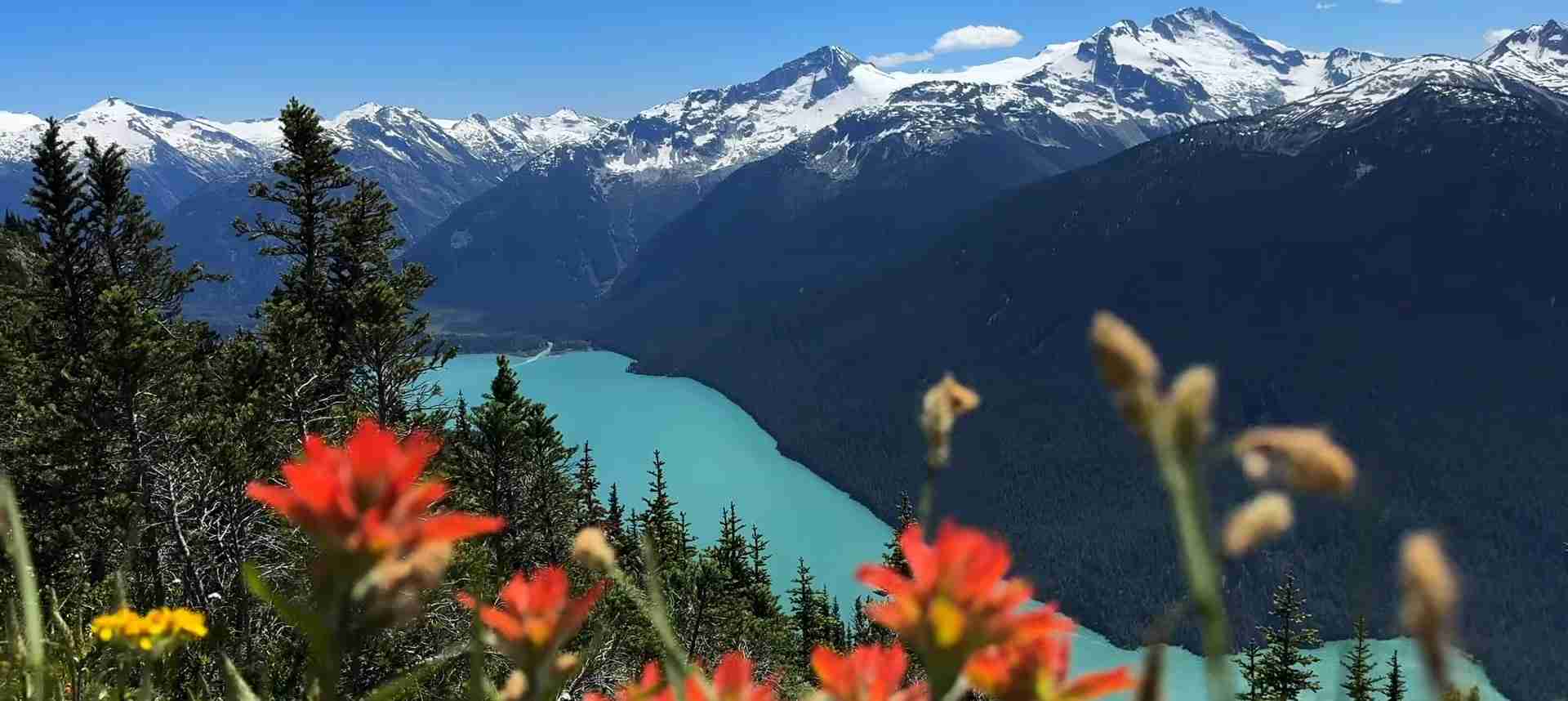
Best Time to Visit Whistler 2026: Seasonal Planning Guide
Whistler operates as a year-round mountain resort with distinct seasons offering different experiences, from world-class skiing on North America’s largest ski terrain from November through May to summer mountain biking and alpine hiking from June through September. Each season delivers unique advantages in weather, pricing, crowd levels, and activities, making timing critical for matching your visit to your priorities and budget. This guide provides month-by-month analysis of conditions, costs, and events to help you select the optimal window for your 2026 Whistler experience.
Key Takeaways About Visiting Whistler in 2026
- Peak Winter Season December-March 2026: Expect exceptional snow conditions with average snowfall exceeding 800mm in December alone, but accommodation costs $340-750 CAD ($245-540 USD) per night and lift lines reach maximum capacity on weekends and holidays. Book lift tickets and lodging 3-4 months ahead for Christmas and February peak periods.
- Shoulder Season Value April-May and October-November 2026: Accommodation drops to $200-395 CAD ($145-285 USD) nightly while spring skiing extends through early May with longer daylight and warmer temperatures, and fall offers hiking without summer crowds before November snowfall returns.
- Summer Peak June-August 2026: Mountain biking, hiking, and alpine sightseeing reach premium pricing at $340-575 CAD ($245-415 USD) per night with July temperatures averaging 19°C and only 80mm precipitation, the driest month of the year.
- Major Events Calendar 2026: Whistler Pride and Ski Festival January 25-February 1, World Ski & Snowboard Festival April 6-12 celebrating 30 years, Crankworx mountain biking festival summer dates, and Whistler Village Beer Festival September 19 create booking surges requiring 4-6 month advance reservations.
- Weather Patterns Drive Timing: December through February averages -2°C to -11°C with peak snowfall, March-May transitions from -0°C to 10°C enabling spring skiing, June-August delivers 13-19°C for summer activities, and September-November cools from 15°C to 1°C with November receiving 343mm precipitation as winter returns.
- Optimal Value Windows 2026: Late November through mid-December offers fresh snow with 30-40% lower rates before Christmas surge, late March through April combines excellent spring conditions with declining crowds, and September delivers summer weather with fall shoulder pricing before peak fall foliage crowds arrive in October.
People Also Ask About Best Time to Visit Whistler 2026
What is the cheapest month to visit Whistler in 2026?
November and April offer the lowest accommodation rates in 2026, with hotels ranging $200-320 CAD ($145-230 USD) per night compared to peak season rates of $340-750 CAD ($245-540 USD). November marks the transition from fall to early ski season with lifts opening November 21, creating a value window before Christmas crowds arrive. April delivers spring skiing conditions with warming temperatures, longer daylight hours exceeding 13 hours daily, and shoulder season pricing as many visitors depart after March break. Both months provide 30-45% savings on lodging while maintaining access to mountain activities, though November weather remains unpredictable in early season and April experiences afternoon slush conditions as temperatures rise above freezing.
When does Whistler have the best snow conditions in 2026?
January through March 2026 delivers optimal snow conditions with December averaging 848mm snowfall establishing deep base, January and February maintaining cold temperatures between -2°C and -11°C preserving powder quality, and March balancing accumulation with improving weather. December 2025 through February 2026 represents peak snowfall months with combined accumulation exceeding 2,000mm, but January and February offer superior conditions as the base depth from December eliminates early-season coverage concerns. March provides the ideal compromise with substantial snowfall continuing, temperatures moderating to -0°C enabling more comfortable days on slopes, and daylight extending past 6 PM compared to 4:30 PM in December. Whistler Blackcomb’s elevation spanning 675m to 2,284m ensures reliable snow preservation through April, with upper alpine terrain maintaining excellent conditions while lower runs soften in spring temperatures.
Is Whistler crowded during summer 2026?
Summer represents Whistler’s second peak season with 55% of annual visitors arriving June through August 2026, creating substantial crowds but distributed across hiking trails, mountain biking terrain, and village activities rather than concentrated at ski lifts. Weekends and July-August see maximum density with popular trails like the Peak to Peak Gondola, Whistler Mountain summit hikes, and Lost Lake experiencing capacity on Saturday and Sunday mornings. Weekdays in June and late August offer 40-50% fewer visitors with easier parking, restaurant availability, and trail access, while maintaining full weather advantages including July’s 19°C average temperatures and minimal 80-90mm monthly precipitation. Book accommodations and premium activities including mountain bike park passes, zipline tours, and helicopter excursions 2-3 months ahead for July-August weekends, 3-4 weeks ahead for June and late August, and 1-2 weeks ahead for any summer weekday to secure availability at preferred lodging and activity times.
What months should I avoid visiting Whistler in 2026?
Late October through mid-November 2026 presents the least favorable window as ski season has not yet opened but fall hiking becomes limited by snow accumulation, weather deteriorates with November averaging 343mm precipitation and temperatures dropping to 1°C, and many seasonal businesses close or reduce hours creating limited dining and activity options. This transition period from fall to winter offers neither reliable summer activities nor skiing access, with Whistler Blackcomb opening November 21 meaning the first three weeks of November lack mountain operations entirely. Additionally, mid-May through early June represents a minor shoulder period as ski season closes around mid-May but summer operations including mountain biking and full trail access ramp up gradually through June rather than starting immediately, creating a 2-3 week gap with reduced mountain access. However, these windows deliver 40-60% accommodation savings for visitors willing to focus on village-based activities, spa experiences, and nearby attractions rather than mountain sports.
Extended multi-day tours – 5+ days
Featured Whistler Multi-Day Tour Packages
3 days
Whistler 3-Day Discovery Tour
- ✓ Comprehensive Whistler experience
- ✓ Expert local guides included
- ✓ All accommodation included
- ✓ Transportation provided
5 days
Whistler 5-Day Highlights Experience
- ✓ Comprehensive Whistler experience
- ✓ Expert local guides included
- ✓ All accommodation included
- ✓ Transportation provided
7 days
Whistler 7-Day Cultural Journey
- ✓ Comprehensive Whistler experience
- ✓ Expert local guides included
- ✓ All accommodation included
- ✓ Transportation provided
10 days
Whistler 10-Day Complete Adventure
- ✓ Comprehensive Whistler experience
- ✓ Expert local guides included
- ✓ All accommodation included
- ✓ Transportation provided
Multi-day tour packages powered by TourRadar. Prices and availability subject to change.
Introduction: Understanding Whistler’s Seasonal Patterns in 2026
Whistler’s position in British Columbia’s Coast Mountains creates distinct seasonal patterns driven by maritime weather systems from the Pacific Ocean meeting alpine elevation spanning 675 meters at village base to 2,284 meters at Blackcomb summit. This geographic configuration produces annual snowfall exceeding 3,700mm on upper slopes while maintaining relatively moderate village temperatures, enabling North America’s longest ski season from late November through May alongside summer operations from June through September. The resort’s dual-mountain layout across Whistler and Blackcomb peaks connected by the record-breaking Peak 2 Peak Gondola distributes visitors across 8,171 acres of terrain in winter and 80 kilometers of mountain bike trails in summer, creating capacity that accommodates high visitation while offering uncrowded experiences during strategic timing windows.
Selecting optimal Whistler timing depends on balancing four primary variables: weather conditions determining activity reliability, crowd levels affecting lift waits and trail access, accommodation pricing ranging from $200 to $750 CAD per night depending on season, and event calendar adding value or congestion depending on your interests. The following analysis matches visit timing to common traveler profiles and priorities, enabling strategic planning that maximizes satisfaction relative to individual preferences rather than pursuing impossible perfection across all variables.
Whistler’s year-round operational model distinguishes it from seasonal ski resorts that close entirely outside winter months, with the village maintaining full restaurant, retail, and accommodation operations throughout the year. This consistency enables visitors to experience mountain culture and alpine scenery regardless of season, though activity options shift dramatically from skiing and snowboarding November-May to hiking, biking, and water sports June-September. The resort’s international reputation draws visitors from Australia, United Kingdom, United States, and across Canada, creating distinct peak periods around school holidays including Christmas/New Year, February reading week, March spring break, and July-August summer vacation. Understanding these demand patterns enables strategic booking to avoid premium pricing and maximum crowds while still accessing favorable weather and full mountain operations.
Weather reliability varies significantly by month in Whistler, with summer offering the most predictable conditions including July’s average 19°C temperatures and only 80mm precipitation, while November delivers the least reliable weather with 343mm precipitation and temperatures fluctuating between rain and snow as winter establishes. Winter months December through February provide consistent cold and snowfall but daylight hours drop to 8 hours in December compared to 16 hours in June, affecting usable slope time and après-ski experiences. Spring skiing in March-April combines improving weather with longer days but introduces afternoon slush conditions as temperatures rise above freezing, requiring morning-focused ski schedules for optimal snow quality. Fall months September-October deliver comfortable hiking temperatures between 10-15°C but increase precipitation risk, particularly in late October and November when Pacific weather systems intensify ahead of winter season.
Winter Season Analysis: December 2025 – March 2026
Winter represents Whistler’s primary season with ski and snowboard operations dominating from opening day November 21, 2025 through closing in May 2026, but December through March delivers peak conditions, crowds, and costs. This four-month window encompasses the coldest temperatures averaging -2°C to -11°C, maximum snowfall exceeding 2,500mm combined, and shortest daylight hours ranging 8 to 12 hours daily. Accommodation pricing reaches annual peaks at $340-750 CAD ($245-540 USD) per night for mid-range to luxury hotels during Christmas/New Year and February reading week, while lift tickets cost $220 CAD ($160 USD) for single-day access or $87 CAD ($63 USD) daily with multi-day EDGE Card purchases. Visitors booking December-March 2026 should expect premium costs across all categories including dining, equipment rentals, and activities, with total daily expenses per person ranging $295-575 CAD ($215-415 USD) including accommodation at mid-range hotels with two travelers sharing.
December 2025 establishes the season with opening operations typically beginning mid-mountain rather than full terrain access, as early snowfall builds base depth gradually through the month. Whistler Blackcomb aims for opening around American Thanksgiving (November 21, 2025) but full mountain access including upper alpine terrain often waits until mid-to-late December after sufficient accumulation. December averages 848mm snowfall making it the snowiest month of the year, with temperatures holding between -2°C and -10°C ensuring this precipitation falls as snow rather than rain. Christmas and New Year periods from December 20-January 3 see maximum crowding with lift waits extending 15-25 minutes at main base areas on peak days, though early morning first chair and afternoon sessions after 2 PM reduce waits significantly. Accommodation during Christmas week costs $575-750 CAD ($415-540 USD) nightly for mid-range hotels, with luxury properties exceeding $900 CAD ($650 USD) and budget options remaining scarce below $400 CAD ($290 USD). Village atmosphere reaches peak energy with holiday decorations, Fire & Ice shows on Sundays, and special events creating festive ambiance that appeals to families and first-time visitors, though experienced locals often avoid this period due to crowds and costs.
January 2026 transitions from holiday peak to excellent skiing conditions with crowds moderating substantially after New Year, particularly mid-week and after Martin Luther King Jr. weekend in mid-January. Temperatures drop to the coldest averages of winter at -9°C typical lows, with high temperatures around -2°C creating ideal dry powder conditions that Whistler Blackcomb promotes as “champagne powder.” Snowfall continues heavily with January averaging 650-750mm, and the accumulated base from December ensures full terrain access including expert runs, backcountry gates, and alpine bowls. Accommodation pricing drops 25-40% compared to December, ranging $340-550 CAD ($245-395 USD) nightly for mid-range options, while lift tickets maintain standard rates. The Whistler Pride and Ski Festival January 25 – February 1, 2026 creates a booking surge for that specific week, requiring 3-4 month advance reservations and pushing rates back toward holiday levels at $475-650 CAD ($345-470 USD) per night. This LGBTQ-themed festival attracts 7,000+ participants with parties, cultural events, and slope gatherings, adding vibrancy but also congestion during its 8-day run. Daylight extends slightly compared to December, with sunrise around 7:45 AM and sunset 5:15 PM providing 9.5 hours of light, enabling full-day skiing from first chair at 8:30 AM through last run at 3:30 PM.
February 2026 delivers peak ski conditions with deep snowbase, cold temperatures preserving powder, and increasing daylight improving afternoon skiing quality. The month averages -11°C overnight lows making it the coldest of the year, but daytime highs around -2°C create comfortable on-slope conditions with proper layering. Snowfall continues at 600-700mm monthly, and the multi-month accumulation from December-January creates base depths exceeding 3-4 meters on upper mountain, virtually eliminating coverage concerns and enabling aggressive skiing on expert terrain. February’s primary drawback centers on crowds, particularly during school reading weeks spanning mid-February for Canadian provinces and Family Day long weekend February 16, 2026. This 10-14 day period from approximately February 12-24 sees accommodation pricing return to near-holiday levels at $475-675 CAD ($345-485 USD) nightly, lift waits extending 20-30 minutes at peak morning hours, and village restaurants requiring reservations for dinner. Visitors booking February should target either early month (February 1-10) or late month (February 25-28) to avoid reading week crowds while maintaining excellent snow conditions, or embrace the energy and book 4-5 months ahead for mid-month if traveling with children during school break.
March 2026 marks the transition from peak winter to spring skiing, with temperatures moderating to -0°C average highs enabling more comfortable slope conditions but introducing afternoon slush on lower elevation runs. Snowfall remains substantial at 500-600mm monthly, and upper mountain maintains cold temperatures and dry snow while village areas and lower slopes experience freeze-thaw cycles creating variable conditions by afternoon. This split enables strategic skiing focused on higher elevation terrain in afternoons and all-mountain access during morning hours when overnight freezing creates firm surface conditions. Spring break periods for United States and Canadian schools span mid-March through early April, creating the final major crowd surge of winter season with March 15-30 seeing rates of $395-595 CAD ($285-430 USD) per night and lift waits approaching holiday levels on weekends. The World Ski & Snowboard Festival April 6-12, 2026 technically falls outside March but influences late-month planning as some visitors extend stays or arrive early, with this 30th anniversary celebration featuring competitions, film premieres, concerts, and parties. Daylight extends significantly in March compared to winter peak, with sunset around 7 PM providing nearly 12 hours of light and enabling après-ski activities in remaining daylight rather than darkness. March appeals to visitors seeking strong snow conditions with improving weather and longer days, willing to accept variable afternoon snow quality and spring break crowds in exchange for experiencing winter skiing’s final peak period before season winds down.
Spring Shoulder Season: April – May 2026
Spring shoulder season from April through May 2026 offers Whistler’s best value proposition for skiing with accommodation dropping 30-40% to $200-395 CAD ($145-285 USD) per night while maintaining excellent upper-mountain snow conditions, longer daylight hours exceeding 14 hours by late April, and substantially reduced crowds as school terms resume. This two-month window sees skiing transition from winter operations to spring conditions with morning temperatures below freezing creating firm snow surfaces that soften into spring slush by afternoon, requiring timing-conscious schedules focused on morning sessions from first chair through 1-2 PM for optimal snow quality. Lift ticket pricing remains standard at $220 CAD ($160 USD) daily or $87 CAD ($63 USD) with EDGE Cards, but multiday packages and spring promotions often deliver 15-20% discounts not available during peak winter. Total daily costs per person in April-May average $225-350 CAD ($165-255 USD) including accommodation with two sharing, meals, lift access, and activities.
April 2026 delivers prime spring skiing conditions with Whistler Blackcomb typically operating full terrain access through month’s end, though lower elevation runs and south-facing slopes close progressively as spring advances. The World Ski & Snowboard Festival April 6-12, 2026 celebrating its 30th anniversary creates the month’s primary booking surge, with this week seeing accommodation rates return to near-winter levels at $440-620 CAD ($320-450 USD) nightly and requiring 4-6 month advance reservations. The festival features halfpipe competitions, street-style rail events, film premieres, outdoor concerts at Whistler Olympic Plaza, and the famous Slush Cup where participants attempt to skim across an icy pool in costumes, creating lively atmosphere that appeals to younger demographics and festival enthusiasts. Outside festival week, April offers exceptional value with rates dropping to $245-395 CAD ($175-285 USD) per night, minimal lift waits averaging 5-10 minutes even on weekends, and quieter village ambiance as peak season energy dissipates. Daylight extends dramatically with sunrise around 6:30 AM and sunset 8 PM providing 13.5 hours of light, enabling early morning skiing followed by afternoon activities including hiking lower trails, cycling village paths, or enjoying patio dining in comfortable temperatures. April weather transitions from winter to spring with average highs reaching 3°C and overnight lows around -5°C, creating freeze-thaw cycles that firm overnight snow into morning corduroy before afternoon temperatures above freezing create slush conditions. This pattern favors early risers willing to ski first chair through lunch, then transition to off-mountain activities rather than battling deteriorating afternoon conditions.
May 2026 marks skiing’s final month with Whistler Blackcomb typically closing around mid-month depending on snow conditions and weather, making the May long weekend (May 18, 2026 – Victoria Day in Canada) often the target closing date. Terrain access reduces substantially in May as lower slopes close entirely and operations concentrate on upper elevation runs and glacier skiing on Blackcomb’s Horstman Glacier, where snow depth and cold temperatures maintain winter conditions despite spring weather at base. Accommodation reaches annual lows outside peak periods at $200-320 CAD ($145-230 USD) per night, and May long weekend sees a final seasonal surge to $340-460 CAD ($245-330 USD) as locals and regional visitors make closing-week trips. Crowds remain minimal through early May with weekdays virtually empty and even weekends seeing light traffic, creating best-of-season conditions for uncrowded skiing though terrain options narrow. The Whistler Children’s Festival May 15-17, 2026 adds family-friendly appeal with arts performances, interactive activities, and entertainment geared toward young children, creating alternative value for families visiting during the ski season’s final week. May daylight extends to 15 hours with sunset approaching 9 PM, and temperatures rise substantially with highs reaching 10°C and overnight lows around 0°C, creating full spring conditions with significant afternoon slush but also comfortable weather for mixing skiing with hiking, biking lower trails, and lake activities as summer season awakens. Late May into June represents Whistler’s lowest-value period as ski season has closed but summer mountain operations including bike park and alpine hiking ramp up gradually rather than opening immediately, creating a 2-3 week gap with limited mountain access. Visitors booking late May should confirm operational dates for specific activities rather than assuming full summer access, as this transition period sees reduced services and partial closures across mountain facilities.
Summer Peak Season: June – August 2026
Summer establishes Whistler’s second peak season with mountain biking, alpine hiking, and outdoor recreation drawing 55% of the resort’s annual visitation from June through August 2026. This three-month window delivers warmest temperatures averaging 13-19°C, driest conditions with July receiving only 80mm precipitation compared to November’s 343mm, and maximum daylight hours reaching 16 hours in June providing extended activity time from sunrise around 5:15 AM to sunset approaching 9:30 PM. Accommodation pricing returns to winter peak levels at $340-575 CAD ($245-415 USD) per night for mid-range hotels, while activity costs including Whistler Mountain Bike Park passes ($79 CAD / $57 USD daily), Peak 2 Peak Gondola tickets ($79 CAD / $57 USD), and guided activities create total daily expenses of $280-485 CAD ($205-350 USD) per person including lodging with two sharing, meals, and core activities. Summer crowds concentrate on weekends and throughout July-August, requiring advance booking for premium accommodations, popular restaurants, and scheduled activities including zipline tours, ATV excursions, and whitewater rafting.
June 2026 launches summer season with gradual ramp-up of operations as Whistler Mountain Bike Park typically opens mid-month, hiking trails clear of snow on lower elevations while upper alpine routes remain snow-covered into late June, and village businesses transition from winter to summer modes. Early June (June 1-15) represents optimal value within summer season, with accommodation averaging $305-440 CAD ($220-320 USD) per night compared to July-August peaks, fewer crowds enabling walk-up access to most activities, and weather already comfortable at 13-15°C average highs. The Whistler Summer Concert Series begins in late June with free outdoor performances at Whistler Olympic Plaza on Sunday evenings continuing through August, adding entertainment value without additional cost. Whistler Farmers Market opens for its Sunday morning run from early June through October, offering local produce, crafts, and community atmosphere. June weather delivers increasing reliability as month progresses, with early June still experiencing 120-140mm precipitation compared to July’s 80mm, but temperatures consistently warm and daylight maximized at 16 hours. Mountain biking terrain opens progressively through June as trail crews complete maintenance and clear snow from upper zones, with full park access typically available by month’s end. Hikers find lower elevation trails around Lost Lake, Valley Trail system, and Rainbow Falls fully clear, while alpine destinations including Whistler Mountain summit trails, Black Tusk, and Garibaldi Lake retain snow requiring microspikes or postponement until July.
July 2026 delivers peak summer conditions with warmest temperatures averaging 19°C, driest weather at only 80mm precipitation across the month, and full operational status across all summer activities. The Whistler Mountain Bike Park operates daily from 10 AM to 5 PM with all four zones (Fitzsimmons, Creekside, Garbanzo, and Peak) accessible via lifts, accommodating beginners on green flow trails through experts on technical descents and jump lines. Canada Day July 1, 2026 creates the summer’s first major holiday surge with weekend-level crowds on Tuesday and accommodation requiring 2-3 month advance booking, though pricing remains within standard summer ranges rather than spiking. The Whistler Summer Concert Series continues every Sunday at 7 PM with additional Wednesday shows in July and August, drawing crowds to Olympic Plaza for free performances. July accommodation peaks at $395-575 CAD ($285-415 USD) per night for mid-range hotels, with luxury properties exceeding $700 CAD ($505 USD) and budget options scarce below $340 CAD ($245 USD). Weekends see maximum density with popular hiking destinations including Whistler Mountain summit, Wedge Mountain, and Garibaldi Lake trailheads reaching parking capacity by 8-9 AM, requiring dawn starts or alternative transportation including shuttles and carpooling. Weekdays in July offer 30-40% fewer visitors with easier parking, restaurant availability, and trail access while maintaining full weather advantages, making Monday through Thursday optimal for crowds-conscious travelers who can travel outside school vacation constraints. Alpine hiking reaches prime conditions in July as upper elevation snow melts, opening destinations including Whistler Peak summit accessible via Peak Express chair, Harmony Lake, and Singing Pass that remain snow-covered into June.
August 2026 maintains summer peak conditions through mid-month before transitioning toward fall shoulder season in the final 10 days as school resumes across North America. Temperatures average 19°C matching July with only slight increase to 88mm precipitation, and daylight decreases gradually from 15 hours early month to 14 hours by month’s end, still providing ample activity time. The Whistler Summer Concert Series concludes its season with final performances through late August, and Art on the Lake typically occurs in August at Alta Lake Park featuring Sea to Sky artists, live music, and family activities with free admission (2026 dates to be confirmed). August accommodation maintains July pricing at $395-575 CAD ($285-415 USD) per night through mid-month, then drops 20-25% to $305-440 CAD ($220-320 USD) in the final 10 days as shoulder season begins, creating value opportunity for flexible visitors willing to risk slightly increased rainfall probability. Late August delivers optimal combination of summer weather and reduced crowds, with weekdays virtually empty at popular hiking destinations and weekends manageable rather than overcrowded. Mountain biking terrain reaches peak conditions in August after full summer of maintenance and trail development, with dirt surfaces dry and tacky providing excellent traction compared to dusty late-season conditions. August marks prime wildflower bloom at alpine elevations including Whistler Peak meadows, Harmony Lake basin, and Singing Pass, creating photography opportunities and visual appeal beyond early summer’s snow-covered landscape. Visitors seeking best value within summer season should target late August weekdays (August 18-28) for 30-40% savings on accommodation compared to July while maintaining favorable weather, uncrowded trails, and full operational status before September’s transition to fall shoulder period.
Fall Shoulder Season: September – November 2026
Fall shoulder season September through November 2026 presents Whistler’s most variable period, transitioning from summer operations through autumn hiking to early winter ski season opening November 21. This three-month window spans weather extremes from September’s comfortable 15°C temperatures and summer-like conditions to November’s 1°C averages with 343mm precipitation establishing winter snowpack. Accommodation pricing drops progressively through fall with September averaging $305-440 CAD ($220-320 USD), October declining to $245-370 CAD ($175-270 USD), and November reaching annual lows at $200-320 CAD ($145-230 USD) per night before ski season opening creates demand surge. Fall appeals to value-focused visitors willing to accept increasing weather unpredictability in exchange for 30-50% savings compared to summer peak, minimal crowds enabling uncrowded hiking and village experiences, and autumn foliage adding visual appeal from mid-September through October. Total daily costs per person in fall average $210-340 CAD ($155-245 USD) including accommodation with two sharing, meals, and activities, making this season accessible for budget-conscious travelers and locals seeking weekend getaways without peak-season investment.
September 2026 extends summer conditions into early fall with temperatures averaging 15°C, precipitation increasing only slightly to 100-120mm compared to August’s 88mm, and hiking trails remaining fully accessible without snow concerns. The RBC GranFondo Whistler typically occurs early September (2026 date to be confirmed), bringing 6,000+ cyclists for this Sea to Sky Highway endurance ride from Vancouver to Whistler. The Whistler Village Beer Festival September 19, 2026 attracts nearly 100 breweries and thousands of attendees for this popular tasting event, creating accommodation demand surge for that specific weekend requiring 2-3 month advance booking and pushing rates to $395-540 CAD ($285-390 USD) per night. Outside GranFondo and Beer Festival weekends, September offers exceptional value with accommodation averaging $305-440 CAD ($220-320 USD), minimal crowds as children return to school across North America, and favorable hiking weather before October precipitation increases. Daylight decreases from 14 hours early month to 12 hours by month’s end, still providing full-day activity access with sunrise around 6:45 AM and sunset 7 PM. September hiking delivers optimal conditions for popular alpine destinations including Black Tusk, Wedge Mountain, and Garibaldi Lake, as trails remain dry and snow-free while summer crowds have dissipated, enabling parking access and uncrowded experiences even on weekends. Mountain biking continues through September with Whistler Mountain Bike Park typically operating through early October (2026 closing date to be confirmed), providing end-of-season riding on trails in peak condition after full summer of use and maintenance. September appeals to outdoor enthusiasts prioritizing hiking, biking, and trail access over events and village energy, with midweek visits in early-to-mid September delivering best overall value and conditions within fall shoulder period.
October 2026 transitions fully into fall with temperatures dropping to 9°C average, precipitation increasing to 200-250mm creating frequent rain events, and upper elevation trails receiving first snowfall typically late month. Fall foliage peaks in early-to-mid October with aspen groves in valley bottoms turning golden and alpine larch at upper elevations displaying yellow needles before dropping, creating photography opportunities and visual appeal that draws regional visitors on weekends. Thanksgiving weekend October 10-12, 2026 (Canadian Thanksgiving) sees the month’s primary accommodation surge to $340-460 CAD ($245-330 USD) per night, otherwise October averaging $245-370 CAD ($175-270 USD) representing substantial savings compared to summer. Hiking conditions deteriorate through October as precipitation increases and upper trails receive snow, requiring monitoring of conditions and accepting that alpine destinations may become inaccessible late month. Lower elevation trails including Valley Trail system, Lost Lake loop, and Cheakamus Lake remain accessible throughout October, providing hiking options when upper mountains close. October marks transition period in village operations as summer businesses begin reducing hours and winter preparations begin, creating reduced dining options and activity availability compared to peak seasons. Whistler Mountain Bike Park typically closes early October (2026 date to be confirmed), ending summer operations and creating activity gap until ski season opens mid-November. October appeals to foliage enthusiasts, photographers, and travelers willing to accept limited activity options in exchange for low rates and minimal crowds, with weekday visits enabling virtually private trail experiences and uncrowded village atmosphere.
November 2026 represents Whistler’s lowest-value period overall, with early month offering neither summer activities nor ski access while late month transitions into early ski season after opening day November 21. Weather deteriorates significantly with temperatures dropping to 1°C average, precipitation reaching annual peak at 343mm as Pacific weather systems intensify, and snow accumulating at higher elevations while rain dominates village areas creating wet, cold conditions. Accommodation averages $200-320 CAD ($145-230 USD) per night through mid-November before ski season opening creates demand increase to $305-460 CAD ($220-330 USD) for Thanksgiving week November 26-29, 2026 (American Thanksgiving). The November 1-20 period appeals only to visitors focused on spa experiences, indoor activities, and significant savings willing to accept limited mountain access and poor weather. Many seasonal businesses close or reduce operations in early November, creating limited dining choices and activity options compared to peak seasons. Whistler Blackcomb’s target opening date November 21, 2025 for the 2025/26 season indicates similar November 21, 2026 timing for 2026/27 season (subject to confirmation), with early-season skiing typically concentrating on mid-mountain terrain rather than full access as snowpack builds through late November and December. Late November after opening provides value skiing opportunity with accommodation around $305-395 CAD ($220-285 USD) per night, minimal crowds enabling virtually empty slopes on weekdays, and early season excitement offsetting limited terrain access. Visitors booking late November should expect variable conditions with some runs closed pending snow accumulation, possible rain mixing with snow at village elevations, and limited daylight hours dropping to 8.5 hours with sunset around 4:30 PM. November appeals primarily to early season enthusiasts willing to accept uncertainty in exchange for fresh snow, empty slopes, and prices 30-40% below December peaks, or to spa/relaxation visitors seeking lowest annual rates regardless of weather and mountain access.
Month-by-Month Weather and Conditions 2026
January 2026 Weather and Conditions
January 2026 delivers classic winter skiing conditions with average high temperatures around -2°C and overnight lows reaching -9°C, creating consistent cold that preserves powder snow quality and enables full-day skiing without afternoon thaw. Snowfall averages 650-750mm throughout the month as Pacific weather systems deliver regular storm cycles, with multi-day storm periods typically followed by 2-3 days of clear weather creating ideal powder skiing windows. Daylight hours average 9 hours with sunrise around 7:45 AM and sunset 5:15 PM, requiring headlamp for any evening activities outside village and limiting après-ski patio opportunities to brief late-afternoon windows. January’s cold temperatures demand proper layering including base layers, insulated mid-layers, and waterproof outer shells, with face protection including balaclavas or buffs essential on coldest days when wind chill drops effective temperatures below -15°C. Visibility varies significantly with storm systems creating whiteout conditions on 8-12 days monthly, but clear days between storms deliver bluebird powder opportunities with fresh snow and bright sunshine. January appeals to powder enthusiasts willing to accept cold temperatures and variable visibility in exchange for consistent snowfall and excellent snow quality, with midweek visits avoiding MLK weekend crowds in mid-month and offering empty slopes throughout most January periods.
February 2026 Weather and Conditions
February 2026 maintains January’s cold temperatures with average lows dropping to -11°C making it the coldest month of the year, but daytime highs around -2°C create comfortable on-slope conditions once movement generates body heat. Snowfall continues at 600-700mm monthly with storm frequency slightly reduced compared to January’s relentless cycles, providing more consistent clear days between systems. February delivers Whistler’s best combination of cold temperatures preserving powder, accumulated base depth from December-January eliminating coverage concerns, and increasing daylight with sunset extending to 5:45 PM by month’s end, adding 30 minutes of afternoon skiing compared to early January. Weather patterns shift mid-month with increasing high pressure periods creating multi-day clear spells ideal for backcountry access and alpine bowl skiing when avalanche conditions permit. February’s primary challenge centers on crowds rather than conditions, with Family Day weekend February 16, 2026 and school reading weeks spanning mid-February creating maximum seasonal density, lift waits extending 20-30 minutes at base areas 9-11 AM on peak days, and parking lots reaching capacity by 9 AM on holiday weekends. Strategic visitors target early February (February 1-10) for optimal snow-to-crowd ratio or accept reading week energy and book well ahead for mid-month family vacations. Late February (February 25-28) delivers excellent value as crowds dissipate heading into March but snow conditions remain peak quality with full terrain access and cold temperatures through month’s end.
March 2026 Weather and Conditions
March 2026 transitions from peak winter to spring conditions with average high temperatures rising to -0°C and overnight lows around -8°C, creating freeze-thaw cycles that firm overnight snow into morning corduroy before afternoon temperatures above freezing create surface slush on lower elevations and south-facing slopes. This split condition requires timing-conscious skiing focused on upper mountain runs and north-facing aspects during afternoon hours when lower slopes soften, or accepting spring slush skiing as part of the late-season experience. Snowfall remains substantial at 500-600mm monthly with Pacific storm systems delivering wet, heavy snow rather than January-February’s dry powder, creating different skiing characteristics and requiring adjusted technique for heavier snow conditions. Daylight extends significantly through March with sunset reaching 7 PM by month’s end providing 12 hours of light, enabling après-ski activities in remaining daylight rather than darkness and supporting later starts for visitors preferring to avoid morning cold. Weather variability increases in March with systems bringing rain at village level mixing with snow on mountain, creating icy conditions when rain refreezes overnight and requiring vigilance regarding trail conditions and avalanche hazard in backcountry terrain. March appeals to spring skiing enthusiasts who value longer days, warmer temperatures, and lively spring break atmosphere over January-February’s cold powder conditions, with awareness that afternoon snow quality deteriorates and strategic morning-focused skiing delivers best experience.
April 2026 Weather and Conditions
April 2026 establishes full spring skiing with average high temperatures reaching 3°C and overnight lows around -5°C, creating morning freeze that firms snow into fast, hard surfaces before midday temperatures above freezing create progressive softening through afternoon hours. This predictable cycle enables strategic timing with best conditions typically 9 AM-1 PM after morning cold firms surface but before afternoon heat creates heavy slush. Upper elevation terrain maintains winter-like conditions throughout April with Blackcomb’s Horstman Glacier and Whistler’s peak areas preserving cold temperatures and dry snow while lower runs transition fully to spring conditions with closing dates approaching for south-facing and base area terrain. Snowfall decreases to 300-400mm monthly compared to winter peaks, but regular spring storm cycles continue delivering fresh accumulation that extends season and refreshes snow surfaces. Daylight reaches 14 hours with sunrise around 6:15 AM and sunset 8 PM, providing maximum usable slope time and enabling full-day experiences including morning skiing, afternoon off-mountain activities, and evening dining in remaining daylight. Weather becomes highly variable in April with sunny high-pressure periods lasting multiple days creating perfect spring conditions, alternating with Pacific storm systems bringing rain at village and snow on mountain within same 24-hour period. April appeals to visitors seeking combination of skiing and off-mountain activities enabled by longer days and warmer temperatures, willing to accept variable snow conditions and afternoon slush in exchange for substantial cost savings and minimal crowds outside World Ski & Snowboard Festival week April 6-12, 2026.
May 2026 Weather and Conditions
May 2026 marks skiing’s final month with Whistler Blackcomb typically closing around mid-month on Victoria Day long weekend May 18, 2026, though exact closing date depends on snow conditions and spring weather patterns. Terrain access reduces substantially through early May as lower elevation runs close entirely, operations concentrate on upper mountain and Blackcomb’s Horstman Glacier, and lift operations reduce from full winter schedule to partial access prioritizing areas with maintained snow coverage. Average high temperatures reach 10°C with overnight lows around 0°C, creating full spring conditions where morning skiing on preserved surfaces transitions to afternoon slush by noon-1 PM rather than mid-afternoon as in April. Snowfall decreases dramatically to 150-200mm monthly with precipitation increasingly falling as rain at village level rather than snow, requiring monitoring of freezing levels and accepting that fresh snow events become rare compared to winter and early spring regularity. Daylight extends to 15 hours with sunrise around 5:30 AM and sunset approaching 9 PM, providing maximum seasonal daylight though utility for skiing decreases as mountain closes mid-month. May weather delivers increasing reliability compared to April’s variability, with high pressure periods becoming more frequent and sustained, temperatures consistently comfortable, and rain systems less intense though still present. Late May transitions from ski season to summer operations with 2-3 week gap before mountain biking and hiking fully open, creating lowest-value period for mountain access though excellent opportunity for village-based activities, spa experiences, and nearby attractions including Brandywine Falls and Shannon Falls at reduced shoulder-season accommodation rates.
June 2026 Weather and Conditions
June 2026 launches summer season with progressive ramp-up of operations as Whistler Mountain Bike Park typically opens mid-month, lower elevation hiking trails become snow-free enabling full access, and village transitions to summer mode with patio dining, outdoor concerts, and lake activities. Average high temperatures reach 13°C with overnight lows around 3°C, creating comfortable conditions for hiking and biking without excessive heat while still requiring layering for morning starts and evening activities. Rainfall averages 120mm in early June decreasing to 80-90mm by month’s end as summer weather patterns establish, with rain events typically brief afternoon thunderstorms rather than prolonged systems. Daylight maximizes at 16 hours with sunrise around 5:15 AM and sunset 9:15 PM, providing extensive activity time from dawn alpine starts through evening village exploration without darkness constraints. June weather transitions through the month with early June (June 1-15) experiencing more variable conditions including cloudy days and rain showers, while late June (June 16-30) establishes consistent summer patterns with majority sunny days, minimal precipitation, and reliable warm temperatures. Upper alpine hiking trails including Whistler Peak summit, Harmony Lake, and alpine meadows retain snow into late June requiring postponement until July for snow-free access, while lower trails around Lost Lake, Rainbow Falls, and Valley Trail system offer full access throughout June. June appeals to visitors seeking summer activities at shoulder-season pricing in early month transitating to peak summer conditions by late month, with flexibility regarding weather variability and limited alpine access in exchange for 20-30% savings compared to July-August and substantially reduced crowds enabling uncrowded trail experiences even on weekends.
July 2026 Weather and Conditions
July 2026 delivers peak summer conditions with warmest temperatures averaging 19°C, driest weather at only 80mm precipitation making it the driest month of the year, and maximum sunshine hours creating ideal conditions for hiking, mountain biking, and alpine activities. Overnight lows around 8°C require minimal layering compared to shoulder seasons, with midday temperatures occasionally reaching 25-27°C on hot spells creating only days of the year when sun protection becomes critical concern. Rainfall occurs primarily as brief afternoon thunderstorms lasting 30-60 minutes rather than all-day systems, with majority of days starting clear and maintaining favorable conditions throughout morning and early afternoon ideal for hiking alpine destinations. Daylight decreases slightly from June’s maximum to 15.5 hours with sunrise around 5:30 AM and sunset 9 PM, still providing extensive activity time from dawn starts through evening village activities. July weather delivers Whistler’s most reliable conditions with 20-25 days of full sunshine or partial cloud compared to 12-15 in September, minimal risk of prolonged rain events, and comfortable temperatures requiring only light layers rather than full weather protection systems. Alpine hiking reaches prime conditions in July as upper elevation snow melts completely, opening destinations including Whistler Peak summit accessible via Peak Express chair, Harmony Lake requiring 2-hour hike from top of Harmony chair, and Singing Pass delivering alpine meadow wildflower displays at peak bloom. July appeals to visitors prioritizing weather reliability and optimal conditions over cost savings and crowd avoidance, willing to accept peak season pricing and weekend crowding in exchange for virtually guaranteed favorable weather and full mountain access across all activities and elevations.
August 2026 Weather and Conditions
August 2026 maintains July’s favorable conditions with temperatures averaging 19°C and precipitation increasing only slightly to 88mm, remaining well below shoulder season levels while delivering consistent warm days ideal for full-day hiking and biking. Weather patterns continue July’s reliable sunshine and brief afternoon thunderstorms, with majority clear mornings enabling alpine starts and afternoon village activities proceeding without weather interruption. Daylight decreases from 15.5 hours early month to 14 hours by month’s end as autumn approaches, with sunset moving from 9 PM to 8 PM creating earlier evening darkness compared to July but still providing ample activity time. August marks peak wildflower bloom at alpine elevations including Whistler Peak meadows, Harmony Lake basin, and Singing Pass, creating photography opportunities and visual appeal beyond early summer’s green landscape with lupine, Indian paintbrush, and heather covering alpine meadows. Trail conditions reach optimal status in August after full summer of maintenance, use, and weather settling, with dirt surfaces dry and tacky providing excellent traction for hiking and biking compared to muddy spring conditions or dusty late-season surfaces. August weather delivers high reliability matching July with 20-22 days of favorable conditions, though late August sees first signs of fall transition with occasional weather systems bringing cooler temperatures and increased precipitation probability. August appeals to visitors seeking optimal conditions with slightly reduced crowds compared to July, particularly in final 10 days as school resumes across North America and shoulder season begins, delivering 20-30% accommodation savings while maintaining full summer weather advantages.
September 2026 Weather and Conditions
September 2026 extends summer into early fall with temperatures averaging 15°C maintaining comfortable hiking and biking conditions, though overnight lows drop to 6°C requiring additional layering compared to July-August. Rainfall increases to 100-120mm with weather patterns shifting from brief afternoon thunderstorms to more sustained systems lasting several hours or full days, requiring monitoring of forecasts and flexible scheduling around rain events. Daylight decreases to 12 hours by month’s end with sunset around 7 PM, still providing full-day activity access but requiring earlier evening planning compared to summer’s extended twilight. September weather delivers decreasing reliability through the month with early September (September 1-15) experiencing 15-18 favorable days matching late August patterns, while late September (September 16-30) sees 10-12 favorable days as fall transition accelerates and storm systems increase frequency. Fall foliage begins mid-September with aspen groves in valley bottoms showing first color change and alpine larch at upper elevations starting golden display that peaks early October, creating photography opportunities and scenic hiking rewards. Trail conditions remain excellent through September with summer’s dry surfaces maintaining good traction, though late month sees first muddy sections as rainfall increases and trails begin seasonal breakdown. September appeals to visitors seeking combination of favorable weather probability similar to summer with shoulder season pricing and minimal crowds, willing to accept increasing weather variability and occasional rain days in exchange for 30-40% accommodation savings and uncrowded trails even on weekends.
October 2026 Weather and Conditions
October 2026 transitions fully into fall with temperatures dropping to 9°C average creating crisp conditions requiring full layering systems, and overnight lows around 2°C approaching freezing particularly late month. Rainfall increases substantially to 200-250mm with weather systems becoming more frequent and sustained, creating multi-day rain events and reducing favorable hiking days to 8-12 monthly compared to summer’s 20-25. Daylight decreases to 10 hours by month’s end with sunset around 6 PM, limiting afternoon activity time and requiring earlier starts for full-day hikes. October weather delivers high variability with week-long clear spells enabling exceptional hiking conditions alternating with week-long rain systems preventing outdoor activities entirely, requiring flexible scheduling and backup indoor plans. Upper elevation trails receive first snowfall typically late October with alpine destinations including Whistler Peak summit, Black Tusk, and Garibaldi Lake becoming inaccessible or requiring winter equipment including microspikes and potentially snowshoes, while lower trails remain accessible throughout October. Fall foliage peaks early-to-mid October with aspen groves displaying golden leaves and alpine larch at upper elevations showing yellow needles before dropping, creating photography opportunities that draw regional visitors on clear weekends. October appeals to foliage enthusiasts, photographers, and budget-conscious visitors willing to accept substantial weather unpredictability and reduced activity options in exchange for low accommodation rates and minimal crowds, with weekday visits enabling virtually private trail experiences when weather cooperates.
November 2026 Weather and Conditions
November 2026 represents Whistler’s transition month from fall to winter with early month experiencing cold rain in village and snow accumulation at upper elevations, while late month after ski season opening November 21 delivers early-season skiing conditions with variable coverage and weather. Temperatures drop to 1°C average with overnight lows approaching -4°C, creating freezing conditions at night but marginal temperatures during day where precipitation falls as rain at village elevation and snow above approximately 1,200 meters. Precipitation reaches annual maximum at 343mm with relentless Pacific weather systems delivering sustained rain and snow throughout month, creating wet, cold conditions that discourage outdoor activities except for die-hard enthusiasts. Daylight drops to 8.5 hours by month’s end with sunset around 4:30 PM creating limited activity windows and long evening darkness. November weather delivers lowest reliability of the year with 18-20 days of precipitation and only 5-8 favorable days, requiring acceptance of poor conditions as baseline rather than exception. Early November (November 1-20) offers minimal value with neither summer activities nor ski access, limited village operations as seasonal businesses close or reduce hours, and accommodation rates barely justifying visit except for spa-focused trips or significant business requiring Whistler presence. Late November after opening day November 21 provides early-season skiing opportunity with limited terrain access as snowpack builds, variable conditions mixing powder days with rain events, and accommodation pricing still favorable at $305-395 CAD ($220-285 USD) per night before December peak season surge. November appeals only to early season skiing enthusiasts willing to accept uncertainty and limited terrain in exchange for empty slopes and fresh snow, or to budget-conscious spa visitors seeking lowest annual rates regardless of weather and mountain access constraints.
Accommodation Pricing Patterns Across 2026
Whistler accommodation pricing fluctuates substantially across 2026 seasons with peak winter and summer periods reaching $340-750 CAD ($245-540 USD) per night for mid-range hotels compared to shoulder season lows of $200-320 CAD ($145-230 USD) in November and April-May, creating 40-60% price differentials between peak and off-peak booking. This dramatic variation stems from Whistler’s dual peak season model where both winter skiing December-March and summer activities June-August command premium rates, separated by shoulder periods April-May and September-November offering value pricing. Luxury properties including Four Seasons Resort Whistler, Fairmont Chateau Whistler, and Nita Lake Lodge range $575-900+ CAD ($415-650+ USD) per night during peak periods, mid-range hotels including Pan Pacific, Westin Resort, and Hilton Whistler average $340-575 CAD ($245-415 USD), while budget options including hostels, small hotels, and vacation rentals start around $115-230 CAD ($80-165 USD) though availability becomes scarce during peak seasons. These rates assume standard rooms or suites rather than premium accommodations, and travelers sharing rooms should divide nightly rates by occupants to calculate per-person costs, with two travelers sharing a $400 CAD room paying $200 CAD ($145 USD) per person nightly.
Peak season pricing December-March 2026 reaches maximum rates during specific holiday and school break periods creating three distinct pricing tiers within winter season. Christmas and New Year December 20-January 3 commands highest rates at $575-750 CAD ($415-540 USD) for mid-range hotels requiring 4-6 month advance booking and often imposing minimum stay requirements of 3-7 nights, with luxury properties exceeding $900 CAD ($650 USD) and budget options scarce below $400 CAD ($290 USD). February reading week approximately February 12-24 creates second pricing peak at $475-675 CAD ($345-485 USD) as Canadian provincial school breaks overlap creating maximum seasonal demand, again requiring 3-4 month advance reservations and minimum stay requirements. Regular winter weekends and January mid-week periods outside these peaks average $340-550 CAD ($245-395 USD) representing standard peak season rates with 2-3 month advance booking recommended though not strictly required. Mid-week winter stays (Sunday-Thursday) in January and early February deliver 15-25% discounts compared to weekend rates, creating value opportunity for flexible visitors willing to ski weekdays and avoid weekend crowds. March maintains peak pricing during spring break periods mid-to-late month at $395-595 CAD ($285-430 USD) before transitioning toward shoulder rates in final days as April approaches.
Shoulder season pricing April-May and September-November 2026 delivers Whistler’s best accommodation value with rates dropping 30-50% compared to adjacent peak periods while maintaining partial mountain access and favorable weather probability during early shoulder periods. April outside World Ski & Snowboard Festival week April 6-12 averages $245-395 CAD ($175-285 USD) per night representing 30-40% savings compared to March peak season, with festival week seeing rates return to $440-620 CAD ($320-450 USD) requiring 4-6 month advance booking. May drops further to $200-320 CAD ($145-230 USD) except Victoria Day long weekend May 18 which surges to $340-460 CAD ($245-330 USD) for the season’s final ski period. September outside RBC GranFondo early month and Beer Festival weekend September 19 averages $305-440 CAD ($220-320 USD) representing 20-30% savings compared to August, with festival weekends returning to near-peak rates of $395-540 CAD ($285-390 USD). October drops to $245-370 CAD ($175-270 USD) except Canadian Thanksgiving weekend October 10-12 at $340-460 CAD ($245-330 USD), while November reaches annual lows at $200-320 CAD ($145-230 USD) before ski season opening November 21 creates demand increase toward December peaks. Shoulder season bookings require less advance planning with 2-4 weeks typically sufficient except for major events requiring 2-3 months, and minimum stay requirements rarely apply outside specific holiday weekends.
Summer peak season June-August 2026 maintains pricing parallel to winter peak at $340-575 CAD ($245-415 USD) per night for mid-range hotels with slight variations across three months. June early month (June 1-15) delivers transition period pricing at $305-440 CAD ($220-320 USD) as summer operations ramp up, while late June (June 16-30) reaches full summer rates of $340-520 CAD ($245-375 USD) as weather stabilizes and school vacations begin. July and August through mid-August maintain peak summer rates at $395-575 CAD ($285-415 USD) with weekends commanding premium within this range and weekdays offering 10-15% discounts, requiring 2-3 month advance booking for preferred properties particularly July weekends when demand peaks. Late August after August 20 begins shoulder transition with rates dropping to $305-440 CAD ($220-320 USD) as schools resume and crowds dissipate. Summer pricing includes fewer extreme spikes compared to winter’s holiday peaks, creating more consistent rates across June-August without Christmas/reading week-style surges, though Canada Day July 1 and major summer events including Crankworx create brief weekend-level demand on specific dates. Summer accommodation strategy should prioritize weekday bookings for 10-20% savings and late August timing for shoulder rates while maintaining favorable weather, with luxury properties in all summer months exceeding $575 CAD ($415 USD) and budget options remaining scarce below $340 CAD ($245 USD) during July-August peak.
Major Events Calendar and Impact on 2026 Bookings
Whistler’s 2026 events calendar includes major festivals and competitions that create accommodation booking surges, require 3-6 month advance reservations, and return rates to peak season levels even during shoulder periods. These events add cultural value, entertainment, and vibrant atmosphere appealing to festival enthusiasts while creating congestion and premium pricing that budget-conscious visitors should avoid. Understanding event dates enables strategic planning to either embrace festival energy and book well ahead, or avoid event periods entirely for cost savings and uncrowded experiences. Events listed below include confirmed 2026 dates where available and estimated timing based on historical patterns where 2026 specifics remain unannounced.
Whistler Pride and Ski Festival January 25 – February 1, 2026 stands as winter’s premier cultural event with this LGBTQ-themed celebration attracting 7,000+ participants for slope activities, nightly parties at clubs and venues, arts performances, and community gatherings over 8 days. This festival creates accommodation demand surge requiring 3-4 month advance booking with rates reaching $475-650 CAD ($345-470 USD) per night for mid-range hotels during the festival week, comparable to Christmas and reading week peaks despite occurring in otherwise moderate January period. Pride and Ski Festival appeals to LGBTQ community members and allies seeking winter vacation combining skiing with vibrant social scene, with tickets required for many evening events and parties though daytime slope activities remain standard lift ticket access. Visitors avoiding this festival should plan Whistler skiing either early January (January 1-20) or post-festival February (February 5-10) to access January snow conditions at regular winter rates without festival premiums.
World Ski & Snowboard Festival April 6-12, 2026 celebrates 30 years of mountain culture with this week-long spring celebration featuring ski and snowboard competitions including halfpipe, street-style rail events, and the famous Slush Cup where participants attempt to skim across icy pools in costumes. The festival expands beyond slope competitions to include film premieres showcasing ski and snowboard cinema, outdoor concerts at Whistler Olympic Plaza, art exhibitions, and parties creating comprehensive mountain lifestyle celebration. Accommodation during WSSF week requires 4-6 month advance booking with rates returning to near-winter peak levels at $440-620 CAD ($320-450 USD) per night despite April shoulder season, making this week Whistler’s second-highest accommodation cost period outside winter peaks. Many WSSF events offer free admission including outdoor concerts and Slush Cup spectating, while competition access and film premieres may require tickets or passes available through festival organizers. WSSF appeals to younger demographics, ski and snowboard culture enthusiasts, and festival-goers prioritizing vibrant atmosphere over cost savings, with spring skiing continuing during festival week though crowds increase substantially compared to typical April conditions. Visitors seeking April shoulder pricing should target either early April (April 1-5) before festival begins or post-festival period (April 13-30) after participants depart, maintaining spring skiing access at standard shoulder rates.
Whistler Children’s Festival May 15-17, 2026 provides family-friendly programming with arts performances, interactive activities, workshops, and entertainment geared toward children during Victoria Day long weekend. This three-day festival typically offers free or low-cost admission with activities scattered across village locations and performance venues, creating family appeal during ski season’s final weekend. May long weekend accommodation sees seasonal surge to $340-460 CAD ($245-330 USD) per night combining Children’s Festival attendance with closing weekend skiing, requiring 2-3 month advance booking though not approaching winter peak intensity. The festival appeals specifically to families with children seeking combined skiing and cultural activities during shoulder season, with less appeal to adults without children compared to winter or summer events. Visitors seeking May shoulder pricing should target early May (May 1-10) before long weekend surge, accepting that ski season may close earlier than anticipated depending on snow conditions and weather.
Summer events June-August 2026 include several recurring festivals and weekly series adding value without creating accommodation surges comparable to winter events. Whistler Summer Concert Series runs Sunday evenings throughout summer at Whistler Olympic Plaza with free outdoor performances from late June through late August, expanding to Wednesday shows in July-August peak season, requiring no advance planning and adding entertainment value to any summer visit. Canada Day July 1, 2026 creates holiday weekend demand with accommodation requiring 2-3 month advance booking though rates remain within standard summer ranges rather than spiking above July peaks. Crankworx mountain biking festival occurs during summer with 2026 dates to be confirmed, typically spanning 10 days in August and attracting world-class riders for competitions, demonstrations, and events that appeal to mountain biking enthusiasts and create moderate accommodation demand requiring 2-3 month advance booking for festival week. Whistler Farmers Market operates Sunday mornings from early June through October at Whistler Olympic Plaza, offering local produce, crafts, and community atmosphere with no advance planning required and free admission. These summer events add value and entertainment without creating dramatic pricing impacts or booking challenges compared to winter’s concentrated festival periods.
Fall events September-November 2026 include two major festivals creating brief accommodation surges within otherwise quiet shoulder season. RBC GranFondo Whistler typically occurs early September with 2026 date to be confirmed, bringing 6,000+ cyclists for this endurance ride from Vancouver to Whistler along Sea to Sky Highway, creating weekend accommodation demand requiring 2-3 month advance booking with rates reaching $395-540 CAD ($285-390 USD) per night for GranFondo weekend. Whistler Village Beer Festival September 19, 2026 attracts nearly 100 breweries and thousands of attendees for this popular craft beer tasting event, creating accommodation surge for that specific weekend requiring 2-3 month advance booking with rates at $395-540 CAD ($285-390 USD) comparable to GranFondo weekend. Both festivals appeal to specific interest groups (cyclists and craft beer enthusiasts) rather than broad demographics, enabling easy avoidance for visitors seeking September shoulder pricing by booking any week except these two festival weekends. Whistler Film Festival typically occurs early December with 2026 dates to be confirmed, marking transition from November shoulder season to December peak season and creating moderate accommodation demand during what would otherwise be the season’s lowest-rate period.
Strategic Planning: Matching Visit Timing to Priorities 2026
Optimal Whistler timing depends on balancing four competing priorities: weather reliability, crowd levels, accommodation costs, and activity preferences, with no single period delivering excellence across all categories simultaneously. Visitors must identify their primary priority and accept trade-offs in other areas, or target specific windows offering favorable combinations aligned with their values. The following analysis matches visit timing to common traveler profiles and priorities, enabling strategic planning that maximizes satisfaction relative to individual preferences rather than pursuing impossible perfection across all variables.
Weather-reliability priority visitors seeking maximum probability of favorable conditions should target July-August 2026 when temperatures average 19°C, precipitation drops to 80-88mm monthly, and favorable days reach 20-25 per month compared to November’s 5-8. This priority demands accepting peak season pricing at $395-575 CAD ($285-415 USD) per night, substantial summer crowds particularly July weekends when parking lots reach capacity by 9 AM, and booking 2-3 months ahead for preferred accommodations. Alternative shoulder season option prioritizing weather while accepting increased risk: late August August 18-28 delivers 18-20 favorable days with 20-30% accommodation savings to $305-440 CAD ($220-320 USD) and reduced crowds as school resumes, creating optimal weather-to-value ratio for flexible visitors. Weather-reliability priority applies particularly to visitors traveling from long distances with limited vacation time and single opportunity to visit Whistler, where weather failure creates significant disappointment and investment loss, justifying peak season costs and crowds in exchange for virtual guarantee of favorable conditions enabling planned activities.
Cost-savings priority visitors seeking minimum accommodation expenses should target November early month or May late month when rates drop to $200-320 CAD ($145-230 USD) per night representing 40-60% savings compared to peak periods. November 1-20 demands accepting no mountain access, poor weather with 343mm precipitation, and limited village operations creating minimal activity options, appealing only to spa-focused visitors or those with business requiring Whistler presence who treat accommodation as sleeping location rather than experience component. May late month May 18-31 offers better value proposition with ski season’s final days enabling skiing through Victoria Day weekend followed by 2-3 week gap before summer operations fully open, creating lowest-rate period with partial mountain access and improving weather. Alternative shoulder season cost-savings windows: April outside WSSF week April 6-12 delivers spring skiing at $245-395 CAD ($175-285 USD) per night enabling 30-40% savings compared to March while maintaining excellent upper-mountain snow conditions, and October provides fall hiking at $245-370 CAD ($175-270 USD) except Thanksgiving weekend with trade-off of 200-250mm precipitation and upper trail closures. Cost-savings priority applies to budget-conscious travelers, locals making frequent short visits where weather failure is acceptable given low investment, and flexibility-rich visitors who can postpone or cancel trips if weather proves unfavorable without significant penalty.
Crowd-avoidance priority visitors seeking uncrowded slopes, trails, and village experiences should target January mid-week January 5-22 outside MLK weekend when peak winter snow conditions combine with minimal crowds, or late August weekdays August 18-28 when summer activities continue but school resumption eliminates family crowds. January mid-week skiing delivers lift waits under 5 minutes even at base areas, empty slopes enabling untracked powder runs hours after storm clearing, and village restaurants accepting walk-ins for dinner rather than requiring reservations, all while maintaining peak snow quality and full terrain access. August weekday hiking provides trail parking available mid-morning rather than requiring dawn arrival, summit destinations enabling solitary lunch stops rather than crowded peak experiences, and mountain bike park lift waits under 3 minutes compared to July weekend’s 15-minute queues. Both periods require flexibility to travel mid-week (Monday-Thursday) and acceptance of higher per-person costs compared to splitting weekend lodging among travel companions, though actual nightly rates remain within standard peak season ranges rather than holiday premiums. Crowd-avoidance priority appeals to experienced skiers and outdoor enthusiasts who value quality over social energy, introvert travelers uncomfortable with dense crowding, and photographers seeking uncluttered landscape compositions and wildlife encounters impossible during peak visitation.
Activity-diversity priority visitors seeking combined skiing and off-mountain experiences should target April April 1-5 and April 13-30 outside WSSF week when spring skiing continues on upper mountain while warming temperatures and longer daylight enable afternoon hiking on lower trails, village patio dining, and lake activities. April delivers unique combination of winter and summer activities impossible during deep winter’s cold and snow coverage or summer’s complete ski season closure, with morning skiing from first chair through lunch followed by afternoon hiking Valley Trail system, cycling village paths, or spa experiences in comfortable temperatures. This mixed-activity approach appeals to non-skier partners who can pursue alternative activities while ski enthusiasts access slopes, families seeking varied programming to entertain children beyond full-day skiing, and visitors making longer stays who appreciate activity diversity across multiple days. March late month March 25-31 offers similar mixed-activity opportunity with better snow conditions than April but higher accommodation costs at $395-595 CAD ($285-430 USD) representing premium for maintaining peak season quality. Alternative activity-diversity window: September early-to-mid month September 1-20 combines hiking, mountain biking if park remains open, lake activities, and pleasant village experiences at shoulder season pricing before fall weather deteriorates. Activity-diversity priority applies particularly to first-time Whistler visitors seeking comprehensive experience sampling multiple activities rather than deep focus on single pursuit, and groups with varied interests who need flexible programming to satisfy different members rather than unified activity focus.
Frequently Asked Questions About Visiting Whistler in 2026
How far in advance should I book Whistler accommodation for 2026?
Peak winter periods including Christmas December 20-January 3, February reading week February 12-24, and March spring break March 15-30 require 4-6 month advance booking for preferred hotels, with popular properties selling out completely 3-4 months ahead and remaining availability limited to premium-priced or less-desirable locations. Regular winter weekends in January and February need 2-3 month advance booking to secure mid-range options at standard rates, while mid-week stays allow 3-6 week booking windows without substantial premium. Summer peak July-August demands 2-3 month advance reservations particularly for July weekends when family demand peaks, though weekdays permit 4-8 week booking with reasonable selection. Major festivals including Whistler Pride January 25-February 1, World Ski & Snowboard Festival April 6-12, and Beer Festival September 19 require 3-4 month advance booking creating shoulder season surges comparable to peak periods. Shoulder seasons April-May and September-November outside festival dates allow 2-4 week advance booking with good selection and standard pricing, making these periods ideal for spontaneous trips and last-minute planning. Late November after ski opening, early June before summer peak, and October outside Thanksgiving weekend offer most flexible booking with 1-2 week advance sufficient and occasional walk-up availability for budget properties. Strategic approach: book peak periods and festivals 4-6 months ahead when dates confirm, book standard winter and summer 2-3 months ahead when airfare deals appear, and wait until 2-4 weeks out for shoulder seasons to monitor weather forecasts before committing.
What is the average snowfall in Whistler during winter 2026?
Whistler Blackcomb averages approximately 11.5 meters (1,150 cm or 38 feet) of snowfall annually with winter season November-April accounting for 90% of accumulation, meaning December 2025 through March 2026 delivers approximately 2,500-3,000mm (250-300 cm or 8-10 feet) combined across four core winter months. December represents the snowiest month averaging 848mm (84 cm or nearly 3 feet), followed by January at 650-750mm, February at 600-700mm, and March at 500-600mm, with totals varying significantly year-to-year based on El Niño/La Niña patterns and Pacific weather system strength. Upper elevation terrain at 1,800-2,284 meters receives substantially more snowfall than mid-mountain areas at 1,200-1,500 meters, creating 30-50% accumulation differential where upper alpine terrain maintains excellent coverage even in below-average snow years while lower slopes require snowmaking supplementation. Snow quality varies by month with January-February delivering driest powder conditions due to coldest temperatures averaging -2°C to -11°C, while December and March bring heavier, wetter snow as temperatures approach or exceed freezing at village elevation. Historical data shows Whistler averages 99.7 snowfall days annually with winter months experiencing snow on 15-20 days monthly, meaning visitors staying one week can expect 3-5 snow days providing fresh accumulation, though individual weeks vary dramatically from zero snowfall to daily accumulation depending on Pacific weather patterns. Whistler’s maritime climate creates more variable snowfall than interior Rocky Mountain resorts but enables longer season extending November through May compared to interior resorts closing April, with reliable upper mountain snow preservation through April despite variable March-April weather patterns affecting lower elevations.
Can you ski and mountain bike on the same day in Whistler 2026?
Whistler’s extended ski season through May and early mountain bike park opening in June creates brief overlap periods when both activities theoretically operate simultaneously, but practical same-day combination faces significant logistical challenges limiting appeal for most visitors. Late May typically sees ski operations concentrated on Blackcomb’s Horstman Glacier with limited terrain access and closing dates approaching May 18 Victoria Day weekend, while mountain bike park begins operations mid-June with progressive trail opening through month’s end, creating 2-3 week gap between ski closing and full bike park access. In seasons with exceptional late spring snowfall, Whistler Blackcomb occasionally maintains June skiing on glacier terrain concurrent with bike park opening, enabling true same-day combination for extreme enthusiasts willing to invest time and effort in equipment changes and mountain transitions. More realistic same-day winter-summer activity combination occurs in April and early May when spring skiing operates mornings followed by hiking, trail cycling, or village activities in afternoon, leveraging longer daylight hours and warming temperatures to mix mountain activities within single day. Similarly, late August and September enable morning mountain biking when trails remain dry and tacky followed by afternoon hiking or lake activities, creating activity diversity without requiring simultaneous mountain operations. Visitors specifically seeking ski and bike combination should target latest ski season operations in April-May for skiing plus lower elevation biking on Valley Trail system and logging roads accessible before bike park opens, accepting that proper lift-accessed mountain biking requires waiting until mid-June after ski season closes. The practical limitation: equipment transportation, storage, and changes between skiing and biking consume 1-2 hours and require vehicle access or significant planning, making sequential days of each activity more appealing than same-day combination for most visitors.
Is Whistler worth visiting in fall 2026?
Fall visiting September-October 2026 delivers strong value proposition for specific visitor profiles while requiring acceptance of weather variability and limited mountain access compared to peak seasons. September combines summer-like weather averaging 15°C with 30-40% accommodation savings to $305-440 CAD ($220-320 USD) per night, uncrowded hiking trails enabling parking access and solitary experiences even on weekends, and fall foliage beginning mid-month adding visual appeal beyond summer’s green landscape. Early September September 1-15 extends summer conditions with 15-18 favorable weather days and minimal precipitation increasing to 100-120mm compared to August’s 88mm, creating optimal fall value window balancing weather probability with shoulder season pricing. October drops accommodation further to $245-370 CAD ($175-270 USD) per night representing annual lows outside November, but weather deteriorates substantially with 200-250mm precipitation and 8-12 favorable days monthly, making this month appeal only to budget-focused visitors willing to gamble on weather and foliage enthusiasts specifically targeting early October peak color display. Mountain operations shift in fall with bike park typically closing early October ending lift-accessed riding, upper alpine hiking becoming inaccessible late October as first snowfall arrives, and village businesses reducing hours as seasonal operations wind down before ski season. Fall worth visiting for: outdoor enthusiasts seeking uncrowded hiking experiences who can schedule flexibility around weather windows, photographers prioritizing fall foliage and golden hour lighting enabled by moderate temperatures, budget-conscious travelers maximizing value with lowest annual accommodation rates, and regional visitors making quick weekend trips where weather failure is acceptable given low investment. Fall not worth visiting for: weather-reliability priority visitors who require guaranteed favorable conditions, international travelers investing significant expense in long-distance travel where weather failure creates major disappointment, first-time Whistler visitors seeking comprehensive mountain experience who would better invest in peak season when full operations and reliable weather justify higher costs, and activity-focused visitors requiring specific mountain access including upper alpine hiking or bike park operations unavailable during fall transition periods.
What is the busiest month in Whistler 2026?
February 2026 represents Whistler’s busiest month overall with reading week school breaks spanning mid-month, Family Day long weekend February 16, and peak winter snow conditions combining to create maximum seasonal visitation across Canadian and international markets. The mid-February period approximately February 12-24 sees highest density with multiple provincial school districts scheduling reading weeks in overlapping windows, creating sustained 10-14 day peak rather than single weekend surge. Lift waits extend 20-30 minutes at base areas during morning rush 9-11 AM on peak days, parking lots reach capacity by 8:30 AM requiring shuttle use or very early arrival, and village restaurants require advance dinner reservations rather than accepting walk-ins. Accommodation during February reading weeks costs $475-675 CAD ($345-485 USD) per night for mid-range hotels approaching Christmas holiday levels, and booking 3-4 months ahead is essential for securing preferred properties and locations. Beyond February, July 2026 represents summer’s busiest month with school vacations across North America creating maximum family visitation, weekend crowds reaching capacity at popular hiking destinations requiring dawn parking arrival, and village experiencing peak pedestrian density comparable to February’s winter intensity. Individual peak days within July include Canada Day July 1 weekend and weekends throughout month creating Saturday-Sunday surges, while weekdays maintain high but manageable visitation. December Christmas week and early January also qualify as extremely busy periods rivaling February, but shorter duration concentrated around specific holiday dates rather than sustained multi-week peak. Visitors specifically avoiding maximum crowds should target early January January 5-22 between holiday peaks, late August after school resumes, April outside WSSF week, or late November after ski opening when value-seekers dominate but school calendars prevent family crowds. February’s combination of multiple overlapping school break systems from different regions creates unique sustained peak impossible to avoid within month, making January or March better alternatives for visitors seeking winter conditions without February’s intensity.
How many days do you need in Whistler in 2026?
Minimum 3 days enables meaningful Whistler experience sampling core activities with first-time visitors requiring 3-4 days to explore village, ski or hike both Whistler and Blackcomb mountains via Peak 2 Peak Gondola, and experience signature attractions including upper alpine terrain or mountain bike park depending on season. Three-day minimum allows two full activity days bookended by partial arrival and departure days, preventing rushed experience while maintaining manageable time and cost investment. Serious skiers and snowboarders seeking deep winter experience should target 5-7 days enabling powder day flexibility, terrain exploration across both mountains including backcountry gates and alpine bowls, rest days accounting for weather and physical demands, and activity diversity mixing skiing with spa visits, village exploration, and optional side trips. Summer visitors prioritizing hiking and mountain biking need 4-6 days to access varied trail systems including lower valley routes, alpine destinations requiring chairlift access, and full-day excursions to nearby attractions including Garibaldi Lake, Joffre Lakes, or Pemberton Valley, with sufficient flexibility to work around weather and rest between intense activity days. Single-focus visitors concentrating exclusively on skiing or mountain biking can function with shorter 3-4 day trips particularly if accepting limited terrain sampling and intensive daily schedules, while activity-diversity visitors seeking combined mountain sports, village experiences, spa treatments, and cultural attractions benefit from 6-8 days enabling comprehensive sampling without daily time pressure. Weekend warriors from Vancouver or regional locations commonly visit 2 days (Friday-Sunday or Saturday-Monday) creating short, intensive trips focused on single activity and accepting partial mountain sampling, though this truncated schedule proves exhausting for first-time visitors unfamiliar with resort layout and requiring orientation time. Practical consideration: Whistler’s 2-hour drive from Vancouver International Airport creates minimum half-day transportation commitment each direction, meaning very short 1-2 night stays allocate disproportionate time to travel versus activities, while 4+ night stays justify transportation investment with multiple full activity days. Cost-conscious visitors should calculate total trip expense including accommodation, activities, meals, and transportation before extending stays indefinitely, as diminishing returns occur beyond 7-8 days when marginal daily costs exceed marginal experience value particularly for peak season rates exceeding $400 CAD ($290 USD) nightly.
What should I pack for Whistler in different seasons 2026?
Winter visits December-March 2026 require complete cold-weather layering systems including thermal base layers for both upper and lower body, insulated mid-layer fleece or down jacket, waterproof breathable outer shell jacket and pants, warm hat or toque, waterproof gloves or mittens with liners, and neck gaiter or balaclava for coldest days when temperatures drop below -10°C. Ski-specific equipment including helmet, goggles with multiple lens options for variable light conditions, and ski socks completes mountain-ready package, with après-ski casual clothing including comfortable boots for village walking, jeans or casual pants, and smart-casual layers for restaurant dining. Winter visitors should pack sunscreen and lip balm as high-altitude sun exposure remains intense even in cold temperatures, and hand warmers provide emergency backup for extremely cold days. Avoid overpacking formal wear as Whistler maintains casual mountain town atmosphere where smart-casual is maximum dress code for even finest restaurants, with one nice dinner outfit sufficient for entire week-long stay.
Spring visits April-May 2026 transition from winter to shoulder season requiring flexible layering accommodating morning freeze and afternoon warmth, with lighter insulated jacket replacing heavy winter layers but maintaining waterproof protection for variable conditions. Spring skiing still demands waterproof ski pants and jacket but permits lighter gloves and base layers compared to January-February, while afternoon off-mountain activities require casual layers including jeans, hiking pants, and long-sleeve shirts enabling comfortable village exploration in 3-10°C temperatures. Rain gear becomes essential in May as precipitation increasingly falls as rain rather than snow, with waterproof jacket and pants covering hiking and walking needs. Footwear should include both ski boots or winter boots for cold mornings and comfortable walking shoes for afternoon village activities, avoiding reliance on single pair attempting to cover all conditions. Spring visitors can pack lighter overall compared to deep winter but must maintain weather flexibility as conditions vary dramatically day-to-day and within single days as temperatures rise afternoon.
Summer visits June-August 2026 require hiking-focused packing including moisture-wicking shirts and hiking pants, light insulated jacket for morning alpine starts and chairlift rides where temperatures drop below valley levels, waterproof rain jacket for afternoon thunderstorms, hiking boots with ankle support for alpine terrain, and sun protection including hat, sunscreen, and sunglasses. Layers remain critical for summer as temperature differentials between valley and alpine reach 10-15°C, creating comfortable 19°C village conditions but cold 5-8°C temperatures at Whistler Peak summit requiring insulation. Casual clothing for village activities and restaurant dining includes shorts and t-shirts sufficient for July-August heat, with jeans and long pants optional but useful for cooler evenings and restaurants. Mountain biking visitors should add specialized cycling clothing including padded shorts, gloves, knee and elbow pads, and full-face helmet for downhill park riding, though rental facilities provide protective equipment if travelers prefer avoiding transportation. Swimming attire enables lake activities at Lost Lake, Alta Lake, and hotel pools, adding recreational options during afternoon hours after morning hiking completes. Summer visitors can pack lightest overall of all seasons but must avoid underestimating alpine cold and afternoon thunderstorm possibility requiring rain protection.
Fall visits September-November 2026 require maximum flexibility accommodating temperature range from September’s comfortable 15°C to November’s near-freezing 1°C and transitioning from dry fall to wet winter conditions. September packing mirrors summer with addition of warmer layers including fleece or light insulated jacket for cooler evenings and heavier rain gear as precipitation increases to 100-120mm monthly. October demands full waterproof protection including rain jacket, rain pants, waterproof hiking boots, and backup dry layers as 200-250mm precipitation creates sustained wet conditions, while insulation requirements increase with temperatures dropping to 9°C requiring heavier fleece and potentially light down jacket. November transitions toward winter packing with insulated jacket, warm hat, gloves, and waterproof winter boots essential for post-ski-opening visits experiencing early season snow and cold, while early November maintaining fall conditions but requiring pessimistic weather preparation for relentless rain. Fall visitors should pack pessimistically assuming worst weather conditions likely rather than optimistically hoping for favorable days, as inadequate rain protection and warmth ruins outdoor experiences when weather deteriorates. Layering system proves most effective in fall enabling adjustments throughout day as temperatures and conditions fluctuate, with ability to add or remove layers critical for comfort during highly variable fall weather patterns.
Is Whistler expensive compared to other ski resorts in 2026?
Whistler ranks among North America’s most expensive ski destinations with accommodation, lift tickets, dining, and activities all commanding premium pricing comparable to Vail, Aspen, Park City, and Jackson Hole, though offering proportionally larger terrain, longer season, and more comprehensive village amenities justifying higher costs for destination resort experience. Lift tickets cost $220 CAD ($160 USD) for single-day access placing Whistler at upper end of industry pricing, though multi-day EDGE Cards drop per-day costs to $87 CAD ($63 USD) with 10-day package creating comparable value to mid-tier resorts when amortized across full visit. Accommodation during peak winter periods averages $340-750 CAD ($245-540 USD) per night for mid-range hotels with two travelers sharing rooms paying $170-375 CAD ($125-270 USD) per person nightly, exceeding regional BC resorts like Big White and Sun Peaks by 40-60% but remaining comparable to destination resorts in Colorado, Utah, and Wyoming. Dining costs reflect resort premium with casual restaurant dinners averaging $35-55 CAD ($25-40 USD) per person, mid-range dinners $55-85 CAD ($40-60 USD), and fine dining exceeding $115 CAD ($85 USD) before alcohol, compared to 30-40% lower costs at smaller BC resorts but matching Vail and Aspen price points. Whistler’s Canadian location provides partial cost advantage for international visitors when Canadian dollar trades below US dollar as in recent years, with 25-30% currency discount effectively reducing all local expenses compared to US resort equivalents when paying with USD or other strong currencies.
Value comparison requires considering total experience rather than isolated cost categories, with Whistler offering 8,171 acres of skiable terrain making it North America’s largest ski resort and justifying premium pricing through scale impossible at smaller destinations. Daily lift ticket granting access to terrain requiring 4-5 full days to explore adequately delivers different value proposition than same-priced ticket at resort exhausted in 1-2 days, particularly for intermediate and advanced skiers seeking terrain variety. Whistler’s November-May season length exceeding most North American resorts by 1-2 months enables shoulder season timing impossible elsewhere, with April-May spring skiing delivering 30-40% accommodation savings to $245-395 CAD ($175-285 USD) while maintaining excellent upper mountain conditions unavailable at resorts closing in March. Village atmosphere and amenities exceed most ski destinations with 200+ restaurants, extensive retail, vibrant nightlife, and pedestrian-friendly layout creating resort town experience rather than base lodge destination, adding value beyond pure skiing for visitors seeking comprehensive winter vacation rather than slope-only focus. Alternative BC options including Revelstoke, Red Mountain, Kicking Horse, and Fernie deliver 30-50% cost savings across all categories while sacrificing village amenities, terrain scale, and snow reliability relative to Whistler’s coastal snowfall, appealing to budget-conscious hardcore skiers prioritizing maximum vertical for minimum cost rather than destination resort experience. Strategic cost management in Whistler focuses on timing with shoulder seasons April-May and late November delivering 30-45% savings, self-catering accommodation reducing dining costs 40-60%, and off-mountain free activities including snowshoeing, cross-country skiing, and village exploration extending value beyond lift ticket investment, enabling budget-conscious approach at expensive destination through tactical decisions rather than fundamental cheapness impossible at Whistler’s position in resort hierarchy.
What is the weather typically like in Whistler during Christmas 2026?
Christmas week December 20-27, 2026 delivers classic winter conditions with average high temperatures around -2°C and overnight lows between -7°C and -10°C, creating cold that preserves powder snow quality while remaining manageable with proper layering and avoiding extreme cold limiting outdoor time. Snowfall probability remains high during Christmas week with December averaging 18-20 snow days monthly, meaning 6-7 day Christmas visit statistically experiences 3-4 days of new snowfall providing fresh accumulation and powder opportunities, though individual weeks vary dramatically from zero snowfall to daily accumulation. By late December, accumulated base depth from early month snowfall typically reaches 150-250 cm (5-8 feet) at mid-mountain elevations enabling full terrain access including expert runs, alpine bowls, and backcountry gates, eliminating early season coverage concerns present during late November opening. Daylight reaches annual minimum during Christmas week with only 8 hours of light from 8 AM sunrise to 4 PM sunset, limiting usable slope time to first chair 8:30 AM through last run 3:30 PM and creating long evening darkness requiring indoor activities, village exploration, or early bedtimes, particularly challenging for families with children accustomed to longer daylight.
Weather variability during Christmas week creates three distinct pattern possibilities requiring flexible planning and attitude rather than fixed expectations. High pressure clear periods deliver bluebird powder days with fresh overnight snowfall followed by brilliant sunshine and cold temperatures, creating Whistler’s iconic conditions photographed in marketing materials and justifying premium Christmas pricing through exceptional experiences. Storm cycles bring multi-day snowfall with variable visibility ranging from light snow enabling comfortable skiing to whiteout conditions reducing visibility below 50 meters and requiring lower-mountain tree skiing rather than alpine terrain, conditions that hardcore powder enthusiasts embrace while casual skiers find challenging and potentially frustrating. Warm Pacific systems occasionally deliver rain at village level mixing with snow on mountain, creating difficult conditions with icy surfaces when rain refreezes, limited visibility, and uncomfortable wet cold that defeats waterproof protection through extended exposure, representing worst-case scenario that occurs 1-2 years per decade during Christmas week requiring backup indoor activities and attitude flexibility. Statistically, Christmas week averages 4-5 favorable skiing days, 1-2 storm days with challenging but manageable conditions, and 0-1 poor weather days with rain or extreme conditions, meaning visitors should expect predominantly positive experiences while maintaining flexible backup planning for minority difficult periods. Christmas atmosphere in village reaches annual peak with holiday decorations throughout pedestrian areas, Fire & Ice shows on Sundays featuring fire dancing and fireworks, special events and performances at Whistler Olympic Plaza, and maximum energy from holiday crowds creating festive ambiance appealing to families and first-time visitors seeking comprehensive Christmas mountain experience beyond pure skiing focus.