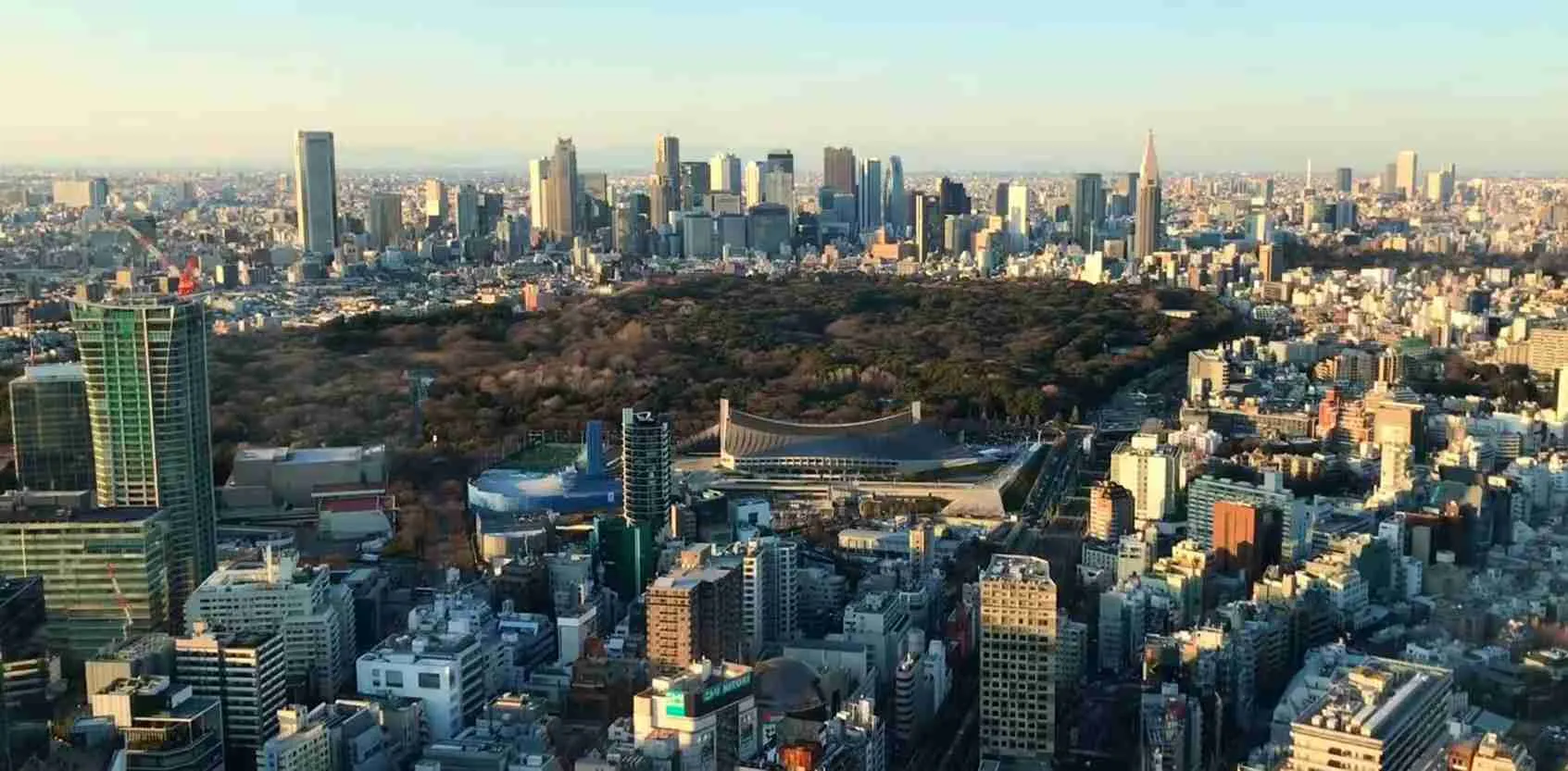
Japan Budget Itinerary 2026: 10 Days Under $100/Day Complete Planning Guide
Traveling Japan on $100 daily proves not only possible but remarkably comfortable in 2026, combining hostel accommodation, convenience store meals, strategic regional rail passes, and emphasis on free temples and shrines to create authentic Japanese experiences without budget strain. This budget-conscious approach eliminates expensive national JR Pass costs and hotel premiums while maintaining access to Tokyo’s urban energy, Kyoto’s cultural treasures, and Osaka’s culinary scene through intelligent routing and accommodation choices that sacrifice luxury but never safety, cleanliness, or experience quality.
Key Takeaways for Budget Japan Travel 2026
- Daily Budget Reality Check: $100 daily (¥15,000) covers hostel dormitory ¥3,500-5,000, three convenience store/budget restaurant meals ¥3,000-4,500, local transport ¥2,000-3,000, attraction admissions ¥1,000-2,000, leaving ¥1,000-2,500 buffer for unexpected expenses—achievable through disciplined spending without constant deprivation.
- Accommodation Strategy 2026: Hostel dormitories (¥3,000-5,000 nightly) in Tokyo, Kyoto, and Osaka deliver clean, safe beds with lockers, WiFi, and social atmosphere, while capsule hotels (¥3,000-4,500) provide private pod sleeping for solo travelers prioritizing personal space over hostel dorms.
- Transport Cost Revolution: Skip the expensive ¥50,000 national JR Pass—Hokuriku Arch Pass (¥24,500) connects Tokyo-Kyoto via Kanazawa with shinkansen access, individual shinkansen tickets for Tokyo-Kyoto cost ¥13,320, and Suica IC cards handle daily local transport at ¥500-800 versus pass costs.
- Food Budget Mastery: Convenience store meals (¥500-900 per meal) provide legitimate Japanese food quality for breakfast/dinner, gyudon beef bowl chains (¥400-600) deliver filling lunches, and supermarket evening discounts (30-50% off after 7 PM) stretch food budgets further without compromising nutrition.
- Free Attraction Emphasis: 70% of memorable Japan experiences cost nothing—Fushimi Inari shrine, Meiji Shrine, Tokyo Imperial Palace gardens, Senso-ji Temple, Osaka Castle park grounds, Arashiyama bamboo grove exterior, and neighborhood wandering through Gion, Harajuku, and Dotonbori provide cultural immersion without admission fees.
- 10-Day Total Budget: Complete 10-day trip costs $900-1,050 (¥135,000-157,500) covering all accommodation, food, transport, and attractions, plus $700-1,200 international flights, making $1,600-2,250 total realistic budget for comprehensive Japan experience including Tokyo, Kyoto, Osaka, Nara, and Kanazawa.
People Also Ask About Budget Japan Travel 2026
Is $100 Per Day Realistically Enough for Japan in 2026?
$100 daily (approximately ¥15,000 at 2026 exchange rates) provides comfortable budget travel covering hostel accommodation ¥3,500-5,000, three meals ¥3,000-4,500, local transport ¥2,000-3,000, attraction admissions ¥1,000-2,000, and ¥1,000-2,500 buffer. This budget requires disciplined choices—hostel dorms over hotels, convenience stores over restaurants, free shrines over paid museums, and regional trains over taxis—but eliminates constant penny-pinching anxiety through realistic daily allowances. Budget travelers consistently report ¥12,000-18,000 daily spending when tracking expenses, making ¥15,000 achievable through strategic planning. The calculation breaks down: accommodation represents 23-33% of budget (¥3,500-5,000), food 20-30% (¥3,000-4,500), transport 13-20% (¥2,000-3,000), attractions 7-13% (¥1,000-2,000), with remaining 7-27% buffer preventing budget failure from unexpected costs like luggage forwarding or emergency restaurant meals.
Should Budget Travelers Skip the JR Pass in 2026?
Budget travelers visiting Tokyo, Kyoto, and Osaka should absolutely skip the ¥50,000 7-day national JR Pass—the math fails for cost-conscious itineraries focused on 2-3 cities. Tokyo-Kyoto round-trip shinkansen costs ¥26,640, and Kyoto-Osaka local trains cost ¥560, totaling ¥27,200 for primary long-distance travel versus ¥50,000 pass price, wasting ¥22,800. Regional alternatives deliver better value: Hokuriku Arch Pass (¥24,500 for 7 days) connects Tokyo-Kyoto via Kanazawa with shinkansen access, Kansai Area Pass (¥2,800 for 1-day, ¥4,600 for 2-day, ¥5,600 for 3-day) covers Osaka-Kyoto-Nara local trains, and Suica IC cards handle daily Tokyo/Osaka metro at ¥500-800 without advance planning. Budget strategy combines individual shinkansen tickets for Tokyo-Kyoto (¥13,320 purchased at stations), Kansai Area Pass for temple exploration, and IC cards for daily commutes, saving ¥20,000-25,000 versus automatic JR Pass purchase.
Where Should Budget Travelers Stay in Tokyo and Kyoto for 2026?
Tokyo budget accommodation concentrates in Asakusa (traditional atmosphere, ¥3,000-4,500 hostel dorms, excellent access to Senso-ji and Ueno), Ueno (central location, ¥3,500-5,000 dorms, multiple train lines), and Ikebukuro (slightly cheaper than Shinjuku, ¥3,200-4,800 dorms, good transport hub). Avoid Shibuya/Shinjuku premium locations where hostels charge ¥4,500-6,000 for equivalent dorms. Kyoto budget stays favor Kyoto Station area (¥3,500-5,000 dorms, maximum transport convenience, numerous budget options), Gion vicinity (¥4,000-5,500 dorms, traditional atmosphere with 15-20% premium over station area), and Fushimi-Inari southern district (¥3,000-4,500 dorms, quieter location near major shrine). Book 2-3 months ahead for cherry blossom/autumn seasons when budget beds sell out first—hostels like K’s House chain, Len Hostel, and locally-run guesthouses maintain consistent quality across cities with English-speaking staff and clean facilities meeting international backpacker standards.
Can You Eat Well in Japan on a Tight Food Budget in 2026?
Japanese convenience stores revolutionize budget eating—7-Eleven, FamilyMart, and Lawson provide legitimate meals at ¥500-900 covering breakfast bento boxes (¥450-650), lunch onigiri combinations (¥400-600 for 2-3 pieces plus salad), and dinner options (¥600-900 for curry, pasta, or yakisoba). Food quality exceeds Western convenience store expectations with fresh preparation, clear nutritional labeling, and variety preventing meal fatigue. Budget food strategy allocates breakfast ¥500-700 (convenience store or hostel if included), lunch ¥800-1,200 (gyudon chains like Yoshinoya/Sukiya at ¥400-600, ramen shops ¥800-1,000, or convenience store upgrade), and dinner ¥1,200-2,000 (mix of convenience store economy nights and occasional restaurant splurges like conveyor belt sushi ¥1,500-2,500 or izakaya ¥2,000-3,000). Supermarket evening discounts (typically 30-50% off prepared foods after 7 PM) provide premium bento boxes at convenience store prices—seek supermarkets near accommodations for 8 PM shopping securing ¥800-1,200 prepared meals at ¥400-600 discounted prices. Budget travelers report ¥3,000-4,500 daily food spending maintaining energy and enjoying Japanese cuisine diversity without restaurant dependence.
Extended multi-day tours – 5+ days
Featured Japan Multi-Day Tour Packages
3 days
Japan 3-Day Discovery Tour
- ✓ Comprehensive Japan experience
- ✓ Expert local guides included
- ✓ All accommodation included
- ✓ Transportation provided
5 days
Japan 5-Day Highlights Experience
- ✓ Comprehensive Japan experience
- ✓ Expert local guides included
- ✓ All accommodation included
- ✓ Transportation provided
7 days
Japan 7-Day Cultural Journey
- ✓ Comprehensive Japan experience
- ✓ Expert local guides included
- ✓ All accommodation included
- ✓ Transportation provided
10 days
Japan 10-Day Complete Adventure
- ✓ Comprehensive Japan experience
- ✓ Expert local guides included
- ✓ All accommodation included
- ✓ Transportation provided
Multi-day tour packages powered by TourRadar. Prices and availability subject to change.
Introduction: Mastering Budget Japan Travel in 2026
Japan’s reputation as expensive destination persists despite economic reality proving otherwise—budget travelers consistently experience high-quality accommodation, excellent food, safe environments, and comprehensive cultural immersion at $100 daily when employing strategic planning replacing assumptions with informed choices. The $100 threshold (¥15,000 at 2026 rates) represents genuine budget travel requiring discipline but not deprivation, combining hostel dormitories, convenience store meals, free shrine exploration, and regional rail passes to access Japan’s essential experiences from Tokyo’s ultramodern districts to Kyoto’s ancient temples without the ¥25,000-35,000 daily costs casual travelers incur through hotel stays, restaurant meals, and expensive national JR Pass purchases.
Budget travel’s fundamental shift from 2023 involves the national JR Pass price increase—the ¥50,000 7-day pass that formerly justified itself through convenience now fails mathematical scrutiny for focused Tokyo-Kyoto-Osaka itineraries. This single change transforms budget planning from “automatically buy JR Pass” to “calculate specific routes and use regional alternatives,” with Hokuriku Arch Pass (¥24,500), individual shinkansen tickets (¥13,320 Tokyo-Kyoto), and Suica IC cards (¥500-800 daily local transport) delivering equivalent transportation at ¥20,000-25,000 savings. Understanding regional pass alternatives versus national pass represents the primary budget travel skill distinguishing informed budget tourists from those overpaying through outdated advice.
Accommodation represents the second major budget component demanding strategic approach. Hostel dormitories in Japan maintain exceptional cleanliness and safety standards compared to Southeast Asian counterparts—¥3,500-5,000 nightly secures clean bed, secure locker, WiFi, shared kitchen access, and social common areas in well-reviewed establishments across Tokyo, Kyoto, and Osaka. Capsule hotels (¥3,000-4,500) provide private sleeping pods for solo travelers uncomfortable with dormitory sharing, though slightly higher costs pressure overall budget flexibility. The accommodation strategy prioritizes location over luxury—staying near JR stations in slightly less central neighborhoods (Asakusa over Shibuya in Tokyo, Kyoto Station area over Gion in Kyoto) saves ¥1,000-2,000 nightly while maintaining 20-30 minute access to major attractions via excellent public transport.
Food budget management leverages Japan’s unique convenience store culture delivering legitimate meal quality at ¥500-900 per meal. Western travelers often resist convenience store dining assuming low quality, but 7-Eleven/FamilyMart/Lawson offer fresh bento boxes, onigiri rice balls, sandwiches, salads, and hot foods prepared daily with clear ingredient labeling and variety preventing monotony. Strategic food budgeting combines convenience store breakfast/dinner (¥1,200-1,800 daily) with one restaurant lunch (¥800-1,500 at gyudon chains, ramen shops, or curry restaurants), maintaining ¥3,000-4,500 daily food costs while experiencing Japanese cuisine beyond convenience stores. Supermarket evening discounts provide premium prepared foods at 30-50% reductions after 7 PM—budget travelers near supermarkets secure ¥800-1,200 restaurant-quality meals at ¥400-600 costs through 8 PM shopping.
This 10-day itinerary structures budget travel around three bases (Tokyo 4 days, Kyoto 4 days, Osaka 2 days) eliminating expensive daily hotel changes while accessing regional highlights through day trips (Kamakura from Tokyo, Nara from Kyoto/Osaka). The routing prioritizes free attractions—Fushimi Inari shrine, Meiji Shrine, Senso-ji Temple, Osaka Castle park grounds, and neighborhood exploration through Harajuku, Gion, and Dotonbori—supplemented by strategic paid admissions (¥400-600 typical temple fees) when interior access justifies costs. Daily schedules balance intensive morning/afternoon sightseeing with evening hostel relaxation preventing the exhaustion common in budget travelers attempting 6 AM-11 PM daily itineraries maximizing every yen’s value at expense of energy and enjoyment.
Complete Budget Breakdown 2026: $100 Daily Allocation
The $100 daily budget (¥15,000) distributes across five primary categories with specific allocation percentages ensuring balanced spending preventing budget failure from single category overspending. This breakdown assumes 10-day trip with two weeks advance booking securing lowest hostel rates and strategic transport planning minimizing taxi usage.
Accommodation costs ¥3,500-5,000 nightly (23-33% of daily budget) covering hostel dormitory beds in well-reviewed establishments. Tokyo hostels charge ¥4,000-5,000 in central areas (Asakusa, Ueno) dropping to ¥3,500-4,500 in slightly peripheral locations (Ikebukuro, Kita-Senju). Kyoto hostels average ¥3,500-4,800 with Kyoto Station area offering best value and Gion commanding ¥4,500-5,500 premiums. Osaka provides cheapest accommodation at ¥3,000-4,500 for equivalent quality given city’s less intense tourist pressure. Budget target allocates ¥4,000 average accommodation across 10 days (¥40,000 total), achieved through mixing cheaper Osaka nights (¥3,000-3,500) with slightly expensive Tokyo nights (¥4,500-5,000).
Food expenses target ¥3,000-4,500 daily (20-30% of budget) through convenience store dependency supplemented by budget restaurant lunches. Daily food breakdown: breakfast ¥500-700 (convenience store bento or hostel free breakfast if available), lunch ¥800-1,500 (gyudon ¥400-600, ramen ¥900-1,200, convenience store upgrade ¥600-800), dinner ¥1,200-2,500 (convenience store economy ¥700-1,000, occasional restaurant splurge ¥2,000-3,000), snacks/drinks ¥500-800. Budget meals average ¥3,500 daily achieving through 60% convenience store meals (6 of 10 daily meals) and 40% budget restaurants, with one “splurge” meal every 2-3 days (conveyor belt sushi ¥2,000-2,500, izakaya ¥2,500-3,500) preventing food monotony.
Transportation costs ¥2,000-3,000 daily (13-20% of budget) covering local metro/train rides, strategic long-distance tickets, and minimal taxi usage. Long-distance transport (Tokyo-Kyoto) amortizes across trip: individual shinkansen ticket ¥13,320 spreads to ¥1,332 daily impact over 10 days, or Hokuriku Arch Pass ¥24,500 (if visiting Kanazawa) spreads to ¥2,450 daily. Local transport averages ¥500-800 daily in each city through Suica IC card use on subways and JR lines—Tokyo ¥600-900, Kyoto ¥400-700 (buses cheaper than Tokyo metro), Osaka ¥500-800. Budget allocates ¥2,500 average transport daily (¥25,000 total) covering one-way Tokyo-Kyoto shinkansen (¥13,320), Kyoto-Osaka trains (¥560), Kansai Area Pass for temple access (¥2,800-5,600 depending on days), and daily local transport (¥5,000-7,000 across 10 days).
Attraction admissions total ¥1,000-2,000 daily (7-13% of budget) emphasizing free shrines/temples supplemented by selective paid entries. Major free attractions include Fushimi Inari shrine, Meiji Shrine, Senso-ji Temple (outer grounds), Tokyo Imperial Palace East Gardens, Osaka Castle park (exterior grounds), Yasaka Shrine, and neighborhood exploration. Paid admissions average ¥400-600 per temple (Kiyomizu-dera ¥400, Kinkaku-ji ¥500, Todai-ji ¥600) with strategic 2-3 paid entries daily (¥800-1,800) when interior access or gardens justify costs. Budget allocates ¥1,500 average attractions daily (¥15,000 total) covering 20-25 temple/museum entries across 10 days while maintaining majority time in free locations.
Buffer allocation ¥1,000-2,500 daily (7-17% of budget) covers unexpected expenses preventing budget failure from forgotten costs. Common buffer expenses include luggage forwarding (¥2,000-3,000 one-time), emergency restaurant meals when exhausted (¥2,000-3,000), coin laundry (¥400-600 per load, typically twice in 10 days), convenience store snacks beyond meals (¥300-500 daily for drinks/treats), and contingency transport (¥1,000-2,000 for occasional taxi when lost or carrying shopping). Budget travelers report actual buffer usage ¥8,000-15,000 across 10-day trips, validating ¥1,000-2,500 daily allocation as realistic rather than excessive padding.
Regional Pass Strategy Versus National JR Pass 2026
Why Budget Travelers Should Skip the ¥50,000 JR Pass
The national 7-day JR Pass costs ¥50,000 in 2026 following October 2023’s 70% price increase, fundamentally altering value calculations for budget-conscious travelers. Classic Tokyo-Kyoto-Osaka itinerary analysis reveals pass economics: Tokyo-Kyoto shinkansen ¥13,320 one-way (¥26,640 round trip), Kyoto-Osaka JR trains ¥560, Osaka-Nara JR trains ¥820, Tokyo JR Yamanote Line usage ¥800 daily x 3 days (¥2,400), Kyoto JR line usage ¥500 daily x 3 days (¥1,500). Total individual ticket cost reaches ¥31,360 versus ¥50,000 pass price—¥18,640 overpayment representing nearly two full days’ budget (¥18,640 ÷ ¥15,000 = 1.24 days). The pass formerly justified itself through convenience despite marginal savings, but ¥18,640-20,000 overpayment eliminates justification for budget travelers prioritizing cost minimization over convenience.
Alternative regional pass strategies deliver equivalent transport access at ¥20,000-25,000 savings. Budget travelers split transport into three categories: long-distance shinkansen (Tokyo-Kyoto segment), regional temple exploration (Kyoto-Nara-Osaka area), and daily metro commuting (within each city). Long-distance shinkansen requires one-time ¥13,320 ticket purchase at JR stations or online through SmartEX system—no reservation fees, no English language barriers (ticket machines offer English), straightforward process taking 5-10 minutes. Regional temple exploration uses Kansai Area Pass (¥2,800 1-day, ¥4,600 2-day, ¥5,600 3-day) covering JR trains between Kyoto-Osaka-Nara-Kobe with unlimited daily rides—three-day pass (¥5,600) handles all temple day trips and inter-city transport. Daily metro commuting uses Suica/Pasmo IC cards loaded with ¥2,000-3,000 covering 3-4 days local transport through tap-and-go convenience matching JR Pass ease without advance planning.
Hokuriku Arch Pass: Budget Alternative Connecting Tokyo-Kyoto 2026
The Hokuriku Arch Pass costs ¥24,500 for 7 consecutive days, providing shinkansen access connecting Tokyo-Kyoto via northern Hokuriku route through Nagano and Kanazawa. This pass covers Hokuriku Shinkansen (Tokyo-Kanazawa segment), Limited Express trains (Kanazawa-Kyoto segment via Thunderbird), JR local lines in Tokyo and Kyoto/Osaka areas, and Narita Express airport transfer. The routing adds 1-2 hours versus direct Tokaido Shinkansen (Tokyo-Kyoto via Nagoya) but creates opportunity for Kanazawa stopover—a stunning castle town with Kenroku-en garden, preserved geisha districts, and seafood markets justifying 1-2 night stay breaking Tokyo-Kyoto transit.
Budget travelers using Hokuriku Arch Pass save ¥25,500 versus national JR Pass (¥50,000 – ¥24,500) while maintaining shinkansen access and flexibility. Ten-day itinerary structure suits this pass: Tokyo days 1-4 (arrival, sightseeing, Kamakura day trip), Kanazawa days 5-6 (overnight stop exploring castle town), Kyoto days 7-9 (temple exploration), Osaka day 10 (departure via Kansai Airport). Pass activation day 1 covers full journey Tokyo→Kanazawa→Kyoto plus daily local JR lines across 7 days. Post-pass expiration (days 8-10) requires only Kyoto-Osaka local trains (¥560, covered by Suica IC card) and minimal local transport. Total transport cost becomes Hokuriku Arch Pass ¥24,500 plus ¥2,000-3,000 local transport days 8-10, totaling ¥26,500-27,500 versus ¥50,000 national pass—¥22,500-23,500 savings funding 1.5-1.6 days’ complete budget.
Kansai-Focused Travel: When Regional Passes Beat Everything 2026
Travelers prioritizing Kyoto-Osaka-Nara-Kobe should skip both national JR Pass and Hokuriku Arch Pass, instead combining individual Tokyo-Kyoto shinkansen ticket with Kansai Area Pass for regional exploration. This strategy suits 10-day itineraries spending 4-5 days in Tokyo (including day trips) and 5-6 days in Kansai region without Hokuriku/northern Japan interest. Transport costs break down: one-way Tokyo-Kyoto shinkansen ¥13,320, Kansai Area Pass 4-day ¥6,800 (covering all Kyoto-Osaka-Nara trains), Suica IC card ¥5,000-6,000 (Tokyo local transport 4 days plus Osaka local transport 1-2 days). Total transport costs ¥25,120-26,120, saving ¥23,880-24,880 versus ¥50,000 national JR Pass.
Kansai Area Pass tiers provide budget flexibility: 1-day ¥2,800 covers single intensive temple day-trip, 2-day ¥4,600 handles Nara day-trip plus Osaka exploration, 3-day ¥5,600 adds Kobe or Himeji Castle excursion, 4-day ¥6,800 maximizes regional exploration. Budget travelers calculate needed days based on specific itinerary—minimum 2-day pass (¥4,600) for Kyoto-Nara-Osaka basics, recommended 3-day pass (¥5,600) for comfortable regional coverage including one optional day-trip (Himeji Castle, Koyasan, Kobe). The pass covers JR Haruka express from Kansai Airport to Kyoto (¥2,850 value), immediately justifying 2-day pass costs (¥4,600) through airport transfer plus regional trains—smart budget strategy activates pass upon Kansai Airport arrival rather than wasting day in Tokyo-Kyoto transit when no JR travel occurs.
Day 1-2 Tokyo Arrival and Eastern Districts Budget Exploration 2026
International flights arrive Narita Airport (budget airlines like Jetstar, Peach, Scoot) or Haneda Airport (fuller-service carriers). Budget travelers reaching Tokyo Station from Narita face two transport options: Narita Express (N’EX) ¥3,000-3,300 (70 minutes direct, covered by some regional passes, comfortable reserved seating) or Keisei Skyliner ¥2,520 (36 minutes to Nippori then subway transfer, slightly cheaper, frequent departures). Haneda arrival uses Tokyo Monorail or Keikyu Line reaching central Tokyo in 20-30 minutes for ¥500-700—significantly faster/cheaper than Narita justifying possible higher flight costs when comparing total transport expenses.
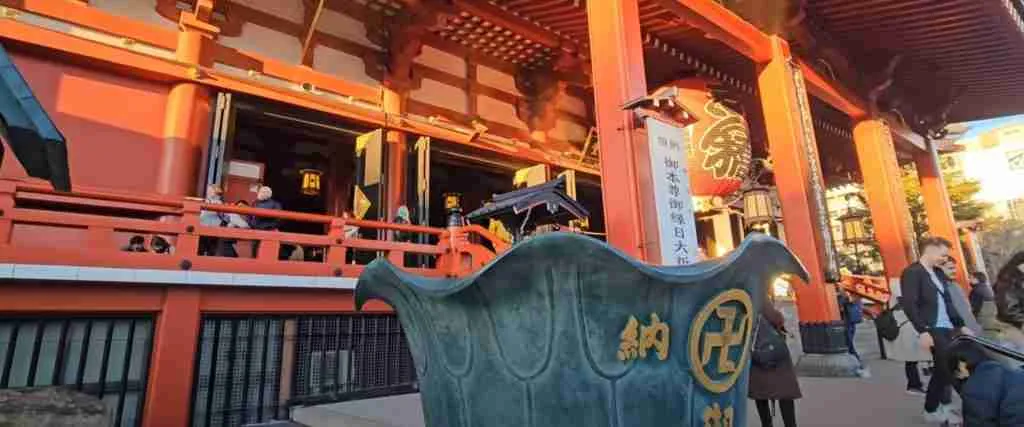
Check into Asakusa or Ueno hostel (¥3,500-5,000 dormitory, book 6-8 weeks ahead securing lowest rates) dropping luggage then beginning afternoon exploration. Asakusa offers Tokyo’s most atmospheric first-day introduction—Senso-ji Temple provides free admission to Tokyo’s oldest temple founded 645 CE, Nakamise shopping street offers traditional snacks (¥300-500 budget), and surrounding streets deliver traditional architecture photogenic for initial Japan impressions. Budget time allocation: 2-3 hours Senso-ji complex including Nakamise browsing without purchase pressure, 1-2 hours wandering Asakusa backstreets photographing traditional shops and houses, return to hostel by 5-6 PM preventing jetlag exhaustion.
Dinner strategy emphasizes accessible locations near hostel—convenience store complete meal (bento ¥600-800, onigiri x2 ¥300, salad ¥350, drink ¥150, total ¥1,400-1,600) provides first Japan convenience store experience validating food quality, or budget ramen shop (¥800-1,000 within 5-minute walk from any Tokyo hostel) offers first sit-down restaurant experience without language barriers (ticket vending machine ordering, picture menus). Evening exploration around hostel neighborhood familiarizes local area—convenience stores for next-morning breakfast shopping, coin laundry location noting for future use, ATM access confirming foreign card compatibility. Day one prioritizes gentle activity managing jetlag over intensive sightseeing.
Day two explores Tokyo’s western districts through JR Yamanote Line (covered by Suica IC card, ¥150-200 per ride). Route begins Shibuya Crossing (10 AM arrival avoiding afternoon crowds)—cross the scramble intersection once for experience, view from Starbucks second floor (¥500 purchase minimum, worth the vantage point), photograph Hachiko dog statue outside station. Proceed Harajuku Station (¥140 from Shibuya via JR Yamanote Line)—Takeshita Street’s pedestrian lane concentrates youth culture and crepe stands (¥500-700 if purchasing, browsing free), Meiji Shrine (15-minute walk from Takeshita Street through forested entrance) offers Tokyo’s most important Shinto shrine with free admission and peaceful grounds providing respite from Harajuku chaos.
Afternoon continues Shinjuku area (¥160 from Harajuku via JR Yamanote Line)—Tokyo Metropolitan Government Building twin towers provide free observation decks 45th floor (202-meter height, closed certain holidays, superior value to paid Tokyo Tower/Skytree observation decks charging ¥1,000-3,000). Budget lunch strategy targets convenience store or gyudon chain (Yoshinoya, Sukiya near any major station, ¥450-550 beef bowl filling meal). Shinjuku Gyoen National Garden (¥500 admission) warrants entry during cherry blossom season (late March-early April) or autumn foliage (mid-late November), skippable plain green summer months when free parks deliver equivalent relaxation. Evening return to Asakusa hostel, convenience store dinner (¥800-1,200), early rest preparing day three intensive exploration.
Day one-two total costs: Narita Express/Skyliner ¥2,520-3,300, hostel x2 nights ¥7,000-10,000, meals ¥6,000-8,000 (day 1 dinner ¥1,500-2,000, day 2 breakfast ¥500-700, lunch ¥800-1,200, dinner ¥1,200-1,800, snacks ¥1,000-1,300), transport ¥800-1,200 (Yamanote Line rides, Suica card initial load ¥2,000 covers 3-4 days), possible Shinjuku Gyoen ¥500. Total days 1-2: ¥17,820-24,200 ($120-162), averaging ¥8,910-12,100 daily—slightly over $100 target due to arrival transport amortizing across trip.
Day 3-4 Tokyo Western Areas and Day Trip Options 2026
Day three offers two primary options based on weather and personal interest: Kamakura coastal day trip or Tokyo neighborhood deep-dive. Kamakura provides budget-friendly excursion 50 kilometers south (¥940 round trip from Tokyo Station via JR Yokosuka Line, 60 minutes each way, Suica IC card compatible) featuring Great Buddha bronze statue (Kotoku-in Temple ¥300), Hasedera Temple (¥400), Tsurugaoka Hachimangu Shrine (free), and beach walking (free). Complete Kamakura costs including transport and admissions total ¥2,340-2,740 plus lunch ¥800-1,500 (Komachi-dori shopping street restaurants), making ¥3,140-4,240 day trip budget. Kamakura suits spring (cherry blossoms), autumn (foliage), and summer (beach access) but feels redundant before Kyoto’s superior temple experiences—skip if prioritizing budget over variety.
Alternative Tokyo neighborhood exploration eliminates transport costs while deepening city understanding. Morning visits Ueno Park (free admission)—Tokyo National Museum (¥1,000 admission, skip if uninterested in Japanese art), Ueno Zoo (¥600, skip unless animal enthusiast), or simply park wandering including Shinobazu Pond and temple visits (free). Ameyoko Market adjacent Ueno Station provides vibrant shopping street (free browsing, ¥300-800 street food if purchasing). Afternoon explores Akihabara electronics and anime district (15-minute walk from Ueno or ¥160 JR Yamanote Line)—free browsing arcade game centers, multi-story electronics shops (Yodobashi Camera), and anime stores without purchase pressure. This zero-transport, minimal-admission day costs ¥2,500-3,500 (accommodation ¥4,000-5,000, meals ¥3,000-4,000, optional museum ¥600-1,000), perfectly hitting $100 target.
Day four prepares Tokyo departure and potential Kyoto transit. Morning completes any missed Tokyo attractions or shopping—Daiso 100-yen stores (equivalent to dollar stores, useful for travel supplies and cheap souvenirs), Don Quijote discount stores (beauty products, snacks, character goods), or department store basement food halls (depachika, premium prepared foods excellent for train snacks). Afternoon departure depends on transport strategy: travelers using Hokuriku Arch Pass should consider afternoon/evening train to Kanazawa (discussed next section), while those purchasing individual Tokyo-Kyoto shinkansen ticket can delay departure to day five morning maximizing Tokyo hostel value.
Budget luggage strategy employs forwarding service (takkyubin) sending main bags from Tokyo hostel to Kyoto hostel (¥2,000-3,000, next-day delivery, arranged at hostel reception or convenience store). This eliminates carrying full luggage on trains and allows comfortable sightseeing day four with only day pack. Pack overnight essentials in small bag (one change clothes, toiletries, electronics) carrying to Kanazawa or on shinkansen day five, with main luggage meeting you at Kyoto hostel. Forwarding service represents single largest “buffer budget” expense (¥2,000-3,000) but dramatically improves travel comfort—worth every yen for multi-city itineraries.
Day three-four total costs: Hostel x2 nights ¥7,000-10,000, meals ¥6,000-8,500 (convenience store emphasis, one restaurant meal daily), transport ¥1,000-2,500 (Kamakura day trip ¥940 round trip if choosing that option, otherwise minimal ¥500-800 local transport), attractions ¥600-2,000 (Kamakura temples ¥700 if visiting, Tokyo museums ¥600-1,000 if visiting), luggage forwarding ¥2,000-3,000. Total days 3-4: ¥16,600-26,000 ($111-174), averaging ¥8,300-13,000 daily—budget conscious skip Kamakura maintaining ¥9,000-11,000 daily, those prioritizing experience variety accept ¥12,000-13,000 daily absorbing luggage forwarding costs.
Day 5-6 Kanazawa Optional Stop or Direct Kyoto Transfer 2026
Option A: Kanazawa Two-Day Stop (Hokuriku Arch Pass Strategy)
Travelers using Hokuriku Arch Pass (¥24,500) should incorporate 1-2 night Kanazawa stop breaking Tokyo-Kyoto transit while experiencing Japan’s premier castle town. Morning shinkansen departure Tokyo Station to Kanazawa (2.5 hours Hokuriku Shinkansen, covered by pass, frequent hourly departures) reaches Kanazawa by midday. Check into Kanazawa hostel (¥3,000-4,500, cheaper than Tokyo due to less tourism pressure despite high-quality accommodation)—Pongyi Hostel, Good Neighbors Hostel, and Khaosan Kanazawa offer well-reviewed budget options with English-speaking staff and central locations.
Afternoon explores Kanazawa’s castle district—Kanazawa Castle Park (free admission to grounds, ¥320 for interior buildings if interested), Kenroku-en Garden (¥320, considered one of Japan’s three most beautiful landscape gardens, worthwhile admission especially spring cherry blossoms or autumn foliage), and Higashi Chaya geisha district (free, preserved wooden teahouses offering photo-worthy traditional streets with occasional geisha sightings evening hours). Budget lunch before sightseeing targets train station area restaurants (¥800-1,200) or convenience store bento eaten in castle park. Free water fountains at Kanazawa Station and major tourist sites allow refilling water bottles eliminating beverage purchases.
Day six morning visits Omicho Market (free entry, 5-minute walk from Kanazawa Station)—this 280-year-old market concentrates fresh seafood vendors, produce stalls, and prepared food shops. Budget breakfast strategy purchases fresh fruit (¥200-400) and onigiri (¥150-250) from market vendors creating picnic-style meal at castle park or hostel. Morning activities continue exploring samurai district Nagamachi (free, preserved samurai residences exterior viewing, ¥550 for interior museum access), or 21st Century Museum of Contemporary Art (¥450 general admission, free public spaces including famous Swimming Pool installation viewable from above).
Afternoon train to Kyoto uses Limited Express Thunderbird (2.5 hours Kanazawa to Kyoto, covered by Hokuriku Arch Pass) departing 2-3 PM arriving Kyoto 5-6 PM. Check into Kyoto hostel (¥3,500-5,000, book 6-8 weeks ahead especially cherry blossom/autumn seasons when budget beds disappear first). Evening explores Kyoto Station area or Gion district (15-minute walk from Kyoto Station)—no intensive sightseeing, just neighborhood familiarization and dinner (convenience store ¥800-1,200 or budget ramen ¥900-1,200). Forwarded luggage from Tokyo arrives Kyoto hostel this evening or next morning depending on forwarding timing day four.
Kanazawa days 5-6 total costs: Hostel Kanazawa ¥3,000-4,500, hostel Kyoto ¥3,500-5,000, meals ¥6,000-8,000 (Kanazawa breakfast/lunch/dinner day 5, Kyoto dinner day 6, heavy convenience store emphasis), attractions ¥640-1,090 (Kenroku-en ¥320, castle interior ¥320, museum ¥450 if all three visited—budget travelers skip castle interior and museum keeping costs ¥320-640). Total days 5-6: ¥13,140-18,590 ($88-124), averaging ¥6,570-9,295 daily—within budget especially when remembering Hokuriku Arch Pass (¥24,500) spreads across 7 days (¥3,500 daily transport allocation) justifying total transport+accommodation+food+attractions spending ¥10,070-12,795 daily.
Option B: Direct Tokyo-Kyoto Transfer (Individual Shinkansen Ticket Strategy)
Budget travelers skipping Kanazawa and purchasing individual Tokyo-Kyoto shinkansen ticket maximize accommodation value staying Tokyo hostel through morning day five. Sleep late (9-10 AM wakeup), convenience store breakfast (¥500-700), then hostel checkout by 11 AM heading Tokyo Station. Purchase shinkansen ticket at JR ticket office or ticket machines (English available, credit cards accepted, no reservation fees, 5-10 minute process)—Hikari or Kodama trains (not fastest Nozomi which costs same ¥13,320 but saves only 15-20 minutes versus Hikari’s 2.5 hours versus Nozomi’s 2 hours 15 minutes). Noon-1 PM departure reaches Kyoto 2:30-3:30 PM.
Kyoto hostel check-in (¥3,500-5,000 dormitory) followed by late afternoon neighborhood exploration—walk to Gion district (20 minutes from Kyoto Station on foot, free, traditional machiya wooden architecture and possible evening geisha sightings 6-8 PM), or bus to Fushimi Inari shrine (¥230 bus from Kyoto Station or ¥150 train, free admission, famous 1,000+ orange torii gates photographable until dark). Dinner near hostel (convenience store ¥900-1,200 or budget gyudon/ramen ¥600-1,000). Day five represents pure transit day with minimal attractions—acceptable budget strategy prioritizing next-day energy over cramming sightseeing into travel day.
Day six begins full Kyoto exploration (described next section). Direct transfer strategy eliminates Kanazawa overnight costs (¥3,000-4,500 saved accommodation, ¥640-1,090 saved Kanazawa attractions) but loses Hokuriku Arch Pass’s integrated transport value (Hokuriku Arch Pass ¥24,500 covers both Tokyo-Kanazawa and Kanazawa-Kyoto shinkansen plus 7 days local transport; individual Tokyo-Kyoto ticket ¥13,320 plus ¥5,000-7,000 local transport across 10 days totals ¥18,320-20,320, only ¥4,180-6,180 cheaper than Hokuriku Arch Pass despite skipping Kanazawa entirely). Budget calculation strongly favors Hokuriku Arch Pass when comparing actual transport costs versus individual tickets, making Kanazawa inclusion nearly “free” from transport perspective.
Direct transfer day five total costs: Hostel Tokyo ¥4,000-5,000, hostel Kyoto ¥3,500-5,000, meals ¥3,000-4,500 (convenience store breakfast/lunch, budget dinner), shinkansen ¥13,320 (one-time cost amortizes to ¥1,332 daily), local transport ¥500-800. Total day 5: ¥24,320-28,620 ($163-191)—this single-day spike reflects shinkansen costs but daily average across 10 days remains ¥9,100-10,500 when proper amortization applied.
Day 7-8 Kyoto Temple Circuit and Free Shrine Exploration 2026
Kyoto exploration prioritizes free shrines and strategic paid temple admissions, leveraging the city’s 1,600 Buddhist temples and 400 Shinto shrines with substantial number offering free grounds access. Day seven targets eastern Kyoto’s temple concentration accessible via Kyoto City Bus (¥230 per ride or ¥700 day pass—calculate needed rides determining pass value, typically 4+ rides justifies ¥700 pass purchase). Morning 8 AM departure reaches Fushimi Inari Shrine (30 minutes south of Kyoto Station via JR Nara Line ¥150 or bus ¥230)—Japan’s most photographed shrine featuring thousands of orange torii gates creating tunnel effect up mountainside, completely free admission, 2-3 hour hiking circuit through gates (shorter 30-45 minute lower circuit sufficient for budget travelers prioritizing additional attractions over complete hike).
Route continues Kiyomizu-dera Temple (¥400 admission, wooden stage extending 13 meters from hillside offering panoramic city views, Kyoto’s most visited temple justifying admission)—approach through Ninenzaka and Sannenzaka preserved streets offering traditional architecture and craft shops (free browsing, ¥300-800 purchases if buying pottery or sweets). Budget lunch strategy uses convenience store bento purchased morning eaten at temple grounds or park benches (¥600-800), avoiding Ninenzaka restaurants charging ¥1,500-2,500 tourist premiums. Afternoon explores Yasaka Shrine (free, major Shinto shrine) and Maruyama Park (free, cherry blossom hotspot early April), then enters Gion geisha district for traditional street photography (free, optimal evening 6-8 PM for possible geisha sightings though not guaranteed).
Day eight covers northern and western Kyoto temples emphasizing free locations. Morning visits Kinkaku-ji Golden Pavilion (¥500 admission, gold-leaf covered pavilion reflecting in pond, iconic Kyoto image justifying cost) followed by Ryoan-ji Temple (¥500, famous Zen rock garden—skip if experiencing temple fatigue as 15 rocks in gravel pattern requires meditation interest appreciated). Alternative free northern temple Daitoku-ji (free grounds access, multiple subtemples charging ¥400-500 each for interior access—skip subtemple interiors keeping costs zero while photographing exterior architecture). Budget lunch continues convenience store dependency (¥700-1,000) eaten at temple grounds or parks.
Afternoon route proceeds Arashiyama bamboo grove (free, 500-meter path through towering bamboo creating otherworldly atmosphere—arrive 7-8 AM or 5-6 PM avoiding 10 AM-4 PM crowds transforming serene path into human traffic jam). Adjacent Tenryu-ji Temple (¥500 garden admission, ¥300 additional for temple buildings—budget travelers entering garden only keeping ¥500 cost, or skip entirely walking bamboo grove exterior paths accessing free views). Togetsukyo Bridge (free, landmark wooden bridge photo opportunity) and riverside walking (free) complete Arashiyama without additional costs. Return to Kyoto Station area hostel via JR Sagano Line (¥240, covered by Suica IC card if not using Kansai Area Pass which covers this route). Evening dinner explores Nishiki Market (15-minute walk from Kyoto Station, operates until 6 PM)—vendors offer sample tastings (free) and small plates (¥300-600 per item) creating market dinner alternative to restaurants.
Day seven-eight total costs: Hostel x2 nights ¥7,000-10,000, meals ¥6,000-8,500 (heavy convenience store dependency, possible Nishiki Market evening ¥1,500-2,500 instead of convenience store one night), transport ¥2,000-3,200 (option of ¥700 bus passes x2 days ¥1,400 if making 4+ bus rides daily, or individual ¥230 rides x 6-8 rides ¥1,380-1,840 if fewer attractions, plus JR Sagano Line ¥240), attractions ¥1,400-2,400 (Kiyomizu-dera ¥400, Kinkaku-ji ¥500, Ryoan-ji ¥500 all three totals ¥1,400, or skip Ryoan-ji keeping ¥900, optional Tenryu-ji ¥500 if visiting). Total days 7-8: ¥16,400-24,100 ($110-161), averaging ¥8,200-12,050 daily—budget conscious selecting free temples maintain ¥9,500-11,000 daily, splurgers visiting all paid temples accept ¥11,000-12,050 daily.
Day 9 Nara Day Trip Budget Strategy 2026
Nara provides essential day trip from Kyoto (45 minutes via JR Nara Line ¥720 one-way, ¥1,440 round trip, covered by Kansai Area Pass if activated for these days) combining UNESCO temples with 1,200 semi-wild deer roaming freely in 500-hectare Nara Park. Morning 8-9 AM departure Kyoto Station reaches Nara Station 9-10 AM, followed by 15-minute walk east to park entrance where deer immediately appear seeking shika senbei deer crackers (¥200 per pack, deer bow politely requesting food—budget ¥400-600 for 2-3 packs creating interactive photo opportunities). Deer crackers represent non-essential entertainment expense (deer approach regardless of food purchases) but ¥200-400 expense delivers unique Japan experience justifying budget allocation.
Todai-ji Temple houses Japan’s largest bronze Buddha statue (15 meters height) within world’s largest wooden building—admission ¥600 covers main hall and Great Buddha viewing, representing Nara’s primary paid attraction justifying cost through scale and historical significance (752 CE founding). Adjacent temple grounds provide free walking through forest paths with subsidiary temples and hundreds of deer—budget 2-3 hours Todai-ji complex including grounds exploration without additional admission fees. Kasuga Taisha Shrine (¥500 inner shrine admission, free outer areas with 3,000 hanging bronze lanterns creating tunnel effect) offers secondary attraction—budget travelers viewing free outer areas suffice without ¥500 interior admission as lanterns provide primary visual interest accessible without payment.
Lunch strategy emphasizes Nara’s affordable shopping streets (15-minute walk west toward station)—gyudon chains ¥450-600, ramen shops ¥850-1,100, convenience stores ¥600-800, or local specialty kakinoha-zushi persimmon leaf sushi (¥800-1,500) if interested in regional food experience. Afternoon return train to Kyoto departs 2-3 PM (collect luggage if forwarded, or visit missed Kyoto attractions), then evening train to Osaka (45 minutes Kyoto to Osaka via JR or Hankyu/Keihan private lines ¥560-640, covered by Kansai Area Pass if multi-day pass spans these dates). Check into Osaka hostel (¥3,000-4,500, cheapest of three cities due to less intense tourist demand despite excellent facilities).
Osaka evening explores Dotonbori entertainment district—neon-lit canal area concentrating restaurants, street food vendors, and shopping arcades. Iconic Glico running man sign and moving crab restaurant sign provide free photo opportunities. Budget dinner samples Osaka specialties: takoyaki octopus balls (¥500-700 for 6-8 pieces from street vendors), okonomiyaki savory pancake (¥800-1,500 at budget restaurants), or kushikatsu fried skewers (¥100-300 per skewer, budget ¥1,200-2,000 for filling meal). Alternatively, convenience store dinner (¥800-1,200) saves budget for next-day Osaka Castle or final splurge meal. Dotonbori peaks 6-9 PM when neon fully illuminates—budget 2-3 hours evening exploration including canal walking and shopping arcade browsing.
Day nine total costs: Hostel Kyoto ¥3,500-5,000, hostel Osaka ¥3,000-4,500, meals ¥3,500-5,500 (convenience store breakfast ¥500-700, Nara lunch ¥800-1,500, Osaka street food dinner ¥1,200-2,500, snacks ¥500-800), transport ¥2,000-2,640 (Nara round trip ¥1,440, Kyoto-Osaka ¥560, covered by Kansai Area Pass if activated for these days otherwise Suica IC card acceptable), attractions ¥800-1,700 (Todai-ji ¥600, deer crackers ¥200-400, possible Kasuga Taisha inner shrine ¥500 if visiting). Total day 9: ¥12,800-19,340 ($86-129), averaging ¥12,800-19,340 daily—slightly over budget if visiting all paid attractions and choosing restaurant meals, perfectly on budget emphasizing free deer park and convenience store meals.
Day 10 Osaka Final Day and Departure Strategy 2026
Final day structure depends on departure time—morning flights require 6-7 AM hostel departure (minimal sightseeing, convenience store breakfast ¥500-700, direct transport to Kansai Airport ¥1,600-1,900 via Nankai Railway or JR Haruka Express taking 45-60 minutes), while afternoon/evening flights allow morning Osaka exploration before airport transfer. Budget strategy prioritizes morning activity completing missed attractions over expensive final splurge meals—accommodation and transport represent fixed costs, reducing food spending final day saves budget for remaining expenses.
Osaka Castle represents the city’s primary attraction—extensive park grounds (free admission, impressive stone walls and moats photo-worthy), castle exterior (free viewing, 1931 concrete reconstruction lacks historical authenticity of original wooden structures), and interior museum (¥600 admission, provides historical context and observation deck city views). Budget travelers viewing free exterior grounds and park suffice without ¥600 interior admission—castle’s visual impact derives from exterior architecture photographed from park angles rather than interior museum displays. Morning 8-9 AM arrival (30 minutes from Namba/Dotonbori area hostels via subway ¥230, covered by Suica IC card) allows 2 hours exploration before airport departure requirements.
Alternative final morning visits Kuromon Market (free entry, 10-minute walk from Namba hostels)—this 190-year-old market concentrates seafood vendors, produce stalls, and prepared food shops offering breakfast/snack options (¥300-800 per item). Budget final meal strategy purchases fresh fruit (¥200-400), onigiri (¥150-250), or street food (¥400-700) creating filling breakfast at hostel before checkout. Final shopping opportunities include Don Quijote discount stores (beauty products, snacks, character goods popular as budget souvenirs ¥500-3,000), Daiso 100-yen stores (travel supplies and cheap gifts), or convenience stores stocking unique flavored Kit Kats (¥200-400 per package) and Japanese snacks unavailable internationally.
Kansai Airport transfer from Osaka city center uses Nankai Railway (¥930, 45 minutes from Namba Station to airport, frequent departures every 15-30 minutes, regular trains cheaper than limited express ¥1,450 which saves only 5-10 minutes) or JR Haruka Express (¥1,770, 50 minutes from Shin-Osaka Station, covered by some rail passes but expensive individual ticket unless pass already activated). Budget strategy uses Nankai Railway (¥930) from Namba—check hostel proximity to Namba Station when booking ensuring minimal taxi costs final morning (walking distance preferred, ¥800-1,200 taxi acceptable if hostel distant).
Final day budget considerations include contingency cash for airport meals (¥1,200-2,000 if time between check-in and flight), forgotten souvenirs (¥2,000-5,000 last-minute purchases), and baggage fees if accumulated shopping exceeds airline allowance (¥3,000-8,000 additional checked bag many budget airlines). Budget travelers controlling shopping throughout trip avoid baggage fee surprises—track accumulated items weight using hostel scales (most hostels provide luggage scales in common areas), ship excess via post office (¥3,000-8,000 for 10-kilogram packages to most countries, 7-10 day delivery), or wear heaviest items (jackets, boots) during flight rather than packing to reduce checked weight.
Day ten total costs: Hostel ¥3,000-4,500 (final night), meals ¥2,000-3,500 (breakfast ¥500-1,000, lunch ¥800-1,500, airport snacks ¥700-1,000 if early departure skips lunch), transport ¥1,160-2,000 (subway to castle ¥230, airport train ¥930-1,770), possible Osaka Castle interior ¥600, contingency/shopping buffer ¥2,000-5,000. Total day 10: ¥8,760-15,600 ($59-104), averaging ¥8,760-15,600 daily—under budget if skipping castle interior and minimizing final purchases, slightly over if visiting castle and buying souvenirs but offset by below-budget days earlier trip.
Complete 10-Day Budget Summary and Cost Analysis 2026
Total Trip Cost Breakdown by Category
Ten-day budget Japan trip totals $900-1,050 (¥135,000-157,500) excluding international flights, breaking down across five primary expense categories with actual spending ranges based on strategic choices throughout journey. This analysis assumes Tokyo 4 nights, Kyoto 4 nights, Osaka 2 nights with Hokuriku Arch Pass transport strategy including Kanazawa overnight—individual Tokyo-Kyoto shinkansen strategy reduces costs ¥4,000-6,000 through eliminated Kanazawa accommodation and attractions.
Accommodation costs ¥32,000-48,000 across 10 nights averaging ¥3,200-4,800 nightly through hostel dormitory emphasis. Tokyo hostels (4 nights) cost ¥14,000-20,000 (¥3,500-5,000 per night), Kanazawa (1 night) ¥3,000-4,500, Kyoto (4 nights) ¥14,000-20,000 (¥3,500-5,000 per night), Osaka (2 nights) ¥6,000-9,000 (¥3,000-4,500 per night). Budget travelers achieving ¥32,000-36,000 total accommodation book 6-8 weeks advance securing lowest hostel rates, accept 8-12 bed dormitories over smaller 4-6 bed dorms (¥500-1,000 nightly savings), and prioritize slightly peripheral neighborhoods (Ikebukuro over Shinjuku in Tokyo, Kyoto Station area over Gion in Kyoto) saving ¥500-1,500 nightly without compromising safety or transport access.
Food expenses total ¥30,000-45,000 across 10 days averaging ¥3,000-4,500 daily through 60-70% convenience store meals supplemented by budget restaurant lunches. Daily breakdown: breakfast ¥500-700 (convenience store bento or onigiri), lunch ¥800-1,500 (gyudon chains ¥450-600, ramen shops ¥900-1,200, convenience store ¥600-800), dinner ¥1,200-2,500 (convenience store economy nights ¥800-1,200, restaurant splurges ¥2,000-3,000), snacks/drinks ¥500-800. Budget travelers achieving ¥30,000-35,000 total food costs emphasize convenience stores 70% of meals (21 of 30 total meals), cook occasionally at hostel kitchens when equipped (pasta, instant noodles reducing costs to ¥300-500 per meal), and limit restaurant meals to 3-4 occasions across entire trip (one per city trying regional specialties like Tokyo ramen, Osaka takoyaki, Kyoto kaiseki-style lunch special).
Transportation costs ¥24,500-32,000 depending on pass strategy and routing choices. Hokuriku Arch Pass strategy (recommended) costs ¥24,500 pass plus ¥4,000-5,000 local transport days 8-10 post-pass expiration totaling ¥28,500-29,500. Individual shinkansen strategy costs ¥13,320 Tokyo-Kyoto ticket, ¥5,600 Kansai Area Pass 3-day, ¥7,000-9,000 local transport (Suica IC card Tokyo/Osaka usage), totaling ¥25,920-27,920. Budget absolute minimum achieves ¥24,500-26,000 through Hokuriku Arch Pass with minimal local transport (walking emphasis over trains when possible within 20-30 minutes), individual ticket strategy saves ¥2,500-3,500 versus pass strategy but loses Kanazawa inclusion and integrated transport convenience.
Attraction admissions total ¥10,000-18,000 across 10 days emphasizing free shrines with strategic paid temple entries. Major paid attractions: Kiyomizu-dera ¥400, Kinkaku-ji ¥500, Ryoan-ji ¥500, Todai-ji ¥600, possible Osaka Castle ¥600, possible Kamakura temples ¥700, possible Kanazawa garden/museum ¥640-1,090, possible Tokyo museums ¥600-1,000. Budget travelers achieving ¥10,000-12,000 total attractions prioritize free locations (Fushimi Inari, Meiji Shrine, Senso-ji, Arashiyama bamboo exterior, Osaka Castle park, Dotonbori) visiting 15-20 free sites and selective 8-12 paid entries (¥400-600 each) focusing on iconic must-see temples (Kiyomizu-dera, Kinkaku-ji, Todai-ji) skipping secondary options (Ryoan-ji, castle interiors, museums) when experiencing temple/attraction fatigue.
Miscellaneous and buffer costs ¥15,000-25,000 across 10 days covering luggage forwarding (¥2,000-3,000), coin laundry (¥800-1,200 for 2 loads across 10 days), emergency expenses (¥3,000-6,000 for unexpected restaurant meals, forgotten supplies, last-minute shopping), pocket WiFi or eSIM (¥3,000-5,000 for 10-day data), and contingency transport (¥2,000-4,000 occasional taxi use when lost or exhausted). Budget travelers minimizing miscellaneous costs achieve ¥15,000-18,000 through luggage forwarding one-time use, hand-washing clothes in hostel sinks reducing laundry frequency, disciplined avoidance of unplanned restaurant meals, and maximizing hostel free WiFi over constant mobile data usage.
Budget Versus Actual Daily Spending Analysis
Target daily budget $100 (¥15,000) translates to ¥150,000 across 10 days, while realistic total costs ¥135,000-157,500 ($900-1,050) average ¥13,500-15,750 daily—successfully meeting budget target through disciplined choices across all categories. Daily variance occurs: arrival/departure days exceed budget due to transport costs (day 1 airport transfer, day 5 shinkansen or pass activation, day 10 airport transfer), while middle days underspend budget through free attraction emphasis and convenience store food dependence. Successful budget management accepts 20-30% daily variance (some days ¥10,000-12,000, others ¥18,000-20,000) maintaining 10-day average ¥13,500-15,750 rather than forcing artificial ¥15,000 daily consistency.
Single-day budget spike days include day 1 (arrival transport ¥2,500-3,300, first accommodation costs elevated through jetlag early check-in sometimes, total ¥12,000-18,000), day 5 (Tokyo-Kyoto shinkansen ¥13,320 or Hokuriku Arch Pass activation ¥24,500 amortized impact, total ¥18,000-28,000 including accommodation), and day 10 (airport transfer ¥930-1,770, final contingency spending ¥2,000-5,000, total ¥8,000-16,000). Budget economy days include day 3-4 Tokyo (free Meiji Shrine, Tokyo Government Building, minimal paid attractions, convenience store meals, total ¥9,000-12,000), and day 7-8 Kyoto (free Fushimi Inari, Gion wandering, selective paid temples, convenience store emphasis, total ¥8,000-12,000). The budget balances through spike-day acceptance compensated by economy-day underspending.
Budget Accommodation Deep Dive: Hostels, Capsules, and Guesthouses 2026
Japanese hostels deliver exceptional cleanliness and safety compared to global backpacker accommodation standards—dormitories feature individual pod-style bunks with privacy curtains, reading lights, power outlets, and secure lockers (bring own padlock or rent ¥200-500). Common areas provide communal kitchens (free cooking facilities, utensils, and sometimes basic seasonings), lounges (sofas, TVs, board games, social interaction opportunities), and occasionally gender-segregated bathrooms/showers (private shower stalls, ample hot water, toilet paper provided unlike some Asian countries requiring BYOT). Hostel quality surpasses budget hotel cleanliness in many cases—staff clean daily, provide fresh linens, maintain air conditioning/heating, and enforce quiet hours (typically 11 PM-7 AM).
Recommended Tokyo hostels balancing price and location include: K’s House Tokyo Oasis (Asakusa, ¥3,800-4,500 dorm, excellent facilities including kitchen and lounge, 5-minute walk from Senso-ji Temple), Nui. Hostel (Kuramae near Asakusa, ¥3,500-4,200 dorm, trendy design-focused property with craft beer bar, younger international crowd), Book and Bed Tokyo (Ikebukuro/Shinjuku branches, ¥4,000-5,000 dorm, unique concept with sleeping “shelves” among bookshelves, novelty experience premium), and Kaisu Hostel (Ueno, ¥3,200-4,000 dorm, basic but clean accommodation maximizing budget savings, excellent transport location). Book 6-8 weeks advance securing lowest rates and preferred properties—popular hostels sell out 1-2 months ahead during cherry blossom/autumn seasons.
Kyoto budget accommodation options include: Len Kyoto Kawaramachi (¥3,800-4,500 dorm, central Kawaramachi location walking distance to Gion, stylish modern design), K’s House Kyoto (¥3,500-4,200 dorm, quiet neighborhood near Kyoto Station, traditional Japanese aesthetic), Piece Hostel Kyoto (¥4,200-5,000 dorm, renovated machiya townhouse, small intimate property, premium pricing justified by traditional architecture), and Guest House Waraku-an (¥3,000-3,800 dorm, budget-focused guesthouse south of Kyoto Station, basic facilities prioritizing price over amenities). Kyoto Station area delivers best budget value through competition among multiple hostels, while Gion/Higashiyama properties command ¥800-1,500 premiums for traditional atmosphere and temple proximity.
Osaka hostels provide cheapest accommodation of three cities: J-Hoppers Osaka (Namba, ¥3,000-3,800 dorm, long-established hostel with experienced staff and social atmosphere), Drop Inn Osaka (Namba, ¥2,800-3,500 dorm, absolute budget priority minimizing costs, clean basic facilities), and Hostel 64 Osaka (Fukushima, ¥3,200-4,000 dorm, stylish design-conscious property, slightly peripheral location requiring 15-minute train to Dotonbori). Osaka’s lower accommodation costs (10-20% below Tokyo equivalent) reflect less intense international tourism despite excellent facilities—budget travelers benefit from equivalent quality at reduced prices.
Capsule hotel alternative provides private sleeping pods for solo travelers uncomfortable with dormitory sharing. Capsule hotels charge ¥3,000-4,500 for standard pods (1.2×2.0 meter sleeping space, TV, alarm clock, power outlets, shared bathrooms, gender-segregated floors), ¥4,500-6,000 for premium pods (larger space, better locations, sometimes private bathroom access). First Cabin chain operates multiple Tokyo/Kyoto/Osaka locations (¥3,500-5,000, airplane first-class inspired design, higher quality than typical capsules), Nine Hours chain emphasizes minimalist design (¥3,800-4,800, streamlined pod concept, premium-priced). Capsule hotels trade social hostel atmosphere for privacy, typically attract business travelers and solo tourists over backpacker crowds, and maintain extremely high cleanliness standards. Budget calculation: capsules cost ¥500-1,500 more than hostel dorms nightly (¥5,000-15,000 across 10 nights)—worthwhile for those prioritizing sleep quality and privacy over budget minimization and hostel social opportunities.
Budget Food Strategy: Convenience Stores and Cheap Restaurants 2026
Japanese convenience stores (7-Eleven, FamilyMart, Lawson) revolutionize budget eating through legitimate meal quality at ¥500-900 per meal. Typical breakfast offerings include egg sandwich (¥200-300), bento boxes (¥450-650 with rice, protein, vegetables), onigiri rice balls (¥110-180 each), yogurt (¥120-200), and coffee (¥100-150). Budget breakfast costs ¥500-700 combining 2 onigiri (¥220-360), yogurt (¥120-200), and coffee (¥100-150). Lunch options expand to curry rice (¥400-600), yakisoba noodles (¥400-550), sandwiches (¥250-400), salads (¥300-500), and fried chicken karaage (¥200-400). Budget lunch costs ¥600-900 mixing hot entrée (¥400-600), salad (¥300-400), and drink (¥100-150).
Dinner convenience store strategy emphasizes larger bento boxes (¥600-900) or combination purchases creating complete meals. Premium bento options include sushi varieties (¥650-1,000), katsu curry (¥650-850), grilled fish sets (¥700-950), and seasonal specials (¥700-1,200). Budget dinner costs ¥800-1,200 selecting substantial bento (¥650-900), adding miso soup (¥150-250 instant packets hostel preparation), and fruit/dessert (¥200-300). Three convenience store meals daily total ¥1,900-2,800 versus ¥3,500-5,000 restaurant equivalents—¥1,600-2,200 daily savings (¥16,000-22,000 across 10 days) funding additional attractions or upgrading accommodation.
Budget restaurant targeting emphasizes chains maintaining consistent pricing across locations. Gyudon beef bowl chains (Yoshinoya, Sukiya, Matsuya) charge ¥400-600 for filling beef-on-rice bowls (regular ¥400-450, large ¥500-600, premium toppings ¥550-700), with ticket vending machine ordering eliminating language barriers—insert cash, select item picture, receive ticket, hand to staff, receive meal within 3-5 minutes. Ramen shops cost ¥800-1,200 for standard bowls (shoyu soy sauce, miso, tonkotsu pork bone, shio salt variations), with customization options adding ¥100-300 (extra noodles kaedama, marinated egg ajitsuke tamago, extra pork chashu). Curry restaurants like CoCo Ichibanya charge ¥600-900 for basic curry rice (pork, chicken, vegetable options), with customization for spice level (mild to extremely spicy) and rice amount (200-500 grams) at no additional cost.
Sushi budget strategy avoids expensive restaurants, instead targeting conveyor belt chains (Kura Sushi, Sushiro, Hamazushi) charging ¥100-300 per plate with 2 pieces sushi. Complete meal costs ¥1,500-2,500 eating 8-12 plates (16-24 pieces total) plus side dishes (miso soup ¥150, edamame ¥200, dessert ¥200-400). Plates color-coded by price (red ¥100, silver ¥150, gold ¥300) allow visual budget tracking during meal. Many chains implement gamification—deposit 5 plates into table slot triggers capsule toy game, creating entertainment value beyond food. Conveyor belt sushi provides authentic Japanese dining experience at convenience store price points, recommended once per city (3 times across 10-day trip totaling ¥4,500-7,500) balancing budget meals with cultural experiences.
Supermarket evening discount strategy maximizes prepared food value through 30-50% price reductions after 7 PM. Premium bento boxes originally ¥800-1,200 reduce to ¥400-700, sushi platters ¥1,200-2,000 become ¥600-1,000, bakery items ¥300-600 drop to ¥150-300. Budget travelers near supermarkets (major chains include Aeon, Ito-Yokado, Seiyu, Life) establish 8 PM shopping routine securing restaurant-quality dinners at convenience store prices—¥400-700 discounted premium bento delivers better value than convenience store standard bento ¥600-800. Not all hostels neighbor supermarkets; research accommodation proximity or accept 10-15 minute walks to major supermarkets justifying effort through ¥300-500 nightly food savings (¥3,000-5,000 across 10 nights if pursuing supermarket discount strategy 80% of dinners).
Free and Low-Cost Attractions Maximizing Budget 2026
Tokyo Free Highlights
Tokyo’s most memorable experiences require zero admission fees when prioritizing neighborhood atmosphere over museum collections. Meiji Shrine (free, 5-minute walk from Harajuku Station) provides Tokyo’s most important Shinto shrine with free grounds access through forested entrance creating urban oasis—budget 45-60 minutes for shrine visit and forest walk. Senso-ji Temple (free outer grounds, Asakusa) offers Tokyo’s oldest temple with free access to main approach and Nakamise shopping street—inner grounds free, only Senso-ji main hall’s inner treasury (¥300) requires admission most visitors skip. Tokyo Imperial Palace East Gardens (free, closed Monday/Friday, near Tokyo Station) provide 21-hectare garden with seasonal flowers, historic foundations, and tea house ruins accessible without palace tour reservations or fees—budget 60-90 minutes wandering landscaped grounds.
Neighborhood exploration delivers Tokyo’s authentic character free of charge. Harajuku’s Takeshita Street (free, pedestrian shopping lane concentrating youth fashion and crepe stands), Shibuya Crossing (free, world’s busiest intersection accommodating 2,500 pedestrians per light cycle), Shinjuku’s entertainment districts (free observation including Kabukicho neon and Golden Gai photography from exterior), and Odaiba waterfront (free, futuristic development featuring giant Gundam statue and Tokyo Bay views). These neighborhoods provide full-day exploration without admission costs—budget travelers spending 60-80% of Tokyo time in free locations supplemented by selective paid attractions (Tokyo Government Building free observation deck, ¥400-600 temple admissions when justified) maintain daily attraction costs ¥500-1,500 versus ¥3,000-5,000 paid-heavy itineraries visiting Tokyo Tower, Skytree, museums, and paid gardens.
Kyoto Free Temple and Shrine Circuit
Kyoto’s 1,600 Buddhist temples and 400 Shinto shrines include substantial number offering free grounds access prioritized by budget travelers before considering paid admissions. Fushimi Inari Shrine (free, South Kyoto, Japan’s most photographed shrine with thousands of orange torii gates creating mountain-climbing tunnel) provides 2-3 hour hiking experience without costs—lower circuit (30-45 minutes) sufficient for budget travelers prioritizing additional attractions over complete summit hike. Yasaka Shrine (free, Gion district) serves as central Gion landmark with free admission and frequent traditional ceremonies/events. Nishi Hongan-ji and Higashi Hongan-ji (free, near Kyoto Station) offer massive temple complexes with impressive architecture accessible without admission—main halls open for worship and observation free of charge.
Philosopher’s Path (free, 2-kilometer stone walkway following canal between Ginkaku-ji and Nanzen-ji temples) provides cherry blossom season highlight (early April) and pleasant autumn foliage walk (late November), remaining walkable year-round as contemplative route through traditional neighborhoods. Arashiyama bamboo grove (free, Western Kyoto) offers famous 500-meter path through towering bamboo—arrive 7-8 AM or 5-6 PM avoiding 10 AM-4 PM crowds when tourist congestion destroys serene atmosphere. Maruyama Park (free, adjacent Yasaka Shrine) features central Kyoto green space with seasonal flowers, duck pond, and excellent cherry blossom viewing (late March-early April) when park’s ancient weeping cherry tree becomes Kyoto’s most famous hanami spot.
Strategic paid temple selection chooses 6-8 iconic locations justifying ¥400-600 admissions while skipping secondary temples offering similar experiences at additional costs. Must-pay temples: Kiyomizu-dera (¥400, wooden stage and city views defining Kyoto image), Kinkaku-ji (¥500, gold-leaf pavilion pond reflection), Todai-ji in Nara (¥600, giant Buddha justifying day trip). Optional-pay temples: Ryoan-ji (¥500, Zen rock garden for meditation enthusiasts), Tenryu-ji (¥500, Arashiyama temple garden), Ginkaku-ji (¥500, Silver Pavilion moss garden). Budget travelers visiting 3-4 must-pay temples plus 8-10 free shrines create comprehensive Kyoto experience at ¥1,200-2,400 temple costs versus ¥4,000-6,000 paid-heavy itineraries attempting every famous temple regardless of redundancy or fatigue.
Osaka and Nara Budget Highlights
Osaka Castle park (free, extensive grounds surrounding castle with impressive stone walls and moats) provides full morning exploration without ¥600 interior museum admission—castle’s visual impact derives from exterior architecture photographed from multiple park angles rather than interior displays covering Toyotomi Hideyoshi history. Dotonbori canal district (free, neon-lit entertainment and dining center) offers iconic Osaka atmosphere through evening walking (6-9 PM optimal when neon fully illuminates), Glico running man sign photography, and shopping arcade browsing—entertainment exists in atmospheric observation rather than requiring purchases or admissions. Shinsekai neighborhood (free, retro entertainment district south of downtown) features Tsutenkaku Tower (¥900 admission skippable, tower exterior provides photo opportunity) and traditional street life contrast to Dotonbori’s modern energy.
Nara Park (free, 500-hectare park housing 1,200 semi-wild deer, temples, and museums) allows comprehensive day trip spending only Todai-ji admission (¥600) while enjoying 4-5 hours deer interaction, park wandering, and temple exterior photography. Deer crackers (¥200 per pack, optional purchase creating deer feeding photo opportunities) represent non-essential budget allocation—deer approach regardless of food purchases though feeding creates more interactive experiences. Kasuga Taisha Shrine outer areas (free, 3,000 hanging bronze lanterns viewable from free sections) provide shrine photography without ¥500 inner shrine admission fee—budget travelers viewing lantern corridors from free access areas suffice for visual experience without interior payment.
Transportation Hacks and Local Travel Efficiency 2026
Suica IC card (¥2,000 purchase including ¥1,500 usable credit plus ¥500 returnable deposit) simplifies all non-JR Pass local transport through tap-and-go convenience across Tokyo/Kyoto/Osaka metro systems. Card works on JR trains, private railways, subways, buses, and even convenience stores/vending machines—eliminating per-journey ticket purchases and fare calculations. Load additional credit at station machines when balance drops below ¥500 (machines accept ¥1,000 bills, provide change on card). Budget travelers using Suica for all local transport spend ¥500-800 daily Tokyo, ¥400-700 daily Kyoto (cheaper bus system), ¥500-800 daily Osaka, totaling ¥5,000-7,000 across 10 days covering all non-long-distance transport without advance planning or pass commitments.
Kyoto bus strategy emphasizes ¥700 day pass calculation—break-even occurs at 4 rides daily (4 x ¥230 = ¥920 individual tickets versus ¥700 pass). Typical temple-heavy itinerary requires 4-6 bus rides (hotel to Fushimi Inari, Fushimi Inari to Kiyomizu-dera, Kiyomizu-dera to Ginkaku-ji, Ginkaku-ji to Kinkaku-ji, Kinkaku-ji to Arashiyama, Arashiyama return)—justifying ¥700 pass purchase. Light sightseeing days visiting 2-3 nearby temples within walking distance (Gion area temples 10-15 minutes apart on foot) require only 2-3 bus rides—individual ¥230 tickets (¥460-690) beat pass price. Purchase pass from bus drivers or ticket machines at Kyoto Station if planning intensive temple day, use individual Suica card taps if uncertain about ride quantity.
Walking versus transport calculation considers both time and cost. Kyoto Station to Gion: 25-minute walk (free) versus ¥230 bus ride—walking recommended outbound morning (seeing neighborhood transition from modern station area to traditional Gion), bus return evening when tired. Tokyo between nearby areas: Harajuku to Shibuya 25-minute walk (free) versus ¥160 JR Yamanote Line—walking recommended exploring Omotesando’s tree-lined shopping boulevard providing interesting route rather than utilitarian transport. Osaka Namba to Dotonbori: 10-minute walk (free) versus ¥180 subway—always walk as areas directly connected through shopping arcades. Budget travelers accepting 20-30 minute walks between nearby attractions save ¥400-800 daily transport costs (¥4,000-8,000 across 10 days) while experiencing neighborhood atmosphere impossible from metro stations.
Night bus alternative completely eliminates accommodation costs for Tokyo-Kyoto overnight travel—Willer Express operates ¥3,500-5,000 overnight buses departing Tokyo 11 PM-midnight arriving Kyoto 6-7 AM. This strategy saves ¥4,000-5,000 accommodation minus ¥13,320 shinkansen versus ¥3,500-5,000 bus cost, netting ¥400-1,500 savings while providing overnight transport and maintained Tokyo hostel bed final night before departure. Downsides include uncomfortable sleeping (reclined seats not beds), arriving Kyoto 6-7 AM before hostel check-in 2-3 PM (requiring luggage storage and exhausted first day), and questionable ¥400-1,500 savings justification given sleep quality sacrifice. Budget travelers prioritizing absolute minimum costs accept night bus discomfort, while those valuing comfort maintain daytime shinkansen travel and proper accommodation.
Money Management and Banking Strategies 2026
Cash remains essential despite Japan’s increasing credit card acceptance—many small restaurants, temples, shops, and local transport require cash. ATM strategy emphasizes 7-Eleven machines reliably accepting foreign Visa/Mastercard/Cirrus cards 24/7 without service charges beyond home bank fees (typically $3-5 per withdrawal, 1-3% foreign transaction fee). Withdraw ¥20,000-30,000 at single transactions minimizing withdrawal fees through larger amounts (one ¥30,000 withdrawal with $5 fee equals 0.15% fee, three ¥10,000 withdrawals with $5 each equals 1.5% total fees). Budget travelers withdraw ¥30,000 twice during 10-day trip (days 1 and 6) covering cash needs without excessive cash carrying security concerns or multiple ATM fee payments.
Daily cash usage breaks down: convenience store meals ¥1,500-2,500 (credit cards accepted but cash transactions faster), temple admissions ¥400-1,200 (cash only), small shops/street food ¥500-1,500 (cash only), vending machines ¥200-500 (cash or Suica), totaling ¥2,600-5,700 daily cash requirements. Ten-day trip requires ¥26,000-57,000 cash total depending on meal strategy (heavy convenience store use ¥26,000-35,000, restaurant mix ¥35,000-45,000, frequent restaurant dining ¥45,000-57,000). Budget recommendation withdraws ¥30,000 arrival day (covers days 1-5 with ¥5,000-10,000 remaining), ¥30,000 mid-trip (covers days 6-10), returning home with ¥3,000-5,000 unspent yen saved for future trips or exchanged at airport (accepting poor exchange rates on small amounts).
Credit card acceptance varies by establishment—major hotels, department stores, and chain restaurants accept Visa/Mastercard reliably, while hostels often cash-only or charge 3-5% credit card surcharges (reducing credit card advantage), traditional restaurants rarely accept cards (cash preferred), temples universally cash-only. Budget travelers paying hostel accommodation cash (¥32,000-48,000 across 10 nights) save ¥1,000-2,400 potential credit card surcharges while maintaining reward points through credit card use for larger purchases (luggage forwarding, pocket WiFi rental, occasional department store shopping). Balance strategy uses cash for small daily purchases (meals, transport, admissions totaling ¥6,000-10,000 daily), credit cards for larger planned expenses (accommodation deposits if required, pocket WiFi, luggage services), maintaining ¥10,000-15,000 cash buffer preventing ATM emergency visits.
Currency exchange strategy avoids airport exchange counters (poor rates, 3-5% below mid-market rates) preferring ATM withdrawals (mid-market rates minus fixed $3-5 fees). Pre-departure foreign currency exchange in home country typically delivers worse rates than Japan ATMs—travelers arriving with $50-100 foreign currency for initial convenience (airport train, first meal) then using ATMs for main spending money achieves optimal rates. Mobile banking apps monitoring exchange rates provide awareness but limited actionability for 10-day trips—¥/$ rates fluctuate ¥2-5 daily (¥148-153 range typical 2026) representing ¥300-750 impact on ¥150,000 total budget, insufficient for timing strategies versus simply withdrawing when needed. Budget travelers focus energy on spending control rather than exchange rate optimization generating far greater savings.
Packing and Practical Budget Considerations 2026
Minimal packing reduces baggage fees (budget airlines charge ¥3,000-8,000 checked bags), simplifies hostel living (small lockers accommodate backpacks not full suitcases), and enables efficient train travel (stairs and no elevators at smaller stations make wheeled luggage challenging). Budget packing list: 40-50 liter backpack (fits airline carry-on dimensions, sufficient 10-day trip), 3-4 shirt rotation (hand-wash or coin laundry mid-trip), 2 pants (one long, one shorts/skirt), 1 light jacket (spring/autumn), underwear/socks 5-day supply, minimal toiletries (buy in Japan if needed), electronics (phone/camera/chargers), and medications. Total packed weight 7-10 kilograms stays within carry-on allowances eliminating checked bag fees.
Coin laundry strategy uses hostel machines (many hostels provide free washing machines, ¥100-200 dryers) or neighborhood coin laundries (¥300-400 per load washing, ¥100 per 10 minutes drying, typically ¥500-600 complete wash-dry cycle). Budget travelers washing clothes twice during 10-day trip (days 4 and 8) spend ¥1,000-1,200 total laundry versus carrying 10 days’ clothing requiring larger luggage and potential checked bag fees. Hand-washing small items (underwear, socks, t-shirts) in hostel sinks reduces coin laundry frequency—most hostels provide drying racks or clotheslines in common areas, items dry overnight in air-conditioned rooms. Budget strategy: hand-wash daily small items (5 minutes effort, free cost), coin laundry twice for pants and heavier items (¥500-600 per session, ¥1,000-1,200 total).
Travel insurance costs $40-80 for 10-day Japan coverage through World Nomads, SafetyWing, or similar providers covering medical emergencies (hospital visits expensive without insurance), trip cancellation (protects non-refundable flights/accommodation), and lost luggage (replaces stolen items up to policy limits). Budget travelers skipping insurance accept financial risk—emergency hospital visit costs ¥20,000-100,000 (minor treatment to serious issues), trip cancellation loses ¥50,000-150,000 in prepaid costs, lost electronics replacement ¥30,000-100,000 out-of-pocket. Insurance recommendation: purchase $40-50 basic medical coverage minimally, splurge $70-80 comprehensive coverage if carrying expensive electronics or booking non-refundable accommodation. Insurance represents legitimate budget category (¥6,000-12,000 cost) preventing catastrophic financial loss from medical emergencies in foreign country.
Pocket WiFi or eSIM costs ¥3,000-5,000 for 10-day unlimited data—essential for navigation, restaurant research, and hostel booking updates. Pocket WiFi devices (rent at airport ¥1,000-1,500 daily, ¥3,000-5,000 weekly package rates from providers like Japan Wireless, eConnect Japan) suit groups sharing one device (2-5 people connecting simultaneously, device costs split among travelers reducing per-person expense). eSIM data plans (¥3,000-5,000 for 10 days unlimited, activate before arrival through Ubigi, Airalo, or regional providers) suit solo travelers with eSIM-compatible smartphones eliminating physical device rental/return. Budget comparison: solo traveler ¥3,000-5,000 pocket WiFi versus ¥3,000-5,000 eSIM (equivalent cost, eSIM more convenient), couples/groups ¥10,000-15,000 pocket WiFi (two devices) versus ¥3,000-5,000 shared pocket WiFi (one device split costs, dramatic savings). Groups should always use single shared pocket WiFi device saving ¥7,000-10,000 total costs.
Seasonal Budget Considerations and Timing Optimization 2026
Peak season budget impacts affect primarily accommodation costs rather than food/transport—cherry blossom season (late March-early April) and autumn foliage (mid-November) drive hostel prices 20-40% higher (¥4,500-6,500 versus ¥3,500-5,000 regular rates), advance booking 3-4 months essential securing any beds at all (budget beds sell out 2-3 months ahead peak dates), and crowds reduce free attraction enjoyment through congestion at Fushimi Inari, Arashiyama bamboo, and cherry blossom spots. Budget calculation: peak season 10-day accommodation costs ¥45,000-65,000 versus off-peak ¥32,000-48,000, representing ¥13,000-17,000 premium (nearly one full day’s complete budget). Budget travelers visiting peak seasons accept higher costs for unique seasonal experiences, or shift travel 2-3 weeks before/after peak dates capturing 80% of visual impact (late-blooming cherry varieties, early foliage) at 50% crowd levels and regular accommodation rates.
Off-season budget advantages emphasize winter (January-February) and rainy season (June-mid July) when accommodation drops 15-25% below baseline rates. Winter budget travelers secure Tokyo/Kyoto hostels ¥3,000-4,200 (versus ¥3,500-5,000 regular), with additional benefits including easier last-minute booking (1-2 week advance sufficient), fewer crowds at major attractions (comfortable Fushimi Inari and Arashiyama visits without 10 AM-4 PM congestion), and occasional winter illuminations creating unique seasonal experiences. Downsides include cold weather requiring warmer clothing (5-10°C temperatures, occasional Kyoto snow), reduced outdoor enjoyment (temple gardens less photogenic without flowers/foliage), and shorter daylight hours (5 PM darkness limiting afternoon activities). Budget calculation: winter 10-day accommodation savings ¥4,800-9,600 offset against ¥3,000-6,000 winter clothing purchases if lacking cold-weather gear—net savings ¥1,800-3,600 insufficient alone justifying winter timing but combined with crowd avoidance creating appealing off-season option.
Shoulder season sweet spot (May, September-early November excluding mid-late November foliage peak) delivers optimal budget travel combining reasonable accommodation rates (matching baseline ¥32,000-48,000 without peak premiums), pleasant weather (May 18-23°C, September 20-27°C, early November 12-18°C comfortable sightseeing temperatures), manageable crowds (domestic tourism lower than cherry blossom/New Year/autumn foliage peaks), and adequate advance booking windows (4-6 weeks sufficient versus 2-3 months peak season). Budget travelers prioritizing experience quality over absolute minimum costs should target shoulder seasons achieving 95% of peak season visual appeal at 70-80% costs through accommodation savings and reduced competition for popular restaurant reservations or attraction time slots.
Frequently Asked Questions About Budget Japan Travel 2026
Can you really travel Japan comfortably on $100 per day in 2026?
$100 daily (¥15,000) provides comfortable budget travel when implementing strategic choices across all expense categories—hostel dormitories (¥3,500-5,000), convenience store meals (¥3,000-4,500 daily), regional rail passes or individual tickets versus expensive ¥50,000 national JR Pass (saving ¥20,000-25,000), and free shrine emphasis (¥1,000-2,000 daily selective paid admissions). The budget requires discipline—accepting dormitory accommodations over private rooms, cooking/convenience store meals versus constant restaurant dining, walking 20-30 minutes between nearby attractions versus automatic metro rides—but never forces dangerous compromises (sleeping in unsafe accommodations, skipping meals) or prevents memorable experiences (visiting iconic temples, trying conveyor belt sushi, exploring diverse neighborhoods). Budget travelers report $90-110 daily actual spending when tracking expenses, validating $100 target as realistic through conscious spending without constant deprivation.
Should I buy the JR Pass or use regional passes for budget travel in 2026?
Budget travelers visiting Tokyo-Kyoto-Osaka should skip the ¥50,000 national 7-day JR Pass, instead combining regional alternatives saving ¥20,000-25,000 total transport costs. Hokuriku Arch Pass (¥24,500 for 7 days) connects Tokyo-Kyoto via Kanazawa with shinkansen access, saving ¥25,500 versus national pass while including Kanazawa stopover. Individual Tokyo-Kyoto shinkansen ticket (¥13,320) plus Kansai Area Pass (¥5,600 for 3 days covering Kyoto-Osaka-Nara trains) plus Suica IC card local transport (¥5,000-7,000 across 10 days) totals ¥23,920-25,920, saving ¥24,080-26,080 versus national pass. Budget calculation strongly favors regional pass combinations over automatic national JR Pass purchase—the ¥20,000-25,000 savings funds 1.3-1.7 days’ complete budget, representing massive impact on overall trip finances. Calculate specific routes before assuming JR Pass provides best value.
Where’s the best place to stay in Tokyo and Kyoto on a budget?
Tokyo budget accommodation prioritizes Asakusa (¥3,500-4,500 dorms, traditional atmosphere, Senso-ji temple proximity, 15-minute metro to central districts), Ueno (¥3,500-5,000 dorms, excellent transport hub, multiple train lines, museum district access), or Ikebukuro (¥3,200-4,800 dorms, slightly cheaper than Shinjuku with equivalent transport convenience). Avoid Shibuya/Shinjuku central locations where hostels charge ¥4,500-6,000 equivalent dorms—peripheral neighborhoods save ¥800-1,500 nightly (¥3,200-6,000 across 4 Tokyo nights) while maintaining 20-30 minute access via excellent public transport. Kyoto budget stays favor Kyoto Station area (¥3,500-5,000 dorms, maximum transport convenience, competitive hostel market driving prices down) over Gion (¥4,500-5,500 dorms charging 15-20% atmosphere premium). Book 6-8 weeks advance securing lowest rates and preferred properties—popular hostels sell out 1-2 months ahead during peak seasons making early booking essential for budget bed availability.
Is eating only convenience store food sustainable for 10 days?
Japanese convenience stores provide legitimate meal quality preventing monotony through variety—each store stocks 50+ bento varieties, 30+ onigiri flavors, sandwiches, salads, noodles, curry, pasta, hot foods (karaage chicken, steamed buns), seasonal specials, and regional items creating sufficient diversity for 10-day emphasis. Budget recommendation combines 60-70% convenience store meals (breakfast and dinner most days) with 30-40% budget restaurants (lunch emphasis at gyudon chains ¥400-600, ramen shops ¥900-1,200, or conveyor belt sushi ¥1,500-2,500 three times across trip). This balance maintains food costs ¥3,000-4,500 daily while providing restaurant variety preventing convenience store fatigue. Pure convenience store strategy (100% of meals) certainly possible achieving ¥2,400-3,200 daily food costs, but sacrifices cultural dining experiences (trying regional specialties, izakaya atmosphere, sushi restaurants) that many travelers consider essential Japan memories worth ¥5,000-8,000 premium across entire trip.
How do I find the cheapest hostels in Japan?
Hostelworld provides largest hostel inventory with user reviews, filtering by price/location/amenities, and direct booking at lowest rates (typically matching or beating hostel direct prices). Filter by “price low to high” within desired city/neighborhood, read recent reviews (within 3-6 months, hostels occasionally decline) confirming cleanliness and location accuracy, verify included amenities (free WiFi, lockers, kitchen access), and book refundable rates when possible allowing cancellation if better options appear. Booking.com and Agoda expanded hostel listings in recent years offering equivalent inventory—compare prices across all three platforms before booking as occasional ¥200-500 per-night differences appear. Book 6-8 weeks advance for regular seasons (May-June, September, December-February), 10-12 weeks advance for peak seasons (cherry blossom March 20-April 15, autumn foliage mid-November) when budget beds disappear first as travelers prioritize accommodation security over last-minute deals.
Can I visit Japan with no Japanese language ability?
Budget travelers navigate Japan successfully with zero Japanese through strategic tool usage—Google Translate app (offline Japanese pack, camera function translates menus/signs instantly), Google Maps (English navigation, train platform numbers, walking directions), and ticket vending machines (English language options at major stations). Essential survival phrases include “sumimasen” (excuse me), “arigato” (thank you), “eigo menu arimasu ka” (do you have English menu), and pointing at menu pictures combined with holding up fingers indicating quantity. Hostels employ English-speaking staff specifically serving international guests, convenience stores require no language interaction (grab items, pay at register through displayed price), and temples maintain English signage for major attractions. Language barriers occasionally frustrate—small neighborhood restaurants lacking picture menus or English speakers, complex train transfers at smaller stations, asking directions when lost—but rarely create insurmountable problems preventing travel completion or safety concerns. Budget travelers report successful 10-day trips using translation apps and basic gestures without Japanese ability, though learning 20-30 essential phrases enhances interactions and demonstrates cultural respect.
What’s the best way to get internet access on a budget in Japan?
Budget options include pocket WiFi rental (¥3,000-5,000 for 10 days unlimited data, shareable among 2-5 people splitting costs ¥600-2,500 per person) or eSIM data plans (¥3,000-5,000 for 10 days unlimited, solo travelers or those preferring phone-based connectivity). Pocket WiFi suits groups dramatically reducing per-person costs through device sharing, while eSIM eliminates physical device rental/return logistics for solo travelers with eSIM-compatible smartphones (iPhone XS and newer, recent Samsung/Google models). Alternative super-budget approach relies exclusively on hostel/hotel WiFi, Starbucks/McDonald’s free WiFi, and station WiFi (major Tokyo/Kyoto/Osaka stations provide free WiFi through Japan Connected app)—this eliminates mobile data costs entirely but prevents navigation between attractions, restaurant research while walking, and real-time communication. Budget recommendation: solo travelers invest ¥3,000-5,000 eSIM maintaining constant navigation ability worth convenience despite cost, groups share single ¥3,000-5,000 pocket WiFi splitting cost dramatically.
Are capsule hotels better than hostels for budget travelers?
Capsule hotels cost ¥3,000-4,500 for private sleeping pods versus hostel dormitories ¥3,000-5,000, creating ¥0-1,500 nightly premium for private space (¥0-15,000 across 10 nights). Capsules provide privacy, reduced snoring/noise disturbance, personal TV/alarm clock, and typically higher cleanliness standards versus dormitory trade-offs. Hostels offer social atmosphere (common areas facilitating traveler interaction, group activities, potential tour companions), included kitchens (cooking meals saving ¥800-1,500 daily food costs), and sometimes free breakfast (¥500-700 value). Budget calculation: capsules worth ¥500-1,500 nightly premium for solo travelers prioritizing sleep quality and privacy over social interaction, hostels deliver better value for those comfortable with dormitory living and interested in kitchen access reducing food costs. Split strategy uses hostels 6-7 nights (Tokyo/Kyoto) and capsules 2-3 nights (Osaka or occasional private-space nights when exhausted) balancing budget optimization with sleep quality needs.
What are the hidden costs I should budget for in Japan?
Commonly forgotten expenses include luggage forwarding (¥2,000-3,000 one-time sending Tokyo bags to Kyoto, recommended for multi-city comfort), coin laundry (¥500-600 per wash-dry cycle, typically twice in 10 days totaling ¥1,000-1,200), accommodation taxes (¥200-500 per night in Tokyo/Kyoto/Osaka, often not included in quoted hostel rates, totaling ¥2,000-5,000 across trip), emergency transport (¥2,000-4,000 occasional taxis when exhausted or lost), emergency meals (¥2,000-4,000 restaurant dinners when too exhausted for convenience store shopping), forgotten supplies (¥1,000-3,000 replacing toiletries, buying umbrella, purchasing warmer layer), and travel insurance if not pre-purchased (¥6,000-12,000 for 10-day coverage). Budget buffer allocation ¥1,000-2,500 daily (¥10,000-25,000 across trip) covers these hidden costs preventing budget failure—travelers report actual buffer usage ¥12,000-20,000 typically validating ¥15,000-18,000 buffer as realistic rather than excessive safety padding.
Can I travel Japan in winter on this budget?
Winter (January-February) reduces accommodation costs 15-25% (¥28,000-40,000 versus regular ¥32,000-48,000, saving ¥4,000-8,000 total) but requires warmer clothing purchases if lacking cold-weather gear (¥3,000-6,000 thermal layers, gloves, scarf if buying in Japan). Weather considerations include 5-10°C temperatures, occasional Kyoto snow, shorter daylight (5 PM darkness reducing afternoon activities), and reduced outdoor garden appeal (temple gardens less photogenic without flowers/foliage). Budget advantages beyond accommodation include fewer crowds (comfortable Fushimi Inari and Arashiyama visits without congestion), easier last-minute booking (1-2 week advance sufficient versus 2-3 months peak seasons), occasional winter illuminations (free evening light displays at temples and shopping districts), and less humid conditions (Japan’s summer humidity 70-85% makes sightseeing uncomfortable, winter 40-60% more pleasant). Winter budget calculation: ¥4,000-8,000 accommodation savings minus ¥0-6,000 clothing costs (depending on existing wardrobe) nets ¥0-8,000 total savings insufficient alone justifying winter timing but combined with crowd avoidance creating appealing option for budget travelers prioritizing lower costs and avoiding peak season chaos.