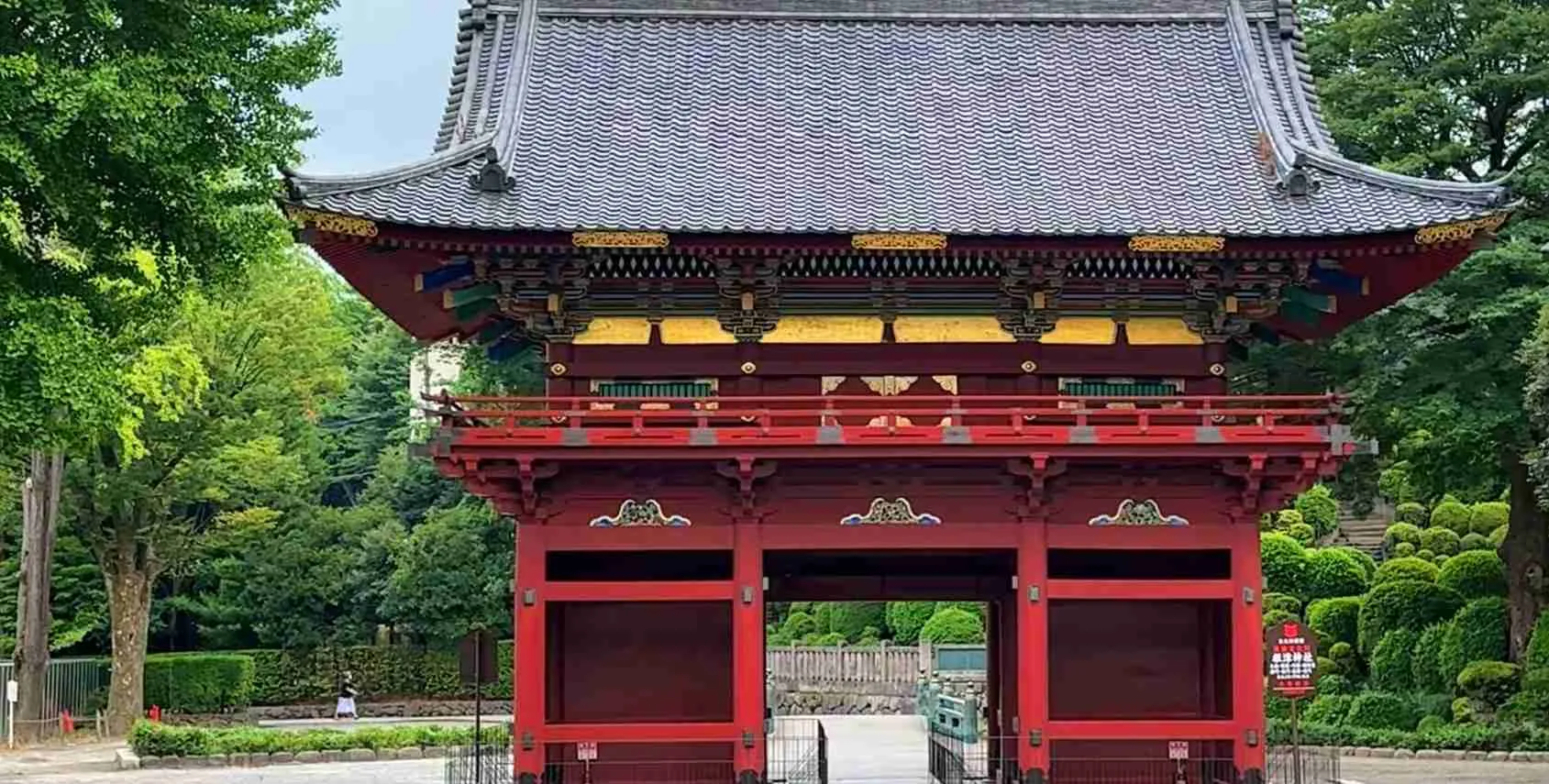
Japan 5-Day Itinerary 2026: Tokyo & Kyoto Highlights
Five days in Japan presents the minimum viable timeframe to experience the country’s compelling cultural duality between hypermodern Tokyo’s neon-lit technological marvels and ancient Kyoto’s preserved temples representing 1,200 years of imperial history. This focused itinerary allocates three days to Tokyo’s essential neighborhoods from historic Asakusa to youth-culture Harajuku, two days to Kyoto’s UNESCO temple circuit including Fushimi Inari’s iconic torii gates and the Golden Pavilion, and strategic transit via Shinkansen bullet train connecting these contrasting destinations—delivering maximum cultural immersion within the constraints of limited vacation time.
Key Takeaways for Japan 5-Day Tokyo & Kyoto Trip 2026
- Strategic Routing 2026: The optimal 5-day structure dedicates 3 nights Tokyo (arrival + 2 full days) → 2 nights Kyoto (1 travel day + 1 full day) → optional Tokyo return depending on departure airport, maximizing time efficiency while minimizing accommodation changes and transit stress
- Transportation Value 2026: Individual Shinkansen tickets Tokyo-Kyoto cost ¥13,320-14,570 ($88-96) each way totaling ¥26,640-29,140 round trip, while the 7-day JR Pass at ¥50,000 ($330) provides questionable value unless adding significant day trips—calculate your specific routing before purchasing
- Accommodation Budget Planning: Total lodging costs range ¥55,000-150,000 ($365-990) for 4 nights depending on selection: budget hostels ¥12,000-24,000, mid-range business hotels ¥44,000-88,000, luxury properties ¥120,000-200,000+ with Tokyo averaging 20-30% higher than Kyoto for equivalent quality
- Free and Low-Cost Highlights: Many premier attractions including Fushimi Inari Shrine, Meiji Shrine, Senso-ji Temple, Shibuya Crossing, and Imperial Palace East Gardens charge no admission, while major temples average ¥300-600 ($2-4) entry—budget ¥5,000-10,000 ($33-66) total activities across 5 days
- Seasonal Timing 2026: Avoid cherry blossom peak (late March-early April) and Golden Week (late April-early May) when accommodation prices double and crowds overwhelm major sites—optimal windows are mid-May through June and September through mid-November
- Daily Budget Reality: Realistic mid-range spending totals ¥25,000-35,000 ($165-230) daily per person covering accommodation ¥11,000-18,000, food ¥6,000-10,000, local transport ¥1,500-3,000, activities ¥1,000-2,000, with total 5-day costs ¥200,000-290,000 ($1,320-1,915) excluding international flights
People Also Ask About Japan 5-Day Tokyo & Kyoto Itinerary 2026
Is 5 days enough for Tokyo and Kyoto in 2026?
Five days provides sufficient time to experience essential highlights in Tokyo and Kyoto but necessitates strategic prioritization and acceptance of surface-level exposure to each city’s vast offerings. The recommended split allocates 2-2.5 full days Tokyo (covering Asakusa, Shibuya, Harajuku, Shinjuku with selective depth in preferred areas) and 1-1.5 full days Kyoto (focusing on Fushimi Inari, Kinkaku-ji, Arashiyama or eastern temple district), with approximately 0.5-1 day consumed by Tokyo-Kyoto transit depending on departure timing. This timeframe enables checking off iconic sites like Senso-ji Temple, Meiji Shrine, Shibuya Crossing, Golden Pavilion, and Fushimi Inari while eliminating slower-paced cultural immersion, comprehensive neighborhood exploration, and day trips to destinations like Mt. Fuji, Nara, or Hakone that longer itineraries accommodate. Travelers seeking genuine depth in either city require minimum 7-10 days, but those accepting concentrated sightseeing with early starts, efficient routing, and limited downtime can accomplish rewarding first-time Japan experiences within 5 days. The key compromise involves viewing this as reconnaissance establishing which city warrants deeper exploration on future visits rather than comprehensive coverage of Japan’s cultural landscape.
Should I buy the JR Pass for a 5-day Tokyo-Kyoto trip in 2026?
The 7-day JR Pass at ¥50,000 ($330) rarely provides financial value for basic 5-day Tokyo-Kyoto itineraries limiting travel to these two cities without significant day trips. Individual Shinkansen tickets between Tokyo and Kyoto cost ¥13,320-14,570 ($88-96) each way, totaling ¥26,640-29,140 ($176-192) for round-trip travel—substantially less than the JR Pass even when adding local JR train usage within cities approximately ¥2,000-4,000 ($13-26) total. The JR Pass becomes worthwhile only when incorporating: day trips from Tokyo to Nikko ¥5,720 return, Hakone via Odawara ¥7,360 return, or Kamakura ¥1,940 return; day trips from Kyoto to Nara ¥1,420 return or Osaka ¥1,120 return; or routing that includes Hiroshima, Osaka, or other distant destinations pushing total individual ticket costs above ¥50,000. For the core Tokyo-Kyoto-Tokyo routing described in this itinerary, purchasing individual Shinkansen tickets saves ¥20,000-25,000 ($132-165) compared to the JR Pass while maintaining full flexibility. Use online ticket booking platforms like SmartEX for convenience, or purchase tickets at station machines upon arrival. The 7-day JR Pass makes sense only for travelers extending this 5-day itinerary with multiple long-distance segments or preferring unlimited travel convenience despite higher cost.
What is the best daily budget for 5 days in Tokyo and Kyoto in 2026?
Realistic daily budgets for Tokyo and Kyoto in 2026 span ¥15,000-50,000 ($100-330) per person depending on accommodation and dining choices, with mid-range travelers typically spending ¥25,000-32,000 ($165-210) daily. This breaks down to: accommodation ¥11,000-18,000 ($73-119) for 3-star business hotels or standard ryokans, food ¥6,000-10,000 ($40-66) covering konbini breakfast ¥500-800, lunch set ¥1,200-2,000, quality dinner ¥3,500-6,000, local transportation ¥1,500-3,000 ($10-20) for subway/bus within cities beyond what JR Pass covers, and activities/attractions ¥1,000-3,000 ($7-20) as major temples charge ¥300-600 with many sites free. Budget travelers reducing accommodation to ¥6,000-9,000 hostels and capsule hotels, eating primarily konbini and casual restaurants at ¥3,500-5,000 food budget, and minimizing paid attractions can achieve ¥15,000-20,000 ($100-132) daily though this requires significant comfort sacrifices. Luxury travelers selecting ¥30,000-60,000 accommodation and high-end dining reach ¥50,000-80,000 ($330-530) daily. Total 5-day ground costs excluding flights thus range: budget ¥115,000-155,000 ($760-1,025) including individual Shinkansen tickets, mid-range ¥200,000-290,000 ($1,320-1,915), luxury ¥400,000-650,000+ ($2,640-4,290+). Tokyo costs approximately 20-25% more than Kyoto across all categories, though free attractions in both cities enable budget flexibility.
What are the must-see highlights in Tokyo and Kyoto for first-time visitors in 2026?
Essential highlights prioritized for 5-day first-time itineraries include: **Tokyo must-sees** (allocate 2-2.5 days): Senso-ji Temple in Asakusa for Tokyo’s oldest Buddhist temple and traditional Nakamise shopping street (free grounds, ¥300 interior), Meiji Shrine for serene forested Shinto shrine experience (free), Shibuya Crossing and Hachiko statue for iconic urban intersection and youth culture, Harajuku’s Takeshita Street for fashion subcultures and crepes, Shinjuku for Tokyo Metropolitan Government Building observation deck (free), and evening exploration of either Shinjuku’s neon entertainment district or trendy Shibuya/Harajuku dining. **Kyoto must-sees** (allocate 1-1.5 days): Fushimi Inari Taisha for thousands of vermillion torii gates creating mountain pathways (free, allow 2-3 hours), Kinkaku-ji Golden Pavilion for gold-leaf-covered Zen temple reflected in pond (¥400), Arashiyama Bamboo Grove for atmospheric bamboo forest walk (free), and either eastern Higashiyama district encompassing Kiyomizu-dera Temple (¥400), Yasaka Shrine, and Gion geisha district OR northern temples including Ryoan-ji rock garden (¥500) and Ninna-ji (¥500). Attempting all these requires sacrificing depth for breadth—realistic 5-day itineraries necessitate choosing 60-70% of listed sites based on personal interests, with remaining time allocated to spontaneous discoveries, meals, rest, and transit. Secondary attractions like Tokyo Skytree (¥3,000+), teamLab digital art museum (¥3,200), Kyoto Imperial Palace, and Nijo Castle enhance itineraries if time permits but can be sacrificed without missing quintessential Japan experiences.
Extended multi-day tours – 5+ days
Featured Tokyo to Kyoto Japan Multi-Day Tour Packages
11 days
Japan´s Landscapes end Kyoto (18 destinations)
- ✓ Comprehensive Tokyo to Kyoto Japan tour
- ✓ Expert local guides included
- ✓ All accommodation arranged
- ✓ Transportation provided

14 days
Simply Japan
- ✓ Comprehensive Tokyo to Kyoto Japan tour
- ✓ Expert local guides included
- ✓ All accommodation arranged
- ✓ Transportation provided

17 days
Japan Adventure 17 Day
- ✓ Comprehensive Tokyo to Kyoto Japan tour
- ✓ Expert local guides included
- ✓ All accommodation arranged
- ✓ Transportation provided
8 days
8 Day Highlights of Japan Small Group Tour Package
- ✓ Comprehensive Tokyo to Kyoto Japan tour
- ✓ Expert local guides included
- ✓ All accommodation arranged
- ✓ Transportation provided
Multi-day tour packages powered by TourRadar. Prices and availability subject to change.
Introduction: Designing an Effective 5-Day Japan Experience in 2026
Japan’s geographical and cultural complexity creates a planning challenge for short-duration visits—the country’s four main islands span 3,000 kilometers from subarctic Hokkaido to subtropical Okinawa, with each of Japan’s 47 prefectures offering distinct cultural identities, culinary traditions, and historical narratives. First-time visitors facing five-day time constraints confront the paradox of Japan travel: attempting comprehensive geographic coverage sacrifices meaningful cultural immersion, while focusing too narrowly risks missing the essential contrasts that define the Japanese experience. The Tokyo-Kyoto corridor resolves this tension by capturing Japan’s fundamental duality—the technological future embodied in Tokyo’s Shibuya and Akihabara districts versus the preserved past represented by Kyoto’s thousand temples and geisha culture—within a compact 450-kilometer route serviced by the world’s most efficient rail system.
The five-day timeframe represents the minimum viable period for experiencing both Tokyo and Kyoto with adequate depth to comprehend each city’s character rather than merely photographing landmarks. Shorter three-day itineraries force elimination of either Tokyo or Kyoto entirely, while longer seven-to-ten-day schedules enable day trips to Mt. Fuji, Hakone hot springs, Nara’s deer park, or Osaka’s food culture that enrich understanding but aren’t essential for first-time exposure. The tactical question becomes not “What can we see in five days?” but rather “What must we see to establish foundation for future Japan visits?” This reframing positions the 5-day itinerary as reconnaissance rather than comprehensive survey—identifying which aspects of Japanese culture resonate personally, which cities warrant return visits, and which experiences merit deeper future exploration.
Planning a 5-day Tokyo-Kyoto itinerary for 2026 requires addressing several strategic decisions before booking flights or accommodation. The routing sequence—Tokyo first or Kyoto first—significantly impacts efficiency: arriving Tokyo (Narita or Haneda airports) → exploring Tokyo → transiting to Kyoto → departing from Osaka’s Kansai Airport eliminates backtracking, though most visitors depart from Tokyo requiring return transit. Accommodation location within each city affects daily logistics more than accommodation quality: staying near major stations like Shinjuku or Kyoto Station maximizes transportation efficiency at cost of atmospheric neighborhood character, while Asakusa in Tokyo or Higashiyama in Kyoto provide traditional ambiance but require additional transit time to other districts. The JR Pass calculation depends on whether the itinerary includes day trips beyond the core cities—base Tokyo-Kyoto-Tokyo routing doesn’t justify the ¥50,000 pass cost, but adding Nara, Nikko, or Hakone pushes the calculation toward pass purchase.
Seasonal timing dramatically affects both costs and experience quality in 2026. Cherry blossom season (late March-early April) creates 50-100% accommodation price surges, overwhelming crowds at major sites, and booking windows requiring 90-120 days advance reservations. Golden Week (late April-early May) generates similar impacts from domestic tourism. Summer (July-August) brings oppressive heat and humidity making extensive walking uncomfortable but offers summer festivals and reduced crowds at indoor attractions. Autumn (October-November) delivers ideal weather and spectacular fall foliage but sees accommodation prices increase 30-50% during peak foliage weekends. Winter (December-February) provides lowest prices and smallest crowds but requires cold-weather preparedness and limits some outdoor experiences. The optimal windows for 5-day Tokyo-Kyoto itineraries balance weather, costs, and crowds: mid-May through mid-June and September through mid-October offer spring/autumn benefits without peak season penalties.
Budget planning for 5-day Tokyo-Kyoto trips requires realistic understanding of Japan’s cost structure. Tokyo and Kyoto are not inexpensive destinations but offer exceptional value compared to similar-quality experiences in major European or North American cities. Accommodation represents the largest expense category at ¥55,000-150,000 ($365-990) for 4 nights depending on style, followed by Tokyo-Kyoto Shinkansen tickets ¥26,640-29,140 ($176-192) round trip purchased individually. Food costs remain surprisingly moderate—¥6,000-10,000 ($40-66) daily provides quality meals from convenience stores, ramen shops, and local restaurants, while splurge kaiseki dinners cost ¥8,000-15,000 ($53-100). Local transportation via subway and buses adds ¥1,500-3,000 ($10-20) daily. Most significant cultural attractions charge minimal fees (¥300-600 / $2-4) or no admission, making activity costs the smallest budget category at ¥5,000-10,000 ($33-66) total across five days. Total costs excluding international flights typically range ¥200,000-290,000 ($1,320-1,915) for mid-range travelers.
This comprehensive guide structures the 5-day Tokyo-Kyoto experience through detailed day-by-day itineraries, practical logistics including accommodation strategies and transportation optimization, budget breakdowns across expense categories, and tactical advice for maximizing limited time without succumbing to exhausting tourist-checklist syndrome. The itinerary balances iconic must-see sites with atmospheric neighborhood exploration, structured sightseeing with spontaneous discovery, and cultural education with simple enjoyment of Japan’s exceptional food, hospitality, and urban design. Success in five-day Japan travel depends not on seeing everything—impossible even in five weeks—but on experiencing enough diversity to appreciate Japan’s unique cultural synthesis of tradition and modernity, spiritual and material, formal and creative. The following sections provide the framework for achieving this balanced introduction to Japan’s two most essential cities.
Comprehensive Day-by-Day Itinerary for Tokyo & Kyoto 2026
This 5-day itinerary optimizes time allocation between Tokyo and Kyoto while maintaining realistic daily pacing that avoids exhaustion. The structure follows: Days 1-3 in Tokyo, Day 4 transit to Kyoto with afternoon sightseeing, Day 5 full Kyoto exploration. Travelers departing from Osaka can optimize by finishing in Kyoto, while those departing Tokyo should complete this itinerary then return via evening Shinkansen.
Day 1: Tokyo Arrival and Asakusa-Ueno District Exploration 2026
Arrive Tokyo via Narita Airport (60-90 minutes to central Tokyo) or Haneda Airport (30-45 minutes to central Tokyo). Use airport train services: Narita Express to Tokyo/Shinjuku ¥3,070 covered by JR Pass if activated immediately, or Keisei Skyliner to Ueno ¥2,520 not JR-covered but faster. Haneda offers Tokyo Monorail to Hamamatsucho ¥500 or Keikyu Railway to Shinagawa ¥300, both requiring subway transfers to final accommodation. Consider not activating JR Pass on arrival day if staying in Tokyo 2-3 days without needing JR trains—use IC card (Suica or Pasmo) for local transport instead, activating pass only when departing Tokyo for Kyoto to maximize 7-day validity.
Check into accommodation in Asakusa, Ueno, or Shinjuku depending on booking. Asakusa provides traditional atmosphere and proximity to Day 1 sightseeing. Ueno offers cultural density with museums and park. Shinjuku maximizes transportation convenience with multiple train lines converging. Drop luggage at hotel or use coin lockers at major stations if early arrival prevents check-in (¥300-800 depending on size).
Afternoon begins at Senso-ji Temple, Tokyo’s oldest Buddhist temple founded in 628 AD. Enter through Kaminarimon (Thunder Gate) featuring massive red lantern and guardian statues, proceed along Nakamise-dori shopping street lined with traditional snacks and souvenir vendors (budget ¥1,000-2,000 for omiyage if purchasing), reach the main temple hall (free grounds, ¥300 if entering inner sanctum). Visit the adjacent five-story pagoda and explore the surrounding streets of traditional Asakusa preserving old Tokyo atmosphere. Allocate 1.5-2 hours. Walk to Sumida River for views of Tokyo Skytree (optional ascent ¥3,000-3,400 for observation decks, time-consuming with lines—skip unless specifically interested).
Late afternoon covers Ueno Park and surroundings if energy permits. The park contains Tokyo National Museum (¥1,000, closes 17:00, requires 2+ hours for comprehensive visit—better saved for rainy day), Ueno Zoo (¥600), and multiple smaller museums. Walking the park grounds (free) and Shinobazu Pond provides green space respite. Ueno’s Ameyoko shopping street offers vibrant market atmosphere and street food (¥500-1,500 for snacks and dinner components).
Evening dining in Asakusa traditional restaurants serving tempura (¥2,000-4,000), unagi eel (¥2,500-4,500), or casual izakaya (¥2,000-3,500 per person with drinks). Return to accommodation via subway, purchase IC card if not already obtained (¥2,000 minimum: ¥500 deposit + ¥1,500 balance). Total Day 1 costs: accommodation ¥8,000-18,000, food ¥3,000-6,000, local transport ¥500-1,000, activities ¥300-1,000. Daily total: ¥11,800-26,000 ($78-172).
Day 2: Tokyo Shibuya-Harajuku-Shinjuku Circuit 2026
Full day exploring Tokyo’s western youth culture and commercial districts. Begin with hotel breakfast or konbini breakfast (¥400-800: onigiri, coffee, pastry). Depart accommodation by 9:00 AM to maximize day.
Morning starts at Meiji Shrine (Meiji Jingu) in Harajuku, Tokyo’s premier Shinto shrine dedicated to Emperor Meiji and Empress Shoken who led Japan’s modernization in late 1800s. Enter through towering torii gates into forested grounds providing unexpected tranquility within urban Tokyo. The shrine buildings (free admission) showcase traditional Shinto architecture with opportunities to observe prayer rituals, purchase omamori protective charms (¥500-1,000), and write wishes on ema wooden plaques (¥500). Adjacent Meiji Shrine Inner Garden (¥500, closes 16:30 in winter, 18:00 in summer) features traditional landscaping and iris fields (June bloom). Allocate 1-1.5 hours. Exit toward Harajuku Station.
Late morning through early afternoon explores Harajuku and Omotesando. Takeshita Street (Takeshita-dori) represents Tokyo youth fashion and subculture with compact 350-meter pedestrian street packed with clothing boutiques, accessory shops, crepe stands (¥400-700), and purikura photo booths. Peak crowding occurs weekends 13:00-16:00—weekday morning visits or late afternoon reduce congestion. Contrast Takeshita’s chaos with elegant tree-lined Omotesando boulevard featuring luxury fashion flagship stores, contemporary architecture, and sophisticated cafes. Omotesando Hills shopping complex provides respite with modern design and rooftop views. Lunch in Harajuku/Omotesando area: casual ¥1,000-1,500 or trendy cafes ¥2,000-3,000.
Afternoon shifts to Shibuya, reachable via JR Yamanote Line (2 minutes from Harajuku) or 20-minute walk along Omotesando. Shibuya Crossing represents Tokyo’s most iconic intersection with 5-way scramble crossing during green lights sending thousands across simultaneously—best viewed from Starbucks 2nd floor in Tsutaya building or Magnet rooftop (free). Hachiko statue outside Shibuya Station commemorates loyal dog waiting for deceased owner, serving as popular meeting point. Shibuya Center-gai shopping street and surrounding lanes contain hundreds of fashion shops, restaurants, and entertainment venues. Shibuya Scramble Square observation deck (¥2,000, 14th-46th floors) offers sunset city views as alternative to Tokyo Skytree. Allocate 2-2.5 hours in Shibuya including shopping/exploration time.
Evening proceeds to Shinjuku via JR Yamanote Line (5 minutes). Visit Tokyo Metropolitan Government Building observation decks (free, closes 23:00) on 45th floor providing 360-degree Tokyo views including Mt. Fuji on clear days. Explore Shinjuku’s entertainment districts: Kabukicho red-light area (safe for tourists, illuminated at night), Golden Gai’s tiny themed bars (¥500-1,000 cover charges, individual bar atmospheres), or Omoide Yokocho (“Memory Lane”/”Piss Alley”) narrow lanes with yakitori stalls. Dinner in Shinjuku ranges from budget gyudon beef bowls (¥500-800) to mid-range izakaya (¥3,000-5,000) or splurge yakiniku (¥4,000-8,000). Return to accommodation via train/subway—Shinjuku Station complexity requires careful navigation, allow extra time for first visit. Total Day 2 costs: accommodation (same), food ¥4,000-7,000, transport ¥500-800, activities ¥500-2,500. Daily total: ¥13,000-28,300 ($86-187).
Day 3: Tokyo Additional Neighborhoods and Preparation for Kyoto 2026
Final full Tokyo day enables either depth in preferred areas from Days 1-2 or exploration of additional neighborhoods. Multiple routing options based on interests:
**Option A – Imperial Palace and Ginza**: Morning visit to Imperial Palace East Gardens (free, closes 16:00 November-February, 17:00 March-October, closed Mondays/Fridays) featuring former Edo Castle grounds, traditional Japanese gardens, and historical structures. The main palace grounds require advance tour booking but East Gardens offer accessible introduction. Adjacent Marunouchi district provides modern architecture and underground shopping. Afternoon in Ginza for upscale shopping, department stores (Mitsukoshi, Wako), and Tsukiji Outer Market for fresh sushi lunch (¥2,000-4,000). Evening covers Tokyo Station area illumination and character street. Costs: food ¥5,000-8,000, transport ¥500, activities free.
**Option B – Akihabara and Yanaka**: Morning in Akihabara (“Electric Town”) for anime, manga, electronics, and maid cafes representing otaku culture. Multi-story shops like Yodobashi Camera, Mandarake, and themed cafes define the district. Afternoon in Yanaka neighborhood preserving traditional shitamachi (downtown) Tokyo with Yanesen (Yanaka-Nezu-Sendagi) walking route through narrow lanes, traditional shops, and Yanaka Cemetery. Sunset from Yanaka Ginza shopping street. Costs: food ¥3,500-6,000, transport ¥500-800, activities ¥1,000-3,000 if purchasing electronics/anime goods.
**Option C – Day Trip to Kamakura or Nikko** (adds significant time/cost): Kamakura (1 hour from Tokyo, ¥950 JR Yokosuka Line) features Great Buddha (Daibutsu) at Kotoku-in (¥300), Hasedera Temple (¥400), Tsurugaoka Hachimangu Shrine, and beach atmosphere. Nikko (2 hours from Tokyo, ¥2,860 JR or private railway) offers UNESCO World Heritage Toshogu Shrine (¥1,300), natural scenery, and hot springs. Both require departing Tokyo 8:00-9:00 AM and returning 17:00-19:00, consuming entire day. Only feasible if JR Pass already activated. Costs: transport ¥1,900-5,720 return without JR Pass, food ¥2,500-4,000, activities ¥1,000-3,000.
Evening includes luggage preparation for Kyoto departure Day 4. Consider luggage forwarding services (takkyubin) sending large bags directly to Kyoto hotel (¥2,000-3,500 per bag, next-day delivery) enabling Shinkansen travel with daypacks only. Arrange through hotel front desk. Alternatively, pack efficiently for carrying bags on train. Retire early for morning departure. Total Day 3 costs: accommodation (same), food ¥3,500-8,000, transport ¥500-5,720 depending on option, activities ¥0-3,300. Daily total: ¥12,000-35,020 ($79-231).
Day 4: Tokyo to Kyoto Transit and Initial Kyoto Exploration 2026
Checkout from Tokyo accommodation, store luggage at hotel until departure or forward to Kyoto. Flexible morning allows final Tokyo shopping, museum visits, or relaxed breakfast before Shinkansen departure. Recommend boarding trains 11:00-13:00 for optimal timing arriving Kyoto early-mid afternoon with energy for initial sightseeing.
Tokyo to Kyoto Shinkansen takes 2 hours 15 minutes via Nozomi (fastest, ¥13,320 plus ¥1,000+ supplement, not covered by standard JR Pass), 2 hours 45 minutes via Hikari (¥13,320 reserved seat, covered by JR Pass), or 3 hours 45 minutes via Kodama (¥13,320, slowest but covered by JR Pass, discounted to ¥10,700 with Platt Kodama package). Purchase tickets at JR ticket office or reservation machines if not using JR Pass. Reserved seats recommended especially Golden Week, cherry blossom season, and autumn foliage period. Trains depart Tokyo Station or Shinagawa Station every 10-20 minutes throughout the day. Overhead luggage racks accommodate standard suitcases; oversized bags (total dimensions exceeding 160cm) require special reservation.
Arrive Kyoto Station, collect forwarded luggage if utilizing takkyubin service or proceed with carried bags. Check into Kyoto accommodation—hotels near Kyoto Station maximize convenience, Gion/Higashiyama areas provide atmospheric location with less transport convenience. If accommodation allows early check-in, drop bags; otherwise use station coin lockers (¥400-800) or hotel luggage storage.
Afternoon/evening Kyoto introduction depends on arrival time and energy. If arriving by 15:00, visit Fushimi Inari Taisha (30 minutes from Kyoto Station via JR Nara Line to Inari Station, ¥150, covered by JR Pass). Fushimi Inari Taisha ranks as Kyoto’s most popular shrine, featuring thousands of vermillion torii gates donated by businesses and individuals creating tunnels along mountain paths. The shrine grounds (free admission, open 24 hours) spread across Mount Inari with multiple hiking trails. Most visitors walk 30-40 minutes to Yotsutsuji intersection midpoint providing panoramic Kyoto views, with full summit circuit requiring 2-3 hours. Late afternoon visits (16:00-18:00) see reduced crowds compared to mid-morning peak. The shrine illuminates beautifully at night though hiking trails remain unlit above initial sections. Allocate 1.5-2.5 hours depending on hiking ambitions. Return to Kyoto Station area for dinner. Kyoto specialties include tofu cuisine (yudofu, yuba), kaiseki multi-course meals (¥5,000-15,000+), and Kyoto-style okonomiyaki. Nishiki Market vicinity offers numerous options. Total Day 4 costs: accommodation ¥8,000-18,000 (Kyoto first night), Shinkansen ¥13,320 (if purchasing individually, ¥0 if JR Pass), food ¥3,500-7,000, local transport ¥300-800, activities ¥0 (Fushimi Inari free). Daily total: ¥25,120-39,120 ($166-258) or ¥11,800-26,120 with JR Pass.
Day 5: Comprehensive Kyoto UNESCO Heritage Circuit 2026
Final day prioritizes Kyoto’s essential temple and shrine highlights. Early start (departing accommodation 8:30-9:00) maximizes time before crowds intensify 11:00 onward. Two primary routing options based on interests:
**Route A – Arashiyama and Golden Pavilion**: Morning departure to Arashiyama district (30-40 minutes from central Kyoto via JR Sagano Line from Kyoto Station to Saga-Arashiyama ¥240, or Hankyu Railway to Arashiyama Station from Kawaramachi area ¥230, neither JR-covered). Arashiyama Bamboo Grove provides iconic bamboo forest walk (free, 10-15 minutes length) best experienced before 10:00 AM. Adjacent Tenryu-ji Temple (¥500 garden, ¥800 garden + buildings) offers Zen garden and temple buildings with bamboo grove views. Togetsukyo Bridge crosses Katsura River with mountain backdrop. Iwatayama Monkey Park (¥550, 20-minute uphill walk) features wild monkeys and city views. Allocate 2.5-3 hours in Arashiyama including transit.
Midday transit to Kinkaku-ji (Golden Pavilion) via bus (40-50 minutes, ¥230) or train combinations. Kinkaku-ji (¥400 entry, closes 17:00) showcases gold-leaf-covered three-story pavilion reflected in pond, representing Zen Buddhist architecture and Japanese aesthetic principles. The designated walking path circles the temple and pond with photography vantage points. Adjacent grounds feature traditional gardens and tea house. Visitation requires 30-45 minutes. Nearby Ryoan-ji Temple (¥500, 15-minute walk or 5-minute bus) displays Japan’s most famous Zen rock garden with 15 stones arranged in raked gravel. Ninna-ji Temple (¥500) adds UNESCO site if time permits. Lunch in Kinkaku-ji area or return toward central Kyoto. Costs: transport ¥700-1,000, activities ¥1,400-2,300, food ¥1,500-3,000.
**Route B – Eastern Higashiyama Temple Walk**: Morning covers eastern Kyoto temple concentration accessible via bus to Kiyomizu-michi stop (¥230 from Kyoto Station). Kiyomizu-dera Temple (¥400, opens 6:00 AM enabling early visit) sits on hillside with famous wooden stage overlooking Kyoto. The approach through Ninenzaka and Sannenzaka preserved streets features traditional architecture, craft shops, and restaurants. Proceed downhill to Kodai-ji Temple (¥600) and Maruyama Park (free). Yasaka Shrine (free) anchors Gion geisha district entrance. Afternoon explores Gion’s historic streets—Hanamikoji and Shimbashi areas preserve traditional machiya townhouses with potential geiko/maiko (geisha/apprentice) sightings 18:00-20:00, though tourist crowds can be excessive. Continue north to Philosopher’s Path, 2-kilometer canal-side walk connecting Ginkaku-ji (Silver Pavilion, ¥500) through cherry-tree-lined route (stunning late March-early April). Nanzen-ji Temple (¥500 main buildings, free grounds) offers Zen atmosphere and massive Sanmon gate. This route requires significant walking (8,000-12,000 steps) but concentrates premium sites. Costs: transport ¥460-800, activities ¥1,400-2,500, food ¥1,500-3,000.
Evening depends on departure schedule. If flying from Osaka Kansai Airport (75 minutes from Kyoto via JR Haruka limited express ¥3,430, covered by JR Pass), proceed directly early evening for international flights. If departing Tokyo, Shinkansen return requires 2.5-3.5 hours plus transit to Tokyo airport, necessitating Kyoto departure by 17:00-18:00 for late evening flights. If additional Kyoto night available, explore Pontocho dining alley (narrow lane along river with traditional restaurants) or Gion evening atmosphere. Total Day 5 costs: accommodation ¥8,000-18,000 (if staying second Kyoto night), food ¥3,000-6,000, transport ¥700-1,000 (plus ¥13,320 Shinkansen or ¥3,430 Kyoto-Osaka airport if departing), activities ¥1,400-2,500. Daily total: ¥13,100-27,500 ($87-182) excluding departure transportation.
Transportation Strategy and Ticket Options for 2026
Transportation planning for 5-day Tokyo-Kyoto itineraries centers on the JR Pass calculation and local transit within each city. The decision whether to purchase the 7-day JR Pass at ¥50,000 ($330) significantly impacts both total costs and operational flexibility.
Tokyo-Kyoto Shinkansen Pricing and Options 2026
The 450-kilometer Tokyo-Kyoto route operates on the Tokaido Shinkansen line with three service types: Nozomi (fastest, 2 hours 15 minutes), Hikari (medium speed, 2 hours 45 minutes), and Kodama (slowest, 3 hours 45 minutes stopping at all stations). Individual ticket pricing structure combines base fare ¥8,360 plus express surcharge ¥4,960 (unreserved ordinary car) or ¥5,490 (reserved ordinary car), totaling ¥13,320 unreserved or ¥13,850 reserved during regular season. Peak season surcharges (late March-early April, Golden Week, Obon, New Year) add ¥200-400 per segment. Nozomi trains require supplementary ¥1,040 fee beyond standard reserved ticket, bringing total to ¥14,890.
Round-trip Tokyo-Kyoto-Tokyo costs ¥26,640 unreserved, ¥27,700 reserved regular season, or ¥29,780 reserved Nozomi service. These individual ticket prices compare to ¥50,000 for the 7-day JR Pass, creating ¥22,300-23,360 gap that requires additional JR train usage to justify pass purchase. Day trips adding to pass value include: Tokyo to Nikko ¥5,720 return, Tokyo to Kamakura ¥1,940 return, Tokyo to Hakone/Odawara ¥7,360 return, Kyoto to Nara ¥1,420 return, Kyoto to Osaka ¥1,120 return. Incorporating two or more such day trips plus the Tokyo-Kyoto round trip pushes total individual ticket costs near or above ¥50,000, making the JR Pass financially justifiable.
Alternative ticket options include Platt Kodama discount tickets (¥10,700 Tokyo-Kyoto one-way on slowest Kodama trains with drink voucher, must be purchased in advance online), Smart EX early-bird discounts (¥11,000-13,000 depending on advance booking, registration required), and regional passes like Kansai-Hiroshima Pass covering Kyoto-Osaka-Hiroshima but not Tokyo. For the core 5-day Tokyo-Kyoto itinerary without significant day trips, purchasing individual Shinkansen tickets saves approximately ¥23,000 ($152) compared to the JR Pass while maintaining full schedule flexibility.
Local Transportation Within Tokyo and Kyoto 2026
Tokyo’s transportation network combines JR trains (covered by JR Pass), private railways (not covered), and subway systems (Tokyo Metro and Toei, not covered). The JR Yamanote Line circles central Tokyo connecting major stations (Shinjuku, Shibuya, Tokyo, Ueno, Ikebukuro) and forms the backbone of tourist movement. However, reaching many attractions requires subway transfers. IC cards (Suica or Pasmo, purchased at station machines for ¥2,000 minimum: ¥500 deposit + ¥1,500 balance) provide tap-and-go convenience for all Tokyo transit. Daily transport costs range ¥800-1,500 depending on distances traveled. Unlimited day passes (Tokyo Subway 24-hour ticket ¥800, 48-hour ¥1,200, 72-hour ¥1,500) offer limited value unless taking 5+ subway rides daily.
Kyoto’s more compact size enables mixed transit strategies. City buses (¥230 per ride, ¥700 one-day pass) serve most tourist sites but face severe congestion during peak seasons. JR trains connect Kyoto Station to Fushimi Inari (¥150), Arashiyama (¥240), and Nara (¥710). Subway lines reach fewer tourist destinations but avoid bus crowds. Private railways (Keihan, Hankyu, Kintetsu) access some areas not well-served by JR. IC cards work seamlessly across all Kyoto transit. Bicycle rental (¥1,000-2,000 daily) provides efficient temple-hopping for fit travelers willing to navigate streets, though hills in eastern and northern districts challenge casual cyclists. Daily Kyoto transport costs typically ¥500-1,000 for mixed bus/train usage.
Airport Access and IC Card Management 2026
Narita Airport to Tokyo costs ¥3,070 via Narita Express (JR, covered by pass) to Tokyo/Shinjuku stations, ¥2,520 via Keisei Skyliner (not JR) to Ueno, or ¥1,000-1,300 via slower trains. Haneda Airport to Tokyo costs ¥500 via Tokyo Monorail (JR-affiliated, covered by pass) to Hamamatsucho, ¥300-400 via Keikyu Railway (not JR) to Shinagawa. Travelers not activating JR Pass on arrival day save pass validity by purchasing individual airport tickets or using IC card. Kansai Airport to Kyoto costs ¥3,430 via JR Haruka limited express (70 minutes, covered by pass), ¥2,980 via Haruka unreserved, or ¥1,880 via slower JR routes (100+ minutes). Osaka Namba to Kyoto via private Hankyu Railway costs ¥400 (45 minutes, not JR-covered).
IC card strategy: Purchase Suica or Pasmo in Tokyo at any station machine, load with ¥5,000-8,000 to cover local transport throughout 5-day trip. The card works identically in Kyoto despite different name, eliminating need for separate Kyoto ICOCA card. Remaining balance can be refunded at JR East stations (Tokyo, Shinjuku, Ueno, etc.) before departure with ¥220 processing fee, or kept for future Japan visits as cards have 10-year validity. Cards also function at convenience stores and vending machines. Avoid purchasing JR Pass if itinerary doesn’t justify the cost—IC card provides sufficient flexibility for most 5-day Tokyo-Kyoto trips without day trip extensions.
Accommodation Selection and Booking Strategy 2026
Accommodation represents the largest single expense category for 5-day Tokyo-Kyoto trips, with four nights of lodging totaling ¥55,000-150,000 ($365-990) depending on selection. Strategic accommodation planning balances cost management, location convenience, and experiential quality.
Tokyo Accommodation Options and Pricing 2026
Tokyo accommodation ranges across extreme price tiers with quality generally exceeding equivalent Western hotel categories. Budget options include capsule hotels at ¥3,500-5,500 ($23-36) per night providing compact sleeping pods with shared facilities, ideal for solo travelers prioritizing location over space. Hostels with dormitory beds cost ¥3,000-6,000 ($20-40) per night, featuring social atmosphere and common areas. Budget business hotel chains (Toyoko Inn, APA Hotel, Route Inn) offer private rooms with en-suite bathrooms at ¥6,000-10,000 ($40-66) per night, sacrificing space and amenities for functional accommodation near stations.
Mid-range 3-star business hotels (Daiwa Roynet, Richmond Hotel, Hotel Gracery) cost ¥12,000-20,000 ($80-132) per night, providing comfortable rooms 15-20 square meters, desks, modern bathrooms, and locations in prime neighborhoods like Shinjuku, Shibuya, or Asakusa. These represent the sweet spot for most travelers balancing comfort and value. Upper mid-range hotels (Mitsui Garden, Sotetsu Fresa Inn) reach ¥18,000-26,000 ($119-172) with slightly larger rooms and enhanced amenities. Luxury hotels (Park Hyatt, Mandarin Oriental, Peninsula, Aman Tokyo) start ¥40,000-60,000 ($265-400) nightly for standard rooms, escalating to ¥100,000-200,000+ ($660-1,320+) for suites.
Location selection within Tokyo affects both convenience and cost. Shinjuku provides maximum transportation connectivity with JR, subway, and bus lines converging, plus shopping and dining density, though noise levels run high. Shibuya suits younger travelers prioritizing nightlife and fashion districts. Asakusa offers traditional atmosphere, lower prices, and proximity to Senso-ji Temple but requires longer transit to western districts. Ueno balances museums, park access, and station convenience. Areas to avoid: overly residential neighborhoods far from stations, red-light districts like Kabukicho (safe but unwelcoming atmosphere), and isolated locations requiring multiple transfers for sightseeing.
Kyoto Accommodation Options and Pricing 2026
Kyoto accommodation costs 20-30% less than Tokyo for equivalent quality. Budget guesthouses and hostels range ¥3,000-6,000 ($20-40) per night, often in converted machiya traditional townhouses creating atmospheric stays. Budget business hotels cost ¥5,000-9,000 ($33-60) with similar quality to Tokyo but lower prices. Mid-range hotels run ¥10,000-16,000 ($66-106) per night, offering better value than Tokyo equivalents. Traditional ryokan start ¥12,000 per person including dinner and breakfast for budget properties, ¥20,000-35,000 ($132-231) for mid-range with kaiseki meals, and ¥40,000-100,000+ ($265-660+) for luxury heritage properties with private baths.
Kyoto neighborhoods each offer distinct advantages. Kyoto Station area maximizes transportation convenience with Shinkansen access, JR trains, subway, and bus terminal, plus shopping and dining concentration, though lacking atmospheric traditional character. Gion and Higashiyama provide historical ambiance with preserved streets, proximity to eastern temples, and potential geisha encounters, but higher prices and tourist crowds. Central Kyoto near Kawaramachi offers urban energy, shopping, and nightlife. Arashiyama provides nature-focused stay in bamboo grove vicinity but isolated from other attractions. Northern Kyoto near Daitoku-ji temples delivers peaceful atmosphere with fewer tourists but limited transport options.
Booking Timeline and Strategies 2026
Booking timeline critically affects availability and pricing. Peak seasons (cherry blossom late March-early April, autumn foliage November, Golden Week late April-early May) require 90-120 days advance booking with prices 40-100% above baseline. Shoulder seasons (May-June, September-October) need 60-90 days advance booking with moderate surcharges. Off-peak (January-February, July-August) allows 30-45 days advance booking with best prices but weather compromises.
Platform selection varies by accommodation type. International booking sites (Booking.com, Agoda, Hotels.com) cover business hotels and major properties with familiar cancellation policies. Japanese platforms (Jalan, Rakuten Travel) offer wider ryokan selection and better rates but require translation tools. Hostel-specific sites (Hostelworld, HostelBookers) specialize in budget dormitory options. Direct booking through hotel websites sometimes yields best rates for business hotels. For traditional ryokan, specialized English-language booking services (Japanese Guest Houses) provide cultural guidance and communication support justifying slightly higher rates.
Consider split accommodation strategies: budget in Tokyo where lodging merely provides sleep between long sightseeing days, splurge in Kyoto on ryokan experience for cultural immersion. Alternatively, maintain consistent mid-range standard throughout for predictable comfort. Avoid changing hotels mid-stay in same city—Tokyo’s density makes within-city moves inefficient, while Kyoto’s compact size enables exploration from single base.
Food and Dining Budget Management 2026
Food costs in Tokyo and Kyoto enable surprising flexibility from extreme budget to exceptional luxury, with mid-range dining delivering better quality-to-price ratio than comparable Western destinations. Daily food budgets span ¥3,500-15,000 ($23-100) per person depending on meal choices and dining style.
Budget Dining Strategies Achieving ¥3,500-5,000 Daily 2026
Convenience stores (konbini)—7-Eleven, FamilyMart, Lawson—provide breakfast and lunch solutions at remarkable quality. Breakfast consisting of onigiri rice balls (¥120-180), coffee (¥100-150), and pastry or yogurt (¥150-250) totals ¥400-600. Lunch bento boxes (¥450-700), sandwiches (¥250-400), or instant ramen with additions (¥300-500) cost ¥450-700. This konbini strategy delivers ¥850-1,300 for breakfast and lunch, leaving ¥2,200-3,700 for dinner.
Dinner options under ¥2,500 include: gyudon beef bowl chains (Yoshinoya, Sukiya, Matsuya) at ¥500-800 for filling meals, curry chain CoCo Ichibanya at ¥700-1,200 for customizable curry rice, conveyor-belt sushi at ¥1,200-2,000 for 8-10 plates, standing soba/udon restaurants at ¥400-800, and ramen shops at ¥800-1,200. These establishments provide authentic Japanese fast food with no tipping culture. Purchasing one meal daily at sit-down restaurants while relying on konbini for other meals achieves ¥3,500-4,500 daily budgets without feeling deprived.
Mid-Range Dining Achieving ¥6,000-10,000 Daily 2026
Mid-range dining allocates ¥1,000-2,000 breakfast (hotel breakfast buffets or cafe morning sets), ¥1,500-3,000 lunch (set menus/teishoku at restaurants offering lunch discounts 30-50% below dinner prices), and ¥3,500-6,000 dinner (izakaya, yakiniku, specialty restaurants). This enables variety including regional specialties: Tokyo’s tempura (¥3,000-5,000), sushi (¥3,500-6,000), and yakitori (¥2,500-4,000); Kyoto’s tofu cuisine (¥2,000-4,000), kaiseki-lite (¥5,000-8,000), and seasonal specialties.
Restaurant lunch sets (teishoku) represent exceptional value, typically including main dish, rice, miso soup, pickles, and sometimes salad or side for ¥1,000-1,800. High-end restaurants operating lunch services charge ¥2,500-4,000 for lunch sets that would cost ¥8,000-15,000 at dinner. Strategic travelers front-load splurge meals to lunch, reserving budget-friendly dinners for less-expensive days.
Splurge Dining Experiences Worth the Cost 2026
Kaiseki (traditional multi-course haute cuisine) starts ¥8,000 ($53) for entry-level experiences, ¥15,000-25,000 ($100-165) for quality establishments, and ¥30,000-50,000+ ($200-330+) for prestigious restaurants. Kyoto’s kaiseki tradition surpasses Tokyo’s with better value—consider dedicating one Kyoto dinner to kaiseki for cultural education. Sushi omakase (chef’s selection) at counter seats ranges ¥10,000-30,000 ($66-200) depending on fish quality and chef reputation. Yakiniku (Japanese BBQ) with premium beef costs ¥6,000-12,000 ($40-80) per person. These experiences merit budget allocation as memorable cultural introductions unavailable outside Japan at comparable quality.
Practical Dining Logistics 2026
Restaurant etiquette: wait to be seated rather than choosing tables, say “itadakimasu” before eating and “gochisousama deshita” upon finishing, payment at register near entrance rather than at table, no tipping ever (considered rude). Many restaurants offer plastic food displays (sampuru) in windows enabling ordering by pointing. Google Translate camera function provides real-time menu translation. Lunch sets often use ticket vending machines at entrance—purchase ticket, sit, present to staff.
Cash requirements persist despite increasing card acceptance. Budget 60-70% of food spending in cash, particularly for casual restaurants, street food, and konbini. ATMs at 7-Eleven and Japan Post offices accept international cards. Dietary restrictions present challenges—vegetarian options exist but limited, vegan extremely difficult due to ubiquitous dashi fish stock, gluten-free nearly impossible. Communicate restrictions using allergy cards in Japanese (downloadable online). Many restaurants near tourist areas stock English menus or picture menus.
Essential Planning Timeline for Tokyo & Kyoto 2026 Trips
Successful 5-day Tokyo-Kyoto execution requires systematic pre-departure planning following this timeline counting back from travel date:
90-120 Days Before: Book international flights during optimal fare windows. Purchase JR Pass Exchange Order if route calculation justifies. Begin accommodation research identifying preferred neighborhoods and properties. Create preliminary daily itinerary allocating time to major sites. Apply for visa if required (many nationalities enjoy visa-free entry for tourism under 90 days).
60-90 Days Before: Book all accommodation, prioritizing Tokyo properties as Kyoto offers more last-minute availability. Confirm booking cancelation policies—Japanese hotels often require payment 30 days advance with non-refundable terms. Create detailed packing list accounting for seasonal weather. Research restaurant reservations if planning splurge kaiseki or famous establishments (booking platforms: Eatery Japan, Pocket Concierge, hotel concierge services).
30-60 Days Before: Finalize daily itinerary with specific train departure times, activity schedules, backup plans for weather. Download offline Google Maps for Tokyo and Kyoto. Create physical itinerary document with accommodation addresses in Japanese, emergency contacts, important phrases. Purchase travel insurance covering medical emergencies and trip cancellation. Notify bank/credit cards of international travel preventing fraud blocks. Exchange small amount of currency (¥10,000-20,000) for arrival needs.
14-30 Days Before: Reconfirm accommodation bookings via email. Check weather forecast patterns to adjust packing. Organize travel documents (passport, flight confirmations, hotel vouchers, JR Pass Exchange Order if purchased). Prepare electronics with appropriate chargers (Japan uses Type A plugs, 100V). Download useful apps: Google Maps, Google Translate, Hyperdia or Japan Transit Planner, currency converter. Create emergency contact list including embassy/consulate information.
Upon Arrival: Exchange JR Pass voucher for physical pass at major stations, designating activation date strategically. Purchase IC card (Suica/Pasmo) with ¥5,000-8,000 initial loading. Withdraw cash from ATM (7-Eleven, Japan Post Bank) for initial needs. Activate eSIM or pocket WiFi for data connectivity. Make first Shinkansen seat reservations if using JR Pass.
Frequently Asked Questions About Japan 5-Day Tokyo & Kyoto Itinerary 2026
What is the ideal amount of cash to carry in Japan for a 5-day trip in 2026?
Carry ¥80,000-150,000 ($530-990) cash throughout the 5-day trip, withdrawing in ¥50,000-80,000 increments from ATMs as needed rather than carrying the full amount from day one. Japan remains significantly more cash-dependent than Western countries despite increasing card acceptance—budget 60-70% of daily expenses in cash form. ATMs at 7-Eleven convenience stores and Japan Post offices (found in red post office buildings) accept virtually all foreign cards and provide English interfaces. Withdrawal limits typically reach ¥100,000 per transaction. Avoid bank-affiliated ATMs as many reject international cards or operate limited hours. Hotel safes securely store larger amounts, carrying ¥15,000-25,000 daily in wallet sufficient for most needs. Credit cards work reliably at hotels, major department stores, and chain restaurants, but fail at traditional restaurants, small shops, temples/shrines, transit card reloads, and many casual establishments. The IC transport card functions at convenience stores and vending machines but requires cash to reload. Keep emergency ¥10,000 separate from main wallet for unexpected situations. Exchange rates at Japanese ATMs beat pre-departure airport exchange counters significantly, making in-country withdrawal preferable to carrying large amounts from home.
Can I visit Mt. Fuji on a 5-day Tokyo-Kyoto itinerary in 2026?
Mt. Fuji day trips from Tokyo theoretically fit within 5-day Tokyo-Kyoto itineraries but require sacrificing either comprehensive Tokyo exploration or Kyoto time, with weather unpredictability creating disappointment risk. The best Mt. Fuji viewing areas—Kawaguchiko Lake, Hakone, or Fuji Five Lakes region—require 2-3 hours transit each way from Tokyo via train (JR Pass covers routes to Mishima Station then bus, or combination of trains to Otsuki then Fujikyu Railway not JR-covered). Full day trips departing Tokyo 8:00-9:00 AM and returning 17:00-19:00 consume an entire day that alternatively covers essential Tokyo or Kyoto sights. Mt. Fuji’s notoriously shy nature means cloud cover obscures views approximately 70% of days even in winter (best visibility season), with summer months seeing near-constant clouds. Viewing from Shinkansen windows between Tokyo and Kyoto provides free glimpses on clear days—the mountain appears approximately 45 minutes after departing Tokyo on right side heading west, visible for 5-10 minutes weather permitting. This satisfies many travelers without dedicating full day-trip. For those prioritizing Mt. Fuji experience, extend total trip length to 6-7 days enabling dedicated day trip, or accept eliminating half-day of Tokyo or Kyoto sightseeing. Climbing season runs July-September only, with summit climbs requiring overnight stays conflicting with tight 5-day timeframe. Realistic evaluation: Mt. Fuji day trip better suits 7-10 day itineraries; 5-day trips should prioritize Tokyo and Kyoto depth over Mt. Fuji addition.
Is it better to stay in one Tokyo neighborhood for all 3 nights or move hotels between neighborhoods?
Stay in one Tokyo neighborhood for all 3 nights rather than moving hotels, as Tokyo’s exceptional transit network renders within-city location changes inefficient time-wasters costing 1-2 hours for check-out, travel, and new check-in processes. Tokyo’s subway and JR train system enables reaching any major destination within 30-45 minutes from centralized accommodation regardless of exact location. Shinjuku Station, Japan’s busiest transit hub serving 3.5 million daily passengers, provides access to JR Yamanote Line circling the city, multiple subway lines, and express trains to airports and regions. Staying near Shinjuku, Shibuya, Tokyo Station, or Ueno enables efficient daily radiation to all sightseeing destinations without hotel changes. The minor convenience of staying in Asakusa for Senso-ji proximity or Harajuku for Meiji Shrine fails to justify packing/unpacking, checking out, storing luggage, transiting between hotels, and checking into new properties—processes consuming 2-3 hours better spent sightseeing. Tokyo hotel rooms typically offer limited storage space making repacking daily logistically annoying. Additionally, moving hotels increases lost-item risk and room-quality inconsistency across properties. Choose accommodation near major transport hub in preferred neighborhood based on atmosphere (traditional Asakusa, youth-culture Shibuya, business-district Tokyo Station, or balanced Shinjuku), then explore all Tokyo neighborhoods via train from that consistent base. The only scenario justifying mid-stay moves involves very specific requirements like ryokan experience requiring traditional area relocation, which doesn’t apply to most 3-night Tokyo stays where convenience maximization proves more valuable than hyper-optimized geographic proximity to daily destinations.
What are the best free activities in Tokyo and Kyoto for budget travelers in 2026?
Tokyo and Kyoto offer exceptional free attractions enabling comprehensive cultural experiences on minimal activity budgets. **Tokyo free highlights** include: Meiji Shrine grounds (¥500 inner garden optional but main shrine free), Senso-ji Temple grounds (¥300 inner hall optional, free grounds sufficient), Tokyo Metropolitan Government Building observation decks (45th floor, closes 23:00), Imperial Palace East Gardens (closed Mondays and Fridays), Shibuya Crossing and Hachiko statue, Harajuku’s Takeshita Street people-watching and window shopping, Yoyogi Park especially Sunday afternoons when performers gather, Tsukiji Outer Market food browsing (purchasing optional), Nakamise-dori shopping street at Senso-ji, Kabukicho atmosphere exploration (safe for tourists), and numerous neighborhood walks through Yanaka traditional area, Kappabashi Kitchen Town, or Omotesando shopping boulevard. Free Tokyo experiences total ¥0 admission covering a full day of quality sightseeing. **Kyoto free highlights** include: Fushimi Inari Taisha shrine and mountain paths (torii gate trails), Arashiyama Bamboo Grove forest walk, Yasaka Shrine in Gion, Philosopher’s Path 2-kilometer canal walk, Kamogawa River banks, Gion and Pontocho traditional streets, Nishiki Market food browsing, Kyoto Imperial Palace outer grounds, Higashiyama preserved streets (Sannenzaka and Ninenzaka), Heian Shrine approach and outer precinct, Nanzen-ji Temple outer grounds, and Hanamikoji geisha district observation. These free Kyoto sites constitute the majority of top tourist attractions, with only ¥300-600 temple interior admissions separating free access from comprehensive experiences. Strategic travelers combine free major sites with selective paid temple interiors for most impactful attractions (Kinkaku-ji ¥400, Kiyomizu-dera ¥400), keeping total activity spending under ¥5,000 across entire 5-day trip while missing no essential experiences. Free activities particularly suit photography enthusiasts, cultural observers, and travelers prioritizing atmosphere over museum-style exhibits. The combination of free shrines, paid temple interiors, and atmospheric neighborhood walks creates optimal mix balancing budget control with access to Japan’s premier cultural heritage.
How do I navigate Japanese train stations if I don’t speak Japanese in 2026?
Navigate Japanese train stations without language skills through combination of preparation, digital tools, and universal signage systems designed specifically for non-Japanese speakers. Major stations (Tokyo, Shinjuku, Shibuya, Kyoto) feature comprehensive English signage including platform numbers, line names (identified by colors and alphanumeric codes like JR Yamanote “JY” or Tokyo Metro Ginza Line “G”), directional arrows, and exit numbers. Station names appear in romaji (Roman alphabet) alongside kanji and kana. Digital displays on platforms show train destinations and departure times in multiple languages. **Pre-departure preparation**: Download Google Maps offline for Tokyo and Kyoto, which provides real-time train routing including platform numbers, transfer walking times, and alternative routes when service disruptions occur. The Japan Transit Planner (formerly Hyperdia) app offers detailed schedules though with less user-friendly interface than Google Maps. Screenshot station names and addresses in Japanese for your accommodation and major destinations, enabling presentation to staff if lost. **At stations**: Follow color-coded line systems rather than reading kanji—each line has assigned color (Yamanote Line green, Tokyo Metro Ginza Line orange, etc.) marked on signs, maps, and train bodies. Station platform layouts appear on wall maps with “You Are Here” markers in English. Information counters marked with “i” symbol staff English-speaking personnel during business hours 9:00-18:00 at major stations. **IC card usage**: Purchasing Suica/Pasmo IC card eliminates complex ticket machines—simply tap card on entry gate readers and exit gate readers, with appropriate fare automatically deducted. If insufficient balance, gate rejects exit requiring recharge at nearby machines (English interface option available). **Emergency communication**: Google Translate’s camera mode provides instant sign translation through phone camera. Pre-save essential phrases: “sumimasen, doko?” (excuse me, where?), “eki wa doko desu ka?” (where is the station?), “wakaranai” (I don’t understand). Station staff respond with gestures, maps, and patient assistance even with zero shared language. The complexity intimidates initially, but Japan’s transport system design explicitly accommodates non-Japanese speakers through color-coding, numbering, pictograms, and English additions at all major tourist-destination stations.
What items should I definitely pack for a 5-day Tokyo-Kyoto trip in 2026?
Essential packing items for 5-day Tokyo-Kyoto trips include: **Documentation and valuables** – passport with 6+ months validity, printed hotel confirmations with addresses in Japanese, JR Pass Exchange Order if purchased, travel insurance documents, credit/debit cards notified of international usage, ¥10,000-20,000 initial cash. **Electronics and connectivity** – unlocked smartphone, portable battery pack (10,000mAh minimum for full-day use), universal power adapter (Japan uses Type A 100V plugs), camera with memory cards, headphones, charging cables. **Clothing strategy by season** – Spring/Fall: layers including light jacket, long pants, comfortable walking shoes broken-in before trip (15,000-20,000 steps daily normal), one dressier outfit for nice restaurants. Summer: light breathable clothing, sun hat, sunscreen SPF50+, cooling towel, indoor layer for aggressive air conditioning. Winter: warm jacket, thermal layers, gloves, scarf, weatherproof shoes with grip. All seasons: modest clothing for temples (shoulders/knees covered), comfortable shoes (remove/replace at temples and some restaurants), small backpack or crossbody bag for daily essentials. **Practical items** – reusable water bottle (tap water safe, reduces plastic waste), small umbrella (rain common except winter), tissues and wet wipes (many public toilets lack paper or hand dryers), plastic bags for shoes at temple visits, basic medications (difficult to purchase without Japanese labels), hand sanitizer. **Items NOT needed** – Japanese yen in large quantities pre-departure (withdraw at arrival airport), extensive formal wear (casual acceptable almost everywhere), heavy guidebooks (use phone apps), travel pillow (Japanese hotels provide excellent bedding), many outfit changes (coin laundries ubiquitous, hotels often provide laundry service). **Purchase in Japan upon arrival** – IC transport card (Suica/Pasmo ¥2,000 minimum at any station), umbrella if forecast shows rain (¥500-1,000 at convenience stores), any forgotten toiletries (convenience stores stock full range), snacks and drinks for hotel consumption (convenience stores provide restaurant-quality prepared foods). Pack minimalist emphasizing versatile clothing combinations rather than outfit diversity, as Tokyo/Kyoto’s excellent hotel laundry facilities and coin laundromats enable mid-trip washing. Weight limitations favor compact packing allowing duty-free shopping purchases on return without excess baggage fees.
Is 5 days too rushed, or should I extend to 7-10 days for first-time Japan visit in 2026?
Five days provides adequate time for Tokyo-Kyoto essentials but represents minimum threshold for meaningful first-time Japan experience—extending to 7-10 days significantly improves cultural immersion, reduces daily stress, and enables crucial day trips that 5-day itineraries must sacrifice. The 5-day limitation forces aggressive pacing with early starts (departing accommodation 8:30-9:00 daily), compressed sightseeing schedules allowing 45-90 minutes per major site, minimal downtime, and elimination of spontaneous discoveries that enrich travel experiences. Days blend together as checklist completion exercises rather than genuine cultural absorption. Exhaustion accumulates by Day 4-5 when Kyoto temple-hopping begins. Zero buffer exists for jet lag recovery (especially problematic for North American/European travelers facing 8-16 hour time differences), illness, weather delays, or simply relaxing to process overwhelming sensory input Japan delivers. **Seven-day itineraries** (optimal for first visits) add: Kamakura or Nikko day trip from Tokyo revealing different Japanese historical periods and settings, Nara day trip from Kyoto for deer park and Todai-ji Buddha introducing scale of Japanese temple architecture, full day in Osaka for culinary culture 40 minutes from Kyoto, one slower-paced “recovery day” mid-trip reducing burnout, flexible buffer enabling spontaneous temple discoveries or shopping without schedule pressure. This pacing suits travelers seeking genuine understanding over tourist-checklist photography. **Ten-day itineraries** incorporate: Mt. Fuji/Hakone hot springs 2-day excursion, Hiroshima/Miyajima 2-day exploration adding WWII history dimension, deeper neighborhood immersion in Tokyo and Kyoto, introduction to regional destinations (Kanazawa, Takayama) providing perspective on Japan beyond major cities. The question becomes: “What are your goals?” If introducing Japan to determine future visit desirability, 5 days suffices despite compromises. If genuinely experiencing Japanese culture, understanding historical/modern contrasts, and leaving satisfied rather than overwhelmed, 7+ days delivers far superior experiences justifying additional vacation time allocation. First-time visitors frequently report wishing they’d scheduled longer stays upon experiencing Japan’s depth. Consider: would you visit Italy seeing only Rome for 2 days and Florence for 1 day? Five-day Japan itineraries compress comparable diversity into similar timeframe. Extend if possible.
Can I visit Nara as a day trip from Kyoto within a 5-day itinerary in 2026?
Nara functions perfectly as half-day or full-day excursion from Kyoto within 5-day itineraries, requiring 4-6 hours total including transit and providing essential complement to Kyoto’s temple experiences. Nara lies 45 kilometers from Kyoto with multiple transit options: JR Nara Line direct from Kyoto Station to Nara Station (45 minutes, ¥710 each way, covered by JR Pass), Kintetsu Railway from Kyoto’s Kintetsu station to Kintetsu Nara Station (35 minutes, ¥640 each way, not JR-covered but deposits closer to main attractions). Kintetsu offers slight advantage through proximity to Nara Park entrance, while JR provides broader pass integration. Trains depart every 15-30 minutes throughout the day enabling flexible timing. **Half-day Nara itinerary** (departing Kyoto 9:00, returning 14:00-15:00): Exit Kintetsu or JR Nara Station walking toward Nara Park (10-15 minutes), encounter 1,200+ free-roaming sacred deer throughout park grounds (¥200 for deer crackers if feeding desired), visit Todai-ji Temple (¥600 entry, 30-45 minutes) housing 15-meter Great Buddha (Daibutsu) in world’s largest wooden building, walk through Kasuga Taisha shrine (free grounds, ¥500 inner sanctum optional) with thousands of stone and bronze lanterns, return to station via shopping street for lunch or souvenirs. This compressed routing covers essential Nara highlights in 4-5 hours. **Full-day Nara itinerary** (departing Kyoto 8:30, returning 17:00-18:00): Add Kofuku-ji Temple (free grounds, museum ¥700), Naramachi traditional merchant district, Isuien Garden (¥900), Mt. Wakakusa hiking (seasonal), and longer deer park exploration. Nara day trip fits optimally on Day 5 if Kyoto arrival occurs afternoon Day 4—instead of cramming both Arashiyama and Golden Pavilion on final day, allocate morning to Nara, afternoon to remaining Kyoto priorities. Alternatively, substitute Nara for one Kyoto half-day segment if deer and Todai-ji Buddha appeal more than specific Kyoto temples. The trip provides essential contrast: where Kyoto temples feature refined aesthetics and Zen gardens, Nara delivers overwhelming scale (Todai-ji Buddha stands 15 meters), outdoor park atmosphere, and sacred deer interactions creating memorable experiences children especially appreciate. First-time Japan visitors benefit from this diversity—Nara day trip earns inclusion in 5-day itineraries when budgeting one Kyoto day for excursions. Transit costs ¥1,420-1,280 return (JR or Kintetsu), temple/shrine entries total ¥600-1,800, food ¥1,000-2,000, complete day trip totaling ¥3,020-5,080 ($20-34) plus time opportunity cost sacrificing alternative Kyoto temple visits.
What weather should I expect in Tokyo and Kyoto during different months of 2026?
Tokyo and Kyoto experience four distinct seasons with similar climate patterns though Kyoto’s inland location creates slightly more extreme temperatures versus Tokyo’s coastal position. **Winter (December-February)**: Cold and dry with Tokyo averaging 5-10°C (41-50°F), Kyoto 3-8°C (37-46°F). Snow rare in Tokyo, occasional light snow in Kyoto. Clear sunny days common. Lowest accommodation prices and smallest crowds offset cold requiring layers, gloves, and warm jacket. Indoor heating universal. Plum blossoms begin late February. **Spring (March-May)**: Transitional with significant variation. Early March remains cool (10-15°C / 50-59°F). Late March through early April cherry blossom season brings mild days (15-20°C / 59-68°F) with crowds and premium pricing. Late April-May warms to 20-25°C (68-77°F) with Golden Week creating domestic tourism surge late April-early May. Late May ideal with comfortable weather and dispersed crowds before rainy season. Layers essential as temperatures fluctuate between morning and afternoon. **Rainy Season (June-mid July)**: Tsuyu period brings increased rainfall though not constant—expect intermittent showers rather than all-day rain. Temperatures 22-28°C (72-82°F) with rising humidity. Umbrella essential, crowds minimal, accommodation prices low. Hydrangea flowers bloom creating photographic opportunities at temples. **Summer (mid July-August)**: Hot and humid with temperatures 30-35°C (86-95°F) and 70-80% humidity creating oppressive conditions. Air conditioning universal indoors. August Obon holiday mid-month creates domestic travel peak. Matsuri (festivals) occur throughout summer. Afternoon thunderstorms common. Sun protection and hydration critical. Reduced crowds at indoor attractions (museums, shopping) versus outdoor temple-heavy itineraries. **Early Autumn (September)**: Remains hot and humid through mid-September, gradually cooling late month. Typhoon season creates occasional service disruptions though rarely dangerous. Crowds moderate. **Peak Autumn (October-November)**: Ideal weather 15-22°C (59-72°F) with fall foliage progressing north to south, peaking different times: early October mountains, late October Kyoto, early-mid November Tokyo. Accommodation prices surge during peak foliage weekends. Stable weather with clear days. Second-highest crowds after cherry blossom season but better distributed geographically. **Optimal 5-day visit windows balancing weather/costs/crowds**: Late May, early June (before rainy season peak), September (accepting residual heat), early-mid October (before foliage peak pricing). **Avoid unless no alternatives**: Late March-early April (cherry blossoms create maximum crowds/costs), late April-early May (Golden Week), mid-August (peak heat/humidity/Obon crowds), peak foliage weekends November (require 4+ months advance booking).
Should I purchase travel insurance for a 5-day Japan trip in 2026, and what should it cover?
Purchase comprehensive travel insurance for 5-day Japan trips despite short duration, as medical emergencies, trip cancellations, and lost luggage create financial exposures exceeding policy costs of ¥3,500-10,000 ($23-66) depending on coverage limits and traveler age. Japan’s medical system delivers world-class care but at high costs for uninsured foreigners—emergency room visits start ¥50,000 ($330), hospital stays exceed ¥100,000 ($660) daily, and medical evacuation to home country costs ¥1,000,000-5,000,000 ($6,600-33,000). Travel insurance costing ¥7,000 ($46) providing ¥10,000,000 medical coverage becomes obvious value proposition. **Essential coverage categories**: Medical expenses minimum ¥10,000,000 ($66,000) covering emergency treatment, hospital stays, ambulance services, and prescriptions—Japan’s system requires upfront payment with insurance reimbursement later, so verify if policy provides direct billing or requires cash payment pending claims. Medical evacuation/repatriation minimum ¥5,000,000 ($33,000) covering air ambulance or medically supervised commercial flight evacuation to home country if injuries exceed Japanese hospital capabilities or long-term hospitalization required. Trip cancellation/interruption covering pre-paid non-refundable expenses (flights, hotels, JR Pass) if medical emergencies, family emergencies, natural disasters, or other covered reasons force cancellation before departure or early return. Baggage loss/delay covering replacement costs if luggage lost by airlines—particularly important for checked bags on international flights given 5-day timeframe leaves little recovery window if bags delayed. Travel delay covering additional accommodation and meals if flight cancellations or transportation disruptions extend trip beyond scheduled return date. Emergency assistance services providing 24/7 multilingual support coordinating medical care, replacing lost documents, arranging emergency funds, and communicating with family—invaluable in Japan where English-speaking medical providers concentrate in major cities. **Optional but recommended coverages**: Adventure sports coverage if plans include skiing, snowboarding, or hiking beyond walking temple grounds. Electronics coverage for expensive camera equipment or laptops exceeding standard baggage limits. Rental car coverage if driving (not recommended for first-time visitors but some travelers explore beyond Tokyo-Kyoto). Pre-existing medical conditions coverage requiring disclosure and possible premium increases but providing protection if chronic conditions create complications during travel. **What travel insurance does NOT cover**: Losses due to illegal activities, self-inflicted injuries, intoxication-related incidents, high-risk activities excluded in policy terms, failure to take reasonable precautions with valuables. **Provider selection**: Compare policies from travel-specific insurers (World Nomads, Allianz Travel, AXA Travel, Seven Corners) versus credit card travel benefits (Chase Sapphire cards, Amex Platinum provide automatic coverage when booking flights with the card but limits may be insufficient). Read fine print regarding claim procedures, documentation requirements, and exclusions. Purchase insurance within 14-21 days of initial trip deposit to maximize trip cancellation coverage benefits. Cost for comprehensive 5-day Japan coverage averages ¥5,000-8,000 ($33-53) for travelers under 60, increasing to ¥8,000-15,000 ($53-100) for travelers 60-70, with higher premiums for 70+ travelers. This represents <1-2% of total trip costs for protection against catastrophic financial losses—worthwhile investment especially given Japan’s distance from most Western home countries creating expensive evacuation scenarios.
What are the biggest mistakes first-time visitors make on 5-day Tokyo-Kyoto trips, and how can I avoid them?
Common mistakes undermining 5-day Tokyo-Kyoto experiences include: **1. Attempting too many destinations** – Adding Osaka, Hiroshima, Nara, Nikko, Mt. Fuji, and Hakone to 5-day itinerary creates exhausting transit-focused trip sacrificing meaningful time in primary destinations. Focus exclusively on Tokyo and Kyoto with maximum one day trip (Nara from Kyoto) if any. Accept this as reconnaissance establishing return-visit priorities rather than comprehensive Japan survey. **2. Purchasing JR Pass without calculation** – Assuming JR Pass automatically saves money without calculating specific route costs wastes ¥20,000-25,000 ($132-165) on unnecessary pass for basic Tokyo-Kyoto-Tokyo routing. Individual Shinkansen tickets cost ¥26,640 round-trip versus ¥50,000 pass—savings require multiple day trips pushing total individual tickets above ¥50,000. Run actual calculation before purchasing. **3. Overpacking itinerary days** – Scheduling temple visits every 60-90 minutes without accounting for transit time, rest needs, meal duration, and spontaneous discoveries creates exhausting checklist tourism preventing cultural absorption. Allocate 2-3 major sites daily maximum with flexibility for wandering, extended meals, and unplanned explorations. **4. Ignoring jet lag impact** – Arriving from 8-16 hour time zone differences and immediately launching aggressive sightseeing schedules creates cumulative exhaustion by Day 3-4. Build lighter first day allowing afternoon rest, earlier bedtimes initial nights, and avoid scheduling most intensive days early in trip. **5. Booking accommodation far from stations** – Choosing hotels 15+ minute walk from transit saves ¥2,000-4,000 nightly but wastes 1+ hour daily in extra walking and reduces spontaneous evening dining flexibility. Prioritize locations within 5-minute walk of major stations even if slightly higher cost—time value exceeds savings. **6. Failing to book accommodation advance in peak seasons** – Attempting hotel reservations 30-45 days before cherry blossom season, Golden Week, or autumn foliage results in sold-out properties or 100% price premiums. Peak seasons require 90-120 days advance booking. Travel these periods only if no alternatives exist, otherwise choose shoulder seasons. **7. Depending solely on credit cards** – Assuming cashless convenience and not carrying ¥50,000+ cash prevents dining at 40-50% restaurants, purchasing transit IC cards, accessing temple entrance fees, and shopping at traditional stores. Budget 60-70% daily expenses in cash, withdraw at 7-Eleven ATMs upon arrival. **8. Skipping breakfast/lunch to “save money”** – Eliminating meals to reduce food budget backlires through reduced energy, poor decision-making, and increased evening spending at restaurants when exhausted and hungry. Eat substantial konbini breakfasts (¥600) and lunch sets (¥1,500) maintaining energy for full-day sightseeing, saving budget reductions for selective dinner downgrades. **9. Wearing uncomfortable shoes** – New shoes or fashion-over-function footwear creates blisters and foot pain ruining enjoyment when walking 15,000-20,000 steps daily navigating temple grounds, train stations, and neighborhoods. Wear thoroughly broken-in walking shoes, bring blister treatment, accept that fashion sacrifice is temporary. **10. Checking bags on Shinkansen** – Oversized luggage exceeding 160cm total dimensions without reservation causes problems boarding bullet trains. Either stay under size limits, use luggage forwarding services (takkyubin) shipping bags between cities, or make required oversized baggage reservations when booking Shinkansen tickets. **Prevention strategy**: Research thoroughly before booking, accept 5 days necessitates sacrifices not attempting comprehensive coverage, prioritize depth over breadth, maintain flexible daily schedules, and recognize Tokyo-Kyoto provide sufficient diversity for first-time Japan exposure without destination additions.