
Japan 10-Day Itinerary 2026: Complete First Visit Guide
Japan rewards first-time visitors with a perfect blend of ancient tradition and cutting-edge modernity, where bullet trains connect millennia-old temples to neon-lit megacities in under three hours. This 10-day itinerary balances Tokyo’s electric energy, Kyoto’s cultural heritage, and strategic day trips to Mount Fuji and Nara, creating a comprehensive introduction to Japan that maximizes your limited time while respecting the country’s cultural rhythms. Whether you’re navigating the world’s busiest intersection or meditating in bamboo forests, this guide provides the practical framework—transportation logistics, accommodation strategies, and realistic daily budgets—to transform your 2026 Japan journey from overwhelming to extraordinary.
Key Takeaways for Your Japan 10-Day Journey 2026
- Strategic Timing Activates Savings: Purchase your 7-day JR Pass for ¥50,000 on Day 4 when you begin intercity travel, avoiding wasted days on Tokyo-only exploration where the pass provides no value
- Accommodation Location Determines Experience Quality: Stay in Shinjuku or Shibuya in Tokyo for subway access to all major districts, and in Central Kyoto near Kawaramachi for walkable temple access—location matters more than hotel amenities for efficient sightseeing
- Early Morning Transforms Crowded Sites: Arrive at Fushimi Inari Shrine by 7:00 AM and teamLab Planets at opening (9:00 AM) to experience Japan’s most photographed locations before tour groups arrive at 10:30 AM
- Day Trips Require Departure Discipline: Mount Fuji and Hakone day trips succeed only with 7:30 AM departures from Tokyo—later starts result in rushed experiences or missed return trains
- Food Strategy Balances Budget and Experience: Allocate ¥5,000-8,000 daily for meals by combining convenience store breakfasts (¥400-600), casual lunches (¥1,000-1,500), and quality dinners (¥2,500-4,000) rather than budgeting fixed amounts per meal
- Cultural Preparation Prevents Mistakes: Master basic etiquette before arrival—removing shoes at temples, standing left on escalators in Tokyo (right in Osaka), and bowing slightly when receiving items—to avoid embarrassing tourist moments
People Also Ask About Japan 10-Day Itinerary 2026
Is 10 Days Enough Time to See Japan in 2026?
Ten days provides sufficient time to experience Japan’s essential highlights across two major regions—Tokyo and Kyoto—with strategic day trips to Mount Fuji, Hakone, Nara, and Osaka. This duration allows 4 days in Tokyo, 3 days in Kyoto, 2 day trips, and 1 travel day, creating a comprehensive introduction without the exhaustion of attempting too many destinations. First-time visitors gain exposure to Japan’s modern megalopolis culture, ancient temple heritage, iconic natural landmarks, and regional culinary traditions within this timeframe.
The 10-day structure particularly suits travelers who want depth over breadth—spending meaningful time in fewer locations rather than rushing through superficial visits to eight cities. You’ll experience multiple facets of each destination: Tokyo’s neighborhoods range from Shibuya’s youth culture to Asakusa’s traditional merchants, while Kyoto offers both crowded UNESCO sites and hidden temple paths away from tour groups. This itinerary excludes Hiroshima, Osaka’s Dotonbori district, and Hokkaido, but covers the absolutely essential Japan experiences that define most travelers’ first impressions of the country.
What’s the Best Order to Visit Tokyo and Kyoto in 2026?
Start in Tokyo for 4 days, then transfer to Kyoto for 3-4 days—this sequence allows you to decompress from international travel in Tokyo’s efficient infrastructure before experiencing Kyoto’s slower cultural pace. Tokyo’s straightforward subway system, abundant English signage, and 24-hour convenience stores provide an easier adjustment period for jet-lagged travelers compared to Kyoto’s complex bus network and temple-focused itinerary that demands early morning starts. The Tokyo-first approach also positions you for optimal Mount Fuji weather windows on Days 3-4 before committing to the Kyoto transfer.
The reverse order (Kyoto first, Tokyo last) works for travelers whose flights depart from Tokyo, but sacrifices the adjustment benefits. Most international flights arrive at Narita or Haneda airports in Tokyo, and beginning your trip in the arrival city eliminates the immediate pressure of navigating Japan’s train system while managing jet lag. The psychological benefit matters too—Tokyo’s overwhelming energy feels manageable after 3-4 days, whereas starting in quiet Kyoto then ending in Tokyo creates a jarring transition that many travelers find stressful on their final days.
How Much Does a 10-Day Japan Trip Cost in 2026?
A mid-range 10-day Japan trip in 2026 costs ¥350,000-450,000 ($2,300-3,000) per person excluding international flights, broken down as accommodation ¥150,000-180,000, food ¥70,000-80,000, transportation ¥60,000-70,000 including JR Pass, and activities ¥40,000-50,000. Budget travelers reduce this to ¥250,000-300,000 ($1,650-2,000) by staying in hostels, eating primarily convenience store meals, and limiting paid attractions. Luxury travelers spending ¥800,000+ ($5,300+) upgrade to ryokan accommodations, Michelin-starred dining, and private guided tours.
The daily breakdown for mid-range travel averages ¥35,000-45,000 ($230-295) comprising accommodation ¥15,000-18,000, meals ¥7,000-8,000, local transport ¥2,000-3,000, and activities ¥4,000-5,000. Peak season travel during cherry blossom (late March-early April) or autumn foliage (November) increases accommodation costs 40-60% in Kyoto specifically, while Tokyo prices remain relatively stable. The 7-day JR Pass at ¥50,000 represents your single largest transportation expense but provides unlimited shinkansen travel that would cost ¥35,000-40,000 if purchased individually for just the Tokyo-Kyoto round trip plus day excursions.
When Should I Activate My JR Pass for a 10-Day Trip in 2026?
Activate your 7-day JR Pass on Day 4 when you take the Mount Fuji day trip, allowing coverage through Day 10 including your Tokyo-Kyoto transfer, Nara day trip, and potential Osaka visit. This strategy maximizes pass value by excluding Days 1-3 when you’re exploring only Tokyo using subway networks where the JR Pass provides no benefit. The pass covers JR Yamanote Line in Tokyo, but the Tokyo Metro and Toei Subway networks—which access most major attractions—require separate payment regardless of JR Pass ownership.
Early activation on Day 1 wastes 3 days of pass value worth approximately ¥21,000 because Tokyo’s most efficient sightseeing relies on non-JR subway lines to reach Shibuya, Harajuku, Asakusa, and Tsukiji areas. The Day 4 activation timing ensures coverage for all expensive shinkansen journeys: Tokyo-Fuji area day trip (¥8,000-10,000 value round trip), Tokyo-Kyoto transfer (¥13,320 one-way value), Kyoto-Nara day trip (¥1,420 round trip value), and potential Kyoto-Osaka exploration (¥1,200 round trip value). Your pass expires on Day 10, ideally timed with your return to Tokyo or your departure day if flying from Kansai Airport.
Extended multi-day tours – 5+ days
Featured Japan Multi-Day Tour Packages
3 days
Japan 3-Day Discovery Tour
- ✓ Comprehensive Japan experience
- ✓ Expert local guides included
- ✓ All accommodation included
- ✓ Transportation provided

5 days
Japan 5-Day Highlights Experience
- ✓ Comprehensive Japan experience
- ✓ Expert local guides included
- ✓ All accommodation included
- ✓ Transportation provided
7 days
Japan 7-Day Cultural Journey
- ✓ Comprehensive Japan experience
- ✓ Expert local guides included
- ✓ All accommodation included
- ✓ Transportation provided
10 days
Japan 10-Day Complete Adventure
- ✓ Comprehensive Japan experience
- ✓ Expert local guides included
- ✓ All accommodation included
- ✓ Transportation provided
Multi-day tour packages powered by TourRadar. Prices and availability subject to change.
Introduction: Planning Your 2026 Japan Adventure
Japan challenges first-time visitors with a paradox—the country’s reputation for complexity masks surprising navigability once you understand its underlying logic. A 10-day journey provides exactly enough time to experience Japan’s defining contrasts: ancient wooden temples steps from skyscrapers, profound cultural etiquette alongside convenience store efficiency, and serene zen gardens within walking distance of the world’s busiest train stations. This itinerary focuses on depth in two primary regions—Tokyo and Kyoto—rather than attempting exhaustive geographic coverage that results in more time spent traveling than experiencing.
The 2026 timing carries specific advantages for international visitors. The Japanese yen remains historically weak against major currencies, delivering 20-30% more purchasing power compared to 2019 pre-pandemic levels. Japan has streamlined its entry requirements eliminating COVID-19 testing and vaccination documentation, while maintaining world-class cleanliness and safety standards. Infrastructure improvements include expanded English signage in major stations, widespread QR code payment acceptance even in traditional establishments, and enhanced tourist information centers with multilingual staff in every major transit hub.
This guide operates on several foundational principles developed through extensive Japan travel research. First, accommodation location matters exponentially more than hotel amenities—staying in Shinjuku with subway access to 8 major districts outweighs staying in a luxury hotel in peripheral areas requiring 45-minute commutes. Second, early morning starts at 7:00-7:30 AM transform your experience at Japan’s most famous attractions, providing 90 minutes of relative solitude before tour buses arrive at 9:00-10:00 AM. Third, the 7-day JR Pass requires strategic activation timing to maximize value—activating on Day 4 rather than Day 1 saves three days of pass validity for actual intercity travel rather than Tokyo subway journeys where the pass provides no benefit.
Budget allocation in Japan differs from other destinations in important ways. Accommodation represents your largest daily expense at ¥15,000-18,000 per night for mid-range hotels in prime locations. Food costs surprise many travelers with their affordability—high-quality meals at casual restaurants cost ¥1,000-2,000, while convenience store prepared foods (onigiri, bento boxes, salads) range ¥400-800 and genuinely satisfy rather than disappoint. Transportation appears expensive initially with the ¥50,000 JR Pass, but that single purchase covers ¥60,000-70,000 worth of individual tickets. Activities balance free experiences (temples, shrines, neighborhoods) with paid attractions (teamLab museums ¥3,800-5,600, castle entries ¥1,000-2,000) in roughly 60-40 proportion.
The psychological preparation matters as much as logistical planning. Japan operates on punctuality that exceeds even German or Swiss standards—trains departing at 9:47 AM leave at exactly that minute, not 9:48. Restaurant reservations at 7:00 PM mean arrival by 6:55 PM; arriving at 7:05 PM may result in reservation cancellation. Quiet culture pervades public spaces—phone conversations on trains draw stares, while eating while walking (except at festivals) marks you as culturally unaware. These aren’t judgments on right versus wrong, but recognitions that adapting to local norms dramatically improves your experience and locals’ receptiveness to interactions.
Days 1-2: Tokyo Arrival and Essential Neighborhoods 2026
Day 1 Tokyo 2026: Arrival, Settlement, and First Explorations
Your Japan journey begins at Narita or Haneda Airport where efficient immigration processing typically completes within 45 minutes even during peak arrival times. Purchase a prepaid data SIM card or activate your eSIM immediately at airport kiosks—data connectivity costs ¥3,000-5,000 for 10 days and transforms navigation from stressful to straightforward using Google Maps. Skip the JR Pass activation today (save for Day 4) and instead take the Narita Express to central Tokyo (¥3,070, 60 minutes to Shinjuku) or Haneda Tokyo Monorail (¥500, 20 minutes to Hamamatsucho with transfer to Yamanote Line).
Check into your Shinjuku or Shibuya accommodation between 3:00-4:00 PM, allowing time to drop luggage and rest briefly before evening exploration. Shinjuku positioning provides direct access to the Yamanote Line (Tokyo’s circular train line connecting all major districts), Chuo Line for western destinations, and multiple subway lines. Book hotels within 10 minutes’ walk of Shinjuku Station’s East Exit or West Exit to minimize daily commuting time—this single location decision affects every subsequent day’s efficiency. Expect to pay ¥15,000-22,000 per night for mid-range business hotels with small but functional rooms (15-18 square meters) that include basics like toiletries, pajamas, and reliable Wi-Fi.
Evening exploration begins with Shinjuku district familiarization at 5:00-6:00 PM. Walk through the underground passageways connecting Shinjuku Station’s multiple exits to grasp the layout—this investment prevents confusion on subsequent days when rushing for trains. Surface at the East Exit to explore Kabukicho entertainment district (observe from the edges if overwhelmed), then transition to Omoide Yokocho alley at 7:00 PM for your first Japanese meal. This narrow alley packed with tiny yakitori restaurants (grilled chicken skewers) seats 6-8 people maximum per establishment and serves as your crash course in Japanese dining culture—remove shoes if required, order by pointing at picture menus, and pay the bill presented at your table rather than at a register.
Post-dinner options split between rest and exploration based on jet lag severity. If energized, take the Yamanote Line to Shibuya (¥170, 5 minutes) to witness the famous Scramble Crossing lit up at night—the intersection’s controlled chaos with 2,000 people crossing simultaneously creates a visceral introduction to Tokyo’s scale. If exhausted, return to your hotel by 9:00 PM and sleep—fighting jet lag on Day 1 evening often backfires, creating worse fatigue on Day 2. Purchase tomorrow’s breakfast at a convenience store (7-Eleven, FamilyMart, Lawson) before returning to your room: onigiri rice balls (¥110-150 each), yogurt drinks (¥130-180), and packaged sandwiches (¥200-350) provide familiar options while you adapt to Japanese cuisine.
Day 2 Tokyo 2026: Asakusa Heritage, Shibuya Energy, and Digital Art
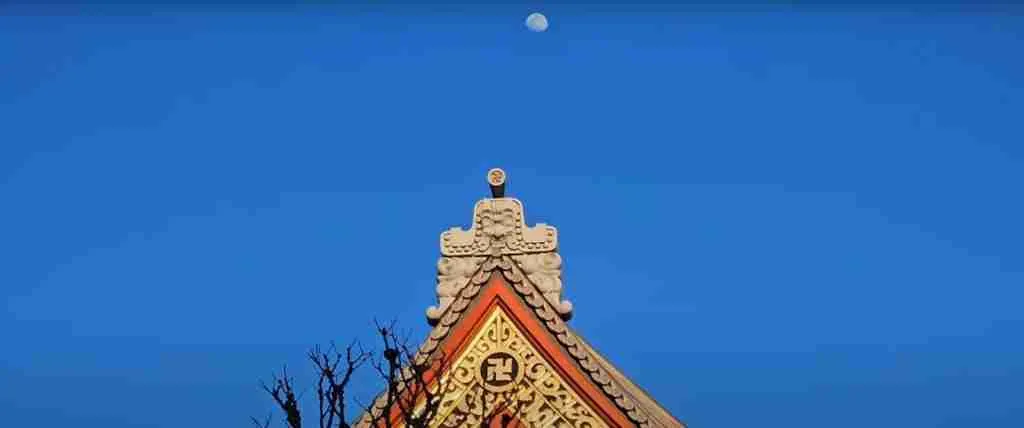
Begin Day 2 with 7:30 AM departure for Asakusa using the Ginza subway line from Shinjuku (¥200, 30 minutes with one transfer), arriving at Senso-ji Temple before 8:30 AM when tour groups overwhelm the grounds. Senso-ji, Tokyo’s oldest Buddhist temple founded in 645 CE, requires no entrance fee and opens 24 hours daily, but optimal visiting occurs in early morning when incense smoke rises against soft sunlight rather than harsh afternoon heat. Walk through the Kaminarimon (Thunder Gate) with its massive red lantern, browse Nakamise shopping street’s traditional souvenir stalls (mostly closed until 9:00 AM), and explore the main temple hall where worshippers cleanse themselves with incense smoke for good health.
Allocate 90 minutes in Asakusa for temple exploration plus breakfast at a traditional restaurant opening at 8:00 AM—try tamagoyaki (sweet rolled omelet) set meals for ¥800-1,200 or Western-style breakfast at nearby cafes. The Asakusa Culture Tourist Information Center (free admission, 8th floor) provides panoramic views of Senso-ji and Tokyo Skytree if weather permits. By 10:00 AM, exit Asakusa before tour bus arrivals peak and travel to Harajuku via the Ginza Line (¥200, 35 minutes with transfers at Shibuya).
Harajuku exploration from 10:30 AM-1:00 PM captures Tokyo’s youth culture and fashion extremes. Walk Takeshita Street’s narrow pedestrian lane packed with crepe stands (¥600-900), accessory shops, and cosplay boutiques, observing teenagers in elaborate alternative fashion styles. Exit to quieter Omotesando Avenue for contrast—this tree-lined boulevard features luxury flagship stores from international brands in architectural showpieces designed by famous architects. The nearby Meiji Shrine, Tokyo’s most important Shinto shrine, sits in a forested park providing complete sensory reset from Harajuku’s commercial chaos—entrance remains free daily from sunrise to sunset, with torii gate entrance photographed by every visitor.
Lunch in Harajuku specializes in Instagram-worthy presentations—rainbow cotton candy, animal-shaped desserts, and oversized parfaits dominate. For substantial meals, choose ramen shops around Harajuku Station (¥900-1,300) or conveyor belt sushi in nearby Omotesando (¥1,500-2,500 for satisfying portions). Afternoon timing splits between Shibuya’s urban energy and evening digital art. Arrive at Shibuya Crossing by 2:30 PM to experience the intersection’s controlled chaos from both street level and the Starbucks second-floor window overlooking the crossing. Shibuya’s youth-oriented shopping districts (109 Building for women’s fashion, Center Gai street for music and games) fill time until 5:00 PM teamLab Planets arrival.
teamLab Planets Tokyo represents your first major paid attraction at ¥3,800-5,600 depending on time slot (check official site for 2026 rates, as pricing may vary). Book tickets minimum 2 weeks in advance selecting the 5:00-5:30 PM entry time—evening slots create better lighting conditions for the digital projections while avoiding midday crowds. This digital art museum requires removing shoes and rolling up pants as you walk through water-filled rooms with projected koi fish, immersive flower gardens, and infinity mirror installations. Plan 2-2.5 hours for the complete experience photographing each installation thoroughly. The museum’s Toyosu location sits away from central Tokyo requiring 15 minutes from Shibuya via Yurakucho Line, justified by the unique experience unavailable anywhere else globally.
Evening concludes with dinner in Shibuya returning from teamLab by 8:00 PM. Shibuya’s food scene concentrates around the station’s multiple exits—yakitori alleys near Mark City building, conveyor belt sushi chains on upper floors, and international options (Korean BBQ, Thai, Italian) in surrounding blocks. Budget ¥2,000-3,500 for quality dinner with drinks. Return to Shinjuku accommodation by 10:00 PM via Yamanote Line (¥170, 5 minutes), purchasing tomorrow’s convenience store breakfast if needed. Day 2 covers approximately 15,000 steps and ¥8,000-12,000 in expenses excluding accommodation.
Days 3-4: Mount Fuji Day Trip and Tokyo’s Modern Districts 2026
Day 3 Mount Fuji and Hakone Day Trip 2026
Mount Fuji day trips from Tokyo demand early departure discipline—leave Shinjuku by 7:30 AM to maximize mountain visibility before afternoon clouds obscure the peak. The most efficient route combines JR trains to Otsuki Station (¥1,340, 70 minutes) then Fujikyu Railway to Kawaguchiko Station (¥1,170, 50 minutes), arriving by 9:30-10:00 AM at Mount Fuji’s northern base. Alternative routes via Mishima using shinkansen reduce travel time to 90 minutes total but cost ¥7,000-8,000 one-way—save this option for your Day 4 onward JR Pass activation when cost becomes irrelevant.
Kawaguchiko Station serves as your base for Mount Fuji photography and lake exploration. The Kawaguchiko Retro Bus (¥1,500 day pass) circulates to viewing spots around the lake including the famous Chureito Pagoda (¥500 entrance to Arakurayama Sengen Park) offering the classic five-story pagoda with Mount Fuji backdrop photograph. Weather determines visibility—clear mornings provide 70% chance of seeing the full mountain, while afternoons drop to 30% probability as clouds accumulate. If Fuji hides behind clouds, shift focus to Kawaguchiko Oishi Park’s flower gardens and lakeside restaurants serving hoto noodles (¥1,100-1,500), the region’s specialty thick udon in miso-based soup.
Afternoon options split between extended Kawaguchiko exploration or Hakone addition depending on energy and weather. Hakone adds 90 minutes one-way travel from Kawaguchiko via bus connections, making a combined day trip ambitious but possible with strategic planning. Hakone’s main attractions include Lake Ashi boat cruise (¥1,200), sulfurous Owakudani volcanic valley (cable car ¥1,550 round trip), and traditional ryokan hot spring baths. Most day trippers choose either Fuji or Hakone rather than both—attempting both results in rushed experiences and 9:00-10:00 PM returns to Tokyo.
Return journey timing aims for 4:00-5:00 PM departure from Kawaguchiko to reach Shinjuku by 7:00-8:00 PM, allowing relaxed dinner in Tokyo rather than rushed station bento boxes. The Fujikyu Romance Car express offers more comfortable seating than local trains (¥2,000 supplement) for the return journey if fatigue sets in. Evening dining in Shinjuku’s Nishi-Shinjuku (West Exit) skyscraper district provides upscale options—department store basement food halls (depachika) at Keio, Odakyu, and Lumine buildings sell premium prepared foods (¥1,500-3,000) for in-room hotel consumption or find restaurants on skyscraper observation floors combining dinner with night views.
Day 3 covers your longest travel distances at 4-5 hours round trip and 20,000+ steps exploring Fuji area. Budget ¥8,000-12,000 for transportation without JR Pass, ¥3,000-5,000 for meals and entrance fees. Weather contingency plans matter—if forecasts show 70%+ cloud cover, postpone Fuji to Day 4 and swap with Tokyo activities instead. Mount Fuji’s visibility statistics improve in winter (December-February) with 70-80% clear days, decrease in summer (June-August) to 20-30% clear days, and balance in spring/autumn at 50-60% probability.
Day 4 Tokyo Modern Districts and JR Pass Activation 2026
Day 4 introduces two critical elements—JR Pass activation and Tokyo’s modern districts exploration. Begin at 9:00 AM visiting a JR Pass Exchange Office at major stations (Shinjuku, Tokyo, Shinagawa) presenting your exchange voucher to receive the physical pass. This process takes 20-30 minutes during weekday mornings, longer during rush hours. Specify today’s date as activation start, providing 7 consecutive days of unlimited JR train travel through Day 10. Staff will explain basic usage rules—pass covers all JR trains including shinkansen (except Nozomi and Mizuho fastest services), requires seat reservations for long-distance travel, and works with automatic ticket gates by showing the pass to station staff.
Odaiba exploration begins with JR Yamanote Line from Shinjuku to Shinbashi (¥160 with Suica card or free with JR Pass), transferring to Yurikamome automated train line to Daiba Station (¥330, not covered by JR Pass). This man-made island in Tokyo Bay showcases Japan’s vision of futuristic urbanism with the life-size Gundam statue (free, always accessible), teamLab Borderless digital art museum (¥3,800-4,200, book ahead), and DiverCity shopping complex. Odaiba’s waterfront promenade provides Tokyo skyline views across the bay, while the Oedo Onsen Monogatari hot spring theme park (¥2,900, closed in 2021—verify 2026 alternatives) offers traditional bathing culture in tourist-friendly setting.
Lunch in Odaiba ranges from food court Japanese chains (¥1,000-1,500) to international restaurants in Venus Fort or Aqua City shopping malls. The Gundam Base Tokyo store at DiverCity sells exclusive Gundam model kits if you’re into anime/manga culture. Allocate 3-4 hours for Odaiba exploration before returning to central Tokyo by 3:00-4:00 PM for Ginza’s upscale shopping district. Ginza targets luxury consumers with flagship stores from every major international brand, but the real attraction lies in observing Tokyo’s sophisticated adult culture—impeccably dressed businesspeople, department store basement food halls (Ginza Six, Mitsukoshi), and traditional craft shops surviving among modern commercial development.
Evening timing focuses on Tokyo Station area and Imperial Palace gardens before dinner. Tokyo Station’s restored red-brick Marunouchi Building houses restaurants and shops in Meiji-era architecture, while the nearby Imperial Palace East Gardens (free admission, closes 4:30-5:00 PM depending on season) provide historical context about Tokyo’s transformation from Edo shogunate capital. The palace grounds remain mostly closed to public except organized tours twice daily, but the East Gardens showcase original stone walls, defensive moats, and manicured landscapes accessible without reservations.
Dinner in Tokyo Station underground corridors (Yaesu Underground Shopping Mall) provides hundreds of restaurant options at every price point—stand-up sushi bars (¥2,000-3,500), ramen shops (¥950-1,400), and izakaya pubs (¥3,000-5,000 with drinks). The area stays lively until 10:00-11:00 PM as Tokyo’s business district unwinds from work, creating energetic atmosphere. Return to Shinjuku via JR lines (free with today’s activated pass) by 9:00-10:00 PM. Day 4 expenses include ¥50,000 JR Pass activation (mandatory today), ¥6,000-10,000 for meals and non-JR transportation. Tomorrow’s Kyoto transfer requires luggage preparation—most hotels offer morning storage if checking out early.
Days 5-7: Kyoto’s Temple Heritage and Traditional Culture 2026
Day 5 Tokyo to Kyoto Transfer and Gion Evening 2026
The Tokyo-Kyoto transfer via shinkansen represents Japan’s transportation efficiency at peak performance. Depart Shinagawa or Tokyo Station at 9:00-10:00 AM using your JR Pass to board the Hikari shinkansen (2 hours 45 minutes, ¥13,320 value included in pass), experiencing 285 km/h speeds while Mount Fuji appears through right-side windows approximately 45 minutes into the journey. Nozomi shinkansen trains run faster (2 hours 15 minutes) but require supplements even with JR Pass—the 30-minute time saving rarely justifies ¥4,000+ extra cost for first-time visitors with flexible schedules.
Reserve shinkansen seats the previous evening at any JR station using your pass—window seats on right side (E seats in ordinary cars) maximize Mount Fuji viewing probability. Bring purchased ekiben (station lunch boxes ¥1,000-2,000) from Tokyo Station’s extensive selection, as eating on shinkansen is culturally acceptable unlike local commuter trains. The journey’s smooth ride allows laptop work or reading, though most visitors spend time photographing scenery and observing Japan’s efficient rail culture—trains depart exactly on schedule, cleaning crews transform car interiors during 5-minute station stops, and passenger silence maintains throughout despite full capacity.
Arrive Kyoto Station by 12:00-1:00 PM and transfer to your accommodation in Central Kyoto near Kawaramachi or Gion districts. Kyoto’s accommodation costs ¥12,000-20,000 per night for mid-range hotels in central locations—slightly lower than Tokyo but still premium for proximity to major temples. Store luggage at your hotel even if check-in time hasn’t arrived, then immediately begin afternoon exploration. Kyoto Station itself merits 30 minutes—the building’s modern architecture contrasts with Kyoto’s traditional image, while the 10th-floor observation deck (free) provides city views and orientation to surrounding mountains.
Afternoon temple introductions begin with Kiyomizu-dera (¥500 entrance, open 6:00 AM-6:00 PM), Kyoto’s most famous temple sitting on hillside requiring 20-minute uphill walk from nearest bus stop. The temple’s wooden stage juts from the hillside providing panoramic city views, while surrounding streets (Ninenzaka and Sannenzaka) showcase preserved machiya merchant houses converted to cafes and souvenir shops. Arrive by 2:00-3:00 PM to experience the temple in afternoon light before 5:00 PM closing. The walk down through Higashiyama district passes traditional streets where locals still live above ground-floor shops, offering glimpses of Kyoto life beyond tourist zones.
Evening transitions to Gion district at 5:30-6:00 PM for your first geisha culture exposure. Gion’s historic streets around Hanami-koji and Pontocho alleys feature traditional wooden machiya houses where geisha and maiko (apprentice geisha) work in exclusive ochaya teahouses. Seeing geisha requires patience and luck—they commute to appointments at 5:30-7:00 PM and after 9:00 PM, walking quickly between establishments. Never approach or touch them; photography from respectful distance is acceptable. Dinner in Gion ranges from casual kaiseki (¥5,000-8,000) to tourist-friendly izakaya (¥3,000-5,000), or walk to nearby Nishiki Market area for more affordable options after 6:00 PM when market stalls close but surrounding restaurants open.
Day 6 Kyoto Northern Temples Circuit 2026
Kyoto’s northern temples concentration allows visiting 3-4 major sites in single day using strategic transportation between locations. Begin at Kinkaku-ji (Golden Pavilion) arriving at 7:30 AM when gates open at 9:00 AM—wait 90 minutes for opening rather than arriving at 10:00 AM facing tour bus crowds that make photography nearly impossible. Entrance costs ¥500 including unique admission ticket designed as protective talisman, and the temple circuit takes 45 minutes walking one-way path around the gold-leaf covered pavilion reflected in the surrounding pond.
Kinkaku-ji’s fame creates congestion that requires crowd-navigation strategy—the initial viewing platform near the entrance gate sees heaviest crowding, while positions further along the path provide different angles with fewer people. The gold leaf covering uses real gold applied over lacquer, and the building serves as shariden (reliquary hall) containing Buddha’s relics rather than functioning temple for worship. Photography rules prohibit tripods and large equipment that obstruct other visitors, while selfie sticks create hazards in compressed viewing areas.
Ryoan-ji Temple sits 20 minutes by bus from Kinkaku-ji (¥230, routes 59 or 12) and opens at 8:00 AM, creating potential for visiting before Kinkaku-ji if extreme crowd avoidance matters more than golden morning light on the pavilion. Ryoan-ji’s entrance (¥500) leads to Japan’s most famous zen rock garden—15 rocks arranged in raked white gravel, visible from the main hall’s viewing platform. The garden’s meaning remains ambiguous with theories ranging from islands in an ocean to tigers crossing a river, but the intended response involves quiet contemplation rather than intellectual analysis. Allocate 45-60 minutes for Ryoan-ji including the surrounding pond garden often overlooked by rushed visitors focusing solely on the rock garden.
Lunch timing by noon provides options near Kinkaku-ji area—simple shokudo (¥900-1,400) serve standard Japanese sets, or bus to Kitano Tenmangu Shrine area where local restaurants cater to residents rather than tourists with better prices. Afternoon continues to Ginkaku-ji (Silver Pavilion, ¥500 entrance) on Kyoto’s eastern side reached via buses requiring 40-50 minutes from Kinkaku-ji area. Ginkaku-ji never received its intended silver leaf covering due to funding issues, but the temple’s moss gardens and contemplative atmosphere arguably surpass Kinkaku-ji’s crowded commercialism.
The Philosopher’s Path begins at Ginkaku-ji, providing 2-kilometer walking route along canal lined with cherry trees (spectacular in early April, peaceful green tunnel otherwise) connecting to Nanzen-ji Temple area. This walk takes 30-40 minutes passing small cafes and craft shops, ending at Nanzen-ji (free grounds, ¥500 for main hall) with impressive San-mon gate and aqueduct brick arch providing photography opportunities. By 4:00-5:00 PM, conclude temple visits and return to central Kyoto for Nishiki Market exploration—this covered food market (free to walk through) operates 9:00 AM-6:00 PM with over 100 shops selling pickles, seafood, sweets, and Kyoto specialties for tasting.
Day 7 Arashiyama and Fushimi Inari Full Day 2026
Arashiyama district on Kyoto’s western edge combines natural beauty with temple heritage requiring full morning allocation. Depart central Kyoto at 8:00 AM via JR Sagano Line from Kyoto Station (15 minutes to Saga-Arashiyama Station, free with JR Pass) or Hankyu Railway (30 minutes, ¥230, not covered by pass). Arrive before 9:00 AM when the famous Bamboo Grove pathway becomes navigable—by 10:30 AM this narrow path through towering bamboo stalks transforms into shuffle-pace crowded corridor where photography becomes frustrating rather than inspirational.
The Bamboo Grove walk extends only 400 meters taking 10-15 minutes if walking straight through, but the atmospheric setting rewards slower pace photographing the towering green stalks filtering sunlight. Exit to Tenryu-ji Temple (¥500 entrance, opens 8:30 AM) for traditional Japanese garden viewing, then explore Arashiyama’s main street filled with food stalls selling soft-serve matcha ice cream (¥500), dango rice dumplings (¥400), and croquettes (¥250-350). The Togetsukyo Bridge crossing the Katsura River provides classic Arashiyama photographs with mountains background, best captured in morning before harsh afternoon light.
Arashiyama’s monkey park option sits atop mountain requiring 20-minute uphill hike (¥550 entrance) for guaranteed wild monkey encounters and Kyoto city views. The monkeys roam free while humans enter enclosed areas to feed them—an inversion of typical zoo experiences that delights visitors. Monkeys are most active during feeding times (10:00 AM-3:00 PM) and least aggressive in morning hours. Skip the monkey park if physical hiking doesn’t appeal, instead dedicating time to Okochi Sanso Villa (¥1,000 entrance including tea and sweets) for refined garden beauty without crowds.
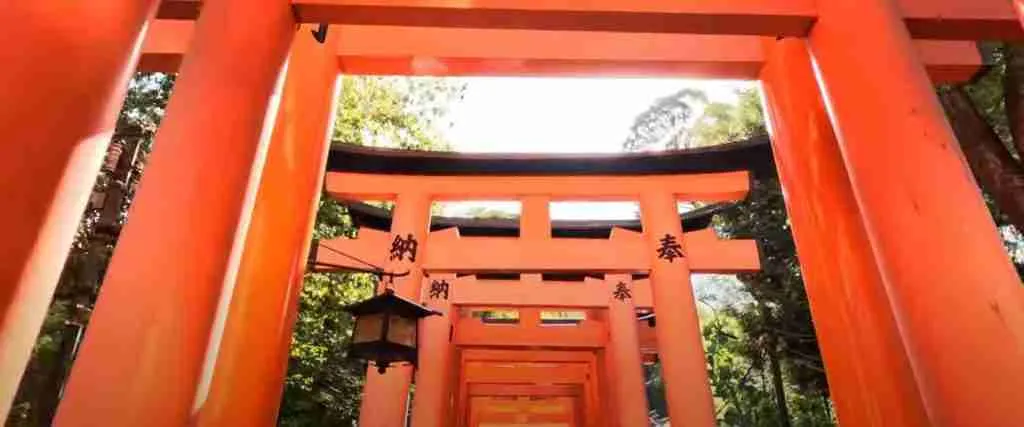
Return to central Kyoto by 1:00 PM for lunch, then travel to Fushimi Inari Shrine in southern Kyoto via JR Nara Line from Kyoto Station (5 minutes to Inari Station, free with JR Pass). Fushimi Inari requires no entrance fee and remains open 24 hours, but afternoon arrival around 2:00-3:00 PM provides optimal lighting for the famous thousand torii gates climbing Mount Inari. These orange/vermilion gates donated by businesses and individuals create tunnel effect photographed by every visitor—the main trail to the summit requires 2-3 hours round trip, but most visitors explore only the lower sections for 60-90 minutes before turning back.
Fushimi Inari’s crowd management strategy involves walking upward past the initial viewing platforms where tour groups concentrate. The trail’s first 20 minutes sees heaviest foot traffic, while continuing to the midpoint viewing area (45 minutes up) reduces crowds by 60-70%. The full summit trail rarely crowded except during New Year’s period provides mountain forest hiking experience distinct from lower tourist zones. Small shrines and fox statues (messengers of Inari, god of rice and prosperity) line the entire route, with vendors selling snacks and drinks at major intersections.
Evening returns to central Kyoto by 5:00-6:00 PM for final dinner in Pontocho alley—this narrow street paralleling the Kamogawa River features restaurants with outdoor riverside seating (summer only) and traditional wooden facades. Pontocho dining ranges from ¥3,000 casual izakaya to ¥15,000+ kaiseki multicourse meals, with most restaurants displaying plastic food models indicating price ranges. Reserve ahead for specific restaurants or walk the full alley length comparing options before choosing. Day 7 concludes Kyoto’s main temple circuit having covered Golden Pavilion, Silver Pavilion, Bamboo Grove, and Fushimi Inari—the essential Kyoto experiences that define most visitors’ lasting impressions.
Days 8-9: Nara Day Trip and Osaka Exploration 2026
Day 8 Nara Day Trip and Ancient Temples 2026
Nara’s compact temple district concentrates major attractions within walking distance, making it ideal day trip from Kyoto requiring only 45 minutes by JR Nara Line (¥720 one-way, free with JR Pass from Kyoto Station). Depart at 8:00-8:30 AM to arrive before 9:00 AM when Nara’s famous deer become most active and hungry—feeding the approximately 1,200 free-roaming deer with special senbei crackers (¥200 for 10 crackers) represents Nara’s signature experience unavailable elsewhere in Japan. The deer bow requesting food having learned this behavior through centuries of tourist interaction, creating adorable photo opportunities tempered by occasional aggressive behavior when food appears.
Todai-ji Temple, housing the world’s largest bronze Buddha statue, opens at 7:30 AM allowing early arrival before crowd-sensitive visitors. Entrance costs ¥600 for the main hall (Daibutsuden), where the 15-meter tall Buddha statue cast in 752 CE dominates the interior space. The hall’s massive wooden pillars include one with hole at base—legend claims those who squeeze through gain enlightenment, though the real purpose was demonstrating pillar size during construction. Surrounding Nara Park extends freely accessible with multiple smaller shrines, temples, and deer populations requiring 2-3 hours to explore thoroughly.
Kasuga Taisha Shrine sits 10 minutes walk from Todai-ji through forested paths lined with stone lanterns donated over centuries. The main shrine requires ¥500 entrance to inner courtyards, though outer grounds remain free and showcase thousands of hanging bronze lanterns creating atmospheric walkways. Nara’s UNESCO World Heritage sites concentration within Nara Park makes navigation straightforward—simply follow paths through deer-populated green spaces connecting attractions without requiring maps or transportation. Lunch in Nara’s shopping arcade near Kintetsu-Nara Station provides local specialties including kakinoha-zushi (persimmon leaf-wrapped sushi, ¥1,200-1,800) and Miwa somen noodles (¥900-1,400).
Afternoon options split between extended Nara exploration or early return to Kyoto/Osaka. Horyu-ji Temple (¥1,500 entrance), world’s oldest wooden structures dating to 607 CE, requires 30 minutes by train from Nara Station but rewards architecture enthusiasts with unparalleled historical significance. Most visitors choose 1:00-2:00 PM return to Kyoto, having covered Todai-ji, Nara Park, and Kasuga Taisha in morning exploration. Alternative routing returns via Osaka for afternoon city exploration—the JR Pass covers Kyoto-Nara-Osaka routing without additional cost, maximizing pass value on Day 8.
Day 9 Osaka’s Urban Energy and Regional Contrast 2026
Osaka operates under different cultural rules than Tokyo or Kyoto—louder street culture, more aggressive commerce, and food-focused identity that prioritizes taste over presentation. This one-day exploration introduces Kansai region’s alternative personality before returning to Tokyo or concluding your trip. Depart Kyoto at 9:00 AM via JR Special Rapid train to Osaka Station (30 minutes, free with JR Pass), arriving in Japan’s third-largest city where Kansai dialect and casual business culture contrast with Tokyo’s formal corporate atmosphere.
Osaka Castle represents the city’s historical center requiring ¥600 entrance to castle tower (museum inside) with exterior grounds remaining free for photographing the imposing white walls and gold roof ornaments. The castle’s reconstruction in 1931 using concrete rather than wood disappoints purists, but the museum’s historical exhibits and top-floor observation deck justify the entrance fee. Surrounding Osaka Castle Park provides pleasant walking especially during cherry blossom or autumn foliage seasons, though summer heat and humidity in Osaka exceeds Tokyo/Kyoto levels making morning visits preferable.
Dotonbori district defines Osaka through food-focused commercial excess—giant mechanized crab signs, enormous blowfish lanterns, and LED screens covering buildings create sensory overload photo opportunities. Arrive at Dotonbori by 11:30 AM-noon to observe restaurants preparing for lunch rush, then sample Osaka’s famous foods: takoyaki octopus balls (¥500-800 for 6 pieces), okonomiyaki savory pancakes (¥900-1,500), and kushikatsu deep-fried skewers (¥100-200 per stick). The district’s pedestrian streets along Dotonbori Canal remain pedestrian-friendly despite crowds, with Glico Running Man sign and Kani Doraku crab providing mandatory tourist photographs.
Afternoon options include Shinsekai retro district showcasing 1950s-1960s Osaka atmosphere with working-class kushikatsu restaurants and Tsutenkaku Tower (¥900 observation deck), or Osaka’s modern shopping districts around Umeda Station. Kuromon Ichiba Market competes with Kyoto’s Nishiki Market for food variety—vendors sell fresh seafood, Kobe beef samples, and exotic fruits at slightly lower prices than Kyoto equivalents. The market operates 9:00 AM-6:00 PM with peak activity 11:00 AM-2:00 PM during meal times.
Evening timing depends on whether staying overnight in Osaka or returning to Kyoto. If returning to Kyoto, depart Osaka by 5:00-6:00 PM to allow leisurely dinner in Kyoto and hotel return. If staying in Osaka, the city’s nightlife concentrates in Namba and Umeda districts with entertainment options extending past midnight—significantly later than Kyoto’s quieter evening atmosphere. Osaka accommodation costs ¥10,000-18,000 per night for business hotels near major stations, representing 20-30% savings compared to equivalent Kyoto locations. Day 9 completes your Kansai region exploration having experienced three distinct cities (Kyoto traditional, Nara ancient, Osaka commercial) showcasing different aspects of Japanese culture.
Day 10: Tokyo Return and Departure Preparation 2026
Your final day varies dramatically based on departure timing and flight location. International flights from Narita or Haneda Airport (Tokyo) require return journey from Kyoto via shinkansen, while Kansai International Airport (Osaka) departures allow leisurely final morning in Kyoto. Most 10-day itineraries conclude with Tokyo returns to match round-trip international flights, requiring morning shinkansen departure from Kyoto.
Tokyo-bound travelers depart Kyoto at 8:00-9:00 AM via Hikari shinkansen (2 hours 45 minutes to Tokyo/Shinagawa, free with expiring JR Pass on Day 10). This final shinkansen ride allows reflection on the week’s experiences while covering 475 kilometers in less time than Tokyo-Narita Airport transit. Arrive in Tokyo by 11:00 AM-noon with afternoon free for final shopping, missed attractions, or airport transit preparation. Store luggage at major stations using coin lockers (¥300-700 depending on size) or hotel storage if staying final night.
Final Tokyo hours prioritize practical needs over ambitious sightseeing. Visit Akihabara for electronics and anime merchandise (30 minutes from Tokyo Station), return to favorite restaurants for final meals, or explore Tokyo Station’s underground shopping complexes for last-minute gifts. Narita Airport requires 60-90 minutes transit from central Tokyo via Narita Express (¥3,070, not covered by expired JR Pass unless departing earlier on Day 10) or Keisei Skyliner (¥2,520, 40 minutes from Ueno). Haneda Airport sits closer at 30-40 minutes via Keikyu Line or Tokyo Monorail from central Tokyo (¥500-700).
Airport arrival timing follows international standard 3-hour advance recommendation for long-haul flights, though Japan’s efficient immigration processing rarely requires more than 90 minutes from airport entrance to gate seating. Narita and Haneda both offer extensive shopping in post-security areas—prices match or slightly undercut Tokyo city center, making airports viable for final gift purchases. Duty-free allowances vary by destination country but typically cover ¥200,000-300,000 worth of goods without import duties.
Alternative Day 10 scenarios include Kansai Airport departures (75 minutes from Kyoto via JR Express, free with same-day JR Pass use) or extending stays beyond 10 days. Kansai departures eliminate Tokyo return logistics, allowing leisurely final breakfast in Kyoto before 2:00-3:00 PM airport arrival for evening flights. Extended itineraries often add Hiroshima (2 hours from Kyoto, atomic bomb memorial and Miyajima Island), Takayama (Japanese Alps traditional town), or Hokkaido (northern island) destinations requiring 12-14+ total days.
Transportation and JR Pass Strategy 2026
Japan’s transportation infrastructure combines unmatched punctuality, comprehensive coverage, and premium pricing that demands strategic planning to control costs. The 7-day JR Pass at ¥50,000 represents the single largest transportation expense but provides ¥60,000-70,000 worth of shinkansen and express train value when activated optimally on Day 4 of a 10-day itinerary. Pass activation timing determines value extraction—activating on Day 1 wastes three days on Tokyo subway networks where JR Pass provides minimal benefit, while Day 4 activation covers all expensive intercity journeys including Mount Fuji day trip, Tokyo-Kyoto transfer, Nara day trip, and potential Osaka exploration.
The JR Pass covers all JR company trains nationwide including JR Yamanote Line in Tokyo, JR Nara Line to Nara, and JR Sagano Line to Arashiyama, plus shinkansen bullet trains except Nozomi and Mizuho fastest services. Hikari shinkansen trains run only 30 minutes slower than Nozomi on Tokyo-Kyoto route (2 hours 45 minutes versus 2 hours 15 minutes) making the speed difference negligible for first-time visitors without tight schedules. The pass also covers JR buses in limited areas, Narita Express airport train, and Miyajima Ferry in Hiroshima, though these benefits matter less for a 10-day first-time itinerary focused on Tokyo-Kyoto corridor.
Purchase JR Pass exchange vouchers before arriving in Japan through official distributors or JRPass.com (prices slightly higher than direct purchase). Exchange vouchers convert to physical passes at JR offices in major stations—bring your passport and specify activation date. Reserve shinkansen seats at the same JR offices or ticket machines using your pass number; seat reservations cost nothing with the pass but prevent standing if trains sell out. Window seats on the right side (E seats in ordinary cars) maximize Mount Fuji viewing on Tokyo-Kyoto route, while left-side seats suit Kyoto-Tokyo return when mountain appears on opposite side.
Tokyo’s subway networks (Tokyo Metro and Toei Subway) operate independently from JR requiring separate payment despite JR Pass ownership. Purchase rechargeable Suica or Pasmo IC cards (¥500 deposit plus initial charge) for seamless Tokyo navigation—these cards work on all Tokyo transit, convenience stores, vending machines, and many restaurants via contactless payment. Single Tokyo subway rides cost ¥180-320 depending on distance, while day passes (¥600-900) suit itineraries visiting 4+ attractions daily across different subway lines.
Kyoto’s transportation challenges stem from limited subway coverage compared to extensive bus network reaching all major temples. Kyoto bus one-day pass costs ¥700 allowing unlimited rides on city buses where individual fares run ¥230 per trip—the pass pays for itself after 4 rides, making it essential for temple-hopping itineraries. Bus route planning causes confusion for first-timers; download the Kyoto Official Travel Guide app or use Google Maps transit directions rather than attempting to memorize route numbers. Buses display route maps and stop names in English on electronic displays, and drivers typically announce major stops helping prevent missing your destination.
Taxi usage in Japan requires budget consideration—flag falls start ¥500-730 with per-kilometer charges accumulating rapidly. Tokyo and Kyoto taxis cost ¥2,000-3,000 for typical 15-minute cross-district journeys that subway/bus systems cover for ¥200-400. Use taxis for late-night returns when transit stops running (approximately 12:30 AM for most lines), airport connections with heavy luggage, or when illness/exhaustion outweighs budget concerns. Apps like JapanTaxi and GO facilitate hailing and payment though most taxis still accept street hailing and cash payment.
Accommodation Strategy and Booking 2026
Accommodation location determines daily logistics success more powerfully than hotel amenities, creating the single most important booking decision for Japan travel. Tokyo accommodation in Shinjuku or Shibuya districts positions you within 15-30 minutes of every major tourist area via subway connections, while peripheral locations save ¥3,000-5,000 nightly but cost 60-90 minutes daily in commuting time and mental energy. Kyoto accommodation in Central Kyoto near Kawaramachi or Gion areas allows walking to many restaurants and simplified bus routing to temples, compared to outer areas requiring bus transfers that consume morning energy.
Tokyo’s mid-range hotel prices for 2026 range ¥15,000-22,000 per night in prime Shinjuku/Shibuya locations for business hotels with small (15-18 square meter) but functional rooms including private bathroom, air conditioning, and Wi-Fi. Major chains like APA Hotels, Toyoko Inn, and Route Inn standardize quality at this price point, while international brands (Hilton, Marriott, Hyatt) start ¥25,000-35,000 for marginal space increases. Budget options include capsule hotels (¥3,000-5,000 for sleeping pod with shared facilities) and hostels (¥3,500-6,000 for dormitory bed), both concentrated in Asakusa and Ueno districts requiring extra transit time to reach Shibuya/Harajuku areas.
Kyoto’s accommodation costs run ¥12,000-20,000 nightly for equivalent quality business hotels in central locations—approximately 20-30% lower than Tokyo despite similar demand. Traditional ryokan inns price ¥15,000-40,000 per person including elaborate kaiseki dinners and breakfasts, making them special-occasion splurges rather than budget-conscious choices. Machiya guesthouses (traditional wooden townhouses converted to lodging) offer middle ground at ¥10,000-18,000 per night providing authentic atmosphere without full ryokan formality. Book Kyoto accommodation 2-3 months advance for spring cherry blossom (late March-early April) and autumn foliage (November) peak seasons when central hotels sell out completely.
Peak season pricing surges affect Kyoto dramatically—cherry blossom week hotel rates double or triple from off-season levels, with ¥15,000 November hotel jumping to ¥35,000-45,000 in early April. Tokyo prices remain relatively stable year-round thanks to business travel demand stabilizing rates, though New Year’s period (late December-early January) sees moderate increases. Book peak season Kyoto stays immediately when your travel dates firm up 4-6 months in advance to secure reasonable pricing and central locations.
Booking platforms for Japan include Booking.com and Agoda for international chains and larger hotels, Rakuten Travel for Japanese business hotels often cheaper than international platforms, and Airbnb for apartments and traditional homes. Japanese Airbnb regulations tightened significantly requiring proper licensing, reducing available inventory but improving remaining properties’ legality and quality. Read cancellation policies carefully as many Japanese hotels charge full payment 7-14 days before arrival rather than allowing free cancellation until day-of like Western hotels.
Single travelers face “single supplements” at many hotels charging 70-80% of double room rates rather than half price—Japan’s hotel economics favor couples over solo travelers. Business hotels offer dedicated single rooms (10-12 square meters) at ¥8,000-15,000 nightly in major cities, providing minimal space but full private facilities. Hostels and capsule hotels eliminate single supplements entirely while sacrificing privacy, creating viable budget options for solo explorers comfortable with shared spaces.
Daily Budget Breakdown and Cost Control 2026
Budget planning for Japan requires understanding category-specific spending patterns that differ from Western travel norms. Accommodation represents your largest fixed daily cost at ¥15,000-18,000 for mid-range hotels in prime locations, while food expenses surprise many travelers with their affordability—¥5,000-8,000 daily covers breakfast, lunch, dinner, and snacks at quality establishments without resorting to convenience stores exclusively. Transportation splits between one-time JR Pass purchase (¥50,000 covering 7 days) and daily local transit (¥500-1,000 for subway/bus within cities), while activities balance free experiences (temples, shrines, neighborhoods) with paid attractions (¥3,000-6,000 total daily when visiting museums or digital art installations).
Mid-range daily budgets in Japan average ¥35,000-45,000 ($230-295) per person broken down as accommodation ¥15,000-18,000, meals ¥7,000-8,000, local transportation ¥2,000-3,000, and activities ¥4,000-5,000. This calculation excludes the one-time ¥50,000 JR Pass purchase spread across applicable days. Over 10 days, expect total costs around ¥350,000-450,000 ($2,300-3,000) excluding international flights, though individual spending varies based on shopping, alcohol consumption, and attraction admission choices.
Food costs in Japan reward strategic meal timing and venue selection. Breakfast from convenience stores (onigiri rice balls ¥120-180 each, yogurt drinks ¥150, sandwiches ¥250-400) totals ¥500-800 providing familiar options during adjustment to Japanese cuisine. Lunch at casual restaurants serving ramen (¥900-1,300), curry rice (¥800-1,100), or donburi rice bowls (¥850-1,400) fills you adequately without premium dinner pricing. Dinner represents the day’s main meal investment at ¥2,500-5,000 for quality izakaya dining with drinks, kaiseki courses, or specialty restaurants like yakitori or sushi.
Budget travelers reduce daily food costs to ¥3,000-4,500 by maximizing convenience store meals (breakfast and lunch), limiting restaurant dining to one daily meal, and avoiding alcohol. Convenience stores in Japan maintain quality standards that make prepared foods genuinely satisfying rather than desperate choices—bento boxes (¥450-750), salads (¥350-550), and desserts (¥150-300) taste fresh and appealing. Luxury travelers spending ¥15,000+ daily on food pursue Michelin-starred restaurants (¥20,000-50,000 per person for dinner courses), premium sushi counters (¥10,000-30,000), and high-end department store restaurants that define Japan’s culinary excellence.
Activity costs remain surprisingly low with proper planning. Major temples charge ¥400-600 entrance fees, shrines typically cost nothing, and neighborhood exploration remains free throughout your trip. Digital art museums (teamLab Planets ¥3,800-5,600, teamLab Borderless ¥3,800-4,200) represent your highest single attraction costs, while castle entrances (¥600-1,000) and garden admissions (¥500-800) allow cultural experiences without budget strain. Allocate ¥4,000-8,000 daily for activities on museum/attraction-heavy days, ¥0-2,000 on temple-walking days.
Money-saving strategies for Japan include activating JR Pass only when beginning intercity travel (Day 4 versus Day 1 saves ¥21,000 in pass value), eating one convenience store meal daily (saves ¥1,500-2,000 versus three restaurant meals), and visiting free attractions (saves ¥3,000-5,000 daily compared to paid-entry-only itineraries). Shopping costs vary dramatically by individual spending—souvenir budgets ranging ¥10,000-100,000+ determine whether your total trip lands on low or high end of cost projections. Set shopping budgets before departure rather than impulse-buying throughout the trip.
Essential Practical Advice for 2026
Internet connectivity in Japan requires proactive solutions—rental pocket WiFi devices (¥700-1,200 daily, unlimited data) suit groups sharing connections, while prepaid data SIM cards (¥3,000-5,000 for 10 days, 10-20GB data) or eSIM activations work better for solo travelers with compatible smartphones. Purchase SIM cards at airport arrival or pre-order eSIM activations through providers like Ubigi or Airalo enabling instant connectivity upon landing. Free WiFi exists in convenience stores, major train stations, and hotels, but proves inadequate for navigation-dependent sightseeing requiring constant Google Maps access.
Cash versus card payments skew heavily toward cash despite Japan’s technological advancement—many small restaurants, temples, local shops, and some taxi drivers accept only cash in 2026. Withdraw ¥30,000-50,000 at arrival using 7-Eleven or Japan Post Bank ATMs accepting international cards, maintaining ¥10,000-20,000 daily reserves for restaurants, snacks, and transportation. Credit cards work at major hotels, department stores, chain restaurants, and tourist attractions, but assume cash-only for establishments seating fewer than 30 people or located away from main tourist areas.
ATM availability concentrates at convenience stores (24-hour access) and post offices (weekday business hours), while most bank ATMs reject foreign cards or close after 6:00 PM. 7-Eleven ATMs charge ¥110-220 per withdrawal regardless of amount, making large withdrawals more economical than daily small amounts. Your home bank’s international withdrawal fees vary—check before departure whether flat fees or percentage charges apply to optimize withdrawal amounts.
Language barriers pose less difficulty than many travelers anticipate—English signage appears throughout Tokyo subway stations, shinkansen platforms, and major tourist areas in 2026, while translation apps (Google Translate camera function) interpret restaurant menus and signs instantly. Basic Japanese phrases (arigatou gozaimasu for thank you, sumimasen for excuse me, eigo wa dekimasu ka for “do you speak English”) demonstrate respect and improve interactions. Hotel staff and tourist information centers uniformly speak functional English, while small restaurant owners and elderly shopkeepers typically do not—pointing at menu items and photos works universally.
Etiquette awareness prevents embarrassing tourist moments. Remove shoes when entering temples, traditional restaurants, and any establishment displaying shoe cubby holes at entrance. Stand on left side of escalators in Tokyo (right side in Osaka) allowing passing on right. Bow slightly when receiving items, thanking people, or apologizing. Avoid eating while walking except at festivals (eating on trains absolutely prohibited). Quiet voices in public spaces—phone conversations on trains draw stares, while loud group conversations mark you as culturally unaware. Tipping is not practiced and can cause confusion or offense—never tip at restaurants, taxis, or hotels.
Luggage management strategies for Japan’s compact spaces include forward-shipping services (takkyubin) sending bags from Tokyo hotel to Kyoto hotel for ¥2,000-3,000 per bag, arriving next day. This eliminates dragging luggage on crowded trains and up station stairs lacking elevators. Coin lockers at major stations (¥300-700 depending on size) store bags during day trips, though large suitcases require largest lockers that sell out during peak travel times. Pack light, ship bags between cities, and use hotel storage to minimize physical burden throughout your trip.
Medical and safety concerns remain minimal in Japan—crime rates rank among world’s lowest, lost items frequently return to police boxes, and tap water quality exceeds most Western countries. Bring prescription medications in original containers with English labels or doctor’s letters explaining medical necessity. Over-the-counter medications for headaches, allergies, and stomach issues are available at pharmacies (drugstores) marked with green crosses, though formulations differ from Western equivalents. Travel insurance covering medical evacuation remains advisable for any international trip despite Japan’s safety record.
Seasonal Timing and Weather Considerations 2026
Japan’s seasonal variations affect travel experiences profoundly—cherry blossom season (late March-early April) and autumn foliage (November) deliver spectacular beauty alongside maximum crowds, premium hotel pricing, and advance booking requirements 4-6 months ahead. These peak seasons represent double-edged experiences where natural beauty compensates for logistical challenges and inflated costs. Spring cherry blossoms in Tokyo bloom around March 25-April 5 varying yearly by 5-7 days based on winter temperatures, while Kyoto blooms 3-5 days later around March 30-April 8.
Summer travel (June-August) faces intense heat and humidity particularly in Kyoto where August temperatures reach 35-38°C (95-100°F) with high humidity creating genuinely uncomfortable outdoor exploration. Summer compensates with festivals (matsuri) throughout the country, lower hotel prices, and fewer tourists at major attractions. Rainy season (tsuyu) spans mid-June to mid-July bringing daily showers that require umbrella carrying (convenience stores sell compact umbrellas ¥500-800) but moderate temperatures before summer heat peaks. Coastal areas and mountain destinations like Hakone remain cooler alternatives during summer travel.
Autumn timing (September-November) provides Japan’s most comfortable weather—mild temperatures 18-25°C (65-75°F), low humidity, and spectacular red/gold foliage in temple gardens and mountain areas. November represents peak autumn foliage in Kyoto when maple trees transform temple grounds, creating photography opportunities that rival spring cherry blossoms. Book Kyoto accommodation 2-3 months ahead for November travel as hotels sell out completely during peak foliage weeks. Autumn’s only drawback involves September typhoon season bringing heavy rains and occasional travel disruptions, typically affecting southern regions more severely than Tokyo-Kyoto corridor.
Winter travel (December-February) delivers the year’s lowest prices alongside cold temperatures requiring layers and heating systems in traditional buildings that shock Western visitors accustomed to central heating. Tokyo and Kyoto receive minimal snow (1-3 light snowfalls per winter) while northern regions and Japan Alps experience heavy accumulation perfect for skiing. Winter compensates for cold with clearer skies improving Mount Fuji visibility (70-80% clear days versus 20-30% summer probability) and virtually empty temple grounds in Kyoto allowing contemplative experiences impossible during crowded seasons. New Year’s period (December 28-January 4) sees many restaurants and shops closed while Japanese families travel domestically, creating logistical challenges countered by special shrine visits and cultural experiences.
Shoulder seasons (May and late September-early October) balance good weather, moderate crowds, and reasonable pricing without reaching peak season extremes. May following cherry blossoms offers pleasant temperatures and green scenery without November’s foliage spectacle, while late September transitions from summer heat to autumn comfort before November foliage crowds arrive. These periods suit budget-conscious travelers and those avoiding peak season booking competition, accepting reduced natural beauty for improved travel logistics.
Frequently Asked Questions About Japan 10-Day Itinerary 2026
Can I visit Hiroshima and Miyajima in a 10-day Japan itinerary?
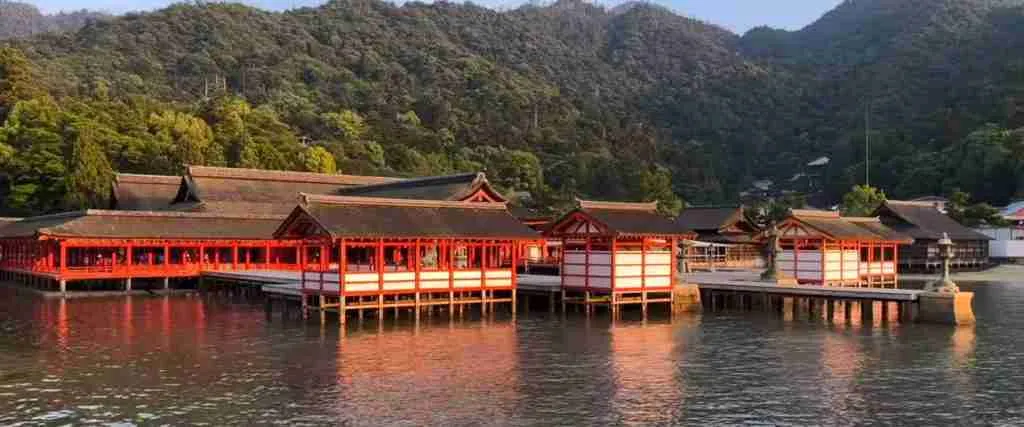
Incorporating Hiroshima and Miyajima requires eliminating one full Tokyo day or one Kyoto day, as the round trip from Kyoto consumes 4 hours via shinkansen (1 hour 40 minutes each way plus transfers). A realistic Hiroshima-Miyajima day trip departs Kyoto at 7:00 AM, explores Hiroshima Peace Memorial and Museum (2 hours), travels to Miyajima Island for shrine and torii gate (3 hours), and returns to Kyoto by 8:00-9:00 PM. This ambitious schedule works but requires 14-hour day with minimal flexibility. Alternatively, substitute Day 6 Kyoto northern temples for Hiroshima day trip, accepting you’ll miss Kinkaku-ji and Ryoan-ji to gain World War II historical context and the famous floating torii gate at Itsukushima Shrine.
Should I rent a car for any part of my Japan trip?
Car rental makes no practical sense for Tokyo-Kyoto first-time itineraries where trains, subways, and buses provide superior access to all major attractions. Parking costs ¥2,000-4,000 daily in major cities, navigation requires Japanese GPS or offline maps, and city driving involves one-way streets and complex traffic patterns overwhelming to foreign visitors. The only scenario justifying rental involves rural area exploration (Japanese Alps, Tohoku region, Hokkaido) where public transportation frequency decreases significantly. For the standard 10-day Tokyo-Kyoto-Nara-Osaka route, public transportation universally outperforms private vehicles for convenience, cost, and stress reduction.
How do I handle luggage when changing cities in Japan?
Forward-shipping services (takkyubin) offered by Yamato Transport and Sagawa Express solve luggage logistics by sending bags from Tokyo hotel to Kyoto hotel for ¥2,000-3,000 per standard suitcase, arriving next day. Arrange shipping through hotel concierge before 11:00 AM for next-day arrival, or use convenience stores (7-Eleven, FamilyMart) where staff assist with Japanese-language shipping forms. This service eliminates dragging suitcases on crowded trains, up station stairs, and through compact subway corridors. Carry a small backpack or daypack containing one outfit change, toiletries, and essentials for the overnight period between shipping and arrival. Hotels store shipped luggage until your check-in time, and English-speaking staff facilitate the process at major hotels in tourist areas.
Is it safe to walk around Tokyo and Kyoto at night?
Japan maintains exceptionally low crime rates making night walking safer than virtually any Western country—women walk alone at midnight in Shibuya, tourists navigate quiet residential streets carrying cameras and phones, and violent crime against tourists remains statistically negligible. Standard urban awareness applies (avoid extremely isolated areas, remain alert to surroundings) but the danger level that would prevent evening temple walks in Kyoto or late-night ramen in Shinjuku simply doesn’t exist. Major entertainment districts stay lively until 1:00-2:00 AM with families, couples, and solo travelers mixing freely. The primary night concerns involve navigation rather than safety—unfamiliar streets, limited English signage in residential areas, and subway systems closing around 12:30 AM requiring taxi returns to hotels.
What’s the best way to exchange currency for Japan?
Withdraw yen directly from Japanese ATMs using your home debit card rather than exchanging currency at home or at airports where exchange rates include 3-8% markups. 7-Eleven ATMs operate 24 hours and accept Visa, Mastercard, Plus, and Cirrus network cards, charging fixed ¥110-220 withdrawal fees regardless of amount (your home bank may add additional fees). Japan Post Bank ATMs in post offices provide similar international card access during business hours. Exchange currency only if your card fails at ATMs—currency exchange booths at Narita/Haneda airports offer reasonable rates, while exchange shops in major cities provide competitive rates but require time to locate.
Can I use credit cards everywhere in Japan?
Credit card acceptance increased significantly by 2026 but cash remains essential for daily spending. Major hotels, department stores, chain restaurants, convenience stores, and tourist attractions accept Visa and Mastercard universally, while American Express and Discover work less reliably. Small restaurants seating under 30 people, local shops, many temples, and some taxis accept only cash. Plan to pay cash for 40-50% of daily transactions including most meals, local transportation, and small purchases. Carry ¥10,000-20,000 cash daily replenishing from ATMs as needed, while reserving credit cards for major expenses like hotels, electronics, and large restaurant bills.
How much Japanese should I learn before visiting?
Basic courtesy phrases improve interactions but fluency remains unnecessary—arigatou gozaimasu (thank you), sumimasen (excuse me/sorry), konnichiwa (hello), and eigo wa dekimasu ka (do you speak English?) cover essential situations. Learning hiragana/katakana reading requires 20-30 hours study providing minimal practical benefit when Google Translate camera function translates signs instantly by pointing your phone. Focus language energy on pronunciation practicing place names (Shinjuku, Asakusa, Fushimi Inari) rather than grammar or vocabulary that proves unnecessary given widespread English in tourist areas. Hotel staff, tourist information centers, and major restaurants communicate in English, while small establishments rely on pointing at menus and non-verbal communication that functions adequately despite language barriers.
What should I pack differently for Japan compared to other destinations?
Pack significantly lighter for Japan than Western travel—compact hotel rooms lack space for large suitcases, frequent shoe removal requires slip-on footwear, and excellent laundry services enable mid-trip washing. Bring slip-on shoes or sandals over lace-up boots for efficiency entering temples and traditional restaurants. Pack shirts and pants without wrinkles as Japanese hotels provide limited closet space and ironing facilities. Include a small backpack or daypack for daily excursions rather than purses or crossbody bags that prove awkward in crowded trains. Japan’s convenience stores sell forgotten toiletries, medications, and clothing at reasonable prices reducing packing anxiety—bring prescription medications and essential electronics, purchase other items locally if needed.
How early should I book accommodation for my 2026 Japan trip?
Book Tokyo accommodation 1-2 months ahead for standard travel periods, extending to 2-3 months for premium locations in Shinjuku or Shibuya during autumn foliage. Kyoto accommodation requires 3-4 months advance booking for cherry blossom (late March-early April) and autumn foliage (November) peak seasons when central hotels sell out completely, while off-peak periods need only 4-6 weeks advance. Major international hotel chains offer flexible cancellation until 24-48 hours before arrival, allowing early booking without commitment risk. Japanese business hotels typically charge full payment 7-14 days before arrival with no refunds, requiring greater confidence in travel dates before booking. Monitor Booking.com and Agoda for price drops on already-booked refundable reservations, canceling and rebooking if rates decrease significantly.
Should I buy a Japan Rail Pass before arriving or after landing?
Purchase JR Pass exchange vouchers before arriving in Japan through official distributors or JRPass.com, as prices increase 10-15% for on-arrival purchases and inventory may be limited during peak travel seasons. Exchange vouchers remain valid 3 months from purchase date, allowing flexible trip planning without immediate activation requirements. Convert vouchers to physical passes at JR offices in major stations presenting your passport and specifying activation date—this process takes 20-30 minutes at Shinjuku or Tokyo Station during weekday mornings. Specify Day 4 as activation date to maximize pass value by excluding Tokyo-only days when subway networks provide better routing than JR lines.