
Jackson Hole Travel Guide 2026: Ultimate Planning Resource
Jackson Hole represents American mountain culture at its most authentic—legendary powder skiing beneath the jagged Teton peaks in winter, boundless wilderness exploration through two national parks in summer, and Western heritage woven through every season. This comprehensive 2026 planning guide delivers current costs, seasonal strategies, and insider knowledge for experiencing one of North America’s premier outdoor destinations, whether you’re skiing Corbet’s Couloir, hiking to alpine lakes in Grand Teton National Park, or exploring the iconic Jackson Town Square.
Key Takeaways for Jackson Hole 2026
- Dual Season Excellence: Winter transforms Jackson into world-class ski terrain with 450+ inches of annual snowfall and 4,139 vertical feet at Jackson Hole Mountain Resort (November-April), while summer unlocks Grand Teton and Yellowstone access with wildlife viewing, alpine hiking, and river adventures (June-September).
- Daily Budget Planning 2026: Budget travelers manage $110-180 per person daily assuming two sharing budget accommodations, mid-range visitors invest $260-420 per person daily sharing mid-range hotels, and luxury experiences require $545-930 per person daily with premium lodging and guided adventures.
- Strategic Timing for Value: January and March offer winter’s best combination of snow quality and lower rates (30-40% below peak), while June and September deliver summer access without July-August crowds and pricing—shoulder seasons provide authentic experiences at significantly reduced costs.
- Transportation Economics: The START Bus airport shuttle costs $10 during winter season (December-April), car rentals begin around $24 daily for economy vehicles, and the valley’s free START Bus system connects Jackson, Teton Village, and activity hubs, making car-free visits feasible for downtown-focused itineraries.
- National Park Gateway Advantage: Jackson Hole Airport sits inside Grand Teton National Park boundaries—the only commercial airport within a U.S. national park—placing visitors 20 minutes from Jenny Lake trailheads and 60 minutes from Yellowstone’s south entrance, with the $35 vehicle pass covering both parks for seven days.
- Advance Purchase Requirements 2026: Jackson Hole Mountain Resort limits daily lift ticket sales and requires advance reservations for pass holders—early booking saves up to 40% on lift tickets, secures preferred lodging during peak periods, and guarantees mountain access during capacity-controlled dates throughout the season.
People Also Ask About Jackson Hole 2026
What is the best time to visit Jackson Hole in 2026?
The best time to visit Jackson Hole in 2026 depends entirely on your activity focus and budget tolerance. Winter ski season from December through March delivers legendary powder skiing with reliable snow coverage and full mountain operations, though January and early March offer the best value with rates 30-40% below peak holiday periods. Summer from June through September provides complete access to Grand Teton and Yellowstone national parks with wildflower-filled meadows, comfortable temperatures, and extensive wildlife activity, with June and September representing optimal timing for avoiding July-August crowds while capturing excellent weather. Shoulder seasons—late November, early December, April-May, and October—present the steepest discounts on lodging and activities but come with operational limitations as many mountain facilities, park roads, and restaurants close between seasons.
How much does a Jackson Hole ski trip cost in 2026?
A Jackson Hole ski trip in 2026 costs $260-420 per person daily for mid-range comfort assuming two people sharing hotel accommodation, meals at casual restaurants, lift tickets purchased in advance, and ski rentals. A five-day mid-range ski vacation totals approximately $1,300-2,100 per person including accommodation $450-875, lift tickets $500-700 for five days with advance purchase, meals $410-590, equipment rentals $150-250, and transportation $80-150. Budget-conscious skiers reduce costs to $110-180 per person daily by choosing hostel accommodations, packing lunches, and maximizing free shuttle services, while luxury ski experiences requiring boutique hotels, private instruction, and fine dining reach $545-930 per person daily. The critical cost variables are lift ticket timing (advance purchase saves 40%), accommodation location (Teton Village commands premium rates), and rental versus owned equipment ($30-50 daily for performance packages).
Is Jackson Hole good for summer vacation in 2026?
Jackson Hole excels as a summer vacation destination in 2026, offering advantages that rival or exceed its winter reputation for outdoor enthusiasts and families. Summer sightseeing tickets at $55 per person grant access to the Aerial Tram plus Bridger and Sweetwater gondolas from June 6 through September 12, 2026, providing high-alpine access without skiing ability required. Grand Teton National Park delivers world-class hiking from easy lakeside strolls at String Lake to challenging alpine ascents to Delta Lake, with wildlife viewing concentrated at dawn and dusk along Moose-Wilson Road where moose, bears, and elk appear regularly. The Snake River supports both scenic float trips through Grand Teton ($75-95 per person) and whitewater rafting through the canyon ($95-125 per person), while mountain biking, rock climbing, horseback riding, and fly fishing fill multi-day itineraries. Summer’s accessibility advantages include navigable roads, comfortable temperatures (70s-80s Fahrenheit), extended daylight hours, and family-friendly activities, though July-August crowds require advance reservations and early-morning starts for popular trailheads.
Do I need a car in Jackson Hole for 2026?
Whether you need a car in Jackson Hole for 2026 depends on your itinerary scope and activity priorities. Visitors staying in downtown Jackson and focusing on town-based activities manage comfortably without a car using the free START Bus system connecting Jackson to Teton Village, the Town Square pathways network, and hotel shuttle services to the airport and ski resort. Grand Teton and Yellowstone exploration absolutely requires a vehicle—public transportation doesn’t serve the parks, trailhead access demands flexible timing, and wildlife viewing opportunities emerge unpredictably along park roads requiring the ability to stop freely. The economic calculation favors rental cars for park-focused visits: car rental at $24-40 daily split between two people ($12-20 per person) provides unlimited park access and trailhead flexibility, while rideshare services to Jenny Lake or Yellowstone would cost $80-150 each direction. Winter visitors staying slopeside at Teton Village and skiing daily can skip the car expense, while summer itineraries mixing town, parks, and varied activities justify the rental investment for convenience and cost efficiency.
Extended multi-day tours – 5+ days
Featured Park Yellowstone National Park Multi-Day Tour Packages
3 days
Park Yellowstone National Park 3-Day Discovery Tour
- ✓ Comprehensive Park Yellowstone National Park experience
- ✓ Expert local guides included
- ✓ All accommodation included
- ✓ Transportation provided
5 days
Park Yellowstone National Park 5-Day Highlights Experience
- ✓ Comprehensive Park Yellowstone National Park experience
- ✓ Expert local guides included
- ✓ All accommodation included
- ✓ Transportation provided
7 days
Park Yellowstone National Park 7-Day Cultural Journey
- ✓ Comprehensive Park Yellowstone National Park experience
- ✓ Expert local guides included
- ✓ All accommodation included
- ✓ Transportation provided
10 days
Park Yellowstone National Park 10-Day Complete Adventure
- ✓ Comprehensive Park Yellowstone National Park experience
- ✓ Expert local guides included
- ✓ All accommodation included
- ✓ Transportation provided
Multi-day tour packages powered by TourRadar. Prices and availability subject to change.
Introduction to Jackson Hole Planning 2026
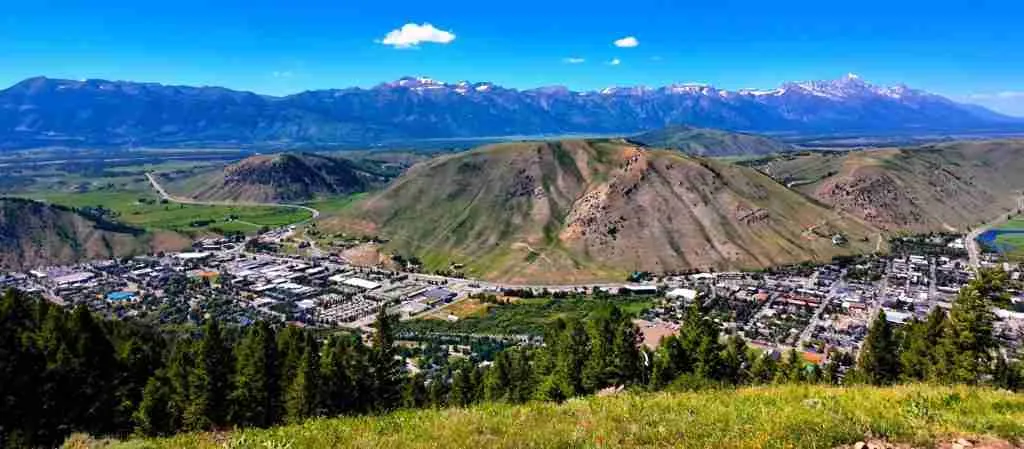
Jackson Hole occupies a singular position in American mountain destinations—a valley where authentic Western heritage, world-class outdoor recreation, and refined mountain culture converge beneath the cathedral spires of the Teton Range. The destination splits into distinct geographic and cultural zones: the Town of Jackson centered on the iconic antler-arched Town Square functions as the valley’s historic commercial and cultural hub, while Teton Village 12 miles northwest serves as the base area for Jackson Hole Mountain Resort and represents concentrated resort development. Grand Teton National Park forms the valley’s dramatic eastern boundary with the sheer Teton peaks rising 7,000 feet directly from the valley floor, and Yellowstone National Park waits 60 miles north accessible via scenic drives through both parks.
Planning Jackson Hole in 2026 requires understanding the destination’s dual-season character and the substantial cost differential between peak and value periods. Winter from November through April revolves around Jackson Hole Mountain Resort’s legendary terrain—4,139 vertical feet accessed by the iconic Aerial Tram, 2,500 acres of varied skiing from groomed cruisers to extreme chutes, and an average 450 inches of champagne powder that built the mountain’s reputation among expert skiers. Summer from May through September transforms the valley into a Grand Teton and Yellowstone gateway with alpine hiking, wildlife observation, river sports, and mountain adventures replacing ski-focused activities. The shoulder seasons of late April through May and October through November offer the valley’s steepest discounts but come with significant operational limitations as ski areas haven’t opened or have closed, park roads remain gated by snow, and many restaurants and tour operators shut down between seasons.
The valley’s elevation at 6,200 feet influences both activity planning and physical adjustment—altitude affects exertion levels, alcohol tolerance, and requires gradual acclimatization for visitors arriving from sea level. Jackson Hole’s remote location 275 miles from Salt Lake City and limited year-round road access (Teton Pass closes periodically in winter) concentrates arrivals through Jackson Hole Airport, the only commercial airport operating inside a U.S. national park. This geographic isolation contributes to premium pricing across accommodations, dining, and activities, though strategic timing and advance planning significantly reduce costs while preserving experience quality.
Current 2026 planning emphasizes advance reservations more than ever—Jackson Hole Mountain Resort continues limiting daily lift ticket sales to manage on-mountain experience, peak-season lodging in both Jackson and Teton Village books months ahead for holiday periods, and popular summer activities including guided tours, whitewater trips, and backcountry experiences require early commitment. The investment in Jackson Hole rewards proper planning with experiences unavailable elsewhere: skiing terrain that challenges the world’s best, hiking trails leading to turquoise alpine lakes beneath vertical granite walls, wildlife encounters with grizzly bears and wolves in protected habitat, and Western authenticity that hasn’t succumbed entirely to resort homogenization.
Understanding Jackson Hole Costs in 2026
Jackson Hole ranks among America’s most expensive mountain destinations, with costs reflecting limited supply, strong demand, remote location, and the premium quality across lodging, dining, and recreational offerings. Understanding the cost structure and planning strategies helps visitors align budgets with experiences while avoiding financial surprises that diminish trip enjoyment.
Accommodation represents the largest single expense category and varies dramatically by location, season, and property type. Winter peak periods (Christmas-New Year, President’s Day week, spring break) command premium rates 50-100% above shoulder season pricing, while summer peak (July-August) similarly inflates costs compared to June or September. Downtown Jackson hotels and Teton Village properties price comparably during their respective peak seasons, though Teton Village adds the convenience of ski-in/ski-out access and immediate lift proximity. Budget travelers find limited options—Jackson has minimal hostel capacity and budget motels concentrate along Broadway south of town, requiring vehicles for mountain access.
Dining costs in Jackson Hole significantly exceed regional Wyoming averages, approaching rates found in major metropolitan areas. Casual meals cost $15-25 per person, mid-range dinners run $40-80 per person, and fine dining establishments charge $100+ per person, with these ranges reflecting entrees only before beverages, appetizers, and gratuities. The valley supports excellent restaurant diversity from authentic Mexican taquerias to James Beard-nominated establishments, though true budget dining requires strategic choices—breakfast burritos from local spots like D.O.G. (Down on Glenwood), grocery store picnic assembly, and pizza by the slice provide the best value ratios. Teton Village dining commands 20-30% premiums over equivalent Jackson restaurants, compensated by slopeside convenience during ski days.
Activity and recreation costs split between high-ticket mountain resort fees and more moderate park-based recreation. Jackson Hole Mountain Resort lift tickets reach $170-250 for walk-up single-day purchase during peak season, though advance purchase typically reduces costs by 40%—early planning proves essential for ski-focused budgets. Summer activities including the Aerial Tram, guided wildlife tours, whitewater rafting, and horseback riding each cost $55-125 per person for half-day experiences, accumulating quickly in multi-day itineraries. Grand Teton and Yellowstone National Parks offer exceptional value at $35 per vehicle covering seven days in both parks, with hundreds of miles of hiking trails, wildlife viewing corridors, and scenic drives requiring no additional fees beyond park entry.
Transportation costs vary by strategy—car rental from Jackson Hole Airport starts around $24 daily for economy vehicles but increases substantially for SUVs and winter-equipped vehicles with all-wheel drive. Fuel prices in Jackson typically run 20-30% above Wyoming state averages due to remote location and limited competition. The free START Bus system provides viable car-free options for visitors staying downtown and focusing on town-based activities plus Teton Village ski access, though Grand Teton and Yellowstone exploration requires personal vehicles. Private shuttles and ride-sharing services exist but price prohibitively for frequent use—Uber and Lyft operate in the valley but with limited driver pools and premium pricing compared to urban markets.
The valley’s sales tax structure adds 6% to most purchases (5% Teton County plus 1% Jackson municipal tax for transactions within town limits), and many hotels add resort fees of $20-40 nightly covering amenities like wifi, parking, and fitness center access. Tipping expectations follow standard American practices—15-20% for restaurant service, $2-5 per bag for luggage handling, $20-40 daily for ski instructors or tour guides based on group size and service quality.
Seasonal Planning Guide for Jackson Hole 2026
Winter Season 2026 (November-April): Ski Focus
Jackson Hole Mountain Resort’s winter season defines the valley’s peak tourism period and delivers world-renowned skiing and snowboarding across terrain that challenges experts while accommodating developing skiers. The 2025-26 season opened November 28, 2025, and extends through April 12, 2026, with operational hours, lift access, and snow conditions varying significantly across this five-month window.
December through February represents core winter with consistent snowfall, full mountain operations including all lifts and terrain, and the deepest snowpack typically accumulating through January and February. Holiday periods (Christmas-New Year) and President’s Day weekend (February 13-16, 2026) bring peak crowds requiring advance lift ticket reservations and commanding premium lodging rates. January outside holiday weeks and early-to-mid March offer winter’s best value proposition—excellent snow conditions persist, lift lines diminish compared to peak periods, and lodging rates drop 30-40% below December and February peaks.
Late season from mid-March through early April delivers variable conditions as spring weather patterns develop—sunny days with softening afternoon snow, potential powder dumps interspersed with rain at base elevations, and extended daylight hours allowing longer ski days. Spring skiing attracts experienced visitors who appreciate smaller crowds, relaxed atmosphere, and the famous Top of the World Waffles at Corbet’s Cabin accessible via the Aerial Tram. The season finale April 9-12, 2026, features special $60 lift tickets commemorating the resort’s 60th anniversary—an exceptional value for closing weekend skiing.
Lodging during winter concentrates visitor decisions between downtown Jackson and Teton Village. Teton Village offers ski-in/ski-out convenience, immediate lift access, and evening après-ski scene but limits dining variety and commands premium rates. Downtown Jackson provides broader restaurant options, Western town atmosphere, historic attractions, and generally lower accommodation costs, with the free START Bus connecting town to Teton Village in 25-30 minutes—morning ski access requires earlier starts but proves entirely manageable for daily skiing.
Summer Season 2026 (May-September): Park Gateway
Summer transforms Jackson Hole into Grand Teton and Yellowstone’s premier gateway, with activities shifting from mountain resort skiing to national park exploration, alpine hiking, river sports, and wildlife observation. The season builds gradually from late May as snow clears from valley elevations through peak summer in July-August, then extends into September with golden aspen foliage and reduced crowds.
June represents summer’s value window—Grand Teton roads and facilities open fully, wildlife viewing peaks as animals descend to valley elevations with newborns, wildflower displays color alpine meadows, and rates remain 20-30% below July-August levels. Some high-elevation hiking trails remain snow-covered into mid-June, though Jenny Lake area trails, Cascade Canyon, and most popular routes become accessible by early June. Yellowstone’s high-country roads including the Beartooth Highway don’t open until late May or early June depending on snow depth.
July and August deliver peak summer with guaranteed trail access, warmest weather (daytime highs 75-85°F), longest daylight hours, and maximum activity availability as all tour operators, rafting companies, and guide services run full schedules. These months also bring peak crowds—Jenny Lake parking fills by 8am, popular trails see heavy traffic, and lodging rates reach annual highs. Afternoon thunderstorms develop regularly in July and August, making early-morning starts essential for alpine hiking both to avoid crowds and weather.
September offers autumn’s most appealing combination: comfortable temperatures, minimal crowds as families return to school schedules, wildlife activity intensifying during rutting season with bull elk bugling throughout the valley, and golden aspen foliage painting the Gros Ventre and hillsides. Many summer activities continue operating through September, though some tour operators reduce schedules after Labor Day. Lodging rates drop substantially compared to summer peak while weather generally remains excellent—September ranks among experienced visitors’ favorite months for Jackson Hole exploration.
Shoulder Seasons 2026: Opportunities and Limitations
Late April through May and October through November comprise Jackson Hole’s shoulder seasons when the valley transitions between winter and summer operations. These periods offer the steepest accommodation discounts—often 40-60% below peak rates—but come with significant operational limitations that demand careful planning.
Spring shoulder (late April-May) follows ski season closure with snow lingering at higher elevations, many restaurants and shops closing for maintenance breaks, and limited tour operator availability. Grand Teton’s Teton Park Road typically doesn’t open until early May, and high-elevation hiking trails remain impassable due to snow. Visitors during this period find a quiet valley with minimal crowds, low rates, and opportunities for valley-level hiking, wildlife viewing along snow-free lower elevations, and cultural attractions, though the experience differs substantially from peak-season offerings.
Fall shoulder (October-November) similarly bridges summer closure and winter opening with progressive facility closures, weather variability, and eventual snow accumulation that closes park roads and ends hiking season. Early October can deliver exceptional conditions with autumn foliage, clear weather, and functioning restaurants before widespread closures begin mid-month. Late October and November become challenging for visitors as ski operations haven’t commenced, park roads close, and winter weather arrives without winter’s activities and infrastructure fully operational.
Accommodation Strategies and Costs 2026
Budget Accommodations Jackson Hole ($60-100 Per Room)
Budget lodging in Jackson Hole presents limited options compared to mid-range and luxury categories, with the valley’s resort character and limited hostel infrastructure concentrating affordable beds in older motels along Broadway south of Jackson’s town center. Budget options start from around $60-100 per night, though availability tightens during peak seasons and advance booking proves essential.
The Hostel (Jackson’s primary backpacker option) offers dormitory beds and some private rooms at the valley’s lowest rates, located within walking distance of Town Square. Expect basic amenities, shared bathrooms for dormitory guests, and a social atmosphere attracting international travelers and seasonal workers. Private rooms when available provide budget-conscious couples an economical alternative to standard hotel rooms at roughly $60-80 nightly.
Budget motels including properties along South Highway 89 (Broadway) provide the next pricing tier with private rooms, parking, and basic amenities starting around $70-100 nightly during value seasons. These properties sit 1-3 miles from downtown Jackson requiring vehicles or START Bus connections for town access and Teton Village skiing. Room quality varies significantly—recent guest reviews and property age should guide selection, as some properties show dated maintenance while others offer clean, well-maintained accommodations at value pricing.
Budget strategy considerations: Book well in advance as limited inventory sells quickly, consider dormitory options for solo travelers to minimize costs, plan stays during shoulder seasons (January, March, June, September) when budget properties price 30-40% below peak rates, and factor transportation costs if staying properties outside downtown’s walkable core. Grocery store proximity for meal preparation significantly reduces total daily costs when combined with budget lodging.
Mid-Range Hotels Jackson Hole ($180-350 Per Room)
Mid-range accommodations in Jackson Hole deliver comfortable rooms, modern amenities, convenient locations, and reliable service at costs that balance quality and value for most visitors. Mid-range hotels run $120-250 per night, with the range reflecting seasonal variation, property location, and room category. This pricing translates to $90-175 per person nightly when two people share accommodations, forming the foundation of mid-range daily budget planning.
Downtown Jackson properties offer walkability advantages—guests access restaurants, galleries, shops, and Town Square attractions on foot while using free START Bus service for Teton Village ski access or keeping rental cars parked rather than constantly repositioning. Properties like The Rockwell Inn and The Lodge at Jackson Hole provide modern rooms, breakfast options, hot tubs, and guest services including airport shuttles and activity booking assistance. Room rates fluctuate with season: $150-250 during ski season peak, $180-350 during summer peak, and $120-180 during value periods.
Teton Village mid-range hotels including properties at the resort base area command slight premiums over equivalent downtown Jackson hotels—typically 15-25% higher—justified by ski-in/ski-out access, immediate lift proximity, and après-ski convenience. Winter visitors prioritizing ski convenience find this premium worthwhile for eliminating morning drives and securing extra slope time, while summer visitors often prefer downtown Jackson’s broader dining scene and Western town character over Teton Village’s resort environment.
Mid-range booking strategy: Reserve 3-6 months ahead for peak periods (Christmas, President’s Day, summer July-August) as the mid-range category sees heaviest demand, compare downtown Jackson versus Teton Village pricing and convenience for your specific activities, check for package deals bundling lodging with lift tickets or activity credits that often provide better value than separate bookings, and consider properties slightly outside downtown’s core for 15-25% lower rates with minimal inconvenience using START Bus or short drives.
Luxury Properties Jackson Hole ($400-700+ Per Room)
Jackson Hole’s luxury accommodation tier delivers distinctive mountain properties combining refined service, premium locations, upscale amenities, and architectural character that justifies significant cost premiums. Luxury hotels range from $214 and extend well beyond $700 per room nightly, with properties like Hotel Jackson, Four Seasons Resort and Residences, Amangani, and Caldera House representing the category’s pinnacle.
Hotel Jackson in downtown exemplifies boutique luxury with LEED-certified construction, design-forward interiors, in-room fireplaces, rooftop hot tubs, and central Town Square location placing guests steps from premier restaurants and nightlife. The property attracts visitors who value walkable downtown access and sophisticated Western design over slopeside skiing convenience. Room rates range $300-600 nightly depending on season and room category.
Four Seasons Resort and Residences Jackson Hole anchors Teton Village’s luxury tier with ski-in/ski-out access, full-service spa, multiple dining venues including the acclaimed Westbank Grill, and family-oriented amenities including kids’ programs. The property commands $500-900 nightly during peak ski season, with summer rates slightly lower though still premium-tier. The combination of ski access, resort amenities, and Four Seasons service standards justifies rates for visitors prioritizing convenience and full-service luxury.
Amangani occupies a ridge above Jackson with panoramic Teton views, minimalist Asian-influenced design, exceptional service-to-guest ratios, and complete privacy removed from resort areas. The property attracts guests seeking tranquil luxury over immediate ski access or downtown walkability, with rates starting $800 nightly and reaching $2,000+ for suites. The remote location requires rental vehicles but rewards with unmatched views and serene atmosphere.
Luxury strategy considerations: Many luxury properties offer better value as package components—booking lift tickets, spa services, or dining credits through the hotel sometimes provides effective discounts versus purchasing separately. Shoulder season luxury stays deliver exceptional value with rates dropping 40-50% while service quality remains constant. Consider whether slopeside luxury (Four Seasons, Teton Mountain Lodge) or town-based luxury (Hotel Jackson, The Wort Hotel) better suits your activity focus, as location drives daily logistics significantly.
Vacation Rentals and Alternative Lodging 2026
Vacation rentals through platforms including Vrbo, Airbnb, and local property management companies provide alternatives to traditional hotels, particularly advantageous for groups, families, extended stays, or visitors prioritizing kitchen facilities and living space. Rental costs vary enormously by property size, location, and season—studio condos start around $150 nightly during value periods, while luxury homes in exclusive developments command $1,000-3,000 nightly.
Teton Village condominiums offer the valley’s most concentrated vacation rental inventory with ski-in/ski-out properties ranging from studio efficiency units to multi-bedroom luxury condos. Winter rentals typically require minimum stays (3-7 nights during peak periods), include parking, and provide immediate mountain access. Summer condo rentals drop 30-50% below winter peak rates while maintaining Teton Village location advantages for Grand Teton access.
Jackson-area homes and cabins scattered throughout the valley provide residential neighborhood settings, full kitchens enabling significant meal cost savings, multiple bedrooms accommodating groups cost-effectively, and parking for multiple vehicles. The economic calculation favors rentals for groups of 4+ people or stays exceeding 4-5 nights where per-person nightly costs drop below equivalent hotel rates while gaining space and kitchen facilities.
Rental considerations: Book early (6+ months for peak season) as desirable properties fill quickly, verify exact location as “Jackson Hole” rentals may sit 15-20 miles from town or ski areas, confirm parking availability and winter vehicle requirements, read recent reviews carefully regarding cleanliness and management responsiveness, and factor cleaning fees ($150-350) into total cost calculations when comparing to hotel rates.
Dining and Food Costs Jackson Hole 2026
Budget Dining Strategies ($40-60 Per Person Daily)
Budget-conscious dining in Jackson Hole requires intentional strategy given the valley’s premium restaurant pricing, though multiple approaches enable daily meal costs of $40-60 per person without sacrificing nutrition or missing local food culture entirely.
Breakfast represents the day’s most budget-friendly meal with several excellent value options. Breakfast burritos from D.O.G. (Down on Glenwood) cost $8-12 and provide substantial portions fueling ski mornings or hiking days. Pearl Street Bagels offers coffee and fresh bagels for $6-10 total. The Bunnery downtown serves hearty breakfast plates for $12-16. Hotel breakfast when included with accommodation eliminates separate breakfast costs—verify whether continental or hot breakfast applies when comparing hotel rates.
Lunch budget strategies center on grocery stores, takeout, and casual spots rather than sit-down restaurants. Albertsons and Smith’s grocery stores enable picnic assembly—bread, deli meats, cheese, fruit, and snacks creating trail lunches for $8-12 per person. Jackson has excellent takeout pizza (Pinky G’s, Sidewinders) with slices $4-6 or whole pies $18-25 feeding multiple people. Mexican restaurants including The Merry Piglets serve lunch plates $12-18 with generous portions.
Dinner presents the greatest budget challenge as Jackson’s restaurant scene skews toward mid-range and upscale establishments. The most economical approach combines grocery store ingredients for several dinners weekly with selective restaurant visits. When dining out on budget, target establishments with reasonable pricing like Liberty Burger (burgers $14-18), Thai Me Up (entrees $14-20), or Lotus Cafe (healthy bowls $12-18). Happy hour specials at various restaurants offer reduced appetizer pricing and drink specials, effectively creating lighter dinner options at 30-40% below regular menu costs.
Grocery shopping provides maximum cost control—preparing breakfast and lunch plus several dinners weekly reduces daily food costs to $35-50 per person versus $70-100 dining out for all meals. Accommodation with kitchen facilities enables this strategy, making vacation rentals or hotels with kitchenettes attractive for budget travelers despite potentially higher room rates, as food cost savings offset accommodation premiums.
Mid-Range Dining ($80-120 Per Person Daily)
Mid-range dining in Jackson Hole provides access to the valley’s excellent restaurant diversity while maintaining reasonable costs through strategic selections and avoiding exclusively high-end establishments. Daily food costs of $80-120 per person enable quality breakfast, lunch, and dinner experiences showcasing local ingredients and culinary creativity.
Breakfast at mid-range establishments costs $12-22 per person at spots like Nora’s Fish Creek Inn in Wilson (legendary for huevos rancheros and banana bread French toast), Persephone Bakery (French pastries and cafe fare), or hotel restaurants offering full breakfast menus. Coffee shop stops add $5-8 for quality coffee and pastries, bringing typical breakfast total to $15-25 including beverages.
Lunch provides opportunities for both casual and elevated dining. Casual lunch spots charge $15-28 for sandwiches, salads, and entrees at places like Liberty Burger, The Local (gastropub fare), or Royal Wolf (American bistro). On-mountain dining during ski days costs similarly—Nick Wilson’s Cowboy Cafe at the Tram base serves breakfast burritos and lunch items $12-20, while Piste Mountain Bistro at the top of Bridger Gondola offers upscale mountain dining $25-40 per person. Summer lunch at museum restaurants like Palate at the National Museum of Wildlife Art delivers creative cuisine with wildlife refuge views for $18-30 per entree.
Dinner represents the day’s primary meal expense for most visitors. Mid-range dinner costs run $40-80 per person, covering entrees at quality restaurants throughout the valley. Snake River Grill, a James Beard-nominated establishment and local favorite, serves refined American cuisine with entrees $32-58. The Blue Lion in downtown Jackson offers eclectic mountain cuisine in a historic log cabin for $28-48 per entree. Gather in downtown Jackson focuses on seasonal ingredients with entrees $26-42. Wine, cocktails, appetizers, and desserts add $20-40 per person beyond entree costs, bringing total dinner checks to $50-90 per person at mid-range establishments.
Mid-range strategy: Alternate between higher-end dinner experiences and more casual meals to average around $80-120 daily. Lunch can skew casual (sandwiches, pizza) allowing more budget allocation for dinner at better restaurants. Wine by the glass ($12-18) or single cocktails ($14-18) rather than bottles moderates beverage costs. Sharing appetizers and desserts across multiple diners reduces individual costs while sampling more menu items.
Fine Dining and Upscale Experiences ($150-250+ Per Person Daily)
Jackson Hole’s fine dining scene rivals major metropolitan areas with James Beard-recognized chefs, sophisticated wine programs, locally-sourced ingredients, and mountain-elegant atmospheres. Fine dining establishments charge $100+ per person, with comprehensive meals including wine, appetizers, and desserts reaching $150-250 per person at the valley’s premier restaurants.
Snake River Grill represents Jackson’s most celebrated fine dining establishment with a 25-year history, extensive wine list, and refined American cuisine. Expect $45-75 entrees, $15-25 appetizers, $18-35 wine by the glass, and $12-18 desserts, with complete dinners totaling $120-180 per person before gratuity. Reservations prove essential, particularly during peak seasons.
Glorietta Trattoria in downtown Jackson serves handmade pasta and wood-fired Italian preparations in an intimate setting. Pasta dishes run $28-38, while proteins reach $42-58, with excellent Italian wine selections and house-made desserts. The restaurant’s popularity requires advance booking for peak dining hours.
The Handle Bar at Hotel Jackson offers upscale New American cuisine with creative cocktails in a design-forward space. Entrees range $38-68 with exceptional attention to ingredient sourcing and preparation technique. The rooftop location and sophisticated atmosphere attract both hotel guests and locals.
Teton Village fine dining includes Westbank Grill at Four Seasons (steakhouse with Western influences, entrees $48-85) and Il Villaggio Osteria at Hotel Terra (Italian preparations emphasizing local game and seasonal produce, entrees $32-58). On-mountain fine dining at Piste Mountain Bistro delivers elevated cuisine at 9,095 feet with valley views—reservations required, entrees $35-55, and gondola tickets ($18 per person) required for access.
Fine dining strategy: Make reservations weeks in advance for peak season, particularly weekends and holidays. Wine by the bottle often provides better value than by-the-glass for parties of 2+. Tasting menus when offered ($85-150 per person) deliver multiple courses and chef’s selection. Consider lunch at fine dining establishments when available—some restaurants offer lunch menus at 20-30% lower prices with similar quality preparations.
Transportation Guide Jackson Hole 2026
Getting to Jackson Hole: Airport and Road Access
Jackson Hole Airport (JAC) serves as the valley’s primary arrival point, holding the distinction of being the only commercial airport operating within a U.S. national park boundary—the terminal sits inside Grand Teton National Park, placing arriving visitors immediately in the Teton landscape. The airport connects to major hubs including Denver, Salt Lake City, Dallas, Chicago, Los Angeles, San Francisco, and seasonally to additional cities with enhanced winter service reflecting ski season demand.
Flight costs to Jackson Hole typically exceed comparable mountain destinations due to limited competition, seasonal demand fluctuations, and the airport’s relatively small size. Winter peak periods (Christmas-New Year, President’s Day, spring break) see substantial airfare premiums—booking 2-3 months in advance generally secures better rates, while last-minute fares often price prohibitively. Summer flight costs remain elevated though generally 15-25% below winter peak pricing.
The airport terminal provides rental car counters for major companies including Hertz, Avis, Budget, and Enterprise, with vehicles available immediately upon arrival. Car rentals at Jackson Hole airport start from $23 per day for economy vehicles, though SUVs and larger vehicles commanding higher rates see heavier demand. Winter rentals should be booked well in advance as four-wheel-drive and all-wheel-drive vehicles become scarce as ski season progresses.
Road access to Jackson Hole requires mountain highway navigation regardless of origin direction. From the south, US Highway 89/191 climbs through Alpine Junction with no significant winter closure concerns. From the west, Highway 22 crosses Teton Pass reaching 8,431 feet elevation—this route closes periodically during winter storms and requires winter tires or four-wheel-drive with chains available. From the north, Grand Teton National Park roads provide summer access from Yellowstone but close in winter, requiring the longer route through Idaho. From the east, Togwotee Pass and the Wind River approaches involve high-elevation mountain driving subject to winter closures.
Local Transportation: START Bus System
Southern Teton Area Rapid Transit (START Bus) operates the valley’s public transportation system, providing free and low-cost bus service connecting Jackson, Teton Village, and valley locations throughout the year. The system represents Jackson Hole’s most significant transportation value, enabling car-free visits for appropriately planned itineraries.
The Jackson-Teton Village route operates year-round with frequent service during ski season (every 20-30 minutes during peak hours) and reduced summer frequency. The route connects downtown Jackson’s Miller Park transit hub to Teton Village resort base, stopping at key points including grocery stores and activity hubs. Service hours extend from early morning (5:30am winter) through evening (11:30pm winter), accommodating first chair skiing and après-ski returns. The route is free to ride, funded through local tax revenue.
The START Bus airport shuttle costs $10 per adult for service between Jackson and the airport, operating during winter season from mid-December through early April. The shuttle runs hourly throughout the day, connecting the airport to downtown Jackson with several in-town stops. Summer visitors and those arriving outside winter shuttle season must use rental cars, private shuttles, or ride-sharing services for airport transportation.
Additional START Bus routes serve valley locations including Wilson, South Park, and commuter routes from Teton Valley, Idaho and Star Valley, Wyoming, though these routes primarily serve residents rather than visitors. The START On-Demand service provides free rides within designated zones of Jackson, functioning as a rideshare system for short trips—useful for reaching hotels slightly removed from main bus routes or accessing specific restaurants.
START Bus strategy for visitors: Downtown Jackson lodging plus Teton Village skiing proves entirely feasible using START Bus exclusively, eliminating rental car costs. Grand Teton and Yellowstone exploration requires personal vehicles, as START Bus doesn’t serve the parks. Summer visitors mixing Jackson town activities with occasional park visits might consider combining START Bus for town days with rental car for specific park exploration days rather than renting for entire stays.
Rental Cars and Driving Considerations
Rental cars provide maximum flexibility for Jackson Hole visitors, particularly those planning Grand Teton and Yellowstone exploration, multi-day stays mixing various activities, or arriving with significant ski or outdoor equipment. The decision to rent balances daily costs against convenience and access.
Rental costs from Jackson Hole Airport start around $24 daily for economy cars but increase significantly for SUVs, four-wheel-drive vehicles, and larger capacity vehicles. Winter visitors should expect $40-65 daily for appropriate all-wheel-drive or four-wheel-drive vehicles, as snowy conditions and mountain passes necessitate capable vehicles. Summer pricing trends slightly lower with two-wheel-drive vehicles proving adequate for paved park roads, though SUVs for comfort and luggage capacity remain popular.
Fuel costs in Jackson typically exceed Wyoming state averages by 20-30% due to the valley’s remote location and limited gas station competition. Budget $50-75 weekly for fuel covering typical visitor driving patterns including airport transfers, Teton Village access, Grand Teton exploration, and Yellowstone day trips. The airport to downtown Jackson distance (8 miles) and downtown Jackson to Teton Village distance (12 miles) make rental cars more economical than repeated ride-sharing for multi-day stays.
Parking considerations vary by location. Downtown Jackson offers metered street parking ($2 per hour) and free parking lots slightly removed from Town Square—parking proves generally manageable except during peak summer and winter weekends. Teton Village charges for parking during ski season ($20-40 daily depending on proximity to base area), with free parking available at the Stilson Lot 7 miles away with shuttle service to the resort. Grand Teton and Yellowstone National Parks provide free parking at trailheads and viewpoints, though popular locations fill early during summer months requiring dawn arrivals.
Winter driving requires appropriate vehicle capability and caution—Teton Pass closes periodically during storms, chain requirements can be imposed, and weather changes rapidly. Visitors uncomfortable with mountain winter driving should plan activities not requiring Teton Pass crossings or schedule around weather forecasts. Summer driving proves straightforward on paved roads, though afternoon thunderstorms require headlight use and reduced speeds, and wildlife on roadways (particularly dawn and dusk) demands vigilance.
Ride-Sharing, Taxis, and Private Transportation
Uber and Lyft operate in Jackson Hole though with limited driver availability compared to urban markets and premium pricing reflecting the destination’s resort character and rural setting. Ride-sharing proves convenient for occasional needs like airport transfers or evening restaurant transportation but prices prohibitively for frequent daily use.
Airport to downtown Jackson via ride-sharing typically costs $35-50 depending on surge pricing and exact destination, while airport to Teton Village reaches $50-70. These costs compare to private shuttle services charging similar rates with advance booking and guaranteed availability. Shared shuttle vans start at $25 per person, private sedans at $45, and SUVs at $65 for airport transfers, with private options often more economical than multiple ride-share fares for couples or groups.
Traditional taxi services exist with similar pricing to ride-sharing though requiring phone calls for dispatch rather than app-based booking. The Jackson Hole Airport promotes a TaxiPool program providing $10 discounts on posted taxi fares for travelers willing to share rides with other passengers heading similar directions—this rideshare arrangement at the airport’s information desk offers cost savings while reducing valley traffic.
Many Jackson hotels and Teton Village properties provide complimentary airport shuttle service for guests—verify availability and schedules when booking as this amenity eliminates separate transportation costs for airport transfers. Some properties also operate shuttles to downtown Jackson or Teton Village for guest convenience, though schedules may be limited compared to public START Bus service.
Winter Activities and Skiing Guide 2026
Jackson Hole Mountain Resort: Terrain and Operations
Jackson Hole Mountain Resort built its reputation on challenging terrain, reliable powder, and the iconic Aerial Tram ascending 4,139 vertical feet to Rendezvous Mountain’s summit at 10,450 feet elevation. The resort encompasses 2,500 acres of skiable terrain accessed by 13 lifts, including the famous tram, Bridger Gondola, Teewinot chairlift, and various surface lifts serving beginner and intermediate terrain.
The terrain distribution skews expert with roughly 50% of trails rated expert or extreme, 40% intermediate, and only 10% beginner—this profile makes Jackson Hole unsuitable as a learn-to-ski destination but exceptional for advanced skiers seeking sustained challenge. Signature runs include Corbet’s Couloir (a mandatory air entry from a cornice into a steep, narrow chute), Rendezvous Bowl (wide-open expert terrain below the tram), and Crags (cliff bands and technical lines). Intermediate terrain concentrates in Casper Bowl accessed via Casper chairlift and on groomed runs throughout the resort’s frontside.
The Tram operates when weather permits, providing access to Rendezvous Bowl, Headwall, and expert terrain comprising the mountain’s most challenging skiing. Tram capacity limitations create morning lines during peak periods—arriving before 8:30am ensures reasonable wait times, while late arrivals may face 30-60 minute queues. Alternative access via Sublette chairlift and hiking reaches similar terrain without tram waits for fit, experienced skiers.
Resort operations vary by season. Early season (late November-December) provides limited terrain as snowpack builds. Mid-winter (January-March) delivers full mountain access with all lifts running and maximum terrain open. Late season (late March-April) maintains most terrain while introducing spring skiing conditions—corn snow, longer days, and relaxed atmosphere.
Lift Tickets and Pass Options 2026
Jackson Hole Mountain Resort lift tickets require advance planning as the resort limits daily sales and implements dynamic pricing based on demand and purchase timing. Advance purchase saves significantly—buying tickets weeks or months ahead typically reduces costs 30-40% compared to walk-up window rates.
Single-day lift tickets during peak season reach $170-250 when purchased within days of use, while advance purchase drops costs to $100-150 for the same days. Multi-day tickets provide per-day discounts—purchasing 3-day, 5-day, or 7-day tickets reduces daily costs compared to individual day purchases. The resort’s website displays dynamic pricing calendars allowing visitors to compare costs across different dates and purchase windows.
Season pass options include the resort’s own passes (Midweek Bypass $1,095, Regular Pass $1,595, Peak Pass $2,395 for 2025-26 season) plus participation in multi-resort passes. The Ikon Pass includes Jackson Hole with 7 days for Base Pass holders or unlimited days for full Ikon Pass, making the pass extremely valuable for visitors skiing Jackson Hole plus other Ikon resorts during the same season. Mountain Collective Pass provides 2 days at Jackson Hole plus days at 20+ other mountains.
Pass holder reservations: Both Ikon Pass and Jackson Hole season pass holders must make advance reservations for peak dates including December 26-31, 2026, January 16-17, 2027, and February 13-14, 2027. Reservation windows open weeks in advance—failure to secure reservations can prevent mountain access despite holding valid passes.
Special programs include Golden Ticket benefits for season pass holders from other mountains (50% discount on single-day tickets at Jackson Hole), military discounts (40% off walk-up rates with current DoD military ID), and the anniversary promotion offering $60 lift tickets for April 9-12, 2026, closing weekend—an exceptional value commemorating the resort’s 60th season.
Ski and Snowboard Rentals
Equipment rental in Jackson Hole serves visitors arriving without personal gear, with options ranging from budget packages to high-performance demo equipment. Multiple rental locations operate throughout the valley including resort base shops, downtown Jackson stores, and hotel partnerships providing delivery convenience.
Performance rental packages (advanced skis or snowboards matched to ability level) cost $30-50 daily with multi-day discounts reducing per-day rates. Premium demo equipment including current-year models and high-end brands reaches $50-65 daily. Beginner packages providing basic equipment suitable for learning start around $25-35 daily. Multi-day rentals (3+ days) typically save 20-30% versus single-day rates.
Jackson Hole Sports at the Bridger Center (base of Bridger Gondola) provides ski-in/ski-out rental convenience for Teton Village lodging, while Hoback Sports in downtown Jackson serves guests staying in town with delivery options to some hotels. Advanced booking online saves up to 15% and allows pickup after 3pm the day before skiing begins, maximizing first-day slope time.
Boot fitting deserves particular attention for multi-day ski trips—properly fitted boots dramatically improve performance and comfort. Shops including Jackson Hole Sports and Teton Village Sports employ professional boot fitters who can heat-mold liners, adjust canting, and recommend appropriate boots for foot shape and skiing style. Custom boot fitting services cost $50-150 beyond rental fees but prove worthwhile for week-long trips or visitors planning regular skiing.
Ski Lessons and Mountain Sports School
Jackson Hole’s Mountain Sports School provides instruction for all abilities from first-time beginners through expert skiers seeking technique refinement and guidance through the mountain’s extreme terrain. The school operates from multiple base locations with group lessons, private instruction, and specialized clinics addressing specific skills.
Group lessons for adults start around $175-225 for full-day instruction with 4-6 participants per instructor, including lift access and focused skill development appropriate to group level. Half-day group lessons cost $125-175. Private lessons provide personalized instruction with rates beginning $600-750 for half-day (2.5 hours) and $900-1,200 for full-day, with the ability to accommodate 1-6 people for the same rate—private instruction proves cost-effective for families or small groups.
Specialized programs include women’s ski camps, steep-and-deep clinics for advanced skiers, three-day intensive programs, and kids’ instruction through the Kids Ranch programs. The annual adult ski camps in January and March deliver multi-day intensive instruction combining daily lessons, video analysis, technique coaching, and guided mountain exploration for $1,200-1,800 per person including five days of instruction.
For expert skiers, the school offers “First Tracks” programs providing guided access to fresh powder before the mountain opens to the general public, steep skiing clinics teaching technique for extreme terrain, and backcountry introduction programs transitioning resort skiers to sidecountry and backcountry skiing.
Summer Activities and Recreation 2026
Grand Teton National Park Access and Highlights
Grand Teton National Park forms Jackson Hole’s dramatic eastern boundary, with the cathedral-like Teton peaks rising abruptly 7,000 feet from the valley floor without intervening foothills—this geological drama creates one of America’s most photographed mountain landscapes. The park encompasses 310,000 acres of alpine terrain, pristine lakes, wildlife habitat, and recreational opportunities accessible from Jackson within 15-30 minutes depending on specific destination.
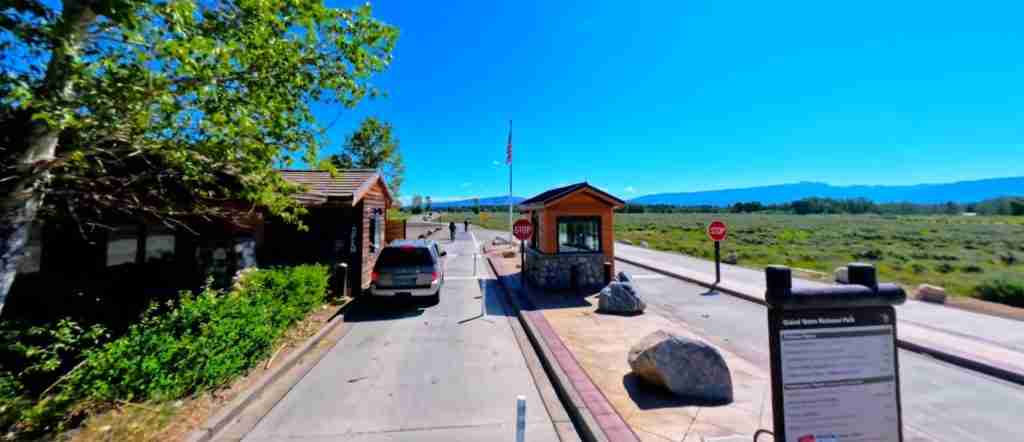
Park entry costs $35 per vehicle covering seven days of access to both Grand Teton and Yellowstone National Parks—this single pass enables unlimited entries across the week, making it exceptional value for multi-day exploration. Annual passes ($70) prove economical for visitors spending more than two weeks combined in the parks or planning multiple trips within the same year. Entry stations operate at Moose (south entrance from Jackson), Moran (east entrance from Dubois), and the connection from Yellowstone (north).
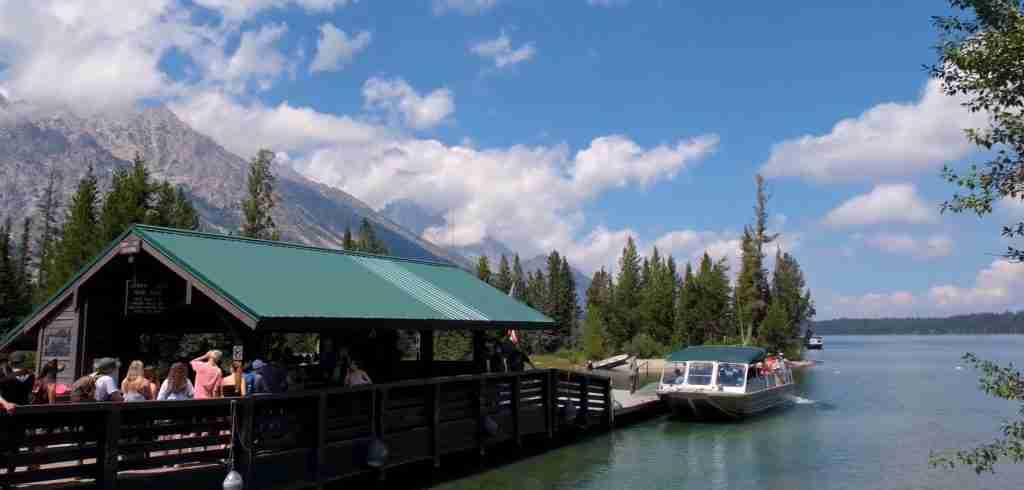
Jenny Lake represents the park’s most popular destination with crystal-clear waters reflecting the Tetons, accessible hiking trails including the classic Hidden Falls and Inspiration Point route (2.5 miles one-way from lake’s west shore), and a boat shuttle ($10-18 per person round-trip) reducing hiking distance by crossing the lake rather than circling it. Summer crowds concentrate at Jenny Lake—parking fills by 8am from July through August, making early arrivals essential or accepting overflow parking with shuttle-bus access.
Cascade Canyon accessed from Jenny Lake’s west shore provides one of the park’s premier hiking experiences with a maintained trail following Cascade Creek into the heart of the Teton Range. The trail from boat shuttle to Inspiration Point to Lower Cascade Canyon spans 9 miles round-trip with moderate elevation gain, delivering alpine scenery, wildlife potential (moose frequent the canyon), and relative solitude beyond the heavily-visited Hidden Falls area. Continuing to Lake Solitude adds significant distance (14.4 miles total round-trip) and elevation gain but rewards with high-alpine lake and stunning Teton views.
Additional park highlights include String Lake (family-friendly with warm, shallow water ideal for swimming), Schwabacher Landing (classic Teton reflection photography at dawn), Oxbow Bend (exceptional wildlife viewing particularly dawn and dusk for moose, trumpeter swans, and occasional bears), and the Moose-Wilson Road (unpaved scenic route between park’s south entrance and Teton Village with prime moose habitat and fewer crowds than main park roads).
Aerial Tram and Mountain Activities
Summer sightseeing tickets at $55 per person grant access to the Aerial Tram plus Bridger and Sweetwater gondolas from June 6 through September 12, 2026, transforming Jackson Hole Mountain Resort’s winter ski terrain into summer alpine playground. The tram ascends 4,139 vertical feet in 12 minutes, placing visitors at 10,450 feet elevation with panoramic Teton, Snake River Valley, and Gros Ventre Range views.
At the summit, the Grand Teton Skywalk viewing platform extends from Rendezvous Mountain’s peak with glass panels beneath visitors’ feet and 360-degree mountain panoramas. Corbet’s Cabin serves legendary waffles—”Top of the World Waffles”—that have become destination food items, with sweet and savory options $12-18 per waffle. Hiking trails from the summit include options for all abilities: casual walking around the peak, moderate descents through wildflower meadows, or challenging routes requiring route-finding and alpine experience.
The Bridger Gondola provides alternative high-elevation access reaching 9,095 feet and delivering visitors to Piste Mountain Bistro for upscale mountain dining (reservations essential, entrees $25-40) and The Deck for casual dining with live music during summer evenings. Evening gondola rides ($18 per person) access sunset views and après-outdoor-adventure atmosphere from late afternoon through dusk.
Mountain biking at Jackson Hole’s Bike Park includes purpose-built trails ranging from beginner-friendly flow trails to expert jump lines, accessed via Teewinot chairlift and Sweetwater Gondola. Bike park access with unlimited lifts costs $69 daily, with bike rentals available on-site from $65 daily for basic mountain bikes to $125 daily for premium full-suspension models. The park suits riders comfortable with downhill-oriented trails—this isn’t cross-country riding but rather lift-accessed descents similar to ski runs.
Additional mountain activities include the aerial ropes course (high-elevation challenge course with balance beams, cargo nets, and bridges 25 feet above ground, $45 per person), rock wall climbing ($25), bungee trampoline ($20), and Via Ferrata guided climbing experiences ($175-225 per person for half-day guided high-alpine routes combining hiking and assisted climbing on fixed cables and ladder systems).
Whitewater Rafting and River Activities
The Snake River provides Jackson Hole’s signature water-based recreation, offering both scenic float trips through Grand Teton National Park and whitewater rafting through Snake River Canyon south of Jackson. Multiple outfitters operate throughout summer with morning and afternoon departures accommodating various schedules and experience levels.
Scenic float trips through Grand Teton deliver gentle river experiences emphasizing wildlife viewing, Teton photography, and naturalist interpretation rather than whitewater thrills. The classic route from Deadman’s Bar to Moose allows views of the Tetons rising above the river, frequent wildlife sightings including bald eagles, ospreys, moose, and occasional bears, and peaceful immersion in one of America’s most spectacular landscapes. Half-day trips (3-4 hours including transportation) cost $75-95 per adult, $60-75 for children, with morning trips generally providing best wildlife activity and photography light.
Whitewater rafting through Snake River Canyon introduces Class II-III rapids navigating the canyon’s 8-mile whitewater section between Hoback Junction and West Table. The trip delivers excitement accessible to first-time rafters while maintaining genuine whitewater character—expect to get wet, experience rapid’s adrenaline, and navigate continuous waves and holes. Half-day canyon trips (3-4 hours) cost $95-125 per person with age minimums (typically 6-8 years) varying by outfitter and water levels.
Outfitter selection considerations: Established companies including Triangle X Float Trips (operating since 1926), Barker-Ewing Whitewater, and Mad River Boat Trips maintain excellent safety records and knowledgeable guides. Smaller rafts (10-12 passengers maximum) provide more intimate experiences than larger commercial rafts. Morning trips typically encounter fewer crowds and better wildlife activity, while afternoon trips work well for visitors with morning park plans. Transportation from Jackson hotels to river put-ins typically included in trip costs.
Hiking Trails and Backcountry Access
Jackson Hole’s hiking opportunities span accessible lakeside trails through Grand Teton to challenging alpine ascents requiring technical skills, with options for every fitness level and experience category across thousands of miles of maintained and unmaintained trails throughout the surrounding public lands.
Beginner-friendly hikes in Grand Teton include String Lake loop (3.7 miles, minimal elevation gain, family-suitable with swimming opportunities), Taggart Lake (3.2 miles round-trip, moderate elevation, classic Teton reflections), and Schwabacher Landing (short access from parking to river overlook, prime photography location). These trails provide Teton scenery and wildlife potential without sustained climbing or technical challenges, suitable for families with children or visitors acclimating to altitude.
Intermediate hikes deliver more sustained effort and greater rewards. Jenny Lake to Hidden Falls and Inspiration Point (5.4 miles round-trip from boat shuttle or 7.2 miles if hiking around lake) presents moderate climbing to stunning waterfalls and Cascade Canyon views. Phelps Lake via Death Canyon Trailhead (5.6 miles round-trip) reaches a beautiful alpine lake with fewer crowds than Jenny Lake. Amphitheater Lake (9.6 miles round-trip, 3,000 feet elevation gain) challenges fitness but rewards with high-alpine lake beneath Grand and Teton peaks—this trail requires acclimatization and appropriate conditioning.
Advanced and expert hiking includes Delta Lake (7.4 miles round-trip, steep and partially unmarked approach), Static Peak Divide (16 miles round-trip with sustained elevation gain), and various backcountry routes requiring navigation skills, bear awareness, and wilderness experience. High-elevation trails often maintain snow into July, requiring assessment of current conditions before attempting.
Trail permits and regulations: Grand Teton day hiking requires no permits beyond park entry. Backcountry camping requires permits ($35 per group) obtained through advance reservation or walk-up system. Bear safety remains critical—carry bear spray ($40-50 to purchase or $10-15 daily rental), make noise while hiking, properly store food, and understand bear encounter protocols. Afternoon thunderstorms build regularly during summer—plan early starts to be descending from exposed ridges by 2-3pm when lightning risk peaks.
Wildlife Tours and Photography
Jackson Hole and the surrounding Greater Yellowstone Ecosystem support North America’s most intact wildlife populations, including grizzly bears, black bears, wolves, moose, elk, bison, pronghorn, and numerous bird species. Professional wildlife tours provide expert guidance for observing and photographing these animals while maintaining appropriate safety distances and minimizing disturbance.
Half-day wildlife tours (4-5 hours) focus on Grand Teton’s most productive wildlife corridors including Oxbow Bend, Moose-Wilson Road, Antelope Flats, and Willow Flats. Guides use spotting scopes for distant observation, position vehicles for photography opportunities, and interpret animal behavior and ecology. Tours cost $125-175 per person with small group sizes (6-10 participants) providing better viewing flexibility than large tour buses. Dawn departures (5-6am start) capitalize on peak animal activity when many species actively feed before day’s heat.
Full-day tours extending into Yellowstone (8-10 hours) target the Lamar Valley’s concentration of wolves, bears, and herds of bison and elk. These tours depart very early (4-5am) to reach Yellowstone’s northeast corner by dawn when wolf packs hunt and bears forage actively. Full-day tours cost $200-275 per person including park entry, spotting scope use, and often lunch provisions. Summer months see regular grizzly bear sightings, wolf activity varies by pack dynamics and seasonal patterns, and bison, elk, and pronghorn appear reliably.
Photography-specific tours provide dedicated time at productive locations, guidance on camera settings and wildlife photography techniques, and willingness to wait for optimal light and behavior rather than maximizing location count. These tours suit serious photographers willing to invest hours for exceptional images rather than casual tourists seeking variety. Specialized photo tours cost $250-400 per person for full-day experiences with expert wildlife photographers as guides.
Self-guided wildlife viewing proves entirely feasible with appropriate timing and locations. Dawn and dusk (5-8am, 7-9pm during summer) provide peak activity windows. Moose-Wilson Road between Grand Teton’s Moose entrance and Teton Village delivers consistent moose sightings particularly in willow thickets along the road. Oxbow Bend northeast of Jackson Lake Junction provides waterfowl, moose, and occasional bear sightings. Patience, binoculars or spotting scope, and willingness to invest time stationary at productive locations yield excellent results without tour costs.
Seasonal Budget Breakdowns Jackson Hole 2026
Budget Tier Daily Costs ($110-180 Per Person)
Budget travel in Jackson Hole requires strategic planning, advance booking, and willingness to prioritize value over convenience, though the destination’s premium pricing and limited budget infrastructure make true budget travel more challenging than in many mountain destinations. Daily costs of $110-180 per person assume two people sharing budget accommodations, eating mainly self-prepared meals supplemented with selective casual dining, using free public transportation, and focusing on low-cost or free activities.
Accommodation at budget hostels or motels costs $60-100 per room, translating to $30-50 per person when two share. The Hostel in downtown Jackson provides the valley’s most economical private rooms and dormitory beds, while budget motels along South Broadway offer basic private rooms with parking and minimal amenities. Budget lodging during peak seasons requires booking months in advance as limited inventory sells quickly.
Meals consume $43-62 daily through strategic combinations: breakfast from grocery store provisions or breakfast burritos from casual spots ($8-12), picnic lunches assembled from supermarket ingredients ($10-15), and dinner mixing grocery store meal preparation several nights weekly with occasional casual restaurant visits ($25-35). Accommodation with kitchen facilities enables maximum food cost control and proves essential for sustained budget travel.
Transportation on the budget tier emphasizes free START Bus service for Jackson-Teton Village connectivity, walking within downtown Jackson, and minimizing rental car days. Budget travelers visiting only during winter for skiing can manage without rental cars using START Bus for mountain access and limiting activities to Jackson and Teton Village. Grand Teton or Yellowstone visits require rental car days, adding $15-25 per person daily including vehicle cost split between two people plus fuel expenses.
Activities focus on free or low-cost options: Grand Teton National Park hiking (only park entry fee required), free concerts and events in Jackson’s town squares and parks, self-guided wildlife viewing in the parks, and utilizing free museum days when available. The $35 seven-day park pass divides across multiple days to $3-5 daily when used fully. Budget travelers skip or severely limit costly guided tours, resort activities, and restaurant fine dining in favor of DIY exploration and self-catered meals.
Mid-Range Tier Daily Costs ($260-420 Per Person)
Mid-range travel in Jackson Hole delivers comfortable accommodations, quality dining experiences, flexibility in activity choices, and the ability to enjoy the destination without constant budget stress. Daily costs of $260-420 per person assume two people sharing mid-range hotel accommodations, eating at casual and mid-range restaurants for most meals, maintaining rental car access, and participating in a mix of free activities and paid experiences.
Accommodation in mid-range hotels costs $180-350 per room depending on season and location, equating to $90-175 per person nightly when two share. Downtown Jackson properties and Teton Village mid-range hotels provide comfortable rooms, modern amenities, breakfast options (sometimes included, sometimes additional $15-25), hot tubs, and guest services. Booking 2-4 months in advance for peak seasons secures availability and often captures early-booking discounts.
Meals total $82-118 daily combining breakfast at hotel or casual restaurant ($12-18), lunch at mid-range casual spots or on-mountain dining during ski days ($25-35), and dinner at quality restaurants ($45-65 per entree plus beverages and gratuities). Mid-range budgets allow sampling Jackson’s diverse restaurant scene including Western steakhouses, creative American bistros, international cuisines, and upscale mountain dining without exclusively targeting bargain options.
Transportation includes rental car throughout the visit at $25-35 per person daily (split between two) providing flexibility for Grand Teton exploration, Yellowstone day trips, and valley navigation without START Bus schedule constraints. Fuel costs, parking fees ($10-20 at some Teton Village lots during ski season), and occasional ride-sharing for airport transfers or evening downtown dining add to transportation totals.
Activities average $60-90 per person daily accounting for mix of paid and free experiences: Aerial Tram access at $55 per person, whitewater rafting or scenic float trips ($75-125), half-day wildlife tours ($125-175), ski lift tickets when purchased in advance ($100-150 daily), and Grand Teton hiking (minimal cost beyond park entry). Not every day incurs major activity expenses—mixing high-cost guided experiences with self-directed free activities averages to moderate daily recreation budgets.
Luxury Tier Daily Costs ($545-930 Per Person)
Luxury travel in Jackson Hole provides access to the valley’s finest accommodations, premier dining establishments, exclusive guided experiences, and the convenience of private services eliminating logistics stress. Daily costs of $545-930 per person assume two people sharing luxury hotel accommodations, fine dining for most meals, private guides and premium activities, and seamless transportation through rental vehicles or private services.
Accommodation at luxury properties costs $400-700 per room nightly, equating to $200-350 per person when two share. Four Seasons Resort, Hotel Jackson, Amangani, Caldera House, and similar high-end properties deliver exceptional service, refined design, spa facilities, concierge services, and prime locations. Luxury lodging during peak seasons requires booking 4-6 months in advance as limited inventory at this tier books well ahead, with some properties offering package rates bundling accommodations with activities or dining credits.
Meals consume $160-240 daily through fine dining experiences: upscale breakfast at hotel restaurants or premium cafes ($20-30), lunch at quality establishments or on-mountain fine dining ($40-60), and dinner at Jackson’s premier restaurants ($100-150 including wine, appetizers, and full courses). Luxury dining emphasizes chef-driven menus, exceptional wine programs, refined service, and memorable culinary experiences as integral trip components rather than mere sustenance.
Transportation at the luxury tier includes premium rental vehicles (large SUVs, luxury cars) at $35-40 per person daily split between two, or private car services and chauffeurs eliminating driving responsibilities. Some luxury travelers opt for private helicopter services for Yellowstone tours or scenic flights over the Tetons—these experiences cost $500-1,500+ per person but deliver exclusive perspectives and time efficiency.
Activities focus on premium guided experiences and exclusive access: private wildlife photography tours with expert guides ($250-400 per person full-day), private ski instruction ($300-500 per person daily), backcountry powder skiing with JHMR guides ($600-900 per person), Via Ferrata private climbs, fly-fishing with premier guides, and spa treatments at luxury hotel facilities ($150-350 per treatment). Luxury travelers prioritize quality and exclusivity over budget constraints, seeking exceptional experiences and expert guidance rather than self-directed economy options.
Sample Three-Day Winter Ski Itinerary with Costs
A mid-range three-day winter ski-focused visit to Jackson Hole for two people sharing mid-range accommodation demonstrates realistic cost planning and daily activity flow. This itinerary assumes arrival Friday evening and departure Monday afternoon with three full ski days Saturday-Monday.
Day 1 – Saturday (Skiing Jackson Hole Mountain Resort): Accommodation at downtown Jackson mid-range hotel $220 per night, breakfast at hotel included, lunch at Nick Wilson’s Cowboy Cafe on mountain $18 per person, après drinks and appetizers at The Deck accessed via evening gondola $25 per person including gondola ticket, dinner at Snake River Brewing downtown $45 per person. Lift tickets purchased in advance $120 per person. Equipment rental performance package $40 per person. Transportation via START Bus free. Daily total per person: hotel $110, meals $88, lift ticket $120, rental $40, total approximately $360 per person.
Day 2 – Sunday (Skiing with Mountain Lunch): Accommodation $220, breakfast at Pearl Street Bagels $12 per person, lunch at Piste Mountain Bistro accessed via Bridger Gondola $35 per person with reservation, dinner at Glorietta Trattoria downtown $65 per person. Lift tickets $120, equipment rental $40. Daily total per person: hotel $110, meals $112, lift ticket $120, rental $40, total approximately $380 per person.
Day 3 – Monday (Final Ski Day and Departure): Accommodation $220, breakfast at The Bunnery $16 per person, lunch packed from grocery store $12 per person, early dinner at Liberty Burger before airport $22 per person. Lift tickets $120, equipment rental $40. Airport transportation via hotel shuttle complimentary. Daily total per person: hotel $110, meals $50, lift ticket $120, rental $40, total approximately $320 per person.
Three-Day Trip Total Per Person: Accommodation $330, meals $250, lift tickets $360, equipment rentals $120. Total: approximately $1,060 per person for three-day ski trip mid-range comfort. This excludes flights but includes all on-ground costs. Adding pre-trip and post-trip meal ($30 per person), airport parking or transportation ($25 per person), and incidentals ($25) brings total to approximately $1,140 per person.
Sample Five-Day Summer Grand Teton Itinerary with Costs
A mid-range five-day summer visit focusing on Grand Teton National Park exploration for two people sharing mid-range accommodation demonstrates summer planning and costs. This itinerary assumes arrival Thursday evening and departure Tuesday afternoon with four full activity days Friday-Monday.
Day 1 – Friday (Jenny Lake and Cascade Canyon Hike): Accommodation at Jackson mid-range hotel $240 per night, breakfast at Persephone Bakery $18 per person, packed lunch for trail $12 per person, dinner at The Blue Lion $58 per person. Rental car $28 per day split between two ($14 per person), Grand Teton entry pass $35 vehicle (divides to $7 per person across five days), Jenny Lake boat shuttle $18 per person. Daily total per person: hotel $120, meals $88, car $14, activities $25, total approximately $245 per person.
Day 2 – Saturday (Scenic Snake River Float and Teton Village): Accommodation $240, breakfast at hotel $15 per person, lunch at Palate restaurant National Museum of Wildlife Art $28 per person, dinner in Teton Village at Il Villaggio Osteria $68 per person. Morning scenic float trip Grand Teton $85 per person, afternoon Aerial Tram ride $55 per person. Daily total per person: hotel $120, meals $111, car $14, activities $140, total approximately $385 per person.
Day 3 – Sunday (Yellowstone Day Trip): Accommodation $240, breakfast packed from grocery store $8 per person, lunch at Old Faithful Inn $22 per person, dinner return to Jackson casual spot $35 per person. Yellowstone entry included in Grand Teton pass, fuel for Yellowstone round-trip adds $15 per person. Self-guided wildlife viewing and geyser exploration free beyond fuel costs. Daily total per person: hotel $120, meals $65, car/fuel $29, total approximately $215 per person.
Day 4 – Monday (Whitewater Rafting and Downtown Jackson): Accommodation $240, breakfast at Nora’s Fish Creek Inn Wilson $20 per person, lunch in Jackson $18 per person, dinner at Gather $62 per person. Half-day Snake River Canyon whitewater rafting $115 per person, afternoon exploring Jackson galleries and shops free, evening Town Square free concert no cost. Daily total per person: hotel $120, meals $100, car $14, activities $115, total approximately $350 per person.
Day 5 – Tuesday (Morning Hike and Departure): Accommodation $240, breakfast at hotel $15 per person, packed lunch for travel $10 per person. Morning hike at Taggart Lake free beyond park entry already purchased, airport return via rental car drop-off. Daily partial total per person: hotel $120, meals $25, car $14, total approximately $160 per person.
Five-Day Trip Total Per Person: Accommodation $600, meals $389, car rental and fuel $95, activities $280, national park entry $35. Total: approximately $1,400 per person for five-day summer mid-range Grand Teton experience. Adding incidentals, airport parking, and contingency ($100) brings total to approximately $1,500 per person excluding flights.
Money-Saving Strategies for Jackson Hole 2026
Timing and Advance Planning
Jackson Hole’s seasonal pricing variations create opportunities for substantial savings through strategic timing without sacrificing experience quality. Understanding peak versus value periods and booking timelines enables cost-conscious travelers to reduce expenses 30-50% compared to peak-season visits.
January represents winter’s value window with excellent snow conditions (historically the snowiest month), full mountain operations, and rates 30-40% below December and February. The month lacks major holiday periods driving peak pricing—avoiding Martin Luther King weekend (January 17-19, 2026) captures the best value. Similarly, early March before spring break delivers quality skiing at reduced rates compared to February’s President’s Day period.
Summer timing favors June and September over July-August peak. June provides complete Grand Teton access once Teton Park Road opens (typically first week of June), active wildlife with newborns visible, wildflower displays, and lodging rates 25-35% below July-August levels. September delivers autumn colors, rutting elk activity, excellent weather, and minimal crowds as families return to school—many consider September the year’s best month for Jackson Hole value and experience quality.
Advance booking timelines directly impact costs across all categories. Lift tickets purchased 60+ days ahead save 30-40% compared to walk-up window rates. Lodging books 3-6 months ahead for peak seasons—early bookers access broader inventory and often capture early-bird discounts. Activity reservations (rafting, tours, guides) made 4-8 weeks ahead ensure availability and sometimes provide advance-purchase discounts. Airfare to Jackson Hole benefits from 10-14 week advance purchase windows before prices inflate for remaining seats.
Shoulder season stays (late April-May, October-early November) provide the steepest discounts—lodging drops 40-60% below peak rates—but require accepting operational limitations including closed facilities, reduced restaurant hours, limited tour operators, and weather variability. These periods suit flexible travelers comfortable with quiet valleys and reduced services in exchange for substantial cost savings.
Lodging Economics and Alternatives
Accommodation represents Jackson Hole visitors’ largest single expense category, making lodging strategy central to overall budget management. Multiple approaches beyond simply booking cheapest available rooms can significantly reduce costs while maintaining reasonable comfort and convenience.
Vacation rentals become economical for groups of 4+ people or stays exceeding 4-5 nights. A 2-bedroom condo at $250 nightly ($125 per couple, $62.50 per person) competes favorably with $180-220 hotel rooms ($90-110 per person) while adding full kitchen facilities enabling meal cost savings of $30-50 per person daily through breakfast and lunch preparation plus several home-cooked dinners weekly. The kitchen savings quickly offset potentially higher per-night rental rates.
Location flexibility provides savings opportunities—properties in South Park, Wilson, or east of Jackson price 20-30% below equivalent downtown Jackson or Teton Village accommodations. The cost difference of $40-60 nightly on a $200 room rate funds several days of rental car expense, making outlying locations economically viable despite requiring vehicles for convenience. START Bus routes serve some outlying areas during winter, potentially eliminating rental car needs even from remote lodging.
Package deals bundling lodging with lift tickets, activity credits, or dining vouchers often provide better value than separate bookings. Hotels work with Jackson Hole Mountain Resort to create ski packages including accommodations and lift tickets at combined rates below individual component pricing. Summer packages similarly bundle rooms with rafting trips, wildlife tours, or restaurant credits. Compare package total costs against separate booking totals—savings range from 10-25% when packages align with planned activities.
Loyalty programs and memberships deliver value for regular visitors. Major hotel chains (Marriott, Hilton) operate Jackson properties where points redemptions or elite status benefits reduce costs. AAA membership provides 10-15% discounts at some properties. AARP membership similarly offers senior discounts at participating hotels. Military discounts (active duty and veterans) apply at many Jackson accommodations with proper ID—verify eligibility and request military rates when booking.
Dining and Food Cost Management
Food costs in Jackson Hole can easily equal or exceed lodging expenses without strategic planning, making meal management essential for budget-conscious travelers. Multiple approaches reduce daily food costs from $100+ per person to $50-70 while maintaining nutrition and occasionally enjoying restaurant experiences.
Grocery shopping and meal preparation delivers maximum savings—Albertsons and Smith’s supermarkets in Jackson provide full-service groceries at standard supermarket pricing (slightly elevated compared to urban areas but far below restaurant costs). Investing $80-120 in weekly groceries for two people covers breakfast daily (eggs, bread, yogurt, fruit, coffee), packed lunches (sandwich ingredients, trail snacks, fruits), and 3-4 dinners (pasta, salads, grilled items if accommodation has BBQ). This strategy reduces per-person daily food costs to $40-50 versus $100+ dining out exclusively.
Strategic restaurant timing maximizes value—many establishments offer happy hour specials 4-6pm with reduced appetizer pricing and drink deals effectively creating lighter dinner options at 30-50% below regular menu costs. Late lunch at 2-3pm sometimes captures lunch menu pricing for substantial meals rather than paying dinner prices for similar food. Breakfast remains the most economical restaurant meal category with quality options available $10-18 per person versus $25-40 for lunch and $45-80 for dinner.
Ethnic restaurants and casual spots provide better value ratios than upscale American establishments—excellent Mexican restaurants serve generous plates $12-18, Thai restaurants offer entrees $14-22, and pizza spots provide filling meals $15-25 per person. These options deliver satisfying restaurant experiences at half the cost of steakhouses and fine dining establishments, enabling more frequent dining out within reasonable budgets.
Beverage costs merit attention—wine by the glass ($12-18) or craft cocktails ($14-18) add substantial costs to meals. Limiting alcohol to one drink per person versus multiple rounds reduces dinner checks $30-60. Similarly, fancy coffee drinks ($5-8) versus home-brewed coffee ($0.50) accumulate significant daily savings across morning routines.
Activity Selection and Free Alternatives
Jackson Hole’s premier position stems from exceptional outdoor recreation, much of which requires minimal fees beyond park entry and transportation. Strategic activity planning emphasizes spectacular free or low-cost experiences while selectively splurging on unique guided opportunities unavailable elsewhere.
Grand Teton National Park provides hundreds of miles of hiking trails, wildlife viewing corridors, scenic drives, and photography locations requiring only the $35 seven-day vehicle entry fee. Visitors dedicating 3-4 days to park exploration at $7 per day amortized cost access terrain and wildlife viewing comparable to or exceeding $125-175 paid wildlife tours. Self-guided dawn wildlife observation along Moose-Wilson Road or Oxbow Bend equals commercial tour results for visitors willing to invest early-morning hours and patience.
Free summer concerts and events populate Jackson’s Town Square and various venues throughout the valley—check local event calendars for evening performances, art walks, and cultural programs requiring no admission fees. The National Museum of Wildlife Art offers free admission one evening weekly during summer months, providing access to world-class collections without standard $18 adult admission.
Snow King Mountain in Jackson provides winter sledding and summer hiking immediately accessible from downtown without vehicle requirements or admission fees. The mountain’s trail network includes options from easy walks to challenging climbs, all free beyond boot leather. Summer evening concerts at Snow King’s summit accessible via $18 gondola ride deliver entertainment and views at fraction of premium venue costs.
When allocating budget for paid activities, prioritize experiences unavailable through DIY approaches—whitewater rafting requires outfitter equipment and expertise making the $95-125 per person cost justified, while wildlife tours provide knowledge and spotting scope access enhancing observations beyond self-guided capability. Conversely, activities like basic Teton hiking or Town Square exploration require no paid services, enabling budget allocation toward unique experiences adding genuine value rather than paying for independently achievable activities.
Family Travel Considerations Jackson Hole 2026
Jackson Hole accommodates family travel across age ranges and activity interests, offering kid-friendly lodging, youth programs, family-suitable recreation, and dining options beyond exclusively adult-oriented establishments. Planning family visits requires addressing specific considerations around costs, activities, and logistics that differ from adult-only travel.
Family accommodation strategies emphasize space and kitchen facilities—vacation rental condos or homes providing multiple bedrooms, living areas, and full kitchens often prove more economical and practical than hotel rooms for families with children. A 2-bedroom condo at $250-350 nightly accommodates family of four more comfortably than two hotel rooms at $360-440 combined, while kitchen facilities enable breakfast preparation and packed lunches significantly reducing meal costs for multiple children. Properties in Teton Village provide ski-in/ski-out convenience eliminating transportation logistics with gear-laden kids.
Ski programs for children include Kids Ranch at Jackson Hole Mountain Resort offering full-day programs combining ski instruction, lunch, and supervision for ages 2.5-17. Programs cost $175-225 daily depending on age and services, with multi-day discounts available. While substantial expenses, dedicated kids programs free parents for advanced terrain access while ensuring children receive appropriate instruction and care. Families with strong skiing kids aged 13+ can ski together on much of the mountain’s intermediate terrain, though Jackson Hole’s expert focus makes it less ideal than resorts with more extensive beginner-intermediate terrain for young developing skiers.
Summer activities particularly suit family exploration—Grand Teton hiking offers options for all ages from toddler-suitable String Lake walks to teenager-challenging Cascade Canyon ascents. Scenic Snake River float trips accept children age 5+ providing wildlife viewing and mild water adventure appropriate for young families. The Jackson Hole Mountain Resort summer activities including the Aerial Tram (age and height minimums apply), rock wall, bungee trampoline, and ropes course appeal to children and teenagers while adults enjoy the same experiences. Many activities price children lower than adults or offer family rates reducing per-person costs for family groups.
Dining with children in Jackson Hole proves straightforward—the valley’s Western casual atmosphere makes jeans and fleece acceptable even at upscale restaurants, and most establishments welcome families. Pizza spots (Pinky G’s, Sidewinders), Mexican restaurants (The Merry Piglets), and burger joints (Liberty Burger) provide kid-friendly menus and relaxed environments. Higher-end restaurants accommodate children though may prove expensive feeding entire families at $40-80 per person menu pricing.
Family budget planning requires multiplying per-person costs across family size—a family of four experiencing mid-range Jackson Hole at $260-420 per adult costs $520-840 daily for parents, with children at reduced rates for activities and meals but full rates for lodging when requiring additional rooms. Vacation rental approach reducing lodging and meal costs becomes essential for multi-day family stays maintaining budget reasonability. Strategic timing during June or September versus peak July-August reduces lodging costs 25-35% while providing excellent weather and full activity availability.
Practical Tips and Essential Information 2026
Altitude Considerations and Acclimatization
Jackson Hole sits at 6,200 feet elevation with surrounding mountains and ski terrain reaching above 10,000 feet, creating altitude impacts for visitors arriving from sea level or low elevations. Understanding altitude effects and managing acclimatization prevents complications and enhances trip enjoyment.
Altitude affects visitors through reduced oxygen availability causing increased respiratory rate, fatigue, potential headaches, and impaired physical performance. Most visitors experience minor symptoms—slight breathlessness during exertion, earlier fatigue than usual, mild headache—rather than acute altitude sickness requiring medical attention. Symptoms typically manifest first 24-48 hours before the body begins adapting.
Acclimatization strategies include gradual activity progression, particularly on arrival day and subsequent day—schedule less demanding activities initially rather than immediately attempting strenuous hikes or full ski days. Maintain excellent hydration consuming 3-4 liters water daily, as altitude accelerates dehydration. Limit alcohol consumption first 48 hours, as alcohol’s effects intensify at altitude and worsen dehydration. Adequate sleep supports acclimatization—resist temptation to pack every hour with activities during initial days.
Pre-existing health conditions including heart disease, hypertension, or respiratory conditions warrant consultation with physicians before high-altitude travel. Prescription altitude medications like acetazolamide (Diamox) can aid acclimatization for susceptible individuals—discuss with doctors well before travel. Children generally tolerate altitude well, though parents should monitor for symptoms and reduce activity intensity if children show distress.
Altitude affects athletic performance—even well-conditioned athletes find they fatigue more quickly, breathing requires more effort, and recovery takes longer at 6,200+ feet compared to sea level. Accept reduced performance as normal rather than attempting to match sea-level output, which risks exhaustion or injury. Most visitors adjust within 2-3 days and can resume normal activity levels, though absolute performance remains slightly reduced compared to low elevations throughout the stay.
Weather Patterns and Clothing Requirements
Jackson Hole’s mountain climate brings variable weather year-round requiring layered clothing approaches and preparation for rapid condition changes. Understanding seasonal patterns and packing appropriately ensures comfort across activities and weather variations.
Winter temperatures range from daytime highs of 15-35°F to overnight lows of -10 to 15°F, with January typically coldest and March warming toward spring. Wind chill on the mountain drops effective temperatures substantially—exposed ridgelines and the tram summit can feel 15-25 degrees colder than base areas. Multiple layers (base layer, insulating mid-layer, waterproof shell) provide flexibility as activity levels and locations change. Quality gloves or mittens, warm hat, neck gaiter or balaclava, and goggles prove essential for exposed chairlift rides and windy days.
Summer weather features warm days (70-85°F) and cool nights (40-55°F), with afternoon thunderstorms developing regularly July-August. Morning typically offers clear skies and calm conditions, with clouds building midday and thunderstorms possible 2-6pm. The diurnal temperature swing and precipitation potential requires layering—shorts and t-shirt for valley hiking in morning sun, but light jacket and rain layer for afternoon mountain exposure or evening temperature drops. Thunderstorm lightning presents real danger on exposed ridges and peaks—plan descents from high points by early afternoon during summer monsoon season.
Shoulder seasons bring maximum variability with snow possible any month, freezing mornings transitioning to mild afternoons, and rapid weather changes. Spring (April-May) sees wet snow at valley levels mixing with rain, while fall (October-November) transitions from pleasant autumn days to winter conditions. Visitors during shoulder seasons should pack for both winter and summer conditions, as a single day might experience both.
Waterproof layers prove essential year-round—winter snow, summer thunderstorms, and shoulder-season precipitation all demand moisture protection. Quick-dry fabrics outperform cotton in all seasons. Sun protection including sunscreen (minimum SPF 30), lip balm, and sunglasses becomes critical at altitude where UV intensity increases approximately 10% per 3,000 feet elevation gain. Snow reflection further intensifies sun exposure during winter skiing.
Cell Service, WiFi, and Communication
Cell coverage in Jackson Hole varies significantly between developed areas and backcountry terrain, affecting navigation, communication, and safety planning for visitors relying on mobile devices.
Downtown Jackson and Teton Village maintain excellent cell coverage across all major carriers (Verizon, AT&T, T-Mobile), with 4G LTE or 5G connectivity supporting data-intensive applications, navigation, and communication. Hotels, restaurants, and public spaces typically provide WiFi supplementing cellular data or serving as alternative for visitors with limited data plans or international phones.
Grand Teton National Park coverage proves spotty—Jackson Lake Lodge, Jenny Lake area, and Moose have usable signals for most carriers, while backcountry areas, canyons, and remote sections lack coverage entirely. Yellowstone similarly provides coverage only in developed areas (Old Faithful, Canyon Village, Mammoth) with vast backcountry sections completely off-grid. Visitors shouldn’t rely on cell phones for emergency communication or navigation in backcountry areas.
Offline navigation capability proves valuable—download Google Maps offline areas covering Grand Teton and Yellowstone before losing cellular connectivity, enabling GPS-based navigation without active data connection. AllTrails app with downloaded trail maps provides hiking navigation independent of cell service. Paper maps remain worthwhile backups for serious backcountry exploration.
WiFi in accommodations ranges from excellent in modern hotels to limited or unreliable in older properties or remote locations. Verify WiFi quality and speed if remote work or video calls are planned—some vacation rentals in outlying areas rely on satellite internet with limited bandwidth and higher latency unsuitable for videoconferencing or large file transfers.
Health, Safety, and Emergency Services
Jackson Hole provides full emergency services including hospital facilities, urgent care, pharmacy access, and mountain rescue capabilities, though remote locations and winter weather can delay responses requiring appropriate self-sufficiency and risk awareness.
St. John’s Health in Jackson operates a full-service hospital with emergency department, surgical capabilities, and specialized services. The facility handles medical emergencies, injuries, and acute conditions that exceed urgent care capacity. Emergency services respond via 911 throughout the valley with ambulance access to developed areas, though backcountry incidents may require helicopter evacuation depending on location and conditions.
Urgent care facilities provide non-emergency treatment for injuries, illnesses, and medical needs not requiring emergency department resources. Emerg-A-Care in downtown Jackson offers walk-in services during extended hours for conditions like minor injuries, altitude sickness, infections, or medication needs. Standard health insurance typically covers urgent care with copays, though visitors should verify coverage before travel.
Pharmacies including CVS, Albertsons, and Smith’s operate in Jackson filling prescriptions and stocking over-the-counter medications. Visitors requiring prescription medications should bring adequate supplies as delays obtaining refills can occur in small mountain towns. Critical medications warrant travel quantities exceeding trip duration to accommodate unexpected stay extensions or lost luggage.
Mountain safety demands appropriate preparation and decision-making. Bear encounters remain possible throughout valley—carry bear spray ($40-50 purchase or $10-15 daily rental) when hiking, make noise on trails, properly store food and scented items, and understand bear encounter protocols. Afternoon thunderstorms bring lightning danger to exposed mountain terrain—descend from ridges and peaks by early afternoon during summer. Winter avalanche danger affects backcountry terrain—never venture beyond resort boundaries without proper avalanche training, equipment (beacon, shovel, probe), and knowledge of current conditions.
Travel insurance covering trip cancellation, medical evacuation, and adventure sports proves valuable for Jackson Hole visits given weather uncertainties, potential injuries during skiing or hiking, and costs associated with rescheduling travel. Policies should specifically cover skiing/snowboarding and high-altitude hiking if engaging in these activities, as some standard policies exclude adventure sports.
Frequently Asked Questions About Jackson Hole 2026
Is Jackson Hole expensive compared to other ski resorts?
Jackson Hole ranks among America’s most expensive ski destinations alongside Vail, Aspen, and Park City, though strategic planning significantly moderates costs. Lift tickets, lodging, and dining all price at premium levels reflecting the destination’s remote location, limited development capacity, and elite reputation. However, advance lift ticket purchase saves 30-40%, shoulder season lodging (January, March) drops 30-40% below peak rates, and the valley supports budget dining options unlike exclusively upscale resorts. Comparable overall costs to other premier destinations but requiring more advance planning and flexibility to achieve value.
Can beginners ski at Jackson Hole Mountain Resort?
Jackson Hole Mountain Resort accommodates beginners through dedicated learning terrain at the base area and Casper Bowl, though the resort’s overall character skews toward intermediate and expert skiing making it less ideal than beginner-focused mountains. The resort’s terrain distribution (50% expert, 40% intermediate, 10% beginner) means developing skiers encounter limited progression options before confronting challenging terrain. Families with beginners might consider Snow King Mountain in Jackson (smaller resort with more beginner terrain) or focusing Jackson Hole visit around summer activities rather than ski-focused winter trips until children develop intermediate capabilities at other resorts.
How many days should I spend in Jackson Hole?
Winter ski-focused visits benefit from 4-5 days minimum (3-4 ski days) allowing mountain exploration, acclimatization, and weather flexibility if conditions force a day off slopes. Summer visits mixing Grand Teton, Yellowstone, and valley activities optimally span 5-7 days enabling thorough park exploration, multiple activity types, and relaxed pacing avoiding constant rushing between locations. Weekend trips (2-3 days) prove feasible for regional visitors or those making repeat trips, though barely scratch the surface of available terrain and activities. Week-long stays (7-10 days) suit first-time visitors wanting comprehensive experience or families with varied interests.
What is the best month to visit Jackson Hole for skiing in 2026?
January and early March deliver optimal combinations of snow quality, mountain operations, and value pricing for Jackson Hole skiing. January historically receives the season’s heaviest snowfall, provides full terrain access, and prices 30-40% below December and February rates outside Martin Luther King weekend (January 17-19, 2026). Early March maintains excellent snow coverage while spring weather patterns increase sunny-day frequency and afternoon temperatures moderate making skiing more comfortable, with rates dropping before spring break crowds arrive mid-March. Late December and February offer superior snow reliability over early season (late November) or late season (late March-April) but command premium pricing during holiday periods and President’s Day week.
Do I need a car in Jackson Hole during winter?
Winter visitors staying in downtown Jackson and focusing exclusively on skiing at Jackson Hole Mountain Resort can manage successfully without cars using free START Bus service connecting Jackson to Teton Village every 20-30 minutes during ski season. This approach eliminates rental costs, parking fees, and winter driving concerns while providing adequate transportation for daily skiing and downtown evening activities. However, rental cars prove worthwhile for visitors planning Grand Teton winter exploration, Yellowstone winter tours, dining at Wilson or outlying areas, or valuing schedule flexibility over START Bus timetables. Teton Village lodging combined with exclusive skiing focus maximizes car-free feasibility through immediate ski access.
Is Grand Teton National Park worth visiting in winter?
Grand Teton National Park in winter offers dramatically different experiences than summer visitation—most park roads close, hiking trails become snow-covered, and activities shift to cross-country skiing, snowshoeing, and wildlife viewing. The Moose-Wilson Road, Teton Park Road north of Taggart Lake pullout, and Signal Mountain Road all close to vehicle traffic November through April. However, accessible areas provide exceptional winter beauty with snow-covered peaks, quiet trails, and concentrated wildlife at lower elevations. Visitors seeking winter park experiences should plan snowshoe hikes from accessible trailheads, understand limited road access, and prioritize wildlife viewing over extensive driving tours. Summer visits provide more comprehensive park access and activity diversity for first-time visitors.
What is Jackson Hole’s closest major airport besides JAC?
Salt Lake City International Airport (SLC) serves as Jackson Hole’s nearest major hub at 275 miles south via Interstate 15 and US Highway 89, requiring approximately 4.5-5.5 hours driving depending on weather and traffic. SLC offers significantly more flight options, increased carrier competition, and generally lower airfares than direct flights to Jackson Hole Airport, making the longer ground transportation attractive for budget-conscious travelers or groups. Idaho Falls Regional Airport (IDA) sits 90 miles west but offers limited commercial service. Bozeman, Montana (BZN) at 215 miles north provides another regional alternative. The decision between direct JAC flights versus SLC drive-in balances flight cost savings against rental car duration, winter driving comfort, and time value.
Are there good summer activities in Jackson Hole for non-hikers?
Jackson Hole provides extensive summer activities beyond hiking including whitewater rafting (Class II-III Snake River Canyon), scenic float trips through Grand Teton, horseback riding on trail rides from multiple ranches, fly fishing on the Snake River and tributary streams, mountain biking at Jackson Hole Bike Park and valley trail systems, the Aerial Tram ascending to 10,450 feet providing panoramic views without hiking, wildlife tours via vehicle-based safaris, rock climbing instruction and guided climbs, via ferrata experiences, kayaking, and paddleboarding on valley lakes. Downtown Jackson offers shopping, galleries, Western museums, and cultural attractions independent of outdoor activities. The valley accommodates varied activity interests and fitness levels rather than exclusively serving hardcore hikers and climbers.
How cold does Jackson Hole get in winter?
Jackson winter temperatures average 15-35°F for daytime highs and -10 to 15°F for overnight lows, with January typically the coldest month and significant variation between valley floor and mountain elevations. The valley experiences cold snaps dropping overnight temperatures to -20°F or lower several times per winter, while mild periods push daytime temperatures above freezing. Wind chill at the tram summit (10,450 feet) creates feels-like temperatures 15-25 degrees colder than base area readings, occasionally reaching -30 to -40°F wind chill on exposed ridges during storms. Proper layering, quality insulated clothing, and wind protection prove essential for comfortable skiing. Most ski days feature temperatures in the 10-30°F range—cold but manageable with appropriate clothing rather than extreme conditions preventing outdoor activities.
What wildlife can I see in Jackson Hole?
Jackson Hole and the surrounding Greater Yellowstone Ecosystem support North America’s most diverse large mammal populations including grizzly bears, black bears, wolves, moose, elk, bison, pronghorn antelope, bighorn sheep, mountain goats, mule deer, coyotes, and foxes. Bird species include bald eagles, golden eagles, trumpeter swans, sandhill cranes, great gray owls, and numerous raptors. Wildlife viewing concentrates during dawn and dusk hours when animals actively feed—Moose-Wilson Road, Oxbow Bend, Antelope Flats, and Willow Flats provide consistent sightings. Yellowstone’s Lamar Valley concentrates wolf packs, bear activity, and ungulate herds. Seasonal patterns affect viewing—spring sees newborns and animals at valley elevations, summer distributes wildlife across elevations, fall brings rutting behavior and bugling elk, winter concentrates animals at lower elevations accessible from roads.