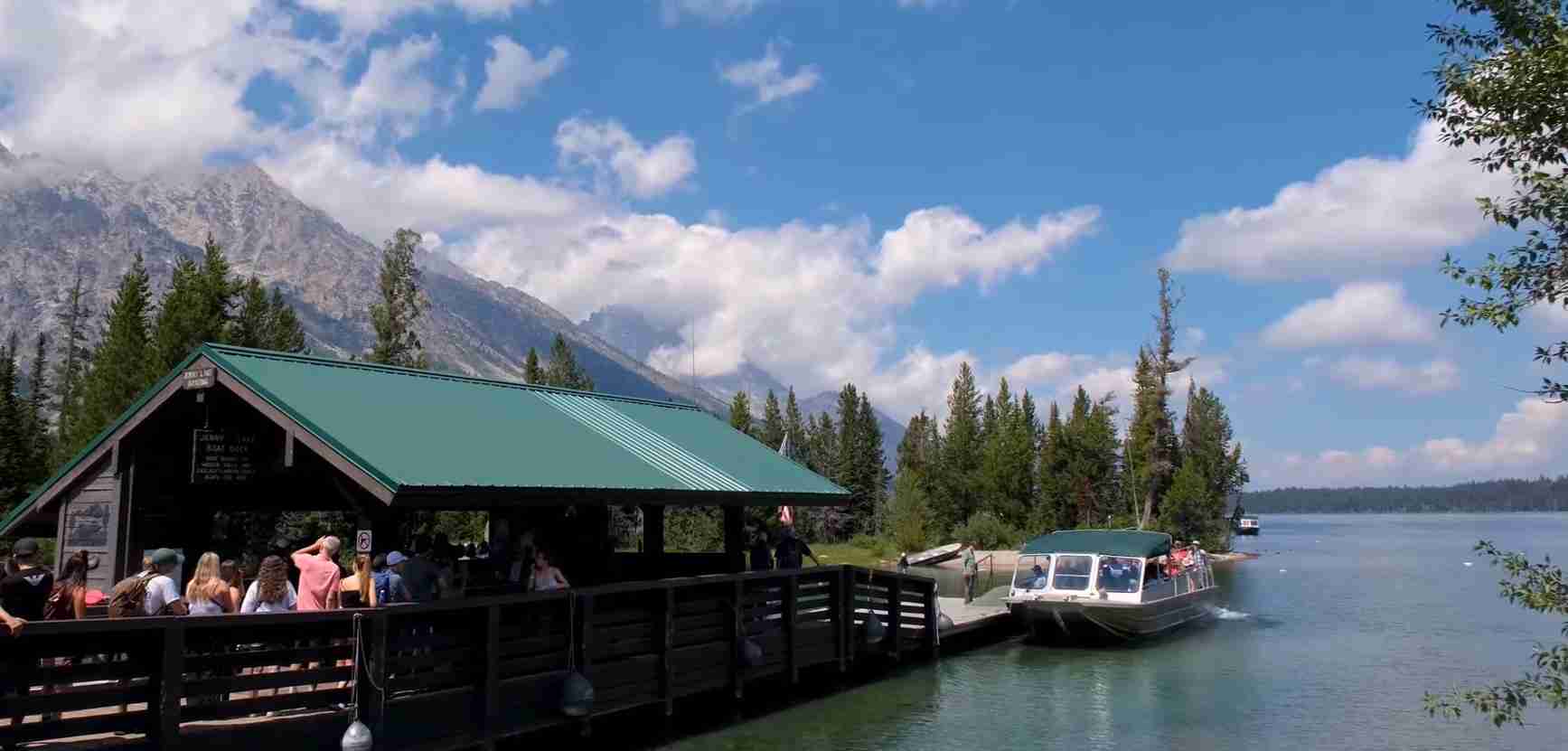
Jackson Hole Best Tours & Walking Routes 2026: Complete Travel Guide
Jackson Hole combines world-class guided experiences with exceptional self-guided exploration across one of America’s most stunning mountain landscapes. Positioned between Grand Teton and Yellowstone National Parks, this valley offers wildlife safaris led by expert naturalists, whitewater adventures down the Snake River, and an extensive network of trails ranging from paved valley pathways to alpine summit routes that reveal the Tetons’ dramatic beauty at every elevation.
Key Takeaways for Jackson Hole Tours & Walking Routes 2026
- Wildlife Safari Excellence: Half-day Grand Teton wildlife tours cost $165-195 per person with guaranteed window seats and expert naturalist guides, while full-day Yellowstone expeditions run $325-345 including lunch and park commentary. Private tours start at $575-1,195 for groups of 1-3 guests.
- Snake River Adventures: Whitewater rafting trips through Class II-III rapids cost $95-125 per person for the classic 8-mile canyon route, while scenic float trips with Teton views range $75-95. All trips include professional guides, safety gear, and complimentary transportation from Jackson accommodations.
- Pathway Network Access: The 27-mile Jackson Hole Community Pathway System connects Jackson to Teton Village entirely on paved, multi-use trails free to all users, with multiple access points near major hotels and trailheads providing car-free valley exploration.
- Grand Teton Trail Variety: Day hikes range from the easy 3-mile Jenny Lake Loop to strenuous alpine routes like the 9-mile round-trip to Amphitheater Lake, with trailheads accessible within 15-45 minutes of downtown Jackson offering experiences for every fitness level.
- Aerial Tram Summit Access 2026: The Jackson Hole Mountain Resort Aerial Tram climbs 4,139 vertical feet in 12 minutes to Rendezvous Peak’s 10,450-foot summit, opening hikers to high-altitude trails without the climb. Tram tickets cost $55 and operate throughout summer with departures every 15 minutes.
- Seasonal Optimization: June through early September offers peak trail access and wildlife activity, with wildflowers peaking in July and fall colors emerging in late September. Winter transforms the region with snowcoach Yellowstone tours and National Elk Refuge sleigh rides replacing summer hiking options.
People Also Ask About Jackson Hole Tours & Walking Routes 2026
What are the best guided tours in Jackson Hole for 2026?
The best guided tours combine wildlife expertise with access to Grand Teton and Yellowstone National Parks. Half-day Grand Teton wildlife safaris departing at sunrise or sunset cost $165-195 per person and maximize animal activity during optimal viewing hours, with guaranteed window seating in small vans carrying maximum 8 guests. Full-day Yellowstone Lower Loop tours priced at $325-345 cover Old Faithful, Grand Prismatic Spring, Hayden Valley wildlife, and the Grand Canyon of Yellowstone with included lunch and naturalist commentary. Snake River whitewater rafting through the canyon’s Class II-III rapids runs $95-125 for the 3-hour experience including all gear and shuttle service. For personalized experiences, private wildlife safaris start at $575-1,195 for groups of 1-3 with flexible itineraries adapting to real-time wildlife sightings and guest interests.
How much do Jackson Hole walking and hiking trails cost in 2026?
The Jackson Hole Community Pathway System’s 27 miles of paved trails connecting Jackson to Teton Village are completely free with multiple access points throughout the valley. Grand Teton National Park charges $35 per vehicle for 7-day access covering all park trails, or $20 per person for those entering on foot or bicycle. The America the Beautiful Annual Pass at $80 provides unlimited year-round access to all national parks including Grand Teton and Yellowstone. Jackson Hole Mountain Resort’s Aerial Tram costs $55 per person for summer sightseeing access to high-altitude trails at 10,450 feet elevation. Bridger-Teton National Forest trails accessed from Cache Creek, Game Creek, and Teton Pass trailheads require no fees, though some popular trailheads implement $5 daily parking charges during peak summer weekends.
What is the best time for tours and hiking in Jackson Hole during 2026?
Peak season runs June through early September when all trails are snow-free and tour operators run full schedules with maximum departure times. Wildlife viewing reaches exceptional levels during May through mid-June as animals give birth and remain visible in valley meadows, though higher-elevation trails may retain snowpack into July. Wildflower displays peak throughout July across alpine meadows and valley trails. September brings fall colors, reduced crowds, and active wildlife preparing for winter, with comfortable hiking temperatures and excellent visibility. For winter tours, December through March offers snowcoach Yellowstone excursions and National Elk Refuge sleigh rides when thousands of elk gather just north of Jackson. Tour operators recommend booking 2-4 weeks ahead for summer peak season (July-August) and 1-2 weeks for shoulder season (June, September).
Are Jackson Hole tours and trails suitable for families with children in 2026?
Jackson Hole provides excellent family-friendly options across all activity levels. The paved Community Pathway System accommodates strollers, young cyclists, and wheelchair users along its entire 27-mile length with gentle grades and frequent rest areas. Grand Teton trails like Taggart Lake (3 miles round-trip), String Lake Loop (3.5 miles), and Colter Bay Lakeshore Trail (2 miles) offer easy terrain with wildlife viewing opportunities suitable for ages 5 and up. Snake River scenic float trips welcome children ages 4 and older for calm water wildlife viewing, while whitewater rafting requires minimum age 6 with Class II-III rapids providing family-appropriate thrills. Half-day wildlife tours accommodate children of all ages with frequent photo stops and naturalist commentary adapted to mixed-age groups. Full-day Yellowstone tours work best for families with children ages 8-10 and older who can handle the 12-14 hour expedition length, though operators provide activity breaks at geysers and thermal features maintaining engagement throughout the day.
Extended multi-day tours – 5+ days
Featured Park Yellowstone National Park Multi-Day Tour Packages
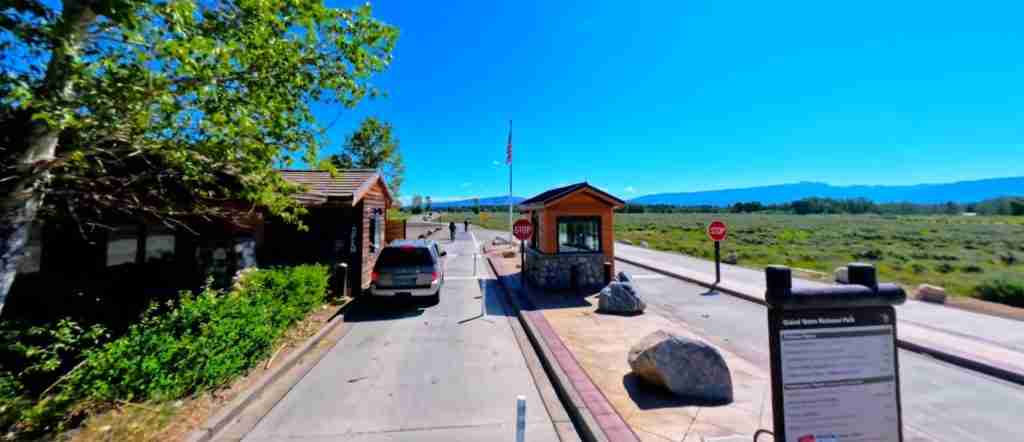
3 days
Park Yellowstone National Park 3-Day Discovery Tour
- ✓ Comprehensive Park Yellowstone National Park experience
- ✓ Expert local guides included
- ✓ All accommodation included
- ✓ Transportation provided
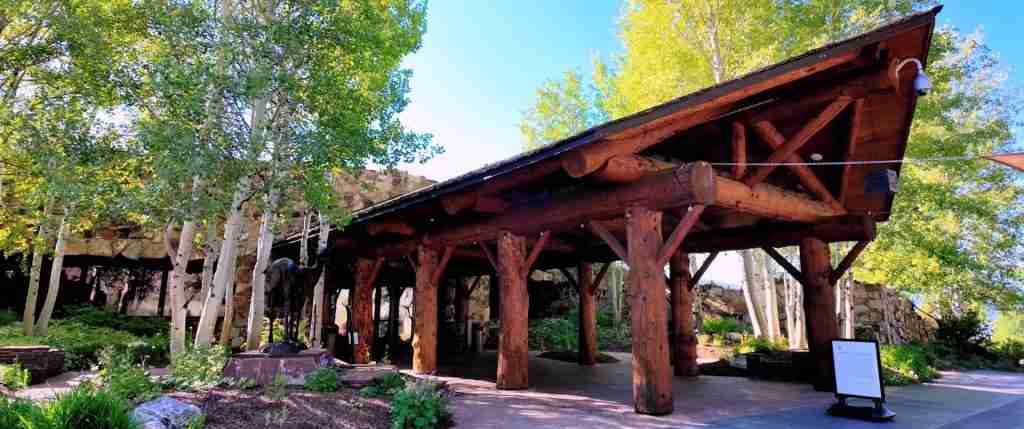
5 days
Park Yellowstone National Park 5-Day Highlights Experience
- ✓ Comprehensive Park Yellowstone National Park experience
- ✓ Expert local guides included
- ✓ All accommodation included
- ✓ Transportation provided
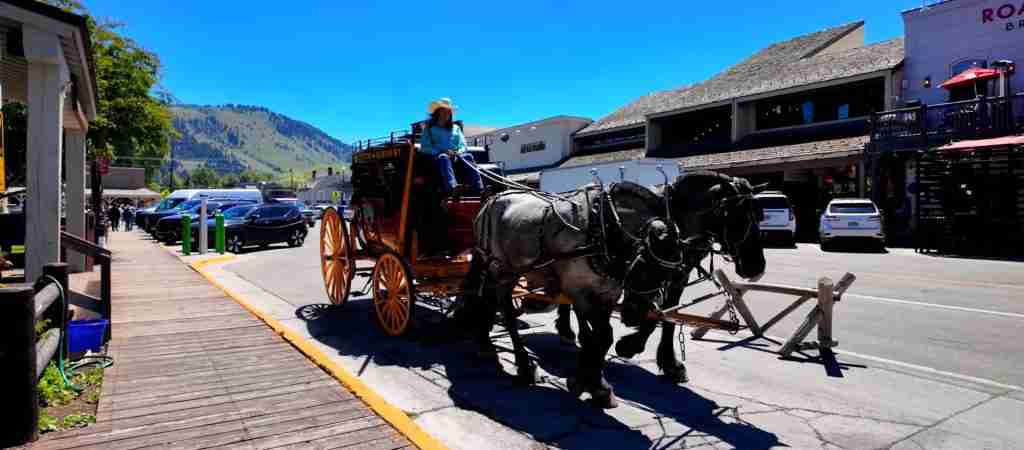
7 days
Park Yellowstone National Park 7-Day Cultural Journey
- ✓ Comprehensive Park Yellowstone National Park experience
- ✓ Expert local guides included
- ✓ All accommodation included
- ✓ Transportation provided
10 days
Park Yellowstone National Park 10-Day Complete Adventure
- ✓ Comprehensive Park Yellowstone National Park experience
- ✓ Expert local guides included
- ✓ All accommodation included
- ✓ Transportation provided
Multi-day tour packages powered by TourRadar. Prices and availability subject to change.
Introduction: Experiencing Jackson Hole Through Guided Tours and Independent Trails in 2026
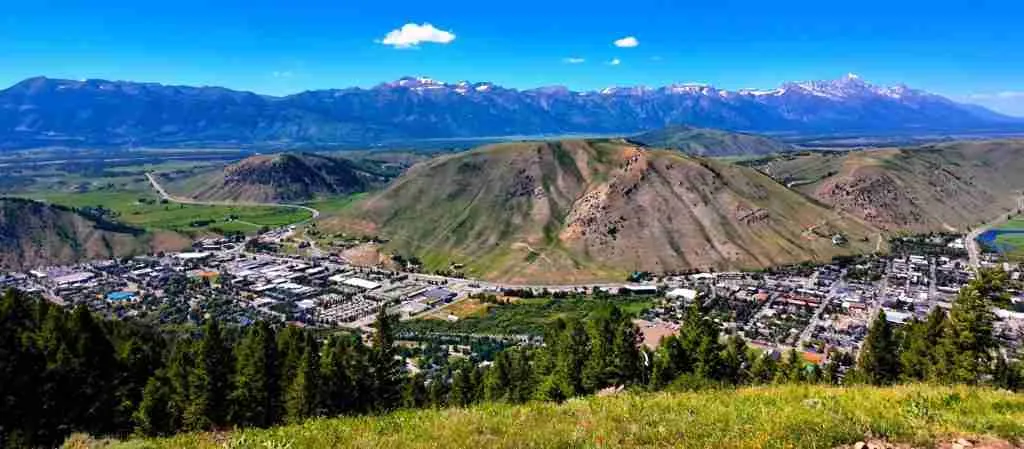
Jackson Hole’s position between two legendary national parks creates an adventure hub offering guided experiences and self-guided exploration across terrain ranging from sagebrush valleys at 6,200 feet to alpine summits exceeding 13,000 feet. The valley functions as base camp for visitors exploring Grand Teton National Park’s dramatic peaks rising directly from the valley floor and Yellowstone National Park’s geothermal features located 90 minutes north, while simultaneously providing an extensive trail network accessible directly from town accommodations.
Guided tours solve the significant challenge of wildlife location and national park navigation through expert naturalists who know seasonal animal patterns, thermal feature eruption schedules, and trail conditions that change weekly throughout the summer season. Tour operators maintain real-time communication networks sharing wildlife sightings across the ecosystem, positioning guests at grizzly bear feeding areas in Hayden Valley or wolf dens in Lamar Valley at optimal viewing moments impossible to predict from guidebooks or maps. Professional guides provide spotting scopes magnifying distant animals into frame-filling views, interpret complex ecological relationships between predators and prey, and handle all logistics from hotel pickup to park entry fees to catered lunches at scenic locations.
The walking and hiking infrastructure complements guided experiences with options spanning easy valley pathways to challenging summit routes. The Jackson Hole Community Pathway System delivers 27 miles of paved trails connecting Jackson to Teton Village and extending north toward Grand Teton National Park, enabling car-free valley exploration on foot or bicycle. Grand Teton National Park concentrates over 200 miles of maintained trails within 45 minutes of downtown Jackson, offering day hikes to glacial lakes, alpine meadows, and high passes with Teton views that define Rocky Mountain wilderness. Jackson Hole Mountain Resort’s Aerial Tram eliminates 4,139 vertical feet of climbing by transporting hikers to 10,450-foot Rendezvous Peak in 12 minutes, opening high-altitude ridge walks and descent routes through wildflower meadows and boulder fields.
Trail difficulty in this region correlates directly with elevation gain rather than distance. Grand Teton trails gain 2,000-3,000 vertical feet in 4-5 miles when climbing from valley floor at 6,800 feet to mountain lakes at 9,000-10,000 feet, creating strenuous experiences even on relatively short routes. Valley trails along the Snake River or around lower elevation lakes like Phelps Lake offer easy terrain with minimal climbing, while mid-elevation routes in Cache Creek Canyon or along Teton Pass provide moderate challenges with steady but manageable ascents. High-altitude options accessed via the Aerial Tram reverse traditional climbing patterns by starting at 10,450 feet and descending 4,000 feet to valley floor, transforming brutal summit climbs into downhill walks with views expanding at each switchback.
Seasonal variation affects tour availability and trail access dramatically throughout 2026. Summer season running June through September delivers full tour schedules with multiple daily departure times, all trails snow-free by mid-July, and wildlife activity concentrated around dawn and dusk feeding periods. Spring conditions from mid-May through early June present exceptional wildlife viewing as newborn animals appear in valley meadows, though higher trails retain snowpack requiring waterproof boots and possible microspikes. Fall transforms the valley from mid-September through October with aspen groves turning golden yellow, elk bugling during mating season, and dramatically reduced crowds on popular trails and tours. Winter converts the region into a completely different experience with snowcoach Yellowstone tours replacing summer bus trips, National Elk Refuge sleigh rides accessing winter wildlife aggregations, and cross-country skiing or snowshoeing replacing hiking as primary trail activities.
This guide details the best guided tour options across wildlife safaris, river adventures, and multi-day national park expeditions, then explores the complete walking and hiking network from paved valley pathways to alpine summit routes, providing specific pricing, booking procedures, difficulty assessments, and strategic planning advice for maximizing both guided and independent experiences during the 2026 season.
Guided Wildlife Safari Tours in Grand Teton and Yellowstone 2026
Wildlife safari tours represent Jackson Hole’s signature guided experience, combining expert naturalist knowledge with strategic positioning at locations where grizzly bears, wolves, moose, bison, and elk congregate according to seasonal patterns. These tours operate year-round with dramatically different focus between summer wildlife viewing and winter elk aggregations, utilizing specialized vehicles equipped with roof hatches for standing photography, professional spotting scopes for distant animal observation, and radio communication between guides tracking active wildlife locations throughout the day.
Half-Day Grand Teton Wildlife Safaris 2026
Half-day tours focus exclusively on Grand Teton National Park within 45 minutes of Jackson, departing either at sunrise (approximately 6-7 AM depending on season) or late afternoon (1-3 PM) to coincide with peak wildlife activity periods when animals feed in open meadows and valley floors. These 4-5 hour excursions include round-trip hotel transportation, guaranteed window seating in small vans carrying maximum 8 guests, use of professional binoculars and spotting scopes, and expert naturalist guides with wildlife biology or ecology backgrounds.
Tour operators like Jackson Hole EcoTour Adventures, Bear Witness Safari, and Backcountry Safaris charge $165-195 per person for half-day public tours in 2026, with slight price variations based on specific departure dates and seasonal demand. Check operator websites for current official rates as pricing may vary between spring, summer, and fall seasons. Private half-day safaris accommodate 1-3 guests starting at $575 base rate with additional guests added at $135-150 each, providing complete itinerary flexibility and customized wildlife focus whether targeting specific animals, photography opportunities, or educational emphasis for children.
Sunrise departures deliver optimal conditions for large mammal viewing as moose feed in willow thickets along valley streams, elk graze open meadows before retreating to forest cover, and predators including black bears, grizzly bears, and occasional wolves hunt during morning activity peaks. Guides position vehicles at Oxbow Bend where moose wade through shallow water against Mount Moran’s reflection, Willow Flats where elk congregate in herds numbering hundreds during spring and fall, and Antelope Flats where pronghorn graze sagebrush plains with the Teton Range providing dramatic backdrop. Morning light angles low across the landscape creating ideal conditions for wildlife photography with animals backlit or sidelit rather than harsh overhead illumination.
Afternoon departures concentrate on different species and locations as daily temperature cycles alter animal behavior. Bison move to river crossings and lakeshores for afternoon drinking, birds including bald eagles, ospreys, and great blue herons fish actively during midday warmth when aquatic insects hatch prolifically, and smaller mammals like ground squirrels and marmots emerge from burrows during warmest hours. Guides focus routes on Jackson Lake shoreline where waterfowl concentrate, Two Ocean Lake area where black bears frequently forage for roots and berries, and Mormon Row historic district where bison herds graze photogenic meadows with weathered barns providing classic Western composition elements.
Tour itineraries remain flexible based on real-time wildlife sightings reported across the guide network. If wolves appear in the Gros Ventre Valley or a grizzly bear feeds on an elk carcass visible from roadside pullouts, guides communicate locations immediately and adjust routes to maximize sighting opportunities. This dynamic approach differentiates professional wildlife tours from self-guided driving where visitors lack current information and miss significant sightings occurring simultaneously across the 485-square-mile park.
Full-Day Yellowstone National Park Tours from Jackson Hole 2026
Full-day Yellowstone expeditions require 12-14 hours from hotel pickup through return, covering 180 miles round-trip between Jackson and Yellowstone’s South Entrance plus extensive driving within the park along the Lower Loop route visiting Old Faithful, Grand Prismatic Spring, Hayden Valley, Yellowstone Lake, and the Grand Canyon of Yellowstone. These comprehensive tours include round-trip transportation, park entrance fees, catered lunch served at scenic locations, use of professional optics for wildlife viewing, and expert naturalist guides interpreting the park’s geology, thermal features, and wildlife ecology.
Operators including Great Western Expeditions, Yellowstone Day Tours, Jackson Hole Wildlife Safaris, and Backcountry Safaris charge $325-345 per person for full-day Yellowstone tours in 2026. Check official websites for current rates as pricing varies by specific tour dates and included amenities. Private full-day Yellowstone tours start at $1,195 for 1-2 guests with additional participants added at $250-285 each, accommodating groups up to 6-11 depending on vehicle size and operator capacity limits.
Departure times typically fall between 6-7 AM to maximize time within Yellowstone while avoiding afternoon thunderstorms that frequently develop over the park’s high plateau during July and August. The 90-minute drive from Jackson north through Grand Teton National Park to Yellowstone’s South Entrance provides wildlife viewing opportunities along the route, with frequent stops at Oxbow Bend, Jackson Lake overlooks, and Flagg Ranch corridors where moose and elk appear regularly during morning hours.
Lower Loop itineraries prioritize Yellowstone’s most iconic features accessible from the southern half of the park. West Thumb Geyser Basin on Yellowstone Lake’s shore demonstrates thermal features meeting cold water with steam rising dramatically against the lake’s blue surface. Old Faithful Geyser erupts approximately every 90 minutes shooting boiling water 130-180 feet into the air during 2-5 minute displays, with visitor center predictions allowing guides to time arrivals within 10-minute windows. Grand Prismatic Spring in Midway Geyser Basin spans 370 feet across displaying vivid orange, yellow, and green thermophile bacteria rings surrounding the spring’s deep blue center, viewed from boardwalks circling the feature.
Hayden Valley concentrates Yellowstone’s large mammal populations along the Yellowstone River’s meadows between Yellowstone Lake and the Grand Canyon. Bison herds numbering hundreds graze valley grasses, grizzly bears dig for roots and hunt ground squirrels across open terrain visible from roadside pullouts, and wolves occasionally hunt elk along tree lines bordering the valley floor. Guides maintain constant scanning with spotting scopes revealing distant animals as identifiable individuals rather than dark specks on hillsides, with scopes mounted on tripods allowing guests prolonged observation without hand fatigue.
The Grand Canyon of Yellowstone’s Lower Falls drops 308 feet into the canyon creating one of the park’s most photographed features, viewed from multiple overlooks including Artist Point and Uncle Tom’s Trail descending 328 stairs to the base viewing platform. Canyon depths reach 1,200 feet with colorful yellow, orange, and red oxidized rhyolite creating the vivid walls that named Yellowstone itself. Guides explain the relatively young canyon age at approximately 14,000 years, formed by catastrophic floods following glacial retreat combined with ongoing thermal weakening of rhyolite bedrock.
Lunch service varies by operator from picnic-style deli sandwiches to more elaborate spreads including chips, fresh fruit, desserts, and beverages, served at scenic locations like Fishing Bridge on Yellowstone Lake, Tower Falls area, or Firehole River meadows depending on route timing and weather conditions. Some operators provide zero-waste lunch programs using reusable containers and locally sourced ingredients as part of sustainability commitments. Vegetarian and dietary restriction accommodations require advance notice during booking.
Tour vehicles range from luxury touring vans seating 8-12 with large windows and roof hatches to smaller SUVs accommodating 4-6 guests in more intimate settings. All vehicles feature climate control critical for early morning cold and midday heat, comfortable seating for long driving segments, and storage for camera equipment, layers, and personal items. Professional guides carry comprehensive first aid supplies, emergency communication devices, and backup plans for route alterations if thermal features erupt unexpectedly or wildlife creates traffic delays.
Multi-Day National Park Tour Packages 2026
Multi-day tours combine Yellowstone and Grand Teton exploration with overnight accommodations, multiple meals, and comprehensive itineraries covering both parks’ highlights without daily hotel returns. Two-day packages starting at $3,295 per person include one night lodging in West Yellowstone or Jackson, all meals, both park entrance fees, and full-day guided touring on each day covering Yellowstone’s Upper and Lower Loops plus Grand Teton’s major features. Three to four-day extended tours priced at $4,500-6,000 per person add Lamar Valley wolf watching, backcountry hiking options, hot springs soaking, and more detailed exploration of lesser-visited park regions.
These extended programs target visitors prioritizing depth over breadth, allowing multiple sunrise and sunset wildlife sessions, overnight stays within park boundaries for early morning access before day-visitor crowds arrive, and thorough coverage of both thermal features and wildlife habitats across different park ecosystems. Operators provide upgraded accommodations in historic park lodges including Old Faithful Inn and Jackson Lake Lodge where available, though most utilize comfortable hotels in gateway towns when park lodging books months in advance.
Winter Wildlife Tours and National Elk Refuge Sleigh Rides 2026
Winter transforms wildlife touring completely as thousands of elk migrate from high country to the National Elk Refuge immediately north of Jackson where they concentrate on 24,700 acres of protected winter range. Horse-drawn sleigh rides departing from the National Museum of Wildlife Art carry visitors into the refuge December through March for close encounters with elk herds, with sleighs approaching within 50-100 feet of resting animals. Half-day winter tours combining elk refuge sleigh rides with museum admission and wildlife viewing run $165-195 per person, matching summer pricing but offering completely different wildlife experiences.
Full-day winter wildlife tours priced at $325-350 include light breakfast, sleigh ride, museum entrance, lunch, and additional wildlife viewing in Grand Teton where bison, bighorn sheep, and occasionally wolves appear against snow-covered peaks. Guides locate animals using tracking skills and habitat knowledge, with winter’s bare vegetation and snow background making wildlife spotting substantially easier than summer’s dense foliage and camouflaged earth tones.
Snowcoach tours replace summer Yellowstone bus trips from mid-December through mid-March when park roads close to regular vehicles but remain open to over-snow vehicles. These specialized tours running $400-500 per person depart from Jackson reaching Old Faithful and other thermal features where steam clouds billow dramatically against frozen landscapes, with fewer visitors present creating intimate park experiences impossible during summer crowding.
Snake River Rafting and Float Trip Adventures 2026
The Snake River flowing through Jackson Hole offers two distinctly different water experiences within one river system: whitewater rafting through the canyon’s Class II-III rapids south of Jackson and scenic float trips through calm water north of town with Teton mountain views and abundant wildlife. Both experiences operate May through September with multiple daily departure times, professional guide service, all necessary equipment provided, and round-trip shuttle transportation from Jackson area hotels included in published rates.
Whitewater Rafting Snake River Canyon 2026
Whitewater rafting concentrates on the Snake River Canyon’s 8-mile section between Hoback Junction and South Park boat ramp where the river drops through Class II-III rapids including famous features like Lunch Counter, Big Kahuna, Rope, and Cottonwood. These exciting but approachable rapids create splashing excitement without technical danger, making trips suitable for first-time rafters ages 6 and older while still providing genuine whitewater thrills for experienced paddlers.
Classic whitewater trips in large 12-16 person rafts cost $95-110 per person with multiple operators including Dave Hansen Whitewater, Mad River Boat Trips, Lewis & Clark River Expeditions, and Jackson Hole Whitewater offering similar experiences at competitive rates. Check operator websites for current official pricing as rates vary by departure time and seasonal demand. Small boat adventures in 6-8 person paddle rafts where all participants actively paddle require more physical engagement and cost $110-125 per person, delivering increased splash and action with smaller craft riding higher in rapids and requiring coordinated paddling through technical sections.
Trip duration runs approximately 3-3.5 hours from shuttle pickup at Jackson hotels through river time to return transportation, with actual rafting spanning 2-2.5 hours depending on river flow rates that vary significantly throughout the season. Spring runoff from mid-May through late June creates fastest flows and biggest waves, delivering maximum excitement but also coldest water temperatures requiring provided splash gear and wetsuits during early season. July through August flows moderate to comfortable levels maintaining fun rapids without extreme cold, while late August through September drops to lower flows creating gentler experiences suitable for younger children and cautious first-timers.
All rafting companies provide comprehensive safety briefings before launching, demonstrating proper paddling techniques, explaining what to do if falling out of the raft, and reviewing hand signals guides use for communicating instructions during loud rapids. Professional river guides with wilderness first aid certification and thousands of river miles experience handle all raft maneuvering, with guests paddling following guide commands or simply holding secure handholds while guides oar-rig larger rafts through technical sections.
The canyon route alternates between exciting rapids and calm pools where guides point out bald eagle nests in riverside cottonwoods, osprey diving for trout in deep pools, and occasional river otters playing along rocky shores. The canyon’s vertical walls rise 1,200 feet displaying colorful sedimentary layers while the river corridor’s cottonwood gallery forest provides habitat for diverse bird species including American dippers, great blue herons, and numerous waterfowl.
Required gear includes shoes that secure to feet and can get wet (no flip-flops), clothing that dries quickly or can stay wet comfortably, sun protection including sunscreen and hats with straps, and optional cameras in waterproof cases or dry bags. Operators provide life jackets meeting Coast Guard standards, splash jackets cutting wind and water during cold conditions, and helmets for small boat trips navigating tighter rapid channels. All guests 16 and older pay $3 Bridger-Teton National Forest user fee at check-in covering recreational use of public lands where rafting occurs.
Private rafting trips accommodating groups of 4-8 in exclusive boats with dedicated guides cost $375-450 for the private boat experience, providing customized pacing and allowing celebration events, family reunions, or corporate outings with controlled group dynamics impossible in mixed public trips. Many operators offer combination packages pairing rafting with horseback riding, zip-lining, or scenic float trips for multi-activity days.
Scenic Float Trips with Teton Views 2026
Scenic float trips operate on the Snake River’s calm sections between Deadman’s Bar and Moose within Grand Teton National Park, drifting 8-10 miles through pristine river corridor with the Teton Range rising dramatically above the valley floor. These relaxing trips emphasize wildlife viewing and photography rather than rapids excitement, carrying guests in stable rafts where guides row while passengers photograph scenery and watch for moose, elk, beavers, river otters, and abundant birdlife including bald eagles, ospreys, pelicans, and sandhill cranes.
Float trip pricing runs $75-95 per person for the standard 3-hour experience including shuttle from Jackson area hotels, all equipment, and professional guide service. Check operator websites for current rates which may vary seasonally. Morning departures around 8 AM provide best wildlife viewing as animals feed actively during cooler hours, while afternoon trips departing 4-5 PM catch optimal light angles for photographing the Teton Range with side-lighting creating dramatic peak textures and shadow patterns impossible during midday overhead sun.
The Snake River’s gentle current requires no paddling from guests, with guides steering oar-powered rafts while providing natural history commentary about river ecology, Teton geology, wildlife behavior, and Jackson Hole human history from Native American use through fur trapping era to modern conservation. The peaceful drifting pace allows extended wildlife observation through binoculars and spotting scopes, with guides expertly maneuvering close to riverbanks where moose browse willows or beavers repair dams without disturbing animals or violating safe wildlife distance regulations.
Float trips accommodate children ages 4 and older in stable rafts with no risk of capsizing, making this the optimal water experience for families with young children, elderly visitors preferring calm experiences, photographers prioritizing stable platforms for telephoto lens work, and anyone seeking contemplative natural immersion rather than adrenaline excitement. The river’s designation as Wild and Scenic protects undeveloped shorelines maintaining wilderness character despite proximity to Jackson’s development.
Combination float and lunch trips running $110-130 per person include riverside picnic service at scenic locations with freshly prepared sandwiches, salads, beverages, and desserts served on portable tables with stunning Teton views. These extended 4-5 hour excursions provide more comprehensive river coverage and leisurely pacing perfect for photography-focused visitors or groups wanting social lunch experiences in spectacular settings.
Specialized Adventure Tours in Jackson Hole 2026
Beyond wildlife safaris and river trips, Jackson Hole’s tour industry offers specialized experiences including fly fishing guide service, horseback riding in mountain valleys, hot air balloon flights over the Tetons, photography-focused expeditions, and astronomy stargazing programs taking advantage of the region’s exceptional dark sky conditions.
Guided Fly Fishing on Snake River and Tributaries 2026
Professional fly fishing guides lead full-day and half-day trips targeting native Yellowstone cutthroat trout on the Snake River plus smaller tributary streams including Flat Creek, Gros Ventre River, and Buffalo Fork where pristine mountain water supports healthy wild trout populations. Full-day private fishing trips cost $575-650 for 1-2 anglers including all equipment, flies, lunch, and guide expertise, with additional anglers added at $150-200 each up to maximum boat capacity.
Guides provide all necessary equipment for beginners including rods, reels, waders, and flies, teach casting techniques and fish-reading skills during float trips down scenic river sections, and position boats at productive runs and pools where trout feed on mayfly hatches. The Snake River’s healthy trout population offers consistent action from June through October, with terrestrial insect hatches during July and August providing excellent dry fly fishing when grasshoppers and ants blow onto water surfaces attracting aggressive strikes from large trout.
Horseback Riding and Backcountry Pack Trips 2026
Multiple outfitters including Willow Creek Horseback Rides and Goosewing Ranch operate guided horseback trail rides ranging from 1-hour introductory experiences at $65-85 per person to full-day backcountry rides priced at $250-300 including lunch. Rides traverse Bridger-Teton National Forest trails climbing to scenic overlooks with Teton views, crossing mountain meadows filled with wildflowers during July, and exploring historic ranch country where working cattle operations maintain Western traditions.
Multi-day pack trips running $2,500-3,500 per person for 3-5 day expeditions venture deep into wilderness areas inaccessible by vehicle, establishing base camps where wranglers handle all horse care while guests hike, fish, photograph, or simply absorb mountain solitude. These extended trips suit experienced riders comfortable spending full days in the saddle traversing rugged terrain at elevations reaching 10,000 feet.
Hot Air Balloon Flights Over Teton Valley 2026
Teton Balloon Flights operates sunrise balloon flights over the western side of the Teton Range from Driggs, Idaho, providing aerial perspectives on the dramatic peaks. Flights cost $350-425 per person for 1-hour float time plus ground transportation and champagne toast, launching at sunrise when calm winds and stable atmospheric conditions create optimal ballooning weather. Small basket sizes carrying 4-6 passengers create intimate experiences with 360-degree unobstructed views impossible from fixed-wing aircraft or ground positions.
Wyoming Stargazing and Astronomy Programs 2026
Wyoming Stargazing leads evening astronomy programs at dark sky locations outside Jackson’s light pollution, using professional telescopes revealing planets, star clusters, galaxies, and nebulae invisible to unaided eyes. Programs cost $75-95 per person for 2-hour sessions including telescope viewing, constellation mythology stories, and astrophotography guidance. Jackson Hole’s high elevation at 6,200 feet combined with low humidity creates exceptional atmospheric transparency allowing telescope observations rivaling desert observatory sites.
Jackson Hole Community Pathway System: Valley Floor Walking Routes 2026
The Jackson Hole Community Pathway System provides 27 miles of paved, multi-use trails connecting Jackson, Wilson, and Teton Village across the valley floor, enabling car-free exploration by foot, bicycle, wheelchair, or inline skates. This extensive network runs entirely on dedicated pathways separated from vehicle traffic except brief road crossings at signalized intersections, creating safe active transportation routes and recreational corridors used year-round by residents and visitors.
Pathway Network Overview and Access Points 2026
The pathway system divides into several connected segments spanning the valley from Jackson’s eastern edge west to Teton Village 12 miles distant, with northern extensions reaching toward Grand Teton National Park. Major segments include the Emily Stevens Trail along the Snake River, Russ Garaman Trail connecting central Jackson to the airport area, School Trail accessing Jackson schools and residential neighborhoods, Indian Springs Trail linking to Three Creeks area, Melody Ranch Trail following State Highway 22 west from Jackson, Teton Pines Pathway running through golf course areas, and Teton Village Road Pathway completing the connection to ski resort base.
Access points in Jackson include trailheads at Miller Park (East Broadway and Redmond Street), Cache Creek Trailhead (east end of Cache Street), Emily Stevens Park (end of Emily Stevens Park Road), and the Jackson Hole and Greater Yellowstone Visitor Center (532 North Cache Street) where pathway maps and current condition information are available. Parking at most trailheads is free though popular weekend locations like Cache Creek implement $5 daily parking fees during summer peak season to manage congestion.
The pathway system allows visitors to walk or bike from downtown Jackson hotels to Teton Village without driving, covering the 12-mile distance in approximately 2 hours walking at moderate pace or 45-60 minutes cycling. This car-free option provides wildlife viewing opportunities along the Snake River corridor, excellent Teton Range photography from valley floor perspectives, and access to restaurants and shops in Wilson village at the route’s midpoint. Return travel options include the START Bus public transit system running hourly between Jackson and Teton Village for $3 per ride, allowing one-way pathway trips with convenient bus returns.
Snake River Pathway: Emily Stevens Trail 2026
The Emily Stevens Trail follows the Snake River’s western bank for 3.5 miles between Emily Stevens Park in eastern Jackson north to South Park boat ramp, providing the valley’s premier wildlife viewing pathway with minimal elevation gain along the river corridor. This paved trail passes through cottonwood gallery forest and sagebrush flats where moose browse willows, bald eagles nest in mature cottonwoods, and river otters play along the bank during early morning and evening hours.
The trail surface remains completely paved and accessible to wheelchairs and strollers, though several short climbs over river levees require moderate effort for mobility-limited users. Numerous benches provide rest stops with river views, while interpretive signs explain Snake River ecology, riparian habitat importance, and historic river uses from Native American fishing sites through modern recreation. Dogs must remain on leash throughout the pathway protecting ground-nesting birds and allowing safe multiuse trail sharing.
Trailhead access at Emily Stevens Park includes ample free parking, restroom facilities during summer months, and picnic areas under cottonwood shade. The northern terminus at South Park boat ramp connects to additional dirt trails extending farther upstream toward Grand Teton National Park boundary, though these unpaved sections become muddy during spring runoff and after rain events.
Wilson to Teton Village Pathway 2026
The western pathway segment connects Wilson village to Teton Village ski resort base covering 6.5 miles along relatively flat valley floor with continuous Teton Range views. This stretch follows State Highway 390 (Teton Village Road) on separated pathway running 15-30 feet from vehicle traffic, crossing the road several times at marked pedestrian crossings with push-button activated warning lights. The entirely paved surface accommodates all users including road cyclists training on smooth pavement, families cycling to Teton Village amenities, and runners enjoying low-traffic training routes.
Wildflower displays peak along this segment during July when valley sagebrush communities bloom with lupine, Indian paintbrush, and balsamroot creating colorful foregrounds for Teton photography. Wildlife sightings include pronghorn antelope in open sagebrush flats, occasional moose near willow patches, and abundant bird species including mountain bluebirds, American kestrels, and red-tailed hawks hunting ground squirrels.
Wilson village at the route’s eastern end offers restaurants, coffee shops, and small grocery stores providing rest stop services for pathway users. Teton Village at the western terminus includes multiple dining options, outdoor gear shops, the aerial tram base station, and summer activities including mountain biking and hiking trail access. START Bus service connects both communities to Jackson with regular schedules allowing creative one-way pathway trips combined with bus returns.
Seasonal Pathway Use and Winter Conditions 2026
Pathway plowing priorities maintain winter access on major segments connecting Jackson to Wilson and Teton Village, with frequent plowing within 24 hours of snowfall keeping main routes usable for year-round active transportation. Side trails and extensions typically remain snow-covered December through March, though packed snow creates excellent conditions for cross-country skiing and snowshoeing when pathway users stay right to share routes with winter fat-tire bicycle riders.
Spring mud season from late March through early May creates challenging conditions when snowmelt saturates unpaved trail extensions and drainage across paved sections leaves standing water and debris requiring cautious navigation. Friends of Pathways volunteer organization coordinates seasonal maintenance including spring debris clearing, summer wayside trimming, and fall leaf removal maintaining year-round usability and safety.
Grand Teton National Park Hiking Trails Near Jackson Hole 2026
Grand Teton National Park concentrates over 200 miles of maintained hiking trails within 30-45 minutes drive of downtown Jackson, offering day hikes ranging from easy lakeside loops to strenuous alpine climbs with elevation gains exceeding 3,000 feet. The park’s trail network provides access to glacial lakes, wildflower meadows, historic sites, wildlife habitat, and spectacular Teton Range viewpoints across difficulty levels accommodating every fitness category.
Easy Grand Teton Trails (Under 5 Miles, Minimal Elevation Gain) 2026
Jenny Lake Loop circles the park’s most photogenic glacial lake covering 7.5 miles with minimal elevation change, though most hikers walk only the eastern shore’s 2.5-mile section where paved pathway provides wheelchair accessibility and steady Teton views across crystal-clear water. The complete loop requires 3-4 hours at moderate pace with frequent photo stops, passing through lodgepole pine forest alternating with rocky shoreline where kayakers and stand-up paddleboarders access the lake’s turquoise water.
Trailhead access begins at Jenny Lake Visitor Center where large parking lot fills by 9 AM during July and August peak season, requiring early arrival or alternative parking at String Lake trailhead 1 mile north connected by trail. The Jenny Lake Shuttle boat operates across the lake’s southern end from late May through September, cutting 2 miles from the hike by ferrying visitors from east shore to west shore for $20 round-trip or $12 one-way. The boat shuttle dramatically shortens access to Hidden Falls and Inspiration Point making these features accessible as 1.5-mile moderate hikes rather than 5-mile round-trips.
String Lake Loop offers easier alternative covering 3.5 miles around smaller lake north of Jenny Lake with family-friendly terrain suitable for children ages 5 and up. The trail traverses lodgepole pine forest, willow wetlands where moose frequently appear during morning and evening hours, and rocky beaches where shallow water invites summer swimming. Parking at String Lake trailhead provides backup option when Jenny Lake lots overflow, with trail connections allowing creative loops combining both lakes in single day hikes.
Taggart Lake Trail gains 370 feet over 3 miles round-trip reaching scenic mountain lake with Grand Teton views across the water. The trail climbs steadily but gently through sagebrush slopes and aspen groves before descending final approach to the lake nestled against mountain base. Wildflowers peak throughout July across open slopes creating colorful foregrounds for Teton photography. The trailhead parking area 5 miles north of Moose Junction often fills mid-morning during peak season, requiring early starts or late afternoon departures for guaranteed parking access.
Colter Bay Lakeshore Trail circles peninsula jutting into Jackson Lake covering 2 miles on paved pathway completely accessible to wheelchairs and strollers. The gentle terrain provides excellent family introduction to Grand Teton hiking with consistent mountain views across Jackson Lake’s massive surface, abundant waterfowl and shorebirds, and interpretive signs explaining geological history and wildlife ecology. Colter Bay Village amenities including restaurants, restrooms, and visitor center create convenient base for this easy walk requiring minimal planning or preparation.
Moderate Grand Teton Trails (5-10 Miles, 1,000-2,000 Feet Elevation Gain) 2026
Hidden Falls and Inspiration Point from Jenny Lake’s west shore combine classic Teton features in 2.5-mile round-trip climb gaining 450 feet, though most visitors access this route via Jenny Lake Shuttle boat reducing total distance. Hidden Falls drops 200 feet over moss-covered rocks into a clear pool surrounded by towering spruce forest, while Inspiration Point overlooks Jenny Lake and Jackson Hole valley spreading north and south with the Teton Range forming dramatic western wall. Steady climbing on well-maintained trail with occasional rocky steps makes this route moderately challenging but manageable for hikers with basic fitness. Continuing beyond Inspiration Point into Cascade Canyon extends the hike into serious mountain terrain gaining additional elevation toward Lake Solitude 7 miles farther.
Phelps Lake Loop circles scenic lake west of Moose Junction covering 6.2 miles with moderate rolling terrain and iconic jumping rock feature on the lake’s northeastern shore. The trail begins with 1.5-mile approach through forest and meadows descending to the lake before following shoreline with continuous Death Canyon views. The jumping rock stands 30 feet above cold mountain water creating popular swimming spot during summer months where brave visitors plunge into alpine lake temperatures rarely exceeding 60 degrees. Loop variations allow shorter out-and-back trips to the lake without completing full circuit, reducing total distance to 3-4 miles suitable for families with older children.
Amphitheater Lake Trail represents serious climbing commitment with 3,100 feet elevation gain over 5 miles one-way reaching stunning alpine lake at 9,698 feet elevation. The strenuous trail ascends relentlessly through lodgepole forest before emerging into open alpine terrain where wildflower meadows explode with color during July. The lake nestles in cirque amphitheater surrounded by Disappointment Peak, Teewinot Mountain, and dramatic rock walls creating pristine alpine environment with extended views across Jackson Hole valley thousands of feet below. This challenging day hike requires early start, adequate water and food supplies, and preparedness for afternoon thunderstorms that frequently develop over high peaks during summer. Total round-trip distance reaches 10 miles requiring 7-9 hours including breaks and summit time at the lake.
Cascade Canyon Trail from Jenny Lake boat shuttle extends 4.5 miles one-way gaining 640 feet through spectacular canyon flanked by towering peaks. The relatively gentle grade makes this an accessible introduction to Teton backcountry despite significant distance, with turn-around flexibility allowing hikes of any length from 2 miles to 9-mile round-trip reaching Cascade Canyon’s upper end. The trail follows the crystal-clear creek through conifer forest opening to meadows where moose browse willows and occasional black bears forage for berries. Continuing past 4.5-mile point into forks leading to Lake Solitude or Hurricane Pass requires serious commitment with total distances exceeding 14 miles round-trip and elevation gains over 2,500 feet.
Challenging Grand Teton Summit and Alpine Routes 2026
Table Mountain from the western Teton slope in Driggs, Idaho, climbs 4,050 feet over 6.2 miles one-way reaching 11,106-foot summit with unobstructed Grand Teton views across the valley. This strenuous hike requires high clearance vehicle for accessing the rough dirt road to trailhead, then sustained climbing through switchbacks ascending the peak’s western face. Summit views include intimate Grand Teton perspectives impossible from eastern approaches, with climbers visible on the peak’s technical routes across the valley. Total round-trip distance of 12.4 miles and significant elevation gain make this a serious day hike requiring excellent fitness and early morning starts avoiding afternoon thunderstorms.
Delta Lake Trail gains 2,300 feet over 3.6 miles one-way reaching brilliant turquoise lake tucked beneath Grand Teton’s north face. The unofficial trail climbs steep terrain through boulder fields and loose scree requiring careful footing, with final approach involving scrambling over large rocks without maintained tread. The lake’s stunning color comes from glacial flour suspended in meltwater creating vivid blue-green hues photographing dramatically against dark rock walls rising 3,000 feet overhead. Crowds have increased significantly in recent years creating erosion problems and parking challenges at Lupine Meadows trailhead, with park officials considering permit systems for managing visitor impacts.
Paintbrush Canyon to Paintbrush Divide creates one of the park’s premier backpacking loops when combined with Cascade Canyon return, though aggressive hikers complete the 19-mile circuit with 4,300 feet elevation gain in single long day. The route climbs steeply through Paintbrush Canyon to 10,720-foot Paintbrush Divide before descending into Cascade Canyon, passing alpine lakes, wildflower meadows, and glacial moraines with spectacular peak views throughout. This challenging route requires wilderness permit for overnight camping or extreme fitness for day-hiking the complete circuit in 10-14 hours.
Cache Creek and Local Jackson Trail Systems 2026
Jackson’s town-edge trail systems provide convenient hiking and mountain biking access within 5-minute drives of downtown hotels, offering alternatives to Grand Teton’s crowds and farther driving distances. These Bridger-Teton National Forest trails gain elevation quickly from valley floor at 6,200 feet to ridge tops and peaks reaching 8,000-10,000 feet elevation, delivering serious workouts with excellent Teton Range views as rewards for climbing effort.
Cache Creek Trail Network 2026
Cache Creek Trail begins at eastern Jackson edge climbing gradually along Cache Creek through willow corridors and aspen groves toward the Gros Ventre Mountains. The initial 3 miles gain 600 feet elevation following the creek on well-maintained trail heavily used by trail runners, dog walkers, and mountain bikers during summer months. The trail continues beyond 3-mile point gaining additional 1,200 feet over next 4 miles to Game Creek divide where connections link to extensive trail network spanning the mountain range.
Trailhead parking at Cache Creek Canyon entrance fills completely by 8 AM weekends during peak summer season, with overflow parking extending down residential streets creating neighborhood congestion. Weekday mornings and late afternoon departures avoid worst crowding. Dogs are permitted off-leash on Cache Creek trails following first mile where signs indicate off-leash area beginning, creating extremely popular destination for Jackson’s active dog owner population. Wildlife including moose, black bears, and deer frequent the canyon requiring constant awareness and voice control of unleashed dogs.
Snow King Mountain Trails 2026
Snow King Mountain rises directly behind downtown Jackson reaching 7,808-foot summit 1,571 feet above town in vertical climb visible from Jackson’s main street. Multiple trails ascend the ski area’s summer hiking terrain with Snow King Summit Trail via Slow Trail gaining full elevation over 3.2 miles one-way creating strenuous workout with exceptional valley views as compensation. The relentlessly steep grade averages over 9% climbing exposed south-facing slopes hot during summer midday, making early morning or late afternoon timing essential for comfortable ascents.
The summit provides 360-degree views spanning the Teton Range west, Gros Ventre Mountains east, and Jackson valley spread below with town visible in detail. Trail options for descent include retracing the ascent route or utilizing ski area’s chairlift operating during summer months for $12 one-way ride delivering effortless returns while preserving knee cartilage.
Game Creek Trail to Goodwin Lake 2026
Game Creek Trail departs from Jackson’s southern edge following creek canyon through meadows and forests toward the Gros Ventre Wilderness. The initial 2-3 miles provide easy walking gaining minimal elevation along willow-lined creek where moose sightings occur regularly. Continuing past initial easy section, the trail climbs steadily toward Goodwin Lake requiring 6 miles one-way with 2,750 feet elevation gain reaching pristine mountain lake at 9,600 feet elevation. This demanding hike rewards effort with solitude compared to Grand Teton’s crowds, wildflower-filled alpine meadows, and excellent fishing for cutthroat trout in the remote lake.
Teton Pass and Western Teton Trails 2026
Teton Pass crosses the Teton Range crest at 8,431 feet elevation between Jackson and Driggs, Idaho, providing access to trail networks on both sides of the peaks plus summit hiking from the pass itself. The 15-mile drive from Jackson west on State Highway 22 climbs 2,200 feet to the pass where multiple trailheads open intermediate and advanced hiking terrain.
Teton Pass Trail Network 2026
The Teton Pass area concentrates numerous trails including Phillips Canyon, Black Canyon, Old Pass Road, and Glory Bowl routes used heavily by mountain bikers during summer and backcountry skiers during winter. These trails interconnect creating loop options ranging from 3-mile quick circuits to 12-mile epic rides or hikes traversing multiple drainages and ridges. Phillips Canyon Trail departs from Highway 22 four miles west of the pass climbing through aspen groves and conifer forest to high meadows with Teton views, covering 5 miles one-way with moderate but steady elevation gain.
Parking at Teton Pass summit and lower trailheads fills quickly weekend mornings during peak summer season, with overflow parking along highway shoulders creating safety concerns. The pass location at 8,431 feet creates cooler temperatures than valley floor making it attractive destination during hot summer days, though afternoon thunderstorms develop frequently over the high terrain requiring early starts and weather awareness.
Ski Lake Trail to Phillips Pass 2026
Ski Lake Trail climbs from Teton Pass through alpine terrain reaching small lake surrounded by wildflower meadows and rocky ridges. The 3.5-mile one-way hike gains 1,050 feet traversing open slopes with continuous views across Teton Valley and Jackson Hole spreading east and west. Continuing past Ski Lake, ambitious hikers reach Phillips Pass adding 2 miles and 1,000 feet elevation to access the actual Teton Crest at 9,700 feet where Wyoming and Idaho meet on the continental divide.
Jackson Hole Mountain Resort Summer Trail Access 2026
Jackson Hole Mountain Resort transforms from winter ski area to summer adventure destination with lift-accessed hiking, mountain biking trails, and aerial tram rides to 10,450-foot Rendezvous Peak creating unique mountain experiences impossible without significant infrastructure investment.
Aerial Tram Summit Access and High-Altitude Trails 2026
The Aerial Tram ascends 4,139 vertical feet in 12 minutes from Teton Village base at 6,311 feet to Rendezvous Peak summit at 10,450 feet, eliminating brutal climbing and opening high-altitude terrain to visitors of all fitness levels. Tram tickets cost $55 per person for unlimited up and down rides throughout operating hours with departures every 15 minutes during peak summer season. Check Jackson Hole Mountain Resort website for current official rates and seasonal operating schedules as pricing varies. The 100-passenger tram carries hikers, sightseers, and paraglider pilots sharing spectacular views during the ascent while interpretive announcements explain geological features, wildlife habitat zones, and ski area history.
Summit facilities include Corbet’s Cabin restaurant serving waffles, sandwiches, and beverages plus outdoor deck with 360-degree mountain views spanning the Teton Range, Gros Ventre Mountains, Wind River Range to the southeast, and Idaho’s Teton Valley westward. Trail options from the summit range from easy Ridge Trail quarter-mile walks to Cody Bowl summit for extended views to challenging descent routes dropping 4,000 feet back to valley floor through wildflower meadows and boulder fields.
Top of the World Summit Trail gains additional 200 feet over 0.3 miles reaching the mountain’s actual high point where weathered summit register documents visitor names and dates. This short but steep scramble requires sure footing on loose rock but delivers enhanced views worth the minimal additional effort. Marion Lake Trail descends northwest into Granite Canyon reaching small alpine lake in 2.5 miles, creating option for hikers ascending via trail from valley floor and descending via tram or vice versa combining uphill tram ride with downhill hike preserving knees while still experiencing backcountry terrain.
Gondola-Accessed Mid-Mountain Trails 2026
Bridger Gondola operates during summer carrying mountain bikers and hikers from base to mid-mountain at 9,095 feet where extensive trail network spreads across intermediate terrain. The gondola eliminates 2,000 feet of climbing while maintaining wilderness feel on trails traversing through wildflower meadows and conifer forest. Gondola rides cost $36 per person for unlimited day access, though packages combining gondola with aerial tram reduce per-lift pricing.
Wildflower Trail descends nearly 5 miles from Bridger Gondola top terminal to base village following ski area service roads and single-track trails through spectacular wildflower displays peaking mid-July through early August. The steady downhill gradient makes this an accessible hike for moderately fit visitors comfortable walking extended distances on sometimes rocky terrain. Multiple observation decks and rest areas provide photo opportunities and views across valley toward Grand Teton National Park.
Practical Planning for Tours and Trails in Jackson Hole 2026
Successful Jackson Hole tour and trail experiences require understanding seasonal timing, booking procedures, physical preparation, equipment needs, and safety protocols specific to mountain environments at elevations ranging from 6,200 feet valley floor to 10,000-foot plus alpine terrain.
Seasonal Timing and Weather Patterns 2026
Peak summer season running July through August delivers warmest temperatures, longest daylight hours, and most tour departures but also maximum crowds and highest pricing. June offers shoulder season advantages with wildflowers beginning to bloom, reduced crowds on popular trails, and moderate weather though higher elevation trails retain snowpack into late June requiring waterproof boots. September brings fall colors, elk bugling season, dramatically reduced crowds, and excellent weather with warm days and cool nights, though afternoon thunderstorm frequency increases as seasonal weather patterns shift toward fall.
Daily weather patterns in Jackson Hole follow predictable mountain cycles during summer months with clear cool mornings, warming afternoons reaching 70-85 degrees in valley, and frequent afternoon thunderstorm development between 2-4 PM over higher peaks. This pattern makes early morning the optimal time for both wildlife viewing when animals feed actively and hiking to avoid afternoon lightning danger at exposed ridges and summits. Guides recommend finishing alpine hikes and descending below treeline by early afternoon, with morning departure times between 6-8 AM standard for serious summit attempts.
Winter transforms the region completely with heavy snowfall from November through April creating world-class skiing conditions but closing hiking trails under deep snowpack. Winter visitors experience different tour options including snowcoach Yellowstone trips, National Elk Refuge sleigh rides, and cross-country skiing or snowshoeing on snow-covered pathways rather than hiking summer trails.
Tour Booking Procedures and Advance Reservations 2026
Popular wildlife tours and rafting trips fill weeks ahead during July and August peak season, requiring advance booking for guaranteed availability and preferred departure times. Tour operators recommend reserving 2-4 weeks ahead for summer peak season, 1-2 weeks for shoulder season June and September, and 3-7 days for last-minute spring or fall bookings when availability increases. Multi-day tour packages require longer lead times with popular 2-3 day Yellowstone and Grand Teton combinations booking months ahead for peak summer departures.
Booking directly through operator websites typically delivers best pricing compared to third-party platforms charging service fees, with operators occasionally offering direct-booking discounts of 5-10% plus flexibility for itinerary customization impossible through reseller channels. Most operators require deposit of 25-50% at booking with full payment due 7-14 days before departure, though policies vary by company and specific tours. Cancellation policies typically allow full refunds for cancellations made 48-72 hours before departure, with weather cancellations initiated by operators resulting in complete refunds or rescheduling options.
Physical Preparation and Fitness Requirements 2026
Jackson Hole’s elevation at 6,200 feet affects visitors arriving from sea level with reduced oxygen availability requiring cardiovascular adjustment. Tours involving minimal hiking like scenic float trips or vehicle-based wildlife safaris require no special fitness preparation, while full-day Yellowstone bus tours demand ability to walk 2-3 miles total across multiple short stops on relatively flat terrain. Whitewater rafting requires functional fitness for holding secure positions during rapids and ability to swim if falling overboard, though life jackets provide flotation and rescue training prepares guides for assisting guests.
Hiking fitness requirements scale with trail difficulty from easy valley pathways requiring only ability to walk 2-4 miles to strenuous alpine routes demanding cardiovascular conditioning for sustained climbing at altitude. The 1,000 feet elevation gain per 1 mile climbing rule estimates hiking effort, meaning trails gaining 3,000 feet over 5 miles represent serious physical challenges requiring training and preparation. First-time visitors should schedule easier activities during initial days allowing altitude adjustment before attempting demanding hikes or summit routes.
Essential Equipment and Clothing for Mountain Activities 2026
Layered clothing systems work best for Jackson Hole’s variable mountain weather with cool mornings warming to hot midday before cooling again during late afternoon thunderstorms. Essential items include moisture-wicking base layers avoiding cotton which retains moisture and causes hypothermia when wet, insulating mid-layer fleece or down jacket for morning cold and summit conditions, waterproof rain jacket with hood protecting against afternoon thunderstorms, sun hat with brim shading face and neck, and sunglasses blocking intense high-altitude ultraviolet radiation.
Footwear appropriate for intended activities separates comfortable experiences from miserable ones, with sturdy hiking boots providing ankle support and traction for trails gaining significant elevation over rocky terrain while comfortable athletic shoes suffice for paved pathways and easy lakeside trails. River activities require shoes securing to feet and accepting water like sport sandals with heel straps or old athletic shoes, never flip-flops that wash away in current.
Additional essential items for any mountain activity include sunscreen rated SPF 30 minimum applied generously and reapplied every 2 hours given intense sun at 6,000-10,000 feet elevation, water carrying capacity for 2-3 liters on full-day hikes with additional capacity on overnight trips, high-energy snacks including trail mix and energy bars providing quick calories during sustained activity, and basic first aid supplies for treating blisters, cuts, and minor injuries miles from trailheads.
Wildlife Safety and Etching Protocols 2026
Jackson Hole’s healthy wildlife populations including grizzly bears, black bears, moose, and bison create genuine encounter possibilities requiring knowledge and preparation for safe coexistence. Bear spray rated for stopping charging bears should be carried on all backcountry hikes and kept accessible in holster rather than buried in packs, with users practicing deployment before encountering actual bears. Making noise while hiking through dense vegetation and blind corners warns bears of human presence allowing them to move away before surprise encounters create dangerous defensive reactions.
Safe wildlife viewing distances mandated by park regulations require maintaining 100 yards from bears and wolves, 25 yards from all other animals including elk, moose, and bison. These distances prevent stress to animals and protect viewers from charges by defensive mothers protecting young or bulls during fall mating season. Professional tour guides carry optics enabling close views while maintaining safe distances, with spotting scopes transforming distant animals into detailed observations impossible from legal viewing distances using only binoculars or cameras.
Moose present particular danger despite herbivore status, with mothers defending calves aggressively during spring and summer and bulls becoming territorial during fall rut. Moose kick with front hooves causing serious injuries when feeling threatened, requiring wide detours around trails where moose browse willows or rest in shade. Bison appear docile but move surprisingly fast over short distances, with bulls defending territory and cows protecting calves through charging behavior injuring multiple visitors annually in Yellowstone and Grand Teton parks.
Weather Hazards and Emergency Preparedness 2026
Afternoon thunderstorms develop with little warning during July and August, creating lightning danger at exposed ridges and summits while dropping temperatures 20-30 degrees within minutes. Hikers caught above treeline during lightning storms face serious injury risk from direct strikes or ground current, requiring immediate descent to lower elevations and avoidance of isolated trees, ridge tops, and rock outcrops attracting strikes. Waterproof rain gear packed on every mountain outing protects against hypothermia when cold rain combines with wind chill dropping apparent temperatures to dangerous levels even during summer months.
Cell phone coverage varies dramatically across Jackson Hole with reliable service in valley floor towns but dead zones common throughout mountain terrain, backcountry trails, and many national park locations. Emergency communication devices like satellite messengers enable rescue requests from locations without cell service, though preventive planning avoiding emergencies through proper preparation, conservative turnaround times, and realistic self-assessment of abilities and conditions provides better protection than technological rescue options.
Combining Tours and Independent Exploration: Sample Itineraries 2026
Strategic combinations of guided tours and self-guided trail exploration maximize Jackson Hole experiences across different trip lengths and activity preferences, balancing expert-led adventures with independent discovery at personal pacing.
Three-Day First-Time Visitor Itinerary 2026
Day One combines half-day Grand Teton wildlife safari departing at sunrise for optimal animal viewing with afternoon Snake River scenic float providing river perspective on valley geography and additional wildlife encounters. Morning safari costs $165-195 while afternoon float runs $75-95, totaling $240-290 for comprehensive introduction to Jackson Hole’s wildlife and landscapes with expert guide interpretation. Evening options include downtown Jackson dining and walking the town square viewing famous elk antler arches.
Day Two features full-day Yellowstone Lower Loop tour departing 6 AM for Old Faithful, Grand Prismatic Spring, Hayden Valley wildlife, and Grand Canyon of Yellowstone, returning approximately 7 PM after 13-hour comprehensive park experience. Tour cost of $325-345 includes lunch, park entry, and naturalist guide. Evening recovery with casual dinner near hotel prepares for next day’s independent hiking.
Day Three explores Grand Teton trails independently with morning hike to Jenny Lake via boat shuttle accessing Hidden Falls and Inspiration Point for classic Teton views, followed by afternoon driving scenic park roads with stops at Oxbow Bend, Mormon Row, and Schwabacher Landing for photography and wildlife viewing from vehicle. Park entry fee of $35 covers vehicle access with Jenny Lake boat shuttle adding $20 round-trip. Total three-day tour and activity costs approximate $620-690 per person excluding meals and accommodations.
Five-Day Active Adventure Itinerary 2026
Day One features Snake River whitewater rafting morning trip through canyon rapids at $95-125 followed by afternoon Cache Creek trail hike or Jackson Hole Community Pathway cycling providing active valley exploration without additional costs beyond bike rental if needed.
Day Two tackles challenging Grand Teton day hike to Amphitheater Lake or Delta Lake requiring early 6 AM start, full day commitment with summit lunch, and return by late afternoon. Park entry fee of $35 provides week-long access for remaining days. Evening includes rest and recovery with Jackson dining and entertainment.
Day Three combines morning Aerial Tram ride to Rendezvous Peak summit at $55 with high-altitude trail exploration followed by afternoon gondola access to mid-mountain trails and wildflower viewing. Tram and gondola combination packages reduce individual lift pricing to $75-85 total. Evening options include Teton Village dining at resort base.
Day Four books full-day Yellowstone tour exploring Lower Loop highlights at $325-345 providing comprehensive park experience with expert guide. Long day requires minimal evening activity beyond dinner and early sleep preparing for final day’s adventures.
Day Five explores western Grand Teton trails accessing areas missed earlier in trip, with options including Phelps Lake Loop, Taggart Lake Trail, or Leigh Lake shoreline depending on energy levels and weather conditions. Afternoon departure allows morning trail time before packing and traveling to airport. Total five-day tour and activity costs approximate $545-660 per person excluding meals, accommodations, and bike rentals.
Frequently Asked Questions About Jackson Hole Tours and Trails 2026
Do I need a car to access Jackson Hole tours and trails in 2026?
Vehicle ownership or rental is not required for accessing Jackson Hole’s tour experiences but significantly enhances trail access flexibility. All wildlife tours, rafting trips, and guided adventures include round-trip hotel transportation from Jackson accommodations, eliminating vehicle needs for these activities. The START Bus public transit system connects Jackson to Teton Village for $3 per ride with hourly service, providing access to aerial tram and gondola lift systems plus trailheads near resort base. Grand Teton National Park’s major trailheads require vehicle access as public transportation does not serve park interior locations, though rental cars are available from Jackson Hole Airport and downtown agencies starting at $60-80 daily during summer season. Bicycle rentals from multiple Jackson shops enable car-free exploration of the 27-mile Community Pathway System at $35-50 per day, creating alternative to vehicle-based trail access.
What wildlife will I see on Jackson Hole tours during 2026?
Wildlife sightings vary seasonally and by specific tour focus but typical Grand Teton half-day safaris encounter moose browsing willow thickets, elk herds grazing meadows, bison congregating near water sources, and various bird species including bald eagles, ospreys, sandhill cranes, and waterfowl. Grizzly bear sightings occur less frequently than black bears given smaller grizzly populations in Grand Teton compared to Yellowstone, though spring months from May through mid-June provide best opportunities as bears feed in valley meadows after emerging from winter dens. Full-day Yellowstone tours deliver higher grizzly encounter probabilities in Hayden Valley and Lamar Valley where bears feed on winter-killed elk and hunt ground squirrels across open terrain visible from roads. Wolf sightings remain uncommon on standard tours given wolves’ wide-ranging behavior and early morning activity patterns, though extended dawn wildlife safaris specifically targeting wolves increase sighting chances significantly. No tour guarantees specific animal sightings as wildlife behaves naturally and moves across vast territories, though professional guides’ knowledge and communication networks maximize viewing opportunities beyond what independent visitors achieve.
Are Jackson Hole hiking trails crowded during summer 2026?
Trail crowding varies dramatically by specific location and time of day with Jenny Lake area, Hidden Falls, Inspiration Point, and Taggart Lake experiencing heavy use during midday hours July through August when hundreds of hikers share popular routes. Parking lots at these major trailheads fill completely by 8-9 AM on summer weekends requiring very early arrivals or alternative plans. Less-visited Grand Teton trails including Two Ocean Lake, Emma Matilda Lake, and Leigh Lake shoreline routes provide solitude even during peak season given farther distances from Jackson and fewer guidebook recommendations driving visitors toward these locations. Jackson-area trails like Cache Creek and Game Creek see heavy local use during early morning and evening hours when residents exercise but remain relatively quiet midday when recreational visitors focus on national park destinations. Strategic timing with dawn starts or late afternoon departures plus shoulder season visits during June or September reduce crowds significantly compared to peak July and August midday experiences on popular routes. Weekday hiking encounters substantially fewer trail users than weekends across all difficulty levels and locations.
Can I hike Grand Teton trails independently without guide service in 2026?
Independent hiking without guides is standard practice on all Grand Teton trails with professional guide requirements applying only to technical climbing routes requiring ropes and specialized equipment. Park trails receive excellent maintenance with clear signage at intersections, though maps remain essential for navigation as trail systems branch into multiple options creating confusion without advance planning. Topographic maps available at visitor centers and outdoor shops in Jackson provide necessary detail for route planning, while smartphone apps including AllTrails and Gaia GPS offer GPS tracking showing real-time position on trail networks. Solo hikers should inform others of planned routes and expected return times, carry emergency supplies including first aid kit and extra food, and maintain conservative turnaround times avoiding benightment when afternoon activities extend beyond daylight hours. Groups provide safety advantages through shared resources, collective decision-making during emergencies, and reduced wildlife encounter risks as larger parties make more noise warning bears and other animals of human presence. Grand Teton trails above treeline at elevations exceeding 9,000 feet require navigation skills for route-finding across alpine terrain where trails fade into rock fields and snowfields, with compass and map reading abilities essential when clouds obscure landmarks.
What physical fitness level do I need for Jackson Hole tours and trails in 2026?
Tour fitness requirements range from minimal for vehicle-based wildlife safaris where guests ride in vans with frequent stops allowing rest between short walks, to moderate for full-day Yellowstone tours requiring ability to walk 2-3 miles total across multiple thermal basin boardwalks and overlook approaches. Snake River rafting trips need functional fitness for sitting in rafts during 2-3 hour trips and ability to hold secure positions during rapids, with swimming skills helpful but not essential given life jacket provision and guide rescue training. Trail fitness requirements scale dramatically from easy valley pathways requiring only ability to walk 2-5 miles on flat terrain to strenuous alpine routes demanding cardiovascular conditioning for sustained climbing gaining 2,000-3,000 feet elevation. First-time visitors to altitude should schedule easier activities during initial 24-48 hours allowing physiological adjustment to reduced oxygen availability at 6,200 feet valley elevation before attempting demanding summit hikes at 9,000-10,000 feet where altitude effects intensify. Hikers should honestly assess personal fitness against published trail statistics for distance and elevation gain, with the guideline that 1,000 feet elevation gain requires similar effort to walking 3 miles on flat terrain providing rough equivalency for estimating total work involved.
When should I book tours for Jackson Hole summer 2026?
Peak summer season tours during July and August fill 2-4 weeks ahead requiring advance reservations for guaranteed availability and preferred departure times, with popular wildlife safaris and Yellowstone expeditions selling out weekends and holiday periods earliest. Shoulder season tours during June and September maintain better availability with 1-2 week advance booking typically sufficient though weekends still book faster than weekdays. Last-minute bookings within 3-7 days of desired departure remain possible during shoulder season and occasionally during peak season for less popular departure times like midday rather than sunrise safari slots. Multi-day tour packages require longer lead times with 4-8 week advance reservations recommended for peak summer departures given lodging coordination and limited group sizes. Booking directly through operator websites rather than third-party platforms provides best pricing and flexibility for itinerary customization, with operators occasionally offering direct-booking discounts of 5-10% plus ability to request specific guides or customize routes. Rafting trips maintain better last-minute availability than wildlife tours given higher daily capacity with multiple companies running numerous departures, though Saturday and Sunday slots still book well ahead during July and August.
Are Jackson Hole tours and trails suitable for children and families in 2026?
Family-friendly options span all activity categories with age-appropriate experiences available across tours and trails. Wildlife tours accommodate children of all ages with frequent stops preventing restlessness, naturalist guides adapting commentary to mixed-age groups, and guaranteed window seating providing every child clear views. Half-day tours work better for young children maintaining attention during 4-5 hours compared to full-day Yellowstone expeditions running 12-14 hours challenging even older children’s patience. Snake River scenic floats welcome children ages 4 and up for calm water wildlife viewing while whitewater trips require minimum age 6 for Class II-III rapids safety. Trail options include numerous easy routes like Jenny Lake shoreline, String Lake Loop, Colter Bay Lakeshore, and Jackson Hole Community Pathway System offering paved surfaces suitable for strollers and young children on foot or bicycle. Moderate trails including Taggart Lake and Hidden Falls accommodate families with children ages 7-8 and up willing to hike 3-5 miles with steady climbing, while strenuous alpine routes require teenage fitness and experience for safe completion. Aerial Tram eliminates climbing making high-altitude experiences accessible to families avoiding strenuous hiking, with summit viewing and short ridge walks providing mountain experiences without demanding trail fitness.
What are the best trails for first-time hikers in Jackson Hole 2026?
First-time hikers should prioritize easy trails building confidence through successful completion before advancing to moderate or strenuous routes. String Lake Loop’s 3.5-mile circuit around scenic lake provides gentle introduction with minimal elevation gain, wildlife viewing opportunities, and beautiful scenery rewarding modest effort. Colter Bay Lakeshore Trail’s 2-mile paved pathway accommodates all fitness levels with consistent mountain views across Jackson Lake while avoiding climbing challenges. Jenny Lake east shore walk covering 2.5 miles one-way on paved pathway delivers classic Teton views with boat shuttle option shortening return distance. Jackson Hole Community Pathway segments allow customized distances from 2-mile short walks to 12-mile valley crossings on completely paved surfaces eliminating rocky footing concerns and elevation gain challenges. Cache Creek Trail’s initial 3 miles provide accessible introduction to Jackson-area hiking with gradual climbing and well-maintained tread, though continuing beyond 3-mile point advances into moderate difficulty requiring increased fitness. First-time hikers should avoid alpine routes like Amphitheater Lake and Delta Lake requiring significant elevation gain and rocky terrain better suited to experienced hikers comfortable with sustained climbing and mountain exposure.
How do I prepare for high altitude hiking in Jackson Hole during 2026?
Altitude preparation begins before arrival with cardiovascular conditioning improving oxygen processing efficiency helpful at any elevation. Upon arrival, schedule easier activities during initial 24-48 hours allowing physiological adjustment to 6,200 feet valley elevation before attempting trails reaching 9,000-10,000 feet where reduced oxygen affects breathing and exertion tolerance. Hydration becomes critical at altitude with 3-4 liters daily water consumption recommended compared to 2 liters at sea level, as dry mountain air and increased respiration deplete body moisture quickly. Slower pacing than normal sea-level hiking speeds allows cardiovascular system to process available oxygen effectively, with frequent breaks maintaining sustainable effort rather than rapid climbing causing early exhaustion. Symptoms of altitude sickness including headache, nausea, dizziness, and unusual fatigue require descent to lower elevations and medical evaluation if symptoms persist or worsen. Most visitors adjust successfully to valley elevation within 48 hours with summit hiking remaining challenging but manageable for properly conditioned individuals moving at appropriate paces and maintaining adequate hydration and nutrition.
What should I bring on a full-day Yellowstone tour from Jackson Hole in 2026?
Essential items for 12-14 hour Yellowstone tours include layered clothing accommodating temperature range from morning cold through midday heat to afternoon cooling, with lightweight fleece or down jacket, waterproof rain jacket, comfortable walking shoes for boardwalk strolling, sun hat, and sunglasses providing versatile outfit options. Camera equipment with extra batteries and memory cards captures prolific photo opportunities across thermal features and wildlife sightings, though phones provide adequate photography for most visitors. Water bottle or hydration pack holding 1-2 liters maintains hydration during long travel day though tour operators provide water throughout trip. Snacks supplementing provided lunch sustain energy during extended excursion, with trail mix, energy bars, and fruit providing quick calories between meals. Sunscreen rated SPF 30 minimum protects against intense high-altitude ultraviolet radiation, with reapplication every 2 hours during sun exposure preventing painful burns. Binoculars enhance distant wildlife viewing though guides provide spotting scopes for group use. Small backpack or day pack carries layers, water, snacks, and camera equipment leaving hands free for hiking and photography. Motion sickness medication helps susceptible individuals during extended van driving on winding mountain roads. Personal prescription medications should be carried in amounts covering full day plus emergency backup in case tours extend beyond expected return times.