Jackson Hole Museums & Galleries 2026: Complete Cultural Guide
Jackson Hole, Wyoming has earned the distinction as America’s number one arts community according to the Southern Methodist University Arts Vibrancy Index, with over 25 world-class galleries, two premier museums, and a creative spirit that transforms mountain landscapes into cultural masterpieces. This 2026 guide reveals how to experience the valley’s exceptional art scene, from wildlife paintings at the National Museum of Wildlife Art to contemporary Western works along the historic Town Square.
Key Takeaways About Jackson Hole Museums & Galleries 2026
- Two Flagship Museums: The National Museum of Wildlife Art ($18 adults) houses over 5,000 works from 550+ artists including Georgia O’Keeffe and Andy Warhol, while the Jackson Hole History Museum ($12 adults) explores frontier heritage in a newly expanded facility opened June 2024.
- Gallery District Excellence: Downtown Jackson hosts 25+ galleries within walking distance of Town Square, featuring Western art, wildlife photography, contemporary painting, bronze sculpture, Native American art, and blown glass—most with free admission.
- Fall Arts Festival 2026: September 9-20 marks the 42nd annual Jackson Hole Fall Arts Festival, the Rockies’ premier art celebration with 50+ events including the famous QuickDraw competition, gallery walks, live demonstrations, and the prestigious Jackson Hole Art Auction.
- Year-Round Cultural Programming: Beyond fall’s signature festival, Jackson Hole offers Art Fair Jackson Hole in July and August, monthly gallery walks, artist lectures at museums, outdoor sculpture installations, and rotating exhibitions that refresh throughout all four seasons.
- National Recognition 2026: Jackson Hole ranks as the #1 arts-vibrant community in the United States, surpassing New York, San Francisco, and Santa Fe—a testament to sustained investment in cultural infrastructure and community support for artists.
- Accessibility & Planning: Museums open daily May through October, with reduced winter schedules; galleries typically operate Tuesday-Saturday year-round; free Jackson Hole Gallery Guide available at five visitor centers provides maps, artist bios, and current exhibition information.
People Also Ask About Jackson Hole Museums & Galleries 2026
How much does it cost to visit Jackson Hole museums in 2026?
The National Museum of Wildlife Art charges $18 for adults, $10 for the first child ages 5-18, and $5 for each additional child, with children under 5 admitted free. The Jackson Hole History Museum costs $12 for adults and $10 for seniors 65+ and students, with children 5 and under admitted free. Both museums offer free admission to active military families during summer months as Blue Star Museums. Most of Jackson Hole’s 25+ commercial galleries offer free admission, allowing visitors to browse contemporary Western art, wildlife paintings, bronze sculptures, and photography without paying entrance fees. Museums West members and American Association of Museum members receive free admission to the National Museum of Wildlife Art, while History Jackson Hole members enjoy complimentary access to the History Museum and discounted walking tours.
What are the best galleries to visit in Jackson Hole in 2026?
Altamira Fine Art showcases bold contemporary Western art with year-round programming and represents leading artists in the New West genre, with locations in both Jackson Hole and Scottsdale. Mountain Trails Gallery occupies over 6,000 square feet on Town Square, featuring representational and impressionist paintings alongside bronze sculptures and Western artifact reproductions. Gallery Wild, owned by wildlife painter Carrie Wild, specializes in contemporary fine art inspired by wildlife and conservation, offering original paintings, photography, and bronze sculptures. The Grand Fine Art presents an eclectic contemporary collection one block west of Town Square with works from nationally and internationally known artists. Ringholz Studios on Broadway features completely original artwork including paintings, drawings, and fine art prints in a welcoming atmosphere. Thal Glass Studio specializes in unique hand-blown glass including sandblasted bowls, vases, perfume bottles, and architectural commissions. David Brookover Gallery displays renowned black-and-white landscape photography across two floors. These galleries represent the diversity of Jackson Hole’s art scene, with most concentrated within easy walking distance of the historic Town Square.
When is the Jackson Hole Fall Arts Festival in 2026?
The 42nd annual Jackson Hole Fall Arts Festival runs September 9-20, 2026, transforming Jackson Hole into a 12-day celebration of Western, wildlife, and landscape art. Signature events include Palates & Palettes Gallery Walk on September 11 (5-8 PM), when galleries open their doors for an evening of fine art and hospitality; Arts on the Green on September 13 (10 AM-5 PM), a juried outdoor fair showcasing 50+ local and regional artists; and the iconic Jackson Hole QuickDraw on September 19, where 30 artists create original works in 90 minutes on Town Square. The National Museum of Wildlife Art hosts Western Visions Evening Sale on September 17 (5-8 PM), the museum’s largest fundraiser bringing together top contemporary wildlife artists and collectors. The Jackson Hole Art Auction takes place September 19 at 1 PM immediately following QuickDraw, featuring museum-quality masterworks celebrating the American West. Additional festival events include artist meet-and-greets, live demonstrations, the Home & Studio Tour showcasing architecturally significant residences, and Sunday Art Brunch on September 20 (11 AM-3 PM) combining gourmet cuisine with gallery hopping.
What museums and galleries are open in Jackson Hole during winter 2026?
The National Museum of Wildlife Art maintains winter hours November 1 through April 30, 2026, opening Tuesday through Sunday from 10 AM to 5 PM, with Palate restaurant serving lunch Tuesday through Sunday from 11 AM to 2 PM. The museum closes Mondays during winter months, plus New Year’s Day, Thanksgiving, Christmas Eve, and Christmas Day. The Jackson Hole History Museum operates seasonally, closed for winter and reopening in May 2026, making it available only during the May-September visitor season. Most commercial galleries along Town Square and Broadway remain open year-round on reduced winter schedules, typically Tuesday through Saturday from 10 AM or 11 AM to 5 PM or 6 PM, with some closing Sundays and Mondays during the quieter winter months. Gallery Wild, Altamira Fine Art, Mountain Trails Gallery, and The Grand Fine Art all maintain winter operations serving both locals and ski-season visitors. The winter months offer a more intimate gallery experience with opportunities to spend extended time with gallerists and artists without summer crowds, making it an ideal time for serious collectors to visit Jackson Hole’s world-class art spaces.
Extended multi-day tours – 5+ days
Featured Park Yellowstone National Park Multi-Day Tour Packages
3 days
Park Yellowstone National Park 3-Day Discovery Tour
- ✓ Comprehensive Park Yellowstone National Park experience
- ✓ Expert local guides included
- ✓ All accommodation included
- ✓ Transportation provided
5 days
Park Yellowstone National Park 5-Day Highlights Experience
- ✓ Comprehensive Park Yellowstone National Park experience
- ✓ Expert local guides included
- ✓ All accommodation included
- ✓ Transportation provided
7 days
Park Yellowstone National Park 7-Day Cultural Journey
- ✓ Comprehensive Park Yellowstone National Park experience
- ✓ Expert local guides included
- ✓ All accommodation included
- ✓ Transportation provided
10 days
Park Yellowstone National Park 10-Day Complete Adventure
- ✓ Comprehensive Park Yellowstone National Park experience
- ✓ Expert local guides included
- ✓ All accommodation included
- ✓ Transportation provided
Multi-day tour packages powered by TourRadar. Prices and availability subject to change.
Introduction to Jackson Hole’s Cultural Excellence in 2026
Jackson Hole’s transformation into America’s premier mountain art destination represents one of the most remarkable cultural success stories in the American West. When the Southern Methodist University DataArts released its 10th annual Arts Vibrancy Index in January 2026, Jackson Hole claimed the number one ranking among more than 900 communities nationwide, surpassing major metropolitan areas including New York City, San Francisco, Santa Fe, and Washington, DC. This recognition reflects decades of sustained investment, community commitment, and an artistic tradition that draws inspiration from the dramatic landscape of the Teton Range.
The valley’s artistic heritage dates to the early 20th century when painters and photographers discovered that the combination of dramatic peaks, abundant wildlife, and crystalline light created ideal conditions for capturing the spirit of the American West. Today, that tradition continues through two world-class museums—the National Museum of Wildlife Art and the Jackson Hole History Museum—plus over 25 commercial galleries representing hundreds of contemporary artists. The concentration of fine art spaces per capita in Jackson Hole ranks among the highest in the United States, creating an unparalleled gallery-hopping experience where visitors walk from one exceptional space to another along historic downtown streets.
What distinguishes Jackson Hole from other mountain resort communities is the depth and authenticity of its commitment to the arts. This is not a manufactured arts district created to attract tourists, but rather an organic cultural ecosystem where working artists maintain studios alongside galleries, where collectors engage directly with creators, and where the community invests in art education, public installations, and cultural programming year-round. The Jackson Hole Chamber of Commerce, in partnership with the Art Association of Jackson Hole, produces the annual Fall Arts Festival—now in its 42nd year—that draws artists, galleries, collectors, and visitors from around the world for 12 days of exhibitions, auctions, demonstrations, and celebrations.
Jackson Hole’s artistic identity centers on several core themes that emerge naturally from the valley’s character and history. Wildlife art dominates many galleries and anchors the National Museum of Wildlife Art’s collection, with artists capturing everything from grizzly bears to pronghorn antelope to bald eagles in paintings, sculptures, and photographs. Western art celebrates the region’s cowboy heritage, Native American culture, and frontier history through both traditional and contemporary interpretations. Landscape painting and photography showcase the Tetons, Snake River, and surrounding wilderness in all seasons and lighting conditions. Contemporary Western art pushes these traditional genres forward with modern techniques, abstract interpretations, and innovative perspectives that appeal to collectors seeking work that bridges classical Western themes with 21st-century artistic vision.
For visitors planning cultural experiences in 2026, Jackson Hole offers remarkable accessibility despite its remote mountain location. The compact downtown district places virtually all major galleries within a 10-minute walk of Town Square, with the iconic antler arches marking the four corners serving as a natural orientation point. The National Museum of Wildlife Art sits just 2.5 miles north of downtown along Highway 89, positioned on a hillside overlooking the National Elk Refuge with the Tetons rising beyond. The Jackson Hole History Museum occupies a prominent corner location at 175 East Broadway in downtown Jackson, making it easy to combine museum visits with gallery exploration and dining.
Seasonal rhythms shape the Jackson Hole art calendar in distinctive ways. Summer months from June through September bring peak gallery activity, with extended hours, new exhibitions, artist receptions, and the highest concentration of visitors providing the economic foundation that sustains year-round operations. The Fall Arts Festival in mid-September represents the cultural high point of the year, when the entire valley celebrates artistic excellence through dozens of coordinated events. Winter transforms the art scene into a more intimate experience, with galleries serving both ski-season visitors and locals, reduced hours reflecting quieter periods, and opportunities for extended conversations with gallerists who have more time to share insights about artists and works. Spring renewal brings fresh exhibitions, preparing for the approaching summer season, and early visitors discovering the valley as snow melts and wildflowers emerge.
The recognition of Jackson Hole as a “10-Year Veteran” of the Arts Vibrancy Index—one of only 17 communities nationwide to appear in rankings every year since 2015—demonstrates sustained excellence through changing economic conditions and evolving cultural landscapes. This consistency reflects community-wide commitment to supporting artists, maintaining high-quality cultural institutions, and investing in arts education through organizations like the Art Association of Jackson Hole, which provides programming for ages one to 100. The valley has built an artistic infrastructure that extends beyond commercial galleries to include public art installations throughout town, educational programs for children and adults, artist residencies, and cultural partnerships with regional and national institutions.
Understanding Jackson Hole’s art scene requires appreciating how landscape, wildlife, history, and contemporary creativity intersect in this mountain valley. The same natural beauty that attracts millions to Grand Teton National Park and Yellowstone inspires artists who translate that magnificence into paintings, sculptures, and photographs that collectors worldwide seek to bring into their homes. The galleries lining Town Square and surrounding streets offer windows into both traditional Western art and cutting-edge contemporary work, creating a cultural experience that complements rather than competes with the outdoor adventures that draw most visitors to Jackson Hole. Whether browsing galleries on a rainy afternoon, attending an artist lecture at the National Museum of Wildlife Art, or participating in the September Fall Arts Festival, visitors discover that Jackson Hole’s artistic excellence matches the grandeur of the surrounding mountains.
National Museum of Wildlife Art 2026
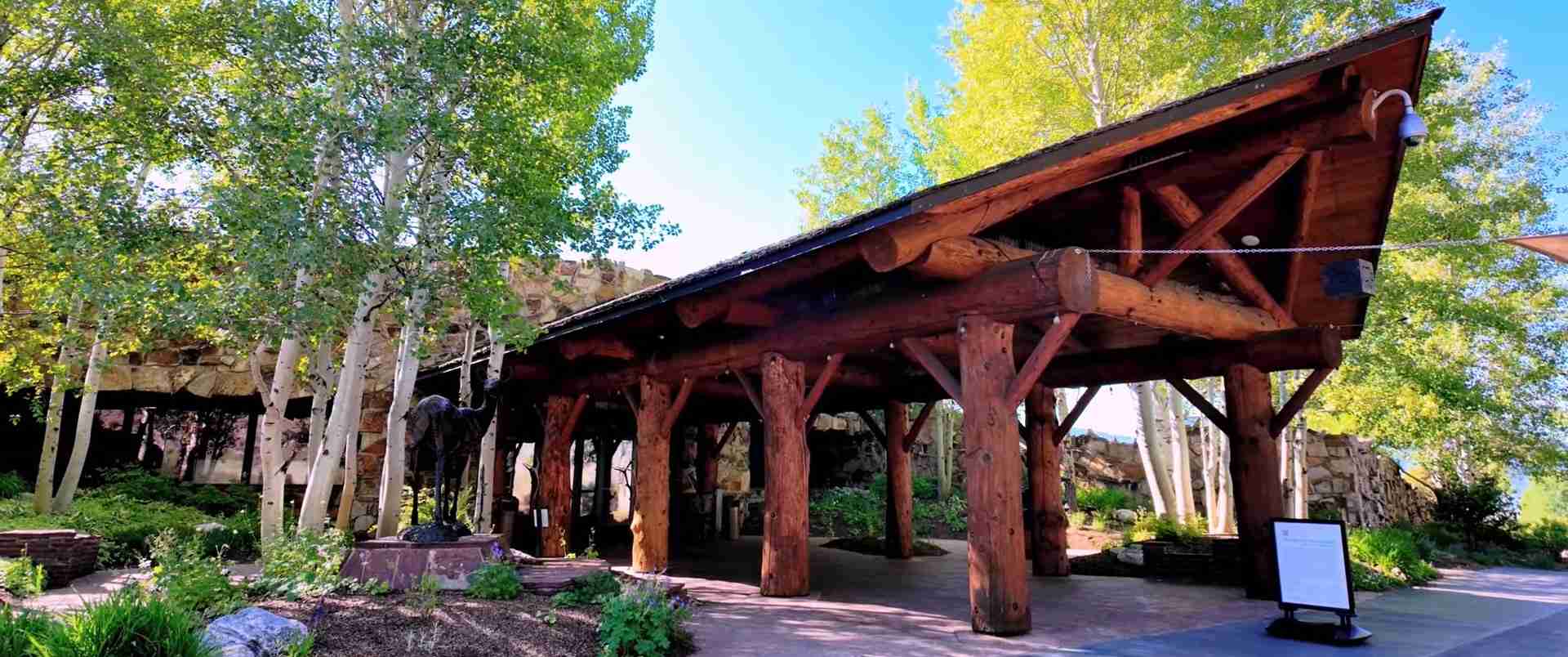
The National Museum of Wildlife Art stands as one of the most distinctive cultural institutions in the American West, dedicated exclusively to art representing wildlife from around the world. Located 2.5 miles north of Jackson on Rungius Road, the museum occupies a striking architectural masterpiece designed to blend into the natural hillside overlooking the National Elk Refuge. The building’s exterior incorporates native stone and earth-toned concrete that mimics the surrounding landscape, while its interior houses 14 galleries displaying works from a permanent collection exceeding 5,000 pieces representing more than 550 artists spanning from 2500 BCE to contemporary times.
Admission to the National Museum of Wildlife Art in 2026 costs $18 for adults, with the first child ages 5-18 admitted for $10 and each additional child for $5, making family visits economical for those traveling with multiple children. Children under age 5 receive free admission. The museum participates in the Blue Star Museums program, offering free admission to active-duty military personnel and their families from Armed Forces Day through Labor Day. Museums West members and American Association of Museum members enjoy complimentary admission year-round. Military and local resident discounts are available for tickets purchased upon arrival at the museum. Annual memberships begin at $50, providing unlimited visits plus guest passes, shop and restaurant discounts, and invitations to members-only events.
The museum operates on a seasonal schedule that visitors should note when planning 2026 trips. From May 1 through October 31, the museum opens daily from 10 AM to 5 PM, accommodating peak summer visitation. During the winter season from November 1 through April 30, hours reduce to Tuesday through Sunday, 10 AM to 5 PM, with the museum closed Mondays. Holiday closures include New Year’s Day, Thanksgiving Day, the Friday after Thanksgiving, Christmas Eve, and Christmas Day. The Palate restaurant within the museum operates Tuesday through Sunday from 11 AM to 2:30 PM during summer months (May-October) and 11 AM to 2 PM during winter months (November-April), offering lunch with panoramic views of the National Elk Refuge and Tetons beyond.
The permanent collection chronicles humanity’s relationship with wildlife across millennia and continents. Visitors encounter works by Georgia O’Keeffe, whose paintings capture the essence of the American Southwest including its wildlife; Andy Warhol’s pop art interpretations of endangered species; John James Audubon’s ornithological masterpieces documenting North American birds; and Carl Rungius, considered the finest big-game painter in North American art history, for whom the museum’s road is named. The collection encompasses paintings, sculptures, prints, and mixed media works representing diverse artistic movements and cultural perspectives, from ancient artifacts to cutting-edge contemporary pieces that challenge traditional wildlife art boundaries.
Beyond the indoor galleries, the National Museum of Wildlife Art features a nearly mile-long Sculpture Trail that winds through the sagebrush landscape surrounding the building. This outdoor exhibition showcases bronze sculptures of animals—from bison to elk to bears—positioned throughout the natural terrain. The sculptures range from life-size to monumental scale, creating dramatic encounters as visitors hike the trail. The experience combines art appreciation with the physical act of walking through authentic Wyoming high-desert habitat, where visitors might spot real wildlife on the adjacent National Elk Refuge while viewing artistic interpretations along the trail. The Sculpture Trail remains accessible year-round, weather permitting, providing a unique experience in each season from wildflower-dotted spring to snow-covered winter.
Temporary exhibitions rotate throughout the year, ensuring that even repeat visitors discover new works and artistic perspectives. In 2026, the museum’s exhibition calendar includes “From Sea to Shining Sea: Wildlife Above & Below the Waves” in the King Gallery, celebrating aquatic life across North America from freshwater rivers to coastal shores. The Prismatic Menagerie outdoor exhibition features five bold origami-inspired sculptures by contemporary artist Hacer, installed along the Cache corridor from the museum to the Center for the Arts through a collaboration between two of Jackson’s cultural institutions. Long-term installations featuring never-before-seen acquisitions explore humanity’s relationship with wildlife through the art of nature, with gallery layouts designed to encourage contemplation and connection.
The Children’s Discovery Gallery transforms wildlife art into interactive experiences for young visitors. Hands-on activities, drawing stations in the Artist’s Studio, and a Puppet Theater engage children while teaching art appreciation and wildlife conservation concepts. Family-friendly tours with specially trained docents make the museum accessible to visitors of all ages. Scavenger hunts and educational materials help children explore the galleries at their own pace, discovering connections between art and the natural world. The first child’s admission at $10 and subsequent children at $5 makes the museum economically accessible for family visits, encouraging multi-generational art experiences.
Educational programming extends beyond children to serve adult learners and serious art students. Docent-led tours, available upon request for groups, provide 45-60 minute guided experiences highlighting permanent collection masterworks and temporary exhibitions. The museum’s educational staff offers lectures, artist talks, and workshops throughout the year, with schedules posted on the museum website. The Research Library houses books, periodicals, and archival materials supporting scholarship in wildlife art, available by appointment for researchers, students, and artists seeking deeper knowledge about specific artists, movements, or techniques.
Palate Restaurant within the museum deserves recognition as a destination in its own right. Located on the upper level with floor-to-ceiling windows overlooking the National Elk Refuge, Palate offers what many consider Jackson’s best-kept secret for lunch with a view. The menu features creative contemporary American cuisine emphasizing regional ingredients and seasonal preparations. Outdoor patio seating during warmer months provides al fresco dining with unobstructed Teton views. Visitors need not pay museum admission to dine at Palate, making it a popular lunch destination for both art enthusiasts and those simply seeking exceptional food with spectacular scenery.
The Museum Shop offers carefully curated wildlife-inspired gifts, art books, jewelry, home décor, and reproductions of works from the collection. Proceeds support the museum’s educational programs and operational sustainability. Shoppers discover unique items not available elsewhere, from children’s books about wildlife to fine art prints to handcrafted items by regional artisans. Like the restaurant, the shop is accessible without paying museum admission, allowing visitors to browse and purchase even if not touring the galleries.
Special events punctuate the museum calendar throughout 2026. The Blacktail Bash on June 13, 2026, celebrates its 10th anniversary with a masquerade-themed evening where attendees become curators for the night, voting on pieces from the museum vault to display in coming exhibitions. Western Visions Evening Sale on September 17 during Fall Arts Festival represents the museum’s largest fundraiser, bringing together top contemporary wildlife artists and collectors from around the world. Signature programming events scheduled throughout May and beyond are listed on the museum’s online calendar, ranging from curator talks to artist demonstrations to educational workshops.
Practical considerations for visiting in 2026 include parking, accessibility, and photography policies. Free parking is available in the museum lot. The facility is fully wheelchair accessible with elevators serving all levels. Photography is permitted in galleries using handheld cameras and phones for personal, non-commercial use, allowing visitors to capture memories of favorite works, though tripods and video cameras are not allowed. No food or beverages are permitted in exhibition galleries, but the rooftop deck, patio, and boardwalk plaza provide outdoor spaces where visitors can enjoy refreshments purchased at Palate while taking in the views.
The National Museum of Wildlife Art’s location offers strategic advantages for visitors. Positioned on the road leading to Grand Teton National Park, the museum serves as an ideal first or last stop when traveling between Jackson and the park. The adjacent National Elk Refuge, where thousands of elk winter from November through March, provides opportunities to observe real wildlife immediately after viewing artistic interpretations inside the museum. During winter months, the Wyoming Game and Fish Department operates horse-drawn sleigh rides through the elk herd, creating a complementary experience that pairs perfectly with the museum visit.
Jackson Hole History Museum 2026
The Jackson Hole History Museum opened in its current state-of-the-art facility in June 2024 at 175 East Broadway Avenue, positioning itself as the gateway to understanding the cultural heritage of the Jackson Hole valley. The museum has existed since 1958, but spent decades spread across multiple buildings before consolidating into this purpose-built space on the corner of the historic downtown block. The modern facility dramatically expands exhibition space while incorporating contemporary museum design that enhances visitor engagement through interactive displays, multimedia presentations, and carefully curated collections spanning from Native American prehistory through frontier settlement to modern conservation movements.
Admission costs $12 for adults and $10 for seniors age 65+ and students, with children age 5 and under receiving free admission. These rates apply to museum entry only. The museum also offers historic walking tours of downtown Jackson from late May through September on Wednesday, Thursday, and Friday mornings, departing from the museum at 10:30 AM. Walking tour tickets cost $12 for adults and $10 for seniors and students when purchased separately. A combination ticket providing both museum admission and walking tour access costs $18 for adults and $15 for seniors and students, representing meaningful savings for visitors wanting both experiences. Check the museum website for current rates as pricing may vary.
The museum operates seasonally, closing for winter months and reopening each May, typically remaining open through September. This seasonal schedule aligns with Jackson Hole’s peak visitation period and the valley’s historical rhythms, when warmer weather allowed frontier settlers and Native American groups to move freely through the region. During operating months, the museum maintains daily hours, though specific times should be confirmed on the official website as schedules may adjust based on staffing and programming needs.
Exhibition galleries explore multiple dimensions of Jackson Hole’s complex history. Native American heritage sections examine the Shoshone, Bannock, Blackfeet, Crow, and Gros Ventre peoples who traveled through and utilized the Jackson Hole valley for thousands of years before European-American settlement. Displays showcase tools, clothing, and artifacts while explaining seasonal migration patterns and the cultural significance of the region’s abundant wildlife and plant resources. The fur trade era comes alive through exhibits documenting mountain men like John Colter and David Jackson (for whom Jackson Hole and Jackson Lake are named) who trapped beaver and explored the valley in the early 1800s.
Pioneer settlement exhibits chronicle the late 19th and early 20th century homesteading period when hardy families established ranches despite harsh winters, remote location, and challenging growing conditions. Historic photographs—the museum houses a collection of approximately 20,000 images—document early Jackson Hole life, from cattle ranching to dude ranching to the development of Jackson as a town. Visitors discover stories of women who managed homesteads, children who attended one-room schools, and families who adapted to isolation and self-sufficiency in ways that shaped the valley’s independent character.
Conservation and national park history receive detailed treatment, exploring how Jackson Hole residents navigated competing visions for the valley’s future in the early-to-mid 20th century. The establishment of Grand Teton National Park involved decades of conflict, compromise, and community debate, with some ranchers supporting preservation while others resisted federal land acquisition. John D. Rockefeller Jr.’s role in purchasing private lands that eventually became part of the national park represents one of the most significant conservation efforts in American history, and the museum examines this complex legacy from multiple perspectives.
The evolution of Jackson Hole as a recreation destination unfolds through exhibits documenting skiing’s development from rope tows in the 1930s to Jackson Hole Mountain Resort’s emergence as one of North America’s premier ski areas. Summer recreation including hiking, mountaineering, fishing, and wildlife watching transformed from subsistence activities into tourism attractions that now drive the valley’s economy. The museum explores how this transition from working ranch community to resort destination has shaped contemporary Jackson Hole identity and ongoing debates about growth, housing, and community character.
Historic walking tours led by knowledgeable guides provide 60-minute explorations of downtown Jackson landmarks and historic buildings from May through September. Tours depart from the museum at 10:30 AM on Wednesday, Thursday, and Friday mornings, with space limited to 12 participants to maintain quality experiences and allow all attendees to hear the guide clearly. These walks reveal hidden history behind familiar facades, sharing memorable stories of local events and colorful characters who shaped Jackson’s development. Buildings that appear ordinary from the outside reveal fascinating backstories—from bootlegging during Prohibition to early tourism entrepreneurs to the evolution of Town Square’s iconic design.
The museum offers private walking tours tailored to specific interests and schedules, accommodating groups who prefer customized experiences outside regularly scheduled tour times. Inquiries about private tours can be submitted through the museum’s website contact form, allowing staff to design itineraries matching visitor interests whether focused on architecture, women’s history, conservation conflicts, or other themes.
The Museum Research Center and Archives serve scholars, authors, genealogists, and anyone researching Jackson Hole history. The collection includes documents, photographs, oral histories, maps, and artifacts available for examination by appointment. Museum staff answer approximately 200 research questions annually, assisting with everything from family history research to book projects to documentary film development. Those seeking specific information should email [email protected] with their topic and area of interest, after which staff search the database and provide an inventory of relevant materials. Appointments can then be scheduled to view items in person and conduct deeper research.
The museum gift shop, accessible without paying admission, stocks carefully selected items including books by local authors, historical photographs from the museum’s collection, and locally made products. Popular items include reproductions of historic Jackson Hole photographs available as prints or cards, books like “Wapiti Wilderness” by Margaret and Claus Murie and “Diary of a Dude Wrangler,” and Give’r gloves manufactured locally. All proceeds from gift shop sales support History Jackson Hole, the nonprofit organization that operates the museum, making purchases a way to contribute to the institution’s mission of collecting, preserving, and sharing the valley’s cultural history.
Educational programming extends beyond exhibitions to include lectures, author talks, film screenings, and special events throughout the operating season. The museum hosts presentations by historians, authors, and community members who share specialized knowledge about aspects of Jackson Hole’s past. School groups receive age-appropriate guided tours connecting Wyoming history curriculum to local examples, helping students understand that the historical processes they study in textbooks actually unfolded in their own community.
Membership in History Jackson Hole provides unlimited museum admission, discounts on walking tours and museum shop purchases, invitations to members-only events, and the satisfaction of supporting local history preservation. Membership levels begin at modest amounts, making support accessible to community members and visitors who develop lasting connections to Jackson Hole’s story. Members receive newsletters updating them on new acquisitions, upcoming programs, and behind-the-scenes museum activities.
The museum’s downtown location at 175 East Broadway positions it ideally for visitors exploring Jackson on foot. The nearest parking is the Deloney Lot at 155 North King Street behind the museum, or the Ranch Home Parking Lot at 250 North Cache Street. Free street parking is also available near the museum, though spaces fill quickly during peak summer months. The location’s integration into the historic downtown district allows visitors to combine museum exploration with shopping, dining, and gallery visits, creating comprehensive cultural experiences.
Special exhibitions rotate periodically, supplementing the permanent collection with focused examinations of specific topics, time periods, or themes. The museum announces these temporary exhibitions through its website, social media channels, and email newsletters, with installations often timed to coincide with peak visitation months or community events. Recent exhibitions have explored topics ranging from the contributions of women in Jackson Hole’s development to the evolution of winter sports to the diverse cultural groups who have shaped the valley.
The museum recognizes that understanding Jackson Hole’s present requires knowledge of its past. The tensions between preservation and development, the balance between tourism economy and community character, the relationship between longtime residents and newcomers—these contemporary challenges have deep historical roots that museum exhibitions help visitors understand. By exploring how previous generations navigated similar dilemmas, the museum provides context for current debates while honoring the people whose decisions created the Jackson Hole that exists today.
Downtown Gallery District 2026
Jackson Hole’s downtown gallery district concentrates more than 25 world-class art spaces within walking distance of Town Square, creating one of the highest per-capita densities of fine art galleries in the United States. This compact artistic ecosystem allows visitors to explore diverse artistic styles, media, and price points without driving between scattered locations. The galleries cluster along Broadway, Cache Street, and the blocks immediately surrounding the Town Square with its famous elk antler arches, making gallery hopping a natural complement to shopping, dining, and exploring Jackson’s historic downtown core.
Gallery hours generally follow consistent patterns year-round, though seasonal variations occur. During peak summer months from June through September, most galleries open daily from 10 AM to 6 PM or later, with some extending hours during special events like gallery walks. Winter months bring reduced schedules, with many galleries closing Sundays and Mondays while maintaining Tuesday through Saturday hours from 10 AM or 11 AM to 5 PM or 6 PM. Spring and fall shoulder seasons typically feature intermediate hours bridging summer’s full operation and winter’s reduced schedule. Visitors should check individual gallery websites or call ahead when planning visits during off-peak seasons, as hours can vary and some galleries close for brief periods between major exhibitions or during the slowest weeks of April and November.
Admission to commercial galleries is universally free throughout downtown Jackson, distinguishing the gallery experience from museum visits. Visitors can browse exceptional contemporary Western art, wildlife paintings, landscape photography, bronze sculptures, Native American art, blown glass, and mixed media works without paying entrance fees. This accessibility encourages exploration and comparison, allowing art enthusiasts to spend entire afternoons moving from gallery to gallery, developing relationships with gallerists, learning about artists’ backgrounds and techniques, and discovering works that resonate personally.
Altamira Fine Art anchors the contemporary Western art scene with bold, evocative work by leading artists in the field. The gallery maintains year-round programming across two locations in Jackson Hole and Scottsdale, Arizona, with a dynamic exhibition calendar celebrating the evolving language of the American West. The curatorial approach embraces diverse media from luminous oil and acrylic paintings to bronze and glass sculpture to innovative light and mixed-media installations. Altamira’s 2026 exhibition schedule features solo shows by artists including Geoffrey Gersten, David Frederick Riley, Jivan Lee, Ben Steele collaborating with David Dornan on the Lineage Series, Rocky Hawkins, Duke Beardsley, Bradford Overton, Scott Yelonek, Maura Allen, and Dyana Hesson, plus group exhibitions like “Blooming West” and “Great American Roadtrip” that showcase multiple artists exploring related themes.
Mountain Trails Gallery occupies a prominent location directly on Town Square with over 6,000 square feet of exhibition space across its main level and upper galleries. Recognized as one of the premier galleries of the West, Mountain Trails represents many of the most renowned contemporary and Western artists working today. The collection features an eclectic mix of representational and impressionist paintings alongside bronze sculptures and a broad selection of Western artifact reproductions. The gallery’s “non-pressure” sales environment allows visitors to spend time with works without aggressive selling, creating the relaxed browsing atmosphere that serious collectors appreciate. Mountain Trails’ Quick Draw event on September 12, 2026, brings the gallery’s artists together for live creation, demonstrating the painting and sculpting processes that produce finished works.
Gallery Wild specializes in contemporary fine art inspired by wildlife, wild places, and conservation, owned and operated by Jackson Hole-based wildlife painter Carrie Wild. The gallery’s philosophy reflects thousands of hours spent in the field observing, studying, and developing deep appreciation for wild creatures and landscapes. The collection features both established and emerging artists working in oil and acrylic painting, bronze sculpture, mixed media, and photography. Gallery Wild’s mission extends beyond commerce to conservation, aiming to inspire collectors and impassion others to help protect wildlife and wild places for future generations through art acquisition and enjoyment. The gallery offers a virtual installation tool on its website allowing potential buyers to digitally preview artworks in their own spaces using smartphone or computer photos, removing the guesswork from visualization.
The Grand Fine Art, located at 130 West Broadway one block west of Town Square diagonally across from the Wort Plaza, offers an eclectic and exciting contemporary collection from nationally and internationally known artists, photographers, and sculptors. Owner Mary Beth Warren curates selections emphasizing quality and diversity, providing an alternative to galleries focused exclusively on traditional Western themes. The Grand Fine Art strives to exceed visitor expectations in service, integrity, and selection of original fine art, making it a favorite among collectors seeking contemporary pieces that transition well across diverse interior design styles.
Ringholz Studios on Broadway at 160 East Broadway showcases completely original artwork by Amy Ringholz, whose paintings, drawings, and fine art prints celebrate wildlife imagery with amazing colors, texture, intrigue, and emotion. The gallery prides itself on welcoming visitors and making the art experience inspiring and rewarding. Ringholz Studios hosts DUSK, a creative venue for private events, and provides annual art scholarships through the Ringholz Art Supply Award program. The gallery’s atmosphere emphasizes personal connection between artist and collectors, with opportunities to meet Amy Ringholz and learn about her creative process and inspiration drawn from Jackson Hole’s wildlife.
Thal Glass Studio brings a completely different medium to Jackson Hole’s art scene through unique hand-blown glass creations. The studio specializes in exquisite sandblasted bowls and vases for glass collectors, plus goblets, perfume bottles, and candlesticks ranging from functional objects to pure art pieces. Thal Glass welcomes architectural commissions for fused and slumped glass suitable for private residences and public spaces, creating custom installations that integrate artistic glass into building design. The studio’s work represents the technical mastery and artistic vision required to shape molten glass into finished pieces, with each item bearing the marks of hand creation that distinguish it from mass-produced glassware.
David Brookover Gallery displays some of the finest black-and-white landscape photography in the American West across two floors of exhibition space. Brookover’s work captures the drama and subtlety of Western landscapes through masterful use of light, shadow, composition, and traditional photographic techniques that emphasize craft and artistic vision. The gallery operates year-round, providing a counterpoint to the color-saturated wildlife and landscape paintings that dominate many Jackson Hole galleries. Brookover’s photographs appeal to collectors seeking sophisticated, museum-quality imagery that celebrates the natural world through the unique properties of black-and-white photography.
MANGELSEN-Images of Nature Gallery showcases the work of Thomas D. Mangelsen, one of the world’s most respected nature photographers. Mangelsen’s images span decades of photographing wildlife and wild places globally, from Alaska to Antarctica to Africa to Jackson Hole. His iconic photographs include “Catch of the Day” featuring a grizzly bear snatching a salmon mid-leap in Alaska’s Katmai National Park, images that have become synonymous with particular species and locations. The gallery offers museum-quality prints in various sizes and formats, allowing collectors to bring Mangelsen’s wildlife photography into their homes.
Additional galleries throughout downtown include Astoria Fine Art focusing on contemporary wildlife artists at the top of their profession, Horizon Fine Art emphasizing individual artists at work, Gold Mountain Gallery featuring photographer David Yarrow’s large-scale wildlife and pop culture images, and numerous other spaces representing painters, sculptors, photographers, and mixed-media artists. The variety ensures that visitors with different aesthetic preferences, budget constraints, and collecting interests find galleries matching their needs.
Native American art galleries present traditional and contemporary work from tribes across the American West and Southwest. Visitors discover jewelry, pottery, textiles, paintings, and sculptures created by Native American artists working in both traditional techniques passed through generations and contemporary interpretations of cultural themes. These galleries provide education about tribal arts traditions while offering authentic pieces directly supporting Native American artists and their communities.
The art quality throughout Jackson Hole’s gallery district consistently reaches museum-exhibition standards, with many pieces in commercial galleries comparable to works in major museum collections. This quality reflects both the caliber of artists attracted to Jackson Hole and the sophistication of collectors who support the market. Gallery owners and staff possess deep knowledge about represented artists, their techniques, their artistic development, and the stories behind individual works, adding value to the browsing experience through informed conversation and expert guidance.
Pricing across Jackson Hole galleries spans an enormous range accommodating diverse budgets. Small prints, photographs, and works by emerging artists begin at several hundred dollars, making original art accessible to first-time collectors and those with modest budgets. Mid-range paintings, sculptures, and photographs by established regional artists typically range from several thousand to tens of thousands of dollars, representing serious investments but remaining within reach for many collectors. Major works by renowned artists—original paintings by masters of Western and wildlife art, large bronze sculptures, museum-quality photographs in limited editions—command prices from tens of thousands to hundreds of thousands of dollars, attracting serious collectors building significant collections. Most galleries display works across this price spectrum, allowing visitors at all collecting levels to browse together.
Jackson Hole Gallery Walks occur on select evenings throughout the year, when galleries extend hours, serve refreshments, host artist receptions, and create a festive atmosphere encouraging community members and visitors to stroll downtown experiencing art in a social context. These events typically run from 5 PM to 8 PM, with participating galleries clearly marked. Gallery walks provide opportunities to meet artists, ask questions in relaxed settings, and discover new works in convivial environments. The Fall Arts Festival in September includes major gallery walk events as signature programming, but additional walks occur during summer months and occasionally in winter.
The Free Jackson Hole Gallery Guide, available at Jackson Hole Chamber of Commerce visitor centers and participating galleries, provides detailed maps, gallery listings, artist information, and practical details helping visitors navigate the downtown art scene. The guide includes brief descriptions of each gallery’s focus and represented artists, making it easy to prioritize visits based on personal interests. Download the guide from fallartsfestival.com or pick up physical copies at the Jackson Hole Chamber of Commerce at 175 East Deloney Avenue, the Elk Refuge & Greater Yellowstone Visitor Center at 532 North Cache Street, the Home Ranch Welcome Center at 210 North Cache Street, or the Jackson Hole Airport greeting program location.
Jackson Hole Fall Arts Festival 2026
The 42nd annual Jackson Hole Fall Arts Festival runs September 9-20, 2026, transforming the entire valley into a 12-day celebration of Western, wildlife, and landscape art. Produced by the Jackson Hole Chamber of Commerce in partnership with cultural organizations throughout Jackson Hole, the festival represents the Rockies’ premier art event, drawing artists, galleries, collectors, and visitors from around the world. With more than 50 events scheduled throughout the festival period, Fall Arts captures the creative spirit that earned Jackson Hole recognition as America’s number one arts community.
The festival’s 2026 edition features Ben Steele as the Featured Artist, honoring an accomplished painter who earned his BFA in Painting and Drawing from the University of Utah and continued training at the Helper Workshops under David Dornan and Paul Davis. Steele lives and works in Helper, Utah, creating work included in numerous personal and corporate collections including those of celebrities Kelly Ripa and Mark Consuelos, Steve Carell, Whitney Wolfe Herd, Robert Herjavec, Dan Patrick, Michael Sugar, Fred Couples, and sports icon institutions like the San Francisco Giants Executive Offices and Delta Airlines Sky Club lounges nationwide. The Featured Artist designation involves special exhibitions, artist appearances, and recognition throughout the festival period.
Palates & Palettes Gallery Walk on September 11 from 5 PM to 8 PM invites guests to stroll through downtown Jackson as galleries open their doors for an evening of fine art, hospitality, and inspiration. Participating galleries serve wine, cheese, and hors d’oeuvres while showcasing new works and hosting artist meet-and-greets. The relaxed evening atmosphere encourages browsing multiple galleries, meeting artists personally, and experiencing downtown Jackson’s creative energy. Palates & Palettes represents one of the festival’s most popular events, combining art appreciation with social interaction in an accessible format requiring no tickets or advance registration.
Arts on the Green takes place September 13 from 10 AM to 5 PM on the Center for the Arts lawn, presenting a juried outdoor fair showcasing the creativity of more than 50 local and regional artists. The event features work in diverse media including painting, sculpture, photography, ceramics, jewelry, textiles, and mixed media, all displayed in open-air booths allowing visitors to browse in the mountain sunshine. Live music and food vendors create a festive atmosphere, while the outdoor setting provides the casual, family-friendly environment that attracts both serious collectors and casual browsers. The juried nature of Arts on the Green ensures quality standards, with participating artists selected through a competitive application and review process.
Western Visions Evening Sale at the National Museum of Wildlife Art on September 17 from 5 PM to 8:30 PM represents the museum’s largest and longest-running fundraiser, bringing together top contemporary wildlife artists and collectors from around the world. Artists create original works specifically for Western Visions, with finished pieces displayed at the museum before being offered through a combination of preview sales and auction during the evening event. The quality of work featured in Western Visions consistently reaches museum-collection standards, attracting serious collectors seeking exceptional wildlife art. Proceeds support the National Museum of Wildlife Art’s educational programs, exhibitions, and operational sustainability.
The Home & Studio Tour on September 18 from 10 AM to 4 PM offers a rare opportunity to tour architecturally significant residences celebrating fine design and luxury living. Participating homes represent the exceptional quality of residential architecture in Jackson Hole, from historic properties meticulously restored to contemporary mountain modern estates that integrate cutting-edge design with spectacular Teton settings. The tour provides inspiration for homeowners, architects, designers, and anyone interested in how architectural excellence manifests in mountain environments. Fine art collections within tour homes add another dimension, showing how collectors integrate art into their living spaces.
The Jackson Hole QuickDraw on September 19 beginning at noon represents one of Fall Arts Festival’s most iconic events, where 30 artists create original works in 90 minutes on Jackson Town Square as spectators watch the creative process unfold. Artists work in various media—oil painting, watercolor, sculpture, and more—racing against the clock to produce finished pieces while crowds gather to observe techniques, ask questions, and witness art creation from blank canvas to completed work. At the 90-minute mark, artists step back from their creations, and the QuickDraw Art Auction begins immediately, allowing spectators who watched pieces emerge to bid on them while the creative energy still fills the air. QuickDraw combines performance, competition, and art sales in a uniquely engaging format that attracts both artists and audiences.
The Jackson Hole Art Auction on September 19 at 1 PM follows immediately after QuickDraw, featuring museum-quality masterworks celebrating the American West, wildlife art, and more. Now in its 19th year, the auction has earned reputation as one of the most highly anticipated Western art auctions of the year, drawing collectors and art enthusiasts from across the region and beyond. The auction offers opportunities to acquire works by renowned historical Western artists and leading contemporary painters and sculptors, with pieces spanning from 19th-century frontier scenes to modern interpretations of Western themes. The combination of QuickDraw’s fresh creations and the Art Auction’s blue-chip offerings creates an unparalleled afternoon of art activity on Town Square.
Sunday Art Brunch on September 20 from 11 AM to 3 PM closes Fall Arts Festival with a relaxed and festive event blending gourmet cuisine, beverages, and gallery hopping across local art spaces. Participating galleries and restaurants coordinate to create a progressive brunch experience where attendees move between venues enjoying food, drinks, and art in casual Sunday morning atmosphere. The event provides one final opportunity to see festival exhibitions before they close and to make last-minute acquisitions of works discovered during the 12-day celebration.
Additional Fall Arts Festival events include gallery exhibitions opening throughout the festival period, artist lectures and demonstrations at museums and galleries, outdoor sculpture installations, and community celebrations recognizing artistic achievement and cultural vitality. The festival schedule, published on the Jackson Hole Chamber of Commerce website and distributed through the Jackson Hole Gallery Guide, details all 50+ events with dates, times, locations, and ticket information where applicable.
Many Fall Arts Festival events are free and open to the public, including Palates & Palettes Gallery Walk, Arts on the Green admission (though art purchases cost extra), gallery exhibitions, and outdoor installations. Ticketed events like Western Visions Evening Sale, the Home & Studio Tour, and Sunday Art Brunch require advance purchase or registration, with details available on the Fall Arts Festival website. Some events sell out weeks in advance, making early planning essential for visitors wanting to attend the most popular programs.
The festival extends Jackson Hole’s visitor season into mid-September when summer crowds have dispersed but before winter snows begin, creating ideal conditions for experiencing the valley. Lodging availability improves compared to peak summer months, restaurant reservations become easier to secure, and the slight chill in mountain air signals autumn’s arrival. Aspen trees on surrounding hillsides transition from green to gold, providing spectacular natural scenery complementing the artistic celebrations downtown.
Jackson Hole’s recognition as the number one arts community in the United States for 2025—announced in January 2026 by SMU DataArts—adds special significance to the 2026 Fall Arts Festival. The ranking reflects sustained excellence in arts supply, demand, and public support, validating the community’s decades-long investment in cultural infrastructure and programming. Fall Arts Festival serves as the most visible expression of this artistic vitality, concentrating a year’s worth of creative energy into 12 days when the entire valley celebrates what makes Jackson Hole exceptional beyond its natural beauty and outdoor recreation.
Art Fair Jackson Hole 2026
Art Fair Jackson Hole takes place across two summer weekends in 2026: July 24-26 and August 14-16 at the Art Association Campus at 265 South Cache Street. This juried outdoor art fair represents the Art Association of Jackson Hole’s largest fundraising event of the year, with all proceeds including artist application fees, booth fees, and admission charges directly supporting the organization’s mission to provide art education for ages one to 100. The fair showcases work by local and regional artists across diverse media in a welcoming outdoor setting.
Fair hours run Friday and Saturday from 10 AM to 5:30 PM with early entrance at 10 AM for those who purchase admission, and Sunday from 10 AM to 4:30 PM. General admission costs $6 for single-day entry, with children age 12 and under admitted free. The admission fee, modest by art fair standards, supports the Art Association’s educational programming while providing access to browse dozens of artist booths featuring original paintings, sculptures, photography, ceramics, jewelry, fiber arts, and mixed media works.
The juried nature of Art Fair Jackson Hole ensures quality standards, with artists submitting applications including images of their work for review by a selection committee. Accepted artists represent various styles and skill levels from emerging talents to established professionals, creating a mix that appeals to first-time art buyers and experienced collectors alike. Price points range from affordable small works and prints to significant original paintings and sculptures, making the fair accessible to visitors with diverse budgets.
The Art Association Campus location at 265 South Cache Street provides a scenic setting with mountain views and the nearby Cache corridor. The outdoor format creates a festival atmosphere enhanced by good weather typical of Jackson Hole summers, when daytime temperatures reach comfortable levels and afternoon thunderstorms usually hold off until later in the day. Visitors browse at their own pace, speak directly with artists about their work and inspiration, and make purchases knowing their investment supports both individual artists and community arts education.
Beyond the art booths, Art Fair Jackson Hole often includes live music, food vendors, and activities for children, making it a family-friendly event that appeals to art enthusiasts and casual visitors alike. The fair’s August dates coincide with peak summer visitation when Jackson Hole hosts maximum visitors, while the July weekend captures both summer residents and tourists. Holding the fair across two separate weekends extends the opportunity for community members and visitors to attend, increasing accessibility and participation.
The Art Association of Jackson Hole, founded in 1965, operates year-round programs serving the community through classes, workshops, exhibitions, and events. The organization’s mission encompasses both supporting working artists and providing art education opportunities for people of all ages and skill levels. Art Fair Jackson Hole exemplifies this dual mission, creating a venue where artists can sell work while generating revenue that funds educational programs teaching artistic skills and appreciation to children, adults, and everyone in between.
Public Art and Outdoor Installations 2026
Jackson Hole Public Art transforms the valley into an open-air gallery through strategic placement of sculptures, murals, and installations in public spaces throughout the community. This organization forges partnerships for integrating art into any environment, inspiring lasting cultural, educational, and economic benefits that extend artistic experiences beyond traditional gallery walls and museum spaces. Public art initiatives make exceptional work accessible to everyone regardless of admission fees or gallery hours, democratizing art appreciation while beautifying shared spaces.
The Prismatic Menagerie installation represents a major 2026 public art project featuring five bold origami-inspired sculptures by contemporary artist Hacer running along Cache Street and Highway 89 from the National Museum of Wildlife Art to the Center for the Arts. This collaboration between two of Jackson Hole’s impactful art institutions creates a straight-shot art corridor where drivers and pedestrians encounter unexpected pops of color against the natural landscape. The origami-inspired forms interpret wildlife through geometric abstraction, offering contemporary takes on the animals that have inspired Jackson Hole artists for generations.
Cloud Swing by Lindsay Glatz at Teton Village Commons transforms glowing cloud forms into vibrant color as visitors swing beneath them, creating interactive experiences that blend light, sculpture, and participation. Evening hours reveal the installation’s full effect as illumination activates the piece, creating atmosphere that contrasts with surrounding mountain darkness. Public art installations like Cloud Swing extend cultural experiences beyond downtown Jackson into resort areas, ensuring that art reaches diverse audiences throughout the valley.
Chairlift chairs repurposed as public seating, alley murals brightening service corridors, and art integrated into green spaces demonstrate Jackson Hole Public Art’s commitment to holding space for creative spirit both metaphorically and literally. These interventions transform utilitarian objects and overlooked locations into opportunities for artistic expression and community engagement. Visitors discover unexpected art throughout Jackson Hole, from functional objects reimagined as sculpture to walls transformed into canvases to landscapes enhanced through thoughtful installations.
The Town Square elk antler arches, while not technically “art” in traditional sense, function as Jackson’s most iconic public sculptures. The four arches constructed from naturally shed elk antlers frame the corners of Town Square, creating instantly recognizable symbols of Jackson Hole’s character and connection to wildlife. Visitors photograph themselves beneath the arches, children climb on adjacent structures, and the arches serve as meeting points and orientation markers for navigating downtown. Their combination of natural materials, cultural significance, and functional design exemplifies how public art can serve multiple purposes while remaining accessible to all.
Temporary installations rotate throughout the year, with public art projects announced through Jackson Hole Public Art’s website and social media channels. Some installations remain for single seasons while others become permanent fixtures, with community input and funding determining longevity. The organization collaborates with property owners, businesses, municipal government, and cultural institutions to identify locations and secure permissions for installations that enhance Jackson Hole’s public realm.
Photography and Specialty Galleries 2026
Jackson Hole’s photography galleries showcase the valley’s exceptional light, landscapes, and wildlife through the lenses of master photographers. The concentration of world-class photography galleries reflects both the region’s photogenic qualities and the technical excellence required to capture the Tetons, wildlife, and western landscapes in ways that transcend snapshot documentation to achieve fine art status. These galleries offer limited edition prints, custom framing, and artist interactions that educate collectors about photographic craft and vision.
Henry Holdsworth photography gallery presents breathtaking imagery of the Jackson Hole area by a master photographer whose work captures the valley’s essence across all seasons and lighting conditions. Holdsworth’s technical mastery and artistic vision combine to create photographs that transport viewers into moments of exceptional beauty. The gallery maintains consistent quality standards, ensuring that every print meets museum-level expectations for color accuracy, sharpness, and presentation. Visitors describe returning repeatedly to take in the many spectacular images, discovering new details and emotional resonances with each viewing.
MANGELSEN-Images of Nature Gallery, as mentioned in the gallery district section, deserves additional recognition for Thomas Mangelsen’s particular contributions to wildlife photography. His decades-long career photographing nature worldwide has produced iconic images that define how many people visualize particular species and locations. Mangelsen’s commitment to conservation and his intimate knowledge of wildlife behavior allow him to capture moments that reveal both the beauty and the struggle of wild creatures. His photographs function as both fine art and conservation advocacy, raising awareness about threatened species and habitats while creating emotional connections between viewers and wildlife.
Nick Selway, while not maintaining a physical gallery in Jackson Hole, offers luxury nature photography through his online gallery at more affordable prices than traditional brick-and-mortar galleries charge. His limited edition fine art prints available in various mediums from True Life Acrylics to Metal Prints to Premium Canvas Giclee Wraps to Barnwood Framed Prints provide options for different aesthetic preferences and display contexts. Selway’s approach challenges the traditional gallery model, making museum-quality nature photography accessible to collectors who cannot afford gallery prices while maintaining artistic standards and limited edition integrity.
Specialty galleries focusing on glass, ceramics, jewelry, and other media complement painting and photography spaces throughout downtown. These galleries introduce material diversity to Jackson Hole’s art scene, demonstrating that artistic excellence manifests across all media when artists bring vision, skill, and dedication to their craft. Collectors discover unique pieces that function as both art and functional objects, from hand-blown glass vessels to ceramic sculptures to jewelry combining precious metals and gemstones in original designs inspired by western landscapes and wildlife.
Cultural Events and Programming 2026
Beyond Fall Arts Festival and Art Fair Jackson Hole, the valley’s cultural calendar includes programming throughout the year serving both community members and visitors. The National Museum of Wildlife Art hosts regular lecture series, artist talks, curator discussions, and educational workshops that deepen understanding of wildlife art history, techniques, and contemporary practice. These programs, often free with museum admission or available to members, provide opportunities to engage with art beyond passive viewing, developing knowledge and appreciation through expert guidance.
Artist receptions at galleries throughout downtown occur regularly when new exhibitions open, creating informal opportunities to meet artists, learn about their creative processes, and view new work in social settings. Gallery owners send email notifications about upcoming receptions to mailing lists, making it easy for interested visitors to stay informed. These receptions typically offer wine and light refreshments, encouraging attendance and conversation. Meeting artists personally adds dimension to viewing their work, as stories about inspiration, technique struggles, and creative breakthroughs reveal the human processes behind finished pieces.
The Art Association of Jackson Hole, beyond organizing Art Fair Jackson Hole, maintains year-round educational programming including classes and workshops for children and adults in drawing, painting, sculpture, ceramics, photography, and other media. Summer programs serve children whose families vacation in Jackson Hole, while academic-year classes support local students and adults seeking creative outlets. The organization’s commitment to arts education from “ages one to 100” reflects beliefs that artistic skills and appreciation benefit people throughout their lifespans regardless of natural talent or professional aspirations.
Music, theater, and performing arts organizations including the Grand Teton Music Festival, Off Square Theatre Company, and Jackson Hole Playhouse contribute to cultural vitality beyond visual arts, creating a comprehensive cultural ecosystem where multiple artistic disciplines thrive. While this guide focuses on museums and visual art galleries, visitors interested in complete cultural experiences should explore Jackson Hole’s robust performing arts scene that complements its visual arts excellence.
Film festivals, book readings, poetry events, and literary programs occur throughout the year, often hosted at cultural venues including the Center for the Arts, libraries, bookstores, and coffee shops. These events demonstrate that Jackson Hole’s artistic community extends beyond visual arts to embrace all creative forms, supporting writers, filmmakers, and performers alongside painters, sculptors, and photographers.
Practical Planning for 2026 Cultural Visits
Visitors planning cultural experiences in Jackson Hole should consider seasonal patterns when scheduling trips. Summer months from June through September provide maximum access to museums, galleries, and cultural programming, with daily operating hours, complete exhibition schedules, and the highest concentration of special events. The Fall Arts Festival in mid-September represents the cultural pinnacle, though lodging books early and prices increase during festival dates. Winter transforms the art scene into a more intimate experience, with reduced museum hours (National Museum of Wildlife Art closed Mondays), some galleries closing temporarily or reducing hours, but opportunities for unhurried gallery visits and extended conversations with gallerists who have more time during quieter periods.
Spring and fall shoulder seasons offer advantages including moderate temperatures for walking between galleries, reduced crowds compared to summer peaks, and pricing that falls between winter ski season and summer high season. Gallery exhibitions often refresh during spring in preparation for approaching summer visitors, making April and May excellent times to see new work. October through early November, after Fall Arts Festival concludes but before winter weather arrives, provides pleasant conditions for cultural exploration.
Downtown parking fills quickly during peak summer months, making early morning or late afternoon gallery visits easier for finding spaces near Town Square. The Deloney Lot behind the Jackson Hole History Museum, Ranch Home Parking Lot, and other municipal lots offer paid parking, while free street parking provides economical options for those willing to walk several blocks. The compact downtown district makes walking practical once you’ve parked, with virtually all major galleries accessible within 10-15 minutes on foot from Town Square.
The National Museum of Wildlife Art’s location 2.5 miles north of downtown requires driving or using rideshare services, as no public transportation directly serves the museum. Free parking at the museum simplifies visits, and the location along the route to Grand Teton National Park makes it convenient to combine museum stops with park visits. Plan 2-3 hours minimum for thorough museum exploration including the Sculpture Trail, with additional time if dining at Palate restaurant.
Gallery etiquette in Jackson Hole follows standard practices: visitors are welcome to browse freely, ask questions about artists and works, request price information, and photograph galleries (though specific artwork photography policies vary—ask before photographing individual pieces). Gallerists expect browsers as well as buyers and provide knowledgeable information without pressure. Serious collectors should schedule appointments for extended viewing of works not currently on display or to discuss commissions and customization options.
Budget considerations vary enormously based on whether visitors simply browse free galleries or make art purchases. Museum admission totaling approximately $30 per person (National Museum of Wildlife Art $18 plus Jackson Hole History Museum $12, though the History Museum operates only May-September) provides access to Jackson Hole’s two flagship cultural institutions. Gallery browsing costs nothing beyond parking and perhaps coffee or lunch between visits. Art purchases range from prints and small works starting around $200-500 to major paintings and sculptures commanding tens or hundreds of thousands of dollars, with galleries offering works across this entire spectrum.
The free Jackson Hole Gallery Guide serves as essential planning tool, providing maps, gallery descriptions, artist information, and current exhibition details. Download it from fallartsfestival.com or collect printed copies at visitor centers. The guide helps prioritize gallery visits based on personal interests, whether seeking wildlife art, contemporary Western painting, photography, sculpture, or other specific media and styles.
Shipping services available through galleries simplify art acquisition for visitors traveling by air or with limited vehicle space. Most established galleries maintain relationships with art shipping specialists who crate, insure, and transport purchases to destinations worldwide, removing logistics barriers to collecting. Buyers should factor shipping costs into total acquisition budgets, as professional art transport can add significant expense to purchase prices depending on artwork size, weight, and destination distance.
Family-Friendly Cultural Experiences 2026
Jackson Hole’s museums and cultural venues welcome families, providing experiences that engage children while allowing adults to enjoy art appreciation. The National Museum of Wildlife Art’s Children’s Discovery Gallery transforms passive viewing into interactive learning through hands-on activities, drawing stations, and a puppet theater that capture young imaginations. The first child admission pricing at $10 and additional children at $5 makes family visits economical, with children under 5 admitted free. Family-friendly tours led by specially trained docents adapt content and pacing to accommodate short attention spans, asking questions that encourage children to observe details and make connections between art and the natural world they experience in Jackson Hole.
The Jackson Hole History Museum, when open from May through September, offers exhibits that fascinate children including historic photographs showing how dramatically Jackson Hole has changed, artifacts from frontier life that seem exotic to modern children, and interactive displays encouraging hands-on exploration. The museum’s downtown location allows combining cultural visits with other family activities including playing in downtown parks, shopping for souvenirs, and enjoying ice cream or meals at family-friendly restaurants.
Arts on the Green during Fall Arts Festival provides free admission (though purchased art costs extra), creating an accessible outdoor art experience where children can watch artists demonstrate techniques, browse diverse works, and enjoy live music and food in festival atmosphere. The outdoor setting removes the “museum voice” pressure of indoor galleries, allowing children to move freely, ask questions loudly, and express reactions without worrying about disturbing other visitors.
Art Fair Jackson Hole admits children age 12 and under free, encouraging families to attend together. The outdoor booth format and festival atmosphere engage children more effectively than traditional gallery visits, with opportunities to see artists at work, watch demonstrations, and experience the social energy of community art events.
Many galleries welcome well-behaved children, though parents should gauge individual children’s readiness for gallery visits where valuable works require careful behavior. Gallery owners appreciate when parents teach children to look without touching, to use quiet voices, and to respect art and other visitors. Successfully navigating gallery visits teaches valuable lessons about appreciating beauty, understanding artistic vision, and engaging with cultural experiences that will serve children throughout their lives.
Jackson Hole’s Cultural Future and Community Impact
The recognition of Jackson Hole as America’s number one arts community for 2025 validates decades of community investment in cultural infrastructure, artist support, and educational programming. This achievement did not happen accidentally but resulted from deliberate choices by community members, business leaders, nonprofit organizations, and local government to prioritize arts alongside outdoor recreation and tourism development. The valley’s artistic success demonstrates that small communities can achieve cultural excellence matching or exceeding major metropolitan areas when commitment, resources, and vision align.
The economic impact of Jackson Hole’s art scene extends far beyond gallery sales and museum admissions. The Fall Arts Festival attracts thousands of visitors who book hotels, dine in restaurants, shop in stores, and extend the visitor season into September when summer crowds have dispersed. Year-round gallery employment provides jobs for gallerists, framers, installers, and administrators, while artists living and working in Jackson Hole contribute to the creative economy. The cultural reputation attracts affluent visitors and residents who value art, creating economic multiplier effects throughout the community.
Beyond economics, art contributes to quality of life for Jackson Hole residents in ways that make the valley exceptional beyond natural beauty and outdoor recreation. Access to world-class art galleries, museum exhibitions, and cultural programming enriches daily life, providing intellectual stimulation, aesthetic pleasure, and opportunities for creative engagement that balance the physical focus of skiing, hiking, and climbing that dominates Jackson Hole’s recreational identity. Children growing up with regular exposure to exceptional art develop broader perspectives and deeper appreciation for human creativity.
The valley’s artistic community fosters social connections through gallery openings, artist lectures, cultural events, and collaborative projects that bring diverse people together around shared interests. These connections strengthen community bonds, creating networks that extend beyond professional relationships to genuine friendships built on mutual appreciation for artistic excellence and creative expression.
Challenges facing Jackson Hole’s art scene include the same affordability and housing issues affecting the entire community. Rising property costs make it difficult for emerging artists to afford living and working in the valley, potentially narrowing the artistic community to established artists and wealthy creatives who don’t depend on art sales for income. Gallery rents in downtown locations increase along with overall commercial real estate costs, pressuring galleries to generate higher sales volumes to sustain operations. These economic realities threaten to shift Jackson Hole’s art scene toward higher-end work marketed to affluent collectors while reducing opportunities for affordable art and emerging talent.
Community organizations work to address these challenges through programs supporting artist residencies, providing affordable studio space, offering art education regardless of ability to pay, and maintaining public art initiatives that democratize access to cultural experiences. The Art Association of Jackson Hole’s commitment to serving “ages one to 100” reflects understanding that sustainable artistic community requires broad participation, not just elite collectors and established artists.
Looking forward, Jackson Hole’s cultural future depends on maintaining the community commitment that produced the current artistic excellence. As the valley navigates growth pressures, housing challenges, and economic changes, prioritizing arts alongside other community values will determine whether the cultural ecosystem remains vibrant or diminishes under pressure from competing interests. The 2025 recognition as America’s top arts community provides momentum, but sustaining that status requires ongoing investment, support, and dedication to the artistic vision that makes Jackson Hole exceptional.
Frequently Asked Questions About Jackson Hole Museums & Galleries 2026
What days and hours is the National Museum of Wildlife Art open in 2026?
The National Museum of Wildlife Art operates on seasonal schedules in 2026. From May 1 through October 31, the museum opens daily from 10 AM to 5 PM, accommodating peak summer visitation with consistent hours seven days per week. During the winter season from November 1 through April 30, the museum reduces to Tuesday through Sunday hours from 10 AM to 5 PM, closing Mondays. The museum closes on major holidays including New Year’s Day, Thanksgiving Day, the Friday after Thanksgiving, Christmas Eve, and Christmas Day. Palate restaurant within the museum serves lunch Tuesday through Sunday during operating seasons, with hours from 11 AM to 2:30 PM in summer and 11 AM to 2 PM in winter. Visitors should check the official website at wildlifeart.org before visiting to confirm current hours as schedules occasionally adjust for special events or circumstances.
Can I visit Jackson Hole galleries without buying artwork?
Yes, all commercial galleries in downtown Jackson Hole welcome browsers and offer free admission whether or not visitors intend to make purchases. Gallery owners and staff expect both serious collectors and casual browsers, providing information about artists and works without sales pressure. The relaxed, welcoming atmosphere encourages spending hours exploring multiple galleries, learning about different artists and styles, and developing art appreciation through direct viewing of exceptional works. Browsing helps visitors understand their own aesthetic preferences, learn about pricing structures across different artists and media, and identify galleries matching their interests for potential future purchases. Gallerists appreciate when browsers ask questions, express genuine interest in art, and engage thoughtfully even if not buying, as these interactions contribute to the cultural exchange that sustains Jackson Hole’s vibrant art community. The free gallery access distinguishes Jackson Hole from many major art centers where admission fees can create barriers to casual exploration.
What is the best time of year to visit Jackson Hole for art and culture in 2026?
The Fall Arts Festival period from September 9-20, 2026 represents the cultural pinnacle of Jackson Hole’s year, with 50+ events, gallery walks, artist demonstrations, the famous QuickDraw competition, and the prestigious Jackson Hole Art Auction creating 12 days of concentrated artistic celebration. Galleries debut new exhibitions, museums host special programming, and the entire community focuses on art appreciation and cultural exchange. However, Fall Arts Festival popularity means higher lodging costs, limited accommodation availability, and larger crowds at galleries and events. Summer months from June through early September provide excellent cultural access with daily museum hours, full gallery schedules, Art Fair Jackson Hole in July and August, and pleasant weather for walking between galleries, though with maximum tourist crowds and highest prices. Winter months from December through March transform the art scene into more intimate experiences, with reduced museum hours (National Museum of Wildlife Art closed Mondays, Jackson Hole History Museum closed entirely) and some galleries operating limited schedules, but offering opportunities for unhurried viewing and extended conversations with gallerists during the ski season’s quieter periods. Spring (April-May) and fall shoulder season (October-early November) provide moderate weather, refreshed gallery exhibitions, fewer crowds than summer peaks, and moderate pricing, making these excellent times for visitors prioritizing cultural experiences over outdoor recreation.
How much time should I plan for visiting Jackson Hole museums and galleries in 2026?
Plan minimum 2-3 hours for thorough exploration of the National Museum of Wildlife Art including permanent collection galleries, temporary exhibitions, the nearly mile-long outdoor Sculpture Trail, and time in the Museum Shop, with additional time if dining at Palate restaurant or attending special programs. The Jackson Hole History Museum, when open from May through September, merits 60-90 minutes for viewing permanent and temporary exhibitions, though those deeply interested in local history may spend longer. Downtown gallery exploration depends entirely on personal interest, with casual browsers spending 2-3 hours visiting 5-8 galleries along Town Square and surrounding streets, while serious art enthusiasts can easily spend full days moving methodically through all 25+ galleries, engaging with gallerists, and viewing complete collections. During Fall Arts Festival, plan extended time for major events—QuickDraw and Art Auction together consume 3-4 hours, Palates & Palettes Gallery Walk typically runs 2-3 hours as visitors move between participating galleries, and Arts on the Green can occupy a full afternoon browsing 50+ artist booths. A comprehensive cultural visit to Jackson Hole combining both museums, representative gallery exploration, and participation in several events requires 2-3 full days minimum, with art enthusiasts easily spending a week or more without exhausting the valley’s cultural offerings.
Are there discounts available for Jackson Hole museums in 2026?
The National Museum of Wildlife Art offers several discount opportunities in 2026. Active-duty military personnel and their families receive free admission during the summer season from Armed Forces Day through Labor Day through the Blue Star Museums program. Museums West members and American Association of Museum members enjoy complimentary admission year-round. Local resident discounts are available for tickets purchased at the museum upon arrival, rewarding valley residents with reduced rates. Children under age 5 always receive free admission. Annual museum memberships beginning at $50 provide unlimited visits for members plus guest passes, shop and restaurant discounts, and other benefits that quickly offset the membership cost for those visiting multiple times. The Jackson Hole History Museum charges $12 for adults and $10 for seniors 65+ and students, with children 5 and under admitted free. Combination tickets pairing museum admission with historic walking tours cost $18 for adults and $15 for seniors and students, representing savings compared to purchasing museum and tour tickets separately. History Jackson Hole members receive free museum admission and discounted tour rates. No general discount cards or passes provide admission to both museums simultaneously, requiring separate admission for each institution unless holding memberships in both organizations.
What makes Jackson Hole galleries different from galleries in other resort towns?
Jackson Hole galleries distinguish themselves through consistent museum-quality work rather than the tourist-oriented merchandise that dominates many resort town art spaces. The valley’s designation as America’s number one arts community for 2025 reflects genuine cultural vitality rather than manufactured arts districts created primarily to attract visitors. Most Jackson Hole galleries represent working artists who maintain deep connections to the region rather than simply selling work by artists with no local ties. The concentration of over 25 galleries within walking distance creates critical mass allowing visitors to compare quality, styles, and pricing across multiple spaces efficiently. Gallery owners and staff possess exceptional knowledge about represented artists, their techniques, and the stories behind works, providing educational experiences alongside sales opportunities. The Western, wildlife, and landscape art dominating Jackson Hole galleries directly connects to the surrounding Teton landscape and abundant wildlife, creating authentic relationships between artistic subject matter and the environment where art is created and sold. Pricing structures accommodate diverse budgets from emerging collectors to serious investors, rather than focusing exclusively on high-end sales. The absence of aggressive sales tactics creates relaxed browsing environments where visitors develop genuine appreciation for art rather than feeling pressured into purchases. Jackson Hole’s year-round gallery operations, sustained by both visitor sales and local collector base, demonstrate cultural infrastructure that extends beyond seasonal tourism to genuine community investment in artistic excellence.
Can I meet artists at Jackson Hole galleries in 2026?
Yes, Jackson Hole galleries frequently host artist receptions when new exhibitions open, providing informal opportunities to meet artists personally, learn about their creative processes, ask questions about specific works, and view new collections in social settings. Gallery owners send email notifications about upcoming artist receptions to mailing lists, making it easy for interested visitors to stay informed about these events. Fall Arts Festival in September creates concentrated opportunities for artist interactions, with many participating artists traveling to Jackson Hole for QuickDraw, gallery walks, Western Visions at the National Museum of Wildlife Art, and other festival events. Some galleries represent artists who maintain studios in Jackson Hole or visit the valley regularly, increasing chances of encountering them during gallery visits. Serious collectors can request gallery introductions to specific artists when those artists are not currently in Jackson Hole, facilitating phone or video conversations about potential commissions, viewing works not currently on display, or discussing artistic vision and future projects. The National Museum of Wildlife Art hosts artist lectures and demonstrations throughout the year, featuring both artists represented in the permanent collection and contemporary wildlife artists whose work appears in temporary exhibitions. These programs, often free with museum admission, provide structured opportunities to hear artists discuss their inspiration, techniques, and creative philosophies. The relatively small size of Jackson Hole’s artistic community compared to major metropolitan art centers increases the likelihood of personal interactions with artists, gallerists, and collectors who share enthusiasm for the exceptional work being created in and inspired by the valley.
What should I wear when visiting Jackson Hole galleries and museums in 2026?
Jackson Hole galleries and museums embrace casual Western mountain town dress codes that prioritize comfort over formality. Visitors wearing everything from hiking clothes to business casual to cowboy boots and jeans receive equal welcome, with no dress requirements beyond basic standards of cleanliness and appropriateness. During summer months, casual clothing suitable for walking downtown Jackson in moderate temperatures works perfectly for gallery visits—comfortable shoes for walking between multiple galleries, layers to adjust for air-conditioned gallery interiors versus outdoor heat, and sun protection for traveling between venues. Winter gallery visits during ski season commonly see visitors in ski jackets, fleece, and winter boots, reflecting the reality that cultural activities often punctuate outdoor recreation days. Fall Arts Festival events vary in formality—gallery walks and Arts on the Green embrace completely casual dress, while Western Visions Evening Sale and other fundraising galas may inspire cocktail attire or Western elegant dress, though strict requirements never apply. The Blacktail Bash masquerade-themed event encourages creative masquerade attire while noting “black-tie optional,” giving attendees freedom to dress up or maintain Jackson Hole’s relaxed standards. Museum visits require no special clothing beyond comfort for walking gallery floors and potential outdoor Sculpture Trail exploration at the National Museum of Wildlife Art. The relaxed dress culture reflects Jackson Hole’s democratic approach to art appreciation, removing potential barriers that might discourage visitors from exploring galleries out of concern about appearance rather than focusing on the exceptional art that makes Jackson Hole culturally significant.
How do I purchase art from Jackson Hole galleries in 2026?
Purchasing art from Jackson Hole galleries follows straightforward processes similar to buying any significant item, with gallery staff providing guidance through every step. When you identify work of interest, gallery staff can provide detailed information about the artist, the specific piece including creation date and techniques, pricing including any applicable sales taxes, and availability. Most galleries accept major credit cards, though some may offer discounts for payment by check to avoid credit card processing fees on large purchases. Galleries provide certificates of authenticity for original works and limited edition prints, documenting the piece’s provenance and verifying its authenticity. For purchases requiring shipping, galleries arrange professional art transport through specialists who crate, insure, and deliver works to destinations worldwide, with shipping costs additional to purchase prices and varying based on artwork size, weight, fragility, and destination distance. Galleries can recommend local framers for works requiring custom framing or provide framing services directly. Sales tax applies to art purchases in Wyoming, with rates depending on local jurisdiction. Serious collectors often develop relationships with particular galleries, receiving notifications about new works by favored artists before they’re displayed publicly and gaining access to pieces not currently on exhibition floors. Some galleries offer payment plans for significant purchases, allowing buyers to spread costs over multiple months while taking immediate possession of acquired works. Art purchases represent investments that can appreciate over time, particularly works by established artists with strong auction records, though galleries cannot guarantee future value and emphasize buying works you love regardless of investment potential. The relatively concentrated nature of Jackson Hole’s gallery district allows price comparison across multiple galleries representing different artists and styles, helping buyers understand value relationships and make informed acquisition decisions.
What cultural experiences in Jackson Hole are free in 2026?
Jackson Hole offers numerous free cultural experiences in 2026 that make art accessible regardless of budget. All commercial galleries throughout downtown provide free admission for browsing exceptional Western art, wildlife paintings, landscape photography, bronze sculptures, and diverse media without entrance fees. Palates & Palettes Gallery Walk during Fall Arts Festival on September 11 invites public participation at no cost as galleries open doors for evening art viewing, artist meet-and-greets, and refreshments. Public art installations including the Prismatic Menagerie along Cache Street, Cloud Swing at Teton Village Commons, and various sculptures and murals throughout Jackson remain accessible 24/7 without admission charges. The outdoor Sculpture Trail at the National Museum of Wildlife Art, while part of the museum grounds, is sometimes accessible without museum admission depending on access routes and current policies—confirm with museum staff. Town Square’s elk antler arches function as free public art and cultural symbols photographed millions of times annually. Local resident days at museums occasionally provide free admission to valley residents, with schedules announced through museum websites and local media. Artist demonstrations at galleries during special events including Fall Arts Festival often occur in open spaces viewable from sidewalks or in galleries with free admission. Free Jackson Hole Gallery Guide available at visitor centers and galleries provides detailed cultural information, maps, and exhibition descriptions without cost. Library programs, bookstore readings, and some Art Association of Jackson Hole events offer free cultural experiences beyond visual arts. The accessibility of free cultural experiences ensures that art appreciation remains available to everyone regardless of economic circumstances, supporting Jackson Hole’s identity as a community where art enriches daily life rather than functioning exclusively as luxury commodity.