Italy UNESCO World Heritage Complete Guide: Cultural & Natural Treasures
Italy stands as the undisputed leader in UNESCO World Heritage recognition, with 61 inscribed sites spanning ancient Roman engineering marvels, Renaissance masterpieces, medieval hill towns, and pristine natural landscapes. This extraordinary collection represents the most comprehensive concentration of world heritage anywhere on the planet, offering an unparalleled journey through Western civilization’s defining moments from prehistoric rock art to Baroque architecture, from Alpine peaks to Mediterranean coastlines.
Key Takeaways
- Global Leadership: Italy holds 61 UNESCO World Heritage Sites, more than any other country, surpassing China (60 sites) and Germany (55 sites) in this prestigious ranking
- Diverse Categories: The collection comprises 55 cultural sites showcasing human achievement across millennia, 6 natural sites protecting exceptional landscapes and ecosystems, and 7 transnational properties shared with neighboring countries
- Historical Depth: Sites span from prehistoric rock art dating to 8,000 BCE in Valcamonica to 20th-century industrial settlements, covering over 10,000 years of continuous cultural development
- Geographic Distribution: Every Italian region contributes to the UNESCO portfolio, from Alpine valleys in the north to Mediterranean islands in the south, creating opportunities for heritage exploration throughout the entire peninsula
- Living Heritage: Most sites remain inhabited and functional, from historic city centers like Rome and Florence to working vineyards in Piedmont and active monastic communities, demonstrating continuity between past and present
- Recent Recognition: Via Appia Regina Viarum became Italy’s 60th UNESCO site in July 2024, recognizing the ancient Roman road as a masterpiece of engineering and cultural exchange stretching over 500 kilometers from Rome to Brindisi
People Also Ask About Italy UNESCO World Heritage
How many UNESCO World Heritage Sites does Italy have?
Italy has 61 UNESCO World Heritage Sites as of 2025, maintaining its position as the country with the most World Heritage Sites globally. This total includes 55 cultural sites, 6 natural sites, and encompasses 7 transnational properties shared with neighboring countries such as Switzerland, Croatia, Montenegro, Austria, France, Germany, and Slovenia. The collection began in 1979 with the inscription of Valcamonica rock art and has grown steadily through annual additions, most recently with Via Appia Regina Viarum inscribed in July 2024. Italy ratified the UNESCO World Heritage Convention on June 23, 1978, becoming one of the early adopters of this global heritage protection framework.
What was Italy’s first UNESCO World Heritage Site?
The Rock Drawings in Valcamonica, located in the Alps of Lombardy near Brescia, became Italy’s first UNESCO World Heritage Site in 1979, inscribed during the third session of the World Heritage Committee. This remarkable collection contains one of the world’s largest concentrations of prehistoric petroglyphs, with over 140,000 symbols and figures carved into rocks throughout the valley over a period spanning 8,000 years, from the Epipaleolithic period through the Iron Age and into Roman times. The inscriptions document the evolution of human society, religious practices, agricultural development, and artistic expression across millennia, providing an irreplaceable record of Alpine civilization development that justified its selection as the inaugural Italian site on the World Heritage List.
Which Italian UNESCO sites are the most visited?
Rome’s Historic Centre including the Vatican City receives the highest visitation among Italian UNESCO sites, attracting over 10 million international visitors annually to experience the Colosseum, Roman Forum, Pantheon, and Vatican Museums within a single inscribed property. Venice and its Lagoon ranks second with approximately 8 million visitors annually drawn to St. Mark’s Basilica, Doge’s Palace, and the intricate canal network. The Archaeological Areas of Pompeii, Herculaneum and Torre Annunziata welcome over 4 million visitors yearly to explore the remarkably preserved Roman cities buried by Mount Vesuvius in 79 CE. The Historic Centre of Florence attracts approximately 5 million visitors who come to see Brunelleschi’s Dome, Michelangelo’s David, and the concentration of Renaissance masterpieces. The Amalfi Coast, though primarily a natural and cultural landscape, draws millions who combine UNESCO heritage appreciation with coastal tourism along its dramatic cliffside villages and Mediterranean vistas.
Are there any Italian UNESCO natural heritage sites?
Italy protects 6 natural UNESCO World Heritage Sites celebrating exceptional landscapes, geological formations, and biodiversity hotspots. The Dolomites (inscribed 2009) showcase dramatic limestone peaks across 142,000 hectares in northeastern Italy with unique geological formations and Alpine ecosystems. Mount Etna (inscribed 2013) represents one of the world’s most active and extensively studied volcanoes, offering insights into volcanic processes and creating unique Mediterranean mountain ecosystems. The Ancient and Primeval Beech Forests of the Carpathians and Other Regions of Europe (inscribed 2007, extended 2011, 2017, 2021) include Italian components protecting old-growth beech forests in various mountain ranges. The Isole Eolie (Aeolian Islands, inscribed 2000) preserve volcanic island ecosystems and ongoing geological processes in the Tyrrhenian Sea. Monte San Giorgio (inscribed 2003, 2010, shared with Switzerland) protects one of the world’s best fossil records of marine life from the Middle Triassic period. Evaporitic Karst and Caves of Northern Apennines (inscribed 2023) showcases extraordinary gypsum karst formations and extensive cave systems created through unique geological processes over millions of years.
Extended multi-day tours – 5+ days
Featured Italy Multi-Day Tour Packages
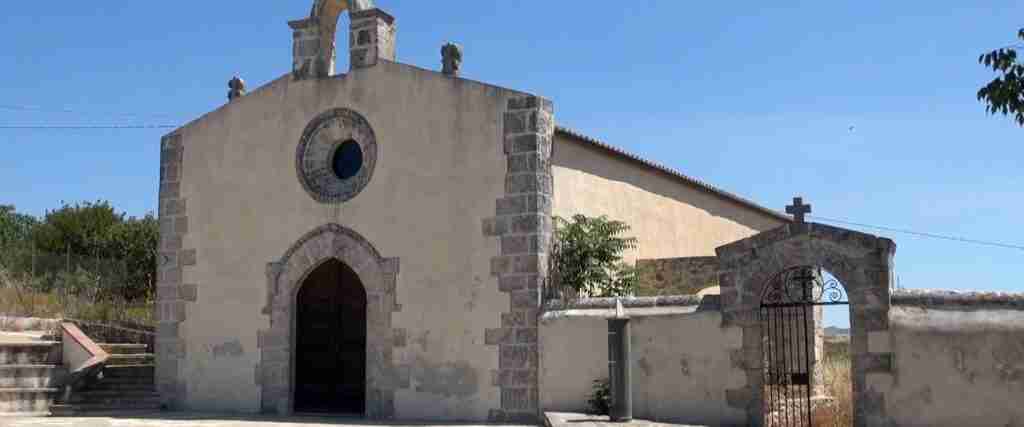
3 days
Italy 3-Day Discovery Tour
- ✓ Comprehensive Italy experience
- ✓ Expert local guides included
- ✓ All accommodation included
- ✓ Transportation provided
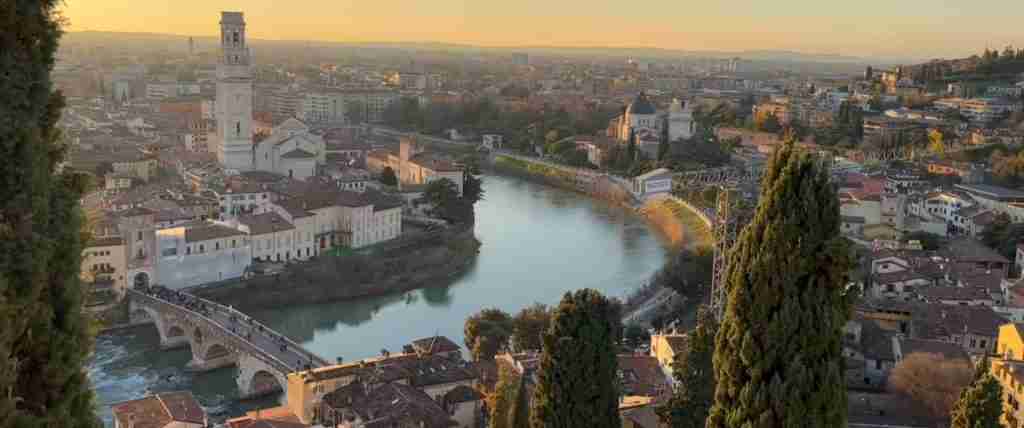
5 days
Italy 5-Day Highlights Experience
- ✓ Comprehensive Italy experience
- ✓ Expert local guides included
- ✓ All accommodation included
- ✓ Transportation provided
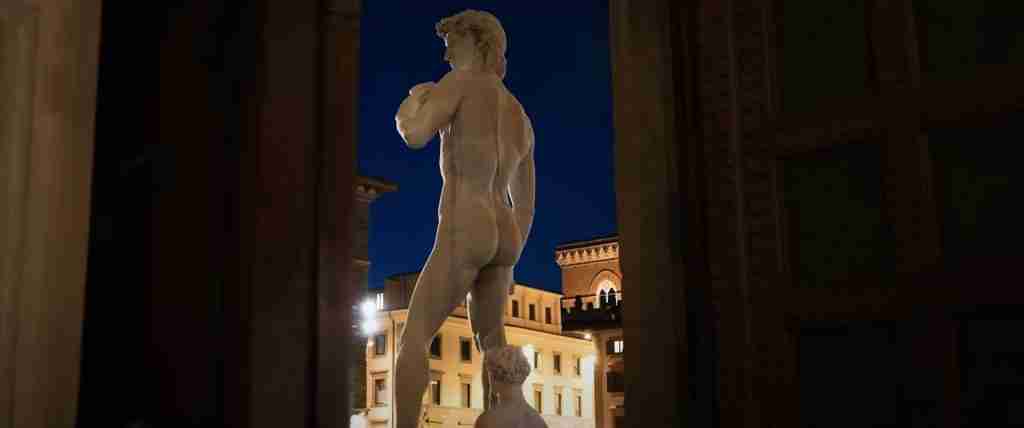
7 days
Italy 7-Day Cultural Journey
- ✓ Comprehensive Italy experience
- ✓ Expert local guides included
- ✓ All accommodation included
- ✓ Transportation provided
10 days
Italy 10-Day Complete Adventure
- ✓ Comprehensive Italy experience
- ✓ Expert local guides included
- ✓ All accommodation included
- ✓ Transportation provided
Multi-day tour packages powered by TourRadar. Prices and availability subject to change.
Introduction: Italy’s Unparalleled UNESCO Heritage Legacy
Italy’s 61 UNESCO World Heritage Sites represent the single most comprehensive collection of protected cultural and natural heritage anywhere on Earth, a distinction the country has maintained since surpassing Spain in the 1990s. This extraordinary concentration reflects not merely the abundance of exceptional sites within Italian borders, but more profoundly the peninsula’s unique position as the cradle of Western civilization, where successive waves of cultural achievement—Etruscan, Greek, Roman, Byzantine, Medieval, Renaissance, and Baroque—layered upon one another to create an unmatched palimpsest of human creativity and ingenuity.
The 55 cultural sites span the full spectrum of UNESCO’s cultural heritage categories, from archaeological complexes preserving complete Roman cities frozen in time by volcanic eruptions, to medieval town centers that retain their original urban fabric and social structures, to Renaissance art collections housed in purpose-built palaces, to Baroque religious complexes that revolutionized architectural space and spiritual experience. The collection demonstrates exceptional continuity, with many sites exhibiting evidence of continuous occupation and cultural development spanning two millennia or more, allowing visitors to trace the evolution of Italian society through architectural stratigraphy visible in single buildings or urban quarters.
Italy’s 6 natural heritage sites protect geological phenomena of global scientific importance and biodiversity hotspots that harbor unique Mediterranean and Alpine ecosystems. The Dolomites preserve some of Earth’s most spectacular mountain landscapes while documenting critical chapters in geological history through exposed rock formations. Mount Etna offers unparalleled opportunities to study active volcanic processes in one of the world’s most extensively monitored volcanoes. The ancient beech forests protect remnants of primeval woodland that once covered much of Europe, serving as living laboratories for ecological research and climate change studies.
The transnational sites—seven properties shared with neighboring countries—illustrate Italy’s historical role as a crossroads of European civilization, where cultural influences flowed across Alpine passes and Adriatic waters to shape shared architectural traditions, defensive systems, and artistic movements. The Venetian Works of Defence, shared with Croatia and Montenegro, document the Republic of Venice’s sophisticated military engineering across its maritime empire. The Prehistoric Pile Dwellings around the Alps, encompassing sites in six countries, reveal the interconnected nature of Alpine societies during the Bronze Age. These collaborative designations demonstrate UNESCO’s evolving understanding of heritage as transcending modern political boundaries to reflect historical cultural zones and shared human achievement.
Understanding Italy’s UNESCO portfolio requires appreciating the rigorous selection criteria that determine World Heritage status. Each site must demonstrate “outstanding universal value” under at least one of ten specific criteria established by the World Heritage Convention. Cultural criteria assess whether a site represents a masterpiece of human creative genius, exhibits an important interchange of human values, bears exceptional testimony to a cultural tradition or civilization, or represents an outstanding example of architectural or technological ensemble illustrating significant stages in human history. Natural criteria evaluate whether sites contain superlative natural phenomena or areas of exceptional natural beauty, represent major stages of Earth’s history, demonstrate significant ongoing ecological and biological processes, or contain the most important habitats for biodiversity conservation.
The density of UNESCO recognition in Italy creates practical advantages for heritage tourists, allowing the construction of itineraries that move seamlessly between World Heritage Sites without extensive travel. Northern Italy offers concentrations in Lombardy and Veneto, where travelers can visit multiple sites within day-trip distances. Central Italy’s Tuscany and Umbria regions contain clusters of medieval and Renaissance heritage accessible through coordinated touring. Southern Italy and the islands present opportunities to combine classical archaeology, Baroque architecture, and natural heritage in single regions. This geographic distribution ensures that every area of Italy contributes to the national heritage narrative while offering visitors diverse entry points into Italian culture based on personal interests and available time.
The sites function not merely as tourist attractions but as living components of contemporary Italian society. Historic city centers remain inhabited urban areas where residents conduct daily life amid Renaissance palaces and medieval churches. Agricultural landscapes like the Langhe-Roero and Monferrato vineyards continue producing wine using traditional methods alongside modern innovations. Industrial heritage sites such as Crespi d’Adda preserve early workers’ villages that illustrate the social dimensions of industrialization. This integration of heritage protection with ongoing human activity distinguishes Italian UNESCO sites from purely archaeological or museum contexts, offering visitors authentic encounters with traditions that have evolved continuously rather than been artificially preserved or reconstructed.
Understanding UNESCO World Heritage Designation
The UNESCO World Heritage Convention, formally known as the Convention Concerning the Protection of the World Cultural and Natural Heritage, was adopted by the UNESCO General Conference on November 16, 1972, and entered into force on December 17, 1975. This international treaty established the framework for identifying, protecting, and preserving cultural and natural heritage considered to have outstanding value to humanity, transcending national interests to become the common concern of all peoples regardless of the territory in which such properties are located.
The Convention created the World Heritage List as the primary mechanism for recognizing sites of exceptional universal value. States Parties to the Convention nominate properties from their national territories for inscription, submitting detailed documentation that demonstrates how the nominated site meets one or more of the ten established criteria. The World Heritage Committee, composed of representatives from 21 States Parties elected by the General Assembly, meets annually to evaluate nominations and decide which properties merit inscription. Advisory bodies—ICOMOS for cultural sites, IUCN for natural sites, and ICCROM for conservation issues—conduct technical evaluations and provide expert recommendations to guide Committee deliberations.
Outstanding Universal Value, the fundamental concept underlying all World Heritage designations, requires that a property possess cultural and natural significance so exceptional that it transcends national boundaries to become important for present and future generations of all humanity. This threshold ensures that the World Heritage List includes only those properties that stand among the finest examples of their type globally, rather than merely representing regional or national importance. Demonstrating Outstanding Universal Value requires meeting conditions of authenticity (for cultural properties) or integrity (for natural properties), along with adequate protection and management systems to ensure long-term preservation.
The ten criteria divide into six cultural criteria and four natural criteria, though mixed properties may qualify under both categories. Cultural Criterion (i) recognizes properties that represent masterpieces of human creative genius. Criterion (ii) identifies sites that exhibit an important interchange of human values over a span of time or within a cultural area, demonstrating influences on developments in architecture, technology, monumental arts, town planning, or landscape design. Criterion (iii) applies to properties that bear unique or exceptional testimony to a cultural tradition or civilization, whether living or disappeared. Criterion (iv) recognizes outstanding examples of architectural or technological ensembles or landscapes illustrating significant stages in human history. Criterion (v) protects outstanding examples of traditional human settlement, land use, or sea use that represent cultures or human interaction with the environment, particularly when threatened by irreversible change. Criterion (vi) applies to properties directly or tangibly associated with events, living traditions, ideas, beliefs, or artistic and literary works of outstanding universal significance.
Natural Criterion (vii) recognizes areas containing superlative natural phenomena or exceptional natural beauty and aesthetic importance. Criterion (viii) identifies properties that represent outstanding examples of major stages of Earth’s history, including records of life, significant ongoing geological processes in landform development, or significant geomorphic or physiographic features. Criterion (ix) applies to properties that demonstrate significant ongoing ecological and biological processes in the evolution and development of terrestrial, freshwater, coastal and marine ecosystems, and communities of plants and animals. Criterion (x) protects the most important and significant natural habitats for in-situ conservation of biological diversity, including threatened species of outstanding universal value from scientific or conservation perspectives.
Italy’s sites demonstrate the full range of these criteria, with many properties justifying inscription under multiple criteria simultaneously. The Historic Centre of Rome qualifies under Criteria (i), (ii), (iii), (iv), and (vi), recognizing it as a masterpiece of creative genius, a center of cultural interchange, testimony to Roman civilization, an outstanding architectural ensemble, and a property associated with events and ideas of universal significance. The Dolomites received inscription under Criteria (vii) and (viii), acknowledging both their exceptional natural beauty and their importance for understanding Earth’s geological history. This multiplicity of justifications demonstrates the complexity and richness of Italian heritage, where single sites often embody multiple dimensions of outstanding universal value.
The inscription process follows a multi-year pathway beginning with placement on a State Party’s Tentative List, an inventory of properties the country considers potential candidates for nomination. Properties must appear on the Tentative List for at least one year before formal nomination. The State Party then prepares comprehensive nomination documentation demonstrating how the property meets the requirements for Outstanding Universal Value, including detailed descriptions, comparative analyses with similar properties worldwide, statements of authenticity or integrity, and comprehensive management plans ensuring long-term protection. Advisory bodies conduct desk reviews and field missions to evaluate the nomination before making recommendations to the World Heritage Committee, which makes final decisions during annual sessions typically held in June or July.
Once inscribed, properties become subject to ongoing monitoring to ensure the Outstanding Universal Value that justified inscription remains protected. States Parties submit Periodic Reports every six years documenting the state of conservation of their World Heritage properties and the implementation of the Convention at national levels. The World Heritage Committee may place properties on the List of World Heritage in Danger when serious threats endanger the characteristics for which the property was inscribed, triggering enhanced international attention and potential emergency assistance. In extreme cases where Outstanding Universal Value has been destroyed, the Committee may delete properties from the World Heritage List, though this sanction has been applied very rarely given the Convention’s emphasis on supporting States Parties in maintaining their heritage.
The benefits of World Heritage inscription extend beyond international prestige to encompass practical advantages in conservation funding, technical expertise, and tourism development. Inscription often catalyzes national and local governments to strengthen protection frameworks and allocate additional resources for heritage management. International attention generated by World Heritage status typically increases tourism, creating economic incentives for communities to maintain their heritage while presenting challenges in managing visitor impacts sustainably. The global recognition associated with the World Heritage brand helps raise awareness of conservation needs and mobilize public support for preservation initiatives, transforming heritage sites into symbols of national and cultural identity that transcend their immediate localities.
Categories and Typologies of Italian UNESCO Sites
Italy’s 55 cultural UNESCO World Heritage Sites encompass extraordinary diversity in typology, chronological range, and thematic focus, reflecting the peninsula’s position at the crossroads of Mediterranean civilizations and its role as an incubator for successive cultural movements that shaped European development. These cultural properties range from prehistoric archaeological landscapes to 20th-century industrial ensembles, from individual monuments of exceptional artistic value to extensive urban centers preserving centuries of continuous development, from pilgrimage routes that connected medieval Europe to defensive systems protecting maritime empires.
Historic city centers constitute the largest single category among Italian cultural sites, with UNESCO protecting entire urban ensembles in Rome, Florence, Venice, Siena, Naples, Verona, Pisa, San Gimignano, Urbino, Assisi, Ferrara, Mantua, and numerous other municipalities. These inscriptions recognize not merely collections of individual monuments but complete urban organisms where streets, squares, buildings, and social institutions combine to create distinctive cultural landscapes shaped by specific historical, economic, and artistic circumstances. The Historic Centre of Rome, for instance, encompasses layers of development from Republican Rome through the Imperial period, Medieval papacy, Renaissance patronage, and Baroque transformation, all legible in the contemporary urban fabric through architectural stratigraphy and urban morphology.
Archaeological sites form another major category, preserving evidence of civilizations that flourished on Italian soil before the modern era. The Archaeological Areas of Pompeii, Herculaneum and Torre Annunziata offer unparalleled insights into Roman urban life, frozen by the 79 CE eruption of Mount Vesuvius that buried these cities under volcanic ash and pumice. The archaeological area of Agrigento in Sicily contains some of the finest examples of Greek temple architecture outside Greece itself, documenting the Hellenic colonization of Magna Graecia. The Su Nuraxi di Barumini preserves Bronze Age fortified settlements unique to Sardinia, demonstrating sophisticated architectural and social organization among Nuragic peoples. The Etruscan Necropolises of Cerveteri and Tarquinia protect elaborate tomb complexes that UNESCO described as “the first chapter in the history of great Italian painting,” given their remarkably preserved frescoes depicting daily life, mythology, and funerary beliefs.
Religious architectural ensembles represent significant cultural achievements recognized through multiple UNESCO inscriptions. The Church and Dominican Convent of Santa Maria delle Grazie in Milan achieved World Heritage status primarily for housing Leonardo da Vinci’s Last Supper, demonstrating that exceptional artistic works can justify site inscription even within otherwise unremarkable architectural contexts. The Early Christian Monuments of Ravenna preserve the finest collection of mosaics from the late Roman and Byzantine periods, documenting the artistic synthesis that emerged as classical traditions merged with Christian iconography and Eastern influences. The Sacri Monti (Sacred Mountains) of Piedmont and Lombardy represent a distinctive typology of devotional complexes created during the Counter-Reformation, combining architecture, sculpture, and landscape design to create immersive pilgrimage experiences intended to inspire religious contemplation.
Architectural masterworks by individual designers or representing specific stylistic movements have received recognition for their exceptional artistic and historical significance. Vicenza and the Palladian Villas of Veneto celebrate Andrea Palladio’s revolutionary architectural synthesis that influenced building design across Europe and beyond, establishing classical principles that resonated through centuries of subsequent development. The Late Baroque Towns of the Val di Noto in Sicily recognize the extraordinary urban reconstruction that followed the devastating 1693 earthquake, when entire communities were rebuilt in the latest Baroque style, creating remarkably coherent townscapes that represent the culmination of Baroque urbanism and architecture in southern Italy.
Cultural landscapes acknowledging the interaction between human communities and their natural environments have become an increasingly important category in UNESCO heritage recognition. The Costiera Amalfitana (Amalfi Coast) received inscription as an outstanding Mediterranean cultural landscape where dramatic topography shaped distinctive settlement patterns, agricultural terracing, and architectural traditions adapted to steep coastal slopes. The Vineyard Landscape of Piedmont: Langhe-Roero and Monferrato recognizes centuries of viticulture that transformed rolling hills into meticulously cultivated landscapes where traditional wine production continues alongside modern innovations, demonstrating sustainable agricultural practices that maintain cultural traditions while adapting to contemporary economic realities. The Porticoes of Bologna celebrates the city’s unique architectural tradition of covered walkways that shaped urban space and social life, demonstrating how functional architectural elements can create distinctive cultural identity when applied systematically across entire urban areas.
Industrial heritage has gained recognition through inscriptions such as Crespi d’Adda, an exceptionally well-preserved company town built in the late 19th and early 20th centuries to house workers in a textile factory, illustrating the paternalistic approach to labor relations that characterized European industrialization and the social dimensions of industrial development beyond purely economic or technological considerations. The Rhaetian Railway in the Albula and Bernina Landscapes, shared with Switzerland, recognizes not only engineering achievement in constructing mountain railways through challenging Alpine terrain but also the cultural significance of transportation infrastructure in connecting isolated communities and facilitating economic development in mountain regions.
Italy’s 6 natural heritage sites protect exceptional geological formations, volcanic phenomena, ancient forests, and island ecosystems that demonstrate significant natural processes and contain areas of extraordinary natural beauty. The Dolomites, inscribed in 2009, encompass 18 peaks rising above 3,000 meters in northeastern Italy, displaying exceptional landscape quality with spectacular vertical walls, sharp peaks, and long valleys. The property includes nine component parts distributed across five provinces, protecting 141,903 hectares of mountain landscapes formed from distinctive dolomite rock that creates the characteristic pale coloration and dramatic erosional features that distinguish these mountains from other Alpine ranges.
Mount Etna, inscribed in 2013, represents one of the world’s most intensively monitored and researched volcanoes, with recorded eruptive activity dating back 2,700 years providing an exceptional record of volcanic processes and their impacts on human societies. The property protects 19,237 hectares surrounding Europe’s highest and most active volcano, encompassing diverse volcanic features including summit craters, cinder cones, lava flows, and volcanic caves. Scientific research conducted on Etna has contributed fundamentally to volcanology, with ongoing monitoring systems providing early warning of eruptive activity while supporting studies of volcanic processes applicable to understanding volcanoes worldwide.
The Ancient and Primeval Beech Forests of the Carpathians and Other Regions of Europe, a transnational serial property shared with 17 other European countries, includes Italian component parts protecting old-growth beech forests in several mountain ranges. These forests represent remnants of the extensive beech woodlands that covered much of temperate Europe following the last Ice Age, demonstrating the ecological and biological processes that shaped European forests over millennia. The Italian components contribute to understanding beech forest dynamics, biodiversity patterns, and forest responses to climate change, serving as reference ecosystems against which to evaluate human impacts on forest systems.
The Isole Eolie (Aeolian Islands), inscribed in 2000, comprise a volcanic archipelago in the Tyrrhenian Sea north of Sicily, where seven islands and several islets provide outstanding examples of ongoing volcanic processes. The islands have served as a natural laboratory for volcanology since the 18th century, with classical studies of volcanic phenomena establishing fundamental concepts in Earth sciences. The property protects marine and terrestrial ecosystems adapted to volcanic environments, demonstrating ecological succession on volcanic substrates and hosting endemic species found nowhere else on Earth.
Monte San Giorgio, shared with Switzerland and inscribed in 2003 (Italian extension added 2010), protects one of the world’s most important fossil deposits from the Middle Triassic period approximately 230-245 million years ago. The mountain preserves an exceptional record of marine life from a shallow tropical lagoon, with thousands of fossils representing fish, reptiles, and invertebrates providing insights into biodiversity and evolution during a critical period in Earth’s history. The fossil assemblage includes complete skeletons of marine reptiles and articulated fish specimens that document the recovery of marine ecosystems following the Permian-Triassic mass extinction.
Evaporitic Karst and Caves of Northern Apennines, inscribed in 2023 as Italy’s most recent natural heritage site, showcases extraordinary gypsum karst formations and extensive cave systems created through dissolution of evaporite rocks over millions of years. The property includes seven component parts protecting over 900 caves, sinkholes, and karst springs that demonstrate unique geological processes occurring in gypsum and other soluble rocks, creating underground landscapes of exceptional scientific value for understanding karst evolution, hydrogeology, and speleogenesis in evaporitic terrains.
Italy’s 7 transnational properties demonstrate the interconnected nature of European heritage, where cultural influences and natural processes transcended modern political boundaries to create shared traditions and ecosystems. The Venetian Works of Defence between the 16th and 17th Centuries: Stato da Terra – Western Stato da Mar, shared with Croatia and Montenegro, protects six fortified cities spanning over 1,000 kilometers from Lombardy to the eastern Adriatic, illustrating the military architecture that defended the Venetian Republic’s territories during the gunpowder era. The Prehistoric Pile Dwellings around the Alps encompasses 111 sites in six countries including Italy, preserving archaeological remains of prehistoric stilt houses built on lakeshores and wetlands, demonstrating the sophisticated technical skills and social organization of Alpine Bronze Age societies.
The Great Spa Towns of Europe, shared with six other countries, recognizes eleven historic spa towns including Montecatini Terme in Italy, celebrating the development of European spa culture from the early 18th century to the 1930s and the distinctive urban and architectural ensembles created to facilitate therapeutic water use, social interaction, and cultural activities around thermal springs. The Porticoes of Bologna, while primarily an Italian site, represents a typology with broader European resonance, demonstrating how shared architectural solutions emerged across medieval and early modern European cities facing similar urban challenges and social needs.
Complete Regional Distribution of Italian UNESCO Sites
Italy’s UNESCO World Heritage Sites distribute across all 20 regions, creating opportunities for heritage tourism throughout the entire country from Alpine valleys to Mediterranean islands, though certain regions concentrate larger numbers of inscriptions reflecting their historical importance as centers of cultural development, political power, and artistic patronage. This geographic distribution ensures that UNESCO heritage remains accessible to visitors regardless of their chosen Italian destination, while also demonstrating how different regions contributed distinctive elements to Italy’s collective cultural achievement through locally rooted traditions, environmental adaptations, and historical circumstances.
Northern Italy UNESCO Heritage Concentration
Lombardy leads all Italian regions with 10 UNESCO sites, reflecting the area’s historical role as a crossroads of Alpine trade routes, medieval political power through city-states, and Renaissance artistic patronage. The Rock Drawings in Valcamonica near Brescia preserve over 140,000 prehistoric petroglyphs spanning 8,000 years of Alpine civilization. Milan’s Church and Dominican Convent of Santa Maria delle Grazie houses Leonardo da Vinci’s Last Supper, arguably the most iconic single artwork protected by UNESCO designation. Mantua and Sabbioneta represent Renaissance ideal city planning principles applied by the Gonzaga family. The Sacri Monti of Piedmont and Lombardy include multiple devotional complexes scattered across the region’s pre-Alpine zone. Industrial heritage receives recognition through Crespi d’Adda, preserving an exceptionally complete company town from the industrial revolution era.
Veneto contains 7 UNESCO sites showcasing the region’s artistic and architectural achievements during the Venetian Republic and Renaissance periods. Venice and its Lagoon encompasses the entire city and surrounding wetlands, protecting one of the world’s most unique urban environments built on wooden pilings driven into lagoon mud. Vicenza and the Palladian Villas of Veneto celebrate Andrea Palladio’s revolutionary architectural principles through his urban buildings and country estates. The Dolomites extend into Veneto’s northern mountains, sharing this natural heritage with Trentino-Alto Adige. Verona’s historic center preserves exceptionally complete Roman, medieval, and Renaissance urban fabric. The Botanical Garden of Padua, created in 1545, represents the world’s oldest academic botanical garden still in its original location.
Piedmont hosts 7 UNESCO sites reflecting the region’s role as seat of the House of Savoy and center of wine production. The Residences of the Royal House of Savoy include a constellation of palaces, hunting lodges, and villas around Turin that demonstrate the architectural ambitions of Italy’s unification dynasty. The Sacri Monti shared with Lombardy include major devotional complexes in Piedmont’s Alpine foothills. The Vineyard Landscape of Piedmont: Langhe-Roero and Monferrato recognizes centuries of viticulture creating distinctive terraced landscapes. Ivrea, Industrial City of the 20th Century, inscribed in 2018, celebrates Olivetti’s model industrial community combining modernist architecture, social welfare programs, and industrial production.
Tuscany contains 6 UNESCO sites concentrated in the Renaissance heartland, though this count understates the region’s heritage significance given that several sites encompass multiple municipalities and extensive cultural landscapes. The Historic Centre of Florence preserves the greatest concentration of Renaissance art and architecture anywhere on Earth, with masterpieces by Brunelleschi, Michelangelo, Botticelli, and countless other artists. The Historic Centre of Siena maintains its medieval character virtually intact, including the Piazza del Campo and twice-yearly Palio horse race that perpetuates centuries-old neighborhood rivalries. The Historic Centre of Pienza represents Renaissance ideal city planning in miniature, rebuilt by Pope Pius II according to humanist principles. The Historic Centre of San Gimignano preserves its famous medieval towers creating a distinctive skyline. Val d’Orcia protects a quintessential Tuscan agricultural landscape of rolling hills, cypress-lined roads, and isolated farmhouses. The Medici Villas and Gardens in Tuscany showcases rural retreats created by Florence’s ruling family.
Central Italy UNESCO Heritage
Lazio hosts Rome’s Historic Centre, which alone would justify Italy’s prominence on the World Heritage List given the exceptional concentration of monuments spanning Roman antiquity through Baroque transformation. This single inscription encompasses the Colosseum, Roman Forum, Pantheon, and countless other structures documenting Western civilization’s development over two millennia. The Etruscan Necropolises of Cerveteri and Tarquinia preserve elaborate tomb complexes with remarkable frescoes. Villa Adriana (Hadrian’s Villa) in Tivoli demonstrates the architectural ambitions and cultural sophistication of Roman emperors through one of antiquity’s largest and most complex residential complexes. Villa d’Este, also in Tivoli, represents Renaissance and Baroque garden design at its most elaborate, with hundreds of fountains and water features integrated into terraced hillside layouts.
Umbria contributes 2 UNESCO sites reflecting the region’s medieval and early Renaissance character. The Franciscan heritage sites centered on Assisi include the Basilica of San Francesco and related religious buildings decorated with frescoes by Giotto and other masters, marking critical transitions in Italian painting from Byzantine traditions toward Renaissance naturalism. The Tempietto del Clitunno and the Lombard heritage site include Umbrian components recognizing the Germanic kingdom that controlled much of Italy during the early medieval period.
Marche contains Urbino’s historic center, transformed during the Renaissance into an ideal city under Duke Federico da Montefeltro’s patronage, where Raphael was born and Piero della Francesca worked. The region also contributes to transnational heritage through Apennine beech forests and Longobard architectural remains.
Southern Italy and Islands UNESCO Heritage
Campania hosts 5 UNESCO sites concentrated around Naples, reflecting the area’s importance to Greek colonization, Roman development, and Baroque transformation. The Archaeological Areas of Pompeii, Herculaneum and Torre Annunziata preserve three Roman cities buried by Mount Vesuvius in 79 CE, offering unparalleled insights into daily life, urban planning, and artistic production in the Roman world. The Historic Centre of Naples documents continuous urban development from Greek Neapolis through Spanish viceregal grandeur to modern challenges of heritage preservation in densely populated urban contexts. The Royal Palace of Caserta with the Park, the Aqueduct of Vanvitelli, and the San Leucio Complex represents Bourbon monarchs’ architectural ambitions creating a rival to Versailles. The Amalfi Coast protects an exceptional Mediterranean cultural landscape. The Cilento and Vallo di Diano National Park with the Archaeological Sites of Paestum and Velia, and the Certosa di Padula combines natural landscapes with Greek temple ruins and monastic complexes.
Puglia contains 3 UNESCO sites showcasing the region’s distinctive architectural traditions and medieval history. Castel del Monte, built by Holy Roman Emperor Frederick II around 1240, represents one of medieval architecture’s most mysterious and mathematically precise structures. The Trulli of Alberobello preserves approximately 1,500 traditional dry-stone dwellings with conical roofs unique to the Itria Valley. Longobard heritage sites include the Sanctuary of Monte Sant’Angelo, an important medieval pilgrimage destination dedicated to the Archangel Michael.
Sicily contains 7 UNESCO sites reflecting the island’s position at the crossroads of Mediterranean civilizations, where Phoenician, Greek, Roman, Arab, Norman, and Spanish influences layered over indigenous cultures to create unique syntheses. The Archaeological Area of Agrigento preserves exceptional Greek temple architecture in the Valley of the Temples. Villa Romana del Casale near Piazza Armerina contains the richest collection of Roman mosaics anywhere, depicting hunting scenes, mythological subjects, and the famous bikini girls. Syracuse and the Rocky Necropolis of Pantalica combine Greek theatrical and urban remains with prehistoric burial sites. The Late Baroque Towns of the Val di Noto represent coherent urban reconstruction after the 1693 earthquake. The Isole Eolie (Aeolian Islands) protect volcanic landscapes and ongoing geological processes. Arab-Norman Palermo and the Cathedral Churches of Cefalù and Monreale demonstrate the remarkable cultural synthesis achieved when Norman conquerors patronized Islamic artisans and Byzantine mosaicists to create unique architectural and decorative ensembles.
Sardinia hosts 2 UNESCO sites celebrating the island’s distinctive prehistory and geological heritage. Su Nuraxi di Barumini preserves Bronze Age fortified settlements built using megalithic construction techniques unique to Sardinian Nuragic culture. The island also contributes to transnational natural heritage through beech forest components.
Historical Development of Italy’s UNESCO Recognition
Italy’s journey to becoming the country with the most UNESCO World Heritage Sites began when the nation ratified the World Heritage Convention on June 23, 1978, joining the international framework established six years earlier to protect cultural and natural heritage of outstanding universal value. The ratification positioned Italy among the Convention’s early adopters, reflecting the country’s recognition that its extraordinary heritage resources required international support and coordination to ensure effective long-term preservation given the scale of conservation challenges and limited national resources available during a period of economic difficulty.
The first Italian inscription came in 1979 when the Rock Drawings in Valcamonica received World Heritage status during the third session of the World Heritage Committee held in Cairo and Luxor, Egypt. This selection of prehistoric rock art as Italy’s inaugural site demonstrated UNESCO’s commitment to protecting heritage spanning the full range of human cultural achievement, not merely the monumental architecture of classical and Renaissance periods that dominated international perceptions of Italian heritage. The recognition established precedents for protecting archaeological landscapes rather than isolated monuments, acknowledging that the cumulative significance of thousands of petroglyphs scattered across a valley transcended the importance of any single carved panel.
The 1980s witnessed rapid expansion of Italy’s World Heritage portfolio as the Committee inscribed some of the country’s most iconic sites. In 1980, five properties received simultaneous inscription: the Historic Centre of Rome and the Properties of the Holy See in that City Enjoying Extraterritorial Rights (extended to include San Paolo Fuori le Mura in 1990), the Church and Dominican Convent of Santa Maria delle Grazie with Leonardo’s Last Supper in Milan, and three additional cultural properties. This clustering of inscriptions reflected the Committee’s early enthusiasm for recognizing obviously exceptional heritage while establishing the World Heritage List’s credibility through inclusion of universally acknowledged masterpieces that demonstrated the Convention’s relevance and importance.
Throughout the 1990s, Italy’s UNESCO portfolio expanded dramatically with 25 new inscriptions during this single decade, including ten sites added at the 21st session held in Naples in 1997—a record for simultaneous Italian inscriptions that reflected both the Committee’s location in Italy and the backlog of exceptional heritage awaiting recognition. This period saw diversification beyond major urban centers and Renaissance monuments to encompass natural heritage (Isole Eolie in 2000), industrial heritage (Crespi d’Adda in 1995), and lesser-known medieval towns that possessed exceptional integrity despite limited international fame. The geographic expansion extended UNESCO recognition to southern Italy and the islands, balancing the initial concentration in Tuscany, Veneto, and Lazio with sites in Sicily, Sardinia, Puglia, and Campania.
The 2000s and 2010s witnessed more measured growth as UNESCO tightened inscription criteria, emphasized quality over quantity, and encouraged States Parties to focus on underrepresented heritage categories and geographic regions globally rather than continuing to inscribe additional examples of already well-represented property types. Italy responded by nominating sites representing previously unrecognized aspects of national heritage: the Rhaetian Railway in 2008 highlighted transportation infrastructure, the Longobards in Italy heritage complex inscribed in 2011 protected early medieval architecture, the Vineyard Landscape of Piedmont recognized in 2014 celebrated agricultural cultural landscapes. The Venetian Works of Defence inscribed in 2017 demonstrated Italy’s commitment to transnational cooperation through shared heritage with Croatia and Montenegro.
Recent inscriptions reflect UNESCO’s evolving understanding of heritage to encompass modern phenomena and intangible cultural dimensions. Ivrea, Industrial City of the 20th Century, inscribed in 2018, recognized Olivetti’s model industrial community as representing important 20th-century approaches to industrial urbanism and corporate social responsibility. The Porticoes of Bologna, inscribed in 2021, celebrated a distinctive architectural typology that shaped urban space and social life over centuries. Via Appia Regina Viarum, inscribed in July 2024, became Italy’s 60th UNESCO site, recognizing the ancient Roman road as an exceptional example of engineering, landscape integration, and cultural connectivity that facilitated exchanges across the Mediterranean world for over two millennia.
Italy’s leadership in total UNESCO sites results from multiple factors beyond merely possessing exceptional heritage. The country’s stable democratic governance and professional bureaucratic capacity enabled preparation of high-quality nomination dossiers meeting UNESCO’s increasingly rigorous technical requirements. Italian academic institutions developed expertise in heritage documentation, conservation science, and management planning that supported nomination processes and ongoing site management. The Ministry of Culture established dedicated offices coordinating UNESCO matters, ensuring systematic attention to World Heritage responsibilities rather than ad hoc approaches. Regional and municipal governments invested in heritage protection and tourism infrastructure, demonstrating the institutional commitment UNESCO requires for long-term site preservation.
The concentration of inscriptions in the 1990s reflected UNESCO’s recognition that Italy possessed a unique concentration of outstanding heritage that required urgent protection, justifying rapid expansion of the country’s World Heritage portfolio before the Committee adopted more restrictive policies limiting the number of sites any country could nominate annually. Contemporary UNESCO policy encourages States Parties with large numbers of inscribed sites to moderate new nominations, focusing instead on effective management of existing properties and supporting heritage protection in countries with fewer inscriptions. Italy continues submitting nominations for truly exceptional sites while accepting that the era of rapid portfolio expansion has passed as global priorities shift toward geographic and thematic balance in the World Heritage List.
Most Iconic and Internationally Recognized Italian UNESCO Sites
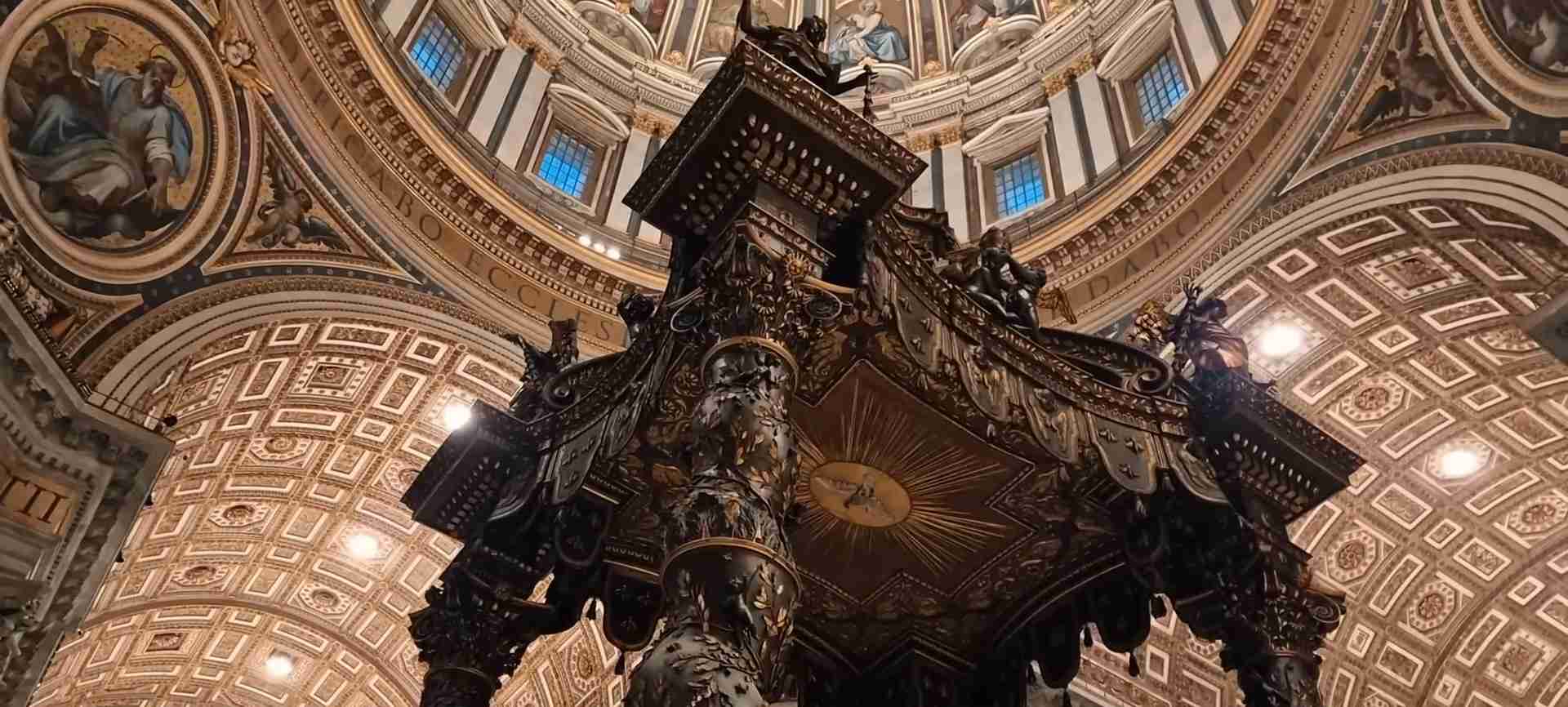
The Historic Centre of Rome, the Properties of the Holy See in that City Enjoying Extraterritorial Rights and San Paolo Fuori le Mura stands as arguably the single most significant UNESCO World Heritage property worldwide, encompassing not merely exceptional individual monuments but the complete historical center of Western civilization’s most influential city. The inscription protects the Colosseum, Roman Forum, Palatine Hill, Pantheon, Trajan’s Markets, Circus Maximus, Baths of Caracalla, and hundreds of other structures documenting Roman antiquity alongside medieval churches, Renaissance palaces, Baroque fountains and piazzas, creating an unparalleled palimpsest of continuous urban development spanning 2,800 years from legendary foundation through contemporary capital city functions.
The property demonstrates Outstanding Universal Value under five criteria, recognized as a masterpiece of human creative genius, a center for cultural interchange throughout Western history, testimony to Roman civilization and the Catholic Church, an outstanding example of architectural and urban ensembles illustrating significant historical periods, and a place directly associated with events, traditions, and artistic works of universal significance. The Forum alone contains the archaeological remains of the political, commercial, and judicial center of ancient Rome, where the Senate met, triumphal processions culminated, and legal precedents were established that continue influencing legal systems globally. The Vatican City component adds St. Peter’s Basilica and the Sistine Chapel with Michelangelo’s frescoes, establishing this single UNESCO property as containing more universally recognized masterpieces per square kilometer than anywhere else on Earth.
Venice and its Lagoon received UNESCO inscription recognizing an entirely unique urban phenomenon where a city of exceptional artistic achievement occupies over 100 small islands in a shallow lagoon, connected by 400 bridges spanning 150 canals. Venice demonstrates how human ingenuity overcame seemingly impossible environmental constraints to create not merely a functional city but an aesthetic masterwork where architecture, water, and light combine to produce urban spaces of incomparable beauty and distinctive character. The property includes the historic center with landmarks such as St. Mark’s Basilica, Doge’s Palace, Rialto Bridge, and Grand Canal lined with palaces, plus the lagoon islands of Murano, Burano, and Torcello preserving traditional crafts and early settlements.
The architectural significance extends beyond individual buildings to encompass the Venetian Gothic style that synthesized Byzantine, Islamic, and Western European influences into a distinctive regional architecture adapted to lagoon conditions and maritime commerce. The urban planning demonstrates sophisticated understanding of water management, with the entire city functioning as an integrated hydraulic system where tidal flows, canal networks, and building foundations interact in carefully calibrated relationships. UNESCO recognition acknowledges both the exceptional cultural achievement represented by Venetian art and architecture and the ongoing challenge of preserving a city threatened by subsidence, flooding, and the impacts of mass tourism on fragile historical fabric.
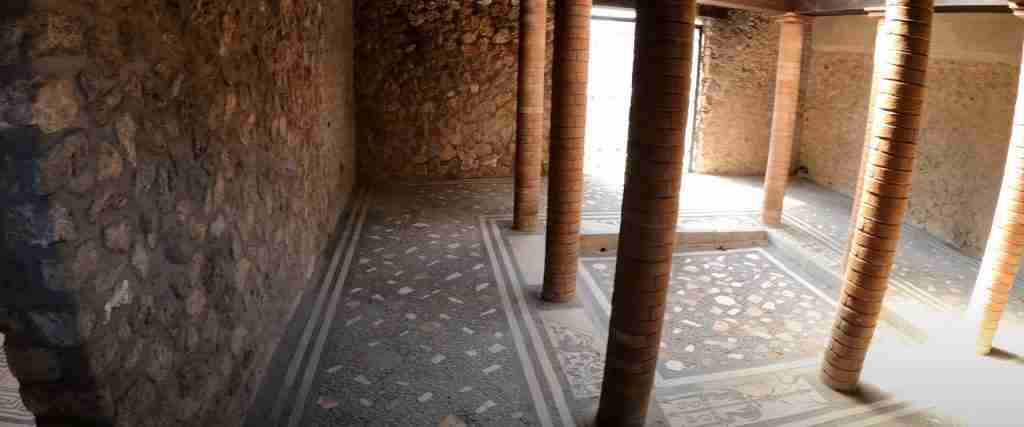
The Archaeological Areas of Pompeii, Herculaneum and Torre Annunziata provide the most complete evidence available anywhere for understanding Roman urban civilization, preserved through the catastrophic eruption of Mount Vesuvius on August 24, 79 CE that buried three cities under volcanic ash and pumice, creating an archaeological time capsule of exceptional scientific and cultural value. The rapid burial preserved organic materials, wooden structures, wall paintings, mosaics, and even the shapes of victims’ bodies in ways impossible under normal archaeological conditions, allowing reconstruction of daily life with unprecedented detail regarding domestic architecture, commercial establishments, public buildings, social organization, and individual possessions.
Pompeii alone covers 66 hectares with approximately two-thirds excavated, revealing a complete Roman city including forums, temples, theaters, bathhouses, taverns, brothels, bakeries, and residential structures ranging from modest apartments to luxurious villas decorated with exceptional frescoes and mosaics. The House of the Faun contains Alexander the Great mosaic, one of antiquity’s finest surviving examples of this art form. The Villa of the Mysteries preserves an enigmatic painted cycle depicting apparent Dionysian initiation rites. The abundance of graffiti provides insights into literacy rates, political slogans, commercial advertising, and personal messages that humanize our understanding of Roman society beyond elite literary sources.
The Historic Centre of Florence encompasses the greatest concentration of Renaissance art and architecture anywhere on Earth, where the Medici family’s political dominance and cultural patronage financed an artistic flowering that redefined European civilization through renewed engagement with classical learning, humanistic philosophy, and naturalistic artistic representation. The property includes Brunelleschi’s dome crowning the Cathedral of Santa Maria del Fiore, Michelangelo’s David in the Accademia Gallery, the Uffizi Gallery housing works by Botticelli, Leonardo, Raphael, and Titian, Giotto’s Campanile, the Baptistery with Ghiberti’s bronze doors, and the Ponte Vecchio spanning the Arno River.
The urban fabric preserves the medieval street pattern overlaid with Renaissance palaces demonstrating architectural innovations by Brunelleschi, Alberti, and Michelozzo that established classical principles of proportion, harmony, and perspective. The significance extends beyond individual masterpieces to encompass the cultural environment that produced them, where competing workshops, educated patrons, and intellectual discourse created conditions fostering artistic innovation that influenced European development for centuries. UNESCO recognition acknowledges Florence as the birthplace of the Renaissance, the city where medieval theocentric worldviews yielded to humanistic emphasis on individual achievement, classical learning, and naturalistic artistic representation that defined modernity’s emergence.
The Amalfi Coast represents an outstanding Mediterranean cultural landscape where dramatic topography shaped distinctive settlement patterns, architectural traditions, and agricultural practices adapted to steep coastal slopes. Thirteen municipalities cling to precipitous cliffs above the Tyrrhenian Sea, connected by the winding Amalfi Drive that offers vertiginous views over terraced lemon groves, pastel-painted houses cascading down mountainsides, and intensely blue water meeting rocky shorelines. The historic maritime republics of Amalfi and Positano developed trading networks spanning the medieval Mediterranean, accumulating wealth that funded elaborate churches and Arab-Norman architectural syntheses visible in the Cathedral of Amalfi with its striped façade and Byzantine bronze doors.
The cultural landscape demonstrates exceptional adaptation to environmental constraints through agricultural terracing that created level planting surfaces on slopes exceeding 45 degrees, irrigation systems capturing spring water for lemon cultivation, and architectural responses including vaulted ceilings, external staircases, and majolica-tiled domes that addressed structural challenges while creating distinctive regional character. The Amalfi Coast’s inscription recognized both the aesthetic qualities of a landscape considered among the world’s most beautiful and the human ingenuity required to create productive agricultural systems and thriving communities in such challenging topography, demonstrating sustainable land use practices refined over centuries of continuous habitation.
Hidden Gems and Lesser-Known Italian UNESCO Sites
Crespi d’Adda, located in Lombardy near Bergamo, preserves an exceptionally complete example of a 19th-century company town built to house workers in a textile factory, illustrating paternalistic approaches to labor relations and social welfare that characterized European industrialization. The Crespi family constructed an entire village between 1878 and 1925, including worker housing, managers’ residences, communal facilities, schools, a church, and recreational spaces, all designed according to coherent architectural principles that created a harmonious environment intended to foster worker loyalty and productivity while demonstrating the factory owners’ progressive social values.
The site demonstrates exceptional integrity, with the original urban layout, architectural character, and even landscape plantings largely intact despite the factory’s closure in 2004. Worker houses feature individual gardens, running water, and design variety that avoided the monotonous uniformity of many industrial settlements. The owners’ residence, a substantial villa set in parkland, contrasts dramatically with worker housing while remaining within the same planned community, spatially representing social hierarchies while maintaining visual coherence through complementary architectural styles. The church, cemetery, school, and social facilities complete the ensemble, creating a self-contained community that aimed to provide all workers’ needs while maintaining factory owners’ control over both productive and social life.
The Rock Drawings in Valcamonica contain over 140,000 figures and symbols carved into rocks throughout a valley in the Lombardy Alps, representing one of the world’s largest and most significant collections of prehistoric petroglyphs documenting human artistic expression, religious beliefs, social organization, and daily life across 8,000 years from the Epipaleolithic through the Iron Age into the Roman period. The carvings depict hunting scenes, agricultural activities, ritual processions, armed warriors, geometric symbols, and schematic human figures, providing visual evidence for prehistoric societies that left no written records and limited archaeological remains beyond rock art.
The concentration of carvings in Valcamonica results from the valley’s geological conditions, where smooth metamorphic rocks provided ideal surfaces for pecking and incising techniques, combined with continuous human occupation that accumulated millennia of artistic production in a limited geographic area. The chronological depth allows tracing stylistic evolution and thematic changes as societies transitioned from hunting-gathering to agriculture, developed metallurgy, organized into hierarchical chiefdoms, and eventually integrated into Roman civilization. UNESCO recognition acknowledged the exceptional scientific value of this open-air archive documenting prehistoric cognition, cosmology, and social structure through visual culture that complements and expands understanding derived from excavated artifacts and settlements.
The Sassi and the Park of the Rupestrian Churches of Matera preserves an extraordinary urban landscape where houses, churches, and monasteries were excavated directly into soft tufa rock, creating a distinctive settlement type that evolved from prehistoric cave dwelling through Byzantine monastic communities to impoverished urban quarters and finally to heritage tourism destination following radical social transformation. The sassi districts occupy natural amphitheaters where thousands of cave dwellings stack vertically, connected by stepped alleys, with flat roofs serving as terraces for houses above, creating complex three-dimensional urban fabric unique in its density, antiquity, and architectural character.
The rupestrian churches contain frescoes dating from the 8th to 13th centuries, documenting Byzantine artistic traditions that persisted in southern Italy long after northern regions adopted Western European styles. The rock-cut architecture demonstrates sophisticated understanding of structural principles, ventilation, and water management required to create habitable spaces within solid rock. Matera’s inscription in 1993 as southern Italy’s first UNESCO World Heritage Site helped catalyze the city’s dramatic transformation from national embarrassment, where cave dwellings housed desperately poor families in squalid conditions leading to forced evacuations in the 1950s, to celebrated heritage destination and 2019 European Capital of Culture, demonstrating heritage designation’s potential to reshape urban fortunes when combined with effective conservation planning and tourism infrastructure.
The Longobards in Italy. Places of the Power (568-774 A.D.) encompasses seven component parts across Italy documenting the Germanic kingdom that controlled much of the peninsula during the early medieval period, demonstrating the synthesis of Roman, Christian, Byzantine, and Germanic cultural traditions that shaped European civilization’s emergence from classical antiquity. The sites include major architectural complexes in Cividale del Friuli, Brescia, Castelseprio-Torba, Spoleto, Campello sul Clitunno, Benevento, and Monte Sant’Angelo, protecting churches, fortifications, and monastic complexes decorated with frescoes and sculptures illustrating artistic transitions during a poorly documented historical period.
The Lombard heritage demonstrates how successor kingdoms to the Roman Empire adapted classical traditions while introducing new artistic vocabularies and architectural forms. The Tempietto Longobardo in Cividale del Friuli preserves exceptional stucco decorations combining classical motifs with Germanic stylistic elements. The monastic complex of Santa Giulia in Brescia contains stratified remains spanning Roman through medieval periods, with Lombard-era frescoes demonstrating Byzantine artistic influences. The serial inscription format allowed recognition of a dispersed heritage that gains collective significance beyond individual components, establishing precedent for understanding cultural traditions through networks of related sites rather than isolated monuments.
The Vineyard Landscape of Piedmont: Langhe-Roero and Monferrato recognizes the cultural landscape created by centuries of viticulture in northwestern Italy, where traditional wine production shaped distinctive agricultural patterns, settlement forms, and architectural traditions that continue functioning productively while maintaining cultural authenticity. The property encompasses five component parts protecting vineyard-covered hills, medieval castles, Romanesque churches, and villages adapted to steep topography through terracing, cellars, and architecture designed to facilitate wine production, storage, and commerce.
The landscape demonstrates sustainable agricultural practices refined over centuries, where terracing prevents erosion, vine training systems maximize sun exposure and air circulation, and cellar networks utilize hillside temperatures for wine aging. The cultural significance extends beyond agriculture to encompass the social rituals, seasonal festivals, and gastronomic traditions associated with wine production that shaped community identity and economic prosperity. The Barolo and Barbaresco wine regions produce internationally acclaimed wines using traditional methods alongside modern innovations, demonstrating how heritage landscapes can maintain cultural continuity while adapting to contemporary economic realities and market demands.
Ivrea, Industrial City of the 20th Century, inscribed in 2018, celebrates an exceptional example of modernist urban planning and corporate social responsibility created by the Olivetti company, which manufactured typewriters and office equipment while implementing progressive labor relations, employee welfare programs, and architectural patronage that attracted leading modernist designers. The property includes industrial buildings, administrative headquarters, social service facilities, and residential units designed by architects including Luigi Figini, Gino Pollini, and Ignazio Gardella, creating a coherent ensemble that integrated production, administration, and workers’ daily life according to humanistic management principles.
The Olivetti model represented an alternative to both capitalist exploitation and socialist state control, demonstrating how private enterprise could pursue profit while accepting responsibility for employees’ welfare and environmental quality. The architecture employed modernist vocabulary emphasizing functionality, natural light, and human scale, avoiding the monumental bombast of fascist-era industrial architecture while creating dignified workplaces and comfortable housing. The company provided healthcare, education, childcare, libraries, and recreational facilities, attempting to create conditions where industrial labor could coexist with cultural enrichment and personal development. UNESCO recognition acknowledged the site’s significance for 20th-century industrial history and urbanism, preserving evidence of experiments in corporate social responsibility that influenced discussions about labor relations, urban planning, and architecture’s social role.
Italy’s Natural Heritage Sites and Geological Wonders
The Dolomites, inscribed in 2009, encompass 141,903 hectares of mountain landscapes in northeastern Italy, protecting 18 peaks above 3,000 meters composed of distinctive dolomite rock that creates the characteristic pale coloration, dramatic vertical walls, and sharp pinnacles distinguishing these mountains from other Alpine ranges. The property includes nine component parts distributed across the provinces of Bolzano, Belluno, Pordenone, Trento, and Udine, selected to represent the most significant geological features, landscape quality, and scientific importance within the broader Dolomite range.
The geological significance stems from exceptional exposures documenting the formation, evolution, and destruction of carbonate platforms during the Mesozoic era, particularly the Middle Triassic period when tropical coral reefs developed in the Tethys Ocean subsequently uplifted into mountain ranges through tectonic processes. The Dolomites contain one of the world’s best-preserved records of Triassic marine ecosystems, with fossiliferous limestones and distinctive rock formations providing insights into ancient oceanic conditions, climate systems, and biological evolution during critical periods in Earth’s history. The characteristic dolomite rock formed through later chemical alteration of limestone, creating the distinctive pale color and erosional properties that produce the spectacular landscapes for which the range is celebrated.
The landscape quality results from the interaction between distinctive geology and intensive erosional processes, creating dramatic contrasts between near-vertical walls rising up to 1,500 meters and gentle alpine meadows, between pale dolomite faces and darker volcanic rocks, between barren rocky peaks and densely forested lower slopes. The exceptional beauty attracted artists, writers, and mountaineers from the 18th century onward, establishing the Dolomites as an iconic Alpine landscape celebrated in romantic literature and painting. Modern tourism infrastructure allows visitors to experience these landscapes through hiking trails, via ferratas (protected climbing routes), cable cars, and scenic drives, while World Heritage status helps ensure development respects landscape values and geological significance.
Mount Etna, inscribed in 2013, represents one of the world’s most active and intensively studied volcanoes, with eruptive activity documented over 2,700 years providing exceptional records of volcanic processes, magma evolution, and eruption patterns that have contributed fundamentally to volcanology as a scientific discipline. The property protects 19,237 hectares surrounding Europe’s highest and most active stratovolcano, including summit craters, lateral cones, lava flows from historical eruptions, volcanic caves created by lava tubes, and degraded calderas documenting the volcano’s structural evolution.
The scientific importance derives from the exceptional documentation of Etna’s activity through historical records, geological mapping, and continuous monitoring since the 18th century, creating an unparalleled dataset for understanding volcanic behavior and improving eruption forecasting. The volcano exhibits both explosive and effusive activity, producing lava fountains, pyroclastic flows, summit eruptions, and flank eruptions that allow studying the full spectrum of volcanic phenomena in a single system. The accessibility and relative safety compared to many active volcanoes enabled generations of volcanologists to conduct field research that established fundamental concepts in Earth sciences regarding magma composition, eruption mechanisms, and hazard assessment.
The ecological significance complements geological importance, as Etna creates distinctive vegetation zonation from Mediterranean scrub at lower elevations through oak and beech forests to subalpine and alpine communities near the summit, demonstrating how volcanic substrates and elevation gradients shape ecosystem development. Endemic plant and animal species adapted to volcanic conditions inhabit the slopes, demonstrating evolutionary processes in isolated island-like habitats created by lava flows that fragment populations and create new colonization opportunities. The cultural dimension adds further layers of significance, as human societies have occupied Etna’s slopes for millennia despite recurring eruptions, developing agricultural systems, settlement patterns, and cultural traditions adapted to volcanic risk while utilizing the fertile soils and abundant water that make volcanic regions agriculturally productive.
The Ancient and Primeval Beech Forests of the Carpathians and Other Regions of Europe include Italian component parts protecting old-growth beech forests in several mountain ranges, representing remnants of the extensive beech woodlands that covered much of temperate Europe following the last Ice Age. These forests demonstrate the ecological and biological processes that shaped European forest ecosystems over millennia, serving as reference conditions against which to evaluate human impacts on forest structure, composition, and function across regions where intensive management has transformed most woodlands.
The Italian components contribute to understanding beech forest dynamics across environmental gradients from Mediterranean to Alpine climates, documenting how beech responds to varying precipitation, temperature, and competition with other tree species under different conditions. The forests contain ancient trees exceeding 500 years old, rare in Europe where centuries of exploitation eliminated most old-growth stands, providing insights into forest development over centuries including natural disturbance regimes, regeneration patterns, and structural complexity in unmanaged systems. The biodiversity significance includes habitat for numerous species dependent on old-growth forest characteristics such as standing dead trees, fallen logs, and diverse canopy structures that intensive forestry typically eliminates.
The Isole Eolie (Aeolian Islands), inscribed in 2000, comprise a volcanic archipelago of seven islands and several islets in the Tyrrhenian Sea north of Sicily, providing outstanding examples of ongoing volcanic processes and exceptional natural beauty combining volcanic landscapes with Mediterranean marine ecosystems. The islands represent the exposed portions of a volcanic arc formed by subduction of the African tectonic plate beneath the Eurasian plate, producing magmas that erupt to build stratovolcanoes, create explosive craters, and generate lava flows of varying compositions that document volcanic evolution over hundreds of thousands of years.
The scientific importance established the islands as a natural laboratory for volcanology since the 18th century, when pioneering studies of Stromboli’s continuous eruptive activity and Vulcano’s fumaroles established fundamental concepts regarding volcanic processes and magma types. The term “Strombolian eruption” describing moderate explosive activity with incandescent lava fountains derives from observations of this volcano’s characteristic behavior. The diversity of volcanic phenomena across the archipelago, from the persistent activity at Stromboli to the explosive history of Vulcano to the obsidian flows of Lipari, allows studying the full range of magmatic compositions and eruption styles within a compact geographic area accessible for research and education.
Monte San Giorgio, shared with Switzerland, protects one of the world’s most important fossil deposits from the Middle Triassic period approximately 230-245 million years ago, preserving an exceptional record of marine life in a shallow tropical lagoon that developed in the Tethys Ocean. The mountain straddles the Swiss-Italian border, with the Italian component added in 2010 extending protection to the southern slopes containing fossiliferous layers continuous with the Swiss section inscribed in 2003. The fossil assemblage includes thousands of specimens representing fish, marine reptiles, invertebrates, and plants, providing insights into biodiversity, ecology, and evolution during the recovery period following the Permian-Triassic mass extinction.
The exceptional preservation results from the lagoon’s stratified waters where anoxic bottom conditions prevented scavenging and decay, allowing soft tissues, articulated skeletons, and even stomach contents to fossilize with exceptional fidelity. The fish fossils include complete specimens with scales, fins, and internal structures preserved, documenting the diversity of Triassic marine fish communities. The marine reptiles represent various lineages including ichthyosaurs, pachypleurosaurs, and placodonts that adapted to aquatic environments, demonstrating the rapid diversification of reptiles into marine ecosystems following the extinction event. The scientific value for understanding Triassic ecosystems, evolutionary patterns, and environmental conditions has made Monte San Giorgio one of paleontology’s most important sites, with ongoing research continuing to reveal new species and ecological relationships.
Evaporitic Karst and Caves of Northern Apennines, inscribed in 2023 as Italy’s most recent natural heritage site, showcases extraordinary gypsum karst formations and extensive cave systems created through dissolution of evaporite rocks over millions of years. The property includes seven component parts protecting over 900 caves, numerous sinkholes, karst springs, and surface karst features distributed across Emilia-Romagna and Marche regions, representing the world’s most extensive and scientifically significant gypsum karst region.
The geological significance stems from the exceptional development of karst processes in gypsum and other evaporite minerals, which dissolve much more rapidly than limestone creating distinctive karst morphologies, cave formations, and hydrological systems. The caves reach exceptional lengths exceeding 10 kilometers in some systems, with complex networks of passages, chambers, and vertical shafts illustrating multiple phases of cave development responding to changing base levels and climatic conditions. The evaporite karst demonstrates unique processes including rapid speleogenesis, distinctive cave formations such as gypsum crystals and selenite flowers, and specialized cave-adapted organisms that evolved in these ephemeral environments subject to periodic flooding and dissolution.
Conservation Challenges and UNESCO Monitoring
Managing 61 UNESCO World Heritage Sites presents extraordinary conservation challenges requiring coordination among national, regional, and municipal governments, balancing heritage protection with contemporary urban functions, sustainable tourism development with visitor access, and maintaining authenticity while accommodating necessary adaptation to climate change, seismic risk, and evolving social needs. The complexity increases given that most Italian World Heritage Sites remain lived-in spaces rather than archaeological parks or museums, requiring conservation approaches that respect residents’ legitimate needs while protecting the Outstanding Universal Value that justified UNESCO inscription.
Venice faces perhaps the most severe conservation challenges of any Italian UNESCO site, threatened by aqua alta flooding that increasingly inundates the city as climate change raises sea levels and increases storm intensity, by massive cruise ships whose wakes erode building foundations and whose passengers overwhelm the city’s carrying capacity, by subsidence from historical groundwater extraction and natural geological settling, and by depopulation as residents abandon the historic center unable to compete economically with tourism-driven property values. The MOSE project, a system of mobile barriers designed to protect the lagoon from extreme tides, represents a multi-billion euro engineering intervention attempting to maintain Venice’s viability while raising questions about technological solutions’ long-term sustainability and unintended ecological consequences for lagoon ecosystems.
The Archaeological Areas of Pompeii confront conservation challenges stemming from the very volcanic ash that preserved the cities, which becomes unstable when exposed to weathering, supporting vegetation growth that damages structures while the ash itself deteriorates under freeze-thaw cycles, rainfall, and biological activity. The vast extent of the site exceeds available conservation resources, forcing difficult decisions about which areas receive priority intervention while others face managed deterioration. Modern protective shelters over vulnerable frescoes and mosaics create new problems by trapping moisture and creating conditions for biological growth, requiring constant maintenance and monitoring to prevent damage to the irreplaceable artworks these structures were designed to protect.
Historic urban centers throughout Italy struggle to balance heritage conservation with contemporary urban functions, facing pressures from incompatible new development, traffic congestion, commercial gentrification that displaces traditional shops and artisans with tourist-oriented businesses, and the conversion of residential properties to short-term tourist rentals that empty historic quarters of permanent residents. Florence’s historic center grapples with excessive tourism that creates crowding at major monuments, commodifies cultural heritage into background scenery for selfies rather than objects of serious cultural engagement, and transforms a living city into what critics characterize as an open-air museum or theme park. UNESCO has expressed concerns about development projects that could impact the Outstanding Universal Value of historic centers, occasionally threatening to place sites on the List of World Heritage in Danger if inadequate protection continues.
Climate change presents emerging threats across Italy’s UNESCO portfolio through increased flooding risk in Venice and other coastal cities, more frequent extreme weather events that damage fragile historical structures, changing precipitation patterns affecting agricultural heritage landscapes, glacial retreat in Alpine natural sites altering ecosystems and landscape character, and warming temperatures that expand the range of biological pests and diseases affecting wooden structures, frescoes, and stone buildings. Adaptation strategies must balance heritage conservation principles emphasizing authenticity and traditional materials with practical needs to strengthen structures against increased risks, requiring careful evaluation of interventions to ensure they protect Outstanding Universal Value rather than compromise the characteristics that justified UNESCO inscription.
Seismic risk threatens numerous Italian UNESCO sites given the country’s position along active tectonic boundaries producing frequent earthquakes, as demonstrated tragically in 2016 when earthquakes in central Italy severely damaged portions of the Basilica of San Francesco in Assisi and numerous other heritage structures. Seismic strengthening of historic buildings presents complex technical and philosophical challenges, requiring interventions that improve structural performance during earthquakes without visibly altering historic character or using materials incompatible with original construction. The costs of seismic retrofitting across Italy’s vast heritage portfolio exceed available resources, forcing prioritization decisions that must weigh factors including seismic risk levels, building significance, structural vulnerability, and feasibility of effective intervention.
UNESCO monitors Italian World Heritage Sites through multiple mechanisms ensuring ongoing protection of Outstanding Universal Value. States Parties submit Periodic Reports every six years documenting the state of conservation of their properties and implementation of the World Heritage Convention at national levels, providing comprehensive assessments of protection frameworks, management effectiveness, threats, and conservation activities. Reactive monitoring occurs when specific concerns arise regarding site conditions, with the World Heritage Committee requesting special reports on threats, sending monitoring missions to assess situations firsthand, and potentially placing properties on the List of World Heritage in Danger when serious threats endanger the values that justified inscription.
Several Italian sites have faced UNESCO scrutiny over conservation issues and development pressures. Venice remains under enhanced monitoring given ongoing threats from flooding, cruise ship traffic, and overtourism, with UNESCO repeatedly expressing concerns and threatening Danger List inscription if Italian authorities fail to implement effective protection measures. The Historic Centre of Florence faced criticism regarding a controversial tramway project that UNESCO argued could impact the property’s Outstanding Universal Value through visual intrusion and vibration effects on historic structures. These interventions demonstrate the World Heritage Committee’s willingness to apply pressure on even major heritage destinations when protection standards appear inadequate, though the effectiveness of UNESCO oversight depends ultimately on States Parties’ political will to implement necessary conservation measures.
The List of World Heritage in Danger serves as UNESCO’s primary enforcement mechanism, drawing international attention to threatened sites while triggering enhanced monitoring, technical assistance, and political pressure to address problems. No Italian property currently appears on the Danger List, though several have faced this prospect if conditions deteriorated or development threats materialized. The potential reputational damage from Danger List inscription provides incentive for Italian authorities to address UNESCO concerns, though the Committee’s reluctance to inscribe major tourist destinations on the Danger List given political sensitivities and economic implications sometimes limits the mechanism’s effectiveness as a conservation tool.
Planning UNESCO Heritage Journeys Through Italy
Visiting Italy’s 61 UNESCO World Heritage Sites requires strategic planning given their distribution across 20 regions spanning the peninsula from Alpine valleys to Mediterranean islands, with concentrations in certain areas allowing efficient multi-site itineraries while others require dedicated journeys to remote locations. Understanding the geographic distribution, transportation connections, seasonal visitation patterns, and individual site characteristics enables construction of heritage-focused itineraries maximizing exposure to Italian cultural and natural treasures while respecting practical constraints of time, budget, and travel logistics.
Northern Italy offers the highest concentration of UNESCO sites within compact geographic areas, making the region ideal for heritage-focused itineraries covering multiple properties with minimal travel time. A Lombardy-based journey could visit the Rock Drawings in Valcamonica, Leonardo’s Last Supper in Milan, Mantua and Sabbioneta, Crespi d’Adda, and the Sacri Monti, all accessible within day-trip distances from Milan or other regional bases. Extending into neighboring Piedmont adds the Residences of the Royal House of Savoy around Turin, the vineyard landscapes of Langhe-Roero and Monferrato, and Ivrea’s 20th-century industrial city. Veneto concentrations around Venice include the lagoon city itself, Palladian villas in Vicenza, Verona’s historic center, and Padua’s botanical garden, with the Dolomites accessible for natural heritage experiences.
Central Italy’s Tuscany and Umbria regions contain clusters of Renaissance and medieval heritage requiring multiple days to experience adequately. Florence alone deserves several days to explore the historic center’s artistic treasures, while nearby Pisa, Siena, San Gimignano, and Val d’Orcia create opportunities for focused heritage itineraries within single regions. Umbria’s Franciscan sites in Assisi combine religious significance with artistic importance through Giotto’s frescoes. The region’s hilltop towns offer quieter alternatives to Tuscany’s more tourist-saturated destinations while maintaining exceptional heritage value. Lazio concentrations around Rome include the capital’s historic center deserving extended exploration, plus day-trip accessible sites at Tivoli (Hadrian’s Villa and Villa d’Este) and the Etruscan necropolises.
Southern Italy and the islands require more dispersed itineraries given greater distances between UNESCO sites and less developed transportation infrastructure compared to northern regions. Campania concentrations around Naples allow visiting Pompeii and Herculaneum, the Amalfi Coast, Naples’ historic center, and the Royal Palace at Caserta within single region explorations. Puglia’s distinctive trulli architecture in Alberobello and Castel del Monte combine effectively with the region’s Baroque towns and Adriatic coastline. Sicily’s seven UNESCO sites distribute across the island requiring comprehensive touring to experience, though the concentration of Greek temples at Agrigento, Roman mosaics at Piazza Armerina, and Baroque towns in Val di Noto create natural clusters for multi-day regional exploration.
Thematic itineraries focusing on specific heritage categories allow deeper engagement with particular aspects of Italian culture rather than attempting comprehensive coverage of all sites. A Renaissance art focus could concentrate on Florence, Urbino, Mantua, and Ferrara, exploring the artistic flowering that redefined European civilization through concentrated engagement with painting, sculpture, and architecture from this transformative period. An ancient civilizations theme might emphasize Rome, Pompeii, Agrigento, Syracuse, and the Etruscan sites, tracing the development of Mediterranean urban cultures from Greek colonization through Roman dominance. Industrial heritage enthusiasts could visit Crespi d’Adda and Ivrea, examining different approaches to worker housing and corporate social responsibility during industrialization.
Natural heritage journeys require different planning approaches given the outdoor activities, weather dependencies, and seasonal access limitations affecting mountain and island sites. The Dolomites offer summer hiking, via ferrata climbing, and scenic drives, or winter skiing with UNESCO landscape appreciation. Mount Etna combines geological interest with hiking opportunities around active craters, though access varies with eruptive activity requiring flexible planning. The Aeolian Islands reward visitors with volcanic landscapes, exceptional snorkeling and diving, and Mediterranean island culture, though ferry schedules and seasonal tourism patterns influence optimal visitation timing. Ancient beech forests and gypsum caves appeal to specialized naturalist interests rather than general heritage tourism, requiring dedicated effort to access and appreciate fully.
Practical considerations influencing UNESCO heritage touring include advance reservations required for major attractions, with Florence’s Uffizi Gallery, Milan’s Last Supper viewing, and popular Pompeii time slots booking weeks or months ahead during peak seasons. Many sites limit visitor numbers through timed entry or capacity restrictions, requiring advance planning rather than spontaneous visits. Opening hours vary seasonally and among different site types, with archaeological areas often closing earlier in winter months and religious sites maintaining schedules around services that limit tourist access during masses or religious observances. Accessibility varies dramatically, from flat urban centers navigable by wheelchair users to mountain sites requiring hiking fitness and appropriate footwear.
UNESCO site tickets typically charge standard admission fees comparable to other Italian heritage attractions, with archaeological sites and museums generally requiring paid entry while historic urban centers remain freely accessible as functioning cities, though individual monuments within city centers may charge separately. Many sites offer reduced admission for EU citizens under 25, free entry for children, and special rates for students, seniors, and families. Several cities offer combined tickets accessing multiple sites at discounted rates, while museum passes in major destinations provide unlimited access across several days. UNESCO designation itself does not determine admission policies, which reflect management decisions by various governmental levels and institutions controlling individual properties.
Responsible heritage tourism requires mindful visitor behavior respecting conservation needs and local communities. Popular sites face capacity challenges during peak seasons, with overcrowding degrading both visitor experience and heritage fabric through physical wear on pavements, monuments, and artworks, environmental impacts from humidity and carbon dioxide in enclosed spaces, and pressure on local infrastructure. Visiting during shoulder seasons reduces crowding while supporting local economies year-round rather than concentrating tourism impacts in summer months. Respecting site rules regarding photography, appropriate clothing in religious spaces, staying on designated paths, and not touching artworks or architectural elements helps preserve fragile heritage for future generations. Supporting local businesses, artisans, and cultural institutions beyond major tourist attractions distributes economic benefits while encouraging preservation of authentic cultural practices threatened by mass tourism’s homogenizing effects.
Frequently Asked Questions
How long would it take to visit all 61 Italian UNESCO World Heritage Sites?
Visiting all 61 Italian UNESCO sites requires a minimum of 10-12 weeks allowing 1-2 days per site plus travel time between locations, though this assumes rapid touring that prioritizes breadth over depth. A more thorough exploration dedicating appropriate time to major sites like Rome (deserving a full week), Florence (4-5 days), Venice (3-4 days), and Pompeii (full day) while spending 1-2 days at smaller sites would require 4-6 months of continuous travel. The geographic distribution spanning from Alpine valleys to Mediterranean islands necessitates extensive transportation including trains, rental cars for rural sites, and ferries to island destinations. Most visitors realistically focus on subsets based on interests, available time, and regional concentrations, perhaps visiting 10-15 major sites during a 2-3 week Italian journey or concentrating on single regions to experience multiple sites efficiently.
Do I need separate tickets for each UNESCO site in Italy?
Ticketing arrangements vary dramatically across Italy’s 61 UNESCO sites based on property type and management structure. Archaeological sites like Pompeii, Herculaneum, and Agrigento require paid admission with tickets purchased online or at site entrances, often offering combined tickets accessing multiple areas at reduced rates. Museum sites including the Uffizi Gallery in Florence and properties containing specific artworks like Leonardo’s Last Supper require separate timed-entry tickets booked in advance. Historic city centers such as Rome, Venice (excluding individual monuments), Florence, and Siena remain freely accessible as functioning urban areas, though individual churches, palaces, and museums within these centers charge separately for entry. Natural sites including the Dolomites and Mount Etna generally do not charge access fees for hiking trails and natural areas, though cable cars, guided tours, and visitor centers may have associated costs. Several cities offer museum passes or city cards providing combined access to multiple attractions at discounted rates, potentially offering value for visitors planning to enter several paid sites.
Which Italian UNESCO sites are best for families with young children?
Family-friendly Italian UNESCO sites offering engaging experiences for children while maintaining educational value include Pompeii and Herculaneum, where well-preserved Roman cities with visible houses, shops, and streets help children visualize ancient daily life more effectively than fragmentary ruins, though the site’s large scale requires managing expectations about walking distances and providing shade and refreshments. The Trulli of Alberobello presents fairy-tale architecture with conical stone roofs that captivate children’s imaginations while offering compact walking areas manageable for short attention spans. The Amalfi Coast combines UNESCO heritage with beaches, boat trips, and scenic drives that vary activities while maintaining family interest. Venice’s canals, bridges, and gondola rides provide novelty that engages children while exploring the historic center, though crowds during peak season can challenge families with strollers or restless children. The Botanical Garden in Padua offers outdoor exploration with educational components in a contained space suitable for younger visitors. Natural sites including the Dolomites provide hiking, wildlife spotting, and alpine meadows where children can run freely while experiencing UNESCO landscapes. Rome’s Colosseum and Forum engage children familiar with gladiators and ancient history from school curricula or popular culture, though site popularity requires advance booking and crowd management strategies.
Are Italian UNESCO sites wheelchair accessible?
Accessibility varies dramatically across Italian UNESCO sites, with modern facilities generally offering good wheelchair access while historic properties present significant challenges due to medieval street patterns, staircases, uneven paving, and architectural features predating modern accessibility standards. Newer archaeological sites like Pompeii have improved accessibility with paved paths, ramps, and accessible restroom facilities in visitor centers, though some areas remain inaccessible due to historic paving stones, stairs, and uneven terrain. Urban historic centers present mixed conditions, with flat major streets like Florence’s Via dei Calzaiuoli navigable by wheelchairs while narrow medieval lanes, stepped alleys, and historic buildings with stairs remain challenging or impossible for mobility-impaired visitors. Venice poses particular difficulties given the city’s 400 bridges, most featuring stepped access, though some main routes provide bridge-free wheelchair paths and accessible water bus services. Museums and major monuments increasingly provide elevator access, though smaller churches and palaces often lack accessible infrastructure. The Dolomites and other mountain sites present obvious challenges for wheelchair users, though some cable cars and accessible viewpoints allow experiencing landscapes without hiking. Visitors with mobility limitations should research specific sites thoroughly before visiting, contact site management regarding accessible routes and facilities, and plan itineraries prioritizing properties with documented accessibility rather than assuming heritage sites provide universal access.
What is the best time of year to visit Italian UNESCO sites?
Late spring (April-May) and early fall (September-October) offer optimal conditions for UNESCO heritage tourism in Italy, providing pleasant weather, manageable crowds, and operational convenience with all sites open and accessible. April and May feature moderate temperatures ideal for outdoor site exploration, spring flowers enhancing landscape appreciation, and tourist numbers remaining below summer peaks though increasing toward late May. September and early October maintain summer warmth without extreme heat, reduce tourist congestion as families return to school, and offer harvest season experiences at agricultural heritage sites including Piedmont vineyards. Winter (November-March) presents advantages for major urban sites like Florence and Rome, with dramatically reduced crowds allowing more intimate museum experiences and easier restaurant reservations, though shorter daylight hours limit exploration time and some rural sites maintain reduced hours or close entirely. Summer (June-August) brings intense heat that makes outdoor archaeological sites uncomfortable during midday, massive tourist crowds at major destinations that create long queues and dilute visitor experience, but ensures all sites maintain full operating schedules with extended hours. Mountain natural sites including the Dolomites require summer or early fall access when trails remain snow-free, while island destinations like the Aeolian Islands operate reduced ferry schedules outside summer months limiting accessibility.
How does UNESCO designation affect daily life in Italian heritage cities?
UNESCO World Heritage designation profoundly impacts daily life in Italian heritage cities through regulatory frameworks restricting property modifications, tourism pressures transforming commercial districts and housing markets, international attention raising community pride while sometimes creating tensions between heritage preservation and contemporary development needs, and economic benefits from heritage tourism that can simultaneously support cultural activities and displace traditional residents. Property owners in historic centers face strict regulations governing exterior modifications, building maintenance, and commercial uses, requiring approval from multiple heritage authorities for renovations that must respect historic character even when this increases costs or limits functional improvements. Tourism development driven partly by UNESCO recognition transforms historic centers through proliferation of tourist-oriented shops and restaurants replacing traditional businesses serving local residents, conversion of residential properties to tourist accommodations reducing housing availability and affordability for permanent residents, and public space congestion during peak seasons that disrupts daily life for those living and working in heritage areas.
Can I photograph freely at Italian UNESCO World Heritage Sites?
Photography policies vary across Italian UNESCO sites, with most allowing personal non-commercial photography without flash while prohibiting tripods, selfie sticks, or commercial filming without permits, though specific restrictions apply at sites containing vulnerable artworks or where photography interferes with conservation goals or other visitors’ experiences. Museums including the Uffizi Gallery in Florence and sites with exceptional frescoes often prohibit all photography to prevent flash damage to light-sensitive artworks, reduce crowding at popular pieces as visitors queue for photos, and protect copyright in recent restoration work. Archaeological sites like Pompeii generally permit photography for personal use while prohibiting drones, professional equipment, and commercial usage without authorization. Churches and religious sites typically allow photography during tourist visiting hours while prohibiting it during services, though some churches request donations for photography permissions or prohibit it entirely to maintain contemplative atmosphere. Natural heritage sites generally welcome photography as documentation and promotion, though some restricted areas limit access to protect sensitive ecosystems or nesting wildlife. Visitors should verify current photography policies at each site, respect posted restrictions, and practice courteous photography avoiding flash near artworks, blocking other visitors’ views, or excessive time monopolizing popular photo locations.
What role does UNESCO play in protecting Italian heritage sites from development?
UNESCO influences Italian heritage protection through international oversight creating reputational incentives for conservation rather than direct legal authority over domestic development decisions, with the World Heritage Committee monitoring site conditions, evaluating potential threats from proposed developments, and potentially placing properties on the List of World Heritage in Danger or removing them from the World Heritage List if Outstanding Universal Value faces destruction. The inscription process requires States Parties to establish legal protection frameworks and management plans ensuring long-term site preservation, creating domestic commitments that UNESCO monitors through periodic reporting and reactive monitoring when specific threats emerge. Development projects affecting UNESCO sites require impact assessments demonstrating that proposals will not harm the Outstanding Universal Value that justified inscription, with UNESCO potentially sending monitoring missions to evaluate controversial projects and making recommendations to national governments regarding acceptable approaches or necessary modifications to protect heritage values.
Are there entrance fees for visiting Italian UNESCO World Heritage Sites?
Entrance fee policies vary dramatically across Italy’s 61 UNESCO sites based on property type, with archaeological sites and museums charging standard admission ranging from €5-20 for adults, historic urban centers remaining freely accessible as functioning cities though individual monuments within them charge separately, and natural sites typically free to access though specific facilities or guided tours may require payment. Major archaeological sites including Pompeii (€18), Herculaneum (€13), and the Valley of the Temples in Agrigento (€12) charge admission comparable to other European heritage attractions, often offering combined tickets accessing multiple related sites at reduced rates and free entry on first Sundays of most months. Museum sites including properties with exceptional artworks or collections charge admission ranging from €12-20, with timed entry tickets required for popular destinations like the Uffizi Gallery reservable online with €4 booking fees. Historic centers including Rome, Florence, Venice, Naples, and Verona remain freely accessible as public urban spaces, though visiting churches, palaces, and museums within these centers requires separate admission payments. Natural heritage sites including the Dolomites, Mount Etna hiking areas, and beech forests typically do not charge access fees, though cable cars, park visitor centers, and guided tours may have associated costs.
How can I contribute to the conservation of Italian UNESCO sites during my visit?
Visitors contribute to UNESCO site conservation through responsible behavior respecting site regulations and cultural norms, financial support through admission fees and donations to conservation programs, patronage of local businesses and artisans maintaining traditional practices threatened by mass tourism, and advocacy raising awareness of conservation challenges and supporting policies prioritizing heritage protection. Respecting site rules regarding designated pathways, photography restrictions, appropriate dress in religious spaces, capacity limits, and conservation areas helps minimize visitor impacts on fragile heritage fabric while demonstrating cultural respect for local communities and sacred spaces. Admission fees directly fund site maintenance, conservation projects, and visitor management infrastructure, with additional donations to site foundations or heritage organizations supporting specific restoration work beyond routine maintenance budgets. Supporting local artisans, traditional restaurants, and cultural institutions beyond major tourist attractions distributes economic benefits while encouraging preservation of authentic cultural practices and crafts that contribute to UNESCO sites’ living heritage character rather than merely architectural or archaeological remains. Visiting during shoulder seasons reduces peak-season crowding that stresses both heritage fabric and local communities while supporting year-round economic sustainability for heritage-dependent communities. Educating others about UNESCO sites’ significance, conservation challenges, and the importance of heritage protection amplifies conservation awareness while potentially influencing policy decisions affecting site management and protection frameworks.