Italy Food Guide: Regional Cuisines North to South
Italian cuisine represents one of the world’s most diverse culinary traditions, shaped by twenty distinct regions where geography, climate, history, and local customs converge to create dramatically different flavors and techniques. From the butter-enriched dishes of the Alpine north to the sun-ripened tomato-based cooking of the Mediterranean south, understanding regional variations unlocks the true depth of Italy’s gastronomic heritage—recognized by UNESCO in 2025 as intangible cultural heritage.
Key Takeaways: Understanding Italian Regional Cuisine
- Geographic Diversity Drives Flavor: Northern regions favor butter, cream, and rice due to Alpine influences, while southern regions emphasize olive oil, tomatoes, and durum wheat pasta shaped by Mediterranean climate and centuries of maritime trade connections
- Historical Borders Shape Culinary Identity: Regional cuisines reflect invasions, occupations, and cultural exchanges—Austro-Hungarian influences in Trentino-Alto Adige, Arabic elements in Sicilian cooking, and Byzantine traditions in Venetian seafood preparations
- Ingredient Quality Over Technique: Italian cooking philosophy prioritizes exceptional raw materials prepared simply—DOP-certified Parmigiano-Reggiano, IGP-protected San Marzano tomatoes, and region-specific olive varieties define dishes more than complex cooking methods
- No Homogeneous “Italian Food” Exists: What Americans call “Italian food” represents a amalgamation of regional dishes exported through immigration—carbonara belongs exclusively to Rome, pesto to Liguria, and risotto to Lombardy and Veneto
- Cucina Povera Philosophy Persists: Many celebrated dishes originated as peasant cooking using humble ingredients—bread-based ribollita in Tuscany, pasta e fagioli throughout central regions, and vegetable-focused caponata in Sicily demonstrate how necessity created enduring culinary traditions
- Regional Wines Complete the Experience: Each region produces wines specifically evolved to complement local cuisine—Barolo with Piedmontese braised meats, Chianti with Tuscan grilled steak, and Nero d’Avola with Sicilian seafood represent inseparable food-wine partnerships
People Also Ask About Italian Regional Cuisine
What makes northern Italian food different from southern Italian food?
Northern Italian cuisine uses butter, cream, fresh egg pasta, and rice as staples, reflecting cooler Alpine climate and historical connections to France, Austria, and Switzerland. Southern Italian cooking relies on olive oil, dried durum wheat pasta, tomatoes, and seafood, shaped by Mediterranean warmth and Greek, Arabic, and Spanish influences through centuries of maritime trade. Northern dishes tend toward richer, creamier preparations like risotto alla Milanese and tajarin with butter sauce, while southern cuisine emphasizes bright, acidic flavors in dishes like pasta alla Norma and orecchiette with broccoli rabe. The dividing line roughly follows the Apennine Mountains, with central regions like Tuscany and Umbria blending elements from both traditions.
Why does each Italian region have completely different dishes?
Italy unified as a nation only in 1861, meaning regional cuisines developed independently for centuries under different kingdoms, city-states, and foreign rulers. Geographic isolation through mountain ranges and political fragmentation prevented culinary homogenization—recipes passed through families within specific valleys or coastal towns rather than spreading nationally. Local ingredients dictated cooking styles: coastal regions developed seafood specialties, Alpine areas created preservation techniques for long winters, and fertile plains produced grain-based dishes. The Italian emphasis on campanilismo (local pride) means communities still fiercely protect traditional recipes as cultural identity markers, resisting standardization even today.
What are the most important regional ingredients that define Italian cuisine?
Regional Italian cuisine revolves around protected designation ingredients: Parmigiano-Reggiano and Prosciutto di Parma from Emilia-Romagna, San Marzano tomatoes and mozzarella di bufala from Campania, Pecorino Romano from Lazio and Sardinia, and extra virgin olive oils from Liguria, Tuscany, and Puglia. Specific pasta shapes define regions—trofie in Liguria, orecchiette in Puglia, and pici in Tuscany. Rice varieties like Carnaroli and Arborio from Lombardy and Piedmont enable risotto, while durum wheat from southern regions creates bronze-die extruded pasta. Fresh herbs vary regionally: basil dominates Ligurian pesto, rosemary flavors Tuscan meats, and oregano seasons southern tomato sauces.
Which Italian region has the best food?
No single Italian region claims culinary supremacy—each offers distinct excellence rooted in local ingredients and traditions. Emilia-Romagna earns recognition as Italy’s “food valley” for producing Parmigiano-Reggiano, Prosciutto di Parma, Traditional Balsamic Vinegar, and fresh egg pasta including tortellini and tagliatelle. Piedmont contributes white truffles, Barolo wine, and refined dishes reflecting noble heritage. Sicily offers complex Arab-influenced cuisine with exceptional seafood, while Tuscany provides rustic simplicity in bistecca alla Fiorentina and ribollita. Campania gave the world pizza Margherita and invented mozzarella di bufala. Food quality in Italy relates to authenticity and adherence to tradition rather than hierarchical rankings—the “best” region matches personal preferences for rich northern flavors versus bright southern tastes.
Extended multi-day tours – 5+ days
Featured Italy Multi-Day Tour Packages
10 days
Italian Triple Centre with A World Wonder
- ✓ Comprehensive Italy tour
- ✓ Expert local guides included
- ✓ All accommodation arranged
- ✓ Transportation provided
8 days
8 Days Small Group Sicily Highlights (Max 8 Guests)
- ✓ Comprehensive Italy tour
- ✓ Expert local guides included
- ✓ All accommodation arranged
- ✓ Transportation provided

8 days
Sicilian Secrets – Tour of Sicily 8 days
- ✓ Comprehensive Italy tour
- ✓ Expert local guides included
- ✓ All accommodation arranged
- ✓ Transportation provided
7 days
Taste of Italy
- ✓ Comprehensive Italy tour
- ✓ Expert local guides included
- ✓ All accommodation arranged
- ✓ Transportation provided
Multi-day tour packages powered by TourRadar. Prices and availability subject to change.
Introduction: Italy’s Culinary Geography and Cultural Heritage
Italian cuisine encompasses far more than the spaghetti, pizza, and red-checkered tablecloths exported through immigration to the Americas. The twenty administrative regions comprising modern Italy each developed distinct culinary identities over millennia, shaped by dramatically different climates, topographies, historical rulers, and agricultural capabilities. A journey from Valle d’Aosta in the Alpine northwest to Sicily in the Mediterranean south traverses not just 1,000 kilometers but an entire spectrum of cooking philosophies, ingredient palettes, and cultural influences.
The absence of political unity until 1861 allowed regional cuisines to evolve in isolation, with recipes passing through families and communities as closely guarded traditions. Mountain ranges like the Alps and Apennines created natural barriers preventing ingredient and technique exchange. Coastal regions developed sophisticated seafood preparations through maritime trade, while landlocked areas focused on preservation techniques for meat, cheese, and vegetables. Foreign occupations left indelible marks—Austrian rule influenced Trentino-Alto Adige’s speck and canederli, Arabic conquest shaped Sicily’s sweet-and-sour combinations, and French domination refined Piedmontese cuisine into aristocratic elegance.
Italy’s Mediterranean location and diverse microclimates enable extraordinary ingredient variety. Northern regions with cooler temperatures and abundant rainfall produce rice in the Po Valley, hazelnuts in Piedmont, and corn for polenta in Veneto. Central Italy’s hills provide ideal conditions for olive cultivation and wine production. Southern regions bask in intense sunshine that concentrates flavors in tomatoes, eggplants, peppers, and citrus fruits. The surrounding seas—Ligurian, Tyrrhenian, Adriatic, and Ionian—supply distinct seafood based on water temperature, depth, and salinity.
The concept of terroir, commonly associated with wine, applies equally to Italian food. DOP (Denominazione di Origine Protetta) and IGP (Indicazione Geografica Protetta) designations protect hundreds of regional products, from Parmigiano-Reggiano aged in specific Emilia-Romagna provinces to Amalfi Coast lemons used for authentic limoncello. These legal protections recognize that ingredients derive character from specific soils, climates, and production methods impossible to replicate elsewhere.
Italian cooking philosophy prioritizes ingredient quality over technique complexity. The expression “let the ingredients speak” reflects a fundamental belief that exceptional raw materials require minimal intervention. This approach stems partly from cucina povera—peasant cooking that transformed humble ingredients into celebrated dishes through resourcefulness rather than luxury. Ribollita bread soup, pasta e ceci, and pappa al pomodoro demonstrate how necessity created enduring classics.
In 2025, UNESCO formally recognized Italian cuisine as intangible cultural heritage, acknowledging its role in preserving cultural identity, sustainable food systems, and traditional knowledge transmission across generations. This designation validates what Italians have always known—their cuisine represents not just recipes but living cultural expressions connecting past to present through shared meals, seasonal celebrations, and family gatherings.
Understanding Italian regional cuisine requires abandoning preconceptions formed by Italian-American restaurants. True Italian cooking respects strict rules: carbonara contains only guanciale, eggs, Pecorino Romano, and black pepper—never cream. Bolognese sauce uses fresh tagliatelle, not dried spaghetti. Cappuccino appears only at breakfast. These aren’t arbitrary restrictions but cultural knowledge passed through generations, reflecting how ingredients, techniques, and timing create specific results.
The following exploration moves geographically from north to south, examining how climate, history, and local ingredients shape eight distinct culinary regions. Each section provides self-contained information about signature dishes, essential ingredients, and cultural context, allowing readers to understand the remarkable diversity within Italian gastronomy.
Northern Italy Culinary Traditions: Alpine and Po Valley Influences
Northern Italian cuisine diverges dramatically from popular conceptions of Italian food, favoring butter over olive oil, rice over dried pasta, and cream-based sauces reflecting Alpine climate and historical connections to France, Switzerland, and Austria. The regions of Valle d’Aosta, Piedmont, Lombardy, Liguria, Trentino-Alto Adige, Veneto, Friuli-Venezia Giulia, and Emilia-Romagna comprise Italy’s culinary north, each contributing distinct specialties while sharing common characteristics shaped by cooler temperatures, abundant dairy production, and rice cultivation in the Po Valley.
Valle d’Aosta: French-Influenced Alpine Cuisine
Italy’s smallest region presents French and Swiss influences in its dairy-focused cooking. Fontina DOP cheese, produced exclusively in Valle d’Aosta from Valdostana cattle milk, anchors regional dishes. Fonduta—melted Fontina with egg yolks, butter, and milk—appears as both standalone dish and sauce for polenta or vegetables. Carbonada, a beef stew braised in red wine with onions and spices, reflects hearty mountain cooking traditions. Lard d’Arnad DOP, herb-cured pork fat aged in wooden containers, demonstrates preservation techniques necessary for Alpine winters.
Polenta concia combines coarse cornmeal with generous quantities of butter and Fontina, creating richness suited to cold mountain climate. Valdostana costoletta, a breaded veal cutlet stuffed with Fontina and prosciutto, showcases the region’s premium dairy products. Mocetta—cured chamois or ibex leg—represents traditional game preparations. The region produces minimal wine but creates excellent grappa and genépy, an herbal liqueur made from Alpine artemisia.
Piedmont: Aristocratic Refinement and White Truffles
Piedmont developed sophisticated cuisine reflecting centuries as the Kingdom of Savoy’s seat. The region balances rustic traditions with aristocratic refinement, particularly around Turin. White truffles from Alba rank among the world’s most expensive ingredients, shaved raw over tajarin (thin egg pasta), risotto, or fonduta from October through December. Tartufo bianco commands premium prices due to rarity and impossibility of cultivation.
Agnolotti del plin, small filled pasta pinched at intervals, contains roasted meat, vegetables, and Parmigiano-Reggiano, traditionally served in meat broth or with butter and sage. Vitello tonnato pairs thinly sliced cold veal with tuna-caper mayonnaise sauce, demonstrating Piedmontese creativity in combining unexpected ingredients. Brasato al Barolo slow-cooks beef in Barolo wine with vegetables and aromatics, creating tender meat and concentrated sauce.
Bagna cauda—”hot bath”—brings together anchovy, garlic, butter, and olive oil in a communal fondue pot, served with raw vegetables during autumn and winter social gatherings. Grissini, crisp breadsticks invented in Turin, accompany meals throughout Piedmont. Bonet, a chocolate-amaretti pudding, and panna cotta, sweetened cream set with gelatin, represent refined dessert traditions.
Piedmont produces Italy’s most prestigious wines. Barolo and Barbaresco from Nebbiolo grapes provide structure and complexity for braised meats and aged cheeses. Barbera offers bright acidity for everyday meals, while Moscato d’Asti supplies sweet sparkle for desserts. The region’s wine-food pairings evolved together over centuries, creating inseparable partnerships.
Lombardy: Rice, Butter, and Panettone
Lombardy spans from Alpine valleys to Po River plains, creating diverse culinary traditions unified by butter-based cooking and rice cultivation. Milan, the region’s capital, influenced Italian cuisine through its position as a commercial and cultural center. Risotto alla Milanese, colored golden with saffron threads and enriched with butter and Parmigiano-Reggiano, represents Milanese elegance in simplicity. The dish requires specific rice varieties—Carnaroli or Arborio—cultivated in Lombardy’s flooded paddies.
Ossobuco, cross-cut veal shanks braised with white wine, tomatoes, and gremolata (lemon zest, garlic, and parsley), pairs traditionally with saffron risotto, creating Milan’s signature combination. Cotoletta alla Milanese, a breaded veal cutlet fried in butter, differs from Viennese schnitzel through its bone-in preparation and butter frying rather than lard.
Pizzoccheri, buckwheat pasta from Valtellina, layers with potatoes, cabbage, and Casera cheese, then finishes with butter and sage. Bresaola, air-dried beef from Valtellina, appears in antipasti sliced paper-thin with arugula, olive oil, and shaved Parmigiano. Gorgonzola DOP, Italy’s premier blue cheese, originated in the town of Gorgonzola, now produced throughout Lombardy and Piedmont.
Panettone, Milan’s Christmas bread filled with candied fruits and raisins, requires specialized techniques producing light, airy texture through natural yeast fermentation over several days. Authentic panettone contains only butter, never margarine or vegetable oils. Mostarda di Cremona, candied fruits in spicy mustard syrup, accompanies boiled meats and aged cheeses.
Liguria: Basil, Olive Oil, and Seafood
Liguria’s narrow coastal strip between mountains and Ligurian Sea developed cuisine emphasizing local herbs, high-quality olive oil, and seafood. The region produces Taggiasca olives, small and buttery, pressed into delicate extra virgin olive oil and preserved in brine for antipasti. Ligurian olive oil’s mild, sweet character suits raw applications better than cooking.
Pesto Genovese, basil, pine nuts, garlic, Parmigiano-Reggiano, Pecorino, and olive oil pounded in marble mortars, originated in Genoa and achieved worldwide recognition. Authentic pesto uses small-leaf Genovese basil, sweeter and more delicate than common varieties, combined with European pine nuts, not Asian substitutes. The sauce traditionally dresses trofie or trenette pasta, often served with green beans and potatoes.
Focaccia di Recco, paper-thin dough layered with fresh stracchino cheese and baked until crisp, represents Ligurian minimalism—four ingredients creating remarkable results. Standard focaccia, enriched with olive oil and dimpled before baking, appears throughout Liguria with variations including onions, olives, or herbs. Farinata, chickpea flour flatbread baked in wood ovens, provides gluten-free alternative with ancient origins.
Ciuppin, Ligurian fish stew, uses various seafood simmered in white wine, tomatoes, and aromatics, served over toasted bread. Acciughe ripiene, fresh anchovies stuffed with breadcrumbs, herbs, and cheese, showcase Ligurian seafood preparations. The region excels in vegetable dishes—torta pasqualina layers thin pastry with chard, ricotta, and eggs, while cappon magro creates elaborate composed salad with fish and vegetables.
Trentino-Alto Adige: Austrian-Italian Fusion
This bilingual region blends Italian and Austrian (Tyrolean) culinary traditions, particularly in Alto Adige where German predominates. Canederli (knödel in German), large bread dumplings containing speck, cheese, or liver, appear in broth or with butter and sage. The dish demonstrates Austrian influence while using Italian ingredients.
Speck Alto Adige IGP, lightly smoked cured ham, differs from Italian prosciutto through smoking process and juniper flavoring, reflecting Central European preservation methods. Speck appears in canederli, on pizzas, and sliced for antipasti with alpine cheese and rye bread. Apple strudel, ubiquitous in Alto Adige, contains local apples, raisins, pine nuts, and cinnamon wrapped in pulled dough.
Strangolapreti, spinach and bread dumplings, demonstrate Italian influence within alpine cooking traditions. Schlutzkrapfen, half-moon pasta filled with ricotta and spinach, resembles ravioli but reflects Austrian heritage. Polenta, common throughout Trentino, often accompanies game dishes like capriolo (roe deer) or cinghiale (wild boar).
The region produces excellent white wines. Gewürztraminer and Pinot Grigio from Alto Adige achieve international recognition, while Trentino contributes Müller-Thurgau and sparkling Trentodoc wines made via traditional method.
Veneto: Risotto, Polenta, and Venetian Spice Trade Heritage
Veneto’s cuisine reflects Venice’s former maritime empire, incorporating spices, rice, and ingredients from global trade routes while maintaining mainland agricultural traditions. Risotto al nero di seppia, colored black with cuttlefish ink, demonstrates Venetian seafood mastery. The dish requires fresh cuttlefish, fish stock, and precise technique maintaining rice’s al dente texture while absorbing ink’s briny flavor.
Bigoli in salsa, thick whole-wheat pasta with anchovy and onion sauce, represents Venetian cucina povera—humble ingredients creating satisfying results. Sarde in saor, fried sardines marinated with vinegar, onions, pine nuts, and raisins, showcases sweet-sour flavoring derived from Arabic influences through medieval trade. Baccalà mantecato, salt cod whipped with olive oil into creamy spread, appears on crostini throughout Venice.
Polenta dominates mainland Veneto cooking, appearing in numerous forms. Polenta e osei pairs cornmeal with small game birds, while polenta e schie combines it with tiny lagoon shrimp. Risi e bisi, rice and peas cooked to soupy consistency, celebrates spring’s first peas. Fegato alla Veneziana, calf’s liver with onions, demonstrates Venetian skill with organ meats.
Prosecco from Conegliano-Valdobbiadene DOCG provides Italy’s most popular sparkling wine, characterized by fresh fruit and floral aromatics. Amarone della Valpolicella, made from partially dried grapes, creates powerful red wines with concentrated flavors. Soave produces elegant white wines from Garganega grapes.
Tiramisù, coffee-soaked ladyfingers layered with mascarpone zabaglione, originated in Veneto during the 1960s or 1970s, though exact provenance remains disputed between Treviso and Friuli. The dessert’s name translates as “pick me up,” referencing coffee’s stimulating effect.
Friuli-Venezia Giulia: Middle European Meets Adriatic
Friuli-Venezia Giulia occupies Italy’s northeastern corner, bordered by Austria and Slovenia, creating cuisine blending Italian, Austrian, and Slavic elements. Frico, crispy cheese wafer made from Montasio cheese, sometimes incorporates potatoes, appearing as both appetizer and accompaniment to polenta. San Daniele del Friuli DOP prosciutto rivals Parma’s version, produced through different aging process in mountain air.
Cjalsons, filled pasta from Carnia mountains, contains sweet and savory ingredients—ricotta, dried fruit, chocolate, and herbs—demonstrating the region’s unique flavor combinations. Brovada, turnips fermented in grape marc, accompanies boiled pork sausage called muset. Jota, bean and sauerkraut soup, reflects Central European influences with Italian ingredients.
Trieste, the region’s port capital, developed Central European coffee culture. The city’s historic caffès serve coffee in specific styles—capo (espresso with milk foam), caffè in B (in a glass), and gocciato (espresso with milk drop)—distinct from other Italian traditions.
Emilia-Romagna: Italy’s Food Valley
Emilia-Romagna earns recognition as Italy’s gastronomic heartland, producing protected designation ingredients forming the foundation of Italian cooking worldwide. Parmigiano-Reggiano DOP, aged minimum 12 months (often 24-36 months), provides umami depth to countless dishes while appearing as table cheese. Production follows strict regulations in specific provinces using raw milk from designated cattle breeds.
Prosciutto di Parma DOP and Prosciutto di Modena DOP, air-cured ham aged minimum 12 months, demonstrate the region’s mastery of pork curing. Culatello di Zibello DOP, rear leg muscle cured in pig bladder, represents the apex of Italian salumi. Mortadella Bologna IGP, heat-cured pork sausage with pork fat cubes and sometimes pistachios, originated in Bologna.
Fresh egg pasta defines Emilia-Romagna cuisine. Tagliatelle, hand-cut ribbons approximately 7mm wide, pairs traditionally with Bolognese sauce—soffritto-based meat ragù simmered for hours with minimal tomato. Americans call this “spaghetti Bolognese,” but Bolognese sauce never combines with spaghetti in Bologna. Tortellini, small filled pasta shaped like belly buttons, contains pork, prosciutto, mortadella, Parmigiano-Reggiano, and nutmeg, traditionally served in capon broth on Christmas.
Lasagne verdi, green pasta sheets layered with Bolognese ragù, béchamel, and Parmigiano, represents celebratory cooking. Passatelli, breadcrumb, egg, and Parmigiano mixture extruded into broth, demonstrates cucina povera principles. Piadina, thin flatbread from Romagna, serves as sandwich wrapper for prosciutto, squacquerone cheese, and arugula.
Aceto Balsamico Tradizionale di Modena DOP and Aceto Balsamico Tradizionale di Reggio Emilia DOP, grape must aged minimum 12 years (often 25-50 years) in progressively smaller wooden barrels, create concentrated sweetness and complexity unrelated to commercial balsamic vinegar. A few drops finish Parmigiano-Reggiano, strawberries, or vanilla gelato.
Lambrusco, slightly sparkling red wine produced throughout Emilia, provides refreshing counterpoint to rich local cuisine. Albana di Romagna and Pignoletto offer white wine alternatives. Emilia-Romagna’s wines traditionally accompanied local food rather than competing for attention.
Central Italy Regional Specialties: Tuscan Simplicity and Roman Classics
Central Italian cuisine balances rustic peasant traditions with aristocratic refinement, shaped by Renaissance court cooking, pastoral agriculture, and the Roman Empire’s enduring influence. The regions of Tuscany, Umbria, Marche, and Lazio demonstrate how simple ingredients and minimal intervention create memorable dishes, relying on exceptional olive oils, premium meats, and ancient grain varieties rather than complex techniques.
Tuscany: Rustic Elegance and Exceptional Ingredients
Tuscan cooking embodies the philosophy that outstanding ingredients require minimal preparation. The region’s olive oils, produced from Frantoio, Leccino, and Moraiolo varieties, rank among Italy’s finest, characterized by peppery finish and grassy notes. Extra virgin olive oil from Chianti Classico or Lucca provides the foundation for countless dishes, used raw and in cooking.
Bistecca alla Fiorentina, T-bone or porterhouse steak from Chianina cattle (an ancient Tuscan breed), represents Florentine simplicity—high-quality meat grilled over oak or chestnut wood, seasoned only with salt, pepper, and olive oil, served rare. Traditional bistecca measures minimum 5cm thick, weighing 1.2-1.5kg, shared between diners. Restaurants present raw steak for approval before grilling, demonstrating meat quality.
Ribollita, “reboiled” bread and vegetable soup, layers cavolo nero (Tuscan kale), cannellini beans, carrots, celery, tomatoes, and stale bread, creating hearty one-pot meal. The dish improves with reheating, developing deeper flavors. Pappa al pomodoro, tomato and bread soup finished with basil and olive oil, demonstrates Tuscan resourcefulness transforming leftover bread into satisfying dish.
Pici, thick hand-rolled pasta from southern Tuscany, appears with simple sauces—cacio e pepe (cheese and pepper), aglio e olio (garlic and oil), or ragù. Pappardelle, wide ribbon pasta, pairs with wild boar ragù or hare sauce, showcasing Tuscan game hunting traditions. Fagioli all’uccelletto, cannellini beans stewed with tomato, sage, and garlic, accompanies main dishes or appears as primo.
Lardo di Colonnata IGP, pork fat cured with salt, herbs, and spices in marble basins, slices paper-thin over warm bread or crostini. Finocchiona, Tuscan salami flavored with fennel seeds, appears in antipasti alongside other cured meats. Pecorino Toscano DOP, sheep’s milk cheese produced throughout Tuscany, ranges from fresh and mild to aged and sharp.
Cantucci (biscotti di Prato), almond cookies baked twice for characteristic hardness, appear after meals for dunking in Vin Santo, amber dessert wine made from dried grapes. Castagnaccio, chestnut flour cake with rosemary, pine nuts, and raisins, reflects historical importance of chestnuts in mountain areas.
Tuscany produces Italy’s most internationally recognized wines. Chianti Classico DOCG, from Sangiovese grapes grown between Florence and Siena, provides medium-bodied red with cherry and herb notes. Brunello di Montalcino DOCG, 100% Sangiovese aged minimum five years, creates powerful, age-worthy wines. Vino Nobile di Montepulciano DOCG and Super Tuscans (unclassified wines using international grape varieties) demonstrate the region’s winemaking diversity.
Umbria: The Green Heart’s Truffle and Lentil Traditions
Umbria, landlocked between Tuscany, Marche, and Lazio, developed cuisine emphasizing freshwater fish, game, truffles, and legumes. The region lacks coastal influences but benefits from hills, forests, and Lake Trasimeno. Black truffles from Norcia, available year-round unlike Piedmont’s white truffles, appear in numerous preparations at more accessible prices.
Strangozzi al tartufo nero, thick square-cut pasta with butter and black truffle shavings, showcases Umbria’s truffle wealth. Pasta alla Norcina combines sausage, cream, and black truffle or mushrooms, originating in Norcia, famous for pork butchery. The term “norcino” (pork butcher) derives from Norcia’s historical expertise.
Lenticchie di Castelluccio IGP, tiny lentils from high-altitude plains near Norcia, require no soaking and maintain shape during cooking, appearing in soups or accompanying sausage. Porchetta, whole deboned pig seasoned with wild fennel, garlic, and rosemary, slow-roasted until crisp outside and tender within, originates in Umbria though now found throughout central Italy. Porchetta vendors slice the meat for panini at festivals and markets.
Torta al testo, flatbread cooked on hot stone (testo), serves as vehicle for cured meats, cheese, and greens. Regina in porchetta, carp stuffed with wild fennel and garlic, demonstrates Lake Trasimeno’s culinary influence. Piccione selvatico, wild pigeon roasted or braised, reflects hunting traditions.
Sagrantino di Montefalco DOCG, powerful tannic red from rare Sagrantino grapes, accompanies braised meats and aged cheeses. Orvieto DOC, white wine from Grechetto and Trebbiano, ranges from dry to sweet (traditionally sweet, now predominantly dry).
Marche: Adriatic Seafood and Stuffed Olives
Marche extends from Adriatic coast to Apennine mountains, creating cuisine balancing seafood with inland agricultural products. The region receives less international attention than neighboring Tuscany and Umbria but produces distinctive dishes and premium ingredients.
Brodetto, fish stew varying by coastal town, uses various local catch—mullet, monkfish, scorpionfish, cuttlefish—simmered with tomato, white wine, and aromatics, served over toasted bread. Each port maintains specific brodetto recipe, distinguishing Ancona’s version from Fano’s or San Benedetto del Tronto’s.
Olive ascolane, large green olives from Ascoli Piceno stuffed with spiced meat filling, breaded, and fried, represent Marche’s most famous contribution to Italian appetizers. The dish requires meticulous preparation—olives pitted spirally to maintain shape, filled with mixture of pork, veal, and chicken, then fried golden. Vincisgrassi, Marche’s answer to lasagne, layers fresh pasta with meat ragù, chicken giblets, mushrooms, and béchamel, creating rich celebratory dish.
Ciauscolo IGP, soft spreadable salami from inland Marche, contains higher fat content than standard salami, creating smooth texture for spreading on bread. Casciotta di Urbino DOP, mixed sheep and cow’s milk cheese, provides mild flavor for table cheese or grating. Lonzino di Fico, pork loin cured with figs, demonstrates creative preservation techniques.
Verdicchio dei Castelli di Jesi DOC and Verdicchio di Matelica DOC, crisp white wines from Verdicchio grapes, pair excellently with Adriatic seafood. Rosso Conero DOC, from Montepulciano grapes, provides structured red for meat dishes.
Lazio: Roman Classics and Pastoral Traditions
Lazio cuisine centers on Rome, ancient capital whose cooking traditions blend pastoral simplicity with urban sophistication. The region’s dishes rely on exceptional ingredients—guanciale (cured pork jowl), Pecorino Romano DOP (aged sheep’s milk cheese), and pasta—combined through precise technique rather than extensive ingredient lists. Roman cuisine celebrates four classic pasta dishes, each demanding specific execution.
Carbonara pairs spaghetti or rigatoni with guanciale, eggs, Pecorino Romano, and black pepper, creating silky sauce without cream (despite common misinterpretation). The dish requires careful technique—tossing hot pasta with egg mixture off heat to create creamy coating without scrambling. Authentic carbonara contains no garlic, onion, parsley, or cream, only the five specified ingredients.
Cacio e pepe, “cheese and pepper,” combines spaghetti, Pecorino Romano, and coarsely ground black pepper, emulsified with pasta water into smooth sauce. This deceptively simple dish challenges cooks through its technical precision—inadequate pasta water creates clumps, excessive heat separates cheese. The recipe originated with Roman shepherds, who carried its shelf-stable ingredients.
Amatriciana sauce, from Amatrice in Lazio’s mountainous northeast, combines guanciale, tomato, Pecorino Romano, and chile pepper, traditionally dressing bucatini (thick hollow spaghetti). Gricia, considered Amatriciana without tomato, features only guanciale, Pecorino Romano, and black pepper, representing the dish’s pre-tomato form.
Saltimbocca alla Romana, veal scaloppine topped with prosciutto and sage, pan-fried in butter and white wine, translates as “jump in the mouth” referencing its delicious simplicity. Coda alla vaccinara, oxtail braised in tomato sauce with celery, originated among Rome’s slaughterhouse workers who received lesser cuts as payment. Abbacchio, milk-fed lamb roasted with rosemary and garlic, appears at Easter and throughout spring.
Carciofi alla Giudia, “Jewish-style artichokes,” demonstrates Rome’s Jewish community’s culinary contributions—whole artichokes deep-fried until crisp and golden, resembling flowers. Carciofi alla Romana braises artichokes with mint, garlic, and olive oil. Fiori di zucca, zucchini blossoms stuffed with mozzarella and anchovy, then battered and fried, appear in Roman pizzerias and trattorias.
Supplì al telefono, rice croquettes filled with mozzarella, tomato sauce, and sometimes meat ragù, named for cheese strings resembling telephone wires when bitten. Maritozzi, sweet bread rolls filled with whipped cream, serve as breakfast treats. Crostata alla ricotta e visciole combines ricotta cheesecake with sour cherry preserves.
Lazio produces primarily white wines. Frascati DOC from Malvasia and Trebbiano grapes provides crisp accompaniment to Roman seafood and fried foods. Est! Est!! Est!!! di Montefiascone DOC takes its unusual name from medieval legend.
Southern Italy Flavors: Mediterranean Sun and Culinary Passion
Southern Italian cuisine embraces the Mediterranean’s warmth, relying on sun-ripened tomatoes, abundant olive oil, dried durum wheat pasta, and seafood from three surrounding seas. The regions of Abruzzo, Molise, Campania, Puglia, Basilicata, and Calabria demonstrate how climate, historical poverty, and maritime trade created bold, direct flavors unmediated by cream or butter. Southern cooking celebrates ingredients at their peak—tomatoes in summer, artichokes in spring, citrus in winter—reflecting agricultural rhythms and seasonal availability.
Abruzzo and Molise: Mountain and Sea Cuisine
Abruzzo’s rugged Apennine interior and Adriatic coastline create dual culinary identity balancing mountain and seafood traditions. Molise, Italy’s second-smallest region separated from Abruzzo in 1963, shares similar geography and cooking styles. Both regions maintained culinary isolation through mountainous terrain, preserving ancient recipes and techniques.
Arrosticini, skewers of thumb-sized lamb cubes grilled over wood fire, originated among Abruzzo shepherds as portable meal during transhumance. The dish requires specific cut—castrato (castrated male sheep) cut across the grain—and vertical terracotta grill creating characteristic char. Arrosticini appear at festivals, family gatherings, and specialized arrosticini restaurants.
Maccheroni alla chitarra, square-cut pasta made by pressing dough through wires resembling guitar strings, pairs with ragù d’agnello (lamb sauce) or pallottine (tiny meatballs in tomato sauce). The chitarra tool creates pasta with rough surface grabbing sauce effectively. Scrippelle ‘mbusse layers thin crepes with Pecorino cheese, rolled and served in chicken broth, demonstrating Abruzzo’s creative approach to first courses.
Brodetto di pesce vastese, fish stew from Vasto, differs from Marche versions through higher proportion of tomato and sweet peppers. Ventricina teramana, spiced pork sausage, and ventricina del Vastese, spreadable salami, represent distinct regional preservation styles. Confetti di Sulmona, sugar-coated almonds presented in elaborate arrangements, support local economy in Sulmona, confetti’s production center.
Montepulciano d’Abruzzo DOC, robust red wine from Montepulciano grapes (unrelated to Tuscan town Montepulciano), provides everyday drinking wine. Trebbiano d’Abruzzo DOC offers white alternative. Cerasuolo d’Abruzzo DOC, cherry-colored rosé, accompanies lighter dishes and seafood.
Campania: Pizza, Mozzarella, and Neapolitan Heritage
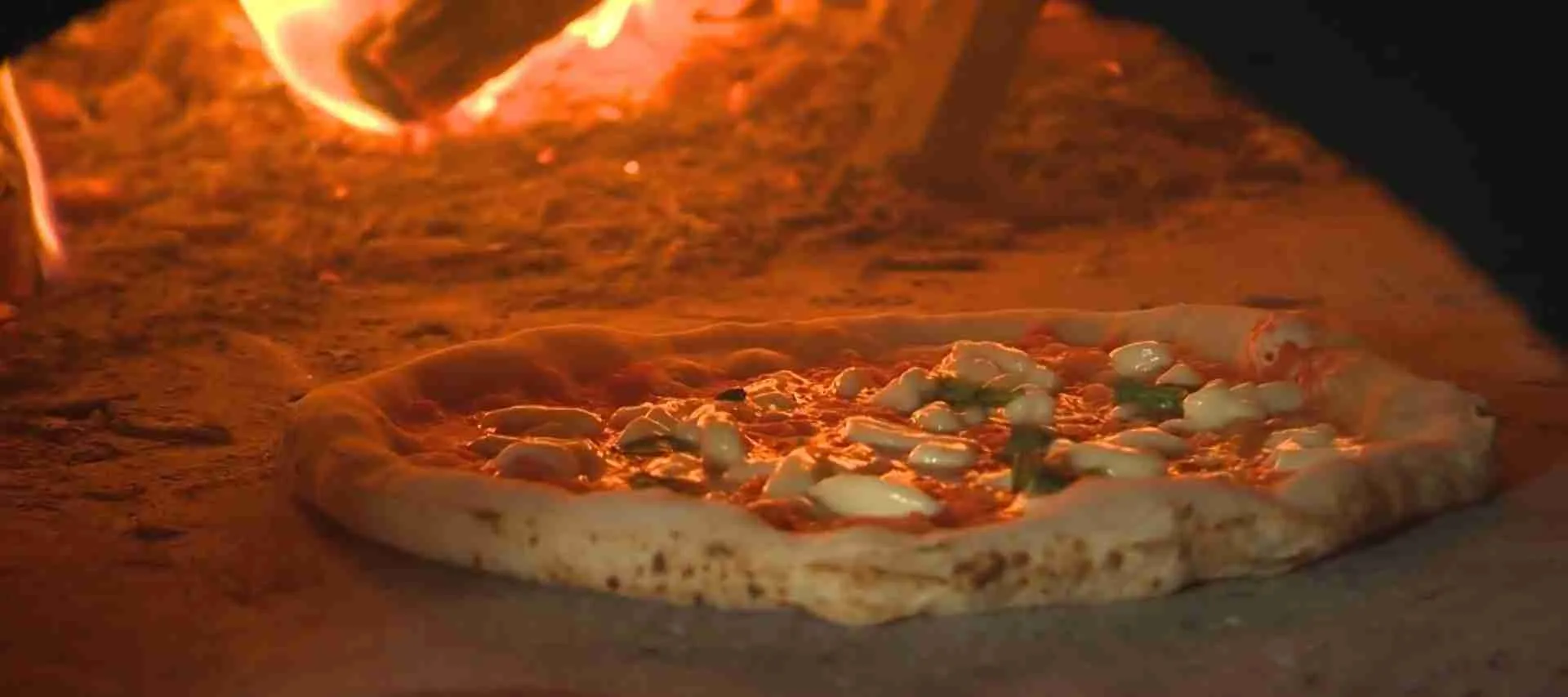
Campania, home to Naples and the Amalfi Coast, developed cuisine balancing urban sophistication with agricultural abundance. The region gave the world pizza Margherita, invented in 1889 honoring Queen Margherita with ingredients representing Italian flag colors—red tomato, white mozzarella, green basil. Pizza Napoletana STG (Specialità Tradizionale Garantita) requires specific preparation—hand-formed dough, San Marzano DOP tomatoes, mozzarella, extra virgin olive oil, baked 485-500°C in wood-fired oven for 60-90 seconds, creating characteristic leopard spotting and puffy cornicione (rim).
Mozzarella di bufala Campana DOP, made from water buffalo milk in specific provinces, provides completely different texture and flavor than cow’s milk mozzarella—creamier, tangier, more complex. Mozzarella appears in insalata caprese with tomatoes and basil, inside pizza, or eaten fresh. Buffalo mozzarella production supports traditional buffalo herding in lowland marshes.
Spaghetti alle vongole combines pasta with tiny clams, garlic, white wine, parsley, and sometimes tomato (bianco or rosso versions exist), representing Neapolitan seafood mastery. Pasta alla Genovese, despite its name, originated in Naples—beef or veal braised for hours with enormous quantity of onions, creating concentrated sauce for pasta, served separately from meat. Ragù Napoletano differs from Bolognese through larger meat pieces (braciole—rolled, stuffed meat) and longer cooking time.
Parmigiana di melanzane layers fried eggplant with tomato sauce, mozzarella, Parmigiano-Reggiano, and basil, baked until bubbling. The dish’s name likely derives from “parmiciana” (shutter slats resembling layered eggplant) rather than Parma. Polpo alla Luciana braises octopus with tomatoes, olives, and capers, while impepata di cozze cooks mussels with black pepper and lemon.
Sfogliatella, crispy layered pastry filled with ricotta, candied citrus, and semolina, appears in riccia (curly) and frolla (smooth) versions. Babà, yeast cake soaked in rum syrup, demonstrates French influence on Neapolitan desserts. Pastiera, ricotta and wheat berry pie flavored with orange blossom water, appears at Easter. Limoncello, lemon liqueur made from Amalfi Coast Femminello lemons’ zest, serves as digestivo.
Campania produces diverse wines. Fiano di Avellino DOCG and Greco di Tufo DOCG provide complex white wines from ancient grape varieties. Taurasi DOCG, from Aglianico grapes, creates powerful age-worthy reds called “Barolo of the South.” Falanghina offers lighter white alternative, while Lacryma Christi del Vesuvio DOC produces wines from volcanic slopes.
Puglia: Orecchiette, Burrata, and Adriatic Abundance
Puglia, forming Italy’s heel, produces more olive oil and durum wheat than any Italian region, supplying raw materials for pasta and oil used nationally. The region’s long Adriatic and Ionian coastlines provide exceptional seafood, while interior plains grow vegetables, grains, and grapes. Puglian cuisine celebrates simplicity and agricultural plenty.
Orecchiette, small ear-shaped pasta, represents Puglia’s signature shape, traditionally handmade by older women in Bari Vecchia’s streets. Orecchiette con cime di rapa (broccoli rabe) combines the pasta with bitter greens, anchovy, garlic, and chile, creating quintessential Puglian dish. Cavatelli, small rolled pasta, and strascinati, dragged pasta, provide variations on handmade shapes.
Burrata, fresh cheese containing cream-soaked stracciatella inside mozzarella pouch, originated in Andria during the 1920s as method to use mozzarella scraps. Burrata’s shelf life demands consumption within days of production, limiting availability outside Puglia until modern transportation. The cheese appears with tomatoes, prosciutto, or alone drizzled with olive oil.
Bombette, meat rolls stuffed with cheese and herbs, grilled or baked, originated in Valle d’Itria’s butcher shops. Tiella barese, baked casserole layering rice, mussels, potatoes, and tomatoes, demonstrates Bari’s seafood cooking. Polpo in pignata slow-cooks octopus in terracotta pot with tomatoes until tender.
Focaccia Barese, dimpled flatbread topped with tomatoes and olives, differs from Ligurian versions through inclusion of boiled potatoes in dough. Panzerotti, half-moon fried pastries filled with mozzarella and tomato, appear as street food. Taralli, ring-shaped crackers flavored with olive oil, fennel, or black pepper, serve as snacks.
Pasticciotto, shortcrust pastry filled with custard cream, appears at breakfast throughout Salento. Cartellate, fried dough spirals drizzled with vincotto (reduced grape must) or honey, appear at Christmas. Zeppole di San Giuseppe, fried choux pastry filled with custard and topped with amarena cherry, celebrate Saint Joseph’s feast.
Primitivo di Manduria DOC and Salice Salentino DOC provide robust red wines, while Nero di Troia creates structured reds in northern Puglia. Locorotondo DOC and Martina Franca DOC offer crisp white wines from local varieties.
Basilicata: Peperoni Cruschi and Ancient Grains
Basilicata, one of Italy’s poorest and most mountainous regions, developed cuisine based on preserved ingredients, legumes, and pastoral traditions. The region’s isolation preserved ancient recipes and techniques forgotten elsewhere.
Peperoni cruschi, Senise peppers dried then flash-fried until crisp, provide characteristic crunch and sweet pepper flavor to numerous dishes. The peppers appear whole as garnish or crumbled over pasta, vegetables, and meats. Pasta con peperoni cruschi combines spaghetti with fried peppers, breadcrumbs, and garlic in simple but satisfying preparation.
Luganega di Basilicata, pork sausage flavored with fennel and chile, appears grilled or in sauce. Pezzente, salami containing various pork parts including organs, demonstrates nothing-wasted approach to butchery. Cacioricotta, aged ricotta served grated over pasta, provides sharp, salty element.
Crapiata, soup containing multiple legumes, grains, and vegetables, celebrates August harvest in elaborate peasant dish. Baccalà a ciauredda combines salt cod with tomatoes, peperoni cruschi, and potatoes. The region’s pasta includes lagane e ceci (wide noodles with chickpeas) and strascinati con mollica (dragged pasta with breadcrumbs).
Aglianico del Vulture DOC, produced on Monte Vulture’s volcanic slopes, creates one of southern Italy’s most age-worthy red wines, rivaling Taurasi in structure and complexity.
Calabria: Chile Peppers and ‘Nduja
Calabria, forming Italy’s toe, developed cuisine featuring chile peppers more prominently than any Italian region, reflecting both local agriculture and historical poverty requiring flavor from inexpensive ingredients. The region’s long coastlines provide abundant swordfish and seafood, while mountainous interior produces pork products and citrus.
‘Nduja, soft, spreadable pork salami heavily spiced with Calabrian chile peppers, represents the region’s most famous contribution to Italian salumi. The paste-like consistency allows spreading on bread or melting into pasta sauces. ‘Nduja appears in pasta all’nduja, where the salami melts into sauce coating pasta. The product gained international recognition through chef David Chang’s promotion.
Fileja, hand-rolled pasta shaped around thin rod, traditionally accompanies ‘nduja sauce or vegetable-based sauces. Swordfish, abundant in Strait of Messina, appears grilled, in pasta sauce, or as involtini (rolls) stuffed with breadcrumbs, capers, and herbs. Sardella, newborn fish preserved with chile pepper creating spicy paste, spreads on bread or seasons pasta.
Cipolla rossa di Tropea IGP, sweet red onions from Tropea’s coastal region, appear raw in salads, caramelized as condiment, or in marmalades. Bergamot, citrus fruit growing exclusively around Reggio Calabria, produces aromatic oil used in perfumery and (rarely) culinary applications. Liquorice from Calabria supplies much of world’s production.
Pitta ‘mpigliata, sweet coil-shaped pastry filled with walnuts, raisins, and honey, appears at Christmas. Nacatole, fried pastries filled with chocolate or honey, demonstrate Arabic influences on Calabrian sweets.
Cirò DOC, produced from Gaglioppo grapes in area claiming wine production since Greek colonization, provides Calabria’s most recognized wine. Greco di Bianco DOC creates sweet dessert wine from dried grapes.
Islands: Sicily and Sardinia’s Distinct Culinary Identities
Sicily and Sardinia developed cuisines reflecting geographic isolation, complex histories of foreign domination, and unique agricultural conditions. Both islands maintain fierce cultural independence and culinary traditions diverging significantly from mainland Italy. Arab, Spanish, Norman, and Byzantine influences layer onto Greek and Roman foundations, creating flavor profiles and techniques unmatched elsewhere in Italy.
Sicily: Arab-Influenced Complexity and Seafood Mastery
Sicilian cuisine stands apart through its synthesis of Mediterranean influences—Greek foundations, Arab techniques and ingredients, Spanish flavors, and Norman refinement—creating complex, sophisticated cooking unique in Italy. The island’s position at Mediterranean crossroads enabled cultural exchange while geographic isolation preserved distinctive identity.
Pasta alla Norma combines fried eggplant, tomato sauce, ricotta salata, and basil, representing Catania’s most famous dish, named for Bellini’s opera. Pasta con le sarde layers wild fennel, sardines, pine nuts, raisins, and saffron, demonstrating Arab influence through sweet-savory combinations and spice usage uncommon in mainland Italy. Pasta chi vruocculi arriminati uses cauliflower, anchovies, pine nuts, raisins, and saffron in similar flavor profile.
Caponata, sweet-and-sour eggplant stew with celery, capers, tomatoes, olives, and pine nuts, appears as antipasto or side dish, varying by region—Palermo’s version differs from Catania’s or Agrigento’s. The dish improves over days as flavors meld. Arancini (or arancine, depending on Sicilian region), fried rice balls filled with ragù, mozzarella, and peas (or butter and ham), represent Sicily’s most famous street food, varying in shape and filling across provinces.
Sicilian seafood preparations showcase Mediterranean variety. Sarde a beccafico stuffs sardines with breadcrumbs, pine nuts, raisins, and citrus, creating elaborate preparation for humble fish. Tonno alla ghiotta braises fresh tuna with tomatoes, capers, olives, and celery. Pesce spada (swordfish) appears grilled, in involtini (rolls), or in pasta sauce, abundant in Strait of Messina.
Pasta alla Trapanese, raw sauce of tomatoes, almonds, basil, and garlic, represents Trapani’s answer to Ligurian pesto, likely derived from Genoese sailors’ influence. Busiate, twisted pasta from western Sicily, traditionally pairs with Trapanese pesto. Pasta Siracusana combines tomatoes, anchovies, breadcrumbs, and eggplant around Syracuse.
Sicilian ricotta, produced from sheep’s milk whey, provides completely different character than mainland cow’s milk versions—drier, slightly salty, essential to numerous sweet and savory preparations. Cannoli, crispy fried pastry shells filled with sweetened ricotta, candied fruit, and sometimes chocolate chips, represent Sicily’s most internationally recognized dessert, though quality varies dramatically—authentic cannoli use fresh ricotta, fried-to-order shells, and minimal filling additions.
Cassata Siciliana, sponge cake layered with ricotta, candied fruit, and marzipan, covered in sugar icing, demonstrates Arab influence on elaborate sweets. Granita, semi-frozen dessert made from sugar, water, and flavorings (almond, lemon, coffee, or mulberry), differs from sorbetto through icier texture, served with brioche for breakfast in summer. Pistacchio di Bronte DOP, green pistachios from Mount Etna’s volcanic slopes, appear in numerous desserts, pasta dishes, and as pesto.
Sicily produces diverse wines across volcanic, coastal, and inland terrain. Nero d’Avola creates Sicily’s most planted red wine, ranging from light fruity styles to concentrated aged versions. Etna DOC wines from Mount Etna’s slopes showcase unique terroir through indigenous varieties—Nerello Mascalese for reds, Carricante for whites. Marsala DOC, fortified wine ranging from dry to sweet, appears in cooking (veal Marsala) and as aperitivo or digestivo. Passito di Pantelleria, sweet wine from dried Zibibbo (Muscat of Alexandria) grapes, represents tiny island Pantelleria’s specialty.
Sardinia: Pastoral Traditions and Unique Ingredients
Sardinia developed cuisine reflecting its pastoral heritage, geographic isolation, and resistance to foreign influence. The island maintained cultural and culinary independence despite occupations, preserving traditions and ingredients found nowhere else. Sardinian cooking emphasizes lamb, seafood, bread, cheese, and vegetables, prepared simply with ancient techniques.
Porceddu (or porcheddu), whole suckling pig roasted on spit over myrtle and juniper wood, represents Sardinia’s most celebrated dish, appearing at festivals and special occasions. The meat’s crispy skin and tender interior result from slow cooking over aromatic wood. Agnello al forno, roasted lamb with potatoes, provides simpler everyday preparation.
Malloreddus (or gnocchetti sardi), small ridged pasta made from semolina dough, traditionally accompanies sausage and tomato sauce flavored with saffron. Culurgiones, large filled pasta from Ogliastra, contains potatoes, pecorino, and mint, sealed in distinctive wheat-ear crimp requiring specific folding technique. Fregola, toasted semolina pasta resembling large couscous, appears in soups or seafood preparations—fregola con arselle combines the pasta with tiny clams.
Bottarga, salted, pressed, dried mullet or tuna roe, sliced paper-thin over pasta or shaved onto salads, provides intense umami. Bottarga di muggine (mullet) from Cabras commands premium prices for superior flavor. The ingredient represents Sardinia’s historical fishing economy and preservation expertise.
Pane carasau, paper-thin crispy flatbread, stores for months, originally developed for shepherds during transhumance. The bread requires specific technique—dough baked until puffed, split into two thin sheets, then rebaked until crisp. Pane frattau layers pane carasau with tomato sauce, poached egg, and pecorino, creating simple but satisfying dish. Pane guttiau brushes pane carasau with olive oil, sprinkles with salt, and briefly bakes.
Pecorino Sardo DOP and Fiore Sardo DOP represent Sardinia’s ancient cheese-making traditions, ranging from young and mild to aged and sharp for grating. Casu marzu, pecorino containing live insect larvae, represents traditional product forbidden by health regulations but still produced privately. The cheese develops creamy texture and strong flavor through larvae activity.
Seadas (or sebadas), large fried pastries filled with fresh pecorino cheese, drizzled with honey, demonstrate Sardinian mastery of sweet-savory combinations. The contrast between warm cheese and sweet honey creates unique dessert experience. Pardulas, small pastries filled with ricotta or fresh cheese flavored with saffron and lemon, appear at Easter.
Sardinia produces distinctive wines from indigenous varieties rarely found elsewhere. Vermentino di Gallura DOCG provides complex white wine from northern Sardinia. Cannonau di Sardegna DOC, produced from Cannonau grapes (related to Spanish Garnacha), creates red wines associated with Sardinian longevity. Monica, Bovale, and Carignano provide additional red varieties, while Nuragus offers everyday white wine.
Understanding Italian Food Culture: Meal Structure and Dining Traditions
Italian cuisine operates within specific cultural frameworks governing meal structure, ingredient combinations, timing, and social customs. Understanding these unwritten rules enhances appreciation for regional specialties and prevents cultural missteps. Italian meals follow established sequence and timing reflecting centuries of tradition rather than arbitrary preferences.
Traditional Italian Meal Structure
The formal Italian meal progresses through specific courses, though everyday meals abbreviate this structure. Antipasto (before the meal) presents cured meats, cheeses, olives, vegetables, or seafood in small portions stimulating appetite. Southern regions favor seafood antipasti, while northern areas emphasize cured meats and cheese.
Primo (first course) features pasta, risotto, or soup—carbohydrate-based dishes showcasing regional specialties. Italians rarely serve pasta as side dish; primo stands as independent course. Secondo (second course) provides protein—meat, fish, or occasionally cheese—typically served plain or with simple preparation allowing ingredient quality to dominate. Contorno (side dish) accompanies secondo, featuring vegetables, salad, or potatoes prepared separately.
Formaggi e frutta (cheese and fruit) may precede or replace dessert, particularly in northern regions where cheese courses hold importance. Dolce (dessert) ranges from simple fruit to elaborate preparations, varying by region and occasion. Caffè (coffee) concludes the meal—espresso, never cappuccino (considered breakfast beverage). Digestivo (digestive liqueur) optionally follows coffee—grappa, amaro, limoncello, or regional specialties.
Everyday meals simplify this structure. Lunch might include primo, secondo with contorno, and fruit. Dinner could feature only primo and salad, or secondo with vegetables. The complete multi-course meal appears during Sunday lunches, holidays, and special occasions.
Italian Food Rules and Cultural Customs
Italians follow specific food combinations and timing rules seeming arbitrary to outsiders but representing deep cultural knowledge. Cappuccino and caffè latte appear only at breakfast or mid-morning, never after meals—milk considered heavy on digestion. Espresso concludes meals, consumed quickly while standing at bar or seated after dining.
Pasta never combines with chicken in traditional Italian cuisine—the pairing represents American invention. Parmigiano-Reggiano or other cheeses never top seafood pasta—the combination clashes flavors. Italians reject pineapple on pizza, considering fruit topping incompatible with savory preparation. Garlic bread doesn’t exist in Italian cuisine; bread accompanies meals plain, used for scarpetta (wiping sauce from plates).
Salad follows secondo rather than preceding it, serving as palate cleanser before cheese or dessert. Italians dress salad at table with olive oil, vinegar, and salt, never premixed bottled dressings. Bread lacks butter in Italian meals—olive oil provides fat through cooking or drizzling.
Wine accompanies lunch and dinner as everyday beverage, selected to complement food rather than as separate focus. Italians rarely drink heavily, instead consuming wine moderately throughout meals. The aperitivo tradition involves light drinking with small bites before dinner, while digestivo aids digestion afterward.
Seasonal eating remains paramount—Italians consume ingredients at peak ripeness rather than year-round. Tomatoes appear fresh in summer, preserved in winter. Asparagus marks spring, porcini mushrooms autumn, citrus winter. This seasonality ensures optimal flavor while connecting eating to agricultural rhythms.
Regional Eating Customs and Variations
Meal timing varies significantly between northern and southern Italy. Northern regions maintain earlier schedules—lunch around noon or 1 PM, dinner at 7-8 PM. Southern areas eat later—lunch at 2 PM, dinner at 9-10 PM or later. Tourist areas adjust to international expectations, but traditional restaurants maintain regional timing.
Sunday lunch represents Italy’s most important weekly meal, gathering extended families for multi-course affairs lasting several hours. This tradition persists across regions, though specific dishes vary—northern families might prepare brasato or risotto, southerners make Sunday ragù, all regions feature special pasta preparations.
Bread types vary regionally, reflecting local grain cultivation and baking traditions. Tuscany produces unsalted bread, designed to complement salty cured meats and cheeses. Puglia bakes large wheels lasting days. Sardinia creates pane carasau for shepherd portability. Each region considers its bread superior, representing local identity.
Regional variations in meal structure include Veneto’s cicchetti (small bites with wine), similar to Spanish tapas, consumed while standing at bacari (wine bars). Piedmont maintains formal dining traditions reflecting aristocratic heritage. Sicily embraces street food culture—arancini, panelle, sfincione—consumed casually throughout day.
Selecting and Storing Italian Ingredients
Quality Italian cooking depends fundamentally on ingredient selection and proper storage. Understanding how to identify, purchase, and maintain ingredients ensures authentic results replicating regional preparations.
Essential Italian Pantry Ingredients
Extra virgin olive oil forms Italian cooking’s foundation. Quality varies enormously—seek DOP or IGP designated oils from specific regions (Tuscany, Liguria, Puglia, Sicily) displaying harvest date and low acidity percentage. Good olive oil tastes fruity with peppery finish, never neutral or stale. Purchase oil in dark bottles or tins protecting from light, store in cool dark place, consume within one year of harvest. Reserve expensive oils for raw applications (salads, finishing), use mid-range oils for cooking.
Parmigiano-Reggiano DOP requires purchasing genuine article—avoid “Parmesan” or pre-grated products. Real Parmigiano displays DOP stamps on rind, aged minimum 12 months (24-36 months provides superior complexity). Buy chunks from cheese counter, grate fresh as needed—pre-grated cheese oxidizes rapidly, losing flavor and aroma. Store wrapped in wax paper, then plastic, in refrigerator, consuming within two weeks of cutting.
Dried pasta quality depends on production method. Bronze-die extruded pasta creates rough surface grabbing sauce effectively, superior to Teflon-die smooth pasta. Italian brands like De Cecco, Rustichella d’Abruzzo, or Setaro use traditional methods. Different shapes suit specific sauces—long pasta for oil or seafood-based sauces, short pasta for chunky ragù, ridged shapes for cream sauces. Store dried pasta in cool dry place indefinitely.
San Marzano DOP tomatoes, grown on Mount Vesuvius volcanic slopes, provide superior flavor for sauces—sweet with low acidity and firm flesh. Genuine San Marzano display DOP certification and specific consortium seal. Quality whole peeled tomatoes (whether San Marzano or other Italian brands) generally exceed fresh tomatoes available outside Italy and Mediterranean growing regions. Store canned tomatoes in pantry, using within one year.
Anchovies preserved in salt or oil provide umami depth without fishiness when properly used. Salt-packed anchovies offer superior flavor but require rinsing and filleting before use. Oil-packed anchovies provide convenience with slightly less intensity. Avoid anchovy paste, which lacks fresh product’s complexity. Store salt-packed anchovies in brine, oil-packed varieties in oil, both refrigerated after opening.
Selecting Fresh Ingredients
Mozzarella and burrata require purchase from reliable sources with high turnover—these fresh cheeses deteriorate rapidly. Buffalo mozzarella surpasses cow’s milk versions for eating fresh, while cow’s milk mozzarella works adequately for cooking. Consume fresh mozzarella within one day of purchase, storing in original brine or milk. Burrata demands same-day consumption for optimal creaminess.
Fresh pasta quality varies dramatically. Handmade fresh pasta from Italian specialty shops exceeds industrial fresh pasta from supermarkets. Fresh egg pasta (tagliatelle, pappardelle, tortellini) suits rich ragù sauces, while some preparations specifically require dried pasta’s firmer texture. Store fresh pasta refrigerated, consuming within days, or freeze for longer storage.
Basil selection matters for pesto and Caprese salad—seek small-leaf Italian varieties when possible, avoiding large-leaf varieties with stronger, more bitter flavor. Store basil at room temperature in water like flowers; refrigeration blackens leaves. Parsley preferences vary by region—flat-leaf Italian parsley predominates, offering superior flavor to curly parsley.
Seasonal produce selection aligns with Italian philosophy. Summer tomatoes provide superior flavor for raw preparations and quick sauces. Winter tomatoes work adequately for long-cooked ragù but shouldn’t appear in Caprese salad. Eggplants, peppers, and zucchini peak in summer. Artichokes arrive in spring. Mushrooms, particularly porcini, appear in autumn. Following seasons ensures optimal ingredient quality.
Wine Pairing Principles for Regional Italian Cuisine
Italian wine and food evolved together over millennia, creating natural partnerships based on terroir, acidity, tannin, and flavor intensity. Regional dishes pair optimally with local wines—the classic advice “what grows together, goes together” applies perfectly to Italian gastronomy. Understanding basic pairing principles enhances both wine and food appreciation.
Foundational Wine Pairing Guidelines
Italian wines generally display higher acidity than New World equivalents, evolved specifically to cut through rich, fatty, or tomato-based preparations. The acidity cleanses palate between bites, preventing flavor fatigue during multi-course meals. High-acid wines—Chianti, Barbera, Vermentino—work particularly well with tomato sauces, which require matching acidity avoiding wine tasting flat.
Red wine tannins interact with protein and fat, softening through the meal. Big, tannic reds—Barolo, Brunello, Amarone—demand rich meat dishes providing enough fat and protein to balance tannin structure. Serving tannic wines with light seafood or vegetables creates astringent, unpleasant experience. Conversely, light reds like Valpolicella or Cerasuolo d’Abruzzo complement lighter preparations without overwhelming.
White wines pair naturally with seafood, vegetables, and fresh cheeses through their acidity and delicate flavors. Fuller-bodied whites—aged Fiano, Verdicchio, or white Burgundy-style wines—can accompany chicken or pork, while crisp, light whites suit raw oysters or delicate fish. Southern Italian white wines often match fried foods through high acidity cutting richness.
Regional pairings work instinctively—Piedmontese Barolo with brasato al Barolo, Tuscan Chianti with bistecca alla Fiorentina, Sicilian Nero d’Avola with swordfish, Campanian Greco di Tufo with Naples seafood. These combinations evolved through generations, reflecting how local wines developed specifically to complement regional cuisine’s characteristics.
Specific Regional Wine and Food Partnerships
Northern Italian rich, cream-based preparations pair excellently with Franciacorta sparkling wines, Soave, or Gavi di Gavi white wines providing acidity to balance richness. Risotto alla Milanese matches beautifully with Franciacorta or Alto Adige Pinot Grigio. Piedmontese white truffles demand Barolo or Barbaresco red wines whose power matches truffle’s intensity.
Emilia-Romagna’s fatty cured meats and Parmigiano-Reggiano pair wonderfully with Lambrusco—slight sparkle and acidity cut salami’s richness while wine’s fruit complements Parmigiano’s nutty sweetness. Tagliatelle al ragù Bolognese requires Sangiovese-based wine (Chianti, Brunello) or Barbera providing acidity for tomato sauce and tannin for meat.
Central Italian grilled meats demand structured red wines. Bistecca alla Fiorentina requires Brunello di Montalcino or Chianti Classico Riserva—younger wines lack power to match beef’s intensity, while excessive tannin fights against simple preparation. Roman pasta dishes like carbonara or cacio e pepe pair with Frascati or other Lazio white wines—the acidity balances egg and cheese richness.
Southern Italian tomato-based pasta and seafood preparations match perfectly with local white wines. Fiano di Avellino or Greco di Tufo accompany Neapolitan seafood pasta through bright acidity and citrus notes. Vermentino from Sardinia suits bottarga-based preparations. Etna Bianco pairs beautifully with Sicilian seafood through volcanic minerality echoing terroir.
Dessert wines require careful matching. Vin Santo with cantucci provides classic Tuscan combination—wine’s sweetness balances cookies’ almonds. Passito di Pantelleria matches dried fruit or almond-based desserts. Moscato d’Asti accompanies fruit-based preparations or lighter pastries through gentle sweetness and low alcohol. Avoid combining very sweet wines with very sweet desserts—the pairing creates cloying excess.
Frequently Asked Questions About Italian Regional Cuisine
What’s the difference between northern and southern Italian pasta?
Northern Italian pasta traditionally uses fresh egg dough, creating silky texture suited to butter and cream sauces or delicate ragù. Tagliatelle, pappardelle, and filled pastas like tortellini and agnolotti exemplify northern egg pasta traditions. Southern Italian pasta relies on durum wheat semolina and water, creating firmer texture that holds shape through cooking and pairs with olive oil-based sauces, tomato preparations, and seafood. Orecchiette, cavatelli, and spaghetti represent southern dried pasta traditions. The division reflects agricultural patterns—northern regions’ access to eggs and softer wheat versus southern cultivation of hard durum wheat and scarcity of eggs in historical peasant cooking. Both styles excel in appropriate applications; neither supersedes the other. Modern Italian cooking employs both types nationwide, though regional pride maintains preferences.
Why do Italians never put cheese on seafood pasta?
The prohibition against combining cheese and seafood in Italian cuisine stems from flavor incompatibility rather than arbitrary rule. Cheese’s lactic, sometimes sharp flavors clash with seafood’s delicate briny character, overwhelming subtle fish or shellfish taste. Additionally, cheese’s fat content creates unpleasant textural coating interfering with seafood’s natural moisture. Traditional Italian cooking philosophy emphasizes allowing primary ingredients to express inherent character without interference—adding Parmigiano-Reggiano to spaghetti alle vongole obscures clams’ sweet ocean flavor. Exceptions exist—some Sicilian preparations incorporate ricotta salata with sardines, and certain regional fish gratins use minimal cheese—but standard seafood pasta dishes never include grated cheese. The custom reflects centuries of refinement determining optimal flavor combinations, not meaningless tradition. Respecting this guideline produces superior results showcasing seafood properly.
How do I know if I’m buying authentic Italian ingredients?
Authentic Italian products carry DOP (Denominazione di Origine Protetta) or IGP (Indicazione Geografica Protetta) designations, legally protecting regional specialties from imitation. Parmigiano-Reggiano DOP displays consortium stamps on rind indicating genuine production in designated provinces following traditional methods. San Marzano tomatoes show DOP certification and Consorzio seal distinguishing them from generic Italian plum tomatoes. Prosciutto di Parma and Prosciutto di San Daniele bear ducal crown or ham-shaped brands respectively. Aceto Balsamico Tradizionale di Modena DOP comes only in specific bottle shapes with numbered caps—commercial “balsamic vinegar” bears no relation to traditional product. Italian olive oils from specific regions display DOP certification with harvest dates. Purchase Italian products from specialty importers or cheese shops with knowledgeable staff and high turnover rather than generic supermarkets. Read labels carefully—”Italian-style” or “Parmesan” indicates imitation products lacking protected designation authenticity and flavor.
Can I substitute ingredients in traditional Italian recipes?
Italian regional recipes reflect specific ingredient availability, flavor profiles, and techniques refined over generations—substitutions often compromise intended results. Carbonara requires guanciale (cured pork jowl); substituting bacon or pancetta alters flavor fundamentally through different curing and fat content. Pesto Genovese demands Genovese basil, European pine nuts, and specific cheese ratio—Thai basil, walnuts, or all-Parmigiano versions create different sauces, not authentic pesto. However, thoughtful substitutions work when maintaining flavor balance and technique. Using pancetta instead of guanciale produces acceptable carbonara inferior to the original but superior to cream-based imitations. Substituting walnuts for pine nuts in pesto changes character but remains edible. Completely unavoidable substitutions (authentic buffalo mozzarella, fresh porcini mushrooms) require acceptance of different results. When substituting, understand what function original ingredient serves—fat content, acidity, texture, specific flavor—and seek closest available match rather than random replacement. Some recipes, particularly region-specific dishes using unique local ingredients, resist successful substitution and warrant skipping until proper ingredients become available.
Why does Italian food taste different when I cook it at home?
Several factors explain the disparity between Italian food prepared in Italy versus home attempts elsewhere. Ingredient quality differences prove most significant—Italian tomatoes grow in Mediterranean climate with specific soil composition and intense sunshine, developing superior flavor and lower acidity than tomatoes grown elsewhere. Italian olive oils, cheeses, and cured meats benefit from traditional production methods, specific breeds, and centuries of refinement impossible to replicate industrially or in different climates. Water quality affects pasta cooking and bread baking. Technique matters enormously—properly salting pasta water, achieving correct pasta doneness, emulsifying sauces, managing heat levels—skills Italians learn through family observation require practice to master. Using insufficient salt represents common error; Italian cooking relies on proper seasoning at each stage rather than correction at table. Respecting simplicity challenges cooks accustomed to complex preparations—Italian dishes often feature few ingredients requiring each to shine, meaning mediocre ingredients produce mediocre results. Temperature and timing precision matter more than intuition suggests. Authentic recipes differ from Italian-American adaptations developed through immigration and ingredient availability. Studying Italian technique through cooking classes, videos by Italian cooks, and practice gradually improves results approaching authentic character.
What should I eat for breakfast in different Italian regions?
Italian breakfast (colazione) maintains simplicity compared to American or English breakfast traditions, focusing on coffee and sweet baked goods rather than savory preparations. Throughout Italy, cappuccino or caffè latte accompanies breakfast as the only meal where milk-based coffee appears acceptable. Northern regions favor butter-based pastries—cornetti (similar to croissants) filled with jam, cream, or chocolate, or plain brioche. Milan offers panettone year-round at breakfast, while Venice serves fritelle (fried dough) during Carnival. Central Italy maintains similar patterns with local variations—Rome adds maritozzi, sweet buns filled with whipped cream. Southern regions and islands incorporate regional specialties: Sicily serves granita with brioche in summer, combining semi-frozen almond or coffee granita with soft bread. Naples offers sfogliatella, crispy layered pastry filled with ricotta. Sardinia provides seadas (cheese-filled fried pastries with honey) occasionally at breakfast. Cookies like biscotti or cantuccini appear for dunking in coffee or milk. Fresh fruit, yogurt, and spremuta (fresh-squeezed orange juice) supplement sweet preparations. Savory breakfast remains uncommon; eggs, meat, and cheese appear at lunch or dinner, not breakfast. Hotel breakfasts catering to tourists offer more extensive buffets, but traditional Italian breakfast maintains its spare sweet character.
How do seasonal ingredients affect Italian cooking?
Seasonal eating forms Italian cuisine’s cornerstone, reflecting agricultural calendar, optimal ingredient flavor, and cultural connection to land. Italian menus change completely across seasons rather than offering year-round consistency. Spring brings artichokes, asparagus, fava beans, peas, and wild herbs—Roman restaurants feature carciofi alla Giudia and carciofi alla Romana, while Venetian cooks prepare risi e bisi. Lamb appears at Easter throughout central and southern regions. Summer provides peak tomatoes, eggplants, zucchini, peppers, and basil—Caprese salad, pappa al pomodoro, and pasta alla Norma showcase summer produce. Beaches serve fresh seafood. Autumn introduces mushrooms, particularly prized porcini and white truffles, plus game meats, chestnuts, and wine harvest. Northern regions celebrate truffle season and hunting traditions. Winter brings citrus fruits in southern regions and Sicily, cabbage family vegetables, and preserved ingredients. Ribollita and other hearty soups appear throughout central Italy. Panettone and pandoro mark Christmas across Italy. This seasonal approach ensures ingredients appear at peak flavor and nutritional value while connecting eating to nature’s rhythms. Restaurants in Italy don’t serve tomato-based dishes in January or asparagus in October—attempting to order out-of-season items marks tourists immediately. The practice also supports local agriculture and reduces environmental impact through reduced storage, transportation, and forcing techniques. Eating seasonally in Italian style requires accepting ingredient unavailability and adapting menus to current market offerings rather than demanding year-round access to everything.
What are the most important cooking techniques in Italian cuisine?
Italian cooking relies on specific fundamental techniques refined through centuries of practice and family transmission. Soffritto—diced onion, celery, and carrot sautéed in olive oil or butter—forms the aromatic base for countless ragù, soups, and braises. Proper soffritto requires patient cooking until vegetables soften and sweeten without browning, developing deep flavor foundation. Pasta cooking technique critically affects final results: abundant salted water (minimum 1 liter per 100g pasta), maintaining rolling boil, cooking to al dente (firm to bite), and most importantly, finishing pasta in sauce with reserved pasta water creating emulsified coating rather than separating sauce and pasta. Risotto demands specific technique—toasting rice in fat, adding warm stock gradually while stirring constantly, achieving creamy texture while maintaining individual grain integrity, finishing with butter and cheese (mantecatura). Slow braising at low temperatures transforms tough meat cuts and develops concentrated sauces—brasato, ragù, and spezzatino require hours of gentle simmering producing fork-tender results. Grilling over wood or charcoal imparts smoke and char essential to bistecca alla Fiorentina and other preparations. Proper emulsification creates smooth sauces from seemingly incompatible ingredients—carbonara’s creamy coating without scrambling eggs, pesto’s cohesive paste from oil and basil, aglio e olio’s unified sauce from garlic oil and pasta water. These techniques demand practice and attention but elevate simple ingredients dramatically when executed properly.
Why is there no “Italian food” only regional cuisines?
Italy unified as a nation only in 1861, meaning the peninsula spent most of its culinary development history as separate kingdoms, republics, duchies, and foreign-controlled territories. Each region evolved distinct cuisine based on local ingredients, climate, foreign influences, and economic conditions. Geographic barriers—Alps, Apennines, marshes—prevented ingredient and technique exchange between regions. Foreign occupations left different marks: Austrian rule influenced northeastern cooking, Spanish rule affected southern regions, French control refined Piedmontese cuisine, and Arabic conquest shaped Sicilian flavors. Regional dialects prevented recipe dissemination through written texts until recent centuries. Campanilismo (pride in one’s town or region) meant communities protected culinary traditions as identity markers against neighboring areas. The diversity extends beyond simple north-south division—Emilia-Romagna’s cuisine differs entirely from neighboring Lombardy and Tuscany despite geographic proximity. Even within regions, provinces maintain distinct specialties—Neapolitan cuisine differs from Amalfi Coast cooking despite both sitting in Campania. What Americans call “Italian food” represents amalgamation of dishes from various regions, exported through Italian-American immigration and adapted to available ingredients. Italian-Americans created new dishes like spaghetti with meatballs or chicken Parmesan, unknown in Italy. The concept of unified “Italian cuisine” remains marketing construct; Italians identify food by region or even specific town—this is “Bolognese cooking” or “Roman food,” not generic “Italian.” Understanding this regional specificity proves essential to appreciating Italian culinary diversity and avoiding reductive generalizations about “how Italians cook.”
How do I plan a meal following traditional Italian structure?
Planning a traditional Italian meal requires understanding proper course sequence and allowing each component to shine independently rather than crowding plates American-style. Begin with antipasto selection appropriate to region and season—northern meal might feature prosciutto, salami, and cheese; southern meal could present grilled vegetables, seafood salad, or bruschetta. Keep portions small (2-3 slices of meat, small portion of vegetables), serving on separate plates. Antipasto appears optional for everyday meals, reserved for special occasions. Primo course features pasta, risotto, or soup as main event—prepare single primo dish, serving generous portions (80-100g dried pasta per person for multi-course meal, 120-140g if primo represents main course). Select primo appropriate to season and region being honored. Secondo presents protein simply prepared—grilled meat or fish, braised dish, or roast—without elaborate sauces competing for attention. Portions remain moderate (150-200g meat per person) since multiple courses satisfy hunger. Prepare contorno vegetables separately rather than plating together—Italians serve vegetables on separate dish or divided plates, allowing distinct flavors. Salad follows secondo, dressed simply with olive oil, vinegar, and salt at table. Fruit or simple dessert completes the meal—elaborate desserts appear mainly at celebrations. Serve espresso after clearing dessert plates, never during meal. This structure seems elaborate but everyday Italian meals abbreviate to primo plus salad or secondo plus vegetables, maintaining course separation principle. The multi-course approach allows celebrating various ingredients and techniques within single meal while preventing overwhelming portions or flavor combinations.