
Italian Riviera Best Tours & Walking Routes 2026: Complete Travel Guide
The Italian Riviera stretches 350 kilometers along Liguria’s coast from the French border to Tuscany, delivering dramatic cliffside trails, UNESCO-protected villages, and boat tours through Mediterranean waters. Whether navigating the famous Sentiero Azzurro coastal path through Cinque Terre’s five villages or exploring Portofino’s forest trails, this 2026 guide provides verified tour operators, trail conditions, pricing structures, and strategic planning to maximize your experience while avoiding crowds and logistical pitfalls.
Key Takeaways for Italian Riviera Tours & Walking Routes 2026
- Cinque Terre Card 2026 Dynamic Pricing: The Park now implements three-tier pricing based on visitor demand. Green tier days (weekdays in March, April, May, October) start at €19.50 for the Train Card, while Red tier days (July-August weekends, holidays) reach €32.50. Purchase online before arrival to avoid station queues that extend 30-45 minutes during peak season.
- Trail Closures and Access 2026: The Manarola-Corniglia coastal section remains closed until May 2028 due to geological instability. Via dell’Amore (Riomaggiore-Manarola) requires timed reservations with 200-person capacity limits per 30-minute slot. Corniglia-Vernazza-Monterosso segments operate with one-way traffic rules from 9 AM to 2 PM on high-attendance days.
- Tour Operator Pricing 2026: Full-day Cinque Terre boat and hiking combination tours from La Spezia or Monterosso range €70-120 per person including train connections. Multi-day packages (5-8 days covering Cinque Terre, Portofino, and Genoa) start at €2,065 per person based on double occupancy. Private tours command €350-500 per group for customized itineraries.
- Portofino Hiking Network 2026: The 70-kilometer trail system in Portofino Natural Park remains completely free. The Camogli-San Fruttuoso route (5.4 kilometers, 460 meters elevation) serves as the most popular introduction, taking 2.5-3 hours with boat return options to Camogli (€10), Portofino (€12), or Santa Margherita Ligure (€8).
- Strategic Timing 2026: March 14 marks the start of high-frequency Cinque Terre Express trains (every 15 minutes) and tier-based pricing through November 1. Off-season from November 3, 2025 to March 13, 2026 offers free trail access without cards, though winter closures may affect Vernazza-Monterosso sections. Spring (April-May) and autumn (September-October) deliver optimal conditions with Green or Yellow tier pricing.
- Footwear Enforcement 2026: The National Park strictly prohibits flip-flops, sandals, and smooth-soled shoes on Sentiero Azzurro sections. Fines technically reach €2,500 but typically settle at €50-100. Rangers conduct regular checks at trail entrances and midpoints. Hiking boots or running shoes with treaded soles are mandatory.
People Also Ask About Italian Riviera Tours & Walking Routes 2026
What is the best way to explore Cinque Terre in 2026?
The Cinque Terre Train Card delivers the most flexible and economical access in 2026. This pass combines unlimited train travel between Levanto and La Spezia with access to paid hiking trails (Corniglia-Vernazza-Monterosso segments). On Green tier days (low demand), the 1-day adult pass costs €19.50, while Red tier days (peak weekends, July-August) reach €32.50. The pass pays for itself with two train journeys plus one paid trail hike, since single train tickets cost €2.70-10 depending on season, and trekking access alone costs €7.50-15. Purchase online at card.parconazionale5terre.it to bypass station queues that extend 30-45 minutes during summer months. The card grants additional benefits including free shuttle buses to hilltop viewpoints, complimentary public toilets at stations (normally €1), WiFi hotspots, and discounted admission to La Spezia civic museums. Alternative exploration methods include boat tours (€25-35 for multi-village routes operating March-November weather permitting) or guided walking tours (€70-120 for full-day experiences with local experts handling logistics and providing cultural context).
How much do Italian Riviera tours cost in 2026?
Italian Riviera tour costs in 2026 span a wide range depending on format and duration. Half-day Cinque Terre boat tours from Monterosso or La Spezia cost €45-70 per person, typically visiting three villages with swimming stops and local wine tastings. Full-day combination tours (boat, train, and guided village walks) range €70-120 per person including Cinque Terre Card, transport, and guide services. Specialized experiences command premium pricing: pesto-making cooking classes in Vernazza or Monterosso cost €80-110 per person for 3-4 hour sessions including lunch and wine; sunset boat tours with aperitivo run €65-90 per person for 2-3 hour cruises along the coast. Multi-day packages offer better per-day value – a 5-day Cinque Terre and Portofino tour including accommodations, most meals, guided excursions, and all transport averages €890-1,250 per person based on double occupancy. Luxury 8-day Northern Italy packages covering Milan, Parma, Cinque Terre, Portofino, and Lake Como range €3,200-4,450 per person. Private tours provide customized itineraries: half-day private Cinque Terre experiences for up to 8 people cost €350-450 total, while full-day private tours reach €500-650 per group. These prices reflect check official sites for current rates policy, though public transport and museum admission costs are stated without disclaimers as official fixed rates.
Is Via dell’Amore open for walking in 2026?
Via dell’Amore (Path of Love) reopened August 9, 2024 after 12 years of closure, but 2026 access requires advance planning due to new crowd-control measures. The 900-meter romantic walkway between Riomaggiore and Manarola now operates with strict capacity limits: only 200 visitors per 30-minute time slot, mandatory one-way flow from Riomaggiore toward Manarola, and pre-booked entry windows (e.g., 10:00-10:15 AM). Visits are capped at 30 minutes to maintain flow. Access requires either the standard Cinque Terre Card (€7.50-15 trekking or €19.50-32.50 train version depending on tier) plus a €10 Via dell’Amore supplement, or purchase of the dedicated “Cinque Terre Card Plus” bundle that includes both components. Book timed slots at viadellamore.info immediately after securing travel dates, as popular times (sunset slots, weekend mornings) sell out 2-3 weeks in advance during peak season. The path features evening lighting for twilight walks (available March-October), elevator access for mobility-limited visitors, and minimal elevation change making it accessible for all fitness levels. The €10 supplement sparked debate about value – many visitors report the 15-20 minute actual walk time (accounting for photo stops and crowd flow) doesn’t justify the premium over other free or included trail options, though the romantic setting and coastal engineering remain impressive.
Which Italian Riviera hiking trails are free in 2026?
The vast majority of Italian Riviera hiking trails remain completely free in 2026 – only three Sentiero Azzurro segments require the Cinque Terre Card. The entire 70-kilometer Portofino Natural Park trail network operates without fees, including premier routes like Camogli-San Fruttuoso (5.4 kilometers, 2.5-3 hours), Portofino-San Fruttuoso (2 hours), and the Camogli-Punta Chiappa circuit (5 hours). The Alta Via delle Cinque Terre (Red Trail) runs high above the coastal villages offering ridge-line hiking through pristine Mediterranean scrub – this demanding route remains free with spectacular views but minimal crowds. Sanctuary trails connecting each Cinque Terre village to its hilltop church (Riomaggiore-Santuario di Montenero, Manarola-Santuario di Volastra, Monterosso-Santuario di Soviore) provide free alternatives with superior coastal panoramas from 300-400 meter elevations. The Levanto-Monterosso trail via Punta Mesco (approximately 3.5 hours) ranks among Liguria’s finest free hikes, delivering views of all five Cinque Terre villages from the promontory. Only these paid segments exist: Vernazza-Monterosso (2.3 kilometers, 1.5-2 hours), Corniglia-Vernazza (3.5 kilometers, 2 hours), and Via dell’Amore (900 meters, 30 minutes). All other paths operate without cards or fees year-round, though winter maintenance closures (November-March) may affect specific sections after heavy rain.
Extended multi-day tours – 5+ days
Featured Liguria Multi-Day Tour Packages
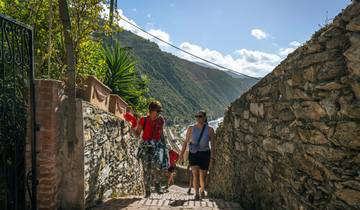
8 days
Cinque Terre: Hike, Bike & Kayak
- ✓ Comprehensive Liguria tour
- ✓ Expert local guides included
- ✓ All accommodation arranged
- ✓ Transportation provided
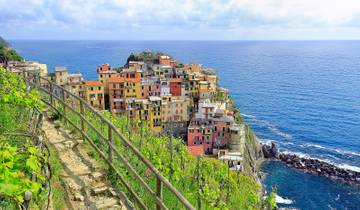
7 days
Cinque Terre : Hiking Self Guided Tour – 7 days from Sestri Levante
- ✓ Comprehensive Liguria tour
- ✓ Expert local guides included
- ✓ All accommodation arranged
- ✓ Transportation provided
3 days
3-Days Florence & Cinque Terre Adventure: Discover the Best of Tuscany and the Italian Riviera
- ✓ Booking needs min. 2 travelers
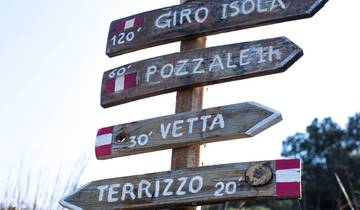
7 days
Walking in the Cinque Terre and Portofino
- ✓ Comprehensive Liguria tour
- ✓ Expert local guides included
- ✓ All accommodation arranged
- ✓ Transportation provided
Multi-day tour packages powered by TourRadar. Prices and availability subject to change.
Introduction: Planning Italian Riviera Tours and Hiking Adventures 2026
The Italian Riviera’s appeal has shifted dramatically for 2026 – UNESCO’s Cinque Terre National Park now implements dynamic pricing across three demand tiers, Via dell’Amore requires timed reservations after reopening from 12 years of geological repairs, and the Manarola-Corniglia coastal link won’t reopen until 2028. These changes fundamentally alter how visitors approach the region’s 200+ kilometers of hiking trails and waterfront villages.
The landscape delivers what brochures promise: five pastel villages clinging to 100-meter cliffs above turquoise Ligurian waters, stone staircases threading through terraced vineyards, forest paths opening to monastery coves accessible only by foot or boat. But 2026 logistics require more planning than spontaneous train-hopping allowed five years ago. Capacity limits on Via dell’Amore mean sunset walks sell out weeks ahead. One-way traffic rules on Vernazza-Monterosso during peak hours (9 AM to 2 PM) force early starts or afternoon repositioning. The closed Manarola-Corniglia segment necessitates either train connections or demanding inland detours via Volastra adding 200 meters elevation.
Tour operators have adapted offerings to match new access protocols. Full-day boat and hiking combinations bypass trail closures entirely, visiting all five villages by sea with strategic walking in open sections. Multi-day packages build itineraries around Green tier pricing days to control costs. Private guides navigate timed entry systems and one-way restrictions that confuse independent hikers arriving unprepared. The Portofino peninsula’s 70-kilometer free trail network attracts hikers seeking alternatives to Cinque Terre’s paid paths and crowds – routes like Camogli-San Fruttuoso deliver comparable coastal drama without cards or capacity limits.
This guide addresses 2026’s specific challenges: which tours deliver best value against à la carte exploration, how dynamic pricing affects daily costs (€19.50 on Tuesday in April versus €32.50 on Saturday in August for identical access), which free trails match paid segments for scenery, and strategic timing to experience both regions without frustration or overspending. Whether booking a comprehensive 5-day package or assembling a DIY itinerary, understanding 2026’s access systems and trail conditions separates smooth execution from logistical chaos.
Understanding Cinque Terre Card Options 2026
The Cinque Terre Card system in 2026 operates on a three-tier dynamic pricing model introduced in 2024 to manage visitor pressure. Green tier days (lowest demand) typically fall on weekdays in March, April, May, and October. Yellow tier covers June, September, and some weekends. Red tier captures peak demand: all July-August dates, weekends year-round, and national holidays. The Park publishes an annual calendar at card.parconazionale5terre.it showing exact tier assignment for each date – check this before booking accommodations since a Friday-Sunday visit costs dramatically more than Tuesday-Thursday.
Two card types serve different travel patterns. The Cinque Terre Trekking Card grants access to paid trail sections (Vernazza-Monterosso and Corniglia-Vernazza segments of Sentiero Azzurro), ecological shuttle buses within villages, free public toilets at stations, WiFi hotspots, and guided tours per posted schedules. Adult pricing (ages 12-69) runs €7.50 for 1-day on Green tier, €14.50 for 2-days, €21 for 3-days. Children 4-11 pay €4.50, €7.20, and €9.50 respectively. Red tier days double these rates. This card suits visitors staying within Cinque Terre villages who plan to walk between them without train dependency.
The Cinque Terre Treno MS Card includes everything in the Trekking Card plus unlimited second-class train travel between Levanto and La Spezia (covering all five villages). This represents the practical choice for most 2026 visitors. Adult 1-day pricing ranges €19.50 (Green tier) to €27 (Yellow tier) to €32.50 (Red tier). Two-day cards run €34-59 depending on tier. Three-day cards span €46.50-78.50. Children and families receive proportional pricing. The card pays for itself quickly – a single train journey costs €2.70-10 depending on season (Red tier days see single tickets reach €10 for five-minute hops like Manarola to Vernazza), and hiking access alone costs €7.50-15. Taking the train twice plus hiking one paid trail already justifies the Train Card purchase, and most visitors use trains 4-6 times daily when exploring all villages.
Via dell’Amore access requires an additional €10 supplement regardless of which card type you hold. This “Lover’s Surcharge” includes the mandatory timed reservation at viadellamore.info. The supplement sparked visitor complaints about value – the actual walk consumes 15-20 minutes including photo stops, making the €10 add-on (on top of the base card cost) expensive for brief access. Alternative options include the comprehensive “Cinque Terre Card Plus” that bundles the base card with Via dell’Amore entry, though pricing isn’t significantly advantageous versus buying components separately.
Purchase strategy matters for 2026. Buy online before arrival at card.parconazionale5terre.it to avoid station queues that extend 30-45 minutes during July-August and weekend arrivals. Cards activate on first use (scan QR code at trail entrance or train platform), not purchase date, allowing advance buying without timing pressure. Cards remain valid until midnight on the activation date for single-day passes; multi-day cards extend to midnight of the final day. Digital cards display on smartphones – no need to print physical copies, though rangers at trail checkpoints may request photo ID verification against the card holder name.
Off-season from November 3, 2025 through March 13, 2026 eliminates all trail fees – walk the Sentiero Azzurro segments freely without cards. Reduced-price train-only cards become available during this period for visitors wanting unlimited rail access without hiking fees, though online purchasing isn’t offered November-March. This window delivers significant savings for cold-weather travelers comfortable with potential trail closures (Vernazza-Monterosso often closes after heavy rain during winter months).
CETS-certified accommodations provide card discounts to guests – ask when booking if your hotel, B&B, or apartment participates in the Park’s sustainable tourism certification scheme. Discounts typically reduce card costs by 10-15%, meaningful savings on multi-day passes. Senior visitors (70+) receive reduced pricing across all card types. Groups of 25+ qualify for bulk rates purchasing through Park reception centers rather than online systems.
Cinque Terre Blue Trail Status and Conditions 2026
The Sentiero Azzurro (Blue Trail SVA2) theoretically connects all five Cinque Terre villages across 11 kilometers of coastal path, but 2026 reality delivers fragmented access requiring strategic planning around permanent and temporary closures. Understanding current section status prevents arriving with expectations the full village-to-village walk remains possible.
Riomaggiore to Manarola via Via dell’Amore (900 meters, 30 minutes) reopened August 2024 after 12 years of geological stabilization work. This romantic paved walkway with evening lighting and barrier-free access now operates under strict crowd control: 200-person capacity per 30-minute time slot, mandatory one-way flow from Riomaggiore toward Manarola, pre-booked entry at viadellamore.info. Access requires Cinque Terre Card plus €10 supplement. Book immediately after confirming travel dates since sunset slots (final 90 minutes before dusk March-October) sell out 2-3 weeks ahead during peak season. The path itself delivers minimal challenge – flat, paved, 1-meter width – making it accessible for all fitness levels. Critics note the brief 15-20 minute actual walk time (accounting for crowd flow and photo queuing) doesn’t justify the premium pricing versus other trail options, though the engineering feat of carving this path into sheer cliffs 25 meters above sea level remains impressive.
Manarola to Corniglia (2.8 kilometers) remains closed indefinitely due to landslide damage and geological instability. Park authorities project May 2028 at earliest for reopening this low-level coastal route. Only the first 300 meters from Manarola’s northern edge remain accessible before barriers block further progress. Alternative routing requires either trains (5 minutes, €2.70-10 depending on tier) or the demanding free trail via Volastra adding 200 meters elevation gain through vineyards and forest – this detour (sentiero 506+586) extends the walk to approximately 2 hours versus the closed coastal segment’s 45-minute direct route. The closure represents the Blue Trail’s most significant gap, forcing all through-hikers to interrupt their coastal journey.
Corniglia to Vernazza (3.5 kilometers, 2 hours) operates normally with Cinque Terre Card requirement. This section delivers the Blue Trail’s most challenging terrain: sustained climbs totaling 400 meters elevation gain, steep stone staircases worn smooth by centuries of foot traffic, narrow single-file passages along cliff edges without fencing, and exposed sections vulnerable to afternoon sun with no shade cover. The route rewards effort with spectacular vineyard terraces cascading toward azure waters, mid-trail cafés serving cold drinks and focaccia at premium prices (€4-5 for beverages, €8-12 for snacks), and dramatic village approaches descending into Vernazza’s harbor. Rangers recommend starting from Corniglia (fewer steps, gradual climb) rather than Vernazza (brutal stair ascent from sea level). Free shuttle buses from Corniglia station to the hilltop village (included with Cinque Terre Card) eliminate 377 steps climbers face without the bus service.
Vernazza to Monterosso (2.3 kilometers, 1.5-2 hours) operates with seasonal complications. The February 11, 2026 collapse of a dry stone wall prompted temporary closure for emergency repairs – check current status at cinqueterre.eu.com/en/cinque-terre-current-situation before planning hikes on this section. When open, Cinque Terre Card access required. Peak-demand days (Red tier weekends, holidays) implement one-way traffic from 9 AM to 2 PM – hikers must walk Monterosso to Vernazza direction during restricted hours, no exceptions. This regulation prevents dangerous bottlenecks on narrow cliff passages where two-way traffic forces hikers to squeeze past each other at dizzying heights. The section delivers classic Cinque Terre vistas: turquoise coves 80 meters below, medieval watchtowers clinging to promontories, hidden beaches accessible only via steep staircases. Two rest stops with bars serve overpriced refreshments (€5-6 for beverages, €10-15 for panini) but provide critical shade during summer crossings. The trail’s most photographed viewpoint appears 20 minutes from Monterosso looking back toward the village – accessible without card since it sits before the checkpoint, allowing free photo opportunities for those not hiking the full section.
Trail conditions vary seasonally and weather-dependent. Winter months (November-March) see frequent closures on Vernazza-Monterosso after heavy rain loosens cliff faces and creates rockfall hazards. The Park posts real-time closure information at parconazionale5terre.it with red/orange/green trail status indicators. Orange warnings allow hiking “at own risk” – rangers may permit passage while officially discouraging it. Red closures mean physical barriers block access, though the Park occasionally allows experienced hikers through with liability waivers during orange-to-red transitions. Spring (April-May) and autumn (September-October) deliver optimal conditions: stable trails, moderate temperatures (15-22°C), and manageable crowds outside weekend spikes. Summer (June-August) combines guaranteed open trails with punishing heat (28-35°C), overcrowding that reduces walking to shuffle pace during peak hours (10 AM-3 PM), and Red tier pricing maximums.
Footwear enforcement intensified in 2026 following several rescue operations involving improperly equipped hikers. Rangers stationed at trail entrances and midpoint checkpoints strictly prohibit flip-flops, sandals, smooth-soled shoes, and any footwear lacking treaded grip. Technical fines reach €2,500 though rangers typically assess €50-100 penalties for first offenses. Acceptable footwear includes hiking boots (recommended), trail runners, or athletic shoes with aggressive tread patterns. The regulation isn’t arbitrary – dozens of annual injuries stem from inadequate footwear on worn stone steps slick from morning dew or afternoon sea spray.
Free Alternative Hiking Trails in Cinque Terre 2026
The Park’s 120-kilometer trail network extends far beyond the paid Sentiero Azzurro segments, offering spectacular free alternatives that often deliver superior views and minimal crowds. These routes require no cards or capacity limits year-round, making them strategic choices for budget-conscious hikers or those avoiding peak-season congestion on coastal paths.
The Alta Via delle Cinque Terre (AV5T), known as the Red Trail, runs the entire ridge line above the five villages at 400-600 meter elevation. This demanding route requires serious fitness – sustained climbs, technical descents, minimal shade, and 6-8 hours for the full traverse. The reward comes in pristine Mediterranean scrub forest, sweeping views encompassing all five villages simultaneously from multiple vantage points, and encountering perhaps a dozen other hikers all day versus hundreds on the Blue Trail below. The trail passes through hamlets like Soviore and Reggio that see few tourists despite their medieval charm and family-run restaurants serving honest Ligurian cuisine at prices 30-40% below village restaurants. Water sources appear sporadically – carry 2+ liters per person. The path can be sectioned into day hikes connecting villages via sanctuary trails (detailed below) rather than attempting the full ridge traverse.
Sanctuary trails link each Cinque Terre village to its hilltop church, serving as the free alternative when coastal sections close or crowds overwhelm. Riomaggiore-Santuario di Montenero climbs 300 meters in 45 minutes of steep switchbacks, delivering vertical views over the village and Ligurian Sea that surpass anything visible from the Blue Trail. The sanctuary dates to 1335 with baroque interior additions and a café serving cold drinks. The trail continues beyond to connect with the Alta Via or loop back to the village via alternative routes.
Manarola-Santuario di Volastra offers similar sanctuary access with the bonus of functioning as the free bypass route when Manarola-Corniglia coastal section remains closed. The climb takes 45 minutes to Volastra village where trail 506 continues to Corniglia. This routing adds 200 meters elevation versus the closed coastal path but reveals the vineyard terraces from above – the UNESCO heritage landscape of dry-stone walls supporting vines on near-vertical slopes. Small wine producers in Volastra offer tastings (€10-15 for 3-4 wines with focaccia) in centuries-old cellars carved into hillsides.
Corniglia sits highest of the five villages at 100 meters elevation, making its sanctuary trail less punishing than others. The Corniglia-Santuario di San Bernardino route takes 30 minutes through olive groves to the 18th-century chapel. From here, connect to the Alta Via or descend to Vernazza via forest paths that parallel the coastal Blue Trail 200 meters higher – same destination, free access, better views, and perhaps 10% of the coastal path’s foot traffic.
Vernazza-Santuario di Reggio and Monterosso-Santuario di Soviore serve as the final sanctuary connections. The Monterosso option ranks among the area’s finest free hikes: 2.5 hours climbing through forest to Soviore sanctuary (elevation 466 meters), continuing to connect with the Alta Via or descending via different routes creating loop options. The path reveals Monterosso’s dramatic setting – the Riviera’s only significant beach hemmed by cliffs on both sides – from aerial perspectives impossible to achieve from coastal trails.
The Levanto-Monterosso trail via Punta Mesco stands as Liguria’s premier free coastal hike. This 3.5-hour route (approximately 10 kilometers) stays at 200-300 meter elevation delivering continuous sea views, passes through the Mesco promontory offering the iconic vista of all five Cinque Terre villages strung along the coast, and deposits hikers in Monterosso without requiring any train returns. The path sees moderate traffic but nothing approaching Blue Trail congestion, and its free status makes it popular with budget travelers and locals avoiding tourist-heavy routes. Carry water and sun protection – exposed sections offer no shade during summer crossings.
Trail maps available at Park reception centers and online at parconazionale5terre.it detail the complete network with difficulty ratings and estimated times. Download offline GPS tracks before hiking since mobile signals drop in valleys and forest sections. These free alternatives require more fitness than the paid coastal paths – expect steeper grades, rougher footing, and longer distances. But the combination of zero fees, minimal crowds, superior viewpoints, and genuine satisfaction from earning your coastal vistas rather than shuffling along paved tourist paths makes them strategic choices for hikers comfortable with moderate physical challenge.
Guided Tours and Operators 2026
Professional tour operators in 2026 handle the logistical complexity of dynamic pricing, timed entries, and trail closures that confuse independent travelers. Guided experiences span day trips from Florence or Pisa, multi-day packages combining hiking and cultural immersion, and specialized activities like cooking classes and boat tours with local captains.
Full-day Cinque Terre tours from Florence represent the most popular format for travelers based in Tuscany. These 12-hour excursions typically depart 7-8 AM, include luxury coach transport (2.5 hours each direction), Cinque Terre Train Card, and guided walks in 2-3 villages. GetYourGuide, Viator, and Trafalgar offer comparable products at €75-95 per person (check official sites for current rates). The tours bypass trail-hiking entirely in favor of maximum village exposure for time-limited visitors, using trains to hop between Riomaggiore, Manarola, Vernazza, and Monterosso with guided explanations of fishing traditions, UNESCO recognition, and architectural details. Lunch stops grant 60-90 minutes free time in Vernazza or Monterosso for independent restaurant selection (not included, expect €25-35 for seafood pasta and house wine). These tours work for first-time visitors wanting overview exposure without navigation stress, though experienced travelers often find the pace rushed and village time insufficient for meaningful exploration.
Boat tour combinations deliver superior coastal perspectives while avoiding trail crowding. Operators like Golfo Paradiso and Consorzio Marittimo run half-day boat excursions departing Monterosso, La Spezia, or Portovenere visiting all five villages plus swimming stops in hidden coves accessible only by sea. Prices range €45-70 per person (check official schedules for current rates) for 4-5 hour experiences including onboard wine tasting of Cinque Terre DOC whites and focaccia di Recco, a local cheese-stuffed flatbread. Boats operate March through November weather permitting – rough seas cancel 10-15% of scheduled departures, more frequently during shoulder seasons. The marine approach reveals Cinque Terre’s geography clearly: villages clinging to the few flat spots interrupting otherwise vertical cliffs, terraced vineyards stacked impossibly on near-vertical slopes, medieval fortifications positioned to spot approaching threats from sea. Swimming stops last 20-30 minutes in turquoise waters far clearer than village beaches, though May and October water temperatures (15-18°C) challenge all but hardy swimmers.
Sunset boat tours represent premium experiences. Three-hour evening cruises departing Monterosso 2 hours before dusk cost €65-90 per person (check current pricing) including aperitivo (Prosecco, local wine, cheese, and bruschetta). Traditional Ligurian gozzo boats – wooden vessels with elegant lines historically used by fishermen – provide authentic atmosphere versus modern motor launches. Maximum capacity typically limits to 12 passengers ensuring intimate experience. The golden-hour light transforms village colors from pastel to saturated orange and pink, creating photographs impossible during harsh midday sun. These tours book solid July-August and weekends April-October, requiring 1-2 week advance reservations.
Cooking classes immerse visitors in Ligurian cuisine beyond restaurant consumption. Pesto-making workshops in Vernazza and Monterosso cost €80-110 per person (check sites for rates) for 3-4 hour sessions teaching traditional marble mortar and wooden pestle technique using Ligurian basil (smaller leaves, more intense flavor than Thai or Italian varieties), Parmigiano-Reggiano, pecorino, pine nuts, garlic, and local olive oil. Classes include making fresh trofie or trenette pasta by hand, cooking the pasta with pesto and green beans (the traditional Ligurian preparation), and consuming your creation with house wine. Maximum 8-12 participants ensures hands-on instruction versus demonstration-only larger groups. Some operators conduct classes in 19th-century stone cellars offering atmospheric cooking environment and photo opportunities. The techniques transfer home – properly made pesto from mortar delivers textural and flavor complexity food processors cannot replicate.
Multi-day packages targeting Cinque Terre and Portofino range from budget group tours to luxury private experiences. Macs Adventure offers 7-night self-guided walking itineraries at €890-1,250 per person including accommodations (3-star family-run hotels and B&Bs), daily breakfast, detailed route notes with GPS tracks, luggage transfers between properties, and 24-hour emergency support. Hikers follow prescribed routes at their own pace without guide accompaniment, checking into pre-arranged lodging each evening. This format suits experienced hikers wanting infrastructure support without group dynamics or scheduled departures.
Escorted group tours from operators like Trafalgar, Globus, and Great Italy Tour provide comprehensive Northern Italy itineraries incorporating Cinque Terre as one component. An 8-day “Northern Italy Including Cinque Terre” tour costs €2,065-2,400 per person based on double occupancy, visiting Milan, Parma, Lake Maggiore, Genoa, and spending 2 days in Cinque Terre with professional tour director, luxury motorcoach, most meals, and all admissions. Single supplements add €550-700. These packages appeal to travelers wanting turnkey experiences without planning or navigation responsibilities, though the rapid pace (8-9 destinations in 8 days) limits depth in any single location.
Private tours command premium pricing but deliver flexibility impossible with fixed-group departures. A full-day private Cinque Terre experience for up to 8 people costs €500-650 total (check for current rates) including driver/guide, luxury minivan, Cinque Terre Cards, and customized itinerary responding to group interests (more hiking, more villages, more food, more photography time). The per-person cost drops significantly with larger groups – 8 people paying €62-81 each versus solo travelers facing €500-650 alone. Private format eliminates waiting for stragglers, accommodates mobility limitations, and adjusts timing based on weather or trail closures discovered day-of.
Horseback riding tours through Cinque Terre’s hilltop forests provide alternative exploration method. Operators near Monterosso offer 2-3 hour guided rides at €70-90 per person (check current pricing) through pine and chestnut forest with coastal overlooks. Rides accommodate beginners with calm horses and walking pace, though basic riding comfort helps. The equestrian perspective reveals inland Cinque Terre – working farms, olive oil production, and forest trails tourists rarely access.
Booking strategy for 2026: Reserve multi-day packages and sunset boat tours 2-3 months ahead for July-August travel, 4-6 weeks for April-June and September-October. Day tours from Florence book 1-2 weeks ahead sufficiently except holiday weekends (Easter, Ferragosto August 15, Italian Republic Day June 2) requiring longer lead time. Cooking classes and private tours offer more availability but popular instructors and guides fill 2-3 weeks out during peak season. Compare prices across platforms – GetYourGuide, Viator, and direct operator websites sometimes show €10-20 variations for identical experiences. Read recent reviews focusing on 2024-2025 dates to verify operators adapted to new Via dell’Amore timed entry and trail closure realities versus outdated itineraries promising experiences no longer possible.
Portofino Walking Routes 2026
The Portofino Natural Park encompasses 70 kilometers of hiking trails across the promontory between Camogli and Rapallo, offering completely free access without cards or fees. The region delivers coastal hiking comparable to Cinque Terre with significantly fewer crowds, no capacity limits, and the bonus of exploring charming gateway towns like Santa Margherita Ligure and the exclusive harbor village of Portofino itself.
The Camogli-San Fruttuoso route serves as the Park’s signature hike and ideal introduction to Portofino trails. The 5.4-kilometer trek takes 2.5-3 hours depending on pace and photo stops, climbing 460 meters to the Sanctuary of San Rocco before descending to the isolated monastery cove of San Fruttuoso accessible only by foot or boat. The trail begins in Camogli – a working fishing village with tall pastel buildings lining a pebble beach – following clearly marked red-white trail blazes through olive terraces and Mediterranean forest (holm oak, Alepian pine, juniper). The Sanctuary of San Rocco at trail midpoint (30-40 minutes from Camogli) provides rest benches, water fountain, and spectacular views across the Golfo Paradiso bay toward Genoa’s sprawling port 15 kilometers west. The descent to San Fruttuoso navigates steeper, rockier footing requiring concentration – proper hiking shoes essential. San Fruttuoso reveals itself suddenly around a bend: the 11th-century Benedictine abbey straddling a small beach hemmed by vertical cliffs on three sides. The monastery complex houses Doria family tombs (Genoa’s most powerful medieval clan), medieval cloisters, and a museum explaining the site’s 900-year history. Admission costs €7.50 adults (check official site for current rates). The beach allows swimming in crystal-clear water (late May-September optimal), and beachfront restaurants serve grilled fish and Ligurian specialties at €20-30 for pasta, €30-40 for fish entrées with house wine. Return options include hiking back to Camogli (same 2.5-3 hours), continuing on foot to Portofino (2 additional hours), or taking Golfo Paradiso ferries to Camogli (€10, 30 minutes), Portofino (€12, 15 minutes), or Santa Margherita Ligure (€8, 20 minutes). Ferry schedules vary seasonally – check golfoparadiso.it before planning return. This route works year-round though trail becomes muddy and slippery November-March after rain.
The Portofino-San Fruttuoso trail provides alternative access focusing on the exclusive village atmosphere before hiking. Portofino requires strategic timing to avoid cruise ship day-trippers overwhelming the tiny harbor (population 400) – arrive before 10 AM or after 4 PM for manageable crowds. The village delivers precisely what reputation promises: superyachts moored in the horseshoe harbor, waterfront cafés where espresso costs €5 and Aperol Spritz reaches €18, designer boutiques, and pastel buildings reflected in calm waters. Castello Brown fortress (€5 admission, check official site) sits 15 minutes uphill delivering aerial views over the harbor and Tigullio Gulf. The trail to San Fruttuoso departs from Portofino’s southern edge following coastal path at 50-100 meter elevation, exposing hikers to afternoon sun and dramatic drop-offs without fencing. The 2-hour walk passes Punta Chiappa – a narrow promontory of dark rock where locals swim and sunbathe despite zero beach (bring picnic, no shade). Several bars along the route serve overpriced refreshments (€5-6 for beverages, €12-15 for panini) but provide necessary hydration during summer crossings. This direction works best starting afternoon – photograph Portofino during golden hour before hiking, arrive San Fruttuoso for late lunch and swim, catch ferry back to Santa Margherita or Camogli for evening. Bus service connects Portofino to Santa Margherita Ligure (20 minutes, €2 departing every 20-30 minutes) since vehicle access to Portofino limited to residents and hotel shuttles.
The Camogli-Punta Chiappa loop combines varied terrain into a 5-hour circuit. Start from Camogli following coastal path to Punta Chiappa (different route than San Fruttuoso trail), explore the dramatic rocky promontory, return via inland trails passing San Rocco sanctuary. This loop avoids retracing steps while delivering comprehensive Park exposure: coastal views, forest passages, sanctuary architecture, and swimming opportunity at Punta Chiappa. Boat service operates Camogli-Punta Chiappa (approximately €8-10, check schedules) allowing one-way hiking if 5 hours exceeds desired exertion.
Higher-elevation trails traverse the Park’s ridgeline interior. The Monte di Portofino summit (610 meters) can be reached from multiple trailheads with panoramic views spanning the Ligurian coast from Genoa to La Spezia on clear days. These trails see minimal traffic but require strong navigation skills – trail blazes appear sporadically, intersections lack clear signage, and forest canopy blocks GPS signals. Carry detailed Park map (available free at tourist offices in Camogli, Santa Margherita, and Portofino) and compass or GPS device with preloaded tracks. Water sources don’t exist on ridgeline routes – carry 2+ liters per person for 4+ hour hikes.
Park trails remain completely free without permits or fees. No capacity limits exist even during peak summer weekends. Proper hiking footwear required – trails alternate between smooth forest paths, rocky coastal passages, steep stone staircases, and exposed roots. Flip-flops and sandals inadequate for anything beyond village waterfront strolls. Spring (April-May) and autumn (September-October) deliver optimal conditions: moderate temperatures (15-22°C), blooming wildflowers (spring) or changing foliage (autumn), and manageable tourist numbers even weekends. Summer (June-August) combines guaranteed weather with punishing afternoon heat (28-34°C) and minimal shade on coastal sections. Winter (November-March) sees occasional trail closures after heavy rain though major routes like Camogli-San Fruttuoso typically remain passable with cautious footing.
Gateway towns each offer distinct character. Camogli maintains working-village authenticity with fishing boats on the beach, locals speaking Ligurian dialect in cafés, and restaurant prices 30% below Portofino or Santa Margherita. Santa Margherita Ligure blends resort elegance with genuine town life – palm-lined waterfront, Liberty-style villas, designer shops alongside practical grocers and hardware stores. Portofino caters almost exclusively to luxury tourism and day-trippers, though early morning and winter months reveal more authentic village rhythms. Rapallo sits on the promontory’s southern end serving as practical base with more accommodation options and lower prices than neighbors, connected to the trail network via bus to Portofino or boat to Camogli.
Strategic Planning for Italian Riviera Hiking 2026
Successful Italian Riviera hiking in 2026 requires matching trail ambitions against access systems, seasonal conditions, and fitness realities. The following frameworks prevent common mistakes that transform anticipated highlights into logistical frustration.
Seasonal timing fundamentally affects experience and costs. March 14 through November 1 marks the high-season period when Cinque Terre implements dynamic pricing and trail fees. Within this window, Green tier days (weekdays in March, April, May, October) deliver the sweet spot: pleasant temperatures (15-20°C), blooming wildflowers or autumn colors, open trails with moderate crowds, and minimum-tier pricing (€19.50 for Train Card). Yellow tier (June, September, some weekends) sees increasing crowds and mid-tier pricing (€27) but still-manageable conditions. Red tier (all July-August dates, weekends, holidays) combines maximum pricing (€32.50), crushing crowds reducing trail walking to shuffle pace during 10 AM-3 PM peak hours, and punishing heat (28-35°C) with no shade on coastal paths. The November 2-March 13 off-season offers free trail access and empty paths but accepts risks: Vernazza-Monterosso often closes after heavy rain, restaurants and hotels reduce hours or close entirely, ferry services suspend operations, and cold temperatures (8-15°C) with rain showers occur frequently. Budget-conscious hikers comfortable with uncertainty save significantly during off-season – no trail fees and 40-50% lower accommodation costs offset weather gambling.
Multi-day itinerary construction should alternate hiking days with rest days to prevent fatigue injuries. A sustainable 5-day Cinque Terre visit might structure: Day 1 arrival and village exploration, Day 2 Corniglia-Vernazza-Monterosso Blue Trail (strenuous), Day 3 boat tour or rest day, Day 4 free trail hiking (Alta Via or sanctuary trails), Day 5 departure. This pacing allows recovery between demanding coastal segments while still accomplishing significant distance. Attempting consecutive days of Blue Trail hiking (Monterosso-Vernazza Day 1, Vernazza-Corniglia Day 2, Via dell’Amore Day 3) invites knee inflammation, calf soreness, and blisters that ruin remaining vacation days. Experienced long-distance hikers may handle consecutive trail days, but casual walkers overestimate fitness and underestimate Cinque Terre’s punishing stone staircases.
Accommodation location affects daily logistics significantly. Staying in Cinque Terre villages eliminates morning commutes and evening return trains, allowing flexible departure times and natural pacing. However, village accommodations cost 30-50% more than La Spezia and fill months ahead for July-August. La Spezia base offers abundant accommodation options, lower prices, better restaurant variety, and supermarket access for picnic supplies, but requires morning trains into Cinque Terre (20-30 minutes) and evening returns that cut into golden-hour photography and sunset watching. Levanto sits on the Riviera’s northern end with similar pros/cons versus La Spezia but positions hikers closer to Monterosso for beginning Blue Trail walks southbound. Portofino area bases (Santa Margherita Ligure, Rapallo, Camogli) work for visitors prioritizing that region’s trails with day-trip trains to Cinque Terre (1-1.5 hours).
Packing essentials extend beyond obvious hiking gear. Cinque Terre prohibits backpacks over 40 liters on trains during peak hours (9 AM-6 PM) to reduce platform crowding – leave full-size packs at accommodations, carry daypacks only. Bring minimum 2 liters water per person since fountains appear sporadically and cafés along trails charge premium prices. Trekking poles help descending stone staircases, particularly Vernazza-Corniglia section where worn smooth stones become slippery. Swimwear deserves space – swimming opportunities arise in San Fruttuoso, hidden coves, and village beaches. Lightweight rain jacket protects against sudden showers spring and autumn. Sunscreen, hat, and sunglasses essential May-September when coastal paths offer zero shade. Blister prevention beats treatment – proper broken-in hiking shoes and quality socks prevent 90% of foot problems. Carry basic first aid (bandages, pain reliever, anti-inflammatory) since trailhead access requires 45-90 minute hikes even for emergency services.
Digital preparation prevents connectivity frustration. Download offline maps before hiking – AllTrails, Komoot, and Maps.me offer Cinque Terre and Portofino trail networks with GPS tracking functioning without cellular signal. Mobile coverage drops in valleys and forest sections, making paper maps or offline digital versions essential backups. Photograph Cinque Terre Cards before hiking – if phone dies or card gets damaged, having image assists replacement at Park offices. Pre-download Trenitalia app and purchase train tickets ahead when possible to avoid station queues and last-minute rushing. Google Translate offline Italian language pack helps reading trail signage and menu comprehension.
Safety awareness matters on exposed coastal paths. Dozens of annual injuries stem from inadequate footwear, dehydration, overestimating fitness, and smartphone distraction while walking narrow cliff passages. Rangers conduct regular rescues of hikers stuck on trails after dark without flashlights – summer twilight arrives 8:30-9 PM but trails lack lighting, making night hiking dangerous. Afternoon thunderstorms develop rapidly May-September, creating lightning hazards on exposed ridgeline trails. If thunder audible, descend immediately toward villages rather than continuing along high-exposure routes. Vertigo sufferers should avoid Vernazza-Monterosso and Portofino coastal sections featuring unprotected cliff edges with 50-80 meter drops. These aren’t casual threats – regional rescue services respond to 40-50 serious hiking incidents annually across Cinque Terre and Portofino parks combined.
Budget realities for independent hiking versus guided tours break down clearly for 2026. Independent 3-day Cinque Terre hiking costs approximately: Train Card €46.50-78.50 (tier dependent), accommodation €240-480 (3 nights budget to mid-range hotel or B&B), meals €135-225 (€45-75 daily for breakfast, lunch, dinner), train to/from La Spezia or Florence €20-40. Total approximately €440-825 per person. Comparable 3-day guided tour package costs €890-1,250 per person including accommodations, most meals, all transport, and professional guide handling logistics. The guided premium of €65-425 delivers value for first-time visitors wanting stress-free experience and cultural context independent hiking misses. But experienced travelers comfortable with navigation and spontaneity save significantly going independent while gaining schedule flexibility.
Combining Cinque Terre and Portofino 2026
The Italian Riviera’s two premier destinations sit merely 60 kilometers apart, making combined itineraries logical for visitors wanting comprehensive coastal exposure. Strategic planning maximizes both regions without exhausting transportation time or hiking capacity.
The most efficient connection flows Genoa → Camogli (25 minutes train) → Portofino area → La Spezia (1.5 hours train) → Cinque Terre. This routing follows the coast’s natural geography and positions travelers for logical progression. Alternatively, Florence-based visitors might do Cinque Terre first (2.5 hours from Florence), then continue to Portofino (1.5 hours from La Spezia to Santa Margherita Ligure), concluding in Milan (2 hours from Genoa) for departure. This creates linear flow avoiding backtracking.
A balanced 6-day itinerary might structure: Days 1-2 Portofino area staying Camogli or Santa Margherita Ligure hiking Camogli-San Fruttuoso, Portofino trails, and exploring villages; Day 3 transfer to Cinque Terre staying Monterosso or Vernazza; Days 4-5 Cinque Terre hiking Blue Trail sections and free alternatives; Day 6 departure via La Spezia or Genoa. This pacing avoids cramming, allows weather-dependent flexibility, and positions rest days after strenuous hiking.
Combined-region challenges center on accommodation strategy. Moving bases mid-trip means checkout/checkin logistics, luggage transport, and losing half a day to travel and settling. Alternative approaches include: staying La Spezia entire time day-tripping to both regions (adds 1-1.5 hours transport daily), or staying Camogli entire time day-tripping to Cinque Terre (similar transport penalty). Single-base strategies sacrifice evening/morning light in the non-base region but eliminate moving hassles. Multi-base requires commitment to travel days.
Train connections link regions efficiently. Santa Margherita Ligure to La Spezia takes 90 minutes direct (€12-18 depending on train type, check Trenitalia for current fares). Camogli to La Spezia requires change in Genoa adding 15-20 minutes. Portofino connects via bus to Santa Margherita (20 minutes) then train onwards. Trains depart every 30-60 minutes making same-day repositioning straightforward. Luggage storage exists at Genoa Piazza Principe and La Spezia Centrale stations (€6 per bag per 24 hours) allowing day trips without hauling full packs between regions.
Budget considerations for combined-region trips: Add €25-40 in train tickets for inter-regional movement, approximately €30-50 for one additional night’s accommodation over single-region trips, and €45-75 for added dining days. A 6-day combined Italian Riviera trip costs approximately €440-825 per person for independent travel (accommodation budget to mid-range, self-catered breakfasts, restaurant lunches and dinners, all transport, Cinque Terre Cards). Multi-day tour packages covering both regions run €1,800-2,800 per person including all logistics, most meals, and guided experiences – meaningful premium but appropriate for travelers wanting turnkey planning.
Seasonal sweet spots for combined regions align closely. April-May and September-October deliver optimal conditions in both areas: stable weather, blooming wildflowers (spring) or changing foliage (autumn), manageable crowds even weekends, Green or Yellow tier Cinque Terre pricing, and both hiking networks fully operational. July-August combines guaranteed weather with maximum crowds (Cinque Terre villages overwhelmed, Portofino harbor scenes from overcrowding), Red tier pricing, and punishing heat (28-35°C) making midday hiking unpleasant. Winter (November-March) works for hardy travelers accepting trail closure risks and reduced services – free Cinque Terre access and dramatically lower prices offset weather gambling.
Practical Tips for Italian Riviera Hiking 2026
Experienced Italian Riviera hikers share accumulated wisdom preventing frustrations that ambush first-time visitors navigating 2026’s access complexities.
Start hiking before 8 AM during June-August high season. Trails transform from peaceful coastal walks to slow-moving tourist columns by 10 AM. The first Cinque Terre Express trains depart La Spezia around 6 AM reaching Monterosso by 6:30 AM – take these for solitary trail experiences and cooler morning temperatures before Mediterranean sun creates furnace conditions. Afternoon starts after 3 PM similarly avoid peak crowding as day-trippers depart for return trains, though sunset timing means limited daylight hours remain.
Purchase Cinque Terre Cards online before arrival at card.parconazionale5terre.it. Station queues extend 30-45 minutes July-August and weekend arrivals. Cards activate on first use, not purchase date, allowing buying days or weeks ahead without timing concerns. Digital cards display on smartphones eliminating physical tickets and printing needs, though rangers may request photo ID verification matching card holder name.
Carry cash for trails and small villages. Many Cinque Terre trail cafés and Portofino bars operate cash-only (ATMs exist in all five villages but lines form during peak hours). Restaurant and shop card acceptance improved but remains incomplete – budget €40-60 cash per day for food, beverages, and incidentals. Corniglia’s hilltop location means climbing 377 stairs from station or taking shuttle bus – card readers on buses fail regularly making cash essential.
Validate train tickets before boarding even with Cinque Terre Cards. Hold the QR code to platform validators – machines emit confirmation beep and flash green light. Failure to validate risks €50 fines from roving inspectors. Digital cards on smartphones sometimes fail scanning – if validator won’t read after 3-4 attempts, board train anyway and explain to conductor (they carry manual scanners as backup).
Water fountain locations deserve memorization before hiking. Corniglia station fountain, Vernazza town square fountain, and Monterosso old town fountain provide free refills. Carry minimum 2 liters per person since trail cafés charge €4-6 for 500ml bottles. Fountains occasionally shut off during droughts July-August – check current water availability at Park information points before departing on long hikes.
Restaurants in Cinque Terre villages book solid 6:30-9 PM July-August. Secure dinner reservations that morning rather than hoping for walk-in availability. Or dine before 6 PM or after 9 PM when tables open. La Spezia restaurants never fill making spontaneous dining easier for visitors based outside villages. Monterosso offers largest restaurant selection among the five villages due to beach resort character, while Corniglia’s hilltop position and smallest population means limited dining options (3-4 restaurants total, all closing Monday or Tuesday low season).
Photography timing matters for village shots. Vernazza’s harbor photographs best afternoon-early evening when sunlight illuminates the pastel buildings and boats without harsh shadows. Manarola’s classic view from the coastal path captures best at sunset when golden light warms the stacked buildings. Riomaggiore photographs well anytime though afternoon side-lighting adds dimension. Monterosso’s beach requires morning light before midday washout. Via dell’Amore faces north making it shadowless and flat-lit midday – early morning or late afternoon provides better contrast.
Luggage forward transport eliminates carrying full packs while hiking between villages. Services like Portofino Trekking Transfer charge €8-12 per bag moving luggage from one Cinque Terre village to another, allowing hikers to walk with daypacks only. Book minimum 24 hours ahead, drop bags at designated hotel/shop by 9 AM, bags arrive destination accommodation by 4-5 PM. This service transforms multi-day village-to-village hiking from pack-hauling drudgery to comfortable day hiking.
Weather forecasting uses MeteoAM (Italian military meteorological service) providing hour-by-hour predictions more accurate than general weather apps. Check meteoam.it the night before and morning of hiking – afternoon thunderstorm probability May-September significantly affects safety on exposed ridgeline trails. Lightning kills 2-3 hikers annually across Italian mountain regions; coastal trails aren’t immune despite proximity to sea.
Footwear break-in before departure prevents blister disasters. New hiking boots require 20-30 kilometers walking before long trail days. Blisters form easily on Cinque Terre’s stone staircases where repetitive up-down motion creates friction hotspots. Bring moleskin or blister prevention tape applying at first sensation of rubbing rather than waiting for actual blisters. Small pharmacies exist in all five villages selling basic supplies though at 50% markup over regular prices.
Swimming opportunities appear throughout Italian Riviera trails – Monterosso beach, San Fruttuoso cove, Punta Chiappa rocks, village swimming platforms. Pack swimwear in daypacks. Beaches charge €15-25 for sunbed and umbrella rentals or offer free public sections with no services. San Fruttuoso beach is 60% private club rental, 40% public access. Water temperature ranges 18-24°C June-September, refreshing rather than bathwater warm. May and October see hardy swimmers only at 15-18°C.
Local food specialties deserve seeking beyond pizza and pasta everywhere else in Italy. Trofie al pesto (hand-rolled pasta twists with pesto, green beans, potatoes) represents Liguria’s signature dish – authentic pesto uses marble mortar pounded basil never food processor versions. Acciughe (anchovies) appear fried, marinated, stuffed reflecting the region’s fishing heritage. Focaccia di Recco (thin flatbread stuffed with fresh cheese) originates from Recco village between Camogli and Genoa. Farinata (chickpea flatbread cooked in wood ovens) serves as traditional street food. Sciacchetrà dessert wine (made from dried grapes in Cinque Terre vineyards) accompanies cantuccini biscotti. Wines: Cinque Terre DOC whites (Bosco, Albarola, Vermentino grapes grown on impossibly steep terraced vineyards), and Rossese di Dolceacqua reds from western Liguria.
Cost Planning Italian Riviera Trips 2026
Italian Riviera costs in 2026 vary dramatically based on accommodation choices, dining preferences, tour selections, and Cinque Terre Card tier timing. The following budget frameworks establish realistic daily costs and multi-day trip totals across different travel styles.
Budget Daily Costs 2026: Accommodation €40-80 (hostel dormitory €40-50 in La Spezia, budget hotel or B&B €60-80), Cinque Terre Train Card €19.50-32.50 (tier dependent), breakfast €3-5 (self-catered from supermarket – bread, yogurt, fruit), lunch €12-18 (focaccia sandwich or pizza slice with drink), dinner €20-30 (pasta or pizza at casual trattoria with house wine), snacks and water €5-8, train tickets La Spezia-Cinque Terre €5-10 if not using Train Card. Budget travelers spending approximately €105-175 daily per person excluding accommodation, which adds €40-80 nightly bringing total daily spend to €145-255. Budget 3-day Cinque Terre trip: approximately €435-765 per person.
Mid-Range Daily Costs 2026: Accommodation €100-200 (mid-range hotel or quality B&B in Cinque Terre village or La Spezia), Cinque Terre Train Card €19.50-32.50 (tier dependent), breakfast €8-12 (hotel buffet or café cappuccino and cornetto), lunch €20-35 (seafood pasta or fish entrée at village restaurant with wine), dinner €35-55 (multi-course meal – antipasto, pasta, secondi, wine), coffee and gelato €6-10, boat tour or activity €50-120 (if included that day), miscellaneous €10-15. Mid-range travelers spending approximately €150-285 daily per person excluding accommodation, which adds €100-200 nightly bringing total daily spend to €250-485. Mid-range 3-day Cinque Terre trip: approximately €750-1,455 per person.
Luxury Daily Costs 2026: Accommodation €250-500 (luxury hotel in Cinque Terre village or Portofino area), Cinque Terre Train Card €32.50 (Red tier assumed), breakfast included in luxury hotels, lunch €45-75 (multi-course meal at renowned restaurant with wine), dinner €70-120 (fine dining experience – tasting menu, premium wines), private tour or boat charter €100-200 per person (split cost), wine tasting or cooking class €80-110, miscellaneous €20-30. Luxury travelers spending approximately €350-665 daily per person excluding accommodation, which adds €250-500 nightly bringing total daily spend to €600-1,165. Luxury 3-day Cinque Terre trip: approximately €1,800-3,495 per person.
Sample 5-Day Italian Riviera Itinerary Budget Breakdown: Accommodation €300-1,000 (5 nights budget to luxury range, based on double occupancy split), Cinque Terre Train Card €46.50-78.50 (3-day pass tier dependent), meals €360-750 (€60-150 daily for all meals and beverages), full-day boat tour €70-120, cooking class €80-110, train tickets Florence-La Spezia-Florence €40-60, train tickets La Spezia-Santa Margherita Ligure €25-35 for Portofino day trip, miscellaneous €50-100 (snacks, water, souvenirs). Total 5-day trip: approximately €970-2,250 per person. This calculation uses €300+46.50+360+70+80+40+25+50=€970 (budget calculation) and €1,000+78.50+750+120+110+60+35+100=€2,250 (luxury calculation), rounded to nearest €5.
Multi-day package tour value comparison: Self-planned 5-day budget trip costs approximately €970 per person as calculated above. Comparable 5-day guided package costs €890-1,250 per person including accommodation, most meals, all transport, and guides – potentially better value than independent travel when accounting for included guides, luggage transport, pre-arranged quality accommodations, and stress-free logistics. Self-planned mid-range trip costs approximately €1,615 per person (calculation: €650 accommodation midpoint + €62.50 Train Card midpoint + €555 meals midpoint + €95 boat tour midpoint + €95 cooking class midpoint + €50 trains + €30 Portofino trip + €75 miscellaneous midpoint = 650+62.50+555+95+95+50+30+75 = €1,612.50, rounded to €1,615). Mid-range packages cost €1,400-1,800 per person offering comparable value. Luxury self-planned trips cost approximately €2,250+ per person while luxury packages reach €2,800-4,450 per person – independent travel saves significantly at luxury tier since package premiums don’t proportionally increase value.
Money-saving strategies for 2026: Target Green tier days (weekdays March-May, October) saving €13 daily on Cinque Terre Cards versus Red tier. Stay La Spezia rather than Cinque Terre villages saving €30-60 nightly on accommodation while adding €10-15 daily transport time. Self-cater breakfast and lunch from supermarkets (€8-12 daily) versus restaurant meals (€20-35 daily), saving €24-46 over three meals. Hike free trails (Alta Via, sanctuary paths, Portofino) rather than paid Blue Trail sections eliminating €7.50-15 daily card costs if only hiking not using trains. Visit November-March off-season for free trail access saving €20-33 daily on cards plus 40-50% accommodation discounts, accepting weather risks and reduced services. Book multi-day packages rather than assembling independent travel when wanting guided experiences and quality accommodations – per-day costs typically 15-25% lower than equivalent independent arrangements.
Additional cost considerations: Travel insurance €40-80 for 1-week coverage including medical, cancellation, and emergency evacuation – mandatory for U.S. visitors not covered by European health agreements. Portofino ferry returns €8-12 per person if hiking to San Fruttuoso requires boat back. Via dell’Amore €10 supplement beyond base Cinque Terre Card. Luggage storage €6 per bag per day if day-tripping between regions. Blister prevention supplies, sunscreen, and basic first aid €15-25 purchasing in Italy versus bringing from home.
Frequently Asked Questions About Italian Riviera Tours & Walking Routes 2026
Do I need to book Via dell’Amore timed entry before arriving in Cinque Terre 2026?
Yes, Via dell’Amore capacity limits of 200 persons per 30-minute slot combined with its romantic reputation mean sunset time slots (final 90 minutes before dusk March-October) and weekend morning windows sell out 2-3 weeks ahead during peak season July-August. Book at viadellamore.info immediately after confirming travel dates. Mid-week daytime slots during shoulder seasons (April-May, September-October) show better availability allowing booking 3-7 days ahead, though last-minute availability never guaranteed. The booking requires purchasing or presenting valid Cinque Terre Card plus €10 Via dell’Amore supplement – you cannot access the path without both components. Reservations are non-refundable and tied to specific 30-minute entry windows (e.g., 10:00-10:30 AM), requiring punctual arrival at Riomaggiore’s Via dell’Amore entrance where rangers scan QR codes before permitting access. Late arrivals forfeit entry without refund. The 900-meter walk takes 15-20 minutes at typical tourist pace accounting for photo stops and crowd flow, with mandatory one-way direction from Riomaggiore toward Manarola. Consider whether the €10 premium plus timed-entry logistics justify the brief romantic walkway experience versus spending that time and money on longer free trails with equally spectacular coastal views.
Which Cinque Terre villages make the best base for hiking in 2026?
Monterosso serves as the optimal hiking base for 2026 delivering strategic advantages: largest village with most accommodation options (30+ hotels and B&Bs versus 8-12 in smaller villages), positioned at the Blue Trail’s northern terminus allowing southbound hiking without backtracking, widest restaurant selection (20+ establishments), only significant beach in Cinque Terre providing swimming relief after hot hikes, and train station directly on the beach eliminating stairs between accommodation and transport. The village splits into old town (medieval center with castle ruins and narrow alleyways) and new town (beach resort development from early 1900s) connected by tunnel. Accommodation costs run 10-15% higher than La Spezia but 10-15% lower than Vernazza due to greater supply. Vernazza ranks second choice offering postcard-perfect setting (the most photographed Cinque Terre village) and central Blue Trail position, but steep accommodation costs (€150-250 nightly for basic doubles), limited dining options (8-10 restaurants), and 2-3 months advance booking required July-August. Manarola and Riomaggiore work for visitors prioritizing village atmosphere over hiking convenience – both sit at the trail’s southern end requiring northbound hiking toward Monterosso then retracing steps or taking trains back. Corniglia sits 100 meters above sea level requiring climbing 377 steps from the station (or shuttle bus with Cinque Terre Card) making it least convenient for luggage transport and daily train connections, though the hilltop position delivers stunning views and quieter atmosphere. La Spezia provides practical alternative base with abundant accommodation 30-60% cheaper than villages, excellent restaurant variety beyond tourist-focused village menus, and supermarkets for picnic supplies, accepting 20-30 minute morning commutes on Cinque Terre Express trains.
Are guided tours worth the premium versus independent hiking in 2026?
Guided tours deliver meaningful value for first-time Cinque Terre visitors unfamiliar with Italian train systems, intimidated by 2026’s timed-entry protocols and dynamic pricing, or wanting cultural context beyond landscape appreciation. The premium over independent travel – typically €200-400 per person for full-day tours versus €50-100 self-guided daily costs – includes logistics coordination (guides handle Cinque Terre Cards, Via dell’Amore reservations, train connections, and alternative routing when trails close), cultural education (local guides explain fishing traditions, UNESCO recognition criteria, architectural details, and wine production invisible to independent hikers), strategic timing (guides depart early avoiding peak crowds and position groups for optimal photography), and stress elimination (someone else worries about closures, weather, and keeping schedule). Multi-day packages amplify value through included accommodations, most meals, luggage transfers, and comprehensive itineraries visiting both Cinque Terre and Portofino efficiently. Independent travel saves money but demands research, navigation skills, comfort with uncertainty when trails close unexpectedly, and accepting that you’ll miss cultural context visible only through local expertise. The value equation shifts based on experience: novice Italy travelers and those wanting turnkey experiences benefit from guided options, while confident navigators comfortable with spontaneous problem-solving save significantly going independent. Consider hybrid approach: guided tours for complex days (full Cinque Terre traverse coordinating multiple trail sections, boats, and trains) and independent exploration for simpler days (single village exploration, free trails, or rest days). Most operators allow booking single-day experiences rather than requiring multi-day commitments, providing flexibility to mix approaches throughout your trip.
How difficult are Cinque Terre hiking trails compared to other European coastal paths in 2026?
Cinque Terre’s Blue Trail sections rank moderate difficulty but deliver physical demands that surprise casual walkers expecting paved waterfront strolls. The Vernazza-Monterosso segment (2.3 kilometers, 1.5-2 hours) climbs 400 meters total elevation across steep stone staircases worn smooth by centuries of foot traffic – the ascent out of Vernazza tests knees and cardiovascular fitness with 15-20 minutes of sustained climbing on uneven steps. Corniglia-Vernazza (3.5 kilometers, 2 hours) adds another 400 meters elevation change with similarly demanding stone staircases. These sections compare favorably in challenge but not distance to Portugal’s Algarve coastal trails (Seven Hanging Valleys Trail: 6 kilometers, minimal elevation, 2-3 hours) or Wales’ Pembrokeshire Coast Path (sections average 15-20 kilometers daily with 300-500 meters elevation). Cinque Terre delivers punishing vertical per kilometer ratios – the 11-kilometer full Blue Trail accumulates approximately 1,000 meters total elevation change (up and down combined) making it more demanding than its distance suggests. The Alta Via delle Cinque Terre (Red Trail) ranks strenuous with sustained climbs to 500-600 meter elevation, technical descents, minimal shade, and 6-8 hours for full traverse comparing to more challenging sections of France’s GR51 Balcons de la Méditerranée. Portofino trails span easy to moderate: the flat coastal Portofino-San Fruttuoso path (2 hours) with exposed cliff edges rates easier than most Blue Trail sections, while the Camogli-San Fruttuoso route climbing 460 meters matches Blue Trail difficulty. Fitness requirements: the Blue Trail demands comfort with sustained stair climbing (equivalent to 30-40 stories total), stable knees for steep descents on uneven stone, and cardiovascular endurance for 2-4 hours continuous moderate exertion in Mediterranean heat. Casual walkers managing 5-8 kilometers flat urban walking struggle with Cinque Terre’s vertical component and uneven footing. Train your legs on actual stairs before arrival – treadmill incline walking doesn’t replicate stone staircase demands.
What backup plans work when Cinque Terre trails close unexpectedly in 2026?
The Manarola-Corniglia permanent closure through 2028 and weather-dependent closures on Vernazza-Monterosso (February 2026 dry stone wall collapse prompted temporary closure) require flexible backup strategies. When arriving to closed sections, alternatives include: take the Cinque Terre Express train between affected villages (5-10 minutes, €2.70-10 depending on tier, included with Train Card), hike the free sanctuary trail alternatives 200 meters higher with superior views (Manarola-Volastra-Corniglia adds 200 meters elevation and 45 minutes versus the closed coastal path but remains completely free), explore free trails entirely avoiding paid sections (Alta Via Red Trail, Levanto-Monterosso via Punta Mesco), boat tours visiting all five villages by sea bypassing trails entirely (€45-70 for half-day experiences, weather permitting March-November), or dedicate closure days to Portofino hiking 1.5 hours away by train where the 70-kilometer trail network never implements fees or capacity limits. The Park posts real-time closure information at parconazionale5terre.it showing red/orange/green status for each trail section – check morning of hiking before departing accommodations. Orange warnings indicate “hike at own risk” conditions where rangers may allow passage with verbal liability acknowledgment, while red closures mean physical barriers block access. Weather-dependent closures typically affect Vernazza-Monterosso most frequently during winter months (November-March) after heavy rain creates rockfall hazards. Closures announced with 12-24 hours notice allowing itinerary adjustments, though occasional emergency closures occur same-day when rangers spot dangerous conditions during morning inspections. The most frustrating scenario – arriving to unexpected closures after purchasing Cinque Terre Cards – partially mitigates since Train Cards include unlimited train access allowing village exploration and sanctuary trail hiking even when coastal sections close, and trekking-only cards can sometimes be partially refunded or exchanged depending on closure circumstances (inquire at Park information offices). Build 1-2 flexible days into multi-day itineraries allowing shuffle when closures emerge, and consider Cinque Terre Train Card over trekking-only version since unlimited trains provide automatic backup when coastal paths become impassable.
Is three days enough time to experience both Cinque Terre and Portofino in 2026?
Three days allows surface exposure to both regions but forces rushed pacing sacrificing depth for breadth. A realistic 3-day combined itinerary: Day 1 arrive morning, explore one Portofino trail (Camogli-San Fruttuoso 2.5-3 hours), overnight Santa Margherita Ligure or Camogli. Day 2 transfer to Cinque Terre (1.5 hours), hike one Blue Trail section (Corniglia-Vernazza-Monterosso 3-4 hours), overnight Monterosso or Vernazza. Day 3 village exploration morning, depart afternoon. This itinerary delivers one signature hike per region plus village atmosphere but misses: Via dell’Amore romantic walkway, sanctuary trails and Alta Via alternatives, multiple villages in depth, sunset boat tours, cooking classes, and margin for weather-dependent adjustments. Five days works better for substantive combined experiences: 2 days Portofino (multiple hikes, village exploration, potential boat excursion to San Fruttuoso), 3 days Cinque Terre (two hiking days separated by rest day, village exploration, cultural activities). Seven days allows comfortable pacing: 3 days each region plus 1 travel/transition day. Independent travelers moving between regions lose half a day to checkout, train connections, and new accommodation checkin – factor this dead time when calculating available hiking hours. Tour packages handle logistics faster but still sacrifice approximately 3-4 hours on travel days between regions. Time allocation recommendations: minimum 3 days Cinque Terre alone (2 hiking days + 1 rest/village day), minimum 2 days Portofino alone (1 major hike + village exploration), therefore minimum 5-6 days for comfortable combined experience accounting for travel time. Three-day travelers should choose one region rather than rushing both, or accept that you’re sampling rather than comprehensively experiencing either destination.
What physical fitness level do Italian Riviera hikes require in 2026?
The Blue Trail demands moderate fitness: comfortable walking 8-12 kilometers over 4-6 hours, climbing 30-40 stories of stairs equivalent elevation (400-500 meters), maintaining balance on uneven stone surfaces with occasional cliff-edge exposure, and functioning in 25-35°C Mediterranean heat without shade May-September. Specific physical requirements: knee stability for steep descents on worn smooth stones (trekking poles help significantly), cardiovascular endurance sustaining elevated heart rate during sustained climbs, core strength maintaining balance on narrow single-file passages, and heat tolerance since coastal paths offer zero shade with intense sun reflection off light-colored stone. Fitness benchmarks indicating readiness: walking 10 kilometers in 2-2.5 hours on flat terrain without exhaustion, climbing 20-30 floors of stairs without requiring extended rest breaks, maintaining conversation while walking moderate inclines, and feeling recovered after 10-15 minutes rest following exertion. Training recommendations: practice on actual stairs rather than treadmill inclines (stone staircase biomechanics differ significantly from machine walking), build to 8-12 kilometer walks carrying daypack weight (3-5 kilograms), and practice consecutive walking days since multi-day itineraries test recovery capacity. The Alta Via Red Trail requires significantly higher fitness: sustained climbs to 500-600 meters elevation, technical descents on loose surfaces, 6-8 hours continuous hiking, and minimal infrastructure (no cafés, limited water sources, less-maintained trails). Portofino trails span fitness ranges: the flat Portofino-San Fruttuoso coastal path (2 hours) requires only basic walking fitness, while Camogli-San Fruttuoso climbing 460 meters matches Blue Trail demands. Common mistakes: overestimating fitness based on flat urban walking (vertical climbing differs drastically), underestimating impact of consecutive hiking days (knee inflammation and calf soreness accumulate), and ignoring heat effects on cardiovascular demands (30°C coastal hiking taxes the body 40-50% more than equivalent cool-weather walking). Age considerations: the trails accommodate all ages with appropriate fitness – 70+ hikers complete Blue Trail sections successfully when maintaining regular walking routines, while sedentary 30-year-olds struggle with stair climbs. Fitness matters far more than age for Italian Riviera hiking success.
How do 2026 Cinque Terre trail fees and dynamic pricing work day-to-day?
The three-tier system (Green/Yellow/Red) assigns each calendar date to a demand category determining that day’s card prices. Green tier (low demand) covers most weekdays in March, April, May, and October – the Cinque Terre Train Card costs €19.50 for adults, €12.50 for children 4-11, with proportional family and multi-day pricing. Yellow tier (medium demand) captures June, September, and some weekends – Train Card jumps to €27 adults, €17.50 children. Red tier (high demand) encompasses all July-August dates, weekends year-round, and national holidays – Train Card reaches €32.50 adults, €21 children, a 67% premium over Green tier for identical access (calculation shown: €32.50-19.50=€13 difference, €13÷€19.50=0.67 = 67% increase). The Park publishes the full year’s tier calendar at card.parconazionale5terre.it showing exact color assignment for every date – always check before booking since a Saturday visit costs substantially more than Tuesday despite identical trail access. Dynamic pricing aims to encourage off-peak visits by rewarding flexibility with lower costs and penalizing peak demand with premium pricing. Practical day-to-day impact: a 3-day Cinque Terre visit Tuesday-Thursday in April (all Green tier) costs €58.50 per person for Train Card (€19.50 × 3 days), while Friday-Sunday in August (all Red tier) costs €97.50 (€32.50 × 3 days) – a €39 difference (€39÷€58.50=0.67 = 67% premium) for the same 72 hours of access. Strategic planning around tier calendars saves significantly: shift weekend trips to weekdays when possible, target Green tier months (March-May, October) over Red tier (July-August), and consider off-season (November-March) when all trails become free though weather risks increase. The trekking-only card (no trains) also operates dynamic pricing: €7.50/€10.50/€15 for 1-day Green/Yellow/Red tiers respectively. Multi-day cards span consecutive calendar days – a 3-day card purchased Wednesday covers Wednesday-Friday regardless of tier assignments each day. If Wednesday and Thursday are Green but Friday is Yellow, you still pay the average tier pricing for 3-day cards rather than paying three separate single-day premiums. This structure incentivizes multi-day card purchases over daily renewals when trip spans tier transitions.
What Italian Riviera experiences work best with kids and families in 2026?
Monterosso Beach serves as the Italian Riviera’s most family-friendly destination: wide sand beach (rare in Cinque Terre where most “beaches” are pebble or rock), shallow water entries safe for young swimmers, beach clubs renting umbrellas and loungers with changing facilities (€20-30 daily, check current rates), and calm waves protected by natural headlands. The village offers easiest logistics for families: minimal stairs between station and beach (other villages require hundreds of steps hauling beach gear and tired kids), most restaurant variety accommodating picky eaters, and gelato shops every 50 meters for bribery purposes. Avoid Via dell’Amore with young kids despite romantic reputation – the 30-minute timed entry window creates stress when children need bathroom breaks or get distracted, and €10 per person supplement (children 4-11 pay same as adults on Via dell’Amore specifically) adds up quickly for families. Better family hiking: the Manarola-Volastra-Corniglia free sanctuary trail through vineyards where kids can explore terraces and spot vineyard workers, or Portofino’s Camogli-San Fruttuoso route ending at beach cove perfect for swimming and picnicking. Boat tours engage kids more than trail hiking – the marine perspective, swimming stops, and watching villages approach from sea maintains attention better than hours walking stone paths. Family-specific tour operators offer Cinque Terre boat trips designed for children: shorter duration (3 hours versus full-day adult versions), guaranteed swimming stops, onboard activities, and snack provisions. Expect €35-50 per child (check sites for rates) versus €70-120 adult full-day tours. Cooking classes work for families with kids 8+ – making pasta and pesto provides hands-on activity and meal they’re invested in eating afterwards, though €80-110 per person (children pay full price in most classes) makes this expensive family activity. Family Cinque Terre Card rates deliver significant savings: 2 adults + 2 children (ages 4-11) pay €49 Green tier, €69.50 Yellow tier, €85 Red tier for 1-day Train Cards – roughly 25% discount versus four individual tickets. Children under 4 access everything free. Recommended family age minimum: 6-7 years old for Blue Trail hiking (younger kids struggle with steep stairs and cliff-edge exposure), any age for beach days and village exploration. Pack extensively for kids: more water than adults (children dehydrate faster), salty snacks for energy and electrolyte replacement, sun hats and high-SPF sunscreen (Mediterranean sun punishes young skin), blister prevention (children won’t voice discomfort until blisters form), and entertainment for train waits (books, tablets, card games) since station platforms lack shade or seating.
How far in advance should I book Italian Riviera accommodations and tours for summer 2026?
Peak summer booking timeline requires aggressive planning: hotels and B&Bs in Cinque Terre villages for July-August sell out 3-4 months ahead (book by March-April for August stays), while shoulder season June and September book 6-8 weeks out. Monterosso and Manarola offer most accommodation inventory allowing later booking than tiny Vernazza and Corniglia where properties number single digits and fill first. La Spezia accommodations remain available much later – 2-3 weeks before arrival even in July – due to greater supply and less tourist demand for mainland base versus village immersion. Portofino area follows similar patterns: Santa Margherita Ligure and Camogli book 6-8 weeks ahead for summer, while Portofino proper (limited properties, extreme luxury pricing) requires 3-4 months advance booking. Multi-day tour packages demand earliest reservations: popular operators like Trafalgar and Globus fill July-August departures 4-6 months ahead, while smaller specialized operators (Great Italy Tour, Macs Adventure) book 8-12 weeks out. Day tours from Florence or Pisa show more availability – 3-4 weeks advance booking sufficient except Italian national holidays (Ferragosto August 15, Liberation Day April 25, Republic Day June 2) demanding 6-8 week lead times. Via dell’Amore timed entry slots require booking immediately after confirming travel dates – popular times (sunset slots, weekend mornings July-August) sell out 3-4 weeks ahead during peak season, shoulder season allows 1-2 week advance booking. Boat tours and sunset cruises book 2-3 weeks ahead for summer weekends, 1-2 weeks for weekday departures. Cooking classes typically accommodate 1-2 week advance booking except renowned instructors who fill 3-4 weeks out. Spring (April-May) and autumn (September-October) shoulder seasons allow more relaxed booking: 4-6 weeks for village accommodations, 2-3 weeks for tours and activities, though Easter week (March 23-30, 2026) and Italian holidays spike demand requiring longer lead times. Off-season (November-March) permits last-minute booking – accommodations available 1-2 weeks out, many tours suspend operations entirely limiting advance booking needs. Booking strategy: secure accommodations first (longest lead time required), then purchase Cinque Terre Cards online, then book Via dell’Amore timed entry if desired, finally add optional tours and activities. Cancel-for-any-reason travel insurance costs 6-8% of total trip value but provides flexibility when summer 2026 bookings made in winter 2025-26 don’t align with eventual schedules or circumstances.
What happens if weather turns bad during planned Italian Riviera hiking days in 2026?
Mediterranean weather shifts rapidly, particularly shoulder seasons (April-May, September-October) when sunny mornings can deteriorate to afternoon thunderstorms within 2-3 hours. Real-time trail status appears at cinqueterre.eu.com/en/cinque-terre-current-situation showing green/orange/red conditions based on weather and trail safety. Orange warnings indicate rangers deem trails risky but passable at hikers’ own judgment – typically issued during or immediately after rain when paths turn slippery but not yet dangerously unstable. Red warnings mean trails physically close with barriers blocking access, issued when rockfall risk, landslides, or lightning threats create unacceptable danger. Weather-dependent closures affect Vernazza-Monterosso most frequently (1-2 closures monthly November-March, sporadic April-May and September-October, rare June-August). Bad weather backup plans: shift to village exploration days visiting churches, museums, and restaurants (Monterosso’s Convento dei Cappuccini monastery, Vernazza’s Castello Doria watchtower, Manarola’s church of San Lorenzo), take trains connecting villages for photography during dramatic stormy light (coastal views through rain and clouds create moody atmospheres impossible during sunny weather), visit La Spezia’s museums and aquarium (30-minute train from any Cinque Terre village, offering full-day indoor activities), or dedicate weather days to wine tasting at Cinque Terre DOC producers (multiple cantinas offer cellar tours and tastings year-round regardless of weather, costing €15-25 per person for 3-4 wines with focaccia). Heavy rain makes trail hiking miserable rather than dangerous once active storms pass – wet stone stairs become extremely slippery requiring careful footing and trekking poles, while mud sections on sanctuary trails and Alta Via create messy conditions. Hikers attempting trails during or immediately after rain account for 40% of annual rescue operations, typically from slips on wet stone stairs or losing footing on muddy forest sections. Thunder audible from trails demands immediate descent – the Park averages 2-3 lightning-related hiker injuries annually, usually on exposed ridgeline sections (Alta Via Red Trail most vulnerable). Portofino trails close less frequently than Cinque Terre during rain since forest canopy provides some protection and higher trails drain better than coastal paths, though steep descents toward San Fruttuoso become hazardous when wet. Weather forecasting: Italian MeteoAM (meteoam.it) provides detailed hour-by-hour predictions more accurate than general weather apps, essential for planning morning departures when afternoon storm probability exceeds 40%. Most summer thunderstorms develop 2-5 PM as land heating creates convection – start hiking by 7-8 AM to complete before storms build. Cinque Terre Cards remain valid despite weather closures – if your hiking day gets rained out, the card still grants train access for village hopping and the unlimited train benefit helps salvage weather-ruined days by making multi-village exploration economically feasible without worrying about individual ticket costs.