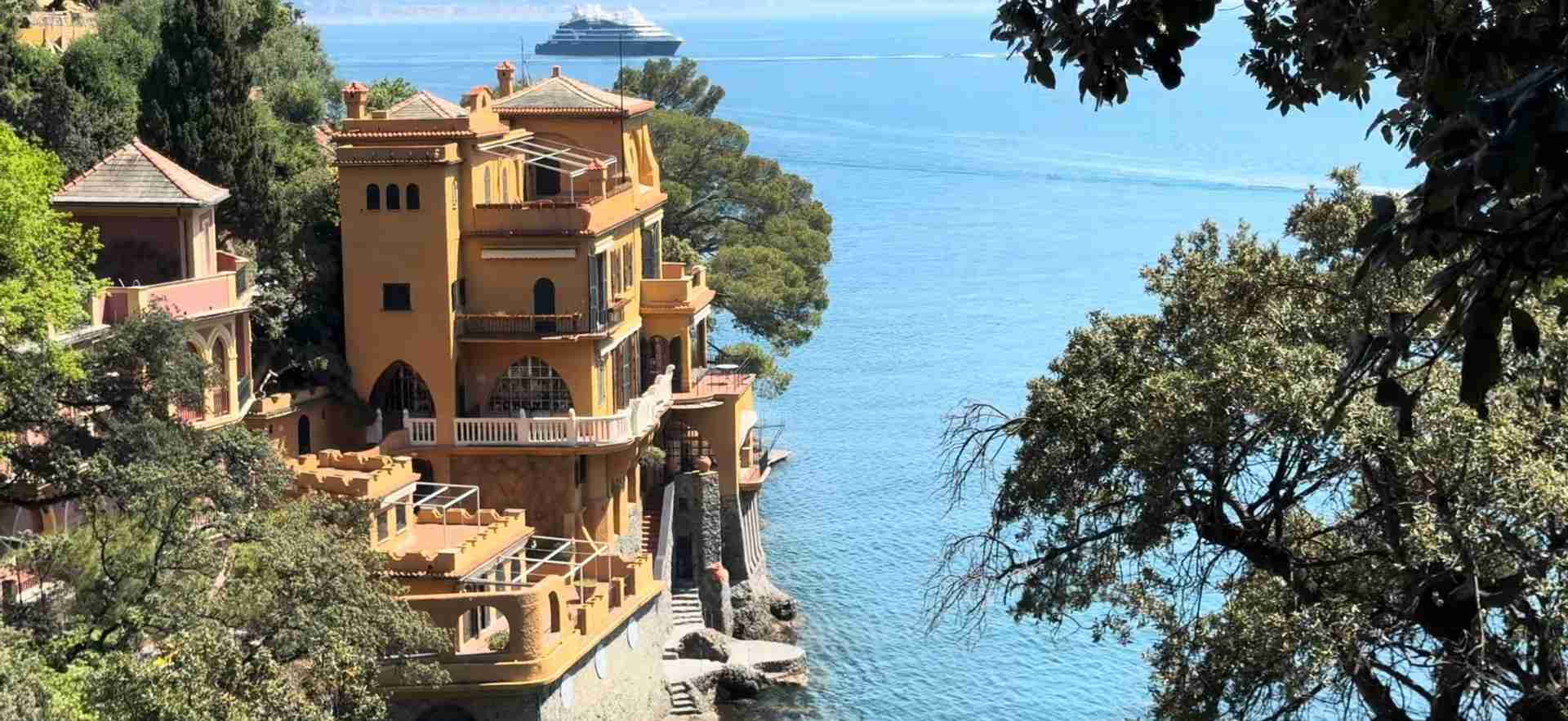
Italian Riviera Travel Guide 2026: Ultimate Planning Resource
The Italian Riviera stretches 350 kilometers along Liguria’s Mediterranean coastline, where pastel-colored fishing villages cling to dramatic cliffs, UNESCO World Heritage sites preserve centuries of maritime culture, and turquoise waters meet mountain terrain. Planning a 2026 visit requires understanding seasonal pricing variations, regional transportation networks, and the distinct character of three coastal zones: Riviera di Ponente west of Genoa, the metropolitan Genoa area, and Riviera di Levante extending east to the Tuscan border.
Key Takeaways About the Italian Riviera in 2026
- UNESCO Heritage Recognition: Three UNESCO World Heritage sites anchor the Italian Riviera: Cinque Terre, Portovenere, and the islands of Palmaria, Tino, and Tinetto (inscribed 1997) form a remarkable cultural landscape, while Genoa’s Strade Nuove and Palazzi dei Rolli (inscribed 2006) showcase Renaissance urban planning. Mount Beigua Natural Park holds UNESCO Global Geopark status since 2015.
- Budget Planning 2026: Daily costs range €80-120 ($85-130) for budget travelers, €140-200 ($150-215) for mid-range visitors, and €280-450+ ($300-485+) for luxury experiences. Accommodation dominates expenses, with summer peak season rates 40-60% higher than shoulder seasons.
- Regional Transportation 2026: Regional trains connect all coastal towns at €5-15 ($5-16) per journey. The Cinque Terre Train Card (€19.50-78.50 / $21-85 depending on season and duration) provides unlimited train travel between Levanto and La Spezia plus hiking trail access from March 14 through November 1, 2026.
- Seasonal Pricing Structure 2026: The Italian Riviera operates three-tier seasonal pricing: Band A (green/low season) for March-April and October-November, Band B (yellow/medium season) for May and September, Band C (red/high season) for June-August. Price differences reach 60-70% between low and high seasons for accommodations and tourist services.
- Climate and Best Visiting Windows 2026: Mediterranean climate delivers 300+ sunny days annually. April-May and September-October offer optimal conditions with temperatures 18-24°C (64-75°F), moderate crowds, and mid-tier pricing. July-August peak season brings temperatures 26-30°C (79-86°F) and maximum crowds. November-March sees temperatures 8-15°C (46-59°F) with many seasonal services closed but dramatically reduced prices.
- Geographic Divisions and Character 2026: Riviera di Ponente (Ventimiglia to Genoa) features sandy beaches, Belle Époque architecture, and proximity to France. Metropolitan Genoa provides urban culture, cruise port access, and Italy’s largest historic center. Riviera di Levante (Genoa to La Spezia) encompasses dramatic coastline, UNESCO heritage sites, and the iconic Cinque Terre villages.
People Also Ask About Italian Riviera 2026
How much does a week on the Italian Riviera cost in 2026?
A week on the Italian Riviera in 2026 costs $600-840 for budget travelers, $1,050-1,400 for mid-range visitors, and $2,100-3,150+ for luxury experiences per person excluding flights. Budget travelers stay in hostels or budget hotels (€50-80 / $55-85 nightly), eat at casual restaurants (€25-40 / $27-43 daily for meals), and use public transportation exclusively. Mid-range travelers book 3-star hotels (€100-150 / $110-160 nightly), dine at mid-range trattorias (€50-70 / $55-75 daily), and mix trains with occasional taxis. Luxury travelers select 4-5 star properties (€200-400+ / $215-430+ nightly), enjoy fine dining experiences (€100-180+ / $110-195+ daily), and utilize private transfers. Peak season (July-August) increases these costs by 50-70%, while shoulder seasons (April-May, September-October) offer 20-30% savings, and winter (November-March) delivers 40-60% reductions with limited services.
What is the best base town for exploring the Italian Riviera in 2026?
Santa Margherita Ligure serves as the optimal base for exploring the Italian Riviera in 2026, offering excellent train connections to both Cinque Terre (45 minutes east) and Genoa (30 minutes west), more affordable accommodation than neighboring Portofino, and authentic Italian character with full-service amenities. La Spezia provides the most economical base with direct access to Cinque Terre villages via regional trains departing every 15-30 minutes, extensive hotel options at €60-120 ($65-130) nightly compared to €120-280+ ($130-300+) in Cinque Terre villages, and supermarkets for self-catering. Genoa suits travelers prioritizing urban culture, cruise port proximity, and exploring the western Riviera, though the gritty port city atmosphere differs dramatically from coastal resort towns. Levanto offers a compromise: direct Cinque Terre train access, sandy beaches, lower prices than the five villages, and a relaxed residential feel. Avoid basing in Cinque Terre villages themselves unless booking 6+ months in advance; extremely limited accommodation, inflated prices, and tourist saturation create challenging conditions during peak season.
Is the Cinque Terre Train Card worth buying in 2026?
The Cinque Terre Train Card proves worth buying in 2026 if you plan three or more train journeys between villages plus hiking the coastal trails in a single day. The one-day Train Card costs €19.50-32.50 ($21-35) depending on seasonal band (Band A green/low, Band B yellow/medium, Band C red/high) and includes unlimited regional train travel between Levanto and La Spezia, access to paid hiking segments (Monterosso-Vernazza and Vernazza-Corniglia), local bus services, free public toilets, and discounts at La Spezia museums. Single train tickets cost €5-10 ($5-11) each depending on season, so the break-even point arrives quickly: three train rides plus one hiking segment in Band A season already exceeds the card cost. Purchase the Trekking Card (€7.50-15 / $8-16) instead if staying within Cinque Terre villages and using trains minimally; it includes hiking trails and bus access without train travel. The card operates March 14 through November 1, 2026; outside these dates, all trails become free and standard regional train tickets apply at approximately €2.70 ($3) per journey year-round.
How many days do you need for the Italian Riviera in 2026?
Five to seven days provides comprehensive Italian Riviera coverage in 2026: two days exploring Cinque Terre villages and coastal hiking trails, one day in Portofino and Santa Margherita Ligure, one day in Genoa’s historic center and Porto Antico, one day discovering Portovenere and the Gulf of Poets, plus one to two days for additional destinations like Camogli, Alassio, or the western Riviera. Three-day minimum itineraries focus exclusively on Cinque Terre with one village per day, though this rushed pace sacrifices regional diversity. Travelers adding Italian Riviera to broader Italy itineraries typically allocate three days (Cinque Terre focus) to five days (adding Portofino/Genoa). Ten-day trips enable deep exploration including lesser-known gems: medieval Finalborgo, Belle Époque Sanremo, fishing village Camogli, and multiple hiking routes beyond the famous coastal trails. The Italian Riviera’s compact geography and excellent train connectivity allow efficient touring; 350 kilometers of coastline connects via regional trains running every 15-30 minutes, enabling visits to 5-7 distinct destinations daily if desired, though this hectic approach undermines the region’s dolce vita character.
Extended multi-day tours – 5+ days
Featured Liguria Multi-Day Tour Packages
8 days
Cinque Terre: Hike, Bike & Kayak
- ✓ Comprehensive Liguria tour
- ✓ Expert local guides included
- ✓ All accommodation arranged
- ✓ Transportation provided
7 days
Cinque Terre : Hiking Self Guided Tour – 7 days from Sestri Levante
- ✓ Comprehensive Liguria tour
- ✓ Expert local guides included
- ✓ All accommodation arranged
- ✓ Transportation provided
3 days
3-Days Florence & Cinque Terre Adventure: Discover the Best of Tuscany and the Italian Riviera
- ✓ Booking needs min. 2 travelers
7 days
Walking in the Cinque Terre and Portofino
- ✓ Comprehensive Liguria tour
- ✓ Expert local guides included
- ✓ All accommodation arranged
- ✓ Transportation provided
Multi-day tour packages powered by TourRadar. Prices and availability subject to change.
Introduction: Understanding the Italian Riviera in 2026
The Italian Riviera, known locally as the Ligurian coast or Riviera Ligure, represents one of Italy’s most distinctive geographic regions where the Alps descend abruptly into the Mediterranean Sea, creating 350 kilometers of dramatic coastline characterized by steep cliffs, hidden coves, and colorful villages that appear to cascade into turquoise waters. This unique geography isolated coastal communities for centuries, preserving traditional culture, architectural styles, and culinary traditions while simultaneously creating the spectacular terraced landscapes recognized today as UNESCO World Heritage sites.
Planning a 2026 visit requires understanding the Italian Riviera’s complex seasonal dynamics, sophisticated three-tier pricing structure, and three distinct geographic zones, each offering different experiences, price points, and tourist infrastructure. The region operates on a highly seasonal tourism model with dramatic variations: summer peak season (June-August) brings maximum prices, crowded conditions, and full service availability; shoulder seasons (April-May, September-October) deliver optimal weather with moderate pricing and manageable crowds; winter months (November-March) offer dramatic discounts with many seasonal businesses closed. The 2026 Cinque Terre National Park has implemented dynamic seasonal pricing (Bands A-B-C) across all services, requiring strategic planning to manage costs effectively.
Geographic orientation proves essential for efficient planning. Riviera di Ponente (Western Riviera) extends from the French border at Ventimiglia eastward to Genoa, encompassing 150 kilometers of coastline with wider sandy beaches, Belle Époque resort towns like Sanremo and Alassio, palm-lined promenades, and strong French cultural influence reflecting centuries of Savoy rule and proximity to the Côte d’Azur. Genoa anchors the region’s center as Italy’s sixth-largest city and largest seaport, offering urban sophistication, Renaissance palaces, medieval alleyways, maritime museums, and Italy’s largest historic center (a UNESCO World Heritage site itself). Riviera di Levante (Eastern Riviera) stretches 120 kilometers from Genoa to the Tuscan border at La Spezia, featuring the region’s most dramatic geography: sheer cliffs, UNESCO World Heritage villages of Cinque Terre, exclusive Portofino peninsula, and the picturesque Gulf of Poets where Lord Byron and Percy Shelley found inspiration in the early 19th century.
Transportation planning shapes the entire Italian Riviera experience. Trenitalia regional trains connect every coastal town with frequent service (every 15-30 minutes along main routes), making the Italian Riviera one of Italy’s most accessible regions for car-free travel. The A10 and A12 autostradas (highways) parallel the coast but prove unnecessary for most visitors given excellent rail service; driving introduces parking challenges, especially in Cinque Terre villages where private vehicles face restrictions and parking costs €25-40 ($27-43) daily. Ferry services operate seasonally (April-October) connecting major coastal towns, offering scenic alternatives to trains while charging €15-35 ($16-38) per journey depending on distance.
Understanding 2026 pricing dynamics enables significant savings while maintaining experience quality. The Italian Riviera operates sophisticated variable pricing across accommodations, attractions, and even train services. Cinque Terre National Park’s 2026 seasonal bands demonstrate this complexity: Band A (green/low demand) applies to most March-April and October-November dates with base prices; Band B (yellow/medium demand) affects May and September with 35-45% price increases; Band C (red/high demand) covers June-August weekends and all July-August with 65-85% premiums over base rates. This pricing structure extends beyond official park services to private businesses: hotels, restaurants, tour operators, and even parking lots adjust rates according to seasonal demand. Strategic travelers booking April-May or September-October visits capture 85-90% of peak season experience (weather, service availability, attraction access) while paying only 60-70% of peak season costs.
Cultural context enriches the Italian Riviera experience beyond scenic beauty. Ligurian identity reflects geography: isolated coastal communities developed distinct traditions, dialect (Ligurian remains widely spoken alongside Italian), and maritime culture shaped by centuries of seafaring, fishing, and trade. Genoa’s medieval maritime republic once rivaled Venice in wealth and power, controlling Mediterranean trade routes and financing Christopher Columbus’s voyages. This maritime heritage persists in local cuisine: Liguria invented pesto alla genovese, focaccia bread, and distinctive seafood preparations featuring anchovies, sardines, and sea bass. The region’s agricultural traditions showcase human adaptation to challenging terrain: thousands of kilometers of dry-stone walls create terraced vineyards producing Vermentino and Rossese wines, while sheltered microclimates enable basil cultivation (Genovese basil holds Protected Designation of Origin status), olive groves, and lemon orchards.
The 2026 Italian Riviera welcomes visitors with fully restored infrastructure following recent challenges. The 2018 Morandi Bridge collapse in Genoa disrupted regional transportation, but the striking new Genoa-San Giorgio Bridge (opened 2020) restored full connectivity while becoming an attraction itself. Severe flooding damaged sections of Cinque Terre coastal trails in 2011, but restoration work completed by 2024 reopened all major segments including the famous Via dell’Amore between Riomaggiore and Manarola. COVID-19 accelerated the Italian Riviera’s digital transformation: online booking systems, digital Cinque Terre Cards, contactless payments, and expanded English-language information services now operate region-wide, simplifying planning for international visitors.
Environmental awareness shapes contemporary Italian Riviera tourism policy. Cinque Terre National Park limits daily visitors during peak season through capacity controls, discourages private vehicles through parking restrictions and premium pricing, and directs tourism revenue toward trail maintenance and environmental protection. Single-use plastics face increasing restrictions across Ligurian coastal towns, while sustainable tourism initiatives encourage longer stays, shoulder season visits, and exploration beyond overcrowded hotspots. These policies benefit strategic travelers: visiting lesser-known destinations like Camogli, Noli, Finalborgo, or Tellaro delivers authentic experiences, lower costs, and enthusiastic local welcome without the crowds and commercialization affecting Cinque Terre during peak season.
Regional Geography and Destinations 2026
Cinque Terre: The Five UNESCO Villages
Cinque Terre encompasses five villages strung along 12 kilometers of Ligurian coastline, inscribed as a UNESCO World Heritage site in 1997 for their remarkable cultural landscape demonstrating centuries of human adaptation to dramatic terrain. The five villages—Monterosso al Mare, Vernazza, Corniglia, Manarola, and Riomaggiore—each possess distinct character despite geographic proximity and shared maritime heritage. Regional trains connect all five villages with 15-minute frequencies during Cinque Terre Express season (March 14-November 1, 2026) and 30-60 minute frequencies during winter months, with journey times between adjacent villages ranging 2-5 minutes.
Monterosso al Mare, the northernmost and largest village, stands alone among the five villages in possessing a proper sandy beach stretching 1.5 kilometers along the waterfront. This geographic anomaly shaped Monterosso’s development: while other villages remained primarily fishing communities, Monterosso evolved into a beach resort attracting Italian tourists since the late 19th century. The village divides into two sections connected by a tunnel: the historic old town preserves medieval character with the Gothic Church of San Giovanni Battista (constructed 1282-1307) featuring distinctive black-and-white striped facade, while the newer Fegina beach district displays Belle Époque hotels, palm-lined promenades, and beach establishments charging €20-35 ($22-38) for umbrella and chair rentals daily. Accommodation costs reflect beach access and relative spaciousness: €120-280 ($130-300) nightly for 3-star hotels, €200-450+ ($215-485+) for upscale properties during peak season, with 40-50% reductions during shoulder seasons.
Vernazza occupies the most photographed position in Cinque Terre, its pastel-colored tower houses clustered around a small harbor that serves as the village’s central piazza—a unique configuration creating the iconic image reproduced across Italian Riviera promotional materials. The 11th-century Castle Doria crowns the promontory above town, requiring a steep 10-minute climb rewarded with panoramic views encompassing all five villages on clear days. The harbor’s small pebble beach fills with swimmers during summer months, while waterfront restaurants command premium prices: €18-28 ($20-30) for pasta dishes, €28-45 ($30-49) for seafood mains, plus €4-6 ($4-7) coperto (cover charges) per person. Vernazza suffered devastating flood damage in October 2011 when a flash flood filled the town with mud and debris, but reconstruction completed by 2013 restored the village while improving flood defenses. Limited accommodation availability drives premium pricing: the few rooms and apartments typically book 6-12 months in advance for July-August dates at €150-350+ ($160-380+) nightly.
Corniglia distinguishes itself as the only Cinque Terre village without direct sea access, perched instead on a 100-meter clifftop requiring either 377 steps (Lardarina staircase) or a shuttle bus connection from the train station below. This vertical separation historically preserved Corniglia as the most agricultural and least touristic village, surrounded by terraced vineyards producing Cinque Terre DOC white wine and the sweet Sciacchetrà dessert wine. Contemporary Corniglia attracts visitors seeking quieter atmosphere and lower prices than waterfront villages: restaurants charge €12-22 ($13-24) for pasta, €20-35 ($22-38) for secondi (main courses), while accommodation averages €80-180 ($85-195) nightly—approximately 30-40% below equivalent Vernazza or Manarola properties. The clifftop position delivers spectacular sunset views across vineyards to the Mediterranean, compensating for the lack of swimming access.
Manarola clusters along steep slopes descending to a small rocky swimming area and boat launch carved from natural rock. The village’s iconic vista—colorful houses stacked vertically above the harbor, framed by terraced vineyards and Mediterranean blue water—graces countless photographs and paintings. The Via dell’Amore (Lovers’ Lane) coastal trail connecting Manarola to Riomaggiore suffered rockfall damage and remained closed 2012-2024, but reopened in 2024 with renovated walkways, viewing platforms, and artistic installations transforming the 1-kilometer path into an open-air gallery. Access requires a Cinque Terre Card plus €10 ($11) Via dell’Amore supplement covering maintenance costs. Manarola’s main street, Via Discovolo, climbs steeply through the village center lined with wine bars, focaccia bakeries, and souvenir shops, while the harbor area concentrates restaurants charging €15-25 ($16-27) for pasta, €25-40 ($27-43) for fish dishes.
Riomaggiore, the southernmost village and official southern gateway to Cinque Terre, cascades down a narrow ravine toward a small harbor flanked by dramatic cliffs. The village’s most photographed view descends Via Colombo, the main street where tall, narrow houses painted in traditional pastel colors create a canyon effect leading to the sea. Riomaggiore’s geographic position makes it the most accessible Cinque Terre village from La Spezia (8 minutes by train), resulting in heavy day-tripper traffic but also the widest range of services and amenities. The harbor area features a small pebble beach and swimming platforms blasted from rock, typically crowded during summer afternoons. Accommodation availability exceeds other villages given Riomaggiore’s relatively larger size (population 1,500 compared to 500-1,000 in other villages), with pricing ranging €100-220 ($110-240) nightly for standard apartments to €180-380+ ($195-410+) for premium properties with sea views during peak season.
Portofino and Santa Margherita Ligure
The Portofino peninsula encompasses a 4-square-kilometer promontory jutting into the Mediterranean 30 kilometers southeast of Genoa, creating one of Italy’s most exclusive enclaves where yacht-filled harbors, celebrity sightings, and luxury boutiques coexist with hiking trails, marine protected areas, and fishing village authenticity. The peninsula contains three primary communities—exclusive Portofino village, accessible Santa Margherita Ligure, and fishing village Camogli—plus numerous hamlets, beaches, and scenic overlooks connected by trails and limited road access.
Portofino village represents Italian luxury concentrated into a tiny harbor surrounded by pastel-colored buildings where multimillion-euro yachts dock alongside fishing boats that still depart daily for traditional catches. The village’s 400 permanent residents swell to thousands of day-trippers during summer months, creating a paradox: Portofino simultaneously offers authenticity (working harbor, local seafood, medieval architecture) and artifice (€40 / $43 cocktails, €200 / $215 tasting menus, luxury boutiques). The harborfront Piazzetta serves as Portofino’s social center, ringed by expensive cafes where €8-12 ($9-13) cappuccinos purchase prime people-watching position. The 10-minute uphill walk to Castello Brown (€6 / $7 entrance) delivers panoramic views justifying the modest entrance fee. Portofino’s extreme accommodation costs—€400-1,200+ ($430-1,290+) nightly for hotel rooms, €800-3,000+ ($860-3,225+) for villa rentals—make overnight stays impractical for most visitors; day-tripping from Santa Margherita Ligure (15-minute bus, €3 / $3 one-way) or arriving via ferry (€15-22 / $16-24 from various ports) proves more economical.
Santa Margherita Ligure functions as Portofino’s accessible alternative, offering palm-lined promenades, Belle Époque architecture, proper beaches, and full-service infrastructure at 40-60% of Portofino prices. The town’s 9,000 residents maintain authentic Italian character despite robust tourism sector; local families still lunch at neighborhood trattorias charging €12-18 ($13-20) for pasta, €22-35 ($24-38) for fish dishes—reasonable by Italian Riviera standards. The waterfront Lungomare Marconi stretches 2 kilometers connecting marina, beaches, and seaside restaurants with dedicated pedestrian and bicycle paths, creating a pleasant afternoon stroll. Santa Margherita’s accommodation ranges from €80-140 ($85-150) for budget 2-star hotels to €180-350 ($195-380) for upscale 4-star properties during peak season, with excellent train connections to Genoa (30 minutes), Cinque Terre (45 minutes), and bus service to Portofino (15 minutes) making it an ideal base for exploring the central Italian Riviera.
Camogli, positioned on the opposite side of the Portofino promontory facing northwest, preserves authentic fishing village character with tall, brightly painted houses lining a pebble beach where traditional wooden boats still haul daily catches. The town’s name reportedly derives from “Casa delle Mogli” (House of the Wives), referencing the women who maintained homes while husbands spent months at sea during Camogli’s maritime golden age. Contemporary Camogli attracts Italian tourists seeking quieter atmosphere and lower prices than the Portofino peninsula’s more famous destinations: restaurants charge €10-16 ($11-17) for pasta, €18-30 ($20-32) for secondi, while accommodation ranges €70-150 ($75-160) nightly—approximately 30-40% below equivalent Santa Margherita properties. The clifftop Basilica di Santa Maria Assunta dominates Camogli’s skyline, while the Castello della Dragonara fortress-turned-aquarium occupies a rocky promontory extending into the sea.
Genoa: Maritime Capital and Historic Center
Genoa sprawls across 240 square kilometers as Liguria’s regional capital and Italy’s sixth-largest city, containing 583,000 residents within a metropolitan area of nearly 1 million. The city functioned as an independent maritime republic from the 11th to 18th centuries, accumulating wealth through Mediterranean trade and banking that financed Christopher Columbus’s voyages, constructed lavish Renaissance palaces, and established colonies from the Black Sea to North Africa. This historical significance concentrates in Genoa’s centro storico (historic center), Europe’s largest medieval quarter encompassing 113 hectares of narrow alleyways (caruggi), Renaissance palaces, medieval towers, and Romanesque churches recognized collectively as a UNESCO World Heritage site since 2006.
The Strade Nuove (New Streets) and Palazzi dei Rolli constitute Genoa’s UNESCO-inscribed core, demonstrating innovative 16th-century urban planning where wealthy merchant families constructed magnificent palaces along three parallel streets—Via Garibaldi, Via Cairoli, and Via Balbi—creating a cohesive aristocratic quarter. The Rolli system listed 114 palaces available to host state visits according to elaborate protocol determining which palace suited visiting dignitaries based on rank and political importance. Contemporary visitors access many palaces converted to museums: Palazzo Rosso, Palazzo Bianco, and Palazzo Tursi along Via Garibaldi contain art collections featuring works by Caravaggio, Veronese, and Van Dyck with combined admission €10 ($11), while Palazzo Reale on Via Balbi showcases royal apartments and frescoed galleries at €8 ($9) entrance.
Porto Antico (Old Port) has transformed from decaying industrial waterfront into Genoa’s premier attraction zone following €150 million renovation designed by Genoese architect Renzo Piano for the 1992 Columbus Quincentenary celebrations. The complex encompasses Europe’s second-largest aquarium (Acquario di Genova) showcasing 12,000 animals across 70 exhibits at €29 ($31) adult admission; the Galata Museo del Mare maritime museum exploring Genoa’s seafaring history at €13 ($14) entrance; the Bigo panoramic lift ascending 40 meters for harbor views at €6 ($7); plus numerous restaurants, shops, and the Città dei Bambini children’s science museum. Dining at Porto Antico runs €15-25 ($16-27) for casual meals to €35-60+ ($38-65+) for waterfront restaurants serving fresh seafood—tourist-oriented pricing approximately 30% above neighborhood trattoria rates.
Genoa’s accommodation offers the Italian Riviera’s best value given abundant supply: budget hotels start €50-80 ($55-85) nightly, 3-star properties range €80-140 ($85-150), upscale 4-star hotels charge €150-280 ($160-300), while luxury 5-star options reach €250-500+ ($270-540+) during peak season. The city’s gritty, authentic character divides opinions: some travelers embrace Genoa’s working-class neighborhoods, crumbling grandeur, and lack of polish as refreshing alternatives to sanitized tourist zones, while others find the graffiti, urban decay, and occasional seediness off-putting compared to pristine coastal villages. Central districts (Centro Storico, Porto Antico, Carignano) remain safe with standard urban precautions; peripheral neighborhoods merit more caution after dark. Genoa’s position as a cruise ship port introduces periodic crowds when 2-3 ships dock simultaneously, but these groups concentrate around Porto Antico and depart by late afternoon.
Portovenere and the Gulf of Poets
Portovenere occupies the western promontory guarding La Spezia Gulf entrance, its multicolored tower houses rising above rocky shoreline where the 12th-century Church of San Pietro perches on a clifftop above crashing waves. The village formed the third component of Cinque Terre’s UNESCO World Heritage inscription in 1997 alongside the islands of Palmaria, Tino, and Tinetto—though Portovenere’s separate geographic position 15 kilometers south of the five villages creates confusion; it shares UNESCO recognition but not Cinque Terre National Park jurisdiction. Medieval defensive walls still encircle Portovenere’s historic center, while the imposing Doria Castle crowns the hilltop above town requiring a 15-minute uphill walk rewarded with views encompassing the entire Gulf of Poets.
The Gulf of Poets (Golfo dei Poeti) gained its romantic name from 19th-century British Romantic poets who settled along its shores: Lord Byron swam across the bay from Portovenere to San Terenzo, Percy Shelley lived in San Terenzo before drowning in a storm off Viareggio in 1822, and D.H. Lawrence wrote while residing in Lerici during 1913-1914. Contemporary visitors explore the gulf’s eastern shore via the scenic coastal road connecting Portovenere through Le Grazie to Lerici, passing rocky coves, swimming beaches, and small harbors along the 12-kilometer route. Lerici preserves a well-maintained historic center dominated by a medieval castle converted to a museum at €5 ($5) entrance, while the long seafront promenade lined with beach establishments (umbrella and chair €20-35 / $22-38 daily) and casual restaurants attracts Italian beach tourism during summer months.
The islands of Palmaria, Tino, and Tinetto complete the UNESCO-inscribed site. Palmaria, the largest at 1.6 square kilometers, remains largely undeveloped with hiking trails, rocky swimming coves, and a small summer restaurant accessible via frequent ferry service from Portovenere (€5-8 / $5-9 round-trip, 5-minute crossing). Tino and Tinetto require special permission to visit due to active Italian Navy installations and protected archaeological sites including medieval monastic ruins. Byron’s Grotto, a sea cave at Portovenere’s southern tip, marks the legendary spot where Byron supposedly began his famous swimming feat across the gulf; the cave allows swimming access during calm seas via a short walk from Portovenere’s Church of San Pietro.
Western Riviera: Sanremo to Alassio
The Riviera di Ponente (Western Riviera) extends 150 kilometers from the French border at Ventimiglia eastward to Genoa, characterized by wider sandy beaches, gentler coastline, Belle Époque resort architecture, and distinct Franco-Italian cultural fusion reflecting centuries of Savoy rule and proximity to Monaco and the Côte d’Azur. This region attracts different tourism demographics than the rocky eastern coast: northern European retirees seeking winter sun, French weekenders crossing the border, cycling enthusiasts riding coastal routes, and Italian families preferring sandy beaches over Cinque Terre’s rocky swimming platforms.
Sanremo functions as the Western Riviera’s de facto capital, a city of 55,000 residents known for four distinctive attractions: the annual Festival della Canzone Italiana (Italian Song Festival) held each February showcasing Italian pop music; the Belle Époque Casino di Sanremo overlooking the sea (€8-10 / $9-11 entrance, jacket required for evening gaming rooms); the Mercato Annonario covered market showcasing Ligurian produce and specialty foods; and the palm-lined Corso Imperatrice promenade stretching 2 kilometers along the waterfront. Sanremo’s historic La Pigna (Pine Cone) district preserves medieval character with steep alleyways climbing the hillside above modern town, offering evening atmosphere in neighborhood wine bars and trattorias charging €10-18 ($11-20) for pasta, €18-32 ($20-35) for mains—approximately 20-30% below equivalent coastal resort prices. Accommodation ranges €60-120 ($65-130) for budget/mid-range hotels to €150-300+ ($160-325+) for upscale beachfront properties during peak season.
Alassio draws Italian beach tourism to its 3-kilometer sandy beach—a rarity along the predominantly rocky Ligurian coast—backed by a pedestrianized town center where the “Muretto di Alassio” (Little Wall) displays ceramic tiles signed by celebrities visiting since the 1950s including Ernest Hemingway, Sophia Loren, and various Italian cultural figures. The beach operates under Italian stabilimento (beach club) model: most shoreline sections belong to private concessions charging €20-40 ($22-43) daily for umbrella, two chairs, and changing facilities, while small spiaggia libera (free beach) sections allow independent beach access. Alassio’s dining prices reflect beach resort economics: waterfront restaurants charge €15-25 ($16-27) for pasta, €25-45 ($27-49) for seafood mains, while inland streets offer more economical options at €12-18 ($13-20) for primi, €20-35 ($22-38) for secondi.
Ventimiglia occupies the Italian-French border position where the Roia River meets the Mediterranean, creating a bicultural frontier town where Italian and French languages coexist, euro currency circulates naturally, and Friday’s massive outdoor market attracts cross-border shoppers seeking Italian produce, clothing, and household goods at lower prices than French Riviera equivalents. Ventimiglia Alta (Old Ventimiglia) preserves medieval atmosphere with the 11th-century Cathedral of Santa Maria Assunta, crumbling defensive walls, and narrow streets offering views across the river valley toward French hills. Ventimiglia’s practical advantages include lowest accommodation costs on the Italian Riviera (€45-90 / $50-100 nightly for budget hotels, €80-150 / $85-160 for 3-star properties) and convenient French Riviera access: trains reach Monaco in 30 minutes (€4-8 / $4-9), Nice in 50 minutes (€10-16 / $11-17), and Menton in 10 minutes (€3-5 / $3-5).
Transportation Guide for the Italian Riviera 2026
The Italian Riviera’s compact geography and excellent public transportation infrastructure make it one of Italy’s most accessible regions for car-free travel. Regional trains connect every coastal town with frequent service, while ferries provide scenic alternatives, and buses serve interior villages and hillside destinations beyond the rail network. Strategic transportation planning significantly impacts both costs and experience quality: train-based travel delivers freedom, flexibility, and economy, while private vehicles introduce parking nightmares, restricted access zones, and unnecessary expenses in a region where trains reach everywhere visitors want to go.
Regional Train Network and Cinque Terre Express 2026
Trenitalia operates comprehensive regional train service along the entire Italian Riviera via two main lines: the Genoa-Ventimiglia line serves the Western Riviera with trains every 30-60 minutes, while the Genoa-Pisa line connects the Eastern Riviera including Cinque Terre with service every 15-30 minutes during peak periods. These regional trains stop at every coastal station, creating a practical hop-on/hop-off system where journey times between adjacent towns typically range 5-15 minutes and costs remain modest: €2.70-5 ($3-5) for short journeys under 30 kilometers, €8-15 ($9-16) for longer routes like Genoa to La Spezia (1 hour 15 minutes).
The Cinque Terre Express operates as a branded regional service running between Levanto and La Spezia with stops at all five Cinque Terre villages from March 14 through November 1, 2026. Despite the special branding, these remain standard regional trains requiring either regular Trenitalia tickets or Cinque Terre Train Cards. Single journey tickets between Cinque Terre stations cost €5-10 ($5-11) for adults and €2.50-5 ($3-5) for children aged 4-11 depending on seasonal pricing bands. Band A (green/low demand) applies to most March-April and October-November dates at base prices; Band B (yellow/medium demand) affects May and September with approximately 60% increases; Band C (red/high demand) covers June-August weekends and all July-August with 100% premiums doubling base fares.
The Cinque Terre Train Card provides unlimited second-class regional train travel between Levanto and La Spezia plus all park services (hiking trails, buses, discounts) in a combined pass. The 2026 pricing structure features three validity periods (1-day, 2-day, 3-day) across three seasonal bands: One-day Train Cards cost €19.50 ($21) Band A, €27 ($29) Band B, €32.50 ($35) Band C for adults, with reduced rates for children 4-11 (€12.50-21 / $13-23) and family tickets for two adults plus two children (€49-82.50 / $53-89). Two-day cards range €34-59 ($37-64) for adults, while three-day cards span €46.50-78.50 ($50-85). The card proves economical for anyone making three or more train journeys plus hiking the coastal trails in a single day; at Band C high season rates where single tickets cost €10 ($11), three train rides (€30 / $32) plus trail access already exceeds the €32.50 ($35) one-day card cost.
Practical train travel considerations enhance efficiency. All Trenitalia regional trains operate on a validate-before-boarding system: purchase tickets from machines at stations (credit cards accepted, English language option available) or Trenitalia app, then validate in green or yellow validation machines on platforms before boarding. Unvalidated tickets incur €50+ fines even if purchased. Cinque Terre Train Cards must be validated only once on first use, then remain valid for the purchased duration; write your name on the card as inspectors verify identity against card holder. Regional trains lack reserved seating; board any car and take available seats operating on first-come basis. During peak summer months, trains arriving at Cinque Terre villages around 10 AM-noon often fill to capacity requiring standing; strategic travelers catch earlier morning trains (before 9 AM) or afternoon trains (after 2 PM) finding guaranteed seats.
Luggage storage solves a common travel challenge. Major stations (Genoa Piazza Principe, Genoa Brignole, La Spezia Centrale, Ventimiglia) operate deposito bagagli (luggage storage) services at €6-8 ($7-9) per bag for 5 hours, €1-2 ($1-2) each additional hour. Cinque Terre villages lack official luggage storage; private businesses near train stations offer unofficial storage at €5-10 ($5-11) per bag daily. Many hotels and B&Bs store luggage before check-in or after checkout at no charge for guests, enabling day trips without hauling suitcases between destinations.
Ferry Services and Coastal Navigation 2026
Ferry services operate seasonally along the Italian Riviera connecting major coastal destinations via scenic maritime routes offering different perspectives than train travel, though at higher costs and less frequent schedules. The main ferry operators—Consorzio Marittimo Turistico 5 Terre, Golfo Paradiso, and local companies—run services April through October, with peak frequency June-September when boats depart hourly or every 2 hours depending on route. Winter months (November-March) see drastically reduced service or complete suspension on most routes.
The Cinque Terre-Portovenere ferry circuit represents the most popular maritime route, connecting all five Cinque Terre villages, Portovenere, and La Spezia throughout the summer season. Round-trip tickets cost €35 ($38) for adults allowing unlimited same-day travel along the entire route, while one-way tickets between adjacent villages run €7-10 ($8-11). The complete circuit requires approximately 90 minutes with stops at each village, enabling scenic day trips that combine ferry outbound and train return or vice versa. Ferry schedules coordinate loosely with afternoon train times to La Spezia, though weather cancellations occur regularly when seas exceed safe operating conditions; afternoon winds frequently force cancellations of 3 PM and later departures.
The Portofino peninsula ferry connects Santa Margherita Ligure, Portofino, and San Fruttuoso abbey, offering the most efficient Portofino access avoiding the narrow, traffic-clogged coastal road. Tickets cost €15-22 ($16-24) round-trip depending on distance, with boats departing every 30-60 minutes during summer months. The 20-minute Santa Margherita to Portofino journey delivers panoramic coastal views while avoiding the €3 ($3) bus plus inevitable Portofino parking challenges (when parking exists at all; the village’s tiny lot fills by 10 AM daily). The San Fruttuoso connection reaches the remote abbey accessible only by foot or boat, creating a popular hiking route: ferry to San Fruttuoso (35 minutes from Santa Margherita), hike to Portofino (2.5 hours), return via ferry or bus to Santa Margherita.
Western Riviera ferries connect major resort towns from Genoa to Sanremo with less frequency than eastern routes; services operate primarily Friday-Sunday and Italian holidays May-September. The Genoa to Camogli route provides scenic access to Camogli’s harbor, eliminating the otherwise circuitous train journey through Genoa’s suburban stations. Alassio and Sanremo operate seasonal beach-shuttle services connecting central beaches to outlying coves accessible only by sea, though these cater primarily to local tourism rather than international visitors.
Bus Networks and Local Transportation 2026
Local bus services complement train networks by reaching interior villages, hillside destinations, and areas beyond railway lines. ATP (Azienda Trasporti Provinciali) operates bus networks throughout Liguria with extensive coverage but limited frequencies in rural areas; most routes run hourly or every 2 hours, with reduced weekend service and minimal evening/Sunday operations. Single journey tickets cost €1.50-3 ($2-3) purchased from tabacchi (tobacco shops marked with “T” signs), bars, or increasingly via contactless tap payment on board newer buses.
The Portofino bus (#82) connects Santa Margherita Ligure to Portofino village every 15 minutes during summer months (every 30-60 minutes off-season) covering the 5-kilometer route in 20 minutes at €3 ($3) per journey. This service represents the most practical Portofino access method for budget travelers; the alternative coastal walk requires 90 minutes following a moderately difficult path, while taxis charge €20-30 ($22-32) one-way. Parking in Portofino itself remains virtually impossible with only 40 public spaces charging €5 ($5) per hour with 4-hour maximum stays.
Cinque Terre National Park operates internal ATC bus services connecting villages to high viewpoints, trail heads, and sanctuary churches scattered across hillsides above coastal towns. These small buses navigate impossibly narrow roads following routes unchanged for centuries; the Monterosso to Santuario di Soviore route climbs 450 meters elevation via hairpin turns barely wider than the bus itself. Bus access comes included with Cinque Terre Cards (both Trekking and Train Card versions); without the card, tickets cost €2.50 ($3) per journey purchased from drivers.
Genoa operates comprehensive AMT urban bus and metro network covering the sprawling city. The metro line connects the two main train stations (Brignole and Principe) via the city center in 6 minutes for €1.50 ($2) per journey. Urban buses reach outlying districts, though most tourist attractions concentrate within the walkable centro storico eliminating bus necessity. The Navebus harbour ferry crosses Porto Antico connecting Calata Zingari to the Aquarium area every 15 minutes at €1 ($1) per crossing or free with AMT day passes (€4.50 / $5 for 24-hour unlimited travel across all urban transport).
Driving and Car Rental Considerations 2026
Driving on the Italian Riviera introduces significantly more challenges than advantages given excellent public transportation, narrow coastal roads, expensive parking, limited access zones, and the reality that virtually every destination of interest sits adjacent to a train station. Rental cars serve specific purposes—exploring interior Ligurian valleys, accessing hillside villages with minimal bus service, or self-catering in rural properties—but prove counterproductive for standard Italian Riviera tourism focused on coastal towns and Cinque Terre exploration.
Rental costs for 2026 start €40-70 ($43-75) daily for compact cars from major agencies (Hertz, Europcar, Maggiore) at Genoa Airport or city locations, increasing to €60-100+ ($65-110+) for mid-size vehicles during peak summer months. Weekly rentals offer better value at €250-450 ($270-485) depending on vehicle category and season. Italian law requires International Driving Permits for non-EU visitors (obtain before departure; Italian rental agencies verify IDP alongside home license). Insurance represents the largest cost variable: basic CDW (Collision Damage Waiver) comes included in most rentals with €1,000-2,000 deductibles, while zero-deductible coverage adds €15-25 ($16-27) daily.
Parking challenges dominate Italian Riviera driving logistics. Cinque Terre villages severely restrict private vehicle access: Monterosso and Riomaggiore permit limited entry to parking lots charging €25-40 ($27-43) daily (often full by 9-10 AM), while Vernazza, Corniglia, and Manarola ban private vehicles entirely. La Spezia’s designated Cinque Terre parking facilities charge €25 ($27) daily with free shuttle buses to the train station; this arrangement proves more economical than attempting to park in villages themselves. Portofino allows 40 public parking spaces charging €5 ($5) per hour with 4-hour maximums; the village lot fills by 9 AM daily with waiting lists developing. Santa Margherita Ligure offers metered street parking at €2-3 ($2-3) per hour or parking garages at €18-28 ($20-30) for 24 hours.
The coastal road (SS1 Aurelia) parallels the railway along the entire Italian Riviera, winding through tunnels, around hairpin curves, and through town centers where speeds rarely exceed 40 km/h. The Genoa-La Spezia section requires 2-2.5 hours compared to 75 minutes via train, while the narrow road forces single-lane conditions in numerous sections with passing impossible. Interior routes accessing hillside villages feature even more dramatic conditions: roads barely wide enough for single vehicles with regular reversing required when encountering oncoming traffic, precipitous drops without guardrails, and medieval town centers designed for donkey carts not automobiles.
Limited Traffic Zones (ZTL – Zona a Traffico Limitato) operate in historic centers of Genoa, Sanremo, and other cities, restricting vehicle access to residents and authorized vehicles. Electronic cameras photograph license plates automatically issuing fines (€80-200 / $85-215) mailed to rental agencies who add processing fees (€25-50 / $27-54) and charge credit cards on file. ZTL boundaries often lack clear signage; rental agencies provide maps showing restricted zones, though GPS systems may not reliably indicate ZTL areas. Hotel guests receive temporary ZTL access permits; provide your license plate number at check-in for the hotel to register with municipal authorities.
Accommodation Options and Booking Strategies 2026
Italian Riviera accommodation ranges from €30 ($32) hostel dormitories to €1,000+ ($1,075+) nightly luxury suites, with costs varying dramatically by location, season, property category, and booking timing. Understanding the region’s accommodation landscape, seasonal pricing dynamics, and strategic booking windows enables significant savings while securing preferred properties and locations. The 2026 Italian Riviera operates sophisticated dynamic pricing where the same room might cost €80 ($85) in November, €140 ($150) in May, and €240 ($260) in August—understanding these patterns shapes budgets and travel timing decisions.
Accommodation Categories and Price Ranges 2026
Budget accommodations (€30-80 / $32-85 per night) encompass hostel dormitories, budget hotels, basic B&Bs, and simple affittacamere (private room rentals). Hostel dormitories in La Spezia, Genoa, and occasionally larger Cinque Terre villages charge €25-45 ($27-49) per bed including breakfast, with 4-12 bed rooms, shared bathrooms, communal kitchens, and social atmospheres attracting younger travelers and backpackers. Budget hotels and 1-2 star properties cluster in secondary locations slightly removed from prime waterfront positions, offering private rooms with ensuite bathrooms at €50-90 ($55-100) nightly during shoulder seasons, rising to €80-140 ($85-150) during peak summer months. Basic B&Bs and affittacamere operate from private homes with 2-5 guest rooms, personal hospitality, generous breakfasts featuring homemade cakes and local specialties, though limited English and cash-only payment requirements apply at some properties.
Mid-range accommodations (€100-200 / $110-215 per night) include 3-star hotels, quality B&Bs, apartment rentals, and agriturismo farm stays. Three-star hotels deliver reliable comfort with air conditioning, private bathrooms, continental breakfast, and English-speaking staff at €100-180 ($110-195) for standard rooms during shoulder seasons, increasing to €150-280 ($160-300) during peak summer months. Location significantly impacts rates within this category: a 3-star hotel 10 minutes from Cinque Terre train stations costs 40-50% less than equivalent properties directly overlooking village harbors. Apartment rentals serve groups and families seeking self-catering options, with 2-bedroom apartments typically priced €120-250 ($130-270) nightly depending on location and season. Agriturismo properties scattered through Ligurian hills offer authentic experiences with home-cooked dinners featuring farm products, swimming pools, and rural tranquility at €80-160 ($85-175) for rooms, €140-280 ($150-300) for apartments.
Upscale accommodations (€200-400 / $215-430 per night) encompass 4-star hotels, boutique properties, and premium apartments in prime locations. Four-star hotels provide refined comfort with superior locations (harbor views, beachfront positions, historic palazzos), quality restaurants, wellness facilities, and attentive service at €180-320 ($195-345) for standard rooms during shoulder seasons, escalating to €280-500+ ($300-540+) during peak summer months and special events. Boutique hotels in converted historic properties, villas, and monasteries deliver distinctive character with limited room counts (10-25 rooms), design-forward aesthetics, and personalized service at similar or slightly premium pricing compared to conventional 4-star properties.
Luxury accommodations (€400-1,200+ / $430-1,290+ per night) include 5-star hotels, luxury resorts, and exclusive villas. Five-star hotels in Portofino, Santa Margherita Ligure, and premium Cinque Terre positions offer marble bathrooms, private beach access, Michelin-level dining, spa facilities, and impeccable service at €350-800 ($380-860) for standard rooms, €600-1,500+ ($645-1,615+) for suites during peak season. Historic grand hotels like Portofino’s Splendido (seasonal rates €800-2,500+ / $860-2,690+ nightly) represent Italian luxury heritage with century-old service traditions, celebrity guest histories, and position as status symbols beyond mere accommodation.
Regional Accommodation Dynamics 2026
Cinque Terre villages face severe accommodation supply constraints with total capacity across all five villages estimated at fewer than 1,000 beds nightly. This limited supply creates booking challenges during peak season when advance reservations of 6-12 months prove necessary for July-August dates, prices reach maximum levels, and minimum stay requirements (2-4 nights) apply widely. Monterosso offers the most accommodation options given its larger size and beach resort character, while Vernazza’s limited capacity (fewer than 100 beds total) creates the most difficult booking situation. Many Cinque Terre properties operate only April-October, closing during winter months when tourism drops dramatically. Strategic travelers base in La Spezia (10-minute train to Riomaggiore) or Levanto (5-minute train to Monterosso) where abundant accommodation, lower costs, and flexible booking create superior options for multi-day Cinque Terre exploration.
Santa Margherita Ligure and the Portofino peninsula offer more balanced supply-demand dynamics with hundreds of accommodation options across all categories. Santa Margherita functions as the region’s accommodation hub with excellent availability even during peak season, though desirable properties (harbor views, luxury hotels) still require advance booking of 2-4 months for summer dates. Portofino village itself contains only a handful of extremely expensive hotels (€400-1,200+ / $430-1,290+ nightly); virtually all budget and mid-range travelers base in Santa Margherita or Camogli, visiting Portofino via short bus or ferry rides.
Genoa provides the Italian Riviera’s most abundant and affordable accommodation with hundreds of hotels across all categories, year-round availability, and prices 30-50% below equivalent coastal properties. Business travel and cruise ship visitors create mid-week demand (Tuesday-Thursday) when rates sometimes exceed weekend prices—unusual for leisure destinations. The centro storico (historic center) offers atmospheric lodging in Renaissance palazzos at €80-180 ($85-195) for 3-star properties, €150-300 ($160-325) for 4-star hotels, though some travelers find the gritty urban environment less appealing than pristine coastal villages. The Genoa port area (Porto Antico, Ponte dei Mille) delivers contemporary hotels at premium prices, while residential neighborhoods (Carignano, Castelletto, Albaro) provide value-oriented options requiring public transportation to reach the center.
Western Riviera resort towns (Sanremo, Alassio, Finale Ligure) maintain large accommodation inventories catering to northern European and French tourism, creating different booking dynamics than the eastern coast. These destinations rarely sell out completely even during peak season given abundant supply, though prime beachfront properties and upscale hotels still warrant advance booking. Prices remain 20-40% below Cinque Terre equivalents for comparable quality and location, making the Western Riviera attractive for budget-conscious travelers willing to sacrifice the eastern coast’s dramatic scenery for better value sandy beaches.
Seasonal Booking Windows and Pricing Patterns 2026
The 2026 Italian Riviera accommodation market operates sophisticated dynamic pricing with rates fluctuating based on season, day of week, local events, and booking timing. Understanding these patterns enables strategic booking decisions that significantly impact total trip costs. Peak season (late June-August) generates maximum rates, shoulder seasons (April-May, September-October) offer moderate pricing with excellent weather, and winter months (November-March) deliver dramatic discounts though many properties close.
Booking windows significantly impact availability and pricing. Prime July-August dates at desirable Cinque Terre properties book 6-12 months in advance, particularly for August 15 (Ferragosto national holiday) when Italian domestic tourism peaks. Booking in January-February for August travel captures widest selection before properties sell out, though prices remain high given known demand. Shoulder season dates (April-May, September-October) become available 2-4 months in advance with more flexible pricing; booking 60-90 days out balances selection and value. Last-minute availability (within 2 weeks of arrival) sometimes delivers discounted rates when properties reduce prices to fill unsold inventory, though this strategy risks limited selection and forces flexibility on accommodation type and location.
Cancellation policies vary significantly impacting booking strategy. Many budget properties and small B&Bs require full advance payment with no cancellation rights, making these higher-risk bookings unsuitable for uncertain plans. Mid-range hotels typically allow free cancellation until 1-7 days before arrival, providing reasonable flexibility. Upscale properties increasingly charge deposits (20-50% of total cost) at booking with partial refunds for cancellations 14-30 days out, while peak season bookings may involve full advance payment with no refund options. Book.com, Booking.com and similar platforms display specific cancellation terms before payment; review carefully as “free cancellation” often means “free cancellation until X date” not “free cancellation anytime.”
Alternative Accommodation Options 2026
Agriturismo farm stays represent a distinctive Italian accommodation category requiring overnight guests spend at least one night on working agricultural properties. Liguria’s hillside position creates numerous agriturismo options offering olive oil production, wine-making, vegetable gardens, and livestock farming combined with guest accommodations. Rates range €60-120 ($65-130) per room including breakfast, with half-board dinner options adding €25-40 ($27-43) per person. Agriturismo locations typically require rental cars or taxi access given rural positions beyond public transportation networks, though some properties offer shuttle services to nearby train stations. The authentic experience, personal hospitality, and spectacular hilltop views compensate for location inconvenience when combining agriturismo stays with coastal hotel nights.
Monastery and religious property accommodations offer unique lodging in former convents, monasteries, and church-affiliated properties where orders operate guest services. These properties maintain quiet atmospheres, modest pricing (€50-100 / $55-110 per room), and sometimes restrictions (curfews, meal times, same-sex dorm rooms). Notable examples include Genoa’s Ostello di Genova operating from a former Carmelite monastery and various abbey-affiliated properties scattered through Ligurian valleys. Religious affiliation imposes no participation requirements; these function as conventional accommodations welcoming all guests regardless of faith tradition.
Long-term rentals (weekly/monthly) unlock better value for extended stays while supporting sustainable tourism by encouraging slower travel. Weekly apartment rentals cost approximately 6 nights’ rate for 7 nights, while monthly rentals deliver 50-60% discounts compared to nightly rates. La Spezia, Santa Margherita Ligure, and Genoa offer extensive monthly rental markets catering to digital nomads, retirees, and remote workers with furnished apartments ranging €600-1,500 ($645-1,615) monthly depending on size and location. These arrangements enable authentic neighborhood immersion, local market shopping, and sustainable low-impact tourism contrasting with extractive day-tripper models straining Cinque Terre infrastructure.
Dining and Culinary Experiences 2026
Ligurian cuisine reflects the region’s geography: limited agricultural land created innovative use of available ingredients, maritime traditions emphasize fresh seafood, and historical trade connections introduced herbs, spices, and techniques from across the Mediterranean. The result encompasses distinctive dishes recognized throughout Italy while remaining surprisingly underappreciated internationally compared to Tuscan or Neapolitan cuisines. Understanding Ligurian culinary traditions, restaurant categories, pricing patterns, and strategic dining timing enhances both experience quality and budget management across the Italian Riviera.
Essential Ligurian Dishes and Ingredients 2026
Pesto alla genovese originated in Liguria as the archetypal Ligurian creation: fresh basil (Genovese basil holds Protected Designation of Origin status), pine nuts, Parmigiano-Reggiano and Pecorino Romano cheeses, garlic, extra virgin olive oil, and salt pounded in a marble mortar creating the bright green sauce now recognized globally. Authentic Ligurian pesto differs from international versions in its exclusive use of small-leaf Genovese basil cultivated in specific microclimates (Prà district west of Genoa produces the most prized varieties), raw garlic providing sharp bite, and specific cheese proportions. Restaurants serve pesto with trenette or trofie pasta shapes designed to capture the sauce, or spread on focaccia bread. Prices range €12-18 ($13-20) for pasta with pesto at casual trattorias, €18-28 ($20-30) at upscale restaurants, with minimal quality correlation to price—excellent pesto appears as readily at simple neighborhood spots as refined establishments.
Focaccia bread represents Liguria’s gift to Italian baking: flat bread made with high-quality olive oil, salt, and often topped with olive oil and coarse salt (focaccia di Recco adds crescenza cheese between two thin layers creating the distinctive focaccia col formaggio). Bakeries sell focaccia by weight at €2-4 ($2-4) per etto (100 grams), creating inexpensive snacks or light meals. Regional variations include focaccia topped with onions, olives, cherry tomatoes, or rosemary, while sweet versions incorporate sugar or grapes. The best focaccia appears at neighborhood bakeries in the morning when ovens operate continuously; tourist-area focaccias typically underwhelm given reheated day-old product.
Seafood preparations showcase Ligurian maritime traditions with anchovies featuring prominently in local diet. Acciughe marinate (marinated anchovies) appear as appetizers, antipasti, and pizza toppings at €8-14 ($9-15) per portion. Fritto misto (mixed fried seafood) combines calamari, shrimp, small fish, and vegetables at €18-30 ($20-32) for generous portions. Muscoli ripieni (stuffed mussels) feature breadcrumb, herb, and mortadella filling baked in the shell at €12-20 ($13-22). Buridda, a fish stew combining multiple seafood types in tomato broth, demonstrates Ligurian resourcefulness transforming humble ingredients into refined dishes at €20-35 ($22-38) for main course portions. Seafood prices fluctuate with daily catch quality and seasons: summer brings lower prices and wider selection, while winter seafood costs 20-40% more with reduced variety.
Farinata represents Genoa’s iconic street food: chickpea flour pancake baked in wood ovens until crispy edges form around creamy interiors. This ancient dish (references date to Roman period) traditionally sold by weight from specialist fainotti shops at €2-4 ($2-4) per portion. The best farinata appears at dedicated shops rather than restaurants incorporating it as novelty items; Genoa’s Sciamadda in Via Ravecca operates wood ovens producing exemplary versions. Variations include onion-topped farinata, artichoke versions in spring, and sweet farinata incorporating sugar.
Restaurant Categories and Pricing Patterns 2026
Understanding Italian restaurant categories clarifies pricing expectations and appropriate dishes to order. Ristorante denotes formal restaurants with full menus, tablecloths, professional service, and prices reflecting this positioning: expect €15-30 ($16-32) for primi (pasta/risotto courses), €25-50 ($27-54) for secondi (main courses), plus €2-4 ($2-4) coperto (cover charge per person) and €4-8 ($4-9) for contorni (side dishes sold separately). Total bills typically reach €40-70 ($43-75) per person including wine for complete meals. Ristorante dining suits special occasions, formal meals, and when seeking refined preparations or tasting menus, but proves unnecessarily expensive for casual dining.
Trattoria and osteria traditionally denoted casual, family-run restaurants serving straightforward traditional dishes, though contemporary usage blurs these categories with many establishments adopting trattoria/osteria names while operating as full ristoranti. Authentic trattorias maintain simpler atmospheres with paper tablecloths or bare tables, handwritten menus, and local clientele, charging €10-18 ($11-20) for primi, €18-32 ($20-35) for secondi, plus €1.50-3 ($2-3) coperto. Total costs reach €25-45 ($27-49) per person including house wine. These represent optimal dining value combining authentic cuisine, reasonable prices, and neighborhood atmosphere.
Pizzeria and focacceria serve quick, casual meals built around pizza, focaccia, and simple preparations. Pizzas cost €7-14 ($8-15) depending on toppings, while focaccia sandwiches range €4-8 ($4-9). These categories suit lunch, quick dinners, or budget meals, though Liguria lacks the pizza tradition of southern Italy; mediocre pizza appears frequently even in coastal resort towns. Better pizzerias wood-fire their pizzas (forno a legna advertised prominently when authentic), though gas or electric oven pizza dominates tourist areas.
Aperitivo bars serve evening predinner drinks (6 PM-8 PM) accompanied by complimentary or included buffets featuring cheese, salumi, focaccia, olives, and light preparations. Aperitivo culture thrives in Genoa’s Porto Antico and major coastal towns where €8-15 ($9-16) cocktails or Aperol spritzes include access to substantial buffets effectively substituting light dinners. This Italian social institution delivers excellent value while providing people-watching opportunities and local atmosphere.
Tourist trap indicators help avoid overpriced, underwhelming meals: menus in multiple languages with photos suggest tourist-focused kitchens prioritizing volume over quality; aggressive solicitation by staff stationed outside restaurants signals desperation; locations directly adjacent to major monuments (Cinque Terre harbors, Portofino piazzetta) charge 40-60% premiums for position rather than food quality. Better dining appears on side streets one block removed from prime locations where rent costs drop but food quality often exceeds harbor-front restaurants.
Daily Food Budgets and Cost Management 2026
Budget-conscious travelers manage €25-40 ($27-43) daily food costs through strategic choices. Morning cappuccino and cornetto (croissant) at a local bar costs €3-5 ($3-5) standing at the counter (table service adds 40-80% premiums in tourist areas). Lunch from bakeries or markets provides focaccia, pizza slices, or panini at €4-8 ($4-9), supplemented with fruit purchased from markets. Dinner at casual trattorias splitting a pasta course (€12-18 / $13-20) plus a shared secondo (€20-30 / $22-32) with house wine (€8-12 / $9-13 per liter carafe) creates satisfying meals at €25-35 ($27-38) per person including coperto. Supermarket self-catering reduces costs further: quality pasta costs €1-2 ($1-2), fresh basil €1.50 ($2), excellent olive oil €8-15 ($9-16) per bottle, local cheese €3-6 ($3-7) per etto, plus fresh bread, vegetables, and wine creating complete meals at €8-15 ($9-16) per person.
Mid-range dining budgets (€50-70 / $55-75 daily) enable flexibility and restaurant variety. Bar breakfast with pastry and cappuccino costs €5-8 ($5-9), sit-down lunch at casual restaurants reaches €15-25 ($16-27) for complete meals with wine, and dinner at quality trattorias or mid-range ristoranti totals €30-45 ($32-49) per person including wine, coperto, and possibly dessert. This budget accommodates occasional splurges on premium restaurants, tasting menus, or waterfront dining while maintaining reasonable overall costs.
Upscale dining (€100-180+ / $110-195+ daily) accesses refined restaurants, tasting menus, and celebrated chefs. Breakfast at upscale hotel buffets costs €15-25 ($16-27), lunch at quality restaurants reaches €35-60 ($38-65), and dinner at Michelin-quality establishments or celebrated local restaurants totals €60-120+ ($65-130+) per person including wine pairings. The Italian Riviera lacks the density of Michelin-starred restaurants found in Tuscany or Piedmont, though several distinguished establishments merit splurges: Il Genovese in Genoa, Belforte in Vernazza, and Puny in Portofino represent different price points while delivering exceptional Ligurian cuisine.
Seasonal variations impact food costs and market product. Summer brings peak produce season with tomatoes, zucchini, peaches, and apricots at lowest prices; seafood costs drop 15-25% given increased catch volumes and calmer seas enabling more fishing days. Spring delivers artichokes (carciofi), fava beans, and wild asparagus at premium prices reflecting short seasons. Fall introduces mushrooms (porcini command premium prices), chestnuts, and persimmons. Winter sees limited produce selection, higher seafood costs given rough seas, and reliance on preserved products, though restaurant prices remain stable year-round given tourists expectations rather than seasonal ingredient availability.
Activities and Experiences 2026
The Italian Riviera offers activities beyond beach lounging and village wandering: UNESCO World Heritage site exploration, hiking networks spanning easy coastal walks to challenging mountain trails, water sports from swimming to diving, cultural experiences including museums and festivals, and distinctive seasonal events. Understanding available activities, costs, and optimal timing enables comprehensive trip planning balancing passive relaxation with active experiences.
Hiking and Trail Networks 2026
The Cinque Terre encompasses over 120 kilometers of marked hiking trails ranging from the famous coastal Sentiero Azzurro (Blue Path) to challenging high routes traversing ridgelines 600 meters above the sea. The coastal trail connecting all five villages represents the most popular route, though severe trail damage from 2011 flooding closed sections for over a decade. The 2024 Via dell’Amore reopening between Riomaggiore and Manarola restored this iconic 1-kilometer segment, though the €10 ($11) supplement (beyond Cinque Terre Card fees) prices some visitors out. The Monterosso to Vernazza section (3.5 kilometers, 90 minutes) remains the most scenic coastal segment with Mediterranean views throughout, moderate difficulty, and access included with Cinque Terre Cards. The Vernazza to Corniglia trail (4 kilometers, 2 hours) delivers similar coastal scenery with steeper grades.
High trails above Cinque Terre villages escape coastal crowds while delivering panoramic views. Trail #1 from Monterosso’s Santuario di Soviore to Portovenere (32 kilometers, 8-10 hours) represents the classic high route traversing ridges, crossing all five valleys, and connecting sanctuaries scattered above villages. This demanding full-day hike requires excellent fitness, though shorter segments access impressive viewpoints: Monterosso to Vernazza’s Reggio sanctuary (90 minutes) or Corniglia to Volastra (45 minutes) sample high trail character without committing to marathon distances.
The Portofino peninsula contains 80+ kilometers of trails connecting abbeys, lighthouses, viewpoints, and hidden beaches across 4 square kilometers. The classic San Fruttuoso to Portofino hike (2.5 hours, moderate difficulty) links the remote abbey accessible only by boat or foot with Portofino village through Mediterranean scrub forest with sea views. The Portofino to Camogli high route (3 hours) traverses Monte di Portofino’s summit delivering 360-degree views across the Gulf of Tigullio before descending to Camogli’s harbor. These trails remain free (unlike Cinque Terre’s paid segments) with excellent maintenance and clear waymarking throughout the regional park.
Western Riviera trails receive less international attention but deliver excellent hiking through less-crowded landscapes. Finale Ligure’s extensive trail network serves mountain bikers and hikers exploring coastal cliffs and inland valleys, while the Alta Via dei Monti Liguri (High Route of the Ligurian Mountains) runs 440 kilometers from Ventimiglia to La Spezia following the Apennine ridgeline between sea and Po Valley. This long-distance route connects rifugi (mountain huts) providing meals and accommodation at €30-50 ($32-54) nightly, creating multi-day trekking opportunities for committed hikers.
Water Activities and Beach Life 2026
Swimming conditions along the Italian Riviera vary dramatically by location. The Western Riviera’s sandy beaches (Alassio, Finale Ligure, Varigotti) provide gentle entries and gradual depth increases suitable for families and inexperienced swimmers. The rocky Eastern Riviera requires confidence with deep water access from platforms, ladders, or steep pebble beaches where depth arrives immediately. Water temperatures range 17-19°C (63-66°F) in May, rising to 24-26°C (75-79°F) July-August, then declining to 20-22°C (68-72°F) in September-October. June and September deliver comfortable swimming without peak summer’s crowded conditions and jellyfish blooms.
Beach establishment culture (stabilimenti balneari) dominates Italian Riviera shores where private concessions control most beach frontage. These businesses rent umbrella/lounger combinations at €15-35 ($16-38) daily depending on location and season, providing changing rooms, showers, bars, sometimes restaurants, and organized beach areas. Spiaggia libera (free beach) sections scatter between establishments offering independent beach access without facilities or costs, though prime positions fill early during summer months requiring morning arrival to secure space.
Snorkeling and diving opportunities cluster around the Cinque Terre Marine Protected Area and Portofino Marine Park where fishing restrictions have restored fish populations. Snorkeling from shore requires no fees or permits with the best conditions off Monterosso’s Fegina beach, Corniglia’s Guvano beach (accessed via abandoned train tunnel), and various Portofino peninsula coves. Diving centers in Monterosso, Santa Margherita Ligure, and La Spezia offer guided dives at €50-90 ($54-97) for single dives including equipment, €120-180 ($130-195) for two-dive packages. The Portofino dive sites feature underwater Christ of the Abyss statue at 17 meters depth—an 2.5-meter bronze sculpture submerged in 1954 that has become a pilgrimage site for divers.
Boat rentals enable independent exploration of coastline sections inaccessible from shore. Motorboat rentals require no license for engines under 40 horsepower, costing €100-200 ($110-215) for half-day rentals from Santa Margherita Ligure, Monterosso, or La Spezia operators. These boats accommodate 4-6 passengers, providing freedom to reach remote beaches, swimming spots, and caves beyond ferry and hiking access. Kayak rentals offer more economical alternatives at €15-30 ($16-32) for 2-hour rentals, €40-70 ($43-75) for full-day access, though limited to calmer conditions and shorter distances.
Cultural Attractions and Museums 2026
Genoa’s museum concentration reflects its historical wealth and maritime heritage. The Musei di Strada Nuova complex encompasses three connected palaces (Palazzo Rosso, Palazzo Bianco, Palazzo Tursi) along Via Garibaldi displaying Old Master paintings, decorative arts, and period rooms at €10 ($11) combined admission. The Palazzo Reale on Via Balbi showcases royal apartments maintained as the Savoy monarchs left them at €8 ($9) entrance. The Galata Museo del Mare (Maritime Museum) presents Italy’s largest maritime museum with full-size ship reconstructions, navigation instruments, and immigration exhibits at €13 ($14) admission, while the adjacent Nazario Sauro submarine offers interior tours at €5 ($5) supplement. The Acquario di Genova (Genoa Aquarium) operates as Europe’s second-largest aquarium with €29 ($31) adult admission for the extensive marine life exhibits, though many visitors find the cost excessive given comparisons to similarly-sized aquariums charging half the entrance fee.
Cinque Terre’s cultural attractions concentrate in individual village characteristics rather than conventional museums. The Monterosso’s Chiesa di San Francesco preserves important artworks including a Crucifixion attributed to Van Dyck, while Vernazza’s Doria Castle offers tower climbs and historical exhibits at €2 ($2) entrance. Riomaggiore’s castle remains closed to public access, though the village’s colorful harbor and Via Colombo street scenes function as living museums. Manarola’s Presepe (Nativity scene) illuminates the hillside above town with thousands of lights creating life-size figures visible November-February.
Seasonal festivals enliven the Italian Riviera calendar with distinctive local celebrations. Camogli’s Sagra del Pesce (Fish Festival) in May fries tons of fish in a massive pan distributing free servings to thousands of visitors. Monterosso’s Lemon Festival in May celebrates the village’s citrus cultivation heritage with food stalls, concerts, and lemon-themed products. Genoa’s annual Rolli Days (May and October) open normally-closed Renaissance palaces for free public tours revealing frescoed interiors, private art collections, and architectural details. Sanremo’s Festival della Canzone Italiana (Italian Song Festival) in February represents Italy’s most important music event, though accommodation becomes scarce and expensive during the week-long festival requiring bookings 6+ months in advance.
Budget Planning and Sample Costs 2026
Comprehensive budget planning for the Italian Riviera requires understanding cost categories, seasonal variations, and strategic choices significantly impacting total expenses. The following detailed breakdowns provide realistic 2026 cost expectations across budget tiers with specific examples enabling accurate trip cost estimation. All daily budgets exclude accommodation costs, which are detailed separately to accommodate varying travel styles and booking strategies.
Daily Budget Breakdown by Traveler Category 2026
Budget travelers experience the Italian Riviera at €80-120 ($85-130) daily per person excluding accommodation. Breakfast at local bars costs €4-6 ($4-7) for cappuccino and pastry standing at counter rather than tourist cafe tables charging 50-100% premiums. Lunch from bakeries, markets, or takeaway pizzerias reaches €6-12 ($7-13) for focaccia sandwiches, pizza slices, or simple prepared foods eaten at public benches with market-bought fruit. Dinner at casual trattorias away from prime tourist zones costs €15-25 ($16-27) for pasta and house wine, or supermarket self-catering reduces costs to €8-15 ($9-16) per person using excellent local ingredients. Regional trains provide all transportation at €5-15 ($5-16) per journey, or Cinque Terre Train Cards at €19.50-32.50 ($21-35) for unlimited travel. Free activities include hiking most trails, swimming at spiaggia libera beaches, and exploring villages. Occasional paid attractions (€6-10 / $7-11 for castle entries or viewpoint access) and budget €3-6 ($3-7) for gelato, coffee, or afternoon snacks. Total: approximately €80-120 ($85-130) daily excluding accommodation.
Mid-range travelers operate at €140-200 ($150-215) daily per person excluding accommodation. Bar breakfast with table service costs €8-12 ($9-13) allowing leisure morning coffee with harbor or plaza views. Lunch at casual restaurants delivers complete meals with wine at €20-35 ($22-38), while dinner at quality trattorias or mid-range ristoranti reaches €35-50 ($38-54) including appetizers, primi, secondi, wine, and coperto. Transportation includes regional trains plus occasional taxis, ferries, or buses adding €15-25 ($16-27) daily, with Cinque Terre Train Cards purchased at Band B or C seasonal rates. Beach umbrella/chair rentals cost €20-30 ($22-32) daily at mid-range stabilimenti. Paid attractions and activities add €15-30 ($16-32): museum entries, guided tours, or boat rentals. Evening aperitivo with drinks and snacks costs €10-15 ($11-16). Gelato, snacks, and miscellaneous expenses reach €8-15 ($9-16). Total: approximately €140-200 ($150-215) daily excluding accommodation.
Luxury travelers budget €280-450+ ($300-485+) daily per person excluding accommodation. Hotel breakfast buffets at upscale properties cost €20-35 ($22-38), lunch at quality restaurants reaches €40-70 ($43-75), and dinner at refined establishments or Michelin-quality restaurants totals €80-150+ ($85-160+) including wine pairings and multiple courses. Private transportation via taxis, private transfers, or rental cars adds €40-80 ($43-86) daily depending on distances and services. Premium beach club umbrella/chair rentals at exclusive locations cost €35-60+ ($38-65+) daily. Guided private tours, boat charters, or premium experiences add €100-250+ ($110-270+). Fine wine, cocktails, and premium food products purchased from specialty shops reach €30-60 ($32-65). Total: approximately €280-450+ ($300-485+) daily excluding accommodation.
Sample Itineraries with Complete Cost Breakdowns 2026
Three-Day Budget Cinque Terre Experience: Based in La Spezia hostel (€35-45 / $38-49 per night including breakfast), exploring Cinque Terre villages via Cinque Terre Train Card, hiking coastal trails, and self-catering dinners supplemented by occasional trattoria meals. Day 1 costs: hostel €40 ($43), Cinque Terre Train Card 2-day Band A €34 ($37), lunch from bakery €8 ($9), dinner trattoria €22 ($24), gelato €4 ($4). Day 1 total: approximately €110 ($120) per person. Day 2 costs: hostel €40 ($43), Train Card already purchased, packed lunch from supermarket €6 ($7), dinner self-catered €12 ($13), aperitivo €8 ($9). Day 2 total: approximately €65 ($70) per person. Day 3 costs: hostel €40 ($43), train to Portovenere €5 ($5), lunch casual restaurant €18 ($20), ferry return €12 ($13), dinner pizza €10 ($11), coffee and snack €5 ($5). Day 3 total: approximately €90 ($95) per person. Three-day total: approximately €265 ($285) per person.
Five-Day Mid-Range Italian Riviera Tour: Two nights La Spezia 3-star hotel (€120 / $130 per night), two nights Santa Margherita Ligure 3-star hotel (€140 / $150 per night), one night Genoa 3-star hotel (€100 / $110 per night), exploring region via trains and ferries with mix of restaurant meals and takeaway lunches. CALCULATION MODE: Day 1 (La Spezia – Cinque Terre): – Hotel €120 ($130) – Train Card 1-day Band B €27 ($29) – Breakfast bar €10 ($11) – Lunch takeaway €12 ($13) – Dinner trattoria €38 ($41) – Beach umbrella €25 ($27) – Gelato/coffee €8 ($9) Subtotal: 120+27+10+12+38+25+8 = €240 ($130+29+11+13+41+27+9 = $260) Day 2 (Portovenere): – Hotel €120 ($130) – Ferry to Portovenere €15 ($16) – Breakfast bar €10 ($11) – Lunch restaurant €28 ($30) – Dinner restaurant €45 ($49) – Museum entry €5 ($5) – Snacks €10 ($11) Subtotal: 120+15+10+28+45+5+10 = €233 ($130+16+11+30+49+5+11 = $252) Day 3 (Transfer to Santa Margherita, Portofino): – Hotel €140 ($150) – Train La Spezia to Santa Margherita €12 ($13) – Bus to Portofino €6 ($7) – Breakfast bar €12 ($13) – Lunch Portofino (premium) €40 ($43) – Dinner Santa Margherita €42 ($45) – Castle entry €6 ($7) – Snacks €8 ($9) Subtotal: 140+12+6+12+40+42+6+8 = €266 ($150+13+7+13+43+45+7+9 = $287) Day 4 (Genoa): – Hotel €100 ($110) – Train €8 ($9) – Breakfast bar €10 ($11) – Lunch restaurant €25 ($27) – Dinner restaurant €40 ($43) – Museum pass €23 ($25) – Aquarium €29 ($31) – Snacks/coffee €12 ($13) Subtotal: 100+8+10+25+40+23+29+12 = €247 ($110+9+11+27+43+25+31+13 = $269) Day 5 (Return to Santa Margherita, departure): – Hotel €140 ($150) – Train €8 ($9) – Breakfast bar €12 ($13) – Lunch casual €22 ($24) – Dinner restaurant €38 ($41) – Beach day €25 ($27) – Snacks €10 ($11) Subtotal: 140+8+12+22+38+25+10 = €255 ($150+9+13+24+41+27+11 = $275) Five-day total: 240+233+266+247+255 = €1,241 ($260+252+287+269+275 = $1,343) per person. PROSE MODE RESUMES: Five-day total approximately €1,240 ($1,345) per person.
Seven-Day Luxury Italian Riviera Experience: Two nights Portofino 5-star hotel (€600 / $645 per night), three nights Cinque Terre boutique property with sea views (€350 / $380 per night), two nights Genoa luxury hotel (€280 / $300 per night), utilizing private transfers, premium dining, and exclusive experiences. CALCULATION MODE: Day 1 (Arrival Portofino): – Hotel €600 ($645) – Private transfer from airport €180 ($195) – Hotel breakfast €25 ($27) – Lunch fine dining €75 ($81) – Dinner Michelin-quality €140 ($150) – Drinks/cocktails €35 ($38) Subtotal: 600+180+25+75+140+35 = €1,055 ($645+195+27+81+150+38 = $1,136) Day 2 (Portofino, boat charter): – Hotel €600 ($645) – Private boat charter half-day €450 ($485) – Breakfast €25 ($27) – Lunch on boat (catered) €90 ($97) – Dinner fine dining €135 ($145) – Premium beach club €55 ($59) – Drinks €40 ($43) Subtotal: 600+450+25+90+135+55+40 = €1,395 ($645+485+27+97+145+59+43 = $1,501) Days 3-5 (Cinque Terre boutique stay, 3 nights): Average daily: hotel €350 ($380), private transfer/taxis €60 ($65), breakfast €20 ($22), lunch premium restaurant €60 ($65), dinner refined trattoria €100 ($110), premium experiences (private hiking guide, wine tasting) €120 ($130), drinks/snacks €30 ($32) Daily subtotal: 350+60+20+60+100+120+30 = €740 ($380+65+22+65+110+130+32 = $804) Three days: 740×3 = €2,220 ($804×3 = $2,412) Days 6-7 (Genoa luxury hotel, 2 nights): Average daily: hotel €280 ($300), private transfers €50 ($54), breakfast €25 ($27), lunch quality restaurant €55 ($59), dinner fine dining €110 ($120), museum entries/cultural activities €40 ($43), drinks/shopping €35 ($38) Daily subtotal: 280+50+25+55+110+40+35 = €595 ($300+54+27+59+120+43+38 = $641) Two days: 595×2 = €1,190 ($641×2 = $1,282) Seven-day total: 1,055+1,395+2,220+1,190 = €5,860 ($1,136+1,501+2,412+1,282 = $6,331) per person. PROSE MODE RESUMES: Seven-day luxury experience total approximately €5,860 ($6,330) per person.
Practical Tips and Travel Logistics 2026
Successful Italian Riviera travel requires understanding practical logistics beyond transportation and accommodation: money matters, communication, safety considerations, packing strategies, and cultural norms that facilitate smooth experiences. The following guidance addresses common travel challenges with specific solutions and realistic advice for navigating the Italian Riviera effectively in 2026.
Money, Payments, and Banking 2026
The Italian Riviera operates primarily on the euro with credit cards widely accepted at hotels, restaurants, train stations, and major businesses, though cash remains essential for small purchases, market vendors, and some smaller establishments. ATMs (bancomat) appear frequently in all towns providing competitive exchange rates; withdraw larger amounts less frequently to minimize per-transaction fees (€3-6 / $3-7 typically charged by Italian banks plus potential home bank foreign transaction fees). Credit cards work universally at hotels and upscale restaurants, with Visa and Mastercard accepted more widely than American Express or Discover. Contactless payment has expanded significantly with many businesses accepting phone-based payments (Apple Pay, Google Pay) at terminals displaying contactless symbols.
Cash needs vary by travel style and destinations. Budget travelers using local markets, simple restaurants, and public transportation require €50-100 ($55-110) cash daily, while mid-range travelers mixing card and cash payments maintain €30-60 ($32-65) daily reserves. Small denomination bills (€5, €10, €20) prove most useful; breaking €50 notes at tobacconists or supermarkets before attempting purchases at small businesses avoids change-making difficulties. Some smaller trattorias, B&Bs, and market vendors operate cash-only, displaying “solo contanti” signs at registers.
Tipping practices in Italy differ from American expectations. Restaurant bills include servizio (service charges) in the coperto (cover charge) making additional tipping optional rather than expected; rounding up bills or leaving €1-2 ($1-2) per person for exceptional service suffices. Taxi drivers appreciate rounding fares to nearest euro. Hotel porters expect €1-2 ($1-2) per bag, while housekeeping tips of €1-2 ($1-2) daily remain appreciated but not obligatory. Bar service never requires tipping; the counter price already includes all service.
Communication and Connectivity 2026
Mobile connectivity across the Italian Riviera reaches excellent levels with 4G/5G coverage throughout coastal areas and major towns, though some interior valleys and offshore islands experience limited reception. EU visitors benefit from “roam like at home” regulations eliminating roaming charges when using home country data plans. Non-EU visitors require Italian SIM cards or international roaming plans; TIM, Vodafone, and Wind operate shops in all larger towns selling tourist SIM cards with data packages starting €15-25 ($16-27) for 20-30GB valid 30 days.
WiFi availability varies significantly by establishment category. Hotels, B&Bs, and larger restaurants provide WiFi routinely with varying quality (password requests “qual è la password WiFi?” receive passwords written on receipts or business cards). Public WiFi networks operate in major train stations, some plazas, and tourist information centers, though connection quality and security vary. Cinque Terre Card holders access free WiFi hotspots at train stations and park facilities. Travelers requiring reliable connectivity should not depend solely on WiFi; data-enabled SIM cards or roaming plans ensure consistent access.
Language considerations shape communication effectiveness. English proficiency varies dramatically: upscale hotels, tourist information centers, and businesses in major tourist zones operate with good English, while neighborhood trattorias, small B&Bs, and local shops may have limited English capabilities. Learning basic Italian phrases (greetings, ordering food, asking directions, numbers) significantly improves interactions and generates positive local responses. Translation apps (Google Translate, DeepL) with offline dictionaries downloaded before travel enable communication in situations where language barriers arise. Most Italians appreciate visitors attempting Italian greetings even with minimal vocabulary; “buongiorno” (good morning), “grazie” (thank you), and “per favore” (please) open positive interactions.
Safety and Health Considerations 2026
The Italian Riviera maintains generally safe conditions for tourists with crime rates lower than major European cities, though standard urban precautions apply in Genoa and tourist-heavy areas prone to petty theft. Pickpocketing concentrates in crowded situations: packed trains during peak hours, busy markets, popular hiking trail heads where backpacks left temporarily become targets. Standard anti-theft measures (money belts, front-pocket wallets, zipped bags worn crossbody) prevent most problems. Violent crime against tourists remains extremely rare; the primary safety concerns involve petty theft and occasional bag-snatching from parked vehicles.
Train station and platform safety requires attention. Cinque Terre stations feature platforms without barriers between tracks; maintain awareness of train approach, watch children closely, and avoid platform edges when trains pass through at speed. La Spezia and Genoa stations see occasional reports of bag-snatching; maintain possession of luggage at all times, avoid distractions while managing tickets or phones, and maintain awareness of surroundings particularly during evening hours.
Swimming safety considerations account for coastal geography. Rocky coastlines create deep water immediately offshore with strong currents near cliff faces; swimming ability and comfort in deep water prove essential for most Cinque Terre and Portofino swimming access. Pay attention to flag systems at organized beaches: green indicates safe swimming, yellow suggests caution, red prohibits swimming due to dangerous conditions. Jellyfish appear regularly in Mediterranean waters during summer months with stinging species occasionally creating uncomfortable encounters; local pharmacies sell after-sting treatments, while vinegar applications (available at beach bars) provide immediate relief.
Medical services function effectively throughout the Italian Riviera. Pharmacies (farmacia identified by green cross signs) provide professional health advice, over-the-counter medications, and prescriptions for common ailments; pharmacists offer knowledgeable guidance often resolving issues without doctor visits. Emergency medical services operate via 118 phone number providing ambulance dispatch and emergency response. Hospitals in Genoa, La Spezia, and Sanremo provide full emergency and specialized care. EU visitors should carry European Health Insurance Cards (EHIC) enabling access to Italian public health system at reduced or no cost; non-EU travelers require travel insurance covering medical expenses as Italy’s healthcare system charges full rates to tourists without coverage.
Packing Strategies and Seasonal Considerations 2026
Italian Riviera packing requires balancing beach resort needs with hiking capability and occasional upscale dining, creating distinct requirements for different travel seasons. Summer travel (June-September) demands lightweight cotton or linen clothing, sun protection (hats, sunglasses, high-SPF sunscreen), comfortable walking shoes for village exploration plus hiking shoes/boots for trail days, and swimwear for beach/swimming activities. Layering remains important even in summer: morning coastal temperatures can start cool before midday heat, while evenings require light sweaters or wraps as sea breezes cool temperatures. Quick-dry clothing proves valuable for hand-washing in accommodation sinks, maintaining fresh wardrobe with minimal luggage.
Shoulder season travel (April-May, September-October) requires more versatile packing with layers addressing variable weather. Include light rain jacket or windbreaker for occasional showers, warmer layers for cooler mornings and evenings, and mix of short and long-sleeve shirts adapting to temperature swings. Hiking shoes become more essential as shoulder season travelers often prioritize trail activities over beach time. The September-October period typically delivers more stable weather than April-May when spring rains create muddy trail conditions.
Footwear deserves special consideration given cobblestone streets, uneven surfaces, steep stairs, and hiking trails. Broken-in walking shoes or athletic shoes suit village exploration; high heels prove impractical and dangerous on cobblestones and steep alleyways. Hiking boots or shoes with ankle support and good traction serve trail days, though lighter trail runners suffice for easier coastal paths. Water shoes or sport sandals facilitate swimming access from rocky shores where sea urchins and sharp rocks create hazards for barefoot entry.
Day pack essentials streamline daily excursions: refillable water bottle (public fountains throughout provide potable water), sunscreen reapplication throughout the day, light snacks purchased from markets, rain jacket or windbreaker, phone charger/power bank, medications as needed, and small towel for beach spontaneity. The Cinque Terre Card if purchased, passport or ID (required by law to carry), and small amounts of cash for vendors and businesses not accepting cards complete essential carry items.
Sustainable and Responsible Tourism 2026
The Italian Riviera faces significant sustainability challenges as overtourism strains infrastructure, degrades experiences, and threatens the UNESCO-recognized cultural landscapes that attract visitors. Understanding these challenges and adopting sustainable practices enables travelers to minimize negative impacts while contributing to positive outcomes for local communities and environments. The Cinque Terre National Park has implemented various measures addressing overcrowding, but individual traveler choices significantly influence overall sustainability.
Overtourism Impact and Mitigation 2026
Cinque Terre exemplifies overtourism challenges with villages originally designed for populations of 500-1,000 residents now receiving 2-3 million annual visitors concentrated in six-month peak seasons. This imbalance manifests in infrastructure strain (sewage systems, water supply, waste management), erosion of local culture as authentic businesses convert to tourist-oriented shops and restaurants, housing shortages as property owners prioritize short-term vacation rentals over resident housing, and degraded visitor experiences as crowding diminishes the very qualities attracting tourists. The Via dell’Amore trail closure 2012-2024 resulted partly from visitor impact: millions of annual feet eroded pathways requiring complete reconstruction.
Strategic timing significantly reduces individual contributions to overcrowding. Visiting April-May or September-October instead of July-August delivers 85-90% of the summer experience (weather, service availability, swimming conditions) while encountering 40-60% fewer visitors. Within peak season, arriving at villages before 10 AM or after 3 PM avoids maximum day-tripper crowds concentrated midday when multiple tour buses and cruise ship excursions converge simultaneously. Midweek travel (Tuesday-Thursday) generates less crowding than weekends when Italian domestic tourists supplement international visitors.
Overnight stays rather than day trips distribute tourist spending more equitably while reducing peak-hour crowding. Day-trippers contribute minimally to local economies (perhaps €15-30 / $16-32 per person on quick meals and gelato) while maximizing infrastructure strain during peak hours. Overnight visitors generate significantly higher local spending (accommodation, multiple meals, longer shopping engagement) distributed across morning and evening periods when day-trippers absent themselves. The National Park actively encourages overnight stays through differential Cinque Terre Card pricing, accommodation incentives, and marketing campaigns, though capacity limitations prevent absorbing all day traffic as overnight visitors.
Environmental Practices and Conservation 2026
Single-use plastic restrictions have expanded across Ligurian coastal municipalities with various towns banning plastic straws, bags, and disposable cutlery. Carrying reusable water bottles, shopping bags, and refusing plastic straws aligns with regional environmental initiatives. Public water fountains throughout the Italian Riviera provide free potable water enabling bottle refills; locals drink directly from these fountains confirming water safety. Reducing bottled water consumption significantly decreases plastic waste while saving money (bottled water costs €1-3 / $1-3 per bottle at tourist locations).
Trail etiquette preserves hiking infrastructure and natural environments. Remain on marked trails avoiding shortcuts that accelerate erosion and damage fragile Mediterranean vegetation. Pack out all trash including orange peels, apple cores, and banana peels that tourists mistakenly believe decompose quickly (these items require months to decompose and attract rats). Do not build cairns or stone stacks; these disrupt natural habitats and require removal by park staff. Avoid picking flowers or removing stones as souvenirs; these actions collectively degrade environments when repeated by thousands of visitors.
Swimming and marine environment respect protects the Cinque Terre Marine Protected Area and Portofino Marine Park. Avoid touching marine life including sea urchins, fish, and corals; touching disrupts natural behaviors and can damage sensitive organisms. Use reef-safe sunscreen (mineral-based zinc or titanium formulations) rather than chemical sunscreens containing oxybenzone and octinoxate that damage marine ecosystems. Do not feed fish; this alters natural behaviors and disrupts marine food chains. Anchor boats only in designated areas avoiding seagrass meadows that provide critical habitat.
Supporting Local Economies Responsibly 2026
Patronizing locally-owned businesses rather than international chains or tourist-trap operations directs spending toward community members. Family-run trattorias, independent shops, local guides, and small hotels contribute more significantly to local economies than international hotel chains or restaurant franchises extracting profits from communities. Identifying authentic local businesses: family members working together, menus in Italian alongside tourist languages, local clientele present during meals, traditional dishes prepared using local ingredients, and absence of aggressive solicitation or multilingual photo menus targeting tourists exclusively.
Market shopping supports local agriculture and artisanal production while providing authentic food experiences at lower costs than restaurant meals. Covered markets in Genoa, La Spezia, and Sanremo plus weekly outdoor markets throughout the region sell locally grown produce, regional cheeses, cured meats, olive oil, honey, and prepared foods. Purchasing directly from producers eliminates intermediary costs while ensuring fresher products and supporting family farms maintaining Liguria’s terraced agricultural landscapes.
Seasonal and regional product awareness guides sustainable purchasing decisions. Spring artichokes, summer tomatoes and zucchini, fall mushrooms, and winter citrus appear when naturally available from local production rather than requiring energy-intensive greenhouse cultivation or distant transportation. Ligurian specialties—Taggiasca olives, basil, focaccia, pesto, seafood—represent the region’s agricultural and maritime traditions; prioritizing these items over generic Italian products supports distinctive local production.
Frequently Asked Questions About the Italian Riviera 2026
Can I visit the Italian Riviera without speaking Italian?
Yes, visiting the Italian Riviera without Italian language skills remains entirely feasible with most tourist-oriented businesses, hotels, and restaurants maintaining English-speaking staff in major destinations including Cinque Terre, Portofino, Genoa, and Western Riviera resort towns. Train stations, tourist information centers, and most attractions provide English signage and multilingual assistance. However, learning basic Italian phrases (greetings, numbers, food terms, directions) significantly enhances experiences while demonstrating respect for local culture. Translation apps like Google Translate with offline dictionaries downloaded before travel solve communication challenges when language barriers arise, though many situations resolve through gestures, patience, and goodwill. Small trattorias, neighborhood shops, and rural areas may have limited English capabilities where basic Italian becomes more valuable, yet even in these situations, friendly attempts at communication typically overcome language limitations. The phrase “Parla inglese?” (Do you speak English?) identifies English speakers when available, while “Non parlo italiano” (I don’t speak Italian) establishes language limitations upfront preventing confusion.
Is it safe to swim in the Mediterranean along the Italian Riviera?
Swimming in the Mediterranean along the Italian Riviera proves generally safe with proper awareness of conditions and locations. The Italian Riviera lacks dangerous marine predators, strong rip currents common on ocean coasts, or significant water quality issues; beaches and swimming areas undergo regular water quality testing with results posted publicly. Primary safety considerations involve jellyfish presence during summer months (stings painful but not dangerous for most people), rocky entry points requiring confident swimming ability and water shoes protecting feet from sea urchins and sharp rocks, and Mediterranean currents near cliff faces where swimming ability matters significantly. Organized beaches operate flag systems indicating conditions: green flags signal safe swimming, yellow flags suggest caution given moderate conditions, and red flags prohibit swimming due to dangerous weather or water conditions—always respect red flag prohibitions as enforcement may be limited but risks remain real. The calmest swimming conditions appear morning hours before afternoon winds develop, while late summer (August-September) brings warmest water temperatures 24-26°C (75-79°F) though also peak jellyfish populations. Children and inexperienced swimmers should utilize sandy Western Riviera beaches (Alassio, Finale Ligure) rather than rocky eastern coast where deep water appears immediately offshore. Avoid swimming near boat traffic, respect marine protected area boundaries, and never swim under influence of alcohol.
What is the best month to visit the Italian Riviera?
May and September represent optimal months for Italian Riviera visits, balancing excellent weather, moderate crowds, mid-tier pricing, and full service availability across the region. May delivers spring conditions with temperatures 18-23°C (64-73°F), wildflowers blooming across hiking trails, longer daylight hours (sunset around 8:30 PM), and sea temperatures 17-19°C (63-66°F) suitable for swimming though requiring acclimatization. September maintains summer warmth with temperatures 20-25°C (68-77°F), warmest annual sea temperatures 24-26°C (75-79°F) from summer heat accumulation, generally stable weather with minimal rainfall, and decreasing crowds as school schedules pull families home after mid-month. Both months operate primarily under Band B (medium season) Cinque Terre pricing avoiding peak Band C premiums while delivering Band A availability on selected dates. June and early July provide alternative timing with established summer conditions, though crowds increase steadily approaching peak July-August saturation. October extends shoulder season benefits through early October when weather remains pleasant though cooling, but late October introduces increased rainfall, cooling temperatures, and service closures as seasonal businesses begin winter shutdowns. April offers attractive pricing and spring beauty though changeable weather patterns create less reliable conditions than May. Travelers prioritizing budget over optimal conditions should consider November-March when winter rates drop 40-60% below peak season, though most seasonal services close, weather turns cool and rainy, and experiences differ dramatically from summer Italian Riviera.
Do I need a car to explore the Italian Riviera?
No, cars prove unnecessary and often counterproductive for Italian Riviera exploration given excellent regional train networks connecting every coastal destination, frequent service (15-30 minute intervals on main routes), low costs (€2.70-15 / $3-16 for most journeys), and the reality that rental cars introduce parking challenges, restricted access zones, narrow roads creating stressful driving, and unnecessary expenses in a region optimized for rail travel. Trenitalia regional trains stop at every coastal station enabling hop-on/hop-off exploration where most attractions, hotels, restaurants, and beaches position within walking distance of train stations. The Cinque Terre actively discourages private vehicles through extremely limited parking (€25-40 / $27-43 daily when available), restricted access zones prohibiting non-resident vehicles in some villages, and National Park policies promoting public transportation. Portofino permits only 40 public parking spaces with 4-hour maximums and €5 ($5) hourly rates, while buses from Santa Margherita Ligure reach Portofino in 15 minutes at €3 ($3) avoiding parking impossibilities. Cars serve specific purposes—accessing interior Ligurian valleys, exploring hillside medieval villages with minimal public transportation, or staying in rural agriturismo properties—but standard coastal tourism focused on beach towns and Cinque Terre operates more efficiently via trains supplemented by occasional buses, ferries, or taxis for specific destinations. Travelers combining Italian Riviera visits with broader Italy road trips should drop rental cars before arrival, then retrieve vehicles after departure; driving along the coastal SS1 Aurelia requires 2+ hours covering the same distance trains complete in 75 minutes while navigating tunnels, hairpin curves, and traffic congestion.
How many days should I spend in Cinque Terre?
Two to three days provides comprehensive Cinque Terre coverage enabling visits to all five villages, hiking 2-3 trail segments, swimming at multiple locations, and experiencing the area’s character without rushing. Two-day itineraries visit three villages daily while hiking one coastal trail section each day, though this pace leaves limited time for beach relaxation or spontaneous exploration. Three-day visits allow more sustainable pacing: one village plus beach time daily, two hiking days covering different trail segments, and time enjoying the distinctive atmosphere each village offers. One-day visits prove technically feasible using Cinque Terre Train Cards for unlimited village-hopping, but this rushed approach sacrifices depth for breadth while contributing to day-tripper overcrowding that strains local infrastructure and degrades experiences. Four to five days suits travelers seeking deep immersion: exploring all five villages thoroughly, hiking multiple trail segments at leisure, discovering sanctuaries and viewpoints above villages, and experiencing different times of day when most tourists depart. Base location significantly impacts daily logistics: staying within Cinque Terre villages themselves maximizes atmospheric immersion though at premium costs and booking challenges, while basing in La Spezia (8-minute train to Riomaggiore) or Levanto (5-minute train to Monterosso) provides more accommodation options, lower costs, and easier logistics while requiring brief train commutes. Remember that Cinque Terre represents only one component of the broader Italian Riviera; travelers should balance Cinque Terre time with other destinations including Portofino, Genoa, Portovenere, and Western Riviera towns creating more comprehensive regional experiences rather than concentrating exclusively on five villages receiving disproportionate attention.
Are beaches free on the Italian Riviera?
Italian Riviera beaches operate under a mixed system where private stabilimenti balneari (beach clubs) control most shoreline sections charging €15-40 ($16-43) daily for umbrella, two loungers, and changing facilities, while limited spiaggia libera (free beach) sections provide independent access without fees or amenities. Italian maritime law requires 40% of beaches remain accessible to the public, though enforcement varies and most desirable beach frontage operates under private concession, resulting in small free beach sections positioned between stabilimenti or in less convenient locations. Free beaches provide sand/pebbles and water access but lack umbrellas, loungers, showers, changing rooms, bathrooms, bars, or organized services—bring your own beach equipment. Popular free beaches fill early during summer months requiring arrival before 10 AM to secure reasonable positions, while stabilimenti guarantee space reservations though at significant daily costs. The stabilimento model enables beach maintenance, lifeguard services, facilities, and organized aesthetics while excluding budget travelers unable or unwilling to pay daily access fees. Regional variations exist: Western Riviera sandy beaches typically dedicate more space to free access than Eastern Riviera rocky shores where stabilimenti dominate limited swimming areas. Cinque Terre villages maintain small free beach sections at Monterosso’s eastern beach, Vernazza’s harbor area, and Riomaggiore’s small pebble beach, though crowds make these challenging during peak season. Strategic travelers alternate stabilimento days (comfortable lounging, shade, facilities) with free beach days (budget-friendly, authentic local atmosphere, flexibility) balancing comfort and costs.
What is the difference between Cinque Terre and Portofino?
Cinque Terre and Portofino represent distinct Italian Riviera experiences separated by 40 kilometers: Cinque Terre encompasses five villages (Monterosso, Vernazza, Corniglia, Manarola, Riomaggiore) strung along 12 kilometers of dramatic coastline forming a UNESCO World Heritage cultural landscape celebrated for terraced vineyards, coastal hiking trails, and relatively accessible prices, while Portofino consists of a single tiny harbor village on an exclusive peninsula where luxury yachts, celebrity sightings, and premium pricing create Italy’s most expensive coastal destination. Cinque Terre offers hiking-focused experiences with 120+ kilometers of marked trails including the famous coastal Sentiero Azzurro, swimming from rocky shores and pebble beaches, and budget-to-mid-range accommodation/dining options alongside premium choices, attracting active travelers seeking natural beauty and traditional village life. Portofino delivers luxury resort atmosphere with limited hiking (though the surrounding peninsula contains excellent trails), premium beach clubs, Michelin-quality dining, exclusive boutiques, and accommodation starting €400+ ($430+) nightly, attracting wealthy travelers and yacht owners seeking Italian glamour. Cinque Terre’s five villages spread visitation across multiple communities with varied character—Monterosso’s beach resort, Vernazza’s photogenic harbor, Corniglia’s agricultural hilltop position, Manarola’s vineyards, and Riomaggiore’s steep ravine—while Portofino concentrates everything into one tiny harbor creating intense crowding during peak hours despite the village’s small size. Day-tripping proves practical for Portofino (15-minute bus from Santa Margherita Ligure) given limited accommodation and extreme costs, while Cinque Terre warrants multi-day visits given trail networks and five distinct villages requiring time to explore properly. Both destinations face overtourism challenges but manifest differently: Cinque Terre struggles with infrastructure strain and trail erosion from millions of annual visitors, while Portofino battles parking impossibilities and loss of authentic character to luxury commercialization. Travelers seeking active hiking, traditional villages, UNESCO cultural landscapes, and reasonable costs should prioritize Cinque Terre; those desiring luxury atmosphere, exclusive experiences, celebrity spotting, and willing to pay premium prices gravitate toward Portofino.
Can I drink tap water in the Italian Riviera?
Yes, tap water throughout the Italian Riviera meets strict European Union water quality standards and proves entirely safe to drink, though Italians often prefer bottled water from personal taste preferences rather than safety concerns. Public fountains scattered throughout villages, towns, and hiking trails provide potable water for refilling bottles; locals drink directly from these fountains confirming water safety. Most Italian hotels and restaurants serve bottled water rather than tap water as standard practice, generating unnecessary plastic waste and charges (€2-4 / $2-4 per bottle at restaurants); requesting “acqua di rubinetto” (tap water) or carrying refillable bottles filled from accommodation taps significantly reduces plastic consumption while saving money. Some visitors detect slight taste differences from home water given regional mineral content variations, though this reflects geology not contamination—Italian tap water undergoes regular testing with results publicly posted. The practice of drinking from public fountains has deep cultural roots; these fountains historically served neighborhoods before modern plumbing and continue functioning as community gathering points. Exceptions exist where signs reading “acqua non potabile” indicate non-potable water, though these appear rarely at decorative fountains or specific agricultural locations not connected to municipal water systems. Restaurants may initially resist serving tap water given cultural norms and profit margins from bottled water sales, but legally cannot refuse requests for tap water once made clearly; persist politely if initial requests meet resistance. Carrying reusable water bottles filled from accommodation taps or public fountains aligns with sustainability goals, saves significant money over bottled water purchases, and maintains hydration during hiking, beach days, and village exploration under Mediterranean sun.
Is the Italian Riviera suitable for families with children?
Yes, the Italian Riviera accommodates families with children effectively though specific destinations and activities suit different age ranges better than others. Western Riviera sandy beaches (Alassio, Finale Ligure, Varigotti) provide ideal family environments with gentle water entries, gradual depth increases, beach clubs offering amenities and sometimes kids’ programs, and casual family-oriented restaurants with flexible menus. The Eastern Riviera’s rocky coastline requires more supervision: deep water access from platforms and steep pebble beaches demands swimming confidence, though many children enjoy adventure aspects of ladder entries and platform jumping under parental supervision. Cinque Terre hiking depends entirely on children’s ages and abilities: coastal trails feature steep drops, narrow paths, and significant elevation changes creating hazards for young children and requiring constant supervision, while high trails accessing sanctuaries above villages traverse even more challenging terrain unsuitable for children under 8-10 years. Monterosso’s sandy beach area within Cinque Terre provides the most child-friendly village environment, while Corniglia’s 377 steps from train station to village eliminates stroller access entirely. Genoa’s Acquario di Genova (aquarium) ranks among Italy’s best family attractions with extensive exhibits, interactive elements, and full-day engagement, while the Città dei Bambini children’s museum at Porto Antico provides hands-on science exhibits for ages 2-12. Italian culture generally embraces children in public spaces with restaurants welcoming families, though high-end establishments may prefer adult dining; trattorias and casual restaurants accommodate families most easily with flexible timing and child-friendly attitudes. Beach clubs provide structured environments where children socialize with peers while parents relax with supervision nearby. Accommodation selection impacts family comfort: apartments with kitchens enable flexible meal timing and familiar foods, while hotels provide convenience but may lack space for families’ spreading out. Family travel requires strategic timing: shoulder seasons (May, September) deliver better weather than peak summer heat (July-August reaching 30°C+ / 86°F+) while avoiding maximum crowds straining patience of all family members. Overall, the Italian Riviera suits families selecting appropriate destinations (sandy beaches over rocky cliffs), realistic activities (beach days over challenging hikes with young children), and maintaining flexible expectations allowing downtime preventing overtired, overstimulated children compromising everyone’s experiences.
What should I do if it rains during my Italian Riviera visit?
Rain occurs infrequently along the Italian Riviera with 300+ sunny days annually, though occasional showers appear particularly during shoulder seasons (April-May, October-November) and rare rainy periods lasting 2-3 days primarily November-March. If rain arrives, multiple activities remain viable: Genoa provides extensive indoor options including Palazzo Rosso/Bianco/Tursi museums displaying Renaissance art collections, Palazzo Reale’s royal apartments, Galata Maritime Museum’s multi-floor ship exhibits, Acquario di Genova spanning several hours, covered Porto Antico shopping areas, and miles of Renaissance porticos sheltering streets enabling dry walking through the centro storico. La Spezia’s Museo Tecnico Navale showcases Italian naval history, while covered markets in Genoa, La Spezia, and Sanremo provide hours of wandering among food stalls, specialty vendors, and local atmosphere. Cinque Terre villages offer limited indoor activities beyond churches and small local history exhibits, though trattorias welcome extended lunches and wine tastings occupy afternoons when weather precludes hiking or beach activities. Rain transforms hiking trails into muddy, slippery hazards creating dangerous conditions particularly on steep coastal sections; never attempt Cinque Terre coastal trails during or immediately after rain when wet rocks become treacherously slippery and visibility drops creating disorientation risks. Many restaurants, wine bars, and shops welcome leisurely browsing and extended visits during rain providing shelter while supporting local businesses. Hotel common areas with books, games, or lounges offer relaxation opportunities, while planning sessions reviewing maps, researching destinations, and organizing upcoming days prove productive indoor activities. Treatment of rain as rest days rather than wasted time adjusts expectations preventing frustration—Italian Riviera travel delivers sufficient active days that occasional indoor respites prevent exhaustion while allowing more sustainable pacing. Spring and fall rain typically arrives as brief showers clearing within hours rather than all-day systems common in northern Europe; waiting out afternoon showers before resuming activities proves more practical than attempting to visit outdoor destinations during active rainfall. Pack light rain jackets or umbrellas during shoulder season visits anticipating occasional weather while planning backup indoor activities preventing disappointment if weather fails to cooperate, though statistical probability suggests sunny conditions prevail across most visits given the region’s favorable Mediterranean climate.