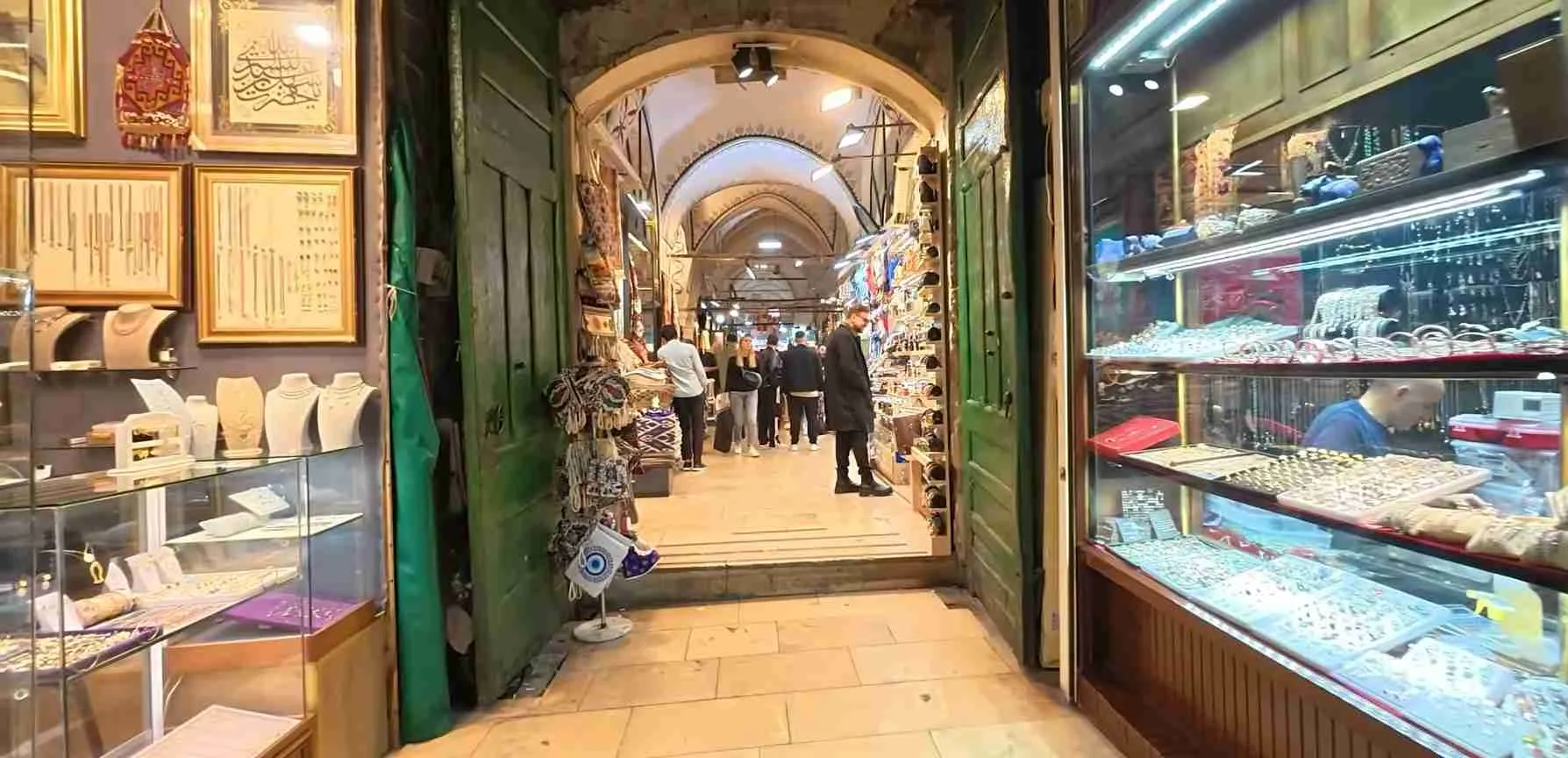
Istanbul Grand Bazaar Guide: World’s Oldest Shopping Mall
Istanbul’s Grand Bazaar stands as the world’s oldest continually operating covered market, where 4,000 shops spread across 61 vaulted streets create a labyrinth unchanged in essential character since Sultan Mehmed II commissioned its construction in 1455. This vast commercial complex represents not merely a shopping destination but a living architectural museum where Byzantine foundations support Ottoman domes and where centuries-old guild traditions still organize merchants into specialized quarters selling gold, carpets, leather, ceramics, and spices.
Key Takeaways: Grand Bazaar Istanbul
- The Grand Bazaar operates Monday through Saturday from 8:30 AM to 7:00 PM with free entrance, closing Sundays and during multi-day religious holidays including Ramadan Bayram (Eid al-Fitr, 3 days) and Kurban Bayram (Eid al-Adha, 4 days)
- Over 4,000 shops occupy 61 covered streets spanning approximately 54,653 square meters, organized by traditional guild systems placing gold merchants along Kalpakçılar Caddesi, carpet dealers near Zincirli Han, and leather goods in dedicated quarters
- Bargaining represents expected cultural practice with starting offers typically set 40-50% below asking prices, though gold jewelry margins focus on labor costs rather than internationally-indexed precious metal values
- Main entrances include Nuruosmaniye Gate (grandest architectural approach) and Beyazıt Gate (most practical for tram arrivals, leading directly to jewelry district), with 19 additional gates accessing different specialized sections
- Hidden hans (caravanserais) including Zincirli Han provide tranquil courtyards away from main thoroughfare crowds, housing traditional workshops, tea gardens, and established carpet dealers
- Recommended visit duration spans 2-3 hours for walking exploration or half-day for serious purchasing negotiations involving carpets (handmade pieces $200-3,000+) or custom jewelry requiring artisan consultations
People Also Ask About Istanbul Grand Bazaar
What makes the Grand Bazaar the world’s oldest shopping mall?
The Grand Bazaar claims designation as the world’s oldest shopping mall through its construction beginning in 1455-1456 under Sultan Mehmed II as a covered market complex with permanent shops, centralized management, and dedicated commercial architecture. Unlike open-air markets existing for millennia, the Grand Bazaar pioneered the enclosed shopping center concept with its bedesten core providing secure storage, consistent opening hours, guild-organized merchants, and architectural features including domed ceilings, vaulted corridors, and permanent stone construction. The bazaar’s continuous operation across 565+ years without fundamental functional changes distinguishes it from older markets that evolved into modern shopping centers or ceased traditional operations. The original two bedesten (covered warehouses) built 1455-1461 remain structurally intact at the bazaar’s heart, with subsequent Ottoman expansions adding surrounding streets while maintaining the foundational enclosed marketplace design that influenced covered market architecture across Europe and the Mediterranean world.
How do you negotiate prices at the Grand Bazaar?
Negotiating Grand Bazaar prices follows cultural protocols beginning with merchants’ inflated opening offers typically 100-150% above their acceptable final prices, with successful bargaining reaching settlements approximately 40-60% below initial quotes. Effective negotiation starts by examining multiple shops establishing price ranges before serious discussions, then opening counter-offers at roughly 50% of asking prices while maintaining friendly demeanor and willingness to walk away. Merchants expect bargaining lasting 10-20 minutes for significant purchases, often serving Turkish tea during negotiations and accepting cash payments (Turkish Lira preferred) for additional 5-10% discounts avoiding credit card fees. Gold jewelry presents limited negotiation margins as international precious metal prices determine base costs, leaving only labor charges and stone settings open for discussion. Carpet purchases require extended negotiations examining knot density, natural versus synthetic dyes, silk versus wool materials, and aging techniques, with reputable dealers flipping carpets demonstrating hand-knotted construction versus machine-made uniformity. Avoiding excessive eagerness, comparing competitors’ offerings, and demonstrating product knowledge through technical questions strengthen negotiating positions while aggressive behavior or disrespectful treatment typically results in merchants refusing sales regardless of offered prices.
Is the Grand Bazaar safe for tourists?
The Grand Bazaar maintains high safety standards through visible security presence at all 21 gates, roving police patrols throughout covered streets, surveillance camera networks, and merchant community self-policing protecting the bazaar’s international reputation. Violent crime remains virtually nonexistent within the bazaar complex, though pickpocketing occurs in crowded main thoroughfares during peak visiting hours (11:00 AM-4:00 PM) targeting distracted tourists examining merchandise displays. Recommended precautions include carrying bags across front rather than back, securing valuables in zippered internal pockets, avoiding excessive cash displays during transactions, and declining aggressive vendor approaches attempting to pull tourists into shops. Financial safety requires vigilance against counterfeit luxury goods, overpriced tourist-grade merchandise in heavily-trafficked streets, and aggressive sales tactics pressuring immediate purchases without comparison shopping. Reputable established shops display business licenses, accept credit cards, provide detailed receipts, and allow unhurried examination of products without obligation. Women traveling alone report minimal harassment compared to open street markets, though modest dress (covered shoulders, knee-length bottoms) reduces unwanted attention. Evening hours after 6:00 PM bring reduced crowds and closing preparations creating safer browsing atmospheres as most tourist groups depart.
What is the best time to visit the Grand Bazaar?
Optimal Grand Bazaar visiting occurs weekday mornings between 9:00-11:00 AM when shops open displaying fresh merchandise, merchants maintain energetic engagement before midday fatigue, and tourist group arrivals remain minimal allowing leisurely browsing and extended negotiations. Early arrival enables observing traditional opening rituals including shop preparation, merchant coffee routines, and morning prayer breaks providing cultural insights beyond pure commerce. Late afternoon visits after 4:00 PM benefit from thinning crowds as tour buses depart and merchants grow more flexible on pricing seeking final daily sales, though shop closing procedures beginning 6:30 PM limit serious purchasing time. Avoid midday periods (12:00-2:00 PM) when tourist group congestion peaks, narrow streets become uncomfortable in summer heat, and merchants face overwhelming demand reducing individual attention. Weekend Saturdays bring maximum local shopper traffic alongside tourists creating overwhelming crowding particularly in jewelry and carpet quarters. Shoulder seasons (April-May, September-November) provide comfortable temperatures (15-25°C) versus summer heat (30-35°C) making extended walking through covered but un-air-conditioned streets more pleasant. Winter visits (December-February) offer smallest crowds and most aggressive bargaining opportunities as merchants seek business during slow tourism periods, though 5-10°C temperatures and occasional rain discourage extended browsing.
Extended multi-day tours – 5+ days
Featured Istanbul Multi-Day Tour Packages
3 days
3 Days – Cappadocia Tour from Istanbul
- ✓ Comprehensive Istanbul tour
- ✓ Expert local guides included
- ✓ All accommodation arranged
- ✓ Transportation provided

3 days
3 Days Cappadocia from/to Istanbul w/cave hotel+optional balloon
- ✓ Comprehensive Istanbul tour
- ✓ Expert local guides included
- ✓ All accommodation arranged
- ✓ Transportation provided

1 days
Daily Bursa City Tour from Istanbul
- ✓ Comprehensive Istanbul tour
- ✓ Expert local guides included
- ✓ All accommodation arranged
- ✓ Transportation provided
3 days
3 DAYS – Cappadocia Tour from/to Istanbul with Optional Balloon Ride
- ✓ Comprehensive Istanbul tour
- ✓ Expert local guides included
- ✓ All accommodation arranged
- ✓ Transportation provided
Multi-day tour packages powered by TourRadar. Prices and availability subject to change.
Grand Bazaar Historical Origins and Evolution
The Grand Bazaar originated in 1455-1456 when Sultan Mehmed II ordered construction of a bedesten (covered warehouse) shortly after conquering Constantinople in 1453. This initial structure, known as Eski Bedesten (Old Bedesten) or Cevahir Bedesteni (Jewelers’ Bedesten), provided secure storage and trading space for valuable textiles, precious stones, and luxury goods supporting economic revival in the newly-captured imperial capital. Sultan Mehmed II established the bedesten as a vakıf (Islamic charitable endowment) dedicating its rental revenues to funding Hagia Sophia’s conversion and maintenance as Istanbul’s premier mosque, creating permanent financial infrastructure supporting religious institutions through commercial activity.
Ottoman Expansion and Guild Development
The Grand Bazaar expanded dramatically throughout the 15th-17th centuries as Ottoman Sultans added additional bedestens, caravanserais (hans), and covered streets accommodating growing merchant populations drawn to Istanbul’s position controlling trade routes connecting Asia, Europe, and Africa. By 1600, the complex encompassed approximately its current footprint with guild organizations (esnaf) regulating each trade through strict quality standards, fixed working hours, apprenticeship requirements, and collective price agreements preventing unfair competition. Goldsmiths, silversmiths, jewelers, carpet weavers, leather workers, ceramic makers, spice dealers, textile merchants, and dozens of specialized crafts occupied designated quarters still partially reflected in current shop distributions. The guild system appointed elected leaders overseeing member conduct, resolving disputes, and maintaining trade reputation essential for attracting international buyers during Ottoman commercial dominance.
Architectural Transformations Through Disasters
The Grand Bazaar survived numerous destructive events reshaping its physical structure while maintaining functional continuity. Major fires in 1546, 1660, 1701, 1750, and 1826 destroyed wooden roofs, shop interiors, and merchandise inventories, with each reconstruction employing increasingly fire-resistant materials including stone vaulting, brick domes, and reduced wooden elements. The devastating 1894 earthquake collapsed sections of vaulted ceilings and damaged load-bearing pillars, prompting comprehensive structural reinforcement and the enclosed shop frontages characterizing today’s appearance. Early 20th century decline following Ottoman Empire collapse reversed during 1940s-1950s restoration programs modernizing infrastructure while preserving historical character. Contemporary preservation efforts balance maintaining architectural authenticity with implementing safety systems including fire suppression, emergency lighting, and structural monitoring protecting both visitors and priceless heritage fabric.
Understanding Grand Bazaar Layout and Navigation
The Grand Bazaar’s maze-like organization derives from organic growth patterns rather than centralized planning, with medieval street systems, added hans, and guild quarters creating complex navigation requiring strategic approach rather than random wandering. The bazaar contains two historical cores: Eski Bedesten (Old Bedesten) at the center housing antique dealers and high-value goods, and Sandal Bedesten specializing in fine textiles and auction sales. Radiating outward from these cores, covered streets follow traditional guild organization placing related trades in proximity.
Main Thoroughfares and Specialized Streets
Kalpakçılar Caddesi forms the Grand Bazaar’s primary artery running from Beyazıt Gate to Nuruosmaniye Gate, lined with jewelry shops displaying gold necklaces, bracelets, rings, and ornamental pieces. This street experiences maximum tourist traffic and corresponding price premiums reflecting high rental costs and assured customer flow. Halıcılar Sokak (Carpet Sellers Street) concentrates rug merchants offering Turkish, Persian, and Central Asian carpets in traditional designs and contemporary adaptations. Sipahi Sokak and surrounding lanes house leather goods including jackets, bags, belts, and shoes ranging from mass-produced tourist items to custom handcrafted pieces. Takkeciler Sokak historically served hat makers (fez manufacturers) but now features ceramic shops selling İznik-style tiles, plates, bowls, and decorative pieces. Yağlıkçılar Sokak specializes in textiles including scarves, pashminas, embroidered fabrics, and traditional Turkish towels.
Hidden Hans: Tranquil Courtyards Beyond Main Streets
Hans (caravanserais) represent architectural treasures hidden within the Grand Bazaar’s commercial chaos, providing courtyard spaces where travelers historically lodged while conducting business. Zincirli Han, accessed through narrow passage off Halıcılar Sokak, features two-story galleries surrounding central courtyard with fountain, hosting established carpet dealer Şişko Osman and traditional tea house where locals play backgammon avoiding tourist-focused main streets. Büyük Valide Han, though technically outside the covered bazaar proper, offers similar atmospheric courtyards with artisan workshops visible through open doorways. Kürkçü Han preserves historical furrier quarter converted to jewelry and textile shops. These hans provide respite from crowded thoroughfares, authentic glimpses of traditional commerce, and access to merchants less dependent on tourist traffic willing to offer better prices for serious buyers demonstrating genuine interest.
Essential Shopping Categories and Product Knowledge
The Grand Bazaar’s shopping landscape divides into distinct product categories, each requiring specialized knowledge for successful purchasing avoiding tourist traps and identifying authentic quality goods worth investment versus mass-produced souvenirs available elsewhere at fraction of bazaar prices.
Gold and Jewelry: Understanding Karats, Weight, and Labor Costs
Gold jewelry dominates Grand Bazaar commerce with hundreds of shops displaying pieces ranging from simple chains to elaborate Ottoman-inspired designs featuring filigree work, gemstone settings, and traditional motifs. Gold pricing follows international precious metal markets with Turkish merchants quoting per-gram rates based on daily London gold fix multiplied by karat purity percentages (14k = 58.3% pure, 18k = 75% pure, 22k = 91.6% pure). Negotiation margins exist primarily on labor charges (işçilik) added to raw gold costs, typically 15-30% of final price depending on design complexity and artisan skill requirements. Simple gold chains or basic rings allow minimal bargaining as labor costs remain low, while intricate filigree pieces, enamel work, or custom designs provide greater negotiation flexibility. Authentic gold shops display certification scales weighing pieces in customer presence and provide detailed receipts specifying karat purity, weight in grams, labor charges, and total price. Reputable dealers stamp pieces with karat marks and manufacturer codes verifiable through Turkish assay office standards. Magnet testing provides quick authenticity verification as real gold shows no magnetic attraction while gold-plated brass or steel counterfeits react to magnets. Silver jewelry follows similar weight-based pricing with labor charges, though sterling silver (92.5% pure) versus lower-grade alloys requires hallmark verification.
Turkish Carpets: Distinguishing Handmade Quality from Machine Production
Carpet shopping represents the Grand Bazaar’s most complex purchasing category requiring knowledge of knot types, materials, dyes, regional styles, and aging techniques distinguishing valuable handmade pieces from mass-produced imitations. Authentic handmade Turkish carpets display asymmetrical double knots (Ghiordes/Turkish knot) visible on reverse side as individual loops tied around warp threads, with knot density measured per square inch indicating quality (80-400+ knots/sq in for fine pieces). Machine-made carpets show perfectly uniform backing with straight, consistent rows lacking handmade irregularities. Natural wool demonstrates cool touch and slight elasticity versus synthetic fibers feeling warmer and more rigid. Vegetable dyes produce subtle color variations with graceful aging while chemical dyes fade uniformly and sometimes bleed when dampened. Regional styles including Hereke (silk, extremely fine knotting), Kayseri (floral medallion patterns), Konya (geometric tribal designs), and Bergama (bold colors, traditional motifs) command different price points based on reputation and production difficulty. Reputable dealers provide certificates authenticating handmade construction, material composition, knot density, and regional origin, while offering worldwide shipping services with insurance and import documentation. Carpet purchases typically involve extended negotiations over Turkish tea, with dealers demonstrating pieces by draping across shoulders showing flexibility, explaining design symbolism, and justifying prices through material costs and weaving time investments (6-18 months for large complex pieces).
Leather Goods: Quality Assessment and Fair Pricing
Turkey’s leather industry provides Grand Bazaar merchants with locally-produced jackets, bags, belts, and shoes, though product quality varies dramatically from genuine full-grain leather to synthetic materials marketed deceptively. Authentic leather displays natural grain patterns, slight imperfections, and characteristic smell, while behaving flexibly when bent and showing color depth changes at creases. Top-grain and full-grain leather (highest quality) uses outer hide layers retaining natural texture, while corrected-grain or bonded leather uses processed scraps and splits. Quality leather jackets range $150-500 depending on leather grade, lining materials, hardware quality, and construction techniques (hand-stitching commands premiums over machine assembly). Leather bags and purses span $50-300 with pricing reflecting genuine versus imitation leather, Italian versus Turkish production, and hardware quality (brass versus cheap alloys). Counterfeit luxury brand bags proliferate in open corridor displays, manufactured with toxic chemicals under harsh labor conditions despite tempting low prices. Reputable leather merchants occupy dedicated shops rather than corridor stalls, display business licenses, provide detailed care instructions, and offer alteration services ensuring proper fit before purchase.
Practical Bargaining Strategies and Merchant Psychology
Successful Grand Bazaar bargaining requires understanding merchant psychology, cultural protocols, and mathematical realities determining acceptable price ranges. Merchants operate businesses with fixed overhead costs (rent, utilities, employee salaries) requiring minimum profit margins regardless of customer nationality, though tourist-focused shops in prime locations mark up prices 100-200% above wholesale anticipating negotiations.
Opening Offers and Counter-Offer Mathematics
Merchants initiate price discussions with inflated opening offers designed to anchor negotiations at high levels while leaving substantial room for reductions creating buyer satisfaction. Typical opening offers sit 150-200% above merchants’ minimum acceptable prices, with final settlements reaching 40-60% below initial quotes after 10-20 minute negotiations. Effective bargaining begins with counter-offers approximately 40-50% of asking prices, establishing low anchors forcing merchants toward middle ground. Example negotiation: merchant quotes 2,000 TL for leather jacket, buyer counter-offers 800 TL, merchant reduces to 1,600 TL claiming minimal profit margin, buyer increases to 1,000 TL suggesting final offer, merchant settles at 1,200 TL (40% below opening, 50% above initial counter). This pattern repeats across product categories with successful buyers demonstrating willingness to walk away forcing merchants’ best prices before departure. Cash payments enable final 5-10% discounts as merchants avoid 2-3% credit card processing fees, though carrying excessive cash invites security concerns requiring balance between negotiating leverage and safety.
Cultural Protocols and Relationship Building
Turkish merchant culture values relationship building through extended conversations, tea sharing, and personal connection establishment before business discussions. Successful negotiations incorporate cultural courtesies including greeting merchants with “Merhaba” (hello), accepting offered tea graciously, asking about merchandise origins and craftsmanship, and maintaining friendly demeanor throughout price discussions. Aggressive behavior, disrespectful treatment, or excessive rudeness results in merchants refusing sales regardless of offered prices, as personal dignity outweighs profit motives in traditional Turkish business culture. Complimenting merchandise quality while simultaneously questioning prices creates cognitive dissonance encouraging favorable settlements, as merchants appreciate aesthetic recognition while understanding business realities. Demonstrating product knowledge through technical questions about karat purity, knot density, or leather grades earns merchant respect and better pricing as serious buyers receive priority over casual browsers. Returning to same merchants for multiple purchases builds relationships yielding preferential pricing, insider recommendations for related products, and potential connections to wholesale suppliers or artisan workshops unavailable to first-time visitors.
Hidden Courtyards and Atmospheric Spaces
Beyond the Grand Bazaar’s commercial chaos lie hidden architectural spaces preserving Ottoman caravanserai traditions and providing atmospheric breaks from overwhelming sensory stimulation. These courtyards and specialty areas reveal the bazaar’s layered history and continuing role beyond mere shopping destination.
Zincirli Han: Traditional Commerce and Tea Culture
Zincirli Han represents the Grand Bazaar’s best-preserved caravanserai, accessed through unmarked passage off Halıcılar Sokak opening to two-story courtyard with central fountain and surrounding galleries. The han houses Şişko Osman carpet shop (established multi-generational business), traditional tea house serving local merchants and occasional tourists, and small workshops where artisans repair jewelry, restring pearls, and restore antique pieces. Morning hours (9:00-11:00 AM) showcase authentic commercial life as merchants conduct wholesale transactions, craftsmen arrive carrying materials, and tea house serves breakfast to regulars establishing daily business networks. The courtyard provides peaceful retreat from crowded main streets while maintaining connection to genuine bazaar culture rather than tourist-oriented commerce. Photography opportunities abound in morning light filtering through galleries, creating dramatic shadows across worn stone floors and weathered wooden balustrades unchanged across centuries.
Old Bedesten: Antiques and High-Value Collectibles
The Eski Bedesten (Old Bedesten) forms the Grand Bazaar’s original 15th-century core, featuring massive stone construction with fifteen domes supported by eight pillars creating cathedral-like interior atmosphere. This section houses established antique dealers offering Ottoman-era paintings, Byzantine icons, Anatolian kilims, vintage jewelry, historic manuscripts, and collectible ceramics commanding premium prices reflecting authenticity and rarity. The bedesten’s heavy iron doors once locked nightly protecting stored valuables, with Ottoman soldiers guarding entrances until morning opening. Contemporary security systems replace armed guards while maintaining the bedesten’s historical function as high-security vault for precious merchandise. Serious collectors and museum representatives conduct business here, with transactions often involving authentication certificates, export permits, and international shipping arrangements for valuable acquisitions. Casual tourists find the bedesten’s prices prohibitive though architectural experience alone justifies brief visits admiring vaulted ceilings and massive stone pillars representing Ottoman engineering prowess.
Specialty Products Worth Purchasing
Certain Grand Bazaar products represent genuinely unique purchasing opportunities unavailable elsewhere at comparable quality-to-price ratios, justifying selective investment beyond mass-market souvenirs.
Handpainted Ceramics and İznik Tiles
Turkish ceramic traditions dating to Ottoman court workshops at İznik and Kütahya continue through contemporary artisans producing handpainted plates, bowls, vases, and decorative tiles. Authentic İznik-style ceramics feature distinctive turquoise, cobalt blue, and red oxide pigments in floral and geometric patterns inspired by 16th-century palace commissions. Quality pieces display hand-painting irregularities distinguishing artisan work from factory decals, with raised enamel surfaces and glossy glazing resisting fading and scratching. Prices range from small decorative plates (200-400 TL) to large serving platters (1,000-2,500 TL) and custom tile panels (quoted per square meter). Reputable ceramic dealers occupy permanent shops displaying maker marks and providing packing services ensuring fragile items survive international shipping. Budget alternatives include factory-produced ceramics with screen-printed designs acceptable for decorative purposes though lacking handmade artistic value.
Turkish Delight and Specialty Food Items
Lokum (Turkish delight) shops throughout the Grand Bazaar sell freshly-made confections in flavors including rose, pistachio, pomegranate, lemon, orange, hazelnut, and mixed fruit, superior to pre-packaged export versions lacking freshness and texture quality. Premium Turkish delight features natural flavorings, real pistachio pieces (not artificial flavoring), and proper gel consistency neither too firm nor sticky. Prices range from basic assortments (150-250 TL per kilogram) to premium pistachio-studded varieties (400-600 TL per kilogram). Additional food specialties include dried fruits (apricots, figs, dates), mixed nuts, Turkish coffee, herbal teas, spice blends, and pomegranate molasses. Most food vendors provide vacuum-sealed packaging extending shelf life and preventing customs issues during international travel. Spice Market (Egyptian Bazaar) located near Grand Bazaar offers superior selection and pricing for bulk spice purchases, though Grand Bazaar maintains adequate variety for casual buyers seeking small quantities.
Traditional Turkish Textiles and Embroidery
Handwoven textiles including peştemal (Turkish towels), embroidered pillow covers, suzani wall hangings, and silk scarves represent functional purchases combining aesthetic appeal with practical utility. Quality peştemal demonstrates flat-weave construction in cotton or cotton-linen blends, absorbing moisture efficiently while drying quickly and packing compactly for travel. Prices range from basic cotton varieties (150-300 TL) to premium hand-loomed examples with decorative borders (400-800 TL). Embroidered textiles from southeastern Turkey feature geometric and floral motifs in traditional color palettes, with entirely hand-stitched pieces commanding significant premiums over machine embroidery. Silk scarves printed with traditional Ottoman motifs or contemporary Turkish designs make portable gifts, with pure silk versus rayon-blend identification requiring burn testing or expert assessment to avoid misrepresentation.
Avoiding Common Tourist Traps and Scams
The Grand Bazaar’s tourist popularity attracts opportunistic merchants employing deceptive practices targeting uninformed visitors, requiring awareness and vigilance to avoid financial losses and purchasing disappointment.
Counterfeit Luxury Goods and Brand Imitations
Corridor displays overflow with counterfeit designer handbags, watches, sunglasses, and clothing bearing luxury brand logos (Gucci, Louis Vuitton, Rolex, Ray-Ban) manufactured with inferior materials, toxic chemicals, and unethical labor practices. These items sell at tempting low prices (branded bags 500-1,500 TL, watches 800-2,000 TL) representing 10-20% of authentic retail values while delivering zero quality or longevity. Leather quality on fake bags deteriorates within months, watch mechanisms fail rapidly, and sunglasses provide inadequate UV protection. Beyond quality concerns, purchasing counterfeits supports criminal enterprises, violates intellectual property laws, and risks customs seizure during international travel with potential legal consequences. Serious legal penalties including fines and imprisonment apply in many jurisdictions for knowingly importing counterfeit goods. Reputable merchants selling genuine Turkish-made products without false branding provide superior value and avoid legal complications.
Pressure Sales Tactics and Obligated Purchases
Aggressive merchants employ psychological tactics including pulling tourists into shops, serving tea creating obligation feelings, delivering extensive product demonstrations, and claiming special friendship prices applicable only immediate purchase. These pressure techniques aim to overcome rational decision-making through emotional manipulation and time constraints preventing comparison shopping. Effective resistance requires firmly declining shop entry invitations, accepting no refreshments from unfamiliar merchants, stating upfront intentions to browse multiple shops before purchasing, and maintaining willingness to walk away from any transaction causing discomfort. No purchase obligation exists regardless of time spent examining merchandise or refreshments accepted, though courteous behavior acknowledging merchant time through thank-you words maintains cultural respect without financial commitment. Tourists feeling pressured should exit shops immediately without explanation or apology, as genuine merchants accept browsing without purchase while manipulative sellers reveal their true nature through excessive persistence.
Quality Misrepresentation and Material Substitution
Merchants sometimes misrepresent product quality through material substitution including synthetic fibers sold as silk, machine-made carpets claimed as handwoven, gold-plated brass presented as solid gold, and low-karat gold (8k-10k) marked falsely as higher grades (18k-22k). Verification techniques include burn tests for natural versus synthetic fibers (natural fibers burn slowly with ash residue, synthetics melt into hard beads), magnetic testing for gold purity (real gold shows no magnetic attraction), and detailed examination of carpet backs revealing machine uniformity versus hand-knotted irregularities. Requesting written receipts specifying exact materials, karat grades, and construction methods provides recourse for misrepresentation though practical enforcement proves difficult after leaving Turkey. Shopping at established businesses displaying licenses, accepting credit cards, and maintaining fixed locations for decades reduces scam likelihood as reputation dependence discourages blatant fraud risking business viability.
Accessing the Grand Bazaar: Gates and Transportation
The Grand Bazaar’s 21 gates provide different access points to specialized sections, with strategic gate selection based on shopping interests and transportation arrival points optimizing visit efficiency and reducing disorientation within the maze-like interior.
Principal Entrance Gates and Their Characteristics
Nuruosmaniye Gate forms the Grand Bazaar’s most architecturally impressive entrance, featuring ornate Ottoman stonework adjacent to Nuruosmaniye Mosque (1748-1755) and leading directly into jewelry quarter along Kalpakçılar Caddesi. This gate attracts maximum tourist photography due to aesthetic appeal and prominent positioning on main pedestrian approach from Sultanahmet direction. Beyazıt Gate provides most practical entry for tram arrivals at Beyazıt-Kapalıçarşı station, opening to jewelry district with immediate access to main commercial thoroughfares. Çarşıkapı Gate near Column of Constantine serves as alternative eastern entrance avoiding Nuruosmaniye crowds. Mahmutpaşa Gate leads from Mahmutpaşa shopping street connecting to Spice Market area, useful for combined bazaar visits. Interior gates including Takkeciler Gate, Örücüler Gate, and Sepetçiler Gate provide shortcuts between different bazaar sections though require familiarity with internal layout to utilize effectively. Each gate displays number plates assisting lost visitors finding exits by asking security guards or merchants for directions to specific numbered gates rather than attempting independent navigation through identical-appearing covered streets.
Public Transportation Connections
T1 tram line provides most convenient Grand Bazaar access via Beyazıt-Kapalıçarşı station (immediate adjacency to Beyazıt Gate) or Çemberlitaş station (10-minute walk to Nuruosmaniye Gate). Tram connections reach from Sultanahmet (5 minutes, two stops), Eminönü (8 minutes, three stops), and Kabataş (20 minutes, multiple stops). M2 metro connects Taksim and northern districts to Vezneciler station requiring 10-minute walk to Beyazıt Gate. Walking from Sultanahmet Square to Grand Bazaar covers 1.2 kilometers (15-20 minutes) through historic streets passing Çemberlitaş (Column of Constantine) before reaching Nuruosmaniye Gate. Taxi transportation from Taksim costs 150-200 TL for 15-20 minute drive subject to traffic conditions, while Sultanahmet taxis charge 80-120 TL for 5-minute journey though walking proves faster and more economical. İstanbulkart contactless payment cards purchased at tram stations or kiosks reduce single-ride fares from 17.7 TL to 9.90 TL with free transfers within 120 minutes making public transportation substantially cheaper than taxi alternatives for multi-stop daily itineraries.
Photography Opportunities and Restrictions
The Grand Bazaar presents extraordinary photographic opportunities capturing architectural details, merchant activities, product displays, and atmospheric light effects, though cultural sensitivity and commercial concerns require awareness of photography protocols avoiding merchant offense and respecting privacy boundaries.
Architectural and Atmospheric Photography
Vaulted ceilings throughout the bazaar feature colorful painted decorations, Islamic geometric patterns, and skylight penetrations creating dramatic natural lighting effects particularly effective during morning hours (9:00-11:00 AM) when angled sun produces defined shadows and illuminated columns. Gateway arches, especially Nuruosmaniye and Beyazıt entrances, photograph effectively from both exterior and interior perspectives showing threshold transitions between modern streets and historical covered markets. Hidden han courtyards including Zincirli Han provide photography access during early morning hours before tourist crowds arrive, though requesting permission from tea house operators demonstrates respect for spaces functioning as merchant social areas beyond pure tourism. Detail photography capturing decorative tilework, carved wooden doors, brass door knockers, and architectural ornaments succeeds throughout the bazaar as these fixed elements raise no privacy or commercial concerns. Low-light interior photography requires camera settings adjusting for mixed natural and artificial illumination while avoiding flash that disturbs merchants and produces harsh unflattering results.
Merchant and Product Photography Protocols
Product photography requires merchant permission before capturing images of displayed merchandise, jewelry, carpets, or ceramics, as many merchants prohibit photography fearing design copying or price comparison documentation enabling competitors or online retailers to undercut their offerings. Polite requests in Turkish (“Fotoğraf çekebilir miyim?” / May I take photos?) or English often receive positive responses from merchants comfortable with their pricing and product authenticity, while refusals indicate either privacy preferences or concerns about photography motivations. Merchants engaged in active sales conversations with other customers generally prefer avoiding photography interruptions, though patient waiting until transaction completion often results in permission grants. Photography of merchants themselves requires explicit consent respecting personal privacy and cultural sensitivities around image capture, particularly for older traditional merchants uncomfortable with casual photography by strangers. Street scene photography capturing crowds, market atmosphere, and general activity presents fewer concerns though remaining aware of individuals who may object to inclusion, particularly women in conservative dress who may consider photography disrespectful. Discretion, respect, and willingness to delete objected images maintain positive relationships preventing negative interactions souring otherwise enjoyable visits.
Combining Grand Bazaar with Nearby Attractions
The Grand Bazaar’s location in Istanbul’s historic peninsula enables efficient combination with numerous UNESCO World Heritage monuments, Ottoman mosques, and traditional markets creating comprehensive historical district explorations.
Walking Circuit from Sultanahmet to Grand Bazaar
A logical walking route begins at Sultanahmet Square (Blue Mosque, Hagia Sophia, Hippodrome), proceeds through Çemberlitaş past the Column of Constantine (4th century Roman monument), and reaches Grand Bazaar’s Nuruosmaniye Gate covering 1.2 kilometers in 15-20 minutes. This approach passes Çemberlitaş Hamamı (historic Turkish bath offering traditional bathing experiences), Nuruosmaniye Mosque (Ottoman Baroque architecture), and Mahmutpaşa neighborhood (local shopping streets with budget-friendly alternatives to Grand Bazaar prices). Reverse routing from Grand Bazaar toward Sultanahmet allows afternoon return after morning bazaar shopping avoiding midday heat and crowds during summer months. Combined visit duration spans 5-7 hours including 2-3 hours Grand Bazaar shopping, 2 hours Hagia Sophia exploration, 1 hour Blue Mosque visit, and walking time between monuments.
Spice Market and Golden Horn Extension
Extending Grand Bazaar visits to include Spice Market (Egyptian Bazaar) creates comprehensive market day explorations through Ottoman commercial architecture. Walking route from Grand Bazaar’s Mahmutpaşa Gate descends through Tahtakale neighborhood reaching Spice Market in 10-15 minutes, passing wholesale textile dealers, hardware merchants, and kitchen supply shops serving local rather than tourist clientele. Spice Market offers superior spice selection and competitive pricing versus Grand Bazaar’s more limited options, plus fresh produce, cheese, cured meats, dried fruits, and prepared foods providing lunch opportunities at market stalls and surrounding restaurants. Continuing from Spice Market to Galata Bridge (5-minute walk) enables Golden Horn waterfront promenades, fish sandwich vendors, and ferry departures for Bosphorus excursions creating full-day historical district circuits combining shopping, monuments, waterfront experiences, and local dining without requiring transportation between sites.
Seasonal Considerations and Holiday Closures
Grand Bazaar operations follow consistent Monday-Saturday schedules throughout the year with significant closures during Islamic religious holidays requiring advance planning to avoid disappointment from unexpected shuttered gates.
Religious Holiday Closures
The Grand Bazaar closes completely during Ramadan Bayram (Eid al-Fitr) spanning three days following Ramadan’s conclusion and Kurban Bayram (Eid al-Adha) extending four days during annual pilgrimage period. These Islamic holidays follow lunar calendar creating variable dates each Gregorian year requiring checking specific closure dates when planning Istanbul visits. No partial openings or exceptions exist during these periods as merchants prioritize family celebrations and religious observances over commercial activity. Additional closure occurs on Sundays year-round when merchants rest and conduct weekly mosque attendance, family gatherings, and personal activities. Secular Turkish holidays including Republic Day (October 29) and Victory Day (August 30) see varied merchant responses with some shops closing while others remain open reducing overall activity levels below typical weekdays but maintaining partial operations unlike religious holiday total shutdowns.
Weather Impacts and Seasonal Crowds
The Grand Bazaar’s covered architecture protects from rain and direct sun though internal temperatures reflect external conditions modified by stone thermal mass, limited ventilation, and crowd body heat. Summer months (June-August) bring 30-35°C exterior temperatures creating stuffy uncomfortable conditions in densely-packed streets lacking air conditioning, with morning visits before 11:00 AM providing cooler temperatures before heat accumulation peaks. Winter periods (December-February) maintain 5-10°C temperatures inside bazaar requiring layered clothing though avoiding external wind and precipitation making covered market more comfortable than open-air alternatives. Spring and autumn shoulder seasons deliver ideal 15-25°C temperatures and moderate humidity enabling comfortable extended browsing without weather-related discomfort. Tourist crowd levels peak during summer months overwhelming popular streets and individual shop capacities, though shoulder season visits (April-May, September-November) reduce congestion while maintaining full merchant participation versus winter periods when some smaller shops close temporarily due to reduced customer traffic.
Food and Refreshment Options Within the Bazaar
The Grand Bazaar contains limited dining facilities focused on merchant refreshment rather than tourist restaurants, with authentic options requiring knowledge of hidden locations versus tourist-oriented establishments charging premium prices for mediocre quality.
Traditional Tea Houses and Merchant Cafes
Small tea houses scattered throughout the bazaar serve primarily merchant clientele providing simple refreshments including Turkish tea (çay) in traditional tulip-shaped glasses, Turkish coffee, and basic pastries (börek, simit). These establishments occupy han courtyards, second-floor galleries, or tiny storefronts off main thoroughfares, with minimal English signage and locals-only atmospheres. Prices remain modest (tea 10-15 TL, coffee 20-30 TL, börek 30-50 TL) reflecting merchant rather than tourist market. The tea house within Zincirli Han exemplifies authentic options where merchants gather for morning coffee, midday lunch breaks, and afternoon tea while playing backgammon and conducting informal business discussions. Requesting tea at these establishments requires Turkish language capability or gesturing combined with coin display, though owners generally welcome curious tourists demonstrating cultural interest rather than demanding special treatment.
Street Food Vendors and Quick Meals
Street vendors operating immediately outside Grand Bazaar gates sell simit (sesame-seed bread rings, 15-20 TL), corn on the cob (40-50 TL), roasted chestnuts (seasonal, 60-80 TL), and fresh-squeezed pomegranate juice (80-120 TL). These options provide quick energy during shopping expeditions without requiring extended sit-down meals. Surrounding neighborhoods particularly Mahmutpaşa and toward Eminönü contain numerous quick-serve restaurants offering döner kebab, pide (Turkish flatbread pizza), lahmacun (thin meat-topped flatbread), and köfte (meatballs) at prices substantially below tourist-zone restaurants (50-150 TL complete meals). Spice Market area restaurants adjacent to Grand Bazaar serve traditional Turkish breakfast spreads, menemen (scrambled eggs with vegetables), grilled fish, and meze platters in atmospheric settings overlooking market activity. Serious dining experiences require exiting the immediate bazaar area to neighborhoods including Beyazıt, Çemberlitaş, or crossing Golden Horn to Karaköy where authentic restaurants serve locals rather than primarily tourists.
Grand Bazaar Guided Tours Versus Independent Exploration
Choosing between guided tour experiences and independent Grand Bazaar exploration involves trade-offs between educational context, shopping flexibility, time efficiency, and cost considerations.
Advantages of Professional Guided Tours
Licensed tour guides provide historical context explaining Ottoman commercial systems, guild organization, architectural evolution, and cultural significance invisible to casual visitors seeing only shops and merchandise. Guides navigate efficiently to specific product categories, reputable merchants, and hidden hans avoiding time wasted on trial-and-error exploration through confusing street maze. Established guides maintain relationships with trusted merchants ensuring product authenticity, fair pricing, and quality service as merchant reputations depend on guide recommendations bringing repeat business. Tours typically include 2-4 hours Grand Bazaar exploration combined with nearby attractions including Spice Market, Süleymaniye Mosque, or traditional hans for comprehensive historical district understanding. Group tour costs range 40-75 EUR per person while private tours command 200-450 EUR total for customized itineraries, specialized interests, and flexible pacing accommodating individual shopping needs.
Benefits of Self-Directed Browsing
Independent exploration allows unlimited time examining merchandise, extended price negotiations, and spontaneous discoveries following personal interests rather than predetermined tour routes and schedules. Solo visitors avoid group-pacing constraints preventing prolonged carpet examinations, custom jewelry consultations, or simply sitting in han courtyards observing merchant interactions and atmospheric details. Savings from eliminating guide fees enable increased shopping budgets or simply reducing total trip costs without sacrificing Grand Bazaar access. Photography proceeds at individual pace capturing desired images without group coordination pressures or guide schedule demands. Repeat visitors familiar with basic layout navigate directly to preferred merchants, specialized products, or specific architectural features making guide services redundant. Combined approaches booking single guided tour establishing familiarity followed by independent return visits optimizes educational context with exploration freedom, particularly for travelers spending extended Istanbul periods allowing multiple bazaar encounters.
Frequently Asked Questions About the Grand Bazaar
Does the Grand Bazaar charge entrance fees?
The Grand Bazaar operates as a public marketplace with no entrance fees, admission tickets, or access charges. Visitors walk freely through all 21 gates and explore 61 covered streets without payment obligations. This free-access policy has remained unchanged since the bazaar’s 15th-century establishment, as Ottoman sultans intended the complex to serve general commerce rather than exclusive trade. Some guided tours may charge fees for tour services including guide expertise, merchant introductions, and historical context, though these charges cover tour operator costs rather than bazaar access itself. Individual shops may charge for specialized services including carpet cleaning, jewelry repair, or custom tailoring, but general browsing and purchasing incur only product costs negotiated directly with merchants.
What are the Grand Bazaar’s opening hours and closing days?
The Grand Bazaar operates Monday through Saturday from 8:30-9:00 AM until 7:00 PM, with individual shop hours varying slightly though most merchants maintain consistent 9:00 AM opening times. The entire complex closes on Sundays when merchants rest and spend time with families. Multi-day closures occur during Islamic religious holidays including Ramadan Bayram (Eid al-Fitr, three consecutive days) and Kurban Bayram (Eid al-Adha, four consecutive days), with specific dates varying annually following the Islamic lunar calendar. Most shops begin closing procedures around 6:30 PM with metal shutters lowering and merchandise securing, making serious shopping impractical after 6:00 PM. Morning hours between 9:00-11:00 AM provide optimal visiting conditions with fresh energy, full inventory displays, and fewer tourist crowds compared to midday periods.
How long should I spend at the Grand Bazaar?
Allocating 2-3 hours enables thorough Grand Bazaar exploration covering major covered streets, visiting hidden hans, browsing primary product categories, and conducting basic price comparisons across multiple merchants. Serious shoppers intending carpet purchases, custom jewelry commissions, or substantial leather goods acquisitions should budget 4-6 hours as individual negotiation sessions consume 30-90 minutes per major item when properly examined. Quick visits lasting 60-90 minutes suffice for atmospheric experience, photography opportunities, and small souvenir purchases without deep merchandise examination or extended negotiations. Half-day itineraries combining Grand Bazaar with Spice Market and surrounding historical sites require 5-7 hours total including walking time, lunch breaks, and monument visits. Repeat visitors developing favorite merchant relationships often limit visits to 1-2 hours targeting specific shops and products already identified through previous explorations, bypassing general browsing and tourist-oriented areas.
Is bargaining mandatory at the Grand Bazaar?
Bargaining represents expected cultural practice at the Grand Bazaar with merchants anticipating price negotiations rather than accepting initial quoted prices. Refusing to bargain typically results in paying substantially inflated tourist prices 100-200% above fair values, as opening quotes assume negotiation will reduce final costs. Even merchants preferring fixed pricing accept polite requests for discounts, particularly when customers pay cash, purchase multiple items, or demonstrate serious buying intent. Cultural protocols dictate friendly negotiation approaches maintaining cordial relationships throughout price discussions, avoiding aggressive behavior, excessive rudeness, or disrespectful treatment that offends merchants and results in sale refusals. Certain product categories including gold jewelry based on internationally-indexed precious metal prices offer limited bargaining margins focused on labor costs rather than material values. Small inexpensive items (magnets, postcards, keychains) warrant less intensive negotiation given minimal price differences versus time invested, though merchants still expect and accept brief bargaining for these tourist souvenirs.
Can I use credit cards at Grand Bazaar shops?
Major credit cards including Visa and Mastercard receive acceptance at established Grand Bazaar shops, particularly jewelry stores, carpet dealers, and leather goods merchants conducting regular high-value transactions. Smaller vendors, street-level stalls, and shops selling inexpensive souvenirs often operate cash-only businesses avoiding 2-3% credit card processing fees and complicated banking relationships. Cash payments (Turkish Lira strongly preferred over foreign currencies) enable final negotiation discounts typically 5-10% below credit card prices as merchants save processing fees and receive immediate liquidity. ATMs located near major gates including Beyazıt and Nuruosmaniye enable cash withdrawals though fees vary by bank and card issuer. Currency exchange offices surrounding the bazaar offer competitive rates converting euros or dollars to Turkish Lira, though rates inside tourist zones typically lag behind rates at established exchange offices in business districts. Carrying moderate cash amounts (500-1,000 TL for general shopping, more for major purchases) balances negotiating flexibility with security concerns about excessive cash holdings in crowded environments.
What are the best items to buy at the Grand Bazaar?
Best-value Grand Bazaar purchases include handmade Turkish carpets offering superior quality-to-price ratios versus Western markets due to local production and traditional craftsmanship availability, gold jewelry benefiting from low labor costs and artisan expertise despite internationally-standardized precious metal pricing, high-quality leather goods manufactured in Turkish factories with competitive pricing, handpainted İznik-style ceramics representing authentic artistic traditions, and specialty food items including fresh Turkish delight, spices, and teas superior to export versions. Avoid counterfeit luxury brand goods providing zero value and potential legal complications, machine-made carpets falsely represented as handwoven commanding inappropriate prices, low-grade leather items using synthetic materials despite natural leather claims, and generic mass-produced souvenirs available substantially cheaper in surrounding neighborhoods outside the bazaar’s high-rent covered streets. Priority purchasing should focus on items combining authentic Turkish production, skilled craftsmanship, and pricing advantages versus home-country markets rather than universally-available manufactured goods carrying no geographic specificity or cultural significance.
How can I avoid getting lost in the Grand Bazaar?
Preventing Grand Bazaar disorientation requires entering through specific numbered gates and remembering that gate number for exit reference, as asking security guards or merchants for directions to specific numbered gates proves simpler than describing general locations. Taking smartphone photos of gate numbers, nearby landmarks, and distinctive architectural features creates visual memory aids for later navigation. Following main thoroughfares including Kalpakçılar Caddesi connecting Beyazıt Gate to Nuruosmaniye Gate provides orientation axis preventing complete directional confusion. Noting overhead street name signs posted at intersections enables mental mapping and return navigation to previously-visited shops or areas. Accepting inevitable disorientation as part of the authentic bazaar experience reduces stress when temporarily lost, as bazaar’s compact size ensures eventual exit discovery through persistent walking in any consistent direction. Smartphone navigation apps including Google Maps display Grand Bazaar’s approximate layout though GPS signals prove unreliable under thick stone vaulting, making pre-downloaded offline maps more useful than live navigation. Joining guided tours for initial orientation establishes mental maps enabling confident independent exploration during subsequent visits.
Are there restrooms available in the Grand Bazaar?
Public restroom facilities exist within the Grand Bazaar though locations remain limited and signage minimal, requiring specific knowledge or merchant directions to access. Primary toilet facilities occupy basement levels near major gates including Beyazıt entrance, with small fees (5-10 TL) collected by attendants maintaining cleanliness and providing paper supplies. Alternative options include using facilities at tea houses and restaurants within surrounding neighborhoods after making small purchases respecting establishment courtesy, or visiting nearby mosques where ablution facilities include toilet access outside prayer times. Modern shopping standards expecting readily-available signposted facilities do not apply to the historical bazaar’s infrastructure, requiring advance planning particularly for travelers with children, elderly companions, or medical conditions necessitating frequent bathroom access. Strategic timing of visits following hotel departures with empty bladders and before lunch beverage consumption reduces urgent facility needs during bazaar shopping hours.
What should I wear when visiting the Grand Bazaar?
Grand Bazaar dress codes remain relaxed compared to mosque requirements, though comfortable walking shoes prove essential for navigating uneven stone floors, stairs, and extended standing during shopping and negotiations. Layered clothing accommodates temperature variations between exterior streets and interior covered spaces, particularly during summer when external 30-35°C heat contrasts with slightly cooler (though still warm and stuffy) interior conditions. Avoid wearing expensive jewelry, luxury watches, or designer handbags that attract unwanted attention from both aggressive merchants and potential pickpockets in crowded thoroughfares. Crossbody bags or backpacks worn frontwards provide security against theft while maintaining hands-free shopping convenience for examining merchandise. Modest dress (covered shoulders, knee-length pants or skirts) shows cultural respect though strict covering remains unnecessary unlike active mosque visits. Comfortable practical clothing enabling extended walking, trying on leather jackets or accessories, and sitting on floor cushions during carpet examinations takes priority over fashion considerations, as hours spent navigating bazaar streets demand physical comfort over aesthetic presentation.
Can I ship large purchases internationally from the Grand Bazaar?
Reputable Grand Bazaar merchants, particularly carpet dealers and high-end jewelry shops, provide international shipping services through established logistics companies handling customs documentation, insurance, and delivery coordination to worldwide destinations. Carpet dealers routinely ship large purchases with rolled and protected packaging, providing tracking numbers and delivery confirmation ensuring purchases arrive safely. Shipping costs typically range 15-25% of purchase values depending on destination countries, item sizes, and declared values for customs purposes. Merchants handle export documentation including customs declarations and certificates of origin required for valuable antiquities or artworks. Insurance coverage protects against loss, damage, or theft during international transit, with reputable shippers maintaining cargo insurance policies covering full declared values. Ceramic and fragile item shipping requires specialized packing services preventing breakage through custom crating and protective wrapping, adding to costs but ensuring intact arrival. Some merchants offer carry-on packaging solutions for smaller items enabling personal transport avoiding shipping costs and delays, though airline baggage weight restrictions and customs value thresholds limit this approach to modest purchases.