
Istanbul 6-Day Itinerary 2026: Essential Planning & Practical Advice
Istanbul spans two continents and 2,500 years of history, offering travelers an unparalleled blend of Byzantine grandeur, Ottoman splendor, and vibrant contemporary culture. This comprehensive 6-day itinerary guides you through the city’s UNESCO World Heritage sites, hidden neighborhoods, and essential experiences with detailed daily plans, verified 2026 costs, and practical logistics to maximize your week in this extraordinary metropolis.
Key Takeaways for Your Istanbul Trip 2026
- Budget Planning 2026: Expect €70-180 per person daily excluding accommodation for a comfortable experience covering attractions (€25-80), meals (€25-60), and transport (€8-12). Mid-range hotels in Sultanahmet or Beyoğlu cost $80-150 per night, while budget options start at $30-80.
- Essential Logistics 2026: Purchase an Istanbulkart (165 TL card + 35-42 TL per ride) immediately upon arrival at the airport for seamless metro, tram, ferry, and bus access throughout the city. Public transport operates efficiently from 06:00-00:30 on weekdays, with 24-hour weekend service on major lines.
- UNESCO Sites Strategy 2026: Book Topkapi Palace (2,750 TL including Harem) and Hagia Sophia (€25) tickets online 2-3 weeks ahead to avoid 1-2 hour queues. The Historic Areas of Istanbul UNESCO site encompasses Sultanahmet, Süleymaniye, and Zeyrek districts—plan Days 1-2 here when energy levels peak.
- Seasonal Timing 2026: April-May and September-October deliver ideal weather (15-25°C), moderate crowds, and full operational hours at all attractions. Summer (June-August) brings heat (28-35°C) and maximum crowds, while winter (December-February) offers lowest prices but reduced ferry schedules and occasional closures for weather.
- Neighborhood Pacing 2026: Balance intensive sightseeing days (Days 1-3 covering Sultanahmet, Topkapi, and Bosphorus) with lighter exploration days (Days 4-6 featuring neighborhoods like Balat, Kadıköy, and Princes’ Islands) to prevent burnout and maintain enjoyment throughout the week.
- Cultural Respect Requirements 2026: Hagia Sophia, Blue Mosque, and Süleymaniye Mosque require modest dress (shoulders and knees covered), head scarves for women, and shoe removal. Prayer times close mosques to tourists for 30-90 minutes five times daily—plan museum visits during these windows.
People Also Ask About Istanbul 6-Day Itineraries 2026
How much does a 6-day Istanbul trip cost in 2026?
A 6-day Istanbul trip in 2026 costs €645-925 for budget travelers, €1,142-1,542 for mid-range travelers, and €2,038+ for luxury travelers including accommodation (excluding international flights). Total 6-day costs excluding accommodation range €445-808 per person depending on choices across the six days (calculation: Day 1 €83-136 + Day 2 €119-171 + Day 3 €51-105 + Day 4 €82-136 + Day 5 €36-68 + Day 6 €74-192 = €445-808). Budget travelers spending €70-90 daily cover hostel dormitories ($30-50 nightly), street food and lokanta meals (€25-35), public transport (€8-10), and selective paid attractions. Mid-range travelers at €120-180 daily enjoy 3-star hotels ($80-120), restaurant dining (€40-60), comprehensive attraction access (€25-35), and occasional taxis. Luxury experiences exceeding €250 daily include 5-star Bosphorus-view hotels ($200-400), fine dining (€80-150), private guides, and premium tours.
What is the best 6-day itinerary structure for first-time Istanbul visitors in 2026?
The optimal 6-day structure for first-timers dedicates Days 1-2 to Sultanahmet’s UNESCO sites (Hagia Sophia, Blue Mosque, Topkapi Palace, Basilica Cistern), Day 3 to Bosphorus cruises and waterfront neighborhoods, Day 4 to Beyoğlu and Galata Tower, Day 5 to the Asian side (Kadıköy, Üsküdar) or colorful Balat district, and Day 6 to either Princes’ Islands or the Grand Bazaar with final shopping. This sequence balances intensive sightseeing early when energy peaks with relaxed exploration later, alternates European and Asian sides for geographic variety, and reserves flexible time at the end for revisiting favorites or pursuing personal interests.
How should I allocate time between European and Asian Istanbul in 2026?
Dedicate 4-5 days to European Istanbul and 1-2 days to the Asian side for a balanced 6-day itinerary in 2026. The European side contains the Historic Areas UNESCO site, major Byzantine and Ottoman monuments, Beyoğlu’s contemporary culture, and 70% of tourist attractions requiring 3-4 full days minimum. The Asian side offers authentic neighborhoods (Kadıköy, Moda, Üsküdar), excellent local dining, waterfront promenades, and respite from tourist crowds—one full day provides thorough exploration, while a half-day suffices for highlights only. Ferry crossings (35 TL with Istanbulkart, 20 minutes) connect continents seamlessly and constitute memorable experiences themselves.
What are the biggest itinerary mistakes to avoid in Istanbul 2026?
The three critical mistakes are underestimating Sultanahmet’s size (Topkapi Palace alone requires 3-4 hours; attempting it plus Hagia Sophia, Blue Mosque, and Basilica Cistern in one day guarantees exhaustion and superficial visits), skipping advance ticket purchases for major attractions (on-site queues reach 90-120 minutes in peak season 2026, consuming 6-8 hours across a week), and neglecting neighborhood diversity (remaining entirely in Sultanahmet misses authentic Istanbul in Balat, Kadıköy, and Beşiktaş where locals actually live, dine, and socialize). Additionally, over-relying on taxis in traffic-congested areas wastes time and money—metro and tram systems reach 90% of tourist destinations faster and cheaper.
Extended multi-day tours – 5+ days
Featured Madrid Multi-Day Tour Packages
3 days
Madrid 3-Day Discovery Tour
- ✓ Comprehensive Madrid experience
- ✓ Expert local guides included
- ✓ All accommodation included
- ✓ Transportation provided
5 days
Madrid 5-Day Highlights Experience
- ✓ Comprehensive Madrid experience
- ✓ Expert local guides included
- ✓ All accommodation included
- ✓ Transportation provided

7 days
Madrid 7-Day Cultural Journey
- ✓ Comprehensive Madrid experience
- ✓ Expert local guides included
- ✓ All accommodation included
- ✓ Transportation provided
10 days
Madrid 10-Day Complete Adventure
- ✓ Comprehensive Madrid experience
- ✓ Expert local guides included
- ✓ All accommodation included
- ✓ Transportation provided
Multi-day tour packages powered by TourRadar. Prices and availability subject to change.
Introduction: Planning Your Istanbul Week 2026
Istanbul stands as one of the world’s only cities spanning two continents, where Europe and Asia meet across the Bosphorus Strait in a fusion of civilizations dating to 660 BCE. From its founding as Byzantium through its transformation into Constantinople, capital of the Byzantine Empire for 1,000 years, to its conquest by the Ottomans in 1453 and role as their imperial seat until 1922, Istanbul accumulated layers of history visible in every neighborhood. The Historic Areas of Istanbul earned UNESCO World Heritage designation in 1985, recognizing exceptional architectural masterpieces from Hagia Sophia’s 6th-century dome to Topkapi Palace’s Ottoman splendor, all preserved within the ancient city walls.
A well-planned 6-day itinerary allows thorough exploration of Istanbul’s essential sites while leaving room for spontaneous discoveries. This timeframe permits deeper engagement than rushed 3-day visits yet maintains focus compared to week-long stays that risk dilution across too many secondary attractions. The structure balances intensive monument-focused days early in the trip when energy and enthusiasm peak with lighter neighborhood wandering later when a slower pace feels welcome. Geographic distribution alternates between the Historic Peninsula, modern Beyoğlu, waterfront districts, and the Asian side to showcase Istanbul’s remarkable diversity.
Successful Istanbul itineraries in 2026 require advance preparation. Major attractions now mandate online ticket purchases to manage post-pandemic crowds, with same-day availability limited or nonexistent during April-October peak season. The Istanbulkart transport system, while simple once understood, requires initial setup best handled immediately upon airport arrival rather than attempting to decipher at a downtown tram station with luggage. Mosque visiting protocols demand modest clothing and awareness of prayer time closures, necessitating backup plans when primary sites close unexpectedly. Restaurant reservations, particularly for Bosphorus-view dining and traditional meyhanes, become essential during high season weekends.
This itinerary provides day-by-day guidance with specific timing, verified 2026 pricing, transportation routing, and contingency options. Each day functions as a self-contained module adaptable to personal interests—Byzantine architecture enthusiasts can extend Sultanahmet time by reducing shopping hours, food-focused travelers can add culinary tours by abbreviating museum visits, and families can substitute playground breaks for additional monuments. The framework ensures coverage of unmissable experiences while remaining flexible enough to accommodate the unexpected discoveries that transform good trips into unforgettable ones.
Essential Pre-Trip Planning for Istanbul 2026
When to Visit Istanbul in 2026: Seasonal Analysis
Istanbul experiences four distinct seasons affecting both enjoyment and costs. Spring (April-May) delivers optimal conditions with temperatures ranging 15-22°C, minimal rainfall, spring blooms in palace gardens, and moderate crowds as summer peak season has not yet begun. Museums and mosques maintain full hours without summer heat closures, ferry schedules run complete routes, and hotel prices remain 20-30% below summer rates. These months attract the highest concentration of experienced travelers who time visits deliberately.
Summer (June-August) brings heat (25-35°C), maximum humidity, and overwhelming crowds requiring 60-90 minute attraction queues even with advance tickets. The Bosphorus provides cooling relief, making waterside dining and evening cruises particularly pleasant, but midday Sultanahmet exploration proves exhausting. Hotel prices peak, particularly in Sultanahmet where $150-200 nightly rates become standard for mid-range properties. Consider summer only if school holiday timing mandates it or if heat tolerance runs high.
Autumn (September-October) mirrors spring conditions with 16-24°C temperatures, reduced crowds as schools resume, stunning sunsets over the Bosphorus, and pleasant evening strolling weather. September maintains summer opening hours while October transitions to winter schedules with earlier closings. Hotel prices drop 15-25% from summer peaks. These months rival spring as ideal visiting windows.
Winter (November-March) offers lowest prices, empty attractions, and authentic local atmosphere as Istanbul returns to residents. However, temperatures of 5-12°C feel colder due to humidity and wind, ferry schedules reduce frequency, some Princes’ Islands facilities close entirely, and reduced daylight (sunset by 17:00 in December) limits daily touring hours. Rain arrives frequently but briefly. Choose winter for budget priority or crowd aversion, avoiding late December through early January when domestic tourism surges.
Advance Bookings Required for 2026
Book these elements 2-4 weeks before arrival to guarantee availability and avoid inflated walk-up prices. Topkapi Palace tickets (2,750 TL including Harem section) sell out days ahead during April-October, leaving only expensive guided tour options for procrastinators. Purchase through the official Turkish Ministry of Culture portal or authorized resellers—avoid unofficial sites charging premiums. Hagia Sophia tickets (€25 for the museum/upper gallery section) similarly require advance booking, though the ground-floor mosque area remains free for prayer and general viewing.
Accommodation in Sultanahmet, Beyoğlu, and Beşiktaş books solid for popular travel weeks, particularly April-May tulip season and September-October optimal weather windows. Reserve hotels directly through booking platforms 4-6 weeks ahead for best rates and room selection. Properties offering Bosphorus views fill first—book these 6-8 weeks early or accept city-view alternatives. Budget hostels in Beyoğlu require similar advance booking as beds number limited.
Bosphorus dinner cruises, Turkish bath experiences at historic hamams, and Whirling Dervish ceremonies warrant 1-2 week advance reservations during peak season. Walk-up availability exists for most tours and activities, but premium time slots (sunset cruises, weekend evening performances) disappear quickly. Restaurant reservations matter less except for celebrity chef establishments and prime Bosphorus-view terraces during Friday-Saturday dinner hours.
Visa and Entry Requirements 2026
Turkey’s e-Visa system allows citizens of most countries to obtain 90-day tourist visas online before travel. Apply through the official Turkish government portal 24-72 hours before departure—avoid third-party sites charging unnecessary service fees. The process takes 10 minutes and costs $50-70 depending on nationality. Print the e-Visa and present it with your passport upon Istanbul arrival, though digital copies usually suffice. Passport validity must extend six months beyond your intended departure date from Turkey.
European Union citizens enjoy visa-free entry for stays under 90 days within 180 days. United Kingdom passport holders require the e-Visa following Brexit. United States, Canadian, and Australian citizens all need e-Visas. Check current requirements specific to your nationality on the Turkish Ministry of Foreign Affairs website as policies update periodically. Overstaying visa limits incurs significant fines and potential future entry bans.
Money and Currency Strategy 2026
Turkey’s official currency is the Turkish Lira (TRY), though euros and US dollars see wide acceptance at tourist establishments often at unfavorable exchange rates. Withdraw liras from ATMs upon arrival at Istanbul Airport or in the city rather than exchanging at airport counters charging 8-12% markup. Use ATMs affiliated with major Turkish banks (İş Bankası, Garanti, Yapı Kredi) rather than independent machines to avoid excessive fees.
Credit cards work at hotels, restaurants, and shops in tourist areas, though many traditional lokanta eateries, street vendors, and some transport ticket machines accept cash only. Keep 500-1,000 TL in small bills for daily purchases—breaking large notes at small vendors proves difficult. Notify your bank of Turkey travel dates to prevent fraud blocks on legitimate transactions. Contactless payment via cards now works on all Istanbul public transport, though the Istanbulkart remains cheaper.
Day 1: Historic Peninsula Core 2026
Morning: Sultanahmet Square and Hagia Sophia 2026
Begin at 08:30 when Sultanahmet remains relatively quiet before tour groups arrive at 10:00. Walk through Sultanahmet Square (Hippodrome), the ancient chariot-racing arena of Byzantine Constantinople, now a public park displaying the Egyptian Obelisk (1479 BCE), Serpent Column (479 BCE), and German Fountain (1900). These monuments require no entry fee and provide historical context before entering paid attractions. Spend 20-30 minutes here while morning light illuminates the surrounding architecture.
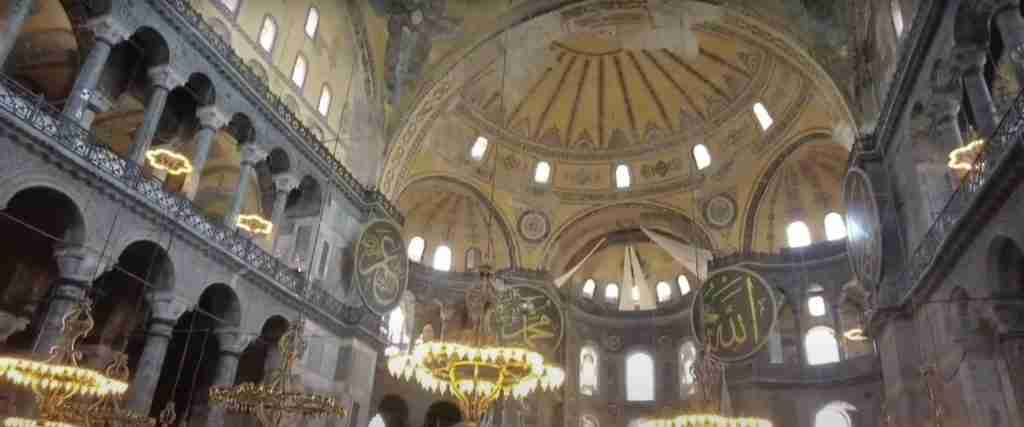
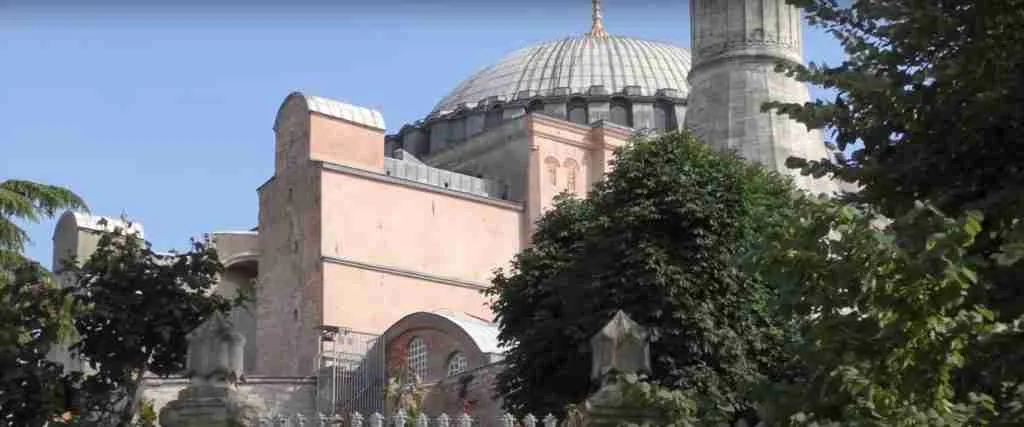
Enter Hagia Sophia at 09:00 sharp when doors open, using your pre-purchased €25 ticket for the museum and upper gallery sections (check official site for current rates). The ground-floor mosque area opens free for prayer and general viewing, but the €25 ticket grants access to the Byzantine mosaics in the upper galleries and the comprehensive museum experience. Hagia Sophia served as the world’s largest cathedral from 537 until 1520, featuring a central dome spanning 31 meters supported by revolutionary Byzantine engineering. Following Ottoman conquest in 1453, minarets were added and it functioned as a mosque until 1935, then a museum until 2020 when mosque designation returned while preserving museum access to galleries for tourists.
Allocate 90-120 minutes inside Hagia Sophia to properly appreciate its scale. The ground floor reveals the massive nave, Islamic calligraphy medallions, mihrab prayer niche, and marble floors incorporating ancient Roman columns. Climb to the upper gallery via the stone ramp (no elevators) to view the magnificent Byzantine mosaics depicting Christ, Virgin Mary, and Byzantine emperors—these gold-background artworks represent the pinnacle of Byzantine craftsmanship. The Deësis mosaic of Christ, Mary, and John the Baptist demonstrates remarkable preservation and artistic sophistication.
Photography is permitted except during prayer times when the ground floor closes to tourists for 30-90 minutes five times daily (check daily schedules posted at entrance). Wear modest clothing (shoulders and knees covered), and women should carry a scarf for head covering though this requirement applies strictly only during prayer. Remove shoes when entering active prayer areas but not for museum gallery sections. Audio guides cost an additional €8-10 and provide useful historical detail for those interested in architecture and Byzantine history.
Late Morning: Blue Mosque and Hippodrome 2026
Cross Sultanahmet Square to the Blue Mosque (Sultan Ahmed Mosque), Istanbul’s most photographed landmark with its six minarets and cascading domes. Entry is free as an active mosque, though donations are welcome. Visiting hours run 08:30-19:30 daily except during prayer times—aim for 11:00-11:30 after completing Hagia Sophia to avoid prayer closures. Remove shoes and collect a plastic bag at entrance for carrying them. Women must cover hair with provided scarves if not bringing their own.
The interior features 20,000 blue İznik tiles giving the mosque its popular name (officially Sultan Ahmed Mosque). The 260 windows flood the space with light, creating an ethereal atmosphere markedly different from Hagia Sophia’s more solemn Byzantine grandeur. Spend 30-45 minutes inside appreciating the tile patterns, hand-painted domes, and elegant proportions. The mosque accommodates 10,000 worshippers, with separate sections for tourists versus active prayer participants—respect these boundaries and maintain quiet voices as this remains a functioning house of worship.
Exit to the mosque’s western courtyard, a serene space with ablution fountains where the faithful perform ritual washing before prayer. The courtyard offers excellent exterior photo opportunities with all six minarets visible and fewer crowds than the main entrance. Visit the neighboring Arasta Bazaar, a restored Ottoman-era market street now filled with carpet, ceramic, and jewelry shops—less overwhelming than the Grand Bazaar but similarly requiring firm “no thank you” responses to aggressive vendors.
Lunch: Sultanahmet Lokanta Experience 2026
Walk five minutes to traditional lokanta restaurants on Divanyolu Caddesi serving fixed-price Turkish home cooking. Tarihi Sultanahmet Köftecisi (meatball restaurant since 1920) offers köfte plates at €8-12, while Balkan Lokantası serves comprehensive lunch spreads of meze, grilled meats, and desserts at €10-15. Alternatively, head to Simit Sarayı chain cafés for budget-friendly Turkish breakfast items (simit bread, börek pastries, çay tea) at €5-8. Avoid tourist-trap restaurants directly facing Hagia Sophia and Blue Mosque charging €20-30 for mediocre food—walk two blocks in any direction for authentic local prices.
Afternoon: Basilica Cistern and Archaeological Museum 2026
Reserve 13:00-14:00 for the Basilica Cistern (Yerebatan Sarnıcı), Istanbul’s most atmospheric underground monument. Tickets cost 800 TL (approximately €23) at peak times with evening visits at 1,300 TL (check official site for current rates). This 6th-century Byzantine water storage facility features 336 columns supporting a brick roof, with the famous Medusa head columns providing the most photographed elements. The cistern stays wonderfully cool on hot days and remains open during mosque prayer times, making it ideal for filling those closure gaps.
The visit takes 30-45 minutes walking raised platforms around reflecting pools illuminated by colored lights. Audio guides (included with admission) explain the cistern’s construction under Emperor Justinian, its rediscovery in 1545, and modern restoration efforts. The theatrical atmosphere attracts crowds, so weekday early afternoons see lighter traffic than mornings or evenings. Photography works best with smartphone night mode as the dim lighting challenges standard cameras.
Continue to the Istanbul Archaeological Museums complex (admission 17 Euro, check official site for current rates), an essential stop for history enthusiasts but skippable for those with limited interest in museum displays. The complex houses three museums displaying artifacts from Troy, Babylon, ancient Anatolia, and the Ottoman court. The highlight is the Alexander Sarcophagus (not actually Alexander the Great’s tomb but depicting his battles) in remarkable preservation. The museums require 90-120 minutes for thorough exploration or 45 minutes for highlights only. Skip entirely if archaeological museums don’t appeal, using the time for shopping or early rest before dinner.
Evening: Süleymaniye Mosque Sunset and Dinner 2026
Take the T1 tram from Sultanahmet to Laleli-Üniversite stop (15 minutes, 35 TL with Istanbulkart), then walk 10 minutes uphill to Süleymaniye Mosque, architect Mimar Sinan’s masterpiece completed in 1557. This mosque surpasses the Blue Mosque in architectural sophistication and enjoys far fewer crowds as its hilltop location deters casual tourists. Visiting hours run 08:30-18:00 daily except during prayers. The interior exhibits perfect proportions, exquisite İznik tiles, and calligraphy, while the courtyard provides panoramic Golden Horn views.
Time arrival for 30 minutes before sunset to experience golden hour light in the courtyard, then watch the call to prayer at dusk—a deeply moving experience whether religious or not. The mosque’s cemetery contains Süleyman the Magnificent’s tomb and offers sunset views across the Golden Horn toward Galata Tower. Spend 45-60 minutes total at the complex, allowing time for reflection in this more contemplative space compared to Sultanahmet’s tourist bustle.
Walk five minutes downhill to the Süleymaniye neighborhood’s traditional restaurants. Tarihi Vefa Bozacısı serves boza (fermented millet drink) and traditional snacks in premises operating since 1876 (€3-5). Hamdi Restaurant offers upscale kebabs and meze with Golden Horn terraces (€20-30 per person), while Körfez Lokantası provides home-cooking spreads at €12-18. Reserve dinner at 19:30-20:00 after the sunset mosque visit concludes.
Day 1 Transportation and Costs 2026
Transport includes Istanbul Airport to Sultanahmet via M11 metro and T1 tram (approximately 90 minutes, 42 TL per person with contactless card or Istanbulkart), T1 tram Sultanahmet to Süleymaniye (35 TL), and return tram to hotel (35 TL). Purchase your Istanbulkart immediately upon airport arrival (165 TL card cost + 200 TL initial load suggested) for all public transport during your stay. Total transport for Day 1: 112-277 TL (€3-8) per person depending on card purchase timing.
Attractions: Hagia Sophia €25, Basilica Cistern 800 TL (€23), Archaeological Museums 17 Euro optional. Sultanahmet Square, Blue Mosque, and Süleymaniye Mosque are free. Total attractions: €48-65 per person depending on museum choice.
Meals: Breakfast at hotel or café (€5-10), lunch at lokanta (€10-15), dinner at Süleymaniye restaurant (€12-30). Total meals: €27-55 per person.
Day 1 total cost: €78-128 per person excluding accommodation (€83-136 if purchasing Istanbulkart today).
Day 2: Topkapi Palace and Bosphorus Villages 2026
Morning: Topkapi Palace Extended Visit 2026
Arrive at Topkapi Palace at 09:00 when gates open, using pre-purchased tickets (2,750 TL including Harem section, approximately €80, check official site for current rates). Istanbul’s most visited monument demands 3-4 hours minimum for adequate exploration—attempting to “do Topkapi” in 90 minutes means superficial glimpses rather than appreciation. The palace served as the Ottoman sultans’ primary residence from 1465-1856, housing over 4,000 people at its peak. Today it functions as a museum displaying treasures across four courtyards and numerous pavilions.
Enter through the Imperial Gate into the First Courtyard (free area historically open to public). Ticket validation begins at the Middle Gate entering the Second Courtyard, where palace business occurred. Visit the Imperial Council Chamber where viziers conducted government, then the Harem—residence of sultans’ wives, concubines, and children. The Harem requires the inclusive 2,750 TL ticket and warrants 60-90 minutes exploring its 300 rooms, courtyards, and baths. Highlights include the Courtyard of the Favorites, the Sultan’s Chamber, and the Queen Mother’s apartments with İznik tiles and painted ceilings.
Continue to the Third Courtyard housing the throne room, Sacred Relics Chamber (displaying Prophet Muhammad’s cloak and sword), and the famous Treasury. The Treasury exhibits the Topkapi Dagger (emerald-encrusted masterpiece), the 86-carat Spoonmaker’s Diamond, and Mughal emeralds of staggering size. Allow 45 minutes minimum for the Treasury’s four rooms. The Fourth Courtyard offers terrace restaurants with Bosphorus views and pleasure pavilions including the Baghdad Kiosk with mother-of-pearl inlays.
Photography is prohibited inside the Sacred Relics and Treasury sections but permitted elsewhere. Guided tours cost €30-50 if desired, though the site provides adequate signage in English. Weekday mornings see lighter crowds than weekends or afternoons. Exit by 13:00 to avoid midday heat and allow time for lunch before afternoon activities.
Lunch: Gülhane Park and Sirkeci Area 2026
Walk through Gülhane Park exiting Topkapi Palace toward Sirkeci neighborhood. Stop at Gülhane Park’s çay bahçesi (tea garden) for light snacks and Turkish tea (€3-5), or continue to Sirkeci for more substantial meals. Sirkeci Balıkçısı serves grilled fish sandwiches (€8-12), while Sirkeci Kral offers kebabs and pide at €10-15. The neighborhood surrounds Sirkeci Train Station (terminus of the historic Orient Express) with numerous lokanta options. Budget 30-45 minutes for lunch.
Afternoon: Bosphorus Ferry and Rumeli Fortress 2026
Walk to Eminönü ferry docks (10 minutes from Sirkeci) and board the 14:00 or 15:00 long Bosphorus ferry (full cruise to Anadolu Kavağı village and return, 6-7 hours round trip, 38-89 TL depending on route with Istanbulkart, check current ferry rates). This public ferry—not a tourist cruise—offers the most authentic and economical Bosphorus experience. The route passes under both Bosphorus bridges, alongside 19th-century waterfront mansions (yalıs), Dolmabahçe Palace, Çırağan Palace Hotel, Ortaköy Mosque, and medieval fortresses while calling at fishing villages on both European and Asian shores.
Alternatively, if preferring a shorter afternoon, take the ferry only to Rumeli Hisarı stop (European shore, 30 minutes, 35 TL) to visit Rumeli Fortress. This medieval fortress built in 1452 by Mehmed II to control the Bosphorus straits before Constantinople’s conquest now serves as an outdoor museum (admission 300 TL, approximately €9). Climb the towers for spectacular Bosphorus views and walk the intact walls. The visit takes 60-90 minutes. Return via ferry to Kabataş (35 TL), then take the funicular to Taksim (35 TL) for evening in Beyoğlu.
If taking the full 6-7 hour Bosphorus ferry cruise, disembark at the final stop (Anadolu Kavağı village) for 2-3 hours of free time exploring this Asian-shore fishing village before the return ferry departs. Climb to Yoros Castle ruins (15 minutes uphill) for Black Sea views, or enjoy fresh fish lunch at waterfront restaurants (€15-25). The return ferry follows the same route, departing around 17:00-18:00. This full-day option suits those with strong interest in the Bosphorus and tolerance for 6-7 hours afloat.
Evening: Ortaköy Neighborhood 2026
For those taking the short Rumeli Fortress option, spend evening in Ortaköy neighborhood beneath the Bosphorus Bridge. This trendy district features Ortaköy Mosque directly on the waterfront, handicraft stalls, and famous kumpir (stuffed baked potato) stands serving this Turkish specialty at €5-8. Waterfront restaurants offer casual dining with bridge views (€15-25 per person). The area attracts young locals particularly on weekends when street musicians and performers create festival atmosphere.
Take the Kabataş funicular to Taksim (10 minutes, 35 TL) to access İstiklal Avenue for evening strolling, shopping, and dinner if preferring livelier urban atmosphere over waterfront relaxation. Return to Sultanahmet accommodation via M2 metro Taksim to Yenikapı (4 stops, 35 TL), then T1 tram to Sultanahmet (35 TL).
Day 2 Transportation and Costs 2026
Transport: T1 tram hotel to Topkapi Palace (35 TL), walk to Eminönü, Bosphorus ferry (38-89 TL for full cruise or 70 TL round-trip for Rumeli Fortress option), evening return transport (70-105 TL depending on route). Total transport: 143-229 TL (€4-7) per person.
Attractions: Topkapi Palace 2,750 TL (€80), Rumeli Fortress 300 TL (€9) optional. Total attractions: €80-89 per person.
Meals: Breakfast (€5-10), lunch (€10-15), ferry snacks or village lunch (€5-25 depending on full/short cruise), dinner (€15-25). Total meals: €35-75 per person.
Day 2 total cost: €119-171 per person excluding accommodation.
Day 3: Asian Side Exploration 2026
Morning: Ferry Crossing and Kadıköy Markets 2026
Take the T1 tram from Sultanahmet to Eminönü (35 TL), then board the 10:00 ferry to Kadıköy on the Asian shore (35 TL, 20 minutes). This crossing provides classic Istanbul views with Europe fading behind while Asia approaches ahead. Ferries depart every 20-30 minutes throughout the day, creating flexible scheduling. The ferry itself constitutes a highlight—locals commute daily on these vessels, vendors sell simit and tea onboard, and seagulls swoop alongside hoping for snacks.
Disembark at Kadıköy pier and walk to the neighborhood’s vibrant markets. The Kadıköy Produce Market (Salı Pazarı, though open daily despite the name meaning “Tuesday Market”) features fruit, vegetable, cheese, olive, and spice stalls where locals shop—completely tourist-free unlike Sultanahmet. Adjacent Kadıköy Fish Market offers everything from Black Sea anchovies to Mediterranean octopus. Walk through for 45-60 minutes absorbing the energy without purchase obligations, though sampling olives or Turkish delight from vendors proves irresistible.
Continue to Çiya Sofrası or Çiya Kebap restaurants (two locations of the same acclaimed establishment) on Güneşlibahçe Sokak for lunch featuring southeastern Anatolia’s regional specialties. These restaurants introduced many Istanbul residents to dishes from Turkey’s southeast, earning nationwide fame. Expect €12-20 per person for meze spreads, kebabs, and seasonal dishes not found elsewhere in Istanbul. Alternatively, try cheaper street food including midye dolma (stuffed mussels, €1-2 for 4-6 pieces, though check vendor hygiene standards carefully).
Afternoon: Moda Waterfront and Karaköy Return 2026
Walk 15 minutes along the waterfront promenade toward Moda neighborhood, a tree-lined district of belle époque buildings housing cafés, bookshops, and boutiques. This represents authentic residential Istanbul where architects, artists, and academics live in renovated apartments. Stop at Moda’s seaside park for tea (€2-3) while watching ferries cross the Bosphorus. The neighborhood requires no specific attractions—instead, wander and observe normal Istanbul life away from monuments and museums.
Take the 15:00 or 16:00 ferry from Kadıköy to Karaköy on the European shore (35 TL, 15 minutes). Karaköy has transformed over the past decade from a working port district into Istanbul’s hippest neighborhood, with industrial warehouses converted to art galleries, specialty coffee roasters, craft cocktail bars, and design boutiques. Walk uphill on Kemeraltı Caddesi browsing vintage shops and street art.
Arrive at Galata Tower (built 1348 by Genoese merchants) by 16:30-17:00 for sunset observation deck access (admission approximately 750 TL, €22, check official rates). The 67-meter tower provides 360-degree Istanbul panoramas across the Golden Horn, Bosphorus, and Historic Peninsula. Sunset timing varies seasonally (around 18:00 in spring/autumn, 19:30 in summer, 17:00 in winter). Queue 30-45 minutes during peak season even with advance tickets—consider whether city views justify the cost and time. Alternatively, skip Galata Tower entirely and explore Galata neighborhood at ground level, visiting the Galata Mevlevi Museum (Whirling Dervish museum in former lodge, €10) instead.
Evening: İstiklal Avenue and Beyoğlu Dining 2026
Walk from Galata Tower to İstiklal Avenue via Galip Dede Caddesi (10 minutes slightly uphill). İstiklal Avenue, Istanbul’s premier pedestrian boulevard, stretches 1.4 kilometers from Galata to Taksim Square, lined with shops, restaurants, historic patisseries, churches, and the nostalgic red tram running the street’s center. The avenue pulses with energy from early morning until late night, attracting both tourists and locals.
Stop at Mandabatmaz for authentic Turkish coffee (€3-4, one of the city’s best), Pano Şarap Evi for meze and wine (€15-25), or cross side streets to reach traditional meyhane taverns on Nevizade Sokak serving rakı (anise spirit) with extensive meze spreads. Meyhane dining works best as a group experience—communal tables, shared plates, live music creating festive atmosphere. Budget €25-40 per person for full meyhane dinner with drinks.
Continue exploring İstiklal’s side streets including Çukurcuma (antique shops), Asmalımescit (bars and restaurants), and Cihangir (bohemian cafés). Return to accommodation via M2 metro from Taksim to Yenikapı (4 stops, 35 TL), then T1 tram to Sultanahmet (35 TL), or take taxi if traveling after metro closure (around 00:30 weekdays, 24 hours Friday-Saturday).
Day 3 Transportation and Costs 2026
Transport: T1 tram hotel to Eminönü (35 TL), Eminönü-Kadıköy ferry (35 TL), Kadıköy-Karaköy ferry (35 TL), metro from Taksim (70 TL). Total transport: 175 TL (€5) per person.
Attractions: Galata Tower 750 TL (€22) optional, Galata Mevlevi Museum €10 alternative. Total attractions: €0-22 per person depending on tower choice.
Meals: Breakfast (€5-10), Kadıköy lunch (€12-20), Moda café tea (€2-3), street snacks (€2-5), meyhane dinner (€25-40). Total meals: €46-78 per person.
Day 3 total cost: €51-105 per person excluding accommodation.
Day 4: Balat and Golden Horn Discovery 2026
Morning: Balat’s Colorful Streets 2026
Take the T1 tram from Sultanahmet to Eminönü (35 TL), then bus 99A toward Balat neighborhood (35 TL, 20 minutes), or take a direct taxi (approximately €8-12, 15 minutes). Balat represents Istanbul’s most Instagram-famous neighborhood with rainbow-colored Ottoman houses climbing hillsides above the Golden Horn. Historically a Jewish quarter (later Armenian and Greek), the area underwent recent restoration transforming near-ruins into sought-after residences, cafés, and galleries.
Begin at Balat’s waterfront (Balat İskelesi), then wander uphill through narrow streets of painted wooden houses. The neighborhood lacks defined “sights”—the experience is pure exploration and photography. Rainbow stairs on Kiremit Caddesi provide the most photographed spot (prepare for small crowds even early morning). Sveti Stefan Bulgarian Church (Demir Kilise), a prefabricated cast-iron church shipped from Vienna in 1898, offers unusual architecture worth visiting (free entry, donations welcome).
Stop at one of Balat’s trendy cafés for Turkish coffee or breakfast. Naftalin K hosts changing art exhibitions alongside serving coffee (€3-5), while Balat Sahil offers Golden Horn terrace views (€4-8). Budget 2-3 hours total in Balat for wandering, photography, and café breaks. The neighborhood transforms throughout the day—early morning sees softer light ideal for photos, midday brings harsh shadows, while late afternoon delivers golden hour but more crowds.
Late Morning: Fener and Patriarchate 2026
Walk 15 minutes north along the Golden Horn waterfront from Balat to adjacent Fener neighborhood, historically the Greek quarter. Visit the Ecumenical Patriarchate of Constantinople, spiritual center of Eastern Orthodox Christianity since the 4th century and still residence of the Ecumenical Patriarch (free entry, open most mornings except religious holidays). The modest exterior belies its religious significance—this institution pre-dates Rome’s papal authority by centuries. The small museum displays ecclesiastical artifacts and explains the Patriarchate’s history. Photography is limited; dress conservatively.
Continue uphill to Fener Greek Orthodox College (Phanar Greek Orthodox College), a distinctive red-brick castle-like building constructed 1881. Now functioning as a school, exterior viewing only, the building exemplifies 19th-century Ottoman educational architecture and provides excellent Golden Horn panoramas from its elevated position. Walk back downhill through Fener’s streets, less polished than Balat but equally atmospheric, with Byzantine-era cisterns occasionally visible through grates in sidewalks.
Lunch: Golden Horn Fish Restaurants 2026
The Golden Horn waterfront between Fener and Balat features traditional fish restaurants serving Black Sea and Marmara catches. Tarihi Balat Sahil Lokantası or similar establishments offer grilled fish, fried mussels, and seasonal seafood at €15-25 per person. Alternatively, return toward Eminönü and try the famous balık ekmek (fish sandwich) from boats moored at Galata Bridge’s base (€5-8). These boats grill fresh mackerel on deck, serving it in bread with onions and lemon—a quintessential Istanbul experience despite touristy setting.
Afternoon: Chora Church and Tekfur Palace 2026
Take a taxi from Balat to Chora Church (Kariye Müzesi, approximately €8-10, 10 minutes) in Edirnekapı neighborhood near the Byzantine land walls. This small church houses Istanbul’s finest Byzantine mosaics and frescoes outside Hagia Sophia, depicting biblical scenes with astonishing detail and preservation. The church functioned as a museum from 1945-2020 when it reconverted to mosque status. Museum access continues via the adjacent building (admission approximately 400 TL, €12, check current rates and access status as arrangements evolve).
The mosaics date to 1320s, depicting Christ’s life, the Virgin Mary’s life, and Last Judgment scenes with gold backgrounds characteristic of Byzantine art’s peak. Art and history enthusiasts rate Chora as essential—its small scale permits intimate appreciation impossible in Hagia Sophia’s vastness. Others may find it skippable given the outlying location. The visit takes 60-90 minutes including travel time from central areas.
Walk 10 minutes from Chora Church to Tekfur Palace (Palace of the Porphyrogenitus), a Byzantine palace complex from the 13th-14th centuries now restored as an open-air museum (admission approximately 200 TL, €6). This palace served as Byzantine imperial residence before Constantinople’s fall, then as a pottery workshop producing İznik-style tiles during Ottoman period. The site underwent extensive restoration completed in recent years, revealing original frescoes and offering walkable upper floors with views across the city walls. Budget 45-60 minutes for the palace visit.
Evening: Return to Sultanahmet or Beyoğlu 2026
Take a taxi from Edirnekapı directly back to Sultanahmet accommodation (€10-15, 15-20 minutes), or ride the M1 metro from Edirnekapı direction Yenikapı (35 TL), connecting to the T1 tram (35 TL) toward Sultanahmet. Alternatively, continue from Edirnekapı toward Beyoğlu for evening dining and entertainment—the M2 metro from Yenikapı reaches Taksim Square in 15 minutes (35 TL).
Dine in Asmalımescit neighborhood near İstiklal Avenue at restaurants like Mikla (contemporary Turkish cuisine with Bosphorus views, €60-90 per person), Zübeyir Ocakbaşı (traditional grill house, €25-35), or casual street food including döner kebab at €5-8. The neighborhood offers diverse price points and cuisines. Reserve evening time for people-watching along İstiklal, visiting rooftop bars overlooking the city, or attending live music venues—Beyoğlu’s nightlife significantly exceeds Sultanahmet’s limited evening options.
Day 4 Transportation and Costs 2026
Transport: T1 tram to Eminönü (35 TL), bus to Balat (35 TL), taxis to Chora and return (€18-25 or 600-800 TL), metro connections (70-105 TL optional). Total transport: 740-1,000 TL (€22-30) per person.
Attractions: Balat and Fener free walking, Chora Church 400 TL (€12), Tekfur Palace 200 TL (€6). Total attractions: €18 per person.
Meals: Breakfast (€5-10), Balat café (€4-8), Golden Horn lunch (€15-25), snacks (€3-5), evening dinner (€15-40). Total meals: €42-88 per person.
Day 4 total cost: €82-136 per person excluding accommodation.
Day 5: Grand Bazaar and Süleymaniye District 2026
Morning: Grand Bazaar and Spice Bazaar 2026
Visit the Grand Bazaar (Kapalı Çarşı) when gates open at 09:00 before tour group arrival at 10:30-11:00. This covered market, established 1461, contains 4,000 shops across 61 streets selling carpets, ceramics, jewelry, leather goods, spices, textiles, and tourist souvenirs. The bazaar functions as a working marketplace for locals buying gold, fabrics, and household goods alongside tourist shopping, creating authentic commercial energy despite evident tourist targeting.
Enter through the Nuruosmaniye Gate (nearest to Sultanahmet via T1 tram to Beyazıt-Kapalıçarşı stop, 35 TL), immediately walking to the historic center featuring the Old Bazaar (İç Bedesten), the original 15th-century core now housing antique jewelry and rare textiles. The Grand Bazaar’s labyrinthine layout defies systematic navigation—embrace getting lost as part of the experience. Follow signs to major landmarks including Şark Kahvesi (Orient Cafe, traditional coffeehouse), the Nuruosmaniye Mosque exit, and the Beyazıt Gate.
Shopping strategy: prices are never fixed despite tags—expect 30-50% reductions through negotiation. State your interest, ask the price, immediately respond “too expensive” and walk away—sellers will call you back with reduced offers if genuinely willing to sell. Never feel obligated to purchase after tea is served (common hospitality/sales tactic). Bargaining works best for higher-value items (carpets, leather jackets) where margins exist; small souvenirs offer limited discount potential. Credit cards are accepted widely but cash provides stronger bargaining position. Budget 90-120 minutes for Grand Bazaar wandering and selective shopping.
Exit at Beyazıt Gate and walk 10 minutes downhill toward Eminönü to reach the Spice Bazaar (Mısır Çarşısı, Egyptian Bazaar), a smaller covered market built 1664 specializing in spices, dried fruits, Turkish delight, teas, and food products. The L-shaped building contains approximately 85 shops offering more focused product selection than the Grand Bazaar’s overwhelming variety. Purchase Turkish delight (lokum), spices, saffron, or tea as edible souvenirs—quality varies significantly, so sample before buying and compare prices across multiple shops. Budget 45-60 minutes at the Spice Bazaar.
Lunch: Eminönü and Galata Bridge 2026
The Eminönü area surrounding the Spice Bazaar offers diverse dining from street snacks to seated restaurants. The Galata Bridge’s lower level houses seafood restaurants with Golden Horn views (€15-30 per person for fish meals), though quality varies and tourist pricing applies. For better value, walk five minutes toward Sirkeci for lokanta restaurants at €10-15, or try street food including kumpir (stuffed baked potato, €5-8), çiğ köfte wraps (€3-5), or fresh-squeezed pomegranate juice (€3-4).
Afternoon: Rüstem Paşa Mosque and Süleymaniye Tombs 2026
Walk five minutes from the Spice Bazaar to Rüstem Paşa Mosque, a small 16th-century mosque by architect Mimar Sinan featuring Istanbul’s finest İznik tile work. The mosque sits elevated above street level with entrance through a busy market passage—follow signs or ask directions as the approach proves non-obvious. The interior showcases exceptional tile panels covering walls and columns in floral and geometric patterns using the classic İznik palette of blue, green, red, and white. This small gem requires only 20-30 minutes but offers extraordinary decoration surpassing larger mosques including the Blue Mosque. Entry is free; visiting hours observe prayer time closures.
Take the T1 tram from Eminönü to Beyazıt (2 stops, 35 TL), then walk 10 minutes uphill to return to Süleymaniye Mosque complex. If you visited briefly at sunset on Day 1, return now for daylight interior viewing and the adjacent cemetery containing Süleyman the Magnificent’s tomb and his wife Hürrem Sultan’s (Roxelana) tomb. These imperial tombs feature tile work and marble carving demonstrating Ottoman funerary architecture. Entry is free; tombs close 30 minutes before the mosque.
The Süleymaniye complex includes a medrese (religious school) now functioning as a library, a restaurant in former caravanserai buildings, and the cemetery with panoramic Golden Horn views. This represents Ottoman urban planning at its zenith—mosque, tombs, schools, hospitals, baths, and markets forming an integrated complex. Allocate 60-90 minutes for thorough exploration or 30 minutes for the mosque and tombs only.
Evening: Vefa and Zeyrek Districts 2026
Explore the streets around Süleymaniye descending toward Zeyrek, a hillside neighborhood of wooden Ottoman houses overlooking the Golden Horn. Zeyrek Mosque (Pantokrator Monastery before 1453) merits visiting for its Byzantine architecture and atmospheric setting, though currently undergoing restoration with limited access. The neighborhood sees few tourists despite proximity to Sultanahmet, offering authentic glimpses of traditional Istanbul life.
Dine at restaurants near Süleymaniye including Hamdi Restaurant (mentioned Day 1, worth returning to for kebabs and Golden Horn terrace dining, €20-30), Kuru Fasülyeci Erzincanlı (traditional bean stew restaurant, €8-12), or Şehzade Çağ Kebap (Erzurum-style lamb kebab, €12-18). Walk downhill after dinner toward Eminönü to catch the T1 tram back to Sultanahmet (35 TL), enjoying evening views across the illuminated Golden Horn and bridges.
Day 5 Transportation and Costs 2026
Transport: T1 tram to Beyazıt-Kapalıçarşı (35 TL), T1 tram Eminönü to Beyazıt (35 TL), evening T1 tram return (35 TL). Total transport: 105 TL (€3) per person.
Attractions: Grand Bazaar free entry (shopping budget separate), Spice Bazaar free entry, Rüstem Paşa Mosque free, Süleymaniye Mosque free. Total attractions: €0 for entries (shopping at personal discretion).
Meals: Breakfast (€5-10), lunch near Spice Bazaar (€10-20), afternoon tea/snack (€3-5), dinner near Süleymaniye (€15-30). Total meals: €33-65 per person.
Shopping: Highly variable from €0 to hundreds depending on personal interests. Budget €30-100 for typical souvenirs (ceramics, textiles, spices, Turkish delight) if planning purchases.
Day 5 total cost: €36-68 per person excluding accommodation and optional shopping.
Day 6: Princes’ Islands or Dolmabahçe Palace 2026
Day 6 offers flexibility based on weather, energy levels, and personal preferences. Choose between a full-day Princes’ Islands escape for beach relaxation and island charm, or a Dolmabahçe Palace visit combined with final Sultanahmet explorations and departure preparations.
Option A: Princes’ Islands Full Day 2026
Take the T1 tram from Sultanahmet to Kabataş (35 TL), then walk 5 minutes to Kabataş ferry pier. Board the 09:00 or 10:00 ferry to Büyükada (largest Princes’ Island) via Kadıköy, Kınalıada, Burgazada, and Heybeliada stops (full journey 90 minutes, final stop Büyükada, approximately 150-200 TL round-trip ferry fare with Istanbulkart, verify current pricing). The Princes’ Islands archipelago in the Sea of Marmara offers car-free environments, belle époque mansions, pine forests, and swimming beaches—a complete departure from urban Istanbul.
Disembark at Büyükada and rent bicycles (€8-12 for full day) or arrange fayton (horse-drawn carriage, €30-50 for 1-hour island tour, prices negotiable). Motor vehicles are banned except emergency services. Cycle to Büyükada’s south shore beaches (Yorukali Beach, Viranbağ Beach) for swimming May-September (beach clubs charge €10-15 entry including sunbed and umbrella). Visit the Greek Orthodox Monastery of St. George on the island’s highest point for panoramic views—the chapel sits 203 meters elevation requiring 30-40 minute uphill bicycle ride or walking. The monastery features centuries-old icons and offers wishes granted according to local tradition.
Lunch at Büyükada’s waterfront restaurants serving fresh fish, meze, and seafood (€20-35 per person). Alternatively, pack a picnic from Istanbul purchasing items before departure. The island’s relaxed pace and absence of traffic noise provides restorative contrast to the city’s intensity. Return ferries depart hourly from mid-afternoon through evening, with the 17:00-18:00 boats providing optimal timing to reach Istanbul by dinner. Budget 6-8 hours total for the Princes’ Islands excursion including ferry time.
Option B: Dolmabahçe Palace and Final Istanbul Hours 2026
Visit Dolmabahçe Palace, the 19th-century imperial residence replacing Topkapi Palace as the Ottoman sultans’ primary seat from 1856-1922. The palace showcases European-influenced architecture and interior decoration markedly different from Topkapi’s traditional Ottoman style. Access requires guided tour only (no independent exploration), with tours running every 30-60 minutes between 09:00-16:00 (closed Mondays and Thursdays). Admission costs approximately 900-1,200 TL (€27-36) depending on sections accessed (main palace, harem, or combined), verify current rates on official site.
Take the T1 tram from Sultanahmet to Kabataş (35 TL, 30 minutes), then walk 10 minutes along the Bosphorus waterfront to Dolmabahçe Palace entrance. Purchase tickets on arrival or online if available—advance booking proves less critical than for Topkapi. The 45-minute mandatory tour showcases crystal chandeliers (including a 4.5-ton Baccarat chandelier gift from Queen Victoria), gold-leaf ceilings, European furniture, and Mustafa Kemal Atatürk’s deathbed (Turkey’s founder died here in 1938). Photography is prohibited inside.
Following the palace visit, walk along the Bosphorus toward Beşiktaş neighborhood (15 minutes) for lunch at Çarşı area’s lokanta restaurants (€10-15) or the famous Çengelköy Çınaraltı tea garden overlooking the strait (€3-5 for tea and snacks). The waterfront promenade offers pleasant strolling with ferry traffic, fishermen, and locals exercising. Visit the nearby Beşiktaş marketplace for final shopping—this local market sells clothing, household goods, and food at prices lower than Sultanahmet tourist areas.
Return to Sultanahmet via T1 tram from Kabataş (35 TL, 30 minutes) for final hours in the Historic Peninsula. Revisit favorite spots, complete any remaining shopping, or discover areas missed earlier. The Turkish and Islamic Arts Museum (17 Euro admission) in Sultanahmet Square houses carpets, calligraphy, and Ottoman decorative arts if museum interests remain. Alternatively, relax at a çay bahçesi (tea garden) in Gülhane Park reflecting on the week’s experiences before dinner and departure preparations.
Evening: Farewell Dinner and Departure Preparation 2026
Choose a farewell dinner venue matching your trip’s tone and budget. For splurge-worthy meals with Bosphorus views, reserve at Sunset Grill & Bar in Ulus (€60-100 per person), Mikla Restaurant rooftop in Beyoğlu (€60-90), or Tugra Restaurant at Çırağan Palace (€80-120). Mid-range Ottoman cuisine appears at Asitane Restaurant near Chora Church (€35-50, reservations recommended) recreating palace recipes from historical sources. Traditional meyhane taverns in Beyoğlu offer communal farewell meals with live music at €25-40 per person.
Return to accommodation for packing and early rest if departing morning flights. Istanbul Airport requires 60-90 minutes travel time from Sultanahmet via M11 metro from various connecting stations. Evening flights allow final morning explorations or sleeping late after an exhausting week. Sabiha Gökçen Airport on the Asian side serves budget airlines and requires 75-90 minutes from European-side hotels via M4 metro and bus connections.
Day 6 Transportation and Costs 2026
Option A (Princes’ Islands): T1 tram to Kabataş (35 TL), ferry round-trip (150-200 TL or €4-6), bicycle rental (€8-12), evening return tram (35 TL). Trams total 70 TL (€2). Total transport: €14-20 per person.
Option A Attractions: Monastery free entry (donations welcome), beach clubs €10-15. Total: €10-15 per person.
Option A Meals: Breakfast (€5-10), island lunch (€20-35), snacks (€5-10), farewell dinner (€25-60). Total: €55-115 per person.
Option A Day 6 total: €79-150 per person excluding accommodation.
Option B (Dolmabahçe): T1 tram to Kabataş (35 TL), T1 return (35 TL), optional metros if visiting Beyoğlu (70 TL). Total transport: 140 TL (€4) per person.
Option B Attractions: Dolmabahçe Palace 900-1,200 TL (€27-36), Turkish and Islamic Arts Museum 17 Euro optional. Total: €27-53 per person.
Option B Meals: Breakfast (€5-10), lunch (€10-20), afternoon tea (€3-5), farewell dinner (€25-100). Total: €43-135 per person.
Option B Day 6 total: €74-192 per person excluding accommodation.
Accommodation Strategies Istanbul 2026
Budget Accommodation Options 2026
Budget travelers choose hostels, guesthouses, and 2-star hotels in Sultanahmet or Beyoğlu at $30-80 per night. Sultanahmet hostels like Agora Guesthouse, Sultan Hostel, and Cheers Hostel offer dormitory beds at $12-25 per person and private rooms at $40-65 for couples. These properties provide breakfast, rooftop terraces with mosque views, social common areas, and walking-distance access to major monuments. Book directly through hostel websites or Hostelworld for best rates, avoiding booking platform commissions.
Budget hotels in Sultanahmet include Hotel Sultania ($50-75), Sirkeci Konak ($45-70), and White House Hotel ($40-65) providing private rooms, breakfast, and convenient locations while lacking luxury amenities. Beyoğlu alternatives like Pera Orient Suites ($50-80) and Taksim Square properties ($45-75) offer proximity to nightlife, restaurants, and İstiklal Avenue shopping with metro connections to historic sites. The Asian side’s Kadıköy neighborhood features even cheaper options ($30-50 nightly) with authentic local character, though requiring ferry commutes to European-side attractions adding 40-60 minutes daily.
Mid-Range Hotel Selection 2026
Mid-range 3-4 star hotels cost $80-150 per night combining comfort with value. Sultanahmet options include Hotel Arcadia Blue ($90-140), Romance Istanbul Hotel ($85-135), and Hotel Empress Zoe ($95-145), properties featuring boutique styling in restored Ottoman houses, rooftop restaurants, concierge services, and often Hagia Sophia or Blue Mosque views. Expect rooms of 20-30 square meters with modern bathrooms, air conditioning, and breakfast buffets. These hotels book solid during peak season—reserve 4-6 weeks ahead.
Beyoğlu mid-range hotels like Tomtom Suites ($100-160), Georges Hotel Galata ($95-145), and Pera Palace Hotel Jumeirah ($140-220) provide contemporary luxury, excellent restaurants, and fashionable locations near İstiklal Avenue. The Pera Palace, a restored 1892 grande dame hotel, offers historical ambiance where Agatha Christie stayed while writing Murder on the Orient Express. Beşiktaş neighborhood along the Bosphorus features Radisson Blu Bosphorus ($110-170) and similar chains delivering reliable quality, waterfront jogging paths, and easy public transport connections.
Luxury Hotel Experiences 2026
Luxury travelers choose 5-star hotels at $200-600+ per night offering Bosphorus views, rooftop pools, spa facilities, and impeccable service. Four Seasons Sultanahmet ($350-600) occupies a converted prison with 65 rooms overlooking the Bosphorus, private terraces, and Michelin-level dining. Çırağan Palace Kempinski ($400-800) functions as a former Ottoman palace now serving as a hotel with palace suites, infinity pools overlooking the Bosphorus, and private boat dock. These properties target special occasion travelers for whom accommodation constitutes destination rather than merely lodging.
Additional luxury options include Shangri-La Bosphorus ($300-550), Conrad Istanbul Bosphorus ($250-450), and The Marmara Taksim ($180-320). The Ritz-Carlton Istanbul ($280-500) provides central Taksim location with easy metro access to all districts. Most luxury hotels offer airport transfer services, private guides, and restaurant reservations as standard concierge amenities. Summer season and major holidays command premium rates—October-March timing delivers the same properties at 30-40% discounts.
Neighborhood Selection Priority 2026
Sultanahmet suits first-time visitors prioritizing walking access to Byzantine and Ottoman monuments, though the neighborhood feels touristy with limited nightlife and inflated restaurant prices. Choose Sultanahmet for history immersion accepting trade-offs of tourist-oriented atmosphere. Beyoğlu appeals to culture-focused travelers enjoying contemporary art, fashion, nightlife, and dining, with metro connections to historic sites. This neighborhood attracts younger visitors and those prioritizing Istanbul’s modern character over ancient monuments.
Beşiktaş and Ortaköy neighborhoods along the Bosphorus combine waterfront ambiance with reasonable transport links and local character. These areas see far fewer tourists than Sultanahmet while offering authentic neighborhood life, parks, and casual dining. The Asian side (Kadıköy, Moda, Üsküdar) provides the most authentic experience with lowest prices but requires daily ferry commutes to European-side attractions adding 60-90 minutes to touring time. Choose Asian neighborhoods for travelers who have visited Istanbul previously or who prioritize local immersion over monument efficiency.
Transportation Mastery Istanbul 2026
Istanbulkart System Comprehensive Guide 2026
The Istanbulkart functions as Istanbul’s universal public transport payment card valid on metro, tram, buses, ferries, funiculars, and cable cars. Purchase the card immediately upon arrival at Istanbul Airport from yellow vending machines (Biletmatik) in the arrivals hall or metro station entrance. The card itself costs 165 TL (approximately €5) as a one-time purchase, plus whatever balance you load—200-300 TL initial load suffices for 2-3 days of frequent transport at 35-42 TL per ride.
Tap the card on electronic readers at metro/tram turnstiles, bus entrance validators, and ferry pier gates—a beep and green light confirm payment. One card serves multiple passengers simultaneously by tapping separately for each person. The card provides discounted rates compared to contactless credit cards and eliminates the need for single-use tickets. Transfer discounts reduce subsequent ride costs when changing transport within 2 hours, though tourists with anonymous Istanbulkarts receive minimal transfer benefits compared to residents’ personalized cards.
Reload Istanbulkarts at any Biletmatik vending machine by inserting the card, selecting “load balance,” choosing an amount (minimum 50 TL), and paying with cash or card. Machines accept TL banknotes only for cash payment—no foreign currency. Some machines offer “contact service” allowing mobile app top-ups, though app setup requires Turkish phone numbers making it impractical for short-term visitors. Keep 200-300 TL loaded to avoid running out of balance before ferry boarding or metro entry.
Check card balance by tapping on any reader without passing through—the display shows remaining credit. At trip’s end, Istanbulkart balances are non-refundable and cards cannot be returned for deposit refund. Consider sharing leftover balance with other travelers, using it for airport departure, or keeping the card as a functional souvenir for future visits. Cards remain valid indefinitely.
Metro and Tram Network Navigation 2026
Istanbul’s expanding metro system includes 11 lines (M1-M11) covering European and Asian sides, though tourists primarily use M1 (airport and western suburbs), M2 (Yenikapı-Taksim-Şişli-Hacıosman), M4 (Kadıköy-Tavşantepe on Asian side), and M11 (Istanbul Airport express). The T1 tram line proves most valuable for tourists, running from Kabataş through Sultanahmet, Eminönü, and continuing west—virtually every major Historic Peninsula attraction sits within 500 meters of a T1 stop.
Metro stations feature clear signage in Turkish and English with line colors, direction indicators, and connection symbols. Google Maps provides accurate metro routing and real-time information. The “Otobüsüm Nerede” app (Istanbul’s official transit app) shows live train arrival times but requires Turkish language navigation. Download offline Istanbul metro maps before relying on mobile apps as cellular data coverage proves spotty in underground stations.
Metro trains run approximately 06:00-00:30 on weekdays, with major lines including M1, M2, M4, M5, and M6 operating 24 hours Friday-Saturday nights (Gece Metrosu night metro service). Tram lines maintain similar weekday hours and limited late-night service on weekends. Crowds peak during morning rush (07:30-09:30) and evening rush (17:00-19:30)—avoid these windows when traveling with luggage or if claustrophobic. Metro cars feature priority seating for elderly, disabled, and pregnant passengers—respect these designations even when tired after full touring days.
Ferry System and Bosphorus Crossings 2026
Ferries constitute both practical transport and essential Istanbul experiences. The Eminönü-Kadıköy route provides the most frequent Europe-Asia crossings (every 15-20 minutes, 20 minutes journey time, 35 TL with Istanbulkart). Kabataş-Üsküdar ferries offer alternative European-Asian connections from the northern Golden Horn area. Long Bosphorus cruises departing Eminönü visit villages up the strait to near the Black Sea with 2-3 hour one-way journeys.
Ferry schedules reduce frequency November-March due to weather and lower passenger demand—verify current schedules on the Şehir Hatları ferry company website or at piers. Rough sea conditions occasionally cancel ferries, particularly on windy winter days. Indoor seating fills quickly during cold or rainy weather, while outdoor decks remain empty—dress accordingly for comfortable crossing. Tea, simit, and snack vendors circulate through ferries selling refreshments at reasonable prices. Seagulls follow boats hoping for food scraps—passengers often purchase simit specifically to feed the birds in a quintessential Istanbul tradition.
Taxi and Ride-Hailing Services 2026
Official yellow taxis operate via meters charging approximately 50-75 TL base fare plus 15-20 TL per kilometer. Insist drivers activate meters at trip start—refusing meters or claiming fixed rates indicates attempted overcharging. BiTaksi and Uber apps function in Istanbul providing transparent pricing and driver tracking, though traditional taxis can be hailed on streets anywhere. Ride-hailing proves useful for late-night returns, heavy luggage days, and areas with limited public transport.
Avoid taxis at major tourist sites (Sultanahmet, Taksim Square, Galata Tower) where drivers target tourists with inflated prices and refuse short trips. Walk two blocks from monuments to find more honest drivers serving local clientele. Istanbul traffic reaches legendary congestion levels, particularly crossing the Bosphorus bridges and in the Historic Peninsula—metro and tram frequently move faster than taxis on identical routes. Budget €8-15 for typical 15-minute taxi trips, €15-25 for longer crosstown journeys, and €25-40 for airport transfers (though public transport costs €1-2).
Dining Guide and Food Costs Istanbul 2026
Budget Dining Strategy 2026
Budget-conscious travelers eat excellently in Istanbul at €20-35 daily by focusing on lokantas (home-cooking restaurants), street food, and bakeries. Lokantas display prepared dishes in glass cases—point to selections receiving freshly plated servings. Typical meals include lentil soup (€2-3), köfte (meatballs, €5-8), grilled chicken (€6-9), rice or bulgur pilaf (€2-3), and ayran (yogurt drink, €1-2). Lokantas cluster around business districts and residential neighborhoods—avoid those directly facing major monuments charging tourist premiums.
Street food delivers authentic flavors at minimal cost. Simit (sesame bread ring) costs €0.50-1 from street vendors and pairs with cheese for breakfast. Balık ekmek (fish sandwich) at Eminönü runs €5-8. Döner kebab from neighborhood shops costs €4-7 for large wraps. Kumpir (stuffed baked potato) vendors in Ortaköy and Kadıköy serve enormous portions at €5-8. Midye dolma (stuffed mussels) costs €1-2 for 4-6 pieces—eat only from busy vendors ensuring freshness and refrigeration.
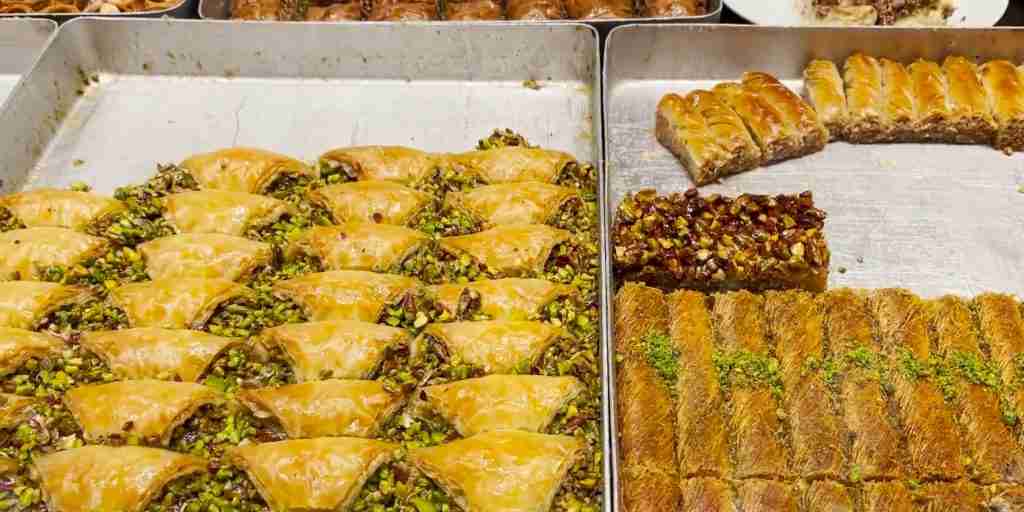
Bakeries (fırın) sell börek (savory pastries, €2-4), poğaça (soft buns, €1-2), and baklava (€3-5 for generous portions). Simit Sarayı chain cafés provide reliable budget breakfast spreads of menemen (Turkish scrambled eggs), bread, cheese, olives, and tea at €6-10. Grocery stores including Migros, CarrefourSA, and A101 sell yogurt, cheese, bread, fruit, and snacks for self-catering breakfast supplements saving €5-8 daily compared to hotel dining.
Mid-Range Restaurant Experiences 2026
Mid-range dining costs €30-60 daily encompassing lokanta lunches and proper restaurant dinners. Lokanta meals including soup, main course, side dishes, and drinks run €12-18. Restaurant dinners at establishments serving alcohol (not lokanta category) cost €20-35 per person without wine, €30-50 with a bottle. Meyhane taverns specializing in meze and rakı (anise spirit) charge €25-40 for full spreads of 8-12 small plates plus drinks.
Recommended mid-range restaurants include Hamdi Restaurant (Eminönü, kebabs and Golden Horn views, €20-30), Karaköy Lokantası (Karaköy, modern Turkish, €18-28), Çiya Sofrası (Kadıköy, regional Anatolian cuisine, €12-20), and Zübeyir Ocakbaşı (Beyoğlu, grills, €25-35). Meyhane clusters in Beyoğlu’s Nevizade Sokak and Asmalımescit areas—choose establishments with visible kitchens and local clientele rather than aggressive touts soliciting tourists. Reservations prove necessary Friday-Saturday evenings and at celebrity-chef establishments year-round.
Luxury and Fine Dining 2026
Luxury dining experiences at Bosphorus-view restaurants and contemporary Turkish fusion establishments cost €60-150+ per person with wine. Mikla Restaurant (Beyoğlu, rooftop contemporary Turkish, €60-90), Sunset Grill & Bar (Ulus, Mediterranean fusion, €60-100), Nicole Restaurant (Tomtom Suites, €70-110), and Tugra Restaurant (Çırağan Palace, Ottoman palace cuisine, €80-120) represent Istanbul’s fine dining scene. These establishments require advance reservations particularly for window tables and weekend dinners.
Splurge-worthy experiences include Bosphorus dinner cruises combining dining with waterfront illumination views (€50-100 per person), fish restaurants at Kumkapı or Arnavutköy villages (€40-80 for seafood feasts), and Asian-side meyhanes in Kadıköy’s Çarşı area (€30-50 with extensive meze). Luxury hotels operate excellent restaurants—Four Seasons Sultanahmet’s Seasons Restaurant (€60-90), Çırağan Palace’s Tuğra (€80-120), and Shangri-La’s Shang Palace (Chinese cuisine, €50-90) deliver exceptional quality in elegant settings.
Food and Dining Budget Summary 2026
Budget travelers eating lokantas, street food, and bakery items spend €20-35 daily. Mid-range travelers mixing lokantas with restaurant dinners spend €30-60 daily. Luxury diners with Bosphorus views and fine dining spend €60-150+ daily. These ranges assume three meals plus tea/coffee breaks—adjust for breakfast included with accommodation. Alcohol significantly increases costs as beer runs €5-8, wine €15-30 per bottle at restaurants, and rakı €20-40 per bottle. Soft drinks cost €2-4, fresh juices €3-5, and Turkish tea €1-2.
Money-Saving Strategies Istanbul 2026
Free and Low-Cost Attractions 2026
Istanbul offers extensive free experiences offsetting paid monument entrance fees. The Blue Mosque, Süleymaniye Mosque, Rüstem Paşa Mosque, and all other active mosques charge no admission. Sultanahmet Square, Gülhane Park, Yıldız Park, and waterfront promenades provide pleasant wandering space without cost. Ferry rides between Europe and Asia (35 TL with Istanbulkart, approximately €1) deliver transportation plus sightseeing combined.
Walking tours led by local freelance guides operate on tips-only basis (expect €10-20 suggested gratuities) covering Sultanahmet, Balat, Beyoğlu, and specialized food tours. Search “Istanbul free walking tours” for current operators and schedules. Walking independently using downloaded maps proves entirely feasible as major monuments cluster within 2-3 kilometer radiuses. Photography costs nothing yet provides lasting memories—sunrise at Galata Bridge, sunset from Süleymaniye, and nighttime mosque illuminations create exceptional free photo opportunities.
Museum Pass and Combo Tickets 2026
The Istanbul Museum Pass (available 3-day or 5-day versions at €85-125, verify current pricing) includes admission to Topkapi Palace with Harem, Hagia Sophia, Topkapi Palace Harem separately purchased (if applicable), Archaeological Museums, Turkish and Islamic Arts Museum, Museum of the Ancient Orient, and several other museums. Calculate individual attraction costs versus pass pricing—the pass saves money only when visiting 4+ included venues. Passes sold at major attractions and online through official Turkish Ministry of Culture portals.
Private tour companies offer combo tickets bundling multiple attractions with skip-the-line access at €10-20 premiums over individual ticket totals. Evaluate whether time saved justifies cost premiums, particularly during peak season when individual ticket queues reach 60-90 minutes at Topkapi and Hagia Sophia. Some combo tickets include guided tours increasing both cost and time commitment—ensure tour interests align before purchasing.
Accommodation Cost Reduction 2026
Book hotels directly through property websites rather than booking platforms when direct rates match or beat platform prices—this supports small hotels avoiding 15-20% commission fees. Search Booking.com, Hotels.com, and Agoda for options, then contact properties directly requesting their best rate. Many Sultanahmet boutique hotels offer 5-10% discounts for direct bookings, free airport transfers for multi-night stays, or complimentary breakfasts beyond standard offerings.
Visit during shoulder seasons (April-May, September-October) for 20-30% lower accommodation rates compared to June-August peak season with arguably better weather conditions. Winter (November-March) delivers 40-50% discounts with the trade-off of reduced daylight hours, ferry schedule limitations, and occasional weather disruptions. Book 6-8 weeks ahead during any season for widest selection and best pricing—last-minute bookings during peak season often encounter 30-50% premiums as availability tightens.
Consider Asian-side neighborhoods (Kadıköy, Moda) for 30-40% lower hotel costs compared to Sultanahmet or Beyoğlu while accepting 60-90 minute additional daily commuting via ferry. The trade-off suits travelers who enjoy ferry crossings as experiences rather than viewing them as inconvenient transport necessities. Hostel dormitories in Sultanahmet save €20-40 nightly versus private rooms for solo travelers comfortable with shared accommodations.
Essential Practical Information Istanbul 2026
Language and Communication 2026
Turkish is Istanbul’s primary language, with English spoken widely in tourist areas but rarely in residential neighborhoods or by older residents. Learn basic Turkish phrases: merhaba (hello), teşekkür ederim (thank you), lütfen (please), kaç para (how much), nerede (where), and tamam (okay). Turkish people appreciate foreigners attempting their language even with limited vocabulary. Young Istanbulites under 35 often speak serviceable English, particularly in Beyoğlu, Beşiktaş, and Kadıköy neighborhoods.
Download Google Translate offline Turkish-English dictionary before arrival for menu reading, sign interpretation, and basic communication. The app’s camera translation function proves invaluable for restaurant menus lacking English versions. Most major attractions provide English signage and audio guides. Museum labels often lack English translations outside internationally significant venues like Hagia Sophia and Topkapi Palace. Restaurant menus in Sultanahmet appear in English (though verify prices match Turkish language sections), while neighborhood lokantas in Fatih, Balat, or Kadıköy remain Turkish-only requiring pointing at prepared dishes or using translation apps.
Safety and Security Considerations 2026
Istanbul ranks as generally safe for tourists with violent crime rates low compared to European or North American cities. Petty theft including pickpocketing occurs in crowded areas particularly the T1 tram between Sultanahmet and Taksim, Grand Bazaar, Spice Bazaar, and İstiklal Avenue. Wear bags across your body in front position, keep phones and cameras secured, and maintain awareness in crowds. Avoid displaying expensive jewelry, multiple cameras, or keeping wallets in back pockets.
Scams targeting tourists include carpet shop bait-and-switch schemes (friendly stranger invites you to “cousin’s carpet shop” leading to aggressive hard-sell), shoe-shine brush drops (person drops brush, you pick it up, receives free shoe shine leading to €50-100 charge), and taxi meter manipulation (unusually high readings or broken meters requiring “fixed price”). Decline all unsolicited tour offers, shopping invitations, and overly friendly strangers suggesting specific restaurants or shops. Legitimate tour companies operate from offices with posted prices, not street touts approaching tourists.
Women traveling solo report generally positive experiences with occasional unwanted attention or comments particularly in crowded areas and nightlife districts. Dress relatively conservatively (covered shoulders and knees) when visiting mosques regardless of gender—some mosques provide loaner scarves and robes for visitors dressed inappropriately. Public displays of affection between same-sex couples attract negative attention and potential harassment as Turkey remains socially conservative regarding LGBTQ+ visibility despite legal protections. Istanbul’s Pride parade faces recurring government bans though the city maintains active LGBTQ+ nightlife scenes in Beyoğlu and Cihangir neighborhoods.
Health and Hygiene Standards 2026
Istanbul tap water meets Turkish standards but often tastes heavily chlorinated or metallic—locals drink bottled water and visitors should similarly. Purchase 5-liter bottles from supermarkets (€1-2) rather than 500ml tourist bottles (€1-2 each). Restaurants serve safe tap water in carafes if requested though bottled water incurs charges. Ice in drinks uses bottled water at reputable establishments but ask when uncertain.
Food hygiene standards vary dramatically. Establishments displaying “Health Certificate” (Sağlık Sertifikası) meet government inspection requirements. Street food vendors require individual assessment—observe preparation cleanliness, customer volume indicating turnover, and refrigeration of ingredients. Avoid pre-prepared salads sitting unrefrigerated, shellfish from non-busy vendors, and anywhere with visible pest problems. Cooked-to-order food (grilled meats, simit, börek fresh from ovens) presents minimal risk. Traveler’s diarrhea affects some visitors typically from untreated water, undercooked foods, or insufficient hand washing—carry Imodium and rehydration salts as precautions.
Pharmacies (eczane, marked by green cross signs) stock comprehensive medications including antibiotics available without prescriptions at far lower prices than US/UK equivalents. Pharmacists speak basic English and provide symptom-based recommendations. Public restrooms charge €0.50-1 entrance fees and vary in cleanliness—plan restroom stops at restaurants, museums, or upscale shopping centers for better facilities. Carry tissue packets as toilet paper supplies prove inconsistent.
Cultural Etiquette and Respect 2026
Remove shoes when entering mosques—observe locals and follow their lead. Women cover heads with scarves (bring your own or borrow provided scarves) and dress modestly. Men and women use separate prayer areas in active mosques; tourist viewing areas differ from prayer sections with clear demarcation. Avoid mosque visits during prayer times (five daily calls to prayer, each closing tourist access for 30-90 minutes) or plan alternative activities during these windows.
Photography proves acceptable in most public spaces though ask permission before photographing people, particularly women and children. Avoid photographing military installations, police operations, or government buildings. Some mosques prohibit photography during prayers or in specific sections—observe posted signs and local behavior. Museums indicate photo-allowed areas with signage, typically prohibiting flash photography but permitting regular photos without tripods.
Tipping customs: restaurants add 10% service charges increasingly often, eliminating separate tip requirements, though leaving 5-10% additional for exceptional service remains appreciated. Taxi drivers receive rounding up to nearest 10 TL. Hotel bellhops receive €1-2 per bag. Hamam attendants expect €5-10 tips for scrub-and-massage services. Tour guides receive €10-20 for full-day tours depending on quality. Café and lokanta tipping remains minimal—leaving small change suffices.
Complete Budget Breakdown 6-Day Istanbul Trip 2026
Accommodation Costs 6 Nights 2026
Budget travelers spending $30-80 per night total $180-480 for six nights. Mid-range travelers at $80-150 nightly total $480-900. Luxury travelers exceeding $200 nightly total $1,200-3,600+. These ranges assume double occupancy with costs per person half of room rates. Solo travelers in hostels pay $12-25 per dormitory bed ($72-150 for six nights) or full private room rates if avoiding shared accommodations. Prices vary seasonally with June-August commanding peaks and November-March delivering minimums.
Daily Costs Recap 6 Days 2026
Day 1 (including Istanbulkart): €83-136 per person excluding accommodation. Day 2: €119-171 per person. Day 3: €51-105 per person. Day 4: €82-136 per person. Day 5: €36-68 per person plus optional shopping €30-100. Day 6 Option A (Islands): €79-150 per person. Day 6 Option B (Dolmabahçe): €74-192 per person. Total 6 days excluding accommodation: €445-808 per person depending on daily choices and Day 6 option selected (calculation with Option B: 83+119+51+82+36+74 = 445 low, 136+171+105+136+68+192 = 808 high). Including typical shopping (€30-100): €475-908 per person.
Total Trip Cost Complete Breakdown 2026
Budget calculation: Accommodation $180-480 (€170-450), daily costs €445 minimum, shopping €30. Budget total: €645-925 per person for six days (calculation: €170-450 accommodation + €445 daily + €30 shopping = €645-925).
Mid-range calculation: Accommodation $480-900 (€450-850), daily costs €627 average, shopping €65. Mid-range total: €1,142-1,542 per person (calculation: €450-850 accommodation + €627 daily + €65 shopping = €1,142-1,542).
Luxury calculation: Accommodation $1,200+ (€1,130+), daily costs €808 maximum, shopping €100. Luxury total: €2,038+ per person minimum (calculation: €1,130 accommodation + €808 daily + €100 shopping = €2,038).
Additional costs: International flights vary dramatically by origin (€200-1,200), travel insurance (€30-80 for week-long coverage), airport transfers unless using public transport (€25-40 if taking taxis), and miscellaneous expenses including souvenirs, laundry, phone data plans (€20-50 total). Complete trip costs including flights range €900-1,200 for budget travelers, €1,400-2,800 for mid-range travelers, and €2,400-4,500+ for luxury travelers departing European cities. North American travelers add €400-800 for long-haul flight premiums.
Frequently Asked Questions Istanbul 6-Day Itinerary 2026
Do I need 6 full days in Istanbul or would 4-5 days suffice?
Six days provides comfortable pacing covering essential UNESCO sites, neighborhood exploration, and either Princes’ Islands or Asian side visits without daily exhaustion. Five days works by combining Days 4-5 content or eliminating Princes’ Islands, though this creates denser scheduling reducing flexibility for spontaneous discoveries or rest. Four days forces choose between depth (thorough UNESCO site exploration) or breadth (sampling many neighborhoods superficially), resulting in inevitable regrets over missed attractions. Istanbul rewards extended stays as its scale and diversity exceed typical European capitals—consider six days the comfortable minimum for first visits rather than excessive duration.
Should I stay in one neighborhood for all 6 nights or split between two locations?
Staying in one neighborhood for all six nights simplifies logistics, eliminates mid-trip hotel changes, and allows developing local routines (favorite bakery, evening stroll route, neighborhood restaurant). Sultanahmet works for monument-focused trips, Beyoğlu for nightlife and contemporary culture enthusiasts, though neither location perfectly suits all daily destinations. Splitting stays (3 nights Sultanahmet + 3 nights Beyoğlu, or 4 nights European side + 2 nights Asian side) provides authentic experience in multiple districts but requires packing, checkout, and hotel transition consuming 2-3 hours mid-week. Most visitors benefit from single-location stays unless specifically interested in experiencing different neighborhoods intimately or if hotel costs differ significantly between areas justifying the hassle.
What is the optimal arrival and departure timing for a 6-day Istanbul itinerary?
Arriving on afternoon/evening flights with first full day starting the next morning maximizes the six-day itinerary without attempting partial-day touring after international flights. Morning arrivals at 08:00-10:00 allow post-noon touring once hotels permit early check-in or bag storage, effectively adding a half day. Departure flights after 14:00-15:00 permit morning activities on final day before airport transfers, while morning departures before 11:00 require previous evening departure preparations eliminating final morning explorations. Optimal booking: arrive afternoon Day 0, tour Days 1-6, depart afternoon/evening Day 6 or morning Day 7 providing six complete touring days plus flexible final morning.
Can this itinerary work during Ramadan or other Islamic holidays?
The itinerary functions during Ramadan (dates shift annually following lunar calendar, occurring in spring 2026) with modifications. Restaurants remain open serving tourists and non-fasting locals though selections reduce, particularly for alcohol sales which many establishments suspend. Mosques close to tourist visits during daytime prayers more strictly than non-Ramadan periods. Fast-breaking (iftar) after sunset creates festive atmospheres with special restaurant menus, though reservations become essential and prices increase. Museums and monuments maintain normal hours. The experience feels distinctly different—quieter days, livelier evenings, and deeper cultural immersion but reduced dining flexibility. Eid al-Fitr (3-day holiday concluding Ramadan) sees many businesses close and domestic tourism surge affecting hotel availability and crowd levels at attractions.
How do I handle a 6-day itinerary if traveling with children or elderly family members?
Adapt the itinerary by reducing daily attraction counts, building rest periods mid-day, and incorporating child-friendly activities. Days 1-2 Sultanahmet content spreads across 3-4 days with playground breaks in Gülhane Park, ferry rides providing movement breaks between static monument viewing, and gelato stops as motivation. Eliminate intensive mosque/museum days like Day 4’s Balat walking replacing with Princes’ Islands beach days or Miniaturk miniature park (scale models of Turkish monuments, popular with children). Arrange accommodations with family rooms, elevators (historic Sultanahmet hotels often lack elevators), and breakfast included reducing morning logistics. Rent strollers if needed for young children as Istanbul’s hills and cobblestones challenge prolonged walking. Use taxis more liberally than public transport to reduce fatigue.
Is this itinerary safe for solo female travelers in 2026?
Yes, with standard precautions applicable to any major city. Istanbul hosts numerous solo female travelers reporting positive experiences. Stay in hostels or hotels in Sultanahmet or Beyoğlu where international tourist presence normalizes solo women travelers. Join group walking tours or Bosphorus cruises to meet fellow travelers. Dress relatively conservatively (covered shoulders and knees) particularly when visiting mosques and conservative neighborhoods. Use official taxis or ride-hailing apps rather than accepting rides from strangers. Avoid late-night solo walking in empty areas, though İstiklal Avenue and major streets remain busy until midnight with normal safety. Unwanted attention (comments, staring) occurs occasionally but rarely escalates beyond annoyance—firm “hayır” (no) and walking away resolves most situations. Trust instincts and leave uncomfortable situations immediately.
Can I realistically see both Istanbul and Cappadocia or Ephesus in one week?
Adding Cappadocia or Ephesus to a 6-day Istanbul itinerary creates rushed experiences everywhere rather than thorough exploration anywhere. Cappadocia requires minimum 2 nights (3 days) for sunrise balloon ride, underground cities, and valley hiking—adding this to 6-day Istanbul demands 9-10 total days plus transit time. Ephesus needs minimum 1 full day plus travel (4-5 hours each way from Istanbul by plane, or overnight bus), practically requiring 2 nights accommodation on Turkey’s Aegean coast. Consider focused single-destination trips (7-8 days Istanbul only, 5-6 days Cappadocia only, 4-5 days Ephesus/İzmir region) for quality experiences rather than attempting to “do” multiple regions superficially. If combining destinations, allocate minimum 12-14 days total providing adequate time everywhere.
What seasonal adjustments should I make to this itinerary for winter visits?
Winter visits (November-March) require adjusting for shorter daylight (sunset by 17:00-18:00), reduced ferry schedules, and weather considerations. Start daily touring earlier (08:30-09:00) to maximize daylight hours. Skip Princes’ Islands as many facilities close entirely November-March and winter seas make ferry crossings unpleasant. Replace Day 6 Islands option with extended Dolmabahçe Palace visit plus additional Sultanahmet time or shopping hours. Allocate extra time for indoor attractions (museums, covered bazaars, hamams, cafés) to escape weather when rainy or cold. Pack layers, waterproof jackets, and comfortable walking shoes as Istanbul’s humidity makes winter feel colder than temperature suggests. Hotel costs drop 30-40% providing budget savings compensating for reduced outdoor activity options. Sunset timing still permits evening mosque visits but darkness arrives during dinner rather than after.
How should I modify this itinerary if I have mobility limitations?
Istanbul’s hills, cobblestones, and stairs challenge mobility-limited visitors requiring itinerary modifications. Focus on accessible attractions: Hagia Sophia ground floor (upper gallery requires stairs), Blue Mosque (ramps available), Grand Bazaar level streets (though crowded), and accessible museum sections. Use taxis extensively rather than metro/tram requiring stairs at most stations—M2 metro between Taksim and Yenikapı includes elevator access at major stops. Skip Basilica Cistern (stairs only), Galata Tower (elevator exists but lines and crowds difficult), and Topkapi Palace (extensive grounds involve stairs and uneven surfaces). Dolmabahçe Palace provides better accessibility with ramps and elevators in most sections. Ferry crossings work well with staff assistance for boarding. Request accessible rooms at hotels (ensure true accessibility beyond ground-floor rooms lacking adaptation features). Consider hiring private drivers/guides arranging accessible experiences rather than navigating public transport independently.
What are the biggest mistakes first-time visitors make planning 6-day Istanbul trips?
The most common errors include underestimating Sultanahmet’s scale (attempting Topkapi, Hagia Sophia, Blue Mosque, Basilica Cistern in one day guarantees superficial visits and exhaustion), failing to book Topkapi Palace and Hagia Sophia tickets advance resulting in 90-120 minute queues, remaining entirely in Sultanahmet missing authentic Istanbul in neighborhoods like Balat and Kadıköy, over-relying on taxis in traffic-congested areas instead of efficient metro/tram systems, and neglecting to purchase Istanbulkart immediately upon arrival wasting time and money on expensive single tickets. Additional mistakes: accepting tea/carpet shop invitations from friendly strangers (leading to aggressive sales pressure), failing to dress appropriately for mosque visits (being denied entry), and not verifying restaurant prices before ordering in tourist areas (receiving inflated bills). Research key logistics (transport cards, advance bookings) before arrival, maintain healthy skepticism toward overly friendly strangers in tourist zones, and allocate realistic time for major attractions preventing schedule compression.