
Istanbul 5-Day Itinerary 2026: Best Excursions & Planning
Istanbul bridges two continents with breathtaking mosques, Byzantine palaces, vibrant bazaars, and the shimmering Bosphorus Strait dividing Europe and Asia. This 5-day itinerary balances must-see UNESCO sites with hidden neighborhood gems, authentic local experiences, and strategic planning to maximize your time while navigating one of the world’s most captivating cities in 2026.
Key Takeaways for Istanbul 2026
- Budget Planning 2026: Expect 2,500-3,500 TL ($60-85) daily per person for mid-range travel including accommodation, meals, transport, and attractions. Budget travelers can manage on 2,000-2,800 TL ($48-68) daily, while comfort-focused visitors should plan 4,500-6,500+ TL ($110-160+) daily.
- Transportation Efficiency 2026: The Istanbulkart costs 165 TL for the card plus loaded credit, with rides at 35 TL per trip. Multi-day transport spending typically runs 150-250 TL ($3.50-6) daily with transfers discounted to 26 TL. Public transport outperforms taxis in Istanbul’s heavy traffic.
- Major Attraction Pricing 2026: Hagia Sophia entrance costs €25 (check official site for current rates), Topkapi Palace with Harem 2,750 TL, Basilica Cistern 800 TL daytime/1,300 TL evening. The Istanbul Museum Pass covers many sites but not Hagia Sophia or the Harem.
- Neighborhood Strategy 2026: Base yourself near T1 tram line in Sultanahmet for historic sites or Beyoğlu/Karaköy for nightlife and food scene. Accommodations near major transit reduce daily costs and stress significantly.
- Bosphorus Experience 2026: Public Şehir Hatları ferries offer the best value at 260-340 TL for the 2-hour short cruise or 640 TL for the 6-hour full Bosphorus tour, departing from Eminönü. Private yacht cruises start around 150-250 TL but offer more flexibility.
- Dining Cost Management 2026: Street food (simit, döner, balik ekmek) costs 150-300 TL per meal. Local lokantas serve sit-down meals at 350-650 TL per person. Tourist-area restaurants charge 700-1,200+ TL with prices doubling at rooftop venues.
People Also Ask About Istanbul 5-Day Itinerary 2026
Is 5 days enough time to see Istanbul in 2026?
Five days provides sufficient time to experience Istanbul’s essential sites including Sultanahmet historic zone, major museums, a Bosphorus cruise, Grand Bazaar shopping, and exploration of neighborhoods on both European and Asian sides. This duration allows for comprehensive coverage without rushed days, balancing major attractions with authentic local experiences. First-time visitors accomplish their must-see list while also discovering hidden corners. Extended stays of 7-10 days enable deeper neighborhood exploration and day trips to destinations like Princes’ Islands or Bursa, but 5 days delivers a complete Istanbul experience covering cultural, historical, culinary, and scenic highlights across both continents.
What is the best area to stay in Istanbul for a 5-day visit in 2026?
Sultanahmet offers unbeatable proximity to Hagia Sophia, Blue Mosque, Topkapi Palace, and Basilica Cistern, placing you within walking distance of major historical sites and the T1 tram line. However, this tourist-heavy zone features higher prices and fewer authentic dining options. Beyoğlu (including Taksim, Galata, and Karaköy) provides better value accommodations, superior restaurants, vibrant nightlife, and excellent public transport connections via M2 metro and T1 tram, though you’ll need 15-30 minutes travel time to reach Sultanahmet sites. For 5 days, staying near the T1 tram line anywhere between Sultanahmet and Karaköy delivers the best balance of convenience, authenticity, and transport access to all neighborhoods covered in this itinerary.
How much should I budget for 5 days in Istanbul in 2026?
A realistic 5-day Istanbul budget in 2026 totals 12,500-17,500 TL ($300-425) per person for mid-range travel, breaking down to 2,500-3,500 TL daily. This covers comfortable hotel accommodations (4,000-8,000 TL for 5 nights or 800-1,600 TL nightly), daily meals at mix of street food and sit-down restaurants (900-1,600 TL daily or 4,500-8,000 TL total), public transportation with Istanbulkart (150-250 TL daily or 750-1,250 TL total), major attraction entries including Hagia Sophia, Topkapi Palace, Basilica Cistern, and Museum Pass (3,000-4,000 TL total), plus Bosphorus cruise and miscellaneous expenses. Budget travelers managing on street food, hostels, and selective paid attractions can reduce costs to 10,000-14,000 TL ($240-340) total for 5 days, while comfort-focused visitors preferring boutique hotels, taxis, guided tours, and rooftop dining should plan 22,500-32,500+ TL ($550-790+) for the 5-day period.
Do I need to book Istanbul attractions in advance for 2026?
Advance online booking dramatically reduces wait times in 2026, particularly for Topkapi Palace, Hagia Sophia, and Basilica Cistern where queue times reach 45-90 minutes during peak hours (10 AM-2 PM) and tourist season (April-October). Skip-the-line tickets typically cost 10-20% more than gate prices but save 1-2 hours of standing time. The Blue Mosque requires no tickets (free entry outside prayer times), while the Grand Bazaar and Spice Bazaar operate as open markets with no reservations. For Bosphorus cruises, same-day tickets work during winter (November-March), but summer weekend departures often sell out by midday. Book Topkapi Palace, Hagia Sophia, and your preferred Bosphorus cruise 3-7 days ahead during peak season, 1-2 days ahead in shoulder seasons (March-April, September-October), and consider same-day purchase only during quiet winter months.
Extended multi-day tours – 5+ days
Featured Istanbul Multi-Day Tour Packages

3 days
Istanbul 3-Day Discovery Tour
- ✓ Comprehensive Istanbul experience
- ✓ Expert local guides included
- ✓ All accommodation included
- ✓ Transportation provided

5 days
Istanbul 5-Day Highlights Experience
- ✓ Comprehensive Istanbul experience
- ✓ Expert local guides included
- ✓ All accommodation included
- ✓ Transportation provided

7 days
Istanbul 7-Day Cultural Journey
- ✓ Comprehensive Istanbul experience
- ✓ Expert local guides included
- ✓ All accommodation included
- ✓ Transportation provided
10 days
Istanbul 10-Day Complete Adventure
- ✓ Comprehensive Istanbul experience
- ✓ Expert local guides included
- ✓ All accommodation included
- ✓ Transportation provided
Multi-day tour packages powered by TourRadar. Prices and availability subject to change.
Introduction: Planning Your Perfect Istanbul 5 Days in 2026
Istanbul demands strategic planning to navigate its sprawling 15-million-person metropolis efficiently while experiencing the layers of Byzantine, Ottoman, and modern Turkish culture compressed into neighborhoods spanning two continents. This 5-day itinerary optimizes your time through careful sequencing of geographic zones, balancing intensive sightseeing days with relaxed exploration, positioning you on efficient public transport routes, and timing major attractions to avoid peak crowds while building in flexibility for unexpected discoveries that make Istanbul unforgettable.
The challenge of visiting Istanbul lies not in finding worthwhile experiences—the city overflows with world-class museums, architectural masterpieces, and cultural experiences—but in organizing them coherently across the European and Asian sides while accounting for opening hours, Friday prayer closures, neighborhood distances, and the reality that Istanbul’s traffic can turn a 3-kilometer trip into a 45-minute ordeal. This itinerary concentrates related attractions geographically, minimizes backtracking, leverages the T1 tram and M2 metro as your primary transport arteries, and sequences days to build cultural context progressively while preventing museum fatigue.
Your 5 days divide into clear themes: Day 1 establishes historical foundation in Sultanahmet’s UNESCO sites, Day 2 explores Ottoman palace grandeur and bazaar culture, Day 3 crosses continents via Bosphorus cruise and introduces Asian-side neighborhoods, Day 4 ventures into modern Istanbul’s Beyoğlu district with contemporary art and culinary scenes, and Day 5 allows flexible exploration based on your interests—whether deepening museum visits, taking a Princes’ Islands day trip, or simply wandering neighborhoods that captured your imagination earlier. Each day balances structured morning sightseeing with afternoon flexibility and evening experiences, accommodating both planners who appreciate detailed guidance and spontaneous travelers who value room for serendipity.
Understanding Istanbul’s 2026 practical realities shapes successful visits. Public transport infrastructure continues improving with metro expansions, but the Istanbulkart remains essential for efficient movement. Pricing structures now heavily distinguish between Turkish citizens and foreign visitors at major monuments, with tourist rates often 300-500% higher though still reasonable by European standards. The dining landscape has bifurcated sharply, with tourist-zone restaurants charging premium prices for mediocre food while neighborhood lokantas 500 meters away serve superior meals at half the cost. Hotel availability remains strong across all price points, but location near metro or tram lines determines whether you’ll spend 30 minutes or 90 minutes daily just moving between your accommodation and attraction zones.
This itinerary assumes you’re arriving prepared with downloaded offline maps, confirmed accommodation near public transport, activated Istanbulkart loaded with at least 500-700 TL credit, and realistic expectations about Istanbul’s scale. You’ll walk 8-12 kilometers on intensive sightseeing days, navigate crowds at major sites, encounter aggressive carpet sellers in bazaars, experience occasional language barriers, and discover that published opening hours sometimes differ from actual operations. You’ll also taste some of the world’s finest street food, witness sunsets over minarets reflected in the Bosphorus, explore neighborhoods where daily life continues unchanged for centuries, and collect memories of a city that refuses categorization as simply European or Asian, ancient or modern, religious or secular—because Istanbul embodies all these contradictions simultaneously.
Day 1: Sultanahmet Historic Peninsula 2026 – UNESCO Sites and Byzantine Foundations
Your first day establishes historical context by concentrating on Sultanahmet’s UNESCO World Heritage sites where Byzantine Constantinople and Ottoman Istanbul layers overlap visibly. This compact district allows walking between major attractions while avoiding initial orientation confusion across Istanbul’s broader geography. Start early to maximize pre-crowd access to Hagia Sophia and Topkapi Palace, which receive peak visitor surges between 10 AM-2 PM throughout 2026.
Morning: Hagia Sophia and Blue Mosque Complex
Begin at Hagia Sophia when doors open at 9 AM (check official site for current rates as pricing may vary), arriving 15-20 minutes early if purchasing tickets on-site rather than online. The entrance fee of €25 grants access to the main floor and upper galleries during tourist visiting hours (daily 9 AM-7:30 PM, though upper gallery closes during prayer times). This architectural masterpiece served as Christianity’s grandest cathedral for 900 years before Ottoman conversion to a mosque in 1453, then functioned as a museum 1935-2020, and reverted to active mosque status while maintaining tourist access through dedicated visiting areas. The building’s massive dome, Byzantine mosaics including the famous Deësis mosaic in the upper gallery, marble columns from ancient temples, and calligraphic roundels representing Allah and Muhammad create visual testimony to Istanbul’s layered religious history.
Allow 90-120 minutes inside Hagia Sophia for thorough exploration. Audio guides cost €5-7 and provide valuable historical context, though you can also download free apps offering similar information. The upper gallery requires climbing a spiral ramp but rewards effort with close-up mosaic viewing and overhead dome perspectives. Security screening at entrance can create 10-15 minute delays even with pre-purchased tickets. Women must cover hair when entering prayer sections; free headscarves available at entrance if needed. Photography permitted everywhere except during active prayers.
Exit Hagia Sophia and walk 200 meters across Sultanahmet Square to the Blue Mosque (Sultan Ahmed Mosque), which opens to tourists outside five daily prayer times. Entry is free but requires shoe removal and modest dress (shoulders and knees covered; women head covering provided if needed). This 17th-century Ottoman mosque features six minarets, cascade domes, and interior walls covered in 20,000+ hand-painted blue Iznik tiles that give the building its European nickname. The prayer hall with massive central dome creates breathtaking vertical space, while natural light streams through 200+ stained glass windows. Tourist visiting hours typically run 8:30 AM-12:30 PM, 2 PM-4:30 PM, and 5:45 PM-7 PM, with closures during prayer times. Check current prayer schedules posted at entrance, as these shift with sunrise/sunset throughout the year. Allow 30-45 minutes for Blue Mosque visit.
Mid-Morning: Hippodrome and Archaeological Gems
From Blue Mosque, walk through the adjacent Hippodrome of Constantinople, the ancient chariot racing stadium that formed the social and sporting center of Byzantine life. Three monuments remain standing: the Egyptian Obelisk (brought from Luxor in 390 CE and still displaying hieroglyphics), the Serpent Column (bronze column from Delphi’s Temple of Apollo dating to 479 BCE), and the Walled Obelisk (built by Constantine VII). This rectangular park requires no entrance fee and offers photo opportunities with Blue Mosque backdrop while providing rest after intensive morning sightseeing. Spend 15-20 minutes absorbing the historical layers before continuing to Basilica Cistern.
Walk 300 meters northwest to Basilica Cistern (Yerebatan Sarnıcı), the massive 6th-century underground water reservoir featuring forest of 336 columns in atmospheric low-lit chambers. Entrance costs 800 TL for daytime visits or 1,300 TL for evening hours with enhanced lighting effects (check official website for current official rates). This engineering marvel built by Justinian I stored water for Byzantine palaces, with two Medusa head column bases serving as mysterious classical sculptures repurposed as foundation stones. The cistern remains refreshingly cool even on hot summer days, making it ideal midday refuge. Allow 45-60 minutes for the self-guided tour with informational panels explaining Byzantine water systems. Audio guides available for additional fee.
Lunch: First Authentic Lokanta Experience
For lunch, walk 400-500 meters away from Sultanahmet tourist restaurants toward Çemberlitaş area where local workers eat. Tarihi Sultanahmet Köftecisi (on Divan Yolu) serves famous meatballs and piyaz bean salad for approximately 350-450 TL per person. Alternatively, seek any lokanta displaying daily prepared dishes in steam trays—point to desired items for assembly-line service at 300-600 TL for filling meal with soup, main, bread, and çay (tea). These worker restaurants close by 5 PM, distinguishing them from tourist establishments. Budget 400-650 TL per person for satisfying lunch.
Afternoon: Topkapi Palace Complex
After lunch, take T1 tram one stop from Sultanahmet to Gülhane, then walk 5 minutes uphill to Topkapi Palace entrance. The combined palace and Harem ticket costs 2,750 TL (check official site for current rates). This sprawling Ottoman palace complex served as administrative center and royal residence for 400 years (1465-1856), now displaying imperial treasures including the 86-carat Spoonmaker’s Diamond, sacred Islamic relics, Chinese porcelain collection, and ornate throne rooms. The Harem section reveals private lives of sultans and concubines through lavishly decorated chambers and courtyards where power politics unfolded away from public palace areas.
Topkapi Palace requires minimum 2.5-3 hours for comprehensive visit including Harem. The complex closes Tuesdays and ticket office shuts at 5 PM even though posted closing time shows 6 PM. Skip-the-line tickets purchased online save significant queue time during peak season. Must-see sections include: Second Courtyard with Imperial Council chamber, Third Courtyard housing Throne Room and Sacred Relics, Fourth Courtyard terraces with Bosphorus views, and complete Harem tour. Audio guides cost additional fee but enhance understanding of Ottoman court life. Crowds thin after 3 PM as tour groups depart, making late afternoon visits more peaceful though some sections may close early.
Evening: Sunset at Sultanahmet and First Dinner
Exit Topkapi Palace via Gülhane Park, walking through landscaped gardens toward the Bosphorus viewpoint. This free park offers peaceful sunset viewing away from Sultanahmet crowds. Alternatively, walk to the Sea of Marmara waterfront near Sultanahmet for unobstructed sunset views over water and distant mosques silhouettes.
For dinner, avoid overpriced restaurants immediately surrounding Blue Mosque and Hagia Sophia. Instead, walk toward Sirkeci area (10-15 minutes) or take T1 tram toward Eminönü where local fish restaurants near Galata Bridge serve fresh seafood at 700-1,200 TL per person. Pandeli Restaurant (in Spice Bazaar building since 1901) offers historical Ottoman cuisine at mid-range prices. Alternatively, walk to Kumkapı neighborhood (20 minutes from Sultanahmet) where seafood restaurants line pedestrian streets with mezes and grilled fish creating festive atmosphere at 800-1,400 TL per person with house wine.
Return to accommodation via T1 tram or taxi. Taxis from Sultanahmet to Beyoğlu areas run approximately 250-350 TL depending on traffic and exact destination. First day total walking distance typically reaches 8-10 kilometers with significant standing time in museums and mosques.
Day 2: Ottoman Grandeur and Bazaar Culture 2026
Day 2 continues Ottoman historical immersion while introducing Istanbul’s legendary bazaar trading culture. This day balances morning museum sightseeing with afternoon shopping and neighborhood wandering, allowing recovery from Day 1’s intensive monument touring while still covering major attractions.
Morning: Süleymaniye Mosque and Rüstem Pasha Mosque
Start at Süleymaniye Mosque, the magnificent 16th-century masterpiece designed by Sinan, the Ottoman Empire’s greatest architect. This mosque rivals Hagia Sophia in grandeur while maintaining active worship function with free entry outside prayer times. The complex sits atop one of Istanbul’s seven hills, providing panoramic views over Golden Horn and Bosphorus from courtyard terraces. Interior features perfect proportions, sublime dome work, original stained glass, and the tombs of Süleyman the Magnificent and his influential wife Roxelana in adjacent garden. This mosque receives fewer tourists than Blue Mosque despite equal architectural significance, creating more peaceful contemplative atmosphere. Allow 45-60 minutes for visit including courtyard photo opportunities.
Walk downhill toward Eminönü, stopping at Rüstem Pasha Mosque (10-minute walk), a smaller 16th-century mosque famous for stunning Iznik tile work covering virtually every interior surface. This hidden gem requires climbing stairs above commercial district but rewards visitors with some of Istanbul’s finest ceramic artistry in intimate setting. Free entry outside prayer times, allow 20-30 minutes for visit.
Mid-Morning to Afternoon: Grand Bazaar Exploration
Walk to Grand Bazaar (Kapalıçarşı), opening at 9 AM Monday-Saturday (closed Sundays). This massive covered market contains 4,000+ shops across 61 streets selling carpets, ceramics, jewelry, leather goods, spices, textiles, and every conceivable Turkish handicraft. The bazaar functions as living museum of Ottoman commercial architecture while remaining active trading center where negotiation skills determine final prices. Entry is free, though emerging without purchases requires strong willpower.
Strategic Grand Bazaar navigation begins at any entrance but quickly becomes disorienting within the labyrinthine covered streets. Key zones include: Sandal Bedesteni (antiques and rare items), Kuyumcular Sokağı (jewelry street), carpet merchant clusters offering aggressive sales pitches, and ceramic/tile shops displaying Iznik and Kütahya pottery. Expect initial quoted prices at 2-3 times what vendors will accept—bargaining involves patient negotiation, walking away demonstrations, and eventual compromise around 60-70% of opening offer. Quality varies dramatically between touristy kitsch and genuine craftsmanship.
Allow 2-3 hours for Grand Bazaar exploration. Take breaks at small çay gardens within the bazaar where tea costs 30-50 TL and provides respite from merchant hawking. Avoid rush decisions on major purchases like carpets without comparing prices across multiple shops and verifying authenticity certifications. Money exchange shops inside bazaar offer competitive rates compared to airport or tourist-area services.
Lunch: Spice Bazaar Area
Walk from Grand Bazaar to nearby Spice Bazaar (Egyptian Bazaar) for lunch in surrounding neighborhood. The Spice Bazaar itself specializes in spices, dried fruits, nuts, Turkish delight, and food items rather than crafts. Explore the L-shaped market (free entry) for 30-45 minutes, sampling complimentary Turkish delight and collecting spices unavailable in home markets. Vendors sell by weight, with saffron, sumac, and dried rose petals among popular purchases.
For lunch, the area surrounding Spice Bazaar offers various options: Pandeli Restaurant (upstairs in the bazaar building) serves historical Ottoman cuisine at 800-1,200 TL per person. Alternatively, walk to waterfront near Galata Bridge for balık ekmek (fish sandwiches) at 150-200 TL from boat vendors, though seating involves seagull interference. Better options include nearby lokantas serving grilled fish, mezes, and salads at 600-900 TL per person in less touristy setting.
Afternoon: Galata Tower and Beyoğlu Introduction
After lunch, walk across Galata Bridge (10 minutes) to Galata Tower, the 14th-century Genoese watchtower dominating the skyline. Entrance with elevator access to observation deck costs approximately 650-850 TL (check official site for current rates). The 360-degree panoramic views reveal Istanbul’s geography—Golden Horn, Bosphorus, Historic Peninsula, and Asian side—making orientation easier for remaining days. Allow 45-60 minutes including queue time and photo opportunities on observation deck. Skip the overpriced tower restaurant; views available from open-air deck.
From Galata Tower, walk uphill through winding streets toward Istiklal Avenue, Istanbul’s famous pedestrian boulevard. This 1.4-kilometer street thrums with shoppers, street musicians, historic architecture, and the nostalgic red tram rumbling through crowds. Explore side streets for antique shops, independent bookstores, music venues, and art galleries showcasing contemporary Turkish creativity away from historic peninsula’s Ottoman focus.
Evening: Istiklal Avenue Dining and Culture
Dinner options along and around Istiklal Avenue span every cuisine and price point. For authentic Turkish experience, venture into Çiçek Pasajı (Flower Passage), a 19th-century arcade housing traditional meyhanes (taverns) where mezes and rakı flow freely amid live music starting around 8 PM. Expect 1,200-1,800 TL per person with alcohol. For more intimate atmosphere, explore streets behind Galatasaray Lisesi (high school) where small restaurants serve contemporary Turkish fusion at 900-1,400 TL per person. Karaköy neighborhood at Istiklal’s lower end offers hipster cafes, third-wave coffee shops, and innovative restaurants at similar price points.
After dinner, return to Istiklal Avenue for evening atmosphere. The street remains vibrant until midnight with street performers, late-night dessert shops (try künefe at approximately 200-300 TL), and locals promenading. Take nostalgic tram from Taksim to Tünel funicular (42 TL per ride), or walk entire street for people-watching and architecture appreciation. Return to accommodation via M2 metro from Taksim Square or T1 tram from Karaköy depending on hotel location.
Day 3: Bosphorus Experience and Asian-Side Discovery 2026
Day 3 delivers Istanbul’s defining experience—cruising the Bosphorus Strait between continents—followed by exploration of the city’s less-visited but equally fascinating Asian neighborhoods. This day combines scheduled departure times with flexible wandering, balancing structure with spontaneity.
Morning: Bosphorus Cruise Departure
Choose between public Şehir Hatları ferry cruises or private company boats based on schedule flexibility and budget. Şehir Hatları offers the best value with Short Circle Bosphorus Cruise (2 hours, typically departing 2:40 PM, costing 260-340 TL per person) or Full Bosphorus Cruise (6 hours, departing 10:35 AM, costing 640 TL per person, reaching Black Sea mouth at Anadolu Kavağı with 3-hour lunch stop). Both depart from Eminönü Boğaz İskelesi pier (right side of Galata Bridge viewing from water).
Private companies Turyol and Dentur operate shorter cruises (1.5-2 hours) with multiple daily departures from Eminönü and Kabataş respectively, costing 150-250 TL per person with hourly schedules providing flexibility. These boats are smaller than Şehir Hatları ferries but include onboard cafe service.
For comprehensive experience, take the morning Long Bosphorus Tour departing 10:35 AM, which travels the full strait length passing European and Asian shores lined with Ottoman palaces (Dolmabahçe, Çırağan, Beylerbeyi), Bosphorus Bridge and Fatih Sultan Mehmet Bridge, medieval fortresses (Rumeli Hisarı, Anadolu Hisarı), waterfront yalı mansions, and fishing villages. Commentary provided via audio guide or live guide depending on boat choice. The 3-hour Anadolu Kavağı stop allows seafood lunch at waterfront restaurants (800-1,400 TL per person) and optional climb to Byzantine Yoros Castle ruins for Black Sea views.
Alternatively, take the afternoon Short Circle Tour departing 2:40 PM if you prefer morning exploration of other neighborhoods before cruising. This 2-hour loop covers 80% of main Bosphorus highlights without northern stretch or meal stop, returning to Eminönü by 4:35 PM and leaving evening free for other activities.
Afternoon/Evening: Asian-Side Neighborhoods – Kadıköy and Moda
After Bosphorus cruise (whether short or long version), cross to Istanbul’s Asian side for dinner and evening exploration. From Eminönü or Karaköy, take public ferry to Kadıköy (30-45 TL per person with Istanbulkart, 15-20 minute crossing). These commuter ferries represent quintessential Istanbul experience—locals sipping çay on deck while seagulls circle overhead, with city skyline receding behind and Asian shore approaching ahead.
Kadıköy neighborhood offers authentic Istanbul life with fewer tourists, better value restaurants, vibrant street food scene, and relaxed atmosphere compared to European side’s intensity. From ferry terminal, walk into Kadıköy Market area (Kadıköy Çarşısı) where locals shop for fresh produce, cheese, olives, pickles, and specialty foods. This covered and open-air market operates daily with narrow lanes lined by vendors calling out prices, creating sensory immersion in neighborhood commerce. Free to explore, allow 30-45 minutes wandering and sampling offered items.
Walk from market toward Moda neighborhood (20-minute waterfront stroll) through streets lined with independent bookshops, vintage clothing stores, craft beer bars, and cafes where Istanbul’s creative class congregates. Moda peninsula offers Sea of Marmara waterfront parks, art deco architecture, and relaxed seaside atmosphere perfect for late afternoon relaxation after morning Bosphorus touring.
Dinner: Asian-Side Dining Excellence
Kadıköy-Moda area contains some of Istanbul’s finest dining at better prices than European tourist zones. Çiya Sofrası (multiple locations near Kadıköy market) serves southeastern Anatolian specialties impossible to find elsewhere, with set mezze plates and traditional dishes at 800-1,200 TL per person. The restaurant rotates daily menus based on seasonal ingredients and forgotten recipes from Ottoman archives. Reservations recommended for dinner service.
For seafood, walk to Moda waterfront where small restaurants serve grilled fish, mezes, and rakı with Marmara views at 1,000-1,600 TL per person. Alternatively, explore Kadıköy’s meyhane district (around Kadife Sokak) where traditional taverns create festive atmosphere with live music, especially Thursday-Saturday nights. These establishments serve meze-focused dining where small plates accumulate across evening, typical spending runs 1,200-1,800 TL per person with alcohol.
After dinner, walk along Kadıköy waterfront promenade (Moda Sahil) where locals gather for evening breeze, or return to Bahariye Caddesi pedestrian street for people-watching, dessert (try dondurma – Turkish ice cream – at 150-250 TL), and street-life observation. Return to European side via ferry from Kadıköy to Eminönü or Karaköy (last ferries run around midnight), then connect to tram or metro toward accommodation.
Day 4: Modern Istanbul and Contemporary Culture 2026
Day 4 shifts focus from ancient monuments and Ottoman palaces to Istanbul’s vibrant contemporary scene, exploring modern art museums, trendy neighborhoods, and the 21st-century creativity thriving alongside historical layers. This lighter sightseeing day allows recovery while still covering culturally significant experiences.
Morning: Contemporary Art at Istanbul Modern or Sakıp Sabancı Museum
Begin at Istanbul Modern (in Beyoğlu/Karaköy area), Turkey’s premier contemporary art museum showcasing Turkish and international artists through rotating exhibitions. Entrance typically costs 300-450 TL (check museum website for current admission). The waterfront location in renovated warehouse space provides Bosphorus views from cafe, while galleries display photography, paintings, installations, and video art representing Turkey’s modern creative scene. Allow 90-120 minutes for visit. Museum shop sells high-quality Turkish design objects and art books unavailable elsewhere. Open Tuesday-Sunday, closed Mondays.
Alternatively, visit Sakıp Sabancı Museum (on Bosphorus in Emirgan area, accessible via bus from Kabataş), housed in historic yalı mansion with permanent Ottoman calligraphy collection and rotating international exhibitions. The setting and gardens justify visit even independent of current exhibitions. Entrance approximately 200-350 TL, allow 90 minutes including garden stroll.
Mid-Morning: Karaköy and Galata Design District
Walk from Istanbul Modern into Karaköy neighborhood, transformed over recent decade from gritty port area into hipster design district. Narrow streets ascending from waterfront now house specialty coffee roasters, independent fashion boutiques, design studios, vintage furniture shops, and craft galleries. This area requires no admission fees—exploration involves wandering, browsing, and absorbing creative energy absent from historic peninsula’s monument-focused tourism.
Must-visit spots include Karaköy Güllüoğlu for baklava (portions 200-400 TL), third-wave coffee shops charging European prices (100-180 TL for cappuccino but delivering quality), and Saturday design markets if your dates align. Walk uphill toward Galata district for more galleries, antique shops, and views back toward Golden Horn and Bosphorus.
Lunch: Contemporary Dining Scene
Karaköy neighborhood offers diverse lunch options beyond traditional Turkish cuisine. Karaköy Lokantası serves modern interpretations of Ottoman recipes in stylish setting at 800-1,200 TL per person. Nearby Karaköy Özsüt provides casual lunch counter serving Turkish comfort food at 400-600 TL. For international options, the area contains Italian, Japanese, burger joints, and fusion restaurants at 700-1,400 TL per person reflecting Istanbul’s cosmopolitan dining evolution.
Afternoon: Dolmabahçe Palace or Museum Alternatives
After lunch, choose between Dolmabahçe Palace visit or alternative museum experiences based on remaining interest in Ottoman history. Dolmabahçe Palace, the 19th-century imperial residence where sultans moved after abandoning Topkapi, represents Ottoman Empire’s final opulent chapter before collapse. The massive palace features European-influenced architecture, crystal staircases, world’s largest Bohemian crystal chandelier, and Atatürk’s death room preserved as museum space. Entrance costs approximately 900-1,200 TL (check official site for current rates), with separate Harem ticket available. Mandatory guided tours run every 30 minutes, visit duration 90 minutes. The palace closes Mondays and Thursdays, verify current schedule before planning visit.
Alternatives include: Turkish and Islamic Arts Museum (in Sultanahmet, 170-250 TL entrance) for carpet and calligraphy collections, Archaeological Museums complex (in Topkapi grounds, 200-300 TL) containing ancient artifacts from across Anatolia and Mesopotamia, or Rahmi M. Koç Museum (industrial history museum with vintage cars, planes, submarines, and machinery, approximately 220-320 TL entrance).
Evening: Sunset from Pierre Loti Hill and Golden Horn
For sunset viewing away from tourist crowds, take taxi or bus to Pierre Loti Hill (Pierre Loti Tepesi) in Eyüp neighborhood overlooking Golden Horn. This hillside cafe area offers panoramic views across cemetery, mosques, and Golden Horn waterway without entrance fees—just purchase tea (40-80 TL) from hilltop cafes. Cable car from Eyüp operates for easier access (80-120 TL per person each way). The area combines spectacular views with local family atmosphere, particularly on weekend evenings when Istanbul residents gather for sunset tea.
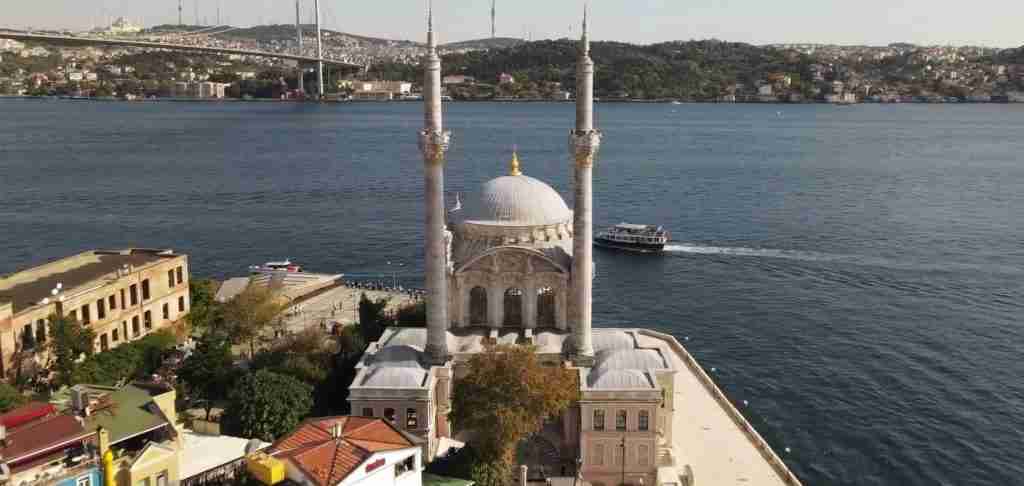
Alternatively, find sunset spots along Bosphorus European shore—Ortaköy Mosque waterfront, Bebek neighborhood parks, or anywhere along coastal road from Beşiktaş to Arnavutköy. These locations require no admission and provide photo opportunities with Bosphorus Bridge backdrop.
Dinner: Beyoğlu Neighborhood Dining
Return to Beyoğlu for dinner in neighborhoods explored during Day 2 but not yet experienced for evening dining. Asmalı Mescit area (near Tünel funicular) contains dozens of meyhanes where locals gather for extended meze dinners with rakı, live music, and festive atmosphere developing around 9-10 PM. Typical spending runs 1,400-2,000 TL per person with alcohol and multiple meze courses.
For quieter dinner, explore Cihangir neighborhood (walking distance from Taksim or Istiklal) where small restaurants serve modern Turkish and international cuisine to local creative professionals at 900-1,500 TL per person. This residential area offers authentic urban Istanbul life without tourist infrastructure.
After dinner, walk Istiklal Avenue again for different evening energy compared to Day 2, or explore Beyoğlu’s bar scene—rooftop bars around Galata Tower area charge high prices (cocktails 400-700 TL) but deliver stunning views, while dive bars and craft beer pubs in Asmalı Mescit offer local atmosphere at half the cost.
Day 5: Flexible Exploration and Personal Interests 2026
Your final day allows flexible scheduling based on interests developed over previous four days, energy levels, departure timing, and whether you prefer additional sightseeing, neighborhood wandering, shopping completion, or relaxed departure preparation. Choose from these options or combine elements across your available time.
Option A: Princes’ Islands Day Trip
For escape from urban intensity, take morning ferry to Princes’ Islands (Adalar) from Kabataş or Eminönü piers. Public ferries operated by Şehir Hatları cost 45-65 TL each way with Istanbulkart, journey duration 60-90 minutes depending on island destination. Büyükada (Big Island) offers the most developed infrastructure with mansion architecture, pine forests, monastery hikes, bicycle rentals (250-400 TL for full day), swimming beaches, and vehicle-free environment (only horse carriages and bicycles allowed on island). Ferries depart hourly in summer, less frequently in winter. Plan full day for relaxed island experience including lunch at waterfront restaurants (800-1,400 TL per person), returning late afternoon to Istanbul for final evening.
Option B: Museum Deep-Dive or Missed Attractions
Revisit attractions rushed during earlier days or explore venues skipped in initial itinerary. Chora Church (Kariye Museum) in northwestern Istanbul contains world’s finest Byzantine mosaics and frescoes in intimate setting away from Sultanahmet crowds (entrance approximately 300-450 TL). The Archaeological Museums complex deserves 2-3 hours for comprehensive ancient artifact viewing. Süleymaniye Mosque complex includes tombs, library, and surrounding historical neighborhood worth extended exploration beyond initial morning visit.
Alternatively, visit specialty museums matching personal interests: Pera Museum (Orientalist paintings and Anatolian weights-measures collection), SALT Galata (photography and design exhibitions with free admission), or Rahmi M. Koç Museum (industrial heritage and vintage transport).
Option C: Neighborhood Immersion – Balat and Fener
Explore Balat and Fener historic neighborhoods along Golden Horn where colorful Ottoman houses, Greek Orthodox patriarchate, Bulgarian church, synagogues, and antique shops create atmospheric walking district. These gentrifying areas maintain authentic character while attracting Istanbul’s creative class. Reach via ferry to Golden Horn piers or bus from Eminönü, spend 3-4 hours wandering narrow lanes, visiting cafes in renovated houses (coffee 120-200 TL), exploring vintage markets, and photographing Instagram-famous colorful facades. Combine with Pierre Loti Hill sunset for full day in less-touristed northern Golden Horn areas.
Option D: Shopping Completion and Souvenir Hunting
Return to Grand Bazaar or Spice Bazaar with shopping list refined over previous days, using knowledge gained to negotiate better prices and make informed purchases. Allocate morning for final bazaar browsing and purchases (carpets, ceramics, jewelry, textiles, spices). Afternoon shopping alternatives include Istiklal Avenue’s modern stores, Nişantaşı luxury shopping district (reach via M2 metro to Osmanbey), or Arasta Bazaar behind Blue Mosque for less aggressive carpet merchant experience than Grand Bazaar.
For authentic Turkish items unavailable in tourist shops: visit Kurukahveci Mehmet Efendi near Spice Bazaar for freshly roasted Turkish coffee, buy hand-painted ceramics directly from Kütahya or Iznik workshops (research addresses), or collect food items—olive oil, tahini, specialty cheeses, dried fruits—from neighborhood markets rather than tourist-focused Spice Bazaar vendors.
Option E: Culinary Deep-Dive Tour or Food Market Exploration
Dedicate final day to food experiences. Join organized Istanbul food tour (typically 3-4 hours, 600-1,200 TL per person) visiting multiple neighborhoods for street food, market tastings, and hidden local restaurants. Alternatively, create self-guided culinary tour: start with Turkish breakfast at Van Kahvaltı Evi (in Beyoğlu, 400-600 TL per person for extensive spread), mid-morning visits to specialty shops (olive oil tasting, Turkish delight production, cheese shops), lunch at Çiya Sofrası in Kadıköy for regional specialties, afternoon tea and baklava at Karaköy Güllüoğlu, and farewell dinner at chosen best restaurant from previous days.
Explore specialty food markets: Beşiktaş weekend market (Saturdays), Kadıköy Tuesday market, or Fatih Wednesday market where local families shop for ingredients at prices 30-50% below tourist-area costs. These markets operate mornings only (6 AM-1 PM typically), offering authentic Istanbul daily life immersion.
Evening: Farewell Dinner and Departure Preparation
For final evening, choose special dinner reflecting Istanbul experience—whether returning to favorite restaurant discovered during week, trying final must-visit venue, or simply finding rooftop terrace for sunset views with light meal. Budget 1,500-2,500 TL per person for celebratory dinner with wine or rakı.
Pack purchased items carefully, particularly ceramics and glassware requiring protective wrapping. Verify departure transportation arrangements—airport taxis cost 600-900 TL depending on traffic and destination (Istanbul Airport vs Sabiha Gökçen), while Havaist airport buses provide economical alternative at 200-300 TL per person with regular departures from major districts.
Getting Around Istanbul 2026: Complete Transportation Guide
Istanbul’s public transportation system efficiently connects neighborhoods across 15-million-person metropolis through integrated network of metro lines, trams, buses, ferries, and funiculars—all accessible with single Istanbulkart rechargeable card. Understanding transport infrastructure determines whether you’ll navigate smoothly or waste hours in traffic and confusion.
Istanbulkart: Essential Transport Tool
The Istanbulkart functions as universal payment method for all public transport modes. Purchase cards at airport arrivals, metro stations, ferry piers, or kiosks displaying “Istanbulkart Satış Noktası” signage. Card cost in 2026 runs 165 TL for the plastic card itself (non-refundable), requiring separate credit load for actual travel. Biletmatik yellow machines accept cash for card purchase and credit top-ups, though some newer machines accept contactless credit cards for payment.
Per-ride costs with Istanbulkart run 35 TL for standard journeys (metro, tram, bus, ferry), with automatic transfer discounts reducing subsequent rides within 2-hour window to 26 TL. Cross-continental routes via Marmaray or Metrobus may charge slightly higher base fares. Load 500-700 TL initially for 5-day stay, topping up as needed at any metro station machine or corner shops displaying Istanbulkart signage.
Alternative payment: Contactless credit/debit cards (Visa, Mastercard) now accepted at most turnstiles, though per-ride costs run slightly higher than Istanbulkart due to bank processing fees and exchange rates. For 5-day visit with frequent public transport use, Istanbulkart delivers better value.
Key Transport Lines for This Itinerary
T1 Tram (blue line) serves as primary tourist transport artery, connecting Bağcılar through Sultanahmet, Eminönü, Karaköy, Kabataş. This surface tram line reaches Topkapi Palace (Gülhane station), Hagia Sophia/Blue Mosque (Sultanahmet station), Spice Bazaar (Eminönü station), Galata area (Karaköy station), and Bosphorus ferry terminals. Trams run every 5-10 minutes from early morning until midnight, with night service on weekends. Expect severe crowding during rush hours (8-9 AM, 5-7 PM) when local commuters pack cars.
M2 Metro (green line) connects Yenikapı through Taksim Square and beyond, providing fast underground service to Beyoğlu district, Istiklal Avenue, and connections toward business districts. Stations relevant to this itinerary include Taksim (Istiklal Avenue terminus), Şişhane (Galata area connection), and Yenikapı (interchange with M1 metro to airport). Metro runs approximately 6 AM-midnight on weekdays, 24-hour service on weekend nights.
F1 Funicular links Kabataş (T1 tram terminus) with Taksim Square via steep hillside tunnel, eliminating uphill walk between waterfront and Istiklal Avenue. Journey duration 2 minutes, departures every 5-10 minutes.
Ferries operated by Şehir Hatları provide essential connections between European and Asian shores plus Bosphorus cruises. Key routes include: Eminönü-Kadıköy (15 minutes), Karaköy-Kadıköy (20 minutes), Kabataş-Üsküdar (15 minutes). Ferries accept Istanbulkart payment at 30-45 TL per crossing. Purchase simit (sesame bread rings) or tea from onboard vendors for authentic commuter experience.
Taxi Usage and Considerations
Istanbul taxis charge starting fare of 50-70 TL plus metered distance fees, with typical cross-district journey running 250-450 TL depending on traffic. Taxis work for late-night returns, heavy luggage transport, or reaching locations poorly served by public transport. However, Istanbul’s legendary traffic turns 4-kilometer trips into 45-minute ordeals during peak hours when tram or metro would deliver faster service.
Use official yellow taxis with roof lights and meters, avoid unmarked cars offering rides. Uber and BiTaksi apps function in Istanbul, providing English interface and credit card payment though prices run similar to street taxis. Insist driver activate meter before departing; refuse demands for flat rates which always exceed fair metered price. Traffic from Sultanahmet to Taksim takes 15-45 minutes depending on time of day.
Walking Between Attractions
Sultanahmet district remains walkable with major sites within 1 kilometer radius. However, Istanbul’s topography involves significant hills—walking from waterfront to upper Beyoğlu neighborhoods climbs 80+ vertical meters through steep streets. Comfortable walking shoes essential for 8-12 kilometer daily distances typical during sightseeing days. Pedestrian infrastructure varies dramatically by neighborhood, with historic areas featuring narrow Ottoman-era lanes while modern districts offer wide sidewalks and crosswalks.
Where to Stay in Istanbul 2026: Neighborhood Guide
Accommodation location dramatically impacts daily logistics, transport efficiency, dining options, and overall Istanbul experience. Choose based on priorities balancing historic atmosphere versus contemporary scene, walking convenience versus lower prices, and tourist infrastructure versus authentic neighborhoods.
Sultanahmet – Historic Heart
Staying in Sultanahmet places you within walking distance of Hagia Sophia, Blue Mosque, Topkapi Palace, Basilica Cistern, and Archaeological Museums, eliminating morning commutes to these must-see sites. The district offers maximum convenience for first-time visitors prioritizing Byzantine and Ottoman monuments. However, Sultanahmet suffers from tourist-zone dynamics: restaurant prices run 40-60% higher than neighborhood establishments, carpet seller harassment requires constant polite refusal, evening atmosphere feels dead after tour groups depart, and authentic Istanbul life remains conspicuously absent.
Accommodation costs in Sultanahmet range from 2,500-4,000 TL nightly for mid-range hotels in converted Ottoman houses to 6,000-12,000+ TL for luxury properties with Bosphorus or Blue Mosque views. Budget options exist around 1,500-2,500 TL nightly but quality varies significantly. Book near T1 tram line (Sultanahmet or Gülhane stations) for easy transport to other districts.
Beyoğlu/Galata/Karaköy – Contemporary Hub
Beyoğlu district (including Taksim, Galata, Karaköy, Cihangir neighborhoods) offers superior restaurants, nightlife, shopping, and authentic urban atmosphere while maintaining excellent transport connections via T1 tram, M2 metro, and F1 funicular. This area attracts younger travelers, creative professionals, and visitors seeking modern Istanbul beyond Ottoman monuments. Accommodation here costs 20-30% less than Sultanahmet for comparable quality while delivering better dining value and neighborhood character.
Mid-range hotels in Beyoğlu run 2,000-3,500 TL nightly with better amenities than Sultanahmet equivalents. Boutique properties in converted buildings offer 3,500-6,000 TL nightly rates with design-forward aesthetics. Budget options (hostels, basic hotels) available from 1,200-2,200 TL nightly. Stay within 10-minute walk of Taksim Square, Istiklal Avenue, or Karaköy waterfront for maximum convenience.
Trade-off: Morning trips to Sultanahmet sites require 20-30 minutes via T1 tram rather than 5-minute walks, though public transport efficiency mitigates this disadvantage while offering flexibility to explore all neighborhoods from central base.
Beşiktaş/Ortaköy – Bosphorus Living
Beşiktaş and Ortaköy neighborhoods along European Bosphorus shore combine waterfront settings with residential authenticity, placing you near Dolmabahçe Palace, Bosphorus Bridge, and ferry terminals while avoiding tourist-zone chaos. These areas serve local communities with markets, parks, and affordable restaurants frequented by neighborhood residents rather than tour groups.
Hotels run 2,500-5,000 TL nightly for mid-range waterfront properties, with luxury options climbing to 8,000-15,000+ TL for Bosphorus-view rooms. Public transport connections include buses along coastal road, ferries to Asian side, and tram/metro connections requiring transfers. This area works well for travelers comfortable with slightly less centralized location in exchange for authentic atmosphere and water views.
Kadıköy – Asian Side Base
Basing on Istanbul’s Asian side in Kadıköy neighborhood offers best value accommodations (1,500-3,000 TL nightly for quality mid-range hotels), superior dining at local prices, vibrant nightlife scene, and escape from European side’s tourist saturation. Ferry connections to Eminönü (15 minutes) and Karaköy (20 minutes) function efficiently for reaching Sultanahmet or Beyoğlu districts daily.
Choose Asian-side base only if you embrace ferry commuting as part of Istanbul experience rather than inconvenience, prioritize dining quality and neighborhood authenticity over monument proximity, and don’t mind 45-60 minutes total transport time reaching Sultanahmet historic sites. This location suits repeat visitors, food-focused travelers, and those seeking residential Istanbul perspective.
Dining Strategies for Istanbul 2026: Maximizing Value and Authenticity
Istanbul’s dining landscape divides sharply between tourist-zone restaurants exploiting captive audiences with inflated prices and mediocre food versus neighborhood establishments serving locals with authentic cuisine at fair prices. Understanding this division saves hundreds of dollars across 5-day visit while delivering superior meals.
Strategic Dining Location Choices
Restaurants within 200 meters of Hagia Sophia, Blue Mosque, Grand Bazaar, or Spice Bazaar charge premium prices (800-1,600 TL per person for meals that identical establishments 500 meters away serve for 400-700 TL). These tourist-zone venues survive through location monopoly rather than food quality or value, targeting one-time visitors who won’t return regardless of experience.
Walk 10-15 minutes away from monument epicenters toward residential streets where working-class Istanbulites eat. Look for lokanta-style restaurants with steam-tray display of daily prepared dishes, plastic chairs on sidewalks, and Turkish-only menus—these markers indicate local establishments. Point to desired dishes for assembly, receive bread and tea automatically, pay after eating. Typical lokanta meal costs 350-650 TL including soup, main, side, bread, and unlimited tea.
Meal Budget Breakdown by Type
Street food represents best value: simit (sesame bread ring) costs 40-70 TL, börek (pastry) 80-150 TL, döner/dürüm (wrap) 180-350 TL, midye dolma (stuffed mussels) 30-50 TL each, kumpir (stuffed baked potato) 200-350 TL, balık ekmek (fish sandwich) 180-280 TL. One substantial street food meal plus tea runs 250-450 TL total, making this viable strategy for budget-conscious travelers eating one or two daily street meals.
Lokanta sit-down meals at neighborhood restaurants cost 350-650 TL per person for filling multi-course lunch or dinner. This category delivers best quality-to-price ratio, serving home-style Turkish cooking in working-class atmosphere. Lokantas typically close by 6-7 PM after serving workers’ late lunch/early dinner, distinguishing them from tourist restaurants operating dinner service.
Mid-range restaurant meals in residential neighborhoods run 700-1,200 TL per person for main, appetizer, bread, and soft drink at establishments serving quality Turkish cuisine to middle-class local diners. Add 400-700 TL for wine or 300-500 TL for beer. These restaurants represent comfortable dining without tourist-zone markup.
Tourist-area restaurants and rooftop venues charge 1,200-2,500+ TL per person before drinks for essentially identical food available elsewhere at half price. The premium purchases views, location convenience, or atmosphere rather than cuisine quality. Budget one or two such meals across 5-day stay for special occasions while relying on neighborhood dining for remaining meals.
Essential Turkish Dishes to Try
Beyond ubiquitous kebabs (still worth trying—İskender kebab, Adana kebab, urfa kebab), seek regional specialties unavailable outside Turkey: Çiya Sofrası in Kadıköy serves southeastern Anatolian dishes recreated from Ottoman recipes; try içli köfte (bulgur dumplings), Ali Nazik (eggplant with yogurt and meat), or seasonal vegetable dishes. Meyhane taverns serve meze-focused dinners where succession of small plates (humus, cacık, haydari, dolma, calamari, octopus, fava bean puree) creates communal feast, typically accompanied by rakı (anise liquor) and conversation lasting 2-3 hours.
Turkish breakfast (kahvaltı) deserves dedicated experience: Van Kahvaltı Evi or similar breakfast specialists serve extensive spreads including cheeses, olives, honey, clotted cream (kaymak), fresh bread, menemen (egg scramble), pastries, and fresh juice for 500-800 TL per person. Order “serpme kahvaltı” (open breakfast buffet) for maximum variety.
Desserts beyond baklava include künefe (shredded pastry with cheese and syrup, served hot), tavuk göğsü (chicken breast pudding—better than it sounds), sütlaç (rice pudding), and seasonal fruit. Specialty dessert shops charge 200-400 TL for portions substantially larger and fresher than restaurant desserts.
Budget Planning Istanbul 5 Days 2026: Complete Cost Analysis
Realistic 5-day Istanbul budgets require understanding category-by-category expenses while accounting for your travel style, comfort requirements, and priorities balancing value versus convenience.
Accommodation Costs 5 Nights
Mid-range comfortable hotel in good location near public transport: 2,500-3,500 TL per night equals 12,500-17,500 TL total for 5 nights. Budget hotels or hostels: 1,500-2,500 TL per night equals 7,500-12,500 TL for 5 nights. Boutique or luxury properties: 5,000-10,000+ TL per night equals 25,000-50,000+ TL for 5 nights. Add 2% accommodation tax to all rates (included in most online bookings but verify before confirming).
Food and Dining 5 Days
Daily food budget per person ranges dramatically by dining choices. Budget travelers eating street food and lokantas exclusively: 900-1,400 TL daily equals 4,500-7,000 TL for 5 days. Mid-range visitors mixing street food, lokantas, and occasional sit-down restaurants: 1,600-2,400 TL daily equals 8,000-12,000 TL for 5 days. Comfort-focused diners preferring restaurant meals with occasional alcohol: 2,800-4,200+ TL daily equals 14,000-21,000+ TL for 5 days.
Transportation 5 Days
Istanbulkart purchase: 165 TL one-time. Daily public transport with 6-8 rides including transfers: 200-300 TL daily equals 1,000-1,500 TL for 5 days. Total transport budget: 1,165-1,665 TL per person. Add 500-1,000 TL buffer for occasional taxis, airport transfers if using private transport, or convenience rides when public transport proves impractical.
Attractions and Activities 5 Days
Major paid attractions total approximately: Hagia Sophia €25 (≈1,100 TL at current exchange), Topkapi Palace with Harem 2,750 TL, Basilica Cistern 800 TL, Bosphorus cruise 260-640 TL, Galata Tower 650-850 TL, Dolmabahçe Palace 900-1,200 TL, Istanbul Modern or other museums 300-450 TL each. Total major attractions: 7,000-9,000 TL per person depending on choices. Many experiences including Blue Mosque, Grand Bazaar, Spice Bazaar, Süleymaniye Mosque, neighborhoods, waterfront promenades, and ferry rides cost nothing beyond transport.
Total 5-Day Budget Examples
Budget traveler (hostels, street food/lokantas, public transport only, selective paid attractions): Accommodation 7,500-10,000 TL, food 4,500-6,000 TL, transport 1,200-1,800 TL, attractions 4,000-6,000 TL, miscellaneous 1,500-2,500 TL. Total: 18,700-26,300 TL ($450-640) per person for 5 days excluding international flights.
Mid-range traveler (comfortable hotel, mixed dining including restaurants, public transport plus occasional taxi, major paid attractions): Accommodation 12,500-17,500 TL, food 8,000-12,000 TL, transport 1,500-2,500 TL, attractions 7,000-9,000 TL, miscellaneous 2,500-4,000 TL. Total: 31,500-45,000 TL ($770-1,100) per person for 5 days excluding international flights.
Comfort traveler (boutique hotel, restaurant dining with alcohol, taxis for convenience, guided tours, premium experiences): Accommodation 25,000-40,000 TL, food 14,000-21,000 TL, transport 3,000-5,000 TL, attractions/tours 12,000-18,000 TL, miscellaneous 4,000-7,000 TL. Total: 58,000-91,000 TL ($1,420-2,220) per person for 5 days excluding international flights.
These totals exclude international airfare to/from Istanbul. Add airport transport (Havaist bus 200-300 TL per person each way or taxi 600-900 TL each way), travel insurance, shopping/souvenirs, and 15-20% contingency buffer for unexpected costs or spontaneous splurges.
Essential Istanbul Travel Tips 2026
Practical knowledge accumulated over decades of Istanbul tourism helps navigate common challenges while maximizing positive experiences.
Currency and Payment Methods
Turkish Lira (TL/₺) serves as official currency with exchange rates fluctuating significantly—verify current rate before arrival (approximately 41-43 TL per USD in early 2026, though this changes frequently). ATMs provide best exchange rates, though Euronet standalone machines charge excessive fees—use bank-affiliated ATMs (İş Bankası, Akbank, Garanti) inside branches or malls. Withdraw larger amounts less frequently to minimize per-transaction fees.
Credit cards widely accepted at hotels, restaurants, shops, and attractions, though 2-3% foreign transaction fees from your card issuer apply unless you hold no-fee travel card. Small vendors, street food stalls, public transport (beyond Istanbulkart), and neighborhood lokantas require cash. Carry 500-1,000 TL daily cash for mixed payment situations.
Money changers in Grand Bazaar or tourist areas offer competitive rates for currency exchange, often better than hotel exchange desks. Count bills carefully before leaving exchange window. Avoid airport currency exchange unless emergency—rates run 8-12% worse than city options.
Safety and Common Scams
Istanbul rates as generally safe city for tourists with violent crime extremely rare. Common issues include: aggressive carpet seller tactics (polite firm refusal required, never enter shops unless genuinely interested), shoe-shine scam (dropped brush followed by demands for payment—ignore and walk on), taxi meter tricks (verify meter activated, refuse flat rates), and friendly bar scam (locals invite to bar, drinks arrive with astronomical bills—avoid accepting invitations from strangers to specific bars).
Pickpocketing occurs on crowded T1 tram during rush hours and in dense Grand Bazaar areas. Keep valuables secure, wear backpacks front-facing in crowds, and maintain awareness in tourist zones. Violent robbery remains extraordinarily rare—Istanbul’s street crime consists almost entirely of opportunistic pickpocketing rather than confrontational theft.
Women travelers report generally respectful treatment though occasional catcalling or unwanted attention from shopkeepers. Modest dress (covered shoulders, knee-length minimum) reduces unwanted attention while showing cultural respect, particularly when visiting mosques. Solo women travelers successfully navigate Istanbul routinely, though nighttime taxi rides warrant normal urban caution.
Communication and Language
English proficiency varies dramatically—tourist-zone hotel staff and attraction workers speak functional English, while neighborhood shopkeepers, taxi drivers, and lokanta servers often speak minimal English. Download Google Translate app with Turkish language package for offline use. Learn basic Turkish phrases: “merhaba” (hello), “teşekkür ederim” (thank you), “ne kadar?” (how much?), “hesap lütfen” (check please).
Restaurant menus in tourist areas include English translations (sometimes hilariously inaccurate), while neighborhood establishments feature Turkish-only menus. Pointing to desired dishes in lokanta steam trays solves this challenge. Download photo menus or food apps showing Turkish dishes for reference when ordering.
Free WiFi available at hotels, cafes, restaurants, and some public spaces, though quality varies. Purchase local SIM card at airport (1,500-2,000 TL for tourist data packages) or use international roaming if affordable through your carrier. Vodafone and Turkcell offer tourist SIM cards with registration via passport at airport kiosks or telecom shops.
Cultural Etiquette and Mosque Visits
Mosque visiting requires removing shoes before entering (shoe racks provided at entrance), modest dress covering shoulders and knees for both genders, and women covering hair with scarves (disposable scarves available free at major mosques if needed). Avoid visiting during five daily prayer times when mosques close to tourists—prayer schedules posted at entrances and shift with sunrise/sunset throughout year. Speak quietly inside mosques, never point camera at people praying, and respect rope barriers closing off prayer areas from tourist sections.
Friday congregational prayers close major mosques for extended periods around midday—plan Friday morning activities around non-mosque sights if following this itinerary. Ramadan (Islamic holy month, dates shift annually per lunar calendar) affects restaurant hours and mosque access, though tourist restaurants continue normal service and major sites remain accessible to visitors.
Tipping expectations: restaurants typically add 10-15% service charge to bill, though leaving additional 5-10% for exceptional service remains common. Taxi drivers don’t expect tips but rounding up appreciated. Hotel porters receive 50-100 TL per bag. Hammam attendants receive 100-200 TL tip after service.
Frequently Asked Questions About Istanbul 5-Day Itinerary 2026
Can I visit both European and Asian sides of Istanbul in 5 days?
Yes, this itinerary dedicates Day 3 afternoon and evening to Asian-side exploration in Kadıköy and Moda neighborhoods after morning Bosphorus cruise, providing comprehensive introduction to Istanbul’s Asian districts beyond quick ferry crossing. Five days allows balanced coverage of European historic sites, modern neighborhoods, and Asian-side experiences without rushed scheduling. Extend Asian-side exploration by choosing Option C for Day 5 flexible planning, taking additional ferry crossings to Üsküdar or Kadıköy for meals, or simply incorporating more ferry rides as transport between European neighborhoods—each crossing delivers beautiful city views while experiencing quintessential Istanbul daily life spanning two continents.
What is the best time of year to visit Istanbul in 2026?
April-May (spring) and September-October (autumn) offer optimal conditions with mild temperatures (15-25°C), less humidity than summer, reduced crowds compared to peak season, and shoulder-season hotel pricing 20-30% below summer rates. June-August brings hot temperatures (28-35°C), heavy tourist crowds at major sites, peak accommodation prices, and fully booked popular restaurants requiring advance reservations. November-March features cold wet weather (5-15°C), significantly reduced crowds, lowest hotel rates (often 40-50% below summer), and indoor-focused activities suiting museum visits though limiting outdoor enjoyment. For 5-day first-time visit balancing weather, crowds, and costs, late April-May or September-early October delivers best overall experience in 2026.
Should I buy the Istanbul Museum Pass for a 5-day visit in 2026?
The Istanbul Museum Pass costs approximately 3,000-3,500 TL for 5-day validity and covers entrance to Topkapi Palace (excluding Harem), Hagia Irene, Archaeological Museums, Turkish and Islamic Arts Museum, and several other sites but notably excludes Hagia Sophia, Basilica Cistern, Dolmabahçe Palace, and the Topkapi Harem. Calculate whether covered attractions in your itinerary exceed pass cost—if you plan visiting Topkapi (1,700 TL without Harem), Archaeological Museums (300 TL), Hagia Irene (1,050 TL), and Turkish Islamic Arts Museum (≈800 TL), the pass value totals approximately 3,850 TL, saving 350-850 TL versus individual tickets. However, the pass provides minimal skip-the-line benefit as separate fast-track lines don’t exist at most venues. For this 5-day itinerary focusing on major highlights, individual ticket purchases typically deliver better value since key expensive attractions (Hagia Sophia €25, Basilica Cistern 800 TL, Topkapi Harem portion 1,050 TL) aren’t covered by the pass.
How much time should I allocate for the Grand Bazaar in 2026?
Allow minimum 2-3 hours for meaningful Grand Bazaar exploration including browsing multiple product categories, comparing quality and prices across vendors, negotiating purchases, and absorbing the historic covered market atmosphere without feeling rushed. Serious shoppers seeking carpets, ceramics, or leather goods should allocate 4-5 hours to visit multiple specialists, negotiate carefully, and make informed decisions on significant purchases. The bazaar’s 4,000+ shops across 61 streets create labyrinthine environment requiring time for initial disorientation, discovery of interesting vendors, and eventual navigation mastery. Take breaks at internal tea gardens to rest from aggressive merchant interactions and crowds. Visit early morning (9-10 AM) or late afternoon (4-5 PM) to avoid peak tourist surge and experience slightly less frenetic atmosphere.
Is it safe to walk around Istanbul at night in 2026?
Yes, Istanbul neighborhoods covered in this itinerary (Sultanahmet, Beyoğlu, Karaköy, Kadıköy) remain safe for walking after dark with active street life, well-lit main thoroughfares, and late-night dining/entertainment keeping areas populated until midnight or later. Istiklal Avenue, Karaköy waterfront, and Kadıköy bar districts specifically thrive with nightlife activity making evening exploration both safe and rewarding. Exercise normal urban precautions: stay on populated streets, maintain awareness of surroundings, secure valuables, and use well-lit routes between destinations. Solo travelers including women report comfortable evening mobility though may prefer rideshare apps over street taxis for late-night accommodation returns. Avoid isolated areas, dark side streets away from commercial zones, and suspicious interactions with overly friendly strangers inviting to specific bars (classic scam targeting tourists).
Do I need visa to visit Istanbul/Turkey in 2026?
Visa requirements depend on your passport nationality. Many countries including USA, UK, EU nations, Canada, and Australia require e-visa obtained online before arrival (application takes 10-15 minutes, processing immediate, cost $50-70 USD equivalent depending on nationality, valid 90 days stay within 180-day period). Some nationalities receive visa-free entry or visa-on-arrival. Check Turkish Ministry of Foreign Affairs official e-visa website or your country’s government travel advisory for current requirements specific to your passport. E-visa must be obtained before boarding flight to Turkey—airport arrival visa no longer available for most nationalities requiring authorization. Print e-visa approval or save digital copy accessible without internet connection as immigration officers may request viewing.
Can I drink tap water in Istanbul in 2026?
Istanbul tap water meets Turkish government safety standards and locals drink it routinely without issues, though taste varies by neighborhood due to aging pipe infrastructure in historic districts. Most visitors prefer bottled water for drinking to avoid any stomach adjustment issues during short stays—bottled water costs 15-40 TL for 1.5-liter bottles at corner shops (tourist-area prices inflate to 60-100 TL). Restaurants serve bottled water by default, charging 40-120 TL depending on establishment. Tap water safe for teeth brushing, showering, and coffee/tea preparation where boiling occurs. Hotels often provide complimentary bottled water in rooms. Buy water bottles from neighborhood markets rather than tourist-zone vendors for better prices.
What should I pack for 5 days in Istanbul in 2026?
Essential items include comfortable walking shoes broken-in before trip (expect 8-12 km daily), modest clothing covering shoulders and knees for mosque visits, light layers for variable weather and air-conditioned museums, sunscreen and hat for summer visits, compact umbrella or rain jacket for spring/autumn/winter, power adapter for European-style outlets (230V, two round prongs), portable phone charger for heavy navigation/photo use, small daypack for carrying water/purchases/layers, and any prescription medications in original packaging. Women should pack scarves for mosque hair covering though free temporary scarves available at major mosques. Leave expensive jewelry at home to avoid unwanted attention. Bring minimal bags as you’ll likely acquire purchases requiring luggage space for return journey. Istanbul offers modern shopping for forgotten items though tourist-area prices inflate significantly—neighborhood pharmacies and supermarkets sell toiletries, basics at normal prices.
How far in advance should I book hotels for Istanbul 2026?
Book accommodation 4-8 weeks ahead for spring (April-May) and autumn (September-October) shoulder seasons when demand peaks during ideal weather periods. Summer (June-August) and winter (November-March) allow shorter booking windows of 2-4 weeks though popular areas near major sights still book solid during summer despite heat. Properties near T1 tram line in desirable neighborhoods fill earliest, while hotels in less central areas maintain availability closer to arrival dates. Istanbul’s massive hotel inventory (thousands of properties across all price points) means last-minute accommodation always exists, though best-value options in optimal locations disappear weeks ahead during peak seasons. Book refundable rates if uncertain about plans, allowing cancellation flexibility if itinerary changes. Read recent reviews focusing on location convenience, cleanliness, noise levels, and staff helpfulness rather than relying solely on property marketing photos.
Can I use my credit card everywhere in Istanbul in 2026?
Credit cards (Visa, Mastercard, American Express) accepted at hotels, established restaurants, shops, major attractions, chain stores, and modern businesses throughout Istanbul. However, cash remains necessary for street food vendors, neighborhood lokantas, small shops, public transport (Istanbulkart requires cash load though card purchase available via credit card at some machines), taxis (though some accept cards), market stalls in Grand Bazaar/Spice Bazaar, and many local establishments outside tourist zones. Carry 500-1,000 TL daily cash withdrawn from bank ATMs at advantageous exchange rates rather than relying solely on cards. Notify your card issuer of Turkey travel dates to prevent fraud blocks. Verify your card charges no foreign transaction fees or budget additional 2-3% on all credit purchases. Contactless payment increasingly common at modern establishments though chip-and-PIN remains standard.