
Istanbul 4-Day Itinerary 2026: Complete Planning Guide
Four days in Istanbul provides the perfect timeframe to experience the city’s Byzantine and Ottoman heritage without rushing, explore both European and Asian sides, and discover authentic neighborhoods beyond Sultanahmet’s tourist core. This comprehensive itinerary balances major historical sites with local experiences, strategic museum visits with leisurely Bosphorus exploration, and includes detailed daily budgets with current 2026 pricing to plan your Istanbul adventure efficiently.
Key Takeaways for Your Istanbul 4 Days 2026
- Budget Planning 2026: Expect €100-180 daily per person for mid-range travel including accommodation (€60-100 nightly), meals (€25-40), attractions (€25-50), and local transport — full four-day costs range €400-720 excluding flights with strategic Istanbul Card usage reducing transport expenses significantly
- Essential Advance Bookings: Purchase Topkapi Palace tickets (2750 TL, approximately €50-55) and Basilica Cistern tickets (1500 TL, approximately €30) online 1-2 weeks ahead for summer 2026 visits as lines can reach 60-90 minutes, while Hagia Sophia tourist entry (€25) operates separate entrance requiring modest dress and prayer-time closures
- Strategic Transport Investment: Buy Istanbul Card (Istanbulkart) immediately upon arrival (165-175 TL card cost plus initial balance) covering metro, tram, bus, ferry, and Marmaray for 35-42 TL per ride versus 50 TL single tickets, with one card usable by multiple travelers tapping separately
- Bosphorus Experience Priority: Schedule minimum half-day Bosphorus exploration combining public ferry routes (42 TL with Istanbul Card) for authentic local experience with waterfront neighborhoods like Ortaköy, Bebek, or Arnavutköy offering cafes, markets, and palace visits beyond standard tourist circuits
- Asian Side Integration: Include Asian Istanbul (Kadıköy, Moda, Üsküdar) for authentic dining, local markets, and residential atmosphere contrasting European side’s tourist density, accessible via Marmaray underground train (55 TL) or scenic public ferries (42 TL) creating essential Istanbul experience completion
- Seasonal Timing Considerations 2026: Spring (April-May) and autumn (September-October) deliver optimal experiences with 15-25°C temperatures and moderate crowds, while summer (June-August) brings 28-35°C heat and peak tourist density requiring early morning museum visits and afternoon rest periods
People Also Ask About Istanbul 4-Day Itinerary 2026
How much does a 4-day trip to Istanbul cost in 2026?
A four-day Istanbul trip in 2026 costs €400-720 per person for mid-range travel excluding international flights. Accommodation represents the largest expense at €60-100 nightly (€240-400 total for four nights in Sultanahmet or Taksim mid-range hotels). Meals add €25-40 daily (€100-160 total) covering breakfast (€5-8 at cafes), lunch (€8-15 at local restaurants), and dinner (€12-20 at neighborhood eateries). Major attractions total €105-135 including Topkapi Palace with Harem (€50-55), Hagia Sophia tourist entry (€25), Basilica Cistern (€30), and Bosphorus cruise or additional museum entries (€15-25). The Istanbul Card plus transport adds €30-40 (165-175 TL card, 300-400 TL balance for four days). Budget travelers managing hostel dormitories (€15-30 nightly), street food meals, and selective museum visits reduce costs to €60-90 daily (€240-360 total), while luxury travelers in five-star hotels (€200-400+ nightly) with fine dining easily reach €300-500 daily (€1,200-2,000 total).
What’s the best neighborhood to stay in Istanbul for a 4-day visit in 2026?
Sultanahmet delivers optimal value for first-time four-day visits combining walkable access to major Byzantine and Ottoman monuments (Hagia Sophia, Blue Mosque, Topkapi Palace, Basilica Cistern all within 10-minute walks), abundant mid-range hotels (€60-100 nightly), and T1 tram connectivity to Grand Bazaar, Galata, and Asian side ferries. Hotels near Sultanahmet Square place you steps from attractions but command premium prices (€90-150), while properties 5-10 minutes toward Cankurtaran or Küçük Ayasofya reduce costs to €60-90 with equal quality. Alternative Beyoğlu-Taksim area offers modern Istanbul atmosphere with İstiklal Street shopping, contemporary dining, nightlife, and M2 metro convenience at €70-120 nightly, though major historical sites require 20-30 minute tram rides. Avoid peripheral neighborhoods (beyond Fatih or Şişli) requiring extensive metro transfers, and skip waterfront Bosphorus hotels (Ortaköy, Bebek) as their €150-300+ rates and distance from concentrated sights waste budget and time during short four-day stays.
Can I visit both European and Asian sides of Istanbul in 4 days during 2026?
A four-day itinerary comfortably accommodates both European and Asian Istanbul with strategic planning. Days 1-2 cover essential European side attractions (Hagia Sophia, Topkapi Palace, Basilica Cistern, Blue Mosque, Grand Bazaar) in Sultanahmet plus Galata Tower and İstiklal Street in Beyoğlu. Day 3 combines morning Bosphorus ferry experience with afternoon Asian side exploration — cross via Marmaray train (55 TL, 4 minutes Sirkeci to Üsküdar) or scenic public ferry from Eminönü to Kadıköy (42 TL with Istanbul Card, 20 minutes). Kadıköy neighborhood delivers authentic Turkish atmosphere through Çarşı market’s produce stalls, meyhane restaurants serving rakı and meze, Moda waterfront promenades, and absence of tourist crowds overwhelming Sultanahmet. Üsküdar offers Maiden’s Tower views, Ottoman mosques, and traditional tea gardens. Day 4 returns European side for Dolmabahçe Palace, Spice Bazaar, or relaxed neighborhood wandering. This balance provides comprehensive Istanbul experience beyond single-side limitation while maintaining manageable daily distances and avoiding exhausting cross-continental commutes.
Should I buy the Istanbul Museum Pass or individual tickets for 2026?
Individual tickets provide better value than the Istanbul Museum Pass for most four-day 2026 visits. The Museum Pass Istanbul costs approximately 2500-3000 TL (€50-60 based on exchange rates, valid 120 hours) covering state-run museums including Topkapi Palace, Hagia Irene, Turkish-Islamic Arts Museum, and Archaeological Museums, but excludes major attractions like Hagia Sophia (€25, now functioning mosque with separate tourist entry), Basilica Cistern (1500 TL, municipality-run), Dolmabahçe Palace (separate ticketing system), and most private museums. Strategic individual bookings cost less: Topkapi Palace combined ticket (2750 TL, approximately €50-55 including Harem and Hagia Irene), Hagia Sophia (€25), Basilica Cistern (1500 TL, €30), totaling €105-110 for the three essential sites. The Museum Pass saves money only when visiting 6+ included museums across four days — an exhausting pace sacrificing depth for quantity. Most travelers prefer quality time at 4-5 major sites rather than rushed pass-maximizing marathon. Purchase individual tickets through official websites (TopkapiPalace.gov.tr, YerebatanCistern.com) or reputable third-party platforms offering skip-the-line access with minimal markup.
Extended multi-day tours – 5+ days
Featured Madrid Multi-Day Tour Packages

3 days
Madrid 3-Day Discovery Tour
- ✓ Comprehensive Madrid experience
- ✓ Expert local guides included
- ✓ All accommodation included
- ✓ Transportation provided
5 days
Madrid 5-Day Highlights Experience
- ✓ Comprehensive Madrid experience
- ✓ Expert local guides included
- ✓ All accommodation included
- ✓ Transportation provided
7 days
Madrid 7-Day Cultural Journey
- ✓ Comprehensive Madrid experience
- ✓ Expert local guides included
- ✓ All accommodation included
- ✓ Transportation provided
10 days
Madrid 10-Day Complete Adventure
- ✓ Comprehensive Madrid experience
- ✓ Expert local guides included
- ✓ All accommodation included
- ✓ Transportation provided
Multi-day tour packages powered by TourRadar. Prices and availability subject to change.
Introduction: Planning Your Perfect Istanbul 4 Days in 2026
Istanbul rewards four-day exploration with depth impossible in rushed weekend visits while remaining concise enough to maintain engagement without diminishing returns. This timeframe allows proper immersion in the city’s layered history — Byzantine churches, Ottoman palaces, and contemporary Turkish culture — while providing flexibility for spontaneous discoveries in artisan workshops, neighborhood tea gardens, and waterfront fish restaurants locals frequent.
The city’s unique transcontinental position creates natural exploration zones. European Istanbul divides between historic Sultanahmet peninsula (Byzantine and Ottoman monuments) and modern Beyoğlu district (Galata Tower, İstiklal Street, contemporary culture). Asian Istanbul offers authentic residential neighborhoods in Kadıköy and Üsküdar contrasting European side’s tourist infrastructure. Four days enables comprehensive coverage of all three zones through strategic daily theming rather than scattered site-hopping exhausting travelers without meaningful experiences.
Understanding Istanbul’s public transport network transforms the four-day experience from expensive taxi dependency to efficient local navigation. The Istanbul Card (Istanbulkart) operates across metro, tram, ferry, Marmaray, and bus networks for 35-42 TL per ride versus 50 TL single tickets — daily transport averaging 150-200 TL with card versus 300-400 TL without represents significant four-day savings. Strategic tram and ferry routes connect all major attractions while delivering scenic journeys past Ottoman palaces, Byzantine walls, and Bosphorus views worth experiencing beyond mere transportation utility.
The 2026 Istanbul landscape reflects ongoing tourism infrastructure development alongside traditional attraction preservation. Hagia Sophia’s 2020 conversion from museum back to functioning mosque introduced tourist entry procedures (€25, separate entrance, modest dress requirements, prayer-time closures) differing from previous museum operations. Topkapi Palace consolidated tickets to include Harem and Hagia Irene in single 2750 TL combined admission streamlining purchases. Basilica Cistern now operates extended hours including “Night Shift” sessions (1930-2200) at premium rates, while new metro lines M7, M8, and M11 expanded airport and suburban connectivity reducing reliance on taxis.
This itinerary structures your four days with escalating geographical expansion: Day 1 orients within Sultanahmet’s concentrated historical monuments, Day 2 adds European Beyoğlu exploration, Day 3 ventures across Bosphorus for Asian side authenticity, and Day 4 integrates waterfront palaces or specialized museum interests based on personal preferences developed through previous three days. Daily cost breakdowns reflect realistic mid-range travel balancing quality experiences with budget consciousness, while timing recommendations account for crowd patterns, prayer schedules, and seasonal heat management optimizing comfort and access.
Day 1: Sultanahmet Historical Core Exploration 2026
Morning: Arrival and Blue Mosque Introduction
Most international visitors arrive Istanbul through Istanbul Airport (European side, 40 kilometers northwest) or Sabiha Gökçen Airport (Asian side, 45 kilometers southeast). Istanbul Airport connects to city center via M11 metro line to Gayrettepe (35-45 minutes, 42 TL with Istanbul Card purchased at airport Biletmatik machines for 165-175 TL card cost), then transfer to M2 metro toward Taksim or continue Gayrettepe-Mecidiyeköy-Şişhane route reaching Sultanahmet via tram connections. Alternatively, Havaist airport buses run directly to Sultanahmet and Taksim (200-250 TL, 60-90 minutes depending on traffic). Taxis cover the route in 40-60 minutes for 600-900 TL depending on traffic and time of day. Sabiha Gökçen arrivals take Havabus to Kadıköy (100-125 TL, 60 minutes) then ferry to European side or M4 metro connections.
Check into Sultanahmet accommodation between 2:00-4:00 PM standard Istanbul hotel times, drop luggage, and purchase Istanbul Card if not acquired at airport. Head directly to Sultan Ahmed Mosque (Blue Mosque) for first Istanbul impressions. This functioning mosque (free entry, donations welcome) opens daily outside five prayer times with tourist entrance on the northwest side away from main prayer entrance. Visitors must remove shoes, women cover hair with provided scarves, and all dress modestly (shoulders and knees covered). Enter between prayer times — morning entry windows typically 0900-1130, afternoon 1330-1430, 1600-1730, and evening 1900-closing, though exact times shift based on daily prayer schedule posted at entrance.
The mosque’s interior features 20,000+ Iznik blue tiles creating the “Blue Mosque” nickname, massive central dome supported by four elephant-foot columns, and 260 windows illuminating the prayer hall. Reserve 20-30 minutes for contemplative exploration avoiding loud conversations and photography of worshippers. Exit through tourist exit and photograph the exterior from Sultanahmet Square positioned between Blue Mosque and Hagia Sophia, capturing both monuments in single frame during golden hour (1700-1830 spring/autumn, 1800-1930 summer).
Afternoon: Hagia Sophia and Sultanahmet Square Area
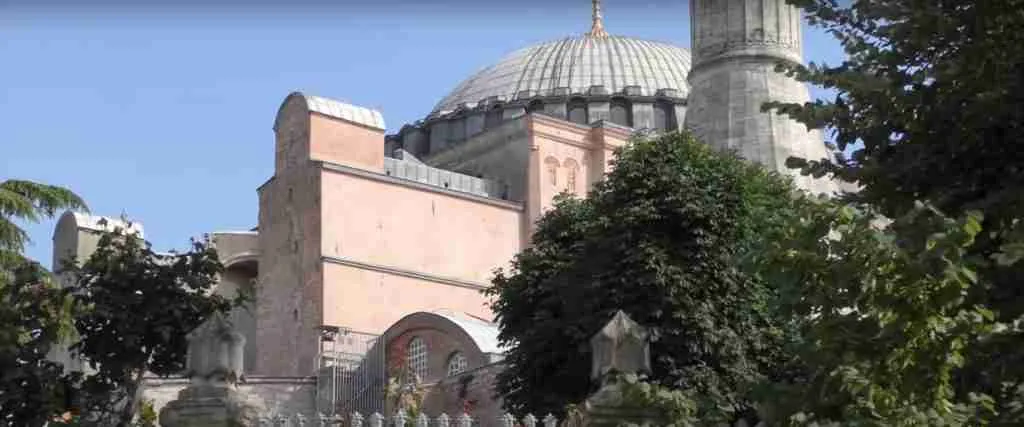
Cross Sultanahmet Square to Hagia Sophia (Ayasofya), one of architecture’s greatest achievements built 537 CE as Byzantine cathedral, converted to Ottoman mosque 1453, operated as museum 1935-2020, and reverted to functioning mosque 2020. Tourist entry (€25 as of 2024, check official site for current rates as pricing may vary) operates through designated entrance near Topkapi Palace’s Imperial Gate with separate route accessing upper galleries where Byzantine mosaics remain visible. Main floor prayer area stays free for worshippers but closed to tourist sightseeing.
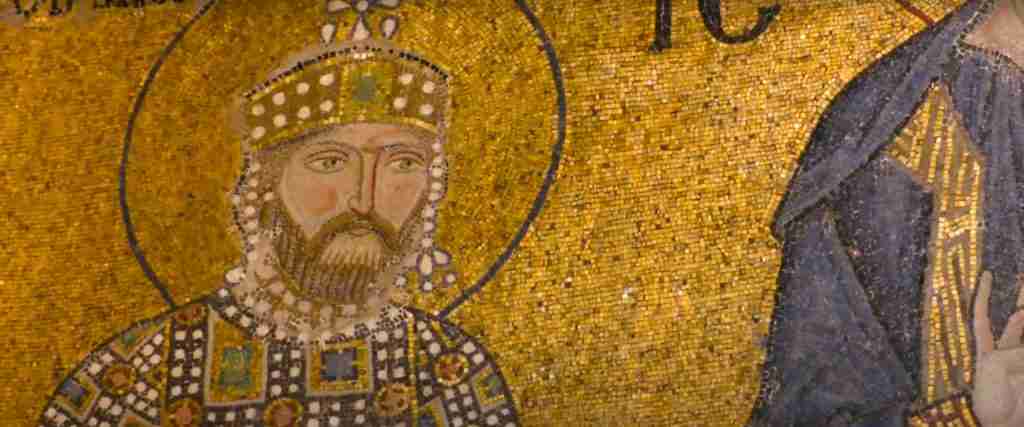
Purchase tickets at on-site counter or online through DEM Museums (skip-the-line option) to avoid 30-60 minute summer queues. Tourist entry hours run 0900-1900 daily with Friday closures 1200-1430 for congregational prayers. The upper gallery route showcases Deësis mosaic (Christ Pantocrator with Virgin Mary and John the Baptist), Empress Zoe and Constantine IX mosaic, and Comnenus panel depicting Virgin and Child. Audio guides rent for additional fees but free smartphone apps provide basic information. Strict modest dress applies — women must cover hair, all visitors cover shoulders and knees. Scarves and wraps available for purchase at entrance (€1-3) for unprepared visitors.
Reserve 60-90 minutes for Hagia Sophia including queue time, entry procedures, and upper gallery exploration. Exit brings you near Basilica Cistern entrance on Yerebatan Caddesi. The afternoon suits wandering Sultanahmet’s immediate surroundings — Arasta Bazaar behind Blue Mosque selling carpets, ceramics, and textiles at slightly lower tourist prices than Grand Bazaar; Hippodrome Square featuring Egyptian Obelisk, Serpent Column, and German Fountain remnants from Byzantine chariot racing grounds; and narrow streets radiating from Sultanahmet toward Cankurtaran neighborhood hosting artisan workshops and quieter cafes.
Evening: First Istanbul Dining Experience
Sultanahmet dining divides between tourist-focused restaurants on main drags (Divan Yolu, Alemdar Caddesi) charging €15-25 per person for mediocre quality versus hidden neighborhood spots delivering authentic Turkish food at €8-15 per person. Walk 5-10 minutes from Sultanahmet Square toward Cankurtaran (southeast) or Küçük Ayasofya (south) neighborhoods for better value. Tarihi Sultanahmet Köftecisi Selim Usta (Divan Yolu Cad. 12) serves famous köfte meatballs, pilaf, and salad for €10-12 per person in no-frills atmosphere since 1920.
Alternatively, Balıkçı Sabahattin (Seyit Hasan Kuyu Sk. 1) offers fresh fish and meze in historic wooden building at €18-25 per person (reservations recommended). Budget options include street food simit (sesame bread rings, 10-15 TL), midye dolma (stuffed mussels, 5 TL each), and döner sandwiches (60-80 TL) from vendors near tram stops. Turkish tea (çay) costs 10-15 TL at cafes, Turkish coffee 30-50 TL, and bottled water 15-25 TL at tourist-area shops versus 10 TL at local bakkal (corner stores).
Evening walks illuminate monuments beautifully — Hagia Sophia’s exterior lighting emphasizes Byzantine architecture, Blue Mosque’s six minarets glow against night sky, and Bosphorus views from waterfront (10-minute walk north from Sultanahmet) reveal Asian shore lights twinkling across water. Return to accommodation before 2200 conserving energy for intensive Day 2 museum marathons.
Day 1 Cost Summary 2026
[ENTERING CALCULATION MODE] Airport transfer: 42 TL (M11 metro with Istanbul Card) or 200-250 TL (Havaist bus) Istanbul Card: 165-175 TL (card) + 100 TL (initial balance) Blue Mosque: free Hagia Sophia: €25 Tram rides: 42 TL × 2 = 84 TL Dinner: €8-15 Snacks/drinks: €3-5 Total (using metro): 165 TL card + 100 TL balance + 42 TL airport + 84 TL trams = 391 TL ≈ €8 + €25 Hagia Sophia + €8-15 dinner + €3-5 snacks = €44-53 per person Total (using airport bus): Similar plus €4-5 extra for bus versus metro [CALCULATION MODE COMPLETE]Airport transfer 42-250 TL depending on mode, Istanbul Card 265-275 TL including initial balance, Hagia Sophia €25, Blue Mosque free, dinner €8-15, miscellaneous €3-5. Total Day 1 costs €44-53 per person excluding accommodation, though Istanbul Card investment (€5-6) serves all four days reducing per-day allocation.
Day 2: Topkapi Palace and Grand Bazaar Quarter 2026
Morning: Topkapi Palace Complex
Topkapi Palace (Topkapı Sarayı) served as Ottoman sultans’ primary residence and administrative headquarters 1465-1856 before Dolmabahçe Palace’s completion. The sprawling complex covers 700,000 square meters across four courtyards containing palace buildings, Harem quarters, Treasury collections, and Sacred Relics chambers. Combined tickets (2750 TL as of 2026, approximately €50-55 check official site for current rates as pricing may vary, includes Harem and Hagia Irene) purchased online through TopkapiPalace.gov.tr or third-party platforms deliver skip-the-line access crucial during summer when ticket queues reach 60-90 minutes.
Opening hours run 0900-1700 daily except Tuesdays (closed). Arrive at opening to beat tour group waves typically reaching 1030-1100. Enter through Imperial Gate (Bab-ı Hümayun) into First Court containing Hagia Irene church-museum, then proceed through Middle Gate (Bab-üs Selam) into Second Court requiring ticket validation. The Second Court houses Imperial Council Chamber where viziers conducted state business, Outer Treasury displaying weapons and armor, and Harem entrance — the restricted quarters accommodating sultan’s family, concubines, and eunuch administrators.
Allocate 45-60 minutes exploring Harem’s 300+ rooms including Courtyard of the Favourites, Sultan’s Chamber, and Valide Sultan apartments decorated with Iznik tiles and mother-of-pearl inlay. Audio guides (included in ticket price) provide room-by-room context essential for understanding complex layout. Third Court contains Audience Chamber, Treasury displaying Topkapi Dagger and 86-carat Spoonmaker’s Diamond, and Sacred Relics rooms housing Prophet Muhammad’s belongings including cloak, sword, and footprint impressions. Fourth Court offers terrace views over Bosphorus and Golden Horn from Baghdad Kiosk and Circumcision Room pavilions.
Complete Topkapi exploration requires 2.5-3.5 hours covering all sections or 90-120 minutes for highlights-only visit skipping minor collections. Photography prohibited in Sacred Relics rooms; permitted elsewhere without flash. Exit through First Court near Archaeological Museums complex (separate tickets, worthy addition for archaeology enthusiasts) or continue to Gülhane Park’s gardens sloping toward Sirkeci waterfront.
Afternoon: Grand Bazaar and Spice Bazaar Exploration
From Topkapi Palace, walk 15 minutes west through Gülhane Park to Grand Bazaar (Kapalı Çarşı) or take T1 tram from Gülhane station to Beyazıt-Grand Bazaar (42 TL). The Grand Bazaar operates Monday-Saturday 0900-1900, closed Sundays and religious holidays. This covered market sprawls across 61 streets containing 4,000+ shops organized by traditional guild system — jewelry concentrated in specific areas, carpets in others, leather goods, ceramics, lanterns, and textiles each maintaining designated zones.
Entry through any of 22 gates places you in labyrinthine corridors where aggressive sales tactics range from friendly banter to pushy harassment. Polite refusals (“Teşekkürler, sadece bakıyorum” — thank you, just looking) usually suffice. Bargaining remains expected for non-food items — initial asking prices typically sit 30-50% above seller’s acceptable minimum, so counter at 50-60% initial quote and negotiate toward middle ground. Quality varies dramatically; genuine handwoven carpets cost thousands while machine-made tourist versions run €50-100. Antique versus reproduction ceramics require expert differentiation.
Realistic Grand Bazaar shopping budgets: browsing costs nothing, small souvenirs (evil eye charms, magnets) run 50-150 TL, quality ceramics €30-80, handwoven small carpets €200-500, leather jackets €150-400 depending on quality and bargaining skills. Skip expensive çay (tea) offered during carpet viewing demonstrations — accepting implies serious buying intent. Exit via northwest gates toward Beyazıt Mosque and University, or south toward Spice Bazaar direction.
Walk downhill from Grand Bazaar to Spice Bazaar (Mısır Çarşısı, 15 minutes) or tram from Beyazıt to Eminönü (42 TL). The Spice Bazaar’s L-shaped building sells spices, dried fruits, nuts, Turkish delight (lokum), teas, and food souvenirs at tourist prices requiring same bargaining approaches as Grand Bazaar. Adjacent Eminönü waterfront hosts fish sandwich vendors (balık ekmek, 60-100 TL) serving grilled mackerel on bread — Istanbul’s famous street food eaten standing at waterfront stalls watching ferries crossing Bosphorus. Late afternoon here positions perfectly for sunset ferry rides or Asian side dinner excursions.
Evening: Galata Area and Sunset Views
From Eminönü, walk across Galata Bridge to Beyoğlu district (15-20 minutes) or take T1 tram to Karaköy then funicular F2 to Tünel (42 TL). Galata Tower (Galata Kulesi) offers 360-degree Istanbul panoramas from 67-meter observation deck (entry fees vary 300-500 TL depending on time and season, check current rates). Sunset timing (1730-1900 depending on season) delivers best views as city lights illuminate across Golden Horn separating European quarters.
Alternative free viewpoints include Galata Mevlevi Lodge terrace or rooftop cafes along Serdar-ı Ekrem Street charging drink minimums (€5-8) for panoramic seating. İstiklal Street pedestrian avenue runs from Tünel to Taksim Square (1.4 kilometers) lined with shops, restaurants, historic arcades, and nostalgic tram (token 42 TL). Evening dining in Beyoğlu suits modern Turkish restaurants, meyhanes (traditional taverns) serving rakı and meze, and international cuisine absent from Sultanahmet’s Ottoman-focused establishments.
Dinner recommendations: Hacı Abdullah (İstiklal Cad. Sakızağacı Sok. 17) serves Ottoman classics in elegant setting (€18-28 per person), Karaköy Lokantası (Kemankeş Cad. 37A) offers contemporary Turkish in former warehouse (€20-30 per person), or Çukurcuma neighborhood’s small restaurants deliver neighborhood atmosphere at €12-18 per person. Return to Sultanahmet via tram from Taksim or Karaköy requiring one transfer at Kabataş (total 84 TL round-trip with transfers).
Day 2 Cost Summary 2026
[ENTERING CALCULATION MODE] Topkapi Palace: 2750 TL ≈ €50-55 Tram rides: 42 TL × 4 trips = 168 TL ≈ €3-4 Funicular: 42 TL × 2 = 84 TL ≈ €2 Galata Tower: 300-500 TL ≈ €6-10 (optional) Lunch: €8-12 Dinner: €18-30 Miscellaneous: €5-8 Total (with Galata Tower): €50-55 + €5-6 transport + €8-12 lunch + €18-30 dinner + €6-10 tower + €5-8 misc = €92-121 Total (skipping tower): €86-111 [CALCULATION MODE COMPLETE]Topkapi Palace €50-55, tram and funicular rides €5-6, lunch €8-12, Galata Tower €6-10 optional, dinner €18-30, miscellaneous €5-8. Total Day 2 costs €86-121 per person excluding accommodation.
Day 3: Bosphorus Experience and Asian Side Discovery 2026
Morning: Bosphorus Public Ferry Journey
Day 3 shifts from monument-heavy sightseeing to waterfront exploration and Asian Istanbul’s authentic neighborhoods. Begin with public ferry Bosphorus cruise departing Eminönü docks (accessible via T1 tram from Sultanahmet, 42 TL). Şehir Hatları municipal ferries operate multiple Bosphorus routes at local transport prices (42 TL with Istanbul Card) versus private tourist cruises (€15-30) offering nearly identical views with commentary apps providing equivalent information.
The Long Bosphorus Tour (Uzun Boğaz Turu) departs Eminönü typically 1035 daily (verify schedules at SehirHatlari.istanbul), sailing north along European shore past Dolmabahçe Palace, Ortaköy Mosque, Rumeli Fortress, and waterfront yalı mansions before crossing to Asian shore return journey via Anadolu Fortress, Beylerbeyi Palace, and Maiden’s Tower. The six-hour round trip includes 2-3 hour stop at Anadolu Kavağı village near Black Sea for lunch and hilltop castle climbing.
Shorter alternatives include regular Bosphorus ferries crisscrossing European-Asian shores (20-30 minute crossings, 42 TL each) allowing flexible hopping between waterfront neighborhoods. Beşiktaş to Üsküdar route delivers classic Bosphorus crossing (25 minutes, 42 TL) with Dolmabahçe Palace, Naval Museum, and Çırağan Palace views on European departure, then Maiden’s Tower and Üsküdar mosques on Asian arrival. Seagulls trailing ferries, vendors selling tea and simit aboard, and locals commuting create authentic Istanbul experience tourist cruises sterile packages cannot replicate.
Pack snacks or purchase simit (sesame bread, 15-20 TL) and çay (tea, 10-15 TL) from ferry vendors. Outdoor deck seating provides best photography though indoor salons offer warmth during winter crossings. Sunset ferries (1700-1900 depending on season) deliver magical golden-hour Istanbul views though crowded with romantics and photographers jostling for Bosphorus Bridge frames.
Afternoon: Kadıköy and Moda Neighborhood Exploration
Disembark Asian side at Kadıköy, Istanbul’s vibrant Asian district offering authentic Turkish urban life absent Sultanahmet’s tourist sanitization. From Kadıköy ferry terminal, walk 5 minutes to Kadıköy Çarşı market — covered and open-air stalls selling fresh produce, cheeses, olives, dried fruits, fish, and spices at local prices far below Grand Bazaar’s tourist inflation. Street food vendors offer midye dolma (stuffed mussels, 5 TL each), kokoreç (grilled intestines, adventurous eaters only, 80-120 TL sandwiches), and fresh-squeezed pomegranate juice (40-60 TL).
The market transitions into pedestrian shopping streets (Tellalzade, Muvakkithane, Kadife) lined with bookshops, vintage clothing stores, music shops, and cafes hosting younger Istanbul residents avoiding European side’s tourism-oriented establishments. Lunch in Kadıköy delivers excellent value — Çiya Sofrası (Güneslibahçe Sok. 43) serves Anatolian regional specialties at €10-15 per person, while numerous kebab restaurants, pide (Turkish pizza) shops, and mantı (dumplings) specialists charge €6-10 per person for filling meals.
Walk south from Kadıköy center toward Moda neighborhood (20 minutes) along tree-lined residential streets revealing Istanbul’s everyday architecture — Art Nouveau apartment buildings, neighborhood bakeries, tea gardens where elderly men play backgammon, and small parks hosting weekend picnickers. Moda waterfront promenade extends along Sea of Marmara offering Prince Islands views, waterfront cafes, and locals jogging, cycling, or socializing along seawall. The neighborhood’s relaxed residential character contrasts sharply with Sultanahmet’s constant tourist hustle and Beyoğlu’s urban intensity.
Evening: Üsküdar Mosques and Asian Dinner
Return to Kadıköy and catch ferry north to Üsküdar (10 minutes, 42 TL) or walk 30 minutes along coastal road connecting both Asian neighborhoods. Üsküdar’s waterfront features Maiden’s Tower (Kız Kulesi) offshore — Istanbul’s iconic structure accessible via small boats from Üsküdar shore (round-trip ferry plus tower entry €8-12), though exterior photography from shore captures equal romantic essence without entry costs.
Üsküdar mosques include Mihrimah Sultan Mosque (waterfront, masterful Sinan architecture) and Şemsi Paşa Mosque (compact jewel directly on Bosphorus edge) both offering free entry outside prayer times with shoe removal and modest dress requirements. The neighborhood’s conservative character differs from European Istanbul’s secular cosmopolitanism — fewer tourists, more headscarves, greater emphasis on traditional values reflected in restaurant alcohol availability (many Üsküdar establishments serve no alcohol unlike European side’s liberal drinking culture).
Dinner in Üsküdar or returning Kadıköy suits Asian side’s day exploration. Kanaat Lokantası (Üsküdar, Selmanipak Cad. 9) serves home-style Turkish cooking since 1933 at €8-12 per person in basic setting locals crowd. Alternatively, Kadıköy’s Tellalzade Street hosts numerous meyhanes (Turkish taverns) serving rakı, meze, and grilled fish at €15-25 per person. Return European side via ferry from either Üsküdar or Kadıköy to Karaköy or Eminönü (42 TL, 20-30 minutes), then tram to Sultanahmet (42 TL).
Day 3 Cost Summary 2026
[ENTERING CALCULATION MODE] Bosphorus ferry: 42 TL Kadıköy ferry: 42 TL Üsküdar ferry: 42 TL Return ferries: 42 TL × 2 = 84 TL Tram rides: 42 TL × 2 = 84 TL Total transport: 42 + 42 + 42 + 84 + 84 = 294 TL ≈ €6-7 Lunch: €8-12 Snacks/drinks: €5-8 Dinner: €15-25 Miscellaneous: €3-5 Total: €6-7 transport + €8-12 lunch + €5-8 snacks + €15-25 dinner + €3-5 misc = €37-57 per person [CALCULATION MODE COMPLETE]Bosphorus and cross-continental ferries €6-7, lunch €8-12, snacks €5-8, dinner €15-25, miscellaneous €3-5. Total Day 3 costs €37-57 per person excluding accommodation, making it the most economical day featuring transport experiences and local dining rather than expensive museum entries.
Day 4: Basilica Cistern and Flexible Specialization 2026
Morning: Basilica Cistern Underground Experience
Begin Day 4 with Basilica Cistern (Yerebatan Sarnıcı), Istanbul’s most atmospheric ancient structure located 150 meters from Hagia Sophia. This 6th-century Byzantine water reservoir built under Justinian I stores 80,000 cubic meters water capacity beneath 336 marble columns arranged in 12 rows creating underground forest effect enhanced by subtle lighting and ambient music. Entry tickets (1500 TL as of 2026, approximately €30, check official site for current rates as pricing may vary) purchased online through YerebatanCistern.com or third-party platforms enable skip-the-line access avoiding 30-60 minute queues during peak summer mornings.
Opening hours run 0900-1830 for standard access, with Night Shift program 1930-2200 offering special events and live performances at premium rates (2400 TL, approximately €48). Arrive at opening or after 1600 for shortest lines. Descend 52 steps into cool underground chambers (bring light sweater year-round as temperature stays 10-15°C regardless of outside heat). The cistern’s famous Medusa head column bases position at far left rear — one sideways, one upside-down, both carved from single marble blocks of unknown origin scholars theorize recycled from Roman ruins.
The Weeping Column (Ağlayan Sütun) displays tear-pattern reliefs and moisture suggesting mystical significance ancient builders possibly attributed. Raised wooden walkways permit dry circulation though slippery surfaces require careful footing. Photography allowed without flash, though dim lighting and reflective water challenge amateur equipment — smartphone cameras with night mode produce acceptable results. Reserve 30-45 minutes for thorough exploration including Medusa photography queue where visitors wait turns positioning beside iconic heads.
Afternoon: Choose Your Istanbul Specialization
Day 4 afternoons suit personalized interests developed through previous three days’ exploration. Multiple worthy options accommodate different traveler priorities:
Option A: Dolmabahçe Palace Opulence — Take T1 tram from Sultanahmet to Kabataş (42 TL, 25 minutes) then walk 5 minutes to Dolmabahçe Palace, the Ottoman sultans’ 19th-century European-style residence featuring 285 rooms, 46 halls, and world’s largest Bohemian crystal chandelier. Combined tickets (900-1200 TL depending on sections, check current rates) grant access to Ceremonial Halls and Harem Quarters. Guided tours (included) run Turkish and English at scheduled times (reserve 90-120 minutes total). No photography permitted inside.
Option B: Archaeological Museums Deep Dive — Adjacent to Topkapi Palace First Court, Istanbul Archaeological Museums complex houses three museums (Archaeology Museum, Ancient Orient Museum, Tiled Kiosk Museum) displaying artifacts from Mesopotamia, Anatolia, Greece, and Rome. Entry approximately 400-600 TL delivers less-crowded scholarly atmosphere appealing to history enthusiasts willing to trade crowds for curated collections. Allocate 2-3 hours comprehensive exploration.
Option C: Süleymaniye Mosque and Neighborhood Wandering — Take tram from Sultanahmet to Beyazıt (42 TL), walk uphill 10 minutes to Süleymaniye Mosque, Ottoman architect Sinan’s masterpiece (free entry outside prayer times). The complex’s tranquil courtyard gardens and cemetery overlooking Golden Horn offer peaceful contemplation absent Blue Mosque’s tourist crush. Surrounding streets host traditional coffeehouses, manuscript restorers, and neighborhood restaurants serving authentic Turkish food to locals rather than tourists.
Option D: Princes’ Islands Escape — For complete change of pace, ferries from Eminönü or Kadıköy reach Princes’ Islands (90 minutes, 42 TL with Istanbul Card) — car-free islands featuring Victorian mansions, pine forests, beaches, and horse-drawn carriage transport. Full-day commitment requiring early departure, but delivers unique Istanbul dimension and refreshing break from city intensity. Return ferries run until evening.
Evening: Farewell Dinner and Sunset Reflections
Final Istanbul evening merits special dining emphasizing quality over bargain hunting. Hamdi Restaurant (Kalçın Sokak 17, near Spice Bazaar) serves southeastern Turkish kebabs in multi-story building with rooftop terrace offering Golden Horn sunset views (€25-35 per person, reservations strongly recommended). Meze by Lemon Tree (Minare Sok. 9, Sultanahmet) delivers contemporary Turkish with Byzantine Cistern dining room atmosphere (€30-45 per person).
Budget-conscious alternatives maintaining quality include Şehzade Erzurum Cağ Kebabı (Mollafenari Mah. Türbedar Sok. 18) serving specialty döner and cağ kebab (€12-18 per person), or Tarihi Sultanahmet Köftecisi returning Day 1’s excellent köfte (€10-12 per person). Sunset viewing locations include waterfront benches near Eminönü (free), rooftop bars in Beyoğlu (€8-15 drink minimums), or Seven Hills Restaurant terrace (Sultanahmet, €40-60 dinner required for prime seating).
Final night logistics: confirm airport transfer timing (allow 90 minutes Istanbul Airport via metro M11, 60 minutes Sabiha Gökçen via Havabus), pack Turkish delight, spices, or ceramics purchased throughout trip securely in checked luggage, and charge devices for travel. Most hotels accommodate late checkouts or luggage storage allowing full final-day utilization before evening departures.
Day 4 Cost Summary 2026
[ENTERING CALCULATION MODE] Basilica Cistern: 1500 TL ≈ €30 Dolmabahçe option: 900-1200 TL ≈ €18-24 Archaeological Museums option: 400-600 TL ≈ €8-12 Princes’ Islands option: 42 TL ferry × 2 = 84 TL ≈ €2 Tram rides: 42 TL × 4 = 168 TL ≈ €3-4 Lunch: €10-15 Farewell dinner: €25-45 Miscellaneous: €5-8 Total (with Dolmabahçe): €30 cistern + €18-24 palace + €3-4 transport + €10-15 lunch + €25-45 dinner + €5-8 misc = €91-126 Total (with museums): €30 cistern + €8-12 museums + €3-4 transport + €10-15 lunch + €25-45 dinner + €5-8 misc = €81-114 Total (with islands): €30 cistern + €2 ferry + €3-4 transport + €10-15 lunch + €25-45 dinner + €5-8 misc = €75-104 [CALCULATION MODE COMPLETE]Basilica Cistern €30, afternoon specialization €2-24 depending on choice, lunch €10-15, farewell dinner €25-45, transport €3-4, miscellaneous €5-8. Total Day 4 costs €75-126 per person excluding accommodation.
Four-Day Total Budget Breakdown 2026
Comprehensive Trip Cost Summary
[ENTERING CALCULATION MODE] Accommodation: €60-100 × 4 nights = €240-400 Meals: €25-40 × 4 days = €100-160 Major attractions: Topkapi €50-55 + Hagia Sophia €25 + Basilica Cistern €30 + Dolmabahçe €18-24 = €123-134 Istanbul Card and transport: €6 card + €25-35 balance = €31-41 Miscellaneous and extras: €20-30 Total sum: 240 + 100 + 123 + 31 + 20 = €514 (low end) Total sum: 400 + 160 + 134 + 41 + 30 = €765 (high end) [CALCULATION MODE COMPLETE]Four-day Istanbul trip costs €514-765 per person excluding international flights. Accommodation at €60-100 nightly in Sultanahmet or Beyoğlu mid-range hotels (€240-400 total for four nights) represents the largest expense category. Meals at €25-40 daily (€100-160 total) covering breakfast (€5-8), lunch (€8-15), and dinner (€12-20) form the second major cost. Major museum entries — Topkapi Palace (€50-55), Hagia Sophia (€25), Basilica Cistern (€30), and Dolmabahçe Palace (€18-24) — total €123-134. Istanbul Card plus four days’ transport adds €31-41. Miscellaneous expenses (snacks, drinks, souvenirs, tips) contribute €20-30.
Budget travelers managing hostel dormitories (€15-30 nightly), street food meals (€15-25 daily), and selective museum visits reduce weekly costs to €240-360 total. Mid-range travelers in three-star hotels (€60-100 nightly) dining at quality restaurants (€25-40 daily) while visiting major attractions reach €514-765 as detailed above. Luxury travelers in five-star properties (€200-400+ nightly) with fine dining and private guides easily exceed €1,200-2,000 for four days.
Money-Saving Strategies for Istanbul 2026
Accommodation represents significant savings opportunity. Booking 2-3 months ahead through Booking.com, Hotels.com, or direct hotel websites secures early-bird discounts of 15-25%. Shoulder seasons (April-May, September-October) deliver 20-30% lower rates versus peak summer (June-August) while maintaining excellent weather and reduced crowds. Budget hotels in Fatih or Aksaray districts (5-10 minute tram from Sultanahmet) cost €40-65 nightly offering similar quality to €70-100 Sultanahmet properties paying premium for immediate monument proximity.
Istanbul Card transforms transport economics — four-day usage averaging 15-20 rides costs 630-840 TL (€13-17) with card versus 750-1000 TL (€15-20) contactless payments and 1000-1250 TL (€20-25) single tickets purchased per ride. One card serves multiple travelers tapping separately (though transfer discounts apply only to first user), effectively sharing 165-175 TL card cost across group. Metro and tram routes access all major sites eliminating taxi dependency averaging €8-15 per ride.
Dining costs moderate through strategic choices. Breakfast at local bakeries (börek pastries, fresh bread, çay) runs €3-5 versus €8-15 hotel breakfast surcharges. Lunch at neighborhood lokanta (worker’s canteen) restaurants serves generous portions for €5-8 rather than €12-18 tourist-area establishments. Street food — simit (sesame bread, 15-20 TL), midye dolma (stuffed mussels, 5 TL each), döner sandwiches (60-80 TL) — substitutes sit-down meals saving €8-12 per occasion. Supermarkets (Migros, CarrefourSA, Şok) sell water, snacks, and breakfast items at fraction of tourist-area shop prices.
Free activities balance paid attractions. Mosques including Blue Mosque, Süleymaniye, Rüstem Pasha, and hundreds of neighborhood mosques offer free entry outside prayer times (shoe removal and modest dress required). Bosphorus and Golden Horn waterfront walks, Gülhane Park strolls, Asian side neighborhood exploration, and ferry rides doubling as sightseeing tours deliver authentic experiences without admission costs. Grand Bazaar and Spice Bazaar browsing costs nothing, separating window shopping from actual purchasing.
Strategic timing reduces costs — Hagia Sophia’s main floor prayer area remains free for respectful visitors outside prayer times (tourist upper gallery costs €25), while many museums offer free admission first Sunday monthly though crowds increase substantially. Bargaining in markets typically achieves 20-35% below initial asking prices when conducted politely and persistently. Airport metro (M11) costs 42 TL versus taxis at 600-900 TL or Havaist buses at 200-250 TL, representing major single-expense saving.
Essential Planning Tips for Istanbul 4 Days 2026
Advance Booking Requirements and Timing
Istanbul’s major attractions require varying advance planning. Topkapi Palace benefits from online skip-the-line tickets purchased 1-2 weeks ahead for summer visits, same-day walk-up access usually available shoulder seasons and winter. Basilica Cistern sees 30-90 minute queues daily April-October making advance booking worthwhile, while off-season walk-up access moves quickly. Hagia Sophia tourist entry operates first-come-first-served with separate entrance near Topkapi Imperial Gate — no advance booking system exists, so arrive early (0900-1000) or late afternoon (1600-1800) avoiding midday crush.
Dolmabahçe Palace and other state palaces accept walk-up visitors but guided tour requirements mean arriving early for Turkish or English tour slots filling quickly peak season. Archaeological Museums and smaller attractions rarely require advance planning except coinciding with tour group waves (1030-1400 weekdays). Restaurant reservations matter for popular establishments — Hamdi Restaurant, Meze by Lemon Tree, Karaköy Lokantası benefit from 2-3 days advance booking for dinner, more for weekend evenings.
Seasonal Considerations and Optimal Visit Timing 2026
Istanbul experiences four distinct tourism seasons affecting costs, crowds, and experiences. Summer (June-August) brings peak crowds, highest hotel rates (€90-180 mid-range properties), sold-out attraction time slots, and intense heat (28-35°C) making afternoon sightseeing uncomfortable without air-conditioned breaks. Summer suits visitors prioritizing warm weather, extended daylight (sunset 2000-2100), and vibrant street life despite crowding drawbacks.
Shoulder seasons (April-May, September-October) deliver optimal Istanbul experiences. Pleasant temperatures (15-25°C), moderate crowds, 20-30% lower accommodation costs (€60-100 mid-range), and advance booking windows of 3-7 days create comfortable touring conditions. Spring tulip festivals and autumn harvest celebrations enhance countryside day trips. Restaurants and attractions maintain full operations unlike winter partial closures.
Winter (November-March) offers significant savings (€40-70 mid-range hotels, minimal advance booking needed) and virtually empty museums, though shorter days (sunset 1700-1800), occasional rain and snow, and reduced ferry schedules trade lower costs for diminished atmosphere. Christmas-New Year period sees tourist uptick and price increases. Ramadan (dates vary yearly) affects dining as many restaurants close during fasting hours (sunrise to sunset), though major tourist establishments maintain operations.
Cultural Sensitivity and Mosque Etiquette
Istanbul’s functioning mosques including Blue Mosque, Süleymaniye, and thousands of neighborhood mosques welcome non-Muslim visitors outside five daily prayer times. Proper etiquette requires: remove shoes before entering carpeted prayer areas (shoe racks provided), dress modestly covering shoulders and knees (women must cover hair with scarf), speak quietly avoiding loud conversations, refrain from eating or drinking inside, and avoid photographing people praying. Many mosques provide disposable shoe bags and headscarves for unprepared visitors.
Prayer time closures occur roughly dawn (0500-0630), midday (1200-1330), afternoon (1500-1630), sunset (varies seasonally), and evening (1900-2030) with exact times posted at mosque entrances and available via smartphone prayer time apps. Tourist visits possible between prayer times — typically morning windows 0900-1130, afternoon 1400-1500 and 1700-1830, evening after 2030. Friday congregational prayers (12:00-14:30) bring largest crowds and longest closures.
Ramadan month introduces special considerations — fasting Muslims abstain from food and drink sunrise to sunset, many restaurants close during daylight hours, and iftar (sunset breaking-fast) creates festive evening atmosphere but crowds transportation and dining establishments 1800-2000. Non-Muslims should avoid eating, drinking, or smoking publicly during fasting hours out of respect though tourist areas maintain operations. Ramadan dates shift yearly following lunar calendar requiring date verification before booking.
Safety and Practical Considerations
Istanbul ranks among Europe’s safer major cities with low violent crime rates, though pickpocketing affects crowded tourist areas (Grand Bazaar, tram platforms, Istiklal Street) and tourist-targeting scams operate near Sultanahmet. Common scams include unsolicited “helpful locals” directing tourists to overpriced carpet shops receiving commission, shoe-shine brush drop demanding payment for “service,” and nightclub bills inflated 5-10x quoted prices. Politely declining stranger assistance and verifying restaurant prices before ordering prevents most scam encounters.
Women traveling alone or in groups face minimal safety concerns beyond typical urban awareness, though conservative dress (covered shoulders, knees) reduces unwanted attention especially in religious neighborhoods. Solo female travelers report generally positive experiences with helpful locals, though occasional catcalling occurs like most large cities. Taxi drivers occasionally attempt tourist overcharging — using Uber or BiTaksi apps with upfront pricing eliminates meter manipulation concerns.
Drinking water safety varies — Turkish tap water meets safety standards but high mineral content causes digestive upset for unaccustomed visitors. Bottled water (10-25 TL) remains cheap enough to avoid risks. Street food from established vendors operates safely, though shellfish and raw preparations carry standard food poisoning risks. Turkey’s predominantly Muslim culture means alcohol availability varies — readily available in Beyoğlu and tourist areas, limited or absent in conservative Üsküdar and residential neighborhoods.
Frequently Asked Questions About Istanbul 4-Day Itinerary 2026
Is 4 days enough for Istanbul in 2026?
Four days provides ideal timeframe for comprehensive first-time Istanbul experiences balancing major historical attractions with neighborhood exploration and Bosphorus waterfront discovery. Essential Byzantine and Ottoman monuments (Hagia Sophia, Blue Mosque, Topkapi Palace, Basilica Cistern) require 1.5-2 days of quality viewing rather than rushed 2-hour superficial visits common in weekend trips. A full four days accommodates European side major sites (days 1-2), Bosphorus and Asian side exploration delivering authentic Turkish urban life beyond tourist circuits (day 3), plus flexible specialization matching personal interests in palaces, museums, or island escapes (day 4). Shorter 2-3 day visits cover essential monuments but sacrifice neighborhood depth, ferry experiences, and rest days preventing museum fatigue. Week-long 7-10 day stays enable day trips to Bursa, Troy, or Gallipoli but risk diminishing returns as Istanbul’s concentrated attractions exhaust after four intensive days. Four days strikes perfect balance between comprehensive coverage and sustained engagement before moving to other Turkish destinations like Cappadocia or Aegean coast.
What’s the most efficient way to use Istanbul public transport in 2026?
Istanbul Card (Istanbulkart) purchased immediately upon arrival (165-175 TL card plus loaded balance) represents essential transport investment delivering 30-40% savings versus alternative payment methods while streamlining all public transport access. The card works across metro, tram, bus, ferry, Marmaray, and funicular networks for 35-42 TL per ride versus 50 TL single paper tickets purchased per journey. One card serves multiple travelers tapping separately at validators (though transfer discounts apply only first tap), effectively sharing card cost across group. Load initial 300-400 TL balance for four-day moderate usage (15-20 rides daily for two people), with refill kiosks located at major metro/tram stations accepting cash. Contactless credit card payments (Mastercard/Visa) work at metro turnstiles but charge 42 TL without transfer discounts, suitable for very occasional users avoiding card investment. Key routes for tourists: T1 tram connecting Kabataş-Sultanahmet-Eminönü-Grand Bazaar, M2 metro linking Taksim-Şişhane-Vezneciler, ferries crossing Eminönü-Kadıköy (European-Asian), and Marmaray underwater train Sirkeci-Üsküdar (4-minute Bosphorus tunnel crossing). Google Maps transit directions integrate all systems showing combined routes, while Moovit app provides real-time schedules and platform guidance in English.
Should I visit Asian or European side of Istanbul during 4 days in 2026?
A balanced four-day itinerary incorporates both European and Asian Istanbul delivering comprehensive city understanding impossible limiting exploration to single continent. European side contains overwhelming majority of historical attractions — Hagia Sophia, Blue Mosque, Topkapi Palace, Basilica Cistern, Grand Bazaar, Dolmabahçe Palace all sit European shore making it base for monument-focused Days 1-2 and 4. However, Asian side (Kadıköy, Moda, Üsküdar) offers essential contrast showcasing authentic Turkish urban life absent European side’s relentless tourist commercialization. Kadıköy’s markets, street food, bookshops, and residential cafes reveal how actual Istanbul residents live, shop, and socialize beyond tourist performance. Day 3 integration via morning Bosphorus ferry plus afternoon Asian exploration requires minimal additional time (20-30 minute crossings, 42 TL with Istanbul Card) while dramatically expanding Istanbul understanding. Travelers limiting visits to European Sultanahmet and Beyoğlu miss the complete Istanbul picture — the city exists as transcontinental metropolis where European historical preservation and Asian contemporary authenticity together create the full urban character. Strategic Asian side timing during Day 3 provides museum fatigue break after intensive Days 1-2 palace/mosque viewing, refreshing travelers for Day 4’s final European attractions.
How does Istanbul’s prayer schedule affect tourist sightseeing in 2026?
Prayer times significantly impact mosque access but minimally affect overall four-day itineraries with advance awareness and strategic timing. All functioning mosques including Blue Mosque, Süleymaniye, and Rüstem Pasha close to tourists during five daily prayer times — dawn (fajr 0500-0630), midday (dhuhr 1200-1330), afternoon (asr 1500-1630), sunset (maghrib varies seasonally), and evening (isha 1930-2030) with exact times shifting based on sunrise/sunset and available via smartphone apps or posted at mosque entrances. Tourist visit windows between prayers typically allow morning entry 0900-1130, brief afternoon access 1400-1500 and extended evening 1700-1830. Friday congregational prayers (jummah 1200-1430) create longest weekly closure and highest local Muslim attendance making Friday afternoons poor mosque visiting choice. However, most four-day itineraries position mosque visits Days 1-2 mornings (0900-1130) naturally avoiding prayer conflicts while dedicating afternoons to museums, palaces, or bazaars unaffected by Islamic schedule. Hagia Sophia operates separate tourist entrance with upper gallery access (€25) bypassing main floor prayer area closures, though Friday 1200-1430 tourist access also suspends. Strategic planning positions mosque visits morning-first on Days 1-2, reserves museums for afternoons, and schedules Friday (if falling within four days) for Bosphorus ferry, Asian side, or shopping avoiding prayer-dependent attractions entirely.
What are common Istanbul tourist scams to avoid in 2026?
Several predictable scams target Istanbul tourists, though awareness and polite refusals prevent most exploitation. The shoe-shine scam involves man walking ahead dropping brush, tourist picks it up, “grateful” shiner offers free polish then demands €30-50 payment for “premium service” — walk past dropped items. Carpet shop commission scam features “friendly local” or “student practicing English” befriending tourists in Sultanahmet, eventually suggesting tea at uncle’s carpet shop where aggressive sales tactics and inflated prices (commission to “friend”) pressure purchases — decline unsolicited guide offers and visit carpet shops independently researching fair prices beforehand. Nightclub scam concentrates in Taksim/Beyoğlu where attractive women invite male tourists for drinks, bill arrives at 10-20x normal prices with intimidating doormen preventing departure without payment — confirm prices in writing before ordering, decline bar invitations from strangers. Taxi meter manipulation runs meters at double tariff (gece “night” rate during day) or takes circuitous routes — use Uber/BiTaksi apps with fixed pricing, or verify taxis use gündüz “day” tariff before departure. Restaurant bill padding adds items never ordered or charges “service” fees beyond menu prices — verify itemized bills against orders before payment. Ferry ticket scalpers near Eminönü sell tourist cruise tickets at inflated rates versus cheap public ferries — buy ferry tickets at official Şehir Hatları booths (42 TL with Istanbul Card) ignoring street touts. These scams succeed through tourist unfamiliarity and social pressure — researching fair prices, declining unsolicited help, and confidently saying “Hayır, teşekkürler” (No, thank you) prevents most issues.
When is the best time to visit Istanbul in 2026 for weather and crowds?
April-May and September-October deliver optimal Istanbul experiences combining pleasant weather (15-25°C comfortable walking temperatures without summer heat or winter cold), moderate tourist crowds (30-40% below peak summer density), reasonable accommodation pricing (€60-100 mid-range versus €90-180 summer), and full operational schedules for attractions, restaurants, and ferries. Spring (April-May) brings Istanbul Tulip Festival celebrating Ottoman tulip cultivation with millions of blooms in parks and gardens, occasional spring rain showers requiring light rain jacket, and lengthening days (sunset 1930-2030) extending afternoon sightseeing. Autumn (September-October) offers post-summer warmth before winter cooling, autumn colors in parks, harvest season markets featuring seasonal produce, and generally drier conditions than spring though occasional rain still occurs. Both shoulder seasons require 3-7 days advance booking for accommodation and attractions versus 2-3 weeks summer or walk-up winter availability. Summer (June-August) maximizes daylight hours and guarantees warm weather (28-35°C) but brings oppressive heat limiting midday sightseeing, overwhelming crowds at major monuments (60-90 minute Topkapi queues), premium pricing across accommodation and sometimes attractions, and tour group saturation diminishing authentic experiences. Winter (November-March) offers dramatic savings (€40-70 mid-range hotels), empty museums enabling contemplative viewing, and authentic local atmosphere absent tourist performance, though short days (sunset 1700-1800), occasional snow and persistent rain, reduced ferry schedules, and some seasonal restaurant closures trade economics for diminished overall experience. Ramadan (dates vary yearly, 2026 dates February 28-March 29) creates special atmosphere worth experiencing but requires awareness of daylight restaurant closures and evening iftar crowds affecting dining logistics.
Can I drink alcohol easily in Istanbul during 2026?
Alcohol availability in Istanbul varies dramatically by neighborhood reflecting Turkey’s secular constitution alongside majority Muslim population. European side Beyoğlu district (Taksim, İstiklal Street, Karaköy, Galata) and Sultanahmet tourist areas maintain liberal alcohol culture with bars, nightclubs, meyhanes (traditional taverns), and restaurants freely serving beer, wine, rakı (Turkish anise spirit), and spirits at European pricing (beer €3-6, wine glasses €5-10, rakı €8-15, cocktails €8-15). Major hotel bars, rooftop terraces, and tourist-focused establishments operate without restrictions. Supermarkets (Migros, CarrefourSA) sell beer and wine though separate checkout counters and restricted evening/weekend hours (no sales after 22:00, varies by municipality) apply. However, Asian side conservative neighborhoods (Üsküdar, Fatih, parts of Kadıköy) and working-class residential districts feature limited or no alcohol service as local Muslim populations avoid alcohol per religious values. Even available, restaurant alcohol in conservative areas sits in back refrigerators requiring request rather than open menu display. Ramadan month particularly restricts public alcohol consumption during daylight fasting hours, though tourist hotels maintain bar service for non-Muslim guests. High alcohol taxes make Turkey among Europe’s most expensive drinking destinations — local Efes beer costs €3-6 versus €1.50-3 domestic alternatives elsewhere, imported spirits run €10-20 per drink. Budget-conscious travelers buy supermarket beer/wine for accommodation consumption versus restaurant drinking. Solo female tourists in bars occasionally face unwanted attention though major tourist zones (Beyoğlu, Sultanahmet) generally maintain respectful atmosphere. Istanbul’s drinking culture concentrates evenings rather than afternoon pub culture — bars activate 1900-2000, peak 2200-0200, with late licenses extending to 0400-0600 weekends in Beyoğlu nightlife districts.
How much cash versus card should I carry in Istanbul for 2026?
Istanbul operates increasingly cashless with major establishments accepting credit cards (Visa, Mastercard widely, American Express selectively), though strategic cash reserves remain essential for transport top-ups, street food, market purchases, and small vendors. Recommend carrying 500-1000 TL daily cash (€10-20) for minor expenses while relying on cards for hotels, restaurants, and attraction tickets. Istanbul Card (Istanbulkart) reloading requires cash at most kiosks and machines (some accept cards), street food vendors (simit, midye dolma, balık ekmek) operate cash-only, Grand Bazaar and Spice Bazaar merchants prefer cash (some accept cards but add 3-5% surcharges), and neighborhood restaurants outside tourist zones often lack card terminals. ATMs (bankamatik) proliferate around major squares and metro stations dispensing Turkish Lira at banks’ daily exchange rates plus ATM network fees (typically €3-6 per withdrawal regardless of amount, making larger withdrawals economical versus multiple small ones). Major international banks (HSBC, Citibank if maintaining accounts) sometimes waive network fees. Notify home bank of Turkey travel dates preventing fraud blocks on overseas transactions. Carry cards in RFID-blocking wallets as contactless skimming (though rare) occurs in crowded transport. Exchange offices (döviz büroları) offer competitive rates versus airport exchange counters — Beyoğlu’s İstiklal Street and Grand Bazaar vicinity provide best rates, while hotel exchanges offer worst. Current 2026 exchange rates fluctuate but typically approximate €1 = 50-60 TL (verify current rates before travel as Turkish Lira remains volatile). Credit card payments automatically convert at bank daily rates, usually better than cash exchange. Tipping customs: round up taxi fares to nearest 50 TL, leave 10% restaurants for good service (service charges rarely included), tip hotel housekeeping 20-50 TL daily, and offer 50-100 TL hammam attendants if using Turkish bath services. Small denominations (10, 20, 50 TL notes) suit street vendors and tips versus breaking 100-200 TL notes at small shops.
What day trips work best from Istanbul during a 4-day visit in 2026?
Four-day Istanbul itineraries generally avoid full-day trips outside the city as compact four-day timeframe barely covers Istanbul proper’s essential European and Asian attractions without diluting experiences through distant excursions requiring 6-8 hour commitments including transport. However, half-day trips integrate successfully if specific interests justify reduced Istanbul coverage. Princes’ Islands (Adalar) sit 90 minutes southeast via ferry from Eminönü or Kadıköy (42 TL with Istanbul Card) offering car-free islands with Victorian mansions, pine forests, and horse-drawn carriage transport as refreshing urban escape, though full enjoyment requires 5-6 hours minimum including 3-hour round-trip ferry making this best suited travelers extending beyond four days. Bursa, Turkey’s first Ottoman capital with Grand Mosque, silk markets, thermal baths, and Mount Uludağ skiing sits 2.5-3 hours south via ferry plus bus (combined €15-25) creating overwhelming full-day commitment sacrificing Day 4 Istanbul specialization for worthwhile destination better suited week-long visits. Troy archaeological site (4 hours southwest), Gallipoli WWI battlefields (5 hours northwest), and Edirne’s Ottoman mosques (3 hours northwest) similarly demand full days better allocated actual Istanbul exploration during limited four-day windows. Strategic Istanbul four-day visitors maximize city experiences over distant day trips, reserving Bursa, Gallipoli, or Cappadocia for separate multi-day itineraries. If absolutely requiring day trip variety, Princes’ Islands represent only practical option achieving different atmosphere without entirely sacrificing Istanbul day, though even this trades essential Asian side exploration or Dolmabahçe Palace visit for island time better suited travelers with 5-6 day Istanbul allocations. Four days simply doesn’t accommodate both comprehensive Istanbul coverage AND external day trips without rushed superficial experiences in both.
Are Istanbul tourist scams and safety issues worse in 2026 than other major cities?
Istanbul maintains safer environment than most major European capitals regarding violent crime, though tourist-targeting non-violent scams (shoe-shine drops, carpet shop commissions, nightclub bill padding) occur at higher frequency than Western European equivalents creating nuisance rather than danger. Pickpocketing affects crowded areas (Grand Bazaar, İstiklal Street, tram platforms) at rates comparable to Barcelona, Rome, or Paris, easily prevented through standard precautions (front pocket wallets, secured bags, avoiding phone display in crowds). Women traveling solo or in groups report generally positive experiences with occasional street harassment (catcalling, persistent vendor attention) no worse than Southern Europe, though conservative dress (covered shoulders, knees) reduces unwanted attention. Violent crime against tourists remains extremely rare — robbery, assault, or serious theft incidents occur at much lower rates than comparable 15-million-person metropolises. However, Istanbul’s unique scam landscape targets tourist unfamiliarity with Turkish customs and pricing through social engineering (friendly local guides diverting to commission shops, fake police demanding passport/wallet inspection) rather than confrontational theft. These scams succeed via politeness and social pressure rather than intimidation, making them psychologically effective against courteous travelers uncomfortable firmly declining. Turkish hospitality culture’s genuine warmth creates confusion distinguishing authentic friendliness from scam setups — actual helpful Turks exist abundantly alongside commission-seeking operators. The distinction: genuine locals provide directions/suggestions without extended conversation steering toward shops; scammers invest extended time building rapport before shop “suggestions.” Firm polite refusals (“Hayır, teşekkürler” — no thank you) prevent 95% scam encounters, while remaining 5% require confident walking away from aggressive carpet shop sales tactics or bill disputes. Overall, Istanbul ranks safer than Delhi, Cairo, or Jakarta while presenting more tourist scams than Zurich, Copenhagen, or Tokyo — typical large developing-economy tourism destination requiring awareness without paranoia.