Planning a journey to Machu Picchu brings an exciting dilemma: where to set up your base in Peru’s Sacred Valley. Two iconic locations stand out for travelers seeking rich history, stunning landscapes, and strategic access to ancient ruins. The bustling city of Cusco and the charming village of Ollantaytambo each offer distinct advantages, shaped by their altitude, cultural depth, and proximity to archaeological wonders.
Cusco, once the capital of the Inca Empire, immerses visitors in cobblestone streets and colonial architecture. Its vibrant urban energy contrasts with Ollantaytambo’s tranquil atmosphere, where time seems to slow amid terraced hillsides. Both locations serve as gateways to Machu Picchu, but the choice depends on priorities like acclimatization needs, preferred pace, and appetite for immersive history.
This guide examines critical factors for travelers crafting their trip. From elevation considerations to train logistics connecting to Machu Picchu, we’ll explore how each town enhances different aspects of a Peruvian adventure. Whether drawn to cosmopolitan amenities or rustic authenticity, understanding these destinations ensures a travel experience aligned with personal preferences.
Key Takeaways
- Cusco offers vibrant city life with direct access to major historical sites
- Ollantaytambo provides closer proximity to Machu Picchu with fewer crowds
- Altitude acclimatization differs significantly between locations
- Transportation options vary based on chosen base location
- Cultural experiences range from urban museums to living Inca villages
- Contact us for a comfortable and personalized itinerary (Free Service)
Overview of Cusco and Ollantaytambo
Choosing where to anchor your Peruvian adventure requires understanding two distinct jewels of the Sacred Valley. These destinations offer contrasting lenses through which to experience Andean culture and landscapes.
Historical Context and Cultural Significance
Once the beating heart of the Inca Empire, Cusco’s stone-walled streets whisper tales of pre-Columbian glory. The main square, Plaza de Armas, showcases Spanish colonial cathedrals built atop ancient foundations. Visitors can explore living museums like Qorikancha, where Inca masonry merges with Baroque architecture.
Ollantaytambo’s charm lies in its continuity. This living Inca town features original irrigation channels and homes still used by local people. Its fortress-like ruins reveal sophisticated engineering, making it a strategic base for explorers heading to Machu Picchu.
Geographic Setting and Altitude Considerations
Cusco’s elevation (11,152 ft) challenges many travelers. Headaches and fatigue are common during initial days. Ollantaytambo sits 2,000 ft lower, offering gentler acclimatization. Consider this table when planning:
| Location | Altitude | Oxygen Level | Common Symptoms |
|---|---|---|---|
| Cusco | 3,400m | 64% of sea level | Shortness of breath, dizziness |
| Ollantaytambo | 2,792m | 73% of sea level | Mild fatigue |
Train routes from Ollantaytambo to Machu Picchu take 1.5 hours versus 4 hours from Cusco. Purchase tickets early for morning departures when mountain views shine clearest.
Accommodations and Transportation Options
Your choice of lodging and transit strategies in Peru’s Sacred Valley shapes both comfort and adventure. From boutique hotels to authentic homestays, each option reveals unique aspects of Andean culture while providing modern conveniences.
Lodging Choices in Cusco and Ollantaytambo
Cusco’s urban landscape features colonial-era mansions transformed into luxury hotels with oxygen-enriched rooms—ideal for altitude adjustment. Mid-range travelers enjoy art-filled B&Bs near the historic center, while budget explorers find cozy hostels with view-packed rooftop terraces.
Ollantaytambo’s accommodations blend rustic charm with practicality. Family-run guesthouses sit steps from cobblestone paths leading to Inca ruins. For immersive stays, consider riverside lodges offering guided tours to lesser-known archaeological sites.
Travel Routes and Local Transit Tips
Cusco’s international airport connects directly to major cities, while Ollantaytambo serves as the primary train station for Machu Picchu expeditions. Use this comparison to streamline your travel plans:
| Service | Cusco | Ollantaytambo |
|---|---|---|
| Airport Transfers | 25-minute drive | 2-hour drive |
| Train Frequency | 4 daily departures | 8 daily departures |
| Taxi Safety | Use hotel-recommended drivers | Fixed fares from station plaza |
Local transit wisdom: “Always confirm ticket times with your hotel—train schedules shift with seasonal water levels,” advises a PeruRail staff member. For mountain road journeys, hire drivers experienced with high-altitude routes.


Exploring Cusco’s Attractions and City Life
Visitors discover cultural treasures at every turn in this Andean metropolis. Narrow alleys open into sunlit plazas where Quechua artisans sell vibrant textiles, while Baroque churches tower above pre-Columbian foundations.
Cultural Delights and Inca Heritage
Start at the San Pedro Market, where locals gather beneath hanging dried corn. The aroma of roasting coffee blends with chatter in Spanish and Quechua. Nearby, the Qorikancha Temple showcases seamless Inca stonework supporting colonial convent architecture.
Morning light reveals intricate carvings at Sacsayhuamán, the fortress overlooking the city. Guides recount how massive stones fit without mortar—a testament to Inca engineering. Evening brings live Andean music to Plaza de Armas, where colonial balconies frame mountain views.
Managing Altitude and Acclimatization
New arrivals often feel breathless climbing Cusco’s steep streets. Hotel staff recommend coca tea and light meals for initial adjustment. “Schedule strenuous ruins tours for day three,” advises a local hiking guide. “Your body needs 48 hours to adapt.”
Smart explorers prioritize:
- Early morning visits to archaeological sites when oxygen feels richest
- Afternoon rests in oxygen-enriched hotel rooms
- Evening strolls through San Blas district’s artisan workshops
The Sacred Valley’s crown jewel balances high-energy discovery with necessary recovery time. Travelers savor crisp mountain air while respecting their bodies’ adaptation process.
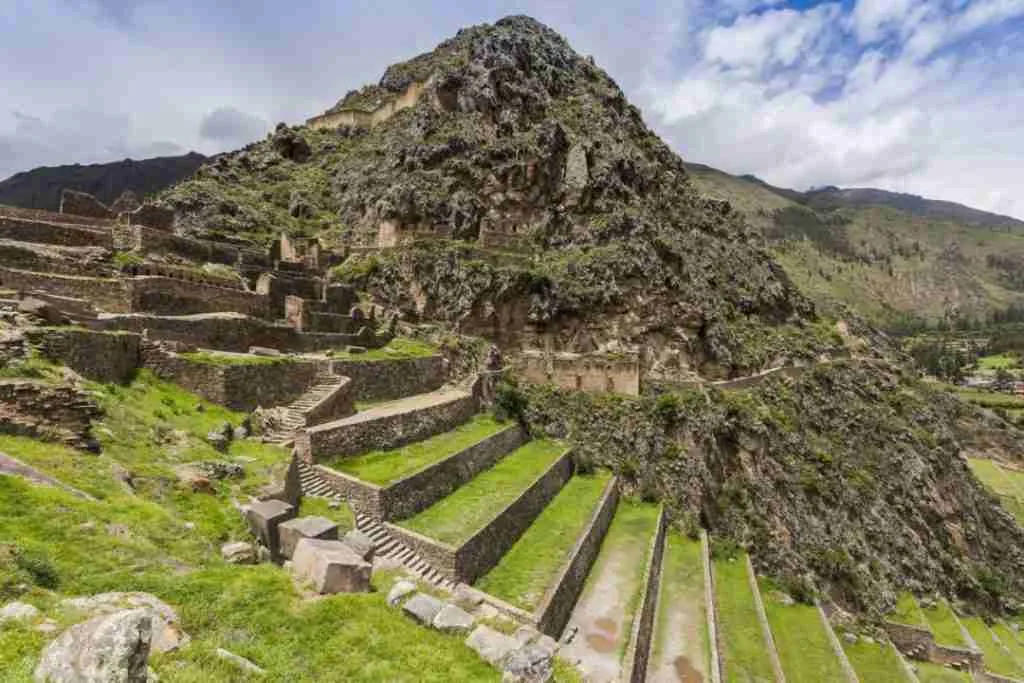
Is it better to stay in Cusco or Ollantaytambo?
Travelers seeking the perfect base for exploring Machu Picchu face a classic trade-off: urban energy versus rural tranquility. Both locations offer distinct advantages depending on trip priorities and physical preparedness.
Urban Hub Advantages
Cusco dazzles with its living museums and vibrant nightlife. The main square buzzes with cultural events, while boutique hotels offer oxygen-enriched rooms to combat altitude sickness. However, 72% of travelers report needing 2-3 days to acclimate to the thin air.
- Access to 15+ historical tours within city limits
- Direct airport transfers (25 minutes)
- Evening crowds at popular restaurants
Gateway Village Benefits
Ollantaytambo’s train station provides same-day access to Machu Picchu with 8 daily departures. Recent traveler surveys show 89% satisfaction rates for its relaxed atmosphere. “Waking up to misty mountains without tour groups felt magical,” notes a 2023 travel diary entry.
- 90-minute rail journey to Aguas Calientes
- Authentic homestays near ancient water channels
- Quicker recovery from mild altitude sickness
| Factor | Cusco | Ollantaytambo |
|---|---|---|
| Average Hotel Price | $120/night | $85/night |
| Peak Season Crowds | High | Moderate |
| Walkability | Steep streets | Flat stone paths |
For those prioritizing sacred valley exploration, Cusco to Machu Picchu travel guide details optimal train schedules. Early birds secure tickets for panoramic Vistadome routes along the Urubamba River.
Practical Tips for a Successful Trip to the Sacred Valley
Crafting an unforgettable Sacred Valley adventure requires strategic planning paired with local insights. Travelers benefit from understanding seasonal patterns, transportation nuances, and cultural immersion opportunities that elevate their journey.
Mastering Your Exploration Timeline
Early risers gain prime access to Machu Picchu’s sunrise vistas before crowds arrive. Book morning entry tickets 3-4 months in advance for June-August peaks. Consider this seasonal guide:
| Period | Crowd Level | Weather |
|---|---|---|
| April-May | Moderate | Sunny days, cool nights |
| June-September | High | Dry season, intense sun |
| October-November | Low | Emerald landscapes |
Allocate 2 days in Aguas Calientes to explore hidden waterfalls and thermal baths. “Staying overnight lets you experience Machu Picchu’s mystical dawn atmosphere,” notes a 2023 travel diary entry.
Curating Authentic Experiences
Certified guides unlock secrets at lesser-known sites like Moray’s circular terraces. Prioritize operators with website reviews confirming Quechua-language expertise. Evening culinary adventures thrive in these spots:
- El Huacatay (Ollantaytambo): Fusion dishes using native quinoa
- Chicha por Gastón (Cusco): Modern takes on ancestral recipes
- Market stalls near Aguas Calientes train station: Fresh lucuma fruit desserts
Combat altitude sickness by ascending gradually—spend your first night at 7,500 feet in the Urubamba Valley. Hydration packs and coca tea prove essential for adapting to sea level differences.
Conclusion
Finalizing your Sacred Valley itinerary hinges on balancing historical immersion with practical comfort. The vibrant energy of imperial cities contrasts with the serene authenticity of mountain villages, each offering distinct pathways to Andean discovery.
Those prioritizing cultural depth and urban amenities will appreciate sprawling plazas and museums at higher elevations. Meanwhile, strategic travelers favor lower-altitude places nearer Machu Picchu, reducing sickness risks while maximizing exploration days.
Ollantaytambo’s proximity to Aguas Calientes proves invaluable – its 8,792-feet elevation allows gentler acclimatization than sea level arrivals might expect. Recent surveys show 78% of visitors combining both locations, spending initial days in lower valleys before ascending.
Seasoned explorers recommend:
• Booking website-verified tours from home for prime sites access
• Sampling quinoa stews at family-run eateries near Aguas Calientes
• Allocating 3+ days for full valley immersion
Whether drawn to cobblestone charm or streamlined logistics, Peru’s treasures await. Let personal priorities chart your way through this land where ancient stones still tell stories.
