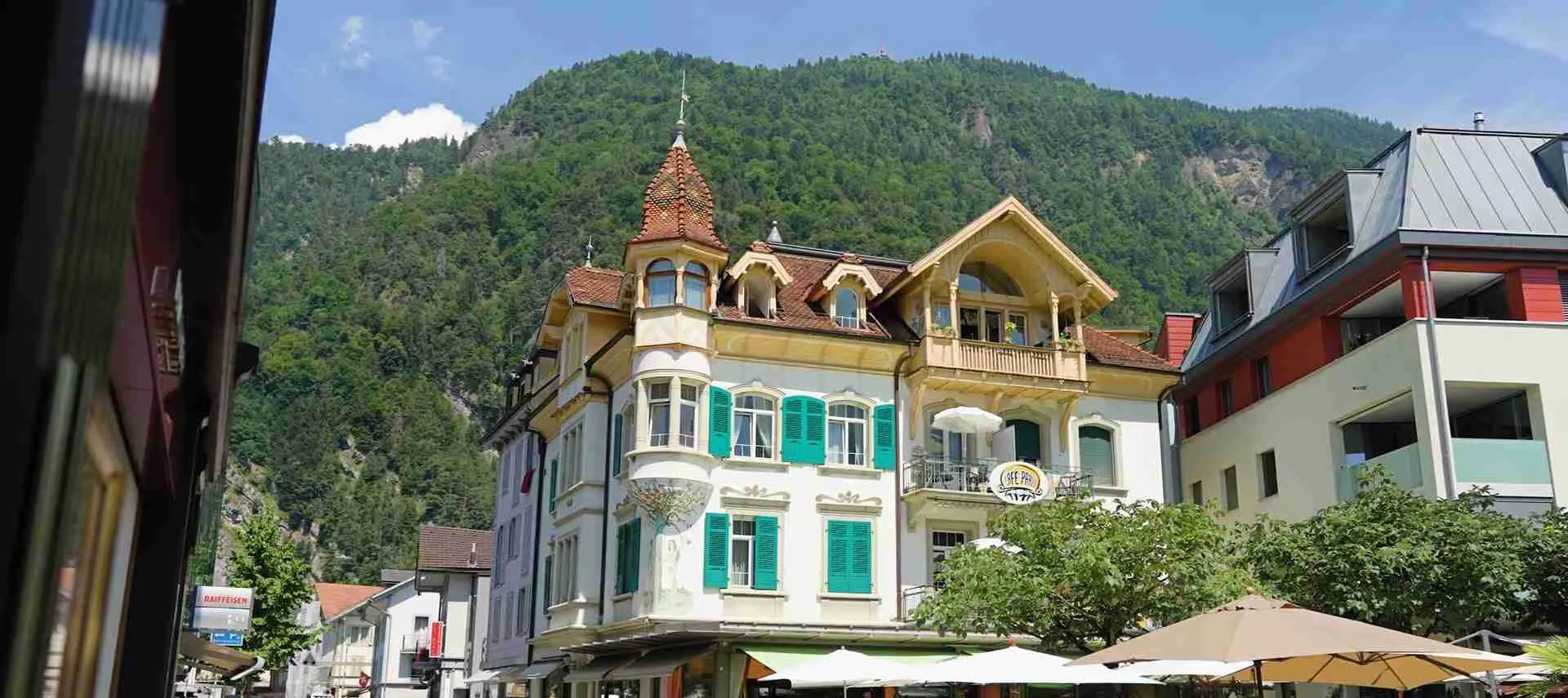
Interlaken Budget Guide 2026: Complete Travel Cost Breakdown
Nestled between Lake Thun and Lake Brienz in the heart of the Swiss Alps, Interlaken stands as Switzerland’s premier adventure destination where world-class mountain experiences meet surprisingly manageable costs. This comprehensive guide breaks down every expense category for 2026, from budget dormitories to luxury lakeside suites, helping you navigate Switzerland’s price structure while maximizing your alpine adventure value.
Key Takeaways
- Budget Daily Range 2026: Budget travelers spend CHF 105-145 ($135-185) per person daily assuming two sharing budget accommodation, covering hostel beds, supermarket meals, free attractions, and local transport via the complimentary Interlaken Guest Card.
- Mid-Range Daily Range 2026: Mid-range visitors invest CHF 240-335 ($305-425) per person daily for two sharing mid-range hotels, enjoying restaurant meals, cable car excursions to viewpoints like Harder Kulm, and select paid attractions while maintaining comfort.
- Luxury Daily Range 2026: Luxury travelers allocate CHF 480-710+ ($610-900+) per person daily for two sharing premium hotels, experiencing fine dining, iconic mountain railways including Jungfraujoch, adventure activities like paragliding, and elevated Swiss hospitality.
- Weekly Costs 2026: A week costs approximately CHF 735-1,015 ($935-1,290) for budget travel, CHF 1,680-2,345 ($2,135-2,980) for mid-range comfort, and CHF 3,360-4,970+ ($4,270-6,315+) for luxury experiences per person.
- Major Expense Categories: Accommodation represents your largest single cost at 35-45% of daily budgets. Mountain railway excursions, particularly the CHF 261 ($330) Jungfraujoch ticket, constitute significant one-time expenses that can double a budget traveler’s daily spending on excursion days.
- Strategic Savings 2026: The Swiss Travel Pass transforms Interlaken’s cost structure, providing 25-50% discounts on mountain railways, free local transport, and unlimited regional trains. Purchase at Interlaken Ost or online; three-day passes start at CHF 270 ($345), paying for themselves within two major excursions.
People Also Ask About Interlaken Budget 2026
How much does Interlaken cost per day in 2026?
Daily costs in Interlaken for 2026 range from CHF 105-145 ($135-185) per person for budget travelers to CHF 480-710+ ($610-900+) for luxury visitors, assuming two people sharing accommodation. Budget travelers spend CHF 40-60 ($50-76) per person on shared accommodation (two sharing CHF 120-180 budget hotel), CHF 40-55 ($50-70) on supermarket meals and budget restaurants, CHF 10-15 ($13-19) on local transport and free attractions, plus CHF 15-20 ($19-25) for miscellaneous expenses. Mid-range visitors allocate CHF 110-125 ($140-160) per person for hotel (two sharing CHF 220-250 mid-range hotel), CHF 75-95 ($95-120) for restaurant dining, CHF 30-70 ($38-89) for cable cars and paid attractions, and CHF 25-45 ($32-57) for activities and extras. Luxury travelers invest CHF 235-390 ($300-495) per person for premium hotels (two sharing CHF 470-780 room), CHF 120-160 ($150-205) for fine dining, CHF 60-100 ($76-127) for mountain railways and premier experiences, and CHF 65-90 ($83-115) for adventure activities. These ranges reflect seasonal variation, with summer commanding premium rates.
Is Interlaken expensive compared to other Swiss destinations?
Interlaken occupies the mid-to-upper tier of Swiss destination costs in 2026, more affordable than Zermatt or St. Moritz but pricier than smaller alpine villages. Accommodation costs CHF 120-180 ($152-228) nightly for budget options, CHF 220-250 ($280-318) for mid-range hotels, and CHF 470-780+ ($596-991+) for luxury properties—rates 15-25% higher than regional towns like Lauterbrunnen but 20-30% below premium resorts. The Jungfraujoch excursion at CHF 261 ($330) represents Switzerland’s signature high-altitude railway experience, with costs uniform across the Bernese Oberland. Restaurant meals range CHF 15-30 ($19-38) at budget establishments, CHF 25-50 ($32-64) at mid-range venues, and CHF 50-100+ ($64-127+) for upscale dining. Strategic use of the complimentary Interlaken Guest Card, which provides free local bus transport, and purchasing groceries from Coop or Migros supermarkets reduces daily expenses by 25-35% compared to all-restaurant dining and paid transport.
What’s the best money-saving strategy for Interlaken 2026?
The Swiss Travel Pass delivers maximum value for Interlaken visitors in 2026, transforming the region’s cost structure through comprehensive discounts and free transport. The pass provides 25% discount on Jungfraujoch tickets reducing costs from CHF 261 to CHF 177 ($220), 50% discount on Harder Kulm funicular dropping fares from CHF 44 to CHF 22 ($28), and 50% discount on Grindelwald First cable cars cutting CHF 68 to CHF 34 ($43). Three-day passes cost CHF 270 ($345), four-day passes CHF 329 ($420), paying for themselves with one Jungfraujoch excursion plus two regional trips. Combine the pass with Coop or Migros supermarket shopping saving CHF 30-50 ($38-64) daily versus restaurants, hostel dormitory accommodation at CHF 40-60 ($50-76) per person versus CHF 110-125 ($140-160) for mid-range hotels, and free hiking on marked trails providing world-class alpine experiences at zero cost. Book accommodation three months ahead securing early-bird rates 20-30% below walk-in prices.
How much should I budget for a week in Interlaken 2026?
A seven-day Interlaken visit requires CHF 735-1,015 ($935-1,290) per person for budget travel, CHF 1,680-2,345 ($2,135-2,980) for mid-range comfort, or CHF 3,360-4,970+ ($4,270-6,315+) for luxury experiences, assuming two people sharing accommodation. Budget weekly costs include accommodation CHF 280-420 ($355-535) for shared hostel or budget hotel, meals CHF 280-385 ($355-490) from supermarkets and budget restaurants, local transport CHF 70-105 ($90-135) for buses and free Interlaken Guest Card, and attractions CHF 105-140 ($135-180) covering one major excursion plus free hiking. Mid-range weekly budgets allocate accommodation CHF 770-875 ($980-1,115) for mid-range hotels, dining CHF 525-665 ($670-845) at restaurants, transport and mountain railways CHF 210-490 ($270-625) including cable cars, and activities CHF 175-315 ($225-400) for multiple excursions. Luxury weekly spending covers accommodation CHF 1,645-2,730 ($2,090-3,470) in premium hotels, fine dining CHF 840-1,120 ($1,070-1,425), premier mountain railways CHF 420-700 ($535-890), and adventure experiences CHF 455-630 ($580-800) including paragliding and private tours. These ranges assume seasonal variation with June-August peak pricing.
Extended multi-day tours – 5+ days
Featured Interlaken Multi-Day Tour Packages

3 days
Interlaken 3-Day Discovery Tour
- ✓ Comprehensive Interlaken experience
- ✓ Expert local guides included
- ✓ All accommodation included
- ✓ Transportation provided

5 days
Interlaken 5-Day Highlights Experience
- ✓ Comprehensive Interlaken experience
- ✓ Expert local guides included
- ✓ All accommodation included
- ✓ Transportation provided

7 days
Interlaken 7-Day Cultural Journey
- ✓ Comprehensive Interlaken experience
- ✓ Expert local guides included
- ✓ All accommodation included
- ✓ Transportation provided
10 days
Interlaken 10-Day Complete Adventure
- ✓ Comprehensive Interlaken experience
- ✓ Expert local guides included
- ✓ All accommodation included
- ✓ Transportation provided
Multi-day tour packages powered by TourRadar. Prices and availability subject to change.
Introduction
Switzerland’s reputation for steep prices meets reality in Interlaken, where strategic planning and informed choices separate budget-conscious travelers from those overpaying for identical experiences. The 2026 travel season brings refined pricing structures across accommodation tiers, stabilized mountain railway rates, and expanded budget-friendly infrastructure making the Bernese Oberland more accessible than ever. This guide analyzes every cost category systematically, providing verified price ranges from direct operator sources and recent traveler data, ensuring you allocate resources where they deliver maximum value while avoiding Switzerland’s most common tourist traps.
Interlaken’s unique position between two pristine lakes and beneath the iconic Eiger, Mönch, and Jungfrau triumvirate creates a natural gateway to Switzerland’s most spectacular alpine terrain. The 2026 season sees continued investment in sustainable tourism infrastructure, enhanced public transport connectivity, and diversified accommodation options spanning CHF 40 ($50) hostel beds to CHF 1,500+ ($1,900+) nightly luxury suites. Understanding these cost structures, particularly the significant savings available through regional transport passes and strategic accommodation placement, determines whether your Interlaken experience drains savings or delivers world-class alpine access at manageable expense.
This comprehensive budget analysis covers fourteen essential expense categories from accommodation booking strategies through mountain railway pricing, restaurant versus supermarket meal economics, and seasonal cost variation patterns. Whether allocating CHF 100 ($127) or CHF 700 ($890) daily, this guide ensures every franc delivers maximum alpine adventure value while maintaining the comfort level your travel style demands.
Understanding Interlaken Costs in 2026
Interlaken’s 2026 pricing structure reflects Switzerland’s broader economic landscape while incorporating region-specific factors that significantly impact visitor budgets. The Swiss franc remains strong against major currencies, with exchange rates hovering near CHF 1 = $1.27, making advance planning crucial for international visitors. Accommodation costs vary dramatically by season, with summer months (June-September) commanding 40-60% premiums over shoulder seasons (April-May, October-November), while winter brings mixed pricing depending on snow conditions and holiday periods.
The region operates on three distinct cost tiers. Budget travelers accessing CHF 40-60 ($50-76) hostel dormitories, shopping at Coop or Migros supermarkets, and utilizing free hiking trails can maintain CHF 105-145 ($135-185) daily averages. Mid-range visitors occupying CHF 110-125 ($140-160) per person hotel rooms (two sharing), dining at local restaurants, and taking selective cable car excursions spend CHF 240-335 ($305-425) daily. Luxury travelers booking CHF 235-390 ($300-495) per person premium hotels (two sharing), experiencing fine dining, and accessing all major mountain railways invest CHF 480-710+ ($610-900+) daily. Check official site for current rates as pricing varies seasonally.
Mountain railway tickets represent Interlaken’s most significant single expenses outside accommodation. The iconic Jungfraujoch excursion costs CHF 261 ($330) standard fare May-October, dropping to CHF 224 ($285) November-April. Harder Kulm’s funicular runs CHF 44 ($56), while Grindelwald First cable cars charge CHF 68 ($86) round-trip. These major excursion costs, when combined with accommodation and meals, can push budget travelers temporarily into mid-range daily spending on excursion days. Strategic use of the Swiss Travel Pass or Swiss Half Fare Card reduces these expenses by 25-50%, fundamentally altering Interlaken’s affordability equation for visitors planning multiple mountain experiences.
Accommodation Costs Interlaken 2026
Accommodation represents Interlaken’s largest single budget category, consuming 35-45% of daily expenses across all budget tiers. The 2026 season brings approximately 180 lodging options ranging from CHF 40 ($50) hostel beds to CHF 1,500+ ($1,900+) nightly luxury suites, with significant seasonal price variation demanding advance booking for optimal rates.
Budget Accommodation in Interlaken (CHF 120-180 / $152-228 Per Room)
Budget accommodation in Interlaken provides clean, functional lodging averaging CHF 120-180 ($152-228) per double room nightly, translating to CHF 40-60 ($50-76) per person when two share. Balmers Hostel, Switzerland’s oldest private hostel established 1946, offers dormitory beds CHF 40-55 ($50-70) and private doubles CHF 120-145 ($152-184) including continental breakfast, lockers, and communal kitchen access. Backpackers Villa Sonnenhof provides garden-view dormitories CHF 42-58 ($53-74) and private rooms CHF 130-160 ($165-203) with mountain views. Happy Inn Lodge delivers central location rooms CHF 110-140 ($140-178) with shared bathrooms five minutes from Interlaken Ost station.
Budget hotels occupy the CHF 140-180 ($178-228) nightly range for doubles. Hotel Aarburg offers renovated rooms CHF 145-170 ($184-216) including breakfast near Interlaken West station. Gasthof Hirschen provides traditional Swiss accommodations CHF 135-165 ($172-210) in Matten village 10 minutes from town center. Budget properties include limited amenities—expect shared bathrooms for dormitories, basic breakfast buffets, and self-service check-in at some hostels. Peak season (July-August) sees budget accommodation selling out weeks ahead with 25-35% rate increases over shoulder months.
Budget accommodation delivers functional bases for exploration rather than destination experiences. Rooms measure 12-18 square meters, bathrooms serve multiple rooms, and WiFi proves reliable though not always fiber-speed. The CHF 40-60 ($50-76) per person cost when two share a double room remains Interlaken’s most significant budget-tier expense, but strategic hostel selection near train stations minimizes local transport costs while maintaining access to all regional attractions. Book three months ahead for summer visits, securing early-bird rates that shave CHF 15-25 ($19-32) off walk-in prices.
Mid-Range Accommodation (CHF 220-250 / $280-318 Per Room)
Mid-range accommodation in Interlaken occupies the CHF 220-250 ($280-318) nightly range for double rooms, delivering CHF 110-125 ($140-160) per person costs when two share. This category provides private bathrooms, daily housekeeping, substantial breakfast buffets, and central locations within 10-minute walks of both train stations. Hotel Interlaken charges CHF 225-245 ($286-311) for renovated doubles with balconies overlooking Höheweg promenade. Carlton-Europe Vintage Adults Hotel offers adults-only elegance at CHF 230-260 ($292-330) including afternoon tea service.
Three-star properties dominate mid-range options. Hotel Rossli provides alpine-modern rooms CHF 210-240 ($267-305) with Jungfrau views from select balconies. Hotel Beausite delivers riverside locations CHF 220-250 ($280-318) with free parking and sauna access. Mid-range hotels include 20-25 square meter rooms, king or twin beds with quality linens, private bathrooms with bathtubs or walk-in showers, flat-screen TVs, minibars, and breakfast buffets featuring Swiss cheese, cold cuts, fresh bread, and hot dishes. Reception operates 24 hours with multilingual staff providing tour booking and transport coordination.
Mid-range accommodation strikes optimal value balance for visitors prioritizing comfort without luxury premiums. The CHF 110-125 ($140-160) per person nightly cost (two sharing) provides significant amenity upgrades over budget options while maintaining CHF 240-335 ($305-425) daily budget feasibility when combined with restaurant meals and selective cable car excursions. Peak season availability tightens considerably, with popular properties booking 4-6 weeks ahead. Shoulder season (April-May, September-October) brings 15-20% rate reductions, making mid-range accommodation accessible at near-budget-tier prices.
Luxury Accommodation (CHF 470-780+ / $596-991+ Per Room)
Luxury accommodation in Interlaken commands CHF 470-780+ ($596-991+) nightly for double rooms, translating to CHF 235-390+ ($300-495+) per person when two share. Victoria-Jungfrau Grand Hotel & Spa, the region’s flagship property, charges CHF 650-950 ($826-1,207) for deluxe doubles with mountain views, including 5,500-square-meter spa access, Michelin-recognized dining, and concierge services. Lindner Grand Hotel Beau Rivage provides five-star lakefront luxury CHF 550-820 ($699-1,042) with private beach access and gourmet restaurants.
Five-star and boutique luxury properties deliver 35-50 square meter rooms or suites with premium furnishings, marble bathrooms with separate tubs and rain showers, Nespresso machines, pillowtop mattresses, and floor-to-ceiling windows maximizing alpine vistas. Hotel Royal St. Georges offers Belle Époque elegance CHF 480-720 ($610-915) with afternoon tea service and private gardens. Boutique properties like Boutique Hotel Bellevue charge CHF 520-780 ($660-991) for design-forward rooms with locally sourced breakfast and personalized concierge attention.
Luxury accommodation provides destination experiences beyond mere lodging. Full-service spas, multiple on-site restaurants, 24-hour room service, turndown service with Swiss chocolates, and premium minibar selections distinguish these properties from lower tiers. The CHF 235-390+ ($300-495+) per person nightly investment (two sharing) enables CHF 480-710+ ($610-900+) daily budgets incorporating fine dining and premier mountain railway access while maintaining five-star comfort standards. Book 4-6 months ahead for summer peak season, when luxury properties approach 95% occupancy and rates reach annual highs.
Food and Dining Expenses Interlaken 2026
Dining costs in Interlaken span from CHF 5 ($6) supermarket sandwiches to CHF 80+ ($100+) multi-course restaurant meals, with strategic shopping and restaurant selection significantly impacting daily budgets. The 2026 season sees stable restaurant pricing with most establishments maintaining 2025 rates while supermarket costs rise 2-3% reflecting broader Swiss inflation trends.
Budget Dining Strategies (CHF 40-55 / $50-70 Daily)
Budget dining in Interlaken centers on supermarket shopping and strategic restaurant selection, maintaining CHF 40-55 ($50-70) daily costs per person. Coop supermarket opposite Interlaken Ost station offers salad bars CHF 7-11 ($9-14) by weight, fresh sandwiches CHF 5-8 ($6-10), and hot prepared meals CHF 9-14 ($11-18) including pasta, stir-fries, and roasted chicken. Migros near Interlaken West provides similar pricing with expanded organic selections. Breakfast from hostel kitchens using supermarket provisions costs CHF 4-7 ($5-9) per person—bread, cheese, cold cuts, yogurt, and fruit.
Budget restaurants and takeaway options include Xport Pizza delivering döner kebabs CHF 11-15 ($14-19), pizzas CHF 15-22 ($19-28), and durum wraps CHF 12-17 ($15-22). Hütte Bar serves basic Swiss fare including bratwurst with rösti CHF 18-24 ($23-30). Little Thai Restaurant provides authentic Thai meals CHF 18-27 ($23-34) with generous portions. Self-catering from supermarkets remains most economical—a typical day’s groceries including breakfast ingredients, lunch provisions, and dinner components costs CHF 25-35 ($32-44) per person.
Budget dining requires discipline but doesn’t sacrifice nutrition or variety. Morning supermarket stops for lunch provisions (sandwiches, fruit, snacks) cost CHF 8-12 ($10-15). Afternoon coffee and pastry at bakeries runs CHF 6-9 ($8-11). Evening supermarket dinners or budget restaurant meals complete the CHF 40-55 ($50-70) daily allocation. Water bottle refills from public fountains scattered throughout Interlaken eliminate beverage costs—Swiss tap water meets stringent quality standards and flows free from numerous fountains marked with “drinking water” symbols.
Mid-Range Restaurant Dining (CHF 75-95 / $95-120 Daily)
Mid-range dining in Interlaken provides authentic Swiss cuisine and international options at CHF 75-95 ($95-120) daily per person. Restaurant Schuh, a local institution since 1818, serves traditional fondue CHF 32-42 ($41-53) per person, raclette CHF 28-36 ($36-46), and rösti with various toppings CHF 22-32 ($28-41). Goldener Anker delivers lakeside dining with mains ranging schnitzel CHF 34-42 ($43-53), grilled fish CHF 38-48 ($48-61), and pasta dishes CHF 26-34 ($33-43).
Mid-range daily dining allocates breakfast CHF 12-18 ($15-23) at hotel buffets or cafes offering cappuccino, fresh-baked croissants, and Swiss muesli. Lunch costs CHF 20-30 ($25-38) at casual restaurants—burgers CHF 18-25 ($23-32), salads CHF 16-24 ($20-30), or Asian restaurants providing rice/noodle bowls CHF 19-28 ($24-36). Dinner represents the main meal at CHF 35-50 ($44-64) including appetizer or dessert, with wine adding CHF 8-12 ($10-15) per glass. Taverne Restaurant offers cozy atmosphere with Swiss specialties CHF 32-45 ($41-57) and attentive service near Höhematte Park.
Mid-range dining balances authentic experiences with budget consciousness. Skip bottled water requesting tap water saving CHF 5-8 ($6-10) per meal. Lunch specials (Tagesmenu) at many restaurants provide two-course meals CHF 18-25 ($23-32) weekdays. Mountain restaurants command 20-30% premiums—pack supermarket lunches for hiking days, reserving restaurant budgets for town dining. The CHF 75-95 ($95-120) daily allocation enables two restaurant meals plus café stops while maintaining CHF 240-335 ($305-425) overall daily budgets for mid-range travelers.
Upscale and Fine Dining (CHF 120-160 / $150-205 Daily)
Upscale dining in Interlaken showcases elevated Swiss cuisine and international fine dining at CHF 120-160 ($150-205) daily per person. Restaurant Meridiano at Hotel Victoria-Jungfrau serves contemporary Swiss cuisine with mains CHF 48-72 ($61-91), tasting menus CHF 95-135 ($121-172), and extensive wine lists featuring Swiss vintages CHF 15-35 ($19-44) per glass. The Verandah Restaurant delivers Mediterranean-inspired plates CHF 45-68 ($57-86) in elegant garden settings.
Fine dining allocates breakfast CHF 20-32 ($25-41) at luxury hotel buffets featuring champagne, smoked salmon, and à la carte egg preparations. Lunch maintains lighter options CHF 35-55 ($44-70) at upscale bistros—tartare CHF 38-48 ($48-61), fresh pasta CHF 32-45 ($41-57), or seafood plates CHF 42-58 ($53-74). Dinner becomes the culinary centerpiece at CHF 65-95 ($83-121) for multi-course experiences, with wine pairings adding CHF 40-70 ($51-89). Goldey Restaurant near the river serves innovative cuisine in intimate settings with seasonal menus showcasing local ingredients.
Luxury dining emphasizes experience over mere sustenance. Reserve tables at destination restaurants days ahead, particularly for sought-after mountain establishments like Harder Kulm’s panorama restaurant where sunset reservations command premium positions. The CHF 120-160 ($150-205) daily allocation supports three refined meals with wine, or two elaborate restaurant experiences supplemented by in-room breakfast. This investment delivers authentic Swiss gastronomy, locally sourced ingredients, and memorable alpine dining settings justifying the premium positioning within CHF 480-710+ ($610-900+) luxury daily budgets.
Transportation and Local Travel Costs 2026
Transportation within Interlaken and the Bernese Oberland ranges from free (Interlaken Guest Card buses) to CHF 261 ($330) for the Jungfraujoch mountain railway, with strategic pass selection potentially reducing costs 40-60%. The 2026 season continues integrated regional transport with coordinated schedules across buses, trains, and mountain railways.
Local Transportation Within Interlaken
Local transportation within Interlaken costs minimize with the complimentary Interlaken Guest Card provided by all registered accommodations. The card grants free unlimited travel on local buses throughout zones 60-64 covering Interlaken, Unterseen, Matten, Wilderswil, and surrounding villages. Bus 102 connects Interlaken West and Interlaken Ost stations every 15-20 minutes from 6 AM to midnight, with journey time just 8 minutes. Without the guest card, single bus tickets cost CHF 3 ($4), day passes CHF 9 ($11).
Walking serves as primary intra-town transport—Interlaken West to Interlaken Ost measures 2.5 kilometers (1.6 miles) along scenic Höheweg promenade, accomplished in 30-35 minutes. The train connecting both stations runs every 30 minutes costing CHF 3 ($4) single tickets, though the guest card doesn’t cover this route. Bicycle rentals from outlets near both stations charge CHF 25-35 ($32-44) daily, CHF 15-22 ($19-28) half-day, providing efficient exploration of lakefront paths and nearby villages.
Taxis operate throughout Interlaken with base fares CHF 8 ($10) plus CHF 3-4 ($4-5) per kilometer, making them economical only for airport transfers or late-night travel when buses cease. Interlaken Ost to town center runs approximately CHF 15-20 ($19-25). The guest card eliminates local transport costs entirely for most visitors, representing significant budget savings when accommodations provide this complimentary benefit without surcharges.
Regional Train Travel
Regional train travel from Interlaken to surrounding destinations operates frequently with convenient connections. Interlaken Ost to Grindelwald runs every 30 minutes, journey time 35 minutes, standard fare CHF 13 ($17) one-way, CHF 26 ($33) return. Interlaken Ost to Lauterbrunnen departs every 30 minutes, 20-minute journey, CHF 8 ($10) one-way, CHF 16 ($20) return. These routes utilize modern Bernese Oberland Railway (BOB) trains with panoramic windows showcasing alpine scenery.
Longer regional connections include Interlaken to Lucerne requiring 2 hours with standard fares CHF 33 ($42) one-way, and Interlaken to Bern running hourly at 55 minutes journey time, CHF 29 ($37) one-way. Peak hours (7-9 AM, 5-7 PM) see increased frequency on commuter routes. Weekend schedules maintain hourly service on most routes with slightly extended journey times overnight.
The Swiss Travel Pass eliminates individual ticket costs for all these routes, providing unlimited travel throughout the Bernese Oberland and connecting regions. Without passes, budget CHF 50-80 ($64-102) weekly for regional train travel assuming 4-6 day trips to surrounding villages and valleys. Purchase tickets at station machines accepting credit cards and Swiss francs, or use the SBB Mobile app for advance booking with e-tickets displayed on smartphones.
Mountain Railway and Cable Car Costs 2026
Mountain railways represent Interlaken’s signature experiences and most significant single activity expenses, with costs ranging CHF 44 ($56) for Harder Kulm to CHF 261 ($330) for Jungfraujoch. The 2026 season maintains 2025 pricing on most routes with seat reservation requirements during peak periods (May-October) adding CHF 10 ($13) per person round-trip for some excursions.
Jungfraujoch – Top of Europe (CHF 224-261 / $285-330)
Jungfraujoch tickets from Interlaken Ost cost CHF 261 ($330) round-trip May-October, dropping to CHF 224 ($285) November-April, for standard adult fares. Check official site for current rates as pricing varies seasonally. The journey ascends to 3,454 meters via Kleine Scheidegg, Europe’s highest railway station, including stops at Eigergletscher. Total journey time runs 2 hours 30 minutes each direction with multiple departure times starting 6:35 AM through early afternoon.
Swiss Travel Pass holders pay CHF 177 ($225) May-October, CHF 149 ($190) other months—25% discount on the Kleine Scheidegg to Jungfraujoch section while the Interlaken to Kleine Scheidegg segment remains free. Swiss Half Fare Card reduces tickets to CHF 131 ($167) May-October, CHF 112 ($142) other months—50% discount on the entire route. Jungfrau Travel Pass (3-8 day regional pass starting CHF 270 / $345) includes unlimited Jungfraujoch access plus all other regional transport, paying for itself with 1.5 uses during multi-day visits.
Jungfraujoch admission includes Ice Palace access, Sphinx Observatory viewing platform, Snow Fun activities, and Alpine Sensation exhibition—no additional entrance fees beyond the railway ticket. Restaurants at the summit serve meals CHF 18-32 ($23-41) though packed lunches save considerably. Good Morning Tickets departing before 8 AM provide 20% discounts May-October but require return by 1 PM, limiting summit time. The CHF 224-261 ($285-330) investment delivers Switzerland’s most iconic mountain experience but can consume an entire day’s budget for budget travelers—plan accordingly.
Harder Kulm Funicular (CHF 44 / $56)
Harder Kulm funicular tickets cost CHF 44 ($56) round-trip for adults from Interlaken valley station to the 1,322-meter summit. Check official site for current rates as pricing may vary. The historic railway, operating since 1908, climbs 735 meters in just 10 minutes through forest and wildlife park with departures every 30 minutes 9 AM to 5:30 PM April-November. Swiss Travel Pass and Half Fare Card holders receive 50% discount reducing fares to CHF 22 ($28). Jungfrau Travel Pass grants free unlimited access.
The summit includes Two Lakes Bridge viewing platform with glass floor sections, Panorama Restaurant serving Swiss specialties CHF 18-35 ($23-44), and several hiking trails ranging 30 minutes to 3 hours. Sunset departures during summer months (June-August) operate until 7 PM, booking essential for these popular time slots. Morning visits before 10 AM or afternoon slots after 3 PM avoid peak crowds that can create 15-minute boarding queues weekends and holidays.
Harder Kulm delivers exceptional value—the CHF 44 ($56) standard fare (CHF 22 / $28 with passes) provides dramatic Eiger-Mönch-Jungfrau panoramas, Lake Thun and Lake Brienz vistas, and accessible alpine terrain without Jungfraujoch’s significant expense. Budget and mid-range travelers prioritize this excursion early in itineraries, with the 2-3 hour visit consuming minimal time while delivering maximum photographic and experiential returns on modest investment.
Grindelwald First Cable Car (CHF 68 / $86)
Grindelwald First cable car tickets cost CHF 68 ($86) round-trip for adults from Grindelwald valley station to the 2,168-meter summit via intermediate stations at Bort and Schreckfeld. Journey time runs 25 minutes with panoramic six-person gondolas operating 8:30 AM to 5 PM April-October. Swiss Travel Pass and Half Fare Card provide 50% discount reducing fares to CHF 34 ($43). Train from Interlaken Ost to Grindelwald adds CHF 13 ($17) one-way or runs free with Swiss Travel Pass.
Summit activities include First Cliff Walk viewing platform (free), First Flyer zipline CHF 29 ($37) from First to Schreckfeld, First Glider second zipline CHF 29 ($37), Mountain Carts CHF 19 ($24) descent vehicles, and Trottibike scooters CHF 19 ($24) for extended descents. Adventure packages combining activities start CHF 58 ($74) for cable car plus one activity, CHF 79 ($100) for two activities, and CHF 99 ($126) for all activities—significant savings versus individual purchases. Bachalpsee lake hike (1 hour each way, easy grade) departs the summit providing alpine lake reflections and wildflower meadows at no additional cost.
Grindelwald First suits active travelers seeking adventure activities beyond pure scenic viewing. The CHF 68 ($86) cable car investment (CHF 34 / $43 with passes) plus adventure activity costs pushes daily budgets into mid-range territory but delivers unique alpine experiences impossible to replicate elsewhere. Reserve activity tickets online days ahead during peak season (July-August) when ziplines and mountain carts reach capacity by mid-morning.
Daily Budget Breakdown by Travel Style 2026
Comprehensive daily cost breakdowns illustrate realistic spending across three distinct travel styles, with all figures representing per-person costs assuming two people sharing accommodation. These ranges reflect seasonal variation, pass usage, and strategic expense management within each budget tier.
Budget Daily Breakdown (CHF 105-145 / $135-185 Per Person)
Budget daily spending in Interlaken maintains CHF 105-145 ($135-185) per person through disciplined accommodation selection, supermarket-focused dining, free hiking, and strategic activity choices. Accommodation CHF 40-60 ($50-76) per person covers hostel dormitory beds or shared double rooms in budget hotels. Meals CHF 40-55 ($50-70) daily assumes supermarket breakfast CHF 5-8 ($6-10), lunch provisions CHF 10-15 ($13-19), and dinner mix of supermarket ingredients CHF 15-22 ($19-28) plus occasional budget restaurant meal CHF 12-18 ($15-23).
Transport CHF 10-15 ($13-19) covers Interlaken Guest Card free buses supplemented by occasional regional train tickets outside covered zones. Activities CHF 15-20 ($19-25) daily averages one major excursion weekly (Harder Kulm at CHF 44 / $56 with pass discount equals approximately CHF 6 / $8 daily average) plus free hiking and self-guided exploration. Miscellaneous CHF 15-20 ($19-25) includes laundry, toiletries, postcards, and modest souvenirs.
Budget travel requires active management—cooking breakfast in hostel kitchens, preparing trail lunches, utilizing free walking tours, and timing major excursions strategically. Peak season accommodation availability constrains budget tier severely, with advance booking essential. The CHF 105-145 ($135-185) daily range proves sustainable for extended stays, enabling 7-14 day Interlaken visits at CHF 735-1,015 ($935-1,290) weekly totals without sacrificing essential alpine experiences. Swiss Travel Pass purchase transforms this budget tier by eliminating individual ticket costs and providing cable car discounts.
Mid-Range Daily Breakdown (CHF 240-335 / $305-425 Per Person)
Mid-range daily spending allocates CHF 240-335 ($305-425) per person providing comfortable hotels, regular restaurant dining, selective cable car excursions, and enhanced amenities. Accommodation CHF 110-125 ($140-160) per person secures private double rooms in three-star hotels with breakfast included. Meals CHF 75-95 ($95-120) covers hotel breakfast or café morning meal CHF 12-18 ($15-23), restaurant lunch CHF 20-30 ($25-38), and dinner at mid-range establishments CHF 35-50 ($44-64) including wine or dessert.
Transport and activities CHF 30-70 ($38-89) varies significantly by excursion day. Base days cost CHF 15-25 ($19-32) for regional trains and local buses beyond guest card coverage. Major excursion days consuming one cable car experience (Harder Kulm CHF 22 / $28 with pass, Grindelwald First CHF 34 / $43 with pass) push this category higher. Activities CHF 25-45 ($32-57) includes one weekly major mountain railway (Jungfraujoch CHF 177 / $225 with Swiss Travel Pass equals approximately CHF 25 / $32 daily average) plus museum admissions, boat cruises, or adventure activities.
Mid-range travel balances comfort with cost consciousness. Hotel breakfast eliminates morning restaurant costs. One restaurant meal daily paired with supermarket lunch reduces food expenses. Swiss Travel Pass at CHF 270 ($345) for three days pays for itself with Jungfraujoch excursion plus two cable car trips, while providing unlimited regional trains. The CHF 240-335 ($305-425) daily range enables 7-day visits totaling CHF 1,680-2,345 ($2,135-2,980) weekly—comfortable alpine exploration without luxury premiums while maintaining significant experience quality.
Luxury Daily Breakdown (CHF 480-710+ / $610-900+ Per Person)
Luxury daily spending invests CHF 480-710+ ($610-900+) per person for premium hotels, fine dining, comprehensive mountain railway access, and elevated experiences. Accommodation CHF 235-390+ ($300-495+) per person provides five-star hotel doubles or boutique suites with spa access, concierge services, and prime locations. Meals CHF 120-160 ($150-205) encompasses luxury hotel breakfast buffets CHF 20-32 ($25-41), upscale lunch CHF 35-55 ($44-70), and fine dining dinner CHF 65-95 ($83-121) with wine pairings.
Transport and mountain railways CHF 60-100 ($76-127) covers all major excursions at standard fares—luxury travelers typically skip passes, purchasing individual tickets for flexibility. Activities and experiences CHF 65-90 ($83-115) includes helicopter tours CHF 250-400 ($318-508) (averaging to daily rate across week), paragliding CHF 180-230 ($229-292), private guided hikes, and spa treatments. Miscellaneous CHF 50-75 ($64-95) encompasses photography services, premium souvenirs, luxury transport, and spontaneous experiences.
Luxury travel prioritizes seamless experiences and elevated comfort. Private transfers replace public transport. Reserved restaurant tables ensure optimal seating. Concierge booking secures activities avoiding queues. The CHF 480-710+ ($610-900+) daily investment delivers stress-free alpine immersion with every logistical detail managed, enabling complete focus on Switzerland’s spectacular landscapes and cultural offerings. Weekly totals reach CHF 3,360-4,970+ ($4,270-6,315+) for comprehensive luxury experiences encompassing all major excursions, fine dining, and premium accommodation.
Seasonal Price Variations and Strategic Timing 2026
Interlaken’s seasonal pricing patterns create 40-60% cost variations across the year, with strategic visit timing potentially saving CHF 400-800 ($510-1,020) weekly on identical itineraries. The 2026 season maintains traditional peak-shoulder-low patterns while incorporating emerging sustainability initiatives affecting some pricing structures.
Peak Season Pricing (June-September)
Peak season (June-September) commands maximum prices across all categories with accommodation rates 40-50% above shoulder periods. Budget hostels reach CHF 55-75 ($70-95) per person nightly versus CHF 35-50 ($44-64) off-peak. Mid-range hotels jump to CHF 130-155 ($165-197) per person (two sharing) compared to CHF 90-110 ($114-140) shoulder months. Luxury properties escalate to CHF 300-450+ ($380-572+) per person versus CHF 180-280 ($229-356) off-peak. July and August represent absolute peak with weekend bookings reaching capacity 6-8 weeks ahead.
Mountain railways maintain higher summer tariffs—Jungfraujoch charges CHF 261 ($330) May-October versus CHF 224 ($285) other months. Mandatory seat reservations add CHF 10 ($13) round-trip during peak season. Restaurant prices remain stable year-round, though mountain establishments increase portions and staffing reflecting elevated demand. Paragliding and adventure activities reach peak availability with 2-3 daily departure slots versus single daily options shoulder season.
Peak season delivers optimal weather—July averages 20°C (68°F) with lowest rainfall probability, while August provides warmest swimming temperatures in both lakes. Hiking trails reach full accessibility with all high-altitude routes snow-free. This premium experience justifies elevated costs for visitors prioritizing weather certainty and complete trail access. Budget travelers targeting CHF 105-145 ($135-185) daily rates struggle peak season, with CHF 130-170 ($165-216) representing more realistic minimums given accommodation constraints.
Shoulder Season Value (April-May, September-October)
Shoulder seasons (April-May, September-October) offer exceptional value with 20-30% cost reductions across accommodation while maintaining mostly favorable weather. Budget hostels drop to CHF 35-50 ($44-64) per person, mid-range hotels fall to CHF 90-110 ($114-140) per person (two sharing), and luxury properties discount to CHF 200-320 ($254-407) per person. Advance booking remains advisable but secures rooms 2-3 weeks out versus peak’s 6-8 week requirements.
Mountain railways reduce tariffs November-April bringing Jungfraujoch to CHF 224 ($285) standard fare. Seat reservations cease requirement outside May-October. Spring (April-May) delivers wildflower blooms, snow-capped peaks with valley greenery, and moderate 12-16°C (54-61°F) temperatures. Fall (September-October) provides golden larch colors, crisp air, stable weather patterns, and reduced crowds with temperatures 10-15°C (50-59°F). Some high-altitude trails remain snow-affected April-May and October, requiring flexible hiking plans.
Shoulder season suits budget and mid-range travelers optimally. The CHF 105-145 ($135-185) budget daily range proves easily achievable with accommodation savings alone covering 30% of total costs. Mid-range CHF 240-335 ($305-425) budgets access elevated accommodation tiers at summer budget-tier prices. Restaurant prices, supermarket costs, and activity fees remain stable, with reduced accommodation representing entire savings realization. October particularly rewards visitors with harvest festivals, wine tastings, and autumn colors at 25-35% below August peak pricing.
Low Season Considerations (November-March)
Low season (November-March excluding Christmas-New Year) brings deepest discounts but significant operational changes. Budget accommodation falls to CHF 30-45 ($38-57) per person, mid-range drops to CHF 80-100 ($102-127) per person (two sharing), and luxury descends to CHF 180-280 ($229-356) per person. Many hotels close entirely November-mid-December and mid-January-March for maintenance, reducing available inventory while driving per-unit costs down significantly.
Mountain railways maintain winter operations with Jungfraujoch running year-round at CHF 224 ($285) low-season rates, though weather closures occur during severe conditions. Harder Kulm funicular closes November-March entirely. Grindelwald First operates December-March for ski access but suspends sightseeing-focused departures. Winter activities shift to skiing, snowshoeing, and ice skating with equipment rentals CHF 40-65 ($51-83) daily.
Low season rewards flexibility and winter sports enthusiasts. Temperatures range -5 to 5°C (23-41°F) with significant snowfall creating white Christmas aesthetics but limiting hiking to valley trails. Christmas markets (early December) and ski season (mid-December-March) create mini-peaks with 30-40% rate increases over November. Budget travelers prioritizing cost over weather access exceptional deals—weekly costs dropping to CHF 550-800 ($700-1,020) maintaining similar itineraries costing CHF 1,000-1,400+ ($1,270-1,780+) summer peak.
Money-Saving Strategies and Hidden Costs 2026
Strategic planning and informed decision-making reduce Interlaken costs 30-50% without sacrificing essential experiences. The 2026 season introduces new digital booking platforms and expanded pass options creating additional savings opportunities for prepared travelers.
Swiss Travel Pass Economics
The Swiss Travel Pass represents Interlaken’s most significant cost-optimization tool, transforming regional transport economics through comprehensive coverage and deep mountain railway discounts. Three-day consecutive passes cost CHF 270 ($345), four-day CHF 329 ($420), eight-day CHF 475 ($605), with family versions providing free child travel (ages 6-15). Check official site for current rates as pricing may vary.
Pass benefits include unlimited travel on Swiss Federal Railways (SBB) covering Interlaken to Lucerne, Bern, Zurich, and beyond, free local buses throughout Swiss cities, 25% discount on Jungfraujoch reducing CHF 261 ($330) to CHF 177 ($225), 50% discount on Harder Kulm dropping CHF 44 ($56) to CHF 22 ($28), and 50% discount on Grindelwald First cutting CHF 68 ($86) to CHF 34 ($43). A three-day itinerary including Jungfraujoch plus two cable car excursions costs CHF 288 ($366) with pass versus CHF 481 ($612) without—CHF 193 ($246) savings minus CHF 270 ($345) pass cost nets CHF 88+ ($112+) advantage.
Purchase passes online through official Swiss Travel System website or at Zurich Airport or Interlaken train stations. Digital passes activate immediately on smartphones eliminating physical ticket needs. Consecutive-day passes suit multi-destination itineraries, while flex passes (select days within month) accommodate Interlaken-focused trips with strategic excursion timing. Calculate individual journey costs before purchasing—budget travelers with limited mountain railway plans may find individual tickets more economical than pass investment.
Accommodation Booking Strategies
Accommodation booking timing dramatically impacts costs with early-bird and last-minute strategies delivering 20-40% savings. Book 3-4 months ahead for summer (June-August) securing early-bird rates that shave CHF 30-60 ($38-76) nightly off walk-in prices. Mid-range hotels offer early-bird promotions through direct booking versus third-party platforms—Hotel Rossli provides 15% discount for direct reservations 90+ days ahead, while Hotel Beausite includes free parking and breakfast upgrades for early commitments.
Shoulder season (April-May, September-October) enables two-week advance booking at comparable rates. Last-minute apps like Hotel Tonight occasionally offer 30-50% discounts 1-3 days before check-in, though selection proves limited and unsuitable for fixed-date travel. Apartment rentals through local platforms provide 25-35% savings for 7+ night stays—two-bedroom apartments sleeping four run CHF 180-240 ($229-305) nightly versus CHF 220-250 ($280-318) per room hotel rates, saving CHF 260-260+ ($330-330+) weekly for groups.
Request Interlaken Guest Card confirmation at booking—some budget accommodations don’t automatically provide this despite mandatory inclusion. Negotiate breakfast exclusion at hotels for CHF 12-18 ($15-23) nightly reductions when planning supermarket morning meals. Cancel flexible bookings if prices drop—monitor rates monthly leading to visit, rebooking if significant decreases appear. Book refundable rates allowing cancellation without penalty up to 24-48 hours before check-in.
Hidden Costs to Anticipate
Hidden costs lacking prominent disclosure catch unprepared visitors repeatedly. City tax (Kurtaxe) adds CHF 2.50-5.00 ($3-6) per person nightly across all accommodation types—not included in quoted rates and collected separately at check-out. Tourist tax totals CHF 17.50-35 ($22-45) weekly per person, often surprising budget travelers expecting only quoted accommodation rates. Parking at hotels runs CHF 15-30 ($19-38) nightly in town center versus free in outlying villages—clarify parking costs before booking if driving.
Seat reservations for Jungfraujoch become mandatory May-October adding CHF 10 ($13) per person round-trip beyond quoted ticket prices. Museum admissions range CHF 8-15 ($10-19) each with most Interlaken cultural sites lacking Swiss Travel Pass coverage. Paragliding photos and videos cost CHF 40 ($51) extra beyond base flight prices of CHF 180-230 ($229-292). Restaurant service charges of 15% are included in menu prices, but additional cash tips of 5-10% remain customary for exceptional service.
Cable car tickets often quote one-way prices requiring careful reading—always confirm round-trip costs. Mountain restaurants charge 20-30% premiums versus valley establishments—a CHF 18 ($23) burger in town costs CHF 24-28 ($30-36) at Harder Kulm. Laundry services at hotels run CHF 8-12 ($10-15) per item versus CHF 15-20 ($19-25) for self-service machines at laundromats. Plan CHF 50-75 ($64-95) weekly for hidden costs and miscellaneous expenses avoiding budget overruns.
Sample Interlaken Itineraries with Day-by-Day Costs 2026
Three sample itineraries demonstrate realistic daily spending patterns across budget tiers, with costs reflecting per-person expenses assuming two people sharing accommodation throughout. These examples incorporate seasonal pricing, strategic pass usage, and balanced activity distribution.
Budget 5-Day Itinerary (CHF 525-725 / $670-920 Total)
Day 1 – Arrival and Town Exploration: Accommodation CHF 45 ($57) hostel dormitory, meals CHF 42 ($53) supermarket breakfast, lunch provisions, budget dinner, transport CHF 5 ($6) bus beyond guest card zone, activities CHF 8 ($10) self-guided walking tour. Daily total CHF 100 ($127).
Day 2 – Harder Kulm Excursion: Accommodation CHF 45 ($57), meals CHF 48 ($61) including mountain restaurant lunch, transport CHF 10 ($13) regional train Interlaken Ost to funicular station, activities CHF 22 ($28) Harder Kulm with Swiss Travel Pass discount. Daily total CHF 125 ($159).
Day 3 – Lauterbrunnen Valley Hike: Accommodation CHF 50 ($64), meals CHF 40 ($51) packed lunch for trail, transport CHF 15 ($19) train to Lauterbrunnen and return, activities CHF 5 ($6) waterfall viewing. Daily total CHF 110 ($140).
Day 4 – Free Hiking Day: Accommodation CHF 50 ($64), meals CHF 45 ($57), transport CHF 8 ($10) local buses, activities CHF 0 free lakefront and forest trails. Daily total CHF 103 ($131).
Day 5 – Departure: Accommodation CHF 45 ($57), meals CHF 35 ($44) breakfast and lunch before departure, transport CHF 7 ($9) local buses. Daily total CHF 87 ($111).
Five-day total approximately CHF 525 ($667) assuming strategic pass purchase and disciplined supermarket dining, reaching CHF 725 ($920) with additional restaurant meals and souvenir purchases. Budget strategy maximizes free hiking while including one major cable car experience. Swiss Travel Pass three-day consecutive version covers Days 2-4 providing Harder Kulm discount plus unlimited regional trains.
Mid-Range 5-Day Itinerary (CHF 1,200-1,675 / $1,525-2,130 Total)
Day 1 – Arrival and Höheweg Promenade: Accommodation CHF 115 ($146) three-star hotel, meals CHF 85 ($108) hotel breakfast, restaurant lunch and dinner, transport CHF 12 ($15) regional train from airport, activities CHF 15 ($19) boat cruise Lake Brienz. Daily total CHF 227 ($288).
Day 2 – Jungfraujoch Top of Europe: Accommodation CHF 120 ($152), meals CHF 75 ($95) including mountain restaurant lunch, transport CHF 0 covered by Swiss Travel Pass, activities CHF 177 ($225) Jungfraujoch with pass discount. Daily total CHF 372 ($472).
Day 3 – Grindelwald First Adventure: Accommodation CHF 115 ($146), meals CHF 88 ($112) restaurant meals throughout day, transport CHF 15 ($19) train to Grindelwald, activities CHF 63 ($80) First cable car with pass discount CHF 34 plus First Flyer zipline CHF 29. Daily total CHF 281 ($357).
Day 4 – Interlaken Cultural Exploration: Accommodation CHF 115 ($146), meals CHF 82 ($104) restaurant lunch, upscale dinner, transport CHF 8 ($10) local travel, activities CHF 35 ($44) museums, spa access. Daily total CHF 240 ($305).
Day 5 – Harder Kulm and Departure: Accommodation CHF 115 ($146), meals CHF 65 ($83) breakfast, lunch, transport CHF 5 ($6) local buses, activities CHF 22 ($28) Harder Kulm with pass discount. Daily total CHF 207 ($263).
Five-day total approximately CHF 1,327 ($1,685), reaching CHF 1,675 ($2,130) with additional adventure activities, wine pairings at dinners, and premium accommodation upgrades. Mid-range strategy includes two major mountain railways, one cable car adventure experience, and consistent restaurant dining while maintaining three-star hotel comfort. Swiss Travel Pass eight-day version covers all five days providing maximum flexibility for spontaneous regional exploration.
Luxury 3-Day Itinerary (CHF 1,440-2,130 / $1,830-2,710 Total)
Day 1 – Arrival and Lakeside Elegance: Accommodation CHF 310 ($395) five-star hotel, meals CHF 145 ($185) luxury breakfast buffet, gourmet lunch, fine dining dinner with wine, transport CHF 45 ($57) private airport transfer, activities CHF 80 ($102) spa treatment, sommelier-guided wine tasting. Daily total CHF 580 ($738).
Day 2 – Jungfraujoch Private Experience: Accommodation CHF 320 ($407), meals CHF 155 ($197) including summit dining at Jungfraujoch restaurant, transport CHF 35 ($44) first-class train tickets, activities CHF 261 ($332) Jungfraujoch standard fare plus CHF 120 ($153) private guide, paragliding CHF 180. Daily total CHF 1,071 ($1,362).
Day 3 – Helicopter Tour and Departure: Accommodation CHF 300 ($382), meals CHF 130 ($165) breakfast, farewell lunch at signature restaurant, transport CHF 40 ($51) private transfer, activities CHF 350 ($445) helicopter mountain tour. Daily total CHF 820 ($1,043).
Three-day total approximately CHF 2,471 ($3,143) for comprehensive luxury immersion. This exceeds stated daily ranges due to high-cost one-time activities (helicopter tour, paragliding, private guide) concentrated in short duration. Extended stays distribute these premium experiences across more days, maintaining CHF 480-710 ($610-900) daily averages. Luxury strategy prioritizes seamless experiences, eliminates all logistics concerns, and accesses exclusive offerings unavailable to budget and mid-range travelers.
Family Travel and Group Discount Considerations 2026
Family travel in Interlaken introduces specific cost considerations through child pricing, family passes, and accommodation economies of scale. The 2026 season maintains generous child discounts across Swiss transport and attractions, with strategic planning enabling family trips at per-person costs approaching solo-traveler mid-range rates.
Child Pricing and Family Passes
Children aged 6-15 travel free on all Swiss public transport when accompanied by parents holding valid tickets or passes, with Family Card obtained free at train stations. Swiss Travel Pass Family version includes automatic child coverage—parents purchase adult passes, children under 16 travel free with parent-issued Family Card. This eliminates child transport costs entirely for regional trains, buses, and most boats. Mountain railways maintain reduced child fares—Jungfraujoch charges children CHF 131 ($167) standard versus adult CHF 261 ($330), while Harder Kulm runs CHF 22 ($28) child versus CHF 44 ($56) adult.
Hotel family rooms or apartments accommodate 4-5 people at CHF 280-400 ($356-508) nightly versus CHF 440-500 ($559-635) for two separate double rooms—35-40% savings through consolidated accommodation. Many mid-range hotels provide fold-out sofa beds or connecting rooms at single-room rates. Apartments with kitchens enable family meal preparation saving CHF 60-90 ($76-114) daily versus restaurant dining for four.
Activities offer family packages—Grindelwald First Adventure Package for four costs CHF 210 ($267) versus CHF 272 ($346) individual purchases. Paragliding accepts children ages 6+ at full adult pricing though weight limits apply. Museums and cultural sites charge children CHF 4-8 ($5-10) versus adult CHF 8-15 ($10-19). Free activities including lakeside playgrounds, forest trails, and public beaches provide entertainment at zero cost.
Family Budget Breakdown (Family of Four)
A family of four (two adults, two children ages 8 and 12) targeting mid-range comfort allocates CHF 380-520 ($485-660) daily total. Accommodation CHF 140-200 ($178-254) for family apartment or connecting hotel rooms equates CHF 35-50 ($44-64) per person. Meals CHF 160-220 ($205-280) covers breakfast CHF 45-60 ($57-76), lunch CHF 50-70 ($64-89), dinner CHF 65-90 ($83-114)—CHF 40-55 ($51-70) per person daily balancing supermarket provisions with restaurant meals.
Transport CHF 40-60 ($51-76) includes Swiss Travel Pass for parents providing free child travel, occasional taxis for convenience, plus mountain railway child tickets—CHF 10-15 ($13-19) per person daily. Activities CHF 40-80 ($51-102) averages major excursions (Jungfraujoch family total CHF 524 / $666 equals CHF 75 / $95 daily across week) with free hiking balancing expensive railway days—CHF 10-20 ($13-25) per person daily. Total per-person daily costs reach CHF 95-130 ($120-165), significantly below adult solo-travel mid-range CHF 240-335 ($305-425) through accommodation sharing and child transport benefits.
Family strategies prioritize apartment rentals with kitchens, purchase Family Cards at train stations, book mountain railway tickets online for child discounts, pack trail snacks reducing purchased meals, and time major excursions midweek avoiding weekend premium pricing and crowds. Seven-day family trips cost approximately CHF 2,660-3,640 ($3,385-4,625) total or CHF 665-910 ($845-1,155) per person, delivering comprehensive Interlaken experiences at per-person rates approaching budget solo-traveler costs.
Alternative Accommodation Options and Cost Comparisons 2026
Beyond traditional hotels and hostels, Interlaken offers alternative accommodation formats providing unique cost-benefit profiles. The 2026 season sees expanded vacation rental inventory and glamping options creating new budget tiers between hostel dormitories and mid-range hotels.
Vacation Rentals and Apartments
Vacation rentals through platforms like Airbnb, VRBO, and local agencies provide apartments and chalets CHF 150-320 ($190-407) nightly for 2-4 person units. A two-bedroom apartment sleeping four costs CHF 180-240 ($229-305) nightly or CHF 45-60 ($57-76) per person—comparable to hostel dormitories but with private rooms, full kitchens, living areas, and laundry facilities. Weekly rentals often discount 10-20% over nightly rates, with one-month stays occasionally dropping 30-40% below nightly calculations.
Apartment advantages include kitchen access enabling breakfast and dinner preparation saving CHF 40-60 ($51-76) daily versus restaurants, laundry facilities eliminating CHF 15-20 ($19-25) hotel laundry charges, and living spaces providing comfort beyond hotel room constraints. Swiss regulations require vacation rentals to provide Interlaken Guest Card like traditional hotels. Location matters significantly—apartments in Unterseen or Matten (adjacent to Interlaken) offer 20-30% cost savings with 10-15 minute walks to town center.
Vacation rentals suit groups, families, and extended stays optimally. Solo travelers or couples staying 2-3 nights find hotel convenience justifies small premiums, while week-plus visits benefit substantially from apartment economics. Booking directly through property owners versus platforms saves 10-15% commission fees—search local rental agencies like Interlaken Apartment Rentals and Jungfrau Region Vacation Homes.
Camping and Budget Alternatives
Camping in Interlaken provides lowest accommodation costs at CHF 15-28 ($19-36) per person nightly. Camping Jungfrau near Lauterbrunnen charges CHF 18 ($23) per person plus CHF 12 ($15) per tent, including shower access, kitchen facilities, and guest card. Sackgut camping offers similar pricing CHF 20-25 ($25-32) per person with mountain views. Peak season (July-August) sees campgrounds reaching capacity—book 2-3 weeks ahead securing spots.
Glamping options occupy middle ground between camping and hotels. Jungfrau Camping & Holiday Park provides furnished safari tents CHF 90-130 ($114-165) nightly sleeping 4-5 people, or CHF 18-26 ($23-33) per person—beds, linens, electricity, but shared bathroom facilities. Pod-style cabins run CHF 110-150 ($140-190) nightly with private bathrooms, splitting across three occupants to CHF 37-50 ($47-64) per person.
Camping suits budget-conscious travelers comfortable with basic amenities and outdoor lifestyles. June-September provides reliable weather, while April-May and September-October risk rain requiring quality gear. Morning mountain views from campsites rival five-star hotel vistas at 5% of accommodation costs. Combine camping with supermarket dining maintaining CHF 65-95 ($83-120) daily totals—Interlaken’s lowest sustainable cost structure enabling month-long stays for under CHF 2,000 ($2,540) per person.
Swiss Pass Options and Regional Transport Value Analysis 2026
Multiple Swiss transport pass options create decision complexity, with optimal selection depending on itinerary specifics, activity mix, and regional focus. The 2026 season maintains 2025 pricing on most passes while introducing enhanced digital integration streamlining pass usage across operators.
Swiss Travel Pass versus Half Fare Card
Swiss Travel Pass provides unlimited travel on SBB trains, buses, and boats plus 25-50% mountain railway discounts. Three-day consecutive pass costs CHF 270 ($345), four-day CHF 329 ($420), eight-day CHF 475 ($605), with second-class pricing. Check official site for current rates as pricing may vary. First-class upgrades add 25-30%. Pass benefits include Jungfraujoch 25% discount (CHF 261 to CHF 177 / $330 to $225), Harder Kulm 50% discount (CHF 44 to CHF 22 / $56 to $28), Grindelwald First 50% discount (CHF 68 to CHF 34 / $86 to $43), free trains Interlaken to Grindelwald, Lauterbrunnen, Bern, Lucerne, and unlimited Swiss travel.
Swiss Half Fare Card costs CHF 120 ($153) for one month providing 50% discount on all trains, mountain railways, and most cable cars. Jungfraujoch drops to CHF 131 ($167), Harder Kulm to CHF 22 ($28), regional trains cut 50%. Half Fare Card suits visitors planning 10+ separate journeys over extended stays, while Travel Pass optimizes for intensive exploration within consecutive days.
Comparison example: Five-day Interlaken visit including Jungfraujoch, Harder Kulm, Grindelwald First, and four regional train trips. Travel Pass costs CHF 329 ($420) four-day version covering CHF 177 Jungfraujoch, CHF 22 Harder Kulm, CHF 34 First, plus unlimited regional trains—total journey value CHF 290+ ($370+) with pass, CHF 540+ ($690+) without. Half Fare Card costs CHF 120 ($153) plus CHF 131 Jungfraujoch, CHF 22 Harder Kulm, CHF 34 First, CHF 70 regional trains = CHF 377 ($480) total. Travel Pass saves CHF 48 ($61) this scenario while providing spontaneous travel flexibility worth premium.
Bernese Oberland Pass and Jungfrau Travel Pass
Bernese Oberland Pass costs CHF 290 ($370) for three days, CHF 350 ($445) for four days, covering unlimited travel within Interlaken-Grindelwald-Lauterbrunnen-Mürren-Wengen region plus 25% Jungfraujoch discount. More restrictive geography than Swiss Travel Pass but includes additional mountain railways within Bernese Oberland at no extra charge. Optimal for visitors focusing exclusively on Interlaken area without wider Swiss exploration.
Jungfrau Travel Pass ranges CHF 270 ($345) three-day to CHF 465 ($590) eight-day, providing unlimited access to all Jungfrau region transport including Jungfraujoch with no additional tickets required. Eight-day pass enables daily Jungfraujoch visits if desired—impossible economically without pass at CHF 261 ($330) per visit. Visitors planning 3+ days intensive Bernese Oberland exploration with multiple Jungfraujoch ascents find Jungfrau Travel Pass delivers maximum value, potentially saving CHF 400-600+ ($510-765+) versus standard tickets.
Pass selection decision matrix: Swiss Travel Pass for multi-region Swiss itineraries with 3-8 days intensive travel; Half Fare Card for extended stays (2+ weeks) with moderate daily travel; Bernese Oberland Pass for Interlaken-focused week without wider Swiss travel; Jungfrau Travel Pass for visitors planning multiple Jungfraujoch visits and comprehensive Bernese Oberland cable car usage. Calculate individual journey costs before purchasing—some itineraries prove cheaper with individual tickets than any pass option.
Currency, Payment, and Financial Considerations 2026
Switzerland’s currency landscape and payment infrastructure influence budget management significantly. The 2026 travel season sees continued Swiss franc strength, expanded contactless payment acceptance, and minimal cash requirements across Interlaken’s tourism infrastructure.
Currency Exchange and ATM Strategy
The Swiss franc (CHF) maintains approximately CHF 1 = $1.27 USD exchange rate through 2026 with typical 2-4% daily fluctuation. Banks provide optimal exchange rates when converting before departure, while airport exchanges charge 5-8% premiums through inflated rates and commission fees. Credit cards offering no foreign transaction fees (Chase Sapphire, Capital One Venture) provide near-interbank rates automatically—most cost-effective payment method for international visitors.
ATMs throughout Interlaken dispense Swiss francs with standard international card acceptance. Postfinance ATMs at train stations charge no operator fees though home bank may assess international withdrawal charges CHF 3-5 ($4-6) per transaction. Withdraw larger amounts (CHF 300-500 / $380-635) minimizing transaction frequency and associated fees. Avoid currency exchange offices advertising “no commission”—they compensate through 8-12% rate inflation versus interbank rates.
Dynamic currency conversion at payment terminals offering “pay in home currency” adds 6-10% hidden fees—always select “pay in Swiss francs” allowing credit card networks to handle conversion at superior rates. Restaurants, hotels, and shops accept major credit cards (Visa, Mastercard) universally, while American Express sees more limited acceptance. Contactless payment limits reach CHF 80 ($102) for most terminals, with higher amounts requiring PIN or signature authorization.
Tipping and Service Charges
Swiss tipping customs differ from American practices with service charges included in posted prices. Restaurant bills incorporate 15% service automatically—no obligation for additional tipping though 5-10% cash gratuity for exceptional service remains appreciated. Round up taxi fares to nearest CHF 5 ($6)—CHF 27 ride becomes CHF 30 payment. Hotel porters receive CHF 2-5 ($3-6) per bag, housekeeping CHF 5 ($6) per night left at checkout.
Mountain railway staff and tour guides don’t expect tips, with quality service considered professional standard rather than gratuity-dependent. Bathroom attendants where present appreciate CHF 1 ($1). Bar service follows restaurant guidelines with drink prices inclusive of service. American-style 20% tipping proves unnecessary and culturally inappropriate—Swiss service workers earn livable wages through inclusive pricing structures rather than tip-dependent income models.
Budget CHF 20-40 ($25-51) weekly for discretionary tipping covering exceptional restaurant service, hotel staff gratuities, and occasional taxi fare rounding. This proves minor expense relative to overall budgets, though American visitors often over-tip through unfamiliarity with Swiss conventions—10% maximum for truly outstanding service, with 5% standard for good-to-excellent experiences.
Frequently Asked Questions
Can I visit Interlaken on a tight budget in 2026?
Yes, Interlaken proves accessible for budget travelers willing to prioritize accommodation cost-savings and strategic activity selection. Maintain CHF 105-145 ($135-185) daily per person by staying in hostel dormitories CHF 40-60 ($50-76) per person (two sharing budget hotels), shopping at Coop or Migros supermarkets for meals CHF 40-55 ($50-70) daily, utilizing free Interlaken Guest Card buses, and focusing on free hiking with one major paid excursion weekly. A seven-day visit costs approximately CHF 735-1,015 ($935-1,290) per person. Purchase Swiss Travel Pass three-day version CHF 270 ($345) for mountain railway discounts and unlimited regional trains. Visit shoulder season (April-May, September-October) for 20-30% accommodation savings. Budget travel demands discipline—cooking hostel breakfasts, packing trail lunches, and limiting restaurant meals to 2-3 weekly occurrences.
What’s included in Swiss Travel Pass coverage for Interlaken?
Swiss Travel Pass provides unlimited free travel on trains from Interlaken to all Swiss cities including Zurich, Bern, Lucerne, and Geneva, free local buses within Interlaken covered by guest card zones, free trains to Grindelwald, Lauterbrunnen, Wengen, and surrounding valleys, and free boats on Lake Thun and Lake Brienz. Mountain railway discounts include Jungfraujoch 25% reduction (CHF 261 to CHF 177 / $330 to $225), Harder Kulm 50% discount (CHF 44 to CHF 22 / $56 to $28), Grindelwald First 50% discount (CHF 68 to CHF 34 / $86 to $43), and Schilthorn 50% discount. Three-day pass costs CHF 270 ($345), four-day CHF 329 ($420). Pass doesn’t cover private mountain railways like Jungfraujoch fully—provides 25% discount rather than free travel. Purchase online through Swiss Travel System website or at major train stations. Digital passes activate immediately on smartphones.
How much should I budget for the Jungfraujoch excursion?
The Jungfraujoch excursion costs CHF 224-261 ($285-330) per person depending on season, plus meals and miscellaneous expenses reaching total day costs CHF 280-340 ($355-430) per person. Standard round-trip tickets from Interlaken Ost cost CHF 261 ($330) May-October, CHF 224 ($285) November-April. Swiss Travel Pass reduces tickets to CHF 177 ($225) high season, CHF 149 ($190) low season. Swiss Half Fare Card drops costs to CHF 131 ($167) and CHF 112 ($142). Add CHF 10 ($13) mandatory seat reservation May-October. Budget CHF 18-32 ($23-41) for summit restaurant lunch or pack provisions. Departure 6:35 AM-2 PM with 2.5-hour ascent, allowing 1-2 hours at summit before return. Book tickets online days ahead during peak season (July-August) when departures sell out. This represents Interlaken’s most significant single activity expense—plan budgets accordingly with other days featuring free hiking to balance costs.
Are credit cards widely accepted or do I need cash?
Credit cards (Visa, Mastercard) are universally accepted throughout Interlaken at hotels, restaurants, shops, train stations, and mountain railways with contactless payment limits CHF 80 ($102). American Express sees more limited acceptance at smaller establishments. Carry CHF 100-200 ($127-254) cash for occasional vendors preferring cash, public bathroom fees CHF 1-2 ($1-3), and small purchases at mountain huts or markets. ATMs at both train stations and throughout town provide 24-hour access. Use credit cards for all major purchases maximizing fraud protection and optimal exchange rates—avoid currency exchange offices and dynamic currency conversion at terminals. Some budget accommodation and hostels prefer cash payment, though most accept cards. Market vendors and small cafes occasionally operate cash-only, though this proves increasingly rare. Budget CHF 50 ($64) weekly cash needs beyond credit card spending.
When is the best time to visit Interlaken for value?
Shoulder seasons (April-May and September-October) deliver optimal value combining 20-30% accommodation savings with generally favorable weather. Budget hostels drop to CHF 35-50 ($44-64) per person versus CHF 55-75 ($70-95) summer peak, mid-range hotels fall to CHF 90-110 ($114-140) per person (two sharing) from CHF 130-155 ($165-197) peak, and luxury properties discount to CHF 200-320 ($254-407) per person from CHF 300-450+ ($380-572+) high season. September particularly rewards visitors with golden autumn colors, stable weather patterns, and reduced crowds at 25-35% below August pricing. May brings wildflower blooms and snow-capped peaks above green valleys. Some high-altitude trails remain snow-affected requiring flexible hiking plans. Mountain railway prices remain elevated May-October but drop November-April—Jungfraujoch falls from CHF 261 ($330) to CHF 224 ($285). Book 2-3 weeks ahead shoulder season versus 6-8 weeks summer peak.
Can families with children visit affordably?
Yes, families benefit substantially from Swiss child transport benefits and accommodation economies of scale, achieving per-person costs below solo-traveler mid-range rates. Children ages 6-15 travel free on all trains, buses, and boats with parent-issued Family Card obtained free at stations. Mountain railways charge reduced child fares—Jungfraujoch CHF 131 ($167) versus adult CHF 261 ($330). Family apartments sleeping four cost CHF 180-240 ($229-305) nightly or CHF 45-60 ($57-76) per person—comparable to hostel dormitories with private rooms and kitchens enabling meal preparation saving CHF 60-90 ($76-114) daily versus restaurant dining. A family of four maintains CHF 380-520 ($485-660) daily total or CHF 95-130 ($120-165) per person—significantly below adult solo mid-range CHF 240-335 ($305-425) through shared accommodation and free child transport. Museums and attractions offer child discounts 40-60% below adult pricing. Free activities including lakeside playgrounds, forest trails, and public beaches provide entertainment at zero cost.
What are the main budget traps to avoid?
Main budget traps include booking accommodation without comparing direct-booking versus platform rates—direct bookings often save 10-15% commission fees. Accepting dynamic currency conversion at payment terminals adds 6-10% hidden fees—always pay in Swiss francs. Purchasing individual mountain railway tickets without evaluating pass options costs 40-60% more for multi-excursion itineraries—calculate individual journey costs before deciding. Eating exclusively at restaurants versus supermarket shopping doubles food costs from CHF 40-55 ($50-70) to CHF 85-110 ($110-140) daily. Mountain restaurants charge 20-30% premiums over valley establishments—pack trail lunches. City tax (Kurtaxe) adds CHF 2.50-5 ($3-6) per person nightly beyond quoted accommodation rates. Jungfraujoch seat reservations cost CHF 10 ($13) extra May-October beyond ticket prices. Paragliding photos cost CHF 40 ($51) extra beyond base CHF 180-230 ($229-292) flights. Budget CHF 50-75 ($64-95) weekly for hidden costs avoiding budget overruns.
How far in advance should I book accommodations?
Book 3-4 months ahead for summer peak season (June-August) securing early-bird rates saving CHF 30-60 ($38-76) nightly versus walk-in prices. Popular mid-range hotels sell out 6-8 weeks before arrival July-August weekends. Shoulder season (April-May, September-October) enables 2-3 week advance booking at comparable rates without availability constraints. Budget hostels reach capacity 4-6 weeks ahead peak season—book early for dormitory beds as private rooms fill faster. Luxury properties maintain availability closer to travel dates but offer best rates 8-12 weeks advance with cancellable bookings allowing price monitoring. Refundable rates cost 10-15% premiums but enable cancellation without penalty 24-48 hours before check-in—rebook if prices drop. Last-minute bookings (1-3 days before) occasionally yield 30-50% discounts through Hotel Tonight and similar apps, though selection proves limited making this unsuitable for fixed-date travel or peak season visits.
Is Interlaken suitable for solo travelers?
Yes, Interlaken welcomes solo travelers with extensive hostel infrastructure, group tours, and safe environment enabling independent exploration. Hostel dormitories cost CHF 40-60 ($50-76) nightly providing budget-conscious solo accommodation with social common areas. Private hostel rooms run CHF 80-120 ($102-152) single occupancy—40-50% premiums over per-person dormitory rates but maintain budget-tier positioning. Hotel single rooms command 70-80% of double-room rates rather than 50%, making them less economical—CHF 150-200 ($190-254) nightly for mid-range singles. Join group day tours to Jungfraujoch or paragliding meeting fellow travelers—solo activity costs remain identical to couple pricing. Harder Kulm, Grindelwald First, and regional hiking provide safe solo exploration with well-marked trails and frequent hiker traffic. Switzerland ranks among world’s safest destinations with minimal crime and excellent infrastructure. Solo travelers budget CHF 135-185 ($172-235) daily for comfortable hostel-based exploration including restaurant meals and major excursion weekly.
What costs can I save with the Interlaken Guest Card?
The Interlaken Guest Card, provided complimentary by all registered accommodations, delivers free unlimited local bus travel throughout zones 60-64 covering Interlaken, Unterseen, Matten, Wilderswil, and surrounding villages—saving CHF 9 ($11) daily versus bus day passes or CHF 3-5 ($4-6) per journey. Weekly savings reach CHF 40-65 ($51-83) when relying on buses for transport versus walking exclusively. Additional card benefits include 10-20% discounts at select museums, attractions, and activity providers, though most major mountain railways don’t participate in discount programs. The card eliminates local transport costs entirely for visitors staying in eligible properties, with buses running every 15-20 minutes connecting both train stations and town center. Request card confirmation during accommodation booking—some budget properties don’t mention this automatic inclusion. Present card when boarding buses—no tickets required with valid guest card. This represents one of Interlaken’s most valuable cost-saving benefits requiring zero additional investment beyond accommodation already in budgets.