Indonesia Budget Guide 2026: Complete Cost Breakdown & Free Things to Do
Indonesia delivers Southeast Asia’s exceptional value proposition, combining world-class destinations with prices far below Thailand, Malaysia, or Singapore. From $25 daily shoestring budgets to $100 comfortable mid-range experiences, Indonesia accommodates every budget level while providing rich cultural encounters, pristine beaches, ancient temples, and volcanic landscapes that justify its position as the region’s fastest-growing tourism destination in 2026.
Key Takeaways: Indonesia Budget Planning 2026
- Daily Budget Ranges 2026: Shoestring backpackers manage on $25-35 daily (hostel dorms, street food, local transport), mid-range travelers spend $70-100 daily (comfortable hotels, mixed dining, occasional tours), while luxury experiences cost $200-400+ daily (resorts, fine dining, private guides)
- Regional Cost Variations: Bali’s tourist areas (Seminyak, Canggu, Ubud) cost 30-50% more than Java (Yogyakarta, Surabaya) or less-visited islands (Lombok, Flores), with strategic destination selection significantly impacting overall trip budgets
- Free Activities Abundance: Indonesia offers dozens of zero-cost experiences including public beaches throughout Bali and Java, rice terrace walks around Ubud and Jatiluwih, Campuhan Ridge Walk, outer courtyard access at major temples, and sunset viewing at Tanah Lot and Uluwatu cliffs
- Transportation Cost Efficiency: Java’s excellent train network provides Jakarta-Yogyakarta travel for $8-32 depending on class, domestic flights between islands cost $40-70 when booked 2-4 weeks ahead, and Bali scooter rentals run just $4-5 daily versus $40-50 for car with driver
- Food Budget Flexibility: Street food and warungs serve filling meals for $1-2.50, mid-range tourist restaurants charge $5-10 per meal, while upscale dining approaches Western prices at $20-40 per person, enabling strategic splurging without budget destruction
- Seasonal Savings Opportunities: Shoulder seasons (April, September-October 2026) deliver 20-30% accommodation discounts compared to peak months (July-August) while maintaining 70-80% of dry season weather reliability, maximizing value for budget-conscious travelers
People Also Ask About Indonesia Budget Travel 2026
How much money do I need per day in Indonesia in 2026?
Daily costs in Indonesia in 2026 range from $25-35 for ultra-budget backpackers staying in hostel dormitories ($6-10 beds), eating exclusively at local warungs ($1-2.50 per meal), and using only public transportation. Mid-range travelers spend $70-100 daily on comfortable hotels with air conditioning and pools ($30-50 nightly), mixed local and tourist restaurant dining ($5-15 per meal), scooter rentals or occasional taxis, and regular paid attractions. Luxury travelers allocate $200-400+ daily for resort accommodation ($150-400 nightly), upscale dining ($30-60 per meal), private car and driver services ($40-60 daily), and premium experiences like spa treatments and organized tours. Budget requirements vary significantly by destination—Bali’s tourist areas cost 30-50% more than Java’s cities or less-visited islands, meaning a $35 daily budget in Yogyakarta stretches to $25 in Bali’s tourist zones.
Is Indonesia cheaper than Thailand for budget travelers in 2026?
Indonesia costs approximately 10-20% less than Thailand for budget travelers in 2026, with hostel dormitories averaging $6-8 in Indonesia versus $8-12 in Thailand, street food meals $1-2 versus $2-3, and local transportation generally cheaper throughout Indonesia. However, Thailand offers more developed backpacker infrastructure with easier English communication, better-organized tourist services, and more reliable public transportation, potentially offsetting the price difference through convenience and time savings. Bali’s main tourist areas (Seminyak, Canggu) now approach or match Thailand beach resort pricing, while Java and less-visited Indonesian islands maintain significant cost advantages. The cheapest Indonesian destinations (Yogyakarta, Surabaya, Lombok) undercut even Thailand’s budget strongholds (Chiang Mai, Pai) by 15-25%, making Indonesia Southeast Asia’s best value for travelers willing to venture beyond Bali.
What are the biggest money-wasting mistakes in Indonesia for budget travelers?
The costliest budget mistakes in Indonesia include booking domestic flights same-week instead of 2-4 weeks ahead (price difference $40-100 per flight), staying exclusively in Bali’s expensive tourist areas instead of mixing with Java or eastern islands (30-50% accommodation savings), eating primarily at tourist restaurants instead of local warungs (3-5x food cost inflation), hiring private drivers daily instead of renting scooters ($35-45 daily savings), and booking organized tours for easily accessible attractions like rice terraces or beaches (markup 200-400%). Additional waste comes from exchanging money at airports instead of city money changers (2-3% worse rates), not negotiating accommodation during shoulder seasons (20-30% savings available), purchasing bottled water constantly instead of using refillable bottles with purification tablets (saves $2-3 daily), and booking combination ticket packages that include activities you don’t want. Budget travelers who research transportation options, mix accommodation levels, eat strategically, and distinguish necessary tours from DIY activities consistently report 30-40% spending reductions versus those accepting first-offer pricing.
How much does a two-week Indonesia trip cost in 2026?
A two-week Indonesia journey in 2026 costs $350-490 for shoestring backpackers (14 days × $25-35 daily), $980-1,400 for mid-range travelers (14 days × $70-100 daily), and $2,800-5,600 for luxury experiences (14 days × $200-400 daily), excluding international flights but including all domestic transportation, accommodation, meals, and activities. Budget breakdowns vary by itinerary focus—a Java-heavy trip costs 20-30% less than Bali-focused travel, while island-hopping between Bali, Lombok, and Gili Islands adds ferry or flight expenses ($50-150 additional). Major one-time costs include Borobudur sunrise tickets ($65), Mount Bromo tours ($30-50), and domestic flights between islands ($40-70 per segment), creating budget spikes on activity-heavy days. Realistic planning requires building 20-30% buffers above calculated minimums for unexpected expenses, spontaneous opportunities, and occasional comfort upgrades during long trips.
Extended multi-day tours – 5+ days
Featured Indonesia Multi-Day Tour Packages
3 days
Indonesia 3-Day Discovery Tour
- ✓ Comprehensive Indonesia experience
- ✓ Expert local guides included
- ✓ All accommodation included
- ✓ Transportation provided
5 days
Indonesia 5-Day Highlights Experience
- ✓ Comprehensive Indonesia experience
- ✓ Expert local guides included
- ✓ All accommodation included
- ✓ Transportation provided
7 days
Indonesia 7-Day Cultural Journey
- ✓ Comprehensive Indonesia experience
- ✓ Expert local guides included
- ✓ All accommodation included
- ✓ Transportation provided

10 days
Indonesia 10-Day Complete Adventure
- ✓ Comprehensive Indonesia experience
- ✓ Expert local guides included
- ✓ All accommodation included
- ✓ Transportation provided
Multi-day tour packages powered by TourRadar. Prices and availability subject to change.
Introduction: Maximizing Value in Indonesia 2026
Indonesia’s 2026 tourism landscape offers unmatched value across Southeast Asia’s destinations, with daily budgets accommodating everyone from $25 backpackers to $400 luxury travelers while delivering consistent quality at each spending tier. Unlike Thailand’s increasingly expensive islands or Singapore’s prohibitive costs, Indonesia maintains affordability through genuine local pricing, minimal tourist markup in non-Bali destinations, and infrastructure improvements that enhance value without inflating prices.
Understanding regional cost variations proves essential for budget optimization. Bali’s transformation from backpacker haven to upscale destination means Seminyak and Canggu now rival Western beach resort pricing, with $30 budget hotel rooms, $8-12 café breakfasts, and $15-25 beach club entry fees becoming standard. However, Java’s cultural heartland around Yogyakarta maintains 2015-era pricing—comfortable hotels cost $25-40, excellent warung meals run $1.50-3, and major UNESCO temples charge $25-30 entrance versus Bali’s inflated activity costs. Strategic travelers split their time between expensive and affordable regions, spending freely in Bali while banking savings in Java, Lombok, or Flores.
The 2026 budget context includes Indonesia’s post-pandemic recovery phase, with tourism approaching but not exceeding 2019 levels. Accommodation prices remain 10-15% below pre-pandemic peaks in many areas, particularly during shoulder seasons (April, September-October) when hotels offer aggressive discounts to fill capacity. However, certain premium experiences—Borobudur sunrise access, private island tours, luxury resort villas—command premium pricing regardless of season, requiring budget allocation toward priority experiences while economizing elsewhere.
Free activities throughout Indonesia enable budget travelers to experience world-class attractions without constant spending. Every major Indonesian beach carries zero entry cost, rice terrace walks cost nothing beyond voluntary donations to landowners, sunset viewpoints remain freely accessible, and temple outer courtyards often permit photography without entrance fees. Understanding where to spend and where to save transforms Indonesian travel from expensive frustration to exceptional value proposition.
Accommodation Costs by Budget Level Indonesia 2026
Indonesian accommodation spans $3 dormitory beds in family-run guesthouses to $500 luxury resort villas, with exceptional quality-to-price ratios in budget and mid-range categories enabling travelers to exceed their usual comfort standards without overspending.
Budget Accommodation Indonesia 2026 ($6-15 Per Night)
Hostel dormitories cost IDR 80,000-150,000 ($5-10) per bed across Indonesia’s backpacker hubs including Bali (Ubud, Canggu, Seminyak), Java (Yogyakarta, Jakarta), and Lombok (Kuta, Senggigi). Well-rated hostels like Wonderloft Hostel Yogyakarta ($6 dorms with rooftop social area), Kosta Hostel Seminyak ($10 dorms with swimming pool), and The Farm Hostel Canggu ($8 dorms with breakfast) provide clean facilities, air conditioning, secure lockers, and social atmosphere attracting budget travelers.
Private budget rooms in guesthouses range IDR 100,000-250,000 ($6.50-16) nightly for basic fan-cooled accommodations with shared bathrooms. These family-run properties concentrate in traditional neighborhoods slightly removed from main tourist zones—Prawirotaman area in Yogyakarta, Kuta village in Lombok, and side streets off Ubud’s main roads. Amenities remain minimal (fan cooling, cold water showers, basic furniture) but locations often prove quieter than hostel party zones while maintaining walking distance to restaurants and attractions.
Regional price variations significantly impact budget accommodation. Bali’s popular areas charge premium rates (dorms $8-12, private rooms $10-18) while Java and less-visited islands maintain lower costs (dorms $5-8, private rooms $6-12). Budget-conscious travelers extending stays negotiate weekly or monthly rates achieving 20-30% discounts, though advance full payment typically required.
Mid-Range Accommodation Indonesia 2026 ($25-60 Per Night)
Mid-range hotels deliver remarkable value in Indonesia, with IDR 400,000-900,000 ($25-60) nightly rates providing air conditioning, private bathrooms with hot water, swimming pools, breakfast buffets, and stylish tropical design exceeding Western hotels costing twice the price. Properties in this category dominate Indonesian accommodation market, offering excellent selection across all destinations.
Yogyakarta mid-range hotels ($25-40 nightly) cluster near Tugu Station and Sultan’s Palace, providing convenient access to temples and cultural attractions. Features include spacious rooms, reliable WiFi, restaurant facilities, and tour booking assistance. Bali mid-range properties ($35-60 nightly) spread across Ubud rice terraces and beach neighborhoods (Seminyak, Canggu, Sanur), with infinity pools overlooking rice fields, open-air bathrooms, and breakfast included becoming standard offerings.
Booking timing impacts mid-range pricing significantly. Advance reservations 1-2 weeks ahead secure published rates, while last-minute bookings during shoulder seasons (April, September-October) access discounts of 20-35% as hotels fill empty rooms. Peak season travel (July-August) requires 2-3 weeks advance booking as mid-range properties sell out completely during Indonesian school holidays.
Luxury Accommodation Indonesia 2026 ($150-500+ Per Night)
Indonesian luxury resorts provide world-class experiences at prices 40-60% below equivalent Western destinations, with IDR 2,000,000-7,500,000 ($130-500) nightly rates accessing private villas with pools, beachfront or rice terrace locations, spa facilities, fine dining restaurants, and concierge services. Bali dominates Indonesia’s luxury sector, though Java (Yogyakarta heritage hotels) and eastern islands (Komodo liveaboard boats, Raja Ampat dive resorts) offer premium options.
Bali luxury properties concentrate in Ubud (jungle villas like Hanging Gardens, Capella Ubud), Seminyak beachfront (W Bali, The Legian), and Uluwatu cliffside resorts (Six Senses, Bulgari Resort). Nightly rates $200-500 include private infinity pools, butler service, multiple restaurants, and exclusive beach or valley views. Java luxury hotels ($150-300) focus on heritage properties near Borobudur and colonial-era buildings in Yogyakarta and Bandung.
Luxury travelers should compare resort all-inclusive packages versus à la carte pricing, as bundled rates sometimes provide 15-25% savings on accommodation, meals, and spa treatments booked separately. Off-peak discounts (November-March excluding Christmas/New Year) reduce rates 25-40% while maintaining full service levels.
Food and Dining Costs Indonesia 2026
Indonesian cuisine offers exceptional value through flavorful regional specialties at prices far below Western equivalents, with budget allocation determining whether you spend $5 or $50 daily on meals while maintaining excellent eating quality.
Street Food and Warung Meals 2026 ($1-3 Per Meal)
Local warungs (family-run restaurants) serve Indonesian staples for IDR 15,000-50,000 ($1-3.30) per meal, with generous portions satisfying normal appetites. Nasi goreng (fried rice with vegetables, egg, and chicken or shrimp) costs IDR 15,000-25,000 ($1-1.60), mie goreng (fried noodles) IDR 20,000-30,000 ($1.30-2), and nasi campur (rice with multiple small portions of vegetables, proteins, sambal, and crispy crackers) IDR 25,000-40,000 ($1.60-2.60).
Street vendors operating from carts or small stalls offer even lower pricing—sate (grilled meat skewers) IDR 10,000-20,000 ($0.65-1.30) for 5-8 pieces, bakso (meatball soup) IDR 15,000-25,000 ($1-1.60), and gado-gado (vegetable salad with peanut sauce) IDR 15,000-30,000 ($1-2). Regional specialties like Yogyakarta’s gudeg (young jackfruit curry) and Padang restaurants’ buffet-style service provide authentic flavors at budget prices.
Budget-conscious travelers eating three warung/street meals daily spend IDR 75,000-150,000 ($5-10) total on food, adding drinks (bottled water IDR 5,000/$0.33, sweet tea IDR 5,000-10,000/$0.33-0.65) and occasional snacks (fried banana IDR 5,000-10,000/$0.33-0.65) for comprehensive daily food budget under $15. This approach delivers authentic Indonesian cuisine while supporting local businesses, though limited English menus and variable hygiene standards require flexibility.
Tourist Restaurant Dining 2026 ($5-15 Per Meal)
Tourist-oriented restaurants in Ubud, Seminyak, Yogyakarta’s Prawirotaman area, and other traveler hubs serve Indonesian favorites alongside Western options at IDR 50,000-150,000 ($3.30-10) per main course. These establishments provide English menus, air conditioning, WiFi, clean bathrooms, and more predictable quality than street-level warungs, with meal totals including drinks typically IDR 80,000-200,000 ($5-13) per person.
Bali’s health food and café scene attracts wellness tourists with smoothie bowls IDR 60,000-100,000 ($4-6.50), elaborate salads IDR 80,000-150,000 ($5-10), avocado toast IDR 70,000-120,000 ($4.50-8), and fresh juices IDR 40,000-70,000 ($2.60-4.50). These Instagram-worthy dishes cost 2-3 times equivalent warung meals while delivering Western presentation and ingredients (quinoa, kale, almond milk) unavailable at local establishments.
Mid-range daily food budgets allocating IDR 200,000-400,000 ($13-26) accommodate breakfast at guesthouse (included with room), lunch at local warung IDR 30,000-50,000 ($2-3.30), dinner at tourist restaurant with drinks IDR 120,000-200,000 ($8-13), plus coffee and snacks IDR 50,000-100,000 ($3.30-6.50). This approach balances authenticity, comfort, and variety across two-week trips.
Upscale and Fine Dining 2026 ($20-60+ Per Meal)
Seminyak, Canggu, and Ubud host sophisticated restaurants rivaling major international cities, with Italian trattorias, Japanese izakayas, and modern fusion establishments charging IDR 200,000-500,000 ($13-32) per main course. Full multi-course dinners with wine or cocktails reach IDR 600,000-1,500,000 ($40-100) per person, approaching Western pricing though often exceeding Western quality given Indonesia’s excellent produce and skilled chefs.
Upscale dining works best as occasional splurge meals rather than daily practice—one fine dining experience weekly balances celebration with budget consciousness. Many high-end restaurants offer lunch specials or happy hour promotions delivering 30-40% discounts from dinner pricing, enabling upscale experiences at mid-range budgets. Beachfront fine dining in Seminyak and clifftop restaurants in Uluwatu charge premium location fees, with IDR 800,000-2,000,000 ($52-130) per person for sunset dinner experiences.
Transportation Costs Across Indonesia 2026
Indonesia’s inter-island geography creates transportation costs ranging from negligible (local buses, scooters) to significant (domestic flights, private cars), with strategic choices dramatically impacting overall budgets.
Java Train Travel Costs 2026
PT Kereta Api Indonesia operates Java’s excellent rail network with three distinct classes. Economy class provides assigned seats and air conditioning at lowest fares—Jakarta to Yogyakarta IDR 120,000-180,000 ($8-12), Yogyakarta to Surabaya IDR 100,000-150,000 ($6.50-10). Business class adds legroom and reclining seats for IDR 180,000-300,000 ($12-20) Jakarta-Yogyakarta, while executive class delivers leather seats, generous legroom, and food service at IDR 350,000-500,000 ($23-32).
Train tickets require advance booking through www.kai.id or station counters, with executive class selling out quickly during peak travel (weekends, holidays, June-August). Boarding passes must be collected at station self-service kiosks before departure—booking confirmations alone don’t permit boarding. Budget travelers choosing economy class achieve massive savings versus flights while experiencing Indonesian train travel culture.
Domestic Flight Costs Indonesia 2026
Low-cost carriers (Lion Air, Citilink, AirAsia) dominate Indonesian domestic routes with fares highly variable by booking timing. Jakarta to Bali flights cost $40-70 when booked 2-4 weeks ahead, escalating to $100-150 for same-week bookings. Yogyakarta to Bali direct flights run $60-100 advance booking, while Surabaya to Bali routes cost $50-80.
Garuda Indonesia charges 30-50% premiums over budget carriers but provides superior baggage allowances (20-30 kg checked versus 15-20 kg budget carriers) and better customer service. Budget airlines strictly enforce weight limits—pack light or pay substantial excess baggage fees. Book through airline websites, Skyscanner, or Indonesian platforms (Traveloka, Tiket.com) for best rates.
Bali Local Transportation 2026
Scooter rental dominates among budget and mid-range travelers, with daily rates IDR 60,000-80,000 ($4-5) for semi-automatic scooters from rental shops in Ubud, Seminyak, Canggu, and beach areas. International Driving Permits with motorcycle endorsement technically required though enforcement varies. Helmets mandatory with IDR 250,000 ($16) fines for violations. Four-day Bali scooter rental costs $16-20 total versus $160-200 for equivalent car charter periods, saving $140+ while providing complete flexibility.
Grab (ride-hailing app) operates throughout South Bali and Ubud with transparent metered pricing. Motorcycle taxis (ojek) cost IDR 20,000-40,000 ($1.30-2.60) for short trips (Seminyak to Canggu), while longer routes (Ubud to Uluwatu) reach IDR 150,000-250,000 ($10-16). Download app before arrival and link payment method for cashless convenience.
Private car charter with driver costs IDR 600,000-800,000 ($40-52) for full day (10-12 hours) including fuel but excluding entrance fees and parking. Half-day charters (5-6 hours) run IDR 400,000-500,000 ($26-32). Negotiate rates through accommodation staff or established tour companies rather than street touts for reliable service.
Inter-Island Ferry and Boat Services 2026
Public ferries connecting Java-Bali (Ketapang-Gilimanuk crossing) cost IDR 10,000 ($0.65) walk-on passengers, operating 24/7 with 45-minute crossings. Fast boats from Bali to Gili Islands charge IDR 400,000-600,000 ($26-40) round trip, while Bali to Nusa Penida boats run IDR 200,000-350,000 ($13-23) round trip. Public boat services to Lombok cost IDR 50,000-100,000 ($3.30-6.50) though journey times extend 4-6 hours versus 1.5-hour fast boats.
Attraction and Activity Costs Indonesia 2026
Entrance fees range from complimentary beaches and rice terraces to premium experiences like Borobudur sunrise requiring careful budget allocation toward priority activities.
Major Temple and Cultural Site Entrance Fees 2026
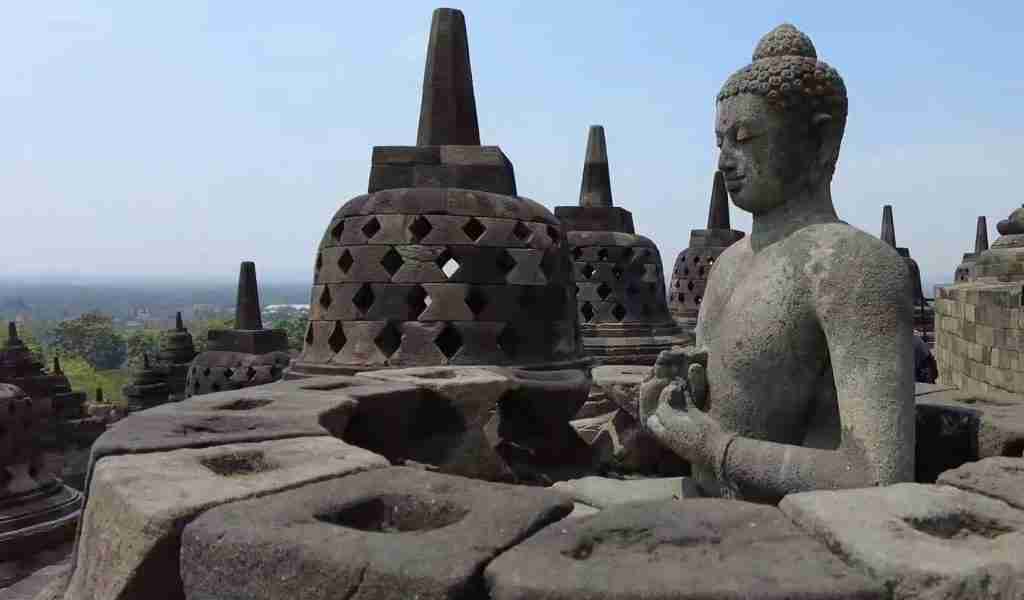
Borobudur Temple offers multiple ticket tiers with Temple Structure tickets (IDR 455,000/$30) permitting standard climbing with guide and special sandals, Sunrise tickets (IDR 1,000,000/$65) including exclusive 4:30 AM access with breakfast and souvenir, and Temple Ground tickets (IDR 400,000/$26) limiting access to courtyards without climbing. Prambanan Temple charges IDR 400,000 ($26) for foreign visitors with no advance booking required.
Bali temples charge modest fees—Uluwatu Temple and Tanah Lot IDR 60,000-80,000 ($4-5), Tirta Empul water temple IDR 50,000 ($3.25) including sarong rental, smaller temples IDR 20,000-40,000 ($1.30-2.60). The Uluwatu Kecak dance performance (IDR 150,000/$10) provides excellent value for 70-minute sunset performance at dramatic cliff-edge setting.
Nature and Adventure Activity Costs 2026
Mount Bromo sunrise tours bundle accommodation, 4×4 jeep transport, and guide at IDR 500,000-800,000 ($32-52) per person depending on accommodation quality. Horse rental for Sea of Sand crossing costs additional IDR 150,000-200,000 ($10-13). Mount Batur sunrise trekking in Bali runs IDR 400,000-700,000 ($26-46) including transport, guide, and breakfast.
Water activities vary widely—snorkeling day trips to Nusa Penida cost IDR 400,000-700,000 ($26-46), scuba diving trips IDR 600,000-1,200,000 ($40-80) for two dives, white water rafting Ayung River IDR 300,000-600,000 ($20-40). Surfing lessons cost IDR 500,000-700,000 ($33-46) for 2-hour group sessions.
Free and Low-Cost Attraction Alternatives 2026
Many paid activities have free alternatives—rice terrace walks around Jatiluwih and Tegallalang cost only voluntary donations IDR 20,000-50,000 ($1.30-3.30) versus organized tours charging $40-60. Public beaches throughout Bali (Seminyak, Sanur, Nusa Dua) carry zero entry cost versus beach clubs charging IDR 100,000-300,000 ($6.50-20) minimum spend. Temple outer courtyards often permit photography without entrance fees, sunset viewpoints remain freely accessible, and nature walks like Campuhan Ridge cost nothing.
Sample Daily Budget Breakdowns Indonesia 2026
Understanding how costs accumulate across different travel styles enables realistic budget planning for Indonesia trips of any duration.
Ultra-Budget Backpacker Daily Cost 2026
Accommodation in hostel dormitory IDR 100,000 ($6.50), breakfast included at hostel, lunch at local warung IDR 25,000 ($1.60), dinner at warung IDR 35,000 ($2.30), snacks and water IDR 15,000 ($1), local bus or walk for transportation IDR 20,000 ($1.30), one temple or beach visit free-IDR 50,000 ($0-3.30). Total daily cost: IDR 345,000-395,000 ($22.50-26) per person excluding major activity days.
This ultra-budget requires consistent discipline eating at local establishments, staying in basic dormitories, walking or using public transport exclusively, and limiting paid activities. Add buffers for occasional splurge days like Borobudur sunrise (additional $40-50) or Mount Bromo tour (additional $25-35). Fourteen-day trip total: $350-450 maintaining strict budget discipline.
Comfortable Mid-Range Daily Cost 2026
Accommodation in mid-range hotel private room IDR 500,000 ($32), breakfast included at hotel, lunch at tourist restaurant IDR 70,000 ($4.50), dinner at mid-range restaurant with drinks IDR 140,000 ($9), coffee and snacks IDR 35,000 ($2.30), scooter rental and parking IDR 70,000 ($4.50), attraction entrance or activity IDR 150,000 ($10). Total daily cost: IDR 965,000 ($63) per person excluding major activity days.
Mid-range budgets permit comfortable accommodation with air conditioning and pools, mixed local and tourist dining, scooter transportation flexibility, and regular paid attractions without constant cost anxiety. Account for expensive activity days including Borobudur sunrise ($65), organized tours ($40-60), and water sports ($26-80). Fourteen-day trip total: $1,050-1,400 including varied experiences.
Luxury Experience Daily Cost 2026
Accommodation in boutique hotel or resort IDR 2,000,000 ($130), breakfast included, lunch at upscale restaurant IDR 200,000 ($13), dinner at fine dining establishment IDR 500,000 ($32), private car charter with driver IDR 600,000 ($39), premium activity or spa treatment IDR 400,000 ($26). Total daily cost: IDR 3,700,000 ($240) per person excluding ultra-premium experiences.
Luxury travelers prioritize comfort, privacy, and curated experiences over budget consciousness. Premium accommodation in rice terrace villas or beachfront resorts, private guides avoiding group tours, spa treatments, and fine dining elevate trip quality while maintaining excellent value compared to equivalent Western destinations. Fourteen-day trip total: $3,500-5,600 depending on resort selection and activity choices.
Free Things to Do in Indonesia 2026
Indonesia’s abundance of zero-cost attractions enables budget travelers to experience world-class destinations without constant spending, from pristine beaches to ancient temple courtyards and dramatic natural landscapes.
Free Beaches Throughout Indonesia
Every Indonesian beach carries zero official entry cost, providing unlimited coastal access across thousands of kilometers of shoreline. Bali’s beaches span diverse characters—Seminyak Beach offers wide white sand perfect for sunset walks and swimming, Sanur Beach provides 5-kilometer beachfront promenade with sunrise views, Kuta Beach delivers consistent surf breaks and beach vendor atmosphere, while Nusa Dua presents manicured resort beaches with calm swimming conditions.
Canggu and Berawa beaches attract surf culture with multiple beach clubs (paid entry) but public beach access remains free for sunset viewing, swimming, and beach walks. Uluwatu area beaches including Padang Padang (small entry IDR 15,000/$1), Dreamland, and Bingin Beach provide dramatic cliff settings with excellent surfing. Sanur’s calm waters suit families with young children, while Amed’s black sand beaches in East Bali combine snorkeling directly from shore with mountain backdrop views.
Java’s beaches receive fewer tourists than Bali equivalents—Parangtritis near Yogyakarta offers expansive sand with sacred cave temples, Pangandaran delivers good surfing and nearby Green Canyon boat trips, while Karimunjawa Islands provide pristine beaches accessible by budget ferry from Semarang. Lombok’s beaches rival Bali quality with lower crowds—Kuta Lombok presents world-class surf breaks, Selong Belanak provides beginner-friendly waves, and Tanjung Aan offers white sand bays perfect for swimming.
Rice Terrace Walks and Agricultural Landscapes
Walking through Indonesia’s UNESCO-protected rice terraces costs nothing beyond voluntary donations to landowners, with multiple world-class locations providing free access. Tegallalang Rice Terraces 10 kilometers north of Ubud attract photographers for dramatic terraced slopes, though multiple donation points (IDR 20,000-50,000/$1.30-3.30 total) request contributions. Arrive early morning (7:00-8:00 AM) or late afternoon (4:30-6:00 PM) for softer light and fewer crowds.
Jatiluwih Rice Terraces in Bali’s Tabanan regency demonstrate Subak irrigation system at larger scale with entrance IDR 40,000 ($2.60) providing access to extensive walking paths through working rice fields. The UNESCO buffer zone maintains more authentic agricultural atmosphere than heavily touristed Tegallalang. Combine with Batukaru Temple visit (IDR 30,000/$2) and coffee plantation stops for full-day scooter exploration.
Campuhan Ridge Walk in Ubud offers free 2-kilometer trail following ridge between two rivers with panoramic valley views. Start at Ibah Hotel crossing small bridge, following concrete path through tall grass and palm trees. The walk takes 45-60 minutes one-way with early morning (6:00-7:30 AM) providing coolest temperatures and best photography light. Return the same route or continue to nearby villages for extended exploration.
Temple Outer Courtyards and Cultural Sites
Many Indonesian temples permit free outer courtyard access with photography opportunities, though inner sanctums require entrance fees. Pura Taman Saraswati in central Ubud allows visitors to view beautiful lotus pond and stone carvings from public areas without payment, with full temple entry IDR 30,000 ($2) if desired. Pura Dalem Ubud (Temple of the Dead) opens outer areas freely, showcasing intricate stone carvings and traditional Balinese architecture.
Yogyakarta’s Kraton (Sultan’s Palace) charges IDR 15,000 ($1) for guided tours but permits viewing palace exterior and observing daily Javanese life in surrounding neighborhoods for free. The adjacent Alun-Alun (public square) hosts evening activities including blindfolded walking challenges between banyan trees, providing cultural entertainment at zero cost. Taman Sari Water Castle ruins allow street-level viewing and photography from public lanes winding through residential areas.
Java’s village temples throughout countryside typically charge nothing for respectful visits and photography, particularly during non-ceremony periods. Dress modestly, bring sarong for temple visits, and request permission before photographing ceremonies or worshippers. Small donations (IDR 10,000-20,000/$0.65-1.30) appreciated when exploring rural temples.
Sunset Viewpoints and Natural Landmarks
Tanah Lot Temple charges entrance IDR 60,000 ($4) but clifftop walking paths surrounding the area provide free sunset viewing over the iconic sea temple from adjacent beaches and cliff points. Arrive before official entry time (usually closes 6:30 PM) to access surrounding coastal areas freely while observing crowds and temple from distance.
Uluwatu clifftop paths running along temple complex provide dramatic ocean views and sunset photography opportunities, though temple entrance IDR 50,000 ($3.25) and Kecak dance IDR 150,000 ($10) add costs for full experience. Free cliff walks extend north and south from temple area along coastal paths with similar dramatic scenery minus temple access.
Mount Batur viewpoint at Penelokan village offers free caldera and lake views without hiking costs (sunrise trek costs $26-46). The viewpoint restaurant strip charges no fee for stopping and photographing the volcanic landscape, making it budget alternative to expensive sunrise trekking. Kintamani region surrounding Mount Batur provides multiple free viewpoints along main roads.
Urban Exploration and Street Life
Malioboro Street in Yogyakarta delivers free cultural immersion through endless batik shops, street food vendors, becak (pedicab) drivers, and evening street performers. Walking the 2-kilometer pedestrian street costs nothing beyond temptation to purchase souvenirs or street snacks. Nearby Beringharjo Market provides authentic Indonesian market experience with textiles, produce, and traditional medicines, free to explore though aggressive vendor tactics require polite but firm refusals.
Jakarta’s Old Town (Kota Tua) around Fatahillah Square showcases colonial Dutch architecture, with museums charging modest fees (IDR 5,000-20,000/$0.33-1.30) but square exploration remaining free. Street performers, food vendors, and bicycle rentals (IDR 15,000-25,000/$1-1.60 per hour) create lively atmosphere especially weekend afternoons. The National Monument (Monas) surrounding park provides free green space in central Jakarta with monument interior costing IDR 20,000 ($1.30).
Ubud Art Market operates daily with free browsing through paintings, wood carvings, textiles, and jewelry, though vendors expect purchases. Bargaining provides cultural experience—expect to negotiate down to 50-60% of initial asking prices for fair deals. Watching traditional crafts demonstrations at silver workshops in Celuk village, wood carving centers in Mas village, and batik studios costs nothing though tours often pressure purchases.
Nature Walks and Hiking Trails
Munduk waterfall area in North Bali offers multiple free trails through coffee plantations and tropical forest leading to various waterfalls. Self-guided walks avoid guide fees (IDR 50,000-100,000/$3.30-6.50) charged at some trailheads, though getting lost remains possible without local knowledge. Waterfall viewing typically costs IDR 10,000-20,000 ($0.65-1.30) per site collected by local village committees.
Sidemen Valley in East Bali provides free rice terrace and village walks through traditional Balinese countryside less touristed than Ubud. Rent scooter ($4-5 daily) for valley exploration, stopping at viewpoints and small temples without organized tour costs. Local guides offer trekking services (IDR 200,000-400,000/$13-26) for longer walks but simple valley road cycling or walking costs nothing.
Mount Penanjakan approach road for Mount Bromo viewpoint permits hiking or hitchhiking without 4×4 jeep tour costs, though predawn starts (2:00-3:00 AM) and steep grades (12 kilometers, 800 meters elevation gain) challenge fitness. Budget travelers combining public transport to Cemoro Lawang village with independent hiking save $30-40 versus organized tours, though arriving at viewpoint before sunrise requires very early starts and strong legs.
Money-Saving Strategies Indonesia 2026
Strategic spending decisions dramatically reduce costs without sacrificing experience quality, focusing savings on accommodation, transportation, and daily meals while allocating budget toward unique experiences and premium activities.
Shoulder Season Travel Benefits April and October 2026
Indonesia’s dry season (May-September) delivers optimal weather but peak pricing and crowds, while shoulder months April and October offer 70-80% of dry season weather reliability with 20-30% lower accommodation costs and smaller tourist presence. April transitioning from wet to dry season brings occasional afternoon showers but dramatic green landscapes and bargain accommodation rates. October maintains mostly dry weather before monsoon patterns return November-March.
Avoid Indonesian school holidays (late June-early July, late December-early January) when domestic tourism peaks and accommodation prices increase 30-50% while availability decreases sharply. Chinese New Year (late January-early February) creates accommodation pressure from Asian tourist arrivals. Traveling outside these periods saves significantly while improving overall experience quality through reduced crowds at major attractions.
Advance Booking Versus Last-Minute Flexibility
Book Borobudur sunrise tickets 1-2 weeks ahead during peak season (June-August) to secure limited quota spots (100 sunrise visitors daily). Reserve Mount Bromo tours 1 week ahead for peak season weekends when village accommodation sells out completely. Domestic flights benefit from 2-4 week advance booking delivering 40-60% savings versus same-week fares.
Accommodation booking 3-7 days ahead balances advance planning with flexibility, though peak season requires longer lead times (1-2 weeks). Maintain flexibility on exact Bali locations (Seminyak versus Canggu versus Sanur) to capture last-minute deals through booking platforms. Properties offer 30-40% discounts for next-day bookings during shoulder seasons, though this gamble fails during peak periods.
Transportation Cost Optimization Strategies
Use Java’s train network instead of flights when time permits—Jakarta to Yogyakarta executive class train ($23-32) costs half typical flight fare while providing scenery impossible from aircraft. The 7-9 hour journey suits overnight travel or daytime working. Economy class ($8-12) delivers even greater savings for budget travelers accepting basic comfort.
Rent scooters in Bali ($4-5 daily) instead of hiring car with driver ($40-52 daily) when comfortable with traffic navigation. Four-day scooter rental costs $16-20 total versus $160-200 for car charter, saving $140+ while providing complete spontaneous exploration freedom. Combine Grab ride-hailing app for longer distances or heavy rain days when scooter riding proves impractical.
Accommodation Value Maximization
Book mid-range hotels ($30-50 nightly) instead of budget hostels ($6-10 dorms) for solo or couple travelers—the $20-40 incremental cost provides enormous comfort improvement including private bathroom, air conditioning, swimming pool, and breakfast. For 14-night stays, this represents $280-560 total upgrade cost delivering significantly enhanced experience quality worth the investment.
Consider homestays and family-run guesthouses over international chain hotels for authentic cultural interaction and better value. Indonesian hospitality excels in small properties where owners provide local insights, travel assistance, and genuine warmth impossible in corporate hotel operations. Negotiate weekly or monthly rates for extended stays achieving 20-30% discounts requiring upfront full payment.
Food Budget Balancing Strategies
Eat breakfast at accommodation (included with most mid-range hotels), lunch at local warungs ($1.50-3), and dinner at tourist restaurants ($8-13) to balance authentic experience with comfort. This mixed approach costs $12-19 daily versus $5-10 eating only local food or $25-40 eating only tourist restaurants, providing optimal value-to-comfort ratio.
Purchase refillable water bottles and purification tablets instead of buying bottled water constantly, saving IDR 30,000-50,000 ($2-3.30) daily adds $28-46 over two weeks. Most accommodations provide drinking water refills free or nominal cost. Avoid imported alcohol (150% tax creates Western pricing) in favor of local Bintang beer IDR 20,000-40,000 ($1.30-2.60) at shops versus IDR 40,000-70,000 ($2.60-4.50) at bars.
Regional Budget Variations Indonesia 2026
Indonesia’s diverse regions present dramatically different cost structures, with strategic destination selection significantly impacting overall trip budgets while maintaining equivalent experience quality.
Bali Tourist Area Costs 2026
Seminyak and Canggu represent Bali’s most expensive zones, with budget accommodation (dorms and basic rooms) costing $10-18 nightly, mid-range hotels $50-80, and meals at cafes and restaurants $8-15 per person. Beach club entry minimums ($6.50-20), trendy restaurant pricing ($15-30 per meal), and inflated activity costs (surf lessons $33-46, yoga classes $10-15) create daily budgets approaching Western beach destinations.
Ubud maintains slightly lower costs than beach areas—accommodation runs 15-20% cheaper for equivalent quality, though café and restaurant prices match Seminyak levels due to wellness tourism and expat influence. Rice terrace villa stays and boutique hotels justify premium pricing through spectacular settings and design quality unavailable elsewhere.
Java Cultural Heartland Costs 2026
Yogyakarta delivers exceptional value with mid-range hotels $25-40 (versus $50-80 in Bali), excellent warung meals $1.50-3 (versus $3-6 in Bali tourist restaurants), and local transportation costs 30-40% below Bali equivalents. Major temple entrance fees ($26-30 Borobudur and Prambanan) represent significant one-time costs but daily living expenses remain remarkably affordable.
Jakarta costs exceed Yogyakarta by 20-30% but remain below Bali beach areas, with business hotel rates $30-60, restaurant meals $5-12, and extensive public transportation (bus rapid transit, commuter trains) providing cheap city navigation. Solo, Surabaya, and other Javanese cities maintain Yogyakarta-level pricing or lower, making Java ideal for budget-conscious cultural tourism.
Eastern Islands and Lesser-Visited Destinations 2026
Lombok costs 20-30% less than Bali for accommodation, food, and activities despite similar beach quality and emerging surf culture. Kuta Lombok and Senggigi beach areas offer budget guesthouses $8-15, mid-range hotels $25-40, and meals $2-8 at local establishments. Gili Islands (Gili Trawangan, Gili Meno, Gili Air) charge modest premiums over Lombok mainland but remain 15-25% cheaper than equivalent Bali experiences.
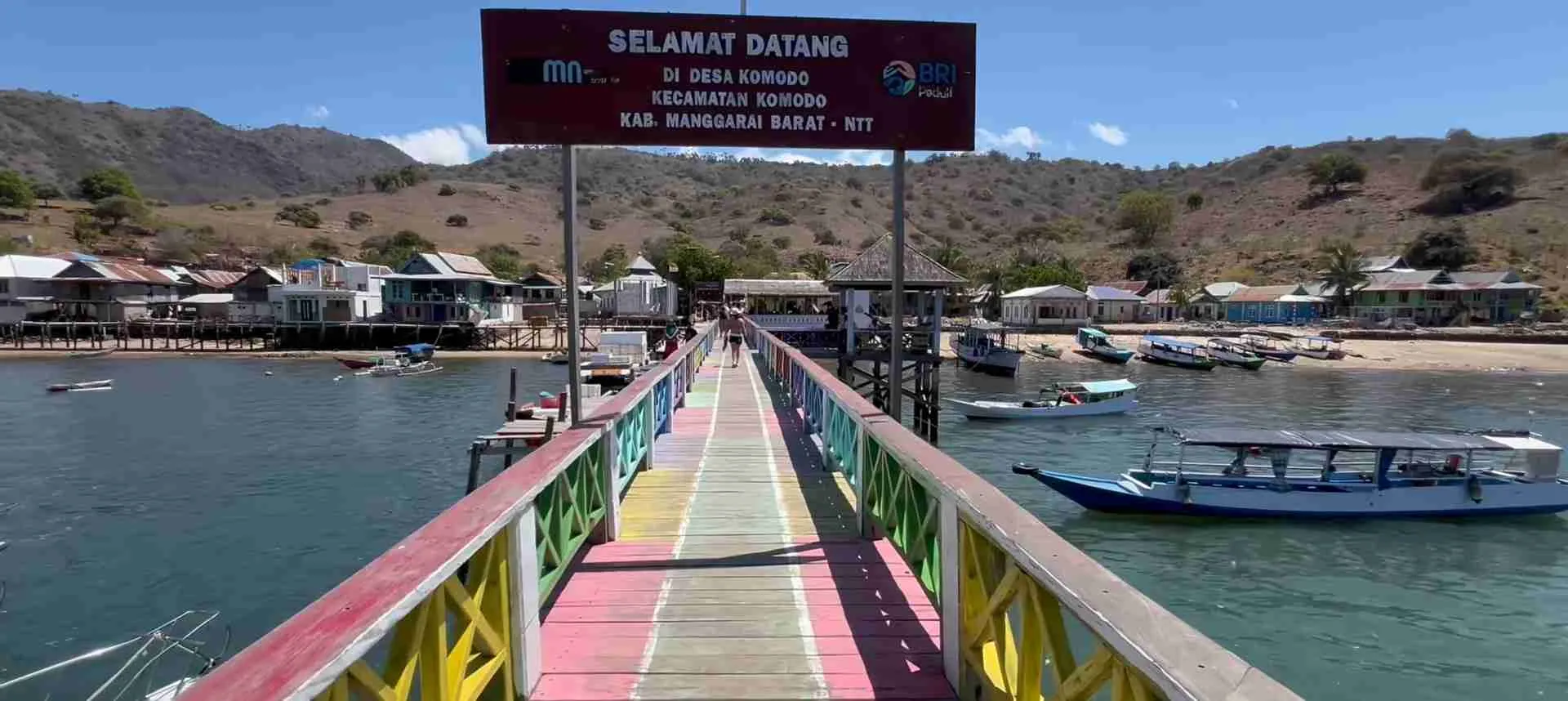
Flores and Komodo National Park require higher one-time costs for boat tours and park fees but maintain low daily living expenses in Labuan Bajo and surrounding villages. Multi-day liveaboard boat trips ($150-400 per person) to Komodo and Rinca islands constitute major budget items, though land-based accommodation and meals cost little. Sumatra’s Lake Toba region, Yogyakarta, and Bukittinggi offer Indonesia’s lowest costs with comfortable hotels under $20, excellent meals under $3, and transportation pennies per kilometer.
Frequently Asked Questions: Indonesia Budget Travel 2026
Can I travel Indonesia on $20 per day in 2026?
Traveling Indonesia on $20 daily remains theoretically possible but requires extreme budget discipline and significant comfort sacrifices rarely sustainable beyond short periods. This budget accommodates hostel dormitories in cheapest properties ($5-6 beds), three simple warung meals ($1-2 each), local bus or walking for transportation ($0-2), and zero paid activities beyond free beaches and temples. You’ll avoid all tourist restaurants, organized tours, domestic flights, and paid attractions like Borobudur or Mount Bromo. This approach works best in Java’s affordable cities (Yogyakarta, Solo, Surabaya) but proves nearly impossible in Bali’s expensive tourist zones where dormitory beds alone cost $8-12. A more realistic minimum budget of $25-30 daily provides modest comfort improvements (occasional private room nights, tourist restaurant meals, attraction entries) making extended travel sustainable. Budget travelers should plan for $30-35 daily average including splurge days for major activities, allowing $20 minimums on rest days to balance higher-cost activity days.
How much should I budget for Bali versus Java in 2026?
Bali requires 30-50% larger daily budgets than Java for equivalent travel styles, with mid-range Bali travelers spending $80-100 daily compared to $55-70 daily in Java’s cultural centers. Bali’s tourist area accommodation costs $40-70 mid-range versus Java’s $25-40, Bali café meals run $8-15 versus Java’s $5-10, and Bali activities charge premium pricing ($40-80 tours) versus Java’s affordable temple entries ($25-30). However, Bali offers superior beach access, more developed tourism infrastructure, better English prevalence, and wider international restaurant options justifying higher costs for beach-focused travelers. Java delivers better value for culture and history enthusiasts comfortable with less tourist infrastructure, providing access to Borobudur, Prambanan, Mount Bromo, and authentic Javanese culture at significantly lower costs. Optimal budgets split time between both islands—spend freely on Bali beaches and wellness experiences while banking savings during Java temple and volcano exploration, creating balanced overall budgets around $70-85 daily across combined destinations.
Are credit cards widely accepted in Indonesia for budget travelers?
Credit cards work at hotels, upscale restaurants, established tour agencies, and some shops in tourist areas, but budget travelers require substantial cash for warungs, transportation, budget accommodation, market purchases, and temple entries that operate cash-only. ATMs throughout Indonesian cities and tourist areas provide reliable cash access with competitive exchange rates and minimal fees, though notify your bank before travel to prevent fraud blocks. Many ATMs limit single withdrawals to IDR 2,000,000-3,000,000 ($130-195), requiring multiple transactions for larger amounts. Budget travelers should carry mix of cash for daily spending and one backup credit card for emergencies, hotels, or large purchases. Money changers in cities offer better exchange rates than airport counters or hotels for foreign currency (USD, EUR, GBP), though count money carefully before leaving counters to verify amounts and denominations. Small denomination bills (IDR 20,000, 50,000, 100,000) prove most useful for daily purchases, as large notes (IDR 100,000) create change-making difficulties at street stalls.
Is it cheaper to book tours in advance or upon arrival in Indonesia?
Booking major tours 1-2 weeks ahead through accommodation or online platforms provides better availability and often equivalent or lower prices than walk-up bookings for popular experiences like Borobudur sunrise and Mount Bromo tours during peak season (June-August). However, many standard activities (rice terrace tours, temple visits, waterfall trips) cost less when booked upon arrival through local tour operators, street touts, or guesthouse recommendations, with potential savings of 20-40% versus online advance bookings. The optimal approach combines advance booking for limited-quota experiences (Borobudur sunrise, peak season Komodo trips) while negotiating walk-up prices for common tours after arrival. Street touts offering tours typically quote inflated first prices expecting negotiation—research fair pricing through multiple sources (accommodation staff, fellow travelers, online forums) before committing. Be cautious booking complex multi-day tours through unknown street operators, as complaints about quality, hidden fees, and unreliable service concentrate in this category. Established tour companies with physical offices and online reviews provide better reliability despite 10-20% higher costs. Many activities like rice terrace walks, beach exploration, and temple visits require no organized tours—rent scooter and explore independently for maximum savings and flexibility.
What are the biggest unexpected costs in Indonesia for budget travelers?
The largest unexpected costs include domestic flight price increases for same-week bookings (50-100% premiums over advance fares), excess baggage fees on budget airlines strictly enforcing 15-20 kg limits ($10-30 per excess kilogram), visa extension fees for travelers exceeding initial 30-day visa-free periods ($35 initial VOA plus extension costs), and emergency medical treatment or medications unavailable in Indonesian pharmacies ($100-500+ for quality care). Transportation delays create cascade costs—missed flights or ferries require rebooking at premium last-minute rates, while waiting for delayed transport may necessitate unplanned accommodation nights. Popular attractions implement surprise pricing changes, with Borobudur increasing entrance fees from IDR 350,000 to IDR 455,000 in 2023-2024 with similar increases possible in 2026. Scooter accidents generate substantial costs including bike repair bills (responsibility regardless of fault), medical treatment for injuries (travel insurance essential), and police fines if riding without proper International Driving Permit ($50-150 penalties). Hidden tour costs appear through mandatory “optional” add-ons like guide tips expected at 10-15% of tour cost, entrance fees excluded from tour package prices, and equipment rental not included in activity bookings. Budget 20-30% buffers above calculated daily spending to accommodate these unexpected expenses without emergency fund depletion.
How much does it cost to visit Komodo National Park in 2026?
Visiting Komodo National Park requires budgeting $150-400 per person for 2-3 day liveaboard boat tours from Labuan Bajo (Flores), covering boat charter, meals, guide fees, and park entrance. The Indonesian government charges IDR 150,000 ($10) weekday entrance or IDR 250,000 ($16) weekend/holiday entry, plus additional fees for ranger guides (mandatory for dragon viewing, IDR 80,000-150,000 per group), trekking permits, diving permits, and camera fees totaling another $20-40 per person. Budget day tours (8-10 hours visiting 3-4 islands) cost $40-80 per person on shared boats, while premium private charters run $300-800 for entire boat accommodating 4-10 passengers. Multi-day liveaboard trips offering more islands, better diving sites, and overnight accommodation on boats deliver best value at $100-150 per person per day all-inclusive. Land-based accommodation in Labuan Bajo ranges from budget guesthouses ($10-20 nightly) to mid-range hotels ($30-60), with meals in town costing $3-12 at local restaurants. Total 3-day Komodo visit including flights from Bali ($100-180 round trip), 2-day boat tour ($150-300), land accommodation (2 nights $20-120), and meals ($20-60) typically requires $400-700 per person budget, making Komodo Indonesia’s most expensive standard tourist destination but delivering unique wildlife encounters and pristine diving justifying premium costs.
Should I bring US dollars or exchange to Indonesian Rupiah before arrival?
Bring US dollars in good condition (new bills without tears, stamps, or excessive wear from 2010 or newer) and exchange to Indonesian Rupiah at city money changers rather than airport exchanges or exchanging before departure from home country. Money changers in Indonesian cities (Bali, Yogyakarta, Jakarta) offer exchange rates 2-3% better than airport counters and 4-6% better than exchanging at home, saving $20-60 on $1,000 exchanged. Large denomination bills ($50, $100) receive better rates than smaller denominations ($1, $5, $10, $20), though carry some smaller bills for initial expenses before locating good money changers. Count money carefully before leaving exchange counters, verify denominations and amounts, and avoid street touts offering “special rates”—use established shops with posted rates and calculators. ATMs provide competitive rates similar to money changers while eliminating carrying large cash amounts, though foreign transaction fees (typically $3-5 per withdrawal plus 1-3% currency conversion fee) accumulate across multiple small withdrawals. Optimal approach combines initial cash exchange for $200-400 providing 3-5 days spending money, then strategic ATM withdrawals at maximum allowed amounts (typically $130-195 per transaction) to minimize per-transaction fees. Credit cards carry 2-3% foreign transaction fees unless holding fee-free travel cards, making cash preferential for most budget travel purchases.
How much should I tip in Indonesia as a budget traveler?
Tipping culture in Indonesia differs from Western countries, with formal tipping expectations existing primarily in tourist-oriented restaurants and services rather than local establishments. High-end restaurants and hotels add 10-21% service charges to bills (tax plus service), though additional 5-10% tips for exceptional service remain appreciated but not obligatory. Tourist restaurants without service charges merit 5-10% tips (round up bill or leave small change) for good service, while local warungs expect no tips—prices already reflect full payment. Tour guides expect tips of 10-15% of tour cost (IDR 50,000-150,000 / $3-10 per day for group tours, more for private guides), particularly on multi-day trips where guides provide extensive service. Hotel staff appreciate small tips (IDR 10,000-20,000 / $0.65-1.30) for porters and housekeeping though not mandatory at budget properties. Spa treatments warrant 10% gratuity for therapists. Scooter and car rental requires no tipping. Grab and taxi drivers appreciate rounding up to nearest IDR 10,000 though not expected. Budget travelers operating on tight budgets should prioritize tipping tour guides providing exceptional service while treating restaurant and hotel tipping as optional gestures for truly outstanding experiences rather than automatic expectations.
What’s the best way to get cheap domestic flights within Indonesia?
Secure cheapest domestic flights through advance booking 3-6 weeks before travel on low-cost carriers (Lion Air, Citilink, AirAsia, Super Air Jet) using Indonesian booking platforms Traveloka or Tiket.com offering better rates and more route options than international aggregators. Set price alerts on Skyscanner for desired routes, checking prices multiple times over several days as Indonesian airlines adjust fares frequently based on demand. Flexibility on exact dates provides 30-50% savings—flying Tuesday-Thursday typically costs 20-30% less than Friday-Sunday travel when Indonesian domestic tourists travel. Early morning (6:00-8:00 AM) and late night (after 8:00 PM) flights cost 15-25% less than mid-day departures for same routes. Consider routing through Surabaya or Jakarta hubs instead of direct routes—connecting flights often cost 20-40% less despite longer total travel time. Pack light to avoid excess baggage fees, as Indonesian budget airlines strictly enforce 7 kg cabin baggage limits with check-in baggage costing additional $8-25 per 15-20 kg bag depending on route and booking timing. Compare total costs including baggage fees when deciding between airlines, as lowest base fare plus baggage may exceed slightly higher all-inclusive competitor pricing. Book directly through airline websites after finding best prices on aggregators, as some airlines offer exclusive web discounts or promotional codes reducing published fares 5-15% for direct bookings.
How do costs compare between solo travel and couple/group travel in Indonesia?
Couples and small groups achieve 25-40% per-person savings versus solo travelers through shared accommodation (private rooms cost 50-80% more than dorms but split two ways), split transportation (private car charter $40-50 daily divided between 2-4 people versus solo travelers paying full cost or using more expensive taxis), and shared activity costs for private tours, boat charters, and car rentals. Solo travelers pay full price for private rooms if avoiding hostel dormitories, increasing accommodation costs $10-30 nightly compared to couples splitting mid-range rooms. Transportation represents solo travel’s biggest disadvantage—private car charters, boat tours, and some activities quote full-vehicle pricing regardless of passenger count, forcing solo travelers to either pay entire cost or join group tours losing flexibility. However, solo travelers gain advantages including complete flexibility on dining (easy to eat cheap street food without compromise), faster decision-making and spontaneous plans, and easier connections with other travelers in hostel environments. Budget-conscious solo travelers should prioritize hostel dormitories over private rooms (saving $10-25 nightly), join group tours instead of private guides when guides necessary, and seek fellow travelers at hostels for cost-splitting on car rentals and boat trips. Couples and small groups maximize savings through consistent private room sharing, negotiating car charters for full-day exploration versus multiple shorter taxi trips, and splitting grocery purchases for occasional self-catered meals in accommodation with kitchens.