
Indonesia 14-Day Itinerary 2026: Java & Bali Complete Planning Guide
Indonesia’s Java and Bali islands offer an extraordinary combination of ancient UNESCO temples, volcanic landscapes, rice terraces, and tropical beaches packed into a manageable two-week journey. This 14-day itinerary connects Borobudur and Prambanan temples in Central Java with Bali’s cultural heartland and coastal beauty, creating a perfect introduction to Indonesia’s most accessible and rewarding destinations for travelers in 2026.
Key Takeaways: Indonesia 14-Day Java & Bali Journey 2026
- Route Overview 2026: Jakarta → Yogyakarta (3 days) → Mount Bromo (2 days) → Bali (9 days) covers Indonesia’s essential cultural and natural highlights across Java and Bali
- UNESCO World Heritage Access: Visit 4 of Indonesia’s 10 UNESCO sites including Borobudur Temple, Prambanan Temple, Cultural Landscape of Bali (Subak System), and the newly inscribed Cosmological Axis of Yogyakarta (2023)
- Budget Range 2026: Budget travelers manage on $30-40 daily, mid-range travelers spend $70-100 daily, while luxury experiences cost $200-400+ daily across both islands
- Transportation Efficiency: Java’s excellent train network (Jakarta-Yogyakarta $8-30) combined with affordable domestic flights to Bali ($50-70) creates seamless island-hopping
- Seasonal Advantages 2026: May-September dry season offers ideal weather, while April and October provide shoulder-season value with 20-30% lower accommodation costs
- Cultural Immersion Balance: Equal time in Java’s ancient temples and Bali’s living Hindu culture prevents tourist-area fatigue while maximizing authentic experiences
People Also Ask About Indonesia 14-Day Itinerary 2026
Is 14 days enough to see both Java and Bali in 2026?
Fourteen days provides excellent coverage of Java and Bali’s highlights without excessive rushing. This duration allows 3-4 days in Central Java for Yogyakarta’s UNESCO temples (Borobudur, Prambanan), 2 days for Mount Bromo’s volcanic landscapes, and 8-9 days exploring Bali’s cultural regions (Ubud), beaches (Seminyak, Uluwatu), and rice terraces. You’ll experience Indonesia’s essential attractions while maintaining a comfortable travel pace that includes rest days and spontaneous exploration. Travelers attempting to cover more than these two islands in 14 days often report feeling rushed and missing the cultural depth that makes Indonesia special.
How much does a 14-day Java and Bali trip cost in 2026?
A 14-day Java and Bali journey in 2026 costs $420-560 for budget backpackers staying in hostels and eating local food, $980-1,400 for mid-range travelers in comfortable hotels with diverse dining, and $2,800-5,600 for luxury experiences in resorts and villas. These figures exclude international flights but include domestic transportation, accommodation, meals, and attraction entrance fees. Budget travelers can reduce costs by traveling during shoulder seasons (April, October), using trains instead of flights where possible, and eating primarily at local warungs. Mid-range budgets allow air-conditioned hotels, organized tours, and restaurant meals while maintaining excellent value compared to Western destinations.
What’s the best route for a 14-day Java and Bali itinerary in 2026?
The optimal 14-day route in 2026 is Jakarta (1 day arrival) → Yogyakarta by train (3 days for Borobudur and Prambanan temples) → Surabaya and Mount Bromo (2 days for sunrise trekking) → Bali by flight (8 days split between Ubud’s culture, Seminyak’s beaches, and Uluwatu’s clifftop temples). This west-to-east progression follows Java’s excellent train network before flying to Bali, minimizing backtracking and maximizing time at each destination. Alternative routes reversing the direction (Bali first, Java second) work equally well, though starting in Java builds cultural context before Bali’s more tourist-oriented experiences. Avoid attempting to include additional islands like Lombok or the Gili Islands in 14 days, as ferry connections consume valuable time.
Do I need to book accommodation and tours in advance for Java and Bali in 2026?
Book Borobudur sunrise tickets and Mount Bromo tours 1-2 weeks in advance, as these sell out during peak season (June-August 2026). Accommodation in Yogyakarta, Ubud, and Seminyak should be reserved 3-7 days ahead during high season, though last-minute bookings remain possible in shoulder seasons (April-May, September-October). Budget hostels in popular areas fill quickly during July-August school holidays. Domestic flights between Java and Bali offer best prices when booked 2-4 weeks ahead, with fares increasing significantly for same-week bookings. General sightseeing in Bali and Prambanan Temple visits require no advance booking, allowing spontaneous exploration throughout most of your itinerary.
Extended multi-day tours – 5+ days
Featured Indonesia Multi-Day Tour Packages
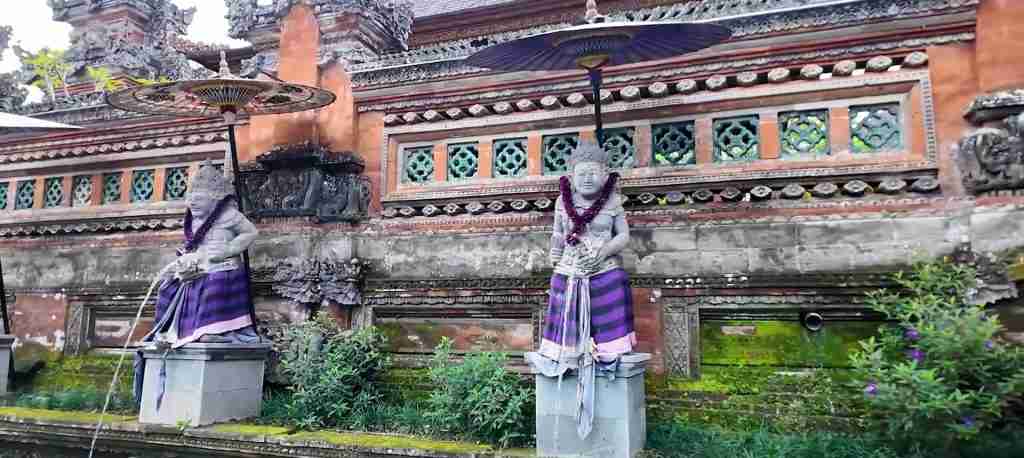
3 days
Indonesia 3-Day Discovery Tour
- ✓ Comprehensive Indonesia experience
- ✓ Expert local guides included
- ✓ All accommodation included
- ✓ Transportation provided
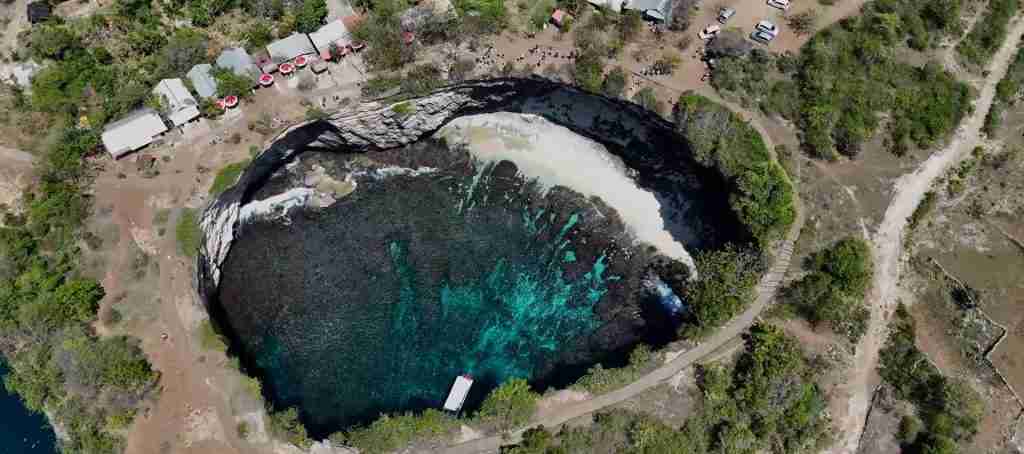
5 days
Indonesia 5-Day Highlights Experience
- ✓ Comprehensive Indonesia experience
- ✓ Expert local guides included
- ✓ All accommodation included
- ✓ Transportation provided
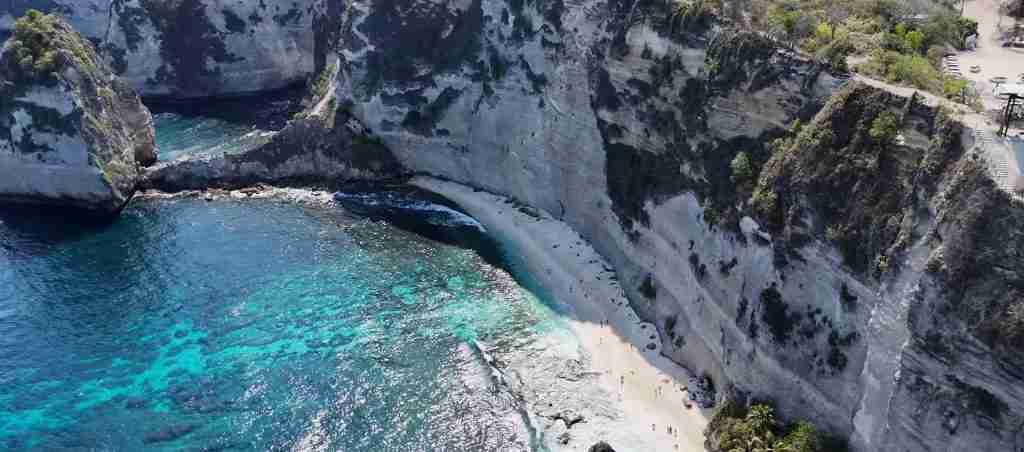
7 days
Indonesia 7-Day Cultural Journey
- ✓ Comprehensive Indonesia experience
- ✓ Expert local guides included
- ✓ All accommodation included
- ✓ Transportation provided
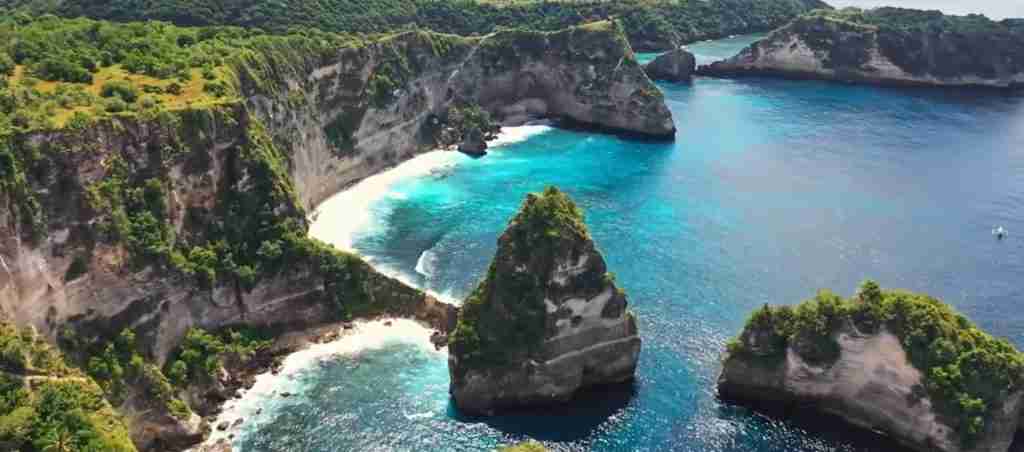
10 days
Indonesia 10-Day Complete Adventure
- ✓ Comprehensive Indonesia experience
- ✓ Expert local guides included
- ✓ All accommodation included
- ✓ Transportation provided
Multi-day tour packages powered by TourRadar. Prices and availability subject to change.
Introduction: Crafting Your Perfect Indonesia 14-Day Adventure 2026
Indonesia’s staggering diversity—18,000 islands spanning cultures, religions, and ecosystems—presents both opportunity and challenge for two-week travelers. A focused Java and Bali itinerary solves this complexity by concentrating on Indonesia’s two most accessible and culturally rich islands, connected by excellent transportation infrastructure and offering dramatically different yet complementary experiences.
Java anchors your journey with historical depth. As Indonesia’s political and cultural heartland for millennia, Java hosts 4 of the nation’s 10 UNESCO World Heritage Sites within convenient reach of Yogyakarta. The 9th-century Borobudur Temple Compounds represent the world’s largest Buddhist monument, while neighboring Prambanan Temple Compounds showcase Hindu architecture’s finest Indonesian expression. The 2023 inscription of Yogyakarta’s Cosmological Axis—connecting the Sultan’s Palace with Mount Merapi volcano through sacred architecture—adds contemporary UNESCO recognition to the city’s already formidable heritage credentials. East Java’s Mount Bromo delivers Indonesia’s most accessible and photographed volcanic landscape, requiring minimal trekking experience while providing maximum visual impact.
Bali transitions from Java’s historical monuments to living culture. While Java’s great temples stand as archaeological treasures from vanished kingdoms, Bali’s Hindu culture remains vibrantly active in daily life. The Cultural Landscape of Bali Province—inscribed as UNESCO heritage in 2012—demonstrates how the ancient Subak irrigation system continues organizing rice cultivation around water temples and philosophical principles. Ubud’s artist communities, Uluwatu’s clifftop temples with Kecak dance performances, and endless rice terraces create immersive cultural experiences rather than static museum visits.
This 14-day itinerary balances practical logistics with cultural depth. Indonesia’s size and inter-island distances demand strategic planning—you cannot simply “wing it” and expect to see major highlights efficiently. Our route follows Java’s train network from Jakarta through Yogyakarta to Surabaya, then flies to Bali to avoid backtracking. Three full days in Yogyakarta prevent temple fatigue while allowing proper time at both Borobudur and Prambanan. Mount Bromo’s two-day inclusion provides volcanic scenery without excessive trekking time. Eight days in Bali permit exploration beyond Ubud and Seminyak tourist bubbles while avoiding the exhaustion of changing accommodation every night.
Budget considerations shape every aspect of Indonesia travel in 2026. Indonesia remains Southeast Asia’s exceptional value destination, with daily costs ranging from $30 for austere backpacking to $100 for comfortable mid-range experiences. Understanding where to spend and where to save transforms your budget. Splurge on Borobudur sunrise access (IDR 1,000,000 / $65) for an unforgettable experience, but eat lunch at local warungs for $2-3 to balance the budget. Book domestic flights 2-4 weeks ahead for $50-70 fares, but skip organized Bali tours in favor of rented scooters costing $4 daily. This guide provides specific pricing for every category, enabling informed decisions matching your priorities.
The 2026 travel context brings specific considerations. Indonesia’s post-pandemic tourism recovery continues strengthening, with infrastructure improvements particularly notable in Java’s train stations and Bali’s new airport terminal. However, popular sites like Borobudur now implement strict visitor quotas (1,200 daily climbers) requiring advance booking. Bali’s increasing popularity means Seminyak and Canggu prices approach Western levels, though Ubud and East Bali maintain excellent value. Understanding these dynamics helps you navigate Indonesia’s evolving tourism landscape effectively.
Understanding Indonesia’s Java and Bali Regions 2026
Indonesia divides into dramatically different regions, each offering distinct experiences. Your 14-day journey focuses on Java and Bali, the two most developed and accessible islands, while leaving other regions (Sumatra, Sulawesi, Komodo) for future visits requiring more time and adventurous logistics.
Central Java: Cultural and Historical Heartland
Central Java, centered on Yogyakarta, functions as Indonesia’s traditional cultural capital despite Jakarta holding political power. Yogyakarta (“Jogja” locally) remains Indonesia’s only region still governed by a sultan, whose palace (Kraton) forms the axis of the Cosmological Axis UNESCO site inscribed in 2023. This philosophical landscape connects the royal palace with Mount Merapi volcano through carefully positioned monuments and streets, representing the balance between human authority and natural forces in Javanese cosmology.
Borobudur Temple Compounds, 40 kilometers northwest of Yogyakarta, anchor Central Java’s UNESCO heritage. Constructed around 800 CE during the Sailendra Dynasty, Borobudur represents Mahayana Buddhism’s architectural pinnacle in Southeast Asia. The monument spent centuries buried under volcanic ash and jungle before British rediscovery in 1814. Modern conservation by UNESCO in the 1970s restored this mandala-shaped temple with its 2,672 relief panels and 504 Buddha statues. The 2023 implementation of climbing restrictions (maximum 1,200 visitors daily) transformed the tourist experience from crowded free-for-all to managed cultural encounter, though advance booking now becomes essential.
Prambanan Temple Compounds, 17 kilometers east of Yogyakarta, showcase 10th-century Hindu architecture’s Indonesian interpretation. Built during the Mataram Kingdom to honor the Trimurti (Brahma, Vishnu, Shiva), Prambanan’s 47-meter central Shiva temple dominates a complex of 224 temples. The 2006 earthquake damaged several structures, with the central Shiva temple remaining partially in restoration, demonstrating the ongoing conservation challenges facing ancient monuments in seismically active regions.
East Java: Volcanic Landscapes and Mountain Adventures
East Java delivers Indonesia’s most accessible active volcanic scenery through Mount Bromo, part of the massive Tengger Caldera. While Bromo’s 2,329-meter elevation ranks modest among Indonesian volcanoes, its position within a vast ancient crater creates otherworldly landscapes. The viewpoint at Mount Penanjakan (2,770 meters) provides sunrise vistas across the Tengger Caldera with Bromo’s smoking cone in the foreground and Mount Semeru (Java’s highest peak at 3,676 meters) completing the backdrop.
Bromo’s accessibility—a 4×4 jeep ride followed by either horseback or 30-minute stairway climb—makes volcanic experiences available to travelers uncomfortable with serious trekking. The early morning logistics (3 AM departure from Cemoro Lawang village for sunrise viewing) feel demanding but deliver one of Indonesia’s most photographed scenes. The Tengger people, descendants of Hindu Majapahit refugees who fled to the mountains when Islam spread through Java in the 15th century, maintain unique cultural traditions including the annual Yadnya Kasada ceremony throwing offerings into Bromo’s crater.
Bali: Living Hindu Culture and Tourist Infrastructure
Bali operates as Indonesia’s tourism centerpiece, hosting 6 million international visitors annually pre-pandemic and rapidly approaching those numbers in 2026. The island’s Hindu majority (84% in Bali versus 2% nationally) creates religious and cultural distinctiveness within Muslim-majority Indonesia. Daily temple offerings, elaborate ceremonies, and artistic traditions remain genuine rather than performance-for-tourists, though the line sometimes blurs in heavily visited areas like Ubud.
The Cultural Landscape of Bali Province UNESCO site (inscribed 2012) encompasses five components demonstrating the Subak system’s integration of rice agriculture, water temples, and Hindu philosophy. Pura Ulun Danu Batur temple at Lake Batur manages water distribution for downstream rice terraces, while Jatiluwih rice terraces exemplify the system’s visual beauty. The Tri Hita Karana philosophy—maintaining harmony between humans, nature, and gods—governs Subak operations through democratic farmer cooperatives (subak organizations) that have managed irrigation for over 1,000 years.
Bali divides into distinct tourism zones serving different traveler interests. Ubud represents cultural Bali with art galleries, rice terrace walks, and traditional dance performances, though it has evolved into a wellness tourism hub with yoga studios and health-conscious restaurants. Seminyak and Canggu deliver beach clubs, international dining, and surfing, with prices approaching Western levels. Uluwatu showcases clifftop temples and world-class surf breaks on the southern peninsula. East Bali (Amed, Sidemen) maintains more traditional character with fewer tourists and lower prices. Understanding these regional differences helps you allocate time effectively across Bali’s diverse offerings.
Day-by-Day Indonesia 14-Day Itinerary 2026
Day 1: Jakarta Arrival and City Orientation
International flights typically arrive at Soekarno-Hatta International Airport (CGK) in Jakarta, Indonesia’s sprawling capital. While Jakarta lacks Java’s cultural magnetism, using your arrival day for city orientation prevents rushing immediately to Yogyakarta. The recently upgraded Airport Train connects the airport to central Jakarta in 45 minutes for IDR 70,000 ($4.50), avoiding notorious traffic congestion.
Jakarta’s Old Town (Kota Tua) offers colonial Dutch architecture around Fatahillah Square, with several museums including the Jakarta History Museum and Wayang (puppet) Museum providing Indonesian cultural context. The National Monument (Monas) symbolizes Indonesian independence with its 132-meter obelisk, though the surrounding park attracts more interest than the monument’s interior. Evening visits to the Ancol waterfront area or Kota Kasablanka mall demonstrate Jakarta’s modern development contrasting with historical districts.
Spend one night in Jakarta near Gambir Station (Central Jakarta) or Jakarta Kota Station (Old Town) to position for next morning’s train departure to Yogyakarta. Budget accommodation around Jalan Jaksa backpacker area costs IDR 100,000-200,000 ($6-13) for hostel dorms or basic guesthouses, while mid-range hotels near Gambir Station range IDR 400,000-800,000 ($25-50) with included breakfast and air conditioning.
Days 2-4: Yogyakarta – UNESCO Temples and Cultural Capital
Depart Jakarta’s Gambir Station on morning trains to Yogyakarta (Tugu Station), with journey times ranging 7-9 hours depending on train class. Economy class costs approximately IDR 120,000 ($8), business class IDR 180,000-250,000 ($12-16), and executive class IDR 350,000-500,000 ($23-32). Book tickets online through www.kai.id or at station counters, with advance reservation recommended for executive class during peak season.
Yogyakarta requires three full days minimum to properly experience Borobudur, Prambanan, and the city’s own cultural attractions without exhausting temple fatigue. This allocation provides buffer time for the rigorous early morning Borobudur sunrise visit while allowing afternoon rest.
Borobudur Temple Visit (Day 2 or 3): The world’s largest Buddhist monument demands early rising for optimal experience. Sunrise access tickets (IDR 1,000,000 / $65) permit 4:30 AM entry with limited crowds (100-200 visitors versus thousands later), including breakfast and souvenir. Regular Temple Structure tickets (IDR 455,000 / $30) allow climbing from 8:30 AM onwards with assigned 90-minute time slots and mandatory guided tour with special sandals provided. Temple Ground tickets (IDR 400,000 / $26) permit only courtyard access without climbing the structure—not recommended unless mobility issues prevent stair climbing.
Book Borobudur tickets through the official website (ticket.borobudurpark.com) one week ahead during peak season (June-August), as the 1,200 daily climbing quota fills quickly. Transportation from Yogyakarta requires either rented scooter (40 kilometers, 1 hour), chartered car ($25-35 round trip), or organized tour ($40-60 including Prambanan). The temple complex includes two museums—Karmawibhanga Museum explaining relief panel narratives and Samudraraksa Museum featuring a reconstructed 8th-century sailing ship—both included with temple admission.
Prambanan Temple Visit (Day 2 or 3): Indonesia’s largest Hindu temple complex sits 17 kilometers east of Yogyakarta, easily combined with Borobudur in a long day or visited separately for more leisurely appreciation. Entrance costs IDR 400,000 ($26) for foreigners, with tickets available at the site (no advance booking required). The complex opens 6:30 AM-5:30 PM, with afternoon visits providing excellent sunset photography opportunities with temple spires silhouetted against volcanic mountains.
Prambanan’s main complex features three temples dedicated to Trimurti deities—the 47-meter Shiva temple flanked by Brahma and Vishnu temples—plus three smaller temples for their vahanas (divine vehicles). Relief panels around the galleries depict the Ramayana epic with remarkable detail. The evening Ramayana Ballet performances (May-October, 7:30 PM) present the epic through traditional Javanese dance against the illuminated temple backdrop, with tickets IDR 150,000-750,000 ($10-50) depending on seating.
Yogyakarta City Exploration (Day 4): The Sultan’s Palace (Kraton) opens 8:30 AM-2:00 PM except Fridays (closed) and offers guided tours explaining Javanese royal traditions and the Cosmological Axis concept linking palace, street grid, and sacred mountains. Entry costs IDR 15,000 ($1) for the palace plus additional fees for photography. The adjacent Taman Sari Water Castle ruins represent 18th-century royal bathing pools and meditation chambers, now partially residential with interesting backstreet exploration.
Malioboro Street provides Yogyakarta’s commercial heart with endless batik shops, street food vendors, and becak (pedicab) drivers. Evening visits reveal street performers, food stalls serving gudeg (young jackfruit curry), and the vibrant atmosphere drawing both tourists and locals. The nearby Beringharjo Market offers authentic Indonesian market experience with textiles, produce, and traditional medicines, though aggressive vendor tactics require patience.
Days 5-6: Mount Bromo – Volcanic Sunrise Adventure
Travel from Yogyakarta to Mount Bromo area requires either train to Probolinggo (6-7 hours, IDR 100,000-300,000 / $6-20) followed by local transport to Cemoro Lawang village (2 hours, IDR 150,000-200,000 / $10-13 by arranged car), or direct tourist bus services ($15-25) operating from Yogyakarta hostels with pickup times around 3-4 PM for overnight arrival.
Base yourself in Cemoro Lawang village on the Tengger Caldera’s northern rim, with accommodation ranging from basic homestays (IDR 150,000-250,000 / $10-16 per night) to mid-range guesthouses with volcano views (IDR 400,000-800,000 / $25-50). Book accommodation including the sunrise jeep tour package, as independent arrangements prove complicated and only marginally cheaper.
Sunrise Viewing (Day 6 morning): The classic Bromo experience begins 3:00-3:30 AM with 4×4 jeep departure for Mount Penanjakan viewpoint (2,770 meters), arriving before sunrise around 5:30 AM (exact time varies monthly). The 45-minute drive on rough tracks justifies the 4×4 requirement. Viewpoint crowds gather early during peak season (June-August), with prime photography positions claimed by 5:00 AM.
After sunrise viewing, jeeps descend to Bromo crater base for the optional climb to the crater rim. The approach crosses the Sea of Sand (ancient caldera floor) to reach Bromo’s cone base, where steps lead 253 stairs to the crater rim. Horse rental ($10-15) covers the Sea of Sand crossing for those avoiding the 30-40 minute walk, though horses cannot climb the stairs. Active sulfur fumaroles at the crater rim create dramatic photo opportunities but challenging breathing conditions—bring a mask or scarf.
Return to Cemoro Lawang by 9:00-10:00 AM for breakfast and rest. Afternoon options include exploring Tengger villages, visiting nearby waterfalls (Madakaripura waterfall, 30 kilometers away, plunges 200 meters in a box canyon), or simply resting before evening departure toward Bali.
Travel to Bali (Day 6 afternoon/evening): Multiple options connect Mount Bromo to Bali. The direct route travels by car/bus to Ketapang ferry terminal (3 hours), then ferry to Bali (1 hour, IDR 10,000 / $0.65 walk-on passenger), arriving in Bali evening. Alternatively, return to Surabaya (3 hours) for evening flights to Bali ($50-80, 1 hour flight), arriving late evening. Budget travelers often take overnight buses from Probolinggo to Denpasar (12-14 hours, $15-20), sacrificing comfort for cost savings while avoiding a wasted hotel night.
Days 7-14: Bali – Culture, Rice Terraces, and Beaches
Eight days in Bali allows exploring multiple regions while maintaining a base in each area for 2-3 nights, avoiding constant packing and accommodation changes. The suggested allocation is Ubud (3 nights), Seminyak or Canggu (3 nights), and Uluwatu or Nusa Dua (2 nights), though adjustments based on personal preferences (more culture, more beach, more parties) easily adapt this framework.
Days 7-9: Ubud – Cultural Bali and Rice Terraces
Ubud functions as Bali’s cultural capital, with dense concentration of art galleries, traditional craft workshops, rice terrace walks, and wellness tourism. Arrive from Denpasar Airport by taxi (1 hour, fixed price IDR 300,000 / $20) or pre-booked transport. Accommodation ranges from budget guesthouses in Ubud town center (IDR 150,000-300,000 / $10-20) to luxury resorts in surrounding rice terraces (IDR 3,000,000+ / $200+).
Tegallalang Rice Terraces: The most photographed rice terraces in Bali lie 10 kilometers north of Ubud center, accessible by scooter (rent for IDR 60,000-80,000 / $4-5 daily) or organized tour. Entry donations (IDR 20,000-50,000 / $1.50-3) are requested at multiple points along the ridge path. The terraces demonstrate the UNESCO-protected Subak system’s visual beauty, with small restaurants offering rice terrace views for lunch stops. Visit early morning (7:00-9:00 AM) or late afternoon (4:00-6:00 PM) for softer light and fewer tourist crowds.
Ubud Traditional Attractions: The Sacred Monkey Forest Sanctuary (official admission IDR 150,000 / $10) houses over 700 long-tailed macaques among temple ruins and giant banyan trees. Macaques are aggressive toward food and loose belongings—secure all items and avoid feeding monkeys despite persistent requests from local vendors. Tirta Empul holy spring temple permits participation in purification rituals under guidance of temple staff, with temple admission (IDR 50,000 / $3.25) including sarong rental for proper dress code.
Traditional dance performances occur nightly at multiple venues around Ubud, with Legong dance at Ubud Palace (7:30 PM, IDR 100,000 / $6.50) providing convenient introduction without traveling to outlying villages. The Ubud Art Market offers textiles, wood carvings, and paintings at negotiable prices—expect to bargain down to 50-60% of initial asking price for fair deals.
Jatiluwih Rice Terraces Day Trip: UNESCO buffer zone rice terraces 40 kilometers northwest of Ubud showcase the Subak system at larger scale than Tegallalang, with more authentic agricultural setting and fewer tourist crowds. Entrance IDR 40,000 ($2.60) includes access to walking paths through working rice fields. Combine with visits to Batukaru Temple (mountain temple in forest setting, IDR 30,000 / $2 entry) and roadside stops at coffee plantations. Full-day scooter loop or chartered car ($35-50) required.
Days 10-12: Seminyak/Canggu – Beach Clubs and Coastal Lifestyle
Transition from cultural Ubud to beach-oriented South Bali, basing in either Seminyak (more upscale, better dining, calmer beaches) or Canggu (younger crowd, better surfing, more affordable). Transportation by scooter takes 1-1.5 hours from Ubud through heavy traffic; alternatively, arrange transport through your accommodation ($15-25). Accommodation costs increase significantly compared to Ubud, with budget options (IDR 200,000-350,000 / $13-23) still available but mid-range hotels (IDR 600,000-1,200,000 / $40-80) representing better value for air conditioning and pool access.
Seminyak Beach Activities: Seminyak’s wide beaches support swimming (relatively calm surf), sunset walks, and beach club lounging. Ku De Ta, Potato Head Beach Club, and La Plancha provide beach bed rentals (IDR 100,000-300,000 / $6.50-20) with food and drink minimum consumption, offering DJ music and sunset party atmosphere particularly on weekends. Surfing lessons for beginners cost IDR 500,000-700,000 ($33-46) for 2-hour group sessions.
Seminyak’s dining scene rivals Southeast Asian capitals, with international restaurants serving Italian, Japanese, Mexican, and modern Australian cuisine at prices approaching Western levels ($15-30 per person for dinner). Budget-conscious travelers should explore Batu Belig area north of central Seminyak for local warungs serving nasi campur (rice with mixed dishes) for IDR 35,000-50,000 ($2.30-3.30).
Tanah Lot Temple Day Trip: Bali’s most photographed sea temple sits on a rocky outcrop surrounded by ocean, 20 kilometers northwest of Seminyak. Visit late afternoon for sunset photography, with peak viewing 5:30-6:30 PM. Entry IDR 60,000 ($4) includes access to clifftop paths around the temple, though the temple itself remains closed to non-Hindu visitors. The location becomes extremely crowded during sunset, with aggressive vendor tactics detracting from the spiritual atmosphere—arrive before 5:00 PM to secure good positions.
Days 13-14: Uluwatu – Clifftop Temples and Peninsula Beaches
The Bukit Peninsula’s southern tip provides dramatic clifftop scenery, world-class surf breaks, and Bali’s most atmospheric temple setting. Base in Uluwatu village or Pecatu area, with accommodation ranging from budget guesthouses (IDR 200,000-400,000 / $13-26) to luxury resorts overlooking the ocean (IDR 2,000,000+ / $130+).
Uluwatu Temple and Kecak Dance: Pura Luhur Uluwatu perches 70 meters above the ocean on sheer limestone cliffs, with temple admission IDR 50,000 ($3.25) including sarong rental. The temple complex hosts hundreds of aggressive long-tailed macaques—secure all loose items and avoid wearing glasses or hats that monkeys can grab. Late afternoon visits (4:00-5:00 PM) prepare for the 6:00 PM Kecak fire dance performance (tickets IDR 150,000 / $10), performed against sunset backdrop over the Indian Ocean. The 70-minute dance combines hypnotic male chorus with Ramayana narrative and fire finale, representing Bali’s most atmospheric traditional performance despite heavy tourist attendance.
Peninsula Beach Exploration: The Bukit Peninsula’s beaches each offer distinct character. Padang Padang Beach (small cove, clear water, excellent for swimming) charges IDR 15,000 ($1) entry. Uluwatu Beach (Suluban Beach) attracts surfers to the reef break visible from clifftop cafes. Nyang Nyang Beach (long white sand beach, relatively deserted) requires walking down 500+ steps but rewards with uncrowded swimming. Visit multiple beaches by rented scooter to find your preferred setting.
Departure Day (Day 14): Ngurah Rai International Airport in South Bali sits 30-40 minutes from Uluwatu by taxi (fixed price IDR 200,000-300,000 / $13-20 depending on terminal). Allow minimum 3 hours before international flights for check-in and immigration, with airport arrival 3.5-4 hours ahead recommended during peak season (June-August) when security lines extend. The airport offers extensive duty-free shopping and restaurant options for early arrivals.
Transportation Between Destinations in Indonesia 2026
Indonesia’s inter-island geography necessitates strategic transportation planning. Java’s excellent train network contrasts with Bali’s complete absence of railways, while domestic flights connect islands efficiently for those prioritizing time over cost.
Java Train Travel 2026
PT Kereta Api Indonesia (KAI) operates Java’s extensive rail network linking Jakarta, Bandung, Yogyakarta, Solo, Surabaya, and smaller cities with punctual, comfortable, air-conditioned trains. Online booking through www.kai.id or www.tiket.com opens 90 days ahead, with advance reservation essential for executive class during peak travel periods (weekends, holidays, June-August). Collect boarding passes at station self-service kiosks or print from email link sent before departure—the booking confirmation alone does not permit boarding.
Train classes offer distinct experiences and price points. Economy class features assigned seats, air conditioning, and basic comfort at lowest fares (Jakarta-Yogyakarta IDR 120,000-180,000 / $8-12). Business class adds more legroom, reclining seats, and electrical outlets (Jakarta-Yogyakarta IDR 180,000-300,000 / $12-20). Executive class provides leather seats, generous legroom, food service, and premium comfort (Jakarta-Yogyakarta IDR 350,000-500,000 / $23-32). Overnight trains on longer routes (Jakarta-Surabaya 12 hours) make sleeper arrangements valuable despite higher cost.
Major routes operate multiple daily departures. Jakarta Gambir Station to Yogyakarta Tugu Station runs 8-12 trains daily with journey times 7-9 hours. Yogyakarta to Surabaya Gubeng Station offers 6-8 daily trains covering the distance in 5-6 hours. Trains depart precisely on schedule—arrive at stations minimum 30 minutes before departure to collect boarding passes and navigate large terminal layouts.
Domestic Flights Indonesia 2026
Low-cost carriers including Lion Air, Citilink, and AirAsia dominate Indonesian domestic routes, with fares highly variable based on booking timing. Jakarta to Bali flights cost $40-70 when booked 2-4 weeks ahead, escalating to $100-150 for same-week bookings. Yogyakarta to Bali direct flights (1.5 hours) range $60-100, though routing through Surabaya sometimes offers lower fares for travelers flexible on timing.
Garuda Indonesia, the national carrier, operates domestic routes with more generous baggage allowances (20-30 kilograms checked versus 15-20 kilograms for budget carriers) and better customer service, though fares run 30-50% higher than low-cost alternatives. For international connections or travelers with extensive luggage, Garuda’s additional cost often justifies the convenience.
Book flights directly through airline websites or aggregators like Skyscanner, Traveloka, or Tiket.com. Indonesian budget carriers strictly enforce baggage limits—pack light or pay substantial excess baggage fees at check-in. Airport arrival 2 hours before domestic flights provides adequate time for check-in and security during normal periods, extending to 2.5-3 hours during peak season.
Bali Local Transportation 2026
Bali lacks public transportation infrastructure comparable to Java’s trains, leaving travelers dependent on private transport options. Scooter rental dominates among budget and mid-range travelers, with daily rates IDR 60,000-80,000 ($4-5) for semi-automatic scooters from rental shops in Ubud, Seminyak, and Canggu. International Driving Permits with motorcycle endorsement are technically required, though enforcement varies. Helmets are mandatory (IDR 250,000 / $16 fine if caught without), and driving style requires defensive awareness as Balinese traffic flows chaotically by Western standards.
Grab (ride-hailing app) operates throughout South Bali and Ubud, offering metered motorcycle taxis (ojek) and cars at transparent prices. Download the app before arrival and link a payment method (credit card or local payments) for cashless convenience. Short trips (Seminyak to Canggu) cost IDR 20,000-40,000 ($1.30-2.60), while longer routes (Ubud to Uluwatu) reach IDR 150,000-250,000 ($10-16).
Private car charter with driver suits groups or families, with full-day rates IDR 600,000-800,000 ($40-52) for 10-12 hours including fuel but excluding entrance fees and parking. Negotiate rates through accommodation staff or established tour companies rather than street touts for reliable service. Half-day charters (5-6 hours) cost IDR 400,000-500,000 ($26-32).
Accommodation Costs and Recommendations by Destination 2026
Indonesia’s accommodation ranges from $3 dormitory beds in backpacker hostels to $500+ luxury resort villas, with exceptional value in the budget and mid-range categories enabling travelers to exceed their usual comfort standards without overspending.
Jakarta Accommodation 2026
Budget accommodation clusters around Jalan Jaksa backpacker street, with hostel dormitories IDR 80,000-150,000 ($5-10) per bed and basic private rooms IDR 150,000-250,000 ($10-16) nightly. These properties offer minimal amenities (fan cooling, shared bathrooms) but convenient location near Gambir Station for morning train departures. Mid-range hotels near major stations or shopping districts cost IDR 400,000-800,000 ($26-52), providing air conditioning, private bathrooms, breakfast, and swimming pools—excellent value for 1-night stays between flights and trains.
Yogyakarta Accommodation 2026
Yogyakarta’s budget accommodation centers on Prawirotaman and Sosrowijayan neighborhoods, both within walking distance of Malioboro Street and Sultan’s Palace. Hostel dormitories run IDR 80,000-120,000 ($5-8), with highly-rated properties including Wonderloft Hostel (social atmosphere, rooftop hangout, IDR 90,000 / $6 dorms) and Hostel Rama Shinta (quiet garden setting, IDR 80,000 / $5 dorms). Private rooms in guesthouses cost IDR 150,000-300,000 ($10-20) for fan-cooled rooms with shared bathrooms, or IDR 250,000-450,000 ($16-30) for air-conditioned en-suite rooms.
Mid-range hotels (IDR 500,000-900,000 / $32-58) offer swimming pools, restaurant facilities, and better sound insulation from Yogyakarta’s motorbike traffic noise. Properties near Tugu Station facilitate early morning train departures. Booking 3-5 days ahead secures availability during normal periods, extending to 1-2 weeks during Indonesian school holidays (late June-early July) when domestic tourism peaks.
Mount Bromo Area Accommodation 2026
Cemoro Lawang village offers basic homestays (IDR 150,000-250,000 / $10-16 per night) with simple rooms, shared bathrooms, and breakfast included. Most properties operate on full-board basis, adding IDR 100,000-150,000 ($6.50-10) for lunch and dinner—necessary given limited restaurant options in the village. Mid-range guesthouses (IDR 400,000-800,000 / $26-52) provide volcano views, private bathrooms with hot water, and more comfortable beds justifying the cost premium for 2-night stays.
Book Bromo accommodation including the sunrise tour package (accommodation + 4×4 jeep tour typically bundled as IDR 500,000-800,000 / $32-52 per person depending on room type), as arranging tours independently proves complicated without local contacts. Village accommodation fills completely during peak season weekends (June-August)—reserve minimum one week ahead.
Ubud Accommodation 2026
Ubud’s accommodation spreads across town center (walking distance to restaurants, markets, performances) and surrounding villages amid rice terraces (quieter, more scenic, requires scooter). Budget options in town center cost IDR 150,000-300,000 ($10-20) for basic private rooms with fan and shared bathroom, while IDR 300,000-500,000 ($20-32) provides air conditioning, private bathroom, and small pool. Highly-rated budget properties include WW Backpackers (forest setting, IDR 100,000 / $6.50 dorms), Dewi House Homestay (family-run, IDR 250,000 / $16 private rooms), and Teba House Ubud Guest House (rice field views, IDR 300,000 / $20).
Mid-range hotels and guesthouses (IDR 600,000-1,200,000 / $40-80) dominate Ubud’s accommodation market, offering infinity pools overlooking rice terraces, open-air bathrooms, and breakfast with fresh tropical fruit and Balinese coffee. Properties in this range provide remarkable value, with room quality exceeding Western hotels costing three times the price. Specific areas like Sayan, Tegallalang, and Penestanan villages offer rice field immersion while remaining 10-15 minutes by scooter from Ubud center.
Seminyak and Canggu Accommodation 2026
South Bali beach areas command higher accommodation costs than Ubud, reflecting beach access and beachfront dining concentration. Budget options (IDR 200,000-400,000 / $13-26) provide basic air-conditioned rooms with small pools, located 500-1,000 meters from beaches. Kosta Hostel Seminyak offers social atmosphere and pool for IDR 300,000 ($20) private rooms or IDR 150,000 ($10) dorms. The Farm Hostel Canggu provides surf camp atmosphere for IDR 200,000 ($13) dorms with breakfast included.
Mid-range hotels (IDR 600,000-1,500,000 / $40-100) deliver beachfront or beach-walking-distance locations with breakfast, pools, and stylish tropical design. Properties between Batu Belig and Double Six Beach neighborhoods offer better value than central Seminyak while maintaining beach access. Canggu accommodation generally costs 20-30% less than Seminyak equivalents for similar quality, attracting budget-conscious travelers accepting slightly rougher beach conditions and better surf waves.
Uluwatu Accommodation 2026
The Bukit Peninsula’s southern tip offers accommodation from cliff-edge luxury resorts (IDR 3,000,000+ / $200+) to basic guesthouses in Pecatu village (IDR 200,000-400,000 / $13-26). Mid-range options (IDR 600,000-1,200,000 / $40-80) cluster around Padang Padang and Bingin areas, providing ocean views, swimming pools, and restaurant facilities. The area attracts surf tourism, with several accommodation properties offering surfboard rentals and local break information.
Book Uluwatu area accommodation minimum 5-7 days ahead during peak surf season (June-September) when accommodation fills quickly. The area’s quieter atmosphere compared to Seminyak or Canggu appeals to travelers seeking relaxation after intensive sightseeing in Java and Ubud.
Food and Dining Budget Indonesia 2026
Indonesian cuisine offers exceptional value with flavorful regional specialties at prices far below Western equivalents. Understanding where and what to eat dramatically impacts daily budgets while maximizing authentic culinary experiences.
Budget Dining: Warungs and Street Food
Local warungs (small family-run restaurants) serve Indonesian staples including nasi goreng (fried rice), mie goreng (fried noodles), and nasi campur (rice with multiple small portions of vegetables, proteins, and sambal) for IDR 15,000-35,000 ($1-2.30) per meal. Portion sizes satisfy appetites, with additional side dishes or drinks adding IDR 5,000-15,000 ($0.33-1). Street food vendors offer even lower prices (IDR 10,000-20,000 / $0.65-1.30) for items like sate (skewered meat), bakso (meatball soup), and gado-gado (vegetable salad with peanut sauce).
Yogyakarta’s specialty gudeg (young jackfruit slow-cooked in coconut milk and palm sugar) costs IDR 15,000-25,000 ($1-1.60) at traditional warungs, served with rice, chicken, egg, and crispy beef skin. Padang restaurants (from West Sumatra) operate buffet-style with multiple pre-cooked dishes displayed—point at desired items and pay only for what you consume, with meals typically IDR 25,000-50,000 ($1.60-3.30).
Budget-conscious travelers eating exclusively at warungs and street stalls manage food costs IDR 75,000-150,000 ($5-10) daily for three meals plus drinks and snacks. This approach delivers authentic Indonesian cuisine while supporting local businesses, though limited English menus and variable hygiene standards require flexibility and strong constitutions.
Mid-Range Dining: Tourist Restaurants and Cafes
Tourist-oriented restaurants in Ubud, Seminyak, and Yogyakarta’s Prawirotaman area serve Indonesian favorites alongside Western options (pasta, pizza, burgers) at IDR 50,000-100,000 ($3.30-6.50) per main course. These establishments provide English menus, air conditioning, and more predictable quality control than street-level warungs, with meal totals including drinks typically IDR 80,000-150,000 ($5-10) per person.
Bali’s health food and café scene attracts wellness tourists to smoothie bowls (IDR 60,000-90,000 / $4-6), avocado toast (IDR 70,000-100,000 / $4.50-6.50), and elaborate salads (IDR 80,000-120,000 / $5-8). These photogenic dishes cost 2-3 times local warung prices while delivering Western presentation aesthetics and ingredients like quinoa, kale, and almond milk. Budget travelers should limit trendy café meals to occasional treats rather than daily practice.
Mid-range daily food budgets (IDR 200,000-350,000 / $13-23) accommodate mixed dining—breakfast at guesthouse (included), lunch at local warung (IDR 30,000-50,000), dinner at tourist restaurant with drinks (IDR 120,000-200,000), plus coffee and snacks. This approach balances authenticity, comfort, and variety across two weeks.
Upscale Dining: International and Fine Dining
Seminyak, Canggu, and Ubud offer sophisticated dining rivaling major international cities, with Italian trattorias, Japanese izakayas, and modern fusion restaurants charging IDR 200,000-400,000 ($13-26) per main course. Full multi-course dinners with wine or cocktails reach IDR 600,000-1,000,000 ($40-65) per person, approaching Western pricing though often exceeding Western quality given Indonesia’s excellent produce and skilled chefs.
Reserve upscale dining for occasional splurge meals rather than daily practice—one fine dining experience per week balances celebration with budget consciousness. Many high-end restaurants offer lunch specials or happy hour promotions at 30-40% discounts from dinner pricing.
Attraction and Activity Costs 2026
Entrance fees for Indonesia’s major attractions vary dramatically, from nominal charges at local temples to premium experiences like Borobudur sunrise requiring significant budget allocation.
Java UNESCO Site Entrance Fees
Borobudur Temple offers three ticket categories as detailed in the day-by-day section. Temple Structure tickets (IDR 455,000 / $30) represent the standard foreign visitor rate for climbing the monument with guide and special sandals. Sunrise tickets (IDR 1,000,000 / $65) include breakfast, souvenir, and exclusive early access creating dramatically different atmosphere—worth the premium for photography enthusiasts and those seeking contemplative experience. Temple Ground tickets (IDR 400,000 / $26) limiting access to courtyards without climbing provide poor value unless physical limitations prevent stair climbing.
Prambanan Temple charges IDR 400,000 ($26) for foreign visitors with no advance booking required—purchase tickets at entrance. The evening Ramayana Ballet performance (IDR 150,000-750,000 / $10-50 depending on seating) enhances the temple visit for those interested in traditional dance, though performances only operate May-October during dry season.
Bali Temple and Cultural Site Fees
Bali’s temples charge modest entrance fees (IDR 20,000-80,000 / $1.30-5), with major sites like Uluwatu Temple and Tanah Lot at the higher end. Tirta Empul water temple costs IDR 50,000 ($3.25) including sarong rental for purification participation. The Uluwatu Kecak dance performance (IDR 150,000 / $10) provides excellent value given the 70-minute performance, dramatic cliff-edge setting, and sunset timing.
Rice terrace walks around Tegallalang and Jatiluwih involve multiple donation requests (IDR 20,000-50,000 / $1.30-3.30 per entrance point) from landowners, as terraces cross private property despite UNESCO designation. Budget IDR 80,000-150,000 ($5-10) total for rice terrace exploration including parking, entrance donations, and refreshments at terrace cafes.
Mount Bromo Tour Packages
Bromo sunrise tours bundle accommodation, 4×4 jeep transport, and guide services at IDR 500,000-800,000 ($32-52) per person depending on accommodation quality. Independent travelers theoretically organize jeep rental separately (IDR 600,000-800,000 / $40-52 per vehicle for 4-5 passengers), but reliable drivers and sunrise logistics favor booking through accommodation providers. Horse rental for Sea of Sand crossing costs additional IDR 150,000-200,000 ($10-13), negotiable with horse handlers at the site.
Sample Daily Budget Breakdowns for Indonesia 2026
Understanding how daily costs accumulate across different travel styles helps you budget realistically for your 14-day journey. These sample budgets exclude international flights but include all ground transportation, accommodation, meals, and activities.
Budget Backpacker Daily Cost 2026
Accommodation in hostel dormitory IDR 100,000 ($6.50), breakfast included at hostel, lunch at local warung IDR 30,000 ($2), dinner at warung IDR 40,000 ($2.60), snacks and bottled water IDR 20,000 ($1.30), local transportation (scooter rental or bus) IDR 60,000 ($4), one attraction entrance fee IDR 100,000 ($6.50). Total daily cost: IDR 350,000-450,000 ($23-29) per person excluding major activity days.
This budget requires consistent discipline eating at local establishments, staying in basic dormitories, and avoiding tourist restaurants and cafes. Add budget buffers for activity days like Borobudur sunrise (additional $40-50) and Mount Bromo tour (additional $25-35). Fourteen-day trip total: $420-550 including occasional splurge days.
Mid-Range Comfort Daily Cost 2026
Accommodation in private room mid-range hotel IDR 600,000 ($40), breakfast included at hotel, lunch at tourist restaurant IDR 80,000 ($5.20), dinner at mid-range restaurant with drinks IDR 150,000 ($10), coffee and snacks IDR 40,000 ($2.60), transportation (scooter rental and occasional taxi) IDR 100,000 ($6.50), attraction entrance fee or activity IDR 200,000 ($13). Total daily cost: IDR 1,170,000 ($76) per person excluding major activity days.
This budget permits comfortable accommodation, air conditioning, breakfast included, mixed local and tourist dining, and activities without constant cost anxiety. Account for expensive activity days including Borobudur sunrise ($65) and organized tours ($40-60). Fourteen-day trip total: $1,200-1,500 including varied experiences.
Luxury Experience Daily Cost 2026
Accommodation in resort or boutique hotel IDR 2,500,000 ($162), breakfast included, lunch at upscale restaurant IDR 250,000 ($16), dinner at fine dining establishment IDR 600,000 ($39), private car charter with driver IDR 700,000 ($45), premium activities and spa treatments IDR 500,000 ($32). Total daily cost: IDR 4,550,000 ($294) per person excluding premium experiences.
Luxury travelers prioritize comfort, privacy, and curated experiences over budget consciousness. Premium accommodation in rice terrace villas, private guides, spa treatments, and fine dining elevate the trip quality while maintaining excellent value compared to equivalent Western resort destinations. Fourteen-day trip total: $4,200-6,000 depending on activity choices.
Money-Saving Strategies for Indonesia Travel 2026
Strategic spending decisions dramatically reduce costs without sacrificing experience quality. Focus savings on accommodation, transportation, and daily meals while allocating budget toward unique experiences and premium activities.
Shoulder Season Travel April and October 2026
Indonesia’s dry season (May-September) delivers optimal weather but peak pricing and crowds. Shoulder months April and October offer 70-80% of dry season weather reliability with 20-30% lower accommodation costs and smaller tourist crowds at major attractions. April transitioning from wet to dry season brings occasional afternoon showers but dramatic green landscapes and fewer visitors. October maintains mostly dry weather before monsoon patterns return November-March.
Avoid traveling during Indonesian school holidays (late June-early July, late December-early January) when domestic tourism peaks and accommodation prices increase 30-50% while availability decreases sharply. Chinese New Year (late January-early February) similarly creates accommodation pressure from Asian tourist arrivals.
Advance Booking vs Last-Minute Flexibility
Book Borobudur sunrise tickets and Mount Bromo tours 1-2 weeks ahead to secure limited quota spots during peak season. Reserve domestic flights 2-4 weeks ahead for lowest fares, with same-week bookings costing 50-100% premiums. Accommodation booking 3-7 days ahead balances advance planning with flexibility, though peak season (July-August) requires longer advance booking (1-2 weeks).
Maintain flexibility on exact Bali beach locations (Seminyak vs Canggu vs Sanur) to capture last-minute accommodation deals through booking platforms. Properties offering 30-40% discounts for next-day bookings appear regularly during normal seasons, though this gamble fails during peak periods when everything fills.
Transportation Cost Optimization
Use Java’s train network instead of flights when time permits—Jakarta to Yogyakarta by executive class train ($23-32) costs half the typical flight fare while providing scenery and cultural observation impossible from 30,000 feet. The 7-9 hour journey suits overnight travel or daytime reading/working.
Rent scooters in Bali (IDR 60,000-80,000 / $4-5 daily) instead of hiring car and driver (IDR 600,000-800,000 / $40-52 daily) when comfortable with two-wheel traffic navigation. A 4-day Bali scooter rental costs $16-20 versus $160-200 for equivalent car charter, saving $140+ while providing complete flexibility for spontaneous exploration.
Accommodation Value Strategies
Book mid-range hotels (IDR 500,000-800,000 / $32-52) instead of budget hostels in Java and Bali for solo or couple travelers—the incremental cost ($20-30 extra nightly) provides enormous comfort improvement including private bathroom, air conditioning, swimming pool, and breakfast. For 14-night stays, this represents $280-420 total upgrade cost delivering significantly enhanced experience quality.
Consider guesthouses and homestays over international chain hotels for authentic cultural interaction and better value. Indonesian hospitality excels in family-run properties where owners provide local insights, travel assistance, and genuine warmth impossible in larger hotel operations.
Packing Essentials and Practical Preparation 2026
Indonesia’s tropical climate and cultural considerations require specific packing approaches balancing minimal luggage with practical needs.
Clothing and Temperature Considerations
Pack lightweight, breathable clothing for Indonesia’s consistent 25-33°C (77-91°F) temperatures year-round. Cotton and linen fabrics dry faster than synthetics in humid conditions. Bring modest clothing for temple visits—knee-length shorts/skirts and shoulder-covering shirts satisfy dress code requirements at most sites. Many temples provide sarong rentals (IDR 10,000-20,000 / $0.65-1.30) for visitors in inappropriate attire, though carrying your own sarong provides more options.
Mount Bromo sunrise viewing requires warm layers—temperatures drop to 5-10°C (41-50°F) at 2,770-meter elevation during predawn hours. Pack long pants, fleece or light jacket, and closed-toe shoes for the crater visit, though these items serve limited purpose elsewhere in your itinerary. Budget accommodation in Bromo area often provides blanket rentals for additional warmth.
Health and Safety Items
Bring prescription medications in original containers with copies of prescriptions, as Indonesian pharmacies may not stock specific Western brands. Basic first-aid supplies including anti-diarrheal medication, pain relievers, and bandages handle common travel ailments. Mosquito repellent containing DEET (20-30% concentration) prevents mosquito-borne illness, though dengue fever risk exists year-round in both Java and Bali despite mosquito netting and air-conditioned rooms reducing exposure.
Purchase travel insurance covering medical evacuation and trip cancellation before departure. Indonesian medical facilities in Jakarta and Bali provide good care for routine issues, but serious medical emergencies may require evacuation to Singapore. Verify insurance covers scooter riding if planning to rent—many policies exclude two-wheel vehicle coverage without specific riders.
Technology and Connectivity
Indonesian SIM cards from Telkomsel, XL, or Indosat provide excellent 4G coverage throughout Java and Bali for IDR 50,000-100,000 ($3-6) including 5-15GB data, vastly superior to international roaming charges. Purchase SIM cards at airport kiosks immediately after arrival, bringing passport for registration requirements. Download offline maps (Google Maps, Maps.me) before departure for navigation without continuous data connection.
Bring universal power adapter for Indonesia’s Type C and F electrical outlets (220V, 50Hz). Most modern electronics (phones, laptops, cameras) handle 110-240V without voltage converters, though verify device specifications before plugging in. USB charging ports proliferate in modern Indonesian accommodation, though backup portable battery packs prevent dead phones during long travel days.
Health, Safety, and Cultural Etiquette 2026
Indonesia presents minimal serious safety concerns for travelers observing basic precautions, though cultural awareness enhances experiences and prevents unintentional offense.
Health Precautions and Medical Care
Drink only bottled or boiled water throughout Indonesia—tap water is not potable even in luxury hotels. Avoid ice in drinks unless confident of water source (tourist restaurants generally use purified water for ice, street stalls may not). Eat only thoroughly cooked food, avoiding raw vegetables and unpeeled fruit from street vendors. These precautions reduce but don’t eliminate stomach illness risk—travelers should expect occasional digestive upset as part of Indonesian travel.
Indonesian medical facilities in major cities provide competent care for routine illnesses and minor injuries. BIMC Hospital in Bali and Siloam Hospitals in Jakarta and Yogyakarta treat international patients with English-speaking staff and modern equipment. Consultation fees range IDR 500,000-1,000,000 ($32-65), with insurance coverage essential for serious medical issues.
Personal Safety and Scam Awareness
Indonesia presents low violent crime risk to tourists, with petty theft (pickpocketing, bag snatching) representing primary concerns in crowded areas. Secure valuables in accommodation safes when available, carry only necessary cash and cards when exploring, and use anti-theft bags with slash-resistant straps and locking zippers in crowded markets and tourist sites.
Common scams target tourists through overpriced taxi meters, fake tour agencies, and aggressive vendor tactics. Use ride-hailing apps (Grab, Gojek) instead of street taxis to ensure metered transparent pricing. Book tours through reputable agencies or accommodation recommendations rather than street touts offering “special cheap prices.” Negotiate prices clearly before accepting services—unclear agreements lead to inflated charges after completion.
Cultural Sensitivity and Temple Etiquette
Indonesia’s Muslim majority (87% nationally, though Bali is 84% Hindu) values modest dress and respectful behavior. Cover shoulders and knees when visiting mosques and conservative areas, remove shoes before entering religious buildings and private homes, and avoid public displays of affection beyond hand-holding. During Ramadan fasting month, eat and drink discretely during daylight hours out of respect for Muslim neighbors, though tourist restaurants remain open.
Temple visits in both Java and Bali require proper attire—sarongs and sashes for both genders at Balinese Hindu temples, covered shoulders and knees at Buddhist temples. Do not sit or stand higher than praying worshippers, avoid pointing feet toward sacred objects or people, and request permission before photographing ceremonies or local people. Menstruating women should not enter Balinese temples during their period, as this violates cultural purity concepts, though this restriction applies primarily to Balinese women with foreigners rarely questioned.
Frequently Asked Questions: Indonesia 14-Day Itinerary 2026
Can I extend this 14-day itinerary to include Lombok or the Gili Islands?
Adding Lombok or the Gili Islands to a 14-day Java and Bali itinerary creates excessive rushing with insufficient time at each destination. Fast boat connections from Bali to the Gilis (1.5-2 hours, IDR 400,000-600,000 / $26-40) appear manageable, but integration requires reducing Bali time to 5-6 days or eliminating Mount Bromo entirely. Consider extending to 18-21 days for comfortable Lombok/Gili inclusion, or reserve these islands for a separate Bali-focused trip. Travelers attempting to “see everything” in 14 days consistently report trip fatigue and wishing they’d spent more time in fewer locations.
Is 14 days in Indonesia sufficient for non-rushed travel?
Fourteen days provides excellent depth for Java and Bali’s major highlights when following efficient routing without excessive time-wasting backtracking. This itinerary allocates 3 full days in Yogyakarta, 2 days for Mount Bromo including travel, and 8 days exploring different Bali regions—each segment allowing proper immersion without constant packing. Travelers comfortable with faster pacing could add additional destinations (Bandung, Surabaya city, or extend Bali time), while those preferring very relaxed exploration might reduce the itinerary to Yogyakarta-Bali direct connection. The 14-day framework accommodates most travel styles with minor adjustments.
What’s the minimum budget for a 14-day Java and Bali trip in 2026?
Ultra-budget backpackers manage 14 days on $350-420 total (excluding international flights) by staying exclusively in hostel dormitories, eating at local warungs three meals daily, using only public transportation and scooter rentals, and limiting paid activities to essential temple entries. This approach requires significant discomfort tolerance and sacrifices experiences like Borobudur sunrise or organized Mount Bromo tours. A more realistic minimum budget of $500-650 permits occasional mid-range accommodation nights for rest, mixed dining including some tourist restaurants, and premium experiences at major highlights. Budget planning should include 20-30% buffer above calculated minimums for unexpected expenses, transport delays, and spontaneous opportunities.
Do I need a visa for Indonesia in 2026?
Many nationalities receive visa-free entry for 30 days tourism purposes at Indonesian airports, including most Western European countries, Australia, and several Asian nations. Check current Indonesian visa policies before travel as requirements change periodically. Travelers planning to stay longer than 30 days should apply for Visa on Arrival (VOA) at entry points, costing $35 and extendable once for additional 30 days through immigration offices in major cities. Overstaying Indonesian visas incurs substantial fines ($20-60 per day) and potential entry bans for future visits. For 14-day itineraries, visa-free entry suffices for eligible nationalities.
Is it safe to rent and ride scooters in Bali as a tourist?
Scooter riding in Bali presents manageable risks for experienced riders comfortable with chaotic traffic conditions, narrow roads, and minimal traffic law enforcement. Indonesian traffic drives on the left (opposite from North America and continental Europe), with traffic priority determined more by vehicle momentum than legal right-of-way. First-time scooter riders should not attempt learning in Bali—take lessons in quieter locations first. Riders must possess valid International Driving Permit (IDP) with motorcycle endorsement, as police checkpoints fine unlicensed riders IDR 500,000-1,000,000 ($32-65). Always wear helmets (mandatory, IDR 250,000 / $16 fine), avoid riding after dark when roads lack lighting and drunk drivers increase, and purchase insurance covering scooter accidents as many travel policies exclude two-wheel vehicle coverage.
Should I book accommodation in advance or find places upon arrival?
Book accommodation 3-7 days ahead in Yogyakarta, Ubud, and Bali beach areas during normal seasons (March-May, September-November) to balance advance planning with flexibility. Peak season travel (June-August) requires 1-2 weeks advance booking, especially for mid-range hotels in popular areas that fill completely during Indonesian school holidays. Budget backpackers maintaining maximum flexibility can often find last-minute hostel dormitory beds during shoulder seasons, though this approach risks settling for suboptimal locations when preferred properties fill. Mount Bromo area accommodation should always be booked ahead (minimum one week during peak season) given limited village capacity and sunrise tour logistics requiring advance arrangement.
How much Indonesian language do I need to know?
English proficiency varies dramatically across Indonesian tourism sectors. Hotels, tour agencies, and tourist restaurants in Yogyakarta, Ubud, and Bali beach areas typically have English-speaking staff managing basic communication. Local warungs, village guesthouses, and street vendors often lack English beyond numbers for pricing. Learning basic Indonesian phrases—”Berapa harga?” (How much?), “Terima kasih” (Thank you), “Tidak pedas” (Not spicy)—facilitates interactions and demonstrates cultural respect. Download Google Translate app with Indonesian language pack for offline translation when language barriers arise. Most transactions involve pointing at desired items and using calculator apps to confirm prices, requiring minimal verbal communication.
What vaccinations are required or recommended for Indonesia?
Indonesia requires yellow fever vaccination certificates only for travelers arriving from yellow fever endemic countries (primarily sub-Saharan Africa and South America). Recommended vaccines include Hepatitis A and Typhoid (food/water-borne diseases), routine vaccinations (MMR, Tetanus/Diphtheria), and Hepatitis B for extended stays. Japanese Encephalitis vaccination suits travelers spending significant time in rural areas during transmission seasons (rainy months), though risk remains low for typical tourist itineraries focused on cities and popular tourist destinations. Rabies vaccination proves valuable for travelers planning extensive rural exploration or working with animals, as post-exposure rabies treatment availability varies outside major cities. Consult travel medicine specialists 6-8 weeks before departure for personalized vaccination recommendations based on specific itinerary and health history.
Can I drink alcohol in Indonesia, and what are the laws?
Indonesia permits alcohol consumption in tourist areas with restaurants, bars, and hotels legally serving beer, wine, and spirits despite the Muslim majority. Bali particularly has thriving nightlife and beach club scenes with extensive alcohol availability. Alcohol prices in tourist areas approach Western levels—beer costs IDR 40,000-70,000 ($2.60-4.50) at bars, cocktails IDR 80,000-150,000 ($5-10). Local convenience stores (Indomaret, Alfamart) no longer sell alcohol following 2015 regulations, though some independent shops maintain limited selections. Conservative areas outside tourist zones may have restricted alcohol availability and higher social disapproval. Public intoxication and drunk driving penalties are strict—avoid excessive drinking and never ride scooters after consuming alcohol. The legal drinking age is 21, though enforcement varies.
How do I handle money and currency exchange in Indonesia?
Indonesian Rupiah (IDR) requires advance understanding as large denominations cause confusion—IDR 100,000 note equals approximately $6.50. Exchange major currencies (USD, EUR, GBP) at official money changers in cities offering better rates than airport exchange counters or hotels. Count money carefully before leaving exchange counters and verify denominations, as bill-switching scams occasionally occur. ATMs (widely available in cities and tourist areas) provide competitive exchange rates with minimal fees, though notify your bank before travel to prevent fraud blocks on overseas withdrawals. Many ATMs limit single withdrawals to IDR 2,000,000-3,000,000 ($130-195), requiring multiple transactions for larger amounts. Credit cards work at hotels, upscale restaurants, and tour agencies, though most warungs, transportation, and attraction entries require cash.