
Bali 7-Day Itinerary 2026: Perfect First-Time Visitor Guide
This meticulously crafted 7-day Bali itinerary balances the island’s most iconic experiences—ancient temples, emerald rice terraces, traditional villages, pristine beaches—with practical 2026 planning information including verified accommodation costs, transportation logistics, restaurant recommendations, and daily budget breakdowns. Whether arriving in Seminyak’s beach club scene or Ubud’s cultural heartland, this guide provides day-by-day routing optimized for first-time visitors seeking authentic Balinese experiences without tourist trap pitfalls.
Key Takeaways for Planning Your Bali Week 2026
- Optimal Base Strategy: Split your stay between Ubud (3 nights) for cultural immersion and Seminyak/Canggu (3 nights) for beach experiences, with one final night near the airport to simplify departure logistics
- Budget Reality: Comfortable mid-range travelers spend $80-150 daily per person covering accommodation ($50-75), meals ($25-40), transportation ($10-20), and activities ($15-25), while budget backpackers manage on $35-50 daily
- Temple Entry Pricing: Major temples charge IDR 50,000-75,000 ($3-5) entrance fees, with Uluwatu at IDR 50,000 and Tanah Lot at IDR 75,000 for international visitors as of 2026
- Transportation Essentials: Gojek and Grab apps provide affordable rides (motorbike IDR 15,000-50,000, cars IDR 50,000-150,000 for typical routes), while private drivers cost $25-35 for full-day temple tours
- Best Travel Months: April-October offers dry season reliability, while July-August brings peak crowds and 20-30% price premiums; shoulder months (April-May, September-October) balance good weather with lower costs
- Essential Preparation: Visa-free entry grants 30 days for most Western nationalities, while accommodation booking 1-2 months ahead secures better rates and availability during peak season
People Also Ask About Bali 7-Day Itineraries 2026
Is 7 days enough time to see Bali’s highlights in 2026?
Seven days provides sufficient time to experience Bali’s essential highlights including Ubud’s rice terraces and temples, Seminyak’s beach culture, Uluwatu’s clifftop sunset views, and either Mount Batur sunrise trekking or northern waterfall exploration. This duration allows comfortable pacing with 3-4 days in Ubud for cultural immersion (Tegalalang Rice Terrace, Monkey Forest, traditional dance performances, local markets) and 3-4 days in coastal areas for beach clubs, surfing lessons, and sunset temple visits. The seven-day timeframe necessarily excludes some experiences—east coast diving in Amed, Nusa Penida day trips, northern Lovina dolphin watching, or western Java Ijen crater tours require 10-14 days for comprehensive coverage. First-time visitors maximizing seven days should resist attempting “all of Bali” and instead focus on two distinct regions (cultural highlands plus beaches) connected by logical routing that minimizes backtracking across the island’s often-congested roads.
Should I base myself in Ubud or Seminyak for a week-long Bali trip in 2026?
Neither single-base strategy optimizes a seven-day Bali itinerary; the island’s geographic diversity and 2-3 hour driving distances between key attractions make split accommodation essential for efficient exploration. Ubud serves as the ideal base for Days 1-3 accessing Tegalalang Rice Terrace (15 minutes), Tirta Empul Temple (30 minutes), Mount Batur (90 minutes), and traditional villages within 45 minutes, while its inland location means 60-90 minute drives to any beach. Seminyak or Canggu optimizes Days 4-6 for beach clubs, surfing, Tanah Lot sunset (30 minutes), Uluwatu Temple (45 minutes), and southern peninsula exploration, though accessing Ubud’s rice terraces requires 90-120 minutes through traffic. The recommended approach allocates 3 nights in Ubud (arriving directly from airport, exploring cultural highlands), 3 nights in Seminyak/Canggu (maximizing beach time and sunset temples), and 1 final night in Sanur or near-airport accommodation (simplifying early-morning departures). This two-base strategy costs approximately $25-35 for private driver transfer between regions, dramatically outweighing the time and stress savings versus daily 3-hour round-trips from a single location.
What’s the most cost-effective way to get around Bali during a 7-day visit in 2026?
Transportation strategy in Bali 2026 depends on travel style and comfort priorities, with options ranging from $3 daily scooter rentals to $30 daily private drivers. Scooter rental (IDR 50,000-80,000 or $3-5 daily) offers maximum flexibility and cost savings for confident riders with International Driving Permits, though Bali’s chaotic traffic, unexpected road conditions, and liability concerns make this suitable only for experienced motorcyclists comfortable with left-side driving. Gojek and Grab ride-hailing apps provide middle-ground affordability with motorbike rides costing IDR 15,000-50,000 ($1-3) for short distances and car rides IDR 50,000-150,000 ($3-10) for cross-town travel, though multi-stop sightseeing requires rebooking between locations and certain temple areas restrict app-based pickups due to local taxi agreements. Private driver hire ($25-35 for 8-10 hours including fuel) emerges as optimal value for temple touring days when visiting 3-4 locations requires 6-8 hours of driving; splitting this cost among 2-4 travelers creates per-person rates competitive with multiple Grab rides while adding English-speaking local knowledge and photo-stop flexibility. The recommended hybrid approach: private driver for intensive temple days (Ubud cultural tour, southern temple circuit), Gojek/Grab for restaurant hopping and short transfers, walking for neighborhood exploration in pedestrian-friendly areas like Seminyak beachfront and Ubud center.
How much should I budget per day for food in Bali in 2026?
Daily food budgets in Bali 2026 range from $10-50 per person depending on dining venue selection and Western food preferences. Budget travelers eating primarily at local warungs spend IDR 150,000-250,000 ($10-16) daily across three meals: breakfast nasi goreng or mie goreng (IDR 15,000-30,000), lunch nasi campur or satay (IDR 20,000-40,000), dinner main course with drink (IDR 30,000-60,000), plus bottled water and snacks (IDR 15,000-30,000). Mid-range travelers mixing warungs with cafe culture and international restaurants allocate IDR 400,000-600,000 ($25-40) daily: breakfast at trendy cafe (IDR 80,000-120,000), lunch at casual restaurant (IDR 100,000-150,000), dinner at mid-range establishment (IDR 150,000-250,000), plus coffee and afternoon smoothie bowl (IDR 80,000-100,000). Upper mid-range and occasional fine dining increases budgets to IDR 700,000-1,000,000 ($45-65) daily incorporating beachfront seafood dinners in Jimbaran (IDR 200,000-400,000), upscale Italian restaurants in Seminyak (IDR 250,000-400,000 for mains), and premium breakfast spots. Smart budgeting employs a “mix and match” strategy: simple warung breakfast (IDR 20,000-30,000) and lunch (IDR 25,000-40,000) preserves budget space for splurge sunset dinner with ocean views (IDR 200,000-350,000), maintaining overall daily average around $25-30 while enjoying dining diversity.
Extended multi-day tours – 5+ days
Featured Bali Multi-Day Tour Packages

3 days
Bali 3-Day Discovery Tour
- ✓ Comprehensive Bali experience
- ✓ Expert local guides included
- ✓ All accommodation included
- ✓ Transportation provided
5 days
Bali 5-Day Highlights Experience
- ✓ Comprehensive Bali experience
- ✓ Expert local guides included
- ✓ All accommodation included
- ✓ Transportation provided
7 days
Bali 7-Day Cultural Journey
- ✓ Comprehensive Bali experience
- ✓ Expert local guides included
- ✓ All accommodation included
- ✓ Transportation provided

10 days
Bali 10-Day Complete Adventure
- ✓ Comprehensive Bali experience
- ✓ Expert local guides included
- ✓ All accommodation included
- ✓ Transportation provided
Multi-day tour packages powered by TourRadar. Prices and availability subject to change.
Introduction: Why This 7-Day Bali Itinerary Works for 2026
Bali’s enduring appeal as a first-time visitor destination stems from its remarkable ability to deliver diverse experiences—ancient temples, cascading rice terraces, volcanic landscapes, pristine beaches, traditional culture, modern wellness retreats, world-class surfing, and vibrant nightlife—within a compact 5,780 square kilometer island roughly the size of Delaware or slightly smaller than Trinidad. This geographical concentration theoretically enables comprehensive exploration within one week, though the practical reality of Bali’s congested roads, spread-out attractions, and distinct regional characters demands strategic routing to avoid spending vacation days trapped in traffic between poorly sequenced destinations.
The tourism landscape in 2026 reflects Bali’s continued evolution from budget backpacker haven to multi-tier destination accommodating everyone from $10-daily hostel dwellers to $500-nightly villa renters. Infrastructure improvements including expanded Ngurah Rai International Airport capacity, proliferated Gojek and Grab ride-hailing app coverage, enhanced accommodation standards across all price points, and professionalized tour operations mean first-time visitors in 2026 navigate Bali more easily than previous generations who contended with limited transportation options and communication barriers. These modernizations coexist with Bali’s traditional character—temple ceremonies proceed according to 210-day Balinese calendar cycles oblivious to tourist seasons, rice farmers maintain ancient subak irrigation cooperatives, artisan villages perpetuate craft traditions through family apprenticeships spanning centuries.
This seven-day itinerary divides Bali into two essential zones: the cultural highlands centered on Ubud (Days 1-3) and the southern beaches anchored by Seminyak/Canggu (Days 4-6), with strategic day trips accessing outlying attractions like Tanah Lot, Uluwatu, Mount Batur, and northern waterfalls. The routing prioritizes travel efficiency by grouping geographically proximate sites together, minimizing backtracking, and scheduling intensive sightseeing days with ample recovery time for beach relaxation or independent exploration. First-timers often underestimate driving times between Bali’s main attractions; the 35-kilometer Ubud-to-Seminyak route theoretically requires 60 minutes but frequently extends to 90-120 minutes during peak traffic hours (8-10 AM, 4-7 PM), while the popular Ubud-to-Uluwatu temple circuit covers 65 kilometers requiring 2+ hours through southern Bali’s congested corridors.
Budget planning for this itinerary accommodates three distinct travel styles with corresponding daily costs and accommodation standards. Budget backpackers allocate $35-50 daily per person (hostel dormitory $10-15, warung meals $10-16, local transportation $5-8, temple fees and activities $8-12), mid-range travelers invest $80-150 daily (private hotel room $50-75, mixed warung and restaurant dining $25-40, Grab/private driver transport $15-25, tours and activities $15-30), while comfort-focused visitors spend $200-300+ daily (boutique hotel or villa $120-180, predominantly restaurant dining $50-80, private drivers and premium tours $40-70, spa treatments and beach club day passes $30-60). These ranges reflect 2026 pricing validated through current market research, accounting for seasonal fluctuations where July-August peak season commands 20-30% premiums across accommodation and some tour operators.
Day 1: Arrival and Ubud Cultural Introduction 2026
Most international visitors arrive at Ngurah Rai International Airport (Denpasar) on overnight flights landing early morning or midday, creating immediate decisions about first-night accommodation location. The recommended strategy places your initial base in Ubud despite the 60-90 minute airport transfer, establishing proximity to Days 2-3 highland activities while experiencing Bali’s cultural heartland when energy levels remain high. Airport transfer options include pre-booked private drivers ($20-25 fixed rate to Ubud hotels), Grab or Gojek cars (IDR 150,000-250,000 depending on traffic and surge pricing), or hotel-arranged transfers ($25-35 typically included at upscale properties). Avoid airport taxi touts offering “special price” rides that frequently escalate from quoted $20 to demanded $50 midjourney through aggressive renegotiation tactics.
Accommodation selection in Ubud for nights 1-3 balances location accessibility, noise tolerance, and budget constraints across distinct micro-neighborhoods. Central Ubud along Monkey Forest Road and Jalan Raya Ubud positions you walking distance to restaurants, markets, and evening cultural performances but generates constant scooter traffic noise and tourist congestion. Budget travelers find hostel dormitories from $10 nightly and basic guesthouses $20-30, mid-range hotels with pools occupy the $50-75 range (properties like Alaya Resort Ubud or similar quality), while boutique villas with rice field views command $120-180 nightly. Outlying areas like Tegalalang (north) or Penestanan (west) trade walkability for tranquility, rice terrace proximity, and often better value, though require scooter rental or constant Gojek rides ($2-4 each way to central Ubud) for restaurant access.
Post-check-in afternoon activities depend on arrival timing and jet lag management. Early arrivals (before noon) maximize Day 1 value with gentle cultural introductions: Ubud Palace exploration (free entry, 15-minute walk from most central hotels) reveals traditional Balinese architecture and occasional dance rehearsals, Ubud Traditional Art Market across the street offers souvenir shopping and price negotiation practice ($2-10 for typical handicrafts, sarongs, carved wooden items). Late lunch at warungs surrounding the market area costs IDR 30,000-60,000 for nasi campur or mie goreng with fresh juice. Afternoon options include Campuhan Ridge Walk (free, 2-kilometer scenic pathway through palm groves and small valleys starting 20-minute walk from center) for sunset views and jungle atmosphere without temple formality.
Evening programming centers on traditional Balinese dance performances held nightly at various venues throughout Ubud. Barong dance at Ubud Palace (19:30 start, IDR 80,000-100,000 tickets purchased at venue or through hotel concierge) presents Hindu mythology through elaborate costumes, gamelan orchestra, and choreographed battles between good and evil forces. Legong dance at Puri Saren Agung Royal Palace (19:30, IDR 80,000) showcases refined classical movements emphasizing hand gestures and expressive eyes. Kecak fire dance at various temples (19:00-19:30 starts, IDR 75,000-100,000) features 50+ male dancers chanting rhythmically around fire while enacting Ramayana epic scenes. Post-performance dinner in central Ubud ranges from budget warungs (IDR 40,000-70,000) to mid-range restaurants like Cafe Lotus overlooking temple pond (mains IDR 120,000-200,000). Total Day 1 costs excluding accommodation: $15-35 per person depending on dining choices and performance attendance.
Day 2: Ubud Cultural Immersion and Rice Terraces 2026
Begin Day 2 with 8:00-8:30 AM departure for Tegalalang Rice Terrace, reaching the iconic UNESCO-recognized landscape before tour bus crowds arrive 10:00 AM onwards. Entrance costs IDR 20,000-30,000 collected at viewpoints along the main road, with optional descent to terrace floor level requiring payment to individual farmers (IDR 10,000-25,000 depending on path). The famous Instagram swing platforms charge IDR 100,000-150,000 per person for photo sessions including swing ride, rope nests, and various platforms overlooking terraces. Sunrise timing (6:30-7:30 AM) creates the most dramatic lighting though requires predawn transportation; mid-morning (8:00-10:00) balances sleep preferences with reasonable light and manageable crowds. Adjacent cafes serve breakfast overlooking terraces (IDR 60,000-120,000 for Western-style offerings like avocado toast and smoothie bowls, cheaper IDR 40,000-60,000 for Indonesian breakfast).
Continuing north from Tegalalang leads to Tirta Empul Temple (30 minutes drive, entrance IDR 50,000 includes sarong rental), where sacred spring water flows through ornate spouts into purification pools used by Hindu Balinese for ritual cleansing ceremonies. Visitors may participate in the purification ritual (bring change of clothes or swimsuit, waterproof phone case for photographs, offerings though not mandatory), moving left-to-right through approximately 30 spouts while saying prayers at each fountain. Temple grounds include beautifully maintained gardens, koi ponds, and traditional architecture showcasing intricate stone carving. Combined Tegalalang-Tirta Empul morning requires private driver ($30-35 for full day including subsequent afternoon stops) or Gojek/Grab between locations ($4-6 each leg) plus return to Ubud.
Afternoon options divide between additional cultural sites or relaxation. Sacred Monkey Forest Sanctuary (15-minute walk from central Ubud, entrance IDR 80,000 as of 2026, electronic payment required—no cash accepted) houses approximately 700 long-tailed macaques within dense jungle temple complex featuring ancient banyan trees and moss-covered stone statues. Safety guidelines require securing sunglasses, cameras, bags (monkeys expertly steal and demand food ransoms), avoiding direct eye contact (perceived as aggression), and maintaining respectful distance especially from mothers with infants. Alternative afternoon activities include traditional craft workshops—silver-making in Celuk village (30 minutes south), wood carving in Mas village (20 minutes south), batik and traditional painting classes in Ubud itself ($25-45 for 2-3 hour workshops producing take-home artwork).
Evening dining explores Ubud’s diverse restaurant scene spanning budget to upscale. Budget travelers frequent Warung Biah Biah or similar local eateries (mains IDR 30,000-50,000) for authentic nasi campur and Balinese specialties. Mid-range options include Locavore To Go (casual sibling of famous Locavore fine dining, mains IDR 80,000-150,000), Clear Cafe (vegetarian-focused, mains IDR 70,000-120,000), or Bebek Bengil Dirty Duck Diner (crispy duck specialty, IDR 120,000-180,000 including rice and sides). Upper mid-range restaurants like Mozaic (tasting menu IDR 850,000-1,250,000) or Locavore (similar pricing, reservations essential weeks ahead) provide special-occasion fine dining utilizing local ingredients and modern techniques. Post-dinner options include live music at Jazz Cafe or quiet evening walk through less-touristy neighborhoods. Day 2 total costs excluding accommodation: $25-50 per person depending on activities selected and dining tier.
Day 3: Mount Batur Sunrise Trek or Northern Waterfall Circuit 2026
Day 3 presents a choose-your-own-adventure scenario balancing physical challenge levels and timing preferences. Option A focuses on Mount Batur sunrise trekking, requiring 2:00-2:30 AM hotel pickup for 1,600-meter ascent up active volcano reaching summit for 6:00-6:30 AM sunrise over Bali’s eastern mountains and Lake Batur caldera. Tour costs run $30-45 per person including pickup/drop-off, trekking guide (mandatory per park regulations), flashlight, breakfast cooked using volcanic steam at summit, and entrance fees. Physical difficulty rates moderate to challenging depending on fitness levels—2-hour steep uphill climb on loose volcanic rock in darkness demands decent cardiovascular conditioning and ankle strength. Return to Ubud hotel around 10:00-11:00 AM allows afternoon relaxation after early-morning exertion.
Option B constructs a northern waterfall circuit departing 8:00-9:00 AM for comfortable start times, visiting Tukad Cepung Waterfall (entry IDR 15,000), Tibumana Waterfall (entry IDR 15,000), and Kanto Lampo Waterfall (entry IDR 20,000) in logical routing covering approximately 2-3 hours active sightseeing time plus driving between locations. Tukad Cepung requires 10-minute descent through narrow canyon to hidden waterfall illuminated by sunlight beams filtering through cave opening overhead—magical photo opportunity particularly 11:00 AM-1:00 PM when sun angle permits light rays. Tibumana features gentle cascade in jungle setting ideal for swimming, while Kanto Lampo creates terraced rock formations popular for Instagram photos. Private driver for northern waterfall circuit costs $30-35 full-day, individual Gojek rides between falls possible but logistically complicated ($5-8 per leg).
Option C for those seeking moderate activity without predawn wakeups combines late-morning Goa Gajah Elephant Cave temple visit (25 minutes from Ubud, entrance IDR 50,000) with afternoon coffee plantation tour at Bali Pulina or similar facilities (free entry to basic tour, coffee/tea tasting IDR 50,000-100,000, premium luwak coffee from $3-5 per cup). Goa Gajah features 11th-century cave carved with menacing faces and interior meditation niches, plus lush gardens and ancient bathing pools. Coffee plantation tours demonstrate traditional processing methods, showcase tropical spices and fruits growing in gardens, and offer tastings of various Balinese coffee and tea preparations including the famous kopi luwak (civet coffee). Combined morning/afternoon touring returns to Ubud by 4:00-5:00 PM with ample evening time.
Regardless of Day 3 option selection, evening activities lean toward relaxation and preparation for tomorrow’s relocation to coastal accommodation. Traditional Balinese massage at Ubud’s numerous spas costs IDR 150,000-300,000 ($10-20) for 60-90 minute full-body treatments incorporating aromatherapy oils and acupressure techniques. Casual dinner at favorite discovered warung or final splurge at mid-range restaurant completes Ubud stay. Pack bags for morning checkout and 60-90 minute transfer to Seminyak/Canggu coastal accommodation. Day 3 total costs excluding accommodation: $25-60 per person depending on chosen activity and massage indulgence, with Mount Batur trek commanding the upper range.
Day 4: Transfer to Seminyak and Beach Introduction 2026
Morning checkout from Ubud accommodation targets 9:00-10:00 AM departure for Seminyak/Canggu transfer, avoiding peak traffic hours while allowing leisurely breakfast. Private driver for direct transfer costs $25-30 including stops for photos at rice terraces or roadside fruit stands. Alternative route incorporates Tanah Lot Temple visit en route, adding 45-60 minutes and $5-10 to transport costs but efficiently combining relocation with major temple sightseeing. Tanah Lot entrance fees (IDR 75,000 international adults, IDR 30,000 international children) access clifftop gardens, seafront promenade, and views of iconic 16th-century sea temple perched on wave-washed rock formation. Optimal Tanah Lot timing targets late afternoon (4:00-6:00 PM) for sunset photography, though midday visits work perfectly when treating this as a transfer-day stop.
Seminyak/Canggu accommodation decisions balance beachfront access, nightlife proximity, and atmosphere preferences. Seminyak proper delivers upscale beach clubs, high-end shopping, fine dining, and proximity to Seminyak Beach’s soft sand and gentle surf. Budget hotels start $30-40 nightly in side-street locations, mid-range properties with pools occupy $60-90 range, boutique beachfront hotels reach $150-250, luxury villas command $300-500+. Canggu cultivates younger, surfer-focused vibe with more affordable options: hostels $12-18 dormitory/$35-50 private, mid-range hotels $50-75, surf villas $100-150. Location along Canggu’s extended coastline matters significantly—Batu Bolong area provides walkable restaurant/cafe concentration, while northern Canggu (Pererenan, Seseh) requires scooter/Grab for every outing but offers better value and less tourist saturation.
Afternoon beach orientation follows check-in and settling, introducing southern Bali’s distinct coastal character. Seminyak Beach stretches wide with golden-brown sand suitable for swimming when wave conditions permit (red flags indicate dangerous currents, yellow caution, green safe—lifeguards present during daylight hours). Beach clubs line the shore offering lounger rentals, pools, restaurants, and scene-watching: Potato Head charges IDR 300,000-500,000 minimum spend for beanbags/loungers, Ku De Ta similar pricing for premium positioning, budget beach warungs offer plastic chairs and shade for drink purchases (IDR 35,000-50,000 beers, IDR 40,000-70,000 fresh juices). Canggu beaches (Echo Beach, Batu Bolong, Berawa) cater to surfers with darker volcanic sand, stronger waves, and more casual laid-back atmospheres—board rentals IDR 50,000-100,000 for 2 hours, lessons $25-35 for 2 hours with instructor.
Evening introduction to Seminyak/Canggu dining emphasizes the contrast from Ubud’s cultural restaurant scene to beach area’s international fusion offerings. Seminyak’s Eat Street (Jalan Kayu Aya/Jalan Laksmana) concentrates dozens of restaurants serving Italian (La Lucciola, Massimo), Japanese (Sushimi, Ryoshi), Mexican (Motel Mexicola), contemporary fusion (Metis, Sardine). Prices span IDR 150,000-350,000 for mains at mid-range establishments, rising to IDR 400,000-800,000 at high-end venues. Canggu restaurants trend younger and more casual—Crate Cafe, Betelnut Cafe, The Shady Shack serve health-conscious bowls and international comfort food (mains IDR 80,000-150,000). Budget travelers still find warungs serving Indonesian classics (IDR 35,000-60,000) in both areas. Day 4 total costs excluding accommodation: $20-45 per person for transfer, lunch, beach time, and dinner.
Day 5: Southern Bali Temple Circuit 2026
Dedicate Day 5 to exploring southern Bali’s dramatic temple trio and beach landscapes via full-day private driver ($30-35 for 8-10 hours) departing 8:30-9:00 AM. First stop reaches Uluwatu Temple (45-60 minutes from Seminyak depending on traffic, entrance IDR 50,000, sarong rental IDR 10,000 if needed), perched 70 meters above Indian Ocean on sheer limestone cliffs. Morning visits (9:00-11:00 AM) avoid intense heat and position you ahead of afternoon tour bus waves, providing quieter temple ground exploration and better monkey management (aggressive long-tailed macaques steal sunglasses, phones, and shiny objects). Temple architecture showcases ancient Balinese masonry with split gates and stone carvings, while clifftop pathways offer sweeping ocean vistas and photo opportunities of waves crashing against rock faces below.
Mid-morning progression leads to Padang Padang Beach (15 minutes from Uluwatu, entrance IDR 15,000-20,000), a small cove accessible via steep staircase through cave-like rock formation opening onto white sand beach framed by cliffs. Featured in the film Eat Pray Love, this compact beach fills with surfers (intermediate-advanced waves) and sunbathers but retains charm during weekday late-mornings before peak afternoon crowds. Swimming conditions vary with swell—calm periods create natural pool atmosphere, strong swells generate dangerous currents. Adjacent cafes serve lunch (IDR 60,000-120,000 for sandwiches, nasi goreng, fresh juices) before continuing the temple circuit.
Early afternoon targets Garuda Wisnu Kencana Cultural Park (30 minutes north from Padang Padang, entrance IDR 125,000), showcasing massive bronze statue of Hindu deity Vishnu riding Garuda bird (75 meters tall, completed 2018). Park grounds include traditional architecture, cultural performances (variable schedule, check ahead), panoramic viewpoints over southern Bali, and air-conditioned exhibition halls providing welcome midday heat refuge. Allocate 90-120 minutes for comprehensive exploration. Alternative afternoon stop swaps GWK for Jimbaran Fish Market and beach (20 minutes from Padang Padang), where fresh seafood restaurants line the beach offering grilled catch-of-the-day with rice, vegetables, and sunset views—expect IDR 200,000-400,000 per person for complete seafood dinner, pricing varies by fish selection and restaurant positioning (beachfront premium versus street-facing budget).
Late afternoon timing (4:30-5:00 PM arrival) returns to Uluwatu Temple specifically for the Kecak Fire Dance performance (daily 6:00 PM start, separate ticket IDR 150,000 adult as of 2026, sold at dedicated ticket counter near performance amphitheater). The 70-minute performance features 50+ male dancers in checkered cloth chanting synchronized “chak-chak-chak” rhythms while enacting Ramayana epic scenes around central fire as sunset paints the sky orange-purple behind the cliff-edge stage. Arrive 30-45 minutes early to secure good amphitheater seating (unreserved, first-come), as popular performances fill completely. Post-show traffic departing Uluwatu creates 75-90 minute return to Seminyak (versus normal 45 minutes), arriving hotel around 8:00-8:30 PM. Light dinner near accommodation or room service recovery from intensive sightseeing day. Day 5 total costs excluding accommodation: $35-55 per person including driver, all entrance fees, lunch, and optional Jimbaran seafood dinner.
Day 6: Beach Day and Canggu Exploration 2026
Structure Day 6 as intentional recovery and beach enjoyment following three days of temple touring and cultural activities, with flexible timing and optional add-ons matching energy levels. Late morning start (9:00-10:00 AM) allows sleep recovery and leisurely breakfast at accommodation or nearby cafe. Seminyak residents explore Petitenget Beach (northern Seminyak extension, less crowded than main Seminyak Beach, 10-15 minute walk or 5-minute Gojek from most hotels) with beachfront warungs offering loungers for drink purchases and excellent surf watching. Canggu bases gravitate toward Batu Bolong Beach (Canggu’s social center with surf breaks, beach clubs, and cafe scene) or quieter Pererenan Beach (20 minutes north, genuine local atmosphere and black sand beauty).
Morning beach time transitions to lunch at Canggu’s signature health-focused cafes clustered near Batu Bolong: Crate Cafe (IDR 80,000-140,000 for smoothie bowls, salads, burgers), Betelnut Cafe (similar pricing, extensive vegetarian options), Shady Shack (IDR 90,000-150,000 for creative plant-based plates). These establishments pioneered Bali’s digital nomad cafe culture combining fast WiFi, ample electrical outlets, air conditioning, and Instagram-worthy presentations. Alternative lunch explores traditional Indonesian warungs one street inland from beach (IDR 35,000-60,000 for nasi campur, gado-gado, mie goreng) providing authentic flavors at fraction of Western-oriented cafe prices.
Afternoon optional activities include surfing lessons for beginners (2-hour group lessons $25-35 including board rental and instruction at Batu Bolong or Berawa Beach), yoga classes at numerous Canggu studios (drop-in rates IDR 150,000-200,000 for 60-90 minute sessions), or scooter rental exploration of rice fields and villages surrounding Canggu’s coastline (rental IDR 70,000-100,000 per day requires International Driving Permit technically though enforcement varies). Lower-energy afternoon alternatives pursue shopping at boutique stores in Seminyak (Biasa, Bamboo Blonde for resort wear), spa treatments (traditional massage IDR 200,000-350,000, elaborate packages IDR 500,000-1,000,000+ at upscale spas), or simple beach club lounging at Finns Beach Club Canggu (minimum spend IDR 250,000-400,000 includes lounger access, infinity pools, waterslides).
Sunset viewing elevates to beach club experience at iconic venues like Potato Head Beach Club (Seminyak), La Brisa (Canggu’s eco-bamboo architecture over cliffs), or Old Man’s (Canggu’s laid-back surf bar). Minimum spends/cover charges vary by day and event programming (IDR 300,000-500,000 typical at premium clubs, free-entry at casual bars with drink purchases). Alternative sunset appreciation involves simple beach sitting with Bintang beer from Circle K convenience store (IDR 25,000-35,000 versus IDR 60,000-80,000 at beach clubs). Dinner explores Seminyak’s Oberoi area (fine dining enclave) or continues Canggu’s casual international scene. Day 6 total costs excluding accommodation: $20-80 per person spanning budget beach day to upscale beach club indulgence, with surf lessons, spa treatments, and premium dining pushing higher ranges.
Day 7: Final Morning and Departure Planning 2026
Departure timing dictates Day 7 structure, with afternoon/evening international flights allowing half-day activities before airport transfer. Morning flights (before 2:00 PM) necessitate direct hotel-to-airport routing, while later departures (after 5:00 PM) permit final beach breakfast, shopping, or massage before check-out. Consider relocating to Sanur or Denpasar accommodation for final night if departing on very early morning flight (before 9:00 AM), as Seminyak-to-airport traffic during 6:00-8:00 AM rush frequently extends the normal 30-minute drive to 60-90 minutes creating flight-missing risk.
For afternoon/evening departures, final morning options include last beach visit (pack swimsuit in carry-on, use hotel showers or beach clubs for post-swim cleanup), souvenir shopping at Seminyak boutiques or Kuta’s Discovery Shopping Mall (adjacent to airport, easily incorporated in airport transfer route), or relaxing hotel breakfast prolonging final Bali moments. Late-morning spa appointments (book previous evening) utilize hotel checkout storage for luggage while enjoying farewell massage before departure—request early afternoon completion (by 1:00-2:00 PM) providing buffer time for airport transfer.
Airport transfer logistics from Seminyak/Canggu employ pre-booked private driver ($20-25 fixed rate, book through hotel or reliable app-based services), Grab/Gojek cars (IDR 100,000-150,000 normal traffic, potential surge pricing during peak hours), or hotel-arranged transfers ($25-35). International flight departure timing requires 3-hour advance airport arrival for smooth check-in and security processing, though congestion levels vary dramatically by time of day (7:00-10:00 AM and 4:00-7:00 PM busiest periods). Ngurah Rai Airport offers limited landside dining (post-security area provides better restaurant selection), duty-free shopping, and comfortable lounges for eligible travelers.
Daily Budget Breakdown by Travel Style 2026
Budget backpacker daily costs average $35-50 per person allocated as: accommodation in hostel dormitory or basic guesthouse ($10-15 nightly averaging across Ubud and Seminyak stays), meals at local warungs and occasional casual cafes ($10-16 for three meals plus water/snacks), transportation via Gojek/Grab and shared tourist shuttle services ($5-8), temple entrance fees and one major activity ($8-12). This budget level prioritizes authentic local experiences, requires flexibility on comfort standards, and assumes dormitory accommodation sharing with strangers. Seven-day total: $245-350 per person excluding international flights.
Mid-range comfortable travelers allocate $80-150 daily covering: private air-conditioned hotel room with pool and breakfast ($50-75 nightly average), mixed dining including warungs for some meals and mid-range restaurants for others ($25-40 total food/beverage), transportation via combination of Gojek/Grab and 2-3 days of private driver hire ($15-25 averaging full-day drivers across week), temple fees and moderate activity participation ($15-30 for entrance fees, occasional tours, spa treatments). This category provides reliable comfort without luxury pricing, appeals to couples and solo travelers over 30, and delivers authentic experiences with modern amenities. Seven-day total: $560-1,050 per person excluding flights.
Upper mid-range and comfort-focused visitors spend $200-300+ daily encompassing: boutique hotel or private villa with premium amenities ($120-180 nightly), predominantly restaurant and beach club dining with occasional special fine-dining experiences ($50-80 for all meals and drinks), private driver for most travel days or premium Grab/private car services ($35-50 daily average), comprehensive activity participation including sunrise treks, premium spa treatments, surf lessons, beach club access ($40-70). This level eliminates budget concerns for standard activities while stopping short of ultra-luxury pricing. Seven-day total: $1,400-2,100+ per person excluding flights.
Actual spending patterns frequently blend categories with budget breakfasts and splurge dinners, mid-range accommodation with luxury spa indulgences, or premium hotels with local transportation. Smart travelers optimize value by identifying where comfort matters personally (often accommodation for sleep quality, food for dining enjoyment) and where budget options suffice (temple entrance fees identical regardless of budget tier, Gojek ride quality comparable across pricing). Peak season (July-August) and holiday periods (Christmas-New Year, Chinese New Year, Easter) command 20-30% premiums across accommodation and some activities, while shoulder seasons (April-May, September-October) and low season (November-March excluding holidays) generate discount opportunities particularly for advance bookings or last-minute deals.
Transportation Strategies and Costs 2026
Scooter rental represents Bali’s most economical transportation option at IDR 50,000-100,000 ($3-6) daily, though suitability depends entirely on riding experience and comfort with chaotic traffic conditions. Rental requires International Driving Permit (IDP) theoretically, though enforcement remains inconsistent and varies by rental shop formality. Comprehensive insurance rarely covers scooter accidents for unlicensed riders (standard travel insurance excludes motorized two-wheelers), creating potentially devastating financial exposure for crashes requiring hospitalization or third-party property damage. Traffic flows on the left (right-hand drive vehicles), roads feature unpredictable surface quality (sudden potholes, unmarked speedbumps, loose gravel on corners), and accident rates remain significantly higher than Western countries. Conservative recommendation: scooter rental only for confident riders experienced with left-side driving, preferably with prior Southeast Asia riding experience.
Gojek and Grab ride-hailing apps revolutionized Bali transportation providing transparent fixed pricing eliminating meter rigging and negotiation stress. Motorbike rides (GoRide, GrabBike) cost IDR 15,000-50,000 for typical cross-town distances, offering quickest routes through traffic though limited luggage capacity and helmet quality. Car services (GoCar, GrabCar) price IDR 50,000-150,000 for similar distances providing air-conditioned comfort and 4-person capacity. Peak hours (7:00-9:00 AM, 4:00-7:00 PM) generate surge pricing multipliers reaching 1.5-2x normal rates. Certain areas enforce “red zones” where local taxi cooperatives prohibit app-based pickup/drop-off—Ubud Palace vicinity, some beach clubs, Uluwatu temple parking. Workaround involves walking 200-300 meters from restricted zones before ordering ride.
Private driver hire delivers optimal value for temple touring days requiring 6-8 hours driving between 3-4 locations across southern Bali. Standard rates run $25-35 for 8-10 hours including fuel (excess hours charged $3-5 additional per hour), with English-speaking drivers providing local knowledge, photo stop flexibility, and restaurant recommendations. Book through hotel concierge, reputable tour companies, or personal referrals from trusted travelers—avoid street touts making unsolicited offers outside temples or tourist attractions. Drivers typically wait at locations while you explore temples (included in day rate), though some longer activities (2-hour trekking, beach club afternoon) may involve driver free time agreements. Splitting costs among 2-4 travelers creates per-person rates competitive with multiple Grab rides while adding convenience and knowledge benefits.
Hybrid transportation strategies optimize cost and convenience: private driver for Days 2, 3, and 5 (intensive temple touring, Mount Batur trek, southern temple circuit) totaling 3 days x $30-35 = $90-105 per person for solo travelers or $45-53 per person when sharing between couples. Gojek/Grab for restaurant hopping, evening entertainment, and short transfers throughout the week adds approximately $20-30 total over seven days. Walking serves beach neighborhood exploration in Seminyak/Canggu and central Ubud market areas. Total weekly transportation budget: $50-80 per person for mid-range hybrid approach, versus $20-25 for budget Gojek-only strategy, or $15-20 for confident scooter renters accepting associated risks.
Accommodation Booking Strategies and Recommendations 2026
Advance booking timing significantly impacts pricing and availability, particularly during peak season (July-August) and Indonesian holiday periods when domestic tourism surges. Optimal booking window for international travelers sits 4-8 weeks ahead for mid-range properties, 8-12 weeks for popular boutique hotels and villas during peak season, or 2-4 weeks for shoulder/low season flexibility. Last-minute deals (within 1 week of arrival) occasionally surface on booking platforms when properties face vacancies, though gamble risks limited selection or paying higher walk-in rates during busy periods.
Platform selection between Booking.com, Agoda, Hotels.com, Airbnb, and direct hotel websites deserves price comparison as rates vary by platform and loyalty program benefits. Many mid-range properties offer best rates through direct booking with free breakfast inclusion or upgrade perks versus commission-heavy platform bookings. Budget segment hostels and guesthouses often maintain consistent pricing across platforms. Luxury villas and boutique hotels frequently provide direct-booking incentives (airport transfer, spa credits, room upgrades) making email/WhatsApp inquiries worthwhile before platform booking.
Location-specific recommendations by budget category for Ubud accommodation: Budget ($15-35 nightly) consider Teja Homestay, Pondok Pundi Village, or hostels in Penestanan area; Mid-range ($50-90) evaluate Alaya Resort Ubud, Komaneka Bisma, Puri Sunia Resort in central locations; Upper mid-range ($120-180) research Viceroy Bali, Kamandalu Ubud, Hanging Gardens for rice terrace villas. Seminyak/Canggu budget ($20-45) options include Capsule Hotel Seminyak, Puri Garden Hotel, Canggu hostels; Mid-range ($60-100) select from Alila Seminyak, The Seminyak Beach Resort, Hotel Tugu Bali; Upper tier ($150-280) consider W Bali Seminyak, The Legian Seminyak, Alila Villas Uluwatu for beachfront luxury.
Practical booking considerations beyond price include: WiFi quality for digital nomads (verify recent reviews mentioning speed), air conditioning functionality (critical for sleep quality in humid climate), hot water availability (standard at mid-range+ but verify budget properties), pool cleanliness (check recent photos), breakfast inclusions (value-add averaging $8-12 per person daily), location walkability to restaurants (reducing transportation costs), and cancellation policies (flexible cancellation provides rescheduling security worth modest premium).
Essential Practical Information for Bali 2026
Indonesian visa policies grant most Western nationalities (Americans, Canadians, Europeans, Australians, British) 30-day visa-free entry for tourism purposes, with visa-on-arrival (VOA) extending stays to 60 days for IDR 500,000 ($31) paid at immigration. Passport validity must exceed 6 months from entry date with blank pages for stamps. Extensions beyond 60 days require advance visa procurement from Indonesian embassies abroad or complex in-country extension processes through immigration offices.
Currency operates exclusively in Indonesian Rupiah (IDR) though USD acceptance appears at some hotels and tour operators (poor exchange rates make this inefficient). ATMs proliferate in tourist areas dispensing IDR 1,500,000-3,000,000 per withdrawal with foreign transaction fees IDR 30,000-50,000 ($2-3) per transaction. Credit card acceptance works at mid-range+ hotels and established restaurants, though most warungs, small shops, and transport operates cash-only. Notify banks before travel to prevent fraud blocks on Bali transactions.
Mobile connectivity through local SIM cards provides best value: purchase at airport arrival at official Telkomsel counters (most reliable network coverage) for IDR 50,000-150,000 including initial data package (10-30GB lasting 1-4 weeks). Alternative eSIM services like Airalo offer pre-purchase convenience though sometimes higher pricing. WiFi availability at hotels and cafes suffices for basic connectivity though quality varies significantly—premium properties invest in fiber optic infrastructure while budget accommodations struggle with bandwidth during peak usage.
Health precautions include sun protection (SPF 50+ sunscreen, hats, rash guards), insect repellent (dengue fever risk exists year-round particularly during wet season), travel insurance covering medical evacuation (serious conditions require Bali-to-Singapore medical flights costing $25,000-50,000 without coverage), and basic first-aid supplies. Bottled water for drinking and tooth brushing remains essential as tap water throughout Indonesia carries contamination risks for unaccustomed digestive systems. No mandatory vaccinations exist for Bali entry though tetanus, hepatitis A/B, and typhoid represent recommended travel medicine protocols.
Cultural respect guidelines include temple visit sarong requirements (rental IDR 10,000-20,000 at major temples, purchase at markets IDR 30,000-60,000 for personal sarong), modest dress in religious areas (shoulders and knees covered), removing shoes before entering homes and some shops, using right hand for eating and giving/receiving items (left hand considered unclean), and basic Bahasa Indonesia phrases (selamat pagi = good morning, terima kasih = thank you, permisi = excuse me). Photography sensitivity applies at ceremonies and private religious moments—ask permission before photographing Balinese people in traditional dress or prayer activities.
Frequently Asked Questions About Bali 7-Day Trips 2026
What’s the best time of year to visit Bali for a 7-day trip in 2026?
April through October represents Bali’s dry season with minimal rainfall, consistent sunshine, and optimal beach conditions, making this the most reliable period for seven-day itineraries heavily weighted toward outdoor activities and temple touring. July and August comprise peak tourist season when European summer holidays and North American school breaks drive visitor numbers to maximum levels, creating 20-30% accommodation premiums, crowded attractions, and higher prices at some restaurants and beach clubs. Shoulder months (April-May and September-October) deliver the optimal combination of favorable weather, manageable crowds, and reasonable pricing—late April through early June particularly appeals to value-conscious travelers seeking dry season reliability without peak season inflation. Wet season (November-March) generates afternoon thunderstorms and occasional multi-day rain periods though maintains warm temperatures and creates dramatic cloud formations; budget travelers tolerating weather uncertainty find excellent accommodation deals during these months, and mornings frequently remain dry for temple touring before 2:00 PM storm patterns. Avoid Indonesian holiday periods regardless of season—Nyepi (Balinese New Year, March), Eid al-Fitr (dates vary by Islamic calendar), and Christmas-New Year create domestic tourism surges filling hotels and driving premium pricing.
Can I realistically see both Bali and nearby islands like Nusa Penida in 7 days?
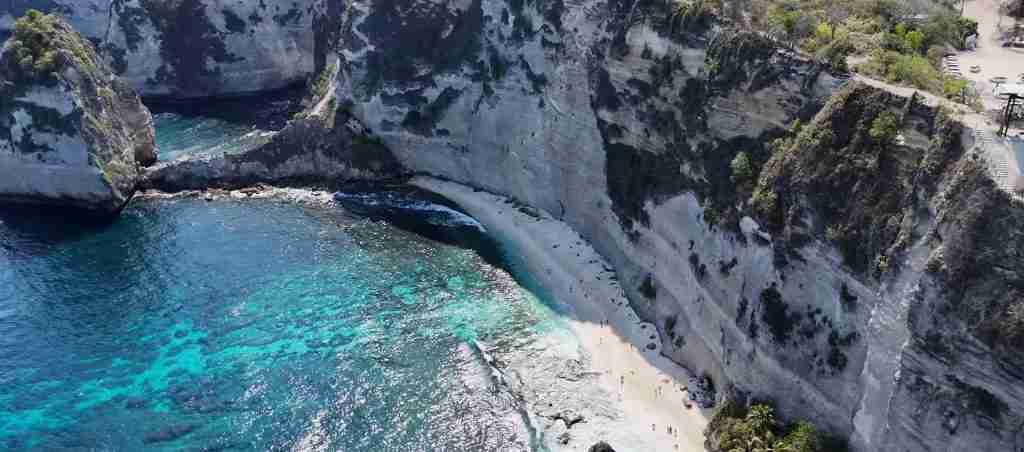
Adding Nusa Penida to a seven-day Bali itinerary requires sacrificing mainland experiences due to logistics and travel time involved in the 45-minute fast boat journey plus full-day island touring. Nusa Penida day trips from Sanur harbor depart 7:00-8:00 AM and return 4:00-5:00 PM, consuming 10-11 hours including boat transfers, island transportation to highlights (Kelingking Beach, Angel’s Billabong, Crystal Bay), and rushed sightseeing between locations. The recommended approach either dedicates 2 days/1 night to proper Nusa Penida exploration (departing Day 5, returning Day 6, staying overnight on island) or postpones Nusa Penida for future visits allowing comprehensive Bali highland and beach experiences within the seven-day framework. Attempting both Bali’s essential highlights and Nusa Penida creates exhausting schedules with superficial engagement at all locations versus meaningful immersion in fewer destinations. Similarly, Gili Islands off Lombok coast require 2.5-3 hour fast boat journeys making day trips impractical and overnight visits consuming 2-3 days minimum for worthwhile experiences. First-time visitors with only seven days should focus exclusively on Bali’s diverse regions—cultural Ubud, beach areas, temple circuits—reserving island-hopping for return visits or extended (10-14 day) itineraries.
Do I need to rent a scooter to get around Bali or will taxis and rideshare apps suffice?
Scooter rental is entirely optional for experiencing Bali in seven days, as Gojek/Grab ride-hailing apps combined with strategic private driver hire for temple touring days provides comprehensive coverage of all itinerary destinations at reasonable costs without requiring motorcycle riding skills or International Driving Permit procurement. Many first-time visitors never touch scooters during week-long stays, relying instead on: Gojek/Grab for short transfers between accommodation and restaurants/beaches (IDR 15,000-50,000 per ride), private drivers for full-day temple circuits and cultural tours ($25-35 daily), walking for neighborhood exploration in pedestrian-friendly areas like Seminyak beachfront and central Ubud. The collective weekly transportation budget for non-scooter strategies runs approximately $50-80 per person for mid-range hybrid approach (3 private driver days plus various Grab rides), versus $15-25 weekly scooter rental savings offset by accident risks, insurance complications, traffic stress, and parking/fuel hassles. Scooter rental makes sense primarily for: confident motorcyclists with International Driving Permits comfortable with chaotic left-side traffic, budget backpackers maximizing cost savings across extended stays, or travelers specifically seeking scooter adventure as part of their Bali experience. Couples and families generally find private driver costs when split among passengers create per-person rates competitive with scooter rental while adding comfort, safety, and local knowledge benefits substantially outweighing minimal cost differences.
Is Bali safe for solo female travelers in 2026?
Bali ranks among Southeast Asia’s safer destinations for solo female travelers, with relatively low violent crime rates, tourist-oriented infrastructure, and generally respectful local culture creating comfortable conditions for independent women exploring the island. Standard safety precautions apply universally: book accommodations with positive solo female traveler reviews (hostels and guesthouses catering to independent travelers foster community), avoid excessive alcohol consumption in unfamiliar environments or with strangers, use reputable transportation (Gojek/Grab with tracking features, registered taxis, hotel-arranged drivers), secure valuables in hotel safes or quality luggage locks, maintain awareness in crowded areas prone to pickpocketing (markets, busy beaches, festivals), and dress modestly when visiting temples or rural villages (covered shoulders and knees demonstrate cultural respect). Solo female travelers commonly encounter friendly curiosity from locals asking about family status and travel companions; these questions stem from cultural norms where independent women traveling alone remains relatively uncommon rather than suspicious intent. Bali’s hostel scene and solo traveler cafes create natural opportunities for meeting companions for shared activities or meals, reducing isolation concerns while maintaining independence. Evening activities in tourist areas (Seminyak, Ubud center) feel safe with busy streets and visible security, though late-night solitary walks in quiet areas or deserted beaches warrant caution universally. Women-specific considerations include: beach areas sometimes attract unwanted attention from local men hoping to meet Western women (firm polite refusals usually suffice), conservative dress in non-tourist areas reduces stares, and menstruation supplies readily available at minimarkets and pharmacies though preferred brands may differ from home country options.
What should I pack specifically for a 7-day Bali trip?
Essential Bali packing items include lightweight quick-dry clothing suitable for tropical heat and humidity (shorts, sundresses, breathable shirts), modest temple-appropriate outfits (pants/skirts covering knees, shirts covering shoulders—one set suffices as sarongs available for rental), reef-safe mineral sunscreen (zinc oxide or titanium dioxide based to avoid coral damage, bring from home as Bali availability limited and expensive), quality insect repellent containing DEET or picaridin (dengue mosquitoes active day and night), personal water bottle with filter or purification capability (reducing plastic waste and bottled water expenses), basic first-aid supplies (bandages, antiseptic, diarrhea medication, pain relievers), electrical adapter for Type C and Type F outlets (European-style two round pins, bring universal adapter as US flat blade plugs incompatible), waterproof phone case or dry bag for beach and water activities, comfortable walking sandals or shoes with arch support (extensive temple and market walking), flip-flops or easily removed shoes (constant shoe removal entering buildings), small daypack for daily excursions, and photocopies of passport stored separately from original. Optional but recommended additions: portable charger for smartphones during long sightseeing days, headlamp or flashlight for areas with unreliable electricity, sarong for temple visits and beach cover-up versatility, lightweight rain jacket or umbrella for afternoon storms, prescription medications in original containers plus copies of prescriptions, spare eyeglasses or contact lenses, and modest swimwear (bikinis acceptable at tourist beaches but not temples or rural areas). Leave at home: excessive clothing (laundry services widely available IDR 20,000-40,000 per kilogram same-day), valuable jewelry (theft risk and temple restrictions), hair dryers (hotels provide or tropical heat air-dries quickly), and heavy guidebooks (digital versions on phone/tablet more practical). Pack light and loose-fitting given heat and humidity, prioritizing natural fabrics (cotton, linen) over synthetics. Most forgotten items easily purchased at Bali minimarkets, pharmacies, or shops at reasonable prices, making under-packing preferable to luggage overweight charges on return flights.
How much cash should I carry daily in Bali versus using credit cards?
Daily cash requirements in Bali vary by planned activities and dining preferences, though conservative recommendation suggests carrying IDR 500,000-1,000,000 ($30-65) in small bills (IDR 20,000 and 50,000 notes preferred for easier change-making) to cover typical daily expenses across warungs, temple entrance fees, transportation, and small purchases. Budget travelers eating primarily at warungs and using Gojek transportation manage comfortably on IDR 300,000-500,000 ($20-30) daily cash, while mid-range visitors frequenting restaurants and beach clubs with mix of cash/card payments allocate IDR 700,000-1,000,000 ($45-65) daily cash reserves. Credit cards function at mid-range and upscale hotels, established restaurants, large shops, and tour operators, though transaction fees (typically 3% foreign transaction fees from card issuers plus merchant processing charges) often pass to customers making cash preferable even when cards technically accepted. Cash-only scenarios include: all local warungs and street food vendors, temple entrance fees and sarong rentals, traditional markets and small shops, motorcycle taxi rides or private ojek drivers, tips for drivers and guides, many spas and massage establishments, beach entrance fees, and some popular restaurants in tourist areas. ATM withdrawal strategy optimizes by taking maximum daily limits (IDR 2,500,000-3,000,000 depending on ATM bank) to minimize per-transaction fees, storing excess securely in hotel safe, and carrying daily amounts in money belt or secure pocket. Distribute cash across multiple locations (wallet, hotel safe, daypack hidden pocket) preventing total loss if theft or pickpocketing occurs. Exchanging foreign currency at money changers sometimes offers better rates than ATM withdrawals though legitimate operations versus scam risks require caution—use only established money changers with posted rates and count cash carefully before leaving counter (common scam involves misdirection during counting resulting in customer receiving less than agreed amount). Most travelers find ATMs most convenient, secure, and offer competitive exchange rates versus currency exchange hassles.
Can I drink tap water in Bali or do I need bottled water for the entire 7 days?
Tap water throughout Bali remains unsafe for drinking by travelers with unaccustomed digestive systems, requiring bottled water, filtered water, or boiled water for consumption and tooth brushing during the entire seven-day stay. Indonesian water treatment standards differ from Western countries, and even locals often drink bottled or filtered water rather than straight tap water. Bottled water costs IDR 5,000-15,000 for 1.5-liter bottles at minimarkets (Circle K, Indomaret, Alfamart) versus IDR 20,000-35,000 at hotels or tourist restaurants, creating significant savings through minimarket purchases. Environmental considerations make reusable water bottles with built-in filters (LifeStraw, Grayl) or UV purification optimal sustainability choice, allowing tap water refills from accommodation sources followed by filtration/purification for safe drinking. Many hotels and some restaurants offer filtered water refill stations for guests carrying reusable bottles—inquire at reception or look for clearly marked dispensers. Ice in drinks at reputable restaurants and cafes generally uses filtered water and proves safe, though budget warungs may use tap water ice creating potential stomach upset risks—observe whether establishment appears clean and frequented by tourists as safety indicator. Tooth brushing with tap water causes more stomach problems for travelers than any other water exposure—use bottled water for brushing or rinse with bottled water after tap water brushing. Food washed in tap water (salads, cut fruit from street vendors) presents contamination risks; stick to cooked foods at budget establishments and patronize restaurants with visible food safety standards for raw preparations. Seven-day bottled water expenses average IDR 70,000-150,000 ($4-9) total per person buying from minimarkets, with hotel purchases tripling this cost. Reusable bottle with filter creates zero daily costs after initial $25-45 investment while eliminating approximately 10-15 plastic bottles from Bali’s waste stream during week-long stay.
What travel insurance coverage do I specifically need for a Bali trip?
Comprehensive travel insurance for Bali should specifically cover: emergency medical evacuation to Singapore or Bangkok (serious injuries or illnesses requiring advanced care not available in Bali hospitals necessitate medical flights costing $25,000-100,000 without insurance), hospital stays and emergency treatment (Bali hospitals require upfront payment or insurance guarantees before treating foreigners, even emergency cases), trip cancellation and interruption (refunding non-refundable bookings if illness, injury, or other covered events prevent travel or force early return), lost/stolen/delayed baggage (compensating for essential purchases if luggage delayed, replacing stolen items), and 24-hour emergency assistance (multilingual support coordinating medical care, evacuation, emergency cash, communication with family). Scooter/motorcycle rental requires specific “adventure sports” or “motorized two-wheeler” coverage as standard policies explicitly exclude motorcycles and mopeds—verify policy includes scooters if planning to ride, or prepare for complete out-of-pocket liability for accidents, injuries, property damage. Standard credit card travel insurance (Chase Sapphire Reserve, Amex Platinum) provides limited coverage only for trips paid entirely with that card and typically excludes scooters and adventure activities. Dedicated travel insurance policies from providers like World Nomads, SafetyWing, Allianz cost approximately $40-80 for week-long Bali coverage depending on age, coverage limits, and deductibles. Pre-existing medical conditions usually require disclosure and may involve premium surcharges or coverage exclusions—purchase insurance within 10-21 days of initial trip deposit for best pre-existing condition coverage options. Adventure activity coverage becomes essential if planning: scuba diving (separate dive insurance like DAN recommended for serious divers), surfing, white water rafting, ziplining, or other activities beyond basic sightseeing. Policy comparison should verify: maximum medical coverage limit ($100,000+ minimum, $250,000+ preferred), evacuation coverage adequacy ($100,000+ for medical evacuation from Bali), baggage coverage limits meeting personal needs ($2,000-3,000 typical), and 24-hour emergency assistance with English-language support.
Should I book activities and tours before arriving in Bali or arrange them locally?
The optimal strategy combines advance booking for time-sensitive or high-demand activities with local arrangements for flexibility and potential cost savings on standard tours. Book before arrival: Mount Batur sunrise trekking during peak season when group sizes fill (booking 1-2 weeks ahead ensures preferred dates and reputable guides), accommodation especially during July-August or holiday periods (4-8 weeks advance booking secures better rates and selection), airport transfers for arrival convenience and avoiding taxi tout hassles (pre-arranged pickup eliminates stress after long flights), and any special experiences like cooking classes or premium spa treatments at popular establishments requiring reservations. Arrange locally for better rates and flexibility: standard temple tours and day drivers (booking through hotel concierge or chatting with drivers at tourist areas often yields $5-10 lower rates than online booking platforms), water sports and beach activities (on-the-spot negotiation at beach locations creates competitive pricing), walking tours and cultural experiences (Ubud overflow with tour offerings bookable same-day at better rates than advance online reservations), and restaurants (Bali’s dining scene supports walk-in visits except ultra-premium establishments requiring advance notice). The hybrid approach allows: confirmed arrival logistics and must-do experiences (Mount Batur trek, special-occasion dinner) booked ahead providing itinerary skeleton, while maintaining daily flexibility for weather-dependent beach days, energy-level adjustments, and serendipitous discoveries encouraging spontaneous schedule modifications. Booking platforms like Klook, Viator, GetYourGuide provide English-language convenience and customer reviews though typically charge 10-20% commission premiums versus local direct booking—this premium buys reassurance, standardization, and backup support valuable to first-time visitors nervous about communication challenges or scam risks. Second-time visitors or confident travelers often shift toward local arrangements as familiarity increases comfort with on-the-ground negotiations and quality assessment. Never book through aggressive street touts at airports, temples, or tourist areas as these individuals often represent lowest-quality operators or outright scams—legitimate arrangements happen through hotel concierges, reputable storefront businesses, or referrals from trusted sources.
Are there any important Balinese customs or etiquette rules I should know before visiting?
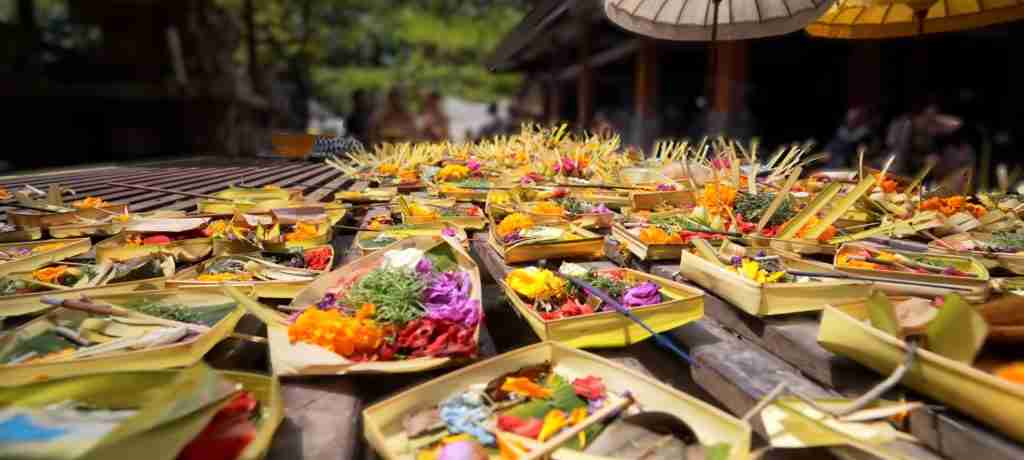
Balinese Hindu cultural practices differ significantly from Western norms and neighboring Islamic Indonesia, requiring awareness and respect from visitors to avoid inadvertent offense. Temple etiquette mandates: sarong wearing covering legs below knees for all visitors entering temple grounds (rental available IDR 10,000-20,000 or purchase at markets IDR 30,000-60,000), sash belts worn around waist signifying proper dress, modest clothing covering shoulders and upper arms, shoe removal before entering temple buildings or shrines, prohibition from entering inner sanctums or participating in ceremonies unless specifically invited by priests, and menstruating women forbidden from entering temples according to traditional purity concepts (enforced on honor system). Body language and physical interaction respect requires: right hand usage exclusively for eating, giving/receiving items, shaking hands, pointing (left hand considered spiritually unclean), head as most sacred body part never touched without permission (avoid patting children’s heads), feet as lowest and most impure body part never pointed at people or sacred objects (sit with legs folded under rather than extended toward others), and public displays of affection kept minimal (hand-holding acceptable, kissing or passionate embracing inappropriate especially near temples). Social interaction customs include: greetings with palms together in prayer position (namaste gesture called ‘sembah’), removing shoes before entering Balinese homes, accepting food or drink offerings at ceremonies even if not consuming (refusal considered rude), modest dress in villages and rural areas (long pants/skirts, covered shoulders despite beach area bikini acceptance), and photographing people only after asking permission (temple ceremonies, traditionally dressed Balinese). Nyepi Day (Balinese New Year, usually March) requires all visitors respecting complete island shutdown: no flights land or depart, no vehicles operate, no outdoor activity permitted, no lights or noise after dark, everyone remains inside accommodations for 24 hours including hotel guests—confirm travel dates don’t coincide with Nyepi or plan to experience this unique cultural observation respecting all restrictions. Daily offerings placed on sidewalks, doorsteps, temples throughout Bali contain incense, flowers, rice—avoid stepping on these even though placement in walkways appears inconvenient, as destroying offerings constitutes serious disrespect. Commercial transactions and bargaining conducted politely without aggressive tactics—smile, maintain pleasant demeanor, walk away if price unsatisfactory rather than angry confrontation, remember cultural premium on harmony and face-saving. These customs reflect Bali’s living Hindu culture continuing ancient practices; demonstrating awareness and respect enriches visitor experiences while honoring host community traditions.