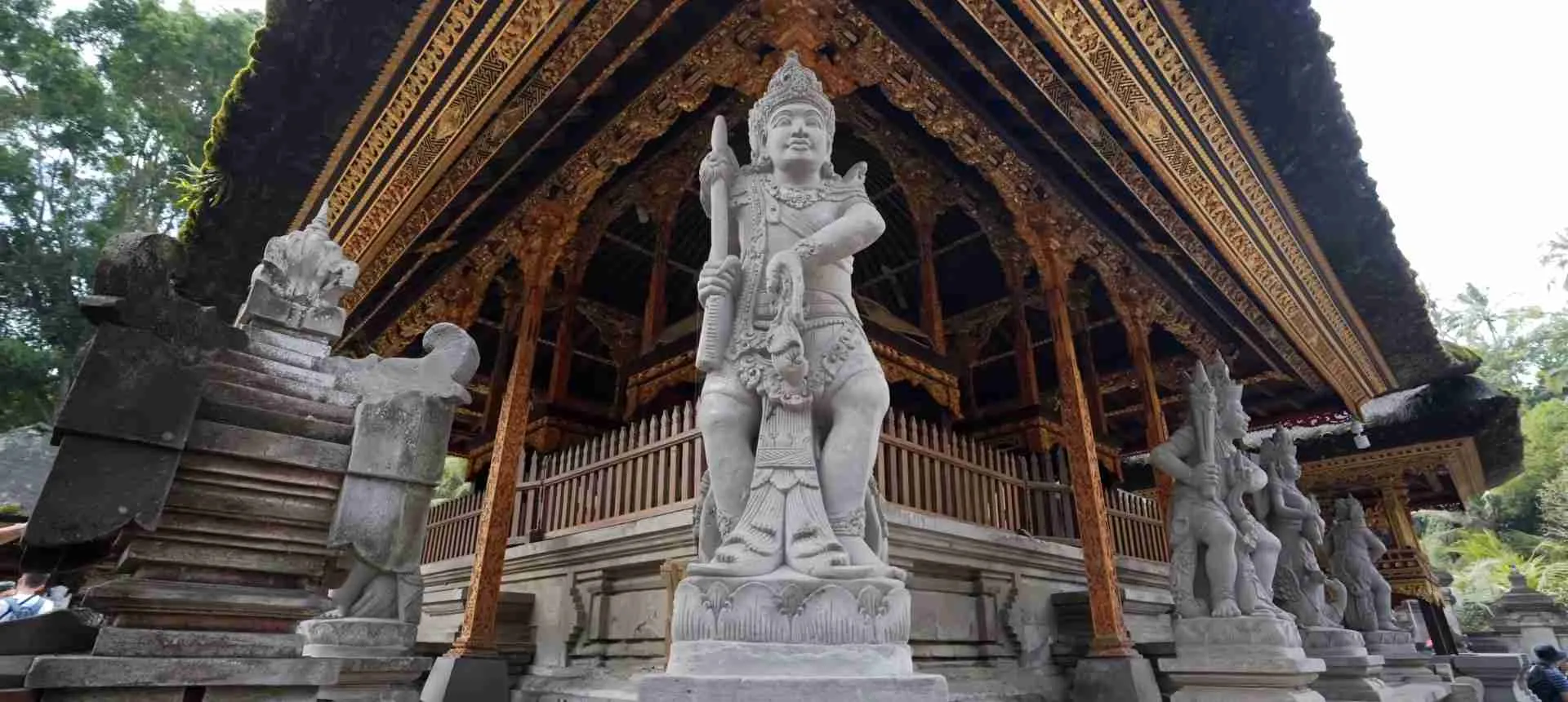
Indonesia 10-Day Itinerary 2026: Complete Bali & Komodo Planning Guide
A perfectly paced 10-day Indonesia itinerary in 2026 combines Bali’s cultural heartland and stunning coastline with Komodo National Park’s prehistoric dragons and world-class diving, typically allocating 4 days exploring Bali’s temples and rice terraces, 3-4 days on a Komodo liveaboard adventure, and 2-3 days for flights and transitions between islands. This balanced approach delivers Indonesia’s essential experiences without exhausting rushing, enabling travelers to trek with Komodo dragons, snorkel with manta rays, photograph Padar Island’s iconic viewpoint, and immerse themselves in Balinese culture across Ubud’s temples and southern peninsula beaches within a single unforgettable trip.
Key Takeaways for Your 2026 Indonesia Adventure
- The optimal 10-day split in 2026 allocates Day 1 arriving Bali, Days 2-4 exploring Ubud and southern Bali, Day 5 flying to Labuan Bajo, Days 6-8 on a 3-day Komodo liveaboard, Day 9 returning to Bali, and Day 10 departure
- Flights between Bali (Denpasar) and Labuan Bajo take just 1 hour 15 minutes with 6+ daily departures on Batik Air, Indonesia AirAsia, and Garuda Indonesia, costing IDR 700,000-1,500,000 ($45-95 USD) one-way (check airline websites for current 2026 rates)
- Total budget for mid-range 10-day travel in 2026 ranges $1,500-2,500 per person including domestic flights, 3D2N Komodo liveaboard ($280-450), Bali accommodation ($25-60 per night), meals ($15-40 daily), and activities
- Bali’s cultural core in Ubud requires 2-3 days minimum for Tegalalang rice terraces, Monkey Forest, temples, and waterfalls, while southern peninsula beaches (Uluwatu, Seminyak) need 1-2 days for coastal experiences
- Komodo National Park visits center on 3-day/2-night or 4-day/3-night liveaboard tours departing Labuan Bajo, with 3D2N packages providing sufficient time for Padar sunrise, dragon trekking, Pink Beach, and multiple snorkeling sites
- April through June and September through November 2026 offer optimal conditions for both destinations with excellent weather, moderate crowds, and shoulder-season pricing 15-25% below July-August peaks
People Also Ask About Indonesia 10-Day Itineraries in 2026
Is 10 days enough time to properly experience both Bali and Komodo in 2026?
Ten days provides sufficient time to experience the essential highlights of both Bali and Komodo National Park without feeling rushed, though it requires disciplined itinerary planning and accepting that deeper exploration must wait for future visits. The key to success involves staying in just 1-2 base areas in Bali (typically Ubud plus one coastal region) rather than attempting to visit every famous spot, and choosing a 3-day Komodo liveaboard over attempting day trips that waste time on repetitive boat journeys. This timeframe enables meaningful experiences including 2-3 full days exploring Bali’s rice terraces, temples, and cultural sites, a full 3-day liveaboard covering Komodo’s signature experiences (Padar Island, dragon trekking, snorkeling with manta rays), and adequate buffer time for flights and transfers. Travelers gain authentic Balinese cultural immersion and encounter Komodo’s unique wildlife, though they’ll miss deeper experiences like multi-day trekking in Bali’s mountains or extended diving in Komodo’s remote northern sites. Those wanting more relaxed pacing should consider 12-14 days, while those with only 7-8 days must choose either Bali or Komodo rather than attempting both.
What’s the best way to split 10 days between Bali and Komodo in 2026?
The most efficient 10-day split for 2026 allocates 4 days in Bali (including arrival/departure days), 3-4 days for Komodo including the liveaboard tour, and 2 days for inter-island travel and transitions. A typical successful structure includes Day 1 arriving Bali evening (sleep in Ubud), Days 2-3 exploring Ubud’s temples and rice terraces, Day 4 transferring to southern Bali for Uluwatu Temple and beaches, Day 5 morning flight to Labuan Bajo and boarding evening Komodo liveaboard, Days 6-7 continuing Komodo tour visiting Padar, dragons, and dive/snorkel sites, Day 8 tour ending midday with afternoon flight back to Bali, Day 9 final day in Seminyak or Canggu for beach time and shopping, and Day 10 morning departure from Denpasar airport. This structure minimizes wasted time while providing quality experiences in each location. Alternative structures might allocate 5 days Bali and 3 days Komodo (including liveaboard) for those prioritizing Balinese culture, or compress Bali to 3 days and extend Komodo to 4-day liveaboard for diving enthusiasts. The critical principle involves batching activities geographically to avoid excessive backtracking—complete Ubud before moving south, finish all Bali activities before flying to Komodo, and return to Bali only for final beach relaxation before departure.
How much should I budget for a 10-day Bali and Komodo trip in 2026?
A comfortable mid-range 10-day Bali and Komodo trip in 2026 requires budgeting $1,500-2,500 per person for all in-country expenses, with variations depending on accommodation choices, Komodo boat quality, dining preferences, and activity selections (verify all current pricing on official websites before booking). This budget breaks down approximately as follows: roundtrip Bali-Labuan Bajo flights cost $90-190, a 3D2N shared Komodo liveaboard runs $280-450 depending on boat standard and season, Bali accommodation for 6 nights averages $150-360 ($25-60 per night), meals in Bali cost $90-240 ($15-40 per day), Komodo park entrance fee IDR 650,000 ($40-43), Bali activities and temple entrance fees $80-150, and local transportation in Bali $40-80. Budget travelers can reduce costs to $1,000-1,400 by choosing hostels or budget guesthouses ($10-20 per night in Bali), eating primarily at local warungs ($8-15 daily), selecting basic shared Komodo boats ($200-280), and using scooters for Bali transportation. Luxury travelers spending $3,500-5,000+ choose boutique hotels ($100-200+ per night), premium phinisi Komodo vessels ($500-800), fine dining experiences, and private guided tours throughout. These estimates exclude international flights to/from Indonesia which vary dramatically by origin city but typically cost $600-1,500+ from North America or Europe. Smart budget strategies include booking Komodo tours 6-8 weeks ahead for better rates, choosing shoulder season April-June or September-November for 15-25% accommodation savings, and mixing affordable warungs with occasional splurge restaurants.
Should I book everything in advance for a 2026 Bali-Komodo trip or plan as I go?
A hybrid booking strategy works best for 2026 Bali-Komodo trips, with critical elements requiring advance booking 4-12 weeks ahead while maintaining flexibility for some spontaneous decisions. Elements requiring definite advance booking include the Komodo liveaboard tour (book 6-8 weeks ahead for shoulder season, 10-16 weeks for July-August peak season to ensure availability and avoid premium last-minute pricing), inter-island flights between Bali and Labuan Bajo (book 6-12 weeks ahead for best fares, though prices remain reasonable closer to departure outside peak season), and Bali accommodation for July-August when popular areas sell out (book 4-8 weeks ahead). Elements allowing flexible booking include Bali day tours and activities which can be arranged 1-7 days ahead or even same-day for popular sites like Tegalalang rice terraces, restaurant reservations which typically aren’t needed except at the most exclusive venues, and local transportation including scooter rentals and Grab rides booked day-of. The Komodo liveaboard represents the most booking-critical element since preferred boats and departure dates fill completely during peak season, while basic Bali activities offer abundant last-minute availability. First-time Indonesia visitors should book more in advance to reduce stress and ensure smooth logistics, while experienced travelers comfortable with uncertainty can book less initially and capitalize on last-minute deals. The strategic approach books the “skeleton” itinerary (flights, Komodo tour, first/last night accommodation) 2-3 months ahead, then fills in daily activities and remaining accommodation 2-6 weeks before departure based on weather forecasts, energy levels, and evolving interests.
Extended multi-day tours – 5+ days
Featured Indonesia Multi-Day Tour Packages
3 days
Indonesia 3-Day Discovery Tour
- ✓ Comprehensive Indonesia experience
- ✓ Expert local guides included
- ✓ All accommodation included
- ✓ Transportation provided
5 days
Indonesia 5-Day Highlights Experience
- ✓ Comprehensive Indonesia experience
- ✓ Expert local guides included
- ✓ All accommodation included
- ✓ Transportation provided

7 days
Indonesia 7-Day Cultural Journey
- ✓ Comprehensive Indonesia experience
- ✓ Expert local guides included
- ✓ All accommodation included
- ✓ Transportation provided

10 days
Indonesia 10-Day Complete Adventure
- ✓ Comprehensive Indonesia experience
- ✓ Expert local guides included
- ✓ All accommodation included
- ✓ Transportation provided
Multi-day tour packages powered by TourRadar. Prices and availability subject to change.
Understanding the Bali-Komodo Combination Appeal in 2026
Combining Bali and Komodo National Park in a single 10-day itinerary creates one of Southeast Asia’s most compelling travel experiences by merging two drastically different Indonesian destinations that complement rather than compete with each other. Bali delivers intensive cultural immersion through ancient Hindu temples, vibrant traditional ceremonies, intricate rice terrace landscapes, and sophisticated culinary scenes, while Komodo offers raw nature encounters with prehistoric dragons, uninhabited volcanic islands, pristine coral reefs, and wilderness experiences largely untouched by development. This pairing prevents cultural fatigue by alternating between human-created beauty (Bali’s temples and rice terraces) and natural wonders (Komodo’s wildlife and seascapes), while the geographical proximity makes the combination logistically practical with just a 75-minute flight bridging the two experiences.
The Bali portion typically satisfies travelers seeking cultural enrichment, Instagram-worthy landscapes, wellness experiences, and comfortable infrastructure including excellent accommodation, diverse dining, and easy transportation. Bali’s compact size enables visitors to experience temples, beaches, rice paddies, waterfalls, and traditional villages within short distances, while the island’s tourism maturity ensures smooth logistics even for first-time Asia travelers. The cultural depth extends beyond tourist temples to living traditions observable in daily offerings at household shrines, traditional dance performances at village festivals, and artisan communities where generations practice woodcarving, batik painting, and silver working. This accessibility to authentic culture without requiring extreme adventure appeals to travelers wanting meaningful experiences within comfort zones.
Komodo National Park provides the adventure contrast Bali can’t match, delivering wildlife encounters unavailable anywhere else on Earth and marine environments rivaling the planet’s best diving destinations. The opportunity to trek among Komodo dragons—the world’s largest lizards—in their wild habitat creates bucket-list moments, while the underwater world featuring manta rays, sharks, pristine coral reefs, and extraordinary biodiversity attracts divers globally. The multiday liveaboard format forces digital detox as internet connectivity disappears, enabling genuine disconnection from daily life while the constantly changing island scenery prevents monotony. The raw, undeveloped character of Komodo’s islands contrasts sharply with Bali’s cultivated landscapes, offering wilderness immersion that resets perspectives after Bali’s relative civilization.
The geographical logic of combining these destinations stems from their location within Indonesia’s vast archipelago, which spans a distance equivalent to crossing the United States. Flying 1 hour 15 minutes from Bali to Labuan Bajo (Komodo’s gateway) makes infinitely more sense than attempting Bali-Java or Bali-Sumatra combinations requiring longer journeys and offering less dramatic contrasts. The single domestic flight required represents minimal disruption to overall trip flow, particularly when scheduled to maximize time at each destination rather than wasting days in transit. This proximity enables a 10-day itinerary to feel complete rather than rushed, as travelers aren’t spending 20-30% of their trip in airports and transit.
The seasonal alignment between Bali and Komodo strengthens their combination value, as both destinations share similar optimal visiting windows during April-June and September-November when weather remains excellent, crowds moderate, and prices reasonable. This synchronization means travelers don’t face the compromise of experiencing one destination during its suboptimal season to visit the other during its prime—both deliver simultaneously. The shared dry season also simplifies packing, as clothing and gear suitable for Bali’s tropical climate works equally well in Komodo, eliminating the multi-climate packing challenges facing travelers combining tropical and temperate destinations.
Day-by-Day Detailed Itinerary for Bali & Komodo 2026
Day 1 – Arrival in Bali and Transfer to Ubud
International flights typically arrive at Ngurah Rai International Airport (DPS) in Denpasar during afternoon or evening hours, with exact timing depending on origin city and connection points. After clearing immigration and customs, arrange pre-booked airport transfer or grab a taxi for the 90-minute to 2-hour drive to Ubud depending on traffic conditions. The journey north from the airport traverses Bali’s southern peninsula through small villages, past rice paddies, and into progressively hillier terrain as you approach Ubud’s central highlands location. Avoid scheduling intensive activities for arrival day, as international flights create jet lag requiring adjustment time, particularly for travelers from distant time zones experiencing 12+ hour differences.
Check into your Ubud accommodation, which ideally situates within walking distance of Ubud’s central market and palace area or alternatively in the quieter outskirts surrounded by rice paddies and jungle. Mid-range options include boutique guesthouses and small hotels offering pools, air conditioning, and included breakfast for IDR 400,000-900,000 ($25-60 USD) per night (check current rates on booking platforms), while budget travelers find clean hostels and homestays for IDR 150,000-350,000 ($10-22 USD). Take the evening to explore Ubud’s central area on foot, browsing the art market, visiting Ubud Palace’s courtyard, and enjoying dinner at one of the town’s many restaurants offering Indonesian, international, and healthy cuisine options.
Evening activities might include attending a traditional Balinese dance performance at Ubud Palace, which runs nightly with rotating styles including Legong, Barong, and Kecak dances. Performances begin 7:30pm, last approximately 90 minutes, and cost IDR 100,000-150,000 ($6-10 USD) purchased at the venue. Alternatively, simply relax at your accommodation recovering from travel, perhaps enjoying a massage at one of Ubud’s countless spas offering traditional Balinese treatments for IDR 150,000-300,000 ($10-20 USD) per hour. Rest well as tomorrow launches intensive Ubud exploration.
Day 2 – Ubud Cultural Immersion and Rice Terraces
Begin your first full Bali day with an early departure (7-8am) to visit the iconic Tegalalang Rice Terraces before crowds arrive and heat intensifies. Located 20 minutes north of central Ubud, these dramatically terraced hillsides demonstrate traditional Balinese subak irrigation systems dating back centuries, creating the photogenic cascading rice paddies featured in countless Bali images. Entrance costs IDR 20,000-50,000 ($1-3 USD) depending on viewing area. Walk the paths through the terraces, photograph the layered landscapes from various viewpoints, and consider swinging on one of the many jungle swings installed for tourist photos (IDR 100,000-200,000 or $6-13 USD per person for basic swing packages). Allocate 1.5-2 hours for comprehensive terrace exploration.
Return to Ubud town for brunch at one of the health-conscious cafés serving smoothie bowls, organic coffee, and fusion breakfast dishes, with meals costing IDR 60,000-120,000 ($4-8 USD). After brunch, visit the Sacred Monkey Forest Sanctuary in southern Ubud, a nature reserve and temple complex inhabited by over 700 long-tailed macaques. The forest features ancient temple structures draped in moss and surrounded by enormous trees, creating atmospheric settings for observing monkeys in their semi-wild habitat. Entrance costs IDR 80,000 ($5 USD) for adults. Spend 60-90 minutes walking the forest paths, watching monkey families interact, and exploring the three temple complexes, while following ranger guidelines about feeding and interaction to prevent aggressive behavior.
Afternoon options include visiting one of Ubud’s many art museums such as the Neka Art Museum or Museum Puri Lukisan showcasing traditional and contemporary Balinese paintings, or exploring artisan villages in Ubud’s surrounding areas including Mas (woodcarving), Celuk (silver jewelry), and Batuan (traditional painting). Alternatively, participate in a cooking class learning to prepare traditional Balinese dishes including satay, lawar, and sambal, with classes typically running 4-5 hours including market visits and costing IDR 350,000-500,000 ($22-32 USD) per person. Evening hours suit wandering Ubud’s Jalan Monkey Forest for shopping, dining at warungs serving authentic Indonesian food for IDR 30,000-60,000 ($2-4 USD) per meal, or returning to your accommodation for rest.
Day 3 – Waterfalls, Temples, and Ubud Flexibility
Dedicate this day to exploring Ubud’s surrounding natural attractions, starting with an early morning visit to Tirta Empul Temple, a Hindu water temple famous for its holy spring water purification rituals. Located 30 minutes northeast of Ubud, the temple allows visitors to participate in the ritual bathing under fountains believed to possess healing properties. Entry costs IDR 50,000 ($3 USD), and respectful clothing (covered shoulders and knees) plus sarongs are required. Watch or participate in the purification ritual where devotees progress through multiple fountain spouts while praying, spending 60-90 minutes at the complex including the spring pools and temple grounds.
Continue to nearby Gunung Kawi temple complex, an impressive 11th-century site featuring 10 rock-cut shrines (candi) carved into a cliff face and accessible via 300+ steps descending through rice paddies. Entry costs IDR 50,000 ($3 USD). The atmospheric setting surrounded by jungle and rice terraces, the ancient carved shrines, and the relative peaceful compared to more famous temples create a memorable cultural experience requiring 60-90 minutes for thorough exploration. Return toward Ubud stopping at Tegenungan Waterfall, one of Bali’s most accessible cascades located 20 minutes south of town. Entry costs IDR 20,000 ($1 USD), and the waterfall offers swimming opportunities in the pool at its base, photo opportunities from various viewing platforms, and a pleasant natural setting despite its popularity.
Afternoon flexibility allows choosing between additional activities or rest depending on energy levels and interests. Options include visiting Campuhan Ridge Walk for a gentle 2-hour nature walk through rice fields and jungle starting from central Ubud (free), taking a traditional Lulur spa treatment at one of Ubud’s wellness centers (IDR 400,000-800,000 or $25-50 USD for 2-hour treatments), or simply relaxing at your accommodation’s pool before evening dinner. Consider dining at one of Ubud’s renowned restaurants such as Locavore for fine dining Indonesian fusion cuisine (IDR 1,500,000+ or $95+ USD for tasting menus) or more affordable options like Bebek Bengil for crispy duck (IDR 100,000-150,000 or $6-10 USD). Prepare for tomorrow’s transfer to southern Bali by packing belongings and arranging 9-10am checkout.
Day 4 – Transfer to Southern Bali and Uluwatu Temple
After breakfast and checkout, arrange a private transfer or taxi for the 1.5-2 hour journey south from Ubud to the Bukit Peninsula, home to Uluwatu and some of Bali’s most dramatic coastal scenery. Consider stopping at Garuda Wisnu Kencana (GWK) Cultural Park en route to view one of the world’s tallest statues—a massive copper and brass Garuda Vishnu reaching 121 meters in height. Park entry costs IDR 125,000 ($8 USD), and the site offers impressive photo opportunities, cultural performances, and exhibitions about Indonesian mythology. Allocate 60-90 minutes for GWK before continuing to your coastal accommodation.
Check into accommodation in Uluwatu, Jimbaran, or nearby areas, with options ranging from budget guesthouses to luxury cliff-top resorts. Mid-range hotels with ocean views cost IDR 500,000-1,200,000 ($32-77 USD) per night. After settling in, spend afternoon hours relaxing at one of the peninsula’s beautiful beaches such as Padang Padang Beach (featured in Eat Pray Love), Bingin Beach with its laid-back surf scene, or Dreamland Beach with extensive sand stretches. Beach entry typically costs IDR 15,000-30,000 ($1-2 USD), and the strong surf makes these beaches better suited for experienced surfers, with beginners better served by gentler breaks or simply swimming in calmer conditions.
Late afternoon requires arriving at Uluwatu Temple by 5pm latest to secure good seating for the sunset Kecak Fire Dance performance beginning 6pm. Pura Luhur Uluwatu, one of Bali’s most important sea temples, perches dramatically on 70-meter cliffs above the ocean, creating spectacular sunset backdrops. Temple entry costs IDR 50,000 ($3 USD) while Kecak performance tickets cost an additional IDR 150,000 ($10 USD). The 60-minute performance features a male chorus creating rhythmic chanting while dancers act out scenes from the Hindu epic Ramayana, culminating in a fire dance as sunset light illuminates the ocean behind the stage. Watch for the notoriously aggressive monkeys inhabiting the temple grounds, keeping belongings secure and avoiding direct eye contact. After the performance, enjoy seafood dinner at Jimbaran Beach where restaurants serve fresh grilled fish and prawns on the sand with tables literally on the beach (IDR 200,000-400,000 or $13-25 USD per person).
Day 5 – Morning Flight to Labuan Bajo and Komodo Tour Begins
Wake early for morning departure to Denpasar airport, ideally catching a flight between 8-11am to maximize your day in Labuan Bajo. The 30-45 minute drive from Uluwatu/Jimbaran area to the airport should begin at least 2 hours before your flight to account for check-in and security. Batik Air, Indonesia AirAsia, and Garuda Indonesia operate 6+ daily flights from Denpasar (DPS) to Labuan Bajo (LBJ) with flight time of 1 hour 15 minutes and fares ranging IDR 700,000-1,500,000 ($45-95 USD) one-way depending on advance booking and season (check current fares on airline websites). Select flights enabling noon or early afternoon arrival in Labuan Bajo, providing adequate time for liveaboard boarding which typically begins 4-6pm.
Upon landing at Komodo International Airport (LBJ), collect luggage and meet your tour operator representative who will transfer you to the harbor for boat boarding. Most 3-day liveaboard tours begin with late afternoon or early evening departures, allowing same-day arrivals from Bali to board conveniently. Use any spare time before boarding for lunch in Labuan Bajo town at local restaurants serving Indonesian cuisine for IDR 40,000-80,000 ($3-5 USD) per meal. Board your phinisi schooner or modern liveaboard vessel, settle into your cabin (ranging from basic shared cabins with bunk beds to private air-conditioned ensuite cabins depending on boat category), attend the safety briefing and itinerary overview, and meet fellow passengers.
The boat typically departs late afternoon or early evening for the journey toward Komodo National Park, with the first night spent anchored in a protected bay near Padar Island to position for sunrise hiking. Dinner aboard features Indonesian and international dishes served family-style, with most boats providing three meals daily plus snacks and drinking water as part of the tour package. Evening hours suit stargazing from the deck as the boat motors through calm waters under the Milky Way, socializing with other passengers and crew, or simply resting in preparation for tomorrow’s early Padar Island sunrise hike. This marks your transition from Bali’s cultural immersion to Komodo’s wilderness adventure.
Day 6 – Padar Island Sunrise, Dragon Trekking, and Pink Beach
Wake before dawn (typically 4:30-5am) for the Padar Island sunrise hike, one of Komodo National Park’s most iconic experiences. Tender boats ferry passengers from the anchored liveaboard to Padar’s shore where the steep 20-30 minute climb begins. The trail gains approximately 200 meters elevation over rocky, uneven terrain without shade, requiring sturdy footwear and basic fitness. Reach the summit viewpoint before sunrise to watch dawn light illuminate the dramatic vista of Padar’s three bays with different colored beaches—white, pink, and black sand created by varying substrate compositions. The panoramic view showcasing the bays, surrounding volcanic peaks, and turquoise waters justifies Padar’s reputation as Indonesia’s most photographed landscape. Spend 30-45 minutes at the summit for photography and simply absorbing the spectacular scenery before descending for breakfast aboard the boat.
After breakfast and the morning sailing, arrive at either Komodo Island or Rinca Island for Komodo dragon trekking. Park entrance fees of IDR 650,000 ($40-43 USD) per person are collected before disembarking, covering the entire national park visit. Armed rangers accompany all groups using forked sticks to discourage overly curious dragons, guiding visitors along designated trails (short 30-45 minute easy treks, medium 1-2 hour moderate hikes, or long 3-4 hour challenging routes) to areas where dragons frequently appear. Morning hours provide the best sighting opportunities as dragons actively hunt and bask before midday heat drives them to shade. Expect to encounter 5-15 dragons of various sizes during a typical trek, from massive 3-meter males weighing 70+ kilograms to smaller females and juveniles. Observe the dragons from safe distances, photograph these prehistoric predators in their natural habitat, and learn about their biology and behavior from ranger guides. The 1.5-2 hour island visit includes dragon viewing plus observing other wildlife such as Timor deer, wild water buffalo, and various bird species.
Lunch aboard the boat precedes the afternoon visit to Pink Beach (Pantai Merah), one of only seven pink sand beaches worldwide. The distinctive coloration results from red coral fragments mixing with white sand, creating varying pink tones depending on lighting and sand moisture. The beach provides access to excellent snorkeling on adjacent coral reefs supporting diverse fish communities in calm, clear water typically 5-10 meters deep. Spend 1.5-2 hours snorkeling among colorful reef fish, relaxing on the unique pink sand, and swimming in the turquoise waters before returning to the boat for the journey to evening anchorage. Sunset viewing from the boat deck, dinner, and evening relaxation prepare for tomorrow’s snorkeling-focused activities.
Day 7 – Manta Ray Snorkeling and Additional Komodo Exploration
Today focuses on underwater exploration with multiple snorkeling stops at some of Komodo’s premier sites. Begin at Manta Point or similar manta ray cleaning stations where these graceful giants congregate for smaller fish to remove parasites. Floating on the surface observing 10-30 reef manta rays circling below in synchronized barrel rolls creates mesmerizing encounters, with some individuals approaching within meters of snorkelers. Water depth at manta sites typically ranges 5-15 meters, enabling clear views of the rays against sandy bottoms while strong currents sometimes require holding onto surface lines attached to the boat. Spend 45-60 minutes in the water during the morning manta session when ray activity peaks.
Continue to additional snorkeling sites showcasing Komodo’s remarkable marine biodiversity. Sites like Siaba Besar, Tatawa, or Kanawa Island feature extensive coral gardens with brain corals, table corals, soft corals, and sea fans creating habitat for hundreds of fish species. Expect to observe schools of fusiliers, surgeonfish, and parrotfish grazing on algae, territorial damselfish defending coral patches, butterflyfish pairs exploring reef crevices, and occasional reef sharks patrolling drop-offs. Sea turtles frequently appear at certain sites, while eagle rays, octopuses, and moray eels hide among coral structures. Most boats schedule 2-3 snorkeling sessions daily, each lasting 45-75 minutes with rest and meal periods between sessions. Divers certified for scuba can often arrange diving instead of snorkeling for additional fees of approximately IDR 350,000 ($22 USD) per day.
Afternoon activities might include visiting additional small islands for beach time, hiking to viewpoints on lesser-known islands, or more snorkeling at different sites depending on your tour operator’s specific itinerary and current conditions. Some tours incorporate visits to local fishing villages on Rinca or smaller islands where Bajo sea nomad communities maintain traditional lifestyles, though tourism impact on these communities raises ethical considerations worth discussing with your tour operator. The boat begins the return journey toward Labuan Bajo during late afternoon, with arrival scheduled for the following mid-morning. Final evening aboard features a farewell dinner, social time with fellow passengers reflecting on Komodo experiences, and packing personal belongings in preparation for disembarkation.
Day 8 – Komodo Tour Conclusion and Return to Bali
The liveaboard tour concludes mid-morning (typically 9-11am) as the boat docks at Labuan Bajo harbor. Disembark with your luggage, say farewells to crew and fellow passengers, and either proceed directly to the airport for immediate departure to Bali or use any spare hours for Labuan Bajo exploration if your flight departs afternoon or evening. The small town offers limited attractions but the harbor area features cafes and restaurants serving lunch, souvenir shops selling local handicrafts and Komodo-themed items, and a small waterfront suitable for killing time before flights. Arrange airport transfer through your hotel or tour operator, or take a short 10-minute taxi ride to the airport for IDR 50,000-75,000 ($3-5 USD).
Afternoon flights return to Bali, with the 1 hour 15 minute journey typically arriving late afternoon or early evening. Retrieve your luggage at Denpasar airport and arrange transfer to your accommodation in Seminyak, Canggu, or another coastal area near the airport, ideally positioned for easy departure on Day 10. The 30-45 minute drive from the airport to Seminyak delivers you to Bali’s most developed beach resort area, offering upscale dining, beach clubs, shopping, and nightlife. Check into your accommodation—ideally something comfortable for your final two Bali nights given the preceding days of liveaboard living. Mid-range hotels in Seminyak cost IDR 400,000-800,000 ($25-50 USD) per night with pools and modern amenities.
Evening hours suit low-key activities after several intensive adventure days. Options include dinner at one of Seminyak’s renowned restaurants (Indonesian, Italian, Japanese, and fusion cuisine widely available), sunset drinks at a beach club such as Potato Head Beach Club or La Plancha, or simply walking Seminyak Beach enjoying the atmosphere. Avoid overscheduling this evening, as the combination of early Komodo mornings, sun exposure, and travel typically creates fatigue requiring rest. Consider booking a massage at one of Seminyak’s spas (IDR 200,000-400,000 or $13-25 USD per hour) to recover from adventure before your final full Bali day tomorrow.
Day 9 – Final Bali Day: Beaches, Shopping, and Relaxation
Your last full day in Indonesia suits relaxed beach time, shopping, and final Bali experiences without intensive sightseeing that might exhaust before tomorrow’s departure. Sleep in and enjoy a leisurely breakfast at your hotel or a Seminyak café, then spend morning hours at Seminyak Beach or nearby Double Six Beach. These wide sandy beaches offer gentler surf than Uluwatu’s powerful breaks, making them suitable for swimming during calm conditions though caution remains necessary given Bali’s strong currents. Rent beach loungers and umbrellas from beachfront vendors for IDR 50,000-100,000 ($3-6 USD) per day, or simply lay a towel and enjoy free beach access.
Lunch options in Seminyak range from beachfront warungs serving Indonesian dishes for IDR 40,000-80,000 ($3-5 USD) to trendy cafes offering avocado toast, smoothie bowls, and international cuisine for IDR 80,000-150,000 ($5-10 USD). Afternoon shopping suits exploring Seminyak’s boutiques and shops along Jalan Kayu Aya (Oberoi) and Jalan Raya Seminyak, offering clothing, jewelry, homewares, and souvenirs at various price points. Local markets also provide shopping opportunities with more negotiation required—expect initial asking prices 2-3× final fair prices, requiring friendly haggling to reach reasonable deals. Purchase last-minute gifts including Bali coffee, essential oils, sarongs, wooden carvings, or silver jewelry.
Consider visiting Tanah Lot Temple in late afternoon if this sea temple wasn’t part of your earlier Bali itinerary. Located 45 minutes drive north of Seminyak, Tanah Lot features a dramatic temple structure sitting on a rock formation in the ocean, becoming fully surrounded by water at high tide. Entry costs IDR 60,000 ($4 USD), and sunset viewing creates particularly photogenic conditions though crowds intensify during this time. Return to Seminyak for final dinner at a special restaurant—perhaps splurging on fine dining like Sardine or Merah Putih featuring contemporary Indonesian cuisine (IDR 400,000-700,000 or $25-45 USD per person), or choosing a favorite warung or casual spot for affordable local flavors. Pack your belongings tonight in preparation for tomorrow’s airport departure, ensuring you check maximum luggage weights and confirm departure time.
Day 10 – Departure from Bali
Departure day timing depends entirely on your international flight schedule from Ngurah Rai International Airport. For morning flights departing before noon, wake early and arrange airport transfer to begin at least 3 hours before flight time, accounting for the 30-45 minute drive from Seminyak plus check-in, security, and immigration processing. Most hotels offer airport drop-off services for IDR 150,000-250,000 ($10-16 USD), or arrange pre-booked transfer through apps like Grab. Morning departure flights leave little time for activities beyond quick breakfast and checkout.
Travelers with afternoon or evening flights enjoy leisure morning hours for final beach time, last-minute shopping, additional meals at favorite restaurants, or spa treatments before airport departure. Labuan Bajo’s airport offers luggage storage if you’ve already checked out of accommodation but have hours before your flight. Denpasar airport features adequate dining, shopping, and lounge options for spending departure hours, with duty-free shops, restaurants, and comfortable seating areas throughout the terminal. International flights from Bali to most destinations involve long journey times—expect 18+ hours total travel time to North America, 12-17 hours to Europe, and 5-8 hours to Australia depending on connections.
As you board your departure flight, reflect on ten days that delivered Balinese cultural richness, encounters with the world’s largest lizards, underwater marvels in pristine coral reefs, and the contrasts between Bali’s sophisticated tourism infrastructure and Komodo’s raw wilderness. The trip provided essential Indonesia experiences while acknowledging many regions remain unexplored—Nusa Penida’s dramatic cliffs, Java’s ancient temples, Raja Ampat’s unparalleled diving, and countless other islands await future visits. This 10-day introduction creates foundation for deeper Indonesia exploration on return trips, armed with experience navigating the country’s logistics, appreciation for its cultural and natural diversity, and memories justifying the long journey from home.
Essential Planning Details for Your 2026 Bali-Komodo Trip
Visa requirements for Indonesia in 2026 depend on nationality, with many countries including the United States, Canada, United Kingdom, Australia, and most European nations receiving 30-day visa-free entry or visa-on-arrival options. Visa-free entry allows tourism stays up to 30 days with no fee required, suitable for this 10-day itinerary. Visa-on-arrival costs IDR 500,000 ($32 USD) payable in cash or card upon landing at Denpasar airport, providing 30 days extendable once for additional 30 days. Check Indonesia’s immigration website or your country’s embassy for current requirements as policies occasionally change. Passport validity requirements mandate at least six months remaining validity from entry date, and blank pages for entry/exit stamps.
Health preparations should begin 4-8 weeks before departure to allow time for any necessary vaccinations and medication procurement. Routine vaccinations (MMR, tetanus, hepatitis A/B) should be current, while additional vaccinations for typhoid and Japanese encephalitis receive recommendations from many travel health clinics though aren’t universally required. Malaria prophylaxis is not necessary for Bali but receives recommendations for Komodo National Park area from some health authorities—consult your doctor about antimalarial medication pros and cons. Travel insurance covering medical emergencies, evacuation, trip cancellation, and lost belongings is essential given the distances from home and costs of medical evacuation from remote Indonesian islands. Comprehensive travel insurance costs approximately $50-150 for 10-day coverage depending on age and coverage limits.
Packing essentials for this combined itinerary should accommodate both Bali’s cultural sites requiring modest dress and Komodo’s adventure activities. Clothing should include lightweight, breathable items suitable for tropical heat (temperatures ranging 26-34°C), long pants and shirts with covered shoulders for temple visits (many temples provide sarongs for rent if you forget), swimwear for beaches and snorkeling, and quick-dry options for liveaboard living where laundry facilities are limited. Footwear needs include sturdy hiking shoes or trail runners for Padar Island and dragon treks, water shoes or reef-safe sandals for beaches and boat activities, and comfortable walking shoes or sandals for Bali’s pavement. Sun protection including reef-safe sunscreen (chemical sunscreens damage coral and face restrictions in Komodo National Park), wide-brimmed hat, and sunglasses protects against intense equatorial UV exposure.
Additional packing items include a dry bag protecting electronics and valuables from water during boat activities, underwater camera or GoPro for marine photography (many liveaboards offer rentals if you don’t own equipment), headlamp or flashlight for early morning Padar hikes, reusable water bottle reducing plastic waste (most Bali accommodations and Komodo boats provide water refill stations), and basic first-aid supplies including anti-diarrheal medication, antihistamines for allergies, and any prescription medications in original packaging. Consider packing a light rain jacket even during dry season as afternoon showers occasionally occur. Electrical adapters for Type C/F outlets (European-style two round pins) charging phones, cameras, and other devices are necessary for travelers from countries using different plug types.
Money and payment considerations include bringing a mix of cash and cards, as Indonesian Rupiah (IDR) is the standard currency though USD are sometimes accepted at tourist establishments. ATMs widely available in Bali and Labuan Bajo dispense rupiah with reasonable fees, making carrying large cash amounts unnecessary. Credit cards work at most hotels, restaurants, and tour operators in Bali, though smaller warungs and markets require cash. Komodo liveaboards typically accept card payments for the tour itself but crew tips (customary IDR 300,000-500,000 or $20-32 USD per passenger for 3-day tours) require cash. Exchange rates fluctuate around IDR 15,000-16,000 per $1 USD, with better rates typically available at official exchange offices than airports or hotels. Notify your bank about Indonesia travel dates to prevent fraud-triggered card blocks.
Transportation and Logistics Within the Itinerary
Getting around Bali requires understanding the island’s limited public transportation and reliance on private vehicles, taxis, or scooters. Ride-hailing apps Grab and Gojek operate throughout southern Bali and Ubud, offering affordable car and motorcycle taxi services—typical fares range IDR 15,000-50,000 ($1-3 USD) for short trips within areas, longer journeys to IDR 100,000-200,000 ($6-13 USD). These apps provide transparent pricing, GPS tracking, and cashless payment, making them ideal for tourists uncomfortable negotiating with traditional taxis. Private drivers can be hired for full-day tours at approximately IDR 600,000-800,000 ($38-50 USD) for 8-10 hours including vehicle and driver, suitable for visiting multiple sites efficiently without navigation stress.
Scooter rental appeals to travelers comfortable with two-wheel transportation and Bali’s chaotic traffic conditions. Rental costs average IDR 75,000 ($5 USD) per day for automatic scooters, available from countless rental shops in Ubud, Seminyak, Canggu, and other tourist areas. Scooters provide maximum flexibility and cost efficiency for exploring, though risks include accidents (particularly for inexperienced riders), traffic violations, and the common “scam” where rental shops claim damage exists requiring expensive repairs. Ensure your travel insurance covers scooter riding (many policies require specific motorcycle endorsements), verify the scooter’s condition before accepting it (photograph any existing damage), and ride defensively given Bali’s unpredictable traffic. International Driving Permits are technically required for legal scooter operation, though enforcement is inconsistent.
Inter-island flights between Bali and Labuan Bajo require booking with Indonesian domestic carriers. Batik Air, Indonesia AirAsia, and Garuda Indonesia operate multiple daily frequencies with varying departure times (typically 6+ flights daily from 7am-4pm) enabling schedule flexibility. Booking 6-12 weeks in advance generally secures best fares, though prices remain reasonable closer to departure outside peak July-August season. Check baggage allowances when booking, as some economy fares include only carry-on allowance with checked bags costing extra. Arrive at the airport 90-120 minutes before domestic flight departure for check-in and security processing. The flight crosses one Indonesian time zone, with Labuan Bajo one hour ahead of Bali (WITA vs WITA time zones actually keep the same time in 2026), simplifying schedule planning without jet lag complications.
Komodo liveaboard logistics involve boarding in Labuan Bajo harbor where tour operators collect passengers from designated meeting points. Most operators provide airport transfers or coordinate harbor meeting locations with clear instructions. Liveaboard boats range from basic traditional phinisi vessels with simple shared cabins and basic facilities to modern motor yachts with air-conditioned ensuite cabins, WiFi, and premium amenities. Standard features across most boats include shared bathroom facilities or private ensuites depending on cabin category, Indonesian and international meals served family-style, drinking water and coffee/tea provided, snorkeling gear (fins, masks, snorkels) included, and experienced crew handling navigation and activities. Items typically not included are dive equipment rental (fins and wetsuit additional), alcoholic beverages (usually available for purchase), crew tips, and national park entrance fees. Bring minimal luggage on liveaboards as cabin storage is limited—soft bags work better than hard-shell suitcases in confined spaces.
Accommodation Recommendations by Destination 2026
Ubud accommodation choices span budget homestays to luxury jungle resorts, with location decisions between central Ubud within walking distance of markets and restaurants versus quieter outlying areas surrounded by rice paddies and nature. Central Ubud budget options include hostels and guesthouses for IDR 150,000-350,000 ($10-22 USD) per night with basic rooms, shared or private bathrooms, and included breakfast. Mid-range hotels and boutique guesthouses cost IDR 400,000-900,000 ($25-60 USD) offering pools, air conditioning, better amenities, and often rice paddy or jungle views. Luxury resorts in Ubud’s outskirts featuring private villas with pools, spa facilities, and premium service charge IDR 2,000,000-5,000,000+ ($125-315+ USD). Popular areas include Penestanan for artistic vibe, Tegalalang for rice terrace proximity, and Nyuh Kuning near Monkey Forest for convenient central access.
Southern Bali beach areas including Seminyak, Canggu, Uluwatu, and Jimbaran offer accommodation from surfer hostels to ultra-luxury resorts. Budget travelers find hostels for IDR 150,000-300,000 ($10-20 USD) near beaches in Canggu and Uluwatu, often featuring pools and social atmospheres. Mid-range hotels in Seminyak and Jimbaran cost IDR 500,000-1,200,000 ($32-77 USD) with ocean views, pools, and proximity to beaches and restaurants. Luxury resorts especially in Uluwatu’s cliff-top locations and Seminyak’s beachfront charge IDR 3,000,000-10,000,000+ ($190-630+ USD) for villas with private pools, butler service, and premium amenities. Location considerations include Seminyak for restaurants and nightlife, Canggu for surf culture and digital nomad scene, Uluwatu for dramatic scenery and quieter vibe, and Jimbaran for family-friendly beaches and seafood dining. Book at least 4-8 weeks ahead for best selection during high season July-August.
Labuan Bajo accommodation serves primarily as one-night pre-or-post Komodo tour lodging since most time is spent on liveaboards. Budget guesthouses cost IDR 150,000-300,000 ($10-20 USD) with basic rooms and fans, suitable for single nights when comfort isn’t priority. Mid-range hotels offering air conditioning, pools, and harbor views cost IDR 400,000-800,000 ($25-50 USD). These prove unnecessary for typical itineraries involving same-day arrival and liveaboard departure, or liveaboard arrival and immediate flight departure. Only travelers spending additional days in Labuan Bajo for diving, town exploration, or schedule buffer require hotels—most pass through without overnighting.
Komodo liveaboard boat selection significantly impacts comfort and experience during the 3-day tour. Budget shared boats with basic facilities and shared bathrooms cost IDR 3,250,000-4,250,000 ($200-270 USD) per person for 3D2N trips, offering functional accommodation prioritizing wildlife experiences over luxury. Standard phinisi boats with mix of shared and private cabins, better meals, and improved facilities cost IDR 4,500,000-5,500,000 ($280-350 USD). Premium boats featuring air-conditioned private cabins with ensuite bathrooms, quality meals, experienced guides, and better maintained equipment cost IDR 6,500,000-8,500,000+ ($400-545+ USD). Luxury vessels with spacious cabins, gourmet dining, dive support, and top-tier service exceed IDR 11,000,000 ($700+ USD). Choose based on budget and comfort priorities—adventurous travelers tolerate basic boats well, while those prioritizing comfort should invest in better categories. Read reviews on TripAdvisor and specialized booking sites before selecting operators, as quality varies substantially within price ranges.
Optimal Timing for Bali and Komodo Combination in 2026
April through June 2026 represents the prime window for combined Bali-Komodo trips, delivering excellent weather at both destinations with shoulder-season pricing and moderate crowds. Bali experiences post-wet season greenness with rice terraces at their most photogenic, temperatures averaging comfortable 25-30°C, minimal rainfall, and tourist numbers well below July-August peaks. Komodo during these months enjoys calm seas, excellent underwater visibility of 20-30 meters, baby Komodo dragon emergence from nests in April-May, and comfortable temperatures. Tour prices for Komodo liveaboards during April-June run 10-20% below peak season rates, while Bali accommodation costs IDR 400,000-700,000 ($25-45 USD) per night for mid-range options compared to premium peak pricing. The primary advantage involves balancing great conditions with reasonable costs and uncrowded experiences.
September through November 2026 offers another excellent shoulder season window combining reliably good weather with reduced crowds after peak season ends. Both destinations maintain predominantly sunny conditions with occasional rain increasing in November as wet season approaches. Underwater visibility in Komodo remains excellent at 25-30 meters through September-October before slightly decreasing in November. Manta ray encounters increase dramatically during this period as these animals return to central sites after avoiding peak season boat traffic. Tourist numbers in Bali drop 30-50% compared to July-August, creating more peaceful temple visits and easier photography without crowds. Prices decrease comparably to April-June shoulder season, with similar cost savings across accommodation and tours. September specifically offers perhaps the year’s best weather-to-crowd ratio.
July-August 2026 peak season delivers virtually guaranteed sunshine and calm seas at both destinations but brings maximum crowds and 20-40% price premiums. Bali during peak season sees temple overcrowding, traffic congestion worsening beyond normal levels, accommodation fully booked requiring advance reservations, and prices at yearly highs. Komodo experiences similar crowding with Padar Island hosting 500+ daily visitors creating conga-line hiking and packed viewpoints. Tour prices increase to IDR 6,500,000-7,350,000 ($400-450+ USD) for standard 3D2N liveaboards. The peak season justifies itself primarily for travelers with inflexible summer vacation schedules or those requiring absolute weather certainty for once-in-lifetime trips. Independent travelers and those with schedule flexibility should avoid July-August in favor of superior value during shoulder months.
The wet season from January-March 2026 presents budget opportunities with 30-50% discounts on accommodation and tours, though weather uncertainty creates significant trade-offs. Bali experiences afternoon rain showers most days with occasional multi-day wet spells, though mornings often remain sunny suitable for activities. Komodo faces rougher seas particularly in February, with boat tour cancellations possible and northern sites frequently inaccessible. Underwater visibility drops to 10-20 meters compared to 25-30+ meters in dry season. However, wet season delivers the year’s best manta ray encounters with aggregations of 30-50 individuals common, dramatically fewer tourists creating peaceful experiences, and transformed green landscapes in both destinations. This timing suits budget-conscious travelers willing to accept weather disruptions and flexible travelers who can adjust plans around rain days and rough seas.
Food and Dining Across Bali and Komodo 2026
Balinese and Indonesian cuisine offers diverse flavors accessible at various price points from street food warungs to fine dining restaurants. Essential dishes to try include nasi goreng (Indonesian fried rice with vegetables, egg, and choice of protein), mie goreng (fried noodles similarly prepared), satay (grilled skewered meat with peanut sauce), nasi campur (rice with mixed side dishes), babi guling (spit-roasted pig stuffed with spices, a Bali specialty), bebek betutu (slow-cooked duck in spices), and lawar (minced meat with vegetables and coconut). Vegetarians find abundant options including gado-gado (vegetables with peanut sauce), tempeh and tofu preparations, sayur urab (steamed vegetables with coconut), and vegetable curries. Sample traditional dishes at local warungs where meals cost IDR 25,000-60,000 ($2-4 USD) for authentic experiences.
Ubud’s dining scene ranges from affordable warungs to health-focused cafés serving smoothie bowls, organic salads, and fusion cuisine reflecting the town’s wellness tourism focus. Popular breakfast spots feature granola bowls, fresh juices, and elaborate coffee presentations costing IDR 60,000-120,000 ($4-8 USD). Lunch and dinner options span Indonesian, Italian, Mexican, Japanese, and contemporary fusion with mid-range restaurants charging IDR 80,000-200,000 ($5-13 USD) per main course. Fine dining establishments like Locavore and Mozaic push boundaries with creative Indonesian ingredients in modern presentations, with tasting menus costing IDR 1,500,000-2,500,000 ($95-160 USD) per person. The diversity enables alternating between authentic local food and international comfort dishes.
Southern Bali beach areas including Seminyak and Canggu feature even more developed dining scenes with beach clubs, rooftop bars, international chains, and celebrity chef restaurants. Beachfront warungs still offer affordable Indonesian meals for IDR 40,000-80,000 ($3-5 USD), while trendy cafés popular with digital nomads serve avocado toast, smoothie bowls, and specialty coffee for IDR 80,000-150,000 ($5-10 USD). Seminyak’s upscale restaurants featuring seafood, steaks, and contemporary cuisine charge IDR 200,000-500,000 ($13-32 USD) per main, with wine and cocktails adding substantially. Beach clubs like Potato Head and Ku De Ta feature pools, loungers, DJ sets, and premium pricing for drinks and food, appealing to those seeking social scenes over authentic Indonesian experiences.
Komodo liveaboard dining typically includes three meals daily plus snacks as part of the tour package, with Indonesian dishes, rice and noodle options, fresh fish when caught by crew, fruit, and occasional Western dishes served family-style. Quality varies by boat category, with budget boats providing simple but adequate meals and premium boats offering more elaborate multi-course dinners. Dietary restrictions including vegetarian and food allergies can usually be accommodated if communicated when booking, though options may be limited compared to land-based dining. No additional meal costs occur during the liveaboard beyond the tour price (except alcoholic beverages if purchased), simplifying budgeting. Labuan Bajo town offers limited dining options for pre-or-post tour meals, with Indonesian restaurants serving fish and traditional dishes for IDR 40,000-100,000 ($3-6 USD) per meal.
Frequently Asked Questions About 10-Day Bali-Komodo Trips in 2026
Can I do this itinerary in reverse, starting with Komodo before Bali?
Yes, this 10-day itinerary functions equally well in reverse order starting with Komodo National Park before Bali, though the standard Bali-first sequence offers slight logistical and experiential advantages. The reverse structure involves Day 1 arriving Bali and immediately connecting to Labuan Bajo via domestic flight, Days 2-4 on Komodo liveaboard, Day 5 returning to Bali and transferring to Ubud, Days 6-8 exploring Ubud and surrounding areas, Day 9 moving to southern Bali beaches, and Day 10 departure. This approach frontloads the adventure portion when energy levels peak and ends with relaxing beach time and cultural experiences requiring less physical exertion. However, the standard Bali-first approach enables gradual acclimatization to Indonesia before the more challenging Komodo portion, allows jet lag recovery during easier Ubud days rather than demanding Komodo activities, and concludes with a satisfying adventure climax rather than anti-climactic beach lounging. Additionally, Bali’s tourism infrastructure provides a gentler introduction for first-time Indonesia visitors before Komodo’s relative remoteness. Reverse order makes particular sense when departing international flights leave early morning (enabling final night at airport-area hotel rather than distant Ubud) or when travelers specifically want the Komodo adventure first.
What happens if weather causes my Komodo tour to be cancelled or modified?
Weather-related Komodo tour disruptions occur primarily during wet season January-March when rough seas can force itinerary modifications, site substitutions, or in extreme cases complete tour cancellations, requiring understanding of tour operator policies before booking. Reputable operators prioritize safety and won’t operate in dangerous conditions, meaning tours may depart late, return early, skip certain islands, or substitute more protected sites for planned locations when seas exceed safe limits. Most tour contracts include force majeure clauses stating weather-related changes don’t entitle refunds, though ethical operators offer rescheduling options or partial refunds when significant itinerary changes occur. Trip insurance covering weather disruptions becomes particularly important for wet season travel, potentially reimbursing non-refundable tour costs when operators cancel for safety reasons. To minimize weather risks, book during dry season April-December when conditions remain predominantly calm and predictable, build flexible buffer days into your overall itinerary enabling tour rescheduling if initial departure cancels, and choose established operators with good safety records and fair policies rather than the cheapest options that might operate in marginal conditions. During wet season visits, maintain realistic expectations that itineraries may require adjustment, accept that some signature sites might become inaccessible, and communicate clearly with operators about backup plans and refund policies before confirming bookings.
Is it safe to travel to both Bali and Komodo as a solo female traveler in 2026?
Solo female travelers can safely visit both Bali and Komodo National Park in 2026 by following standard precautions applicable throughout Southeast Asia, as both destinations host substantial numbers of independent women travelers annually without significant incident patterns beyond typical tourist-area crimes. Bali offers particularly female-friendly travel with extensive solo female traveler communities especially in Ubud, Canggu, and Seminyak, abundant women-only accommodations and activities, and generally respectful local culture, though caution remains necessary regarding drink safety at bars, beach area harassment from vendors and guides, and scooter rental scams. Practical safety measures include staying in well-reviewed accommodations in populated areas, avoiding walking alone late at night in isolated areas, using licensed taxis or ride-hailing apps rather than unofficial transport, not leaving drinks unattended, dressing modestly when visiting temples (covered shoulders and knees), and trusting instincts when situations feel uncomfortable. Komodo liveaboards typically attract mixed groups including solo travelers of both genders, creating social environments where solo women integrate easily with fellow passengers, while the constant crew and passenger presence throughout the 3-day tour provides inherent safety. Specific Komodo considerations include choosing reputable tour operators with good reviews, ensuring your boat has female toilet/shower facilities, and bringing appropriate sun protection and modest swimwear. Overall, both destinations rank among Southeast Asia’s safest for solo female travelers, with Bali’s infrastructure particularly supporting independent women through resources including female-focused Facebook groups, women’s circles, and extensive solo traveler networks.
Can I extend this itinerary to include Nusa Penida or Gili Islands?
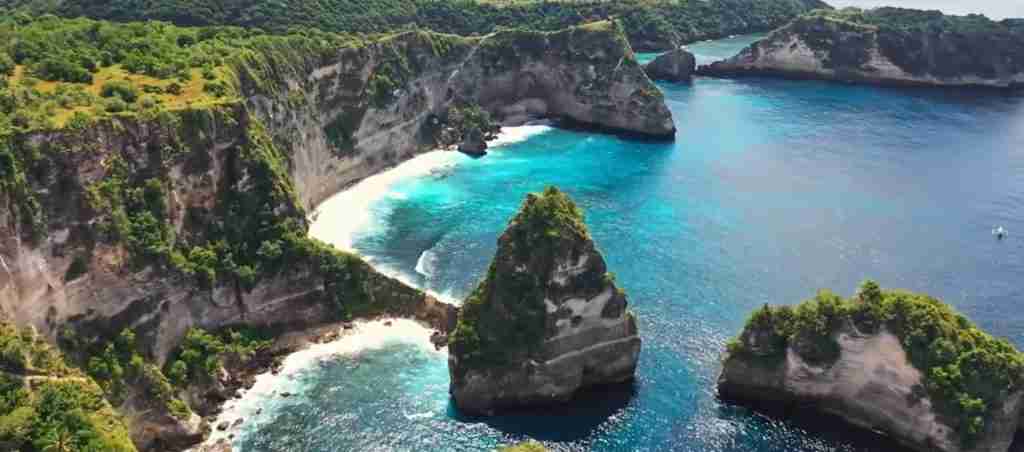
Adding Nusa Penida or the Gili Islands extends this itinerary to 12-14 days total, creating a more comprehensive Indonesian island experience though requiring careful schedule management to avoid exhausting over-tourism. Nusa Penida, Bali’s rugged offshore island famous for dramatic coastal cliffs, Kelingking Beach’s T-Rex shaped viewpoint, and pristine snorkeling sites, fits most logically between Ubud and southern Bali days, typically allocating 2-3 days for proper exploration. The extended structure becomes Day 1 arrive Bali, Days 2-3 Ubud, Days 4-6 Nusa Penida, Days 7-8 southern Bali, Day 9 fly to Labuan Bajo, Days 10-12 Komodo tour, Day 13 return to Bali for beach time, Day 14 departure. Alternatively, the Gili Islands (technically part of Lombok not Bali) offer laid-back beach atmosphere, excellent diving and snorkeling, and car-free environments, fitting best after Komodo before final Bali beach days. This structure follows Day 1-8 as original itinerary through Komodo tour conclusion, Day 9 Labuan Bajo to Gili Islands via fast boat (3-4 hours), Days 10-11 Gili Islands beach and diving, Day 12 Gili to Bali, Day 13 final Bali day, Day 14 departure. Both extensions create richer Indonesia experiences but add cost (approximately $200-400 for extra accommodation, activities, and boats) and complexity requiring additional planning. Choose Nusa Penida for dramatic landscapes and Instagram-famous viewpoints or Gili Islands for diving, partying, and beach relaxation depending on priorities.
What photography equipment should I bring for this combined itinerary?
Photography equipment for this combined Bali-Komodo itinerary should balance comprehensive coverage capability with practical carrying limitations given multiple environments from temples to underwater scenes. Essential items include a capable camera (DSLR, mirrorless, or high-end smartphone with good low-light performance), versatile zoom lens covering wide-angle to moderate telephoto (24-105mm or similar range for landscapes, temples, and general travel), polarizing filter reducing glare from water and enhancing sky contrast, and multiple memory cards with adequate storage capacity for 10 days of shooting. Smartphone photographers should ensure adequate storage space, consider bringing a small portable SSD for backup if shooting extensively, and download manual camera apps enabling greater creative control than default camera software. For serious photographers, additional useful items include a lightweight tripod for long exposures and low-light temple photography, wide-angle lens (16-35mm range) capturing expansive rice terraces and temple architecture, telephoto zoom (70-200mm or longer) photographing distant Komodo dragons and wildlife, and neutral density filters enabling long exposures of waterfalls and ocean. Underwater photography requires waterproof housing, underwater camera, or action camera like GoPro, though many Komodo liveaboards offer camera rentals eliminating the need to purchase or pack expensive underwater equipment. Practical considerations include bringing lens cleaning cloths managing humidity and salt spray, spare batteries (particularly for mirrorless cameras consuming power quickly), portable charger maintaining phone and camera power during long days, and dry bag protecting equipment during boat activities. The key balance involves bringing sufficient equipment capturing all environments well without excessive weight or complexity—one versatile camera with 2-3 lenses proves adequate for most travelers, while smartphones increasingly deliver quality sufficient for social media and casual documentation.
How do I handle internet connectivity and phone service during this trip?
Managing internet connectivity across this 10-day Bali-Komodo itinerary requires understanding that coverage varies dramatically from excellent urban Bali infrastructure to complete absence during Komodo liveaboard days, with planning enabling staying connected when necessary while embracing periodic disconnection. Bali offers widespread WiFi availability in hotels, cafés, restaurants, and co-working spaces, with speeds generally adequate for web browsing, social media, and video calls though rarely matching Western broadband standards. For mobile data throughout Indonesia, purchase a local SIM card from providers like Telkomsel, XL Axiata, or Indosat at airport kiosks or local shops, with prepaid data packages offering 10-50GB for IDR 100,000-300,000 ($6-20 USD) valid 30 days providing 4G coverage across most populated areas. Installing the SIM requires an unlocked phone, and registration needs passport for verification. Telkomsel provides the most comprehensive coverage including Labuan Bajo, though expect connectivity drops in remote areas. Tourist areas in Bali including Ubud, Seminyak, and Canggu offer reliable connectivity, while some rice terrace and temple areas experience reduced signal. Komodo liveaboard tours involve complete communication blackout for 2-3 days as boats travel areas with zero cellular coverage and most vessels lack satellite internet except luxury category boats. Inform family and contacts about this planned disconnection before departure, handle urgent work or communication before boarding, and embrace the digital detox as part of the Komodo wilderness experience. Return to full connectivity upon docking in Labuan Bajo on tour’s final day. Consider downloading offline Google Maps areas, translation apps, and saved entertainment content before connectivity gaps. Overall, connectivity management requires accepting that constant communication won’t exist throughout this trip, planning critical communications around periods with access, and appreciating the periodic offline experiences as features rather than limitations.
What are the best tour operators for Komodo liveaboards in 2026?
Selecting reputable Komodo liveaboard operators from among dozens of choices requires researching operator track records, reading recent reviews, comparing included services, and verifying safety standards before booking. Highly regarded operators with consistent positive feedback include Komodo Island Tour offering various boat categories from budget to premium across multiple departure schedules, Dragon Dive Komodo specializing in dive-focused liveaboards with experienced guides and well-maintained equipment, Maika Komodo Tour providing both snorkeling and diving options with good safety records, and various other operators receiving strong reviews on TripAdvisor, Google, and specialized booking sites. When evaluating operators, prioritize those demonstrating clear safety protocols including working fire extinguishers and life jackets, experienced crew with proper licensing, recent positive reviews (check reviews from the past 6 months as operator quality can change), transparent pricing breaking down what’s included versus extra costs, responsive communication answering questions promptly before booking, and appropriate boat size matching your group preferences (smaller boats offer intimacy, larger vessels provide stability and social atmosphere). Red flags include significantly below-market pricing suggesting corner-cutting on safety or quality, lack of recent reviews or predominantly negative feedback, difficulty contacting the operator, vague itinerary descriptions, and pressure tactics rushing you to book without adequate information. Request photos of the specific boat you’ll use rather than marketing images that may misrepresent actual conditions, ask about passenger limits ensuring overcrowding won’t occur, verify what snorkeling equipment and safety gear are provided, and confirm crew-to-passenger ratios with better operators maintaining 3-4 crew members per 10 passengers. Read detailed reviews on multiple platforms beyond the operator’s own website, as selective review posting creates misleading impressions. Budget 6-8 weeks for research and booking rather than last-minute arrangements that limit choices and increase costs.
Should I get diving certified before my Komodo trip, or is snorkeling sufficient?
The decision between pursuing scuba certification before your Komodo trip versus snorkeling depends on your underwater experience, comfort level, budget considerations, and desire for deeper marine encounters, as both approaches deliver rewarding Komodo experiences with different perspectives and intensities. Snorkeling provides adequate access to Komodo’s marine highlights including manta ray encounters (mantas frequent shallow cleaning stations accessible to snorkelers), colorful coral reef fish communities in 3-10 meter depths, sea turtles, and most of the biodiversity visible without technical diving skills. Standard Komodo liveaboard tours cater to snorkelers, providing all necessary equipment, guidance for safe snorkeling practices, and itineraries maximizing snorkeling opportunities. This approach requires minimal preparation beyond basic swimming ability and comfort breathing through a snorkel, costs nothing extra beyond the tour price, and eliminates pre-trip training requirements. However, snorkeling limits you to surface perspectives, excludes deeper dive sites featuring larger pelagic species and dramatic underwater topography, and prevents extended time exploring reefs as snorkelers tire faster than divers. Scuba diving opens access to Komodo’s full underwater realm including 20-30 meter depth sites, longer bottom times enabling thorough reef exploration, greater comfort in currents that buffet snorkelers, and encounters with large sharks, eagle rays, and schooling fish favoring deeper water. Open Water certification—the entry-level scuba license enabling diving to 18 meters with a guide—requires 3-4 days of instruction including pool sessions and open water dives, costing approximately $350-500 USD when completed before traveling or slightly more if certified in Bali/Komodo. Pre-trip certification proves ideal as it consumes no vacation days, allows practicing skills before the Komodo adventure, and enables diving immediately upon tour start. Komodo diving surcharges of approximately IDR 350,000 ($22 USD) per day cover equipment rental (BCD, regulator, wetsuit, tanks) beyond the base snorkeling tour price. Certified divers shouldn’t skip Komodo’s underwater world given its global reputation, while non-divers without time or budget for certification still enjoy exceptional snorkeling making certification optional rather than essential for this itinerary.
What’s the minimum budget for this 10-day itinerary traveling as a couple in 2026?
Budget-conscious couples can complete this 10-day Bali-Komodo itinerary for approximately $2,000-3,000 total ($1,000-1,500 per person) excluding international flights through strategic choices prioritizing affordable accommodation, local dining, budget Komodo tours, and economical transportation (verify current pricing before booking). This lean budget breaks down as roundtrip Bali-Labuan Bajo flights $90-160 per person booking early, 3D2N shared Komodo liveaboard on basic boat with shared cabin $200-280 per person during shoulder season, Bali accommodation 6 nights in budget guesthouses or homestays $60-120 total ($10-20 per night in shared rooms), meals entirely at local warungs $90-150 per person ($15-25 daily), Komodo park entrance $40-43 per person, Bali activities including temple fees and Uluwatu Kecak dance $60-100 per person, and local transportation using Grab/Gojek and shared shuttles $30-50 per person. Couples reduce per-person costs by sharing accommodation (a private room for two costs only slightly more than a single), splitting taxi fares, and cooking occasional meals if accommodation includes kitchen facilities. Essential budget strategies include eating primarily at warungs offering authentic Indonesian meals for $2-4 rather than tourist cafés charging $5-10, choosing fan rooms over air conditioning when tolerable reducing accommodation 30-40%, booking the Komodo tour well in advance securing better rates and avoiding last-minute premiums, using scooters for Bali transportation at $5 daily rather than taxis or private drivers costing $30-50, and visiting free or low-cost attractions including many beaches, rice terrace walks, and public temples. This budget provides adequate comfort while requiring acceptance of simpler accommodation, local dining dominance, basic Komodo boat facilities, and missing luxury experiences like spa treatments, fine dining, and premium tours. Couples willing to spend $3,500-5,000 total ($1,750-2,500 per person) gain mid-range accommodation comfort, restaurant variety, better Komodo boat quality, and some premium activities, while luxury couples spending $7,000-10,000+ access boutique hotels, fine dining, premium phinisi vessels, and private experiences throughout.
Can I do this itinerary while working remotely part-time?
Incorporating part-time remote work into this 10-day itinerary proves feasible during the Bali portion but becomes impossible during Komodo liveaboard days lacking internet connectivity, requiring honest assessment whether work demands permit 2-3 days of complete unavailability. Bali’s digital nomad infrastructure supports remote work particularly in Ubud, Canggu, and Seminyak where co-working spaces offer high-speed internet, comfortable workstations, meeting rooms, and productive atmospheres for daily/monthly rates. Popular co-working spaces include Hubud in Ubud (day passes IDR 150,000 or $10 USD), Dojo Bali in Canggu, and various Seminyak options, while most cafés provide adequate WiFi for light work with purchase of food/drinks. Accommodations increasingly advertise fast WiFi speeds suitable for video calls, enabling working from your hotel between sightseeing. The realistic work-integrated structure allocates mornings for focused work before afternoon/evening activities, builds work days during Bali portions while treating Komodo as vacation time, and schedules intensive activities like full-day tours on non-work days. Specific considerations include the 12-15 hour time difference between Indonesia and US Eastern time (working US evening hours translates to Indonesia morning work enabling afternoon exploration), stable electricity though occasional outages occur (bring backup power banks), and discipline avoiding overwork that defeats travel purpose. The Komodo portion becomes non-negotiable offline time, so inform colleagues and clients about this 2-3 day communication blackout, handle urgent pre-Komodo work before boarding, and return to full connectivity upon Labuan Bajo arrival. Overall, part-time remote work fits better in extended 14-20 day itineraries allowing designated work days without sacrificing travel experiences, while this compressed 10-day structure makes integrating significant work challenging without diminishing the trip. Consider whether work obligations truly allow the digital detox Komodo requires, as attempting constant availability defeats one of travel’s primary values—the perspective-shifting break from routine.