
Flores Island Travel Guide 2026: Beyond Komodo Complete Planning Resource
Flores Island extends 360 kilometers beyond its famous Komodo National Park gateway, revealing tri-colored volcanic crater lakes that shift from turquoise to crimson overnight, cone-shaped traditional villages nestled 1,200 meters above sea level accessible only by multi-hour jungle treks, circular spider-web rice terraces farmed using centuries-old Manggarai land-division methods, and UNESCO-recognized cultural heritage sites where Catholic churches stand beside animist shrines creating Indonesia’s most culturally distinctive landscape outside heavily touristed Bali, yet receiving just fraction of visitor numbers despite offering arguably superior authentic Indonesian experiences paired with dramatic volcanic scenery and pristine beaches requiring careful planning around the challenging Trans-Flores Highway’s 660-kilometer winding mountain route where average speeds rarely exceed 40 kilometers per hour.
Key Takeaways for Flores Island Travel 2026
- Mount Kelimutu tri-colored crater lakes: Indonesia’s most surreal natural phenomenon features three volcanic lakes changing colors independently (turquoise, green, red, black) based on mineral oxidation and volcanic gas activity, requiring IDR 150,000 ($10) weekday entrance, 30-minute summit hike from parking area, and strategic 5:00 AM arrivals before fog rolls in obscuring views
- Wae Rebo traditional village immersion: UNESCO award-winning Manggarai settlement preserving seven iconic Mbaru Niang cone-shaped houses demands 2D1N commitment with IDR 1,750,000-1,900,000 ($115-125) shared tours including 4-5 hour drives from Labuan Bajo, 2-3 hour jungle treks, overnight stays in traditional structures, and authentic cultural ceremonies unavailable elsewhere in Indonesia
- Trans-Flores Highway reality check: The 660-kilometer main artery connecting Labuan Bajo (west) to Maumere (east) requires minimum 5-7 days overland travel despite appearing manageable on maps, with continuous winding mountain roads averaging 40 km/hour speeds, private drivers costing IDR 700,000-1,000,000 ($45-65) daily, and journey times doubling expectations due to steep terrain and switchback-heavy routes
- Bajawa traditional villages and culture: Central Flores highlands surrounding this mountain town preserve authentic Ngada ethnic traditions in megalithic villages like Bena featuring stone monuments, thatched-roof ancestral houses, and textile weaving demonstrations, combined with accessible Malanage Hot Springs providing perfect post-trekking relaxation at minimal costs
- Maumere diving and eastern beaches: Flores’ eastern anchor city offers underrated coral reef diving rivaling Komodo at lower prices, pristine Koka Beach with twin azure bays sharing space with handful of visitors maximum, and alternative airport access enabling west-to-east or east-to-west island traversals avoiding backtracking logistics
- Total 7-10 day itinerary budgets 2026: Budget travelers combining Komodo tours with Flores overland exploration spend $800-1,200 total per person including shared 3D2N Komodo liveaboards ($250-350), 5-7 day Flores private driver hire ($250-450), basic accommodation ($10-25 nightly), local meals ($10-20 daily), and attraction entrance fees ($50-100 total); mid-range comfort increases costs to $1,500-2,200 with deluxe Komodo tours and superior lodging throughout
People Also Ask About Flores Island Beyond Komodo 2026
What are the must-see attractions on Flores Island beyond Komodo National Park?
Mount Kelimutu’s tri-colored volcanic crater lakes represent Flores’ single most spectacular natural wonder beyond Komodo, featuring three adjacent lakes (Tiwu Ata Bupu, Tiwu Ko’o Fai Nuwa Muri, Tiwu Ata Polo) that independently change colors from turquoise to green to red to black based on volcanic gas emissions and mineral oxidation rates, creating surreal landscapes where neighboring lakes display completely different hues despite sharing crater walls and volcanic source at 1,639-meter elevation near Moni village in central Flores. The summit viewing experience requires pre-dawn 4:00 AM departures from Moni accommodation for 45-minute drives up mountainous roads to national park entrance, followed by well-maintained 30-minute uphill hikes along paved pathways and stone staircases reaching the main viewing platform where sunrise illumination reveals the lakes’ true colors before midday fog and clouds roll in obscuring visibility that makes afternoon visits disappointing compared to early morning clarity. The entrance fee of IDR 150,000 ($10) on weekdays increases to IDR 250,000 ($16) on weekends and holidays creating strong incentive for midweek visits that also encounter fewer Indonesian domestic tourists who crowd viewpoints on Saturdays and Sundays, while the ticket permits all-day re-entry allowing visitors dissatisfied with foggy sunrise conditions to return later when weather clears—though this requires overnight Moni stays rather than same-day visits from Ende or other distant bases. The color-changing phenomenon occurs unpredictably with six documented shifts recorded between January-November 2016 alone, meaning no guarantee exists regarding which specific hues visitors will witness, though the western lake (Tiwu Ata Bupu, “Lake of Old People”) typically maintains brilliant turquoise while eastern twins shift more dramatically between green, rust-red, and dark brown shades creating the dramatic color contrasts that define Kelimutu’s fame. Wae Rebo traditional village delivers Flores’ most authentic cultural immersion through overnight stays in seven UNESCO award-winning Mbaru Niang cone-shaped houses that preserve 400-500 years of Manggarai architectural heritage in mountain-top isolation accessible only via 2-3 hour jungle treks through rainforest terrain. The 2D1N village experience begins with 4-5 hour drives from Labuan Bajo through spectacular scenery along deteriorating roads to Denge village (the last car-accessible settlement), continues with thrilling 10-minute motorbike rides on steep gravel tracks to trailhead Post 1, then proceeds through challenging uphill trekking with 1,000-meter elevation gain before final descent into Wae Rebo’s pristine valley setting where traditional welcome ceremonies (waelu’u) conducted by village elders grant visitors permission to stay in the communal sleeping houses accommodating 30+ guests in simple but clean mattress arrangements. The experience costs IDR 1,750,000-1,900,000 ($115-125) per person for organized shared tours covering transportation, guide services, trekking, meals (lunch through next-day lunch), overnight accommodation, and village entrance fees, representing excellent value for the comprehensive cultural immersion impossible to arrange independently without Indonesian language skills and local contacts, though private tours for 4-person groups reduce per-person costs to approximately IDR 900,000 ($60) when splitting the IDR 3,650,000 ($235) total charter price. Ruteng’s spider-web rice terraces (lingko fields) showcase ancient Manggarai agricultural traditions through circular radiating paddies divided into pie-slice segments representing communal land-sharing systems still practiced by farming families who cultivate rice, coffee, and vegetables using techniques predating Portuguese colonial contact, with the geometric patterns best appreciated from elevated viewpoints requiring short hikes or drives to surrounding hilltops offering panoramic vistas across multiple lingko systems creating patchwork landscapes of varying crop colors depending on planting season timing. Bajawa’s traditional Ngada villages including Bena, Luba, and Gurusina preserve megalithic stone monuments, thatched-roof ancestral houses (ngadhu and bhaga structures), and active ikat textile weaving where elderly women demonstrate traditional dyeing and loom techniques producing intricate geometric patterns commanding premium prices from collectors valuing authentic handmade production over machine-manufactured imitations flooding tourist markets elsewhere in Indonesia.
How many days do I need to explore Flores Island properly?
Comprehensive Flores exploration beyond Komodo National Park requires minimum 7-10 days including 3D2N Komodo liveaboard plus 5-7 days overland travel across the island, with ideal itineraries spanning 10-14 days permitting leisurely pacing that accommodates unexpected delays from weather, road conditions, or serendipitous discoveries warranting extended stays at particularly compelling destinations. The 5-7 day overland component represents the absolute minimum timeframe for traversing the Trans-Flores Highway’s 660-kilometer distance from Labuan Bajo (western gateway) to Maumere (eastern terminus) or reverse direction, accounting for the reality that continuous winding mountain roads with hairpin turns, steep grades, and occasional poor surface conditions reduce average travel speeds to 35-45 kilometers per hour compared to the 80-100 km/hour speeds possible on Bali’s coastal highways or Java’s toll roads connecting major cities. The typical 7-day overland route allocates Day 1 for Labuan Bajo to Ruteng transfer (135 kilometers / 4 hours) with spider-web rice field visits, Day 2 for Ruteng to Bajawa transfer (130 kilometers / 4-5 hours) including traditional village stops, Day 3 for Bajawa area exploration (Bena village, hot springs, Mount Inerie viewpoints), Day 4 for Bajawa to Ende transfer (140 kilometers / 5 hours) through dramatic volcanic landscapes, Day 5 for Ende to Moni transfer (52 kilometers / 1.5 hours) allowing afternoon arrival and rest before early Kelimutu departure, Day 6 for pre-dawn Kelimutu summit hike followed by Moni to Maumere transfer (135 kilometers / 4 hours), and Day 7 for Maumere area beach relaxation or direct flight departure depending on overall Indonesia itinerary constraints. The condensed 5-day version eliminates dedicated Bajawa area exploration day and potentially combines Ende-Moni-Kelimutu into compressed 36-hour sequence with same-day Kelimutu visit followed by immediate Maumere transfer, though this rushing reduces experience quality and increases physical exhaustion from continuous early wake-ups and long drives without adequate rest periods between major activities. The extended 10-14 day approach adds valuable breathing room through 2D1N Wae Rebo village trek from Labuan Bajo (Days 1-2), full day exploring Ruteng surroundings including Cunca Wulang waterfall and additional lingko viewpoints (Day 3), overnight at Riung for 17 Islands Marine Park snorkeling excursion (Days 4-5), extended Bajawa village circuit visiting multiple Ngada settlements (Days 6-7), Kelimutu with flexible weather contingency allowing return visits if initial sunrise obscured by clouds (Days 8-9), and Maumere diving or beach days before departure (Days 10-14). Travelers with just 3-4 days available beyond Komodo tours face difficult choices between attempting rushed partial Trans-Flores traversal hitting only 2-3 highlights versus selecting single focal area for deeper exploration—the latter approach proving more satisfying through 3-day Kelimutu-focused itinerary flying Labuan Bajo to Ende (eliminating 10+ hours driving), exploring Ende area, completing Kelimutu sunrise visit with weather backup day, then flying Ende to Maumere or back to Labuan Bajo for onward connections, or alternatively dedicating 3 days to Wae Rebo trek from Labuan Bajo with spider-web rice terraces en route creating satisfying cultural immersion without exhausting overland marathon. The directional choice between west-to-east (Labuan Bajo to Maumere) versus east-to-west (Maumere to Labuan Bajo) routing depends primarily on international flight connections and Komodo tour scheduling, with most travelers entering via Labuan Bajo for Komodo dragons then continuing eastward across island before flying Maumere back to Bali/Jakarta, though reverse routing works equally well for visitors who prioritize Flores interior over Komodo or encounter better flight deals into Maumere’s smaller but functional airport serving daily Bali connections.
Is it better to hire a private driver or use public transportation on Flores?
Private driver hire represents the vastly superior option for Flores overland travel when balancing comfort, efficiency, safety, and overall experience quality against the modest cost difference compared to public buses (BEMOs), with typical daily rates of IDR 700,000-1,000,000 ($45-65) per vehicle accommodating 4-6 passengers translating to just $10-20 per person when groups fill vehicle capacity—minimal premium over public transport’s IDR 100,000-150,000 ($6-10) per-person fares for equivalent routes like Ruteng to Labuan Bajo while delivering dramatically better service through air-conditioned comfort, flexible scheduling, luggage security, and local knowledge navigation. The private driver advantages extend beyond simple transportation into comprehensive experience enhancement through English-speaking guides (when specifically requested and confirmed during booking) who explain cultural context at traditional villages, recommend authentic local restaurants avoiding tourist traps, identify photography opportunities at scenic viewpoints that buses speed past without stopping, and handle accommodation check-ins and activity bookings that non-Indonesian speakers struggle arranging independently in remote towns where English proficiency remains limited outside Labuan Bajo’s tourist zone. The flexibility factor proves particularly valuable on Flores where rigid bus schedules force difficult choices between rushing through worthwhile stops to catch onward connections versus missing buses entirely and waiting hours or overnight for next departures, while private drivers accommodate spontaneous itinerary adjustments like extended photography sessions at spectacular lingko rice terraces, unplanned waterfall detours when local recommendations surface, or weather-related Kelimutu visit rescheduling when fog necessitates return attempts the following morning instead of prescribed single dawn approach. The safety and comfort dimensions matter significantly during 4-6 hour daily drives along continuously winding mountain roads where private vehicles’ superior suspension, functioning air conditioning, and careful professional drivers reduce motion sickness probability compared to overcrowded buses with marginal shock absorbers bouncing passengers across potholed surfaces while navigating hairpin turns at speeds prioritizing schedule adherence over passenger comfort. The luggage security issue alone justifies private hire for travelers carrying camera equipment, laptops, or valuables that face theft risk on public buses where bags ride on roofs or in open cargo areas accessible to opportunistic criminals at rest stops, while private vehicles keep belongings under constant visual supervision in locked trunks or passenger compartments. Public bus viability exists primarily for hardcore budget backpackers willing to sacrifice comfort and efficiency to minimize costs or travelers specifically seeking “authentic local experience” connecting with Indonesian passengers through shared journeys where language barriers and cultural differences create memorable interactions—though these same travelers often report that even they prefer private drivers for at least portions of Flores traversal after experiencing public bus reality firsthand, particularly for challenging Labuan Bajo to Ruteng inaugural segment where 4-6 hour journeys on uncomfortable buses with dubious safety records and unpredictable departure times provide harsh introduction to Indonesian rural transport. The driver hiring process requires contacting reputable operators or hotel recommendations rather than random touts at airports who quote low initial prices then add surcharges for fuel, toll roads (nonexistent on Flores), guide services, or other fabricated fees creating conflict and disappointment, with established drivers charging IDR 700,000-800,000 ($45-55) for local day trips, IDR 800,000-1,000,000 ($55-65) for overland transfers between towns, and IDR 1,000,000-1,200,000 ($65-80) for premium services including English-speaking guide capabilities, newer vehicle models, and inclusive pricing covering all driver meals/accommodation without separate reimbursement requests. The multi-day booking approach locks in drivers for entire 5-7 day Trans-Flores traversals at negotiated total rates (typically IDR 5,000,000-7,000,000 / $325-450 for week-long engagements) creating continuity and rapport while eliminating daily renegotiation hassles, though travelers should clarify payment terms (full advance versus daily installments versus final settlement), what driver expenses are included (driver meals and lodging universally included at no extra charge), fuel responsibility (always included in quoted rates), and cancellation policies before committing deposits to unknown operators.
Can I visit Mount Kelimutu crater lakes without staying overnight in Moni?
Same-day Kelimutu visits without Moni overnight stays prove theoretically possible but practically inadvisable for most travelers given the logistics challenges, compressed timing pressures, and reduced experience quality compared to proper overnight approach that permits flexible sunrise viewing with weather contingency backup and relaxed exploration of the crater lakes and surrounding trails. The same-day scenario requires either extremely early departure from Ende (departing 3:00-3:30 AM for 50-kilometer / 1.5-hour drive to Moni, brief rest, then 4:30-5:00 AM continuation up mountain for sunrise) or accepting midday/afternoon Kelimutu visit when fog and clouds frequently obscure the lakes entirely, reducing the tri-colored phenomenon to gray murky pools barely visible through thick mist that disappoints travelers after investing significant time and money reaching this remote mountain location. The Ende early-departure option forces brutal wake-up timing (2:30 AM or earlier) to reach Kelimutu by optimal 5:30-6:00 AM sunrise window, then necessitates immediate post-sunrise descent and return driving to Ende arriving late morning/early afternoon depending on how long visitors linger at summit viewpoints, creating exhausting 12+ hour travel days where continuous motion leaves little opportunity for Kelimutu appreciation beyond hurried photograph-taking before rushing back to vehicles. The afternoon visit alternative eliminates crazy early wake-ups but sacrifices the superior sunrise lighting and clear visibility that defines quality Kelimutu experiences, with weather patterns on this 1,639-meter volcanic peak following predictable daily cycles where clear cool mornings (5:00-9:00 AM) transition to building clouds (9:00 AM-12:00 PM) then dense fog coverage (12:00 PM-4:00 PM) before potential late afternoon clearing (4:00-6:00 PM) that may or may not materialize depending on broader weather systems, making sunrise visits the statistically superior choice with 70-80% clear visibility probability versus 30-40% for afternoon attempts. Moni overnight stays costing IDR 150,000-400,000 ($10-25) for basic guesthouses or IDR 500,000-800,000 ($32-50) for mid-range hotels represent modest investments that transform Kelimutu from rushed checkbox activity into properly appreciated highlight through relaxed evening arrivals (Day 1) allowing rest and early sleep, pre-dawn 4:00 AM wake-ups with simple breakfast before 4:30 AM driving up mountain roads in comfortable unhurried manner, 5:30 AM arrivals at parking area providing ample time for 30-minute summit hike before 6:15-6:30 AM sunrise, extended 1-2 hour stays at crater rim photographing color variations as changing light reveals subtle hues, leisurely breakfast back at Moni accommodation (Day 2 morning), and flexible departure timing for onward Maumere or back-track Ende transfers without pressure to rush away from the lakes immediately after viewing. The weather contingency benefit proves particularly valuable as overnight Moni stays permit repeat summit attempts if initial sunrise obscured by unexpected fog, with the same IDR 150,000 entrance ticket valid for multiple same-day re-entries allowing disappointed early-morning visitors to return 2-3 hours later when clouds temporarily lift providing second chances at clear lake views—option completely unavailable to same-day Ende visitors committed to returning immediately after single summit visit regardless of weather conditions. The alternative approach involves flying Labuan Bajo to Ende Airport (1-hour flight versus 10+ hours driving) for dedicated Kelimutu-focused mini-trip, staying 2 nights in Moni (allowing flexible sunrise attempt scheduling), then flying Ende back to Labuan Bajo or onward to Maumere for continued Flores exploration or Bali return—this strategy suits travelers with limited time who want Kelimutu experience without committing to full Trans-Flores overland marathon but willing to invest in internal flights (IDR 1,000,000-1,500,000 / $65-100 one-way) for time efficiency.
Extended multi-day tours – 5+ days
Featured Komodo Multi-Day Tour Packages
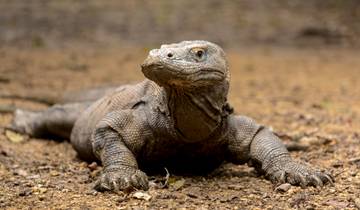
1 days
Private: Day Trip Komodo from Labuan Bajo Airport
- ✓ Booking needs min. 2 travelers
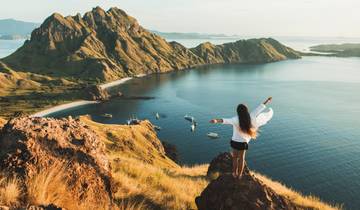
5 days
Highlights of Flores & Komodo – 5 days
- ✓ Comprehensive Komodo tour
- ✓ Expert local guides included
- ✓ All accommodation arranged
- ✓ Transportation provided
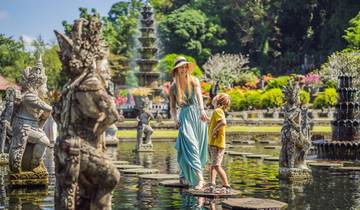
6 days
Komodo & Flores Sail
- ✓ Comprehensive Komodo tour
- ✓ Expert local guides included
- ✓ All accommodation arranged
- ✓ Transportation provided
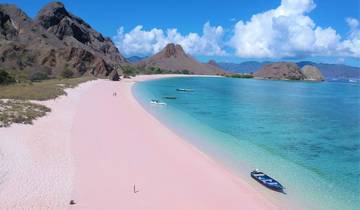
3 days
3 Days Fascinating Flores
- ✓ Comprehensive Komodo tour
- ✓ Expert local guides included
- ✓ All accommodation arranged
- ✓ Transportation provided
Multi-day tour packages powered by TourRadar. Prices and availability subject to change.
What is the best time of year to visit Flores Island?
The dry season spanning April through October represents optimal timing for Flores Island travel, delivering calm weather conditions perfect for overland driving, clear mountain visibility for Kelimutu crater lake viewing, reduced landslide risk along Trans-Flores Highway, comfortable Wae Rebo trekking conditions, and coinciding with Komodo National Park’s peak manta ray season creating ideal combination for travelers combining both experiences in single Indonesia journey. The April-October period features predominant southeast monsoon patterns bringing minimal rainfall (typically 5-10 rain days per month versus 15-20 days during December-March wet season), lower humidity levels (60-70% versus 80%+ rainy months) reducing muggy discomfort during midday hours, and reliable sunny conditions that prove crucial for Kelimutu summit hikes where early morning clear skies provide essential visibility of the tri-colored lakes before fog rolls in mid-morning obscuring views that constitute the entire reason for visiting this remote mountain location. The late dry season (August-October) delivers particularly excellent conditions with peak month September offering statistically lowest rainfall, most consistent sunshine, and typically clearest atmospheric conditions creating stunning mountain vistas and vibrant sunset colors impossible during hazier rainy season periods when humidity and cloud cover dull landscape colors and reduce dramatic volcanic silhouettes defining Flores’ photographic appeal. The shoulder months of April-May and October-November provide “sweet spot” timing balancing dry season advantages against reduced tourist crowds and lower accommodation prices compared to peak July-September when European summer holidays and Indonesian domestic tourism flood Flores with maximum visitors concentrating particularly in Labuan Bajo (Komodo gateway) and Moni (Kelimutu base) where popular guesthouses sell out requiring advance reservations or accepting inferior backup options, while shoulder periods maintain availability even for last-minute bookings and permit pleasant village exploration without crowds of dozens photographing same viewpoints simultaneously. The rainy season (November-March) brings legitimate challenges including frequent afternoon thunderstorms disrupting outdoor activities and forcing indoor shelter during 2:00-6:00 PM periods when downpours make trekking miserable and photography impossible, increased landslide probability blocking Trans-Flores Highway sections particularly after especially heavy rains requiring multi-hour detours adding significant time to already lengthy journeys or occasionally necessitating overnight waits for road clearing, reduced Kelimutu visibility as persistent cloud cover obscures summit views even during early morning “clear window” that dry season provides reliably, and muddy hiking trails at Wae Rebo transforming moderately challenging treks into slippery exhausting ordeals where proper footwear and physical fitness become mandatory rather than recommended. The wet season advantages exist primarily for photography enthusiasts seeking moody atmospheric conditions with dramatic cloud formations and lush green landscapes enhanced by recent rains creating vibrant vegetation colors impossible during dry season when prolonged drought stresses plants and browns hillsides, plus significantly reduced tourist numbers allowing solitary experiences at major attractions where crowds evaporate once rain probabilities increase—though these niche benefits appeal primarily to experienced Indonesia travelers willing to accept weather disruptions rather than first-time visitors who should prioritize dry season reliability maximizing limited vacation time investment. The year-round warm temperatures (27-32°C at sea level, 22-28°C in highlands like Bajawa and Ruteng) eliminate seasonal temperature variation concerns that affect temperate zone destinations, with the primary climate consideration involving rainfall probability rather than cold weather preparing—though higher elevation locations like Kelimutu summit (1,639 meters) and Wae Rebo village (1,200 meters) experience noticeably cooler conditions particularly during early morning hours when pre-dawn temperatures drop to 18-22°C requiring light jackets or fleece layers that seem absurd when packing in tropical 32°C Bali heat but prove essential for comfortable summit viewing and village overnight stays in unheated traditional structures.
Understanding Flores Island Geography and Culture 2026
Flores Island stretches 360 kilometers east-west through Indonesia’s East Nusa Tenggara province between Sumbawa to the west and Lembata to the east, creating an elongated volcanic landmass where dramatic mountainous terrain dominates interior landscapes rising to 2,370-meter Mount Poco Mandasawu near Ruteng and continuing through chain of active and dormant volcanic peaks creating the continuous elevation changes that make overland travel so time-consuming despite relatively modest total distances. The island’s approximately 2 million residents divide into distinct ethnic and linguistic groups—Manggarai in the west, Ngada in central highlands, Ende and Lio in south-central regions, Sikka in southeast, and Lamaholot in east—each maintaining unique cultural traditions, architectural styles, textile patterns, and ceremonial practices that create remarkable diversity packed into single island spanning just 360 kilometers end-to-end.
The Catholic majority distinguishes Flores from predominantly Muslim Java, Sumatra, and coastal Sulawesi, with Portuguese colonial influence beginning 16th century creating Indonesia’s second-largest Catholic population (after Papua) where churches dominate town skylines and Easter/Christmas celebrations involve elaborate processions blending European liturgical traditions with local animist practices never fully suppressed by centuries of missionary work. The religious landscape creates fascinating syncretism visible in traditional villages where megalithic stone monuments associated with ancestral worship stand within view of Catholic churches, elderly villagers participate in both Sunday mass and traditional clan ceremonies, and cultural festivals incorporate Christian prayers alongside offerings to ancestral spirits—combinations rarely encountered in Indonesia’s Muslim-majority regions where Islamic orthodoxy leaves less space for pre-Islamic belief system continuity.
The Trans-Flores Highway serves as the island’s transportation backbone, constructed during recent decades to replace treacherous dirt tracks that previously made cross-island journeys multi-week expeditions rather than today’s multi-day drives on paved (though continuously winding) roads. The highway’s 660-kilometer route from Labuan Bajo to Maumere passes through or near virtually every significant town (Ruteng, Bajawa, Riung, Ende, Moni) creating linear exploration pattern where travelers choose directional approach (west-to-east or reverse) then progress along highway corridor accessing branching attractions (Wae Rebo north of Ruteng, Kelimutu south of Moni, 17 Islands Marine Park north of Riung) through day trips from highway-adjacent towns serving as overnight bases.
The volcanic activity shaping Flores’ dramatic topography continues actively with Mount Egon near Maumere erupting periodically (most recently 2024), Mount Rokatenda producing 2013 eruption killing multiple villagers, and subterranean forces creating the mineral-rich volcanic gases feeding Kelimutu’s tri-colored lakes and hot springs dotting Bajawa surroundings. The geological instability creates spectacular scenery but demands awareness during travel planning as volcanic alert levels occasionally force route modifications, activity restrictions, or evacuation protocols that disrupt tourism patterns temporarily until threat levels decrease permitting resumed access to affected areas.
Mount Kelimutu Tri-Colored Crater Lakes Complete Guide 2026
Mount Kelimutu National Park protects Indonesia’s most surreal volcanic phenomenon where three adjacent crater lakes exhibit independent color variations from brilliant turquoise to jade green to rust red to chocolate brown to jet black, shifting unpredictably based on complex interactions between volcanic gas emissions (sulfur dioxide, carbon dioxide, hydrogen sulfide), mineral concentrations (iron, manganese), groundwater chemistry, and weather-driven oxidation-reduction cycles that create the separate hues despite shared volcanic source and proximity separated by mere crater walls rather than separate mountain peaks. The color changes occur without warning and independently across the three lakes—locals recording six distinct transformation events between January-November 2016 alone—meaning no predictability exists regarding which specific palette visitors encounter though the western lake (Tiwu Ata Bupu, “Lake of Old People”) maintains relatively stable turquoise blue while eastern neighbors (Tiwu Ko’o Fai Nuwa Muri / “Lake of Young Men and Maidens” and Tiwu Ata Polo / “Enchanted Lake”) demonstrate more dramatic shifts creating the color contrast defining Kelimutu’s fame.
The local Lio ethnic group believes the lakes serve as afterlife repositories for departed souls with different moral characteristics, with virtuous elders residing in stable western lake while young people occupy the changeable central lake and evil spirits populate the volatile eastern lake prone to darkest hues—folklore explaining color variations through spiritual restlessness or ancestral displeasure rather than scientific geochemistry, creating cultural dimension that adds mystical atmosphere to visitors’ geological understanding of underlying volcanic processes. The belief system influences local behavior as villagers avoid swimming in the toxic sulfuric waters or removing rocks from crater rims, respecting the lakes as sacred sites requiring ceremonial permission and respectful conduct rather than tourist playgrounds for selfie-taking and souvenir collection.
The access logistics require basing in Moni village, a small mountain settlement 52 kilometers from Ende with basic guesthouses (IDR 150,000-400,000 / $10-25 nightly), local warungs serving simple Indonesian meals (nasi goreng, mie goreng, grilled fish with rice), minimal English outside guesthouse reception areas, limited ATM availability (BRI bank has single machine sometimes functioning with foreign cards), and virtually no nightlife or organized activities beyond Kelimutu-related excursions. The village exists primarily to serve Kelimutu tourists with arrival days (typically late afternoon after 1.5-hour Ende transfers or 4-hour Maumere drives) spent resting, organizing sunrise transport, and early sleep preparation for 4:00 AM wake-ups the following morning. The transport options include hiring motorbike with driver (ojek) for IDR 120,000-250,000 ($8-16) covering round-trip summit journey with flexible waiting time during lake viewing, renting motorbike for self-driving at IDR 125,000-150,000 ($8-10) daily though requiring confidence navigating steep winding mountain roads in pre-dawn darkness, or joining organized tours that most guesthouses arrange automatically for guests requesting transport during check-in conversations.
The typical sunrise sequence begins with 4:00 AM wake-up calls, quick instant coffee and bread breakfasts, 4:30 AM departures from Moni climbing 13 kilometers of increasingly steep switchback roads to national park entrance gate (4:45-5:00 AM arrivals), IDR 150,000 weekday or IDR 250,000 weekend entrance fee payment at ranger station, continuation driving final 2 kilometers to parking area (5:00-5:15 AM arrivals), then 1.5-kilometer / 30-minute uphill hikes along well-maintained paved pathways and stone staircases reaching main viewing platform at Kelimutu’s highest crater rim point (5:30-6:00 AM arrivals). The summit conditions before sunrise feature cool temperatures (18-22°C) requiring light jackets, complete darkness necessitating flashlights or phone lights for safe pathway navigation, and gathering crowds of 30-100+ tourists depending on season (fewer April-May/October-November shoulder periods, maximum July-September peak) jostling for optimal photography positions along safety railings protecting the main viewpoint overlooking twin eastern lakes.
The sunrise itself (approximately 6:15-6:30 AM depending on time of year) illuminates the lakes gradually as strengthening light reveals true colors invisible in pre-dawn gloom, with photographers capturing evolving conditions as golden hour light enhances hues and creates dramatic shadows across crater walls and surrounding volcanic peaks. The extended summit stay (1-2 hours recommended) allows exploration beyond main viewpoint to smaller platforms offering different perspectives on the western lake, short trail sections providing elevated positions above crowds, and observation points where monkeys occasionally appear seeking dropped food items from careless tourists who ignore posted feeding prohibitions. The vendors selling hot coffee, tea, and instant cup noodles operate from small shelters near parking area providing welcome warm beverages for cold summit waits, charging IDR 10,000-15,000 ($0.65-1) for drinks and IDR 15,000-25,000 ($1-1.65) for noodle meals representing reasonable prices given remote location logistics requiring all supplies hiking up mountain from Moni valley.
The mid-morning descent (typically 8:00-9:00 AM departures after 1.5-2 hour summit stays) returns to Moni village for proper breakfasts at guesthouses or local warungs, with remainder of day available for relaxation, waterfall excursions to nearby Dhaekale Falls requiring local guide hire (IDR 50,000-100,000 / $3-6) for hidden trail navigation through forest terrain, or immediate departures toward Maumere (135 kilometers / 4 hours) for travelers maintaining tight schedules. The weather contingency option proves valuable as the entrance ticket permits same-day re-entry allowing visitors who encountered fog-obscured summit conditions during sunrise to return mid-morning or early afternoon when temporary cloud breaks may provide clearer views worth additional summit hike investment—though this gamble sometimes fails when persistent cloud cover maintains all-day obscuration necessitating acceptance of disappointing conditions or extending Moni stays hoping for better luck following morning.
Wae Rebo Traditional Village Trek Experience 2026
Wae Rebo village preserves Indonesia’s most authentic and architecturally distinctive traditional settlement through seven Mbaru Niang cone-shaped communal houses situated 1,200 meters above sea level in isolated mountain valley accessible only via multi-hour jungle treks from Denge village, the last car-accessible settlement requiring 4-5 hour drives from Labuan Bajo through increasingly rough roads deteriorating from paved Trans-Flores Highway to potholed mountain tracks before final vehicle abandonment. The UNESCO Asia-Pacific Heritage Award for Cultural Heritage Conservation received 2012 recognizes the community’s successful preservation and restoration efforts maintaining traditional building techniques using wood, bamboo, rattan, and palm fiber assembled without nails creating structurally sound dwellings housing multiple families in circular floor plans rising to steep conical roofs reaching 15 meters height at peak points.
The Manggarai people inhabiting Wae Rebo maintain subsistence lifestyles centered on coffee cultivation, vegetable gardening, traditional weaving, and community-based tourism that generates income supporting village infrastructure, children’s education in lowland schools, and cultural preservation initiatives protecting Mbaru Niang construction knowledge and ceremonial traditions from erosion pressures that modernization creates in less-isolated Flores villages. The approximately 1,200 village residents live without electricity (solar panels provide limited power for phone charging and evening lighting), running water (collected from mountain springs), or vehicle access (all supplies backpacked up trekking trails by residents making regular journeys to Denge markets), creating authenticity impossible to replicate in more accessible “cultural villages” that function primarily as tourist attractions rather than functioning communities.
The 2D1N tour package represents the standard visit format costing IDR 1,750,000-1,900,000 ($115-125) per person for shared group departures or IDR 3,650,000 ($235) total for private 4-person charters translating to approximately IDR 900,000 ($60) per person when splitting costs, with comprehensive inclusions covering Labuan Bajo hotel pickups (7:00-8:00 AM), 4-5 hour drives to Denge village with scenic lunch stops en route, 10-minute thrilling motorbike rides from Denge parking to trailhead Post 1 on steep gravel tracks crossing makeshift bridges and navigating near-vertical inclines creating adrenaline-pumping prelude to actual hiking, 2-3 hour jungle treks through rainforest canopy with orchid and fern displays plus birdcall soundtracks, traditional welcome ceremonies conducted by village elders, overnight accommodation in Mbaru Niang communal houses sharing space with 20-30 other tourists on simple but clean mattress arrangements, all meals from Day 1 lunch through Day 2 lunch featuring rice-based dishes with vegetables, tempeh, fish, and locally grown coffee, and return transportation following Day 2 breakfast and descent trekking back to Denge.
The trek difficulty rates moderate for reasonably fit travelers though challenges the sedentary or elderly, with initial uphill section requiring 60-90 minutes of continuous elevation gain on switchback trails occasionally muddy during rainy season (November-March) when proper hiking footwear becomes essential rather than suggested, followed by easier sections with flatter terrain allowing recovery breathing, then final descent into Wae Rebo valley creating counterintuitive “hike down to destination” that reverses expected uphill arrival pattern. The fit hikers complete the journey in 90 minutes while slower trekkers require 2.5-3 hours with multiple rest breaks at designated posts (Post 1 through Post 4) marking progress along established route, though elderly visitors have successfully reached the village taking 6-8 hours with frequent extended pauses demonstrating that determination and patience overcome limited fitness when village experience motivates persistent effort. The walking stick rental at Post 1 trailhead (IDR 10,000 / $0.65) proves invaluable for balancing on steep sections, reducing knee strain during descents, and providing third point of contact increasing stability on potentially slippery surfaces after rainfall.
The village arrival triggers the waelu’u welcome ceremony where guests sit opposite village chief and elders on woven mat floor inside the main Mbaru Niang structure receiving formal greetings in local Manggarai language with English translations from guides, accepting offerings of locally grown and roasted coffee served from traditional vessels, and completing permission-granting ritual acknowledging guests’ respectful intentions and commitment to appropriate behavior during overnight stay. The ceremony lasts just 5-10 minutes but carries cultural significance as traditional protocol requiring participation before exploring village, photographing buildings, or interacting with residents who maintain strong ties to ancestral customs despite increasing tourism exposure creating economic opportunities and external cultural influences.
The afternoon and evening hours provide time for village exploration photographing the seven Mbaru Niang structures arranged in semicircle around central ceremonial ground used for crop drying and community gatherings, observing daily activities as residents return from agricultural work in surrounding fields, purchasing handwoven textiles and coffee directly from producers at fair prices benefiting families rather than middlemen markup chains, and socializing with fellow tourists sharing communal sleeping arrangements and meal times creating temporary community atmosphere. The sunset viewing from village vantage point overlooking valley and distant peaks provides spectacular photography opportunities when clear weather permits, while evening hours after dinner feature stargazing impossible in light-polluted lowland areas and informal conversations with villagers who speak basic English or communicate through guide translations sharing traditional knowledge and answering visitor questions about daily life, agricultural practices, and cultural preservation challenges.
The overnight sleeping arrangements inside Mbaru Niang structures place tourists on floor-level mattresses arranged side-by-side in circular pattern around central open area, with simple blankets provided though sleeping bags recommended for colder nights when temperature drops to 15-18°C at 1,200-meter elevation, basic toilet facilities in separate small structures requiring flashlight navigation for nighttime trips, and no shower facilities beyond washing stations with cold mountain spring water—conditions that deter comfort-focused travelers but appeal to culturally curious adventurers willing to accept rustic authenticity for unique experience impossible elsewhere in Indonesia. The early morning wake-up (6:00-7:00 AM) allows sunrise viewing from village before breakfast featuring rice, eggs, and freshly brewed local coffee praised by coffee enthusiasts as some of Indonesia’s finest due to ideal growing conditions, traditional processing methods, and direct-from-farmer freshness impossible in commercial supply chains.
Ruteng Spider-Web Rice Terraces and Highlands Exploration 2026
Ruteng serves as Flores’ central highlands hub situated 1,100 meters elevation creating noticeably cooler climate (22-26°C daily averages) compared to coastal Labuan Bajo (28-32°C) or lowland Ende, with the town functioning primarily as overnight base for exploring surrounding attractions including the famous lingko spider-web rice terraces representing ancient Manggarai land-sharing traditions and Cunca Wulang waterfall offering swimming and canyon exploration opportunities. The town itself provides minimal tourist interest beyond basic services (guesthouses, restaurants, ATMs, minimarkets) and scenic mountain backdrop views, with most visitors arriving late afternoon from Labuan Bajo (135 kilometers / 4 hours), staying one night, then continuing next morning toward Bajawa (130 kilometers / 4-5 hours) after morning lingko field visits.
The lingko spider-web rice terraces showcase circular communal farming systems where radiating divisions create geometric patterns resembling spider webs when viewed from elevated vantage points, with individual family plots arranged as pie-slice segments rotating around central points representing traditional Manggarai land distribution ensuring all families receive equal shares of varying soil quality from rich valley bottoms to less fertile hillside margins. The continuing cultivation using centuries-old techniques maintains the geometric integrity despite individual family decision-making regarding crop selection (rice, corn, vegetables, coffee) and planting timing that creates color variations across segments depending on growth stages when green young rice contrasts with golden mature stalks ready for harvest or brown fallow plots preparing for next planting cycle.
The viewing logistics require hiring private drivers or motorbike riders who know optimal vantage points as the terraces themselves remain visible from Trans-Flores Highway stretches but require elevated positions to appreciate full circular patterns and intricate segmentation, with local drivers navigating small side roads climbing to hilltop overlooks providing panoramic perspectives impossible from ground-level or roadside positions. The visits typically last 30-60 minutes allowing photography and contemplation of traditional farming systems’ geometric beauty, with best lighting conditions during morning (8:00-10:00 AM) and late afternoon (3:00-5:00 PM) when angled sunlight enhances terrace contours and color variations while reducing harsh midday glare that flattens three-dimensional landscapes into two-dimensional scenes.
Cunca Wulang waterfall located approximately 30 kilometers from Ruteng delivers adventure-focused contrast to contemplative lingko viewing through swimming holes, canyon scrambling, and cliff jumping opportunities at multi-tiered cascades surrounded by lush vegetation creating Instagram-worthy tropical paradise scenes. The access requires skilled local guides (easily arranged through Ruteng guesthouses, typically IDR 200,000-300,000 / $13-20 per group) who navigate poorly marked trails, demonstrate safe entry/exit points for swimming areas, and explain safety protocols for optional cliff jumping from various height platforms (5-15 meters) into deep pools suitable only for confident swimmers without injury concerns. The half-day excursion (4-5 hours total including driving, hiking, swimming, return) combines well with morning lingko visits creating full-day Ruteng area exploration before evening arrivals in Bajawa, or alternatively provides activity option for travelers spending 2 nights in Ruteng to break long Labuan Bajo-Bajawa journey into more manageable segments avoiding exhausting single-day drives exceeding 6-7 hours.
The accommodation options range from basic guesthouses at IDR 150,000-250,000 ($10-16) providing simple clean rooms with shared bathrooms and limited English interaction to mid-range hotels at IDR 400,000-600,000 ($25-40) offering private ensuite bathrooms, hot water showers (welcome after cool highland temperatures), and English-speaking staff assisting with tour arrangements and transportation coordination. The dining scene concentrates on Indonesian warungs serving standard nasi goreng, mie goreng, and ayam bakar (grilled chicken) at IDR 20,000-40,000 ($1.30-2.60) per meal, with Cafe Agape representing Ruteng’s most popular tourist-oriented restaurant offering varied menu including Western breakfast options and decent coffee in pleasant atmosphere appreciated by travelers weary of identical warung meals consumed across previous days’ journeys.
Bajawa Traditional Villages and Ngada Culture 2026
Bajawa anchors central Flores as gateway to Ngada ethnic territory preserving megalithic stone monuments, thatched-roof ancestral houses, and traditional textile weaving in villages scattered across volcanic highlands surrounding the town situated 1,100 meters elevation between Mount Inerie’s dramatic 2,245-meter conical peak dominating northern skyline and less prominent but equally sacred mountains defining southern horizons. The town functions primarily as overnight base and tour organization center rather than attraction itself, with visitors arriving from Ruteng (130 kilometers / 4-5 hours), spending 1-2 nights exploring surrounding traditional villages and natural attractions, then continuing toward Riung coast (120 kilometers / 4 hours) or directly to Ende (140 kilometers / 5 hours) depending on itinerary routing.
Bena traditional village represents Bajawa area’s most famous and accessible Ngada settlement, located 19 kilometers from town with paved road access requiring 45-minute drives reaching the hilltop community where 40+ families maintain ancestral lifestyle in thatched-roof houses arranged in traditional formation around ceremonial megalithic stones (ngadhu male pillars and bhaga female structures) representing clan ancestors and requiring ritual offerings during important ceremonies. The village entrance fee (IDR 50,000-75,000 / $3-5 per person collected by village elders) grants access to wander between houses photographing architectural details, observing daily activities including textile weaving on traditional looms, purchasing handmade ikat cloths directly from weavers at negotiated prices (IDR 300,000-2,000,000 / $20-130 depending on size, complexity, and bargaining skills), and learning about Ngada customs through English-speaking guides who explain megalithic stone symbolism, marriage traditions requiring elaborate feasts, and ancestor worship practices blending animism with Catholicism introduced by Portuguese then Dutch missionaries.
Gurusina and Luba villages provide alternative or additional Ngada experiences for travelers wanting multiple village comparisons, with Gurusina located closer to Bajawa (15 kilometers) maintaining smaller scale but equally authentic traditional houses and megalithic monuments while receiving fewer tourists creating more intimate interactions with villagers, and Luba situated further afield requiring longer drives but delivering rewards through exceptional mountain scenery en route and particularly skilled elderly weavers demonstrating intricate ikat production techniques using natural plant dyes and traditional wooden looms. The multi-village circuit appeals to serious cultural enthusiasts willing to invest full days visiting 3-4 settlements appreciating subtle variations in architectural styles, textile patterns, and ceremonial practices distinguishing different Ngada clans, though casual visitors typically limit exploration to Bena alone finding that single quality village experience satisfies cultural curiosity without repetitive diminishing returns from additional similar sites.
Malanage Hot Springs located 20 kilometers from Bajawa provide perfect post-trekking relaxation in natural thermal pools surrounded by bamboo groves and agricultural terraces, with sulfuric waters emerging from volcanic sources at comfortable bathing temperatures (38-42°C) requiring no artificial heating or cooling interventions. The simple facilities include changing rooms, basic toilets, and small warung selling snacks and drinks, with entrance fees typically IDR 10,000-15,000 ($0.65-1) representing incredible value for therapeutic soaking sessions lasting 1-2 hours reducing muscle soreness from previous days’ hiking and driving across rough roads. The hot springs visit combines naturally with Bena village tours creating full-day excursions from Bajawa, or alternatively provides standalone afternoon activity for travelers arriving midday from Ruteng and wanting relaxing introduction to Bajawa area before next morning’s intensive village touring.
The Mount Inerie trekking option appeals to serious hikers willing to invest 6-8 hours climbing Flores’ most distinctive volcanic peak (2,245 meters) for sunrise summit views across Bajawa highlands and distant coast when clear conditions permit, though the challenging ascent involving 1,100+ meter elevation gain from starting points requires above-average fitness, early 2:00-3:00 AM wake-ups for pre-dawn departures, experienced local guide hire (IDR 500,000-700,000 / $32-45 per group), and weather contingency acceptance as frequent cloud cover obscures summit vistas making arduous climb feel unrewarded by disappointing foggy conditions preventing the panoramic views justifying physical effort investment.
Ende, Moni, and Eastern Flores Beaches 2026
Ende functions as Flores’ south-central coastal hub with airport access (daily flights from Bali, Jakarta, Labuan Bajo) creating alternative entry/exit point for travelers wanting to avoid full west-to-east overland journeys or preferring to focus on Kelimutu and eastern Flores rather than western highlands and Komodo National Park. The town itself offers limited tourist appeal beyond transportation gateway status, with most visitors using Ende for single overnight stays between arriving on afternoon flights and continuing next morning to Moni (52 kilometers / 1.5 hours) for Kelimutu access, or conversely staying one night after completing Kelimutu visits before next-day flights departing to Bali or other Indonesian destinations.
The accommodation concentrations in Ende’s central business district near harbor provide adequate mid-range hotels at IDR 300,000-500,000 ($20-32) with air conditioning, hot water, WiFi, and English-speaking reception staff, though atmosphere remains decidedly functional rather than charming with limited dining beyond hotel restaurants and scattered local warungs serving standard Indonesian fare. The Mokka Coffee cafe represents Ende’s best espresso option appreciated by caffeine-dependent travelers, while PariKoro Resto earns recommendations for varied Indonesian menu and pleasant ambiance elevating experience beyond basic warung feeding stations. The ATM availability proves reliable with multiple banks represented in central district, while minimarkets stock basic supplies and snacks for Kelimutu excursions or onward journeys.
Maumere anchors eastern Flores as the island’s largest city (90,000+ residents) with significant port and airport infrastructure creating the third major aviation gateway alongside Labuan Bajo and Ende, enabling west-to-east overland traversals ending with Maumere flights back to Bali rather than backtracking entire Trans-Flores Highway to Labuan Bajo for departures. The city itself provides minimal tourist interest despite size, functioning primarily as services and transportation hub rather than destination, though surrounding beaches and offshore islands deliver excellent diving and snorkeling rivaling Komodo National Park at lower prices with reduced tourist crowds.
Koka Beach located 45 kilometers west of Maumere represents Flores’ most photogenic coastal destination with twin azure bays separated by dramatic rocky headland creating Instagram-worthy scenes of white sand beaches, turquoise waters, and minimal development beyond scattered local warungs selling cold drinks and simple meals. The beach visit requires private driver or motorbike rental for access along paved coastal roads with scenic ocean vistas, with typical half-day excursions combining swimming, beach relaxation, and photography before returning to Maumere or continuing westward toward Moni/Kelimutu if coordinating overland routes. The relative isolation means low visitor numbers even on weekends when Indonesian domestic tourists may increase presence but never approach crowding levels found at Bali’s famous beaches, creating peaceful tropical paradise atmosphere where sharing beach with just handful of others feels like private discovery rather than popular attraction.
The Maumere diving scene focuses on offshore coral reefs surrounding small islands accessible by outrigger boat from harbor, with typical day trips costing IDR 800,000-1,200,000 ($50-80) per person for 2-3 dives including equipment rental, boat transport, lunch, and guide services—pricing significantly below Komodo National Park dive operations charging IDR 1,500,000-2,000,000 ($100-130) for equivalent experiences. The marine biodiversity rivals Komodo with healthy hard coral formations, abundant reef fish including occasional manta ray and shark encounters, sea turtle populations, and macro photography opportunities featuring nudibranchs, seahorses, and other unusual species attracting underwater photography enthusiasts. The Coconut Garden Beach Resort provides dedicated dive resort accommodation for multi-day diving itineraries, though quality mid-range hotels in Maumere city center also serve dive-focused travelers wanting evening access to city dining and services.
Transportation and Logistics Complete Guide 2026
Private driver hire represents the overwhelmingly preferred transportation option for Flores overland travel, with typical arrangements involving 5-7 day engagements covering Labuan Bajo to Maumere (or reverse) at daily rates of IDR 700,000-1,000,000 ($45-65) per vehicle (not per person) creating reasonable per-capita costs when 4-6 passengers split expenses at $10-20 each per day for comfortable air-conditioned transport with English-speaking drivers (when specifically requested), flexible scheduling accommodating photography stops and attraction visits, and included driver meals/accommodation eliminating separate reimbursement hassles. The booking process requires contacting established operators or trusted hotel recommendations rather than random airport touts whose initially attractive prices hide subsequent surcharges, with reputable drivers providing transparent inclusive pricing, clear payment terms (typically 30-50% deposit with remainder settled daily or at journey end), and reliable vehicle condition ensuring journey completion without breakdowns stranding passengers on remote mountain roads.
The driver selection criteria emphasize English capability for cultural context explanation and attraction interpretation (though not all drivers offer this despite claiming it), vehicle type and condition (Toyota Avanza, Toyota Innova, or similar models representing baseline comfort with functioning air conditioning and adequate luggage capacity), reputation verified through recent TripAdvisor or Google reviews from travelers completing similar routes within past 6-12 months, and willingness to accommodate reasonable itinerary adjustments when weather, road conditions, or passenger interests warrant departures from original plans. The inferior budget alternative involves hiring driver without English skills at reduced IDR 500,000-600,000 ($32-40) daily rates, accepting that cultural interpretation and detailed attraction explanation rely on guidebooks and internet research rather than driver knowledge, though vehicle quality and route navigation capabilities remain adequate for basic transportation needs.
The multi-day payment approach typically involves initial deposits (IDR 2,000,000-3,000,000 / $130-195 for full week-long engagements) securing driver commitment and demonstrating serious intent, with remainder paid incrementally at 2-3 day intervals or final settlement upon Maumere arrival depending on negotiated terms and trust levels established during journey. The fuel costs, driver meals, and driver accommodation remain universally included in quoted daily rates without separate billing or reimbursement requests, though clarifying this explicitly during booking prevents misunderstandings that occasionally arise when less scrupulous operators attempt adding charges for “unexpected expenses” not properly communicated initially.
The alternative scooter rental option appeals to experienced motorcycle riders willing to self-navigate using GPS apps and basic Indonesian language skills, with typical daily rental rates of IDR 75,000-100,000 ($5-6) from Labuan Bajo, Ruteng, or Bajawa shops providing 125cc semi-automatic or manual transmission bikes adequate for Trans-Flores Highway travel. The self-riding advantages include ultimate scheduling flexibility, independence from driver personalities or capabilities, and significant cost savings (IDR 500,000-700,000 / $32-45 weekly versus IDR 4,900,000-7,000,000 / $320-450 for week-long driver hire), though challenges include physical exhaustion from 4-6 hour daily riding on winding roads, luggage capacity limitations forcing minimalist packing, safety risks from potholed surfaces and occasional reckless Indonesian drivers, and lack of local knowledge identifying scenic viewpoints or cultural context explaining encountered attractions.
The public bus system (BEMOs) operates along major Trans-Flores Highway routes with typical fares of IDR 100,000-150,000 ($6-10) for full-day journeys like Ruteng to Labuan Bajo (6 hours), Ende to Bajawa (4-5 hours), or Maumere to Ende (3-4 hours), representing extreme budget option for hardcore backpackers accepting discomfort, unpredictable departure times, limited luggage capacity, and potential harassment from touts and petty criminals targeting foreign tourists on crowded buses. The Terminal Mena (Ruteng) and equivalent stations in other towns serve as departure points requiring early morning arrivals (6:00-8:00 AM) when buses fill and depart, though official schedules remain nonexistent with actual timing determined by when drivers accumulate sufficient passengers to justify journey costs—sometimes resulting in multi-hour waits or missed connections forcing overnight stays in unplanned locations.
The internal flight option provides time-efficient alternative to overland marathon by connecting Labuan Bajo, Ende, and Maumere airports via daily services operated by Garuda Indonesia, Batik Air, Wings Air, and Nam Air at typical one-way fares of IDR 1,000,000-1,500,000 ($65-100) depending on route, booking timing, and seasonal demand. The strategic flight usage involves choosing single long-haul section for elimination (typically Labuan Bajo to Ende saving 10+ hours overland slog) while maintaining overland travel for shorter more scenic segments like Bajawa to Moni (3 hours) where road journey rewards with volcano viewpoints and cultural village access, creating hybrid approaches that balance time efficiency against authentic overland exploration experience and budget constraints limiting multiple flight purchases.
Complete Cost Breakdown Flores 7-10 Day Journey 2026
Budget travelers combining 3D2N Komodo liveaboard with 5-7 day Flores overland exploration allocate total budgets of $800-1,200 per person covering all transportation, accommodation, meals, attraction entrance fees, and guided activities when sharing costs with travel partners filling vehicle capacity and accepting basic guesthouse standards throughout journey. The Komodo component consumes $250-350 through shared budget liveaboard bookings including boat accommodation, all meals, park entrance fees, snorkeling equipment, and guide services, while Flores overland adds $550-850 breaking down to private driver hire at $200-350 (5-7 days at $40-50 daily split among 4-6 passengers), basic guesthouse accommodation at $60-125 (5-7 nights at $10-18 per night), local meal costs at $75-140 (5-7 days at $15-20 daily for breakfast, lunch, dinner at warungs and simple restaurants), and attraction fees at $50-80 covering Kelimutu entrance (IDR 150,000), Wae Rebo tour if included (IDR 1,850,000 / typically shared cost), traditional village donations (IDR 50,000-75,000 each), hot springs access (IDR 10,000-15,000), and miscellaneous expenses.
Mid-range comfort seekers investing $1,500-2,200 total per person upgrade experiences through deluxe Komodo liveaboards at $400-600 providing superior boat accommodation and smaller group sizes, maintained private driver daily budget at $200-350 (minimal increase from budget level as driver costs remain relatively fixed), improved guesthouse and hotel selection at $175-280 (5-7 nights at $25-40 per night for air conditioning, hot water, ensuite bathrooms, better locations), enhanced meal quality at $125-210 (5-7 days at $25-30 daily including occasional restaurant splurges and Western breakfast options), and identical attraction fees as budget travelers since entrance costs remain consistent regardless of visitor spending levels, with the $300-500 overall increase primarily purchasing accommodation and dining comfort rather than fundamentally different activities or access.
The daily cost breakdown for Flores overland segment averages $80-120 per person on budget approach (driver $8-10, accommodation $10-18, meals $15-20, attractions/tips $10-15, miscellaneous $5-10) versus $120-180 for mid-range comfort (driver $8-10, accommodation $25-40, meals $25-30, attractions/tips $10-15, miscellaneous $10-15), with significant variance depending on group size affecting driver cost splits (solo travelers paying full vehicle rate versus six passengers dividing by six) and personal spending patterns around optional purchases like handicrafts, extra coffee drinks, premium restaurant meals, or organized tours beyond basic entrance fee inclusions.
The premium luxury approach exceeding $2,500 total per person involves private Komodo yacht charters at $800-1,500+ replacing budget liveaboards, private vehicle hire without passenger cost-sharing at $350-450 for week-long exclusive use, upscale resort accommodation in Labuan Bajo and Maumere bookending journey at $100-200 nightly, superior mid-range hotels throughout Flores interior at $50-80 per night, and restaurant dining prioritizing quality over budget at $40-60 daily, creating elevated comfort levels that some travelers find worthwhile while others consider unnecessary given Flores’ limited luxury accommodation infrastructure outside gateway cities where even “upscale” options remain modest by Bali or international resort standards.
Safety and Practical Considerations 2026
Road safety concerns center on Trans-Flores Highway’s continuously winding mountain terrain where proper driver selection, vehicle condition verification, and realistic daily distance limitations (maximum 4-6 hours active driving) prove essential for avoiding accidents resulting from driver fatigue, mechanical failures, or excessive speed on blind curves with unprotected drop-offs along outside edges. The experienced local drivers demonstrate superior skills navigating familiar roads and assessing safe passing opportunities, weather-related hazard recognition, and vehicle capability limits compared to self-driving foreign tourists unfamiliar with Indonesian traffic patterns and road condition variability, justifying private driver hire as safety investment rather than luxury indulgence particularly for travelers with limited developing-nation driving experience.
The health preparation requires understanding limited medical facility availability outside Ende, Bajawa, and Maumere where basic emergency care exists but serious trauma or complex conditions necessitate evacuation to Bali requiring expensive air ambulance services ($10,000-30,000+) covered only by comprehensive travel insurance with adventure activity riders and medical evacuation provisions. The medication supplies should include sufficient quantities for entire journey plus 3-5 day buffer accounting for potential delays, motion sickness prevention (dramamine, ginger supplements) for sensitive travelers facing continuous winding roads, anti-diarrheal medication addressing inevitable traveler’s stomach issues from unfamiliar foods and variable hygiene standards, antibiotic ointment for cuts and scrapes particularly relevant for Wae Rebo trekking or waterfall explorations, and personal prescription medications with doctor’s letters explaining medical necessity for customs clearance if questioned.
The cash management proves critical as ATM availability concentrates in larger towns (Labuan Bajo, Ruteng, Bajawa, Ende, Maumere) with intermediate villages like Moni offering limited or unreliable foreign card acceptance requiring strategic cash withdrawals before departing major centers into rural areas where card transactions remain impossible. The daily cash needs approximate IDR 300,000-500,000 ($20-32) covering meals, small purchases, attraction fees paid directly, tips for guides and drivers, and emergency reserves, with travelers ideally maintaining IDR 2,000,000-3,000,000 ($130-195) buffers accommodating unexpected expenses or mechanical issues requiring immediate payment to local mechanics or replacement vehicle arrangements.
The communication challenges stem from limited English proficiency outside tourist-focused businesses in Labuan Bajo and upscale accommodations elsewhere, creating language barriers requiring patience, basic Indonesian phrase knowledge (terima kasih / thank you, berapa harga / how much, tidak pedas / not spicy, toilet di mana / where is toilet), and translation app reliance (Google Translate offline mode essential as internet connectivity remains spotty throughout rural areas). The cultural sensitivity involves modest dress covering shoulders and knees when visiting traditional villages and churches respecting Catholic/animist communities’ conservative norms, appropriate behavior at ceremonial sites like Kelimutu’s sacred lakes or Wae Rebo welcome ceremonies including photography permission requests rather than intrusive camera-pointing, and fair-price payment for handicrafts and services avoiding exploitative bargaining that penalizes poor families while saving wealthy tourists minimal amounts.
Frequently Asked Questions Flores Island Travel 2026
Can I visit Flores Island without going to Komodo National Park?
Flores Island offers completely independent value separate from Komodo National Park fame through the Mount Kelimutu tri-colored crater lakes ranking among Indonesia’s most spectacular natural phenomena, Wae Rebo traditional village delivering authentic cultural immersion unmatched elsewhere in the archipelago, highland scenery rivaling Bali’s Ubud terraces while receiving fraction of tourist numbers, and traditional villages preserving megalithic monuments and ancestral customs that disappeared from more accessible Indonesian regions centuries ago. The travelers prioritizing cultural experiences, volcanic landscapes, and authentic Indonesian interaction over marine wildlife encounters can skip Komodo entirely by flying directly to Ende or Maumere airports from Bali, focusing inland exploration on Kelimutu, Bajawa traditional villages, Ruteng highlands, and Wae Rebo trek, then departing via same airports without ever visiting Labuan Bajo or spending budget on expensive Komodo boat tours that dominate most Flores itineraries. The reverse traveler profile visits Komodo National Park via Labuan Bajo as primary Indonesia objective then adds 2-3 day Flores sampler visiting just Wae Rebo or Kelimutu before flying back to Bali, creating Komodo-centric journeys where Flores serves as brief cultural supplement rather than equal co-star in two-part Indonesian adventure. The comprehensive approach dedicates 10-14 days experiencing both Komodo marine environment (dragons, manta rays, pristine snorkeling) and Flores interior culture/nature (Kelimutu, traditional villages, highland scenery), recognizing the destinations offer complementary rather than overlapping experiences that justify extended time investment for travelers with adequate vacation days and budgets supporting dual focus rather than forced choice between competing options.
Is it safe to travel independently on Flores Island as a solo female traveler?
Solo female travelers report positive Flores experiences with minimal harassment or safety concerns when exercising standard precautions including private driver hire rather than public bus usage, modest dress respecting local conservative norms, avoiding excessive alcohol consumption reducing situational awareness, staying in reputable guesthouses with secure door locks and fellow traveler presence, and maintaining communication with family/friends through regular WhatsApp or email updates documenting location and daily plans. The Flores population demonstrates predominantly friendly welcoming attitudes toward foreign tourists with strong Catholic moral values and traditional family structures creating safer environment than Indonesia’s more urbanized regions where opportunistic crime and aggressive touts create persistent low-level stress for solo women navigating crowded markets and transportation hubs. The specific concerns involve overnight stays in very basic guesthouses where room security may involve simple padlocks rather than proper deadbolt systems, requiring valuables storage in locked bags and awareness of neighboring room occupants, plus Wae Rebo overnight village stays where communal sleeping arrangements place solo women among 20-30 strangers without private space or lockable doors creating vulnerability that bothers some travelers despite general safety record and respectful villager conduct toward guests. The solo travel advantages include easier driver sharing with other solo travelers met in Labuan Bajo hostels creating instant cost-splitting arrangements, greater flexibility adapting itineraries based on weather or spontaneous recommendations without group consensus requirements, and enhanced local interaction as solo travelers attract more friendly conversation from curious Indonesians compared to closed couple or group dynamics appearing self-sufficient and less approachable. The female-specific considerations involve bringing adequate menstrual products as rural Flores shops stock limited Western brand tampons/pads, accepting that bathroom facilities range from decent Western toilets to squat options requiring technique adjustment, and recognizing that village visits may involve predominantly male interaction as traditional gender roles keep women focused on domestic tasks while men engage visitor entertainment duties—though this varies significantly across communities and individual family dynamics.
What should I pack for 7-10 days exploring Flores Island?
Essential Flores packing emphasizes versatile quick-dry clothing layers accommodating variable elevation-dependent temperatures (32°C coastal lowlands, 22-26°C highland towns, 18-22°C early morning Kelimutu summit), sturdy hiking footwear for Wae Rebo treks and Kelimutu stone stairs, conservative outfit options covering shoulders and knees for traditional village visits and church attendance, and compact luggage (soft duffel or backpack, not wheeled hard-case) fitting easily in car trunks alongside other passengers’ bags during shared driver arrangements. The clothing recommendations include 4-5 quick-dry t-shirts or tank tops rotating through wash cycles every 2-3 days, 1-2 long-sleeve sun shirts providing UV protection during exposed boat travel or midday highland hikes, lightweight convertible pants offering shorts functionality with zip-on legs for village visits requiring knee coverage, 2-3 pairs underwear and socks (quick-dry synthetic preferred), one warm layer (light fleece or hoodie) for cool highland evenings and pre-dawn Kelimutu wake-ups, modest outfit respecting religious sites (women: long skirt or pants plus scarf for shoulder covering; men: long pants and collared shirt), swimwear for beach visits and hot springs soaking, and sleep clothes doubling as lounge wear in guesthouse common areas. The footwear essentials involve proper hiking shoes or trail runners with ankle support and aggressive tread for Wae Rebo’s steep muddy sections (not tennis shoes or fashion sneakers), waterproof sandals (Tevas, Chacos, Keens) serving multiple purposes from shower shoes in questionable bathroom facilities to casual evening wear to emergency hiking backup, and optional flip-flops if sandals prove uncomfortable for extended walking. The gear requirements include quality backpack or daypack (20-30 liter) carrying daily essentials during activities while main luggage remains at accommodations, headlamp or flashlight mandatory for pre-dawn Kelimutu hikes and potential power outage navigation, reusable water bottle reducing plastic waste and enabling constant hydration, dry bag protecting electronics and documents during boat travel and waterfall excursions, universal power adapter for Indonesian two-prong outlets, and portable phone charger maintaining communication capabilities during long drives between charging opportunities. The toiletries balance weight/space constraints against limited rural availability favoring travel-size essentials including reef-safe sunscreen (physical/mineral formulations using zinc oxide or titanium dioxide), insect repellent with 20-30% DEET for evening mosquito protection, basic first-aid supplies (bandages, antibiotic ointment, pain reliever, anti-diarrheal), personal medications with prescriptions, hand sanitizer for pre-meal cleaning when soap unavailable, and toilet paper reserve since many basic facilities lack adequate supplies. The optional nice-to-have items include camera equipment beyond phone (DSLR or mirrorless with wide-angle lens capturing landscapes, telephoto zoom for village portraits), binoculars spotting distant wildlife or architectural details, sarong serving multiple purposes from beach towel to modest dress cover to sleeping sheet in questionable cleanliness beds, deck cards or travel games for evening entertainment in accommodation without WiFi or television, and local SIM card enabling mobile data and communication throughout journey rather than relying on spotty guesthouse WiFi.
How difficult is the Wae Rebo village trek compared to other Indonesian hikes?
Wae Rebo trek difficulty rates moderate on Indonesian hiking spectrum, significantly less challenging than Mount Rinjani summit (Lombok) or Mount Batur sunrise climb (Bali) yet more demanding than casual Bali rice terrace walks or beach strolls, with the 2-3 hour ascent involving approximately 1,000-meter elevation gain on established dirt trails requiring reasonable cardiovascular fitness and functional knees but not technical climbing skills, ropes, or specialized equipment beyond sturdy footwear. The moderately fit hikers completing regular exercise (running, gym workouts, cycling) complete the trek without particular difficulty taking standard 90-120 minute pace with brief rest breaks at designated posts, while sedentary individuals or those with knee issues face genuine challenges during steep uphill sections and particularly during return descent when gravity and trail angle combine creating significant downward pressure on knee joints and quadriceps muscles requiring controlled braking with each step. The terrain characteristics involve initial hour of continuous uphill switchbacks through rainforest canopy on dirt paths occasionally muddy during rainy season (November-March) when traction reduces and slip risk increases, followed by easier sections with flatter terrain allowing recovery breathing, then final descent into Wae Rebo valley creating counterintuitive “hike down to village” that surprises trekkers expecting typical mountain villages requiring uphill arrival patterns. The difficulty modifiers include weather conditions (dry trails versus muddy slippery surfaces), personal fitness levels (regular exercisers versus sedentary travelers), age and mobility (20-somethings versus 60+ seniors), footwear quality (proper hiking shoes versus inadequate tennis shoes), and psychological preparation (expecting challenge versus assuming easy walk). The elderly success stories demonstrate that determination and patience overcome limited fitness when properly motivated, with documented cases of 80-year-old trekkers completing journey through 6-8 hour extended pacing with frequent rest breaks proving age alone doesn’t disqualify participation though realistic self-assessment and medical clearance remain prudent before attempting. The walking stick rental (IDR 10,000 / $0.65 at trailhead) proves invaluable for all ages and fitness levels by providing stability on steep sections, reducing knee strain through weight distribution to upper body, and offering third contact point when navigating potentially slippery surfaces after rainfall—small investment delivering significant comfort and safety improvements throughout trek.
What is the best route direction: Labuan Bajo to Maumere or Maumere to Labuan Bajo?
The west-to-east route (Labuan Bajo to Maumere) represents the most common directional choice among travelers prioritizing Komodo National Park as primary Indonesia objective, arriving Labuan Bajo for 3D2N dragon-and-snorkeling liveaboards then continuing eastward across Flores visiting Wae Rebo, Ruteng lingko fields, Bajawa traditional villages, and Kelimutu before departing Maumere flights back to Bali or other destinations—this sequence maximizes Komodo investment through direct airport arrival without preliminary overland travel, creates logical westward entry point for subsequent eastward progression, and enables flying home from opposite island end avoiding backtracking entire 660-kilometer Trans-Flores Highway distance. The reverse east-to-west routing (Maumere to Labuan Bajo) works equally well for travelers who prioritize Flores interior cultural experiences over Komodo marine environment by flying into Maumere, immediately visiting Koka Beach for tropical beach introduction, proceeding to Kelimutu without jet-lag fatigue degrading early-morning summit hike capability, then continuing westward through Bajawa, Ruteng, and Wae Rebo before culminating journey with Komodo finale providing dramatic marine wildlife conclusion after predominantly cultural highland experiences preceding the ocean transition. The practical considerations involve flight availability and pricing as Labuan Bajo receives more frequent daily services from Bali compared to Maumere’s smaller schedule creating potential advantage for arrivals/departures through better-connected airport, though Maumere flights still operate daily making eastern access viable if timing aligns with overall Indonesia itinerary. The Kelimutu positioning argument suggests east-to-west benefits from tackling the highlight early when energy peaks rather than saving for end when travel fatigue may reduce appreciation or increase likelihood of rushing through the crater lake experience to meet departure flight schedules, though west-to-east proponents counter that building anticipation through gradual progression toward Kelimutu climax creates more satisfying narrative arc where journey culminates rather than peaks immediately. The ultimate decision depends primarily on Komodo tour scheduling (easier arranging from Labuan Bajo where operators cluster), international flight connections (most travelers entering Indonesia through Bali creating natural western Flores approach), and personal preference regarding whether marine or cultural highlights provide preferred journey opening versus closing experiences—all factors that vary individually making neither direction objectively superior but rather differently suited to specific traveler profiles and logistical constraints.
Can I complete Flores overland journey during rainy season (November-March)?
Rainy season Flores travel remains possible though involves genuine challenges and compromises including frequent afternoon thunderstorms (2:00-6:00 PM typical timing) disrupting outdoor activities and forcing indoor shelter during peak rainfall periods, increased landslide probability blocking Trans-Flores Highway sections particularly after especially heavy overnight rains requiring multi-hour detours or occasionally full-day waits for road clearing crews, reduced Kelimutu visibility as persistent cloud cover obscures summit crater lake views even during early morning “clear window” that dry season provides reliably, and muddy hiking trails at Wae Rebo transforming moderate trek into genuinely challenging slog requiring proper waterproof footwear and significantly higher physical exertion navigating slippery uphill sections. The afternoon rainfall pattern follows predictable daily cycle where mornings (6:00 AM-12:00 PM) typically remain dry allowing major activities completion—Kelimutu summit hikes, traditional village visits, highland viewpoint photography, driving between towns—before clouds build and release downpours that last 2-4 hours then taper off by early evening, creating workable compromise where travelers adjust schedules concentrating outdoor activities morally when weather cooperates and accepting indoor time (reading, napping, meal-extending conversations) during afternoon storms rather than attempting futile activity persistence in pouring rain. The landslide risk increases significantly during January-February peak rainy months when cumulative rainfall saturates volcanic soil triggering slope failures that dump tons of mud and rock across highway sections, with the worst blockages occasionally forcing 24-48 hour delays while heavy equipment clears debris and inspects remaining slope stability—scenarios creating itinerary chaos when tight flight schedules or limited vacation days leave no buffer absorbing multi-day delays without missing international departures or sacrificing planned destinations. The Kelimutu frustration potential peaks during rainy season when persistent summit fog defeats repeated sunrise attempt despite multiple-night Moni stays and perfect 4:00 AM wake-up timing, as heavy cloud systems may settle over volcanic peaks for days creating zero visibility of crater lakes that constitute entire reason for visiting this remote location—disappointment causing some travelers to regret visiting during unfavorable weather rather than postponing until dry season clarity probabilities improve dramatically. The counterbalancing rainy season advantages include significantly reduced tourist crowds creating near-solitary experiences at major attractions where dry season brings dozens of fellow visitors, lower accommodation pricing as guesthouses and hotels reduce rates 20-30% during slow periods maintaining some occupancy rather than sitting empty, lush green landscapes enhanced by recent rainfall creating vibrant vegetation colors and flowing waterfalls impossible during dry season drought conditions when plants stress and streams reduce to trickles, and availability of last-minute bookings without advance planning pressure since lodging and tours rarely sell out outside peak July-September period. The strategic rainy season approach involves building generous schedule buffers (10-12 days for routes requiring 7-8 days during dry season), accepting weather-related itinerary flexibility adjusting activities based on daily conditions rather than rigid pre-set plans, bringing proper rain gear (waterproof jacket, quick-dry clothing, dry bags protecting electronics), and maintaining psychological readiness for conditions that differ from idealized dry season expectations that guidebook photos and online reports create unrealistically positive impressions potentially leading to disappointment when reality involves more mud, rain, and cloud than anticipated.
How do I arrange a reliable private driver for Flores overland travel?
Reliable driver arrangements require contacting established operators or hotel recommendations rather than random airport touts whose attractive initial quotes often hide subsequent surcharges creating conflict and disappointment, with the booking process beginning 2-4 weeks before arrival through email or WhatsApp exchanges discussing route preferences, vehicle type needs, English language requirements, and transparent inclusive pricing covering all driver expenses without separate reimbursement requests. The trusted recommendation sources include recent TripAdvisor forum posts where travelers share specific driver contacts with positive experience reports, Labuan Bajo hostel reception desks maintaining lists of vetted drivers receiving consistent quality feedback from guests, travel blogs featuring Indonesia content where authors detail their Flores journeys naming actual drivers employed, and Facebook groups dedicated to Flores/Indonesia travel where members openly discuss driver experiences and share contact information for reliable operators versus warning against problematic ones. The specific driver qualities worth verifying include English speaking capability (explicitly confirm this as many drivers claim language skills they don’t actually possess), vehicle type and condition (request photos of actual car to be used, not stock images of similar models), flexibility regarding itinerary adjustments (clarify willingness to accommodate spontaneous stops and weather-related changes), and inclusive pricing covering fuel, driver meals/accommodation, tolls/parking without extra charges (get written confirmation preventing surprise billing). The typical booking sequence involves initial contact describing intended route (Labuan Bajo to Maumere over 6 days, for example), receiving quote from driver (IDR 6,000,000 / $390 for 6-day engagement typical), discussing inclusions and exclusions until complete understanding achieved, paying deposit (IDR 2,000,000-3,000,000 / $130-195 common) via bank transfer or PayPal securing driver commitment, and receiving confirmation with agreed itinerary, pickup location/time, and final payment terms. The red flags indicating potentially problematic arrangements include prices significantly below market average (IDR 400,000-500,000 daily suggesting possible scam or hidden fees), reluctance providing specific vehicle information and driver details (name, phone number, vehicle registration), vague responses regarding what’s included versus extra charges, pressure for full advance payment rather than reasonable deposit structure, and poor communication response times taking 48+ hours for simple inquiry answers suggesting disorganized operations unlikely to deliver quality service. The alternative group-joining approach involves connecting with fellow travelers in Labuan Bajo hostels (Seaesta Hostel particularly popular for meeting trip partners) proposing shared driver arrangements that split costs among 4-6 passengers reducing per-person expense from $50-65 daily to $10-15 each while maintaining private vehicle benefits over public bus discomfort—strategy requiring flexibility regarding exact departure timing and willingness traveling with strangers but delivering substantial savings for budget-conscious solo travelers or couples.
What vaccinations and health precautions are needed for Flores travel?
Standard Indonesia travel vaccinations include Hepatitis A (food/water contamination protection), Typhoid (bacterial infection from contaminated food/water), Tetanus-Diphtheria (general travel precaution), and consideration of Hepatitis B for travelers with potential medical procedure needs or extended stays, while Malaria prophylaxis remains optional based on individual risk tolerance and specific itinerary details as transmission occurs in Flores but at relatively low levels compared to Papua or other high-risk Indonesian regions. The CDC and WHO recommendations suggest discussing Malaria medication (doxycycline, atovaquone-proguanil, mefloquine) with travel medicine physicians weighing potential side effects against actual transmission probability, with many travelers choosing to skip prophylaxis while implementing mosquito bite prevention through DEET-containing repellents (20-30% concentration), long-sleeve clothing during dawn/dusk peak feeding hours, and accommodation with screens/air conditioning reducing indoor mosquito exposure. The 2018 Lancet study documents significant Malaria reduction across Flores including western regions, suggesting lower contemporary risk than historical data implies, though travelers visiting remote traditional villages or spending significant time in rural areas may face higher exposure justifying prophylaxis consideration compared to those limiting activities to major towns and tourist attractions with minimal overnight village immersion. The traveler’s stomach prevention involves cautious food and water consumption selecting freshly cooked hot meals from busy establishments with high turnover rather than lukewarm buffet items sitting hours, avoiding raw vegetables and salads washed in potentially contaminated water, drinking bottled water exclusively (widely available throughout Flores), and carrying anti-diarrheal medication (loperamide, bismuth subsalicylate) for inevitable episodes despite best precautions since gastrointestinal upset affects majority of Indonesia visitors regardless of care exercised. The dengue fever awareness proves important as this mosquito-borne viral disease lacks vaccine or prophylactic medication for travelers (vaccine exists but requires specific eligibility criteria), making bite prevention through repellent use and protective clothing the only defense against transmission occurring year-round but peaking during rainy season (November-March) when standing water breeding mosquitoes proliferate—symptoms involving high fever, severe headache, joint/muscle pain, and sometimes dangerous hemorrhagic complications requiring immediate medical attention if suspected. The comprehensive travel insurance with medical evacuation coverage represents essential health precaution given limited advanced medical facility availability outside major towns, with policies specifically covering adventure activities (trekking, snorkeling, boat travel) rather than basic travel insurance excluding these common Flores activities that could technically qualify as “adventure sports” triggering coverage denial if injury or illness occurs during excluded pursuits.