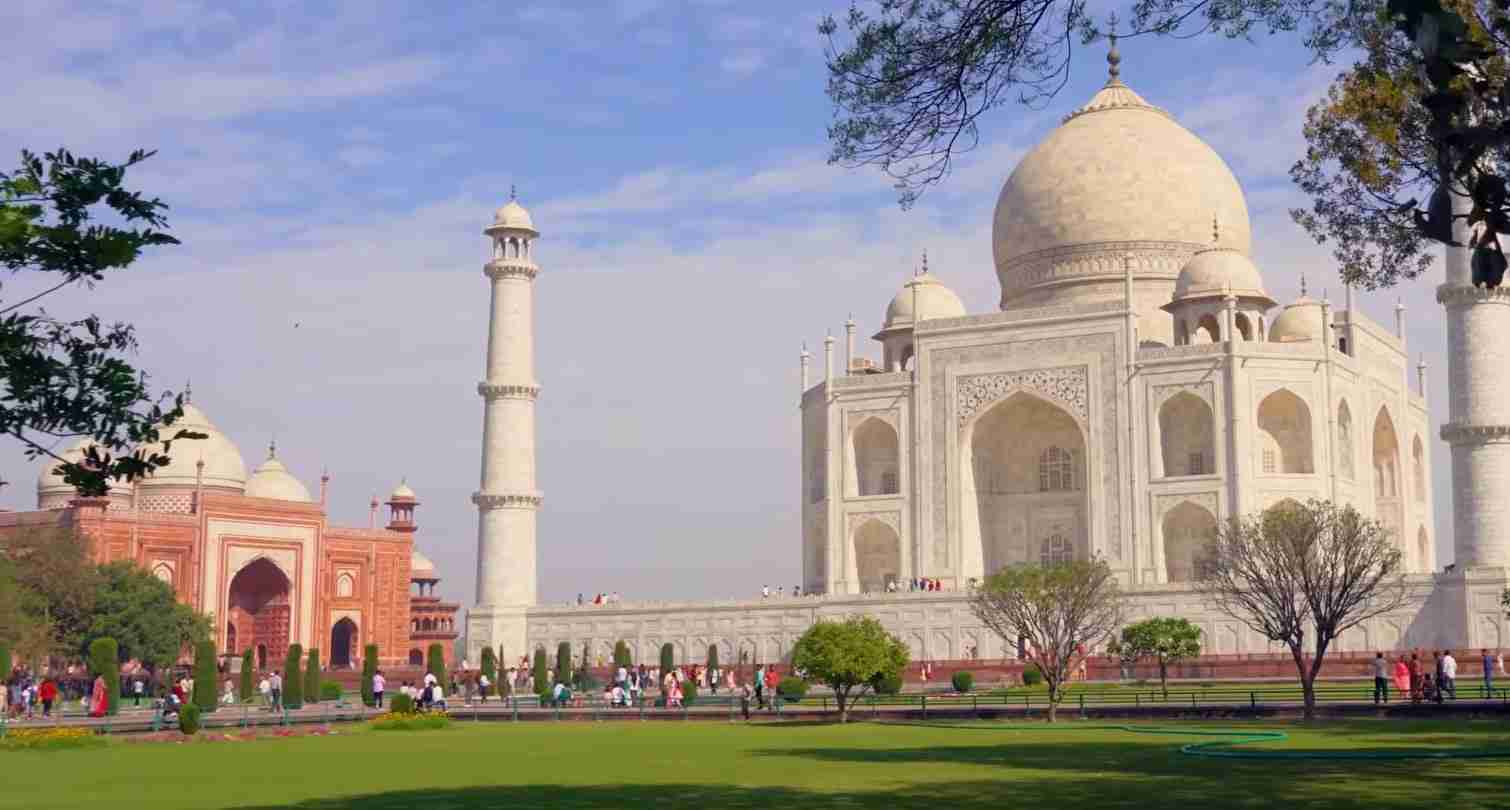
India UNESCO Sites Complete Itinerary Planner 2026: Ultimate Route Planning Guide
India’s 44 UNESCO World Heritage Sites span the entire subcontinent, from Himalayan monasteries to tropical rainforests, representing over 5,000 years of continuous civilization. Planning an efficient route across these scattered treasures requires strategic timing, transportation knowledge, and regional clustering to maximize experiences while minimizing backtracking. This comprehensive planner provides detailed 2026 itineraries, practical logistics, and budget breakdowns for visiting India’s complete UNESCO portfolio.
Key Takeaways
- Complete Coverage 2026: India has 44 UNESCO World Heritage Sites as of 2025 (36 cultural, 7 natural, 1 mixed), ranking 6th globally, with the most recent addition being Maratha Military Landscapes in July 2025
- Regional Clustering Strategy: Sites concentrate in seven geographic circuits—North Plains (12 sites), Western India (9 sites), South India (8 sites), Central India (6 sites), Eastern India (5 sites), Northeast (2 sites), and Himalayan Region (2 sites)—allowing efficient multi-site itineraries
- Optimal 2026 Timing: October through March offers the best weather conditions for 90% of sites, with July-September ideal for Himalayan and Northeast sites; avoid April-June extreme heat in plains regions
- Budget Range 2026: Daily costs range ₹1,500-4,000 ($18-50) for budget travelers, ₹4,000-8,000 ($50-100) for mid-range, and ₹10,000+ ($125+) for luxury, with site entry fees totaling ₹8,000-15,000 ($100-185) for all 44 sites
- Transportation Planning: India’s extensive rail network connects all major UNESCO clusters with sleeper class fares ₹300-1,500 ($4-18) between regions; domestic flights ₹2,500-8,000 ($30-100) save time for distant sites
- Permit Requirements 2026: Four sites require advance permits—Valley of Flowers (₹600/$7), Nanda Devi National Park (₹3,000/$37), Khangchendzonga National Park (₹2,000/$25), and Great Himalayan National Park (₹1,000/$12)—process 15-30 days before travel
People Also Ask About India UNESCO Sites Itinerary 2026
How many days do you need to visit all UNESCO sites in India in 2026?
Visiting all 44 UNESCO World Heritage Sites in India requires a minimum of 60-75 days in 2026, accounting for travel time between regions, weather variations, and permit processing. A comprehensive circuit covering all sites involves traveling approximately 15,000-20,000 kilometers across India’s diverse geography. Realistically, most travelers complete India’s UNESCO portfolio across 2-3 separate trips over several years, focusing on specific regional circuits during each visit. An efficient 60-day itinerary clusters sites regionally: North Plains circuit (15 days covering 12 sites), Western India circuit (10 days covering 9 sites), South India circuit (12 days covering 8 sites), Central India circuit (8 days covering 6 sites), Eastern India circuit (8 days covering 5 sites), and Northeast/Himalayan circuit (7 days covering 4 sites). Budget 90 days if traveling at a more relaxed pace with deeper exploration of each site.
What is the most efficient route to cover India’s UNESCO sites in 2026?
The most efficient route for covering India’s 44 UNESCO sites in 2026 follows a strategic west-to-east circuit beginning in Delhi, utilizing India’s Golden Quadrilateral highway network and rail connections. Start in North India (Delhi, Agra, Jaipur—Golden Triangle), move west to Gujarat and Maharashtra, descend south through Karnataka and Tamil Nadu, travel east to Odisha and West Bengal, then conclude in the Northeast and Himalayan regions. This routing minimizes backtracking, aligns with seasonal weather patterns (starting in cooler months October-November), and follows natural transportation corridors. The circuit totals approximately 12,000-15,000 kilometers with logical overnight stops clustering 2-3 sites per city. Flying between major hubs (Delhi-Mumbai-Chennai-Kolkata) and using trains for regional connections optimizes time. The complete efficient route: Delhi (7 sites) → Agra (2 sites) → Jaipur (2 sites) → Ahmedabad (1 site) → Mumbai (2 sites) → Aurangabad (3 sites) → Goa (1 site) → Hampi (1 site) → Bangalore area (2 sites) → Chennai area (3 sites) → Thanjavur (2 sites) → Madurai area (1 site) → Bhubaneswar (1 site) → Kolkata area (2 sites) → Darjeeling (1 site) → Northeast (2 sites) → Himalayan sites (4 sites).
What are the total costs for visiting all India UNESCO sites in 2026?
The total cost for visiting all 44 UNESCO sites in India in 2026 ranges ₹90,000-250,000 ($1,125-3,125) for budget travelers, ₹250,000-480,000 ($3,125-6,000) for mid-range, and ₹600,000-1,200,000 ($7,500-15,000) for luxury over a 60-day itinerary. Budget breakdown: entry fees total ₹8,000-15,000 ($100-185) for all sites with Indian pricing for foreign nationals; accommodation averages ₹800-2,500 ($10-30) nightly budget, ₹2,500-5,000 ($30-62) mid-range, ₹8,000-20,000 ($100-250) luxury; transportation between circuits costs ₹15,000-35,000 ($185-437) for trains, ₹40,000-80,000 ($500-1,000) including domestic flights; daily food expenses run ₹600-1,500 ($7-18) budget, ₹1,500-3,000 ($18-37) mid-range, ₹4,000-8,000 ($50-100) luxury. Permits for protected areas add ₹6,600 ($82). Regional variations significantly impact costs—Northeast and Himalayan sites cost 40-60% more due to limited infrastructure and higher transportation expenses. Budget an additional 15-20% buffer for unexpected expenses, special tours, and contingencies.
Do you need special permits for India UNESCO sites in 2026?
Four UNESCO World Heritage Sites in India require advance permits in 2026—Valley of Flowers National Park (₹600/$7 entry plus ₹150/$2 per day trekking fee), Nanda Devi National Park (₹3,000/$37 for restricted inner sanctuary access, rarely granted), Khangchendzonga National Park (₹2,000/$25 for foreign nationals plus ₹500/$6 conservation fee), and Great Himalayan National Park (₹1,000/$12 for multi-day trekking permits). Valley of Flowers permits issue on-site at Ghangaria during the seasonal opening (June-October), while Khangchendzonga requires 15-30 days advance application through Sikkim Forest Department. Nanda Devi’s inner sanctuary remains largely closed to tourists with extremely limited permits issued for scientific expeditions only; the buffer zone around Nanda Devi requires standard park entry (₹600/$7). Great Himalayan National Park issues trekking permits through the Forest Department in Shamshi with 7-day advance booking recommended during peak seasons. No other UNESCO sites in India require special permits beyond standard entry tickets, though some sites like Kaziranga National Park mandate registered guides for safaris and restrict visitor numbers during peak wildlife seasons.
Extended multi-day tours – 5+ days
Featured India Multi-Day Tour Packages

3 days
India 3-Day Discovery Tour
- ✓ Comprehensive India experience
- ✓ Expert local guides included
- ✓ All accommodation included
- ✓ Transportation provided
5 days
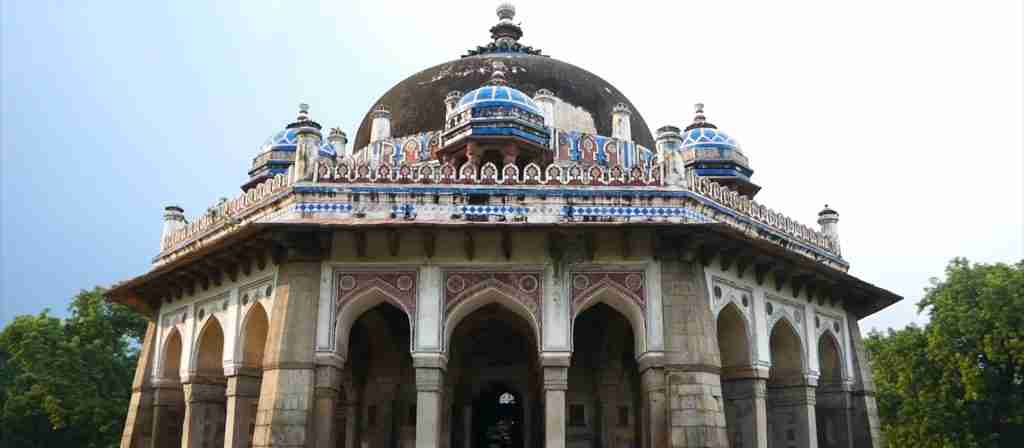
India 5-Day Highlights Experience
- ✓ Comprehensive India experience
- ✓ Expert local guides included
- ✓ All accommodation included
- ✓ Transportation provided
7 days
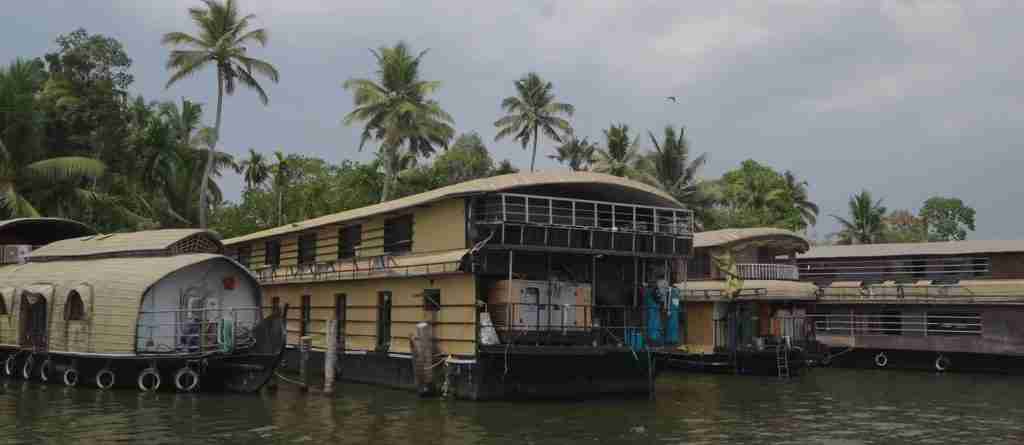
India 7-Day Cultural Journey
- ✓ Comprehensive India experience
- ✓ Expert local guides included
- ✓ All accommodation included
- ✓ Transportation provided
10 days
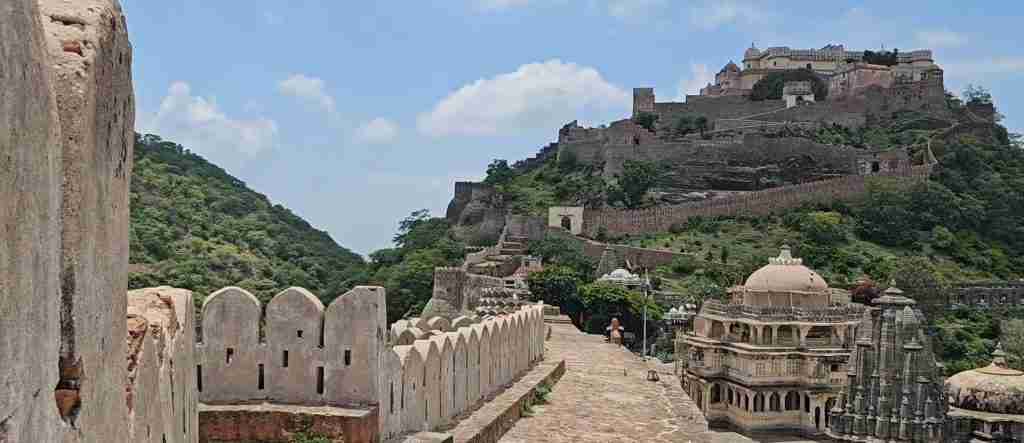
India 10-Day Complete Adventure
- ✓ Comprehensive India experience
- ✓ Expert local guides included
- ✓ All accommodation included
- ✓ Transportation provided
Multi-day tour packages powered by TourRadar. Prices and availability subject to change.
Introduction: Planning Your 2026 India UNESCO Heritage Journey
India’s 44 UNESCO World Heritage Sites represent the planet’s most diverse collection within a single nation, spanning architectural marvels from the Taj Mahal to wild landscapes harboring one-horned rhinoceros, Buddhist cave monasteries carved 2,000 years ago to living hill forts still inhabited by local communities. These sites concentrate across seven distinct geographic regions, each requiring different travel strategies, seasonal timing, and logistical approaches. Planning a comprehensive UNESCO circuit in 2026 demands understanding India’s vast scale—distances comparable to traveling from Portugal to Poland—combined with infrastructure variations from metro-connected monuments in Delhi to remote Himalayan valleys accessible only by multi-day treks.
The 2025 addition of Maratha Military Landscapes brings India’s total UNESCO recognition to 44 sites, maintaining the country’s position as the world’s sixth-largest heritage portfolio after Italy, China, Germany, France, and Spain. This complete collection divides into 36 cultural sites showcasing 5,000 years of continuous civilization, 7 natural sites protecting biodiversity hotspots from the Western Ghats to the Sundarbans, and 1 mixed site (Khangchendzonga National Park) recognized for both cultural significance and ecological value. Understanding this distribution proves essential for route planning—cultural sites cluster heavily in northern plains and southern temple circuits, while natural sites scatter across India’s periphery from northeastern rainforests to southwestern mountain ranges.
Successful 2026 itinerary planning requires balancing three key factors: geographic clustering to minimize transportation time, seasonal weather patterns affecting accessibility and comfort, and personal interests determining time allocation per site. A rushed approach attempting all 44 sites in 30 days results in exhausting travel with minimal authentic experience; a well-structured 60-75 day journey allows proper exploration, cultural immersion, and flexibility for weather delays or spontaneous discoveries. Most travelers approach India’s UNESCO portfolio through multiple visits over several years, focusing on thematic circuits—Mughal architecture, Buddhist heritage, temple complexes, or natural landscapes—rather than attempting comprehensive coverage in a single trip.
This complete itinerary planner provides detailed 2026 planning tools including regional circuit breakdowns, transportation logistics, accommodation strategies, budget calculations, seasonal timing recommendations, and sample itineraries from focused 7-day Golden Triangle circuits to comprehensive 90-day countrywide explorations. The guide prioritizes practical implementation—specific train connections, realistic daily budgets, advance booking requirements, permit processes, and common pitfalls to avoid—enabling travelers to design personalized UNESCO journeys matching their available time, budget parameters, and heritage interests.
Understanding India’s 44 UNESCO World Heritage Sites in 2026
India’s complete UNESCO portfolio as of 2025 encompasses 44 World Heritage Sites distributed across cultural, natural, and mixed categories, inscribed between 1983 and 2025. The breakdown consists of 36 cultural sites representing architectural, archaeological, and historical significance; 7 natural sites protecting biodiversity and geological formations; and 1 mixed site combining cultural and natural outstanding universal value. This total ranks India 6th globally behind Italy and China (59 each), Germany (52), France (53), and Spain (50), while placing India first in South Asia ahead of China’s regional neighbors.
The 36 cultural UNESCO sites span India’s complete historical timeline from prehistoric rock art at Bhimbetka caves (50,000 years old) to 20th-century planned cities like Chandigarh. Major cultural categories include Mughal architecture (Taj Mahal, Agra Fort, Fatehpur Sikri, Red Fort, Humayun’s Tomb), Buddhist heritage (Ajanta Caves, Ellora Caves, Mahabodhi Temple, Sanchi), Hindu temple complexes (Khajuraho, Hampi, Konark Sun Temple, Pattadakal, Mahabalipuram, Hoysala temples), colonial architecture (Victorian Gothic and Art Deco Mumbai, Churches of Goa), and planned heritage cities (Jaipur, Ahmedabad). Recent additions emphasize lesser-known heritage: Santiniketan (Rabindranath Tagore’s educational center, 2023), Dholavira (Harappan city, 2021), and Maratha Military Landscapes (12 hill forts, 2025).
The 7 natural UNESCO sites protect India’s most critical ecosystems and biodiversity hotspots: Kaziranga National Park (one-horned rhinoceros), Keoladeo National Park (migratory birds), Manas Wildlife Sanctuary (tigers and elephants), Sundarbans National Park (Bengal tigers and mangrove forests), Nanda Devi and Valley of Flowers National Parks (Himalayan alpine ecosystems), Great Himalayan National Park (Western Himalayan biodiversity), and Western Ghats (endemic species hotspot). These sites require different travel approaches than cultural monuments—safari permits, seasonal closures during monsoons, multi-day trekking requirements, and wildlife viewing logistics.
Khangchendzonga National Park stands as India’s sole mixed UNESCO site, recognized for both natural value (high-altitude ecosystems, glaciers, biodiversity) and cultural significance (sacred mountain in Buddhist and Hindu traditions, pilgrimage routes, traditional land management). This dual recognition reflects the mountain’s role as a living cultural landscape where local communities maintain traditional practices integrated with conservation.
Geographic distribution concentrates sites heavily in northern plains (Delhi, Agra, Rajasthan corridor with 12 sites) and southern temple circuits (Tamil Nadu, Karnataka with 8 sites), while northeast India contains only 2 sites despite vast territory, and coastal regions remain underrepresented relative to inland areas. This distribution reflects both historical settlement patterns and UNESCO’s evolving recognition criteria gradually expanding beyond monumental architecture to include industrial heritage, natural landscapes, and intangible cultural values.
Regional Circuit Breakdown for India UNESCO Sites 2026
India’s 44 UNESCO sites cluster into seven logical geographic circuits enabling efficient multi-site itineraries that minimize backtracking and align with transportation infrastructure. Understanding these regional groupings forms the foundation for practical route planning in 2026.
North India Plains Circuit (12 Sites)
The North India circuit concentrates the highest density of UNESCO sites, all accessible via excellent rail and road connections within a 500-kilometer radius of Delhi. Sites include Red Fort Complex Delhi, Qutub Minar Delhi, Humayun’s Tomb Delhi, Jaipur City (Pink City), Jantar Mantar Jaipur, Amber Fort (part of Jaipur nomination), Taj Mahal Agra, Agra Fort, Fatehpur Sikri, Buddhist Monuments at Sanchi, Khajuraho Group of Monuments, and Mountain Railways of India (Kalka-Shimla Railway). This circuit forms India’s most-visited heritage corridor, supported by comprehensive tourist infrastructure including international airports at Delhi and Jaipur, luxury hotels, English-speaking guides, and established tour operators.
The classic Golden Triangle (Delhi-Agra-Jaipur) covers 7 UNESCO sites in 5-7 days, representing Mughal architecture and Rajput heritage. Extending to Khajuraho adds 2 days and showcases medieval Hindu temple sculpture, while Sanchi requires a further 2-day diversion covering Buddhist stupa architecture. The Kalka-Shimla Railway operates as a heritage experience itself, requiring 1-2 days from Chandigarh. Most travelers allocate 10-15 days for comprehensive North India circuit coverage, typically October-March when temperatures remain comfortable (15-25°C daytime).
Western India Circuit (9 Sites)
Western India’s UNESCO cluster spreads across Maharashtra and Gujarat, connected via Mumbai as the regional hub. Sites include Victorian Gothic and Art Deco Ensembles of Mumbai, Elephanta Caves (island near Mumbai), Chhatrapati Shivaji Terminus Mumbai, Ajanta Caves, Ellora Caves, Champaner-Pavagadh Archaeological Park Gujarat, Patan’s Rani ki Vav stepwell Gujarat, Historic City of Ahmedabad, and Churches and Convents of Old Goa. The 2025 addition of Maratha Military Landscapes (12 forts including Raigad, Pratapgad, Shivneri across Maharashtra) creates an extensive heritage corridor requiring dedicated time.
Maharashtra sites cluster around Aurangabad (Ajanta and Ellora caves, 3 days minimum) and Mumbai (3 sites plus Maratha forts, 4-5 days). Gujarat sites (Ahmedabad, Patan, Champaner-Pavagadh) require 4-5 days as a separate loop. Goa’s churches add 2 days. Complete circuit coverage needs 15-20 days, best visited November-February when temperatures range 20-30°C and monsoon rains have ceased.
South India Circuit (8 Sites)
South India’s UNESCO recognition concentrates on Dravidian temple architecture and colonial settlements distributed across Karnataka, Tamil Nadu, and Kerala. Sites include Group of Monuments at Hampi, Group of Monuments at Pattadakal, Sacred Ensembles of the Hoysalas (Belur, Halebidu, Somanathapura temples), Great Living Chola Temples (Thanjavur, Gangaikonda Cholapuram, Darasuram), Group of Monuments at Mahabalipuram, Nilgiri Mountain Railway, and Western Ghats (multiple sections across states). Kerala and Tamil Nadu coastal areas provide additional access points.
The circuit divides into two sub-regions: Karnataka temple route (Hampi, Pattadakal, Hoysala temples requiring 6-8 days) and Tamil Nadu temple corridor (Mahabalipuram, Chola temples, Nilgiri Railway requiring 5-7 days). Western Ghats sections integrate with temple circuits or form standalone nature itineraries. Complete coverage needs 12-15 days, optimal October-March though summer months (April-June) remain feasible for temple visits despite heat (35-40°C).
Central India Circuit (6 Sites)
Central India’s scattered UNESCO sites require dedicated routing connecting Madhya Pradesh and Maharashtra. Sites include Khajuraho Group of Monuments, Buddhist Monuments at Sanchi, Rock Shelters of Bhimbetka, Champaner-Pavagadh Archaeological Park (overlaps with Western circuit), and the historic railway stations. This circuit often integrates with North India (Sanchi, Khajuraho) or Western India (Champaner-Pavagadh) routes rather than forming a standalone itinerary.
Standalone Central India heritage circuit requires 6-8 days connecting Khajuraho (2 days), Sanchi (1 day), Bhimbetka (1 day), plus travel time. Best visited October-March when wildlife parks in the region (though not UNESCO sites) offer complementary tiger safari experiences. Summer temperatures exceed 40°C making travel uncomfortable.
Eastern India Circuit (5 Sites)
Eastern India’s UNESCO sites cluster around Kolkata and Odisha’s temple corridor. Sites include Sundarbans National Park (mangrove delta requiring boat access), Darjeeling Himalayan Railway (toy train heritage), Mahabodhi Temple Complex at Bodh Gaya (Buddhist pilgrimage site), and the planned city of Shantiniketan. This circuit requires diverse transportation approaches from multi-day boat expeditions in Sundarbans to hill station railways in Darjeeling.
Kolkata serves as the base for Sundarbans access (3-4 days for proper tiger safari experience). Darjeeling requires 2-3 days from Kolkata via overnight train or flight to Bagdogra. Bodh Gaya adds 2 days as an extension from Kolkata or connecting to Sanchi in Central India. Santiniketan visits as a day trip from Kolkata. Complete circuit needs 10-12 days, best October-March when Sundarbans remains accessible and Darjeeling weather stays clear.
Northeast India Circuit (2 Sites)
Northeast India contains only 2 UNESCO sites despite vast geographic territory: Kaziranga National Park (one-horned rhinoceros) and Manas Wildlife Sanctuary (tigers, elephants, endangered species). Both require multi-day wildlife safari experiences with limited luxury infrastructure compared to other regions. Kaziranga closes during monsoon (May-October), restricting visits to November-April dry season. Manas operates year-round but wildlife viewing peaks January-April.
Guwahati airport provides access to both parks. Kaziranga requires 2-3 days minimum for jeep safaris across multiple zones. Manas needs 2 days minimum, often combined with Bhutan border region exploration. Complete Northeast UNESCO circuit requires 5-7 days, exclusively November-April for Kaziranga access. Moidams burial mounds near Sibsagar (added 2024) extend the circuit by 2 additional days.
Himalayan Region Circuit (4 Sites)
Himalayan UNESCO sites require the most challenging logistics, combining high-altitude trekking with seasonal accessibility. Sites include Nanda Devi and Valley of Flowers National Parks (alpine meadows, restricted permits), Great Himalayan National Park (biodiversity hotspot requiring multi-day treks), and Khangchendzonga National Park (Sikkim’s sacred mountain with trekking permits). All four require advance planning, physical fitness, and appropriate season selection.
Valley of Flowers opens June-October with peak blooming July-August, requiring 3-4 day trek from Govindghat. Nanda Devi’s inner sanctuary remains largely closed; buffer zone trekking requires 5-7 days. Great Himalayan National Park demands 4-7 day camping treks. Khangchendzonga permits allow specific trekking routes requiring 7-12 days depending on route selection. Complete Himalayan circuit needs 20-30 days across multiple trips, coordinated with monsoon-free windows (May-June, September-October) and permit processing (15-30 days advance).
Transportation Between UNESCO Sites 2026
India’s extensive transportation network connects all 44 UNESCO sites through rail, road, and air options, though efficiency and comfort vary dramatically between metropolitan areas and remote natural sites. Strategic transportation planning balances time efficiency against budget constraints and experience quality, with domestic flights saving days on long-distance segments while trains offer comfortable overnight travel and cultural immersion.
Indian Railways Network for UNESCO Site Access 2026
Indian Railways operates direct or connecting services to 38 of India’s 44 UNESCO sites, with the remaining 6 natural/Himalayan sites requiring road transfers from nearest railway stations. The rail network provides the most economical long-distance transportation with three primary classes serving different budgets: Sleeper Class (₹300-800/$4-10 for 500-1000km overnight journeys), AC 3-Tier (₹600-1,500/$7-18 for similar distances), and AC 2-Tier (₹1,000-2,500/$12-30 for comfortable overnight travel). Premium trains like Rajdhani and Shatabdi charge 40-60% higher fares but offer guaranteed air conditioning, meals included, and shorter travel times.
Key UNESCO heritage railway routes include Delhi-Agra (200km, 2-3 hours, ₹300-800/$4-10 Shatabdi Express), Delhi-Jaipur (300km, 4-5 hours, ₹400-1,000/$5-12), Mumbai-Aurangabad (via Manmad, 8-10 hours, ₹400-1,200/$5-15 overnight), Chennai-Thanjavur (340km, 6-7 hours, ₹300-900/$4-11), and Kolkata-Darjeeling (via New Jalpaiguri, 12 hours, ₹600-1,800/$7-22). Booking 60-90 days in advance ensures availability during peak seasons (October-March), essential for popular routes like Delhi-Agra and Mumbai-Goa.
Three UNESCO heritage railways—Darjeeling Himalayan Railway, Nilgiri Mountain Railway, and Kalka-Shimla Railway—operate as heritage experiences themselves, running steam or diesel heritage trains on narrow-gauge tracks through mountain landscapes. These journeys function as attractions rather than efficient transportation, with the Darjeeling “toy train” taking 7 hours to cover 88 kilometers compared to 3 hours by road. Fares range ₹500-2,000 ($6-25) for tourist services, worth budgeting for the experience value.
Domestic Flight Connections 2026
Domestic flights reduce travel time dramatically on long-distance segments, particularly beneficial for Northeast sites, Himalayas, and comprehensive circuits attempting multiple regions. Major UNESCO hubs with airport connectivity include Delhi, Mumbai, Jaipur, Ahmedabad, Goa, Bangalore, Chennai, Hyderabad, Kolkata, Guwahati, and Bagdogra (Darjeeling access). Low-cost carriers (IndiGo, SpiceJet, Air India Express) operate extensive networks with advance-booking fares as low as ₹2,500-4,000 ($30-50) for 1-2 hour flights, rising to ₹6,000-10,000 ($75-125) for same-week bookings or longer routes.
Strategic flight routing saves maximum time on segments like Delhi-Guwahati (avoiding 36-hour train journey, flight ₹4,000-8,000/$50-100 for 2.5 hours), Mumbai-Goa (versus 12-hour train/bus, flight ₹3,000-6,000/$37-75 for 1 hour), Chennai-Kolkata (replacing 27-hour train, flight ₹4,500-9,000/$56-112 for 2 hours), and any route to Bagdogra for Darjeeling access. Budget ₹40,000-80,000 ($500-1,000) for 5-7 domestic flights across a 60-day comprehensive UNESCO circuit, reducing total travel time by 10-15 days compared to all-rail routing.
Book domestic flights 45-60 days in advance for optimal pricing, avoiding school holiday periods (May-June, December-January) when fares surge 50-100%. Tuesday-Thursday departures typically cost 15-20% less than Friday-Sunday travel. One checked bag (15kg) includes in most fares; expect ₹500-1,000 ($6-12) charges for additional luggage relevant when carrying camping gear for Himalayan treks.
Road Transportation and Private Vehicle Options 2026
Road transportation serves essential roles for short inter-city connections, last-mile access to remote sites, and regional circuits where rail connections prove inefficient. Self-drive car rental from international companies (Zoomcar, Revv) costs ₹1,500-3,000 ($18-37) per day for compact vehicles, ₹3,000-5,000 ($37-62) for SUVs, plus fuel ₹100-120 ($1.25-1.50) per liter. However, Indian traffic conditions, variable road quality, and complex navigation make private driver services more practical for most international visitors.
Hiring a car with driver costs ₹3,000-6,000 ($37-75) per day including driver accommodation for overnight trips, fuel charged separately ₹10-12 ($0.12-0.15) per kilometer. This option works particularly well for Golden Triangle circuits (Delhi-Agra-Jaipur triangle optimally covered in 5-6 days at ₹18,000-35,000/$225-437 all-inclusive), Maratha forts exploration in Maharashtra (requires point-to-point connections between hill forts), and Hoysala temple circuits in Karnataka where sites separate by 50-100 kilometers with limited public transport.
State-run bus services connect most UNESCO sites at budget rates ₹50-300 ($0.60-3.75) for 50-200 kilometer routes, though comfort levels vary from basic non-AC buses to premium Volvo coaches. Private luxury bus operators (RedBus, Ola) run overnight sleeper services on popular routes (Delhi-Jaipur, Mumbai-Goa, Bangalore-Chennai) at ₹800-2,000 ($10-25), offering a budget alternative to train or flight when planning permits overnight travel time.
Specialized Transportation for Remote UNESCO Sites 2026
Six UNESCO sites require specialized transportation beyond standard rail/road/air options due to geographic isolation or protected status. Sundarbans National Park mandates boat access via organized 2-3 day safari packages (₹8,000-25,000/$100-312 per person including accommodation, meals, permits, boat transportation) departing from Godkhali jetty near Kolkata. Elephanta Caves island reaches via 1-hour ferry from Gateway of India Mumbai (₹200-300/$2.50-3.75 round-trip, hourly departures 9 AM-3 PM).
Himalayan UNESCO sites (Valley of Flowers, Nanda Devi, Great Himalayan National Park, Khangchendzonga) require multi-day trekking involving porter/guide services (₹800-1,500/$10-18 per day per porter), camping equipment rental if not carrying own gear (₹500-1,000/$6-12 per day for tent/sleeping bag), and sometimes pack animal hire (₹500-800/$6-10 per day for mules/horses on Valley of Flowers route). These logistics typically bundle through trekking agencies charging ₹15,000-40,000 ($185-500) for complete 4-7 day packages including permits, guides, porters, camping equipment, and meals.
Kaziranga and Manas wildlife parks require jeep safaris booked through registered operators (₹2,500-4,000/$30-50 per jeep seating 6 people for 3-4 hour safari), with multiple safari zones necessitating 2-3 days minimum stay to maximize wildlife sighting opportunities. Independent vehicle access prohibits; all visitors must join organized safaris with trained naturalist guides.
Accommodation Strategies Near UNESCO Sites 2026
Accommodation options near India’s UNESCO sites span from budget hostels at ₹400-800 ($5-10) per night to luxury heritage hotels at ₹15,000-50,000 ($185-625) nightly, with strategic lodging selection significantly impacting overall trip quality and daily budget. Location proximity to sites, advance booking timing, and regional price variations require careful planning for optimal value in 2026.
Budget Accommodation Near UNESCO Sites (₹400-1,500 / $5-18 Per Night)
Budget accommodation includes hostel dormitories (₹400-600/$5-7 per bed), basic guesthouses (₹600-1,000/$7-12 for private room with shared bathroom), and economy hotels (₹1,000-1,500/$12-18 for private room with ensuite bathroom and air conditioning). All major UNESCO clusters offer extensive budget options, with highest concentration in Delhi, Agra, Jaipur, Varanasi, and Goa where backpacker infrastructure matures over decades.
Quality budget properties near UNESCO sites include Zostel hostels (multiple locations including Jaipur, Agra, Delhi offering ₹500-700/$6-8 dormitory beds with social atmosphere and rooftop areas), Moustache Hostel chain (Jaipur, Udaipur, Delhi with ₹600-900/$7-11 beds including breakfast), and local heritage guesthouses in Hampi (₹800-1,200/$10-15 for rooms in traditional buildings with character). Book budget accommodation 2-3 weeks in advance during peak season (October-March) when properties fill; same-week availability exists during shoulder months (April-May, September) though discounts diminish.
Budget accommodation proves more limited near remote natural UNESCO sites where infrastructure remains basic. Kaziranga options include government rest houses (₹1,000-1,500/$12-18, book via Assam Tourism) and village homestays (₹800-1,200/$10-15). Valley of Flowers requires staying in Ghangaria village where basic lodges charge ₹500-1,000 ($6-12) for shared rooms during trekking season. These locations demand advance booking 30-60 days ahead as room counts remain limited and trekking season demand peaks July-August.
Mid-Range Accommodation Near UNESCO Sites (₹2,500-6,000 / $30-75 Per Night)
Mid-range accommodation provides comfortable stays in 3-star hotels, boutique properties, and heritage conversions offering air conditioning, private bathrooms, WiFi, breakfast inclusion, and convenient UNESCO site proximity. This category delivers optimal value for most travelers balancing comfort against budget control, with properties consistently maintained and professionally operated.
Prime mid-range options include Hotel Taj Resorts near Agra sites (₹3,500-5,000/$43-62 with Taj Mahal views from some rooms, 1.5 kilometers from monument), Pearl Palace Heritage Haveli Jaipur (₹2,800-4,500/$35-56 in restored mansion near Amber Fort), Hotel Pushkar Palace Ajmer (₹3,000-5,000/$37-62 lakeside heritage property, base for Ajmer-Pushkar circuit), and Ginger Hotels government-owned chain present near multiple UNESCO clusters (₹2,500-3,500/$30-43, reliable standards). Book mid-range properties 4-6 weeks advance for choice location near sites and avoid 20-30% peak season surcharges.
Mid-range wildlife lodges near natural UNESCO sites include Borgos Resort Kaziranga (₹4,500-6,000/$56-75 including meals, organized safaris, located at park edge), Bandhavgarh Jungle Lodge (₹5,000-7,000/$62-87 for Madhya Pradesh tiger reserves often combined with Khajuraho UNESCO visit), and ecological camps in Western Ghats (₹3,000-5,500/$37-68 in Karnataka coffee plantations near Hoysala temple circuit). These properties typically mandate 2-3 night minimum stays and package rates including meals given remote locations.
Luxury and Heritage Accommodation Near UNESCO Sites (₹8,000-50,000+ / $100-625+ Per Night)
Luxury accommodation near UNESCO sites includes 5-star hotels, palace heritage hotels operated as museums-turned-lodgings, and exclusive eco-resorts offering premium experiences. This category suits travelers prioritizing exceptional comfort, personalized service, historic ambiance, and often on-site fine dining, spas, and cultural programming. Many luxury heritage properties qualify as experiences themselves, housed in former maharaja palaces or colonial mansions.
Iconic luxury heritage options include The Oberoi Amarvilas Agra (₹35,000-85,000/$437-1,062 with unobstructed Taj Mahal views from all rooms, 600 meters from site entrance), Taj Lake Palace Udaipur (₹25,000-60,000/$312-750 floating palace on Lake Pichola, though Udaipur lacks UNESCO sites it serves as base for broader Rajasthan circuit), Rambagh Palace Jaipur (₹22,000-50,000/$275-625 former maharaja residence now Taj hotel, 6 kilometers from Amber Fort), and Taj Mahal Palace Mumbai (₹18,000-45,000/$225-562 colonial-era landmark overlooking Gateway of India, walking distance to Elephanta Caves ferry).
Luxury eco-lodges near natural UNESCO sites include Diphlu River Lodge Kaziranga (₹12,000-18,000/$150-225 all-inclusive with premium safaris and naturalist-led experiences), Evolve Back Coorg in Western Ghats (₹15,000-35,000/$185-437 coffee estate luxury with Hoysala temple day trips), and upscale tented camps during Valley of Flowers season (₹8,000-15,000/$100-185 for luxury camping packages with gourmet meals and porter services). Book luxury properties 90-120 days advance during peak season (December-February) when inventory sells out, particularly during New Year and Indian holiday periods.
Budget Planning for India UNESCO Sites 2026
Visiting India’s 44 UNESCO World Heritage Sites in 2026 requires comprehensive budget planning covering entry fees, accommodation, transportation, food, permits, guides, and contingency funds. Total costs vary dramatically based on travel style, duration, season, and routing choices, with budget travelers completing the circuit for ₹90,000-250,000 ($1,125-3,125) versus luxury travelers spending ₹600,000-1,200,000+ ($7,500-15,000+) for the same 60-day comprehensive itinerary.
UNESCO Site Entry Fees India 2026
Entry fees for India’s UNESCO sites divide into two pricing tiers: Indian nationals/SAARC/BIMSTEC visitors pay ₹10-50 ($0.12-0.60) per site, while foreign nationals pay ₹250-1,100 ($3-13) per site. The differential pricing system applies across all Archaeological Survey of India (ASI) managed monuments, with Taj Mahal commanding the highest foreign fee at ₹1,100 ($13) versus ₹50 ($0.60) for Indians. Total entry fees for all 44 sites accumulate to approximately ₹8,000-15,000 ($100-185) for foreign visitors, depending on whether sites require multiple entries (Ellora and Ajanta count as separate admissions) and camera fee add-ons.
Standard ASI monument pricing sets foreign entry at ₹600 ($7) for major sites (Agra Fort, Red Fort, Qutub Minar, Humayun’s Tomb, Fatehpur Sikri, Elephanta Caves) and ₹250-300 ($3-3.75) for smaller sites (most temples, step-wells, archaeological parks). Natural UNESCO sites charge separate fee structures: Kaziranga National Park ₹2,700 ($33) per jeep safari covering 4-6 people plus ₹600 ($7) per person park entry; Keoladeo ₹400 ($5) entry plus rickshaw hire ₹200-300 ($2.50-3.75); Sundarbans varies by safari package operator (₹8,000-25,000/$100-312 per person for 2-3 day packages including all fees, meals, accommodation). Western Ghats sections mostly free entry as the designation covers mountain range landscapes rather than bounded parks.
Camera fees add ₹25-200 ($0.30-2.50) at some sites, with video cameras charged ₹500-1,000 ($6-12) extra. The Taj Mahal now includes basic photography in the ₹1,100 entry fee but prohibits tripods and professional equipment without special permits. Drone photography bans apply universally across all ASI monuments and protected natural areas with severe penalties (₹50,000/$625 fines and equipment confiscation) for violations. Several natural sites bundle entry with mandatory guide fees: Kaziranga safari fee automatically includes registered naturalist guide; Valley of Flowers permits include trek registration but guides hire separately at ₹800-1,200 ($10-15) per day.
Daily Food and Dining Costs 2026
Daily food expenses for India UNESCO circuit travel range ₹600-1,500 ($7-18) for budget travelers eating at local restaurants and street food stalls, ₹1,500-3,000 ($18-37) for mid-range travelers mixing hotel restaurants with quality local dining, and ₹4,000-8,000 ($50-100) for luxury travelers focused on upscale hotel dining and fine restaurants. Regional variations affect costs minimally as food remains uniformly affordable across India by international standards, though tourist-area restaurants near major sites charge 30-50% premiums over local neighborhood establishments.
Budget meal costs include street breakfast (chai ₹10-20/$0.12-0.25, paratha/dosa ₹30-60/$0.37-0.75), local restaurant lunch thali (₹100-200/$1.25-2.50 for unlimited traditional platter), street snacks (samosa/vada pav ₹10-30/$0.12-0.37), and basic dinner restaurant meal (₹150-300/$1.85-3.75 for curry, rice, bread combination). Bottled water costs ₹20-40 ($0.25-0.50) per liter, purchased continuously as tap water remains unsafe. Budget travelers carrying reusable bottles with purification systems reduce water expenses to ₹100-200 ($1.25-2.50) weekly for filter replacements.
Mid-range dining includes hotel breakfast buffets (₹400-800/$5-10 typically included in room rate), casual lunch restaurants (₹300-600/$3.75-7.50 for quality regional cuisine), coffee shop breaks (₹200-400/$2.50-5 for coffee and snacks at Café Coffee Day or Starbucks chains present in major cities), and dinner at mid-tier restaurants (₹600-1,200/$7.50-15 for multi-course meal with beverages). Tourist-area restaurants near Taj Mahal, Jaipur palaces, and Mumbai heritage sites charge ₹800-1,500 ($10-18) for dinners reflecting Western comfort food and English menus rather than authentic local pricing.
Luxury dining focuses on 5-star hotel restaurants (₹2,000-4,000/$25-50 per person for fine dining experiences), heritage property specialty restaurants (₹1,500-3,000/$18-37 for traditional royal cuisines recreated in palace hotels), and upscale standalone restaurants in metros (₹1,800-3,500/$22-43 for contemporary fusion or high-end regional specialties). Hotel room service adds 20-30% over restaurant menu prices plus service charges. Alcohol significantly increases dining costs where available, with beer ₹200-500 ($2.50-6.25), wine ₹500-2,000 ($6.25-25) per glass, and cocktails ₹400-1,000 ($5-12) at hotel bars in non-dry states; several regions including Gujarat prohibit alcohol entirely.
Sample Daily Budget Breakdowns 2026
Budget traveler daily costs (₹1,500-4,000 / $18-50): Hostel dormitory ₹500-700 ($6-8), street breakfast ₹50-80 ($0.60-1), lunch thali ₹150-250 ($1.85-3), snacks ₹50-100 ($0.60-1.25), dinner restaurant ₹200-350 ($2.50-4.35), bottled water ₹60-100 ($0.75-1.25), local transportation ₹100-300 ($1.25-3.75), site entry ₹250-600 ($3-7.50), miscellaneous ₹140-520 ($1.75-6.50). Total daily range ₹1,500-3,000 ($18-37) on low-activity days, ₹2,500-4,000 ($30-50) on high-activity days with multiple sites and longer transport. Excludes long-distance transportation between UNESCO clusters booked separately.
Mid-range traveler daily costs (₹4,000-8,000 / $50-100): 3-star hotel ₹2,500-4,000 ($30-50) including breakfast, lunch restaurant ₹400-700 ($5-8.75), coffee/snacks ₹250-400 ($3-5), dinner restaurant ₹700-1,200 ($8.75-15), bottled water ₹80-120 ($1-1.50), hired car/driver for day ₹500-1,000 ($6.25-12.50) or guided tour ₹1,200-2,500 ($15-30), site entry ₹600-1,100 ($7.50-13.75), miscellaneous ₹270-480 ($3.35-6). Total daily range ₹5,300-9,100 ($66-113) averaging ₹6,500-7,500 ($81-93) typical days. This budget level provides comfortable experiences without luxury excess, representing optimal value for comprehensive UNESCO circuit.
Luxury traveler daily costs (₹10,000-25,000 / $125-312+): 5-star/heritage hotel ₹10,000-30,000 ($125-375) including breakfast, lunch fine dining ₹1,500-2,500 ($18-30), afternoon tea/coffee ₹500-800 ($6.25-10), dinner luxury restaurant ₹2,500-5,000 ($30-62), premium bottled water/beverages ₹200-400 ($2.50-5), private car with driver full day ₹4,000-6,000 ($50-75), private guide ₹3,000-5,000 ($37-62), site entries ₹600-1,100 ($7.50-13.75), spa/additional experiences ₹2,000-5,000 ($25-62), miscellaneous ₹1,700-3,200 ($21-40). Total daily range ₹26,000-59,000 ($325-737) with significant variation based on property choice and activities. Luxury 60-day UNESCO circuit costs ₹600,000-1,200,000 ($7,500-15,000) excluding international flights.
Best Time to Visit India UNESCO Sites 2026
Optimal timing for visiting India’s UNESCO sites varies by region and site type, with weather, crowds, and accessibility determining ideal months. The majority of India’s cultural monuments visit best October through March during cooler dry season, while natural sites divide into different seasonal windows based on climate patterns and wildlife activity. Comprehensive UNESCO circuit planning requires coordinating multiple seasonal optima across regions visited sequentially.
October-March: Prime Season for Cultural Sites and North/West/Central India
October through March represents peak visiting season for 90% of India’s UNESCO cultural sites, offering comfortable temperatures (15-28°C daytime), minimal rainfall, clear skies for photography, and optimal travel conditions. This window particularly suits North India Plains circuit (Delhi, Agra, Jaipur, Khajuraho, Sanchi), Western India circuit (Mumbai, Ajanta, Ellora, Ahmedabad), and Central India archaeological sites (Bhimbetka, Champaner-Pavagadh). November-February provides absolute best weather with coolest temperatures; October and March offer good conditions with fewer crowds and lower accommodation rates as shoulder months.
December-January brings peak tourist season with maximum crowds at Taj Mahal, Ajanta Caves, and Jaipur monuments, requiring advance booking for quality accommodation and resulting in inflated hotel rates (30-50% above shoulder season). New Year week (December 28-January 4) sees maximum crowding and pricing, best avoided if flexibility exists. February-March offers excellent compromise with warming temperatures (20-30°C), diminishing crowds, and still-comfortable conditions before April heat arrives. Festivals during this period (Holi in March, Diwali in October-November depending on lunar calendar) create vibrant cultural atmosphere but increase domestic tourist numbers at heritage sites.
Monsoon season (June-September) brings heavy rainfall to Western and Central India, making outdoor monument exploration uncomfortable and compromising photography with overcast conditions. However, monsoon creates dramatic ambiance at sites like Ajanta Caves (waterfalls cascading around rock-cut temples) and reduces crowds to minimal levels. Budget travelers sometimes target July-August for 40-60% lower accommodation rates, though weather tradeoffs prove significant. Northern plains monuments remain technically accessible year-round, but April-June extreme heat (38-45°C) makes daytime site visits exhausting; early morning visits (6-9 AM) become essential during summer months.
October-April: Northeast Wildlife Sites and Eastern India
Northeast India’s UNESCO natural sites (Kaziranga National Park, Manas Wildlife Sanctuary) operate on strict seasonal schedules determined by monsoon patterns and wildlife behavior. Kaziranga closes completely May-October during monsoon flooding when Brahmaputra River inundates grasslands. The park reopens November and operates through April, with peak wildlife viewing January-March when water sources concentrate and one-horned rhinoceros sightings maximize. November-December brings migratory birds adding diversity; March-April starts getting hot (32-38°C) but remains viable with early morning safaris.
Manas Wildlife Sanctuary technically opens year-round but monsoon (May-October) brings heavy rainfall, limited wildlife visibility, and challenging road access. Best visiting window matches Kaziranga at November-April, with February-March optimal for tiger sighting probability and weather comfort. Eastern India cultural sites (Mahabodhi Temple Bodh Gaya, Santiniketan) visit comfortably October-March, avoiding monsoon (June-September) and extreme summer (April-May with 38-42°C temperatures). Darjeeling Himalayan Railway operates year-round but March-May and October-November offer clearest mountain views; monsoon clouds obstruct Kanchenjunga vistas despite lush green landscape beauty.
June-October: Himalayan Alpine Sites and Valley of Flowers
Himalayan UNESCO sites operate on inverse seasonal schedules from rest of India, with summer monsoon (June-September) providing the only accessible window for high-altitude locations. Valley of Flowers National Park opens only June-October when snow melts revealing alpine meadows; peak blooming occurs mid-July through August when 500+ flower species create spectacular displays. The valley closes October-May under deep snow (3-6 meters), making access impossible. Visiting requires coordination with 3-4 day trek from Govindghat, subject to weather conditions and potential monsoon trek interruptions (rain gear essential, landslide delays possible).
Nanda Devi National Park’s buffer zone treks best access September-October after monsoon rains cease, offering clear weather and stable trails. The inner sanctuary remains largely closed to tourism. Great Himalayan National Park trekking permits issue year-round but optimal trekking windows fall September-November (post-monsoon clear weather) and April-June (pre-monsoon stable conditions, spring flowers). Khangchendzonga National Park treks operate March-May and September-November avoiding monsoon season when trails become treacherous. Winter (November-February) brings heavy snow closing high passes and extreme cold (-10 to -20°C at altitude), though lower-elevation sections near Yuksom remain accessible.
Year-Round with Seasonal Optima: South India Temples and Western Ghats
South India’s UNESCO temple sites visit year-round given generally moderate temperatures (25-35°C), though distinct seasonal preferences exist. October-March provides cooler, drier weather optimal for extensive outdoor temple exploration at Hampi, Mahabalipuram, Chola temples, and Hoysala sites. April-June brings intense heat (35-42°C) making midday temple visits exhausting, though sites remain fully operational and crowds diminish; early morning (6-9 AM) and evening (4-7 PM) visits work well. Monsoon (June-September) affects different South India regions variably: Southwest monsoon hits Kerala and Karnataka coast heavily (June-August), while Tamil Nadu receives Northeast monsoon (October-December), creating opposite wet seasons.
Western Ghats sections designated as UNESCO natural heritage scatter across Karnataka, Kerala, Tamil Nadu, Maharashtra, and Goa, with varying seasonal accessibility. Most sections visit comfortably October-May when trekking trails remain dry and wildlife viewing peaks. Monsoon (June-September) brings spectacular waterfalls and lush vegetation but also leeches, slippery trails, and reduced wildlife visibility. Some Western Ghats protected areas close June-September for conservation during breeding seasons. The Nilgiri Mountain Railway operates year-round connecting Mettupalayam to Ooty, though monsoon (June-September) brings risks of landslides and occasional service disruptions; April-June hot season (32-38°C in plains) makes the hill station journey particularly appealing as Ooty remains cool (15-25°C).
Permits and Entry Requirements for UNESCO Sites 2026
Most UNESCO World Heritage Sites in India require only standard entry tickets purchased on-site or online, but four natural protected areas mandate advance permits with application processes requiring 15-30 days processing time. Understanding permit requirements, processing procedures, and fee structures proves essential for successful Himalayan and protected area itinerary planning in 2026.
Standard Entry Tickets (No Advance Permits Required)
Forty UNESCO sites in India operate under standard entry systems with tickets purchased on arrival or via online pre-booking at Archaeological Survey of India (ASI) portal for monuments or respective state forest department websites for wildlife parks. ASI monuments including Taj Mahal, Agra Fort, Red Fort, Qutub Minar, and 30+ other cultural sites accept on-site cash purchases (foreign nationals ₹250-1,100/$3-13 depending on monument significance) or advance e-tickets via asi.payumoney.com reducing queue times during peak hours. E-tickets require printing or mobile display, with same pricing as on-site purchase.
Wildlife sanctuaries Kaziranga and Manas book safari permits through respective park websites or authorized tour operators, with online payment systems accepting Indian credit/debit cards (international cards sometimes rejected requiring operator assistance). Kaziranga allows advance booking 90 days ahead recommended during peak season November-March; Manas accepts bookings 30 days advance. Both sites permit on-arrival bookings subject to availability, though morning safari slots often sell out during peak season requiring previous evening booking at park offices.
Valley of Flowers National Park Permits 2026
Valley of Flowers National Park requires entry permits purchased on-site at Forest Rest House in Ghangaria village (4-5 hour trek from Govindghat roadhead). Permit costs ₹600 ($7) per person for foreign nationals plus ₹150 ($2) daily trekking fee renewable for multiple days (maximum 7-day validity). No advance online booking system operates; all visitors obtain permits upon reaching Ghangaria after initial trek. Permits issue 8 AM-4 PM during park opening season (June 1-October 15), with same-day entry allowed after payment. The park enforces strict daily entry limits (approximately 500 permits) to manage environmental impact, though limits rarely reach during weekdays; weekend peaks (Saturday-Sunday) occasionally sell out requiring overnight stay before entry.
Additional requirements include compulsory registration at Ghangaria Police Checkpost with passport/ID copies and emergency contact details. Independent trekking permitted without mandatory guides, though hiring local guides (₹800-1,200/$10-15 per day) recommended for route finding and botanical knowledge. Camping prohibits within Valley of Flowers; all visitors must return to Ghangaria accommodations nightly, with 6-kilometer valley trek requiring 4-6 hours return allowing sufficient day-visit time. Peak bloom season mid-July through August sees maximum visitor numbers and occasional permit wait times; September-early October brings fewer crowds but diminished flower displays after monsoon rains.
Khangchendzonga National Park Permits 2026
Khangchendzonga National Park in Sikkim requires Protected Area Permits (PAP) for foreign nationals, processed through tour operators rather than independent applications. Foreign visitors cannot apply directly; Indian registered tour operators submit applications to Sikkim Forest Department on client behalf, requiring 15-30 days processing. Permit costs ₹2,000 ($25) for foreign nationals plus ₹500 ($6) conservation fee, valid for specific trekking route and date range (typically 7-14 days depending on trek length). Indian nationals require simpler permits (₹250/$3) processable in 3-5 days.
Application requirements include passport copies, Sikkim Inner Line Permit (obtained separately via Sikkim Tourism website or at entry checkpoints, ₹100/$1.25 for foreigners), detailed itinerary with route and dates, and tour operator sponsorship letter. Popular trekking routes include Goecha La trek (8-10 days accessing Khangchendzonga base camp viewpoints, permits ₹2,500/$31 total fees), Dzongri trek (6-7 days to alpine lake and rhododendron forests, permits ₹2,000/$25), and Green Lake trek (14-16 days requiring special permissions often denied to tourists, when granted permits ₹5,000/$62+). Processing times extend during peak trekking seasons (March-May, September-November) requiring 30-45 days advance application.
Tour operators charge service fees ₹3,000-8,000 ($37-100) beyond permit costs for application processing, though this typically bundles with complete trek packages including guides, porters, camping equipment, and meals (₹25,000-60,000/$312-750 for 7-10 day treks). Independent trekking prohibits in Khangchendzonga National Park; all visitors must trek with registered guides even if camping independently. Book permits and treks 60-90 days before intended travel during peak seasons to ensure availability and processing completion.
Great Himalayan National Park Permits 2026
Great Himalayan National Park (GHNP) in Himachal Pradesh issues trekking permits for multi-day camping expeditions within the park’s alpine wilderness. Entry permits cost ₹1,000 ($12) for foreign nationals for standard treks (4-7 days), with specialized longer routes requiring higher fees (₹2,000-3,000/$25-37 for 10+ day expeditions). Applications submit to Range Forest Officer at Shamshi village (20 kilometers from Kullu) or through registered trekking agencies, requiring 7-15 days processing though same-week approvals sometimes occur during low season.
Application requires itinerary details (entry/exit points, duration, route, dates), passport copies for foreign nationals, guide/porter arrangements confirmation, and emergency contact information. Mandatory guide requirements enforce for certain routes; popular Tirthan Valley entry treks allow independent trekking with permits, while deep wilderness routes require registered guides. Day trekking (returning same day, not camping) requires simpler permits (₹200/$2.50) available same-day at entry points. Camping within GHNP mandates designated campsites only; random camping prohibits for conservation reasons.
Peak trekking season May-June and September-October sees increased permit applications requiring 2-3 week advance booking; July-August monsoon brings fewer applicants and faster processing but challenging trail conditions. Winter (November-April) closes most high-elevation routes under snow, though lower valley treks remain accessible. Book permits and arrange guide services (if required) through Kullu-based trekking agencies charging ₹15,000-35,000 ($185-437) for complete 5-7 day packages including permits, guides, camping equipment, porters, and meals. Independent permit applications save agency fees but require direct communication with forest department offices where English fluency varies.
Sample UNESCO Site Itineraries India 2026
The following sample itineraries demonstrate practical route planning for different time allocations and interest focuses, from intensive 7-day Golden Triangle heritage circuits to comprehensive 60-day expeditions covering all 44 UNESCO sites. Each itinerary includes daily breakdowns, transportation connections, accommodation suggestions, and realistic budget estimates for 2026.
7-Day Golden Triangle UNESCO Circuit 2026
This classic introductory itinerary covers 7 UNESCO sites across North India’s most accessible heritage corridor, suitable for first-time India visitors with limited time. Total cost: ₹35,000-85,000 ($437-1,062) mid-range per person including Delhi arrival/departure.
Day 1: Delhi Arrival and Red Fort Complex – Arrive Delhi, transfer to hotel in Connaught Place/Karol Bagh area (₹2,500-4,000/$30-50 per night mid-range). Afternoon visit Red Fort (₹600/$7 entry), explore Chandni Chowk bazaar. Evening walk at India Gate. Overnight Delhi.
Day 2: Delhi UNESCO Sites – Morning Qutub Minar (₹600/$7 entry) and Mehrauli Archaeological Park. Afternoon Humayun’s Tomb (₹600/$7). Evening visit Jama Masjid (not UNESCO but iconic). Overnight Delhi. Daily cost ₹4,500-7,000 ($56-87) including accommodation, meals, local transport, entries.
Day 3: Agra Transfer and Taj Mahal – Early morning Shatabdi Express train to Agra (2 hours, ₹500-800/$6-10). Check into hotel near Taj Mahal (₹3,000-5,000/$37-62 mid-range with Taj views). Afternoon Agra Fort visit (₹650/$8). Sunset Taj Mahal from Mehtab Bagh gardens (free). Overnight Agra. Daily cost ₹5,500-8,500 ($68-106) including train, accommodation, entries.
Day 4: Taj Mahal Sunrise and Fatehpur Sikri – Sunrise Taj Mahal visit (₹1,100/$13 entry, arrive 6 AM). Return to hotel for breakfast. Late morning drive to Fatehpur Sikri (40 kilometers, 1 hour, ₹600/$7 entry). Explore abandoned Mughal capital. Afternoon drive to Jaipur (240 kilometers, 5 hours, hire car ₹4,000-5,000/$50-62 for day). Evening arrival Jaipur, check into heritage hotel (₹3,500-6,000/$43-75). Overnight Jaipur. Daily cost ₹8,000-12,000 ($100-150) including transportation, entries, accommodation.
Day 5: Jaipur UNESCO Sites – Morning Amber Fort (₹600/$7, part of Jaipur UNESCO nomination). Afternoon Jantar Mantar observatory (₹300/$3.75). Evening City Palace (₹700/$8.75 combined ticket, not UNESCO but essential). Walk through Pink City streets. Overnight Jaipur. Daily cost ₹5,000-8,000 ($62-100) including accommodation, transport, entries, meals.
Day 6: Jaipur to Delhi Return – Morning visit Hawa Mahal photo stop (₹50/$0.60). Afternoon train/drive return to Delhi (5-6 hours, train ₹500-1,000/$6-12). Evening free in Delhi for shopping/exploration. Overnight Delhi. Daily cost ₹4,000-6,500 ($50-81) including transportation, accommodation.
Day 7: Delhi Departure – Morning flexible for last-minute shopping at Dilli Haat crafts market. Transfer to airport. End of itinerary.
This 7-day circuit covers North India’s most iconic UNESCO monuments efficiently with comfortable pacing. Extensions could add Khajuraho (2 days, requiring flight or overnight train from Delhi/Agra) or Varanasi spiritual experience (2-3 days, though not UNESCO). Best months: October-March for optimal weather.
14-Day North and Central India Heritage Circuit 2026
Comprehensive North-Central circuit covering 14 UNESCO sites combining Mughal architecture, Buddhist monuments, medieval temples, and prehistoric rock art. Total cost: ₹70,000-180,000 ($875-2,250) mid-range per person.
Days 1-5: Golden Triangle – Follow 7-day itinerary Days 1-5 covering Delhi (3 sites), Agra (2 sites), Jaipur (2 sites). ₹25,000-45,000 ($312-562) for first 5 days.
Day 6: Jaipur to Khajuraho – Morning flight Jaipur-Khajuraho (₹4,000-7,000/$50-87, 1.5 hours, no direct trains). Afternoon arrival, check into hotel (₹2,000-4,000/$25-50 mid-range). Evening visit Western Group of Temples light show (₹300/$3.75). Overnight Khajuraho. Daily cost ₹6,500-11,500 ($81-143) including flight, accommodation.
Day 7: Khajuraho Temples – Full day exploring Khajuraho Group of Monuments (₹600/$7 entry). Morning Western Group temples (main complex). Afternoon Eastern Group and Jain temples. Overnight Khajuraho. Daily cost ₹3,000-5,500 ($37-68) including accommodation, meals, local transport, entry.
Day 8: Khajuraho to Sanchi – Morning drive to Satna (120 kilometers, 2.5 hours) for train to Bhopal (₹300-600/$3.75-7.50, 5-6 hours). Afternoon arrival Bhopal, hire car drive to Sanchi (46 kilometers, 1 hour). Visit Buddhist Monuments at Sanchi (₹300/$3.75 entry). Overnight Sanchi guesthouse (₹1,500-2,500/$18-30). Daily cost ₹3,500-6,000 ($43-75) including transportation, accommodation, entry.
Day 9: Sanchi to Bhimbetka to Bhopal – Morning additional Sanchi exploration. Afternoon drive to Bhimbetka Rock Shelters (75 kilometers from Sanchi, 1.5 hours, ₹100/$1.25 entry). Explore prehistoric rock art. Evening return to Bhopal (45 kilometers, 1 hour). Overnight Bhopal hotel (₹2,500-4,000/$30-50). Daily cost ₹4,000-6,500 ($50-81) including car hire, accommodation, entries.
Day 10: Bhopal to Delhi – Morning Bhopal Shatabdi Express to Delhi (8 hours, ₹1,000-1,800/$12-22). Afternoon arrival Delhi. Evening free. Overnight Delhi. Daily cost ₹3,500-6,000 ($43-75) including train, accommodation.
Days 11-14: Delhi Extensions or Western India – Option A: Extend Delhi region with day trips to Fatehpur Sikri revisit, Mathura-Vrindavan (not UNESCO), or relaxation. Option B: Fly Delhi-Mumbai (₹3,000-6,000/$37-75) beginning Western India circuit covering Elephanta Caves, Victorian Gothic Mumbai sites. ₹15,000-30,000 ($185-375) for final 4 days depending on chosen extension.
This 14-day itinerary provides comprehensive North-Central India UNESCO coverage with comfortable pacing avoiding excessive daily travel. Best suited for culture and history enthusiasts willing to handle varied accommodation standards in smaller towns like Sanchi. Optimal timing October-March, avoiding April-June heat in Central India.
21-Day North, West, and South India UNESCO Explorer 2026
Intensive three-region circuit covering 22 UNESCO sites across North Plains, Western India, and South India temple complexes. Total cost: ₹120,000-280,000 ($1,500-3,500) mid-range per person.
Days 1-7: North India – Follow 7-day Golden Triangle itinerary covering Delhi, Agra, Jaipur UNESCO sites. ₹35,000-85,000 ($437-1,062).
Day 8: Jaipur to Mumbai – Morning flight Jaipur-Mumbai (₹4,000-8,000/$50-100, 2 hours). Afternoon arrival, check into Colaba/Fort area hotel (₹4,000-7,000/$50-87). Evening Gateway of India, Taj Mahal Palace exterior viewing. Overnight Mumbai. Daily cost ₹8,500-15,500 ($106-193) including flight, accommodation.
Day 9: Mumbai UNESCO Sites – Morning ferry to Elephanta Caves (₹200/$2.50 ferry round-trip, ₹600/$7 entry). Afternoon Victorian Gothic and Art Deco Ensembles walking tour (₹300/$3.75 combined area entry), Chhatrapati Shivaji Terminus architecture viewing. Overnight Mumbai. Daily cost ₹5,500-8,500 ($68-106) including accommodation, transport, entries, meals.
Day 10: Mumbai to Aurangabad – Morning flight Mumbai-Aurangabad (₹3,000-6,000/$37-75, 1 hour). Check into hotel near caves (₹2,500-4,500/$30-56). Afternoon visit Daulatabad Fort (not UNESCO but impressive). Evening free. Overnight Aurangabad. Daily cost ₹6,000-11,000 ($75-137) including flight, accommodation.
Day 11: Ellora Caves – Full day Ellora Caves (30 kilometers from Aurangabad, hire car ₹2,000-3,000/$25-37 for day, ₹600/$7 entry). Explore Hindu, Buddhist, Jain cave temples including Kailasa Temple. Return evening. Overnight Aurangabad. Daily cost ₹5,500-8,500 ($68-106) including car, entry, accommodation, meals.
Day 12: Ajanta Caves – Full day Ajanta Caves (100 kilometers from Aurangabad, same car from previous day or hire fresh ₹2,500-3,500/$30-43, ₹600/$7 entry). Buddhist rock-cut monasteries and paintings. Return evening. Overnight Aurangabad. Daily cost ₹5,500-8,500 ($68-106).
Day 13: Aurangabad to Goa – Morning flight Aurangabad-Goa (₹4,000-7,000/$50-87, 1.5 hours, or overnight bus ₹800-1,500/$10-18). Afternoon arrival, check into beach hotel (₹3,000-6,000/$37-75). Evening beach relaxation. Overnight Goa. Daily cost ₹7,500-13,500 ($93-168) including flight, accommodation.
Day 14: Goa Churches – Morning Churches and Convents of Old Goa tour (₹200/$2.50 combined entry). Visit Basilica of Bom Jesus, Se Cathedral, Church of St. Francis of Assisi. Afternoon beach time. Evening beach shacks dining. Overnight Goa. Daily cost ₹4,000-7,000 ($50-87) including accommodation, transport, entry, meals.
Day 15: Goa to Hampi – Morning drive/bus to Hospet near Hampi (330 kilometers, 7-8 hours, bus ₹400-800/$5-10). Afternoon arrival, check into Hampi village guesthouse (₹1,500-3,000/$18-37). Evening Virupaksha Temple visit. Overnight Hampi. Daily cost ₹2,500-4,500 ($30-56) including bus, accommodation.
Day 16: Hampi Monuments – Full day Group of Monuments at Hampi exploration (₹600/$7 entry covers entire site). Morning Vittala Temple complex with stone chariot. Afternoon Royal Enclosure, Lotus Mahal, elephant stables. Evening sunset Hemakuta Hill. Overnight Hampi. Daily cost ₹3,000-5,500 ($37-68) including bicycle rental, accommodation, meals, entry.
Day 17: Hampi to Bangalore to Chennai – Morning bus Hampi-Hospet (30 minutes, ₹50/$0.60). Train Hospet-Bangalore (₹400-800/$5-10, 8 hours). Evening flight Bangalore-Chennai (₹3,000-5,000/$37-62, 1 hour). Late night arrival Chennai, hotel (₹3,000-5,000/$37-62). Overnight Chennai. Daily cost ₹7,000-11,500 ($87-143) including all transport, accommodation.
Day 18: Mahabalipuram Day Trip – Morning drive Chennai to Mahabalipuram (60 kilometers, 1.5 hours, hire car ₹2,000-3,000/$25-37 for day). Group of Monuments at Mahabalipuram (₹600/$7 entry) – Shore Temple, Five Rathas, Arjuna’s Penance relief. Evening return Chennai. Overnight Chennai. Daily cost ₹5,500-8,500 ($68-106) including car hire, entry, accommodation, meals.
Day 19: Chennai to Thanjavur – Morning train Chennai-Thanjavur (340 kilometers, 6-7 hours, ₹300-900/$3.75-11). Afternoon arrival, check into heritage hotel (₹2,500-4,500/$30-56). Evening Brihadishwara Temple (Great Living Chola Temples, ₹250/$3) visit. Overnight Thanjavur. Daily cost ₹3,500-6,000 ($43-75) including train, accommodation, entry.
Day 20: Thanjavur Area Chola Temples – Morning additional Brihadishwara exploration. Afternoon hire car visit Gangaikonda Cholapuram (70 kilometers, ₹250/$3 entry) and Darasuram temples (₹250/$3). Return evening Thanjavur. Overnight Thanjavur. Daily cost ₹4,000-6,500 ($50-81) including car hire, entries, accommodation, meals.
Day 21: Thanjavur to Chennai Departure – Morning train return Chennai (6-7 hours). Afternoon arrival, transfer to airport for evening international departure. End itinerary. Daily cost ₹1,000-2,500 ($12-30) for train.
This 21-day circuit provides excellent coverage of India’s most significant UNESCO heritage across three major regions with intensive but manageable daily pacing. Best timing October-March for optimal weather across all regions. Can extend with Karnataka Hoysala temples (Belur, Halebidu, Somanathapura—2-3 additional days) or Gujarat UNESCO sites.
60-Day Comprehensive All-India UNESCO Circuit 2026
Complete coverage of all 44 UNESCO World Heritage Sites across seven geographic regions, optimized for transportation efficiency and seasonal weather patterns. Total cost: ₹250,000-600,000 ($3,125-7,500) mid-range per person including domestic flights.
Days 1-12: North India Plains Circuit – Delhi (Red Fort, Qutub Minar, Humayun’s Tomb—3 days), Agra (Taj Mahal, Agra Fort, Fatehpur Sikri—3 days), Jaipur (Jaipur City, Jantar Mantar—2 days), Khajuraho (temples—2 days), Sanchi (Buddhist monuments—1 day), Bhimbetka (rock shelters—1 day). Cover 12 UNESCO sites using combination rail and flights. Cost ₹50,000-120,000 ($625-1,500).
Days 13-22: Western India Circuit – Mumbai (Victorian Gothic, Art Deco, CST, Elephanta—3 days), Aurangabad base for Ajanta and Ellora caves (4 days), Gujarat circuit covering Ahmedabad, Patan Rani ki Vav, Champaner-Pavagadh (3 days), Goa Churches (2 days). Cover 9 UNESCO sites using domestic flights between major hubs. Cost ₹45,000-110,000 ($562-1,375).
Days 23-35: South India Circuit – Hampi monuments (3 days), Pattadakal and Aihole (2 days), Hoysala temples Belur-Halebidu-Somanathapura (3 days), Mahabalipuram (2 days), Chola temples at Thanjavur-Gangaikonda-Darasuram (3 days), Nilgiri Mountain Railway Ooty (2 days). Cover 8 UNESCO sites using mix of buses, trains, hired cars. Cost ₹50,000-125,000 ($625-1,562).
Days 36-43: Eastern India Circuit – Kolkata base for Sundarbans (3-day boat safari), Darjeeling Himalayan Railway and town (3 days), Santiniketan (1 day), Bodh Gaya Mahabodhi Temple (1 day). Cover 5 UNESCO sites using flights to Bagdogra, trains elsewhere. Cost ₹40,000-95,000 ($500-1,187).
Days 44-50: Northeast India Circuit – Guwahati base for Kaziranga (3 days multiple safaris), Manas Wildlife Sanctuary (2 days), Moidams at Charaideo (1 day), buffer day for travel delays (1 day). Cover 2 UNESCO sites plus recent addition using flights to Guwahati, car hires for parks. Cost ₹35,000-85,000 ($437-1,062).
Days 51-60: Himalayan Circuit – Valley of Flowers with Hemkund Sahib trek (5 days including travel to/from Govindghat), Great Himalayan National Park Tirthan Valley trek (4 days), Khangchendzonga area Sikkim treks (6 days Goecha La or Dzongri route including permits, guides, porters), buffer for weather delays (1 day). Cover 4 UNESCO sites requiring extensive trekking logistics. Cost ₹45,000-110,000 ($562-1,375) including all trekking packages, permits, equipment.
This 60-day comprehensive circuit requires advanced planning including permit applications 30-60 days ahead for Himalayan sites, domestic flight bookings 60-90 days advance for best rates, and coordination of seasonal windows (starting October in North India, completing by late May before monsoon hits Himalayas). Physical fitness essential for final 10 days Himalayan trekking. Alternatively, split into two 30-day trips across different years—cultural sites year one, natural sites year two—for less intensive pacing.
Regional Cuisine and Dining Near UNESCO Sites 2026
India’s UNESCO heritage corridors offer exceptional opportunities to experience regional cuisines spanning Mughlai traditions near northern monuments, coastal seafood around Goa and Kerala sites, and vegetarian temple cuisines in South India. Strategic dining choices enhance cultural immersion while budget control requires distinguishing tourist-trap restaurants from authentic local establishments offering superior value and quality.
North India UNESCO circuit (Delhi, Agra, Jaipur) specializes in Mughlai cuisine developed in royal courts featuring rich curries, tandoor-cooked breads, and aromatic biryanis. Authentic Mughlai restaurants charge ₹300-800 ($3.75-10) for substantial meals compared to tourist-area establishments near Taj Mahal demanding ₹1,200-2,500 ($15-30) for inferior versions. Recommended dining near North India sites includes Karim’s near Jama Masjid Delhi (₹400-700/$5-8.75 per person, historic Mughlai specialist), Peshawri at ITC Mughal Agra (₹2,000-3,500/$25-43, upscale Northwest Frontier cuisine), and Laxmi Mishtan Bhandar Jaipur (₹200-400/$2.50-5, renowned Rajasthani thalis and sweets).
Western India circuit dining encompasses diverse traditions from Maharashtrian street foods near Mumbai UNESCO sites to Gujarati vegetarian specialties around Ahmedabad heritage areas. Mumbai offers global cuisine options alongside local favorites like vada pav (₹20-40/$0.25-0.50 street snack), pav bhaji (₹100-200/$1.25-2.50), and seafood restaurants near Colaba (₹600-1,500/$7.50-18 for quality meals). Aurangabad near Ajanta-Ellora features limited dining requiring realistic expectations; hotel restaurants (₹400-800/$5-10) provide most reliable quality. Goa UNESCO Churches area offers exceptional seafood shacks (₹500-1,200/$6.25-15 for fresh fish meals, beer ₹150-300/$1.85-3.75) and Portuguese-influenced cuisine reflecting colonial heritage.
South India UNESCO sites immerse visitors in vegetarian temple cuisine traditions and coastal seafood cultures. Tamil Nadu temple towns (Thanjavur, Mahabalipuram) serve authentic Tamil thalis (₹100-250/$1.25-3 for unlimited vegetarian platters), crispy dosas (₹40-100/$0.50-1.25), and filter coffee (₹20-40/$0.25-0.50). Karnataka around Hampi, Hoysala temples offers Karnataka cuisine including bisi bele bath, Mysore masala dosa, and regional rice varieties; budget restaurants charge ₹150-350 ($1.85-4.35) for substantial meals. Upscale heritage hotels in South India temple circuits serve elaborate traditional banquets (₹1,500-3,000/$18-37) recreating royal court cuisines with 10+ course presentations worth experiencing once for cultural insight.
Photography Guidelines for UNESCO Sites India 2026
Photography policies at India’s UNESCO sites vary between Archaeological Survey of India monuments (generally permissive with basic cameras, restrictions on professional equipment) and protected natural areas (varying regulations by specific park). Understanding current rules, camera fee structures, and restricted areas prevents confiscated equipment and fines while enabling quality documentation of heritage experiences.
ASI monuments including Taj Mahal, Agra Fort, Red Fort, Qutub Minar, and most cultural UNESCO sites permit amateur photography with smartphones and basic cameras included in entry ticket price. Video cameras traditionally charged ₹500-1,000 ($6-12) additional fees, though recent ASI policy changes have reduced or eliminated video surcharges at many sites. The Taj Mahal now includes basic photography in the ₹1,100 ($13) entry fee but prohibits tripods, selfie sticks, and professional photography equipment inside the monument premises. Professional shoots requiring tripods, large cameras, or commercial purposes need special permits (₹5,000-25,000/$62-312 depending on usage) arranged weeks in advance through ASI regional offices.
Natural UNESCO sites implement stricter photography guidelines protecting wildlife and ecosystems. Kaziranga and Manas parks permit handheld cameras and smartphones during safaris without additional fees, but prohibit flash photography that disturbs animals and ban drone operation entirely (severe penalties including equipment confiscation and ₹50,000+/$625+ fines). Valley of Flowers allows photography along trekking routes but prohibits commercial photography, videography, and drone use without Forest Department permits (rarely granted). Wildlife photography enthusiast requiring telephoto lenses (300mm+) and serious equipment encounter no additional restrictions beyond standard safari guidelines, though registering expensive equipment at customs upon India entry recommended for duty-free reimportation.
Universal prohibitions across all UNESCO sites include drone photography (illegal without specific government permits nearly impossible for foreign tourists to obtain), use of historical props or costumes manipulating monument ambiance, and photography causing disruption to other visitors or religious services at active worship sites. Several natural sites prohibit flash photography and require distance maintenance from wildlife (minimum 30 meters in Kaziranga, no approaching animals on foot regardless of distance). Respect photography-prohibited interior areas in some religious monuments and comply with security personnel instructions even when rules seem arbitrary to prevent equipment confiscation and entry denials.
Safety and Health Considerations UNESCO Site Travel 2026
India UNESCO circuit travel involves specific health precautions, safety awareness, and preparation for infrastructure variations affecting comfort and wellbeing. Understanding common travel health challenges, necessary vaccinations, food safety protocols, and region-specific security situations enables confident, safe heritage exploration across diverse environments.
Health preparations begin weeks before travel with vaccination completion and medication arrangements. Recommended vaccinations include Hepatitis A and B (food/waterborne protection), Typhoid (contaminated food/water), Tetanus-Diphtheria-Pertussis (general protection), and potentially Japanese Encephalitis for rural natural site visits during monsoon season. Malaria prophylaxis consideration depends on specific regions and seasons; low risk exists in most North India Plains UNESCO corridors, while moderate risk affects rural areas near Kaziranga, Manas, and other Northeast natural sites during monsoon months (consult travel medicine specialist for region-specific guidance). Comprehensive travel insurance including emergency medical evacuation coverage costs ₹3,000-8,000 ($37-100) for 60-day policies, essential given variable healthcare quality outside major cities.
Food and water safety require constant vigilance throughout India travel. Never consume tap water including ice cubes; budget ₹40-60 ($0.50-0.75) daily for bottled water or invest in quality filtration bottles (₹2,000-4,000/$25-50) reducing plastic waste. Street food at established high-turnover stalls (freshly cooked, visible preparation) generally proves safe and delicious, while suspicious hygiene anywhere (food sitting exposed, dirty utensils, visible flies) warrants avoidance. Traveler’s diarrhea affects 30-50% of India visitors at some point; carry rehydration salts (Electral available at any pharmacy ₹10-20/$0.12-0.25 per sachet), anti-diarrheal medication (Imodium), and broad-spectrum antibiotics (Azithromycin prescription obtained before travel) for severe cases.
Security situations vary across regions with North India Plains, Western India, and South India circuits maintaining generally safe conditions for tourists exercising normal precautions. Delhi, Agra, Jaipur experience occasional petty theft targeting distracted tourists; use hotel safes for passports and excess cash, maintain awareness in crowded markets, and avoid displaying expensive jewelry or electronics conspicuously. Solo female travelers should exercise additional caution including avoiding poorly lit areas after dark, using registered prepaid taxis over random auto-rickshaws for evening transport, and dressing modestly particularly near religious sites (covering shoulders and knees minimum). Organized scams targeting tourists cluster around major monuments (fake tour guides at Taj Mahal, closed shop redirections to commission-paying alternatives, gem export schemes); politely but firmly decline unsolicited “help” and use only officially licensed guides booked through hotels or ASI counters.
Natural UNESCO sites present specific safety challenges including wildlife encounters and remote location risks. Kaziranga and Manas prohibit safari participants from exiting vehicles under any circumstances; one-horned rhinoceros and wild elephants cause serious injuries and fatalities when approached on foot. Himalayan treks to Valley of Flowers, Nanda Devi area, Great Himalayan National Park, and Khangchendzonga require altitude acclimatization to prevent acute mountain sickness—ascend gradually (maximum 300-500 meter elevation gain daily above 3,000 meters), stay hydrated, and descend immediately if severe headache, nausea, or confusion develop. Carry comprehensive first aid kits on remote treks including blister treatment, pain relievers, altitude sickness medication (Acetazolamide prescription), and emergency communication devices (satellite phones rent ₹500-1,000/$6-12 daily in areas without mobile coverage).
Cultural Etiquette at UNESCO Sites 2026
Respectful engagement with India’s UNESCO heritage requires understanding cultural norms, religious sensitivities, appropriate dress codes, and behavior expectations varying between sacred sites and secular monuments. Proper etiquette demonstrates cultural respect, prevents awkward situations or entry denials, and often enhances local interactions and access to restricted areas.
Dress code expectations require conservative clothing at most UNESCO religious sites including Mahabodhi Temple, Sanchi stupas, Goa churches, and any active worship locations. Minimum standards include covered shoulders and knees for all genders; women benefit from carrying light scarves for additional head covering if requested. Remove shoes before entering temple interiors, mosque prayer halls, and gurdwara complexes; footwear storage facilities operate at site entrances with small tips expected (₹10-20/$0.12-0.25) for attendants. Some highly sacred areas prohibit non-Hindu entry or restrict access during puja ceremonies; respect these boundaries rather than attempting to negotiate special access. Menstruating women traditionally avoid certain Hindu temples following cultural beliefs; while enforcement varies, awareness of these sensitivities prevents uncomfortable encounters.
Photography etiquette extends beyond technical permissions to cultural sensitivity about photographing local people, particularly women and religious practitioners. Always ask permission before photographing individuals with clear gestures if language barriers exist; many people graciously agree, some request small payments (₹20-50/$0.25-0.60 reasonable), others politely decline. Never photograph religious ceremonies or rituals without explicit permission from participants or temple authorities. Selfie culture has created tensions at some monuments where insensitive visitors take smiling photos at memorial sites or perform disrespectful poses; maintain dignified behavior particularly at emotionally significant locations.
Physical contact norms differ from Western cultures with public displays of affection (kissing, prolonged embracing) considered inappropriate and potentially offensive, though hand-holding between romantic partners generally accepted. Same-sex couples should exercise discretion as while homosexuality is legal in India following 2018 Supreme Court ruling, conservative social attitudes persist particularly in smaller towns near rural UNESCO sites. Greetings typically involve hands-pressed-together namaste gesture rather than handshakes, though urban areas adapt to Western norms; wait for Indian counterparts to initiate physical contact rather than assuming handshakes appropriate. Right hand preference applies to eating, giving/receiving items, and gestures as left hand traditionally reserved for personal hygiene.
Frequently Asked Questions About India UNESCO Sites 2026
Can you visit all 44 India UNESCO sites as independent traveler without organized tour?
Independent travel to all 44 UNESCO sites in India proves entirely feasible without organized tours, requiring advanced planning, flexibility, and comfort with varying infrastructure quality. Approximately 35 of 44 sites access easily via independent travel using public transportation, budget accommodation, and self-guided exploration. The North India Plains circuit (Delhi, Agra, Jaipur, Khajuraho, Sanchi) offers exceptional independent travel infrastructure with English-language signs, tourist-friendly hotels, online booking systems, and straightforward train/bus connections. Western and South India circuits similarly support independent exploration with well-developed backpacker networks and established budget travel resources. However, 6-9 natural sites require either organized tour participation or advanced wilderness skills: Sundarbans mandates multi-day boat safaris through registered operators, Himalayan sites (Valley of Flowers, Nanda Devi, Great Himalayan National Park, Khangchendzonga) demand trekking expertise or guide hiring, and Northeast parks (Kaziranga, Manas) require registered safari operators for wildlife viewing. Independent travelers can mix self-guided cultural site exploration with selective organized tour participation for complex natural sites, optimizing budget control while ensuring proper access to permit-restricted areas. Total cost savings approach 30-50% compared to comprehensive organized tour packages, though requiring significantly more time investment in logistics planning and on-ground problem-solving.
Which India UNESCO sites are most crowded and how to avoid peak times in 2026?
The Taj Mahal experiences overwhelming crowds year-round as India’s most-visited UNESCO site, with peak congestion 9 AM-4 PM when daily visitor counts exceed 30,000-50,000 during high season (October-March). Optimal crowd avoidance strategies include sunrise entry (6 AM gate opening, arrive 5:30 AM for minimal queues), late afternoon visits (4-6 PM when tour groups depart), and complete avoidance of weekends and Indian holidays (Republic Day January 26, Independence Day August 15, Diwali dates variable). Delhi’s Red Fort, Qutub Minar, and Humayun’s Tomb see maximum crowds weekends and Sundays; visit weekday mornings (opening times 9-10 AM) for 50-70% fewer visitors. Ajanta and Ellora caves experience tour bus invasions 10 AM-3 PM; visit at 9 AM opening or 4 PM final entry windows when caves empty dramatically. Khajuraho temples remain relatively uncrowded except during Dance Festival (late February-early March) when visitor numbers triple. Southern sites (Hampi, Mahabalipuram, Chola temples) generally maintain comfortable visitor levels except during major festival periods (Hampi Utsav November, Tamil month of Margazhi December-January for temple pilgrimages). Natural sites (Kaziranga, Valley of Flowers) experience maximum crowds during short peak seasons—Kaziranga in January-February winter holidays, Valley of Flowers in August peak bloom—but vast landscapes absorb visitors better than confined monuments. Book Kaziranga morning safaris (6 AM departures less crowded than 9 AM slots) and trek Valley of Flowers weekdays avoiding weekend trekking groups.
Are India UNESCO sites wheelchair accessible and suitable for visitors with limited mobility in 2026?
Wheelchair accessibility at India’s UNESCO sites varies dramatically with recent monuments in major cities offering reasonable facilities while ancient temple complexes and natural sites present significant challenges. Delhi’s recently renovated monuments (Humayun’s Tomb, Qutub Minar complex) provide wheelchair ramps, accessible pathways, and designated parking, though some monument interiors remain inaccessible due to stairs. The Taj Mahal offers wheelchair access to viewing platforms via ramps, complimentary wheelchair loans at entry gates, and battery-operated vehicles transporting mobility-limited visitors from parking to monument entrance (₹300-500/$3.75-6.25). Agra Fort and Red Fort include partial wheelchair access to ground-floor areas, though tower ascents and elevated walkways exclude wheelchair users. Jaipur’s Amber Fort installed recently provides elevator service to fort levels (₹50-100/$0.60-1.25), removing previous accessibility barriers. Western India sites show mixed accessibility—Mumbai’s Victorian Gothic buildings and CST station offer ground floor access, Elephanta Caves require steep stairway climb (250+ steps, no elevator) making island visit impossible for wheelchair users, Ajanta and Ellora caves feature extensive stairways and uneven rock pathways challenging for limited mobility visitors though several accessible caves exist at ground level. South India temple complexes (Hampi, Mahabalipuram, Chola temples, Hoysala sites) constructed centuries before accessibility considerations feature extensive stairs, uneven stone surfaces, and narrow passages incompatible with wheelchair access, though exterior viewing remains possible. Natural UNESCO sites universally prove inaccessible to wheelchair users given trekking requirements (Valley of Flowers, Himalayan sites), jungle safari rough terrain (Kaziranga jeep safaris manageable for visitors who can transfer into vehicles), and boat-based access (Sundarbans, Elephanta). Visitors with limited mobility should focus on newer renovated monuments in major cities (Delhi, Agra, Jaipur, Mumbai) where accessibility standards improve, while accepting that ancient temple sites and natural areas remain largely inaccessible without full mobility. Hiring private vehicles with drivers and avoiding rushed schedules allows pacing suitable for visitors managing stamina limitations.
What are the most common scams targeting tourists at India UNESCO sites in 2026?
Tourist-targeting scams cluster heavily around India’s most-visited UNESCO monuments, particularly the Taj Mahal, Agra Fort, and Delhi sites. The most prevalent scam involves fake tour guides approaching tourists near monument entrances claiming official status and offering services ₹500-2,000 ($6-25), then pressuring visitors to “official shops” paying hefty commissions to guides while charging 300-500% markups on handicrafts and gems. ASI monuments employ only guides hired through official counters inside ticketing areas (₹300-500/$3.75-6.25 for 2-3 hour group tours); politely but firmly decline any guide approaching outside official channels. The “closed today” scam operates near major sites where touts inform tourists arriving by auto-rickshaw or taxi that the monument closed for holiday/cleaning, then redirect to expensive shops or alternative paid tours; verify monument hours via official websites (asi.gov.in) and ignore closure claims from random individuals. Gem export scams target tourists particularly in Agra and Jaipur with elaborate stories about helping wealthy Indian families export gems tax-free, requiring tourist purchases that will supposedly be bought back at profit after tourist exports goods; these scams result in worthless stone purchases and zero buyback—never participate in any scheme involving exporting goods for strangers. Photography scams involve individuals in period costumes posing near monuments then demanding excessive payments (₹500-2,000/$6-25) after photos; ignore costume characters or negotiate firm prices before photographing. Overpriced taxi/rickshaw scams plague Agra where drivers quote ₹300-500 ($3.75-6.25) for short distances and demand ₹2,000-3,000 ($25-37) at destination; use prepaid taxi stands at railway stations or app-based services (Uber, Ola) eliminating negotiation scams. Sacred thread/blessing scams operate at some temple UNESCO sites where individuals tie threads on tourist wrists claiming free blessings then demand ₹500-1,000 ($6-12) donations; politely refuse all unsolicited religious interactions and make donations only to official temple offices if desired. General prevention strategies include researching official prices before arrival, firmly declining unsolicited approaches, using registered services (official guides, prepaid transport, hotel-recommended drivers), never following touts to shops regardless of stated reasons, and accepting that some pressure and scam attempts are inevitable aspects of heavily-touristed Indian monuments requiring patient, good-humored declining rather than confrontational responses.
Can you visit India’s natural UNESCO sites during monsoon season 2026?
Monsoon season access to India’s natural UNESCO sites depends on specific locations and rainfall patterns, with some sites closing completely while others remain operational but challenging. Kaziranga National Park closes mandatorily May through October when monsoon floods submerge grasslands under Brahmaputra River overflow, making safari access impossible and endangering visitors; absolutely no access exists during closure period. Manas Wildlife Sanctuary technically remains open year-round but monsoon (June-September) brings torrential rainfall, impassable approach roads, minimal wildlife visibility, and extremely limited visitor infrastructure; practical visit window remains November-April only. Sundarbans operates monsoon months but cyclone risks peak July-September and wildlife viewing suffers from dense cloud cover and rough water conditions; best avoided June-September. Western Ghats sections receive heaviest Southwest monsoon rainfall June-September with spectacular waterfalls, lush vegetation, and minimal crowds, but trek routes become slippery, leech populations explode, and some protected areas close for conservation during breeding seasons—adventurous travelers comfortable with leeches and rain can experience magnificent monsoon landscapes, but standard tourism infrastructure shuts down in many areas. Valley of Flowers shows inverse accessibility, opening only during monsoon (June-October) when snow melts revealing alpine meadows; the park specifically requires monsoon timing for flower blooms, though heavy rainfall periods temporarily close the valley due to landslide risks on approach trek. Great Himalayan National Park remains accessible during monsoon with permits, but continuous rain makes camping miserable and trail conditions dangerous; serious trekkers only. Khangchendzonga National Park treks avoid monsoon (June-September) when constant cloud cover obscures mountain views and trails turn muddy; optimal windows fall March-May and September-November. Keoladeo National Park (Bharatpur) partially benefits from monsoon arrival filling wetlands and attracting waterbirds, though peak birdwatching occurs November-February during winter migratory season; monsoon visits feasible but suboptimal. Overall assessment: avoid natural UNESCO sites during monsoon except Valley of Flowers (requires monsoon) and potentially Western Ghats for adventurous trekkers accepting challenging conditions; focus cultural monument visits during monsoon months when indoor cave temples (Ajanta, Ellora, Elephanta) provide rain shelters and outdoor monuments visit despite weather if accepting getting wet.
Which India UNESCO sites are least visited and offer most authentic experiences?
Lesser-visited UNESCO sites offering authentic, uncrowded heritage experiences include several exceptional monuments overshadowed by Taj Mahal fame but delivering equally significant historical and architectural value. Champaner-Pavagadh Archaeological Park in Gujarat receives minimal international visitors despite encompassing remarkably preserved 15th-16th century Islamic architecture, hill fort ruins, and Hindu temples across 1,300 hectares; visitors often explore entirely alone particularly on weekdays. Rock Shelters of Bhimbetka in Madhya Pradesh (50,000-year-old prehistoric rock art) attracts few tourists due to remote location and limited promotion, offering peaceful exploration of extraordinary paleolithic paintings in dramatic boulder landscapes. Moidams burial mounds of the Ahom Dynasty in Assam (added 2024) remain virtually undiscovered by international tourism with authentic rural Assamese village experiences and zero tourist infrastructure. Dholavira, the Harappan archaeological site in Gujarat’s Kutch region, provides profound ancient Indus Valley civilization immersion without crowds—vast excavated city layouts explore in solitude with dramatic desert backdrop. Sacred Ensembles of the Hoysalas (Belur, Halebidu, Somanathapura star-shaped temples) receive only modest domestic tourism despite intricate stone carving rivaling Khajuraho, offering intimate experiences photographing architectural details without throngs. Group of Monuments at Pattadakal in Karnataka blends Hindu and Jain temple architecture in small village setting seeing perhaps 50-100 daily visitors versus Taj Mahal’s 30,000-50,000. The Mountain Railways (Kalka-Shimla, Darjeeling Himalayan, Nilgiri) provide authentic heritage experiences riding narrow-gauge colonial-era trains through stunning landscapes; while Darjeeling attracts reasonable tourist numbers, the Nilgiri and Kalka-Shimla routes remain relatively undiscovered by international visitors. Western Ghats natural heritage designation covers vast mountain ranges across six states where specific sections like Silent Valley National Park Kerala or Kudremukh Karnataka receive minimal tourism despite exceptional biodiversity and trekking opportunities. These lesser-known sites require more effort reaching via complex transportation, often lack luxury accommodation, and provide limited English-language interpretation, but reward with authentic interactions, uncrowded monument exploration, and deeper cultural immersion than heavily-touristed iconic sites. Budget 40-60% more time per site compared to major monuments accounting for slower travel and limited tourist infrastructure, but experience India heritage without commodity tourism atmosphere.
How has 2025 addition of Maratha Military Landscapes changed India UNESCO touring?
The July 2025 inscription of Maratha Military Landscapes of India as the 44th UNESCO site significantly expands Western India heritage circuit complexity, adding 12 hill forts across Maharashtra (11 forts) and Tamil Nadu (1 fort) to the existing portfolio. The nomination encompasses Raigad Fort (Chhatrapati Shivaji’s capital), Shivneri Fort (his birthplace), Pratapgad Fort, Rajgad Fort, Lohagad Fort, Korigad Fort, Sudhagad Fort, Padmadurg Fort, Vijaydurg Fort, Sindhudurg Fort (coastal forts), Panhala Fort (near Kolhapur), and Gingee Fort in Tamil Nadu. Unlike compact monument clusters where multiple UNESCO sites visit in single days (Delhi, Agra), these 12 forts scatter across Maharashtra requiring dedicated multi-day road trips with hired cars (₹3,500-5,000/$43-62 daily with driver) and modest village accommodation since luxury hotels rarely exist near rural forts. Most forts involve moderate to strenuous trekking—Raigad requires 1,700 steps or ropeway ride (₹200/$2.50 round-trip), Rajgad demands 3-4 hour uphill trek, Lohagad offers relatively easy 1-hour ascent—necessitating reasonable fitness levels. Tourist infrastructure remains minimal with few English-speaking guides, basic food options (pack supplies from Pune or Mumbai), and challenging navigation requiring GPS and local inquiry. However, the forts provide authentic rural Maharashtra experiences, stunning Sahyadri mountain vistas, relatively uncrowded exploration, and tangible connection to Maratha Empire military history. Comprehensive Maratha forts circuit requires 8-12 days based from Pune (4 forts within 2-hour radius) and Mumbai (access to coastal forts Sindhudurg, Vijaydurg), with Gingee Fort in Tamil Nadu adding 2 days as completely separate extension from Chennai. Most travelers initially integrate 2-3 accessible forts (Raigad, Lohagad, Pratapgad) into existing Maharashtra itineraries rather than attempting comprehensive coverage immediately. The inscription has prompted improved local tourist infrastructure development with new guesthouse openings near major forts, guide training programs, and government signage improvements, though transformation remains early-stage. For serious India UNESCO completionists, the 2025 addition extends total comprehensive circuit from 55-60 days to 60-75 days accounting for scattered fort logistics, though most travelers selectively visit representative Maratha forts rather than achieving complete coverage.
What travel insurance coverage is necessary for India UNESCO circuit in 2026?
Comprehensive travel insurance covering medical emergencies, evacuation, trip cancellation, and gear loss proves essential for India UNESCO circuit travel given variable healthcare standards, remote natural sites requiring evacuation infrastructure, and valuable electronics/trekking equipment carried throughout journey. Minimum adequate coverage includes medical expenses minimum $100,000 USD (₹8,000,000+) for international-standard treatment and hospitalization in private facilities; emergency medical evacuation minimum $250,000 USD (₹20,000,000+) covering helicopter rescue from Himalayan trek sites or air ambulance from Northeast parks to Delhi/Mumbai advanced hospitals; repatriation of remains $50,000 USD if worst occurs; trip cancellation/interruption covering full prepaid costs (flights, hotels, tour packages); baggage loss/delay covering camera equipment, trekking gear, laptops; and personal liability. Policies cost approximately ₹3,000-8,000 ($37-100) for comprehensive 60-day coverage depending on age, coverage limits, and pre-existing condition waivers. Specialist adventure travel insurers (World Nomads, IMG Global, Allianz) provide superior coverage for trekking activities versus standard travel policies often excluding mountaineering and high-altitude adventure—critical for Valley of Flowers, Great Himalayan, Khangchendzonga treks where standard policies deny claims citing excluded activities. Read exclusions carefully regarding altitude limits (some policies exclude above 4,000-5,000 meters affecting Himalayan UNESCO treks), duration limits (60-90 day maximum for standard policies, longer circuits requiring specialty coverage), and pre-existing condition clauses requiring medical disclosure and possible premium increases. Verify that policy covers India specifically (some policies exclude certain countries) and includes 24/7 emergency assistance hotlines with English-speaking operators coordinating treatment and evacuation. Medical evacuation coverage particularly critical given that remote Northeast parks and Himalayan treks sit 12-36 hours from advanced medical facilities requiring expensive helicopter evacuation (₹300,000-800,000/$3,750-10,000 for Himalayan rescues) if serious injury or illness occurs. Trip cancellation coverage protects against losing prepaid domestic flights, organized treks, and advance-booked heritage hotels if illness or injury forces itinerary abandonment—particularly relevant given India UNESCO circuits often require 60-90 day advance bookings for permits and peak season accommodation. Camera and electronics coverage warrants attention for travelers carrying expensive photography gear; standard policies often limit electronics coverage to $500-1,000 requiring additional valuable items coverage ($50-100 extra premium) for DSLR cameras, lenses, laptops, and tablets totaling $3,000-10,000 typical for serious photography setups. Keep all insurance documentation accessible via phone/email during travel, save emergency contact numbers in phone, and understand claim procedures requiring immediate insurer notification for medical treatments over certain amounts (often $500-1,000 threshold requiring pre-authorization except genuine emergencies).
How do Indian holidays and festival dates affect UNESCO site visits in 2026?
Indian national holidays and major festivals significantly impact UNESCO site accessibility, crowd levels, and pricing during specific dates requiring careful itinerary planning around peak periods. Republic Day (January 26, 2026—Sunday) creates 3-day holiday weekend (January 24-26) when domestic tourism peaks at North India monuments (Delhi, Agra, Jaipur) with hotels fully booked and 30-50% premium rates; international travelers should book 60-90 days advance or avoid this weekend entirely. Independence Day (August 15, 2026—Saturday) similarly creates holiday weekend though occurring during monsoon season with less tourism impact except in monsoon-suitable destinations like hill stations (Darjeeling, Shimla railway routes). Gandhi Jayanti (October 2, 2026—Friday) marks beginning of peak tourist season with long weekend potential increasing hotel rates 20-30% in major heritage circuits. Diwali (dates vary yearly based on lunar calendar; 2026 Diwali falls October 20-24) represents India’s largest holiday when domestic tourism explodes, hotels book solid, and prices surge 50-100% across all heritage destinations; avoid traveling 3 days before through 2 days after Diwali if possible, or book 90+ days advance paying premium rates. Holi (March 14, 2026) brings colorful festivities but potential travel disruption—some monuments reduce hours, transportation becomes crowded, and street celebrations involve color powder throwing that travelers may wish to participate in or avoid; book accommodation well in advance as hotels fill. Eid dates (Ramzan Eid May 1-2, Bakr Eid July 8-9, 2026 approximate, subject to moon sighting) affect Muslim heritage sites (Taj Mahal, Fatehpur Sikri, mosques) with possible closure or limited access on festival day itself, but monuments typically operate normally day after; verify specific site status if itinerary overlaps Eid dates. Regional festivals impact specific UNESCO circuits: Hampi Utsav (November 7-9, 2026) brings cultural programs at Hampi monuments with 3X normal crowds requiring advance booking; Khajuraho Dance Festival (late February 2026) transforms temple backdrop into performance venue attracting culture tourists and filling all hotels; Jaipur Literature Festival (January 23-27, 2026) overwhelms Jaipur accommodation even for non-attendees needing advance booking or alternative city lodging. School holiday periods (May-June summer vacation, December-January winter vacation) double or triple domestic tourist numbers at family-friendly sites (Taj Mahal, Goa beaches, Darjeeling) with corresponding price increases and crowd challenges. Conversely, week following Diwali (late October-early November 2026) sees domestic tourism lull as families deplete holiday budgets and return to work, creating excellent opportunity for international travelers finding lower rates and smaller crowds before December winter season intensifies. Buddhist festivals (Vesak/Buddha Purnima May 12, 2026) attract pilgrims to Bodh Gaya Mahabodhi Temple and Sanchi creating reverential atmosphere worth experiencing but requiring accommodation advance booking. Strategy: check Indian holiday calendar (including state-specific holidays in regions you’ll visit), cross-reference against 2026 dates, build itinerary avoiding major 3-day weekends, book accommodation 60-90 days advance for remaining peak season travel, consider shoulder season timing (late September-early October, late February-March) when weather remains good but pre/post major holiday periods offer better availability and pricing.
What are the best apps and online resources for planning India UNESCO site visits in 2026?
Essential apps and digital resources for comprehensive India UNESCO planning include a combination of official government platforms, travel booking services, and community-driven tools. The Archaeological Survey of India official website (asi.gov.in) provides updated monument information, entry fees, opening hours, and e-ticketing options for cultural UNESCO sites, though mobile app functionality remains limited requiring browser access on phones. Google Maps proves indispensable for navigation despite occasional inaccuracies in remote areas; download offline maps for entire regions before travel as mobile data coverage varies in rural UNESCO site areas. Maps.me offline mapping app offers superior functionality in areas without internet, with UNESCO sites typically well-marked by community contributors. Transportation booking requires multiple platforms: IRCTC Rail Connect app for train booking (essential despite frustrating UX requiring Indian mobile number for registration, work around via agent booking services if needed), Make My Trip and Clear Trip apps for combined flight and hotel booking with better English interfaces than individual airline sites, RedBus app for intercity bus booking, and Ola/Uber ride-hailing apps in major cities replacing negotiation-heavy taxis and rickshaws. Accommodation booking benefits from Booking.com and Agoda providing international traveler reviews and English customer service, supplemented by Zostel hostel app for budget network properties and OYO app for economy hotel chains (variable quality but predictable standards). Wildlife safari booking requires checking individual park websites: Kaziranga National Park official website (kaziranganationalpark-assam.com) for safari slots, Manas National Park through Assam Forest Department website, though phone booking via reputed tour operators often proves more reliable than buggy government websites. Trekking permits for Himalayan UNESCO sites typically require communication with local tour operators via WhatsApp/email rather than apps—research operators via TripAdvisor reviews and India trekking forums (IndiaMike.com, BharatPrakashan forums). Weather information via Weather.com or Windy.app helps planning around monsoons and seasonal variations. Translation assistance via Google Translate app with Hindi, Tamil, Bengali, and Gujarati downloaded for offline use enables basic communication in non-English-speaking areas near rural UNESCO sites. XE Currency app provides current exchange rate tracking relevant given rupee volatility. Banking apps from Indian banks (State Bank of India, ICICI) allow domestic payment processing for e-tickets and bookings when international cards reject, though opening Indian bank account as tourist proves challenging requiring local address; alternatively use PayTM digital wallet loading via international card for broader payment acceptance. Photography apps including PhotoPills for sunrise/sunset planning at monuments, Google Photos for automatic cloud backup of heritage photography protecting against device loss/damage, and Lightroom Mobile for on-road photo editing. Safety resources include India government’s Incredible India app (tourism.gov.in) providing destination information and emergency helpline numbers, and home country embassy apps (Smart Traveller for Australians, STEP for Americans) for security updates and emergency assistance. Community resources leverage TripAdvisor for current monument reviews and scam warnings, Lonely Planet Thorn Tree forums for specific itinerary questions, and India-specific travel Facebook groups for real-time advice from recent visitors. Download essential apps before departure and test functionality as some require registration processes easier completed with home country mobile numbers; carry physical backup information (printed hotel confirmations, emergency contact lists, key train/flight reservations) as phone battery failure or theft shouldn’t paralyze travel. Budget 2-3GB daily mobile data for navigation, bookings, and communication; Indian SIM cards (Airtel, Jio) provide excellent value at ₹500-1,000 ($6-12) for 60-day tourist packages with 1-2GB daily data, purchased at airport or city mobile shops (bring passport, passport photos, Indian address—hotel acceptable).