
India Travel Guide 2026: Complete Planning Resource
India in 2026 rewards those who arrive prepared. With 44 UNESCO World Heritage Sites, a railway network spanning 67,000 kilometers, and an astonishing range of landscapes from Himalayan peaks to tropical backwaters, India offers travel experiences unmatched anywhere on earth — but the country’s complexity demands more planning than most destinations. This guide provides the complete practical framework for a successful 2026 visit: visas, budgets, seasons, transportation, and everything you need to navigate one of the world’s most extraordinary journeys.
Key Takeaways for 2026
- India’s e-Tourist Visa system allows citizens of 166+ countries to obtain visas entirely online before departure — no embassy visit required — with a 30-day eVisa costing $25 (July–March) or $10 (April–June).
- The Indian Rupee exchanges at approximately 84-86 INR per US dollar in early 2026, making India one of the world’s most affordable travel destinations for visitors from Western countries.
- October through March is the optimal travel window for most of India — cool and dry in the north, warm and pleasant in the south and along the coasts.
- India has 44 UNESCO World Heritage Sites as of 2025, with the Maratha Military Landscapes being the most recent addition, creating compelling new touring circuits in Maharashtra.
- Budget travelers can explore India comfortably on $25-45 per day; mid-range travelers on $60-100 per day; and comfortable travelers on $120-200 per day — all including accommodation, food, and transport.
- Pre-booking tickets for the Taj Mahal, train journeys, and major tours is essential in 2026, as tourist quotas fill quickly during peak season (November–February).
People Also Ask About India Travel 2026
Do I need a visa to visit India in 2026?
Most international visitors require a visa to enter India in 2026. Citizens of 166+ countries qualify for India’s e-Tourist Visa (eVisa), which is applied for entirely online without visiting an embassy. The 30-day e-Tourist Visa costs $25 (July through March) or $10 (April through June). A 1-year multiple-entry e-Tourist Visa costs $40. Processing takes 3 business days (with an urgent option available for faster processing). The passport must be valid for at least 6 months beyond the intended stay, and travelers need to present a printed copy of their approved ETA on arrival. A small number of nationalities — including Pakistani, Chinese, and Afghan citizens — cannot obtain eVisas and must apply through Indian embassies.
What is the best time to visit India in 2026?
October through March is the best overall period to visit India in 2026. During these months, temperatures across northern India (Delhi, Agra, Rajasthan, Varanasi) remain comfortable — typically 10-25°C — while the monsoon has ended and skies are clear. Southern India (Kerala, Tamil Nadu, Karnataka) is excellent year-round, though the southwest monsoon (June-September) brings heavy rains to the west coast and Kerala. Hill stations like Darjeeling, Shimla, and Ooty are best visited April-June and September-November. For wildlife in Kaziranga National Park, the park is open from November through April, with the best wildlife sightings in February and March when floodplains dry out.
How much does a trip to India cost in 2026?
India remains one of the world’s most affordable travel destinations in 2026. Budget travelers staying in hostels or basic guesthouses, eating at local restaurants and street food stalls, and using public transportation can explore India on $25-45 per day. Mid-range travelers using comfortable hotels (3-star equivalent), eating at good restaurants, and mixing trains with occasional taxis will spend $60-100 per day. Travelers seeking air-conditioned comfort, boutique hotels, and guided tours should budget $120-200 per day. Luxury heritage hotels and palace hotels (the iconic palace properties of Rajasthan and Kerala) cost $300-600 per night. International flights to India from Europe range $500-900 return; from North America $700-1,200 return.
Is India safe for tourists in 2026?
India is a safe destination for most tourists in 2026, though travelers benefit from taking standard precautions. The major heritage tourism circuits — the Golden Triangle (Delhi-Agra-Jaipur), Rajasthan, Kerala, Karnataka, and Tamil Nadu — are well-established, heavily visited, and generally low-risk. The most commonly reported issue for international tourists is petty scams (fake guides, overpriced rickshaws, commissioned shops), which are easily avoided by researching scam patterns in advance and booking services through official channels or established operators. Solo female travelers require additional awareness of local customs and benefit from booking accommodation with good reviews and joining organized day tours. Some border regions (parts of Kashmir, certain areas of the northeast) carry travel advisories; checking your government’s current travel advice before departure is recommended.
Extended multi-day tours – 5+ days
Featured India Multi-Day Tour Packages
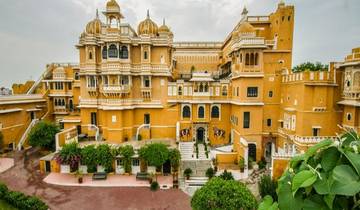
11 days
Taj Mahal and Wildlife with Royal Stay at Castles
- ✓ Comprehensive India tour
- ✓ Expert local guides included
- ✓ All accommodation arranged
- ✓ Transportation provided
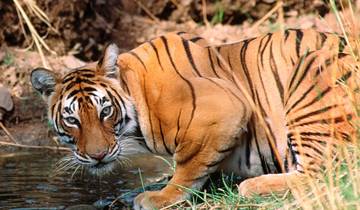
8 days
Golden Triangle Tour With Ranthambore With Luxury 4 Star Hotels Group/Private
- ✓ Comprehensive India tour
- ✓ Expert local guides included
- ✓ All accommodation arranged
- ✓ Transportation provided
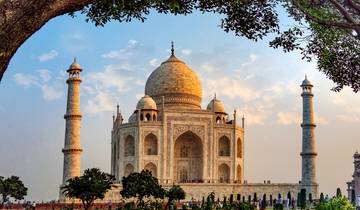
5 days
India's Top Selling Golden Triangle India Tour w/ Meals and Sunrise Taj Mahal
- ✓ Comprehensive India tour
- ✓ Expert local guides included
- ✓ All accommodation arranged
- ✓ Transportation provided
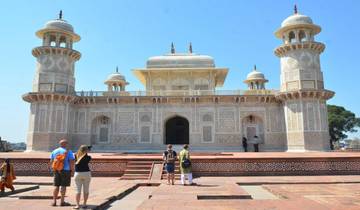
7 days
India Golden Triangle Tour
- ✓ Comprehensive India tour
- ✓ Expert local guides included
- ✓ All accommodation arranged
- ✓ Transportation provided
Multi-day tour packages powered by TourRadar. Prices and availability subject to change.
Introduction: Planning Your 2026 India Journey
Planning a first trip to India can feel overwhelming. The country is a continent in itself — its 1.4 billion people speaking hundreds of languages across 28 states encompass a diversity of cultures, cuisines, climates, and heritage that no other nation can match. The good news is that India’s tourism infrastructure has improved dramatically in recent years, with online booking systems for trains, UNESCO site tickets, and tours making advance planning more manageable than at any previous time. The challenge is deciding what to prioritize.
Most first-time visitors to India in 2026 focus on one of three broad approaches. The first is the heritage circuit — the iconic path through Delhi, Agra, Jaipur, and surrounding Rajasthan, home to several UNESCO sites and familiar to travelers from every source of travel media. The second is the nature and culture combination — Kerala’s backwaters and hill stations, Karnataka’s heritage temples, or the wildlife parks of Assam and Madhya Pradesh. The third is the spiritual journey — following the Buddhist pilgrimage circuit through Bodh Gaya, Varanasi, Sarnath, and Sanchi, or the Hindu pilgrimage towns of Rajasthan and Tamil Nadu.
A two-week visit realistically allows deep exploration of one region. Three weeks permits a meaningful combination. For travelers seeking to engage seriously with India’s UNESCO heritage — spanning from Himalayan foothill national parks to monsoon forest temples to Mughal monuments to Dravidian sea-facing shrines — a month or more remains the realistic minimum. This guide covers all the essential planning elements for whatever duration and itinerary you choose.
Essential Documents and Visas 2026
The India e-Tourist Visa is the standard entry mechanism for citizens of 166+ eligible countries in 2026. Applications are submitted through the official Indian government visa portal (indianvisaonline.gov.in) and typically processed within 3 working days. The system is straightforward: applicants upload a passport-size photograph, scan of the biographical page of their passport, and a scanned copy of the return ticket or travel itinerary, then pay online by credit or debit card.
For a 30-day single-entry eVisa: the fee is $25 (July through March) or a reduced $10 (April through June). This is the most popular option for first-time visitors. The 1-year multiple-entry eVisa at $40 allows travelers to enter India up to three times within the validity period — ideal for those planning multiple shorter trips. The 5-year multiple-entry eVisa at $80 suits frequent visitors. Note that eVisa holders may only enter through 31 designated international airports and 6 specified seaports. Paper visas obtained through embassies allow entry through all ports of entry and cost approximately $155 for a single entry, with processing time of 10-15 business days.
All travelers must present a printed copy of their approved Electronic Travel Authorization (ETA) at immigration. Passport validity must extend at least 6 months beyond the intended date of departure. Two blank passport pages are required for immigration stamps. Travelers should apply for their eVisa no later than 4-7 days before departure to allow for processing time and any resubmission if required.
Best Time to Visit India in 2026: Season-by-Season Guide
India’s climate varies enormously by region and season, making “best time to visit” highly dependent on which parts of the country you plan to explore.
October through November 2026 represents the sweet spot for North India. Post-monsoon skies are clear and fresh, temperatures in Delhi are ideal (20-30°C), and the festival season peaks with Navratri, Dussehra, and Diwali (Diwali falls in late October or early November in 2026). Rajasthan is excellent, and the first cool breezes arrive in the Himalayan foothills. This is the best time to visit Rajasthan’s heritage cities and the Golden Triangle. The Pushkar Camel Fair — one of India’s most spectacular and photogenic events — takes place in Rajasthan in late October or November each year.
December through February 2026/2027 is peak season across India. Weather in the north is cool and clear — December and January bring cold nights in Delhi (5-10°C) and possible fog in the mornings, which can delay flights and dramatically affect the aesthetic of the Taj Mahal (morning fog creates extraordinary atmospheric effects but can obscure the monument entirely). Rajasthan is at its most comfortable, beaches in Goa are in perfect condition, and wildlife sightings in Kaziranga, Ranthambhore, and Kanha reach their peak as animals congregate around drying water sources. Book all accommodation, train tickets, and Taj Mahal tickets well in advance — the December-February period sees maximum international tourist demand.
March through May 2026 brings rising heat to most of India. By May, temperatures in Delhi and Rajasthan reach 40-45°C, making outdoor heritage visits uncomfortable during midday hours. However, this period offers advantages: lower prices and fewer tourists, excellent conditions in the Himalayan hill stations (Shimla, Dharamsala, Darjeeling), and the Kerala backwaters before the June monsoon. The Elephant Festival in Thrissur (Kerala) typically occurs in the April-May window. Budget travelers willing to endure the heat find March-May the best value period of the year.
June through September 2026 is monsoon season across most of India. The southwest monsoon arrives in Kerala in early June and sweeps northeast across the subcontinent through July. North India, Rajasthan, and central India receive heavy rainfall from July through September. While the monsoon presents obvious logistical challenges — roads flood, some heritage sites close temporarily, wildlife parks shut down — it also transforms India’s landscapes into dramatic, lush beauty. The Western Ghats, Kerala’s backwaters, and the valley of flowers in Uttarakhand reach their most spectacular state during the monsoon. Prices drop significantly, and the few tourists willing to deal with the rain encounter India at its most authentic and least crowded. Ladakh’s desert landscape remains clear and accessible when the rest of India is soaked.
Budget Planning 2026: What It Really Costs
India’s affordability makes it accessible to travelers at all budget levels, though costs have risen gradually in recent years and the gap between tourist-facing prices and local prices has narrowed somewhat in the most visited destinations.
For accommodation in 2026: backpacker dormitory beds in established hostels cost ₹400-700 ($5-8) per night in most cities. Private rooms in guesthouses run ₹800-1,500 ($9-17). Mid-range hotels with private bathroom and air conditioning: ₹2,000-5,000 ($24-58). Business-class hotels in Delhi, Mumbai, and Jaipur: ₹5,000-12,000 ($58-140). The famous heritage palace hotels of Rajasthan (the Taj Rambagh Palace in Jaipur, Umaid Bhawan in Jodhpur, the City Palace hotels in Udaipur) begin at ₹25,000-60,000 ($290-700) per night and represent some of the world’s most extraordinary hotel experiences.
For food in 2026: a full meal at a local dhaba (roadside restaurant) runs ₹80-150 ($1-1.75). A good meal at a mid-range restaurant with multiple dishes: ₹400-800 ($5-9). A meal at a quality restaurant in Delhi, Mumbai, or a luxury hotel: ₹1,500-4,000 ($17-47). A cup of chai anywhere in India: ₹10-20 ($0.12-0.25). Street food snacks (samosas, chaat, dosas, vada pav): ₹20-80 per item ($0.25-0.95). Budget travelers eating primarily at dhabas and street stalls can cover all food expenses for ₹300-500 ($3.50-6) per day — a genuinely remarkable value proposition.
For transportation in 2026: India’s Indian Railways network is the backbone of budget travel. A sleeper-class overnight train ticket between major cities (Delhi to Jaipur, 5 hours: approximately ₹250-400/$3-5; Delhi to Agra, 2-3 hours: ₹150-300/$1.75-3.50) represents extraordinary value. Air-conditioned 2-tier (2AC) class significantly increases comfort and costs 3-4x more. Budget domestic airlines (IndiGo, Air India Express, SpiceJet) connect major cities: a Delhi-Mumbai flight can be booked for ₹2,500-6,000 ($29-70) if purchased weeks in advance. City metro systems in Delhi, Mumbai, Kolkata, Bangalore, and Hyderabad charge ₹10-60 per ride. Auto-rickshaws for short city trips run ₹50-200 ($0.60-2.30) if using the meter or negotiating firmly.
For UNESCO site admission in 2026: India maintains dual pricing — lower rates for domestic Indian visitors and higher rates for international tourists. The Taj Mahal charges ₹1,300 ($15) for international adults, including the entry to the main mausoleum. Agra Fort: ₹650 ($7.50) for international visitors. Humayun’s Tomb, Qutb Minar, Red Fort: ₹600-650 each ($7-7.50). A multi-site pass (Agra Heritage Circuit Pass) covers the Taj Mahal, Agra Fort, Fatehpur Sikri, and other monuments on a single-day entry basis — check the ASI website for current 2026 composite ticket options. National park fees for Kaziranga jeep safaris: approximately ₹2,500-4,000 per jeep for a 2-hour excursion (check official park offices for current 2026 rates).
Sample daily budgets for 2026:
Budget Backpacker: Hostel dorm ₹500, street food and dhaba meals ₹400, local bus and metro ₹150, one heritage site entry ₹350 (domestic-equivalent ticket tier). Total: approximately ₹1,400/day ($16-17) excluding long-distance transport. Realistic all-in average including occasional train journeys: $25-35/day.
Mid-Range: Private guesthouse room with AC ₹2,500, restaurant meals twice daily ₹1,000, auto-rickshaws and occasional taxi ₹400, international UNESCO entry fees ₹700. Total: approximately ₹4,600/day ($54). Realistic all-in average including comfortable train tickets: $65-90/day.
Comfortable: 3-4 star hotel ₹6,000, good restaurant meals ₹2,000, private driver or taxis ₹2,000, guided tours and heritage entries ₹1,500. Total: approximately ₹11,500/day ($133). Realistic all-in average: $130-180/day.
Getting to India 2026: Flights and Entry Points
India’s major international airports are Delhi’s Indira Gandhi International Airport (DEL) — the busiest and most connected — Mumbai’s Chhatrapati Shivaji Maharaj International Airport (BOM), Bangalore’s Kempegowda International Airport (BLR), Chennai’s Anna International Airport (MAA), Kolkata’s Netaji Subhas Chandra Bose International Airport (CCU), and Kochi International Airport (COK). For travelers focusing on North India and the Golden Triangle, Delhi is the natural entry point. Mumbai provides the gateway to Maharashtra’s UNESCO cave complexes and the Deccan temple circuits. Kochi is the ideal starting point for Kerala. Chennai for Tamil Nadu’s Dravidian temple heritage.
Flight connections to India are extensive in 2026. From Europe, direct services operate from London (Heathrow), Frankfurt, Amsterdam, Paris, and Rome to Delhi and Mumbai. From North America, Air India, United, and codeshare partners operate nonstop services from New York (JFK) and Chicago (O’Hare) to Delhi, with connections throughout the network. From Southeast Asia and Australia, connections via Singapore, Bangkok, Kuala Lumpur, and Hong Kong reach all major Indian airports. The best fares are typically found 8-12 weeks before departure for European travelers, 10-14 weeks out for North American itineraries.
Getting Around India 2026: Transportation Guide
The Indian Railways network — with over 7,500 stations and approximately 20,000 daily train services — remains the best way to move between heritage destinations in 2026. The online booking portal (irctc.co.in) allows advance reservations up to 120 days before travel, essential for securing berths in air-conditioned classes during peak season. Foreign tourists can use a Foreign Tourist Quota — a reserved allocation of seats on major routes accessible through IRCTC or approved travel agents. The Rajasthan Tourist Development Corporation’s Palace on Wheels and similar heritage rail journeys offer luxury alternatives for travelers who prefer curated experiences.
For the Golden Triangle specifically, the Gatimaan Express (Delhi to Agra Cantonment in 100 minutes) and Shatabdi Express trains provide fast, reliable connections. The Shatabdi Express network connects Delhi with Jaipur in approximately 4.5-5 hours. For longer journeys — Delhi to Mumbai (Rajdhani Express: 16 hours overnight), Delhi to Kolkata (Rajdhani Express: 17 hours) — the overnight trains in 2AC or 1AC class provide comfortable intercity movement.
Domestic flights offer a time-saving alternative for long hops — Delhi to Kochi (avoiding 2 days of train travel), Mumbai to Goa (versus 8 hours by bus or train), Delhi to Leh (the only practical way to reach Ladakh for most visitors). IndiGo operates the most extensive domestic network; Air India Express and Akasa Air provide competitive alternatives. Book domestics simultaneously with international flights for the best combination of availability and price.
Hire cars with drivers — booked through established operators, not arranged on the street — remain the most flexible option for exploring rural heritage areas, Rajasthan’s forts, and Tamil Nadu’s temple circuits. Rates run approximately ₹2,500-4,000 per day ($29-47) for an AC vehicle with experienced English-speaking driver covering 250-300 kilometers. This compares favorably to organized tours when two or more travelers share the cost and the itinerary flexibility it offers.
2026 Heritage Touring Circuits: The Essential Routes
India’s UNESCO World Heritage Sites cluster naturally into touring circuits that can be efficiently covered with advance planning. The following represent the most popular and logistically practical routes for 2026 visitors.
The Golden Triangle remains the foundation of first-time heritage travel in India: Delhi (3-4 days covering the Red Fort, Humayun’s Tomb, and Qutb Minar), Agra (2 days for the Taj Mahal and Agra Fort, with a half-day excursion to Fatehpur Sikri), and Jaipur (2-3 days for the Hill Forts including Amber Fort, Jantar Mantar, and the walled Pink City). This circuit is easily accomplished in 8-10 days and connects three UNESCO sites in each city. All three destinations are served by direct trains and form a comfortable loop. The optimal sequence in winter (November-February) is Delhi-Agra-Jaipur to avoid backtracking and allow Agra’s Taj Mahal to be visited first thing in the morning from the east.
The Rajasthan Heritage Extension adds Udaipur (City Palace, Lake Pichola), Jodhpur (Mehrangarh Fort — not yet UNESCO but frequently cited as deserving inscription), and Jaisalmer (the golden sandstone living fort, the most visually dramatic of the Hill Forts of Rajasthan group) to the Golden Triangle. A comfortable Rajasthan circuit of 14-16 days encompassing all the major heritage cities and the Ranthambhore Tiger Reserve (excellent leopard and tiger sightings) provides one of the world’s great heritage journeys.
The Maharashtra Cave Circuit — Ajanta, Ellora, and Elephanta — can be accomplished in 5-7 days using Aurangabad as a base for the first two (with day trips to both cave complexes) and Mumbai as the gateway for Elephanta (a 1-hour ferry from the Gateway of India). The addition of the Maratha Military Landscapes forts — Daulatabad Fort near Aurangabad, Pratapgad (2 hours from Pune), and Raigad (easily reached from Pune or Mumbai by road) — creates a compelling extended circuit for those with 10-12 days in Maharashtra.
The Karnataka-Tamil Nadu Heritage Circuit connects Hampi (2-3 days minimum — the site is immense), the Hoysala Temples at Belur and Halebid (day trip from Hassan or Mangalore), Pattadakal (half day, near Badami), and Tamil Nadu’s Mahabalipuram (1-2 days from Chennai), the Chola Temples at Thanjavur (1-2 days), and Kanchipuram. This circuit, best accomplished with a hire car or a combination of trains and hire car, requires 10-14 days and rewards travelers with some of India’s most spectacular medieval temple architecture.
The Buddhist Heritage Circuit — following the footsteps of the historical Buddha — connects Bodh Gaya (site of enlightenment, 2 days minimum), Sarnath near Varanasi (site of the first sermon), and Sanchi (the Great Stupa, day trip from Bhopal), with Nalanda (the ancient university ruins, near Bodh Gaya) easily added. Varanasi itself — though not yet inscribed — is one of humanity’s oldest continuously inhabited cities and among India’s most extraordinary experiences. This circuit is best accomplished by train from Delhi or Kolkata.
Accommodation Strategies for 2026
India’s accommodation market in 2026 offers extraordinary range. The most significant strategic decision for heritage travelers is whether to book through international platforms (Booking.com, Airbnb, Agoda) for price transparency and secure payment, or to work through specialized India travel operators who access blocks of rooms at heritage hotels and can negotiate rates and inclusions not available online.
In the Golden Triangle cities, book accommodation at least 6-8 weeks before arrival for visits between October and February. For the most popular properties — the ITC Mughal in Agra (closest 5-star to the Taj Mahal), the Rambagh Palace or Jai Mahal Palace in Jaipur, the Imperial Hotel in Delhi — lead times of 3-4 months are realistic for peak season. In Rajasthan’s smaller cities (Jodhpur, Udaipur, Jaisalmer), heritage havelis and boutique guesthouses provide atmospheric alternatives to international chain hotels at significantly lower prices.
Kerala’s backwater accommodation — including the iconic houseboat (kettuvallam) stays on Vembanad and Ashtamudi lakes — requires advance booking of 4-6 weeks for November-January dates. Houseboats range from basic single-bedroom vessels with simple meals included (₹6,000-8,000/$70-93 per night) to luxury multi-bedroom boats with chef, air conditioning, and kayaks (₹20,000-35,000/$233-407 per night). Munnar hill station accommodation fills quickly during April-May (Indian school holidays) and September-October (post-monsoon reopening).
For national park access, accommodation inside or immediately adjacent to buffer zones fills fastest. In Kaziranga, properties along the Kohora-Bagori stretch offer direct access to the park gates; book 6-10 weeks ahead for January-March. In Ranthambhore Tiger Reserve (Rajasthan), the best wildlife-viewing lodges inside the buffer zone — like the Aman-i-Khas tented camp or Vanyavilas — sell out 3-4 months in advance for peak wildlife season.
Health and Safety Planning 2026
Health preparation is essential for India in 2026. Consult a travel medicine physician or clinic 6-8 weeks before departure to assess vaccination requirements and recommendations. Standard recommended vaccinations for India include hepatitis A, hepatitis B, typhoid, tetanus-diphtheria-pertussis, and rabies (for travelers spending time in rural areas or with animal exposure risk). Malaria prophylaxis is recommended for certain regions — particularly rural areas of Rajasthan, Madhya Pradesh, and the northeast — and your travel doctor will advise on appropriate prophylaxis based on your specific itinerary.
Traveler’s diarrhea is the most common health issue for visitors. The fundamental precaution is drinking only bottled or treated water (never tap water) and avoiding raw vegetables, unpeeled fruits, and food from street stalls with poor hygiene standards. Carrying oral rehydration salts, loperamide, and antibiotic prescription (ciprofloxacin or azithromycin, prescribed by your doctor) handles the majority of cases effectively. The heat in India — particularly in Rajasthan and the Deccan plateau from April onward — requires consistent hydration and sun protection.
Travel insurance for India in 2026 must include emergency medical evacuation coverage, which can cost $20,000-50,000 if required. Medical facilities in Delhi, Mumbai, and Bangalore meet international standards at private hospitals (Apollo, Fortis, Max Healthcare chains). In smaller cities and rural areas, evacuation to a major center is often the most prudent course for serious conditions.
Practical Tips for 2026 Visitors
Currency and payments in 2026: India remains substantially a cash economy, particularly outside major cities and tourist centers. ATMs are widely available at international airports, major cities, and most town centers, accepting Visa, Mastercard, and Maestro cards. Withdraw larger amounts per transaction to minimize ATM fees. Credit card acceptance has expanded significantly following India’s post-2016 digital payment push — most mid-range and upmarket hotels, restaurants, and shops accept cards. UPI-based payment apps (Google Pay, PhonePe) work only with Indian bank accounts but demonstrate how deeply digital payment has penetrated the market.
Internet and connectivity: India’s telecom operators — Jio, Airtel, and Vi (formerly Vodafone-Idea) — offer prepaid SIM cards to foreign visitors at airports and authorized stores. A 28-day data package with 1.5-2 GB per day costs ₹350-600 ($4-7) and provides coverage across the country including most rural areas. The purchase requires a passport and visa, with activation taking 4-24 hours in some cases. This is far more practical than international roaming for any visit exceeding a few days.
Cultural etiquette at heritage sites: Most of India’s living religious sites — temples, mosques, gurudwaras (Sikh temples) — require visitors to remove shoes before entering and dress modestly (shoulders and knees covered). Women may be required to cover their heads in mosques and gurudwaras; scarves are often available at the entrance. Photography restrictions vary: the interior of the Taj Mahal’s main chamber prohibits photography, while the gardens permit it freely. Drone photography requires advance permits from the Archaeological Survey of India and civil aviation authority — unauthorized drone use near heritage monuments carries significant penalties.
Tipping customs in 2026: India has no fixed tipping culture, but gratuities are appreciated across service industries. At restaurants, ₹50-100 on smaller bills or 10% on larger ones is appropriate. Hotel bellboys: ₹50-100 per bag. Tour guides: ₹500-1,000 per day for good service. Private drivers: ₹300-500 per day in addition to their standard rate. Heritage site guards and photographers who arrange shots: ₹50-100 is courteous but not obligatory.
Shopping and textiles: India’s UNESCO heritage cities are centers of traditional craft production. Jaipur is renowned for block-printed textiles, blue pottery, and precious stones. Varanasi for Banarasi silk sarees. Rajasthan broadly for embroidered fabrics, leather puppets, and miniature paintings. Mumbai and Delhi for upscale contemporary Indian fashion. Karnataka for sandalwood, silk (Mysore silk), and rosewood. When shopping in heritage areas, government-run emporiums (look for Rajasthali in Rajasthan, Cauvery in Karnataka, etc.) offer fixed-price, quality-guaranteed merchandise as a useful reference point for negotiating in private shops.
Sample 2026 Itineraries
10-Day First Visit 2026 (Golden Triangle + Rajasthan): Days 1-3 Delhi (Red Fort, Humayun’s Tomb, Qutb Minar, Old Delhi markets); Day 4 train to Agra, afternoon Agra Fort; Day 5 Taj Mahal at sunrise, afternoon Fatehpur Sikri; Day 6 train to Jaipur; Days 7-8 Jaipur (Amber Fort, City Palace, Jantar Mantar, pink city bazaars); Day 9 train or hire car to Ranthambhore Tiger Reserve; Day 10 morning safari, train back to Delhi for departure.
14-Day South India Heritage 2026: Days 1-2 Chennai arrival, Mahabalipuram shore temples; Days 3-4 Thanjavur Brihadeeswarar Temple and Chola temple circuit; Days 5-6 fly or train to Bangalore, day trip to Belur and Halebid Hoysala temples; Days 7-9 Hampi (arrange hire car from Hospet/Hampi); Days 10-11 fly to Kochi, Kerala backwaters by houseboat; Days 12-13 Munnar hill station; Day 14 Kochi departure.
21-Day Comprehensive India Heritage 2026: Days 1-4 Delhi heritage (complete Golden Triangle setup); Days 5-6 Agra (Taj Mahal, Agra Fort, Fatehpur Sikri); Days 7-9 Jaipur and Rajasthan forts; Days 10-11 overnight train to Mumbai; Days 12-13 Ajanta and Ellora Caves (Aurangabad base); Day 14 Elephanta Caves (Mumbai day trip); Day 15 fly to Goa; Days 16-17 Goa churches and convents, beach relaxation; Days 18-19 fly to Bangalore, Hoysala temples; Days 20-21 fly to Delhi for departure.
Booking Timeline for 2026
Success in India in 2026 — particularly during the peak November-February season — depends on a disciplined booking sequence. International flights: 10-14 weeks in advance for best fares. Train tickets: open at 120 days before travel on IRCTC; book immediately for popular routes and AC classes in peak season. Premium heritage hotels and Rajasthan palace properties: 3-4 months ahead for December and January. Wildlife lodge accommodation near national parks: 6-8 weeks minimum. Taj Mahal tickets: available online through the ASI/Archaeological Survey of India portal up to 30 days in advance; strongly recommend pre-booking to avoid queuing and occasional sellout of the daily visitor cap. Kerala houseboats: 4-6 weeks for quality vessels in season. Private guide and tour bookings for major sites: 2-4 weeks minimum for licensed, reviewed guides. e-Tourist Visa: apply no later than one week before departure, ideally 2 weeks.
Frequently Asked Questions About India 2026
What language do people speak in India and how will I communicate in 2026?
India has 22 officially recognized languages and hundreds of regional dialects. Hindi is the most widely spoken language in North India, while Tamil, Telugu, Kannada, and Malayalam dominate the south. However, English is a co-official language of India and is widely spoken in the tourism industry, at heritage sites, in hotels and restaurants in cities, and throughout the educated urban population. At UNESCO World Heritage Sites, English-speaking guides are always available. In rural areas and at smaller off-the-beaten-path destinations, basic Hindi phrases or a translation app (Google Translate works well with Indian languages) are useful supplements.
What are the most common scams to avoid at India’s UNESCO sites in 2026?
The most common tourist scams at India’s heritage sites follow recognizable patterns. “Closed today” scams involve someone approaching you near a heritage site claiming it is closed for a ceremony, government inspection, or holiday, and offering to take you to their “cousin’s shop” or “special alternative.” In reality, the site is almost certainly open. Always verify independently at the site gate. Unofficial guides who attach themselves uninvited and then demand payment are common at Agra, Jaipur, and Varanasi. Rickshaw and taxi drivers who quote one price then claim “meter is broken” or add charges are widespread. Countermeasures: book heritage site tickets online in advance (the ASI portal allows this), pre-arrange licensed guides through your hotel or a reputable operator, and always agree on a final price before boarding any transport.
Can I visit India’s UNESCO sites independently without a tour guide?
Yes — the vast majority of India’s UNESCO sites are fully accessible to independent visitors. Ticket booths are clearly signed, sites have information boards in English, and audio guides are available at major monuments including the Taj Mahal, Agra Fort, and Humayun’s Tomb (typically ₹150-200/$1.75-2.30). That said, a knowledgeable guide transforms the experience at complex sites like Ellora Caves (where Buddhist, Hindu, and Jain heritage intertwines across 34 cave complexes), Hampi (where 1,600 monuments spread across a vast boulder landscape require wayfinding assistance), and the Maratha Military Landscapes forts (where historical context is essential to appreciating the military engineering). Licensed guides can be hired at the sites themselves or pre-booked through ASI-registered tour operators.
Is it necessary to hire a private driver in India in 2026?
A private hire car with driver is not necessary but is highly recommended for Rajasthan’s fort circuit (where multiple sites lie outside rail or bus routes), the Ajanta-Ellora-Nashik-Aurangabad circuit in Maharashtra, and the Hoysala temples in Karnataka. For the Golden Triangle specifically, a hire car covering Delhi-Agra-Jaipur-Delhi (approximately 800 kilometers total, 3-4 days) costs ₹8,000-12,000 ($93-140) all-in — a reasonable cost split between two or more travelers that eliminates all transport logistics. Indian Railways handle Delhi-Agra and Delhi-Jaipur efficiently for solo travelers or budget-conscious pairs. For wildlife safaris, jeeps must be booked through the park’s official authorized operators.
What currency should I use in India in 2026 and how much cash should I carry?
The Indian Rupee (INR/₹) is the only currency accepted in India. The exchange rate in early 2026 is approximately 84-86 INR per US dollar and 97-100 INR per euro. Cash remains important in India, particularly at local restaurants, markets, rickshaws, and small heritage towns. Carry ₹3,000-5,000 ($35-58) in small denominations (₹100, ₹200, ₹500 notes) as daily operating cash. ATMs at airports, major cities, and tourist towns reliably dispense rupees using international cards (Visa and Mastercard have the widest acceptance). Currency exchange counters at international airports offer reasonable rates; avoid money changers on the street. Spending US dollars or euros directly is not possible in most of India outside of certain upscale hotels that may quote and accept USD for room charges.
How should I plan for the Taj Mahal visit in 2026 specifically?
The Taj Mahal requires specific planning in 2026. International adult entry costs ₹1,300 ($15) and includes access to the gardens and the mausoleum interior. Tickets are available online through the ASI portal (asi.payumoney.com) and at the site ticket counters. The site is open daily except Fridays (when it closes to non-worshippers for Friday prayers). Hours run approximately 6 AM to 6:30 PM, with the site also open on certain full-moon nights for moonlight viewing (book separately, very limited tickets). Sunrise visits — arriving at gate opening around 6 AM — offer the most dramatic light and the thinnest crowds. Midday (10 AM–3 PM) is the busiest period. The western gate (near Shahjahan Park) typically has shorter queues than the eastern and southern gates. Photography tripods are prohibited in the mausoleum interior. Bags must be checked at the entrance; a cloakroom is available. Wear comfortable shoes — the marble plateau around the mausoleum is extensive and requires walking.
What vaccinations do I need for India in 2026?
Consult a travel medicine specialist or clinic for personalized advice based on your health history and specific itinerary, as recommendations vary. Routinely recommended vaccinations for India in 2026 include hepatitis A, hepatitis B, typhoid, and tetanus-diphtheria-pertussis (Tdap). Rabies vaccination is recommended for travelers spending time in rural areas, working with animals, or planning extended stays. Yellow fever vaccination is required only if arriving from a country with risk of yellow fever transmission. Malaria prophylaxis — typically doxycycline, chloroquine, or atovaquone-proguanil depending on the region — is recommended for travel to rural parts of Rajasthan, Madhya Pradesh, Jharkhand, Odisha, and northeast India. Apply for your eVisa and consult your travel doctor simultaneously, at least 6-8 weeks before departure.
What are the busiest and quietest times to visit India’s top UNESCO sites in 2026?
The Taj Mahal sees its peak crowds from November through February (international tourist high season) and in late March-early April (Indian spring holiday period). The quietest months at the Taj are July and August (monsoon season) and May-June (extreme heat) — trade-offs in weather for meaningful reductions in crowd density. Rajasthan’s hill forts are busiest during Indian long weekends and school holidays (October-November, late December through January, March-April). Karnataka’s Hampi and Hoysala temples see manageable crowds year-round compared to north Indian sites, with November and February the busiest months. Kerala’s backwaters and Nilgiris are quietest in June-August (southwest monsoon). National parks (Kaziranga, Ranthambhore, Kanha) operate on visitor quotas that sell out for peak months; booking safari slots weeks in advance is essential for January-March visits.
Are there any new UNESCO sites or heritage developments in India to know about for 2026?
The Maratha Military Landscapes of India were inscribed in July 2025, creating an important new heritage circuit in Maharashtra incorporating 12 hill forts. These sites were generating significant new tourism infrastructure development through the first half of 2026, with the Maharashtra Tourism Development Corporation expanding visitor facilities at Raigad, Pratapgad, and Sindhudurg forts. Additionally, India officially nominated Sarnath — the deer park near Varanasi where the historical Buddha delivered his first sermon — for UNESCO inscription in the 2025-2026 cycle. India also added six significant sites to its UNESCO Tentative List in 2025, including Kanger Valley National Park in Chhattisgarh and the Mudumal Megalithic Menhirs in Telangana. Varanasi’s own submission as a World Heritage City nomination continues to develop, representing what would become India’s most significant new inscription if successful.