
India Budget Guide 2026: Delhi Agra Jaipur Complete Cost Breakdown
Planning a trip to India’s Golden Triangle requires understanding realistic daily costs across Delhi, Agra, and Jaipur to budget effectively for accommodation, transportation, meals, and monument entries. This comprehensive guide breaks down actual 2026 expenses from budget backpacker to mid-range comfort levels, helping you allocate resources strategically while avoiding common tourist pricing traps that inflate costs unnecessarily.
Key Takeaways
- Daily Budget Ranges: Backpackers can travel comfortably on $25-35 daily, mid-range travelers need $60-90, while luxury seekers spend $150-300+ per day across the Golden Triangle
- Major Monument Costs: Foreign tourist entry fees total approximately ₹5,500-7,000 ($65-85) for all major UNESCO sites and primary attractions across three cities
- Transportation Savings: Inter-city trains cost ₹150-1,500 ($2-20) compared to flights at ₹3,000-8,000 ($35-95), while overnight trains eliminate accommodation expenses
- Accommodation Strategy: Staying slightly outside tourist centers reduces nightly rates 30-50% while remaining accessible via metro or short auto-rickshaw rides
- Food Cost Reality: Street food and local restaurants provide excellent meals at ₹80-300 ($1-4), while tourist-oriented establishments charge 200-300% premiums for identical cuisine
- Seasonal Variations: Shoulder season travel (March-April, September-October) delivers 20-40% lower accommodation rates compared to peak winter months December-February
People Also Ask About India Budget 2026
How much money do I need per day in Delhi, Agra, and Jaipur in 2026?
Budget travelers spend $25-35 daily covering hostel dormitories ($6-12), street food and basic restaurants ($8-12), local transport ($3-5), and monument entries ($8-12). Mid-range travelers allocate $60-90 daily for private hotel rooms ($30-50), restaurant meals ($15-25), comfortable transport ($8-12), and similar entry fees. Luxury travelers budget $150-300+ daily for high-end hotels ($100-200), fine dining ($40-80), private drivers ($40-60), and comprehensive touring. These estimates exclude initial arrival costs, shopping, and special experiences like cultural shows or private guides.
What’s the total cost for a one-week Golden Triangle trip in 2026?
A 7-day Golden Triangle itinerary costs $180-250 for backpackers, $420-630 for mid-range travelers, and $1,050-2,100+ for luxury experiences, excluding international flights. Budget breakdown includes accommodation (budget $42-84, mid-range $210-350, luxury $700-1,400), food (budget $56-84, mid-range $105-175, luxury $280-560), transport between cities (budget $15-30, mid-range $40-80, luxury $150-300), monument entries ($65-85 all categories), and local transport (budget $21-35, mid-range $56-84, luxury $280-420). Add $100-300 for shopping, tips, and miscellaneous expenses across all budget levels.
Are credit cards widely accepted in Delhi, Agra, and Jaipur in 2026?
Major credit cards (Visa, Mastercard) work at hotels, upscale restaurants, and shopping malls across all three cities. However, cash remains essential for street food vendors, auto-rickshaws, small shops, monument entry tickets, and most local restaurants. Budget 70-80% of daily expenses in cash for backpackers and mid-range travelers. ATMs widely available dispensing ₹10,000 maximum per transaction with ₹200-250 foreign transaction fees. Carry mix of small denominations (₹10-100 notes) as vendors often lack change for ₹500 or ₹2,000 notes.
What’s the cheapest way to travel between Delhi, Agra, and Jaipur in 2026?
Standard non-AC trains provide cheapest option at ₹150-400 for Delhi-Agra (2.5-3 hours) and ₹200-500 for Agra-Jaipur (4-5 hours), though comfort levels vary significantly. AC 3-tier sleeper class balances cost and comfort at ₹400-800 for these routes with air conditioning and comfortable berths. Buses cost similar to AC trains (₹300-800) with comparable journey times. Shared taxis and rideshares occasionally offer competitive pricing when full (₹400-600 per person). Book train tickets 30-60 days advance for confirmed reservations during peak tourist season October-March.
Extended multi-day tours – 5+ days
Featured India Multi-Day Tour Packages
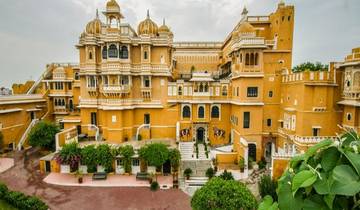
11 days
Taj Mahal and Wildlife with Royal Stay at Castles
- ✓ Comprehensive India tour
- ✓ Expert local guides included
- ✓ All accommodation arranged
- ✓ Transportation provided
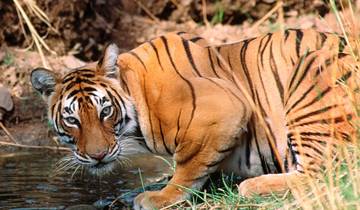
8 days
Golden Triangle Tour With Ranthambore With Luxury 4 Star Hotels Group/Private
- ✓ Comprehensive India tour
- ✓ Expert local guides included
- ✓ All accommodation arranged
- ✓ Transportation provided
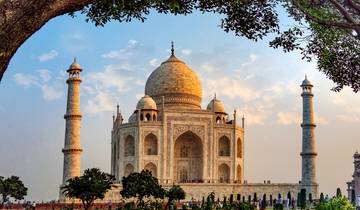
5 days
India's Top Selling Golden Triangle India Tour w/ Meals and Sunrise Taj Mahal
- ✓ Comprehensive India tour
- ✓ Expert local guides included
- ✓ All accommodation arranged
- ✓ Transportation provided
7 days
India Golden Triangle Tour
- ✓ Comprehensive India tour
- ✓ Expert local guides included
- ✓ All accommodation arranged
- ✓ Transportation provided
Multi-day tour packages powered by TourRadar. Prices and availability subject to change.
Introduction: Understanding India Golden Triangle Costs
India’s Golden Triangle circuit connecting Delhi, Agra, and Jaipur offers exceptional value for money across all budget categories compared to European or North American destinations. The same daily budget securing hostel dormitory beds and street food in India provides mid-range hotel comfort and restaurant dining, while luxury experiences cost fraction of equivalent Western accommodations.
However, India’s vast pricing spectrum creates confusion for first-time visitors. Hotel rates span ₹400 ($5) dormitory beds to ₹50,000+ ($600+) luxury suites in the same city. Restaurant meals range ₹80 ($1) street food to ₹5,000+ ($60+) fine dining. Understanding realistic costs across budget categories prevents both overspending on tourist-oriented services and uncomfortable budget constraints limiting experiences.
This guide provides verified 2026 pricing across accommodation, food, transportation, and activities, enabling accurate budget planning based on preferred comfort level. Prices reflect high-season rates (November-February) with notation of seasonal variations where significant.
Total Trip Cost Overview 2026
Budget Backpacker (7 Days)
Total estimated cost: $180-250 per person for one-week Golden Triangle covering Delhi (2 nights), Agra (1 night), Jaipur (2 nights), return Delhi (1 night), excluding international flights.
Breakdown: Accommodation ₹3,500-7,000 ($42-84) in hostel dormitories or budget guesthouses, Food ₹4,700-7,000 ($56-84) eating street food and local restaurants, Inter-city transport ₹1,300-2,500 ($15-30) using standard trains and buses, Monument entries ₹5,500-6,500 ($65-80) for major UNESCO sites and key attractions, Local transport ₹1,800-3,000 ($21-35) via metro, buses, and shared auto-rickshaws, Miscellaneous ₹2,000-4,000 ($25-50) for tips, water, snacks, basic shopping.
This budget requires flexibility with basic accommodations, eating predominantly local cuisine, using public transport exclusively, and limiting shopping to essential souvenirs. Suitable for travelers prioritizing experiences over comfort.
Mid-Range Comfortable (7 Days)
Total estimated cost: $420-630 per person for one-week Golden Triangle with same itinerary at significantly enhanced comfort level.
Breakdown: Accommodation ₹17,500-29,000 ($210-350) in private rooms at 3-star hotels or boutique properties with air conditioning and breakfast, Food ₹8,800-14,600 ($105-175) mixing restaurant meals with occasional street food, Inter-city transport ₹3,300-6,600 ($40-80) using AC chair car trains and comfortable buses, Monument entries ₹5,500-6,500 ($65-80) identical to budget category, Local transport ₹4,700-7,000 ($56-84) via Uber/Ola, metered auto-rickshaws, and occasional private car hire, Miscellaneous ₹5,000-10,000 ($60-120) for guides, cultural experiences, shopping, tips.
Mid-range budget delivers comfortable travel without luxury excess, balancing cost-consciousness with quality accommodations, convenient transport, and enhanced experiences like guided tours or cultural programs.
Luxury Experience (7 Days)
Total estimated cost: $1,050-2,100+ per person for one-week Golden Triangle emphasizing five-star comfort, private transport, and curated experiences.
Breakdown: Accommodation ₹58,000-117,000 ($700-1,400) in luxury hotels like Oberoi, Taj, and heritage palace properties, Food ₹23,400-46,700 ($280-560) at upscale restaurants and hotel dining, Inter-city transport ₹12,500-25,000 ($150-300) via private car with driver or domestic flights, Monument entries ₹5,500-6,500 ($65-80) same across categories, Local transport ₹23,400-35,000 ($280-420) exclusively private car with driver, Miscellaneous ₹15,000-40,000 ($180-480) for private guides, cultural programs, spa treatments, premium shopping.
Luxury category provides maharaja-level experience with heritage palace stays, personal drivers, expert guides, and seamless logistics eliminating all budget considerations or comfort compromises.
Accommodation Costs 2026
Delhi Lodging Options
Budget accommodations (₹500-2,000 per night) concentrate in Paharganj near New Delhi Railway Station and areas around Karol Bagh. Zostel Delhi, Moustache Hostel, and Madpackers offer dormitory beds ₹500-800 with social atmosphere, common kitchens, and travel assistance. Budget hotels and guesthouses provide private rooms ₹1,200-2,000 with basic amenities, fans or air conditioning, and occasional breakfast inclusion.
Mid-range properties (₹3,000-7,000 per night) cluster near Connaught Place, Aerocity (airport area), and South Delhi neighborhoods like Hauz Khas. Hotel chains including Treebo, FabHotels, and independent boutiques deliver air-conditioned rooms, private bathrooms, breakfast, and WiFi. Properties near metro stations offer convenient access to monuments and airports.
Luxury hotels (₹12,000-50,000+ per night) include The Imperial (Connaught Place), Taj Mahal Hotel (diplomatic enclave), Oberoi chains, and ITC properties offering pools, spas, multiple restaurants, and concierge services. Heritage hotels like Maidens Hotel provide colonial atmosphere at ₹15,000-25,000.
Agra Accommodation Pricing
Budget stays (₹600-2,000 per night) fill Tajganj neighborhood near Taj Mahal, offering rooftop views at minimal cost. Zostel Agra, Backpacker Panda, and local guesthouses charge ₹600-1,500 for dormitories and ₹1,200-2,000 for private rooms. Many properties offer sunrise wake-up calls for optimal Taj Mahal timing.
Mid-range hotels (₹2,500-6,000 per night) along Fatehabad Road provide pools, restaurants, air conditioning, and comfortable rooms. Crystal Sarovar Premiere, Howard Plaza, and Coral Court maintain consistent three-star standards with Taj-view room premiums adding ₹1,000-2,000 daily.
Luxury properties (₹15,000-50,000+ per night) include Oberoi Amarvilas (all rooms face Taj Mahal, ₹35,000-50,000+), ITC Mughal (Mughal palace architecture, ₹18,000-30,000), and Taj Hotel & Convention Centre (₹15,000-25,000) offering five-star amenities and Taj proximity.
Jaipur Hotel Rates
Budget accommodations (₹600-2,500 per night) include Zostel Jaipur, Moustache Hostel, and heritage havelis in old city offering atmospheric converted mansions. Dormitories cost ₹600-1,000 while private rooms in budget hotels near railway station or MI Road range ₹1,500-2,500.
Mid-range properties (₹3,500-8,000 per night) include Pearl Palace Heritage, Alsisar Haveli, and modern hotels providing pools, cultural programs, and traditional Rajasthani architecture with contemporary comfort. Properties near Jaipur Metro stations balance accessibility with reasonable pricing.
Luxury heritage hotels (₹15,000-80,000+ per night) represent Jaipur’s unique accommodation advantage. Former royal palaces like Taj Rambagh Palace (₹25,000-80,000+), Samode Haveli (₹18,000-35,000), and Alila Fort Bishangarh (₹22,000-45,000) provide maharaja experience with elephant rides, cultural performances, and palatial settings.
Seasonal Accommodation Variations
Peak season (December-February) sees rates increase 40-80% from shoulder season pricing. Book 2-3 months advance for best selection and rates. Shoulder seasons (March-April, September-October) offer 20-40% discounts while maintaining pleasant weather conditions. Monsoon season (July-September) delivers lowest rates with 40-60% reductions from peak pricing, though outdoor activities challenged by rainfall.
Last-minute bookings during off-peak periods often yield significant walk-in discounts (30-50% off posted rates) when occupancy low. Negotiate multi-night stays for additional 10-15% reductions directly with properties.
Food and Dining Costs 2026
Street Food and Local Eateries
Street food provides exceptional value and authentic taste experiences. Vendors near monuments and markets sell samosas ₹20-40, chaat variations ₹40-80, parathas ₹60-120, and fresh fruit juices ₹30-60. Choose busy stalls with high customer turnover ensuring fresh preparation and minimal food safety risks.
Local restaurants and dhabas frequented by Indians charge ₹150-400 for complete thali meals including unlimited dal (lentils), vegetables, roti (bread), rice, and curd. These establishments provide excellent value with authentic regional cuisines far superior to tourist-oriented restaurants at triple the cost.
Breakfast options include kachori-sabzi (₹60-100), dosa-sambar (₹80-150), or paratha-curd combinations (₹80-150) at local chains and street vendors. Many budget accommodations include basic breakfast (toast, eggs, tea) saving ₹100-200 daily.
Mid-Range Restaurant Dining
Restaurants in tourist areas and shopping districts charge ₹400-800 per person for north Indian meals, ₹600-1,200 for multi-cuisine options with air conditioning and table service. Chains like Haldiram’s, Bikanervala, and local establishments deliver consistent quality at reasonable pricing.
Rajasthani thali restaurants in Jaipur (Laxmi Mishthan Bhandar, Rawat Mishthan Bhandar) serve complete traditional meals ₹400-600 with unlimited refills. Mughlai restaurants in Delhi and Agra (Karim’s, Pind Balluchi) charge ₹400-1,000 for kebab and curry dishes.
Western cuisine and cafe culture (Italian, Continental, cafe food) costs ₹500-1,200 per person at establishments in Connaught Place Delhi, near Taj Mahal in Agra, and MI Road area Jaipur. Coffee shops (Cafe Coffee Day, Starbucks) charge ₹150-400 for beverages and snacks.
Fine Dining and Hotel Restaurants
Upscale restaurants in heritage hotels and fine dining establishments charge ₹2,000-5,000+ per person for multi-course meals with wine pairings. Bukhara (ITC Maurya Delhi), Peshawri (ITC Mughal Agra), and 1135 AD (Amber Fort Jaipur) represent premium dining experiences showcasing elevated Indian cuisine.
Hotel breakfast buffets at mid-range properties cost ₹600-1,200 per person (often included in room rate), while luxury hotels charge ₹1,500-3,000 for extensive international spreads.
Daily Food Budget Estimates
Budget travelers allocating ₹700-1,000 ($8-12) daily eat street food for breakfast and lunch (₹250-400 combined), local restaurant dinner (₹300-400), and bottled water/snacks (₹150-200). This provides satisfying, authentic meals without resort to tourist menus.
Mid-range travelers spending ₹1,200-2,000 ($15-25) daily enjoy restaurant breakfast (₹250-400), comfortable lunch at tourist-friendly establishment (₹400-700), dinner at nicer restaurant (₹600-1,000), plus beverages and snacks (₹200-300).
Luxury travelers allocating ₹3,500-6,500+ ($40-80+) daily dine exclusively at upscale establishments and hotel restaurants, enjoying multi-course meals, imported beverages, and premium ingredients without budget constraints.
Transportation Costs 2026
Delhi-Agra Transportation Options
Gatimaan Express (Train 12050) provides fastest train connection at ₹750-1,200 AC chair car for 100-minute journey departing Hazrat Nizamuddin 8:10 AM. Shatabdi Express options cost ₹750-1,500 with similar timing and comfort. Regular express trains offer AC 3-tier ₹400-600, AC chair car ₹300-500, and sleeper class ₹150-250 for 2.5-3.5 hour journeys.
Buses from Kashmere Gate ISBT cost ₹300-800 for AC coaches taking 3-4 hours via Yamuna Expressway. Private taxis charge ₹3,000-5,000 for direct 3-4 hour drive, suitable for groups of 3-4 splitting costs (₹750-1,250 per person).
Agra-Jaipur Transportation Options
Direct trains connect Agra Cantt to Jaipur Junction with journey times 4-5 hours. AC chair car costs ₹500-1,000, AC 3-tier ₹350-600, and sleeper class ₹200-350. Multiple daily departures throughout morning and afternoon provide scheduling flexibility.
Buses from Agra ISBT to Jaipur Sindhi Camp run every 1-2 hours (₹400-800, 5-6 hours). Private taxi costs ₹4,000-6,000 covering 240 kilometers, enabling Fatehpur Sikri stop midway (adding 2-3 hours for UNESCO site visit).
Jaipur-Delhi Return
Multiple daily trains connect Jaipur to Delhi in 4.5-5.5 hours. Shatabdi Express AC chair car costs ₹750-1,500, regular AC options ₹400-800, sleeper class ₹200-400. Buses charge ₹350-800 for similar journey times.
For travelers continuing beyond Golden Triangle, overnight trains to Varanasi, Mumbai, or other destinations depart Jaipur evening hours, saving accommodation costs while reaching next destination by morning.
Local Transport Within Cities
Delhi Metro provides fastest, cheapest city transport with rides costing ₹20-60 depending on distance. Automated tickets and stored-value cards simplify transactions. Metro connects major monuments, markets, and accommodation areas.
Auto-rickshaws charge ₹60-150 for short distances when meters used (insist on meter or negotiate fixed fare before starting). Uber and Ola rideshare apps offer transparent pricing typically 20-30% below auto-rickshaw negotiations (₹80-200 for short rides, ₹200-500 for cross-city journeys).
Cycle-rickshaws in old city areas (Chandni Chowk Delhi, Jaipur old city) cost ₹30-80 for short distances. City buses charge ₹10-30 but require local knowledge for route navigation.
Full-day private car hire with driver costs ₹2,000-3,500 (8 hours, 80 kilometers included) in Delhi and Jaipur, ₹1,800-3,000 in smaller Agra. Useful for comprehensive sightseeing or group travel dividing costs among 3-4 people.
Airport Transfers
Delhi Airport to city center costs ₹400-800 via prepaid taxi counters, ₹350-600 via Uber/Ola, or ₹60-80 via Airport Express Metro Line (connecting to main metro network). Jaipur Airport transfers cost ₹400-700 prepaid taxi, ₹350-600 rideshare apps.
Monument Entry Fees 2026
Delhi Major Attractions
Red Fort charges ₹500 for foreign tourists (₹35 Indian residents), opening 9:30 AM-4:30 PM daily except Mondays. The massive Mughal fortress requires 1.5-2 hours exploration. Qutub Minar costs ₹600 foreigners (₹30 Indians) with sunrise opening 7:00 AM for optimal morning light photography.
Humayun’s Tomb entry ₹600 foreigners (₹30 Indians), opening 6:00 AM and requiring 1.5-2 hours for comprehensive visit. Lotus Temple, India Gate, and Akshardham Temple offer free entry. National Museum charges ₹650 for exhibitions spanning Indian history and art.
Agra Monument Costs
Taj Mahal represents largest single entry expense at ₹1,300 for foreigners (₹1,100 complex entry + ₹200 mausoleum access). The additional ₹200 provides interior access to main chamber with intricate stone inlay work – strongly recommended for complete experience. Children under 15 enter free. Online booking through ASI website saves ₹50 and eliminates ticket queue.
Agra Fort costs ₹650 foreigners (₹50 Indians) for 2-2.5 hour exploration of the massive red sandstone fortress. Itmad-ud-Daulah (Baby Taj) charges ₹310 foreigners, Mehtab Bagh (sunset Taj views) ₹300, and Fatehpur Sikri ₹610 foreigners (if visiting between Agra-Jaipur).
Jaipur Entry Fees
Individual monument tickets cost ₹500 Amber Fort, ₹700 City Palace with museums, ₹200 Hawa Mahal, ₹200 Jantar Mantar (free if holding City Palace composite ticket), ₹400 Nahargarh Fort, ₹400 Jaigarh Fort, ₹300 Albert Hall Museum.
Composite tickets provide value for extensive sightseeing: ₹500 foreigners (₹190 Indians) covers Amber Fort, Jantar Mantar, Hawa Mahal, Nahargarh Fort, Albert Hall Museum, and additional sites, valid 2 days from purchase. Separate composite ticket ₹500 foreigners includes City Palace, Royal Gaitor, and Jaigarh Fort.
Total Monument Entry Budget
Comprehensive monument coverage across three cities totals approximately ₹5,500-7,000 ($65-85) for foreign tourists visiting all major UNESCO sites and primary attractions. Budget travelers selecting fewer monuments can reduce this to ₹3,500-4,500 by prioritizing Taj Mahal, Agra Fort, Red Fort, and Amber Fort only.
Daily Budget Breakdowns by Category
Budget Backpacker Daily Costs
Accommodation ₹500-1,000 dormitory bed or basic guesthouse room, Breakfast ₹100-150 street food or included in accommodation, Lunch ₹150-250 street food or local restaurant, Dinner ₹300-400 local restaurant, Snacks/water ₹100-150 throughout day, Local transport ₹250-400 metro, buses, shared autos, Monument entry ₹800-1,000 average across days (some days higher with Taj Mahal), Miscellaneous ₹100-200 tips, incidentals.
Total daily: ₹2,300-3,550 ($28-42) maintaining backpacker standards while experiencing comprehensive cultural immersion and authentic local cuisine. This budget requires flexibility with basic accommodations, eating street food confidence, and using public transport exclusively.
Mid-Range Comfortable Daily Costs
Accommodation ₹2,500-4,000 private room with air conditioning and breakfast, Breakfast ₹250-400 if not included, or cafe meal, Lunch ₹400-700 comfortable restaurant with AC, Dinner ₹600-1,000 quality restaurant or hotel dining, Beverages/snacks ₹200-300 cafes, bottled water, Local transport ₹600-1,000 Uber/Ola, metered autos, occasional private car, Monument entry ₹800-1,000 average across days, Guide fees ₹200-400 (₹800-1,500 on days using guides), Miscellaneous ₹300-500 shopping, tips.
Total daily: ₹5,850-9,300 ($70-110) delivering comfortable experience balancing cost-consciousness with quality accommodations, convenient transport, and enhanced cultural understanding through guides and structured experiences.
Luxury Experience Daily Costs
Accommodation ₹8,000-17,000 five-star hotel or heritage property, Breakfast ₹1,000-1,500 hotel buffet if not included, Lunch ₹1,500-3,000 upscale restaurant, Dinner ₹2,000-5,000 fine dining or hotel specialty restaurant, Beverages ₹500-1,000 premium coffee, imported wines, Local transport ₹3,000-5,000 full-day private car with driver, Monument entry ₹800-1,000 same across categories, Private guide ₹3,000-5,000 expert guides, photography specialists, Cultural experiences ₹2,000-5,000 traditional shows, special access tours, Miscellaneous ₹1,000-3,000 premium shopping, spa services.
Total daily: ₹22,800-46,500 ($270-550) eliminating all budget constraints to provide seamless luxury experience with heritage accommodations, private drivers, expert guides, and curated cultural programs.
Money-Saving Strategies and Tips
Accommodation Cost Reduction
Book hostels offering free breakfast, saving ₹150-400 daily on morning meals. Many properties provide kitchen access for occasional self-catering, reducing food costs significantly. Consider neighborhoods 2-3 metro stops from main tourist areas – rates often 30-50% lower while remaining convenient via public transport.
Travel during shoulder seasons (March-April, September-October) when hotels reduce rates 20-40% from peak December-February pricing while weather remains pleasant. Book directly with guesthouses via phone or email rather than booking platforms, often securing 10-20% discounts and better room selection.
Negotiate multi-night stays for additional reductions (typically 10-15% off for 3+ consecutive nights). During monsoon season (July-September), walk-in rates at partially occupied properties often 40-60% below posted rates – flexibility yields dramatic savings.
Food Budget Optimization
Eat where Indians eat rather than tourist-oriented restaurants charging 200-300% premiums for identical cuisine. Thalis provide best value, delivering complete meals with unlimited refills at ₹150-400 in local establishments versus ₹600-1,200 in tourist areas.
Street food from busy vendors with high customer turnover offers safe, delicious options at ₹40-120 per item. Morning kachori-sabzi or paratha-curd breakfasts cost ₹60-100 versus ₹250-500 at cafes. Carry hand sanitizer and select thoroughly cooked items for food safety.
Drink bottled water purchased from shops (₹20-40 per liter) rather than restaurant beverages (₹80-150 for sodas). Many accommodations provide filtered water for bottle refills, reducing plastic waste and beverage costs. Breakfast included with accommodation saves ₹200-400 daily.
Transportation Savings Techniques
Book inter-city trains 30-60 days advance for confirmed reservations and best fares. Overnight trains between distant cities save accommodation costs (₹1,500-3,000) while preserving daytime sightseeing hours. AC 3-tier sleeper class balances comfort and economy at 30-40% below AC 2-tier rates.
Use metro systems extensively in Delhi and Jaipur (₹20-60 per ride) instead of taxis. Download Ola and Uber apps for transparent pricing on car rides, typically 20-30% below auto-rickshaw negotiations. Walk between nearby monuments when time permits – Delhi’s Red Fort to Jama Masjid, Jaipur’s City Palace to Hawa Mahal.
Share private cars among 3-4 travelers to divide costs, making full-day hire (₹2,000-3,500) comparable to individual Uber rides while providing flexibility and comfort. Avoid airport taxis through booking platforms, using Airport Express Metro (Delhi) or rideshare apps instead.
Monument Entry Optimization
Purchase composite tickets in Jaipur covering 6-7 monuments at ₹500 foreigners versus ₹2,400+ individual entries – 80% savings for comprehensive sightseeing. Visit monuments early morning (opening time) when temperatures comfortable and crowds minimal, enhancing experience quality without additional cost.
Many temples, ghats, and public spaces provide free access to authentic cultural experiences. Delhi’s Bangla Sahib Gurudwara, Akshardham Temple, and India Gate cost nothing while delivering meaningful visits. Jaipur’s street markets and old city walking tours through haveli neighborhoods require no entry fees.
Consider skipping optional monuments with high entry fees relative to experience value. Prioritize UNESCO World Heritage Sites (Taj Mahal, Agra Fort, Red Fort, Humayun’s Tomb, Qutub Minar, Amber Fort, Jantar Mantar) over secondary attractions when budget-conscious.
Shopping and Bargaining Tactics
Visit government emporiums (Central Cottage Industries in each city) providing baseline pricing for handicrafts before market shopping. Fixed government prices offer reference points for bargaining in private shops and markets.
Negotiate firmly but politely at private establishments – start offers at 40-50% of initial quote, settle around 60-70% of asking price. Compare prices at 3-4 shops before purchasing significant items. Avoid shops where guides or drivers take you as commission structures inflate prices 40-100%.
Purchase souvenirs from wholesale markets rather than tourist areas. Delhi’s Sarojini Nagar and Karol Bagh, Jaipur’s Johari Bazaar offer significantly lower rates than hotel shops or monument vicinity stores. Shipping costs often exceed item values – carry purchases or use reliable courier services for bulk items.
Seasonal Budget Variations
Peak Season (December-February)
Highest accommodation rates with 40-80% premiums over shoulder season pricing. Book 2-3 months advance for best selection as popular properties fill completely. Monument crowds peak, requiring early arrival for optimal photography and comfortable viewing.
Pleasant weather (15-25°C) enables comfortable all-day sightseeing without heat concerns. Food and transport costs remain relatively stable year-round. Cultural festivals including Republic Day (January 26) and Desert Festival Jaisalmer (February) attract additional visitors inflating regional accommodation rates.
Shoulder Season (March-April, September-October)
Ideal budget window with 20-40% lower accommodation rates while maintaining good weather conditions. March-April temperatures rise to 25-35°C requiring midday breaks but allowing early morning and evening monument visits. September-October delivers post-monsoon freshness with 20-30°C daytime highs.
Smaller crowds at monuments enhance experience quality. Last-minute booking flexibility increases as properties not fully booked. Transportation availability remains high without peak season capacity constraints.
Monsoon Season (July-September)
Lowest accommodation rates with 40-60% reductions from peak pricing. Walk-in negotiations yield additional discounts at partially occupied properties. Outdoor monument visits challenged by heavy rainfall and 80-90% humidity, though dramatic clouds create photogenic conditions.
Tourist numbers drop significantly, providing intimate monument experiences. Some outdoor activities (desert safaris, wildlife parks) close or operate reduced schedules. Food and transport costs unchanged, though monsoon traffic can extend journey times.
Summer (April-June)
Shoulder pricing (20-30% below peak) with extreme heat (35-45°C) challenging midday activities. Early morning monument visits (opening time) and late afternoon/evening activities provide workable schedule. Air-conditioned transport and accommodations essential for comfort.
Minimal tourist crowds outside major sites like Taj Mahal. Some travelers find heat prohibitive while budget-conscious visitors tolerate conditions for significant savings and enhanced flexibility with bookings and negotiations.
ATM and Money Exchange Guide 2026
Currency Exchange Options
Exchange USD, EUR, or GBP cash at authorized money changers in major markets or near monuments for best rates (typically 1-2% better than banks, 2-3% better than airport counters). Carry crisp, undamaged bills as damaged currency often rejected. Exchange small amounts initially (₹5,000-10,000) then use ATMs for ongoing cash needs.
Airport exchange counters offer convenience with 2-3% less favorable rates than city exchangers. Banks provide secure exchange with official rates plus service charges. Avoid unauthorized street money changers and hotel exchange (worst rates, 5-8% below market).
ATM Withdrawal Strategy
Major bank ATMs (HDFC, ICICI, Axis, SBI) widely available dispensing ₹10,000 maximum per transaction. Foreign transaction fees total ₹200-250 per withdrawal plus home bank charges. Withdraw maximum amounts (₹10,000) to minimize fee frequency – two ₹10,000 withdrawals more economical than four ₹5,000 withdrawals.
Notify banks before departure to prevent card blocking on suspicious foreign transactions. Carry backup debit/credit card from different issuer stored separately from primary card. ATMs located at metro stations, shopping malls, and major intersections operate 24 hours with security guards present.
Credit Card Usage
Major credit cards (Visa, Mastercard) accepted at hotels, upscale restaurants, and shopping malls. Small merchants and street vendors require cash exclusively. International transaction fees (2-3%) apply to credit card purchases – factor into budget calculations.
Keep small denominations (₹10, ₹20, ₹50, ₹100 notes) for street vendors, auto-rickshaws, and monument entries as larger notes (₹500, ₹2,000) often generate change availability issues. Request mixed denominations when withdrawing from ATMs or exchanging currency.
Budget Planning Tools and Resources
Pre-Trip Budget Calculator
Calculate daily costs: (Accommodation nightly rate) + (Food budget ₹700-6,000) + (Local transport ₹250-5,000) + (Monument entries amortized across trip days) + (Miscellaneous 15-20% of total) = Daily cost. Multiply by trip duration and add inter-city transport for total trip budget.
Buffer 20-25% above calculated budget for unexpected expenses, shopping impulses, and enhanced experiences. Credit card emergency fund covers medical situations or major unexpected costs.
Expense Tracking During Trip
Maintain daily expense log using phone notes or budget apps (Trail Wallet, Travel Spend). Record all cash withdrawals and expenditures by category (accommodation, food, transport, entries, shopping, miscellaneous). Review daily spending each evening identifying budget adherence or needed adjustments.
Carry receipts from hotels, restaurants, and purchases for reference and expense verification. ATM receipts document exchange rates and withdrawal amounts. Photograph complicated bills or receipts in foreign languages for later review.
Budget Adjustment Strategies
If exceeding budget midway: Reduce meal costs by eating more street food and local restaurants, limit shopping expenditures, walk instead of taking auto-rickshaws when practical, skip optional monuments or experiences, negotiate harder on purchases and services.
If under budget: Upgrade occasional meal to nicer restaurant, hire guide for enhanced monument understanding, purchase higher-quality handicrafts or textiles, book cultural show or cooking class, extend trip by one day.
Sample 7-Day Budget Breakdown
Budget Backpacker (₹19,000-25,000 / $230-300 total)
Day 1 Delhi: Accommodation ₹700, meals ₹700, local transport ₹400, Red Fort ₹500, miscellaneous ₹200. Total ₹2,500 ($30). Day 2 Delhi: Accommodation ₹700, meals ₹800, Qutub Minar ₹600, Humayun’s Tomb ₹600, local transport ₹400, train ticket to Agra ₹750, miscellaneous ₹200. Total ₹4,050 ($48). Day 3 Agra: Accommodation ₹1,000, meals ₹700, Taj Mahal ₹1,300, Agra Fort ₹650, local transport ₹300, train to Jaipur ₹600, miscellaneous ₹200. Total ₹4,750 ($57).
Day 4 Jaipur: Accommodation ₹1,000, meals ₹800, Amber Fort ₹500, transport to Amber ₹500, local transport ₹400, miscellaneous ₹300. Total ₹3,500 ($42). Day 5 Jaipur: Accommodation ₹1,000, meals ₹800, City Palace ₹700, Jantar Mantar (free with City Palace), Hawa Mahal ₹200, local transport ₹400, miscellaneous ₹300. Total ₹3,400 ($41). Day 6 Delhi: Train from Jaipur ₹600, accommodation ₹700, meals ₹700, local transport ₹300, shopping/exploration ₹500. Total ₹2,800 ($33).
Total trip: ₹21,000 ($252) covering all essentials with basic comfort level, authentic local experiences, comprehensive monument coverage, and budget accommodation/food.
Mid-Range Comfortable (₹49,000-73,000 / $590-875 total)
Day 1 Delhi: Accommodation ₹3,500, meals ₹1,500, local transport ₹800, Red Fort ₹500, guide ₹1,000, miscellaneous ₹500. Total ₹7,800 ($93). Day 2 Delhi: Accommodation ₹3,500, meals ₹1,600, Qutub Minar ₹600, Humayun’s Tomb ₹600, local transport ₹1,000, train ticket to Agra ₹1,200, miscellaneous ₹500. Total ₹9,000 ($108). Day 3 Agra: Accommodation ₹4,000, meals ₹1,800, Taj Mahal ₹1,300, Agra Fort ₹650, guide ₹1,500, local transport ₹600, train to Jaipur ₹800, miscellaneous ₹600. Total ₹11,250 ($135).
Day 4 Jaipur: Accommodation ₹4,500, meals ₹1,800, Amber Fort ₹500, private car half-day ₹1,500, guide ₹1,200, miscellaneous ₹700. Total ₹10,200 ($122). Day 5 Jaipur: Accommodation ₹4,500, meals ₹1,800, composite ticket ₹500, local transport ₹800, cultural show dinner ₹2,000, miscellaneous ₹700. Total ₹10,300 ($123). Day 6 Delhi: Train from Jaipur ₹1,200, accommodation ₹3,500, meals ₹1,500, local transport ₹600, shopping ₹2,000, miscellaneous ₹500. Total ₹9,300 ($111).
Total trip: ₹57,850 ($693) delivering comfortable experience with quality accommodations, convenient transport, professional guides at major monuments, and enhanced cultural experiences.
Frequently Asked Questions
Can I bargain on hotel room rates in India 2026?
Negotiation acceptable at independent hotels and guesthouses, particularly for walk-in bookings or multi-night stays. Start by requesting “best rate” or “discount for paying cash” before quoting specific lower price. Properties often reduce rates 10-20% for direct bookings (bypassing booking platforms), 3+ consecutive nights, or off-peak season arrivals. Chain hotels maintain stricter rate structures with limited flexibility, though managers may upgrade rooms or include breakfast at similar cost. Budget guesthouses particularly flexible during low occupancy periods, sometimes offering 30-50% discounts from posted rates.
Should I carry USD or exchange to rupees before arriving India 2026?
Carry $300-500 USD cash in crisp, undamaged bills for exchange upon arrival or during trip. Indian rupees cannot be legally obtained outside India, and exchange rates abroad significantly unfavorable. Exchange small amounts ($100-150) at airport for immediate taxi and meal expenses, then exchange remaining USD at city currency exchangers for better rates (1-2% better than airport counters). Use ATMs for ongoing cash needs after initial exchange depleted. EUR and GBP also exchangeable though USD offers best rates and widest acceptance.
How much should I tip in India across different services 2026?
Tipping practices: Restaurants with 5-10% service charge require no additional tip; otherwise add 10% for good service. Tip hotel bellhops ₹50-100 per bag, housekeeping ₹100-200 daily left on pillow with note. Tour guides receive ₹500-1,000 for full-day service, drivers ₹300-500 daily. Train porters charge fixed rates ₹50-100 per bag (negotiate before service). Auto-rickshaw drivers expect no tips when meters used – round up ₹10-20 as courtesy. Avoid tipping for basic services like handing menus or opening doors – not customary in India.
Are there student or senior citizen discounts for monuments in 2026?
Indian citizens receive significant discounts (often 90-95% less than foreign rates) but international visitors pay standard foreign rates regardless of age or student status. UNESCO sites and Archaeological Survey of India monuments maintain fixed pricing structure for foreign nationals. Some private museums or heritage sites occasionally offer senior citizen discounts – inquire at ticket counters with passport for age verification. International Student Identity Cards (ISIC) generally not accepted for monument discounts in India, unlike European destinations.
What’s the cheapest way to get Indian rupees from abroad in 2026?
ATM withdrawals from Indian banks using international debit cards typically provide best exchange rates (within 1% of interbank rates) despite ₹200-250 ATM fees plus home bank charges (1-3%). Minimize fee impact by withdrawing maximum amounts (₹10,000 per transaction). Using credit cards for cash advances costs significantly more due to immediate interest charges and higher fees. Currency exchange counters in cities offer competitive rates for USD/EUR/GBP cash (1-2% below interbank rate). Avoid airport exchanges (2-3% worse than city rates) except for minimal initial amounts needed for immediate expenses.
Should I book trains and hotels before arriving India or upon arrival in 2026?
Book inter-city trains 30-60 days advance during peak season (December-February) when popular routes fill completely. Train booking through IRCTC website (official Indian Railways) requires Indian phone number verification – use booking services like Cleartrip or MakeMyTrip accepting international cards without phone verification. Accommodation booking 1-2 weeks advance secures preferred properties at posted rates. Walk-in bookings work during shoulder/monsoon seasons when occupancy lower, often yielding negotiated discounts. Taj Mahal visits require no advance booking (purchase tickets at gate) though online booking saves ₹50 and eliminates queue time.
How much cash should I carry daily versus keeping in hotel safe in 2026?
Carry ₹2,000-4,000 cash daily for meals, transport, and incidental expenses based on planned activities. Keep excess cash, passport copies, and backup credit cards in hotel safe or money belt. Avoid displaying large amounts of cash when making purchases or paying for services. Divide emergency cash reserve (₹10,000-20,000) between multiple locations – hotel safe, money belt, and concealed luggage compartment. Replenish daily cash from ATMs as needed rather than carrying entire trip budget simultaneously. Budget guesthouses without safes may offer locked storage boxes – verify security before leaving valuables.
Are there hidden costs or tourist traps to avoid in Golden Triangle 2026?
Common tourist traps include “helpful guides” offering free tours leading to commission-based shops (politely decline unsolicited help at monuments), taxi/auto drivers insisting hotels are “closed” or “full” to redirect to commission properties (verify directly via phone), shops near monuments charging 200-400% markups (shop in regular markets), and restaurants with separate “tourist menus” at inflated prices (request regular menu or eat where Indians eat). Photography fees at some monuments (₹25-100 for cameras) represent legitimate charges, not scams. Avoid paying upfront for multi-day tours without written contracts and verified company credentials.
Can vegetarians and vegans maintain their diets affordably in India 2026?
India provides exceptional value for vegetarian and vegan diets as 30-40% of population follows vegetarian lifestyle. Every restaurant maintains extensive vegetarian sections, many establishments operate as “pure veg” (no meat/eggs), and street food offers numerous vegetarian options. Dal (lentils), vegetables, paneer, breads, and rice form diet foundation costing identical to non-vegetarian meals. Vegans should specify “no dairy” as ghee, yogurt, and paneer appear frequently in vegetarian preparations. Rajasthan has particularly strong vegetarian culture. Jain restaurants exclude onions/garlic providing strictest vegetarian options. Budget ₹700-1,500 daily for vegetarian/vegan meals across all comfort levels.
What contingency budget should I add for unexpected expenses in 2026?
Add 20-25% buffer above calculated daily budget for unexpected costs, medical needs, spontaneous experiences, or shopping opportunities. Budget travelers calculating ₹20,000 weekly expenses should carry ₹25,000 total. Mid-range travelers budgeting ₹55,000 should have ₹65,000-70,000 available. Maintain credit card emergency fund (₹50,000-100,000 available credit) for serious medical situations, flight changes, or major unexpected expenses. Common unplanned costs include laundry services (₹60-150 per kg), replacement items for lost/damaged goods, medication purchases, extended stays due to illness, and attractive handicrafts or textiles exceeding initial shopping budget. Better to return home with unused contingency funds than face financial stress during trip.