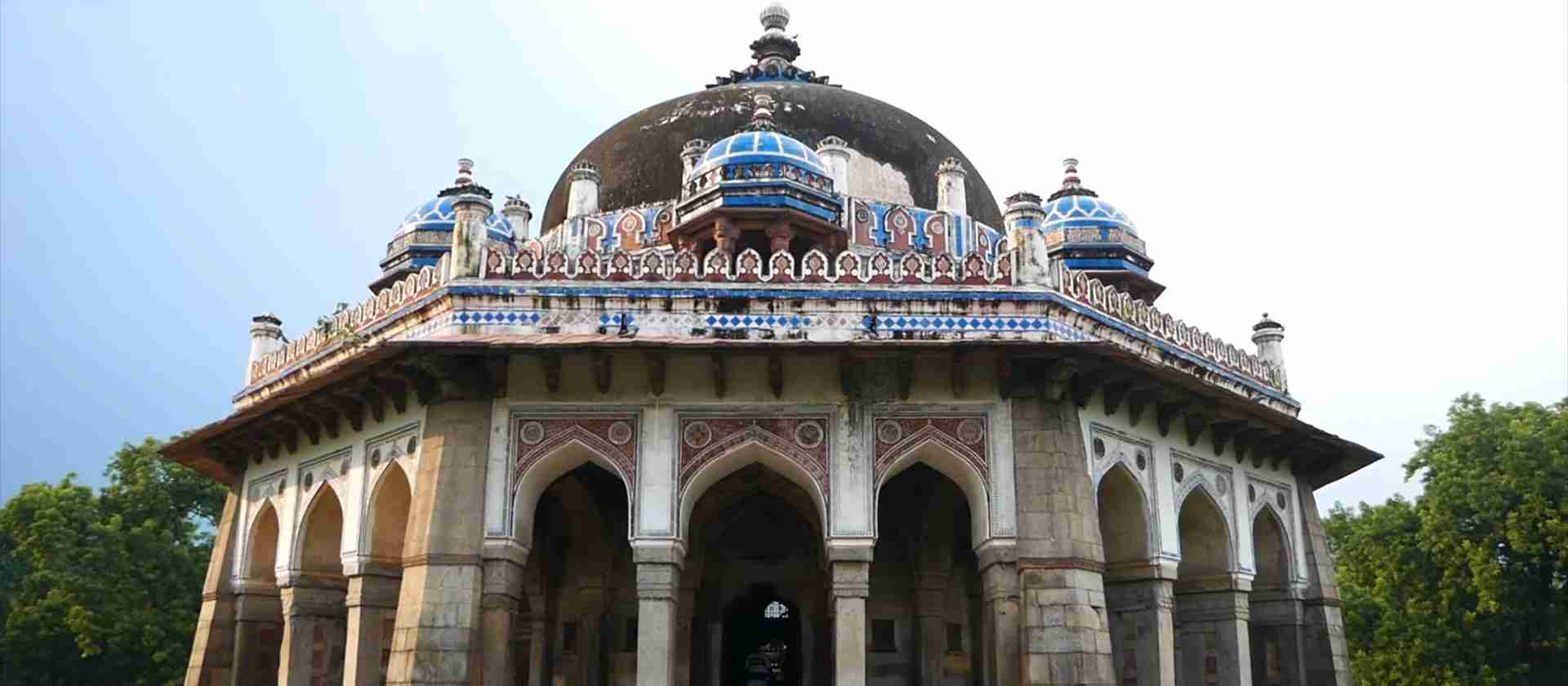
India 7-Day Tour 2026: Delhi Agra Jaipur Varanasi Complete Planning Guide
India’s Golden Triangle route expanded to Varanasi creates one of the world’s most rewarding week-long journeys, combining Mughal architecture, Rajput palaces, and sacred Hindu traditions. This carefully planned 7-day itinerary connects Delhi’s monuments, Agra’s Taj Mahal, Jaipur’s forts, and Varanasi’s spiritual ghats into a seamless cultural immersion that balances historical depth with practical logistics.
Key Takeaways
- Four UNESCO World Heritage Sites: Taj Mahal, Agra Fort, Red Fort Delhi, and Amber Fort provide architectural highlights spanning 400 years of Indian history
- Efficient Transportation: Overnight trains between major cities maximize daytime sightseeing while minimizing accommodation costs and travel time
- Early Morning Advantage: Sunrise visits to Taj Mahal and Varanasi’s Ganga Aarti deliver the most powerful experiences with smaller crowds
- Budget Flexibility: Total costs range $400-1,500 per person depending on accommodation choices, with mid-range comfort at $700-900
- Best Seasons: October-March offers ideal weather (15-25°C), while April-June heat (35-45°C) and July-September monsoons challenge outdoor exploration
- Cultural Preparation: Modest dress for temples, removed footwear at religious sites, and respect for cremation ceremonies at Varanasi ghats
People Also Ask About India 7-Day Tour 2026
Is 7 days enough for Delhi, Agra, Jaipur, and Varanasi in 2026?
Seven days provides sufficient time to experience the highlights of all four cities when using overnight trains strategically. The itinerary includes 2 days in Delhi, 1 day in Agra, 2 days in Jaipur, and 2 days in Varanasi, allowing thorough exploration of major monuments while maintaining sustainable pacing. Overnight trains between Delhi-Varanasi save both accommodation costs and daytime hours, though travelers seeking more relaxed schedules may prefer 9-10 days with additional buffer time.
What’s the best route order for Delhi-Agra-Jaipur-Varanasi in 2026?
The optimal sequence depends on arrival city. International flights typically land in Delhi, making Delhi → Agra → Jaipur → Varanasi the most logical progression. This route follows the classic Golden Triangle (Delhi-Agra-Jaipur) before extending to Varanasi. Alternatively, Delhi → Varanasi → Agra → Jaipur → Delhi works if you prefer ending in the capital, though it requires backtracking. The recommended itinerary starts Delhi, moves to Agra (3 hours), continues to Jaipur (4 hours), then takes an overnight train to Varanasi.
How much does transportation cost between these four cities in 2026?
Inter-city transportation costs $20-80 total for budget travelers using trains, or $150-300 using flights and private cars. Delhi-Agra trains cost ₹150-1,500 ($2-15) for 2.5-hour journeys, Agra-Jaipur trains run ₹200-1,200 ($3-15) for 4-hour trips, and Delhi-Varanasi overnight trains range ₹850-3,000 ($10-35) for 10-12 hour journeys. AC 2-tier sleeper class offers comfortable overnight travel at ₹2,000-2,500 ($25-30), while 3AC costs ₹1,200-1,500 ($15-20). Same-day flights between cities cost ₹3,500-8,000 ($40-95) but save minimal time when accounting for airport transfers.
What are the must-see monuments across all four cities in 2026?
Essential monuments include Taj Mahal and Agra Fort in Agra (entry ₹1,300 and ₹650 for foreigners), Red Fort and Humayun’s Tomb in Delhi (₹500 and ₹600), Amber Fort and City Palace in Jaipur (₹500 and ₹700 with composite tickets available), and Dashashwamedh Ghat plus Manikarnika Ghat in Varanasi (free access, boat rides ₹400-1,500). Additional highlights include Qutub Minar in Delhi, Hawa Mahal in Jaipur, and sunrise boat cruises in Varanasi. This itinerary covers all UNESCO sites plus culturally significant locations that define each city’s character.
Extended multi-day tours – 5+ days
Featured India Multi-Day Tour Packages
11 days
Taj Mahal and Wildlife with Royal Stay at Castles
- ✓ Comprehensive India tour
- ✓ Expert local guides included
- ✓ All accommodation arranged
- ✓ Transportation provided
8 days
Golden Triangle Tour With Ranthambore With Luxury 4 Star Hotels Group/Private
- ✓ Comprehensive India tour
- ✓ Expert local guides included
- ✓ All accommodation arranged
- ✓ Transportation provided
5 days
India's Top Selling Golden Triangle India Tour w/ Meals and Sunrise Taj Mahal
- ✓ Comprehensive India tour
- ✓ Expert local guides included
- ✓ All accommodation arranged
- ✓ Transportation provided
7 days
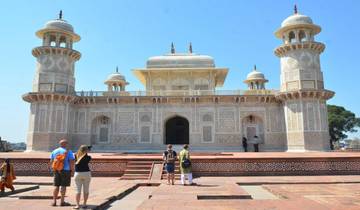
India Golden Triangle Tour
- ✓ Comprehensive India tour
- ✓ Expert local guides included
- ✓ All accommodation arranged
- ✓ Transportation provided
Multi-day tour packages powered by TourRadar. Prices and availability subject to change.
Introduction: India’s Essential Four-City Circuit
The Delhi-Agra-Jaipur-Varanasi route represents India’s most comprehensive week-long cultural journey, extending the traditional Golden Triangle into the spiritual heartland of Hinduism. This itinerary connects Mughal imperial capitals with Rajput palace cities and concludes at the world’s oldest continuously inhabited spiritual center, creating a narrative arc from political power through royal heritage to religious devotion.
Delhi provides the foundation with 800 years of Islamic and British colonial architecture. Agra delivers the Mughal Empire’s architectural zenith through the Taj Mahal and Agra Fort. Jaipur showcases Rajput palace culture and desert fortress engineering. Varanasi concludes the journey with 3,000-year-old Hindu traditions manifested in daily riverside rituals. Together, these cities present India’s layered history from ancient spiritual practices through medieval empire-building to modern nation-state formation.
This 7-day itinerary balances monument visits with cultural immersion, using efficient transportation to maximize sightseeing time while maintaining reasonable daily pacing. Early morning starts capture optimal light for photography and smaller crowds at major attractions. Overnight trains between distant cities save accommodation costs while preserving daytime hours for exploration.
Pre-Trip Planning Essentials 2026
Visa Requirements and Entry Documents
E-visa applications through the Indian government portal cost $80 for 30-day tourist visas, processing within 72 hours for most nationalities. Apply at least one week before departure to accommodate potential delays. The e-visa allows entry through 28 designated airports including Delhi, Varanasi, and Jaipur. Standard tourist visas through embassies provide 6-month validity at $160-200 but require 5-7 business days processing.
Carry passport copies and printed e-visa confirmation documents, as immigration officials may request both. Six months passport validity from entry date is mandatory. Keep digital backup copies in cloud storage accessible without internet through screenshots or PDF downloads.
Best Time to Visit India’s Four Cities
October through March offers ideal conditions with daytime temperatures 15-25°C and minimal rainfall. December-January brings coldest weather (8-18°C) requiring light jackets for early mornings, while February-March warms to 20-28°C with perfect sightseeing conditions. Peak tourist season runs November-February, resulting in higher accommodation rates and crowded monuments.
April-June summer heat reaches 35-45°C, challenging outdoor monument visits during midday hours. July-September monsoon season brings heavy rainfall and high humidity (80-90%), though fewer crowds and 40% lower hotel rates attract budget-conscious travelers willing to work around weather. Varanasi’s Ganga Aarti proceeds regardless of rain, creating dramatic atmospheric conditions.
Vaccination and Health Preparation
Consult travel medicine clinics 6-8 weeks before departure for recommended vaccinations including Hepatitis A, Typhoid, and routine boosters. Malaria prophylaxis is unnecessary for this urban route. Pack comprehensive first-aid supplies including anti-diarrheal medication, oral rehydration salts, antihistamines, and basic wound care items. Prescription medications should remain in original containers with doctor’s letters for customs.
Drink only bottled water sealed at purchase, avoid ice in beverages, and eat thoroughly cooked foods from busy establishments. Street food from high-turnover vendors poses minimal risk when consumed hot and fresh. Hand sanitizer and wet wipes prove essential for situations lacking soap and water.
Money and Budgeting
Carry mix of USD cash ($300-500) for exchange upon arrival plus internationally enabled debit/credit cards for ATM withdrawals. Exchange rates at airport counters offer 2-3% less favorable rates than city currency exchanges. ATMs widely available in all four cities dispense maximum ₹10,000 per transaction with ₹200-250 foreign transaction fees.
Notify banks of India travel dates to prevent card blocks. Major credit cards (Visa, Mastercard) accepted at hotels and upscale restaurants, though many smaller establishments and all street vendors require cash. Budget ₹2,000-3,000 ($25-35) daily spending money for meals, local transport, and incidental purchases beyond pre-booked accommodations and monument entries.
Detailed 7-Day Itinerary
Day 1: Delhi Arrival and Old Delhi Exploration
Arrive Delhi’s Indira Gandhi International Airport and transfer to accommodation in central Delhi neighborhoods (Paharganj for budget, Connaught Place for mid-range, or Aerocity for luxury). Check in, rest briefly, then begin exploration by 2:00 PM.
Visit Red Fort (entry ₹500, open 9:30 AM-4:30 PM, closed Mondays) in Old Delhi’s Chandni Chowk area. The massive red sandstone fort served as Mughal headquarters 1648-1857, showcasing imperial audience halls and private palaces. Explore Diwan-i-Am (public audience hall), Diwan-i-Khas (private audience chamber), and Rang Mahal (palace of colors) decorated with intricate marble work.
Walk through Chandni Chowk bazaar experiencing narrow lanes filled with textile shops, spice markets, and jewelry stores. Sample street food at Paranthe Wali Gali (paratha bread alley) or visit Karim’s near Jama Masjid for Mughal-style kebabs and biryani. Visit Jama Masjid (free entry, modest dress required), India’s largest mosque built 1650-1656, accommodating 25,000 worshippers in its courtyard.
Evening options include attending light and sound show at Red Fort (₹80, Hindi 7:30 PM, English 8:30 PM) or exploring markets around Connaught Place. Return to accommodation by 9:00 PM for rest before intensive Delhi sightseeing tomorrow.
Day 1 costs: Airport transfer ₹600-1,500, Red Fort entry ₹500, meals ₹800-1,200, local transport ₹400-600. Total ₹2,300-3,800 ($28-45) excluding accommodation.
Day 2: New Delhi Monuments and Evening Train to Agra
Start early at 7:00 AM for Qutub Minar complex (entry ₹600, opens 7:00 AM). The 73-meter victory tower built 1192-1220 represents earliest Islamic architecture in India, featuring intricate Arabic calligraphy and geometric patterns. Explore adjacent Iron Pillar (dating 375 CE) and ruins of Quwwat-ul-Islam mosque.
Continue to Humayun’s Tomb (entry ₹600, opens 6:00 AM), the architectural precursor to Taj Mahal built 1565-1572. The Persian-influenced garden tomb introduced char bagh (four-garden) layout later perfected at Taj Mahal. Spend 1.5-2 hours photographing symmetrical gardens and double-domed mausoleum.
Visit India Gate (free entry) and drive past President’s House (Rashtrapati Bhavan) and Parliament House for colonial New Delhi architecture. Lunch at Bengali Market or Khan Market offering diverse cuisine ₹400-800 per person.
Afternoon options include Lotus Temple (free entry, closed Mondays), National Museum (entry ₹650, closes 6:00 PM), or shopping at Dilli Haat handicraft market. Return to accommodation by 5:00 PM, collect luggage, and transfer to railway station for evening train to Agra.
Board Gatimaan Express (departure 8:10 AM from Hazrat Nizamuddin) or evening Shatabdi trains reaching Agra in 2-2.5 hours. Book AC chair car tickets ₹750-1,500 in advance through IRCTC website or station counters. Alternatively, take evening bus (₹300-600, 3-4 hours) from Kashmere Gate ISBT.
Day 2 costs: Monument entries ₹1,800, meals ₹700-1,500, local transport ₹800-1,200, train ticket ₹750-1,500. Total ₹4,050-6,000 ($50-70) excluding accommodation.
Day 3: Agra – Taj Mahal and Agra Fort
Wake at 5:00 AM for sunrise at Taj Mahal (entry ₹1,300 including ₹1,100 complex + ₹200 mausoleum access, opens 30 minutes before sunrise, closed Fridays). Arrive at Eastern or Western gates by 5:45 AM to enter at 6:00 AM. Sunrise illuminates white marble with golden-pink light creating optimal photography conditions with minimal crowds.
Spend 2-3 hours exploring the marble mausoleum built 1632-1653 by Emperor Shah Jahan for wife Mumtaz Mahal. Enter main chamber to view intricate semi-precious stone inlay work decorating cenotaphs. Photograph from multiple angles including reflection view from rear gardens. The additional ₹200 mausoleum ticket provides interior access – worth the cost for detailed stone craftsmanship appreciation.
Return to hotel for breakfast and rest until 11:00 AM. Check out and store luggage at hotel or railway station cloak room (₹30-50 per bag).
Visit Agra Fort (entry ₹650, opens sunrise to sunset) by noon. The massive red sandstone fortress served as Mughal capital before Delhi, housing palaces, audience halls, and mosques within 2.5-kilometer walls. Explore Jahangir Palace (largest private residence), Khas Mahal (private palace with Taj Mahal views), and Musamman Burj (octagonal tower where Shah Jahan spent final years imprisoned, gazing at Taj Mahal). Spend 2-2.5 hours examining marble inlay work and strategic Taj Mahal view points.
Optional afternoon visit to Itmad-ud-Daulah (Baby Taj, entry ₹310) showcasing delicate marble inlay work in intimate garden setting, or Mehtab Bagh (entry ₹300) across Yamuna River for sunset Taj Mahal views.
Evening train or bus to Jaipur (4-5 hours). Trains depart Agra Cantt throughout afternoon/evening, arriving Jaipur by 9:00-11:00 PM. Book AC chair car ₹400-1,000 or overnight sleeper if departing late evening.
Day 3 costs: Taj Mahal ₹1,300, Agra Fort ₹650, meals ₹600-1,200, local transport ₹400-600, train ticket to Jaipur ₹400-1,000. Total ₹3,350-4,750 ($40-55) excluding accommodation.
Day 4: Jaipur – Amber Fort and City Palace
Start at 7:30 AM for Amber Fort (entry ₹500, opens 8:00 AM) located 11 kilometers north of Jaipur. Hire taxi or auto-rickshaw (₹400-600 round-trip with waiting time) or take local bus (₹50). The hilltop fortress built 1592 by Raja Man Singh I blends Rajput and Mughal architecture with massive ramparts overlooking Maota Lake.
Walk or jeep ride (₹400 per vehicle up to 6 people) up hill to fort entrance. Explore Sheesh Mahal (mirror palace) with intricate glass mosaic covering walls and ceilings, Diwan-i-Am (public audience hall), and Sukh Niwas (pleasure palace) with water cooling system. Spend 2.5-3 hours touring palace complex and photographing panoramic valley views.
Optional elephant ride up fort pathway (₹1,200 per elephant, seats two, available 8:00-11:30 AM) provides traditional royal ascent experience, though animal welfare concerns merit consideration.
Return to city center by 1:00 PM for lunch in old city or near City Palace. Visit City Palace (entry ₹700 for foreigners with composite ticket including museums, opens 9:30 AM-5:00 PM). The vast palace complex built 1729-1732 houses museums displaying royal costumes, weapons, and miniature paintings. Explore Chandra Mahal (seven-story palace, partial access), Mubarak Mahal (guest reception palace), and Diwan-i-Khas with massive silver vessels.
Walk to nearby Jantar Mantar (entry included in City Palace composite ticket, separate entry ₹200, opens 9:00 AM-5:00 PM). The astronomical observatory built 1728-1734 features massive stone instruments including world’s largest stone sundial (Samrat Yantra) accurate to two seconds.
Photograph Hawa Mahal (Palace of Winds, entry ₹200, opens 9:00 AM-5:00 PM) honeycomb facade with 953 windows designed for royal women to observe street festivals while maintaining privacy. Interior access optional for rooftop city views.
Evening options include Nahargarh Fort for sunset city panoramas, shopping at Johari Bazaar (jewelry market) or Bapu Bazaar (textiles), or attending cultural dinner show with Rajasthani folk dance and traditional thali meal (₹1,500-2,500).
Day 4 costs: Amber Fort ₹500, City Palace ₹700, transport to Amber ₹400-600, meals ₹700-1,500, local transport ₹400-600. Total ₹2,700-3,900 ($32-47) excluding accommodation.
Day 5: Jaipur Morning and Overnight Train to Varanasi
Morning options based on previous day’s coverage: visit Jaigarh Fort (entry ₹400) housing world’s largest wheeled cannon, explore Albert Hall Museum (entry ₹300) for Rajasthani art and artifacts, or shop for textiles, jewelry, and handicrafts at local markets.
Alternatively, take half-day excursion to Chand Baori stepwell in Abhaneri village (90 minutes from Jaipur, combined with Harshat Mata temple visit). The 10th-century stepwell features 3,500 steps descending 13 stories – one of India’s deepest and most photogenic stepwells.
Lunch at Laxmi Mishthan Bhandar (LMB) for authentic Rajasthani thali (₹400-600) or modern cafes around MI Road.
Return to accommodation by 3:00 PM, rest, and check out by 6:00 PM. Transfer to Jaipur Junction railway station for overnight train to Varanasi. The Marudhar Express (departure 7:55 PM) or other evening trains reach Varanasi next morning after 16-17 hour journey. Book AC 2-tier sleeper (₹2,000-2,500) or AC 3-tier (₹1,200-1,500) for comfortable overnight travel.
Dinner at railway station restaurants or pack meal from city before departure. Trains provide bedding in AC classes. Store valuables securely and keep bags chained to berth fixtures.
Day 5 costs: Morning monument entry ₹300-700, meals ₹600-1,200, local transport ₹400-600, overnight train ticket to Varanasi ₹1,200-2,500. Total ₹2,500-5,000 ($30-60) excluding accommodation (saved due to overnight train).
Day 6: Varanasi – Ganges Sunrise and Old City Exploration
Arrive Varanasi Junction early morning (6:00-8:00 AM depending on train schedule). Transfer to accommodation in old city near ghats (Assi Ghat area for peaceful atmosphere or Dashashwamedh Ghat for central location). Check in, refresh briefly, then head to river.
Book sunrise boat ride along Ganges (₹400-800 for private rowing boat fitting 4-6 people, or ₹200-300 per person for shared boat, 1.5-2 hours). Boats depart Dashashwamedh Ghat or Assi Ghat at 5:30-6:00 AM, rowing past 84 ghats as pilgrims perform morning bathing rituals and priests conduct sunrise ceremonies. The serene river atmosphere with temple bells, chanting, and silhouetted boats creates Varanasi’s most memorable experience.
Boat route typically covers Assi Ghat to Manikarnika Ghat (main cremation ghat where Hindu funeral pyres burn continuously). Witness cremation rituals from respectful distance on boat – photography prohibited at cremation ghats. Return to starting ghat by 8:00-8:30 AM.
Walk through old city narrow lanes (galis) experiencing morning market activity. Visit Kashi Vishwanath Temple (free entry, non-Hindus cannot enter main sanctum but can view golden spire from adjacent viewpoints). The temple dedicated to Lord Shiva ranks among Hinduism’s most sacred sites.
Return to accommodation for breakfast and rest until afternoon. Lunch at Brown Bread Bakery (Assi Ghat), Pizzeria Vaatika, or Lotus Lounge offering Western and Indian options in clean environments (₹300-600).
Afternoon excursion to Sarnath (10 kilometers from Varanasi, auto-rickshaw ₹400-600 round-trip). The Buddhist pilgrimage site marks location where Buddha delivered first sermon after enlightenment. Visit Dhamek Stupa (entry ₹200), archaeological museum (entry ₹200, closed Fridays), and meditation gardens. Spend 2-3 hours exploring peaceful monastery ruins and museum exhibits of ancient Buddha sculptures.
Return to Varanasi by 5:00 PM for evening Ganga Aarti preparation. Rest and refresh before evening ceremony.
Day 6 costs: Sunrise boat ride ₹400-800, Sarnath entry and transport ₹800-1,200, meals ₹700-1,400, local transport ₹400-600. Total ₹2,300-4,000 ($28-48) excluding accommodation.
Day 7: Varanasi Ganga Aarti and Departure
Final morning in Varanasi begins with optional activities: morning Ganga Aarti at Assi Ghat (5:30-6:30 AM, smaller and more intimate than evening ceremony), yoga session at ghat-side studios (₹500-1,000), or walking food tour through old city streets sampling morning snacks like kachori, jalebi, and lassi.
Late morning shopping for Banarasi silk products (sarees, scarves, fabrics) at Vishwanath Gali near golden temple or Godaulia market. Negotiate prices firmly – initial quotes often 200-300% above fair rates. Quality Banarasi silk sarees cost ₹3,000-15,000 depending on weaving intricacy.
Lunch at Bana Lassi (famous thick lassi in clay cups, ₹100-150) or Kashi Chat Bhandar for street food specialties (₹150-300).
By 4:00 PM, position yourself for evening Ganga Aarti at Dashashwamedh Ghat (ceremony 6:45-7:45 PM daily). Arrive at least one hour early to secure good viewing position either on ghat steps or from boat on river (book boat 5:30-6:00 PM departure, ₹600-1,200 for Aarti viewing position).
The synchronized ceremony performed by seven priests involves massive brass lamps, conch shells, bells, and chanting accompanied by devotional music. Fire offerings (aarti) to Ganges River create spectacular visual display as thousands of devotees watch from riverbanks and boats. Ceremony concludes with floating oil lamps (diya) on river – purchase small leaf boats with candles (₹50-100) to participate in ritual.
After Aarti, final dinner at rooftop restaurants overlooking river (Open Hand Cafe, Gateway Hotel, or Megu Cafe offering ₹500-1,200 meals with Ganges views).
Departure options include overnight train to Delhi (11-12 hours), direct flight to Delhi (1.5 hours, ₹3,500-6,000), or continuing to other destinations. If returning Delhi for international departure, overnight train saves accommodation cost while delivering next morning in capital for afternoon flights.
Day 7 costs: Evening boat for Aarti ₹600-1,200, meals ₹600-1,500, shopping budget variable, local transport ₹400-600, departure transport ₹1,000-6,000 depending on mode. Total ₹2,600-9,300 ($32-110) excluding accommodation.
Accommodation Recommendations 2026
Delhi Accommodation Options
Budget travelers find excellent hostels and guesthouses in Paharganj (₹400-1,200 per night) within walking distance of New Delhi Railway Station. Zostel Delhi and Moustache Hostel offer dorm beds ₹500-800 and private rooms ₹1,500-2,500 with social atmosphere and travel assistance. Budget hotels in Karol Bagh or Paharganj Main Bazaar provide clean private rooms ₹1,200-2,500 with basic amenities.
Mid-range options (₹3,000-6,000) include hotels near Connaught Place, Khan Market, or Hauz Khas Village offering modern facilities, air conditioning, and breakfast. Hotel chains like Treebo, FabHotels, and local properties provide consistent standards.
Luxury properties (₹12,000-30,000+) include The Imperial, Taj Mahal Hotel, and Oberoi chains in Lutyens’ Delhi or Aerocity near airport, offering five-star service, pools, spas, and multiple restaurants.
Agra Accommodation Options
Tajganj neighborhood near Taj Mahal offers budget guesthouses (₹800-2,000) and rooftop hotels with Taj views. Zostel Agra and Backpacker Panda provide hostel accommodation ₹600-1,500. Many budget properties offer sunrise Taj Mahal wake-up calls and rooftop views at minimal cost.
Mid-range hotels (₹2,500-5,000) in Fatehabad Road area provide comfort, air conditioning, pools, and Taj-view rooms at premium rates. Properties like Howard Plaza, Crystal Sarovar Premiere, and Coral Court maintain consistent standards.
Luxury options (₹15,000-50,000) include Oberoi Amarvilas (direct Taj Mahal views from all rooms), ITC Mughal (Mughal palace architecture), and Taj Hotel & Convention Centre offering five-star amenities.
Jaipur Accommodation Options
Budget stays (₹600-2,000) concentrate in areas near railway station or old city. Zostel Jaipur, Moustache Hostel, and Krishna Palace provide budget-friendly options with social atmosphere. Heritage havelis in old city offer atmospheric stays in converted mansions.
Mid-range properties (₹3,000-7,000) include Pearl Palace Heritage, Alsisar Haveli, and modern hotels near MI Road offering pools, restaurants, and cultural programs. Many maintain traditional Rajasthani architecture with modern comfort.
Luxury heritage hotels (₹15,000-80,000+) represent Jaipur’s unique accommodation strength. Former royal palaces like Taj Rambagh Palace, Samode Haveli, and Alila Fort Bishangarh offer maharaja experience with elephant rides, cultural shows, and palatial settings.
Varanasi Accommodation Options
Guesthouse and hostel options (₹500-1,800) cluster near Assi Ghat and Dashashwamedh Ghat. Zostel Varanasi, Moustache Hostel, and Ganpati Guest House offer river-facing rooms, rooftop views, and budget rates. Many properties occupy traditional havelis with narrow lane access (no vehicle entry).
Mid-range hotels (₹2,500-6,000) include Ganges View Hotel, Suryauday Haveli, and Palace on Ganges featuring river views, rooftop restaurants, and cultural assistance. Properties balance traditional architecture with modern amenities.
Luxury options (₹12,000-35,000) like Brijrama Palace, Gateway Ganges, and Taj Nadesar Palace provide five-star comfort with Ganges views, yoga programs, and personalized spiritual tours.
Transportation Between Cities 2026
Delhi-Agra Transportation
Gatimaan Express (Train 12050) provides fastest connection, departing Hazrat Nizamuddin 8:10 AM, arriving Agra Cantt 9:50 AM (100 minutes, AC chair car ₹750-1,200). Shatabdi Express options depart New Delhi 6:00 AM and 3:00 PM with similar journey times (₹750-1,500). Book tickets 120 days in advance through IRCTC website for guaranteed seats during peak season.
Regular express trains run throughout day (₹150-800 depending on class, 2.5-3.5 hours). AC buses from Kashmere Gate ISBT cost ₹300-800 (3-4 hours) with departures every 30 minutes 6:00 AM-10:00 PM. Private taxi costs ₹3,000-5,000 for 3-4 hour journey via Yamuna Expressway.
Agra-Jaipur Transportation
Direct trains connect Agra Cantt to Jaipur Junction with journey times 4-5 hours (₹200-1,200 depending on class). Popular options include early morning and afternoon departures. Book AC chair car or sleeper class for comfort.
Buses from Agra ISBT to Jaipur Sindhi Camp Bus Stand run every 1-2 hours (₹400-800, 5-6 hours). Private taxi costs ₹4,000-6,000 covering 240 kilometers in 4.5-5 hours. Many travelers combine Agra-Jaipur with Fatehpur Sikri stop (40 kilometers from Agra), adding 2-3 hours for UNESCO site visit.
Jaipur-Varanasi Transportation
No direct trains operate, requiring Delhi connection or overnight journey via alternative routes. Most efficient option takes overnight train from Jaipur to Varanasi (Marudhar Express or similar, departing evening, arriving next morning, 16-17 hours, AC 2-tier ₹2,000-2,500, AC 3-tier ₹1,200-1,500).
Alternative involves returning to Delhi (4-5 hours) then overnight Delhi-Varanasi train (12 hours), though this adds travel time. Flights require connections through Delhi (total 4-6 hours including layover, ₹5,000-10,000), eliminating overnight train cost savings.
Varanasi-Delhi Return
Multiple overnight trains connect Varanasi Junction to New Delhi (10-12 hours, departures throughout evening). Swatantrta S Express (Train 12562, departure 8:40 PM, arrival 8:25 AM) provides most convenient schedule (AC 2-tier ₹2,200-2,800, AC 3-tier ₹1,400-1,800, sleeper class ₹850-1,200).
Direct flights cost ₹3,500-8,000 (1.5 hours flight time) connecting Varanasi to Delhi 4-6 times daily. Useful for tight international connection schedules or travel fatigue from week-long itinerary.
Food and Dining Guide 2026
Delhi Culinary Highlights
Old Delhi street food circuit delivers authentic Mughlai cuisine at minimal cost. Paranthe Wali Gali serves stuffed parathas ₹60-150, Karim’s offers mutton korma and chicken jahangiri ₹250-600, and Kuremal Mohan Lal Kulfi Wale provides fruit-stuffed kulfis ₹100-200. Street vendors near Jama Masjid sell chaat (₹40-80), samosas (₹20-40), and fresh fruit juices (₹30-60).
Mid-range restaurants in Connaught Place, Khan Market, and Hauz Khas Village charge ₹600-1,500 per person for north Indian thalis, tandoori specialties, and modern fusion cuisine. Indian Accent, Bukhara (ITC Maurya), and Dum Pukht represent fine dining options (₹3,000-6,000) showcasing elevated Indian cuisine.
Agra Dining Options
Agra specializes in Mughlai cuisine and local sweets. Petha (translucent candy made from ash gourd) represents Agra’s signature sweet, available at Panchhi Petha stores citywide (₹200-400 per kg). Street food near Taj Mahal delivers chaat, parathas, and samosas ₹40-120.
Restaurants in Sadar Bazaar and near Taj East Gate serve north Indian meals ₹250-600. Pinch of Spice, Dasaprakash, and Joney’s Place offer reliable quality. Luxury hotel restaurants charge ₹1,500-3,000 for multi-course meals in upscale settings.
Jaipur Rajasthani Cuisine
Traditional Rajasthani thali provides comprehensive taste of regional cuisine. Laxmi Mishthan Bhandar (LMB) near Johari Bazaar serves authentic thalis ₹400-600 including dal baati churma (lentils with baked wheat balls), gatte ki sabzi (gram flour dumplings), and multiple vegetable preparations. Chokhi Dhani village resort offers cultural dinner experience with folk performances (₹1,200-2,000).
Street food around Bapu Bazaar and MI Road includes mirchi vada (stuffed chili fritters ₹30-50), pyaaz kachori (onion pastries ₹40-60), and ghevar (sweet disc ₹80-150). Lassi shops serve thick yogurt drinks ₹60-120.
Varanasi Street Food and Sweets
Varanasi’s street food culture centers on small shops and vendors near ghats. Kashi Chat Bhandar serves tamatar chaat (tomato chat) and aloo tikki ₹60-120. Blue Lassi Shop near Manikarnika Ghat offers famous thick lassi in clay cups ₹100-150. Kachori-jalebi breakfast at streets near Dashashwamedh Ghat costs ₹80-150.
Malaiyo (milk foam dessert available winter only), paan (betel leaf with various fillings ₹50-200), and Banarasi sweets from Madhur Milan Bhandar represent local specialties. Mid-range restaurants near Assi Ghat (Canton Royale, Brown Bread Bakery, Pizzeria Vaatika) charge ₹300-800 for meals mixing Western and Indian options.
Money-Saving Strategies
Transportation Cost Reduction
Book train tickets 30-60 days in advance for confirmed reservations and best fares. Waitlisted tickets often confirm 2-3 days before departure. Overnight trains between distant cities save accommodation costs (₹1,500-3,000) while preserving daytime sightseeing hours.
Use metro systems in Delhi and Jaipur (₹20-60 per ride) instead of taxis for efficient, air-conditioned transport. Auto-rickshaws charge ₹60-120 for short distances when meters used – insist on meter or negotiate fixed fare before starting. Download Ola or Uber apps for transparent pricing on rides (typically 20-30% below auto-rickshaw negotiations).
Accommodation Savings
Book hostels providing free breakfast, saving ₹200-400 daily on morning meals. Many properties offer kitchen access for self-catering. Travel during shoulder seasons (March-April, September-October) when rates drop 20-40% from peak December-February pricing.
Stay in neighborhoods slightly removed from main monuments – often 30-50% cheaper than tourist center properties while remaining accessible via metro or short auto rides. Book directly with guesthouses and negotiate multi-night discounts (typically 10-15% off for 3+ nights).
Food Cost Management
Eat at local restaurants and dhabas frequented by Indians rather than tourist-oriented establishments charging 200-300% premiums for identical food. Thalis provide maximum value, delivering complete meals with unlimited refills ₹150-400.
Street food from busy vendors offers safe, delicious options at ₹40-120 per item. Carry hand sanitizer and eat only thoroughly cooked items. Breakfast included with accommodation saves ₹200-400 daily. Drink bottled water (₹20-40 per liter) rather than restaurant beverages charging ₹80-150 for sodas.
Monument Entry Optimization
Purchase composite tickets in Jaipur covering multiple monuments at discounted rates (₹190 Indian residents, ₹500 foreigners for 6-7 attractions valid 2 days). Visit monuments during early morning hours when temperatures remain comfortable and crowds minimal – enhancing experience quality without additional cost.
Many temples, ghats, and public spaces offer free access and authentic cultural experiences. Varanasi’s most memorable moments (sunrise boat ride, Ganga Aarti ceremony) cost minimal amounts compared to monument entry fees.
Cultural Etiquette and Practical Tips
Dress Code and Behavior
Dress modestly at religious sites – cover shoulders and knees at minimum. Women should carry scarves for head covering when required at mosques and temples. Remove footwear before entering temples, mosques, and some heritage sites – sock-clad feet acceptable at most locations.
Avoid public displays of affection beyond hand-holding, respecting conservative social norms. Request permission before photographing people, especially women and religious ceremonies. Never photograph cremation rituals at Varanasi ghats – strictly prohibited and deeply offensive.
Safety Considerations
Keep valuables in hotel safes or money belts rather than day bags. Remain alert in crowded markets and tourist areas for pickpockets. Use registered prepaid taxis from airports and railway stations to avoid pricing disputes. Women traveling solo should avoid poorly lit areas after dark and sit in women-only metro/train compartments when available.
Decline offers from overly friendly “guides” or “students” approaching at monuments – typically lead to commission-based shopping or scam attempts. Book official guides through tourist offices or hotels at posted rates (₹800-1,500 for half-day).
Bargaining and Shopping
Fixed-price government emporia (Central Cottage Industries in each city) provide baseline pricing for handicrafts before market shopping. Negotiate firmly but politely at private shops – start at 40-50% of initial quote and settle 60-70% of asking price.
Avoid shops where “guides” or taxi drivers take you – commission structures inflate prices 40-100%. Compare prices at 3-4 shops before purchasing significant items. Request export documentation for items above $5,000 USD value to clear customs smoothly.
Communication and Language
English widely spoken at hotels, restaurants, and tourist attractions, though varies in old city neighborhoods and with auto-rickshaw drivers. Download Google Translate app with offline Hindi language pack for basic communication. Learn simple Hindi phrases – namaste (hello), shukriya (thank you), kitna paisa (how much) – appreciated by locals.
Carry business cards from your accommodation with address written in Hindi for taxi/auto-rickshaw drivers. Save important phone numbers (accommodation, tour operators, emergency services) in phone before arrival.
Packing Essentials Checklist
Clothing and Footwear
Pack lightweight, breathable clothing suitable for removing layers as temperatures fluctuate. Long pants or skirts (women) essential for temple visits. Comfortable walking shoes with good support critical for monument exploration – expect 8-12 kilometers daily walking. Sandals or slip-on shoes convenient for frequent footwear removal at religious sites.
Light jacket or shawl for air-conditioned trains and early morning boat rides. Sun hat and sunglasses protect from intense sun exposure. Quick-dry fabrics ideal for laundry during trip – many accommodations offer 24-hour laundry service at ₹60-150 per kg.
Health and Hygiene Items
Comprehensive first-aid kit with anti-diarrheal medication, oral rehydration salts, bandages, antiseptic cream, and any prescription medications in original containers. Hand sanitizer (60%+ alcohol content) and wet wipes essential for maintaining hygiene when soap and water unavailable.
Sunscreen SPF 30+ protects from strong sun exposure, particularly during midday monument visits. Insect repellent with DEET prevents mosquito bites during evening activities. Reusable water bottle with filter reduces plastic waste and ensures safe drinking water (refill from accommodation filtered water sources).
Electronics and Photography
Universal power adapter for Indian outlets (Type C, D, and M plugs, 220V). Portable battery pack maintains phone charge during long monument visits. Extra memory cards and batteries for cameras – some monuments prohibit camera batteries inside, requiring removal before entry.
Download offline maps (Google Maps allows offline download) for navigation without constant data connection. Indian SIM cards (Airtel, Vodafone-Idea, Jio) cost ₹200-500 with 30-day data plans – require passport copy and photos for registration.
Documents and Money Security
Passport copies stored separately from original document. E-visa confirmation printed and saved digitally. Credit card emergency phone numbers recorded separately from cards. Money belt or neck wallet for passport and excess cash security.
Photocopy important pages (passport, visa, travel insurance, flight tickets) leaving copies with trusted contact at home. Cloud backup of all documents accessible through email or secure apps.
Extending or Modifying the Itinerary
8-10 Day Extensions
Additional days allow relaxed pacing with fewer early mornings and more spontaneous exploration. Extra Delhi time enables visits to Akshardham Temple, Lodhi Gardens, or day trip to Agra (returning same day). Additional Jaipur days permit visits to Jaigarh Fort, Nahargarh Fort, and Galtaji Temple complex (monkey temple).
Extended Varanasi stay facilitates deeper spiritual exploration through yoga classes, meditation sessions, and expanded old city walking tours. Consider overnight stay at Buddhist monasteries in Sarnath or day trip to Chunar Fort (40 kilometers, overlooking Ganges).
Alternative Cities and Routes
Substitute Jodhpur or Udaipur for Jaipur to experience different Rajasthani cities. Jodhpur’s Mehrangarh Fort rivals Amber Fort in scale and architecture (8-9 hours from Agra, 5-6 hours from Jaipur). Udaipur offers romantic lake palace setting and gentler climate (10-11 hours from Jaipur).
Replace Varanasi with Khajuraho (UNESCO temples with intricate erotic sculptures, 6-7 hours from Agra) or Rishikesh (Himalayan foothills yoga capital, 5-6 hours from Delhi) for different spiritual or adventure experiences.
Golden Triangle Only (5 Days)
Travelers limited to 5 days can complete classic Golden Triangle (Delhi-Agra-Jaipur) at comfortable pace: 2 days Delhi, 1 day Agra, 2 days Jaipur. This concentrated itinerary covers UNESCO World Heritage Sites and iconic monuments without Varanasi’s spiritual dimension or long-distance overnight trains.
Frequently Asked Questions
Do I need travel insurance for India in 2026?
Comprehensive travel insurance strongly recommended covering medical emergencies, trip cancellations, and lost luggage. Indian hospitals require cash payment or credit card authorization before treatment – insurance provides critical financial protection. Policies cost $40-120 for week-long trips, covering medical evacuation (essential as Indian medical facilities vary significantly by location), hospitalization, and emergency repatriation. Read policies carefully regarding adventure activities if planning additional excursions beyond this itinerary.
How should I handle money and payments in India 2026?
Carry mix of cash (USD for exchange, local rupees for daily expenses) and internationally enabled debit/credit cards. ATMs widely available dispensing maximum ₹10,000 per transaction with ₹200-250 fees. Notify banks before travel to prevent card blocking. Credit cards accepted at hotels and upscale restaurants but cash required for street food, auto-rickshaws, and monument entries. Keep small denominations (₹10, ₹20, ₹50, ₹100 notes) as vendors often lack change for ₹500 or ₹2,000 notes.
Is India safe for solo female travelers in 2026?
India accommodates millions of solo female travelers annually with proper precautions. Stay in reputable accommodations in well-populated areas, use registered transportation, avoid isolated areas after dark, and dress modestly respecting local norms. Women-only train compartments and metro cars provide secure travel options. Trust instincts regarding uncomfortable situations and firmly decline unwanted attention. Many women join hostel group activities or hire female guides for enhanced security and cultural insights. Major cities on this route see extensive solo female tourism with established support networks.
Can I drink tap water in these four cities 2026?
Never drink tap water in India. Consume only bottled water sealed at purchase or water purified through reliable filtration systems. Many accommodations provide filtered water for bottle refills – verify filtration process before drinking. Brush teeth with bottled water and avoid ice in beverages unless from verified filtered water sources. Water-borne illnesses represent most common travel health issue. Budget ₹50-100 daily for bottled water purchases (₹20-40 per liter).
What’s the best way to get between monuments within cities 2026?
Metro systems in Delhi and Jaipur provide fastest, cheapest transport between major areas (₹20-60 per ride). Auto-rickshaws convenient for short distances when meters used – negotiate fixed fares before starting or use Ola/Uber apps for transparent pricing. Many heritage areas (Varanasi old city, Chandni Chowk Delhi) require walking through narrow lanes inaccessible to vehicles. Hire private car with driver (₹2,000-3,500 per day, 8 hours/80 kilometers) for comprehensive city touring flexibility.
Should I book Taj Mahal tickets in advance for 2026?
Online booking recommended but not mandatory. Purchase tickets at gates on arrival (separate queues for Indians and foreigners, typically 15-30 minute wait during peak hours). Online tickets through official ASI website (asi.payumoney.com) provide ₹50 discount and eliminate queue time. Book 1-2 days ahead specifying time slot. Tickets valid only for specified date and time window. Children under 15 enter free with adult supervision. Taj Mahal closes Fridays for prayers – verify opening days when planning visit.
How much Hindi should I learn before visiting India 2026?
English widely understood at hotels, tourist sites, and upscale restaurants across all four cities. Basic Hindi phrases enhance interactions and demonstrate cultural respect: namaste (hello), shukriya (thank you), haan/nahi (yes/no), kitna paisa (how much money), ek/do/teen (one/two/three for bargaining). Download Google Translate app with offline Hindi pack for complex communications. Auto-rickshaw drivers and street vendors may speak limited English – written hotel addresses in Hindi help navigation. Most travelers navigate successfully with English plus basic Hindi courtesies.
What vaccinations are required for India travel 2026?
Yellow fever vaccination certificate required only if arriving from yellow fever endemic countries. Recommended vaccinations include Hepatitis A (food/water-borne), Typhoid (contaminated food risk), and routine boosters (tetanus, measles, etc.). Consult travel medicine clinic 6-8 weeks before departure for personalized recommendations based on health history. Japanese Encephalitis and Rabies vaccinations optional depending on rural exposure and activities. COVID-19 vaccination status requirements change regularly – verify current India entry regulations before departure.
Can vegetarians find sufficient food options in India 2026?
India offers exceptional vegetarian food diversity as 30-40% of population follows vegetarian diet. Every restaurant maintains extensive vegetarian menu sections. Rajasthan (Jaipur) has strong vegetarian culture with many fully vegetarian establishments. Specify “pure veg” when requesting recommendations. Paneer (Indian cottage cheese), dal (lentils), vegetables, and breads provide protein-rich options. Jain restaurants exclude onions and garlic, offering strictest vegetarian preparations. Vegan travelers should specify “no dairy” as ghee, yogurt, and paneer appear frequently in vegetarian dishes.
How should I tip in India 2026?
Tipping practices: restaurants add 5-10% service charge (verify bill before adding tip), otherwise 10% tip appropriate for good service. Tip bellhops ₹50-100 per bag, housekeeping ₹100-200 daily. Auto-rickshaw drivers don’t expect tips when meters used – round up fare ₹10-20 as courtesy. Tour guides receive ₹500-1,000 for full day, drivers ₹300-500 daily. Train porters charge fixed rates ₹50-100 per bag. Avoid tipping for basic services like handing you menu or opening doors – not expected in India.