
India 4-Day Itinerary 2026: Delhi Agra Jaipur Tour Guide
The Golden Triangle route connecting Delhi, Agra, and Jaipur represents India’s most iconic travel circuit, combining Mughal grandeur with Rajput splendor across four unforgettable days. This carefully designed 4-day itinerary maximizes your time across three UNESCO World Heritage cities, balancing must-see monuments with authentic cultural experiences while providing practical logistics and verified 2026 pricing to help you plan confidently.
Key Takeaways for 4-Day Golden Triangle 2026
- Optimal Route Structure: Delhi (2 days) → Agra (1 day) → Jaipur (1 day) covers 560 km with Gatimaan Express train and private car transfers for comfort and flexibility
- Monument Access 2026: Taj Mahal costs ₹1,300 for foreign visitors (₹1,100 entry + ₹200 mausoleum), closed Fridays; advance online booking saves queue time at all major sites
- Transportation Efficiency: Gatimaan Express completes Delhi-Agra in 1 hour 40 minutes (₹690-1,365 depending on class), while Agra-Jaipur by private car (4-5 hours) allows Fatehpur Sikri stopover
- Budget Planning 2026: Daily costs range ₹6,500-12,000 per person depending on accommodation tier, with monument entry, meals, and transportation as major expense categories
- Cultural Timing: October-March offers optimal weather for sightseeing, while monsoon season (July-September) brings lower prices but occasional travel disruptions
- Practical Requirements: Valid passport for foreign visitors at monument entries, modest dress for religious sites, early morning starts maximize daylight and minimize crowds
People Also Ask About India 4-Day Itinerary 2026
Is 4 Days Enough for Delhi Agra Jaipur in 2026?
Four days provides sufficient time to experience the Golden Triangle’s major highlights while maintaining a comfortable pace. Delhi receives two full days covering Old Delhi’s Mughal heritage (Red Fort, Jama Masjid) and New Delhi’s colonial landmarks (India Gate, Qutub Minar). Agra’s full day focuses entirely on the Taj Mahal and Agra Fort, both UNESCO sites requiring 5-6 hours combined. Jaipur’s day balances Amber Fort exploration with Pink City markets. This itinerary prioritizes depth over breadth, allowing meaningful engagement with each destination rather than rushed monument-hopping. Travelers seeking comprehensive Rajasthan coverage or additional UNESCO sites should extend to 7-10 days.
What’s the Best Transportation Between Delhi, Agra, and Jaipur in 2026?
The optimal combination uses Gatimaan Express for Delhi-Agra (fastest, most comfortable) and private car for Agra-Jaipur (flexibility for Fatehpur Sikri stop). Gatimaan Express departs Delhi 8:10 AM, arrives Agra 9:50 AM with onboard breakfast, costing ₹690 AC Chair or ₹1,365 Executive Class. This semi-high-speed train operates six days weekly except Fridays. Agra-Jaipur by private car covers 240 km in 4-5 hours, allowing 1.5-hour Fatehpur Sikri exploration. Alternatively, direct trains run Agra-Jaipur (4 hours, ₹150-1,400) but lack flexibility. Flights exist Delhi-Jaipur (1 hour) but airport transfers consume time saved. The train-car combination optimizes comfort, time efficiency, and sightseeing opportunities.
How Much Does the 4-Day Golden Triangle Cost in 2026?
Budget travelers spend ₹6,500-8,000 daily per person including budget hotels (₹2,000-3,000), local restaurants (₹800-1,200), monument entries (₹1,500-2,000), and transportation (₹2,000-2,500). Mid-range travelers budget ₹9,000-12,000 daily covering 3-star hotels (₹4,000-6,000), quality restaurants (₹1,500-2,500), all monument fees, and comfortable private transport. Luxury experiences reach ₹15,000-25,000 daily with heritage hotels, fine dining, private guides, and premium vehicles. Monument entry totals approximately ₹3,500-4,000 for foreign visitors across all sites. Gatimaan Express adds ₹690-1,365. Private car Agra-Jaipur costs ₹4,000-6,000 total. Four-day totals: Budget ₹26,000-32,000, Mid-range ₹36,000-48,000, Luxury ₹60,000+ per person.
What Should I Pack for India Golden Triangle in 2026?
Essential items include valid passport (required at monument entries), modest clothing covering shoulders and knees for religious sites, comfortable walking shoes for extensive monument exploration, sunscreen SPF 50+, wide-brimmed hat, and refillable water bottle. October-March demands light layers for cool mornings (15°C) warming to 25-30°C afternoons. April-June requires breathable fabrics, personal fan, and heat management strategies. Monsoon season (July-September) needs waterproof jacket and quick-dry clothing. Technical requirements: universal power adapter (Type C/D/M), portable charger for photography-heavy days, and small daypack for monument visits. Health essentials: hand sanitizer, personal medications, and basic first-aid kit. Cultural additions: scarf for temple head covering and camera with extra memory cards for photography opportunities.
Extended multi-day tours – 5+ days
Featured India Multi-Day Tour Packages

3 days
India 3-Day Discovery Tour
- ✓ Comprehensive India experience
- ✓ Expert local guides included
- ✓ All accommodation included
- ✓ Transportation provided
5 days
India 5-Day Highlights Experience
- ✓ Comprehensive India experience
- ✓ Expert local guides included
- ✓ All accommodation included
- ✓ Transportation provided

7 days
India 7-Day Cultural Journey
- ✓ Comprehensive India experience
- ✓ Expert local guides included
- ✓ All accommodation included
- ✓ Transportation provided

10 days
India 10-Day Complete Adventure
- ✓ Comprehensive India experience
- ✓ Expert local guides included
- ✓ All accommodation included
- ✓ Transportation provided
Multi-day tour packages powered by TourRadar. Prices and availability subject to change.
Introduction: Planning Your 4-Day Golden Triangle Journey 2026
The Golden Triangle circuit represents India’s most accessible introduction to the subcontinent’s architectural magnificence, cultural complexity, and historical depth. Spanning approximately 560 kilometers across three states (Delhi, Uttar Pradesh, Rajasthan), this route connects India’s capital with its most famous monument and its most vibrant royal city. The triangle’s geometric simplicity belies the richness contained within—from Delhi’s layered history spanning eight centuries to Agra’s Mughal masterworks to Jaipur’s Rajput fortifications.
Four days offers the minimum timeframe for meaningful engagement rather than superficial monument photography. This itinerary balances iconic UNESCO sites with neighborhood exploration, allowing travelers to experience each city’s distinct character. Delhi reveals contrasts between Old Delhi’s chaotic medieval lanes and New Delhi’s ordered colonial planning. Agra demonstrates how a single monument—the Taj Mahal—can justify an entire journey while surrounding sites add contextual depth. Jaipur introduces Rajasthan’s royal heritage through architecture, markets, and living cultural traditions.
The 2026 travel landscape brings updated considerations: enhanced online booking systems reduce queue times at major monuments, improved rail infrastructure provides comfortable intercity connections, and expanded accommodation options serve every budget category. Simultaneously, rising international visitor numbers make advance planning essential during peak season (October-March). This guide provides verified practical information—current pricing, optimal timing, transportation logistics, and realistic daily schedules—enabling confident independent travel planning.
Success requires understanding India’s operational realities: monuments maintain strict photography rules, Friday closures at Islamic sites require itinerary flexibility, and early morning starts maximize productive sightseeing before afternoon heat. Cultural sensitivity matters—modest dress demonstrates respect, bargaining follows expected protocols in markets, and patience accommodates India’s relationship with time. These four days serve as either standalone exploration or foundation for extended India travel, with natural extensions to Rajasthan’s desert cities, Varanasi’s spiritual traditions, or Kerala’s tropical landscapes.
Best Time to Visit Golden Triangle 2026
Optimal Travel Seasons
October through March constitutes peak season for Golden Triangle travel, offering comfortable temperatures (15-28°C), minimal rainfall, and ideal monument exploration conditions. October-November provides post-monsoon freshness with festival celebrations including Diwali (November 2026). December-February delivers coolest weather requiring light jackets for early mornings but pleasant midday temperatures. March sees warming trends (20-30°C) with blooming flowers but increasing afternoon heat. This six-month window accommodates 70% of international visitors, resulting in higher accommodation prices (20-40% above off-season) and increased monument crowds, particularly at Taj Mahal.
April-June represents extreme heat season (35-45°C) with challenging midday conditions but significant advantages: accommodation discounts reach 30-50%, monument queues disappear, and cultural authenticity increases without tourist saturation. Practical adaptations make summer travel viable—early morning monument visits (sunrise-10 AM), midday hotel rest periods, and evening market exploration. Taj Mahal sunrise visits prove particularly rewarding with fewer visitors and dramatic lighting.
Monsoon season (July-September) brings intermittent heavy rains, humidity, and occasional travel disruptions but transforms landscapes with lush greenery. Advantages include lowest accommodation prices, minimal crowds, and dramatic photography opportunities with monsoon clouds. Challenges involve transportation delays, muddy conditions at some monuments, and heat-humidity combination (30-35°C with 80-90% humidity). Flexible travelers with weather-appropriate expectations can enjoy substantial savings and authentic experiences.
Month-by-Month Planning 2026
January 2026 offers peak conditions with Republic Day celebrations (January 26) adding cultural programming. February maintains excellent weather with Holi festival preparations visible. March warms gradually with spring blooms at Mughal gardens. April-May challenge heat tolerance but reward with solitude and savings. June brings pre-monsoon heat peaks and occasional dust storms. July-August deliver monsoon transformation with green landscapes and festival preparations. September transitions toward autumn with Diwali advance bookings. October commences ideal travel period with festivals. November peaks with Diwali celebrations and pleasant weather. December attracts holiday travelers with festive atmosphere and Christmas season adding international visitors.
Day 1: Delhi Exploration – Old Delhi Heritage 2026
Morning: Red Fort and Surroundings
Begin at Red Fort (Lal Qila) entrance by 9:30 AM to avoid peak crowds while maintaining comfortable temperatures. Entry costs ₹550 for foreign visitors with tickets available at gate or online through ASI booking portal (check asi.payumoney.com for current rates). This UNESCO World Heritage site served as Mughal imperial residence from 1648-1857, showcasing Shah Jahan’s architectural vision combining Persian, Timurid, and Indian elements. Allocate 2-2.5 hours exploring the complex spanning 254 acres.
Essential areas include Lahori Gate entrance, Chatta Chowk (covered bazaar), Diwan-i-Am (Hall of Public Audience) with white marble throne platform, and Diwan-i-Khas (Hall of Private Audience) featuring the famous “If there is paradise on earth, it is this, it is this, it is this” Persian inscription. The Rang Mahal (Palace of Colors) demonstrates Mughal residential architecture while Moti Masjid (Pearl Mosque) shows Shah Jahan’s architectural devotion. Audio guides (₹100-150) enhance understanding of architectural details and historical significance.
Photography restrictions apply inside some buildings—follow posted signs. Security screening at entrance prohibits large bags, tripods, and certain electronics. Modest dress required (shoulders and knees covered). Exit through Lahori Gate to explore adjacent Chandni Chowk market.
Late Morning: Jama Masjid
Walk 1 kilometer (15 minutes) or take cycle rickshaw (₹50-100) to Jama Masjid, India’s largest mosque. Entry free but camera fees apply (₹300). Remove shoes at entrance (shoe storage ₹20-30) and cover shoulders/knees. Women must wear provided robes covering entire body. Friday midday prayers (12-2 PM) close mosque to non-worshippers.
Commissioned by Shah Jahan and completed 1656, the mosque accommodates 25,000 worshippers in its courtyard. Three great domes, two 40-meter minarets, and red sandstone-white marble combination create architectural harmony. Climb south minaret (₹100) for panoramic Old Delhi views. Allocate 45-60 minutes including photography and courtyard meditation.
Lunch: Chandni Chowk Street Food
Experience Old Delhi’s culinary heritage in Chandni Chowk lanes. Paranthe Wali Gali serves stuffed parathas (₹80-150) with various fillings. Karim’s restaurant (established 1913) offers Mughlai specialties—mutton korma, chicken jahangiri, seekh kebabs (₹400-800 per meal). Street food options include chaat (₹50-100), jalebi sweets (₹60-100), and lassi (₹40-80). Budget ₹300-600 for satisfying lunch with beverages. Bottled water essential (₹20-40).
Afternoon: Raj Ghat and India Gate
Take auto-rickshaw or prepaid taxi (₹200-300) to Raj Ghat, Mahatma Gandhi’s cremation memorial. Entry free, open sunrise to sunset. Simple black marble platform in landscaped gardens provides peaceful reflection space. Allocate 30-45 minutes.
Continue to India Gate (3 km, ₹100-150 by auto-rickshaw), the 42-meter war memorial honoring Indian soldiers. Free access, photogenic especially during golden hour (4-6 PM). Surrounding lawns host local families and vendors. Nearby Rajpath boulevard showcases British colonial planning leading to Rashtrapati Bhavan (Presidential Palace, exterior viewing only).
Evening: Qutub Minar
Travel to Qutub Minar Complex (14 km south, ₹400-600 by taxi, 45 minutes). Entry ₹550 for foreigners, open sunrise to sunset (last entry 5:30 PM). This UNESCO site features the 73-meter brick minaret constructed 1192-1368, representing early Indo-Islamic architecture. Surrounding complex includes Quwwat-ul-Islam Mosque (India’s first mosque), Iron Pillar (4th century), and Alai Darwaza gateway.
Allocate 1.5-2 hours exploring the complex. Late afternoon light enhances photography of red sandstone structures. Guided tours available (₹400-600) or use informational plaques. Adjacent Mehrauli Archaeological Park offers additional monuments for extended exploration.
Day 1 Costs Summary
Accommodation (mid-range Delhi hotel): ₹4,000-6,000. Red Fort entry: ₹550. Jama Masjid camera fee: ₹300. Qutub Minar entry: ₹550. Transportation (auto-rickshaws, taxis): ₹1,500-2,000. Meals (lunch, dinner): ₹1,000-1,500. Miscellaneous (water, snacks, tips): ₹500-800. Total day cost: ₹8,400-11,700 per person excluding accommodation.
Day 2: Delhi – New Delhi and Humayun’s Tomb 2026
Morning: Humayun’s Tomb
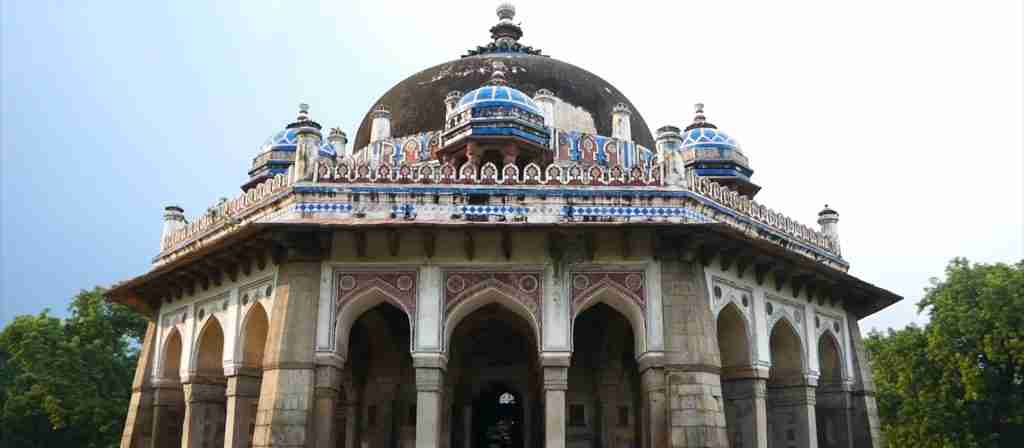
Start at Humayun’s Tomb by 9 AM (entry ₹550 foreigners, open sunrise-sunset). This UNESCO World Heritage monument represents the first garden-tomb on Indian subcontinent, built 1565-1572 for Mughal Emperor Humayun. Persian-influenced architecture features double dome, red sandstone-white marble combination, and charbagh (four-quartered garden) layout that directly inspired Taj Mahal design.
The main mausoleum rises from 7-meter high platform accessed through ornate gateway. Interior chamber houses Humayun’s cenotaph with actual grave in basement chamber. Surrounding complex includes numerous smaller tombs, Isa Khan’s tomb and mosque (pre-dating main structure), and restored Mughal gardens demonstrating historical hydraulic systems. Allocate 2-2.5 hours for thorough exploration including photography in gardens and architectural detail study.
Professional guides available at entrance (₹400-600 for 1-1.5 hours). Audio guides and informational panels explain architectural innovations and historical context. Early morning light enhances photography while avoiding midday heat and afternoon crowds.
Late Morning: Lotus Temple
Travel 6 km to Lotus Temple (₹200-300 taxi, 20 minutes). This Bahá’í House of Worship (completed 1986) features lotus flower-inspired design with 27 marble-clad petals. Entry free, open 9 AM-5:30 PM (closed Mondays), requires shoe removal and silence inside meditation hall. Representing all religions, the temple allows quiet reflection regardless of faith. Allocate 45-60 minutes including gardens and interior visit.
Lunch and Connaught Place
Continue to Connaught Place, central Delhi’s commercial hub (8 km, ₹250-350 taxi). This colonial-era circular market features Georgian-style architecture with shops, restaurants, and services. Lunch options range from quick meals at Saravana Bhavan (South Indian vegetarian, ₹400-600) to United Coffee House (Indian and continental, ₹800-1,200) to international chains. Budget ₹600-1,200 per person.
Post-lunch shopping includes government emporia (Central Cottage Industries Emporium for fixed-price handicrafts), bookstores (Bahrisons), and modern retail. The central park provides rest space between shopping excursions.
Afternoon: Lodhi Gardens
Visit Lodhi Gardens (3 km from Connaught Place, free entry) combining 15th-16th century Mughal tombs with landscaped park. Mohammed Shah’s Tomb and Sikander Lodi’s Tomb showcase early Islamic architecture. Local families picnic here while joggers use pathways. Peaceful atmosphere offers respite from urban intensity. Allocate 1-1.5 hours for garden walk and monument photography.
Evening: Dilli Haat and Dinner
Conclude at Dilli Haat (INA location, entry ₹50-100), open-air market showcasing Indian handicrafts and regional cuisine from rotating state pavilions. Shop for textiles, jewelry, pottery, and woodwork from across India at reasonable prices. Food stalls serve regional specialties—Bengali fish curry, Gujarati thalis, Punjabi tandoor, South Indian dosas (₹150-400 per dish). Budget ₹800-1,500 for dinner and shopping. Open until 10 PM, providing relaxed evening atmosphere.
Day 2 Costs Summary
Humayun’s Tomb entry: ₹550. Transportation (taxis, auto-rickshaws): ₹1,200-1,800. Meals (lunch, dinner): ₹1,400-2,700. Dilli Haat entry and shopping: ₹500-1,500. Miscellaneous: ₹500-800. Total day cost: ₹4,150-7,350 per person excluding accommodation.
Day 3: Agra – Taj Mahal and Agra Fort 2026
Morning: Delhi to Agra via Gatimaan Express
Depart hotel by 7:15 AM for Hazrat Nizamuddin Railway Station (allow 30-45 minutes depending on Delhi location). Gatimaan Express 12049 departs 8:10 AM sharp—arrive 30 minutes early for boarding. Tickets cost ₹690 AC Chair Car or ₹1,365 Executive Class (book advance at irctc.co.in or through travel agent). This semi-high-speed train covers 188 km in 1 hour 40 minutes, arriving Agra Cantt 9:50 AM.
Onboard service includes complimentary breakfast (Indian or continental), water, newspaper, and Wi-Fi access. Executive Class offers wider seating and premium meal service. Train operates six days weekly (closed Fridays), with Saturday-Thursday service requiring advance booking during peak season.
Late Morning: Taj Mahal Visit
Arrange hotel check-in or luggage storage, then proceed directly to Taj Mahal (4 km from Agra Cantt, ₹200-300 taxi). Entry costs ₹1,300 for foreign visitors (₹1,100 base + ₹200 mausoleum access) plus ₹500 ADA development fee. Purchase tickets online (asi.payumoney.com) or at entrance gates (Eastern or Western Gate recommended; Southern Gate exit-only).
Taj Mahal opens 30 minutes before sunrise, closes 30 minutes before sunset, closed Fridays. Morning visit (10 AM-12:30 PM after train arrival) avoids worst afternoon heat while providing excellent photography light. Security prohibits food, tobacco, large bags, tripods, and certain electronics.
This UNESCO World Heritage monument (completed 1653) represents Mughal Emperor Shah Jahan’s memorial to wife Mumtaz Mahal. White marble mausoleum rises from red sandstone platform, flanked by mosque and guesthouse. Intricate inlay work features semi-precious stones (lapis lazuli, jade, carnelian) forming floral patterns. Main chamber houses cenotaphs (actual graves in basement chamber, not accessible).
Allocate minimum 2-3 hours including garden exploration, mausoleum interior visit, and photography from multiple angles. Professional guides available at entrance (₹500-800 for 1.5 hours) or download audio guide apps. Sunrise visits require special timing but reward with dramatic lighting and minimal crowds.
Lunch: Agra Dining
Taj Mahal area restaurants include Oberoi Amarvilas (luxury dining with Taj views, ₹2,000-4,000 per person), Peshawri at ITC Mughal (Northwest Frontier cuisine, ₹1,500-2,500), and Joney’s Place (budget backpacker favorite, ₹400-700). Mid-range options serve Mughlai specialties—biryani, kebabs, korma (₹800-1,500 per person with drinks).
Afternoon: Agra Fort
Visit Agra Fort (2.5 km north of Taj Mahal, ₹550 entry for foreigners). This UNESCO World Heritage site served as Mughal residence before Delhi’s Red Fort. Constructed 1565-1573 under Akbar, the massive red sandstone fortress contains palaces, audience halls, and mosques within 2.5 km walls.
Essential areas include Jahangir Palace (Akbar’s construction showing Hindu-Muslim architectural fusion), Khas Mahal (Shah Jahan’s private chambers with marble work), Sheesh Mahal (Mirror Palace), and Musamman Burj (octagonal tower where Shah Jahan spent final years imprisoned with Taj Mahal view). Diwan-i-Am and Diwan-i-Khas demonstrate imperial administration spaces.
Allocate 2-2.5 hours for comprehensive exploration. Audio guides enhance understanding of complex history and architectural evolution. Late afternoon light improves photography while distant Taj Mahal views from fort ramparts provide unique perspective.
Evening: Mehtab Bagh Sunset
Cross Yamuna River to Mehtab Bagh (Moonlight Garden, ₹200-300 taxi from Agra Fort, entry ₹200 foreigners). This 16th-century charbagh garden offers iconic sunset Taj Mahal views across river. Perfect symmetry alignment demonstrates Mughal landscape planning. Photographers favor this vantage for reflection photography during monsoon season when grounds partially flood. Allocate 1-1.5 hours around sunset (5:30-7 PM depending on season).
Day 3 Costs Summary
Gatimaan Express ticket: ₹690-1,365. Taj Mahal entry: ₹1,300. ADA toll: ₹500. Agra Fort entry: ₹550. Mehtab Bagh entry: ₹200. Transportation in Agra: ₹800-1,200. Meals (lunch, dinner): ₹1,500-2,500. Accommodation Agra: ₹3,000-6,000. Miscellaneous: ₹500-1,000. Total day cost: ₹9,040-14,315 per person.
Day 4: Agra to Jaipur via Fatehpur Sikri 2026
Morning: Early Departure to Fatehpur Sikri
Depart Agra 8 AM by private car for Jaipur (240 km, 4-5 hours excluding stops). Private car with driver costs ₹4,000-6,000 total, arranged through hotel or advance booking. Stop at Fatehpur Sikri (40 km from Agra, 1 hour), the abandoned Mughal capital built 1571-1585 by Emperor Akbar.
Entry ₹550 for foreigners to this UNESCO World Heritage site. Main attractions include Buland Darwaza (54-meter victory gate, India’s tallest gateway), Jama Masjid with marble tomb of Sufi saint Salim Chishti, Panch Mahal (five-story pavilion), and Diwan-i-Khas (Hall of Private Audience) featuring central pillar with unique capital design. The city’s abandonment after just 14 years due to water scarcity adds historical intrigue.
Allocate 1.5-2 hours including monument exploration and photography. Guides available at entrance (₹400-600) explain architectural details and historical context. Exit complex and continue toward Jaipur with brief refreshment stop.
Midday: Arrival Jaipur and Lunch
Arrive Jaipur approximately 1-2 PM depending on Fatehpur Sikri duration. Check into hotel and lunch at city restaurant. Options include Laxmi Mishtan Bhandar (traditional Rajasthani thali ₹400-600), Peacock Rooftop Restaurant (multi-cuisine with city views ₹800-1,200), or hotel dining. Brief rest before afternoon sightseeing.
Afternoon: Amber Fort
Travel 11 km to Amber Fort (₹300-400 auto-rickshaw or taxi). Entry costs ₹500 for foreign visitors (₹100 for Indians), open 8 AM-5:30 PM. This UNESCO World Heritage site served as Kachwaha Rajput capital before Jaipur foundation. Hilltop fortress combines defensive architecture with palatial luxury.
Main attractions include Sheesh Mahal (Mirror Palace with intricate glass inlay work), Diwan-i-Am (Hall of Public Audience), Sukh Niwas (pleasure pavilion with water cooling system), and Ganesh Pol (ornate gateway with frescoes). Underground passages connect to Jaigarh Fort above. Panoramic views extend over Maota Lake and surrounding Aravalli hills.
Access options include jeep ride from parking to entrance (₹100-150 per person), elephant ride (₹1,100-1,200 per couple, morning only 8-11 AM), or walking uphill (20-25 minutes). Allocate 2-3 hours for fort exploration. Light and sound show operates evenings (₹200 English show, ₹100 Hindi show) with timings varying by season.
Late Afternoon: City Palace and Jantar Mantar
Return to city center (11 km) visiting City Palace complex (entry ₹700 foreigners including museum access). This royal residence combines Rajput and Mughal architecture with portions still occupied by Jaipur royal family. Museum displays royal artifacts, textiles, weaponry, and miniature paintings. Chandra Mahal offers limited upper-floor access showing royal apartments.
Adjacent Jantar Mantar (entry ₹200 foreigners) presents 18th-century astronomical observatory built by Maharaja Jai Singh II. Large-scale instruments include sundials, celestial coordinate measuring devices, and astronomical calculators demonstrating advanced mathematical knowledge. UNESCO World Heritage status recognizes scientific and architectural significance. Allocate combined 2-2.5 hours for both sites.
Evening: Hawa Mahal and Market Shopping
Visit Hawa Mahal (Palace of Winds, entry ₹200 foreigners) for exterior photography and interior exploration. This five-story facade features 953 small windows allowing royal women to observe street festivals while maintaining purdah. Best exterior photography from across street at chai shops.
Explore nearby Johari Bazaar (jewelry market) and Bapu Bazaar (textiles, handicrafts) for souvenirs. Bargaining expected—start at 40-50% of quoted price. Evening atmosphere most vibrant 6-8 PM. Dinner at traditional Rajasthani restaurant (₹1,000-1,800 per person) featuring dal baati churma, laal maas, and folk music performance.
Day 4 Costs Summary
Private car Agra-Jaipur: ₹4,000-6,000 (total vehicle cost). Fatehpur Sikri entry: ₹550. Amber Fort entry: ₹500. City Palace entry: ₹700. Jantar Mantar entry: ₹200. Hawa Mahal entry: ₹200. Transportation in Jaipur: ₹600-1,000. Meals (lunch, dinner): ₹1,400-3,000. Accommodation Jaipur: ₹3,500-6,000. Shopping and miscellaneous: ₹1,500-3,000. Total day cost: ₹13,650-21,150 per person.
Accommodation Options 2026
Budget Category (₹2,000-3,500 per night)
Delhi options include Zostel Delhi (hostel with private rooms, Paharganj area), Hotel Tara Palace (Chandni Chowk vicinity), and Smyle Inn (near New Delhi Railway Station). Agra budget stays concentrate near Taj East Gate—Hotel Sheela and Zostel Agra offer clean basics. Jaipur budget accommodations include Pearl Palace Heritage, Dera Mandawa, and budget chains near major roads. Expect basic amenities, fan or AC, private bathrooms, and convenient locations near monuments or transportation hubs.
Mid-Range Category (₹4,000-8,000 per night)
Delhi mid-range selections include The Suryaa New Delhi, Bloomrooms @ Link Road, and Ibis New Delhi Aerocity with modern amenities and reliable service. Agra options feature Hotel Atulyaa Taj, Crystal Sarovar Premiere, and Courtyard by Marriott near Taj Mahal. Jaipur mid-range includes Pearl Palace Heritage (boutique), Umaid Bhawan Heritage, and Hilton Jaipur. Features include AC, WiFi, restaurants, travel desk, and airport/station transfers. Location quality balances convenience with value.
Luxury Category (₹12,000-35,000+ per night)
Delhi luxury properties include The Imperial (colonial heritage), The Oberoi, ITC Maurya, and The Leela Palace. Agra luxury centers on Oberoi Amarvilas (unmatched Taj Mahal views from all rooms), ITC Mughal (Mughal architecture revival), and Taj Hotel & Convention Centre. Jaipur luxury showcases heritage properties—Rambagh Palace (former royal residence), Taj Jai Mahal Palace, The Oberoi Rajvilas, and Fairmont Jaipur. Expect exceptional service, multiple dining options, spas, pools, and architectural significance.
Transportation Planning 2026
Delhi-Agra Options
Gatimaan Express represents optimal choice combining speed (1 hour 40 minutes), comfort, and reliability. Book 30-60 days advance during peak season through IRCTC website or authorized agents. AC Chair Car (₹690) offers comfortable seating and meal service. Executive Class (₹1,365) provides premium seating, enhanced meals, and additional legroom. Train departs daily except Fridays at 8:10 AM from Hazrat Nizamuddin.
Alternative options include private car (3-4 hours via Yamuna Expressway, ₹5,000-8,000 one-way) offering flexibility for Mathura-Vrindavan stops, or Shatabdi Express (slower, 2 hours from New Delhi Railway Station, similar pricing). Flights impractical given short distance and airport transfer times.
Agra-Jaipur Transportation
Private car with driver (₹4,000-6,000 total) enables Fatehpur Sikri stopover and door-to-door convenience. Journey duration 4-5 hours excluding monument stops. Book through hotel, travel agency, or online platforms (Savaari, Zoomcar with driver option).
Train alternatives include multiple daily services (4-4.5 hours, ₹150-1,400 depending on class) departing Agra Fort or Agra Cantt stations. Trains lack flexibility for Fatehpur Sikri visits requiring separate taxi arrangement. Bus services operate regularly (₹300-900, 4.5-5 hours) through UPSRTC and RSRTC but offer minimal comfort compared to private car.
Within-City Transportation
Delhi Metro provides extensive coverage connecting major monuments—Yellow Line serves Qutub Minar, while multiple lines reach Connaught Place and Central Delhi. Metro costs ₹10-60 per journey. Prepaid taxis from airport, railway stations ensure fixed rates. Auto-rickshaws require meter usage or negotiated fares (₹100-300 typical journey). App-based services (Uber, Ola) offer transparent pricing.
Agra relies primarily on auto-rickshaws (₹100-300 between monuments) and prepaid taxis. Cycle-rickshaws work for short distances. Apps function but limited vehicle availability compared to Delhi. Jaipur auto-rickshaws serve most tourist needs (₹150-400 typical fares). Jaipur Metro connects limited routes. Private car with driver (₹2,500-4,000 full day) simplifies multiple monument visits.
Food and Dining Guide 2026
Delhi Culinary Experiences
Old Delhi food walks explore Chandni Chowk lanes sampling chaat (₹50-100), parathas at Paranthe Wali Gali (₹80-150), jalebis from Old Famous Jalebi Wala (₹60-100), and Karim’s Mughlai cuisine (₹400-800 per meal). Street food requires adventurous palate—stick to busy stalls for freshness. New Delhi offers fine dining at Indian Accent (modern Indian ₹4,000-6,000), Bukhara (Northwest Frontier cuisine ₹3,000-5,000), and international options at Connaught Place or upscale hotels. Mid-range restaurants serve South Indian (Saravana Bhavan), North Indian thalis, and continental menus (₹600-1,200 per person).
Agra Dining Options
Mughlai cuisine dominates with biryanis, kebabs, kormas representing local specialties. Pinch of Spice offers contemporary Indian cuisine (₹800-1,500), while ITC Mughal’s Peshawri serves tandoor specialties (₹1,500-2,500). Budget travelers find backpacker cafes near Taj East Gate (₹300-600 per meal). Agra’s petha (crystallized candy) makes popular souvenir from Panchhi Petha or Panchi stores. Street food concentration near Sadar Bazaar requires caution for sensitive stomachs.
Jaipur Rajasthani Cuisine
Traditional Rajasthani thalis at Laxmi Mishtan Bhandar or Rawat Mishtan Bhandar (₹400-700) include dal baati churma, gatte ki sabzi, ker sangri, and sweets. Laal maas (spicy mutton curry) represents regional specialty available at Handi Restaurant (₹800-1,200) or 1135 AD (heritage dining in Amber Fort setting ₹2,000-3,000). Chokhi Dhani (ethnic village resort 20 km from city) provides cultural dining experience with folk performances (₹1,000-1,500 per person including entertainment). Street food at MI Road and Johari Bazaar offers pyaaz kachori, mirchi vada, and kulfi.
Cultural Etiquette and Practical Tips 2026
Dress Code Requirements
Modest clothing covering shoulders and knees required at religious sites—Red Fort, Jama Masjid, temples, and mosques enforce strictly. Women should carry scarf for head covering at Islamic sites. Loose, breathable fabrics suit India’s climate better than tight Western wear. Remove shoes at religious sites (carry socks for hot surfaces). Jaipur’s City Palace and some restaurants maintain semi-formal dress expectations.
Photography Guidelines
Taj Mahal prohibits photography inside mausoleum chamber but allows exterior unlimited photography. Many monuments charge camera fees (₹100-300). Tripods restricted at most sites. Video cameras sometimes incur separate fees. Never photograph military installations, airports, or metro systems. Always ask permission before photographing people, especially women. Professional photography shoots require special permits and additional fees.
Health and Safety
Drink only bottled water (₹20-50), avoid ice in drinks, and peel fruits personally. Carry hand sanitizer for frequent use. Stomach medications (Imodium, oral rehydration salts) address common traveler issues. Sun protection essential—SPF 50+ sunscreen, hats, sunglasses. Air quality in Delhi deteriorates October-January—sensitive individuals should carry masks. Keep valuables secured in hotel safe. Use registered taxis or app-based services after dark.
Scam Awareness
Common scams include fake taxi drivers at railway stations (use only prepaid counters), overpriced rickshaw rides (negotiate or use apps), commission-based shopping tours, and closed monument redirections to alternate shops. Ignore gem export schemes, closed hotel tricks, and excessive tour guide fees. Research typical prices before major purchases. Hotel bookings should confirm directly with property avoiding third-party scams.
Tipping Practices
Restaurants expect 10% tip for table service (not required at street food stalls). Hotel porters receive ₹50-100 per bag. Taxi/rickshaw drivers don’t expect tips but rounding up appreciated. Tour guides merit ₹500-1,000 for full-day excellent service. Monument guides receive ₹100-200 for good tours. Tipping entirely optional but customary for good service.
Money Matters 2026
Currency and Cash Requirements
Indian Rupee (₹) serves as sole legal currency. Exchange rates fluctuate around ₹82-85 per USD, ₹90-95 per EUR (check current rates). Exchange currency at airport, authorized exchange offices, or withdraw from ATMs (better rates). Carry cash for small purchases, street food, auto-rickshaws, and monument entries. Many vendors lack card facilities. ATMs widely available in cities—withdraw ₹5,000-10,000 at time to minimize transaction fees.
Credit Card Acceptance
Hotels, upscale restaurants, and major shops accept Visa and MasterCard (American Express less common). Small businesses, street vendors, auto-rickshaws, and monument ticket counters require cash. Inform bank of India travel dates preventing card blocks. Carry backup card separately from primary. UPI payment apps (Google Pay, PhonePe) increasingly popular but require Indian phone number.
Budget Management
Daily costs vary significantly by accommodation and dining choices. Budget travelers spend ₹6,500-8,000 daily, mid-range ₹9,000-12,000, luxury ₹15,000-25,000+ per person. Monument entry fees total ₹3,500-4,000 for foreign visitors across all major sites. Transportation (trains, taxis, auto-rickshaws) adds ₹3,000-5,000 over four days. Meals range ₹1,500-4,000 daily depending on restaurant choices. Build 20% buffer for shopping, miscellaneous expenses, and unexpected costs.
Extending Your Journey 2026
Rajasthan Extensions
From Jaipur, extend to Jodhpur (5-6 hours) exploring Mehrangarh Fort and blue city lanes. Continue to Udaipur (6-7 hours) for lake palaces and romantic settings. Pushkar (3 hours from Jaipur) offers sacred lakes and November Camel Fair. Jaisalmer (10-12 hours) provides desert experiences and sandstone architecture. Each addition requires 2-3 days minimum for meaningful exploration.
Varanasi and Spiritual India
Fly Jaipur-Varanasi or Delhi-Varanasi (1.5-2 hours) experiencing Ganges rituals, ancient ghats, and spiritual traditions. Allocate minimum 2-3 days. Combine with Sarnath (Buddha’s first sermon site) and Bodhgaya (enlightenment location) for Buddhist circuit. Train connections require overnight journeys (12-14 hours Delhi-Varanasi).
South India Contrast
Fly Delhi-Bangalore, Chennai, or Kochi accessing South India’s temple architecture, backwaters, hill stations, and distinct culture. Minimum 7-10 days recommended for Karnataka-Kerala circuit. Contrasts Golden Triangle’s Mughal-Rajput heritage with Dravidian temples and tropical landscapes.
Frequently Asked Questions
Can I visit Golden Triangle in 3 days instead of 4?
Theoretically possible but extremely rushed and exhausting. Three-day itineraries typically allocate Delhi 1 day, Agra overnight (sunset and sunrise Taj Mahal), then Jaipur 1 day before return. This schedule minimizes each city’s rich offerings, eliminates rest time, and risks monument fatigue. Four days allows proper engagement rather than checklist photography. Travelers with severe time constraints should consider focusing deeply on Delhi-Agra (2 days) rather than superficial three-city rush.
Is Golden Triangle safe for solo female travelers in 2026?
Generally safe with appropriate precautions. Use registered taxis or app-based transportation especially after dark. Dress modestly covering shoulders and knees respecting cultural norms. Book reputable accommodation with good reviews. Avoid isolated areas at night. Join group tours or hire female guides for added security and local insights. Many solo female travelers complete Golden Triangle successfully—awareness and common sense prevent most issues. Consider women-specific tours or stays at female-friendly guesthouses for additional comfort.
What vaccinations are required for India travel 2026?
No mandatory vaccinations for most nationalities, but recommended immunizations include Hepatitis A and B, Typhoid, Tetanus, and routine vaccinations (MMR, chickenpox). Some travelers opt for Japanese Encephalitis if visiting during monsoon season or rural areas. Yellow fever vaccination required only if arriving from yellow fever endemic countries. Malaria prophylaxis generally unnecessary for Golden Triangle cities but consider for rural or monsoon travel. Consult travel medicine specialist 6-8 weeks before departure. Bring personal medications in original packaging with prescriptions.
How do I handle language barriers in India?
English widely spoken at hotels, restaurants, tourist sites, and by guides. Hindi dominates in Delhi and Agra, while Hindi-Rajasthani prevails in Jaipur. Download Google Translate app with offline Hindi language pack. Hotel staff assist with communication barriers. Restaurant menus increasingly feature English translations. Numbers and basic negotiations manageable through gestures and calculator displays. Consider hiring guides at major monuments for historical explanations. Younger Indians generally speak better English than older generations. Patience and smiles overcome most language challenges.
What’s the best way to book monuments tickets in advance?
Archaeological Survey of India operates official booking portal (asi.payumoney.com) for Taj Mahal, Red Fort, Qutub Minar, Agra Fort, and Humayun’s Tomb. Book 1-2 days advance receiving QR code ticket via email—saves queue time at ticket counters. Payment accepts international credit cards. Jaipur monuments (Amber Fort, City Palace) offer online booking through Rajasthan tourism website. Some monuments still require on-site ticket purchase. Print digital tickets or ensure phone battery charged for display. Online tickets sometimes offer small discounts (₹5-50) compared to counter purchases.
Can I drink tap water in India?
No—stick to bottled water exclusively. Hotels provide complimentary bottles or purified water dispensers. Purchase sealed bottles (₹20-40) from reputable shops checking seal integrity. Avoid ice in drinks unless at upscale hotels using purified water. Brush teeth with bottled water. Restaurants generally serve bottled water but confirm before drinking. Water purification tablets or filtered bottles provide backup if concerned about plastic waste. Delhi and Jaipur municipal water unsafe for foreign visitors despite local consumption. Dehydration risk in heat makes adequate safe water consumption essential.
How much cash should I carry daily?
Carry ₹3,000-5,000 daily in mixed denominations (₹100, ₹200, ₹500 notes). Smaller notes essential for auto-rickshaws, street food, small shops, and monuments. Many vendors cannot change ₹2,000 notes. ATMs available in all three cities—withdraw larger amounts (₹10,000-20,000) reducing transaction fees but store securely. Hotel safe deposit boxes protect excess cash. Split money storage between wallet, hotel safe, and secure bag pocket. Credit cards cover major hotel and restaurant bills. Monument entries, transportation, and meals require cash primarily.
Are there ATM fees for international cards in India?
Indian ATMs charge ₹200-400 per transaction for international cards (varies by bank). Home bank may add international transaction fees (1-3% or $5 flat fee). Minimize withdrawals by taking larger amounts per transaction. Some international banks waive foreign ATM fees—check before travel. ATMs display fees before final transaction confirmation. HDFC, ICICI, Axis Bank ATMs widely available in tourist areas. Keep bank’s emergency card block number accessible. Daily withdrawal limits typically ₹10,000-40,000 depending on card type.
What should I do if I get sick during the trip?
Delhi, Agra, and Jaipur offer quality medical facilities including international-standard hospitals—Apollo, Max Healthcare, Fortis. Hotels arrange doctor visits or direct to appropriate facilities. Carry travel insurance covering medical emergencies. Common issues (traveler’s diarrhea, dehydration) respond to over-counter medications from pharmacies (widely available). Serious symptoms warrant immediate medical attention—avoid waiting. Most hotels maintain relationships with English-speaking doctors making house calls (₹1,000-2,000). Embassy lists approved doctors and hospitals. Keep insurance contact information and policy number accessible.
Is it appropriate to tip guides and drivers?
Tipping appreciated but follow reasonable guidelines. Full-day tour guides merit ₹500-1,000 for excellent service, ₹300-500 for adequate performance. Monument guides earn ₹100-200 for hour-long tours. Private drivers receive ₹300-500 daily for multi-day trips with good service. Tipping occurs at trip end, not daily. Poor service doesn’t warrant tips—quality matters. Restaurant service staff expect 10% bill value. Hotel porters receive ₹50-100 per bag. Auto-rickshaw drivers don’t expect tips though rounding up 10-20% appreciated for friendly service. Tipping entirely discretionary based on satisfaction.