
India 3-Day Tour 2026: Delhi Agra Jaipur Express Itinerary
Experience India’s Golden Triangle in three action-packed days combining Delhi’s imperial monuments, Agra’s iconic Taj Mahal, and Jaipur’s royal heritage through carefully optimized scheduling and strategic site selection. This express itinerary delivers maximum cultural impact for time-limited travelers, covering 560 kilometers and three UNESCO World Heritage cities while balancing essential landmarks with authentic experiences and providing verified 2026 pricing for confident planning.
Key Takeaways for 3-Day Golden Triangle Express 2026
- Intensive Schedule Design: Early starts (6-7 AM daily) and strategic monument sequencing maximize daylight hours covering Delhi highlights, full Agra day, and Jaipur essentials within 72 hours
- Transport Optimization 2026: Gatimaan Express train Delhi-Agra (1 hour 40 minutes, ₹690-1,365) plus overnight Agra-Jaipur private car (4-5 hours) eliminates accommodation changes while covering ground efficiently
- Monument Prioritization: Focus on “must-see” UNESCO sites—Red Fort, Qutub Minar, Taj Mahal, Agra Fort, Amber Fort—supplemented with quick stops at India Gate, Hawa Mahal, and City Palace
- Budget Reality 2026: Three-day express tour costs ₹22,000-35,000 per person (mid-range) including fast-track monument entries, premium transportation, efficient accommodation, and strategic dining
- Energy Management: Compressed itinerary demands physical stamina—proper hydration, strategic rest periods, and realistic expectations prevent burnout while maintaining schedule adherence
- Booking Requirements: Advance reservations essential for Gatimaan Express (30-60 days peak season), online monument tickets, and Jaipur accommodation to ensure smooth three-day execution
People Also Ask About India 3-Day Express Tour 2026
Is 3 Days Really Enough for the Golden Triangle in 2026?
Three days provides sufficient time to experience Golden Triangle highlights but requires accepting compressed scheduling and selective monument coverage. This express format works best for travelers with limited India time who prioritize iconic landmarks over comprehensive exploration. The itinerary covers approximately 70% of major sites a 5-7 day tour would include, focusing on UNESCO World Heritage monuments and eliminating secondary attractions. Success requires physical stamina for long days (12-14 hours active), flexibility for schedule variations, and realistic expectations about pace. You’ll experience Taj Mahal sunrise, explore Mughal forts, and witness Rajput palaces, but won’t have leisure time for shopping marathons, extensive photography sessions, or spontaneous discoveries. Consider this format an intensive introduction rather than comprehensive immersion—perfect for first-time India visitors with tight schedules or travelers combining Golden Triangle with other India regions.
What’s the Most Efficient Route for 3-Day Golden Triangle Travel?
The optimal three-day route follows Delhi (1.5 days) → Agra (overnight plus morning) → Jaipur (1 day) → return Delhi, forming geographical triangle while minimizing backtracking. Day 1 covers Delhi’s major monuments starting early morning through evening. Day 2 begins with Gatimaan Express to Agra (8:10 AM departure), full Taj Mahal and Agra Fort exploration, then overnight private car to Jaipur arriving 11 PM-midnight. Day 3 explores Jaipur morning through afternoon before evening return to Delhi (5-6 hours). This routing maximizes sightseeing time while handling transportation during less productive hours (late night). Alternative routing Delhi → Jaipur → Agra → Delhi works but requires two hotel changes versus one. Some travelers prefer overnight train Agra-Jaipur but sacrifice sleep quality and morning sightseeing energy. Private car overnight allows rest while covering distance, arriving Jaipur ready for immediate exploration after hotel freshening.
How Much Does a Fast-Paced 3-Day Golden Triangle Cost in 2026?
Budget travelers spending ₹18,000-24,000 total per person manage through hostel dormitories (₹800-1,500 nightly), street food and budget restaurants (₹600-1,000 daily), economy train class, and shared transportation. Mid-range travelers budget ₹28,000-38,000 covering comfortable hotels (₹3,500-5,000 nightly), quality restaurants (₹1,200-2,000 daily), AC Chair Class trains, private cars, and all monument entries. Luxury travelers spend ₹55,000-85,000+ with heritage hotels (₹12,000-25,000 nightly), fine dining, Executive Class trains, and premium guides. Major expenses include monument entries (₹3,500-4,000 foreign visitors total), Gatimaan Express (₹690-1,365), private car Agra-Jaipur overnight (₹5,000-7,000), and return Delhi-Jaipur transport (₹6,000-12,000 depending on mode). Three-day compression increases per-day costs compared to longer itineraries since fixed transportation and monument fees distribute across fewer days. Budget includes contingency for tips (₹1,500-2,500), water and snacks (₹800-1,200), and incidental purchases.
Can I Add Fatehpur Sikri to a 3-Day Golden Triangle Itinerary?
Fatehpur Sikri integration requires careful timing and willingness to sacrifice other elements. The abandoned Mughal capital lies 40 km from Agra on Agra-Jaipur route, requiring 1.5-2 hours monument exploration plus travel time. Option 1: Stop during overnight Agra-Jaipur drive (8-10 PM arrival, impractical for monument visit which closes sunset). Option 2: Depart Agra early morning (6 AM) for Fatehpur Sikri visit, then continue Jaipur arriving afternoon—eliminates Agra Fort visit and compresses Jaipur time. Option 3: Extend to 4-day itinerary accommodating proper Fatehpur Sikri exploration without sacrificing other UNESCO sites. Most three-day travelers skip Fatehpur Sikri preserving full Agra Fort experience and Jaipur afternoon coverage. Those passionate about Mughal architecture should prioritize 4-day itinerary or accept trade-off eliminating less significant stops.
Extended multi-day tours – 5+ days
Featured India Multi-Day Tour Packages
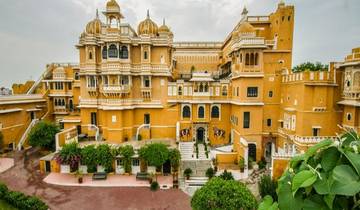
11 days
Taj Mahal and Wildlife with Royal Stay at Castles
- ✓ Comprehensive India tour
- ✓ Expert local guides included
- ✓ All accommodation arranged
- ✓ Transportation provided
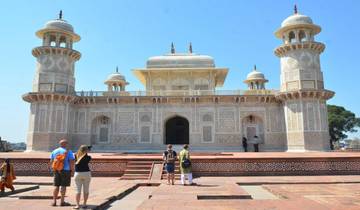
7 days
India Golden Triangle Tour
- ✓ Comprehensive India tour
- ✓ Expert local guides included
- ✓ All accommodation arranged
- ✓ Transportation provided
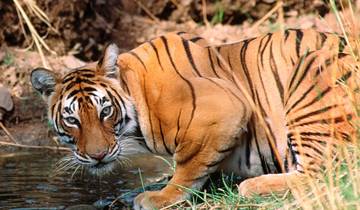
8 days
Golden Triangle Tour With Ranthambore With Luxury 4 Star Hotels Group/Private
- ✓ Comprehensive India tour
- ✓ Expert local guides included
- ✓ All accommodation arranged
- ✓ Transportation provided
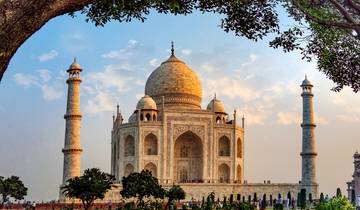
5 days
India's Top Selling Golden Triangle India Tour w/ Meals and Sunrise Taj Mahal
- ✓ Comprehensive India tour
- ✓ Expert local guides included
- ✓ All accommodation arranged
- ✓ Transportation provided
Multi-day tour packages powered by TourRadar. Prices and availability subject to change.
Introduction: Maximizing Your Express Golden Triangle Experience 2026
The three-day Golden Triangle represents the ultimate condensed India cultural immersion—experiencing monuments spanning eight centuries of history, tasting regional cuisines from street food to royal dining, and witnessing living heritage from Delhi’s cosmopolitan energy to Rajasthan’s traditional crafts. This compressed timeline demands strategic planning, early departures, and focused sightseeing distinguishing essential experiences from optional enhancements.
Express format travelers typically fall into three categories: business visitors extending short India trips, international travelers on multi-country Asian circuits, or return visitors revisiting highlights. Each group shares common requirements—maximum cultural density, efficient logistics, and reliable scheduling. This itinerary addresses these needs through verified transportation timings, realistic monument durations, and practical contingency planning.
The 2026 travel landscape enables three-day success through improved infrastructure: Gatimaan Express semi-high-speed train reduces Delhi-Agra transit to under 2 hours, online monument booking eliminates queue waiting, and accommodation concentration near major sites minimizes local transportation time. Simultaneously, rising visitor numbers make advance planning essential—Taj Mahal sunrise slots fill weeks ahead, quality hotels book solid during peak season (October-March), and trained guides command premium rates for compressed tours.
Physical and mental preparation determines three-day success. Expect 12-14 hour active days combining monument walking, vehicle transfers, meal times, and basic logistics. Delhi’s 15-kilometer monument spread, Agra’s outdoor exposure during 3-hour Taj visits, and Jaipur’s hillside Amber Fort climbing demand fitness and stamina. Manage expectations recognizing this format prioritizes breadth over depth—you’ll see Taj Mahal magnificence but won’t study every inlay detail, experience Rajput architecture but won’t master historical context, taste regional cuisines but won’t explore complete culinary traditions.
Strategic compromises enable three-day viability: morning flight arrivals maximize Day 1 sightseeing, overnight drives convert non-productive sleep hours into transit time, quick lunch stops replace leisurely dining experiences, and evening monument visits during extended summer hours add scheduling flexibility. These trade-offs separate express travel from comfortable exploration, requiring traveler commitment to intensive scheduling in exchange for concentrated cultural exposure.
Planning Your 3-Day Express Itinerary 2026
Pre-Arrival Bookings and Reservations
Successful three-day execution requires advance arrangements completed 30-60 days before departure. Book Gatimaan Express Delhi-Agra through IRCTC website (irctc.co.in) or authorized travel agents—trains fill completely during peak season requiring early reservation. Choose AC Chair Car (₹690, adequate comfort) or Executive Class (₹1,365, premium service and seating). Confirm train operates your travel date (closed Fridays) and adjust itinerary accordingly if Friday falls mid-trip.
Arrange private car with driver for Agra-Jaipur overnight transfer and Jaipur local sightseeing (combined ₹8,000-12,000 for both services). Booking consolidates through single operator ensuring vehicle quality and driver reliability. Specify SUV or sedan preference, AC requirements, and confirm English-speaking driver. Include Jaipur sightseeing next day in total price negotiation.
Reserve hotels strategically: Delhi hotel near major monuments or Metro connectivity (Connaught Place, Karol Bagh, or Paharganj areas), Agra hotel near Taj East Gate for quick sunrise access, and Jaipur hotel in city center near Hawa Mahal or MI Road. Book through reputable platforms (Booking.com, Agoda) with free cancellation options allowing flexibility. Confirm check-in times accommodating late arrivals—Jaipur hotel receives guests midnight during overnight transfer.
Purchase online monument tickets where available: Taj Mahal (asi.payumoney.com), Red Fort, Qutub Minar, and Agra Fort through Archaeological Survey of India portal. Print QR code tickets or ensure phone accessibility. Online booking saves 30-60 minutes queue time at each monument during peak hours. Some Jaipur monuments require on-site ticket purchase—arrive at opening to minimize waits.
Essential Packing for Express Travel
Minimize luggage facilitating quick hotel check-ins and vehicle transfers. Single carry-on backpack or small roller bag containing 3-day clothing rotation, toiletries, medications, and essential electronics works optimally. Pack lightweight, breathable layers (October-March) or maximum ventilation fabrics (April-September) accommodating India’s climate extremes. Include modest coverage options—long pants, knee-length skirts, shoulder-covering tops for religious sites.
Technical essentials include universal power adapter (India uses Type C/D/M sockets), portable battery pack (long sightseeing days drain phones), and camera equipment with extra memory cards. Download offline maps (Google Maps, Maps.me) for navigation without data connectivity. Install Google Translate app with Hindi language pack addressing language barriers. Bring physical copies of hotel confirmations, train tickets, and passport ID page as backup.
Health items prioritize sun protection (SPF 50+ sunscreen, hat, sunglasses), hand sanitizer for frequent use, basic medications (anti-diarrheal, pain relief, antihistamines), and prescription medicines in original packaging with copies of prescriptions. Comfortable walking shoes essential—expect 8-12 kilometers daily walking across monuments and markets. Pack small daypack for monument visits carrying water bottle, snacks, camera, and documents.
Money and Currency Planning
Exchange $400-600 USD (₹32,000-48,000) covering three-day mid-range expenses, or access ATMs in each city. Carry cash in mixed denominations—₹100, ₹200, ₹500 notes for small purchases, transport, and monument entries. Many vendors cannot change ₹2,000 notes. Keep daily spending cash (₹3,000-4,000) separate from main stash. Store excess cash in hotel safe deposit boxes.
Credit cards work at hotels, upscale restaurants, and major shops, but cash required for auto-rickshaws, street food, small vendors, and monument tickets despite online booking options. Alert bank to India travel dates preventing card security blocks. Carry backup card stored separately from primary. International ATM fees (₹200-400 per transaction plus home bank charges) make larger withdrawals more economical—take ₹10,000-15,000 per ATM visit.
Day 1: Delhi Imperial Heritage 2026
Early Morning: Red Fort and Mughal Delhi
Start Day 1 at 8 AM reaching Red Fort (Lal Qila) by 9 AM avoiding peak midday crowds and heat. Entry costs ₹550 for foreign visitors (check asi.payumoney.com for current official rates) with tickets available online or at entrance. This UNESCO World Heritage complex served as Mughal seat 1648-1857, demonstrating Shah Jahan’s architectural synthesis of Persian, Timurid, and Indian traditions across 254-acre walled fortress.
Focus visit on essential structures within 1.5-hour efficient exploration: Lahori Gate entrance through Chatta Chowk bazaar, Diwan-i-Am (Hall of Public Audience) featuring white marble throne alcove, Diwan-i-Khas (Hall of Private Audience) with famous paradise inscription, and Rang Mahal (Palace of Colors) showing residential quarters. Skip optional museums and peripheral structures maximizing time for major monument experiences. Photography allowed exterior and courtyards (restrictions apply inside certain buildings).
Late Morning: Jama Masjid and Old Delhi
Walk or cycle rickshaw (₹50-100, 10-15 minutes) to Jama Masjid, India’s largest mosque completed 1656. Entry free but camera fees apply (₹300). Remove shoes (storage ₹20-30) and women cover entirely with provided robes. Avoid Friday 12-2 PM prayer closure. Explore courtyard accommodating 25,000 worshippers, view three marble domes and twin 40-meter minarets, and optionally climb south minaret for Old Delhi panorama (₹100 additional). Allocate 45 minutes total including photography.
Quick lunch break at Chandni Chowk sampling street food specialties: parathas at Paranthe Wali Gali (₹80-150), chaat varieties (₹50-100), or sit-down meal at Karim’s restaurant (Mughlai cuisine ₹400-800). Budget ₹300-500 for filling lunch. Bottled water essential (₹20-40). Consider packed snacks for afternoon sustaining energy during intense monument schedule.
Afternoon: Qutub Minar Complex
Take metro or taxi (₹400-600, 45 minutes) to Qutub Minar Complex, UNESCO World Heritage site in South Delhi (Mehrauli area). Entry ₹550 foreigners, open sunrise-sunset. The 73-meter brick minaret built 1192-1368 represents Indo-Islamic architectural masterpiece with five stories featuring intricate carvings and Arabic inscriptions. Surrounding complex includes Quwwat-ul-Islam Mosque (India’s oldest surviving mosque constructed from 27 Hindu temple materials), rust-resistant Iron Pillar (4th century Gupta period), and Alai Darwaza ornate gateway.
Allocate 1.5 hours covering main monuments and photography opportunities. Late afternoon lighting enhances red sandstone structures. Information panels explain historical context eliminating guide necessity for time-conscious travelers, though optional guides available (₹400-600 for deeper interpretation). Exit by 5 PM continuing to final Delhi monument.
Evening: India Gate and Connaught Place
Visit India Gate war memorial (6 km north, ₹250-350 taxi, free entry) during golden hour photography (5:30-7 PM depending on season). This 42-meter arch honoring WWI soldiers anchors ceremonial Rajpath boulevard leading to presidential palace (Rashtrapati Bhavan, exterior viewing only). Evening atmosphere includes families, food vendors, and illuminated monument creating vibrant scene.
Conclude Day 1 at Connaught Place circular market for dinner and optional shopping. Restaurant options range from Saravana Bhavan (South Indian vegetarian ₹400-600) to United Coffee House (Indian and continental ₹800-1,200) to international chains. Budget ₹700-1,500 dinner including beverages. Government emporia (Central Cottage Industries Emporium) offers fixed-price handicraft shopping eliminating bargaining time. Return hotel by 9-10 PM for rest before early Day 2 departure.
Day 1 Costs Summary
Red Fort entry: ₹550. Jama Masjid camera fee: ₹300. Qutub Minar entry: ₹550. Transportation (metro, taxis, rickshaws): ₹1,200-1,800. Meals (lunch, dinner): ₹1,000-2,000. Water and snacks: ₹300-500. Total Day 1: ₹3,900-5,650 per person excluding accommodation.
Day 2: Agra – Taj Mahal and Overnight Transfer 2026
Early Morning: Gatimaan Express to Agra
Depart hotel 7 AM for Hazrat Nizamuddin Railway Station (30-45 minute travel depending on Delhi location). Arrive station 7:40 AM minimum providing boarding time before 8:10 AM departure. Gatimaan Express 12049 operates daily except Fridays—confirm schedule matches travel date. Tickets purchased advance (₹690 AC Chair, ₹1,365 Executive Class) through irctc.co.in or authorized agents.
Train journey covers 188 km in 1 hour 40 minutes arriving Agra Cantt 9:50 AM. Onboard service includes complimentary breakfast (Indian or continental options), water, newspapers, and Wi-Fi connectivity. Executive Class provides premium seating, enhanced meals, and extra legroom. Use travel time reviewing Taj Mahal historical background and photography planning.
Late Morning to Afternoon: Taj Mahal Exploration
Proceed directly from Agra Cantt station to Taj Mahal (4 km, ₹200-300 taxi, quick hotel bag drop if needed). Entry costs ₹1,300 for foreign visitors (₹1,100 base admission + ₹200 mausoleum interior access) plus ₹500 ADA development toll (check official portal asi.payumoney.com for current rates). Online tickets save queue time—purchase advance through Archaeological Survey portal or buy at Eastern/Western Gates (Southern Gate exit-only).
Taj Mahal opens 30 minutes before sunrise, closes 30 minutes before sunset, closed all Fridays. Mid-morning arrival (10:30-11 AM) after train journey provides optimal light for photography while avoiding extreme afternoon heat (April-September especially). Security screening prohibits food, large bags, tripods, and certain electronics—travel light with essentials only.
This UNESCO World Heritage monument (completed 1653) represents Emperor Shah Jahan’s love memorial to wife Mumtaz Mahal. White marble mausoleum rises from red sandstone platform flanked by mosque and guesthouse. Semi-precious stone inlay work (lapis lazuli, jade, carnelian, turquoise) creates intricate floral patterns across interior and exterior surfaces. Main chamber displays cenotaphs (actual graves in basement chamber inaccessible to visitors). Surrounding charbagh gardens demonstrate Persian planning principles with reflecting pools and symmetrical tree plantings.
Allocate 2.5-3 hours comprehensive visit including garden photography, mausoleum exterior documentation from multiple angles, interior chamber viewing, and quiet reflection periods. Optional professional guides (₹500-800) enhance historical understanding, or rely on informational plaques and audio guide apps. Focus photography during midday diffused light rather than harsh shadows. Exit by 2 PM for lunch and afternoon monument.
Afternoon: Lunch and Agra Fort
Lunch near Taj Mahal at mid-range restaurants serving Mughlai cuisine—Pinch of Spice (₹800-1,500 per person) or hotel restaurants offering buffets (₹1,000-2,000). Quick dining maintains schedule for Agra Fort afternoon visit. Budget 45-60 minutes total for meal and rest.
Continue to Agra Fort (2.5 km north, ₹150-250 auto-rickshaw, entry ₹550 foreigners). This UNESCO World Heritage fortress preceded Delhi’s Red Fort as Mughal residence. Constructed 1565-1573 under Emperor Akbar, the massive red sandstone complex contains palaces, administrative buildings, and mosques within 2.5-kilometer perimeter walls.
Essential sections include Jahangir Palace (Hindu-Muslim architectural fusion), Khas Mahal (Shah Jahan’s marble private chambers), Sheesh Mahal (Mirror Palace), and Musamman Burj octagonal tower providing iconic Taj Mahal distance views (where imprisoned Shah Jahan spent final years). Diwan-i-Am (Hall of Public Audience) and Diwan-i-Khas (Hall of Private Audience) demonstrate imperial governance architecture. Allocate 1.5-2 hours comprehensive exploration including photography and historical context absorption.
Evening: Overnight Private Car to Jaipur
Return hotel by 6 PM for dinner and brief rest before overnight Jaipur transfer. Dinner options include hotel restaurant or local establishments near Taj East Gate area (₹600-1,200 per person). Pre-arranged private car with driver collects passengers 8-9 PM depending on negotiated timing and preferences.
Agra-Jaipur distance spans 240 km requiring 4-5 hours normal daytime driving. Overnight travel (8-9 PM departure) allows rest during transit arriving Jaipur midnight-1 AM depending on stops and road conditions. Highway generally good quality though some rural sections require attention. Stops for restroom breaks at roadside facilities (bring tissue paper). Driver handles navigation while passengers sleep or rest, maximizing productive use of non-sightseeing hours.
Arrive Jaipur hotel midnight confirming late check-in during booking process. Quick freshen-up and immediate sleep preparing for early Day 3 Jaipur sightseeing. This timing optimization converts night hours into travel time eliminating full hotel day charge and allowing full Jaipur morning-afternoon coverage next day.
Day 2 Costs Summary
Gatimaan Express ticket: ₹690-1,365. Taj Mahal entry: ₹1,300. ADA toll: ₹500. Agra Fort entry: ₹550. Transportation in Agra: ₹600-1,000. Meals (lunch, dinner): ₹1,400-3,000. Accommodation Agra (if needed for bag storage or brief rest): ₹1,000-2,000 (or skip if traveling ultra-light). Overnight car to Jaipur: ₹5,000-7,000 (total vehicle cost). Total Day 2: ₹10,040-15,915 per person.
Day 3: Jaipur Royal Heritage and Return 2026
Morning: Amber Fort Exploration
Start Day 3 at 8 AM departing for Amber Fort (11 km from city center, included in previous day’s car arrangement). Entry ₹500 foreign visitors, open 8 AM-5:30 PM. This UNESCO World Heritage hillside fortress served as Kachwaha Rajput capital demonstrating military architecture combined with palatial luxury across multiple courtyards and levels.
Access options include jeep shuttle from parking to entrance (₹100-150 per person, 5 minutes), elephant ride (₹1,100-1,200 per couple, morning only 8-11 AM, advance booking recommended), or uphill walk (20-25 minutes, free but strenuous). Jeep shuttle optimizes time-efficiency for express itinerary.
Essential fort sections include Sheesh Mahal (Mirror Palace featuring thousands of tiny mirrors creating candlelight reflective effect), Diwan-i-Am (Hall of Public Audience with carved pillars), Sukh Niwas (pleasure pavilion with ancient air-conditioning via water channels), and Ganesh Pol (ornate gateway with frescoes and lattice work). Panoramic views extend over Maota Lake and Aravalli hills. Underground passages connect to higher Jaigarh Fort (skip for time constraints).
Allocate 2-2.5 hours comprehensive fort exploration including main palaces, photography opportunities, and architectural detail study. Optional guides (₹400-600) provide historical context or rely on informational signage. Morning light favors exterior photography while interior chambers provide relief from heat. Exit by 11 AM continuing city center monuments.
Late Morning: City Palace and Jantar Mantar
Return to Jaipur city center (11 km, 30 minutes using same car and driver) visiting City Palace complex. Entry ₹700 foreigners including museum access, open 9:30 AM-5 PM. This royal residence combines Rajput and Mughal architectural styles with portions still occupied by Jaipur royal family. Public areas showcase royal artifacts, textiles, weaponry, miniature paintings, and astronomical instruments. Chandra Mahal building offers limited access to upper floors displaying royal apartments with original furnishings and decoration.
Adjacent Jantar Mantar astronomical observatory (entry ₹200 foreigners, same hours) presents 18th-century instruments built by Maharaja Jai Singh II demonstrating advanced mathematical and astronomical knowledge. Large-scale structures include world’s largest stone sundial, celestial measuring devices, and astronomical calculators. UNESCO recognition acknowledges scientific and architectural significance. Combined City Palace-Jantar Mantar exploration requires 1.5-2 hours covering both complexes efficiently.
Afternoon: Hawa Mahal and Market Shopping
Visit Hawa Mahal (Palace of Winds, entry ₹200 foreigners) for iconic five-story facade featuring 953 small windows allowing royal women to observe street festivals maintaining purdah privacy. Best exterior photography from street-level chai shops across road. Interior exploration shows window construction details and upper-level city views. Allocate 30-45 minutes including photography and brief interior visit.
Explore adjacent Johari Bazaar (jewelry market) and Bapu Bazaar (textiles, handicrafts) for souvenir shopping. Popular items include blue pottery, block-printed textiles, semi-precious stones, leather goods, and Rajasthani miniature paintings. Bargaining expected—start 40-50% quoted price working toward compromise. Fixed-price shops offer quality assurance eliminating haggling time. Focus shopping 1-1.5 hours maximum maintaining Day 3 schedule. Ship large purchases through courier services (DHL, FedEx) avoiding baggage limitations.
Late Afternoon: Lunch and Delhi Return
Lunch at traditional Rajasthani restaurant experiencing local specialties: dal baati churma, gatte ki sabzi, laal maas at establishments like Laxmi Mishtan Bhandar (₹400-700 thali), Handi Restaurant (₹800-1,200), or 1135 AD (heritage venue ₹1,500-2,500). Budget 45-60 minutes for meal and brief rest.
Return transportation Delhi requires advance planning with multiple options:
Option 1: Private car with driver (same vehicle from Agra-Jaipur run) completing Delhi return. Distance 280 km requires 5-6 hours arriving Delhi 8-10 PM. Total cost ₹8,000-12,000 covering Agra-Jaipur overnight plus Jaipur sightseeing plus Delhi return (negotiate package pricing).
Option 2: Evening train Jaipur-Delhi. Multiple options including Shatabdi Express (5.5 hours, ₹800-1,600 depending on class) or overnight trains (6-7 hours). Book advance coordinating departure timing with Jaipur sightseeing completion.
Option 3: Flight Jaipur-Delhi (1 hour flight, ₹3,000-6,000 depending on booking timing). Consider airport transfer times (1 hour each direction) and check-in requirements potentially negating time savings versus car/train.
Depart Jaipur 3-4 PM (by car) or 5-6 PM (by train) allowing morning-afternoon Jaipur coverage while returning Delhi evening. Arrive Delhi 8-11 PM depending on transport mode, concluding intensive three-day Golden Triangle express circuit.
Day 3 Costs Summary
Amber Fort entry: ₹500. City Palace entry: ₹700. Jantar Mantar entry: ₹200. Hawa Mahal entry: ₹200. Jeep shuttle Amber Fort: ₹100-150. Transportation Jaipur: included in previous car arrangement. Meals (lunch): ₹400-1,200. Shopping: ₹2,000-5,000 (variable, personal choice). Delhi return transport: ₹2,500-6,000 (train) or ₹8,000-12,000 (private car continuation). Total Day 3: ₹6,600-15,650 per person plus shopping.
Accommodation Strategy for 3-Day Express Tours 2026
Delhi Hotels: Location Priorities
Select Delhi accommodation balancing monument proximity, metro access, and departure convenience for Hazrat Nizamuddin Railway Station (Gatimaan Express). Connaught Place area provides central location near India Gate and Rajpath with metro connectivity. Karol Bagh offers budget and mid-range options with good transport links. Paharganj budget hub near New Delhi Railway Station suits backpackers accepting basic conditions.
Recommended options include Bloomrooms @ Link Road (mid-range, modern, metro access ₹4,000-6,000), Hotel Tara Palace (budget near Chandni Chowk ₹2,000-3,000), or The Suryaa New Delhi (mid-range South Delhi ₹5,000-8,000). Book two nights covering arrival day and return night (Day 3 arrival around 9-11 PM). Confirm late check-out or bag storage for Day 2 morning Gatimaan departure.
Agra: Minimal Stay Strategy
Express itinerary optionally includes brief Agra hotel use for bag drop and dinner rest before overnight Jaipur transfer. Alternatively, travel ultra-light using day pack only, eliminating Agra hotel booking entirely. If booking Agra accommodation, choose hotels near Taj East Gate enabling quick access: Hotel Atulyaa Taj (mid-range ₹3,500-5,000), Zostel Agra (budget/hostel ₹1,000-2,000), or Crystal Sarovar Premiere (mid-range ₹4,000-6,000).
Some travelers book Agra hotel for rest room only (2-3 hours 6-9 PM) before overnight departure. Negotiate partial day rate (₹1,000-2,000) for short-duration use. Major hotels refuse partial rates but budget properties accommodate flexible arrangements. Alternatively use hotel lobbies or restaurants for dinner and rest avoiding room charges completely—bring minimal luggage facilitating this approach.
Jaipur: Late Check-In Essential
Jaipur accommodation requires late-night check-in capability (midnight-1 AM arrival from Agra). Confirm during booking process avoiding surprise refusals. Location priorities include city center proximity (Hawa Mahal, MI Road area) enabling quick morning departures for Amber Fort. Mid-range options include Umaid Bhawan Heritage (₹4,500-7,000), Pearl Palace Heritage (boutique ₹5,000-8,000), or Hilton Jaipur (₹6,000-10,000).
Budget options concentrate near railway station or Ajmeri Gate areas: Dera Mandawa (₹2,500-4,000) or budget chains. Single-night stay accommodates minimal sleep (1-7 AM approximately) before early Amber Fort departure. Request early breakfast (7 AM) or pack portable breakfast items. Checkout timing flexible—some travelers store bags, complete Day 3 sightseeing, then collect luggage before Delhi return.
Food Planning for Express Schedule 2026
Efficient Dining Strategies
Express itineraries balance nutrition, cultural experience, and time efficiency. Prioritize quick lunches (30-45 minutes) maintaining afternoon sightseeing schedule. Breakfast options include hotel buffets (₹400-800 typically included or available), street vendors near monuments (₹100-200), or portable items (bananas, packaged biscuits, chai). Carry energy bars and trail mix for sustained energy between meals.
Lunch selections emphasize proximity to monuments: Chandni Chowk street food near Red Fort-Jama Masjid (₹300-500), Taj Mahal area restaurants (₹800-1,500), Jaipur city center thali restaurants (₹400-700). Avoid lengthy fine dining exceeding 60-90 minutes. Order decisively using waiter recommendations rather than extensive menu deliberation. Indian thalis provide comprehensive sampling—dal, vegetables, bread, rice, dessert in single order (₹300-700 depending on restaurant tier).
Dinner allows slightly relaxed timing (60-90 minutes) after day’s sightseeing. Day 1 Delhi dinner explores Connaught Place restaurants, Day 2 Agra pre-departure meal focuses on Mughlai specialties, and Day 3 (if dining Jaipur before return) features Rajasthani cuisine. Budget ₹700-2,000 per dinner depending on restaurant choice and beverage inclusion. Alcohol significantly increases bills—beer ₹300-500, cocktails ₹500-800 at restaurants versus lower prices at hotel bars.
Food Safety for Express Travelers
Limited India exposure time increases food safety importance—illness disrupts tight schedules catastrophically. Drink exclusively bottled water (verify seal integrity, ₹20-50). Avoid ice unless at upscale hotels using purified water. Street food requires judgment: choose busy stalls with high turnover, ensure food cooked fresh before you (not pre-prepared), and observe vendor hygiene practices. Paranthe Wali Gali and Karim’s in Old Delhi represent safe street food with established reputations.
Carry anti-diarrheal medication (Imodium) and oral rehydration salts addressing potential stomach issues immediately. Many travelers experience mild digestive adjustment—not necessarily food poisoning but adaptation to different spices, oils, and ingredients. Probiotics taken daily beginning few days pre-departure may help digestive resilience. Avoid raw vegetables at questionable establishments, peel fruits personally, and stick to thoroughly cooked foods when uncertain about kitchen standards.
Photography Tips for Express Monument Visits 2026
Equipment and Settings
Smartphone photography suffices for most travelers—modern phone cameras capture excellent images in good lighting. Carry portable battery pack maintaining charge through heavy photography days (expect 300-500 photos across monuments). For serious photographers, lightweight mirrorless camera with 24-70mm zoom lens provides versatility without DSLR weight. Taj Mahal specifically benefits from wide-angle lens (16-35mm) capturing full mausoleum and gardens in single frame.
Golden hour lighting (sunrise hour and sunset hour) offers best photography conditions—warm tones, soft shadows, dimensional light. Taj Mahal morning light (9-11 AM after Gatimaan arrival) provides good conditions though sunrise visits deliver superior results requiring earlier scheduling. Red Fort, Qutub Minar, and Amber Fort all benefit from late afternoon light (4-6 PM) enhancing red sandstone warmth. Midday harsh sunlight creates challenging shadows—shoot detail close-ups rather than full monument views during peak sun hours.
Essential Shot Checklist
Maximize photography efficiency with pre-planned shot list: Taj Mahal frontal view from main gateway, reflection shots in pools, mausoleum details (inlay work, calligraphy), garden symmetry aerials (if allowed). Red Fort requires Lahori Gate entrance, Diwan-i-Khas interior, courtyard overviews. Qutub Minar needs full minaret height shot, Iron Pillar rust-resistant marvel, mosque archway details. Amber Fort demands Sheesh Mahal mirror work, courtyard panoramas, hilltop views over Maota Lake. Jaipur’s Hawa Mahal requires street-level facade shot and upper-window perspectives.
Include human scale elements showing monument proportions—visitors in frame demonstrate size effectively. Capture architectural details not just full structures: carved pillars, inlay patterns, calligraphy, geometric designs. Document cultural context: local visitors, prayer activities at mosques, merchant scenes at markets. Balance monument documentation with authentic experience moments rather than obsessive photography consuming entire visits.
Health and Safety for Compressed Itineraries 2026
Physical Preparation and Stamina Management
Three-day express tours demand significant physical endurance—expect 8-12 kilometers daily walking across monuments, stairs climbing at multi-story structures (Qutub Minar, Amber Fort), and extended standing during sightseeing. Pre-trip walking routine (30-60 minutes daily, two weeks before departure) builds stamina. Comfortable, well-broken-in walking shoes prevent blisters and foot pain. Bring blister treatment (bandages, moleskin) addressing issues immediately before worsening.
Hydration critical in India’s climate—carry refillable water bottle maintaining intake throughout days (2-3 liters minimum, more during summer). Heat exhaustion symptoms (dizziness, nausea, excessive fatigue) require immediate rest, shade, and fluid replacement. October-March moderate temperatures (15-28°C) pose minimal heat risks. April-September requires heat management: limit midday outdoor exposure (12-3 PM), seek shade frequently, wear hat and sunglasses, and apply sunscreen hourly. Pace yourself recognizing early fatigue signs rather than pushing through to exhaustion.
Travel Insurance and Medical Access
Comprehensive travel insurance covering medical emergencies, trip cancellation, and baggage loss provides essential protection. Medical evacuation coverage particularly important if serious illness or injury occurs. Delhi, Agra, and Jaipur maintain quality hospitals including Apollo, Max Healthcare, and Fortis with international standards and English-speaking staff. Hotels arrange doctor visits or direct to appropriate facilities. Carry insurance card, policy number, and emergency contact information accessible always.
Common traveler issues (diarrhea, dehydration, minor injuries) rarely require hospital visits. Pharmacies widely available selling over-counter medications for basic ailments. Bring personal prescription medications in original packaging with copies of prescriptions. Basic first-aid kit should include pain relievers, anti-diarrheal, antihistamines, bandages, antibiotic ointment, and any personal requirements. Embassy websites list approved English-speaking doctors and dental services if specialized care needed.
Cultural Sensitivity and Etiquette 2026
Dress Code and Behavior at Religious Sites
Modest clothing (shoulders and knees covered) required at all religious sites—Red Fort, Jama Masjid, temples within monument complexes. Women must cover head at Islamic sites; scarves provided at entrances or bring personal scarf. At Jama Masjid, women wear full-body robes covering Western clothing. Remove shoes entering mosques and temples—wear socks protecting feet from hot stone surfaces during summer. Many sites provide shoe storage (₹20-30) or carry shoes in provided bags.
Maintain quiet, respectful behavior at active religious sites. Photography may be restricted inside prayer halls—observe posted signs and follow local visitors’ example. Avoid visiting during prayer times when possible (Friday midday particularly at mosques). Never photograph people praying without explicit permission. Turn off phone ringers and avoid loud conversations disrupting spiritual atmosphere. Some Hindu temples prohibit non-Hindu entry—respect restrictions without argument.
Bargaining and Shopping Etiquette
Bargaining expected at markets and many shops but not at fixed-price stores, restaurants, or monument entries. Start negotiations 40-50% below quoted price, counter-offer gradually toward middle ground. Remain friendly and patient—aggressive bargaining creates negative experiences. Walk away if prices unreasonable; vendors often call back with better offers. Fixed-price government emporiums (Central Cottage Industries, state emporiums) provide quality benchmarks for fair pricing without haggling stress.
Common scams include massive initial quotes expecting ignorant foreign tourists, bait-and-switch quality (showing fine items, delivering inferior goods), and commission-based shopping tour redirections. Research typical prices before major purchases. Insist on seeing actual items purchased, not sample pieces. Ship large items through reputable services maintaining proof of purchase and tracking. Credit cards offer buyer protection for significant purchases though many vendors prefer cash avoiding fees.
Tipping Guidelines
Restaurant service staff expect 10% tip for table service (not required at street food stalls or self-service). Hotel porters receive ₹50-100 per bag. Private drivers merit ₹300-500 daily for multi-day good service, paid at trip conclusion. Monument guides earn ₹100-200 for satisfactory tours (₹500-1,000 for exceptional full-day private guides). Auto-rickshaw and taxi drivers don’t expect tips though rounding up 10-20% appreciated for friendly, helpful service. Tipping entirely discretionary based on service quality—poor service deserves no tip regardless of social pressure.
Frequently Asked Questions
What happens if Gatimaan Express is cancelled or delayed?
Gatimaan Express maintains high on-time performance but occasional delays or cancellations occur due to technical issues, track maintenance, or weather conditions. If train cancelled, backup options include later-day trains Delhi-Agra (Shatabdi Express, regular trains requiring 2-3 hours) or private car (3-4 hours, ₹5,000-8,000 arranged quickly through hotel). Delayed trains compress Agra time—prioritize Taj Mahal if forced to choose between monuments. Some three-day travelers shift to overnight train Delhi-Agra (departing evening Day 1) arriving early morning for sunrise Taj visit, though this sacrifices sleep quality. Flexible itinerary planning with backup options prevents complete disruption from single transportation failure. Travel insurance covering trip interruption may reimburse additional costs from major delays.
Can I fit Fatehpur Sikri into the 3-day express itinerary?
Fatehpur Sikri inclusion requires significant trade-offs given three-day constraints. The abandoned Mughal capital (40 km from Agra, 1.5-2 hours visit) lies on Agra-Jaipur route. Option 1: Depart Agra 6 AM for Fatehpur Sikri sunrise visit (opens same hours as Taj Mahal), explore 8-10 AM, continue Jaipur arriving afternoon—eliminates Agra Fort completely from itinerary. Option 2: Attempt Fatehpur Sikri stop during overnight Agra-Jaipur drive (impractical as monuments close sunset). Option 3: Extend itinerary to four days allowing proper Fatehpur Sikri exploration without sacrificing Agra Fort or Jaipur time. Most three-day travelers prioritize Taj Mahal-Agra Fort combination over Fatehpur Sikri distant location. Architecture enthusiasts passionate about Mughal heritage should consider four-day minimum properly experiencing all sites.
Is it safe for solo female travelers to do the Golden Triangle in 3 days?
Solo female travelers successfully complete three-day Golden Triangle tours following standard safety precautions. Use registered taxis, prepaid counters, or app-based services (Uber, Ola) rather than random street taxis especially after dark. Book reputable accommodation with good security and reviews from female travelers. Dress modestly (shoulders, knees covered) respecting cultural norms and minimizing unwanted attention. Carry phone with charged battery and local SIM card enabling emergency contact. Join group tours or hire female guides for added security and local cultural insights. Avoid isolated areas, particularly after sunset. Many female travelers report positive experiences with general helpfulness from locals, though persistent touts and uncomfortable staring requires ignoring firmly. Women-specific tours, stays at female-friendly guesthouses, and connecting with other solo travelers through hostel networks provide additional comfort and safety layers.
How can I maximize photography time at Taj Mahal with tight schedule?
Taj Mahal photography optimization requires advance planning and strategic timing. Option 1: Book sunrise entry (requires 4-5 AM hotel departure from Agra, special sunrise ticket) providing dramatic light, minimal crowds, and 2-3 hour exclusive morning photography before regular entry begins. Difficult with Gatimaan Express 9:50 AM arrival but possible if overnighting Agra before train departure Delhi. Option 2: Arrive mid-morning from Gatimaan (10:30 AM) when light still favorable, crowds moderate, and full access available—allocate 3 hours undivided Taj focus before 1:30-2 PM lunch break. Option 3: Sunset visit (4-6 PM) offers golden hour light though crowds increase; requires skipping Agra Fort or very brief visit. Pre-download Taj Mahal photography guides showing optimal angles, composition ideas, and detail shots maximizing limited time efficiency. Travel light (minimal bag) speeding security screening. Consider hiring photography guide (₹1,000-2,000) positioning you expertly rather than trial-and-error wasting time.
What if someone in my group gets sick during the three days?
Illness during compressed itinerary requires immediate decision-making balancing health needs against schedule constraints. Minor issues (headache, mild stomach upset, fatigue) often manageable with over-counter medications, rest periods, and schedule modifications—skip less critical monuments, take longer meal breaks, use taxis versus walking. Moderate illness (significant diarrhea, vomiting, fever) necessitates medical consultation—hotels arrange doctor visits (₹1,000-2,000), pharmacies provide medications, and quality hospitals available in all three cities. Severe illness requires hospitalization and likely trip modification—cancel remaining days, extend accommodation for recovery, rebook transportation. Travel insurance covering medical evacuation and trip interruption provides essential protection. Split groups can continue itinerary with one person recuperating, rejoining later or at return point. Carry comprehensive first-aid kit, know hotel-recommended doctors, and maintain travel insurance contact information accessible for rapid response.
Can vegetarians find adequate food options throughout Golden Triangle?
Vegetarians thrive in India with extensive meat-free options at all price ranges and locations. Indian cuisine naturally vegetarian-friendly—dal (lentils), sabzi (vegetable curries), paneer (fresh cheese), rice, breads constitute standard offerings. Thali meals provide vegetarian combinations automatically in most restaurants. South Indian cuisine (dosas, idlis, uttapams) entirely vegetarian at specialized restaurants. Street food offers many vegetarian choices: samosas, pakoras, chaat varieties, parathas. Clearly communicate vegetarian requirement (“pure veg” understood universally) as some dishes contain meat stock or garnishes. Jain food (available many places) excludes onions and garlic beyond standard vegetarian restrictions. International cuisine and hotel restaurants mark vegetarian items clearly. Vegans face more challenges as dairy (milk, ghee, paneer, yogurt) pervades Indian cooking—specify “no dairy” explicitly and verify ingredient details. Carry protein snacks (nuts, bars) supplementing meals if concerned about nutrition variety.
How does monsoon season affect the 3-day Golden Triangle itinerary?
Monsoon season (July-September) brings intermittent heavy rainfall requiring itinerary flexibility but offers significant advantages: dramatically lower prices (hotels 30-50% cheaper, fewer tourists at monuments reducing crowds to minimal levels, and lush green landscapes transforming photography opportunities. Challenges include transportation delays (trains occasionally delayed by track flooding, roads slower in heavy rain), outdoor sightseeing interruptions (sudden downpours requiring shelter breaks), and heat-humidity combination (30-35°C with 80-90% humidity feeling oppressive). Practical adaptations enable successful monsoon travel: carry compact umbrella and waterproof jacket, wear quick-dry clothing and waterproof footwear, book flexible accommodation with covered indoor activities, and build extra time buffers for delayed transportation. Taj Mahal’s reflecting pools fill completely creating mirror images during monsoon (dry season shows partial pools). Monument visiting continues during rain with fewer crowds and dramatic cloud photography. Travelers with rigid schedules or weather sensitivity should avoid monsoon; flexible adventurous travelers enjoy authentic experiences and substantial savings.
Should I book a package tour or arrange everything independently?
Package tours versus independent travel decision depends on comfort level, budget, and preferences. Package advantages include: all logistics handled by operator (transportation, hotels, guides, monument entries), local English-speaking guide throughout, fixed costs with fewer surprise expenses, and reduced planning time requirements. Package disadvantages: less flexibility for spontaneous changes, forced group pace and interests, higher costs (20-40% markup covering operator profit and commissions), and limited authentic local interaction. Independent travel advantages: complete schedule control, cost savings through direct bookings, deeper local engagement, and customized experiences matching personal interests. Independent disadvantages: time-consuming advance planning, higher stress from logistics management, language barriers, and risk of scams or poor choices. Three-day express itinerary particularly challenging for first-time India visitors—compressed timeline leaves minimal recovery time from mistakes. Consider semi-independent approach: book private car with driver plus hotels independently, hire local guides at monuments only, maintaining flexibility while ensuring reliable transportation and accommodation. Package tours best suit nervous first-timers or those valuing convenience over cost savings.
What’s the return transportation timing from Jaipur to Delhi on Day 3?
Jaipur-Delhi return requires 5-6 hours by road or train, dictating 3-4 PM Jaipur departure for reasonable Delhi evening arrival (8-10 PM). Private car offers maximum flexibility—depart when sightseeing completes, make photo stops along route (optional), arrive directly at Delhi hotel or airport. Negotiate Jaipur sightseeing plus Delhi return as package deal (₹8,000-12,000 total covering Agra-Jaipur overnight plus Jaipur day plus Delhi return). Train options include evening Shatabdi Express (multiple departure times 4-7 PM, 5.5 hours, ₹800-1,600) requiring advance booking and station transfers both ends. Flights operate regularly Jaipur-Delhi (1 hour, ₹3,000-6,000) but airport procedures and transfers consume 3+ hours total potentially negating time savings versus surface transport. Consider Delhi evening plans when selecting return mode—dinner reservations, final hotel night, or direct airport transfer for international departure next day. Build schedule buffer (1-2 hours) for unexpected delays ensuring connections met.
Are credit cards widely accepted or should I carry mostly cash?
Cash remains king for majority of Golden Triangle transactions despite increasing digital payment adoption. Monument ticket counters, auto-rickshaws, street food vendors, small shops, and many mid-range restaurants operate cash-only. Carry sufficient rupees covering daily expenses (₹4,000-6,000 typical covering meals, transportation, small purchases, tips). Hotels, upscale restaurants, and major retailers accept Visa and MasterCard (American Express less common). Credit card transactions may incur 2-3% foreign transaction fees from home bank plus vendor surcharges. ATMs widely available in all three cities—withdraw ₹10,000-15,000 per visit minimizing transaction fees (Indian banks charge ₹200-400 per international withdrawal plus home bank fees). Notify card issuer of India travel dates preventing security blocks. Carry backup card stored separately from primary. Newer travelers often overestimate credit card utility—budget 70-80% daily expenses requiring cash in three-day compressed schedule emphasizing local experiences, street food, and auto-rickshaw transport rather than luxury hotel-restaurant isolation where cards dominate.