Inca Trail Regulations 2026: Complete Permit & Rules Guide
Key Takeaways
- Inca Trail permits sell out 4-6 months in advance and cannot be purchased independently – all trekkers must book through licensed tour operators with mandatory professional guides
- Daily visitor limits restrict access to 500 people total (including 300 porters and guides), with permits allocated on a first-come basis starting each January 1st for the following year
- Permit costs $90 for adults and $45 for students under 25 in 2026 (check official sources for current rates), with total trek packages ranging $600-1,500 depending on service level and group size
- Environmental regulations enforce strict Leave No Trace principles with permanent bans for violations including littering, disturbing archaeological sites, or deviating from designated trails
- Physical requirements include minimum age of 12 years, medical fitness certification, and mandatory travel insurance covering high-altitude trekking and emergency evacuation
- The classic 4-day trek operates year-round except February (trail closure for maintenance), with entry to Machu Picchu requiring separate timed entry tickets synchronized with your arrival day
- Contact us by filling out the trip planner form, and our partner’s expert travel advisors will work closely with you to create your tailor-made itinerary (Free Service)
Introduction: Understanding Inca Trail Regulations for 2026
The Inca Trail to Machu Picchu operates under Peru’s most comprehensive and strictly enforced trekking regulations designed to protect this UNESCO World Heritage Site while ensuring visitor safety and cultural preservation. The 2026 regulations continue the Peruvian government’s commitment to sustainable tourism through controlled access, environmental protection standards, and mandatory professional guidance requirements that shape every aspect of planning your trek.
These regulations affect everything from when you can book your permit to what you can carry in your backpack, how your tour operator manages waste, and what happens if you violate trail rules. Understanding the regulatory framework helps you plan effectively, choose compliant tour operators, and prepare for a successful trek that respects both the natural environment and the ancient archaeological sites along this legendary 26-mile route to Machu Picchu.
The Ministry of Culture in Cusco (Ministerio de Cultura) administers all Inca Trail permits and enforcement through a sophisticated system that balances preservation with access, making advance planning and regulatory compliance essential components of your 2026 trekking experience. The regulations reflect decades of conservation science, archaeological protection priorities, and sustainable tourism best practices developed specifically for this irreplaceable cultural landscape.
People Also Ask About Inca Trail Regulations 2026
How far in advance do you need to book Inca Trail permits in 2026?
Inca Trail permits sell out 4-6 months in advance during peak season (May through September) and 2-3 months ahead during shoulder seasons. Permits become available each January 1st for the entire following year, with the fastest-selling dates being June and July departures. For 2026 treks, serious planners book permits in early January 2026 for high-season dates, while shoulder season (April, October) permits remain available 8-12 weeks before departure dates.
The booking timeline creates a strategic planning window where flexibility increases availability – travelers who can adjust dates by even 3-4 days find significantly more permit availability than those locked into specific departure dates. Tour operators purchase permits in bulk allocations, so booking through established operators 4-5 months ahead provides better availability than waiting for individual permit releases.
What are the new Inca Trail regulations for 2026?
The 2026 regulations maintain the core framework established in recent years while enhancing enforcement of environmental protection standards and archaeological site conduct rules. Key regulations include the 500-person daily limit (200 trekkers, 300 support staff), mandatory licensed guides, prohibition of single-use plastics, required biodegradable toiletries, and strict camping-only-at-designated-sites rules. Enhanced monitoring systems track permit compliance in real-time, and drone surveillance protects archaeological zones from unauthorized access or damage.
Digital permit verification now operates at all checkpoints, replacing paper documentation and enabling instant validation of trekker credentials, guide licensing, and porter welfare compliance. The regulations also mandate GPS tracking for all trekking groups, providing emergency response capabilities and ensuring groups stay on authorized routes without shortcuts or detours that could damage fragile archaeological features.
Can you hike the Inca Trail without a guide in 2026?
No – independent hiking without a licensed professional guide remains prohibited on the Inca Trail in 2026. All trekkers must book through authorized tour operators who provide certified guides trained in first aid, high-altitude emergency response, archaeological site interpretation, and environmental protection protocols. This mandatory guide requirement protects both visitor safety and site preservation, as guides ensure compliance with all trail regulations, manage emergency situations, and prevent inadvertent damage to archaeological features.
The guide requirement applies to all Inca Trail routes including the classic 4-day trek, short 2-day trek, and any variations. Guides must hold current certification from Peru’s Ministry of Tourism and complete annual training on cultural heritage protection, emergency response, and environmental standards. This professional guidance system has proven essential for maintaining the trail’s UNESCO World Heritage status while accommodating thousands of annual visitors.
How much does an Inca Trail permit cost in 2026?
Inca Trail permits cost $90 for adults and $45 for students under 25 with valid international student identification in 2026. Check the official Ministry of Culture website for current rates as pricing may vary. These permit fees cover trail access, checkpoint management, archaeological site maintenance, and environmental monitoring systems but do not include guide services, camping equipment, meals, or transportation – which come through your tour operator package.
Total Inca Trail trek costs range $600-1,500 per person depending on group size, service level, and included amenities, with budget operators around $600-750, mid-range services $900-1,200, and premium small-group experiences $1,300-1,500. These packages include the permit fee, professional guides, porters, camping equipment, meals throughout the trek, and transportation from Cusco to the trailhead.
Extended multi-day tours – 5+ days
Featured Inca Trail Multi-Day Tour Packages

2 days
2-Day Short Inca Trail to Machu Picchu with Hotel & Vistadome Train
- ✓ Comprehensive Inca Trail tour
- ✓ Expert local guides included
- ✓ All accommodation arranged
- ✓ Transportation provided
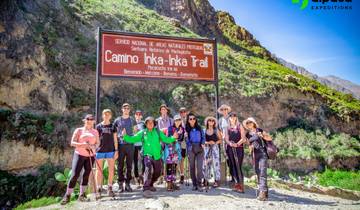
4 days
Classic Inca Trail Trek 4D/3N to Machu Picchu (Group service )
- ✓ Comprehensive Inca Trail tour
- ✓ Expert local guides included
- ✓ All accommodation arranged
- ✓ Transportation provided
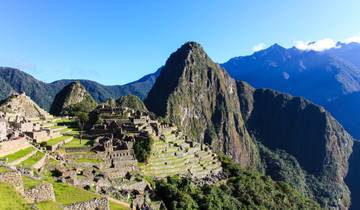
8 days
Classic Inca Trail to Machu Picchu & Sacred Valley – 8 Days
- ✓ Comprehensive Inca Trail tour
- ✓ Expert local guides included
- ✓ All accommodation arranged
- ✓ Transportation provided
2 days
Inca Trail 2 Days to Machu Picchu with Hotel
- ✓ Comprehensive Inca Trail tour
- ✓ Expert local guides included
- ✓ All accommodation arranged
- ✓ Transportation provided
Multi-day tour packages powered by TourRadar. Prices and availability subject to change.
Essential Inca Trail Regulations 2026
Mandatory Permit Requirements 2026
Every person entering the Inca Trail requires an individual permit issued by Peru’s Ministry of Culture, obtained exclusively through licensed tour operators who submit applications with complete documentation including full legal names (matching passport exactly), passport numbers, birth dates, and nationality information. Permits are non-transferable and non-refundable, linked permanently to specific individuals for specific dates.
The permit application requires submission at least 48 hours before trek departure, though practical booking timelines extend to months in advance due to limited daily availability. Once issued, permits cannot be changed to different dates, transferred to different people, or refunded for any reason including medical emergencies, weather cancellations, or personal schedule changes – making trip insurance essential for protecting your investment.
Student permits require valid International Student Identity Card (ISIC) or university identification demonstrating current enrollment and age under 25. Student documentation must be verified at the first checkpoint (Km 82), and travelers using student permits without valid documentation face permit denial and trek cancellation without refund. The student discount represents a 50% reduction but requires strict documentation compliance.
Children under 12 cannot obtain Inca Trail permits under current regulations, establishing the minimum age requirement at 12 years. This age restriction reflects the physical demands of high-altitude trekking, multi-day camping conditions, and safety considerations for the challenging mountain environment. Families with younger children explore alternative routes to Machu Picchu including train service from Ollantaytambo or shorter day hikes in the Sacred Valley.
Guide and Porter Regulations 2026
All Inca Trail groups travel with licensed professional guides certified by Peru’s Ministry of Tourism through comprehensive training programs covering first aid, emergency response, archaeological interpretation, environmental protection, and cultural heritage preservation. Guides carry credentials verified at each checkpoint, with unauthorized guides subject to immediate removal and permanent licensing bans.
The guide-to-trekker ratio allows one guide for groups up to 16 people, with larger groups requiring additional guides to maintain safety standards and emergency response capabilities. Many operators maintain smaller ratios (1:8 or 1:10) for enhanced service quality and personalized attention, though regulations require only the minimum 1:16 standard.
Porter regulations protect worker welfare through strict requirements limiting maximum loads to 25 kilograms (55 pounds) including the porter’s personal gear, establishing minimum wage standards, requiring proper equipment provision by tour operators, and mandating comprehensive insurance coverage for all support staff. Tour operators cannot employ porters under 18 years old, and all porters receive regular weighing inspections at checkpoints to ensure compliance with weight restrictions.
Porter welfare inspections occur at multiple checkpoints throughout the trail, with tour operators facing immediate suspension for violations including overweight loads, inadequate equipment, missing insurance documentation, or unpaid wages. These protections emerged from decades of advocacy and now form core regulatory requirements that distinguish ethical operators from those cutting costs through worker exploitation.
Group Size Restrictions 2026
The daily limit of 500 total people on the Inca Trail includes approximately 200 trekkers and 300 support staff (guides, porters, cooks), with permits allocated on a first-come, first-served basis when applications open each January 1st. This capacity restriction prevents trail overcrowding, minimizes environmental impact, and ensures manageable visitor numbers at archaeological sites along the route.
Individual tour operators can book multiple permits daily but face restrictions preventing single companies from monopolizing available permits. The allocation system reserves portions for different operator categories including international tour companies, Peruvian operators, and specialized service providers, ensuring competitive access and preventing market concentration.
Group compositions vary widely from solo travelers joining scheduled departures to private groups of 2-16 people, with larger groups splitting into smaller units for camping and site visits to minimize congestion at designated campsites. Tour operators manage group dynamics while complying with the overall daily capacity restrictions that protect the trail experience and archaeological site integrity.
Permit System and Booking Process 2026
Daily Visitor Limits and Allocation
The 500-person daily capacity divides between the classic 4-day trek (majority of permits) and the short 2-day trek (smaller allocation), with specific departure dates selling out months in advance during peak season. The Ministry of Culture releases permit availability through an online system that tour operators access for booking, with real-time inventory management preventing overbooking and ensuring accurate capacity control.
High-season dates (May through September) sell out fastest, with June and July departures often reaching full capacity 5-6 months ahead. Shoulder season months (April, October) maintain better availability 2-3 months before departure, while low season (November through March, excluding February closure) offers the most flexibility with permits sometimes available just weeks in advance.
The allocation system prioritizes applications based on submission timing rather than operator size or market share, giving small local operators equal access to permits as large international companies. This democratic allocation supports diverse operator representation and prevents monopolistic control over Inca Trail access, though established operators with efficient booking systems often secure prime dates faster than smaller competitors.
Booking Timeline and Deadlines 2026
Permit booking for 2026 treks opens January 1, 2026, for all dates throughout the year, creating an immediate rush for high-demand summer departures. Tour operators submit applications electronically through the Ministry of Culture’s system, with confirmation typically processing within 24-48 hours for complete applications containing accurate passport information matching government identification.
The optimal booking window varies by season: book 5-6 months ahead for June-July departures, 3-4 months ahead for May, August, or September treks, 2-3 months ahead for April or October dates, and 4-8 weeks ahead for November, December, or March departures. February sees no trekking due to annual trail closure for maintenance and restoration work.
Last-minute availability occasionally emerges from cancellations, but counting on cancellation permits creates significant planning risk. Tour operators cannot guarantee cancellation permits, and travelers waiting for last-minute availability often face disappointment or accept less desirable dates, group compositions, or service levels from whatever operators have remaining space.
Documentation deadlines require submission of complete passport information, accurate legal names, and valid student identification (if applicable) at least 48 hours before trek departure for final permit processing. Name corrections or passport number changes require immediate notification to tour operators, as discrepancies between permit documentation and actual passports result in checkpoint denial and trek cancellation.
Cancellation and Transfer Policies 2026
Inca Trail permits are strictly non-refundable and non-transferable under Ministry of Culture regulations, meaning cancelled treks result in complete permit fee forfeiture regardless of cancellation reason. Tour operator refund policies vary for service components (guides, camping, meals), but the $90 permit fee itself remains non-recoverable in all circumstances including medical emergencies, weather events, or personal schedule changes.
Transfer prohibitions prevent selling, gifting, or reassigning permits to different individuals under any circumstances. Each permit links permanently to the original applicant’s passport information, with checkpoint verification systems flagging and rejecting transferred permits instantly. Attempted permit transfers result in trek denial for both the original permit holder and the attempted transfer recipient.
These strict non-refund, non-transfer policies make comprehensive travel insurance essential for protecting your financial investment. Quality travel insurance covering trip cancellation, medical emergencies, and evacuation costs provides the only financial protection against unforeseen circumstances requiring trek cancellation, with policies specifically covering high-altitude trekking often costing $80-150 for comprehensive protection.
Tour operators maintain separate cancellation policies for service components beyond the permit fee, with typical timelines providing partial refunds for cancellations 30+ days ahead, minimal refunds for 15-30 day notice, and no refunds for cancellations within 14 days of departure. Reading tour operator cancellation terms carefully and obtaining appropriate insurance coverage provides essential financial protection for your Inca Trail investment.
Physical and Medical Requirements 2026
Age Restrictions and Fitness Standards
The minimum age for Inca Trail permits remains 12 years in 2026, reflecting the physical demands of multi-day high-altitude trekking with maximum elevations reaching 13,828 feet (4,215 meters) at Dead Woman’s Pass. This age requirement considers both physical capability for sustained mountain hiking and developmental readiness for challenging outdoor conditions including cold nights, basic camping facilities, and 4-6 hour daily hiking demands.
No maximum age restriction exists, but trekkers of all ages should honestly assess their fitness for sustained uphill hiking carrying day packs, managing altitude effects, and camping in basic conditions. The trek requires reasonable cardiovascular fitness, strong knees and ankles for steep descents, and ability to hike 6-9 miles daily over varied terrain including stone steps, steep inclines, and rocky paths.
Recommended fitness preparation includes 3-4 months of regular cardio training, practice hikes with elevation gain, and strengthening exercises for legs and core. Trekkers should comfortably complete 4-6 hour hikes with 1,500-2,000 feet elevation gain while carrying 10-15 pound day packs before attempting the Inca Trail. Previous high-altitude experience helps but is not required, as proper acclimatization protocols minimize altitude-related difficulties.
The physical demands vary significantly between trail days, with Day 2 presenting the most challenging section climbing to Dead Woman’s Pass with over 4,000 feet of elevation gain over 4-5 hours. Subsequent days involve more descending than climbing but require strong knees and balance for navigating steep stone staircases and uneven archaeological pathways. Trekking poles help manage downhill stress and improve stability on challenging terrain sections.
Required Medical Documentation 2026
While no formal medical clearance certificate is required for Inca Trail permits, tour operators reserve the right to request medical fitness confirmation for trekkers with known health conditions, recent surgeries, or concerns about altitude tolerance. Responsible operators conduct health screening questionnaires during booking to identify potential issues requiring medical consultation before trek departure.
Pre-existing conditions requiring disclosure include heart disease, respiratory conditions, recent surgeries, pregnancy, severe allergies, diabetes requiring medication, and any condition potentially complicated by high altitude, physical exertion, or limited medical access. Honest disclosure protects both trekker safety and allows guides to prepare appropriate emergency response protocols if conditions worsen during the trek.
Travelers with significant medical conditions should obtain physician clearance confirming fitness for high-altitude trekking, strenuous daily exercise, and camping conditions. This documentation protects against liability issues and provides evidence of informed decision-making if medical emergencies occur during the trek. Tour operators may deny trek participation to individuals whose medical conditions present excessive risk without adequate professional clearance.
Prescription medication supplies should cover the entire trek duration plus emergency days, carried in original labeled containers with prescribing physician documentation. Common medications for altitude sickness (acetazolamide), pain management (ibuprofen), and digestive issues (anti-diarrheal) complement prescription medications, with guides carrying comprehensive first aid supplies for treating minor injuries, blisters, and common trekking ailments.
Insurance Requirements 2026
Comprehensive travel insurance covering medical emergencies, high-altitude trekking, emergency evacuation, and trip cancellation becomes mandatory for Inca Trail participants in 2026. Tour operators require proof of coverage before trek departure, with policies specifically including high-altitude trekking up to 4,500 meters (14,764 feet) and emergency helicopter evacuation from remote mountain locations.
Standard travel insurance often excludes high-altitude activities or limits coverage below the elevations reached on the Inca Trail, making specialized adventure travel insurance necessary for adequate protection. Quality policies covering Inca Trail trekking cost $80-150 per person depending on age, trip cost, and coverage limits, providing essential financial protection for medical emergencies, trek cancellations, and evacuation costs potentially exceeding $10,000.
Recommended coverage includes emergency medical treatment, helicopter evacuation to Cusco hospitals, repatriation to home country if required, trip cancellation protection for pre-departure emergencies, and baggage protection for lost or damaged gear. The policy should cover activities specifically listed as “trekking” or “hiking” at altitudes up to 5,000 meters to ensure Inca Trail inclusion without coverage gaps.
Emergency evacuation from the Inca Trail requires helicopter service costing $5,000-15,000 depending on location and medical severity, with costs paid upfront before evacuation proceeds. Insurance coverage prevents financial catastrophe from medical emergencies and provides 24-hour assistance services coordinating evacuations, hospital admissions, and family notifications during crisis situations far from medical facilities.
Environmental Protection Rules 2026
Leave No Trace Principles
Strict Leave No Trace regulations govern all Inca Trail activity, prohibiting littering of any kind including organic waste, food scraps, and biodegradable materials. All trash generated during the trek must be carried out by tour operators, with porters transporting waste to designated disposal sites in Cusco for proper processing. Trekkers caught littering face immediate trek termination and permanent Inca Trail bans enforced through passport-based blacklisting.
The definition of “litter” includes everything from plastic wrappers to orange peels, toilet paper, wet wipes, and cigarette butts. Nothing can be left on the trail, buried, or disposed of in vegetation, as the high-altitude ecosystem degrades organic materials extremely slowly and creates long-lasting environmental damage. Tour operators provide trash bags for all participants, with guides conducting daily pack checks ensuring compliance with zero-waste principles.
Enforcement includes checkpoint inspections of tour operator waste management systems, GPS tracking of group movements to prevent unauthorized detours into sensitive areas, and surveillance camera monitoring at archaeological sites to document violations. Rangers patrol the trail daily, and drone surveillance monitors remote sections for illegal camping, shortcut trails, or environmental damage patterns.
Biodegradable soap and toiletries receive specific regulations requiring phosphate-free, environmentally safe formulations that minimize water contamination in mountain streams. Tour operators provide approved toiletries, and trekkers bringing personal products should verify biodegradable certification and avoid synthetic fragrances, antibacterial agents, or harsh chemicals that persist in alpine ecosystems.
Waste Management Regulations
Tour operators must implement comprehensive waste separation systems categorizing organic waste, recyclables, and general trash, with all materials carried out for proper processing in Cusco. Portable toilet systems serve all designated campsites, with human waste removal requirements prohibiting any disposal in natural environments. Violation of waste management protocols results in immediate tour operator license suspension and potential permanent revocation.
Chemical toilet systems transported by porters serve all camping locations, with used chemicals and waste carried off the trail after each trek. These portable facilities replace the problematic pit toilet systems used previously, dramatically reducing environmental contamination and protecting water quality in mountain watersheds feeding agricultural communities throughout the Sacred Valley.
Single-use plastics face absolute prohibition on the Inca Trail in 2026, including plastic water bottles, food packaging, bags, and disposable utensils. Tour operators provide refillable water bottles or reusable containers, with boiled and filtered water available at all campsites for refilling. Participants bringing single-use plastics face confiscation at checkpoints and potential trek denial for repeated violations.
Food waste management requires complete removal from the trail, with organic scraps composted at tour operator facilities in Cusco rather than left in mountain environments. Even biodegradable food waste attracts wildlife, disrupts natural ecosystems, and degrades slowly at high altitude, making complete removal essential for ecosystem protection. Guides monitor meal consumption and ensure zero food waste remains at campsites after departure.
Wildlife and Flora Protection Rules
Interaction with wildlife is strictly prohibited, including feeding animals, approaching nesting birds, disturbing llamas or alpacas, or collecting plants, flowers, or natural materials. The Inca Trail traverses critical habitat for endangered spectacled bears, Andean condors, and numerous endemic plant species protected under Peruvian environmental law and UNESCO World Heritage designation criteria.
Photography of wildlife requires maintaining respectful distances, avoiding flash that disturbs animals, and never pursuing or herding wildlife for better images. Guides enforce wildlife protection protocols and educate trekkers on observing without disturbing the natural behaviors essential for species survival in this high-altitude ecosystem threatened by climate change and human pressure.
Plant collection prohibitions include all vegetation from ground cover to trees, with particular protection for orchids, bromeliads, and medicinal plants historically over-harvested by visitors. The regulations prohibit picking flowers, breaking branches, carving initials on trees, or damaging vegetation through off-trail hiking or unauthorized camping. Rangers monitor botanical damage patterns and track violations to specific trekking groups through timing correlations and guide reporting.
Introduced species prevention requires boot cleaning at the trailhead to remove seeds, soil, and organic material potentially carrying invasive plants or pathogens threatening native ecosystems. Tour operators provide boot cleaning stations, and trekkers arriving with visibly dirty boots from other hiking locations receive mandatory cleaning before trail entry to prevent biological contamination.
Equipment and Gear Regulations 2026
Prohibited Items on the Trail
Drones face absolute prohibition on the Inca Trail and throughout Machu Picchu Historical Sanctuary, with violations resulting in equipment confiscation, heavy fines up to $1,000, and potential criminal charges for unauthorized aerial documentation of protected archaeological sites. The drone ban protects visitor experience, prevents archaeological site damage from crashes, and eliminates noise pollution disrupting the spiritual atmosphere of this sacred landscape.
Walking sticks must have rubber tips to prevent damage to ancient stone pathways and archaeological features, with metal-tipped poles prohibited throughout the trail. Tour operators provide compliant trekking poles or rubber tip attachments for participants bringing personal poles, with checkpoint inspections enforcing the rubber tip requirement at trail entry and major archaeological sites.
Alcohol and recreational drugs remain completely prohibited on the Inca Trail, with participants found possessing or consuming intoxicating substances subject to immediate trek termination, police involvement, and permanent bans. The prohibition protects safety in challenging terrain, maintains respectful behavior at sacred sites, and ensures groups operate with clear judgment in the high-altitude environment requiring constant attention to physical condition and environmental hazards.
Large backpacks and wheeled luggage cannot be brought on the trail, as porters transport main luggage while trekkers carry only day packs with personal items, water, cameras, and weather protection. Tour operators specify exact dimensions and weight limits for porter-carried duffels (typically 7kg/15lbs personal gear maximum), with checkpoint weighing ensuring compliance and protecting porter welfare.
Required Equipment Checklist 2026
All trekkers must carry rain protection including waterproof jacket and pants, as weather changes rapidly in mountain environments and rainfall occurs year-round. The equipment checklist also requires sun protection (hat, sunglasses, sunscreen), warm layers for cold nights potentially dropping to freezing temperatures, and sturdy hiking boots with ankle support for navigating rocky terrain and steep stone staircases.
Sleeping bags rated for 0°C to -10°C (32°F to 14°F) accommodate nighttime temperatures at high-altitude campsites, with tour operators offering rental options for travelers not bringing personal bags. Quality sleeping bag systems separate trekkers comfortable during cold nights from those suffering through miserable hours of inadequate warmth, making proper temperature rating essential for trek enjoyment.
Headlamps with extra batteries serve as mandatory equipment for early morning starts, nighttime bathroom visits, and emergency situations. The equipment requirement includes first aid supplies (personal medications, blister treatment, pain relievers), reusable water bottles for staying hydrated, and trekking poles (with rubber tips) for managing steep terrain and protecting knees on long descents.
Tour operators provide comprehensive packing lists detailing required and recommended equipment, with rental options available in Cusco for sleeping bags, trekking poles, and technical clothing. Budget-conscious travelers save money through strategic rentals rather than purchasing specialized gear for one-time use, while experienced trekkers often prefer personal equipment fitted to individual preferences and trusted through previous adventures.
Porter Weight Restrictions
Porter welfare regulations strictly limit loads to 25 kilograms (55 pounds) total weight including the porter’s personal belongings (approximately 5kg), leaving 20 kilograms (44 pounds) for trekker gear and tour operator equipment. These weight limits protect porter health and safety while recognizing the physical demands of carrying heavy loads at high altitude over multi-day periods.
Trekkers provide duffel bags weighing no more than 7 kilograms (15 pounds) for porter transport, containing sleeping bag, clothing changes, personal toiletries, and any comfort items needed at campsites. Anything exceeding weight limits requires hand-carrying by the trekker in their day pack or leaving behind, with checkpoint weighing stations ensuring compliance through random inspections of porter loads.
The weight restriction system includes porter identification, regular weighing at checkpoints, and immediate violation corrections requiring offloading excess weight or adding additional porters at tour operator expense. Ethical operators maintain loads well below maximum limits (15-20kg total) to protect porter welfare, while budget operators sometimes push closer to regulatory maximums to minimize staff costs.
Checkpoint inspections monitor both porter weight loads and working conditions, verifying proper equipment provision (warm clothing, sleeping bags, food), fair wage payment, and comprehensive insurance coverage. Tour operators must present documentation proving porter welfare compliance at multiple verification points, with inspectors authorized to halt operations immediately for violations threatening worker safety or violating established labor protections.
Trail Route and Camping Regulations 2026
Designated Campsites and Checkpoints
All camping occurs at designated sites only, with unauthorized camping strictly prohibited anywhere along the 26-mile trail. The three official campsites (Wayllabamba, Pacaymayo, Wiñaywayna) provide the only legal camping locations, featuring established tent platforms, portable toilet facilities, and water access for cooking and cleaning. Deviation to unauthorized camping areas results in immediate tour operator penalties and permanent trekking bans for participants.
Checkpoint systems operate at Km 82 (trail start), Wayllabamba, Dead Woman’s Pass summit, and multiple archaeological sites, verifying permits, checking porter loads, and ensuring group compliance with all regulations. Each checkpoint scans permits electronically, cross-references passport information, and records group passage times for tracking purposes and emergency response planning.
The campsite allocation system assigns specific areas to tour operators based on booking order, with some sites accommodating 300-400 campers simultaneously during high season creating busy nighttime environments. Campsite assignments rotate to distribute environmental impact across different zones and prevent overuse of preferred locations, though operators cannot choose exact camping positions within designated areas.
Campsite amenities include basic toilet facilities, water access for cooking (requires treatment before drinking), and tent platforms protecting sensitive alpine vegetation from trampling damage. No electricity, shower facilities, or modern conveniences exist at trail campsites, with participants adapting to rustic conditions using headlamps, biodegradable wipes for hygiene, and sleeping bags for warmth during cold mountain nights.
Hiking Schedule and Timing Rules
The classic 4-day Inca Trail follows a structured schedule beginning with afternoon start from Km 82, camping at Wayllabamba the first night, climbing to Dead Woman’s Pass the second day with camping at Pacaymayo, reaching Wiñaywayna campsite the third afternoon, and completing the final push to Machu Picchu very early morning on Day 4 to arrive at sunrise.
Timing regulations prohibit overnight stays at Machu Picchu, requiring groups to visit the ruins the same day of arrival before departing to Aguas Calientes or Cusco. This timing ensures proper visitor flow management and prevents camping in the archaeological zone surrounding Machu Picchu citadel. The early morning Day 4 start (3-4 AM wake up) provides access to Machu Picchu at sunrise for the iconic mountain-silhouette photographs before larger crowds arrive via train.
Trail operating hours restrict hiking to daylight periods only, with overnight hiking prohibited for safety reasons and environmental protection. The regulations require groups to arrive at designated campsites by dusk and prohibit departure before dawn except for the final morning’s pre-sunrise push to reach Inti Punku (Sun Gate) for Machu Picchu sunrise viewing.
Speed restrictions prevent racing through the trail, as rushing creates safety hazards on steep sections, disturbs other groups, and prevents proper archaeological site appreciation. Guides manage pacing to ensure adequate rest breaks, hydration opportunities, and time for photography at scenic viewpoints without falling behind schedule or arriving too early at campsites before assigned access times.
Alternative Route Options 2026
The short 2-day Inca Trail provides an alternative requiring permits but covering only the final section from Km 104 to Machu Picchu, suitable for travelers with limited time or lower fitness levels. This abbreviated route still requires licensed guides, permit booking through tour operators, and compliance with all environmental and archaeological protection regulations, though camping requirements reduce to one night in Aguas Calientes rather than trail camping.
Alternative non-permit routes including Salkantay Trek, Lares Trek, and Choquequirao Trek offer Machu Picchu access without the permit limitations and booking pressures of the classic Inca Trail. These alternatives provide different perspectives on Andean landscapes, local communities, and archaeological sites while avoiding the competitive permit system, though they miss the classic Inca Trail’s continuous archaeological features and historical pathway that Inca emperors walked to reach Machu Picchu.
The permit-free alternatives operate under different regulatory frameworks with less strict booking timelines, more flexible departure dates, and often lower costs due to reduced permit fees and less intense demand pressure. However, they lack the cultural prestige and historical authenticity of walking the actual Inca Trail pathway, and Machu Picchu access still requires separate entrance tickets and train transportation from Aguas Calientes rather than the dramatic sunrise arrival through Inti Punku.
Cultural Heritage Protection 2026
Archaeological Site Conduct Rules
Archaeological site regulations prohibit touching ancient walls, climbing structures, removing stones, carving graffiti, or disturbing any physical features at the numerous Inca ruins along the trail including Llactapata, Runkuracay, Sayacmarca, Phuyupatamarca, and Wiñaywayna. These protections preserve irreplaceable cultural heritage suffering from cumulative visitor impact over decades of tourism pressure.
Designated pathways through archaeological sites mark the only authorized routes, with roped or signed restricted areas indicating fragile structures, ongoing restoration work, or ceremonial spaces requiring special protection. Guides escort all groups through archaeological sites, providing interpretation while ensuring visitors stay on approved paths and avoid prohibited behaviors damaging centuries-old stonework.
The conduct rules extend to appropriate behavior including quiet voices near sacred sites, respectful photography without climbing on structures or posing inappropriately, and careful foot placement avoiding loose stones or unstable terraces. UNESCO World Heritage status requires Peru to demonstrate effective site protection, and visitor violations threatening archaeological integrity could result in access restrictions or trail closure if damage patterns escalate.
Site interpretation by licensed guides provides educational context explaining Inca engineering, architectural significance, ceremonial functions, and historical importance of each archaeological location. This guided education differentiates the Inca Trail from self-guided hiking experiences and ensures visitors understand and appreciate the cultural treasures surrounding them rather than treating ancient cities as mere photo opportunities.
Photography Restrictions and Guidelines
Photography regulations prohibit commercial filming, professional photo shoots with artificial lighting or extensive equipment, and drone usage throughout the trail and Machu Picchu sanctuary. Personal photography for non-commercial purposes is unrestricted at most locations, though specific ceremonial areas at major archaeological sites may prohibit images to protect sacred space integrity.
Tripod restrictions apply at crowded archaeological sites during peak hours to prevent pathway obstruction and reduce visitor congestion. Photographers should use handheld techniques or small portable tripods that don’t block pathways or create hazards for other visitors navigating stone staircases and narrow passages through ruins.
Respectful photography guidelines encourage capturing landscapes and architectural features while avoiding intrusive images of local porters, guides, or community members without permission. Cultural sensitivity around portrait photography protects indigenous rights and prevents exploitative imagery treating local people as exotic subjects rather than professionals doing demanding physical work.
Social media posting recommendations include respecting archaeological site dignity, avoiding climbing structures for dramatic photos, and crediting the cultural significance of locations rather than treating Inca ruins as mere backdrops. Responsible photography celebrates cultural heritage while modeling appropriate behavior that protects sites for future generations and demonstrates respect for Peru’s national treasures.
Machu Picchu Entry Regulations 2026
Machu Picchu entrance requires separate timed entry tickets beyond the Inca Trail permit, with specific entry windows (starting times of 6 AM, 7 AM, 8 AM, etc.) controlling visitor flow through the archaeological site. Inca Trail groups typically receive 6-7 AM entry slots coordinating with sunrise arrival through Inti Punku, though exact timing depends on tour operator allocation and daily entrance quota management.
Circuit routes within Machu Picchu follow designated pathways preventing unrestricted wandering, with three main circuits offering different perspectives and access to various structures. Most Inca Trail groups follow Circuit 2 providing comprehensive site access including the classic postcard viewpoint, terraces, urban sector, and major temples, though access rules change periodically requiring tour operator coordination with current regulations.
Time limits at Machu Picchu restrict visits to approximately 4 hours maximum per entry ticket, with no re-entry allowed once you exit the site. This timing pressure encourages efficient touring but allows adequate time for guided interpretation, photography at major viewpoints, and personal exploration of this spectacular mountain citadel.
Additional permit requirements for Huayna Picchu mountain or Machu Picchu mountain hiking require separate advance booking and additional fees ($20-30 per person), with extremely limited daily quotas (200 permits for Huayna Picchu, 400 for Machu Picchu mountain) selling out months ahead during high season. These optional climbs extend Machu Picchu visits by 2-4 hours and require booking simultaneously with Inca Trail permits to ensure date coordination.
Safety and Emergency Protocols 2026
Emergency Evacuation Procedures
Emergency evacuation from the Inca Trail occurs via helicopter from designated landing zones near major campsites, with costs ranging $5,000-15,000 depending on location and medical severity. Tour operators coordinate with helicopter services, medical facilities in Cusco, and insurance companies to arrange evacuations for serious injuries, severe altitude sickness, heart problems, or other life-threatening conditions requiring immediate professional medical care.
Guides carry satellite phones or two-way radios for emergency communication with tour operator bases in Cusco, enabling rapid response coordination for medical crises. The communication systems provide coverage along most of the trail despite the remote mountain location, though some deep valleys experience communication challenges requiring portable signal devices carried specifically for emergency situations.
First response protocols train guides in basic emergency medicine including CPR, trauma stabilization, altitude sickness treatment, and evacuation preparation. Most groups include guides with wilderness first responder or emergency medical technician certification, providing professional medical assessment and treatment while arranging helicopter evacuation for serious situations exceeding field treatment capabilities.
Alternative evacuation methods for less serious injuries include porter-assisted walking to nearest road access points, horseback transport for ankle or knee injuries, or overnight stabilization at campsites before morning evacuation. The evacuation method depends on injury severity, weather conditions, helicopter availability, and medical professional assessment of risks associated with delayed versus immediate transport to hospital facilities.
Communication and Connectivity
Mobile phone service is unavailable throughout most of the Inca Trail due to remote mountain location and limited cell tower coverage. Trekkers should plan for complete disconnection from normal communication channels, informing family and friends about expected return dates and tour operator emergency contact information for reaching you during the trek if necessary.
Tour operators maintain emergency communication systems via satellite phones and two-way radios, enabling coordination with base operations in Cusco for medical emergencies, weather updates, or logistical support needs. Participants cannot access these communication devices for personal use, as they serve exclusively for emergency and operational coordination rather than social connectivity.
The digital detox aspect of Inca Trail trekking offers benefits for many travelers seeking escape from constant connectivity, though it creates challenges for those needing to maintain contact with work, family, or ongoing situations at home. Setting clear expectations about communication blackout during the trek prevents anxiety and allows full immersion in the mountain experience without digital distraction.
WiFi availability in Aguas Calientes after trek completion allows reconnection and sharing experiences via social media, though connectivity during the actual trail days remains impossible for most participants. This communication pattern requires advance planning for automatic responses to work emails, family check-in schedules before and after the trek, and acceptance of temporary disconnection from the hyperconnected modern world.
Weather-Related Cancellations 2026
Severe weather occasionally forces trail closures including lightning storms, landslides blocking pathways, flooding making river crossings dangerous, or unusually heavy snow at high passes. These weather cancellations occur rarely but can affect treks at any time of year, with rainy season months (November through March) experiencing higher cancellation rates than dry season (May through September).
Weather-related trail closures trigger tour operator contingency protocols including postponement to following days if permits allow, alternative route transfers (such as Salkantay Trek substitution), or complete trek cancellation with partial refunds for unused services. The specific response depends on weather duration, permit availability, and participant preferences balancing schedule flexibility against determined Machu Picchu access.
Trail condition monitoring by park authorities assesses safety continuously, with real-time communication to tour operators about developing weather threats or trail damage requiring closure. This proactive monitoring system protects trekker safety while minimizing unnecessary cancellations, though conservative safety standards sometimes close trails for conditions that experienced mountaineers might consider manageable.
February closure for annual maintenance affects all Inca Trail access regardless of weather, providing essential time for trail repairs, archaeological site restoration, porter facility improvements, and environmental recovery from sustained tourism pressure. This complete closure month means no February permits exist, requiring travelers with rigid February-only schedules to select alternative Machu Picchu access routes or adjust travel timing.
Cost Structure and Fees 2026
Permit Pricing Breakdown 2026
Adult permits cost $90 and student permits cost $45 for individuals under 25 with valid international student identification in 2026. Check the Ministry of Culture website for current official rates as pricing may vary. These permit fees cover administrative costs, checkpoint operations, trail maintenance, archaeological site protection, and environmental monitoring systems supporting sustainable tourism management across the Machu Picchu Historical Sanctuary.
The permit fee represents only a portion of total trek costs, with comprehensive tour packages ranging $600-1,500 per person depending on group size, service level, and included amenities. Budget operators offering basic services cost $600-750, mid-range operators with better equipment and smaller groups charge $900-1,200, and premium small-group experiences with exceptional guides and superior camping gear cost $1,300-1,500.
Package inclusions typically cover the permit fee, professional licensed guides, porters for gear transport, camping equipment (tents, sleeping mats, dining tent), all meals during the trek, transportation from Cusco to Km 82 trailhead and return from Aguas Calientes to Cusco, and basic first aid coverage. Exclusions requiring additional budgeting include sleeping bags ($20-30 rental if needed), trekking poles ($15-20 rental), tips for guides and porters ($60-100 total recommended), and personal expenses.
Price variations reflect differences in group size (large groups of 12-16 cost less per person than small groups of 4-6), equipment quality (budget operators use basic gear while premium operators provide superior tents and sleeping mats), food quality (ranging from simple meals to gourmet mountain cuisine), and guide expertise (junior guides versus experienced professionals with decades of trail knowledge).
Additional Required Fees and Taxes
Machu Picchu entrance tickets cost separately from Inca Trail permits, with standard adult entry at $45 and student entry at $25 for the basic circuit access. These entrance fees purchase 4-hour time-limited access to the archaeological site, with exact entry times coordinated by tour operators to match group arrival from Inca Trail completion.
Optional Huayna Picchu mountain permits cost $20 additional beyond standard Machu Picchu entry, while Machu Picchu mountain permits cost $30 extra, with both requiring advance booking due to strict daily quotas of 200 and 400 climbers respectively. These supplementary permits sell out months ahead during high season and require careful coordination with Inca Trail completion timing to ensure same-day access.
Return transportation from Aguas Calientes to Cusco costs separately from trek packages unless specifically included, with budget bus-train combinations costing $35-50 and more comfortable train services $65-90 per person. Tour operators specify exactly which transportation is included in package prices and which requires separate booking or payment upon trek completion.
Travel insurance premiums covering high-altitude trekking, emergency evacuation, and trip cancellation cost $80-150 per person depending on age, trip value, and coverage limits. This insurance represents essential rather than optional spending given the non-refundable permit fees, medical evacuation costs potentially exceeding $10,000, and unpredictable factors including weather, health issues, or personal emergencies potentially requiring trek cancellation.
Tour Operator Cost Components
Tour operator pricing structures break down into permit fees ($90 per person to government), guide salaries and benefits, porter wages and insurance, equipment costs and maintenance, food procurement and preparation, transportation logistics, and company operating margins supporting their business operations and service quality standards.
Budget operators minimize costs through large group sizes reducing per-person guide expenses, basic equipment requiring less investment, simple meal plans using inexpensive ingredients, minimum legal porter wages, and tight operating margins limiting service flexibility. These cost savings produce affordable packages but may compromise comfort, food quality, equipment reliability, or guide expertise compared to higher-priced alternatives.
Mid-range operators balance value and quality through moderate group sizes (8-12 people), good equipment without premium pricing, varied nutritious meals, fair porter compensation above minimum wage, and experienced guides with strong customer service orientation. This pricing tier appeals to travelers seeking reliable quality without luxury premiums, representing the sweet spot between budget constraints and comfort preferences for many Inca Trail trekkers.
Premium operators justify higher pricing through small groups (4-6 people) providing personalized attention, superior camping equipment including larger tents and thick sleeping mats, gourmet meals prepared by professional trail chefs, generous porter wages and working conditions, and elite guides with exceptional language skills, cultural knowledge, and emergency response training. These luxury experiences cater to travelers prioritizing comfort, exclusive service, and premium quality over cost minimization.
Penalties and Enforcement 2026
Violation Consequences
Immediate trek termination results from serious violations including littering, disturbing archaeological sites, carrying prohibited items like drones, consuming alcohol or drugs, or treating porters disrespectfully. These violations trigger removal from the trail without refund, escort to nearest exit point, and potential legal consequences for particularly serious offenses like archaeological damage or assault.
Financial penalties for regulatory violations range from $100 fines for minor infractions like single-use plastic possession to $1,000+ fines for drone usage, archaeological site damage, or environmental destruction. These financial consequences supplement trek termination and attempt to discourage repeat violations by making non-compliance economically painful beyond mere permit loss.
Legal prosecution can result from serious violations including theft from archaeological sites, deliberate vandalism of cultural heritage, or assault of guides or porters. Peruvian criminal law protects archaeological sites aggressively, with UNESCO World Heritage designation adding international attention to protection efforts and creating political pressure for strict enforcement against violators.
Passport-based tracking systems flag violators for permanent bans preventing future Inca Trail permits, with information sharing across Peruvian tourism databases potentially affecting access to other protected areas and national parks. This permanent consequence makes violations particularly costly for travelers who might wish to return to Peru for future adventures or revisit Machu Picchu and Sacred Valley attractions.
Permanent Ban Policies
Permanent bans from the Inca Trail result from serious violations including littering, archaeological site damage, guide or porter mistreatment, violation of camping regulations, or repeated minor infractions accumulating to unacceptable behavior patterns. The Ministry of Culture maintains a digital blacklist linked to passport numbers, automatically rejecting any future permit applications from banned individuals.
The permanent nature of these bans eliminates second chances, making even single serious violations result in lifetime Inca Trail exclusion. This strict approach reflects Peru’s commitment to protecting irreplaceable cultural and natural heritage, prioritizing preservation over tourism revenue and sending strong messages about acceptable visitor behavior at UNESCO World Heritage sites.
Information sharing between Peruvian tourism authorities potentially extends bans beyond the Inca Trail to other protected areas, national parks, or archaeological sites throughout Peru. While implementation varies, the interconnected database systems create real risk that Inca Trail violations affect broader travel access across Peru’s extensive network of protected cultural and natural sites.
Appeal processes for permanent bans exist theoretically but succeed rarely, requiring documented evidence of mistaken identity, procedural errors, or extenuating circumstances beyond the violator’s control. The burden of proof rests with banned individuals to demonstrate the ban resulted from error rather than legitimate violation, making successful appeals difficult and time-consuming.
Inspection and Monitoring System
Checkpoint inspection systems operate at multiple trail locations, verifying permits, checking porter loads, examining group compliance with environmental regulations, and documenting any violations or concerns for follow-up investigation. These checkpoints use electronic permit scanning, GPS tracking confirmation, and visual inspection protocols ensuring comprehensive regulatory compliance monitoring.
Random campsite inspections occur throughout the trekking season, with rangers visiting campsites unannounced to verify proper waste management, equipment compliance, porter welfare standards, and group behavior at designated camping areas. These surprise inspections prevent tour operators from maintaining compliance only at predictable checkpoint locations while violating regulations between monitoring points.
Drone surveillance monitors remote trail sections difficult to patrol on foot, documenting unauthorized camping, shortcut trail creation, or environmental damage patterns requiring investigation and potential enforcement action. The aerial monitoring supplements ground-based inspection and provides objective documentation of violations for administrative proceedings or permit revocations.
Tourist feedback systems encourage violation reporting through tour operator reviews, Ministry of Culture complaint channels, and online platforms where trekkers describe experiences including observed violations, poor operator practices, or regulatory non-compliance. This crowdsourced monitoring supplements official inspection systems and provides early warning of developing problems requiring enhanced enforcement attention.
Planning Your 2026 Inca Trail Trek
Choosing a Licensed Tour Operator
Verify tour operator licensing through the Ministry of Culture’s official operator list published online, ensuring legitimate business operations authorized to purchase Inca Trail permits and guide groups through the protected area. Unlicensed operators cannot legally access permits and represent scams taking deposits without ability to deliver promised trek experiences.
Operator selection criteria should evaluate group size preferences, service level offerings, guide qualifications, equipment quality, environmental and social responsibility practices, customer reviews, and pricing transparency. Reading detailed reviews on platforms like TripAdvisor, Google Reviews, and specialty travel forums provides insights into actual service delivery versus marketing promises.
Red flags indicating problematic operators include prices significantly below market averages (suggesting corner-cutting on porter wages, equipment, or food), unwillingness to provide detailed itineraries and inclusions lists, pressure tactics demanding immediate deposits, vague permit confirmation processes, or poor communication responsiveness. Quality operators provide transparent information, detailed pre-trek briefings, and professional communication throughout the booking process.
Social and environmental responsibility assessment examines porter treatment practices, environmental protection commitment, community engagement, and corporate citizenship beyond mere regulatory compliance. Ethical operators pay fair wages, provide superior working conditions, minimize environmental impact through sustainable practices, and contribute to local community development rather than extracting tourism profits while leaving minimal local benefit.
Documentation Preparation Checklist
Passport validity requires six months remaining before expiration at trek date, with exact name matching between passport and permit application essential for checkpoint clearance. Any name discrepancies including middle names, hyphens, or spelling variations create permit rejection risk, requiring careful attention to exact legal name formatting during booking.
Student documentation for discounted permits requires original ISIC (International Student Identity Card) or official university identification with photo, current enrollment verification, and birth date proving age under 25. Photocopies or digital versions receive rejection at checkpoints, making physical original documentation mandatory for student permit validation.
Insurance documentation should include policy numbers, emergency contact information for insurance company, coverage confirmation for high-altitude trekking and evacuation, and claims procedures if medical treatment becomes necessary. Tour operators may request insurance proof before trek departure, and hospitals require insurance information before providing expensive emergency services.
Medical prescriptions, vaccination records (though no specific vaccinations are required for Inca Trail), and physician clearance letters for pre-existing conditions complete documentation preparation ensuring smooth checkpoint processing and eliminating last-minute complications preventing trek participation despite completed booking and permit allocation.
Pre-Trek Training Recommendations
Cardiovascular conditioning through 3-4 months of regular exercise builds endurance for sustained daily hiking, with recommended activities including running, cycling, swimming, or stair climbing developing the aerobic capacity needed for 4-6 hour hiking days at high altitude with reduced oxygen availability.
Hiking-specific training should include weekly practice hikes with gradually increasing distance and elevation gain, working up to 6-8 mile hikes with 1,500-2,000 feet elevation gain while carrying 10-15 pound day packs. These practice hikes identify equipment needs, reveal physical limitations requiring additional training, and build hiking-specific muscle endurance different from general fitness.
Leg strengthening exercises focusing on quadriceps, hamstrings, and calves prepare muscles for steep climbs and especially for steep descents that stress knees and ankles more than uphill climbing. Squats, lunges, step-ups, and calf raises build the specific strength needed for mountain hiking, while core exercises improve balance and reduce lower back strain from pack weight.
Altitude acclimatization in Cusco (11,150 feet) before trek departure provides essential adaptation to reduced oxygen, with recommended spending 2-3 days in Cusco doing light activities, staying well hydrated, and gradually increasing exertion levels. Pre-trek acclimatization dramatically reduces altitude sickness risk and improves trek enjoyment by allowing bodies to adjust to high elevation before facing the physical demands of multi-day mountain hiking.

Frequently Asked Questions
Can I book an Inca Trail permit independently without a tour operator?
No – individual permit booking is not available. All Inca Trail permits must be purchased through licensed tour operators who book on behalf of clients and provide mandatory guide services. This system ensures professional guidance, enforces environmental regulations, and maintains quality standards protecting both visitors and the trail itself.
What happens if I get sick or injured during the trek?
Guides provide first aid treatment for minor issues, while serious medical problems trigger emergency evacuation via helicopter to Cusco hospitals. Evacuation costs range $5,000-15,000 making comprehensive travel insurance covering high-altitude trekking essential. Tour operators coordinate evacuation logistics, medical facility arrangements, and insurance company communications during medical emergencies.
Are bathrooms available along the Inca Trail?
Tour operators provide portable toilet facilities at all campsites, with limited basic toilets available at major checkpoints during daytime hiking. The portable toilet systems require porters to carry and maintain facilities, with all waste removed from the trail for proper processing. Participants should expect rustic conditions compared to modern bathroom facilities.
Can I charge my phone or camera during the trek?
No electrical outlets exist along the trail or at campsites. Bring fully charged devices, spare batteries, and portable power banks for multi-day charging needs. Solar chargers provide limited charging capability though Andean weather variability makes solar power unreliable. Most trekkers conserve battery by using airplane mode and limiting photography to essential moments.
What food is provided during the trek?
Tour operators provide three daily meals plus snacks, typically including oatmeal and eggs for breakfast, packed lunches with sandwiches and fruit, and hot dinners featuring Peruvian cuisine like quinoa soup, rice dishes, vegetables, and protein. Vegetarian, vegan, and dietary restriction accommodations require advance notice during booking. Food quality varies by operator from basic sustenance to gourmet trail cuisine.
How cold does it get at night on the Inca Trail?
Nighttime temperatures range from 0°C to -5°C (32°F to 23°F) at high-altitude campsites, requiring sleeping bags rated for freezing temperatures and warm clothing layers. Daytime hiking temperatures reach 15-20°C (59-68°F) in sunshine creating wide temperature swings between day and night. Proper layering systems allow adaptation to dramatic temperature variations throughout each day.
Can children hike the Inca Trail?
Children aged 12 and older can obtain permits and hike the trail with proper physical preparation and parental assessment of their capability for multi-day mountain hiking. No special children’s permits exist – standard adult or student permits apply based on age. Parents should honestly evaluate their children’s fitness, altitude tolerance, and mental readiness for challenging outdoor conditions.
What if weather forces trail closure during my scheduled trek?
Severe weather closures trigger tour operator contingency plans including postponement, alternative route transfers, or complete cancellation with partial refunds. Travel insurance covering trip interruption provides financial protection for weather-related cancellations. Weather closures occur rarely but represent inherent mountain hiking risks requiring schedule flexibility and realistic expectations about outdoor adventure unpredictability.
How do I tip guides and porters?
Recommended tipping ranges $60-100 total per trekker distributed among guides, porters, and cooks based on group size and service quality. Typical distributions include $20-30 for guides, $30-40 shared among porters, and $10-20 for cooking staff. Tips represent significant income supplements for trail staff earning modest base wages, and generous tipping for exceptional service encourages continued high-quality tourism professionalism.
What’s the best month to hike the Inca Trail?
May through September offers the most reliable dry weather with clearest skies and best visibility, though higher visitor numbers and premium pricing reflect peak season demand. April and October provide excellent shoulder season alternatives with good weather, fewer crowds, and sometimes lower prices. November through March brings rainy season with afternoon showers and February closure for maintenance, while June-July delivers the driest conditions and heaviest crowds.