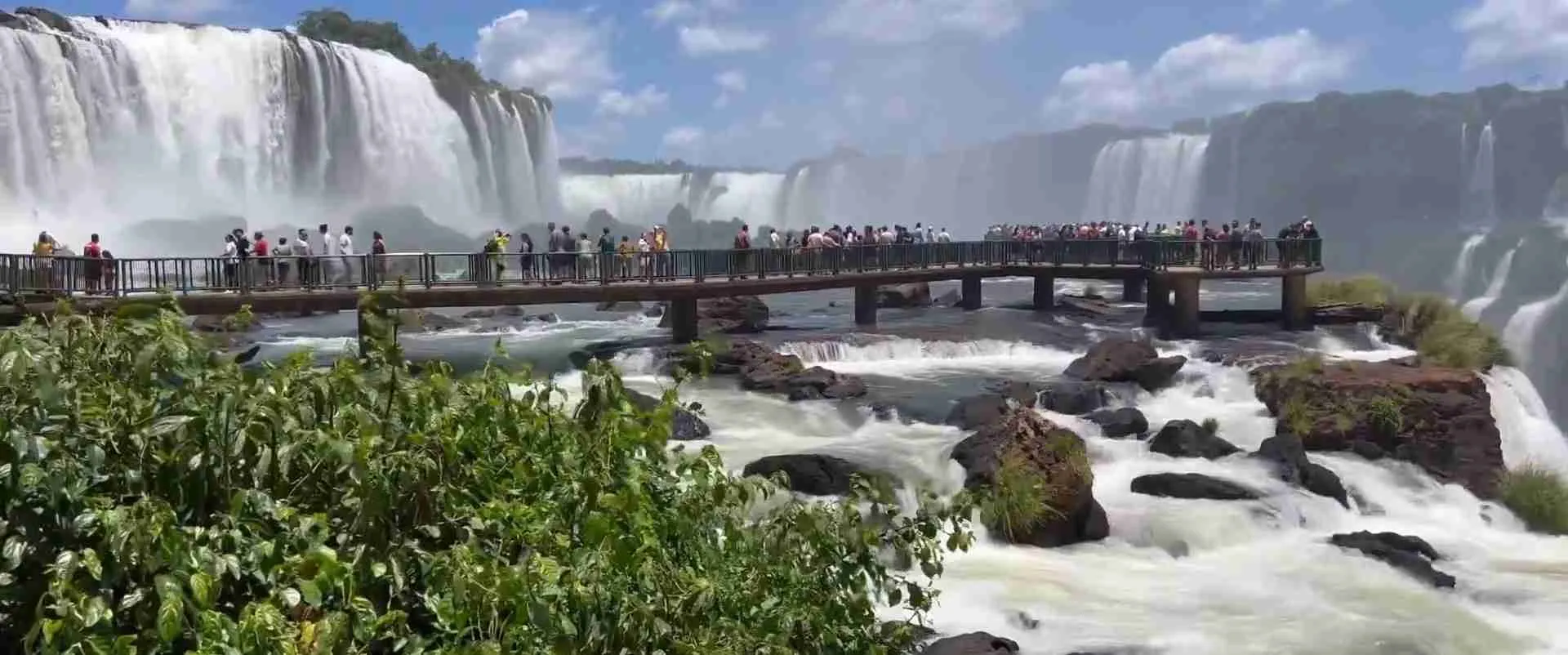
Iguazu Falls Budget Guide 2026: Complete Cost Breakdown
This comprehensive budget guide breaks down all major expense categories with realistic 2026 pricing, provides complete daily budget estimates for different traveler types, reveals money-saving strategies that reduce costs without compromising quality, and offers sample budgets for various trip durations and styles. Whether you’re backpacking on tight budget, planning comfortable mid-range travel, or seeking luxury experiences, understanding the complete cost structure enables informed decisions that maximize value and minimize financial surprises.
Key Takeaways
- Budget travelers can explore Iguazu Falls for $60-80 daily including park entries, meals, and local transport using economical strategies
- Mid-range visitors should budget $120-180 daily for comfortable accommodation, quality dining, and selected paid activities like boat tours
- Park entry costs $22 (Argentina) and $18 (Brazil) in 2026, representing your largest single expense for the core waterfall experience
- Staying in Puerto Iguazu (Argentina) saves 15-25% on accommodation and dining compared to Foz do Iguaçu (Brazil) for comparable quality
- Advance booking 3-4 months ahead reduces accommodation costs by 20-30% during shoulder seasons (April-May, August-September)
- Complete 3-day visit including flights from Buenos Aires costs $450-650 budget, $800-1,200 mid-range, or $1,800-2,800 luxury
Introduction: Planning Your Iguazu Falls Budget
Visiting Iguazu Falls requires strategic budget planning across multiple expense categories including transportation, accommodation, park entries, food, activities, and cross-border logistics. The dual-country configuration means navigating two currencies (Argentine pesos and Brazilian reais), two park systems with separate fees, and accommodation options on both sides with significantly different pricing structures. Smart budget management enables visitors across all spending levels to experience this UNESCO World Heritage natural wonder without financial stress or unexpected costs that diminish trip enjoyment.
The Iguazu region offers excellent value compared to many major tourist destinations, particularly for budget and mid-range travelers willing to use local services rather than premium international chains. Argentine economic conditions create favorable exchange rates for visitors holding US dollars or euros, while Brazilian prices remain moderate by international standards. The key to successful budgeting lies in understanding where you can economize without sacrificing essential experiences versus where spending delivers disproportionate value that justifies higher costs.
People Also Ask About Iguazu Falls Budget 2026
How much does a trip to Iguazu Falls cost in 2026?
A complete Iguazu Falls trip costs vary substantially based on your travel style and duration. Budget travelers can visit for $450-650 total for 3 days including flights from Buenos Aires, hostel accommodation, park entries for both sides, economical meals, and local bus transportation. Mid-range travelers should budget $800-1,200 for the same duration with comfortable hotels, quality dining, guided tours, and boat adventures. Luxury visitors can expect $1,800-2,800 for premium hotels, private tours, helicopter flights, and upscale experiences. Daily costs break down to $60-80 budget, $120-180 mid-range, or $250-350 luxury. The major expenses include round-trip flights from Buenos Aires ($160-300), accommodation ($15-25 hostel dorm, $100-160 mid-range hotel, $250-450 luxury per night), park entries both sides ($40 total), and boat tours ($65-85 each). Food costs $25-40 daily budget, $50-80 mid-range, or $100-150 luxury. These estimates assume 2-3 days at the falls with exploration of both Argentine and Brazilian sides.
Is Iguazu Falls expensive to visit?
Iguazu Falls offers good value compared to many major international tourist destinations, with costs moderate for budget and mid-range travelers though luxury experiences command premium prices. The core park entry fees ($40 total for both sides) provide access to extensive trail systems, viewpoints, ecological train, and natural spectacle rivaling any world attraction. Budget accommodation options ($15-80 per night) remain plentiful and quality, while mid-range hotels ($100-160) deliver comfort at reasonable rates. Food costs stay moderate with local restaurants offering substantial meals for $10-20. The most expensive elements are international flights, luxury accommodation ($250-450+ per night), and specialized activities like helicopter flights ($180-220 per person). Compared to destinations like European capitals, US national parks, or Caribbean islands, Iguazu delivers exceptional natural spectacle at moderate cost, particularly for visitors on budget or mid-range spending plans. The value proposition improves significantly for travelers from countries with strong currencies relative to Argentine peso and Brazilian real.
What’s the cheapest way to visit Iguazu Falls?
The most economical Iguazu Falls visit combines budget accommodation in Puerto Iguazu hostels ($15-25 per night for dorm beds), self-prepared breakfast and lunches from supermarkets ($8-15 daily), local bus transportation ($2-4 per ride), and focusing visits on free activities within the parks after paying entrance fees. Book flights 6-8 weeks ahead from Buenos Aires or São Paulo to secure $80-120 one-way fares. Visit during shoulder seasons (April-May or August-September) when accommodation rates drop 30-40% below summer peaks while weather remains good. Walk between Puerto Iguazu town and bus terminals to save taxi fares. Bring reusable water bottle to avoid beverage purchases. Skip paid boat tours and helicopter flights, focusing on the spectacular free trail experiences. Cross the border using local buses ($5-8) rather than taxis ($20-30). Eat at local parrillas and pizzerias ($8-15 per meal) rather than tourist restaurants. Share taxis among travelers to split costs. This ultra-budget approach enables visiting both park sides and experiencing the falls’ magnificence for approximately $60-80 daily including accommodation, food, park entries, and transportation.
Should I stay in Argentina or Brazil for better prices?
Puerto Iguazu (Argentina) offers 15-25% lower costs than Foz do Iguaçu (Brazil) for comparable accommodation and dining quality, making the Argentine side preferable for budget-conscious travelers. A mid-range hotel costs $100-140 per night in Puerto Iguazu versus $120-180 in Foz for similar standards. Hostel beds run $15-25 in Puerto Iguazu, $20-30 in Foz. Restaurant meals cost approximately 20-30% less in Argentina—expect $10-15 for lunch in Puerto Iguazu versus $13-20 in Foz. Argentine economic conditions create favorable pricing for visitors with hard currencies. Puerto Iguazu also sits closer to the Argentine park entrance (15-20 minutes) where you’ll spend most time exploring the more extensive fall system. The Brazilian side requires only 3-4 hours versus 6-8+ hours for the Argentine side, reducing the advantage of Brazilian-side accommodation. The trade-off is that Foz offers a larger city with more urban amenities, shopping variety, and restaurant options. For pure budget efficiency combined with convenient access to the main attractions, base yourself in Puerto Iguazu and day-trip to the Brazilian side.
Extended multi-day tours – 5+ days
Featured Iguazu Falls Multi-Day Tour Packages
9 days
Tango & Samba (incl. domestic flights)
- ✓ Booking needs min. 2 travelers
4 days
4-Day Iguazu Falls with LUXURY Resort & Airfare from Buenos Aires
- ✓ Comprehensive Iguazu Falls tour
- ✓ Expert local guides included
- ✓ All accommodation arranged
- ✓ Transportation provided
3 days
3-Day Iguazu Falls Tour – Argentine & Brazilian Sides with Transfers
- ✓ Comprehensive Iguazu Falls tour
- ✓ Expert local guides included
- ✓ All accommodation arranged
- ✓ Transportation provided
11 days
Exotic Trilogy: Rio, Iguazu Waterfalls & Amazon (incl. domestic flights)
- ✓ Booking needs min. 2 travelers
Multi-day tour packages powered by TourRadar. Prices and availability subject to change.
Complete Cost Breakdown by Category
Transportation Costs
Flight costs form your largest transportation expense. Round-trip flights from Buenos Aires to Cataratas del Iguazu Airport (IGR) cost $160-300 depending on booking timing, season, and airline. Book 6-8 weeks ahead for best pricing. Budget airlines like Flybondi and JetSmart offer lower fares ($80-140 one-way) with basic service, while Aerolineas Argentinas charges more ($100-180 one-way) but includes baggage and more flexibility. From São Paulo to Foz do Iguaçu (IGU), expect $140-280 round-trip with similar advance booking benefits. Peak season (December-February) and holiday periods see prices increase 30-50% above shoulder season rates.
Airport transfers cost $20-30 by taxi from either airport to town centers, or $8-12 using airport shuttle buses. Ride-share services like Uber operate at similar pricing to taxis. Budget travelers can use local buses where available, though service frequency varies and luggage management can prove challenging.
Local transportation to parks from Puerto Iguazu town runs $2-3 per ride on public buses departing every 20-30 minutes, or $12-15 one-way by taxi. From Foz do Iguaçu to the Brazilian park costs similar amounts. Border crossing between countries costs $5-8 by bus or $20-30 by taxi. Budget $15-25 daily for local transportation using buses, $40-60 using taxis frequently. Many mid-range hotels offer free park shuttles that eliminate this expense.
Long-distance bus travel offers budget alternative to flying. Buenos Aires to Puerto Iguazu costs $60-90 one-way for overnight bus with comfortable reclining seats or sleeper berths, requiring 16-18 hours. São Paulo to Foz do Iguaçu runs $50-80, taking approximately 16 hours. While time-consuming, overnight buses save accommodation costs and provide interesting overland travel experience for budget-focused travelers with flexible schedules.
Accommodation Costs
Budget accommodation in Puerto Iguazu starts with hostel dormitory beds at $15-25 per night in quality establishments offering air conditioning, pools, communal kitchens, and social atmosphere. Private hostel rooms cost $40-60 for doubles. Popular budget hostels include Iguazu Jungle Lodge, Marco Polo Inn, and Hostel Park Iguazu. Basic budget hotels charge $50-80 per night for simple doubles with private bathrooms and air conditioning but limited amenities. These properties provide clean, functional rooms without frills.
Mid-range hotels in Puerto Iguazu cost $100-160 per night, delivering comfortable rooms, swimming pools, restaurants, tour desks, and often park shuttles. Good mid-range options include Gran Melia Iguazu, Panoramic Grand Hotel, La Cantera Lodge, and Iguazu Grand Hotel. These properties balance comfort, location, and value effectively. Most include breakfast buffets worth $10-15 per person if purchased separately.
Luxury accommodation ranges $200-450+ per night for boutique hotels and rainforest lodges. Properties like Loi Suites Iguazu, La Aldea de la Selva, and Secret Garden Iguazu offer distinctive experiences with attention to design, service, and setting. The ultimate luxury options, Gran Melia Iguazu (Argentine park) and Belmond Hotel Das Cataratas (Brazilian park), occupy locations inside national parks with exclusive after-hours falls access, commanding $300-600+ per night.
Foz do Iguaçu accommodation costs run 15-25% higher than Puerto Iguazu for comparable quality. Budget options start $60-90, mid-range $120-180, luxury $250-500+. The larger city offers more international chain hotels but generally poorer value than Argentine side.
Park Entry and Activity Fees
Argentine National Park entry costs $22 for adults, $5 for children 6-12, free for under 6, in 2026 (check iguazuargentina.com for current official rates as pricing may vary). This fee includes unlimited day access to all trails, viewpoints, and the ecological train. The Brazilian National Park charges $18 adults, similar child pricing. Combined park entries total $40 per adult—your largest single expense after accommodation and flights. Multi-day passes or reduced rates for consecutive visits are not available, requiring full fee payment for each entry day.
Boat tours deliver high-value adventure experiences. The Great Adventure boat ride on the Argentine side costs $75-85 per person for 30-minute high-speed journey that takes you directly under smaller waterfalls, guaranteeing thorough soaking. Macuco Safari on the Brazilian side runs similar pricing and experience. These represent the most popular paid activities, with approximately 60-70% of visitors purchasing tickets. The boat tours provide unique waterfall perspectives impossible from viewing platforms.
Helicopter flights offer spectacular aerial views at $180-220 per person for 10-minute flights departing from helipads near the Argentine park entrance. The flights provide breathtaking perspectives on the falls’ full scale but represent significant expense that budget and many mid-range travelers skip. Weather conditions occasionally ground flights without refunds for missed opportunities.
Guided tours range $45-65 per person for half-day group experiences covering one park side’s main highlights with transportation from hotels. Full-day tours visiting both sides cost $90-120. Private guides charge $150-200 for personalized experiences. Many visitors explore independently using park trail maps and information signs, saving these costs while maintaining flexibility.
Food and Beverage Costs
Budget dining in Puerto Iguazu centers on local parrillas (steakhouses), pizzerias, and casual restaurants charging $8-15 for substantial lunch or dinner including drinks. Empanadas cost $1-2 each, perfect for quick lunches. Supermarkets sell picnic supplies for park days—bread, cheese, cold cuts, fruit, snacks—totaling $8-12 for full day’s food for two people. Most hostels provide communal kitchens enabling self-prepared breakfasts and dinners that reduce costs to $5-8 per person daily.
Mid-range dining delivers quality meals at $15-30 per person at better restaurants serving Argentine steaks, river fish, and regional specialties. The Brazilian rodizio (all-you-can-eat barbecue) restaurants cost $25-40 per person and provide excellent value for big appetites. Mid-range breakfast at hotel restaurants or cafes runs $8-12. Many mid-range hotels include breakfast buffets, saving this expense.
Park restaurants charge $12-18 for lunch—reasonable given captive market positioning but more expensive than town options. Bringing your own food saves $10-15 per person per park day. Water bottles cost $2-4 in parks; refill from fountains using reusable bottles to avoid this expense.
Upscale dining in top Puerto Iguazu and Foz restaurants costs $40-80 per person for multi-course meals with wine. These establishments deliver excellent food and ambiance but aren’t necessary for satisfying meals. Complete daily food costs: $25-40 budget (mostly self-prepared with some eating out), $50-80 mid-range (restaurant meals with occasional splurges), $100-150 luxury (all restaurants, upscale establishments, drinks).
Additional Expenses and Miscellaneous Costs
Border crossing visa requirements depend on nationality. US, Canadian, EU, UK, and Australian citizens enter both Argentina and Brazil visa-free for tourism. Some nationalities require advance e-visas for Brazil costing $40-80, applied for online 2-4 weeks before travel. Budget this expense if applicable to your nationality. Yellow fever vaccination is recommended but not mandatory, costing $0-150 depending on health system access.
Travel insurance costs $3-8 per day depending on coverage levels and age. Comprehensive policies covering medical emergencies, evacuation, trip cancellation, and baggage run higher but provide peace of mind. Budget travelers sometimes skip insurance to save costs, accepting the risk, though medical emergencies in foreign countries can prove extremely expensive without coverage.
Souvenirs and shopping vary by individual preferences. Quality souvenirs including mate gourds, regional crafts, and t-shirts cost $10-40. Duty-free shopping in Foz do Iguaçu attracts many visitors, with electronics and perfumes at reduced prices—budget this separately if interested. Photography equipment needs might include waterproof phone cases ($8-15) or camera protection for the mist-drenched environments.
Mobile phone and internet access costs depend on your strategy. International roaming charges can prove expensive—$10-20 per day for some carriers. Purchasing local SIM cards costs $10-20 with data packages adding $15-30 for week-long travel. Many hotels and restaurants provide free WiFi, reducing the need for constant mobile data. Budget $0-40 depending on your connectivity requirements.
Tips are customary in both Argentina and Brazil, with 10% standard for restaurant service (sometimes included in bills). Round up taxi fares by 10-15%. Tour guides appreciate tips of $5-10 per person for group tours, $20-40 for private guides. Budget $10-20 daily for tipping across all services.
Daily Budget Estimates by Travel Style
Budget Traveler Daily Costs
Budget travelers can experience Iguazu Falls thoroughly for $60-80 daily including all expenses. Accommodation in hostel dorms costs $15-25 per night. Food expenses run $25-40 combining self-prepared breakfast and lunch from supermarket ingredients with one budget restaurant dinner. Park entry amortizes to $13-20 daily assuming 2-3 park days during trip. Local transportation using buses costs $6-10 daily. This leaves $5-10 for miscellaneous expenses, occasional treats, or activity savings. The budget approach requires discipline about eating economically, using local buses, walking when practical, and skipping paid boat tours and other activities beyond basic park access.
Budget travelers maximize value by staying in social hostels where fellow travelers share cost-saving tips and sometimes form groups to split taxis or share meals. Hostel communal kitchens enable significant food savings through self-preparation. The budget approach focuses spending on the essential experience—park access and time viewing the spectacular waterfalls—while economizing on accommodation, transportation, and dining that deliver less direct value. This strategy works excellently for younger travelers, backpackers, and anyone prioritizing natural experiences over accommodation luxury.
Mid-Range Traveler Daily Costs
Mid-range travelers should budget $120-180 daily for comfortable Iguazu Falls experiences. Accommodation in good hotels costs $100-160 per night including breakfast. Remaining meals at quality restaurants total $40-60. Park entries amortize to $13-20 daily. Transportation using mix of buses and occasional taxis runs $15-25. This budget enables adding paid activities like boat tours ($75-85) every 2-3 days, amortizing to $25-40 daily. The mid-range approach balances comfort and value, staying in pleasant hotels with pools and amenities, eating well at local restaurants without constant budget concerns, taking taxis when convenient, and experiencing key paid activities that enhance the visit.
Mid-range spending delivers significantly enhanced comfort and convenience compared to budget travel while avoiding the dramatic cost increases of luxury options. The mid-range sweet spot provides excellent quality at reasonable prices, particularly in Puerto Iguazu where hotel values remain strong. This spending level suits most adult travelers, couples, and families seeking comfortable, hassle-free experiences without extreme budget constraints or luxury aspirations.
Luxury Traveler Daily Costs
Luxury travelers can expect $250-350 daily for premium Iguazu Falls experiences. Boutique hotel or luxury lodge accommodation costs $200-450 per night. Upscale dining at best restaurants totals $80-120 daily. Premium activities including helicopter flights, private guides, and boat tours add $60-100 daily amortized across trip duration. Private transportation rather than buses costs $40-60 daily. This budget enables staying at the most distinctive properties, dining at top establishments without price concerns, booking private guides for personalized experiences, and adding special activities like helicopter flights that deliver unique perspectives.
The luxury approach prioritizes experience quality, convenience, and exclusivity over cost concerns. Staying inside national parks at Gran Melia Iguazu or Belmond Das Cataratas provides after-hours falls access and exceptional settings justifying premium rates. Private guides deliver customized experiences impossible with group tours. The luxury spending level suits travelers for whom time is more valuable than money, those celebrating special occasions, or visitors wanting the very best without compromise.
Money-Saving Strategies
Timing and Seasonality
Shoulder season visits (April-May and August-September) save 30-40% on accommodation compared to summer peaks (December-February) while delivering excellent weather, good water flow, and manageable crowds. March and October provide transition periods with good conditions and moderate pricing. Winter (June-July) offers maximum savings—40-50% below summer peaks—with cool but pleasant weather and reduced crowds, though water levels decrease. Avoid visiting during Argentine and Brazilian school holidays (July, December-February) when prices peak and crowds maximize.
Midweek stays (Monday-Thursday nights) sometimes unlock promotional rates 10-20% below weekend pricing, particularly during shoulder and low seasons. Book 3-4 months ahead for shoulder season, 5-6 months for summer to secure best rates before availability tightens and prices increase. Last-minute deals occasionally surface during low season, but this gamble risks limited availability and reduced selection.
Accommodation Optimization
Compare prices across multiple booking platforms—Booking.com, Hotels.com, Expedia, Airbnb—as rates vary. Direct hotel booking through official websites sometimes beats third-party platforms by 5-15%, particularly for smaller independent properties. Hostels often offer better direct booking rates than appear on aggregator sites. Negotiate rates for multi-night stays, especially during low season when occupancy runs below capacity. Some properties provide third or fourth night free promotions.
Private room rentals through Airbnb or VRBO can deliver good value for groups or families, particularly for stays exceeding 3-4 nights. Apartments with kitchens enable meal preparation that dramatically reduces food costs. However, location matters—verify proximity to transportation or confirm the property provides adequate access to parks. Less convenient locations may save accommodation costs while adding transportation expenses that eliminate savings.
Food and Beverage Savings
Supermarket shopping for breakfast supplies, lunch ingredients, and snacks typically costs 50-60% less than restaurant equivalents. A week of self-prepared breakfasts costs $25-35 versus $55-85 for cafe breakfasts. Supermarkets sell prepared rotisserie chickens ($6-8), salads, and sides perfect for easy dinners. Bring reusable water bottles and refill from park fountains rather than purchasing $2-4 bottles repeatedly—saves $8-12 per person per park day.
Eat at local restaurants patronized by residents rather than tourist-focused establishments. Quality and authenticity typically improve while prices drop 20-40%. Lunch specials (menu del dia) at many restaurants offer multiple courses for $10-15, providing excellent value. Empanadas, pizza slices, and street food deliver satisfying quick meals at $3-8. Skip alcohol with meals to save $8-15 per person per meal, or purchase beer and wine from supermarkets at 40-60% below restaurant pricing.
Activity and Transportation Savings
The parks’ free trail systems, viewpoints, and natural spectacle deliver 90% of the Iguazu experience without any cost beyond entry fees. Boat tours, helicopter flights, and guided tours add unique perspectives but aren’t essential for magnificent experiences. Budget travelers can skip all paid activities and still encounter overwhelming natural beauty. If budget permits only one paid activity, choose boat tours ($75-85) over helicopter flights ($180-220) for better value and longer experience duration.
Use local buses rather than taxis whenever practical—saves $10-20 per ride. A week of consistent bus use versus taxi reliance saves $100-150 per person. Share taxis among travelers to split costs when buses aren’t convenient. Many hotels provide free park shuttles that eliminate transportation costs. Walk between Puerto Iguazu town center and bus terminals (15-20 minutes) rather than taking taxis for short distances.
Book tours and activities directly with local operators rather than through hotels or third-party agents to save 15-25% in commissions. Shop around among multiple tour companies as prices vary significantly for identical services. Group tours cost much less than private guides while delivering similar informational content for most visitors. Self-guide using free park maps and informational signs rather than paying for guided tours if you prefer independent exploration.
Sample Trip Budgets
Two-Day Budget Trip
Transportation: Round-trip flight Buenos Aires-Iguazu $180, airport shuttle to/from town $20, local buses to parks $12, border crossing bus $6. Total transport: $218 per person. Accommodation: 2 nights hostel dorm $50 total. Food: Self-prepared breakfasts $8, picnic lunches $16, budget restaurant dinners $30. Total food: $54. Park entries: Argentine park $22, Brazilian park $18. Total entries: $40. Miscellaneous: tips, snacks, water $15. Grand total: $377 per person for two days/nights including all essential expenses. This ultra-budget approach skips paid activities and optional expenses while delivering full access to both parks’ spectacular natural features.
Three-Day Mid-Range Trip
Transportation: Round-trip flight Buenos Aires-Iguazu $240, airport taxis $50, mix of buses and taxis to parks $60. Total transport: $350. Accommodation: 3 nights mid-range hotel $420 (including breakfast). Lunch and dinners at quality restaurants: $210. Park entries both sides: $40. Boat tour: $80. Miscellaneous including tips, drinks: $50. Grand total: $1,150 per person for three days/nights. This comfortable approach includes good hotels, quality dining, convenient transportation, and key paid activity while avoiding luxury excess. Add $180-220 for helicopter flight if desired.
Four-Day Luxury Trip
Transportation: Round-trip flight Buenos Aires-Iguazu $280, airport taxis $60, all taxi transportation $100. Total transport: $440. Accommodation: 4 nights luxury boutique hotel $1,200 (including breakfast). Upscale lunches and dinners: $480. Park entries: $40. Boat tour: $85. Helicopter flight: $200. Full-day private guided tour: $180. Miscellaneous including premium drinks, tips, spa: $175. Grand total: $2,800 per person for four days/nights of premium experiences. This luxury approach maximizes comfort and unique activities while staying at distinctive properties offering exceptional settings and service.
Currency Exchange and Payment Strategies
Managing Two Currencies
Iguazu Falls visits involve both Argentine pesos (ARS) and Brazilian reais (BRL), requiring currency management strategy. US dollars and euros exchange readily in both countries at official exchange houses (“casas de cambio”) in Puerto Iguazu and Foz do Iguaçu. Official exchange houses typically offer better rates than hotels and significantly better rates than airports. Bring clean, newer bills as worn or damaged notes sometimes receive reduced rates or rejection.
Exchange only what you need for immediate expenses plus modest buffer. Argentine peso and Brazilian real both experience inflation and periodic devaluation, making holding large amounts risky. Exchange rates vary daily, with Argentine peso particularly volatile. Check current rates on xe.com or similar services before exchanges to ensure you receive fair rates. Official exchange houses post rates publicly and complete transactions transparently.
Credit Cards and ATM Use
Major credit cards (Visa, Mastercard) work at most hotels, restaurants, and tour operators, though small local establishments may prefer cash. Credit card exchange rates typically approximate official rates, making them convenient for larger purchases. However, many issuers charge foreign transaction fees of 1-3% that reduce value. Some credit cards waive foreign transaction fees—using these cards saves 1-3% on all purchases.
ATMs provide convenient access to local currency, but fees accumulate quickly. Your home bank may charge $3-6 per withdrawal plus 1-3% foreign transaction fee, while the local ATM operator adds $4-8. A single $200 withdrawal might cost $12-20 in combined fees (6-10% of amount), making frequent small withdrawals expensive. Withdraw larger amounts less frequently to minimize per-transaction fees, accepting the risk of carrying more cash.
Cash Advantages
Despite digital payment convenience, cash delivers advantages at Iguazu. Small restaurants, local buses, street vendors, and markets operate cash-only. Paying cash sometimes unlocks 5-10% discounts at hotels and tour operators who avoid credit card processing fees. Cash enables budgeting discipline as you see money decreasing with purchases. The potential disadvantages include theft risk and the inconvenience of managing two currencies, but reasonable precautions minimize these concerns. Divide cash among multiple pockets and bags, leave excess in hotel safes, and carry only what you need for each day’s activities.
Frequently Asked Questions
Can I visit Iguazu Falls on a very tight budget?
Yes, ultra-budget travelers can visit Iguazu Falls for approximately $50-70 daily by combining extreme economizing strategies. Sleep in the cheapest hostel dorms ($12-18 per night), prepare all meals from supermarket ingredients ($15-25 daily), use only buses for transportation ($6-10 daily), camp if wild camping is permitted in surrounding areas, visit only one park side to save entry fees, skip all paid activities, and hitchhike where safe. This approach requires significant sacrifices in comfort and convenience while still delivering access to the spectacular natural features. The falls’ magnificence doesn’t diminish because you’re traveling cheaply—the waterfalls cascade equally impressively for budget travelers and luxury visitors. Ultra-budget travel works best for young, flexible travelers comfortable with basic conditions and willing to invest time in money-saving strategies.
What’s the best value accommodation at Iguazu?
Mid-range hotels in Puerto Iguazu deliver the best value combination of comfort, amenities, location, and price for most travelers. Properties in the $100-140 per night range like Panoramic Grand Hotel, La Cantera Lodge, and Iguazu Grand Hotel provide swimming pools, air-conditioned rooms, breakfast buffets, helpful staff, and often free park shuttles while remaining affordable for mid-range budgets. These hotels cost 30-50% less than luxury properties while delivering 80-90% of the comfort and amenities. The incremental improvements from spending $250-400 for luxury hotels provide diminishing returns for most travelers. Budget hostels offer dramatically lower prices ($15-25 dorm beds) but sacrifice significant comfort. The mid-range sweet spot balances value and quality optimally. Book 3-4 months ahead for shoulder season to secure best rates at preferred properties.
Are there any free things to do at Iguazu Falls?
The overwhelming majority of the Iguazu Falls experience costs nothing beyond park entry fees. The extensive trail systems on both sides are free—upper and lower circuits on the Argentine side covering approximately 2.5 kilometers of boardwalks, the Devil’s Throat boardwalk extending 1.1 kilometers, and the Brazilian side trail descending 1.2 kilometers alongside the gorge. All viewpoints, photography opportunities, and wildlife watching are free. The ecological train on the Argentine side is included with park entry at no additional charge. Ranger-led talks and interpretive programs operate seasonally without fees. The falls themselves deliver their spectacular show free of charge—the cascading water, thunderous sound, rising mist, and rainbow displays cost nothing. Only specialized activities like boat tours, helicopter flights, and guided tours require additional payment. Visitors can experience 90-95% of what Iguazu offers using only the park entry fees, making it one of the world’s great natural attractions that doesn’t require substantial spending beyond basic access.
How much should I budget for food daily?
Budget $25-40 daily for economical dining combining supermarket breakfasts and lunches with budget restaurant dinners. This enables satisfying, adequate meals without luxury or excess. Mid-range diners should budget $50-80 daily for quality restaurant meals without constant price concerns, including breakfast at cafes or hotel restaurants, lunch at good local establishments, and dinner at better restaurants with drinks. Luxury diners spending $100-150 daily access upscale restaurants, premium cuts of meat, quality wines, and multiple courses without restraint. The budget approach requires discipline and willingness to self-prepare meals when possible, while mid-range allows comfortable restaurant dining throughout your trip. Food quality in Puerto Iguazu and Foz do Iguaçu remains good across price ranges—even budget restaurants serve satisfying Argentine steaks and regional specialties. The difference lies more in setting, service, and ingredient quality than basic edibility or satisfaction.
Should I exchange money before arriving or on arrival?
Exchange minimal amounts before arrival—just enough for immediate taxi and initial meal costs ($50-100)—then exchange remaining amounts at official exchange houses in Puerto Iguazu or Foz do Iguaçu where rates beat airport and international exchanges. Airport exchanges typically offer 3-8% worse rates than downtown exchange houses, costing you $15-40 on $500 exchange. Your home country’s exchanges often provide even worse rates plus higher fees. The exception is if you can exchange at true wholesale rates through specialized currency services—these sometimes beat destination rates slightly, though the savings rarely justify the effort. Bring US dollars or euros in clean, newer bills that exchange readily. Argentine exchange houses sometimes reject worn or torn bills. Don’t exchange large amounts of Argentine pesos at once due to inflation and devaluation risks—exchange smaller amounts every 1-2 days as needed. Brazilian reais remain more stable but still exchange only what you need. Credit cards provide competitive rates for larger purchases, reducing the need for carrying excessive cash.
Is travel insurance worth the cost?
Travel insurance costing $3-8 daily ($20-60 for week-long trip) provides valuable protection against medical emergencies, trip cancellations, lost baggage, and other disruptions that could otherwise cost thousands. Medical emergencies without insurance can generate bills exceeding $10,000-50,000 for serious conditions requiring hospitalization or evacuation. Trip cancellation coverage refunds prepaid flights and hotels if emergencies force cancellation. Baggage coverage reimburses lost or stolen belongings. The insurance cost represents 2-5% of total trip expenses while protecting against scenarios that could cost 100-500% of trip value. Young, healthy travelers with flexible plans sometimes skip insurance to save costs, accepting the risk. Older travelers, those with pre-existing conditions, those with expensive non-refundable bookings, or anyone risk-averse should purchase comprehensive insurance. The peace of mind and financial protection justify the moderate cost for most travelers, particularly for international trips where home health insurance may not cover foreign care.
What hidden costs should I expect?
Several expenses often surprise unprepared travelers. Border crossing transportation costs $5-8 by bus or $20-30 by taxi each way if staying on one side and visiting the other park. Waterproof phone cases or camera protection ($8-15) become necessary in the mist-drenched environment unless you risk expensive electronics. Laundry services cost $10-20 per load if needed during multi-day stays. Tips for restaurant servers (10%), taxi drivers (10-15%), and tour guides ($5-10 per person for group tours, $20-40 for private guides) add up across multiple days. Cash ATM fees from both your bank and local operators can total $12-20 per withdrawal. Souvenirs if you’re inclined to purchase mementos cost $10-40 for quality items. Some hotels charge resort fees or tourism taxes not included in advertised rates—verify total costs when booking. The comfortable budget padding is adding 15-20% contingency to your calculated expenses to cover these hidden costs and unexpected situations without stress.
Can I use US dollars or euros directly?
Some Argentine and Brazilian businesses accept US dollars or euros directly, but this practice generally delivers poor value compared to exchanging for local currency first. Merchants who accept dollars often apply unfavorable exchange rates that cost you 10-20% compared to using pesos or reais. Park entry fees require local currency—Argentine pesos for Argentine park, Brazilian reais or US dollars (at unfavorable rates) for Brazilian park. Local buses require local currency. Restaurants and hotels sometimes quote prices in US dollars but benefit travelers more when paying in local currency at fair exchange rates. Exchange at official exchange houses for best rates, then use local currency for all transactions. The exception is major hotels and tour operators who may offer fair dollar/euro rates, though you should verify the rate against current official exchanges. Keep a small amount of dollars or euros as emergency backup, but conduct most transactions in local currencies for optimal value.
How much does it cost to visit for a week?
A week-long Iguazu Falls visit costs vary by travel style but allow very comprehensive exploration including both sides multiple times, excursions to nearby attractions like Itaipu Dam and San Ignacio Jesuit Missions, and thorough regional experience. Budget travelers can manage $420-560 total ($60-80 daily × 7 days) including hostel accommodation, economical food, park entries, and basic transportation. Mid-range travelers should budget $840-1,260 ($120-180 daily × 7 days) for comfortable hotels, quality dining, mix of transportation, and key paid activities. Luxury travelers can expect $1,750-2,450 ($250-350 daily × 7 days) for premium accommodation, upscale dining, all activities, and private transportation. These estimates exclude international flights to the region. Week-long visits provide ample time to explore both parks thoroughly, revisit favorite areas in different lighting or water conditions, add regional excursions, and experience the destination without rushing. Most visitors find 2-4 days optimal for Iguazu Falls itself, with week-long trips justified only if combining with broader regional exploration or preferring very leisurely pace.
What’s the most expensive mistake visitors make?
The most expensive mistake is failing to book flights and accommodation well in advance, particularly for peak season travel. Last-minute bookings can cost 50-100% more than advance bookings secured 2-4 months ahead. A $150 flight booked early becomes $280 two weeks before travel. A $120 hotel room rises to $220. These differences add $300-600+ to trip costs unnecessarily. The second costly mistake is staying in Foz do Iguaçu when Puerto Iguazu offers 20-30% lower costs for comparable quality. The third expensive error is eating every meal at tourist restaurants near parks rather than seeking local restaurants or self-preparing some meals, overspending $20-40 daily on food. Fourth is taking taxis everywhere rather than using inexpensive local buses, wasting $20-40 daily on transportation. Fifth is exchanging money at airports or hotels rather than official exchange houses, losing 5-10% to poor rates. Avoiding these five mistakes saves $400-800 on a week-long trip without sacrificing quality or experiences, simply through smarter planning and spending choices.