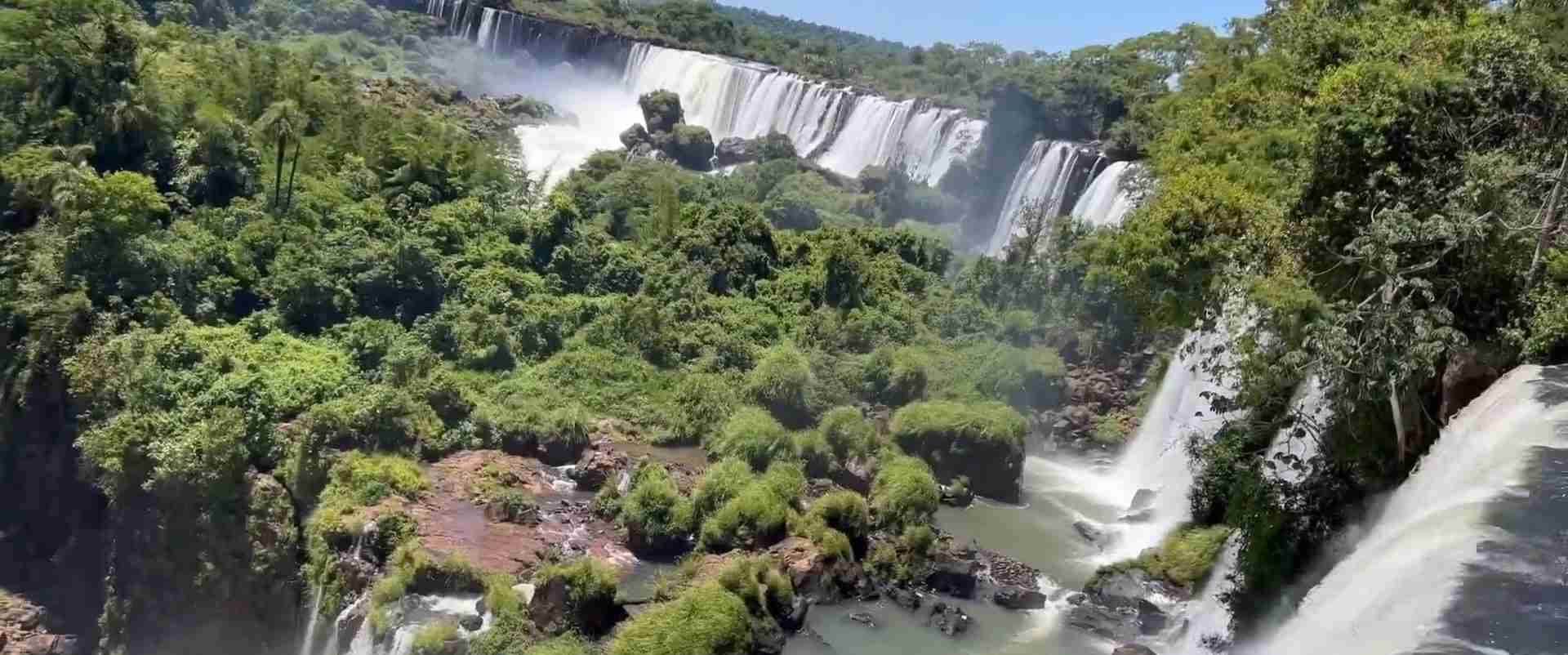
Iguazu Falls Travel Guide 2026: Ultimate Planning Resource
This comprehensive guide provides everything you need to plan your 2026 Iguazu Falls visit, from entry costs and transportation logistics to accommodation strategies and optimal timing. Whether you’re allocating a tight budget or planning a luxury rainforest experience, understanding the practical details ensures you maximize your time at one of the planet’s most spectacular natural destinations.
Key Takeaways
- Entry costs $22 (Argentina side) and $18 (Brazil side) in 2026, with both sides offering distinct experiences worth visiting
- April-May and August-September provide optimal weather and manageable crowds for the best waterfall experience
- Plan 2-3 days minimum to explore both sides thoroughly, with accommodation options ranging $40-300 per night
- Flights to Iguazu airports (IGR Argentina, IGU Brazil) connect through Buenos Aires, São Paulo, or direct seasonal routes
- Book accommodations 3-4 months ahead for peak season (December-February) to secure best rates and availability
- The Devil’s Throat walkway on the Argentine side delivers the most spectacular close-up waterfall experience
Introduction: Planning Your 2026 Iguazu Falls Adventure
Iguazu Falls stands as one of the world’s most magnificent natural wonders, where 275 individual waterfalls cascade across nearly 2 miles of subtropical rainforest along the Argentina-Brazil border. This UNESCO World Heritage site delivers an unparalleled experience that requires strategic planning to maximize your visit in 2026. The falls span two countries, two national parks, and multiple ecosystems, creating a destination that demands more than a single day to appreciate fully.
Planning your 2026 visit involves navigating dual-country access, understanding seasonal water flow variations, coordinating international border crossings, and selecting from numerous viewing platforms and trail systems. The Argentine side offers intimate walkways that place you directly above and alongside the falls, while the Brazilian side provides panoramic views that capture the falls’ full scale. Your complete experience requires visiting both sides, managing transportation between countries, and timing your visit to balance weather conditions, water levels, and crowd densities.
People Also Ask About Iguazu Falls 2026
How much does it cost to visit Iguazu Falls in 2026?
Entry to Iguazu National Park costs $22 for adults on the Argentine side and $18 on the Brazil side in 2026 (check official park websites for current rates as pricing may vary). These fees cover park access, trail systems, and basic facilities. The ecological jungle train on the Argentine side is included in your park entry. Additional costs include guided tours ($45-120), boat excursions under the falls ($65-85), and border crossing transportation between sides ($15-25). Budget $60-100 per person daily for comprehensive exploration including both parks, boat tours, and meals. Multi-day passes offer value if you plan extended visits to either side.
Do I need a visa to visit both sides of Iguazu Falls?
Visa requirements depend on your nationality and which side you visit. US, Canadian, EU, UK, and Australian citizens receive visa-free entry to both Argentina and Brazil for tourism stays up to 90 days. You need a valid passport with 6 months remaining validity. Border crossings between Argentina and Brazil at Iguazu are straightforward, processed at the international bridge checkpoint in 10-20 minutes. Keep your passport accessible as you’ll present it at border control when moving between countries. Some nationalities require advance e-visas for Brazil, obtainable online before travel. Verify current requirements on official embassy websites 2-3 months before your trip as policies occasionally change.
Which side of Iguazu Falls is better to visit in 2026?
Both sides deliver essential and complementary experiences that justify visiting each. The Argentine side provides 80% of the falls and offers intimate encounters through extensive walkway systems, including the spectacular Devil’s Throat boardwalk that positions you directly above the main cascade. You need 6-8 hours to explore the upper and lower circuits thoroughly. The Brazilian side delivers panoramic views that capture the falls’ full scale in one sweeping vista, requiring 3-4 hours. The Brazilian side excels for photography and overview perspectives, while the Argentine side immerses you in the falls’ power through proximity. Visit the Brazilian side first for orientation and overview, then spend more time on the Argentine side for detailed exploration.
When is the best time to visit Iguazu Falls in 2026?
April-May and August-September provide optimal conditions with moderate temperatures (18-25°C), lower rainfall, and manageable crowd levels. Water flow remains substantial during these shoulder seasons, typically 50-70% of peak capacity, which provides impressive cascades without excessive mist that can obscure views. December-February brings peak summer conditions with highest temperatures (30-35°C), maximum crowds, and afternoon thunderstorms, though water volume peaks. June-July offers winter conditions with coolest temperatures (12-20°C), lowest crowds, and reduced water flow that can diminish the experience. March and October provide transition periods with good balance of weather, crowds, and water levels. Book accommodations 3-4 months ahead for April-May and August-September to secure best options.
Extended multi-day tours – 5+ days
Featured Iguazu Falls Multi-Day Tour Packages
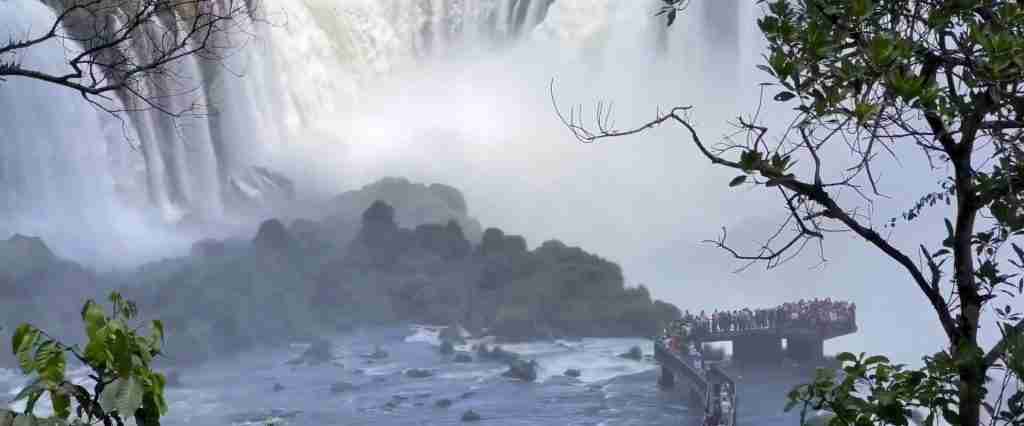
3 days
Iguazu Falls 3-Day Discovery Tour
- ✓ Comprehensive Iguazu Falls experience
- ✓ Expert local guides included
- ✓ All accommodation included
- ✓ Transportation provided
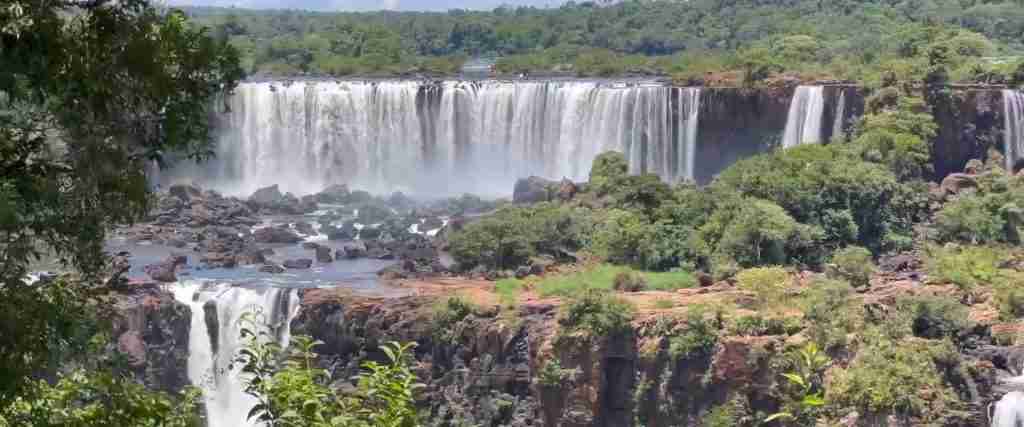
5 days
Iguazu Falls 5-Day Highlights Experience
- ✓ Comprehensive Iguazu Falls experience
- ✓ Expert local guides included
- ✓ All accommodation included
- ✓ Transportation provided
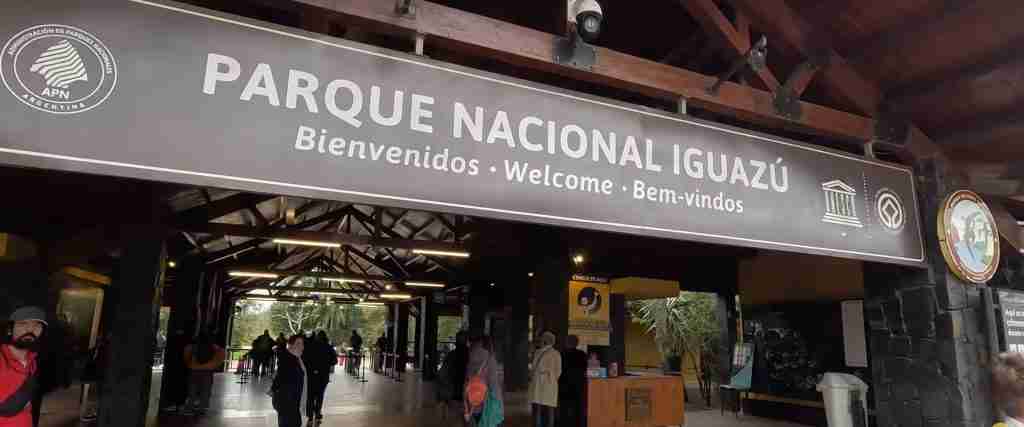
7 days
Iguazu Falls 7-Day Cultural Journey
- ✓ Comprehensive Iguazu Falls experience
- ✓ Expert local guides included
- ✓ All accommodation included
- ✓ Transportation provided

10 days
Iguazu Falls 10-Day Complete Adventure
- ✓ Comprehensive Iguazu Falls experience
- ✓ Expert local guides included
- ✓ All accommodation included
- ✓ Transportation provided
Multi-day tour packages powered by TourRadar. Prices and availability subject to change.
Essential Planning Information 2026
Current Costs and Pricing Breakdown
Understanding the complete cost structure helps you budget accurately for your 2026 Iguazu Falls experience. Park entry fees form your base expense: Argentine National Park charges $22 for adults, $5 for children 6-12, and free for children under 6, while Brazilian National Park costs $18 for adults with similar child pricing (check official park websites for current rates as pricing may vary). These entry fees include access to all trails, viewpoints, and the ecological train on the Argentine side, but exclude specialized activities.
Guided tour prices range considerably based on group size and services included. Standard group tours cost $45-65 per person for half-day experiences covering one side’s main highlights. Private guides charge $120-180 for personalized full-day tours. Adventure activities add significant costs: boat tours under the falls cost $65-85 per person for 30-minute high-speed boat rides that drench passengers in waterfall spray. Helicopter flights over the falls run $180-220 per person for 10-minute aerial tours offering spectacular perspectives.
Meal costs vary by location and establishment. Budget $12-18 for lunch at park restaurants, $25-40 for dinner at mid-range restaurants in Puerto Iguazu or Foz do Iguaçu. Upscale dining reaches $50-80 per person. Bringing snacks and water into parks saves money, though restaurants inside both parks offer convenient options. Transportation between your accommodation and parks costs $8-15 each way by taxi, $2-4 by local bus. Border crossing between countries costs $15-25 by taxi, $5-8 by bus.
Complete daily budget estimates: $60-80 for budget travelers using public transport, eating economically, and limiting paid activities; $120-180 for mid-range visitors taking some guided tours and boat rides with comfortable dining; $250-350 for luxury experiences including private guides, helicopter flights, and upscale accommodations with meals.
Entry Requirements and Documentation
Your passport needs 6 months remaining validity beyond your travel dates for both Argentina and Brazil. Most Western nationalities receive automatic tourist visas upon arrival for 90-day stays at no cost. Present your passport at immigration when entering each country and retain your entry stamp documentation. Border crossings at Iguazu process in 10-20 minutes during normal hours, extending to 30-40 minutes during peak holiday periods.
The international bridge between Puerto Iguazu (Argentina) and Foz do Iguaçu (Brazil) operates 24 hours daily with immigration offices staffed 6 AM-11 PM for pedestrian crossings, 24 hours for vehicles. Keep your passport readily accessible as you’ll present it at border control each time you cross. Some nationalities require advance e-visas for Brazil, obtainable through official government websites 2-4 weeks before travel at costs of $40-80.
Proof of onward travel may be requested at immigration, particularly for Brazil entry. Hotel reservations or tour confirmations strengthen your entry case if questioned. Yellow fever vaccination is recommended but not mandatory for Iguazu region entry, though some nationalities may face requirements if continuing to other regions. Verify vaccination recommendations with your doctor 6-8 weeks before travel. Travel insurance is not mandatory but strongly recommended for medical emergencies and trip disruptions.
Best Time to Visit Iguazu Falls 2026
Seasonal Analysis for 2026 Planning
Spring (September-November) delivers excellent visiting conditions as temperatures rise from 18-28°C and rainfall remains moderate. Water levels typically run at 60-75% of peak capacity, providing impressive cascades without overwhelming mist. September and October offer particularly good value with shoulder season accommodation rates and manageable crowds, though weekends see increased Argentine domestic tourism. November begins transitioning toward summer with rising temperatures and humidity.
Summer (December-February) brings peak season conditions with maximum crowds, highest temperatures (28-35°C), and intense afternoon humidity. Water volume reaches maximum levels, creating spectacular cascades but also heavy mist that can obscure photography. Afternoon thunderstorms arrive regularly, typically clearing within 1-2 hours. Accommodation prices peak during this period, particularly around Christmas and New Year when advance booking 4-6 months ahead becomes essential. Early morning visits before 9 AM offer best conditions before heat and crowds build.
Autumn (March-May) ranks as the premium visiting period with ideal conditions across multiple factors. March remains warm (24-30°C) with summer water levels but declining crowds as school holidays end. April and May deliver perfect temperature ranges (18-25°C), moderate rainfall, substantial water flow, and significantly reduced crowds. Accommodation rates drop 30-40% compared to summer peaks. The combination of good weather, impressive water volume, and manageable tourist numbers makes April-May the optimal choice for most visitors.
Winter (June-August) offers distinct advantages and disadvantages. Temperatures drop to 12-22°C with cool mornings and comfortable afternoons. Rainfall decreases substantially, reducing the risk of weather-disrupting your plans. Water levels decline to 40-60% of peak capacity, which can diminish the falls’ impact though views remain impressive. Crowds reach annual lows, providing peaceful park experiences. Accommodation rates hit bottom levels. June and July suit visitors prioritizing fewer crowds and lower costs over maximum water spectacle, while August begins transitioning back toward spring conditions.
Weather Patterns and Crowd Predictions
Understanding daily weather patterns helps you plan optimal visiting times. Summer months experience hot, humid mornings with temperatures climbing rapidly after 8 AM. Afternoon thunderstorms typically develop between 2-5 PM, bringing heavy rainfall for 1-3 hours before clearing. Morning visits from park opening (8 AM) until noon provide best conditions before heat peaks and storms develop. Winter mornings start cool (10-15°C) but warm to comfortable afternoon temperatures (18-22°C), allowing all-day exploration.
Shoulder seasons (April-May, September-October) deliver the most stable weather with moderate temperatures throughout the day and lower rainfall probability. Morning temperatures start comfortable (16-20°C) and rise to pleasant afternoon conditions (22-26°C). Rain risks remain present but significantly lower than summer. These months provide the most predictable weather for planning multi-day visits.
Crowd patterns follow predictable weekly and seasonal rhythms. Weekends attract heavy Argentine domestic tourism year-round, increasing park visitors by 40-60% compared to weekdays. Tuesday-Thursday represent the quietest days. Argentine school holidays in July and January bring peak crowds. Brazilian holidays in November and Brazilian summer (December-February) increase Brazilian-side visitors substantially. International tourism peaks December-February and during Easter week.
Daily crowd patterns show parks filling from 9 AM onward, reaching maximum capacity 10 AM-3 PM. Arriving at 8 AM opening provides 2-3 hours of relatively peaceful exploration before crowds build. Late afternoon visits after 3 PM see declining crowds as tour groups depart, offering quieter conditions until 5-6 PM closing times. The Devil’s Throat viewing platform experiences heaviest crowding 10 AM-2 PM.
Accommodation Strategies 2026
Location Decision: Argentina vs Brazil Side
Puerto Iguazu (Argentina) offers closer proximity to the Argentine park entrance (15-20 minutes) and more intimate town atmosphere. Accommodation options range from budget hostels to luxury rainforest lodges, with generally lower prices than the Brazilian side. The town provides authentic Argentine dining, better exchange rates for dollars or euros, and easier access to the main park attractions. Most visitors base themselves in Puerto Iguazu when spending 2+ days exploring both sides.
Foz do Iguaçu (Brazil) presents a larger, more developed city with greater accommodation variety, shopping options, and urban amenities. Distance to the Brazilian park entrance runs 20-30 minutes, while accessing the Argentine side requires crossing the international border, adding 45-60 minutes travel time. Foz works well for visitors prioritizing urban conveniences, spending only 1-2 days at the falls, or combining Iguazu with other Brazilian destinations. Accommodation prices run 15-25% higher than comparable Puerto Iguazu options.
Budget Accommodation Options
Hostels in Puerto Iguazu provide the most economical lodging with dormitory beds running $15-25 per night, private rooms $40-60. Quality hostels offer air conditioning, swimming pools, communal kitchens, and tour booking services. Popular options include Iguazu Jungle Lodge, Marco Polo Inn, and Hostel Park Iguazu, located within walking distance of the town center. These hostels provide reliable Wi-Fi, breakfast, and social atmospheres for meeting fellow travelers.
Budget hotels charge $50-80 per night for basic double rooms with air conditioning, private bathrooms, and breakfast. These properties lack frills but provide clean, functional accommodation. Options include Hotel Saint George, Hotel Lilian, and Iguazu Grand Hotel. Locations within 5-10 blocks of Puerto Iguazu’s center offer easy access to restaurants and transportation. Book directly with properties or through major booking platforms 2-3 months ahead for best availability.
Foz do Iguaçu budget options start slightly higher at $60-90 per night for comparable quality. Hostel beds run $20-30. The larger city offers more budget chains including Ibis Budget and similar properties. Competition keeps prices reasonable, though Brazilian-side accommodation consistently costs more than Argentine equivalents.
Mid-Range and Luxury Options
Mid-range hotels in Puerto Iguazu cost $100-160 per night, offering swimming pools, on-site restaurants, tour desks, and comfortable rooms with modern amenities. Properties like Gran Melia Iguazu, Panoramic Grand Hotel, and La Cantera Lodge provide excellent value with rainforest settings, good locations, and professional service. These hotels typically include breakfast buffets, airport transfers, and assistance booking park tours and activities.
Boutique accommodations range $150-220 per night for distinctive properties emphasizing design, personalized service, and unique locations. Loi Suites Iguazu Hotel, La Aldea de la Selva, and Secret Garden Iguazu deliver memorable experiences with attention to detail, stylish decor, and intimate atmospheres. These properties often feature extensive grounds, multiple pools, and elevated dining options.
Luxury lodges command $250-450 per night, offering immersive rainforest experiences with premium amenities. Awasi Iguazu leads the luxury segment with private villas, dedicated guides, and all-inclusive experiences starting $800 per night. The Belmond Hotel Das Cataratas (Brazil side) and Gran Melia Iguazu (Argentina side) provide the only accommodations located inside the national parks, delivering exclusive after-hours access to the falls. These premium properties justify their rates through location, service, and exceptional experiences unavailable at standard hotels.
Book mid-range and luxury properties 3-4 months ahead for April-May and September-October, 5-6 months for summer peak season. Direct booking through hotel websites sometimes offers better rates than third-party platforms. Package deals combining accommodation with park entries and tours occasionally provide value for first-time visitors.
Transportation Guide 2026
Getting to Iguazu Falls
Air travel provides the fastest access to Iguazu Falls through two international airports: Cataratas del Iguazu International Airport (IGR) in Argentina and Foz do Iguaçu International Airport (IGU) in Brazil. Both airports operate modern facilities with car rentals, taxis, and transportation services. Flight times from Buenos Aires average 2 hours, from São Paulo 1.5 hours.
Argentine airport (IGR) sits 20 kilometers from Puerto Iguazu town, connected by taxi ($25-30), ride-share services ($20-25), or shuttle buses ($8-12). Airlines serving IGR include Aerolineas Argentinas, LATAM, JetSmart, and Flybondi, with multiple daily flights from Buenos Aires. One-way fares range $80-180 depending on booking timing and season. Book flights 2-3 months ahead for best pricing.
Brazilian airport (IGU) operates 13 kilometers from Foz do Iguaçu center, accessible by taxi ($22-28) or bus ($4-6). Airlines include GOL, LATAM, and Azul with frequent service from São Paulo, Rio de Janeiro, and other Brazilian cities. International connections through São Paulo provide access from North America and Europe. Fares from São Paulo start around $70-150 one-way.
Long-distance buses serve both Iguazu towns from Buenos Aires (16-18 hours, $60-90), São Paulo (16 hours, $50-80), and other regional cities. Overnight buses feature comfortable reclining seats or cama beds. Bus terminals in both cities connect to local transportation and taxis. This option suits budget travelers or those wanting to experience Argentine and Brazilian landscapes.
Local Transportation and Border Crossings
Local buses connect Puerto Iguazu town to the Argentine park entrance every 20-30 minutes from 7 AM-7 PM, costing $2-3 per ride. The 20-minute journey drops you at the park visitor center. Return buses run the same frequency. Taxis charge $12-15 one-way, convenient for groups or travelers with limited time. Most accommodations arrange transportation or provide shuttle services.
Crossing between Argentina and Brazil requires passing through international border control at the Tancredo Neves Bridge. Buses cross this route every 30-40 minutes during daytime hours, costing $5-8 for the journey between Puerto Iguazu and Foz do Iguaçu. Taxis charge $20-30 for the same route. Border processing takes 10-20 minutes during normal hours, potentially longer during peak periods. Keep your passport accessible and retain your entry stamps.
Transportation between the Brazilian side park and Foz do Iguaçu operates via local buses every 30 minutes (4-6 reais, approximately $2-3), or taxis ($15-20). The park sits 25 kilometers from city center with 30-40 minute travel times. If staying in Puerto Iguazu and visiting the Brazilian side, factor 90-120 minutes total travel time including border crossing, transit to the park, and immigration processing.
Car Rental Considerations
Renting a car provides maximum flexibility for exploring both sides and surrounding region. Rental costs run $40-60 per day for economy vehicles, $60-90 for SUVs through major agencies at both airports. International driving permits are recommended though not strictly required for short stays. Rental insurance adds $15-25 daily.
Driving between countries requires rental agreements specifically allowing cross-border travel. Not all rental agencies permit this, and those that do charge additional fees ($20-40 per day). Verify cross-border permissions before booking. One-way rentals between Argentina and Brazil incur substantial drop fees ($200-400), making round-trip rentals more economical.
Parking at both national parks is free and adequate, though lots fill during peak hours and summer holidays. Road conditions on major routes remain excellent. GPS or mapping apps work reliably in the region. Gas stations operate regularly along main routes. For visitors spending 3+ days and planning to explore surrounding attractions (Itaipu Dam, Jesuit Missions), rental cars justify their cost through convenience and time savings.
Money-Saving Strategies 2026
Advance Booking Benefits
Booking accommodations 3-4 months ahead saves 20-30% compared to last-minute rates during shoulder and peak seasons. Off-season bookings 1-2 months ahead provide similar savings as demand remains lower. Package deals combining hotels with park entries occasionally surface through booking platforms, offering 10-15% savings compared to booking components separately.
Flight prices decrease significantly with advance purchase, particularly for connections through Buenos Aires and São Paulo. Book international flights 8-12 weeks ahead, domestic regional flights 6-8 weeks ahead for optimal pricing. Flexible date searching reveals price variations of $50-150 for flights departing days apart. Tuesday-Wednesday departures typically cost less than Friday-Sunday.
Some hotels offer prepaid non-refundable rates with 15-25% discounts compared to flexible bookings. Evaluate your trip certainty before committing to non-refundable reservations. Early booking also secures better room selection and property availability during constrained periods.
Seasonal Optimization Tips
April-May and August-September deliver optimal value combining reasonable accommodation rates, good weather, and impressive water flow. These shoulder periods cost 30-40% less than December-February peaks while providing superior visiting conditions for most travelers. Mid-week visits (Tuesday-Thursday) reduce crowd exposure and occasionally unlock midweek promotional rates at hotels.
Visiting during Argentine winter (June-July) minimizes accommodation costs, with rates 40-50% below summer peaks. Water levels decrease but remain visually impressive. Cool weather suits all-day exploration without heat exhaustion concerns. This period works excellently for budget-conscious travelers willing to accept lower water volume for substantial savings and minimal crowds.
Avoiding Argentine and Brazilian school holidays (July, December-February) reduces accommodation costs and crowds significantly. International visitors can schedule visits during these countries’ off-peaks while enjoying excellent conditions. March and October represent optimal value months with lingering good weather or incoming spring conditions, transitional pricing, and decreased crowds.
Practical Cost-Reduction Techniques
Staying in Puerto Iguazu rather than Foz do Iguaçu saves 15-25% on accommodation costs for comparable quality. Argentine restaurants cost 20-30% less than Brazilian equivalents. Exchanging currency at official exchange houses rather than ATMs saves 3-5% in fees. Bringing cash in US dollars or euros for exchange often yields better rates than relying on credit card transactions.
Preparing picnic lunches from supermarkets for park days costs $8-12 compared to $15-25 for park restaurants. Both parks allow outside food and beverages. Carrying reusable water bottles and refilling from park facilities eliminates beverage purchase costs. Sharing taxis among travelers splits transportation costs effectively.
Booking directly with tour operators in Puerto Iguazu or Foz rather than through hotels eliminates middleman commissions, saving 15-25% on guided tours and activities. Shopping around among multiple tour companies reveals significant price variations for identical services. Group tours cost considerably less than private guides while delivering similar informational value for most visitors.
Sample Itineraries 2026
Two-Day Essential Experience
Day 1 begins with early arrival at Cataratas del Iguazu Airport on a morning flight from Buenos Aires ($120-150 return). Taxi to Puerto Iguazu hotel ($25), check-in at mid-range property ($120 per night). Afternoon visit to Brazilian side ($18 entry) for panoramic overview and photography (3-4 hours). Sunset dinner at local parrilla ($25-35). Total costs: $430-480 per person including accommodation, meals, transportation, and entry fees.
Day 2 starts with 8 AM arrival at Argentine park ($22 entry) to avoid crowds. Explore lower circuit (2-3 hours), upper circuit (2 hours), and Devil’s Throat boardwalk (1-2 hours). Add jungle truck and boat tour under the falls ($75) for adventure experience. Pack lunch ($12) or dine at park restaurant ($18). Return to Puerto Iguazu for evening flight ($25 taxi to airport). Day 2 costs: $115-140 per person for park entry, activities, meals, and transportation.
Two-day budget: $545-620 per person including all components. Add private guide ($150 shared between two) or helicopter flight ($190 per person) for enhanced experience. This essential itinerary covers both parks’ highlights while remaining accessible for most budgets and timeframes.
Four-Day Comprehensive Exploration
Day 1 features arrival and Brazilian side exploration as outlined above, with addition of Bird Park visit ($25 entry) near Brazilian park entrance for tropical bird encounters. Evening includes fine dining experience ($45-60 per person). Day 1 costs: $480-530.
Day 2 dedicates full day to Argentine park exploring all circuits systematically. Begin with Devil’s Throat at opening for uncrowded experience, proceed to upper circuit mid-morning, complete lower circuit afternoon. Include boat adventure ($75) and ecological train rides (included). Full-day guided tour option ($60) adds interpretive value. Pack substantial lunch and snacks ($15). Day 2: $100-160.
Day 3 ventures to Itaipu Dam ($15 entry, $25 guided tour) on Brazilian side, one of world’s largest hydroelectric installations offering impressive engineering experience. Afternoon explores Foz do Iguaçu’s duty-free shopping district and dining. This rest day provides recovery from intensive waterfall exploring. Day 3: $70-100 for activities, meals, and transportation.
Day 4 includes return to favorite Argentine park areas for photography in different lighting conditions, or optional excursion to San Ignacio Jesuit Missions ($180 full-day tour from Puerto Iguazu) exploring UNESCO heritage colonial history. Departure evening flight. Day 4: $30-180 depending on activities chosen.
Four-day comprehensive budget: $800-1,150 per person including accommodation ($120 per night × 3 nights), activities, meals, and local transportation. This extended itinerary allows thorough exploration without rushing, capturing photography in varying light conditions, and experiencing regional attractions beyond the falls.
Booking and Reservations 2026
Official Booking Channels
Argentine National Park (Parque Nacional Iguazú) operates official website iguazuargentina.com for park information, current entry fees, and seasonal schedules. Park entry tickets are purchased on-site at visitor center with cash or credit cards accepted. No advance reservations are required for general park entry, though capacity limits could theoretically apply during extreme peak periods (currently never reached).
Brazilian National Park (Parque Nacional do Iguaçu) maintains cataratasdoiguacu.com.br with official information. Entry tickets are similarly purchased at park entrance. Both parks accept Argentine pesos, Brazilian reais, US dollars, and major credit cards. Bring multiple payment options as card readers occasionally experience connectivity issues.
Boat tour operators Great Adventure (Argentine side) and Macuco Safari (Brazilian side) accept advance online bookings through their official websites, recommended during peak season to guarantee spaces. These adventures sell out during summer holidays and busy weekends. Book 2-4 weeks ahead for peak periods, walk-in availability usually exists during shoulder seasons.
Tour Operator Recommendations
Iguazu Falls Tourism operates comprehensive guided tours from both Argentine and Brazilian sides, offering professional guides, transportation, and package combinations. Book through iguazufallstourism.com or local offices in Puerto Iguazu. Gray Line Argentina provides reliable full-day and multi-day packages including hotels, transportation, and activities. Prices start $120 per person for full-day guided experiences.
Local operators in Puerto Iguazu including Iguazu Jungle Explorer and Explorador Expediciones offer competitive rates 15-25% below international tour companies. Visit their offices on Avenida Victoria Aguirre for direct booking and negotiation. These operators deliver equal quality with more personalized attention and local insights.
Adventure activities specialist Iguazu Forest offers canopy walks, rappelling, and jungle hiking beyond standard waterfall tours. Book through iguazuforest.com or their Puerto Iguazu office. Helicopter flights operate through HeliCataratas, booking through helicataratas.com or at their base near Argentine park entrance. All adventure activities require advance booking as spaces are limited and equipment must be prepared.
Planning Your 2026 Visit
Essential Packing List
Weather protection includes lightweight rain jacket or poncho (essential as mist from falls drenches walkways), quick-dry clothing for humidity and water exposure, sun hat with secure strap, and sturdy closed-toe water shoes or hiking sandals with good traction. Waterproof bag or dry bag protects electronics and valuables from mist. Bring multiple outfit changes as clothing gets soaked near the falls.
Photography equipment requires waterproof camera or protective housing, lens cleaning cloth, backup batteries and memory cards. Phone waterproof case is essential for capturing close-up waterfall encounters. Binoculars enhance wildlife viewing in rainforest areas. Sunglasses with retention strap prevent loss on boat tours or windy platforms.
Health and comfort items include high-SPF waterproof sunscreen (reapply frequently), insect repellent with DEET for mosquitoes and other rainforest insects, basic first-aid supplies, prescription medications in original containers, water bottle for hydration. Personal items include photocopies of passport, travel insurance documents, credit cards and cash in small bills (change is limited at parks).
Safety and Health Considerations
The Iguazu region presents generally safe travel conditions with low crime rates in tourist areas. Standard precautions include keeping valuables secured, avoiding isolated areas after dark, and using registered taxis or ride-share services. Petty theft occurs occasionally in crowded areas—keep bags closed and valuables concealed.
Health risks in subtropical environment include mosquito-borne illnesses (dengue, Zika). Use insect repellent consistently, especially during dawn and dusk hours. Yellow fever vaccination is recommended but not required for Iguazu visits. Consult your doctor 6-8 weeks before travel for appropriate vaccinations and malaria prevention guidance (though malaria risk is very low in Iguazu region).
Tap water in Puerto Iguazu and Foz do Iguaçu is generally safe though bottled water is recommended for sensitive stomachs. Medical facilities in both cities include hospitals and clinics with emergency services. Comprehensive travel insurance covering medical emergencies and evacuation provides peace of mind for any unexpected health issues.
Physical demands of visiting include substantial walking on sometimes slippery surfaces. Lower and upper circuits cover 3-4 kilometers of walking, Devil’s Throat adds 2 kilometers. Humidity and heat in summer create exhaustion risks—pace yourself, take breaks, and hydrate regularly. Several rest areas with seating exist throughout parks. Wheelchairs and limited mobility access exists for some viewpoints, though full exploration requires good physical condition.
2026 Updates & Current Information
Recent Developments and Changes
The Argentine park completed major renovations to Devil’s Throat boardwalk infrastructure in late 2025, enhancing safety railings and viewing platforms while maintaining the spectacular positioning above the falls’ main cascade. This investment ensures safer access to the most impressive viewing area while preserving environmental integrity.
Transportation improvements include new bus routes connecting Puerto Iguazu airport directly to the national park entrance, eliminating the need to transit through town. This service operates 7 AM-6 PM with departures every hour, costing $5-7 per ride. The enhanced connectivity simplifies logistics for visitors on tight schedules.
Digital payment systems expanded throughout both parks in 2025-2026, with QR code payment options complementing traditional cash and credit cards. This modernization streamlines transactions at park restaurants, souvenir shops, and activity booking desks. Wi-Fi coverage improved across main visitor areas though connectivity remains limited on remote trails.
Conservation Initiatives
Both national parks implemented enhanced environmental protection measures including restricted-access areas allowing ecosystem recovery, increased ranger presence on trails to monitor visitor behavior, and educational programs about rainforest ecology. These initiatives ensure long-term preservation while maintaining access for responsible tourism.
The ecological train on the Argentine side now operates entirely on sustainable energy sourced from park solar installations. This conversion demonstrates commitment to environmental stewardship while providing essential visitor transportation to Devil’s Throat trailhead. The train system prevents vehicle traffic on sensitive rainforest access roads.
Plastic reduction campaigns eliminated single-use plastics from park facilities. Visitors are encouraged to bring reusable water bottles with refill stations located throughout both parks. This environmental initiative reduces waste while providing convenient hydration access.
Frequently Asked Questions
How many days do I need to visit Iguazu Falls properly?
Plan 2-3 days minimum to explore both sides thoroughly without rushing. Day 1 covers the Brazilian side (3-4 hours) for panoramic views and photography, Day 2 explores the Argentine side (6-8 hours) including all circuits and Devil’s Throat. A third day allows returning to favorite areas in different lighting, adding adventure activities like boat tours and helicopter flights, or exploring regional attractions such as Itaipu Dam or Bird Park. Single-day visits limit you to one side only, missing the complementary perspectives each country offers.
Can I see both sides in one day?
Seeing both sides in one day is physically possible but not recommended as it requires 12-14 hours with substantial rushing, minimal exploration time, and no opportunity for activities beyond basic viewing. The schedule would involve 8 AM Argentine park entry, spending 5-6 rushed hours covering main areas, 2-3 PM border crossing to Brazil, 3-4 hours at Brazilian side, departure by 6-7 PM closing. This approach sacrifices quality for coverage, eliminates adventure activities, and creates exhausting logistics. Only consider single-day both-sides visits if you absolutely cannot allocate more time, understanding you’ll miss significant experiences.
What should I wear to Iguazu Falls?
Wear quick-dry lightweight clothing that you don’t mind getting soaked, as mist from the falls drenches visitors on lower circuit walkways and boat tours. Closed-toe water shoes or hiking sandals with good traction are essential—trails become slippery and flip-flops are inadequate. Bring waterproof rain jacket or poncho for protection, though some getting wet is inevitable and enjoyable. Sun hat with secure strap prevents loss in wind. Layers help manage temperature variations between humid areas and air-conditioned facilities. Avoid valuable jewelry or clothing you can’t replace. Pack extra dry clothes in your hotel for changing after waterfall adventures.
Are there lockers at Iguazu Falls for valuables?
Both parks offer secure locker facilities near main entrances and visitor centers. Argentine side lockers cost approximately $3-5 for day rental, Brazilian side similar pricing. Lockers accommodate backpacks and bags, though space is limited during peak periods—arrive early to secure availability. Store dry clothes, electronics, valuables, and extra items you don’t need during exploration. Keep essentials like passport, credit cards, and some cash on your person in waterproof pouches or bags. Hotels also provide secure storage for items you don’t need at parks.
Is Iguazu Falls wheelchair accessible?
Both parks offer limited wheelchair accessibility to selected viewpoints, though full exploration requires physical mobility. The Argentine side’s Devil’s Throat boardwalk is wheelchair accessible via the ecological train and paved boardwalks, providing access to the most spectacular viewing area. The upper circuit trail includes some accessible sections. The Brazilian side’s main viewpoint trail has wheelchair-accessible portions leading to panoramic vistas. However, lower circuits, boat tours, and many trail sections require climbing stairs and navigating uneven terrain. Contact park offices in advance to arrange assistance and confirm current accessibility status of specific areas.
What wildlife can I see at Iguazu Falls?
The rainforest surrounding Iguazu Falls hosts diverse wildlife including coatis (raccoon-like creatures) frequently encountered on trails, toucans and other tropical birds visible throughout the parks, monkeys in forest areas, butterflies in tremendous variety, and great dusky swifts nesting behind waterfalls. Jaguars, tapirs, and other larger mammals inhabit remote areas but are rarely seen by visitors. Early morning visits increase wildlife encounter opportunities as animals are more active before heat builds. Coatis often approach visitors—do not feed them as human food harms their health and they can become aggressive. Bring binoculars for bird watching, maintain quiet for better wildlife viewing opportunities.
Can I swim in Iguazu Falls?
Swimming is not permitted in the main waterfall areas due to extremely dangerous currents, rocks, and powerful water flows that create life-threatening conditions. The Iguazu River above and below the falls contains strong currents unsuitable for swimming. However, designated swimming areas exist in some pools and rivers away from the main cascade system. Boat tours intentionally take you under smaller waterfalls for a soaking experience, which is safe under guided supervision. Focus on the spectacular viewing opportunities rather than swimming—the falls’ power makes them unsuitable for water recreation.
Do I need a guide for Iguazu Falls?
Hiring a guide is optional but enhances your experience significantly through detailed explanations of geology, ecology, history, and optimal viewing strategies. Self-guided exploration works well with clear trail maps, informational signs at viewpoints, and abundant other visitors to follow. Both parks feature well-maintained, clearly marked trail systems that prevent getting lost. Guides add value by identifying wildlife, explaining geological formation, sharing historical context, and directing you to best photography angles and less-crowded areas. First-time visitors particularly benefit from guides during their initial park day, then can explore independently on subsequent days with acquired knowledge. Group tours ($45-65) provide economical guided option, private guides ($120-180) offer personalized experience.
What’s the best way to photograph Iguazu Falls?
Photograph from the Brazilian side morning through early afternoon for optimal front-lighting on the falls, highlighting details and rainbows. The Argentine side suits late afternoon photography with backlighting creating dramatic effects. Bring waterproof camera protection essential at close-range viewpoints where mist drenches equipment. Use fast shutter speeds (1/500 second or faster) to freeze water motion, or slow speeds (1/4 second to 2 seconds) with tripod for silky water effects. Polarizing filters reduce glare and enhance rainbow visibility. Arrive early or stay late to avoid crowds in your frame. The Devil’s Throat delivers the most dramatic shots, while panoramic views from Brazilian side capture the falls’ full scale. Include people for scale reference in wide shots.
Can I bring food and drinks into the parks?
Both parks allow outside food and non-alcoholic beverages, making picnic lunches practical for saving money and time. Bring items in reusable containers as single-use plastics are discouraged. Multiple picnic areas with tables and seating exist throughout parks. Restaurants and snack bars operate at visitor centers and main viewpoint areas if you prefer purchasing food inside. Water fountains and refill stations allow replenishing reusable bottles. Avoid bringing excessive amounts that create disposal challenges—pack out all trash to maintain environmental integrity. Alcoholic beverages are not permitted in either park.