
Iceland South Coast Travel Guide 2026: Ultimate Planning Resource
Iceland’s South Coast delivers the country’s most concentrated collection of natural wonders within a single driveable route, from thundering waterfalls cascading behind walking paths to black sand beaches framed by basalt columns, glacier tongues descending toward the Atlantic, and ice-filled lagoons where icebergs drift toward the sea. This 2026 planning guide provides current pricing, verified logistics, and strategic itinerary frameworks for maximizing your South Coast experience whether you’re allocating a single action-packed day or spreading the journey across multiple nights between Reykjavík and the eastern glaciers.
Key Takeaways for South Coast Planning 2026
- Strategic Route Structure 2026: The South Coast follows Iceland’s Ring Road (Route 1) eastward from Reykjavík for approximately 380 kilometers to Jökulsárlón Glacier Lagoon, requiring 4.5-5 hours of driving time one-way without stops and typically 2-3 full days for comprehensive exploration including all major attractions.
- Essential Admission Costs 2026: Major waterfalls including Seljalandsfoss and Skógafoss impose parking fees of 1,000 ISK ($7) but charge no entry fees, while Jökulsárlón boat tours cost 7,100 ISK ($50) for amphibian vessels or approximately $108 for zodiac experiences, and guided glacier hikes range $80-120 depending on duration and difficulty level.
- Accommodation Pricing Structure 2026: Guesthouses in Vík and Höfn range $80-150 per night, mid-range hotels cost $150-250 nightly, while premium glacier-view properties reach $250-400, with summer season (June-August) commanding highest rates and advance booking essential during peak months.
- Weather-Dependent Seasonal Activities 2026: Summer (June-August) enables all activities including boat tours and extended daylight for photography, while winter (November-March) provides exclusive access to blue ice caves within glaciers but brings shorter days, challenging driving conditions, and periodic tour cancellations due to weather.
- Organized Tour Versus Self-Drive Economics 2026: Full-day guided tours from Reykjavík cost approximately 25,000 ISK ($175) including transportation and guide services, while self-drive rental cars range $60-100 daily plus fuel at approximately $110-125 for a complete Reykjavík-Jökulsárlón round trip, favoring tours for solo travelers and self-drive for groups of 3-4 people splitting costs.
- Critical Safety Considerations 2026: Reynisfjara black sand beach experiences powerful sneaker waves that have caused fatalities—maintain distance from water’s edge at all times; glacier surfaces require professional guides with safety equipment as crevasses and ice collapse present serious hazards; and November-March road conditions demand winter tires and experience driving in snow and ice.
People Also Ask About Iceland South Coast 2026
How Many Days Do You Need for Iceland’s South Coast in 2026?
Allocating 2-3 full days allows comprehensive South Coast exploration in 2026 while maintaining comfortable pacing and accommodation flexibility. A concentrated one-day itinerary from Reykjavík reaches Vík and potentially Reynisfjara beach, covering Seljalandsfoss and Skógafoss waterfalls plus Sólheimajökull glacier viewpoint within 10-12 hours including driving time. This intensive approach works for visitors with limited time but provides minimal flexibility for weather delays, photography opportunities, or spontaneous exploration. The recommended two-day framework allows overnight accommodation in Vík or Kirkjubæjarklaustur, visiting western attractions (waterfalls, Reynisfjara, Dyrhólaey) on day one and continuing eastward to Skaftafell, Jökulsárlón, and Diamond Beach on day two before returning west or continuing around the Ring Road. Three days enable deeper exploration including glacier hikes, boat tours, ice cave visits during winter months, and hiking trails at Fjaðrárgljúfur canyon or Skaftafell without constant time pressure. Solo travelers or those without rental vehicles often join organized multi-day tours that include accommodation, transportation, and guide services bundled into single-price packages.
What Are the Must-See Attractions on Iceland’s South Coast in 2026?
Seven locations constitute the South Coast’s essential roster: Seljalandsfoss waterfall where a walking path circles behind the 60-meter cascade, Skógafoss waterfall featuring a 25-meter width and 60-meter drop with stair access to upper viewpoints, Reynisfjara black sand beach distinguished by hexagonal basalt columns and Reynisdrangar sea stacks, Dyrhólaey promontory offering panoramic coastal views and puffin colonies during summer months, Sólheimajökull glacier providing accessible glacier tongue viewing and guided hiking opportunities, Jökulsárlón Glacier Lagoon where icebergs calve from Breiðamerkurjökull glacier and drift through the water, and Diamond Beach where icebergs wash ashore on black volcanic sand creating dramatic ice-on-black compositions. Additional worthwhile stops include Gljúfrabúi hidden waterfall requiring stream wading to access the narrow canyon, Fjaðrárgljúfur canyon with 100-meter-deep walls and hiking trails along the rim, Skaftafell area within Vatnajökull National Park offering multiple hiking routes to glaciers and waterfalls, and Vík village as a dining and accommodation base surrounded by dramatic coastal scenery. Winter visitors should prioritize ice cave tours at Vatnajökull available November through March, while summer travelers gain access to extended daylight hours and boat tour options unavailable during colder months.
Is Driving Iceland’s South Coast Difficult in 2026?
Summer driving conditions (May-September) present minimal difficulty, with Ring Road Route 1 maintained as a paved two-lane highway accessing all major South Coast attractions directly or via short paved spur roads. Standard two-wheel-drive rental vehicles suffice for summer travel, though windswept exposed sections demand attention during high-wind events common across Iceland throughout the year. Winter driving (November-March) introduces substantial challenges including ice-covered roads requiring studded winter tires, reduced visibility during snowstorms and limited daylight hours, unpredictable weather changes creating hazardous conditions rapidly, and periodic road closures during severe weather suspending travel entirely. The Icelandic Road Administration website (road.is) provides real-time road condition updates and closure information essential for winter journey planning. First-time Iceland visitors or those uncomfortable with winter driving should strongly consider organized tours with professional drivers during November-March, as rental car insurance often excludes coverage for specific damage types including undercarriage impacts from rough roads and windshield cracks from flying gravel. Self-drive travelers must budget adequate time margins allowing flexibility when weather deteriorates, avoiding the dangerous practice of maintaining aggressive schedules that pressure continuation during unsafe conditions.
What’s the Best Time to Visit Iceland’s South Coast in 2026?
June through August represents peak season combining midnight sun extended daylight, warmest temperatures averaging 10-15°C (50-59°F), all activities operating including boat tours and glacier hikes, and accessible road conditions suitable for all visitors regardless of winter driving experience. However, summer also brings maximum tourist crowds, highest accommodation prices requiring months-advance booking, and weather that remains changeable with frequent rain despite being the warmest season. Shoulder months of May and September provide excellent value balancing favorable weather with reduced crowds and lower prices approximately 20-30% below peak summer rates, though some ice cave tours and winter-specific activities remain unavailable. September offers autumn colors in limited vegetation and increasing aurora borealis viewing opportunities as nights lengthen. November through March suits visitors prioritizing winter experiences including ice caves glowing sapphire blue within glaciers, northern lights viewing when dark skies and geomagnetic activity align, and dramatic winter landscapes with snow-covered mountains and frozen waterfalls, accepting trade-offs including 4-5 hour daylight windows, challenging driving conditions, higher tour cancellation rates due to weather, and significantly colder temperatures averaging -5 to 5°C (23-41°F). April and October represent transitional periods with unpredictable conditions mixing winter storms and emerging spring or lingering autumn weather, offering lowest prices but maximum uncertainty regarding accessibility and activity availability.
Extended multi-day tours – 5+ days
Featured Iceland Multi-Day Tour Packages

3 days
Iceland 3-Day Discovery Tour
- ✓ Comprehensive Iceland experience
- ✓ Expert local guides included
- ✓ All accommodation included
- ✓ Transportation provided
5 days
Iceland 5-Day Highlights Experience
- ✓ Comprehensive Iceland experience
- ✓ Expert local guides included
- ✓ All accommodation included
- ✓ Transportation provided
7 days
Iceland 7-Day Cultural Journey
- ✓ Comprehensive Iceland experience
- ✓ Expert local guides included
- ✓ All accommodation included
- ✓ Transportation provided
10 days
Iceland 10-Day Complete Adventure
- ✓ Comprehensive Iceland experience
- ✓ Expert local guides included
- ✓ All accommodation included
- ✓ Transportation provided
Multi-day tour packages powered by TourRadar. Prices and availability subject to change.
Introduction to Iceland’s South Coast
Iceland’s South Coast region encompasses the island’s most accessible concentration of geological drama, stretching approximately 380 kilometers from Reykjavík’s outskirts eastward to Jökulsárlón Glacier Lagoon along the well-maintained Ring Road Route 1. This concentration of waterfalls, glaciers, volcanic formations, and coastal features within a single driveable corridor makes the South Coast Iceland’s most visited region outside the capital area, attracting hundreds of thousands of annual visitors to locations that have become iconic through social media, film productions, and travel photography.
The region’s geological foundation reflects Iceland’s position astride the Mid-Atlantic Ridge where the North American and Eurasian tectonic plates separate, creating the volcanic activity and glacial systems that define the landscape. South Coast attractions showcase both historical volcanic eruptions including the 2010 Eyjafjallajökull event that disrupted European air traffic and ongoing glacial processes as climate change accelerates ice retreat across Iceland’s major glaciers. Visitors witness these dynamic earth processes firsthand, walking beside retreating glacier tongues, observing volcanic ash layers in ice walls, and experiencing the raw power of waterfalls fed by glacial meltwater.
The 2026 travel season continues post-pandemic tourism recovery that saw Iceland visitor numbers rebound to near-record levels through 2024-2025, with infrastructure improvements including expanded parking facilities, improved trail access, and enhanced safety measures at high-traffic locations balancing increasing demand with preservation needs. Pricing structures for 2026 reflect both inflation adjustments and market-rate increases at premium experiences, while accommodation availability in smaller towns like Vík and Höfn remains constrained during peak summer months requiring advance booking extending 3-6 months before travel dates.
Strategic planning for 2026 South Coast visits must account for several evolving factors: climate change impacts accelerating glacier retreat that alters viewpoints and access routes annually, winter season volatility creating unpredictable road conditions and tour availability requiring flexible scheduling, summer crowding at iconic locations like Reynisfjara beach where visitor management measures now include mandatory safety briefings, and the economic reality that Iceland ranks among Europe’s most expensive destinations with daily costs reflecting the country’s remote location, small population, and import-dependent economy.
Essential South Coast Attractions and Experiences 2026
Seljalandsfoss Waterfall
Seljalandsfoss cascades 60 meters over a cliff edge formed by ancient coastline that retreated inland as land rose following the last ice age, creating the distinctive vertical drop with sufficient space behind the waterfall curtain for a walking path circling the entire cascade. This unique behind-the-waterfall perspective positions Seljalandsfoss among Iceland’s most photographed natural features, though the experience requires accepting thorough soaking from constant mist regardless of protective rain gear worn.
Access from the Ring Road requires a short 5-kilometer drive on paved spur road leading to dedicated parking areas charging 1,000 ISK ($7) per vehicle for all-day access. The parking fee system introduced in recent years funds site maintenance and toilet facilities while managing visitor impact on this privately-owned land that welcomed over 500,000 annual visitors pre-pandemic. From parking areas, a maintained gravel path extends approximately 400 meters to the waterfall base, requiring 5-10 minutes walking time each direction with minimal elevation gain suitable for most mobility levels.
The pathway circling behind Seljalandsfoss operates seasonally, closing during winter months (typically November through March) when ice accumulation creates dangerous footing and falling ice presents serious hazards. Summer visitors should wear waterproof jackets and consider protective covers for cameras and phones, as the mist saturation behind the falls penetrates all but the most robust weatherproofing. Morning and evening light create optimal photographic conditions, with the waterfall facing southeast receiving direct morning sun during summer months and evening golden hour illumination during the extended dusk periods of Iceland’s midnight sun season.
Gljúfrabúi (also called Gljúfrafoss) sits approximately 500 meters from Seljalandsfoss, accessible via the same parking area and walking path that continues east along the cliff base. This hidden waterfall occupies a narrow canyon requiring visitors to wade through a shallow stream to enter the confined space where the falls cascade into a small grotto. The wade typically reaches calf-deep water depth requiring waterproof footwear or acceptance of wet feet, though the reward includes a more intimate waterfall experience with fewer visitors compared to the heavily-trafficked main attraction.
Visit timing considerations balance crowd avoidance with photography opportunities and weather variability. Arriving before 9 AM or after 7 PM during summer season substantially reduces visitor density, while midday hours (11 AM-4 PM) experience maximum crowding as day tour buses arrive from Reykjavík. Winter visitors face dramatically reduced daylight with the waterfall partially frozen creating ice sculptures around the curtain edges while maintaining water flow through the center throughout most winter months.
Skógafoss Waterfall
Skógafoss drops 60 meters over a width of 25 meters, creating the volume and power that generates the perpetual mist clouds responsible for frequent rainbow formations on sunny days. The waterfall’s position directly beside the Ring Road with parking lot at the base makes this Iceland’s most accessible major waterfall, requiring under two minutes walking from vehicle to viewing platform.
Parking costs 1,000 ISK ($7) daily, with payment kiosks accepting credit cards at the large lot accommodating dozens of vehicles and tour buses simultaneously. Toilet facilities operate on-site with small fees (typically 300 ISK) supporting maintenance. The Skógar Museum complex sits adjacent to the parking area, offering insights into Icelandic cultural history and traditional turf building architecture for visitors allocating additional time beyond waterfall viewing.
Stairway access to upper viewpoints begins beside the waterfall, climbing 527 steps to a platform at the falls’ top edge providing different perspectives across the cascade and extending views across the South Coast lowlands toward the Atlantic Ocean. The climb requires moderate fitness with handrails assisting on steeper sections, taking most visitors 15-20 minutes ascending and 10-15 minutes descending. Upper platforms connect to the Fimmvörðuháls hiking trail extending 25 kilometers into the highlands between Eyjafjallajökull and Mýrdalsjökull glaciers, though completing this demanding full trek requires overnight camping equipment and wilderness hiking experience.
Viewing platforms at Skógafoss base allow approaching within meters of the plunge pool where spray intensity varies with wind direction and water volume. Summer months bring maximum meltwater flow increasing waterfall power, while winter ice formations create stunning frozen sculptures around the falls margins without typically freezing the main curtain completely. The spray-generated rainbows appear most reliably during late morning through early afternoon hours when sun angle relative to mist creates optimal light refraction.
Kvernufoss waterfall provides a lesser-known alternative approximately 10 minutes walk from Skógar Museum parking, accessible via maintained paths crossing farmland. Similar to Seljalandsfoss in offering behind-the-falls access through a larger canyon space, Kvernufoss receives a fraction of the visitor traffic while delivering comparable visual impact for those willing to add the short detour.
Reynisfjara Black Sand Beach and Reynisdrangar Sea Stacks
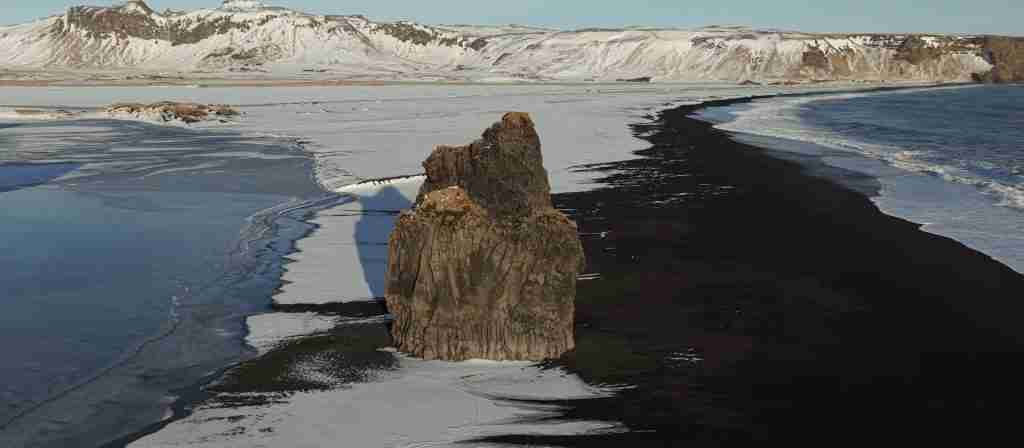
Reynisfjara beach extends along the Atlantic coast near Vík, distinguished by volcanic black sand, hexagonal basalt column formations creating a cathedral-like cave structure called Hálsanefshellir, and the Reynisdrangar sea stacks rising 66 meters offshore according to Icelandic folklore representing trolls caught by sunrise and turned to stone. The beach ranks among Iceland’s most photographed locations but simultaneously holds distinction as one of the country’s most dangerous due to powerful sneaker waves that have caused multiple fatalities over recent years.
Access requires a 5-kilometer drive from the Ring Road on paved road terminating at a large parking area, free of charge as of 2026 though proposals for parking fees remain under consideration. Safety signage at the beach entrance details wave dangers in multiple languages, with periodic ranger presence during peak summer hours emphasizing the critical importance of maintaining safe distance from the water’s edge. The Atlantic Ocean here generates powerful waves amplified by offshore topography, with sneaker waves—significantly larger waves appearing unexpectedly within a wave set—capable of sweeping beachgoers into the ocean with little warning and undertow currents preventing self-rescue even for strong swimmers.
Recommended safe viewing maintains minimum 30-meter distance from the water line, positioning visitors near the basalt formations and cave structures that provide photographic interest without ocean proximity risks. The basalt columns forming Hálsanefshellir cave create the distinctive honeycomb pattern visible in countless Iceland images, formed when lava cooled rapidly and contracted into geometric fractures. The cave provides shelter from wind and rain, though visitor traffic through the confined space creates congestion during peak hours and the basalt surfaces remain slippery when wet.
Reynisdrangar sea stacks visible offshore represent basalt formations more resistant to erosion than surrounding rock, standing as remnants after softer material wore away through centuries of wave action. Local legends attribute various stories to the formations, most commonly describing trolls attempting to drag ships ashore who were petrified when they failed to reach shelter before sunrise. Puffin colonies nest on the stacks during summer months (May-August), visible through binoculars or telephoto lenses though the distance prevents close observation without boat access.
Winter visits introduce additional hazards including ice-covered rocks creating extreme slip dangers and reduced daylight limiting safe beach time, while summer’s midnight sun enables evening beach visits with unique lighting conditions. Photographers favor sunrise and sunset hours for the warm light across the black sand contrasting with white wave foam, though these timing opportunities require patience waiting for wave sets that provide compelling foreground action while maintaining the mandatory safe distance from the water.
Dyrhólaey Promontory
Dyrhólaey extends as a 120-meter-high promontory forming the South Coast’s southernmost point, created by a volcanic eruption under the ocean that produced the peninsula visible today. The name translates as “Door Hill Island” referring to the natural arch carved through the promontory by erosion, large enough for small boats to navigate during calm conditions and creating distinctive silhouettes in photographs taken from Reynisfjara beach across the bay.
Access roads climb steeply from the Ring Road to upper and lower viewing platforms, with summer months (May-August) bringing periodic road closures protecting nesting puffin colonies and other seabirds during breeding season. When open, the upper platform provides 360-degree panoramas encompassing the black sand coastline, Reynisdrangar sea stacks, the arch formation, and views extending to Mýrdalsjökull glacier inland. The lower platform accessible year-round sits closer to the arch and beaches, though missing the commanding height of the upper viewpoint.
Puffins nest in burrows excavated in the coastal cliffs during summer months, arriving in May and departing by August after raising young. The charismatic seabirds with distinctive orange beaks and colorful summer plumage draw wildlife photographers and nature enthusiasts, though successful photography requires telephoto lenses reaching 200mm+ focal lengths as approaching nesting areas disturbs birds and risks trampling fragile burrows. The best puffin viewing times occur morning and evening when birds return from fishing trips with catch intended for offspring.
The promontory’s elevation creates wind exposure making warm layers essential even during summer months, while the coastal location generates frequent fog and low clouds obscuring views during poor weather. The access roads’ steep grades become treacherous during winter ice conditions, and winter visitors should confirm road status before attempting the drive as closures may occur without advance notice during severe weather.
Sólheimajökull Glacier
Sólheimajökull extends as an outlet glacier tongue from Mýrdalsjökull ice cap, descending toward the coastal plain where recent rapid retreat has created a proglacial lagoon visible from the parking area viewing platform. The glacier’s distinctive appearance features black volcanic ash streaks from Eyjafjallajökull’s 2010 eruption and earlier Katla volcano activity, creating layered patterns when compressed snow transformed to ice while incorporating ash deposits.
Access requires 5-kilometer drive on gravel road from the Ring Road, terminating at parking facilities charging 1,000 ISK ($7) with basic toilet amenities available. From parking, a well-maintained gravel trail extends approximately 500 meters to viewing platforms at the lagoon’s edge where icebergs calved from the glacier terminus drift in meltwater. The glacier face towers above the lagoon with visible crevasses, ice falls, and the dark ash layers creating visual texture absent from clean white glaciers elsewhere in Iceland.
Walking on the glacier requires professional guide services with proper safety equipment, as the surface contains crevasses capable of swallowing unsuspecting visitors and ice collapse presents serious crushing hazards. Multiple tour operators offer glacier hiking experiences ranging from easy 2-3 hour walks suitable for beginners to advanced ice climbing and extended expeditions for experienced mountaineers. Basic glacier hike pricing starts around $80-100 per person in 2026, with ice climbing combinations reaching $130-160. Equipment including crampons, ice axes, harnesses, and helmets comes included in tour prices, though participants must provide appropriate footwear and clothing.
Blue ice cave tours operate during winter months (November-March) when cold temperatures stabilize cave structures within the glacier, accessing natural caverns where dense ice transmits blue light wavelengths while absorbing other colors creating sapphire-hued walls. These caves form and disappear annually as the glacier shifts, with guides assessing current cave conditions daily to ensure safe access. Ice cave tour pricing typically ranges $140-180 combining cave access with glacier hiking, operating as 3-4 hour experiences from the Sólheimajökull base area.
The glacier continues retreating approximately 60 meters annually as climate change accelerates ice loss across Iceland, with comparison photographs from the 1990s showing dramatic reduction in ice extent. This retreat makes Sólheimajökull simultaneously more accessible from parking areas as the terminus approaches and more urgent to visit before further recession alters the landscape. Scientists estimate the outlet glacier could lose significant mass or potentially disappear entirely within the next 50-100 years under current warming trends.
Jökulsárlón Glacier Lagoon
Jökulsárlón formed during the 20th century as Breiðamerkurjökull outlet glacier from Vatnajökull ice cap retreated inland from the Atlantic coast, leaving a deepening basin now reaching 248 meters depth at maximum and extending approximately 18 square kilometers in surface area. Icebergs calving from the glacier terminus drift through the lagoon toward the ocean outlet under the Ring Road bridge, creating constantly changing ice formations sculpted by melt patterns, wave action, and rotation as weight distribution shifts.
The lagoon sits directly beside Route 1 approximately 380 kilometers east of Reykjavík, requiring no access roads beyond pullouts on both sides of the highway. Parking costs 1,000 ISK ($7) with facilities on both the north side near the main visitor center and cafe and the south side closer to Diamond Beach. Viewing platforms provide free lagoon access for observers content to watch from shore, while boat tours require separate tickets and advance booking during peak summer season.
Amphibian boat tours operate from May through October (weather dependent), launching from shore facilities and cruising among icebergs for 30-40 minutes while guides explain glacier geology, ice formation processes, and local wildlife. Tickets cost 7,100 ISK ($50) for adults in 2026, with children 6-12 years paying 3,500 ISK ($25) and under-6 children free. Check the tour operator website for current official rates as pricing may vary throughout the year. Tours depart approximately every 15-20 minutes during peak summer hours with last departures occurring roughly one hour before sunset, though schedule flexibility exists allowing visitors to board next available boats if missing initially-intended departure times.
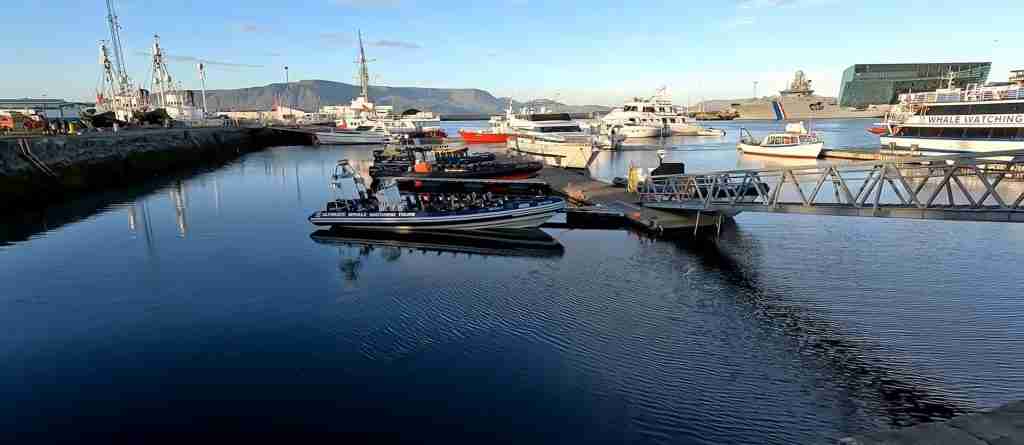
Zodiac boat tours provide a more intimate experience aboard smaller rigid inflatable vessels that access narrow channels between ice formations unreachable by larger amphibian boats. These tours cost approximately $108 in 2026 and operate with stricter minimum age requirements (typically 10-12 years) and advance booking requirements due to limited capacity. Zodiac passengers receive flotation suits providing both buoyancy and thermal protection during the approximately one-hour tours navigating close to towering ice walls.
Seal populations inhabit the lagoon year-round, hauling out on ice floes to rest between hunting trips into the ocean. Arctic terns nest around the lagoon margins during summer months, dive-bombing perceived threats including close-approaching humans. The icebergs themselves range from house-sized masses drifting ponderously to small chunks scattered across the surface, all melting continuously with some remaining in the lagoon for months before reaching sufficient size reduction to pass through the shallow outlet channel to the ocean.
Jökulsárlón transforms under different seasonal conditions and lighting. Summer’s midnight sun enables late-evening photography sessions with golden hour light extending for hours around actual sunset, while winter’s limited daylight creates different moods with potential for aurora borealis displays over the ice. Ice volumes and compositions shift with seasonal calving patterns, summer warmth accelerating both glacier melt feeding the lagoon and iceberg dissolution reducing the quantity of large formations visible at any given time.
Diamond Beach
Diamond Beach occupies the black volcanic sand coastline immediately south of Jökulsárlón lagoon where icebergs exiting through the shallow outlet channel wash ashore, creating dramatic compositions of ice against dark sand. The beach extends roughly one kilometer along the Atlantic shore accessed via footpaths from the Ring Road pullouts, requiring only 5-minute walks from parking areas.
Ice accumulation varies dramatically with ocean currents, wave conditions, and iceberg supply from the lagoon, ranging from sparse scattering of small chunks to densely-packed larger formations creating photographic wonderlands. Optimal conditions typically occur during incoming tides when waves push beached ice higher on shore, though tide timing proves challenging to predict given Iceland’s irregular tidal patterns. Some visitors arrive finding minimal ice presence while others encounter beach surfaces densely covered with formations ranging from fist-sized lumps to vehicle-sized ice mountains.
Photography on Diamond Beach favors sunrise when east-facing orientations receive direct light and waves often push beached ice into better positions than evening hours. The combination of black sand, white foam, ice sculptures, and wave motion creates compelling compositions though requiring attention to wave patterns as powerful surges can rapidly surge up the beach, soaking equipment and potentially sweeping smaller ice chunks (and photographers standing too close) seaward. Photographers should monitor wave sets, identifying the largest waves in each group and maintaining safe distances accounting for these periodic surges.
The beach operates 24 hours without fees or restrictions, though standard ocean safety precautions apply including never turning your back on waves, avoiding standing on ice in the surf zone where wave impacts can knock ice into people or topple large blocks crushing anyone beneath, and recognizing that the same sneaker wave phenomena making Reynisfjara dangerous also threatens Diamond Beach during certain conditions. Winter ice creates additional hazards with frozen sand and ice-covered rocks producing extreme slip dangers.
Visitors typically allocate 30-60 minutes at Diamond Beach combined with Jökulsárlón lagoon viewing across the highway, though photographers working on specific compositions may spend several hours timing wave patterns, rearranging ice configurations, and waiting for optimal light conditions. The beach delivers consistent visual impact year-round unlike some attractions heavily dependent on seasonal conditions, as winter cold actually increases ice preservation creating larger beached formations lasting longer before melting.
South Coast Itinerary Frameworks 2026
One-Day South Coast Itinerary from Reykjavík 2026
Maximize the concentrated one-day framework departing Reykjavík between 7-8 AM to reach Seljalandsfoss approximately 9:00-9:30 AM after the 128-kilometer (1.5-hour) drive. Allocate 45 minutes for waterfall viewing and behind-the-falls photography, then continue 30 kilometers (25 minutes) to Skógafoss where 45-60 minutes covers base viewing, photography, and stair climbing to upper platforms for those with adequate fitness.
Drive 30 kilometers eastward (35 minutes) to Vík for lunch approximately 12:00-1:00 PM, utilizing supermarket purchases for budget meals or local restaurants for $20-35 per person. Reynisfjara beach sits 10 kilometers (15 minutes) from Vík town center, requiring 30-45 minutes for safe beach viewing while maintaining proper distance from dangerous waves. The Dyrhólaey promontory optional add-on requires 20-minute detour if bird breeding season closures aren’t in effect.
Sólheimajökull glacier viewpoint requires backtracking 30 kilometers west then 5 kilometers on gravel access road, allocating 30 minutes for lagoon platform viewing. Return to Reykjavík via the same Route 1 route, arriving approximately 7:00-8:00 PM after accounting for driving time and any additional brief stops.
This compressed schedule sacrifices depth for breadth, skipping glacier hiking, extended photography sessions, and eastern attractions like Jökulsárlón. However, it delivers exposure to Iceland’s primary natural attraction types within tour bus day-trip time constraints. Flexibility becomes critical as weather delays, unexpected photo opportunities, or slower driving than estimated can compress time at later stops or force eliminating the furthest destinations.
Two-Day South Coast Itinerary with Jökulsárlón 2026
Day one duplicates the single-day western South Coast pattern: morning departure from Reykjavík visiting Seljalandsfoss and Skógafoss, midday Vík lunch and Reynisfjara exploration, late afternoon glacier viewing at Sólheimajökull, and overnight accommodation in Vík or continuing 70 kilometers east to Kirkjubæjarklaustur for lodging positioning closer to day two’s eastern targets.
Day two begins with morning departure toward Skaftafell area of Vatnajökull National Park (approximately 130 kilometers/1.5 hours from Vík), where hiking trails access Svartifoss waterfall surrounded by basalt columns or glacier viewpoints requiring 1-3 hours depending on route selection. Continue 60 kilometers (45 minutes) to Jökulsárlón for midday boat tour reservations made in advance, allocating 90 minutes total for the tour plus waiting and check-in time.
Diamond Beach occupies immediate post-lunch timing with 45-60 minutes covering both sides of the lagoon outlet, then return westward to Reykjavík requires approximately 5 hours direct driving or incorporate additional stops at locations bypassed during eastbound travel. Alternatively, continue eastward around the Ring Road if extending to the Eastfjords or planning complete Ring Road circumnavigation.
Accommodation costs for this two-day framework begin at guesthouse rates of 15,000-25,000 ISK ($105-175) for double rooms in Vík or Kirkjubæjarklaustur mid-range properties, with hotel options reaching 25,000-45,000 ISK ($175-315) in peak summer season. Booking 2-3 months ahead secures better availability and pricing before limited rural accommodation inventory fills completely.
Three-Day Comprehensive South Coast Exploration 2026
Allocate dedicated days to western features, eastern glacial areas, and glacier hiking or ice cave tours, enabling morning departures and early evening accommodation arrivals while eliminating the rushed pacing of compressed itineraries. Day one covers Seljalandsfoss, Gljúfrabúi, Skógafoss, and afternoon glacier hike at Sólheimajökull (booked in advance with 2:00-3:00 PM departure typical for afternoon tours), overnighting in Vík.
Day two dedicates full attention to the journey between Vík and Jökulsárlón, incorporating Fjaðrárgljúfur canyon (when open – periodic closures protect recovering vegetation from overuse), Skaftafell hiking, Svínafellsjökull glacier viewpoint, Jökulsárlón afternoon boat tour, and Diamond Beach before overnight in Höfn approximately 80 kilometers east of the lagoon. This pacing removes time pressure allowing spontaneous stops at lesser-known waterfalls, coastal viewpoints, and photography opportunities without sacrificing major attraction time.
Day three returns west via the same Route 1 corridor, incorporating any western South Coast locations bypassed during day one’s glacier tour focus or detouring to highland access roads like the F-road toward Landmannalaugar (requires 4WD vehicle and opens June-September only) for visitors with appropriate vehicles and mountain driving experience. Alternatively, spend the morning near Höfn visiting Stokksnes peninsula and Vestrahorn mountain (small access fee approximately 1,000 ISK charged at private land entrance) before beginning the return to Reykjavík.
South Coast Accommodation Guide 2026
Accommodation clusters in three primary towns along the South Coast plus scattered farm guesthouses and hotels at glacier viewpoints. Vík (population approximately 300) functions as the western hub 180 kilometers from Reykjavík, Kirkjubæjarklaustur (population 120) occupies the midpoint 260 kilometers from the capital, and Höfn (population 1,700) serves the eastern sector 450 kilometers from Reykjavík near Vatnajökull National Park attractions.
Budget guesthouses offering shared bathroom facilities and simple rooms range 12,000-18,000 ISK ($85-125) per night for doubles in summer 2026, often including basic breakfast with bread, cereals, coffee and tea. These properties typically occupy working farms or family-run operations with 4-10 rooms, providing authentic Icelandic hospitality while lacking amenities like restaurants, bars, or 24-hour staffing. Advance booking becomes essential during June-August as limited room inventory fills months ahead, particularly for weekend dates.
Mid-range hotels with private bathrooms, on-site restaurants, and breakfast included cost 22,000-38,000 ISK ($155-265) nightly for double occupancy during peak summer season. Properties like Hotel Katla in Vík or Hotel Höfn in the eastern namesake town provide full hotel services, glacier or ocean views from some rooms, and dinner dining options eliminating the need to drive for evening meals. These hotels also coordinate tour bookings, provide detailed local knowledge, and accommodate early departures or late arrivals with more flexibility than smaller guesthouses.
Premium accommodations including glacier-view hotels like Hotel Jökulsárlón near the lagoon reach 35,000-60,000 ISK ($245-420) per night, offering upscale amenities including hot tubs, premium dining, superior room appointments, and locations commanding views that justify price premiums. These properties book far in advance for summer dates, often selling out 4-6 months ahead of travel during July-August peak weeks.
Farm stays and country guesthouses scattered between towns provide alternatives to village-based accommodation, offering rural tranquility, aurora viewing opportunities away from light pollution, and often farm experiences including meeting livestock or purchasing fresh products. Locations between Vík and Höfn require careful route planning to confirm reasonable driving distances to planned attractions, as some properties sit 30-50 kilometers from the Ring Road creating lengthy detours if poorly matched to itinerary logic.
Winter season (November-March) brings substantially lower rates, with mid-range properties often discounting 30-40% below summer pricing while guesthouses may reduce rates 25-30%. However, winter also brings some property closures as owners reduce operations during the quieter season, making advance research essential to confirm properties remain open during planned travel dates. The reduced demand creates last-minute booking opportunities rare during summer, though the best properties maintain fuller occupancy even in winter.
South Coast Transportation and Logistics 2026
Self-drive rental cars offer maximum flexibility for South Coast exploration, with compact vehicles costing approximately $60-80 daily during summer season and mid-size options reaching $80-100 daily from major Reykjavík rental agencies. Fuel costs approximately 280-320 ISK per liter ($7.50-8.50 per gallon), with Reykjavík to Jökulsárlón round trip consuming approximately 50-60 liters totaling $110-125 in fuel expenses. Parking fees at major attractions add another $30-40 for a comprehensive multi-day visit.
Calculating the break-even point between rental cars and organized tours requires factoring group size. Solo travelers pay full rental and fuel costs alone, making organized day tours at 25,000 ISK ($175) often more economical than $70 daily rental, $50 fuel, and $35 parking totaling $155. However, a four-person group splits costs to approximately $17-20 per person for rental (daily rate $70-80 divided by 4), plus $13 fuel ($50 divided by 4), and $9 parking ($35 divided by 4), totaling approximately $40 per person, substantially undercutting tour pricing while providing schedule flexibility.
Organized tours operate daily from Reykjavík during summer season with reduced frequency during winter months, offering comprehensive day trips visiting Seljalandsfoss, Skógafoss, Reynisfjara, and Vík for approximately 25,000 ISK ($175) per person including transportation and guide services. Extended tours reaching Jökulsárlón typically operate as 12-14 hour days costing 35,000-45,000 ISK ($245-315) per person, with boat tour admission charged separately unless specifically included in package descriptions.
Multi-day tours bundling accommodation, transportation, guide services, and some meals provide convenience for visitors preferring not to drive, with two-day South Coast packages including one night’s accommodation averaging 60,000-85,000 ISK ($420-595) per person in double-occupancy rooms. These tours remove navigation stress, driving fatigue, and logistical planning while incorporating guide expertise explaining geological and historical context most self-drive visitors miss.
Winter driving demands specific vehicle preparations including studded winter tires (required by law November 1-April 14), familiarity with ice-road driving techniques, and realistic assessment of personal capability on snow-covered highways with limited visibility. Rental agreements often restrict winter highland access even with 4WD vehicles, while insurance may exclude coverage for specific damage types including sandstorm windshield cracks and undercarriage impacts on rough roads. The road.is website provides essential real-time road condition information and closure alerts that winter drivers must monitor daily.
South Coast Dining and Meal Planning 2026
Restaurant meals in South Coast towns reflect Iceland’s high cost structure, with lunch options ranging 2,500-4,500 ISK ($17-31) for burgers, sandwiches, or soup combinations, while dinner entrees reach 3,500-7,500 ISK ($25-52) for mains including Iceland specialties like lamb, Arctic char, or lobster prevalent near Höfn. Tourist-oriented restaurants around major attractions charge premium positioning prices, whereas town-center establishments in Vík or Höfn deliver slightly better value for equivalent quality.
Supermarket self-catering reduces daily food costs substantially, with Bonus and Krónan supermarket chains in Vík and larger Nettó locations in Höfn offering bread, cheese, deli meats, yogurt, and produce at prices comparable to other Scandinavian countries. A self-assembled lunch costs 800-1,500 ISK ($6-10) per person, while breakfast items purchased for in-room preparation save $15-20 versus hotel breakfast buffets at properties charging separately for morning meals.
Vík provides the most concentrated dining options with approximately 8-10 restaurants and cafes serving visitors, including Sudur-Vik for traditional Icelandic dishes, Halldorskaffi for burgers and casual fare, and Svarta Fjaran for pizza alongside local fish options. Kirkjubæjarklaustur offers 3-4 dining choices reflecting the smaller village scale, while Höfn’s seafood focus includes renowned lobster restaurants like Pakkhús and Humarhöfnin where full meals cost 7,000-12,000 ISK ($50-85) per person.
Gas stations along Route 1 operate cafes and fast-food counters providing emergency food access between towns, though pricing reflects the convenience factor with hot dogs costing 600-800 ISK ($4-6), pre-made sandwiches reaching 1,200-1,800 ISK ($8-13), and coffee at 400-600 ISK ($3-4). These stations also stock limited grocery selections including chips, candy, drinks, and basic supplies at marked-up prices versus supermarket alternatives in towns.
Budget-conscious travelers combining supermarket breakfasts and lunches with single daily restaurant dinners might expect 4,500-6,500 ISK ($30-45) daily food costs, while full restaurant dining for all meals reaches 8,000-12,000 ISK ($55-85) daily. Groups sharing meal preparation using guesthouse or cottage kitchen facilities can reduce expenses further, particularly valuable during multi-day trips where savings compound over several days.
Glacier Hiking and Ice Cave Experiences 2026
Glacier hiking introduces visitors to ice environments under professional guide supervision with safety equipment including crampons for traction on ice, ice axes for balance and self-arrest capability, helmets protecting against falling ice, and harnesses for glacier travel over crevassed terrain. Entry-level glacier walks emphasize safe glacier exposure over technical climbing, typically operating as 3-hour experiences including equipment fitting, safety briefing, approximately 90 minutes on ice, and return to base facilities.
Sólheimajökull near Vík hosts the majority of beginner glacier hiking, with multiple operators including Arctic Adventures, Icelandic Mountain Guides, and Tröll Expeditions conducting daily tours year-round weather permitting. Pricing for basic glacier hikes ranges approximately $80-100 per person in 2026 (check tour operator websites for current official rates as pricing may vary), with minimum age requirements typically set at 8-10 years and basic fitness standards necessary for walking on uneven ice surfaces.
Skaftafell area within Vatnajökull National Park provides alternative glacier hiking venues accessing outlet glaciers from Europe’s largest ice cap. Tours from Skaftafell typically cost slightly more at $100-130 per person reflecting the longer glacier approaches and more dramatic settings, though accessibility from the Ring Road remains straightforward via the national park entrance approximately 330 kilometers from Reykjavík.
Ice cave tours operate exclusively during winter months when cold temperatures stabilize cave structures, with the primary season running November through March. Natural blue ice caves form within glaciers where summer meltwater carves channels through the ice, creating tunnels and chambers that freeze solid during winter cold. The dense glacial ice transmits blue light wavelengths while absorbing warmer colors, creating the sapphire hues that make ice caves photographically spectacular.
Vatnajökull ice cave tours departing from Jökulsárlón or nearby staging areas represent the most accessible winter ice cave experiences, operating as 3-hour adventures including super-jeep transportation to glacier access points, glacier hiking to cave entrances, and approximately 30-45 minutes inside the cave itself. Pricing ranges $140-180 per person in 2026, with advance booking essential as tours book months ahead during peak winter season (December-February).
Ice cave locations change annually as caves collapse and new formations appear in different locations, with guides assessing current conditions daily to ensure safe access. Some winters deliver particularly spectacular caves while others produce smaller or less visually impressive formations, introducing an element of unpredictability impossible to eliminate when dealing with dynamic natural phenomena. Tour operators maintain social media feeds showcasing current cave conditions, providing prospective guests realistic expectations of what specific caves look like during booking periods.
Combination glacier hike and ice climbing tours suit visitors seeking more technical challenges, incorporating instruction in ice axe techniques, crampon kicking methods, and vertical ice climbing using ropes and specialized equipment. These intermediate-level adventures cost approximately $130-160 per person with 4-hour durations and minimum age requirements typically raised to 12-14 years reflecting the higher physical demands.
South Coast Safety Considerations 2026
Reynisfjara beach sneaker waves have caused multiple fatalities over recent years, with powerful Atlantic swells generating waves significantly larger than typical sets that strike without warning and create undertow currents preventing swimmers from reaching shore even in calm-appearing conditions. Icelandic rescue authorities emphasize maintaining minimum 30-meter distance from the water line regardless of how calm conditions appear, as wave patterns shift rapidly with offshore storm systems sometimes hundreds of kilometers distant.
Safety signage at Reynisfjara details wave dangers in multiple languages including English, German, French, Chinese, and Japanese, with graphic illustrations showing the risks and recommended safe viewing distances. Ranger presence during peak summer hours reinforces these messages, though compliance remains imperfect as visitors unfamiliar with ocean hazards or skeptical of warnings venture too close seeking dramatic wave-action photographs. The combination of unusual wave behavior and frigid water temperatures creates fatal conditions, as hypothermia incapacitates swimmers within minutes in the 4-8°C (39-46°F) ocean temperatures.
Glacier surfaces present hazards including crevasses capable of trapping fallen victims dozens of meters deep in narrow ice slots, ice falls where overhanging seracs collapse without warning crushing anyone beneath, and moulins—vertical shafts where surface meltwater drains into glacier interiors creating deep wells often concealed by snow bridges. These hazards make independent glacier walking extremely dangerous, with multiple deaths annually across Iceland from unguided glacier travel. Organized tours with professional glacier guides assess conditions daily, route hikes to avoid high-risk areas, and carry safety equipment including ropes and rescue gear.
Winter driving hazards escalate dramatically during poor weather when ice-covered roads, blowing snow reducing visibility to near-zero, and strong winds capable of pushing vehicles off roads create life-threatening conditions. The Icelandic Road Administration may close Route 1 sections during severe weather, with travelers ignoring closure notices facing fines plus liability for rescue costs if they require assistance. Winter drivers should monitor weather forecasts continuously, understand that conditions can deteriorate rapidly, maintain flexible schedules allowing weather delays, and honestly assess personal capabilities before attempting winter road trips.
Ice-covered trails and viewing platforms create serious slip hazards during winter months and even during summer mornings when overnight freezing creates ice patches. Proper footwear with traction becomes essential, with ice cleats or traction devices improving safety on slippery surfaces around waterfalls and coastal viewpoints. Falls on ice can produce serious injuries including fractures and head trauma, particularly dangerous in remote locations where medical care requires extended evacuation times.
Emergency services response times reflect Iceland’s sparse population and vast distances, with ambulances potentially requiring 30-60 minutes reaching accident scenes along rural South Coast sections and helicopter evacuation becoming necessary for serious trauma in remote areas. The universal emergency number 112 operates throughout Iceland, connecting callers to appropriate services including police, medical, and search-and-rescue resources. Visitors should maintain charged mobile phones, though coverage gaps exist in some locations, and comprehensive travel insurance including evacuation coverage provides financial protection against medical emergency costs.
Weather and Seasonal Conditions 2026
Summer weather patterns (June-August) deliver Iceland’s warmest and most stable conditions with temperatures averaging 10-15°C (50-59°F) along the coast, though substantial day-to-day variability remains common as low-pressure systems tracking across the North Atlantic bring periodic rain, wind, and temperature fluctuations. Rain occurs frequently during summer with approximately 50-60% of days recording measurable precipitation, making waterproof layers essential regardless of departure-day conditions. Wind represents Iceland’s most persistent weather element, with coastal exposure along the South Coast creating challenging conditions for tent camping, photography requiring tripod stability, and hiking where strong gusts present balance challenges.
Winter conditions (November-March) range from manageable to extreme depending on specific weather system positions and Arctic air mass intrusions, with temperatures typically spanning -5 to 5°C (23-41°F) but capable of exceeding these ranges during unusual events. Daylight becomes severely limited with December-January offering only 4-5 hours of usable light daily, constraining activity windows and creating challenging photography conditions during the brief midday hours. Snowfall accumulation varies annually and location-specific, with coastal areas including Vík often remaining relatively snow-free while inland sections accumulate substantial snow depth.
Wind chill during winter significantly reduces effective temperatures, with 5°C (41°F) conditions feeling more like -5°C (23°F) or colder during windy periods typical along the exposed coast. Layered clothing systems with windproof outer shells become essential, as does understanding that cotton clothing (including jeans) performs poorly when wet, losing insulating value and promoting rapid cooling. Icelandic weather wisdom emphasizes that no such thing as bad weather exists—only unsuitable clothing.
Shoulder season months (April-May and September-October) provide transitional conditions mixing winter storms with emerging spring warmth or lingering autumn mildness before winter onset. April maintains significant winter character with frequent snow at elevation and lingering cold, while May brings spring conditions with rapidly lengthening days and warming trends. September often delivers pleasant conditions with autumn colors in limited vegetation and aurora viewing opportunities as nights lengthen, though October introduces increasing winter-like storms and cold.
Aurora borealis viewing requires dark skies, clear weather, and geomagnetic activity, with the best viewing opportunities occurring September through March when darkness lasts long enough to provide adequate viewing windows. The South Coast’s coastal location offers some aurora viewing though northern Iceland provides superior opportunities due to higher latitude and reduced light pollution. Aurora forecasting relies on multiple factors including the KP-index measuring geomagnetic activity (KP 3+ visible in southern Iceland, KP 2+ in the north) and cloud cover predictions, with websites like vedur.is providing Iceland-specific forecasts including aurora probability assessments.
Weather forecasting accuracy in Iceland remains limited beyond 3-4 days given the rapid weather system movement and complex interaction between Atlantic systems and Arctic influences. Visitors should monitor forecasts daily using the Icelandic Met Office website (en.vedur.is) providing detailed predictions, current conditions, and warnings for hazardous weather including high winds, heavy snow, and coastal flooding. The site includes specific road weather forecasts helping drivers assess conditions between major destinations.
Frequently Asked Questions About Iceland South Coast 2026
Can you visit Iceland’s South Coast without a rental car in 2026?
Yes, organized tours provide car-free South Coast access, operating daily from Reykjavík during summer season with reduced winter frequency. Day tours cost approximately 25,000 ISK ($175) per person visiting Seljalandsfoss, Skógafoss, and Reynisfjara, while extended tours reaching Jökulsárlón run 35,000-45,000 ISK ($245-315) per person. Multi-day tours bundling accommodation eliminate rental car needs while including professional guides and transportation, though reducing schedule flexibility and spontaneity compared to self-drive approaches. Public bus services between towns exist but operate limited schedules unsuitable for comprehensive sightseeing requiring frequent stops at roadside attractions.
What’s the difference between summer and winter South Coast experiences in 2026?
Summer (June-August) enables all activities including boat tours, provides 18-20 hours daily daylight extending photography opportunities, delivers warmest temperatures averaging 10-15°C (50-59°F), and offers most stable road conditions suitable for standard vehicles and inexperienced drivers. Winter (November-March) grants exclusive access to blue ice caves within glaciers, creates opportunities for aurora borealis viewing, provides dramatically different aesthetics with snow-covered landscapes and partially-frozen waterfalls, but demands winter driving skills or tour participation, operates under 4-5 hour daylight constraints, and experiences higher tour cancellation rates due to weather. Summer brings maximum crowds and highest prices while winter offers reduced rates and fewer visitors accepting weather unpredictability and access limitations.
How much does a three-day South Coast trip cost in 2026?
Budget-level three-day trips require approximately $350-435 per person for couples sharing costs. Guesthouse accommodation costs $105-125 nightly, totaling $210-250 per room for two nights, divided between two people equals $105-125 per person. Rental car at $60-80 daily for three days totals $180-240, split between two equals $90-120 per person. Fuel costs approximately $90-100 total, split between two equals $45-50 per person. Parking fees $35-45 total, split between two equals approximately $20 per person. Self-catered meals using supermarket provisions cost $30-40 daily, totaling $90-120 per person for three days. Total per person: $105-125 + $90-120 + $45-50 + $20 + $90-120 = approximately $350-435. Mid-range travelers face higher costs: hotels at $155-265 nightly per double room equals $80-135 per person per night, totaling $160-270 per person for two nights, plus restaurant meals at $55-85 daily totaling $165-255 for three days, glacier hike $90, rental car $90-120 per person, fuel $45-50 per person, and parking $20 per person. Total per person: $160-270 + $165-255 + $90 + $90-120 + $45-50 + $20 = approximately $570-805. Premium experiences with high-end accommodation at $245-420 nightly per room equals $125-210 per person per night, totaling $250-420 per person for two nights, plus boat tour $50, ice cave experience $150, full restaurant dining $70-100 daily totaling $210-300 for three days, rental car $90-120 per person, fuel $45-50, and parking $20. Total per person: $250-420 + $50 + $150 + $210-300 + $90-120 + $45-50 + $20 = approximately $815-1,110. These ranges assume double-occupancy accommodation with costs split between two people.
Are South Coast attractions suitable for families with children in 2026?
Most South Coast attractions accommodate families effectively with walking paths suitable for strollers at Skógafoss base areas, Jökulsárlón viewing platforms, and Diamond Beach access routes, though terrain around waterfalls and beaches includes uneven ground challenging for wheeled equipment. Reynisfjara beach requires strict supervision given dangerous wave conditions, while glacier hiking minimum age requirements typically start at 8-10 years for basic tours and 12-14 years for ice climbing combinations. Long driving distances between attractions test children’s patience, making activity variety including beach time, glacier viewing, and waterfall exploration help maintain interest. Many tour operators offer family-specific programming with adjusted pacing and child-appropriate interpretation.
When should you book South Coast accommodation for summer 2026?
June-August accommodation in Vík, Kirkjubæjarklaustur, and Höfn requires booking 3-6 months before travel dates to secure preferred properties at optimal rates, with the most popular hotels and guesthouses often selling out 4-5 months ahead during July-August peak season. Booking in January-February 2026 for June-July travel provides maximum selection, while April-May bookings face reduced availability and potentially higher rates as remaining inventory sells. Weekend dates book faster than mid-week nights, and properties offering superior amenities or views command earliest sell-out timing. Shoulder season (May, September) and winter months allow shorter booking windows, often accepting reservations just weeks ahead though the best properties maintain fuller occupancy year-round.
What photography equipment works best for South Coast conditions in 2026?
Wide-angle lenses (16-35mm full-frame equivalent) capture waterfall contexts and expansive coastal scenes, while telephoto zoom lenses (70-200mm or longer) enable sea stack details, puffin photography at Dyrhólaey, and iceberg compositions at Jökulsárlón. Sturdy tripods withstand persistent winds making long exposures and HDR bracketing possible, though carbon fiber construction reduces weight during hiking. Waterproof camera protection including rain covers or underwater housings protects equipment at waterfalls where mist saturation exceeds normal weatherproofing capabilities. Circular polarizing filters reduce glare on wet rocks and water surfaces while enhancing sky saturation, and neutral density filters enable long exposures smoothing waterfall flow and wave motion during bright conditions. Extra batteries maintain power during cold weather when battery performance degrades, and microfiber cloths constantly clean lens elements from water droplets.
Can you see puffins along the South Coast in 2026?
Puffins nest at Dyrhólaey promontory and surrounding coastal cliffs during summer months approximately May through August, with peak viewing during June-July when adults actively feed young and remain most visible around colony areas. The colorful seabirds with distinctive orange beaks and feet excavate burrows in cliff-top turf, departing Iceland entirely by late August as young fledge and migrate to ocean wintering grounds. Viewing requires telephoto lenses reaching 200mm+ focal lengths as close approach disturbs nesting birds, with morning and evening hours providing optimal observation when birds return from fishing trips. Dyrhólaey access roads close periodically during May-June protecting the most sensitive breeding periods, though the birds remain visible from lower viewpoints and alternate locations when upper promontory roads close.
What restaurants in Vík serve good food in 2026?
Vík’s restaurant concentration includes Sudur-Vik offering traditional Icelandic cuisine including lamb and fish dishes in the 3,500-6,500 ISK ($25-45) range for main courses, Halldorskaffi providing burgers, sandwiches, and casual dining at more moderate 2,500-4,500 ISK ($17-31) pricing, Svarta Fjaran specializing in pizza alongside fish options, and Smidjan Brugghús operating a brewpub with craft beers and substantial meals. The Black Beach Restaurant at the Icelandair Hotel Vík delivers upscale dining with glacier and ocean views, charging premium prices reflecting the elevated setting and quality. Most establishments operate reduced hours or close entirely during winter months, making advance research essential for off-season visitors.
Do South Coast tours from Reykjavík include Jökulsárlón in 2026?
Standard day tours typically terminate at Vík or Reynisfjara without reaching Jökulsárlón given the 380-kilometer (240-mile) distance from Reykjavík requiring 10-12 hours minimum with attraction stops. Extended tours specifically marketed as glacier lagoon itineraries operate as 12-14 hour experiences, departing Reykjavík between 7-8 AM and returning around 9-11 PM after covering the essential western South Coast stops plus Jökulsárlón. These extended tours cost 35,000-45,000 ISK ($245-315) per person with boat tour admission typically charged separately unless package descriptions specify inclusion. Some tour operators offer two-day packages overnighting near the lagoon, spreading the journey across more comfortable timeframes while bundling accommodation into tour pricing.
What happens if weather forces tour cancellation in 2026?
Tour operators typically offer rebooking on alternative dates when available or full refunds when cancellations occur due to dangerous weather conditions including severe storms, road closures, or safety concerns that prevent safe tour operation. Cancellation decisions balance customer disappointment against safety imperatives, with experienced operators erring toward cancellation when conditions present genuine risks. Glacier hiking and ice cave tours face higher cancellation rates during winter given the dynamic weather and ice conditions that may deteriorate rapidly, while summer waterfall tours rarely cancel except during the most severe storms. Travel insurance covering tour cancellation costs provides financial protection, though standard policies typically exclude cancellations due to weather or natural events requiring specialized coverage riders.