Iceland Budget Guide 2026: Complete Cost Breakdown
Iceland’s otherworldly landscapes of glaciers, geysers, and Northern Lights make it one of Europe’s most captivating destinations, but understanding costs is essential for successful trip planning. This comprehensive 2026 budget guide breaks down every expense category with current prices, helping you plan an unforgettable Icelandic adventure that matches your budget—from backpacker-friendly to luxury experiences.
Key Takeaways Iceland Budget 2026
- Daily Budget Tiers 2026: Budget travelers spend $150-200 daily (hostels, grocery meals, public transport), mid-range travelers $250-350 daily (hotels, restaurant meals, car rental), and luxury travelers $400+ daily (premium hotels, fine dining, guided tours)
- August 2026 Eclipse Warning: The total solar eclipse on August 12, 2026 creates unprecedented demand with accommodation prices spiking 200-300% and bookings required 6-12 months in advance—avoid this week for budget travel or book immediately for the celestial event
- Transportation Costs 2026: Car rental represents 30-45% of ground costs with economy vehicles at $60-100 daily (off-season) or $110-160 daily (summer), plus Iceland’s new kilometer-based road tax adding approximately $105 for a standard Ring Road trip
- Money-Saving Strategies: Shop at Bónus and Krónan grocery stores (40% cheaper than premium chains), travel May-June or September-October (shoulder season saves 20-40%), and combine self-catering with strategic restaurant meals to reduce food costs by 60%
- Free Natural Attractions: Most of Iceland’s spectacular natural beauty—waterfalls, glaciers, geothermal areas, hiking trails, black sand beaches—requires no entrance fees, allowing budget-conscious travelers to experience world-class scenery at minimal cost
- Advance Booking Essential 2026: Book accommodations 4-6 months ahead for summer travel and car rentals 3-4 months ahead to secure best rates and availability, with last-minute options becoming increasingly expensive and limited
People Also Ask About Iceland Budget 2026
How much does a trip to Iceland cost in 2026?
A 7-day Iceland trip in 2026 costs approximately $1,800-2,800 for budget travelers, $3,500-5,500 for mid-range travelers, and $7,000-12,000+ for luxury travelers. These estimates include roundtrip flights from North America ($500-1,200), car rental, accommodation, food, fuel, and activities. Budget travelers stay in hostels, cook meals, and visit free natural attractions. Mid-range travelers choose comfortable hotels, mix restaurant and self-catered meals, and add paid tours. Luxury travelers book premium accommodations, dine at upscale restaurants, and enjoy private guided experiences. Solo travelers should budget 50-70% more than these per-person estimates due to single accommodation premiums and inability to share transportation costs.
Is Iceland expensive compared to other European destinations in 2026?
Iceland ranks among Europe’s most expensive destinations in 2026, with prices 40-50% higher than the United States average and significantly above most European countries. A casual restaurant meal costs $15-25 in Iceland versus $10-15 in many European cities. Hotel rooms average $180-450 nightly in Iceland compared to $80-200 in southern Europe. However, Iceland rewards travelers with unparalleled natural beauty accessible for free—most waterfalls, glaciers, geothermal areas, and hiking trails require no entrance fees. Strategic budget management through grocery shopping at Bónus, shoulder season travel, and self-drive exploration makes Iceland accessible at various price points despite the premium baseline costs.
What is the cheapest time to visit Iceland in 2026?
January through March represents Iceland’s cheapest travel period in 2026, with flights costing $300-600 from North America (versus $800-1,200 in summer) and accommodations discounted 30-50% below peak season rates. Hotels starting at $80 nightly in winter jump to $300-450 in summer. Campervan rentals drop to $80-120 daily versus $150-250 in high season. However, winter brings 4-5 hours of daily daylight, harsh weather conditions, and road closures limiting access to Highland routes. The optimal value-to-experience balance occurs during shoulder seasons May-early June and September-October, offering 20-40% savings versus summer with moderate weather, decent daylight hours, and Northern Lights visibility beginning in September.
Do I need to rent a car in Iceland or can I use public transportation in 2026?
Renting a car is the most practical and economical way to explore Iceland beyond Reykjavik in 2026, as public transportation operates primarily within the capital with limited intercity routes. Bus services to major attractions like the Golden Circle exist but run infrequently with restricted schedules. A rental car provides freedom to visit remote waterfalls, glaciers, and geothermal areas at your own pace while splitting costs among travel companions. For two people on a 7-day trip, car rental plus fuel costs approximately $700-1,400 total versus $150-300 per person for individual tour bookings to each destination. Solo travelers or those staying exclusively in Reykjavik can manage without a car by booking organized day tours, but groups of 2+ benefit significantly from self-drive flexibility and cost efficiency.
Extended multi-day tours – 5+ days
Featured Iceland Multi-Day Tour Packages

3 days
Iceland 3-Day Discovery Tour
- ✓ Comprehensive Iceland experience
- ✓ Expert local guides included
- ✓ All accommodation included
- ✓ Transportation provided
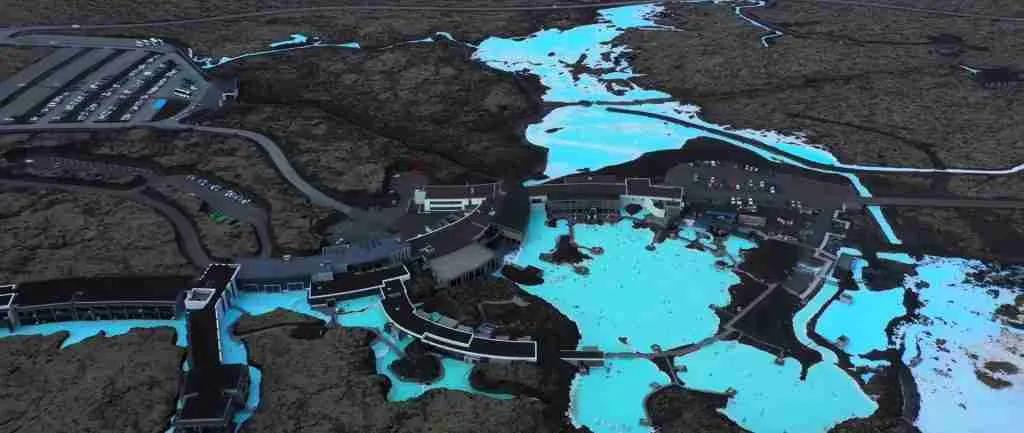
5 days
Iceland 5-Day Highlights Experience
- ✓ Comprehensive Iceland experience
- ✓ Expert local guides included
- ✓ All accommodation included
- ✓ Transportation provided
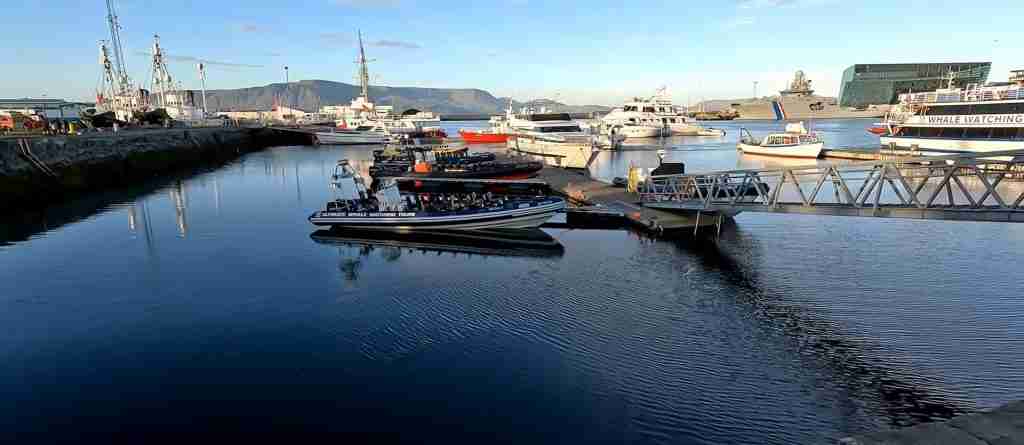
7 days
Iceland 7-Day Cultural Journey
- ✓ Comprehensive Iceland experience
- ✓ Expert local guides included
- ✓ All accommodation included
- ✓ Transportation provided
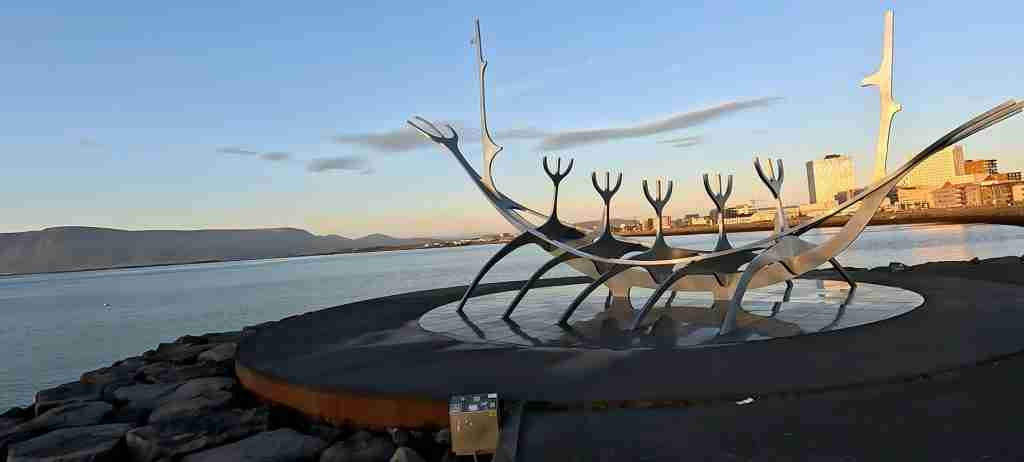
10 days
Iceland 10-Day Complete Adventure
- ✓ Comprehensive Iceland experience
- ✓ Expert local guides included
- ✓ All accommodation included
- ✓ Transportation provided
Multi-day tour packages powered by TourRadar. Prices and availability subject to change.
Introduction to Iceland Travel Costs 2026
Iceland’s reputation as an expensive destination reflects reality, but understanding the specific cost structure allows travelers to maximize value regardless of budget tier. The country’s remote location, small population of 380,000, and reliance on imports create elevated baseline prices, yet strategic planning transforms Iceland from prohibitively expensive to achievable for various budgets.
The 2026 travel year brings unique considerations beyond standard seasonal fluctuations. Iceland’s total solar eclipse on August 12, 2026 creates unprecedented demand during what normally represents peak summer season, with accommodation providers reporting prices 200-300% above standard rates and availability disappearing 6-12 months in advance. Travelers planning August visits face extreme premiums unless booking immediately, while those seeking value should target any month except August.
Iceland’s cost structure differs fundamentally from Mediterranean or Southeast Asian destinations where budget travelers thrive on $30-50 daily budgets. Iceland’s baseline costs start higher—a dorm bed costs $40-60, restaurant meals $15-25, and car rentals $60-160 daily—but the country delivers unmatched natural spectacle accessible without entrance fees. Strategic travelers balance Iceland’s premium services with free experiences, creating memorable trips across budget ranges from backpacker-friendly $150 daily to luxury $400+ daily.
This guide provides current 2026 prices across all expense categories, helping you build realistic budgets whether planning a long weekend in Reykjavik, a week-long Ring Road adventure, or an extended exploration of Iceland’s remote regions. Each section presents data in self-contained format, allowing you to reference specific cost categories without reading the entire guide. Prices reflect research from official sources, local providers, and current 2026 booking platforms, with all costs stated in USD alongside local currency ISK where relevant.
Understanding Iceland’s Price Structure in 2026
Iceland’s elevated costs stem from fundamental economic factors affecting every aspect of travel spending. The island nation imports approximately 75% of consumer goods due to limited domestic agriculture and manufacturing, with shipping costs and import taxes embedded in retail prices. A bottle of milk costing $1.40 in Iceland versus $0.90 in the United States illustrates this premium across basic goods.
High labor costs reflect Iceland’s strong union representation (over 90% of workers) and excellent quality of life standards, translating to elevated prices for services. Restaurant meals, hotel rooms, and tour operators all incorporate wages significantly higher than European or North American averages. This explains why a casual meal costs $15-25 in Iceland versus $10-15 in comparable cities elsewhere.
Iceland’s tourism infrastructure concentrates around summer months when midnight sun and favorable weather draw peak visitation. This seasonal compression creates dramatic price swings—a hotel room costing $80 in February jumps to $350 in July for identical accommodations. Car rental companies, tour operators, and accommodation providers maximize revenue during 10-12 profitable weeks, pricing accordingly during shoulder and off-seasons.
The Icelandic króna (ISK) exchange rate fluctuations affect international travelers’ purchasing power, with rates varying 10-15% annually. Current 2026 exchange rates place approximately 140 ISK to 1 USD, though travelers should verify current rates before finalizing budgets. Credit cards are universally accepted including at remote gas stations and food trucks, minimizing cash exchange needs.
Iceland’s most significant travel advantage balances elevated service costs: natural attractions remain free. Gullfoss waterfall, Geysir geothermal area, Thingvellir National Park, countless additional waterfalls, glaciers, black sand beaches, and hiking trails require no entrance fees. Budget travelers accessing Iceland’s spectacular scenery without paid admissions offset high accommodation and food costs through strategic planning.
Seasonal Price Variations Iceland 2026
Iceland’s seasonal price fluctuations represent the most significant variable in trip budgeting, with identical services varying 100-300% between peak summer and winter low season. Understanding these patterns allows strategic travelers to maximize value while accepting seasonal trade-offs in daylight, weather, and activity access.
Peak Summer Season June-August 2026
Peak summer from mid-June through August represents Iceland’s most expensive period with maximum daylight (up to 24 hours in late June), warmest weather, and highest tourist volumes. Flights from North America cost $800-1,200 roundtrip versus $300-600 in winter. Accommodation rates peak with Reykjavik hotels at $300-450 nightly for mid-range properties versus $180-280 in shoulder seasons. Car rentals reach maximum pricing at $110-160 daily for economy vehicles, with popular models booking solid months in advance.
The August 12, 2026 total solar eclipse creates exceptional demand beyond normal summer pricing. Accommodation providers in the path of totality (Westfjords, Snæfellsnes Peninsula) report rates 200-300% above standard peak season, with properties fully booked 12 months ahead. Reykjavik hotels implement eclipse week premiums of 150-200% versus typical August rates. Travelers planning eclipse visits require immediate booking and substantially elevated budgets, while budget-conscious visitors should avoid the entire second week of August.
Summer advantages justify premium costs for many travelers: midnight sun enables 16-20 hour activity days, all roads including Highland F-roads open for exploration, and comfortable temperatures of 50-60°F eliminate heavy winter gear requirements. Tour operators run full schedules with glacier hiking, whale watching, and puffin viewing at peak activity levels. Family travelers on school break schedules and those seeking maximum daylight accept summer premiums as necessary trade-offs.
Shoulder Seasons May and September 2026
May and September represent optimal value-to-experience balance in Iceland’s seasonal calendar. Accommodation costs drop 20-40% below summer peaks with Reykjavik hotels at $180-280 nightly versus $300-450 in July. Car rentals decrease to $80-120 daily for economy vehicles, and flights from North America range $500-800 roundtrip—meaningful savings versus peak summer.
May offers increasing daylight (18+ hours by late May), warming temperatures approaching summer levels, and dramatically reduced crowds versus June-August. Highland roads begin opening late May depending on conditions, expanding exploration possibilities. September delivers Northern Lights visibility beginning mid-month, comfortable temperatures still in the 45-55°F range, and spectacular autumn colors across birch forests and tundra vegetation.
Shoulder season trade-offs remain minimal compared to winter. Nearly all attractions stay accessible, tour operators maintain full schedules, and weather proves generally cooperative despite increased precipitation versus summer. Travelers seeking Iceland’s natural beauty without peak crowds and premiums find May and September ideal, accepting slightly cooler temperatures and occasional rain for substantial cost savings.
Low Season October-April 2026
Winter months October through April offer Iceland’s lowest prices with flights $300-600 from North America, accommodation discounted 40-60% below summer (hotels from $80 nightly), and car rentals as low as $60-100 daily. These dramatic savings attract budget travelers and Northern Lights enthusiasts willing to accept winter’s significant limitations.
Winter challenges include 4-5 hours of daylight in December-January, harsh weather with frequent storms, snow and ice creating dangerous driving conditions, and Highland road closures limiting exploration to coastal Ring Road and nearby routes. Many rural accommodations close November-March, concentrating options in Reykjavik and larger towns. Activities like glacier hiking and ice cave tours thrive in winter, but whale watching and puffin viewing cease operations.
Northern Lights viewing represents winter’s primary attraction, with darkness from September through March creating optimal aurora conditions. Winter travelers prioritize Reykjavik-based trips with Northern Lights tours, Blue Lagoon visits, Golden Circle day trips, and South Coast waterfalls accessible in winter conditions. The season suits travelers flexible with shortened days, comfortable with limited outdoor activities, and seeking lowest-possible Iceland costs.
Flight Costs to Iceland 2026
International flights represent 25-40% of total Iceland trip budgets, with costs varying dramatically by departure location, travel dates, and booking timing. Iceland’s single international airport at Keflavik (KEF), located 50 minutes from Reykjavik, receives flights from North America, Europe, and seasonal connections from other regions.
North American travelers from major hubs (New York, Boston, Washington DC, Seattle, Denver) find the most competitive pricing with budget carrier PLAY offering roundtrip fares $300-600 in winter low season and $500-900 during shoulder seasons. Peak summer rates June-August range $800-1,200 roundtrip, with August 2026 eclipse week potentially reaching $1,500-2,000 for last-minute bookings. Icelandair provides full-service alternatives at $100-300 premium above budget carriers, including their stopover program allowing 7-day Iceland visits at no additional airfare when traveling between North America and Europe.
European travelers enjoy shorter flight times and generally lower costs, with budget airlines offering roundtrip fares €200-400 from London, €300-600 from major continental hubs. Scandinavian travelers access particularly competitive pricing given Iceland’s Nordic connections. Summer season European flights increase to €400-900 roundtrip, still representing better value than North American routes due to shorter distances.
Optimal booking timing targets 3-6 months advance purchase for best pricing, with winter and shoulder season flights often available at deep discounts when booked 8-12 weeks ahead. Summer travel requires earlier booking (4-6 months) given high demand, and eclipse week August 2026 bookings should occur immediately for any availability at reasonable rates. Flight price tracking tools like Google Flights and Skyscanner enable monitoring of specific routes, with price fluctuations of $100-300 common across booking dates.
Budget carrier PLAY operates bare-bones pricing with all extras (checked bags, seat selection, meals) charged separately. Typical roundtrip baggage fees add $60-120 per person for checked luggage. Full-service carriers like Icelandair include one checked bag and basic meals in ticket prices, making total costs more competitive than initial fare comparison suggests. Travelers should calculate all-in costs including necessary baggage when comparing carriers.
Keflavik Airport’s location enables efficient Iceland trip starts or endings. Travelers arriving morning flights can visit Blue Lagoon (20 minutes from airport) before continuing to Reykjavik, maximizing first-day experiences despite jet lag. Departure day Blue Lagoon visits work equally well, with luggage storage available at the spa.
Accommodation Costs Iceland 2026
Accommodation represents 30-40% of ground costs for Iceland trips, with pricing varying dramatically by property type, location, and season. Iceland offers options across budget ranges from camping to luxury hotels, though baseline prices exceed most European destinations even in budget categories.
Budget Accommodation Iceland 2026
Hostel dormitory beds cost $40-60 nightly in well-reviewed properties, with Reykjavik hostels at the higher end ($50-60) and rural locations slightly cheaper ($40-50). Private rooms in hostels range $150-200 nightly for two people, offering privacy at modest premium over dormitories. Hostels typically include shared kitchens enabling meal preparation, free WiFi, and common spaces for meeting fellow travelers.
Camping provides Iceland’s cheapest accommodation at $10-32 per person nightly at designated campsites, with prices varying by facility amenities. The Icelandic Camping Card costs approximately $200 and grants two adults plus four children access to 40+ campsites for 28 consecutive nights, creating excellent value for families on extended trips. Summer camping (June-August) operates comfortably with midnight sun and temperatures of 45-60°F, while winter camping proves extremely challenging given darkness, cold, and limited campsite availability.
Budget guesthouses offering basic private rooms with shared bathrooms cost $80-120 nightly outside Reykjavik, rising to $100-150 in the capital. These family-run properties provide authentic Icelandic hospitality and often include breakfast, adding significant value versus hostels requiring purchased meals.
Mid-Range Accommodation Iceland 2026
Mid-range hotels and guesthouses with private bathrooms, comfortable amenities, and breakfast included cost $180-280 nightly in winter and shoulder seasons, increasing to $300-450 nightly during June-August peak summer. Reykjavik properties command premiums of $50-100 above rural locations for equivalent quality. These properties offer consistent comfort, reliable hot water, and typically include breakfast buffets adding $15-25 value per person.
Airbnb and vacation rentals provide alternatives for groups and families, with entire apartments or houses sleeping 4-6 people costing $200-400 nightly. Kitchen access enables significant food cost savings, while multiple bedrooms accommodate families more economically than booking multiple hotel rooms. Rural vacation rentals often provide spectacular settings with geothermal hot tubs and dramatic landscape views.
Iceland’s farm stays and country hotels combine accommodation with cultural experiences, offering opportunities to interact with farming families, witness rural life, and enjoy homemade meals featuring local ingredients. Prices range $150-250 nightly with breakfast, positioning them competitively against standard hotels while delivering unique experiences.
Luxury Accommodation Iceland 2026
Luxury hotels in Reykjavik start at $300-500 nightly, with premium properties and suites reaching $600-1,000 nightly. These hotels deliver upscale amenities including spas, fine dining restaurants, concierge services, and prime locations. Rural luxury lodges and boutique hotels cost $350-600 nightly, often featuring dramatic locations near glaciers, volcanoes, or remote coastlines with Northern Lights viewing potential.
Iceland’s most exclusive properties include converted farmhouses, design hotels in lava fields, and spa resorts with private lagoons. The Retreat at Blue Lagoon offers suites starting $700+ nightly with private lagoon access, while remote wilderness lodges in Highlands regions command $400-800 nightly with exceptional isolation and natural beauty.
Luxury travelers should budget 30-50% above standard rates for peak summer and eclipse week August 2026, with advance booking 6-12 months essential for securing preferred properties during high-demand periods.
Booking Strategies for Best Accommodation Value 2026
Advance booking 4-6 months ahead for summer travel secures best rates and property selection, with last-minute bookings increasingly expensive and limited. Shoulder season allows 6-12 week advance bookings, while winter travel offers flexibility with good availability even 2-4 weeks ahead. Eclipse week August 2026 requires immediate booking for any reasonable rates or availability.
Booking platforms like Booking.com, Hotels.com, and Airbnb provide extensive Iceland inventory with user reviews enabling informed decisions. Direct booking with smaller guesthouses and farm stays sometimes yields better rates than platforms, particularly when arranging multi-night stays. Reykjavik accommodation proves most expensive with rural locations offering better value for equivalent quality.
Strategic travelers mix accommodation types, staying in Reykjavik hostels or budget guesthouses for city nights while selecting comfortable country hotels for Ring Road segments. This approach balances costs while ensuring rest after long driving days in comfortable surroundings.
Transportation and Car Rental Costs 2026
Transportation costs represent 30-45% of ground expenses for Iceland trips, with car rental the most practical and economical option for exploring beyond Reykjavik. Iceland’s limited public transportation and vast distances between attractions make self-drive essential for most travelers.
Car Rental Costs Iceland 2026
Economy 2WD vehicles (small sedans suitable for Ring Road and paved routes) cost $60-100 daily in off-season (October-April), increasing to $110-160 daily during peak summer June-August. Weekly rentals provide better per-day rates with 7-day economy car packages at $450-750 in shoulder seasons and $800-1,200 in summer. Automatic transmission vehicles command $10-20 daily premium above manual transmissions.
Larger vehicles and 4WD models required for Highland F-roads and winter driving cost substantially more. Compact SUVs range $100-150 daily off-season and $180-250 daily in summer, while larger 4WD vehicles for groups or extreme conditions reach $150-200 daily off-season and $250-350 daily in peak summer. Campervans combining transportation and accommodation cost $150-250 daily depending on size and season, offering value for travelers comfortable with mobile living.
Iceland’s new kilometer-based road tax implemented January 1, 2026 adds significant cost to all rentals. The government rate of 6.95 ISK per kilometer (approximately $0.05 USD) applies to all vehicles, with rental companies adding administrative fees bringing total charges to approximately 8.81 ISK per kilometer ($0.06 USD). A standard Ring Road circuit of approximately 1,500 kilometers generates additional charges of approximately $105, itemized separately on rental invoices and charged post-return. This represents new expense absent from pre-2026 budgets requiring specific accounting.
Insurance costs add substantially to base rental rates. Basic CDW (Collision Damage Waiver) typically included in quoted rates provides partial coverage with high deductibles of $1,500-3,000. Gravel Protection costing $12-25 daily proves essential given Iceland’s frequent gravel road segments and wind-blown stones damaging windshields and headlights—without this coverage, travelers face out-of-pocket charges of $1,500-3,000 for common windshield damage. Sand and Ash Protection at $15-30 daily provides crucial coverage for damage from volcanic particles in South Iceland. Full coverage packages bundling all protection types cost $30-60 daily, creating peace of mind for travelers uncomfortable with potential damage charges.
Fuel costs in Iceland decreased slightly following the kilometer-based road tax implementation, with current 2026 gasoline prices approximately $2.40-2.50 per liter ($9.00-9.50 per gallon). A Ring Road circuit consuming 100-150 liters of fuel costs approximately $240-375 in gasoline, varying with vehicle efficiency and driving patterns. Diesel vehicles offer better fuel economy for long-distance driving, though rental rates typically exceed gasoline vehicles by $10-20 daily.
Alternative Transportation Options 2026
Public buses operate primarily within Reykjavik with reliable service and reasonable fares. City buses cost approximately $4.50 per ride with day passes at $15-20, making them economical for capital-area exploration. However, intercity bus services prove limited with infrequent schedules, high costs, and restrictions eliminating them as practical alternatives for comprehensive Iceland exploration.
Organized tours provide transportation-included alternatives for travelers preferring guided experiences or those without driving licenses. Golden Circle day tours cost $70-95 per person for standard bus tours, $102-140 for small group experiences, with combo tours adding Blue Lagoon or other attractions at $150-250 per person. Multi-day tour packages with accommodation and meals included range $800-1,500+ per person for 3-5 day itineraries, delivering convenience and expertise at significant premium versus self-drive flexibility.
Private guided tours offer ultimate flexibility and personalization at premium costs. Private Golden Circle tours cost $500-1,000 per vehicle (not per person) for full-day excursions, becoming economical for families or groups of 4+ when divided among passengers. Private Ring Road tours with accommodation and guide services range $3,000-8,000+ for week-long itineraries.
Domestic flights between Reykjavik and remote destinations like Akureyri, Egilsstadir, or Ísafjörður cost $100-250 roundtrip, enabling efficient access to distant regions for travelers on tight schedules. However, ground transportation requirements at destinations often necessitate car rental anyway, limiting flight utility except for highly time-constrained itineraries.
Food and Dining Budget 2026
Food costs in Iceland reflect the country’s import dependence and high labor costs, with restaurant meals and groceries both priced substantially above North American and European averages. Strategic meal planning balancing self-catering with strategic restaurant experiences enables cost control across budget levels.
Grocery Shopping Iceland 2026
Budget grocery chains Bónus and Krónan offer Iceland’s best value, with prices 30-40% below premium supermarkets Hagkaup and Nettó. A typical grocery haul including bread, cheese, cold cuts, yogurt, fruit, and beverages for 2-3 meals costs $25-40 per person. Bónus, identified by its distinctive pink piggy bank logo, provides widest discount selection while Krónan emphasizes fresh produce variety and environmental responsibility.
Specific grocery prices at budget chains include milk at 226 ISK ($1.60) per liter, bread 350-450 ISK ($2.50-3.20), eggs 650-750 ISK ($4.60-5.30) for dozen, cheese 1,200-1,800 ISK ($8.50-12.75) per 500g, yogurt 150-250 ISK ($1.05-1.75), and fresh vegetables varying seasonally. Pre-made sandwiches cost 798 ISK ($5.65), providing quick lunch options competitive with restaurant prices.
Icelandic specialty products worth trying include skyr (traditional dairy product) at 200-400 ISK ($1.40-2.85) per container, Icelandic lamb, and local fish. Imported items like tropical fruits, olive oil, and international snacks carry significant premiums, making local products better value choices.
Travelers should bring reusable shopping bags as grocery stores charge for plastic bags. Many rural areas have limited grocery options, making Reykjavik or larger town stocking up essential before Ring Road segments. Gas stations stock limited groceries at 50-100% premiums above supermarket prices, serving emergency needs rather than economical shopping.
Restaurant and Dining Costs 2026
Casual restaurant meals cost $15-25 per person for basic dishes like burgers, soup, or sandwiches, with Reykjavik prices at the higher end and rural locations slightly cheaper. Iceland’s iconic hot dog from Bæjarins Beztu in Reykjavik costs 820 ISK ($6) for “ein með öllu” (one with everything), representing Iceland’s cheapest authentic meal option. Fast food chains like Subway charge 1,529-2,349 ISK ($10.85-16.65) for sandwiches, while international chains KFC and McDonald’s price meals at 2,000-2,500 ISK ($14.20-17.75).
Mid-range restaurants serving Icelandic cuisine charge $70-100 for two-person three-course meals, with main courses at 4,000-6,500 ISK ($28.40-46.10) per person. Fish of the day typically costs 4,690-5,490 ISK ($33.30-38.95), while lamb dishes range 6,290-7,870 ISK ($44.65-55.85). These restaurants deliver authentic Icelandic culinary experiences featuring fresh local fish, lamb, and seasonal ingredients.
Fine dining establishments in Reykjavik charge $140+ per person for multi-course tasting menus, with top restaurants like Grillmarkaðurinn and Fiskmarkaðurinn offering sophisticated preparations of Icelandic ingredients. Wine pairings add $60-100 per person, though Iceland’s heavily taxed alcohol prices make restaurant wine particularly expensive.
Alcohol costs in Iceland rank among Europe’s highest due to government taxation. Beer at bars costs 1,200-1,800 ISK ($8.50-12.75) during regular hours, dropping to 1,000 ISK ($7.10) during happy hours typically 3-6 PM. Wine bottles at state-run Vínbúðin liquor stores range 4,000-8,000 ISK ($28.40-56.80), while spirits cost $50-100+ for standard bottles. Duty-free purchases at Keflavik Airport on arrival offer 30-50% savings versus retail, with travelers allowed six units of alcohol tax-free.
Budget-Friendly Meal Strategies 2026
Self-catering breakfast and lunch while selecting strategic restaurant dinners provides optimal cost-experience balance for mid-range budgets. Supermarket breakfast items (bread, cheese, yogurt, fruit) cost $8-12 per person versus $20-35 for hotel or restaurant breakings. Packed sandwiches and snacks for lunch save $15-20 per person daily versus restaurant meals, accumulating to $105-140 weekly savings.
Accommodation including breakfast provides excellent value, adding $15-25 per person worth of food at minimal marginal cost above room-only rates. Many guesthouses and hotels serve substantial Icelandic breakfast buffets with bread, cheese, meats, yogurt, and hot items sufficient to fuel morning activities.
Gas station food trucks at N1 and Olís stations serve hot dogs, sandwiches, and simple meals at $8-15, providing reasonable alternatives when no grocery stores are available. While not matching supermarket value, gas station food prices significantly undercut sit-down restaurants.
Travelers on strict budgets can minimize restaurant meals entirely, cooking all meals from grocery ingredients. This approach reduces daily food costs to $25-35 per person from $50-80 with mixed restaurant meals, creating substantial savings on week-long trips while sacrificing culinary cultural experiences.
Activities and Attractions Budget 2026
Iceland’s activities range from free natural wonders to premium guided experiences, with most travelers finding balance between no-cost attractions and select paid tours enhancing trip experiences. The country’s greatest advantage lies in spectacular natural beauty accessible without entrance fees.
Free Natural Attractions Iceland 2026
Most of Iceland’s iconic natural features require no entrance fees, creating tremendous value for budget-conscious travelers. Gullfoss waterfall, Geysir geothermal area (excluding the separate Geysir Center museum), Skógafoss, Seljalandsfoss, Dettifoss, and hundreds of additional waterfalls provide free access with parking-only costs of $3-8 at some locations. Þingvellir National Park charges modest parking fees (approximately 1,000 ISK or $7) but no entrance fee for the UNESCO World Heritage Site.
Glacier viewing from roadside pullouts, black sand beaches including Reynisfjara, basalt column formations, lava fields, and geothermal areas (excluding developed spa facilities) all remain free to visit. Hiking trails throughout Iceland from easy coastal walks to challenging mountain routes provide access to incredible scenery without fees.
Northern Lights viewing requires only clear skies and darkness (September-March), making aurora hunting a free activity for travelers visiting during visibility season. Self-drive visitors can chase Northern Lights independently using aurora forecast apps, while organized tours ($70-120 per person) provide expertise and transportation for less confident aurora seekers.
Paid Attractions and Experiences 2026
Blue Lagoon represents Iceland’s most famous paid attraction with admission costs varying by package tier. The Comfort package (entry-level admission) costs 9,990 ISK ($70) including lagoon access, one silica mud mask, towel, and one drink. The Premium package at approximately 13,000-15,000 ISK ($92-106) adds bathrobe, slippers, two additional masks (algae and lava), and second drink, providing meaningful value upgrade for 2+ hour visits. Signature and Retreat Spa packages cost substantially more at $140-200+ but include premium amenities and take-home skincare products.
Golden Circle tours offer the most popular day trip from Reykjavik, costing $70-95 per person for standard bus tours visiting Þingvellir, Geysir, and Gullfoss. Small group tours in minibuses cost $95-120, while private tours for families or groups range $500-1,000 per vehicle. Combo tours adding Blue Lagoon, Secret Lagoon, or other attractions cost $150-250 per person, bundling multiple experiences with transportation efficiencies.
Glacier hiking tours cost $100-150 per person for 3-4 hour experiences on Sólheimajökull or Vatnajökull glaciers, providing necessary equipment (crampons, ice axes, helmets) and expert guides. Ice cave tours operate winter-only at $120-180 per person, accessing spectacular blue ice formations inside Vatnajökull glacier. Snowmobiling on Langjökull glacier costs $200-300 per person for 1-2 hour excursions.
Whale watching tours from Reykjavik, Húsavík, or Akureyri cost $100-150 per person for 3-4 hour excursions with minke whale, humpback whale, and dolphin sighting possibilities. Puffin watching tours June-August cost $70-100 per person for boat trips to puffin colonies. Horseback riding on Icelandic horses costs $80-120 for 1-2 hour rides through lava fields or coastal areas.
Geothermal pools beyond Blue Lagoon offer more affordable soaking experiences. Secret Lagoon costs approximately 3,500 ISK ($25) for entrance, providing authentic hot spring experience in rural setting. Mývatn Nature Baths in North Iceland charge similar rates while offering less crowded Blue Lagoon alternative. Many natural hot springs remain free including Reykjadalur valley requiring 60-90 minute hike to access natural river hot springs.
Activity Budget Allocation Strategies 2026
Most travelers find 2-4 paid activities sufficient for week-long trips, balancing costs while adding guided expertise to complement free attraction visits. Selecting one premium experience (Blue Lagoon, glacier hike, or multi-stop tour) alongside free natural wonders creates satisfying itineraries without overwhelming activity budgets.
Budget travelers can enjoy extraordinary Iceland experiences at $100-200 total activity costs beyond transportation, visiting free waterfalls and geothermal areas while adding one affordable paid activity like Secret Lagoon or short horseback ride. Mid-range travelers typically budget $300-600 for activities, enabling Blue Lagoon visits, one major tour, and additional experiences. Luxury travelers incorporating multiple premium tours, private guides, and exclusive experiences budget $800-1,500+ for activity-related costs.
Self-drive travelers gain flexibility to visit free attractions extensively, using paid tours only for activities requiring expertise (glacier hiking) or challenging logistics (ice caves accessible only with guides). Tour-dependent travelers without vehicles necessarily incorporate more paid transportation-included experiences, increasing activity budgets but simplifying logistics.
Sample Daily Budget Breakdowns 2026
These representative daily budgets demonstrate realistic spending across budget tiers, helping travelers estimate total trip costs and make informed trade-offs between expense categories. All examples assume two travelers sharing accommodation and transportation costs.
Budget Daily Costs Iceland 2026
Budget travelers staying in hostels, self-catering meals, and maximizing free attractions spend approximately $150-200 per person daily. Hostel dormitory bed costs $45, car rental with insurance and road tax $55 per person (split between two), fuel $20 per person, groceries for three meals $30, one budget attraction or hot spring $15. Total daily cost approximately $165 per person excluding accommodation upgrades.
This budget tier requires discipline and trade-offs—cooking all meals, staying in dormitories, visiting primarily free attractions, and accepting basic comfort levels. However, budget travelers access Iceland’s spectacular natural beauty as fully as luxury visitors, with waterfall views, glacier panoramas, and Northern Lights appearing identically whether arriving in rental car or private tour bus.
Weekly budget traveler costs total approximately $1,155-1,400 per person for ground expenses (accommodation $315 for 7 dormitory nights, car rental including insurance and road tax $385, fuel $140, groceries $210, activities $105-350), plus $500-800 for flights, creating total trip costs of $1,655-2,200 per person.
Mid-Range Daily Costs Iceland 2026
Mid-range travelers selecting comfortable hotels, mixing restaurant and self-prepared meals, and adding paid tours spend approximately $250-350 per person daily. Hotel accommodation costs $190 per person (split double room at $380 nightly), car rental with full insurance and road tax $65 per person, fuel $25 per person, meals combining breakfast at hotel, packed lunch, and restaurant dinner $60, activities and entrance fees $35. Total daily cost approximately $375 per person.
This budget tier balances comfort with value, staying in quality hotels with private bathrooms and breakfast included, enjoying restaurant dinners showcasing Icelandic cuisine, and incorporating 2-3 paid tours or attractions weekly. Mid-range travelers experience Iceland comfortably without constant cost-consciousness while maintaining reasonable total budgets.
Weekly mid-range costs total approximately $2,625 per person for ground expenses (accommodation $1,330 for 7 hotel nights, car rental with full insurance and road tax $455, fuel $175, meals $420, activities $245), plus $700-1,000 for flights, creating total trip costs of $3,325-3,625 per person.
Luxury Daily Costs Iceland 2026
Luxury travelers choosing premium hotels, fine dining restaurants, and private guided experiences spend approximately $400-600+ per person daily. Luxury hotel accommodation costs $325 per person (split suite or premium room at $650 nightly), private guided tour or premium car rental $150 per person, meals at upscale restaurants with wine $120, premium activities $100. Total daily cost approximately $695 per person.
Luxury budgets enable exclusive properties like remote wilderness lodges, boutique design hotels, or spa resorts with private lagoons. Fine dining showcases Iceland’s culinary innovation with multi-course tasting menus and wine pairings. Private guides provide personalized itineraries, insider access, and expert interpretation enhancing appreciation of Iceland’s natural and cultural heritage.
Weekly luxury costs total approximately $4,865 per person for ground expenses (accommodation $2,275 for 7 premium nights, private transportation $1,050, meals $840, activities $700), plus $900-1,200 for business class flights, creating total trip costs of $5,765-6,065 per person.
Family of Four Daily Costs 2026
Families combining practical accommodation with strategic activities spend approximately $800-1,200 daily total for four people. Vacation rental or family rooms cost $300-450 nightly, car rental with insurance for larger vehicle $120 daily, fuel $35, groceries and occasional restaurant meals $160, family-friendly activities $100. Total daily cost approximately $715-865 for family of four, translating to $180-215 per person.
Vacation rentals with kitchens enable significant food cost savings while providing space for family relaxation. Iceland’s free natural attractions (waterfalls, beaches, easy hikes) appeal strongly to children without entrance fees. Strategic paid activities like easy horseback rides, accessible glacier walks, and geothermal pool visits create memorable experiences at controlled costs.
Complete Iceland Trip Cost Examples 2026
These comprehensive trip examples demonstrate total costs across typical Iceland itineraries, helping travelers budget complete vacations including all major expense categories. Each example includes flights, transportation, accommodation, meals, and activities for realistic planning.
5-Day Budget Reykjavik and Golden Circle Trip
Roundtrip flight from North America during shoulder season $650, hostel dormitory accommodation 4 nights at $45 nightly totaling $180, car rental 3 days for Golden Circle and South Coast day trips at $85 daily including insurance and road tax totaling $255, fuel approximately $60, groceries for breakfasts and lunches $80, two restaurant dinners $45, Golden Circle self-drive (free attractions, parking only) $15, Blue Lagoon Comfort package $70, Secret Lagoon $25. Total approximately $1,380 per person for complete 5-day budget trip.
This itinerary balances costs while experiencing Iceland highlights—Golden Circle self-drive, South Coast waterfalls, Blue Lagoon soak, and Reykjavik exploration. Budget discipline through hostel accommodation and self-catered meals enables iconic experiences including geothermal bathing without excessive spending.
7-Day Mid-Range Ring Road Circuit
Roundtrip flight from North America summer season $950, hotel accommodation 6 nights at $320 nightly totaling $1,920 for double room ($960 per person), car rental 7 days at $130 daily including full insurance and road tax totaling $910 ($455 per person), fuel for complete Ring Road approximately 150 liters at $2.45 per liter totaling $368 ($184 per person), hotel breakfasts included, packed lunches from groceries $105, six restaurant dinners at $35 per person totaling $210, Blue Lagoon Premium package $110, glacier hike $135, whale watching tour $120, geothermal pool visits $35. Total approximately $3,265 per person for complete 7-day mid-range Ring Road trip.
This represents Iceland’s classic mid-range experience—complete Ring Road circuit in comfort, quality hotels with breakfast, balance of self-catered lunches and restaurant dinners, and signature paid experiences complementing free natural attractions. The itinerary delivers comprehensive Iceland exposure including North Iceland, East Fjords, and South Coast highlights.
10-Day Luxury Iceland Exploration
Roundtrip business class flight $1,400, luxury hotel accommodation 9 nights at $525 nightly totaling $4,725 for suite or premium room ($2,363 per person), private guided tour 7 days at $250 per person daily totaling $1,750, fine dining six evenings at $85 per person totaling $510, gourmet lunches $240, Blue Lagoon Retreat Spa $290, private glacier hike $200, premium whale watching $180, helicopter glacier tour $450, exclusive Northern Lights photography tour $275. Total approximately $7,660 per person for complete 10-day luxury Iceland exploration.
Luxury itineraries enable exclusive properties in remote locations, private guides providing insider access and expert interpretation, premium activities like helicopter tours offering unique perspectives, and culinary excellence showcasing Iceland’s innovative cuisine. This budget tier delivers Iceland’s wonders with maximum comfort, personalization, and expertise.
14-Day Family Ring Road Adventure
Roundtrip flights for family of four (2 adults, 2 children) $2,800 total, vacation rental or family room accommodation 13 nights at $380 nightly totaling $4,940, larger SUV rental 14 days at $155 daily including insurance and road tax totaling $2,170, fuel for Ring Road and day trips $520, groceries for most meals $840, restaurant meals approximately 10 times total $380, Blue Lagoon family visit (2 adults, 2 children free) $140, family-friendly activities including horseback riding, easy glacier walk, geothermal pools $560. Total approximately $12,350 for family of four, translating to $3,088 per person for complete 14-day family Ring Road adventure.
Extended family trips benefit from vacation rental kitchen access reducing meal costs significantly, while longer rental periods improve per-day transportation costs. Iceland’s family-friendly free attractions (waterfalls, black sand beaches, easy trails) provide daily activities without entrance fees, while strategic paid experiences create special memories at controlled costs.
Money-Saving Strategies Iceland 2026
Strategic cost management enables Iceland trips across budgets without sacrificing core experiences. These proven strategies reduce expenses while maintaining trip quality and enjoyment.
Timing and Seasonal Strategies
Traveling during shoulder seasons May-early June or September-October delivers 20-40% savings versus peak summer across accommodation, car rental, and tours while maintaining good weather, reasonable daylight, and attraction access. Northern Lights season beginning September adds attraction absent from summer months. Winter travel January-March offers maximum savings of 40-60% but requires accepting short daylight and challenging weather conditions.
Avoiding August 2026 entirely represents the single most effective money-saving decision for year 2026 specifically, given eclipse-driven price premiums of 200-300% during that month. Travelers flexible with dates should target any month except August for optimal value.
Booking accommodation and car rentals 4-6 months ahead for summer travel secures best rates before prices increase closer to travel dates. Last-minute bookings during peak season typically cost 30-50% premiums above advance purchase rates, while shoulder and winter seasons offer flexibility with reasonable last-minute availability.
Transportation Cost Reduction
Renting smallest suitable vehicle rather than upgrading unnecessarily saves $30-80 daily—economy 2WD cars handle Ring Road and all paved routes perfectly during summer, with 4WD required only for Highland F-roads or winter driving. Automatic transmission premiums of $10-20 daily can be avoided by travelers comfortable with manual transmissions.
Sharing car rental and fuel costs among 3-4 travelers dramatically reduces per-person transportation expenses. A $130 daily rental split four ways costs $32.50 per person versus full $130 for solo travelers, creating $97.50 daily savings multiplied across week-long trips.
Fueling at N1 and Olís stations rather than independent stations typically saves $0.10-0.20 per liter. Loyalty programs at major chains provide modest discounts for frequent fueling. Diesel vehicles offer 20-30% better fuel economy than gasoline models for long-distance driving, though rental premiums often offset fuel savings.
Accommodation Value Maximization
Staying in rural guesthouses rather than Reykjavik hotels saves $50-100 nightly for equivalent quality, as capital properties command location premiums. Ring Road travelers benefit from spreading accommodations around the circuit rather than returning to Reykjavik each night.
Booking vacation rentals for groups or families provides better value than multiple hotel rooms while adding kitchen access for meal preparation. A $350 vacation rental sleeping four people costs $87.50 per person versus $160+ per person for two double hotel rooms.
Selecting accommodations including breakfast adds $15-25 per person value daily at minimal marginal cost above room-only rates. Farm stays and family guesthouses often include substantial breakfasts sufficient for morning activity fueling without additional restaurant meals.
Food Cost Management
Shopping exclusively at budget chains Bónus and Krónan rather than premium supermarkets reduces grocery costs 30-40% for identical items. Planning grocery shopping in Reykjavik or larger towns before Ring Road segments avoids gas station grocery premiums of 50-100% above supermarket prices.
Self-catering breakfast and lunch while selecting strategic restaurant dinners provides optimal value-experience balance, saving approximately $30-40 per person daily versus restaurant meals throughout. Picnic lunches at scenic viewpoints enhance experiences while controlling costs.
Avoiding alcohol at restaurants prevents Iceland’s highest-markup items—restaurant wine and cocktails cost 200-300% above retail Vínbúðin prices. Purchasing alcohol duty-free on arrival at Keflavik Airport saves 30-50% versus retail while avoiding restaurant premiums entirely. Travelers consuming alcohol budget should allocate duty-free purchases accordingly.
Activity and Attraction Optimization
Prioritizing Iceland’s extraordinary free natural attractions—waterfalls, glaciers, geothermal areas, black sand beaches—over paid attractions delivers world-class experiences at zero cost. Most travelers find Iceland’s free natural wonders more memorable than many paid activities.
Selecting 1-2 carefully chosen paid experiences rather than comprehensive tour schedules maintains activity budgets while adding expertise and access to experiences requiring guides. A glacier hike and Blue Lagoon visit provide authentic Icelandic experiences at $180-200 combined cost versus $500-800 for full tour packages.
Self-drive Golden Circle visits cost only parking fees ($15-20 total) versus $70-95 per person for bus tours, saving $125-170 for two people while maintaining flexibility and time control. Confident drivers comfortable with navigation save substantially through independent exploration versus guided alternatives.
Currency, Payments, and Practical Money Matters 2026
Iceland operates a predominantly cashless economy with credit cards accepted universally including remote gas stations, food trucks, and small rural businesses. Understanding payment systems and currency matters simplifies financial management during Iceland trips.
The Icelandic króna (ISK) serves as national currency with approximate exchange rate of 140 ISK to 1 USD as of 2026, though rates fluctuate 10-15% annually based on economic conditions. Travelers should verify current rates through xe.com or similar services when finalizing budgets. Most prices in tourist contexts display USD or EUR equivalents alongside ISK amounts for international visitor convenience.
Credit cards (Visa and Mastercard primarily) function as standard payment method throughout Iceland with virtually no businesses refusing card payment. Chip-and-PIN technology predominates, though contactless payment works equally well. Travelers should notify credit card companies of Iceland travel to prevent fraud blocks on international transactions.
Cash requirements remain minimal in Iceland with ATM availability in all towns and most villages enabling króna withdrawals when necessary. Carrying $100-200 equivalent in króna covers occasional cash-only situations like farmer’s market purchases or small rural businesses, though such instances occur rarely. ATM withdrawal fees vary by home bank with some institutions charging $3-5 per transaction plus 1-3% foreign transaction fees.
Credit card foreign transaction fees add 1-3% to all purchases depending on card issuer, making fee-free travel credit cards valuable for Iceland trips. Cards offering no foreign transaction fees (many from Chase, Capital One, and American Express) save $30-100 on typical week-long trip spending.
Tipping remains uncommon in Iceland with service charges included in restaurant bills and hotel rates. Exceptional service can be acknowledged with 5-10% tips at upscale restaurants, though no expectation exists. Tour guides appreciate tips of $10-20 per person for excellent full-day experiences, though again this remains optional rather than expected.
Iceland’s VAT (value-added tax) of 24% applies to most goods and services with prices displayed tax-inclusive. International visitors can reclaim VAT on purchases exceeding 6,000 ISK (approximately $42) per receipt through tax-free shopping program when departing Iceland. This benefits travelers making significant souvenir or equipment purchases, with refunds processed at Keflavik Airport departure hall.
Hidden Costs and Budget Surprises 2026
Several Iceland cost categories catch unprepared travelers off guard, adding unexpected expenses to planned budgets. Awareness of these items enables more accurate total cost estimation and prevents budget overruns.
Parking fees at attractions increased significantly across Iceland with many previously free sites now charging 500-1,000 ISK ($3.50-7.00) for parking. A week-long trip visiting 15-20 attractions accumulates $50-100 in parking costs absent from older trip budgets. Major attractions like Þingvellir National Park charge up to 1,000 ISK while popular waterfalls implement similar fees.
Iceland’s kilometer-based road tax implemented January 1, 2026 represents new expense category absent from historical budgets and online resources predating 2026. At approximately 8.81 ISK per kilometer ($0.06 USD) including administrative fees, a standard Ring Road circuit of 1,500 kilometers adds $105 to rental costs beyond base daily rates and insurance. This charge appears as separate line item on post-return invoices rather than upfront quotes, surprising travelers unfamiliar with the new system.
Car rental insurance proves more expensive than initially apparent with full protection packages (CDW, gravel protection, sand and ash protection) adding $30-60 daily to base rental rates. Gravel protection specifically proves essential given Iceland’s frequent gravel road segments and wind-blown stone damage, with declined coverage resulting in out-of-pocket windshield replacement costs of $1,500-3,000 commonly assessed to travelers.
Baggage fees on budget airlines add $60-120 roundtrip per person for checked luggage despite low base fares. Full-service carriers including bags in ticket prices sometimes prove more economical on total cost basis versus budget carriers charging separately for all services.
Laundry services at hotels and guesthouses cost $20-35 per load, accumulating significantly on extended trips. Travelers planning 10+ day trips should pack sufficient clothing or seek vacation rentals with washing machines for self-service laundry.
Travel insurance recommended for Iceland trips given adventure activity participation and valuable camera equipment adds $50-150 per person depending on coverage levels and trip duration. Medical evacuation coverage proves particularly valuable given Iceland’s remote regions and helicopter rescue potential for hiking injuries.
Photography equipment protection against Iceland’s elements (rain, wind, volcanic ash, ocean spray) requires waterproof bags and lens cleaning supplies adding $30-80 to equipment budgets. Camera gear damage from Iceland’s harsh conditions occurs frequently among unprepared photographers.
Budgeting for Specific Iceland Experiences 2026
Certain Iceland trip styles and interests require specialized budget considerations beyond standard cost categories. These experience-focused budgets help travelers planning themed trips.
Photography-Focused Trip Costs
Serious photographers budget additional costs for optimal light timing, location access, and equipment protection. Sunrise and sunset photography requires accommodation near target locations rather than economical distant properties, adding $50-100 nightly for strategic positioning. Landscape photography workshops with expert guides cost $200-400 per day, delivering location knowledge and technique instruction. Weather-resistant camera protection equipment including waterproof bags, lens cloths, and protective filters adds $50-100. Extended stays at single locations for optimal weather windows create accommodation costs exceeding standard touring budgets by 30-50%.
Northern Lights Photography Budget
Northern Lights trips September-March require specific budgeting for aurora activities. Organized Northern Lights tours cost $70-120 per person for standard bus tours, $150-250 for premium small group experiences, and $300-500 for private photography-focused tours with expert guides and optimal timing. Self-drive Northern Lights hunting adds minimal cost beyond standard car rental but requires flexibility to wait for clear weather potentially extending trip duration 2-3 days beyond minimum itinerary. Northern Lights photography equipment including fast lenses and sturdy tripods represents $300-1,000 investment for photographers not already equipped.
Adventure Activities Budget
Adventure travelers prioritizing glacier hiking, ice climbing, snowmobiling, and extreme activities budget $800-1,500 for specialized experiences beyond standard tour costs. Multi-day Highland treks require specialized gear rentals ($150-300), mountain hut bookings ($40-80 per night), and guide services ($200-400 daily). Scuba diving Silfra fissure costs $180-250 per person for drysuit dives in Þingvellir National Park’s crystal-clear glacial water. These premium adventures deliver unique Iceland experiences at elevated costs above standard touring.
Wildlife and Nature Tour Costs
Wildlife enthusiasts budget for specialized tours including whale watching ($100-150), puffin viewing ($70-100), seal watching ($60-90), and birdwatching expeditions ($120-200). Multi-day nature tours focusing on specific regions like Westfjords or Highlands cost $300-600 per day including accommodation, meals, and expert naturalist guides. Photography hides for optimal bird and wildlife observation rent at $80-150 daily. Iceland’s relatively limited wildlife diversity compared to African safaris or tropical regions keeps specialized wildlife budgets moderate versus international alternatives.
Frequently Asked Questions Iceland Budget 2026
Can I visit Iceland on a budget of $100 per day in 2026?
Visiting Iceland on $100 daily proves extremely challenging requiring extreme budget discipline and significant compromises. This budget necessitates camping or hostel dormitories ($10-45), cooking all meals from discount grocery stores ($25-35), avoiding nearly all paid attractions, and either hitchhiking or joining other travelers to split minimal car rental costs. While theoretically possible during summer camping season, $100 daily budgets eliminate most flexibility and comfort while requiring constant cost-consciousness. Most budget travelers find $150-200 daily minimum for hostel accommodation, car rental sharing, self-catered meals, and basic experiences provides acceptable comfort and flexibility.
Should I bring cash or rely on credit cards in Iceland 2026?
Credit cards serve as primary payment method throughout Iceland with minimal cash requirements. Virtually all businesses from major hotels to remote gas stations to food trucks accept credit cards, with Iceland ranking among world’s most cashless societies. Carrying $100-200 equivalent in Icelandic króna covers rare cash-only situations like small farm stands or occasional rural guesthouses, though such instances occur infrequently. Travelers should use credit cards offering no foreign transaction fees to avoid 1-3% charges on all purchases, and notify card issuers of Iceland travel to prevent fraud blocks. ATMs exist in all towns for króna withdrawals when needed.
How much should I budget for food per day in Iceland 2026?
Daily food budgets vary dramatically by dining approach from $25 minimum self-catering to $120+ for restaurant meals throughout. Budget travelers cooking all meals from Bónus or Krónan grocery stores spend $25-35 daily per person on breakfast, lunch, dinner, and snacks. Mid-range travelers combining hotel breakfast, packed lunch, and restaurant dinner spend $50-70 daily. Luxury travelers dining at upscale restaurants for most meals with wine spend $100-150 daily. Most travelers find optimal value in mixed approach: self-catered breakfasts and lunches ($15-20), strategic restaurant dinners showcasing Icelandic cuisine ($25-40), creating $40-60 daily food costs balancing economy with culinary experiences.
Is renting a car necessary for visiting Iceland or can I use tours?
Car rental provides optimal flexibility and economy for most Iceland trips beyond Reykjavik city stays, though tour-based travel remains viable at higher costs. Self-drive enables spontaneous stops at waterfalls, flexibility with timing, and cost sharing among passengers creating better value for groups of 2+ travelers. A week-long car rental with insurance costs $600-1,000 per vehicle split among occupants, while equivalent organized tour coverage costs $500-800 per person for similar destination access. Solo travelers or those uncomfortable driving foreign roads find organized tours eliminate navigation stress and provide expert guides, though total costs increase 40-60% versus self-drive alternatives. Public transportation proves impractical for comprehensive Iceland exploration given limited routes and schedules.
What is the cheapest way to see Iceland’s major attractions in 2026?
Self-drive rental car exploration during shoulder seasons represents Iceland’s most economical approach for seeing major attractions. May or September travel saves 20-40% on accommodation and car rental versus summer, while two travelers splitting $80-100 daily rental plus fuel costs $40-50 per person for transportation accessing unlimited free natural wonders. Golden Circle, South Coast waterfalls, and most iconic Iceland scenery require no entrance fees beyond modest parking charges. This approach costs $150-180 daily per person including hostel or budget guesthouse accommodation, self-catered meals, and transportation, compared to $250-350 daily for equivalent tour-based travel. Adding 1-2 strategic paid experiences like Blue Lagoon or glacier hike creates comprehensive Iceland exposure at controlled budgets.
How much does the Blue Lagoon cost in 2026 and is it worth the price?
Blue Lagoon Comfort packages (entry-level admission) cost 9,990 ISK ($70) including lagoon access, one silica mud mask, towel, and drink, while Premium packages cost approximately $100-120 adding bathrobe, slippers, additional masks, and second drink. Whether Blue Lagoon justifies these costs depends on individual priorities—budget travelers find comparable geothermal experiences at Secret Lagoon ($25) or free natural hot springs, while first-time Iceland visitors often consider Blue Lagoon iconic experience worth premium pricing for world-class facilities, dramatic lava setting, and signature silica mud masks. Booking advance online rather than walk-up arrival typically saves 10-15%, and visiting early morning or late evening provides quieter experiences at identical pricing. Most visitors conclude Blue Lagoon delivers unique experience justifying cost despite numerous cheaper alternatives.
What unexpected costs should I budget for in Iceland 2026?
Iceland’s new kilometer-based road tax implemented January 1, 2026 represents most significant unexpected cost, adding approximately $105 for standard 1,500-kilometer Ring Road circuit charged post-return on rental invoices. Parking fees at attractions now commonplace add $3-7 per stop accumulating to $50-100 weekly. Car rental insurance proves more expensive than initially apparent with comprehensive coverage at $30-60 daily beyond base rates essential for avoiding potential $1,500-3,000 damage charges. Budget airline baggage fees add $60-120 roundtrip per person despite low advertised fares. These hidden costs total $250-400 per person beyond base budget categories of accommodation, food, and base transportation, requiring buffer in total budget planning to avoid unpleasant surprises.
Can I find cheap accommodation in Iceland during summer 2026?
Summer accommodation in Iceland offers limited “cheap” options by international standards, with hostel dormitories at $50-60 nightly representing budget floor and camping at $10-32 per person providing only cheaper alternative. Advance booking 4-6 months ahead secures best available rates before summer inventory sells out, while last-minute summer bookings face extremely limited availability at premium pricing. August 2026 eclipse week presents exceptional challenge with accommodation 200-300% above normal summer rates and availability requiring 12-month advance bookings. Budget travelers find better value in shoulder seasons May or September when identical hostel beds cost $40-50 and budget guesthouses at $80-120 nightly provide private rooms at summer hostel dormitory pricing. Summer travelers should book earliest possible securing limited budget inventory before premium properties remain as only options.
How much does it cost to drive Iceland’s Ring Road in 2026?
Ring Road driving costs depend on vehicle type, season, and passenger count for cost sharing, with typical 7-day circuit totaling $2,375-4,970 for two travelers sharing expenses. Economy car rental with full insurance costs $650-950 for week (off-season versus summer), Iceland’s kilometer-based road tax for approximately 1,500-kilometer circuit adds $105, fuel consumption of 100-150 liters at $2.40-2.50 per liter costs $240-375, accommodation 6 nights at $180-450 nightly depending on budget tier totals $1,080-2,700 for double occupancy, meals vary $150-420 per person for week depending on self-catering versus restaurant balance. Total Ring Road costs range $2,375-4,970 for two people ($1,188-2,485 per person) excluding flights and major paid activities, with budget-conscious travelers at lower end through hostel accommodation and grocery meals while mid-range comfort pushes toward higher ranges.
Is Iceland more expensive than Norway or Switzerland in 2026?
Iceland costs rank similarly to Norway and slightly below Switzerland among Europe’s most expensive destinations, with specific expense categories varying between countries. Restaurant meals cost approximately the same across all three ($15-25 casual, $70-100 mid-range for two), while accommodation proves slightly cheaper in Iceland than Switzerland’s ski resort towns but comparable to Norway’s cities. Norway’s public transportation costs exceed Iceland’s self-drive expenses, while Switzerland’s efficient rail system provides economical alternative to car rental unavailable in Iceland. Iceland’s advantage lies in free natural attraction access versus Switzerland and Norway’s entrance fees and cable car charges for mountain access. Overall budget requirements for week-long trips prove remarkably similar at $2,500-4,000 per person mid-range across all three countries, with specific category strengths and weaknesses balancing to equivalent total costs.