
Best Akureyri Tours: Complete Guide 2026
Akureyri, Iceland’s vibrant capital of the north, offers extraordinary tour experiences ranging from whale watching in Eyjafjörður fjord to chasing the Northern Lights under Arctic skies. As the gateway to the Diamond Circle and home to geothermal lagoons, volcanic landscapes, and some of Europe’s best marine wildlife viewing, this charming town provides access to Iceland’s most dramatic northern attractions through expertly guided tours.
Key Takeaways for Akureyri Tours 2026
- Whale Watching Excellence: Akureyri’s Eyjafjörður fjord delivers over 95% whale sighting success rates with humpback whales, minke whales, and white-beaked dolphins visible year-round. Classic tours cost 13,990-24,900 ISK ($95-170) for 2-3.5 hour experiences departing from downtown harbors.
- Diamond Circle Access: Full-day tours to Lake Mývatn, Goðafoss waterfall, Dettifoss, and geothermal areas range $165-235 per person including transportation and expert guides. Tours depart daily from Akureyri with 8-10 hour itineraries covering volcanic craters, lava formations, and mineral-rich nature baths.
- Northern Lights Season 2026: Aurora tours operate September through mid-April with prime viewing during solar maximum period. Expect to pay 11,000-29,700 ISK ($75-205) for 2.5-3 hour hunts led by experienced guides who monitor real-time aurora forecasts and relocate for optimal viewing conditions.
- Forest Lagoon Experience: Iceland’s newest geothermal spa overlooking Eyjafjörður fjord offers infinity pools surrounded by birch and pine forest. Entrance costs approximately $45-55, with combined Northern Lights packages at 26,800 ISK ($185) providing 4.5 hours of relaxation and aurora hunting.
- Small Group Advantage: Most Akureyri tour operators maintain group sizes of 8-19 passengers compared to Reykjavík’s crowded coaches holding 40+ travelers. This intimate scale delivers personalized attention, flexible itineraries, and better wildlife viewing opportunities without competing crowds at attractions.
- Cruise Passenger Logistics: Shore excursions from Akureyri port include ship return guarantees with operators tracking cruise schedules and ensuring passengers return 30 minutes before departure. Tours designed specifically for port calls maximize sightseeing within time constraints, eliminating accommodation and meal planning complexity.
People Also Ask About Akureyri Tours 2026
What is the best whale watching tour in Akureyri for 2026?
The classic whale watching tours departing from Akureyri harbor deliver the best overall value and success rates for 2026, with prices of 13,990 ISK ($95) for adults on standard 2.5-3.5 hour excursions aboard stable catamarans holding 200 passengers. These tours achieve over 95% whale sighting success due to Eyjafjörður fjord’s year-round population of humpback whales and minke whales. Premium RIB speedboat experiences cost 24,900 ISK ($170) and accommodate only 12 passengers, offering faster transit to whale feeding grounds and closer wildlife encounters while covering more fjord territory. Both options include warm overalls, indoor heated saloons, onboard cafés, and whale guarantee policies allowing free return trips if no cetaceans are spotted. Elding and Whale Watching Akureyri operate the most established services with experienced marine biologists as guides.
How much do Lake Mývatn tours from Akureyri cost in 2026?
Lake Mývatn and Goðafoss waterfall day tours from Akureyri range $165-235 per person for full-day 8-10 hour excursions in 2026, with pricing varying based on group size and included attractions. Standard tours covering Goðafoss, Lake Mývatn’s pseudocraters, Dimmuborgir lava formations, and Hverir geothermal area cost $165-195 with small-group operators like Iceland Highlights and Saga Travel. Premium experiences adding Dettifoss waterfall (Europe’s most powerful) or extended time at Mývatn Nature Baths reach $215-235. Entry to the Nature Baths costs an additional 7,000 ISK ($48) and is typically not included in tour prices, though operators coordinate timing for optional 2-hour bathing stops. All tours include hotel pickup in Akureyri, expert local guides providing geological and cultural commentary, and comfortable transportation in minibuses or small coaches.
When is the best time to see Northern Lights in Akureyri during 2026?
Peak Northern Lights viewing in Akureyri occurs from mid-September through mid-April 2026, with the strongest aurora activity expected during winter’s darkest months of December, January, and February when nightly darkness extends 18-20 hours and solar maximum conditions produce frequent geomagnetic storms. The 2025-2026 winter coincides with the solar maximum phase of the sun’s 11-year cycle, increasing aurora intensity and frequency compared to previous years. September and March offer milder temperatures of -2°C to 5°C (28-41°F) with fewer daylight hours than summer but more comfortable viewing conditions than deep winter’s -10°C to -5°C (14-23°F). Aurora tours operate nightly during the season, with operators monitoring real-time Kp-index forecasts and cloud coverage to determine optimal departure times, typically 21:00-21:30. Success rates vary with weather and solar activity, though operators offer free retry tours if no aurora appears on your scheduled night.
Are Akureyri tours suitable for cruise ship passengers in 2026?
Akureyri shore excursions are specifically designed for cruise passengers with ship return guarantees, flexible timing matching vessel schedules, and port pickup eliminating transportation logistics. Tours departing from Akureyri’s Tangabryggja and Oddeyrarbryggja cruise piers return passengers 30-45 minutes before ship departure times, with operators monitoring vessel schedules throughout excursions and maintaining contingency plans for delays. Popular shore excursion options include 4-5 hour Goðafoss waterfall tours ($108-145), 7-8 hour Lake Mývatn comprehensive experiences ($165-235), and 2-3 hour whale watching expeditions (13,990 ISK / $95). Most cruise ships dock in Akureyri for 8-12 hours, providing sufficient time for full-day Diamond Circle tours or combined whale watching and city exploration. Operators like Imagine Iceland Travel, Iceland Highlights, and Saga Travel specialize in cruise logistics, with booking staff confirming compatibility between tour duration and specific ship schedules before accepting reservations.
Extended multi-day tours – 5+ days
Featured Akureyri Multi-Day Tour Packages
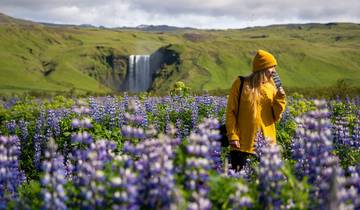
5 days
5-Day Small Group Journey Around Iceland with Premium Hotels
- ✓ Comprehensive Akureyri tour
- ✓ Expert local guides included
- ✓ All accommodation arranged
- ✓ Transportation provided
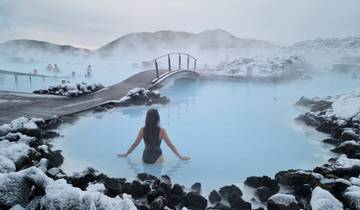
6 days
6 Day – Iceland Ring Road with Blue Lagoon Admission – Small-Group Tour
- ✓ Comprehensive Akureyri tour
- ✓ Expert local guides included
- ✓ All accommodation arranged
- ✓ Transportation provided
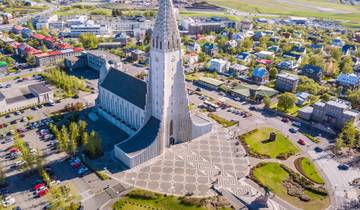
7 days
Best of Iceland
- ✓ Comprehensive Akureyri tour
- ✓ Expert local guides included
- ✓ All accommodation arranged
- ✓ Transportation provided
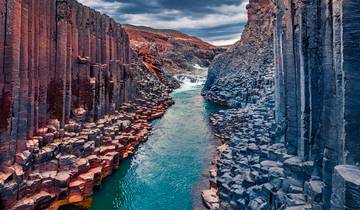
7 days
Totally Iceland – 7 days
- ✓ Comprehensive Akureyri tour
- ✓ Expert local guides included
- ✓ All accommodation arranged
- ✓ Transportation provided
Multi-day tour packages powered by TourRadar. Prices and availability subject to change.
Introduction to Akureyri Tours 2026
Akureyri stands as Iceland’s second-largest urban area with approximately 19,000 residents, yet its strategic location at the head of Eyjafjörður—Iceland’s longest fjord at 70 kilometers—positions it as the premier base for exploring North Iceland’s natural wonders. Unlike Reykjavík’s heavily trafficked Golden Circle and South Coast routes, Akureyri provides access to the Diamond Circle’s volcanic landscapes, Europe’s most powerful waterfalls, and exceptional marine wildlife viewing with significantly fewer tourists competing for views and photographs. The town serves cruise ships calling at Iceland’s northern ports, independent travelers completing the Ring Road circuit, and aurora hunters seeking optimal Northern Lights conditions within the Arctic Circle’s proximity.
The 2026 tour season in Akureyri benefits from several favorable conditions. The ongoing solar maximum phase produces heightened Northern Lights activity through winter and spring, with geomagnetic storms generating frequent aurora displays rated KP 4-7 on the planetary index. Summer 2026 brings extended midnight sun conditions from mid-May through July, enabling late-evening whale watching tours departing at 20:00-22:00 when low-angle sunlight illuminates the fjord’s mountain walls. Recent infrastructure improvements include the Forest Lagoon geothermal spa’s expansion completed in late 2025, adding three new infinity pools and enhanced facilities for post-adventure relaxation.
Tour operators in Akureyri maintain smaller group sizes compared to South Iceland equivalents, with most excursions capping at 15-19 passengers versus Reykjavík’s standard 40-50 person coaches. This scale difference translates to more personalized guiding, flexible itineraries accommodating photography stops, and reduced crowding at major attractions like Goðafoss waterfall where summer peak hours can draw hundreds of simultaneous visitors. Local guides possess intimate knowledge of weather patterns, wildlife behavior, and alternative viewing locations, enabling dynamic route adjustments that maximize experience quality despite Iceland’s notoriously unpredictable conditions.
The tour landscape encompasses five primary categories serving different interests and schedules. Marine wildlife excursions focus on Eyjafjörður’s year-round whale populations, with humpback whales showing particularly strong presence during summer feeding season. Geological and volcanic tours explore the Diamond Circle route connecting Goðafoss, Lake Mývatn’s surreal lava formations, and Dettifoss waterfall’s thundering cascade. Northern Lights expeditions operate throughout aurora season with expert hunters tracking real-time solar wind data and cloud forecasts. Geothermal spa experiences center on the Forest Lagoon’s clifftop pools overlooking the fjord. Cultural and historical tours examine Akureyri’s fishing heritage, turf house architecture at Laufás museum, and the region’s Viking settlement patterns.
Booking strategies for 2026 require understanding seasonal demand patterns. Summer cruise season from May through September brings 80+ vessel calls to Akureyri, creating intense competition for shore excursion slots on days when multiple ships dock simultaneously. Winter Northern Lights tours operate with weather-dependent schedules, with some nights producing last-minute cancellations due to cloud coverage or low aurora activity, making flexible rebooking policies essential. Most operators offer free cancellation up to 24 hours before departure, though premium small-group experiences and private tours may enforce 48-72 hour cancellation windows. Early booking secures preferred dates and times, particularly important for multi-day visitors planning coordinated itineraries across whale watching, Diamond Circle exploration, and aurora hunting during limited Akureyri stays.
Whale Watching Tour Options in Akureyri 2026
Eyjafjörður fjord’s exceptional whale watching conditions stem from its unique geography and marine ecology. The 70-kilometer fjord reaches depths of 200+ meters while maintaining relatively calm surface conditions protected by surrounding mountains, creating ideal habitat for feeding cetaceans. Cold Arctic currents carrying nutrient-rich waters meet warmer coastal flows, generating abundant plankton blooms that attract herring, capelin, and sand eels—primary food sources for baleen whales. This confluence produces year-round whale populations rather than purely seasonal migrations, enabling reliable sightings across all months with success rates exceeding 95%.
Classic whale watching tours departing from Akureyri’s Ægisgarður harbor aboard 200-passenger catamarans cost 13,990 ISK ($95) for adults and 6,995 ISK ($48) for children ages 7-15 in 2026. Check official operator websites for current official rates as pricing may vary seasonally. These 2.5-3.5 hour excursions depart daily at 09:00 and 13:00 during summer peak season (June-August), with reduced winter schedules operating 11:00 departures when daylight permits. The large catamaran vessels feature spacious outdoor viewing decks on three levels, heated indoor saloons with panoramic windows, onboard cafeterias serving hot drinks and light refreshments, and complimentary thermal overalls in sizes accommodating all body types. Experienced marine biologists provide live commentary identifying individual whales by tail fluke patterns, explaining feeding behaviors, and offering photography guidance for capturing breaching sequences.
Express RIB speedboat whale watching delivers more adventurous experiences aboard custom 12-seat rigid inflatable boats costing 24,900 ISK ($170) per person for 1.5-2.5 hour tours. The smaller craft reach whale feeding grounds 15-20 minutes faster than traditional vessels, covering wider fjord areas and enabling closer approaches to wildlife while maintaining respectful distances compliant with Icelandic whale watching regulations. RIB tours suit active travelers comfortable with moderate ocean spray, bouncing movements over wave surfaces, and outdoor exposure throughout the journey. Premium features include small group intimacy with personalized guide attention, weatherproof suits and flotation vests provided, and guaranteed window seats eliminated by the boat’s open-deck configuration where all passengers enjoy unobstructed 360-degree views.
Whale species commonly encountered in Eyjafjörður include humpback whales as the signature species, present year-round with peak numbers May through September when up to 30 individuals occupy the fjord simultaneously. Humpbacks display spectacular surface behaviors including breaching (full body leaps), tail slapping, and pectoral fin waving, creating dramatic photographic opportunities. Minke whales appear throughout summer as sleek, smaller cetaceans reaching 8-10 meters length and often approaching boats with curiosity. White-beaked dolphins travel in pods of 5-20 individuals, frequently bow-riding alongside vessels and performing acrobatic jumps. Harbor porpoises occur as the smallest cetacean at 1.5 meters, visible near the surface in calm conditions. Occasional sightings include blue whales (world’s largest animal), orcas (killer whales) hunting in family pods, and fin whales cruising through the fjord’s deep channels.
Optimal whale watching timing in 2026 aligns with seasonal patterns and daily conditions. Summer months from June through August produce the highest whale concentrations as humpbacks feed intensively before autumn migration, with morning tours at 09:00 offering calmest seas and best light angles for photography. September through November delivers fewer whales but spectacular autumn colors painting the surrounding mountains and potential Northern Lights visible during evening departures. Winter whale watching from December through March encounters hardy year-round residents in dramatic Arctic conditions with snow-covered peaks framing the fjord, though abbreviated daylight limits departure times to midday windows. Spring April-May brings increasing whale activity as summer populations begin arriving, combined with milder temperatures and lengthening days enabling varied departure schedules.
Tour operators maintaining the highest reputation include Elding Whale Watching Akureyri operating from Ægisgarður pier with their blue-certified sustainable tourism practices and professional photography services providing complimentary downloadable images from each tour. Whale Watching Akureyri represents the original operator established in 2014, offering both classic catamaran and RIB experiences with whale guarantee policies providing free return tours if no cetaceans appear during your excursion. Ambassador Whale Watching specializes in small-group departures with marine biology students serving as guides who contribute sighting data to ongoing research programs. Special Tours runs combination excursions pairing whale watching with visits to nearby attractions, maximizing value for single-day Akureyri visits.
Whale guarantee policies differ among operators but generally provide compensation if no whales or dolphins appear during your tour. Standard guarantees offer complimentary tickets valid for 2 years on the same tour type, usable in either Akureyri or the operator’s Reykjavík location if they maintain dual bases. This policy applies only to classic catamaran tours, with RIB speedboat experiences typically excluded due to their already-high success rates from covering more fjord territory. Vouchers issued for missed sightings are non-transferable and hold no cash value, requiring guests to book and complete the return tour themselves rather than receiving refunds. The 95%+ success rate means whale guarantee claims occur infrequently—perhaps 1-2 tours per month during low-activity periods.
Practical preparation enhances whale watching comfort and success. Dress in warm layers even during summer as temperatures on the water average 5-10°C (41-50°F) cooler than on land, with wind chill reducing apparent temperatures further. Bring waterproof outer layers for ocean spray protection, particularly essential on RIB speedboat tours where splashing occurs regularly. Motion sickness prevention should be considered if you’re prone to seasickness—the large catamarans provide stable platforms though some rolling occurs in moderate seas, while RIB boats bounce actively over wave surfaces. Most operators stock basic seasickness tablets, though taking preventive medication 30-60 minutes before departure proves more effective. Photography equipment requires weatherproofing, with cameras stored in protective bags between shooting opportunities to prevent salt spray damage. The tours prohibit drones due to potential wildlife disturbance, though operators increasingly provide professional photographers capturing images available for free download post-tour.
Diamond Circle & Lake Mývatn Tours from Akureyri 2026
The Diamond Circle encompasses North Iceland’s most concentrated collection of geological wonders, volcanic formations, and powerful waterfalls accessible via a 260-kilometer loop route from Akureyri. Unlike the Golden Circle’s heavily trafficked attractions near Reykjavík drawing thousands daily, the Diamond Circle receives approximately one-tenth the visitor volume, delivering authentic Icelandic landscape experiences without crowds obscuring views or limiting photography time. The circuit’s primary highlights include Goðafoss waterfall’s 12-meter horseshoe cascade, Lake Mývatn’s 2,300-year-old volcanic lake surrounded by pseudocraters and lava formations, Dettifoss waterfall generating Europe’s most powerful flow at 193 cubic meters per second, and Ásbyrgi canyon’s horseshoe-shaped glacial gorge extending 3.5 kilometers inland.
Standard Lake Mývatn and Goðafoss day tours from Akureyri cost $165-195 per person for 8-10 hour full-day excursions departing 09:00 and returning 17:00-19:00 in 2026. Check operator websites for current pricing as rates may vary seasonally. These comprehensive experiences include hotel pickup throughout Akureyri, comfortable transportation in minibuses or small coaches holding 15-19 passengers, expert local guides providing geological explanations and cultural commentary, and stops at 6-8 major attractions along the route. The itinerary begins with Goðafoss waterfall located 45 minutes east of Akureyri, where guides allocate 30-40 minutes for walking both sides of the gorge and capturing photographs from multiple viewpoints. From Goðafoss, tours continue to Lake Mývatn area attractions including Skútustaðagígar pseudocraters formed when lava flowed over wetlands creating steam explosions, Dimmuborgir lava fields featuring 2,000-year-old formations resembling dark castles with hiking trails threading through towering pillars, and Hverir geothermal area displaying bubbling mud pots, steaming fumaroles, and sulfurous vents painting the landscape in yellows and oranges.
Premium Diamond Circle tours adding Dettifoss waterfall to the standard Lake Mývatn itinerary cost $215-235 per person for extended 10-12 hour days. The additional cost reflects extra driving distance—Dettifoss lies 90 minutes northeast of Lake Mývatn along Route 862’s gravel roads requiring 4×4 vehicles during winter months. Dettifoss delivers overwhelming scale as Iceland’s most powerful waterfall and Europe’s highest-volume cascade, plunging 45 meters with an average flow of 193 cubic meters per second that generates mist visible from kilometers away and produces ground-shaking vibrations felt through observation platforms. Tours allocating 45-60 minutes at Dettifoss allow walking to both east and west canyon rims offering contrasting perspectives, with the west bank providing closer approaches to the falls’ edge while east bank viewpoints capture rainbow formations when sunlight angles correctly through the mist.
Mývatn Nature Baths represent Iceland’s northern answer to the Blue Lagoon, offering geothermal bathing in mineral-rich waters heated naturally to 38-40°C (100-104°F) and set against dramatic lava field backdrops. Entry costs 7,000 ISK ($48) for adults and is typically not included in Diamond Circle tour prices, though operators coordinate timing for optional 2-hour bathing stops when passenger interest warrants. The facility features indoor changing areas with lockers and showers, outdoor lagoon pools with varying depths and temperatures, a swim-up bar serving light refreshments, and recently added steam baths built into natural rock formations. The waters contain high concentrations of minerals and silicates but lower salt content than Blue Lagoon, creating less buoyancy though offering similar skin-softening properties. Most tours position the Nature Baths stop after visiting geothermal areas and lava fields, enabling travelers to soak while processing the day’s geological education.
Seasonal variations significantly impact Diamond Circle accessibility and experience quality. Summer tours from June through August operate on paved roads throughout the circuit, with midnight sun conditions enabling 20:00-22:00 departures for photographers seeking low-angle golden hour lighting at waterfalls and lava formations. Autumn September-October delivers spectacular color as birch and willow foliage turns golden-yellow against black lava backdrops, though increasing rain creates muddy conditions on unpaved sections and occasional road closures when flash flooding affects river crossings. Winter December-March transforms the landscape with snow and ice coverage, requiring 4×4 vehicles, studded tires, and experienced drivers familiar with winter road conditions. Some operators suspend Dettifoss visits during winter when Route 862 becomes impassable, substituting visits to alternative attractions like Aldeyjarfoss waterfall or extended time at accessible Lake Mývatn sites. Spring April-May brings unpredictable conditions with snow remaining at higher elevations while lower areas thaw, creating spectacular ice formations at waterfalls but challenging driving conditions on transitioning roads.
Cruise passenger shore excursions from Akureyri port adapt Diamond Circle tours to limited time constraints by focusing on Goðafoss and Lake Mývatn’s most accessible highlights while eliminating Dettifoss to ensure ship return guarantees. These abbreviated 5-6 hour versions cost $145-175 and depart directly from Tangabryggja or Oddeyrarbryggja cruise piers, visiting Goðafoss, Dimmuborgir lava fields, and Hverir geothermal area before returning with 45-60 minutes buffer before ship departure times. Operators specializing in cruise logistics include Imagine Iceland Travel and Saga Travel, both maintaining meeting points at the ports marked with company signs and guides wearing identifiable jackets for easy passenger location.
Packing recommendations for Diamond Circle tours emphasize layered clothing adaptable to changing conditions as the route traverses varying elevations and microclimates. Bring waterproof outer shell jacket and pants as geothermal areas generate steam creating localized moisture, and waterfall mist zones can soak clothing within minutes. Sturdy hiking boots with ankle support prove essential for walking lava fields where uneven surfaces and loose rocks create tripping hazards, while waterproof properties prevent soaked feet from puddles and shallow stream crossings. Sunglasses and sunscreen are necessary even on overcast days due to reflective glare from lakes and snow, with UV exposure at Iceland’s northern latitude exceeding expectations. Pack swimwear and towel if planning Nature Baths stops, as these items are not provided though rental is available on-site for approximately 1,500 ISK ($10).
Northern Lights Tours in Akureyri 2026
Akureyri’s position just 100 kilometers south of the Arctic Circle places it within the Northern Lights belt where aurora borealis activity reaches optimal intensity. The town’s northern latitude of 65.68°N provides extended winter darkness with nightly periods of 18-20 hours during December and January, maximizing aurora viewing windows compared to southern Iceland locations. The surrounding fjord and mountains create geographic advantages by blocking low-horizon light pollution from populated areas, while elevation variations enable guides to seek clear skies above cloud layers that might obscure auroras at sea level. The 2025-2026 winter coincides with solar maximum phase when the sun’s 11-year activity cycle peaks, producing frequent coronal mass ejections that generate strong geomagnetic storms and spectacular multi-colored aurora displays.
Standard Northern Lights tours from Akureyri cost 11,000-19,500 ISK ($75-135) for 2.5-3 hour evening excursions departing 21:00-21:30 in 2026. Check operator websites for current rates as pricing may vary. These classic hunts accommodate 8-15 passengers in minibuses or small coaches, with experienced guides monitoring real-time aurora forecasts from the Icelandic Met Office and University of Alaska aurora prediction models. Guides track Kp-index measurements indicating geomagnetic activity strength (scale 0-9, with Kp 3+ producing visible auroras at Akureyri’s latitude), cloud coverage forecasts for the region, and solar wind speed data transmitted from NASA satellites. Tours maintain flexibility to drive 20-80 kilometers from Akureyri depending on conditions, visiting locations including Ljósavatn lake (40 minutes south), Súlur mountain foothills (25 minutes west), or coastal areas along Eyjafjörður’s eastern shore where darkness is absolute.
Premium 4×4 Northern Lights expeditions cost 29,700 ISK ($205) for 2.5-3.5 hour adventures departing in modified super jeeps capable of accessing remote mountain roads and highland tracks closed to standard vehicles. The elevated cost reflects specialized equipment including professional camera tripods available for passenger use, expert photography instruction helping guests capture long-exposure aurora images with proper camera settings, and smaller group sizes of 6-8 passengers enabling more personalized attention and flexible stop duration. Super jeep tours venture to locations impossible for standard minibuses—mountain passes above tree line, highland routes crossing frozen rivers, and elevated viewpoints overlooking fjords where auroras reflect off water surfaces doubling visual impact. The vehicles feature large windows optimized for aurora viewing, heated interiors for warming breaks, and thermos service providing unlimited hot chocolate during waits for aurora activity.
Forest Lagoon and Northern Lights combination packages cost 26,800 ISK ($185) for 4.5 hour experiences blending geothermal bathing with aurora hunting. These hybrid tours begin at 19:00-19:30 with hotel pickup, followed by 1.5-2 hours soaking in the Forest Lagoon’s infinity pools overlooking Eyjafjörður while twilight transitions to darkness. The lagoon’s clifftop location 10 kilometers from Akureyri provides dark-sky conditions often allowing aurora viewing directly from the pools when activity is strong. After the bathing session, tours continue to countryside locations for dedicated aurora hunting with guides optimizing viewing based on real-time conditions. The package price includes Forest Lagoon entry (normally 7,000-8,000 ISK / $48-55 separately), transportation, and guided aurora interpretation, delivering combined value compared to booking components independently.
Aurora viewing success varies with solar activity and weather conditions, making guarantee policies important considerations. Most operators offer free retry tours if no Northern Lights appear during your scheduled excursion, with vouchers valid for the duration of your stay or next year’s visit. The guarantee typically requires that the tour actually operates—cancellations due to heavy cloud coverage, storms, or extremely low aurora forecasts do not trigger the retry policy. Operators cancel tours approximately 10-15% of winter nights when conditions show no promise, providing 4-6 hours advance notice and full refunds. On nights when tours proceed but auroras don’t appear (perhaps 20-30% of operating nights), passengers receive retry vouchers usable on subsequent bookings.
Optimal Northern Lights timing in Akureyri follows seasonal and nightly patterns. September and early October offer the season’s first aurora opportunities with milder temperatures averaging 5-10°C (41-50°F), though shorter darkness periods of 8-10 hours limit viewing windows. November through February provides peak season with longest darkness, coldest clear nights producing minimal cloud formation, and solar maximum activity generating frequent Kp 4-7 events. Late February and March deliver the season’s final viewing opportunities with increasing daylight reducing darkness to 10-12 hours nightly but milder temperatures of -2°C to 5°C (28-41°F) making outdoor waiting more comfortable. Nightly timing centers on 22:00-02:00 when geomagnetic activity typically peaks, though strong aurora events can occur anytime after sunset through pre-dawn hours.
Photography guidance enhances aurora capture success for travelers bringing cameras. Use manual mode with settings of ISO 1600-3200, aperture f/2.8 or wider if lens permits, and shutter speeds of 5-15 seconds depending on aurora movement intensity—fast-moving curtain displays require shorter exposures (5-8 seconds) while static arcs allow longer exposures (10-15 seconds) collecting more light. Tripods prove essential for sharp images during multi-second exposures, with operators increasingly providing tripods for passenger use on premium tours. Focus manually on distant stars or lights before aurora appears, as autofocus fails in darkness. Disable flash entirely as it illuminates only nearby objects while ruining night vision. Bring extra batteries as cold temperatures drain power rapidly, keeping spares warm in inner jacket pockets. Most guides offer to check camera settings and adjust as needed, drawing on thousands of nights photographing auroras in various intensities.
Dressing appropriately for Northern Lights tours proves critical for comfort during 2-3 hours outdoors in sub-zero conditions. Wear thermal base layers against skin, insulating middle layers of fleece or down, and weatherproof outer shell protecting against wind that amplifies cold perception. Bring warm hat covering ears, insulated gloves enabling camera operation (touch-screen compatible for adjusting settings), and thermal socks with waterproof boots maintaining foot warmth during stationary viewing. Neck gaiters or scarves prevent heat loss through collar gaps, and hand/toe warmers provide supplemental heat during extended waits. Some operators provide thermal suits or blankets, though relying on provided gear risks inadequate fit or quantity.
Geothermal Spa & Relaxation Tours in Akureyri 2026
The Forest Lagoon represents Iceland’s newest geothermal bathing facility, completed in 2023 with 2025 expansions adding three additional infinity pools and enhanced viewing platforms. The spa occupies a dramatic clifftop location in Vaðlaskógur forest 10 kilometers south of Akureyri, with pools overlooking Eyjafjörður’s 70-kilometer length framed by snow-capped peaks across the fjord. The setting distinguishes Forest Lagoon from other Icelandic geothermal baths—rather than barren lava fields or industrial power plant surroundings, visitors soak within birch and pine forest while observing changing light conditions across water and mountains. The facility draws geothermal water from boreholes accessing the same volcanic systems heating Lake Mývatn’s nature baths, with temperatures maintained at 38-40°C (100-104°F) across different pools enabling guests to find comfortable heat levels.
Forest Lagoon entrance tickets cost approximately $45-55 for adults in 2026 with admission including unlimited time in pools though most visitors spend 1.5-2.5 hours before heat exhaustion necessitates breaks. Children ages 12-17 receive discounted rates around $25-30, while kids under 12 enter free when accompanied by paying adults. The entry fee provides access to outdoor infinity pools with varying temperatures, indoor changing facilities with lockers and showers, towel rental (also available for separate fee if not using changing areas), and basic poolside amenities. Additional services available include in-pool bars serving beer, wine, and light refreshments, massage treatments bookable at reception desk, and private hot tub rentals for groups seeking exclusive soaking spaces. Most visitors purchase tickets online 1-3 days in advance, especially important during summer peak season when same-day entry may sell out by midday.
Transportation to Forest Lagoon requires planning as the facility lies outside Akureyri’s public transit network. Independent travelers can drive personal rental cars via Route 821 with free parking available on-site, taking approximately 15 minutes from downtown Akureyri. Taxis from central Akureyri cost 4,000-5,000 ISK ($28-35) one-way, though securing return taxi pickup requires advance arrangement as few drivers patrol the forest area. Tour packages combining Forest Lagoon entry with transportation solve logistics while often adding value through guided components. Several operators offer 3-4 hour Forest Lagoon tours from Akureyri priced $75-95 including round-trip transportation, lagoon entrance, and guide services. These shorter excursions suit travelers dedicating half-day to relaxation without aurora hunting or sightseeing components.
Combined Forest Lagoon and Northern Lights tours cost 26,800 ISK ($185) for 4.5 hour evening experiences during aurora season September through April. These packages represent Akureyri’s most popular winter tour option, blending relaxation with adventure in single booking. The experience typically begins with 19:00-19:30 hotel pickup, driving to Forest Lagoon for 1.5-2 hours of bathing as twilight transitions to darkness. During this soaking period, visitors might observe early aurora activity directly from pools when geomagnetic conditions are strong. After drying and changing, tours continue to countryside locations for dedicated Northern Lights hunting from 21:30-23:00, with guides selecting optimal viewing spots based on real-time aurora forecasts and cloud coverage. The package price includes Forest Lagoon entrance, transportation, towel use, and Northern Lights guided interpretation, offering combined value versus booking components separately which would total approximately $100-125 plus taxi costs.
Optimal Forest Lagoon visiting times align with seasonal light conditions and crowd patterns. Winter December-February delivers the most dramatic experience as darkness descends by 15:00, enabling aurora viewing from pools during evening bathing sessions. The surrounding mountains wear heavy snow coverage creating postcard scenery, while steam rising from pools against sub-zero air temperatures generates mystical atmospheres. Summer June-August offers midnight sun bathing when twilight persists until 23:00-midnight, enabling late-evening soaks under golden light illuminating the fjord. Shoulder seasons of April-May and September-November provide balanced conditions with moderate temperatures, fewer crowds than summer peak, and changing foliage (spring green or autumn gold) adding seasonal color.
Practical guidance enhances Forest Lagoon experiences. Bring swimwear as rentals are not available, though towels can be rented for approximately 1,500 ISK ($10) if needed. Use the provided changing rooms and showers before entering pools—Icelandic custom requires thorough showering without swimsuit first, with attendants monitoring compliance. Store valuables in changing room lockers rather than poolside as theft occasionally occurs in unattended areas. Stay hydrated by drinking water available from poolside stations, as prolonged heat exposure combined with high-mineral water content can cause dehydration. Limit initial soaking to 20-30 minutes before taking breaks as the heat stress is substantial, particularly for visitors unused to geothermal bathing. The facility features both deeper pools enabling swimming motions and shallower areas for sitting or lounging, with underwater benches positioned to capture optimal fjord views. Plan to spend 90 minutes minimum to justify the entry cost and transportation effort, though 2-2.5 hours represents the comfortable maximum before heat fatigue sets in.
Adventure & Activity Tours from Akureyri 2026
Beyond the primary categories of whale watching, geological touring, aurora hunting, and geothermal bathing, Akureyri serves as base for diverse adventure activities ranging from winter sports to summer hiking. The surrounding Tröllaskagi (Troll Peninsula) mountains provide year-round outdoor opportunities, while the town’s position within Iceland’s longest fjord creates unique activity options unavailable in other regions. These specialized tours cater to active travelers seeking physical challenges, adrenaline experiences, or deep wilderness immersion rather than standard sightseeing.
Snowmobiling on Icelandic glaciers and highlands operates year-round with winter December-April offering optimal snow coverage and summer June-September providing midnight sun conditions for evening departures. Tours from Akureyri access either Kerlingarfjöll mountain range (3 hours south) or Vatnajökull glacier’s northern tongues (2.5 hours east), with full-day packages costing $225-295 per person including transportation, snowmobile rental, safety equipment, and guide services. The experiences typically allocate 1.5-2 hours actual riding time across glacial plateaus and mountain passes, with stops for photographing volcanic landscapes and receiving instruction on snowmobile operation. Most tours accommodate two riders per machine (one driver, one passenger) with single-rider options available for approximately $50 premium. Minimum age requirements of 16-17 years for driving and valid driver’s licenses prove necessary, while passengers can be younger with parental consent.
Horseback riding tours explore the Icelandic countryside surrounding Akureyri on the unique Icelandic horse breed—compact, sturdy animals descended from Viking-era imports and isolated genetically for 1,000+ years. Rides range from 1-hour introductory experiences at $65-85 to full-day mountain expeditions at $185-245, with most operators located 10-30 minutes from downtown Akureyri in rural valleys providing trail access. The Icelandic horse performs five gaits including the distinctive tölt—a smooth four-beat gait enabling comfortable riding across rough terrain without the bouncing associated with trotting. Tours suit both inexperienced riders receiving gentle horses and instruction, and advanced equestrians provided spirited mounts demonstrating full gait capabilities. Summer rides cross flowering meadows and birch forests, while winter excursions navigate snow-covered landscapes with horses equipped with special shoes preventing ice slips.
Hiking and trekking options from Akureyri span difficulty levels from easy nature walks to technical mountain ascents. Popular day hikes include Súlur mountain (1213m elevation) located immediately east of town, requiring 4-6 hours round-trip with 900m elevation gain through alpine terrain reaching summit views across the entire fjord. Guided Súlur hikes cost $95-125 per person including transportation to trailhead, safety equipment, and guide services. Less demanding options include the Kjarnaskógur forest trails (30 minutes south) offering 5-15 kilometer loops through Iceland’s largest birch forest, accessible via rental car or taxi without guide necessity. Multi-day treks into the highlands like Askja caldera or Kerlingarfjöll geothermal mountains operate June-September with prices of $450-750 for 2-3 day supported journeys including camping equipment, meals, and guide services.
Fishing tours target both marine and freshwater species depending on season. Sea fishing excursions in Eyjafjörður fjord catch cod, haddock, wolffish, and halibut from charter boats departing Akureyri harbor, with 4-6 hour trips costing $165-215 per person including equipment, bait, and fish cleaning services enabling you to take catch for dinner. Freshwater fly fishing for Arctic char and brown trout operates on rivers and lakes near Akureyri with guided full-day experiences at $295-375 including transportation, equipment rental, fishing permits, and instruction for inexperienced anglers. Iceland’s fishing regulations require permits for freshwater fishing purchased in advance online or from local tackle shops, while sea fishing from charter boats includes all necessary permissions in tour price.
Winter skiing and snowboarding utilize Hlíðarfjall ski resort 10 kilometers west of Akureyri, operating December through April with 23 runs serviced by 7 lifts ascending to 1012m elevation. Day passes cost 7,900 ISK ($54) for adults with equipment rental available on-site for approximately 6,000 ISK ($41) covering skis/snowboard, boots, and poles. The resort offers spectacular views across Eyjafjörður while skiing, with runs ranging from beginner green slopes to advanced black diamond terrain featuring natural features and terrain park elements. Night skiing operates Wednesday-Friday under floodlights, creating unique experiences skiing under potential Northern Lights displays when aurora activity coincides with clear evenings. Ski school instruction costs 8,900 ISK ($61) for 2-hour group lessons or 17,900 ISK ($123) for private 1-hour sessions, with children’s programs available during peak winter holidays.
River rafting adventures run June-September on glacial rivers draining Vatnajökull and surrounding mountains, with grades ranging from Class II family-friendly floats to Class IV technical whitewater. The Vestari-Jökulsá (West Glacial River) represents the most accessible option, located 45 minutes from Akureyri with half-day rafting tours costing $125-155 per person including transportation, wetsuits, life jackets, helmets, and guide services. The river delivers 15 kilometers of continuous rapids through volcanic canyon landscapes, requiring moderate swimming ability and minimum age of 12 years. More challenging options include Austari-Jökulsá (East Glacial River) with Class III-IV rapids demanding previous rafting experience and strong swimming skills.
Cultural & Historical Tours in Akureyri 2026
Akureyri’s 150-year evolution from fishing village to Iceland’s northern capital created cultural attractions spanning folk museums, architectural heritage, botanical collections, and artistic institutions. While most visitors focus on natural wonders outside town, dedicating several hours to urban cultural exploration reveals the region’s human history and contemporary creative scene. These experiences prove particularly valuable during weather-unsuitable days for outdoor touring or as evening activities after returning from day trips.
Akureyri walking tours led by local historians cost $45-65 per person for 2-hour downtown explorations departing daily during summer season May-September. The guided walks cover approximately 2.5 kilometers on flat terrain, visiting Akureyrarkirkja church—the town’s architectural landmark designed by Guðjón Samúelsson and completed in 1940 with distinctive twin spires visible throughout the fjord. Guides explain the church’s unique features including stained glass windows rescued from England’s original Coventry Cathedral destroyed during World War II bombings, and pipe organ with 3,200 pipes producing concerts most Sunday evenings. The tour continues through historic downtown examining the Nonnahús museum—childhood home of Reverend Jón Sveinsson (Nonni), Iceland’s beloved children’s author whose books achieved international success in early 20th century. Additional stops include the old town neighborhood’s preserved wooden buildings dating to 1900s, the harbor area where fishing industry shaped regional economy, and Listagilið art alley featuring murals and sculptures by local and international artists.
Akureyri Museum (Minjasafnið á Akureyri) provides comprehensive regional history through permanent exhibitions covering settlement period (870 CE onwards), fishing and maritime heritage, and 20th-century social development. Entry costs 2,000 ISK ($14) for adults with free admission for children under 18, operating daily 10:00-17:00 June-August and reduced hours September-May. The museum occupies two connected buildings in central Akureyri—the original 1940s structure and modern 2013 addition designed for climate-controlled preservation of historical collections. Exhibits include reconstructed 19th-century home interiors showing how ordinary Icelanders lived before electrification and modern conveniences, extensive photographic archives documenting town development, and rotating special exhibitions exploring themes from women’s history to technological change.
The Akureyri Botanical Garden (Lystigarður Akureyrar) ranks among world’s northernmost botanical collections, cultivating over 7,000 plant species from Icelandic native flora and international specimens thriving in the surprisingly mild climate created by Gulf Stream influence. Admission is free with the garden accessible daily year-round from sunrise to 22:00, though optimal visiting occurs June-August when flowering peaks and gardens staff provide informal tours at 14:00 weekdays. The 3.6-hectare grounds include theme gardens showcasing Arctic-Alpine plants, traditional Icelandic medicinal herbs, and international collections from similar latitudes in Asia and Americas. The garden cafe serves lunch and refreshments 11:30-17:00 summer months, offering terrace seating overlooking flowerbeds and distant fjord views.
Laufás turf house museum located 30 kilometers north of Akureyri preserves Iceland’s traditional architecture from the 18th-19th centuries when most rural dwellers lived in turf-constructed homes providing insulation against harsh climate. The site contains multiple interconnected buildings with walls constructed from stacked turf blocks and timber frames supporting grass-covered roofs that blend into landscape. Interior rooms display period furnishings, tools, and household items illustrating pre-industrial Icelandic life. Entry costs 1,500 ISK ($10) for adults with the museum open daily 09:00-17:00 June-August only, as winter snow coverage makes access difficult. Organized tours from Akureyri combining Laufás with other attractions cost $75-95 for half-day experiences, or independent visitors can drive rental cars via Route 83 along the fjord’s eastern shore, taking 40 minutes from downtown.
Aviation Museum (Flugsafn Íslands) showcases Iceland’s aviation history from 1919 onwards, displaying vintage aircraft, engines, and equipment documenting the critical role of air transport in connecting Iceland’s isolated communities. Located 3 kilometers south of Akureyri near the domestic airport, the museum opens June-August 13:00-17:00 daily with entry costing 1,500 ISK ($10) adults. Collections include restored planes from 1930s-1960s, search and rescue helicopters, and extensive photograph archives. Aviation enthusiasts allocate 60-90 minutes exploring exhibits, while casual visitors spend 30-45 minutes viewing highlights.
Akureyri Art Museum (Listasafnið á Akureyri) occupies a purpose-built contemporary structure completed in 1993, presenting rotating exhibitions from Icelandic and international artists with focus on 20th-21st century painting, sculpture, and installation works. The museum maintains Iceland’s largest collection of Icelandic art outside Reykjavík, including significant holdings of works by Jóhannes S. Kjarval and Ásgrímur Jónsson—two of Iceland’s most celebrated painters. Entry costs 2,000 ISK ($14) for adults with opening hours 12:00-17:00 daily year-round, extended to 20:00 on Thursday evenings June-August. The museum cafe provides coffee and light meals 12:00-16:00, with terrace overlooking Akureyri center and fjord beyond.
Traditional Icelandic food tours operate 2-3 times weekly during summer season, guiding participants through local restaurants, food shops, and market stalls while sampling regional specialties. These 3-hour walking experiences cost $95-125 per person, visiting 5-6 locations to taste items including smoked lamb, dried fish, Icelandic dairy products like skyr and cheese, traditional rye bread baked using geothermal heat, and local craft beers. Guides explain Icelandic food culture evolution from survival-focused preservation methods to contemporary New Nordic cuisine movement. Tours conclude at restaurant or bar where participants can continue exploring Akureyri’s dining scene independently.
Family-Friendly Tours & Activities in Akureyri 2026
Akureyri delivers family-appropriate tour options accommodating children’s shorter attention spans, physical capabilities, and interest levels while maintaining engagement for parents. Operators increasingly design tours specifically for families rather than expecting children to endure adult-oriented experiences, with modifications including shorter durations, interactive components, and age-appropriate explanations replacing technical geological or historical lectures. The key to successful family touring in Akureyri involves matching children’s ages and temperaments to suitable activities while maintaining realistic expectations about weather, physical demands, and schedule flexibility.
Family whale watching tours operate on the same vessels as adult excursions, with the classic 2.5-3 hour catamaran experiences generally suitable for children ages 4+ who can tolerate boat motion and maintain interest during wildlife searching periods. Children ages 7-15 receive discounted tickets at 6,995 ISK ($48) compared to adult rate of 13,990 ISK ($95), while kids under 7 often travel free when accompanied by paying adults—policies vary among operators. The large stable catamarans reduce seasickness risk compared to smaller boats, while indoor heated saloons provide refuge when children tire of outdoor viewing or weather deteriorates. Onboard cafeterias selling hot chocolate, cookies, and light snacks help maintain children’s comfort and contentment during the multi-hour experience. Operators provide complimentary thermal overalls in children’s sizes, essential for warmth during extended outdoor observation periods. Parents should manage expectations by explaining that whale sightings, while highly probable, are not guaranteed, and that waiting periods of 20-40 minutes between whale encounters occur when animals remain submerged feeding.
Lake Mývatn family tours adapt the standard Diamond Circle itinerary by shortening total duration to 6-7 hours instead of 8-10, eliminating lengthy stops, and incorporating child-friendly activity elements. These modified experiences cost $125-155 per child (ages 6-15) and $165-195 per adult, operating with smaller group sizes of 8-12 total passengers enabling guides to adjust pace for families. The itinerary emphasizes visually dramatic attractions like Goðafoss waterfall where children can safely approach viewing platforms, Dimmuborgir lava formations offering scrambling opportunities on marked trails resembling giant jungle gyms, and Hverir geothermal area where bubbling mud pots and steam vents provide sensory experiences beyond passive viewing. Some operators incorporate treasure hunt elements where children search for specific rock types, bird species, or volcanic features using guides’ provided checklists, maintaining engagement during driving segments. Lunch stops favor locations with playgrounds or open spaces enabling children to release energy between vehicle confinement periods.
Myvatn Nature Baths welcomes families with children ages 3+ and provides free entry for kids under 13 when accompanied by paying adults, though parents must supervise children continuously in and around pools. The geothermal waters’ 38-40°C (100-104°F) temperature suits children better than hotter springs, though initial entry requires gradual acclimation. The facility lacks dedicated children’s areas or shallow wading pools, instead offering varying depths in main lagoon where parents can hold younger children safely. Visit duration for families typically shortens to 60-90 minutes rather than adults’ 2+ hours, as children tire of stationary soaking and request departure. Pack swimming toys or floating devices to extend children’s interest, though balls or splashing games that disturb other guests are discouraged. Changing facilities include family rooms accommodating parents assisting multiple children simultaneously.
Forest Lagoon accepts children ages 12+ only, making it unsuitable for families with younger kids. The operators enforce this age restriction to maintain peaceful atmosphere and prevent safety issues on clifftop pools lacking barriers or shallow areas. Families with children under 12 should opt for Mývatn Nature Baths instead, or arrange childcare in Akureyri while parents visit Forest Lagoon independently.
Northern Lights tours present challenges for families with young children due to late departure times (21:00-21:30), 2.5-3 hour durations extending past midnight, and cold outdoor waiting periods testing children’s patience. Most operators set minimum ages of 6-8 years for standard tours, though enforcement varies. Families with school-age children (7-12) often succeed by preparing thoroughly—ensuring children nap in afternoon, dressing in extreme-cold-weather clothing including thermal layers and hand/foot warmers, bringing high-energy snacks maintaining blood sugar during long evening hours, and setting realistic expectations that aurora viewing involves periods of waiting in darkness and cold. Some operators offer abbreviated 2-hour family Northern Lights tours departing 20:00 and returning 22:00, designed specifically for younger children with shorter attention spans. These cost $95-125 per child and $135-165 per adult, operating with reduced driving distances to viewing locations enabling earlier returns.
Akureyri Swimming Pool complex provides indoor and outdoor pools year-round at 1,000 ISK ($7) for adults and 250 ISK ($1.75) for children ages 6-17, with kids under 6 free. The facility includes multiple geothermal hot tubs at varying temperatures (38-44°C), two water slides popular with children, and 25-meter indoor swimming pool enabling exercise laps. The outdoor pools remain operational year-round including winter when steam rising into sub-zero air creates atmospheric swimming conditions. Iceland’s swimming culture requires thorough showering without swimsuit before pool entry, with attendants monitoring compliance—prepare children for this protocol to avoid conflict or embarrassment. The complex offers swimming lessons and inflatable water toy sessions on scheduled days, check facility website for current programming.
Akureyri Christmas House museum operates year-round displaying Icelandic holiday traditions and selling Christmas ornaments, decorations, and gifts. Located on Route 1 just north of town, the attraction opens 10:00-18:00 daily June-August and 13:00-17:00 September-May with free admission. Children enjoy the festive decorations, traditional Yule Lad figures from Icelandic folklore, and opportunities for parents to purchase unique ornaments. The attached cafe serves gingerbread cookies and hot chocolate, making this a pleasant 45-minute stop particularly appreciated during cold or rainy weather. Tour operators occasionally incorporate Christmas House stops into Goðafoss waterfall half-day tours, though most families visit independently via rental car requiring 10 minutes from downtown.
Booking Strategies for Akureyri Tours 2026
Effective booking approaches maximize tour availability, pricing, and experience quality while avoiding common pitfalls that create scheduling conflicts or unnecessary expenses. The Akureyri tour market operates differently than Reykjavík’s massive industry, with smaller operator networks, seasonal capacity constraints, and distinct passenger demographics requiring adapted strategies. Understanding these patterns enables travelers to secure preferred experiences at optimal prices while maintaining schedule flexibility for weather-dependent activities like Northern Lights hunting.
Early booking timelines vary by tour category and travel season. Summer whale watching tours from June through August require 2-4 weeks advance reservation for guaranteed space on preferred departure times, as cruise ship passenger shore excursions consume substantial capacity on days when multiple vessels dock simultaneously. Akureyri receives 80+ cruise calls during summer season, with some days hosting 2-3 ships totaling 6,000+ passengers competing for tour slots. Independent travelers booking 3-4 weeks ahead avoid sellouts and secure morning departure times offering calmest seas and optimal lighting. Winter Northern Lights tours allow shorter booking windows of 3-7 days advance, as weather-dependent nature makes far-advance reservations impractical—cloud forecasts only become reliable 2-3 days before dates. Diamond Circle tours to Lake Mývatn operate year-round with moderate demand, permitting 1-2 week advance bookings securing space though last-minute availability often exists except peak summer weekends.
Multi-day Akureyri visitors benefit from flexible booking strategies balancing early commitments with weather responsiveness. Book whale watching and cultural tours firm upon arrival since these operate reliably regardless of conditions. Reserve Northern Lights tours tentatively for mid-trip dates, monitoring weather forecasts and rebooking if needed to capture clear nights predicted 2-3 days ahead. Leave final night open for spontaneous aurora hunting if previous attempts encountered clouds. This approach optimizes clear-weather activity success while maintaining schedule structure.
Group size considerations impact experience quality and pricing. Tours labeled “small group” typically cap at 12-19 passengers, delivering personalized attention, flexibility for unscheduled photography stops, and easier wildlife viewing without crowd congestion obscuring views. These premium-priced tours cost 15-30% more than standard experiences but justify the premium through enhanced guide interaction and adaptability. Large group tours holding 30-50 passengers offer lower per-person pricing but sacrifice flexibility and personal attention. Private tours provide ultimate customization for families or groups traveling together, costing approximately 2.5-3 times the per-person small-group rate though allowing complete itinerary control and departure time flexibility. For parties of 4-6 travelers, private tour per-person pricing often approaches small-group rates while delivering superior experience.
Cancellation policies require careful review before booking. Most operators offer free cancellation 24 hours before departure, enabling travelers to adjust plans as weather forecasts clarify or personal circumstances change. Premium tours and private experiences may enforce 48-72 hour cancellation windows, with late cancellations triggering 50-100% charges. Northern Lights tours typically include free rescheduling options if the operator cancels due to weather, distinguishing from passenger-initiated cancellations that may incur fees. Book through operators offering generous cancellation terms when schedule uncertainty exists, even if pricing is slightly higher—the flexibility value exceeds minimal cost differences.
Price comparison across booking platforms reveals variations worth investigating. Operator direct websites often provide best pricing as they avoid third-party platform commissions of 15-25%, sometimes offering direct-booking discounts of 5-10%. Online travel agencies like Viator and GetYourGuide aggregate multiple operators enabling comparison shopping though their prices typically match or exceed operator direct rates. The third-party platforms deliver value through consolidated reviews, standardized cancellation policies, and 24/7 customer service in multiple languages. Local hotel concierges can book tours but typically add 10-15% markup over direct rates as commission for their booking services. Budget-conscious travelers should compare operator direct pricing against platform rates, while those valuing simplified booking and centralized support may prefer platform purchasing despite modest premiums.
Combination tour packages bundling multiple activities into single-day or multi-day experiences often deliver cost savings of 15-25% versus booking components separately. Popular combinations include whale watching plus Diamond Circle exploration ($245-295 for full day versus $95 + $195 = $290 booked separately), or Forest Lagoon entry with Northern Lights hunting (26,800 ISK / $185 combined versus ~$235 separate). Operators design combinations ensuring compatible timing and geographic routing, eliminating scheduling conflicts and duplicate transportation costs. The tradeoff involves reduced flexibility—combination packages operate on fixed schedules without accommodation for dawdling at favorite stops or skipping less interesting components.
Weather-dependent tour insurance provides protection against non-refundable deposits lost when conditions force cancellations or participants choose not to proceed despite tours operating in marginal weather. Several travel insurance policies offer “cancel for any reason” coverage enabling last-minute cancellations and 50-75% refunds even when operator policies would forfeit deposits. This insurance costs approximately 7-10% of tour value but delivers peace of mind for expensive multi-tour bookings. Review insurance terms carefully as many policies exclude adventure activities like snowmobiling or require 14-21 day purchase windows before travel commencement.
Peak season timing affects pricing and availability across all categories. Summer shoulder months of May and September offer optimal value—tour prices average 10-15% below June-August peak rates, while crowds thin substantially and weather remains reasonable for most activities. Wildlife viewing maintains strong success rates in shoulder months as whales are still abundant and Northern Lights season overlaps September dates. Winter shoulder periods of March-early April deliver similar benefits with milder temperatures than deep winter and lengthening daylight enabling varied departure times while aurora activity continues strong. Avoid deep winter December-January only if extremely cold-sensitive, as these months bring peak darkness for Northern Lights but also harshest weather limiting some tour operations.
Practical Planning for Akureyri Tours 2026
Successful tour experiences in Akureyri require attention to practical details beyond simply booking activities. Climate conditions, packing requirements, transportation logistics, and local services all influence tour enjoyment and success. Understanding these practical elements enables travelers to prepare appropriately, avoid common mistakes, and maximize their investment in tour experiences.
Akureyri’s climate delivers surprisingly mild conditions for its northern latitude due to Gulf Stream influence moderating temperatures and precipitation. Summer months June-August average 10-15°C (50-59°F) with occasional warm days reaching 20°C (68°F), while winter December-February averages -2°C to 2°C (28-36°F)—warmer than many assume for a sub-Arctic location. However, wind chill, marine exposure, and rapid weather changes create effective temperatures feeling significantly colder than thermometer readings suggest. Tours to higher elevations like Lake Mývatn or mountain areas encounter temperatures 5-10°C lower than Akureyri town, while boat-based activities like whale watching experience wind speeds doubling apparent cold. Pack layered clothing enabling adaptation to these micro-climate variations rather than single heavy coats limiting flexibility.
Essential packing items for Akureyri tours include waterproof outer layer jacket and pants as Iceland’s weather produces frequent light rain even during summer’s “dry” months. Bring insulated mid-layers of fleece or down providing warmth without bulk, and moisture-wicking base layers preventing sweat accumulation that accelerates heat loss. Waterproof hiking boots with ankle support prove necessary for lava field walking and uneven terrain navigation, while comfortable walking shoes suffice for urban cultural tours. Pack warm hat, gloves, and neck gaiter even during summer as wind exposure on boats or at elevation creates chill requiring head and extremity protection. Sunglasses and sunscreen are essential year-round due to intense UV reflection from water, snow, and light-colored rocks—Iceland’s northern latitude creates misleading sense that sun intensity is lower when the opposite proves true.
Camera equipment considerations span from smartphone photography to professional DSLR systems. Smartphones capture acceptable aurora and whale images though lacking telephoto capability and manual exposure control optimizing results. Compact cameras with optical zoom (10x or greater) deliver superior wildlife photography without professional equipment investment. DSLR or mirrorless cameras with fast lenses (f/2.8 or wider aperture) enable best aurora photography through long-exposure capabilities, while telephoto lenses (200-400mm) maximize whale and seabird image quality. Regardless of camera choice, bring protective cases preventing moisture damage from ocean spray, rain, and geothermal steam. Extra batteries and memory cards prove essential as cold temperatures drain power rapidly and long tour days exhaust storage capacity. Tripods optimize aurora and landscape photography though their bulk and weight create transport challenges on multi-destination days—operators increasingly provide tripods on premium Northern Lights tours eliminating the need to pack your own.
Tour departure locations vary across operators and activity types. Whale watching tours depart from Akureyri harbor at Ægisgarður pier or nearby Strandgata docks, located 5-10 minutes walking from downtown hotels. Diamond Circle bus tours offer hotel pickup throughout Akureyri center, eliminating the need to locate departure points though requiring punctuality as buses maintain fixed schedules. Northern Lights tours similarly provide hotel pickup, departing from your accommodation’s entrance. Private tours and some premium small-group experiences allow flexible pickup from your specific lodging or chosen meeting point. Cruise ship shore excursions depart from Tangabryggja or Oddeyrarbryggja cruise piers where vessels dock, with operators maintaining clearly marked booths or guides wearing company-identified clothing for easy passenger location.
Tour pickup timing requires understanding Icelandic punctuality norms which differ from some cultures. Operators specify pickup times like “09:00” meaning the vehicle departs at 09:00 sharp, not beginning pickup rounds at that hour. Guests should wait at designated pickup location 10-15 minutes before stated time, watching for marked tour vehicles. Akureyri’s compact size enables rapid pickup completion, with most tours collecting all passengers within 15-20 minutes before departing toward destinations. Late arrivals miss departures without refund, as tours cannot delay for individuals when full passenger loads are aboard and itineraries are scheduled tightly.
Food and beverage planning impacts tour comfort, particularly during full-day excursions to Lake Mývatn or extended Northern Lights hunts. Most day tours allocate 45-60 minute lunch stops at restaurants, cafeterias, or cafés along routes where meals cost 2,500-4,500 ISK ($17-31) for soups, sandwiches, or hot dishes. Bringing packed lunches from Akureyri supermarkets or hotel breakfast buffets saves money and time, reducing lunch stop duration and enabling more sightseeing. Pack high-energy snacks like nuts, dried fruit, chocolate, and energy bars maintaining blood sugar during long days, as Iceland’s remote touring routes offer limited food purchase opportunities between towns. Bring refillable water bottles as Iceland’s tap water is safe, pure, and free, eliminating the need to purchase bottled water. Coffee thermoses provide warmth and caffeine during Northern Lights waiting periods when standing outdoors in darkness and cold.
Cellular connectivity and internet access in North Iceland varies significantly by location. Akureyri town provides strong 4G/5G coverage from all major Icelandic carriers (Síminn, Vodafone, Nova), enabling normal smartphone usage for navigation, photography uploads, and communication. However, routes to Lake Mývatn, Goðafoss, and particularly Dettifoss traverse areas with intermittent or absent cellular service for extended periods. Download offline maps before departures if you might separate from tour groups or drive independently. International roaming costs can be extreme—European Union visitors enjoy roaming-free usage under EU regulations, while North American and Asian travelers should confirm rates or purchase local SIM cards providing data packages. Many tour operators offer WiFi on buses though connection quality varies and relying on it for essential communications proves risky.
Tipping guidance for Icelandic tour guides differs from North American norms where gratuities represent significant guide income portions. Icelandic wages are high and tipping is not expected or culturally embedded, though increasingly common with international tourism growth. If you received exceptional service justifying gratuity expression, 1,000-2,000 ISK ($7-14) per person for half-day tours or 2,000-4,000 ISK ($14-28) per person for full-day experiences represents appropriate amounts. Cash tips prove most practical as credit card payment systems lack built-in tip options in many cases. Never feel pressured to tip if service was merely adequate, as guides earn fair wages and won’t experience hardship from non-tipping. Superior service deserving recognition includes: exceptional wildlife spotting abilities, engaging educational commentary, flexibility accommodating passenger requests, photography assistance, and genuine enthusiasm enhancing group enjoyment beyond mechanical tour execution.
Accessibility considerations for travelers with mobility limitations require direct operator communication before booking. Most whale watching vessels accommodate wheelchairs with ramps or lifts enabling harbor-to-deck access, though rough seas and boat motion may create safety challenges for individuals with balance issues. Diamond Circle bus tours navigate easily for passengers who can climb coach stairs using handrails, but stopping points at Goðafoss, Dimmuborgir, and Hverir involve uneven ground, stairs, and gravel paths unsuitable for wheelchairs or walkers. Some operators offer adapted Lake Mývatn tours with viewpoint-focused itineraries minimizing walking distances, visiting only wheelchair-accessible locations. Northern Lights tours require extended outdoor standing in darkness and cold, presenting challenges for individuals with temperature regulation issues or fatigue conditions. Operators can arrange special accommodations like heated vehicle waiting areas and seated viewing opportunities when notified in advance of specific needs.
Sample Akureyri Tour Itineraries 2026
Effective multi-day Akureyri visit planning involves balancing diverse tour experiences while accounting for weather dependencies, energy levels, and schedule flexibility. These sample itineraries demonstrate how to combine whale watching, geological touring, Northern Lights hunting, and cultural exploration into cohesive plans maximizing experience quality and value. Costs shown represent per-person rates for two travelers sharing accommodations and tours.
Three-Day Akureyri Adventure Itinerary
Day 1 – Arrival and Whale Watching: Arrive Akureyri midday via domestic flight from Reykjavík or drive completion if traveling Ring Road circuit. Check into mid-range hotel in town center. Afternoon 13:00 classic whale watching tour aboard catamaran, experiencing Eyjafjörður’s humpback whales and marine birds during 3-hour excursion. Return 16:00, evening free to explore downtown Akureyri, visiting Akureyrarkirkja church and harbor area. Dinner at local restaurant sampling Icelandic fish and lamb. Early rest preparing for full-day tour tomorrow.
Day 2 – Diamond Circle Exploration: 09:00 departure for comprehensive Lake Mývatn and Goðafoss tour. Visit Goðafoss waterfall with 40-minute photography stop, continue to Lake Mývatn viewing Skútustaðagígar pseudocraters and Dimmuborgir lava formations. Lunch 12:30 at Mývatn area café. Afternoon exploration of Hverir geothermal area with bubbling mud pots and steam vents, plus optional 90-minute bathing session at Mývatn Nature Baths. Return Akureyri 18:00-19:00. Light evening meal, rest before Northern Lights tour.
Day 3 – Northern Lights and Departure: Relaxed morning sleeping late after previous night’s Northern Lights hunt. Late morning visit to Akureyri Botanical Garden and Listagil art alley. Lunch downtown. Afternoon departure preparation or optional visit to Aviation Museum if flight timing allows. Evening flight Reykjavík or continue Ring Road journey to next destination.
Three-Day Budget Breakdown:
- Accommodation: 30,000 ISK ($205) per night × 2 nights = 60,000 ISK ($410) for mid-range hotel double room
- Whale watching: 13,990 ISK ($95)
- Lake Mývatn day tour: $185
- Mývatn Nature Baths optional entry: 7,000 ISK ($48)
- Northern Lights tour: 19,500 ISK ($135)
- Meals: approximately 12,000 ISK ($82) daily × 3 days = 36,000 ISK ($246)
- Museum admissions and incidentals: 5,000 ISK ($34)
Total three-day cost per person: approximately $1,155 excluding flights and alcohol. This mid-range budget provides comfortable accommodation, all major tour experiences, and quality meals while avoiding luxury expenses.
Five-Day Comprehensive Akureyri Itinerary
Day 1 – Arrival and City Orientation: Arrive morning, check into hotel. Walking tour of downtown Akureyri visiting Akureyrarkirkja, Hof cultural center, and old town wooden buildings. Lunch at local café. Afternoon free for Akureyri Museum and shopping. Evening meal and early rest.
Day 2 – Whale Watching and Culture: Morning 09:00 premium RIB speedboat whale watching, experiencing closer whale encounters and faster fjord transit during 2-hour adventure. Return 11:30. Light lunch. Afternoon visit to Akureyri Botanical Garden and Art Museum. Evening food tour sampling traditional Icelandic cuisine across multiple restaurants and specialty shops.
Day 3 – Full Diamond Circle: Extended Diamond Circle tour including Goðafoss, complete Lake Mývatn exploration with Dimmuborgir and Hverir, plus Dettifoss waterfall. Lunch at Mývatn. Full day 09:00-19:00. Evening relaxation and dinner.
Day 4 – Forest Lagoon and Northern Lights: Leisurely morning, optional visit to Laufás turf house museum. Afternoon rest preparing for evening. 19:30 combination Forest Lagoon and Northern Lights tour, soaking in geothermal pools followed by aurora hunting. Return approximately 00:30.
Day 5 – Adventure Activity and Departure: Morning horseback riding tour through countryside, 2-hour ride experiencing Icelandic horse tölt gait. Return early afternoon. Light lunch, pack, and depart Akureyri.
Five-Day Budget Breakdown:
- Accommodation: 30,000 ISK ($205) per night × 4 nights = 120,000 ISK ($820)
- Walking tour: $55
- RIB whale watching: 24,900 ISK ($170)
- Akureyri Museum: 2,000 ISK ($14)
- Art Museum: 2,000 ISK ($14)
- Food tour: $115
- Extended Diamond Circle tour: $225
- Forest Lagoon + Northern Lights: 26,800 ISK ($185)
- Horseback riding: $85
- Meals: 12,000 ISK ($82) daily × 5 days = 60,000 ISK ($410)
- Incidentals: 8,000 ISK ($55)
Total five-day cost per person: approximately $2,150 excluding flights. This comprehensive itinerary balances active touring with cultural experiences and relaxation, suitable for travelers seeking thorough North Iceland exploration.
Cruise Ship Shore Excursion One-Day Itinerary
08:00 – Ship Docks Akureyri: Vessel arrives Tangabryggja pier, passengers disembark after breakfast.
08:30 – Lake Mývatn Shore Excursion Departure: Meet tour operator at pier, board coach for Diamond Circle highlights tour designed for cruise schedule. Drive to Goðafoss waterfall (45 minutes).
09:30-10:10 – Goðafoss Waterfall: Explore waterfall from both viewpoints, photography opportunities.
10:10-11:00 – Drive to Lake Mývatn: Transit through fjord and highland landscapes.
11:00-11:30 – Skútustaðagígar Pseudocraters: Walk among volcanic formations, guide explanations.
11:30-12:15 – Dimmuborgir Lava Fields: Explore “Dark Castles” with trails through lava pillars.
12:15-13:00 – Lunch Stop: Restaurant or café meal at Mývatn village.
13:00-13:30 – Hverir Geothermal Area: View bubbling mud pots, steam vents, sulfur deposits.
13:30-15:00 – Return Drive to Akureyri: Transit back to port with comfort stops.
15:00-16:30 – Free Time in Akureyri: Independent exploration of downtown, shopping, coffee.
16:30 – Return to Ship: Passengers board before 17:00 all-aboard time. 18:00 departure.
One-Day Cruise Shore Excursion Cost: $175-195 per person for Lake Mývatn tour including ship return guarantee, plus lunch approximately $25-30, souvenirs and coffee $20-40. Total approximately $220-265 per person for comprehensive shore experience.
Safety and Responsible Tourism in Akureyri 2026
Safe and responsible tour participation in Iceland requires understanding natural hazards, environmental protection principles, and cultural norms that differ from travelers’ home countries. North Iceland’s dramatic landscapes and powerful natural forces demand respect and caution, while delicate ecosystems need protection from tourism impacts. Following established safety protocols and responsible practices ensures both personal well-being and preservation of resources enabling future visitors to enjoy equivalent experiences.
Weather hazards in Akureyri and surrounding areas include sudden changes where conditions shift from calm to stormy within 15-30 minutes, particularly during shoulder seasons when multiple weather systems interact. Wind speeds can increase from light breeze to 60+ km/h gusts rapidly, creating dangerous conditions for activities on water or exposed highlands. Temperature drops accompanying weather changes require layered clothing enabling rapid adaptation. Monitor weather forecasts from the Icelandic Met Office (en.vedur.is) providing detailed regional predictions updated every 3 hours. Tour operators track weather continuously and cancel departures when conditions exceed safety thresholds, though tours proceeding may still encounter challenging weather requiring mental preparation and appropriate gear.
Ocean and marine safety considerations apply primarily to whale watching excursions. Even stable catamaran vessels experience wave motion causing seasickness in susceptible individuals—take preventive medication 30-60 minutes before departure if prone to motion sickness. Follow crew instructions about moving around vessels, as wet decks become slippery and railings prove essential for maintaining balance. Never lean over railings attempting to touch whales if they approach closely, as marine mammals are wild animals capable of unpredictable movements despite generally calm behavior. Children require constant adult supervision on boat decks, as gaps in railings can accommodate small bodies. Life jackets are aboard all vessels though not typically worn unless emergency situations develop—crew will direct their use if needed.
Volcanic and geothermal area hazards require serious attention at sites like Hverir and Mývatn Nature Baths. Geothermal water and steam can exceed 100°C (212°F), causing severe burns on contact. Stay on marked trails and boardwalks, never stepping onto white or yellow mineral deposits indicating thin crusts over boiling water or steam vents. Supervise children constantly as their natural curiosity may lead them toward hazards. The sulfurous gases at geothermal areas smell unpleasant and can irritate respiratory systems—individuals with asthma or lung conditions should minimize exposure by limiting time in active venting zones. Pools at Nature Baths and Forest Lagoon maintain safe 38-40°C temperatures through mixing systems, though some areas may run hotter—test water before full immersion and exit immediately if dizziness or excessive heat sensation occurs.
Hiking and walking hazards on lava fields and waterfall areas include uneven surfaces with loose rocks creating twisted ankle risks. Wear appropriate footwear with ankle support and aggressive tread, avoiding running shoes or fashion footwear lacking proper grip. Lava field trails often cross sharp a’a lava that cuts skin on falls—keep hands in gloves when using lava rocks for balance. Waterfall observation platforms can be slippery from mist accumulation—approach edges cautiously and maintain secure footing. Iceland’s “no barriers” philosophy means many spectacular viewpoints lack railings found at equivalent sites elsewhere—exercise personal responsibility for safety rather than assuming protection from environmental design.
Environmental protection practices preserve Iceland’s vulnerable ecosystems for future generations. Stay on established trails in all natural areas, as stepping onto moss or vegetation creates damage requiring decades for regeneration in Iceland’s short growing season. Never remove rocks, plants, or natural souvenirs from any location—geological features and flora are protected by law with substantial fines for violations. Dispose of all trash in provided receptacles or carry it out if bins are unavailable. Iceland’s “leave no trace” principle extends to human waste in remote areas lacking facilities—some tour routes provide portable toilets, but when unavailable, use proper backcountry sanitation practices burying waste at least 200 meters from water sources. Do not feed wildlife including birds, as human food disrupts natural behaviors and can cause health problems. Maintain respectful distances from all animals, particularly nesting seabirds where human proximity can cause nest abandonment.
Whale watching ethical guidelines in Icelandic waters follow IceWhale code of conduct, requiring boats to maintain minimum distances of 50 meters from whales during normal viewing and 200+ meters from mother-calf pairs. Vessels cannot chase whales or position themselves directly in their path, instead allowing whales to approach if curious. Sound levels must be minimized near cetaceans, as engine noise and passenger voices can disturb feeding or resting behaviors. Reputable operators certified by Whale Watching Iceland follow these protocols strictly—booking with certified operators ensures responsible wildlife viewing. If you observe operators violating guidelines during tours, report incidents to IceWhale (icewhale.is) which maintains oversight of Iceland’s whale watching industry.
Cultural respect guidelines help visitors interact appropriately with Icelandic communities. Photography of private property and individuals requires permission—ask before photographing people even in public spaces, and avoid photographing through home windows or entering private land for photo access. Respect “private property” and “no trespassing” signs even when no barriers physically prevent access, as Iceland’s tradition of open landscape access has limits excluding marked private zones. Address Icelanders by first name as standard practice, as surnames in Iceland are patronymic (derived from father’s name) rather than family names passed generationally. If invited into homes, remove shoes at entrance following Icelandic custom preventing outdoor dirt from tracking through living spaces.
Sustainable tourism choices support North Iceland’s economy while minimizing negative impacts. Book with small local operators based in Akureyri rather than international corporations, ensuring tourism revenue benefits community members. Choose accommodations with environmental certifications demonstrating energy efficiency, waste reduction, and sustainable operations. Eat at restaurants sourcing ingredients locally from North Iceland farms and fisheries rather than chains importing food from abroad. Purchase souvenirs from Icelandic artisans and craftspeople rather than mass-produced imports marked “Made in China.” Support businesses participating in Vakinn sustainable tourism certification program (vakinn.is), Iceland’s official quality and environmental standard for tourism operators.
Frequently Asked Questions About Akureyri Tours 2026
What is the best month to visit Akureyri for tours in 2026?
June through August offers optimal conditions for most Akureyri tours, combining midnight sun illumination, warmest temperatures averaging 10-15°C (50-59°F), accessible roads to all attractions including Dettifoss, peak whale feeding activity in Eyjafjörður, and full operational schedules for all tour categories. However, these summer months bring highest visitor numbers and premium pricing. September and May provide excellent shoulder-season alternatives with 15-20% lower tour costs, fewer crowds at attractions, spectacular autumn colors or spring awakening, and Northern Lights season beginning or ending respectively. Winter December-February suits travelers prioritizing aurora viewing in peak season darkness and experiencing Arctic winter landscapes, though cold temperatures averaging -2°C to 2°C (28-36°F) and limited daylight restrict some tour operations. The single best month balancing all factors is September—Northern Lights appear, whales remain abundant, autumn colors peak, crowds thin, yet weather remains relatively mild with most roads still accessible.
How many days should I spend in Akureyri for tours?
Three days in Akureyri enables experiencing the primary tour categories of whale watching, Diamond Circle geological exploration, and Northern Lights hunting while including urban cultural attractions and maintaining reasonable pace without exhaustion. This duration suits most travelers seeking comprehensive North Iceland exposure. Two-day visits work for focused agendas prioritizing either marine wildlife or volcanic landscapes, plus aurora viewing if winter season coincides. Five-day stays accommodate deeper exploration adding adventure activities like horseback riding or snowmobiling, visiting multiple geothermal spas, pursuing photography extensively, and building weather buffers for contingencies. Cruise passengers typically experience Akureyri in single 8-12 hour port calls optimized through shore excursions combining top highlights. Independent travelers should base Akureyri duration on overall Iceland itinerary positioning—those completing full Ring Road circuits might allocate 2-3 days here, while visitors focusing exclusively on North Iceland could justify 4-5 days thoroughly exploring the region.
Are Akureyri tours expensive compared to other Iceland destinations?
Akureyri tour pricing generally matches or slightly undercuts Reykjavík rates for equivalent experiences, with whale watching costing 13,990-24,900 ISK ($95-170) versus Reykjavík’s 10,990-32,000 ISK ($75-220) range reflecting similar services at comparable prices. Diamond Circle tours from Akureyri cost $165-235 versus Golden Circle tours from Reykjavík at $95-155, though the Diamond Circle’s greater distances, longer duration, and fewer operators justify the premium. Northern Lights tours show parity at 11,000-29,700 ISK ($75-205) in Akureyri versus 10,000-28,000 ISK ($70-195) in Reykjavík. The primary cost advantage in Akureyri stems from smaller group sizes delivering superior quality at similar pricing—you get more personalized experiences for equivalent money. Accommodation and dining in Akureyri run 20-30% cheaper than Reykjavík, with mid-range hotels at 25,000-35,000 ISK ($170-240) per night versus Reykjavík’s 35,000-50,000 ISK ($240-345), partially offsetting any tour cost differences.
Can I see Northern Lights from Akureyri town or do I need a tour?
Strong Northern Lights displays (Kp 4 or higher) become visible from Akureyri town itself when viewing from darker areas like the botanical garden, harbor periphery, or hillside residential neighborhoods away from downtown commercial lighting. However, tour-based aurora hunting delivers substantially higher success rates by traveling 20-80 kilometers to locations with zero light pollution, positioning under clearer sky sections when town experiences partial cloud coverage, and benefiting from guides’ expertise recognizing subtle aurora indicators and optimal viewing directions. The mobility advantage proves decisive—if clouds cover Akureyri but forecasts show clear skies 40 kilometers south near Ljósavatn lake, independent observers stuck in town miss the aurora while tour groups relocate successfully. Additionally, camera tripods, photography instruction, and aurora science education provided on tours enhance experiences beyond simple viewing. Budget travelers can gamble on town-based viewing saving tour costs, accepting substantially reduced success probability compared to guided hunts.
What is the whale watching success rate in Akureyri?
Whale watching success rates from Akureyri exceed 95% year-round based on operator data tracking sighting frequency across thousands of departures. This exceptional reliability stems from Eyjafjörður’s resident humpback whale population that maintains year-round fjord presence rather than purely seasonal migration, plus abundant food sources attracting minke whales and white-beaked dolphins consistently. Summer June-August produces highest sighting rates approaching 98-99% as up to 30 individual humpbacks occupy the fjord simultaneously feeding intensively before autumn migration. Winter months see slight decline to 90-94% success as some whales migrate while hardy individuals remain—still excellent rates compared to most global whale watching destinations. Operators track individual whales by tail fluke patterns, maintaining databases enabling guides to locate known individuals based on recent sighting reports from other boats. The whale guarantee policies offering free retry tours if no cetaceans appear validate the high success claims, as operators would suffer financially if guarantee claims were frequent rather than rare exceptions.
Do I need to book Akureyri tours in advance or can I arrange on arrival?
Summer months June-August require advance booking 2-4 weeks before travel for guaranteed space on preferred tours, particularly whale watching and Diamond Circle excursions when cruise ship shore excursion demand consumes substantial capacity. Days hosting multiple cruise ship calls can see complete sellouts of popular tours, leaving walk-up travelers without options. Winter Northern Lights tours allow more flexibility with 3-7 day advance bookings typically securing space, though booking upon arrival works approximately 60-70% of the time outside peak Christmas and New Year’s periods. The booking approach should match your tolerance for uncertainty—travelers requiring absolute confirmation of specific tours should book weeks ahead, while flexible visitors comfortable with backup plans can wait until arrival potentially capturing last-minute deals of 10-15% discounts when operators have vacant seats. Online booking platforms like operator direct websites and Viator enable reservations from home, while Akureyri hotels can arrange tours upon arrival though typically adding 10-15% markup as booking commission.
Are Akureyri tours suitable for children and what are the age restrictions?
Most Akureyri tours accommodate children ages 6+ with varying age-specific restrictions and suitability considerations. Whale watching tours welcome children ages 4+ who can tolerate 2.5-3 hour boat durations and minor wave motion, with children 7-15 receiving discounted tickets at approximately 50% off adult rates. Diamond Circle bus tours suit children 5+ capable of extended sitting during 8-10 hour days, though operators design family-adapted versions shortening duration to 6-7 hours and incorporating child-engagement elements. Northern Lights tours typically set minimum ages of 6-8 years due to late departure times (21:00), cold outdoor waiting periods, and extended durations testing young children’s patience—success requires realistic parental expectations and thorough preparation including afternoon naps, extreme-cold clothing, and high-energy snacks. Mývatn Nature Baths welcomes children ages 3+ with free admission for kids under 13 when accompanied by paying adults, while Forest Lagoon enforces 12+ age minimum excluding families with younger children. Horseback riding operators typically accept children 8+ for trail rides with height and weight restrictions varying by stable. When booking family tours, communicate children’s ages to operators verifying suitability and learning about modifications accommodating young participants.
What should I do if my Northern Lights tour gets canceled due to weather?
Northern Lights tour cancellations due to heavy cloud coverage, storms, or extremely low aurora forecasts occur approximately 10-15% of winter nights, with operators providing 4-6 hours advance notice via email, text message, or phone call. Upon cancellation notification, immediately receive automatic full refund processing within 3-5 business days to original payment method, or operators may offer rebooking to alternative dates during your stay at no additional charge. If your Akureyri visit spans multiple nights, rebook for the next clearest-forecast evening, as aurora conditions vary substantially night-to-night and yesterday’s clouds don’t predict tomorrow’s weather. Single-night visitors should accept the refund philosophically, recognizing that nature operates independently of human schedules and forced tours in hopeless conditions deliver poor experiences wasting time better spent on alternate activities. Some operators offer “chase” policies where if forecasts show clear skies 2-3 hours away, tours proceed despite local Akureyri clouds, driving to optimal viewing locations—confirm operator policies on these extended-range chases when booking. The cancellation represents operator honesty about conditions rather than service failure, as proceeding with tours having zero aurora probability generates customer dissatisfaction and negative reviews damaging long-term business reputation.
Can I combine Akureyri tours with other North Iceland destinations?
Akureyri serves as optimal base for exploring broader North Iceland through multi-day itineraries or day trip extensions to nearby destinations. Húsavík (90 minutes north) ranks as Europe’s whale watching capital with additional puffin viewing during summer nesting season, accessible via rental car or organized tours from Akureyri at $145-185. Grímsey Island (40 kilometers north, accessible by ferry or flight) crosses the Arctic Circle and hosts massive seabird colonies including puffins, accessible as full-day excursions from Akureyri at $195-245. Siglufjörður (75 minutes west) presents beautifully preserved fishing village with herring museum and dramatic mountain scenery, suitable for independent half-day drives. The Tröllaskagi peninsula offers numerous small fishing villages, dramatic coastal roads, and mountain passes accessible via rental car creating scenic drives connecting Akureyri to western destinations. Multi-day tours combine Akureyri with these extended destinations plus potential ventures into highlands during summer when F-roads open, creating comprehensive North Iceland experiences over 4-7 days. Most travelers base in Akureyri for 3 nights, taking day trips outward and returning each evening, versus hotel-hopping approaches requiring constant packing and checkout/check-in logistics.
What is the difference between Lake Mývatn tours and Diamond Circle tours?
Lake Mývatn tours focus specifically on attractions within the Lake Mývatn area—the lake itself, Dimmuborgir lava formations, Hverir geothermal area, Grjótagjá cave, Skútustaðagígar pseudocraters, and typically Goðafoss waterfall en route. These tours cost $165-195 and last 8-10 hours, allocating maximum time at the concentrated volcanic features surrounding Mývatn while minimizing driving. Diamond Circle tours cover the broader 260-kilometer loop encompassing Lake Mývatn attractions plus Dettifoss waterfall, Ásbyrgi canyon, and sometimes Húsavík town, creating more comprehensive geological touring. Premium Diamond Circle experiences cost $215-235 and extend to 10-12 hours due to additional driving and stops. The distinction often confuses travelers as operators use terms inconsistently—some label standard Lake Mývatn itineraries as “Diamond Circle” while others reserve that term exclusively for comprehensive loops including Dettifoss. When booking, verify specific attractions included rather than relying on tour names, asking explicitly whether Dettifoss is part of the itinerary if that waterfall is priority for you. For most first-time visitors, standard Lake Mývatn tours provide sufficient exposure to North Iceland’s volcanic landscapes without the extended commitment and higher cost of full Diamond Circle exploration.