
Hvar Travel Tips 2026: Essential Planning & Practical Advice
Hvar stands as Croatia’s sunniest island and one of the Adriatic’s most sophisticated destinations, combining 2,724 hours of annual sunshine with lavender-scented hillsides, medieval architecture, and crystalline waters. Whether you’re planning a luxury escape to beach clubs and boutique hotels or seeking budget-conscious island exploration, understanding Hvar’s practical realities—from ferry logistics to seasonal pricing patterns—transforms ambitions into executable plans for an exceptional 2026 Mediterranean experience.
Key Takeaways
- Ferry Access is Essential: Hvar has no airport; catamaran services from Split (€6-25, 1 hour) and Dubrovnik (€23+, 3.5 hours) run 10+ daily in summer, decreasing to 2 daily in winter, requiring advance booking during peak season June-September
- Seasonal Pricing Varies Dramatically: Accommodation costs shift 200-300% between seasons—budget rooms €40-70 nightly in shoulder season versus €100-150+ in July-August, with similar fluctuations in restaurant prices and activity availability
- Budget Planning Ranges €60-300+ Daily: Budget travelers manage €60-90 daily excluding accommodation through self-catering and off-season travel; mid-range visitors spend €120-180 daily; luxury experiences require €250-400+ with fine dining and premium accommodations
- Dual Destination Strategy Works Best: Hvar Town delivers nightlife, dining, and cultural attractions while Stari Grad, Jelsa, and south coast villages offer authentic experiences at 20-30% lower costs with superior swimming coves and local character
- Advance Booking is Non-Negotiable in 2026: Peak season (July-August) requires 2-3 months advance booking for ferries, accommodations, and popular restaurant reservations; shoulder season (May-June, September) offers flexibility with 2-4 weeks notice
- Cash Remains Necessary Despite Euro Adoption: While Croatia adopted the euro in 2023, many cafes, bakeries, beach clubs, and smaller establishments remain cash-only; plan for 30-40% cash coverage alongside card usage
People Also Ask About Hvar Travel 2026
How Much Does a Trip to Hvar Cost in 2026?
A trip to Hvar costs €60-400+ per person daily in 2026 depending on travel style and season. Budget travelers spending €60-90 daily combine hostel accommodations (€25-40 nightly), self-catered meals (€20-30 daily), and free beach activities with occasional restaurant meals. Mid-range visitors allocating €120-180 daily stay in comfortable hotels (€100-140 nightly), dine at local konobas for lunch and dinner (€40-60 daily), and enjoy moderate activities like boat tours. Luxury travelers spending €250-400+ daily book boutique hotels or heritage properties (€200-470 nightly), frequent fine dining establishments (€100-150 daily for two meals), and pursue premium experiences including private boat charters and beach club memberships. These ranges exclude transportation to Croatia but include inter-island ferry costs. Shoulder season visits (May-June, September-October) reduce these costs by 20-30%, while peak July-August prices represent the upper range. Weekly totals excluding international flights: budget €420-630, mid-range €840-1,260, luxury €1,750-2,800.
What is the Best Month to Visit Hvar in 2026?
June and September represent the optimal months to visit Hvar in 2026, balancing excellent weather, manageable crowds, and reasonable pricing. June delivers 25-28°C temperatures, 10+ hours daily sunshine, warm swimming conditions (21-23°C sea temperature), and shoulder-season accommodation rates 20-30% below July-August peaks while maintaining full ferry schedules and restaurant operations. September extends the season with 23-26°C air temperatures, 24-25°C sea temperatures (warmest of the year), fewer crowds as families return home, and harvest season bringing wine festivals and authentic cultural experiences. May offers similar advantages with slightly cooler conditions (20-23°C air, 18-20°C water) and lowest shoulder-season prices but limited nightlife. July-August guarantee maximum sunshine and vibrant atmosphere but deliver crushing crowds, premium pricing, and ferry/accommodation booking challenges requiring 2-3 months advance planning. October provides budget opportunities (30-40% below summer) with pleasant 20-22°C days but reduced ferry schedules (2-3 daily) and many seasonal establishments closing after mid-October.
Do I Need a Car in Hvar in 2026?
You do not need a car in Hvar Town or for single-location stays, but a car significantly enhances multi-location island exploration and access to remote beaches in 2026. Hvar Town’s compact historic center (750 meters waterfront to fortress) works entirely on foot, with all accommodations, restaurants, and attractions within 15 minutes walking. Public buses connect Hvar Town to Stari Grad (25 minutes, €5), Jelsa (45 minutes, €7), and smaller villages with 6-12 daily services in summer, reducing to 3-4 daily in shoulder season. However, a rental car unlocks south coast beaches (Zavala, Ivan Dolac), interior villages (Brusje for lavender fields), and flexibility for restaurant exploration beyond tourist zones. Car ferries from Split to Stari Grad cost €45.77+ for vehicles under 5 meters plus €8.10 per passenger (versus €6-25 catamaran-only), requiring 1-2 hours pre-departure arrival in summer. Rental scooters (€35-50 daily) offer middle-ground mobility for couples without luggage. Taxis operate but charge premium rates (€30-50 Stari Grad to Hvar Town). Best strategy: car-free Hvar Town base with 1-2 day rental or scooter for island exploration, or Stari Grad base with car for full-island access.
Is Hvar Expensive Compared to Other Croatian Islands in 2026?
Hvar ranks as Croatia’s most expensive island alongside Brač and significantly exceeds costs on Vis, Korčula, and Mljet by 25-40% across accommodations, dining, and activities in 2026. Mid-range Hvar Town hotel rooms average €120-180 nightly in peak season versus €80-120 for equivalent quality on Korčula or Vis. Restaurant meals in Hvar’s waterfront zone cost €18-25 for mains compared to €12-18 on less-touristed islands, with cocktails at beach clubs reaching €12-15 versus €8-10 elsewhere. These premiums reflect Hvar’s international reputation, celebrity visitors, and concentrated tourism in Hvar Town specifically. However, strategic planning mitigates costs: staying in Stari Grad, Jelsa, or Vrboska reduces accommodation 20-30%; dining away from Hvar Town waterfront saves 25-35%; visiting in June or September lowers all categories 20-30%. Budget comparison for 3-night mid-range stay: Hvar Town €600-900 total, Stari Grad €450-650, Korčula €400-550, Vis €380-520. Hvar’s lavender fields, sophisticated dining scene, superior beach clubs, and UNESCO-listed Stari Grad Plain justify premiums for travelers prioritizing ambiance and quality, while budget-conscious visitors find better value on alternative islands.
Extended multi-day tours – 5+ days
Featured Croatian Islands Multi-Day Tour Packages
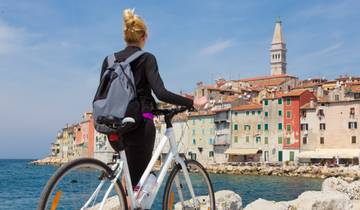
8 days
Cycle the Dalmatian Coast
- ✓ Comprehensive Croatian Islands tour
- ✓ Expert local guides included
- ✓ All accommodation arranged
- ✓ Transportation provided

8 days
Croatia Explorer Deluxe Cruise Dubrovnik -Trogir
- ✓ Comprehensive Croatian Islands tour
- ✓ Expert local guides included
- ✓ All accommodation arranged
- ✓ Transportation provided
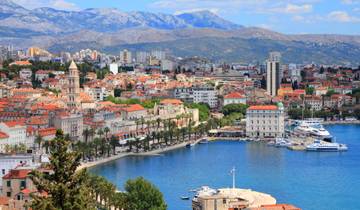
8 days
Bike Cruise Dalmatia South Traditional Ensuite
- ✓ Comprehensive Croatian Islands tour
- ✓ Expert local guides included
- ✓ All accommodation arranged
- ✓ Transportation provided
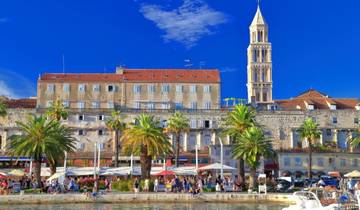
8 days
Dalmatian Highlights Split and Dubrovnik Region Cruise (Standard Boat Category)
- ✓ Booking needs min. 2 travelers
Multi-day tour packages powered by TourRadar. Prices and availability subject to change.
Introduction to Planning Your Hvar Experience in 2026
Hvar’s transformation from sleepy agricultural island to Adriatic hotspot accelerated over two decades, positioning this 68-kilometer Croatian gem as the Mediterranean’s answer to Ibiza—minus the excess, plus UNESCO heritage and authenticity. The island’s 11,000 permanent residents swell to 50,000+ daily visitors during July-August peaks, creating stark contrasts between sophisticated Hvar Town’s yacht-filled harbor and lavender-scented interior villages where time moves at harvest pace. Understanding these dual personalities, seasonal rhythms, and practical logistics separates smooth Mediterranean experiences from logistical frustrations.
The 2026 travel landscape brings both opportunities and challenges. Croatia’s 2023 euro adoption eliminated currency exchange complexity but triggered 10-15% price increases across tourism services through 2024-2025, stabilizing into new normal pricing for 2026. Ferry operators expanded catamaran services on Split-Hvar routes, improving peak season capacity while maintaining winter reductions that challenge off-season travelers. Digital nomad visa introduction and strengthened Schengen membership increased Hvar’s appeal to extended-stay visitors, tightening accommodation availability in shoulder seasons previously dominated by short-stay tourists.
This comprehensive guide addresses every practical consideration for 2026 Hvar travel: transportation logistics from mainland arrival through island mobility, accommodation strategies balancing location against budget, dining approaches spanning konoba authenticity to fine dining excellence, activity planning from beach club days to UNESCO site exploration, and budget frameworks across traveler categories. The information draws from current 2025-2026 pricing, operational schedules, and booking patterns to deliver actionable planning intelligence.
Hvar rewards preparation. Ferry schedules dictate arrival possibilities. Accommodation zones determine daily experiences. Seasonal timing affects not just weather but restaurant operations, crowd levels, and pricing structures. Beach access varies from town walkability to car necessity. The following sections provide decision frameworks and specific data points enabling confident 2026 planning, whether you’re orchestrating a long weekend escape, multi-island Adriatic exploration, or extended Croatian summer immersion.
Understanding Hvar’s Geography and Settlement Patterns for 2026 Planning
Hvar spans 68 kilometers east-west with maximum 10-kilometer width, creating diverse microclimates and settlement characters across its 297 square kilometers. The island’s topography rises to 628-meter Sveti Nikola peak, with lavender-covered central plateau descending to pine-forested north slopes and dramatic limestone cliffs along the southern coast. This geography produces distinct destination zones requiring strategic selection based on travel priorities.
Hvar Town occupies the island’s western coast, facing the Pakleni Islands archipelago that shields its harbor from open Adriatic swells. The settlement clusters around a Renaissance-era main square (Trg Svetog Stjepana), with 13th-century walls ascending to Spanish Fortress (Fortica) commanding panoramic views. This 4,000-resident town concentrates Croatia’s most sophisticated tourism infrastructure—boutique hotels inhabit Venetian palaces, Michelin-recognized restaurants line harbor promenades, beach clubs occupy offshore islets, and nightlife venues host international DJs. Hvar Town serves travelers prioritizing dining quality, nightlife access, cultural attractions, and aesthetic surroundings over budget efficiency or authentic local immersion.
Stari Grad (“Old Town”) anchors the northern coast 25 kilometers east, serving as primary car ferry port from Split and maintaining stronger fishing village character despite 3,000 residents. UNESCO’s Stari Grad Plain surrounds the settlement—ancient Greek land division patterns from 384 BCE preservation earning World Heritage status in 2008. Stone houses cluster around the protected harbor, with konobas serving traditional preparation versus Hvar Town’s contemporary interpretations. Stari Grad accommodations cost 20-30% less than equivalent Hvar Town properties while maintaining full restaurant, grocery, and beach access. The settlement works ideally for travelers with rental cars exploring the full island, families seeking calmer environments, and budget-conscious visitors accepting 25-minute bus rides to Hvar Town attractions.
Jelsa occupies central northern coast position equidistant from Hvar Town and Stari Grad, offering 3,500-resident town amenities without either settlement’s tourism intensity. Pine forests descend to pebble beaches, with traditional architecture preserved in traffic-free historic center. Jelsa prices fall 15-25% below Hvar Town with superior swimming access from town center and authentic konoba culture. The settlement suits travelers seeking middle-ground sophistication—restaurants serve quality seafood without Hvar Town premiums, accommodations maintain comfort without luxury pricing, and local character persists alongside tourism infrastructure.
South coast villages—Zavala, Ivan Dolac, Sveta Nedjelja—cling to dramatic cliffs above Adriatic waters, accessible only via narrow mountain roads requiring cars or scooters. These settlements preserve working fishing and wine-producing economies, with family-run konobas preparing catch-of-the-day in settings unchanged across generations. Accommodations lean toward apartments and family-run pensions at 30-40% below Hvar Town rates. South coast locations demand vehicles but deliver Croatia’s most authentic island experiences, exceptional swimming in protected coves, and access to mainland’s finest red wines from volcanic soil vineyards.
Interior villages—Brusje, Velo Grablje, Malo Grablje—occupy the lavender-growing plateau 300-400 meters elevation, offering agritourism experiences and hiking access. These settlements contain 50-200 residents, with limited tourist infrastructure but increasing eco-tourism development. Interior locations suit day-visit exploration rather than overnight stays unless pursuing authentic rural immersion.
Strategic accommodation selection in 2026 balances destination character against logistics. First-time visitors without cars maximize experiences staying Hvar Town 2-3 nights (culture, dining, nightlife access) then Stari Grad 2-3 nights (UNESCO Plain exploration, budget efficiency, swimming access). Extended stays benefit from Jelsa bases offering cost efficiency with central position for bus-based island exploration. Rental car travelers access superior value in south coast villages while maintaining Hvar Town day-visit capacity. Solo travelers and digital nomads find optimal long-term value in Jelsa and Stari Grad versus Hvar Town’s premium short-stay focus.
Getting to Hvar in 2026: Ferry Routes, Schedules, and Booking Strategies
Hvar operates exclusively via ferry access—no airport exists on the island, requiring maritime connections from Croatian mainland ports. Understanding route options, seasonal schedule variations, and booking requirements prevents arrival complications and enables optimal itinerary construction for 2026 travel.
Split to Hvar Catamaran Services (Primary Route)
Split to Hvar Town catamaran services represent the fastest, most frequent connection, operating year-round with seasonal frequency variations. Journey time averages 1 hour with ticket prices ranging €6-25 per person depending on operator and booking timing. Four companies operate this route in 2026: Jadrolinija (national carrier), Kapetan Luka, TP Line, and Krilo. Peak season (June-September) delivers 10-20 daily departures between 6:00 AM and 8:00 PM, with additional evening services during July-August. Shoulder season (May, October) reduces frequency to 6-8 daily sailings, while winter months (November-April) maintain 2-3 daily connections clustered midday.
Catamarans accommodate foot passengers only—no vehicles, bicycles require advance reservation and separate ticket (available only on select Krilo services, €10-15). Seating operates first-come-first-served without reservations for specific seats, rewarding early boarding queue position for harbor-view window seats. All vessels provide toilets, basic catering (coffee, sandwiches, snacks at €3-8), and air conditioning. Luggage storage accommodates standard suitcases but struggles with oversized bags or sports equipment requiring deck storage coordination with crew.
Booking requirements shift dramatically by season. July-August departures sell out 3-7 days advance during weekends, requiring 1-2 weeks advance booking for guaranteed space on preferred departure times. June and September maintain good availability with 3-5 days notice. May and October permit next-day or same-day booking except holiday weekends. Winter months rarely sell out. Purchase tickets online through operator websites (Jadrolinija.hr, Krilo.hr, TPLine.hr, Kapetan-Luka.hr) or in-person at Split ferry terminal, located 1.5 kilometers east of Split’s historic center (15-minute walk, frequent bus service, €2 per ride).
Strategic tip for 2026: First morning catamaran (typically 7:00-8:00 AM) delivers Hvar arrival before noon, enabling afternoon beach time and securing good accommodation check-in timing. Final evening catamaran (typically 6:00-7:30 PM) works for travelers maximizing Split exploration but arrives Hvar near dinner time, complicating restaurant reservations. Mid-morning departures (10:00-11:30 AM) balance convenience against beach time loss. Return journey planning requires coordination with accommodation checkout timing and onward travel connections.
Split to Stari Grad Car Ferry Service
Split to Stari Grad car ferry operates year-round, serving travelers with vehicles and those prioritizing budget over speed. Journey time spans 2 hours with departures from Split’s main ferry port (Trajektna Luka), 500 meters from catamaran terminal. Jadrolinija operates this route exclusively with up to 7 daily summer sailings, reducing to 4 daily in shoulder season and 2-3 daily in winter.
Foot passenger tickets cost €8.10 one-way—significantly cheaper than catamarans but requiring double journey time. Vehicle transport adds €45.77 for cars under 5 meters length, increasing with vehicle size. Passengers with vehicles must arrive port 1-2 hours before summer departures for boarding queue, while foot passengers safely arrive 30 minutes before sailing. The ferry accommodates 1,000+ passengers with indoor seating, outdoor deck spaces, cafeteria serving hot meals (€8-12), and basic accommodations suitable for 2-hour crossing.
Car ferry selection makes sense for travelers planning extensive island exploration requiring vehicle mobility, families with substantial luggage or beach equipment, and budget travelers accepting longer journey time for €2-17 per-person savings. The Stari Grad arrival requires onward transport to other island destinations—25 minutes to Hvar Town via bus (€5) or taxi (€35-45), 20 minutes to Jelsa (€4 bus). Rental car pickup in Stari Grad upon ferry arrival enables immediate island exploration versus Hvar Town catamaran arrival requiring taxi to Stari Grad for car rental.
Dubrovnik to Hvar Seasonal Services
Dubrovnik to Hvar catamaran operates seasonally (typically April-October) with 1 daily departure, journey time 3 hours 30 minutes, and tickets starting €23 per person. This route serves travelers incorporating southern Dalmatia exploration (Dubrovnik, Korčula, Mljet) with Hvar visits, avoiding Split backtracking. TP Line operates this service as extension of their Split-based routes, with departures typically mid-afternoon from Dubrovnik arriving Hvar early evening.
Limited frequency (1 daily) requires careful itinerary coordination—missing the single departure necessitates alternative routing via Split or overnight Dubrovnik accommodation. Advance booking proves essential during June-September when route capacity constraints combine with Dubrovnik’s intense tourism pressure. The route includes intermediate stops at Korčula and occasionally Mljet, extending total journey time but enabling multi-island exploration in single booking.
Inter-Island Connections for 2026
Hvar maintains seasonal catamaran connections to other Dalmatian islands including Brač (Bol-Jelsa route, 20 minutes, €6-10), Korčula (90 minutes, €15-20), and Vis (60 minutes, €12-18). These routes operate primarily June-September with 1-3 daily frequencies, enabling island-hopping itineraries without mainland return. Schedules vary annually—verify current timetables at Ferryhopper.com or individual operator sites when planning multi-island 2026 exploration.
Booking Strategy Summary for 2026
Book Split-Hvar catamarans 2-4 weeks advance for July-August travel, 1-2 weeks for June and September, and 3-7 days for shoulder season visits. Car ferry reservations matter less for foot passengers (arrive 30 minutes early) but vehicle travelers should book 1-2 weeks advance during peak season and arrive port 1-2 hours before sailing. Dubrovnik-Hvar requires 3-4 weeks advance booking throughout operating season given single daily frequency. Inter-island routes need 1-2 weeks notice in summer, next-day booking suffices in shoulder season. Always verify final schedules at www.ferryhopper.com or operator sites 1-2 weeks before travel—storm disruptions, maintenance scheduling, and demand adjustments occasionally alter published timetables.
Accommodation Planning for Hvar in 2026: Location Strategies and Budget Frameworks
Accommodation represents Hvar’s largest single expense category with dramatic pricing variation by location, season, and property type. Strategic selection balancing budget constraints against experience priorities optimizes 2026 value.
Budget Accommodations in Hvar 2026 (€40-70 Per Night)
Budget accommodations in Hvar for 2026 cost €40-70 per night in shoulder season (May-June, September-October), increasing to €70-100 in peak July-August for dormitory beds in hostels, basic private rooms in family-run guesthouses, and no-frills apartments slightly removed from prime locations. Hvar Town’s White Rabbit Hostel and Luka’s Lodge deliver central location with 8-12 bed dormitories at €25-45 per bed in summer, reducing to €20-30 in shoulder season, featuring shared bathrooms, communal kitchens, and organized social activities including pub crawls and barbecues. Private double rooms in these properties cost €60-90 summer, €45-65 shoulder season.
Stari Grad and Jelsa expand budget private accommodation options with family-run sobe (rooms) and simple apartments at €40-60 nightly summer, €30-45 shoulder season. These properties typically occupy residential neighborhoods 5-15 minutes walk from town centers, offering basic furnishings, private bathrooms, and occasional kitchenettes without daily service or breakfast inclusion. South coast villages deliver authentic apartments at €35-50 nightly summer given remote locations requiring vehicles.
Budget accommodation booking for 2026 requires different timing than mid-range properties. Many family-run establishments maintain minimal online presence, listing through Booking.com or Airbnb late (March-April for summer season) or preferring direct email contact. However, the best budget options in central locations still require 1-2 months advance booking for peak season. Shoulder season permits 2-4 weeks notice. Winter months (November-April) see 50%+ closures as family-run properties cease operations, but remaining options offer €25-40 rates.
Mid-Range Accommodations in Hvar 2026 (€100-200 Per Night)
Mid-range accommodations deliver comfortable rooms with modern amenities, professional service, and convenient locations at €100-200 per night peak season in 2026. Hvar Town properties in this category include renovated historic stone houses converted to small hotels (8-20 rooms), waterfront apartments with sea views, and 3-star hotels slightly removed from harbor promenade. Expect air conditioning, private bathrooms with quality fixtures, WiFi, breakfast inclusion or kitchenettes, and daily housekeeping. Prime examples include Hotel Pharos (€120-160 peak season), renovated old town apartments (€140-180), and family-run boutique properties (€110-150).
Stari Grad and Jelsa mid-range accommodation costs €80-140 peak season for equivalent quality given 20-30% location discount. Properties include waterfront hotels with pools, restored stone houses with gardens, and well-appointed apartments near beaches. The quality often matches or exceeds Hvar Town equivalents at lower pricing—modern renovations, attentive service, breakfast offerings—without harbor promenade premiums.
Shoulder season (May-June, September-October) reduces mid-range pricing 25-35%: Hvar Town €75-140, Stari Grad/Jelsa €60-100. Early season (April) and late season (November) drop further to €50-90 where properties remain operational. Mid-range properties require 6-8 weeks advance booking for peak season prime locations (waterfront, old town center), 3-4 weeks for less central options. Shoulder season needs 2-3 weeks notice. Many mid-range properties enforce 3-7 night minimum stays during July-August.
Luxury Accommodations in Hvar 2026 (€200-500+ Per Night)
Luxury accommodations in Hvar command €200-500+ per night, delivering boutique design, heritage property ambiance, or resort amenities with exceptional service standards. Hvar Town’s luxury tier includes Palace Elisabeth Heritage Hotel (€280-400 peak), Adriana Hvar Spa Hotel with rooftop pool and glass facade (€250-380), and Riva Yacht Harbour Hotel on the promenade (€300-450). These properties feature designer interiors, Frette linens, rainfall showers, concierge services, on-site fine dining, spa facilities, and prime waterfront positioning.
Island resort properties like Maslina Resort near Stari Grad (€470-800) and Podstine Hotel in Hvar’s adjacent bay (€200-350) add extensive grounds, private beaches, multiple pools, and full wellness centers. These justify premium positioning through comprehensive facilities enabling self-contained luxury experiences without venturing to town amenities.
Luxury accommodation in Stari Grad, Jelsa, or south coast costs 15-25% less than equivalent Hvar Town quality, though selection narrows significantly—perhaps 5-8 luxury options outside Hvar Town versus 20+ within. Luxury travelers prioritizing privacy, authentic environments, and resort amenities over nightlife proximity find superior value in non-Hvar Town luxury, while those seeking see-and-be-seen harbor atmosphere and walking access to restaurants and nightlife require Hvar Town positioning despite premium.
Book luxury accommodations 3-4 months advance for peak season 2026, especially July-August when the best properties sell out by April. Shoulder season requires 6-8 weeks notice. Many luxury properties maintain year-round operations (unlike budget/mid-range seasonal closures) with November-March rates dropping 40-60%, creating exceptional value for off-season visitors accepting reduced restaurant options and cooler weather.
Accommodation Selection Strategy Framework for 2026
First-time visitors without strong budget constraints should base Hvar Town to experience the island’s primary attractions, dining scene, and atmosphere. Budget travelers benefit from Stari Grad or Jelsa positioning, accepting 25-45 minute bus connections to Hvar Town attractions. Extended stays (7+ nights) warrant splitting between locations—3-4 nights Hvar Town capturing essential experiences, 3-4 nights Stari Grad/Jelsa maximizing budget efficiency and swimming quality. Rental car travelers access best value in south coast or between-town locations unreachable by public transport. Families with children often prefer Jelsa or Stari Grad for calmer environments, superior swimming beaches, and cost savings enabling activity budget expansion. Digital nomads and remote workers choose Stari Grad or Jelsa for monthly rates (€800-1,500 mid-range apartment), workspace-friendly environments, and sustainable daily routines versus Hvar Town’s party-centric seasonality.
Getting Around Hvar Island in 2026: Transportation Options and Mobility Strategies
Hvar’s 68-kilometer length and dispersed settlement pattern create transportation planning requirements affecting daily experiences and access to the island’s full attractions. Understanding options enables appropriate mobility choices for 2026 visits.
Public bus services connect major settlements year-round, operated by local carrier with routes linking Hvar Town, Stari Grad, and Jelsa as primary corridor. Summer schedule (June-September) provides 10-15 daily buses between Hvar Town and Stari Grad (25 minutes, €5 one-way), 8-12 daily services to Jelsa (45 minutes from Hvar Town, €7), and 4-6 daily connections to Sućuraj on eastern tip (90 minutes, €10). Shoulder season reduces frequency to 6-8 daily major routes, while winter maintains 3-4 daily services. Buses depart from designated stops in each town center, with Hvar Town’s main terminal located behind the harbor near St. Stephen’s Square. Tickets purchase on-board (exact change helpful) or advance from kiosks and tourist offices. Luggage space limitations during peak hours sometimes require waiting for subsequent buses with available storage.
Taxis operate throughout the island but concentrate in Hvar Town and Stari Grad, with sparse availability in smaller settlements requiring advance telephone booking. Hvar Town to Stari Grad costs €35-50, to Jelsa €45-60, and to south coast villages €40-70 depending on destination. Short trips within Hvar Town (e.g., harbor to upper town hotels) run €8-15. Taxis prove useful for late-night returns from restaurants or beach clubs, luggage-laden hotel transfers, and accessing remote beaches. Order through accommodation reception, taxi stands near ferry terminals, or by phone (numbers available from tourist information centers). Summer demand often creates 30-60 minute wait times during afternoon and early evening peaks.
Rental cars provide maximum flexibility for island exploration, enabling access to south coast villages, interior lavender fields, remote beaches, and dining outside bus-served areas. International agencies operate from Split Airport and Split city with vehicle pickup, then car ferry to Stari Grad (rental car allowed on ferry, included in booking). Several local agencies offer Stari Grad pickup directly from ferry arrivals, including Oryx, Nova, and local independent operators. Daily rental costs for basic manual transmission vehicles range €40-60 in shoulder season, €60-90 in peak summer, with weekly rates reducing daily average 15-20%. Automatic transmissions add €10-20 daily. Insurance coverage through rental agencies or credit card provisions requires verification. Gasoline costs approximately €1.60-1.70 per liter in 2026, with island-wide driving consuming €15-25 daily for typical exploration patterns. Parking in Hvar Town proves challenging during summer—limited street parking near old town exhausts quickly, with paid lots (€2-3 per hour, €20-30 daily) located 10-15 minutes walk from center. Stari Grad and Jelsa offer easier parking. South coast villages and beaches provide free parking but require navigating narrow mountain roads demanding confident driving skills.
Scooter and motorcycle rentals offer middle-ground mobility between cars and buses, costing €35-60 daily depending on engine size (50cc scooters require no motorcycle license, 125cc+ require appropriate licensing). Scooters enable couples to explore efficiently while avoiding car ferry costs and parking challenges—smaller footprint means easier Hvar Town parking. However, luggage capacity limits scooters to overnight bags, poor weather creates safety concerns, and mountain road navigation proves more challenging than in cars. Rental agencies cluster near ferry terminals in Hvar Town and Stari Grad, requiring advance booking 1-2 weeks in peak summer.
Bicycle rentals (€15-25 daily) and e-bikes (€30-45 daily) suit fitness-focused travelers and those exploring shorter distances. Hvar’s mountainous interior creates challenging terrain for standard bikes—routes from Hvar Town to Stari Grad climb 400+ meters elevation. E-bikes mitigate hills but require charging planning for longer excursions. Coastal routes between Jelsa and Vrboska (12 kilometers, mostly flat) and Stari Grad Plain exploration work well for cycling. Several operators in Hvar Town and Stari Grad rent bicycles, with some hotels providing complimentary bikes to guests.
Water taxis and boat rentals enable beach access and island exploration from maritime perspective. Small boat rentals (no license required for engines under 5HP) cost €60-100 daily, enabling independent exploration of Pakleni Islands from Hvar Town or mainland coast access from Jelsa. Licensed skipper boat charters for groups cost €150-300 for half-day excursions to swimming spots, caves, and secluded beaches. Several operators based in Hvar Town harbor offer scheduled services to Pakleni Islands beaches (€10-20 return), operating every 30-60 minutes in summer.
Mobility strategy selection for 2026 depends on itinerary scope and budget priorities. Travelers staying exclusively in Hvar Town manage entirely on foot with occasional water taxis to Pakleni beaches. Those splitting time between Hvar Town and Stari Grad thrive on public buses connecting the settlements. Visitors seeking comprehensive island exploration including south coast, interior villages, and remote beaches require rental cars despite €280-630 weekly costs (rental plus fuel). Digital nomads and extended-stay travelers benefit from scooter rentals enabling routine mobility at lower cost than cars. Families with young children favor rental cars for flexibility and comfort despite parking challenges. Budget backpackers rely on bus networks supplemented with occasional taxi splurges for remote beach access, accepting schedule constraints and limited sunset return options.
When to Visit Hvar in 2026: Seasonal Planning and Climate Considerations
Hvar’s reputation as Croatia’s sunniest island delivers 2,724 annual sunshine hours, Mediterranean climate, and warm swimming conditions from May through October. However, seasonal variations in weather, crowds, pricing, and operational hours create distinct travel windows requiring strategic selection for 2026 planning.
Peak summer season (July-August) represents Hvar at maximum intensity—temperatures average 28-32°C during daytime with minimal rainfall, sea temperatures reach 24-26°C (perfect swimming), and sunshine persists 11-13 hours daily. This period delivers guaranteed excellent weather but creates significant challenges. Crowds overwhelm Hvar Town’s narrow streets, with 8,000-15,000 daily visitors against 4,000 residents. Accommodation costs peak 200-300% above shoulder season, with mid-range hotels reaching €150-200 nightly versus €80-120 in June or September. Restaurants require reservations days in advance for desired dining times. Ferry services sell out requiring 1-2 weeks advance booking. Beach clubs reach capacity by noon. The atmosphere skews heavily toward party-focused young travelers (18-35 demographic dominates), with nightlife continuing until 4-5 AM creating noise considerations for light sleepers. July-August selection makes sense for travelers prioritizing vibrant social scenes, accepting premium pricing, and booking accommodations 2-3 months advance to secure availability.
Shoulder season—early summer (May-June) and early autumn (September-October)—delivers Hvar’s optimal weather-value-experience balance for most travelers. June offers 25-28°C daytime temperatures, 21-23°C sea conditions (comfortable swimming), 10+ sunshine hours, and minimal rainfall. Accommodation costs fall 20-30% below July-August peaks. Crowds remain manageable with 40-60% fewer visitors than peak months. All restaurants, activities, and ferry services operate full schedules. September extends the season with 23-26°C air temperatures, 24-25°C sea temperatures (warmest of the year from summer heating), and harvest season bringing wine festivals and authentic cultural events. Both months enable 2-4 week advance booking versus 2-3 month requirements for peak summer. The demographic balance shifts toward couples, mature travelers, and those seeking relaxation over party scenes, though nightlife still operates at reduced intensity.
May and October represent budget shoulder season edges with tradeoffs. May delivers 20-23°C temperatures, 18-20°C water (cool but swimmable for many), and occasional spring rainfall. Accommodation reaches seasonal lows at 30-40% below summer peaks—mid-range hotels €60-90 versus €120-180 in July. Most establishments operate though some seasonal restaurants delay opening until June. Lavender begins blooming in late May, creating photogenic fields. October offers similar pricing with 20-22°C days, 21-22°C sea temperatures from summer warmth retention, and wine harvest activities. However, weather reliability decreases with occasional autumn storms, and many seasonal businesses close after mid-October, reducing restaurant variety and activity options. Ferry schedules reduce from 10+ daily to 2-4 daily. May and October suit budget-conscious travelers accepting weather variability and operational limitations for significant cost savings.
Winter (November-April) transforms Hvar into quiet island life with local residents, minimal tourism infrastructure, and lowest costs. Temperatures average 10-15°C with increased rainfall and cloud cover. Swimming proves impractical outside hardy locals. Most hotels close seasonally, reducing accommodation to year-round properties (primarily Hvar Town, limited elsewhere) at €40-70 nightly for properties commanding €150-250 in summer. Ferry services maintain 2-3 daily catamarans to Split. Restaurants narrow to year-round establishments serving local clientele (perhaps 20-30% of summer operations). Winter suits writers, artists, and those seeking authentic off-season island immersion rather than beach holidays. However, the dramatic ambiance shift means accepting very limited dining options, zero nightlife, and weather-dependent exploration.
Special event timing for 2026 creates specific travel windows. Hvar Summer Festival (late June through August) brings classical music performances in historic venues. Wine harvest festivals cluster in September-early October, especially in south coast villages. Lavender harvest occurs late June-early July with opportunities to purchase fresh lavender from producers. Marathon events and sporting competitions typically schedule for May or September avoiding peak heat. Religious celebrations (Easter, Assumption mid-August) create local crowd surges affecting accommodation availability.
Optimal 2026 timing recommendations: First-time visitors seeking guaranteed excellent weather with budget flexibility should target June or early September. Budget travelers accepting variable weather should visit May or late September-early October. Party-focused young travelers require July-August despite premiums. Couples and mature travelers seeking sophisticated dining and cultural experiences thrive in June or September avoiding peak season excess. Families with school-age children bound to July-August should book 3-4 months advance and consider Stari Grad or Jelsa bases to reduce costs and crowding. Digital nomads and extended stays benefit from shoulder season positioning (May-June, September-October) balancing pleasant weather against sustainable costs and operational variety.
Dining and Food Budget Planning for Hvar in 2026
Hvar’s dining landscape spans rustic family konobas preparing seafood unchanged across generations to Michelin-recognized contemporary restaurants commanded by internationally trained chefs. Understanding pricing tiers, location premiums, and strategic dining approaches enables optimal 2026 budget allocation and culinary experiences.
Budget dining in Hvar for 2026 costs €8-15 per person for satisfying meals through strategic selection. Traditional konobas away from Hvar Town waterfront serve Croatian staples at authentic pricing: grilled fish plates €12-15, calamari or octopus salad €10-14, peka (traditional oven-baked meat or seafood with vegetables, requires 2+ hours advance order) €15-18 per person, pasta dishes €8-12, and meat plates (ćevapi, pljeskavica) €10-13. These establishments cluster in Stari Grad back streets, Jelsa residential areas, and south coast villages. Bakeries (pekara) provide excellent budget breakfast and lunch options with burek (savory filled pastries) €2-3, pizza slices €3-4, sandwiches €4-6, and pastries €1.50-2.50. Local markets in Hvar Town, Stari Grad, and Jelsa offer fresh produce, cheeses, cured meats, bread, and wine for self-catering—daily breakfast supplies for two cost €8-12, picnic lunch components €10-15. Grocery stores (Konzum, Tommy supermarkets) enable full self-catering with standard Croatian pricing: pasta €1-2, local cheeses €8-15 per kilogram, wine €4-10 bottles, fruits and vegetables €2-5 per kilogram. Budget daily food costs through self-catering breakfast/lunch and one konoba dinner: €20-30 per person.
Mid-range dining delivers quality restaurant experiences at €15-25 per person for main courses in 2026. Konobas in Hvar Town side streets (5-10 minutes from harbor promenade) maintain traditional menus with professional service: fresh fish of the day €18-24 per person, risotto with seafood €14-18, grilled squid or prawns €16-22, and meat plates €15-20. Include appetizers (€8-12), sides (€4-6), and dessert (€5-7) for €35-45 per person without drinks. Contemporary restaurants outside waterfront zones offer elevated preparations at reasonable pricing: tuna tartare €14, octopus carpaccio €16, innovative pasta dishes €15-19, and locally sourced meat preparations €20-25. Stari Grad and Jelsa mid-range restaurants reduce these prices 15-20% for equivalent quality given location discounts. Budget €40-60 per person for three-course mid-range dinner including local wine (€30-40 bottle in restaurants) or €50-80 with cocktails (€8-12) and premium wine selections (€45-70 bottles).
Fine dining experiences at Hvar’s top restaurants require €50-100+ per person in 2026. Michelin-recognized establishments like Gariful and Butchery & Wine in Hvar Town deliver contemporary Mediterranean cuisine with premium ingredients: seafood tasting menus €75-120 per person, creative seasonal dishes €25-35 per course, premium Adriatic catch (lobster, John Dory, sea bass) €35-55, and aged meats €30-45. Wine lists emphasize Croatian premium selections (€60-180 bottles) alongside international offerings. Multi-course experiences with wine pairings reach €150-250 per person. Fine dining reservations require 2-7 days advance during peak season, often accepting bookings only through accommodation concierge services or direct telephone contact.
Beverages significantly impact dining budgets. House wine in konobas costs €12-18 per liter carafe, mid-tier bottled Croatian wines €25-40, premium local selections €45-80, and international labels €60-180. Beer prices: local draft (Karlovačko, Ožujsko) €3-4 for 500ml, craft beers €5-7, imported brands €5-6. Cocktails range €8-12 in standard bars, €12-18 in Hvar Town waterfront lounges and beach clubs. Coffee averages €1.50-2 for standard espresso, €3-4.50 for cappuccino or specialty preparations. Non-alcoholic drinks: bottled water €1.50 in stores, €3-5 in restaurants; fresh juices €4-6; soft drinks €2.50-4. Grocery store wine selection enables self-catering beverage cost reduction: quality Croatian wines €6-15 bottles, local beers €1-1.50, and spirits €15-30.
Location premiums dramatically affect costs. Identical dishes cost 30-50% more in Hvar Town harbor-front restaurants versus establishments 5-10 minutes inland. South coast village konobas charge 25-35% below Hvar Town for equivalent preparations, while Stari Grad and Jelsa maintain 15-25% discounts. Beach club dining adds 40-60% premiums for ambiance and service—€25 main courses become €40-45 in popular beach club settings.
Strategic dining approaches for 2026 budget optimization: eat breakfast via bakery or self-catering (€3-8 per person), lunch at konobas or casual spots away from prime tourist zones (€12-18), and dinner splitting between nice restaurant meals 2-3 times weekly (€40-70 per person) and self-catered or simple takeaway meals (€10-15). This pattern enables €35-50 daily food budget per person while maintaining quality dining experiences. Families benefit from apartment accommodations with kitchens, preparing breakfast and occasional dinners while restaurant meals focus on local specialties justifying dining-out expense. Solo travelers should embrace konoba culture—single diners receive warm welcome and authentic experiences at neighborhood establishments versus tourist-centric restaurants. Digital nomads and extended stays thrive on grocery shopping rhythms with occasional restaurant meals as social experiences rather than daily routine.
Daily food budget targets for 2026 Hvar visit: budget travelers €20-30 per person through self-catering emphasis and selective konoba dining; mid-range visitors €40-60 including regular restaurant lunches and dinners at neighborhood establishments; comfortable travelers €70-100 with fine dining experiences and minimal self-catering; luxury focus €120-180 emphasizing premium restaurants, beach clubs, and extensive beverage programs. These ranges assume moderate alcohol consumption—heavy drinking or cocktail emphasis adds €20-40 daily per person.
Beach Access and Swimming Strategies for Hvar in 2026
Hvar’s 68-kilometer coastline delivers diverse beach experiences from accessible town beaches to remote coves requiring boat or vehicle access. Understanding beach typology, access requirements, and facility patterns optimizes swimming experiences for 2026 visits.
Hvar Town beaches cluster within 15-minute walk from harbor center, providing convenient swimming without transportation. Bonj les Bains operates as upscale beach club on rocky platforms with concrete sunbathing areas, charging €15-25 daily access including sun lounger and umbrella, with restaurant service, changing facilities, and DJ entertainment in peak season. The atmosphere skews sophisticated rather than budget-friendly. Pokonji Dol beach lies 15 minutes walk south of town center along coastal path—concrete platforms and pebble sections with free access, minimal facilities (one seasonal beach bar), and clearer water than town harbor areas. Mekićevica beach extends further south (20 minutes walk) offering pine forest shade, pebble shoreline, and free access with basic seasonal café. These walkable options work for travelers without vehicles accepting limited facility development and occasional crowding during peak hours.
Pakleni Islands archipelago fronts Hvar Town 10-20 minutes by water taxi, delivering Hvar’s finest swimming experiences accessible without car rental. Palmižana offers restaurant-lined cove with gradual entry, protected waters, and upscale beach club ambiance (Laganini) charging €20-35 for lounge and umbrella with restaurant minimum. Vlaka and Ždrilca provide quieter alternatives on same island with pebble beaches and seasonal simple restaurants. Stipanska delivers family-friendly sandy patches with shallow protected waters. Mlini attracts younger crowds and party atmosphere with beach bar and music. Vinogradišće offers naturist beach option. Water taxi services from Hvar Town harbor operate every 30-60 minutes in summer (€10-15 return per person), reducing to on-demand service in shoulder season requiring pre-arranged pickup timing.
North coast beaches near Stari Grad and Jelsa provide excellent swimming access for travelers based outside Hvar Town. Lanterna beach in Stari Grad occupies peninsula 15 minutes walk from ferry terminal—concrete platforms, pebble sections, pine forest shade, and free access with seasonal café. Mina beach in Jelsa extends from town waterfront with similar character plus protected bay waters ideal for children. Vrboska’s small harbor beach offers swimming within village setting. These locations enable afternoon beach time without day-trip logistics for visitors staying in eastern island settlements.
South coast beaches require vehicle access but reward effort with superior water clarity, dramatic cliff backdrops, and authentic village character. Zavala offers pebble beach below fishing village with family konoba and exceptional swimming in deep, ultra-clear water. Ivan Dolac provides similar setting with wine-producing heritage and renowned konoba Konoba Lešić. Sveta Nedjelja combines beach access with monastery visit and cliff-side setting. Roads accessing south coast beaches navigate narrow mountain routes demanding confident driving—rental car or scooter essential, public bus service non-existent. Free parking, minimal crowds even in peak season, and authentic local restaurants compensate for access challenges.
Beach facilities across Hvar maintain minimal development compared to resort destinations. Most beaches offer seasonal beach bars or restaurants (operating June-September), basic changing rooms or outdoor showers, and little else. Sunbed and umbrella rentals cost €15-25 daily where available (primarily beach clubs and organized beaches near towns), with most visitors bringing their own beach equipment. Water sports (kayak rentals, paddleboard, jet ski) concentrate at Hvar Town beaches and major beach clubs at €20-60 per hour depending on activity. Beach shoes prove advisable for pebble beaches dominating most coastline—rocky entries challenge barefoot swimmers.
Strategic beach planning for 2026 Hvar visits: Hvar Town-based travelers should budget €20-30 return water taxi costs for Pakleni Islands beach days (optimal swimming quality) 2-3 times during multi-day stays, supplementing with free town beaches for convenient afternoon swims. Stari Grad and Jelsa visitors access quality town beaches on foot, with occasional taxi or rental scooter day trips to south coast for variety (budget €40-70 for vehicle rental plus fuel). Families with children thrive at protected bay beaches (Stipanska in Pakleni, Mina in Jelsa) offering shallow gradual entry versus deep-water entries at most adult-oriented beaches. Naturist beach seekers find designated areas at Jerolim island in Pakleni and select south coast coves. Photography enthusiasts should prioritize south coast dramatic cliff settings and Pakleni Islands turquoise water contrasts for premium imagery. Budget travelers maximize free beach access at town locations and south coast villages, avoiding beach club premiums and frequent water taxi expenses.
Activities and Attractions in Hvar for 2026: Beyond Beach Time
Hvar’s attractions extend beyond beach clubs and swimming into cultural heritage, outdoor exploration, and authentic island experiences. Understanding costs, access requirements, and scheduling optimizes activity planning for 2026 visits.
Fortica (Spanish Fortress) dominates Hvar Town’s hilltop 30 meters above sea level, delivering panoramic views across town, harbor, and Pakleni Islands archipelago. The 13th-century fortress accessible via 15-minute uphill walk from main square along stone stairways charges €60 entrance (verify current pricing—frequent updates). Hours extend 8:00 AM-midnight in summer, reducing to daylight hours in shoulder season. Sunset timing creates optimal photography opportunities with golden light illuminating Venetian harbor and offshore islands. Interior museum displays weapons, armor, and historical artifacts with modest educational value—views justify admission more than exhibitions. Budget 45-90 minutes for visit including walk up and photography time. Early morning visits (8:00-9:00 AM) avoid midday heat and crowds.
St. Stephen’s Cathedral and Square anchor Hvar Town’s historic center, representing finest Renaissance architecture in Dalmatia. The cathedral’s 17th-century baroque facade fronts marble-paved square lined with Gothic palaces, arsenel (arsenal) housing Croatia’s oldest public theater (1612), and cafés occupying historic arcades. Cathedral entry €3-5 with modest interior justifying brief visit primarily for architectural documentation. The square itself requires no admission, functioning as town social center and evening promenade location. Adjacent Benedictine Convent operates lace-making workshop preserving traditional craft using dried agave fibers unique to Hvar—brief demonstrations available with nominal donation, lace products purchase supporting convent operations.
Stari Grad Plain UNESCO World Heritage Site extends 6 kilometers inland from Stari Grad town, preserving ancient Greek land division patterns from 384 BCE Pharos colony establishment. The geometric field system with dry-stone walls, olive groves, and vineyard cultivation maintains 2,400-year agricultural continuity earning World Heritage designation in 2008. Access requires vehicle (rental car or scooter)—no organized tours operate regularly. Self-guided exploration follows narrow roads threading through fields, with several marked viewpoints and interpretive signs explaining historical significance. No admission charges. Budget 2-3 hours for comprehensive exploration including stops at family-run wine producers offering tastings (€5-15 per person for 3-5 wine samples). Photography opportunities peak during golden hour with dramatic agricultural landscape geometry.
Lavender fields blanket interior plateau between Brusje and Velo Grablje villages, creating purple carpets during June-July flowering. Peak bloom typically occurs mid-June through early July depending on spring weather patterns. Self-drive exploration via rental car enables access—narrow mountain roads with occasional passing challenges. Several lavender producers offer small retail shops selling lavender products (oils, soaps, sachets) at source pricing versus Hvar Town tourist boutiques. No admission charges for field access and photography. Harvest timing provides opportunities to observe traditional cutting and processing. Budget half-day for interior exploration combining lavender fields with village visits and lunch at traditional konoba.
Wine tastings at south coast family wineries deliver authentic experiences with exceptional regional wines from volcanic soils producing distinctive red varieties. Plančić Winery near Sveta Nedjelja operates family-run operation 30+ years with dramatic cliff-side location and tastings (€15-25 per person for 4-6 wines, advance reservation required). Tomić Winery in Jelsa offers organic production tastings in historic stone cellar. Carić Winery in Svirče provides plavac mali (red variety) expertise with vineyard tours. Most wineries require advance contact (email or phone) rather than walk-in visits—arrange through accommodation assistance or direct contact 2-7 days before desired tasting. Plan 1-2 hours per winery visit including discussion of production methods and local viticulture challenges.
Boat excursions from Hvar Town enable multi-island exploration and cave visits. Blue Cave on Biševo island ranks as most popular full-day tour (€99-130 per person) departing 9:00 AM and returning 6:00 PM, including Blue Cave entry (additional €12), swimming stops at Vis island beaches, Stiniva Cove visit, and lunch in Komiža. Five Islands tours (€85-110 per person) combine Green Cave swimming, Budikovac island lagoon, Vis beaches, and Hvar’s Pakleni islands over 8-9 hours. Private boat charters cost €400-800 for half-day (4-5 hours) accommodating 6-10 passengers, enabling custom itineraries to desired swimming locations, secluded coves, and restaurant stops. Group tours book through agencies lining Hvar Town harbor (compare pricing and included services—some provide lunch, others charge separately). Private charters arrange through boat operators or luxury accommodation concierge services.
Hiking opportunities span coastal paths, interior village connections, and fortress ascents. Hvar Town to Milna coastal trail (8 kilometers, 2-3 hours) follows partly marked route with swimming cove access and minimal elevation change. Stari Grad to Vrboska interior path (12 kilometers) threads through UNESCO Plain with cultural landscape immersion. Jelsa to Humac abandoned village walk (6 kilometers uphill) reaches traditional konoba in restored ghost village (requires advance reservation for meal). No formal trail marking exists—use GPS apps or local guidance for navigation. Bring substantial water supplies (2-3 liters per person for summer hiking) and avoid midday exposure during peak heat periods.
Activity budget planning for 2026: Cultural attractions (fortress, cathedral, museums) total €20-30 per person for comprehensive visits. One full-day boat excursion costs €100-140 including cave entrance. Wine tastings run €30-50 for two winery visits. Hiking proves free beyond water and snack provisions. Total activity budget for 5-day Hvar visit: budget-conscious travelers €40-70 (selective attractions, hiking emphasis), mid-range visitors €120-180 (fortress, boat tour, wine tasting), active/experience-focused travelers €200-300 (multiple boat trips, comprehensive wine experiences, beach club days, rental vehicle for island exploration).
Nightlife and Entertainment Budget for Hvar in 2026
Hvar’s nightlife reputation as “Croatian Ibiza” delivers sophisticated beach clubs, harbor-side cocktail lounges, and late-night clubs concentrated in Hvar Town. Understanding venue types, pricing structures, and strategic approaches optimizes entertainment budgets for 2026 visits.
Beach club day-to-night experiences dominate Hvar’s upscale entertainment landscape. Hula Hula Beach Bar on northern waterfront operates as sunset institution—beach lounge transitions from afternoon swimming spot to champagne sunset celebration (4:00-8:00 PM) with DJ sets, then evening cocktail venue. No cover charges but drink minimums apply: cocktails €10-15, champagne €60-120 bottles, with sunset period requiring table reservations (€50-100 minimum consumption per person for premium tables). Carpe Diem Beach Club on Stipanska island (Pakleni archipelago) elevates concept with full restaurant service, private beach area, sunset parties, and occasional celebrity appearances. Water taxi access €10-15 each way. Entrance typically free but sunbed/umbrella rentals €25-35 and food/beverage minimums €40-80 per person for full-day experiences. These venues peak July-August with reduced operations or closure in shoulder season.
Cocktail bars and lounges line Hvar Town harbor promenade, offering sophisticated evening scenes with yacht-watching ambiance. Signature cocktails cost €10-15, local spirits with mixers €8-12, premium international spirits €12-18, and wine by glass €6-12. Most establishments enforce no minimum consumption but table service expectations create €30-50 per person typical spending across 2-3 hour evening sessions. Popular venues include Māga Bar, Kiva Bar, and Nautica with harbor views and designer atmospheres. Happy hours (typically 5:00-7:00 PM) reduce cocktail prices 20-30% at participating establishments.
Late-night clubs activate after midnight, concentrated around harbor area. Carpe Diem club (town location distinct from beach club) operates as Hvar’s most established club with international DJs, sophisticated crowd, and premium pricing. Entrance fees €15-30 depending on evening and DJ lineup. Interior drinks: cocktails €12-18, beers €6-8, bottles €150-400 for spirit bottles with mixers and table service. Central Park Club offers alternative with slightly lower pricing (entrance €10-20, cocktails €10-15) and younger demographic. Venerada attracts mature crowd with live music transitioning to DJ sets. Clubs operate primarily June-September with peak July-August intensity and occasional May/October weekends.
Live music venues and cultural performances provide alternatives to club scenes. Hvar Town Summer Festival (late June-August) brings classical music concerts, traditional performances, and cultural events to historic venues including Arsenal theater and cathedral plaza. Individual performances €15-35 depending on production scale. Various harbor-side restaurants host live acoustic music (no cover, drink purchase expected). Local folklore performances occasionally schedule at tourist office or cultural centers (€10-20 admission).
Budget strategies for 2026 nightlife: Heavy drinkers and club enthusiasts should budget €60-100+ nightly per person for full evening experiences including beach club sunset session, dinner, harbor cocktails, and club entrance with drinks. Moderate approach targeting 2-3 beach club/club nights during week-long stay requires €40-70 per evening those nights with minimal spending other evenings. Budget travelers can sample beach club atmosphere during happy hours (€15-25 for 1-2 drinks and sunset views) without full evening commitment, enjoy harbor bars nursing single drinks (€10-15 per person), and skip club cover charges. Solo travelers find Hvar nightlife welcoming—beach clubs and harbor lounges create social environments enabling conversation with fellow travelers versus isolated drinking. Groups benefit from bottle service at clubs—€200-300 spirit bottle with mixers and table serves 4-6 people more economically than individual cocktail ordering.
Weekly entertainment budget targets for 2026: budget-conscious €50-100 (selective experiences, happy hour timing, minimal club attendance), mid-range €150-300 (2-3 significant evenings, beach club experiences, moderate club attendance), party-focused €400-700+ (nightly beach club and club activities, premium bottle service, celebrity venue experiences). These ranges assume moderate to heavy alcohol consumption—light drinkers reduce 30-40%. Non-drinking visitors can enjoy beach club atmospheres and harbor scenes for minimal cost focusing on ambiance over beverage consumption.
Budget Planning Framework for Different Traveler Categories in 2026
Understanding comprehensive daily costs across traveler categories enables realistic 2026 budget construction and appropriate expectation setting. The following frameworks exclude international flights to Croatia but include all island-related expenses: accommodation, food, local transportation, activities, and entertainment.
Budget Traveler Daily Costs Hvar 2026
Budget-conscious travelers achieve €60-90 per person daily in Hvar during 2026 shoulder season (May-June, September-October) through strategic choices accepting tradeoffs in convenience and luxury. Accommodation in hostel dormitories or basic private rooms costs €25-45 nightly shoulder season (€40-70 peak July-August). Food budget €20-30 daily combines self-catered breakfast and lunch from markets and bakeries (€12-18) with one konoba dinner in local neighborhoods away from tourist zones (€12-15 main course). Local transportation €5-10 daily covers occasional bus rides (€5-7 per trip) with walking emphasis. Activities focus on free options—hiking coastal paths, swimming at free town beaches, UNESCO Plain self-exploration—with selective paid attractions 1-2 times weekly (fortress €8, boat excursion €100 allocated across week equals €14 daily). Entertainment remains minimal with beach club happy hour visits (€10-15) rather than full club nights, harbor sunset watching without cocktail consumption, and occasional modest bar visits (€8-12).
Budget traveler weekly total: €420-630 per person shoulder season, increasing to €560-840 peak July-August. This approach demands staying in Stari Grad or Jelsa rather than Hvar Town (20-30% accommodation savings), eating most meals from grocery supplies, accepting bus schedules for mobility rather than car rental flexibility, and selective activity participation. Achievable but requires disciplined spending and acceptance of limited spontaneous dining or entertainment.
Mid-Range Traveler Daily Costs Hvar 2026
Mid-range visitors allocate €120-180 per person daily for comfortable Hvar experiences balancing value against quality in 2026. Accommodation in good 3-star hotels or quality apartments costs €100-140 nightly peak season (€80-110 shoulder season), reducing to €50-70 per person when traveling as couple. Food budget €40-60 daily includes bakery or café breakfast (€8-12), lunch at casual konobas or beach restaurants (€15-20), and dinner at neighborhood restaurants with wine (€25-35). Local transportation €10-20 daily covers regular bus use, occasional taxis, or 2-3 day car rental allocated across week for island exploration. Activities €20-35 daily enables fortress visit, boat excursion, wine tastings, and beach club day distributed across week. Entertainment €15-30 daily permits 2-3 significant evenings weekly (beach club sunset, cocktails, occasional club entry) with other nights featuring simple harbor bar visits or quiet accommodations evenings.
Mid-range traveler weekly total: €840-1,260 per person peak season, reducing to €700-1,050 shoulder season. This budget delivers satisfying Hvar experiences—quality accommodation in good locations, regular restaurant dining highlighting local cuisine, full activity participation including boat trips, and moderate nightlife sampling. Represents sustainable approach for most visitors balancing experience quality against budget constraints.
Comfortable/Luxury Traveler Daily Costs Hvar 2026
Comfortable to luxury travelers budget €250-400+ per person daily for premium Hvar experiences emphasizing quality, convenience, and comprehensive access in 2026. Accommodation in boutique hotels or luxury properties costs €200-470 nightly (€100-235 per person double occupancy), delivering design hotels, heritage properties, or resort facilities with spas and pools. Food budget €100-150 daily covers quality hotel breakfasts or café service (€15-25), sophisticated lunch at recommended restaurants with wine (€40-60), and fine dining dinner experiences (€60-100) with premium wine selections. Transportation €30-50 daily includes rental car full week for maximum flexibility or liberal taxi use avoiding public transport schedules. Activities €40-80 daily enables private boat charters, premium wine experiences, beach club full-day access, and comprehensive attraction visits without budget constraints. Entertainment €50-100+ daily permits nightly beach club experiences, premium cocktail venues, club access with bottle service, and spontaneous spending without calculation.
Luxury traveler weekly total: €1,750-2,800+ per person peak season. This budget delivers definitive Hvar experiences—best accommodations, finest dining, complete activity access, robust nightlife participation, and zero compromise on quality or convenience. Appropriate for celebratory trips, honeymoons, milestone occasions, or travelers accustomed to luxury travel standards.
Budget Allocation Recommendations Across Categories
Regardless of total budget level, strategic allocation across expense categories optimizes experiences. Accommodation typically represents 40-50% of total budget—the largest single category demanding careful selection. Food runs 25-35% of budget with dining strategies significantly impacting totals. Activities comprise 10-20% enabling selective experiences versus comprehensive participation. Entertainment varies wildly 5-30% depending on nightlife priorities—clubs and beach clubs dramatically escalate costs. Transportation occupies 5-15% based on mobility approach. Budget travelers should emphasize accommodation and food savings enabling activity participation (memorable experiences versus basic lodging). Mid-range travelers balance across categories maintaining quality without excess. Luxury visitors should allocate heavily to accommodation and dining where Hvar excels, with activities and entertainment following naturally from premium positioning.
Money-Saving Strategies for Hvar in 2026
Strategic planning and tactical decisions enable significant budget optimization without sacrificing fundamental Hvar experiences. The following approaches deliver tangible savings for 2026 visitors across spending levels.
Timing selections create largest single savings opportunity. Visiting June or September instead of July-August reduces accommodation costs 20-30%, enables advance booking flexibility (2-4 weeks versus 2-3 months), and decreases restaurant and entertainment pressure creating better value. May and October extend savings to 30-40% below peak with weather tradeoffs. Even within peak season, Sunday-Thursday nights cost 15-25% less than Friday-Saturday at many accommodations given weekend visitor surges.
Location strategy significantly impacts expenses. Staying in Stari Grad or Jelsa versus Hvar Town saves 20-30% on equivalent-quality accommodations while maintaining full island access via 25-45 minute bus rides (€5-7). Dining away from Hvar Town waterfront—even 5-10 minute walks into residential neighborhoods—reduces meal costs 25-35% for identical quality. South coast villages deliver 30-40% accommodation savings for travelers with vehicles accepting remote positioning.
Self-catering reduces food costs 50-70% versus full restaurant dining. Apartment or room accommodations with kitchenettes enable breakfast and occasional lunch/dinner preparation from market and grocery purchases. Even travelers in hotels without kitchens save substantially buying breakfast components (€5-8) versus café service (€12-18) and assembling picnic lunches (€8-12) versus restaurant meals (€15-25). Markets in Hvar Town, Stari Grad, and Jelsa operate mornings with fresh produce, cheeses, bread, and prepared items at authentic pricing.
Transportation choices create major budget variations. Bus networks (€5-7 per ride) cost fraction of taxi expenses (€35-70 between towns) for travelers accepting schedules. Walking Hvar Town entirely (versus taxis for short trips at €8-15) saves meaningfully across multi-day stays. Renting scooters for 2-3 days specific exploration (€35-60 daily) versus full-week car rental (€280-450 plus €100-150 fuel) delivers needed mobility at lower total cost. Free beach access at town locations and south coast villages saves €15-35 daily beach club entrance fees.
Activity selectivity prevents expense accumulation. Hiking, free beach swimming, and UNESCO Plain self-exploration deliver authentic experiences at zero cost. Selective paid activities—one boat excursion (€100), one wine tasting (€15-25), fortress visit (€8)—create memorable highlights without comprehensive activity booking. Photography-focused travelers especially thrive emphasizing free scenic access over paid entertainment.
Entertainment discipline controls nightlife budgets. Beach club sunset experiences during happy hours (€10-20 for 1-2 drinks) capture ambiance without full evening commitment (€60-100+). Harbor promenades and public spaces deliver people-watching and atmosphere at zero cost. Grocery store wine (€6-15 bottles) consumed in accommodations or on beaches versus restaurant wine (€30-70) saves substantially while maintaining social drinking. Avoiding clubs entirely (€30-80 per night between entrance and drinks) doesn’t preclude vibrant Hvar experiences—beach days, hiking, cultural attractions, and harbor ambiance create full immersion.
Booking strategies reduce costs across categories. Accommodations booked 3-4 months advance for peak season often offer early-bird discounts 10-20% versus last-minute rates. Ferry tickets purchased in advance online avoid port surcharges and guarantee space. Group dining at konobas enables shared plates and family-style portions reducing per-person costs 15-25% versus individual ordering. Sharing rental cars or scooters across travel companions halves individual transportation expenses.
Package approaches occasionally deliver value. Some tour operators and accommodations offer multi-day packages bundling lodging with boat excursions, wine tastings, or activity credits at 15-25% discount versus separate booking. Evaluate carefully—packages work when matching actual interests but force spending on unwanted components. Multi-island ferry passes (if available for 2026) can reduce transportation costs for visitors planning extensive Adriatic exploration.
Cumulative impact from implementing multiple strategies: Shoulder season visit (20-30% savings), Stari Grad accommodation (20-30% savings on lodging), self-catering emphasis (40-60% food savings), bus transportation (60-80% transport savings), free activity focus (70-90% activity savings), minimal nightlife (80-95% entertainment savings) enables €60-90 daily budget versus €250-400 for luxury same-duration visit—70-80% total cost reduction while maintaining authentic Hvar experiences. Budget travelers maximizing these approaches achieve meaningful Croatian island immersion at Southeast Asian pricing levels, disproving Hvar’s reputation as exclusively luxury destination.
Packing Essentials for Hvar in 2026
Hvar’s Mediterranean climate, beach-focused activities, and mixed urban-rural environments create specific packing requirements for 2026 visits. The following guidance ensures appropriate preparation across seasons.
Summer clothing (June-September) should emphasize lightweight, breathable fabrics managing 25-32°C temperatures and intense sun exposure. Minimum 3-4 swimsuits enable continuous beach time with drying rotation. Women: 4-5 sundresses or skirts with light tops, 2-3 shorts, 1-2 pants/jeans for evening dining and ferry travel, light cardigan for air-conditioned restaurants and ferry cabins. Men: 4-5 t-shirts or polo shirts, 2-3 shorts, 1-2 lightweight pants, collared shirt for upscale restaurants. Both: sandals for town walking, water shoes for pebble beaches, athletic shoes for hiking, one dressy pair for fine dining. Evening attire in Hvar Town leans sophisticated-casual—beach club and upscale restaurants expect polished appearance (no swimwear, tank tops, or athletic wear at dinner time) while maintaining Mediterranean relaxed vibe.
Sun protection proves essential for Croatia’s sunniest island delivering 2,724 annual sunshine hours. High SPF sunscreen (50+) requires daily application with midday reapplication—Croatian sun intensity burns unprepared skin within 30 minutes. Sunglasses with UV protection, wide-brimmed hat or cap, and after-sun lotion address intense exposure from beach, boat trips, and outdoor activities. Light long-sleeve shirt or sun hoodie provides additional protection during extended sun exposure without overheating.
Beach equipment should include large beach towel (many accommodations don’t provide beach towels, only bathroom towels), waterproof phone pouch for swimming with devices, small dry bag for beach valuables, reusable water bottle (stay hydrated in heat), and book or e-reader for beach relaxation. Snorkel mask enables underwater exploration at rocky beaches revealing Mediterranean marine life. Inflatable pool float or beach mattress proves popular for offshore relaxation (purchase locally €8-15 versus packing bulky items).
Technical essentials include power adapters (Croatia uses European two-pin Type C/F plugs, 230V), portable battery pack for smartphone charging during full-day boat trips or beach excursions, waterproof camera or GoPro for underwater and boat photography, and headphones for ferry journeys and flight connections. All electronics should arrive fully charged—not all ferry vessels provide charging outlets.
Health and hygiene items require attention to Croatian retail availability. Standard toiletries purchase readily from local pharmacies and supermarkets, but specific brand preferences merit packing from home. Prescription medications should carry sufficient supply for entire trip plus several days buffer, accompanied by prescriptions or doctor’s letters for customs if questioned. Basic first aid kit should include adhesive bandages for minor cuts and blisters, antiseptic wipes, pain relievers, antihistamines for insect bites, and any personal medications. Insect repellent (DEET-based) addresses occasional mosquito presence near wetlands and marinas during summer evenings. Seasickness medication proves valuable for those prone to motion sickness during ferry crossings or boat excursions—choppy Adriatic conditions occasionally create discomfort.
Shoulder season additions (May, September-October) supplement summer basics with light jacket or fleece for cooler evenings (15-20°C), long pants and long-sleeve shirts for variable weather, and compact rain jacket or umbrella addressing increased rainfall probability. Swimming remains viable these months but water temperatures (18-23°C May, 21-25°C September-October) prompt some travelers to pack wetsuit tops or rash guards for extended swimming comfort.
Documents and valuables organization should include passport with minimum 6 months validity, printed accommodation confirmations and ferry tickets (backup for phone battery failure), travel insurance documentation, credit cards and modest cash reserves (€200-400 covering initial days before ATM access), and photocopies of critical documents stored separately from originals. Small waterproof pouch or money belt secures valuables during beach days preventing theft from unattended belongings.
Day pack or small backpack carries daily essentials—water bottle, sunscreen, beach towel, snacks, camera, and layers for temperature changes. Larger luggage should remain at accommodation during day activities rather than burden ferry and bus travel.
Items to avoid packing include excessive formal clothing (even upscale Hvar restaurants maintain Mediterranean casual standards), hair dryers (most accommodations provide), beach umbrellas (cumbersome to transport, beach clubs provide), excessive shoes (2-3 pairs maximum suffice), and large quantities toiletries available locally. Pack light favoring carry-on luggage for short visits (3-7 days)—checked bags complicate ferry transfers and inter-island connections while carry-on maintains mobility and reduces loss risk.
Safety and Practical Considerations for Hvar in 2026
Hvar maintains excellent safety standards typical of Croatian Adriatic tourism infrastructure, with specific awareness areas ensuring smooth 2026 experiences.
Personal safety concerns remain minimal. Violent crime against tourists proves extremely rare, with pickpocketing and petty theft representing primary risks concentrated in crowded areas during peak season. Unattended beach belongings, especially at busy beaches and beach clubs, create theft opportunities—never leave valuables (wallets, phones, jewelry, cameras) on beach towels when swimming. Use waterproof pouches for minimal essentials (credit card, small cash) while swimming, leaving other valuables secured at accommodations. Nighttime safety remains generally excellent with well-lit streets and active evening populations, though standard urban caution applies avoiding isolated areas late night and monitoring drink consumption preventing vulnerability.
Water safety requires attention given drowning incidents occurring annually in Croatian Adriatic. Never swim alone in remote locations. Rocky entries and underwater ledges at many beaches create injury risks—water shoes protect feet and enable confident entry/exit. Jellyfish presence increases August-September with occasional swarms—though rarely dangerous species, stings cause painful irritation. Locals advise vinegar treatment for minor stings, seeking medical attention for severe reactions. Strong currents occasionally develop at exposed beaches during weather changes—respect local swimming condition warnings and avoid swimming during rough conditions. Boat excursion life jackets should be confirmed present and functional before departure.
Sun exposure and heat create genuine health risks on island claiming Croatia’s highest sunshine totals. Sunburn, heat exhaustion, and heat stroke affect unprepared visitors annually. Aggressive sun protection (SPF 50+, repeated applications, midday shade, protective clothing, hats) prevents burns that ruin multi-day visits. Adequate hydration (minimum 2-3 liters water daily in summer heat, more during hiking or active beach days) prevents dehydration and heat-related illness. Midday heat (1:00-4:00 PM) during July-August peaks (30-35°C) should prompt reduced activity, shade seeking, and frequent water consumption. Recognize heat exhaustion symptoms—dizziness, nausea, headache, excessive sweating—requiring immediate cooling, rehydration, and medical attention if symptoms persist.
Medical facilities include small hospital in Hvar Town providing emergency care and basic treatment, with pharmacies (ljekarna) in Hvar Town, Stari Grad, and Jelsa dispensing medications and providing basic health consultations. Serious medical emergencies require evacuation to Split hospitals via ferry or helicopter. Travel insurance covering medical evacuation proves essential—verify coverage before departure. European Health Insurance Card (EHIC) enables EU citizens access Croatian public healthcare, while non-EU travelers require private insurance or pay cash for services. Pharmacies stock common medications without prescription (pain relievers, antibiotics for infections, digestive aids) unavailable over-counter in some countries.
Transportation safety concerns center on road conditions and driving standards. Narrow mountain roads accessing south coast and interior villages feature tight curves, minimal shoulders, occasional poor surfaces, and limited signage requiring confident driving. Rental scooters create accident risks from unfamiliarity, poor road conditions, and aggressive driving by others—helmets mandatory, defensive driving essential, insurance verification critical. Ferry crossings maintain excellent safety records but seasickness affects susceptible travelers during rough conditions—medications help, fresh air deck access reduces symptoms. Never consume excessive alcohol before driving rental vehicles or scooters—Croatian police conduct random checks with severe penalties for violations.
Scams and tourist traps remain rare but exist. Restaurant bill discrepancies occasionally occur—verify charges match menu pricing before payment. Taxi meters should run for all trips (negotiate fixed pricing before departure if no meter present). Accommodation add-ons (tourist tax, cleaning fees, air conditioning surcharges) should be disclosed at booking—question unexpected additional charges. ATM selection matters—use machines at banks during business hours avoiding standalone machines in tourist areas potentially charging excessive fees or card skimming risks.
Environmental hazards include sea urchins at rocky beaches creating painful spine punctures if stepped on barefoot—water shoes prevent injuries. Occasional venomous fish (scorpion fish, weever fish) hide in sand and rocks, though encounters remain rare. Snakes exist in interior and coastal scrubland but avoid human contact—wear closed shoes during hiking, watch footing in brush. Mosquitoes increase near wetlands and still water areas during summer evenings—repellent prevents bites and rare disease transmission risks.
Emergency numbers: 112 serves as universal European emergency number connecting police, ambulance, fire services with English-speaking operators. Croatian police: 192. Ambulance: 194. Fire: 193. Tourist police operate in Hvar Town during summer season providing English-language assistance for visitor issues. Croatian embassies and consulates provide citizen assistance for serious problems—contact information should be noted before travel.
Overall risk assessment for 2026 Hvar travel: Very low. Standard travel precautions—secure valuables, maintain awareness, avoid excessive alcohol consumption affecting judgment, verify accommodation and transportation bookings, maintain travel insurance coverage—enable extremely safe experiences. Croatia’s tourism infrastructure, law enforcement presence, and established safety culture create reassuring environment for solo travelers, families, and all visitor categories. The greatest risks stem from sun exposure and water-related incidents, both entirely preventable through awareness and appropriate precautions rather than criminal or political concerns.
Connectivity and Digital Access for Hvar in 2026
Hvar maintains reliable internet connectivity and mobile coverage supporting digital nomad requirements, social media sharing, and routine communication needs for 2026 visitors.
WiFi availability extends broadly across tourist infrastructure. Nearly all accommodations—from budget hostels to luxury hotels—provide free WiFi with speeds sufficient for email, social media, video calls, and streaming. Quality varies dramatically: budget properties offer basic connectivity adequate for messaging and browsing but struggling with video streaming or large file uploads, while upscale hotels maintain business-grade connections supporting remote work requirements. Verify WiFi reliability when booking if connectivity matters critically for your visit—reviews often mention connection quality. Most restaurants, cafés, and bars provide free customer WiFi though passwords and speed vary. Beach clubs typically offer connectivity. Libraries and public spaces in larger towns provide free access points.
Mobile coverage through Croatian networks (A1, HT, Telemach) delivers reliable 4G/LTE service across inhabited areas including Hvar Town, Stari Grad, Jelsa, and major beaches. Interior mountain areas and south coast remote sections experience occasional coverage gaps. EU mobile plans typically include Croatia in roaming agreements without additional charges—verify specific carrier policies. Non-EU travelers should purchase local prepaid SIM cards at ferry terminals, mobile shops, or supermarkets: approximately €10-20 provides adequate data for week-long visit (5-10GB), with tourist-focused packages offering 30 days data starting €25-35. Phones must be unlocked to accept Croatian SIMs. Major town areas maintain 5G coverage expansion in 2026 though comprehensive island coverage remains 4G-based.
Digital nomad and remote work considerations show Hvar increasingly accommodates extended-stay professionals. Reliable workspace options include coworking spaces emerging in Hvar Town and Stari Grad (€15-25 daily, €150-250 monthly), café work culture accepted at establishments with good WiFi (order coffee/food to justify extended stays), and accommodation workspace with ergonomic furniture and dedicated work desks appearing at digital nomad-focused properties. Video call quality proves adequate for routine meetings using accommodation or café WiFi, though backup mobile hotspot ensures reliability for critical calls. Time zones affect remote work patterns—Croatia maintains Central European Time (CET/CEST), running 6-9 hours ahead of US time zones creating morning overlaps with Americas-based teams and afternoon/evening coverage for Asia-Pacific coordination.
Social media sharing and content creation find Hvar extremely photogenic but demanding thoughtful technical approach. High-quality smartphone cameras suffice for most social content—dramatic coastlines, harbor scenes, sunset vistas photograph exceptionally well with minimal equipment. Dedicated cameras enhance serious photography requiring early morning golden hour commitment (6:00-8:00 AM summer), sunset timing planning (7:30-9:00 PM peak season), and composition attention leveraging Hvar’s natural beauty. Drone usage requires permits from Croatian aviation authorities and owner consent for private property flyovers—verify requirements before attempting aerial photography. Instagram and TikTok optimization benefits from Hvar’s aesthetic strengths but demands timing around crowd avoidance (early mornings, late evenings) and location research beyond obvious tourist spots.
Banking and payment infrastructure shows Croatia’s 2023 euro adoption eliminating currency exchange complexity while maintaining some cash dependency. Credit and debit cards (Visa, Mastercard predominantly, American Express acceptance less universal) work at most hotels, larger restaurants, supermarkets, and tour operators. However, 30-40% of establishments—especially small cafés, bakeries, beach bars, family konobas, and village businesses—remain cash-only. ATMs concentrate in Hvar Town, Stari Grad, and Jelsa with reliable availability, charging €1-4 withdrawal fees plus home bank international fees. Withdraw larger amounts €100-200 reducing transaction fee frequency versus small €20-40 withdrawals. Notify banks of Croatia travel avoiding card blocks from fraud detection systems. Contactless payment penetration increases but remains inconsistent—carry physical cards rather than relying exclusively on smartphone payment apps.
Technical preparation for 2026 Hvar visit should include downloading offline maps (Google Maps permits area downloads), ferry booking confirmations, accommodation addresses with phone contacts, and translation apps before arrival enabling offline access. Croatian language basics help but English proficiency runs high in tourism settings—younger staff and urban areas communicate fluently while older generations and rural areas may prefer Croatian, Italian, or German over English. Google Translate’s camera function enables menu reading and sign interpretation when language barriers emerge. Restaurant reservation apps and ferry booking platforms should be installed and tested before travel enabling seamless booking and confirmation management.
Frequently Asked Questions About Hvar Travel in 2026
Do I Need Travel Insurance for Hvar in 2026?
Travel insurance proves highly advisable for Hvar visits in 2026 despite Croatia’s excellent safety record. Comprehensive policies should cover medical emergencies requiring expensive medical evacuation from island to mainland hospitals (helicopter evacuation costs €3,000-8,000), trip cancellation protecting non-refundable accommodation and ferry bookings if illness or emergencies prevent travel, and baggage loss or delay covering essential replacements. Medical coverage matters especially for non-EU travelers—Croatian healthcare requires cash payment from visitors without EHIC cards, with emergency room visits costing €100-300, specialist consultations €80-150, and hospital stays €500-2,000+ daily. EU citizens using European Health Insurance Card access public healthcare but private facilities often deliver better service requiring insurance or cash payment. Adventure activities including boat trips, scooter rentals, and water sports may require specific policy coverage verification. Annual multi-trip policies benefit frequent European travelers while single-trip policies cost €30-80 for week-long Hvar visits. Purchase insurance shortly after initial trip booking enabling maximum cancellation coverage period.
Can I Visit Hvar as a Day Trip from Split in 2026?
Day trips from Split to Hvar prove logistically feasible but rushed for 2026 visits, better serving reconnaissance than comprehensive experience. First catamaran departures leave Split 7:00-8:00 AM arriving Hvar Town 8:00-9:00 AM. Return catamarans operate until 7:00-8:00 PM, allowing 9-11 hours on island. This timeframe enables fortress visit, old town exploration, lunch at harbor restaurant, 2-3 hours beach time, and brief shopping—essentially Hvar Town highlights only. However, ferry costs €12-50 return, meals €30-50, and activities €10-30 create €60-130 daily expense for abbreviated experience. Multi-day stays enable superior value—spreading ferry costs across days, accessing accommodation enabling luggage storage and rest between activities, exploring beyond Hvar Town to Stari Grad UNESCO site and island beaches, and experiencing evening atmosphere (sunset, dining, nightlife) impossible within day-trip constraints. Day trips make sense for Split-based travelers with limited time seeking Hvar preview or those already visiting multiple islands and adding brief Hvar stop versus dedicated multi-day Hvar visits warranting 3-7 night stays.
Is Hvar Suitable for Families with Children in 2026?
Hvar welcomes families with children though destination selection within island and activity planning require thoughtful approach for optimal 2026 family experiences. Stari Grad and Jelsa provide superior family environments versus Hvar Town—calmer atmospheres, lower costs enabling budget allocation toward activities, beaches with gradual entries and protected waters (Jelsa’s Mina beach, Pakleni Islands’ Stipanska), and less intense party atmosphere. Accommodations increasingly offer family-focused amenities (kitchenettes reducing food costs, connecting rooms or apartments, pools, and laundry facilities). Family-friendly activities include boat excursions to swimming spots (children typically enjoy boat rides and cave visits though verify age policies—some tours restrict young children), beach days with castle-building and swimming, fortress visits delivering panoramic views and historical interest, and gelato sampling at harborfront shops. Challenges include intense July-August heat demanding midday breaks and sun protection vigilance, late Croatian dining hours (restaurants fill 8:00-10:00 PM) potentially conflicting with children’s schedules, and rocky beaches requiring water shoes. Budget planning should account for children’s pricing—accommodations often charge children as adults versus family rates, ferry tickets full-price for children over certain ages (verify operator policies), and restaurant children’s menus appearing inconsistently. Overall assessment: Hvar works well for families accepting premium island pricing and planning around children’s needs, though more affordable family-friendly Croatian islands exist (Brač, Vis, Pag northern areas).
What Language Do I Need to Know for Hvar in 2026?
English suffices for Hvar tourism activities in 2026 with Croatian language knowledge unnecessary though appreciated. Tourism sector workers—accommodation staff, restaurants, ferry operators, tour guides, rental agencies—communicate English proficiently, especially in Hvar Town where international tourism dominates. Younger Croatians (under 40) typically speak excellent English from educational system emphasis and media exposure. Older generations and interior village residents may prefer Italian (historical Venetian influence), German (tourism legacy), or exclusively Croatian, creating occasional communication challenges in authentic village konobas or when seeking local assistance outside tourist infrastructure. Basic Croatian phrases—”hvala” (thank you), “molim” (please/you’re welcome), “dobar dan” (good day), “bok” (hello/bye informal)—demonstrate cultural respect and receive warm responses even when conversation continues in English. Restaurant menus typically include English translations in tourist areas, with staff explaining dishes when needed. Google Translate camera function resolves untranslated menus or signs. Ferry announcements and signage maintain Croatian-English bilingualism. Overall language environment creates comfortable English-language experience without foreign language stress, though Croatian phrase learning enhances cultural connection and generates friendly local responses.
Can I Drink Tap Water in Hvar in 2026?
Tap water in Hvar maintains safe drinking standards meeting Croatian and EU water quality regulations for 2026, though taste preferences and local practices vary. Municipal water supplies in Hvar Town, Stari Grad, and Jelsa deliver chlorinated potable water from island wells and mainland pipeline connections. Many locals and long-term visitors prefer bottled water for drinking due to chlorine taste and occasional mineral content affecting flavor rather than safety concerns. Tap water works perfectly for teeth brushing, showering, and cooking without health risks. Sensitive stomachs occasionally react to mineral content or chlorine during first days of visit—probiotics and gradual adaptation usually resolve issues. Bottled water costs €1-1.50 per liter in supermarkets, €3-5 in restaurants, creating meaningful expense across multi-day stays when consuming 2-3 liters daily in summer heat. Sustainable travelers often carry reusable bottles filling from accommodation taps, accepting taste differences versus bottled water to reduce plastic waste and costs. Public fountains in Hvar Town and Stari Grad provide potable drinking water at zero cost. Bottom line: Tap water safety proves excellent, taste varies, bottled water remains inexpensive, personal preference dictates choice. Accommodation staff provide honest local guidance when questioned about water quality specific to property and neighborhood.
What Should I Do If Ferry Services Cancel Due to Weather in 2026?
Ferry cancellations from weather (bura wind storms, rough seas exceeding safe operating conditions) occur 2-5 times annually affecting Hvar connections, requiring contingency planning for 2026 visits. Operators typically decide cancellations 2-24 hours advance depending on weather forecast certainty, posting updates on websites and notifying ticket holders via email or SMS when contact information provided during booking. If outbound ferry to Hvar cancels preventing island arrival, options include rebooking next available service (typically following day when weather improves) or alternative routing via different island if available. If return ferry from Hvar to Split cancels stranding travelers on island, extend accommodation immediately (front desk assistance helps, though peak season availability may force expensive alternatives or different location), rebook tickets for next available service, and verify onward travel connections (flights, rental cars, scheduled tours) allowing flexibility or arranging changes. Ferry operators maintain no compensation obligations for weather cancellations—force majeure events exempt liability. Trip insurance typically covers weather-disrupted trips when cancellations force additional accommodation nights or missed flights. Cancellation monitoring during winter months and shoulder season storm periods proves especially important—check operator websites and weather forecasts 24-48 hours before scheduled travel, maintaining flexible accommodation checkout timing and avoiding same-day flight connections immediately after ferry crossings. Summer cancellations remain rare (Mediterranean summer stability) but occasional storms still disrupt services. Budget travelers should maintain €100-200 emergency funds covering unexpected accommodation or alternative routing costs when weather forces itinerary adjustments.
Are There Nudist Beaches on Hvar in 2026?
Nudist or naturist beaches exist on Hvar maintaining Croatia’s FKK (Freikörperkultur) tradition, with several designated areas for clothing-optional swimming in 2026. Jerolim island in the Pakleni archipelago operates as dedicated naturist island with FKK beach, basic seasonal café, and minimal infrastructure—access via water taxi from Hvar Town (€10-15 return, 15 minutes). The island attracts European naturists accustomed to naked sunbathing and swimming culture. Stipanska island (also Pakleni Islands) includes FKK sections distinct from textile areas enabling mixed-use visits. South coast remote coves unofficially accommodate naturist swimming given isolation from main tourist paths—locals tolerate discretion. Croatian naturist culture differs from North American nude beach approaches—nudity appears entirely normalized without sexual connotation, families participate routinely, and textile visitors on FKK beaches face gentle social pressure to undress (though not mandatory). Solo travelers should respect that FKK beaches maintain family-friendly environments without voyeuristic or exhibitionist tolerance—inappropriate behavior receives swift ejection and potential police involvement. Naturist beach selection makes sense for travelers comfortable with European clothing-optional culture seeking all-over tanning and freedom from swimwear constraints in accepting environments. First-timers often start textile areas before venturing to FKK sections when comfortable.
Do I Need Reservations for Restaurants in Hvar in 2026?
Restaurant reservation requirements vary dramatically by location, season, and establishment type in 2026 Hvar dining. Hvar Town upscale restaurants during peak season (July-August) require reservations 2-7 days advance for desired dining times (8:00-10:00 PM)—establishments like Gariful, Butchery & Wine, and waterfront fine dining locations fill completely during peak months. Mid-range Hvar Town restaurants benefit from same-day morning or afternoon reservations during summer ensuring preferred timing and avoiding 30-90 minute wait times at peak hours. Budget konobas typically operate first-come-first-served without reservation systems though summer crowds create occasional waits. Stari Grad and Jelsa restaurants maintain more flexible availability—reservations help during peak season but same-day or walk-in access works most establishments. South coast village konobas often require reservations regardless of season given limited seating and family-operation constraints—call afternoon or day-before for dinner availability. Shoulder season (May-June, September) reduces reservation pressure significantly with day-of-booking sufficing for most restaurants except top-tier establishments maintaining selective availability. Winter months (November-April) eliminate reservation needs given minimal tourism and reduced operational hours—many restaurants close seasonally. Optimal strategy: book signature fine dining experiences upon trip planning (2-4 weeks advance peak season), reserve other nice restaurants 2-5 days before desired date, maintain flexibility for spontaneous konoba discoveries without reservations. Accommodation reception staff provide reservation assistance when language barriers or local knowledge gaps complicate direct booking.
Is Swimming Safe in Hvar Waters in 2026?
Swimming in Hvar’s Adriatic waters maintains excellent safety with specific awareness creating secure experiences for 2026 visitors. Water quality meets EU standards with clear, clean conditions ideal for swimming, snorkeling, and water sports. Primary hazards include sea urchins concentrated near rocky shorelines—stepping on spines creates painful punctures requiring careful removal and medical attention for complications. Water shoes prevent most sea urchin encounters enabling confident rocky entry navigation. Jellyfish presence increases during late summer (August-September) with occasional swarms appearing unpredictably—most species cause mild stinging irritation rather than serious danger, though sensitive individuals experience stronger reactions. Vinegar application treats minor stings; persistent pain or extensive stinging requires medical evaluation. Rocky underwater ledges and sudden depth changes create injury risks from jumping or diving into unfamiliar waters—always enter unknown areas carefully, avoiding head-first dives without verified water depth. Strong currents occasionally develop at exposed beaches during weather changes though generally remain manageable for competent swimmers—respect warning flags and local guidance when posted. Boat traffic concentrates near harbors and popular swimming areas requiring awareness when swimming in open waters—stay visible, avoid shipping channels, and swim parallel to shore in designated swimming zones. Overall swimming safety proves excellent with reasonable precaution—millions of annual swimming days occur without incident. Non-swimmers and weak swimmers should maintain shallow protected areas like Stipanska beach or supervised hotel pools. Children require constant supervision given rocky entries, sudden depth changes, and boat traffic. Life jackets should be confirmed available and functional on boat excursions before departure.
What’s the Best Way to Experience Hvar on a Limited Budget in 2026?
Budget-conscious travelers achieve meaningful Hvar experiences through strategic choices emphasizing free activities, value accommodations, and selective spending on signature experiences. Stay in Stari Grad or Jelsa hostels/budget rooms (€25-45 nightly shoulder season) reducing accommodation costs 40-60% versus Hvar Town while maintaining island access. Self-cater breakfast and lunch from local markets and bakeries (€12-18 daily both meals) reserving restaurant budget for 2-3 memorable konoba dinners weekly showcasing local seafood and wines (€15-25 per meal). Walk extensively—Hvar Town exploration, coastal paths, town beaches—accessing free experiences and avoiding transportation costs. Swim at free public beaches (town beaches, south coast villages with car/scooter rental single day) versus beach club entrance fees (€15-35 daily). Hike coastal trails and interior routes to viewpoints, lavender fields, and villages at zero cost beyond water and snacks. Allocate selective budget to 1-2 paid signature experiences defining Hvar visit: boat excursion to Blue Cave and islands (€100), fortress entrance for sunset views (€8), or wine tasting at family vineyard (€15-25). Visit during shoulder season (May-June, September-October) when accommodation, food, and activity costs drop 20-40% below peak July-August. Travel by bus (€5-7 rides) versus taxis (€35-70) when moving between towns. Happy hour beach club visits (€10-20) capture ambiance without full evening expenses (€60-100+). Purchase wine from grocery stores (€6-15 bottles) versus restaurant markup (€30-70). This approach enables €60-90 daily costs delivering authentic Hvar immersion—UNESCO heritage site exploration, quality swimming, Croatian cuisine sampling, cultural attractions, and sophisticated island atmosphere—at budget comparable to Southeast Asian beach destinations. The key proves distinguishing between essential Hvar experiences worth budget allocation versus optional luxuries delivering diminishing returns for budget-limited travelers.