
Best Tours in Hvar 2026: Island Hopping & Blue Cave
Hvar’s position in the central Dalmatian archipelago makes it the perfect base for exploring Croatia’s most spectacular natural wonders, from the ethereal Blue Cave on Biševo Island to the pristine beaches of the Pakleni Islands. The 2026 season brings enhanced tour options with improved boat technology and expanded itineraries that maximize your time on the water while maintaining the intimate, high-quality experiences Hvar tours are known for.
Key Takeaways
- Blue Cave group tours from Hvar cost €80-100 per person plus €18-24 cave entrance fees in 2026, offering better value and shorter travel times than departures from Split
- Pakleni Islands half-day tours start from €35-45 per person, providing accessible exploration of Hvar’s nearest island paradise without full-day commitment
- Private speedboat tours range €400-1,000 for full-day charters in 2026, delivering customizable itineraries and avoiding crowds at popular destinations
- Tours departing around 9:00-9:30 AM gain significant advantages over standard 10:30 AM group departures, reaching Blue Cave and major sites before peak crowds
- Weather-dependent cancellations affect Blue Cave access frequently during high winds—booking flexible tour operators with alternative itineraries protects your investment
- Multi-island tours combining Blue Cave, Vis, and Pakleni Islands in single 8-10 hour excursions deliver comprehensive Adriatic experiences without requiring multiple booking days
People Also Ask About Hvar Tours 2026
How much does a Blue Cave tour from Hvar cost in 2026?
Blue Cave group tours from Hvar cost €80-100 per person in 2026 (check tour operator websites for current rates as pricing may vary), with mandatory cave entrance fees adding €18 during low season (April 1-June 20 and September 11-October 31) or €24 during high season (June 21-September 10). Private Blue Cave tours range €550-1,000 depending on boat size and luxury level, accommodating 4-12 passengers with flexible departure times and customizable itineraries. The total cost for a group tour participant reaches €98-124 including entrance fees, while private tours divide among group members to potentially match or beat group pricing for parties of 6-8 people.
What’s included in Hvar island hopping tours in 2026?
Hvar island hopping tours in 2026 include speedboat or traditional boat transportation, professional skipper services, safety equipment, and typically snorkeling gear for swimming stops at pristine beaches and coves. Most full-day tours cover 4-6 destinations across 8-10 hours, with swimming breaks at locations like Stiniva Bay, Palmižana, and various Pakleni Islands beaches. Cave entrance fees (Blue Cave €18-24, Green Cave €8-12) require separate payment on-site, while lunch stops provide restaurant access at your own expense rather than included meals. Premium tours may add fuel, bottled water, and towels to base packages, while budget operators charge separate fuel fees of €100-150 per boat depending on itinerary distance.
Is it better to book Hvar tours in advance for 2026?
Booking Hvar tours 3-7 days in advance proves essential during July-August 2026 peak season when popular Blue Cave and Five Islands tours fill completely, while shoulder season (May-June, September-October) allows 1-2 day advance booking with good availability. Private tours require longer lead times of 5-10 days during summer to secure preferred boats and departure times, particularly for luxury yacht charters and specialized itineraries. Last-minute bookings remain possible for budget group tours departing from the harbor, though you sacrifice choice of operator, boat quality, and optimal departure times that help avoid crowds at major destinations.
What are the best months for boat tours from Hvar in 2026?
May, June, and September offer optimal conditions for Hvar boat tours in 2026, combining calmer seas with reduced crowds and lower Blue Cave entrance fees of €18 compared to €24 during July-August peak season. July and August deliver guaranteed sunshine and warmest water temperatures of 24-26°C but bring maximum tourist density, fully booked tours, and frequent Blue Cave access restrictions due to high tide and wind conditions. April and October represent shoulder season bargains with tour prices 15-20% lower than peak rates, though weather variability increases cancellation risks and some operators run reduced schedules or close entirely after mid-October.
Extended multi-day tours – 5+ days
Featured Croatian Islands Multi-Day Tour Packages
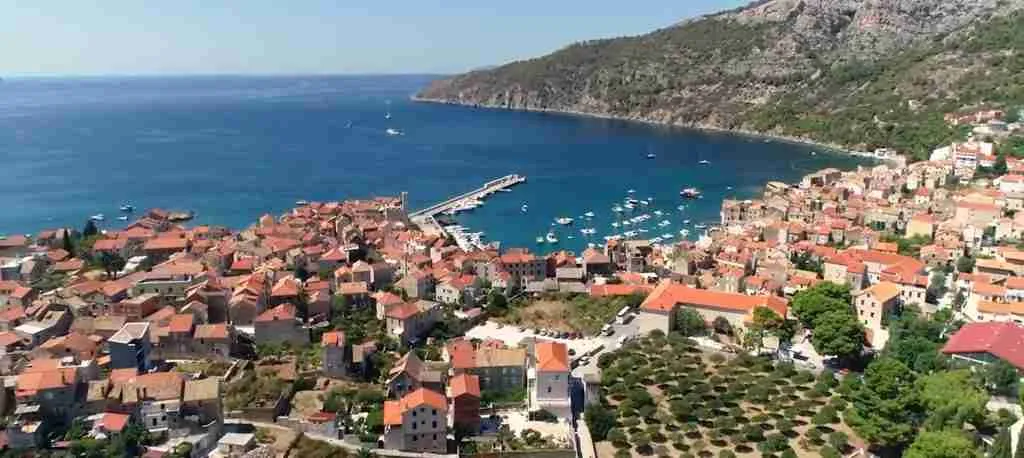
3 days
Croatian Islands 3-Day Discovery Tour
- ✓ Comprehensive Croatian Islands experience
- ✓ Expert local guides included
- ✓ All accommodation included
- ✓ Transportation provided
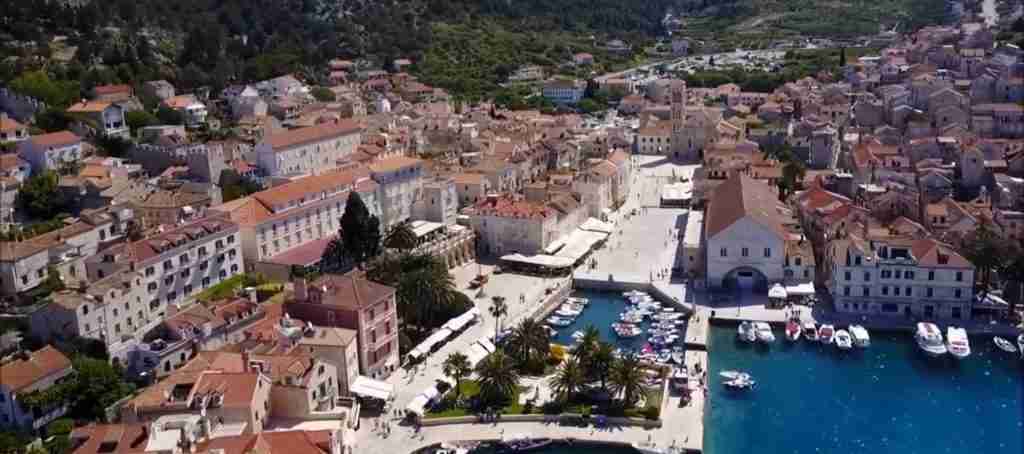
5 days
Croatian Islands 5-Day Highlights Experience
- ✓ Comprehensive Croatian Islands experience
- ✓ Expert local guides included
- ✓ All accommodation included
- ✓ Transportation provided
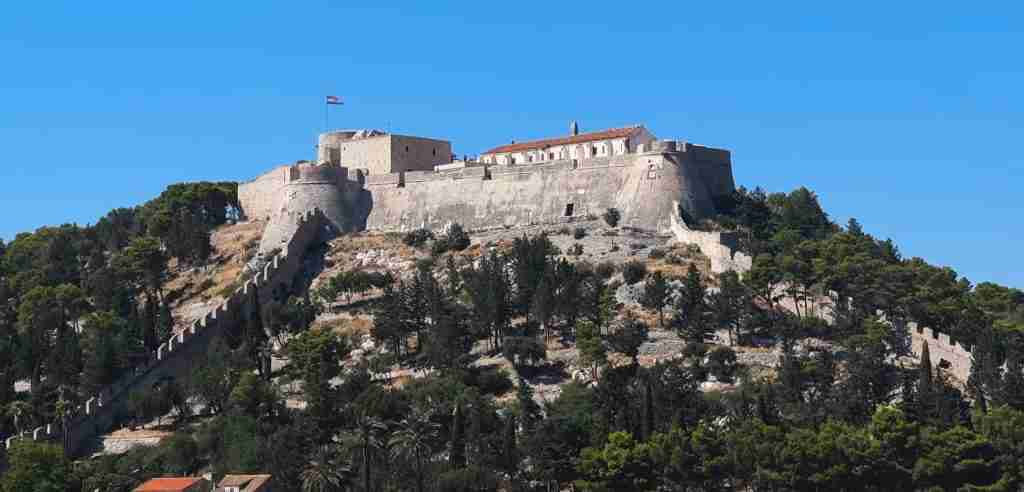
7 days
Croatian Islands 7-Day Cultural Journey
- ✓ Comprehensive Croatian Islands experience
- ✓ Expert local guides included
- ✓ All accommodation included
- ✓ Transportation provided
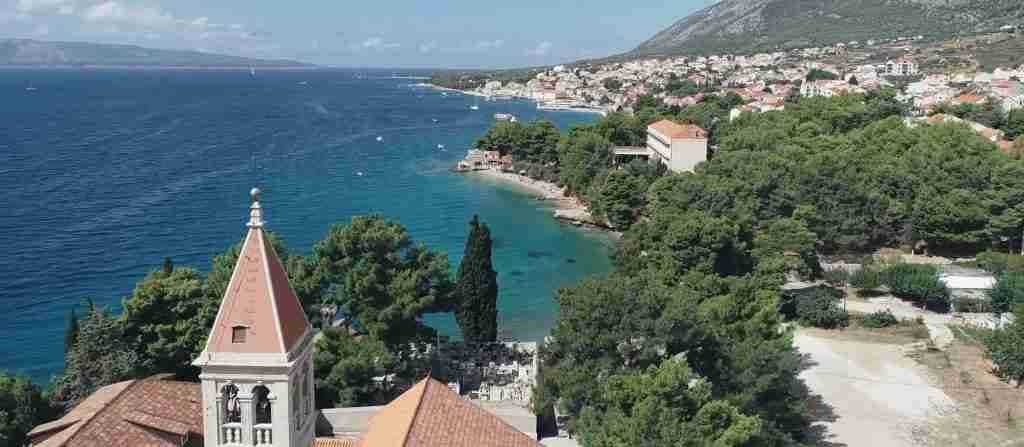
10 days
Croatian Islands 10-Day Complete Adventure
- ✓ Comprehensive Croatian Islands experience
- ✓ Expert local guides included
- ✓ All accommodation included
- ✓ Transportation provided
Multi-day tour packages powered by TourRadar. Prices and availability subject to change.
Introduction
Hvar Island occupies a strategic position in the Dalmatian archipelago that transforms it into the region’s premier boat tour launching point, offering shorter distances to iconic destinations than Split, Dubrovnik, or other mainland ports. The 60-minute speedboat journey from Hvar to Blue Cave contrasts sharply with Split’s 90-120 minute transit, delivering more time exploring and less time traveling. The Pakleni Islands lie literally offshore from Hvar Town, accessible in 10-15 minutes by speedboat to reach beaches and villages that would require complex ferry connections from other starting points.
The 2026 tour season brings refined itineraries that leverage Hvar’s geographic advantages while introducing new destinations and improved boat technology. Operators have expanded beyond traditional Blue Cave-focused routes to offer specialized tours targeting Vis Island’s filming locations, southern coast hidden beaches, and multi-day sailing adventures. Speedboat capacities have standardized around 12 passengers for group tours, striking a balance between intimate experiences and economical pricing that makes premium tours accessible to solo travelers and couples without requiring full private charters.
Understanding Hvar’s tour landscape requires recognizing that three distinct tour categories serve different traveler profiles and budgets. Budget group tours departing at fixed 10:30-11:00 AM times pack maximum value into standardized itineraries, reaching major highlights efficiently but with limited flexibility and larger passenger counts. Mid-range small-group tours cap capacity at 8-12 passengers and offer semi-customizable routes with earlier departures that beat crowds. Premium private charters deliver complete itinerary control, flexible timing, and exclusive access to your group, justifying higher costs through personalized service and strategic crowd avoidance.
The Blue Cave remains the undisputed star attraction, drawing tens of thousands of visitors annually to witness sunlight refracting through underwater entrance cavities to illuminate the grotto in supernatural silver-blue luminescence. Yet experienced travelers increasingly recognize that Hvar’s tour appeal extends far beyond this single destination. The Green Cave on Vis offers equally stunning emerald-lit waters without Blue Cave’s crowds and price premium. Stiniva Beach, a UNESCO-protected cove accessible only by boat or challenging cliff descent, delivers postcard-perfect beauty enhanced by dramatic rock formations. The Pakleni Islands archipelago spreads across 20+ islands and islets, each harboring distinct character from Palmižana’s botanical gardens and upscale restaurants to Jerolim’s naturist beaches and Marinkovac’s Carpe Diem beach club.
Tour quality varies dramatically across Hvar’s 40+ licensed operators, with the gap between premium and budget experiences exceeding simple price differences. Top-tier operators employ English-speaking skippers with deep local knowledge who enhance tours with historical context, marine biology insights, and strategic routing that avoids crowds through timing and destination sequencing. Budget operators often run larger boats with minimal guidance beyond basic navigation, treating tours as transportation rather than curated experiences. Mid-range providers occupy the value sweet spot, offering small-group intimacy and knowledgeable guides at prices only 20-30% above budget options.
Weather dependency defines boat touring in the Adriatic, particularly for Blue Cave access which closes during high winds, rough seas, or excessive tidal conditions that make the narrow cave entrance impassable. Cancellation rates reach 15-20% during spring and fall shoulder seasons when weather systems move unpredictably across the region. Summer brings more stable conditions but not complete certainty—even July and August experience occasional closures. Understanding each operator’s cancellation and refund policies protects your investment, with full refunds for weather cancellations representing the industry standard but alternative date rebooking sometimes substituting for cash returns.
The 2026 tour market reflects broader Croatian tourism trends toward sustainability and capacity management. Several operators have introduced maximum capacity limits below legal requirements to enhance passenger comfort and reduce environmental impact at fragile sites. Electric and hybrid-electric boats have entered the fleet, offering quieter operation and reduced emissions while maintaining the speed necessary for efficient multi-destination itineraries. These upgrades typically add 10-15% to tour costs but appeal to environmentally conscious travelers willing to pay premiums for sustainable tourism practices.
Blue Cave Tours from Hvar 2026
Blue Cave group tours from Hvar cost €80-100 per person in 2026 (check tour operator websites for current rates as pricing may vary), positioning them as the most economical access point to Croatia’s most famous natural wonder compared to €140-180 tours from Split. The entrance fee to Blue Cave itself adds €24 per person during high season (June 21-September 10) or €18 during shoulder season (April 1-June 20 and September 11-October 31), paid separately in cash or card directly at the cave ticket office on Biševo Island. Tours typically depart Hvar between 9:00-10:30 AM and return 5:00-6:00 PM, covering 8-10 hours that include the Blue Cave visit plus 3-5 additional destinations like Green Cave, Stiniva Bay, and Pakleni Islands beaches.
The Blue Cave experience itself lasts only 10-15 minutes due to strict capacity management that limits simultaneous visitors to preserve the delicate light phenomenon. Small wooden boats operated by local Komiža fishermen ferry groups of 4-6 passengers through the cave’s narrow entrance, a passage barely 1.5 meters high that requires ducking even in calm conditions. Inside, the 24-meter-long grotto glows with ethereal silver-blue light created when sunlight passes through an underwater cavity and reflects off the white sandy floor. The effect reaches maximum intensity between 11:00 AM-1:00 PM when sun angles optimize the light pathway, making morning tour departures strategically timed to arrive during this peak luminescence window.
The journey from Hvar to Blue Cave covers approximately 30 nautical miles, traversing open sea between Hvar and Vis Island before continuing to Biševo Island where the cave resides. Speedboats complete this distance in 50-70 minutes depending on sea conditions and vessel power, while traditional boats require 90-120 minutes. Upon arrival at Biševo, tours join a queue system managed by local authorities who control cave access to prevent overcrowding and protect the fragile ecosystem. Wait times range from 15 minutes during shoulder season to 60-90 minutes during July-August peak periods, with queuing boats anchored in the bay while passengers swim or relax aboard.
Weather closures represent Blue Cave touring’s primary unpredictability factor, with access denied when wind speeds exceed 15 knots, wave heights surpass 1 meter, or tidal conditions raise water levels too close to the cave ceiling. These closures occur 20-30% of tour days during April-May and September-October shoulder seasons, dropping to 5-10% during calmer July-August summer months. Reputable operators offer full refunds or alternative date rebooking when Blue Cave closes, though some budget providers substitute modified itineraries focusing on other destinations without financial compensation. Reading cancellation policies carefully before booking protects against financial loss when weather prevents cave access.
Tour itineraries beyond the Blue Cave itself vary significantly across operators, with premium providers adding value through strategic destination sequencing and extended time allocations at each stop. Standard routes include Green Cave on Ravnik Island (10-15 minute swimming stop in emerald-lit waters), Stiniva Bay on Vis (30-45 minutes at Croatia’s most photographed beach), Budikovac Island’s Blue Lagoon (45-60 minutes for swimming and snorkeling), and Palmižana on the Pakleni Islands (60-90 minutes for lunch and beach time). Budget operators compress these stops to minimum viable durations, while premium tours extend swimming time and add lesser-known destinations like Srebrna Bay or Red Rocks based on group preferences.
Departure timing dramatically affects Blue Cave tour quality, with 9:00-9:30 AM starts delivering measurable advantages over standard 10:30-11:00 AM departures common among budget operators. Early tours reach Blue Cave before 11:00 AM, encountering shorter queues and optimal lighting conditions while avoiding the 11:30 AM-2:00 PM crush when dozens of tours converge simultaneously. This timing advantage extends to secondary stops like Stiniva Beach, where early arrivals enjoy near-private access before afternoon crowds transform the intimate cove into a busy tourist hub. Private tours maximize this advantage through complete departure flexibility, though groups willing to request early starts from small-group operators often achieve similar benefits at lower costs.
The Blue Cave entrance fee structure reflects Croatia’s heritage site pricing reforms implemented in 2025, eliminating previous seasonal discount periods in favor of simpler two-tier pricing. High season rates of €24 apply during the June 21-September 10 period when visitor volumes peak, while shoulder season rates of €18 cover April 1-June 20 and September 11-October 31. Children ages 6-12 receive 50% discounts (€9 shoulder, €12 peak), while under-6 visitors enter free. These fees fund cave preservation, visitor management infrastructure, and the local Komiža cooperative that operates the transfer boats and manages queue systems.
Photography inside Blue Cave follows strict regulations that ban tripods, flash photography, and touching cave walls or formations to preserve the delicate geological features. The 10-15 minute visit allows time for smartphone photos and brief video clips capturing the luminescent blue glow, though professional photography requires special permits obtained weeks in advance through local authorities. The cave’s natural lighting creates challenging exposure conditions where camera phone auto-modes often overexpose the water glow while underexposing rock formations, making manual exposure adjustment or HDR modes valuable for quality results.
Pakleni Islands Tours from Hvar 2026
Pakleni Islands tours from Hvar represent the region’s most accessible boat excursion option, with half-day group tours costing €35-45 per person including skipper, fuel, and safety equipment for 3-4 hour itineraries covering 3-4 islands. Full-day Pakleni tours integrate with Blue Cave excursions in combined packages priced at €80-100, positioning the Pakleni archipelago as either a standalone destination for limited-time travelers or a complementary component in comprehensive multi-island adventures. The islands lie 10-15 minutes by speedboat from Hvar Town’s harbor, eliminating the long-distance transits required for Vis or Biševo and making them ideal for afternoon departures, sunset cruises, or travelers prone to seasickness who prefer shorter sea crossings.
The Pakleni archipelago encompasses 20+ islands and islets stretching 10 kilometers southwest from Hvar Town, each offering distinct character and attractions that reward exploration beyond the most famous stops. Palmižana on Sveti Klement Island anchors most itineraries with its 100-year-old botanical garden, upscale restaurants serving fresh seafood, and the ACI Marina attracting luxury yachts from across the Mediterranean. Zdrilca Bay on Marinkovac Island delivers local-favorite swimming in crystal-clear waters framed by pine forests, with two traditional konoba restaurants offering authentic Dalmatian cuisine away from tourist-oriented establishments. Jerolim Island attracts naturist sun-seekers to FKK beaches where clothing-optional policies have operated since the 1960s, while Stipanska Island harbors a remote Franciscan monastery accessible only by boat.
Half-day Pakleni tours typically depart 2:00-3:00 PM and return by 6:00-7:00 PM, offering afternoon alternatives to morning Blue Cave departures and allowing travelers to combine both experiences across consecutive days. Standard itineraries visit Mlini Bay for 30-minute swimming stops in sheltered coves, Palmižana for 60-90 minute lunch breaks at waterfront restaurants (meals at own expense), and Sveti Klement for 45-60 minute beach time before sunset returns to Hvar. Budget operators compress these timings to minimum durations while premium providers extend beach time and add snorkeling gear, paddleboards, or other water sports equipment included in base pricing.
Full-day Pakleni tours combined with other destinations represent popular hybrid itineraries that maximize island diversity within single excursions. The Red Rocks route adds Hvar’s southern coast including the dramatic rust-colored cliff formations at Perna, hidden Dubovica Bay’s pebble beach and 16th-century fortified tower, and Zaraće cove’s snorkeling-friendly clear waters. These southern destinations require 30-45 minute transits from Hvar Town, making them natural complements to nearby Pakleni stops in 8-10 hour comprehensive tours priced €90-120 per person for small-group departures.
Dining options across the Pakleni Islands range from budget-friendly beach cafes to Michelin-worthy fine dining establishments, with most tours allocating 60-90 minute lunch stops that provide ample time for full meals. Palmižana’s Laganini Beach Lounge & Restaurant offers modern Mediterranean cuisine with mains €18-32 and spectacular sea views, while the more traditional Konoba Dionis serves local fish specialties €15-25 in rustic harborfront setting. Meneghello Restaurant, operated by the family that created Palmižana’s botanical garden, delivers upscale dining experiences €25-45 per person including local wines from the family’s private vineyard. Budget travelers can pack picnic lunches or purchase basic sandwiches and snacks from beach bars €8-12 rather than sit-down restaurant meals.
Private Pakleni tours cost €400-600 for half-day charters (4 hours) or €600-900 for full-day excursions (8 hours), accommodating 4-8 passengers depending on boat size and delivering complete itinerary flexibility beyond group tour limitations. Private charters allow extending swimming time at preferred beaches, adjusting lunch duration based on dining pace, and adding impromptu stops at hidden coves when sea conditions permit. Families with young children particularly benefit from private tours that accommodate frequent bathroom breaks, flexible snack times, and child-paced swimming sessions impossible on fixed-schedule group departures.
Sunset Pakleni tours represent a specialized subcategory departing 5:00-6:00 PM for 2-3 hour excursions timed to capture golden hour photography and dramatic sunset vistas. These shorter tours cost €45-65 per person for group departures or €350-500 for private charters, focusing on 1-2 scenic anchorage points rather than multi-island exploration. Sunset tours often include prosecco or wine service, small appetizer plates, and extended floating time during the 8:00-8:30 PM sunset window, appealing to couples seeking romantic experiences and photographers chasing ideal lighting conditions for Hvar coastline imagery.
Swimming and snorkeling conditions across the Pakleni Islands excel due to protected positioning that reduces wave action and maintains exceptional water clarity reaching 20-30 meter visibility during calm summer days. The rocky seabed supports diverse marine life including octopuses hiding in crevices, schools of damselfish and wrasse swimming among underwater rock formations, and occasional dolphins passing through deeper channels between islands. Tours provide basic snorkeling masks and fins, though bringing personal gear ensures better fit and hygiene for extended underwater exploration.
Green Cave and Vis Island Tours 2026
Green Cave tours from Hvar complement or substitute for Blue Cave excursions, offering similarly spectacular colored-light phenomena at lower costs without the crowds and access restrictions that plague its more famous counterpart. The Green Cave entrance fee costs €8-12 per person (cash only) paid at the on-site ticket office, roughly one-third the price of Blue Cave access while delivering emerald-luminescence effects many visitors rate equally impressive. Located on tiny Ravnik Island near Vis, Green Cave features a collapsed dome ceiling that admits natural sunlight illuminating the water in jade and turquoise hues intensified by reflections from the sandy bottom and limestone walls.
Most comprehensive Vis Island tours include both Blue and Green Caves in single itineraries, recognizing that the 15-minute boat ride between caves makes excluding either destination inefficient when already committed to the 60-minute transit from Hvar to Vis waters. Standard Vis tours also incorporate Stiniva Bay, consistently ranked among Europe’s most beautiful beaches despite its compact 35-meter width compressed between towering 100-meter limestone cliffs. The bay’s narrow sea entrance keeps tour boats anchored offshore while passengers swim 20-30 meters through crystal waters to reach the pebble beach, an approach that maintains Stiniva’s pristine character by preventing direct boat access and commercial development.
Komiža, Vis Island’s main fishing village, appears on most full-day tour itineraries as a 30-45 minute walking and refreshment stop where travelers explore narrow stone streets, the Venetian-era fishermen’s quarter, and waterfront cafes serving traditional Viška pogača flatbread and local Vugava white wine. The village gained international attention as a filming location for “Mamma Mia! Here We Go Again,” with the production transforming Komiža’s harbor into the fictional Greek island setting. Movie-focused tours identify specific filming locations including the pier where young Donna arrives by boat and the square where ensemble dance numbers were choreographed, appealing to film fans willing to pay €10-15 supplements for guided location tours.
Srebrna (Silver) Beach on Vis represents a premium add-on destination on extended 10-12 hour tours, requiring an additional 20-minute boat ride from Komiža to reach this remote pebble beach backed by steep cliffs and pine forests. The beach’s isolation maintains near-pristine conditions with no permanent structures, facilities, or commercial development, making it ideal for travelers seeking authentic Mediterranean beach experiences away from Croatia’s increasingly developed coastal areas. Tour operators typically allocate 45-60 minutes at Srebrna for swimming and relaxation before returning toward Hvar via Pakleni Islands or other final stops.
Vis Island’s Stončica submarine cave offers advanced snorkeling and introductory dive site potential for water-sports-focused tours, though standard sightseeing itineraries bypass this destination due to time constraints and specialized equipment requirements. The cave entrance sits 5 meters below surface, accessible to confident swimmers and snorkelers who can hold breath for 10-15 second underwater passages before emerging in the air-filled interior chamber lit by sunlight filtering through water. Specialized dive tour operators offer Stončica experiences €40-60 per person including guide and equipment, though these require separate booking from standard boat tours.
Bisevo Island beyond the Blue Cave harbors additional lesser-known attractions including Medvidina Cave (Monk Seal Cave) accessible during calm seas, Porat settlement’s traditional stone houses, and several hiking trails offering elevated viewpoints across the channel to Vis. Extended Bisevo exploration tours appeal to travelers who’ve previously visited Blue Cave and seek deeper engagement with the island beyond the famous grotto, though these specialized itineraries remain rare among mainstream operators focused on multi-destination variety over single-location depth.
Combined Blue Cave, Green Cave, and Vis coastline tours represent the region’s most comprehensive single-day maritime experience, cramming maximum destinations into 10-12 hour itineraries that test passenger stamina while delivering unmatched destination diversity. These marathon tours depart Hvar 8:00-8:30 AM and return 6:00-7:00 PM, visiting 6-8 locations including both caves, Stiniva Bay, Budikovac Blue Lagoon, Vis town or Komiža, and concluding with Pakleni Islands sunset stops. The compressed schedule allows 20-45 minutes per destination rather than the relaxed pacing of focused tours, trading depth for breadth to appeal to limited-time travelers prioritizing maximum sightseeing over leisurely beach time.
Five Islands Tour from Hvar 2026
Five Islands tours from Hvar deliver the classic Dalmatian island-hopping experience combining Blue Cave, Vis Island highlights, Hvar town exploration, and Pakleni Islands beaches in comprehensive full-day excursions priced €90-110 per person plus cave entrance fees. The “five islands” nomenclature varies slightly across operators but typically encompasses Biševo (Blue Cave), Vis (Stiniva Bay and Komiža), Budikovac (Blue Lagoon), Hvar (town visit), and one Pakleni Island (usually Palmižana), with some versions substituting Brač Island and Golden Horn beach for the Hvar town stop.
Standard Five Islands itineraries follow strategic sequencing that maximizes early morning advantages at Blue Cave and Stiniva before crowds arrive, transitions to lunch stops during peak midday heat, and concludes with afternoon Pakleni Islands swimming and Hvar town exploration. A typical schedule departs Hvar 9:00 AM, reaches Blue Cave 10:00-10:30 AM before major queues develop, visits Stiniva Bay 11:30 AM-12:15 PM, stops for lunch at Komiža or Palmižana 1:00-2:30 PM, swims at Budikovac Blue Lagoon 3:00-3:45 PM, and concludes with Hvar town free time 4:30-5:30 PM before returning to accommodation areas.
The Budikovac Blue Lagoon swimming stop offers shallow turquoise waters ideal for families with children, snorkeling among small fish schools, and paddleboard activities in the protected bay between Budikovac and Ravnik islands. Water depths reach only 1-2 meters across most of the lagoon, creating bathtub-warm temperatures during summer that attract non-swimmers and young children alongside snorkelers exploring rocky bottom formations. Tour boats anchor offshore while passengers swim or wade to the small beach, which features no facilities or development beyond a seasonal floating bar selling refreshments during peak summer months.
Hvar town stops on Five Islands tours typically allocate 60-90 minutes for independent exploration of the historic center, Spanish Fortress climb (20-minute uphill walk, €10 entrance), and main square area shopping. This duration proves insufficient for comprehensive sightseeing but allows quick fortress ascents for panoramic photography, main square coffee breaks, and souvenir shopping along pedestrian streets before evening boat departures. Travelers staying in Hvar town or planning separate town exploration days might request substituting this stop with additional Pakleni Islands beach time, an option some flexible operators accommodate.
Alternative Five Islands configurations include Brač Island versions that replace Vis destinations with Golden Horn beach at Bol, Croatia’s most photographed beach famous for its shape-shifting 500-meter gravel spit extending into crystal-clear waters. The Brač routing reduces total travel distance and transit time compared to Vis itineraries, allowing more generous time allocations at each stop while eliminating the rough open-sea crossings between Hvar and Vis that trigger seasickness in susceptible passengers. Golden Horn visits include 60-90 minutes swimming and beach time, with optional 30-minute Bol town walking tours for travelers interested in the Dominican monastery and coastal promenade.
Five Islands tour boat types range from budget traditional wooden vessels accommodating 40-60 passengers with minimal amenities to premium speedboats limited to 12 passengers offering padded seating, sound systems, and onboard toilets. The boat category dramatically affects experience quality beyond simple comfort factors—large traditional boats require 15-20 minutes for passenger boarding and disembarkation at each stop, consuming time that speedboats accomplish in 5 minutes through smaller passenger counts. Traditional boats also move 30-40% slower between destinations, extending transit time that reduces beach and swimming durations.
Lunch arrangements on Five Islands tours vary from included meals (usually simple buffets of grilled meat/fish, salad, and bread) to restaurant stops where passengers pay independently for à la carte selections. Budget operators often include basic lunches in headline prices, using food service to differentiate from bare-bones competitors while controlling costs through standardized menus and bulk purchasing. Premium operators allocate extended 90-120 minute lunch stops at recommended restaurants with pre-negotiated group discounts of 10-15% rather than providing included meals, allowing food-focused travelers to select upscale dining while budget-conscious passengers choose simple sandwiches or packed lunches.
Five Islands tours departing from Split rather than Hvar cost €140-180 per person, nearly double Hvar departure prices while covering substantially similar itineraries with less beach time due to extended transit distances. The Split premium reflects 90-120 minute additional boat travel between Split and Vis/Blue Cave compared to Hvar’s 60-minute transit, reducing net destination time by 2-3 hours across the day. Travelers based in Split who prioritize Blue Cave access might still choose Split-origin tours for convenience despite premium pricing, though taking morning fast ferries from Split to Hvar (€15-20, 60 minutes) and joining Hvar-origin tours often delivers better value and more time at actual destinations.
Private vs Group Tours in Hvar 2026
Private boat tours from Hvar range €400-1,000 for full-day charters depending on boat size, luxury level, and seasonal demand, with small speedboats (4-6 passengers) starting at €400-550 while luxury yachts (8-12 passengers) command €700-1,000 for comparable 8-hour itineraries. The per-person cost calculation favors private tours for groups of 6+ passengers where €700 divided by 8 people (€88 each) undercuts €100 group tour pricing while delivering complete itinerary control and avoiding 10-12 other passengers. Solo travelers and couples face opposite economics where private tour per-person costs reach €200-350, making group tours the value-conscious choice unless premium service and privacy justify the 200-300% price premium.
Private tour advantages extend beyond simple privacy to include flexible departure timing that avoids crowds through strategic early starts or alternative scheduling, customizable itineraries that substitute destinations based on group preferences, and extended time allocations at favored stops without rigid schedules. Private charters departing 8:00-8:30 AM reach Blue Cave by 9:30 AM before any group tours arrive, enjoying near-private cave access and eliminating the 30-90 minute queues plaguing 10:30 AM-12:30 PM peak arrival windows. Extended swimming time at preferred beaches transforms rushed 30-minute group tour stops into relaxed 60-90 minute sessions that actually allow lunch consumption, comprehensive snorkeling, and proper relaxation rather than constant rushing between destinations.
Group tour economies of scale deliver substantial savings through passenger-shared costs, with €80-100 per-person pricing representing excellent value for accessing expensive speedboat transportation, professional skipper services, and multi-island itineraries. The standard group tour capacity of 12 passengers generates €960-1,200 total revenue per departure, covering boat fuel (€150-250), skipper wages (€150-200), and operator overhead while remaining competitive against private charters. Budget group tours pushing passenger counts to 20-40 on larger traditional boats further reduce per-person costs to €60-80, though the trade-off involves longer boarding times, slower transit speeds, and reduced intimacy that diminishes overall experience quality.
Small-group tours occupy the market middle ground between budget group departures and full private charters, typically capping capacity at 8 passengers to deliver semi-private experiences at €110-140 per person—a 20-40% premium over standard group tours but 40-60% savings versus private charters. These boutique operators emphasize quality over quantity through newer boats, English-speaking guides providing historical and cultural context, and flexible scheduling that adapts to group preferences while maintaining core itinerary structure. The 8-passenger maximum maintains sufficient passenger count for viable economics while preserving the intimate atmosphere and personalized service impossible on 12-20 passenger boats.
Private tour boat selection significantly affects experience quality and value, with basic speedboats offering functional transportation versus luxury yachts providing premium comfort through features like shaded cockpits, onboard toilets, music systems, and even air-conditioned cabins on highest-end vessels. Mid-tier speedboats in the €600-700 full-day range balance comfort and value through padded seating, Bimini shade covers, swim platforms with ladders, and adequate storage for passenger belongings. Budget €400-500 boats often lack shade beyond small canvas covers, require gymnastic maneuvers for sea entry and exit due to minimal ladders or platforms, and provide hard bench seating that becomes uncomfortable during 90-minute Blue Cave transits.
Skipper quality varies dramatically across both private and group tours, with the best guides delivering historical context, marine ecology education, and local cultural insights that transform simple transportation into enriching learning experiences. Premium operators employ skippers who’ve navigated Adriatic waters for 15-20+ years, grew up on Hvar or neighboring islands, and speak fluent English alongside Croatian. Budget operators sometimes hire seasonal staff with minimal local knowledge and limited English, reducing guidance to basic navigation between destinations without the cultural enrichment quality skippers provide. Reading reviews focusing specifically on skipper quality helps identify operators whose guides elevate experiences beyond simple boat driving.
Fuel fees represent a hidden cost on some private tour bookings where advertised rates exclude the actual gasoline consumption for the day’s itinerary. Full-day Blue Cave tours from Hvar consume €150-250 in fuel depending on boat engine size and efficiency, with operators sometimes adding this as a separate charge to base rates. Clarifying whether quoted prices include or exclude fuel prevents surprise charges at trip conclusion, with all-inclusive pricing providing clearer budgeting though potentially higher headline costs. Group tours universally include fuel in published per-person rates, eliminating this concern from the booking equation.
Tour Operators and Booking in Hvar 2026
Hvar’s tour operator landscape encompasses 40+ licensed companies ranging from established operators with decade-plus track records to new seasonal entrants offering variable quality and reliability. Top-tier operators including HvarBoats, Hvar Tours, and specialized providers like Boka Boats Hvar maintain professional websites with detailed itinerary information, transparent pricing, and robust online booking systems accepting credit cards and providing instant confirmation emails. Mid-tier operators often rely on third-party booking platforms like Viator, GetYourGuide, and TripAdvisor Experiences that add 15-25% commission markups to base tour prices while providing buyer protection and consolidated review systems.
Direct booking with operators versus third-party platforms presents a value trade-off between potential savings and consumer protection. Booking directly through operator websites sometimes yields 10-15% discounts by eliminating platform commissions, with operators occasionally offering email-negotiated rates for large groups or off-peak dates. However, third-party platforms provide standardized cancellation policies, dispute resolution mechanisms, and consolidated review systems that help evaluate operator quality, benefits particularly valuable for first-time Hvar visitors unfamiliar with local provider reputations. The protection premium of 10-20% often proves worthwhile for expensive multi-day tours or private charters where operator reliability carries higher stakes.
Booking timelines dramatically affect availability and choice during Hvar’s compressed late June through August peak season when popular tours sell out 5-10 days in advance. Travelers visiting during this window should book preferred tours immediately upon finalizing accommodation and travel dates to secure spots with top-rated operators and optimal departure times. The May-June and September shoulder seasons allow more flexibility with 2-3 day advance booking generally sufficient, though weekend dates and holiday periods still justify earlier reservation. Last-minute bookings remain possible through harbor-area operators selling same-day tours, though these typically represent whatever inventory failed to sell through advance channels—often budget operators, undesirable departure times, or oversized boats with dozens of passengers.
Review analysis provides essential operator quality assessment, with patterns across multiple platforms offering more reliable indicators than individual glowing or scathing reviews that may reflect outlier experiences or manipulation. Focus on reviews mentioning specific skipper names, boat conditions, and time allocations at destinations rather than generic “amazing experience” praise that could apply to any tour. Red flags include multiple complaints about boat condition problems (broken shade covers, inoperative toilets), skipper attitude or knowledge deficiencies, and departure delays or schedule adherence failures that suggest operational disorganization. Operators maintaining 4.5+ average ratings across 100+ reviews on platforms like TripAdvisor or Google generally deliver consistent quality that justifies the confidence of advance booking.
Deposit and payment policies vary across operators, with most requiring 20-30% deposits at booking and full balance payment 24-48 hours before departure. Credit card payments through secure booking platforms provide chargeback protection if operators fail to deliver promised services, while direct bank transfer or cash payments offer no recourse beyond local small claims processes few international travelers pursue. The payment method premium of 2-3% credit card processing fees represents worthwhile insurance against operator no-shows, boat substitutions that downgrade from booked vessel, or other contract breaches that occasionally occur despite deposit payments.
Cancellation policies standard across the industry allow full refunds for weather-related cancellations initiated by operators, with Blue Cave closures due to wind or sea conditions representing the most common cause. Customer-initiated cancellations typically require 48-72 hour notice for full refunds, with shorter notice periods incurring 50-100% penalties depending on operator policies and booking platform terms. The critical distinction lies in who declares weather unfit for touring—operators maintaining conservative safety standards cancel proactively when forecasts show marginal conditions, while aggressive budget operators attempt departures that may turn uncomfortable or dangerous to avoid refund obligations.
Package deals bundling multiple days or multiple tour types offer 10-20% savings versus booking each component separately, with combinations like “Blue Cave + Pakleni Islands + Brač Island” across three days priced €250-280 compared to €300-330 for three separate single-day bookings. These packages appeal to week-long Hvar visitors planning comprehensive island exploration, though they reduce flexibility by committing to specific dates and operators before experiencing initial tour quality. The savings prove worthwhile for travelers confident in operator selection based on thorough review research and direct pre-booking communication to assess professionalism and responsiveness.
What to Bring on Hvar Boat Tours 2026
Cash remains essential for Hvar boat tours despite increasing credit card acceptance across Croatia, with Blue Cave entrance fees of €18-24 and Green Cave fees of €8-12 requiring on-site payment where card terminals may be unavailable or unreliable. Bringing €50-80 per person in small denomination bills (€5, €10, €20) covers cave entrances, potential fuel surcharges on private tours, and optional add-ons like snorkeling equipment rental or beach bar refreshments at swimming stops. Some budget tour operators still collect final balance payments in cash despite deposit credit card transactions, making €100-150 per person prudent for avoiding payment complications.
Sunscreen application requires special attention given 8-10 hour sun exposure combining direct overhead radiation with water reflection amplifying UV intensity. Water-resistant SPF 50+ formulations applied 30 minutes before departure and reapplied every 90-120 minutes prevent burns that ruin subsequent vacation days, with particular focus on shoulders, nose, ears, and tops of feet that receive concentrated exposure during boat transits. Croatia implemented reef-safe sunscreen preferences in marine protected areas, making mineral-based zinc oxide and titanium dioxide formulations environmentally preferable to chemical UV filters containing oxybenzone and octinoxate that damage marine ecosystems.
Seasickness prevention proves critical for passengers prone to motion sensitivity, particularly during the open-sea crossings between Hvar and Vis where wave action exceeds the calm waters around Pakleni Islands. Over-the-counter medications like meclizine (Bonine) or dimenhydrinate (Dramamine) require 30-60 minute lead time before departure to reach effectiveness, making morning-of-tour dosing essential. Non-pharmaceutical approaches including ginger supplements, acupressure wristbands, and consuming light meals rather than heavy breakfasts reduce nausea risk, while positioning near boat centers where motion minimizes proves superior to bow or stern seating during rough conditions.
Water shoes protect feet from rocky seafloors and sea urchins present at natural beaches lacking sand, with sturdy rubber-soled designs preferable to flimsy neoprene socks that tear on sharp limestone. The Croatian coast features predominantly rocky entries at swimming stops like Stiniva Bay and Budikovac Lagoon where barefoot walking proves painful or impossible, making water shoes as essential as swimsuits for comfortable beach and swimming enjoyment. Compact models that pack flat fit easily in small daypacks without consuming significant luggage space.
Waterproof phone cases or bags protect electronic devices from saltwater spray during speedboat transits and accidental submersion during swimming stops, with quality cases costing €15-30 providing insurance for €500-1,500 smartphones. Testing case waterproofing with paper towels before risking actual phones prevents tragic discoveries of defective seals during tours, with double-bag systems (phone in ziplock bag inside waterproof case) offering additional security. Dry bags for storing wallets, passports, and non-waterproof cameras complete protection needs, available from most Hvar sports shops for €10-25 depending on capacity.
Quick-dry towels outperform traditional cotton alternatives through compact packing, rapid drying between swimming stops, and lightweight designs that don’t burden daypacks. Microfiber versions sold at sporting goods stores compress to fist-sized bundles while providing full body-sized coverage when unfolded, drying within 30-60 minutes compared to cotton’s several-hour requirements. Some tour operators provide towels as premium service upgrades, though most expect passengers to bring personal towels or purchase overpriced versions from beach bars at €10-15 rental fees.
Light snacks and water supplements tour-provided refreshments which typically include only basic bottled water on budget tours, with premium operators sometimes offering fruit plates or light sandwiches during longer excursions. Energy bars, trail mix, and fresh fruit purchased from Hvar supermarkets prevent the hunger and energy crashes that occur during 10-12 hour tours with single scheduled lunch stops. Lunch at Palmižana or Komiža restaurants addresses primary meal needs, but mid-morning and mid-afternoon snacking maintains energy through extended swimming and sun exposure.
Sample Tour Itineraries and Daily Costs 2026
A comprehensive Blue Cave and Five Islands tour from Hvar in 2026 costs €100 group tour price plus €24 Blue Cave entrance plus €12 Green Cave entrance plus €25-35 lunch at Palmižana restaurant plus €10-15 drinks and snacks. Total day cost: €171-186 per person (excluding accommodation). This represents the premium full-experience option incorporating both famous caves, multiple swimming destinations, and sit-down restaurant lunch at upscale Pakleni Islands location. Budget reductions come from packing picnic lunch (saves €25-35), choosing shoulder season for €18 Blue Cave entrance (saves €6), and selecting budget group tours at €80 instead of premium operators (saves €20), bringing total to €120-135 per person for identical destinations with modest service and timing compromises.
A half-day Pakleni Islands tour budget combines €45 group tour price plus €15-20 beach bar lunch or snacks plus €8-12 drinks and ice cream. Total day cost: €68-77 per person (excluding accommodation). This economical option suits travelers spending full weeks in Hvar who want multiple boat excursions without repeating expensive Blue Cave trips, combining well with separate dedicated Blue Cave tours on different days or substituting entirely for visitors who prioritize beach time and swimming over cave sightseeing. Families with young children particularly benefit from half-day formats that prevent the exhaustion and meltdowns occurring during 10-hour full-day excursions.
A private full-day Blue Cave tour for a group of 6 passengers costs €700 private speedboat charter divided by 6 (€117 per person) plus €24 Blue Cave entrance plus €12 Green Cave entrance plus €25-35 restaurant lunch plus €10-15 incidentals. Total day cost: €188-203 per person (excluding accommodation). This premium experience delivers complete itinerary customization, strategic crowd avoidance through early departures, and intimate service impossible on group tours while achieving per-person costs only 10-15% above group tour alternatives. The value equation shifts for smaller groups where 4 passengers split €700 costs reach €175 each before entrance fees, making private tours economical only for travelers highly valuing flexibility and privacy over budget optimization.
A budget multi-day tour package covering Blue Cave, Pakleni Islands, and Brač Golden Horn across three separate days costs €80 Blue Cave tour plus €35 Pakleni half-day plus €75 Brač tour plus €24 Blue Cave entrance plus €60-90 meals across three days. Total three-day cost: €274-299 per person (excluding accommodation). The package approach allows spreading expensive Blue Cave costs across a multi-day budget while incorporating varied destinations that prevent single-tour repetition, ideal for week-long Hvar stays where daily boat excursions structure vacation programming without requiring private car rentals or complicated public ferry navigation.
A luxury private yacht full-day tour for 8 passengers costs €1,000 luxury yacht charter divided by 8 (€125 per person) plus €24 Blue Cave entrance plus €40-60 upscale restaurant lunch with wine plus €15-20 premium beach club entry and drinks. Total day cost: €204-229 per person (excluding accommodation). This top-tier experience incorporates luxury boat amenities like air-conditioned cabins, onboard toilets, premium sound systems, and attentive service while maintaining per-person costs only 20-30% above standard group tours when full 8-passenger capacity is achieved. Couples or small groups willing to share luxury charters with compatible travelers through operator matchmaking services access premium experiences at fraction of dedicated private charter costs.
Best Time for Boat Tours from Hvar 2026
May and September represent optimal months for Hvar boat tours in 2026, combining shoulder-season advantages of reduced crowds, lower Blue Cave entrance fees of €18 versus €24 peak rates, and calmer seas than April or October while avoiding July-August’s overwhelming tourist volumes and maximum heat. May water temperatures reach 18-20°C—refreshing but comfortable for most swimmers—while September delivers peak warmth of 23-25°C after summer heat accumulation. These months maintain sufficient tour operator schedules with daily departures and full itinerary options unlike April or October when some operators run reduced frequencies or close entirely.
June offers transition-month characteristics bridging shoulder and peak seasons, with early June delivering May-like crowd levels and €18 Blue Cave entrance fees through June 20, while late June (after June 21) brings peak-season pricing and increasing tourist density approaching July-August levels. The June 21 demarcation creating Blue Cave’s two-tier pricing makes June 15-20 arrivals strategic for maximizing shoulder-season economics while accessing near-summer weather reliability and water temperatures reaching 21-22°C. Tour availability expands throughout June as operators launch full summer schedules and seasonal staff arrive from winter off-season employment.
July and August guarantee maximum weather reliability with rain falling fewer than 3-5 days monthly and sunshine averaging 10-12 hours daily, making these months optimal for travelers whose primary concern is sunny weather certainty over crowd avoidance. Water temperatures peak at 24-26°C, ideal for extended swimming sessions and comfortable for all ages including young children and cold-sensitive adults. The crowd trade-off proves substantial with Blue Cave queues reaching 60-90 minutes during 11:00 AM-1:00 PM peak arrival windows, Stiniva Bay hosting 50-100 simultaneous visitors instead of May’s 10-20, and tour booking requiring 7-10 day advance notice versus 2-3 days during shoulder periods.
October presents significant weather variability that makes it suitable only for flexible travelers who can reschedule tours around occasional storm systems bringing 2-3 consecutive days of wind and rain. The month splits between early October (through approximately October 15) maintaining September-like conditions with 20-22°C water and majority sunny days versus late October deteriorating toward winter with 17-18°C water and increasing rain frequency. Tour operator schedules thin considerably with some closing after October 15 and others maintaining reduced 3-4 weekly departures instead of daily summer offerings. Budget benefits include tour discounts of 20-30% below peak rates and Blue Cave entrance fees at €18 shoulder-season pricing.
April ranks as the most challenging month for boat tours despite early-season appeal, combining maximum weather unpredictability with coldest water temperatures of 14-16°C comfortable only for hardy swimmers and requiring wetsuits for extended water time. Tour operators run minimal schedules during April with many not launching operations until late April or early May, while those operating maintain limited 2-3 weekly departures that constrain traveler flexibility. Weather-related cancellations affect 25-35% of scheduled April tours compared to 5-10% during stable summer months. The trade-offs include rock-bottom pricing with April tours discounted 30-40% below peak rates and near-private access to destinations devoid of crowds.
Shoulder season advantages extend beyond pricing to include tour experience quality improvements through reduced crowds at every destination. Blue Cave queues during May and September average 15-30 minutes versus July-August’s 60-90 minutes, while Stiniva Bay accommodates 15-25 visitors instead of 75-100, transforming the experience from crowded tourist attraction to intimate natural wonder. Restaurant availability at lunch stops like Palmižana or Komiža improves dramatically with easier table acquisition and faster service compared to peak-season waits of 20-40 minutes for seating. Photography conditions benefit from fewer people photobombing scenic vistas and more opportunities for “empty beach” shots impossible during summer crush.
Weather contingency planning proves essential regardless of season, with tour cancellations or modifications occurring even during stable summer months when unexpected wind systems develop or residual swell from distant storms creates unsafe sea conditions. Booking tours early in multi-day Hvar stays provides rescheduling flexibility when weather forces cancellations, while saving tours for final vacation days risks missing experiences entirely if conditions deteriorate. Travel insurance covering weather-related tour cancellations reimburses non-refundable deposits when conditions prevent rescheduling, though most operator policies already provide full refunds for their-initiated weather cancellations.
Safety and Practical Considerations for Hvar Tours 2026
Boat safety standards across Hvar tour operators universally include Coast Guard-mandated life jackets for all passengers, emergency radios, first aid kits, and flares meeting Croatian maritime safety regulations. Premium operators exceed minimums through additional safety equipment including backup engines or communications systems, while budget providers meet exact regulatory requirements without extras. All licensed Croatian tour boats undergo annual safety inspections verifying equipment functionality and structural integrity, with certificates posted on vessels or available for passenger review upon request. Unlicensed operators offering suspiciously cheap tours from informal harbor solicitation should be avoided due to insurance and safety compliance uncertainty.
Swimming safety at tour destinations requires assessing individual capabilities against actual conditions including wave action, current strength, water depth, and entry/exit point challenges. Stiniva Bay’s 25-meter swim from anchored boats to beach traverses deep water without rest points, requiring confident swimming ability that excludes weak or non-swimmers unless life jackets are utilized. Rocky entry points at locations like Blue Lagoon or various Pakleni beaches demand careful footing to prevent falls or sea urchin encounters, with water shoes providing essential protection. Tour skippers generally provide verbal safety briefings before each swimming stop, though passengers bear ultimate responsibility for making appropriate participation decisions based on personal abilities.
Weather monitoring through reliable forecast services like Windy.com or NOAA Marine Weather provides advance warning of conditions potentially affecting tours, with wind speeds above 15 knots and wave heights exceeding 1 meter creating uncomfortable rides and possible Blue Cave closures. The Bura wind (cold northeasterly) and Jugo wind (warm southeasterly) represent Adriatic’s two primary weather patterns, with Bura creating choppy seas and cooler temperatures while Jugo brings humidity and gradually building swell over 24-48 hours. Tours operating during Jugo’s early phases often proceed successfully before conditions deteriorate, while Bura’s sudden onset can catch operators by surprise leading to uncomfortable returns through rougher seas than departure conditions.
Sun exposure during 8-10 hour boat tours exceeds most passengers’ normal daily UV intake by factors of 3-5x, making aggressive sun protection essential beyond simple sunscreen application. Wide-brimmed hats provide facial protection while reducing eye strain from water glare, though secure chin straps prevent loss during speedboat transits where 25-35 mph winds can strip unsecured items. Long-sleeve UV-protection shirts (50+ UPF rated) defend shoulders and arms while remaining cool through moisture-wicking fabrics, superior to constant sunscreen reapplication on areas covered by clothing. Sunglasses with 100% UV protection and polarized lenses reduce glare enabling comfortable sightseeing and eliminating squinting that causes premature wrinkles.
Hydration requirements increase substantially during boat tours combining sun exposure, salt air, and physical activity of swimming, with 2-3 liters water consumption recommended for 8-10 hour excursions. Mild dehydration symptoms including fatigue, headache, and reduced swimming performance affect tour enjoyment while severe dehydration risks heat exhaustion requiring medical attention. Tours typically provide basic bottled water, though bringing supplemental supplies ensures adequate availability especially for families with children who consume more than single bottles provided. Electrolyte supplements or sports drinks help maintain mineral balance during extended sun exposure and swimming exertion.
Medical considerations for boat tours include motion sickness susceptibility, existing injuries or conditions affecting swimming safety, and medication requirements during extended away-from-shore periods. Passengers with serious medical conditions should inform tour operators at booking to ensure appropriate emergency protocols exist, though operators generally lack medical training beyond basic first aid and rely on evacuation to shore-based facilities for significant incidents. Carrying personal medications in waterproof containers prevents loss to water exposure, while informing tour companions of serious allergies or conditions enables assistance if emergencies develop during swimming stops or island visits.
Travel insurance covering boat tour activities verifies coverage specifically includes speedboat excursions and swimming at unguarded beaches, as some policies exclude water sports or limit coverage to organized facilities with lifeguard supervision. Medical evacuation insurance proves particularly valuable for serious injuries or conditions requiring airlift or boat transport to Split or Dubrovnik hospitals offering more advanced care than Hvar’s small medical center. Trip cancellation coverage reimburses non-refundable tour deposits when weather or personal circumstances prevent participation, though most reputable operators already provide weather-cancellation refunds making this insurance redundant for meteorological issues.
Frequently Asked Questions About Hvar Tours 2026
Can children participate in Hvar boat tours in 2026?
Children of all ages can participate in Hvar boat tours, with most operators welcoming infants through teenagers while providing age-appropriate equipment including child-sized life jackets and swimming aids. Family-friendly tours modify itineraries for younger passengers through shorter swimming stops (20-30 minutes instead of 45-60), more frequent bathroom and snack breaks, and substituting challenging swimming destinations like Stiniva Bay with calmer alternatives. Children under 6 typically receive free Blue Cave entrance while ages 6-12 pay half-price (€9 shoulder season, €12 peak season), creating family cost savings on multi-child trips. Private tours prove especially suitable for families with very young children or special needs requiring complete schedule flexibility impossible on fixed group departures.
What happens if Blue Cave is closed during my tour in 2026?
Blue Cave closures due to weather conditions trigger full refunds or alternative date rebooking with reputable operators, though policies vary significantly across providers making pre-booking confirmation essential. Premium operators offer modified itineraries substituting extended time at Green Cave, additional Pakleni Islands stops, or lesser-known destinations like Monk Seal Cave when Blue Cave closes, maintaining tour value despite the signature attraction’s unavailability. Budget operators may proceed with reduced itineraries without compensation, arguing that tours visit multiple destinations beyond Blue Cave alone. Booking through third-party platforms like Viator or GetYourGuide provides dispute resolution mechanisms enforcing refunds when advertised attractions become unavailable.
Are Hvar boat tours suitable for non-swimmers in 2026?
Non-swimmers can participate in Hvar boat tours with proper precautions including life jacket usage during swimming stops and remaining aboard the boat rather than entering water at challenging locations like Stiniva Bay’s deep-water beach access. Many destinations including Blue Cave, Green Cave, Palmižana, and Komiža allow full participation without swimming requirements, while locations like Budikovac Blue Lagoon offer shallow water where non-swimmers can wade safely wearing life jackets. Private tours provide maximum accommodation for non-swimmers through itinerary customization emphasizing sightseeing and beach destinations with easy shore access over challenging swimming-dependent stops, though informing operators about non-swimming participants at booking ensures appropriate route planning.
How rough are the seas between Hvar and Blue Cave in 2026?
Sea conditions between Hvar and Blue Cave vary from mirror-calm during settled weather to moderately choppy during wind events, with the 30-nautical-mile open-water crossing experiencing more wave action than sheltered Pakleni Islands routes. Summer months (July-August) generally deliver calmer conditions with 70-80% of tour days experiencing comfortable seas under 0.5-meter wave heights, while shoulder seasons (May-June, September-October) increase variability with 20-30% of days seeing 1-2 meter waves creating bouncy speedboat rides. Passengers prone to seasickness should take preventive medication 30-60 minutes before departure, choose mid-boat seating where motion minimizes, and consider morning tours when seas typically remain calmer than afternoon periods when thermal winds develop. Alternative routes substituting Brač Island and Golden Horn for Vis destinations reduce open-water exposure for particularly sensitive passengers.
Can I bring my own snorkeling equipment on Hvar tours in 2026?
Personal snorkeling equipment is welcomed on all Hvar boat tours and often preferred over tour-provided gear for fit, comfort, and hygiene reasons, though most operators include basic masks, snorkels, and fins as standard equipment. Bringing prescription-lens masks, high-quality full-face snorkels, or properly-fitted fins enhances underwater experience quality through better visibility and comfort during extended swimming sessions. Personal equipment also eliminates sharing concerns about mouthpiece hygiene and ensures proper fit for children or adults with non-standard face sizes where one-size-fits-most rental gear proves problematic. Compact travel snorkel sets weighing 1-2 pounds pack easily in luggage for travelers planning multiple water activities beyond single tour participation.
Do Hvar boat tours include lunch in 2026 prices?
Lunch inclusion varies across operators and price tiers, with budget tours sometimes including basic buffet meals (grilled meat/fish, salad, bread) in €80-90 headline prices while premium operators allocate extended restaurant stops where passengers pay independently for à la carte dining. Tours advertising “lunch included” typically provide simple but adequate meals sufficient for refueling without exceptional quality, while tours without included lunch stop at recommended restaurants offering 10-15% group discounts on full menus ranging €15-35 per person depending on selections. Clarifying lunch arrangements at booking prevents surprise expenses when tours stop at restaurants where passengers assumed included meals, while travelers preferring light eating can pack picnic lunches utilizing swimming-stop beach time for informal dining.
What’s the difference between speedboat and traditional boat tours in 2026?
Speedboat tours complete itineraries 30-40% faster than traditional boats through higher cruising speeds of 25-35 mph versus 15-20 mph, translating to 50-70 minute Blue Cave transits compared to traditional boats’ 90-120 minutes. The time savings allow more generous destination stops or additional locations within standard 8-10 hour tour windows, while smaller speedboat capacities of 12 passengers versus 40-60 on traditional vessels deliver more intimate experiences. Speedboats create bumpier rides during choppy conditions with less mass to smooth wave motion, potentially challenging passengers prone to seasickness, while traditional boats’ greater stability and covered areas provide more comfort during rough weather. Premium pricing on speedboat tours reflects both superior equipment and enhanced experience quality through time efficiency and small-group dynamics.
Are Hvar boat tours wheelchair accessible in 2026?
Standard boat tours from Hvar present significant accessibility challenges for wheelchair users due to steep pier boarding ramps, narrow boat entries requiring step-over thresholds, and destination swimming stops accessible only through water entry lacking accessible facilities. Specialized accessible tours utilizing modified boats with wheelchair ramps, transfer assistance, and adapted itineraries focusing on sightseeing rather than swimming stops can be arranged through direct operator contact well in advance of travel dates, though availability remains limited across Hvar’s tour industry. Travelers with mobility limitations short of wheelchair dependence may succeed on standard tours with advance operator notification ensuring appropriate assistance during boarding and swimming stop participation decisions, while companions providing physical support enable participation otherwise impossible independently.
Can I book same-day boat tours in Hvar in 2026?
Same-day tour booking remains possible through harbor-area operators selling remaining inventory on morning departure day, though selection narrows to whatever failed to sell through advance bookings—typically budget operators, less desirable departure times, or tours that failed to reach minimum passenger thresholds. Peak season (July-August) reduces same-day availability to near-zero for popular Blue Cave tours while shoulder seasons maintain better last-minute options, though preferred departure times and premium operators still sell out 3-7 days advance. Harbor solicitation by aggressive tour sellers should be approached cautiously with thorough questioning about boat condition, exact itinerary, included services, and cancellation policies before committing, as premium operators rarely need resort to aggressive street marketing tactics budget providers employ.
Do I need travel insurance for Hvar boat tours in 2026?
Travel insurance covering boat tour activities provides valuable protection for trip cancellations due to illness or injury, medical emergencies requiring evacuation from remote islands, and lost deposits if weather creates multi-day cancellation periods preventing rescheduling within vacation windows. Standard travel insurance policies often exclude water sports activities including speedboat tours, requiring specific marine activity riders or adventure sports coverage upgrades to ensure claim validity. Reputable tour operators already refund weather-cancelled tours making this specific scenario redundant for insurance coverage, while personal medical situations requiring tour cancellation typically fall within standard policy coverage assuming proper water sports inclusion. The modest premium of €20-40 for week-long coverage proves worthwhile given total tour investments of €200-500 per person for multi-day excursion programs.