Hvar Travel Guide 2026: Croatia’s Most Beautiful Island
Hvar combines 2,724 hours of annual sunshine with lavender-scented hillsides, medieval architecture, and crystal-clear Adriatic waters, earning its reputation as Croatia’s most beautiful island. This comprehensive guide covers everything from ferry schedules and accommodation booking to hidden beaches and nightlife, helping you plan an unforgettable 2026 visit to this Mediterranean paradise.
Key Takeaways
- Ferry Access Made Simple: Multiple daily catamarans connect Split to Hvar in just 1 hour, with tickets ranging €6-25 depending on operator and season, making island access convenient and affordable throughout 2026.
- Accommodation for Every Budget: Hvar Town offers options from €42 budget guesthouses to €435+ luxury resorts, with mid-range hotels averaging €117-171 per night in 2026, providing excellent value compared to other Mediterranean destinations.
- Peak Season Planning Essential: June through August brings vibrant nightlife and perfect beach weather but also highest prices and crowds, while May, September, and October offer ideal conditions with 30-40% lower costs and fewer tourists.
- Beyond Hvar Town: The island’s quieter villages including Stari Grad, Jelsa, and Vrboska provide authentic Croatian experiences with UNESCO-protected agricultural landscapes, family-run konobas, and peaceful beaches away from the party scene.
- Budget Reality Check: Daily costs in Hvar Town range €78-153 per person excluding accommodation, with dining, transport, and activities significantly cheaper in off-season months and smaller villages across the 68-kilometer-long island.
- Lavender Season Timing: Late June through mid-July showcases Hvar’s famous lavender fields in full purple bloom, offering unique photo opportunities and access to lavender festivals that define the island’s agricultural heritage and aromatic identity.
People Also Ask About Hvar Travel 2026
How Much Does a Trip to Hvar Cost in 2026?
A trip to Hvar in 2026 costs €78-153 per person per day excluding accommodation, depending on your travel style and season. Budget travelers spend €78-95 daily on meals at konobas, local transport, and free beach access. Mid-range visitors average €120-153 daily including restaurant dining, paid beach clubs, boat trips to Pakleni Islands, and attraction entrance fees. Luxury travelers exceed €250 daily with fine dining, private boat charters, and premium beach club access. Accommodation adds €42-117 nightly for budget to mid-range options, or €171-435+ for upscale hotels. Ferry tickets from Split cost €6-25 per person each way. Total weekly costs range €850-1,900 per person for budget travel, €1,600-2,800 for mid-range comfort, and €3,500+ for luxury experiences in summer 2026.
What is the Best Month to Visit Hvar in 2026?
The best month to visit Hvar in 2026 is September, combining warm 24°C sea temperatures, 26°C average air temperatures, minimal rainfall, and 30-40% lower accommodation costs compared to July-August peak season. September offers full operational hours for all restaurants and attractions without the July-August crowds that overwhelm Hvar Town’s narrow streets and popular beaches. June and early July are ideal for lavender enthusiasts, showcasing purple fields in full bloom across the island’s interior. May provides excellent value with 20-25°C temperatures, green landscapes, and budget-friendly prices before peak season begins. October extends the swimming season with 20-22°C sea temperatures and near-empty beaches, though some restaurants and hotels begin closing after mid-October. Avoid November through March when most tourist facilities close, ferry schedules reduce significantly, and weather becomes unpredictable with frequent rain.
Is Hvar Worth Visiting in 2026?
Yes, Hvar remains absolutely worth visiting in 2026 despite increased tourism and prices, offering a unique combination of natural beauty, cultural heritage, and Mediterranean lifestyle found nowhere else in Croatia. The island delivers 2,724 annual sunshine hours (more than any Croatian destination), UNESCO-protected Stari Grad Plain agricultural landscapes dating to 384 BC, 13th-century Venetian architecture, pristine beaches along 254 kilometers of coastline, and Croatia’s most sophisticated dining and nightlife scene outside Dubrovnik. Hvar transcends its party island reputation with hidden coves accessible only by boat, authentic fishing villages preserving traditional ways, award-winning wineries producing indigenous Plavac Mali and Bogdanuša varieties, and lavender fields creating purple horizons each June. The island’s compact 68-kilometer length allows exploration of diverse experiences from trendy Hvar Town to peaceful Sucuraj within single day trips. Recent improvements including new marina facilities, expanded cycling routes, and restored heritage hotels enhance rather than diminish Hvar’s essential character. For travelers seeking Mediterranean beauty, Croatian authenticity, and varied experiences from relaxation to adventure, Hvar justifies its reputation and investment.
How Many Days Do You Need in Hvar in 2026?
Plan 3-5 days in Hvar for 2026 to experience the island’s essential attractions without rushing. A 3-day itinerary covers Hvar Town’s historic center, Spanish Fortress, one Pakleni Islands boat trip, and either Stari Grad’s UNESCO Plain or a beach day. Five days allow deeper exploration including Jelsa’s harbor town charm, wine tasting in Vrboska, multiple Pakleni Islands (Palmižana, Stipanska, Vlaka), lavender field visits near Brusje and Velo Grablje, and day trips to neighboring Brač or Vis islands. Extended 7-day stays suit travelers wanting comprehensive island coverage from Sucuraj’s eastern beaches to Zavala’s southern coastal road, multiple winery visits, hiking the 20-kilometer Hvar Trail, and truly relaxed pacing without daily schedule pressure. Single-day visits from Split work for cruise ship passengers or island-hopping schedules, focusing exclusively on Hvar Town’s waterfront, main square, cathedral, and fortress within 6-8 hours. Overnight stays prove essential for experiencing Hvar’s legendary nightlife, sunset views from Spanish Fortress, and morning exploration before day-tripper crowds arrive on 9-11 AM catamarans.
Extended multi-day tours – 5+ days
Featured Croatian Islands Multi-Day Tour Packages
3 days
Croatian Islands 3-Day Discovery Tour
- ✓ Comprehensive Croatian Islands experience
- ✓ Expert local guides included
- ✓ All accommodation included
- ✓ Transportation provided
5 days
Croatian Islands 5-Day Highlights Experience
- ✓ Comprehensive Croatian Islands experience
- ✓ Expert local guides included
- ✓ All accommodation included
- ✓ Transportation provided
7 days
Croatian Islands 7-Day Cultural Journey
- ✓ Comprehensive Croatian Islands experience
- ✓ Expert local guides included
- ✓ All accommodation included
- ✓ Transportation provided
10 days
Croatian Islands 10-Day Complete Adventure
- ✓ Comprehensive Croatian Islands experience
- ✓ Expert local guides included
- ✓ All accommodation included
- ✓ Transportation provided
Multi-day tour packages powered by TourRadar. Prices and availability subject to change.
Introduction: Discovering Hvar Island in 2026
Hvar Island stretches 68 kilometers along Croatia’s Dalmatian coast, claiming the title of Adriatic’s sunniest destination with 2,724 hours of annual sunshine illuminating Renaissance squares, lavender fields, and turquoise waters. The island entered recorded history when Greek colonists from Paros established Pharos (modern Stari Grad) in 384 BC, creating agricultural systems still functioning today as UNESCO World Heritage StariGrad Plain. Venetian rule from 1420-1797 shaped Hvar’s architectural character, building the arsenals, fortresses, and noble palaces that define Hvar Town’s harbor today.
Contemporary Hvar balances multiple identities: party destination attracting international DJs and yacht crowds to Hvar Town’s waterfront clubs, agricultural producer cultivating lavender, wine, and olive oil on ancient Greek field systems, and authentic Croatian island preserving fishing village traditions in Jelsa, Vrboska, and Zavala. This complexity makes Hvar simultaneously Europe’s trendiest Croatian destination and one of its best-preserved traditional island cultures, depending entirely on which of seven municipalities and 68 square kilometers you explore.
The 2026 travel season brings enhanced infrastructure including expanded marina capacity in Hvar Town, new cycling routes connecting villages across the island’s interior, and restored heritage accommodations in Stari Grad’s old town. Ferry connections multiply with up to 20 daily departures from Split in peak summer months, while catamaran services extend to Dubrovnik, Korčula, and Brač islands for comprehensive Adriatic exploration. Environmental initiatives restrict automobile traffic in Hvar Town’s pedestrian center, improve waste management across all municipalities, and protect Pakleni Islands’ natural beaches from overdevelopment.
Hvar’s landscape divides into distinct zones: the developed southwestern coast featuring Hvar Town, Stari Grad, and Jelsa with marinas, hotels, and restaurants; the agricultural interior with lavender fields, vineyards, and abandoned stone villages; and the wild southern shore accessible only via challenging roads or boat, offering Croatia’s most pristine beaches. This geographic diversity supports radically different travel experiences from luxury resort pampering to isolated nature immersion, all within a 30-minute drive across the island’s spine.
Planning 2026 visits requires understanding Hvar’s dramatic seasonal personality changes. June through August transforms the island into Mediterranean party central with clubs operating until dawn, beaches packed by noon, and hotel prices doubling. September and early October deliver perfect conditions with warm seas, operational infrastructure, and manageable crowds. May and late October suit budget travelers and those prioritizing peace over nightlife. November through March sees most tourist facilities close, ferry schedules reduce to minimum service, and the island return to its 11,000 permanent residents’ quieter rhythm.
Understanding Hvar Island Geography and Municipalities in 2026
Hvar Island measures 68 kilometers long and 10 kilometers at its widest point, covering 299 square kilometers as Croatia’s fourth-largest island and the longest in the Adriatic Sea. The island’s limestone backbone rises to 628 meters at Sveti Nikola peak, creating a dramatic north-south divide with sheltered northern harbors facing the mainland and wild southern cliffs dropping into the open Adriatic. This topography concentrates development along the protected northern coast while leaving the south largely uninhabited and roadless.
The island divides into four municipalities, each offering distinct experiences and atmospheres. Hvar Town (population 4,700) occupies the southwestern tip as the island’s tourism and nightlife capital, where Renaissance architecture surrounds Croatia’s largest town square and ferry catamarans deliver thousands of daily visitors in summer. Stari Grad (population 2,800) holds UNESCO-protected agricultural plains and the island’s original Greek settlement, maintaining a quieter, more residential character focused on wine production and cultural heritage rather than beach clubs and bars. Jelsa (population 3,500) serves as the geographic center and local services hub on the northern coast, popular with Croatian families and Central European visitors seeking affordable beach holidays without Hvar Town’s intensity. Sućuraj (population 500) guards the eastern cape with the island’s most remote beaches, a small ferry terminal connecting to Drvenik on the mainland, and virtually no tourist infrastructure beyond a handful of private apartments and one restaurant.
The agricultural interior remains largely unpopulated with abandoned stone villages like Velo Grablje and Malo Grablje becoming atmospheric ruins after 20th-century emigration to coastal towns and Australia. These ghost villages now attract hikers and photographers, their crumbling walls surrounded by wild lavender, rosemary, and pine forests. The island’s interior road network connects all major settlements, though southern villages like Zavala and Ivan Dolac require steep, winding routes better suited to experienced drivers or scooter riders than nervous tourists in rental cars.
Pakleni Islands archipelago lies just offshore from Hvar Town, comprising 17 islands and islets covering 9 square kilometers. Sveti Klement is the largest with several restaurants, marina facilities, and organized beaches at Palmižana and Vlaka. Marinkovac hosts Carpe Diem Beach club, Zdrilca offers clothing-optional swimming, and smaller islets remain completely undeveloped with pristine nature. These islands function as Hvar Town’s beach destinations since the town itself has limited natural beaches, with regular taxi boat services running every 30 minutes in summer.
Understanding this geographic layout proves essential for 2026 planning. Travelers seeking nightlife, restaurants, and cultural attractions base themselves in Hvar Town. Those prioritizing UNESCO heritage, wineries, and authentic atmosphere choose Stari Grad. Families and budget travelers favor Jelsa’s calmer beaches and lower prices. Adventure seekers head to Sućuraj or southern coastal villages for isolation and pristine nature. Each zone requires different strategies for accommodation, dining, and daily activity planning.
Getting to Hvar Island in 2026: Complete Transportation Guide
Reaching Hvar Island in 2026 involves ferry or catamaran connections from mainland Croatia or neighboring islands, with no airport or bridge access. Split serves as the primary gateway, offering the most frequent and convenient connections through multiple operators and vessel types.
Split to Hvar Ferry and Catamaran Services 2026
Split to Hvar ferry and catamaran services operate up to 20 daily departures in peak summer 2026 (June-September), reducing to 5-10 daily in shoulder seasons (April-May, October) and 1-3 daily in winter (November-March). Four operators serve this route: Jadrolinija runs both conventional car ferries and high-speed catamarans, Kapetan Luka operates passenger catamarans, TP Line provides catamaran services, and Krilo Shipping Company adds seasonal capacity. Journey time averages 1 hour on fast catamarans traveling directly to Hvar Town, while car ferries to Stari Grad take 2 hours with vehicle transport included. Ticket prices range €6-25 per person one-way depending on operator, season, and booking timing, with Jadrolinija typically offering the lowest fares at €6-8 for basic catamaran seats and €12-15 for car ferry foot passengers. Premium catamaran operators charge €18-25 but provide guaranteed seating, air conditioning, and onboard refreshments. Book tickets online through operator websites 1-2 weeks ahead for July-August travel to secure preferred departure times, as popular morning and evening sailings sell out quickly. Split ferry terminal (Obala Lazareta 3) sits 15 minutes walking from Split’s old town, with taxi and local bus connections available.
Alternative Island Access Points 2026
Dubrovnik to Hvar catamarans operate seasonally from May through October with 3-4 daily departures in peak summer, taking 3.5 hours and costing €23-30 per person. This route stops at multiple islands including Korčula and Mljet, making it ideal for multi-island itineraries heading north from Dubrovnik. Drvenik to Sućuraj car ferry provides year-round access to Hvar’s eastern tip, running 8-10 times daily with 35-minute crossings costing €5-7 per person and €40-50 per vehicle. This route works well for travelers driving from Split airport (90 minutes to Drvenik) who want to explore Hvar from east to west, though the 90-minute drive from Sućuraj to Hvar Town crosses the island’s mountainous spine. Inter-island connections link Hvar to neighboring Brač (Milna-Hvar and Bol-Jelsa routes taking 30-50 minutes), Korčula (1-1.5 hours), and Vis (seasonal summer service), creating flexible island-hopping opportunities for extended Adriatic tours.
Split Airport Transfer Strategies 2026
Split Airport (Resnik) lies 26 kilometers west of Split city center, requiring coordinated transfers to reach Hvar ferries. Airport shuttle buses (Pleso Prijevoz) operate every 30 minutes to Split ferry terminal from 6 AM to 8 PM, costing €5-6 and taking 35-40 minutes with traffic. Taxis charge €30-40 for the same journey but offer flexibility for early morning flights or heavy luggage. Rental cars booked at the airport provide maximum independence for exploring both Split region and Hvar Island, with major companies (Sixt, Budget, Hertz) offering one-way rentals from airport to Stari Grad ferry terminal if you prefer car-free time on Hvar. Plan minimum 2-hour buffer between flight arrival and ferry departure to account for immigration, baggage claim, and transport to terminal. For flights landing after 6 PM, book Split accommodation for one night since last catamarans to Hvar typically depart 7-8 PM in summer, earlier in shoulder seasons.
Getting Around Hvar Island 2026
Local bus services connect Hvar Town, Stari Grad, and Jelsa with 4-6 daily departures costing €3-5 per journey, though schedules cater primarily to local residents rather than tourist convenience with minimal weekend and evening service. Taxis operate in all major towns with set routes charging €15-25 for Hvar Town to Stari Grad, €25-35 for Hvar Town to Jelsa, and €60-80 for full-island transfers to Sućuraj. Car rentals in Hvar Town and Stari Grad cost €40-70 daily for small vehicles in 2026, requiring advance booking for July-August availability and providing freedom to explore southern coastal villages, lavender fields, and remote beaches. Scooter and ATV rentals (€25-45 daily) suit solo travelers and couples comfortable with island’s hilly terrain and occasionally rough roads. Organized excursions and tours handle transportation to popular sites, eliminating driving stress for those preferring guided experiences. Within Hvar Town’s compact pedestrian center, walking covers all major attractions, restaurants, and the waterfront within 10-15 minutes, making a vehicle unnecessary for town-based stays.
Accommodation Options in Hvar 2026: Where to Stay
Accommodation in Hvar for 2026 ranges from €42 budget guesthouses to €435+ luxury resorts, with pricing varying dramatically by location, season, and property type. Hvar Town commands the island’s highest rates due to its nightlife, restaurants, and UNESCO sites, while Stari Grad, Jelsa, and smaller villages offer 20-30% lower prices for comparable quality.
Budget Accommodation in Hvar 2026 (€42-80 Per Night)
Budget accommodation in Hvar for 2026 includes hostel dormitories at €42-58 per bed, private guesthouses at €60-80 per night, and basic apartments starting at €70 for two people. Green Lizard Hostel and Villa Marija Hostel in Hvar Town offer dormitory beds, shared kitchens, and social atmospheres popular with backpackers and young travelers, both located 10-15 minutes walking from the waterfront. Private sobe (rooms) in local homes provide authentic experiences at €60-75 per night in Stari Grad and Jelsa, often including breakfast and host recommendations for authentic konobas and hidden beaches. Budget accommodations book 2-3 months ahead for July-August, with May, June, September, and October offering better availability and 15-25% lower rates. Expect basic amenities without air conditioning in oldest properties, shared bathrooms in some guesthouses, and locations 15-30 minutes walking from town centers and beaches. Budget options virtually disappear in Hvar Town itself, concentrating instead in Stari Grad, Jelsa, and village outskirts where local families rent spare rooms and apartments to supplement income.
Mid-Range Hotels and Apartments 2026 (€117-171 Per Night)
Mid-range accommodation in Hvar averages €117-171 per night in 2026, including 3-star hotels, boutique properties, and quality apartments with modern amenities. Pharos Hvar Bayhill Hotel (€125 per night) and Heritage Hotel Park Hvar (€140 per night) exemplify Hvar Town’s mid-range category with harbor views, rooftop terraces, pools, and central locations within 5 minutes of main square. Apartments with kitchens, air conditioning, and private balconies cost €90-130 nightly for two people in Hvar Town, €70-100 in Stari Grad, providing flexibility for self-catering breakfasts and budget dining strategies. Three-star properties typically include breakfast, WiFi, and basic amenities like safes and minibars, with pools and parking varying by property. Book 4-6 weeks ahead for best selection in peak summer, though good availability persists into May for travelers with flexible dates. Mid-range stays concentrate near waterfronts in all major towns, offering walking access to restaurants, beaches, and attractions while maintaining lower prices than luxury harbor properties.
Luxury Hotels and Resorts 2026 (€171-435+ Per Night)
Luxury accommodation in Hvar for 2026 ranges €171-435+ per night, featuring 4-5 star properties with spa facilities, infinity pools, fine dining restaurants, and premium harbor or sea views. Adriana Hvar Spa Hotel (€310 per night) delivers rooftop pool, spa, and direct harbor positioning in Hvar Town’s center, while Amfora Hvar Grand Beach Resort (€435 per night) provides beach club access, multiple pools, and extensive grounds 20 minutes walking west of town. Maslina Resort near Stari Grad (€380+ per night) offers contemporary design, organic cuisine, and peaceful sophistication away from Hvar Town’s nightlife intensity. Palace Elisabeth, Hvar Heritage Hotel (€171-250 per night) combines Renaissance architecture with boutique luxury in restored noble palaces on Hvar Town’s main square. Luxury properties maintain consistent year-round operations unlike smaller hotels, though rates drop 30-40% in May, September, and October shoulder seasons. Book 3-6 months ahead for specific room categories and dates in July-August when luxury inventory sells out despite high prices. Expect concierge services, organized excursions, private beach access or clubs, and elevated dining experiences that eliminate need for rental cars or extensive planning.
Villa and Vacation Rental Options 2026
Private villa and vacation rental options multiply across all Hvar municipalities, offering 1-5 bedroom properties from €100-800 per night depending on location, amenities, and capacity. Villas with pools, sea views, and modern kitchens suit families and groups seeking privacy, space for children, and self-catering cost savings on meals. Properties in Hvar Town’s hills provide views and peace with 10-20 minute walks to town center, while waterfront villas in Milna Bay or near Zavala offer direct beach access and isolation. Book through Booking.com, Airbnb, or local agencies like Hvar Rental and Adriatic Luxury Villas for verified properties with guest reviews, secure payments, and cancellation protections. Rental periods typically require minimum 7 nights in peak season (Saturday to Saturday), though 3-4 night minimums apply in May, June, September, and October. Private villas excel for multi-generational families, wedding groups, and extended stays where daily hotel costs would exceed €300-400, though isolation requires rental cars for restaurant access and activity flexibility.
Best Time to Visit Hvar in 2026: Month-by-Month Guide
Choosing the best time to visit Hvar in 2026 depends on priorities including weather, crowds, prices, and specific interests from lavender viewing to nightlife experiences. Each season delivers distinct advantages and limitations that shape the island experience.
Peak Summer Season: June-August 2026
June through August 2026 brings Hvar’s highest temperatures (26-30°C air, 23-25°C sea), longest sunshine hours (12-13 hours daily), and most vibrant atmosphere with clubs, restaurants, and beaches operating at full capacity. July and August see accommodation prices peak 40-60% above shoulder season rates, beaches fill by 11 AM, and Hvar Town’s narrow streets become congested with cruise ship day-trippers between 10 AM and 5 PM. June offers slightly cooler conditions, fewer crowds, and the magical late-bloom lavender season when purple fields create photographic opportunities and aromatic walks through interior villages. August delivers guaranteed perfect beach weather but also highest hotel rates (€250-435 for luxury properties), difficulty securing restaurant reservations after 8 PM, and ferry tickets that sell out 1-2 weeks ahead for weekend departures. Peak summer suits travelers prioritizing nightlife, beach clubs, people-watching, and vibrant energy, willing to pay premium prices and tolerate crowds for guaranteed sunshine and full operational infrastructure.
Shoulder Season Excellence: May and September 2026
May and September 2026 represent Hvar’s optimal value proposition, combining excellent weather (22-26°C air, 20-24°C sea temperatures), 30-40% lower accommodation costs, and significantly fewer tourists while maintaining full restaurant and attraction operations. September excels with warm sea temperatures from summer heating, stable weather patterns, harvest season bringing grape and olive festivals to wine villages, and near-empty beaches that required 10 AM arrival in July-August. May delivers spring wildflowers, green landscapes (versus August’s brown, drought-stressed vegetation), and excellent hiking conditions before summer heat makes interior exploration uncomfortable. Both months require advance booking only 2-3 weeks ahead rather than 2-3 months for peak summer, with last-minute availability common except during local festivals or holiday weekends. Shoulder season travel works perfectly for couples seeking romance, photographers wanting uncrowded compositions, wine enthusiasts visiting harvest activities, and budget-conscious travelers maximizing value. Expect occasional rain (3-4 days per month versus 1-2 in July-August), slightly cooler evening temperatures requiring light jackets, and some restaurants maintaining reduced hours (closed Mondays or operating only evening service).
Extended Season: April and October 2026
April and October 2026 extend Hvar’s swimming season with 18-20°C sea temperatures cold for most visitors but acceptable for committed swimmers, while air temperatures reach comfortable 18-22°C ideal for hiking, cycling, and village exploration. April brings Easter crowds (March 31 in 2026) with accommodation prices temporarily rising 20-30% for the 4-day weekend, then dropping again in mid-April through May. October sees gradual closures of seasonal restaurants and hotels after mid-month, reducing dining options and forcing more careful planning around operating establishments, though core properties and restaurants remain open through month-end. Both months deliver excellent value with 3-star hotels costing €80-120 versus €150-200 in summer, while maintaining sunny days (7-8 hours versus 12-13 in peak summer) and mild temperatures perfect for outdoor activities without beach swimming focus. Early April suits travelers combining Hvar with mainland Croatia touring where cooler weather enhances Plitvice Lakes or Dubrovnik sightseeing. Late October works for budget travelers, photographers seeking dramatic autumn light, and those prioritizing peace over nightlife or beach time.
Off-Season Realities: November-March 2026
November through March 2026 sees Hvar return to quiet island rhythms with most tourist accommodations, restaurants, and attractions closed, ferry schedules reduced to 1-3 daily services, and weather becoming unpredictable with 8-12 rainy days monthly and temperatures of 8-15°C. The few properties remaining open (primarily in Hvar Town and Stari Grad) target business travelers, winter sport enthusiasts from northern Croatia, and adventurous visitors seeking absolute isolation and rock-bottom prices (€40-60 for properties costing €150-200 in summer). Off-season advantages include empty streets allowing authentic glimpses of local life, dramatically reduced costs, and peaceful nature exploration of hiking trails without summer heat. Disadvantages overwhelm most travelers: cold swimming (12-15°C sea temperatures), limited dining options with only 2-3 restaurants open in each town, ferry schedules incompatible with day trips requiring overnight stays, and frequent rain/wind making beach time impossible. Off-season suits long-term visitors, digital nomads seeking budget winter bases, and extreme introverts prioritizing solitude over convenience, while disappointing typical tourists expecting Mediterranean sunshine and operational infrastructure.
Top Attractions and Things to Do in Hvar 2026
Hvar Island delivers diverse attractions from UNESCO World Heritage sites and medieval fortresses to pristine beaches and vibrant nightlife, supporting varied interests from history enthusiasts to party seekers and nature lovers.
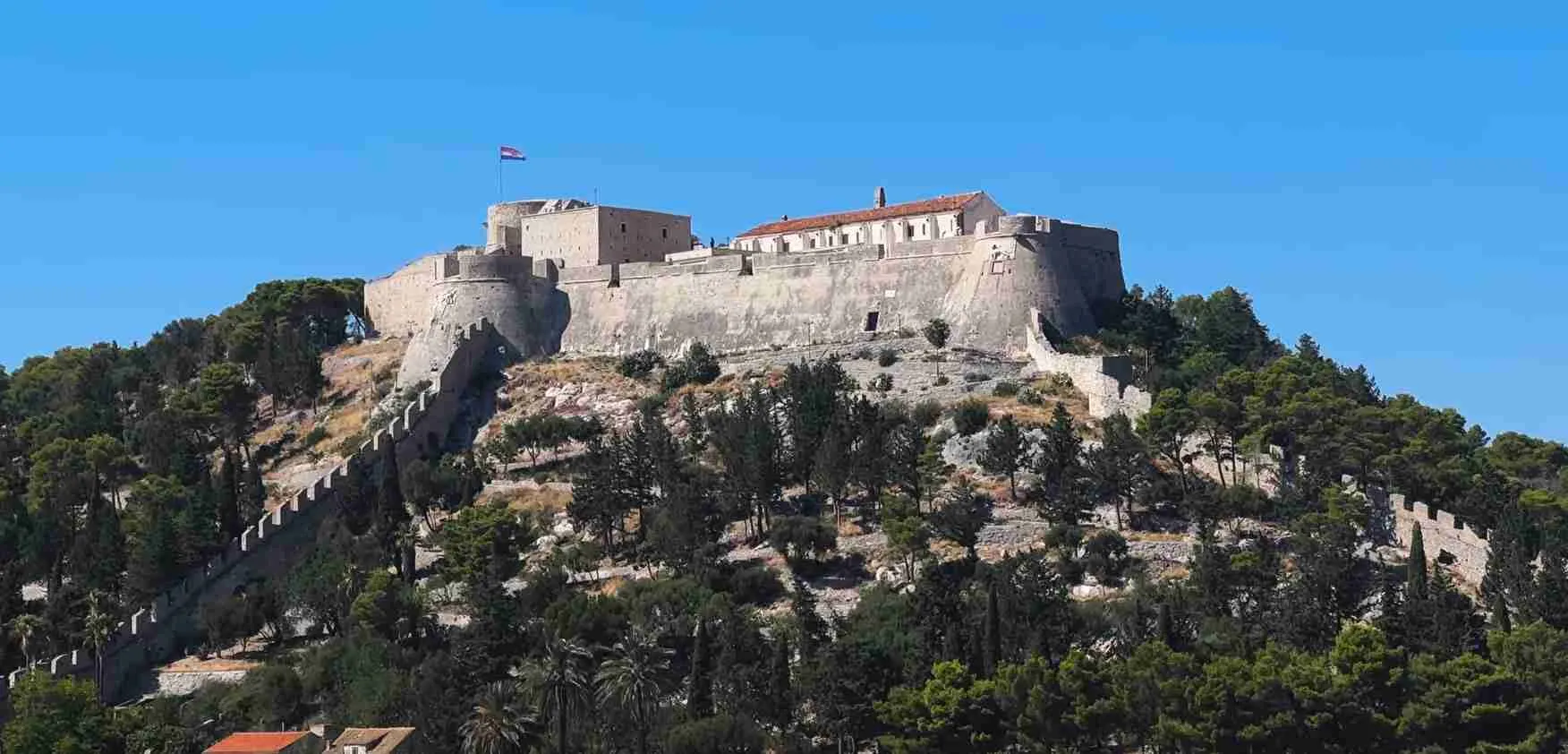
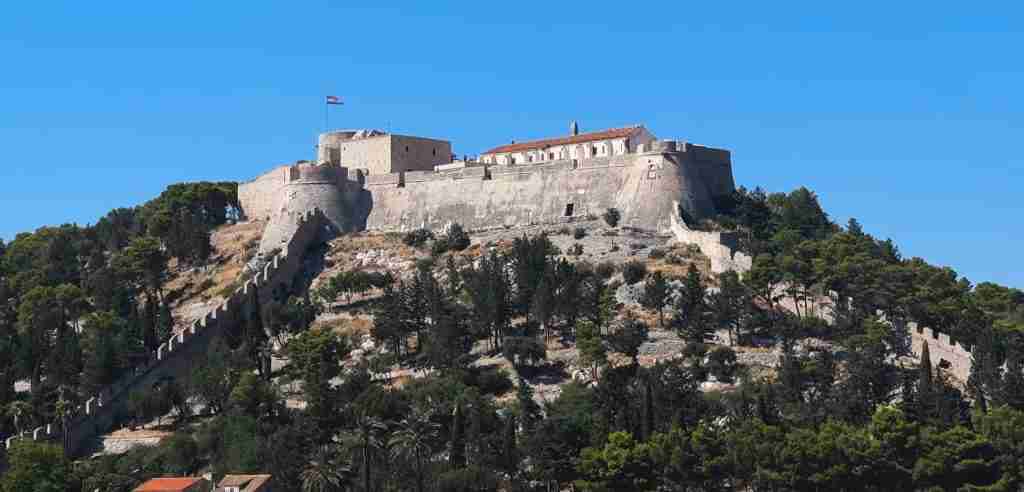
Spanish Fortress (Fortica) Hvar Town 2026
Spanish Fortress dominates Hvar Town from its hilltop position 100 meters above sea level, offering panoramic views across the town’s red roofs, harbor, Pakleni Islands, and Adriatic horizon stretching to Italian coast on clear days. The fortress charges €10 entrance fee for adults in 2026 with free admission for children under 7 and discounts for students, providing access to defensive walls, interior exhibitions of amphoras and medieval artifacts, small café serving refreshments, and souvenir shop. Reach the fortress via 15-20 minute uphill walk on stone steps and paved paths from St. Mark’s Square, departing through medieval gates north of the main square and climbing switchback routes through residential neighborhoods with progressively expanding views. The path requires reasonable fitness and proper footwear (avoid flip-flops) due to steep sections and occasionally slippery stone surfaces, though the climb remains accessible for most visitors moving at comfortable pace with rest stops. Visit early morning (8-9 AM) or late afternoon (5-7 PM) to avoid midday heat during summer months, with sunset timing (7:30-8:30 PM June-August) creating spectacular golden light across the harbor and islands. The fortress originated as Illyrian settlement site around 500 BC, developed medieval defensive structures in 13th century under Venetian rule, and achieved current form in 16th century when Spanish military engineers reinforced walls against Ottoman threats, explaining the “Spanish” designation despite Venetian administration. Allocate 45-90 minutes for visit including climb, exploration, and photography, with longer stays justified for sunset watching or café enjoyment while absorbing views.
St. Stephen’s Cathedral and Main Square Hvar Town 2026
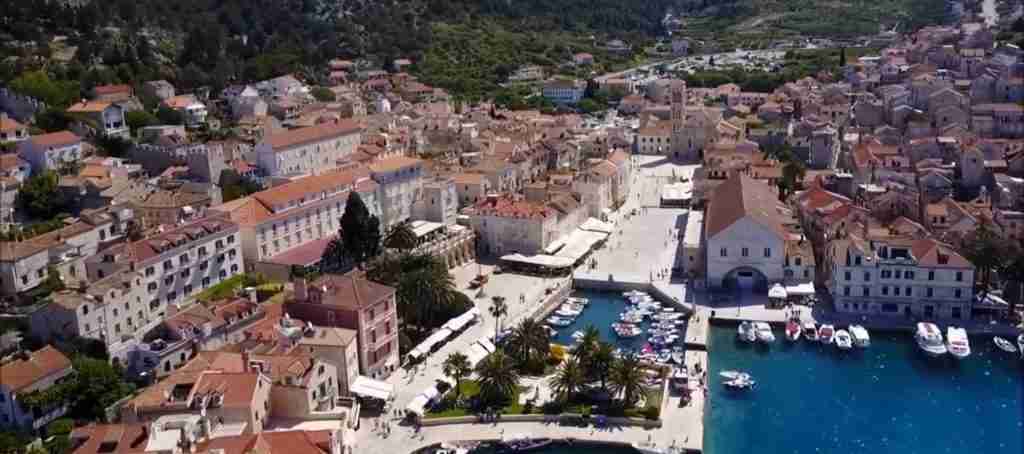
St. Stephen’s Cathedral anchors Hvar’s main square (Trg Svetog Stjepana), Croatia’s largest town piazza stretching 4,500 square meters with Renaissance architecture, café terraces, and the town’s social heart where locals and tourists mix from morning coffee through midnight aperitifs. The cathedral displays distinctive four-story bell tower with each level featuring different architectural details and decorative elements, built during 16th-17th centuries in Renaissance-Baroque style. Interior visits (free entry, donations appreciated) reveal notable artworks including altarpieces, religious sculptures, and the cathedral treasury’s liturgical items, though opening hours remain irregular outside Mass times requiring flexible planning. The adjacent Episcopal Palace and town loggia (covered walkway with Gothic arches) demonstrate Venetian architectural influence, while the central square’s marble pavement, Renaissance well, and café terraces create the perfect setting for people-watching and Croatian coffee culture immersion. Main square serves as orientation point for all Hvar Town exploration, with waterfront 2 minutes south, shopping streets radiating from eastern corners, and Spanish Fortress path beginning from northern edge. Visit early morning for photography without crowd interference, late morning for authentic Croatian coffee and pastry rituals at waterfront cafés, or evening when the square transforms into social theater with locals promenading and tourists settling into restaurant tables surrounding the cathedral.
Pakleni Islands Boat Trips 2026
Pakleni Islands archipelago lies just offshore from Hvar Town, comprising 17 islands and islets offering pristine beaches, beach clubs, restaurants, and swimming spots accessible only by boat. Taxi boats depart Hvar Town waterfront every 15-30 minutes from 9 AM to 7 PM in summer 2026, charging €5-8 per person for return trips to popular islands including Palmižana (Sveti Klement), Stipanska, and Vlaka beaches. Organized full-day boat tours (€45-65 per person) visit multiple islands with swimming stops, lunch at island restaurants, and snorkeling opportunities, eliminating the stress of coordinating individual transfers and exploring several locations in single day. Palmižana offers the most developed infrastructure with Meneghello beach resort, several restaurants including Laganini lounge, botanical gardens, and both organized beaches with lounger rentals and free public swimming areas. Zdrilca caters to naturists with clothing-optional beaches in peaceful coves, while Marinkovac hosts Carpe Diem Beach club delivering Ibiza-style atmosphere with DJs, cocktails, and expensive lounger rentals (€30-50 daily). Private boat rentals (€120-200 for 4 hours, €250-400 full day) provide ultimate flexibility for couples and groups wanting custom itineraries, secluded cove access, and freedom from fixed schedules. Pack swimming gear, sunscreen, water, and snacks for island visits, as prices at island establishments run 30-50% higher than Hvar Town mainland. Pakleni Islands deliver Hvar Town’s beach experience since the town itself has limited natural beaches, making boat access essential for quality swimming and sunbathing during the visit.
Stari Grad Plain UNESCO World Heritage Site 2026
Stari Grad Plain UNESCO World Heritage Site preserves ancient Greek agricultural landscape established in 4th century BC, featuring original stone walls, field divisions, and water management systems still functioning 2,400 years later. The plain stretches between Stari Grad and Jelsa covering nearly 1,500 hectares of vineyards, olive groves, and lavender fields maintained according to traditional methods respecting the Greek kolonat system. UNESCO inscription in 2008 recognized the plain as exceptionally preserved example of ancient Greek land organization demonstrating continuous agricultural use across millennia, with dry-stone walls, ancient roads, and rural architecture creating unique cultural landscape. Explore the plain via rental bicycle (€10-15 daily from Stari Grad shops), allowing flexible stops at wine cellars, olive oil producers, and roadside lavender fields for photography and produce purchases. The plain lacks formal interpretation center or guided tours, instead revealing its significance through landscape observation, stone wall patterns, and agricultural continuity that becomes apparent when comparing geometric field layouts to original Greek surveying. Visit June-July for lavender bloom creating purple-tinted horizons, September-October for grape harvest activities at family wineries, or May for spring wildflowers and green landscapes. Cycling the plain provides peaceful rural immersion away from coastal crowds, authentic encounters with farming families tending vines and olives, and unique perspective on Hvar’s agricultural heritage predating the party island reputation by two millennia.
Hvar Town Arsenal and Theater 2026
Hvar Arsenal occupies the town’s historic shipbuilding and repair facility on the waterfront, constructed in 13th century for Venetian maritime republic’s military vessels. The building houses one of Europe’s oldest public theaters established in 1612, ranking as the first municipal theater in Europe predating many famous Italian opera houses. The theater space retains original Renaissance architecture including frescoed ceiling, tiered seating, and stage area, functioning today for occasional performances, art exhibitions, and cultural events during summer season. Arsenal ground floor hosts contemporary art gallery spaces, tourist information office, and periodic exhibitions showcasing local artists and historical collections, with free entry providing glimpse into the historic structure’s remarkable preservation. The Arsenal’s waterfront location makes it natural stop during harbor walks, requiring only 15-20 minutes for basic visit or longer for any active exhibitions or performances. Check tourist office for summer 2026 performance schedule including occasional classical concerts, theater productions, and cultural programs that activate the historic space. The combination of medieval maritime architecture, Renaissance theater history, and continued cultural function demonstrates Hvar’s sophisticated urban development far beyond simple resort destination, offering cultural depth to complement beach and party attractions.
Franciscan Monastery Hvar Town 2026
Franciscan Monastery sits on Hvar Town’s eastern waterfront, founded in 15th century with peaceful cloister gardens, Renaissance art collection, and distinctive bell tower visible across the harbor. The monastery museum displays significant artworks including the famous “Last Supper” painting (8 meters by 2.5 meters, created 1640), religious artifacts, and ancient documents from Hvar’s ecclesiastical history. Admission costs €3-4 per person with irregular opening hours typically 10 AM-12 PM and 5 PM-7 PM daily in summer, reduced hours in shoulder seasons. The cloister garden with century-old cypress trees provides quiet refuge from Hvar Town’s bustling streets, offering contemplative atmosphere and occasional classical music concerts during summer cultural season. The monastery’s waterfront position creates stunning views across harbor to Pakleni Islands, with adjacent pebble beach providing swimming access steps from the historic complex. Visit mid-morning or early evening when crowds thin, allowing peaceful appreciation of artworks and gardens without tour group congestion. The combination of significant art collection, architectural beauty, waterfront setting, and peaceful gardens makes the Franciscan Monastery essential cultural stop for visitors interested in Hvar’s Renaissance heritage beyond fortifications and main square attractions.
Hvar’s Best Beaches and Swimming Spots 2026
Hvar Island offers 254 kilometers of coastline with diverse beach types from organized pebble beaches with loungers and cafes to isolated rocky coves accessible only by boat or hiking, accommodating preferences from family-friendly facilities to complete wilderness.
Hvar Town Beach Options 2026
Hvar Town proper has limited natural beaches, with most swimming occurring at small pebble and concrete platforms along the waterfront promenade and in Pakleni Islands just offshore. Podstine Beach lies 20 minutes walking west from town center, offering organized facilities including lounger rentals (€10-15 daily), beach bar, and gradual entry suitable for children, though crowds pack the area by noon in July-August. Franciscan Monastery Beach provides tiny pebble area beside the monastery with free access, shade from afternoon sun, and monastery views, perfect for quick dips between cultural sightseeing. Bonj Les Bains beach club east of town delivers upscale experience with infinity pool, restaurant, loungers, and sea access, charging €30-50 for lounger and umbrella rentals in premium waterfront setting. Most Hvar Town visitors treat Pakleni Islands as their primary beaches, taking 10-15 minute taxi boat rides (€5-8 return) to Palmižana, Stipanska, or other island beaches offering better swimming conditions, clearer water, and more space than mainland town options. Pack water shoes for all Hvar Town beaches as pebbles and rocky entry characterize most swimming areas, with sandy bottoms rare along this limestone coastline.
Pakleni Islands Best Beaches 2026
Palmižana Beach on Sveti Klement Island leads Pakleni archipelago options with gradual pebble entry, pine forest shade, multiple beach bars and restaurants, and organized areas with lounger rentals alongside free public sections. Taxi boats from Hvar Town waterfront reach Palmižana in 10 minutes costing €5-8 return per person, with boats departing every 20-30 minutes from 9 AM to 7 PM in summer. Vlaka Beach on Sveti Klement’s opposite side offers completely unspoiled setting with turquoise water, pebble shore, and zero commercial development beyond occasional visiting sailboats, reached via 20-minute hiking path across the island from Palmižana or direct taxi boat service. Stipanska Bay combines excellent swimming with waterfront konoba (traditional Croatian restaurant) serving fresh seafood, providing lunch option integrated with beach day. Zdrilca Island caters specifically to naturists with clothing-optional beaches, peaceful coves, and unofficial status as Pakleni’s FKK destination, reached by requesting “Zdrilca” when purchasing taxi boat tickets in Hvar Town. Carpe Diem Beach on Marinkovac delivers party atmosphere with resident DJ, cocktail service, expensive loungers (€30-50 daily), and Ibiza-influenced vibe attracting the yacht crowd and party seekers, operating late into evening during July-August peak season. Plan full-day Pakleni trips with morning departure by 10 AM for beach selection choice before crowds arrive, packed lunch and water to avoid inflated island prices, and afternoon return by 5-6 PM when taxi boats run most frequently.
Zavala and South Coast Beaches 2026
Zavala village on Hvar’s southern coast offers some of Croatia’s most pristine beaches with crystal-clear water, white pebbles, and dramatic cliff backdrops, accessed via challenging mountain road requiring careful driving or organized tours. The coastal route from Hvar Town to Zavala takes 45 minutes via steep, narrow switchbacks over the island’s spine (not recommended for nervous drivers or large vehicles), though the effort delivers spectacular views and access to virtually empty beaches even in peak August. Zavala Beach stretches along the village waterfront with several small pebble bays, 1-2 simple konobas serving grilled fish, and basic infrastructure including showers and changing facilities. Swimming conditions excel with deep water close to shore, exceptional clarity revealing sea floor 8-10 meters below, and reliable sunshine from southern exposure without the afternoon clouds that sometimes affect northern coast beaches. Ivan Dolac village east of Zavala provides similar southern coast advantages with additional wine cellars built into seaside cliffs, creating unique combination of beach swimming and wine tasting from producers harvesting grapes in steep hillside vineyards above the village. Plan full-day southern coast trips starting by 9 AM to maximize beach time before afternoon return drive, pack lunch and substantial water supplies as restaurant options remain limited, and check weather forecasts as southern exposure means no shelter from wind that makes swimming impossible 2-3 days monthly even in summer.
Dubovica Beach Near Hvar Town 2026
Dubovica Beach sits 8 kilometers east of Hvar Town along the northern coastal road, offering protected pebble bay with turquoise water, 16th-century stone house backdrop, and reputation as Hvar’s most beautiful natural beach. The bay features gradual pebble entry suitable for families, pine and olive tree shade along the shore, and clarity rivaling Pakleni Islands without boat travel requirement. A simple beach bar operates in renovated stone cottage providing refreshments, ice cream, and basic snacks at reasonable prices (€3-5 versus Pakleni’s €6-10 range). Reach Dubovica by rental car (15 minutes from Hvar Town), scooter, taxi (€15-20 each way), or organized tour, with parking area above beach requiring 5-minute downhill walk on paved path. The beach fills quickly by noon in July-August as word has spread about its beauty, requiring 9-10 AM arrival for optimal space selection and shade access. Dubovica works perfectly for travelers wanting high-quality beach experience without Pakleni boat trips or southern coast driving challenges, combining natural beauty with convenient access and reasonable pricing. Pack beach essentials as no rentals exist for loungers or umbrellas, though natural shade from pine and olive trees provides relief during hottest afternoon hours. The combination of scenic beauty, clear water, historical stone architecture, and relative convenience makes Dubovica essential beach destination for Hvar Town-based visitors seeking authentic island beach experience.
Hvar Dining Scene 2026: Restaurants and Food Costs
Dining in Hvar ranges from €8 budget konoba meals to €80+ per person fine dining experiences, with costs varying significantly between tourist-heavy Hvar Town and quieter villages, plus dramatic seasonal price differences reflecting peak summer demand.
Budget Dining in Hvar 2026 (€8-15 Per Person)
Budget dining options in Hvar for 2026 include traditional konobas serving grilled meat dishes for €10-15, pizza slices for €3-5, and burek pastries for €2-3 per piece. Konoba Menego in Hvar Town’s backstreets delivers authentic Dalmatian grilled fish, lamb, and vegetables at €12-18 per main course, while Konoba Batista near the waterfront offers similar pricing with octopus under the bell (peka) as specialty worth the 2-hour advance order requirement. Fast food options including Gustico inside Villa Marija hostel provide pizza, burgers, and sandwiches for €6-10, with free delivery service extending to Hvar Town accommodation addresses. Bakeries throughout all island towns sell burek (phyllo pastry filled with cheese, meat, or vegetables) for €2-3 per substantial slice, plus pizza slices, croissants, and pastries at €1.50-3 each, perfect for budget breakfast or lunch. Supermarket self-catering dramatically reduces food costs, with Konzum and Tommy grocery stores in all major towns offering fresh bread (€1-2), local cheese (€8-12 per kilogram), Croatian prosciutto (€12-15 per kilogram), seasonal fruits, vegetables, and wine (€4-8 per bottle) allowing picnic lunches and apartment breakfasts at €5-8 per person versus €12-18 restaurant spending. Budget travelers easily maintain €20-25 daily food costs through strategic combination of bakery breakfast (€3-4), grocery picnic lunch (€5-7), and konoba dinner (€12-15), saving 50% versus all-restaurant dining.
Mid-Range Restaurant Dining 2026 (€15-30 Per Person)
Mid-range dining in Hvar averages €15-30 per person for main courses in 2026, covering most waterfront restaurants, trattoria-style establishments, and family-run konobas with expanded menus and atmosphere beyond basic grilled meat focus. Mizarola and Gariful in Hvar Town exemplify waterfront mid-range category with fresh seafood priced by weight (€35-50 per kilogram for whole fish), risottos at €18-24, and pasta dishes €14-20, accompanied by harbor views and professional service justifying 20-30% premium over backstreet konobas. Antika near St. Stephen’s Square specializes in traditional Dalmatian cuisine including lamb peka, grilled squid, and black risotto at €18-26 per main course, combining quality ingredients with elegant atmosphere in converted stone palace. Add starters (€8-12), side vegetables or salads (€4-7), and house wine by carafe (€12-18 per liter), and typical mid-range dinner totals €35-50 per person including drinks. Eremitaz restaurant in Stari Grad waterfront provides similar quality at 15-20% lower prices than Hvar Town equivalents, while Konoba Lavanda near Brusje lavender fields delivers rural setting, home-grown produce, and traditional cooking at €15-22 main course pricing. Mid-range dining suits travelers wanting quality food beyond budget basics while avoiding fine dining expense, typically requiring dinner reservations for waterfront tables in July-August but accepting walk-ins at 6-7 PM in shoulder seasons.
Fine Dining Experiences 2026 (€40-80+ Per Person)
Fine dining in Hvar reaches €40-80+ per person in 2026 for multi-course meals at top restaurants featuring creative Dalmatian cuisine, extensive wine lists, and sophisticated presentations in elegant settings. Dalmatino in Hvar Town leads the fine dining category with tasting menus at €60-85 per person, innovative dishes combining Mediterranean ingredients with modern techniques, and wine pairings featuring Croatian premium labels including Hvar’s own producers. Passarola delivers contemporary Croatian cuisine in minimalist interior near main square, with mains at €28-42 and vegetarian/vegan options rare elsewhere on the island. Macondo near Palmižana on Sveti Klement emphasizes locally sourced ingredients, waterfront dining setting, and creative fish preparations justifying €35-50 main course pricing plus boat transfer costs. Fine dining reservations require 1-2 weeks advance booking for peak summer dates, especially for outdoor terrace seating at sunset times (7:30-8:30 PM June-August). Wine lists at top restaurants showcase Croatian production including Hvar’s Plavac Mali reds (€30-60 per bottle), indigenous Bogdanuša whites (€25-45), and mainland selections from Pelješac Peninsula and Istria (€35-80 bottles). Fine dining experiences suit special occasions, foodie travelers prioritizing culinary exploration, and those wanting sophisticated alternatives to traditional konoba grilling, though budget-conscious visitors can skip this tier entirely without missing authentic island food culture preserved at mid-range and budget establishments.
Drinks and Beverages Pricing 2026
Beverages in Hvar for 2026 include draft beer at €4-6 for 500ml, wine by glass at €4-7, cocktails at €8-12, and water at €2-3 per liter in restaurants. Croatian beers (Ožujsko, Karlovačko) dominate draft selections at €4-5, while imported Belgian or German beers reach €6-7 per glass. House wines sold by carafe (pitcher) provide best value at €12-18 per liter (4-5 glasses), versus €5-7 per single glass order, with quality varying significantly from basic table wine to decent regional production depending on restaurant standards. Cocktails at beachfront bars and clubs range €8-12 for classics like mojitos and gin tonics, rising to €15-18 for premium spirits or signature creations at upscale venues. Coffee culture thrives with espresso at €1.50-2.50, cappuccino €2.50-4, and macchiato (Croatian coffee staple) at €1.50-2, consumed standing at bar for lowest prices versus €1 premium for table service. Supermarket beverage purchases slash costs with Croatian wine at €4-8 per bottle (versus €18-30 restaurant markups), beer at €1-1.50 per bottle, and mineral water at €0.80-1.50 per 1.5-liter bottle, enabling significant savings for apartment guests and picnic planners willing to forego restaurant atmosphere for budget control.
Hvar Nightlife and Entertainment 2026
Hvar Town nightlife ranks among Croatia’s most vibrant outside Dubrovnik, combining waterfront bars, beach clubs, and late-night venues attracting international DJs and party crowds from across Europe, while quieter villages offer traditional klapa singing and wine bar atmospheres.
Hvar Town Bar Scene 2026
Hvar Town bars concentrate along the waterfront and in narrow stone streets behind St. Stephen’s Square, opening around 6 PM for sunset aperitifs and continuing until 2-3 AM with varying closing times by establishment and season. Hula Hula Beach Bar west of town center claims Hvar’s most famous sunset location, where hundreds gather daily on concrete platforms and boats to watch the sun sink into the Adriatic accompanied by resident DJ sets and cocktails (€8-12). Kiva Bar in town center delivers sophisticated cocktail program with skilled bartenders creating classics and originals in intimate stone-walled space, popular with 30+ crowd seeking quality drinks over party intensity. Lola Bar near main square combines Croatian wine selection (€5-8 per glass) with small plates and people-watching terrace positioning, operating 11 AM-midnight as all-day social hub. Waterfront promenade bars including Venanda Bar and Nautica offer harbor views, standard drink menus, and tourist-focused atmosphere with higher prices (€6-8 beers, €10-14 cocktails) reflecting premium locations. Bar-hopping suits Hvar Town’s compact geography, with 10-15 venues clustered within 5-minute walking radius allowing sampling of different atmospheres from beach bars to sophisticated lounges without taxi needs or long walks.
Late Night Clubs and Venues 2026
Late-night clubs in Hvar operate midnight-5 AM with peak crowds arriving 1-3 AM, charging entry fees €10-20 depending on night and DJ lineup, and attracting predominantly 20-35 year-old international party crowds during July-August peak season. Carpe Diem Beach on Marinkovac Island delivers Hvar’s most famous club experience, accessed via boat transfers (€5-10 each way) running continuously 11 PM-5 AM during summer, combining beach setting, international DJ residents, and Ibiza-influenced atmosphere with €12-18 cocktails and €20-30 entry fees on peak nights. Central Park Club (Park) in Hvar Town center offers three-level space with different music genres, outdoor terrace, and resident/guest DJ rotation playing house, techno, and commercial dance music for crowds that fill the venue 1-4 AM Friday-Saturday during peak summer. Veneranda night club near harbor provides alternative electronic music programming, smaller capacity creating more intimate atmosphere, and free entry most nights offset by €10-15 cocktail pricing. Expect dress codes (no flip-flops or tank tops) at premier venues, cash-only bars in some locations despite widespread card acceptance elsewhere on the island, and aggressive promotion by venue representatives walking waterfront promenade 9-11 PM offering free shot cards and event information. Late-night scene peaks July-August when all venues operate nightly, reduces to weekend-only in June and September, and essentially disappears outside May-October period when Hvar returns to quiet island rhythms.
Beach Clubs and Day Party Venues 2026
Beach clubs operate daytime through evening (10 AM-11 PM), combining beach lounger rentals, restaurant service, pool facilities, and DJ programming creating party atmosphere from afternoon through sunset hours. Hula Hula Beach Bar pioneered the genre with sunset sessions since the 1990s, maintaining free beach access while generating revenue through €8-12 drinks and sunset crowds that return daily for ritual gatherings. Bonj Les Bains near Hvar Town center elevates the concept with infinity pool, upscale restaurant, €30-50 lounger rentals, and sophisticated crowd seeking luxury beach experience rather than party intensity. Pakleni Islands host additional beach club options including Carpe Diem Beach (operating daytime before nightclub opening), Palmižana Laganini lounge, and various restaurants with beach access combining swimming, dining, and music in island-hopping day trip format. Beach clubs suit travelers wanting curated experience versus pure nature beach visits, combining sunbathing infrastructure, drink service, music atmosphere, and social scene that justifies premium pricing to target demographics. Budget-conscious visitors easily avoid this scene entirely by selecting free beaches, packing own refreshments, and seeking atmosphere from nature rather than DJs, though beach club culture represents authentic part of modern Hvar identity worth understanding if not participating.
Cultural Events and Traditional Entertainment 2026
Cultural events in Hvar 2026 include klapa singing performances (UNESCO-protected Croatian male vocal tradition), classical concerts in Arsenal Theater, church music festivals, and traditional processions during religious holidays providing alternatives to beach club party culture. Hvar Summer Festival (June-September) programs classical music, theater, and dance performances in historic venues including Cathedral, Franciscan Monastery, and Spanish Fortress, with tickets €10-25 for individual concerts and performances. Procession Following the Cross on Holy Thursday before Easter (March 31, 2026) sees island villages conduct overnight walking pilgrimage dating to 16th century, with opportunity to witness one of Croatia’s most significant religious traditions. Lavender harvest season (late June-early July) brings local festivals in Brusje, Velo Grablje, and Malo Grablje with lavender product sales, traditional food stalls, and celebrations of the crop defining Hvar’s aromatic identity. Wine harvest festivals in September-October allow participation in grape picking, traditional pressing, and vineyard celebrations at family wineries across Stari Grad Plain, combining cultural immersion with wine tasting and agricultural tourism. These traditional events reveal Hvar’s deeper identity beyond party destination superficiality, connecting contemporary island culture to centuries of Mediterranean agricultural and religious tradition that shaped communities before mass tourism arrival.
Day Trips and Excursions from Hvar 2026
Hvar’s central Dalmatian position enables excellent day trip opportunities to neighboring islands, mainland national parks, and coastal cities, with organized tours and independent ferry connections providing flexible exploration options.
Blue Cave and Vis Island Tours 2026
Blue Cave (Modra špilja) on Biševo Island near Vis ranks among Croatia’s most photographed natural phenomena, where sunlight entering underwater opening creates ethereal blue glow illuminating the cave interior. Full-day tours from Hvar (€65-95 per person) depart 8-9 AM via speedboat, visiting Blue Cave, swimming stops at Vis beaches including Stiniva Cove, lunch in Vis Town or Komiža fishing village, and return to Hvar by 5-6 PM. Blue Cave access requires calm sea conditions (cancelled 1-2 days weekly during July-August due to waves), limited group sizes (6-8 people per small boat entering cave), and €12-15 cave entrance fee beyond tour price. Tours sell out 3-7 days ahead in peak summer requiring advance booking through Hvar Town travel agencies or online platforms, though last-minute availability exists in shoulder seasons. Alternative independent approach involves catamaran to Vis (1 hour, €15-20 each way) allowing flexible Vis island exploration, renting scooter for island tour including Stiniva beach, and skipping Blue Cave to avoid tour schedule constraints. Vis itself rewards full-day exploration with military tunnels from Yugoslav era, pristine beaches, excellent seafood restaurants, and authentic island atmosphere less developed than Hvar, justifying visit with or without Blue Cave component.
Brač Island and Zlatni Rat Beach 2026
Brač Island lies just north of Hvar across Hvar Channel, hosting famous Zlatni Rat beach near Bol town plus marble quarries, Dominican monastery, and mountain village Skrip with archaeological museum. Ferry connections run Hvar to Bol (50 minutes, €8-12 per person) 2-4 times daily allowing independent day trips, or organized tours (€45-60) combine boat transfer, guided Bol tour, Zlatni Rat beach time, and optional visits to Brač wineries or Vidova Gora viewpoint (Croatia’s highest coastal peak at 778 meters). Zlatni Rat’s unique shape-shifting pebble spit extends into turquoise water, creating photogenic beach landscape popular with windsurfers, though crowds overwhelm the area July-August with thousands of daily visitors arriving via ferries, tour boats, and cruise ship tenders. Bol town provides charming Dalmatian atmosphere, waterfront restaurants serving fresh fish at €18-28 mains, and Dominican monastery housing museum and 15th-century paintings. Independent travelers benefit from flexible schedules allowing early morning departure to reach Zlatni Rat before 10 AM crowds, time for mountain village exploration or winery visits, and afternoon return avoiding tour group timelines. Brač marble quarries near Pučišća demonstrate the white stone exported globally including to Washington DC’s White House, offering unique industrial heritage tourism combining natural beauty with quarrying history. Day trips to Brač work well for beach-focused itineraries, photography enthusiasts, and those wanting island-hopping variety without overnight bag logistics or accommodation booking.
Korčula Island Day Trips 2026
Korčula Island southeast of Hvar offers medieval Korčula Town (claimed Marco Polo birthplace), excellent white wine production, and moreška sword dance performances creating full-day cultural excursion contrasting Hvar’s beach focus. Catamaran connections run Hvar to Korčula (1-1.5 hours, €10-18 one-way) with 1-2 daily summer services allowing independent day trip logistics, arriving mid-morning and departing late afternoon for 6-7 hours island exploration. Organized tours (€55-75) include boat transfer, guided walking tour of Korčula Town’s Venetian walls and cathedral, free time for lunch and swimming at town beaches, and return transfer eliminating independent schedule coordination stress. Korčula Town preserves exceptional medieval architecture within intact defensive walls, narrow streets designed for shade and wind protection, St. Mark’s Cathedral with Tintoretto paintings, and town museum showcasing maritime and cultural history. Moreška sword dance performances (July-August Thursdays, €10-15 tickets) demonstrate UNESCO-protected tradition featuring choreographed battle between Moors and Christians in elaborate costumes, though the 30-minute spectacle targets tourists more than locals maintaining living tradition. Korčula wineries surrounding Lumbarda produce excellent Grk and Pošip white wines (€8-15 per bottle), offering tasting rooms and direct sales complementing the medieval town cultural focus. Independent travelers with full day availability can combine Korčula Town morning exploration with afternoon Lumbarda wine tasting and beach swimming before return catamaran, maximizing the island’s diverse offerings beyond organized tour limitations.
Split and Diocletian’s Palace Day Trips 2026
Split mainland city lies just 1 hour by catamaran from Hvar, offering UNESCO-listed Diocletian’s Palace, vibrant urban energy, and excellent museums justifying day trip for travelers wanting mainland Croatian city experience contrasting island rhythms. Ferry schedules provide 8-12 daily options allowing morning departure from Hvar by 8-9 AM, full day in Split, and return by evening catamaran (5-7 PM departures), with round-trip tickets costing €12-25 depending on operator. Diocletian’s Palace complex covers split’s old town core, built 4th century AD as Roman Emperor Diocletian’s retirement residence and evolved into living city neighborhood where 3,000 residents occupy ancient Roman cellars, temples, and palace structures. Key attractions include palace basements (€8 entry), Cathedral of St. Domnius in converted mausoleum (€5 entry plus €5 bell tower climb), Peristyle square for people-watching and occasional klapa singing, and narrow streets packed with shops, cafes, and tourist activity. Split Archaeological Museum (€3 entry) ranks among Croatia’s finest collections of Roman artifacts, while Marjan Hill provides hiking trails, viewpoints over city and islands, and pine forest shade 20 minutes walking from palace center. Allow 6-7 hours in Split for thorough palace exploration, museum visits, lunch at traditional konoba, and waterfront promenade walk along Riva before return ferry. Split suits rainy day backup plans when beach focus fails, history enthusiasts wanting substantial archaeological sites beyond Hvar’s limited Roman remains, and urban energy seekers needing break from island’s smaller-scale atmosphere.
Wine Tourism and Lavender Experiences in Hvar 2026
Hvar’s agricultural heritage centers on wine production and lavender cultivation, creating tourism opportunities that connect visitors to the island’s farming traditions, UNESCO-protected landscapes, and artisanal food culture beyond beaches and nightlife.
Hvar Wine Production and Grape Varieties 2026
Hvar wine production focuses on indigenous Croatian varieties thriving in Mediterranean microclimate including Plavac Mali red (related to California Zinfandel), Bogdanuša white unique to Hvar, and smaller plantings of Darnekuša and international varieties. Vineyards concentrate across Stari Grad Plain’s UNESCO-protected ancient Greek field system, southern coast cliff terraces near Ivan Dolac and Sveta Nedjelja, and hills surrounding Jelsa and Vrboska. Plavac Mali produces powerful, full-bodied reds at 13-15% alcohol with dark fruit flavors, tannin structure, and aging potential reaching 10+ years from quality producers, typically sold at €15-30 per bottle for standard releases and €30-60 for reserve/premium selections. Bogdanuša delivers fresh, aromatic white wines with citrus and Mediterranean herb notes, consumed young as food-pairing wine for seafood and light dishes, available at €12-20 per bottle from island producers. Family wineries operate tasting rooms by appointment, charging €10-20 per person for guided tastings of 4-6 wines paired with local cheese, prosciutto, and olive oil in casual cellar settings or vineyard terraces. Notable producers include Tomić Winery near Jelsa with terrace tasting room and restaurant, Plančić near Vrboska combining wines with traditional konoba dining, and Bastijana/Zlatan Otok in Sveta Nedjelja village with dramatic seaside cellar built into cliffside offering unique ambiance alongside quality wines.
Wine Tasting Tours and Winery Visits 2026
Organized wine tours provide transportation, multiple winery visits, and guided tasting experiences ideal for travelers without rental cars or wine expertise. Half-day tours (€55-75 per person) visit 2-3 wineries across Stari Grad Plain or southern coast, include 12-18 wine tastings with food pairings, explain Croatian varieties and winemaking traditions, and transport participants in air-conditioned vans eliminating drinking-and-driving concerns. Full-day tours (€90-120) expand to 4-5 wineries, add lunch at traditional konoba featuring local ingredients, and potentially include lavender field visits or village tours creating comprehensive agricultural tourism experience. Book wine tours through Hvar Town travel agencies, online platforms like GetYourGuide or Viator, or directly with tour operators like Hvar Wine Tours and Hvar Adventures specializing in island food and wine experiences. Independent winery visits require advance contact via email or phone for appointment confirmation, rental car or scooter for transportation between spread-out locations, and willingness to navigate Croatian language interactions though most family winemakers speak basic English and welcome international visitors. Harvest season (September-October) offers unique winery experiences including grape-picking participation, witnessing traditional pressing methods, and tasting freshly crushed juice before fermentation begins, though exact timing varies 1-2 weeks annually based on weather patterns and grape ripeness. Wine purchases at cellar door provide excellent value versus retail or restaurant markups, with most producers offering shipping arrangements for international buyers seeking to transport multiple bottles home rather than carrying weight through continued island-hopping travel.
Lavender Fields and Harvest Season 2026
Lavender cultivation defines Hvar’s interior landscape and aromatic identity, with purple fields blooming late June through mid-July creating photographic opportunities and agricultural tourism experiences beyond beach focus. Historic lavender-growing villages including Brusje, Velo Grablje, and Malo Grablje on Hvar’s central plateau preserve traditional cultivation methods, stone architecture, and family farms producing lavender essential oil, dried flowers, and value-added products sold at village shops and farmers markets. Peak bloom timing varies slightly each year based on spring rainfall and temperatures, typically occurring June 20-July 15 when fields display full purple color before mechanical harvesting removes flowers for distillation. Lavender harvest involves early morning cutting when essential oil concentration peaks, transport to village distilleries, and steam extraction processes visible at several operations including Hvar Heritage in Velo Grablje offering demonstrations and product sales. Lavender festivals celebrate the harvest with traditional music, local food stalls, craft vendors selling lavender products, and opportunities to purchase directly from farmers at lower prices than tourist shop markups. Independent exploration via rental car or scooter allows flexible stops at roadside fields, village distilleries, and scenic overlooks across the lavender-growing interior, while organized tours (€45-65) combine lavender focus with winery visits or village lunch creating comprehensive agricultural experience. Purchase lavender products including essential oil (€15-25 per 30ml bottle), dried flowers (€5-10 per bag), lavender honey (€8-12 per jar), and soaps/cosmetics (€6-15 per item) directly from producers in villages rather than tourist shops charging 30-50% premium for identical products. Lavender season represents unique timing window worth planning 2026 visits around for photographers, nature enthusiasts, and those seeking authentic agricultural experiences connecting to Hvar’s farming heritage predating party island commercialization.
Hvar Travel Budget Planning 2026: Daily Cost Breakdown
Understanding daily costs in Hvar for 2026 requires accounting for significant variables including travel style, season, accommodation location, and dining choices that create expense ranges from budget backpacker to luxury resort experiences.
Budget Travel Daily Costs Hvar 2026
Budget travel in Hvar costs €78-95 per person daily excluding accommodation in 2026, combining hostel dormitories or private guesthouse rooms (€42-80 nightly), self-catered breakfast and lunch from supermarkets, konoba dinners, free beaches, and minimal paid activities. Daily breakdown includes bakery breakfast €3-4 (burek or pastry plus coffee), supermarket picnic lunch €5-7 (bread, cheese, fruit, water), konoba dinner €12-15 (grilled meat or fish main course, no drinks), and beach/hiking activities €0-10 (free public beaches, Spanish Fortress entrance €10). Local bus transport costs €3-5 per journey where needed, though walking covers most Hvar Town exploration eliminating transport expense. Accommodation in Hvar Town proves difficult at budget levels, shifting most budget travelers to Stari Grad (€42-60 for private rooms), Jelsa (€45-65), or villages where families rent basic apartments maintaining lower tourism pricing despite inflation affecting prime locations. Budget travelers reduce costs 15-20% by visiting May, June, September, or October versus July-August peak season, though some savings offset by reduced ferry schedules requiring more careful daily planning. Weekly budget travel costs total €850-1,100 per person including accommodation, all meals, local transport, and basic activities like Spanish Fortress, one Pakleni Islands boat trip, and Blue Cave tour, excluding the Split-Hvar ferry tickets (€12-25 round-trip) accounted separately in transportation budget.
Mid-Range Comfort Daily Costs 2026
Mid-range travel in Hvar costs €120-153 per person daily excluding accommodation in 2026, combining 3-star hotels or quality apartments (€117-171 nightly), restaurant meals including waterfront dining, organized activities and boat trips, and paid beach facilities. Daily breakdown includes hotel breakfast €8-12 if not included, waterfront lunch €18-25 (seafood salad or pasta with drinks), restaurant dinner €28-40 (fish main course, side dish, house wine), Pakleni Islands boat trips €5-8, and beach club lounger rentals €10-15. Add organized day tours €45-65 (Blue Cave, wine tasting, Brač), scooter rental €25-45 for exploration flexibility, and occasional fine dining splurge €50-80, and weekly mid-range costs reach €1,600-2,200 per person including accommodation and activities beyond basic beach relaxation. Mid-range travelers achieve better value selecting shoulder seasons (May, September, October) when hotel rates drop 30-40% versus peak summer but facilities, restaurants, and tours maintain full operations, effectively upgrading experience category without proportional budget increase. Accommodation in Stari Grad or Jelsa versus Hvar Town saves €20-40 nightly for equivalent quality while reducing restaurant costs 15-20% at village establishments serving similar food with less waterfront premium, though sacrificing nightlife convenience if party scene access matters. Weekly mid-range budget planning should account for €250-400 additional allowance for unexpected costs, special meals, activity upgrades, and souvenir shopping, with couples benefiting from split accommodation costs reducing individual per-person totals significantly.
Luxury Travel Daily Costs 2026
Luxury travel in Hvar exceeds €250 per person daily excluding accommodation in 2026, staying at 4-5 star hotels or exclusive resorts (€171-435+ nightly), dining at top restaurants, booking private boat charters, and accessing premium beach clubs with full service. Daily breakdown includes luxury resort breakfast buffet €15-25 if not included, fine dining lunch €40-60 at waterfront restaurants or island destinations, upscale dinner €60-90 with wine pairings, beach club service €30-50 for lounger and umbrella, and premium activities €100-250 (private boat charter, helicopter tour, spa treatments). Add car rental for maximum flexibility €50-70 daily, regular bar and cocktail spending €30-50, and shopping for local wines and artisanal products €50-100, and luxury weekly costs exceed €3,500-5,000 per person including top-tier accommodations and experiences without budget constraints. Luxury travelers concentrate in Hvar Town for proximity to best restaurants and nightlife, accepting premium pricing for convenience and atmosphere, or select peaceful luxury like Maslina Resort near Stari Grad trading party access for spa wellness and design hotel sophistication. Peak season timing becomes irrelevant for luxury budget as premium properties maintain high rates year-round with 20-30% maximum discounts in shoulder seasons, while service quality and exclusivity actually improve outside July-August when fewer guests occupy facilities allowing more personalized attention. Weekly luxury budgets should include €500-1,000 contingency for spontaneous upgrades, special events, private dining experiences, and premium wine purchases at cellar doors, with couples potentially moderating individual costs through shared accommodation and experience expenses.
Sample 3-Day Hvar Budget Breakdown 2026
A sample 3-day mid-range Hvar itinerary for 2026 demonstrates realistic cost allocation across accommodation, meals, activities, and transport, helping travelers plan appropriate budgets for their visit style and season.
Day 1 – Arrival and Hvar Town: Accommodation €117 (3-star hotel with breakfast), waterfront lunch €20, Spanish Fortress entrance €10, beach time €0, aperitif drinks €12, dinner €35, evening bars €18. Total day cost: €212 per person including accommodation.
Day 2 – Pakleni Islands: Accommodation €117, taxi boat to Palmižana €8, beach club lounger rental €15, island lunch €25, return boat €8, Hvar Town dinner €32, cocktails €14. Total day cost: €219 per person including accommodation.
Day 3 – Blue Cave Tour: Accommodation €117, full-day organized tour €75, dinner €28, evening activities €10. Total day cost: €230 per person including accommodation.
Three-day total: €661 per person covering mid-range accommodation, all meals, key activities, and entertainment, excluding Split ferry tickets (€25 round-trip), arrival transport from Split, and miscellaneous shopping or snacks. Budget travelers reduce this by €180-220 through hostel accommodation, self-catering meals, and free activities. Luxury travelers increase by €250-400 through resort stays, fine dining, and private tours.
Practical Travel Tips for Hvar 2026
Successful Hvar travel requires understanding practical details including currency, language, weather patterns, and local customs that shape daily experiences and help avoid common tourist mistakes.
Money and Currency in Croatia 2026
Croatia uses the Euro (EUR) as official currency since January 2023 adoption, simplifying transactions for European visitors and eliminating previous Croatian Kuna conversion needs. ATMs appear throughout Hvar Town, Stari Grad, and Jelsa dispensing Euros in €10-100 denominations, though €50-100 notes prove difficult spending at small shops and cafes preferring €5-20 bills for easier change provision. Credit cards gain acceptance at most hotels, restaurants, and larger shops, though some traditional konobas, small family businesses, and market vendors maintain cash-only policies requiring €50-100 daily cash availability for flexibility. Avoid currency exchange offices advertising “no commission” as exchange rates typically include 5-8% markup versus official rates, instead withdrawing Euros directly from ATMs charging only home bank international transaction fees (typically 1-3%). Tipping practices in Croatia remain modest compared to US standards, with 10% considered generous for good restaurant service, rounding up taxi fares to next Euro, and €1-2 per bag for hotel porter service. Budget €30-50 daily cash for small purchases, beach bars, taxi boats, and establishments without card readers, while using credit cards for larger restaurant bills, accommodation payments, and organized tour bookings to minimize cash carrying and tracking expenses through electronic statements.
Language and Communication 2026
Croatian serves as official language throughout the island, though English reaches near-universal comprehension in tourist areas including Hvar Town, Stari Grad, and Jelsa where younger generations and hospitality workers communicate fluently. Italian maintains secondary language status from historical Venetian connections and contemporary Italian tourism, while German comprehension exists among older residents and staff at German-focused properties. Basic Croatian phrases enhance interactions and earn appreciation from locals: “dobro jutro” (good morning), “hvala” (thank you), “molim” (please/you’re welcome), and “govorite li engleski?” (do you speak English?). Restaurant menus provide English translations at tourist-oriented establishments, though traditional konobas may present Croatian-only menus where pointing, smartphone translation apps, and server assistance navigate ordering successfully. WiFi access reaches excellent coverage at accommodations, restaurants, and many public spaces, though 4G/5G mobile data provides reliable connectivity for navigation, translation apps, and ferry schedule checking worth activating before arrival through home carrier international plans or purchasing Croatian SIM cards (€10-20 for 5-10GB data packages) at Konzum supermarkets or Tommy stores in major towns.
Weather Patterns and What to Pack 2026
Hvar weather in summer 2026 (June-August) delivers 26-30°C daytime temperatures, 22-25°C night minimums, and 11-13 sunshine hours daily with minimal rainfall beyond occasional thunderstorms clearing within 2-3 hours. Spring and fall shoulder seasons (May, September, October) moderate to 22-26°C daytime highs with cooler evening temperatures requiring light jacket or sweater after sunset, while maintaining excellent beach weather with 20-24°C sea temperatures extending swimming season significantly beyond Northern European summers. Pack lightweight, breathable clothing including swimwear, beach cover-ups, walking shorts/pants, breathable shirts, and sun protection essentials (50+ SPF sunscreen, hat, sunglasses) for summer visits. Add modest clothing for church visits and upscale restaurants requiring covered shoulders and avoiding beach attire, comfortable walking shoes for Spanish Fortress climb and village exploration beyond flip-flops or sandals, and reef shoes for rocky beach entry protection against sea urchins and sharp stones. Evening wear remains casual across most Hvar establishments, though beachfront fine dining and exclusive clubs justify one nicer outfit for special meals or nightlife, while comfortable day-to-day clothing suffices for traditional konobas and family restaurants. Wind patterns bring afternoon maestral breezes cooling beaches and towns from peak heat, occasionally strengthening to 20-30 km/h requiring secured belongings at beach and protection for sun umbrellas, while rare bora winter winds (October-April) create rough seas canceling ferry services 2-3 days monthly requiring flexible travel schedules during shoulder and off seasons.
Health and Safety Considerations 2026
Hvar presents minimal safety concerns for tourists, with low crime rates, excellent medical facilities, and standard Mediterranean health considerations. Sun exposure creates the primary health risk during summer visits, requiring diligent sunscreen application, midday shade seeking during 12-3 PM peak UV hours, and adequate hydration (2-3 liters daily) preventing heat exhaustion during beach days, fortress climbing, and island exploration. Sea urchins inhabit rocky coastal areas requiring reef shoes or water shoes for safe entry, with spine removal and vinegar treatment addressing occasional stings that pose nuisance rather than serious injury. Jellyfish appear sporadically during summer months, typically small harmless varieties rather than dangerous Portuguese man-o-war, though local beach information flags any concerning presence requiring swimming caution. Hvar Health Center in Hvar Town provides emergency care, routine medical consultation, and pharmacy services, while serious medical issues transfer to Split Clinical Hospital via ambulance helicopter creating excellent access to advanced healthcare within 30 minutes. European Health Insurance Cards (EHIC) provide EU citizens with public healthcare access, though travel insurance covering medical evacuation proves essential for non-EU visitors and anyone requiring specialized treatment or hospital admission. Tap water meets EU safety standards and tastes acceptable across the island, though bottled water preference remains common among locals and tourists citing mineral content preference over safety concerns. Mosquitoes appear more commonly in evening hours near vegetation and wetland areas (minimal on Hvar), with basic insect repellent preventing nuisance bites rather than disease concerns as Croatia maintains no malaria or serious mosquito-borne illness risk.
Sustainable and Responsible Travel in Hvar 2026
Sustainable travel practices help protect Hvar’s fragile island environment, support local communities, and preserve cultural heritage against mass tourism pressures threatening the island’s character and natural beauty.
Water scarcity challenges Hvar throughout summer months when tourism population exceeds permanent residents by 10-20 times while rainfall essentially stops June through August. Practice water conservation through short showers, towel reuse rather than daily changes, and avoiding unnecessary laundry services at accommodations where fresh water arrives via tanker boat from mainland during peak demand periods. Support local businesses over international chains by dining at family-run konobas, shopping at farmers markets, booking through local accommodation owners rather than major platforms when possible, and selecting Croatian wine and products over imports creating economic benefit for island residents maintaining year-round community versus seasonal service workers.
Reduce plastic waste carrying reusable water bottles refillable at accommodation and public fountains, cloth shopping bags for market purchases, and refusing plastic straws/utensils at beach bars where acceptable alternatives exist. Respect natural spaces by staying on marked hiking trails preventing erosion, removing all trash from beaches and wilderness areas following “leave no trace” principles, and avoiding disturbance to protected flora including wild lavender and endemic plant species surviving in Mediterranean climate extremes. Consider shoulder season visits (May, September, October) reducing pressure on peak summer infrastructure, allowing fuller appreciation of island culture when local life continues beyond tourist service, and distributing tourism economic benefits across longer annual periods versus compressed July-August concentration.
Energy conservation through air conditioning moderation (setting 24-25°C versus 20-22°C reduces consumption 30-40%), turning off lights and electronics when leaving rooms, and selecting accommodations advertising environmental certifications or solar power implementation helps address island energy challenges. Transportation choices favoring walking within towns, public buses between municipalities where schedules allow, and shared taxi boat services to Pakleni Islands versus private boat charters reduce per-capita emissions and traffic congestion in Hvar Town’s narrow streets where automobile restriction improve pedestrian safety and atmospheric quality.
Cultural respect through modest dress visiting churches and religious sites (covered shoulders and knees), learning basic Croatian greeting phrases demonstrating effort beyond English assumption, and understanding local customs including quiet hours (typically 2-4 PM afternoon rest period and after 10 PM in residential areas) creates positive visitor-resident interactions supporting sustainable tourism relationships. Wildlife protection extends to avoiding feeding seagulls and feral cats despite their persistence around outdoor restaurants, respecting sea turtle nesting sites if encountered on remote beaches, and maintaining distance from any wildlife including birds, lizards, and rare monk seals occasionally spotted in island waters.
Frequently Asked Questions: Hvar Travel 2026
Do I Need a Car to Explore Hvar Island in 2026?
A car is not essential for Hvar Town-based visits in 2026, as the compact town center covers all major attractions within 15-minute walking distance and Pakleni Islands access requires boat trips regardless of vehicle availability. However, rental cars significantly enhance island exploration for travelers wanting to visit southern coast beaches (Zavala, Ivan Dolac), interior lavender villages (Brusje, Velo Grablje, Malo Grablje), Stari Grad Plain wineries, and multiple municipalities in single day without tour group schedules or limited bus timing. Scooter or ATV rentals provide middle-ground option for solo travelers and couples combining mobility with easier parking in crowded coastal towns. Local buses connect Hvar Town, Stari Grad, and Jelsa but operate 4-6 daily services unsuitable for flexible sightseeing, while taxis charge €15-35 for inter-town transfers quickly exceeding daily car rental costs for active exploration. Car rentals in Hvar Town and Stari Grad cost €40-70 daily for small vehicles, requiring advance booking for July-August availability and international driver’s license presentation alongside valid home country license.
Is Hvar Safe for Solo Female Travelers in 2026?
Hvar proves very safe for solo female travelers in 2026, with low crime rates, well-lit streets in all major towns, and predominantly respectful local attitudes toward independent women visitors. Standard safety precautions apply including avoiding excessive alcohol consumption in nightlife settings, using licensed taxis rather than accepting rides from strangers, keeping valuables secured at accommodations rather than carrying to beaches, and trusting instincts about situations or individuals creating discomfort. Beach safety concerns center on sun exposure and sea conditions rather than personal security, with solo swimming recommended at organized beaches with other visitors present versus isolated coves requiring help availability if cramps or injuries occur. Hostel dormitories and budget guesthouses create natural social opportunities meeting fellow travelers for shared activities, meals, and evening entertainment, while solo dining at restaurants proves completely normal and socially acceptable throughout Croatian culture. Women traveling alone should exercise normal awareness of surroundings during late-night hours, particularly in Hvar Town’s nightlife areas where intoxication creates vulnerability, and consider accommodation within 10-15 minutes walking of town center eliminating isolated late-night walks after clubs close 2-4 AM.
Can I Visit Hvar as a Day Trip from Split in 2026?
Day trips to Hvar from Split work successfully in 2026 using fast catamarans (1 hour journey), allowing 6-8 hours island exploration before return ferries though missing evening sunset, nightlife, and full island appreciation. Morning catamarans depart Split 9-11 AM arriving Hvar Town 10 AM-12 PM, with return services 4-7 PM providing afternoon or early evening departure options. Six hours allows exploration of Hvar Town’s main square, Spanish Fortress (1.5-2 hours including climb), waterfront lunch, and quick Pakleni Islands boat trip to one beach for 2-3 hour swimming stop before return ferry deadline. Day trip limitations include missing sunset view from Spanish Fortress (best island experience), nightlife sampling, accommodation in historic stone buildings, morning exploration before cruise ship crowds arrive 10 AM-5 PM, and deeper island exploration of Stari Grad, wineries, or southern beaches requiring overnight stay and rental vehicle. Day trips from Split suit cruise ship passengers, travelers with limited time budget allocating multiple Dalmatian destinations, and those wanting Hvar Town highlights without beach focus or overnight investment. Serious Hvar exploration justifies minimum 2-3 night stays allowing day trips to Pakleni Islands, Blue Cave or neighboring islands, wine tasting tours, and full appreciation of island beyond rushed 6-hour tourist checklist approach.
What Are Hvar’s Best Beaches for Families with Children in 2026?
Family-friendly beaches in Hvar for 2026 include Milna Beach near Hvar Town (15 minutes walking), featuring gradual pebble entry, shallow water extending 10-15 meters from shore, pine tree shade, small café, and lifeguard presence during July-August peak season. Podstine Beach west of town center provides organized facilities including lounger rentals, beach bar with children’s menu, playground area, and calmer water protected by harbor position. Jelsa beaches on northern coast excel for families seeking peaceful atmosphere, affordable accommodation nearby, and multiple small pebble bays within 5-10 minutes walking of town center with minimal crowds even in peak summer. Palmižana on Pakleni Islands combines easy boat access (10 minutes from Hvar Town, €5-8 return), gradual entry suitable for swimmers, restaurant facilities with children’s offerings, and pine forest shade alongside organized beach areas. Avoid rocky beaches like Dubovica and southern coast locations (Zavala, Ivan Dolac) with steep drop-offs and deeper water unsuitable for young children, plus difficult access requiring car transport. Pack water shoes protecting children’s feet from pebbles and rocky bottom, sun protection including 50+ SPF sunscreen and UV shirts for sensitive skin, and snacks/water avoiding inflated beach café prices and providing sustenance for active beach days requiring constant energy replacement.
How Crowded Does Hvar Get in Peak Summer 2026?
Hvar Town experiences significant crowding in July-August 2026 peak season, with 5,000-8,000 daily visitors arriving via ferries, cruise ship tenders, and private yachts overwhelming the 4,700 permanent residents and creating congested streets, packed beaches, and difficult restaurant reservations after 7 PM. Main square transforms into dense tourist mass 10 AM-6 PM when cruise ship day-trippers peak, waterfront promenade becomes shoulder-to-shoulder walking space requiring patience and careful navigation, and popular Instagram locations like Spanish Fortress and cathedral steps fill with photographers queueing for crowd-free compositions. Beach crowding on Pakleni Islands intensifies with Palmižana’s organized areas reaching capacity by 11 AM July-August, requiring early departures on 9-10 AM taxi boats for optimal space selection and beach access before crowds arrive. Stari Grad and Jelsa maintain significantly calmer atmospheres throughout peak season, hosting primarily Central European families and Croatian domestic tourists versus international party crowds concentrating in Hvar Town, though these municipalities still experience 2-3 times their off-season populations during July-August. Crowd avoidance strategies include visiting September or June versus peak July-August weeks, exploring early morning (before 9 AM) or evening (after 6 PM) when day-trippers depart, selecting lesser-known beaches and villages versus main tourist sites, and dining at traditional konobas in backstreets rather than waterfront restaurants where tourist visibility creates table competition. Accept crowds as intrinsic part of peak summer Hvar experience, or visit shoulder seasons (May, September-October) reducing visitor numbers 50-60% while maintaining excellent weather and nearly full operational infrastructure.
What Documents Do I Need to Visit Hvar in 2026?
EU and EEA citizens need only valid national ID card or passport for Hvar visits in 2026, as Croatia joined Schengen Area allowing borderless travel from other Schengen countries without passport stamps or visa requirements. US, Canadian, Australian, and many other nationalities enter Croatia visa-free for tourism stays up to 90 days within 180-day period, requiring only passport valid 6 months beyond intended departure date and return ticket demonstrating temporary visit intentions. Non-EU visitors should carry proof of sufficient funds (credit cards, bank statements showing €50-100 daily availability), travel insurance documentation, and accommodation reservations/confirmations if questioned by immigration officials, though enforcement remains minimal for obvious tourists with booked accommodation and return transport. Schengen visa holders may visit Croatia using same visa authorization, though should verify their specific visa type allows Croatian entry as some limited-territory Schengen visas exclude Croatia despite membership. European Health Insurance Card (EHIC) provides EU citizens with public healthcare access, while comprehensive travel insurance covering medical evacuation, trip cancellation, and lost belongings proves essential for non-EU visitors lacking automatic healthcare reciprocity. International driver’s license alongside home country license facilitates car and scooter rentals, though many agencies accept valid home licenses from US, Canada, Australia, and EU countries without additional documentation requirements.
When is Lavender Season in Hvar 2026?
Lavender season in Hvar peaks late June through mid-July 2026 when fields display full purple bloom before mechanical harvesting begins, creating optimal timing for photography, aromatic field walks, and authentic agricultural tourism experiences. Exact bloom timing fluctuates 7-10 days annually based on spring rainfall and temperature patterns, typically reaching maximum color intensity June 20-July 10 period when lavender tours operate daily and village festivals celebrate the harvest. Early lavender varieties bloom from mid-June while late varieties extend into late July, though most commercial fields coordinate harvest timing around early July when essential oil concentration peaks and weather remains reliably dry for cutting and distillation. Lavender villages including Brusje, Velo Grablje, and Malo Grablje host weekend festivals featuring traditional music, local food stalls, lavender product sales, and opportunities to witness distillation processes at village facilities operating portable extraction equipment in historic stone buildings. Plan lavender-focused visits for late June or first two weeks of July to guarantee full bloom viewing, accept potential for some fields already harvested by mid-July depending on weather patterns and individual farmer timing, and combine lavender tourism with winery visits and southern beach exploration creating comprehensive agricultural and nature itinerary beyond coastal beach focus.
Are There ATMs and Currency Exchange in Hvar 2026?
ATMs operate throughout Hvar in major towns including 4-5 machines in Hvar Town waterfront area, 2-3 ATMs in Stari Grad near ferry terminal and main square, and 1-2 ATMs in Jelsa town center, all dispensing Euros in €10-100 denominations. Major Croatian banks (Zagrebačka Banka, Erste Bank, Privredna Banka Zagreb) operate these machines, accepting international Visa, Mastercard, Maestro, and Cirrus cards with 1-3% foreign transaction fees charged by home banks rather than local machines. Avoid independent “Euronet” yellow-blue ATMs charging 5-8% “dynamic currency conversion” fees plus poor exchange rates, instead using bank-branded machines offering official Euro withdrawal without additional local charges. Currency exchange offices appear in Hvar Town and Stari Grad near ferry terminals, though Euro adoption eliminates exchange needs for European visitors and provides unfavorable rates (typically 3-5% below official rates despite “no commission” advertising) for US dollar, British pound, or other currency conversions better handled through home bank before travel or ATM withdrawals on arrival. Credit cards gain widespread acceptance at hotels, restaurants, car rentals, and tour operators, reducing daily cash needs to €30-50 for small purchases, beach bars, taxi boats, and traditional konobas maintaining cash-only policies, though carrying €100-150 cash reserves proves prudent for Sunday or evening purchases when banks close and ATM access becomes limited if cards malfunction or reach daily withdrawal limits.
What Should I Know About Hvar’s Party Reputation in 2026?
Hvar’s party reputation concentrates specifically in Hvar Town rather than island-wide, with clubs and late-night venues operating midnight-5 AM primarily July-August attracting international 20-35 year-old crowds seeking Mediterranean nightlife experiences. The party scene intensity peaks during July-August when beach clubs like Hula Hula host daily sunset sessions (6-10 PM), waterfront bars fill with pre-club crowds (9-midnight), and clubs including Carpe Diem Beach and Central Park operate nightly with entry fees €10-20 and €10-18 cocktails creating Ibiza-influenced atmosphere. Noise from nightlife venues extends through harborfront areas and nearby accommodation until 3-4 AM during peak weeks, making location selection critical for travelers prioritizing sleep over party proximity. Stari Grad, Jelsa, and all smaller villages maintain completely different atmospheres with traditional Croatian culture, family tourism, quiet evening restaurants, and early bedtimes representing authentic island life beyond Hvar Town’s commercialized party bubble. The party reputation evolved from 1990s-2000s when international DJs, luxury yachts, and beach clubs transformed former fishing port into Adriatic nightlife capital, though 2026 sees some maturation with increased upscale tourism balancing 20-something backpacker crowds. Travelers avoiding party scene entirely should base in Stari Grad or Jelsa, visit Hvar Town for daytime cultural attractions and dining, and depart before 9 PM evening transformation begins. Party seekers should book accommodation within Hvar Town’s center accepting noise trade-offs for walking access, understand that May-June and September see limited nightlife operations versus peak July-August intensity, and budget €30-50 nightly for cover charges and drinks creating significant expense beyond accommodation and daytime costs.
How Do I Get from Hvar to Dubrovnik in 2026?
Hvar to Dubrovnik connections in 2026 operate via seasonal catamaran services (May-October) taking 3.5 hours direct or requiring Split transfer for year-round routing combining ferry and bus transport. Direct Kapetan Luka and TP Line catamarans run Hvar-Dubrovnik 3-4 times daily during July-August peak season, reducing to 1-2 daily in shoulder months (May-June, September-October), costing €23-30 per person one-way with advance booking recommended for guaranteed seating during busy periods. Catamarans typically depart Hvar mid-morning and early afternoon, arriving Dubrovnik 3-4 hours later with scenic island views during journey passing Korčula, Mljet, and outer Dalmatian archipelago. The indirect year-round route requires catamaran Hvar-Split (1 hour, €6-25), then Split-Dubrovnik bus (4 hours, €15-25) totaling 5-6 hours with connection waiting times between ferry arrival and bus departure. Private transfer services operate Hvar-Dubrovnik via speed boat or road transport (ferry to mainland, drive to Dubrovnik) costing €250-400 for 1-4 passengers, worthwhile for groups splitting costs and prioritizing flexibility over budget economy. Consider overnight stop in Korčula or Mljet breaking journey into two shorter segments, allowing island exploration and reducing single-day travel fatigue versus rushing through 6-8 hours reaching Dubrovnik, then immediately beginning sightseeing despite arrival exhaustion. Book catamaran tickets 1-2 weeks ahead for July-August travel through operator websites or Hvar Town travel agencies, check weather forecasts before travel as rough seas cancel catamaran services 1-2 days monthly requiring flexible backup plans, and allow extra connection time if continuing beyond Dubrovnik same day given Croatian coastal transport’s occasional delays and schedule irregularities.