
Hungary Budget Guide 2026: Complete Cost Breakdown
Planning your Hungarian adventure for 2026 requires understanding the real costs of exploring this Central European gem. Budapest and Hungary’s countryside offer exceptional value compared to Western European destinations, combining world-class attractions, UNESCO heritage sites, and renowned thermal spa culture at prices that won’t devastate your travel budget. This comprehensive guide breaks down every expense category to help you plan accurately and maximize your Hungarian experience.
Key Takeaways: Hungary Budget Planning 2026
- Daily budget ranges: Budget travelers manage on €40-48 daily, mid-range visitors need €53-65, comfortable travelers allocate €80-105, all excluding accommodation which adds €25-92 nightly depending on category
- Major cost savings: Public transport 72-hour cards (€14 vs €35+ for individual tickets), eating at authentic local restaurants (€8-12 meals vs €20+ tourist traps), weekday thermal bath visits (€31 vs €35 weekends)
- Free Budapest highlights: St. Stephen’s Basilica main floor, Fisherman’s Bastion lower levels, Danube promenade, Shoes on the Danube memorial, Central Market Hall browsing, Jewish Quarter street wandering, City Park strolling
- Seasonal price variations: Hotel costs drop 25-40% in winter (November-March) versus summer peaks, thermal baths maintain consistent pricing year-round, restaurant prices remain stable across seasons
- Currency advantage: Hungarian Forint (HUF) provides favorable exchange rates for Euro, USD, and GBP holders; pay in forints rather than euros for 10-15% better value on most purchases
- Advance booking discounts: Parliament tours, thermal bath tickets, and organized day trips offer 10-20% online savings versus on-site purchases, plus guaranteed availability during peak periods
People Also Ask About Hungary Budget 2026
How much money should I budget per day for Hungary in 2026?
Daily costs excluding accommodation range from 15,000-18,000 HUF (€40-48) for budget travelers using hostels, eating street food and casual meals, choosing free attractions, and utilizing public transport. Mid-range visitors allocating 20,000-25,000 HUF (€53-65) daily enjoy sit-down restaurant meals, thermal bath entries, museum admissions, and comfortable touring. Travelers budgeting 30,000-40,000 HUF (€80-105) daily access fine dining, premium spa experiences, guided tours, and spontaneous purchases without concern. Add accommodation costs of 18,000-35,000 HUF (€48-92) nightly depending on hostel bed, mid-range hotel, or luxury hotel choice.
Is Hungary cheap to visit compared to other European countries in 2026?
Hungary remains significantly less expensive than Western European destinations. Restaurant meals cost 40-50% less than comparable quality in Paris, London, or Amsterdam. Thermal bath experiences delivering world-class facilities run €30-35 versus €60-80+ for equivalent spas in Austria or Switzerland. Public transport, museum admissions, and accommodation all price 30-45% below Western European equivalents. However, Budapest costs have risen faster than Hungarian countryside, and tourist-focused restaurants near major squares charge premium prices approaching Western levels. Overall, Hungary delivers exceptional value, particularly for visitors eating at authentic local spots and using public transport.
What are the biggest expenses when visiting Hungary in 2026?
Accommodation represents the largest single cost, consuming 40-50% of total trip budgets with Budapest hotels ranging €25-150+ nightly depending on category. Daily food costs follow as the second major expense (€15-40 daily depending on dining choices). Thermal bath entries (€30-35 for premium facilities like Széchenyi), while providing excellent experiences, add up quickly with multiple visits. Transportation between cities or day trip activities constitute another significant category (€20-40 for organized tours, €10-15 for independent regional train travel). Museum and attraction admissions remain relatively modest (€4-20 per site) compared to Western Europe.
Can I visit Hungary on a tight budget in 2026?
Absolutely. Budget-conscious travelers successfully explore Hungary on €65-75 daily total (including accommodation) by choosing hostel dormitories (€25-35 nightly), preparing occasional meals from market ingredients, eating at self-service cafeterias and street food vendors, focusing on free attractions and single premium paid experience (one thermal bath visit), using unlimited public transport cards, and walking extensively between nearby sites. Strategic planning allows experiencing Hungary’s essential highlights including Budapest’s architecture, thermal culture, and UNESCO sites without luxury expenses. The key lies in eating where locals eat, buying transport cards rather than individual tickets, and balancing one paid attraction daily with numerous free experiences.
Extended multi-day tours – 5+ days
Featured Hungary Multi-Day Tour Packages
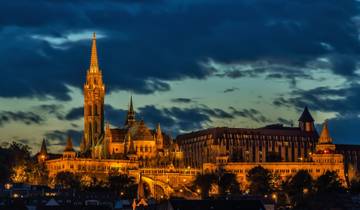
7 days
Prague & Budapest
- ✓ Comprehensive Hungary tour
- ✓ Expert local guides included
- ✓ All accommodation arranged
- ✓ Transportation provided
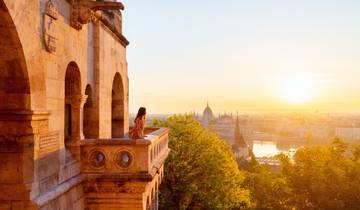
6 days
Luxurious City Break in Budapest
- ✓ Booking needs min. 2 travelers
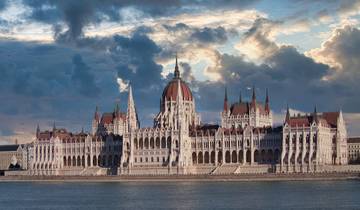
4 days
4 Day Budapest Including Danube Bend Day
- ✓ Comprehensive Hungary tour
- ✓ Expert local guides included
- ✓ All accommodation arranged
- ✓ Transportation provided
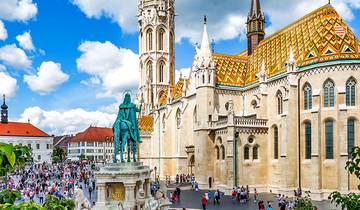
5 days
Tailor-Made 5 Days Holiday of Hungary History & Wine, Daily Depart & Private Guide
- ✓ Comprehensive Hungary tour
- ✓ Expert local guides included
- ✓ All accommodation arranged
- ✓ Transportation provided
Multi-day tour packages powered by TourRadar. Prices and availability subject to change.
Introduction: Understanding Hungary Costs for 2026 Travel
Hungary’s position as Central Europe’s best value destination stems from the Hungarian Forint’s favorable exchange rates and a tourism infrastructure that hasn’t yet reached Western European price levels. This creates an unusual travel dynamic where €100 daily budgets that barely cover basics in Paris or London deliver comfortable mid-range experiences in Budapest, including quality hotel accommodation, excellent restaurant meals, premium thermal spa access, and cultural attraction admissions with money remaining for evening drinks or spontaneous purchases.
The cost landscape divides clearly between Budapest and the Hungarian countryside. The capital city commands premium pricing on accommodation (30-40% more than regional cities), tourist-area restaurants (often double countryside equivalents), and organized tours. However, Budapest also provides the densest concentration of world-class attractions, UNESCO heritage sites, thermal baths, and transportation infrastructure, justifying its higher costs through convenience and experience quality. Countryside destinations like Eger, Pécs, or Lake Balaton deliver even better value with authentic Hungarian atmosphere and significantly lower daily expenses.
Seasonal price fluctuations primarily affect accommodation rather than attractions or dining. Budapest hotel rates spike 35-45% during summer months (June-August) and shoulder seasons (April-May, September-October) compared to winter lows. Thermal bath pricing remains consistent year-round, making winter visits particularly attractive for spa-focused travelers. Restaurant prices hold steady across seasons, though tourist-area establishments may add subtle markups during peak periods. Museum and attraction admission fees typically don’t vary seasonally, offering reliable budgeting regardless of travel dates.
The Hungarian Forint (HUF) trades at approximately 380-400 HUF per Euro as of 2026, creating advantageous exchange rates for visitors from Eurozone countries, United Kingdom, and United States. This exchange situation amplifies Hungary’s value proposition, particularly when paying in forints rather than accepting euro prices at tourist establishments. A €50 meal charged in euros at a tourist restaurant might cost only 15,000 HUF (€37.50) when paying in local currency, demonstrating the importance of obtaining forints and using them for all purchases.
Understanding Hungary’s cost structure requires distinguishing between unavoidable core expenses and flexible discretionary spending. Core expenses include accommodation (pre-booked and fixed), inter-city transportation (train or bus tickets), and major attraction admissions with advance reservations (Parliament tours, premium thermal bath entries). These categories demand budgeting precision and account for 60-70% of total trip costs. Discretionary expenses including meals, local transport, casual attractions, and shopping allow daily flexibility and represent areas where budget-conscious choices significantly reduce overall costs without sacrificing experience quality.
This guide employs current 2026 pricing verified through official websites and recent visitor reports. Restaurant ranges reflect actual menu prices at establishments serving Hungarian and international cuisine across quality tiers. Accommodation costs derive from booking platforms showing 2026 availability for various Budapest districts and countryside locations. Transport pricing comes from official BKK Budapest and MÁV Hungarian railways sources. All costs appear in both Hungarian Forints (the currency you’ll actually use) and Euro equivalents for international visitor reference.
Daily Budget Estimates 2026: Three Spending Levels
Budget Traveler Daily Costs
Total daily budget: 33,000-46,000 HUF (€87-121) including accommodation
Accommodation: Hostel dormitory bed 10,000-14,000 HUF (€26-37) per night in Budapest, 7,000-10,000 HUF (€18-26) in countryside cities. Budget hostels offer excellent standards in Hungary with clean facilities, social atmospheres, and often included basic breakfast. Top-rated hostels in the Jewish Quarter or near major transport hubs provide ideal locations at these price points.
Food: 8,000-12,000 HUF (€21-32) daily covers three meals through strategic choices. Hostel breakfast (often included) or bakery pastry plus coffee (800-1,200 HUF). Lunch from market food stands, self-service cafeterias, or Turkish fast food restaurants (1,800-2,500 HUF for filling meal). Dinner at authentic local eatery or street food (langos, chimney cake, goulash from market vendors, 2,500-4,000 HUF). Occasional grocery shopping for picnic supplies further reduces costs.
Transportation: 72-hour Budapest travel card 5,500 HUF (€14.50) covers three days of unlimited metro, tram, and bus use, representing far better value than individual tickets at 450 HUF each. Walking between central Budapest attractions saves additional money while providing neighborhood exploration.
Attractions: 4,000-8,000 HUF (€10.50-21) daily selects one or two paid experiences (thermal bath entry, museum admission) while maximizing free attractions. Many of Budapest’s finest sights including St. Stephen’s Basilica main floor, Fisherman’s Bastion lower terraces, Danube promenade, and market hall browsing cost nothing. Allocate budget for single premium experience (Széchenyi Baths weekday 11,900 HUF) on one day, balancing with free activities on other days.
Extras: 2,000-4,000 HUF (€5-10) covers occasional beverage purchases, public restroom fees, small souvenirs, or unexpected minor expenses.
Sample Budget Day: Hostel bed 12,000 HUF, breakfast included, lunch at market food stand 2,000 HUF, thermal bath entry 11,900 HUF, dinner langos and chimney cake 1,800 HUF, public transport (using 72h card) 0 HUF, coffee 600 HUF, extras 1,500 HUF. Total: 29,800 HUF (€78) per person.
Mid-Range Traveler Daily Costs
Total daily budget: 48,000-68,000 HUF (€126-179) including accommodation
Accommodation: Mid-range hotel 24,000-32,000 HUF (€63-84) per night for comfortable double room in central Budapest location (Districts V, VI, VII) or quality hotel in Buda neighborhoods. These hotels provide modern amenities, often buffet breakfast, helpful reception staff, and walking distance to major sites. Countryside mid-range hotels cost 18,000-25,000 HUF (€47-66) nightly.
Food: 14,000-20,000 HUF (€37-53) daily allows sit-down restaurant experiences at good establishments. Hotel breakfast buffet (if included) or café breakfast with coffee and pastries (2,000-3,000 HUF). Lunch at traditional Hungarian restaurant with appetizer and main course (4,000-6,000 HUF). Dinner at recommended local restaurant including starter, main, dessert, and wine (7,000-11,000 HUF). Afternoon coffee and cake at historic café (1,500-2,500 HUF).
Transportation: 72-hour travel card 5,500 HUF plus occasional taxis (2,500-4,000 HUF for cross-city rides when tired or carrying shopping). Total transport 8,000-12,000 HUF (€21-32) for three days providing flexibility beyond public transport schedules.
Attractions: 12,000-18,000 HUF (€32-47) daily covers multiple paid sites including thermal bath entries, museum admissions, Parliament tour, or organized walking tours. This budget allows one or two major attractions plus several smaller museums without constant cost calculations.
Extras: 4,000-7,000 HUF (€10.50-18) provides comfort margin for spontaneous purchases, nicer souvenirs, wine tasting, or upgraded thermal bath services like sauna rituals.
Sample Mid-Range Day: Hotel double room 28,000 HUF, breakfast included, lunch at recommended restaurant 5,000 HUF, museum admission 3,200 HUF, afternoon coffee and cake 2,000 HUF, dinner with wine 9,000 HUF, transport including one taxi 3,000 HUF, extras 2,000 HUF. Total: 52,200 HUF (€137) per person.
Comfortable/Luxury Traveler Daily Costs
Total daily budget: 75,000-120,000+ HUF (€197-316+) including accommodation
Accommodation: Luxury hotel 50,000-85,000 HUF (€132-224) per night for four or five-star properties offering Danube views, spa facilities, Michelin-starred restaurants, and premium locations. Budapest’s finest hotels (Ritz-Carlton, Four Seasons, Aria) command these rates while delivering exceptional service and amenities. Boutique luxury hotels in restored historic buildings offer comparable quality at 40,000-60,000 HUF (€105-158) nightly.
Food: 25,000-40,000 HUF (€66-105) daily accesses fine dining, Michelin-starred restaurants, and premium wine selections. Gourmet breakfast at hotel or renowned café (4,000-6,000 HUF). Lunch at quality bistro or lighter meal at historic café (6,000-10,000 HUF). Dinner at Michelin-starred or top traditional restaurant with wine pairings (15,000-24,000 HUF). Room for afternoon treats, pre-dinner cocktails, or post-dinner digestifs.
Transportation: Private car service, premium taxis, or rental car for maximum flexibility 15,000-25,000 HUF (€39-66) daily. Eliminates public transport schedules and provides door-to-door convenience for all destinations.
Attractions: 20,000-35,000 HUF (€53-92) daily covers premium thermal bath packages with private cabins and massages, VIP Parliament tours, private museum guides, wine tasting experiences, and exclusive access opportunities. Budget allows experiencing attractions at highest comfort levels without restrictions.
Extras: 10,000-20,000 HUF (€26-53) provides generous margin for luxury shopping, premium souvenirs, spa treatments, concert tickets, or spontaneous high-end experiences.
Sample Luxury Day: Five-star hotel room 70,000 HUF, breakfast included, lunch at quality bistro 8,000 HUF, Széchenyi Baths premium package with massage 25,000 HUF, afternoon cocktails and snacks 4,000 HUF, Michelin-starred dinner with wine 20,000 HUF, private car service 8,000 HUF, extras 5,000 HUF. Total: 140,000 HUF (€368) per person.
Accommodation Costs 2026: Complete Breakdown
Budapest Accommodation Pricing
Budget Hostels (€25-37/night): Dormitory beds in highly-rated hostels 10,000-14,000 HUF range from basic 8-12 bed dorms to smaller 4-6 bed rooms with more privacy. Top Budapest hostels in the Jewish Quarter (District VII) or near Deák Ferenc tér provide excellent social atmospheres, included breakfast, communal kitchens, and organized pub crawls. Many feature unique ruin bar aesthetics in converted apartment buildings. Private hostel rooms cost 18,000-24,000 HUF (€47-63) for couples seeking hostel prices with privacy.
Budget Hotels (€42-63/night): Simple two-star hotels and guesthouses 16,000-24,000 HUF deliver clean private rooms with en-suite bathrooms, basic breakfast, and fewer amenities than higher categories. These properties often occupy older buildings in residential neighborhoods requiring 10-15 minute metro rides to central attractions. Quality varies significantly, so check recent reviews carefully.
Mid-Range Hotels (€63-105/night): Three-star and lower four-star hotels 24,000-40,000 HUF represent the sweet spot for most visitors, combining central locations (within walking distance or single metro stop to major sites), modern amenities including air conditioning and WiFi, buffet breakfast, helpful staff, and clean comfortable rooms. Districts V, VI, and VII offer abundant choices in this range. Expect rooms of 18-25 square meters with modern bathrooms and comfortable beds.
Upscale Hotels (€105-158/night): Superior four-star hotels 40,000-60,000 HUF add design elements, better locations (riverfront, immediate Parliament proximity), fitness facilities, on-site restaurants, and enhanced service levels. These properties often occupy beautifully restored historic buildings combining period architecture with contemporary interiors.
Luxury Hotels (€158-263+/night): Five-star hotels and premium boutiques 60,000-100,000+ HUF deliver exceptional experiences through Danube view rooms, spa facilities, Michelin-starred dining, concierge services, and prestigious addresses in landmark buildings. Budapest’s top luxury properties (Four Seasons Gresham Palace, Ritz-Carlton, Aria Hotel) justify premium pricing through spectacular settings, impeccable service, and world-class amenities.
Countryside Accommodation Pricing
Hungarian cities and towns outside Budapest offer 25-40% lower accommodation costs across all categories. Lake Balaton, Eger, Pécs, and other destinations charge 12,000-22,000 HUF (€32-58) for excellent mid-range hotels that would cost 24,000-32,000 HUF in Budapest. Wine country guesthouses and thermal spa hotels in smaller towns deliver exceptional value with included spa access, local wine, and personal service at 18,000-28,000 HUF (€47-74) nightly.
Booking Strategies for Best Rates 2026
Book 6-8 weeks ahead for spring and fall visits, 10-12 weeks for summer travel to secure best available rates before popular hotels fill. Winter offers last-minute deals with prices dropping 25-40% below summer peaks, though choice narrows closer to travel dates. Tuesday and Wednesday check-ins typically cost 10-15% less than Friday-Sunday weekend rates. Compare rates across Booking.com, Hotels.com, and hotel direct websites, sometimes finding exclusive deals or perks through direct booking.
Food and Dining Costs 2026: From Street Food to Fine Dining
Budget-Friendly Food Options
Street Food (€2.50-5 per item): Langos (fried dough with toppings) 1,000-1,500 HUF represents Hungary’s ultimate budget meal – filling, delicious, and available from stands throughout Budapest. Chimney cake (kürtőskalács) 1,000-1,800 HUF satisfies sweet cravings while exploring. Fresh market produce from Great Market Hall allows picnic assembly for 2,000-3,000 HUF feeding two people.
Self-Service Cafeterias (€4-8 per meal): Communist-era holdover cafeterias serving traditional Hungarian dishes 1,500-3,000 HUF deliver excellent value. These “önkiszolgáló étterem” establishments offer goulash, chicken paprikash, stuffed cabbage, and other hearty mains with sides at rock-bottom prices. Popular with locals during lunch hours. Quality varies from institutional to surprisingly good – follow crowds for best options.
Fast Food and Casual Chains (€5-8 per meal): McDonald’s, KFC, and local burger chains charge 2,000-3,000 HUF for combo meals. Turkish kebab and gyros shops common throughout Budapest serve generous portions 1,800-2,800 HUF including drink. Asian restaurants (Vietnamese pho, Chinese noodles) offer filling bowls 1,800-2,500 HUF. These options work well for quick refueling between attractions.
Bakeries and Markets (€1.50-4 per item): Hungarian bakeries (pékség) sell excellent pastries, sandwiches, and pizza slices 300-1,200 HUF perfect for breakfast or light lunch. Great Market Hall upper floor food stands serve traditional Hungarian plates 2,500-4,000 HUF in authentic setting without table service markup.
Mid-Range Restaurant Dining
Traditional Hungarian Restaurants (€10-20 per person): Authentic eateries serving classic Hungarian cuisine charge 4,000-8,000 HUF for complete meal including soup or appetizer, main course with sides, and beverage. Goulash soup 1,800-2,500 HUF, beef or pork main dishes 3,500-5,500 HUF, duck or game mains 4,500-7,000 HUF. A glass of Hungarian wine adds 1,200-2,000 HUF, local beer (0.5L) 900-1,500 HUF. These restaurants provide the best value for experiencing Hungarian culinary traditions in comfortable sit-down settings.
Contemporary Hungarian Bistros (€12-25 per person): Modern interpretations of Hungarian cuisine in stylish settings run 5,000-10,000 HUF per person for two-three course meals. These establishments attract younger Hungarians and foodie tourists seeking elevated presentations of traditional flavors. Expect creative dishes, good wine lists, and trendy atmospheres. Worth the premium for special dinners or celebrating occasions.
International Cuisine (€10-22 per person): Italian, Asian, French, and other international restaurants charge 4,000-9,000 HUF for quality meals. Budapest’s international dining scene has grown significantly, offering excellent Italian pasta and pizza, authentic Vietnamese and Thai, and sophisticated French bistros at prices well below Western European equivalents. Jewish Quarter hosts particularly strong international dining concentration.
Fine Dining and Premium Experiences
Michelin-Starred and High-End Restaurants (€45-90+ per person): Budapest’s finest restaurants including Costes, Borkonyha, and Stand deliver exceptional dining experiences 18,000-36,000+ HUF for tasting menus or à la carte multi-course meals with wine pairings. These establishments compete with European fine dining capitals while charging 30-40% less for comparable quality. Book 2-4 weeks ahead for prime dinner slots.
Historic Cafés (€8-15 for coffee and cake): New York Café, Gerbeaud, and other legendary coffeehouses charge premium prices 3,000-6,000 HUF for coffee, cake, and atmosphere in stunning Art Nouveau or Belle Époque interiors. Budget for the experience rather than daily habit – once per trip provides memorable taste of Budapest’s café culture.
Daily Food Budget Examples
Ultra-Budget (€12-18 daily): Bakery breakfast 800 HUF, market lunch 2,000 HUF, street food dinner 1,500 HUF, snacks 500 HUF. Total: 4,800 HUF (€13) per person.
Budget (€21-32 daily): Café breakfast 1,500 HUF, casual restaurant lunch 3,500 HUF, traditional dinner 5,000 HUF, coffee and snacks 1,000 HUF. Total: 11,000 HUF (€29) per person.
Mid-Range (€37-53 daily): Hotel breakfast included or café 2,500 HUF, quality restaurant lunch 5,500 HUF, excellent dinner with wine 9,000 HUF, afternoon café 2,000 HUF. Total: 19,000 HUF (€50) per person excluding accommodation.
Comfortable (€66-105 daily): Gourmet breakfast 4,000 HUF, bistro lunch 8,000 HUF, fine dining dinner 18,000 HUF, cocktails and extras 5,000 HUF. Total: 35,000 HUF (€92) per person.
Transportation Costs 2026: Public Transit and Beyond
Budapest Public Transport
Single Tickets: 450 HUF per ride (increased from 350 HUF in 2025) covers one uninterrupted journey on metro, tram, bus, or trolleybus. Transfers require new tickets. Single tickets prove expensive for active sightseeing days requiring 5-8 journeys. Purchase from ticket machines at metro stations, newsstands, or BudapestGO app.
10-Ticket Blocks: 4,000 HUF (400 HUF per ticket) provides modest 50 HUF per-ticket savings versus individual purchases. Useful for visitors making 8-12 total journeys over several days. Validate one ticket per person per journey.
24-Hour Travel Card: 2,500 HUF (€6.60) allows unlimited travel on all BKK services (metro, tram, bus, trolleybus) for 24 consecutive hours from first validation. Makes sense for intensive one-day exploration requiring 6+ journeys.
72-Hour Travel Card: 5,500 HUF (€14.50) represents the best value for 3-day Budapest visits, breaking even versus single tickets after just 13 journeys while providing complete freedom to hop on/off transport without calculating costs. This card became essential recommendation for all multi-day visitors.
7-Day Travel Card: 5,950 HUF (€15.70) suits longer stays, though most tourists spend only 3-5 days in Budapest making the 72-hour card more practical.
Airport Transfer: 100E airport bus 2,500 HUF offers the most cost-effective direct connection between Ferenc Liszt Airport and Deák Ferenc tér city center hub. The 45-minute journey operates 24/7 with departures every 20-30 minutes. Note that the 100E requires special ticket separate from regular BKK passes.
Taxis and Ride-Sharing
Official Budapest taxis charge regulated rates: 900 HUF base fare plus 480 HUF per kilometer plus 120 HUF per minute waiting time. Typical 15-minute cross-city journey costs 2,500-3,500 HUF. Use reliable companies (Főtaxi, City Taxi, Taxi 2000) or Bolt/Uber apps to ensure fair pricing. Avoid unlicensed drivers at railway stations and major tourist sites who charge 2-3x legitimate rates.
Inter-City Transportation
Trains: MÁV Hungarian railways connect Budapest to major cities efficiently. Sample Budapest-Eger journey costs 2,500-3,500 HUF (€6.60-9.20) for 2-hour ride. Budapest-Pécs runs 4,500-6,500 HUF (€11.80-17) for 3-hour journey. Advance online booking through MAV.hu sometimes offers 10-20% discounts. First-class upgrades add 30-40% premium for larger seats and quieter carriages.
Buses: Volánbusz operates extensive intercity networks often at slightly lower fares than trains but with longer journey times. Budapest-Lake Balaton bus costs 2,000-3,000 HUF (€5.30-7.90) versus 2,500-4,000 HUF by train.
Organized Day Tours: All-inclusive Budapest-area day trips (Danube Bend, Gödöllő Palace, wine country) run 15,000-22,000 HUF (€39-58) including transportation, guide, and sometimes admission fees. These prove convenient but more expensive than independent travel.
Attraction and Activity Costs 2026
Major Paid Attractions
Thermal Baths: Széchenyi Thermal Baths weekday entry 11,900 HUF (€31), weekend 13,500 HUF (€35) (check official website for current rates). Premium packages including private cabin and towel rental add 3,000-5,000 HUF. Massage services range 6,000-15,000 HUF for 20-45 minute treatments. Gellért Baths closed for renovation until 2028. Rudas Baths weekday entry 6,500 HUF, weekend 7,500 HUF offers Ottoman architecture and rooftop pool at lower cost than Széchenyi.
Hungarian Parliament: Guided interior tours 8,000 HUF (€21) provide 45-minute access to main staircase, Congress Hall, and Crown Jewels. Tours sell out weeks ahead during peak season requiring advance booking through official website. EU citizens sometimes receive modest discounts with proof of residency.
Buda Castle Museums: Budapest History Museum 3,200 HUF (€8.40), Hungarian National Gallery 3,200 HUF (€8.40), each requiring 90-120 minutes for highlights. Combined tickets sometimes available for 5,500 HUF covering multiple castle complex museums.
Dohány Street Synagogue: Entry including Jewish Museum and memorial gardens 6,000 HUF (€15.80) for adults. The comprehensive ticket provides audio guide and access to all areas of Europe’s largest synagogue complex.
Heroes’ Square Museums: Museum of Fine Arts 3,600 HUF (€9.50), Hall of Art (Műcsarnok) 2,800 HUF (€7.40) display European masterworks and contemporary Hungarian art respectively. Special exhibitions may incur surcharges.
Free Budapest Attractions
St. Stephen’s Basilica main floor (dome climb 1,500 HUF extra), Fisherman’s Bastion ground level and lower terraces (upper towers 1,700 HUF), Danube Promenade entire 5-kilometer stretch, Shoes on the Danube memorial, Great Market Hall browsing (though purchasing costs money), Central Market Hall, City Park (Városliget) walking and gardens, Margaret Island parks and gardens, Hungarian Parliament exterior and Kossuth Square, Chain Bridge and all Danube bridges crossing on foot, all churches entered for prayer rather than tourist sightseeing, Jewish Quarter street art and building exteriors, and Andrássy Avenue architecture viewing.
Walking Tours and Guided Experiences
Free walking tours operate on tip-only basis with guides expecting 2,000-4,000 HUF per person for 2.5-3 hour tours covering Castle District, Pest highlights, or Jewish Quarter. These provide excellent value and orientation for first-time visitors. Paid walking tours with professional guides cost 8,000-12,000 HUF per person for specialized themes (food tours, Communist history, architecture deep-dives).
Money-Saving Strategies for Hungary 2026
Accommodation Savings
Book hostels or budget hotels in Districts VII (Jewish Quarter) or VIII (Józsefváros) rather than premium District V for 30-40% savings while maintaining excellent metro connectivity. Stay Tuesday-Thursday to avoid weekend rate premiums at all hotel categories. Winter visits (November-March except Christmas/New Year) deliver 35-45% accommodation discounts versus summer peak pricing. Apartment rentals for 4+ night stays often cost less than hotels while providing kitchen facilities for occasional meal preparation.
Food Cost Reductions
Eat main meals at self-service cafeterias and traditional restaurants 2-3 blocks away from major tourist squares (Parliament, St. Stephen’s Basilica, Castle District) where prices drop 30-50% for identical food quality. Shop Great Market Hall ground floor for picnic supplies (fresh bread, cheese, fruit, local salami) creating lunches for 1,500-2,500 HUF per person. Lunch menus (napi menü) at good restaurants often include soup plus main course for 2,500-3,500 HUF versus 4,500-6,000 HUF à la carte dinner pricing. Drink tap water (excellent quality in Budapest) rather than paying 800-1,200 HUF for bottled water at restaurants.
Transportation Economies
Purchase 72-hour travel cards immediately upon arrival rather than accumulating single-ticket costs. Walk between nearby central Pest attractions (Parliament to St. Stephen’s Basilica to Great Market Hall forms walkable triangle) saving tickets for longer distances. Use public transport rather than taxis except when genuinely needed (late night returns, heavy shopping, time pressure). Download offline maps avoiding international roaming charges for navigation.
Attraction and Activity Discounts
Visit Széchenyi Baths on weekdays saving 1,600 HUF versus weekend pricing, arriving early morning (6:00-8:00 AM) for thinnest crowds and best pool availability. Many museums offer free admission on specific days (often first Sundays) though expect crowds. Student IDs (ISIC international student cards) reduce museum admissions 30-50% at most major sites. Budapest Card packages (24-72 hours) including free public transport and museum admissions prove worthwhile only for intensive museum visitors planning 3+ major paid attractions daily.
Currency and Payment Optimization
Withdraw Hungarian Forints from ATMs rather than exchanging currency at airports or exchange booths offering poor rates with high commissions. Pay in Forints rather than Euros even when businesses offer euro prices, typically saving 10-15% through better exchange calculations. Use credit cards without foreign transaction fees for hotel bookings and major purchases while carrying forints for small vendors, public transport, and casual meals. Decline dynamic currency conversion at point of sale – always choose to pay in local currency (HUF) for best rates.
Weekly and Extended Stay Budget Planning 2026
One Week Total Costs
Budget Week: Accommodation 70,000-98,000 HUF (€184-258), food 56,000-84,000 HUF (€147-221), transport 5,500 HUF plus day trips 8,000 HUF (€35 total), attractions 28,000-42,000 HUF (€74-110), extras 14,000-28,000 HUF (€37-74). Total: 181,500-265,500 HUF (€477-698) per person for seven days.
Mid-Range Week: Accommodation 168,000-224,000 HUF (€442-589), food 98,000-140,000 HUF (€258-368), transport 13,500 HUF including taxis (€35), attractions 70,000-105,000 HUF (€184-276), extras 28,000-49,000 HUF (€74-129). Total: 377,500-531,500 HUF (€993-1,398) per person.
Comfortable Week: Accommodation 280,000-420,000 HUF (€737-1,105), food 175,000-280,000 HUF (€460-737), transport 70,000-105,000 HUF (€184-276) including car rentals, attractions 140,000-210,000 HUF (€368-553), extras 70,000-140,000 HUF (€184-368). Total: 735,000-1,155,000 HUF (€1,934-3,039) per person.
Two Week Budget Extensions
Two-week stays allow countryside exploration beyond Budapest, typically reducing daily costs 20-30% during countryside days. Lake Balaton, Eger wine country, Pécs, and smaller thermal towns offer excellent value accommodation and dining. Budget travelers manage two weeks on 320,000-420,000 HUF (€842-1,105) total including all costs by mixing Budapest (4-5 days at higher daily rates) with countryside destinations (9-10 days at lower daily costs) and choosing basic accommodation throughout.
Seasonal Budget Variations Throughout 2026
Winter Season (November-March)
Accommodation drops 25-40% below summer peaks representing the most significant seasonal savings. Mid-range Budapest hotels charging 28,000-32,000 HUF in summer fall to 18,000-24,000 HUF in January-February. Christmas markets (late November-December) create brief price spike with higher hotel rates and restaurant premiums. Thermal bath pricing remains consistent making winter particularly attractive for spa-focused visits. Restaurant and attraction costs unchanged. Budget 15-20% less overall for winter visits versus summer, almost entirely through accommodation savings.
Shoulder Seasons (April-May, September-October)
Accommodation sits 15-25% above winter lows but still 15-20% below summer peaks, delivering best value for comfortable weather conditions. All attractions and thermal pools operate fully with moderate crowds. Restaurant prices hold steady year-round. These months optimize the balance between weather, costs, and crowd levels, making them ideal for budget-conscious travelers seeking pleasant conditions.
Summer Peak (June-August)
Accommodation peaks at highest annual rates with mid-range hotels commanding 30-40% premiums versus winter. Popular hotels near major sites sell out weeks ahead requiring advance booking. Food costs remain stable except tourist-trap restaurants near Parliament and Castle District adding subtle summer markups. Extended daylight hours (20:00-21:00 sunsets) allow more sightseeing per day. Budget 20-25% more than shoulder season visits primarily through accommodation increases.
Frequently Asked Questions: Hungary Budget 2026
How much cash should I carry in Hungary?
Carry 10,000-20,000 HUF (€26-53) daily cash for small purchases, market shopping, public transport, street food, and establishments preferring cash. Credit cards are accepted at hotels, sit-down restaurants, museums, and shops, though smaller vendors and casual eateries operate cash-only. Budapest ATMs are abundant and reliable for withdrawing additional forints as needed. Store larger amounts securely in hotel safes, carrying only daily requirements plus small emergency reserve.
Are credit cards widely accepted in Hungary in 2026?
Major credit cards (Visa, Mastercard) are accepted at hotels, established restaurants, museums, and chain stores throughout Budapest and major cities. Smaller family restaurants, market vendors, street food stands, and shops in villages often operate cash-only. American Express acceptance is limited mainly to luxury hotels and high-end establishments. Always carry backup cash for situations where cards aren’t accepted. Contactless payment works at most card-accepting locations including public transport ticket machines.
Should I buy travel insurance for Hungary?
Comprehensive travel insurance covering medical emergencies, trip cancellation, and baggage loss proves worthwhile for Hungary visits. European Union citizens should carry European Health Insurance Cards (EHIC) providing emergency medical coverage, though travel insurance adds broader protection including repatriation and non-emergency care. Non-EU visitors require travel insurance for medical coverage as treatment costs can be substantial. Hungary’s excellent medical facilities charge EU-standard rates that insurance meaningfully offsets. Typical weekly coverage costs €25-45 depending on age and coverage levels.
What Hungarian dishes should I budget to try?
Prioritize goulash (gulyás) authentic soup version (not the stew often served tourists) 2,500-3,500 HUF, chicken paprikash (paprikás csirke) with nokedli dumplings 3,500-4,500 HUF, fisherman’s soup (halászlé) spicy river fish stew 3,000-4,500 HUF, lángos fried dough with toppings 1,000-1,500 HUF, chimney cake (kürtőskalács) 1,000-1,800 HUF, stuffed cabbage (töltött káposzta) 3,200-4,200 HUF, and duck leg with red cabbage (kacsa combbal) 4,500-6,500 HUF. Budget 3,000-5,000 HUF per person for authentic restaurant meals featuring these classics.
How much should I budget for souvenirs from Hungary?
Quality Hungarian paprika packets cost 800-1,500 HUF making excellent affordable gifts. Herend or Zsolnay porcelain pieces range 8,000-50,000+ HUF depending on size and complexity. Tokaji wine bottles start 3,000 HUF for decent quality, premium vintages 8,000-20,000 HUF. Folk art embroidery, painted eggs, and traditional crafts run 2,000-8,000 HUF for authentic pieces. Budapest ruin bar and thermal bath t-shirts cost 4,000-6,000 HUF. Great Market Hall and Váci Street shops offer souvenir shopping at all price points. Budget 15,000-30,000 HUF (€39-79) for meaningful souvenir selection without going overboard.
Is Hungary more expensive than Czech Republic or Poland in 2026?
Hungary generally prices slightly higher than Poland but comparable to Czech Republic for tourist experiences. Prague and Budapest show similar accommodation and restaurant costs, though Budapest’s thermal baths add expenses Poland and Czech Republic don’t feature as prominently. Polish cities like Krakow and Warsaw cost 10-20% less than Budapest for accommodation and dining. All three countries deliver significantly better value than Western Europe, with differences between them less significant than the massive gap separating Central from Western European pricing.
Can I negotiate prices in Hungarian markets and shops?
Gentle negotiation sometimes works at Great Market Hall souvenir stalls and smaller craft markets, particularly for multiple-item purchases. Expect 5-10% maximum discounts, not dramatic price reductions. Fixed-price establishments (restaurants, shops, thermal baths, hotels) never negotiate – posted prices are final. Respectful inquiry “Is this your best price for two?” or “Could you offer a discount for cash payment?” occasionally yields small reductions. Heavy haggling considered rude and unlikely to succeed.
How much does a typical Hungarian wine cost?
Restaurant wine lists offer decent Hungarian wines (Egri Bikavér, Tokaji Furmint, Villány reds) 1,200-2,500 HUF per glass, 4,500-9,000 HUF per bottle. Wine shops and Great Market Hall sell the same wines 2,500-5,000 HUF per bottle for takeaway. Premium Tokaji Aszú dessert wines start 6,000 HUF and reach 25,000+ HUF for exceptional vintages. Wine country visits and tastings (Tokaj region, Villány, Eger) cost 4,000-8,000 HUF per person for 5-7 wine tastings with explanation. Budget wine enthusiasts can enjoy excellent Hungarian wines at very reasonable prices compared to Western European wine regions.
What happens if I run out of money in Hungary?
Budapest and major cities offer abundant ATMs for withdrawing additional funds from foreign bank accounts. International money transfer services (Western Union, MoneyGram, Wise) operate in Hungary for emergency fund transfers from home. Contact your bank immediately if cards are lost or stolen – most banks provide emergency replacement card services within 24-48 hours. Many hotels accept payment at checkout allowing card use after your stay. Embassy or consulate assistance available for genuine emergencies involving lost documents and funds, though they cannot provide financial loans.
Should I tip tour guides and thermal bath attendants in Hungary?
Tour guides expect 10-15% tips for satisfactory service, roughly 2,000-4,000 HUF per person for half-day tours, 4,000-6,000 HUF for full-day experiences. Thermal bath locker/cabin attendants appreciate 300-500 HUF for service, massage therapists receive 10-15% of treatment cost. Restaurant tipping 10-15% is customary. Taxi drivers receive round-up to nearest 500 or 1,000 HUF. Hotel porters get 500-1,000 HUF per bag, housekeeping 1,000-2,000 HUF total for multi-day stays. Budget an extra 15-20% beyond listed prices for tipping across services.