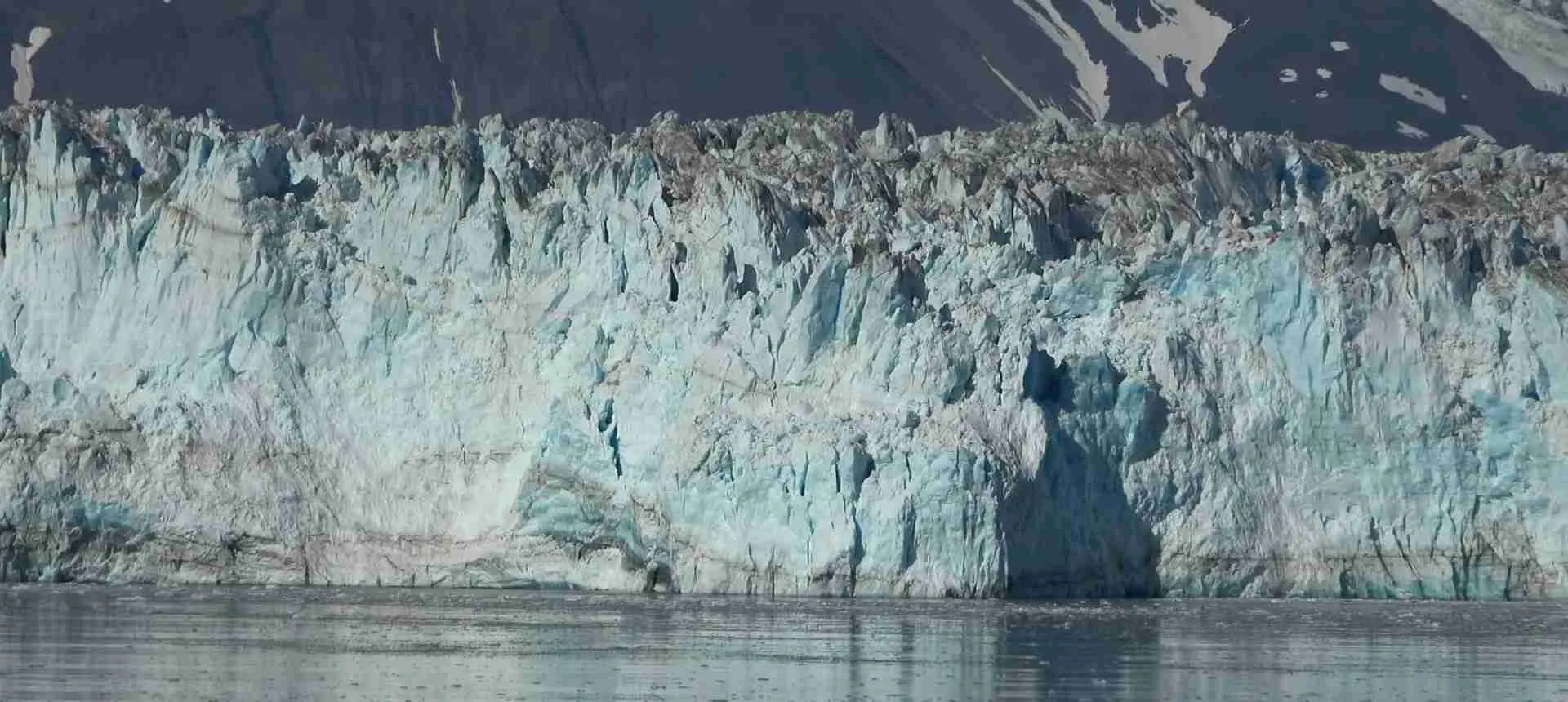
Hubbard Glacier Complete Guide 2026: Ultimate Alaska Planning Resource
Hubbard Glacier stands as North America’s largest tidewater glacier, stretching 76 miles through southeastern Alaska’s wilderness and advancing into Disenchantment Bay while most glaciers worldwide retreat. This comprehensive 2026 guide provides everything needed to plan your visit to this extraordinary natural wonder, from choosing between cruise ships and intimate boat excursions to understanding optimal viewing seasons and wildlife encounters that accompany the thunderous spectacle of daily ice calving.
Key Takeaways for Visiting Hubbard Glacier in 2026
- Access Planning 2026: Hubbard Glacier can only be reached by water, with Alaska cruise itineraries representing the primary access method for most visitors. Seven-night cruises from Vancouver, Seattle, or Seward include Hubbard Glacier viewing days, with ships departing May through September 2026. Smaller boat excursions from cruise ships bring you within the half-mile legal approach limit for closer views of the glacier’s 400-foot ice face.
- Budget Planning 2026: Alaska cruises featuring Hubbard Glacier range from approximately $1,000-4,500 per person for seven-night voyages depending on cabin category and departure timing, with premium excursions adding $200-400 per person. Independent boat tours from Yakutat cost approximately $160-950 per person for 4-5 hour glacier viewing experiences.
- Optimal Timing 2026: Peak viewing season runs June through August when daily temperatures reach 50-65°F, daylight extends to 18-20 hours, and wildlife activity peaks. Shoulder season sailings in May and September offer lower prices but cooler temperatures and reduced wildlife sightings. The glacier calves year-round, but summer months provide the most consistent viewing conditions with minimal weather disruptions.
- Wildlife Encounters 2026: Yakutat Bay and Disenchantment Bay support diverse marine ecosystems where humpback whales, orcas, harbor seals, sea otters, and bald eagles can be observed during glacier approaches. Bear sightings along shorelines occur regularly during salmon runs in July and August. Onboard naturalists provide real-time identification and commentary during wildlife observations.
- Photography Strategy 2026: The glacier’s massive scale requires telephoto lenses in the 200-400mm range for detailed ice formation captures, while wide-angle lenses document the full glacial face and surrounding mountain context. Calving events happen without warning, making continuous shooting modes essential. Morning and late afternoon light produces the most dramatic blue ice tones and reduces surface glare.
- Geological Significance 2026: Unlike 90% of Alaska’s glaciers, Hubbard continues advancing approximately 80 feet annually due to exceptional precipitation meeting the St. Elias Mountains’ cold air. The glacier has temporarily dammed Russell Fjord twice in recorded history, creating dramatic lake outburst floods. Ice calving into Disenchantment Bay can be more than 400 years old, containing atmospheric data from pre-industrial eras.
People Also Ask About Hubbard Glacier 2026
How Much Does a Hubbard Glacier Cruise Cost in 2026?
Seven-night Alaska cruises including Hubbard Glacier range from $1,000-4,500 per person in 2026 based on cabin category, cruise line, and departure timing. Inside cabins on mainstream cruise lines cost $1,000-1,800 per person, balcony cabins range $1,800-3,200, and suites cost $3,500-4,500 or more on premium lines. These prices represent the base cruise fare including Hubbard Glacier scenic cruising. Additional glacier boat excursions cost $200-400 per person for closer viewing experiences within the half-mile legal approach limit. Budget travelers can find shoulder season departures in May and September at 20-30% below peak summer rates, while luxury expedition cruises cost $5,000-10,000 per person for seven-night voyages with enhanced wildlife programming and smaller ship access to remote viewing positions.
What’s the Best Month to Visit Hubbard Glacier in 2026?
July represents the optimal month for visiting Hubbard Glacier in 2026, combining peak wildlife activity, warmest temperatures, longest daylight hours, and most stable weather conditions. July temperatures average 55-65°F with 19-20 hours of daylight, providing extended viewing windows and the best probability of clear skies for photography. Humpback whale activity peaks in July as salmon runs attract marine mammals to Yakutat Bay’s nutrient-rich waters. June offers similar conditions with slightly cooler temperatures and fewer cruise passengers, while August extends the premium viewing season with marginally increased rain probability. May and September provide budget-friendly alternatives with 25-35% lower cruise prices but cooler temperatures in the 45-55°F range, reduced wildlife diversity, and shorter daylight hours limiting photography opportunities.
Can You Visit Hubbard Glacier Without Taking a Cruise in 2026?
Independent access to Hubbard Glacier without joining an Alaska cruise remains possible but logistically complex in 2026. Yakutat, the nearest community to the glacier located 30 miles south of Disenchantment Bay, serves as the base for independent boat charter operations. Alaska Airlines operates twice-daily flights from Juneau to Yakutat, with roundtrip airfare costing $350-550 per person. Yakutat Charter Boat Company and Yakutat Bay Adventures offer 4-5 hour glacier viewing tours for $160-950 per boat accommodating up to six passengers, providing closer glacier approaches than most cruise ships achieve. This independent approach requires significantly more planning, involves higher per-person costs for small groups, and limits time in the region compared to multi-day cruise itineraries that combine Hubbard Glacier with other Alaska highlights. The vast majority of Hubbard Glacier visitors choose cruise-based access for logistical simplicity and comprehensive Alaska experiences.
How Close Do Ships Get to Hubbard Glacier in 2026?
Cruise ships approaching Hubbard Glacier in 2026 navigate to positions approximately 0.5-1.5 miles from the glacier’s face, with exact distances determined by ice conditions, ship size, and captain’s discretion within maritime safety regulations. Federal maritime law establishes a half-mile minimum approach distance for all vessels to protect both glacial integrity and vessel safety from large calving events that generate powerful waves. Larger cruise ships carrying 2,000-4,000 passengers typically maintain 1-1.5 mile distances due to turning radius requirements in Disenchantment Bay’s confined waters, while smaller expedition ships with 200-600 passengers can navigate closer to the half-mile legal limit. Premium boat excursions departing from cruise ships reach the half-mile boundary using custom Alaskan vessels, providing dramatically closer views where the glacier’s ice formations, deep crevasses, and calving details become clearly visible. The glacier’s massive scale remains impressive even from cruise ship distances, with the ice face spanning six miles wide and rising 300-400 feet above the waterline.
Extended multi-day tours – 5+ days
Featured Alaska Multi-Day Tour Packages
13 days
13-Day Alaskan Highlight Lodging Adventure Tour
- ✓ Comprehensive Alaska tour
- ✓ Expert local guides included
- ✓ All accommodation arranged
- ✓ Transportation provided
6 days
6-Day Best of Grand Alaska Highlights over 50's Tour
- ✓ Comprehensive Alaska tour
- ✓ Expert local guides included
- ✓ All accommodation arranged
- ✓ Transportation provided
7 days
Nature's Best: Alaska
- ✓ Comprehensive Alaska tour
- ✓ Expert local guides included
- ✓ All accommodation arranged
- ✓ Transportation provided
20 days
Alaska Adventure – 20 Days
- ✓ Comprehensive Alaska tour
- ✓ Expert local guides included
- ✓ All accommodation arranged
- ✓ Transportation provided
Multi-day tour packages powered by TourRadar. Prices and availability subject to change.
Introduction to Hubbard Glacier: Alaska’s Advancing Giant
Hubbard Glacier defies the global pattern of glacial retreat that defines the 21st century, advancing steadily into Disenchantment Bay while climate change forces most of the world’s glaciers into retreat. This paradoxical advance, occurring at approximately 80 feet per year, earns the glacier its nickname “the Galloping Glacier” and creates one of Alaska’s most dynamic natural spectacles where daily calving events send building-sized ice masses crashing into the bay with thunderous roars the Tlingit people call “White Thunder.”
Named in 1890 after Gardiner Hubbard, founder and first president of the National Geographic Society, this massive river of ice extends 76 miles from its source near Mount Logan in Canada’s Yukon Territory to its six-mile-wide terminus in Disenchantment Bay. The glacier’s dimensions surpass comprehension when viewed from the water: the ice face towers 300-400 feet above sea level with an additional 250 feet submerged below the waterline, creating a vertical wall of ancient ice containing atmospheric data spanning more than four centuries.
Hubbard Glacier’s location within the Wrangell-St. Elias wilderness region 200 miles northwest of Juneau places it beyond road access, ensuring that every visitor arrives by water and experiences the glacier as mariners have for generations. This geographic isolation preserves the pristine character of the viewing experience where modern cruise ships and traditional Alaskan charter boats share waters with harbor seals, sea otters, and humpback whales in an ecosystem shaped entirely by glacial processes.
The glacier’s continued advance results from exceptional precipitation patterns where moisture-laden Pacific air masses collide with the St. Elias Mountains’ frigid environment, creating snowfall that feeds the glacier faster than calving removes ice at the terminus. This unique meteorological situation produces a glacier running counter to global trends, occasionally advancing with such force that it dams Russell Fjord, creating temporary glacial lakes that burst catastrophically when the ice barrier fails. The 1986 damming event created a lake that rose 82 feet before releasing 1.3 cubic miles of water in 24 hours, generating flows equivalent to 35 Niagara Falls.
Planning a 2026 visit to Hubbard Glacier requires understanding the logistics of Alaska cruise routes, the advantages of different vessel sizes for glacier viewing, optimal timing for weather and wildlife encounters, and strategies for capturing photographs of one of North America’s most spectacular natural phenomena. This guide provides comprehensive information for transforming the complex planning process into a seamless journey to witness a glacier that continues growing while the rest of the world’s ice retreats.
Understanding Hubbard Glacier’s Geography and Geology in 2026
Hubbard Glacier originates at elevations exceeding 11,000 feet in the St. Elias Mountains where multiple tributary glaciers converge, with the longest ice stream beginning 76 miles from the glacier’s terminus near Mount Walsh. A secondary tributary descends from Mount Logan’s eastern summit at 18,300 feet elevation, adding massive ice volumes to the main flow and contributing to the glacier’s exceptional advance rate that contradicts global glacial retreat patterns.
The glacier’s journey from high-elevation snowfields to tidewater terminus creates a massive ice river flowing through valleys carved during previous glacial advances. As the ice descends from alpine zones through temperate rainforest elevations, it compresses under its own weight, creating the deep blue coloration that distinguishes ancient glacial ice from surface snow. This compression eliminates air bubbles that normally scatter light, allowing ice to absorb red wavelengths while reflecting blue, producing the luminous sapphire tones visible in crevasses and newly calved icebergs.
The glacier’s terminus in Disenchantment Bay represents the dynamic interface between glacial and marine environments where ice meets saltwater in a process called tidewater calving. Rising and falling tides, wave action, and tidal currents undercut the glacier’s base, creating instability that triggers calving events. These collapses occur daily and sometimes hourly during peak summer melt season, sending ice masses weighing thousands of tons into the bay where they create temporary icebergs that drift in tidal currents until melting disperses their mass.
Disenchantment Bay itself formed through centuries of glacial erosion where advancing and retreating ice carved deep channels through bedrock. The bay’s name derives from the disappointment of 18th-century Spanish explorer Alejandro Malaspina, who hoped the waterway would provide a Northwest Passage route to the Atlantic but instead found his progress blocked by Hubbard’s massive ice wall. This historic frustration now represents a modern attraction where the very barrier that disappointed early explorers draws hundreds of thousands of visitors annually.
The glacier’s unusual advance against global retreat trends results from a specific microclimate where the St. Elias Mountains intercept Pacific moisture before it can warm enough to fall as rain rather than snow. Annual snowfall in the accumulation zone exceeds 40 feet, adding ice mass faster than summer melting and calving remove it at the terminus. This positive mass balance makes Hubbard one of only eight advancing tidewater glaciers in Alaska, providing scientists with valuable data about glacial dynamics in a warming climate.
The glacier’s two documented damming events illustrate the power of its advance. In May 1986, Hubbard surged forward to seal Russell Fjord from Yakutat Bay, transforming the saltwater fjord into a freshwater lake that rose 82 feet over five months before the ice dam catastrophically failed. The resulting glacial lake outburst flood released 1.3 cubic miles of water in 24 hours, generating the second-largest recorded outburst flood in history. A similar damming occurred in 2002, demonstrating the glacier’s continued capacity to reshape local geography through sheer ice advance.
Geological evidence preserved in Disenchantment Bay’s seafloor sediments documents multiple advance-retreat cycles spanning thousands of years. Core samples reveal alternating layers of glacial till and marine sediments, indicating that Hubbard has repeatedly advanced to dam Russell Fjord and retreated to open the waterway throughout the Holocene epoch. Current advance rates suggest another damming event could occur within decades, though predicting exact timing remains challenging given the complex interactions between ice dynamics, ocean temperatures, and precipitation patterns.
Alaska Cruise Options for Hubbard Glacier Viewing in 2026
Mainstream cruise lines including Princess, Celebrity, Royal Caribbean, Holland America, Norwegian, and Carnival operate seven-night Alaska itineraries featuring Hubbard Glacier scenic cruising from May through September 2026. These cruises depart from Vancouver, Seattle, or Seward on ships carrying 2,000-4,000 passengers, providing full-day glacier viewing experiences combined with port calls at Juneau, Skagway, Ketchikan, and other Inside Passage communities. Seven-night cruise prices range from approximately $1,000-3,200 per person based on cabin category and departure timing.
Inside cabins without windows represent the most economical cruise option at $1,000-1,800 per person for seven nights, suitable for budget-conscious travelers who plan to spend glacier viewing days on outdoor decks rather than in their cabins. These cabins provide comfortable sleeping quarters and full access to all ship amenities, dining venues, and entertainment options. The primary limitation involves absence of natural light and inability to monitor glacier viewing progress from the cabin, requiring passengers to dress and ascend to viewing decks before the ship reaches optimal positions.
Oceanview cabins with picture windows cost $1,400-2,400 per person, offering natural light and ability to monitor glacier approach from the cabin while preparing cameras and warm clothing. These cabins allow quick transitions to outdoor decks when interesting wildlife or calving activity appears. The window provides a backup viewing position during periods when outdoor temperatures or wind conditions make extended deck time uncomfortable, though glass distortion and reflections limit photography quality compared to outdoor positions.
Balcony cabins at $1,800-3,200 per person provide private outdoor viewing spaces where passengers can observe the glacier in relative seclusion without competing for public deck positions. The private balcony creates opportunities for uninterrupted photography, wildlife observation, and the ability to retreat indoors briefly without losing viewing position. Balconies measure 50-80 square feet depending on ship and cabin category, accommodating two lounge chairs and a small table for cameras, binoculars, and beverages. For serious photographers and travelers prioritizing glacier viewing as the cruise highlight, balcony cabins justify the premium cost through superior viewing flexibility.
Suite accommodations costing $3,500-4,500 per person offer expanded balconies, priority embarkation, dedicated suite lounges, enhanced dining options, and butler service on some cruise lines. The larger balconies provide space for tripod setup, multiple simultaneous viewers, and comfortable seating arrangements for extended glacier observation sessions. Suite passengers receive priority booking for premium shore excursions, ensuring access to sold-out glacier boat tours that bring small groups closer to the ice face than cruise ships can approach.
Premium and luxury cruise lines including Cunard, Azamara, and Oceania operate Alaska itineraries with enhanced service levels, more spacious accommodations, and smaller passenger counts allowing closer glacier approaches. Seven-night cruises on these lines cost $4,000-8,000 per person for standard cabin categories, with suite accommodations reaching $10,000-15,000. The additional cost provides all-inclusive dining, premium beverage packages, more personalized service, and ships carrying 600-1,200 passengers instead of 3,000-4,000, creating quieter viewing decks and reduced competition for optimal photography positions.
Small ship expedition cruises operated by Lindblad, UnCruise Adventures, and Alaskan Dream Cruises provide the most intimate glacier viewing experiences on vessels carrying 60-200 passengers. These ships navigate closer to shorelines, maintain slower speeds for extended wildlife observation, and can position near the half-mile legal approach limit more easily than large cruise ships. Seven to fourteen-night expedition itineraries cost $5,000-12,000 per person, incorporating kayaking excursions, zodiac landings, and expedition naturalist programs that provide deeper engagement with glacial ecosystems than mainstream cruises offer.
Alaska cruise itineraries vary between northbound, southbound, and roundtrip routes. Northbound cruises depart Vancouver or Seattle and sail to Seward or Whittier, concluding near Anchorage where passengers can extend their visit with Denali National Park cruisetour packages. Southbound cruises reverse this routing, beginning near Anchorage and ending in Vancouver or Seattle. Roundtrip cruises from Vancouver or Seattle return to the departure port after seven nights, simplifying air travel arrangements for passengers living near these cities or connecting through their major airports.
Hubbard Glacier viewing typically occurs on day four or five of seven-night itineraries, scheduled as a full-day scenic cruising event without port calls. Ships arrive at Disenchantment Bay in early morning, navigate slowly through iceberg-dotted waters toward the glacier face, maintain position near the ice for 1-3 hours depending on ice conditions and schedule constraints, then reverse course to exit Yakutat Bay and resume southward or northward progress toward the next port. This all-day glacier experience provides multiple hours for photography, wildlife observation, and simply witnessing the massive scale and dynamic activity of North America’s largest tidewater glacier.
Booking Alaska Cruises Featuring Hubbard Glacier in 2026
Alaska cruise bookings for 2026 summer departures open in spring 2025, approximately 12-16 months before sailing dates. Early booking provides the widest cabin selection, lowest prices, and best availability for premium cabin categories and specific sailing dates. Cruise lines typically offer early booking discounts of 10-25% for reservations made 9-12 months before departure, with additional incentives such as onboard credit, beverage packages, or prepaid gratuities for early commitment.
Wave season spanning January through March represents the cruise industry’s primary promotional period where cruise lines offer enhanced discounts, upgraded cabin categories, and bundled amenities to drive early-year bookings. Travelers planning 2026 Alaska cruises can find exceptional value during wave season 2026 when cruise lines compete aggressively for market share. Discounts during this period can reach 30-40% off standard rates, with free beverage packages, specialty dining credits, or onboard spending money adding hundreds of dollars in additional value per cabin.
Last-minute cruise deals occasionally appear 60-90 days before departure when cruise lines seek to fill remaining cabins, but Alaska cruises sell out more reliably than Caribbean or Mediterranean itineraries due to concentrated summer demand. Waiting for last-minute deals risks losing access to Hubbard Glacier cruises entirely, particularly for peak summer departures in June, July, and August. Budget-conscious travelers willing to gamble on availability can monitor cruise deal websites in April and May 2026 for potential savings on June departures, but should maintain backup plans if preferred sailings sell out.
Booking directly through cruise line websites provides the most straightforward reservation process with direct access to cabin diagrams, deck plans, and dining reservation systems. Cruise line loyalty programs reward repeat passengers with priority check-in, onboard discounts, and complimentary amenities that increase with tier status. First-time cruisers should compare cruise line direct pricing against major online travel agencies including Costco Travel, Vacations To Go, and Cruise Direct, which often negotiate group rates and can offer additional onboard credits or reduced deposits that make their total packages more valuable than booking direct.
Working with cruise-specialized travel agents provides personalized service, cabin selection advice, and advocacy if problems arise before or during the cruise. Experienced Alaska cruise agents understand subtle differences between itineraries, can recommend specific cabin locations that minimize motion and noise, and may have access to group bookings that provide amenity upgrades. The best cruise agents charge no fee beyond the cruise line’s standard commission, making their expertise essentially free while potentially saving hundreds of dollars through strategic booking timing and cabin selection.
Deposit requirements vary by cruise line and booking timeframe, ranging from $100-500 per person for standard bookings to full payment for reservations made within 90 days of departure. Refundable deposits protect booking positions while allowing time to arrange air travel, shore excursions, and travel insurance. Final payment deadlines typically fall 75-90 days before departure, after which cancellation penalties increase progressively until reaching 100% within 14 days of sailing. Travel insurance with cancel for any reason coverage provides flexibility for travelers uncertain about their ability to commit to fixed departure dates.
Cabin selection significantly impacts the Hubbard Glacier viewing experience. Forward-facing balcony cabins on upper decks provide unobstructed views as ships approach the glacier, while aft-facing cabins offer different perspectives during the hours ships spend maneuvering in Disenchantment Bay. Midship cabins experience minimal motion, important for passengers susceptible to seasickness during open ocean segments between ports. Cabins on port versus starboard sides matter less for Hubbard Glacier viewing since ships typically rotate 180 degrees during their time at the glacier, providing both sides with optimal viewing windows.
Deck plans reveal cabin locations relative to public areas that generate noise and foot traffic. Cabins directly below pool decks, nightclubs, or children’s activity areas experience noise transmission during evening hours, while cabins near elevators and stairwells handle constant passenger traffic. Quiet cabin locations on lower decks away from entertainment venues suit light sleepers, while proximity to elevators and dining rooms benefits passengers with mobility limitations who want to minimize walking distances.
Premium Glacier Boat Excursions from Cruise Ships in 2026
Most cruise lines offer optional glacier boat excursions that depart from the main cruise ship while it maintains position in Yakutat Bay, using custom Alaskan vessels to transport 50-150 passengers from cruise tender points to closer glacier viewing positions. These excursions cost $200-400 per person for 2-3 hour experiences that bring small groups within the half-mile legal approach limit, providing dramatically more intimate perspectives than cruise ship viewing alone.
Holland America’s Hubbard Glacier Wilderness Explorer excursion operates on custom-built Alaskan vessels with heated indoor cabins and wraparound outdoor decks designed specifically for Alaska conditions. The boats carry approximately 100 passengers, creating more intimate viewing experiences than the 3,000-passenger cruise ship while maintaining enough capacity to keep per-person costs reasonable. The excursion includes expert naturalist narration, complimentary hot beverages, and guaranteed seating both indoors and on outdoor viewing decks.
Princess Cruises operates similar Hubbard Glacier and Wilderness Exploration excursions using Alaska-built boats that navigate through iceberg fields to reach the half-mile boundary. These boats feature two viewing decks with bench seating, large windows for photography, and onboard naturalists who provide real-time glacier interpretation and wildlife identification. The closer approach distance reveals ice formations, crevasse details, and calving mechanics invisible from cruise ship distances, justifying the premium cost for passengers prioritizing glacier viewing as their Alaska highlight.
Royal Caribbean and Celebrity Cruises offer comparable excursions under various names, all operating on similar principles where smaller, more maneuverable vessels bring passengers significantly closer to active calving zones. The excursions depart via tender from the cruise ship, transfer passengers to the glacier boat, spend 90-120 minutes near the glacier face, then return passengers to the cruise ship. This format allows the main cruise ship to maintain its schedule while providing interested passengers with enhanced viewing opportunities.
Norwegian Cruise Line occasionally offers glacier boat excursions, though availability varies by ship and sailing date. These excursions sometimes appear in booking systems only 2-4 weeks before departure as logistics and operator agreements finalize, requiring passengers to monitor their cruise line accounts regularly in the weeks preceding their sailing. Prices for last-added excursions sometimes reach $300-400 per person due to limited capacity and short booking windows.
The primary advantage of glacier boat excursions involves proximity to active ice. At half-mile distance, the glacier’s dimensions become comprehensible where ice face details, deep blue crevasses, and structural weaknesses preceding calving events become clearly visible. The sound of calving intensifies dramatically at this distance where thunderous cracks and crashes arrive with minimal delay, and resulting waves rock smaller boats in ways that convey the physical power of glacial processes. Passengers remaining on cruise ships miss these sensory dimensions of glacial dynamics.
Wildlife encounters during boat excursions often exceed cruise ship observations due to smaller vessel size allowing navigation near shorelines where harbor seals haul out on ice floes, sea otters forage in kelp beds, and bears patrol beaches during salmon runs. The boats travel more slowly than cruise ships, providing extended opportunities to photograph wildlife without the time constraints ships face maintaining their passage schedules.
Booking glacier boat excursions should occur immediately when reservation windows open, typically 90-120 days before departure depending on cruise line policies. Popular excursions sell out within hours or days of becoming available, particularly for peak summer departures. Passengers who miss initial booking windows should check daily for cancellations, as schedule changes and cancellations create sporadic availability even for sold-out excursions.
Weather conditions can force cancellation of boat excursions if wind, waves, or visibility compromise safety. Cruise lines typically provide full refunds for weather-canceled excursions but cannot offer alternative dates since ships visit Hubbard Glacier only once per cruise. Passengers should manage expectations regarding excursion probability, understanding that Alaska weather introduces uncertainties beyond operator control. Statistically, summer weather cancels fewer than 10% of scheduled excursions, making booking worthwhile for most travelers.
Independent Hubbard Glacier Boat Tours from Yakutat in 2026
Yakutat, a fishing community of approximately 600 residents located 30 miles south of Hubbard Glacier, provides independent access to the glacier through local charter boat operators. This route suits travelers seeking glacier experiences without joining multi-day Alaska cruises, though it requires significantly more planning and involves higher per-person costs for small groups compared to cruise-based access.
Alaska Airlines operates twice-daily jet service from Juneau to Yakutat, with flights taking approximately 45 minutes. Roundtrip airfare costs $350-550 per person depending on booking timing and seasonal demand. Flights connect through Juneau from Seattle, Anchorage, and other Alaska communities, adding 1-2 hours total travel time from major gateways. The limited flight frequency means overnight stays in Yakutat become necessary for most visitors, adding accommodation costs to the total trip budget.
Yakutat Charter Boat Company operates 4-5 hour Hubbard Glacier tours using heated vessels designed for Alaska marine conditions. Tours can be scheduled flexibly to coordinate with Alaska Airlines flight times, allowing same-day glacier viewing for travelers arriving on morning flights and departing on evening flights. The company operates boats accommodating up to six passengers, with private charters costing approximately $950 for the entire boat regardless of passenger count. Groups of 4-6 passengers can share this cost, bringing per-person prices to $160-240, while couples or solo travelers pay the full boat rate.
Yakutat Bay Adventures offers similar glacier viewing tours on charter vessels including the Sea Hunter. Their tours traverse Yakutat Bay and Disenchantment Bay, approaching within legal limits of the glacier face. Pricing structures follow similar patterns to other Yakutat operators, with full boat charters serving up to six passengers. The tours include naturalist interpretation, wildlife observation opportunities, and flexible timing to accommodate flight schedules and weather windows.
Independent boat tours from Yakutat provide several advantages over cruise-based glacier viewing. The small group size creates intimate experiences without competition for viewing positions, allowing captains to position boats based on glacier activity and calving patterns rather than rigid schedules. Tours can extend time near active calving zones when spectacular ice falls occur, or navigate to different viewing angles that reveal glacier features invisible from standard cruise ship positions. The local captains possess decades of experience reading ice conditions and predicting calving locations, positioning their boats for optimal photography opportunities.
Wildlife encounters on Yakutat-based tours often exceed cruise ship observations due to smaller boat draft allowing navigation into shallow bays and near shorelines where marine mammals concentrate. Captains can detour to investigate whale feeding activity, sea otter rafts, or bear sightings without coordinating with cruise line schedules or disappointing hundreds of passengers expecting glacier-focused itineraries. This flexibility transforms glacier tours into comprehensive wildlife experiences where glacier viewing represents one component of broader Alaska ecosystem encounters.
Lodging in Yakutat adds $150-250 per night to independent trip costs. The community offers limited accommodation options including small hotels, bed and breakfasts, and wilderness lodges primarily serving fishing clients. Advance reservations become essential during summer fishing season when lodges fill with multi-day fishing packages. Some operators can coordinate same-day turnaround itineraries for travelers willing to commit to early morning arrivals and evening departures, eliminating accommodation costs but creating tight scheduling constraints vulnerable to weather delays.
Weather represents a more significant variable for independent Yakutat trips than cruise-based visits. Cruise ships can delay Hubbard Glacier visits by 12-24 hours if weather blocks access, adjusting port schedules at other stops to accommodate the delay. Independent travelers face binary outcomes where weather cancellations can eliminate glacier viewing entirely if flight schedules prevent alternative dates. Summer weather provides more reliable conditions than shoulder seasons, but even July and August experience occasional storms that ground flights and force boat tour cancellations.
The total cost for independent Yakutat-based glacier visits typically ranges from $650-1,300 per person including roundtrip flights from Juneau, private charter boat costs shared among 4-6 passengers, and one night accommodation. Solo travelers or couples face costs of $1,200-1,800 per person if absorbing full charter boat costs. These prices exceed the incremental cost of Alaska cruises versus non-glacier cruises, but suit travelers who want intensive glacier focus without committing to seven-night cruise itineraries or who are already planning Alaska trips through Juneau for other purposes.
Planning Your Hubbard Glacier Viewing Day in 2026
Alaska cruise ships typically arrive at Disenchantment Bay between 6:00-8:00 AM, timing their approach to coincide with optimal morning light for photography and extended viewing windows before afternoon weather patterns develop. Onboard wake-up calls and daily programs alert passengers to glacier arrival times, though enthusiastic viewers often position themselves on outdoor decks before formal announcements as the ship enters Yakutat Bay and mountains surrounding Disenchantment Bay become visible.
Breakfast service during glacier viewing days operates on extended schedules accommodating passengers who want to eat early before claiming outdoor deck positions, and those who prefer to secure viewing spots first and eat later. Main dining rooms, buffet venues, and cabin room service all function during glacier approach hours. Coffee and pastries appear at outdoor deck stations, allowing viewers to obtain beverages without abandoning optimal viewing positions.
Deck positioning strategies depend on photography goals and comfort priorities. Forward outdoor decks provide unobstructed frontal views as ships approach the glacier, ideal for wide-angle compositions showing the full ice face and surrounding mountains. Aft decks offer different perspectives once ships position near the glacier and rotate to provide both sides with viewing opportunities. Midship decks balance proximity to indoor warm-up areas with good viewing angles.
Upper decks offer elevation advantages for seeing over ice floes and icebergs floating in Disenchantment Bay, but expose viewers to stronger winds that make prolonged outdoor time uncomfortable even with heavy clothing. Lower decks place viewers closer to water level where ice formations and wildlife appear more intimate, but tall passengers standing at railings can block views for those seated behind them. Each deck position offers distinct advantages, suggesting that passengers should move between decks throughout the 3-4 hour viewing window rather than claiming single positions.
Onboard naturalists provide continuous narration through ship public address systems, explaining glacial geology, ice formation processes, calving mechanics, wildlife identification, and historical context. These presentations enhance understanding for viewers unfamiliar with glacial dynamics, transforming abstract ice viewing into comprehensive lessons about climate, geology, and ecology. Many passengers find the narration so compelling they remain on outdoor decks despite cold temperatures to hear complete presentations.
Ships typically maintain position near Hubbard Glacier for 1-3 hours depending on ice conditions, weather, and schedule requirements. During this window, the ship may rotate 180 degrees to provide port and starboard sides with frontal glacier views, move closer or farther based on ice drift patterns, or shift positions to avoid large icebergs drifting in tidal currents. These maneuvers create constantly changing perspectives that reward photographers who continue shooting rather than reviewing images.
Calving events occur unpredictably throughout viewing windows, ranging from small ice chunks dropping from crevasses to massive sections of the glacier face collapsing in spectacular fashion. The largest calving events generate sounds audible from miles away, described by observers as resembling thunder or artillery fire. Following the visual spectacle by several seconds depending on distance, powerful waves radiate from collapse sites, rocking ships and creating visible water disturbance patterns. Ships maintain safe distances preventing dangerous wave impacts, but passengers feel the power through deck vibrations and visual wave observations.
Wildlife observations during Hubbard Glacier viewing days vary by season, luck, and passenger vigilance. Harbor seals frequently haul out on ice floes near the glacier, using floating ice as resting platforms between feeding sessions. Sea otters appear in kelp beds along shorelines, often floating on their backs while cracking shellfish open using rocks balanced on their chests. Humpback whales bubble-feed in Yakutat Bay, creating circular nets of bubbles that concentrate fish before lunging through the concentrated prey with mouths agape. Bald eagles patrol cliffs and shorelines, scanning for fish driven to surface by predator activity.
Temperature management becomes critical for comfortable glacier viewing experiences. Morning air temperatures near the glacier range from 40-55°F in summer, with wind chill reducing effective temperatures by 10-15 degrees. Passengers should dress in multiple layers including base layers, insulating mid-layers, and windproof outer shells. Hats and gloves prove essential even during July and August, as prolonged outdoor exposure to wind and cold overwhelms initial tolerance. Many passengers underestimate cold impact, spend 20 minutes outdoors, retreat inside to warm up, and miss significant portions of glacier viewing because they dressed inadequately.
Photography equipment requires protection from moisture and cold. Condensation forms on camera lenses when moving between heated ship interiors and cold outdoor decks, requiring 15-20 minutes for temperature equalization before shooting. Professional photographers store cameras in sealed bags during transitions, allowing gradual temperature changes that prevent condensation. Cold temperatures reduce battery life by 30-50%, making spare batteries essential for extended shooting sessions. Lens cloths for removing water droplets and spray become necessary when sea mist and glacier-driven winds deposit moisture on optical surfaces.
Photography Strategies for Hubbard Glacier in 2026
Hubbard Glacier photography demands equipment capable of capturing both the glacier’s massive scale and intricate ice formation details. The six-mile-wide ice face requires wide-angle lenses in the 16-35mm range for establishing shots showing the full glacier within its mountain context, while telephoto lenses from 200-400mm reveal crevasse patterns, ice layer formations, and calving zone details invisible to naked eyes at typical viewing distances.
Mid-range zoom lenses covering 24-105mm or 24-200mm provide versatility for general glacier photography but lack the reach necessary for detailed ice formation captures or the width required for full panoramic compositions. Serious photographers should carry both wide-angle and telephoto options, accepting the weight and bulk of multiple lenses in exchange for comprehensive coverage of photography opportunities spanning hours.
Tripods create stable platforms for longer telephoto lenses and slower shutter speeds during lower light conditions, but prove cumbersome on crowded viewing decks where space constraints and passenger movement make tripod setup impractical. Monopods offer reasonable compromise solutions, providing lens support while occupying minimal deck space and allowing quick repositioning when ship movement changes viewing angles. Image stabilization technology in modern lenses and camera bodies reduces tripod necessity for shutter speeds above 1/250 second, though tripods remain valuable for serious photographers willing to arrive at viewing decks early enough to claim space.
Calving events happen without warning, making continuous shooting modes essential for capturing sequences of ice collapse, wave generation, and iceberg formation. Single frame photography risks missing critical moments when ice masses larger than buildings detach and crash into the bay. Burst rates of 6-10 frames per second capture complete calving sequences, though high frame rates consume memory card capacity rapidly during 3-4 hour viewing windows. Photographers should carry multiple high-capacity cards rather than attempting to review and delete images during active shooting periods.
Light conditions change dramatically throughout glacier viewing windows as ships approach from different angles and sun positions shift. Morning light during typical 7:00-10:00 AM viewing windows produces cool color temperatures emphasizing blue ice tones, while reducing surface glare that washes out ice texture details. Polarizing filters reduce glare from ice and water surfaces, deepening blue tones and improving contrast between ice formations and sky. These filters reduce light transmission by 1-2 stops, requiring exposure compensation or wider apertures to maintain adequate shutter speeds for handholding telephoto lenses.
Exposure metering challenges arise from extreme brightness differences between ice, water, mountains, and sky. Camera automatic metering systems often underexpose ice faces when including bright sky in frames, or overexpose ice when metering prioritizes darker water and mountain areas. Experienced photographers use exposure compensation adjustments in the +0.7 to +1.5 stop range to ensure ice maintains detail rather than appearing as blown highlights, checking histograms frequently to verify that ice brightness occupies the right third of the histogram without clipping.
Weather impacts photography opportunities more significantly than many travelers anticipate. Overcast conditions eliminate harsh shadows and reduce contrast, creating soft even light that reveals ice formation details but produces flat images lacking dramatic visual impact. Partially cloudy conditions provide ideal scenarios where sunlight breaks illuminate the glacier while clouds add texture and depth to skies. Heavy clouds or rain obscure glacier details and reduce visibility, potentially transforming anticipated photographic opportunities into frustrating exercises shooting through fog and precipitation.
Foreground interest improves glacier compositions by providing scale reference and visual depth. Ships often navigate through fields of floating ice chunks and icebergs, creating opportunities to include these formations in foreground areas of images while showing the main glacier behind them. Other passengers viewing the glacier from ship railings provide human scale elements demonstrating the ice face’s massive proportions. Photographers should watch for these compositional elements rather than defaulting to straight-on glacier portraits that lack visual depth.
Vertical compositions work well for emphasizing the glacier’s height and the mountain peaks rising behind the ice face. Horizontal compositions capture the six-mile width and show the relationship between glacier, bay, and surrounding landscape. Panoramic stitching techniques combining multiple overlapping images create ultra-wide compositions impossible to achieve with single frames, though moving ship platforms complicate stitching by introducing alignment challenges between sequential shots.
Wildlife photography opportunities during glacier viewing require fast telephoto lenses and high shutter speeds capturing motion. Sea otters moving through water, eagles flying past cliff faces, and whales breaching create fleeting moments demanding camera settings prepared for action rather than static glacier landscapes. Photographers should anticipate wildlife encounters by maintaining shutter speeds above 1/1000 second when possible, accepting higher ISO settings if necessary to freeze motion.
Video capture complements still photography by recording calving sounds, ship movement, and passenger reactions impossible to convey through single images. Modern cameras with 4K video capability produce broadcast-quality footage when properly exposed and stabilized. Gimbal stabilizers smooth ship motion that introduces unwanted camera shake in handheld video, though these devices add significant weight and bulk to camera kits. The audio accompanying glacier videos provides context often missing from photographs, capturing thunderous calving roars and excited passenger reactions that enhance the sense of witnessing an active geological process.
Wildlife Viewing Around Hubbard Glacier in 2026
Yakutat Bay and Disenchantment Bay support diverse marine and coastal ecosystems where nutrient-rich waters upwelling from deep ocean trenches create feeding grounds for species ranging from microscopic plankton to humpback whales. Glacier-driven currents stir these nutrients throughout the water column, supporting fish populations that attract marine mammals and seabirds. Visitors focusing exclusively on glacier ice miss remarkable wildlife concentrations occurring simultaneously in surrounding waters.
Humpback whales migrate to Alaska waters from April through October, concentrating in productive feeding areas including Yakutat Bay where Pacific herring and capelin schools provide abundant prey. These whales employ bubble-net feeding techniques where groups coordinate to blow spiral curtains of bubbles encircling fish schools, concentrating prey before lunging upward through the bubble nets with mouths wide open. This cooperative hunting behavior creates spectacular surface displays visible from cruise ships where 30-ton whales breach clear of the water, their white throat grooves expanded to engulf thousands of fish in single mouthfuls.
Orcas appear less frequently than humpbacks in Disenchantment Bay but range throughout Alaska’s coastal waters hunting salmon, seals, and occasionally other whale species. Two distinct orca populations inhabit Alaska waters: resident orcas specializing in salmon predation through echolocation and cooperative hunting, and transient orcas hunting marine mammals through stealth techniques that avoid vocalizations detectable by acoustically-aware prey. Resident orcas appear more frequently near glaciers where salmon concentrate in cold water upwellings, though both populations may appear opportunistically.
Harbor seals haul out on floating ice floes throughout Disenchantment Bay, using ice platforms as resting areas between feeding sessions and as safe birthing locations during spring pupping season in May and June. These seals appear as brown or gray shapes on white ice, often in groups numbering dozens of individuals. Mothers with pups maintain protective positioning, teaching pups to swim and hunt in the relatively protected waters near glacier faces where large predators avoid shallow ice-choked areas.
Sea otters represent the smallest marine mammals in North American waters but display remarkable cold-water adaptations including the densest fur of any mammal with up to one million hairs per square inch providing insulation. These otters float on their backs near kelp bed edges, using rocks as tools to crack open shellfish and consuming up to 25% of their body weight daily to fuel the high metabolism necessary for maintaining body temperature in frigid waters. Alaska populations appear darker than California sea otters, with heads sometimes appearing nearly black against lighter body fur.
Bald eagles nest in old-growth forest along Yakutat Bay’s shorelines, with breeding pairs maintaining territories year-round while younger non-breeding eagles gather in communal roosts. These eagles scan waters for fish driven to surface by predator activity or spawning salmon in coastal streams. Their white heads and tails develop only after four years of maturity, creating identification challenges for observers unfamiliar with juvenile eagle plumage showing mottled brown coloring easily confused with golden eagles or other large raptors.
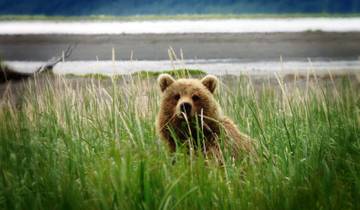
Black bears and brown bears patrol beaches and streams accessing Disenchantment Bay, particularly during July and August salmon runs when multiple fish species return to spawn in coastal watersheds. Bears appear as brown or black shapes along green forest edges, often focused on fishing activities rather than ship traffic passing through the bay. Mothers with cubs maintain cautious positioning away from larger males who represent the primary threat to cubs, creating predictable observation patterns where females and cubs occupy marginal habitat while large males dominate prime fishing locations.
Seabirds colonize cliffs surrounding Yakutat Bay in numbers exceeding 200 identified species, with breeding concentrations including Kittlitz’s murrelets, Aleutian terns, and various gull species. These birds rely on glacier-influenced ecosystems for nesting sites on ice-free cliffs and abundant fish in cold nutrient-rich waters. Climate-driven changes to glacier extent and ice formation timing may impact breeding success for species adapted to specific ice conditions, making current populations potentially unsustainable if warming trends continue.
Dall’s porpoises occasionally appear bow-riding near ships, creating distinctive white water splashes as they swim at high speeds through ship wake. These smallest porpoises in North Pacific waters reach only five feet in length but swim up to 35 miles per hour, making them challenging photography subjects requiring very fast shutter speeds and accurate focus tracking. Their distinctive black and white coloring resembles orcas at distance, though their small size and acrobatic swimming behavior distinguish them clearly upon closer observation.
Understanding Glacier Calving and Ice Dynamics in 2026
Calving represents the process by which glaciers shed ice masses into water bodies, occurring when mechanical stresses exceed ice structural strength. At Hubbard Glacier, calving happens continuously throughout the year as gravity pulls ice downslope, tidal cycles stress the terminus through rising and falling water levels, and temperature fluctuations create expansion and contraction within ice structures. Visitors witness a dynamic geological process occurring in real-time where 400-year-old ice formed from ancient snowfall transforms into icebergs within seconds.
The mechanics of calving involve multiple stress factors working simultaneously on glacier termini. Tidal action undercuts ice below the waterline, creating overhangs where upper ice loses structural support. Wave action and tidal currents erode submarine ice faces, propagating cracks upward through the ice column until surface crevasses connect with basal weaknesses. When these stress factors overwhelm ice strength, massive sections detach and fall or rotate into the bay with tremendous force.
Calving events range from small ice chunks dropping from isolated crevasses to catastrophic collapses where sections hundreds of feet wide and tall crash simultaneously into the bay. The largest calving events visible from cruise ships release ice volumes measured in thousands of cubic meters, generating waves powerful enough to rock ships positioned a mile from the glacier face. These mega-calving events remain unpredictable, occurring without visible warning signs that would allow anticipation, making continuous observation essential for witnessing spectacular collapses.
The sound of calving provides one of Hubbard Glacier’s most memorable sensory experiences. Small calving creates sounds resembling cracking ice or breaking glass, audible only at close range. Medium calving produces sharp cracks echoing across the bay, alerting observers to scan for the collapse source. Large calving generates thunderous roars the Tlingit people call “White Thunder,” audible from miles away and often preceding visible collapse as ice internal fractures propagate before surface failure. The delay between sound arrival and visible collapse reflects the difference between sound speed through ice versus air, creating temporal separation between audio and visual components of single events.
Wave generation from calving creates secondary spectacles where energy released by falling ice radiates outward as concentric wave patterns. Large calving produces waves several feet high at the collapse source, diminishing to one-foot swells by the time they reach cruise ships a mile distant. These waves rock ships noticeably, providing visceral confirmation of energy released by ice masses weighing thousands of tons plunging into water from heights exceeding 300 feet.
Iceberg formation through calving creates floating ice masses that drift in Disenchantment Bay’s tidal currents for days or weeks before melting disperses their mass. Newly calved icebergs display brilliant blue coloration where fracture surfaces expose dense ancient ice formed from centuries of snow compression. This blue intensifies under direct sunlight, creating luminous sapphire tones that photographers prize for dramatic color contrast against white glacier backgrounds and dark water.
The age of calving ice provides perspective on the temporal scales involved in glacial processes. Ice currently calving from Hubbard Glacier’s terminus originated as snowfall 400+ years ago, falling on Mount Logan’s slopes during the Little Ice Age when European explorers first reached North American coasts. This ice compressed under subsequent snow layers for centuries before flowing 76 miles down-valley to reach tidewater where it calves today. Air bubbles trapped within this ice contain atmospheric samples from pre-industrial eras, providing scientists with climate data predating instrumental weather records.
Seasonal patterns influence calving frequency and magnitude. Summer warming increases meltwater production that lubricates the glacier bed, accelerating ice flow and increasing stress at the terminus. Higher summer air temperatures also warm surface ice, making it more brittle and prone to fracture under mechanical stress. Winter calving continues but occurs less frequently as cold temperatures reduce meltwater production and ice brittleness. Visitors in peak summer months witness the most active calving, though winter and shoulder season visitors still observe regular calving events maintaining year-round glacier dynamics.
Best Time to Visit Hubbard Glacier in 2026
Alaska cruise season operates from May through September, with ships visiting Hubbard Glacier throughout this window. Each month offers distinct advantages and tradeoffs involving weather, wildlife activity, daylight hours, crowds, and pricing. Understanding these seasonal variations helps travelers select optimal timing matching their priorities and constraints.
May represents shoulder season with lower cruise prices 25-35% below peak summer rates, smaller passenger volumes reducing deck crowding and competition for excursion bookings, and spring wildlife activity including sea lion pupping and early bird migrations. Temperatures range from 40-50°F with increased precipitation probability and snow remaining on mountains creating dramatic visual contrast. Daylight extends to 17 hours by late May, providing adequate photography light. Wildlife diversity remains lower than summer months as migratory species haven’t fully returned, and some shore excursions operate on reduced schedules or remain closed for the season. May suits budget-conscious travelers willing to accept cooler temperatures and variable weather in exchange for significant cost savings.
June marks the beginning of peak season with temperatures rising to 50-60°F, precipitation declining below May levels, and daylight extending to 18-19 hours creating extended viewing windows. Humpback whales arrive in force as fish populations explode, bald eagles concentrate near salmon spawning streams, and bear activity increases as cubs born in winter dens accompany mothers to feeding areas. Wildflowers bloom across lower elevations, adding color to mountain landscapes. Cruise prices rise 15-25% above May but remain 10-15% below July and August peaks. June represents an excellent compromise month balancing favorable weather, strong wildlife activity, and reasonable pricing before full summer crowds arrive.
July delivers peak Alaska experience with warmest temperatures averaging 55-65°F, longest daylight hours at 19-20 hours in early July, maximum wildlife diversity as all migratory species have returned, and optimal weather patterns with lowest precipitation probability. Salmon runs intensify through July, concentrating bears, eagles, and marine mammals near streams and coastal waters. The extended daylight creates challenges for photographers seeking dramatic lighting angles but provides flexibility for early morning and late evening outdoor activities. Cruise demand peaks in July, driving prices 20-30% above shoulder season and creating crowded viewing decks and sold-out premium excursions. July suits travelers prioritizing wildlife encounters and warmest weather over budget considerations.
August extends peak season conditions with temperatures matching July averages, though daylight begins declining noticeably toward 16-17 hours by month’s end. Salmon runs reach maximum intensity, creating spectacular bear viewing opportunities as multiple species converge on spawning streams. Berry crops ripen across mountain slopes, attracting bears to high-elevation feeding areas visible from ships. Weather patterns shift slightly with marginally increased precipitation compared to July, though conditions remain generally favorable. Late August represents the last opportunity for peak summer experiences before shoulder season transitions begin. Pricing remains at peak levels through mid-August before declining 10-15% in the final weeks.
September transitions to shoulder season with temperatures declining to 45-55°F, precipitation increasing toward October levels, and daylight shrinking to 14-15 hours reducing photography windows. Wildlife activity remains strong in early September as bear feeding intensifies before winter denning and migratory birds begin departing for southern wintering grounds. Cruise volumes decline significantly after Labor Day, creating uncrowded decks and readily available excursion bookings. Prices drop 30-40% below peak summer, approaching May shoulder season levels. Fall colors begin appearing on deciduous vegetation in late September, adding warm tones to predominantly green and white landscapes. September suits budget travelers comfortable with cooler temperatures and accepting slightly higher weather uncertainty in exchange for substantial savings and uncrowded viewing experiences.
Weather variability impacts all Alaska cruise months to varying degrees. Southeast Alaska’s maritime climate produces unpredictable conditions where clear skies can transition to heavy rain within hours, or vice versa. Temperature forecasts prove more reliable than precipitation forecasts, though microclimates around glaciers create conditions differing from regional weather patterns. Travelers should prepare for all conditions regardless of season, packing warm waterproof layers even for July cruises where glacier proximity creates local cooling effects.
Daylight hours significantly impact activity scheduling and photography opportunities. June and July’s extreme daylight allows glacier viewing from early morning through late evening, though cruise ships typically schedule glacier visits during morning hours when light angles and weather conditions optimize viewing. May and September’s shorter days concentrate activities into tighter windows, though 14-17 hour daylight periods still provide extensive flexibility compared to winter’s limited light.
What to Pack for Hubbard Glacier Viewing in 2026
Hubbard Glacier viewing requires specialized clothing and equipment addressing cold temperatures, wind exposure, precipitation potential, and extended outdoor time in conditions colder than most travelers experience in daily life. Inadequate preparation forces retreat to heated ship interiors, missing significant portions of glacier viewing windows. Proper preparation enables comfortable hours-long outdoor observation regardless of weather conditions.
Layering systems provide the most versatile approach to temperature management where conditions change rapidly as ships approach and depart glaciers. Base layers should include synthetic or merino wool long underwear tops and bottoms that wick moisture while providing initial insulation. Cotton base layers absorb sweat and lose insulating value when damp, creating dangerous cooling during extended outdoor exposure. Quality base layers cost $40-80 per garment but prove essential for comfort during glacier viewing.
Mid-layer insulation using fleece or synthetic insulated jackets provides the primary warmth retention over base layers. These mid-layers should allow easy removal and storage in daypacks when temperatures rise or when moving between outdoor decks and heated ship interiors. Packable down jackets offer excellent warmth-to-weight ratios for travelers minimizing luggage volume, though synthetic insulation maintains warmth better when damp. Plan to invest $80-200 in quality mid-layer insulation that performs reliably across varying Alaska conditions.
Outer shell layers must provide wind and water protection while allowing vapor transmission to prevent sweat accumulation inside jackets. Waterproof breathable fabrics including Gore-Tex or similar technologies create this critical balance, though budget options using coated nylon provide adequate protection for shorter glacier viewing sessions. Hoods should adjust securely against wind without restricting head movement or peripheral vision. Quality waterproof shells cost $150-400, representing significant investments justified by protection they provide in Alaska’s harsh marine environments.
Hand and head protection prevents heat loss through body areas with high surface-area-to-volume ratios where blood vessels near skin surfaces lose warmth rapidly. Insulated gloves or mittens prove essential even during July glacier viewing where wind chill creates effective temperatures well below ambient air temperatures. Photographers should carry fingerless gloves or convertible mittens allowing camera operation without exposing bare skin to cold. Warm hats covering ears prevent heat loss through the head, with additional neck gaiters or balaclavas providing face protection during extreme wind exposure.
Footwear should prioritize warmth and traction over fashion. Insulated waterproof boots keep feet warm and dry during hours standing on cold metal ship decks exposed to spray and precipitation. Many travelers underestimate foot cooling from prolonged standing on metal surfaces conducting heat away from feet faster than insulation can replace it. Thick wool or synthetic hiking socks provide additional insulation and moisture management. Breaking in new boots before cruises prevents blisters that ruin onshore hiking excursions at other ports.
Eye protection requires sunglasses blocking UV radiation intensified by reflection from ice and water surfaces. Glacier viewing without sunglasses causes snow blindness where UV exposure damages corneas, creating painful burning sensations developing hours after exposure. Polarized lenses reduce glare from water and ice surfaces, improving visual clarity and reducing eye strain during extended viewing. Prescription glasses wearers should carry prescription sunglasses or clip-on polarized covers rather than relying on non-prescription sunglasses over their regular glasses.
Camera protection equipment includes waterproof bags or covers preventing salt spray and precipitation damage to electronics, lens cleaning cloths removing water spots from optical surfaces, and spare batteries maintaining power in cold conditions that reduce lithium battery capacity by 30-50%. Large freezer-weight ziplock bags provide emergency waterproofing for cameras and lenses when purpose-built rain covers aren’t available. Microfiber cloths clean lens surfaces without scratching, with multiple cloths allowing rotation when individual cloths become saturated with moisture.
Binoculars enhance wildlife observation by bringing distant subjects 8-10 times closer, revealing details invisible to naked eyes. Compact binoculars with 8x or 10x magnification and 25-42mm objective lenses balance portability with light-gathering capability and field of view. Image-stabilized binoculars reduce shake when viewing from moving ship decks but cost $500-1,500 compared to $100-400 for quality non-stabilized models. Waterproof binoculars survive accidental drops and spray better than non-waterproof models in marine environments.
Motion sickness medication should be carried even by travelers who’ve never experienced seasickness, as Alaska’s inside passage shelters ships from worst ocean conditions but Yakutat Bay and approaches to Hubbard Glacier expose ships to Pacific swells. Over-the-counter medications including Dramamine or Bonine prevent symptoms when taken before nausea develops, though they induce drowsiness reducing photography enthusiasm. Prescription scopolamine patches provide longer-lasting relief without drowsiness but require advance consultation with physicians. Ginger supplements and acupressure wristbands offer drug-free alternatives with variable effectiveness.
Safety Considerations for Hubbard Glacier Visits in 2026
Hubbard Glacier visits via cruise ships and charter boats involve minimal direct safety risks when compared to land-based glacier trekking or ice climbing. The water-based viewing platform eliminates crevasse fall hazards, avalanche exposure, and ice collapse risks inherent in close glacier approaches. However, Alaska marine environments introduce different hazards requiring awareness and preparation.
Cold water immersion represents the most serious potential hazard where accidental falls overboard into 40-45°F water cause rapid loss of muscle control and consciousness within minutes. Cruise ships maintain multiple safety barriers including railings, restricted access areas, and surveillance systems reducing overboard incidents to extremely rare events. Passengers should respect safety barriers, avoid leaning over railings for photographs, and supervise children closely near deck edges. Alcohol consumption impairs judgment and balance, increasing fall risks on moving ship decks.
Hypothermia can develop during extended outdoor viewing in cold wind even without water immersion. Early hypothermia symptoms include uncontrollable shivering, loss of coordination, confusion, and drowsiness. Prevention requires proper layered clothing, limiting outdoor exposure duration, and warming up periodically in heated ship spaces. Travelers feeling cold symptoms should retreat indoors immediately rather than attempting to tough through discomfort that progresses to dangerous conditions.
Motion sickness affects significant percentages of cruise passengers despite modern ship stabilization systems. Symptoms including nausea, dizziness, and vomiting reduce ability to enjoy glacier viewing and participate in other cruise activities. Preventive medication proves most effective when taken before symptoms develop, with timing depending on medication type. Severe motion sickness occasionally requires medical attention from ship medical facilities, which stock prescription medications and IV fluids for treatment of dehydration resulting from prolonged vomiting.
Slips and falls on wet decks occur more frequently than other cruise injuries, particularly during precipitation or when sea spray coats deck surfaces. Non-skid deck surfaces reduce slip risks but don’t eliminate them, especially when combined with ship motion in rough seas. Appropriate footwear with aggressive tread patterns provides better traction than smooth-soled dress shoes or flip-flops. Travelers with mobility limitations should use handrails when moving around ships and consider requesting accessible cabins located near elevators and main activity areas.
Wildlife viewing guidelines protect both animals and observers. Federal regulations prohibit approaching marine mammals closer than specified distances, though animals may approach vessels voluntarily. Charter boat operators maintain legal distances from whales, seals, and other protected species. Feeding wildlife disrupts natural behaviors and violates regulations protecting Alaska’s ecosystems. Bear viewing from ships poses no direct safety risks given the distance separating ships from shorelines, though bears represent serious hazards for travelers on shore excursions involving coastal hiking or wildlife viewing platforms.
Photography from moving vessels introduces unique hazards including dropping cameras or lenses overboard, losing balance while maneuvering heavy telephoto lenses, and missing railings or steps while looking through viewfinders. Camera straps should wrap securely around wrists or necks preventing accidental drops, with expensive equipment insured against loss or damage. Photographers setting up tripods or moving between shooting positions should watch footing carefully rather than assuming deck surfaces remain level and clear.
Medical facilities on cruise ships provide basic emergency care, diagnostic capability, and stabilization for serious conditions requiring evacuation to shore-based hospitals. Ships carry physicians and nurses, medications for common conditions, and equipment for managing cardiac emergencies, broken bones, and acute illnesses. Travelers with chronic medical conditions should carry adequate prescription medications in original containers with enough supply to cover trip duration plus several days for delays. Medical evacuation from remote Alaska locations can cost tens of thousands of dollars without adequate travel insurance providing emergency medical coverage and evacuation benefits.
Travel insurance should include emergency medical coverage, trip cancellation protection, and evacuation benefits for Alaska cruises. Cruise line vacation protection plans provide basic coverage but often exclude pre-existing medical conditions and provide lower coverage limits than comprehensive third-party travel insurance. Evacuation coverage proves particularly important for Alaska cruises where helicopter or fixed-wing aircraft evacuation to Anchorage or Juneau hospitals from remote locations including Hubbard Glacier can cost $25,000-50,000. Insurance should be purchased within 14 days of initial trip deposit to ensure maximum coverage including pre-existing condition waivers.
Hubbard Glacier’s Climate and Environmental Research Significance in 2026
Hubbard Glacier represents one of few advancing tidewater glaciers worldwide at a time when 90% of glaciers globally retreat in response to climate warming. This exceptional advance provides scientists with natural laboratories for studying glacial dynamics, testing climate models, and understanding how specific geographic and meteorological factors can override broader climate trends. Research conducted at Hubbard contributes to improved predictions of sea level rise, glacier behavior modeling, and ecosystem adaptation to rapid environmental change.
The glacier’s advance results from precipitation patterns where exceptionally high snowfall in the accumulation zone exceeds ice loss at the terminus through calving and melting. Annual snowfall exceeding 40 feet in the upper glacier creates a positive mass balance where input surpasses output, driving continued advance. This local meteorological pattern occurs because the St. Elias Mountains intercept moisture-laden Pacific air masses, forcing orographic lift that cools air below freezing levels and precipitates snow rather than rain even as regional temperatures warm.
Ice core samples extracted from Hubbard and surrounding glaciers contain atmospheric and environmental data spanning centuries. Air bubbles trapped as snow compresses into ice preserve atmospheric composition from the time of original snowfall, allowing scientists to reconstruct past climate conditions, pollution levels, and even volcanic eruption records based on ash layers within ice. These ice archives extend instrumental climate records backward in time, providing context for evaluating whether current warming represents unprecedented change or falls within natural variation ranges.
Glacial lake outburst floods resulting from Hubbard’s advance provide dramatic illustrations of how glaciers can reshape landscapes rapidly. The 1986 and 2002 damming events when Hubbard sealed Russell Fjord created temporary freshwater lakes that rose dozens of feet before ice dams catastrophically failed. These outburst floods released billions of gallons of water in hours, transforming salinity, temperature, and sediment loads throughout Yakutat Bay. Such events demonstrate how glacial advances can trigger cascading environmental changes affecting ecosystems far from the glacier itself.
Marine ecosystem adaptations to glacially influenced environments occur throughout Yakutat Bay and Disenchantment Bay where cold temperatures, variable salinity, sediment loads, and nutrient inputs from glacial meltwater create unique habitats. Fish species adapted to cold turbid waters thrive near glacier termini, supporting food webs including seabirds, seals, and whales. Changes to glacial behavior potentially destabilize these ecosystems by altering habitat characteristics species require for survival and reproduction.
Climate change impacts on Hubbard remain uncertain despite the glacier’s current advance. Warming temperatures could shift precipitation from snow to rain in accumulation zones, reducing mass input while increased melting accelerates ice loss at the terminus. This combination would transform positive mass balance to negative, triggering retreat that could accelerate rapidly once initiated. Alternatively, warming could increase total precipitation by enhancing moisture content of air masses, providing more snow at high elevations where temperatures remain below freezing. These competing factors make Hubbard’s future trajectory uncertain, with continued advance, stabilization, or eventual retreat all possible depending on how climate patterns evolve.
Long-term monitoring programs track Hubbard’s advance through repeat photography, satellite imagery, GPS measurements of terminus position, and ice velocity calculations. These datasets extending back decades document advance rates, seasonal variations, and responses to short-term climate fluctuations. Researchers compare Hubbard’s behavior with hundreds of other Alaska glaciers experiencing retreat, identifying unique characteristics that allow Hubbard to buck global trends and what this exceptional behavior reveals about glacial physics and climate interactions.
Hubbard Glacier Day Cost Breakdown for Cruise Passengers in 2026
The incremental cost of visiting Hubbard Glacier as part of Alaska cruise itineraries varies dramatically based on cabin category selection, premium excursion choices, and personal spending patterns. Breaking down typical cost components helps travelers budget appropriately and identify optional expenses they can reduce or eliminate based on priorities.
Base cruise fares represent the largest expense component. Seven-night Alaska cruises including Hubbard Glacier scenic cruising cost $1,000-1,800 per person for inside cabins, $1,800-3,200 for balcony cabins, and $3,500-4,500+ for suite accommodations. These prices represent per-person double occupancy rates on mainstream cruise lines during peak summer season. Solo travelers typically pay 150-200% of per-person double occupancy rates due to single supplement charges, while third and fourth passengers in cabins receive discounted rates.
Port taxes and fees add $200-350 per person to base cruise fares, covering government charges, port facility usage, and various regulatory fees. These mandatory charges appear separately from cruise fares but represent unavoidable costs included in total cruise expense. Some cruise lines quote prices inclusive of taxes while others show base fares with taxes added during checkout, making direct price comparisons require careful verification of what’s included.
Gratuities for crew members cost approximately $14-18 per person per day on mainstream cruise lines, totaling $100-125 per person for seven-night cruises. These gratuities compensate dining room servers, cabin stewards, and other crew members providing direct services. Gratuity amounts and payment methods vary by cruise line, with some automatically charging daily gratuity amounts to passenger accounts while others allow cash distribution directly to specific crew members. Premium and luxury cruise lines often include gratuities in base fares, eliminating this separate expense.
Premium glacier boat excursions cost $200-400 per person for 2-3 hour experiences bringing small groups closer to the glacier face. These optional excursions significantly enhance glacier viewing but aren’t necessary for witnessing impressive calving displays visible from cruise ships. Passengers should evaluate whether closer viewing justifies the premium cost based on photography goals, time constraints, and budget priorities. Excursions frequently sell out for peak summer departures, making early booking essential for passengers prioritizing these experiences.
Beverage costs vary dramatically based on consumption patterns and package purchases. Mainstream cruise lines charge $3-5 for sodas, $8-15 for cocktails, and $8-12 for glasses of wine, with premium brands commanding higher prices. Beer costs $6-8 per serving. Passengers consuming multiple alcoholic beverages daily can easily spend $50-100 per person per day without beverage packages. Most cruise lines offer unlimited beverage packages costing $50-85 per person per day covering alcoholic drinks, sodas, specialty coffees, and bottled water. These packages prove cost-effective for passengers consuming 4+ alcoholic drinks daily but represent poor value for light drinkers.
Specialty dining at premium restaurants aboard ships costs $25-50 per person surcharges above included main dining room meals. These optional upgrades provide enhanced cuisine, more intimate settings, and specialized menus focusing on steakhouse offerings, Italian cuisine, or Asian fusion concepts. Passengers can enjoy excellent meals in included dining venues without paying specialty restaurant surcharges, though food enthusiasts may consider occasional specialty dining worthwhile splurges on sea days or special occasions.
Wi-Fi connectivity aboard ships costs $15-30 per device per day depending on cruise line and data package size. Basic packages provide email and web browsing, while premium packages support video streaming and video calls. Many passengers choose to disconnect from internet during cruises, enjoying digital detox experiences while focusing on glacier viewing, wildlife observation, and shipboard activities. Passengers requiring connectivity for work or family communication should factor Wi-Fi costs into budgets or plan to use it sparingly at port stops where cellular service may be available.
Photography prints, professional photo packages, and spa services represent optional expenses varying dramatically based on utilization. Ship photographers capture formal portraits and candid activity shots throughout cruises, offering prints and packages costing $20-500. Spa treatments including massages, facials, and salon services cost $80-300 per service. Passengers can entirely avoid these costs or indulge extensively based on personal preferences and budgets.
Onshore expenses during port calls at Juneau, Skagway, Ketchikan, and other stops add variable costs. Excursions at each port cost $50-250 per person depending on activity type and duration. Independent exploration using public transportation or walking tours costs minimal amounts, while helicopter tours, whale watching expeditions, and zipline adventures command premium prices. Meals purchased onshore add $15-40 per person for casual dining, though most passengers eat aboard ships where meals are included rather than paying for shore meals.
Sample Budget Breakdown for Seven-Night Hubbard Glacier Cruise in 2026
A budget-conscious couple selecting inside cabin on mainstream cruise line during shoulder season can experience seven-night Alaska cruise including Hubbard Glacier for approximately $2,800-3,600 total for two people. Inside cabin base fare during May or September costs approximately $1,000-1,400 per person. Port taxes and fees add $200-300 per person. Prepaid gratuities total $100-125 per person. The couple skips premium glacier excursion and beverage packages, drinking included water, coffee, and tea while purchasing occasional cocktails totaling $80-120 for the week. They participate in free onboard activities, dine in included restaurants, and select one moderately priced shore excursion per port totaling $300-400. This budget approach provides complete Alaska experience including Hubbard Glacier at costs accessible to middle-income travelers.
A mid-range couple prioritizing balcony cabin and moderate amenities can expect total costs of $5,500-7,500 for two people. Balcony cabin during peak summer season costs $2,200-2,800 per person base fare. Port taxes and fees add $250-300 per person. Prepaid gratuities total $110-125 per person. The couple books premium glacier boat excursion at $300-350 per person, purchases beverage packages at $60-70 per person per day totaling $840-980 for the cruise, and selects mid-range shore excursions at two ports totaling $400-600. They try one specialty restaurant dinner costing $80-100 for two, and purchase Wi-Fi for one device at $120-150 for the week. This mid-range approach balances comfort with costs while including premium glacier viewing experience and enhanced amenities.
An affluent couple seeking luxury experience in suite accommodation with comprehensive amenities can expect total costs of $11,000-16,000 for two people. Suite base fares cost $4,000-5,500 per person including many amenities bundled as suite perks. Port taxes add $300-350 per person. Gratuities are often included in suite fares or total $125-150 per person. The couple books premium glacier excursion, selects helicopter flightseeing over glaciers costing $400-500 per person, and participates in small-group wildlife expeditions at additional ports totaling $800-1,200. Premium beverage packages are included with suite or purchased separately. Multiple specialty restaurant meals, professional photo packages, and spa treatments add $800-1,500. This luxury approach maximizes comfort and experiences while significantly increasing total investment.
Solo travelers face premium costs due to single supplement charges doubling base cabin rates or adding 50-100% surcharges depending on cruise line and cabin category. Some cruise lines offer limited single cabins specifically designed for solo travelers at reduced supplements, though these cabins book quickly. Solo traveler selecting inside cabin during shoulder season pays approximately $1,800-2,400 base fare plus taxes, gratuities, and variable spending comparable to couples on per-person basis. Total costs reach $2,800-4,200 for budget solo traveler and $6,500-9,500 for mid-range solo traveler including balcony cabin and moderate amenities.
Families with children benefit from third and fourth passenger discounted rates when sharing cabins with two full-fare adults. Many cruise lines offer kids sail free or heavily discounted promotions during shoulder seasons, reducing per-person costs significantly for families traveling with children. A family of four selecting balcony cabin during June might pay $2,200 per adult, $800-1,200 per child for base fares, plus taxes, gratuities, and variable expenses. Children’s excursions cost less than adult rates, and beverage costs remain minimal if children drink included sodas and juices. Total family costs range from $7,500-11,000 including moderate shore excursions and beverage purchases.
Extending Your Alaska Experience Beyond Hubbard Glacier in 2026
Hubbard Glacier represents one highlight within broader Alaska cruise itineraries visiting multiple spectacular destinations throughout southeast Alaska’s Inside Passage. Seven-night cruises typically include port calls at 4-5 communities offering distinct experiences complementing glacier viewing with cultural immersion, wildlife encounters, and outdoor adventures.
Juneau, Alaska’s capital city accessible only by air and sea, provides gateway to Mendenhall Glacier, whale watching expeditions, and gold rush history. Mendenhall Glacier flowing from Juneau Icefield to within 13 miles of downtown creates accessible glacier viewing for visitors unable to commit to multi-day wilderness expeditions. Trails approaching Mendenhall provide hiking opportunities with glacier views, while helicopter tours land on glacier surfaces for ice trekking experiences. Whale watching from Juneau during summer months offers near-guaranteed humpback sightings as these whales concentrate in rich feeding grounds surrounding Admiralty Island.
Skagway preserves gold rush history from 1897-1898 when 30,000 prospectors passed through town seeking Klondike goldfields in Canada’s Yukon Territory. The historic downtown maintains original false-front buildings, wooden sidewalks, and pioneer atmosphere where costumed interpreters guide walking tours through gold rush sites. White Pass and Yukon Route Railroad climbs from sea level to 2,865 feet through dramatic mountain scenery following routes cut by prospectors, offering vintage rail experiences with commentary about construction challenges and historical significance.
Ketchikan showcases Southeast Alaska Native heritage at Totem Heritage Center and Saxman Native Village where master carvers maintain totem pole traditions. The city’s fishing industry heritage appears in Creek Street’s historic red light district built on pilings over Ketchikan Creek where salmon spawn in downtown waterway visible from boardwalks. Ketchikan receives more annual rainfall than any other Alaska city, earning the nickname “Rain Capital” where visitors should expect precipitation regardless of season.
Glacier Bay National Park protects 3.3 million acres including tidewater glaciers, mountains, fjords, and temperate rainforests supporting diverse ecosystems. Park rangers board cruise ships traversing Glacier Bay, providing full-day narration about glacial geology, wildlife ecology, and indigenous Tlingit connections to landscapes. Multiple tidewater glaciers actively calve throughout Glacier Bay, creating glacier viewing experiences rivaling Hubbard while showcasing different geological settings and ice dynamics.
Pre- or post-cruise extensions allow deeper Alaska exploration beyond cruise itinerary constraints. Denali National Park, Alaska’s premier wildlife viewing destination, sits approximately 120 miles south of Fairbanks where grizzly bears, caribou, wolves, and Dall sheep inhabit tundra and forest ecosystems. Mount Denali, North America’s highest peak at 20,310 feet, dominates northern horizons when weather permits views. Tour buses penetrate 92 miles into roadless wilderness on single gravel road, providing wildlife viewing opportunities impossible from private vehicles restricted to first 15 miles.
Anchorage, Alaska’s largest city with 290,000 residents, combines urban amenities with wilderness proximity where moose browse suburban vegetation, bears raid garbage cans, and salmon spawn in Ship Creek flowing through downtown. Alaska Native Heritage Center preserves indigenous cultures through traditional dwellings, craft demonstrations, and cultural performances representing Alaska’s diverse native peoples. Anchorage Museum documents Alaska history from prehistoric ice age migrations through gold rush, World War II, oil development, and contemporary issues shaping Alaska’s future.
Seward provides gateway to Kenai Fjords National Park where tidewater glaciers calve into fjords supporting colonies of sea lions, puffins, and other seabirds. Tour boats departing Resurrection Bay navigate through protected waters into glacier-carved fjords where multiple glaciers descend from Harding Icefield. Alaska SeaLife Center in Seward functions as marine science research facility and public aquarium showcasing Alaska marine ecosystems through large exhibits featuring sea lions, seals, puffins, and cold-water fish species.
Interior Alaska accessed through Fairbanks offers midnight sun experiences during summer solstice when sun remains visible 24 hours daily above Arctic Circle. Gold dredges, pipeline viewing, hot springs, and riverboat cruises complement interior wilderness where boreal forest replaces coastal rainforest and continental climate creates temperature extremes from -50°F winter to 90°F summer. The Aurora Borealis appears regularly during winter months though summer visitors miss northern lights due to continuous daylight.
Frequently Asked Questions About Hubbard Glacier 2026
Do All Alaska Cruises Visit Hubbard Glacier in 2026?
No, not all Alaska cruises include Hubbard Glacier in their itineraries. Standard seven-night Inside Passage cruises focusing on Glacier Bay, Tracy Arm, or Sawyer Glaciers may not visit Hubbard depending on routing. Cruises specifically marketed as “Voyage of the Glaciers” or similar designations typically include both Glacier Bay and Hubbard Glacier as major highlights. Travelers prioritizing Hubbard Glacier viewing should verify itinerary details before booking, confirming that cruise schedules include scenic cruising in Disenchantment Bay. Cruise line websites and deck-by-deck itinerary descriptions specify which glaciers appear on specific sailings, with Hubbard Glacier days typically occurring on day four or five of seven-night cruises departing Vancouver or Seattle.
Can You Walk on Hubbard Glacier During 2026 Cruise Visits?
No, standard cruise ship and boat tour visits to Hubbard Glacier do not include glacier surface landings or ice walking opportunities. The glacier’s remote location, active calving creating constantly shifting ice conditions, and federal wilderness protections limit access to water-based viewing only. Some Alaska tour operators offer helicopter glacier landings on other glaciers near Juneau and Skagway where passengers can walk on stable glacier surfaces away from active calving zones, but these specialized excursions do not operate at Hubbard due to logistics and safety considerations. Visitors seeking glacier trekking experiences should investigate land-based glacier tours at Mendenhall Glacier near Juneau or helicopter tours landing on Norris Glacier or other accessible ice fields.
What Wildlife Can You See at Hubbard Glacier in 2026?
Yakutat Bay and Disenchantment Bay surrounding Hubbard Glacier support diverse wildlife populations including humpback whales, orcas, harbor seals, sea otters, Dall’s porpoises, bald eagles, black bears, brown bears, and over 200 seabird species. Humpback whales appear most frequently during summer months when fish populations concentrate in nutrient-rich waters, performing dramatic surface behaviors including breaching, tail slapping, and bubble-net feeding. Harbor seals haul out on floating ice floes in groups numbering dozens of individuals, particularly during May and June pupping season. Sea otters float near kelp bed edges, consuming shellfish while resting on their backs. Bald eagles patrol shorelines and cliffs, hunting fish and scavenging. Bears appear along beaches during July and August salmon runs. Wildlife sightings vary daily based on animal behavior, weather conditions, and seasonal patterns, with no guarantees for specific species though marine mammal observations occur on majority of glacier visits.
How Long Do Cruise Ships Stay at Hubbard Glacier in 2026?
Cruise ships typically allocate 3-5 hours total for Hubbard Glacier viewing, including approach time through Yakutat Bay, positioning near the glacier face, and exit from Disenchantment Bay. Ships maintain position within 0.5-1.5 miles of the glacier for approximately 1-3 hours depending on ice conditions, weather, and schedule requirements. During this window, ships may rotate to provide port and starboard sides with optimal viewing angles, adjust positions based on ice drift patterns, or shift locations to photograph particularly active calving zones. The all-day glacier viewing experience provides adequate time for photography, wildlife observation, attending naturalist presentations, and simply witnessing the glacier’s massive scale and dynamic calving activity. Weather conditions or ice concentrations occasionally require earlier departures if safety concerns develop.
Is Hubbard Glacier Cruising Included in Base Cruise Fare for 2026?
Yes, scenic cruising past Hubbard Glacier is included in standard cruise fares without additional charges for the basic viewing experience. Ships approach the glacier as part of their scheduled itineraries, providing all passengers with equal access to outdoor viewing decks, indoor lounges, and naturalist presentations. However, premium glacier boat excursions departing from cruise ships to bring small groups closer to the glacier face cost $200-400 per person as optional add-on experiences. These premium excursions require separate booking and payment but remain entirely optional, with the standard cruise ship viewing experience providing excellent glacier observations without additional costs beyond base cruise fare, taxes, and gratuities.
What Temperature Should You Expect at Hubbard Glacier in 2026?
Air temperatures near Hubbard Glacier range from 40-50°F during May and September shoulder season, 50-60°F during June, and 55-65°F during July and August peak summer months. However, wind chill from ship movement and glacier-driven air currents reduces effective temperatures by 10-15 degrees below ambient air temperatures. Morning hours when ships typically arrive at the glacier feature cooler temperatures than afternoon, with coastal fog or precipitation further reducing temperature comfort. Passengers should prepare for conditions feeling like 35-50°F even during peak summer visits, requiring warm layered clothing, windproof outer shells, hats, and gloves for comfortable extended outdoor viewing. Ship interiors maintain comfortable heated environments where passengers can warm up periodically between outdoor observation sessions.
Can You Visit Hubbard Glacier Year-Round in 2026?
No, Alaska cruise season operates only from May through September due to weather conditions, daylight hours, and demand patterns making winter operations impractical. Hubbard Glacier remains accessible year-round in theory, but commercial cruise lines do not schedule Alaska itineraries during October through April when storms, short daylight hours, snow, and freezing temperatures create challenging operating conditions. The glacier calves continuously throughout the year regardless of season, but winter conditions prevent regular passenger vessel access. Small numbers of expedition cruise ships occasionally visit Alaska during winter months for specialized photography and northern lights cruises, though these vessels rarely include Hubbard Glacier due to logistics and weather uncertainties. Travelers planning 2026 glacier visits should book May through September departures when reliable access and favorable conditions maximize viewing success.
How Does Hubbard Glacier Compare to Glacier Bay in 2026?
Hubbard Glacier and Glacier Bay National Park offer different but complementary glacier viewing experiences. Hubbard features a single massive tidewater glacier with a six-mile-wide face rising 300-400 feet above water, creating spectacular concentrated viewing of North America’s largest tidewater glacier. Ships approach very close to Hubbard’s face, emphasizing the ice wall’s massive scale and active calving. Glacier Bay distributes glacier viewing across multiple smaller tidewater glaciers including Margerie, Grand Pacific, and others, with park rangers providing full-day narration about geology, wildlife, and Tlingit cultural connections. Glacier Bay’s broader wilderness setting emphasizes ecosystem diversity and pristine landscapes, while Hubbard emphasizes glacial power and dynamics. Most comprehensive Alaska cruises include both destinations, allowing comparisons between concentrated single-glacier viewing at Hubbard and distributed multi-glacier experiences in Glacier Bay.
Are There Any Risks of Hubbard Glacier Damming Russell Fjord Again in 2026?
While Hubbard Glacier’s continued advance makes future damming events possible, scientists cannot predict specific timing for when the glacier might again seal Russell Fjord. The glacier dammed the fjord in 1986 and 2002, creating temporary glacial lakes that catastrophically drained when ice barriers failed. Current advance rates suggest another damming could occur within years to decades, though variables including ice flow velocity, terminus position relative to Bert Point, and seasonal calving patterns introduce uncertainties preventing precise predictions. A damming event would not affect cruise ship safety or access to the glacier since ships view from Disenchantment Bay rather than Russell Fjord, but would create dramatic environmental changes transforming the fjord’s salinity, temperature, and ecosystem characteristics. Researchers monitor glacier advance continuously using satellite imagery and ground-based measurements, providing advance warning if conditions indicate imminent damming.
What’s the Best Camera for Photographing Hubbard Glacier in 2026?
Interchangeable lens cameras with telephoto zoom capabilities provide optimal flexibility for Hubbard Glacier photography. Full-frame or APS-C sensor cameras from manufacturers including Canon, Nikon, Sony, or Fujifilm paired with 70-200mm or 100-400mm telephoto zoom lenses capture both wide glacier views and detailed ice formation close-ups. These cameras offer manual exposure control essential for handling extreme brightness differences between ice, water, and sky, continuous shooting modes capturing calving sequences, and image quality supporting large prints. Smartphone cameras capture adequate casual documentation but lack telephoto reach for detailed glacier photography and struggle with exposure metering in high-contrast glacier scenes. Photographers should bring spare batteries due to cold-induced capacity reduction, memory cards supporting thousands of images during multi-hour viewing windows, and lens cloths for removing water spray from optical surfaces. Weather-sealed cameras and lenses withstand moisture and cold better than non-weather-sealed equipment in Alaska’s harsh marine environment.