Dog Sledding in Alaska: Complete Experience Guide
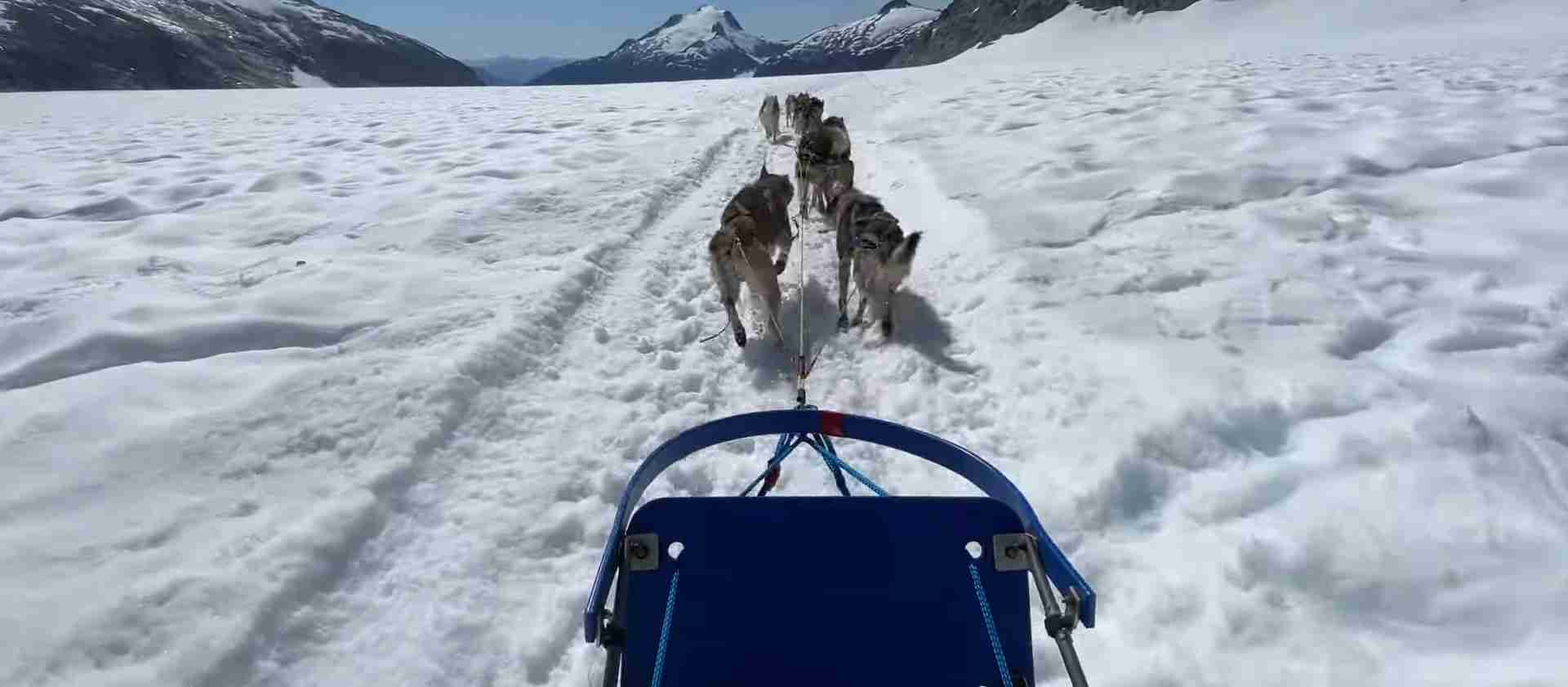
Dog sledding in Alaska offers travelers an immersive connection to the state’s frontier heritage through experiences ranging from summer kennel visits with wheeled cart rides to winter expeditions across frozen wilderness and helicopter-accessed glacier runs. This quintessentially Alaskan adventure combines athletic sled dog teams, world-class mushing champions, and landscapes spanning boreal forests to Arctic tundra, delivering authentic encounters with Alaska’s official state sport across all seasons and skill levels.
Key Takeaways
- Year-Round Accessibility: Dog sledding experiences operate throughout all seasons, with winter snow tours from November through March, summer wheeled cart rides on forest trails from May through September, and helicopter glacier tours offering snow sledding during summer months when lower elevations lack snow cover.
- Experience Diversity: Available formats range from 30-minute introductory kennel tours to multi-day wilderness expeditions, with options including guided rides where mushers control the team, drive-your-own experiences where visitors stand on the runners, and immersive overnight camping trips that follow historic Iditarod trails.
- Champion Musher Access: Alaska’s dog sledding operations are predominantly owned and operated by Iditarod and Yukon Quest veterans who share firsthand race experiences, allowing visitors direct interaction with championship-caliber athletes and insights into training regimens that produce teams capable of covering 1,000+ miles in extreme conditions.
- Geographic Hotspots: The primary dog sledding regions include Fairbanks and the Interior (world’s largest concentration of competitive kennels), Seward and the Kenai Peninsula (summer glacier access), Juneau and Southeast Alaska (cruise ship accessibility), the Talkeetna and Denali corridor (wilderness proximity), and the Mat-Su Valley near Anchorage (Iditarod restart location).
- Price Spectrum and Value Factors: Costs range from $70 for basic summer kennel demonstrations to $900+ for helicopter glacier expeditions, with pricing reflecting tour duration, transportation requirements, meal inclusions, guide credentials, kennel dog care standards, and environmental sustainability practices that distinguish ethical operations from volume-driven tourism.
- Physical Engagement Levels: Dog sledding accommodates varying fitness levels, from passive basket riding suitable for elderly visitors and young children to active mushing requiring balance, steering, and hill pushing, with most kennels offering adaptive equipment and personalized experiences that welcome guests with mobility limitations alongside adventure seekers.
People Also Ask About Dog Sledding in Alaska
What is dog sledding and why is it significant in Alaska?
Dog sledding is the practice of using harnessed teams of sled dogs to pull sleds and mushers across snow and ice, serving as Alaska’s primary winter transportation method for thousands of years before modern vehicles arrived. Indigenous Athabascan, Iñupiat, and Yup’ik peoples developed sophisticated dog team systems for hunting, trading, and communication across vast Arctic distances. The practice gained international recognition through the 1925 Serum Run, when musher teams including Leonhard Seppala and lead dog Togo transported diphtheria antitoxin 674 miles from Nenana to Nome in five and a half days during a deadly epidemic, saving the isolated community. Today, dog mushing holds official status as Alaska’s state sport, celebrated annually through the Iditarod Trail Sled Dog Race and dozens of other competitive events that preserve this cultural heritage while showcasing canine athleticism.
Can you go dog sledding in Alaska during summer?
Summer dog sledding operates extensively throughout Alaska from May through September using two distinct methods that maintain year-round training schedules for racing teams. Wheeled cart rides employ specially designed four-wheeled vehicles that allow dog teams to pull passengers along groomed forest trails, providing authentic mushing experiences with speeds reaching 15-20 miles per hour on dirt and gravel paths. Helicopter glacier tours transport visitors to high-elevation snowfields on glaciers where teams operate on snow throughout summer, offering traditional sled experiences with runners gliding across permanent ice fields. Summer tours include significant additional benefits beyond winter visits: opportunities to interact with young puppies born in spring, watching dogs play and socialize during off-leash time, comfortable temperatures for extended kennel visits, and accessibility for travelers whose schedules or physical limitations preclude winter Arctic conditions.
How much does dog sledding cost in Alaska?
Dog sledding costs in Alaska span from $70 for basic summer kennel tours and demonstrations lasting 30-60 minutes to $900 for premium helicopter glacier experiences including flight time and extended snow mushing. Standard summer wheeled cart rides with kennel visits range $140-200 per person for 90-minute experiences at drive-to locations near Anchorage, Fairbanks, and Denali. Winter snow tours cost $200-400 for half-day excursions with opportunities to drive the team yourself, while full-day winter adventures with meals and multiple trail segments reach $500-700. Multi-day wilderness expeditions including accommodations, meals, guide services, and backcountry camping range $1,500-3,000 per person for two to four-day experiences. Price variations reflect transportation logistics (self-drive versus helicopter access), tour duration, group size (private tours cost more than shared experiences), meal and gear inclusions, guide credentials and experience, and kennel operational ethics including year-round dog care standards, veterinary programs, and environmental sustainability practices that responsible operators prioritize over profit margins.
Do you need experience or special skills to go dog sledding?
No prior experience is necessary for dog sledding tours, as kennels provide comprehensive safety briefings, equipment orientation, and instruction before every excursion regardless of guest background. Introductory tours position visitors as passengers riding in the sled basket while experienced mushers control the team, requiring no physical effort beyond sitting comfortably and enjoying the scenery. Drive-your-own experiences teach basic mushing commands including “hike” for go, “gee” for right, “haw” for left, and “whoa” for stop, along with foot brake operation and weight distribution techniques for maintaining balance on runners. Physical demands vary by tour type: passive basket rides accommodate elderly guests, young children, and visitors with mobility limitations, while active mushing involves standing for extended periods, pushing uphill on steeper terrain, and occasionally helping right tipped sleds. Most kennels offer adaptive equipment and customized approaches, with mushers adjusting team size, route difficulty, and assistance levels to match individual capabilities and comfort zones.
Extended multi-day tours – 5+ days
Featured Alaska Multi-Day Tour Packages
13 days
13-Day Alaskan Highlight Lodging Adventure Tour
- ✓ Comprehensive Alaska tour
- ✓ Expert local guides included
- ✓ All accommodation arranged
- ✓ Transportation provided
6 days
6-Day Best of Grand Alaska Highlights over 50's Tour
- ✓ Comprehensive Alaska tour
- ✓ Expert local guides included
- ✓ All accommodation arranged
- ✓ Transportation provided
7 days
Nature's Best: Alaska
- ✓ Comprehensive Alaska tour
- ✓ Expert local guides included
- ✓ All accommodation arranged
- ✓ Transportation provided
20 days
Alaska Adventure – 20 Days
- ✓ Comprehensive Alaska tour
- ✓ Expert local guides included
- ✓ All accommodation arranged
- ✓ Transportation provided
Multi-day tour packages powered by TourRadar. Prices and availability subject to change.
Introduction: Alaska’s Frontier Heritage on Four Paws
The sudden eruption of barking pierces the Arctic silence as dozens of Alaskan Huskies surge forward in their harnesses, tails wagging with athletic enthusiasm that transforms a quiet kennel into controlled chaos. This scene repeats daily across Alaska’s Interior, where the world’s highest concentration of competitive mushing operations maintains training regimens that have produced eight-time Iditarod champions and speed records that continue redefining human-canine partnership limits. Dog sledding transcends tourist activity classification in Alaska, functioning instead as living cultural practice that connects modern visitors to survival traditions developed over millennia by Indigenous peoples who recognized that sled dogs represented not merely transportation but essential survival partners in one of Earth’s harshest environments.
The transformation of dog sledding from subsistence necessity to recreational experience mirrors Alaska’s broader evolution from frontier territory to modern state, yet the fundamental relationship between musher and team remains unchanged from practices that carried gold rush prospectors, delivered critical mail and supplies to isolated mining camps, and saved Nome’s population during the 1925 diphtheria epidemic. Contemporary Alaskan mushers maintain direct lineage to this heritage: many racing kennels trace their foundations to champion bloodlines spanning four and five generations, with operations like the Seavey family’s IdidaRide Kennel representing unbroken mushing traditions since Alaska statehood in 1959. The Iditarod Trail Sled Dog Race, covering approximately 1,000 miles from Anchorage to Nome each March, crystallizes this cultural continuity by following historic mail and freight routes while commemorating the legendary serum run that elevated mushing to international prominence.
Geographic diversity distinguishes Alaska’s dog sledding landscape from single-region winter sports destinations, offering experiences across climate zones, terrain types, and seasonal windows that extend opportunities far beyond traditional winter tourism. Fairbanks and the Interior region dominate competitive mushing culture, hosting the world’s largest concentration of Iditarod and Yukon Quest kennels where summer temperatures reaching 80°F necessitate early morning and late evening training runs that visitors can observe and participate in through kennel tours. The Seward and Kenai Peninsula corridor provides year-round accessibility through summer glacier tours that combine helicopter transportation with snow sledding on permanent ice fields where dogs train during months when lower elevations lack snow. Juneau and Southeast Alaska’s temperate rainforest environment supports unique wheeled sled operations through old-growth forests where teams navigate narrow trails under canopies of centuries-old Sitka spruce and western hemlock.
The Denali and Talkeetna region offers wilderness immersion that places dog sledding within broader context of Alaska’s iconic landscapes, with teams running trails that provide Mount Denali views and access to backcountry lodges reachable only by dog team, ski plane, or snowmobile. The Mat-Su Valley, stretching from Wasilla through Big Lake and Houston, serves as ground zero for Iditarod culture, hosting the official race restart and maintaining the highest density of championship kennels within 100 miles of Anchorage. This geographic dispersion ensures that travelers can incorporate dog sledding into virtually any Alaska itinerary, whether focusing on urban Anchorage experiences, Interior wilderness exploration, Southeast cruise port visits, or remote lodge stays that position mushing as primary rather than supplementary activity.
Seasonal variation expands accessibility beyond traditional assumptions that dog sledding requires deep snow and sub-zero temperatures, with operations adapting methods and equipment to maintain year-round schedules that serve both training needs and tourism demand. Winter tours from November through March deliver quintessential Alaska experiences with teams pulling traditional sleds across snow-covered trails, frozen rivers, and tundra landscapes under northern lights displays that illuminate midnight runs. Summer operations substitute wheeled carts and utilize helicopter glacier access to provide authentic mushing encounters during Alaska’s peak tourism season when daylight extends 20+ hours and temperatures support comfortable outdoor activities. Spring and fall shoulder seasons offer transitional experiences: late March through April provides snow sledding with lengthening daylight and warmer temperatures that many mushers consider optimal training conditions, while September and October allow final wheeled cart opportunities before winter’s arrival alongside opportunities to observe fall preparation rituals including harness fitting for young dogs entering their first racing season.
Contemporary dog sledding operations balance tourism revenue with competitive racing priorities, creating symbiotic relationships where visitor fees fund year-round dog care expenses that can exceed $50,000 annually for medium-sized kennels of 40-60 dogs. This financial reality distinguishes authentic mushing experiences operated by competitive teams from pure tourism ventures, as racing kennels provide unfiltered access to training regimens, dietary programs, veterinary care protocols, and breeding strategies that produce championship athletes. Visitors to competitive kennels interact with dogs actively preparing for Iditarod, Yukon Quest, and mid-distance races rather than tourism-only teams, gaining insights into selection processes that identify lead dog candidates from puppy litters, conditioning programs that build endurance through progressive mileage increases, and recovery protocols including massage, foot care, and rest schedules that mirror human athlete training approaches.
Ethical considerations increasingly influence visitor decision-making as awareness grows regarding dog welfare standards that vary dramatically across operators. Reputable kennels welcome questions about training methods, demonstrate transparent feeding and housing practices, provide evidence of regular veterinary care, maintain reasonable dog-to-musher ratios that ensure individual attention, and operate retirement programs that place former racing dogs in loving homes rather than euthanizing athletes past peak performance years. Adventure Green Alaska certification and Adventure Travel Trade Association membership signal commitment to sustainability practices and ethical standards, while kennels operated by mushers with multiple Iditarod finishes and sportsmanship awards typically demonstrate care philosophies that prioritize animal welfare over race results or tourism profits.
The experiential spectrum accommodates every interest level and physical capability, from passive observation appropriate for young children and elderly visitors to intensive multi-day expeditions that appeal to adventure travelers seeking authentic wilderness immersion. Kennel tours alone, without riding components, provide educational value through demonstrations of dog team hookup procedures, explanations of harness and equipment functions, opportunities to hold puppies and interact with socialized adult dogs, and musher storytelling that conveys race experiences, training philosophies, and the profound bonds that develop between humans and canine athletes who depend on each other for survival in extreme conditions. These observation-focused visits cost $70-90 and suit travelers with time limitations, budget constraints, or uncertainty about physical participation.
Introductory riding experiences position visitors as passengers in sled baskets or wheeled carts while professional mushers control teams, eliminating physical demands beyond sitting comfortably and following basic safety instructions about weight distribution and hand positioning. These guided rides range 30 minutes to two hours and traverse groomed trails that showcase local landscapes while providing authentic speed and motion sensations as 6-12 dogs pull at sustained paces of 10-15 miles per hour. Advanced mushing experiences teach visitors to drive teams themselves, standing on sled runners while managing foot brakes, issuing directional commands, and developing timing instincts required to navigate turns, avoid obstacles, and maintain proper team spacing during multi-sled excursions where several teams run sequential intervals along shared trails.
Multi-day expeditions represent the apex of Alaska dog sledding, offering wilderness experiences that mirror training runs professional mushers conduct while preparing for long-distance races. These adventures typically span two to five days and cover 40-100 miles through remote terrain accessible only by dog team, with overnight camping in heated wall tents or rustic backcountry cabins that provide refuge from elements while maintaining authentic frontier atmosphere. Participants learn full spectrum mushing skills including harnessing procedures, feeding protocols, dog care techniques, and camp management responsibilities that distribute workload across the group. These expeditions attract adventure travelers willing to embrace physical challenges including potential temperatures of -20°F to -40°F in deep winter, limited modern amenities, and daily physical exertion that can include 4-6 hours of active mushing punctuated by team care duties and trail maintenance tasks.
Geographic accessibility varies dramatically across Alaska’s road-connected and fly-in regions, influencing both logistics and pricing structures that travelers must navigate when planning dog sledding experiences. Anchorage-adjacent operations in the Mat-Su Valley offer the advantage of short drive times of 45-90 minutes from Alaska’s largest city and primary airport, enabling easy incorporation into multi-activity itineraries without overnight stays in secondary locations. Fairbanks kennels require either direct flights to Fairbanks International Airport or 6-hour drives north from Anchorage along the Parks Highway, but reward this additional effort with access to the world’s most concentrated competitive mushing community and winter experiences under aurora borealis displays that peak in Interior Alaska’s dark skies from September through March.
Seward and Kenai Peninsula locations provide combined access to summer glacier dog sledding through helicopter tours and coastal Alaska attractions including Kenai Fjords National Park and Resurrection Bay wildlife cruises, supporting efficient itineraries that maximize diverse activities within single geographic areas. Juneau and Southeast Alaska kennels cater predominantly to cruise ship passengers during May through September, offering shore excursions that fit typical 6-8 hour port windows while providing rainforest sledding experiences unavailable in Interior or South Central regions. Remote lodge-based experiences accessed by bush plane or boat transportation command premium pricing that reflects logistics but deliver unmatched wilderness immersion where dog teams provide the primary or sole transportation method connecting lodges to surrounding landscapes.
Timing considerations extend beyond basic seasonal windows to encompass race schedules, daylight variations, and weather patterns that create optimal experience windows within broader operational seasons. Visiting kennels during January through March provides opportunities to observe final Iditarod preparation activities including test runs along race routes, equipment testing, and team selection processes where mushers finalize which 14-16 dogs from larger kennel populations will comprise race teams. The ceremonial Iditarod start in Anchorage on the first Saturday in March transforms downtown streets into celebration showcasing dozens of teams, with restart in Willow on Sunday marking the official race beginning that draws thousands of spectators to this small Mat-Su Valley community.
Summer solstice timing around June 21 provides 24-hour daylight in Fairbanks and nearly 20 hours in South Central Alaska, enabling extraordinarily flexible scheduling including midnight mushing experiences under golden northern light that never fully sets. September and October shoulder seasons offer reduced visitor numbers that allow more intimate kennel interactions, fall foliage displays across Alaska’s boreal forests, and opportunities to observe new puppies born in spring as they begin preliminary training exercises. November through January deep winter months deliver quintessential Arctic atmosphere with long nights ideal for aurora viewing, but present logistical challenges including potential temperatures below -30°F, limited daylight of 4-6 hours, and weather systems that can ground flights or close highways, requiring flexible itineraries with built-in contingency time.
Cultural context enriches dog sledding beyond adventure sport classification, connecting participants to subsistence traditions that enabled human habitation in Arctic environments where winter temperatures reach -60°F and darkness extends months. Indigenous Alaskan cultures developed sophisticated breeding programs long before European contact, selectively producing dogs with thick double coats providing insulation to -50°F, metabolisms capable of processing high-fat diets that fuel extreme exertion, and psychological traits including pack cooperation, human bonding, and innate desire to run that transform work into play. These breeding foundations persist in modern Alaskan Huskies, which represent mixed-breed populations rather than kennel club recognized standards, with bloodlines incorporating Siberian Husky, Malamute, and even pointer or greyhound genetics that optimize speed, endurance, or specific trail conditions.
The serum run of 1925 elevated dog sledding from functional transportation to heroic legend, as relay teams covered 674 miles from Nenana to Nome in five and a half days through blizzard conditions with temperatures dropping to -60°F and wind chills approaching -100°F. Twenty mushers and approximately 150 dogs participated in the relay, with Leonhard Seppala’s team including lead dog Togo covering the longest and most dangerous segment of 91 miles across Norton Sound sea ice. While Balto gained popular fame for leading the final leg into Nome, mushing historians recognize Togo’s contribution as the expedition’s most demanding achievement, with the 12-year-old lead dog navigating through whiteout conditions, breaking trail through pressure ice ridges, and maintaining orientation across featureless frozen seawater where losing direction could strand the team miles from shore.
Modern mushing culture extends far beyond tourism and racing to encompass lifestyle choices that define Alaska’s contemporary identity as stubbornly independent, authentically connected to wilderness, and resistant to homogenization pressures from mainstream American culture. Many competitive mushers live off-grid in hand-built cabins powered by solar panels and generators, harvest subsistence game including moose and caribou for personal consumption and dog food supplementation, and structure entire lives around training schedules that dictate daily routines from May through April. This commitment fascinates visitors who increasingly seek authentic cultural encounters rather than sanitized tourism experiences, with kennel visits providing windows into lifestyles that maintain frontier values within 21st century contexts where satellite internet enables GPS race tracking while mushers still rely on wood-burning stoves for cabin heat and dog food preparation.
Understanding Alaskan Sled Dogs: Breeds, Training, and Athletic Excellence
Alaskan Huskies dominate contemporary mushing operations, representing mixed-breed populations developed specifically for sled dog performance rather than conforming to kennel club appearance standards that govern show dog competitions. These athletes combine Siberian Husky foundations providing cold tolerance and endurance genetics with infusions from various breeds selected for speed, foot durability, or climate-specific adaptations that optimize performance across diverse race conditions. Some bloodlines incorporate pointer genetics enhancing speed and prey drive that translates to running enthusiasm, while others blend Malamute ancestry contributing power for freight hauling or breaking trail through deep snow. The resulting dogs exhibit tremendous variation in appearance, ranging from 35 to 70 pounds and displaying coat colors spanning black, white, gray, red, and combinations thereof, united by functional excellence rather than aesthetic uniformity.
Siberian Huskies appear in some kennels, particularly operations emphasizing traditional aesthetics or specializing in shorter sprint races where their medium size and striking blue eyes appeal to breed enthusiasts. These dogs trace ancestry to Chukchi people of northeastern Siberia who developed the breed for transportation across Arctic tundra, with American imports beginning in early 1900s when Nome gold rush participants recognized superior cold-weather capabilities. Siberian Huskies excel in moderate-distance races of 30-100 miles and thrive in extreme cold, though their relatively slower pace compared to Alaskan Husky sprint bloodlines limits competitive success in races emphasizing maximum speed over shorter distances.
Alaskan Malamutes represent the largest northern breed, with males reaching 85-100 pounds and females scaling 75-85 pounds, bred originally by Mahlemut Inupiat people for heavy freight hauling rather than speed racing. Their strength allows pulling loads exceeding 1,000 pounds, making them invaluable for expeditions requiring supply transportation but less suitable for competitive racing where lighter, faster Alaskan Husky bloodlines dominate. Some tourist operations utilize Malamutes for their impressive size and gentle temperaments that appeal to families with young children, though these teams operate at slower paces than racing kennel tours employing competition-bred Alaskan Huskies.
Training progression begins in puppyhood with socialization emphasizing human interaction, basic obedience including recall commands and calm behavior during harnessing, and preliminary running in small teams where young dogs learn from experienced leaders. Puppies begin formal training around 6-8 months old with short runs of 1-2 miles pulling lightweight sleds, gradually increasing distance and team size as physical development and confidence grow. By 12-18 months, young dogs participate in full training runs of 10-20 miles and begin learning positional responsibilities within team structures that assign specific roles based on individual temperament, strength, and decision-making capabilities.
Lead dogs occupy the team’s front position, navigating trails, responding to musher directional commands, and maintaining pace while making critical decisions when visibility drops or trail conditions deteriorate. Exceptional lead dogs possess intelligence allowing route memorization after single exposures, confidence to break trail through deep snow or cross questionable ice, and social dominance ensuring other team members follow their direction without hesitation. Swing dogs run immediately behind leaders, supporting directional changes by swinging wide on turns and helping leads manage the team’s forward momentum. Team dogs occupy middle positions, providing primary pulling power without leadership or specialized responsibilities beyond maintaining steady pace and following the dogs ahead. Wheel dogs run closest to the sled, requiring strength to absorb shock from rough terrain and help steer the sled through tight corners and uneven ground.
Physical conditioning follows periodization principles similar to human endurance training, with off-season maintenance runs from May through August gradually increasing to longer autumn conditioning sessions building base mileage foundations. Winter training intensifies with daily runs covering 30-60 miles at varied paces that develop aerobic capacity, speed bursts simulating race conditions, and recovery protocols including rest days every three to four training days. Nutrition programs provide 5,000-10,000 calories daily during heavy training and racing periods, combining commercial high-protein kibble with meat supplements, fat additions for caloric density, and careful hydration management preventing dehydration during extreme exertion. Dogs consume meals immediately after runs when metabolic rates peak and nutrient absorption optimizes recovery, with carefully monitored body condition ensuring athletes maintain ideal weight balances that provide power without excess mass.
Veterinary care exceeds standards required for pet dog populations, with competitive kennels maintaining relationships with veterinarians specializing in sports medicine and conducting regular checkups including joint health assessments, cardiovascular evaluations, and bloodwork monitoring that identifies subclinical conditions before they impact performance or welfare. Foot care constitutes daily priority during training and racing seasons, with mushers examining each dog’s paws after every run, applying protective booties that prevent ice ball formation and abrasion injuries, and treating minor cuts or cracks with ointments promoting rapid healing. Massage therapy, stretching routines, and thermal management including cooling procedures after hot-weather training complement medical protocols, creating comprehensive wellness programs that maintain athletic performance while ensuring longevity that allows exceptional dogs to compete successfully into their teens.
Team dynamics emerge from complex social hierarchies that mushers carefully cultivate through strategic pairings, positive reinforcement training that rewards cooperation, and intervention protocols addressing conflicts before they escalate. Dogs develop strong friendships evidenced by preferential running partners, play group formations during free time, and sleeping arrangements where bonded pairs curl together for warmth. Mushers leverage these relationships by pairing compatible dogs in adjacent positions, avoiding combinations that create tension or distraction, and occasionally separating best friends who become more focused on each other than trail performance. The resulting team chemistry produces synchronized movement where experienced dogs anticipate each other’s actions, adjust pace without verbal commands, and collectively navigate obstacles with coordinated precision that appears choreographed.
Retirement planning distinguishes ethical operations from kennels viewing dogs as disposable equipment, with reputable mushers maintaining adoption programs that place former racing dogs in homes providing comfortable retirement after competitive careers ending typically between ages 8-12. Many retired sled dogs adapt successfully to pet lifestyles, though prospective adopters must understand specific needs including high exercise requirements, strong prey drives that complicate cat ownership or off-leash privileges, and escape artist tendencies reflecting breeding for endurance running rather than yard confinement. Some kennels maintain retired dogs on-site, integrating them into tourism operations as ambassador dogs introducing visitors to mushing while allowing veterans to remain within familiar kennel communities and social structures they’ve known throughout lives.
Types of Dog Sledding Experiences: Matching Activities to Interests and Abilities
Kennel tours without riding components provide educational foundations suitable for all ages and physical abilities, offering structured presentations combining mushing history, dog breed characteristics, training methodology explanations, and equipment demonstrations that demystify the sport while building appreciation for athletic achievements and dedication required from both mushers and canine athletes. Tours range 45-90 minutes and follow standard progressions beginning with kennel overviews explaining dog housing, feeding schedules, and daily care routines that consume 4-6 hours of mushers’ days even during off-season periods. Guides demonstrate harnessing procedures showing how individual dogs receive fitted equipment, explain gang line configurations that distribute pulling forces across teams, and detail sled components including runners, brake systems, and basket construction designed to protect passengers while maintaining maneuverability on narrow trails.
Highlight components include puppy interactions where visitors hold 8-16 week old dogs beginning socialization training, adult dog meet-and-greets allowing photographs and gentle petting with friendly team members, and often demonstration runs where guides harness small teams illustrating the explosive enthusiasm dogs display when selected for runs and the instant transformation from excited chaos to organized athleticism once teams engage their work. These tours cost $70-90 per person and operate year-round, providing accessible introduction to mushing culture without physical demands or seasonal limitations that restrict riding experiences.
Summer wheeled cart rides employ specially designed four-wheeled vehicles ranging from intimate two-passenger configurations to larger six-passenger platforms accommodating family groups or small tour parties. Teams of 6-12 dogs pull carts along groomed dirt and gravel trails winding through boreal forests, across tundra landscapes, or through designated training trail systems that professional mushers utilize for maintaining conditioning during snow-free months. Rides last 30 minutes to two hours depending on package selections, with speeds reaching 12-18 miles per hour on flat sections and slower paces on ascending terrain where dogs work harder against gravity and passenger weight resistance. The wheeled sled experience delivers authentic speed sensations, demonstrates team power and coordination, and showcases landscape scenery from unique transportation perspectives impossible to achieve through hiking or vehicle-based touring.
Most summer cart operations integrate full kennel experiences including pre-ride facility tours, post-ride puppy time, and educational presentations about Iditarod preparation, creating comprehensive packages that occupy 90 minutes to three hours and provide value extending beyond the actual ride duration. Pricing ranges $140-200 per person for standard experiences at kennels accessible by personal vehicle, with premium operations near Denali or in remote locations commanding $250-350 when transportation logistics or exclusive access justify higher costs. The summer season extends May through September in South Central Alaska and June through August in Interior regions where extreme heat restricts dog activity during midday hours, with most kennels scheduling tours during early morning or evening periods when temperatures drop below 70°F.
Winter snow sledding represents quintessential Alaska dog mushing, with traditional sleds featuring runners gliding across snow-covered trails through landscapes transformed by ice and darkness into alien environments where temperatures plunge to -20°F and aurora borealis displays illuminate midnight journeys. Tours operate November through March depending on snow conditions and location-specific climate patterns, with Interior Alaska offering the most reliable snow cover from October through April while South Central regions experience more variable winters occasionally requiring supplemental snow management or trail preparation. Team sizes range 8-14 dogs for tourist sleds carrying two passengers plus musher, with power requirements increasing as sled weight and trail difficulty demand more pulling force.
Winter tours divide into passive and active formats. Passive rides position visitors as passengers bundled in sleeping bags or blankets within sled baskets while professional mushers drive teams, requiring no physical effort beyond comfortable sitting and following basic safety instructions about maintaining low centers of gravity and avoiding sudden movements that could destabilize sleds. These experiences suit elderly travelers, young children, and anyone preferring observation over participation, with durations spanning 30 minutes for introductory sampling to four-hour expeditions covering 15-25 miles through wilderness terrain far from road systems.
Active mushing teaches visitors to drive teams themselves, standing on sled runners while managing foot brakes, issuing verbal commands including “hike” for acceleration, “gee” and “haw” for directional changes, and “whoa” for stopping. Instructional periods preceding trail time explain weight distribution principles that maintain sled stability, demonstrate brake application techniques that slow teams without jerking dogs against harnesses, and practice command timing that allows dogs sufficient response windows before executing turns or stops. Most operations employ tandem sled systems where instructors drive lead sleds with student-driven teams following at safe intervals, providing immediate assistance if control issues develop while maintaining independence that creates genuine mushing accomplishment rather than purely guided passive riding.
Physical demands for active mushing include standing balance for durations ranging 30 minutes to two hours, occasional uphill pushing that assists dogs on steeper ascents, and potential sled-righting assistance if turns taken too aggressively cause tips that occur rarely with properly balanced loads and moderate speeds. Fitness requirements remain modest, with typical participants ranging from teenagers to healthy seniors in their 70s successfully completing drive-your-own experiences after brief training sessions. Winter tour pricing spans $200-400 for half-day adventures including multiple trail segments and team-switching opportunities that allow experiencing different dog personalities, while full-day excursions with lunch, extended mileage exceeding 30 miles, and intensive instruction reach $500-700 per person.
Helicopter glacier dog sledding combines flightseeing with snow mushing during summer months when lower elevation snow coverage disappears but high-altitude glaciers maintain year-round ice fields where dog teams train on permanent snow. These premium experiences begin with 15-30 minute helicopter flights ascending from coastal or valley base locations to glacier landing sites at elevations of 3,000-6,000 feet, traversing dramatic mountain scenery including hanging glaciers, icefalls, and crevasse fields visible through helicopter windows or bubble domes allowing 360-degree viewing. Landings occur on flat glacier sections where mushers maintain summer camps with teams of 60-200 dogs, training facilities, and guide operations serving multiple daily tour groups throughout peak summer season from May through August.
On-ice experiences include kennel tours adapted to glacier environments, demonstrations of glacier camping logistics required for mushers living on ice throughout summer seasons, puppy interactions with litters born at glacier camps, and actual sled rides spanning 1-2 miles across groomed glacier snow courses. Some operations offer drive-your-own opportunities while others provide guided rides only, with group sizes typically limited to 12-20 passengers per helicopter flight creating intimate experiences despite the industrial scale of larger glacier camp operations serving multiple cruise ships daily. Flight components alone justify costs for many visitors, with helicopter tours providing access to wilderness perspectives and landing experiences impossible through conventional tourism while dog sledding adds unique activity components to already extraordinary aerial adventures.
Glacier dog sledding pricing reflects significant logistics including helicopter leasing or ownership costs, insurance requirements for aviation components, fuel expenses, guide wages supporting seasonal staffing, and infrastructure maintenance at remote glacier camps requiring supply flights for fuel, food, and equipment. Costs range $520-650 per person for tours including round-trip helicopter flights, 30-45 minutes on glacier, and 20-30 minute sled ride, with variations depending on departure location proximity to glacier sites and whether operators include additional tour elements like gold mining demonstrations or rainforest hikes. Independent booking through local operators rather than cruise ship shore excursion programs can save $100-200 per person while accessing identical experiences, though cruise ship bookings provide scheduling guarantees and transportation coordination that appeal to travelers prioritizing convenience over cost savings.
Multi-day expeditions deliver wilderness immersion approximating professional musher training runs and race simulations, with programs ranging from two-day overnight trips to week-long adventures covering 100+ miles through remote terrain accessible only via dog team, ski plane, or snowmobile. These experiences attract adventure travelers seeking authentic frontier challenges and visitors willing to exchange modern comfort for backcountry authenticity and transformative experiences impossible to achieve through standard tourism. Typical two-day expeditions cover 25-40 miles across two days with overnight camping in heated wall tents featuring wood stoves, comfortable sleeping pads, and communal cooking facilities where participants assist with meal preparation using expedition food systems combining freeze-dried components with fresh ingredients packed specifically for trips.
Participants learn comprehensive mushing skills including harnessing sequences that position each dog correctly within gang lines, feeding protocols that account for individual dog metabolic needs and food preferences, and campsite management responsibilities including firewood gathering, tent heating, and equipment maintenance ensuring sleds and harnesses remain functional throughout expeditions. Days begin around 6 AM with dog feeding, personal breakfast preparation, and gear packing preceding 9-10 AM departures targeting 4-5 hours of trail time covering 12-20 miles before establishing camps at designated locations offering wind protection and scenic settings. Afternoons involve dog care including foot examinations and bootie applications, camp establishment tasks, and social time where mushers share race experiences and answer questions about training philosophies, memorable trail challenges, and the profound bonds developing between humans and canine partners through shared hardship and achievement.
Multi-day expedition pricing reflects comprehensive service delivery including professional guide ratios of one musher per two-four participants, full equipment provision from sleds to sleeping bags to winter clothing for guests lacking adequate personal gear, all meals and camp supplies, transportation to remote departure points when locations exceed road system access, and insurance coverage for backcountry activities carrying inherent risks. Costs range $800-1,500 per person per day, with two-day trips starting around $1,800 and four-day expeditions reaching $5,000-6,000 per person. These prices position multi-day mushing as premium Alaska experiences comparable to helicopter glacier hiking or bear viewing fly-outs, attracting clients valuing transformative wilderness immersion over conventional tourism comfort and willing to invest substantially for authentic encounters rarely accessible through mainstream travel options.
Geographic Regions and Seasonal Considerations: When and Where to Experience Dog Sledding
Fairbanks and Interior Alaska functions as global mushing capital, hosting the world’s highest concentration of competitive kennels and producing more Iditarod champions than all other regions combined. The Interior’s severe continental climate creates winter conditions with temperatures dropping to -40°F and reliable snow cover from October through April, providing ideal training environments for teams preparing for long-distance races. Summer temperatures reaching 80-90°F necessitate early morning and late evening training schedules that visitors can observe through kennel tours operating June through August, with midnight sun conditions allowing extraordinarily flexible scheduling during solstice periods when daylight extends 24 hours.
Notable Fairbanks-area operations include Arctic Dog Adventure Co., founded by third-generation musher Lisbet Norris and operating Alaska’s first certified ecotourism dog sledding company emphasizing “Drive Your Own Dog Team” experiences with small-group tours prioritizing ethical mushing practices. Black Spruce Dog Sledding, owned by Iditarod veteran Jeff Deeter, offers year-round tours with winter tag-sled configurations allowing guests to attempt driving while summer operations employ five-passenger buggies. Chena Outdoor Collective provides hands-on experiences at off-grid log homes where guides live subsistence lifestyles with Alaskan Huskies and reindeer, educating visitors about Arctic adaptations while maintaining authentic frontier existence rare in modern Alaska.
Fairbanks accessibility requires direct flights to Fairbanks International Airport serviced by Alaska Airlines, Delta, and United from Seattle, Anchorage, and seasonal routes from other Lower 48 cities, or scenic six-hour drives north from Anchorage along the Parks Highway passing through Denali National Park and offering Denali viewpoints, wildlife spotting opportunities, and progressive landscape transitions from coastal rainforest influence through boreal forest to Interior tundra-forest mosaics. Winter driving requires proper vehicle equipment including studded tires and emergency supplies, as temperatures can drop precipitously and weather systems occasionally close highways or create dangerous driving conditions that strand unprepared travelers. Summer driving presents no challenges beyond standard highway travel, though wildlife encounters including moose crossings require defensive driving and wildlife awareness preventing collisions that cause significant vehicle damage and human injury.
Seward and Kenai Peninsula provide year-round dog sledding access through both summer wheeled cart operations and helicopter glacier tours that position visitors on snow regardless of season. Turning Heads Kennel, operated by Sarah Stokey and Travis Beals with combined 13 Iditarod finishes, offers summer rainforest wheeled rides through temperate forest trails and premium helicopter glacier tours accessing Godwin Glacier where teams train on snow throughout summer. Seavey’s IdidaRide, home to three-time Iditarod champion Mitch Seavey who holds the race speed record of 8 days 3 hours covering 1,049 miles, provides summer kennel tours and wheeled sled rides around the family homestead established in 1963 following the Great Alaska Earthquake.
Seward’s coastal location 125 miles south of Anchorage enables easy day trip logistics via Seward Highway, consistently rated among North America’s most scenic drives for its Turnagain Arm coastal sections, mountain vistas, and wildlife viewing opportunities including Dall sheep on roadside cliffs and beluga whales in tidal waters. The town functions as gateway to Kenai Fjords National Park and supports tourism infrastructure including hotels, restaurants, and activity operators offering glacier cruises, sea kayaking, and fishing charters that combine naturally with dog sledding for diverse itineraries. Summer temperatures range 55-65°F, providing comfortable conditions for outdoor activities without extreme heat that restricts dog running hours, while winter temperatures of 15-30°F remain milder than Interior conditions though snow coverage proves less reliable requiring careful operator selection ensuring snow availability during winter visit windows.
Talkeetna and Denali corridor kennels leverage proximity to Alaska’s most iconic mountain and access points for Denali National Park, attracting visitors combining mushing with broader wilderness experiences in regions supporting diverse wildlife including grizzly bears, caribou, and wolves. Susitna Sled Dog Adventures, operated by Rohn and Alyssa who maintain multiple Iditarod finishes and mid-distance race victories, offers winter sled tours and summer cart rides through wilderness trails with Denali viewpoints when weather permits. The kennel emphasizes authentic competitive mushing culture with personally guided tours operated by racing mushers rather than employee guides, creating intimate experiences where participants learn directly from athletes actively preparing for upcoming race seasons.
Squid Acres Kennel, run by Iditarod mushers Paige Drobny and Cody Strathe, provides year-round experiences near Denali National Park with summer five-passenger ATV rides and winter sled tours at their Cantwell location plus remote operations at Old Susitna Lodge along the Denali Highway. The kennel specializes in multi-day custom trips including overnight and multi-day expeditions traveling through remote Clearwater Mountains with lodging at the luxurious Susitna Adventure Lodge, combining wilderness dog sledding with comfortable accommodations that appeal to adventurers seeking authentic mushing without extreme camping conditions.
Talkeetna access requires two-hour drives north from Anchorage or 2.5-hour drives south from Fairbanks along the Parks Highway, with the town functioning as bush plane hub for Denali climbers and tourists seeking flightseeing around North America’s tallest peak. Tourism infrastructure supports comfortable overnight stays, with accommodations ranging from basic hostels to upscale lodges and dining options spanning casual cafes to fine dining restaurants. The region experiences summer temperatures of 60-70°F and winter conditions of -10°F to +20°F, with snow reliability exceeding South Central coastal areas but not matching Interior Alaska’s consistent coverage. Multi-day lodge-based experiences often incorporate ski plane transportation adding extraordinary bush flying components to already exceptional mushing adventures.
Mat-Su Valley near Anchorage serves as Iditarod Race headquarters and hosts the official restart in Willow, maintaining the highest density of championship kennels within 100 miles of Alaska’s largest city. The region’s accessibility enables easy day trips from Anchorage accommodations while providing authentic competitive mushing culture and convenient combination with urban attractions, restaurants, and hotel options that appeal to travelers balancing wilderness experiences with creature comforts. Notable operations include Alaskan Husky Adventures offering summer cart rides, winter sled tours, and springtime Hatcher Pass experiences mushing through historic gold mining districts with active mine viewpoints and mountaintop scenery rated among Alaska’s most photogenic landscapes.
Snowhook Adventure Guides operates from Big Lake with tours for all ages and activity levels, offering options combining dog sledding with snowmobiling for diversified winter recreation appealing to groups with varying interests. The kennel runs trails connected directly to official Iditarod routes, allowing visitors to experience segments of the world’s most famous sled dog race while learning about trail conditions, checkpoint logistics, and race strategies from guides who compete annually in various distance categories.
Mat-Su Valley access requires 45-90 minute drives from Anchorage depending on specific kennel locations, with well-maintained highways providing year-round accessibility and minimal logistical barriers even for travelers lacking Alaska experience. The region combines Anchorage’s urban infrastructure with wilderness proximity creating ideal conditions for visitors seeking authentic Alaskan experiences without sacrificing modern conveniences or requiring extensive backcountry skills.
Juneau and Southeast Alaska provide unique temperate rainforest mushing environments where teams run through old-growth Sitka spruce and western hemlock forests along trails that receive 60-90 inches of annual precipitation creating lush understories of ferns, devil’s club, and moss-draped branches. Summer wheeled sled operations run May through September when cruise ships bring thousands of daily visitors seeking shore excursion activities fitting 6-8 hour port windows. The region’s primary distinction involves helicopter glacier dog sledding from multiple departure points accessing ice fields where large operations maintain summer camps serving high-volume tourism markets.
Juneau kennels cater predominantly to cruise passengers with streamlined logistics including transportation from downtown docks or ship piers to helicopter bases, though independent travelers access identical experiences at lower costs by booking directly with operators rather than through cruise lines. The region’s maritime climate produces mild winters with temperatures rarely dropping below 0°F and uncertain snow coverage at sea level, making glacier tours the predominant format for visitors seeking traditional snow mushing rather than wheeled cart alternatives. Summer temperatures of 55-65°F and frequent rain showers require appropriate clothing including waterproof layers regardless of forecast, as Southeast weather changes rapidly and precipitation can occur any month.
Planning Your Dog Sledding Experience: Logistics, Booking, and Preparation
Booking timelines significantly impact availability and pricing, particularly for peak summer season tours from June through August when demand from cruise ship passengers and independent travelers often fills kennel schedules months in advance. Premium experiences including helicopter glacier tours and multi-day expeditions require booking 3-6 months ahead for peak summer dates, while shoulder season availability in May, early June, September, and October often allows 4-6 week advance reservations providing greater flexibility for travelers finalizing itineraries. Winter tours operate with lower demand outside holiday periods including Christmas and spring break, creating opportunities for last-minute bookings within 2-3 weeks of desired dates though Thanksgiving week, New Year’s, and March Iditarod period necessitate earlier planning matching summer advance booking requirements.
Direct operator booking versus third-party platforms presents tradeoffs between convenience and cost, with direct kennel contact typically offering best pricing by eliminating commission structures while providing opportunities to ask detailed questions about experience formats, physical requirements, and customization options unavailable through standardized online booking systems. Cruise ship shore excursion bookings through ship activities desks include convenient transportation and timing coordination ensuring return to vessels before departure, but command premium pricing averaging $100-200 above direct operator costs for identical experiences. This markup may justify itself for travelers prioritizing convenience and guaranteed schedule compatibility over cost optimization, though independent bookings allow flexibility creating personalized itineraries rather than conforming to group tour timelines.
Physical requirements vary dramatically across experience types, with kennel tours alone requiring only ability to walk short distances on potentially uneven ground and comfort around enthusiastic dogs who express excitement through barking and jumping against kennels. Passive basket riding demands minimal physical capability beyond climbing into sleds, sitting comfortably for tour durations, and following basic safety instructions about weight distribution and hand positioning. These formats accommodate elderly guests, young children from age 3-4 upward, and visitors with mobility limitations including wheelchair users who can transfer into sled baskets with guide assistance at most kennels.
Active mushing requires standing balance, ability to operate foot brakes demanding leg strength for sustained pressure, and willingness to push uphill on steeper sections where dog power alone proves insufficient. Typical participants range from teenagers through healthy adults in their 70s, with fitness levels approximating moderate hiking capability rather than athletic conditioning. Most kennels establish weight limits of 250-280 pounds per person for safety reasons relating to dog welfare and sled control, with combined passenger weights exceeding 400-450 pounds sometimes requiring team size increases or separate sled assignments distributing loads appropriately.
Multi-day expeditions demand higher fitness baselines including ability to stand and balance for 4-5 hours daily with rest breaks, comfortable sleeping in outdoor conditions potentially reaching -20°F to -40°F in deep winter, and willingness to perform physical tasks including firewood gathering, camp setup assistance, and dog care responsibilities. Operators provide comprehensive gear lists specifying required clothing and equipment, with most offering rental programs for specialized items including extreme cold weather parkas, insulated boots rated to -40°F, and sleeping bags providing adequate warmth for anticipated temperature ranges.
Clothing requirements scale with season and experience format, with summer wheeled cart tours necessitating standard Alaska summer attire including layered systems combining moisture-wicking base layers, insulating mid-layers like fleece or light down jackets, and waterproof outer shells protecting against rain showers common across all Alaska regions. Temperatures during summer mushing range 50-70°F, requiring flexibility to add or remove layers as exertion levels and weather conditions fluctuate. Winter snow tours demand comprehensive cold weather systems including base layer long underwear providing moisture management, insulating layers like down or synthetic fill jackets, wind-resistant outer shells, insulated pants, warm hats covering ears, insulated gloves or mittens, and face protection including neck gaiters or balaclavas essential when temperatures drop below 0°F and wind chill factors create dangerous exposure risks.
Most winter operators provide supplemental gear including insulated coveralls, extreme cold weather parkas, and sleeping bags for sled basket riding, recognizing that many visitors lack appropriate personal equipment for Arctic conditions. Active mushers require less insulation than passive riders due to exertion generating body heat, though wind exposure on runners necessitates excellent outer layer wind protection and face coverings preventing frostbite on exposed skin. Proper footwear proves critical across all formats, with winter experiences requiring insulated boots rated to -40°F minimum and featuring aggressive tread preventing slips on snow and ice. Summer tours allow standard hiking boots or trail runners, though waterproof construction prevents discomfort during wet trail sections or rain showers.
Photography considerations include bringing cameras capable of extreme cold operation for winter experiences, as standard consumer electronics fail when temperatures drop below 0°F without protective measures including insulated cases or body-heat warming between shots. Extra batteries prove essential as cold drastically reduces battery life, with photographers often carrying 3-4 spare batteries for single-day winter shoots compared to typical single spare sufficing in moderate conditions. Glove systems allowing dexterity for camera operation while maintaining hand warmth require careful selection, with thin liner gloves under insulated mittens allowing photographers to remove outer layers briefly for control access before returning hands to warmth preventing frostbite.
Action photography from moving sleds presents challenges including vibration making tripod use impossible, forcing reliance on fast shutter speeds of 1/500 second or faster freezing motion at cost of requiring wider apertures or higher ISO settings potentially degrading image quality. Most kennels encourage photography and accommodate photo stops along trails, though group tour formats limit flexibility compared to private experiences where guides adjust schedules accommodating individual photography priorities. GoPro cameras and action camera mounts allow hands-free recording, creating video documentation without requiring constant camera operation that detracts from experiential immersion.
Children’s participation welcomes ages 3-4 upward for passive basket riding experiences, with younger children requiring parent lap sitting rather than independent sled positions. Active drive-your-own mushing typically restricts participation to ages 12-14 upward, though policies vary by operator and some allow younger children with demonstrated maturity and physical capability to manage sled control responsibly. Parents should assess individual children’s comfort levels with dogs, cold tolerance during winter experiences, and ability to follow safety instructions before committing to bookings, as kennel environments with 40-80 enthusiastic dogs barking simultaneously can overwhelm noise-sensitive children despite overall safety and friendly dog temperaments.
Most kennels offer family-friendly experiences including designated puppy interaction time that appeals strongly to young visitors, educational presentations adapted for children’s comprehension levels, and shorter ride formats preventing attention span fatigue. Some operations provide family discounts for groups of four or more or reduced pricing for children under 12, though helicopter glacier tours typically charge adult rates for ages 2+ due to aviation seat requirements and operational costs independent of passenger age.
Understanding Costs and Value Factors: What Influences Dog Sledding Pricing
Dog sledding pricing reflects complex operational economics including year-round expenses that continue whether tours operate or not, creating cost structures fundamentally different from seasonal tourism businesses that scale staff and overhead with demand fluctuations. Championship racing kennels maintaining 40-80 dogs face annual feeding costs of $20,000-40,000 consuming two to six tons of high-protein dog food supplemented with meat, fish, and fat additions optimizing performance nutrition. Veterinary expenses including routine vaccinations, parasite prevention, dental care, and treatment for injuries or illnesses range $8,000-15,000 annually for medium kennels, with competitive operations employing sports medicine specialists and diagnostic procedures like joint radiographs and cardiovascular stress testing adding thousands more to wellness programs exceeding pet dog care standards.
Housing infrastructure requires substantial investment including individual dog houses providing weather protection and comfort, kennel fencing systems containing athletic dogs capable of jumping six-foot barriers, specialized equipment storage protecting sleds and harnesses from weather damage, and vehicle accommodations housing trucks and trailers transporting teams to races and training locations. Insurance costs for tourism operations include general liability coverage protecting against guest injuries, dog bite liability despite careful animal selection and training, and workers’ compensation for guides and kennel staff if employees supplement owner-operators. These baseline expenses accumulate to $50,000-80,000 annually before considering guide wages, marketing expenses, and equipment replacement costs, requiring significant tour revenue to achieve sustainable operation rather than representing supplemental income to primary employment.
Guide qualifications and experience levels directly impact tour quality and justify price premiums, with operations led by Iditarod finishers providing authenticity and expertise unavailable from entry-level mushers or seasonal employees hired purely for tourism season. Champion racers share firsthand accounts of extreme conditions including -40°F temperatures, whiteout blizzards, and life-threatening situations where navigation errors could strand teams miles from checkpoints, creating educational value and inspiration exceeding basic mushing mechanics. These owner-operator kennels often charge $180-250 for experiences comparable in ride duration to $140-180 tours offered by operations employing guides without significant racing credentials, with pricing differences reflecting expertise, authenticity, and insider perspectives that passionate dog sledding enthusiasts prioritize over cost minimization.
Tour duration and mileage covered influence pricing through direct correlations with dog exertion, guide time commitment, and trail maintenance requirements. Thirty-minute introductory rides covering 2-3 miles provide sampling adequate for casual interest but lack immersive quality characterizing longer experiences where teams settle into rhythm, landscapes transition through multiple environments, and visitors develop appreciation for sustained athletic performance rather than brief demonstrations. Two-hour tours covering 8-12 miles allow full experience arcs including warm-up periods, cruising segments where dogs find optimal pace, and cool-down phases, creating complete activity cycles rather than abbreviated samplings that leave participants wanting more substantial engagement.
Group size restrictions affect both pricing and experience quality, with private tours commanding 30-50% premiums over shared group formats but delivering customization and flexibility impossible in scheduled departures accommodating multiple parties. Private experiences allow flexible pacing matching individual photography interests, extended photo stops at scenic locations, personalized instruction adapting to learning speeds, and candid question-and-answer sessions addressing specific interests rather than generic presentations targeting diverse audience knowledge levels. Small group sizes of 2-6 participants maintain intimate atmospheres encouraging interaction and question asking, while large groups of 12-20 people create efficiency justifying lower per-person pricing at cost of reduced individual attention and standardized rather than customized content delivery.
Seasonal pricing variations reflect demand fluctuations and operational cost differences, with peak summer rates from mid-June through mid-August reaching maximum levels when cruise ship passengers and independent travelers compete for limited kennel capacity during Alaska’s compressed tourism window. Shoulder seasons in May, early June, September, and October often feature discounted pricing of 15-25% below peak rates, rewarding visitors accepting cooler weather and accepting risks that unexpected early winter weather might impact plans. Winter tour pricing remains relatively stable from November through March except during holiday periods when Christmas week and spring break demand justifies temporary rate increases, with deepest winter months of January and February sometimes offering bargain rates attracting hardy travelers comfortable with extreme cold and limited daylight.
Transportation logistics significantly impact total costs, particularly for remote kennels requiring bush plane access or helicopter transportation as primary rather than supplementary experience components. Helicopter glacier dog sledding packages combine aviation and mushing into integrated experiences where flight costs consuming $300-400 of total pricing represent non-negotiable operational expenses rather than discretionary premium additions. Remote lodge-based multi-day expeditions incorporating float plane or ski plane transportation to wilderness departure points add $300-600 per person for round-trip flights, though these aviation components deliver extraordinary value through access to pristine environments and flight perspectives showcasing Alaska’s dramatic topography from unique aerial vantage points unavailable via ground-based travel.
Included amenities differentiate value propositions across similar base experiences, with comprehensive packages including transportation from central meeting points, meals during full-day or multi-day programs, winter clothing rental for guests lacking appropriate gear, photography services providing professional images supplementing personal photos, and post-tour hospitality like hot beverages and snacks creating welcoming social environments extending engagement beyond trail time. Budget-oriented operators offering bare-bones experiences require guests to provide their own transportation, bring personal food and cold weather gear, and limit interaction to actual ride durations without supplemental educational or social components, saving $40-80 per person but delivering diminished overall value through reduced comprehensiveness and convenience.
Ethical operation standards justify premium pricing through demonstrated commitment to animal welfare, environmental sustainability, and cultural authenticity that responsible tourism increasingly demands. Adventure Green Alaska certification requires kennels to document sustainable practices including waste management protocols, energy conservation measures, and educational programming promoting environmental stewardship. Best Dog Care awards from Iditarod race officials recognize mushers maintaining exemplary animal welfare standards during competitive events, signaling dedication to dog health and happiness extending beyond minimum requirements. These certifications and recognitions identify operators aligning with values-driven travelers willing to pay premiums supporting businesses demonstrating tangible commitment to principles rather than pursuing pure profit maximization.
Booking platform fees add 10-20% to direct operator pricing when reservations process through online travel agencies, activity consolidators, or cruise ship shore excursion programs, with commissions structures transferring costs to consumers rather than reducing operator revenues. Direct booking through kennel websites or phone contact eliminates these intermediary fees while often providing additional benefits including personalized communication, customization opportunities discussing specific interests or requirements, and occasional flexibility around scheduling or group size minimums that rigid online booking systems cannot accommodate. The tradeoff involves research effort identifying reputable operators and managing communication directly rather than relying on platform vetting and standardized booking processes, though travelers comfortable with independent planning consistently achieve better value through direct relationships with service providers.
Ethical Considerations and Responsible Tourism: Supporting Sustainable Dog Sledding
Dog welfare standards vary dramatically across Alaska’s mushing industry, creating urgent need for informed consumer decision-making that rewards ethical operations while applying market pressure discouraging animal exploitation masked as tourism entertainment. Reputable kennels welcome detailed questions about dog care, training methods, veterinary protocols, and retirement planning, recognizing that educated visitors appreciate transparency and increasingly demand accountability regarding animal treatment. Red flag indicators suggesting questionable operations include reluctance to discuss specific care practices, defensive responses to welfare questions, visible signs of inadequate shelter or nutrition, dogs displaying fear behaviors around handlers, or kennels maintaining hundreds of dogs with minimal staff suggesting impossible care-to-animal ratios.
Positive indicators distinguishing ethical operations include clean facilities with adequate individual dog housing providing weather protection and comfort, energetic dogs displaying enthusiasm when approached by humans rather than fear or aggression, comprehensive veterinary programs evident through posted care schedules and visible preventive medicine supplies, staff demonstrating genuine affection toward dogs beyond functional work relationships, and willingness to discuss difficult topics including injury management, retirement programs, and euthanasia protocols for dogs suffering terminal conditions or untreatable pain. Champion kennels with multiple Iditarod finishes and race awards typically maintain high standards driven by competitive necessity, as peak performance requires optimal wellness that abusive or neglectful practices cannot sustain.
Training methodology assessment requires understanding that positive reinforcement approaches dominating modern animal training apply equally to sled dogs, with force-free methods leveraging dogs’ innate desires to run and please handlers rather than employing punishment or coercion. Ethical mushers create environments where harnessing represents reward opportunity rather than forced labor, evidenced by explosive enthusiasm when dogs selected for runs recognize preparations and dogs not chosen expressing obvious disappointment through whining and increased barking. This self-motivated work drive distinguishes sled dogs from other working breeds, with Alaskan Huskies specifically bred over generations to find fulfillment and psychological satisfaction through running rather than viewing pulling as onerous duty imposed against their will.
Appropriate run distances, rest protocols, and seasonal temperature management demonstrate operational expertise and animal-first priorities. Professional kennels avoid running dogs when temperatures exceed 70°F, recognizing that thick coats providing -40°F insulation create dangerous overheating risks during exertion in warm weather. Summer operations schedule tours during early morning or evening hours when temperatures drop below heat stress thresholds, with some kennels canceling tours during unusual heat spells prioritizing dog welfare over revenue generation. Winter protocols ensure adequate rest between training runs and tourist rides, preventing overwork that causes injuries and burnout while maintaining conditioning levels supporting athletic performance.
Retirement programs distinguish lifetime commitment operations from disposable-dog business models viewing animals as equipment replaceable when productivity declines. Ethical kennels maintain adoption networks placing former racing dogs in pet homes where they receive lifelong care and companionship after competitive careers ending typically between ages 8-12. Some operations retain retired dogs within kennel communities, allowing veterans to participate in tourism activities at reduced intensity levels while maintaining familiar social structures and human relationships developed throughout their lives. Euthanasia remains appropriate for dogs suffering terminal illnesses or untreatable pain, though conscientious mushers make these decisions based on quality-of-life assessments in consultation with veterinarians rather than economic considerations prioritizing cost reduction over animal welfare.
Environmental impact considerations include trail sustainability, wildlife disturbance minimization, and waste management practices that prevent degradation of landscapes supporting dog sledding experiences. Responsible operators rotate training trails preventing overuse that creates erosion, maintain designated paths rather than allowing teams to run cross-country damaging vegetation, and educate visitors about Leave No Trace principles minimizing human impact on wilderness environments. Wildlife harassment protocols ensure teams avoid known denning areas during sensitive seasons, maintain adequate distances from moose, bears, and other wildlife encountered on trails, and cancel tours when wildlife presence creates potential disturbance or safety concerns rather than prioritizing economic considerations over ecological responsibility.
Cultural sensitivity recognizes dog sledding’s indigenous origins and contemporary significance to Alaska Native communities maintaining subsistence lifestyles where dog teams still provide essential transportation and cultural connection. Respectful operations acknowledge this heritage through educational programming explaining indigenous contributions to mushing development, avoid cultural appropriation trivializing sacred practices, and when possible employ or partner with Alaska Native mushers ensuring authentic cultural representation rather than outsider interpretation. Some kennels incorporate Alaska Native guides sharing traditional ecological knowledge, subsistence hunting techniques, and cultural perspectives that enrich visitor understanding while supporting indigenous economic participation in tourism economies historically dominated by non-Native operators.
Visitor responsibilities include researching operators before booking, asking direct welfare questions rather than assuming standards, reporting observed animal mistreatment to Alaska authorities including the Alaska Department of Fish and Game and humane societies, and choosing experiences based on ethical criteria rather than price minimization alone. Travelers willing to pay premium rates for certified sustainable operations create market incentives rewarding responsible businesses while economic pressure discourages exploitative practices that thrive when consumers prioritize cheap pricing over animal welfare and environmental protection. Social media amplification of ethical concerns helps expose problematic operations, though visitors should verify information accuracy before sharing allegations that could damage legitimate businesses through unsubstantiated claims.
Combining Dog Sledding with Other Alaska Activities: Itinerary Integration Strategies
Dog sledding integrates naturally with diverse Alaska activities, creating comprehensive itineraries that showcase the state’s multiple dimensions rather than focusing exclusively on single-activity specialization. Denali National Park visitation combines seamlessly with Talkeetna or Cantwell area mushing, as geographic proximity allows efficient travel logistics while contrasting experiences—wildlife bus tours, backcountry hiking, and mountaineering perspectives from Denali complement the intimate human-animal bond and winter sport cultural immersion characterizing dog sledding. Summer visitors can structure itineraries beginning with Denali’s 2-3 days recommended for wildlife observation and landscape appreciation, followed by Talkeetna kennel tours providing educational grounding before transitioning to hands-on mushing experiences that build on theoretical knowledge through practical engagement.
Glacier viewing and ice field exploration pair naturally with dog sledding, particularly in Southeast Alaska where helicopter tours accessing Mendenhall, Herbert, or Denver Glaciers incorporate both scenic flights and on-ice dog team experiences. Visitors can expand single glacier dog sledding excursions into comprehensive ice-focused programs adding glacier hiking, ice climbing instruction, or crevasse exploration creating thematic coherence around frozen landscape appreciation. Kenai Fjords National Park boat tours departing Seward provide complementary perspectives on tidewater glaciers calving into ocean waters, contrasting helicopter glacier access experiences where visitors land on ice fields and experience frozen environments through direct physical contact rather than waterborne observation.
Aurora viewing creates magical winter combinations with dog sledding, as similar seasonal windows from November through March provide optimal conditions for both activities. Fairbanks kennels offer evening and nighttime tours specifically timed for aurora observation, with teams running trails away from light pollution while guides monitor sky conditions and adjust routes positioning groups under active aurora displays when geomagnetic activity produces curtains and coronas. The combination delivers Alaska’s two most iconic winter experiences within single evenings, though visitors should maintain flexible schedules allowing multiple aurora viewing attempts as solar activity and cloud cover create unpredictability requiring patience and persistence for successful northern lights photography.
Wildlife viewing excursions including bear viewing fly-outs to Brooks Falls or McNeil River complement dog sledding by contrasting wild animal observation with domestic animal partnership, highlighting different forms of human-animal relationships existing within Alaska’s ecosystems. Summer itineraries can integrate coastal bear viewing accessed via float plane from Homer or Kodiak with Interior dog sledding near Fairbanks, creating wildlife diversity showcasing both Alaska’s apex predators and the domesticated working animals that enabled human survival in Arctic environments. Winter wildlife experiences including bison viewing in Delta Junction or moose observation along Knik River pair naturally with dog sledding, as both activities embrace cold weather conditions and reward visitors comfortable with sub-zero temperatures and limited daylight.
Fishing combines effectively with dog sledding during overlap seasons, particularly May through June and September when both activities operate without weather conflicts. Southeast Alaska visitors can structure days combining morning salmon fishing in rivers or bays with afternoon dog sledding kennel tours, while Interior travelers might pursue northern pike or grayling fishing followed by evening mushing under midnight sun conditions. Some kennels offer integrated packages partnering with fishing guides, creating seamless logistics and often achieving cost savings compared to booking separate independent activities.
Flightseeing tours showcase Alaska’s dramatic topography from aerial perspectives that complement ground-level mushing experiences, with small plane or helicopter flights over Denali, Prince William Sound glaciers, or Brooks Range wilderness providing context for landscapes traversed by dog teams. Visitors can structure itineraries progressing from aerial overviews establishing geographic understanding to intimate ground-level engagement experiencing terrain details invisible from altitude, creating narrative progression from broad contextual awareness to focused experiential depth. Some kennels integrate flightseeing directly into mushing packages, particularly glacier dog sledding programs where helicopter transportation serves dual purposes of access necessity and scenic value.
Cultural experiences including Alaska Native heritage centers, museums documenting gold rush history, or visits to indigenous villages complement dog sledding by deepening understanding of cultural contexts within which mushing developed and continues functioning. The Iditarod Trail Sled Dog Race headquarters in Wasilla offers year-round museum access explaining race history, displaying champion musher exhibits, and screening documentary films chronicling famous races and legendary dog teams. Visitors can schedule headquarters visits before or after Mat-Su Valley kennel tours, creating educational frameworks that enhance practical mushing comprehension through historical and cultural grounding.
Safety Considerations and Risk Management: Preparing for Safe Dog Sledding Adventures
Dog sledding carries inherent risks comparable to other adventure activities involving speed, wildlife, and environmental exposure, though properly managed tours maintain excellent safety records through comprehensive protocols addressing potential hazards. Sled tips represent the most common incidents, typically occurring during sharp turns taken too aggressively or when passengers shift weight unexpectedly causing center of gravity shifts that destabilize sleds. Most tips result in minimal consequences beyond snow-covered clothing and temporary embarrassment, as sleds running on snow rarely achieve speeds exceeding 15-20 miles per hour and snow coverage provides cushioning that prevents injuries common in hard surface falls. Guides respond immediately to tips, helping passengers exit sleds, righting equipment, and resuming travel with no long-term impact beyond brief delays.
Cold weather injuries including frostbite and hypothermia present legitimate concerns during winter tours, particularly when temperatures drop below -10°F and wind chill factors create dangerous exposure conditions affecting inadequately protected extremities. Frostbite develops when tissue freezes, typically affecting fingers, toes, nose, and ears where blood circulation proves weakest and exposure to cold air remains greatest. Early warning signs include numbness, white or grayish-yellow skin color, and unusual firmness or waxy texture to affected areas. Prevention requires appropriate clothing including insulated gloves or mittens protecting hands, warm hats covering ears, face masks or balaclavas shielding nose and cheeks, and insulated boots rated to anticipated temperature minimums.
Hypothermia occurs when core body temperature drops below 95°F, progressing through stages from mild shivering and confusion to severe symptoms including unconsciousness and cardiac arrest if exposure continues without intervention. Active mushers generate body heat through exertion, reducing hypothermia risk compared to passive sled riders exposed to wind chill without metabolic warming from physical activity. Operators provide sleeping bags or insulated blankets for basket passengers during winter tours, creating protective cocoons that trap body heat and prevent dangerous temperature drops during multi-hour excursions. Visitors should communicate immediately if feeling uncomfortably cold rather than tolerating discomfort that could progress to dangerous hypothermia, as guides carry emergency warming supplies and can shorten routes or implement additional warming measures preventing medical emergencies.
Dog interactions carry minimal risk when visitors follow guide instructions and respect animal boundaries, though enthusiastic team members occasionally jump on guests during kennel tours or knock over children through exuberant play rather than aggression. Most sled dogs undergo extensive socialization creating friendly dispositions and positive associations with humans, though individual dogs may display shyness or protective behaviors requiring respectful distance. Guide briefings explain appropriate interaction techniques including allowing dogs to approach rather than forcing contact, avoiding sudden movements or loud noises that could startle animals, and recognizing warning signals including growling or lip curling indicating discomfort. Children require close supervision during kennel visits, as running movements or high-pitched voices can trigger chase instincts or over-excitement leading to unintentional knocking or scratching during play.
Trail hazards vary by season and terrain, with winter routes crossing frozen rivers and lakes requiring careful ice thickness assessment ensuring adequate support for sled and dog team weight. Professional guides conduct regular ice testing using augers or ice chisels measuring thickness before allowing tours across frozen water bodies, with minimum thresholds of 6-8 inches for dog teams and light sleds ensuring safety margins preventing breakthrough incidents. Summer wheeled cart trails present different challenges including exposed roots, rocks, or uneven ground that could catch sled runners causing sudden stops or tips, though groomed training paths maintained by kennels minimize these obstacles through regular maintenance clearing debris and smoothing surfaces.
Wildlife encounters remain possible though rare, as dog teams typically create sufficient noise and movement that most wild animals retreat before direct contact occurs. Moose represent the primary concern in areas where these animals frequent winter feeding areas along trails, as protective mothers with calves or bulls during rutting season may charge perceived threats rather than fleeing. Guides carry deterrent tools including air horns or bear spray providing defense options if aggressive animal encounters develop, while established protocols call for immediate stops allowing wildlife to move away without feeling threatened by approaching teams. Visitors should follow guide instructions precisely during wildlife encounters, maintaining quiet composure and avoiding movements or sounds that could escalate situations into dangerous charges or attacks.
Medical conditions requiring disclosure include pregnancy, recent surgeries, back or neck injuries, heart conditions, and seizure disorders, as mushing involves physical jarring and potential impact scenarios that could aggravate these conditions or create medical emergencies in remote locations lacking immediate medical care access. Most operators require pre-booking health questionnaires documenting medical history and current medications, allowing guides to assess whether participants can safely engage in planned activities or require modifications accommodating specific limitations. Travel insurance covering adventure activities provides valuable protection against financial losses if medical emergencies force tour cancellations or require evacuation and treatment expenses that domestic health coverage might exclude for international travel or specific activity categories.
Emergency protocols at professional kennels include staff training in wilderness first aid, satellite communication devices enabling emergency contact from remote trail locations, and pre-established extraction plans coordinating with local air ambulance services if serious injuries require rapid medical facility transport. Multi-day expeditions carry comprehensive first aid supplies including prescription medications for common emergencies, splinting materials for fracture stabilization, and warming equipment for hypothermia treatment, while guides maintain current certification in wilderness medical protocols appropriate for backcountry environments where hospital access requires hours rather than minutes.
Frequently Asked Questions About Dog Sledding in Alaska
What is the best time of year to go dog sledding in Alaska?
The optimal season depends on desired experience type, with winter snow sledding from November through March providing traditional mushing conditions and northern lights viewing opportunities, while summer months from May through September offer comfortable temperatures, midnight sun conditions, and year-round glacier sledding access via helicopter tours. March combines late winter snow coverage with lengthening daylight and warming temperatures of 10-30°F that many mushers consider ideal training conditions, while September provides autumn foliage displays, reduced visitor numbers, and final opportunities for wheeled cart experiences before winter snowfall. June through August deliver peak accessibility with maximum tour operator availability and 18-22 hours of daylight enabling extremely flexible scheduling, though higher visitor numbers and premium pricing characterize this peak summer window.
How long do dog sledding tours typically last?
Tour durations range from 30-minute introductory rides providing basic sampling to week-long expeditions covering 100+ miles through remote wilderness. Standard summer wheeled cart experiences last 90 minutes to two hours including kennel tours, puppy interactions, and 20-40 minute rides through forest trails. Winter snow tours range from one-hour beginner experiences to half-day adventures of 3-4 hours covering 12-20 miles with multiple trail segments and team-switching opportunities. Helicopter glacier tours consume 1.5-2.5 hours total including 30-minute round-trip flights, 45-60 minutes on glacier with kennel visits and demonstrations, and 20-30 minute sled rides across permanent ice fields. Multi-day expeditions span two to seven days with daily mushing sessions of 4-6 hours covering 15-25 miles interspersed with camp setup, dog care responsibilities, and evening social time around campfires.
Are dog sledding tours suitable for young children and elderly visitors?
Dog sledding accommodates ages 3-4 upward and elderly visitors through passive basket riding experiences requiring minimal physical effort beyond sitting comfortably and following basic safety instructions. Young children typically ride in parent laps rather than occupying independent sled positions, while kennels provide stable assistance helping elderly guests or those with mobility limitations climb into baskets and position themselves securely. Active drive-your-own experiences restrict participation to ages 12-14 upward and require standing balance, leg strength for brake operation, and willingness to push uphill on steeper sections. Most kennels welcome families and multi-generational groups, adapting experiences to individual capabilities by offering both passive and active formats within same tour groups, though parents should assess children’s comfort with enthusiastic barking from 40-80 dogs and ability to follow safety instructions in potentially overwhelming kennel environments.
What should I wear for winter dog sledding in Alaska?
Winter mushing requires comprehensive layering systems beginning with moisture-wicking base layer long underwear, insulating mid-layers including fleece or down jackets, and wind-resistant outer shells protecting against wind chill that creates dangerous exposure even when air temperatures remain moderate. Essential items include insulated pants (not jeans which provide inadequate warmth when wet), warm hats covering ears, insulated gloves or mittens, neck gaiters or balaclavas protecting face from frostbite, and insulated boots rated to -40°F minimum with aggressive tread preventing slips on snow and ice. Most operators provide supplemental gear including extreme cold weather parkas, insulated coveralls for basket passengers, and sleeping bags creating protective cocoons, though visitors should bring personal base layers, gloves, and boots fitting properly rather than relying entirely on rental equipment that may not match individual size requirements. Hand and toe warmers provide supplemental heating during extended exposure, while extra batteries for cameras prevent cold-induced power failures that render electronics useless before tours end.
Can I drive the dog sled myself or will a guide control the team?
Tour formats vary by operator and experience level selection, with many kennels offering both passive basket riding where professional mushers control teams and active drive-your-own experiences teaching visitors basic mushing skills including verbal commands, brake operation, and weight distribution techniques. Introductory tours position beginners as passengers allowing comfortable observation without performance pressure, while intermediate offerings employ tandem sled systems where instructor-driven lead sleds demonstrate proper techniques as student-controlled teams follow at safe intervals providing independence with immediate assistance availability. Advanced multi-day expeditions grant experienced participants full team control after comprehensive instruction periods, though guides maintain supervisory roles ensuring safety and intervening if control issues develop. First-time visitors should consider passive riding for initial experiences, progressing to drive-your-own formats during subsequent tours as confidence and understanding develop through graduated exposure rather than overwhelming beginners with immediate full responsibility.
How many dogs pull a sled and how fast do they run?
Team sizes range from 4-6 dogs for lightweight sleds carrying single passengers to 12-16 dogs for heavier loads including multiple passengers, guide, and equipment on longer expeditions. Tourist sleds typically employ 6-10 dog teams balancing adequate power for comfortable speeds with manageable size allowing guides to maintain control and individual dog monitoring. Speeds vary by terrain, team conditioning, and weather conditions, with typical sustainable paces of 10-15 miles per hour on flat trails, slower speeds of 6-8 miles per hour ascending hills, and occasional bursts to 20+ miles per hour on descents or when fresh teams begin runs with maximum enthusiasm. Racing teams in competitive events can sustain 12-15 miles per hour average speeds across hundred-mile distances, with sprint teams achieving 20-25 miles per hour over shorter courses of 5-30 miles. Wind resistance, trail conditions, and temperature significantly impact performance, with ideal mushing conditions of 0-20°F and packed snow trails allowing faster speeds than deep powder or warm temperatures requiring dogs to exert extra effort moving through heavy snow or managing heat dissipation.
Is dog sledding cruel or harmful to the dogs?
Ethical dog sledding practiced by reputable operators prioritizes animal welfare through selective breeding creating dogs that find psychological fulfillment and joy in running, comprehensive care programs maintaining optimal health, and training methods employing positive reinforcement rather than coercion. Alaskan Huskies display genetic predisposition for running enthusiasm, with dogs not selected for tours expressing obvious disappointment through whining and increased barking while chosen team members exhibit explosive excitement during harnessing preparations. This self-motivated work drive distinguishes sled dogs from forced labor scenarios, as properly bred and trained teams view pulling as rewarding play rather than onerous duty imposed against their will. Concerns about cruelty arise from operations maintaining inadequate care standards, overworking teams beyond healthy limits, or employing punitive training methods, highlighting the importance of consumer research identifying kennels demonstrating transparent welfare practices including veterinary care documentation, retirement programs, appropriate rest protocols, and willingness to answer detailed questions about training methodology and daily care routines.
Do I need prior experience or special skills to participate in dog sledding?
No previous experience is necessary for dog sledding tours, as operators provide comprehensive safety briefings, equipment orientation, and basic instruction before every excursion regardless of guest background or skill level. Passive basket riding requires only ability to sit comfortably and follow instructions about weight distribution and hand positioning, accommodating complete beginners, elderly visitors, and anyone preferring observation over active participation. Drive-your-own experiences teach fundamental mushing commands including “hike” for acceleration, “gee” and “haw” for right and left turns, and “whoa” for stopping, along with brake operation and balance techniques maintaining stability on runners. Physical demands remain modest for recreational mushing, with fitness levels approximating moderate hiking capability rather than athletic conditioning, though willingness to learn new skills and accept guidance from experienced mushers contributes significantly to successful outcomes and enjoyable experiences that balance challenge with achievable competency development.
What happens if weather conditions are bad on the day of my tour?
Weather cancellation policies vary by operator and tour type, with most kennels maintaining flexibility that prioritizes safety while maximizing opportunities to deliver experiences whenever conditions allow reasonable operation. Extreme cold below -30°F, heavy snowfall reducing visibility, or high winds creating dangerous wind chill factors often trigger cancellations, with operators contacting guests in advance when forecasts indicate unsuitable conditions allowing rebooking to alternate dates or full refunds if schedule changes prove impossible. Summer tours rarely cancel due to rain, as precipitation represents normal Alaska weather and proper clothing ensures guest comfort, though lightning storms or exceptionally heavy downpours occasionally force postponements until conditions improve. Helicopter glacier tours face more frequent weather impacts since aviation safety requires visual flight conditions and adequate cloud ceilings, with fog, low clouds, or high winds grounding aircraft and necessitating cancellations that refund fees or reschedule to weather-permitting days when visitors maintain flexible itineraries allowing alternate date attempts.
How far in advance should I book a dog sledding tour in Alaska?
Booking timelines depend on travel season and tour popularity, with peak summer dates from mid-June through mid-August requiring 3-6 month advance reservations ensuring availability at preferred kennels and securing optimal tour times. Shoulder seasons in May, early June, September, and October allow more flexibility with 4-8 week advance bookings typically securing spaces, while winter tours outside holiday periods including Christmas, New Year’s, and spring break often accommodate 2-4 week advance reservations. Premium experiences including helicopter glacier tours, multi-day expeditions, and tours with champion Iditarod mushers fill earliest regardless of season, rewarding early planning that locks preferred dates before capacity limits prevent accommodation. Last-minute opportunities occasionally arise through cancellations or unexpected availability, though travelers relying on flexible booking risk disappointment particularly during peak summer season when consistent demand fills kennel schedules months ahead and alternative operators may lack openings matching desired experience characteristics or quality standards.