Nestled within the mist-shrouded peaks of the Andes lies one of Peru’s most enigmatic treasures: the ancient Inca citadel of Machu Picchu. While millions flock to its iconic terraces, few venture to explore the lesser-known marvels hidden in its shadow. Among these, the Temple of the Moon stands as a testament to Inca ingenuity, offering adventurous travelers a chance to step beyond the ordinary.
This guide is designed to help explorers navigate the journey to this sacred site. Unlike the main ruins, reaching the temple requires careful planning. From securing tickets to timing your trek, every detail matters. Visitors can expect winding trails, ceremonial caves, and panoramic views that reward those willing to embrace the challenge.
The Temple of the Moon holds deep cultural significance, often linked to lunar worship and astronomical precision. Its secluded location adds to its mystique, creating an experience that blends history with raw natural beauty. By prioritizing logistics and respecting the site’s heritage, travelers can unlock a deeper connection to the Andean landscape.
Key Takeaways
- The Temple of the Moon offers a quieter alternative to Machu Picchu’s crowded main site.
- Advanced ticket reservations are essential due to limited daily access.
- Plan for a moderately challenging hike with uneven terrain and elevation changes.
- Early morning visits provide optimal lighting and fewer crowds.
- Combine cultural context with practical preparation for a meaningful experience.
- Contact us for a comfortable and personalized itinerary (Free Service)
Understanding the Inca Trail and Its Surrounding Wonders
The Inca Trail weaves through Peru’s Sacred Valley like a stone ribbon, connecting sacred peaks and ceremonial sites. Built over 500 years ago, this ancient network reflects a civilization that revered both earthly landscapes and celestial patterns. Its paths blend seamlessly with cliffs and cloud forests, revealing an engineering mastery still admired today.
A Glimpse into Inca History and Mysticism
Inca spirituality viewed nature as divine. Trails like those around Huayna Picchu Mountain served dual purposes: practical routes and spiritual pathways. Stone staircases aligned with solstices, while shrines honored lunar cycles. These elements transformed hikes into pilgrimages, where every step held symbolic meaning.
Overview of Machu Picchu’s Archaeological Significance
Discovered in 1911, Machu Picchu remains a crown jewel of Inca heritage. Its terraces and temples showcase advanced dry-stone construction. Beyond the citadel, lesser-known ruins dot Huayna Picchu, including ceremonial platforms hidden in moss-covered cliffs. A tour Machu Picchu often overlooks these subtler wonders, yet they deepen understanding of Inca cosmology.
The area’s allure lies in its harmony of human and natural design. Terraces stabilize slopes while mirroring mountain contours. Water channels echo streams below. For modern explorers, grasping this synergy transforms a hike into a dialogue with history—one where whispers of celestial rituals still linger.
How to visit the Temple of the Moon near Machu Picchu?
Perched high above the Sacred Valley, this sacred site blends architectural mastery with celestial reverence. Unlike its more famous neighbor, its secluded position within a natural cave amplifies its spiritual aura. Carved stone altars and ceremonial niches suggest rituals tied to lunar cycles and agricultural cycles.
Cultural and Spiritual Importance of the Site
The temple moon structure served as a hub for ceremonies honoring Mama Killa, the Inca moon goddess. Its trapezoidal doorways and polished walls reflect advanced engineering, while its alignment with solstice events highlights astronomical precision. Fertility rites and harvest blessings likely occurred here, linking earthly life to cosmic rhythms.
Lunar Worship and Cosmic Harmony
Inca spirituality viewed the moon as a life-giver, governing water cycles and crop growth. At the moon temple, priests tracked lunar phases to time planting seasons. The cave’s acoustics—echoing whispers like celestial voices—deepened rituals. One historian notes, “This was where heaven met earth through moonlight.”
Visitors today sense this legacy through:
- Intricate stone carvings symbolizing lunar phases
- Altars positioned to catch dawn’s first rays
- Hidden chambers once used for sacred offerings
Exploring these features offers more than history—it reveals how the Inca harmonized nature, spirituality, and survival. The temple moon stands not as a ruin, but as a testament to a civilization’s enduring dialogue with the cosmos.
Planning Your Hike: Routes, Tickets, and Preparation
Securing access to this sacred site begins with precise planning. Unlike standard Machu Picchu tickets, entry to the temple requires a combined pass that includes Huayna Picchu Mountain access. Limited daily slots make early reservations critical—book at least three months ahead during peak seasons.
Ticket Options for Machu Picchu and Huayna Picchu
Four ticket types govern entry:
| Ticket Type | Access | Availability |
|---|---|---|
| Machu Picchu Only | Main ruins | Unlimited |
| Machu Picchu + Huayna Picchu | Temple routes | 400/day |
| Machu Picchu + Mountain | Scenic overlooks | 800/day |
Choose the second option for temple access. Purchase through Peru’s official ticket portal to avoid third-party markups.
Scheduling and Reserving Your Visit in Advance
Follow these steps:
- Select the 7-8 AM entry window for cooler temperatures
- Print tickets or save mobile copies—no onsite sales
- Coordinate bus tickets from Aguas Calientes separately
Allocate 4-5 hours total for the hike: 90 minutes ascending, 60 exploring, and 90 descending. Sturdy shoes and layered clothing are essential—trails feature steep drops and variable weather.
Route maps from the visitor center clarify paths. Rangers recommend starting before 10 AM to avoid afternoon mists. With tickets secured and time managed wisely, explorers unlock an adventure blending ancient mystery with Andean grandeur.
Exploring the Architecture and Natural Setting of the Moon Temple
Carved into a mountainside, the Temple of the Moon exemplifies the Inca’s ability to merge artistry with geology. Its stone walls rise seamlessly from the bedrock, creating a sacred space where human craftsmanship bows to nature’s grandeur. The site’s dramatic positioning within a natural cave amplifies its spiritual resonance, blending shadow and light in ways that still captivate modern explorers.

Unique Stone Carvings and Cave Structures
The temple’s great cavern serves as its foundation—a limestone hollow shaped by millennia of water erosion. Inca builders enhanced this natural wonder, polishing its surfaces and adding precisely fitted stone niches for ceremonial objects. Intricate carvings depicting lunar phases adorn the walls, their geometric patterns echoing celestial rhythms.
Key architectural features include:
- Ceremonial tables carved directly into the cave floor, likely used for offerings
- Walls angled at 13 degrees—a signature Inca technique for earthquake resistance
- Doorways aligning with solstice sunrises, blending astronomy with spirituality
This building harmonizes with its mountain environment through strategic design. The cave’s natural acoustics amplify whispers, creating an ethereal atmosphere during rituals. Archaeologists note that the niches may have held golden artifacts reflecting moonlight—a symbolic bridge between earth and sky.
Like Machu Picchu, the temple showcases how Inca engineers transformed raw landscapes into sacred spaces. Visitors today witness a dialogue between chiseled stone and weathered rock, where human ambition meets nature’s timeless artistry.
Discovering Nearby Attractions: Huayna Picchu and Scenic Vistas
Beyond the iconic terraces of Machu Picchu lies a network of trails revealing the Inca Empire’s hidden wonders. These paths wind through cloud forests and granite peaks, connecting ceremonial sites most tour itineraries overlook. Adventurous travelers find unparalleled views of the Inca citadel from vantage points like Huayna Picchu Mountain, where ancient staircases cling to sheer cliffs.
Trails That Unlock Andean Secrets
The Huayna Picchu route offers more than Instagram-worthy panoramas. Along its steep ascent, hikers discover:
- The Gran Caverna – a ceremonial cave with trapezoidal niches
- Agricultural terraces camouflaged by moss
- Solstice-aligned viewing platforms
For those seeking a comprehensive tour, combining Machu Picchu’s main site with these peripheral trails creates a fuller narrative. Guides often note how the Inca citadel’s layout mirrors surrounding mountain ridges—a design philosophy blending utility with reverence.
| Trail Name | Distance | Key Features | Difficulty |
|---|---|---|---|
| Classic Inca Trail | 26 miles | Sun Gate sunrise views | Challenging |
| Huayna Picchu | 1.2 miles | Moon Temple access | Moderate |
| Machu Picchu Mountain | 1.5 miles | 360° valley vistas | Strenuous |
Early mornings on Picchu Mountain trails reward hikers with mist-shrouded valleys awakening to sunlight. Rangers recommend allocating 3-4 hours for these routes—time well spent uncovering stone altars and forgotten shrines. As one traveler remarked, “Walking these paths feels like reading a history book written in stone.”
Safety Tips and the Best Times to Journey
Navigating the Andean highlands requires smart preparation to balance adventure with well-being. Weather shifts rapidly here—sunny skies can yield to rainstorms within hours. Prioritize layered clothing and waterproof gear to adapt to microclimates that change with elevation.
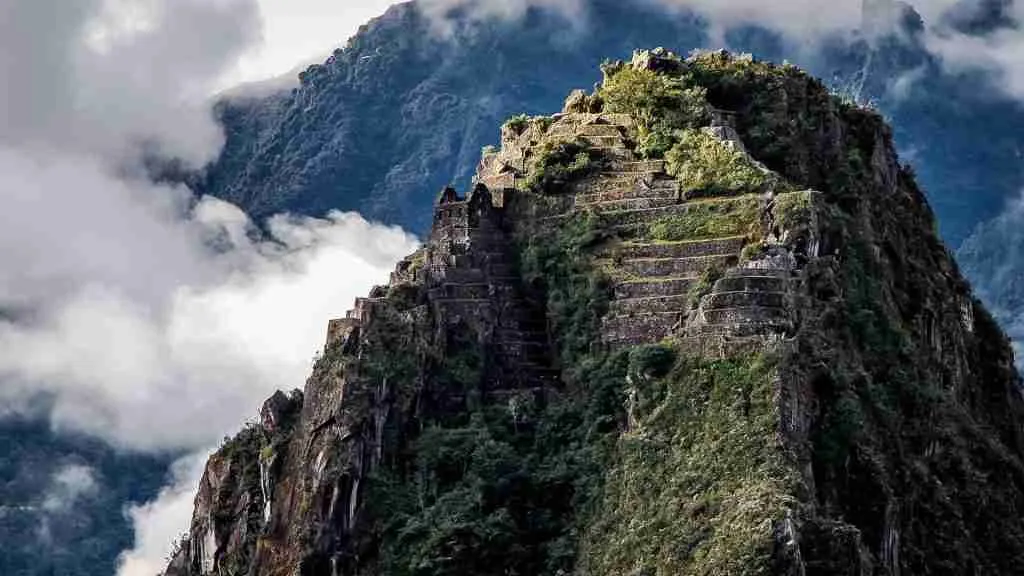
Huayna Picchu
Weather Considerations and Altitude Adjustments
The dry season (May–September) offers optimal hiking conditions at Machu Picchu, with clear trails and minimal rain. Morning time slots (6–10 AM) provide cooler temperatures and thinner crowds. During wet months (November–March), stone steps become slippery—trekking poles add crucial stability.
Altitude sickness affects many travelers. Spend 2–3 days acclimatizing in Cusco before your trip. Hydrate frequently and consider coca tea to ease symptoms. Guides recommend:
- Ascending no more than 1,000 feet daily
- Monitoring oxygen levels with a portable pulse oximeter
- Avoiding heavy meals before hikes
Allocate 6–8 hours for the full journey, including rest breaks. Groups should designate a pace-setter to keep slower members from lagging. Rangers emphasize: “Turn back if fog reduces visibility—trail markers vanish quickly.”
| Season | Pros | Cons |
|---|---|---|
| Dry (May–Sep) | Stable trails | Peak crowds |
| Wet (Nov–Mar) | Fewer people | Slippery rocks |
Carry a whistle and headlamp for emergencies. While Machu Picchu draws global travelers, its trails demand respect—proper safety measures ensure your Andean story ends triumphantly.
Insider Advice and Local Recommendations for an Immersive Visit
Aguas Calientes buzzes with local expertise waiting to transform standard itineraries into cultural journeys. This gateway town offers more than transit—it’s where travelers gain access to authentic Quechua perspectives and hidden trail routes. Engaging community guides unlocks stories often missed in crowded group tours.
Local Guides, Cultural Etiquette, and Must-See Details
Hiring certified guides from Aguas Calientes ensures accurate interpretations of Inca sites. Many ruins are also known by indigenous names—like “Inti Punku” (Sun Gate) instead of its Spanish counterpart. Respectful practices include:
- Asking permission before photographing locals
- Avoiding touching ceremonial stones
- Speaking softly at sacred sites
Additional Tips for a Memorable Inca Experience
Secure tickets for early Huayna Picchu slots via Peru’s official portal—third-party sellers often lack route flexibility. To reach temple areas efficiently:
| Route Type | Duration | Perks |
|---|---|---|
| Guided Hike | 4 hours | Priority trail access |
| Self-Guided | 5.5 hours | Flexible pacing |
Post-hike, explore Aguas Calientes markets for handwoven textiles and chicha morada (purple corn drink). Evening walks reveal lesser-known shrines near the Urubamba River. As one guide shared, “The real Machu Picchu experience lives in its people, not just its stones.”
Conclusion
Exploring the Temple of the Moon reveals a hidden layer of Inca brilliance beyond Machu Picchu’s iconic terraces. This journey demands strategic planning—secure combined Huayna Picchu tickets months ahead, prioritize morning entry slots, and prepare for trails blending adventure with ancient mysticism. Early access not only beats crowds but unveils the site’s lunar-aligned architecture in soft dawn light.
Pairing this sacred cave with the citadel Machu’s solar temples creates a fuller understanding of Inca cosmology. The Temple Sun’s solstice precision and the moon site’s ceremonial niches together illustrate a civilization deeply attuned to celestial rhythms. Dry-season visits (May–September) optimize safety, while layered clothing accommodates shifting Andean weather.
To reach Temple Moon, travelers should balance physical preparation with cultural respect. Sturdy footwear, hydration, and altitude acclimation ensure comfort. Guides from our ultimate insider’s guide to Machu recommend allowing 4–5 hours to fully absorb the site’s spiritual ambiance and panoramic views.
This moon Machu experience transcends tourism—it’s a dialogue with history. As mist curls around weathered stones, visitors connect with rituals that once harmonized earthly life and cosmic cycles. Let careful planning unlock these whispers of the past, transforming your journey into a timeless tribute to Andean ingenuity.
