Planning a trip to Peru’s iconic archaeological wonder involves more than securing tickets and packing hiking gear. One often-overlooked detail? Managing restroom access during your visit. Unlike many global landmarks, this UNESCO site has just one facility available to travelers—and it’s strategically placed near the main entrance.
The Peruvian government enforces strict re-entry rules, meaning once you pass through the gates with your tickets, returning to use amenities isn’t an option. This setup requires visitors to plan strategically, especially given the site’s sprawling terrain and average 3–4 hour exploration time. The facility charges 2 soles (about $0.50 USD) per use, so carrying local currency is essential.
Understanding these logistics ensures a smoother experience at this bucket-list destination. Our guide details practical strategies, from timing your arrival to eco-friendly hydration practices that minimize disruptions. Whether you’re booking morning or afternoon tickets, knowing what to expect helps you focus on soaking in Machu Picchu’s breathtaking vistas rather than worrying about amenities.
Key Takeaways
- Only one restroom exists near Machu Picchu’s main entrance, requiring advance planning.
- Re-entering the site with the same ticket isn’t permitted after exiting.
- A small fee of 2 soles (local currency) applies for facility use.
- Morning and afternoon ticket holders should time restroom breaks before entry.
- Carry essentials like hand sanitizer and tissues for optimal preparedness.
- Contact us for a comfortable and personalized itinerary (Free Service)
Overview of Machu Picchu Bathroom Facilities
Navigating restroom logistics at UNESCO World Heritage sites often requires foresight. At Machu Picchu, travelers find just one modern toilet complex positioned 50 feet from the main entrance. This placement creates a critical decision point: use it now or risk no access for hours.
Location and Peak Access Times
The facility operates from 5:30 AM until site closure, with morning crowds peaking between 6–8 AM as tour groups arrive. Early visitors should budget extra time—lines often stretch during these hours. While the building remains wheelchair-accessible, uneven pathways nearby may challenge mobility-impaired guests.
Ticket Policies and Visitor Flow
Peruvian authorities enforce a strict no-re-entry rule. Exiting to use the toilets invalidates your ticket immediately. Guides frequently share stories of travelers who learned this rule the hard way, missing their chance to explore the Sun Gate or Temple of the Condor.
| Facility Feature | Detail | Visitor Impact |
|---|---|---|
| Operating Hours | 5:30 AM – Site Closure | Align breaks with entry/exit times |
| Fee | 2 Soles (Exact Change) | Carry coins for faster access |
| Capacity | 12 Stalls | Expect wait times during peaks |
Smart explorers follow three steps: hydrate strategically 30 minutes pre-entry, use facilities while waiting for ticket scanning, and pack travel-sized sanitizer. As one TripAdvisor reviewer noted, “That last pre-entry bathroom run made our four-hour exploration stress-free.”
Navigating Restroom Access at the Citadel
Accessing amenities at remote heritage sites demands careful preparation. At Machu Picchu, understanding payment protocols and entry policies ensures visitors avoid disruptions during their exploration of the ancient ruins.
Fee Details and Payment Process
The sole toilet facility charges 2 soles (about $0.55 USD) per use. Travelers exchange coins with an attendant before entering—credit cards aren’t accepted. Keep small bills handy, as change isn’t guaranteed during peak hours.
| Fee Type | Cost | Preparation Tip |
|---|---|---|
| Restroom Access | 2 Soles | Carry coins in a separate pocket |
| Emergency Supplies | 5–10 Soles | Pack tissues/hand sanitizer |
Strategy for Managing Re-Entry Restrictions
Standard tickets permit single entry only. Once you exit through the gates—even briefly—re-entry requires purchasing a new pass. Savvy travelers adopt three approaches:
1. Schedule breaks before ticket scanning. Guides recommend using facilities while queuing.
2. Consider splitting visits across multiple days if exploring extensively.
3. Hydrate strategically 45 minutes before entry to align bathroom needs with exit times.
For those hiking Machu Picchu Mountain or the Inca Trail, guides often coordinate group breaks near the gates. As one recent visitor shared: “Our leader timed bathroom stops perfectly—we never missed a photo op.”
By planning your day around these rules, you’ll spend less time worrying about logistics and more absorbing the wonder of Machu Picchu.
Planning Your Visit: Tips and Strategies
Smart travelers approach Machu Picchu visits with dual priorities: soaking in its grandeur and managing practical needs. Strategic hydration and ticket planning separate seamless adventures from logistical headaches.
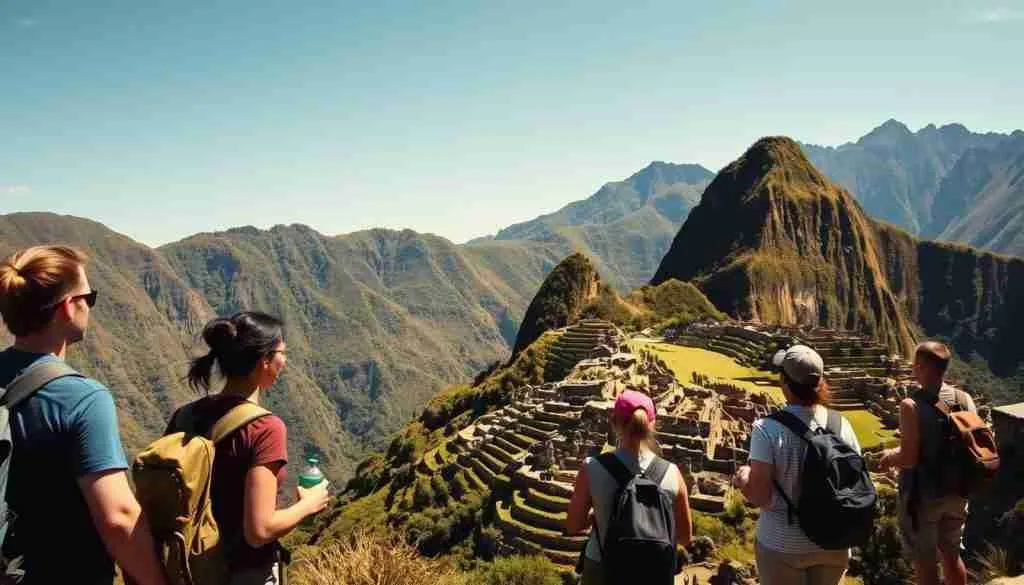
Managing Fluid Intake and Diuretic Effects
Limit water consumption 90 minutes before entry while staying hydrated earlier in the day. Many travelers unknowingly worsen restroom urgency by drinking coca leaf tea—a mild diuretic—right before scanning tickets. Consider these swaps:
- Replace coffee with electrolyte tablets in your bag
- Choose bananas over watermelon for potassium without excess fluids
- Carry a 500ml reusable bottle (refillable at the entrance)
Pre-Visit Preparations and Ticket Management
Review your ticket type during packing. Morning passes (6–8 AM entry) require earlier fluid adjustments than afternoon slots. Guides recommend this list:
| Essential Item | Purpose |
|---|---|
| Ziploc bags | Protect tickets from rain |
| Hand sanitizer | Facility hygiene backup |
| Collapsible water pouch | Space-saving hydration |
Seasoned tour operators suggest splitting visits across two days if exploring extensive trails. As one hiker noted: “Booking separate Huayna Picchu and citadel tickets gave us bathroom flexibility without rushing.” Always check weather forecasts—downpours transform pathways into slippery challenges.
Additional Restroom Options and Facility Insights
Exploring the Inca Trail’s rugged beauty comes with unique logistical considerations. While portable toilet tents provided by operators offer initial relief, conditions shift dramatically as trekkers ascend toward Machu Picchu. Preparation becomes paramount for maintaining comfort and respecting delicate ecosystems.
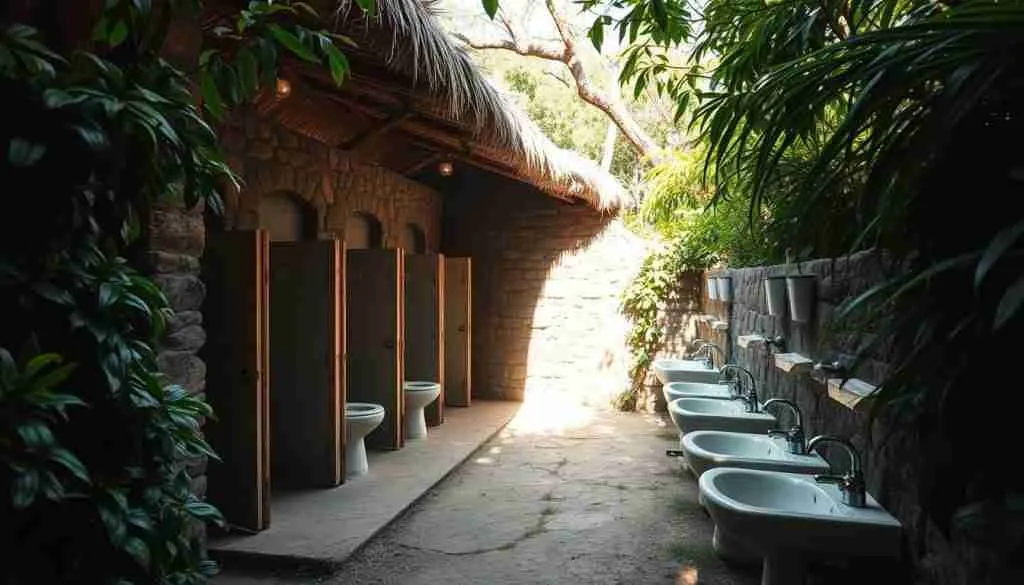
Facilities on the Inca Trail and Their Challenges
Most trek groups supply portable toilets during the first two days. These tent-based setups include basic seats and hand sanitizer stations. By day three, facilities often transition to government-maintained concrete blocks with squat designs—a surprise for unprepared hikers.
| Trek Day | Facility Type | Key Considerations |
|---|---|---|
| 1–2 | Operator tents | Relatively clean, stocked with paper |
| 3–4 | Stone blocks | Squat toilets, bring headlamp |
Nighttime visits require headlamps due to uneven terrain and minimal lighting. One seasoned hiker noted: “Our guide reminded us to clip lights to our bags—navigating rocky paths after dark was no joke.”
Proper waste management proves critical. All used paper goes into designated bins rather than toilets. Pack zip-sealed plastic bags for carrying hygiene supplies and disposing of trash responsibly.
While some operators prioritize cleaner facilities, quality varies. Research companies that include toilet tents throughout the trek. As nature dominates the landscape, embracing these challenges becomes part of the adventure—a small trade-off for witnessing Andean vistas few ever see.
Insights on Guided Tours and Extended Visit Options
Strategically timed tours enhance both cultural immersion and practical comfort at Machu Picchu. Reputable operators design itineraries that balance exploration with essential breaks, particularly valuable given the site’s strict re-entry policies.
Optimizing Guided Tour Schedules
Most tours last 2–4 hours, aligning with average visit durations. Guides typically build in pre-entry bathroom stops and post-tour hydration breaks. Key scheduling strategies include:
- Morning groups (6–8 AM entry) often pause at facilities before ascending
- Afternoon tours coordinate breaks with lunchtime crowd dips
- Private trips offer flexibility for urgent needs
| Tour Duration | Bathroom Strategy | Operator Perks |
|---|---|---|
| 2 Hours | Pre/post-tour only | Priority queue access |
| 3–4 Hours | Mid-tour break at gates* | Complimentary sanitizer kits |
*Requires exiting permanently – best for afternoon sessions
Alternative Entry Experiences
Huayna Picchu and Machu Picchu Mountain tickets provide unique advantages. These add-ons often include:
- Extended site access hours (7 AM–5 PM vs standard 6 AM–noon)
- Dual-entry permits for select tickets
- Dedicated trails with portable facilities
Multi-day Inca Trail packages transform restroom logistics. Top-tier operators provide:
- Private toilet tents throughout the hiking route
- Biodegradable waste systems
- Guaranteed arrival times matching facility access windows
As one adventure specialist notes: “Our sunrise tour groups always hit bathrooms right before gates open – it’s the golden window.” Pack a foldable bag for carrying essentials while keeping hands free for photography.
Conclusion
Mastering practical logistics transforms your Machu Picchu experience from stressful to seamless. With only one facility available outside the gates, success hinges on aligning restroom breaks with entry times and ticket policies. Remember: single-entry passes mean no second chances once you’ve scanned through.
Pack smartly—a waterproof bag with coins, toilet paper, and sanitizer ensures preparedness. Review your ticket type carefully: multi-day passes or guided tours offer flexibility for extended explorations. Those staying overnight in Aguas Calientes can utilize hotel facilities before morning entry.
Balancing adventure with comfort means respecting nature and government regulations. Time fluid intake, choose trail-friendly snacks, and consider operator-led trips for structured breaks. As countless travelers have learned, proper planning lets you focus on the citadel’s magic rather than logistical worries.
Ultimately, every trip to this wonder thrives when practical needs harmonize with exploration. Let these strategies help you craft an experience where ancient stones—not bathroom lines—become your lasting memory.

FAQ
Where are the restrooms located at Machu Picchu?
The primary bathroom facilities sit outside the main entrance gates near the ticket checkpoint. Visitors must exit the archaeological site to access them. Hotels in Aguas Calientes and the bus station also offer alternatives before entry.
Can I re-enter Machu Picchu after using the bathrooms?
Standard tickets permit single entry only. The Peruvian government enforces this strictly, so plan bathroom breaks before scanning tickets. Multi-entry passes exist for specific hikes like Huayna Picchu or Machu Picchu Mountain.
What fees apply for using the facilities?
The main restrooms charge 2 PEN (∼$0.50 USD) per use. Carry small Peruvian soles, as cards aren’t accepted. Budget tours often include this fee, while independent travelers should keep coins handy.
How do Inca Trail hikers manage bathroom needs?
Portable toilets at campsites and occasional trailside facilities exist, but conditions vary. Guides provide waste bags for emergencies. Proper hydration balance is crucial during the 4-day trek to Machu Picchu.
Should I adjust fluid intake before visiting?
Limit caffeine/alcohol 2 hours before entry. Drink enough water to stay alert at high altitudes but avoid overconsumption. Most visitors require one restroom break during a 4-hour visit.
Do guided tours help manage bathroom logistics?
Reputable operators build strategic breaks into itineraries. Morning tours coordinate with less crowded facilities, while afternoon groups benefit from shorter lines post-lunch.
What alternative routes allow multiple entries?
The Machu Picchu Mountain or Huayna Picchu add-ons include re-entry privileges. These hikes require separate tickets but offer extended access and bathroom flexibility compared to standard admission.
Are there gender-specific facilities available?
Yes, the main restrooms outside the gates have designated men’s and women’s sections. During peak hours, lines form quickly – guides recommend using Aguas Calientes hotels pre-entry for faster access.