Nestled high above the Apurimac River canyon, Peru’s Choquequirao stands as one of archaeology’s best-kept secrets. Often called Machu Picchu’s “sister city,” this sprawling complex thrived during the Inca Empire’s peak. Yet unlike its world-famous counterpart, it remains accessible only to those willing to undertake an extraordinary adventure.
The site’s remote location preserves an atmosphere lost at crowded tourist destinations. With three times the area of Machu Picchu and fewer than two dozen daily visitors, explorers walk among terraced plazas and ceremonial platforms undisturbed. Ancient stonework blends seamlessly with cloud forests, creating scenes unchanged since the 15th century.
Reaching these ruins demands determination. A rigorous four-day trek through shifting altitudes rewards travelers with unparalleled solitude and connection to Inca heritage. Each switchback reveals panoramic views of snow-capped peaks and plunging ravines, culminating in a citadel that feels discovered rather than visited.
Key Takeaways
- Choquequirao offers triple the exploration space of Machu Picchu with minimal crowds
- Access requires completing one of South America’s most challenging multi-day hikes
- The site’s pristine condition allows authentic engagement with Inca architecture
- High-altitude trails feature dramatic Andean landscapes and biodiversity
- Visitors experience cultural immersion impossible at busier archaeological sites
- Contact us for a comfortable and personalized itinerary (Free Service)
Introduction to an Off-the-Beaten-Path Adventure
The Vilcabamba Valley cradles a 15th-century marvel where ancient Inca stonework meets untamed wilderness. Known as the ‘Cradle of Gold’ in Quechua, this archaeological site perches on Mount Yanacocha’s slopes – a sacred space designed for Inca royalty. Only 31 miles south of its famous sibling, it remains accessible solely through physical perseverance.
Setting the Scene for Your Unique Journey
This trek transports travelers through four distinct ecosystems. Arid highlands give way to cloud forests buzzing with orchids and quetzals. Each step follows original pathways worn by Inca messengers, creating visceral connections to the past.
Modern comforts vanish beyond the trailhead. Explorers navigate without guardrails or signage, relying on seasoned guides to interpret terraced agricultural zones and ceremonial plazas. The absence of crowds amplifies every rustle of wind through ancient structures.
| Feature | Choquequirao | Typical Inca Sites |
|---|---|---|
| Daily Visitors | 20-30 | 2,500+ |
| Trek Duration | 4-5 Days | 1-2 Days |
| Elevation Range | 4,900-10,000 ft | 7,900-8,900 ft |
This adventure demands more than stamina – it requires reverence. Travelers become temporary custodians of a site where history breathes through every stone. The reward? Standing where few modern humans have, surrounded by whispers of a civilization that mastered mountain living.
Understanding the Appeal: Why Choose Choquequirao Over Machu Picchu?
Beyond the well-trodden paths of Machu Picchu lies a sanctuary where history whispers through undisturbed ruins. While its famous sibling hosts 5,000 daily visitors, Choquequirao welcomes fewer than 30 explorers each day. This creates spaces where footsteps echo across ceremonial plazas without competing crowds.
The numbers tell a compelling story:
| Metric | Choquequirao | Machu Picchu |
|---|---|---|
| Average Daily Visitors | 10-20 | 5,000 |
| Peak Season Traffic | 50-60 | 6,500+ |
| Elevation | 10,010 ft | 7,972 ft |
At 3,050 meters elevation, these ruins reward travelers with crisp mountain air and panoramic views few experience. Stone terraces remain pristine, their original mortar intact – a rarity at heavily visited archaeological sites. Guides often share stories of discovering new sectors, emphasizing how much remains unexcavated.
Choosing this site means embracing discovery over convenience. Where Machu Picchu offers instant access via train, reaching these ruins demands crossing suspension bridges and navigating cloud forests. This physical journey forges powerful connections to Inca achievements, transforming visitors into modern-day explorers.
Time heightens the urgency. Proposed infrastructure projects could increase accessibility – and crowds – within years. For now, mornings here unfold with only condors and centuries-old stones as companions.
How to visit the Choquequirao ruins as an alternative to Machu Picchu
Embarking on this Andean expedition requires choosing between two distinct pathways. The classic Choquequirao trek spans 4-5 days round-trip from Cachora village, covering 40 miles of rugged terrain. Adventurers descend 5,000 feet into the Apurímac Canyon before ascending to the archaeological complex.
For those seeking extended exploration, the 9-day traverse connects multiple Inca sites. This epic journey stretches 62 miles through cloud forests and mountain passes, culminating at Machu Picchu’s Sun Gate.
| Route Type | Duration | Distance | Elevation Change |
|---|---|---|---|
| Classic Out-and-Back | 4-5 Days | 40 Miles | +/- 9,842 ft |
| Thru-Hike Adventure | 9 Days | 62 Miles | +/- 13,123 ft |
Both routes demand physical preparation. The Apurímac River crossing tests endurance with 1,500-meter elevation swings in single-day segments. Guides recommend six weeks of cardio training for altitude adaptation.
Essential logistics separate successful expeditions from abandoned attempts. Permits must be secured through licensed operators, while pack animals transport camping gear. Unlike mainstream trails, no shortcuts exist – every step forward must be retraced or completed.
Essential Preparation and Physical Training for the Trek
Conquering Choquequirao’s trails demands more than enthusiasm—it requires strategic preparation. The route’s dramatic elevation swings between 1,400m and 4,000m test even seasoned hikers. Success hinges on building mountain-ready fitness while respecting altitude’s physiological impacts.
Fitness and Training Tips for Hikers
Cardiovascular endurance forms the foundation. Regular trail running and weighted stair climbs simulate the trek’s relentless inclines. Focus on exercises like lunges and step-ups with a loaded backpack—these strengthen quads for steep descents that challenge knees.
Multi-day practice hikes prove invaluable. Carrying 20-30 lbs of gear across consecutive days trains both body and mind. One seasoned guide notes: “Those who train on uneven terrain recover faster between campsites.”
Acclimatization Considerations
Arriving in Cusco 72 hours pre-trek helps blood adapt to thin air. Hydration becomes critical—aim for 4 liters daily while avoiding alcohol. The route’s 2,600m elevation drop into Apurímac Canyon then sudden climb creates unique pressure changes.
Smart preparation balances physical readiness with environmental awareness. Those who respect the altitude’s demands gain not just endurance, but the capacity to fully absorb this life-changing journey.
Planning Your Route and Itinerary
Successful exploration begins with strategic route planning. Two distinct paths reveal different facets of Inca heritage – a condensed 4-day circuit or an epic 9-day traverse connecting Peru’s iconic sites.
Standard Choquequirao Trek Itinerary
The classic route starts at Capuliyoc Pass, descending 5 miles into Apurímac Canyon on Day 1. Hikers cross roaring rivers before camping at Chiquisca. Day 2’s 8.5-mile climb ascends 4,600 vertical feet – prepare for 9 hours navigating switchbacks to reach the ruins.
Day 3 rewards efforts with unrestricted access to ceremonial plazas and astronomical observatories. Guides recommend sunrise viewing from the House of the Priests for golden light illuminating terraced slopes.
Extended Trek Option: Choquequirao to Machu Picchu
Adventurers continuing toward Machu Picchu face 62 miles through cloud forests teeming with cock-of-the-rock birds. Days 4-6 traverse the Yanama Pass (15,400 ft) before descending to Llactapata’s rarely visited ruins.
The final stretch follows original Inca trails to Aguas Calientes. This route transforms a physical challenge into a cultural pilgrimage, connecting two imperial centers across nine transformative days.
| Itinerary | Key Mileage | Elevation Peak |
|---|---|---|
| Standard | 40 miles | 10,010 ft |
| Extended | 62 miles | 15,400 ft |
Both options demand meticulous daily planning. Campsite reservations and porter teams prove essential – our experts coordinate wake-up calls and meal breaks to optimize acclimatization.
What to Pack: Gear and Essentials for the Trek
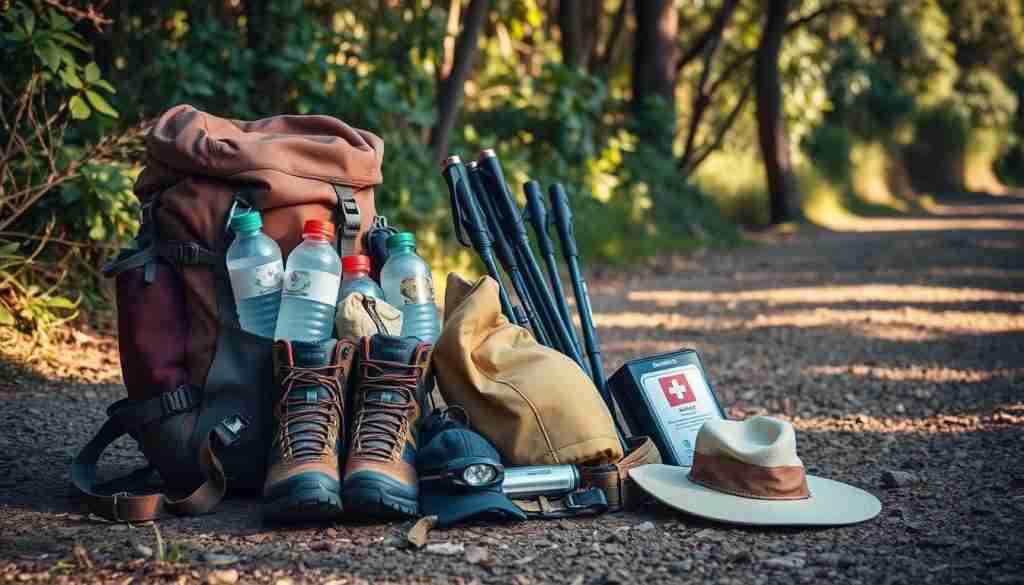
Smart packing transforms grueling trails into manageable adventures. The Apurímac Canyon’s extreme climate shifts demand versatile gear that performs in freezing highlands and humid jungle floors. Every item must earn its place in a 40-liter pack.
Clothing, Footwear, and Packing Light
Layered systems prove essential. Start with moisture-wicking merino wool base layers for temperature regulation. Add lightweight fleece mid-layers and a waterproof shell with pit zips. One seasoned guide notes: “Hikers who skimp on rain gear often abandon treks during afternoon storms.”
| Category | Essential Gear | Optional Additions |
|---|---|---|
| Hydration | 3L bladder + purification tablets | Electrolyte powder |
| Clothing | Quick-dry pants & UV shirts | Down jacket |
| Safety | Headlamp, whistle, first-aid kit | GPS tracker |
| Footwear | Ankle-support boots + 2 sock pairs/day | Camp sandals |
Water management dominates packing strategies. The trek crosses arid zones where streams dry by midday. Carry two wide-mouth Nalgene bottles for easy filtering during brief water stops.
Footwear choices make or break the journey. Break in stiff-soled hiking boots weeks before departure. Pair them with merino blend socks changed twice daily to prevent blisters during 10-hour trek days.
Balance weight savings against critical equipment. Multi-use items like buffs (neck gaiter + sun shield) and trekking poles (stability + tent frame) maximize efficiency. Remember: porters carry camping gear, but personal items stay in your pack.
Navigating the Trails: Understanding the Choquequirao Trek
Trekkers face South America’s ultimate test of endurance across trail systems that demand physical and mental resilience. The route’s defining challenge? A heart-pounding 2,000-meter plunge into Apurimac Canyon – deeper than the Grand Canyon – followed by relentless ascents to reach the archaeological complex.
Trail Difficulty and Terrain Overview
This trail alternates between punishing switchbacks and unstable scree slopes. Day one’s descent through arid highlands transitions abruptly to subtropical vegetation zones, where roots and mud complicate footing. Proper footwear becomes critical when navigating sections with 45-degree inclines.
| Trail Segment | Distance | Elevation Change | Key Challenges |
|---|---|---|---|
| Cachora to Playa Rosalina | 12 miles | -6,562 ft | Knee-jarring descent on loose rocks |
| River to Marampata | 8 miles | +4,921 ft | Steep climbs with 30-lb packs |
| Summit Approach | 3 miles | +1,312 ft | Exposed ridges & altitude effects |
Weather reshapes the terrain dramatically. Dry season (May-September) reveals stable paths, while November rains transform river crossings into chest-deep torrents. Guides often reroute groups when the Apurimac River’s current threatens safety.
Navigation skills prove vital where ancient Inca pathways merge with modern markers. Cairns and faded paint stripes guide travelers through cloud forests – areas where GPS signals frequently drop. “This isn’t a walk in the park,” notes veteran guide Carlos Huamán. “It’s a dance with the mountains that rewards patience.”
Exploring the Historical and Cultural Significance of Choquequirao
Choquequirao’s stone walls hold stories of resistance and resilience. Built during the Inca Empire’s peak in the 15th century, this citadel became a strategic stronghold against Spanish invaders. Its remote location preserved architectural marvels that reveal advanced engineering and spiritual symbolism.
Inca Architecture and Hidden Histories
The site’s stepped terraces served dual purposes – agricultural production and ceremonial rituals. Unlike typical ancient Inca sites, many structures here align with constellations, suggesting astronomical significance. Guides often point out llama-shaped stone mosaics hidden across the complex.
Recent excavations uncovered evidence of prolonged habitation after the Spanish conquest. These findings rewrite history, positioning Choquequirao as a last bastion of indigenous rebellion. Only 40% of the site has been restored, leaving much of its century-old secrets still buried.
Walking through ceremonial plazas, visitors sense the Inca Empire’s enduring spirit. Each carved stone whispers tales of a civilization that defied extinction. For modern explorers, these ruins offer more than photogenic views – they provide tangible connections to unvanquished history.
